Author of Saxon historical fiction and non-fiction, 20th-century historical mysteries, and Norse-inspired historical romantasy. Book reviewer and blog host.
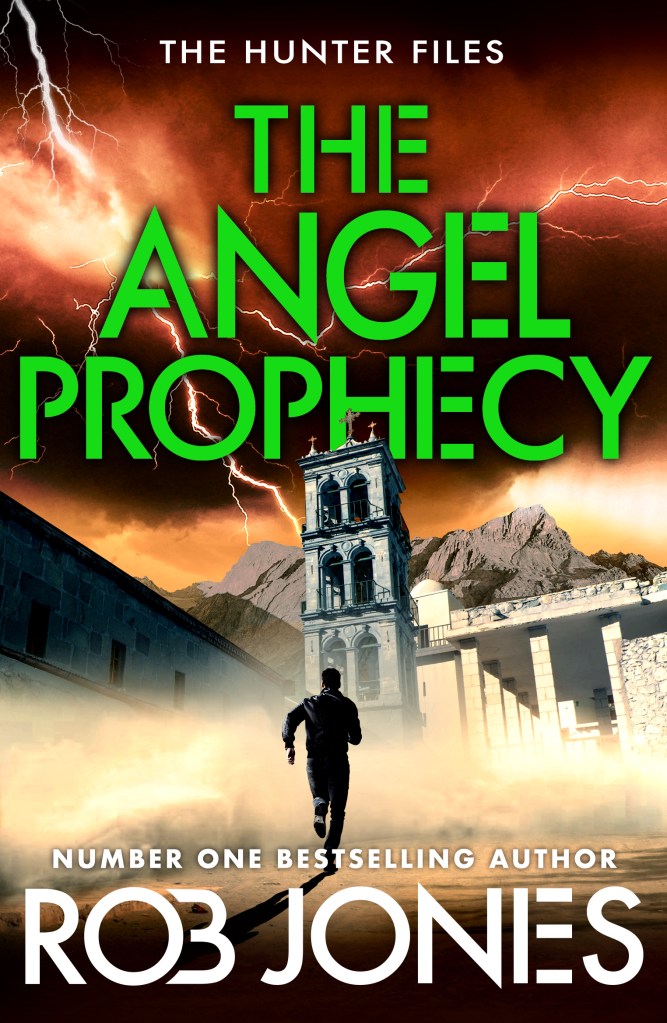
I’m sharing my review for The Atlantis Covenant by Rob Jones #actionandadventure #blogtour #bookreview
Here’s the blurb
A mission like no other, will test the team to the limit ⚠️
Dr Max Hunter, Special Agent Amy Fox and the rest of the HARPA Team are on the most important mission of their lives to rescue their teammate Quinn Mosley, HARPA Director Jim Gates and his wife Susanna, and Hunter’s UNESCO manager Professor Juliette Bonnaire who have all been kidnapped by a mysterious organisation claiming to be the Illuminati.
The group’s leader, Oriax, says he will trade their friends’ lives for the Sword of the Archangel Michael and gives them a 24 hour deadline to meet his demands. 🗡️
In a race against time, from Europe to Moscow and beyond, Hunter leads his small team on a high-speed rollercoaster ride, attempting to track down Oriax before the deadline expires and rescue Quinn and the others as well as keeping the ancient sword out of Oriax’s depraved hands, but will they succeed in this most lethal of challenges?
This new installment in the Hunter Files starts with a bang, and the reader is thrown straight into a worrying situation for the team (I’m not sure if this carries over from the previous book, but I suspect it might). This time, members of the team are in peril and Max Hunter and his fellow team members resolve to outwit the person holding them captive in exchange for St Michael’s sword, and with very little to go on in terms of leads.
Tracking down every potential lead, the team make their way from Cornwall to London, Paris and then beyond, their destination not quite where they think it will be, as the tension ramps up in this fun action and adventure story, where the ‘baddie’ is definitely quite bonkers, powerful, and seemingly, able to do anything he wants with his captives.
Like The Atlantis Covenant, the story is fast-paced and fun, the interactions between the characters flippant and somewhat light-hearted, considering the peril they’re in. The series will certainly appeal to those who like National Treasure (as I’ve said before) and their history with a little bit of conspiracy.
Rob Jones has published over forty books in the genres of action-adventure, action-thriller and crime. Many of his chart-topping titles have enjoyed number-one rankings and his Joe Hawke and Jed Mason series have been international bestsellers. Originally from England, today he lives in Australia with his wife and children.
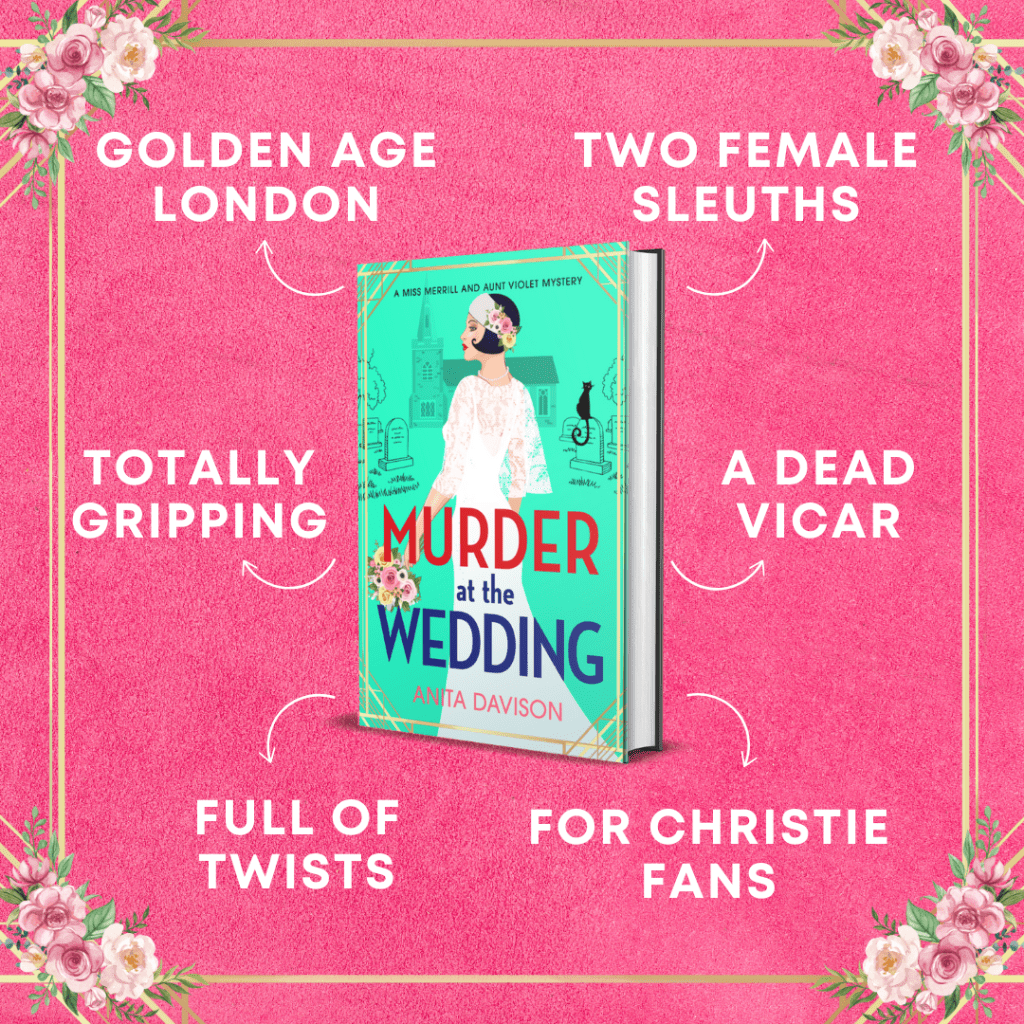
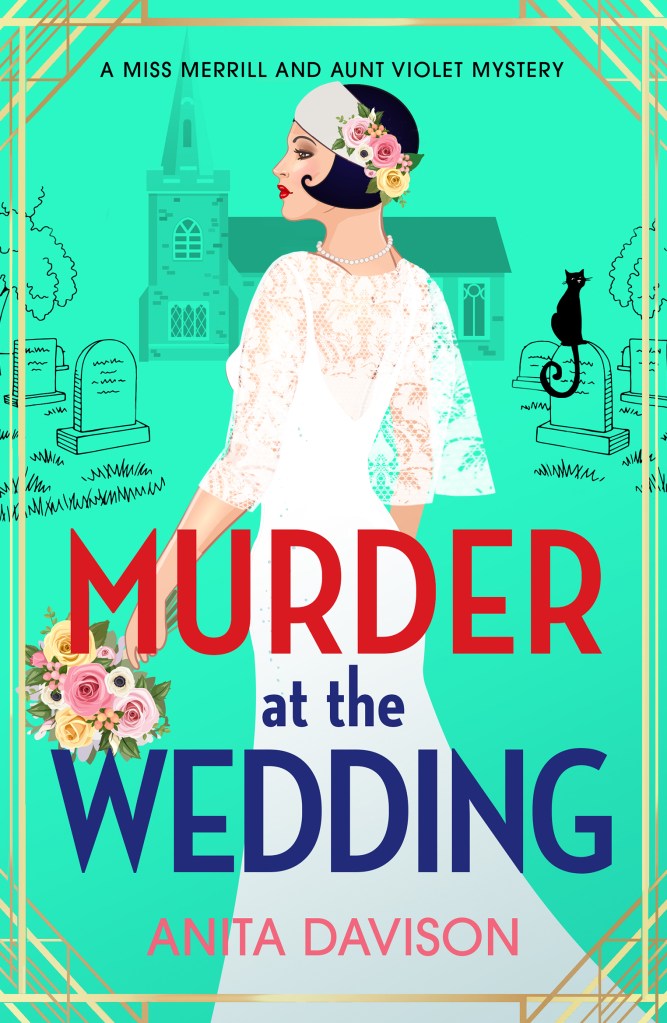
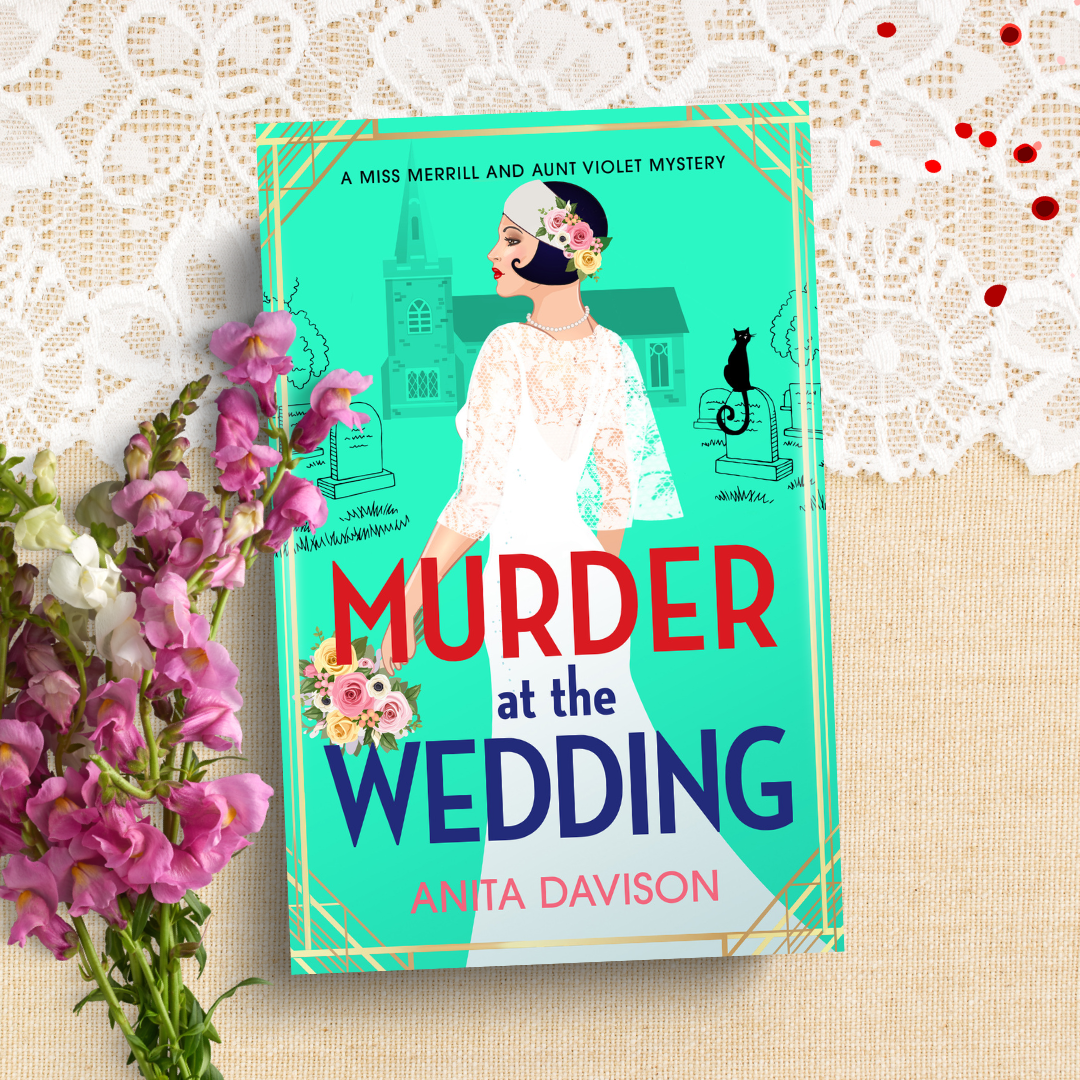
I’m delighted to share my review for Murder at the Wedding by Anita Davison #bookreview #blogtour #historicalmystery #newrelease
Here’s the blurb
Hannah Merrill is about to marry the love of her life…
The couple are determined their low-key celebration will go without a hitch, but there can’t be an ‘I do’ while the vicar is missing. And when he’s found dead – a victim of a poisoning – in the crypt behind the church, Hannah knows only she and Aunt Violet can find out who did it.
Hannah’s beloved thinks she shouldn’t interfere. But if he fails to remember that an independent woman in 1918 doesn’t do what she’s told to by a man, the dead vicar may be the least of his worries…
Then the vicar’s own fiancé appears on the scene, even though nobody knew he was engaged. And suddenly it becomes clear someone has a secret, one shocking enough to kill for.
Will the intrepid pair of amateur sleuths catch the murderer before they kill again? Or will it be til death parts them all?
Murder at the Wedding is a fabulous new mystery in the Miss Merill and Aunt Violet mystery series.
Hannah is finally married but no sooner has she said, ‘I do,’ than she finds a body. (What a horror on her wedding day). What they determine is a matter of suicide becomes something much worse as murder is soon suspected. Hannah and her aunt determine to find the solution because the new police inspector isn’t up to the task.
It’s good to see Hannah and Violet working together in this book. They’re a great team (I felt in the previous book that there wasn’t quite enough of Aunt Violet). The mystery is well structured, seemingly impossible to solve for much of the novel and I didn’t guess the resolution, which I always appreciate.
This is another enjoyable read in the on-going historical mystery series.
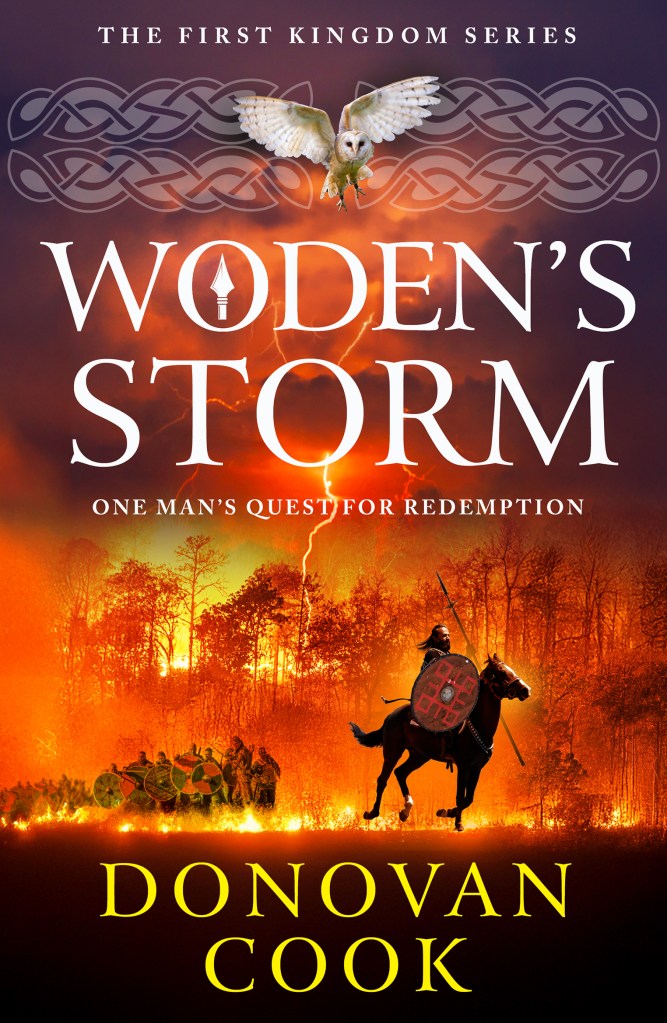
I’m reviewing Woden’s Storm by Donovan Cook #blogtour #newrelease #historicalfiction the second book in the First Kingdom series
Here’s the blurb
A storm is coming. A storm that will banish the old and deliver the new.
450AD Britain
Octa has the spear of Woden, but the redemption he sought is out of his grasp. With his banishment and the death of his father, he can no longer return to his Saxon homelands. His only salvation is to join forces with Hengist and Horsa, and their Jutish army that beaches itself on Brittania’s shores. But can he trust their motivation or are there greater plans afoot?
The Gods have their own plans, though, and Octa’s fate is not his own to control as Friga, the mother of the Saxon gods, battles to avoid a war with the gods of the Britons and Saxons using Octa as her weapon.
Prince Vortimer, the son of High King Vortigern, is angered by his father’s agreement with Hengist and Horsa as they remain unchecked and their numbers swell. He suspects treachery and encouraged by some well-placed words of a stranger, he rebels against his father and gathers his army to attack the unwelcome visitors.
War is coming to Britannia and as Octa struggles to understand his role and fate, he knows he has one question to answer. Will he run or will he stand and fight?
Woden’s Storm is the second book in The First Kingdom series by Donovan Cook. We’re once more in a recreated Britain of the middle fifth century, where everyone’s actions are guided by their Gods. And there are a lot of Gods who want to have a say in what’s happening, and not all of them, on the ‘same side’ as it were, hope to achieve the same ends. Octa, Vortimor, and the rest of the characters are constantly being tested by their deities, told half the story and left to work the rest out for themselves. Will they interpret their meetings with the Gods correctly, or will they make everything more chaotic by muddying these messages with their own intentions?
I do enjoy the element of the Gods walking amongst the characters and interfering in what’s happening. I mean, I doubt it would be peaceful without them, but with them, it certainly isn’t:) It adds a new dimension to this period and perhaps helps to account for some of the more eccentric decisions the characters make as they all endeavour to accomplish their goals. There is still much to play for and the series will continue.
An entertaining and intriguing series with a whole host of ‘named’ characters, people who love the era will recognise.
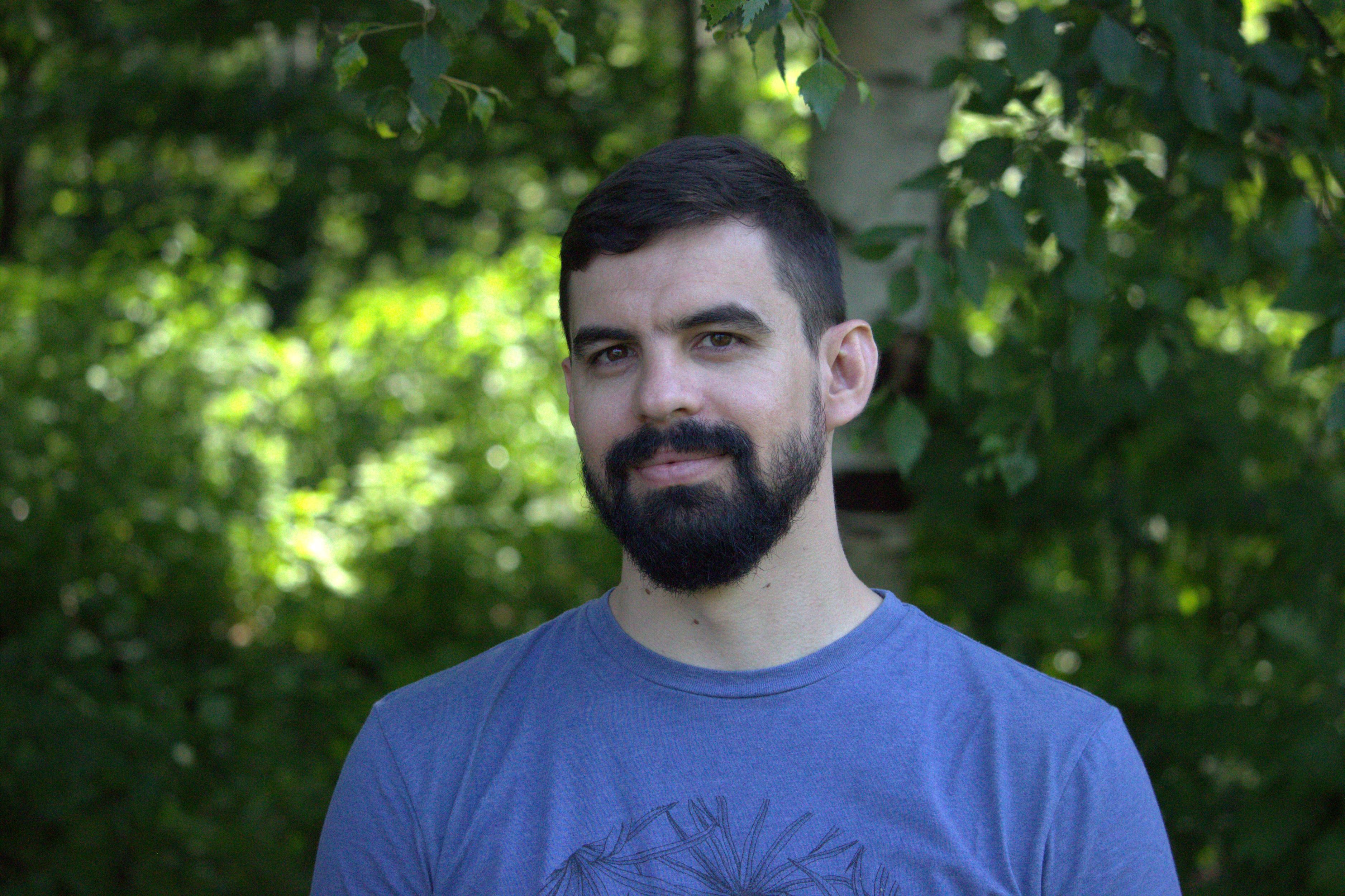
Donovan Cook is the author of the well-received Ormstunga Saga series which combines fast-paced narrative with meticulously researched history of the Viking world, and is inspired by his interest in Norse Mythology. He was born in South Africa and currently lives in Lancashire, UK.
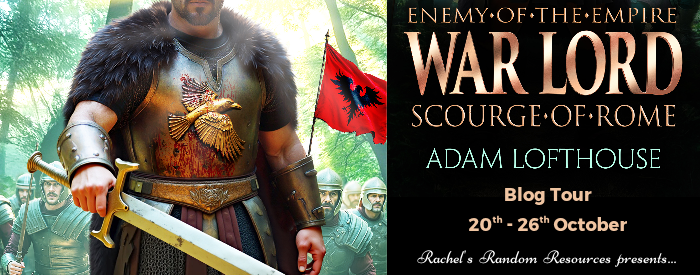
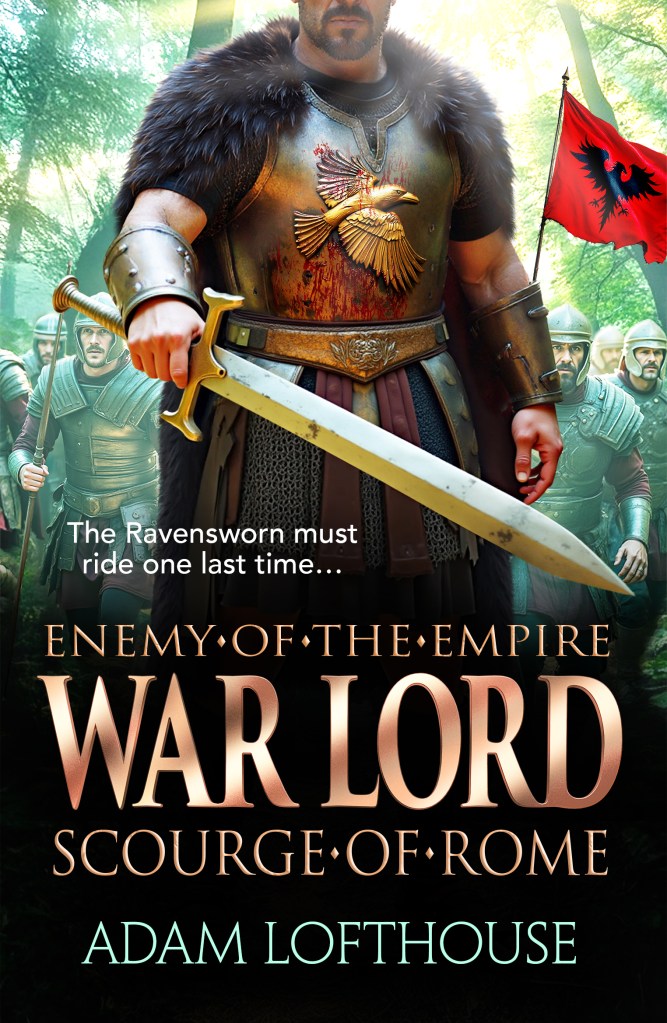
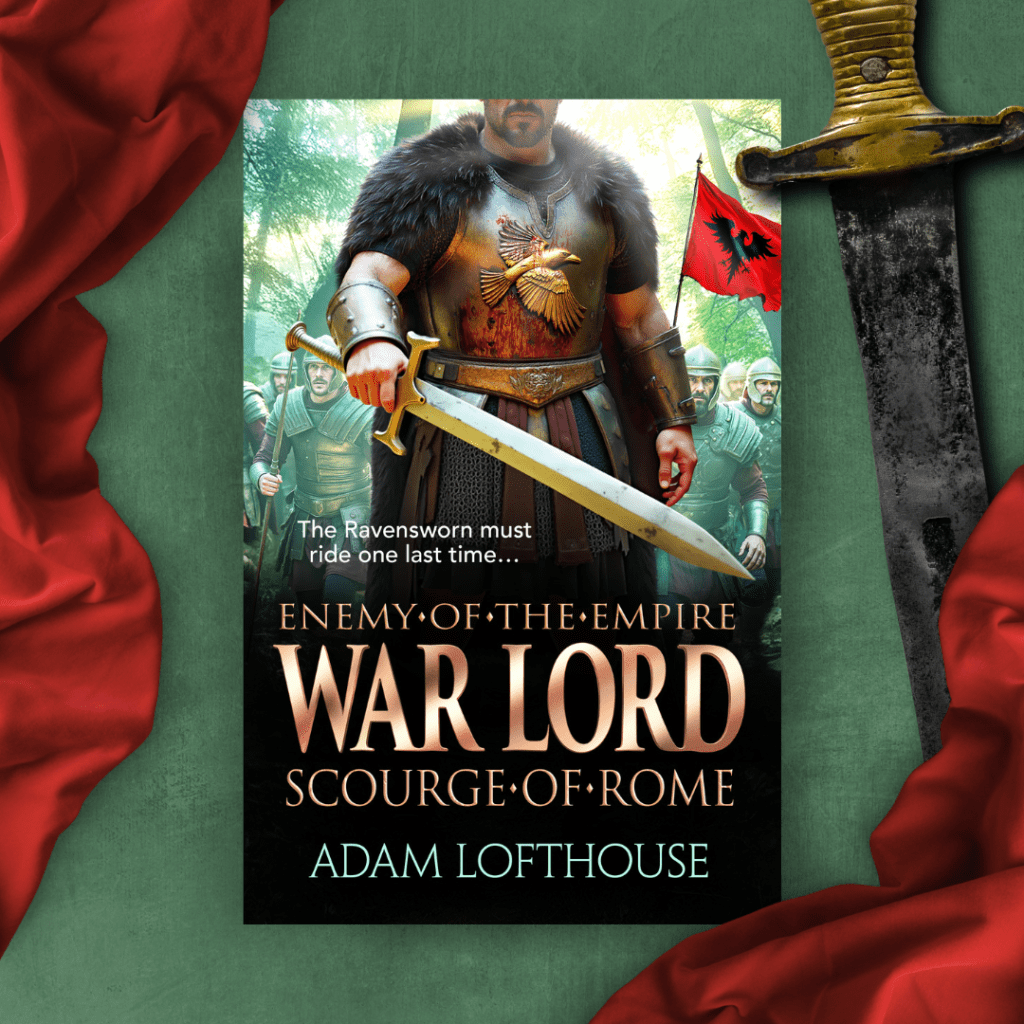
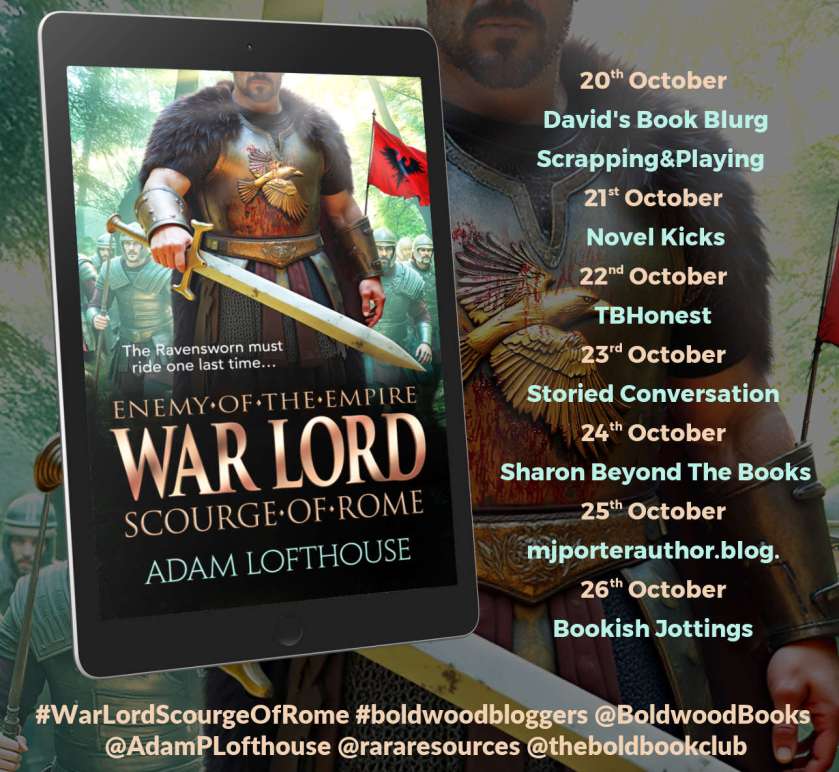
I’m delighted to share my review for Adam Lofthouse’s War Lord: Scourge of Rome #historicalfiction #blogtour #Roman
Here’s the blurb
And so we have reached the end of my tale. But what are endings if not new beginnings?
Alaric has been home for a year. He went north and saved the Cimbri, just as he said he would. But the cost has been higher than he ever thought. A shadow of the War Lord he once was, he now trades in amber and dotes on his children.
A simple life. And with it, contentment. But he knew this couldn’t last forever; peace isn’t for someone like him, and sure enough trouble finds him once again. A routine journey south turns into a new and unknown wave of danger as red-cloaked legionaries attack, causing confusion and carnage.
Warriors dressed as Romans have been scouring the country, slaughtering innocent people, and leaving Roman footprints wherever they march. But things are not what they seem, and it falls to Alaric to don his armour once more, and march his Ravensworn in pursuit of a mysterious enemy that could destabilise his world beyond repair.
War Lord, as the blurb states, is the end of Alaric, or is it a beginning for him?
Once more, we’re thrust straight back into the action, and Alaric, while accepting he’s an old man these days, does indeed not seem to have ‘grown up’ at all, as he’s so fond of reminding himself. From one hairbrained scheme to another, Alaric realises that perhaps, after all, there is a great deal at stake, and he is, of course, the man to solve everyone else’s problems, for all he likes to pretend he doesn’t care about anyone but himself, his children and his wife.
Adam writes fabulous books. I do love Alaric. He’s a bad egg, and yet, we all can’t help liking him, as indeed, does everyone who comes into contact with him. There’s no end of action and adventure, no end of peril, and through it all, Alaric sails with his usual charm and determination. But, is this one quest too much for our epic second-century hero, living on the outskirts of the Roman empire, but admiring them all the same? Has he finally found an enemy he can’t hope to beat, even if he unites the tribes? Or will he have to prove as quick-thinking as ever?
While all this is happening, there is also an intriguing backstory, reliving a moment in Alaric’s life when everything changed for him. It adds a certain poignancy to our character, making his wild ways more understandable.
This is a cracking finale for Alaric’s story. Enjoy it. I know I did.
Adam Lofthouse is the author of action-packed historical thrillers. His brand new series for Boldwood, ‘Enemies of Rome’, will focus on the boundaries at the edge of the Roman Empire. The first book Raven, will be published in February 2025.
I’m sharing my review for Desolation by Keith Moray, a brand new historical mystery #bookreview #blogtour #newrelease
Here’s the blurb
A BRAND NEW wickedly dark medieval mystery from Keith Moray. If you like your murder truely gruesome – this series is for you! 🩸☠️🗡️
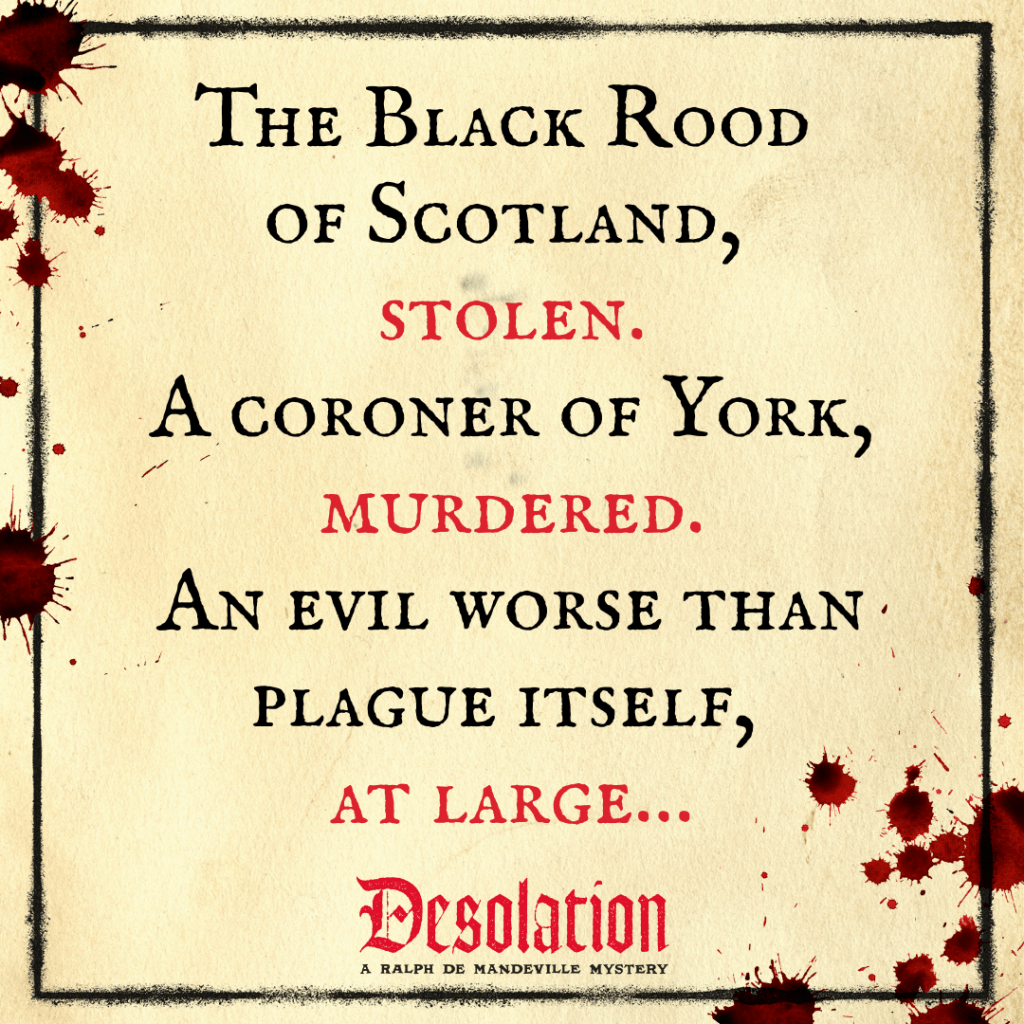
The Black Rood of Scotland, stolen.
A coroner of York, murdered
An evil worse than plague itself, at large…
1361, York. As the country recovers from the war with France, and whispers that the pestilence has returned to England grow louder, fear is in the heart of every nobleman and commoner alike. Sir Ralph de Mandeville, ex-solider and newly appointed Justice of the Peace is sent to Langbarugh, just outside York, to investigate the murder of Coroner Sir Boderick de Whitby.
More deaths quickly follow, and while these are swiftly dealt with as plague victims, Sir Ralph and his two assistants Merek and Peter soon uncover something altogether more horrifying… A greater evil is at large in the northern wapentakes.
As panic escalates and the lines between plague and murder blur, Sir Ralph is thrust into a desperate race against time. Every shadow hides a potential killer, every cough could be a death knell. Can he unmask a murderer lurking in the terrifying shadow of the Black Death before they’re all consumed by a terror more sinister than any plague?
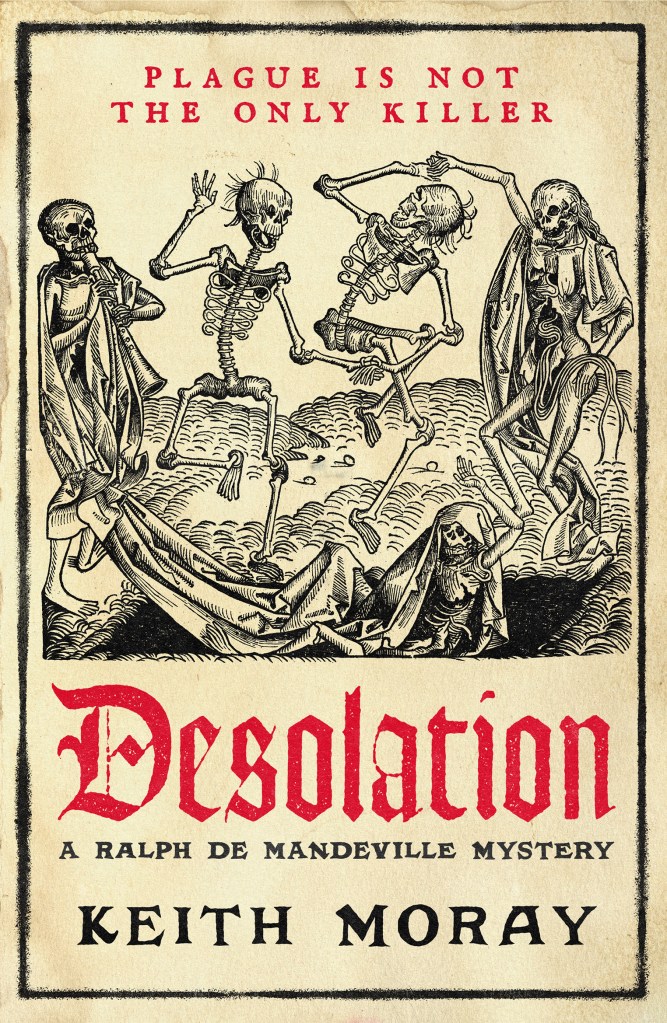
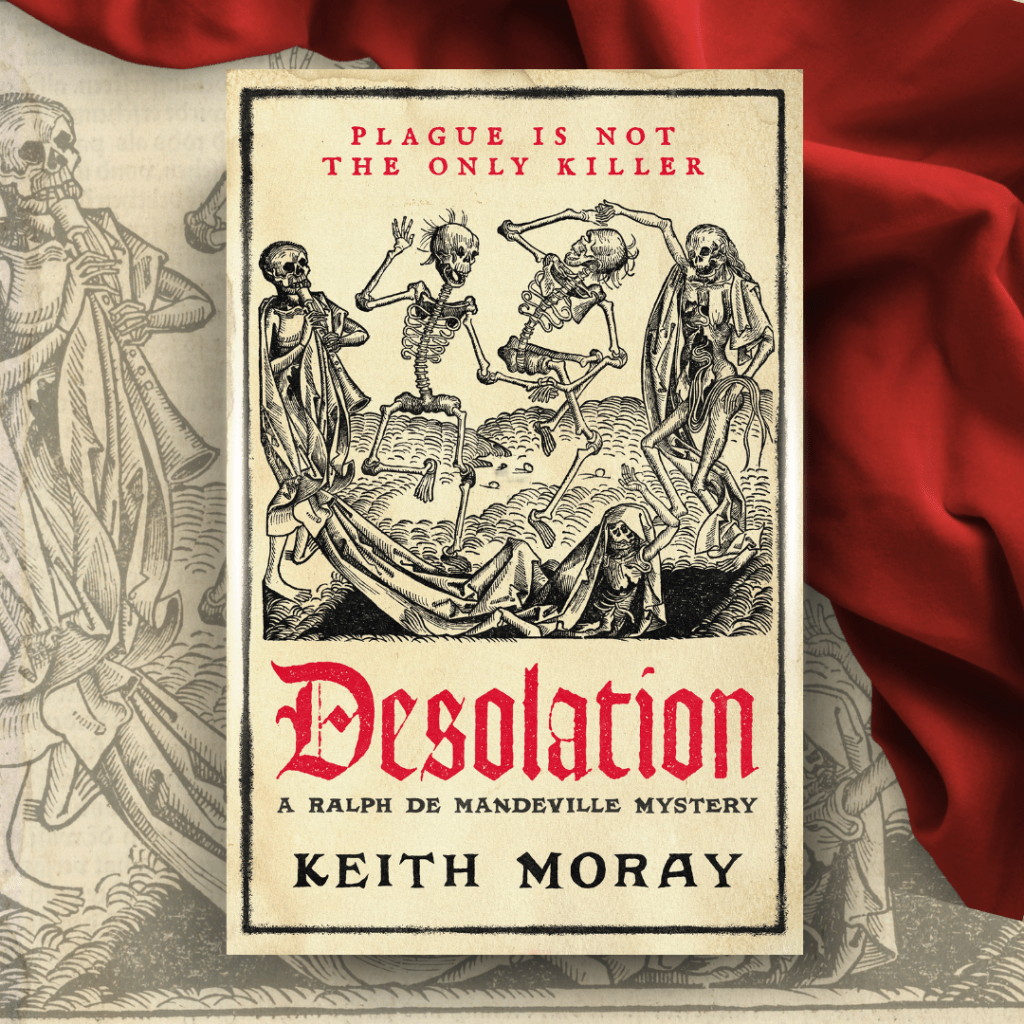
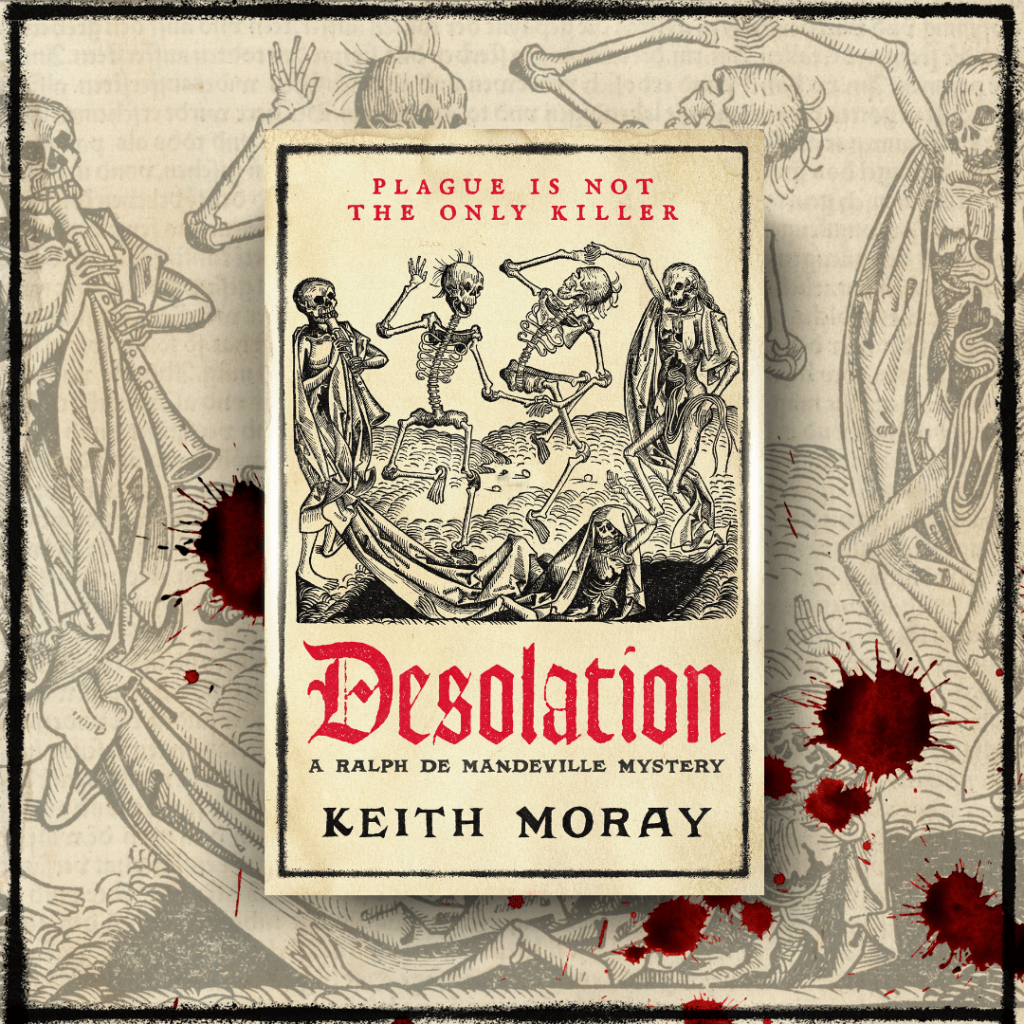
Desolation is the first book I’ve read by Keith Moray. I think the cover is fabulous and very evocative.
The story is intriguing, with a wide cast and it takes quite some time until we finally meet Ralph de Manville because there are so many other characters to meet first. I do hope that in later books in the series, Ralph will enter the narrative a little quicker.
It is quite a complex plot, because the narrative switches between characters so much. The reader does have to work to make sense of what’s happening. We are told certain things, but not others – so we know what’s happening but not necessarily who is doing it. The body count is HUGE!
When Ralph finally begins to make sense of what’s happening, the resolution comes quite quickly, and the ending is certainly satisfying.
I read a lot of mysteries. If I don’t work out ‘who did it’ I am always impressed, although with Desolation there are so many people implicated, it does feel as though there are a lot of people to guess. I worked out some elements, but not others, and I did very much enjoy the mystery element of the story.
Meet the author
Keith is a retired GP, medical journalist and novelist, writing in several genres. As Keith Moray he writes historical crime fiction in the medieval era and in ancient Egypt, The Inspector Torquil McKinnon crime novels set on the Outer Hebridean island of West Uist, and as Clay More he writes westerns. Curiously, his medical background finds its way into most of his fiction writing.
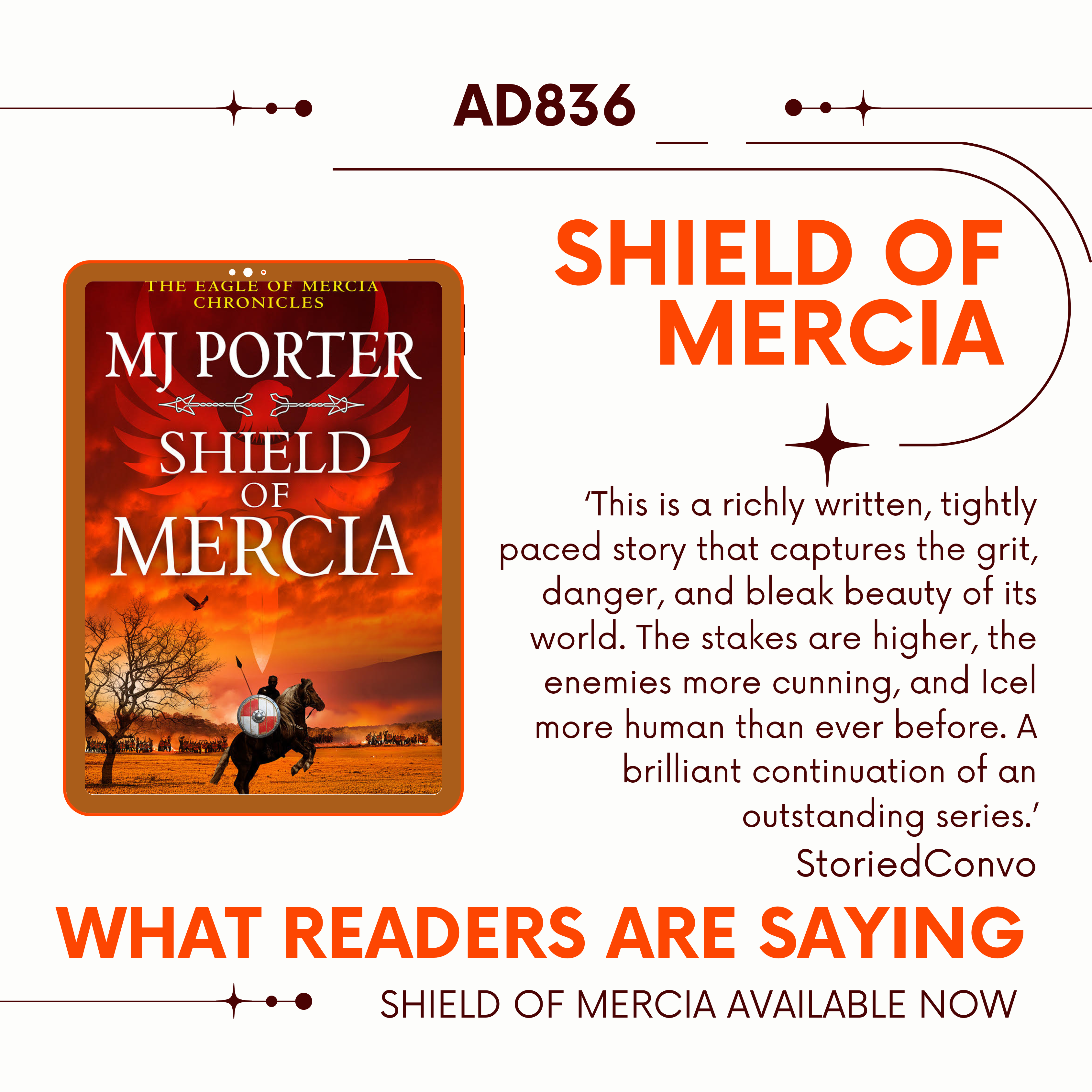
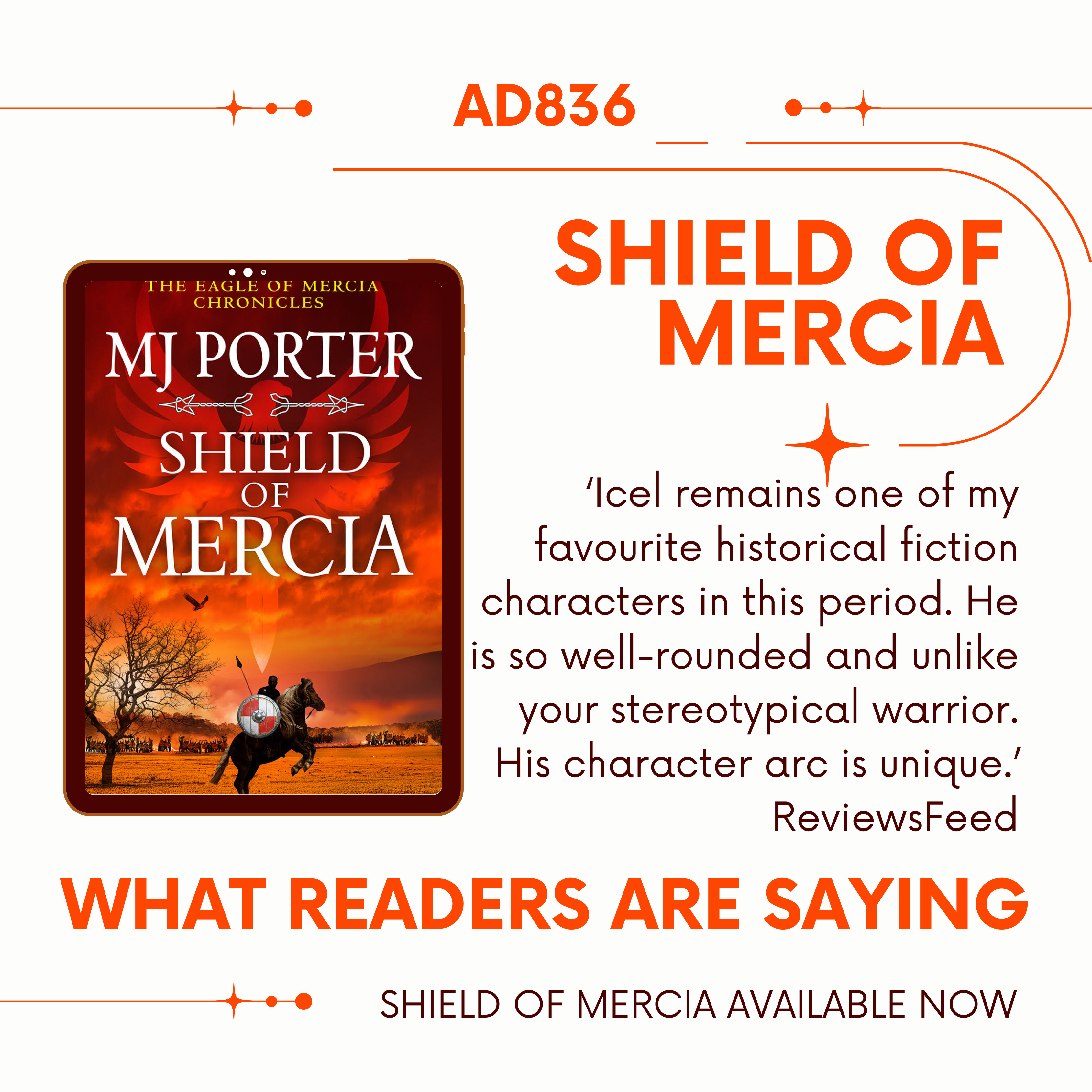
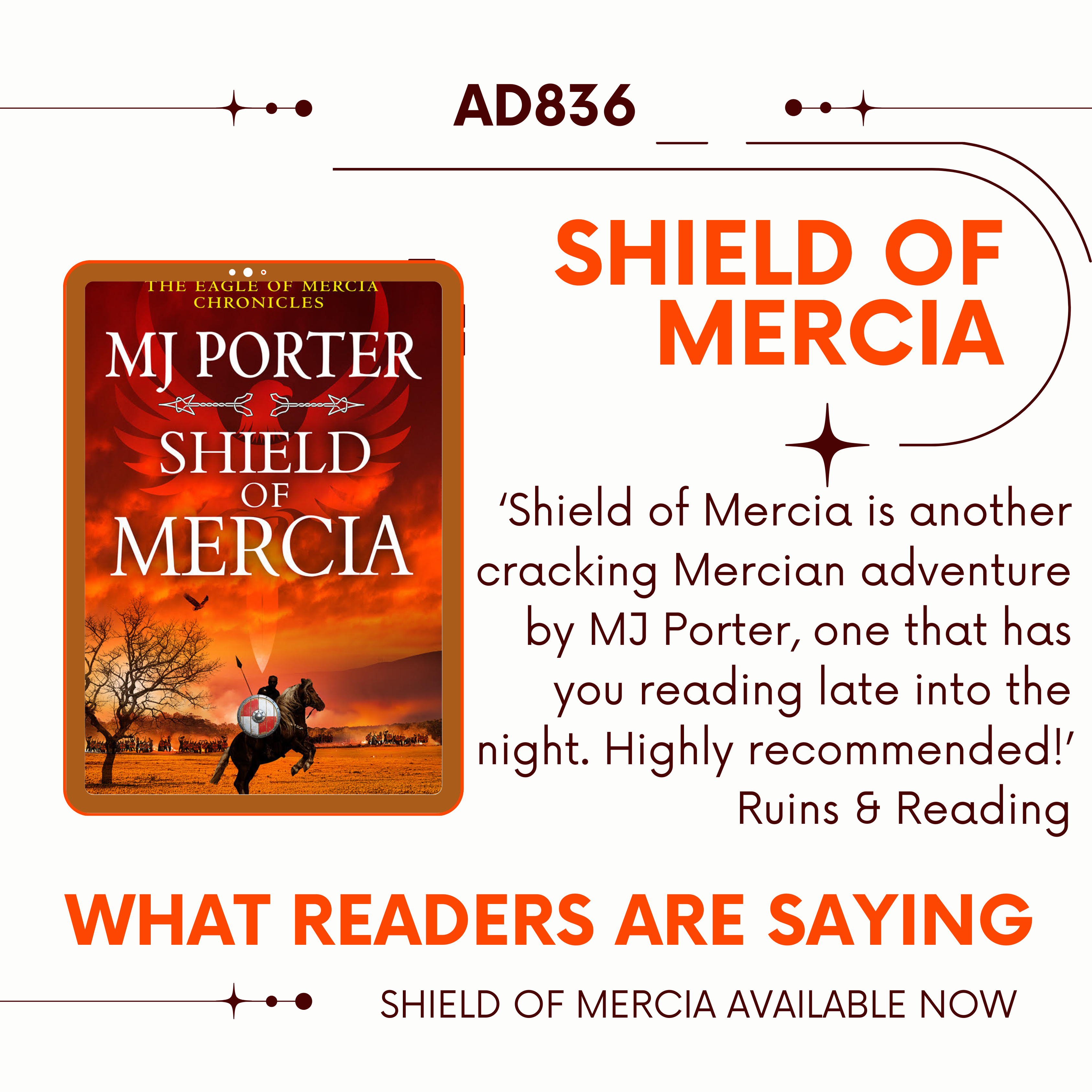
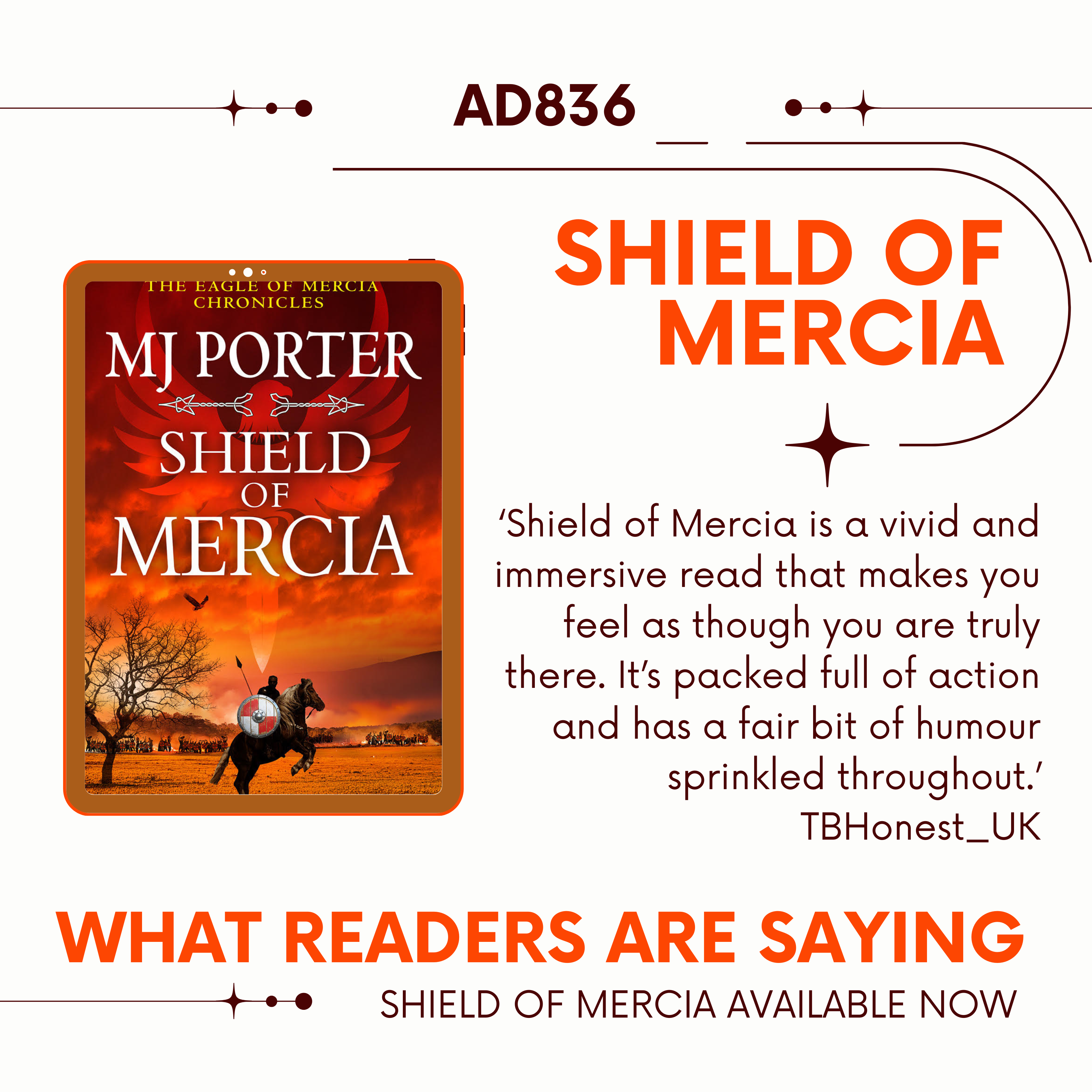
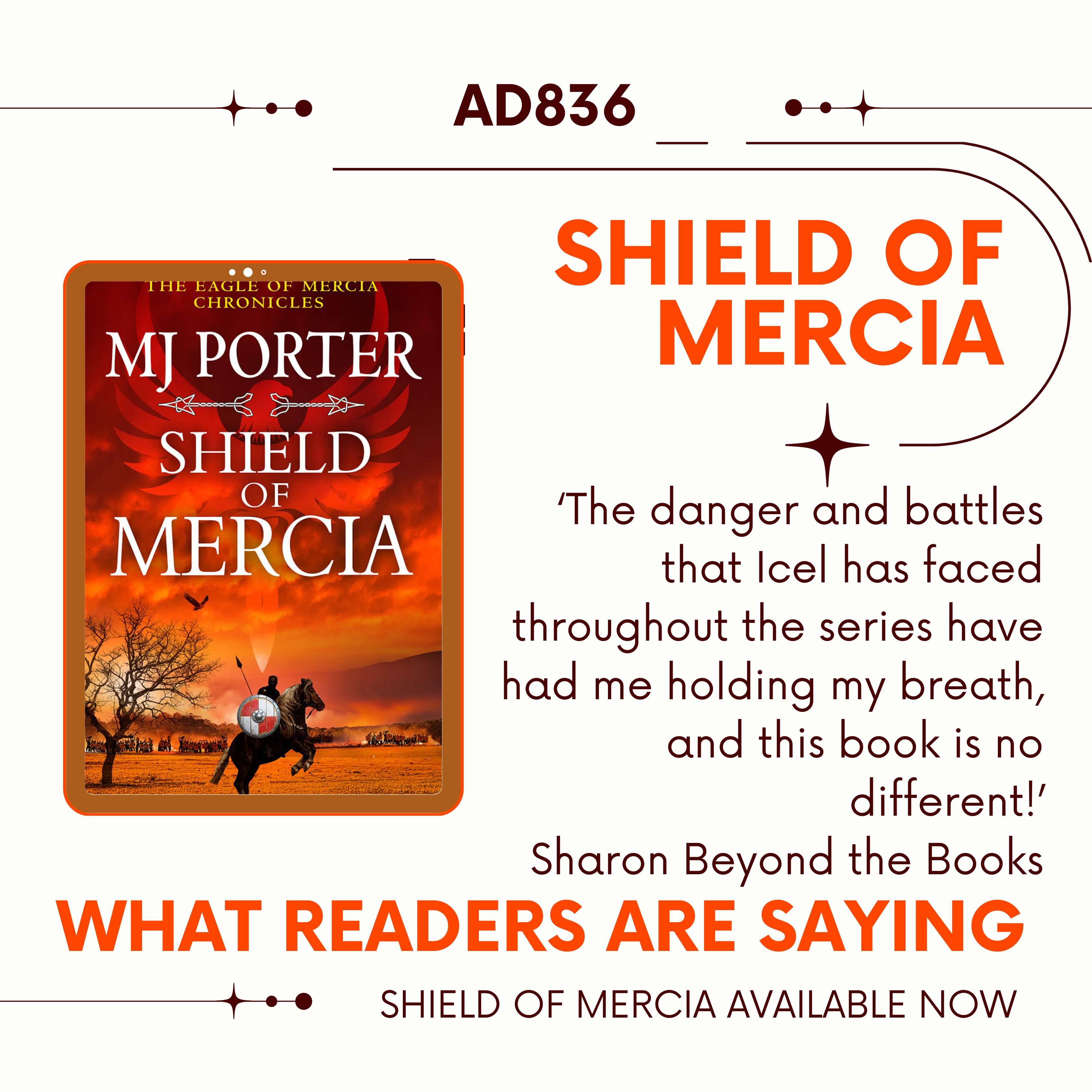
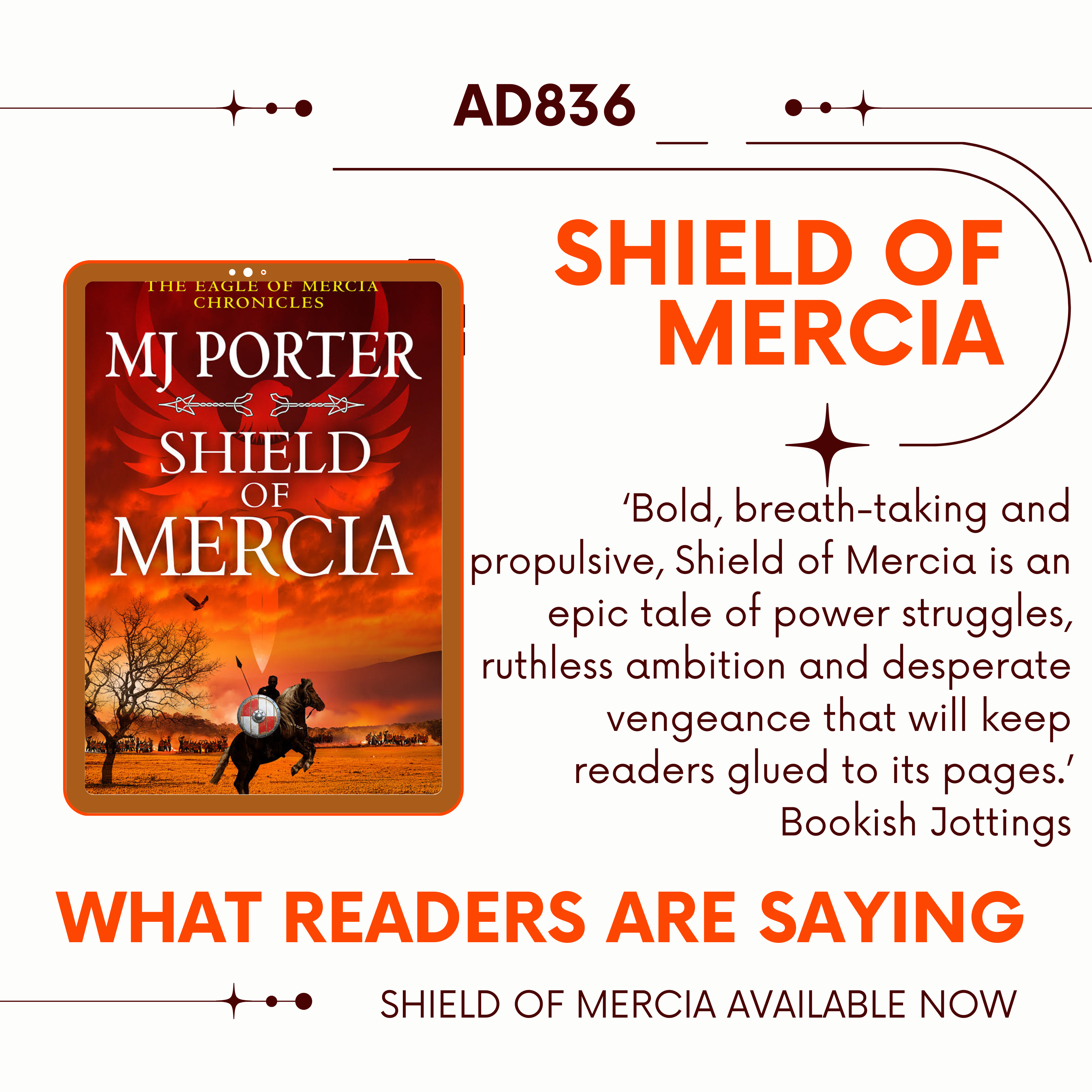
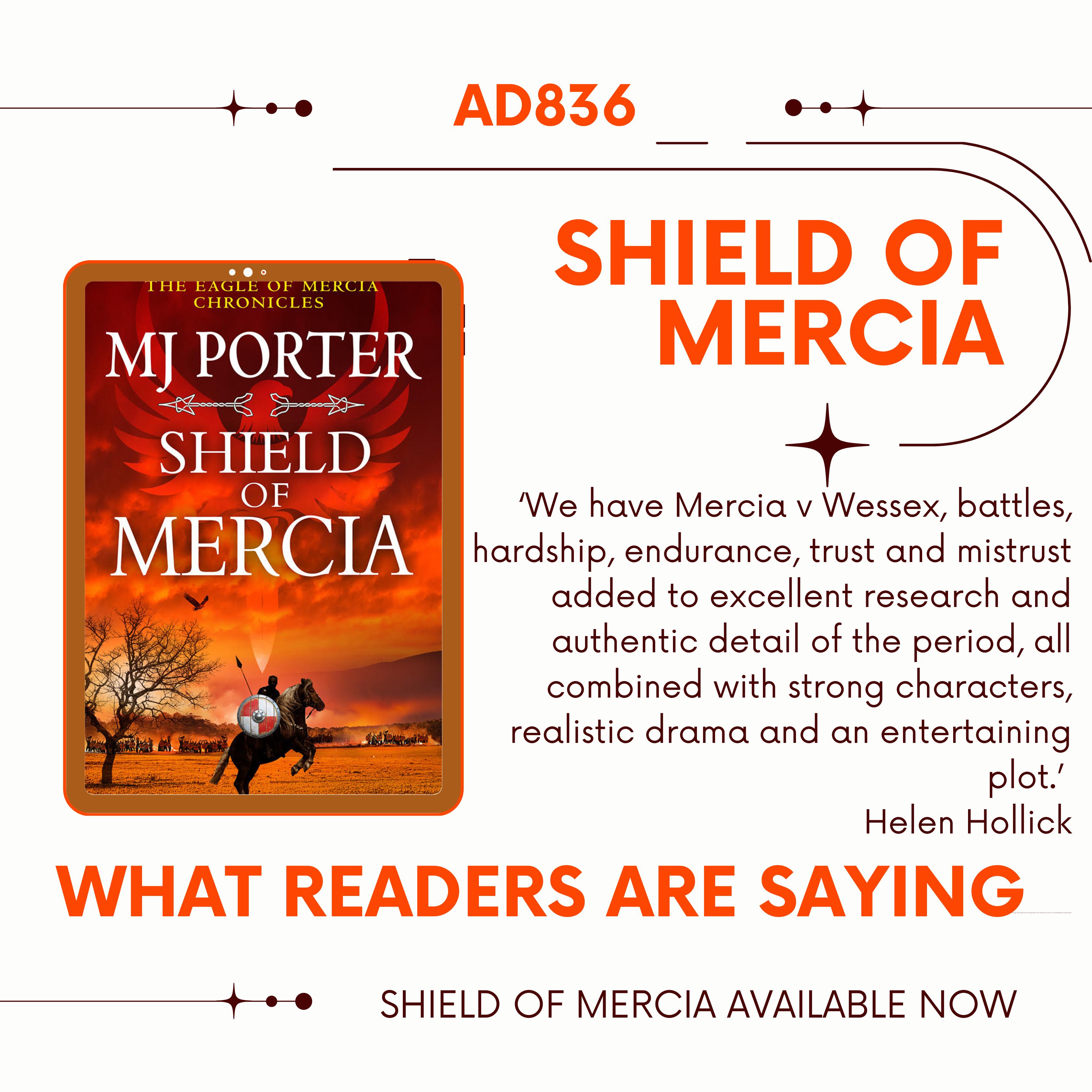
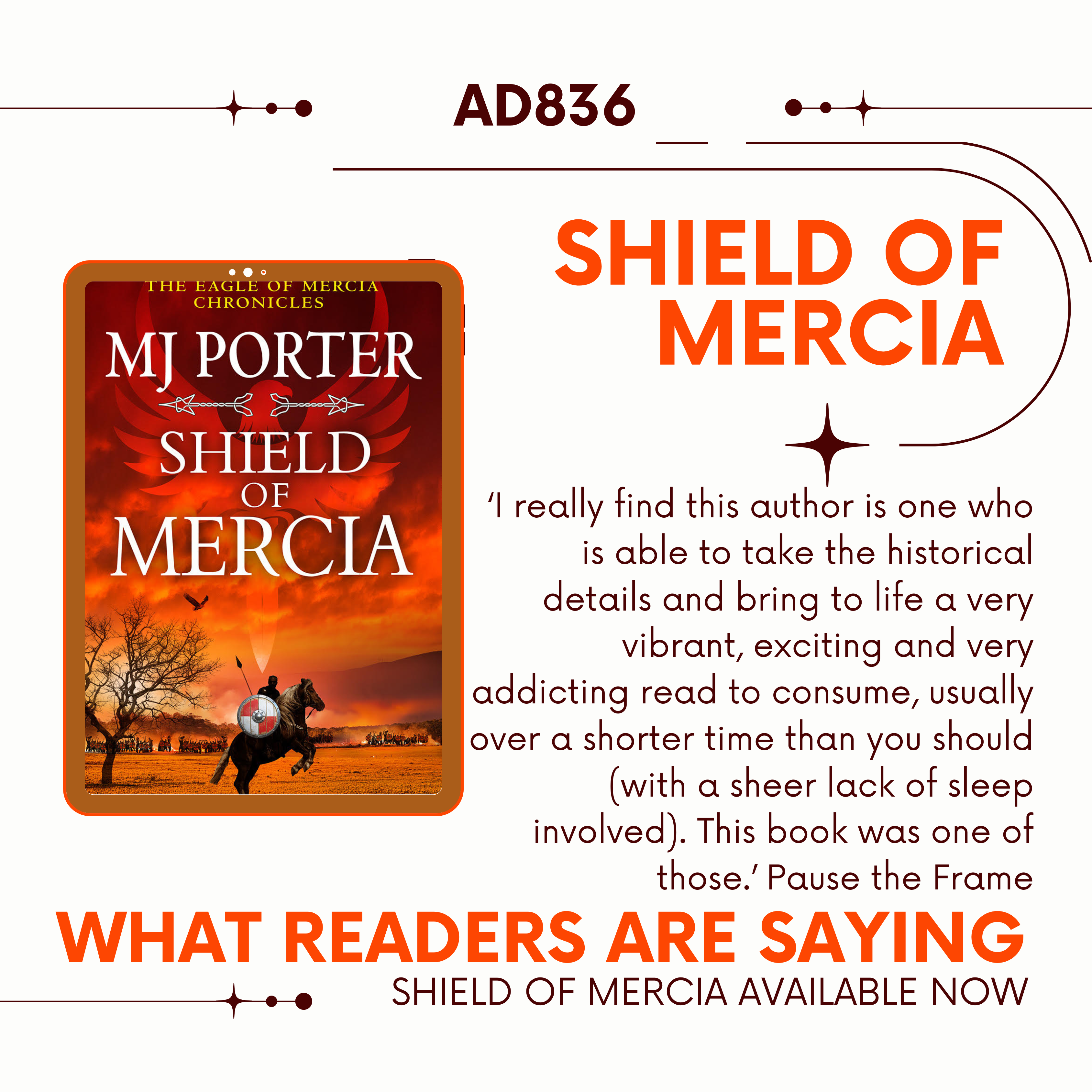
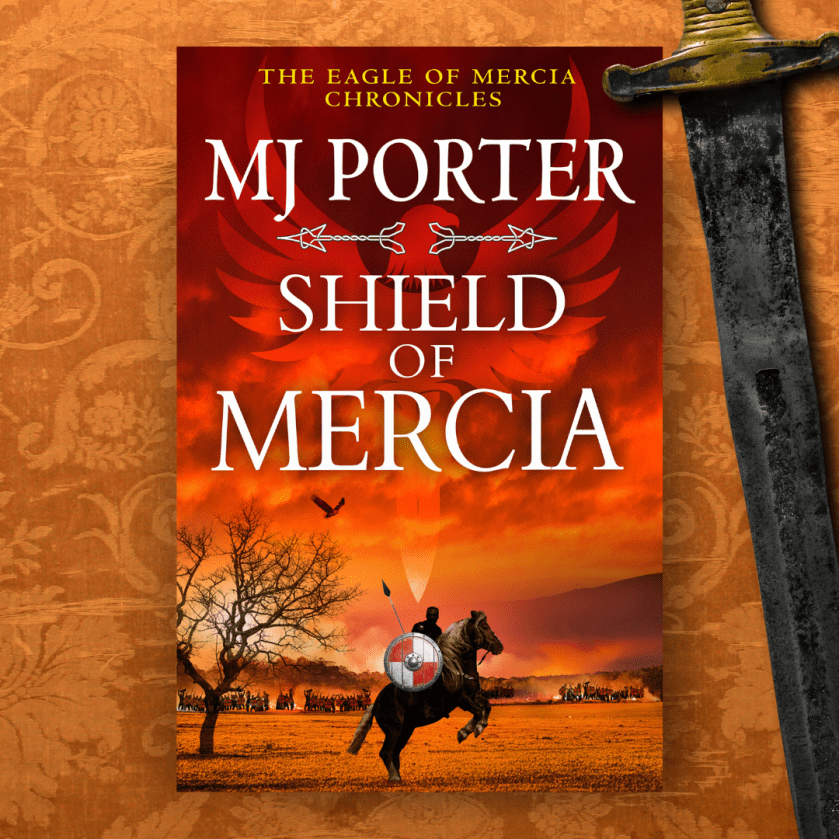
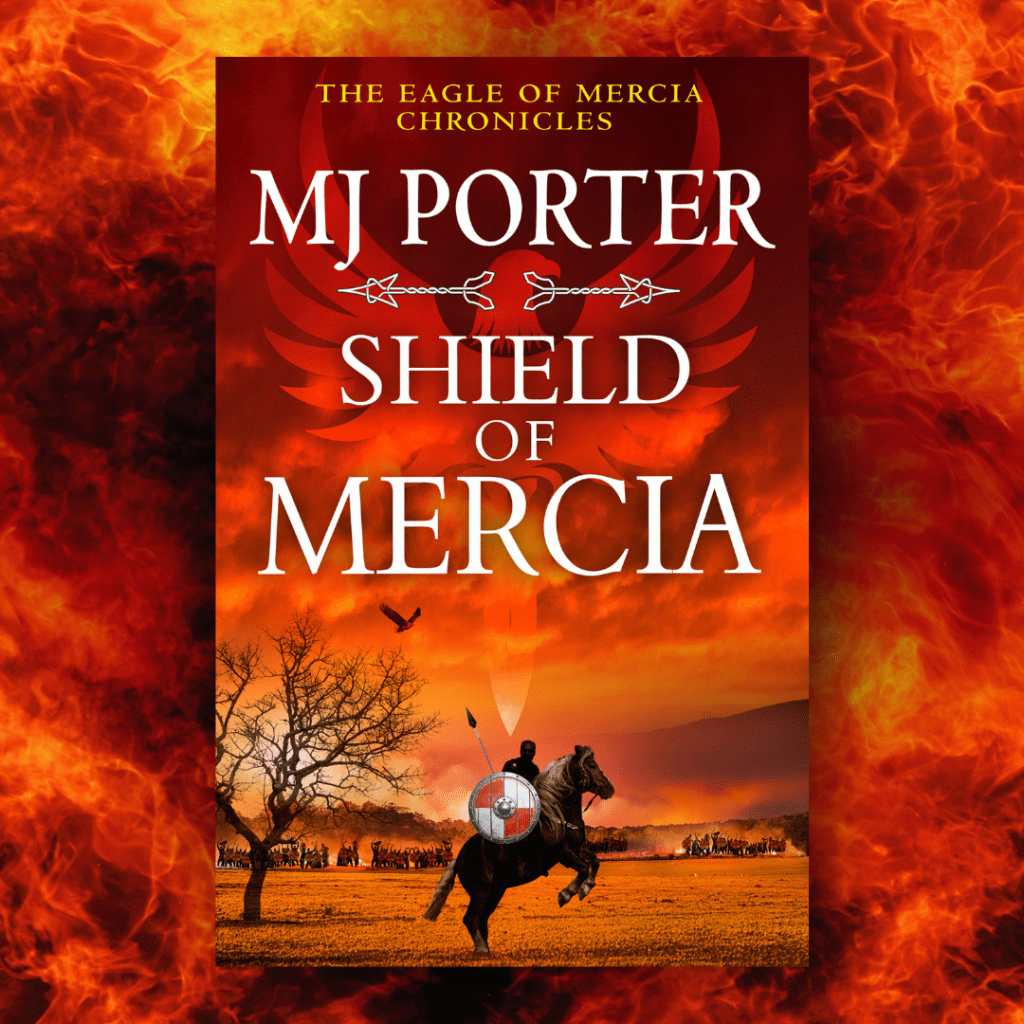
Shield of Mercia has been out for a week. Here’s what the blog tour hosts had to say about the latest book featuring young Icel #newrelease #histfic #TheEagleofMerciaChronicles #audio
A huge thank you to Rachel and the blog hosts.
Here are the links to the complete reviews.
Being a reviewer is a lot of fun, it’s also a lot of work and takes a great deal of planning. I’m always so grateful to those who take a chance on my books. It can sometimes be a step into the unknown.
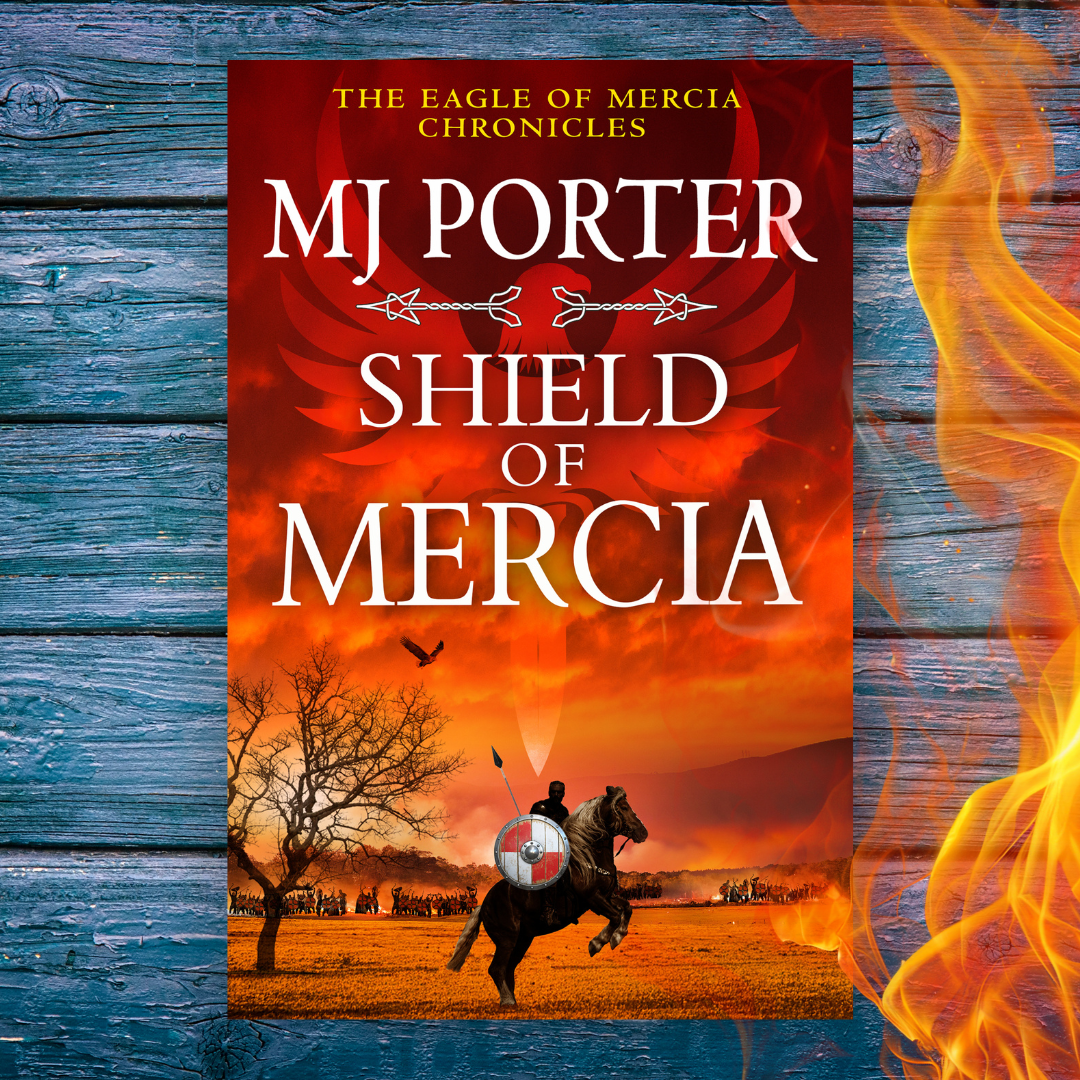
Mercia is triumphant. Her king is safe. But Wessex was never Mercia’s only enemy.
Tamworth, AD836
Following a brutally cold winter, King Wiglaf of Mercia is in the ascendancy. Even Wessex’s Archbishop of Canterbury extraordinarily ventures to Mercia to broker a religious accord. But, can the hard-won peace prevail?
Viking raiders threaten Wessex. These blood-thirsty warriors are fast, skilful and have no reticence about killing those who stand in their way. Their aim isn’t to rule but to overwhelm, slaughter and take ill-gotten wealth.
King Wiglaf is no fool. As the Vikings push to overwhelm Wessex, Mercia’s lands look insecure. King Wiglaf needs the shields of Mercia’s warriors to prevent the overwhelming advancement of their deadliest enemy yet.
To save Mercia, Icel must first prevail over the two men who mean to end his life; King Ecgberht of Wessex and his son, Æthelwulf of Kent and only then the marauding Viking army for whom boundaries have no meaning.
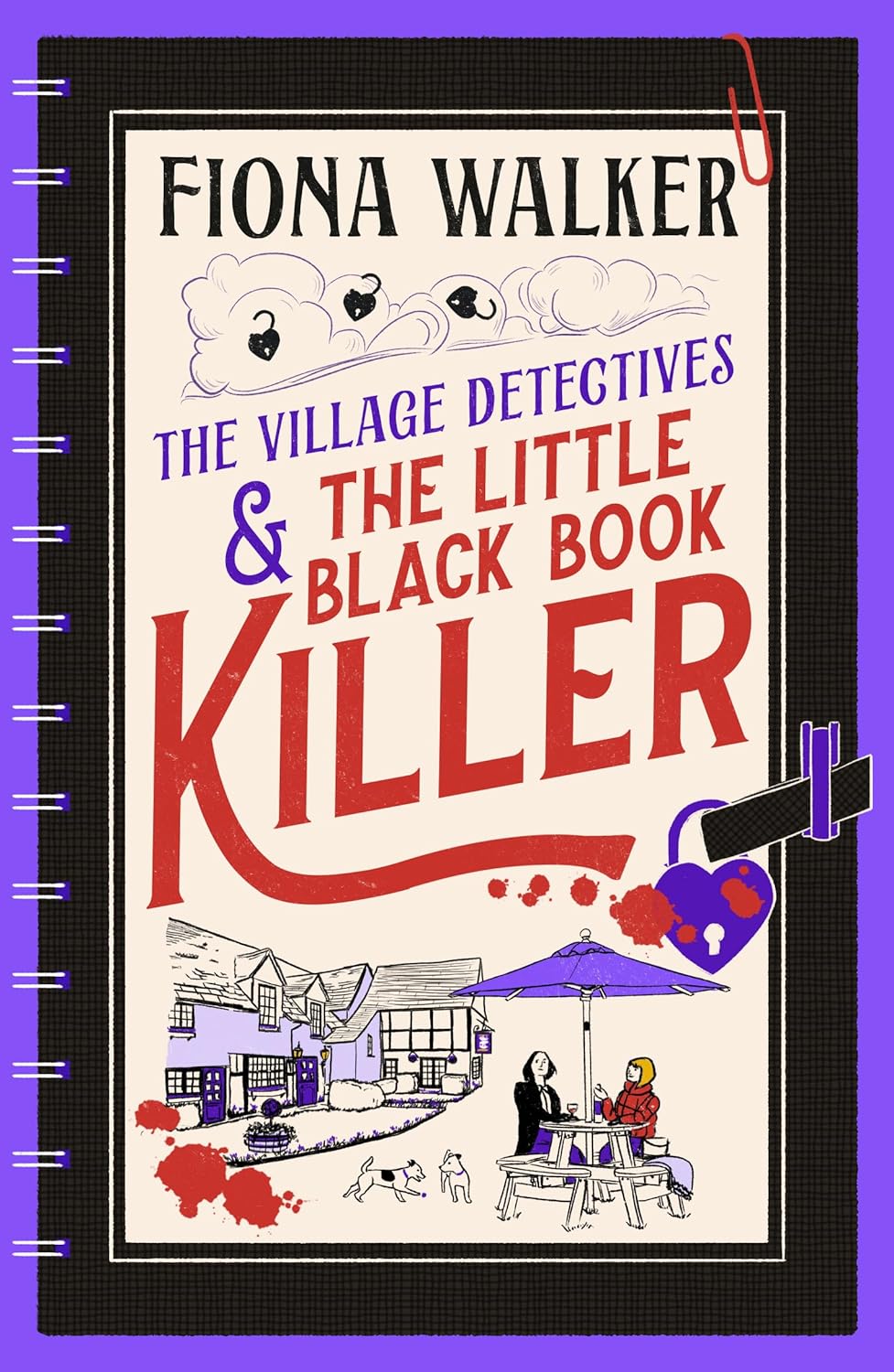
I’m sharing my review for The Little Black Book Killer by Fiona Walker, the third book in her The Village Detectives series #bookreview #cosycrime #newrelease
Here’s the blurb
Matchmaking has never been so murderous… 💔🔪
Juno is feeling ready – at last – to start dating again, after losing her husband some years ago. She is sure she can make time from being a Village Detective, indeed it might help distract her from her crush on hunky (but far-too-young!) pub landlord – Mil.
So she’s signed up to an exclusive new dating app and cannot wait. But when one of the founding investors in that same dating app drops dead in front of fellow Village Detective Phoebe in a nearby hotel – and then a second investor is found hanging in the local cricket pavilion just days later – Juno knows she’ll have to put her love life on hold.
Teaming up once more with Phoebe, Felix and Mil… the Village Detectives are back. And this time Juno – who’d thought she was getting under the covers with a new lover – is going undercover to catch a killer…
Wickedly funny cozy crime, from million-copy bestselling author Fiona Walker! Fans of The Thursday Murder Club and A Death on Location will love the Village Detectives!
The Little Black Book Killer is the third book in the Village Detective Series, and I definitely think it’s my favourite so far. I laughed so hard at one line in particular, and I think all readers will love it.
Freddy is out of her ‘funk’ (which has been a running theme). Juno is certainly ‘dialled down’ a few notches (yay), and their switching narratives ensure the reader almost always knows what’s happening. The characters involved in the actual mystery are a delightful mix of local villagers who all bring something to the table. The graveyard vandals and the missing underwear also add a delightful side story.
The mystery itself is quite complex, and there are a ton of red herrings (yay), so I didn’t work out all the elements of the resolution, which I always appreciate.
As I said, this is the third book in the series, and my favourite so far.
Check out my review for The Poison Pen Letters, the second book in the series. I have read book 1 too, but clearly not popped it on the blog.
Meet the author
Fiona Walker is the million copy bestselling author of joyously funny romantic comedies. Most recently published by Head of Zeus, she will be turning to cozy crime for Boldwood.
Shield of Mercia is now available. Return to the world of young Icel, and listen to me rabbiting on, again #newrelease #histfic #TheEagleofMerciaChronicles #audio
Me doing a bad job of introducing the new book
In my defence, I am frantically trying to finish another title!
I have mentioned elsewhere that my publisher are now publishing what are known as ‘trade paperbacks’ for their titles. This is the format most of my indie titles are published in, and you can find this ‘new’ size here.
Here’s the blurb
Mercia is triumphant. Her king is safe. But Wessex was never Mercia’s only enemy.
Tamworth, AD836
Following a brutally cold winter, King Wiglaf of Mercia is in the ascendancy. Even Wessex’s Archbishop of Canterbury extraordinarily ventures to Mercia to broker a religious accord. But, can the hard-won peace prevail?
Viking raiders threaten Wessex. These blood-thirsty warriors are fast, skilful and have no reticence about killing those who stand in their way. Their aim isn’t to rule but to overwhelm, slaughter and take ill-gotten wealth.
King Wiglaf is no fool. As the Vikings push to overwhelm Wessex, Mercia’s lands look insecure. King Wiglaf needs the shields of Mercia’s warriors to prevent the overwhelming advancement of their deadliest enemy yet.
To save Mercia, Icel must first prevail over the two men who mean to end his life; King Ecgberht of Wessex and his son, Æthelwulf of Kent and only then the marauding Viking army for whom boundaries have no meaning.
It’s happy release day to Shield of Mercia. Return to the world of young Icel, and listen to the beginning of the audiobook #newrelease #histfic #TheEagleofMerciaChronicles #audio
The audiobook
The rather wonderful Sean Barrett has narrated all of young Icel’s adventures. Listen to the beginning of the audio now.
Here’s the blurb
Mercia is triumphant. Her king is safe. But Wessex was never Mercia’s only enemy.
Tamworth, AD836
Following a brutally cold winter, King Wiglaf of Mercia is in the ascendancy. Even Wessex’s Archbishop of Canterbury extraordinarily ventures to Mercia to broker a religious accord. But, can the hard-won peace prevail?
Viking raiders threaten Wessex. These blood-thirsty warriors are fast, skilful and have no reticence about killing those who stand in their way. Their aim isn’t to rule but to overwhelm, slaughter and take ill-gotten wealth.
King Wiglaf is no fool. As the Vikings push to overwhelm Wessex, Mercia’s lands look insecure. King Wiglaf needs the shields of Mercia’s warriors to prevent the overwhelming advancement of their deadliest enemy yet.
To save Mercia, Icel must first prevail over the two men who mean to end his life; King Ecgberht of Wessex and his son, Æthelwulf of Kent and only then the marauding Viking army for whom boundaries have no meaning.
It’s happy release day to Shield of Mercia. Return to the world of young Icel, and the book of healing #newrelease #histfic #TheEagleofMerciaChronicles
The book of healing
One of the side stories in The Eagle of Mercia Chronicles series, is the (fictional) endeavour of Ealdorman Tidwulf and the healers Gaya and Theodore to gather together all the remedies known by people within Mercia at the time, in the steady hands of Brother Matthew, James and Michael.
There are a number of books of medicine that survive from this period. Most people have heard of Bald’s Leechbook, which lists many remedies, and I find them fascinating. (It’s also available to read online) Some have been proven to be very effective, and while in recent decades the move away from herbal remedies has seen these older remedies somewhat derided, there’s genuine investigative work taking place now to understand them. As was highlighted to me when I attended a Herbal Roots training day last year at Dilston Physik Garden, our reliance on paracetamol and ibuprofen is not only very modern, it is perhaps the reasons these old remedies are not often kept in every household (well, at least the ones people believed worked).
I’ve attended a number of lectures concerning remedies and how these have survived, as well as whether they might prove to be effective (check out www.ancientbiotics.co.uk). One element, aside from all the others, that I find fascinating is the difficulty in transmitting perhaps the most pertinent of information – what quantities should all the component parts in the remedies be used in. (This is something highlighted at one of the many lectures I’ve attended, but I can’t find the reference despite trawling my notebooks, so sincere apologies to the academic involved).
In Shield of Mercia, Icel discusses the problem with Gaya and Theodore, sees the work in progress, and also listens to the monks discussing how they should categorise their work. In particular, they discuss one particular herb, Hundes heafod, also now as snapdragon, which highlights another problem. These herbs might have had multiple names. While there must have been much handed down and a great deal of ‘learned’ knowledge (I’ve also mentioned this in the Dark Age Chronicles where Meddi knows remedies taught to her by the previous seeress) I do think it would still have caused difficulties. If you read some of the remedies, they tell you what to use, but not how much to use.
This is only one of many problems with these ancient remedies; another is that many written herbal remedies were from far warmer climates than the UK. How then were they to find local fauna that had the same properties as those found elsewhere? I am no gardener, or herbalist, (and indeed, I struggle to identity any plants aside from daffodils and roses) but even I can see how frustrating the problems must have been. In including something that we would no doubt use the web to search for these days, in my Saxon stories, I hope to prompt readers to think about what it must have been like to live during the era without paracetamol and ibuprofen, and whatever it is the lovely dentist injects into my gums when I have to have remedial work done – I can only imagine how painful that must have been.
Mercia is triumphant. Her king is safe. But Wessex was never Mercia’s only enemy.
Tamworth, AD836
Following a brutally cold winter, King Wiglaf of Mercia is in the ascendancy. Even Wessex’s Archbishop of Canterbury extraordinarily ventures to Mercia to broker a religious accord. But, can the hard-won peace prevail?
Viking raiders threaten Wessex. These blood-thirsty warriors are fast, skilful and have no reticence about killing those who stand in their way. Their aim isn’t to rule but to overwhelm, slaughter and take ill-gotten wealth.
King Wiglaf is no fool. As the Vikings push to overwhelm Wessex, Mercia’s lands look insecure. King Wiglaf needs the shields of Mercia’s warriors to prevent the overwhelming advancement of their deadliest enemy yet.
To save Mercia, Icel must first prevail over the two men who mean to end his life; King Ecgberht of Wessex and his son, Æthelwulf of Kent and only then the marauding Viking army for whom boundaries have no meaning.