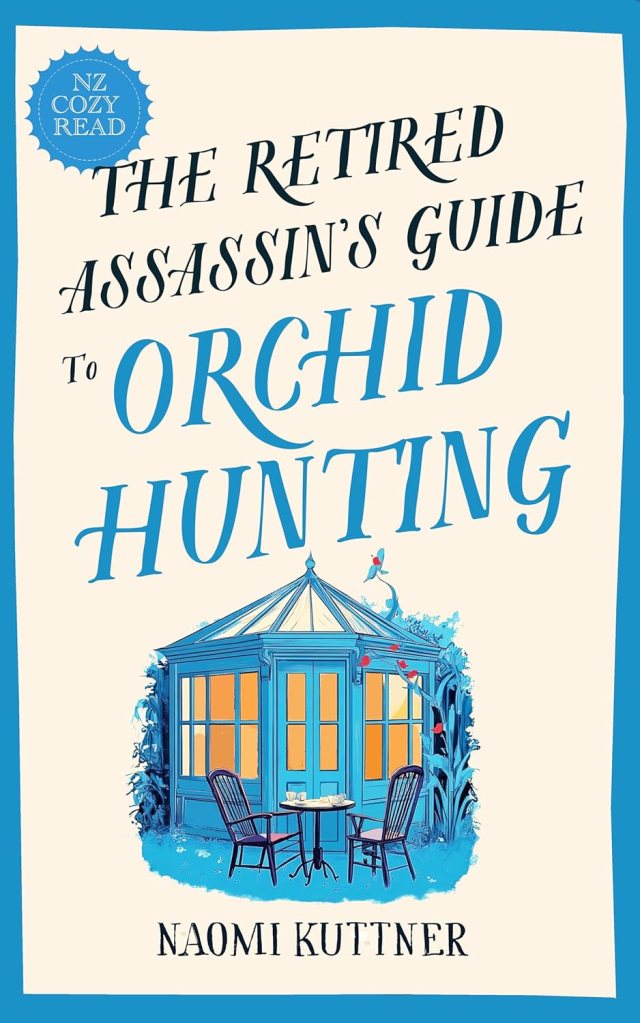
The Retired Assassin’s Guide to Orchid Hunting is a fabulous, extremely entertaining mystery, with a wealth of engaging, funny, and quite quirky main characters. This is the second book in the series. I have since gone back and read book one, where we first meet the characters. It is also very good, but I do think the characters are much more fully formed in this second book (which makes a lot of sense). That said, I would probably still advise you to start with book one, because if you read book two first, you’re going to know a lot about the first mystery they solve.
Dante, our retired assassin, is often unintentionally funny as he endeavours to live his life as ‘normal’ i.e. not as assassin’s do. I laughed out loud a few times. He is joined by Charlie, our gardener who also sees and can talk to ghosts (so the paranormal bit) and Eleanor a retired art thief, I think, she’s very mysterious.
And then on top of that we have our crime to be solved, all while the delightfully quirky orchid convention is taking place in the local town.
This mystery is a lot of fun, and very engaging. The storyline manages to do a great deal with our characters, with the beautiful New Zealand countryside, with quirky local town inhabitants, and all without ever feeling ‘overdone.’ If you love a quirky, funny mystery book, this is for you. If you love a small town mystery, this is for you. If you love a hint of the paranormal, then this is for you as well. I highly recommend it, but do yourself a favour, and read the first book first. It’s not quite as brilliant as this second offering, but it will certainly get you hooked on Dante, his cat, and his two friends, in this New Zealand setting.
Meet the author
Naomi is a writer living in New Zealand. When not busy writing or raising her twin son and daughter, she spends her free time (ha!) surfing, kitesurfing, and retrieving her shoes from Max the dog.
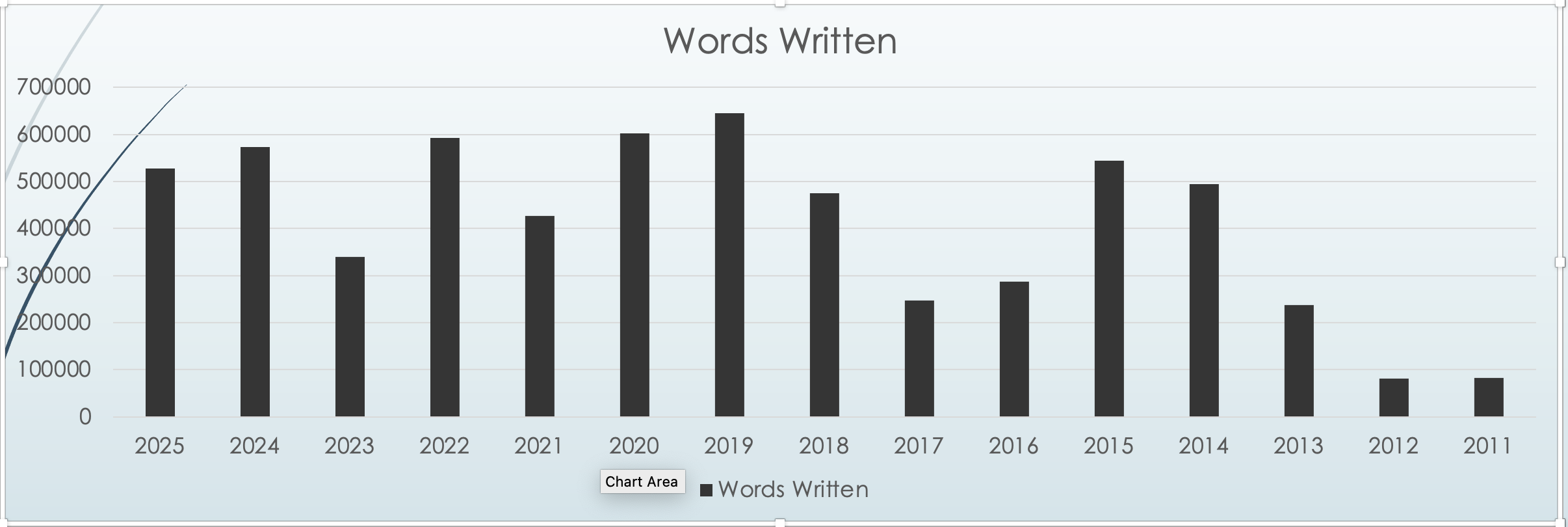
It’s time to go back to the beginning of the year and work out exactly how I’ve been spending my time. 2025 has been a pretty decent year in terms of writing, but I have largely missed out on writing for three months this year. Let’s find out why.
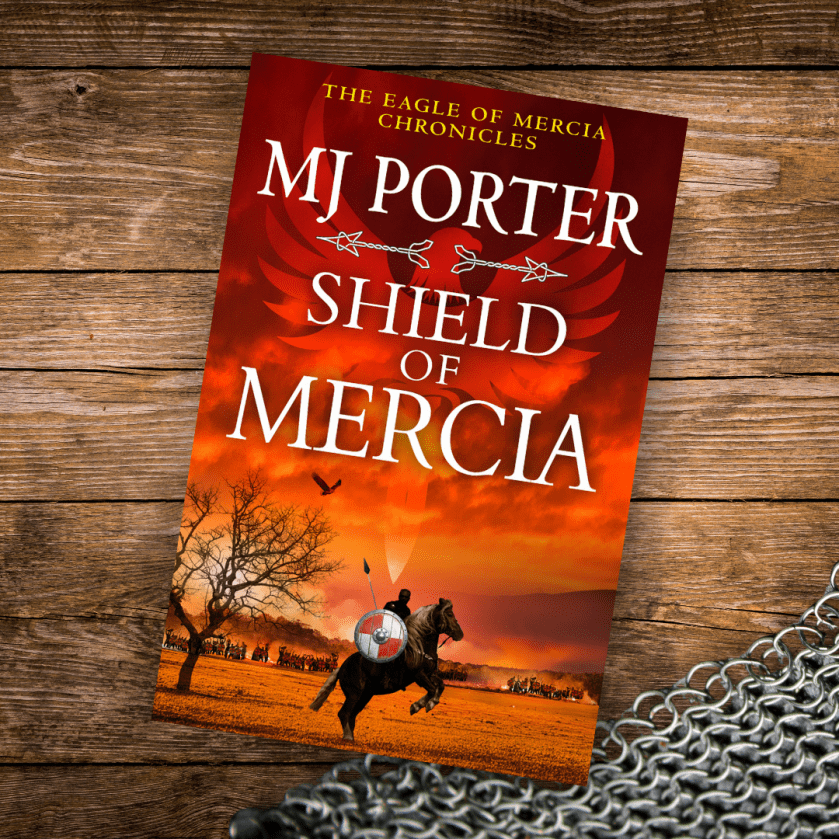
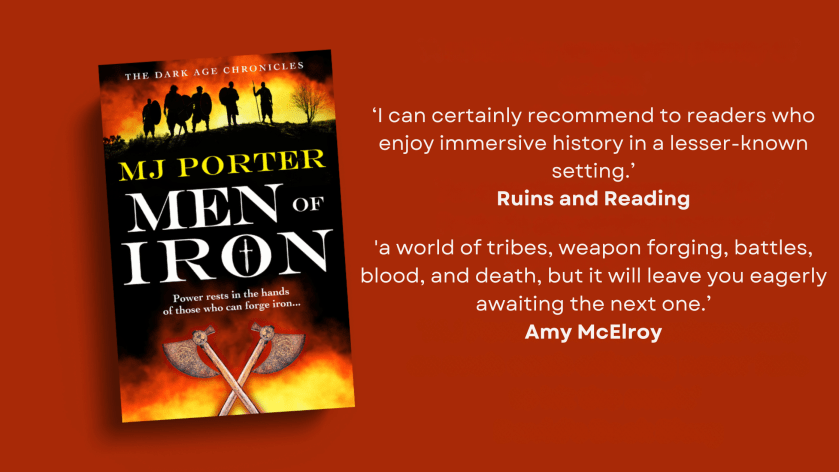
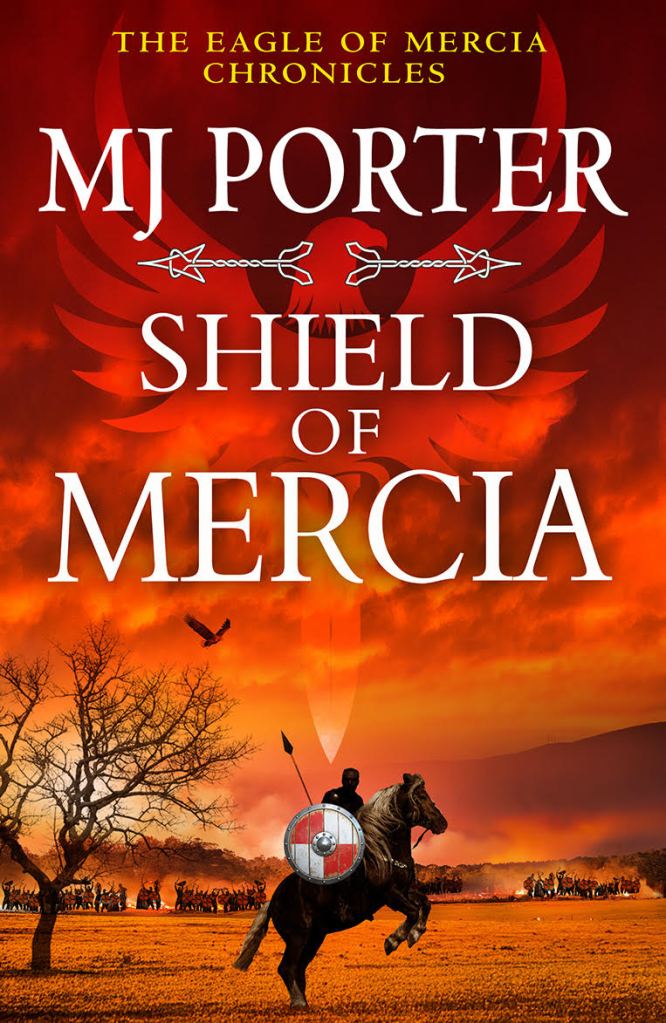
In January, I was busy working on what would become Shield of Mercia. In my notes, it’s simply called Icel 8. I started it in December 2024 and finished it in January 2025. It looks like my writing was pretty consistent for this one, and quite often, I was able to write about 4000 words a day, which makes me wonder whether I was maybe a bit behind at this point. I can’t quite remember. I’ve checked, and yes, I was running late with this one. That explains why I was so busy tapping away throughout January. I also completed the proofreading for Men of Iron and was working on some other stuff in the background, for my ‘other’ writing name. January was my most productive writing month in terms of word count gained. It was a good start to the year, but it didn’t continue.
In February, I seem to have been working on a few projects at the same time – one of my fantasy titles, as well as copyedits for Warriors of Iron, and some finessing for Shield of Mercia (I have a feeling this is the point I realised I needed some locations for Icel’s journey through Wessex and hightailed it to the uni library for some research books – somewhat amusingly the one I found was written in 1978). I also started work on what would become The Secret Sauce. It was not one of my most productive months in terms of word count achieved, but I evidently spent a lot of time editing and rewriting things. Sadly, it wasn’t my least productive month, which has ended up being December.
March was a tough month as I lost my Dad, and all writing plans, understandably, went out the window. I had structural edits to work on for Shield of Mercia, and it was very hard going. For a few weeks, I worried I wouldn’t get back into writing, but I did. It just took a while. My writing process is very creative. I pop on some music, ‘transport’ myself to where my characters are, and tap away. It can be hard to achieve when there’s too much going on in my head besides writing. I also managed a bit more work on The Secret Sauce.
April was also very messy – I pressed on with The Secret Sauce, and then after all the stress of March, completely relaxed on holiday in Orkney for two weeks. I definitely needed it.
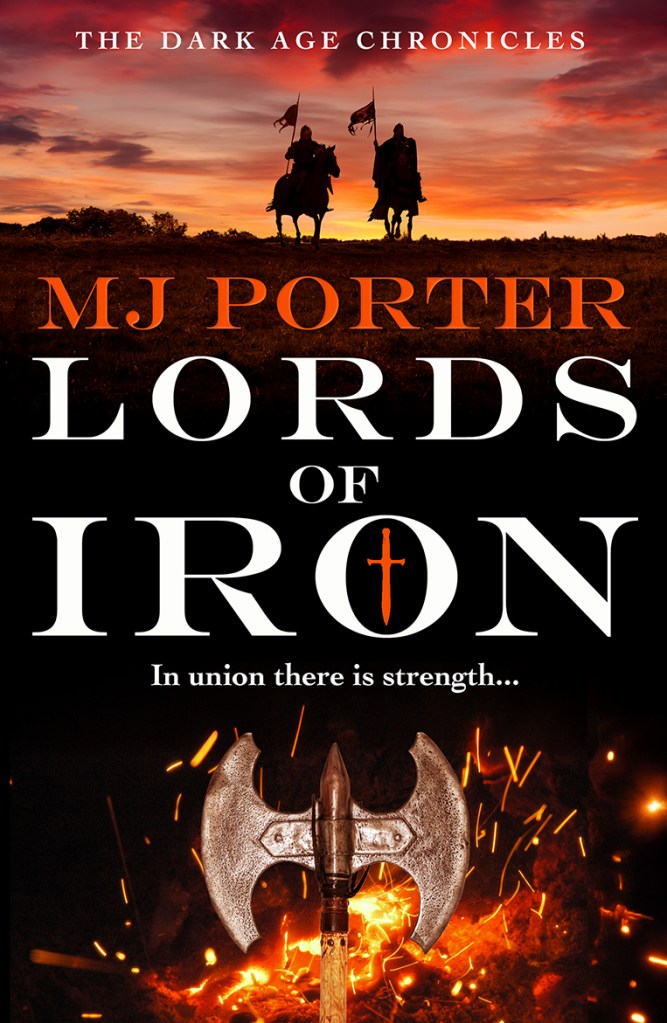
May marks the start of the exam season at school. But, with everything going on, I was very behind with Lords of Iron (like so behind that there was barely anything there). But I trusted myself to get it done and spent the half-term holiday (9 days in total) writing. I wrote over half of the first draft for Lords of Iron in just those 9 days. It sounds crazy, but it was the final part in the trilogy, and I knew my characters. It was very much a return to my old writing style (you can listen to me talk about my writing process over on my Patreon). I enjoyed it, and I also think it helped me ensure the book (due out on 5th January 2026) flowed really well, with no let-up in tension during the second half of the novel.
I continued work on Lords of Iron throughout June (this was the first, and I hope, only time, I had to ask my editor for an extension). I was also back with The Secret Sauce and had completed copy edits for Shield of Mercia. 26th June was my most productive writing day all year. Away from The Secret Sauce for such a long time with everything that had happened, I bashed out 8989 words in one day (that doesn’t happen very often any more – my most productive day ever saw me clock in over 17000 words over an 18-hour period – crazy).
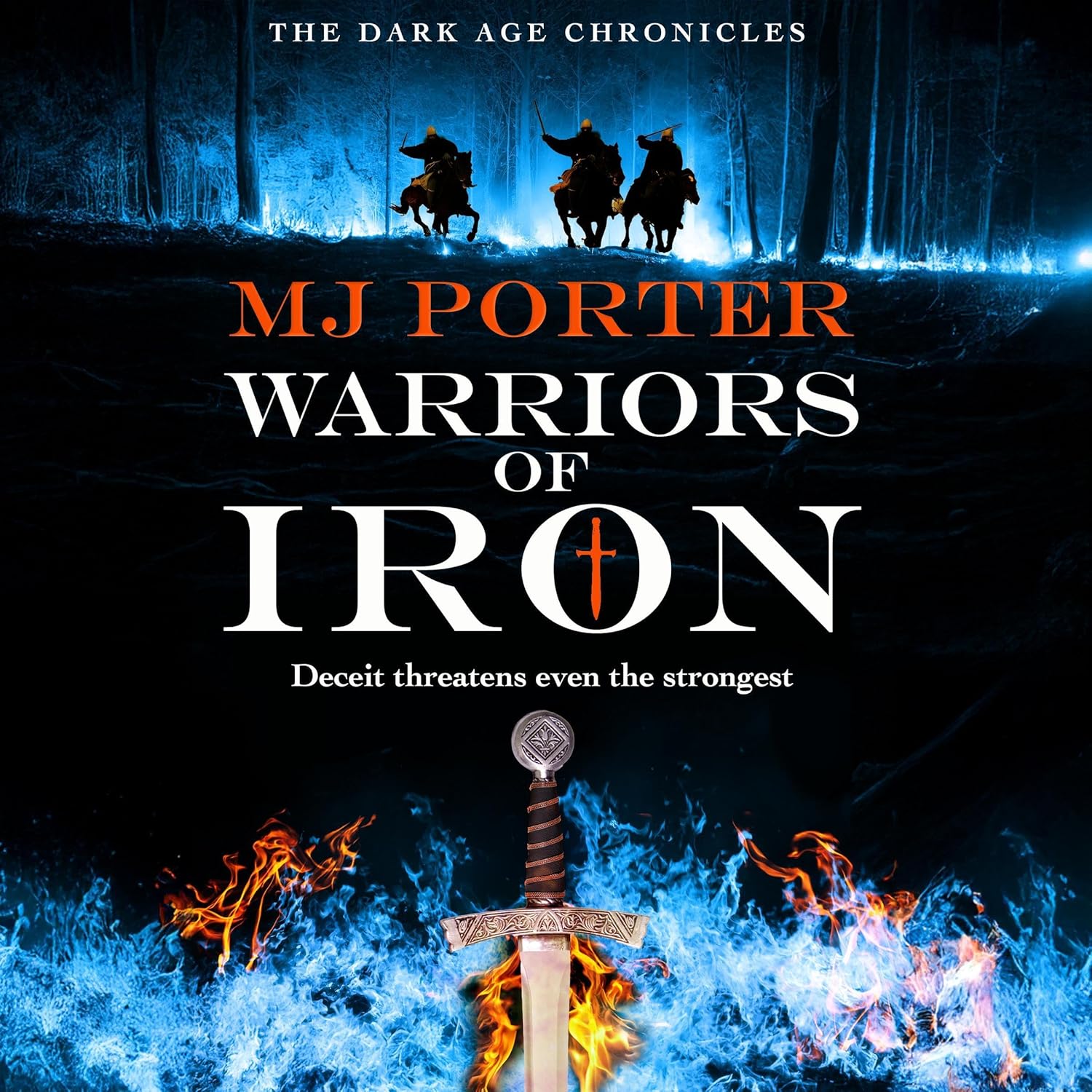
July saw me concentrating on finishing The Secret Sauce, and also starting work on Icel 9. I completed my proofreading for Shield of Mercia. I do like it when I’m editing the previous book while writing the next one. It ensures I don’t miss any huge details – for instance, when someone has been badly wounded. July was my fourth most productive month in terms of added word count. It also saw the release of Warriors of Iron, the second book in the Dark Age Chronicles.
August saw me working properly on Icel 9 (Storm of Mercia). I also started work on The Barrage Body (another mystery), completed the proofreading for The Secret Sauce (released at the end of the month), and found some time to start playing around with ideas for a new series. I also completed proofreading Lords of Iron and spent a bit of time messing with one of my fantasy titles.
September was a good month. I was working on three projects, the main one being The Barrage Body. I completed the copy edit for Lords of Iron at the start of the month, and structural edits for Storm of Mercia at the end. It was my third most productive month in terms of word count gained. Yay.
October was the month when I had to ignore the draft for The Barrage Body, which should have been complete, but wasn’t, because I’d made it so complicated, I couldn’t solve my own mystery (the curse of being a pantser rarely rears its head these days, (I don’t think it has since I wrote Lady Estrid) but this time it was a real pain). I distracted myself by working on the first book in the next series, the House of Mercia. It was a good writing month, even though I was very frustrated about The Barrage Body.
Since 2012, November has been the month I write whatever I want as part of a writing challenge. But the writing challenge as I used to follow it, is no more, and while I intended to try and do it anyway, that’s not what happened. I did manage to bash out about 20k for one project, but mostly spent the month solving The Barrage Body (which I managed, and could then release at the end of the month) and working on The House of Mercia.
For December, I was once more in school, and have since spent much of the time being unwell, so my writing count is woeful. I need to finish the first book in the House of Mercia, but I have a whole month to go, so I’m not worried. Right now, the biggest problem is not writing too much for this story. I’ve also been toying with a new mystery and trying to get back to my other new project. Hopefully, January 2026 will be as productive as January 2025, and it will be a breeze to get everything done.
So, I’ve not written a new Coelwulf in 2025, but I’m working on something related. I’ve also not written a new Earls of Mercia book, but I will try to get to it in 2026 (we’ve reached the point where events are very complicated). I also need to finish my fantasy title, which I’d hoped to have done months ago, after all, it is half written.
In terms of words written this year, it comes in at about 520k. Considering the three ‘missing’ months where I’ve hardly written anything, I’m pleased with that.
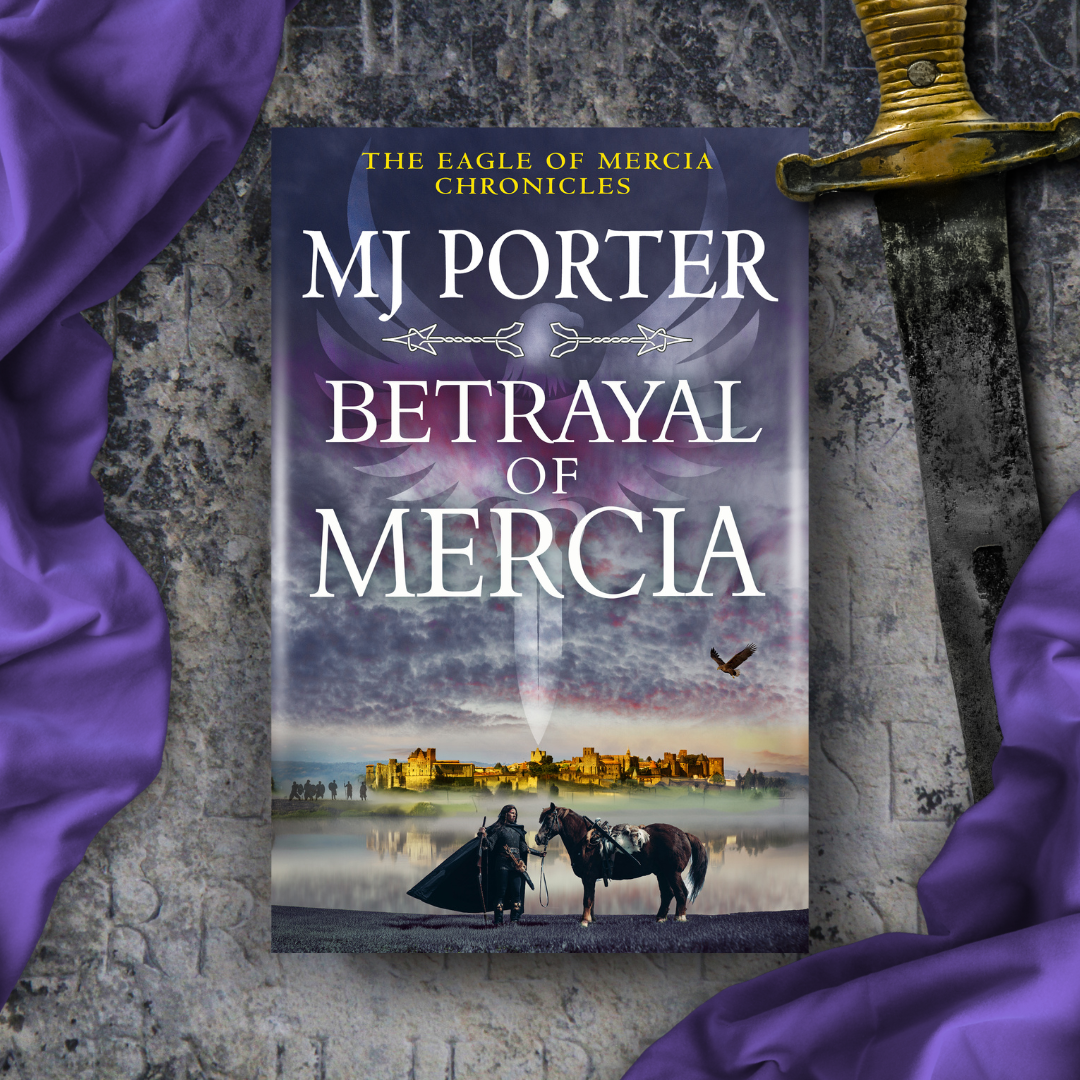
Forthcoming releases for 2026 will be Lords of Iron, Storm of Merica, the new House of Mercia in August, and the second one later in the year. I also hope to write a mystery or two, and I want to finish my November 2025 project about events after The Last King.
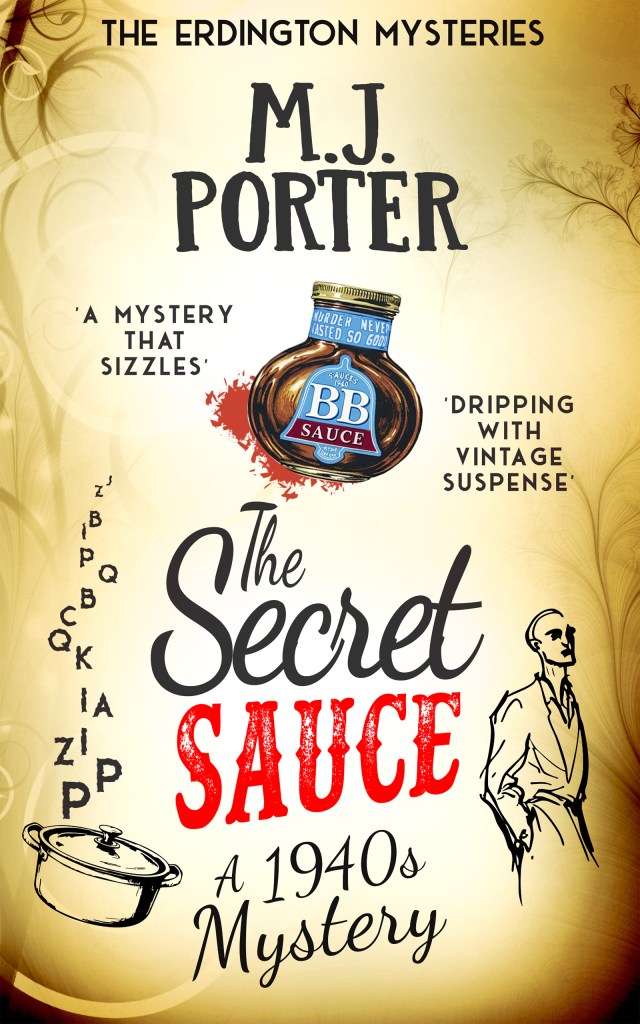
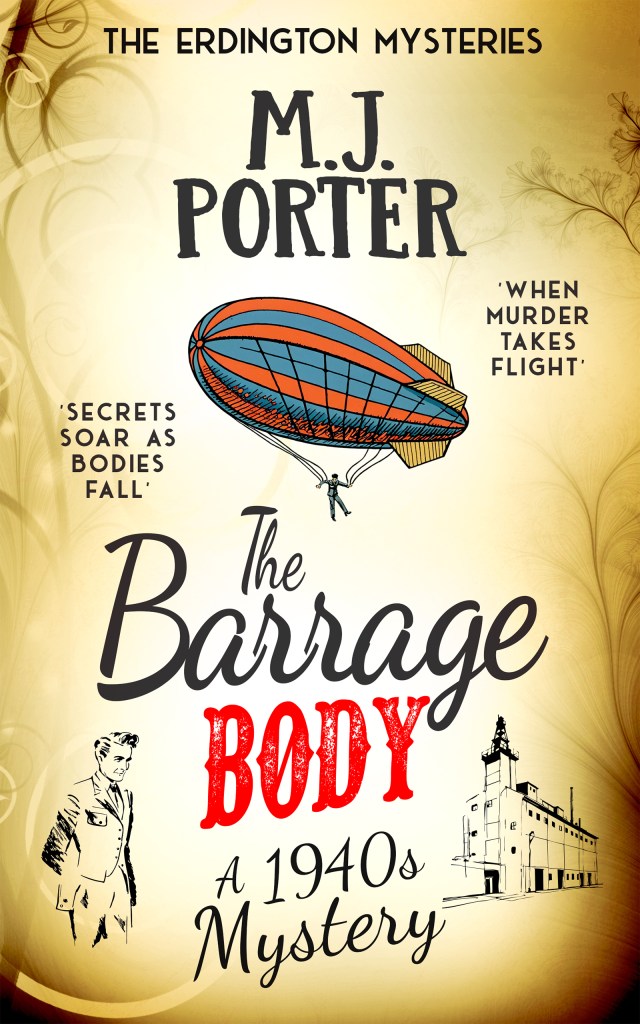
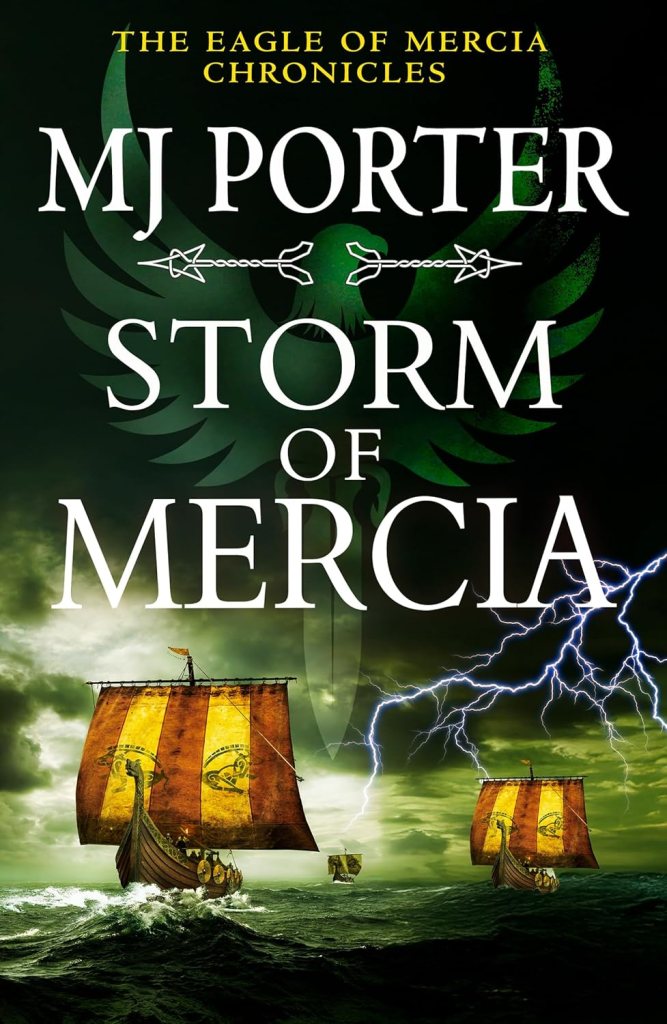
So, in 2025, I wrote five novels, give or take 20k or so on some of them, Shield of Mercia, Lords of Iron, Storm of Mercia, The Secret Sauce and The Barrage Body (I’m not counting the House of Mercia book, although perhaps I should, as it is over 70k). (Click the book covers for links to purchase/preorder).
As ever, a huge thank you to all my wonderful readers who allow me to spend my time with my characters. It is a privilege. That said, 2025 has been a tough year in terms of sales (as well as other life related items). Do support your favourite authors in anyway you can. It’s not nice in the publishing world right now and lots of people are worried about the future.
I’ve also been getting new covers for some of my older books throughout 2025, and some titles are now available from platforms other than Amazon. Enjoy.
If you want to follow my writing journey, join my newsletter. I update readers each month on what I’m doing, and it also gives you access to my Exclusive Subscriber page on the blog. And, you will also be able to download a copy of my title, Mercia, a compendium of all things related to the Tales of Mercia. There might be some short stories in there, too (as well as a sneak peek at my new project). And if you’d like a signed copy of one of my books, then visit my online store.
The inspiration for The Barrage Body, book 4 in The Erdington Mysteries (and why this isn’t quite the book I thought it would be) #histfic #mystery
Why did I write The Barrage Body?
I’ve not been quiet about explaining how hard I found The Barrage Body to ‘solve.’ I don’t think I’ve been restrained in explaining why either. Which brings me to the inspiration behind this latest mystery set in the 1940s.
When I finished writing The Secret Sauce, I was sure there was more ‘mystery’ to solve (if you’ve not read it yet, don’t be put off, the mystery is solved in the book, this is more a background element). I checked with a few advanced readers, and their response was reassuring, ‘We just thought you’d get to that in the next book.’ And this was absolutely my intention.
BUT, well, the huge BUT is that after I’d started writing the book, my research led me down a very different path. My intention was to base the fourth book at the Fort Dunlop/Dunlop Rubber Company factory. I found a lot of aerial photographs and a book about memories of working at the factory, and all seemed good. Only then did I discover the barrage balloons. The resource I consulted said they had been situated at Fort Dunlop, or at least one of them had (I am now not quite so sure, but it was too late). So, the original title went out the window, and the story changed quite a bit. The barrage balloons, constructed by Dunlop, although at a different factory, were just too enticing, and so the story veered away from my original intention. It veered so much that I eventually realised I had two halves of two very different stories. My mystery (and you should all know I don’t plan them – if that wasn’t already obvious enough) couldn’t be solved. GRRRR.
Fort Dunlop (a still from one of the PATHE recordings)
So frustrated was I, that I had to put an almost complete manuscript to one side for a month and write something else. I didn’t even think about the book during that month. I was very cross with myself. Eventually, I realised what had to be done (but it was not a single lightbulb moment, but rather many of them) and the mystery became solvable. So, while my inspiration was to base this mystery at another Erdington staple, the Fort Dunlop site, it was even more inspired by the barrage balloons that were flown during WW2 to act as a deterrent to enemy aircraft. Curious, you can watch a fabulous video over on the PATHE website https://cutt.ly/NtpYVUD8.
Chief Inspector Mason of Erdington Police Station is summoned to the Dunlop Rubber Company by an irate Mrs Adams from the Buying Department on a cold Tuesday morning in December 1944.
No sooner have he and O’Rourke managed to uncover the cause of Mrs Adams’ telephone call to the police station, than events take a far more chilling turn than the rogue situation’s vacant advertisement first alluded. It might just be that they’re in the right place at the right time to prevent a terrible tragedy. Or are they?
As the barrage balloon threatens to break free from its winch truck in the terrible wind, Sam Mason makes a most unwelcome discovery. Who killed the man, but more importantly, how did he end up, roped to the barrage balloon? And with the WAAF denying their involvement, how was the barrage balloon even floated? What does it all mean? And when they discover the secret tyre formula from the Testing Department has also been stolen, Sam starts to fear there is even more at stake.
Join Mason and O’Rourke for the fourth book in the quirky, historical mystery series, as they once more attempt to solve the impossible in 1940s Erdington.
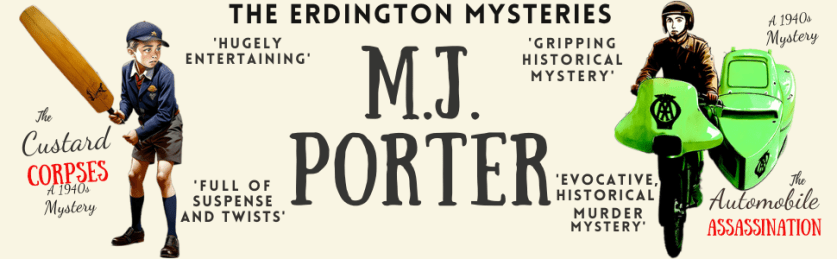
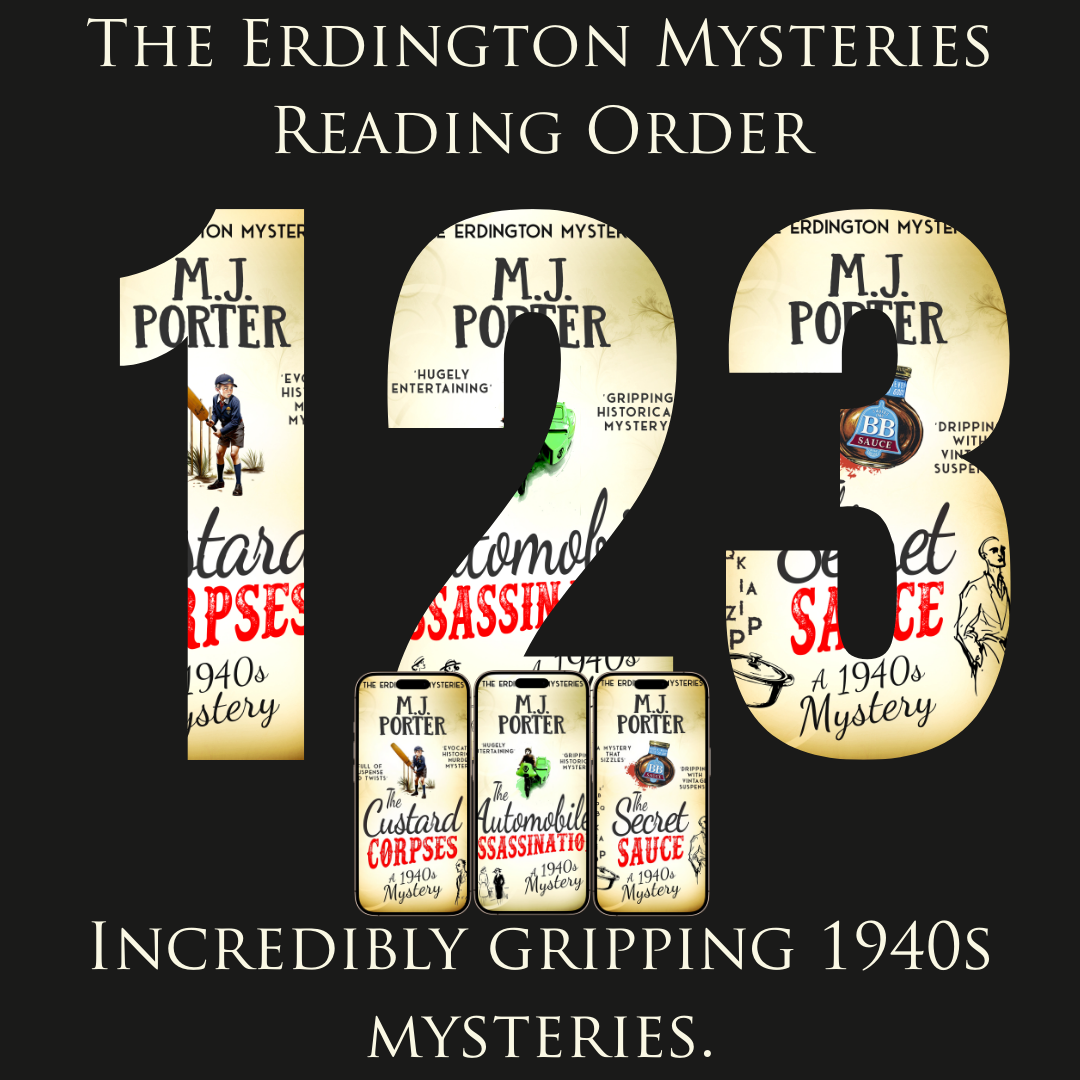
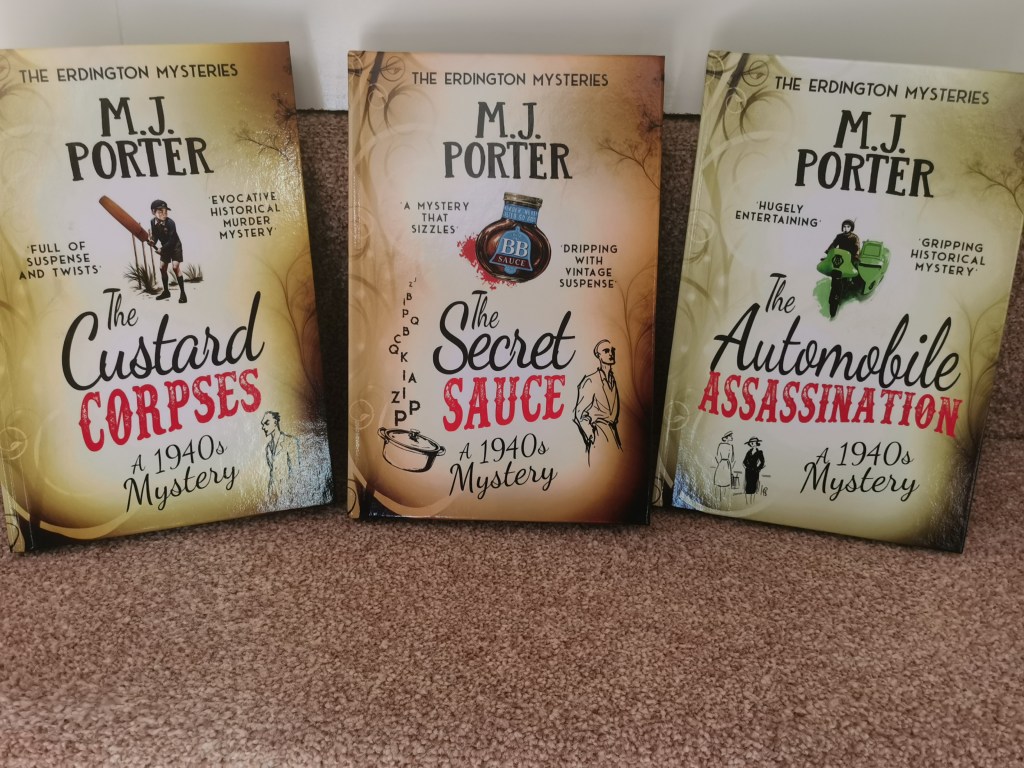
Buy The Custard Corpses here, available in ebook, paperback, hardback and audio. Or, check out the signed editions page to get a copy directly from me. Book 3, The Secret Sauce, is available now, (as is book 2, The Automobile Assassination).
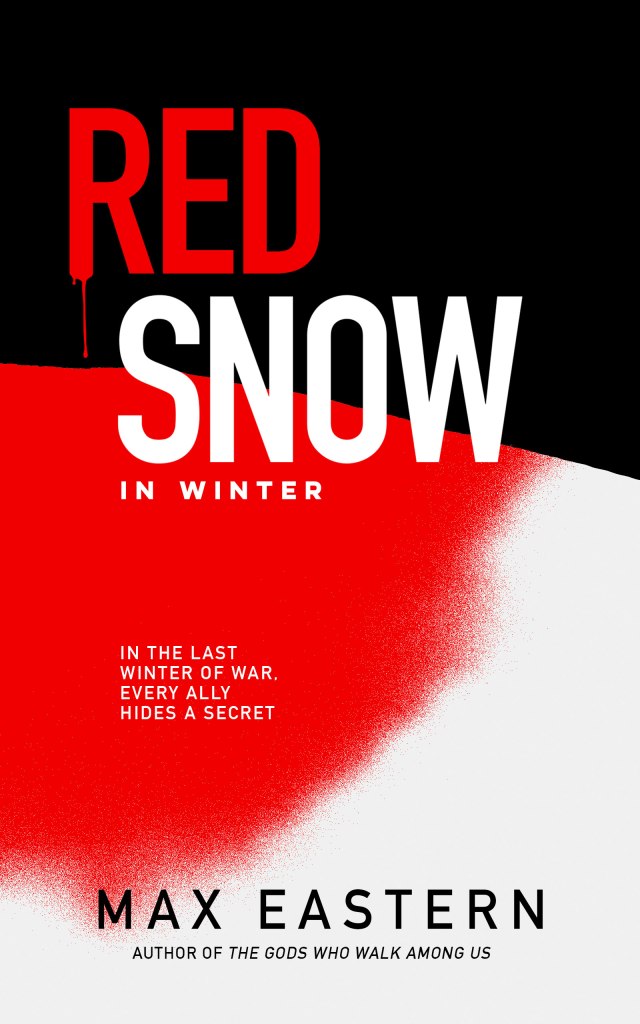
Haunted by the memory of a secret love affair in Nazi-occupied Prague, American intelligence officer Julius Orlinsky is caught in a deadly web of espionage when a routine assignment in Washington, D.C., disintegrates into murder, attempted murder, and blackmail.
Determined to uncover the truth, Orlinsky’s quest takes him from the halls of the Pentagon to a prisoner-of-war camp in Maryland, and, finally, to the city of Budapest under siege. It’s a shadow world where a lifetime of loyalty can be undone by one secret revealed. Orlinsky soon learns the personal stakes couldn’t be higher. His investigation threatens to expose a betrayal by the woman he believed was the love of his life.
But Orlinsky has no choice. Charged with an assignment critical to ensuring America’s safety, he must confront the ghosts of his past as he navigates a terrain of double agents, war-hardened German and Russian soldiers, and fanatics who will stop at nothing to silence him.
Praise for Red Snow in Winter:
“Red Snow in Winter is a gripping, ingenious cat-and-mouse political thriller. A young U.S. Army Intelligence officer finds himself caught up in a deadly espionage battle involving Americans, Nazis, and Russians that he can only survive by finding out who to trust–and also by finally uncovering the truth about long-buried secrets from his own shadowy intelligence past. Smart writing, a high stakes plot, and fascinating historical background. Author Max Eastern really delivers the goods in this must-read page-turner of a novel.“
— R.G. Belsky, author of the Clare Carlson mystery series
“I found a great new-to-me author in Max Eastern. I love how he brought his characters to life and made the situations in this novel seem as though they were happening in front of me.”
— Terrie Farley Moran, national bestselling co-author of the Jessica Fletcher Murder She Wrote mystery series
“Red Snow is a well-paced thriller capturing the paranoia and moral complexity of WWII’s twilight hours. This is spy fiction that respects its readers’ intelligence, offering a nuanced exploration of loyalty, betrayal, and a little romance.“
–Emilya Naymark, author of Behind the Lie
“A masterclass in espionage and moral ambiguity, it’s an atmospheric ride of a thriller with plot twists worthy of Hitchcock.“
–Mally Becker, author of The Turncoat’s Widow
“This is a fast-moving, page-turning espionage thriller set just after the war. Highly recommended for anyone who wants to be kept up at night!“
–Deborah Swift, author of The Shadow Network
“Max Eastern attacks his story with dry aplomb and a stripped-down journalistic surety, yet it’s got more switchbacks than San Francisco’s Lombard Street, and every curve is taken with his foot on the gas.“
— Timothy Miller, author of The Strange Case of the Pharaoh’s Heart
This title is available to read on #KindleUnlimited.
Meet the author
The stories his father told him about his time as an intelligence officer in World War II inspired Max Eastern to write Red Snow in Winter. He has written about history for several magazines and online publications, with subjects ranging from Ulysses Grant and Benedict Arnold to Attila the Hun.
His modern noir novel The Gods Who Walk Among Us won the Kindle Scout competition and was published by Kindle Press in 2017.
A lawyer specializing in publishing, he resides in New York State. To learn more, go to maxeastern.wordpress.com.
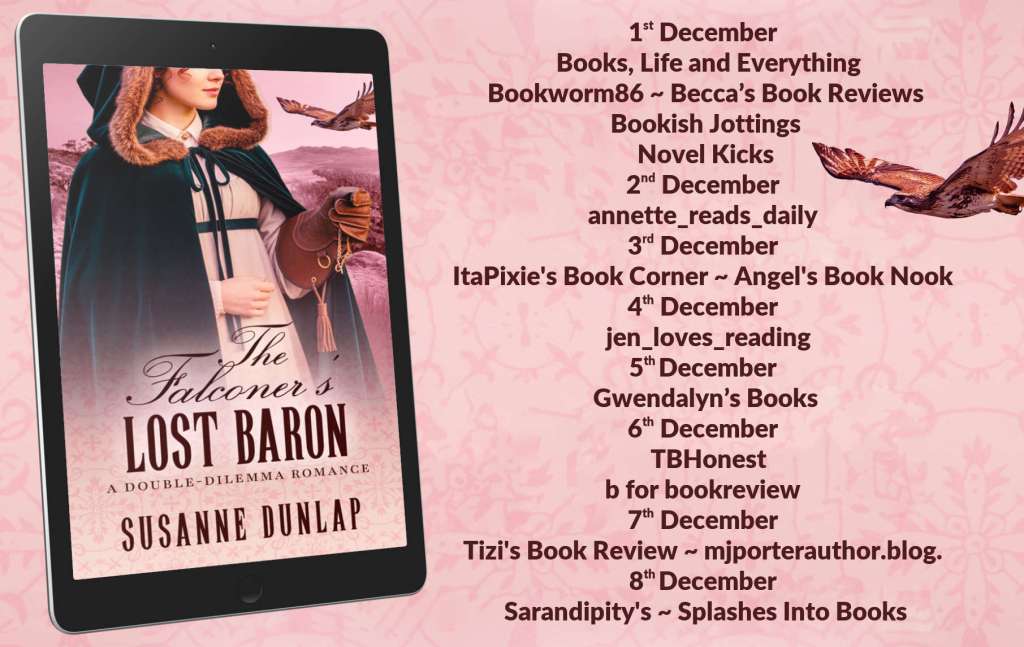
I’m welcoming The Falconer’s Lost Baron by Susanne Dunlap to the blog #blogtour #RegencyRomance #bookreview
Here’s the blurb
A sweeping Regency tale of identity, devotion, and unexpected romance.
Lady Antonella thought she knew who she was—until a shattering family secret strips her of her name, her place in society, and her future. Cast adrift in Cornwall, she finds an injured goshawk in a poacher’s net and begins to nurse it back to health. But the hawk belongs to the war-scarred Lord Atherleigh—a man haunted by loss, determined to dismantle his mews, and certainly not expecting a spirited young woman to upend his solitude.
In London, her twin sister Belinda—radiant, poised, and newly on the marriage market—has only one goal: to find a worthy match… for Antonella. But when Hector Gainesworth, a charming rogue with laughter in his eyes and secrets of his own, turns his attention to Belinda instead, her heart begins to spin in an altogether unexpected direction.
As the sisters navigate betrayal, desire, and the demands of their hearts, two men must decide whether to risk everything for love. And Antonella’s goshawk may be the wild, winged thread that binds their fates.
The Falconer’s Lost Baron is the third of Susanna Dunlap’s Regency romances I’ve read, and I’ve enjoyed all of them (see my reviews below for the previous two books). Every book offers something a little different, while still delivering on what we all expect from a Regency romance.
This new title will delight fans of the genre (there is no need to have read the previous two titles, although you will be missing a treat.)
Susanne Dunlap is the award-winning author of over a dozen historical novels, as well as an Author Accelerator Certified Book Coach in fiction, nonfiction, and memoir. Her love of history began in academia with a PhD in music history from Yale. Her novel THE PORTRAITIST won first prize in its category in the 2022 Eric Hoffer Book Awards, and was a finalist in the CIBA Goethe Awards and the Foreword Indies Awards. THE ADORED ONE: A NOVEL OF LILLIAN LORRAINE AND FLORENZ ZIEGFELD, won first place in its category in the 2023 CIBA Goethe Awards for Late Historical Fiction. Today, she lives, coaches, and writes in beautiful Biddeford, Maine.
I’m sharing my review for Death of a Billionaire by Tucker May #mystery #blogtour #bookreview @tuckermaymysteries @rararesources @rachelsrandomresources
Here’s the blurb
Ever dream of killing your boss? Alan Benning knows how you feel.
The problem: his billionaire boss actually winds up murdered. And the whole world thinks he did it.
When globetrotting tech billionaire Barron Fisk is found dead on the floor of his swanky Silicon Valley office, all evidence points to Alan.
Alan must venture into the glitzy, treacherous world of tech billionaires to clear his name by sorting through a long list of suspects with motive aplenty. If he can’t find the real culprit, Alan’s going down. The clock is ticking.
Who killed Barron Fisk? The truth will shock— and change— the entire world.
Fans of Richard Osman’s The Thursday Murder Club series, Carl Hiaasen’s tales of high-stakes hijinx, or Ruth Ware’s page-turning mysteries will love Death of a Billionaire.
Death of a Billionaire is indeed a fun mystery, with a varied cast of characters, some of them not very nice, as they live their uber-rich lifestyles. It is a story told with irreverence and an eye to what’s currently happening in the world of tech. It is a very enjoyable, fast-paced mystery that you will power your way through.
I was drawn to the title by the mention of Carl Hiaasen, and while it’s been far too long since I read a Carl Hiaasen book that I can’t definitely make comparisons, the humour certainly reminded me of one of Carl’s books.
For a debut novel, Death of a Billionaire is very accomplished, and I do recommend it to fellow readers who love a good contemporary mystery (well, actually, it’s slightly futuristic) and like to have a little giggle along the way.
Meet the author
Tucker May was raised in southern Missouri. He attended Northwestern University where he was trained in acting and playwriting. He now lives in Pasadena, California with his wife Barbara and their cat Principal Spittle. He is an avid reader and longtime fan of the Los Angeles Rams and Geelong Cats. Death of a Billionaire is his debut novel.
Chief Inspector Mason of Erdington Police Station is summoned to the Dunlop Rubber Company by an irate Mrs Adams from the Buying Department on a cold Tuesday morning in December 1944.
No sooner have he and O’Rourke managed to uncover the cause of Mrs Adams’ telephone call to the police station, than events take a far more chilling turn than the rogue situation’s vacant advertisement first alluded. It might just be that they’re in the right place at the right time to prevent a terrible tragedy. Or are they?
As the barrage balloon threatens to break free from its winch truck in the terrible wind, Sam Mason makes a most unwelcome discovery. Who killed the man, but more importantly, how did he end up, roped to the barrage balloon? And with the WAAF denying their involvement, how was the barrage balloon even floated? What does it all mean? And when they discover the secret tyre formula from the Testing Department has also been stolen, Sam starts to fear there is even more at stake.
Join Mason and O’Rourke for the fourth book in the quirky, historical mystery series, as they once more attempt to solve the impossible in 1940s Erdington.
Buy The Custard Corpses here, available in ebook, paperback, hardback and audio. Or, check out the signed editions page to get a copy directly from me. Book 3, The Secret Sauce, is available now, (as is book 2, The Automobile Assassination).
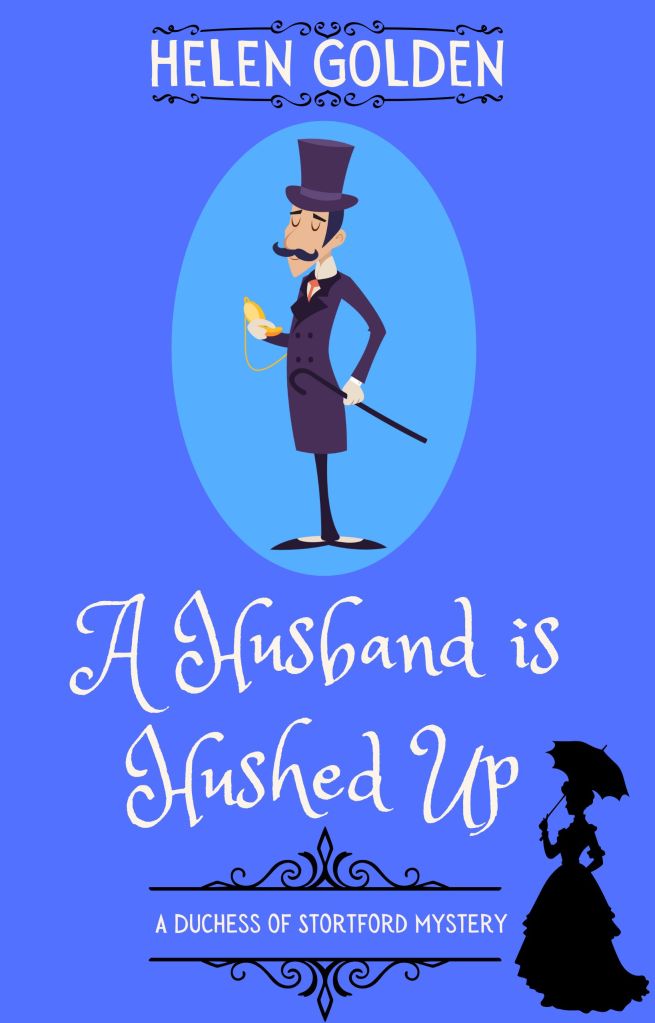
I’m delighted to welcome a returning Helen Golden to the blog with her new book, A Husband is Hushed Up #bookreview #historicalmystery #blogtour #avidreader @rararesources @rachelsrandomresources @helengoldenauthor
Here’s the blurb
A fatal fall. A duchess determined to uncover the truth. And barely any time for tea.
Fenshire, 1891. It was meant to be a birthday celebration weekend in the country—cucumber sandwiches, polite conversation, and maybe a waltz or two. But when the Duke of Stortford is found dead in a crumpled heap at the foot of the stairs everything goes dreadfully sideways. The police declare it a tragic accident. His wife, Alice, has her doubts. After all, only hours before, the Duke had promised to give up his mistress and make a go of their marriage. Now he’s inconveniently deceased.
Driven by a need for answers, and helped by her fiercely loyal maid Maud, her observant footman George, and her childhood friend Lord Rushton, Alice sets about uncovering the truth. But as she navigates a house full of secrets, simmering tensions, and more than one guest with murderously bad manners, her suspect pool grows to include those closest to her. Can she piece together the truth? Or will her husband’s murderer get away with it after all?
The guests are leaving. The killer may be among them. Time is running out…
A Husband is Hushed Up is the first full-length novel in Helen Golden’s new historical mystery series (I have read the prequel).
The first book takes readers to a very familiar location, and alas, also quite a familiar tragedy as a body is discovered on the staircase early one morning. Alice determines to find the truth of what happened, even though everyone else is sure it’s simply a tragic accident. While she’s driven by the need to discover the truth, it is quite possible that she might regret her actions as the story unfolds.
This is another well-plotted mystery from Helen. I do love her mysteries. They’re always a sure-fire hit for me, and a treat because a bit of a curse of also writing mysteries is that I often realise the threads and clues along the way. For this one, my suspicions were leaning in the right direction, but I’m not going to say why. That’s a writer trick:)
Another excellent mystery, and I look forward to the series continuing.
Check out my reviews for the books in Helen Golden’s Right Royal Mystery series, featuring one of Lady Alice’s descendants.
Helen Golden spins mysteries that are charmingly British, delightfully deadly, and served with a twist of humour.
With quirky characters, clever red herrings, and plots that keep the pages turning, she’s the author of the much-loved A Right Royal Cozy Investigation series, following Lady Beatrice and her friends—including one clever little dog—as they uncover secrets hidden in country houses and royal palaces. Her new historical mystery series, The Duchess of Stortford Mysteries, is set in Victorian England and introduces an equally curious sleuth from Lady Beatrice’s own family tree—where murders are solved over cups of tea, whispered gossip, and overheard conversations in drawing rooms and grand estates.
Helen lives in a quintessential English village in Lincolnshire with her husband, stepdaughter, and a menagerie of pets—including a dog, several cats, a tortoise, and far too many fish.
If you love clever puzzles, charming settings, and sleuths with spark, her books are waiting for you.
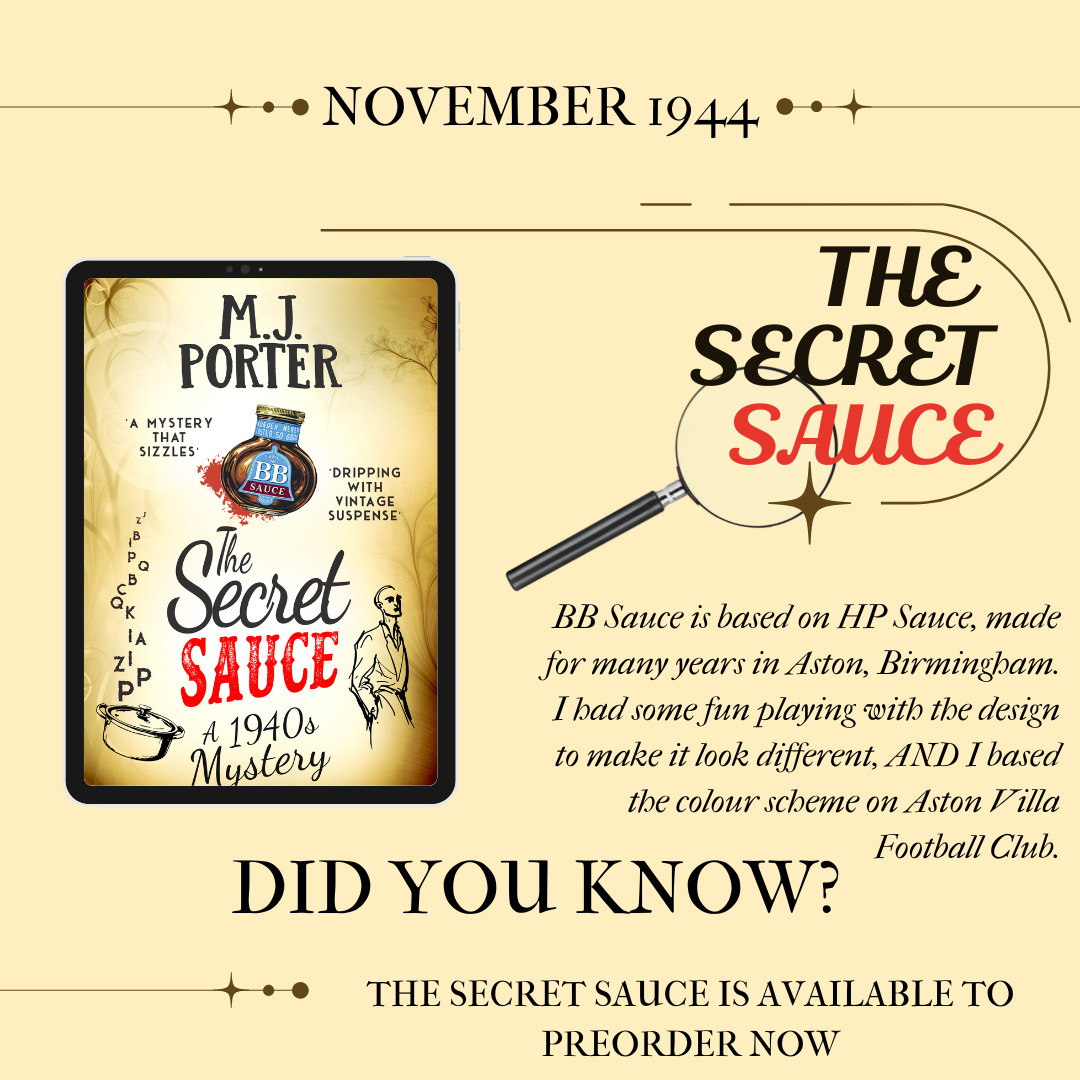
The Secret Sauce is on blog tour with Rachel’s Random Resources hosts. Check out the reviews, blog posts and Q & As below #histfic #historicalmystery
Here’s the blurb
Birmingham, England, November 1944.
Chief Inspector Mason of Erdington Police Station is summoned to a suspicious death at the BB Sauce factory in Aston on a wet Monday morning in late November 1944.
Greeted by his enthusiastic sergeant, O’Rourke, Sam Mason finds himself plunged into a challenging investigation to discover how Harry Armstrong met his death in a vat containing BB Sauce – a scene that threatens to put him off BB Sauce on his bacon sandwiches for the rest of his life.
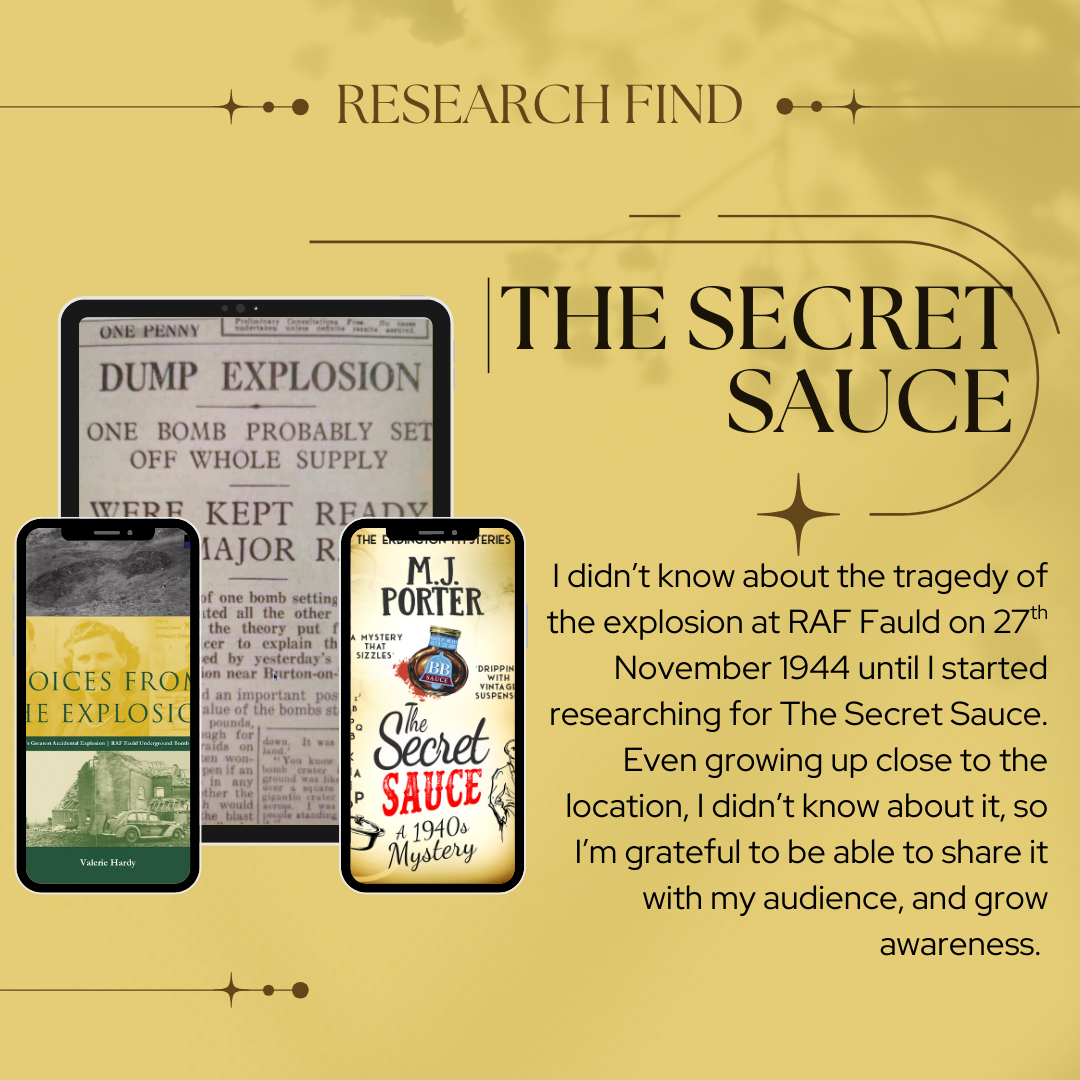
Together with Sergeant O’Rourke, Mason follows a trail of seemingly unrelated events until something becomes very clear. The death of Harry Armstrong was certainly murder, and might well be connected to the tragedy unfolding at nearby RAF Fauld. While the uncertainty of war continues, Mason and O’Rourke find themselves seeking answers from the War Office and the Admiralty, as they track down the person who murdered their victim in such an unlikely way.
Join Mason and O’Rourke for the third book in the quirky, historical mystery series, as they once more attempt to solve the impossible in 1940s Erdington.
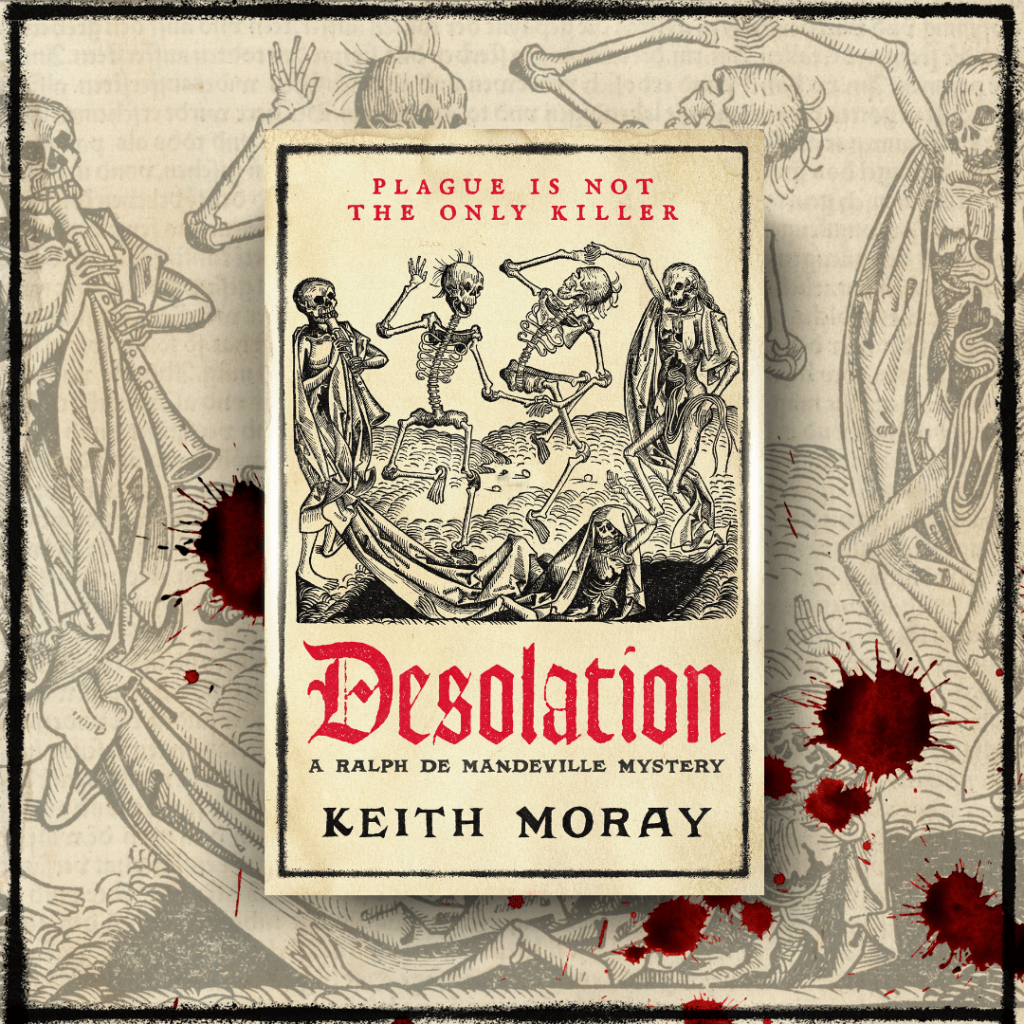
I’m sharing my review for Desolation by Keith Moray, a brand new historical mystery #bookreview #blogtour #newrelease
Here’s the blurb
A BRAND NEW wickedly dark medieval mystery from Keith Moray. If you like your murder truely gruesome – this series is for you! 🩸☠️🗡️
The Black Rood of Scotland, stolen.
A coroner of York, murdered
An evil worse than plague itself, at large…
1361, York. As the country recovers from the war with France, and whispers that the pestilence has returned to England grow louder, fear is in the heart of every nobleman and commoner alike. Sir Ralph de Mandeville, ex-solider and newly appointed Justice of the Peace is sent to Langbarugh, just outside York, to investigate the murder of Coroner Sir Boderick de Whitby.
More deaths quickly follow, and while these are swiftly dealt with as plague victims, Sir Ralph and his two assistants Merek and Peter soon uncover something altogether more horrifying… A greater evil is at large in the northern wapentakes.
As panic escalates and the lines between plague and murder blur, Sir Ralph is thrust into a desperate race against time. Every shadow hides a potential killer, every cough could be a death knell. Can he unmask a murderer lurking in the terrifying shadow of the Black Death before they’re all consumed by a terror more sinister than any plague?
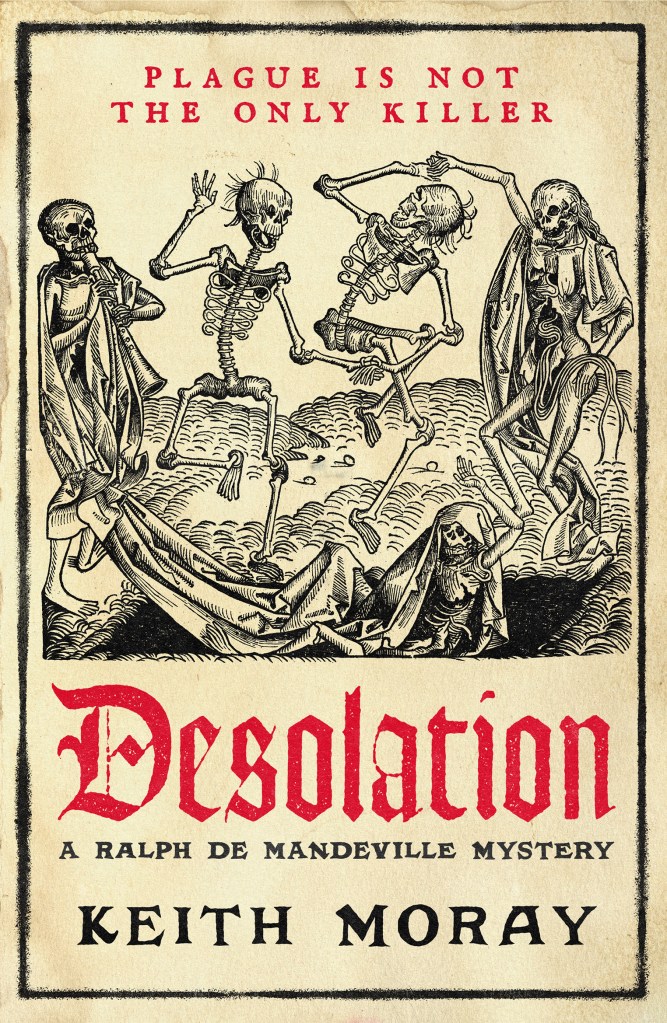
Desolation is the first book I’ve read by Keith Moray. I think the cover is fabulous and very evocative.
The story is intriguing, with a wide cast and it takes quite some time until we finally meet Ralph de Manville because there are so many other characters to meet first. I do hope that in later books in the series, Ralph will enter the narrative a little quicker.
It is quite a complex plot, because the narrative switches between characters so much. The reader does have to work to make sense of what’s happening. We are told certain things, but not others – so we know what’s happening but not necessarily who is doing it. The body count is HUGE!
When Ralph finally begins to make sense of what’s happening, the resolution comes quite quickly, and the ending is certainly satisfying.
I read a lot of mysteries. If I don’t work out ‘who did it’ I am always impressed, although with Desolation there are so many people implicated, it does feel as though there are a lot of people to guess. I worked out some elements, but not others, and I did very much enjoy the mystery element of the story.
Meet the author
Keith is a retired GP, medical journalist and novelist, writing in several genres. As Keith Moray he writes historical crime fiction in the medieval era and in ancient Egypt, The Inspector Torquil McKinnon crime novels set on the Outer Hebridean island of West Uist, and as Clay More he writes westerns. Curiously, his medical background finds its way into most of his fiction writing.































































 MJ Porter