Author of Saxon historical fiction and non-fiction, 20th-century historical mysteries, and Norse-inspired historical romantasy. Book reviewer and blog host.
Clash of Kings has a number of characters, and some might be surprised to find Lady Eadgifu amongst them, but she was an incredibly important historical character, and I couldn’t leave her out of the narrative set at the English court.
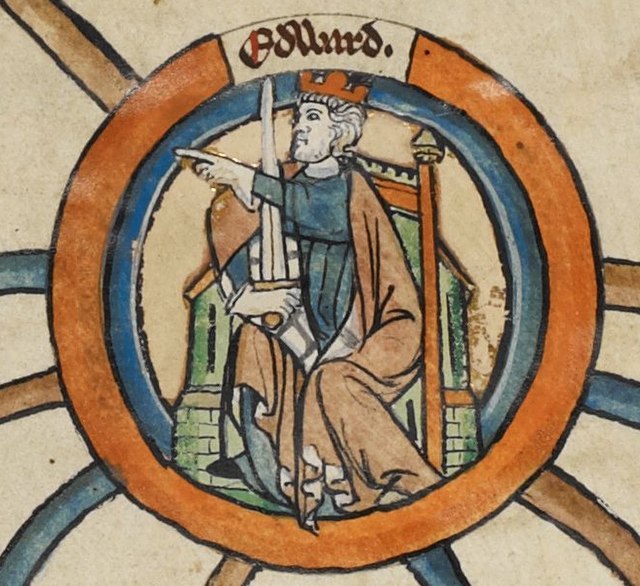
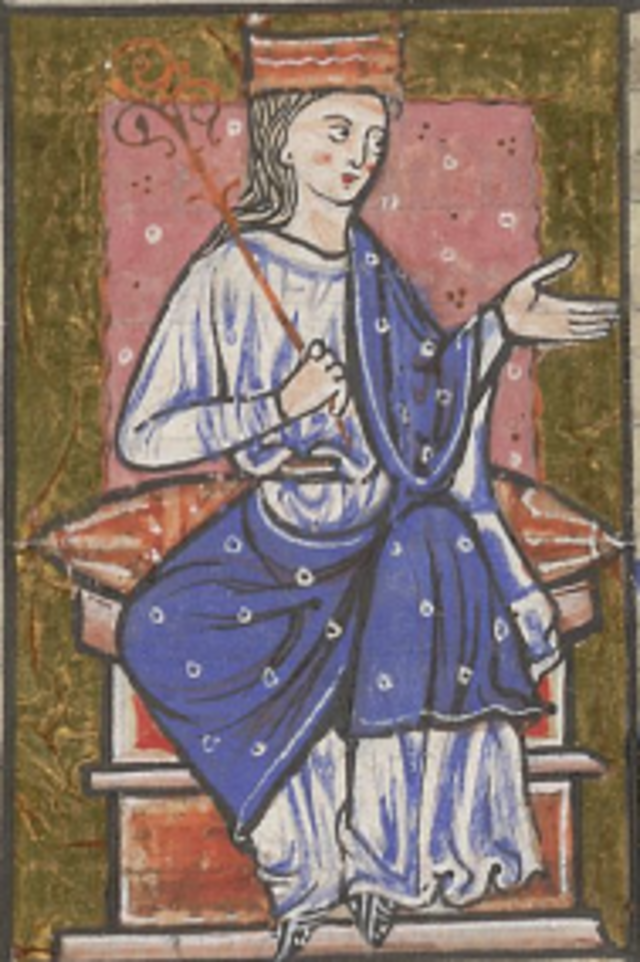
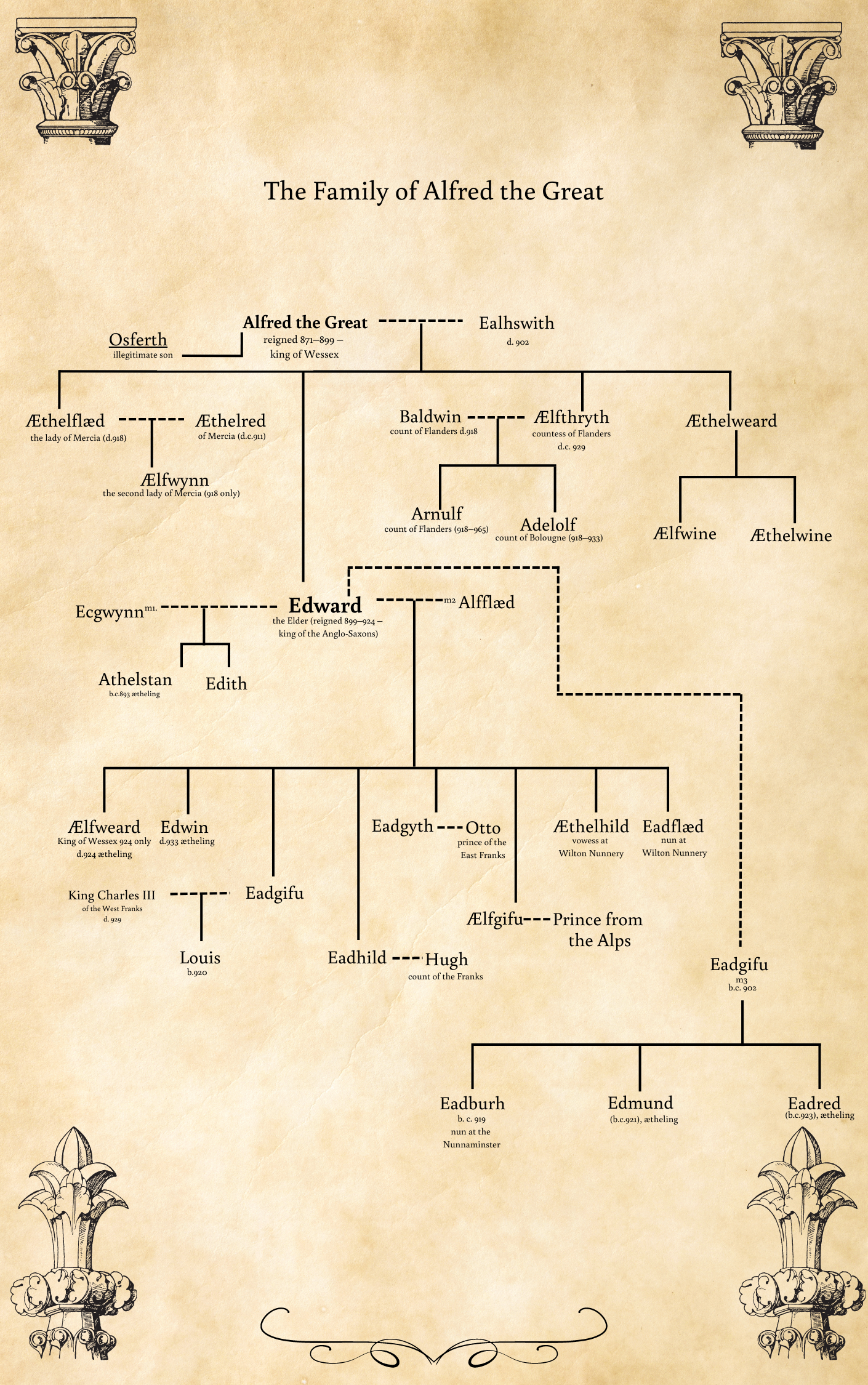
Lady Eadgifu was the third wife of Edward the Elder (r.899-924), king of the Anglo-Saxons. Edward the Elder was the father of King Athelstan, and a whole host of daughters, as well as five sons. Lady Eadgifu would, it seems, have been young when she married the aging Edward the Elder, and that meant that she long outlived him, and also, that her three children (possibly four, but I’ve opted for three) were young when their father died. And two of these children were sons, Edmund (born c.921) and Eadred (born c.923). Her daughter, Eadburh, is thought to have been the oldest of the three children, born c.919.
While Lady Eadgifu, from what’s known (and it isn’t much, as there are few surviving charters from the end of Edward’s reign) perhaps had little role to play while her husband lived, other than wife and mother to the king’s children, following his death, she became increasingly significant. She was the daughter of an ealdorman, who perhaps died just before her birth, and her family are said to have had connections with Kent. Indeed, it’s often stated that she brought her husband Kent with their union. By that, what’s often meant, is the loyalty of the Kentish people. Remember, at this time, we’re still just before the creation of ‘England’ as we would now recognise it.
Sadly, very little is known about Lady Eadgifu (and she’s not alone in this – many of the royal women ‘disappear’ at points in the historical record, and on occasion, are entirely lost.) We know about a land dispute she was involved in, and also much more information for after Athelstan’s reign.
Indeed, it has been said that during Athelstan’s reign,
‘Nor is it surprising that Eadgifu, as the consort of the previous king, served little role in her stepson’s court.[i]
‘the enhanced position [of Lady Eadgifu] may also have been developed specifically for the widowed Eadgifu as part of an alliance with her stepson Æthelstan [Athelstan] in which she supported his position and he recognised her sons as his heirs.’[i]
[i] Yorke, B. ‘The Women in Edgar’s Life,’ in Edgar, King of the English, 959-975 Scragg, D. ed (The Boydell Press, 2008), p.146
And it is this option that I’ve decided to explore in the Brunanburh series. Lady Eadgifu was wife to a king. She would have known her worth, even when faced with a stepson as the king of the English, and another stepson, and stepdaughters, who perhaps didn’t share any love for their, potentially, younger stepmother.
Read Clash of Kings to discover her role in the aftermath of the victory for the English at Brunanburh.
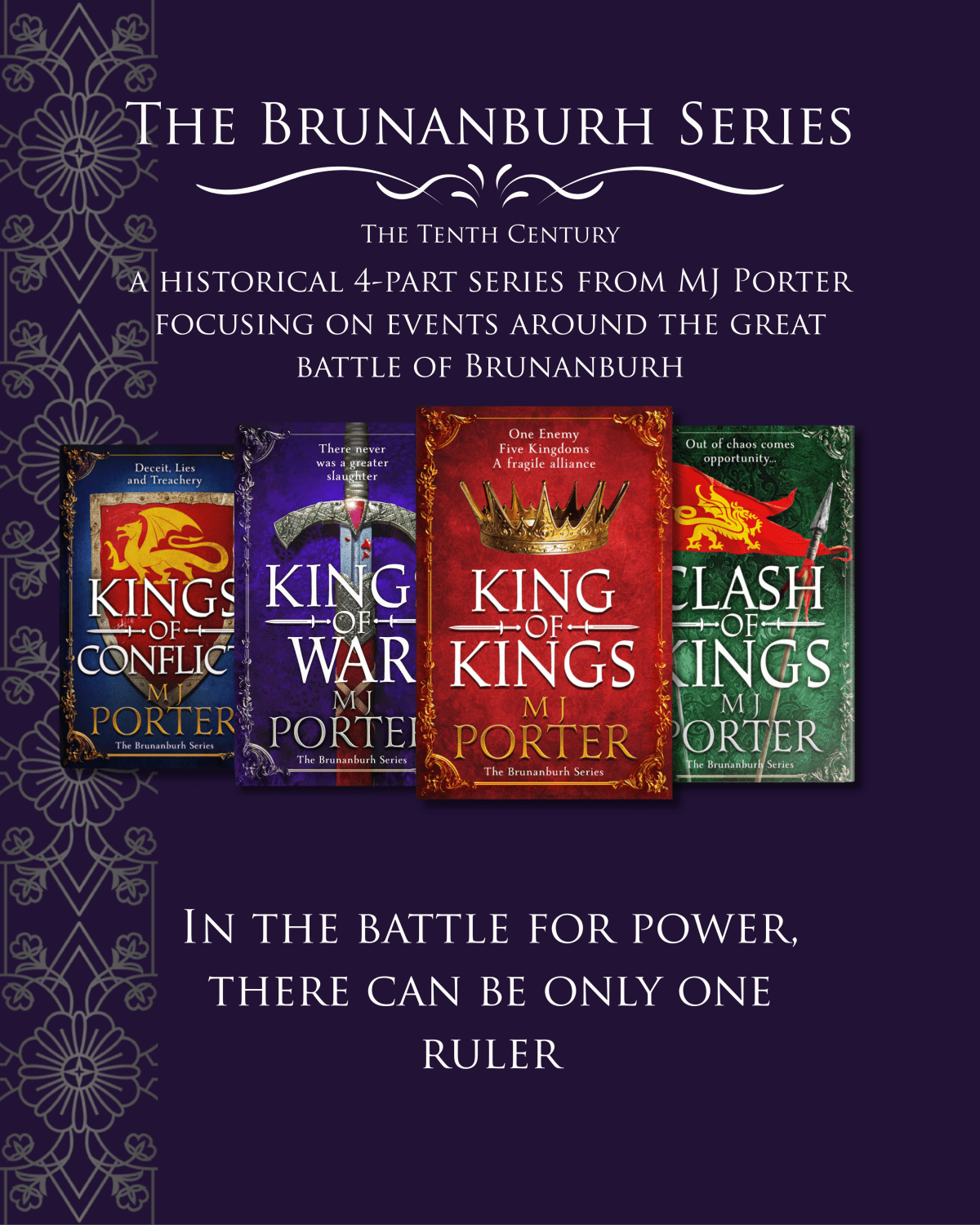
My new book, Clash of Kings, is a multi-viewpoint novel telling the story of events in Britain from 937-942. I thought it would be good to share details of the historical people my main characters are based on.
My portrayal of Hywel, better known as Hywel Dda (which autocorrect is determined should say Dad), and which means ‘good’ (a unique epithet in Wales), is of course, fictional, but who was the historical Hywel? Firstly, it should be noted that this epithet is a later invention, not assigned to Hywel until at least the twelfth century, and perhaps, as Dr. Kari Maund has commented in The Welsh Kings: Warriors, Warlords and Princes, a reflection of border events at that period rather than the earlier tenth century. (Dr Maund was one of my university lecturers, so she knows her stuff).
Hywel has no date of birth recorded, and indeed, like Constantin of the Scots, he seems to have ruled for a long time providing much-needed consistency. Hywel ap Cadell was the grandson of the famous Rhodri Mawr, who’d united the kingdoms of the Welsh during his rule. But, this unity fragmented on Rhodri’s death.
To begin with, Hywel ruled Dehuebarth, probably with his brother, Clydog, (who may have been the younger brother) after the death of their father in c.911. He, his brother, and his cousin, Idwal of Gwynedd, submitted to the English king, Edward the Elder in the late 910s.
‘and the kings of Wales: Hywel and Clydog and Idwal and all the race of the Welsh, sought him as their lord [Edward]’. ASC A 922 corrected to 918 (Swanton, M. trans and edit The Anglo-Saxon Chronicles, (Orion Publishing Group, 2000)p.103-4)
Not long after, Clydog died, leaving Hywel as ruler of Dehuebarth. Hywel had also married Elen, the daughter of Llywarch and niece of Rhydderch, the last king of Dyfed, and he was able to use this alliance to eventually claim Dyfed as well.
Hywel’s believed to have been highly educated, and some historians suggest he was particularly fascinated with King Alfred, and all he’d achieved and was therefore keen to emulate many of his actions. This could also be why his name came to be associated with the codification of laws in later traditions. What fascinates me most about Hywel is his decision to ally closely with King Athelstan. Certainly, he’s a intriguing figure in early tenth-century Britain, and not just because we know he made a pilgrimage to Rome in 928, and still managed to return back to his kingdom and continue ruling it.
Hywel seems to have distanced himself from events which led to the battle of Brunanburh in 937, but in my portrayal of him, he still classifies himself as very much Athelstan’s ally. Events in Clash of Kings might well test that allegiance.
Today sees the release of Clash of Kings, the third book in the Brunanburh series. But who was Athelstan, king of the English?
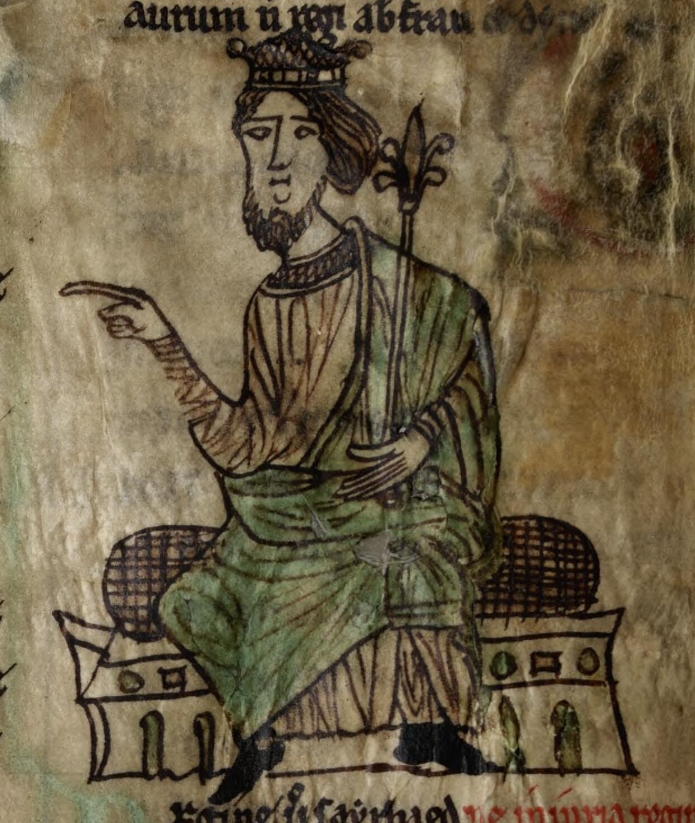
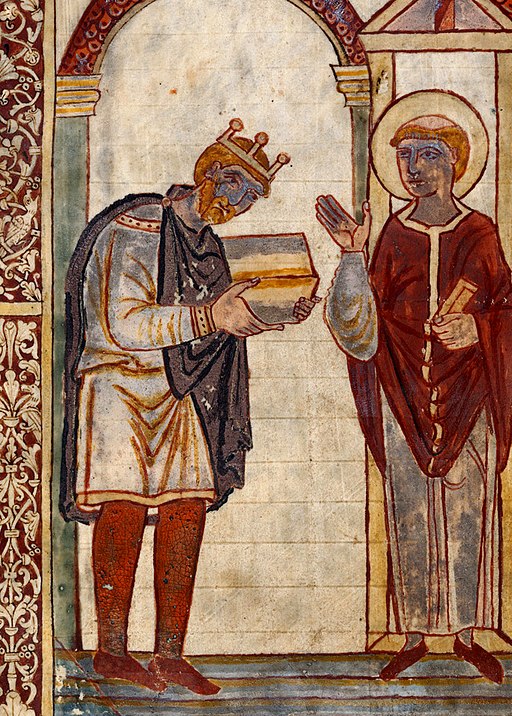
Based on a historical person, my portrayal of him, is of course, fictitious, but there are many historical details known about him. However, we don’t know for sure who his mother was, it’s believed she might have been called Ecgwynn, and we don’t know, for certain, the name of his sister, but it’s believed she might have been named Edith. What is known is that his father was Edward, the son of King Alfred, and known to us today as Edward the Elder. Athelstan is also rare in that he is one of only two Saxon kings for who a contemporary image is available. (The other is Edgar, who would have been his nephew)
It must be supposed that Athelstan was born sometime in the late 890s. And according to a later source, that written by William of Malmesbury in the 1100s (so over two hundred years later), Athelstan was raised at the court of his aunt, Æthelflæd of Mercia. The historian, David Dumville, has questioned the truth of this, but to many, this has simply become accepted as fact.
‘he [Alfred] arranged for the boy’s education at the court of his daughter, Æthelflæd and Æthelred his son in law, where he was brought up with great care by his aunt and the eminent ealdorman for the throne that seemed to await him.’[i]
[i] Mynors, R.A.B. ed and trans, completed by Thomson, R.M. and Winterbottom, M. Gesta Regvm Anglorvm, The History of the English Kings, William of Malmesbury, (Clarendon Press, 1998), p.211 Book II.133
Why then might this have happened? Edward became king on the death of his father, Alfred, and either remarried at that time, or just before. Edward’s second wife (if indeed, he was actually married to Athelstan’s mother, which again, some doubt), Lady Ælfflæd is believed to have been the daughter of an ealdorman and produced a hefty number of children for Edward. Perhaps then, Athelstan and his unnamed sister, were an unwelcome reminder of the king’s first wife, or perhaps, as has been suggested, Alfred intended for Athelstan to succeed in Mercia after the death of Æthelflæd, and her husband, Æthelred, for that union produced one child, a daughter named Ælfwynn.
There is an acknowledged dearth of information surrounding King Edward the Elder’s rule of Wessex. He’s acknowledged as the king of the Anglo-Saxons. His father had been the king of Wessex. Historians normally use the surviving charters to unpick the political machinations of the Saxon kings, but for Edward, there’s a twenty year gap between the beginning and end of his reign, where almost no known genuine charters have survived. What isn’t known for sure, is how much control, if any, he had in Mercia. Was Mercia subservient to Wessex or was it ruled independently? It’s impossible to tell. And this makes it difficult to determine what Athelstan might have been doing, and also what his father’s intentions were towards him.
Frontispiece of Bede’s Life of St Cuthbert, showing King Æthelstan (924–39) presenting a copy of the book to the saint himself. 29.2 x 20cm (11 1/2 x 7 7/8″). Originally from MS 183, f.1v at Corpus Christi College, Cambridge. (Wikimedia Commons)
What is known is that following the death of King Edward in 924, Athelstan was acknowledged as the king of Mercia; his half-brother, Ælfweard was proclaimed king in Wessex. As with all events at this time, it shouldn’t be assumed that just because this is what happened, this is what was always intended.
‘Here King Edward died at Farndon in Mercia; and very soon, 16 days after, his son Ælfweard died at Oxford; and their bodies lie at Winchester. And Athelstan was chosen as king by the Mercians and consecrated at Kingston.’[i]
[i] Swanton, M. trans and edit The Anglo-Saxon Chronicles, (Orion Publishing Group, 2000), D text p.105
But, if Athelstan was raised in Mercia, it’s highly likely he was a warrior from a young age, helping the Mercians defeat the Viking raiders who still had control of the Danish Five Boroughs of Lincoln, Nottingham, Derby, Nottingham and Leicester.
Throughout King of Kings and Kings of War, my character, Athelstan, has proven himself to be amendable to peace as well as prepared to fight for his kingdom. He’s had to contend with some very unruly family members (it’s no wonder he never married), and also some aggressive neighbours. It’s perhaps his relationship with his brother, Edmund, and Hywel, king of the Welsh, that has revealed Athelstan as the man he might like to be remembered, but it is his victory at Brunanburh, against the Norse and the Scots, which he now has to contend with. Has Athelstan finally freed the English from the Viking raider/Norse menace?
Confusingly, Athelstan the Ealdorman shares the same name as King Athelstan of the English, a fact I allow the pair to find amusing because of the uncertainty it causes.
Athelstan is the son of an ealdorman, and one of four brothers, although one has already died . Athelstan, Eadric and Æthelwald are held in high regard by King Athelstan and all become ealdormen.
In my version of events, Athelstan is married to Lady Ælfwynn, the cousin of King Athelstan and daughter of Æthelflæd, the lady of Mercia, a suggestion that isn’t widely accepted, but is certainly a possibility, thus making him a member of King Athelstan’s extended family. His epithet, the Half-King could have arisen because he was indeed married to the king’s cousin (under Athelstan, Edmund and Eadred).
Even if Athelstan Half King wasn’t married to the daughter of Lady Æthelflæd of Mercia, it seems he was married to an Ælfwynn. He was a powerful man, building a dynasty, and also part of a powerful dynasty. Between him and his brothers, they must often have been found at the court of the king in the tenth-century. Athelstan was the ealdorman of East Anglia, his older brother, Ælfstan, one of the ealdormen of Mercia (930-934) before his death, while Eadric was an ealdorman of Wessex (942-949), and Æthelwald was an ealdorman of Kent (940-946).
Athelstan the ealdorman seemed an obvious choice for me to develop as a character in the series. He’s closely bound to the ruling family, married into it, and he’s also a warrior who fought at the battle of Brunanburh. His influence continues to grow in Clash of Kings. His relationships with his brothers was also fun to explore. Powerful men, with warriors at their command, and fiercely invested in the future of the English kingdom.
With Clash of Kings being released on 13th January 2024, I thought I’d reintroduce my readers to the main characters.
Here’s Edmund, ætheling and Prince of the English.
Edmund, of the House of Wessex, is the second-youngest halfbrother of the king of the English, Athelstan. His date of birth is not known for sure, but it’s believed to have been in about 921, as he’s said to have been 18 when he became king on Athelstan’s death. His mother is Lady Eadgifu, the third wife of Edward the Elder. He has a full brother, Eadred, even younger than him, and a sister who may have been older than him, and who became a cloistered woman.
Family tree by Boldwood Books
‘And the Ætheling succeeded to the kingdom; and he was then 18 years old.’ (ASC A)
Edmund would only have been very young when his father, Edward the Elder, died in 924. It’s doubtful whether he had any memory of him at all. It’s long been believed that his mother, Lady Eadgifu, was responsible for raising him and his younger brother. What precisely Edmund was doing during the reign of his older half-brother isn’t known for sure. He is said to have fought beside him at the Battle of Brunanburh, but some historians cast doubt on this.
As a character in Kings of War and Clash of Kings, Edmund has become a man throughout the previous books, and developed a close relationship with Athelstan. But, he’s still young. He’s riven with indecision, and while delighted to have been involved in the success of the battle of Brunanburh, he’s happy to let his older brother rule England. There is also an on-going thread which pitches Edmund against the family of Constantin, the king of the Scots. Events in Clash of Kings will have a profound effect on young Edmund.
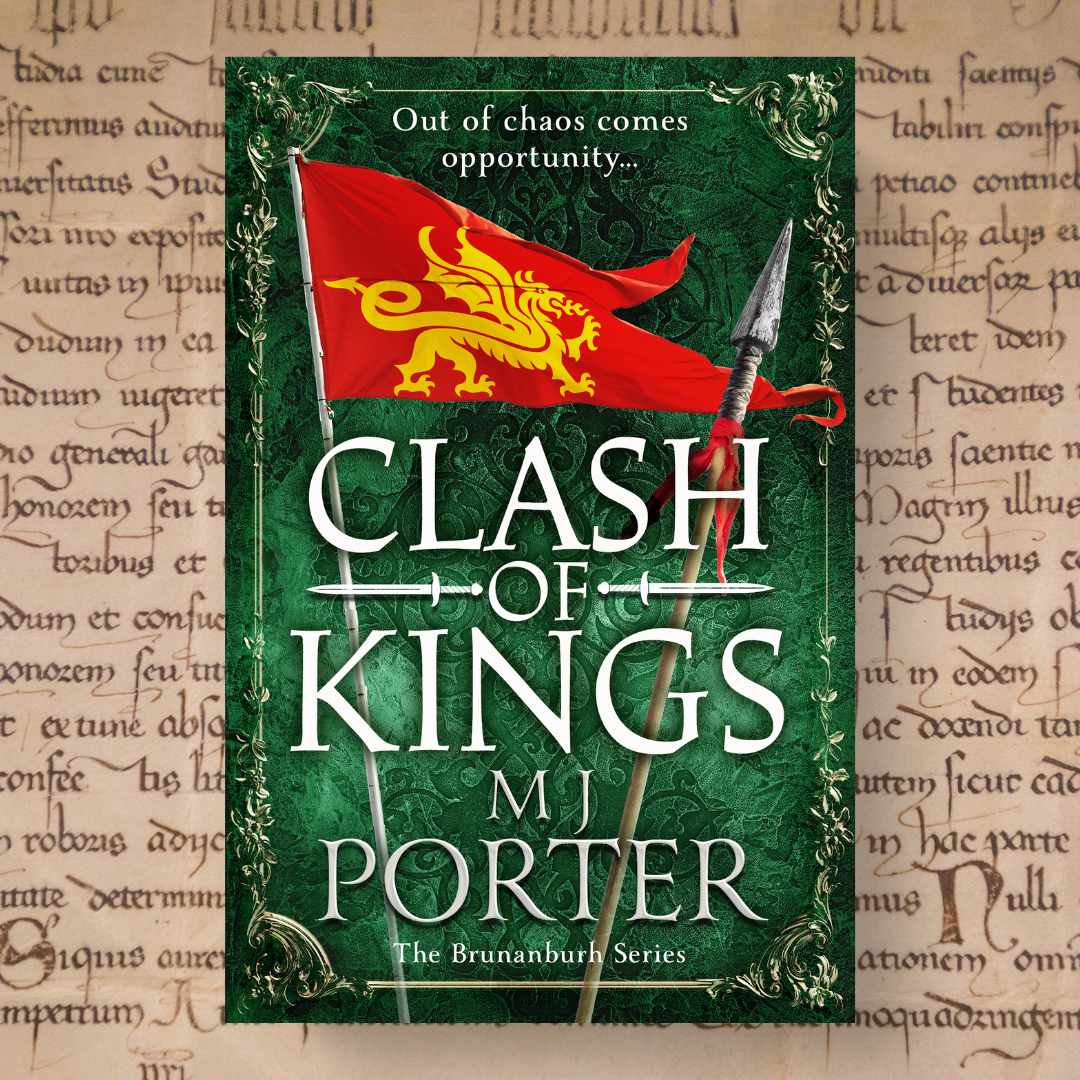
Clash of Kings is released on 13th January, so time for a little refresh on who the many characters are.
First up, Olaf Gothfrithson, our friendly Norse Viking ruler. I know he’s someone that many readers really enjoy reading about.
Olaf Gothfrithson, is the son of Gothfrith, who King Athelstan of the English, beat to the kingdom of York or Jorvik in King of Kings in about 927.
Olaf, was perhaps a grandson or great-grandson of Ivarr the Boneless (it’s difficult to piece together the family connections, and indeed, in an initial draft I named Olaf’s brothers entirely incorrectly). Ivarr was the famous Viking raider who led part of the Great Heathen Army in the 860s before meeting his death in 870 or 873, depending on which contemporary source you read.
Olaf claimed Dublin following the death of his father , although not without some fighting. In Ireland, he had many enemies, including Olaf Cenncairech (Scabbyhead) of Limerick and Donnchad of the Southern Ui Neill.
Olaf is known to have been one of four brothers. Halfdan, who died in 926, according to the Irish Annals, Blakari and Rognvaldr being the other two, who both play a role in future events.
Affairs in Ireland at this time were complex. Dublin was largely a Norse enclave, involved in almost constant warfare with the Irish clans. Claire Downham has written extensively on this period. ‘The rivalry between Limerick and Dublin marks an important chapter in the history of vikings in Ireland. The number of viking campaigns recorded in these years rivals any other period of Irish history. The influence of the vikings is reflected in the range of their campaigns across the island and in the involvement of Irish overkings in their wars.’ (Viking Kings of Britain and Ireland: The Dynasty of Ivarr to A.D. 1014, C. Downham, p. 41)
Affairs in Ireland fall far outside my expertise, but I hope I’ve correctly portrayed what events are known from this period and which concern Olaf Gothfrithson (you’ll find his name also written as Óláfr Gu∂rø∂sson and Amlaib), Olaf Cenncairech – Scabbyhead (a wonderful name for the man – again my thanks to C. Downham for including this in her work) – and Olaf’s brothers and sons.
In Kings of War, Olaf is staunchly determined to claim back ‘his’ lost kingdom of Jorvik. I can’t say things went according to plan at Brunanburh, and our first encounter with Olaf in Clash of Kings is of a man beaten and bruised. Will he exact his revenge against Athelstan and Edmund?
My portrayal of Constantin, the king of the Scots, is of course fictional in the Brunanburh series, but he is based on a historical individual, Constantin (e) II, so who exactly was he?
Constantin is a fascinating character. Again, and as with Athelstan, his exact date of birth is unknown, but it must have been, at the latest, by 877/8, when his short-reigned father died.
By 900, Constantin was the king of the Scots (we think – there is some confusion about this). This wasn’t yet quite Scotland, but it was getting there. The ancient kingdoms of Cait, Fortriu, Atholl and Dal Riata, were ruled by one king, Constantin. But, he hadn’t succeeded his father, Aed, but rather a man named Domnall II, his cousin. At this time there were two rival dynasties and they strictly alternated the kingship.
Affairs in the kingdom of the Scots often intermingled with those of the independent kingdom of Bamburgh, Strathclyde, and of course, the Norse, or Viking raiders, if you will. Indeed, the entry recording Constantin’s death in the Annals of Ulster, reads as though there was often strife.
‘Constantinus son of Ed held the kingdom for xl years in whose third year the Northmen plundered Dunkeld and all Albania. In the following year the Northmen were slain in Strath Erenn…And the battle of Tinemore happened in his xviii year between Constantin and Ragnall and the Scotti had the victory. And the battle of Dun Brunde in his xxxiiii year.’ (Alex Woolf, From Pictland to Scotland, 789-1070,p.126)
Constantin, ruling for decades, and I mean decades, seems to have brought much needed stability to the kingdom, as affairs there very much mirrored the emerging ‘England’ to the south.
‘Constantin’s reign has increasingly come to be see as one of the most significant in the history of Scotland. Not only was it very long, at least forty years, but it was also the period during which conflict and diplomatic relations between a kingdom recognisably ancestral to Scotland and one recognisably ancestral to England first occurred.’ (Alex Woolf, From Pictland to Scotland, 789-1070, p.128)
Constantin allied with the rulers of Bamburgh, and York, and also, on occasion, both Æthelflæd of Mercia and Edward the Elder, after her death. But, he seems to have been quite flexible in his thinking, and was prepared to pick and choice as he saw fit.
By the beginning of Clash of Kings, Constantin would have been in his mid-sixties. He was certainly a more than adequate counterpart to Athelstan, king of the English, no doubt helped by his sons and grandsons, as his reign continued, but his participation at the battle of Brunanburh, and its subsequent failure, might well have severely undermined him.
With a successor, Mael Column, desperate to succeed him, and his son, Ildulb, just as keen to succeed Mael, it seems that Constantin is about to enter one of the most turbulent periods of his kingship.
Read Clash of Kings to discover what happens in the kingdom of the Scots.
I’ve just read my 2022 Writing Year in Review post, (you can read it here) and can assure you, I didn’t manage to stick to my carefully thought out first half of the year. Indeed, the only aspect I seem to have stuck is taking it a bit easier in December. I’ve not left myself with a huge looming deadline, although I haven’t accomplished all I might like to have done. But then, I often have unrealistic expectations of myself.
So, what have I been writing/editing in 2023? It’s time to turn to my trusty diary to find out.
In January, I submitted The Royal Women Who Made England: The Tenth Century in Saxon England a few days late – I didn’t correctly calculate how long the editing process would take. I was also working on book 2 of the Brunanburh series – this was a massive rewrite, adding 50% more content to the original version, and I was reediting A Conspiracy of Kings, ready for its book birthday in February. On a side note – it also seems that I undertook some much needed TLC on my iMac, which I’ve written down as ‘taking all afternoon.’ I think it might have slightly annoyed me, but the beast has been working much better ever since. But yes, I didn’t understand what I was doing in replacing the SSD hard drive but I’m glad I did. I also took a trip to Gloucester and I know I spent the entire train journey there, and back, editing Kings of War! (The things you remember). I have decided that if I ever struggle with a deadline, I’m just going to hop on a long train journey. It’s the ultimate means of isolating yourself.
In February, I was writing Protector of Mercia – which wasn’t my working title, and so has confused me as I put this together, and also editing Eagle of Mercia, not once but twice (copyedit and proofread), while King of Kings was released on 10th February.
For March, I set myself four pretty huge tasks – I’ve written them down on 1st March. But how did I get on? I finished the proofread for Eagle of Mercia. I worked on the structural edit for Kings of War, AND I was reediting Warrior King ready to have it made into an audio book, narrated by the trusty and fabulous Matt Coles.
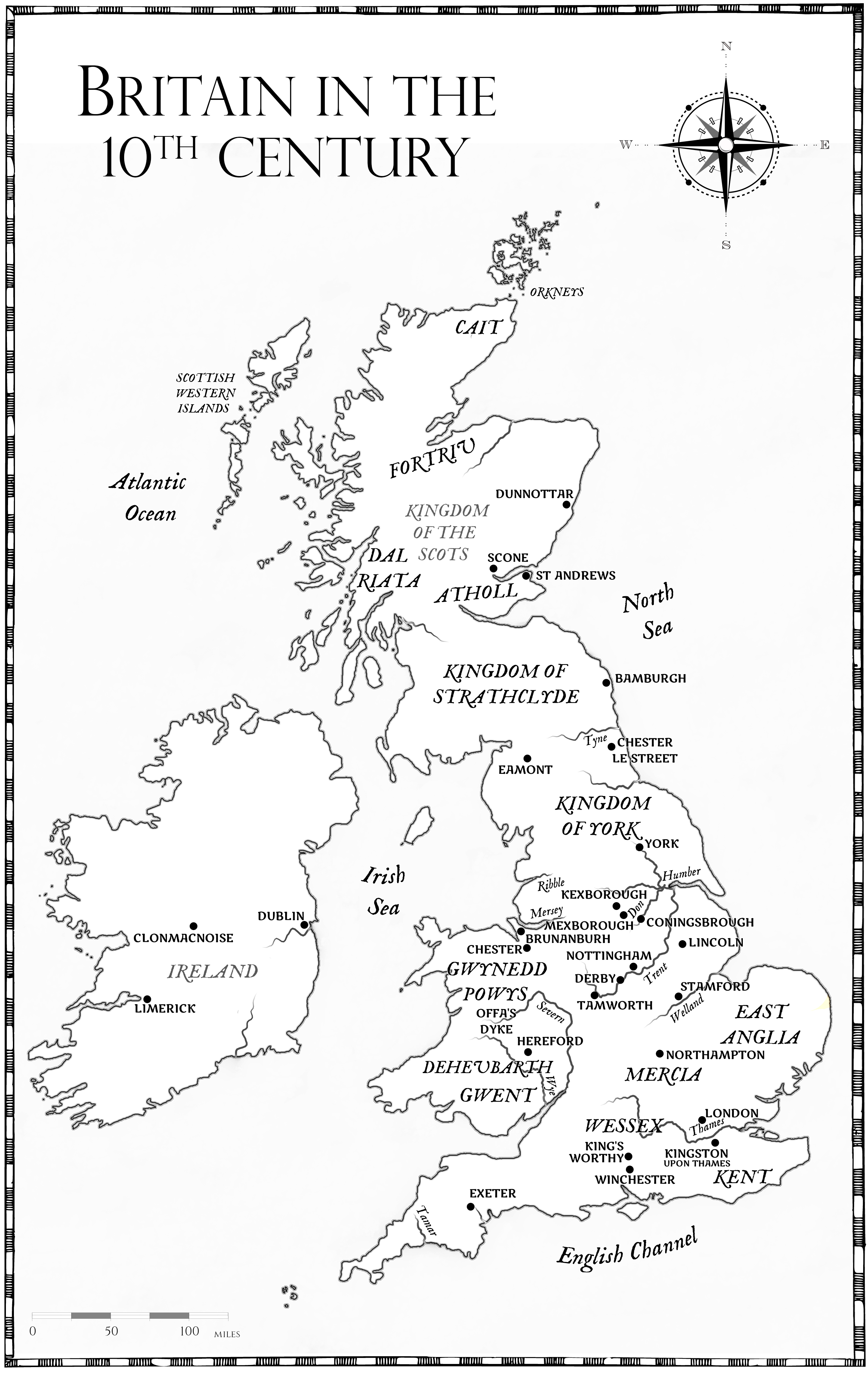
While working on Clash of Kings, I discovered, much to my annoyance that Limerick in Ireland was not at all where I ‘thought’ it was, and so had to do a large rewrite. My geography is woeful. I should have taken the time to check before I started writing the scene. I was also editing Protector of Mercia, which I sent to my editor on 31st March. I also went to work for a week in the school AND we moved house. Jeez. What a month. It seems that my fourth project didn’t even get a look in (I’m not surprised). Let’s see what happened in April.
April began with a scramble for my internet connection, having moved house. I was due to present for The History Quill on 4th April. Luckily, the internet worked after a few stupid mistakes on my part. I finally made it back to my missed project 4 in March, which was The King’s Brother, which I edited and continued to write. I also wrote a short story. And, I was working on some form of edits for Protector of Mercia and Kings of War. All the frantic activity of the last few months paved the way for my Summer holiday in Orkney – the temperature peaked on the last day in the middle of May at 13 degrees, and I came home with a burned bright red face. The light is just different in Orkney. It was a glorious two weeks away, very much in isolation on one of the more northerly islands. We fell foul of the ferry running aground, but we managed to book an alternative route home.
May 3rd saw the release of Eagle of Mercia, and I came back to two weeks of very long hours during the summer exam period at my local school. I spent my weekends working on structural edits for Protector of Mercia, and even managed to sneak in a trip to London for the Boldwood Books summer party. I spent the last week in May frantically editing The King’s Brother, which I should have done months before. I didn’t get much writing done in these two months, and I knew I wouldn’t, that’s why March had been such a mad month.
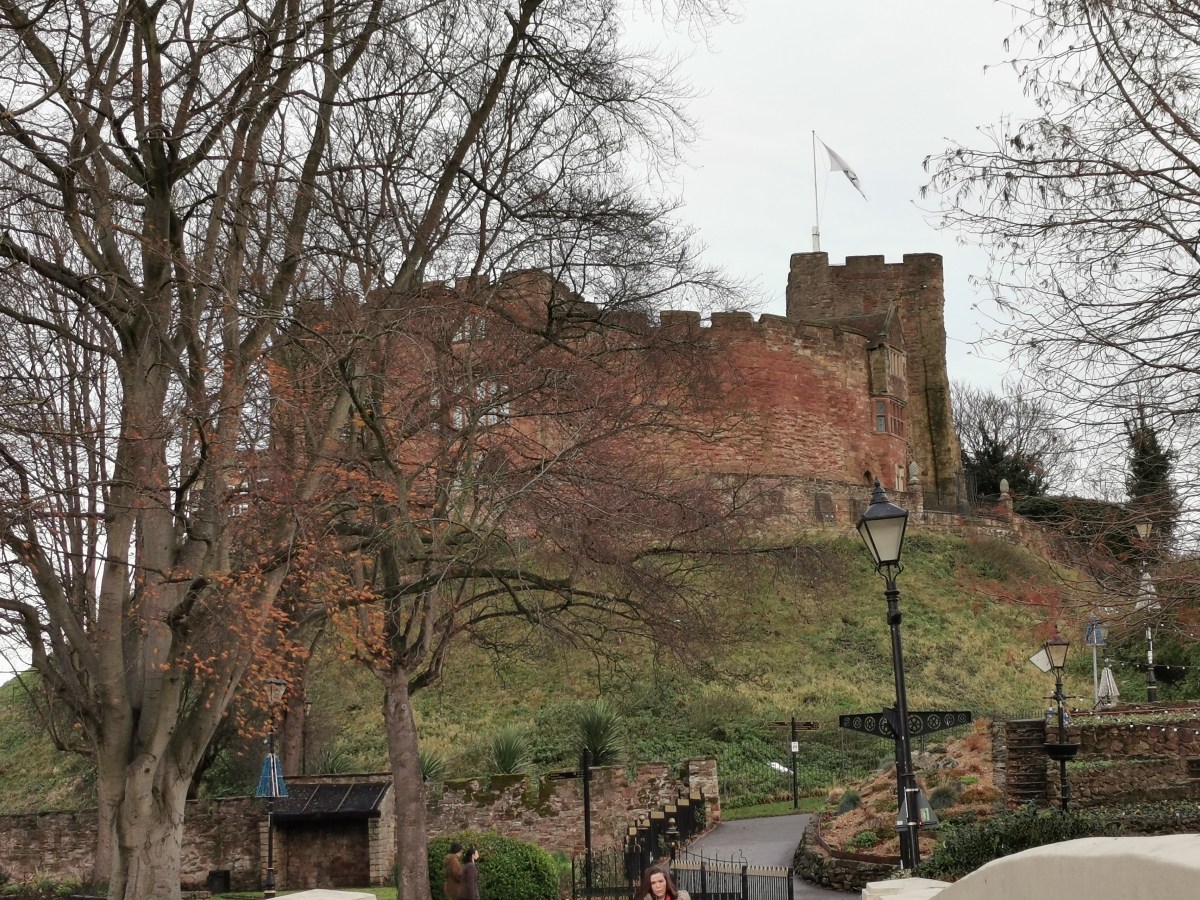
June was another busy month, but not in terms of writing. I participated in Æthelfest at Tamworth and by the end of the month I had (and I’ve not written this down) worked on some edits for Clash of Kings. It also saw the release of The King’s Brother. It had been very hard to return to the world of the Earls of Mercia, but with the help of Lady Godgifu, a character I developed substantially for the book, I felt it worked really well.
July 12th saw the release of Kings of War and I was once more embroiled in editing, both Protector of Mercia and my non-fiction title, as well as the structural edit from hell for Clash of Kings because of a problem when I’d converted it in Vellum, managing to muddle all the chapters. August saw me beginning work on Icel book 6, now Enemies of Mercia, and I really tried to concentrate on the title as I felt I’d done little ‘new’ writing for quite some time.
September saw the release of Protector of Mercia, and I held my first Zoom with readers to celebrate the release. It went really well. I was copyediting Clash of Kings, and also working on the first proof for The Royal Women of the Tenth Century, and producing the index for it. When that was done, I got back to Enemies of Mercia which was nearly finished, but not quite. The index stretched to 13 pages. It was a huge task. Next time I write a non-fiction title, I might miss out everyone’s names.
October saw Enemies of Mercia sent to my editor, and some more work which took me away from my desk. But, never fear readers, November was just around the corner, and that meant it was time for National Novel Writing Month, and a very, very welcome return to the world of Coelwulf from The Last King, but not before the final proofread for Clash of Kings.
In November I wrote, wrote, wrote. Not as much as in the past, but I was determined to get back to a good daily habit, and so I didn’t push myself until I had time to write 5k a day, which wasn’t until later in the month, as I had a structural edit for Enemies of Mercia to work on. And the second proof for The Royal Women also arrived in my inbox.
For December, remember above I said I had to be kinder to myself, I’ve given myself the time to finish writing The Last Viking, the new Coelwulf book, as well as writing a short story on my way home from London, and I’ve also got a final proof for The Royal Women Who Made England to look at. On the whole, a much quieter December to that of 2022, and far more enjoyable. It’s hoped this will recharge my batteries for what I hope will be a busy 2024, with another Coelwulf, Icel, Earls of Mercia and something new in the pipeline.
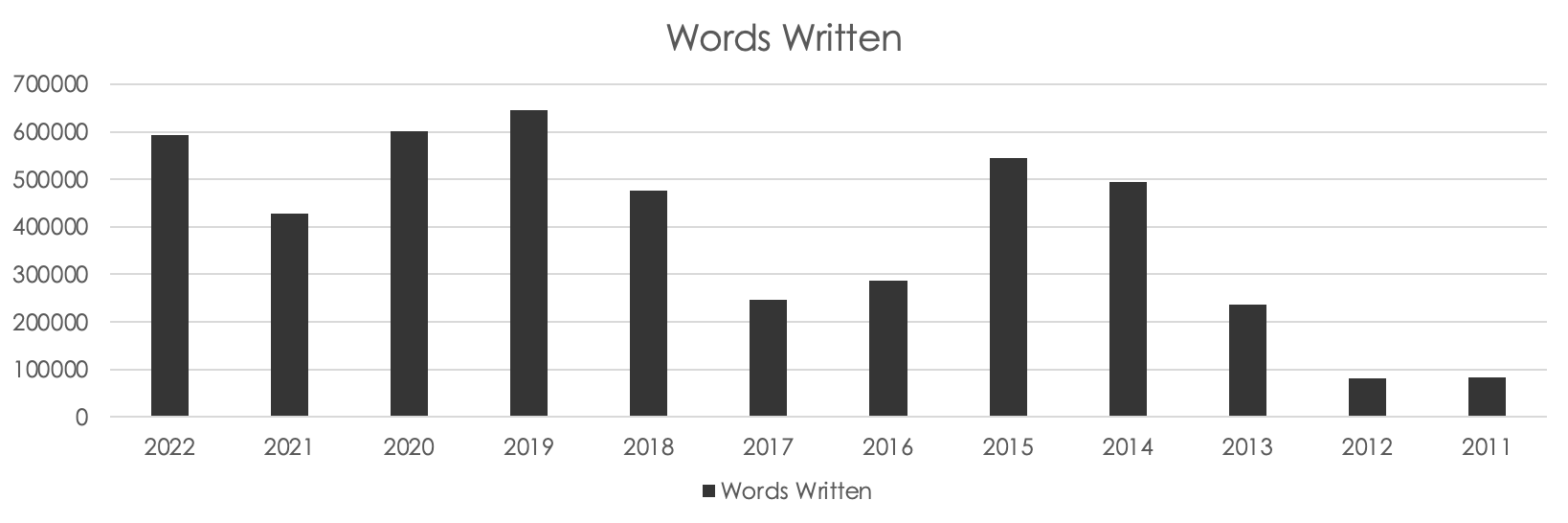
In terms of words written this year, a very rough tally sets it at about 340k, which is one of my lowest since 2017 – see my little chart below. (I can’t correctly determine all of the words written – I sometimes wish Word tracked how many words I deleted as well as how many I added). This might also be because some of my record keeping has been poor. My most prolific day was March 28th when I wrote 7000 words.
For 2024, I’m determined to work on my planning – not always easy with structural, copyedits and proofreads coming at me from all angles, but I am going to try and ensure I have more periods of time when I can write in a sustained way. I only managed this for three months in 2023. My style of writing means that I have to write quickly, or, quite frankly, I lose the thread of the story. I am, after all, a pantser, not a planner, and my characters very much lead the story. Sometimes, I need to give them a bit of time to decide what it is they intend to do.
Forthcoming releases with be Clash of Kings, The Royal Women Who Made England, The Last Viking and Enemies of Mercia. There will also be the fourth part of The Brunanburh Series later in the year. I had thought 2024 would be a quieter year, but clearly not.
If you want to follow my writing journey, join my newsletter. I update readers each month, and you can also join my Facebook group.
I will be sharing my reading year in review soon – there’s a lot of historical mystery in there:)
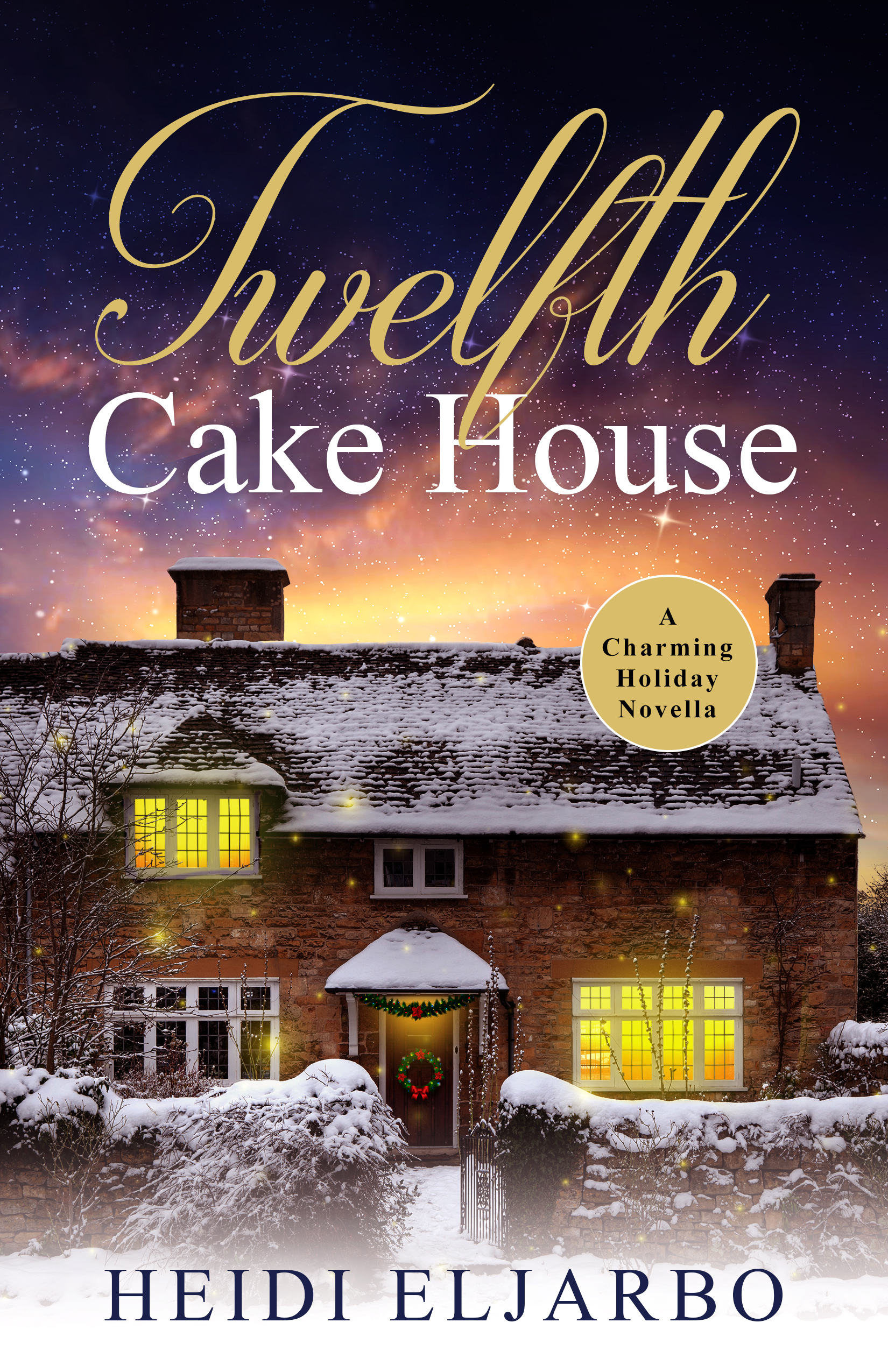
I’m delighted to welcome Heidi Eljarbo and her Christmas romance, Twelfth Cake House, to the blog
Here’s the blurb
Even a clever matchmaker may need a push in the right direction if she’s to find true love. When she’s asked to find a match for herself, it proves to be the most difficult task she’s ever undertaken.
Mid-December 1796.
Sixty-year-old spinster Miss Jemima Thurgood has three weeks to finish the preparations for her annual Twelfth Night party. In her position as a matchmaker, for over forty years she has assumed a grave responsibility. Luckily, she’s a shrewd observer of people, and many happy reunions have come about due to her exceptional talent for nudging kindred hearts in the right direction.
Every year, Jemima invites twelve carefully selected men and women to her festivity, and each guest is assigned a dinner partner. The days before the merrymaking are constantly disrupted by one unforeseen event after another. Jemima must work hard to be ready in time, and more importantly, to provide the kind of celebration her chosen guests deserve.
But this year, what Jemima doesn’t know is that her life is about to take a sudden change of course—one she could not have predicted or planned for. As the days pass, several gentlemen indicate they are interested in becoming better acquainted with her, but only a very special man can charm a matchmaker.
A sweet romance novella set during a witty and enchanting Georgian-Era Christmas, Twelfth Cake House is a story about traditions, goodwill, and finding hope and the courage to change and take a chance on finding true love.
Buy Links:
This title is available to read on #KindleUnlimited.
Heidi Eljarbo is the award-winning author of dual-timeline historical fiction with heartwarming clean romance, wit, and adventurous mystery.
Heidi grew up in a home filled with books and artwork and never imagined she would do anything other than write and paint. She studied art, languages, and history, danced on the BYU Ballroom Dance Team, and still sings in choirs.
After living in Canada, six US states, Japan, Switzerland, and Austria, Heidi now calls Norway home. She and her husband have a total of nine children, and fifteen grandchildren—so far—in addition to a bouncy Wheaten Terrier.
Their favorite retreat is a mountain cabin, where they hike in the summertime and ski the vast, white terrain during winter.
Heidi’s favorites are family, God’s beautiful nature, and the word whimsical.
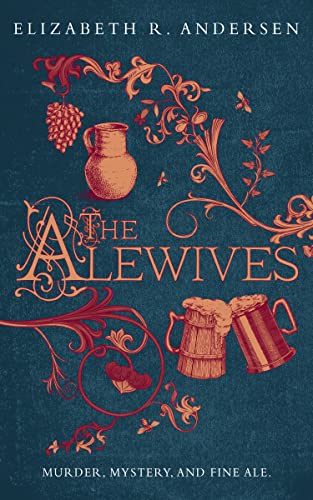
Hello readers. I had to share this because The Alewives is such a fantastic read. Do please snap it up. (Over night it’s been riding very high in the UK top 100 overall chart which is AMAZING). I’ve read the book and listened to the audio, and if you know me by now, that is very rare! So, yes, my love for this story is very genuine.
Here’s the blurb
Colmar, 1353 CE
Gritta, Appel, and Efi managed to survive the Black Death, only to find that they are in desperate need of money. With limited options and lots of obstacles, they band together to become alewives – brewing and selling ale in the free Alsatian town of Colmar. But when an elderly neighbor is discovered dead in her house, the alewives cannot convince the sheriff and the town council that her death wasn’t an accident, it was murder. As the body count piles up, the ale flows and mystery is afoot!
Set in the tumultuous years after the most devastating pandemic the world has ever experienced, The Alewives is a playful romp through a dark time, when society was reeling from loss and a grieving population attempted to return to normal, proving that with the bonds of love, friendship, and humor, the human spirit will always continue to shine.
The Alewives is a fantastically well-written murder mystery set in the immediate aftermath of the Black Death, with delightful characters and a sinister murderer and thief, at the heart of all the problems. Set in the tannery area of Colmar, something smells bad.
The three main characters of Gritta, Appel, and Efi are all glorious creations – Grita with her useless husband and horde of children (she had 12, you see), Appel with her mysterious nighttime activities, and young Efi, who has the sense of a young kid goat at the beginning of the tale.
This story is immersive and filled with just enough tension and humour to make even a story about those who survived the Black Death an absolute delight to read. The humour is well constructed, the antics of the three women, acting a little outside the ‘law’ in a deeply patriarchal society that doesn’t allow women to brew their own ale for profit, artfully created, and even the Friar, Wikerus, is a sympathetic character, in the end. The three women are put upon. Society is against them, as is the sheriff (all the male characters are dismissive of the women, but they get on with it, doing all they can to circumnavigate the obstacles placed in their path), and the church, and just about everyone else, but they triumph.
The mystery itself is really well constructed, as are the red herrings. I didn’t know who the culprit(s) (no spoilers here) were until the big reveal.
A short, sharp, snappy, hugely entertaining, medieval mystery that portrays the realities of life at the time, with just the right amount of humour to make it thoroughly entertaining. A well-deserved 5/5 from me!
Meet the Author
Elizabeth R. Andersen’s debut novel, The Scribe, launched in July of 2021. Although she spent many years of her life as a journalist, independent fashion designer, and overworked tech employee, there have always been two consistent loves in her life: writing and history. She finally decided to do something about this and put them both together.
Elizabeth lives in the Seattle area with her long-suffering husband and young son. On the weekends she usually hikes in the stunning Cascade mountains to hide from people and dream up new plotlines and characters.
– Join Elizabeth’s monthly newsletter and receive the first two chapters of The Scribe for free. Sign up at https://www.elizabethrandersen.com
– Find photos of hikes and daily author life at Elizabeth’s Instagram: @elizabethrandersen
– Follow Elizabeth on Twitter for nerdy medieval history facts: @E_R_A_writes

















 MJ Porter

