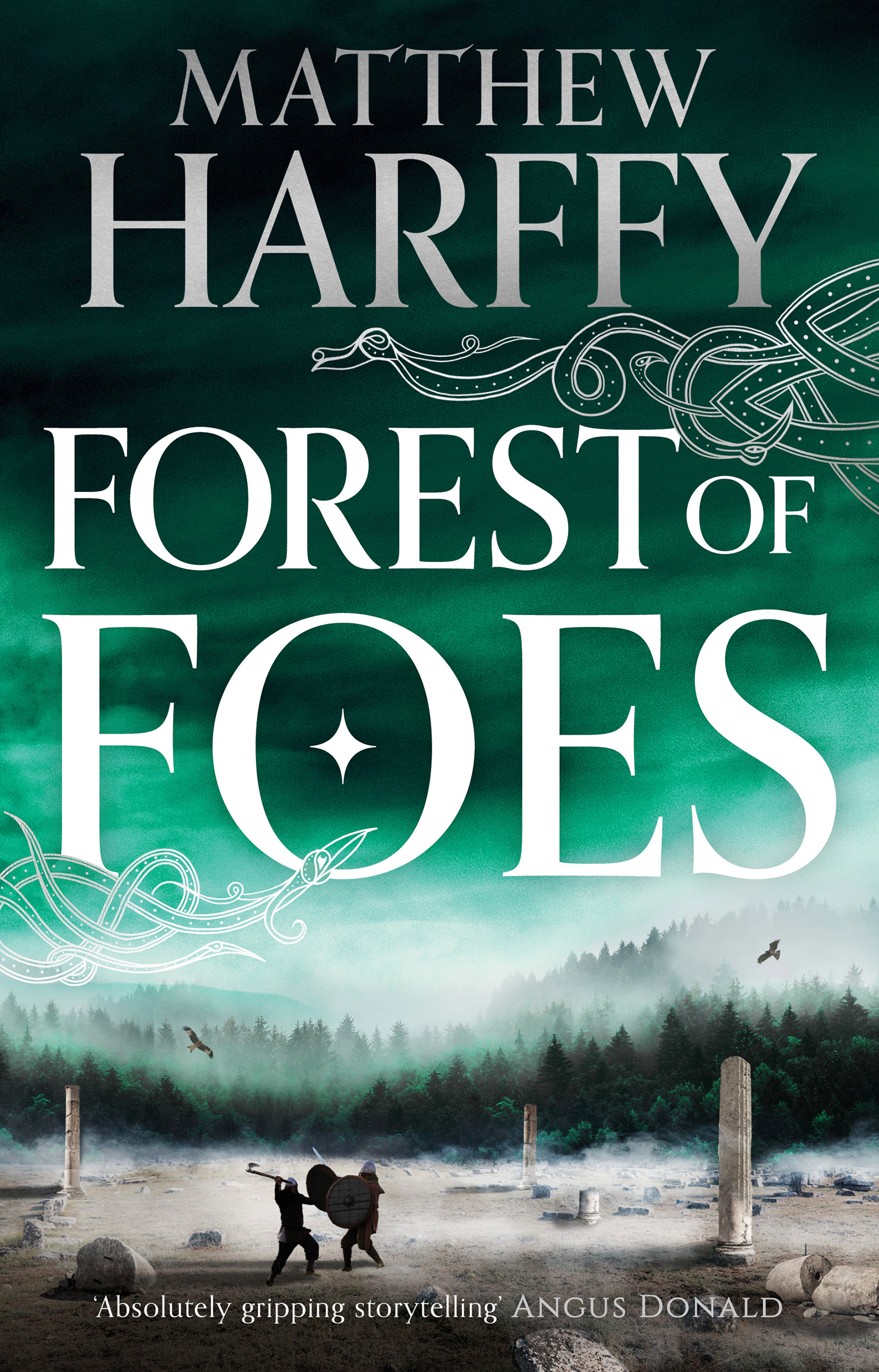
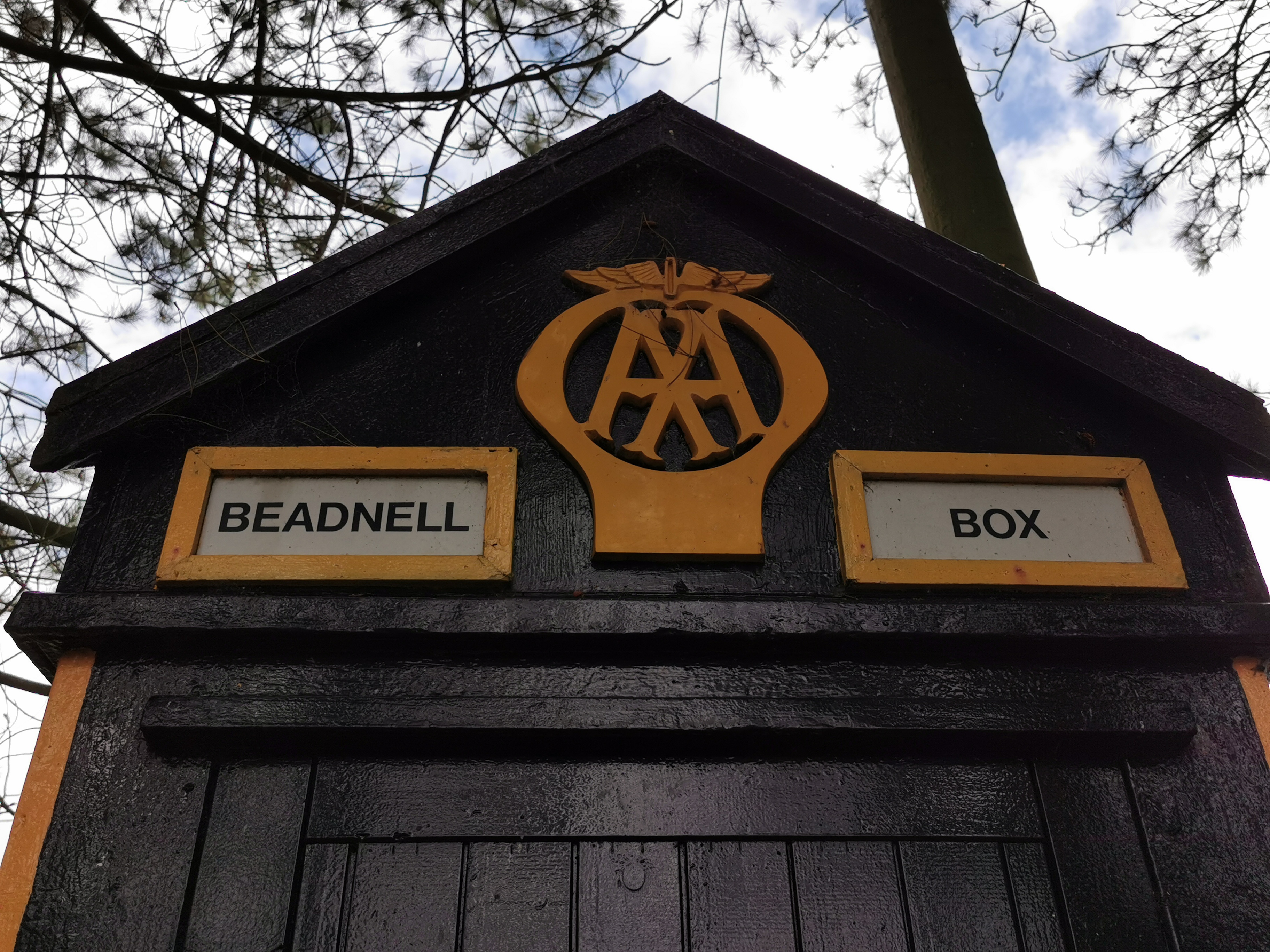
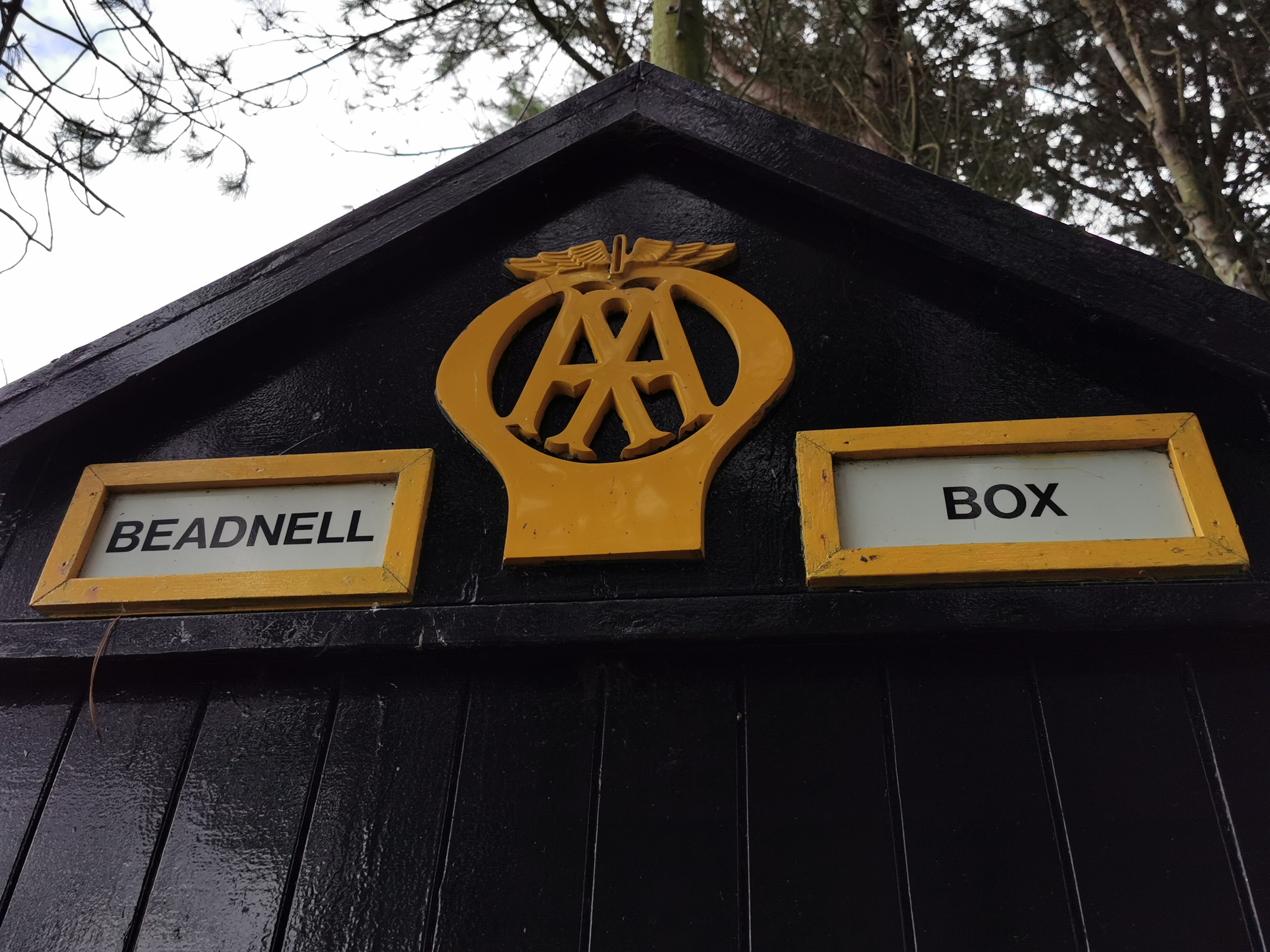
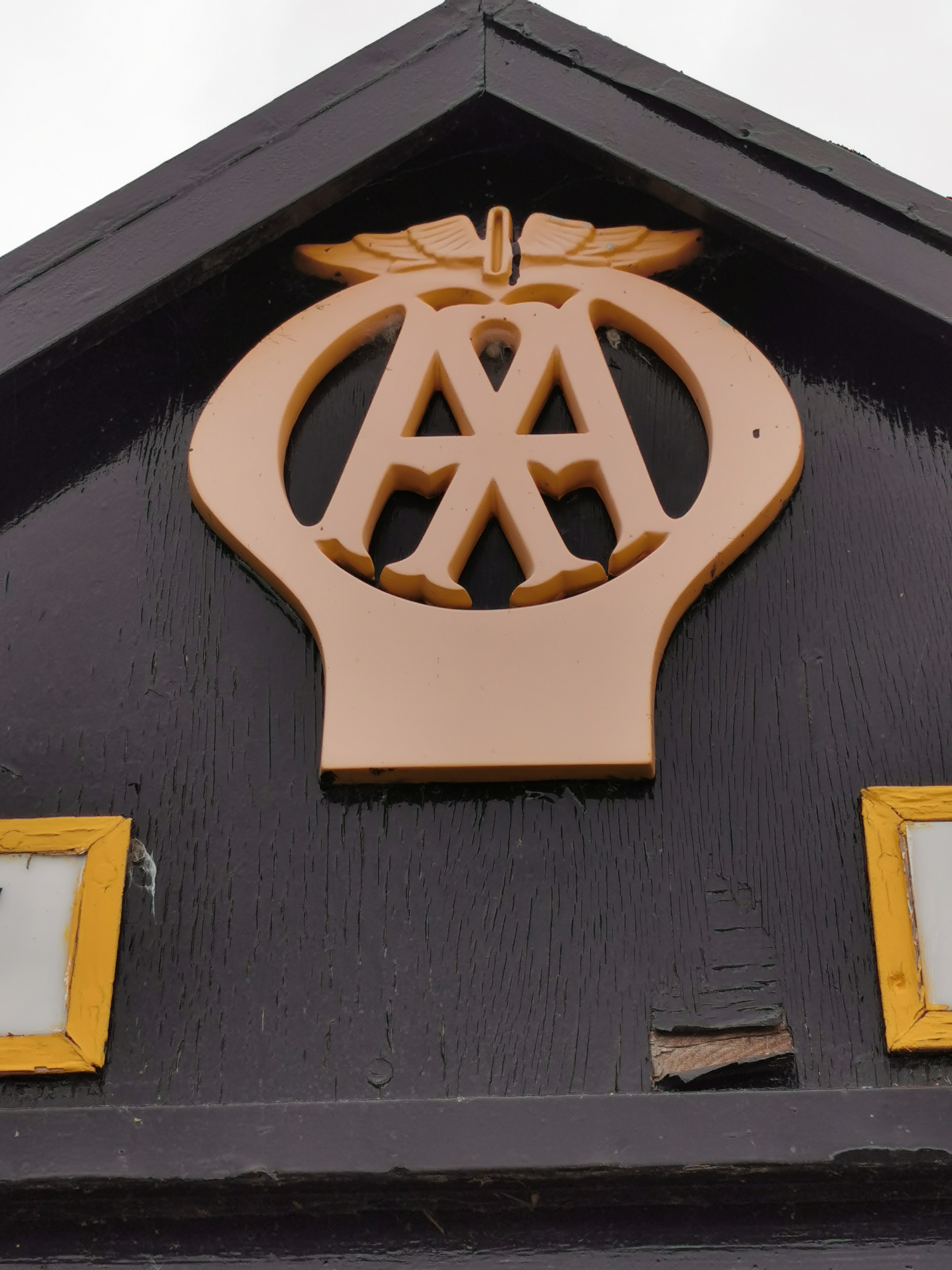
King of Kings has a number of characters, and King Ealdred, or Lord Ealdred of Bamburgh is one of them. But who was he, and what was the independent kingdom of Bamburgh?
Now, I think we all ‘think’ we know about Bebbanburg (Bamburgh) thanks to Uhtred of Bebbanburg, Bernard Cornwell’s creation. But events in Bamburgh are complex and not easy to understand, even for someone who might think they know the period quite well.
What was Bamburgh?
So what was Bamburgh? Bamburgh is traditionally associated with the kingdom of Bernicia – the far northern Saxon kingdom, which was particularly prominent during the seventh century, so three hundred years before the events of King of Kings, and which was joined to the kingdom of Deira to form Northumbria. Check out my Gods and Kings trilogy for the some of the events of this period.
The iconic castle that stands today is a later building, the oldest part, the keep, dating to the end of the Saxon period, while much of what we see today is the later work of Lord Armstrong (who built Cragside), when he significantly repaired the remains. Indeed, the family still own Bamburgh Castle, although not Cragside, which is a National Trust property. (I’ve written a 1930s mystery set at Cragside).
Bamburgh is slightly unusual in that there are old images of the castle before the 19th century work of Armstrong. I enjoy collecting these antique prints. We often find such buildings falling into ruin, not being ruined and the rebuilt.
Antique prints of Bamburgh Castle
And Bamburgh Castle and its environs are stuffed with archaeology. There were some very famous archaeological investigations undertaken in the 1960s, and there’s now a dedicated team unearthing the treasures hidden beneath the current building. You can follow the teams work at Bamburgh Research Project’s Blog. You might know about Bamburgh because of the seventh century bones discovered in the Bole Hole, and there’s a great book about this, Warrior by Edoardo Albert and Paul Gething – available from all good book sellers. You can also learn about where these bones now lie by checking out Bamburgh Bones.
The well
The Tenth Century at Bamburgh
But, all this is before the events of the tenth-century (or after), as fascinating as it is. So, what was happening in the tenth-century? The easiest way I can describe this is that while York, and much of the Saxon kingdom of Northumbria was inundated with the Norse (Viking raiders if you will), Bamburgh was a bastion against this influx, wedged between the growing might of the kingdom of the Scots, ruled by Constantin, and the constantly changing affairs of York, and its string of Norse rulers, often associated with Dublin as well.
Ealdred’s father, Eadwulf is somewhat better attested, with the Annals of Ulster naming him as ‘king of the Saxons of the north.’ He died in c.913 and then Ealdred seems to have had a difficult time of it, his gaze more likely to turn to the Scots kingdom than the known Saxon rulers based in Mercia and Wessex when he was threatened by the Norse Viking raiders.
However, he joined an alliance with Edward the Elder, king of the Anglo-Saxons, in 920 (corrected from 924).
‘And then the king of Scots and all the nation of Scots chose him as father and lord; and [so also did] Reginald and Eadwulf’s sons and all those who live in Northumbria, both English and Danish and Norwegians and others; and also the king of the Strathclyde Britons and all the Strathclyde Britons.’
(Swanton, M. trans and edit The Anglo-Saxon Chronicles, (Orion Publishing Group, 2000 p.104 (A text )
This then takes us to the beginning of King of Kings. Will Ealdred continue his alliance with the new king of the Anglo-Saxons, or will he look elsewhere, especially now that the Viking raider, Sihtric, is lord of York/Jorvik?
What about Uhtred of Bebbanburg?
As to Uhtred himself, of The Last Kingdom fame, he’s even more shadowy than Ealdred, and for that reason, doesn’t feature at all in King of Kings, although there is an ealdorman Uhtred who will appear in subsequent books.
My new book, King of Kings, is a multi-viewpoint novel telling the story of events in Britain from 925-934. I thought it would be good to share details of the historical people my main characters are based on.
My portrayal of Hywel, better known as Hywel Dda (which autocorrect is determined should say Dad), and which means ‘good’ (a unique epithet in Wales), is of course, fictional, but who was the historical Hywel? Firstly, it should be noted that this epithet is a later invention, not assigned to Hywel until at least the twelfth century, and perhaps, as Dr. Kari Maund has commented in The Welsh Kings: Warriors, Warlords and Princes, a reflection of border events at that period rather than the earlier tenth century. (Dr Maund was one of my university lecturers, so she knows her stuff).

Hywel has no date of birth recorded, and indeed, like Constantin of the Scots, he seems to have ruled for a long time providing much-needed consistency. Hywel ap Cadell was the grandson of the famous Rhodri Mawr, who’d united the kingdoms of the Welsh during his rule. But, this unity fragmented on Rhodri’s death.
To begin with, Hywel ruled Dehuebarth, probably with his brother, Clydog, (who may have been the younger brother) after the death of their father in c.911. He, his brother, and his cousin, Idwal of Gwynedd, submitted to the English king, Edward the Elder in the late 910s.
‘and the kings of Wales: Hywel and Clydog and Idwal and all the race of the Welsh, sought him as their lord [Edward]’. ASC A 922 corrected to 918 (Swanton, M. trans and edit The Anglo-Saxon Chronicles, (Orion Publishing Group, 2000)p.103-4)
Not long after, Clydog died, leaving Hywel as ruler of Dehuebarth. Hywel had also married Elen, the daughter of Llywarch and niece of Rhydderch, the last king of Dyfed, and he was able to use this alliance to eventually claim Dyfed as well.
Hywel’s believed to have been highly educated, and some historians suggest he was particularly fascinated with King Alfred, and all he’d achieved and was therefore keen to emulate many of his actions. This could also be why his name came to be associated with the codification of laws in later traditions. What fascinates me most about Hywel is his decision to ally closely with King Athelstan which will be explored in King of Kings. Certainly, he is a intriguing figure in early tenth-century Britain, and not just because we know he made a pilgrimage to Rome in 928, and still managed to return back to his kingdom and continue ruling it.
My new book, King of Kings, is a multi-viewpoint novel telling the story of events in Britain from 925-934. I thought it would be good to share details of the historical people my character are based on.
My portrayal of Constantin, the king of the Scots, is of course fictional in King of Kings, but he is based on a historical individual, Constantin (e) II, so who exactly was he?
Constantin is a fascinating character. Again, and as with Athelstan, his exact date of birth is unknown, but it must have been, at the latest, by 877/8, when his short-reigned father died.
By 900, Constantin was the king of the Scots (we think – there is some confusion about this). This wasn’t yet quite Scotland, but it was getting there. The ancient kingdoms of Cait, Fortriu, Atholl and Dal Riata, were ruled by one king, Constantin. But, he hadn’t succeeded his father, Aed, but rather a man named Domnall II, his cousin. At this time there were two rival dynasties and they strictly alternated the kingship.
Affairs in the kingdom of the Scots often intermingled with those of the independent kingdom of Bamburgh, Strathclyde, and of course, the Norse, or Viking raiders, if you will. Indeed, the entry recording Constantin’s death in the Annals of Ulster, reads as though there was often strife.
‘Constantinus son of Ed held the kingdom for xl years in whose third year the Northmen plundered Dunkeld and all Albania. In the following year the Northmen were slain in Strath Erenn…And the battle of Tinemore happened in his xviii year between Constantin and Ragnall and the Scotti had the victory. And the battle of Dun Brunde in his xxxiiii year.’ (Alex Woolf, From Pictland to Scotland, 789-1070,p.126)
Constantin, ruling for decades, and I mean decades, seems to have brought much needed stability to the kingdom, as affairs there very much mirrored the emerging ‘England’ to the south.
‘Constantin’s reign has increasingly come to be see as one of the most significant in the history of Scotland. Not only was it very long, at least forty years, but it was also the period during which conflict and diplomatic relations between a kingdom recognisably ancestral to Scotland and one recognisably ancestral to England first occurred.’ (Alex Woolf, From Pictland to Scotland, 789-1070, p.128)
Constantin allied with the rulers of Bamburgh, and York, and also, on occasion, both Æthelflæd of Mercia and Edward the Elder, after her death. But, he seems to have been quite flexible in his thinking, and was prepared to pick and choice as he saw fit.
By the beginning of King of Kings, Constantin would have been in his mid-forties, and he was still to rule for many years to come, and he was certainly a more than adequate counterpart to Athelstan, king of the English, no doubt helped by his sons and grandsons, as his reign continued.
Award-winner, The White Sails Series, where icy winter storms, opportunistic mercenaries, uncharted lands, and a colourful crew of sailors are all lashed together by an epic love story.
This collector’s edition includes all four books in the series.
The White Sails Series: Special Hardback Omnibus
If Bridgerton and Pirates of the Caribbean had a love child.
Are you a fan of sweeping romantic adventures?
Do you fall for tall, brooding Naval Officers?
Love a feisty female lead who makes you yell aloud?
Then hop aboard Emma Lombard’s hardback Collector’s Edition of The White Sails Series, and batten down the hatches!
But why?
Well, firstly, let me tell you what my Kickstarter campaign isn’t. It isn’t a plea for donations, it’s not a beg for money, and it’s not just another retailer.
Okay, so what is it then?
Kickstarter is a wonderful way for me to give more to my fans.
It allows fans access to a special collector’s edition that is not (and will never be) available from online retailers.
It allows fans to have each and every copy personalised, which is just not doable on retailers.
It also allows fans a more intimate view of the story behind my series.
And best of all, it allows fans to get involved in my next series, whether through an exclusive sneak peek of the first draft or even having a character named after them.
Oh, and did I mention there’s an opportunity to win the original oil painting of the cover?
Where else in the world do you get all this extra cool stuff thrown in just because you bought a book?
What’s in it for you, Emma?
Without wanting to sound too cheesy, I’m beside myself to put such a pretty book out in the world. I’m mean, just look at that dreamy sunset! I’m not going to lie, I love a chunky book.
This collector’s edition fulfils my ultimate author dream—to be able to hold (and smell) a weighty tome. I’m not the only one—I’ve had folks walk up to my books at the market and pick them up just to smell them! My kind of peeps!
I know it’s taboo to talk about money, but the pledges received for this campaign will help me recoup some of the upfront expenses that I have already laid out, like editing, book cover design, audiobook narration, and it will give me the momentum I need to invest in those same services for my next series, The Gold Hills Series.
You’ll be helping keep the indie publishing ecosphere turning, which in turn lets me keep creating more stories.
So, what’s The White Sails Series about?
One of my readers described it best: If Bridgerton and Pirates of the Caribbean had a love child.
The idea for this series was born from a tiny nugget of family gossip that my grandmother shared with me. She told me how my 3x great grandmother left her well-to-do family in England to elope with an English sea captain, and live aboard his ship with him.
I took the basic concept of this story and had a blast creating an entirely fictitious imagining of what it might have been like for a woman to live aboard a ship in those days. Quite ironic considering that I get terribly sea-sick myself.
Curious? Never seen what a Kickstarter campaign looks like?
Emma Lombard was born in Pontefract in the UK. She grew up in Africa—calling Zimbabwe and South Africa home for a few years—before finally settling in Brisbane Australia, and raising four boys. Before she started writing historical fiction, she was a freelance editor in the corporate world, which was definitely not half as exciting as writing rollicking romantic adventures. Her characters are fearless seafarers, even though in real life Emma gets disastrously sea sick.
I’m delighted to feature an excerpt from The Adventures of Ruby Pi and the Math Girls by Tom Durwood.
Gunfight in the Mogollons
“These Colorado coaches,” lectured the solicitor, Aynsley, “are a larger, more rugged version of the Kinnear design. Wells Fargo uses them widely.
“This is a Concorde model, if I’m not mistaken,” he added. “Capacious.”
Johnny glared at the talkative lawyer.
“More useless information,” snorted the militia man, Morgan. He rubbed his bandaged hand sullenly.
The stagecoach’s constant motion cast a bad mood within its large interior, but it was more than just the motion. The day had turned to dusk. Only an hour further to Folsom. The mountain trail was clear, the horses making good time.
“Leather-strap suspension,” offered Aynsley to his captive audience, “is what gives the carriage its swinging movemen– ”
It happened so fast.
All in the same moment–
They heard a thunderous crash, followed by three loud gunshots.
The horses whined their objection in a panic –
One of the brake levers snapped.
The stagecoach screeched to a halt.
The stagecoach passengers heard a hard, painful scream from the driver’s seat –
“I’m hit! I’m hit!”
The stage door flew open and half of the passengers spilled falling out onto the trial –
“Shut up,” came a woman’s voice. A pause, and then, “Morgan! You there?”
The passengers stood. Now they could see that a great, bulky deadfall had been placed across the trail to block the stage.
Angie and Drew, from the saloon in Silver City, sat astride two horses, guns drawn.
“Hands up! All of you!” proclaimed Drew. “This here’s a robbery!”
He held his pistol on the stage driver, who had his hands up. Beside him, the rifleman clutched at his arm, where had been shot.
Now Morgan smirked as he trained a gun on Johnny’s stomach.
“What the devil — ” sputtered Aynsley.
“You- you’re bandits?” demanded the startled Mrs. Aynsley.
“The money belts,” commanded Morgan. “That deed! Now!”
One of the drivers groaned for mercy.
Angie stopped placing the saddle on the lead horse, turned and shot him
“Money belts,” spat Drew.
“But you’re such a nice boy — ”
“I’ll shoot you, hey,” shouted Drew, trembling.
“You’ll never get away with it,” warned the lawyer.
“Easy …” said Johnny.
“Sorry, bub,” Morgan said, half-smiling, to Johnny as he raised the weapon. “We can’t leave witnesses now, can we?”
Ma yelled ‘No!’ and lunged for the militia man —
“Hey. Morgan,” said Casey.
Morgan turned in time to see Casey’s hand sweep to her side and emerge with a gleaming pistol, one of the Colt Rainmaker’s, nickel-plated and deadly fast.
In a liquid motion, she raised the Colt and fanned the hammer —
BAMBAMBAM!
Three rounds sunk deep into Morgan’s chest, all at once.
Casey swiveled and sent three more rounds slamming into anxious young Drew, jerking him clean from his saddle —
With a curse, Angie jammed her spurs into her horse and rode off —
Casey dropped the Colt and ran to grab the Enfield rifle from the passenger racks.
She shucked the rifle sheath and ran to the edge of the trail.
She stood on an outcrop facing northeast. She could see the sweep of the basin and range, to her right, where Angie was escaping —
She was galloping unseen, along the high-walled Mogollon limestone.
But there was a break in the wall, very distant …
It was that opening to which Casey devoted her attention.
They could hear the horse’s canter, moving away …
Casey thumbed in three big, heavy cartridges.
“Eleven hundred meters … ” said Johnny.
Johnny held the rangefinder like binoculars.
He counted off a sequence of numbers.
Casey scribbled the calculations.
Distance … curvature …target point … origin point
Now she watched through the Enfield’s telescopic sight, following the horse-and-rider trajectory, as she imagined it.
John called out a second sequence of numbers, distance in meters.
“Twenty …” said Johnny.
“Fifteen,,, ten .. five …”
The Enfield let go a sharp crack —
The firearm echoed in the great solemn quiet along the southern section of the Mogollons …
Angie’s body slumped and fell from the saddle.
What we see are objects in refracted light. A thing itself does not change, just the ways in which we experience it. It is the light which changes.
A blue moon looks blue because of shifts in light, the suspended volcano dust in the air. The way that light refracts can make everything look new, and not as we thought it to be.
It alters how things appear to us, does the immense cloud of fine dust and ash from the Krakatoa Volcano, supplemented by forest fires in Sweden and Canada. When the quality of the air changes, so does the quality of light. On a Blue Moon night, the thing itself does not change, just the ways we experience it.
Casey turned to Ma.
“Why don’t you take the money back to Mister Torgeson, Ma?”
She indicated the currency that had spilled from the lawyer’s satchel onto the trail, when Johnny had shot Morgan.
“Back to Silver City.”
Ma looked long and still at her daughter.
“I’m sure he’d appreciate it,” said Casey.
She slung the Enfield over her shoulder, like it had always been there, like it belonged attached to her.
“Johnny and me can run the clinic in Folsom. Then we’ll head straight for Albuquerque.
“You come join us, soon as you can.”
The horses fell quiet. A silence vast and deep seemed to descend, all along the southeastern section of the Mogollon Rim. The little grouping around the stagecoach listened, as though they could all feel, or somehow hear, the rotation of the earth.
No man or woman could put an adjective to the look that appeared on Ma’s face. It was sad and accepting, almost relieved and almost embarrassed, and several more emotions as well, all at the same time.
“And so the child,” intoned Aynsley, “is father to the man.”
“What, are you the effing chorus now?” Johnny raised his pistol to shoot the lawyer. “You two-faced shill — ”
“No! Please!” Mrs. Aynsley began to cry —
“They were robbing us, too,” she reminded Johnny.
Now Mrs. Aysnley’s cry turned into a scream, a hideous, feral sound, for such a cultured woman —
Johnny lowered the gun. “Just as soon,” he murmured.
“All right, Case,” said Ma. “All good.”
Ma’s face had gone white. She gripped the hem of her skirt tightly
“You two …take …” Ma choked. “Ah! Me! Take good care, Johnny –”
“The Fort Stanton stage should be by here in an hour or so,” said Casey. “That about right, Whip?” she called to the driver.
“Yup,” came the reply.
Casey looked out over the basin lowlands. She closed eyes, for a moment.
“I don’t know what we’ll find in Albuquerque,” Casey said to her brother as she swung into the saddle of the horse Drew had been riding.
“But we got a real-life deed to some damn thing.”
“We got two hundred bucks.”
She patted the horse’s neck.
“And we can make an honest living fixin’ guns.”
“We should be all right,” Johnny nodded.
He finished cinching the saddle of the lead stage horse and checked the horse’s underbelly. The bay was ready to trade all this gunplay and confusion among the humans for an open run along a clear path.
“Let’s light a shuck — “
Here’s the blurb
A collection of adventure stories featuring young heroines at turning points in history who use math to solve colossal problems. Smart girls take on buried secrets, villains, tanks, mysteries, codes, and economics to save their people “Stories, mystery and math go well together… a welcome addition.” (~ Jeannine Atkins, author of “Grasping Mysteries: Girls Who Loved Math”)
Tom Durwoodis a teacher, writer and editor with an interest in history. Tom most recently taught English Composition and Empire and Literature at Valley Forge Military College, where he won the Teacher of the Year Award five times. Tom has taught Public Speaking and Basic Communications as guest lecturer for the Naval Special Warfare Development Group at the Dam’s Neck Annex of the Naval War College.
Tom’s ebook Empire and Literature matches global works of film and fiction to specific quadrants of empire, finding surprising parallels. Literature, film, art and architecture are viewed against the rise and fall of empire. In a foreword to Empire and Literature, postcolonial scholar Dipesh Chakrabarty of the University of Chicago calls it “imaginative and innovative.” Prof. Chakrabarty writes that “Durwood has given us a thought-provoking introduction to the humanities.” His subsequent book “Kid Lit: An Introduction to Literary Criticism” has been well-reviewed. “My favorite nonfiction book of the year,” writes The Literary Apothecary (Goodreads).
Early reader response to Tom’s historical fiction adventures has been promising. “A true pleasure … the richness of the layers of Tom’s novel is compelling,” writes Fatima Sharrafedine in her foreword to “The Illustrated Boatman’s Daughter.” The Midwest Book Review calls that same adventure “uniformly gripping and educational … pairing action and adventure with social issues.” Adds Prairie Review, “A deeply intriguing, ambitious historical fiction series.”
Tom briefly ran his own children’s book imprint, Calico Books (Contemporary Books, Chicago). Tom’s newspaper column “Shelter” appeared in the North County Times for seven years. Tom earned a Masters in English Literature in San Diego, where he also served as Executive Director of San Diego Habitat for Humanity.
Two of Tom’s books, “Kid Lit” and “The Illustrated Boatman’s Daughter,” were selected “Best of the New” by Julie Sara Porter’s Bookworm Book Alert
Athelstan is one of the main characters in my new book, King of Kings, a multiple point of view story, recounting affairs in Britain from 925-934.
Based on a historical person, my portrayal of him, is of course, fictitious, but there are many details known about him. However, we don’t know for sure who his mother was, it’s believed she might have been called Ecgwynn, and we don’t know, for certain, the name of his sister, but it’s believed she might have been named Edith. What is known is that his father was Edward, the son of King Alfred, and known to us today as Edward the Elder. Athelstan is also rare in that he is one of only two Saxon kings for who a contemporary image is available. (The other is Edgar, who would have been his step-nephew)
It must be supposed that Athelstan was born sometime in the late 890s. And according to a later source, that written by William of Malmesbury in the 1100s (so over two hundred years later), Athelstan was raised at the court of his aunt, Æthelflæd of Mercia. David Dumville has questioned the truth of this, but to many, this has simply become accepted as fact.
‘he [Alfred] arranged for the boy’s education at the court of his daughter, Æthelflæd and Æthelred his son in law, where he was brought up with great care by his aunt and the eminent ealdorman for the throne that seemed to await him.’[i]
[i] Mynors, R.A.B. ed and trans, completed by Thomson, R.M. and Winterbottom, M. Gesta Regvm Anglorvm, The History of the English Kings, William of Malmesbury, (Clarendon Press, 1998), p.211 Book II.133
Why then might this have happened? Edward became king on the death of his father, Alfred, and either remarried at that time, or just before. Edward’s second wife (if indeed, he was actually married to Athelstan’s mother, which again, some doubt), Lady Ælfflæd is believed to have been the daughter of an ealdorman and produced a hefty number of children for Edward. Perhaps then, Athelstan and his unnamed sister, were an unwelcome reminder of the king’s first wife, or perhaps, as has been suggested, Alfred intended for Athelstan to succeed in Mercia after the death of Æthelflæd, and her husband, Æthelred, for that union produced one child, a daughter named Ælfwynn.
There is an acknowledged dearth of information surrounding King Edward the Elder’s rule of Wessex. He’s acknowledged as the king of the Anglo-Saxons. His father had been the king of Wessex. Historians normally use the surviving charters to unpick the political machinations of the Saxon kings, but for Edward, there’s a twenty year gap between the beginning and end of his reign, where almost no known genuine charters have survived. What isn’t known for sure, is how much control, if any, he had in Mercia. Was Mercia subservient to Wessex or was it ruled independently? It’s impossible to tell. And this makes it difficult to determine what Athelstan might have been doing, and also what his father’s intentions were towards him.
Frontispiece of Bede’s Life of St Cuthbert, showing King Æthelstan (924–39) presenting a copy of the book to the saint himself. 29.2 x 20cm (11 1/2 x 7 7/8″). Originally from MS 183, f.1v at Corpus Christi College, Cambridge. (Wikimedia Commons)
What is known is that following the death of King Edward in 924, Athelstan was acknowledged as the king of Mercia; his stepbrother, Ælfweard was proclaimed king in Wessex. As with all events at this time, it shouldn’t be assumed that just because this is what happened, this is what was always intended.
‘Here King Edward died at Farndon in Mercia; and very soon, 16 days after, his son Ælfweard died at Oxford; and their bodies lie at Winchester. And Athelstan was chosen as king by the Mercians and consecrated at Kingston.’[i]
[i] Swanton, M. trans and edit The Anglo-Saxon Chronicles, (Orion Publishing Group, 2000), D text p.105
But, if Athelstan was raised in Mercia, it’s highly likely he was a warrior from a young age, helping the Mercians defeat the Viking raiders who still had control of the Danish Five Boroughs of Lincoln, Nottingham, Derby, Nottingham and Leicester.
And the events of 924 are where King of Kings begins, and so I will leave him there. By now, he would have been perhaps thirty years old, give or take a few years. What sort of man was he? What sort of king might he be? Do please read King of Kings to find out. And, if this intrigues you, then do please have a look at Sarah Foot’s wonderful monograph on him, Athelstan, from Yale Publishing.
The brand new instalment in bestselling author T. A. Williams’ Armstrong and Oscar cozy mystery series!
A brand new cozy crime series set in gorgeous Tuscany…It’s murder in paradise!
Murder in broad daylight…
When millionaire magnate, Rex Hunter is found with his head bashed in on the eighth hole of his prestigious golf and country club in beautiful Chianti, it’s a clear case of murder. Hunter was rich and successful and the envy of many, so retired DCI Dan Armstrong thinks the case will be a hole in one to solve….
A despised victim…
But as Dan and his trusty sidekick Oscar begin to dig deeper into Hunter’s lifestyle, they discover a man despised by many. A renowned womaniser, ruthless boss and heartless family man, it seems no one is particularly sorry to see Hunter dead. And the list of possible suspects is endless…
A murderer covering their tracks.
Dan is determined to catch this clever killer, but it seems every new lead brings another dead end. Will this be one case Dan and his canine companion won’t solve?
Murder in Chianti is the second book in the Armstrong and Oscar series of cosy crime stories set in modern-day Italy.
I thoroughly enjoyed book 1, and book 2 is even better. Now that Dan is living in Tuscany and is known as someone the local police can call on for assistance, the story can focus much more on the mystery to be solved.
And what a mystery this one is. For ages, it seemed as though no resolution could ever be found. Everything Armstrong and Oscar uncovered contradicted something else they already knew, and wow, there are many characters that the reader could suspect of the foul deed. There were several ‘big reveal’ moments, and when the ‘big reveal’ moment finally arrived for real, I was annoyed that I’d not thought of it before. After all, and looking back, the clues were certainly there, but very well concealed.
A thoroughly entertaining and well-plotted cosy mystery. Highly recommended.
My thanks to Netgalley and the publisher for my review copy.
T A Williams is the author of over twenty bestselling romances for HQ and Canelo and is now turning his hand to cosy crime, set in his beloved Italy, for Boldwood. The series will introduce us to retired DCI Armstrong and his labrador Oscar and the first book, entitled Murder in Tuscany, will be published in October 2022. Trevor lives in Devon with his Italian wife.
Here it is. The new cover for A Conspiracy of Kings, the sequel to The Lady of Mercia’s Daughter.
Here’s the blurb
Mercia, 918.
Lady Ælfwynn has taken her mother’s place as the Lady of Mercia, to the displeasure of her uncle in Wessex, and against his efforts to subvert it.
King Edward, casts his eye longingly over Mercia, and finds a willing accomplice where none should exist. This time, the threat to Lady Ælfwynn is not as easy to defeat.
This is the continuing story of Lady Ælfwynn, the granddaughter of King Alfred, begun in The Lady of Mercia’s Daughter.
It is intended that The Lady of Mercia’s Daughter should be read before A Conspiracy of Kings.
“Go out and tell all those you meet, Caledon has risen. Caledon will be protected and defended. And to you who would cause her harm, be prepared. A new fight has come.”
After the destruction of the Jacobite forces at Culloden, Scotland is divided, vulnerable and leaderless, with survivors from both sides seeking to make sense of the battles they have fought against their fellow Scots.
James Og flees Drumossie, seeking the protection of his uncle’s house in Sutherland. It is here that James learns that the Northern Highlands hold a secret power only he can wield: Caledon. When Ensign John Mackay begins hunting Og’s family, James realises he must harness this power to defeat the enemies of Scotland.
But, as the ageless Caledon awakes, so too does an ancient evil. When it allies with Mackay, the small Clan of Caledon faces enemies at every turn, discovering that even those closest to them may seek to destroy them.
Caledon is an intriguing work of historical fantasy set in Scotland following the battle of Culloden.
The narrative revolves around six main characters, switching between points of view, and is centred around family loyalty, distrust and the war raging between the Hanoverians and the Stuarts. There are also a few star-crossed lovers, and sadly, not everyone will get the happy ending they deserve, even with the aid of the mysterious Caledon.
With its supernatural elements it offers something a little different as the Clan of Caledon learn to trust their abilities while all those around them seek their destruction.
An enjoyable read and one sure to appeal to those with a love of a Scottish setting.
Meet the author
Virginia grew up in Orkney, using the breath-taking scenery to fuel her imagination and the writing fire within her. Her favourite genres to write are fantasy and historical fiction, sometimes mixing the two together. She enjoys swashbuckling stories such as The Three Musketeers by Alexandre Dumas and is still waiting for a screen adaption that lives up to the book!
When she’s not writing, Virginia is usually to be found teaching music. She believes wholeheartedly in the power of music, especially as a tool of inspiration. She also helps out with the John o’ Groats Book Festival which is celebrating its 4th year.
She now lives in the far-flung corner of Scotland. A doting spaniel-owner to Orlando and Jess, Virginia soaks up in inspiration from the landscape as she ventures out with her canine companions.
She loves cheese, music, and films, but hates mushrooms.
A fatal jump. A missing suffragette. An inexplicable murder.
London, 1920. When she catches news of a big story, reporter Iris Woodmore rushes to the House of Commons. But it’s a place that holds painful memories. In 1914, her mother died there when she fell into the River Thames during a daring suffragette protest. But in the shadow of Big Ben, a waterman tells Iris her mother didn’t fall – she jumped.
Iris discovers that the suffragette with her mother that fateful day has been missing for years, disappearing just after the protest. Desperate to know the truth behind the fatal jump, Iris’s investigation leads her to Crookham Hall, an ancestral home where secrets and lies lead to murder…
Death at Crookham Hall is an incredibly well-written historical mystery set in 1920, both in London and Walden.
Our intrepid young report, Iris, finding work as a reporter for the local newspaper, begins to discover much she doesn’t know about her mother’s untimely death following a visit to the House of Parliament.
Iris is a great character, modern but not too modern – wearing trousers is fine, but wearing a dress short enough to show her thighs is too shocking – and she finds herself desperate to gather together the unknown strands of her mother’s death.
This is a really well-written story, interspersed with fascinating tit-bits of information both about the suffragettes and their sister organisation, the suffrage societies, and where the focus is very much on the women of their time, from the lady to the laundry-maid. It’s a very compelling tale, on occasion, fast-paced. Everything Iris does brings her some new information, and her role as a reporter means she gets to interview all of the main suspects without the narration feeling forced.
The resolution of the mystery feels particularly well constructed, and I just thoroughly enjoyed the story. A fabulous, well-written, mystery that holds all the promise of much more to come for young Iris and her fellow reporter, as well as the local policeman, Ben, and her friend, Alice, in Walden.
Meet the author
Michelle Salter is a historical crime fiction writer based in northeast Hampshire. Many local locations appear in her mystery novels. She’s also a copywriter and has written features for national magazines. When she’s not writing, Michelle can be found knee-deep in mud at her local nature reserve. She enjoys working with a team of volunteers undertaking conservation activities.