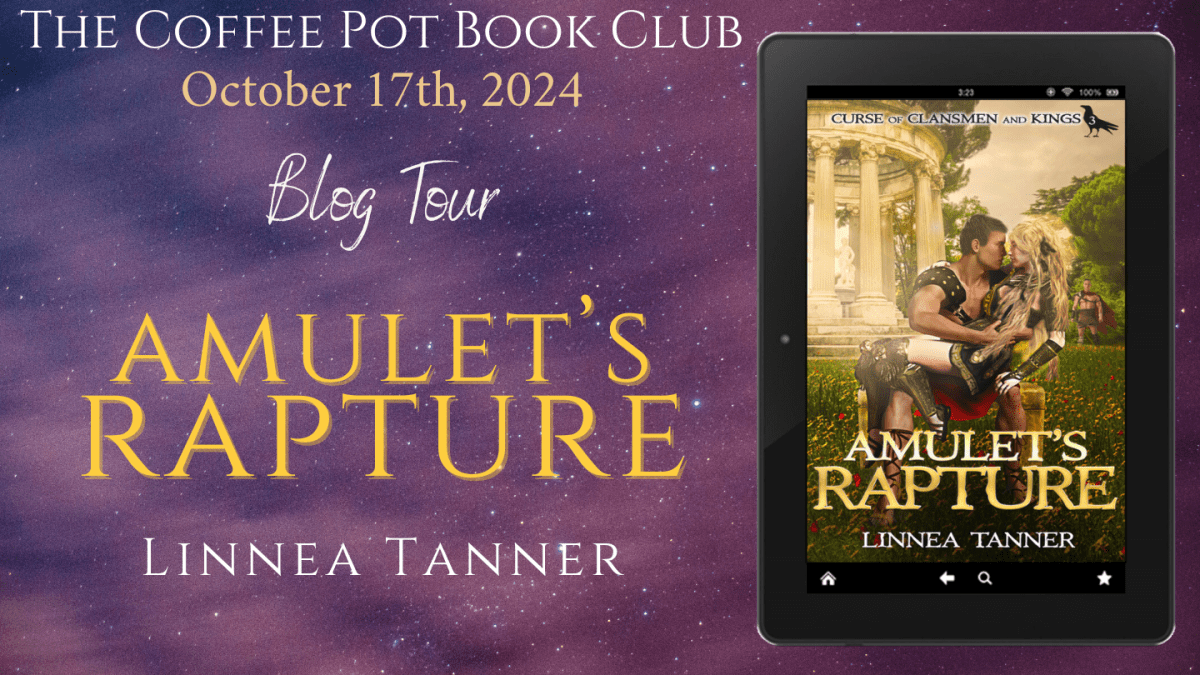
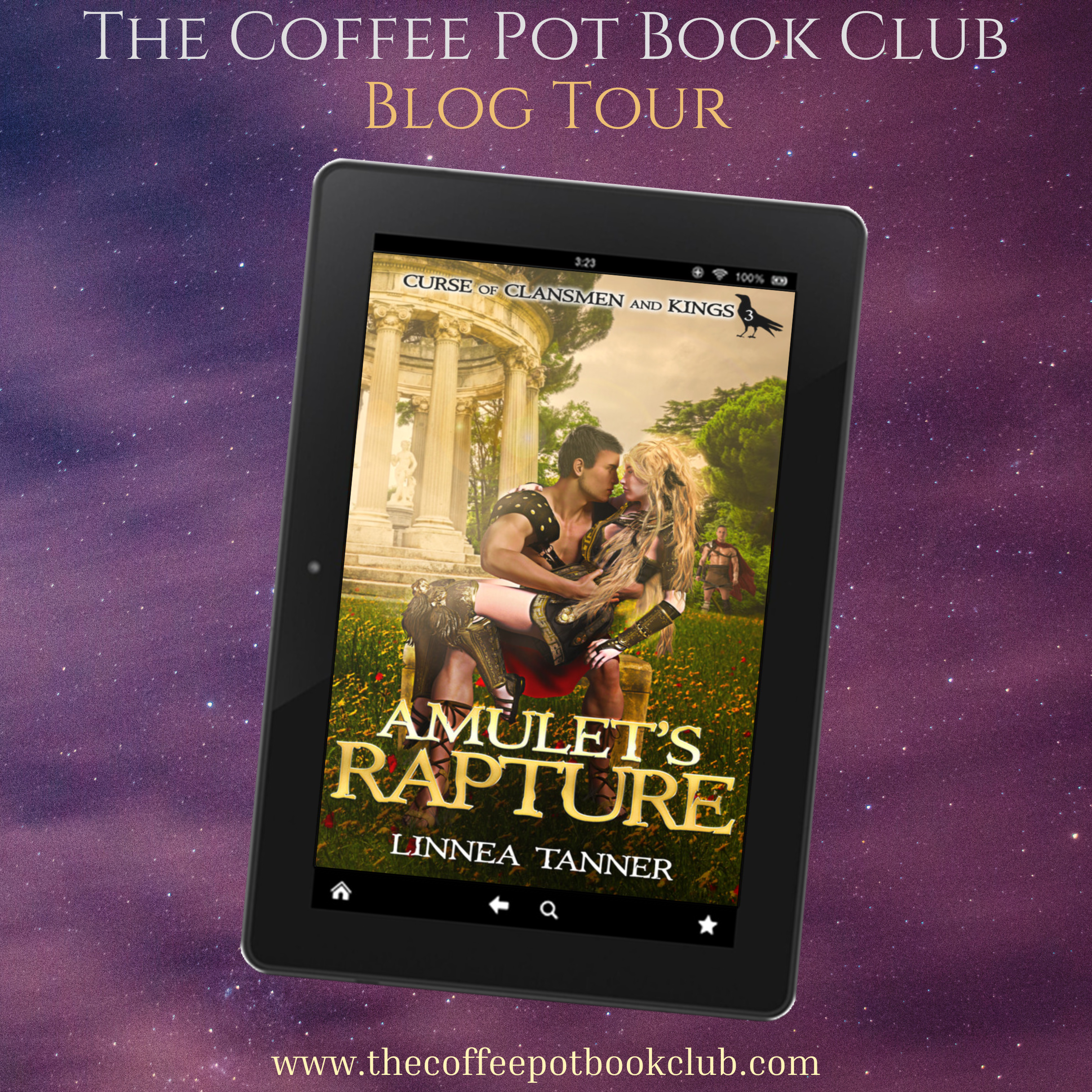
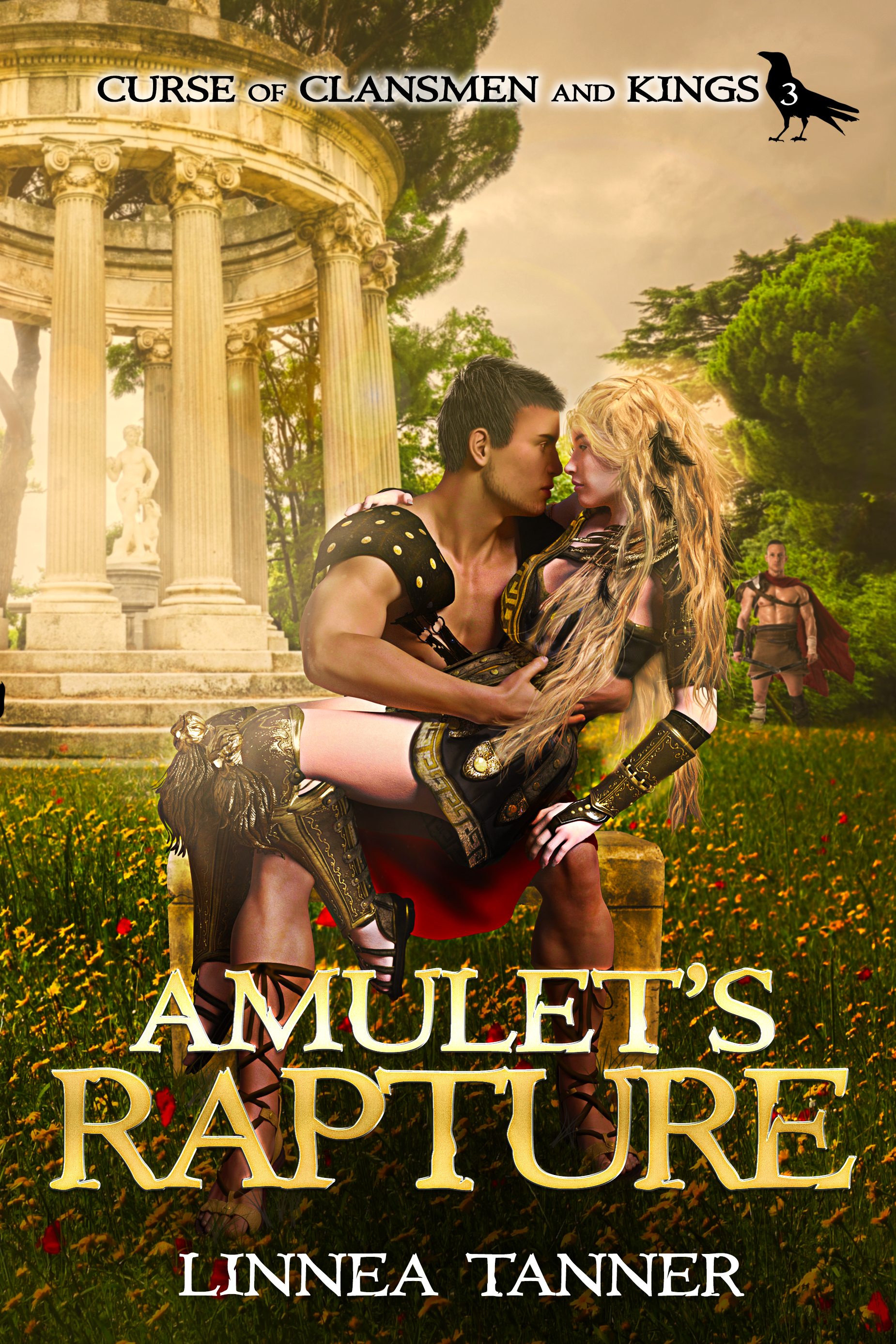
I’m delighted to welcome Linnea Tanner and her book, Amulet’s Rapture from the Curse Of Clansmen and Kings series, to the blog with a trailer.
Trailer
Blurb
“Amulet’s Rapture by Linnea Tanner is the story of the survival and transformation of Catrin. The plot is packed with action, politics, corruption, ambition, prophecies, and ancient magic. With a gripping plot, mindblowing storytelling, and unpredictable twists, Amulet’s Rapture by Linnea Tanner is going to be among my top three favorites of this year.” — Ankita Shukla for Readers’ Favorite
Blood stains her Celtic home and kingdom. The warrior Druid princess will do anything to retake her kingdom.
Although Catrin is the rightful heir to the Celtic throne in Britannia, she is lucky to be alive. After witnessing the slaughter of her family at the hands of her half-brother, who was aided by the Romans, she is enslaved by a Roman commander. He disguises her as a boy in the Roman Legion with the belief that she is an oracle of Apollo and can foretell his future. The sole bright spot in her miserable new life is her forbidden lover Marcellus, the great-grandson of the famed Roman General Mark Antony.
But Marcellus has been wounded and his memories of Catrin and their secret marriage were erased by a dark Druidess. Though Marcellus reunites with Catrin in Gaul and becomes her ally as she struggles to survive the brutality of her Roman master, he questions the legitimacy of their marriage and hesitates to help her escape and retake her kingdom. If their forbidden love and alliance are discovered, her dreams of returning to her Celtic home with Marcellus will be shattered.
Award-winning author, Linnea Tanner, weaves Celtic tales of love, magical adventure, and political intrigue in Ancient Rome and Britannia. Since childhood, she has passionately read about ancient civilizations and mythology. She is particularly interested in the enigmatic Celts, who were reputed as fierce warriors and mystical Druids.
Linnea has extensively researched ancient and medieval history, mythology, and archaeology and has traveled to sites described within each of her books in the Curse of Clansmen and Kings series. Books released in her series include Apollo’s Raven (Book 1), Dagger’s Destiny (Book 2), Amulet’s Rapture (Book 3), and Skull’s Vengeance (Book 4). She has also released the historical fiction short story Two Faces of Janus.
A Colorado native, Linnea attended the University of Colorado and earned both her bachelor’s and master’s degrees in chemistry. She lives in Fort Collins with her husband and has two children and six grandchildren.
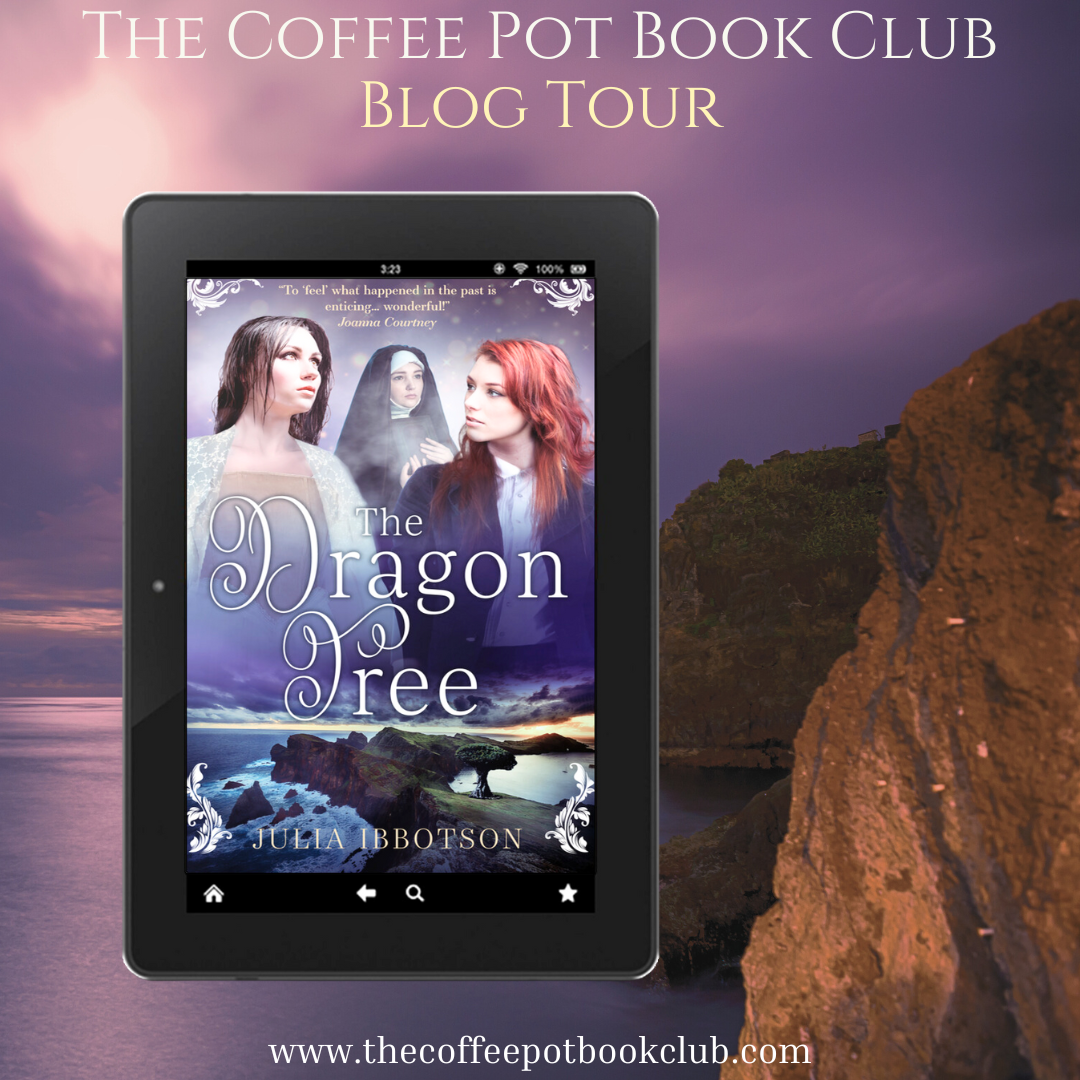
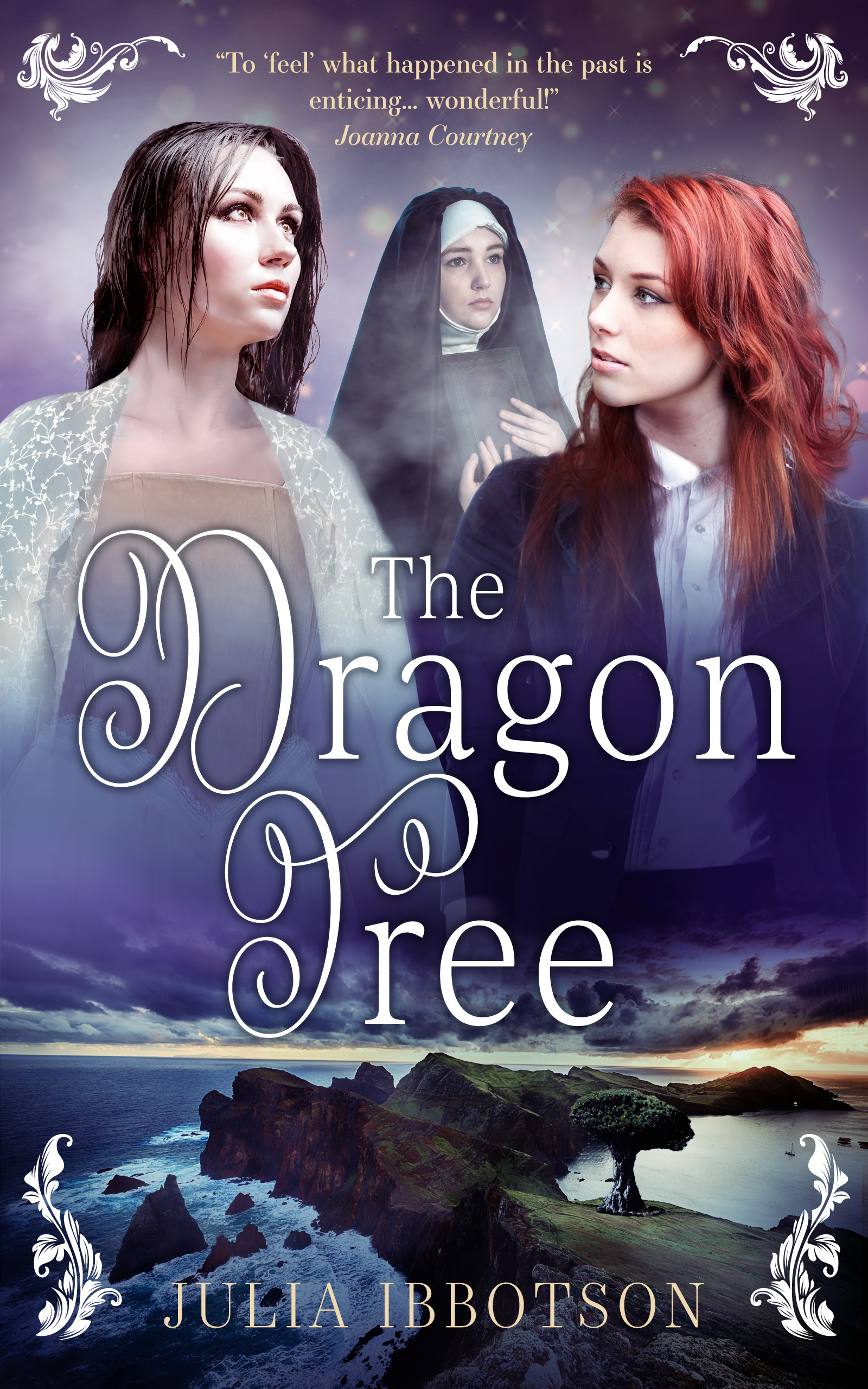
I’m delighted to welcome Julia Ibbotson and her book, The Dragon Tree, book 2 in the Dr DuLac series (but can be read as a standalone), to the blog.
Blurb
A haunting medieval time-slip (#2 in the Dr DuLac series, sequel to A Shape on the Air, but can be read as a stand-alone)
Echoes of the past resonate through time and disturb medievalist Dr Viv DuLac as she struggles with misfortune in the present. She and Rev Rory have escaped to the island of Madeira on a secondment from their posts, yet they are not to find peace – until they can solve the mystery of the shard of azulejo and the ancient ammonite. Viv’s search brings her into contact with two troubled women: a noblewoman shipwrecked on the island in the 14th century and a rebellious nun at the island convent in the 16th century. As Viv reaches out across the centuries, their lives become intertwined, and she must uncover the secrets of the ominous Dragon Tree in order to locate lost artefacts that can shape the future.
For fans of Barbara Erskine, Pamela Hartshorne, Susanna Kearsley, Christina Courtenay.
“The idea of being able to ‘feel’ what happened in the past is enticing … The sense of the island is really wonderful … Julia brings it to life evocatively.” ~ Joanna Barnden
“Julia does an incredible job of setting up the idea of time-shift so that it’s believable and makes sense.” ~ book tour reviewer
“… an engaging and original time-slip novel that keeps the reader turning the pages…the characters are authentic and the mystery is neatly woven between the centuries … seamless time transitions …” ~ Melissa Morgan
This title is available to read on #KindleUnlimited
Meet the Author
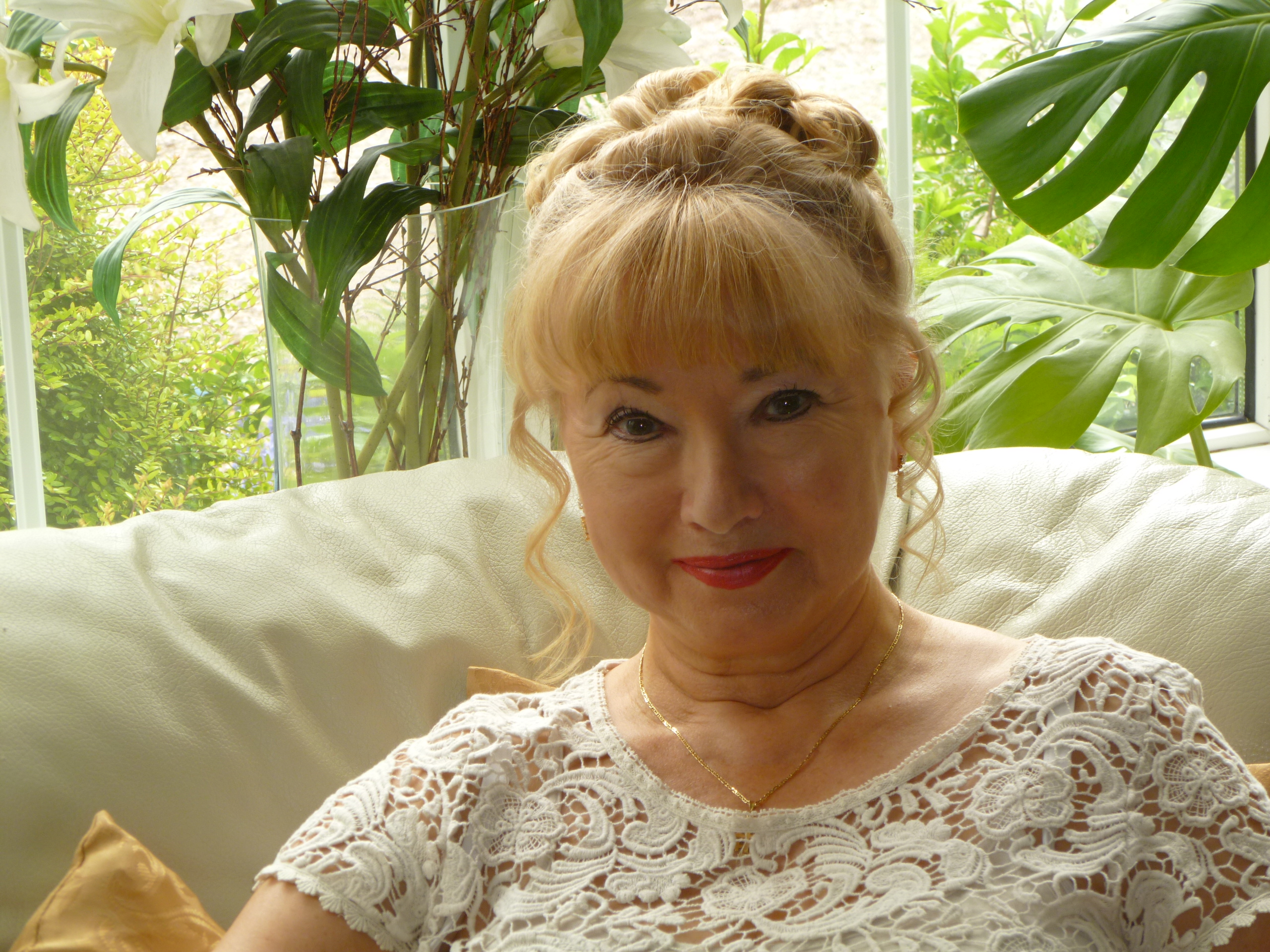
Julia Ibbotson is fascinated by the medieval world and the concept of time. She is the author of historical mysteries with a frisson of romance. Her books are evocative of time and place, well-researched and uplifting page-turners. Her current series focuses on early medieval time-slip/dual-time mysteries. Julia read English at Keele University, England, specialising in medieval language / literature / history, and has a PhD in socio-linguistics.
After a turbulent time in Ghana, West Africa, she became a school teacher, then a university academic and researcher. Her break as an author came soon after she joined the RNA’s New Writers’ Scheme in 2015, with a three-book deal from Lume Books for a trilogy (Drumbeats) set in Ghana in the 1960s. She has published five other books, including A Shape on the Air, an Anglo-Saxon timeslip mystery, and its two sequels The Dragon Tree and The Rune Stone.
Her work in progress is a new series of Anglo-Saxon mystery romances, beginning with Daughter of Mercia, where echoes of the past resonate across the centuries. Her books will appeal to fans of Barbara Erskine, Pamela Hartshorne, Susanna Kearsley, and Christina Courtenay. Her readers say: ‘Julia’s books captured my imagination’, ‘beautiful storytelling’, ‘evocative and well-paced storylines’, ‘brilliant and fascinating’ and ‘I just couldn’t put it down’.
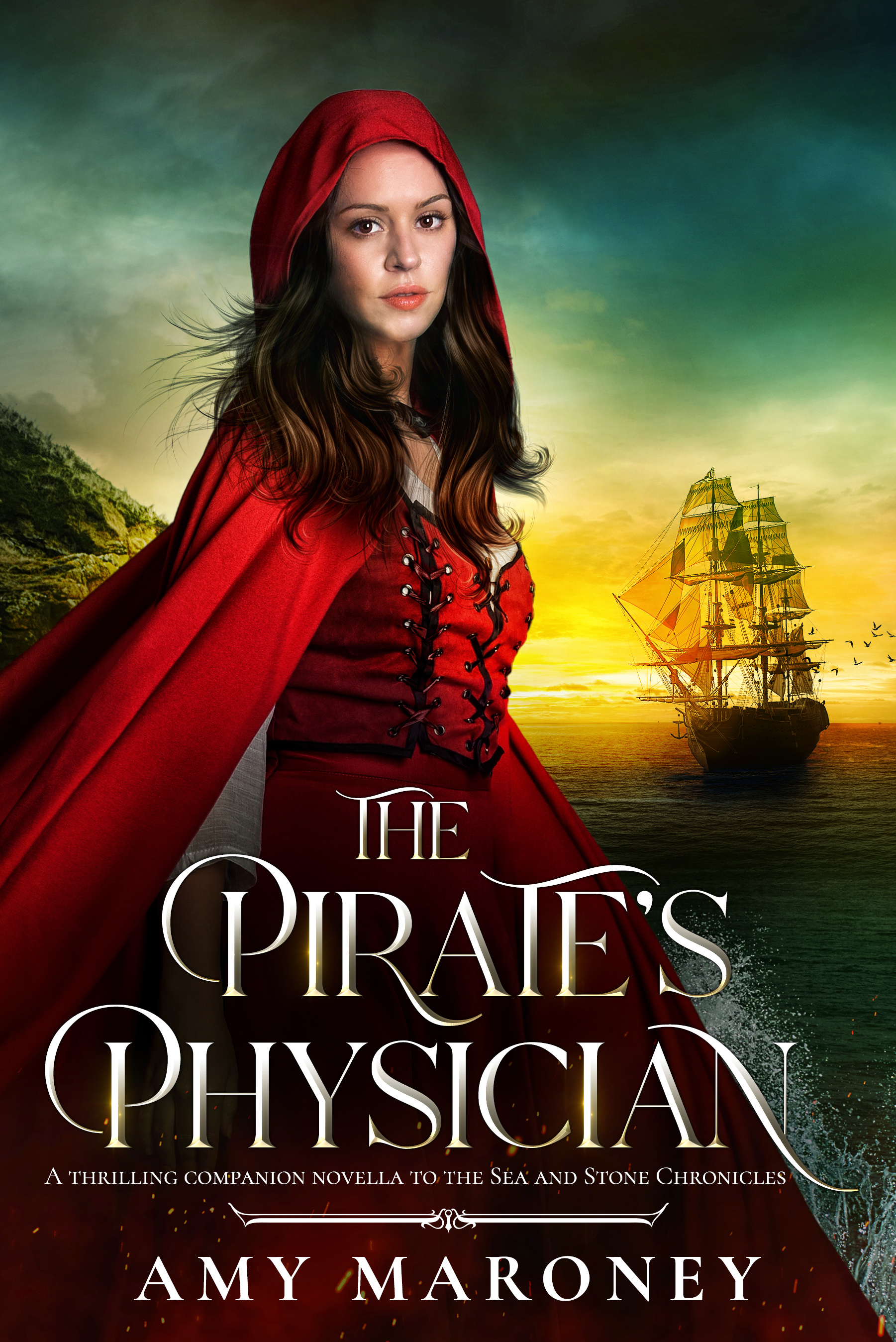
I’m delighted to welcome Amy Maroney and her new book, The Pirate’s Physician, a thrilling companion novella to the Sea and Stone Chronicles, to the blog.
Blurb
When her world shatters, she dares to trust a pirate. Will she survive what comes next?
The Pirate’s Physician is the story of Giuliana Rinaldi, a student at Salerno’s famed medieval medical school, whose lifelong dream of becoming a physician crumbles when her uncle and mentor dies suddenly.
Faced with an unwanted marriage to a ruthless merchant, Giuliana enlists the help of a Basque pirate and flees home for the dangers of the open sea.
Will she make it to Genoa, where her only remaining relative awaits? Or will this impulsive decision seal her own doom?
A delightful seafaring adventure packed with romance and intrigue, The Pirate’s Physician is a companion novella to the award-winning Sea and Stone Chronicles series of historical novels by Amy Maroney: Island of Gold, Sea of Shadows, and The Queen’s Scribe.
Amy Maroney lives in the Pacific Northwest with her family, and spent many years as a writer and editor of nonfiction before turning her hand to historical fiction.
Amy is the author of the Miramonde Series, a trilogy about a Renaissance-era female artist and the modern-day scholar on her trail. Amy’s new series, Sea and Stone Chronicles, features strong, talented women seeking their fortunes in the medieval Mediterranean.
To receive a free prequel novella to the Miramonde Series, join Amy Maroney’s readers’ group at http://www.amymaroney.com.
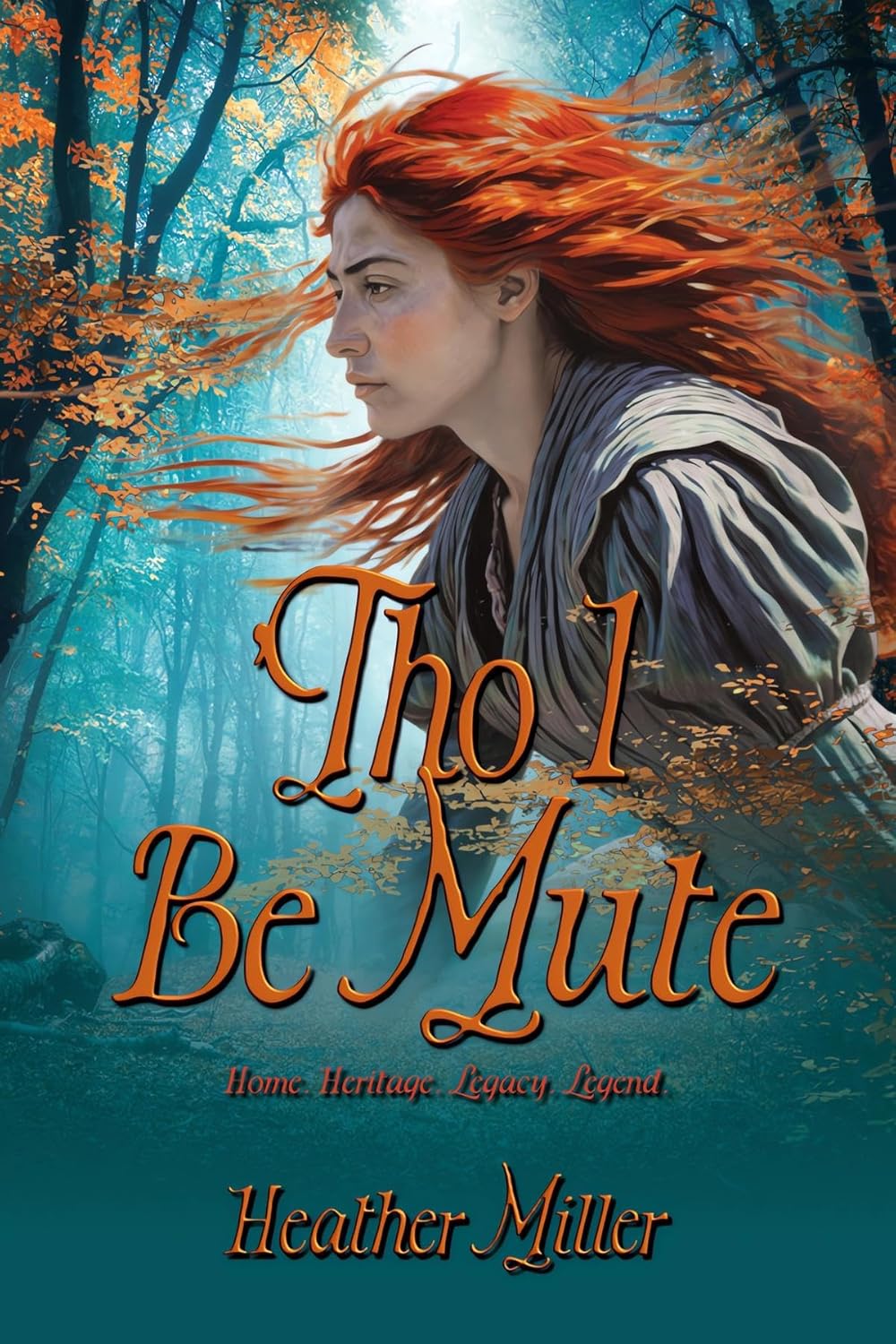
I’m delighted to welcome Heather Miller and her new book, ‘Tho I Be Mute, a prequel to Yellow Bird’s Song, to the blog with an excerpt.
Excerpt
Chapter 26, “The Cave,” Sarah Northrup Ridge
The Man in the Hat belched and laughed, passing the bottle back and forth to Whitmore and the Pan Man. If the squatters kept drinking at this pace, they might not notice if I was missing from the end of the rope. I smeared dripping blood from one wrist onto the other, wriggling my still-bound hand free. With a spontaneous decision, I released the rope and dashed to slide, feet first, then wiggling into the hole to follow the roots underground.
The drop was further than I expected, and I toppled to my knees, propelled forward when my feet splashed in yesterday’s rain. I had not thought about the drop. I had not thought about the fall. I had not thought about the dark. My bleeding hands stopped my fall. I soaked them in the pool of water at my knees and pulled the bloody handkerchief from my pocket to bind the torn skin of one wrist. My knees bled from scrapes and my stockings were bloody to my shins. Inside, the air was like frozen frost. The numb tips of my fingers could still reach the cave’s opening, but the last day’s light was insufficient to light my path any further than a few steps. My hand grazed the rock behind my back. I sat among the puddles, mute, expecting the dreaded eyes and otherworldly voice of Man with the Hat. Silent tears spilled down my cheeks. But for now, I was hidden beyond his reach. Not only cold but wet, I might freeze to death before anyone found me.
The longer the upper hole was quiet, the more I relaxed. I cupped the cold water from the puddle and patted it on my face, down my neck to counter the fever I felt. The longer I remained invisible to my captors, the faster my witness rejoined me. I became whole again. I listened outside this pit of earth. A whippoorwill called the sundown. An owl hooted with melancholy and offered his tender empathies. Their sounds echoed off the rock walls. I warmed from their companionship.
But while I became invisible to the Man in the Hat, I was also invisible to Arch who would be at least a day’s travel behind me. That was the best I could hope for. The worst I could imagine was snowfall, to leave me starving and freezing alone. No. There was a worse outcome—raped, abandoned, found dead. My hands and feet tingled. My breath was too loud. I prayed, Jesus, please light my way for this innocent baby. In that moment of faith, the child inside me spread a hand to mirror mine resting atop my belly. I kept my eyes closed and asked forgiveness for burying us alive in this cave. But I had no choice.
Leaves fell through the opening and feet darted above me. I wriggled, pushing my back against the cavern wall, pulling my feet close to my chest. The Man with the Hat never asked my name, and I never offered it. He had nothing to call, nothing to yell. Recognizing his oversight, he kicked leaves around the cave opening where I hid. I preferred starvation, frozen into a block of ice, than answering his call.
He shouted. “Red . . . You’ll show when you get hungry enough. We’ll camp right here. I ain’t going no further.”
His volume varied, as if he walked in circles, sending his snide voice in differing directions. As he spoke, the tone and bustle above me continued. Men’s voices and horse whinnies became more distinct while they searched for me. I smelled salt pork slung on an iron pan, the same one that clanked in front of me. I salivated while listening to their exchange.
“She ain’t gone far. She just hiding,” The Man in the Hat said.
“I can’t find her. Can you?” Whitmore gave his sarcastic reply as the Pan Man laughed.
“I will.” The Man in the Hat spoke, then he swore after. Leaves crunched under his boots near the bluff’s opening. His legs blocked their firelight. Then, his hand came through the void. I covered my mouth to block the sound of my rapid breathing.
“We still got the extra horse,” Whitmore said, “even if she’s up and climbed a tree.”
The Man in the Hat walked away and said, “She’s pregnant. She couldn’t fit in that hole, and she ain’t up no tree, you drunk bastard.” The Man in the Hat cursed me, knowing that my absence guaranteed the trio’s empty bottles and empty pockets.
Blurb
Clarinda faces a moment of profound reality—a rattlesnake bite, a harbinger of her imminent mortality—and undertakes an introspective journey. In her final days, she immortalizes not only her own story but that of her parents—a narrative steeped in her family’s insights into Cherokee heritage during the tumultuous years preceding the forced removal of Native communities.
In 1818, Clarinda’s father, Cherokee John Ridge, embarks on a quest for a young man’s education at the Foreign Mission School in Cornwall, Connecticut. Amidst sickness, he finds solace and love with Sarah, the steward’s quiet daughter. Despite enduring two years of separation, defamatory editorials, and societal upheaval due to their interracial love affair, the resilient couple weds in 1824. This marks the inception of a journey for Sarah as she delves into a world both cherished and feared—Cherokee Territory. As John Ridge advocates for the preservation of his people’s land and that of his Muskogee Creek neighbors against encroaching Georgia settlers and unscrupulous governmental officials, the stakes are high. His success or failure hinges on his ability to balance his proud Cherokee convictions with an intricate understanding of American law. Justice remains uncertain.
Grounded in a true story, ‘Tho I Be Mute resonates with a compelling historical narrative, giving an intimate voice to those heard, those ignored, those speechless, urging readers to not only hear but to truly listen.
History is better than fiction. We all leave a legacy.
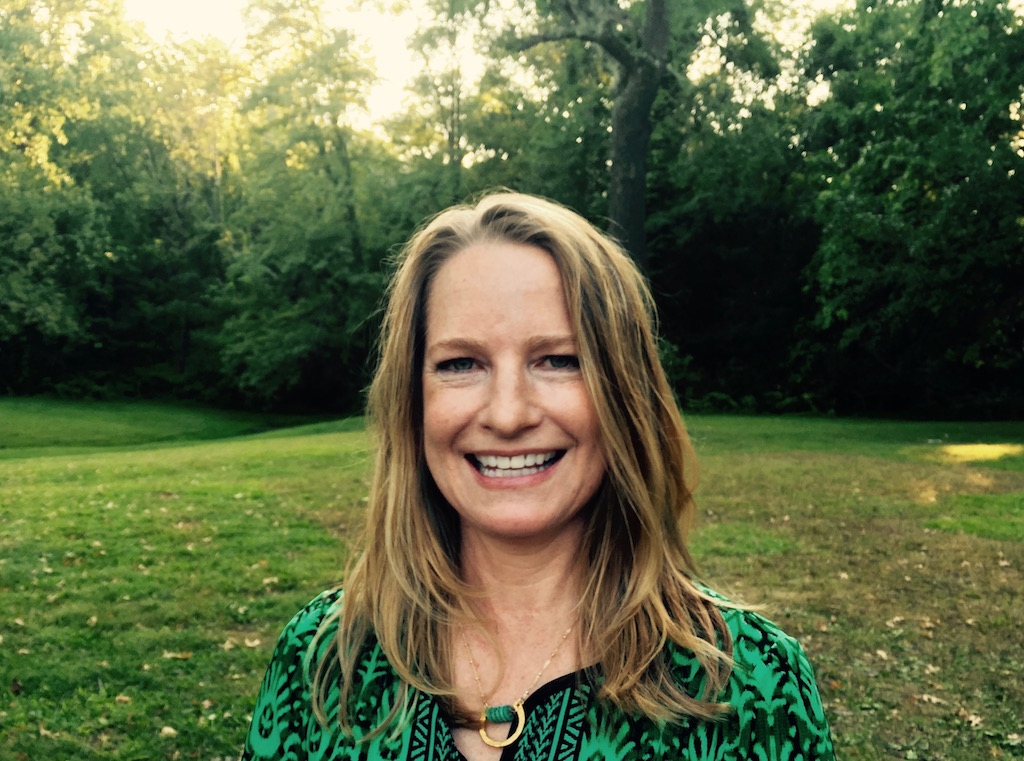
As an English educator, Heather Miller has spent twenty-four years teaching her students the author’s craft. Now, she’s writing it herself, hearing voices from the past. Heather earned her MFA in creative writing in 2022 and is teaching high school as well as college composition courses.
Miller’s foundation began in the theatre, through performance storytelling. She can tap dance, stage-slap someone, and sing every note from Les Miserables. But by far, her favorite role has been as a fireman’s wife and mom to three: a trumpet player, a future civil engineer, and a RN. Alas, there’s only one English major in her house.
Heather continues writing the Ridge Family Saga. Her current work-in-progress, Stands, concludes the Ridge Family Saga.
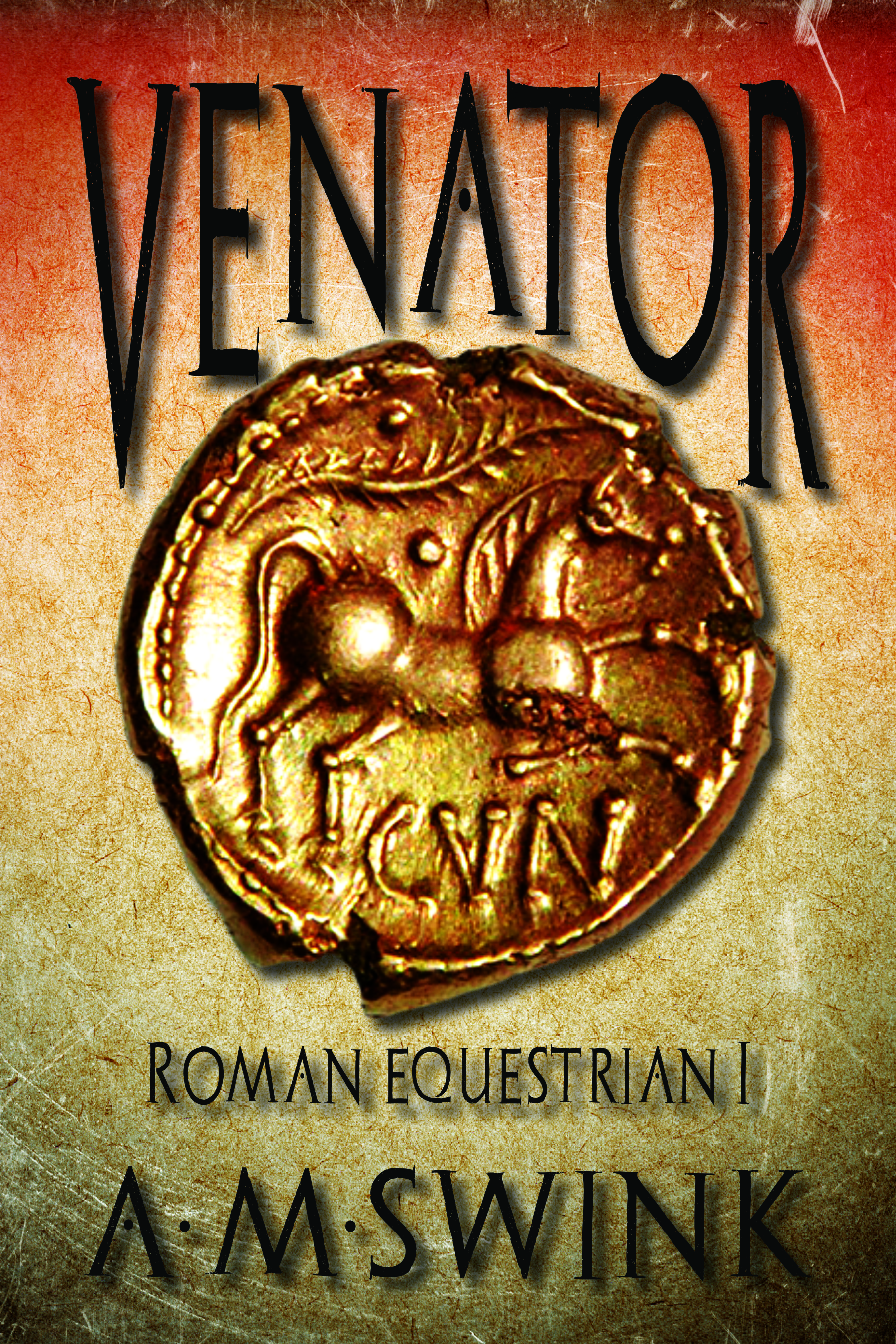
I’m delighted to welcome A.M.Swink and her new book, Venator from the Roman Equestrian Series, to the blog with an excerpt.
Excerpt
Excerpt 5:
‘There we are.’ Julianus Titianus pushed Livius away as soon as he’d poured the wine. He lifted his glass at Decimus. ‘Your health, Centurion.’
Decimus begrudgingly sipped his drink. With a grunt, he leant forward and slammed his beaker back on the tribune’s marble table. ‘What do you want, Titianus?’
‘My, my! So very direct!’ The tribune chuckled, narrowing his beady eyes at the centurion over the rim of his glass. ‘Not even a word of thanks for your gracious host?’
‘I’m not fond of lies. They tend to stick in my throat.’ Decimus scowled.
He glanced around uncomfortably at his surroundings. Though as primus pilus he’d spent long hours in the war room discussing campaign strategies with the legate, Decimus had never felt entirely at ease within the ornate praetorium. The high, vaulted ceilings, painted walls, and mosaic floors seemed far too excessive for his tastes. Did all men of such high rank have to make their homes in opulent palaces?
He shuddered. Perhaps he wasn’t cut out for belonging to the equestrian class.
Across the table, Titianus sat before a mural depicting Pluto leading Proserpina into Hades; the mouth of the cave to the underworld loomed directly behind the tribune’s head. ‘Words were never your strong suit, were they, Maximus?’ Titianus smirked. ‘You’ve always been a man of action.’
‘Get to your point!’ Decimus barked, sitting on the edge of his chair.
‘So impatient!’ Titianus reclined against the back of his seat and tutted softly. ‘I do hope you aren’t considering the mercantile trade when you leave the army, old boy. You’re a pretty poor negotiator.’
‘Luckily enough, Tribune, I have no plans of the sort.’
‘Oh, really?’ Titianus coolly pulled out a tool to begin picking at imagined flecks of dirt beneath his spotless fingernails. ‘I thought I’d been reliably informed you plan to spend your retirement in the capital.’
Decimus shifted in his seat uncomfortably. ‘And why is it any of your concern?’
‘Just wondering if our paths shall cross again.’ Titianus smirked. ‘I’ll be heading back to pursue a quaestorship come spring. And my promotion is assured. I don’t have to bother telling you who my connections are. Let’s just say that I would be quite the valuable ally or quite the powerful enemy.’
‘Your connections are too rich for my blood; I think I’ll remain neutral.’
‘I hardly think you can value neutrality when it comes to me, Centurion.’
Decimus impatiently drummed his fingers on the table. ‘You know nothing about the business that interests me,’ he said at last.
‘Hmm…’ Titianus pretended to mull over Decimus’s words. ‘I don’t know about that. I do know that if you want to breed nags for the imperial army, you’re going to need a contract. One taken out with the palace.’
Decimus abruptly stopped drumming his fingers. He eyed the tribune suspiciously. ‘And?’
‘Well, I’m hardly one to brag, but…I do have friends in high places.’ Titianus shrugged. ‘Ones that have the ability to push for or against the success of such a petition.’
Decimus felt a cool chill from the smile Titianus gave him. He forced himself to bark out a laugh. ‘You’re bluffing.’
Titianus picked up his beaker and idly swirled its contents. ‘Find out at your peril, Centurion.’
‘I value my time, Tribune. And you are wasting it.’ Decimus pushed his chair back and stood.
‘Hold on!’ A note of alarm entered Titianus’s voice. He lifted a hand in protest. ‘Aren’t you curious as to what I’ve got to say?’
‘No.’ Decimus picked his helmet off the table and turned to leave. ‘I’ve played in this little farce for long enough!’
‘It concerns the princess.’
Decimus froze. His tongue darted out to wet his dry lips. ‘What about her?’
Titianus gestured to the vacant seat. He smiled as the centurion reluctantly sat back down. ‘Good, good. Now, let’s discuss this properly.’ He linked his fingers together on the tabletop, twiddling his soft, doughy thumbs. ‘I understand from our quartermaster that you purchased the princess from the legion two months ago for the sum of five hundred denarii. Is that correct?’
Decimus curtly nodded.
Titianus met the centurion’s gaze. He paused for a long moment, leaning over the table. ‘I’ll give you a thousand denarii for her.’
‘I’m sorry, Tribune.’ Decimus quickly stood again. ‘My slave is not for sale.’
‘Twelve hundred denarii!’
‘Not for that price. Not for any price.’ He clapped his helmet back on his head and began making his way towards the door.
Titianus stood and followed him down the hall. ‘Fifteen hundred denarii!’
‘At any price, Tribune!’ Decimus called warningly, refusing to break stride.
‘All right, all right!’ Titianus grabbed at the centurion’s shoulder. Decimus halted and whirled around to face him with a snarl. The tribune backed away, holding his hands up defensively. ‘Eighteen hundred denarii for one night. Just one night with her. Otherwise, she’s yours. Eighteen hundred denarii. One night. My final offer.’
Decimus’s face darkened. He loomed over the cowering tribune and grabbed hold of his neckerchief. ‘Do I look like a pimp to you?’
‘I…I just…’ Titianus choked.
‘Do I look like a pimp to you?!’ Decimus shook Titianus, lifting him onto his toes. With a contemptuous grunt, he tossed him onto the tiled floor. The man skidded roughly against the tesserae before slowing to a halt before his gilded lararium.
‘Stay away from my property, Tribune. Consider this your final warning.’ Decimus turned and stalked out the door.
Livius materialised in the hall and hastened to his master’s side.
‘Get off!’ Titianus kicked at Livius when the slave stooped to help him up. He panted, lifting his head to watch the centurion march away towards the barracks. Hate glistened in his beady dark eyes.
Blurb
Britannia, AD 59. Decimus is a long-serving senior centurion who dreams of retirement in Rome. Luciana is a Cornovii princess devoted to the freedom and survival of her tribe. Connected only by a passion for horsemanship, the pair could not be more ill-matched. After a deadly conflict thrusts these enemies together, each is determined to fight their desires and triumph over the other. Who will ultimately control the other’s heart?
But Decimus and Luciana are not the only ones on the hunt for supremacy; a desperate struggle over the province is beginning to simmer to a boil. There are whispers of mysterious Druids fomenting unrest among the western British tribes, whose inter-tribal divisions threaten to subsume them. The future of the Roman legions in the province is suddenly thrown into doubt as casualties begin to mount. Decimus and Luciana find themselves entangled within a web of characters, Briton and Roman, playing with Britannia’s destiny to serve their own ends.
The hunt for power is on, where only one side can emerge triumphant. But just who among these hunters will end up hunted?
A native of Dayton, Ohio, A.M. Swink grew up obsessed with two things: books and horses. After a childhood of reading, writing, showing, and riding, she moved to Lexington, Kentucky to complete a degree in equine science and management and a degree in English literary studies. She now works in Lexington as a college professor of reading and writing. In her spare time, she has travelled extensively around the UK and Ireland, exploring ancient sites and artefacts, as well as tracing her own ancestry. She is proud to be descended from County Cork’s Callaghan clan.
When not writing, she can be found collecting and showing model horses or enjoying her favourite British comedy programmes.
I’m delighted to welcome Jennifer Ivy Walker and her new book, The Witch of the Brenton Woods, to the blog with the historical aspect of The Witch of the Brenton Woods.
Historical Aspect of The Witch of the Brenton Woods
I wanted the hero of my story to be an American paratrooper dropped into Normandy for the D-Day landings on June 6, 1944, so I researched many of the different divisions of American servicemen during World War II. I selected the 507th PIR (Parachute Infantry Regiment), which was part of the 82nd Airborne Division, whose D-Day objective known as Mission Boston was to secure the Merderet River crossing in Normandy.
As I developed the historical fiction aspects of The Witch of the Breton Woods, I decided to have my fictional character, First Lieutenant Richard Zachford, be forced to make an emergency jump when his plane was shot down by German 88mm flak antiaircraft artillery guns. It was rewarding and challenging to weave together fictious characters who were part of the real 507th PI and weave them into the Battle of Saint-Malo, the culminating point of my novel.
I did extensive research about the Battle of Saint-Malo, a city in Bretagne (Brittany) that I had visited twice before as a high school French teacher taking my students on trips to France. When I discovered that a major focus of World War II had been The Battle of Brittany, I wove my fictional characters into the historical events which actually took place in the Battle of Saint-Malo, one of the crucial seaports that the Nazis controlled, which was deemed essential for the Allies to recapture.
Saint-Malo was one of the French towns designated as a fortress under Hitler’s Atlantic Wall program, and the Allies intended to capture the town so that its port could be used to land supplies and naval reinforcement. However, the Germans had covered the medieval castle into an underground fortress that was nearly impenetrable. When the Allies did successfully retake Saint-Malo, it had been so heavily damaged that it had been rendered unusable, and the courageous Malouins (the French name for the local inhabitants of Saint-Malo) slowly rebuilt their beloved city.
In writing The Witch of the Breton Woods, I wove together the events leading up to the surrender of the German Colonel Von Aulock (known as the Mad Colonel) on the 17th of August, 1944 and the surrender of the nearby German garrison of Cézembre on September 2nd. It was very challenging to entwine the plot development of my novel with the actual events which occurred between the D-Day landing of June 6th and the surrender of the Germans at Saint-Malo on September 2nd, 1944. I am very proud to have interwoven compelling historical fiction and thrilling romantic suspense in The Witch of the Breton Woods.
Blurb
Traumatized by horrors witnessed during the Nazi invasion of France, a young woman retreats to the dense Breton woods where she becomes a member of the clandestine French Resistance. When she finds a critically injured American paratrooper whose plane was shot down, she shelters the wounded soldier in her secluded cottage, determined to heal him despite the enormous risk.
Ostracized by villagers who have labeled her a witch, she is betrayed by an informant who reports to the Butcher—the monstrous leader of the local paramilitary organization that collaborates with the Germans. As the enemy closes in, she must elude the Gestapo while helping the Resistance reunite the American with his regiment and join the Allied Forces in the Battle of Brittany.
Can true love triumph against all odds under the oppressive Third Reich?
Jennifer Ivy Walker has an MA in French literature and is a former high school teacher and professor of French at a state college in Florida. Her novels encompass a love for French language, literature, history, and culture, incorporating her lifelong study, summers abroad, and many trips to France.
The Witch of the Breton Woods is heart-pounding suspense set during WWII in Nazi-occupied France, where a young woman in the French Resistance shelters and heals a wounded American soldier, hiding him from the Gestapo and the monstrous Butcher who are relentlessly hunting him.
How do you recover from the havoc wrought by history’s cruellest plague?
It’s June 1349. In Meonbridge, a Hampshire manor, many have lost their lives to the Black Death, among them Alice atte Wode’s beloved husband and Eleanor Titherige’s widowed father. Even the family of the manor’s lord and his wife, Margaret de Bohun, has not entirely escaped.
But, now the plague has passed, the people of Meonbridge must work together to rebuild their lives. However, tensions mount between the de Bohuns and their tenants, as the workers realise their new scarceness means they can demand higher wages and dictate their own lives.
When the tensions deepen into violence and disorder, and the men – lord and villagers alike – seem unable to find any resolution, the women – Alice, Eleanor and Margaret – must step forward to find a way out of the conflict that is tearing Meonbridge apart.
Carolyn Hughes has lived much of her life in Hampshire. With a first degree in Classics and English, she started working life as a computer programmer, then a very new profession. But it was technical authoring that later proved her vocation, word-smithing for many different clients, including banks, an international hotel group and medical instruments manufacturers.
Although she wrote creatively on and off for most of her adult life, it was not until her children flew the nest that writing historical fiction took centre stage. But why historical fiction? Serendipity!
Seeking inspiration for what to write for her Creative Writing Masters, she discovered the handwritten draft, begun in her twenties, of a novel, set in 14th century rural England… Intrigued by the period and setting, she realised that, by writing a novel set in the period, she could learn more about the medieval past and interpret it, which seemed like a thrilling thing to do. A few days later, the first Meonbridge Chronicle, Fortune’s Wheel, was under way.
Six published books later (with more to come), Carolyn does now think of herself as an Historical Novelist. And she wouldn’t have it any other way…
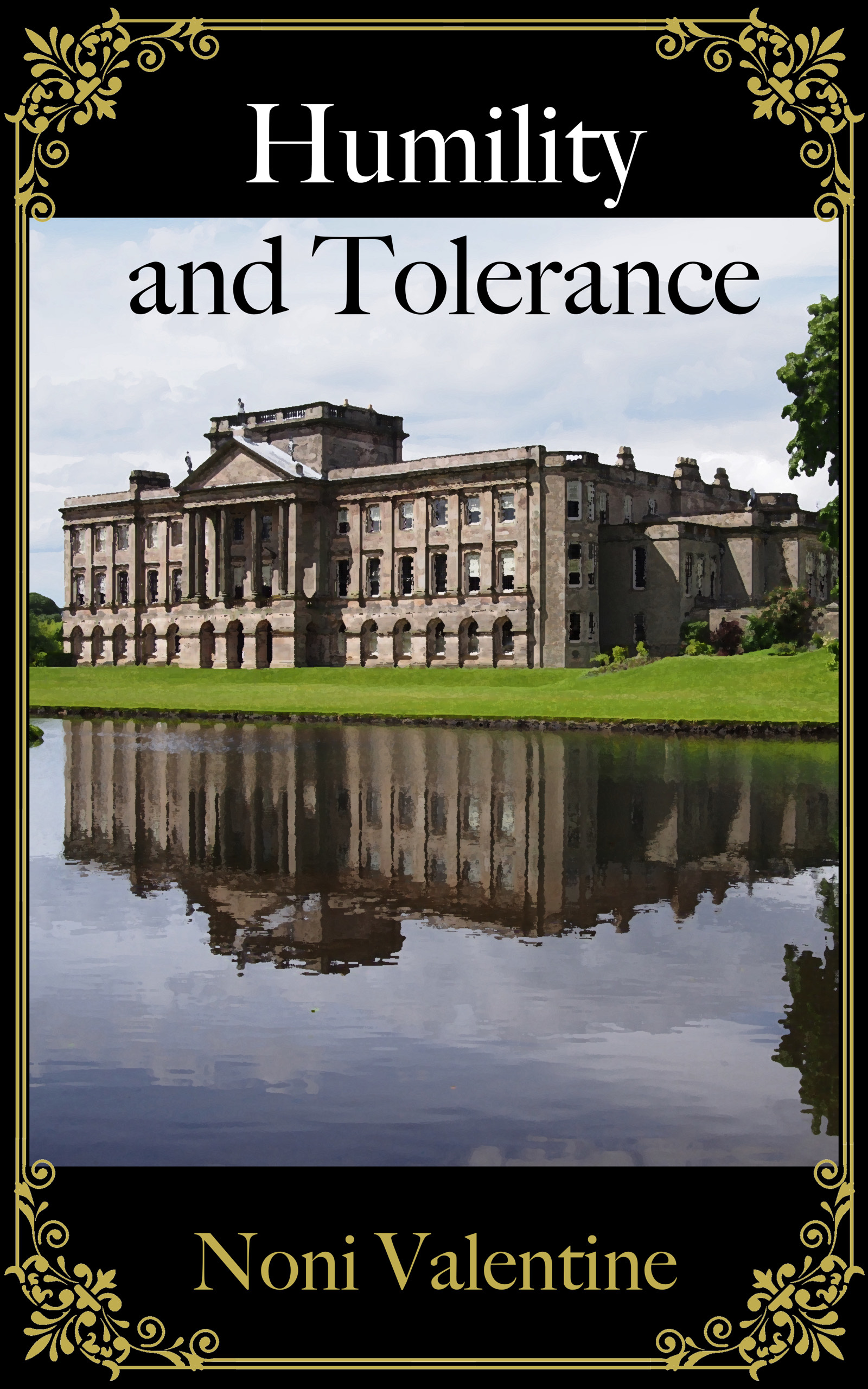
Seven years after Elizabeth Bennett married Fitzwilliam Darcy, they are still deeply in love, with two small children. But paradise is showing cracks now that Darcy’s aged housekeeper has died and Elizabeth must take up her duties. It’s more than one woman, even one as capable as Elizabeth, can manage.
Her sister Kitty, with Elizabeth and Jane’s help and a heroic effort on Kitty’s part, has outgrown her silly youth and matured into a sensible young woman—who, being sensible, spends as much time away from her parents and visiting her sisters as possible. Darcy’s sister Georgiana, with perhaps more influence from Elizabeth than is good for her, has become a confident, independent woman who is nevertheless ripe for romance. Charlotte Collins, newly widowed, is searching for a way out of the household of her husband’s crabbed patron, Lady Catherine, that doesn’t involve returning to her parents’ house.
Elizabeth sees a way to restore order to Pemberley and give herself a chance to to breathe: she offers Kitty a job as housekeeper of the estate, and Charlotte a job as governess of her adored children.
With these four women under one roof, chaos and the unexpected are inevitable. Both Kitty and Georgiana meet and begin falling in love with honorable, interesting men, neither of whom are gentlemen and therefore not considered eligible matches for them. Charlotte has the opposite problem: a childhood acquaintance who is now a Lord has become fixated on her and begins diligently wooing her, when all she wants is a quiet life and a chance to recover from eight years of marriage to a man she never loved.
When Elizabeth and Darcy learn of their sisters’ budding romances, each has the same reaction: delight at their sister-in-law’s choice and outrage at that of their sister. Now throw a ball into the mix, with Elizabeth’s mother bringing up forbidden topics from the past and her father hiding from the noise, Jane and Bingley attempting to calm the waters, Elizabeth trying to set up all three of the younger women, and Charlotte’s Lord pursuing her all over the dance floor—and an explosion is sure to happen.
This charming romance will delight all lovers of Jane Austen’s masterpiece who have ever wondered, “What happened next?”
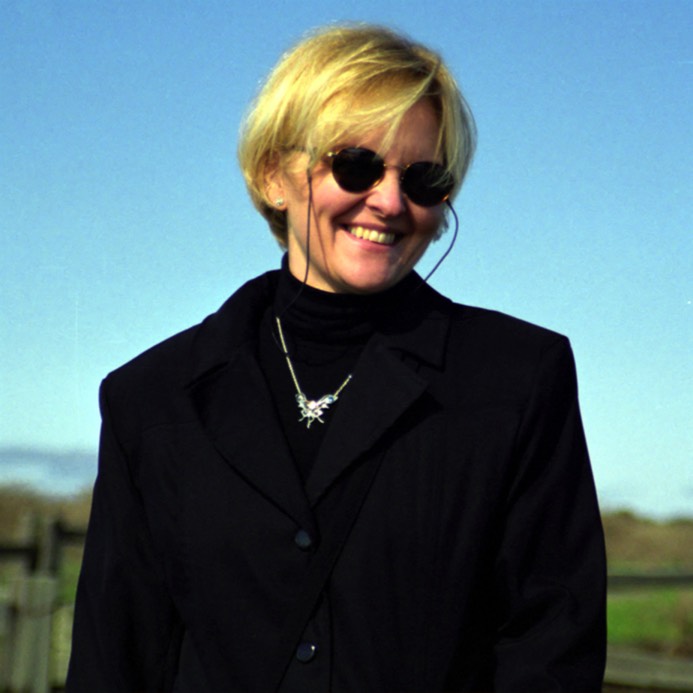
Noni Valentine grew up in the north central part of the U.S., but moved away after graduating from high school, and never again stayed in one place for long. She has been writing for most of her life, but discovered Jane Austen as an adult and fell in love all over again.
She lives with a small menagerie of feathered and furry companions. Oh, almost forgot—there’s a human in that collection as well.
I’m delighted to welcome Ann Bennett and her new book, A Rose In The Blitz of the Sisters of War series, to the blog.
Here’s the blurb
Escape into the dramatic world of London during the Blitz in this sweeping family saga of love, war and betrayal.
Northamptonshire: 1980: Wealthy landowner, Hadan Rose, is dying. His daughter, May, rushes to his country estate, Rose Park, with her daughter, Rachel, to nurse him through his final days.
In the afternoons, while Hadan sleeps, May tells Rachel about her wartime experiences.
In 1940, Three of the four Rose sisters leave Rose Park to serve the war effort. May, the youngest is left behind. But she soon runs away from home to join an ambulance crew in London. She experiences the horrors of the Blitz first-hand but what happens to her there has remained secret her whole life.
In 1980, at Rose Park, Rachel wanders through the old house, looking at old photographs and papers, uncovering explosive family secrets from ninety years before. Secrets that her grandfather wanted to take to his grave. At the local pub, Rachel meets Daniel Walters, a local journalist and musician who takes an interest in her. But can she trust him, or does he have an ulterior motive for seeking her company?
As the secrets of the past gradually reveal themselves, both Rachel and May realise that their worlds are forever changed.
Fans of Lucinda Riley, Dinah Jeffries and Victoria Hislop will love this escapist wartime saga, Book 1 in the Rose Park Chronicles.
This title is available to read on #KinldeUnlimited
Meet the Author
Ann Bennett is a British author of historical fiction. Her first book, Bamboo Heart: A Daughter’s Quest, was inspired by researching her father’s experience as a prisoner of war on the Thai-Burma Railway and by her own travels in South-East Asia. Since then, that initial inspiration has led her to write more books about the second world war in SE Asia. Bamboo Island: The Planter’s Wife, A Daughter’s Promise, Bamboo Road: The Homecoming, The Tea Planter’s Club, The Amulet and her latest release The Fortune Teller of Kathmandu are also about WWII in South East Asia. All seven make up the Echoes of Empire Collection.
Ann is also the author of The Lake Pavilion, The Lake Palace, both set in British India during the 1930s and WWII, and The Lake Pagoda and The Lake Villa, both set in French Indochina. The Runaway Sisters, bestselling The Orphan House, The Child Without a Home and The Forgotten Children are set in Europe during the same era and are published by Bookouture.
Ann is married with three grown up sons and a granddaughter and lives in Surrey, UK. For more details please visit www.annbennettauthor.com.
A culinary Sloane, a take-away cook and a food journalist.
Add in:
A handsome host
Season with:
A celebrity chef
Bring to the boil:
At a luxurious cookery school in France!
Waltho Williams has no idea what he’s letting himself in for when he opens the doors of La Maison du Paradis, his beautiful French home. But with dwindling funds, a cookery school seems like the ideal business plan.
Running away from an impending divorce, super-snob Caroline Carrington hopes a luxurious cookery holiday will put her back on her feet. Blackpool fish and chip café owner Fran Cartwright thinks she’s won the lottery when her husband Sid books her on a week working alongside a celebrity chef. Meanwhile, feeling she is fading at fifty, journalist Sally Parker-Brown hopes her press week covering the cookery course will enable her to boost her career.
But will the eclectic group be a recipe for success, or will the mismatched relationships sink like a souffle?
Whip out an apron, grab a wooden spoon and take a culinary trip to La Maison du Paradis, then sit back and enjoy The French Cookery School!
The French Cookery School is a life-affirming story of second chances for our cast of 50+ characters set in the heat of Franch in the mid-summer, as well as the heat of the kitchen. Our main characters, and there are really four of them (Fran, Sally, Caroline and Waltho), all have their own struggles to overcome or ambitions to achieve, which sets the scene for a story of facing grief and loss and moving beyond the comfort of how lives have been led for so many years.
It is an engaging, quick read that is sure to appeal to fans of cookery, France, and second-chance stories who are looking for a more ‘serious’ take on the genre.
Meet the author
Caroline James always wanted to write, but instead of taking a literary route, followed a career in the hospitality industry, which included owning a pub and a beautiful country house hotel. She was also a media agent representing celebrity chefs. When she finally glued her rear to a chair and began to write, the words flowed, and several novels later, she has gained many bestseller badges for her books.
The French Cookery School is Caroline’s tenth novel. Previously, The Cruise, described as: ‘Girl power for the over sixties!’ was an Amazon Top Ten Best Seller. Caroline’s hilarious novels include The Spa Break and The Best Boomerville Hotel, depicted as ‘Britain’s answer to the Best Marigold Hotel’.
She likes to write in Venus, her holiday home on wheels and in her spare time, walks with Fred, her Westie, or swims in a local lake. Caroline is a member of the Romantic Novelists Association, the SOA, ARRA and the Society of Women’s Writers & Journalists. She is also a speaker with many amusing talks heard by a variety of audiences, including cruise ship guests.





















 MJ Porter