Mercia: Exploring the Heartland of Saxon England and Its Lasting Influence

Having written more books than I probably should about the Saxon kingdom of Mercia, and with more planned, I’ve somewhat belatedly realised I’ve never explained what Mercia actually was. I’m going to correct that now.

Having grown up within the ancient kingdom of Mercia, still referenced today in such titles as the West Mercia Police, I feel I’ve always been aware of the heritage of the Midlands of England. But that doesn’t mean everyone else is.

Where was Mercia?

Simply put, the kingdom of Mercia, in existence from c.550 to about c.925 (and then continuing as an ealdordom, and then earldom) covered the area in the English Midlands, perhaps most easily described as the area north of the River Thames, and south of the Humber Estuary – indeed, nerdy historians, and Bede, call the area the kingdom of the Southumbrians, in contrast to the kingdom of the Northumbrians – do you see what Bede did there?

While it was not always that contained, and while it was not always that large, Mercia was essentially a land-locked state (if you ignore all the rivers that gave easy access to the sea), in the heartland of what we now know as England.
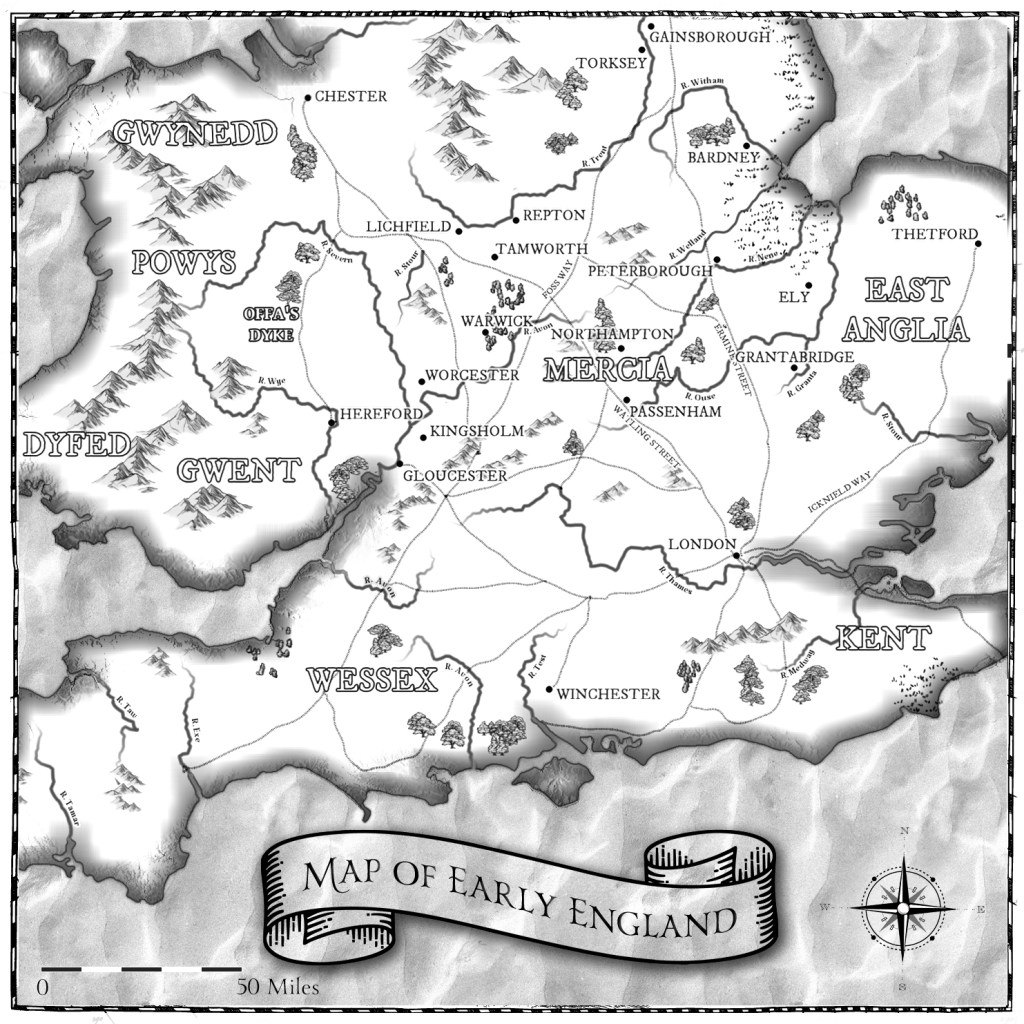
Map of Early England, showing the location of Mercia for the post What was the ancient kingdom of Mercia?

What was Mercia?

Mercia was one of the Heptarchy—the seven ancient kingdoms that came to dominate Saxon England – Mercia, Wessex (West Saxons), the East Angles, Essex (East Saxons), Sussex (South Saxons) and Kent.

Map showing the settlement of England in about the year 600, showing Mercians, Angles, Saxons and Kent
User:Hel-hama, CC BY-SA 3.0 <http://creativecommons.org/licenses/by-sa/3.0/&gt;, via Wikimedia Commons

In time, it would be one of only four to survive the infighting and amalgamation of the smaller kingdoms, alongside Northumbria, the kingdom of the East Angles, Mercia, and Wessex (the West Saxons).

The End of Mercia?

Subsequently, it has traditionally been said to have been subsumed by the kingdom of Wessex, which then grew to become all of ‘England’ as we know it.

This argument is subject to some current debate, especially as the king credited with doing this, Athelstan, the first and only of his name, might well have been born into the West Saxon dynasty but was potentially raised in Mercia, by his aunt, Lady Æthelflæd, and was, indeed, declared king of Mercia on the death of his father, King Edward the Elder in July 924, and only subsequently became king of Wessex, and eventually, king of all England.
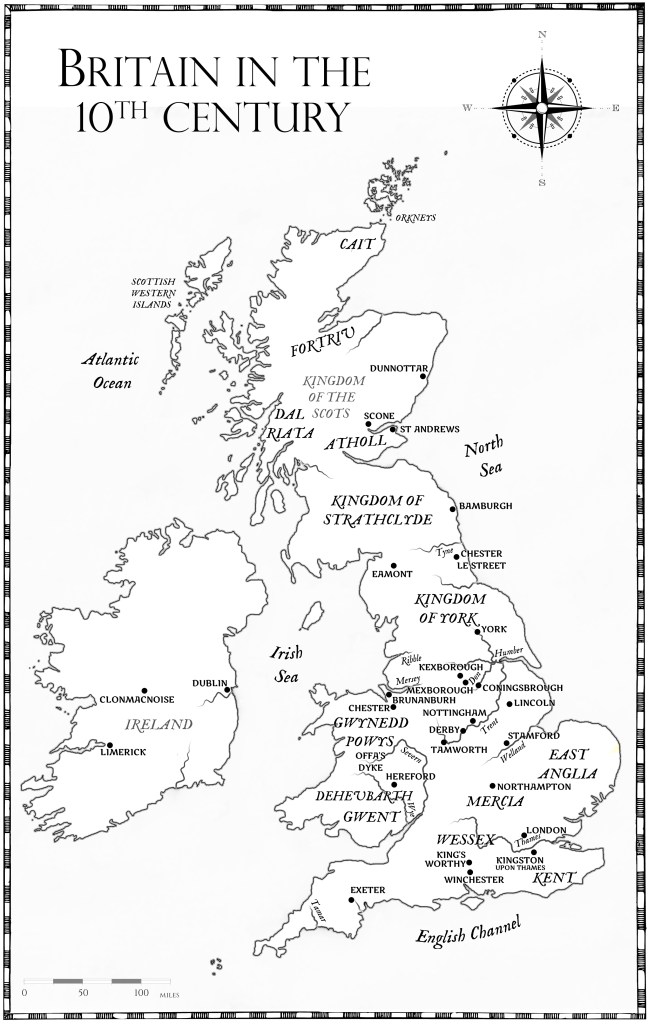
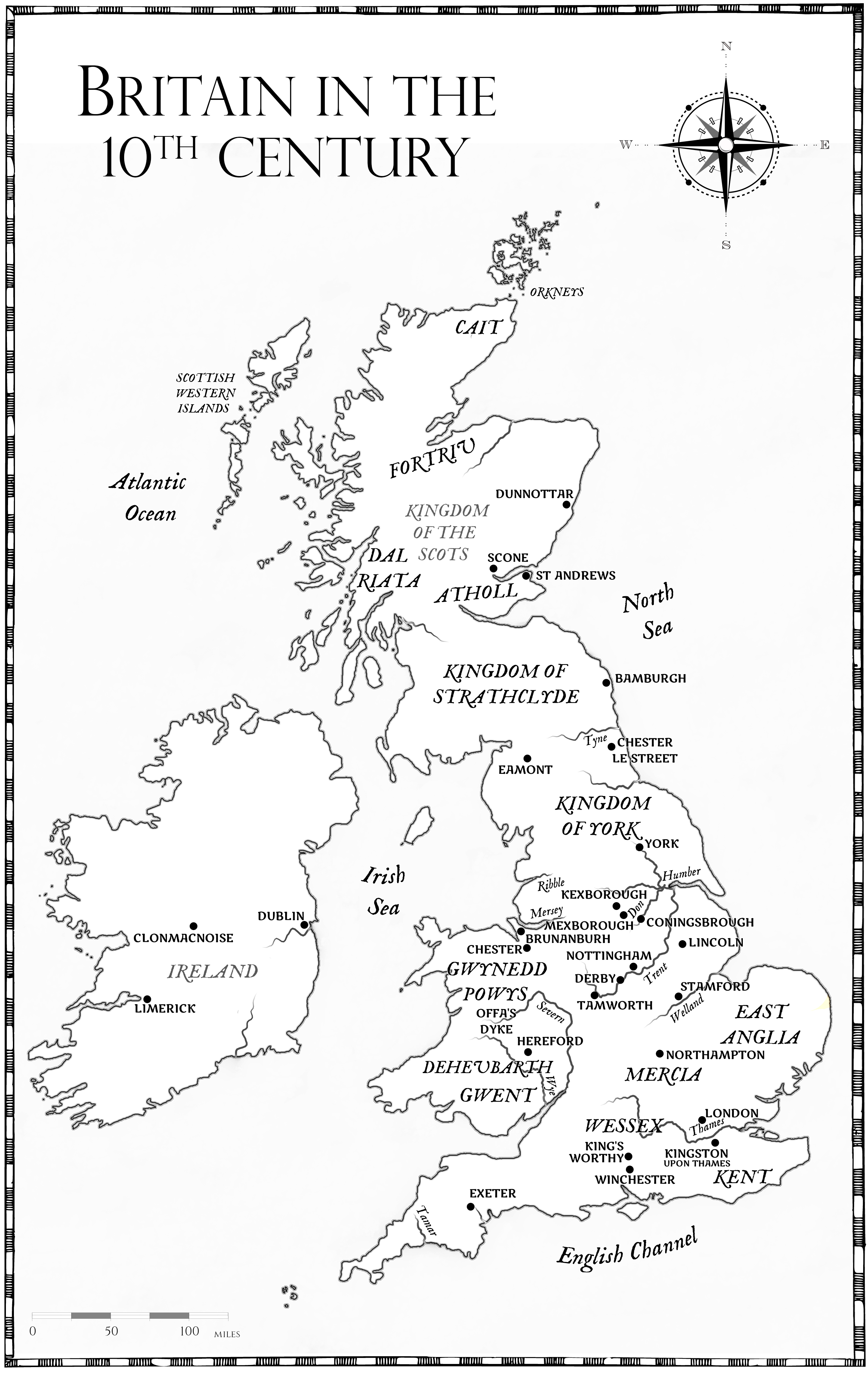
Map of Britain in the tenth century, showing Mercia, Wessex, Kent and the kingdom of York.

Mercia’s kings

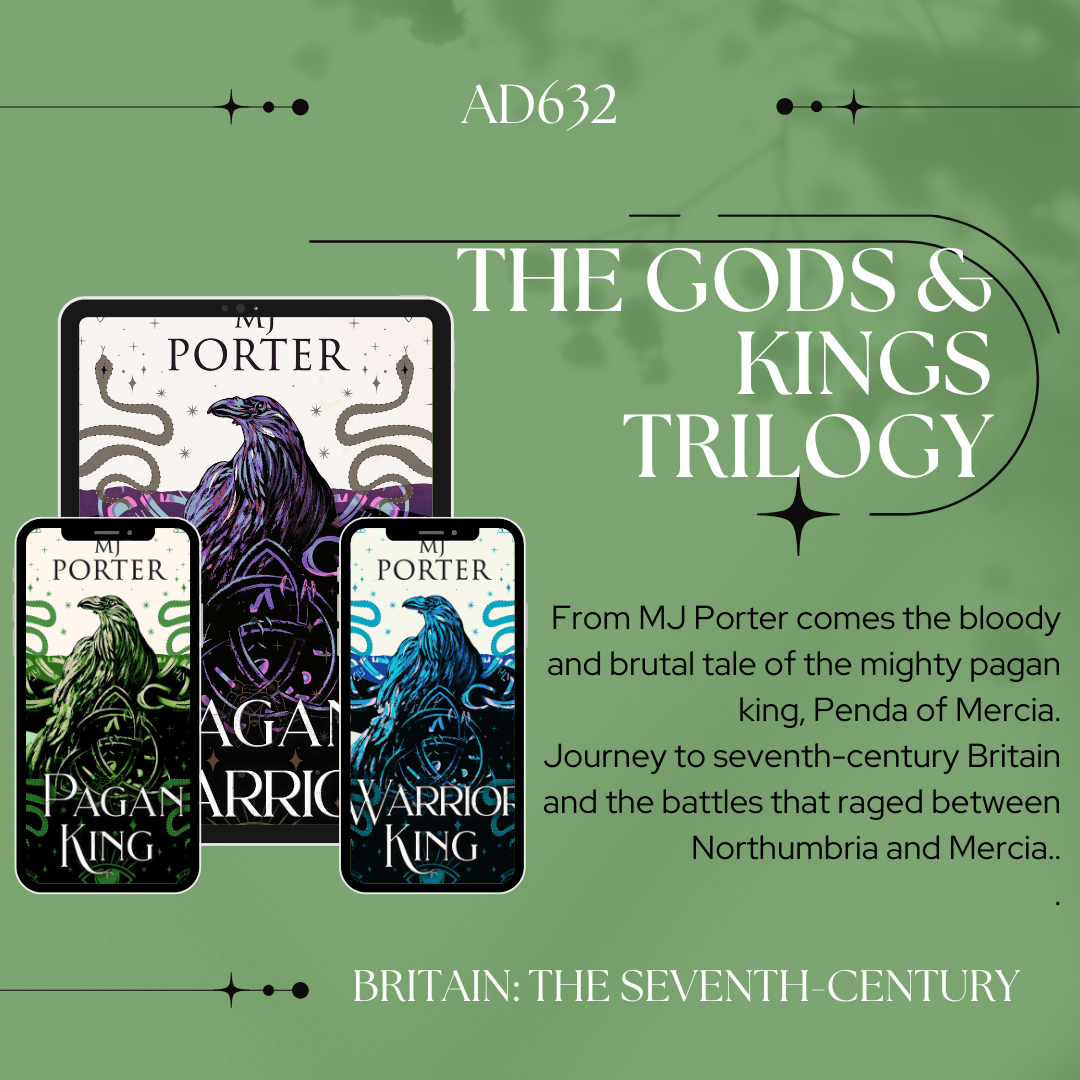
But, before all that, Mercia had its own kings. One of the earliest, and perhaps most well-known, was Penda, in the mid-7th century, the alleged last great pagan king. (Penda features in my Gods and Kings trilogy). Throughout the eighth century, Mercia had two more powerful kings, Æthelbald and Offa (of Offa’s Dyke fame), and then the ninth century saw kings Wiglaf and Coelwulf II (both of whom feature as characters in my later series, The Eagle of Mercia Chronicles and the Mercian Ninth Century), before the events of the last 800s saw Æthelflæd, one of the most famous rulers, leading the kingdom against the Viking raiders.

The Earldom of Mercia

And even when the kingdom itself ceased to exist, it persisted in the ealdordom and earldom of Mercia, (sometimes subdivided further), and I’ve also written about the House of Leofwine, who were ealdormen and then earls of Mercia throughout the final century of Saxon England, a steadfast family not outmatched by any other family, even the ruling line of the House of Wessex.

In fact, Mercia, as I said above, persists as an idea today even though it’s been many years since the end of Saxon England. And indeed, my two Erdington Mysteries, are also set in a place that would have been part of Mercia a thousand years before:) (I may be a little bit obsessed with the place).
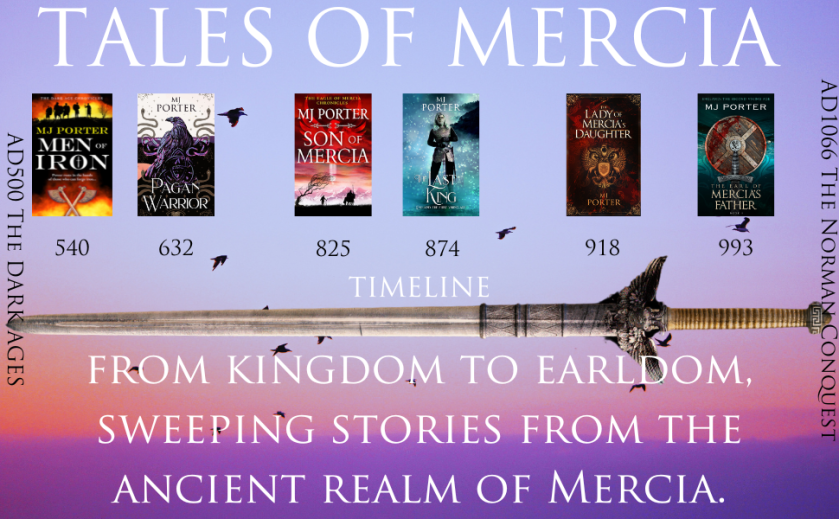
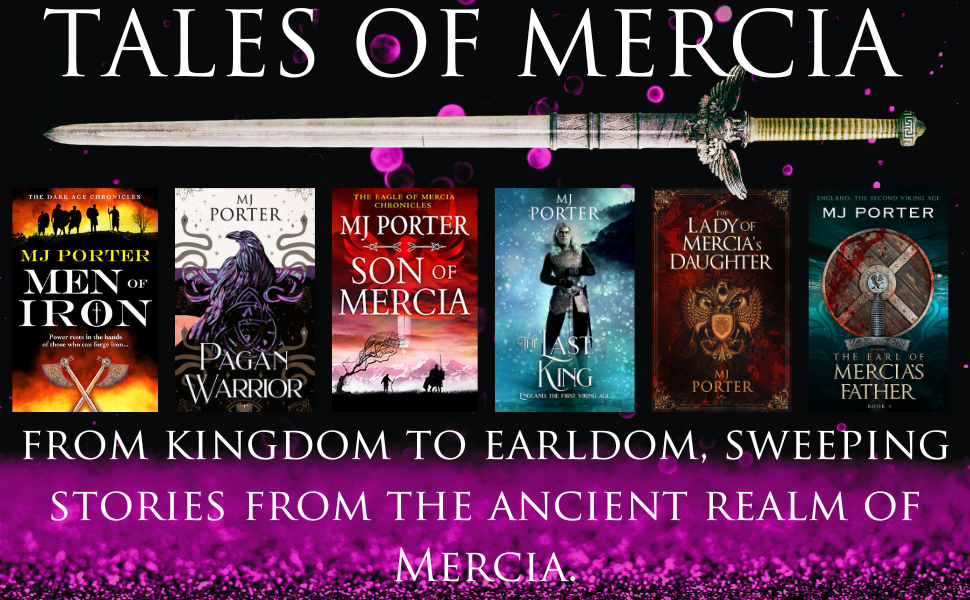
Image shows the 6 book cover titles in the Tales of Mercia series of interconnected tales by historical fiction author MJ Porter
The Tales of Mercia
Timeline of MJ Porter's Tales of Mercia series, starting with the Dark Age Chronicles and ending with The Earl of Mercia's Father

Posts

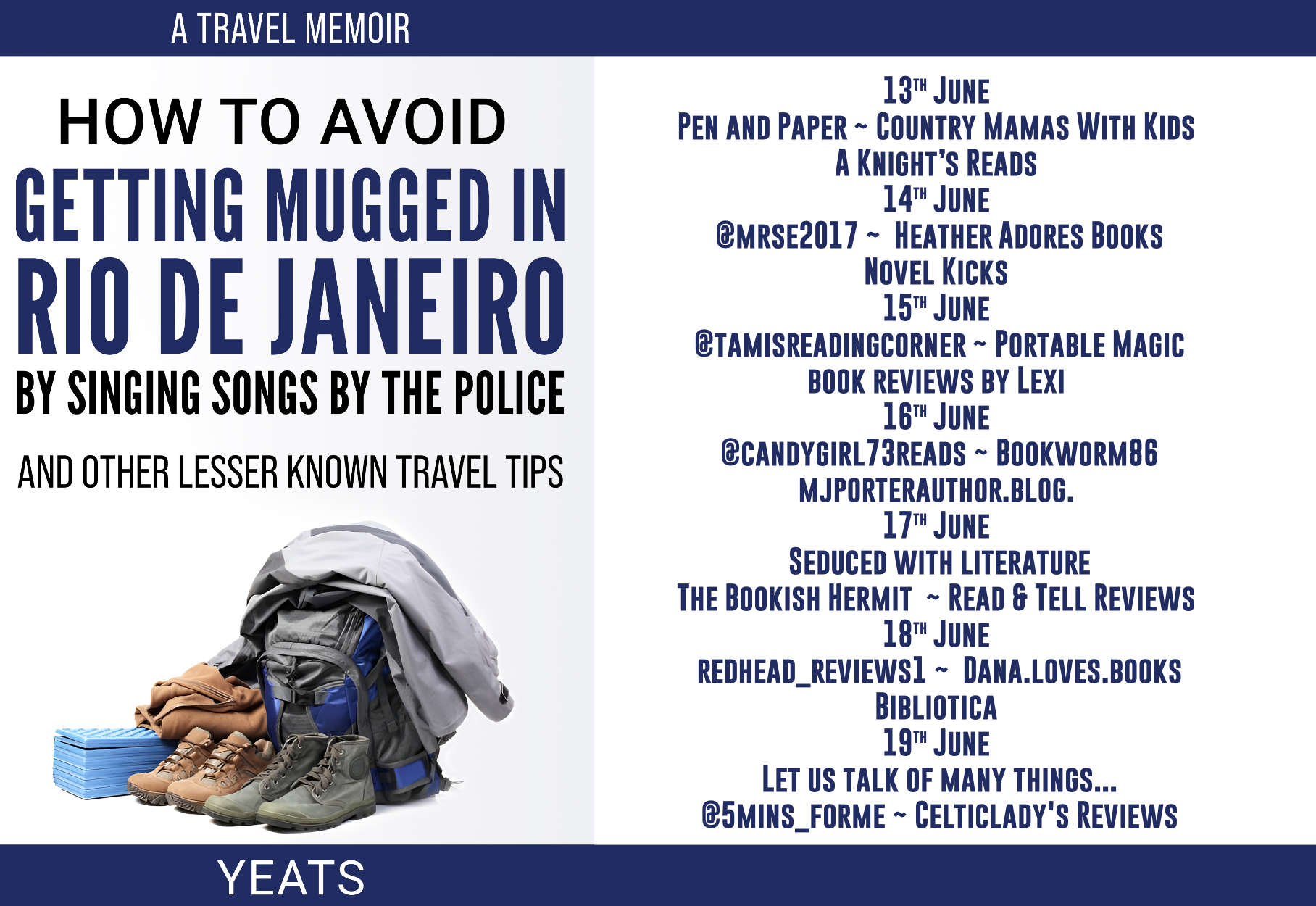
I’m delighted to welcome back Simon Yeats with an extract from How to Avoid Getting Mugged in Rio de Janeiro by Singing Songs by The Police and Other Lesser Known Travel Tips #blogtour #travelmemoir

Here’s an excerpt from How to Avoid Getting Mugged in Rio de Janeiro by Singing Songs by The Police and Other Lesser Known Travel Tips

My friends wanted to go to Tijuana while they were visiting me in Los Angeles. Then things got out of control.

 After crossing the walking bridge over the Tijuana River, which serves as both the city’s sewerage outlet and major water supply, a person enters Zona Centro. I count nine strip clubs on the first street. Ten, if I include Déjà Vu Showgirls back on the other side of the river. This is my favorite thing to do when traveling – count.

Within ten minutes of being in Tijuana, the three of us are bored. Any person who is not crazy about buying knickknacks with a Mexican flag on them would be bored. We could have stayed at the Outlet Mall and been as bored, while being closer to the car. I make a joke with Jim that it is a good thing we are not here to watch the mythical Tijuana woman and donkey show.

Jim and Sheilds’ ears prick up.

What is that about a grotesque sex show that allegedly exists somewhere along the pristine streets of Tijuana?

“Do you know where they have it?”

“I have no idea.”

“We have to see it.”

“No, we don’t.”

“Yes, we do. We are going.”

“We are not going to sit through a fucking matinee of a woman getting amorous with a donkey.”

“Yes, we are.”

“Explain to me again why we are mates, Sheilds?”

The mere idea of the existence of a woman and donkey show churns my stomach. This is Tijuana’s legend. A dirty, disgusting myth that should only arouse blind drunk sailors and animal activists. But Jim and Sheilds are all over it like white on rice. These two deviants were made for each other. 

I try to explain to them that it is a fable. Like the lost gold city of El Dorado, the resting place of Noah’s Ark, or the now uninteresting Bermuda triangle. However, the genie is out of the bottle. They insist we are going to find it and watch. 

For God’s sake, why?

An important tip to remember when traveling in a group that is looking to find a cheap thrill. Make sure the weird sexual proclivities of all members are closely aligned. Or, if a person is as boring as I am, only travel with people who have been desexed.

Sheilds and Jim do not seem to understand, or care. If this show really existed, its story would not be shrouded in a veil of mystery, now would it? It is certainly not marked on any of the maps of walking tours of Tijuana.

“We need to get out of the main tourist area, then.”

“Hell no,” I scream. “If I can’t be so close to the border that when I yell ‘help,’ a US marine is within earshot, we do not go a fucking step further.”

“Pussy.”

“Pussy.”

These two are paying no mind to the inherent dangers of being in the most dangerous city on earth. The town with the world’s highest murder rate per capita. They are adamant that no cost is too high to find the club that has the women and donkey show.

“We are on an adventure.”

Here’s the blurb

Australian author Simon Yeats, who from an early age learned that the best way to approach the misfortunes of this world is to laugh about it.

Simon shares his comedic insights into the unusual and uproarious elements of living life as an Aussie ex-pat and having a sense of Wanderlust as pervasive as the Bubonic Plague in the 1300s.

From what to do when several people converge to rob you after midnight on a deserted Copacabana Beach, to how to save the Sierra Mountain Range from a wildfire outbreak due to a lack of quality toilet paper, to where not to go in Tijuana when trying to locate the origins to stories of the city’s mythical adult entertainment, to how to save yourself from drowning when caught in a storm while sailing off the California coast.

Simon Yeats has gone into the world and experienced all the out of the ordinary moments for you to sit back and enjoy the experience without the need to lose an eye or damage your liver. 

Purchase Links 

https://www.amazon.com/Getting-Mugged-Janeiro-Singing-Police-ebook/dp/B0CPCBMD1N/

https://www.amazon.co.uk/Getting-Mugged-Janeiro-Singing-Police-ebook/dp/B0CPCBMD1N/

https://www.barnesandnoble.com/w/how-to-avoid-getting-mugged-in-rio-de-janeiro-by-singing-songs-by-the-police-and-other-lesser-known-travel-tips-yeats/1144543933?ean=9798223326014

Meet the author

Simon Yeats has lived nine lives, and by all estimations, is fast running out of the number he has left. His life of globetrotting the globe was not the one he expected to lead. He grew up a quiet, shy boy teased by other kids on the playgrounds for his red hair. But he developed a keen wit and sense of humor to always see the funnier side of life.

With an overwhelming love of travel, a propensity to find trouble where there was none, and being a passionate advocate of mental health, Simon’s stories will leave a reader either rolling on the floor in tears of laughter, or breathing deeply that the adventures he has led were survived.

No author has laughed longer or cried with less restraint at the travails of life.

Connect with the author

TIK TOK – https://www.tiktok.com/@authoryeats

INSTAGRAM – https://www.instagram.com/authoryeats/?hl=en

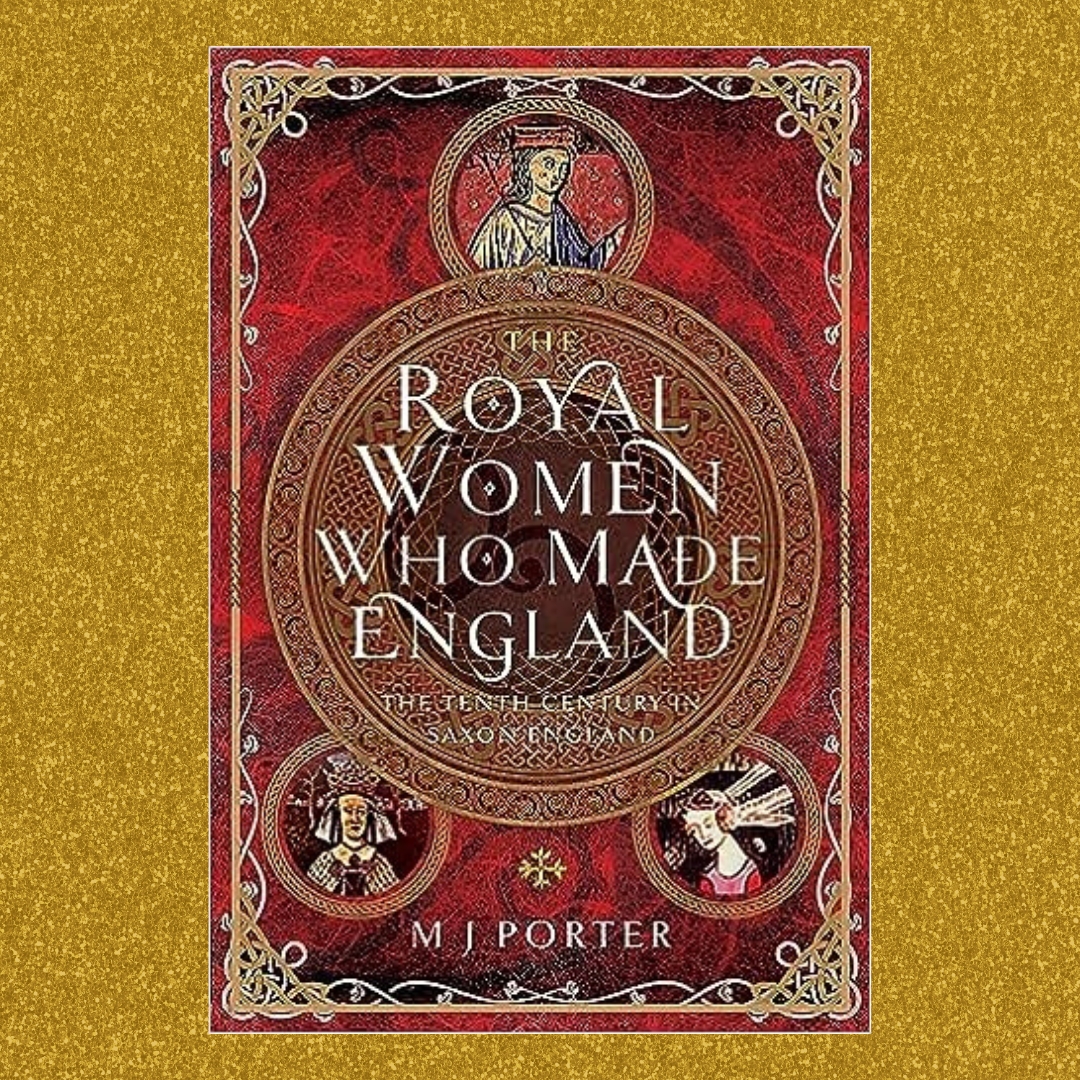
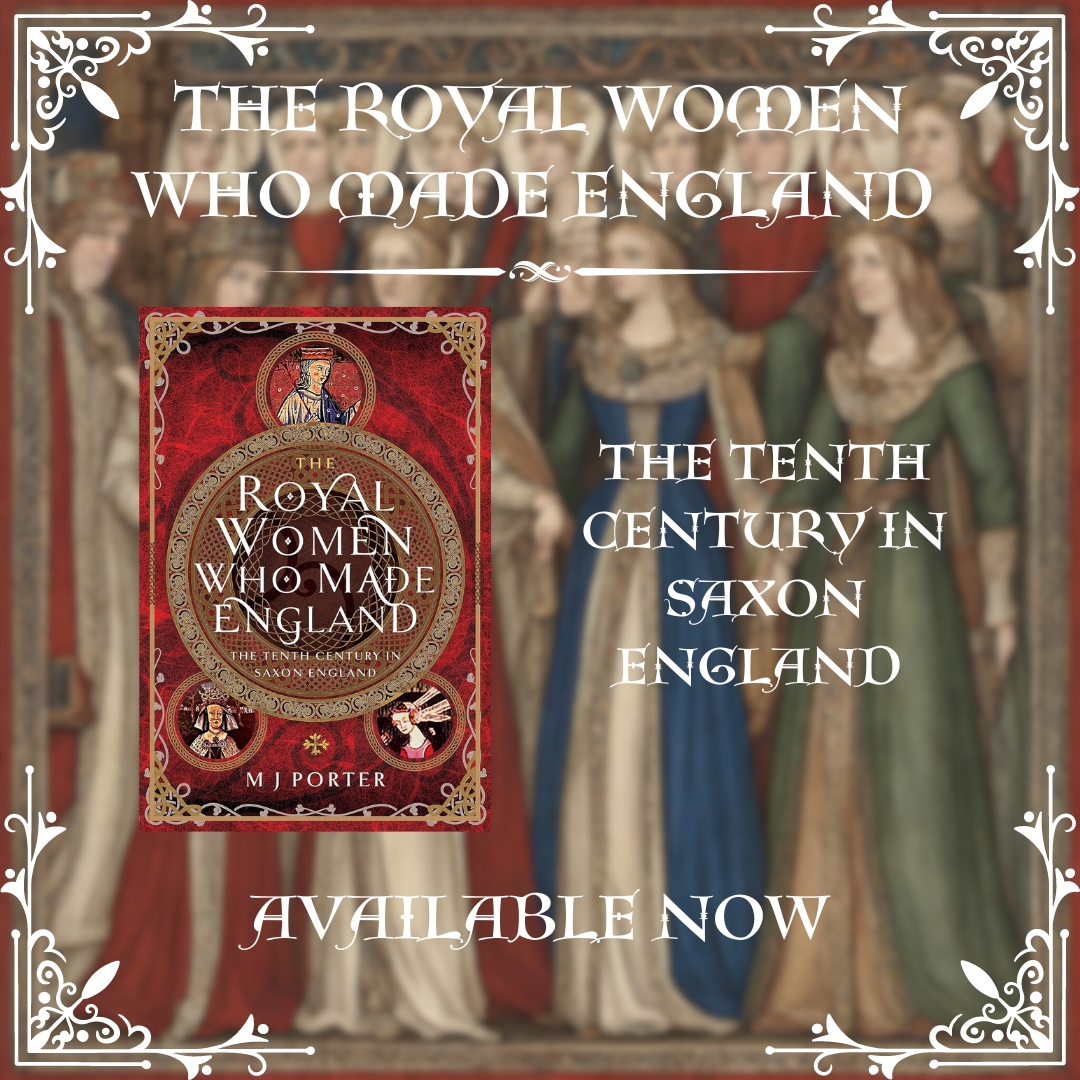
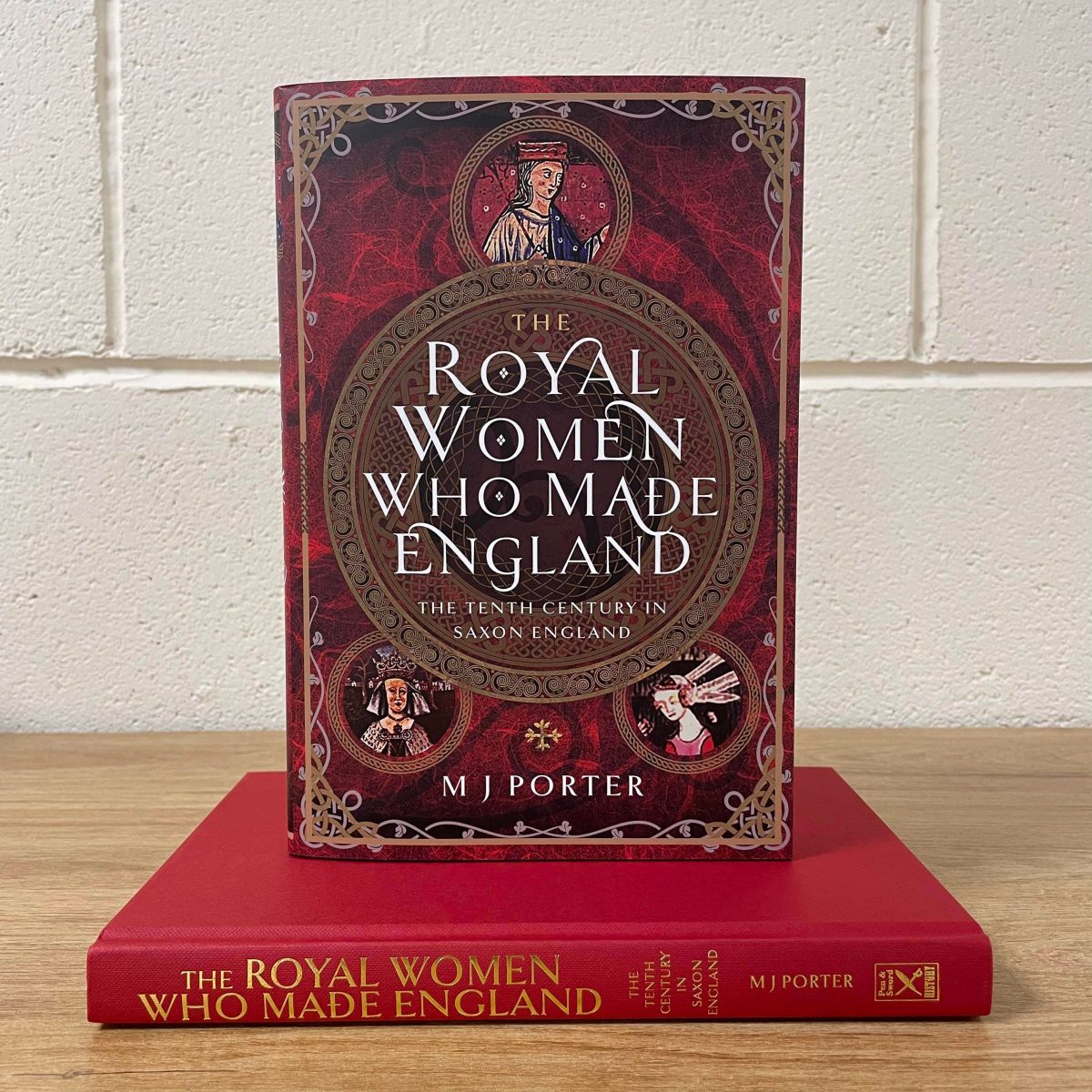
Happy (US and Kindle) Release Day to The Royal Women Who Made England, my first non-fiction book #newrelease #nonfiction

It feels like I’ve been talking about this book forever, but the day is finally upon us. The Royal Women Who Made England is available in hardback in the UK and US from today, and also in Kind

If you’ve been hiding from me for the last few months, you might be wondering what this is all about. So here goes.

Throughout the tenth century, England, as it would be recognised today, formed. No longer many Saxon kingdoms, but rather, just England. Yet, this development masks much in the century in which the Viking raiders were seemingly driven from England’s shores by Alfred, his children and grandchildren, only to return during the reign of his great, great-grandson, the much-maligned Æthelred II.

Not one but two kings would be murdered, others would die at a young age, and a child would be named king on four occasions. Two kings would never marry, and a third would be forcefully divorced from his wife. Yet, the development towards ‘England’ did not stop. At no point did it truly fracture back into its constituent parts. Who then ensured this stability? To whom did the witan turn when kings died, and children were raised to the kingship?

The royal woman of the House of Wessex came into prominence during the century, perhaps the most well-known being Æthelflæd, daughter of King Alfred. Perhaps the most maligned being Ælfthryth (Elfrida), accused of murdering her stepson to clear the path to the kingdom for her son, Æthelred II, but there were many more women, rich and powerful in their own right, where their names and landholdings can be traced in the scant historical record.

Using contemporary source material, The Royal Women Who Made England can be plucked from the obscurity that has seen their names and deeds lost, even within a generation of their own lives.

https://amzn.to/3OlRydn

https://ww…ck/p/24395

So, who were these royal women? While some of us will know Æthelflæd, the Lady of Mercia, either because I think she is one of THE most famous Saxon women, or because of The Last Kingdom TV series and books, but she is merely one of many.

I’ve fictionalised Elfrida and her contemporaries, Eadgifu, the third wife of Edward the Elder and also some of his daughters, as well as Ælfwynn, the daughter of Æthelflæd. My first non-fiction title is me sharing my research that these stories are based upon.

I’ve also ‘found’ many other women of the period who have left some sort of physical reminder, mostly in charters or because their wills have survived.

In total, I discuss over twenty women directly involved with the royal family, either by birth or marriage, and also a further forty, who appear in the sources. I also take a good look at what these sources are and how they perhaps aren’t always as reliable as we might hope. I make an attempt to ‘place’ these women in the known historical events of the period. And draw some conclusions, which surprised even me.

You can find some of my blog posts about these women below.

Æthelflæd

Lady Eadgifu

Ælfwynn

The daughters of Edward the Elder.

The other daughters of Edward the Elder

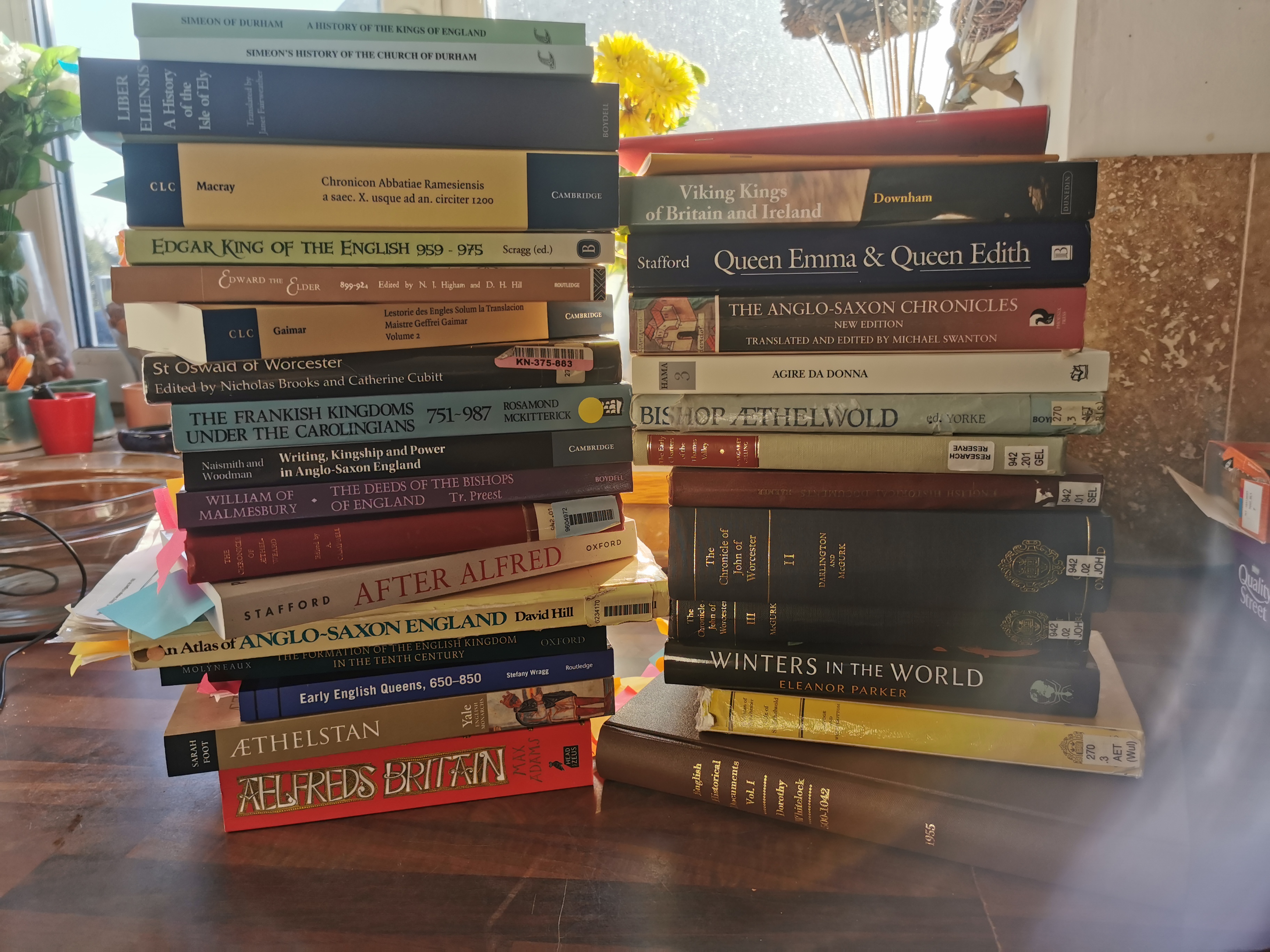
A collection of research books I used while writing The Royal Women Who Made England

Listen to me talk about the Chronicon of Æthelweard (about 6 minutes).
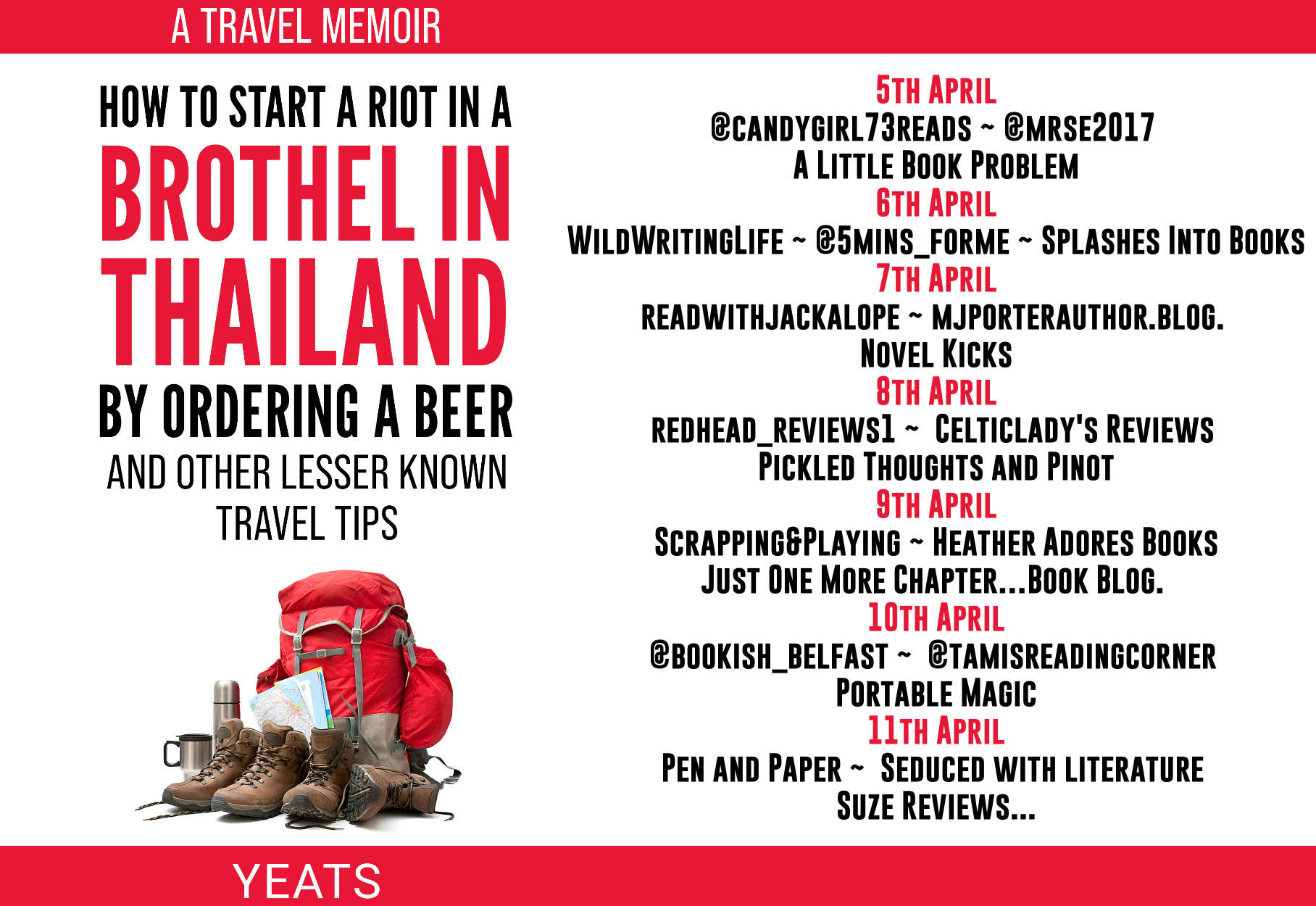
Time for something a little different, I’m reviewing How To Start A Riot In A Brothel In Thailand By Ordering A Beer And Other Lesser Known Travel Tips #blogtour #bookreview #travelmemoir #competition

Here’s the blurb

Book 1 of a hilarious series of travel misadventures and dubious personal introspection by Australian author Simon Yeats, who from an early age learned that the best way to approach the misfortunes of this world is to laugh about it.
Simon shares his comedic insights into the unusual and uproarious elements of living life as an Aussie ex-pat and having a sense of Wanderlust as pervasive as the Spanish Flu in 1918.

From how to keep yourself entertained when unwittingly forced to watch 11 hours of live sumo wrestling in Japan, to surviving heartbreak in India at the hands of a French flight attendant, to 48 hours spent in Nepal that qualify as the funniest most gut wrenching travel experience since Captain Bligh was set adrift in the Pacific, to his unsuccessful attempts at avoiding going to a brothel in Thailand.

Simon Yeats has gone into the world and experienced all the out of the ordinary moments for you to sit back and enjoy the experience without the need to break a leg or rupture a pancreas.

Purchase Links 

https://www.amazon.com/dp/B0CLDBSXGX

https://www.amazon.co.uk/dp/B0CLDBSXGX

My Review

How to Start a Riot in a Brothel in Thailand by Ordering a Beer and other lesser known travel tips is a mostly light-hearted and fun travel memoir.

Taking us through a range of memoirs from a visit as a 12-year-old to New Zealand to a 39-year-old retracing those steps with his wife, we are regaled with tales mostly taking place in Oceania throughout the author’s adult life. Some of them are amusing, some of them a little horrifying, and all told with some introspection to place the stories into context. That said, the funniest story (the bath one) is about Yeats travelling home to visit family and the joys of nieces and nephews.

As someone who doesn’t like to travel (at all), this might seem like a strange memoir to read, and indeed, it assures me that I’m probably quite happy staying at home if these stories are based on real experiences, but I’m always keen to read something sprinkled with light humour. How to Start a Riot fits the bill nicely.

I would caution that there are some elements of these memoirs that are not totally PC, and that we are treated to a bit of a tirade to begin with, but once beyond that point, the tales are engaging and connect together well.

This travel memoir will appeal to those who share the same Wanderlust, offering a snapshot from the 1980s onwards. And perhaps those looking for some reassurance that they are, indeed, quite right to stay at home where they need not concern themselves with learning the art of haggling.

Meet the author

Simon Yeats has lived nine lives, and by all estimations, is fast running out of the number he has left. His life of globetrotting the globe was not the one he expected to lead. He grew up a quiet, shy boy teased by other kids on the playgrounds for his red hair. But he developed a keen wit and sense of humor to always see the funnier side of life.

With an overwhelming love of travel, a propensity to find trouble where there was none, and being a passionate advocate of mental health, Simon’s stories will leave a reader either rolling on the floor in tears of laughter, or breathing deeply that the adventures he has led were survived.

No author has laughed longer or cried with less restraint at the travails of life.

Connect with the author

TIK TOK – https://www.tiktok.com/@authoryeats

INSTAGRAM – https://www.instagram.com/authoryeats/?hl=en

Giveaway to Win 1 set of all Three Books in Simon Yeats Lesser Known travel tips series in paperback and 1 set in epub (Open to UK / US / Canada).


Prize includes copies of:

How to Start a Riot in a Brothel in Thailand by Ordering a Beer and Other Lesser Known Travel Tips

How to Avoid Getting Mugged in Rio de Janeiro by Singing Songs by The Police and Other Lesser Known Travel Tips

How to Survive Making Yourself Look Silly While Dancing with the German Mafia at a Bavarian Nightclub and Other Lesser Known Travel Tips

2 winners – first winner will win the paperbacks, second winner will win the epubs .

http://www.rafflecopter.com/rafl/display/33c69494585/?

*Terms and Conditions –UK / US / Canada entries welcome.  Please enter using the Rafflecopter box below.  The winner will be selected at random via Rafflecopter from all valid entries and will be notified by Twitter and/or email. If no response is received within 7 days then Rachel’s Random Resources reserves the right to select an alternative winner. Open to all entrants aged 18 or over.  Any personal data given as part of the competition entry is used for this purpose only and will not be shared with third parties, with the exception of the winners’ information. This will passed to the giveaway organiser and used only for fulfilment of the prize, after which time Rachel’s Random Resources will delete the data.  I am not responsible for despatch or delivery of the prize.

It’s International Women’s Day 2024. Here’s to the women of the tenth century in Saxon England.

I’ve made it somewhat of a passion to study the royal women of the tenth century. What drew me to them was a realisation that while much focus has rested on the eleventh century women, most notably Queen Emma and Queen Edith, their position rests very much on growing developments throughout the tenth century. It also helps that there is a surprising concurrence of women in the tenth century, the early years of Queen Elfrida, England’s first acknowledged crowned queen, find the ‘old guard’ from previous reigns, mixing with the ‘new guard’ – a delightful mix – it must be thought – of those experienced women trying to teach the younger, less experienced women, how to make their way at the royal court, perhaps with some unease from all involved.

Lady Elfrida, or Ælfthryth (I find it easier to name her as Elfrida) was the first of these women to catch my eye. Her story, which can be interpreted as a love story if you consult the ‘right’ sources, fascinated me. The wife of a king, mother of another king, and in time, grandmother, posthumously, to two more. But, it was her possible interactions with her husband’s paternal grandmother, the aging but long-lived Lady Eadgifu, and maternal grandmother, Lady Wynflæd, as well as probable unease with her second husband’s cast-off second wife, that really sparked my imagination. I could well imagine the conversations they might share, and the dismay they might feel around one another. Lady Elfrida replaced a wife who was not crowned as queen, and also replaced a grandmother who had never been crowned as queen but had long held a position of influence for over forty years at the Wessex court.

Equally, Elfrida’s husband had been surrounded by women from his earliest days. His mother had died, perhaps birthing him, but he had two grandmothers, a step-mother, a foster-mother and his (slightly) older brother’s wife, who would have been instrumental in his life, not to mention his first two wives. As such, it was the personal interactions of the women that called to me, and the tragedy and triumphs of their lives, and, I confess, an image of Dame Maggie Smith holding sway in Downton Abbey that drew me to the women of this period.

I’ve gone on to write fictionalised accounts of many of these women, and then, frustrated by the lack of a cohesive non-fiction account, I’ve also written a non-fiction guide detailing the scant information available for these women.

https://amzn.to/421prHt

https://books2read.com/TheRoyalWomenWhoMadeEngland

You can read more about the royal women on the blog.

The Tenth Century Royal Women

Meet Lady Eadgifu

Lady Æthelflæd

Lady Ælfwynn

The daughters of Edward the Elder

The religious daughters of Edward the Elder

Did England’s first crowned queen murder her stepson?

Posts

The Ælfflæd ‘stole’ from St Cuthbert’s tomb – The Royal Women Who Made England

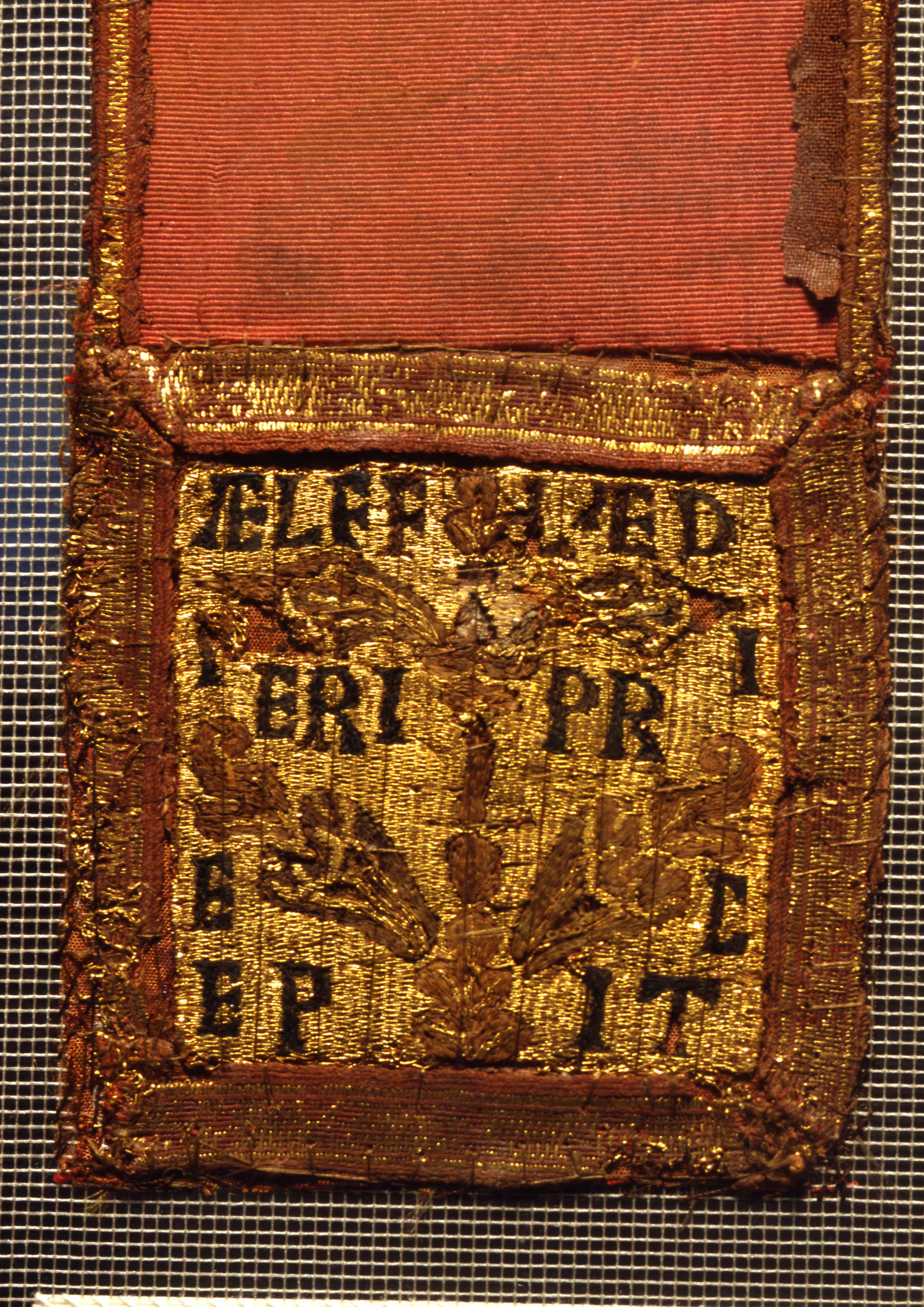
When I was writing The Royal Women Who Made England, I discovered that there is potentially one surviving item that could be associated with these royal women. While the identification is not certain, it seems highly likely that some religious items, discovered in the tomb of St Cuthbert in Durham, when it was opened in 1827, could have either been stitched by Ælfflæd herself, or commissioned at her request. The item has the following words stitched on it Ælfflæd Fiere Precepit (Ælfflæd had [this] made) – translation from E Coatsworth The Embroideries from the Tomb of St Cuthbert.

Ælfflæd was the second wife of Edward the Elder (899-924). It’s believed they probably married AFTER he became king of Wessex on the death of his father in 899. She was the mother to at least six daughters, and two sons, one of whom became king after his father’s death, for a brief 16 days. Her stepson, Athelstan, then became king of Wessex. Two of her daughters married into the ruling families of East and West Frankia. Another two daughters married into influential families in Europe. Two others spent their adult lives in a nunnery, one as a lay sister, and one as a nun.

The embroideries consist of a stole, a maniple and a possible girdle, and are believed to have been made for Bishop Frithestan – indeed, the other end of the embroidery reads Pio Episcopo Fri∂estano (for the pious bishop Frithestan). So, together it reads Ælfflæd had this made for the pious bishop Frithestan. Frithestan was the bishop of Winchester in the early tenth century. It’s likely he never received them, for why else would they have found their way to Durham and the tomb of St Cuthberht?

There are two possible reasons for this. Firstly, Ælfflæd may have either died, or no longer been married to the king when they were completed. Edward the Elder remarried Eadgifu, his third wife sometime between 917-919. We don’t know if this was because his second wife had died, or merely because he wished to take a new wife. Secondly, Bishop Frithestan fell out with the House of Wessex at about this time. Indeed, he played no part in King Athelstan’s coronation. The expensive commissions, with gold thread, therefore never came into the hands of Bishop Frithestan. Where they might have been for the intervening period, would be interesting to know.

When King Athelstan (924-939) made his famous trip to Chester Le Street in c.934, it’s written that he gifted the community of St Cuthbert with a stole, a maniple and a girdle. It’s believed that it’s these items, made by, or commissioned by his stepmother, that he gave. (The religious house from Chester Le Street moved to Durham in 1104). St Cuthbert was a north-east saint, who lived on Lindisfarne/Holy Island in the 600s, and while it’s believed the religious house fled from Lindisfarne in the wake of the Viking raider invasions and were essentially ‘on the move’ for over a hundred years, this interpretation is now being questioned by Dr David Petts and the excavations taking place on Lindisfarne. Whatever happened to the community in that period, they were extremely influential in the north of England, and did eventually settle at Chester Le Street.

The survival of these items is astounding. There are only, according to E Coatsworth, three such ‘large’ items from the Saxon era, the Bayeaux tapestry, the Durham embroideries and those of St Catherine in Maaseik, Belgium. If these items were truly made by Ælfflæd, then they are unique. I can think of no other item that survives from the era and which the royal women may themselves have touched. When I saw this image, I was astonished by the vibrancy of the gold thread. I imagine I’m not alone in that.

Reproduced by kind permission of the chapter of Durham Cathedral.

You can read The Royal Women Who Made England: The Tenth Century in Saxon England now if you’re in the UK, or from March if you’re in the US. It can also be purchased in epub version direct from Pen and Sword.

https://www.pen-and-sword.co.uk/The-Royal-Women-Who-Made-England-The-Tenth-Century-in-Saxon-England-Hardback/p/24395

https://books2read.com/TheRoyalWomenWhoMadeEngland

x

Competition time, and an update on the ebook version of The Royal Women Who Made England

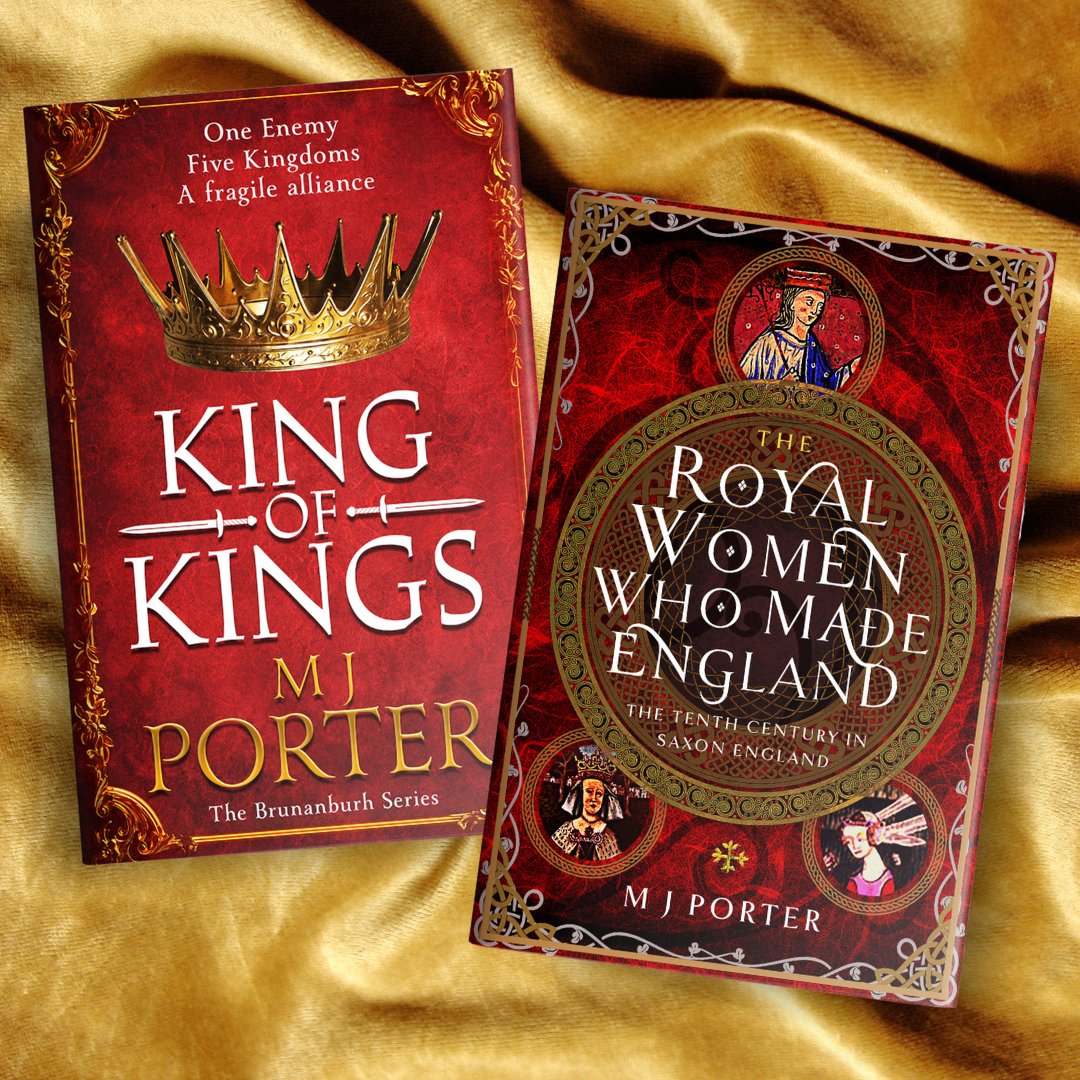
My fabulous publishers are working together and offering a hardback edition of King of Kings and The Royal Women Who Made England (UK only). To enter you will need to access one of the original posts from Boldwood on Twitter, Facebook or Instagram. I will add links here. (Closing date 6th Feb 2024. T &Cs apply).

I can’t work out how to do the Facebook one:(

https://www.facebook.com/theboldbookclub You might have to hunt for it. Let me know if it’s a pain, or if you know how to do it!


I can also let you know that the ebook/kindle version is now available to preorder, and the US hardback release date is 30th March 2024.

https://books2read.com/TheRoyalWomenWhoMadeEngland

Or purchase directly from the publisher, Pen and Sword

https://www.pen-and-sword.co.uk/The-Royal-Women-Who-Made-England-Hardback/p/24395

Check out the Brunanburh Series page on my blog for my information about my fiction.


And, because I never tire of making a slight fool of myself, here’s me talking about some more of the research I undertook for the book and trying to explain the family tree of Otto I, King of the East Franks. Who knows how successful I’ve been.

Happy (UK) Release Day to The Royal Women Who Made England, my first non-fiction book #newrelease #non-fiction

It feels like I’ve been talking about this book forever, but the day is finally upon us. The Royal Women Who Made England is available in hardback in the UK from today. It will be released in the US in March.

If you’ve been hiding from me for the last few months, you might be wondering what this is all about. So here goes.

Throughout the tenth century, England, as it would be recognised today, formed. No longer many Saxon kingdoms, but rather, just England. Yet, this development masks much in the century in which the Viking raiders were seemingly driven from England’s shores by Alfred, his children and grandchildren, only to return during the reign of his great, great-grandson, the much-maligned Æthelred II.

Not one but two kings would be murdered, others would die at a young age, and a child would be named king on four occasions. Two kings would never marry, and a third would be forcefully divorced from his wife. Yet, the development towards ‘England’ did not stop. At no point did it truly fracture back into its constituent parts. Who then ensured this stability? To whom did the witan turn when kings died, and children were raised to the kingship?

The royal woman of the House of Wessex came into prominence during the century, perhaps the most well-known being Æthelflæd, daughter of King Alfred. Perhaps the most maligned being Ælfthryth (Elfrida), accused of murdering her stepson to clear the path to the kingdom for her son, Æthelred II, but there were many more women, rich and powerful in their own right, where their names and landholdings can be traced in the scant historical record.

Using contemporary source material, The Royal Women Who Made England can be plucked from the obscurity that has seen their names and deeds lost, even within a generation of their own lives.

https://amzn.to/3OlRydn

https://ww…ck/p/24395

So, who were these royal women? While some of us will know Æthelflæd, the Lady of Mercia, either because I think she is one of THE most famous Saxon women, or because of The Last Kingdom TV series and books, but she is merely one of many.

I’ve fictionalised Elfrida and her contemporaries, Eadgifu, the third wife of Edward the Elder and also some of his daughters, as well as Ælfwynn, the daughter of Æthelflæd. My first non-fiction title is me sharing my research that these stories are based upon.

I’ve also ‘found’ many other women of the period who have left some sort of physical reminder, mostly in charters or because their wills have survived.

In total, I discuss over twenty women directly involved with the royal family, either by birth or marriage, and also a further forty, who appear in the sources. I also take a good look at what these sources are and how they perhaps aren’t always as reliable as we might hope. I make an attempt to ‘place’ these women in the known historical events of the period. And draw some conclusions, which surprised even me.

You can find some of my blog posts about these women below.

Æthelflæd

Lady Eadgifu

Ælfwynn

The daughters of Edward the Elder.

The other daughters of Edward the Elder

A collection of research books I used while writing The Royal Women Who Made England

Listen to me talk about the Chronicon of Æthelweard (about 6 minutes).

Meet the characters from Clash of Kings, Idwal of Gwynedd.

Idwal of Gwynedd has long been a character in the Brunanburh series, but it appears I’ve been remiss in not writing a blog about him. So here goes.

I confess, I’ve had quite a lot of fun with Idwal, pitching him against Hywel. But, I’m not sure that’s actually very wide of the mark.

Idwal of Gwynedd and Hywel were cousins. Their fathers were both sons of perhaps the second most well-known king of Wales, Rhodri Mawr. Hywel being the first (at least in my mind). Rhodri Mawr had held much of Wales, and was accorded the title King of the Britons. On his death, at the hands of King Alfred of Wessex, the kingdoms fractured back into their constituent parts. Idwal’s father ruled in Gwynedd. Hywel’s in Seisyllwg. Hywel succeeded his father while very young and quickly grew his power base. Idwal became king of Gwynedd in 916.

We first met Idwal in King of Kings in 927. He was, unwillingly, signing the accord with Athelstan at Hereford after the one agreed with the northern kings at the treaty of Eamont. Idwal visited England on multiple occasions, according to the surviving charter evidence, where he’s shown attesting Athelstan’s charters in 928, 931, 934 and 935. (S400, S413, S416, S417, S425, S407, S1792 and S434 – see the Electronic Sawyer for more information about these charters).

In my interpretation of him, he’s a very unwilling participant, more likely to look to the Norse for an alliance than the English, or indeed, his cousin, Hywel.

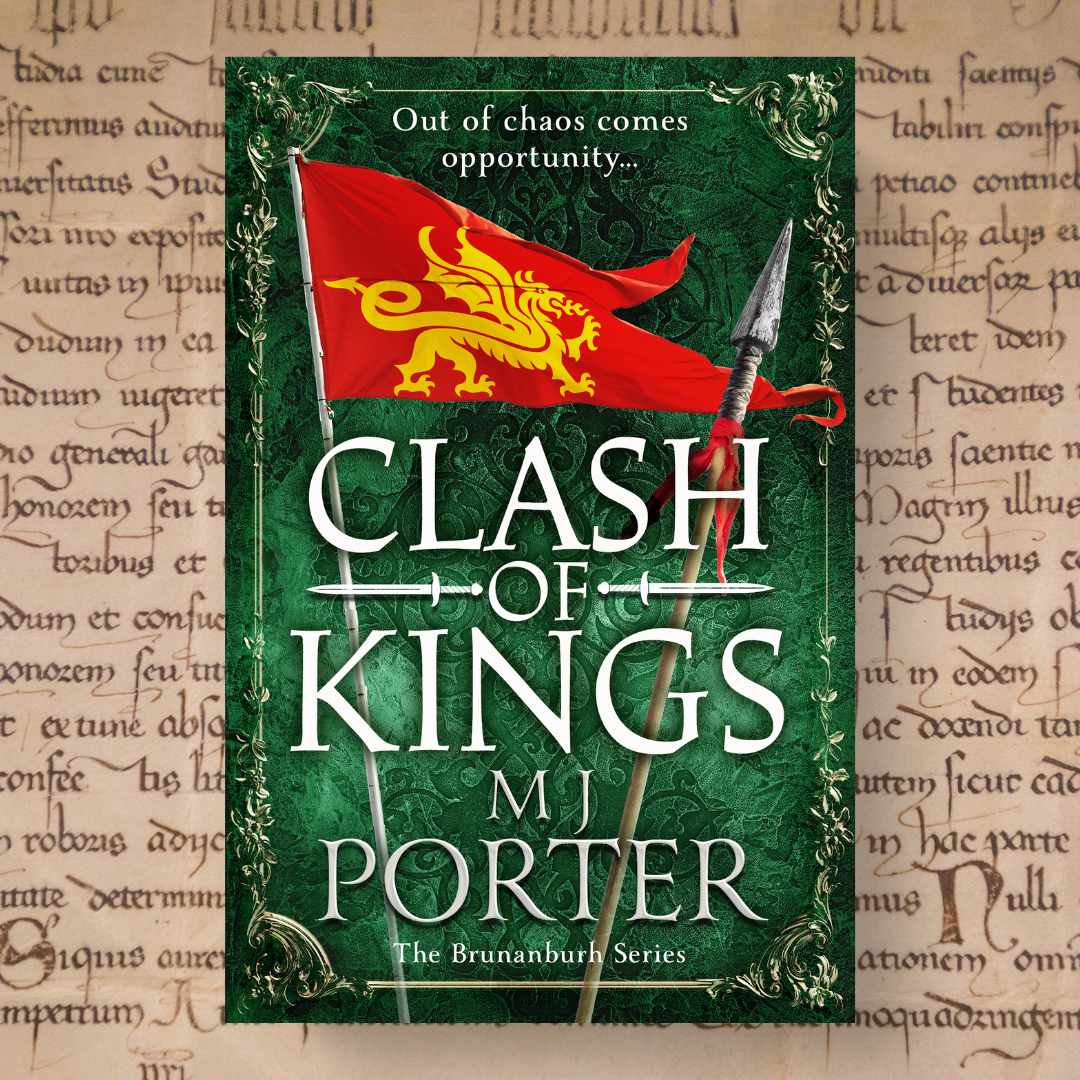
When we return to him, in Clash of Kings, Idwal, is once more, a man aggrieved by the success of the English king. Read Clash of Kings to discover what fate has in store for Idwal.

He is perhaps one of the most fun characters in Brunanburh – a grouchy man who is happy to do all he can to disrupt the more staid approach of King Athelstan of the English, and who resents his cousin’s influence with the English.

books2read.com/King-of-Kings

books2read.com/kingsofwar

books2read.com/clashofkings


Read about all the characters in The Brunanburh Series.

Map design by Flintlock Covers

My new book, Clash of Kings, has a number of main characters. Meet Lady Eadgifu. #histfic #non-fiction #Brunanburh

Clash of Kings has a number of characters, and some might be surprised to find Lady Eadgifu amongst them, but she was an incredibly important historical character, and I couldn’t leave her out of the narrative set at the English court.

Lady Eadgifu was the third wife of Edward the Elder (r.899-924), king of the Anglo-Saxons. Edward the Elder was the father of King Athelstan, and a whole host of daughters, as well as five sons. Lady Eadgifu would, it seems, have been young when she married the aging Edward the Elder, and that meant that she long outlived him, and also, that her three children (possibly four, but I’ve opted for three) were young when their father died. And two of these children were sons, Edmund (born c.921) and Eadred (born c.923). Her daughter, Eadburh, is thought to have been the oldest of the three children, born c.919.

While Lady Eadgifu, from what’s known (and it isn’t much, as there are few surviving charters from the end of Edward’s reign) perhaps had little role to play while her husband lived, other than wife and mother to the king’s children, following his death, she became increasingly significant. She was the daughter of an ealdorman, who perhaps died just before her birth, and her family are said to have had connections with Kent. Indeed, it’s often stated that she brought her husband Kent with their union. By that, what’s often meant, is the loyalty of the Kentish people. Remember, at this time, we’re still just before the creation of ‘England’ as we would now recognise it.

Sadly, very little is known about Lady Eadgifu (and she’s not alone in this – many of the royal women ‘disappear’ at points in the historical record, and on occasion, are entirely lost.) We know about a land dispute she was involved in, and also much more information for after Athelstan’s reign.

Indeed, it has been said that during Athelstan’s reign,

‘Nor is it surprising that Eadgifu, as the consort of the previous king, served little role in her stepson’s court.[i]

[i] Firth, M. and Schilling, C. ‘The Lonely Afterlives of Early English Queens’, in Nephilologus September 2022, https://doi.org/10.1007/s11061-022-09739-4p.7

However, Barbara Yorke believes that,

‘the enhanced position [of Lady Eadgifu] may also have been developed specifically for the widowed Eadgifu as part of an alliance with her stepson Æthelstan [Athelstan] in which she supported his position and he recognised her sons as his heirs.’[i]


[i] Yorke, B. ‘The Women in Edgar’s Life,’ in Edgar, King of the English, 959-975 Scragg, D. ed (The Boydell Press, 2008), p.146


And it is this option that I’ve decided to explore in the Brunanburh series. Lady Eadgifu was wife to a king. She would have known her worth, even when faced with a stepson as the king of the English, and another stepson, and stepdaughters, who perhaps didn’t share any love for their, potentially, younger stepmother.

Read Clash of Kings to discover her role in the aftermath of the victory for the English at Brunanburh.

Map design by Shaun at Flintlock Covers

books2read.com/King-of-Kings

books2read.com/kingsofwar

books2read.com/clashofkings


Read about all the characters from the Brunanburh Series.

Posts