For the first time ever, I’m on a podcast. Come and listen to me talk to the fabulous Jenny Wheeler about all things Saxon, and just what I really think of the term ‘the Dark Ages.’
Listen on The Joys of Binge Reading website, where you can also find links and a transcript of the podcast, or via Spotify below, and be sure to check out the other fab authors Jenny has featured on the podcast.
If you’ve read a few of my books, you’ll know that I don’t very often venture into the Saxon lands on the north-west coast of England. (I know that Ealdorman Leofwine visits there in his second book, but I didn’t know better then). There’s a very good reason for this. I am, quite frankly, a bit scared to do so. Mainly because I don’t feel as though I can get a firm understanding of what was happening there during the Saxon era. (I would say the same about Cornwall/Devon – and that’s because there are various references to the area coming under Saxon control – only to be repeated a later period, so it clearly didn’t happen when some of the sources say it did).
Some research will highlight the Norse element of the area, and others will call it Cumbria, or Northumberland. And in the 830s, before the main ravages of the Viking raiders, it feels very unknown to me.
But, in Protector of Mercia, I do take young Icel to the north-west – no doubt to test myself and to see if I could do it.
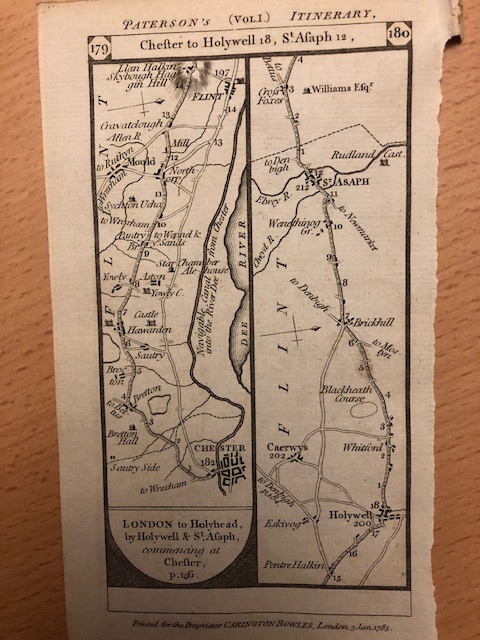
I think we can start with Chester, which admittedly, would probably have been classified as being in Mercia. Chester, a former roman site, is well-known, even now there are standing Roman ruins. Admittedly, what Chester might have been like in the 830s is more difficult to pin point – so I had a bit of fun with that.
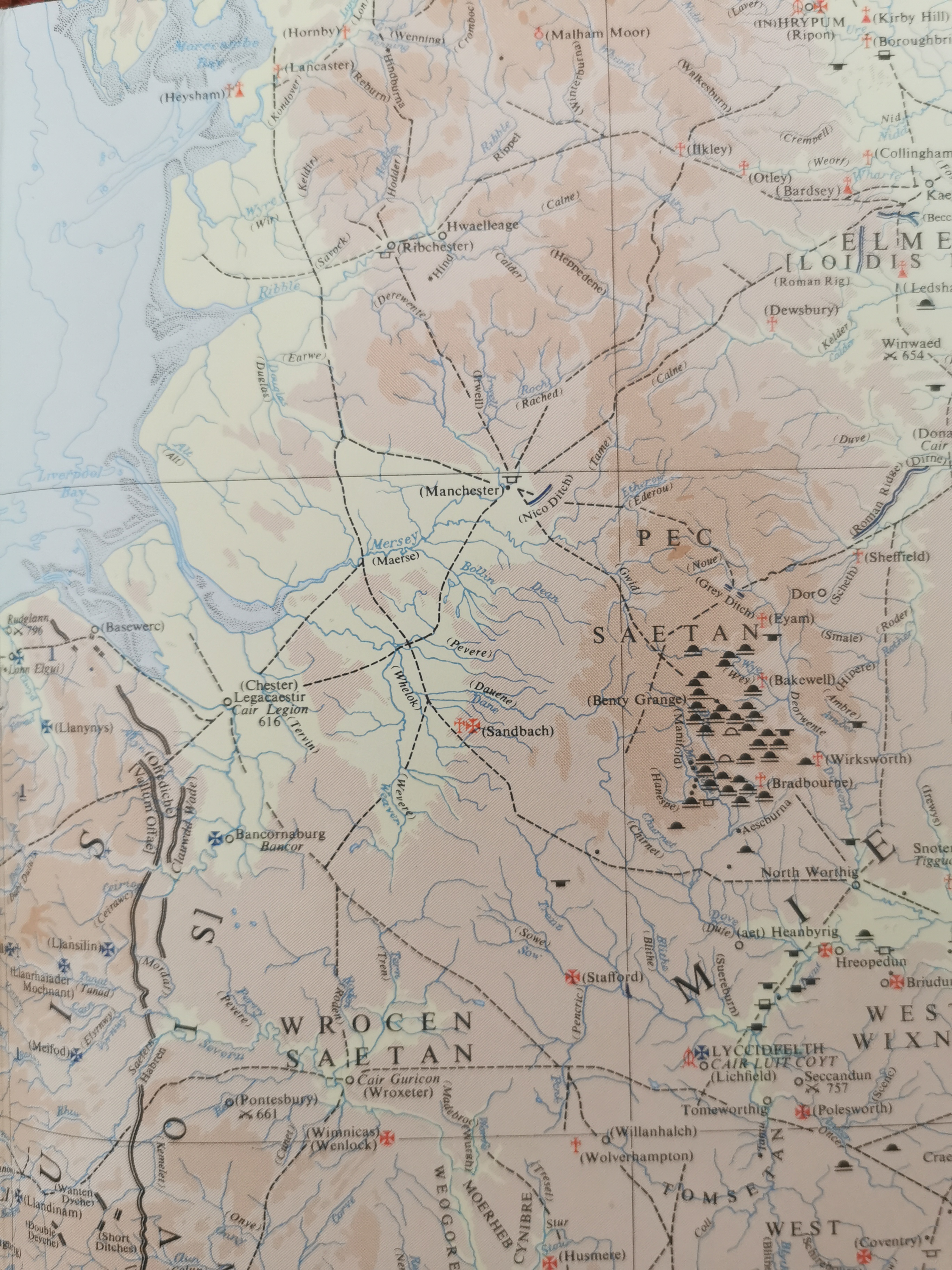
And after Chester? What then? I like to make use of old maps when I’m trying to reconstruct the past (the one above is a road map, so looks a bit unusual). Yes, they’re still positively modern but I find it easier than using Googlemaps where there’s too much ‘modern’ to look at. The starkness of antique maps isn’t always quite as extreme as on the map below of Cheshire from 1835 which shows the voting hundreds but there’s always something of value in them, even if its just revealing where the rivers are in relation to settlements – if you use Googlemaps you might become distracted by canals and other, much later, attempts to control rivers.
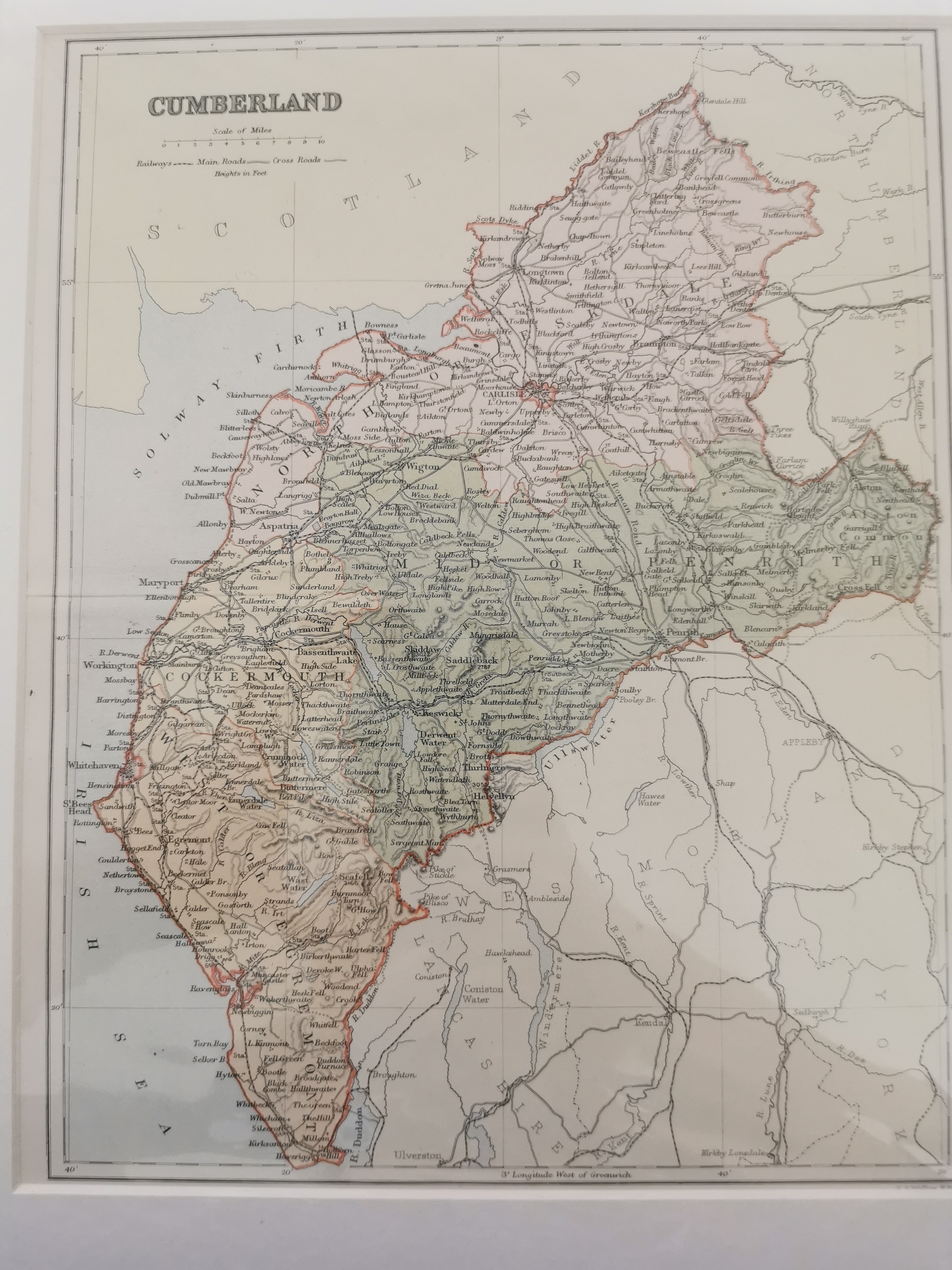
Indeed, we almost go from one extreme to another when looking at the map for Cumbria or Cumberland as the map calls it. This is from 1895 so is much more modern.
But it’s the map below that should put the problems into context. This is a snippet from Britain in the Dark Ages, an Ordnance Survey map from 1966, which shows just how stark the landscape might have been (I don’t doubt that we should, hopefully, know a bit more in the intervening 50+ years).
So, there’s not a lot to go on, and I’m sending poor Icel north-west, so it’ll be interesting to see what he discovers.
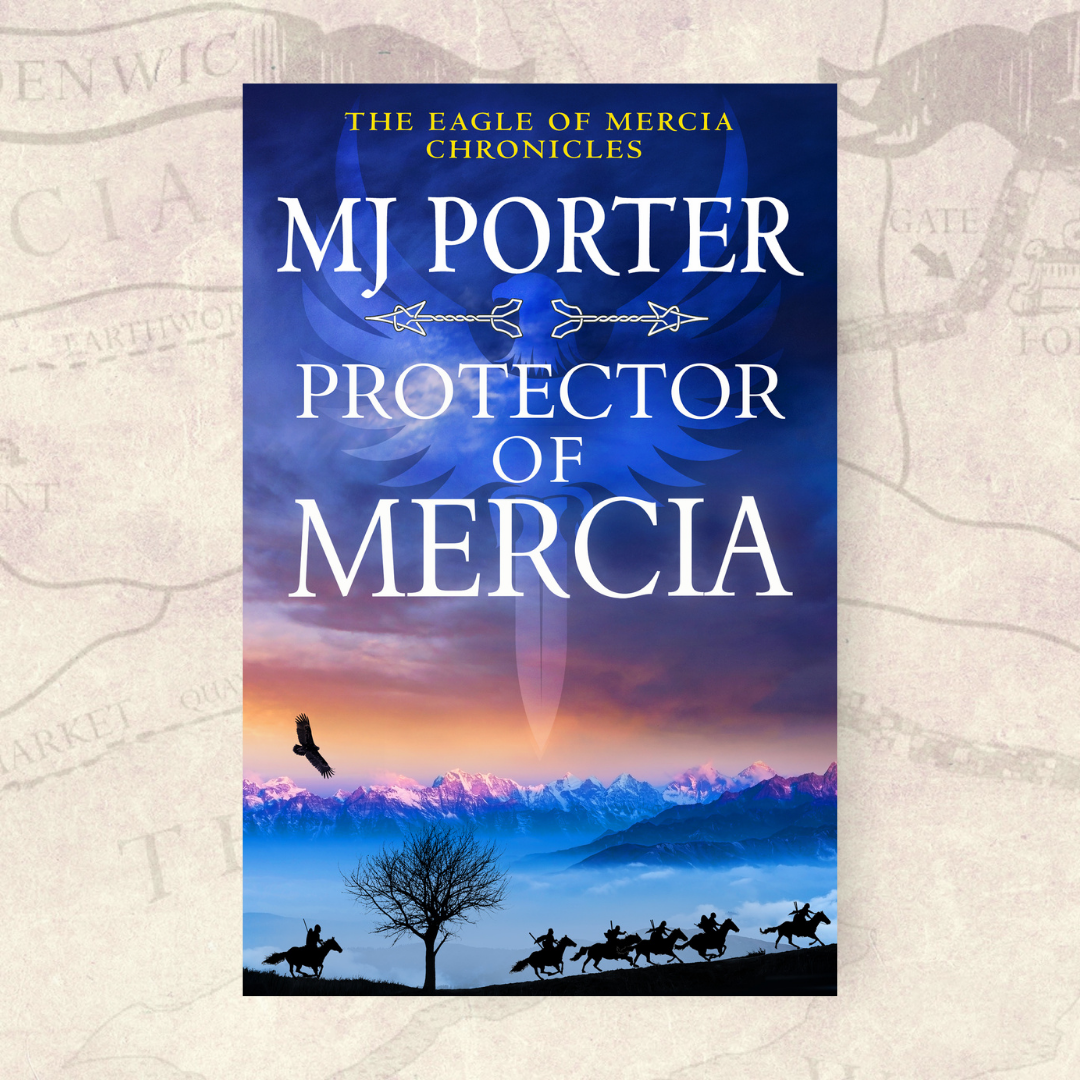
Protector of Mercia is released today, 5th September, in ebook, audio and paperback. The hardback will be ready soon.
Welcome to my release day post for Protector of Mercia. I’m going to talk about the kings who preceded all the chaos of the series.
Readers of the Eagle of Mercia Chronicles will have encountered the names of kings Coenwulf and Coelwulf, although the kings in the first book, Son of Mercia, ruled after both Coenwulf and Coelwulf. But, having written about Coelwulf II in the Mercian Ninth Century books – which feature an older, and wiser Icel, I was eager to return to an equally unsettled period in Mercia’s history. And this, helped by the fact that Icel would just have been old enough at this period to be involved, very much helped set the scene. However, the aftermath of the reigns of these two men, brothers, are very much at the heart of political affairs during the Eagle of Mercia Chronicles.
So, who were Coenwulf and Coelwulf or Ceolwulf?
Coenwulf, the first and only of his name, was king of Mercia from 796 until his death in 821. He claimed descent, not from the previous king Offa (of Offa’s Dyke fame), and his son, but instead from Pybba, who is believed to have been the father of both Kings Penda and Eowa (read about them in my Gods and Kings trilogy) who ruled in the seventh century. You might have heard of Penda. Although the connection isn’t sound, he is often referenced when talking about the Staffordshire Hoard.
It does seem as though the crisis of the late 820s/830s and the slow decline of Mercian power have overshadowed all that King Coenwulf achieved, not helped by the fact that his son, who was to succeed him, died before his father (if he existed at all), so that on Coenwulf’s death, the kingship passed to his brother, Coelwulf, and he in turn was overthrown at some point in 823-826. The brother kings seem to have shared another brother as well, who may have been king of Kent, after Mercia annexed the kingdom to its own domain.
But Coenwulf was a successful ruler. He claimed the kingship after the death of Offa’s son, Ecgfrith, not long after his father’s death, (Offa is said to have been keen to eliminate all rivals to the kingship which is why, when his son died, the kingship had to pass to a more obscure branch of the ruling line), and while he suffered reverses in Kent and the kingdom of the East Angles, he does seem to have exercised control in both places, and was also aggressive against the Welsh kingdoms throughout his reign. Mercia, at this time, was NOT confined to the current English Midlands, it was a much vaster kingdom although it’s firm boundaries are difficult to establish.
Map design by Flintlock Covers
While the Anglo-Saxon Chronicle is sparse about our brother kings, that didn’t stop the later Norman writers, embellishing the story of them. But first, what do we hear about these kings from the Anglo-Saxon Chronicle?
‘Ceolwulf, king of Mercia, ravaged over the inhabitants of Kent as far as the Marsh, and [they] captured Præn, their king, and led him bound into Mercia.’ 796 [798[ (A)
´Here Coenwulf, king of Mercia, passed away, and Coelwulf succeeded to the kingdom.’ 819 [821] (A)
´Here Ceolwulf was deprived of his kingdom.’ 821 [823] (A)
´And the same year King Egbert and King Beornwulf fought at Ellendynm and Egbert took the victory; and a great slaughter was made there…. And that year the East Angles killed Beornwulf, king of the Mercians.’ 823 [825[ (A)
´Here Ludeca, king of Mercia, was killed, and his 5 ealdormen with him, and Wiglaf succeeded to the kingdom.’ 825 [827] (A)
´Here Wiglaf obtained the kingdom of Mercia again.’ 828 [830] (A)
Henry of Huntingdon, one of the Anglo-Norman author, writes of Cenwulf, our Coenwulf
‘Not long afterwards, Cenwulf, king of Mercia, beating and ravaging his way through the Kentish province, captured their king Præn, who could not match his strength and was lurking in the coverts and isolated places, and victoriously took him back in chains.’ p.259
Coenwulf’s brother, Coelwulf, succeeded him, but not for long, until he was usurped. Henry of Huntingdon in summarising affairs in Mercia adds.
‘Cenwulf reigned peacefully for twenty-six years, and died the common death.
Ceolwulf possessed the kingdom for three years, which the fierce Beornwulf then wrested from him.’ p.271
The Chronicle of John of Worcester adds similar details.
‘[821] Ceolwulf, king of the Mercians, was driven from his kingdom, and Beornwulf was raised to the kingship.’p241
There is some confusion regarding children born to either brother, and indeed, much that is known of that later Coelwulf II stems from the fact he shared a name with one of the two brothers, and as such, his connection with that ruling family can be supposed by experts in the field (not me). It appears that Coenwulf had a son and a daughter, the daughter well known as an abbess at a local nunnery, and possibly, two wives. King Coelwulf is known to have had one daughter, Ælflæd, who married Wigmund, the son of King Wiglaf. But there is a distinct lack of information regarding these individuals. We don’t know when the usurped King Coelwulf died. We don’t know when his daughter died, for certain, and obviously, other children are unknown.
The Chronicle of John of Worcester, another Anglo-Norman writer, informs us that.
‘[819] St Cenwulf, king of the Mercians, after a life devoted to good deeds, passed over to the eternal blessedness which is in heaven, and left his 7-year-old son St Kenelm heir of his realm. But when a few months had passed, by the treachery of his own sister Cwenthryth, whose cruel spirit had been roused by an awful lust for power, he was secretly done to death with cruel outrage by Æscberht, his most bloodthirsty tutor, in the shade of a thorn tree in a deserted wood. But he who was slain with heaven alone as witness, was later revealed by heaven’s witness through a column of light. Kenelm’s head was cut off, milk-white in the beauty and innocence of birth, and from it a milky dove with golden wings soared to heaven. After his happy martyrdom, Ceolwulf received the kingdom of the Mercians.’ P239-241
Henry of Huntington adds. ‘At Winchcombe you will read of the secret martyrdom of Kenelm. He was the son of Cenwulf, the Mercia king, who died in the year of grace 819, having reigned for twenty-four years. The martyrdom of his son Kenelm was revealed from heaven to Pope Silvester II at Rome.’p691
However, Coenwulf and Coelwulf I do seem to have enjoyed military successes. Coelwulf’s attacks on Wales are mentioned in the Annales Cambriae.
‘818 Cenwulf [Coenwulf] devastated the Dyfed regio.
822 The fortress of Degannwy is destroyed by the Saxons and they took the kingdom of Powys into their own control.’ p48
The Anglo-Saxon Chronicle is not helpful about the reigns of either brother, other than referencing their accession and either death or deposing. We don’t know the date that Coelwulf I died, although he clearly lived after being deposed.
Increasingly, scholarship is looking at Mercia during this period – if the answers can’t be found in the surviving written sources they can be found elsewhere. When King Alfred began his revival in education, many of the scholars he turned to were Mercians, highlighting Mercia’s accomplishments in all spheres – and the correlation has been made that the same happened in Mercia after the end of Northumbria’s Golden Age. There is also a wealth of Mercian sculpture dated to this period which hints at the power and influence of the kingdom, perhaps even of artistic centres at the heart of certain designs.
This doesn’t yet help us truly appreciate the power these kings could wield – so often overshadowed by what happened after their reigns, but it certainly shows we should be wary of accepting this absence in the written sources as indicative of their failure. Indeed, we should be wary of any Wessex-centred source from later in the same century (the Anglo-Saxon Chronicle) that might not only suffer from Wessex-bias, but may also reveal a desire to overshadow Mercia in order to proclaim Wessex’s kings as the more powerful. This is something that is certainly at the heart of the revival in interest in the descendant of these two kings, King Coelwulf II, or Mercia’s last king, written about as a ‘foolish king’s thegn’ in the Anglo-Saxon Chronicle but clearly very far from being that.
It’s intriguing to realise that our Norman writers only had access to much the same information that we do in order to offer an account of what was happening in Mercia at this time. But they do seem to have enjoyed embellishing the words of the Anglo-Saxon Chronicle, and while arguments are often made that they may have had access to local sources not written about in the Anglo-Saxon Chronicle, especially for John of Worcester, who wrote at one of the most important Mercian centres, until their words can be entirely unpicked, we must be wary of using their additions as historical ‘fact,’ in much the same way that we need to be wary of the Anglo-Saxon Chronicle(s).
Quotations are taken from the following translations. Darlington, R.R. & McGurk, P. ed. The Chronicle of John of Worcester Volume II The Annals from 450 to 1066(Clarendon Press, 1995). Greenway, D. ed. and trans. Historia Anglorum, The History of the English People, Henry of Huntingdon, (Clarendon Press, 1996. Morris’ translation of Nennius and the Welsh Annals and Swanton’s The Anglo-Saxon Chronicles.
If you’ve not yet started The Eagle of Mercia Chronicles, then check out this introduction to the series.
Sign up to my monthly newsletter to learn more about my writing journey, new releases and special offers, and receive a free short story collection featuring many stories of Saxon England.
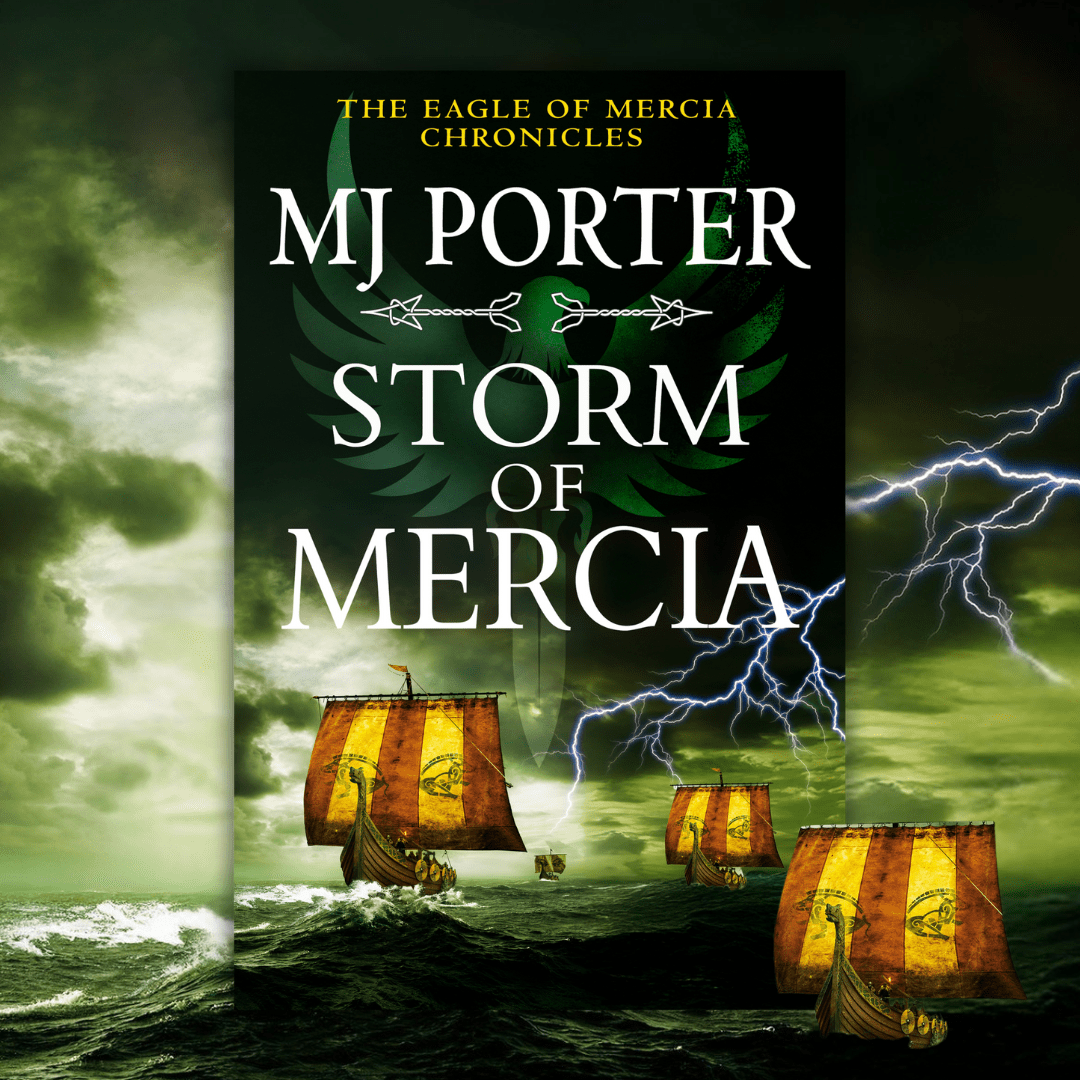
Today is the day, book 5 in The Eagle of Mercia Chronicles is released into the wild.
Here’s the blurb:
A deathbed oath leaves the lives of two infants hanging in the balance.
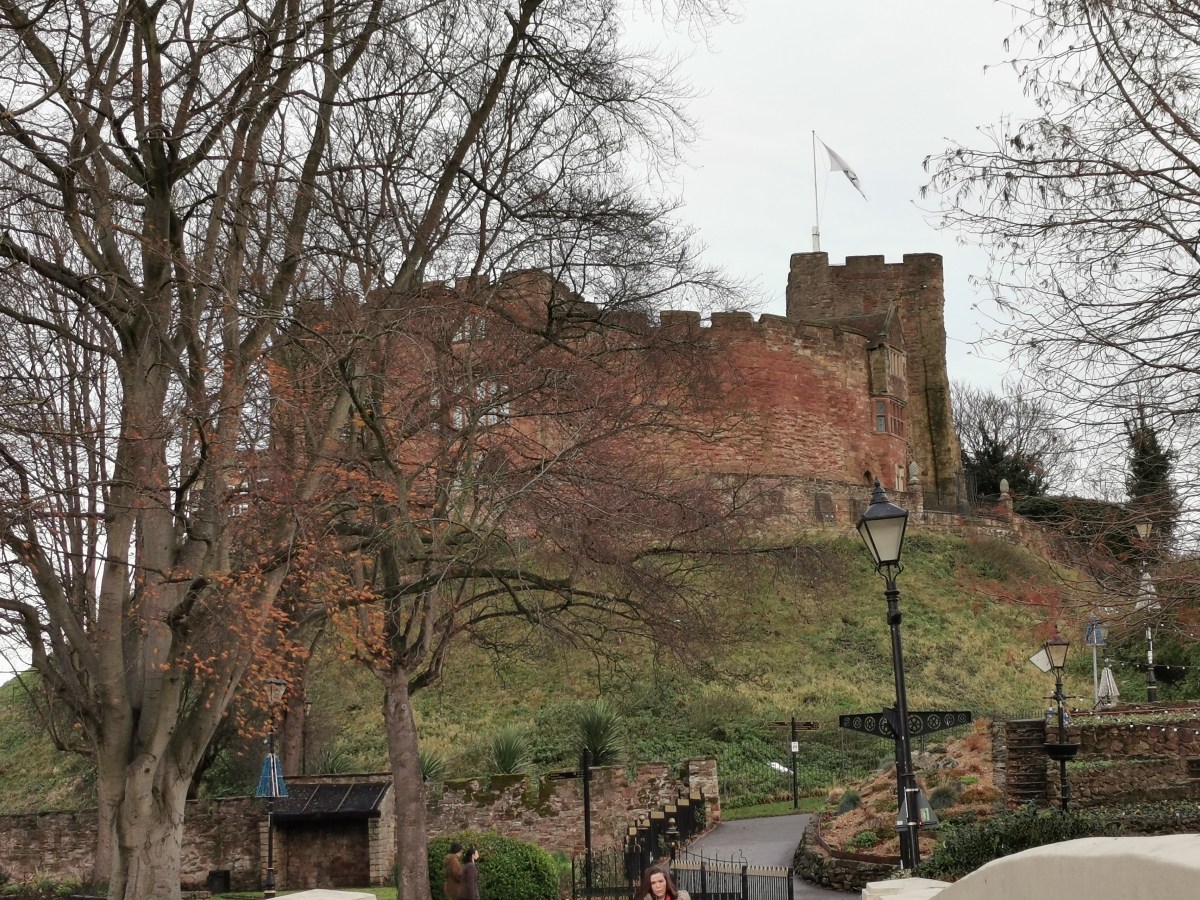
Tamworth AD833 After successfully rescuing her husband from the Island of Sheppey, Icel hears the deathbed confession of Lady Cynehild which leaves him questioning what he knows about his past, as well as his future.
In the unenviable position of being oath sworn to protect their two atheling sons when Lord Coenwulf is punished and banished for his treason against the Mercian ruler, King Wiglaf, Icel is once more torn between his oaths and the secret he knows.
When the two children are kidnapped, Icel, good to his word, and fearing for their safety, pursues their abductors into the dangerous Northern lands, fearing to discover who is behind the audacious attempt on their lives: the queen, the king’s son, or even Lady Ælflæd, a friend to him in the past, but now wed to the king’s son and aunt to the two abandoned children.
Alone in the Northern lands, Icel finds himself facing his worse fears. Can he rescue the children from their captor, or will he fail and lose his life in the process?
Read all about Protector of Mercia over on my publisher’s Facebook account.
Protector of Mercia is on blog tour. My thanks to Rachel at Rachel’s Random Resources for organising and all the hosts for taking part. I will add the links each day.
Check out the reviews below. I’ll be updating as the blog tour progresses.
“As delicious as a Devon Cream Tea!” ~ author Elizabeth St John
“Every sentence pulls you back into the early 1970s… The Darling Buds of May, only not Kent, but Devon. The countryside itself is a character and Hollick imbues it with plenty of emotion” ~ author Alison Morton
***
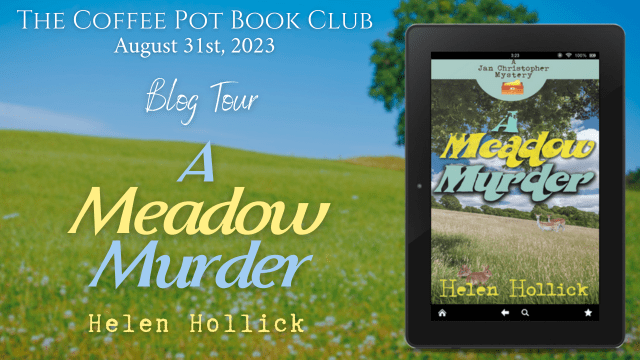
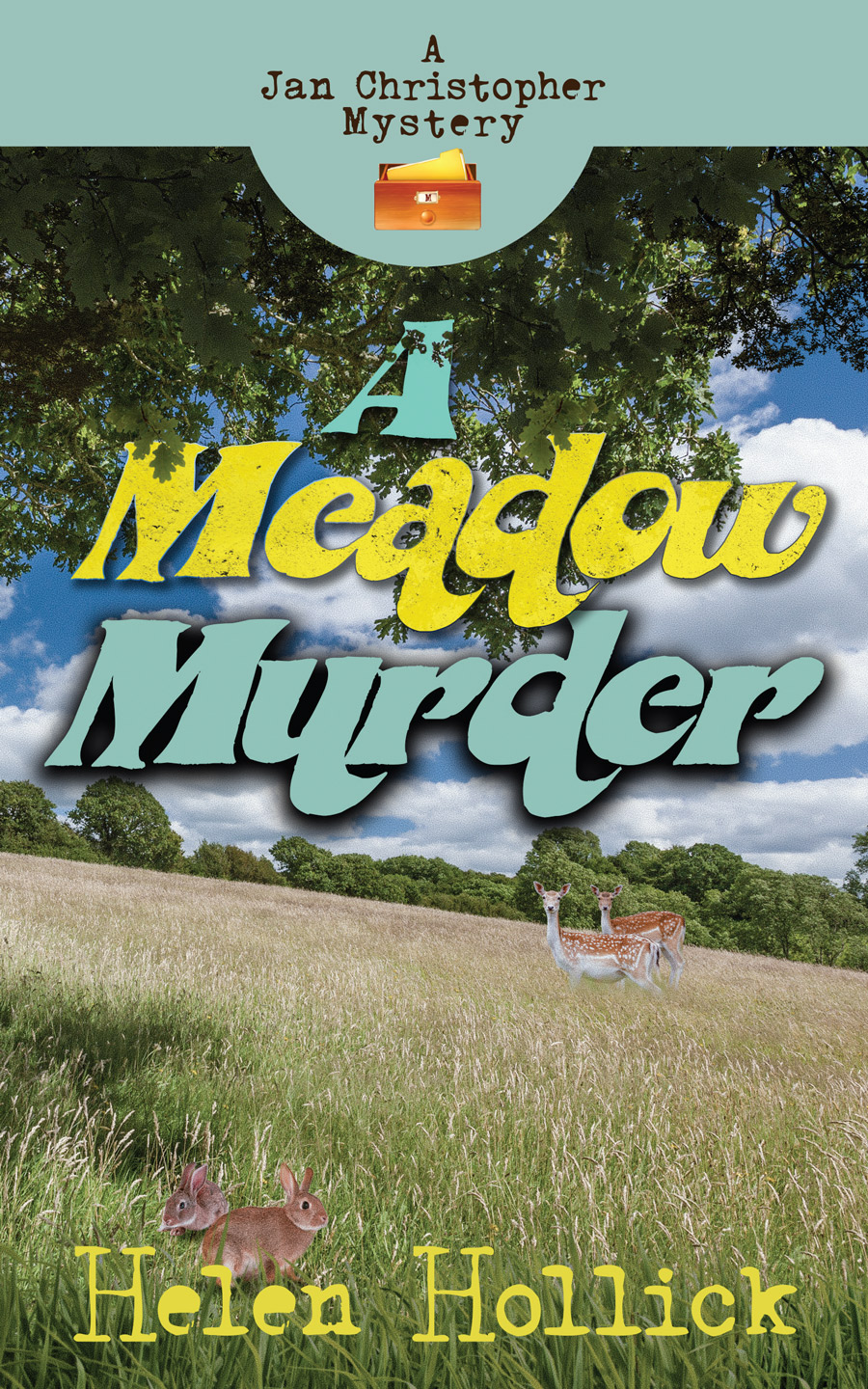
Make hay while the sun shines? But what happens when a murder is discovered, and country life is disrupted?
Summer 1972. Young library assistant Jan Christopher and her fiancé, DS Lawrence Walker, are on holiday in North Devon. There are country walks and a day at the races to enjoy, along with Sunday lunch at the village pub, and the hay to help bring in for the neighbouring farmer.
But when a body is found the holiday plans are to change into an investigation of murder, hampered by a resting actor, a woman convinced she’s met a leprechaun and a scarecrow on walkabout…
Buy Links
This title is available to read on #KindleUnlimited.
First accepted for traditional publication in 1993, Helen became a USA Today Bestseller with her historical novel, THE FOREVER QUEEN (titled A HOLLOW CROWN in the UK) with the sequel, HAROLD THE KING (US: I AM THE CHOSEN KING) being novels that explore the events that led to the Battle of Hastings in 1066.
Her PENDRAGON’S BANNER TRILOGY is a fifth-century version of the Arthurian legend, and she writes a nautical adventure/fantasy series, THE SEA WITCH VOYAGES.
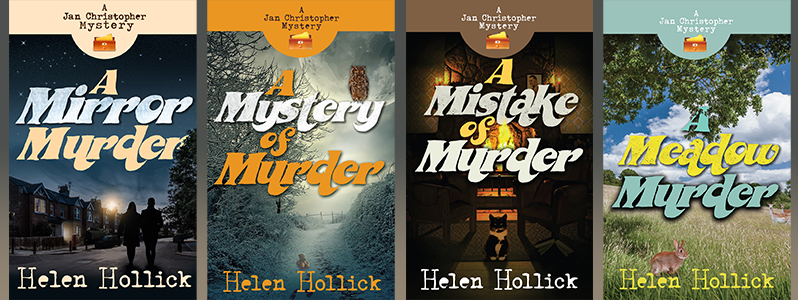
She has also branched out into the quick read novella, ‘Cosy Mystery’ genre with her JAN CHRISTOPHER MURDER MYSTERIES, set in the 1970s, with the first in the series, A MIRROR MURDER incorporating her, often hilarious, memories of working as a library assistant. The front cover of episode #4 A MEADOW MURDER is Helen’s actual hay meadow on her Devon farm.
Her non-fiction books are Pirates: Truth and Talesand Life of A Smuggler. She lives with her family in an eighteenth-century farmhouse in North Devon and occasionally gets time to write…
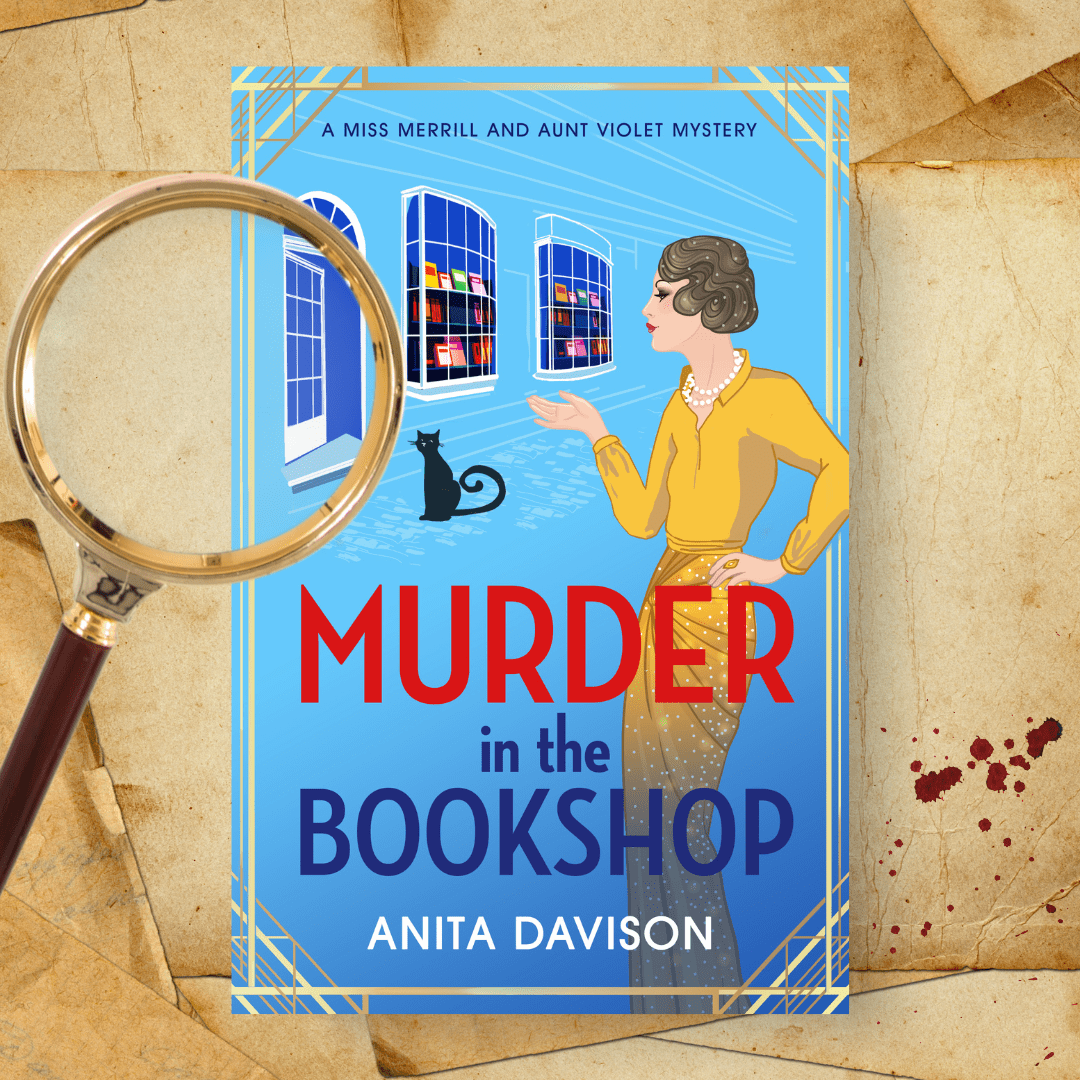
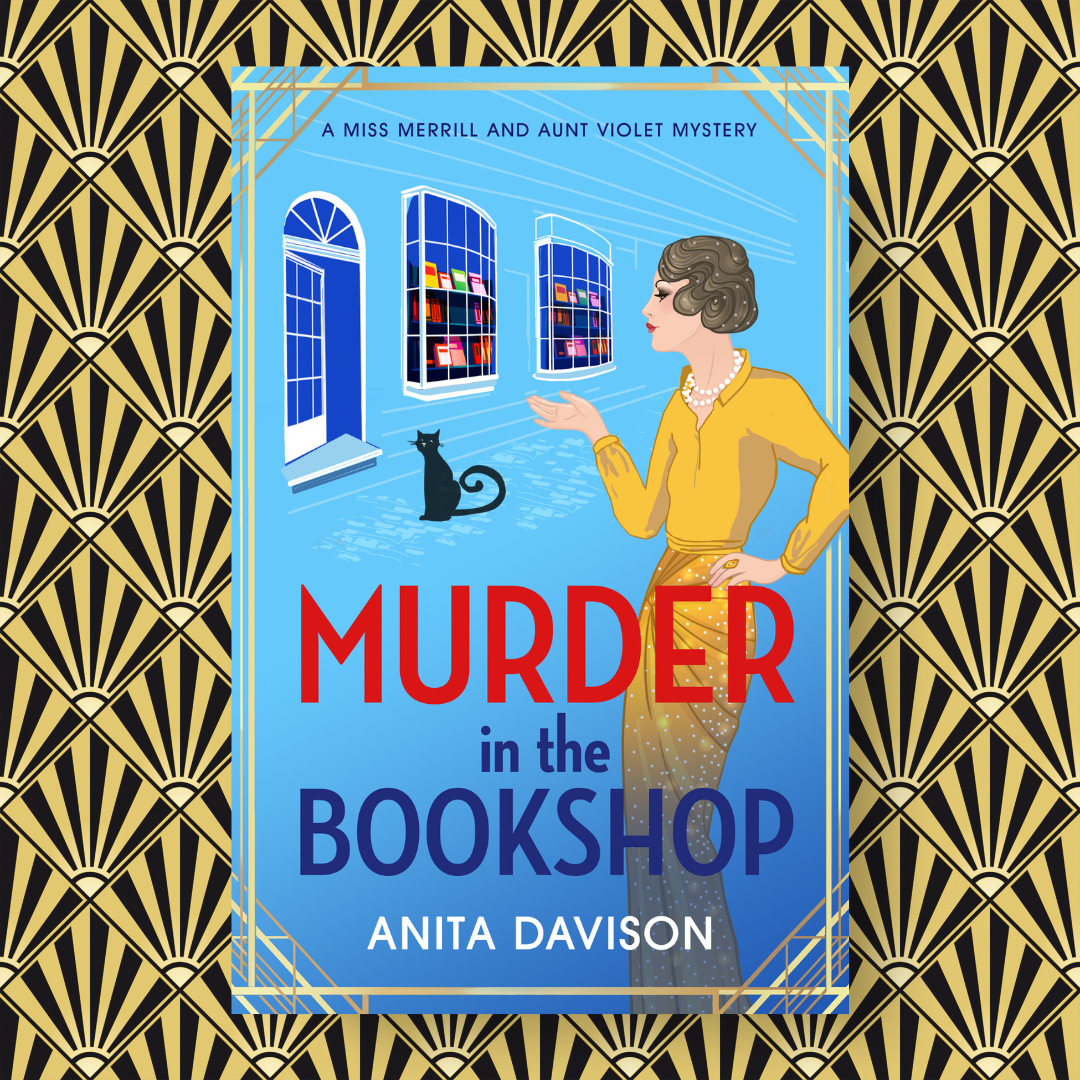
1915, London: Working in the dusty bookshop that her Aunt Violet mysteriously inherited, Hannah Merrill is accustomed to finding twists in every tale. But discovering her beloved best friend Lily-Anne – with a paperknife through her heart – in the middle of the bookshop, is not a plotline she saw coming.
The case is anything but textbook. With the discovery of a coded German message, and Hannah’s instinct that Lily-Anne’s husband is keeping secrets, she determines to get to the bottom of it.
She can’t do it alone though. To crack this case, Hannah will need to enlist the help of her outrageous, opinionated, only-occasionally-objectionable Aunt Violet.
They think they’re making progress until one of their chief suspects is found dead. And Hannah realises that she is herself now in the murderer’s sights. Will the final chapter be the ending of a killer… or just a killer ending?
A totally addictive, WW1-set cozy mystery, perfect for fans of Verity Bright, T.E. Kinsey, and Agatha Christie.
My Review
Murder in the Bookshop is a cosy historical fiction story set in 1915 in London, England.
Well grounded in the events of the day – the Great War hasn’t been as easy to win as all believed – there are fears of bombs being dropped by the Germans via Zeppelin – the realities of the war are starting to make themselves known with food shortages – this is a really well-envisioned study of the period. Added to which, we have a Murder in the Bookshop.
Our main character is Hannah, who having lost her fiance during the war, now lives with her aunt and helps her run a bookshop. She’s a fiesty character, very much a woman of her day. Aunt Violet is a suffragette and that’s just the beginning of the scandals that surround her. Hannah’s mother wants her to marry, but Hannah isn’t at all interested in doing what her mother wants, and indeed, her mother never actually makes an appearance in the story – which is probably for the best.
Instead, Hannah finds herself determined to discover the culprit behind the murder, and this forces her to come to terms with some truths she’s never known about her friends.
What follows is a really well-constructed story of murder, conspiracy, suspicion and indeed, some peril for our main characters as well.
I read this book in about 2 sittings. I thoroughly enjoyed the setting, the mystery and the resolution, which I didn’t guess at all.
A fabulous war-time mystery sure to thrill fans of the historical mystery genre.
Meet the author
Anita Davison is the author of the successful Flora Maguire historical mystery series. Previously published by Aria, she is writing a new cosy mystery series for Boldwood, the first title of which, Murder in the Bookshop, will be published in August 2023.
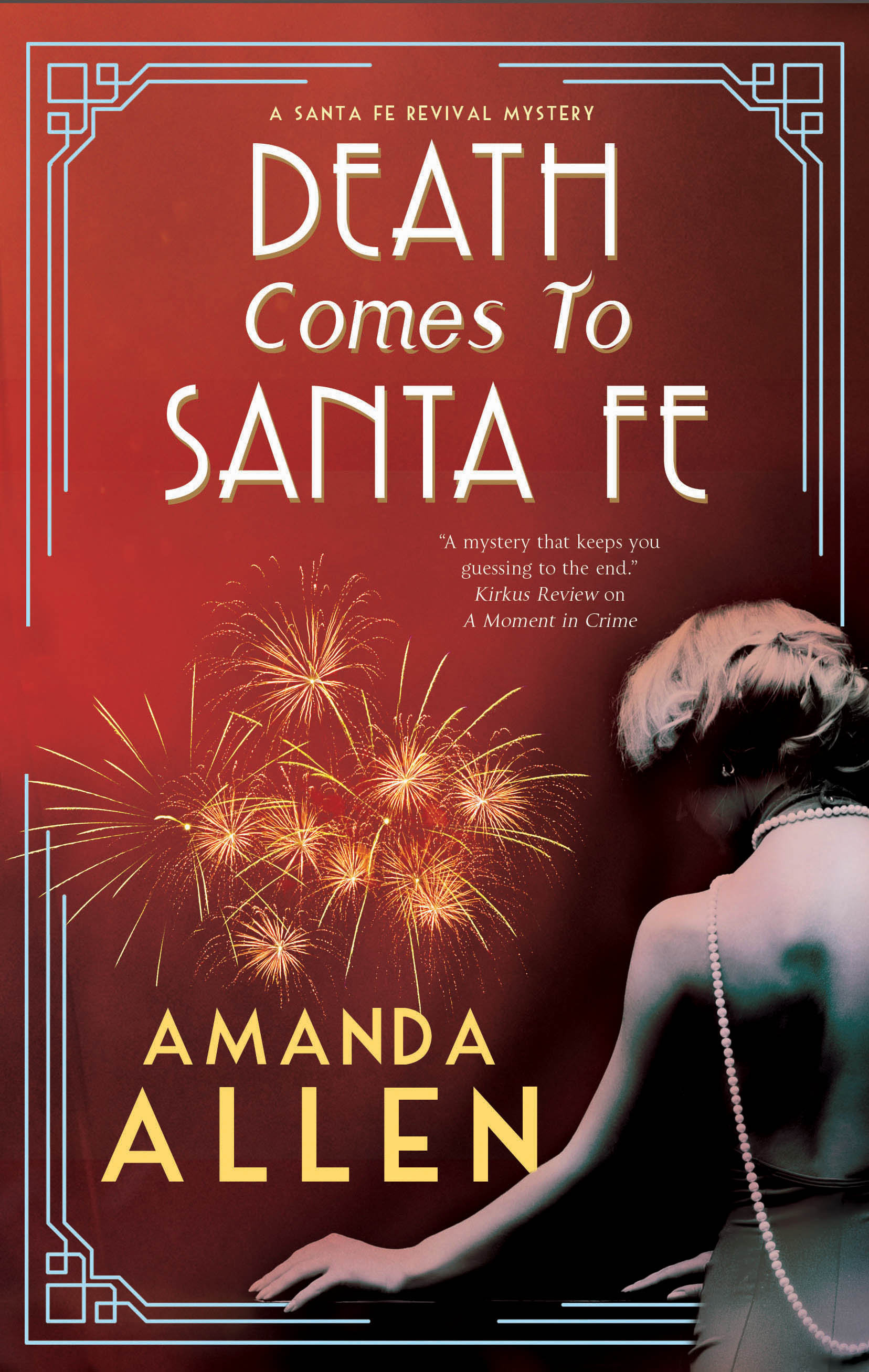
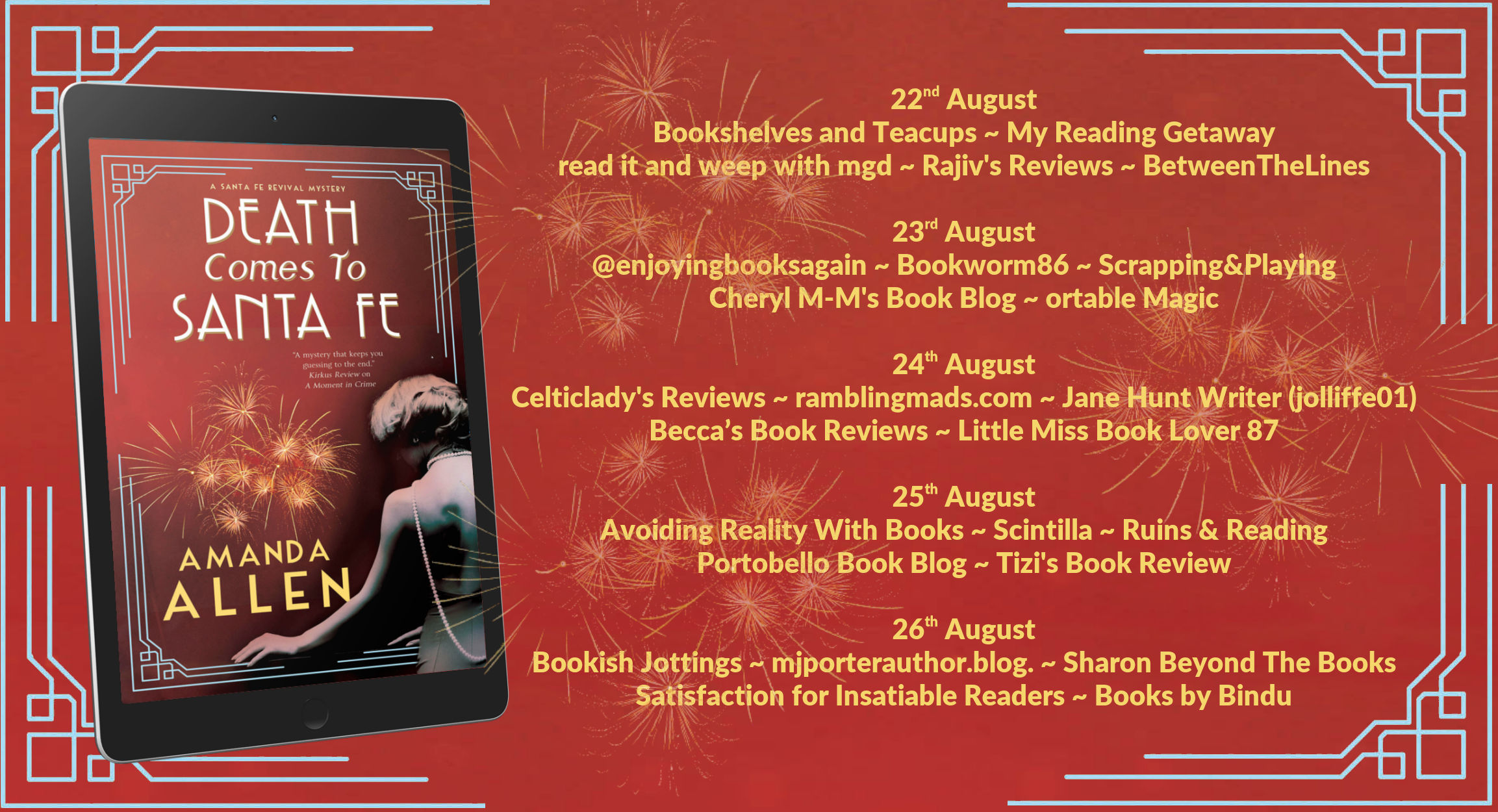
Former New York darling turned amateur sleuth Madeline Vaughn-Alwin is once again thrown into a colourful yet deadly web of secrets, lies and soirees to die for!
It’s the week of Fiesta in Santa Fe and Maddie is looking forward to enjoying the celebrations. But as ‘Old Man Gloom’ Zozobra goes up in flames, so too do Maddie’s hopes for a carefree life . . . Human remains are found in the dying embers of Zozobra, and then Maddie and her dashing beau Dr David Cole find a body washed up in the arroyo at the edge of town.
Soon identified as Ricardo Montoya, a wealthy businessman and head of one of the most affluent families in Santa Fe . . . the plot starts to thicken. While his beautiful wife Catalina and her complicated children seem less than heartbroken at his untimely demise, and with many disgruntled locals crawling out of the woodwork, Maddie is surrounded by suspects.
With the celebrations of Fiesta continuing around them, Maddie and her ‘Detection Posse’ get busy infiltrating the best parties and hobnobbing with old and new faces – but can they bring the murderer to justice before they strike again?
Death Comes to Santa Fe offers a detailed and descriptive view of life in Santa Fe in the 1920s, with its speakeasies, artists’ circle and of course, Fiesta. As the third book in a series, it took me a while to get into the novel and the characters, and it also took some time for our ‘body’ to appear. However, once the murder had actually occurred the flow of the novel improved, and the resolution of the mystery was well brought about, and it kept me guessing until the final ‘big reveal.’
Our main character, Maddie, is an interesting woman, if perhaps a bit too likely to wax lyrical about converting every view she sees into a painting. She divides her time between dancing, drinking, painting, and generally having a good time while slowly falling in love with Dr. David and determining to solve this new murder that’s rocked her town. The supporting cast is equally colourful and offers a lovely depth to the story.
A charming historical mystery stuffed with historical details.
Meet the author
Amanda wrote her first romance at the age of sixteen–a vast historical epic starring all her friends as the characters, written secretly during algebra class (and her parents wondered why math was not her strongest subject…)
She’s never since used algebra, but her books have been nominated for many awards, including the RITA Award, the Romantic Times BOOKReviews Reviewers’ Choice Award, the Booksellers Best, the National Readers Choice Award, and the Holt Medallion. She lives in Santa Fe with two rescue dogs, a wonderful husband, and far too many books and royal memorabilia collections.
When not writing or reading, she loves taking dance classes, collecting cheesy travel souvenirs, and watching the Food Network–even though she doesn’t cook.
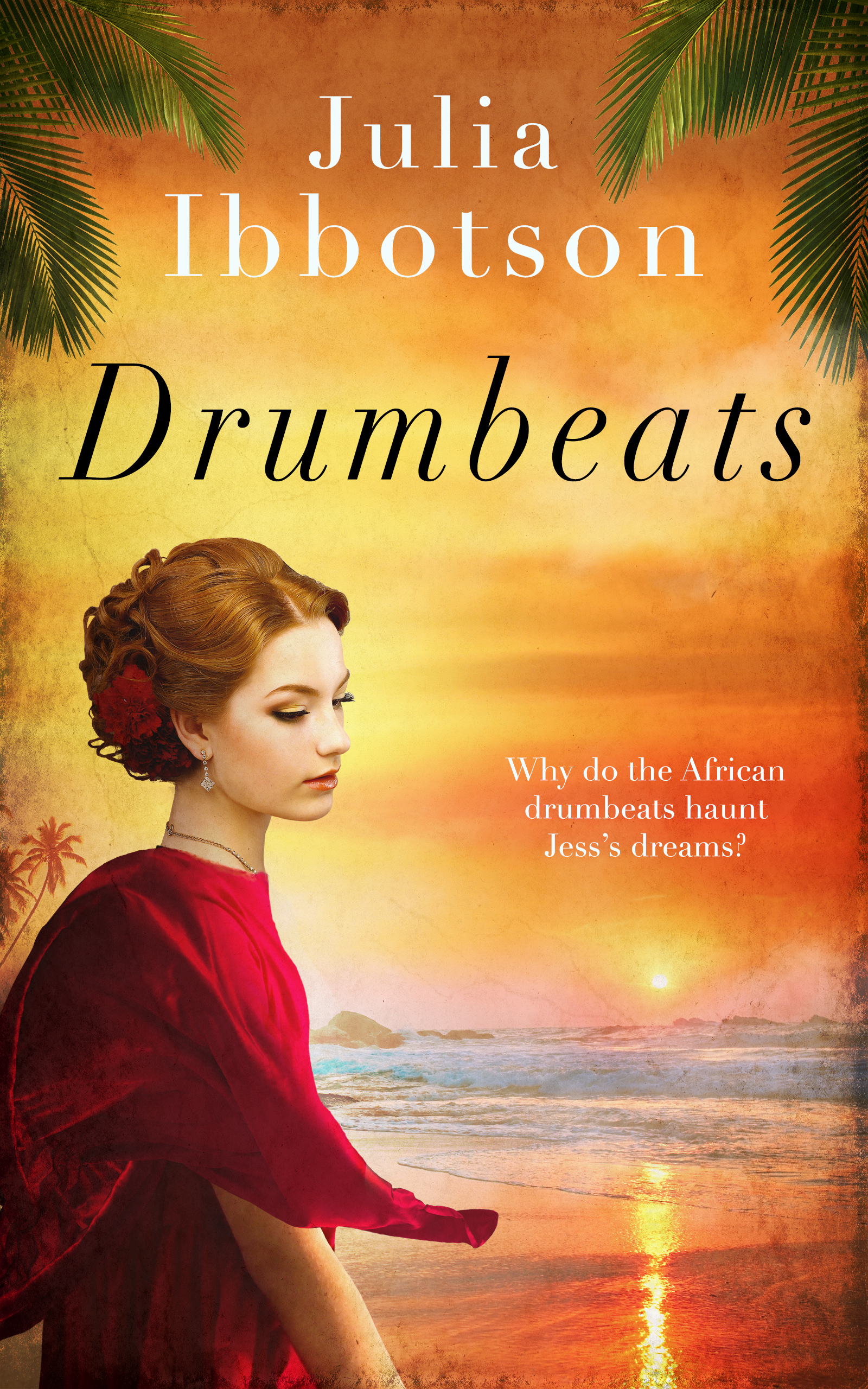
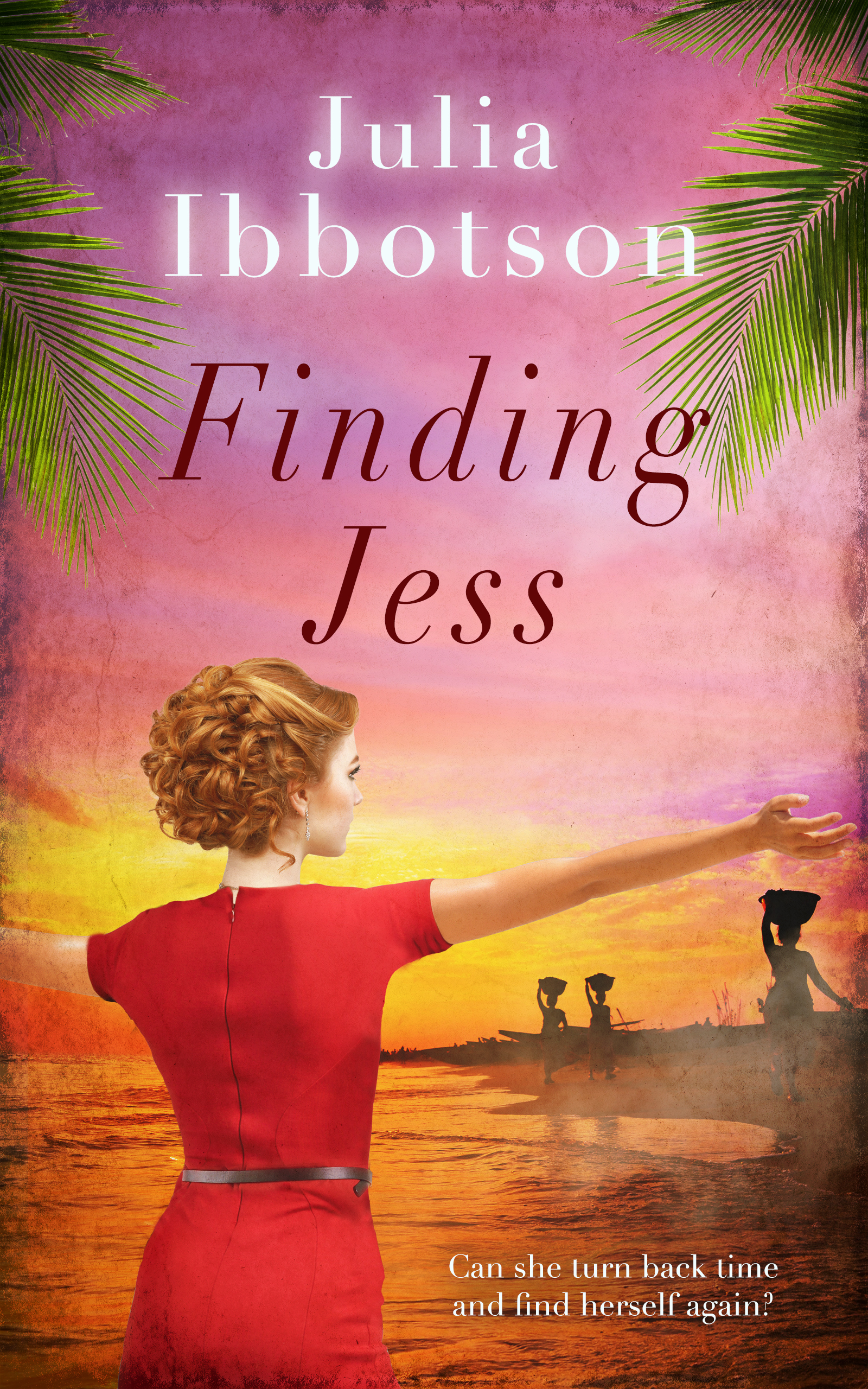
It’s 1965, and 18 year old Jess escapes her stifling English home for a gap year in Ghana, West Africa. But it’s a time of political turbulence across the region. Fighting to keep her young love who waits back in England, she’s thrown into the physical and emotional dangers of civil war, tragedy and the conflict of a disturbing new relationship. And why do the drumbeats haunt her dreams?
This is a rite of passage story which takes the reader hand in hand with Jess on her journey towards the complexities and mysteries of a disconcerting adult world.
This is the first novel in the acclaimed Drumbeats trilogy: Drumbeats, Walking in the Rain, Finding Jess.
For fans of Dinah Jefferies, Kate Morton, Rachel Hore, Jenny Ashcroft
Jess happily marries the love of her life. She wants to feel safe, secure and loved. But gradually it becomes clear that her beloved husband is not the man she thought him to be.
She survived war and injury in Africa, but can she now survive the biggest challenge of her life?
On the brink of losing everything, and still haunted by her past and the Ghanaian drumbeats that haunt her life, Jess feels that she can no longer trust anyone but herself. Then she’s mysteriously sent a newspaper clipping of a temporary job in Ghana. Could this be her lifeline? Can she turn back time and find herself again? And what, exactly, will she find?
Finding Jess is a passionate study of love and betrayal – and one woman’s bid to reclaim her self-belief and trust. It’s a feel-good story of a woman’s strength and spirit rising above adversity.
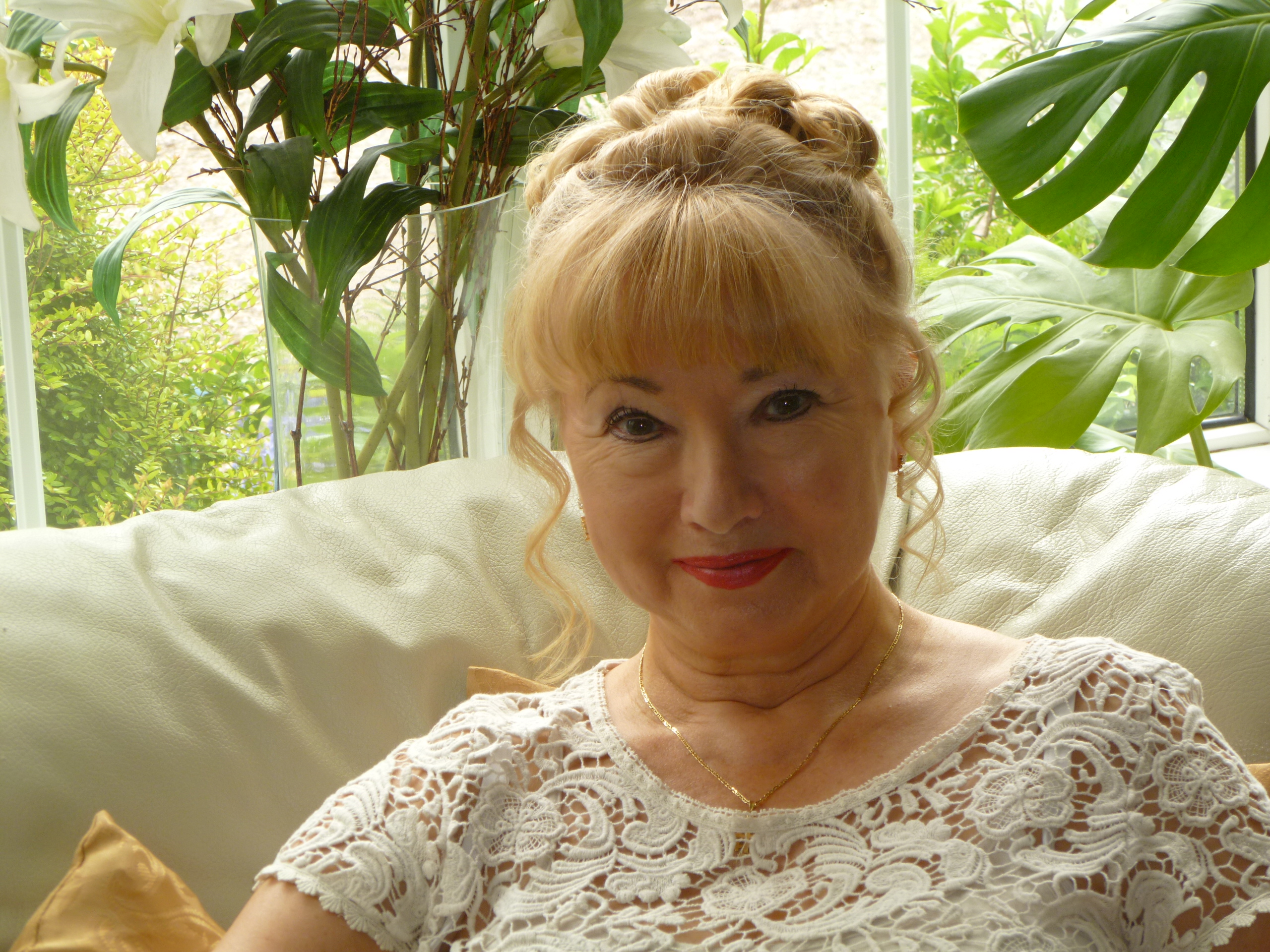
Award-winning author Julia Ibbotson herself spent an exciting time in Ghana, West Africa, teaching and nursing (like Jess in her books), and always vowed to write about the country and its past. And so, the Drumbeats Trilogy was born. She’s also fascinated by history, especially by the medieval world, and concepts of time travel, and has written haunting time-slips of romance and mystery partly set in the Anglo-Saxon period. She studied English at Keele University, England, specialising in medieval language, literature and history, and has a PhD in linguistics. She wrote her first novel at age 10, but became a school teacher, then university lecturer and researcher. Her love of writing never left her and to date she’s written 9 books, with a 10th on the way. She’s a member of the Romantic Novelists Association, Society of Authors and the Historical Novel Society.
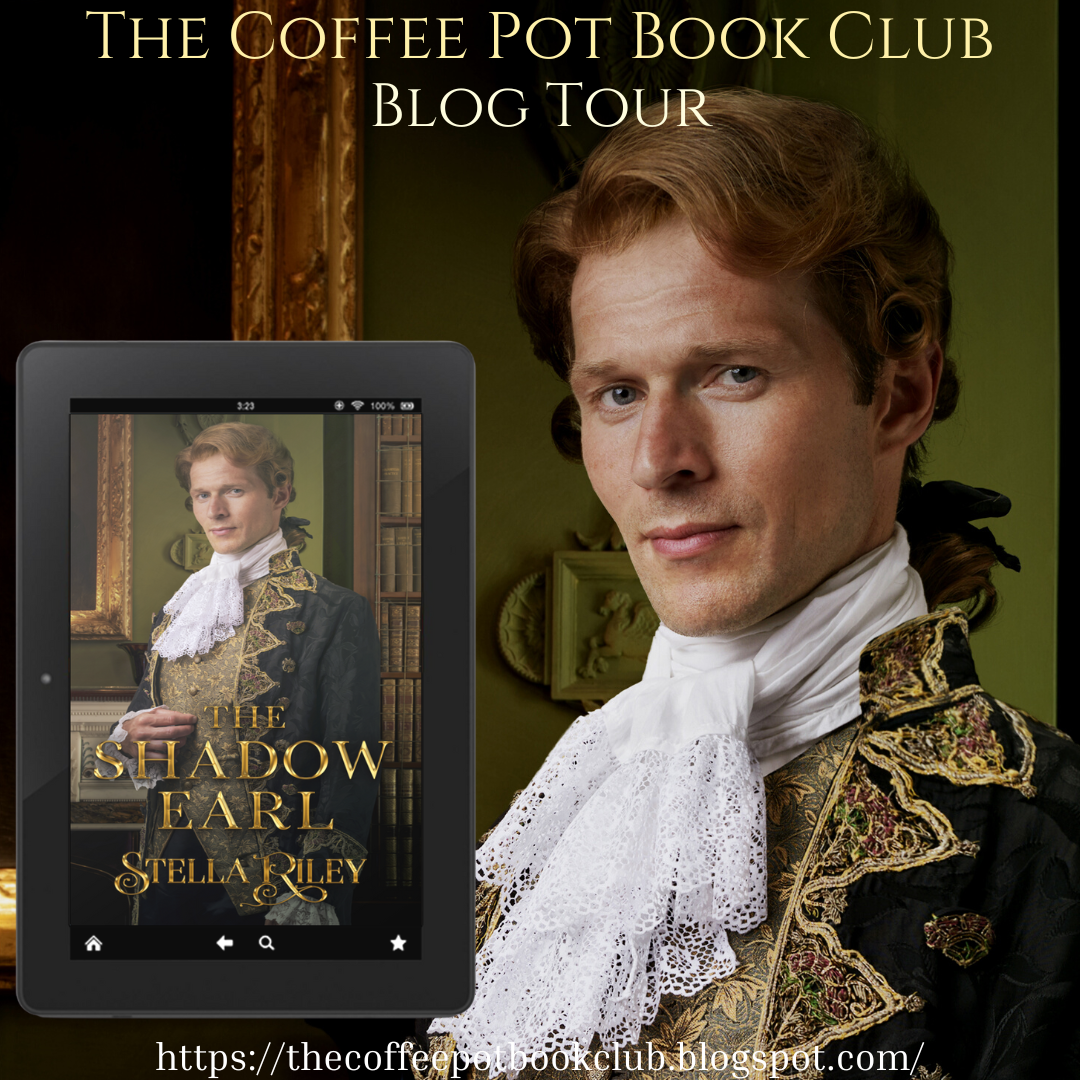
I’m delighted to welcome Stella Riley and her new book, The Shadow Earl to the blog. Read on for an excerpt.
An incident between Messrs Selwyn & Shelbourne at the Cocoa Tree Club
Daniel immediately noticed two things. Basil Selwyn and his idiotic friends sitting near the Hazard table … and a footman about to serve them a steaming bowl of punch. Opportunity and temptation coincided. One very slight movement was all it took. The footman tripped, lurched, fumbled with the bowl … and a couple of pints of rum punch cascaded over Mr Selwyn.
‘What the – ?’ Basil leapt from his seat in a sticky shower, whirled to deliver a blistering tirade … saw Daniel and froze.
‘You!’ he spat. ‘You did that, you bastard.’
Several gentlemen at the Hazard table stopped playing to watch.
‘What?’ asked Daniel. ‘Don’t be ridiculous. The poor fellow tripped, that’s all.’
‘Not without help,’ raged Basil, dripping and trying to drag off his ruined coat. ‘You tripped him. Deliberately.’
‘And risk the stuff being spilled over me? Hardly. Dare I mention that you have a slice of lemon in your hair?’
Basil hurled his coat aside, groped blindly for the lemon and glared at the footman. ‘You. Tell me the truth. He tripped you, didn’t he?’
The poor man hesitated, swallowed and stammered that it had been an accident.
‘Calm down, Selwyn,’ advised Daniel as the footman fled. ‘Your imagination is running away with you. It’s been doing that a lot recently, hasn’t it?’
More heads turned, somebody sniggered and play at the Hazard table ceased.
Ignoring this, Basil growled, ‘I know what you did!’
‘You don’t because I didn’t.’ Daniel smiled sympathetically, ‘You should try Mrs Baxter’s Elixir. My great-aunt swears by it when her nerves are – ’
‘There’s nothing wrong with my nerves, damn you! You tripped the footman. Admit it!’ And when Daniel shook his head, ‘Then you’re a bloody liar!’
The gasp of shock that rippled through his audience was lost on Basil, as was the voice advising, ‘Take that back while you still can, Selwyn.’
Here’s the blurb
At the end of his Grand Tour, somewhere between Athens and Constantinople, Christian Selwyn, the young Earl of Hazelmere, vanished – seemingly without a trace.
Time passes. In London, his uncle and cousin move into his home … while his unofficial fiancée, Sophia, is left desolate and in limbo. Finally, his friends – loyal and close as brothers – set out to search in person.
Christian’s startling re-appearance at a grand ball takes society by storm and fuels endless speculation. Where has he been during these three missing years? What happened to him?
And more importantly, how did it happen?
Only one thing is clear. The earl who left England five years ago, has returned a changed man. A man with secrets.
Winner of four gold medals for historical romance (Readers’ Favourite in 2019, Book Excellence Awards in 2020, Global Book Awards in 2022 and Book Excellence Award in 2023) and fifteen B.R.A.G. Medallions, Stella Riley lives in the beautiful medieval town of Sandwich in Kent.
She is fascinated by the English Civil Wars and has written six books set in that period. These, like the 7 book Rockliffe series (recommended in The Times newspaper!) and the Brandon Brothers trilogy, are all available in audio, narrated by Alex Wyndham.
Stella enjoys travel, reading, theatre, Baroque music and playing the harpsichord. She also has a fondness for men with long hair – hence her 17th and 18th century heroes.
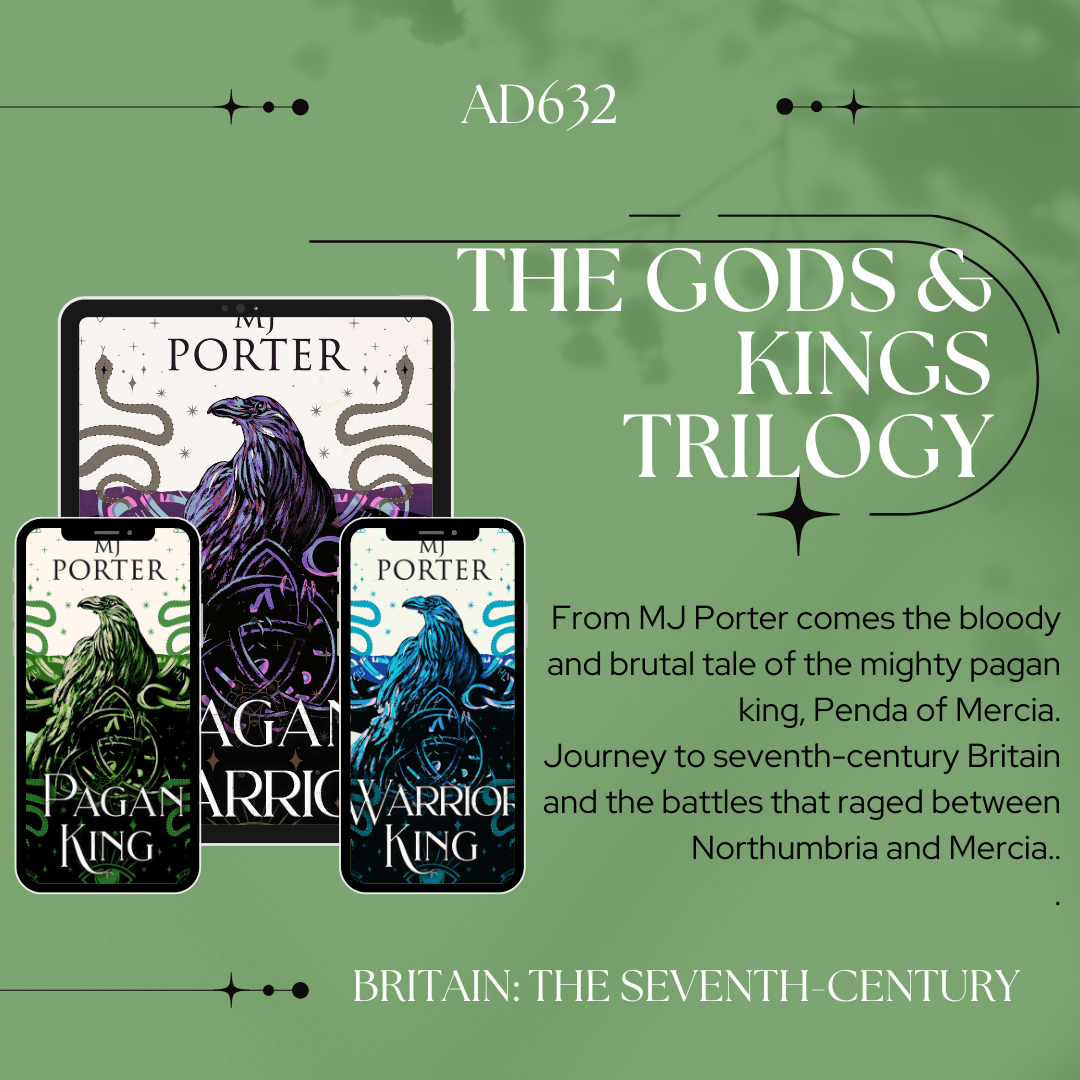
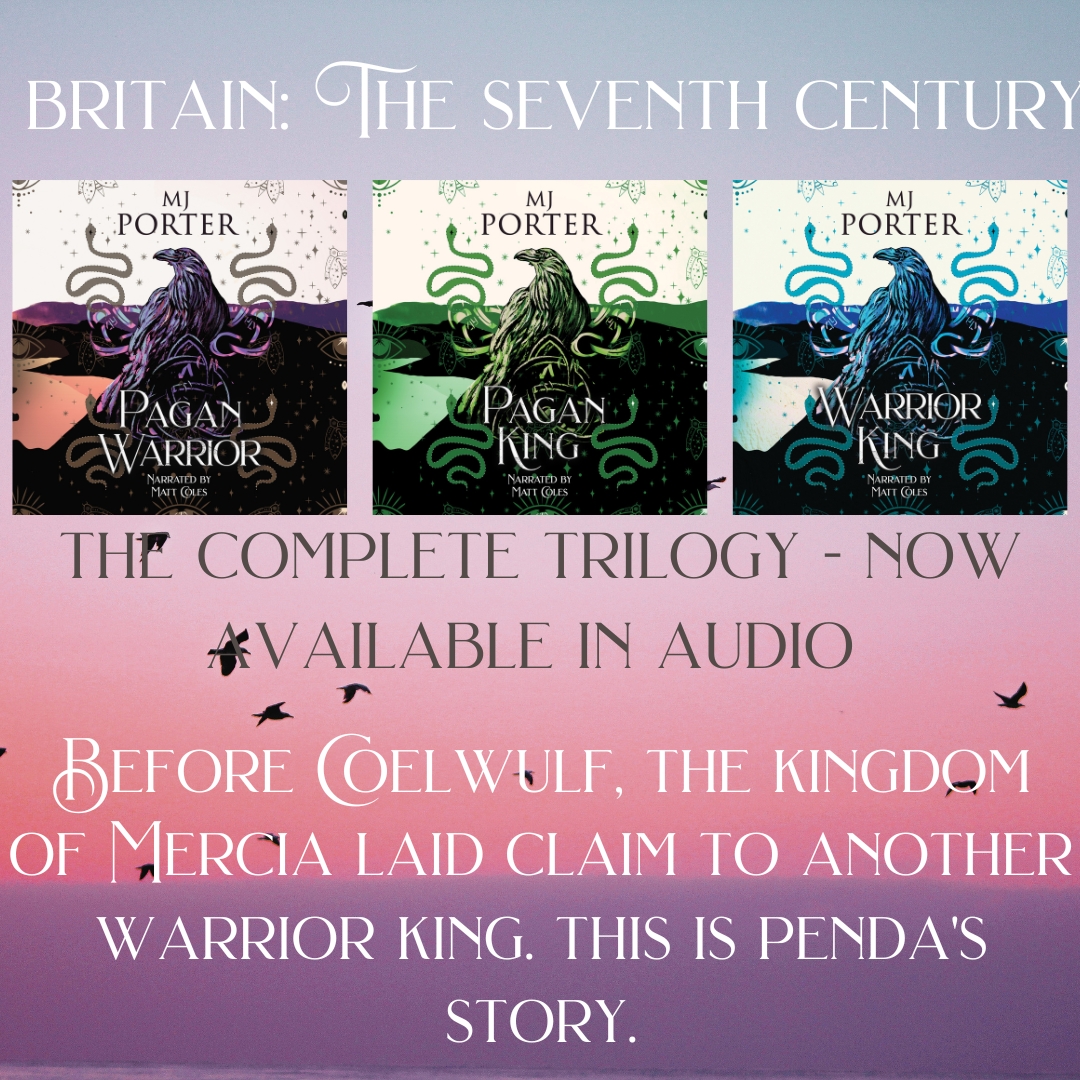
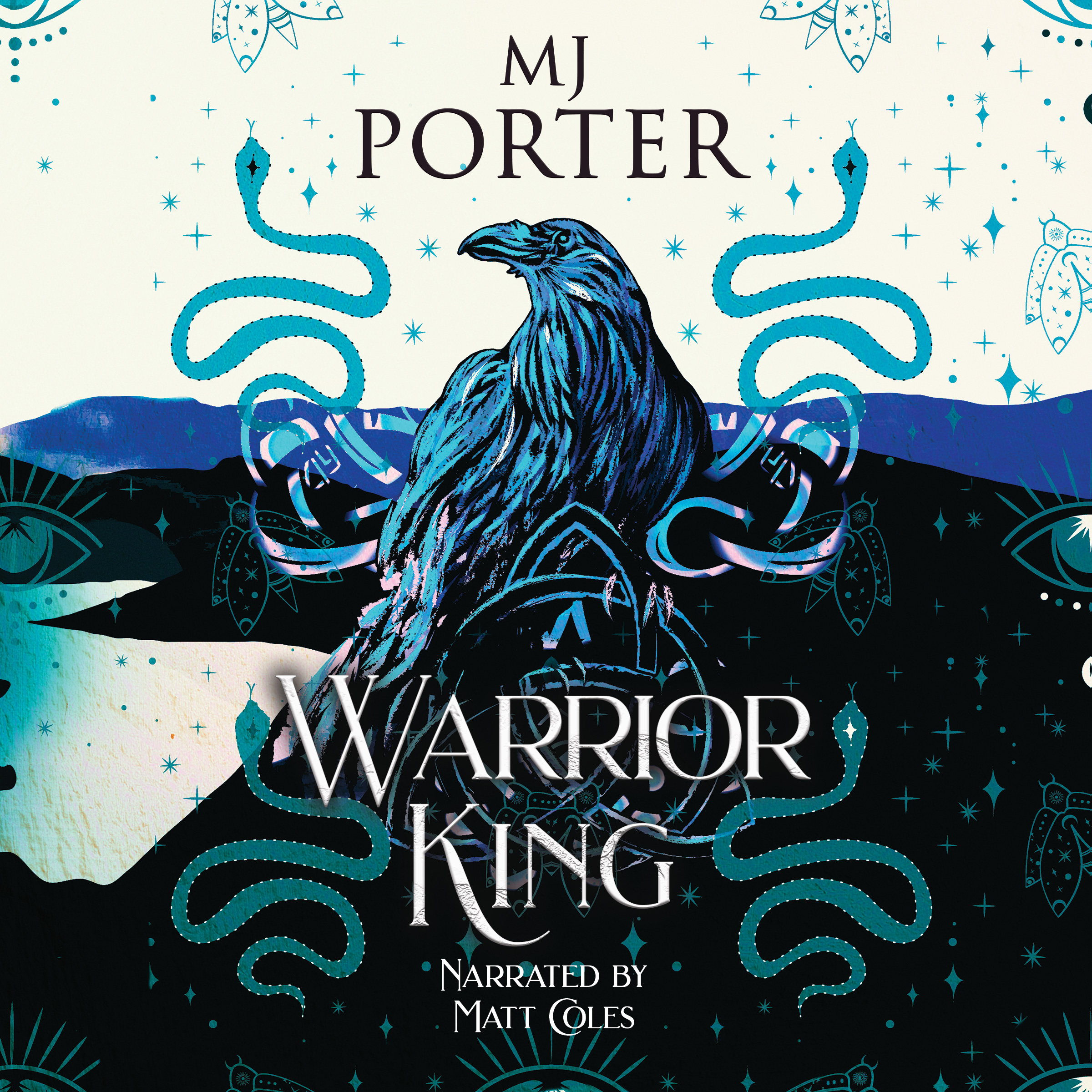
Warrior King is now live on many audio channels, and slowly making its way onto more and more. Right now, I know it’s available on Spotify, Kobo, Nook, Chirp, Scribd, Bingebooks. Other platforms will be coming live in the coming days and weeks.
Warrior King sample, narrated by the fabulous Matt Coles
With Warrior King, the trilogy, Gods and Kings, is now complete in audio and readers can enjoy listening and reading to the tale of Penda, Mercia and the events of the middle of the seventh century in Saxon England. I hope you’ll enjoy, and I want to say huge thanks to Matt Coles who had this trilogy thrust upon him when a previous narrator was unable to continue, and has done an amazing job of bringing the era to life. When he narrates, I hear my characters as I first visualised them. It’s an amazing experience.
If you’d like a code to download Warrior King from Spotify, please send me an email, and tell me why you want to listen, and I’ll send you a code and instructions about how to use them, or find me on one of my social channels – perhaps not Facebook as I get a bit lost with messages on there.






















 MJ Porter