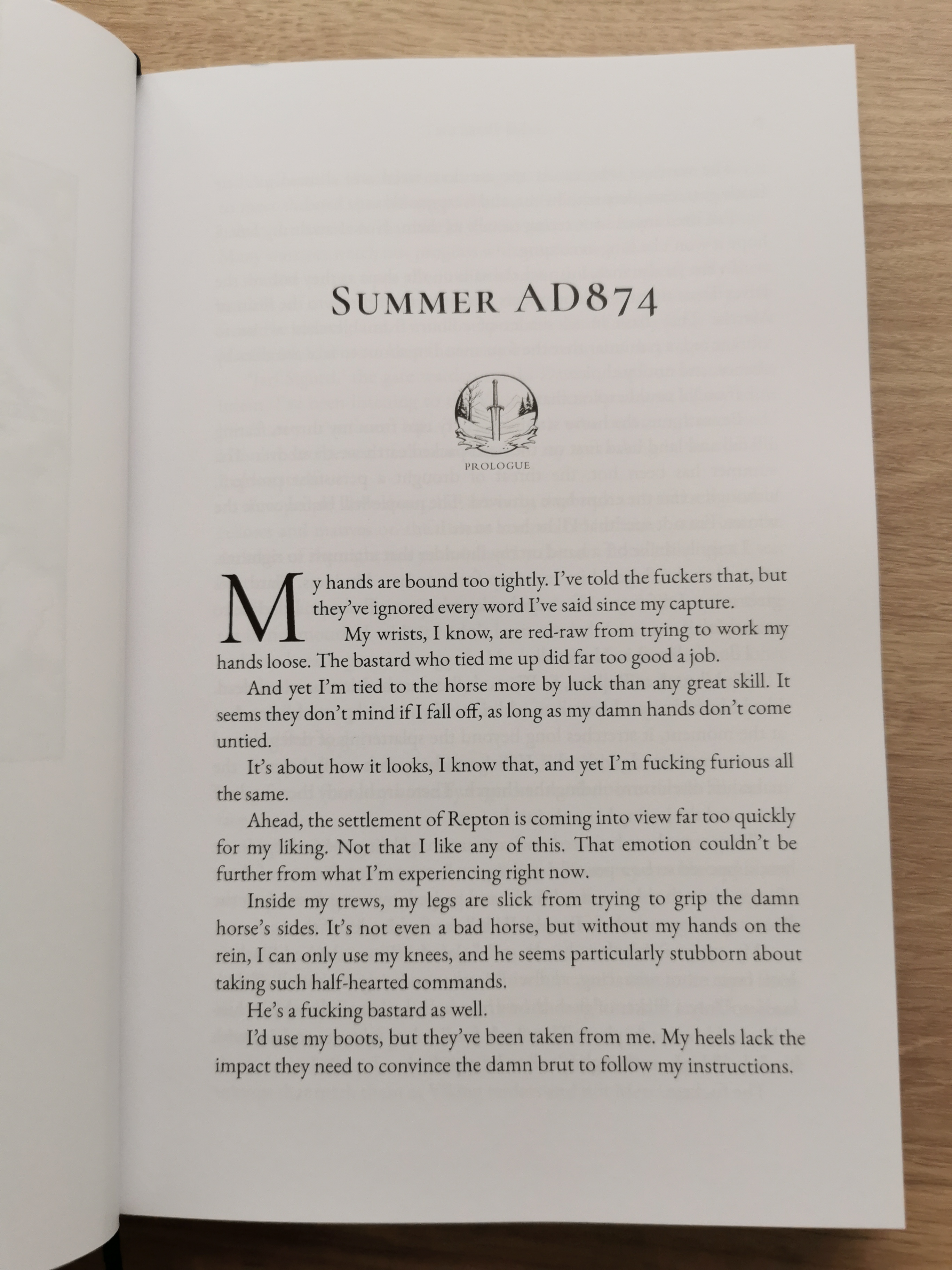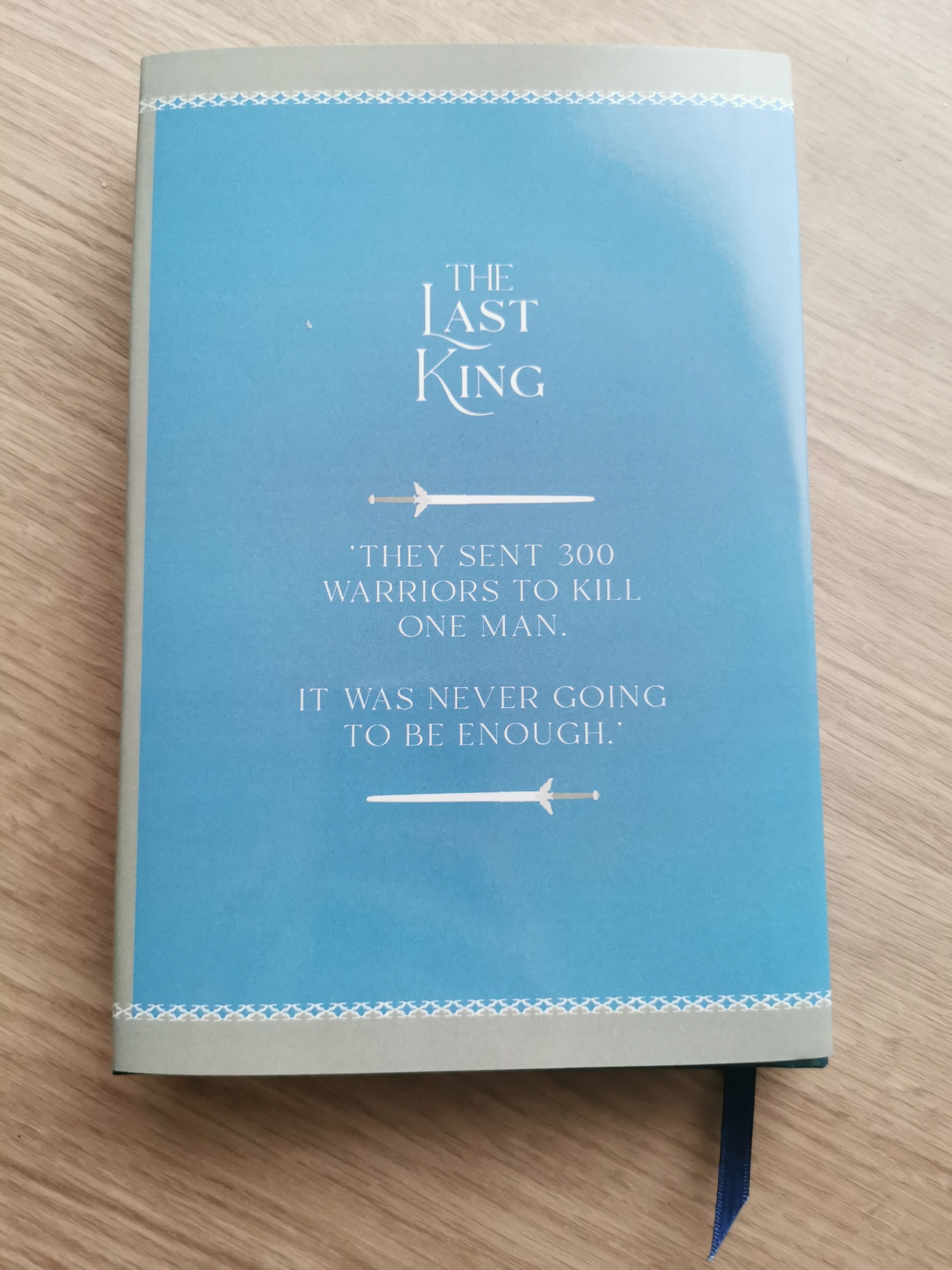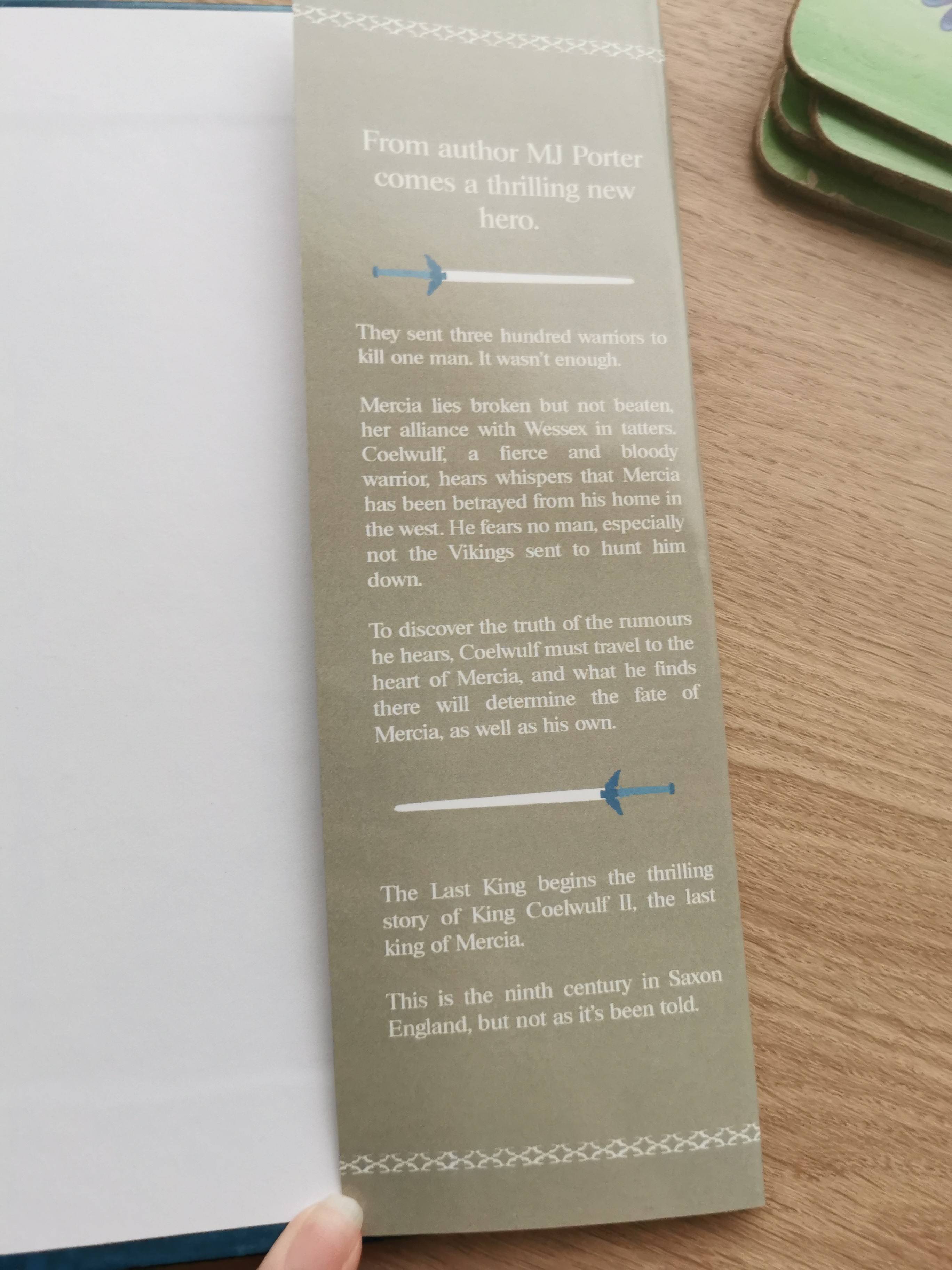
I’m delighted to welcome E.j. McKenna and her new book, No Good Deeds, to the blog with an excerpt.
Excerpt
“You know what I want beyond all else in this world? Four walls and a roof. All my own. Don’t even need another room.” She gave an embarrassed laugh. “I know it’s simple, but I ain’t never had that. It’d be out of town, but not too far out, maybe close to a river, I dunno. I’d be a Bounty Hunter or a Trapper or somethin’, to pay any costs I have. And I’d live off the land, all quiet like.”
Blurb
Annie Schaeffer is no stranger to violence. Born of an outlaw father, she was sold to a traveling show at the age of six, now finally escaping as an adult.
On the run and wounded, she finds an unlikely ally In Nathan Healey – a member of the Needham Boys gang.
As she earns her place among the outlaws, Annie’s survival hinges on her lethal skills and growing bond with Nathan.
Nate’s moral compass shifts with his circumstances, especially when those he loves are involved. Upon meeting Annie, he finds himself drawn to a woman determined to live differently to the expectations others place upon her; to live freely and fairly. The way he has always wanted.
Annie’s quest for independence takes a dark turn as the gang begins to collapse. Betrayal runs deep, and the cost of trust is high.
No Good Deeds is a gripping tale of resilience and retribution in the untamed West, where loyalty is fleeting and justice is won at the barrel of a gun. Annie Schaeffer’s story is one of fierce determination, as she battles her past and the outlaws who seek to control her fate.
E.J. McKennais a freelance writer in the UK with a great interest in American History, and a degree in English and American Literature with Creative Writing from the University of Kent.
At the end of 2023, she co-created a creative writing app for people of all ages to improve their writing skills in a fun, relaxed environment.
Born and raised in the UK, but a lover of traveling, she has a fascination with all social history across different countries and cultures. One of her favourite historical periods is the Victorian era, especially with United States history.
“The juxtaposition between the established countries of Europe, and the new world of America is fascinating to me. So many people trying to survive harsh frontier life, while trying to continue the uptight decorum of Victorian society.”
A huge advocate for feminism and human equity, her writing centres around determined female protagonists in traditionally male roles, tackling the perceptions of women in history. Her strong female protagonists go out of their way to change their society’s expectations for the fairer.
Morwenna Mutton should be living the quiet life of a librarian and grandmother in Cornwall’s beautiful Seal Bay – if only dead bodies would stop turning up…
After the excitement of her last investigation, amateur sleuth Morwenna is looking forward to things getting back to normal. When local DJ Irina asks to meet however, desperate to share information she has discovered regarding nefarious goings-on, Morwenna can’t resist.
But Irina never arrives for their drink – instead her body is washed up on the beach, an apparent victim of an accidental drowning. At once keen wild bather Morwenna knows something is amiss as Irina was a strong swimmer who knew the local conditions well. What had Irina uncovered and who would want her dead?
When the local news dubs Irina’s murderer The Cream Tea Killer in honour of Cornwall’s famous delicacy, the clock starts ticking. Now the murderer knows Morwenna is on their trail, no one in her family is safe. She must get to the truth before the killer gets to her…
If you love The Thursday Murder Club, Agatha Christie and Richard Coles then you’ll love The Morwenna Mutton mysteries.
The Cream Tea Killer is an entertaining and well-plotted cosy mystery, filled with a little romance between our main character and the men in her life.
Once more, we return to Cornwall and find Morwenna involved in something deadly. She’s getting quite a reputation for being able to solve crimes with or without the aid of her contacts in the police. All of our regulars are there as well: Morwenna’s mother, her daughter, her granddaughter and the cast of her home town besides.
The mystery itself is well pieced together, and while I might have worked out some of what was happening, the devil was in the details, and I certainly missed a few things.
This is a lovely addition to the Morwenna mysteries. It is engaging and fun to read, with an added bit of drama and peril.
Judy Leigh is the USA Today bestselling author of The Old Girls’ Network and Five French Hens and the doyenne of the ‘it’s never too late’ genre of women’s fiction. She has lived all over the UK from Liverpool to Cornwall, but currently resides in Somerset.

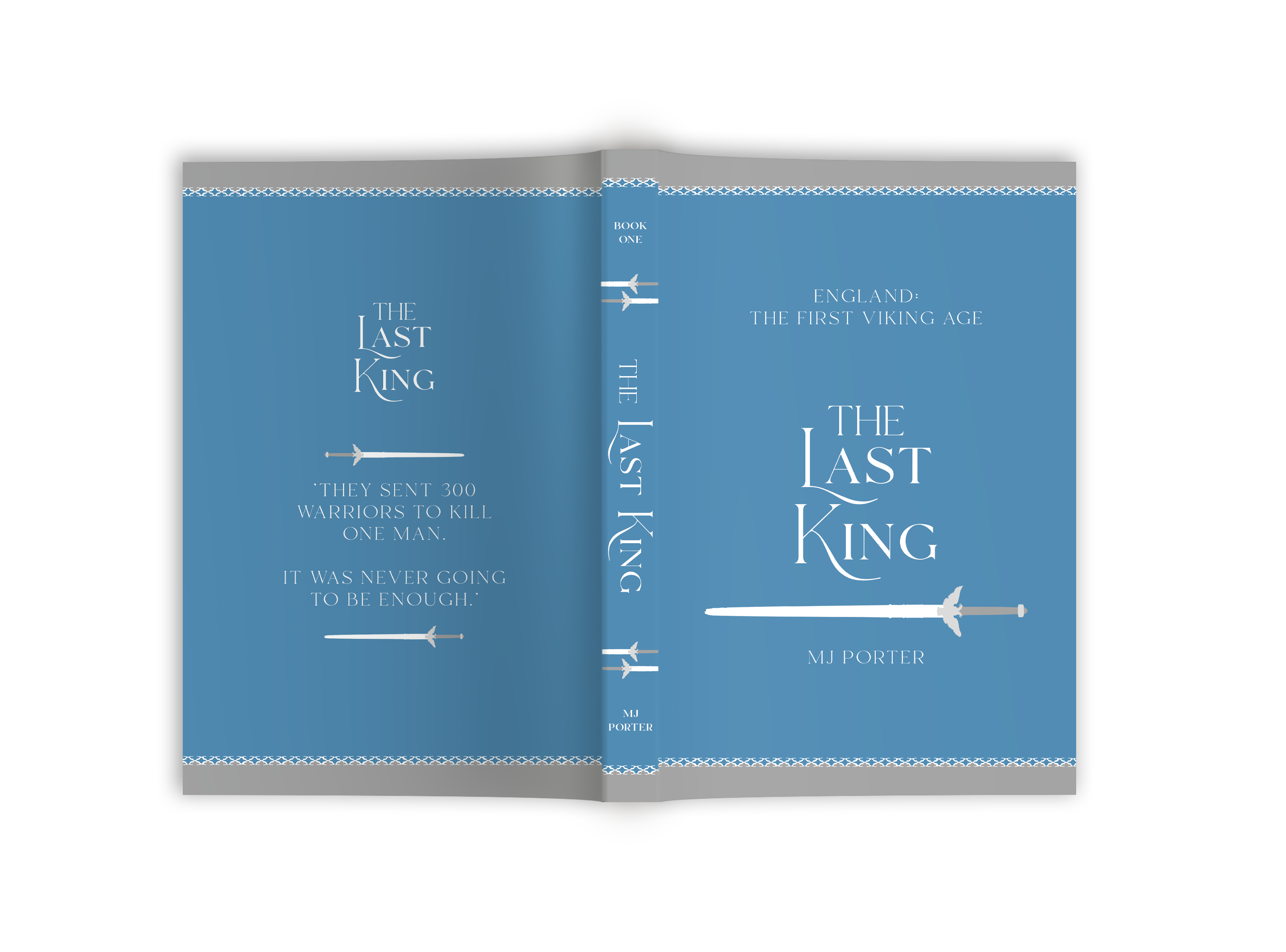
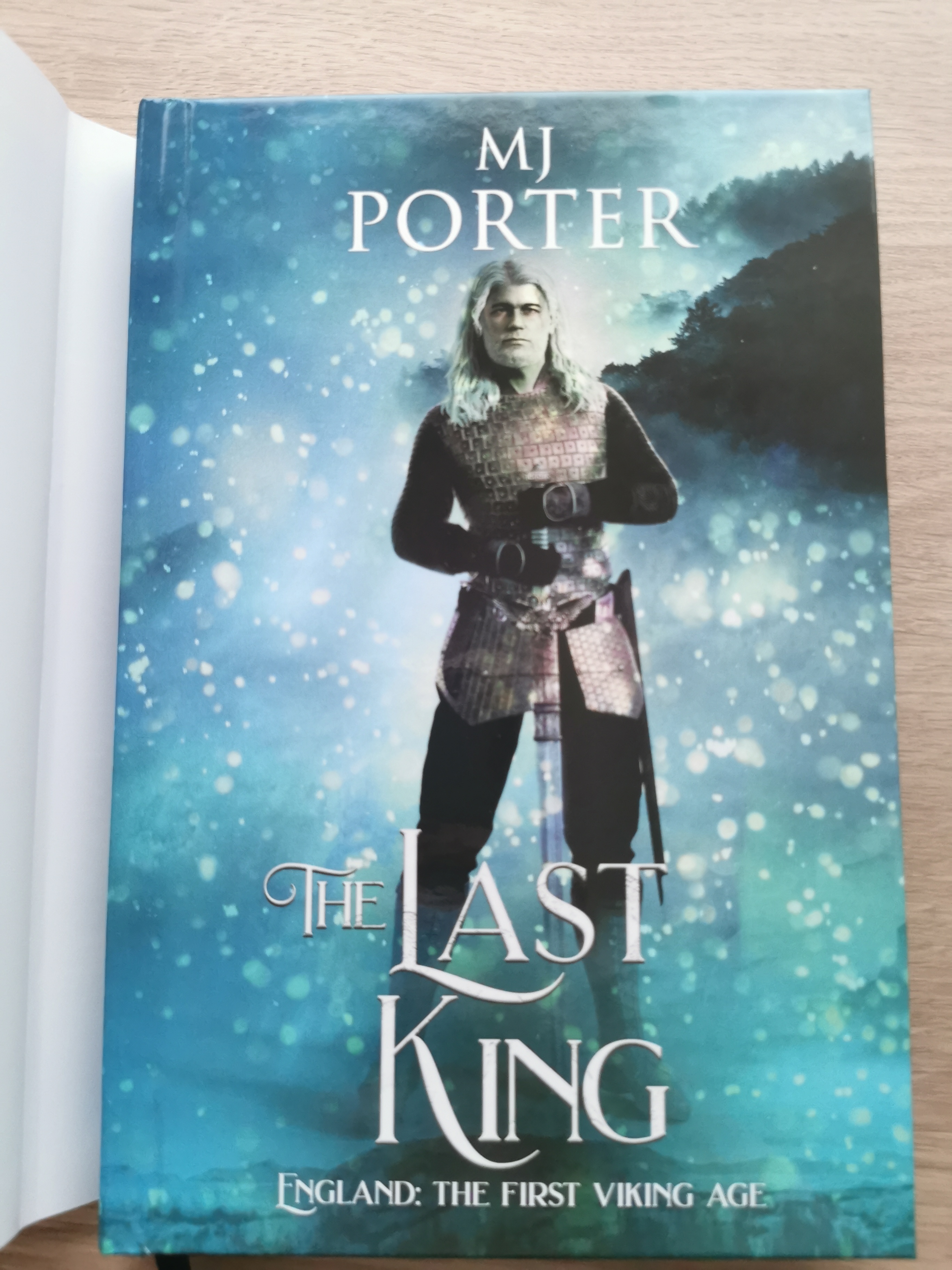
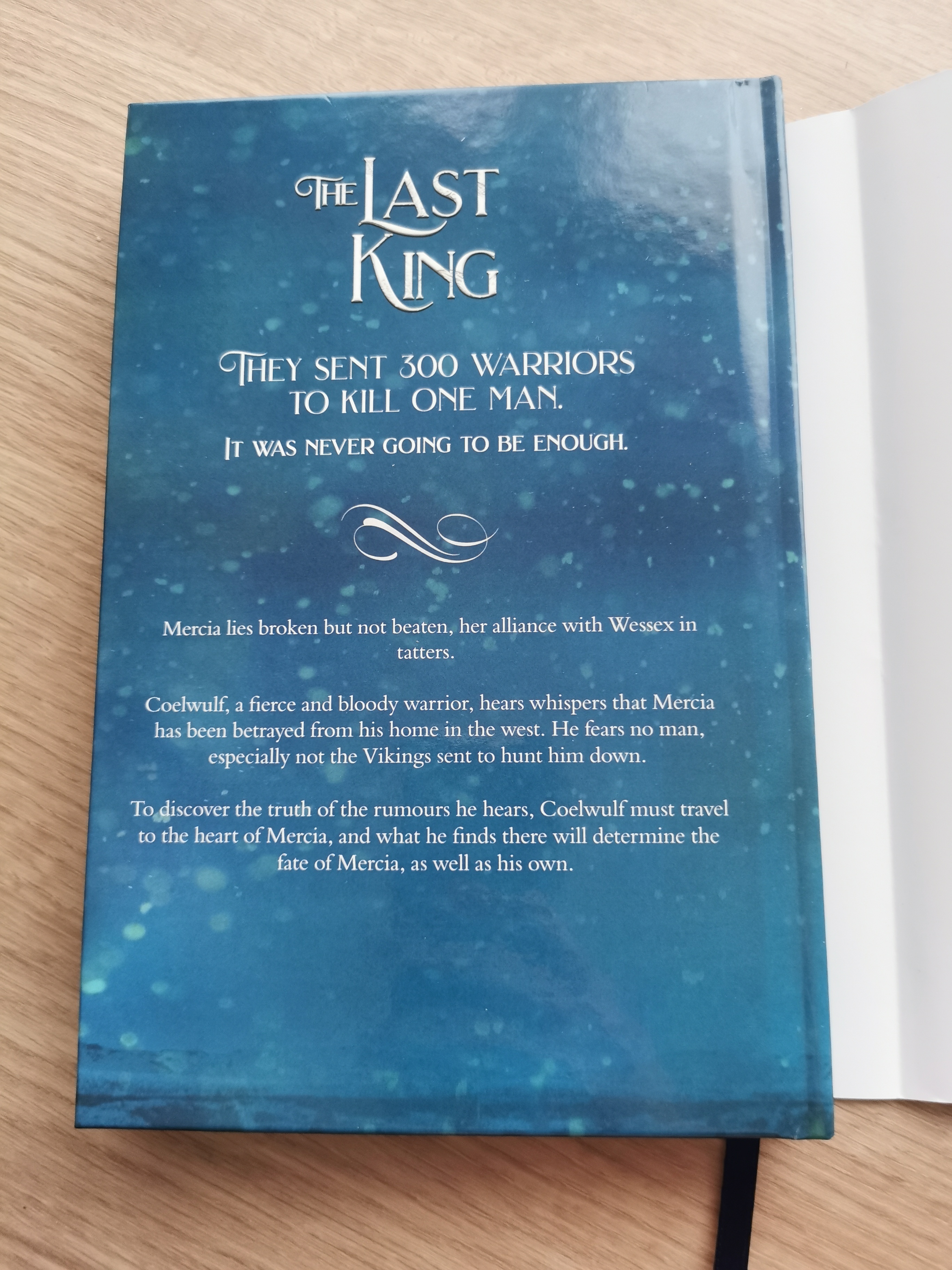
Deceit and ambition threaten to undo the most fragile alliance.
King Coelwulf of Mercia has unwillingly accepted the need to ally with the kingdom of Wessex under the command of King Alfred. But King Alfred of Wessex must still prove himself, and Coelwulf can’t remain absent from Mercia indefinitely.
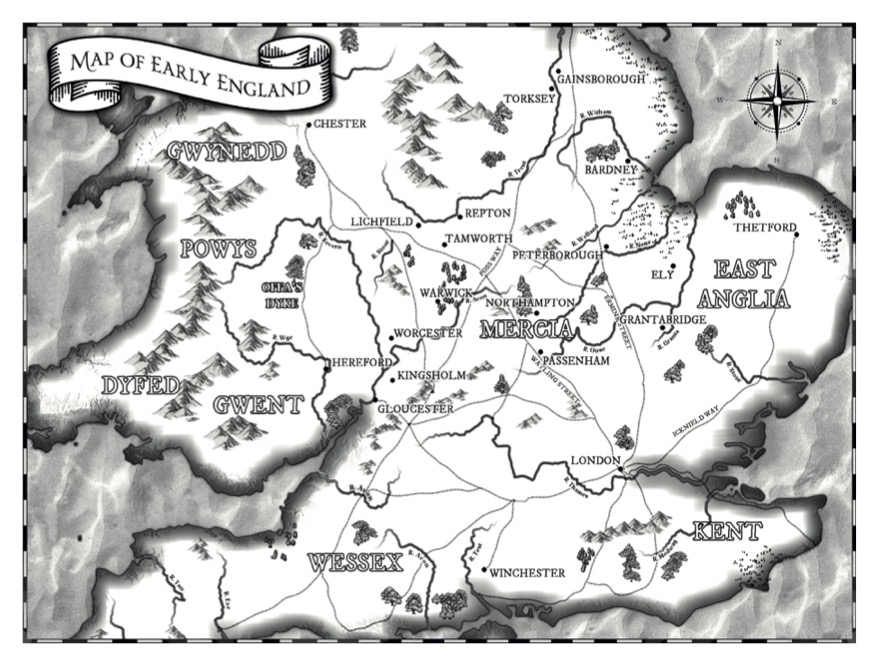
Returning to London, a place holding more fascination for the West Saxons and the Viking raiders than Coelwulf and his fellow Mercians, Coelwulf sets about reinforcing the walled settlement so long abandoned by all but the most determined traders. But Coelwulf knows Jarl Guthrum has set his eyes on Canterbury, and he must protect the archbishop in Kent, nominally under the control of the West Saxon king, even if King Alfred is no warrior.
But deceit and lies run rife through the West Saxon camp and when Coelwulf believes he’s held to his oaths and alliances, an unexpected enemy might just sneak their way into Mercia. The future of Mercia remains at stake.
In The Last Deceit, I’ve included a fictional character called Ealdorman Sigehelm, who is based on a later individual that we know existed, the father of Lady Eadgifu, third wife of Edward the Elder. (By based I mean I borrowed his name and landholding).
I’ve done this because it’s fun to play around with the information I’ve learned about later in the era. It’s often one of the biggest problems in writing historical fiction. You need to know what happens before the events you’re writing about, as well as what comes after, as well as the actual events you’re depicting. And Cooling, in Kent, has an incredibly detailed history throughout the later tenth century, which we know about because of a remarkable charter. The text of which is below (it’s quite long.)
‘Eadgifu declares to the archbishop and the community of Christ Church how her estate at Cooling came [to her]. That is, that her father left her the estate and the [land]book, just as he legally acquired them and his ancestors had bequeathed to him. It happened that her father borrowed thirty pounds from Goda, and entrusted the estate to him as security for the money. And [Goda] held it for seven ‘winters’. When it came about, at around this time, that all the men of Kent were summoned to the battle at the Holme, Sighelm [Sigehelm], her father, did not want to go to the battle with any man’s account unpaid, and he repaid Goda the thirty pounds and he bequeathed the estate to his daughter Eadgifu and gave her the [land]book. After he had fallen in the battle, Goda denied the repayment of the money, and withheld the estate until six years later. Then Byrhsige Dyrincg claimed it unceasingly for so long, until the Witan of that time commanded Eadgifu that she should purge her father’s possession by [an oath equivalent to] that amount of the money. And she produced the oath in the witness of all the people at Aylesford, and there purged her father’s repayment by an oath of thirty pounds. Then she was still not able to possess the estate until her friends obtained from King Edward [the Elder] that he prohibited him [Goda] the estate, if he wanted to possess any [at all]; and so he gave it up. Then it happened in the first place that the king so strongly blamed Goda that he was deprived of all the [land] books and property, all that he owned. And the king then granted him and all his property, with [land] books and estates, to Eadgifu to dispose of as she wished. Then she said that she did not dare before God to pay him back as he had deserved of her, and she restored to him all his land except the two sulungs at Osterland, and she refused to give back the [land] books until she knew how loyally he would treat her in respect of the estates. Then, King Edward died and Æthelstan [Athelstan] succeeded to the kingdom. When Goda thought it an opportune time, he sought out King Æthelstan and begged that he would intercede on his behalf with Eadgifu, for the return of his [land] books. And the king did so. And she gave back to him all except the [land] book for Osterland. And he willingly allowed her that [land] book and humbly thanked her for the others. And, on top of that as one of twelve he swore to her an oath, on behalf of those born and [yet] unborn, that this suit was for ever settled. And this was done in the presence of King Æthelstan and his Witan at Hamsey near Lewes [Sussex]. And Eadgifu held the land with the landbooks for the days of the two kings, her sons [i.e., Edmund and Eadred]. When Eadred died and Eadgifu was deprived of all her property, then two of Goda’s sons, Leofstan and Leofric, took from Eadgifu the two afore-mentioned estates at Cooling and Osterland, and said to the young prince Eadwig who was then chosen [king] that they had more right to them than she. That then remained so until Edgar came of age and he [and] his Witan judged that they had done criminal robbery, and they adjudged and restored the property to her. Then Eadgifu, with the permission and witness of the king and all his bishops, took the [land] books and entrusted the estates to Christ Church [and] with her own hands laid them upon the altar, as the property of the community for ever, and for the repose of her soul. And she declared that Christ himself with all the heavenly host would curse for ever anyone who should ever divert or diminish this gift. In this way this property came to the Christ Church community.’ S1211[i]
To explain:
Dating to around 959, the document provides the ownership history of an estate at Cooling in Kent. Eadgifu had inherited this land from her father, who had mortgaged it for a loan of £30, which he repaid before going on the campaign on which he died. However, Goda, the man who had made the loan, claimed not to have received payment and proceeded to take practical ownership of the estate. While Eadgifu retained the landbook, or freehold record, and tried various means of asserting her ownership, it was not until Edward the Elder intervened, presumably after their marriage, that the matter was resolved to some degree. Edward seized not only the estate in question but all Goda’s lands, handing their ownership and administration over to Eadgifu. The charter indicates that Eadgifu acted magnanimously, giving almost all of these back to Goda, though her primary consideration was likely to avoid creating a powerful political enemy. Sensibly, however, she retained possessions of the landbooks to ensure Goda’s loyalty, as well as a small estate at Osterland, in addition to her hereditary holdings at Cooling. The matter was fully resolved in Æthelstan’s [Athelstan] reign when the king interceded with Eadgifu on Goda’s behalf. Eadgifu returned the landbooks, but retained the estates at Osterland and Cooling, while Goda swore an oath in Æthelstan’s presence declaring that he considered the matter to be closed … Eadwig seized his grandmother’s landholdings and, in the case of the Cooling and Osterland estates, turned them over to Goda’s sons … After Eadwig’s death in 959, Edgar restored his aging grandmother’s possessions.[ii]
It’s unusual to have so much detail about a landed estate, and so, when I took Coelwulf and his allies to Kent in The Last Deceit, I couldn’t resist embroidering this character into the tale. I imagine you can see why. To read more about Lady Eadgifu, check out The Royal Women Who Made England.
[i] Sawyer, P.H. (ed.), Anglo-Saxon charters: An annotated list and bibliography, rev. Kelly, S.E., Rushforth, R., (2022). http://www.esawyer.org.uk/ S1211
Deceit and ambition threaten to undo the most fragile alliance.
King Coelwulf of Mercia has unwillingly accepted the need to ally with the kingdom of Wessex under the command of King Alfred. But King Alfred of Wessex must still prove himself, and Coelwulf can’t remain absent from Mercia indefinitely.
Returning to London, a place holding more fascination for the West Saxons and the Viking raiders than Coelwulf and his fellow Mercians, Coelwulf sets about reinforcing the walled settlement so long abandoned by all but the most determined traders. But Coelwulf knows Jarl Guthrum has set his eyes on Canterbury, and he must protect the archbishop in Kent, nominally under the control of the West Saxon king, even if King Alfred is no warrior.
But deceit and lies run rife through the West Saxon camp and when Coelwulf believes he’s held to his oaths and alliances, an unexpected enemy might just sneak their way into Mercia. The future of Mercia remains at stake.
In The Last Deceit, reference is explicity made to a Mercian tribe known as the Gaini. It is from this obscure royal line that it’s said King Alfred’s wife, Lady Ealhswith, claimed descent. So, who were the Gaini?
The simple answer is that we don’t know. We don’t know where they were based. We don’t know any other known members of this tribe, but it’s certainly a name that survives from a period-specific resource, The Life of Alfred written by Asser in about 893, and so, some years after the events in The Last Deceit, in which he claims King Alfred’s wife was a descendant of this ruling family. Here are the details from The Royal Women Who Made England.
‘We are told by Asser, that Alfred ‘married a wife from Mercia, of noble family, namely the daughter of Æthelred “who was known as Mucil [Mucel]”, ealdorman of the Gaini. The woman’s mother was called Eadburh, from the royal stock of the king of the Mercians.’ It is possible, but cannot be confirmed that Ealhswith’s father was ealdorman in Mercia from the 820s onward when a man named Mucel is listed as attesting the surviving charters. The location of the tribal region of the Gaini has yet to be ascertained. Mercia was composed of many tribal regions; the most familiar being the Hwicce and the Mægonsate, both on the western borders with the Welsh kingdoms.
Whether Eahlswith’s mother was actually a member of the Mercian ruling family is difficult to conclude. Barbara Yorke determines she was related to King Coenwulf (796–821) and Coelwulf (821–823), two brother kings who ruled in the first quarter of the ninth century. It is impossible to confirm this either way due to a lack of available information. Mercia endured a string of kings throughout the ninth century, some more successful than others, and none of them able to offer the consistency and longevity that had been prevalent in the earlier eighth century during the long reigns of Æthelbald (716–757) and Offa (757–796).
Her possible father, Æthelred Mucel, witnesses two charters in the year of the marriage, S340, surviving in one manuscript, and S1201, surviving in two manuscripts, as well as S337, surviving in four manuscripts, in 867 and S349, surviving in two manuscripts, but deemed spurious, in 895. What is known is that the union between Lady Eahlswith and Alfred was part of an arrangement with Mercia whereby Alfred’s sister, Æthelswith, married the then king, Burgred, and Ealhswith married Alfred. Little is known of Mercia’s King Burgred (852–74), other than that he fled from Mercia in the wake of sustained Viking raider aggression in the year 874.’
Why then might this royal connection to the Gaini onle be mentioned here? I’m not sure I need to labour the point, but Asser, writing our earliest life of a pre-conquest king, had a remit to follow, and no doubt that was to make much of King Alfred, and his wife. It would have looked a little odd if King Alfred had been married to a lesser woman of Mercia, when he was desperately trying to grow his repuation by having a ‘life’ written about him.
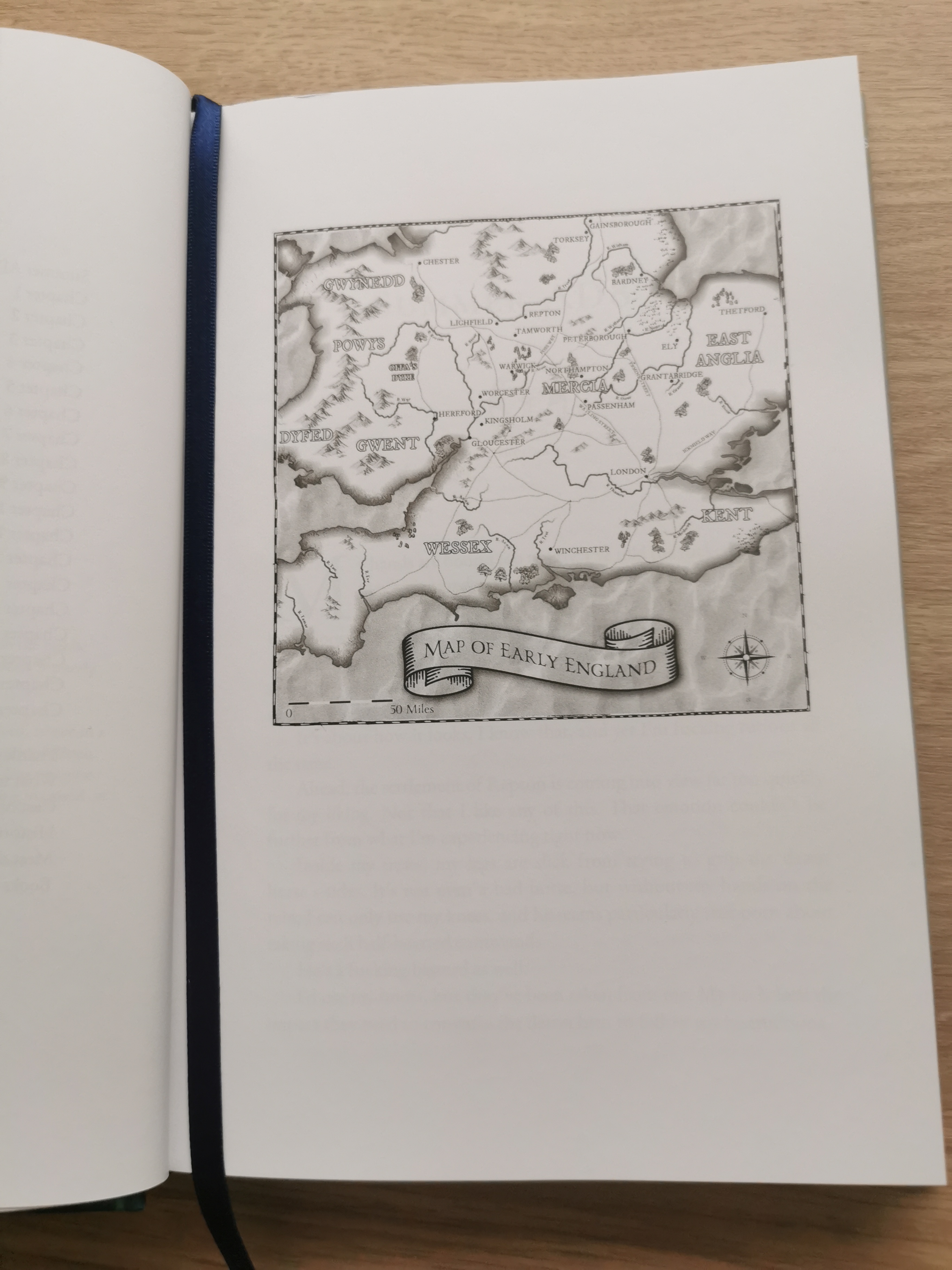
And Mercia is certainly a rich tapestry to either foist a previously unknown tribe upon, or to ‘borrow’ one for the intention of making more of someone. Mercia, ‘the kingdom on the border’ (although we don’t for sure which border this applies to), consisted of many smaller tribal areas, the names of which, if not often the location, have survived in the Tribal Hidage, an eighth-century source (which doesn’t mention the Gaini). More familiar names to travellers to the era are the Hwicce (around Gloucester), the Magonsæte (close to the Welsh border), the Tomsæte (close to Tamworth), to name but a few, have survived in charter documentation which names these distinctive areas and we often have ealdormen of these places, most famously my first historical recreation, Ealdorman Leofwine of the Hwicce of the Earls of Mercia Series.
And so, in The Last Deceit, it is Ealhswith brother, Lord Æthelwulf, who makes mention of the Gaini, as no doubt, he too would have made much of this alleged royal connection.
Deceit and ambition threaten to undo the most fragile alliance.
King Coelwulf of Mercia has unwillingly accepted the need to ally with the kingdom of Wessex under the command of King Alfred. But King Alfred of Wessex must still prove himself, and Coelwulf can’t remain absent from Mercia indefinitely.
Returning to London, a place holding more fascination for the West Saxons and the Viking raiders than Coelwulf and his fellow Mercians, Coelwulf sets about reinforcing the walled settlement so long abandoned by all but the most determined traders. But Coelwulf knows Jarl Guthrum has set his eyes on Canterbury, and he must protect the archbishop in Kent, nominally under the control of the West Saxon king, even if King Alfred is no warrior.
But deceit and lies run rife through the West Saxon camp and when Coelwulf believes he’s held to his oaths and alliances, an unexpected enemy might just sneak their way into Mercia. The future of Mercia remains at stake.
Earlier this year, I attended a virtual talk about Old Sarum which really inspired me. As such, I immediately decided I needed to take Coelwulf and his warriors there. I was really pleased to be able to visit the location on my way home from Devon earlier in the year, and it was even better than I’d imagined it. I hope the photos below will reveal it’s fabulous location and the height and width of the encircling embankments, as well as just how close it is to Salisbury, which was built to replace it.
The English Heritage information board from Old Sarum.
Old Sarum is an old Iron age hillfort, but it was repeatedly used until it was abandoned, and most people know of it because under the early Norman rulers a castle and a church were built there. But my interest is in the earlier period. Under the Romans it was called Sorviodonum, and was in use at points during the Saxon era. It did have one fatal flaw however, it relied on a single water source inside the two embankments.
You can also find the talk I attended on YouTube here.
A trip to Stonehenge
I’ve also taken Coelwulf to Stonehenge in The Last Alliance and The Last Deceit, and so I went to visit as well. I’ve had some fun deciding what my warriors think of the strange arrangement of stones. Personally, I much prefer the Ring of Brodgar and the Stones of Stenness on Mainland Orkney but that might be because you can get much closer to the stones there.
So, what have I been writing/editing in 2024? As ever, it’s time to turn to my trusty diary to find out, but I’ve also been keeping a spreadsheet this year so it’s much easier to work out exactly what I’ve been writing, and when I was writing it. So here goes:
In January, I instigated my ‘new approach’ to writing, following a disappointing writing year in 2023. Was I harsh on myself with my assessment of 2023 ? I don’t think so, and certainly my new approach has ensured I wrote a lot more in 2024 than in 2023. So, my new approach is simple, I write at least 2000 words a day, every day. Did I manage every day? I certainly did not, but when I wasn’t working at my very seasonal job in the local school (or I must admit, on holiday), I managed to write at least 2000 words a day almost every day. This might sound a little crazy, but writing for me is a bit of a necessity. If I don’t exercise my creative mind, I am plagued (yes, plagued) by rather weird dreams. If I wasn’t writing, I would be really stuck.
In January, I began my new writing routine by finishing off the first draft for The Last Viking, and then swiftly moved onto the next Icel story. Somewhat bizarelly, it’s this book, Betrayal of Mercia, which is being released on 5th January 2025. I was very ahead of the game. I also spent a bit of time working on edits for Enemies of Mercia and Conflict of Kings. It was my sixth most productive month. Not a bad start. It was also the month that Clash of Kings was released, the third book in the Brunanburh series, as well as my first non fiction title, The Royal Women Who Made England.
At this point, I’m also going to wax a little lyrical about another lifestyle change I made which was to start exercising every morning. This, I’ve found, wakes me up much better than caffeine and sets me up really well for the rest of the day. It can be anything from 10 minutes up to about half an hour, and I use an online app to decide what I’m going to do each day. I don’t complicate matters by trying to get to the gym, and my equipment is steadily growing at him. It’s made me much stronger, and now, like writing, I struggle if I don’t take the time to do a little bit each day.
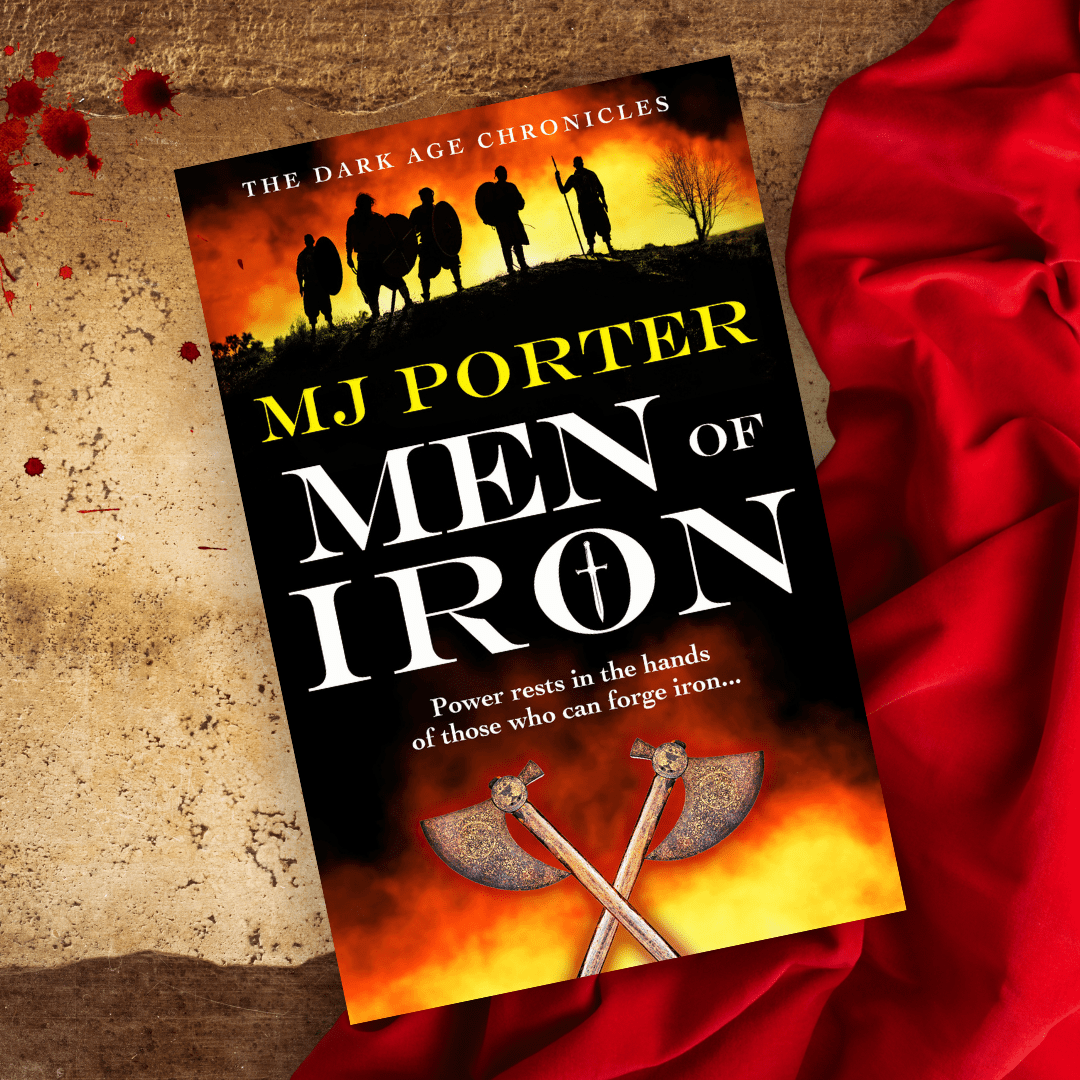
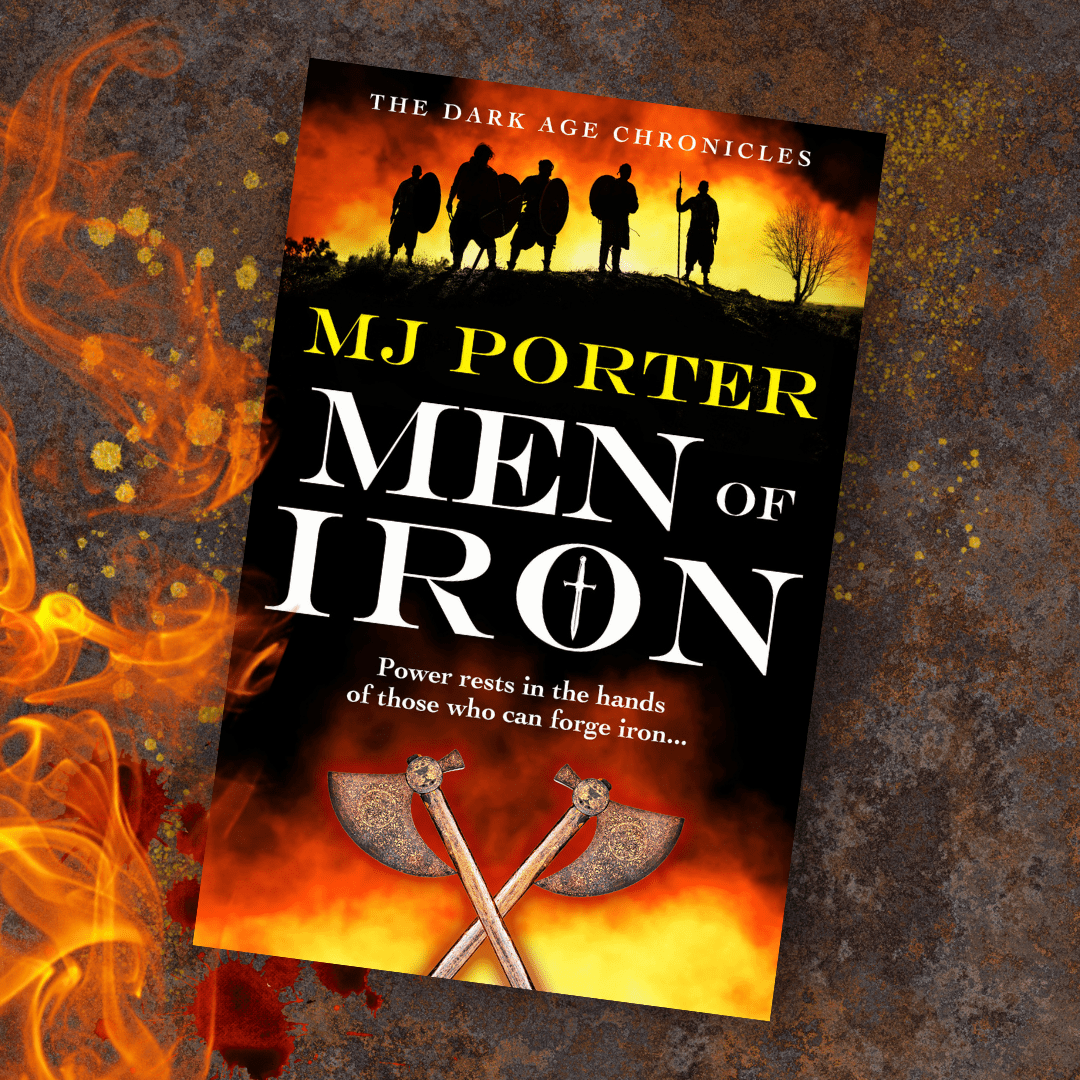
In February, my fifth most productive writing month, I was working on six different projects – which is kind of crazy. I finished my first draft of Betrayal of Mercia, scooted back to the next Coelwulf book, The Last Alliance, and also started work on my Dark Ages series, the first book of which, Men of Iron, will be releasing in April 2025. Aside from that, I also had some work to do on The Last Viking, Protector of Mercia and Kings of Conflict. So, by now I was in the swing of things. I write in the morning and then in the afternoon I work on edits, either structural, copy or proofreads. It means my creative side gets all excited in the morning, and then I can buckle down in the afternoons and get on with the other very important processes for a self-confessed pantser (I plan very little about my writing).
March was my third most productive writing month. I wrote the vast majority of the first draft of what would become The Last Alliance, and also did some editing for Betrayal of Mercia and Kings of Conflict. March also saw the welcome release of The Last Viking, the first Coelwulf book for a few years. It was so much fun to be back with Coelwulf and his friends. He is my most favourite character to write because it’s just like releasing all the tension and stress through his language and general attitude to life. I wish I could be ‘more’ Coelwulf all the time.
April was my seventh most productive writing month, with much of it taken up with work on Men of Iron, although I did start the month with the first 10,000 words of what became The Last Deceit. I didn’t realise I’d been playing with that book for quite so long. At this point, I was largely adhering to my 2000 words a day endeavour, although with a holiday and my time in school on the horizon, it was all about to come to a bit of a halt. It also saw the release of Enemies of Mercia, book 6 in the stories of young Icel.
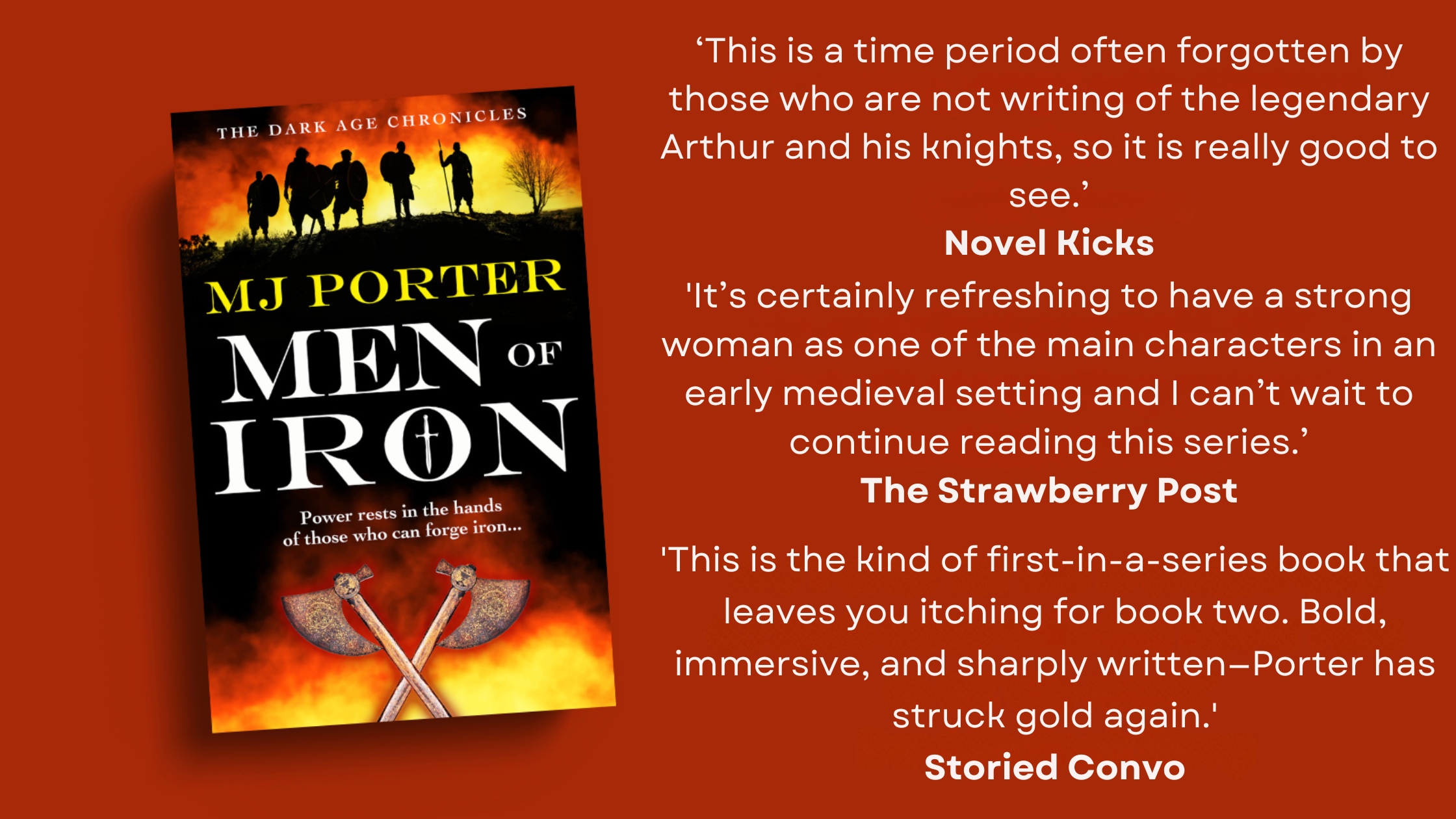
May was my eighth most productive month of 2024, coming in at 29,000 words for the month, so very much below my intended target of 2,000 words a day. But, I was on holiday and busy with exams at the local school, and I was ahead of my schedule that I’d written at the start of the year, so I didn’t mind too much. I was finishing the first draft of Men of Iron, and I also started work on the sequel to Men of Iron, which should be called Warriors of Iron when it’s released in August 2025.
June was a write-off (literally). I managed a massive 1000 words all month. Not only was I just back from holiday and busy in school, but I ended up with my first official bout of ‘Covid’ which was a most odd experience. However, I was able to release The Last Alliance at the end of June, which I was very pleased about.
July was a muddled month with a holiday to Norfolk (yes, I made it to Suffolk and Sutton Hoo), but it was my tenth most productive month, so not very productive at all, as I reworked some of Men of Iron.
For August, I was back to it. It was my most productive month, coming in at just under 85,000 words written on a variety of projects, I had to make up for lost time. I was writing Warriors of Iron and The Last Deceit, and editing Betrayal of Mercia as well as Men of Iron. I don’t want you feeling sorry for me because September, I knew, was going to be a difficult writing month with my long-awaited trip to Devon and slow journey there and back to take in A LOT of historical sites I needed to visit for Men of Iron and other projects. 6th August saw the release of Kings of Conflict, the final book in the Brunanburh series.
September was my eleventh most productive month, or second from last:) I worked on structural edits for Men of Iron, endeavouring to weave into the narrative some of the places I’d visited on my travels to and from Devon.
October was my fourth most productive month. My main tasks for the month were working on initial drafts for Warriors of Iron and The Last Deceit. I also worked on copyedits for Men of Iron and Betrayal of Mercia. This was the first time I managed to keep track of how many words I removed from the edited copy during the proofread. It was not that many words, but I faithfully recorded all of them, which gave me a net minus 3.
November is the month every year when I allow myself to write absolutely anything I want. This year saw me returning to a project from 2018 and starting to ‘fix’ many of the problems with it – the biggest one being there was simply too much story to fit into one book. I now intend to make it a trilogy, and using about 20,000 words from the first draft, I added a further 59,000 to it as well as working on some editing and structural edits of other projects. It was a busy month, but November is always really important to me. Deadlines and editing can really drain me of my creativity. November allows me to be excited about something entirely new and without deadlines (although, not so new this time as it was an older project). Watch this space to find out what I’m going to do with it.
For December, I was once more busy in the local school, and travelling to meet fellow Viking authors, and other authors more local to me. All the same, I’ve been busy writing, finally getting back to Icel, who I’ve neglected of late. That said, I’ve known where this new story would go ever since I finished working on the first draft Betrayal back in January. At the moment, my working title is Icel of Mercia, but I’m sure that won’t be the published title. December has been my ninth most productive writing month, but even as I write this, I know I have a few more writing days to go, so it will increase. December will also see the release of The Last Deceit. I’ve just managed to get the 3 Coelwulf books in, as promised.
All in all, I’ve enjoyed my writing in 2024. There are always moments when it’s an effort, and moments when it feels easy, but my new writing routine, or what I now call ‘minimising the stress around first drafts’ has really helped me. Ensuring I’m working on something while editing another project ensures I have time for my stories to settle before I edit them, and also allows me to plant all those lovely Easter Eggs I love to scatter through the many different series. I pity the person who tries to work out which book I was writing when in the future.
I have two newish projects under way, my November project, and also the beginnings of another nonfiction title. I also have two of my three Boldwood titles complete bar some of the editing, and Icel 8 is shaping up nicely as well. For next year, I want to continue my current practice of writing at least 2000 words each morning, and editing in the afternoon. It works really well with my writing style. Everyone has different styles. It’s important to determine what works, and when it stops working, to find something else. 2024 was the year I revamped what had been working for me for many years. It’s also allowed me to methodically plan, even if I didn’t always keep to the plan.
In terms of words written this year, it comes in at about 570k. It’s not my best year, which was 2019, but it’s so much better than in 2023, I’m really pleased.
Forthcoming releases for 2025 will be Betrayal of Mercia, Men of Iron, Warriors of Iron in August, Icel 8 in October and hopefully, a new Erdington Mystery (I have a title, which is a good sign for that series) and my November 2024 project which I need to finish but which will probably be released under a different author name. I also hope to return to Coelwulf, but I’m not promising 3 titles in the series as I did in 2024. That was almost too much for me. In terms of writing, I need to finish the Dark Age Chronicles (I’ve stated it will be a trilogy – I have too many characters as it is,) and continue with the lovely Icel.

A huge thank you to all my wonderful readers who allow me to spend my time with my characters. It is a privilege.
If you want to follow my writing journey, join my newsletter. I update readers each month.
I’m delighted to welcome JR Tomlin and her new book, On a Sword’s Edge, The Swords of Scotland book, to the blog with a guest post.
Guest Post
Research for a historical novel tends to have a thousand parts, a few looming large and others twinkling bagatelles. Those large parts, of course, you must get right, in my opinion anyway. But never underestimate the importance of bagatelles, though. They are often the pieces that give a novel its verisimilitude.
One of the very large looming pieces in ‘One a Sword’s Edge’ is the Battle of Largs in October 1263 between the Norse, led by King Haakon of Norway, and the army of Scotland. This battle is an important one in the development of Scotland as it is today, but there are amazing differences of opinion on the nature and outcome of the battle. Some historians claim it was not a battle, merely a skirmish. Many claim the result was indecisive, with no clear winner. Many state with absolute certitude that King Haakon was doing nothing more with his vast fleet of more an a hundred Norse longboats than defending Shetland and the Hebrides from Scottish invasion.
I admit I had a problem with some of these historians’ opinions. If Haakon was defending the Hebrides, why was he doing it more than 400 miles south of the Hebrides in the Firth of Clyde? And why had he gathered one of the largest fleets the Norse ever assembled when there had been no invasion by Scotland? Scotland had not ever gathered an army to invade.
This is where research comes in and after a lot of looking, I found a fairly obscure article by a professor of Medieval Studies at the University of Edinburgh that brought out some facts from the Saga of King Haakon. One of the many isles claimed by the King of Norway in the waters surrounding Scotland was the Isle of Bute near the mouth of the Firth of Clyde. Its importance lies in that it is in a position to control shipping lanes. A few years earlier, rather quietly, Sir Alexander Stewart of Dundonald, Lord High Steward of Scotland, subjugated the Isle of Bute and established Rothesay Castle as a power base there.
It took a while for the former Lord of Bute to reach King Haakon and bring this serious matter to the king’s attention. King Haakon was a formidable man who had, among other things, subjugated both Greenland and Iceland.
The King of Scots had opened negotiations with Haakon to buy the Hebrides and all the Scottish Isles. This news was what caused those negotiations to totally break down. Haakon immediately assembled his fleet. So it was not some nonexistent defense of the Hebrides but a very definite loss of the Isle of Bute that took him so far south.
King Haakon sailed his fleet around the Cape of Wrath and proceeded hundreds of miles south to attack and retake Bute and Rothesay Castle. He then had his fleet ravage a large area around Loch Lomond. Life being full of surprises, he did not expect a severe storm or to face the same Alexander Stewart leading a large Scottish army.
So much for large, looming battles, but the novel also needed research for some amusing bagatelles. My main character and his family celebrated Christmas that year at Fawdon Tower. How to show them celebrating? You can’t have a Christmas celebration without a carol.
Oh, dearie me. That is easier said than done. If the ordinary people of the Middle Ages sang carols, and I am pretty convinced they did, there are no records of them. However, after quite a bit of searching, I found a delightful carol with an irresistible title: “The Boar’s Head Carol”.
To be honest, it is dated two hundred years after the events of the novel. I tend to think that it had probably been around for a while and simply had not been written down. Like most ‘folk music’, it may well have gone through various permutations. I rewrote it slightly but felt I had a bagatelle that was very close to what they might have merrily danced to on that Christmas of the year 1263.
It sometimes feels a bit like a jigsaw puzzle, but investigating the large pieces and those tiny gems is what makes writing historical fiction so enjoyable and satisfying.
Blurb
Scotland. 1263. The scent of rain mingles with the smoke of campfires as word spreads: the Norse are coming…
As tempers rise between King Alexander and the Norse King Haakon, at the center of it all is sixteen-year-old William Douglas, a squire in service to Sir John Stewart, Lord High Steward of Scotland.
When Haakon’s fearsome fleet is espied approaching Scotland’s shores, carrying the greatest invasion force the Norse have ever mustered, the dread of battle settles over the land. Summoned to Ayr Castle, William joins the Scottish forces in a desperate defense. Now tasked with serving his newly knighted brother, Hugh, William has little time to dwell on the fear – or thrill – of his first real taste of war.
And once the Norse’s menacing line of ships finally touches shore, Scotland’s fate may rest on more than noble titles and knightly deeds— it’ll take the mettle of every soul on the ground for them to triumph.
Set against the wind-swept coast of medieval Scotland, On a Sword’s Edge takes you right into the center of The Battle of Largs alongside a mere – yet fearless – squire.
J. R. Tomlin is the author of more than twenty historical novels, set for the most part in Scotland. Her love of that nation is traced from the stories of King Robert the Bruce and the Good Sir James her grandmother read to her when she was small to hillwalking through the Cairngorms where the granite hills have a gorgeous red glow under the setting sun. Later, her writing was influenced by the work of authors such as Alexander Dumas, Victor Hugo, and of course, Sir Walter Scott.
When JR isn’t writing, she enjoys spending time hiking, playing with her Westie, and killing monsters in computer games. In addition to having lived in Scotland, she has traveled in the US, Europe and the Pacific Rim. She now lives in Oregon in the beautiful Pacific Northwest.
Christmas is coming to Pelican Crossing, bringing with it a host of surprises.
Fifty-eight-year-old widow Rachel Mason thought she had her life all figured out – running her quaint Bed and Breakfast, spending time with her grandkids, and keeping her loyal West Highland Terrier by her side. But when her son announces a Christmas surprise, Rachel’s world is turned upside down.
Luke Findlay, widowed, retired, and looking to check off items on his bucket list, suddenly finds himself back in his hometown of Pelican Crossing, where he is tasked with temporarily running the local vet clinic.
When the new vet turns out to be Rachel’s teenage crush, and her son’s Christmas surprise is very different from what she anticipated, her life becomes unexpectedly complicated. But then, Luke receives a surprise of his own.
As Rachel and Luke reconnect, sparks fly, and old feelings resurface. But with Luke’s impending departure and Rachel’s unforeseen responsibilities, can their newfound connection survive?
Fans of heartwarming romances will love this story of second chances and unexpected love.
After a career in education, Maggie Christensen began writing contemporary women’s fiction portraying mature women facing life-changing situations, and historical fiction set in her native Scotland. Her travels inspire her writing, be it her trips to visit family in Scotland, in Oregon, USA or her home on Queensland’s beautiful Sunshine Coast. Maggie writes of mature heroines coming to terms with changes in their lives and the heroes worthy of them. Maggie has been called the queen of mature age fiction and her writing has been described by one reviewer as like a nice warm cup of tea. It is warm, nourishing, comforting and embracing.
From the small town in Scotland where she grew up, Maggie was lured to Australia by the call to ‘Come and teach in the sun’. Once there, she worked as a primary school teacher, university lecturer and in educational management. Now living with her husband of over thirty years on Queensland’s Sunshine Coast, she loves walking on the deserted beach in the early mornings and having coffee by the river on weekends. Her days are spent surrounded by books, either reading or writing them – her idea of heaven!
I’m delighted to welcome Liza Perrat and her new book, Lake Of Widows, book 2 in The Women of the Lake trilogy, to the blog.
Here’s the blurb
Three women. One shared struggle. Can they survive?
1970. When Adrienne Chevalier’s perfect life in a chic quartier of Lyon unravels, she flees to rural Sainte-Marie-du-Lac to escape her controlling husband, Emile.
Taking refuge at the idyllic L’Auberge de Léa, Adrienne befriends Blanche Larue, who is herself trapped by her husband’s infidelity. Adrienne begins to understand the subtle strictures that keep women chained across generations.
But to what diabolical lengths will Emile go to reclaim his wife? And can Blanche find the courage to choose truth over appearances?
1914. Suzanne Rossignol bids farewell to her beloved husband as he marches off to war. Through Suzanne’s journal entries, Adrienne discovers that the damaged soldier who returns from the trenches is a stranger, leaving Suzanne to navigate a home-front battlefield.
Join Adrienne, Blanche and Suzanne on their emotional journeys amidst the tranquil French countryside as they fight to escape the shackles of tradition and abuse. Their stories, bridging half a century, are bound by a timeless struggle.
A heart-wrenching blend of historical and women’s fiction, Lake of Widows explores the complexities of marriage, family secrets and self-discovery in 20th-century France.
Perfect for fans of Kristin Hannah and Kelly Rimmer.
Liza grew up in Wollongong, Australia, where she worked as a general nurse and midwife.
After meeting her French husband on a bus in Bangkok in 1988 and, three children and many pets later, she has now been living in a rural village in France for thirty years.
She works part-time as a medical translator, and editor, and as a novelist.
For newsletter signups, Liza offers her award-winning short story collection for free: Friends and Other Strangers: https://books2read.com/u/mleND9
49-year-old Tilly Thomas would never have known any different if she hadn’t unexpectedly turned up at hubby Robin’s office to surprise him with an off-the-cuff evening at the theatre. Instead, the surprise is on Tilly when she interrupts Robin and his young PA in a compromising position.
Stumbling from the office, blinded by tears, Tilly thanks God she was never gifted the children she once craved and is spared explaining why Mummy and Daddy will now be living apart. Instead, Tilly has an adopted daughter – but this little girl has a wet nose and warm heart.
Mongrel Cindy is privy to all her mummy’s hopes and dreams as Tilly prepares to start over in the village of Starlight Croft. Thank goodness a dog can’t speak because Cindy knows things her mistress has never shared, including a secret that once broke Tilly’s heart.
As Tilly prepares to embrace an unknown future and make peace with her past, she discovers that sometimes difficult roads lead to beautiful destinations…
Starting over at Starlight Cottage is an engaging second-chance romance novel, with Tilly as our main character. This is the second of Debbie’s books that I’ve read and I really enjoy how ‘real’ her characters feel, with all their quirky foibles and often, inner monologues, and sometimes saying things outloud which should probably stay thought but not said.
Poor Tilly is in a difficult place, but quickly realises she needs to get on with her life if she’s to be happy again. And she is determined to be happy without her soon to be ex-husband.
Her encounter with Starlight Cottage begins a tale of redemption and romance, which is fun and sweet and the ending will warm every readers heart.
Meet the author
Prior to turning her attention to writing, Debbie Viggiano was, for more years than she cares to remember, a legal secretary. She lives with her Italian husband, a rescued pooch from Crete, and a very disgruntled cat. Occasionally her adult children return home bringing her much joy… apart from when they want to raid the fridge or eat her secret stash of chocolate. Tweet @DebbieViggiano or follow her on Facebook!