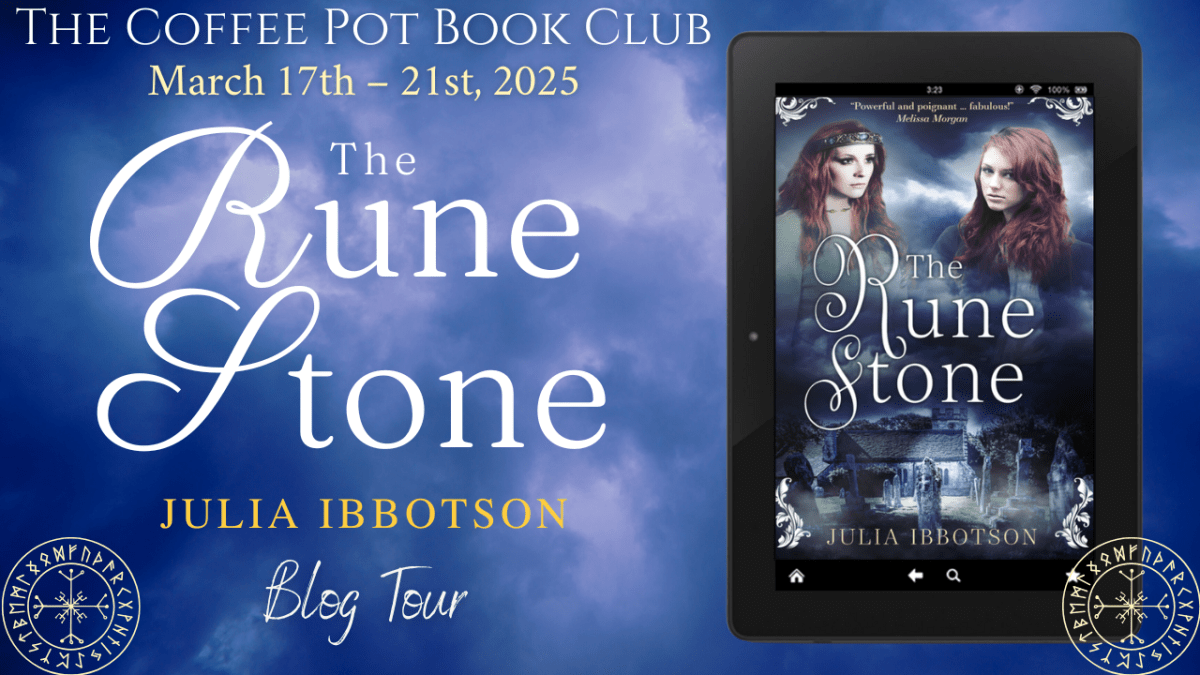
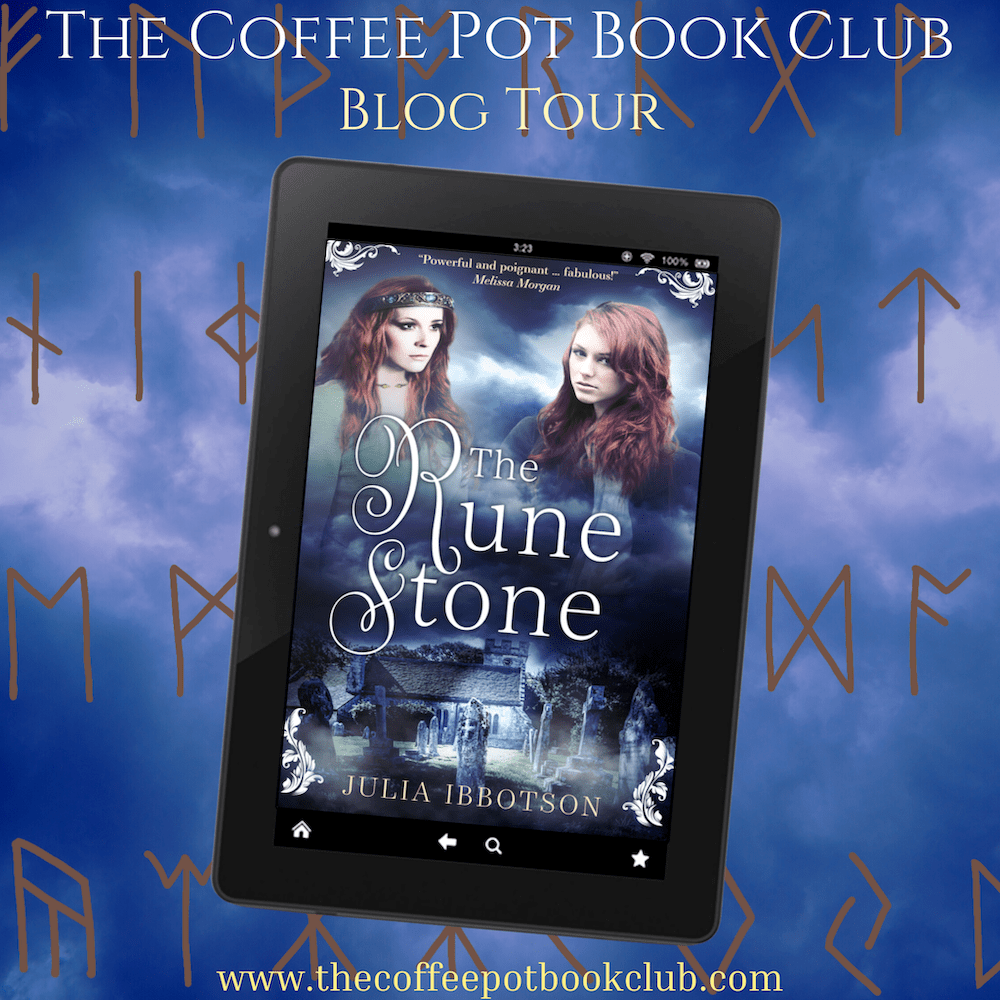
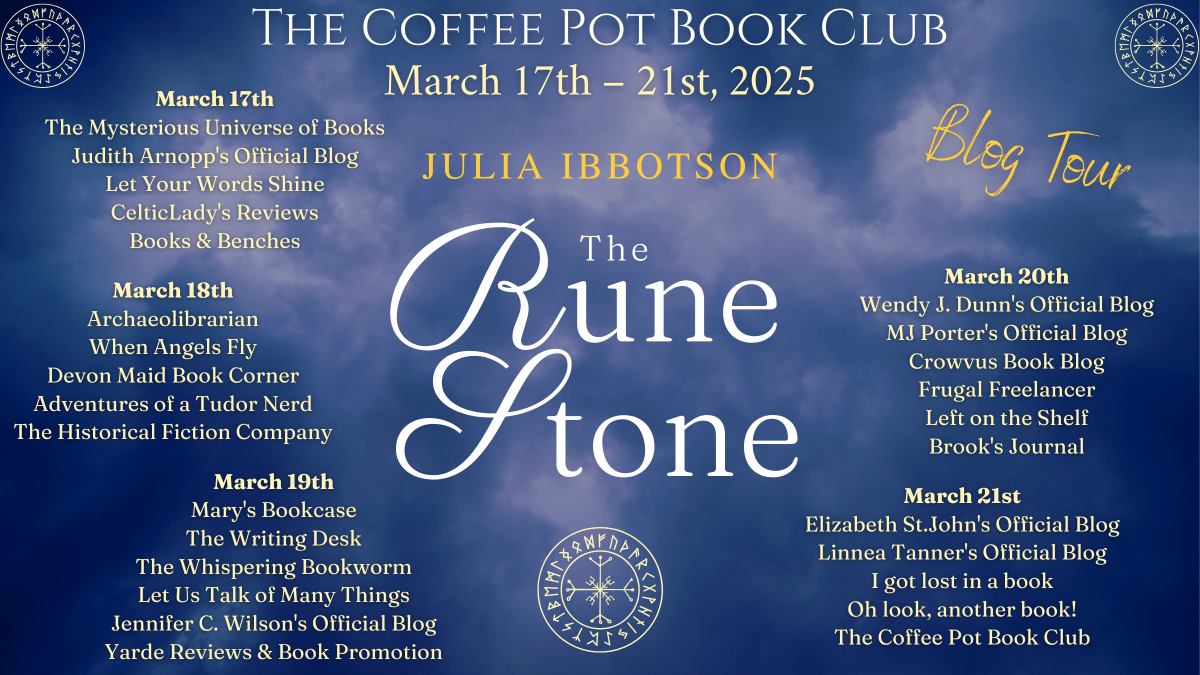
I’m delighted to welcome Julia Ibbotson and her book, The Rune Stone, to the blog #medieval #TimeTravel #Romance #Mystery #BlogTour #TheCoffeePotBookClub

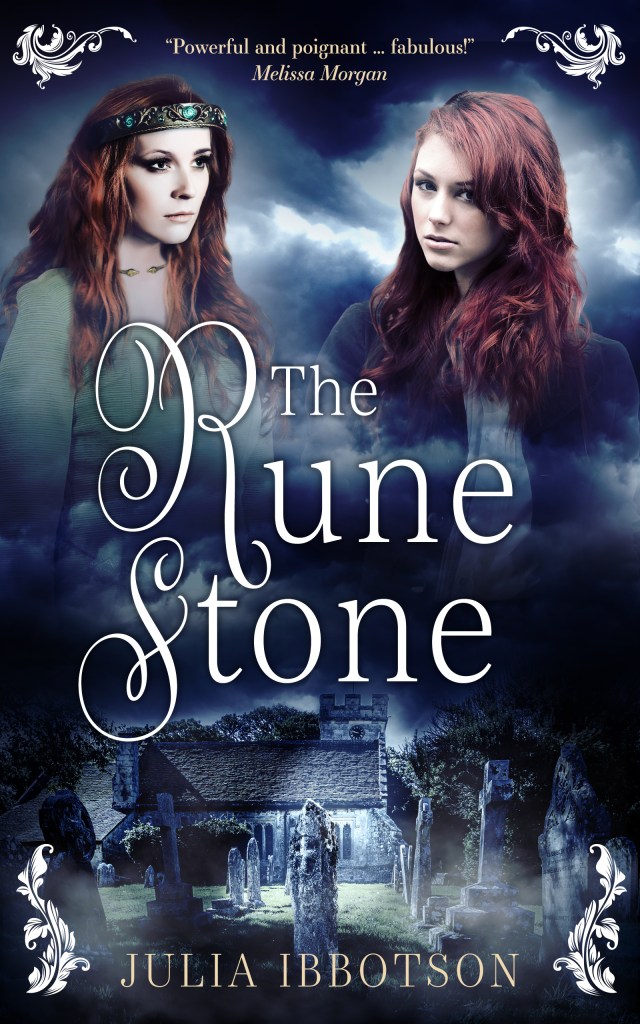
I’m delighted to welcome Julia Ibbotson and her book, The Rune Stone, book 3 in the Dr DuLac series (but can be read as a standalone), to the blog.

Blurb

A haunting time-slip mystery of runes and romance

When Dr Viv DuLac, medievalist and academic, finds a mysterious runic inscription on a Rune Stone in the graveyard of her husband’s village church, she unwittingly sets off a chain of circumstances that disturb their quiet lives in ways she never expected.

She, once again, feels the echoes of the past resonate through time and into the present. Can she unlock the secrets of the runes in the life of the 6th century Lady Vivianne and in Viv’s own life?

Again, lives of the past and present intertwine alarmingly as Viv desperately tries to save them both, without changing the course of history.

For fans of Barbara Erskine, Pamela Hartshorne, Susanna Kearsley, Christina Courtenay.


Praise for Julia Ibbotson:

(for A Shape on the Air) “In the best Barbara Erskine tradition …I would highly recommend this novel” –Historical Novel Society

(for the series) “Julia does an incredible job of setting up the idea of time-shift so that it’s believable and makes sense” – book tour reviewer

(for The Rune Stone) “beautifully written”, “absorbing and captivating”, “fully immersive”, “wonderfully written characters”, “a skilled story teller” – Amazon reviewers

“Dr Ibbotson has created living, breathing characters that will remain in the reader’s mind long after the book is read … The characters are brought to life beautifully with perfect economy of description … fabulous!” – Melissa Morgan

“A rich and evocative time-slip novel that beautifully and satisfyingly concludes this superb trilogy. The story is woven seamlessly and skilfully between the past and the present and the reader is drawn deeply into both worlds.  Her portrayal of the 6th century and its way of life are authoritative, vivid and memorable.” – Kate Sullivan

Buy Link

Universal Link

This title is available to read on #KindleUnlimited

Meet the Author

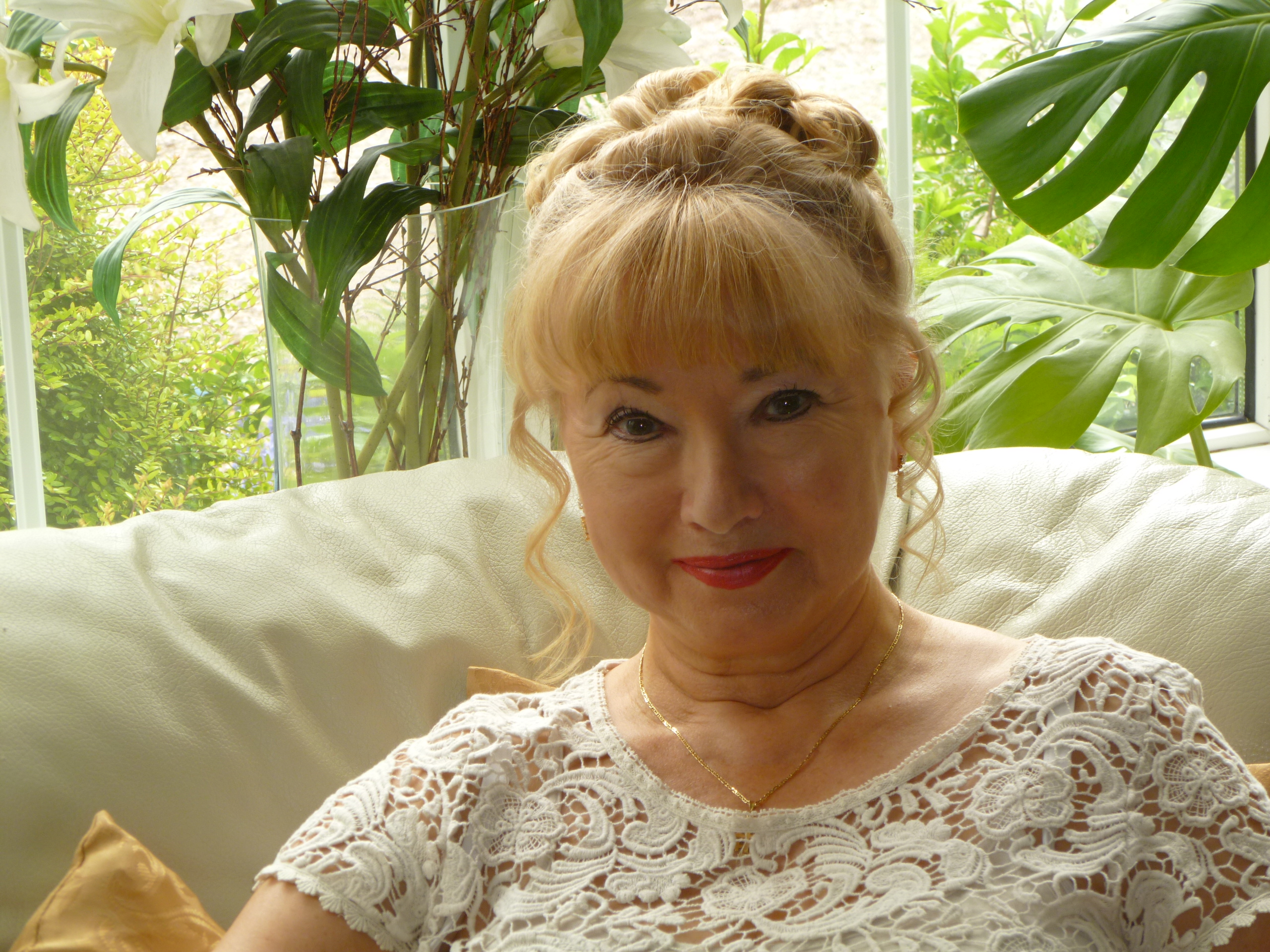
Julia Ibbotson is fascinated by the medieval world and the concept of time. She is the author of historical mysteries with a frisson of romance. Her books are evocative of time and place, well-researched and uplifting page-turners. Her current series focuses on early medieval time-slip/dual-time mysteries. Julia read English at Keele University, England, specialising in medieval language / literature / history, and has a PhD in socio-linguistics.

After a turbulent time in Ghana, West Africa, she became a school teacher, then a university academic and researcher. Her break as an author came soon after she joined the RNA’s New Writers’ Scheme in 2015, with a three-book deal from Lume Books for a trilogy (Drumbeats) set in Ghana in the 1960s. She has published five other books, including A Shape on the Air, an Anglo-Saxon timeslip mystery, and its two sequels The Dragon Tree and The Rune Stone.

Her work in progress is a new series of Anglo-Saxon mystery romances, beginning with Daughter of Mercia, where echoes of the past resonate across the centuries. Her books will appeal to fans of Barbara Erskine, Pamela Hartshorne, Susanna Kearsley, and Christina Courtenay. Her readers say: ‘Julia’s books captured my imagination’, ‘beautiful storytelling’, ‘evocative and well-paced storylines’, ‘brilliant and fascinating’ and ‘I just couldn’t put it down’.

Connect with the Author

Website BookBub

Follow The Rune Stone blog tour with The Coffee Pot Book Club

Check out the details for The Dragon Tree.

Posts

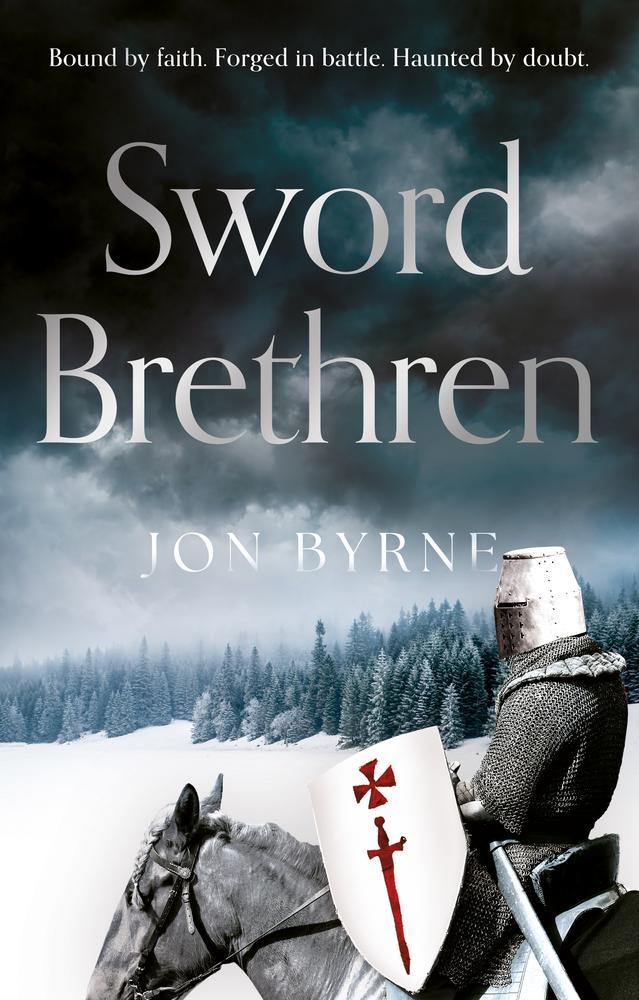
I’m delighted to welcome Jon Byrne and his book, Sword Brethren, to the blog #HistoricalFiction #HistoricalAdventure #medieval #BlogTour #TheCoffeePotBookClub

I’m delighted to welcome Jon Byrne and his book, Sword Brethren, The Northern Crusader Chronicles, to the blog with an excerpt.

Excerpt

Yuriev Monastery, Novgorod Republic, April-May 1242

We were already in disarray when the arrow slammed into my shoulder, punching through my mail coat and nearly felling me from my horse. Our charge across the ice had been peppered with missiles fired with deadly accuracy, and the freezing air was raucous with the screams of dying men and thrashing animals. I could still see the eyes of the mounted archer who had loosed the arrow widen in triumph. His face I would never forget. Was he a Mongol? For some reason it mattered to me. I had never fought these fierce people from the steppe, but their reputation and ferocity were well known. I was not even aware they had been part of the Novgorodian army. Whether this had affected the outcome of the battle, only God in all his wisdom knew. We had been so confident. Overconfident. Our defeat had been absolute.

I woke in a room with whitewashed walls. An old, bearded man, his craggy face not unkind, loomed over me, his fingers gentle as he probed my wound and changed my dressing. Nevertheless, despite his care, searing flames coursed through me with every touch of his parchment-dry fingers. When the burning finally subsided, I blinked my eyes open. Through tears, I saw a small picture on the opposite wall of a man with a halo around his head spearing a serpent. It must have been Saint George killing the dragon. The halo made him look more like an angel. The bearded man mumbled to himself in a soft voice as he worked, however the language was unfamiliar. It sounded Slavic, probably Russian. That could only mean I was a prisoner.

With any movement, shafts of fire shot through my body, an agony so great I thought I would pass out again. By Christ Almighty and all His Holy Saints, I just wanted it to stop. But, of course, it didn’t. It was unrelenting. Perhaps when I was younger, I would have borne it better. Who knows? At my venerable age, death should come as a welcome relief, and I almost felt ready to succumb to it – to give up my fight and drift into the hallowed afterlife. Almost, but not quite. I was not yet ready to die. There was still too much to be done. There was still my vengeance to be had. A vengeance that stretched back to my youth.

The room was cool, but at times I felt like a sizzling pig roasting on a spit. The old man put strips of damp cloth on my face, but it hardly helped. Only blessed unconsciousness relieved me of it. My body fought a desperate battle to survive.

It is strange that, despite everything, the gift of life is most precious when it is about to be taken away.

*

But survive I did. In the weeks following the battle, the fever gradually released its grip, and I could feel my strength slowly returning. I was still as feeble as a child, but my bearded nurse nodded his head and smiled encouragement as he spooned a watery cabbage soup through my cracked lips. Perhaps I would live after all.

Now, at least, I could sit up in bed, but any other movement still sent stabbing bolts of pain through my chest. I was too weak to get up, and one time the effort broke the healing scabs on my wound, causing me to sink back into the pit of sweat my cot had become. It was clear to me now that the bearded man was a monk, a monk of the heretical Greek Church, and I was in the infirmary of a monastery. Nevertheless, my skin crawled and itched with lice, my hair was filthy and unkempt, and there was nothing I could do about it. Outside, the bells of a church clang the times for prayer. Never in my life had I felt so helpless, unable to piss or shit without help from the bearded monk and one of his helpers, a pale-faced youth of no more than seventeen or eighteen winters.

I still did not know how long I had lain there, but one morning I received a visitor. Or, more accurately, two visitors. I had been dozing when the door banged open without warning and the bearded monk led in two men. The first was tall, at least my height, and I am taller than most, but younger – young enough to be my son. He had the athletic build of a warrior, and his angled face was framed by a shortly trimmed beard and sandy-brown, shoulder-length hair, plastered across his head with sweat as if he had just taken off a hat or helmet. He wore a red cloak edged with fur worn over his left shoulder, fastened with a gold clasp fashioned in the shape of the three-barred Greek cross on the right shoulder, and a blue brocade surcoat over a long-sleeved white shirt. On his feet were high, leather riding boots of obvious quality, although they were spattered with mud.

When he looked me in the eyes, I felt the power behind his gaze despite his youth. There was a harshness there, a cynical coldness strange in someone so young. He said something to the other man, who was older, of slight build, with long auburn hair tied back from the nape of his neck. This man was no warrior. He looked more like a scholar, and his chestnut-coloured, homespun tunic, although of good quality cotton, clearly denoted his lower rank. It was this man who spoke to me in Latin.

‘Prince Alexander Yaroslavich Nevsky of Novgorod the Great, welcomes you to Yuriev Monastery and hopes you are recovering from your wounds.’

His words slapped me in the face. Alexander Yaroslavich had commanded the Russian army in the battle on the ice where we had been defeated, as well as being victorious against the Swedish army two years earlier on the Neva River. My surprise must have been obvious because the young prince, Alexander, smiled at my reaction, speaking again quickly before waiting for his words to be translated.

‘You are one of six German knights captured in the battle,’ the interpreter continued, ‘but you were the most badly wounded. Prince Alexander says that under Brother Dimitri’s care and with God’s grace, you have made a vast improvement. But it is doubtful that at your age you shall ever be able to take up arms against his people again.’

‘How long have I lain here?’ I said in Latin. As a warrior monk of the Livonian Order, my Latin was respectable, though not as good as my Low German, or Norman French – the language of my birth.

‘The battle by Lake Chudskoe was over a month ago. You were carried here in a wain.’

A month already. I struggled to rise but the bearded monk who had tended me all this time, whom Prince Alexander had named as Brother Dimitri, came forward to restrain me. I collapsed back in a wave of dizziness. While I lay there panting, my weakness open to all, the three men spoke quickly to each other.

Here’s the Blurb

1242. After being wounded in the Battle on the Ice, Richard Fitz Simon becomes a prisoner of Prince Alexander Nevsky of Novgorod. Alexander, intrigued by his captive’s story, instructs his scholar to assist Richard in writing about his life.

Richard’s chronicle begins in 1203, when his training to be a knight is disrupted by treachery. He is forced to flee England for Lübeck, where he begins work for a greedy salt merchant. After an illicit love affair, his new life is thrown into turmoil, and he joins the Livonian Brothers of the Sword as they embark on imposing the will of God on the pagans of the eastern Baltic. Here, he must reconcile with his new life of prayer, danger and duty – despite his own religious doubts, with as many enemies within the fortified commandery as the wilderness outside. However, when their small outpost in Riga is threatened by a large pagan army, Richard is compelled to make a crucial decision and fight like never before.

Buy Link

Universal Link:

Meet the Author

Jon Byrne, originally from London, now lives with his German family by a lake in Bavaria with stunning views of the Alps. As well as writing, he works as a translator for a local IT company and occasionally as a lumberjack.

He has always been fascinated by history and has studied the Medieval world for over twenty years, building up a comprehensive library of books. In his research, he has travelled to all of the locations mentioned in the book (East Anglia, Bremen, Lübeck, Latvia, etc).

Sword Brethren (formerly Brothers of the Sword) made it to the shortlist of the Yeovil Literary Prize 2022 and the longlist of the prestigious Grindstone International Novel Prize 2022. It is the first book in The Northern Crusader Chronicles.

Connect with the Author
Follow the Sword Brethren blog tour with The Coffee Pot Book Club

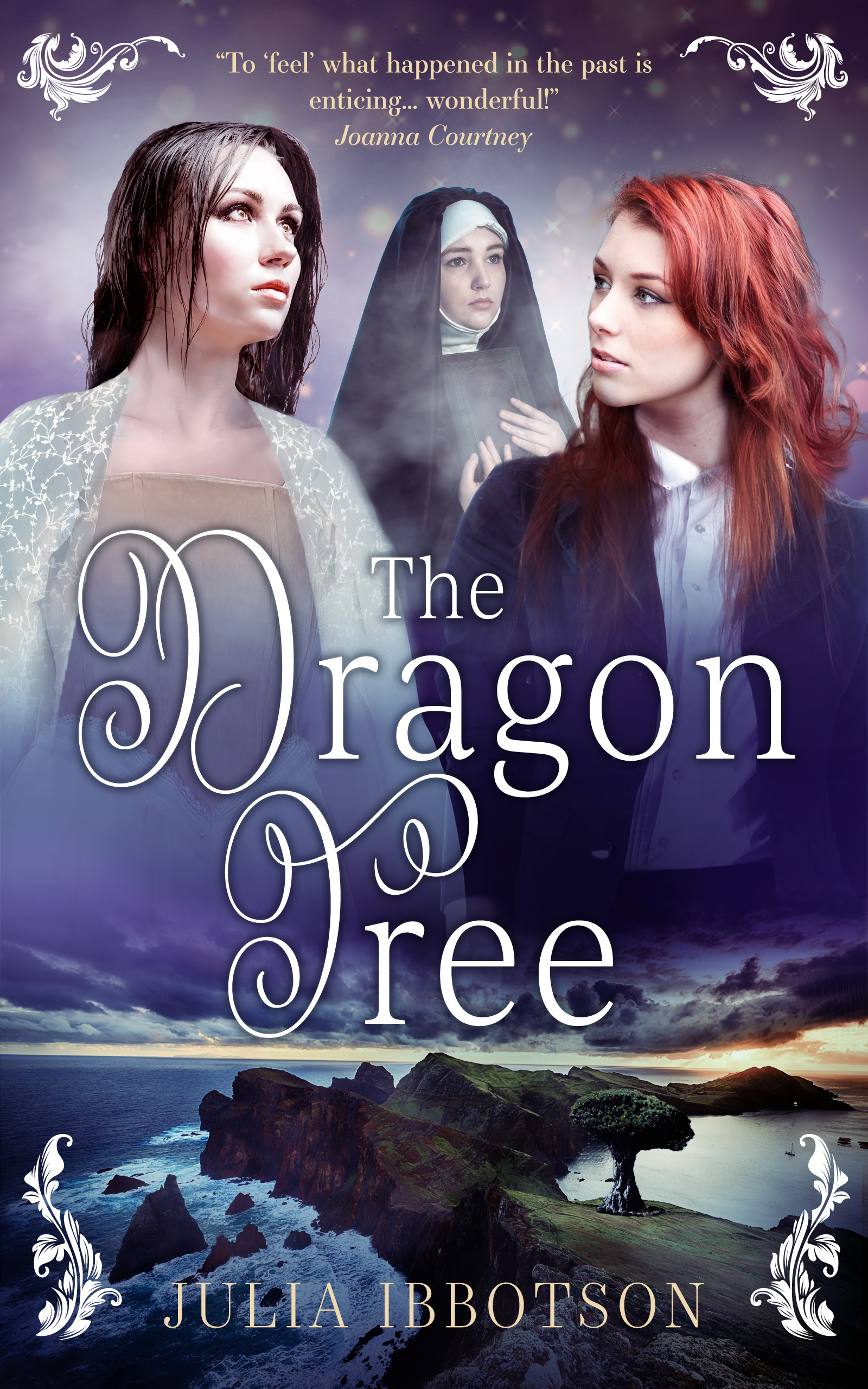
I’m delighted to welcome Julia Ibbotson and her book, The Dragon Tree, to the blog #medieval #TimeTravel #Romance #Mystery #BlogTour #TheCoffeePotBookClub

I’m delighted to welcome Julia Ibbotson and her book, The Dragon Tree, book 2 in the Dr DuLac series (but can be read as a standalone), to the blog.

Blurb

A haunting medieval time-slip (#2 in the Dr DuLac series, sequel to A Shape on the Air, but can be read as a stand-alone)

Echoes of the past resonate through time and disturb medievalist Dr Viv DuLac as she struggles with misfortune in the present. She and Rev Rory have escaped to the island of Madeira on a secondment from their posts, yet they are not to find peace – until they can solve the mystery of the shard of azulejo and the ancient ammonite. Viv’s search brings her into contact with two troubled women: a noblewoman shipwrecked on the island in the 14th century and a rebellious nun at the island convent in the 16th century. As Viv reaches out across the centuries, their lives become intertwined, and she must uncover the secrets of the ominous Dragon Tree in order to locate lost artefacts that can shape the future.

For fans of Barbara Erskine, Pamela Hartshorne, Susanna Kearsley, Christina Courtenay.

“The idea of being able to ‘feel’ what happened in the past is enticing … The sense of the island is really wonderful … Julia brings it to life evocatively.”
~ Joanna Barnden

 “Julia does an incredible job of setting up the idea of time-shift so that it’s believable and makes sense.”
~ book tour reviewer

“… an engaging and original time-slip novel that keeps the reader turning the pages…the characters are authentic and the mystery is neatly woven between the centuries … seamless time transitions …”
~ Melissa Morgan

Buy Link

Universal Link:

This title is available to read on #KindleUnlimited

Meet the Author

Julia Ibbotson is fascinated by the medieval world and the concept of time. She is the author of historical mysteries with a frisson of romance. Her books are evocative of time and place, well-researched and uplifting page-turners. Her current series focuses on early medieval time-slip/dual-time mysteries. Julia read English at Keele University, England, specialising in medieval language / literature / history, and has a PhD in socio-linguistics.

After a turbulent time in Ghana, West Africa, she became a school teacher, then a university academic and researcher. Her break as an author came soon after she joined the RNA’s New Writers’ Scheme in 2015, with a three-book deal from Lume Books for a trilogy (Drumbeats) set in Ghana in the 1960s. She has published five other books, including A Shape on the Air, an Anglo-Saxon timeslip mystery, and its two sequels The Dragon Tree and The Rune Stone.

Her work in progress is a new series of Anglo-Saxon mystery romances, beginning with Daughter of Mercia, where echoes of the past resonate across the centuries. Her books will appeal to fans of Barbara Erskine, Pamela Hartshorne, Susanna Kearsley, and Christina Courtenay. Her readers say: ‘Julia’s books captured my imagination’, ‘beautiful storytelling’, ‘evocative and well-paced storylines’, ‘brilliant and fascinating’ and ‘I just couldn’t put it down’.

Connect with the Author

Website: BookBub:

Follow The Dragon Tree blog tour with The Coffee Pot Book Club

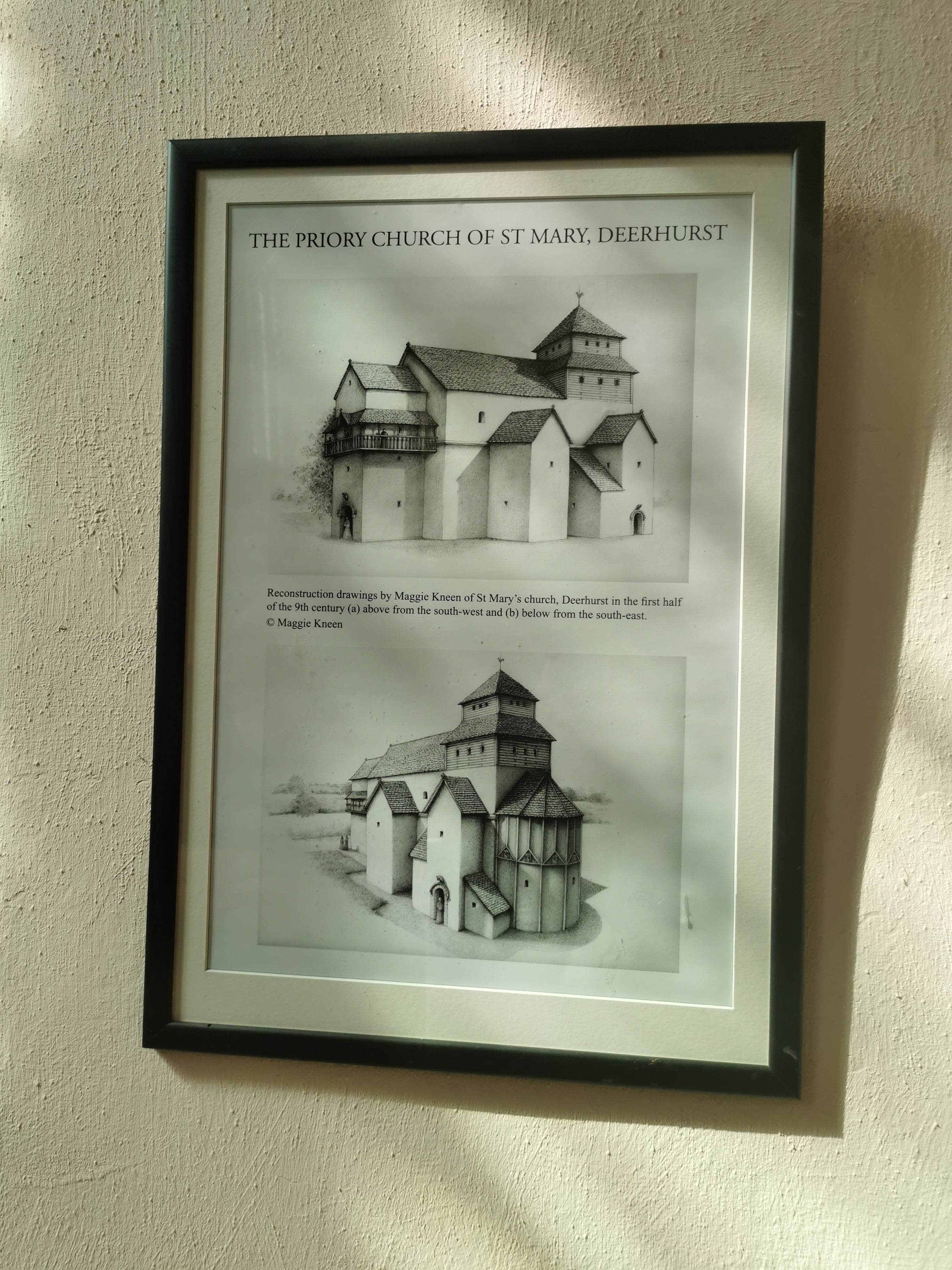
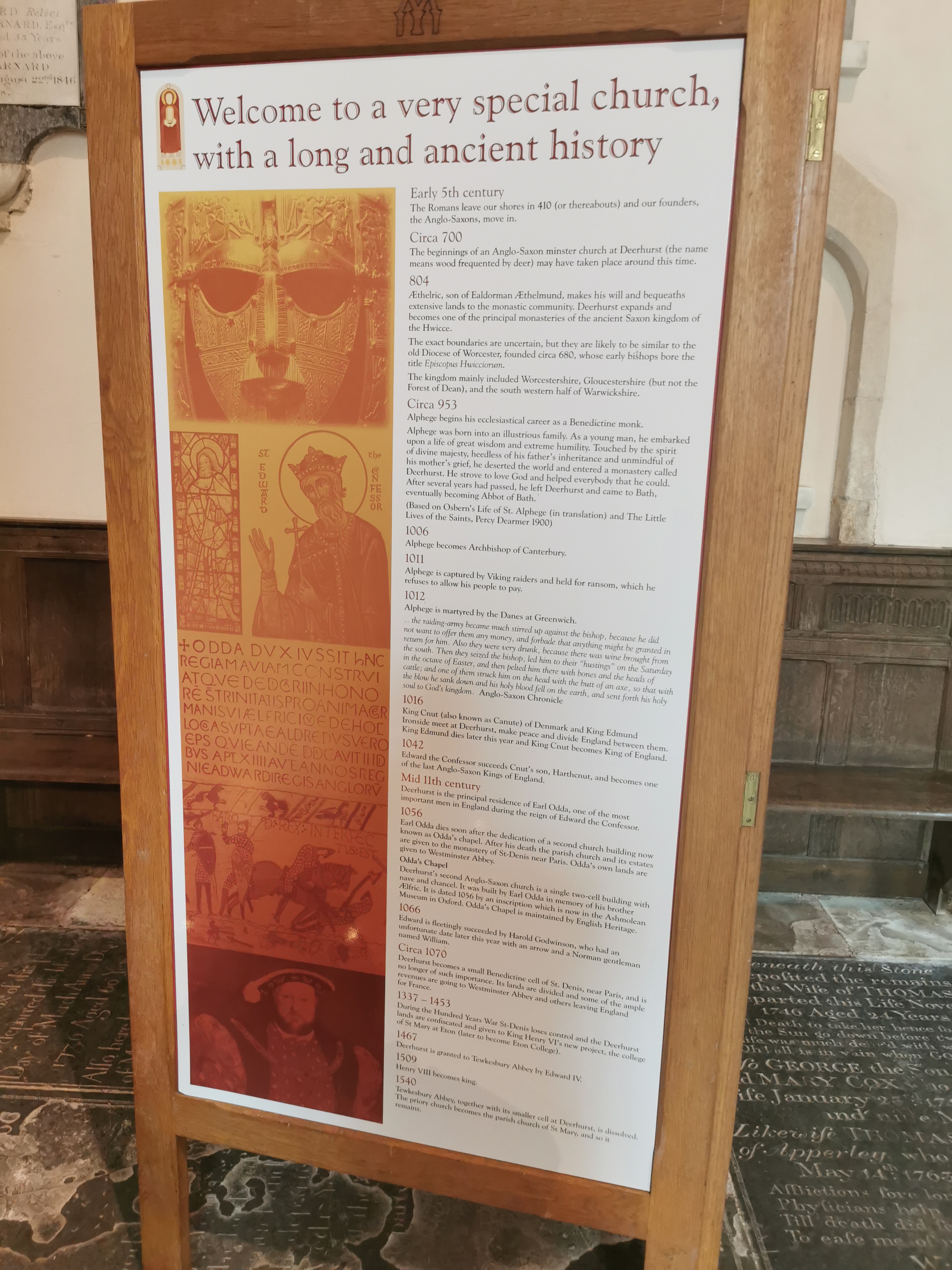
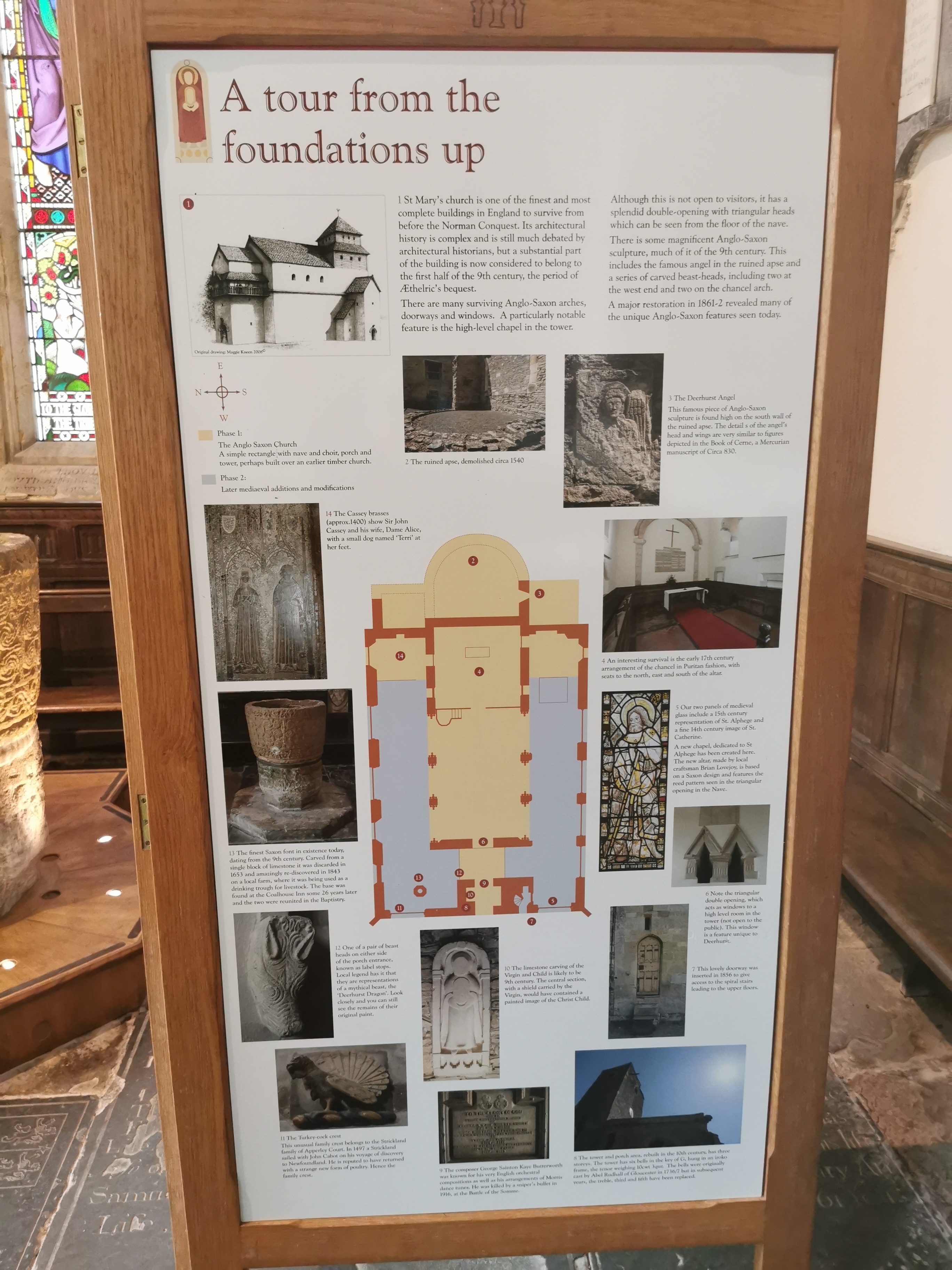
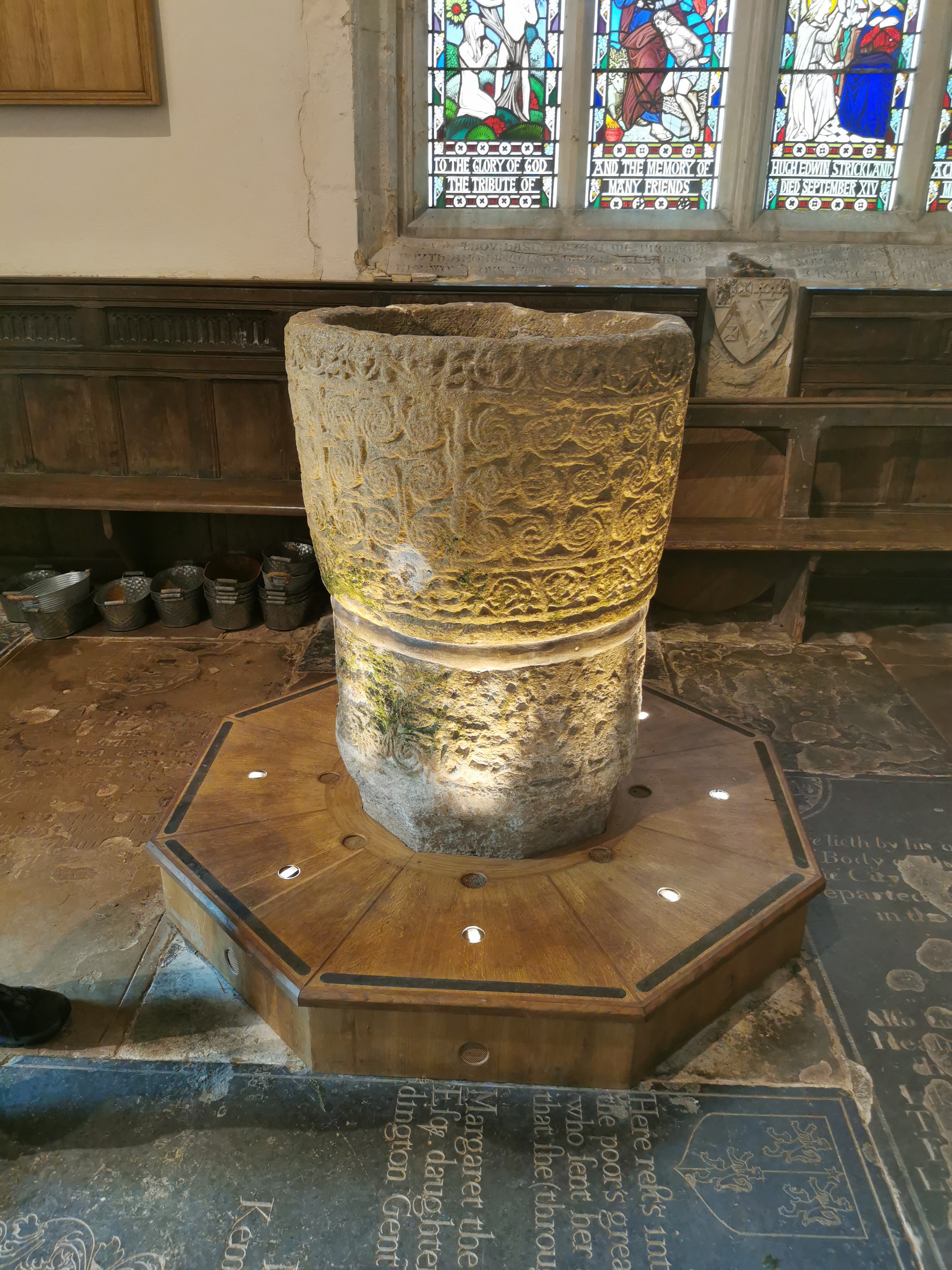
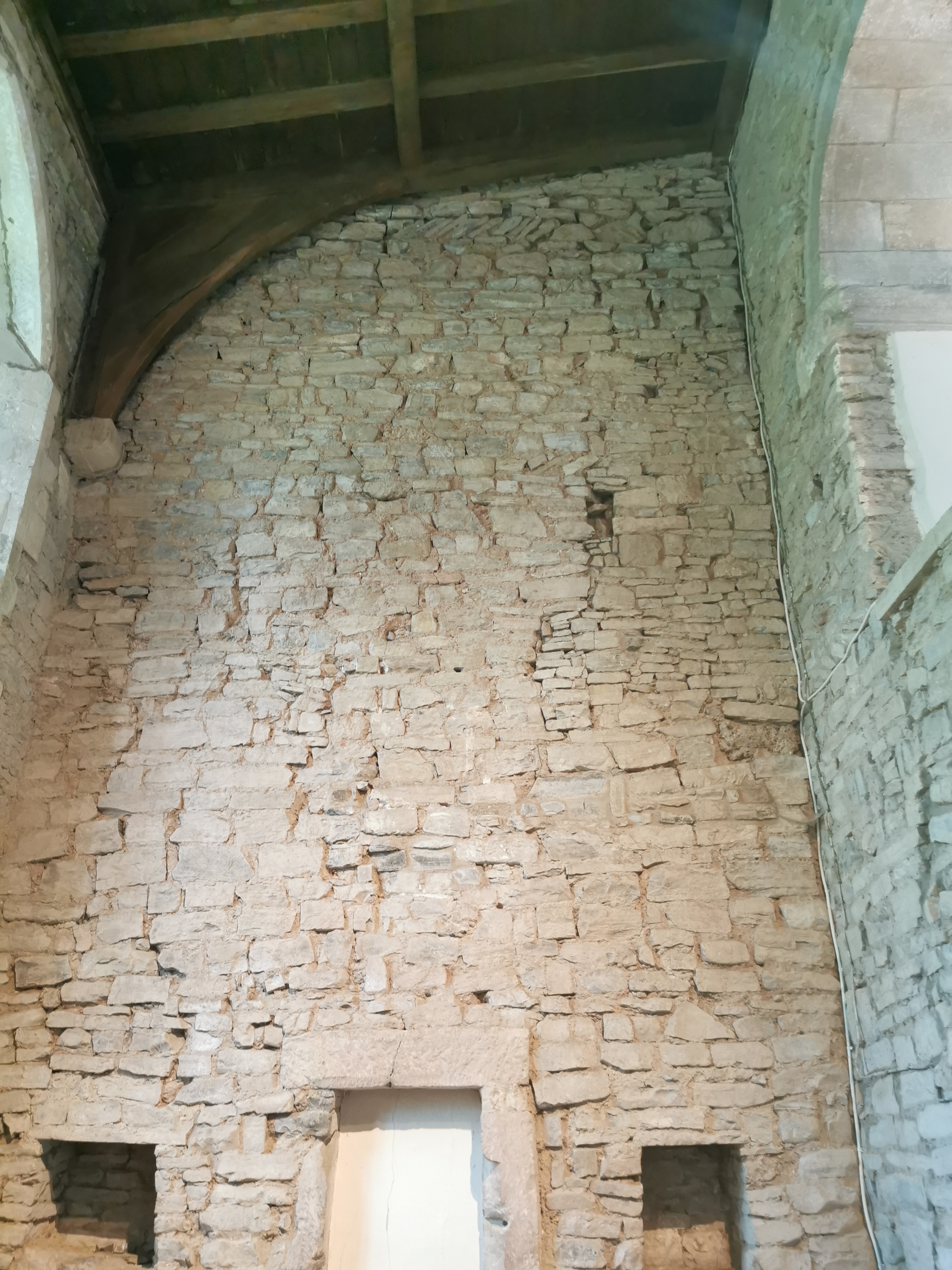
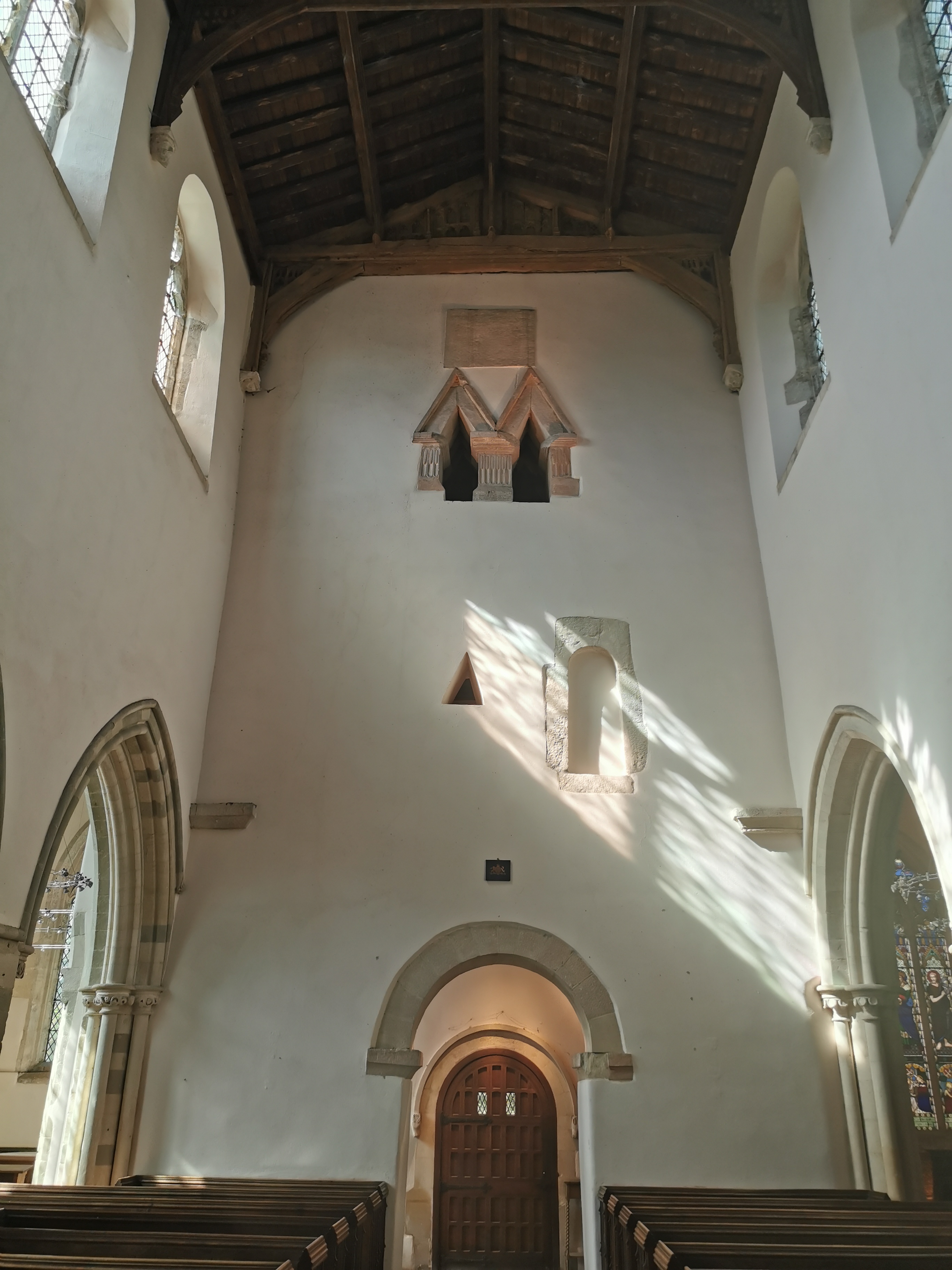
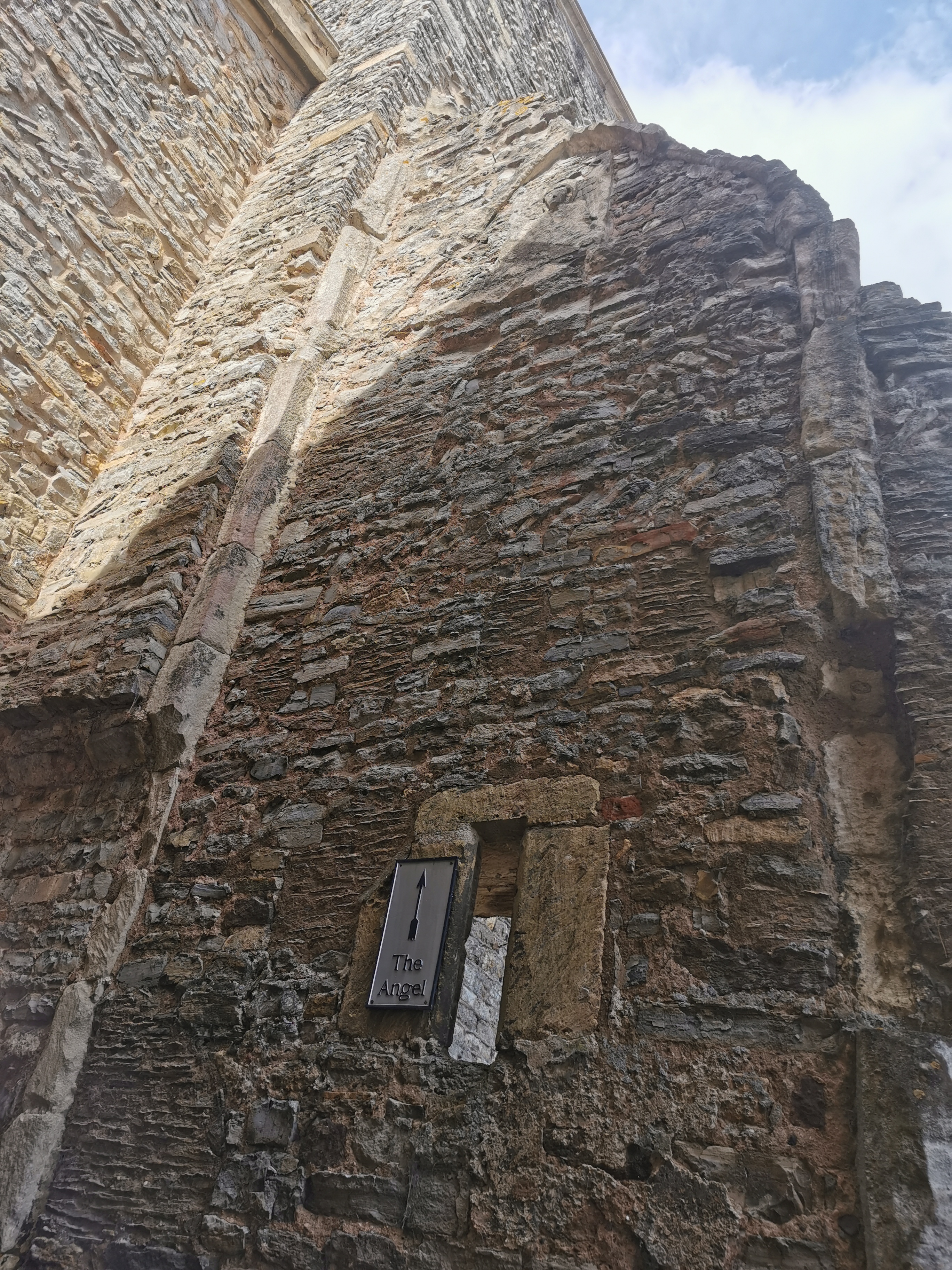
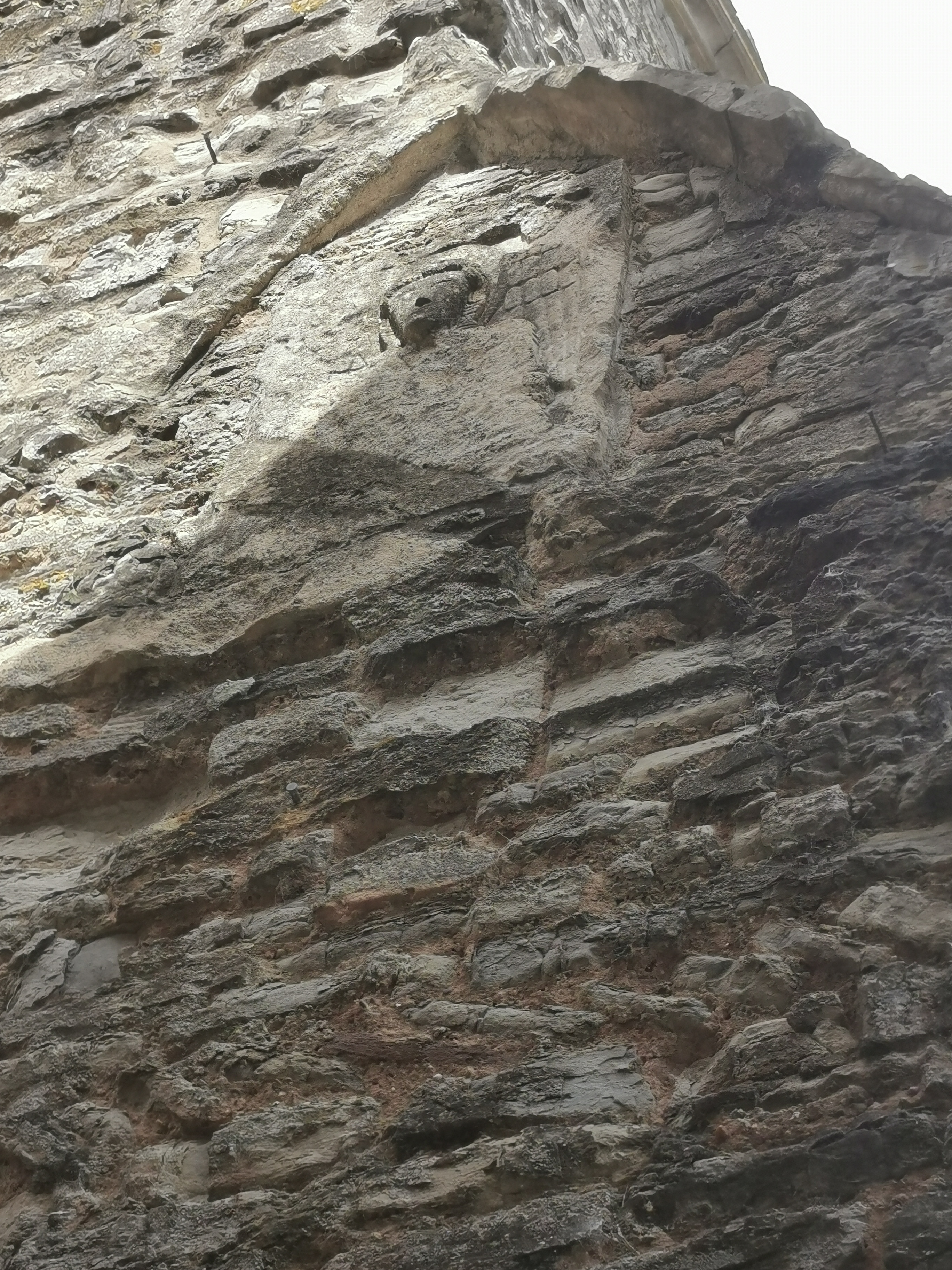
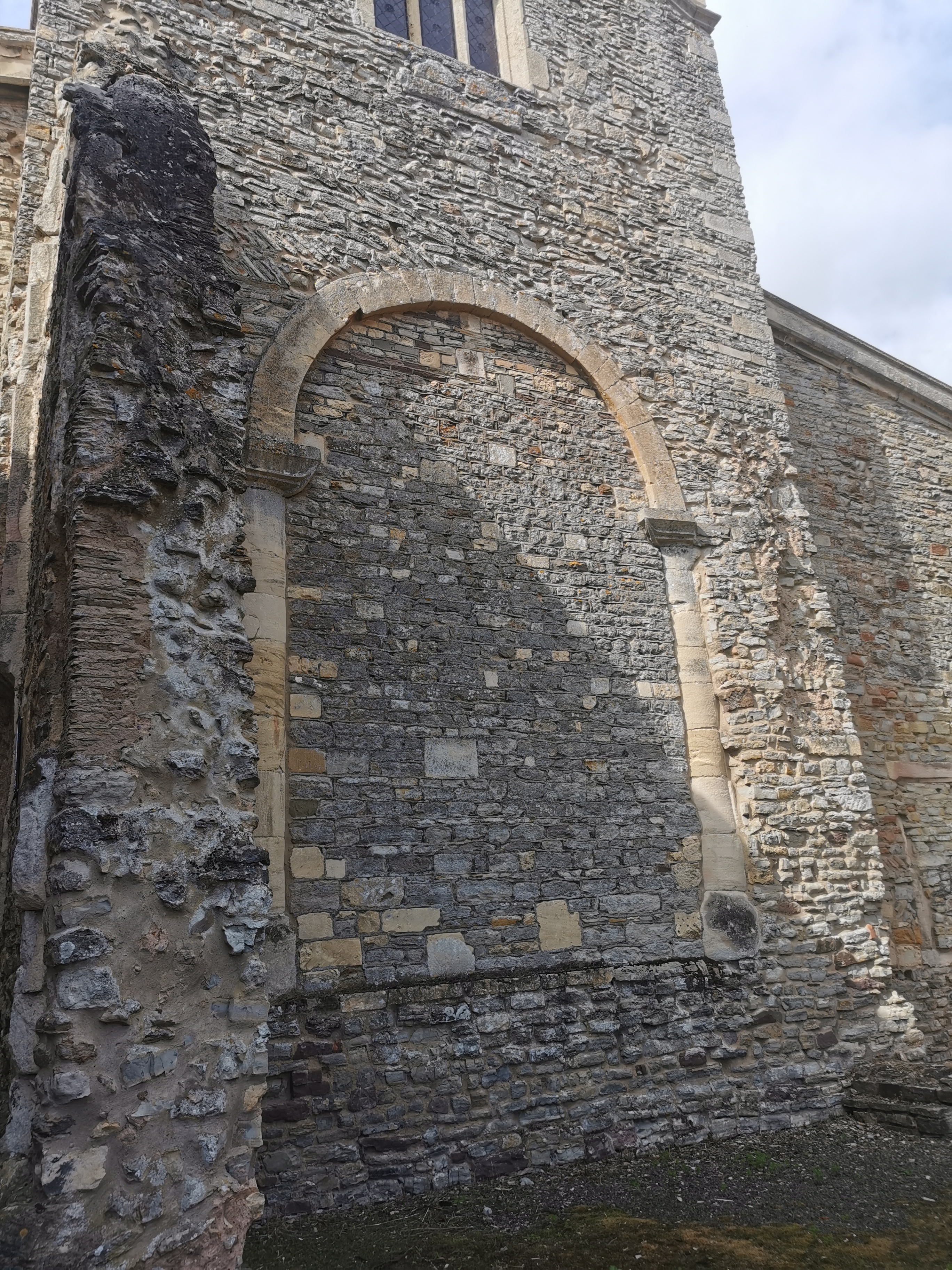
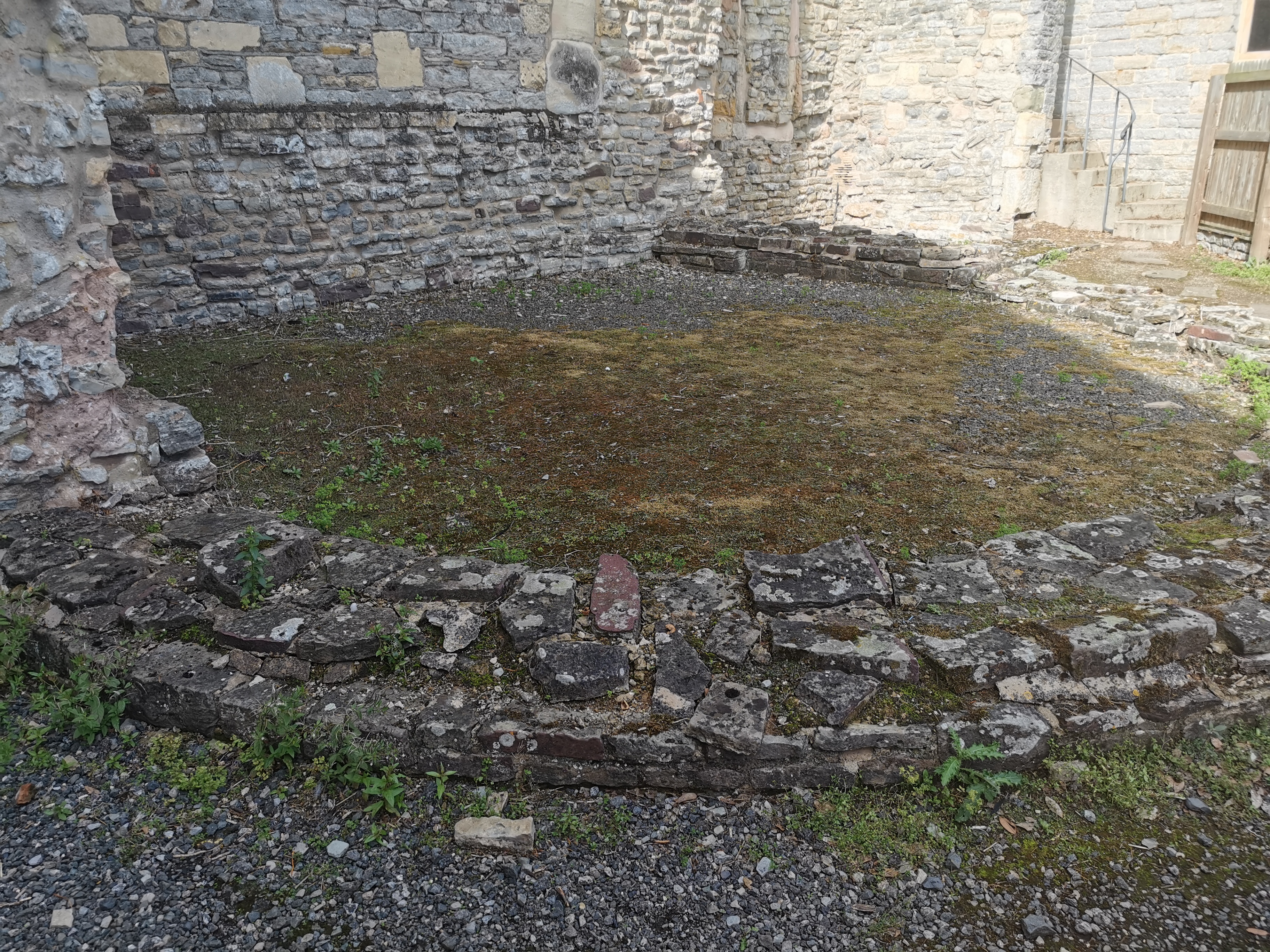
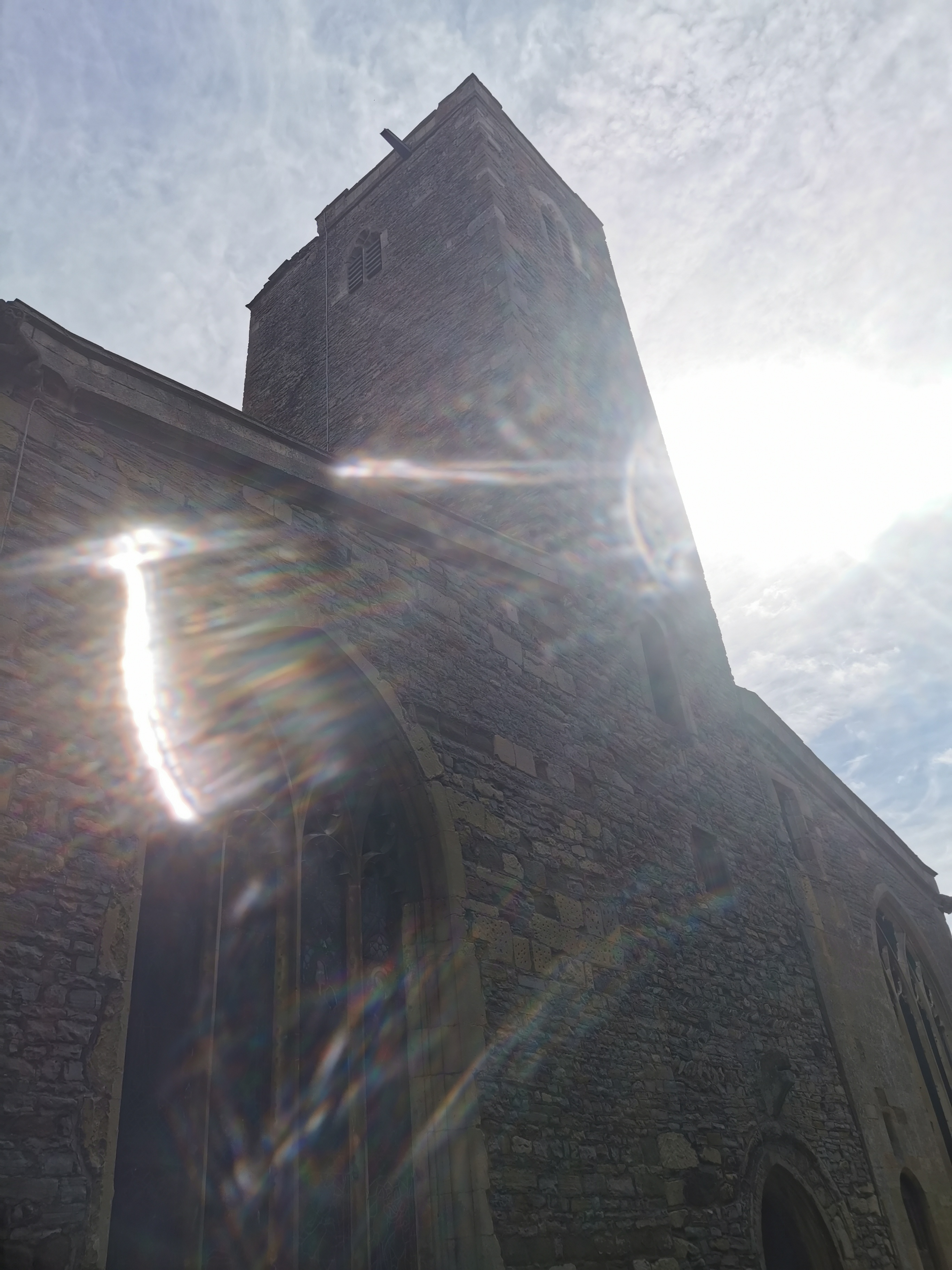
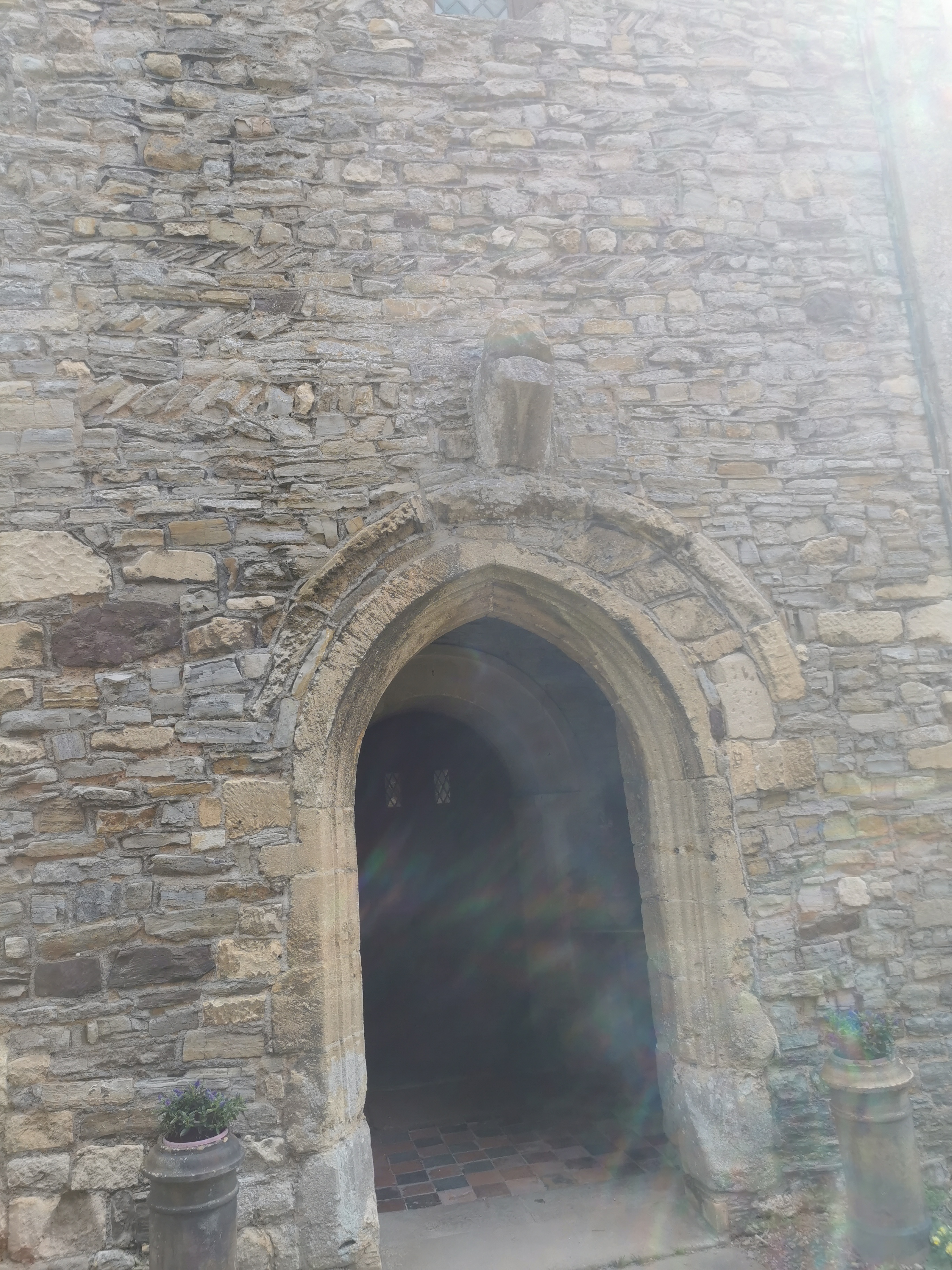
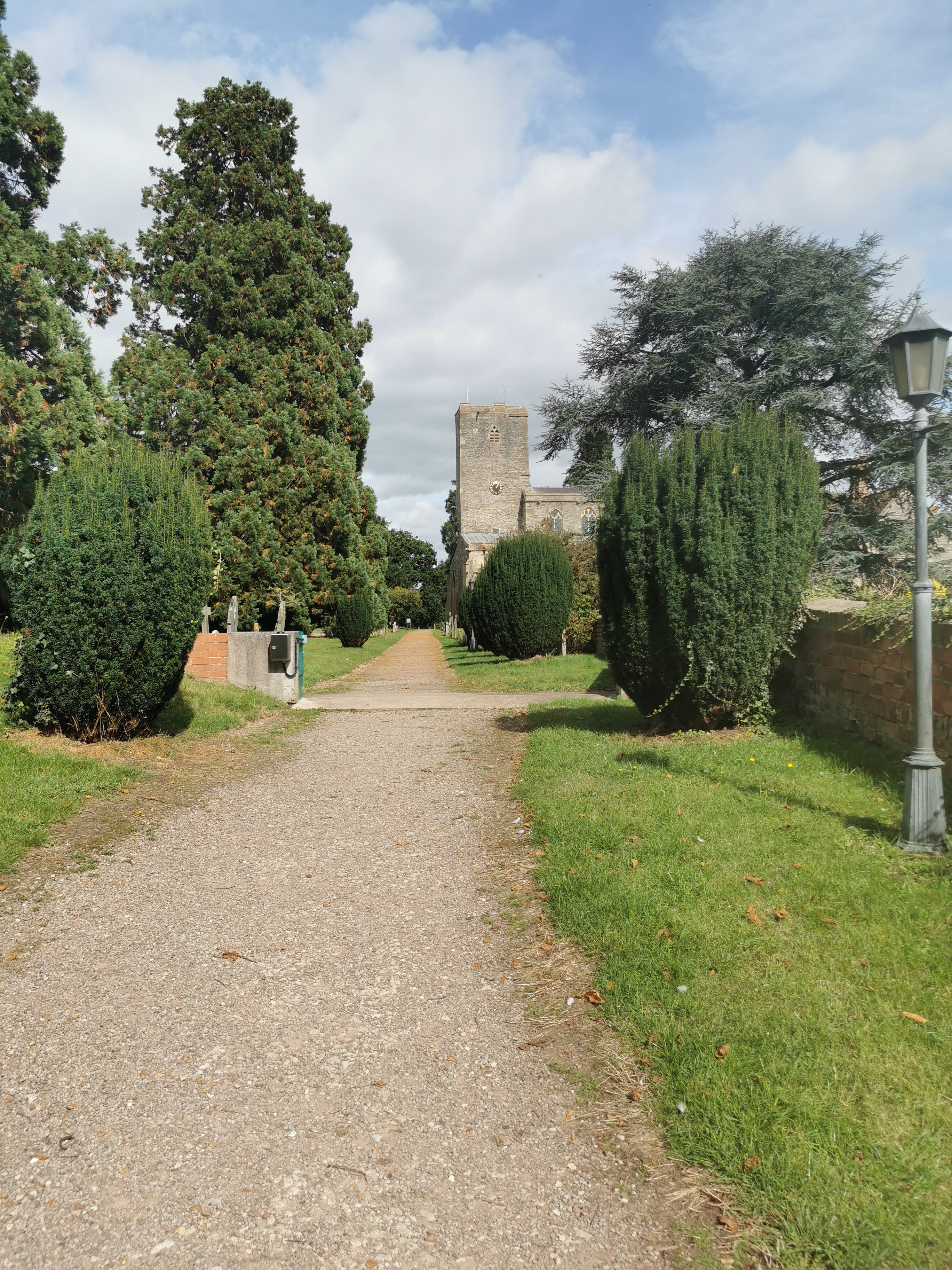
I finally visited Deerhurst, my fictional home for Ealdorman Leofwine in the Earls of Mercia series.

Back in the summer of 2011 (I think), I spent every evening when my children were in bed, trying to plot the possessions of the Earls of Mercia as revealed by the entries in Domesday Book (which I think is a totally normal thing to do).

It was a tedious process, which could be achieved much more quickly these days with Google Maps, but it was what I had available to me. Somewhat frustrated with the process because by that period many of the possessions of the Earls of Mercia and their family were not located in the original area of the Hwicce (roughly Gloucestershire), and aware that Deerhurst (which is in Gloucestershire) has a long history back to the Saxon period, I eventually plonked by ealdorman, Leofwine, (of the Hwicce) close to that location, and indeed, readers of the books will know that I have his family burials there. But, I’d never actually visisted Deerhurst before. Until now.

It is a beautiful location, and I’m sharing some photos from my visit, including The Angel, a surviving piece of Saxon sculpture, outside on the walls (my photos aren’t the best but it’s at a very awkward angle and quite high up the side of the building. You can find a much clearer image here https://www.flickr.com/photos/paulodykes/41119170111).

Deerhurst hosts an annual lecture each year (indeed, it’s on 21st September 2024 this year), and is also open for visitors, for anyone else who fancies visiting. If you can’t make it, you can visit their website, and also order printed copies of the lectures, which I’ve done before now. https://deerhurstfriends.co.uk

And, just around the corner is Odda’s Chapel, another Saxon survivor. I will also share photos from Odda’s Chapel in a few days.

Check out the Earls of Mercia series page.

Posts

I’m delighted to welcome Katerina Dunne and her new book, Return to the Eyrie, to the blog #HistoricalFiction #MedievalFiction #MedievalHungary #BlogTour #TheCoffeePotBookClub

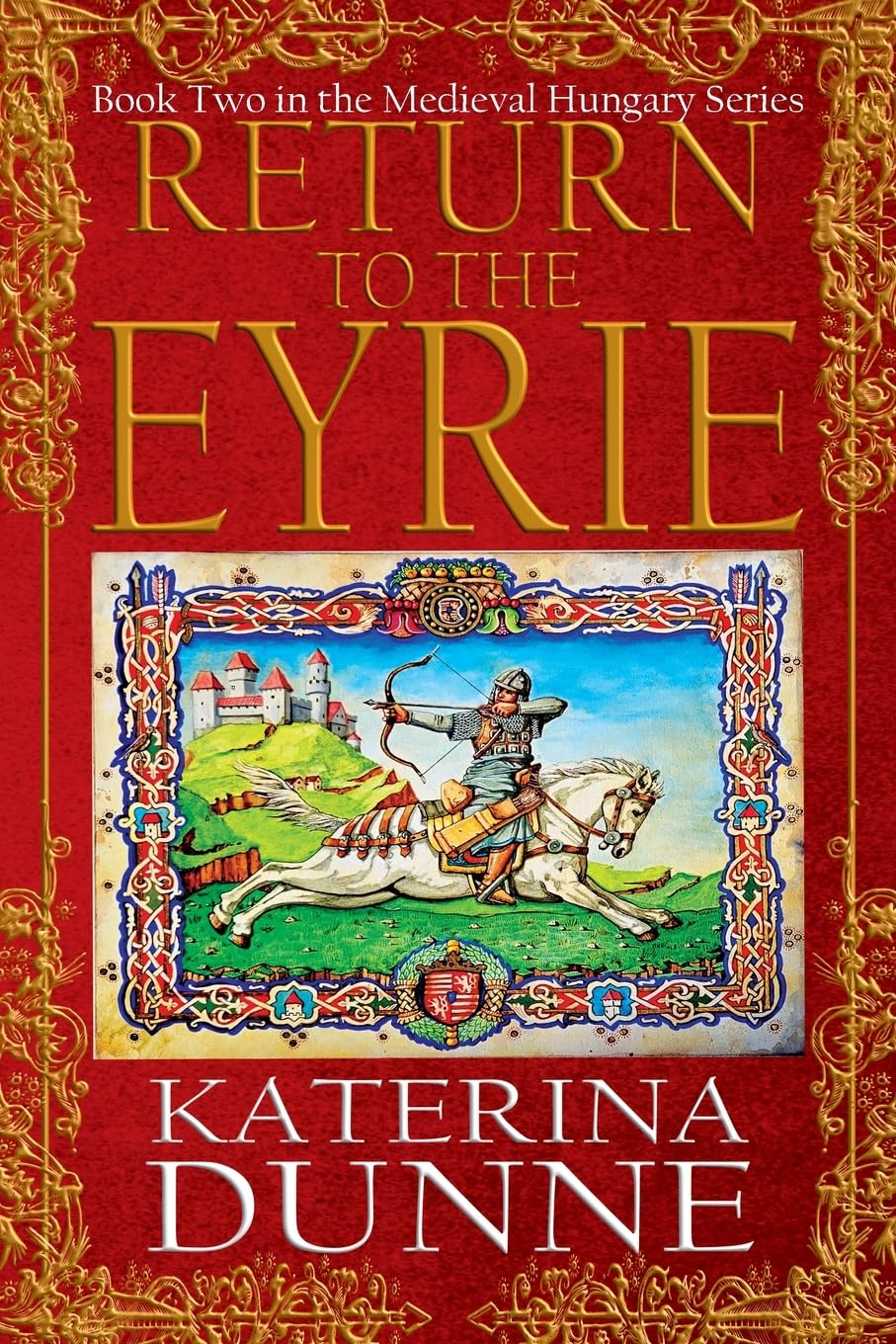
I’m delighted to welcome Katerina Dunne and her new book, Return to the Eyrie from the Medieval Hungary series to the blog with The Siege of Szabács (1476).

The Siege of Szabács (1476)

During his long reign (1458-1490), King Mátyás of Hungary faced the Ottoman army many times. Although the King kept a rather defensive stance against Sultan Mehmed’s advances towards Central Europe, he did his best to ensure the border raids perpetrated by the Ottomans remained localised. Mátyás focused on expanding his kingdom to the west and north; but when circumstances demanded it, he fought the Ottomans successfully.

Several chapters of Return to the Eyrie are dedicated to the siege of Szabács (Jan-Feb 1476) It is where the young heroine, Margit, receives her baptism of fire as a soldier. Dressed in a man’s clothes, she puts her archery and fighting skills to the test.

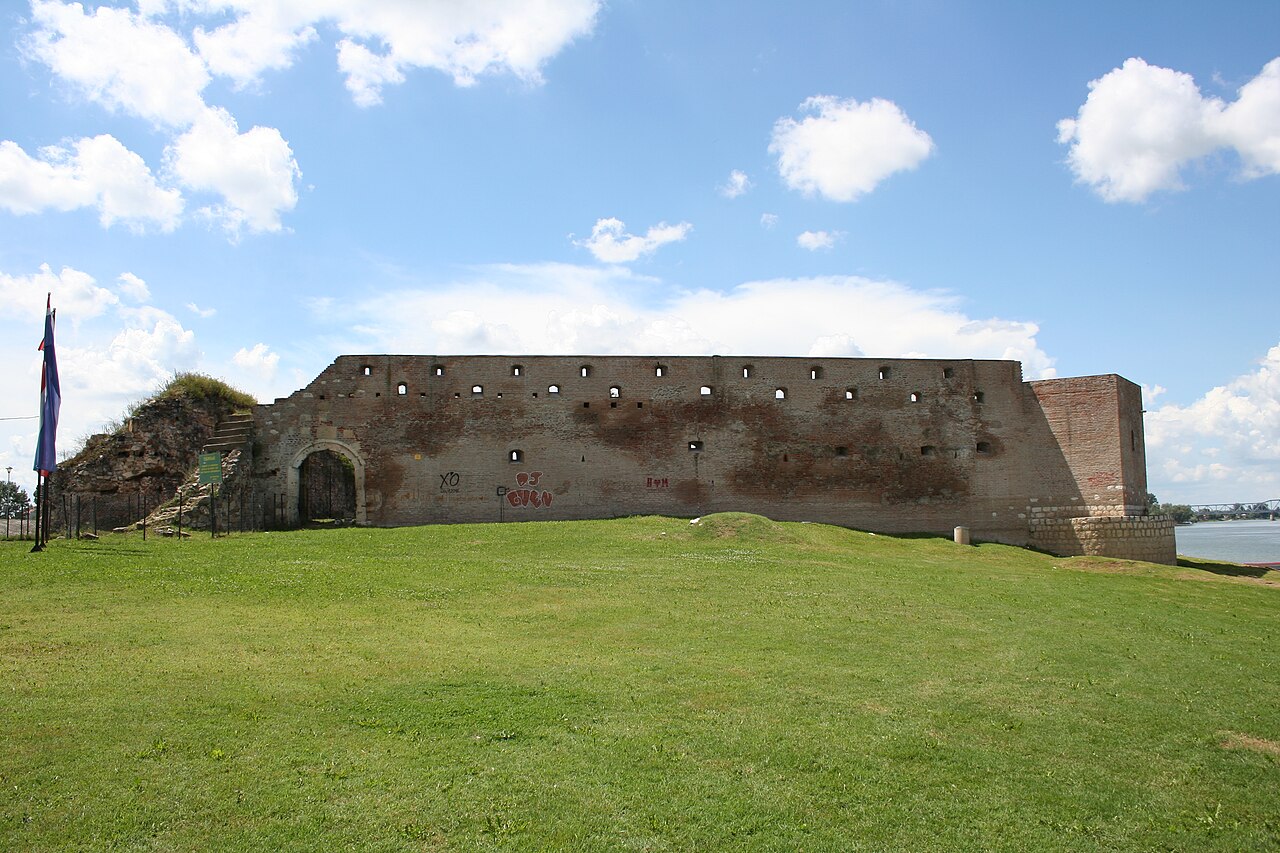
The fortress of Szabács (Šabac in Serbian) was a stronghold on the southern bank of the river Sava. It was built in 1470 by the Ottomans, who had occupied the area since 1459 and used the fortress as a base to launch raids into the territories of the Kingdom of Hungary (mainly Croatia, Slavonia and the Hungarian-occupied area around Belgrade)

According to sources of the time, the fortress was constructed of wood and rammed earth and was surrounded by marshes as well as man-made ditches. This whole arrangement was quite effective against bombardment.

The remains of the Šabac / Szabács fortress photo by Ванилица from Wikipedia

After fighting against his Christian neighbours for many years, King Mátyás wished to pacify public opinion in Hungary and abroad and present himself as a “defender of the faith”. During 1475, he had already established a huge army of Hungarian, Transylvanian, Wallachian and mercenary forces, including artillery and siege equipment as well as river galleys and gunboats.

It is not exactly certain whether his plan at the time was to go to the aid of the Moldavian and Wallachian princes, whose territories were threatened by an Ottoman invasion, or capture the main Ottoman fortresses in Serbia in order to stop the enemy attacks against his own kingdom. In any case, he ended up besieging Szabács in January and February 1476 from land and river with a force that severely outnumbered the Ottoman defenders and discouraged any relief army to approach the fortress.

The earthen walls of Szabács withstood the long-range bombardment during the first part of the siege while the Ottoman arrows and firearms prevented any assault from the land. But when the waters in the ditches rose in the first days of February, the war galleys were able to approach from the river and intensify the damage to the walls. This, together with bombardment and assaults from the land, broke the Ottoman resistance, and the defenders surrendered on 15 February 1476.

In his chronicle, Antonio Bonfini wrote that Mátyás took the fortress by employing a ruse: he feigned retreat while a part of his army hid in a neaby forest. When the Ottomans thought the danger had passed and relaxed their guard, the hidden soldiers climbed the walls and took Szabács. Although this story has great dramatic effect (which I partly use in my novel), it was probably only a myth.

Another primary source of the time, the anonymous poem Szabács Viadala (The Fight for Szabács), presents a more plausible version of how the fortress was taken. In the poem, an Ottoman soldier, who still remembered his Hungarian origin, fled and revealed the weak points of the fortifications to Mátyás. The bombardment then concentrated on these areas until the fotress fell.

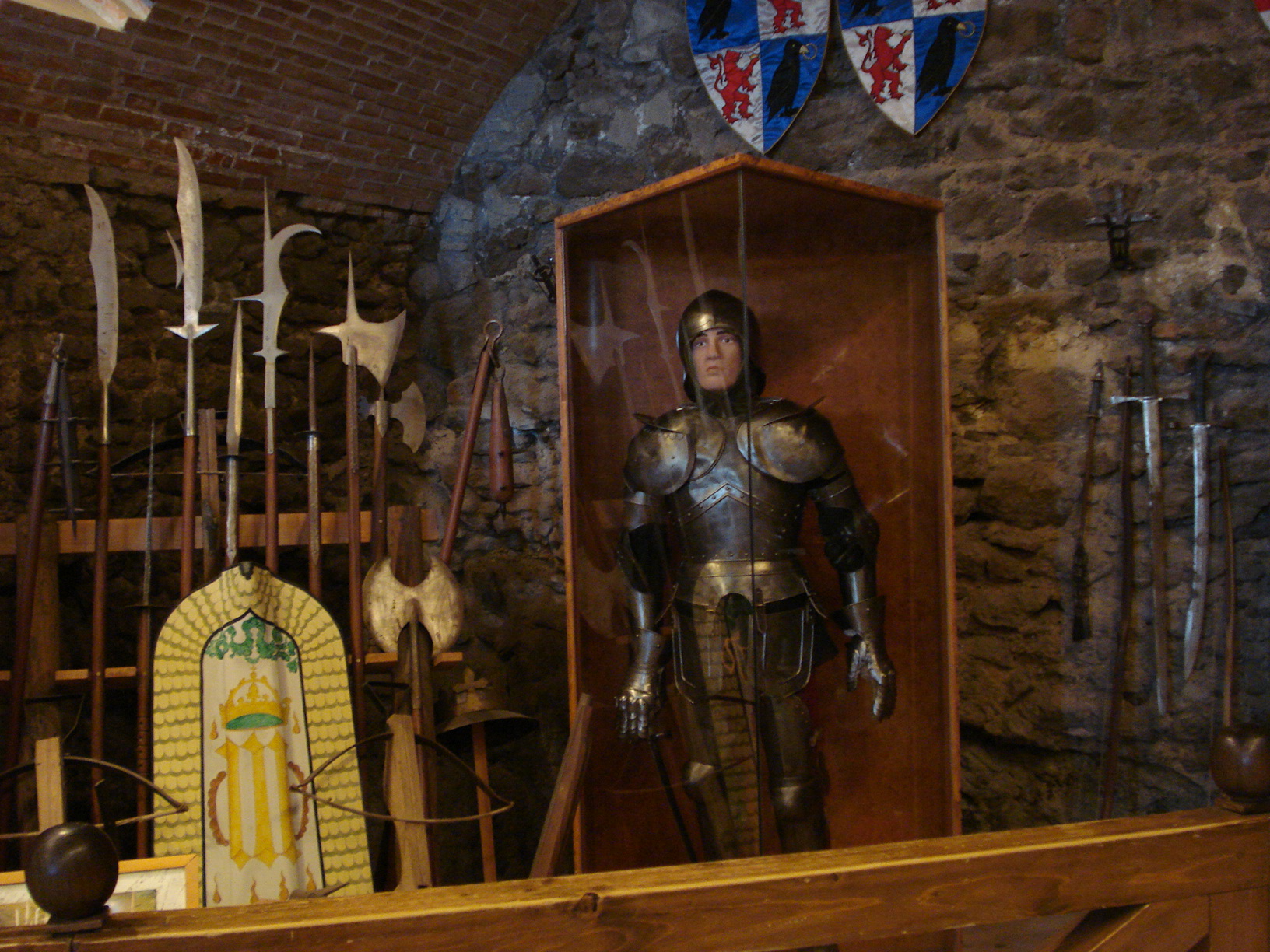
Armour and weapons of King Mátyás’ soldiers at the Visegrád citadel museum (my photo)

Whatever the real reason for the capture of Szabács was, historian Tamás Pálosfalvi suggests that its significance rests on the King’s original intentions at the time. If Mátyás had intended to assist Moldavia and Wallachia but was forced to change his plans due to the adverse weather or the failure of the Ottomans to attack Wallachia at the time, then the victory at Szabács can be considered a success. If, however, Szabács was his main aim, then the whole operation only served to convince public opinion in Hungary and abroad of the King’s commitment to defending Christendom against the Ottoman danger.

Works Consulted:

Antonio Bonfini: A Magyar Történelem Tizedei (Rerum Hungaricarum Decades), Hungarian trans. P. Kulcsár (Budapest, 1995)

Szabács Viadala (The Fight for Szabács)—a poem commemorating the siege and capture of Szabács (author anonymous; date unknown but possibly around the time of the siege in 1476)

https://magyar-irodalom.elte.hu/gepesk/kkor/049.htm

Pálosfalvi, T., From Nicopolis to Mohács: A History of Ottoman-Hungarian Warfare, 1389–1526 (Leiden, 2018)

Sources

The remains of the Šabac / Szabács fortress photo by Ванилица from Wikipedia : https://en.wikipedia.org/wiki/%C5%A0abac_Fortress#/media/File:%C5%A0abac,_%C5%A0aba%C4%8Dka_tvr%C4%91ava_013.jpg

Armour and weapons of King Mátyás’ soldiers at the Visegrád citadel museum (my photo)

Blurb

Honour, revenge, and the quest for justice.

Belgrade, Kingdom of Hungary, 1470:

Raised in exile, adolescent noblewoman Margit Szilágyi dreams of returning to her homeland of Transylvania to avenge her father’s murder and reclaim her stolen legacy. To achieve this, she must break the constraints of her gender and social status and secretly train in combat.

When the king offers her a chance at justice, she seizes it—even if it means disguising herself as a man to infiltrate the vultures’ nest that now occupies her ancestral ‘eyrie’.

Plagued by childhood trauma and torn between two passionate loves, Margit faces brutal battles, her murderous kin’s traps and inner demons on her quest for vengeance. Only by confronting the past can she reclaim her honour—if she can survive long enough to see it through.

Return to the Eyrie is an epic coming-of-age tale of a young woman’s unwavering pursuit of justice and destiny in 15th century Hungary.

Buy Link

Universal Link:

Meet the Author

Katerina Dunne is the pen-name of Katerina Vavoulidou. Originally from Athens, Greece, Katerina has been living in Ireland since 1999. She has a degree in English Language and Literature from the University of Athens, an MA in Film Studies from University College Dublin and an MPhil in Medieval History from Trinity College Dublin.

Katerina is passionate about history, especially medieval history, and her main area of interest is 13th to 15th century Hungary. Although the main characters of her stories are fictional, Katerina uses real events and personalities as part of her narrative in order to bring to life the fascinating history of the medieval Kingdom of Hungary, a location and time period not so well-known to English-speaking readers.

Return to the Eyrie (published April 2024) is the second book in the Medieval Hungary series, a sequel to Lord of the Eyrie (published in February 2022).

Connect with the Author

Website:

Follow the Return To The Eyrie blog tour with The Coffee Pot Book Club

I’m delighted to welcome Carolyn Hughes and her new book, Fortune’s Wheel, to the blog #HistoricalFiction #HistoricalRomance #MedievalEngland #BlogTour #TheCoffeePotBookClub

I’m delighted to welcome Carolyn Hughes and her new book, Fortune’s Wheel. The First Meonbridge Chronicle, to the blog with a trailer.

Soundcloud Link:

Blurb

How do you recover from the havoc wrought by history’s cruellest plague?

It’s June 1349. In Meonbridge, a Hampshire manor, many have lost their lives to the Black Death, among them Alice atte Wode’s beloved husband and Eleanor Titherige’s widowed father. Even the family of the manor’s lord and his wife, Margaret de Bohun, has not entirely escaped.

But, now the plague has passed, the people of Meonbridge must work together to rebuild their lives. However, tensions mount between the de Bohuns and their tenants, as the workers realise their new scarceness means they can demand higher wages and dictate their own lives.

When the tensions deepen into violence and disorder, and the men – lord and villagers alike – seem unable to find any resolution, the women – Alice, Eleanor and Margaret – must step forward to find a way out of the conflict that is tearing Meonbridge apart.

Buy Link

Universal Link:

This title/series is available to read on #KindleUnlimited

Audible Links

Meet the Author

Carolyn Hughes has lived much of her life in Hampshire. With a first degree in Classics and English, she started working life as a computer programmer, then a very new profession. But it was technical authoring that later proved her vocation, word-smithing for many different clients, including banks, an international hotel group and medical instruments manufacturers.

Although she wrote creatively on and off for most of her adult life, it was not until her children flew the nest that writing historical fiction took centre stage. But why historical fiction? Serendipity!

Seeking inspiration for what to write for her Creative Writing Masters, she discovered the handwritten draft, begun in her twenties, of a novel, set in 14th century rural England… Intrigued by the period and setting, she realised that, by writing a novel set in the period, she could learn more about the medieval past and interpret it, which seemed like a thrilling thing to do. A few days later, the first Meonbridge Chronicle, Fortune’s Wheel, was under way.

Six published books later (with more to come), Carolyn does now think of herself as an Historical Novelist. And she wouldn’t have it any other way…

Connect with the Author

Website: Bluesky: BookBub:

Follow Fortune’s Wheel blog tour with The Coffee Pot Book Club

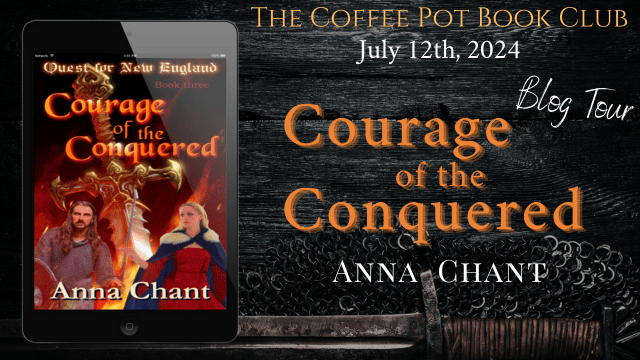
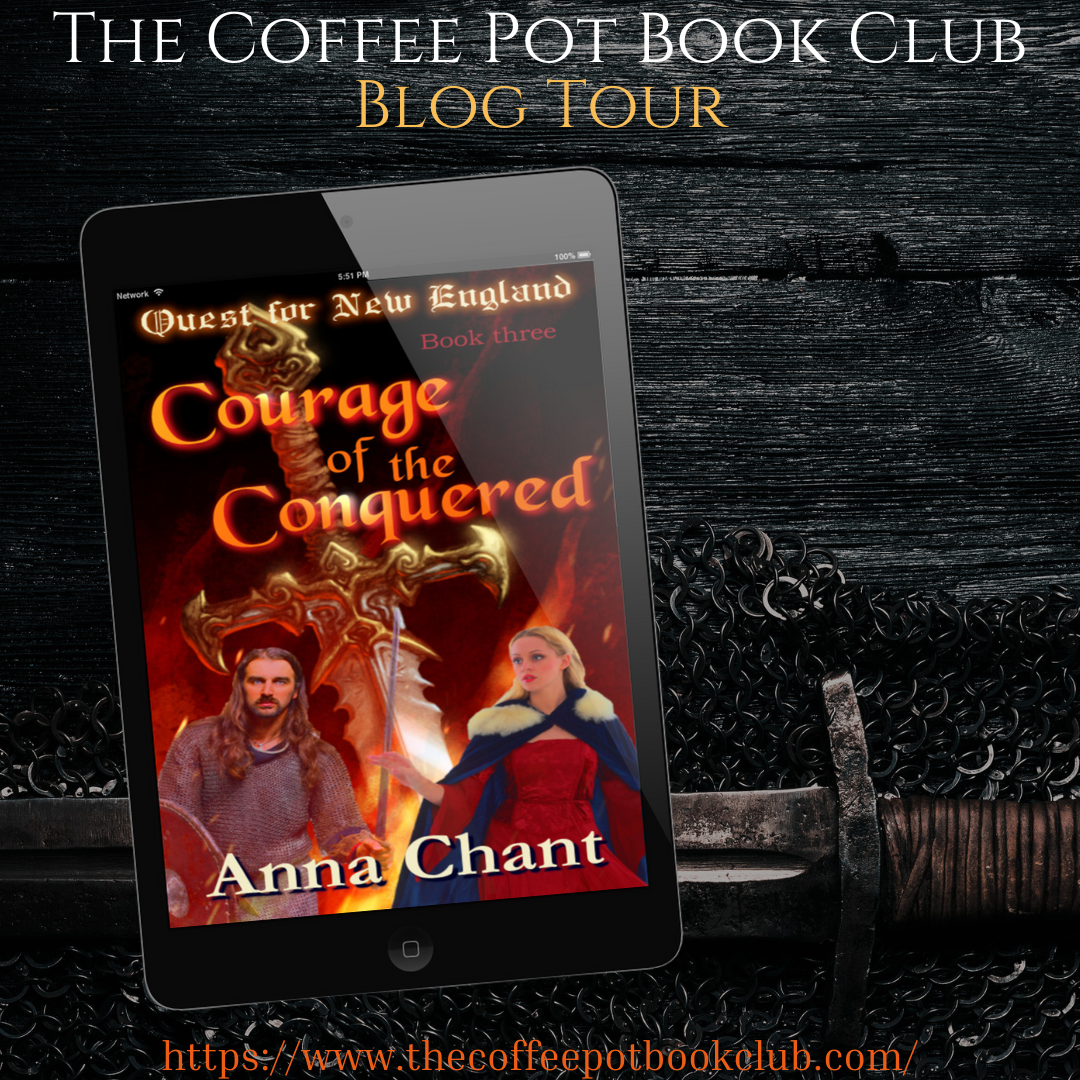
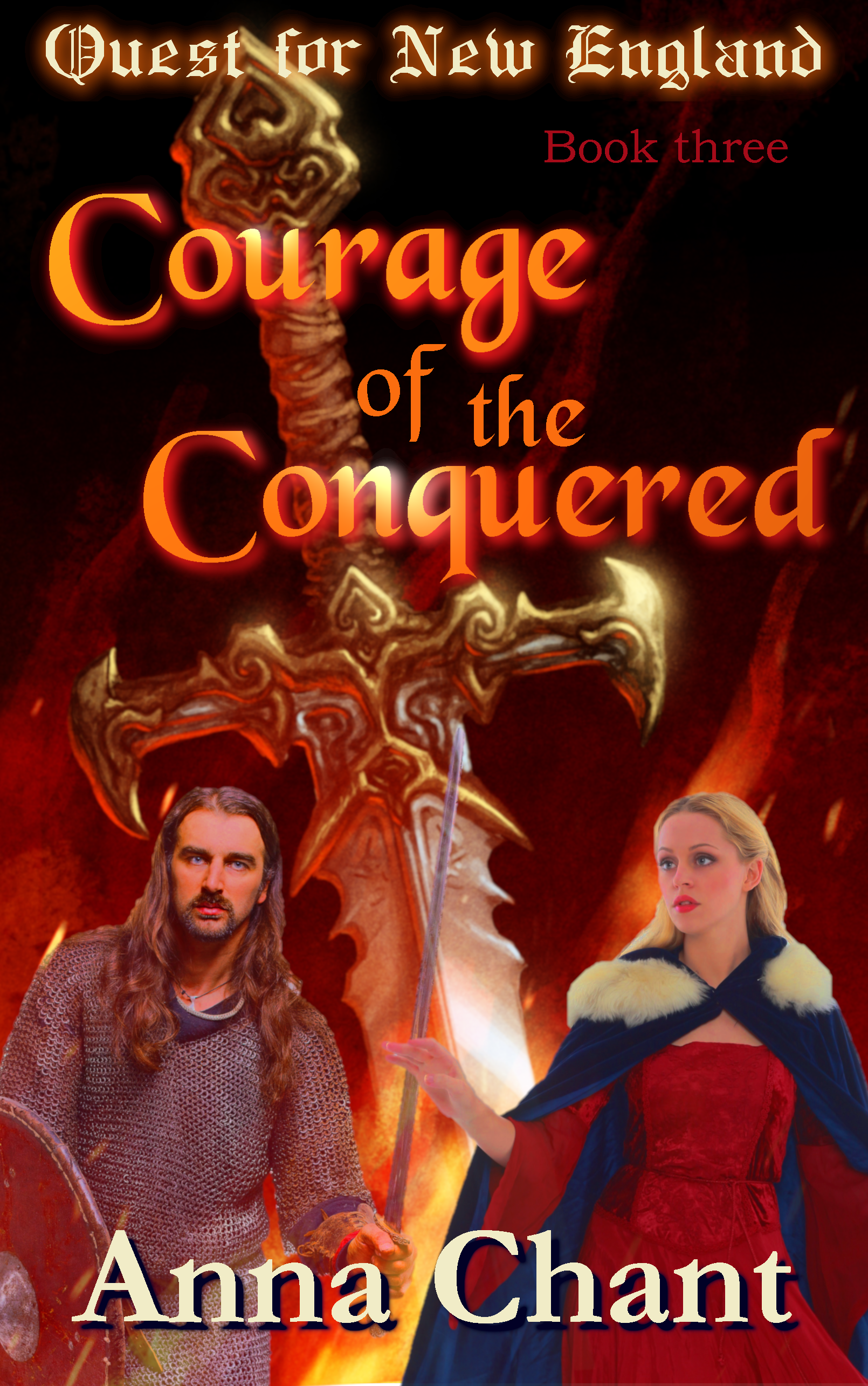
I’m delighted to welcome Anna Chant and her book, Courage of the Conquered, to the blog #HistoricalFiction #medieval #BlogTour #BookBlast #TheCoffeePotBookClub

I’m delighted to welcome Anna Chant and her book, Courage of the Conquered, from the Quest for New England series, to the blog.

Blurb

All the wonders of the Mediterranean have not prepared the English for the splendours of Constantinople. As Siward of Gloucester settles into the city, he is grateful to have finally found what he was looking for: A fine, god-fearing lord he is proud to serve and a safe place where he and Oswyth can await the birth of their child.

But as the months pass, doubts creep in. Emperor Michael proves to be a weak ruler, continually threatened with rebellion. Determined to keep the English army close, his promises of reward grow increasingly vague.

With tension in the city rising, Siward and his friends are caught up in the power struggle. While Bridwin maintains his loyalty to the emperor and Siward continues to trust in the friendship of the cunning Alexios Komnenos, Frebern grows close to John Bryennios, a man whose ambitions may include the imperial throne itself. With the friends drawn in different directions, Siward fears they could find themselves fighting on opposing sides.

Desperate to escape, he renews his efforts to find the home the English have so long craved. But the beauty of Constantinople conceals dangers that go far beyond Siward’s fears as sordid secrets and ruthless betrayal stalk the lives of those he holds dear.

As the English prepare for battle yet again, will Siward’s quest for New England end in heart-breaking tragedy?

Buy Link

Universal Link:

This title is available to read on #KindleUnlimited

Meet the Author

Anna Chant grew up in Essex, with her first home a tiny medieval cottage. Aged 18 she moved to Yorkshire to study history at the University of Sheffield. In 2015, inspired by her love of medieval history and her Scottish ancestry, Anna started writing her first book with Kenneth’s Queen, the tale of the unknown wife of Kenneth Mac Alpin, published the following year. Taking inspiration from both history and legend, she particularly enjoys bringing to life the lesser known people, events and folklore of the past. When not writing, Anna enjoys walking the coast and countryside of Devon where she lives with her husband, three sons (if they’re home) and a rather cheeky bearded dragon.

Connect with the Author

Website:

Follow the Courage of the Conquered blog tour with The Coffee Pot Book Club