Author of Saxon historical fiction and non-fiction, 20th-century historical mysteries, and Norse-inspired historical romantasy. Book reviewer and blog host.
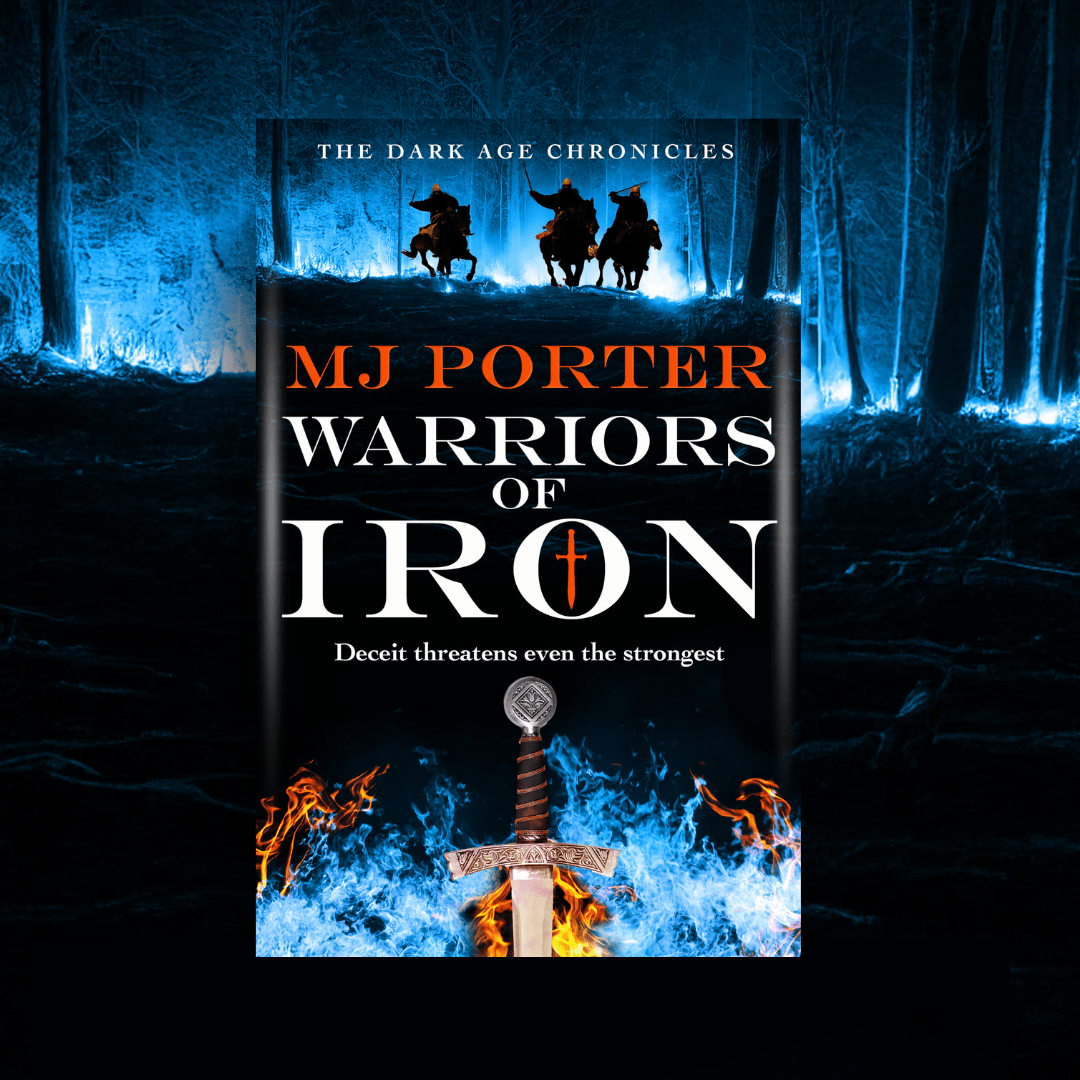
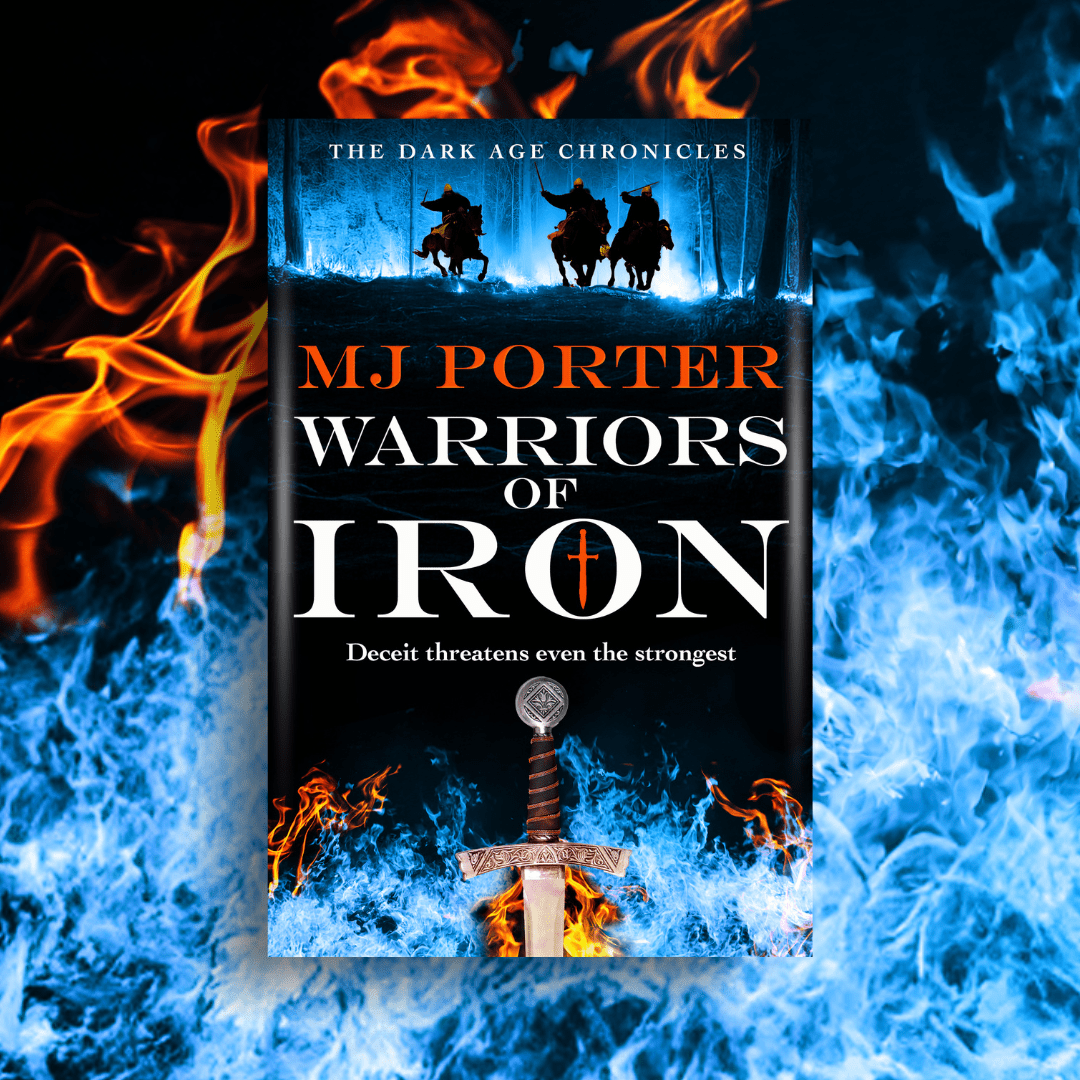
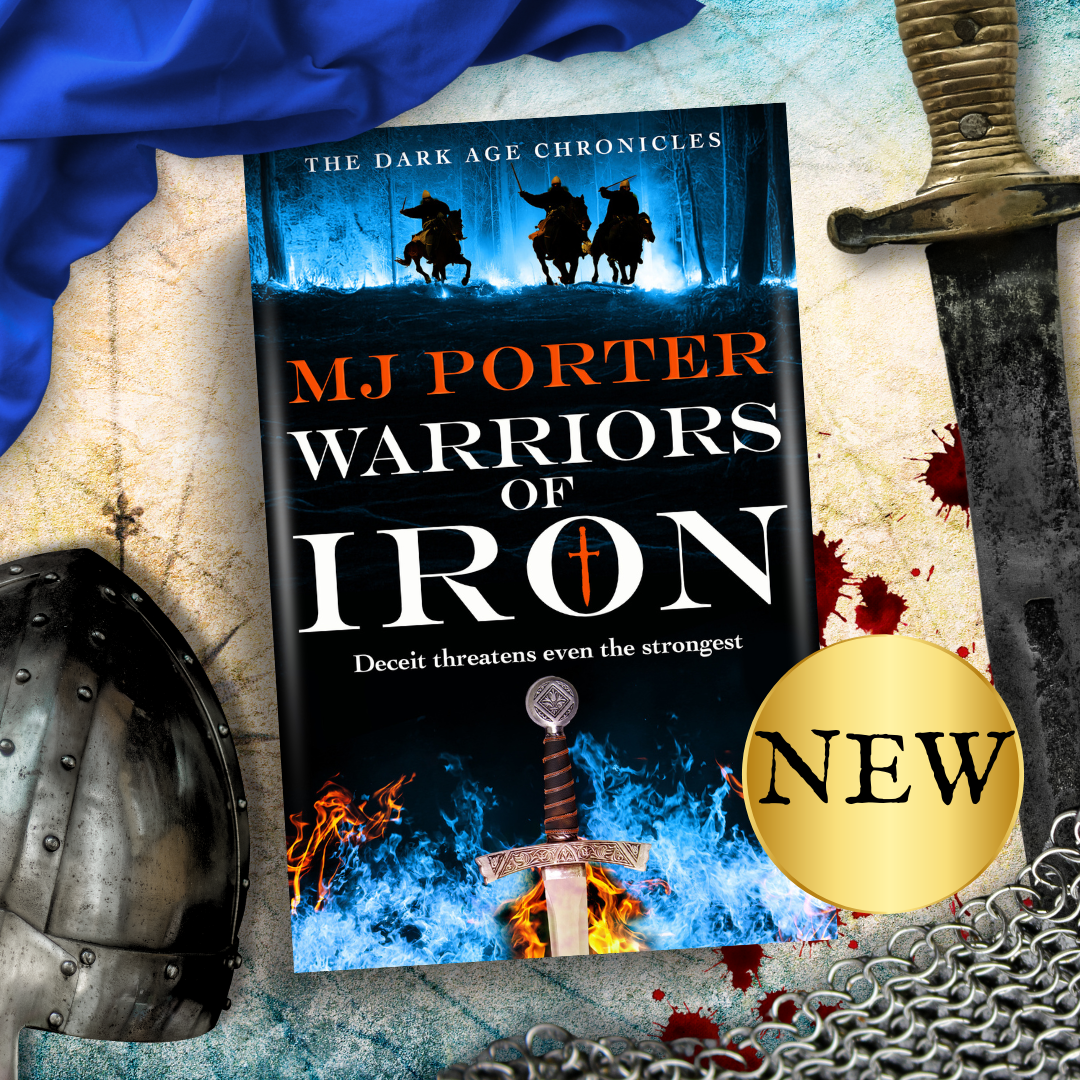
It’s the first day of the blog tour for Warriors of Iron, the second book in the Dark Age Chronicles Trilogy. I’m sharing a recording of me ‘trying’ to say the character names correctly #newrelease #MenOfIron #WarriorsOfIron #histfic
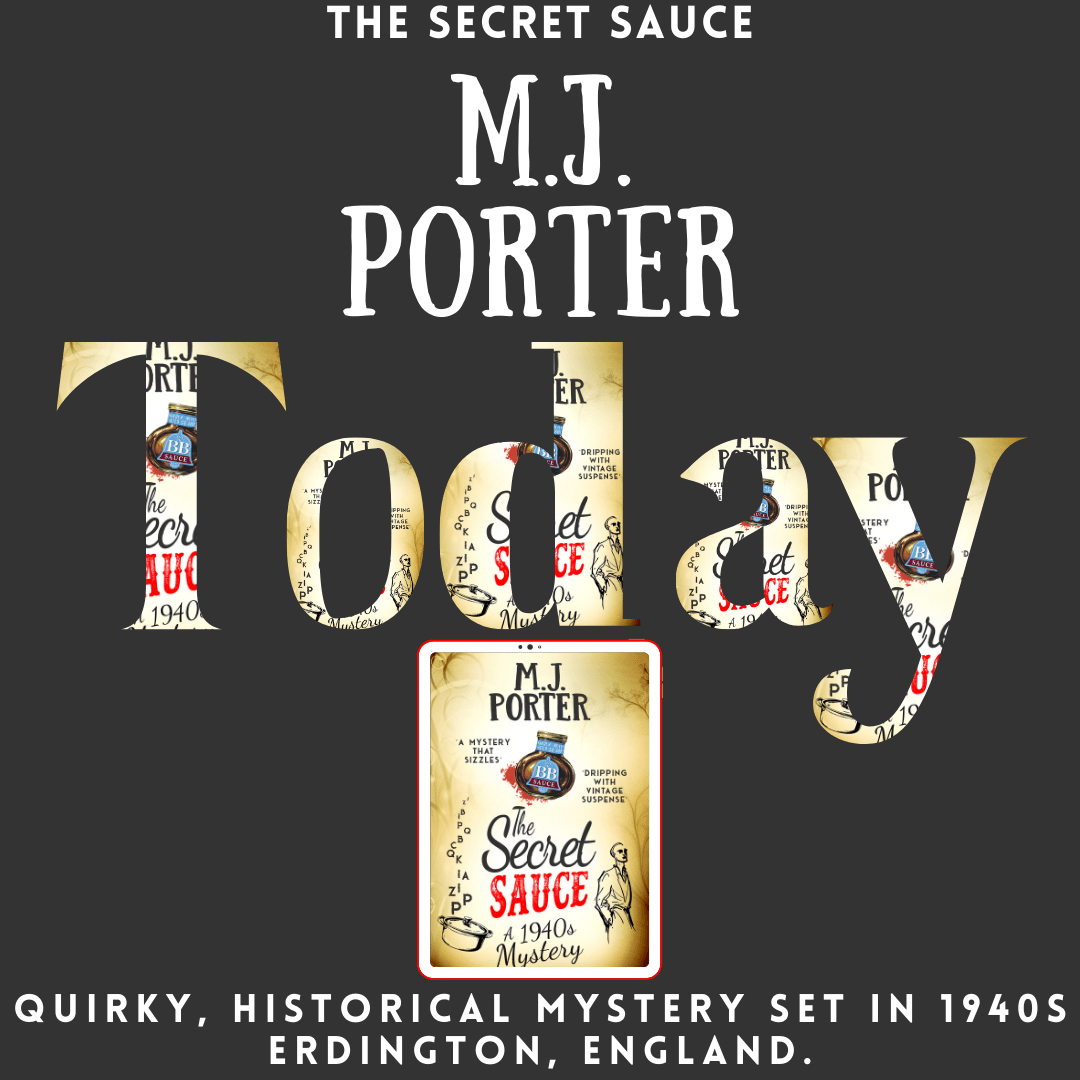
I’m sharing a post about the inspiration for The Secret Sauce to celebrate release day #histfic #historicalmystery
Why The Secret Sauce?
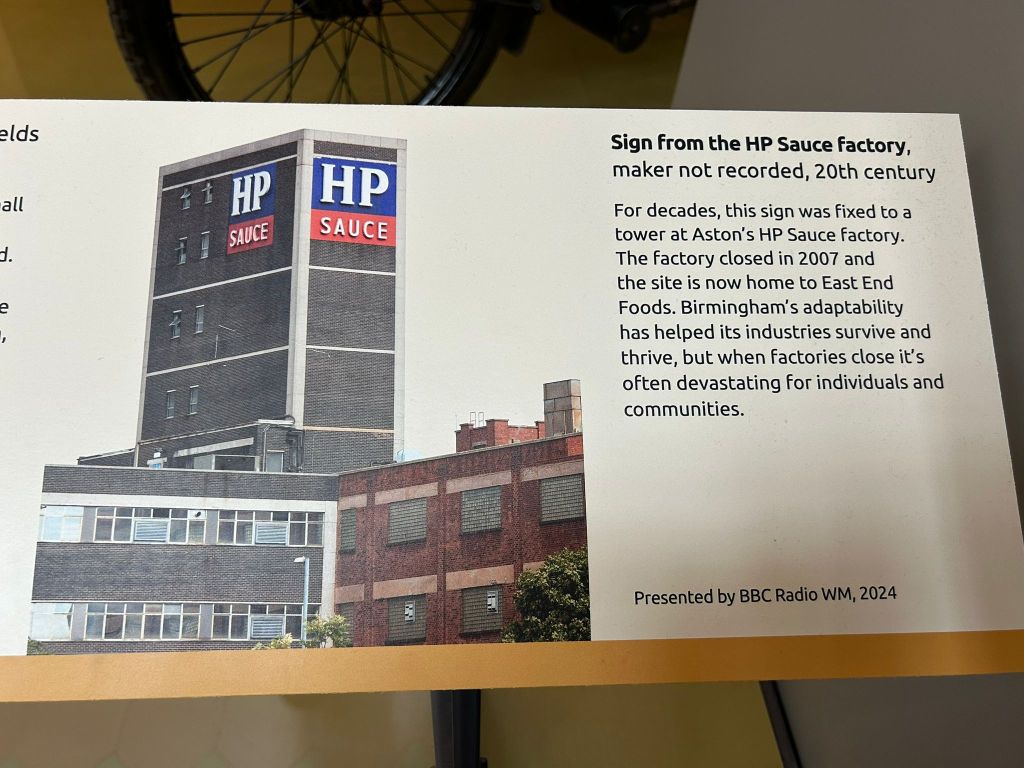
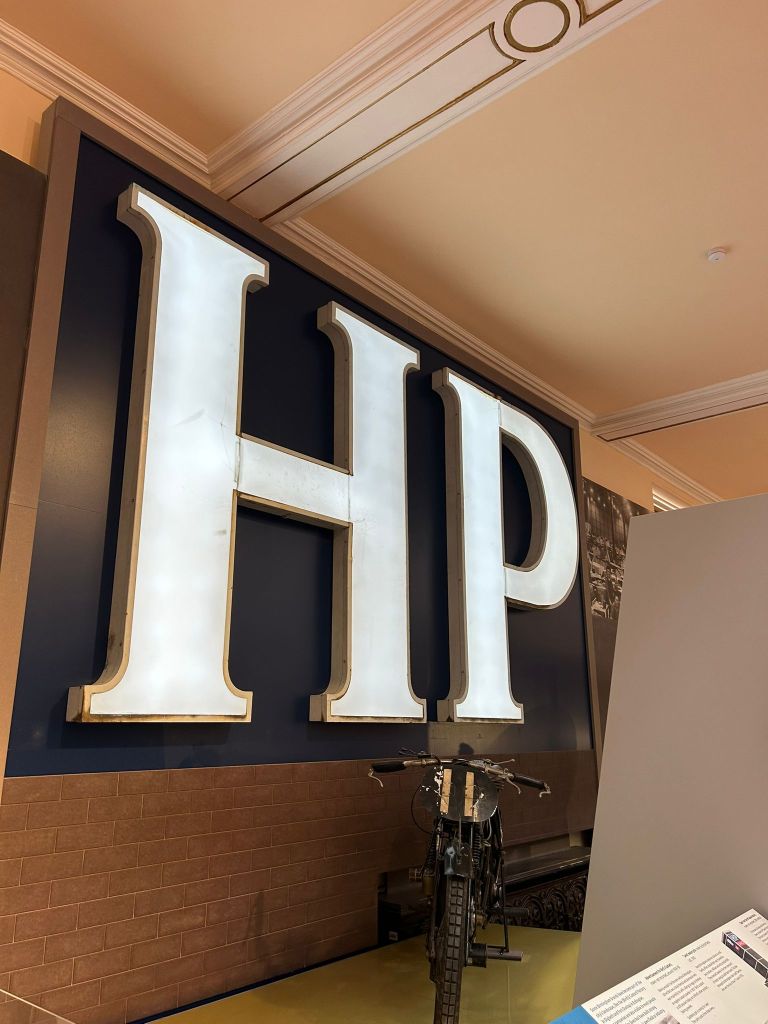
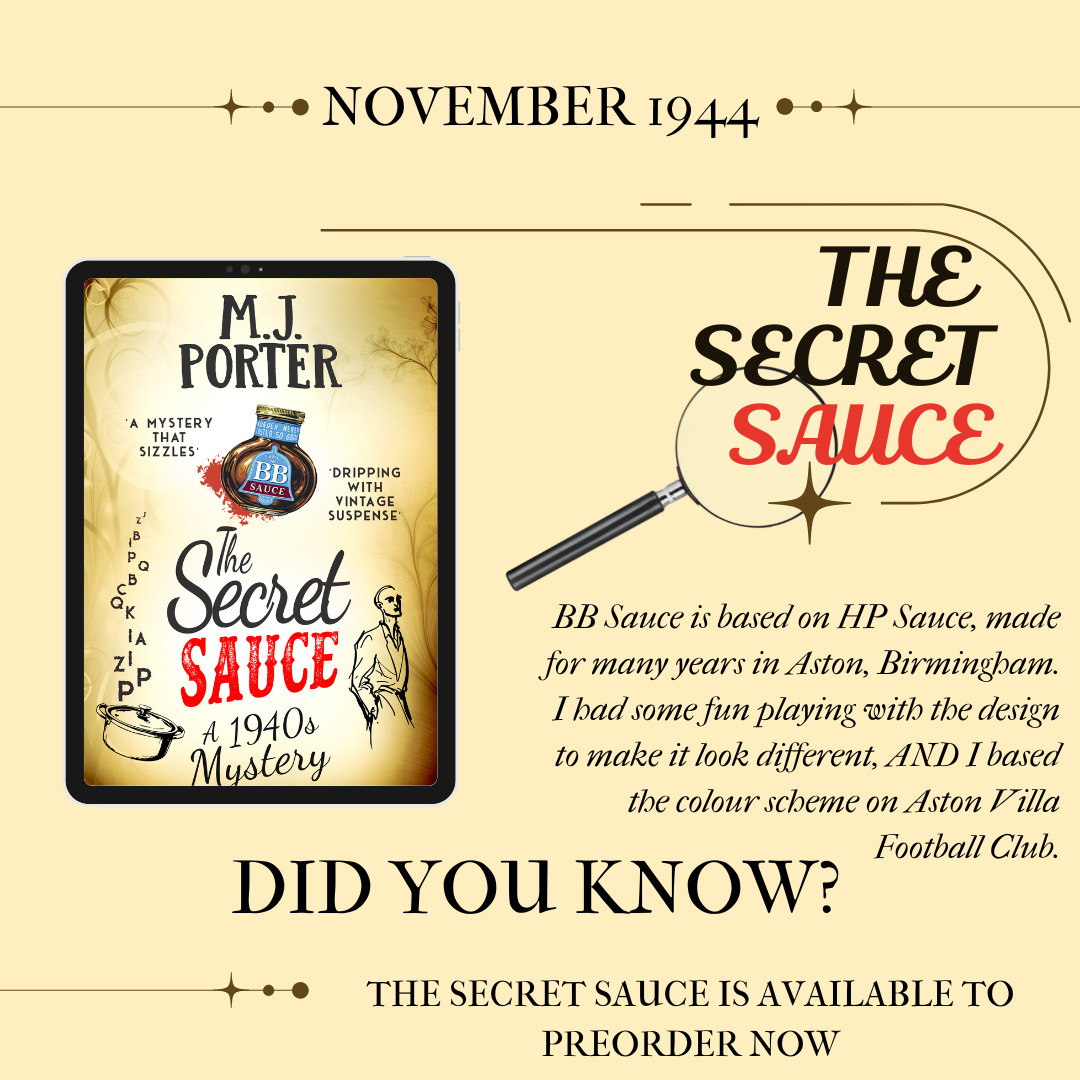
As fans of my historical mysteries set in Erdington, Birmingham (UK), will know, I always like to pick a ‘quirky’ hook for my stories. The Secret Sauce is no different. For those who don’t know, HP Sauce was made for many, many decades at Aston in Birmingham (it isn’t any more). As a child, I drove past the sign below at least monthly, if not more often. Initially, I hoped to call this book The Body in the Beans (what a great title), but alas, HP didn’t make baked beans in the 1940s. As such, I had to have a little rethink. I thought the idea was too good to forget. And so, The Secret Sauce has as its Birmingham-specific hook; brown sauce, which, for the purposes of the story, I’ve renamed BB Sauce (you need to read the book to find out what that stands for).
Image from Birmingham Museum, taken by my sisterImage from Birmingham Museum, taken by my sister
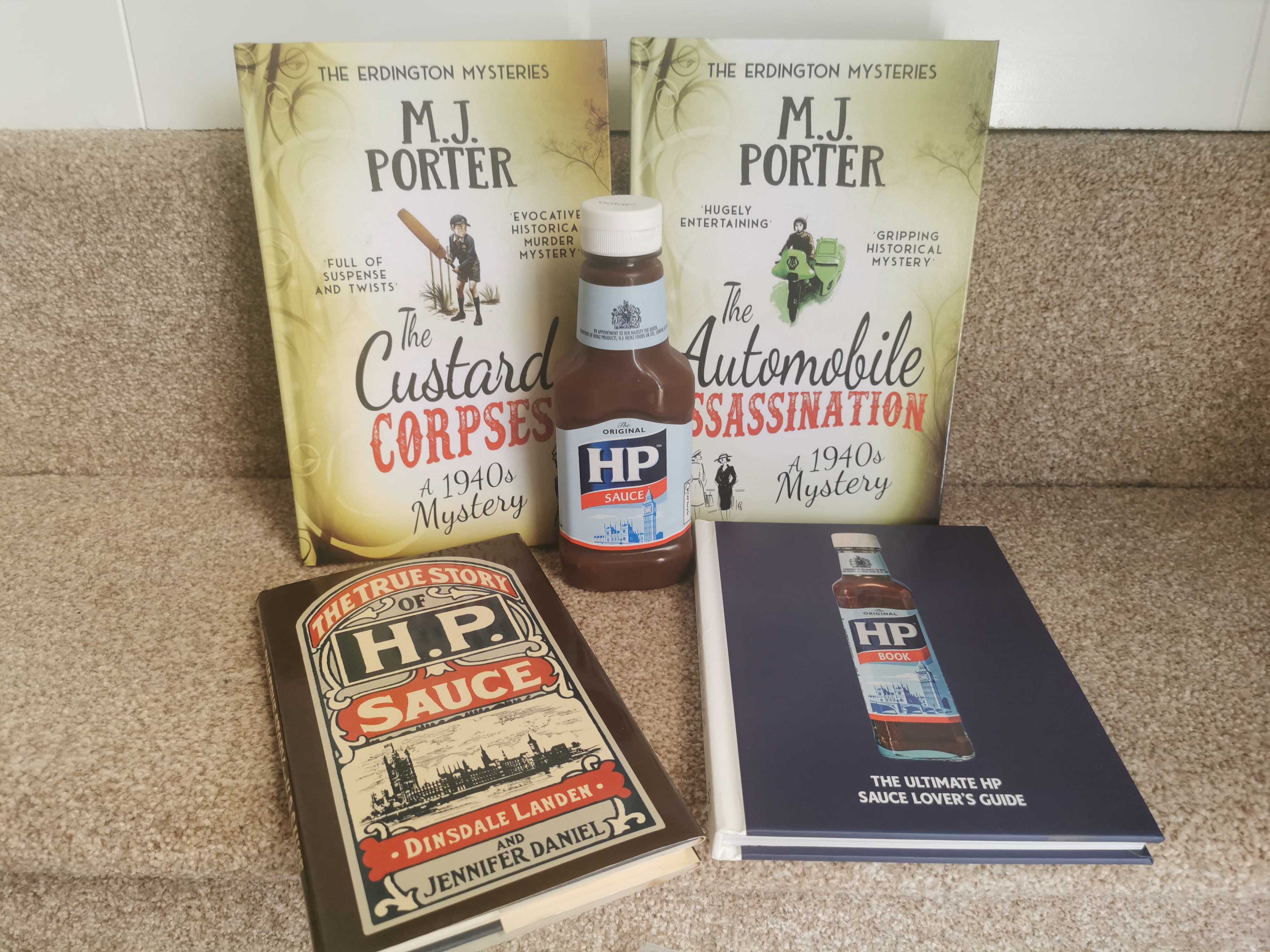
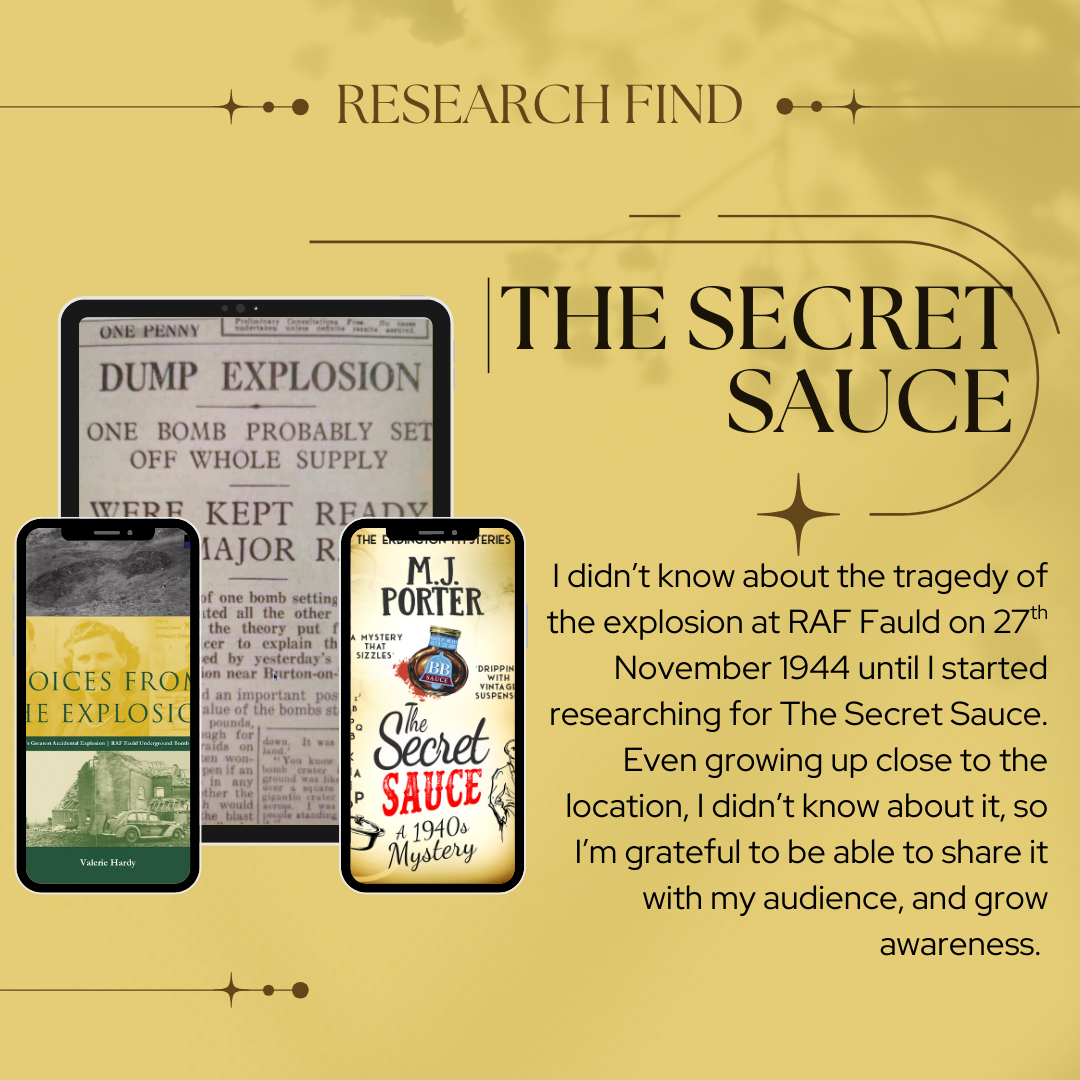
However, HP Sauce is a brown, fruity sauce, with a fascinating history, and, I believe, a recipe that remains a ‘secret.’ It started life at the end of the nineteenth century, and through fair means or foul, ended up in the hands of the owners of the Midlands Vinegar Company. It survived the uncertainties of both world wars, although sourcing the ingredients was often challenging. The True Story of HP Sauce, produced in 1985, states that advertising for HP Sauce was stopped during the Second World War because it was so difficult to get a bottle. There was also a bomb shelter beneath the factory during WW2. The Ultimate HP Sauce Lover’s Guide mainly contains recipes. I have been ‘forced’ to try HP Sauce, as I’d never had it before. It reminds me a little bit of Branston Pickle:) I don’t think I’m a fan, but I suspect it’s probably a bit like Marmite – you love it, or hate it.
Just like the Bird’s Custard Factory, which was the inspiration for The Custard Corpses, HP Sauce was a Birmingham staple. In fact, I suspect, for many locals, HP Sauce is more well-known, whether fondly or not (because it could stink), than the custard factory.
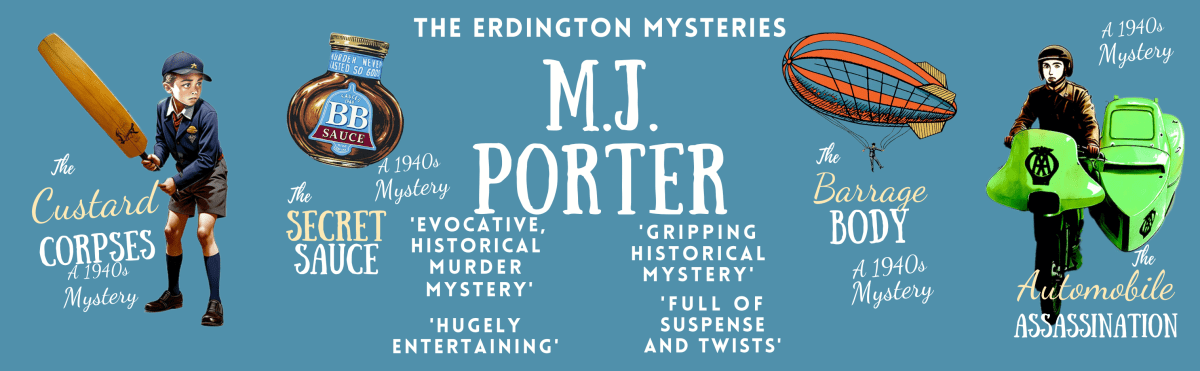
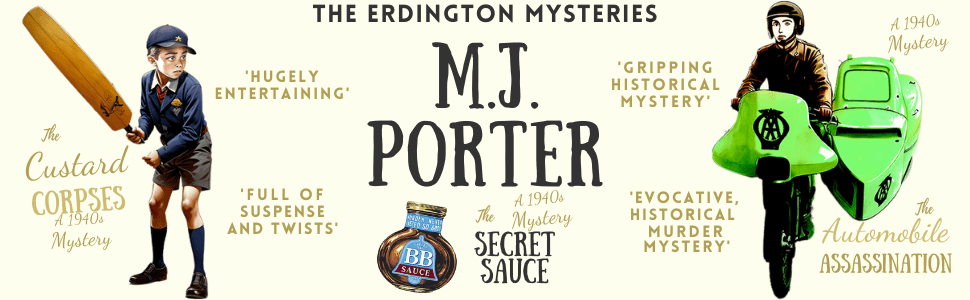
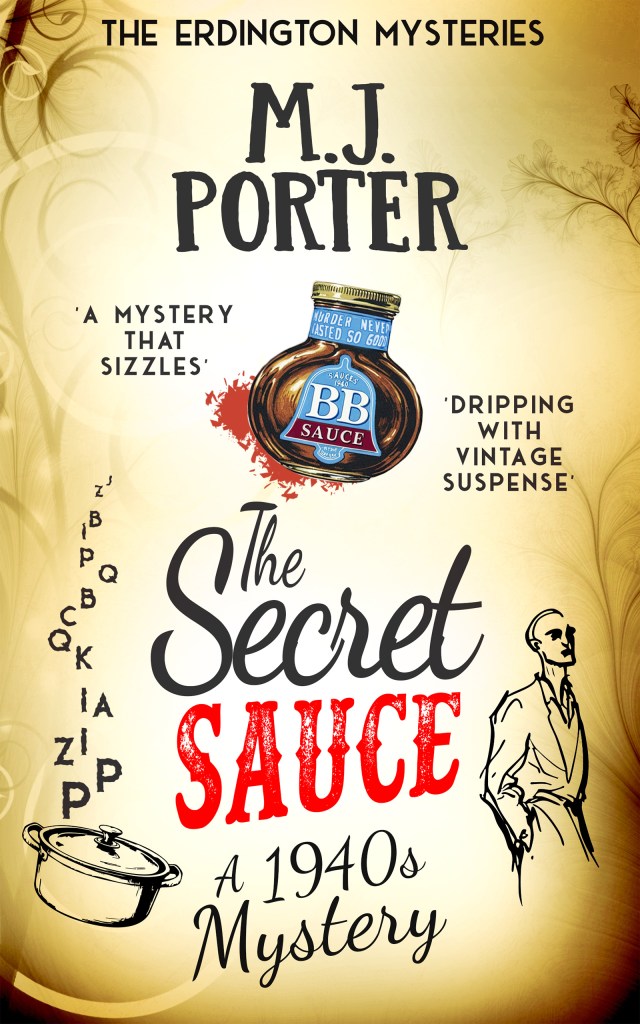
If you look at the cover for The Secret Sauce, you’ll notice, as with the other books in the series, that I’ve made some changes to the ‘brand.’ One of the changes was to make the BB Sauce bottle bulbous, a stark contrast to the elongated one of HP Sauce. I also added another Birmingham staple to the BB Sauce bottle by opting for colours inspired by Aston Villa Football Club’s kit. Why did I do this? Well, a reader shared some photos of my books and beside them was an Aston Villa programme. It was too good an opportunity to miss, as after all, the two would have been located in Aston.
Trinity Road Stand, Aston Villa Football Club, taken by my brother
Here’s the blurb
Birmingham, England, November 1944.
Chief Inspector Mason of Erdington Police Station is summoned to a suspicious death at the BB Sauce factory in Aston on a wet Monday morning in late November 1944.
Greeted by his enthusiastic sergeant, O’Rourke, Sam Mason finds himself plunged into a challenging investigation to discover how Harry Armstrong met his death in a vat containing BB Sauce – a scene that threatens to put him off BB Sauce on his bacon sandwiches for the rest of his life.
Together with Sergeant O’Rourke, Mason follows a trail of seemingly unrelated events until something becomes very clear. The death of Harry Armstrong was certainly murder, and might well be connected to the tragedy unfolding at nearby RAF Fauld. While the uncertainty of war continues, Mason and O’Rourke find themselves seeking answers from the War Office and the Admiralty, as they track down the person who murdered their victim in such an unlikely way.
Join Mason and O’Rourke for the third book in the quirky, historical mystery series, as they once more attempt to solve the impossible in 1940s Erdington.
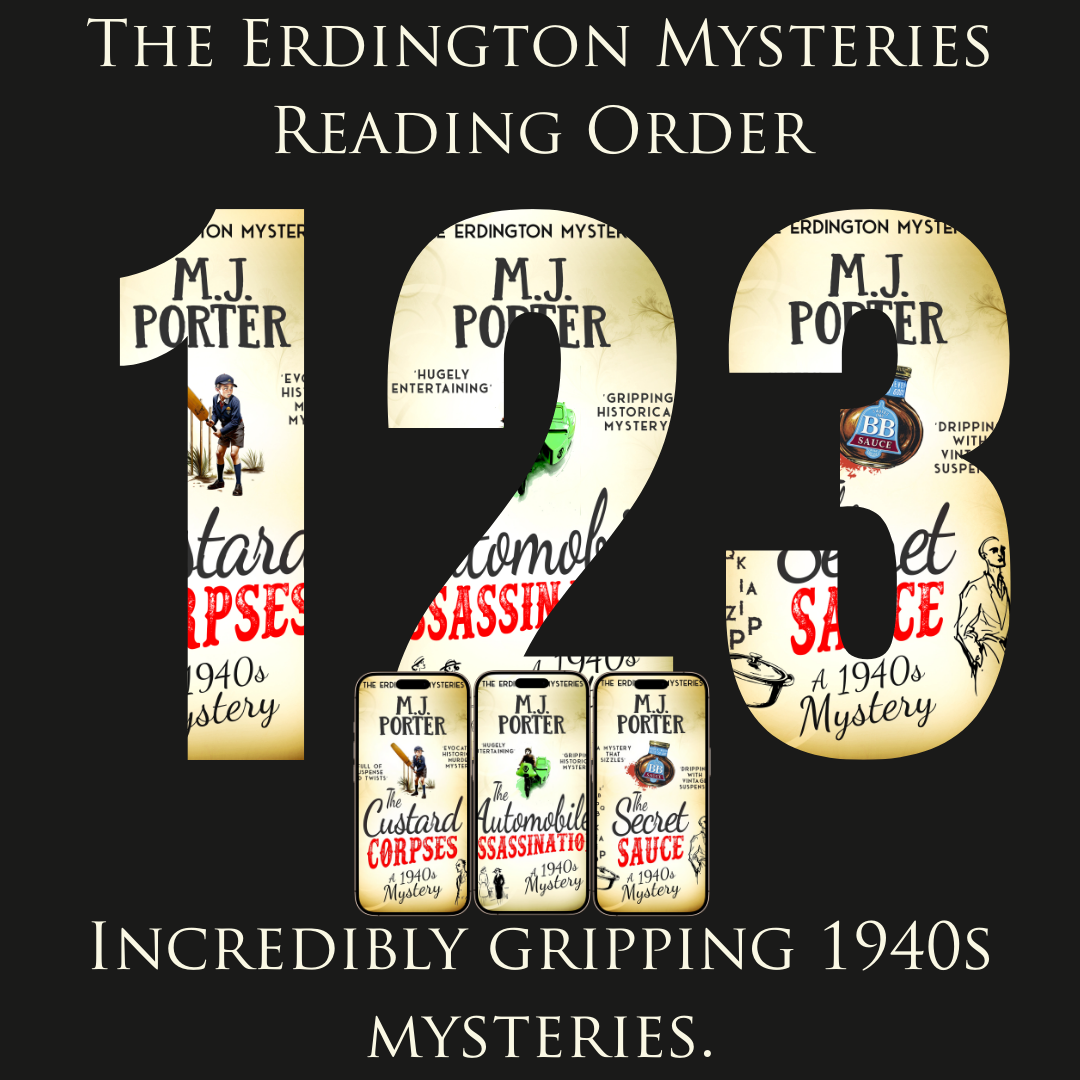
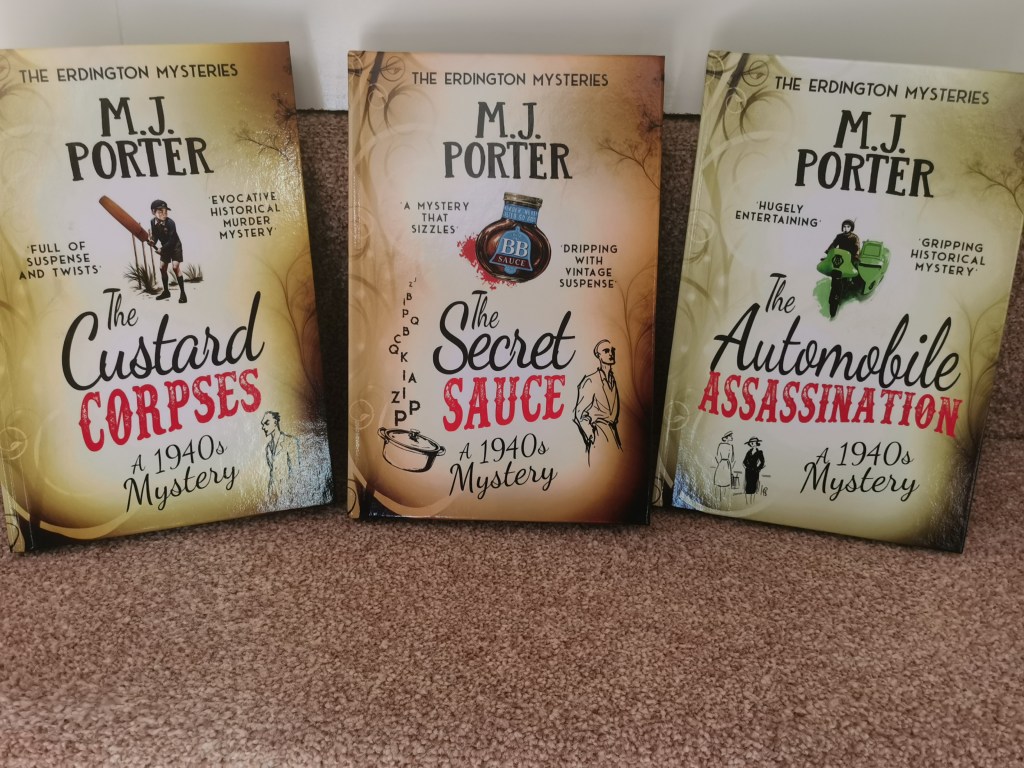
All 3 hardbacks in the Erdington Mystery series in a row.
I’m super excited to share the cover for The Secret Sauce, the third book in The Erdington Mysteries #histfic #historicalmystery
Listen to me read the beginning of Chapter 1
Here’s the blurb
Birmingham, England, November 1944.
Chief Inspector Mason of Erdington Police Station is summoned to a suspicious death at the BB Sauce factory in Aston on a wet Monday morning in late November 1944.
Greeted by his enthusiastic sergeant, O’Rourke, Sam Mason finds himself plunged into a challenging investigation to discover how Harry Armstrong met his death in a vat containing BB Sauce – a scene that threatens to put him off BB Sauce on his bacon sandwiches for the rest of his life.
Together with Sergeant O’Rourke, Mason follows a trail of seemingly unrelated events until something becomes very clear. The death of Harry Armstrong was certainly murder, and might well be connected to the tragedy unfolding at nearby RAF Fauld. While the uncertainty of war continues, Mason and O’Rourke find themselves seeking answers from the War Office and the Admiralty, as they track down the person who murdered their victim in such an unlikely way.
Join Mason and O’Rourke for the third book in the quirky, historical mystery series, as they once more attempt to solve the impossible in 1940s Erdington.
I feel like these are coming thick and fast this year, but then I suppose I’ve written a lot of books.
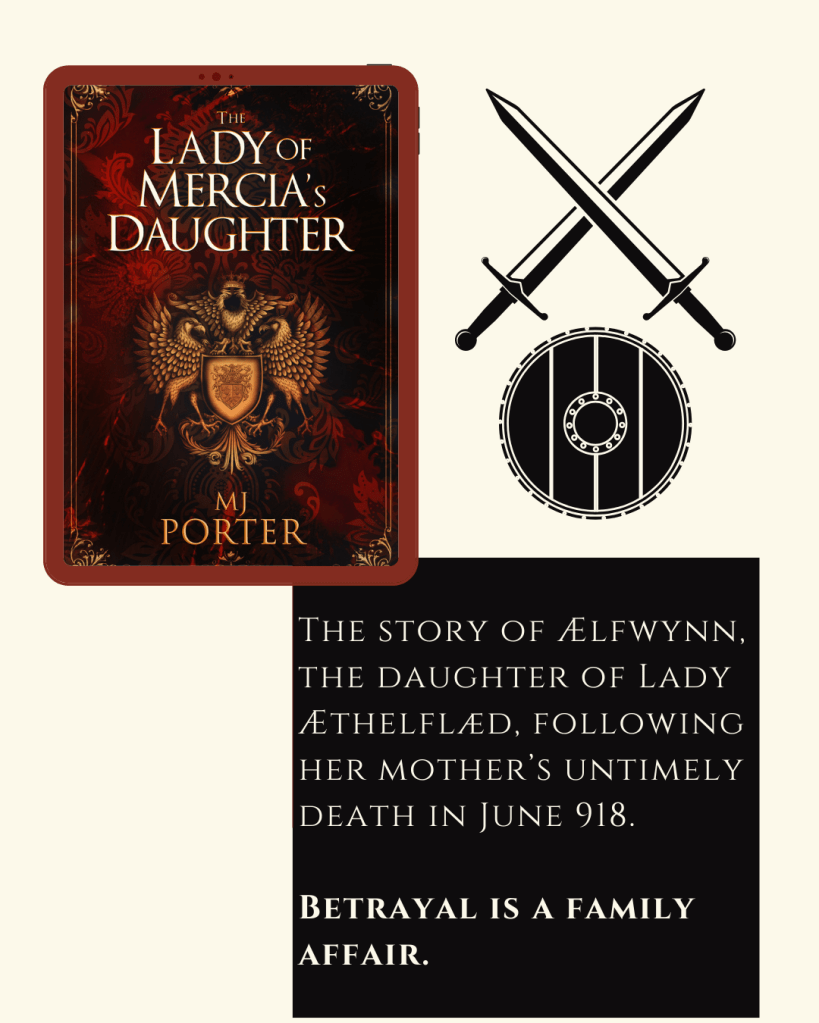
To celebrate The Lady of Mercia’s Daughter turning 8, yes 8, today, I thought I’d share why I wrote about Lady Ælfwynn, and not her more famous mother, Lady Æthelflæd.
My first historical fiction story (that of Ealdorman Leofwine) was inspired by the fact that I realised he’d been almost written out of the history of the period. I’d read many, many books about the end of Saxon England, and few of them mentioned the Earls of Mercia at all, apart from his descendants, Edwin, Morcar and Eadgyth. This has often been the way. I find a character who’s been forgotten about (because most historical individuals have been forgotten about) and I reimagine their lives and endeavour to either rehabilitate them, or at least shine a light on them. The same can be said for Lady Ælfwynn, the Lady of Mercia’s Daughter, and the Second Lady of the Mercians in her own right.
Even though she attests a number of charters, and is named in the Anglo-Saxon Chronicle (which is very rare for the women of the tenth century) no one had heard of her. I was determined to put that right, largely helped by an academic paper I read about her which got my brain firing with ideas.
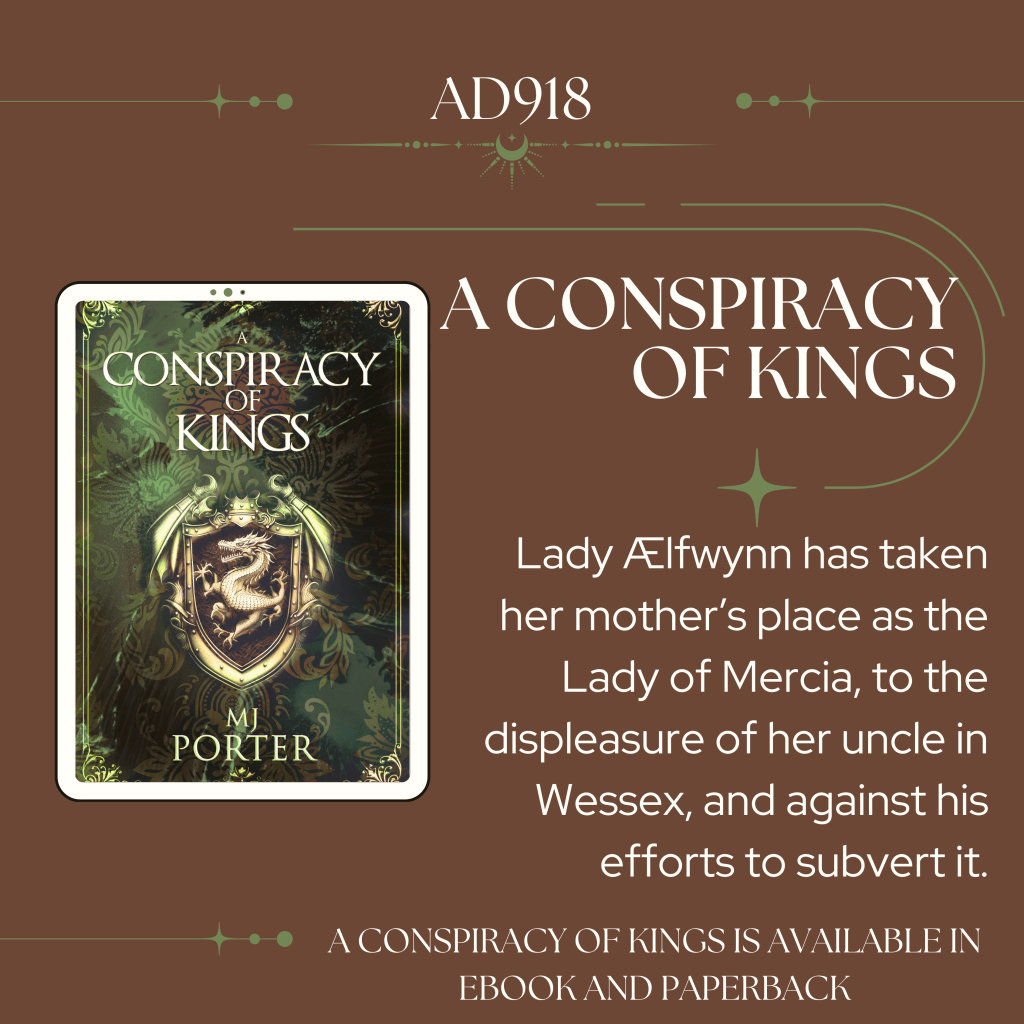
Piecing together the scant information available (and possibly known) about her, I created The Lady of Mercia’s Daughter, and subsequently, the sequel, A Conspiracy of Kings. In doing so I don’t suggest at all that this is a recreation of the life she led, but it certainly presents a possible life for her, and one that is a little more exciting than the often cited ‘she became a nun,’ argument to explain why she disappears from the historical record so quickly. It also allowed me to try my hand at family politics, which so often came into play during the era. And, for fans of King Coelwulf II and The Last King books, I can certainly ‘see’ a lot of his later creation in the pages of The Lady of Mercia’s Daughter.
Here’s the blurb
Betrayal is a family affair.
12th June AD918.
Æthelflæd, Lady of the Mercians and daughter of Alfred the Great, is dead.
Ælfwynn, the niece of Edward, King of Wessex, has been bequeathed her mother’s power and status by the men of the Mercian witan. But she knows Mercia is vulnerable to the north, exposed to the retreating world of the Viking raiders from her mother’s generation.
With her cousin Athelstan, Ealdorman Æthelfrith and his sons, Archbishop Plegmund and her band of trusted warriors, Ælfwynn must act decisively to subvert the threat from the Norse. Led by Lord Rognavaldr, the grandson of the infamous Viking raider, Ivarr of Dublin, they’ve turned their gaze toward the desolate lands of northern Saxon England and the jewel of York.
Inexplicably she’s also exposed to the south, where her detested cousin, Ælfweard, and uncle, King Edward, eye her position covetously, their ambitions clear to see.
This is the unknown story of Ælfwynn, the daughter of the Lady of the Mercians and the startling events of late 918 when family loyalty and betrayal marched hand in hand across lands only recently reclaimed by the Mercians. Kingdoms could be won or lost through treachery and fidelity, and there was little love and even less honesty. And the words of a sword were heard far more loudly than those of a king or churchman, noble lady’s daughter or Viking raider.
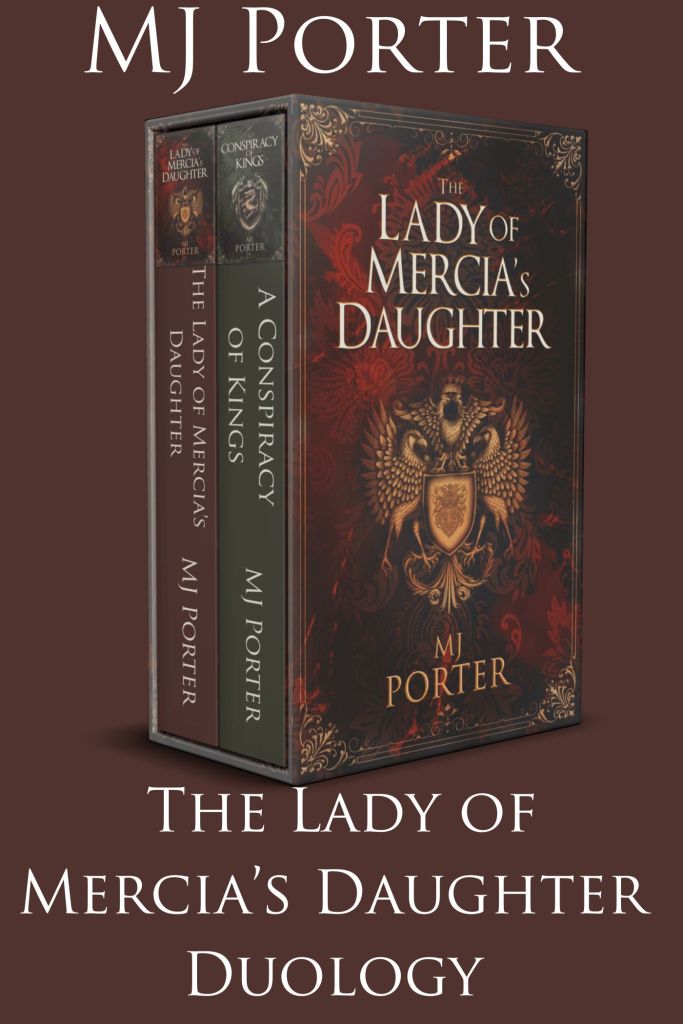
You can now grab The Lady of Mercia’s Daughter duology, containing both books featuring Lady Ælfwynn
On this day in history, the anniversary of the battle of Maserfeld in either 641 or 642. I thought I’d share some photos and book recommendations
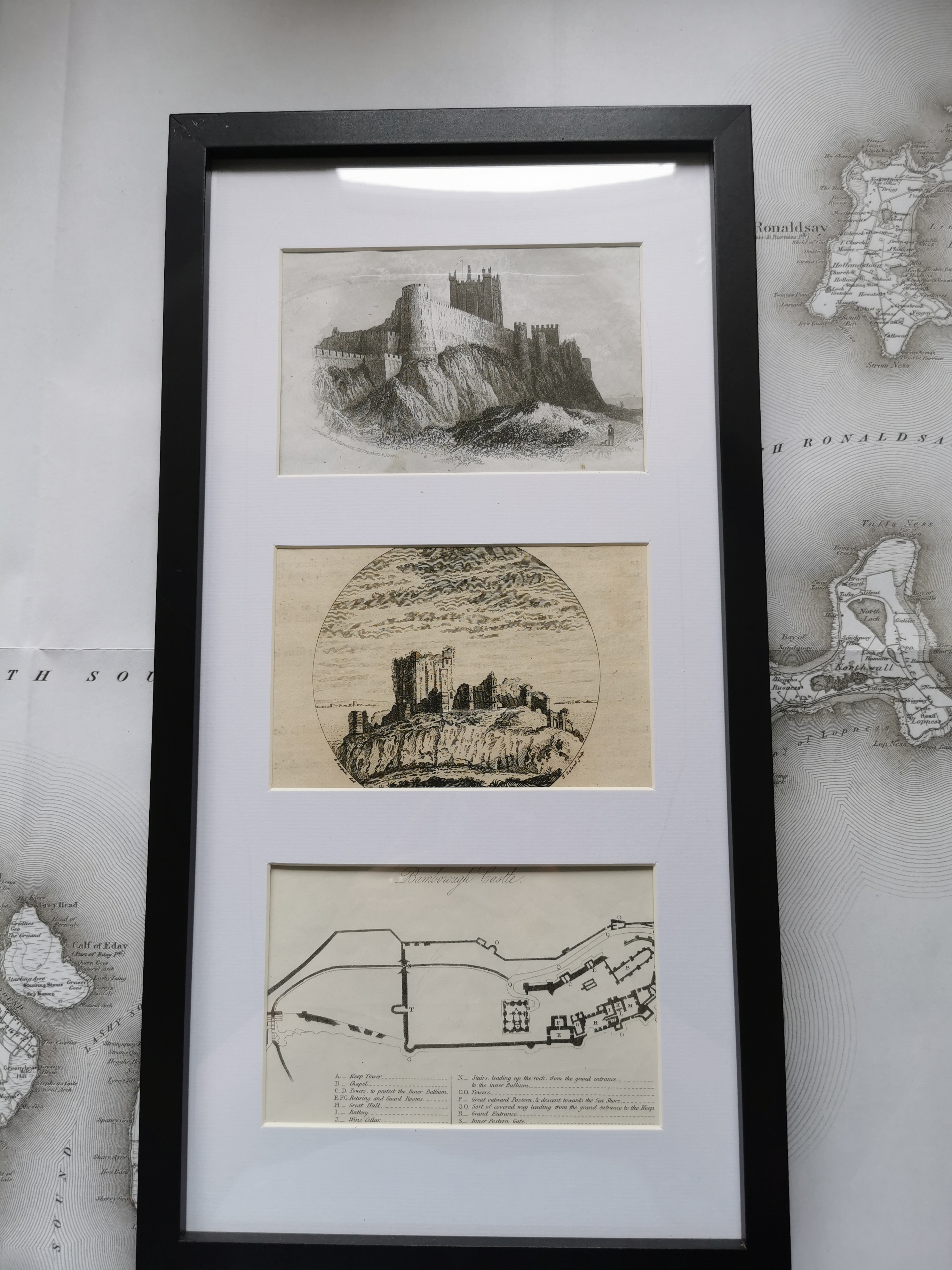
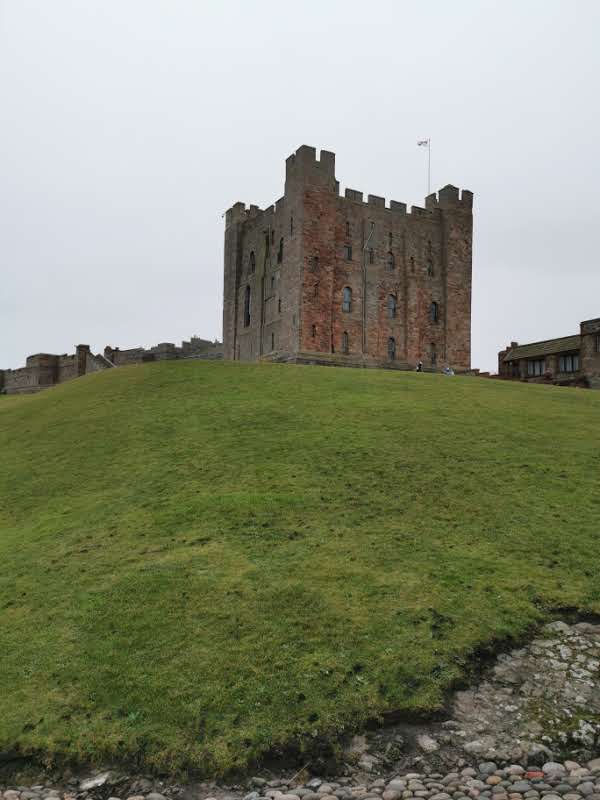
It’s the anniversary of the Battle of Maserfeld on August 5th (641 or 642), fought between Penda of Mercia (go Penda) and his allies, and Oswald of Northumbria and his allies, so I thought I’d reshare some photos I took while writing the Gods and Kings trilogy of Bamburgh Castle and Northumberland in general, which was the home of Oswald of Northumbria. Admittedly, the battle of Maserfeld is said to have taken place at Oswestry on the Welsh border with Mercia, but I didn’t go there, although I certainly visited as a child.
‘A.D. 641/642. This year Oswald, king of the Northumbrians, was slain by Penda, king of the Southumbrians, at Mirfield, on the fifth day of August; and his body was buried at Bardney. His holiness and miracles were afterwards displayed on manifold occasions throughout this island; and his hands remain still uncorrupted at Barnburgh. The same year in which Oswald was slain, Oswy his brother succeeded to the government of the Northumbrians, and reigned two less than thirty years.’
(Taken from the online version of the Anglo Saxon Chronicle, a ninth century creation so, not very contemporary).
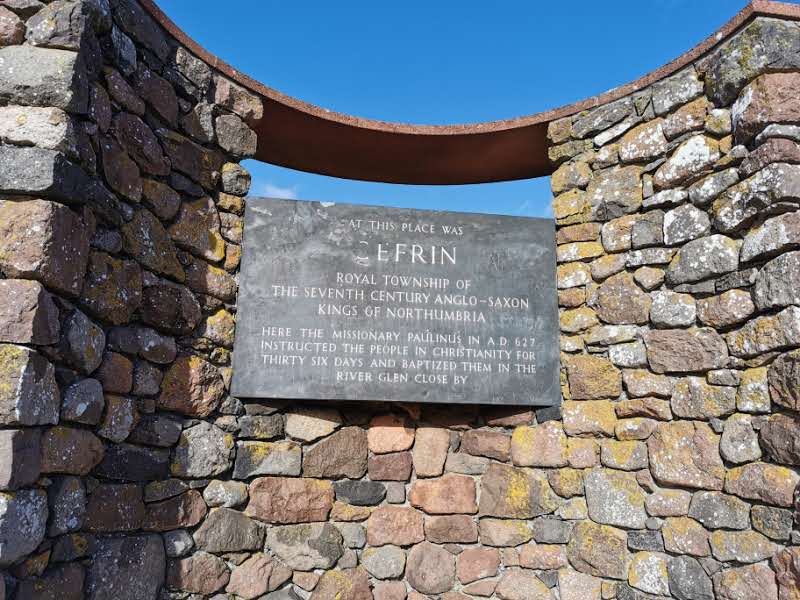
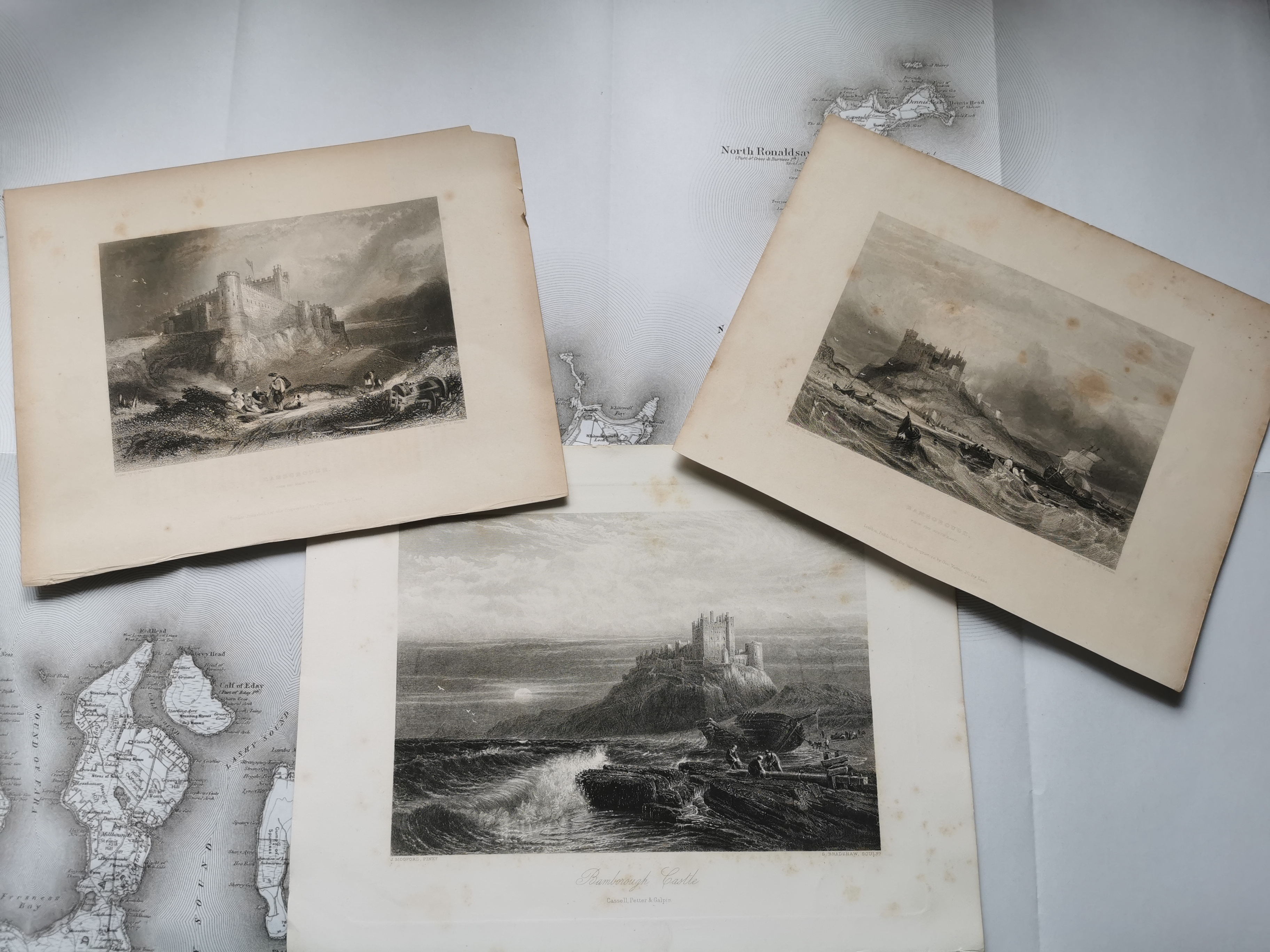
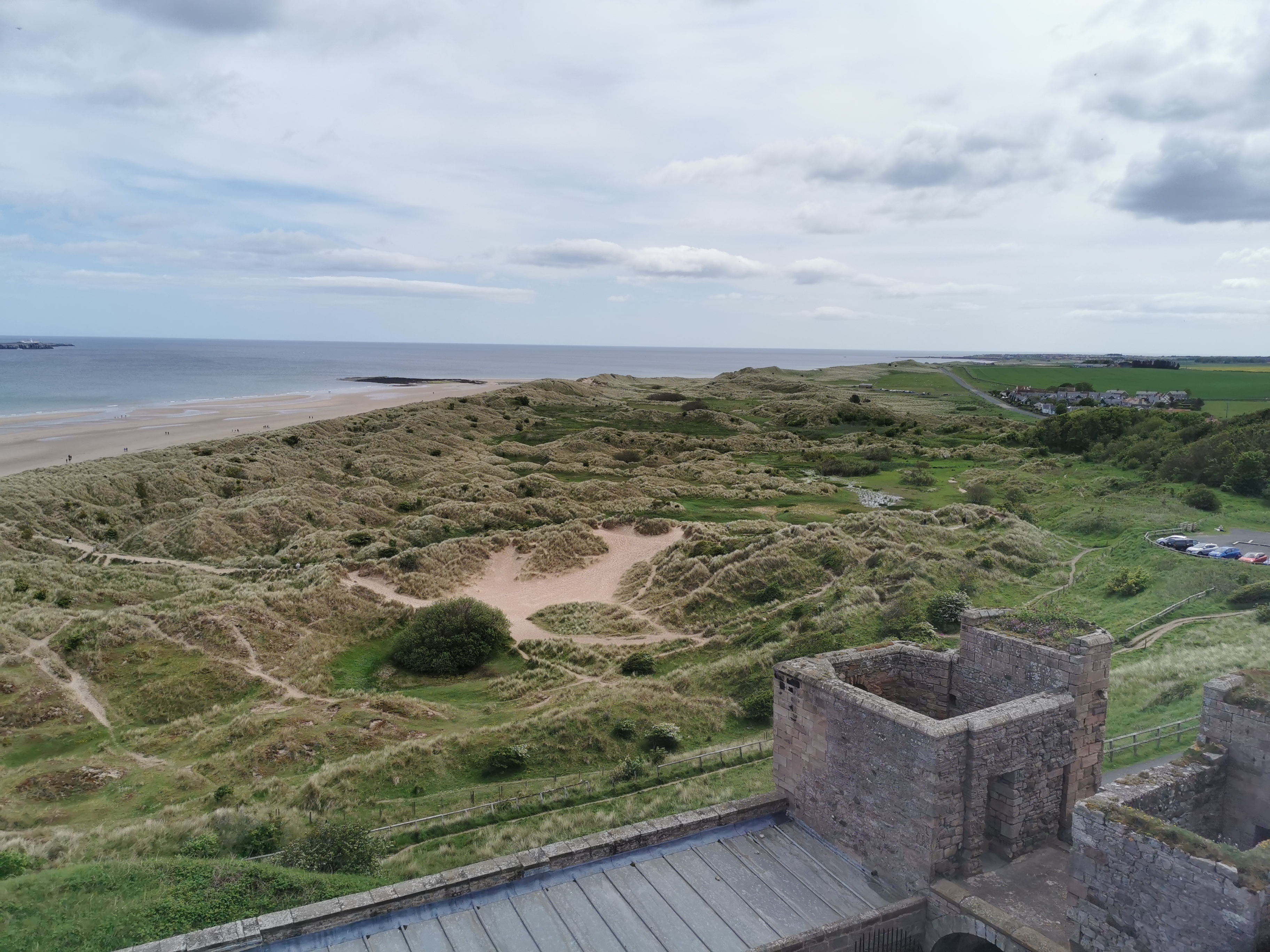
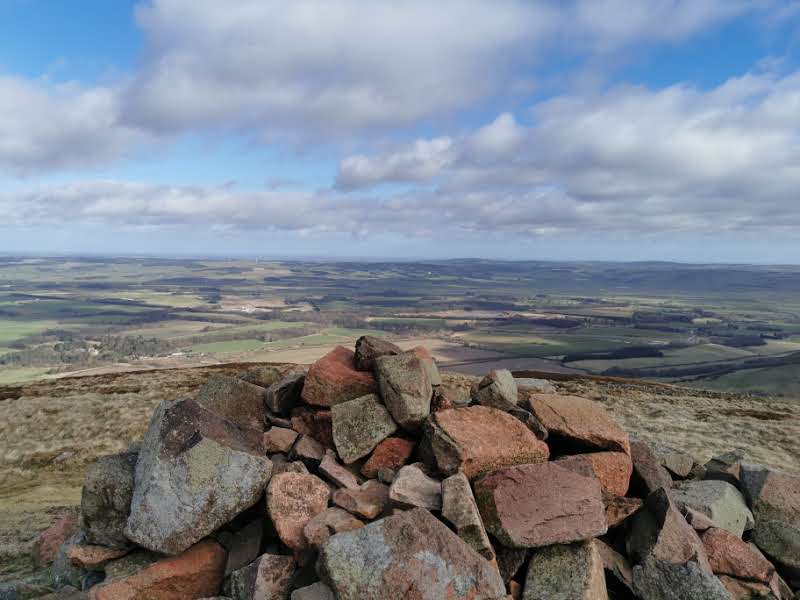
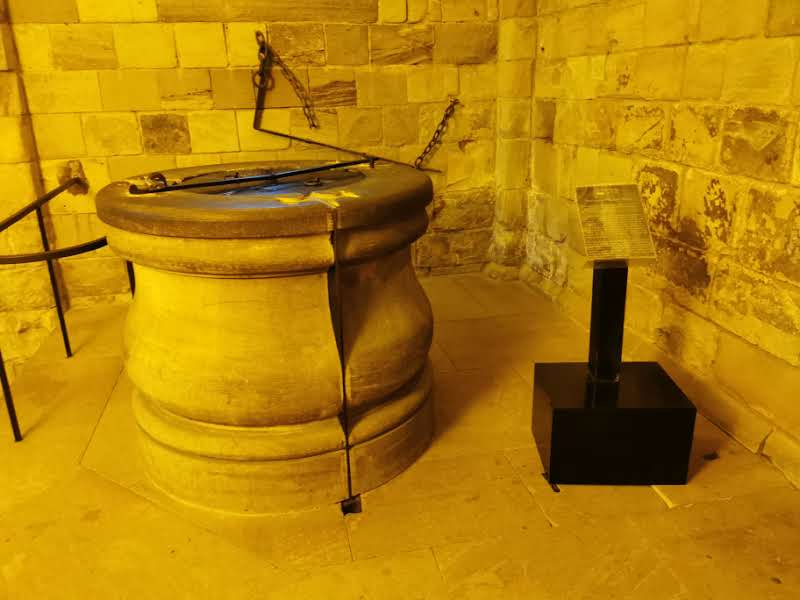
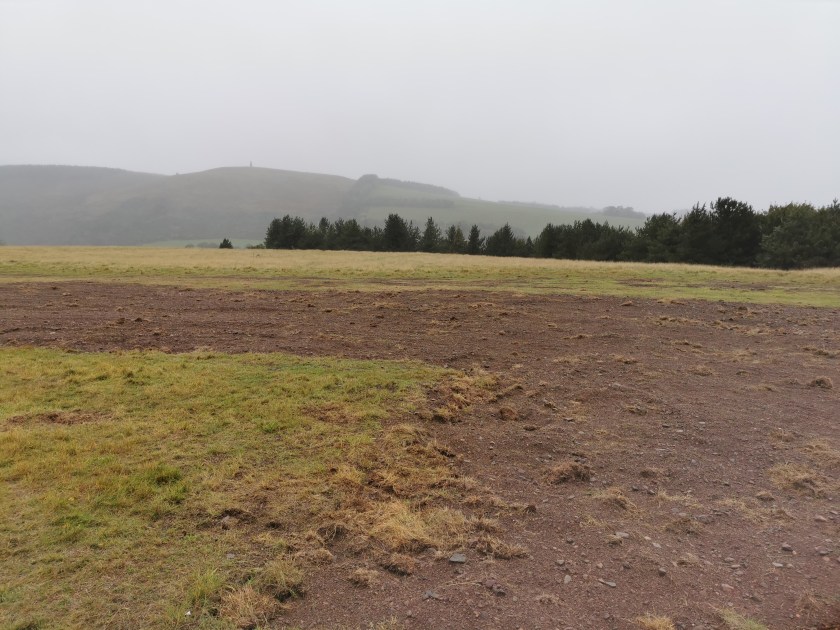
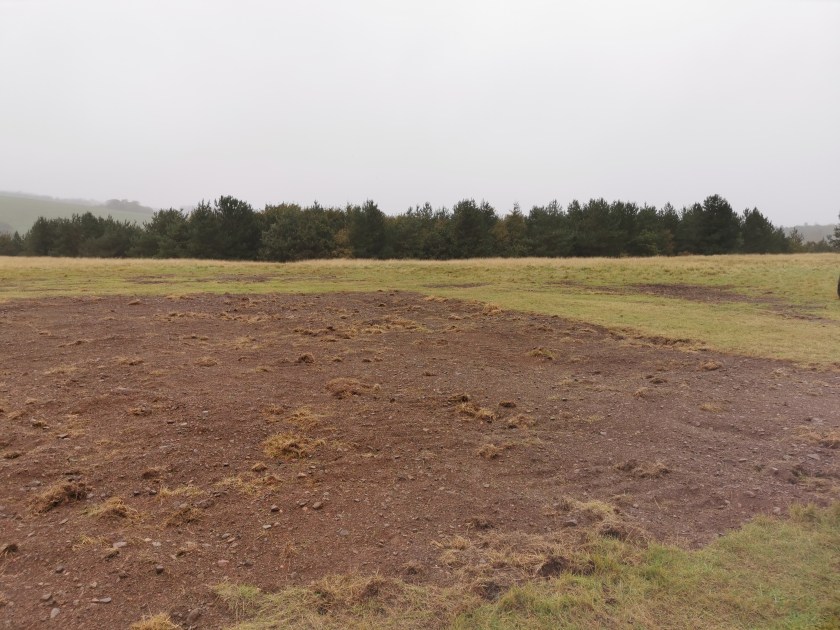
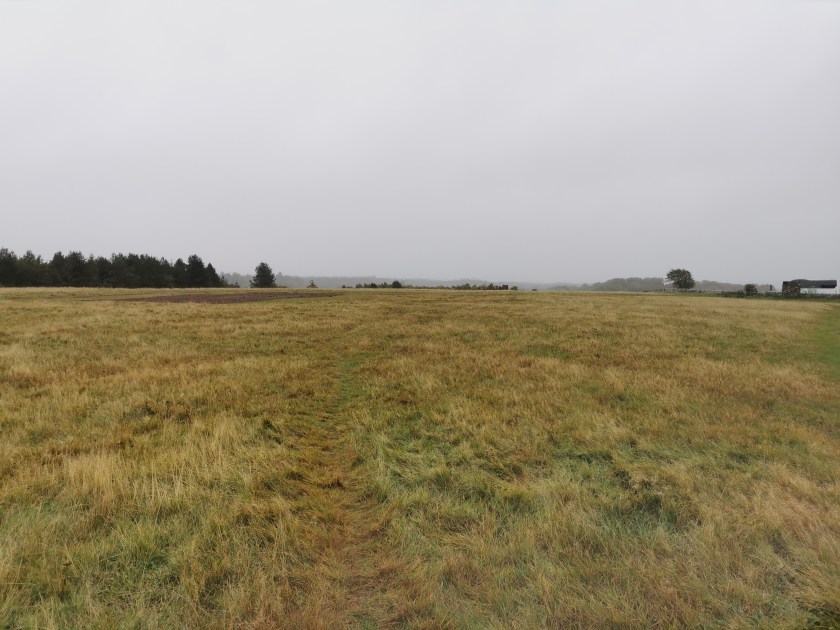
Ad Gefrin, a Northumbrian royal palace, although no longer visible above groundAntique images of Bamburgh CastleBamburgh Castle,or rather, the keep, in its depths is the oldest part of the castleMore antique prints of Bamburgh CastleThe view from Bamburgh CastleLooking towards the coast from Yeavering Bell, above Ad RefrainThe well and well cover at Bamburgh Castle in the keep – the oldest part of the castle
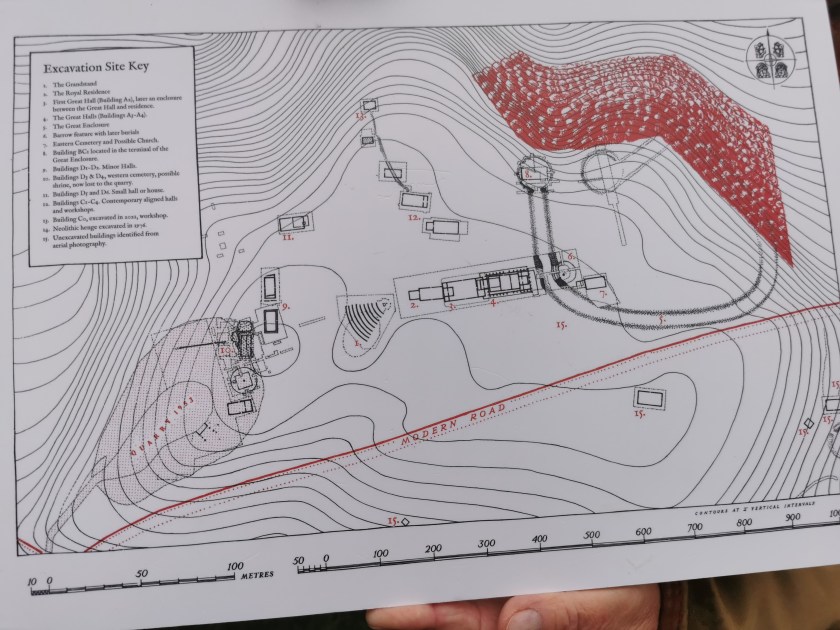
The original excavation map (I think)
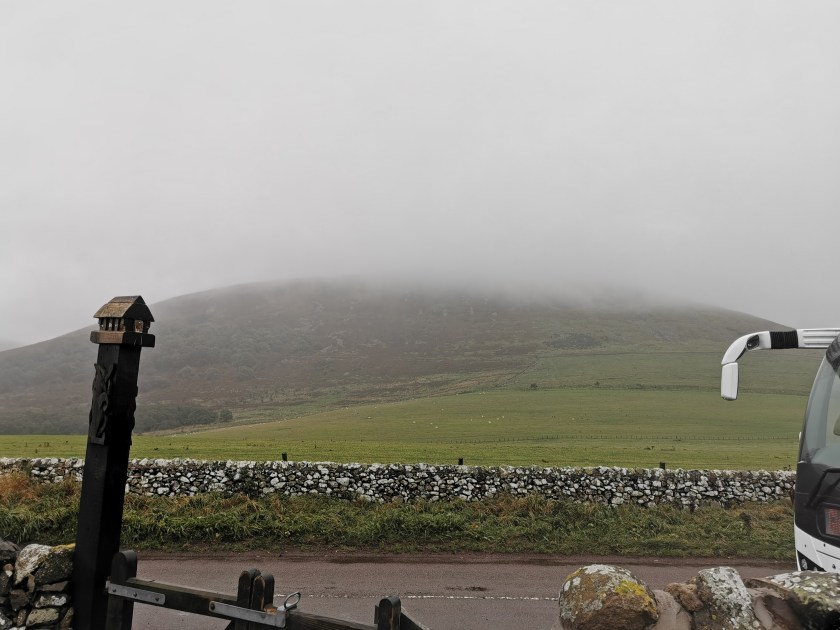
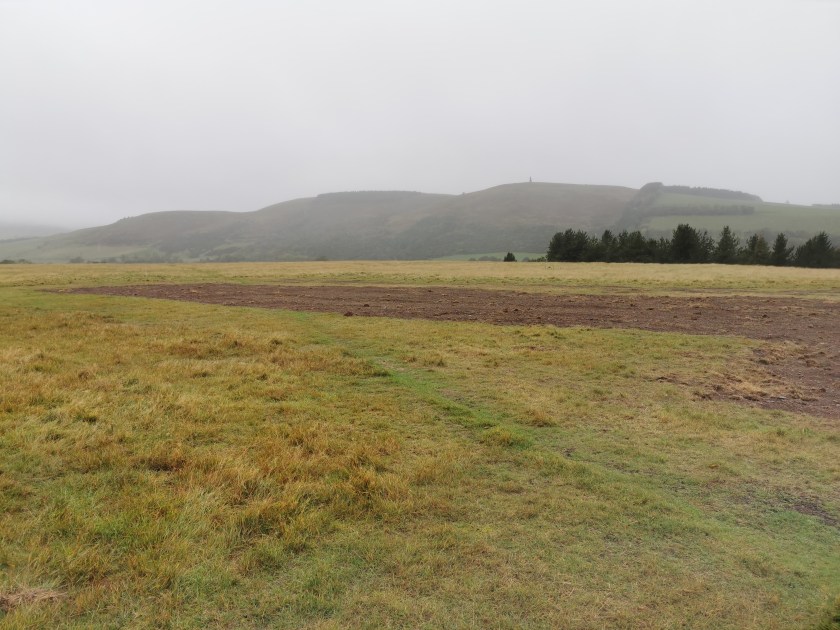
Looking towards Yeavering Bell (there’s a picture above of what the view looks like on a clear day)
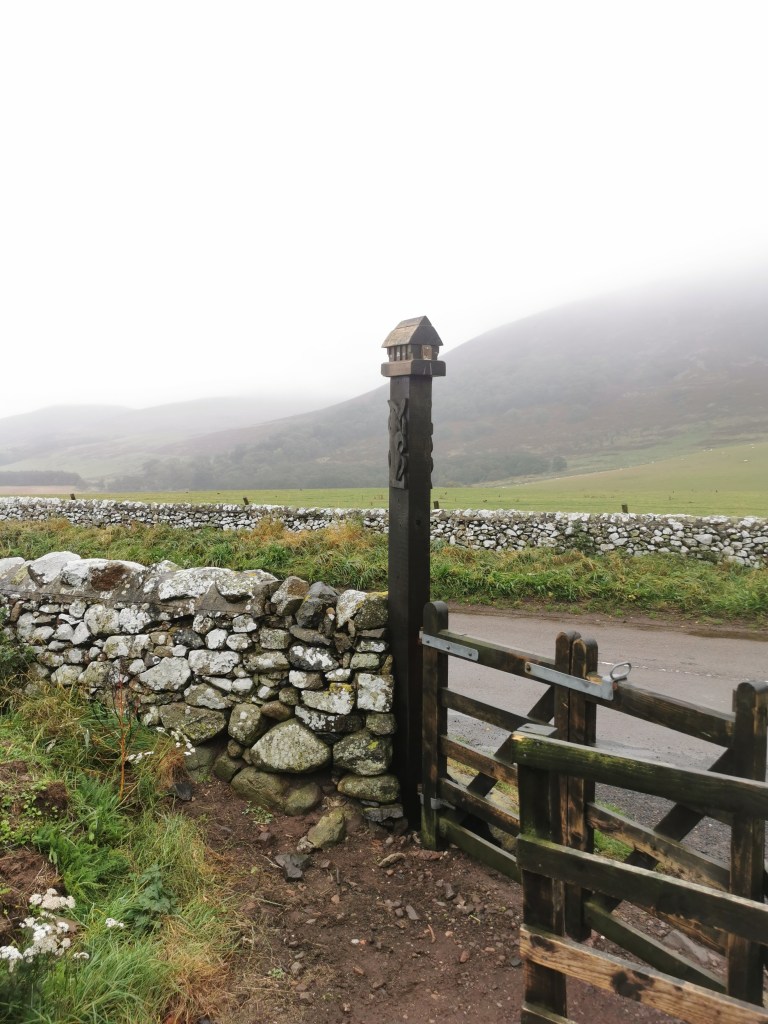
The entrance to Ad Gefrin
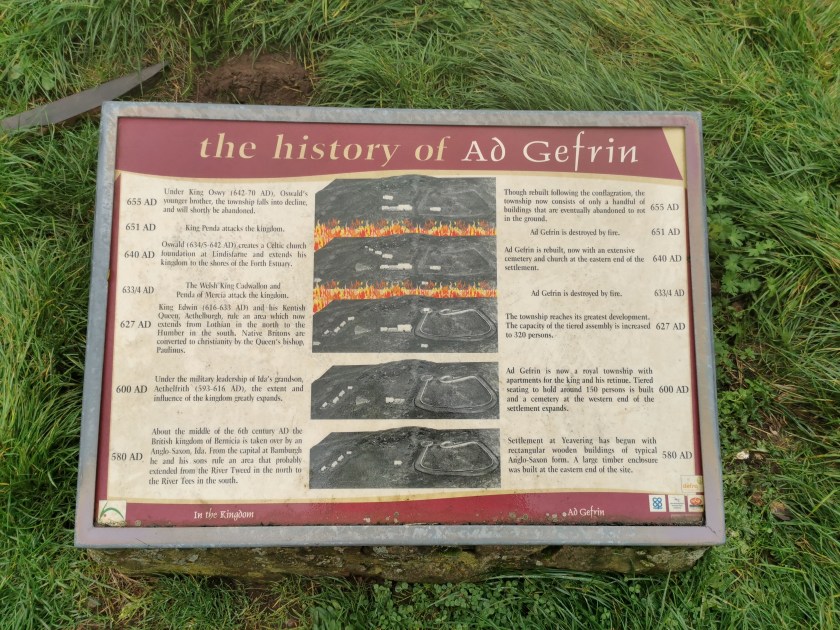
The history of Ad Gefrin board from the site
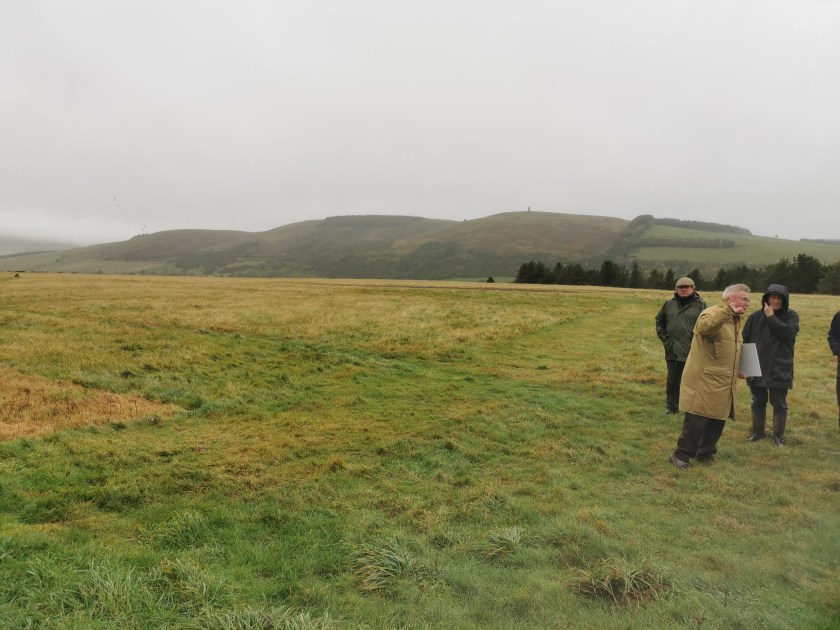
The remains of Ad Gefrin, explained to us by archaeologist Roger Miket
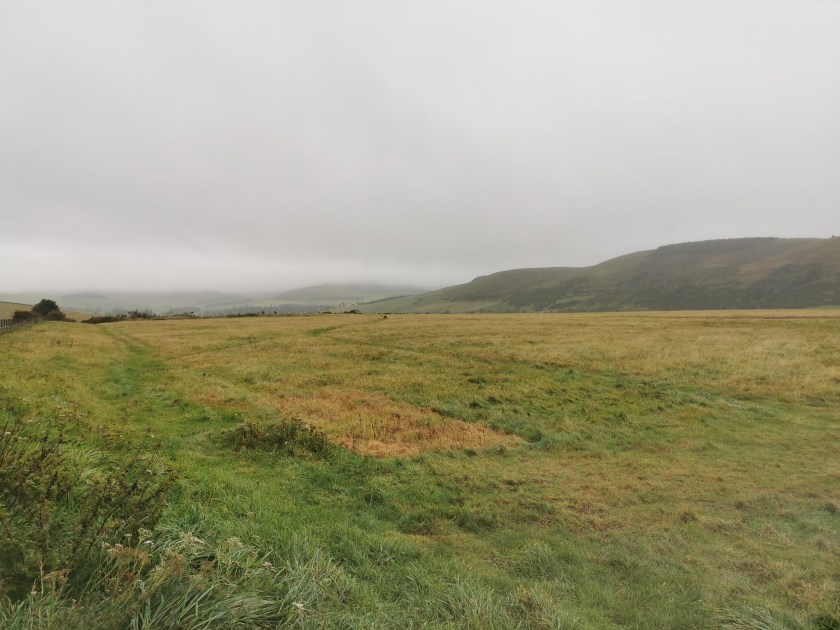
More damp Ad Gefrin
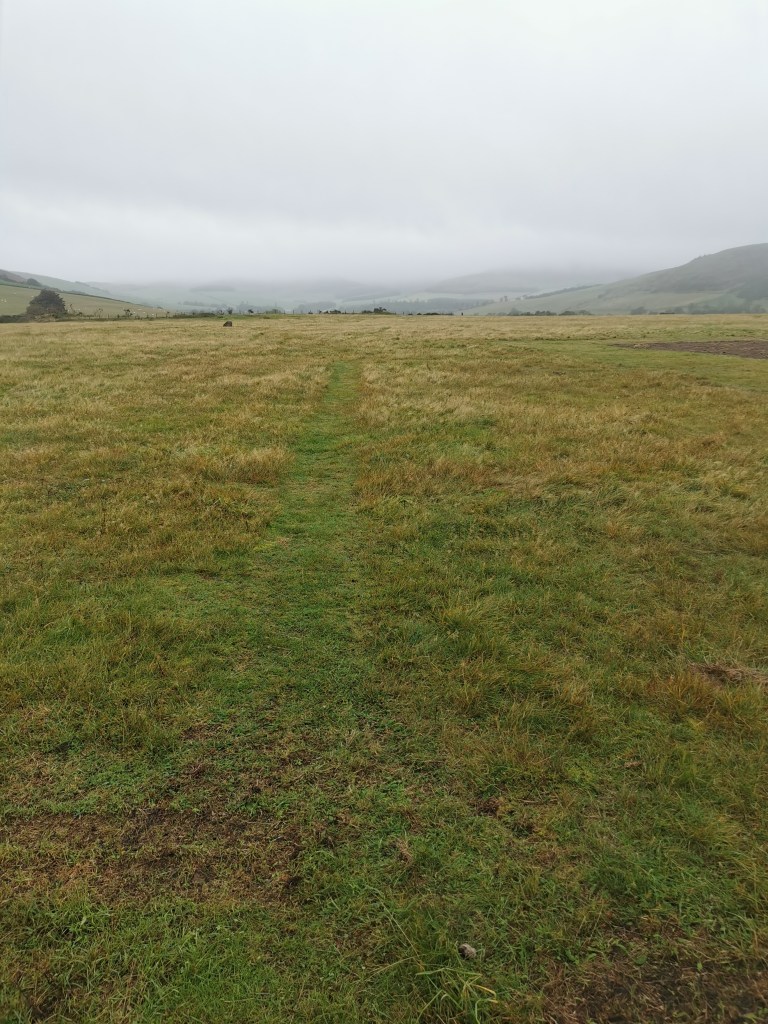
And more
And more
And more
And more
And more
The site of the 2023 excavation
And more
And more
And more
You can hear the archaeologist, Sarah Semple, talking about the recent excavations at Ad Gefrin in this Society of Antiquaries Lecture. https://www.youtube.com/watch?v=0A7eRTvajtA
You can also visit the Ad Gefrin trust website here.
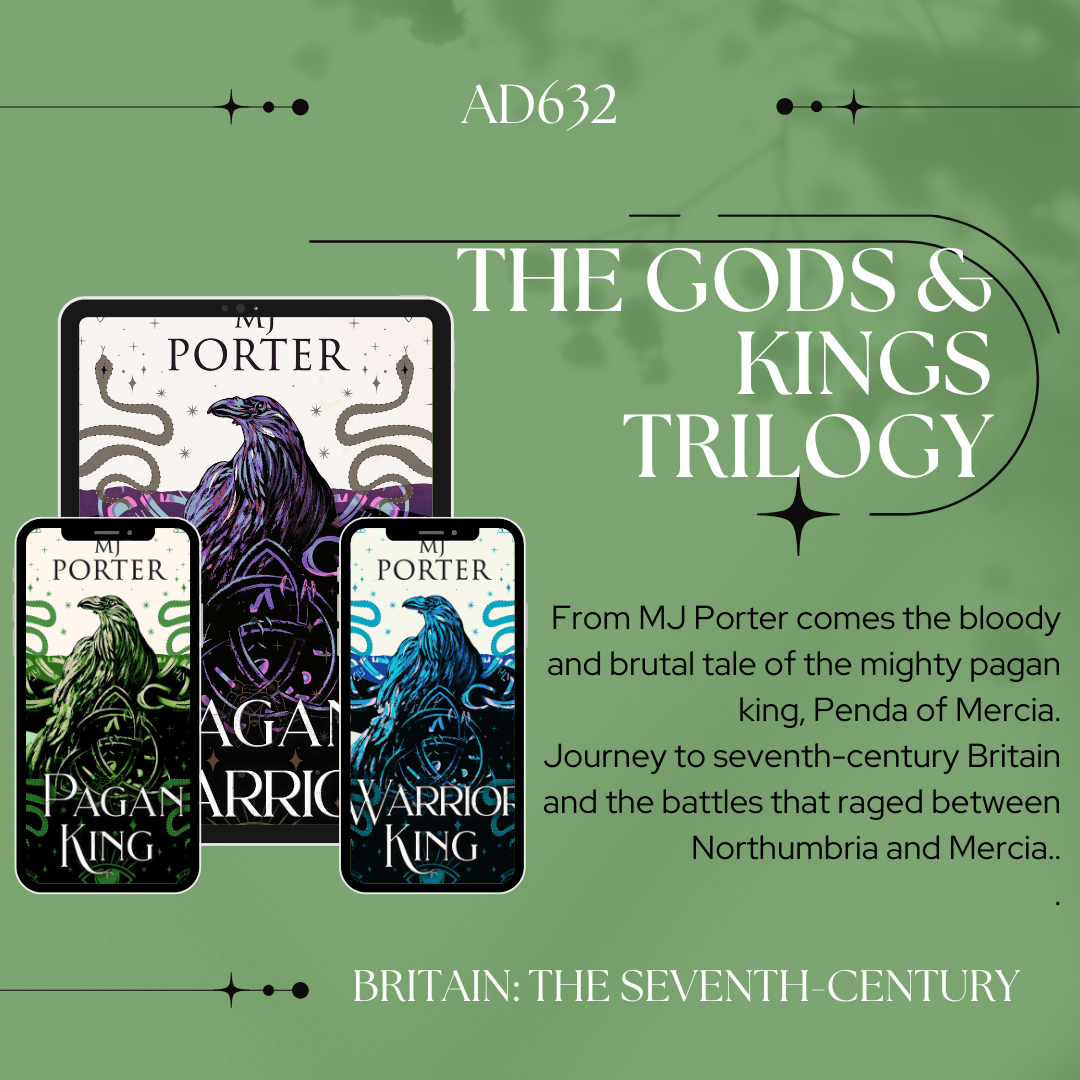
The battle of Maserfeld is the book Pagan King follows in my Gods and Kings Trilogy (the second book in the trilogy). I had a lot of fun writing it, making use of locations I visited as a child to make them come alive, and even setting one of the fictional battles in the lead up to the clash at Maserfeld, close to where I used to live.
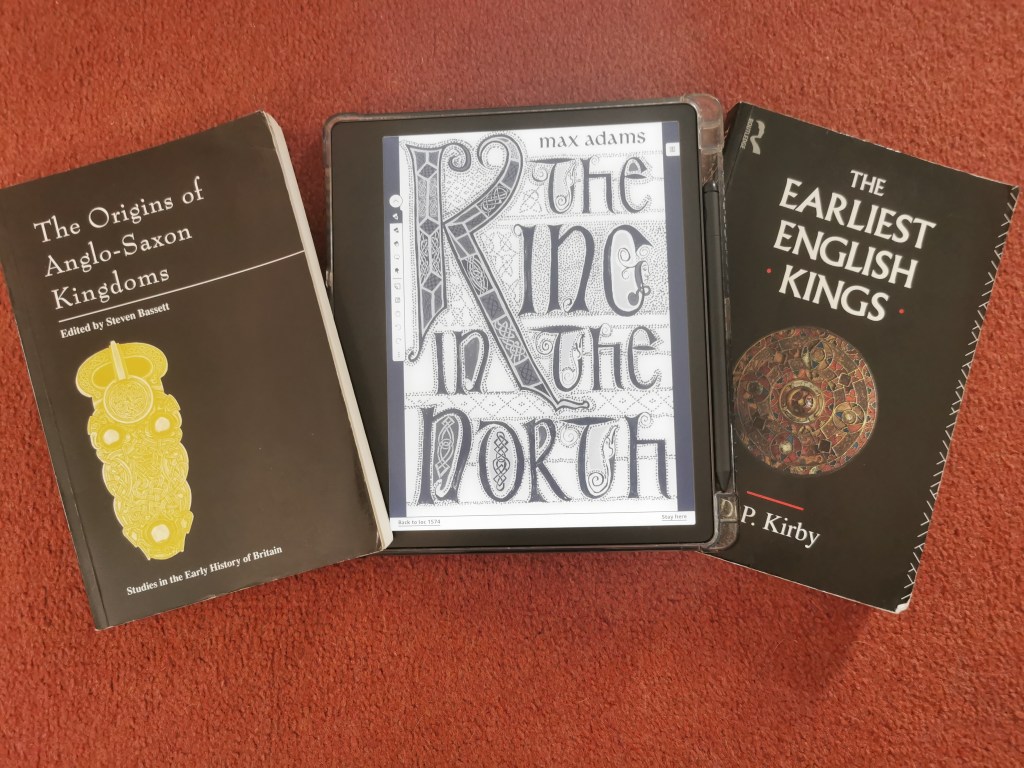
If you’re curious about the period, I highly recommend these non-fiction titles. Perhaps start with Max Adams’ The King in the North. It’s also the most modern of the three. The other two were texts I read while at university (so yes, decades ago:))
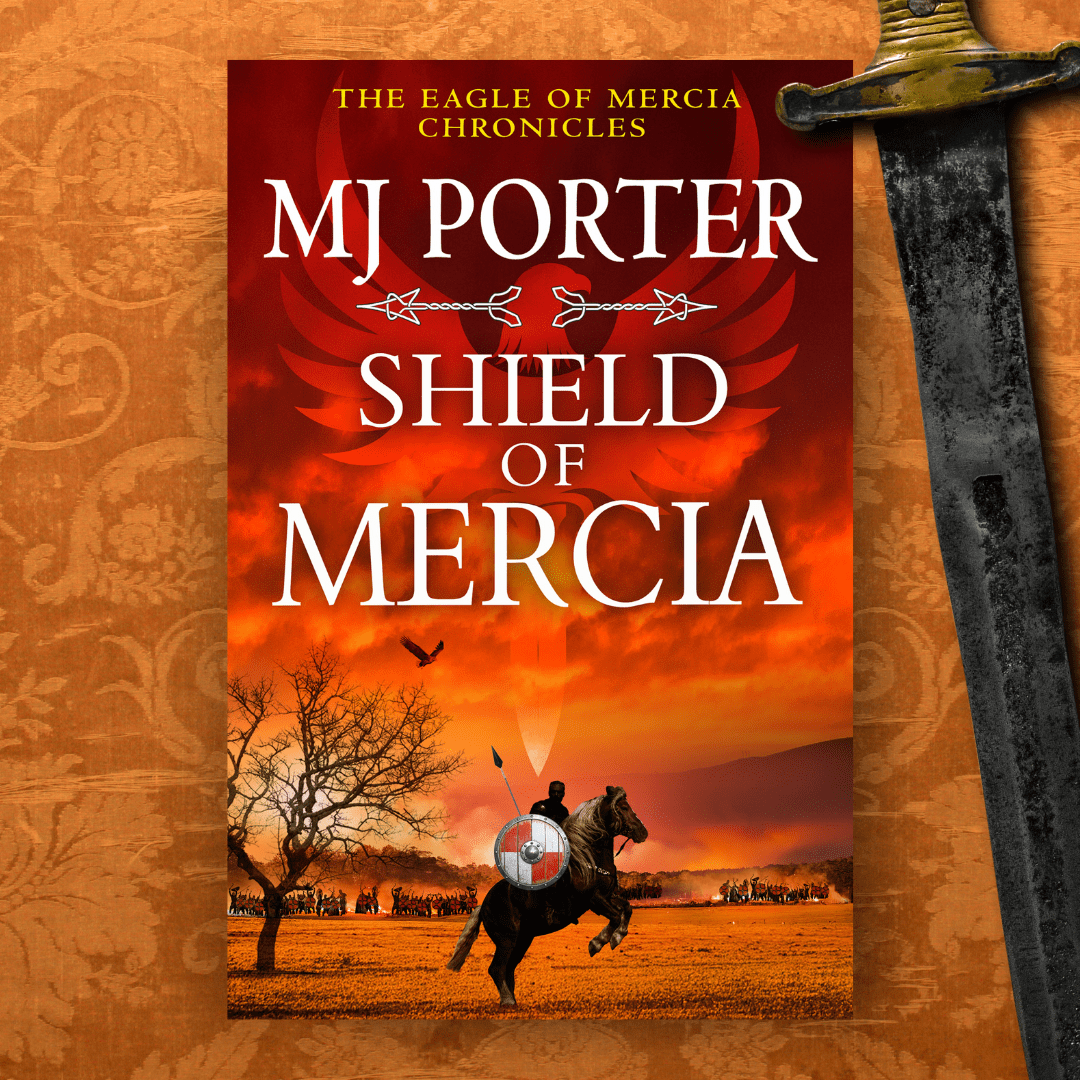
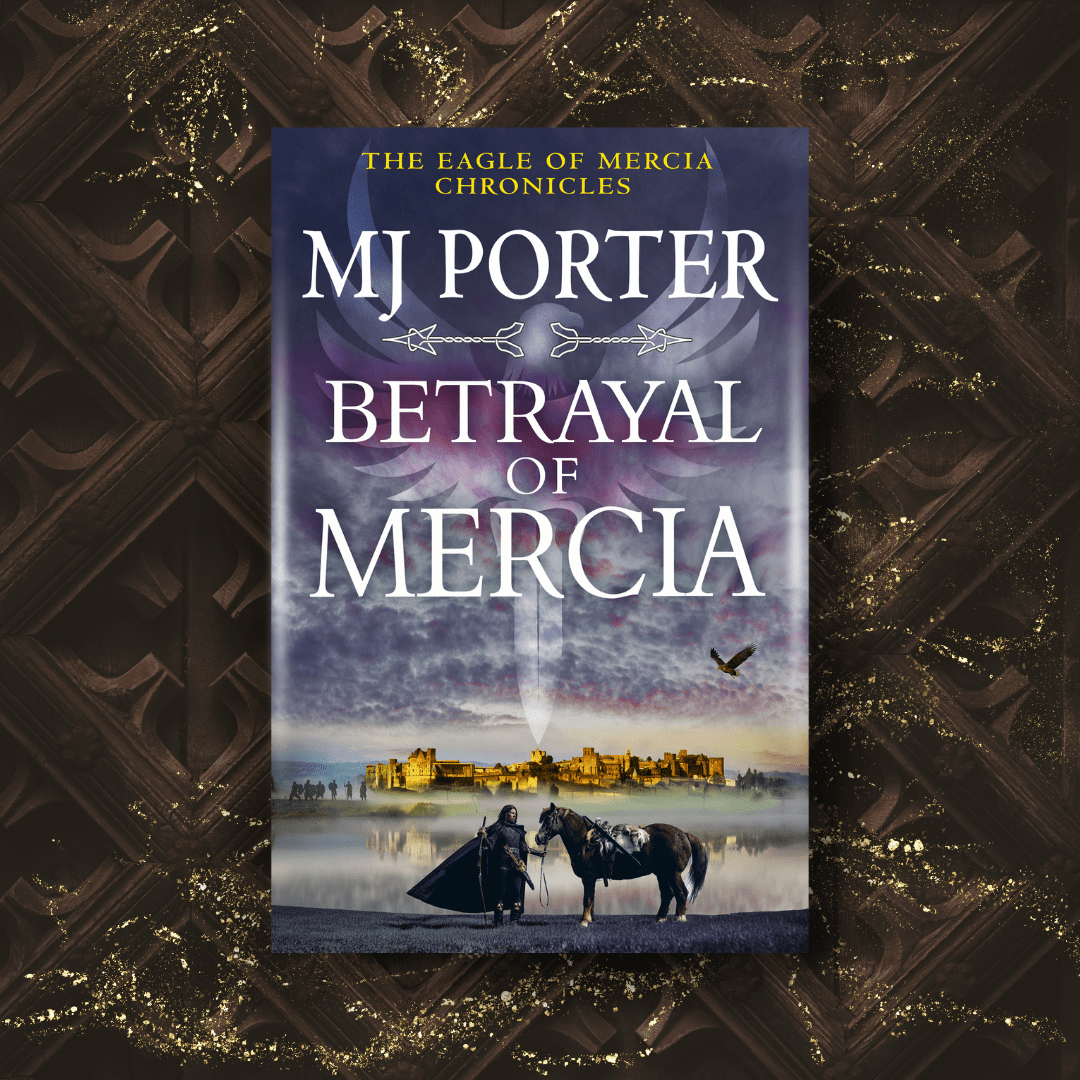
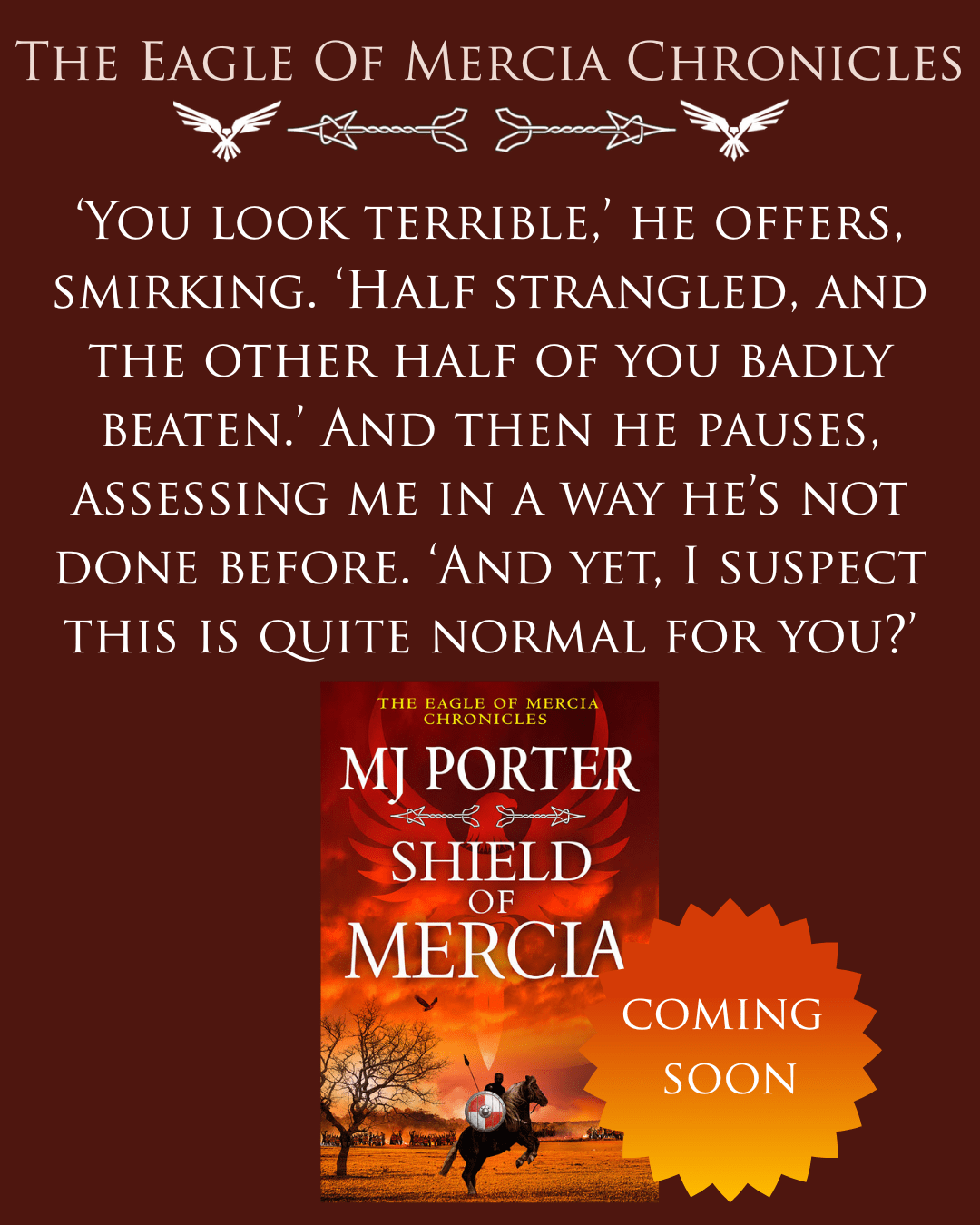
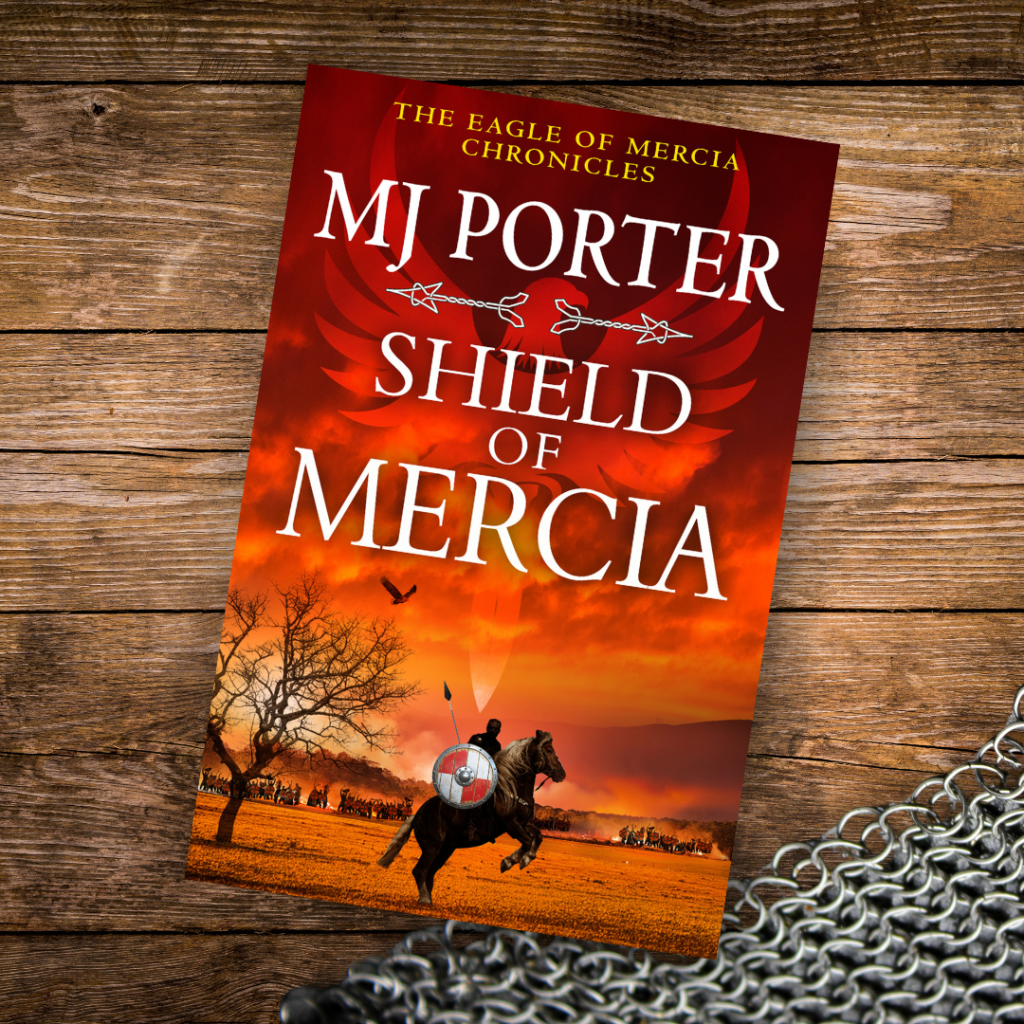
It’s cover reveal time for Shield of Mercia. Return to the world of young Icel. #covereveal #preorder #histfic #EasterEggs
Mercia is triumphant. Her king is safe. But Wessex was never Mercia’s only enemy.
Tamworth, AD836
Following a brutally cold winter, King Wiglaf of Mercia is in the ascendancy. Even Wessex’s Archbishop of Canterbury extraordinarily ventures to Mercia to broker a religious accord. But, can the hard-won peace prevail?
Viking raiders threaten Wessex. These blood-thirsty warriors are fast, skilful and have no reticence about killing those who stand in their way. Their aim isn’t to rule but to overwhelm, slaughter and take ill-gotten wealth.
King Wiglaf is no fool. As the Vikings push to overwhelm Wessex, Mercia’s lands look insecure. King Wiglaf needs the shields of Mercia’s warriors to prevent the overwhelming advancement of their deadliest enemy yet.
To save Mercia, Icel must first prevail over the two men who mean to end his life; King Ecgberht of Wessex and his son, Æthelwulf of Kent and only then the marauding Viking army for whom boundaries have no meaning.
I’m super excited to share the cover for The Secret Sauce, the third book in The Erdington Mysteries #histfic #historicalmystery
Here’s the blurb
Birmingham, England, November 1944.
Chief Inspector Mason of Erdington Police Station is summoned to a suspicious death at the BB Sauce factory in Aston on a wet Monday morning in late November 1944.
Greeted by his enthusiastic sergeant, O’Rourke, Sam Mason finds himself plunged into a challenging investigation to discover how Harry Armstrong met his death in a vat containing BB Sauce – a scene that threatens to put him off BB Sauce on his bacon sandwiches for the rest of his life.
Together with Sergeant O’Rourke, Mason follows a trail of seemingly unrelated events until something becomes very clear. The death of Harry Armstrong was certainly murder, and might well be connected to the tragedy unfolding at nearby RAF Fauld. While the uncertainty of war continues, Mason and O’Rourke find themselves seeking answers from the War Office and the Admiralty, as they track down the person who murdered their victim in such an unlikely way.
Join Mason and O’Rourke for the third book in the quirky, historical mystery series, as they once more attempt to solve the impossible in 1940s Erdington.
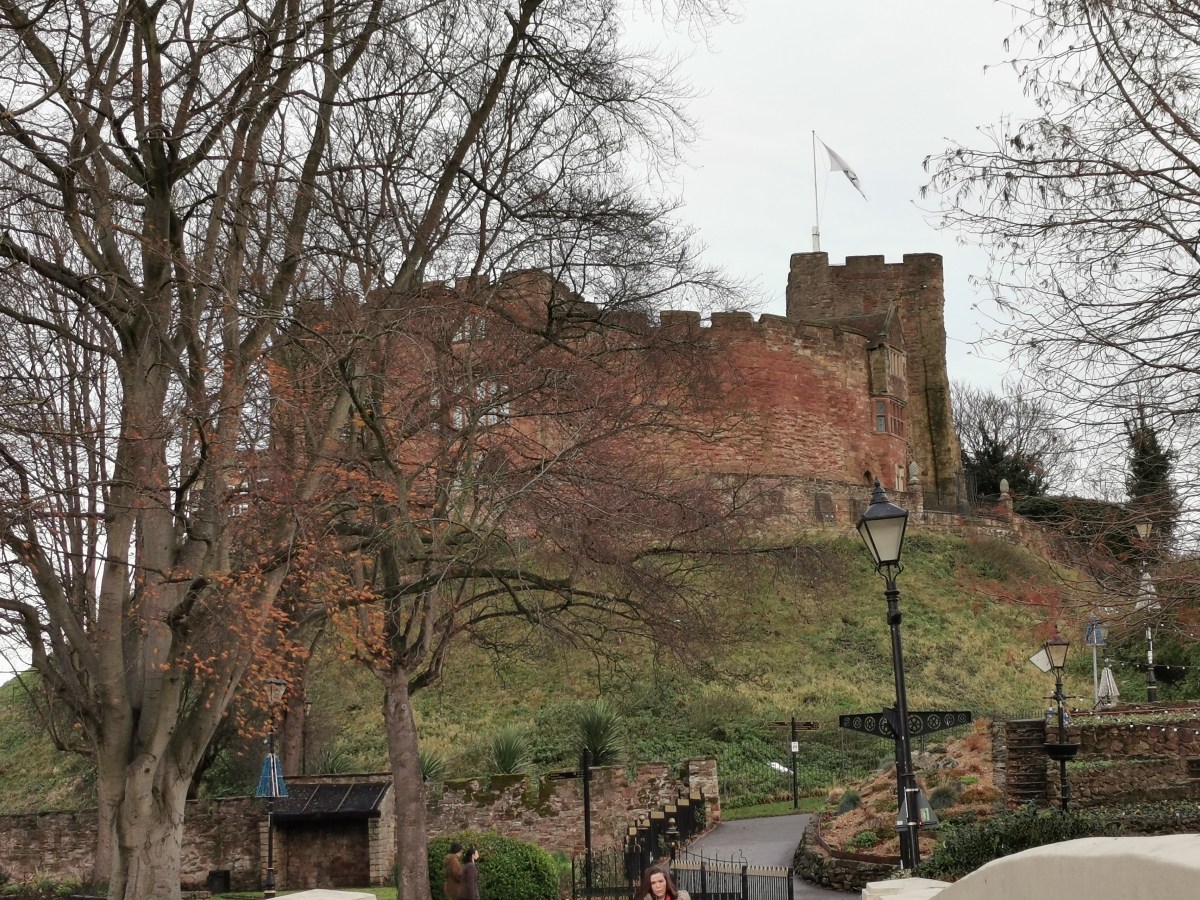
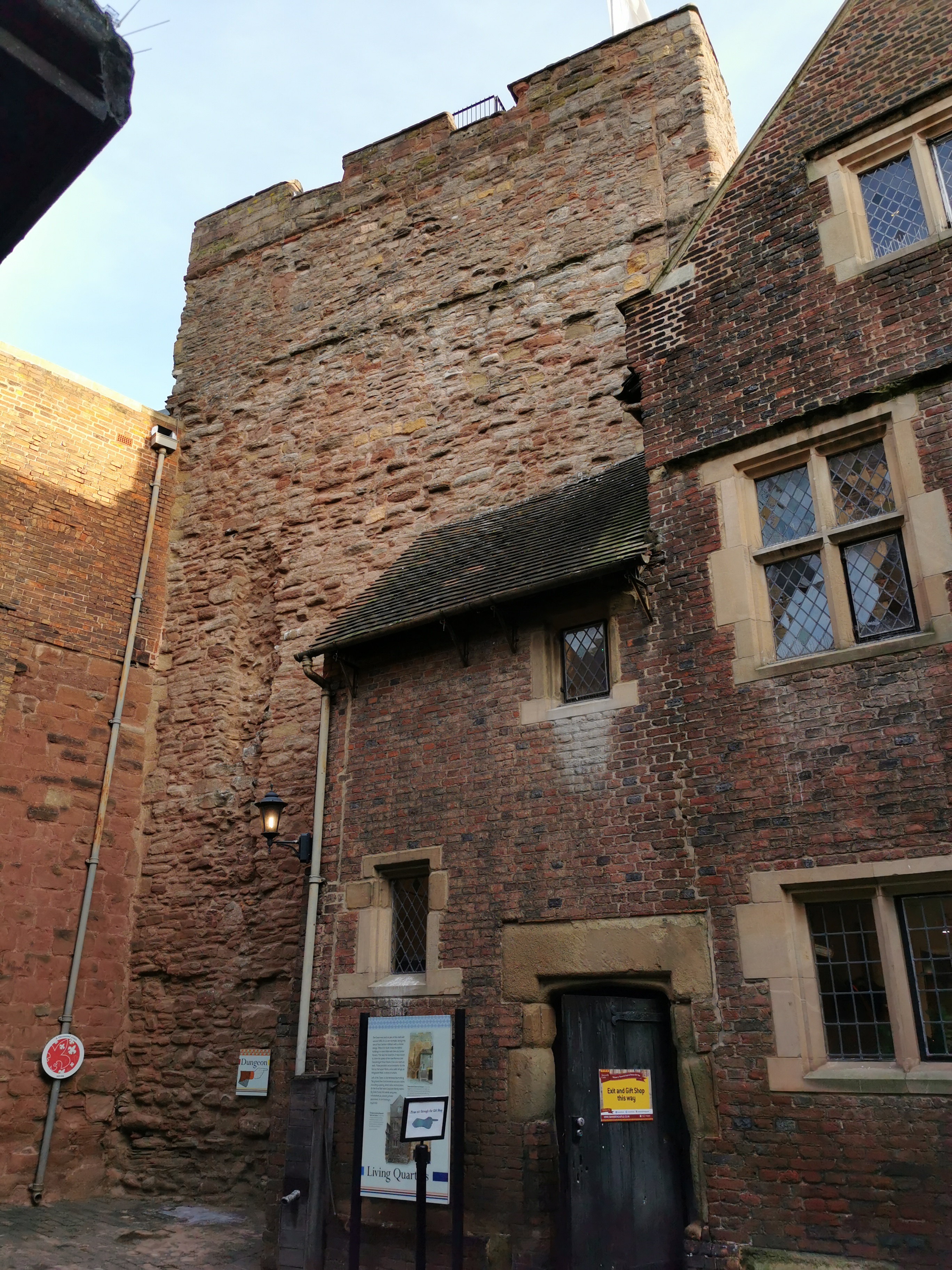
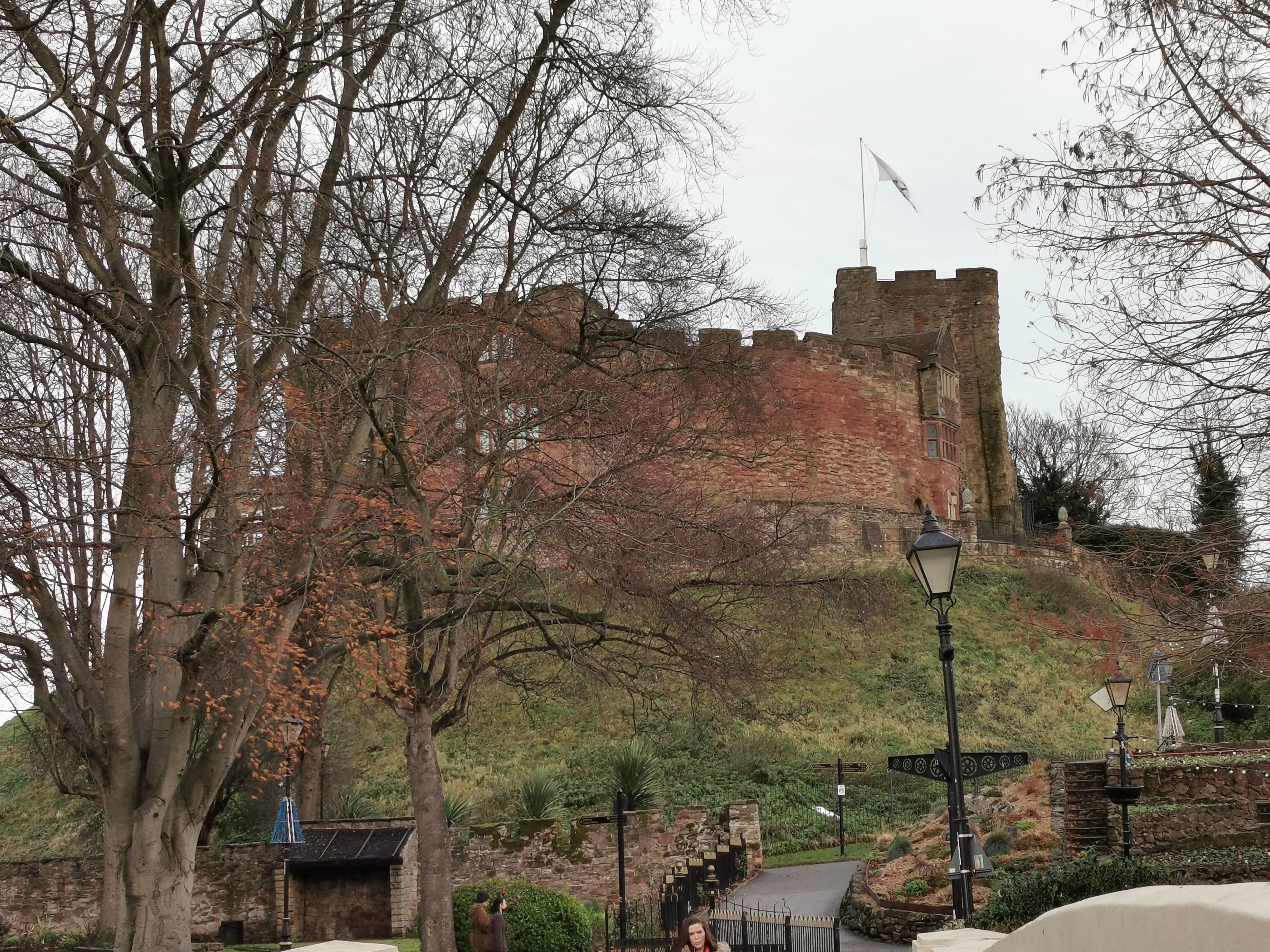
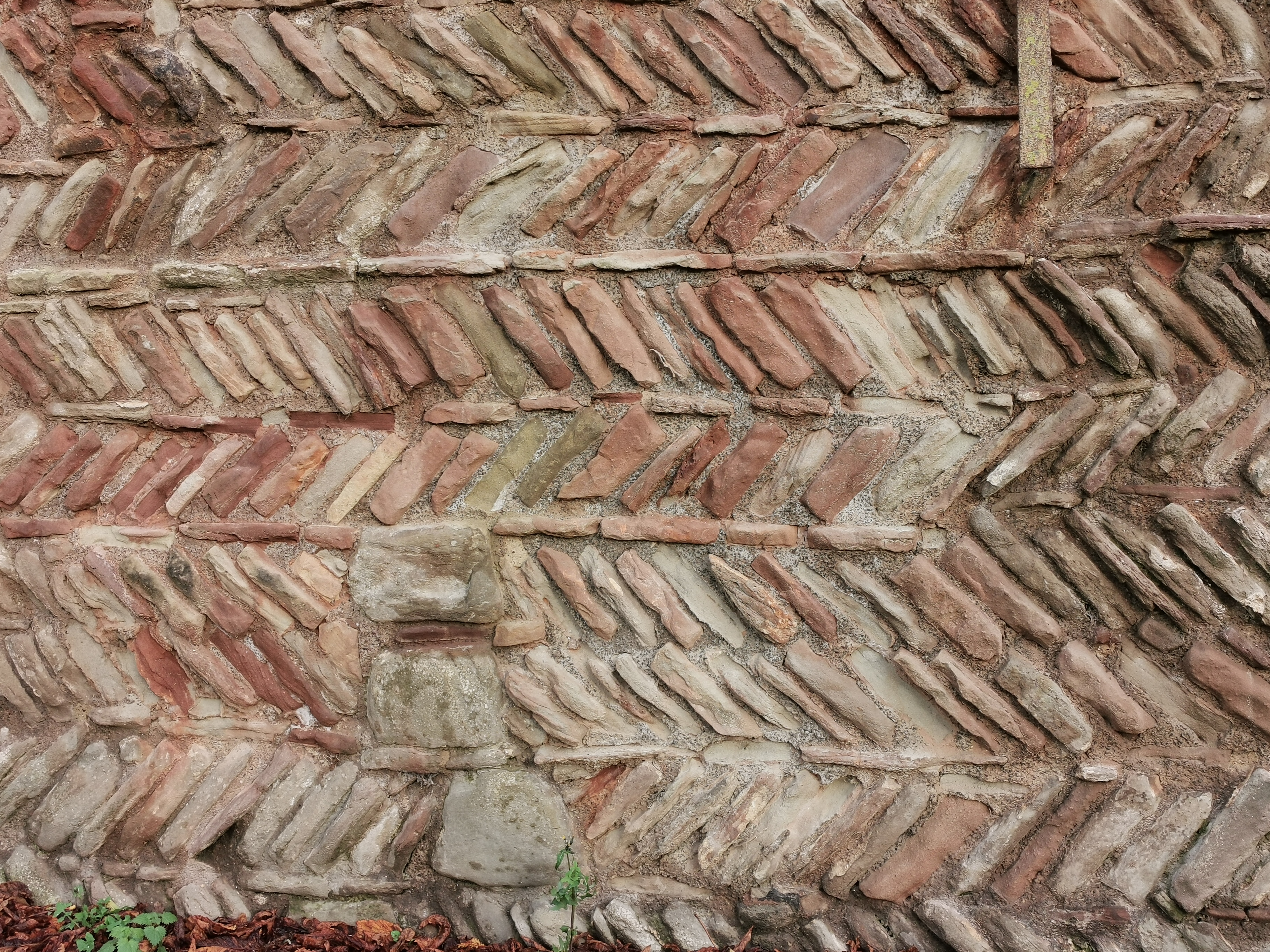
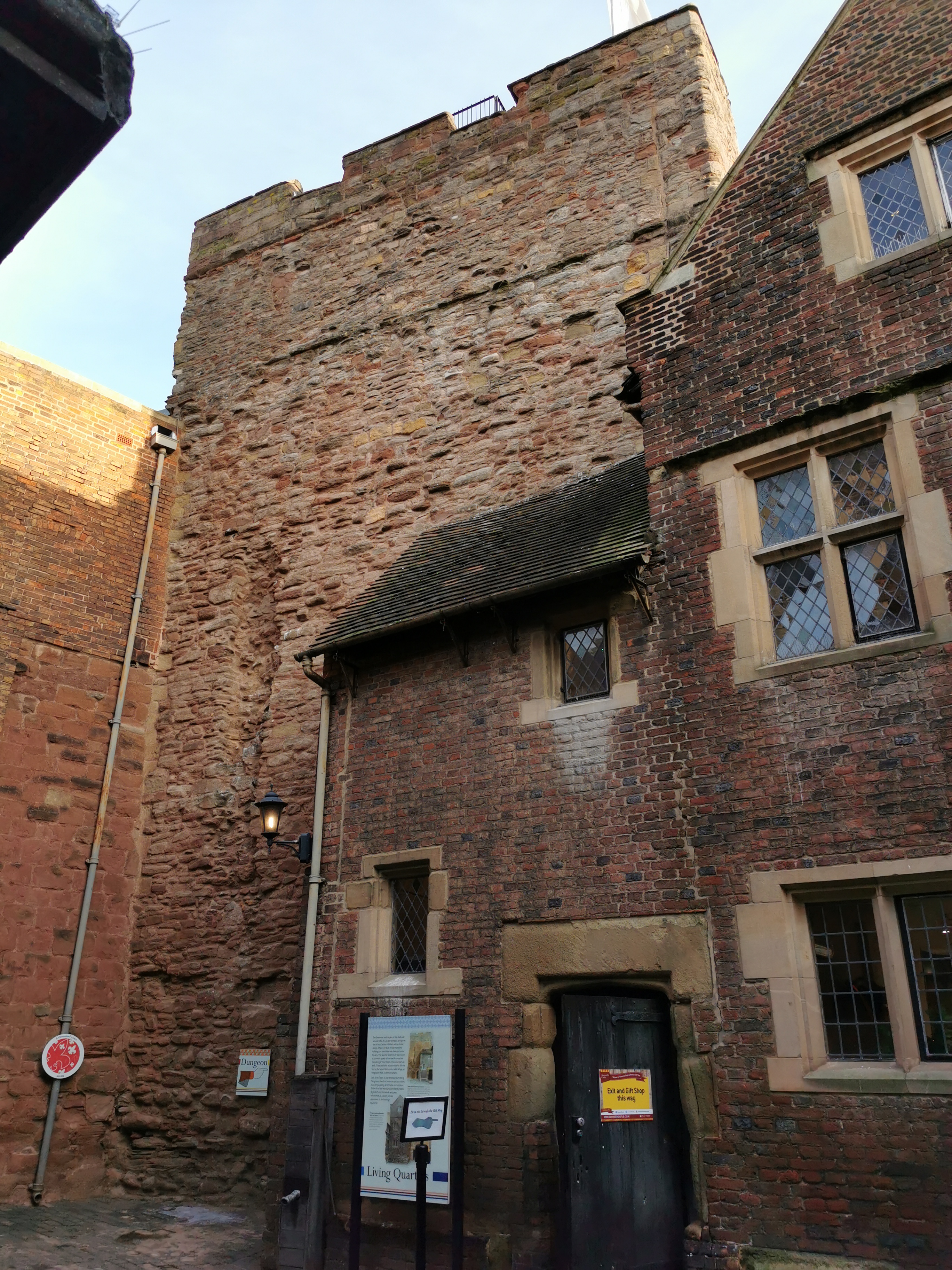
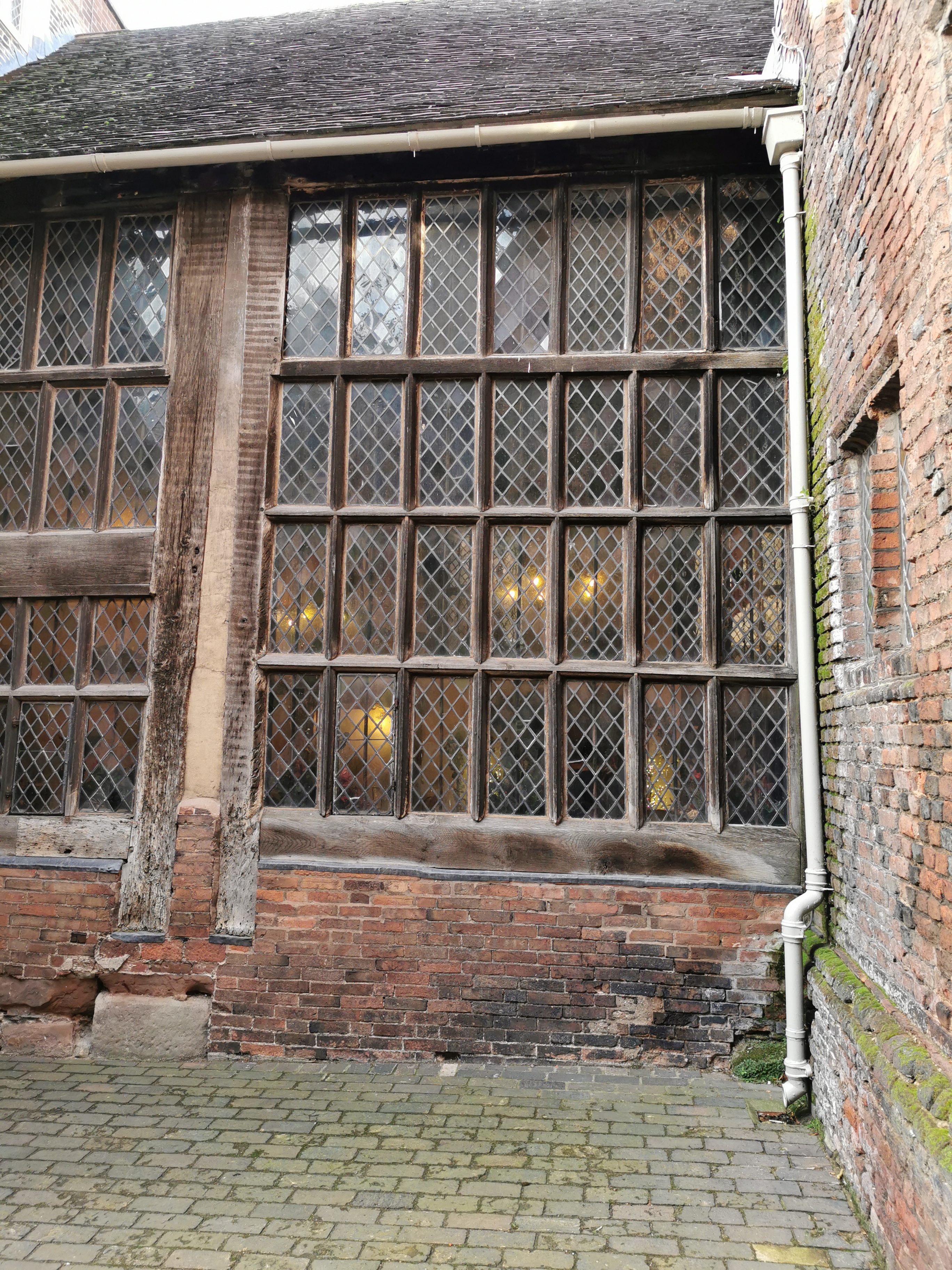
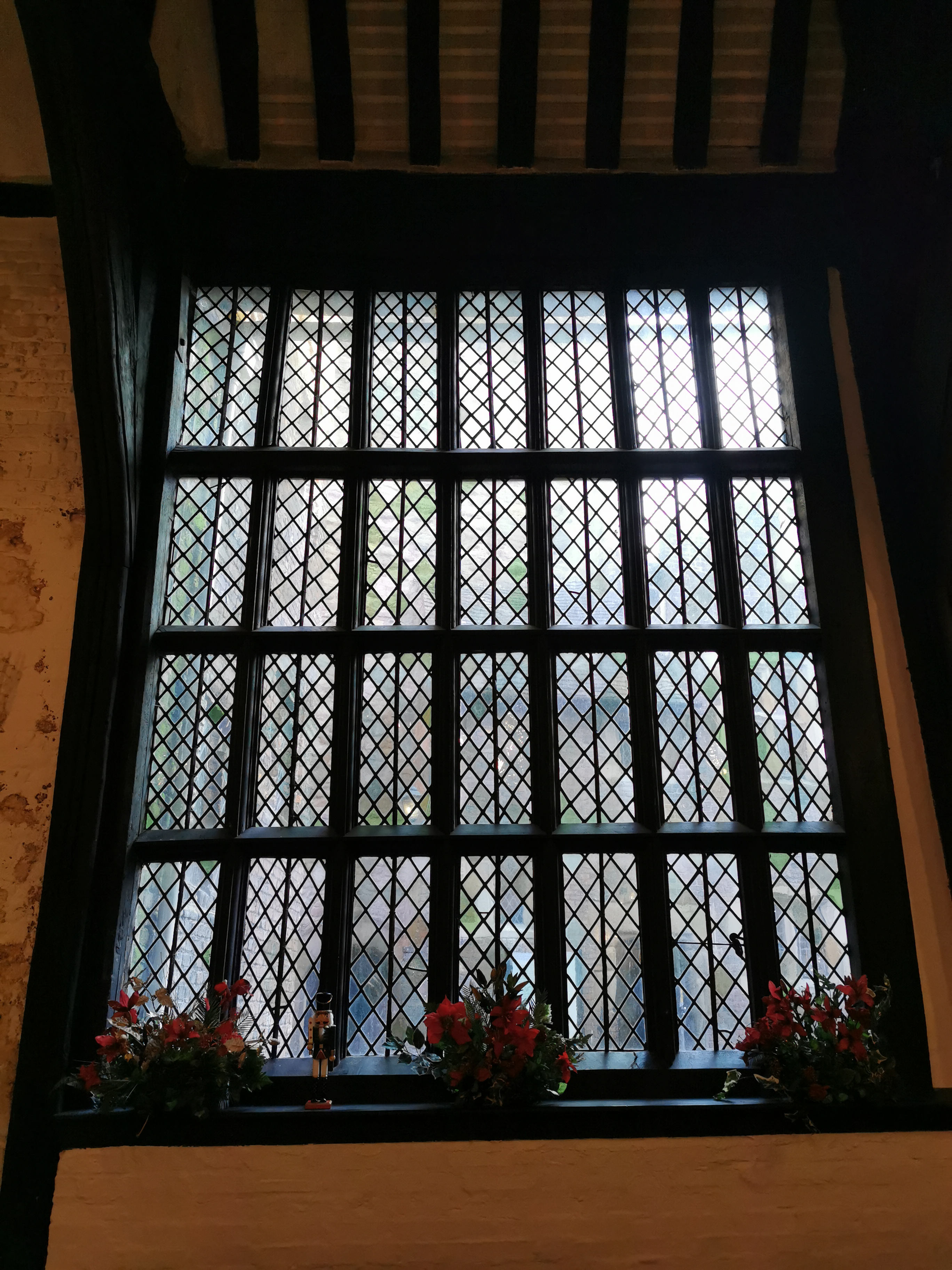
Like Lichfield and Repton, Tamworth has long been known to be a capital of the Saxon Mercian kingdom. Visitors today will find a more modern castle, which variously dates from the end of Saxon England up to the Victorian era, and one which is crammed with fascinating detail, from the herringbone wall beneath it to the beautiful Tudor windows of the great hall.
On a visit in 2021, I can also inform you that it currently had a third of the fabulous Staffordshire Hoard on display and an excellent museum filled with all things Saxon. (I believe it still holds some of the Staffordshire Hoard). Castles, if they were built in the late Saxon period, and some of them were, would have been constructed from wood. It was only later that they came to be built or rebuilt in stone, as we recognise them today.
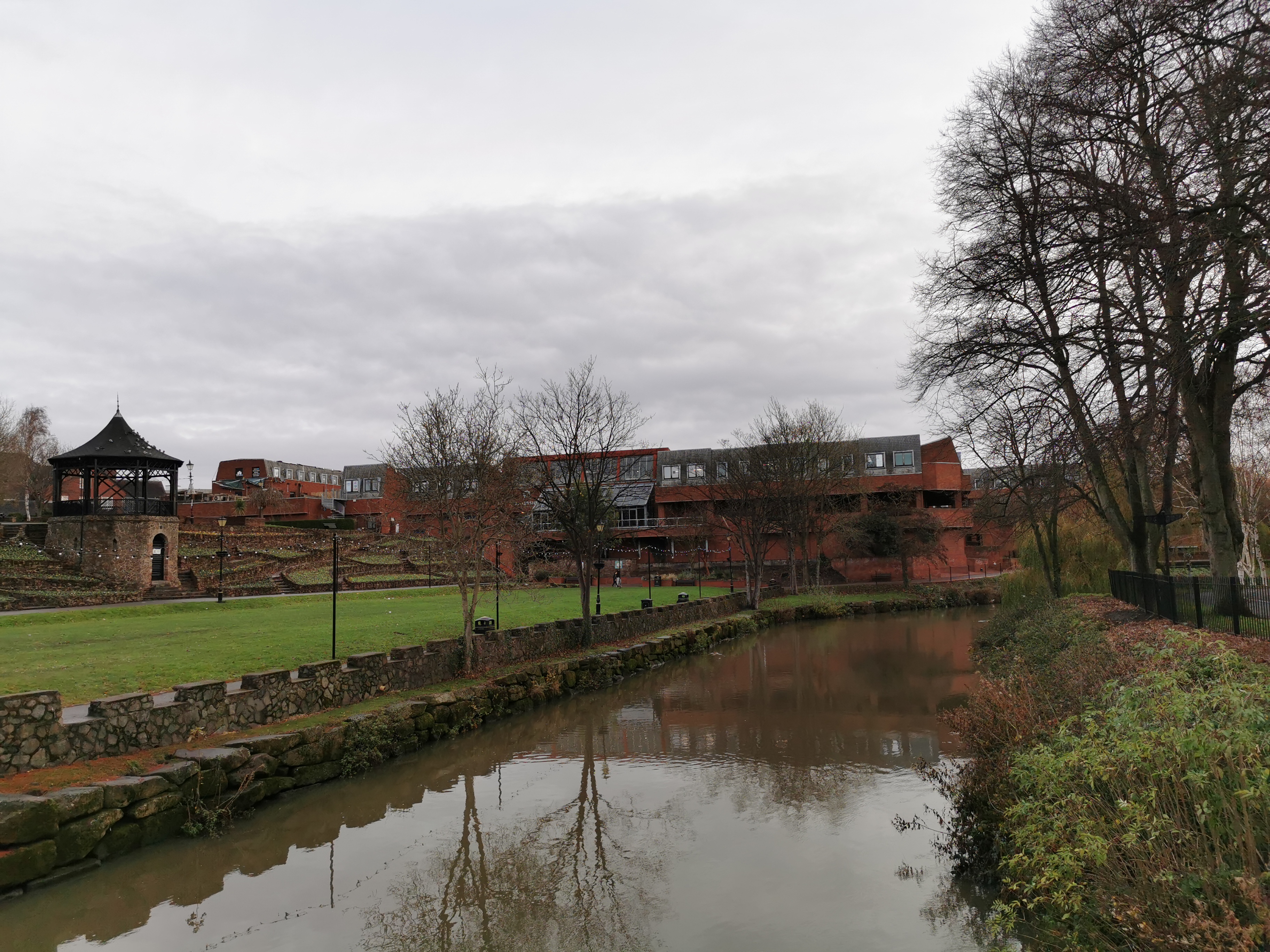
A view of the oldest part of Tamworth Castle, dating to after the end of Saxon England
Today’s castle wouldn’t have existed in the 820s and 830s. Indeed, it’s proven to be very difficult for archaeologists to determine where the original settlement of Tamworth lay, no doubt, because much of it has been overbuilt, just as in most places where habitation has been almost continuous. A fire in 1345 might well have destroyed any remaining wooden dwellings, making the endeavour even more difficult.
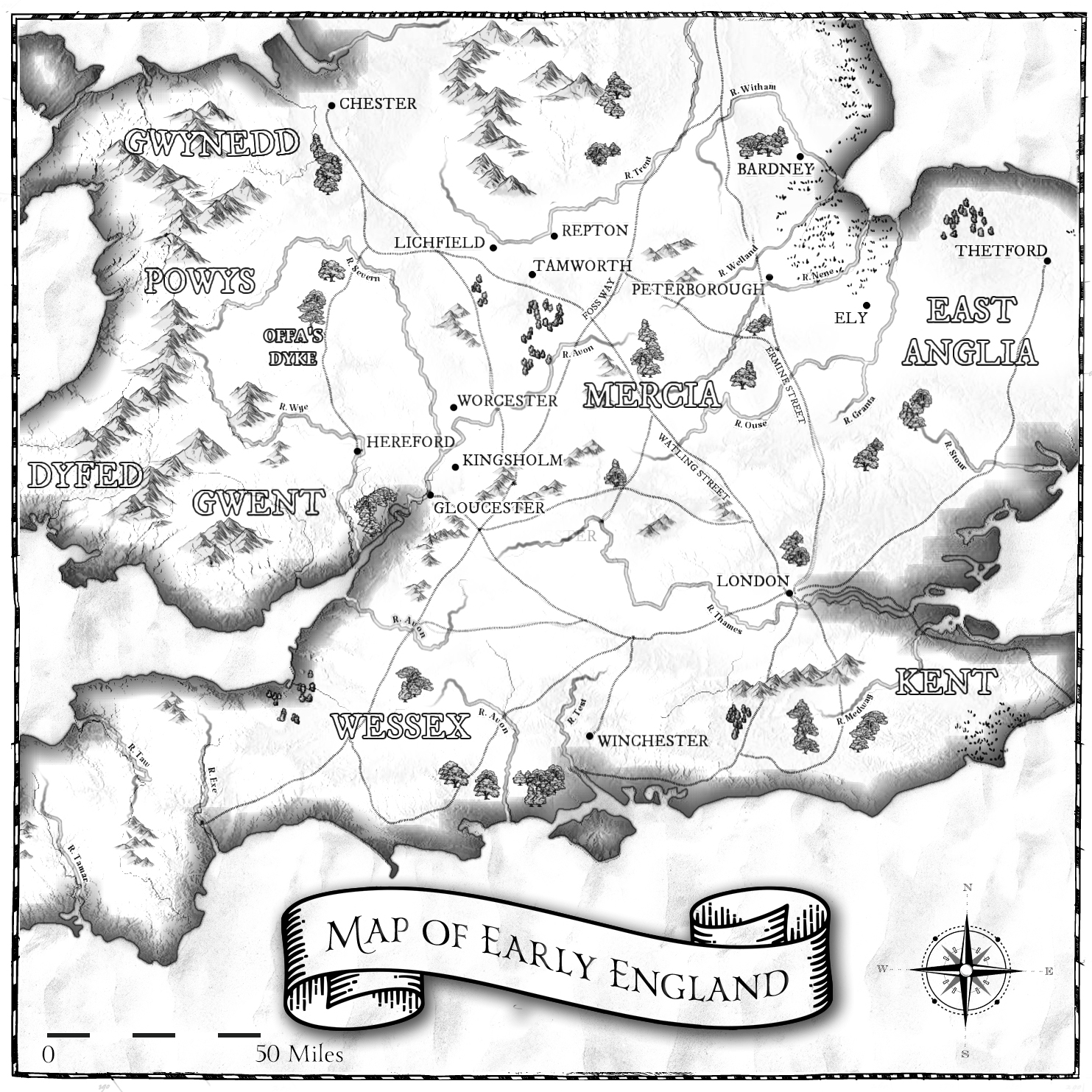
Map showing the location of Tamworth, at the heart of the Saxon kingdom of Mercia. It is close to Lichfield, another important location, and to Repton where, for a period, the ruling family were buried.
It has been possible to reconstruct Tamworth in the 900s, when it was designated a ‘burh,’ a defensive settlement in which the local population could seek shelter from the Viking raiders behind its walls. (I can’t find the image at the moment).
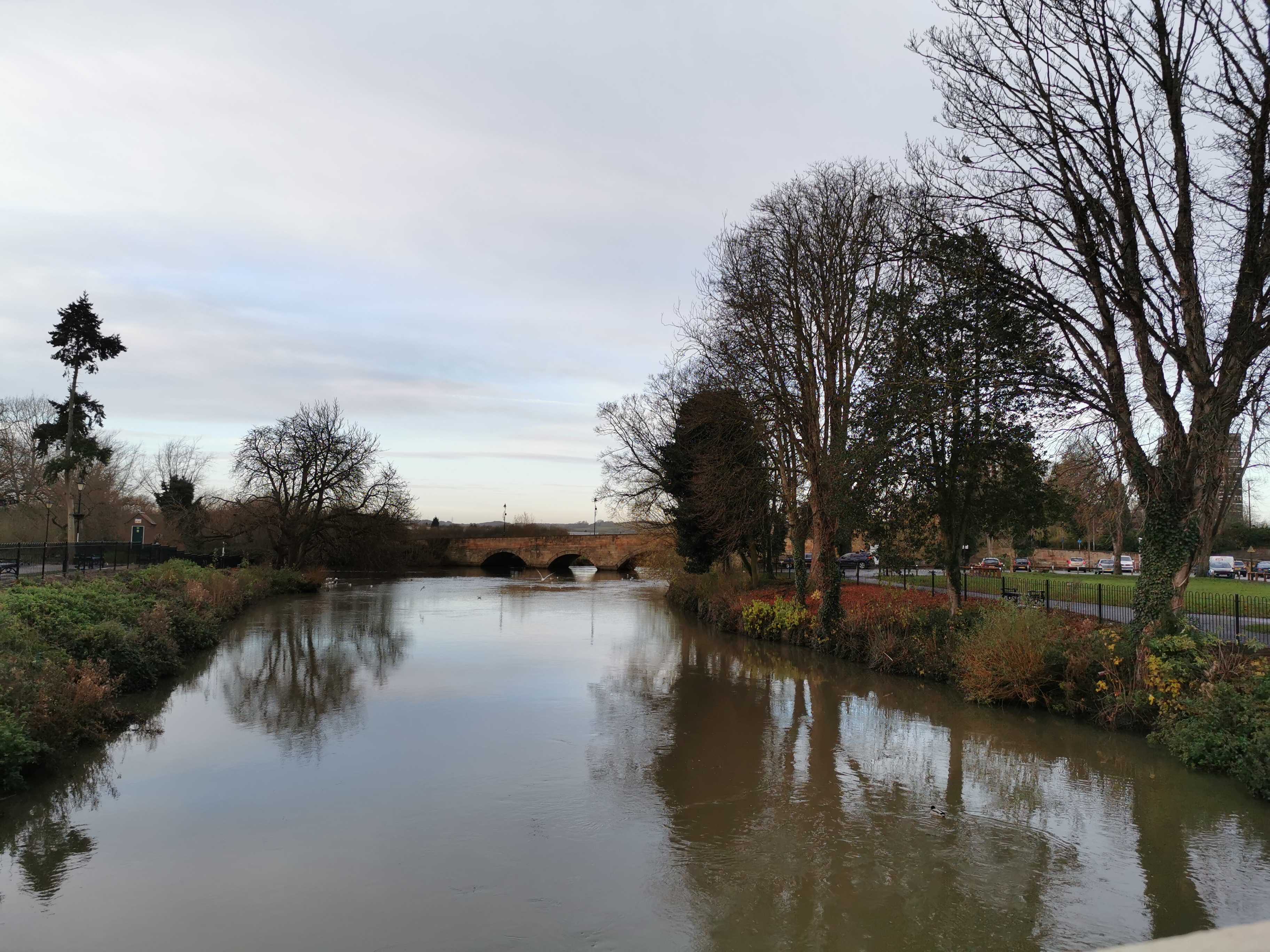
But it is possible to imagine how Saxon Tamworth might well have looked in the 800s, when the Eagle of Mercia Chronicles takes place. The rivers, The Tame and the Anker, run in front of the current castle, and there’s a slight rise, on which I used to spend many happy hours running up and down the steps, with flowers blooming in the flower beds. From there, it would have been possible to see a reasonable distance south. The river would have been put to good use, and the remains of a water mill have been found and dated to the later Saxon period. Houses would have been built from wood, wattle and daub with thatched roofs, and there would have been workshops as well as residential dwellings. At the centre of the settlement would have been a lord’s hall. While this hasn’t been found in Tamworth, it could have measured upwards of 24 metres long by 6 metres wide. It’s believed it was also surrounded by a defensive ditch. Somewhat sheltered, as the road to Lichfield is uphill, it would have been a pleasant, and I assure you, on the right day, very warm, location for Mercian kings to have lived within. It was close to Watling Street too, allowing easy access to the rest of Mercia.
View of Tamworth castle from the bridgeThe famous Herringbone wall (I think it’s famous, anyway).The Tudor window from the outsideThe Tudor window from the insideThe wall walkwayView from the bridge crossing the riverAnother view from the bridge over the river
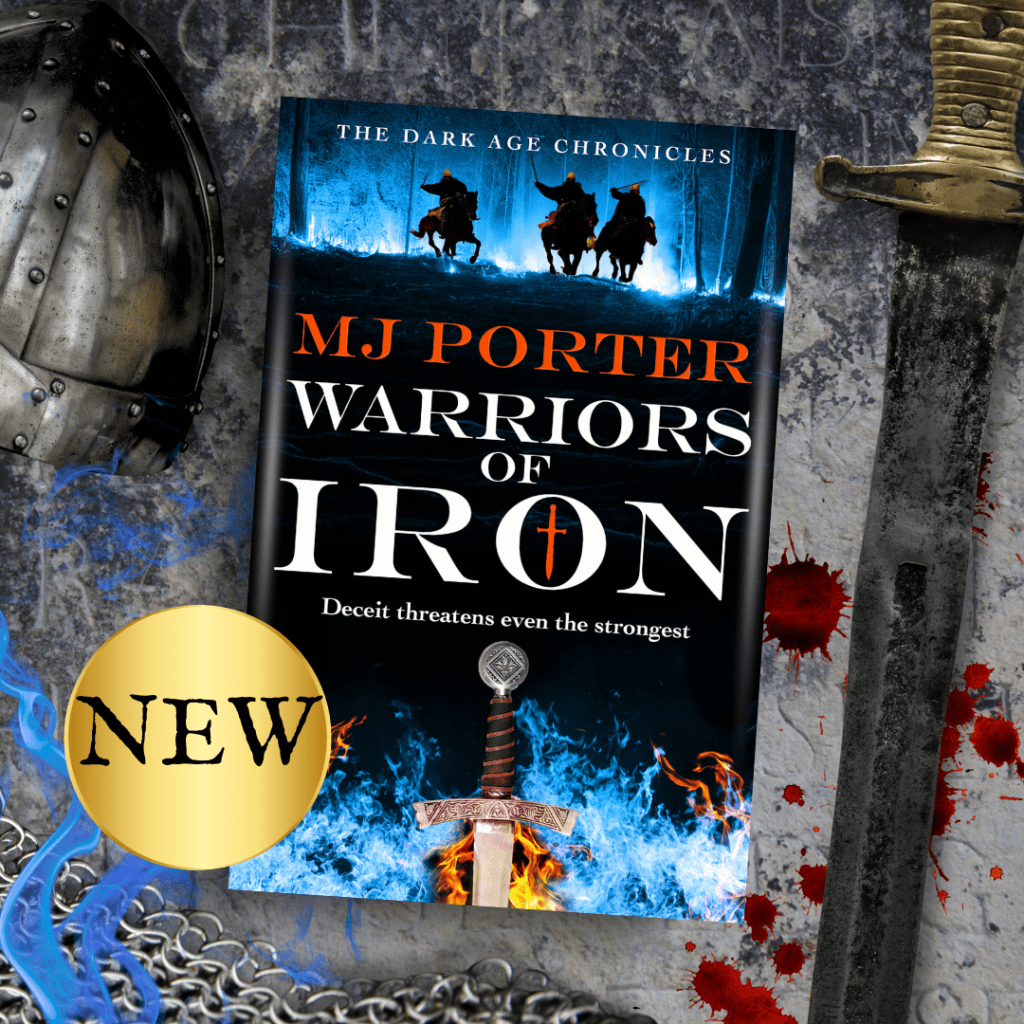
It’s happy release day to Warriors of Iron, the second book in the Dark Age Chronicles Trilogy. I’m sharing some photos from my visit to Sutton Hoo #newrelease #MenOfIron #WarriorsOfIron #histfic
Sutton Hoo
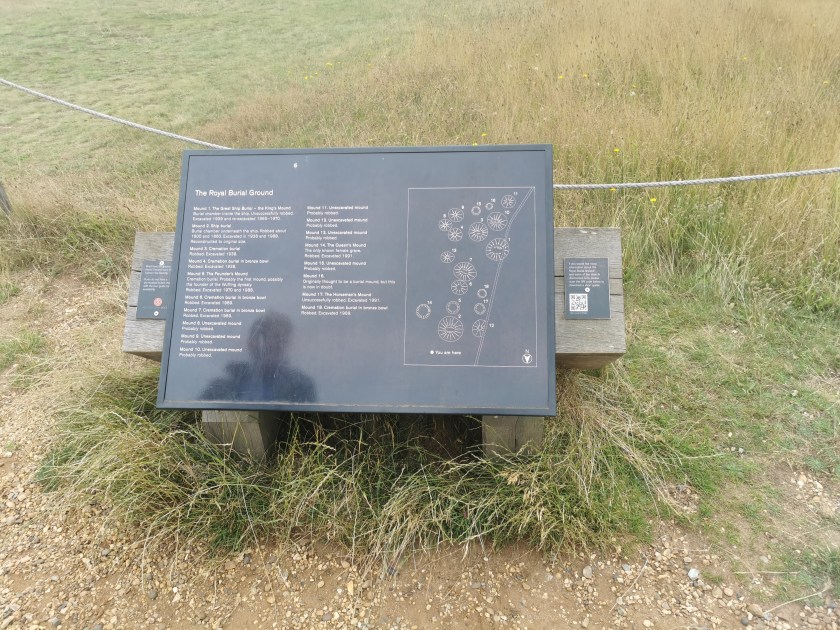
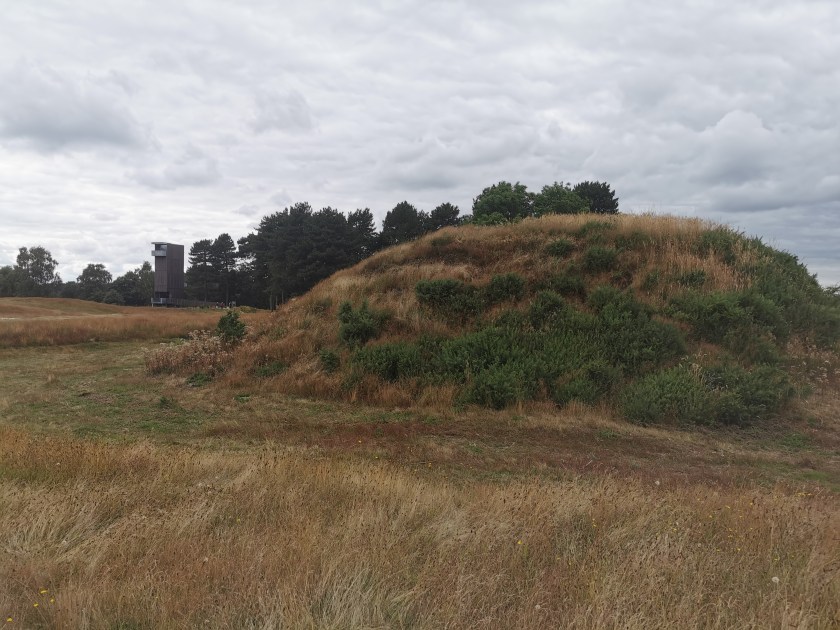
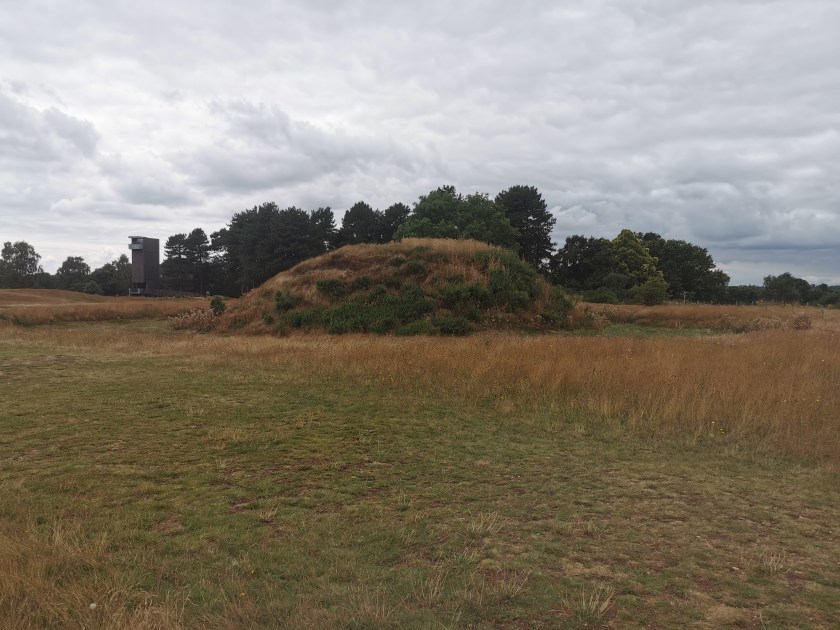
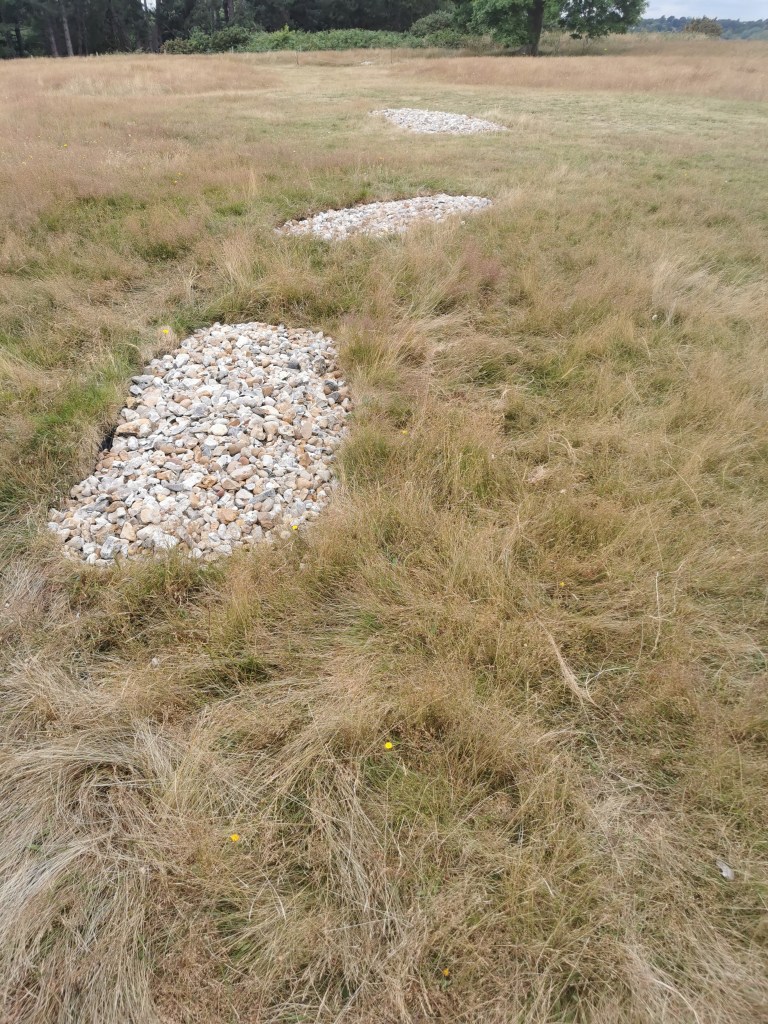
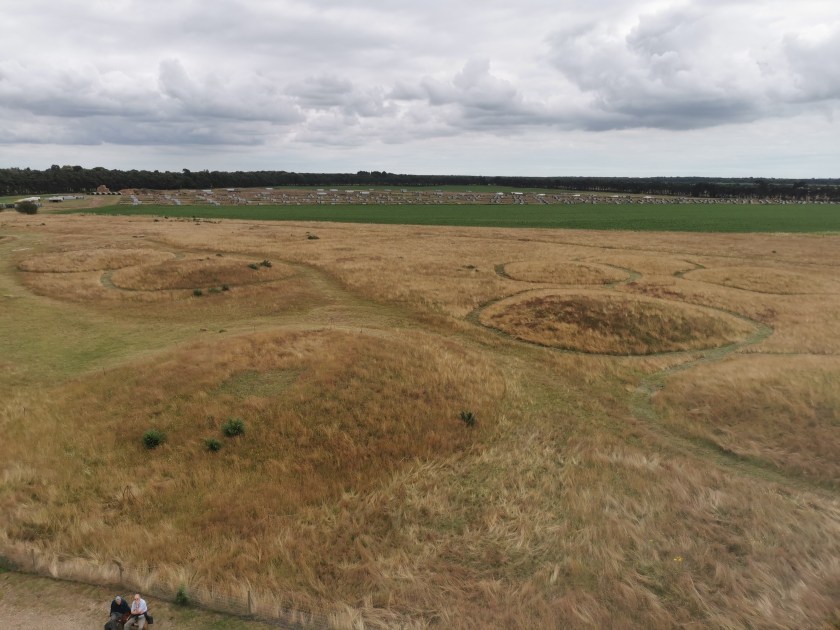
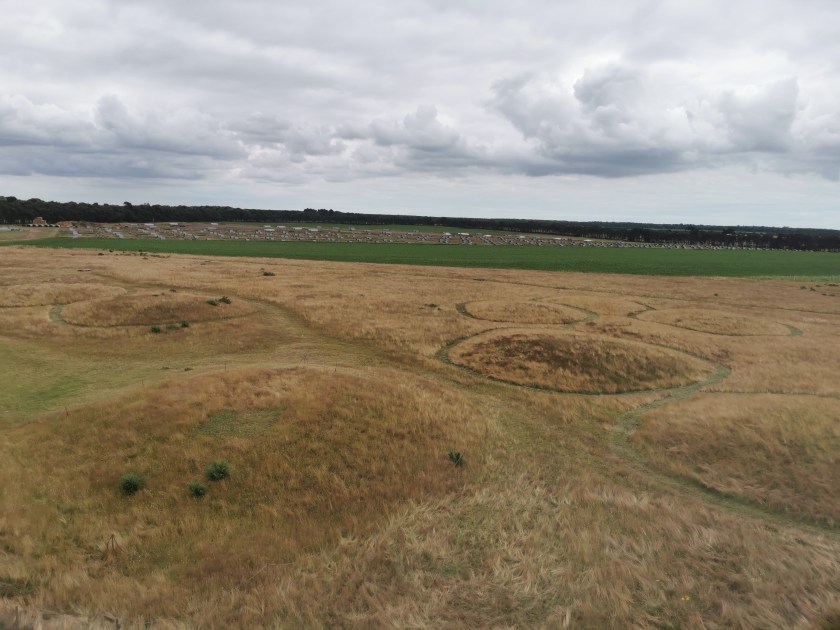
As part of my research for the trilogy, I visited Sutton Hoo in July 2024. While it was a fascinating place to visit (see the images below of the surviving grave mounds), it was actually something else my Canadian guide told me that resonated with me for the series. It was that while this area gets a lot of interest, a further gravesite has also been found under where the car park for the visitor centre is now. This gravesite contained thirty-six graves (I think I’ve got the figures correct), twenty-nine of which were burials while the rest were cremations. The car park burials are believed to date to between 510 and c.600, and so before the Sutton Hoo burial of such fame. Fourteen of the graves were warrior graves, buried with shield and spear.
You might wonder why that intrigued me so much, and you’d be correct to do so. But, of course, I wanted to write the series before the advent of what we know as Saxon England, and this was therefore where I needed to be researching. The ‘shiny’ helmet and sword (reconstructions, I know), have a strange allure for us as we live in a time where we don’t need such things (hopefully), but did the earlier warriors have the same? This trip to Sutton Hoo certainly influenced the way I wrote about Wærmund and his fellow warriors. And the trip to the Norfolk Broads reminded me of how pesky bugs can be, and how much they like to nibble me. I came straight home and added that to the storyline. It always pays to remember the little elements that make characters feel very real to readers.
Board showing the burial mounds at Sutton Hoo
View of one of the burial mounds
View of one of the burial mounds from a distance
One of the other burials
View from the viewing platform
Another view from the viewing platform
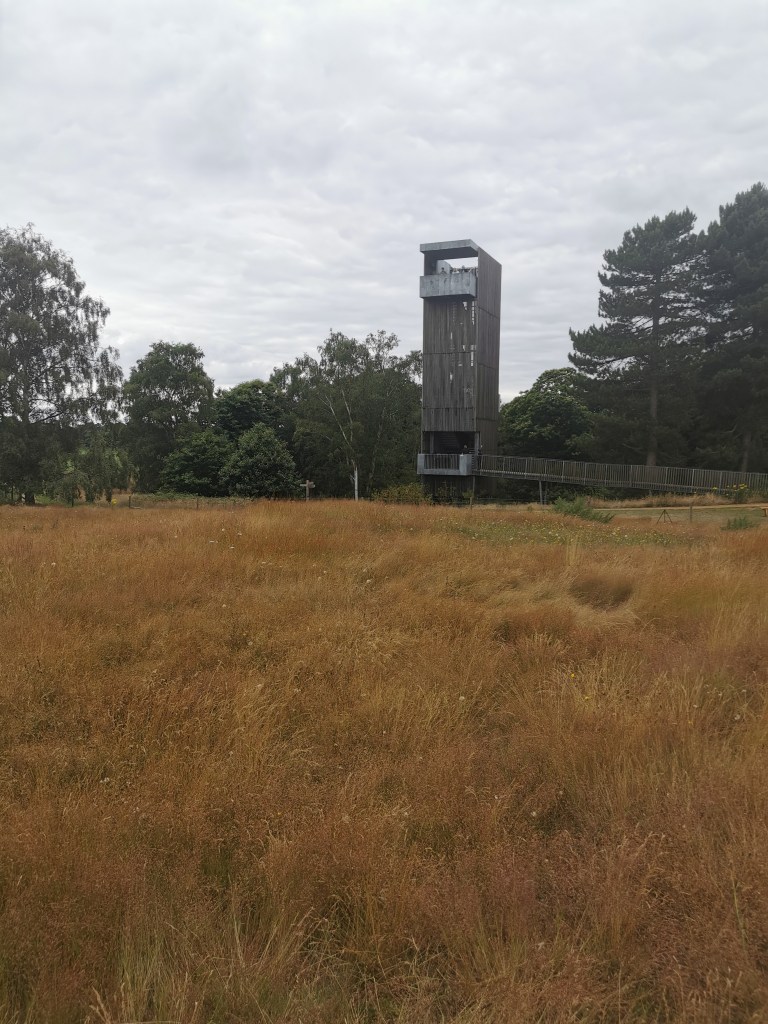
The viewing platform over the Sutton Hoo Burial Mounds
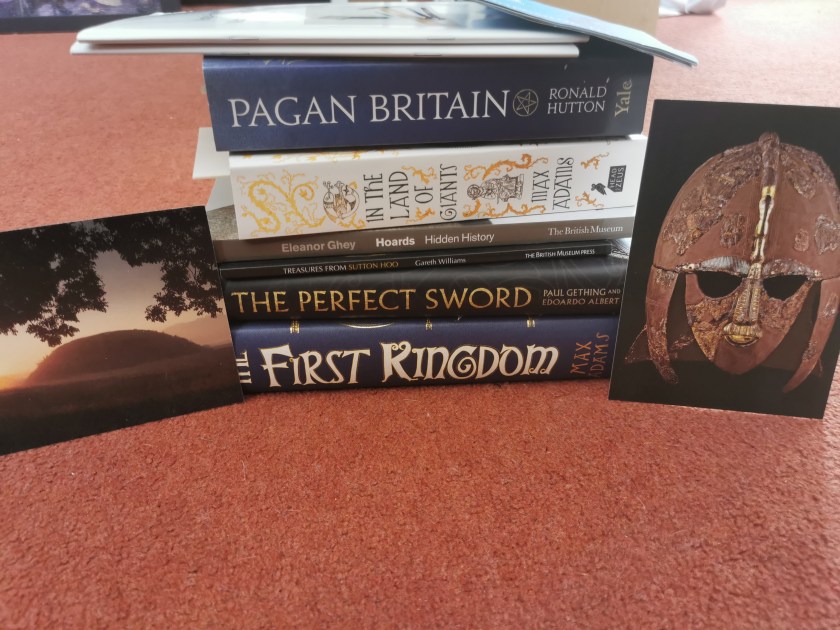
Research photo dump with the Sutton Hoo Helmet and image of the burial mounds
Curious about the trilogy? Check out my blog for more details below


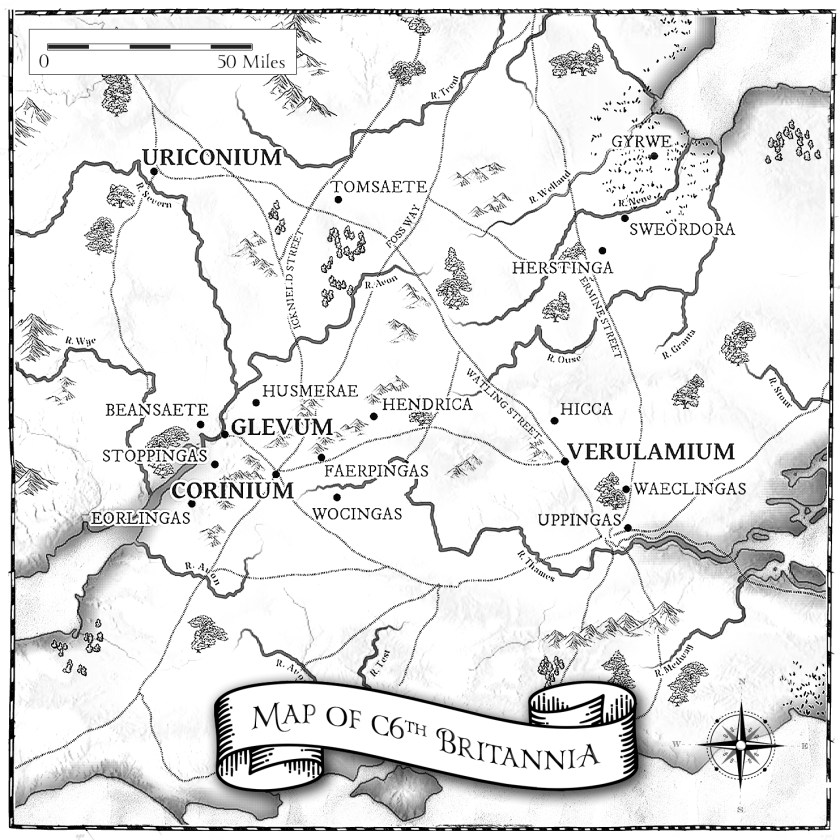
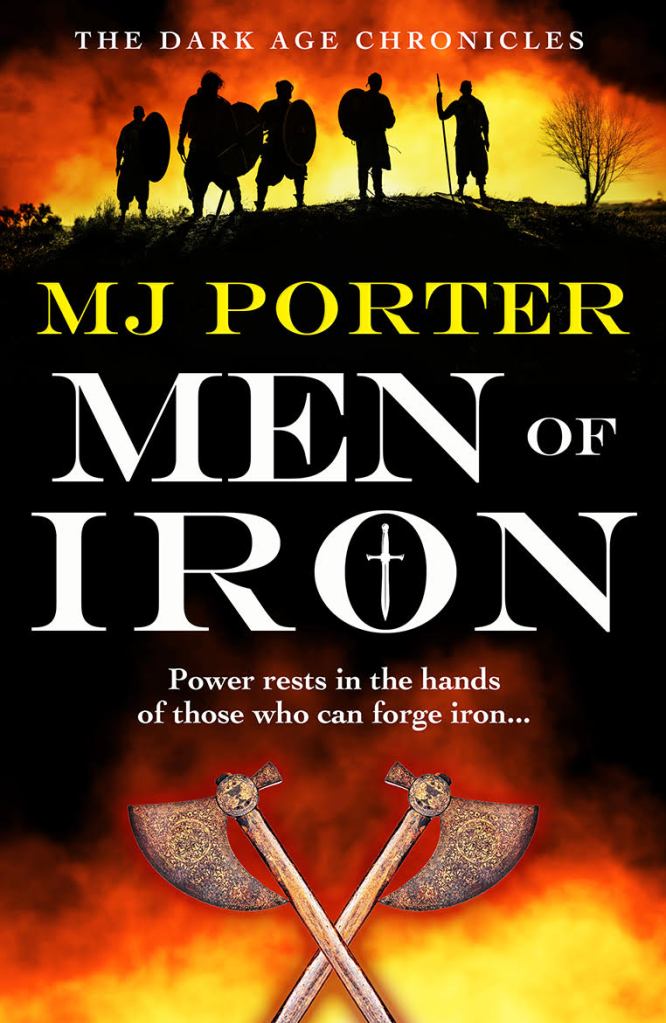
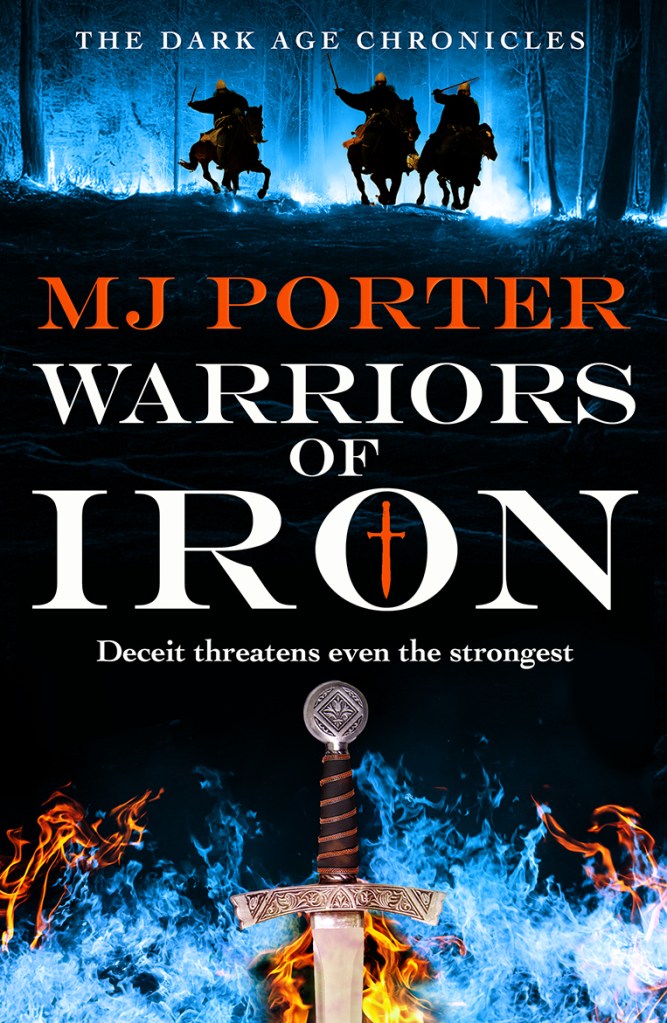




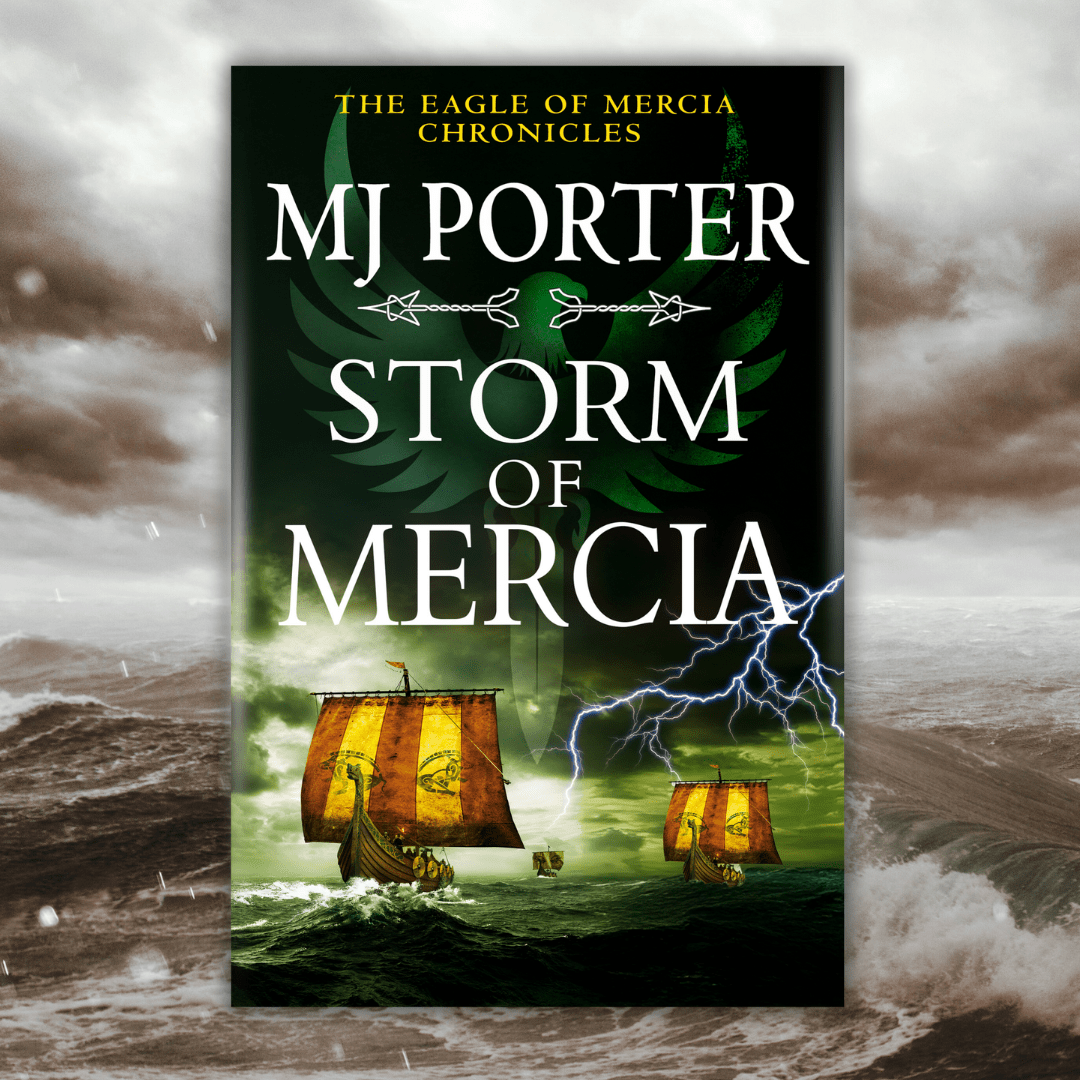















 MJ Porter