The scop song that is so important to events in both King of Kings and Kings of War existed, although I have manipulated it to my purposes and changed some of the more obscure references within it. That said, the poem, Armes Prydein (The Prophecy of Britain) is itself fascinating and is believed to have been a Welsh response to the imperium of King Athelstan of the English, and Hywel’s, of the South Welsh, close connection to the English and Athelstan. It has been dated to about 940, although it might be slightly earlier or later.
In King of Kings and Kings of War, my version reads,
‘And after peace, commotion everywhere,
Brave, mighty men, in battle tumult.
Swift to attack, stubborn in defence.
Warriors will scatter the interlopers as far as Cait
The Welsh and the men of Dublin, the Scots and the Norsemen,
Those of Cornwall and Strathclyde will reconcile as one.
Kings and nobles will subdue the interlopers, drive them into exile
Bring an end to the dominion, and make them food for the wild beasts.
There will be no return for the tribes of the Saxons.’
In its entirety, it foretells a uniting of the Welsh, with all the other kingdoms then in Britain, against the English, or Saxons, those people who had run roughshod over the island at some point between 400-600, when the Saxon kingdoms emerge with more clarity.
Somewhat similar to the legendary figures of Welsh literature, (although not Arthur at this stage) – Cynan and Cadwalladr ap Cadwallan are named – it was a call to arms to defeat the Saxons/English. (I’m going to share a post about Cynan as well).
It’s been nearly a decade since I first conceived of this storyline, but reading it all over again, and adding a whole host of new details, I confess, I feel pretty proud of myself for weaving the poem into my story of Britain in the 920s and 930s, and appreciate that the suggestion the poem dates from this period does indeed make perfect sense, even if there are also other suggestions about its origins.
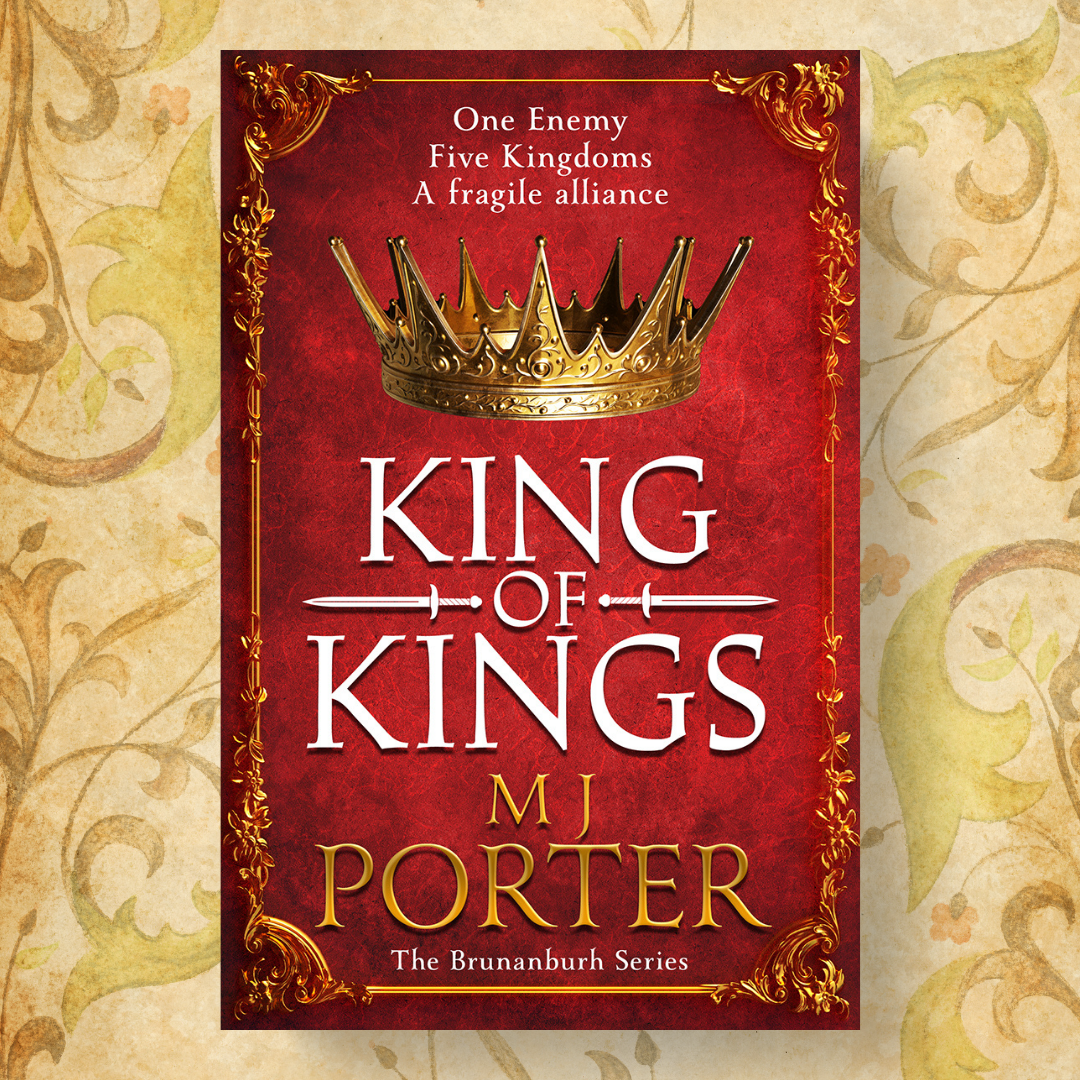
King of Kings and Kings of War are now available, telling the story of the greatest battle on British soil that many have never heard from (or at least hadn’t before Seven Kings Must Die was filmed), Brunanburh.
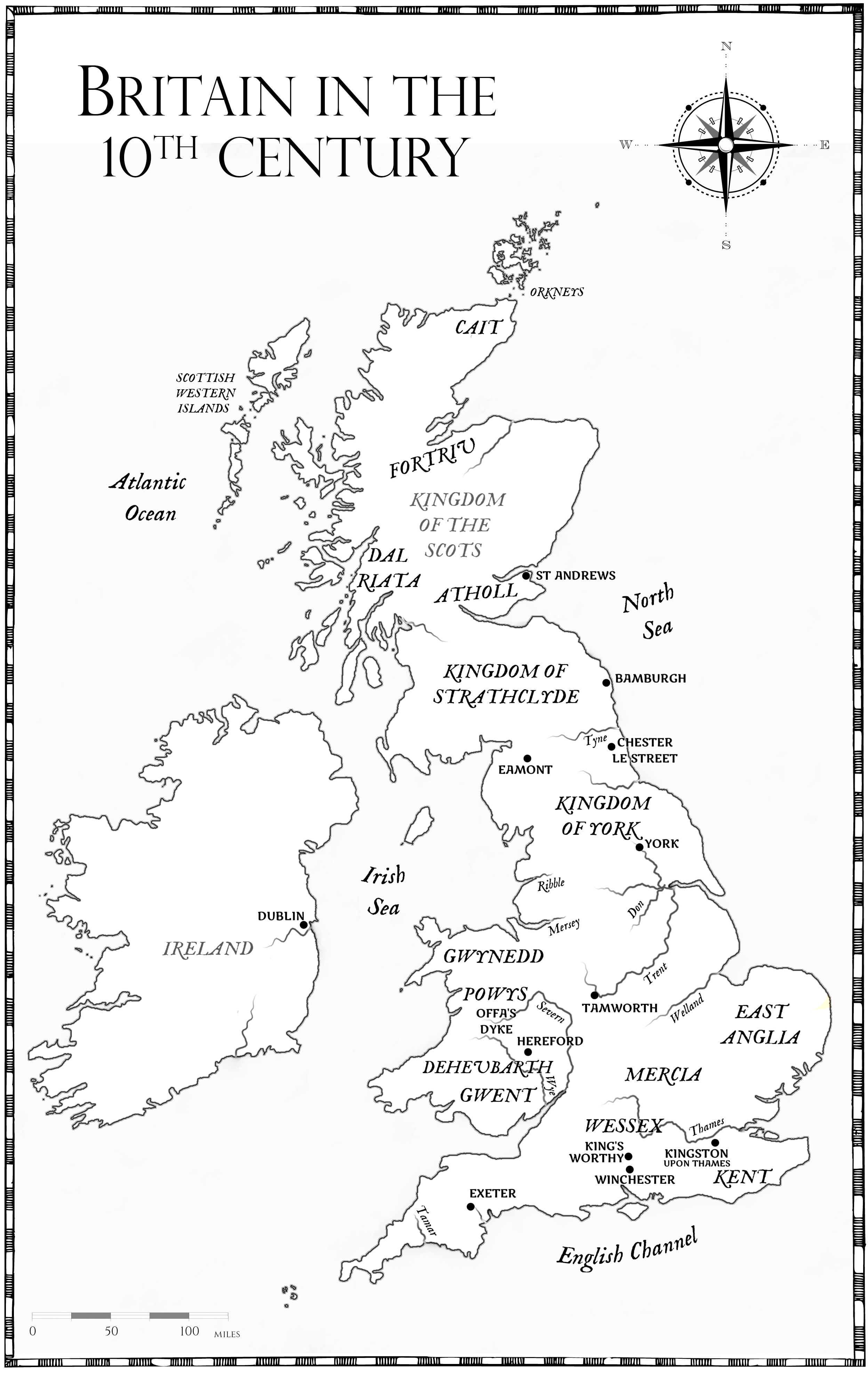
First things first, no one actually knows where the battle of Brunanburh took place. No one. There are a number of different sites that historians have suggested from the one I’ve chosen in Kings of War, indeed, upwards of forty of them, although Bromborough in Cheshire, Brinsworth in South Yorkshire and Burnswark in Dumfries and Galloway are the most well-known. It’s worth noting that these different locations range all over Britain, from Devon to Scotland from the east coast to the west.
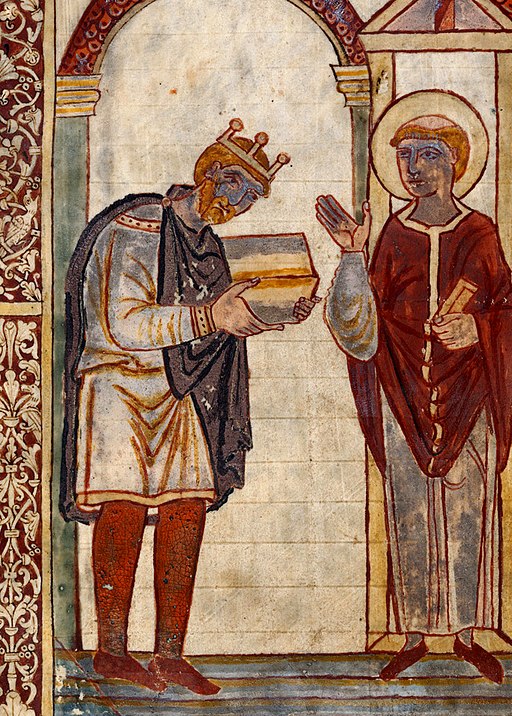
Frontispiece of Bede’s Life of St Cuthbert, showing King Æthelstan (924–39) presenting a copy of the book to the saint himself. 29.2 x 20cm (11 1/2 x 7 7/8″). Originally from MS 183, f.1v at Corpus Christi College, Cambridge. (Wikimedia Commons)
As one historian has commented, more discussion has taken place about where Brunanburh was located than about its actual historical significance, which is often seen as much less important in the grand scheme of later events. Much of these difficulties arise because of the variety of names given to the location of the battle. Brunandun, in Æthelweard’s Chronicon (a later tenth century Latin copy of the Anglo-Saxon Chronicle), Symeon of Durham suggested Weondune, although known by the name Brunnaneerc or Brunnanbyrig, while Geoffrey Gaimar (another post Conquest source) names it as Bruneswerce. To add to the confusion, are some of the descriptions given about the battle. John of Worcester ( a later source) asserts that Olaf and Constantin entered the mouth of the River Humber something that Symeon of Durham echoes. It’s been suggested that John of Worcester (an Anglo-Norman writing long after the events of 937 took place) took the knowledge that the River Humber was where Harald Hardrada landed in 1066 and Svein Forkbeard in 1069 and extrapolated from it.
As part of the discussion about where the battle took place, another problem needs to be addressed, that of the belief that the English rode down the Norse as they were fleeing from the battlefield to reach their ships. A word, eorodcistum, has been taken to be a reference to horses. Paul Cavill has shown that this word actually refers to gatherings of men and need not mean that horses were involved . This therefore does away with the argument that the Norse ships were far from where the battle took place.
As well as the various sources mentioned above, the battle is also referenced in Welsh, Scottish and Irish sources. It was deemed to be significant. The Chronicles of the Kings of Alba gives a very brief account: ‘And the battle of Dun Brunde in his xxxiii year in which was slain the son of Constantin.’ While the Annals of Ulster tell us: ‘AU 937.6. A great, lamentable and horrible battle was cruelly fought between the Saxons and the Northmen, in which several thousands of Northmen, who are uncounted, fell, but their king, Amlaib, escaped with a few followers. A large number of Saxons fell on the other side, but Æ∂elstan, king of the Saxons, enjoyed a great victory.’ (Alex Woolf, From Pictland to Alba, 789-1070, p.169) (Amlaib was an Irish version of the name Olaf). A later source, that of the Historia Regum Anglorum by Symeon of Durham, tells that ‘Onlaf’ came with 615 ships. There are also many later sources that tell of the battle of Brunanburh, the distance in time to them being written, tending to add more and more details which can’t be confirmed with any accuracy.
Map design by Flintlock Covers
Pauline Stafford, who has written an extensive account of the actual writing of what we know as The Anglo-Saxon Chronicle, After Alfred:Anglo-Saxon Chronicles and Chroniclers 900-1150, (which survives in nine recensions/or versions, all with slightly different details and emphasis) states that perhaps the most famous account of the battle, the Brunanburh poem, was a retrospective addition, probably written in the twenty years after Athelstan’s death, and certainly before the death of the last son of King Edward the Elder, Eadred, in 955. Some have suggested that Edmund may not actually have been present at the battle but that it was deemed expedient to assign him a part in it, perhaps after his death, to show the sons of King Edward the Elder working together for England.
And there is one final source, which I’ve made no use of, but which many may be aware of, that of the accounting of the battle, named as Vinhei∂r in Egil’s Saga, a thirteenth-century Icelandic saga, which of course, is a tale of Egil’s involvement in the battle and tells us very little about the battle itself.
In recent years, and indeed, before I wrote the initial drafts of this book and its predecessor, there has been a move to accept the Wirral as the possible location. Bernard Cornwell has been instrumental, as has an archaeology group based in Wirral, in trying to find corroborating evidence for this. The results of the work can be found in Never Greater Slaughter by Michael Livingstone. Even now, I find it amusing that it wasn’t until Bernard Cornwell made Brunanburh one of the burhs built by the House of Wessex that I quite realized the significance of that element of the name.
In my role as writer of historical fiction, I chose the site that I thought offered the best opportunity to develop the storyline and the one that intrigued me the most. After all, it does sort of make sense that any battle for York would have taken place close to York, but equally, why would the Dublin Norse have sailed all the way around the tip of Scotland to get to York from the East Coast? If they used one of the portage routes overland then again, we must ask why. And so, I opted for the position which would be the closest way of them stepping foot on English soil.
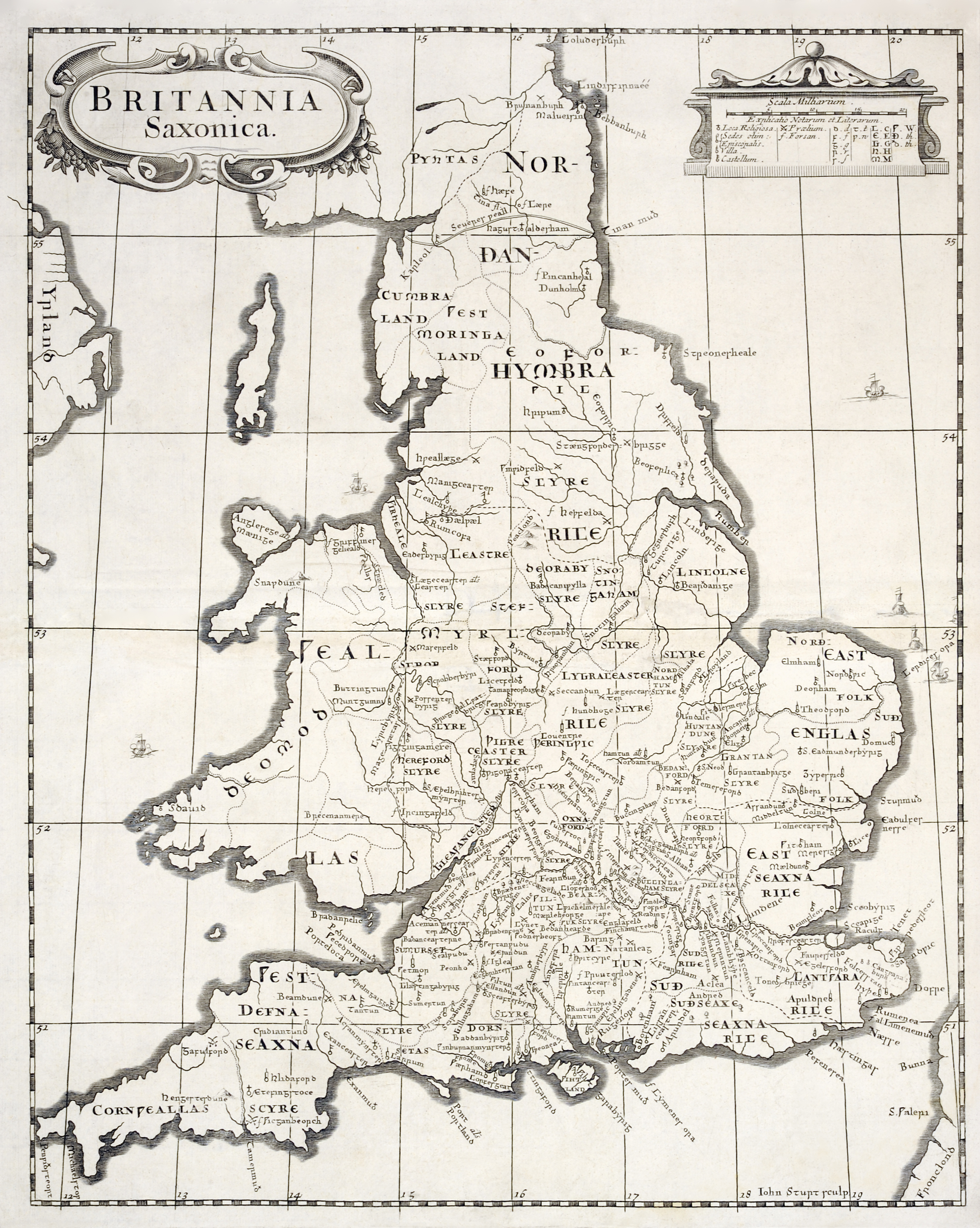
Britania Saxonica, 17th Century Map, showing Brunanburh north of Bamburgh
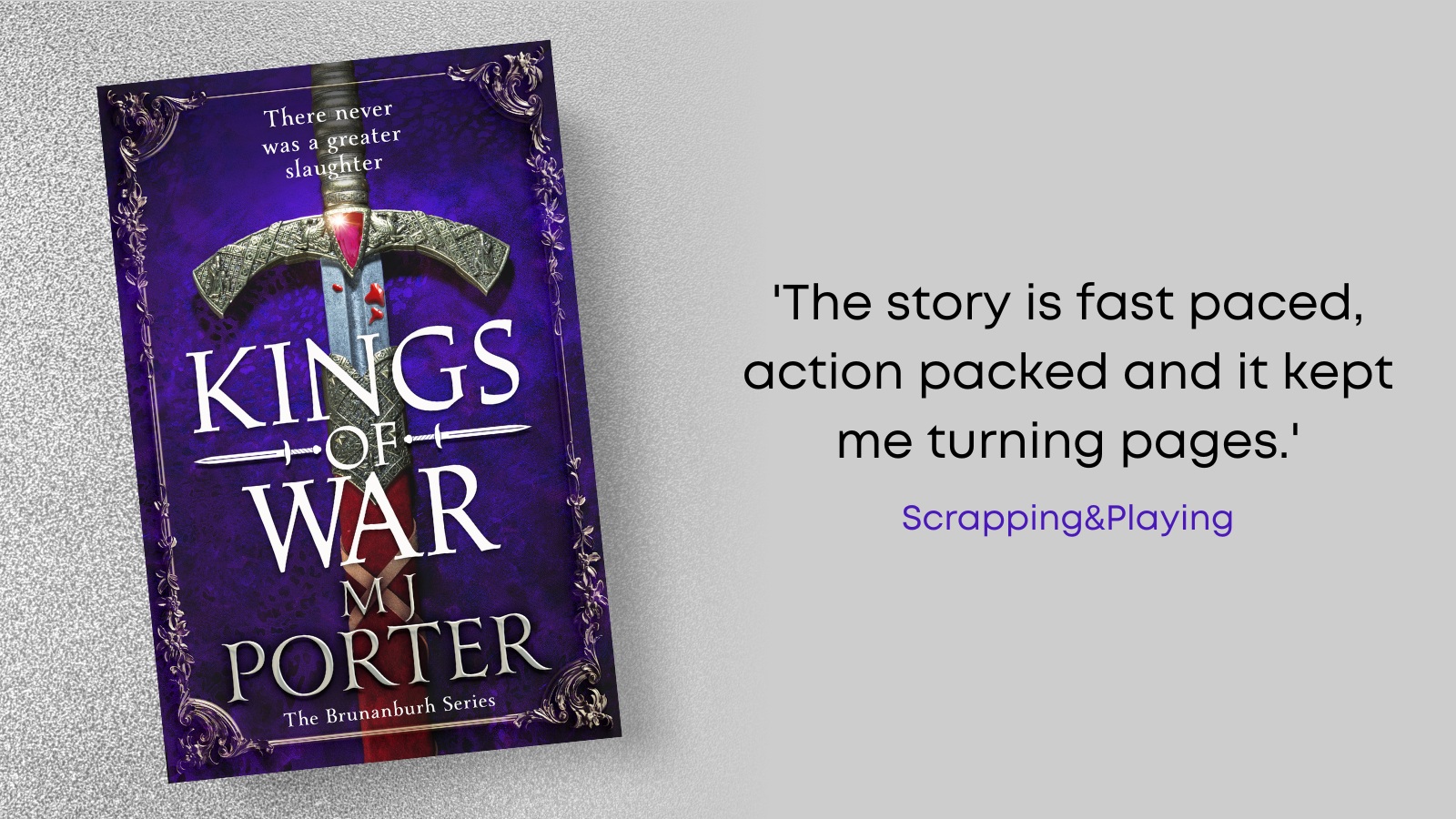
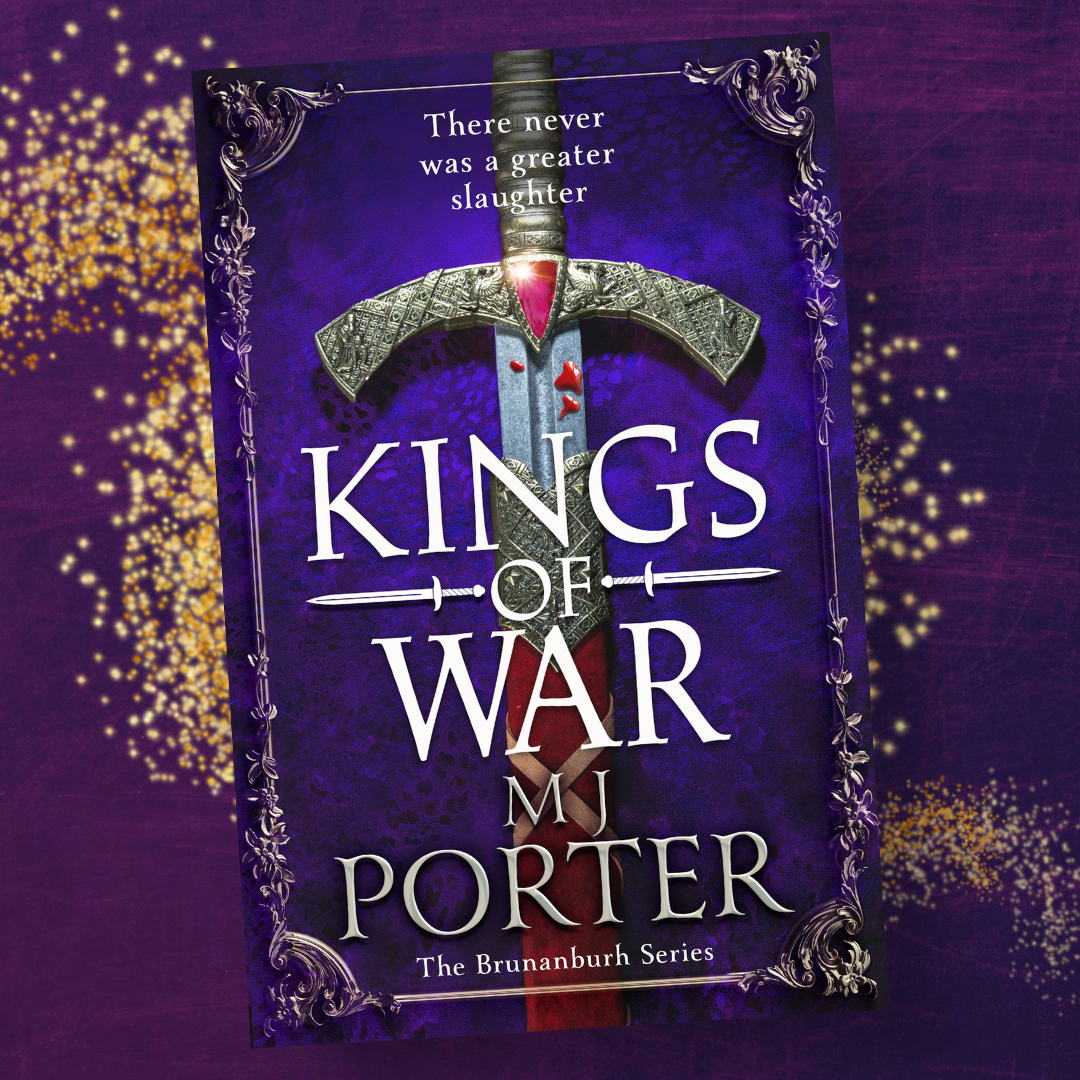
Kings of War is available now in ebook, paperback, audio and hardback.
It’s release day for Kings of War, the sequel to King of Kings. This is the story of the battle of Brunanburh fought in 937. (Check out my post on where exactly Brunanburh was fought).
I’m so excited to share this story with my readers, and the cover is fantastic.
Here’s the blurb:
Can the King of the Scots and the Dublin Norse triumph against a united England?
AD934
King Athelstan of the English has been successful in uniting the many kingdoms of Britain against one enemy, the Viking raiders.
But men who are kings don’t wish to be ruled.
Constantin, King of the Scots, rebelled against the Imperium and was forcibly brought to bend the knee to Athelstan and England at Cirencester.
His son Ildulb seeks bloody vengeance from Athelstan following the battle at Cait and the death of his son.
Olaf Gothfrithson, king of the Dublin Norse, having asserted his power following his father’s death has his sights set on reclaiming Jorvik.
Can the united might of the Scots and the violence of the Dublin Norse, descendants of the infamous Viking raiders, bring King Athelstan and his vision of the united Saxon English to her knees?
An epic story of kingsmanship that will result in the pivotal, bloody Battle of Brunanburh, where only one side can be victorious.
Read the release day posts on Boldwood Books Facebook account
Kings of War is on blog tour with the fabulous hosts of Rachel’s Random Resources. I’ll be sharing their reviews throughout the next week. A huge thank you to Rachel, and the hosts.
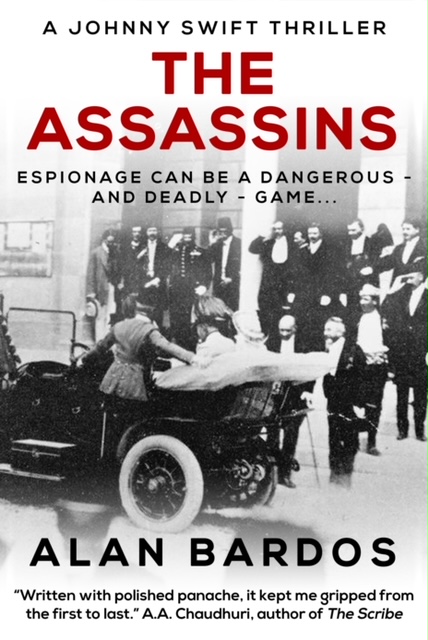
Today, I’m delighted to welcome a returning Alan Bardos to the blog, with a post about A Comedy of Errors inspired by his book about the assassination of Archduke Franz Ferdinand and his wife Sophie.
The assassination of Archduke Franz Ferdinand was one of history’s greatest turning points, but it happened by accident. Everyone knows the story ends with the death of the Archduke and his wife, Sophie, putting into play the diplomatic crisis that lead to the First World War. It is perhaps less well known that the events leading up to the assassination were a terrible comedy of errors that culminated in a world changing tragedy.
It was this combination of tragedy and comedy that first drew me to the story and, I hope will draw people to a novel about the assassination, despite knowing the ending! The assassination of Franz Ferdinand happened as a result of a whole series of mistakes and missed opportunities right from the beginning.
When the assassins travelled from Belgrade to Sarajevo, Nedeljko Cabrinovic the biggest liability of the conspirators, met a police detective from Sarajevo on the train in Bosnia. The detective was a friend of his father’s, who was a businessman and pillar of the community, which had created a lot of conflict with his radical son.
The policeman had recently seen Nedeljko’s father and struck up a conversation with Nedeljko to catch him up on family news. This made Gavrilo Princip, who was traveling separately, but by accident sitting in the same train carriage, nervous. Cabrinovic’s easy going nature had already endangered the other assassins during the journey. The Policeman noticed and asked Cabrinovic who Gavrilo was and why he was staring at them, but his suspicions were not raised any further. A simple request to see Gavrilo Princip’s papers would have revealed that he was travelling illegally and put pay to the whole plot before the assassins reached Sarajevo.
This reflects the Austro-Hungarian Government’s attitude to the threat placed by the nationalist movements in their Balkan provinces. No attempt was made to counter them because the security services did not believe they existed, let alone posed a threat. The repeated warnings of a possible assassination were ignored by the local military governor, General Potiorek, the Archduke himself and the Austro-Hungarian Government. The idea that half starved schoolboys could be any kind of a threat was too ridiculous to contemplate.
This is the main theme I wanted to explore in The Assassins, through my two lead fictional characters: Johnny Swift, a feckless British diplomat and Lazlo Breitner, a methodical Hungarian official.
Breitner is well aware of the threat from the assassins and does everything he can to persuade the authorities of the danger posed by the nationalist movements, bringing him into conflict with his superiors.
He is forced to take drastic measures to convince them and coerces Johnny into joining the conspirators. Johnny manages to ingratiate himself with the assassins and joins in their reckless behaviour that should have got them caught. Somehow they remain undetected and Johnny’s licentious nature frustrates Breitner’s plan.
On the morning of the Archduke’s visit Johnny realises the enormity of his error and tries to foil the assassination plot. Then the tragedies of 28th June 1914 come into play.
They say that the side that makes the least amount of mistakes wins a war. It also seems to be the case for the side who starts them.
Here’s the blurb
1914.
Tensions are reaching boiling point in Europe and the threat of war is imminent.
Johnny Swift, a young and brash diplomatic clerk employed by the British embassy is sent to infiltrate the ‘Young Bosnians’, a group of idealistic conspirators planning to murder Franz Ferdinand. The heir to the Austro-Hungarian throne, in a bid to liberate their country from the monarchy’s grip.
Swift has been having an affair with his employer’s wife, Lady Elizabeth Smyth. Sir George Smyth dispatches the agent on the dangerous mission, believing that it will be the last he will see of his young rival.
The agent manages to infiltrate the Young Bosnian conspirators’ cell, helped by Lazlo Breitner, a Hungarian Civil Servant. However, Swift soon realises that he may be in over his head. His gambling debts and taste for beautiful women prove the least of his problems as he struggles to survive on his wits in the increasingly complex – and perilous – world of politics and espionage.
Desperate to advance himself and with the lives of a royal couple unexpectedly in his hands, Swift tries to avert catastrophe.
Writing historical fiction combines the first great love of Alan Bardos’s life, making up stories, with the second, researching historical events and characters. He currently lives in Oxfordshire with his wife… the other great love of his life.
There is still a great deal of mystery and debate surrounding many of the events of the First World War, which he explores in his historical fiction series. Through the eyes of Johnny Swift, a disgraced and degenerate diplomat and soldier.
The series starts with the pivotal event of the twentieth century. The Assassination of Archduke Franz Ferdinand. The second book ‘The Dardanelles Conspiracy’ is based on an attempt by Naval Intelligence to bribe Turkey out of the First World War. In the third book Johnny will be employed as a useful idiot to flush out a traitor working to undermine the Allies.
My new book, Kings of War, is a multi-viewpoint novel telling the story of events in Britain from 925-934. I thought it would be good to share details of the historical people my character are based on.
My portrayal of Constantin, the king of the Scots, is of course fictional in King of Kings, but he is based on a historical individual, Constantin (e) II, so who exactly was he?
Constantin is a fascinating character. Again, and as with Athelstan, his exact date of birth is unknown, but it must have been, at the latest, by 877/8, when his short-reigned father died.
By 900, Constantin was the king of the Scots (we think – there is some confusion about this). This wasn’t yet quite Scotland, but it was getting there. The ancient kingdoms of Cait, Fortriu, Atholl and Dal Riata, were ruled by one king, Constantin. But, he hadn’t succeeded his father, Aed, but rather a man named Domnall II, his cousin. At this time there were two rival dynasties and they strictly alternated the kingship.
Affairs in the kingdom of the Scots often intermingled with those of the independent kingdom of Bamburgh, Strathclyde, and of course, the Norse, or Viking raiders, if you will. Indeed, the entry recording Constantin’s death in the Annals of Ulster, reads as though there was often strife.
‘Constantinus son of Ed held the kingdom for xl years in whose third year the Northmen plundered Dunkeld and all Albania. In the following year the Northmen were slain in Strath Erenn…And the battle of Tinemore happened in his xviii year between Constantin and Ragnall and the Scotti had the victory. And the battle of Dun Brunde in his xxxiiii year.’ (Alex Woolf, From Pictland to Scotland, 789-1070,p.126)
Constantin, ruling for decades, and I mean decades, seems to have brought much needed stability to the kingdom, as affairs there very much mirrored the emerging ‘England’ to the south.
‘Constantin’s reign has increasingly come to be see as one of the most significant in the history of Scotland. Not only was it very long, at least forty years, but it was also the period during which conflict and diplomatic relations between a kingdom recognisably ancestral to Scotland and one recognisably ancestral to England first occurred.’ (Alex Woolf, From Pictland to Scotland, 789-1070, p.128)
Constantin allied with the rulers of Bamburgh, and York, and also, on occasion, both Æthelflæd of Mercia and Edward the Elder, after her death. But, he seems to have been quite flexible in his thinking, and was prepared to pick and choice as he saw fit.
By the beginning of King of Kings, Constantin would have been in his mid-forties, and he was still to rule for many years to come, and he was certainly a more than adequate counterpart to Athelstan, king of the English, no doubt helped by his sons and grandsons, as his reign continued.
‘An epic tale of the birth of a nation. Truly mesmerising. Game of Thrones meets The Last Kingdom’ – Gordon Doherty
In the battle for power, there can be only one ruler.
AD925 Athelstan is the king of the English, uniting the petty kingdoms of Wessex, Mercia, the Danish-held Five Boroughs and York following the sudden death of his father, King Edward. His vision is to unite the realms of the Scots and the Welsh in a peace accord that will protect their borders from the marauding threat of the Norse Vikings. Whilst seemingly craving peace and demanding loyalty with an imperium over every kingdom, Athelstan could dream of a much bigger prize. But danger and betrayal surround his best intentions, namely from his overlooked stepbrother, Edwin, who conspires and vies for what he deems is his rightful place as England’s king. As ever, powerful men who wish to rule do not wish to be ruled, and Constantin of the Scots, Owain of Strathclyde, and Ealdred of Bamburgh plot their revenge against the upstart English king, using any means necessary. An epic story of kingsmanship that will set in motion the pivotal, bloody Battle of Brunanburh where allies have to be chosen wisely…
‘MJ effortlessly draws you into early Medieval England with this fascinating tale.’ – Donovan Cook
Yep, you’ve read that right. King of Kings is currently reduced in select territories, and select platforms, to just 99p/99c/$1.99 and equivalent. With book 2, Kings of War, and its fabulous cover, due for release next month, now is the perfect time to grab book 1.
Did you watch Seven Kings Must Die? Then this is the series for you. This is my retelling of the famous battle of Brunanburh, in all its complex political machinations and quest to be ‘king’ over all of Britain, not just England.
The tale began life in 2014 – long before anyone knew (perhaps other than Bernard Cornwell) that the Uhtred tales would culminate in the battle of Brunanburh. It’s my attempt to give a ‘wide’ view of the build-up and the battle, and to tell a story of Great Britain in the 920s and 930s instead of just picking a side.
These ambitious men tried to rewrite the map of Great Britain, and wow, they caused some carnage along the way.
I’ve written some blog posts to help everyone know who the characters are, and to give an idea of what was happening in what would be England, Scotland, Wales and Ireland at the time. Check out the posts from the main Brunanburh Series page on my blog. Enjoy:)
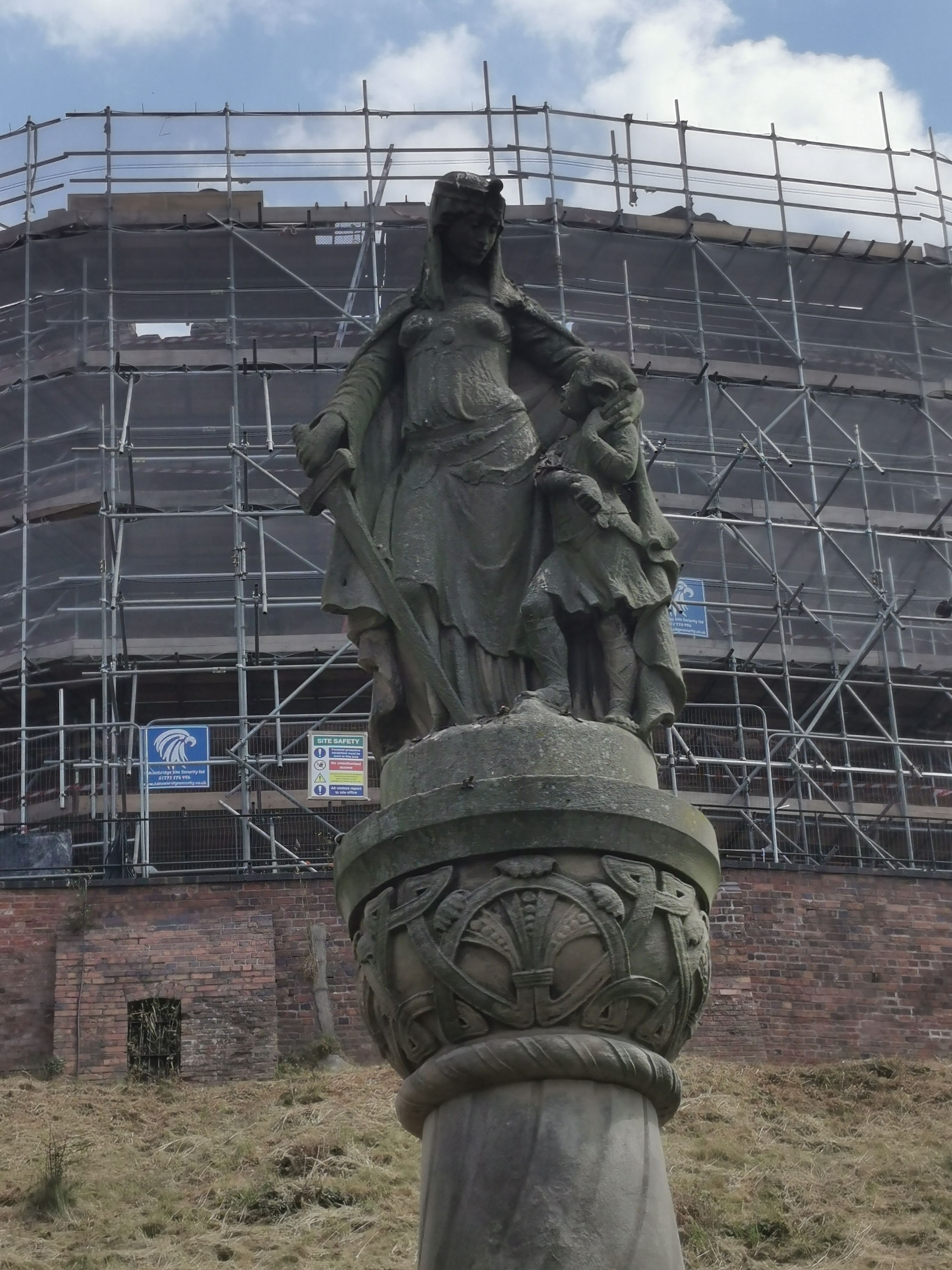
The statue of Æthelflæd and a young Athelstan, the future king of England, at Tamworth Castle
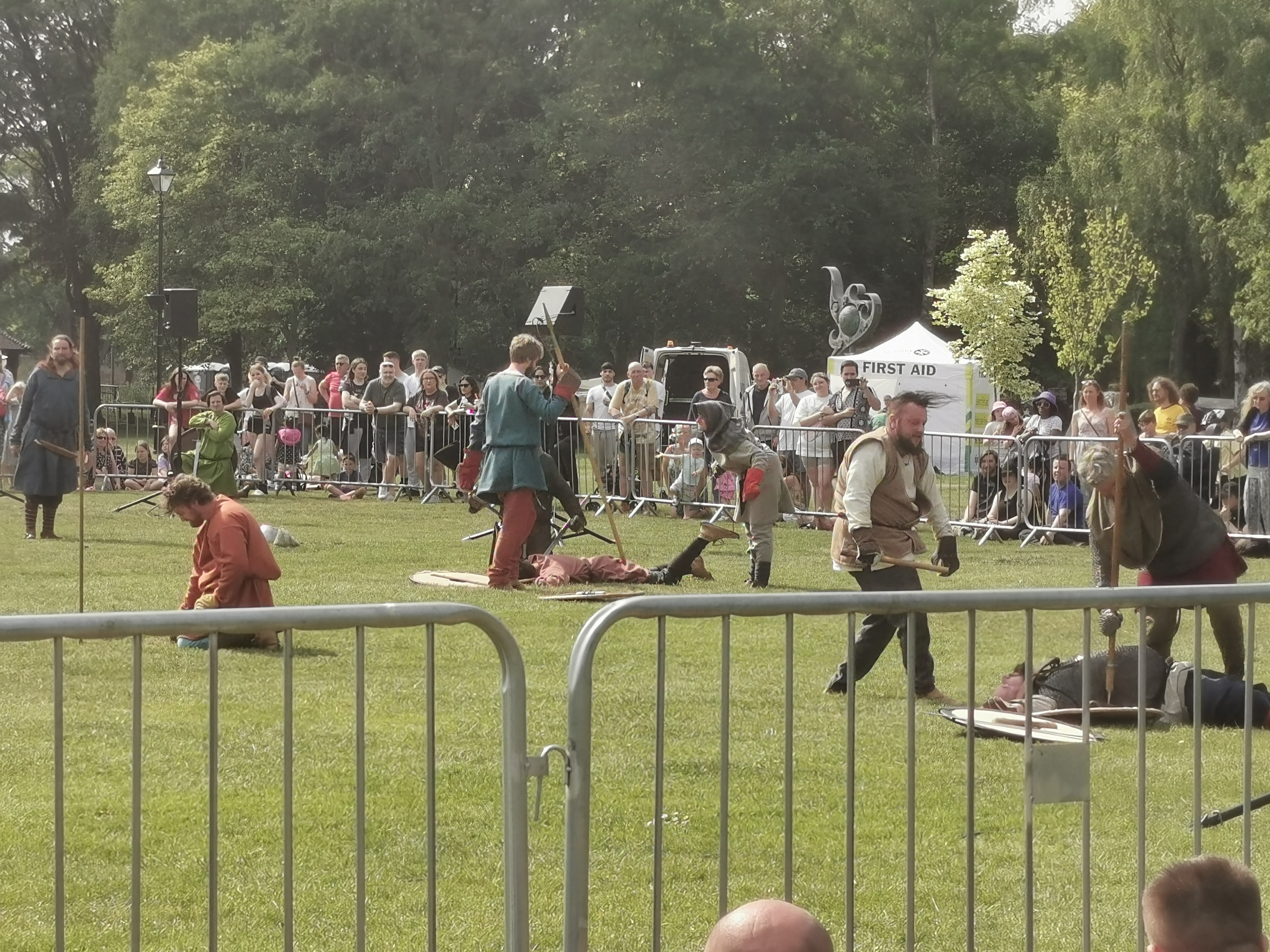
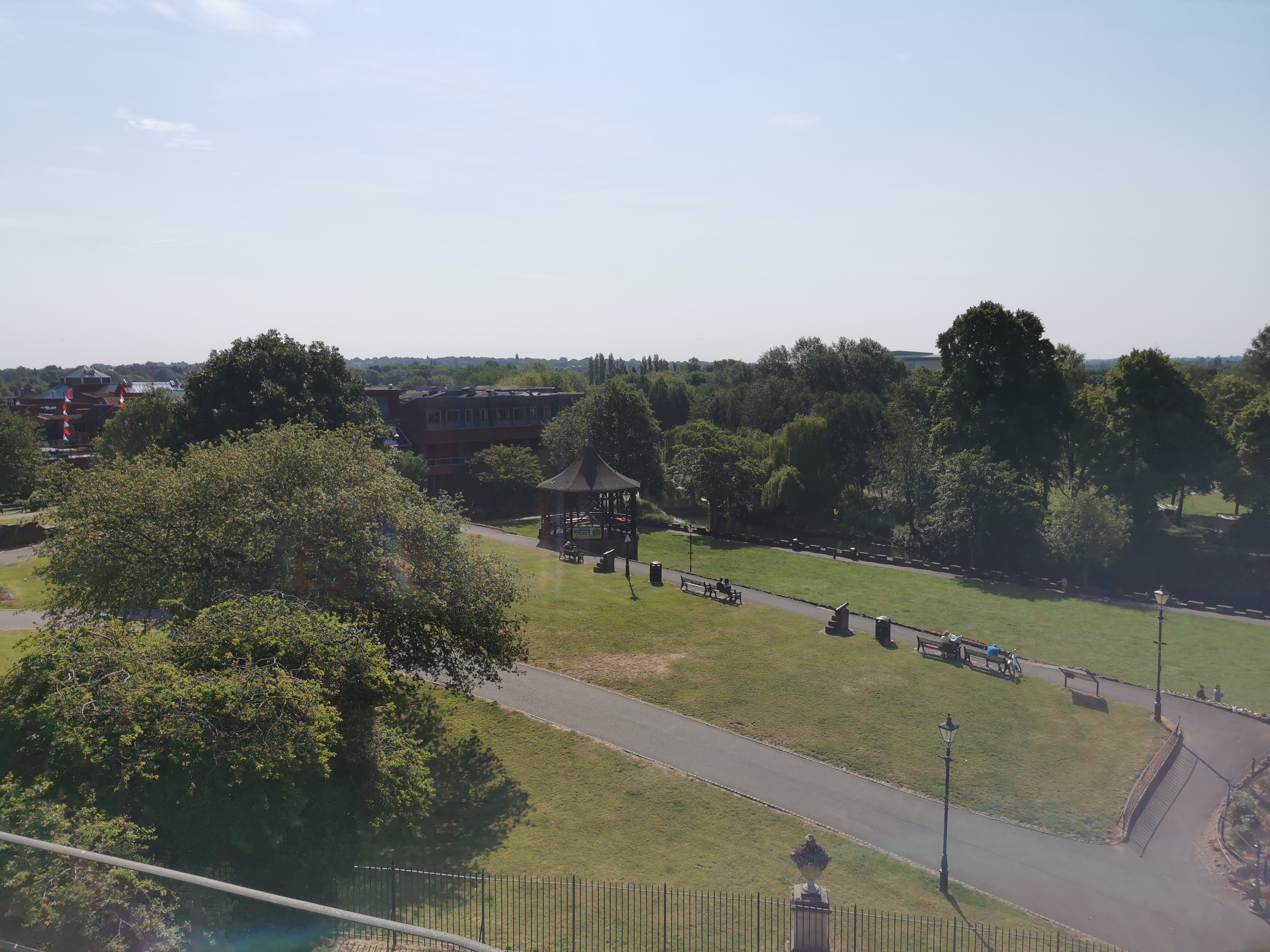
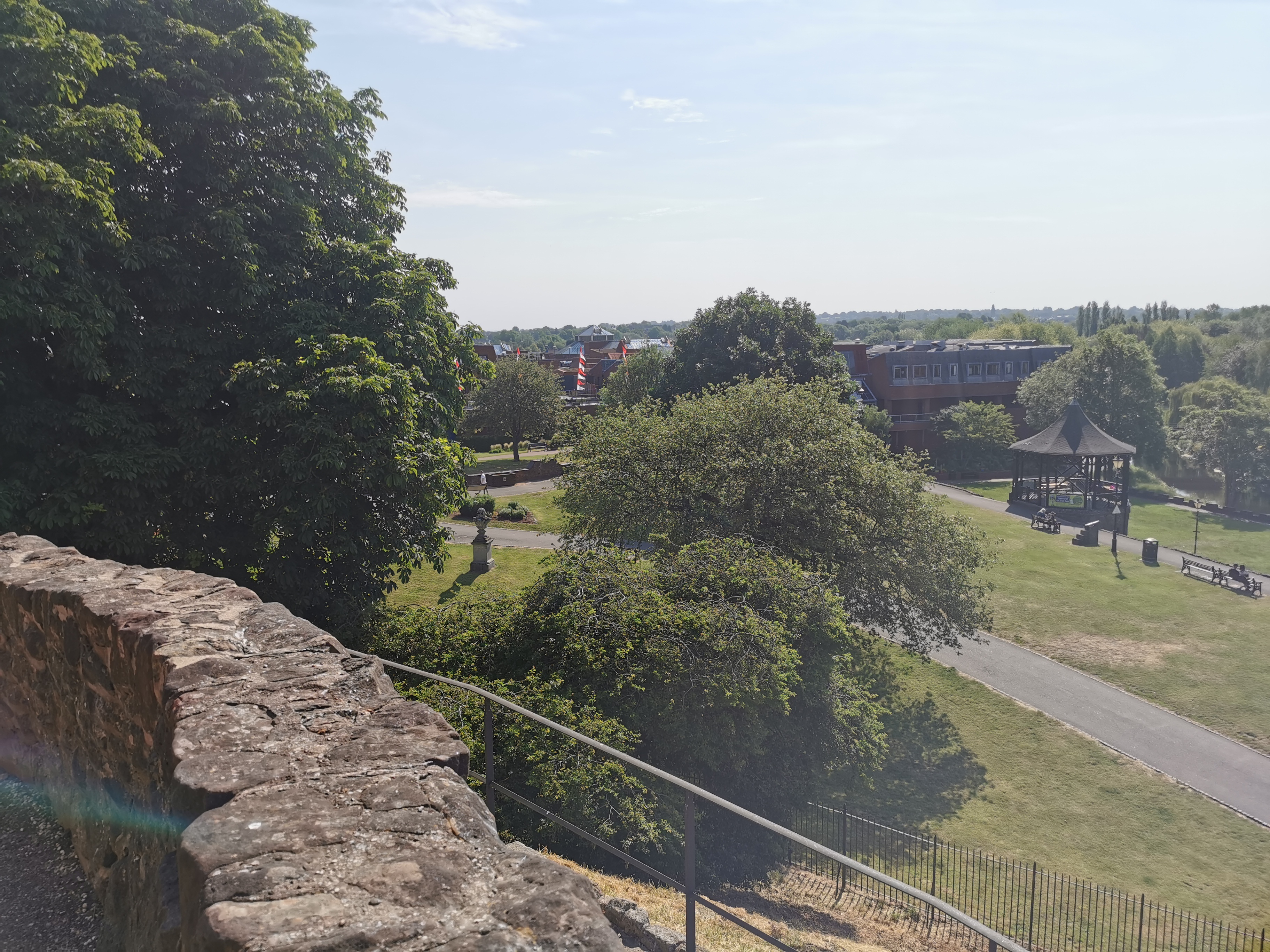
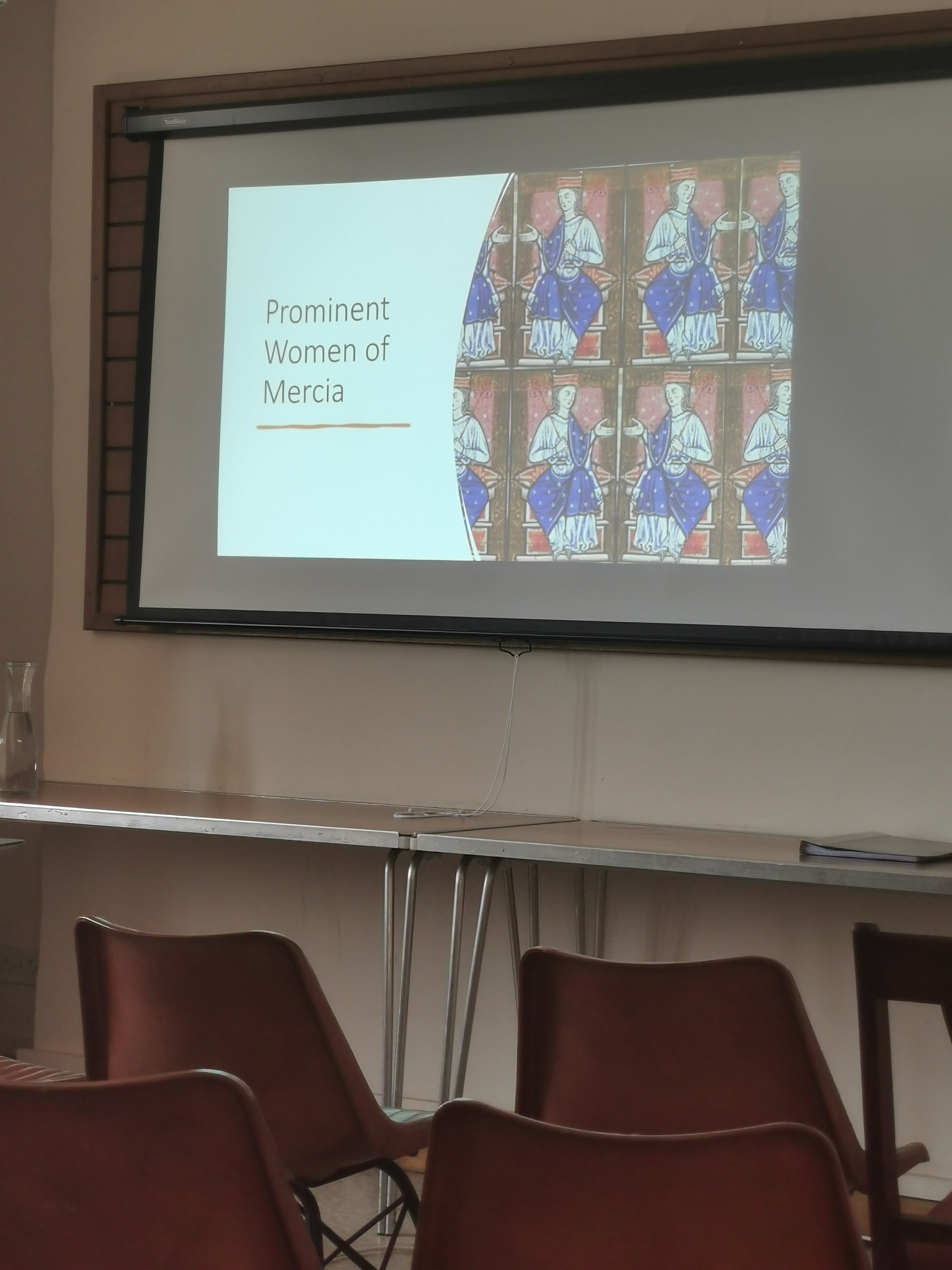
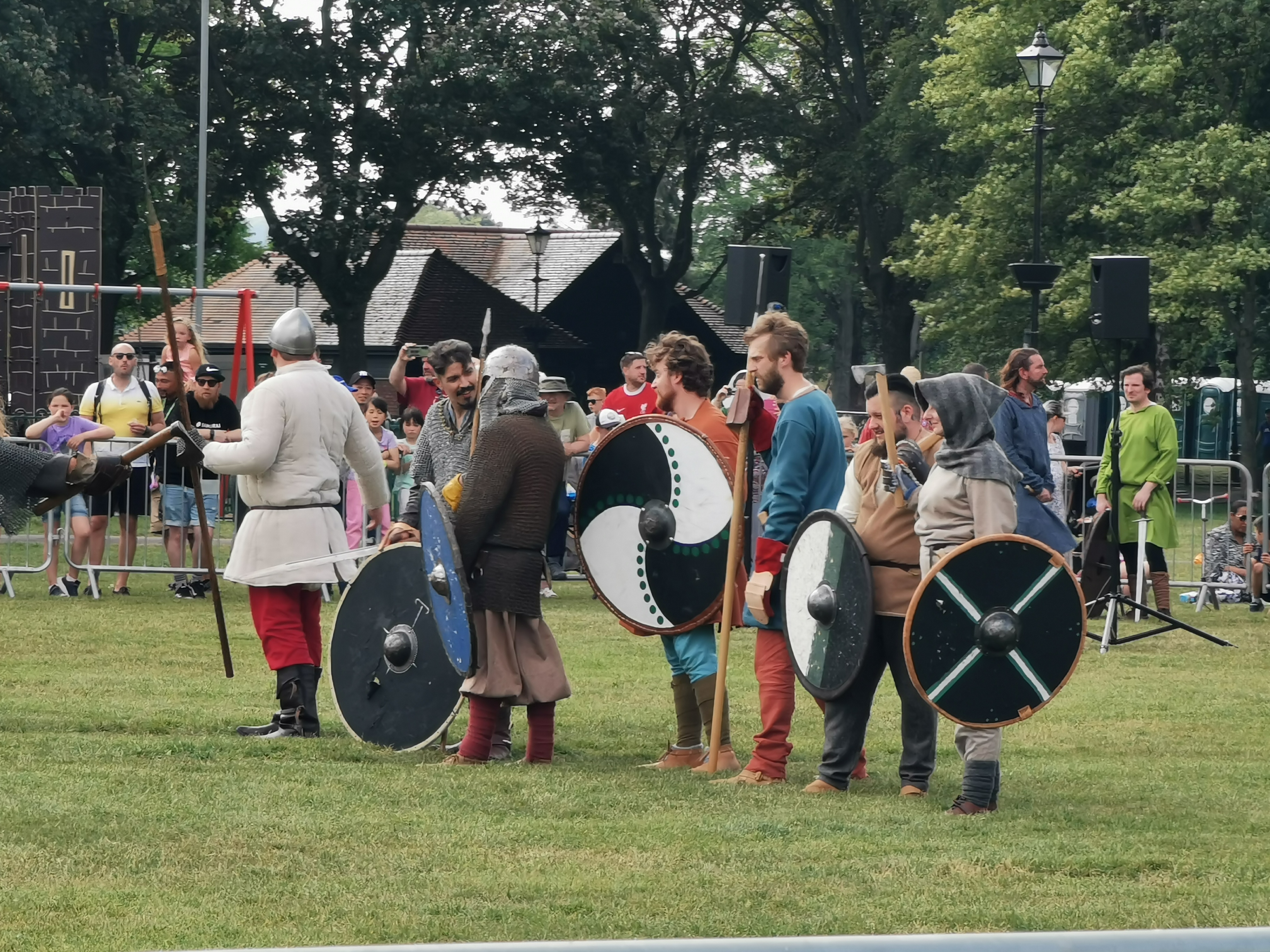
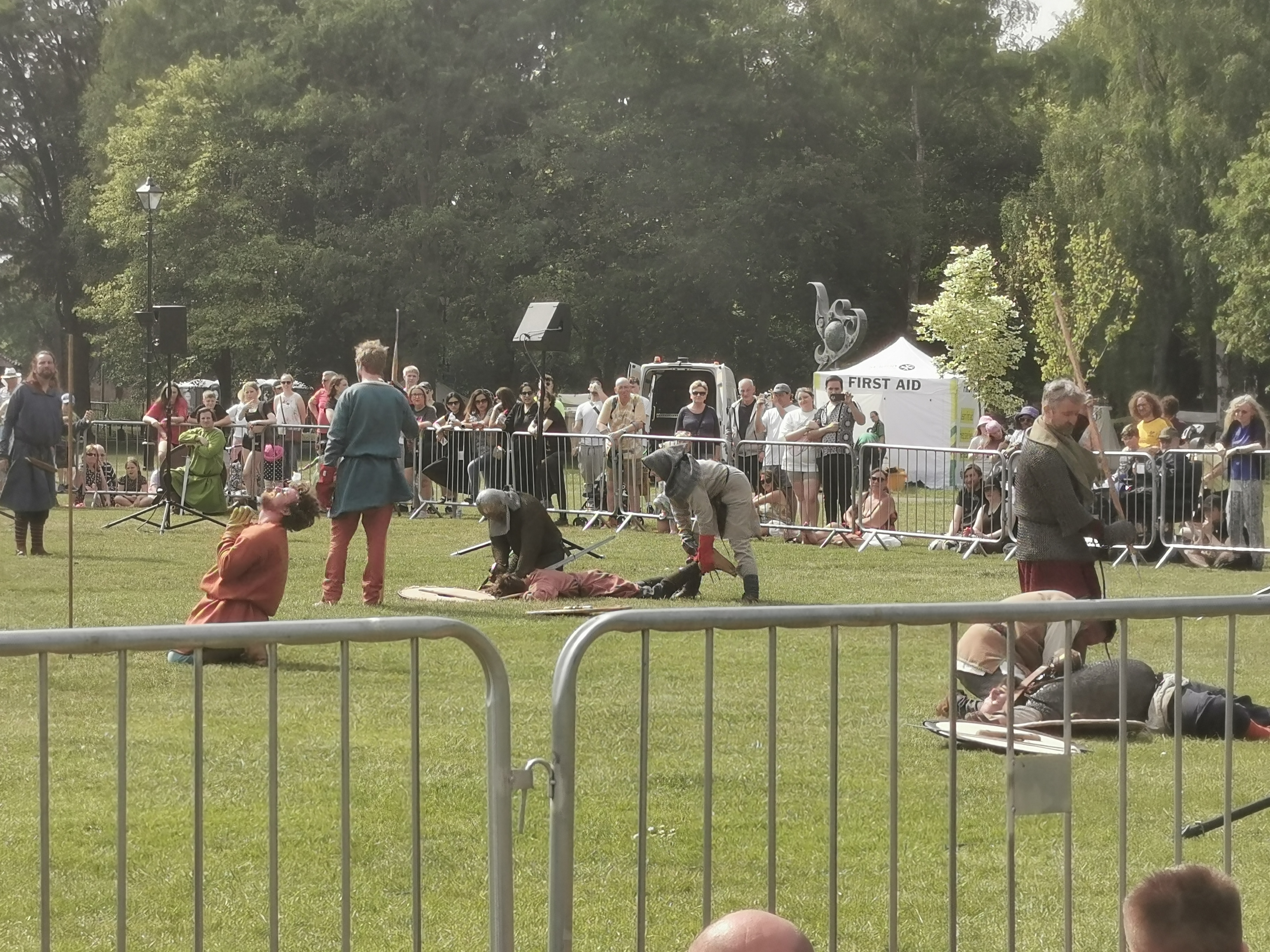
It is possible that I couldn’t have picked a hotter weekend to venture from my coastal location to the heart of the former Mercian kingdom, but that didn’t stop the event from being fantastic.
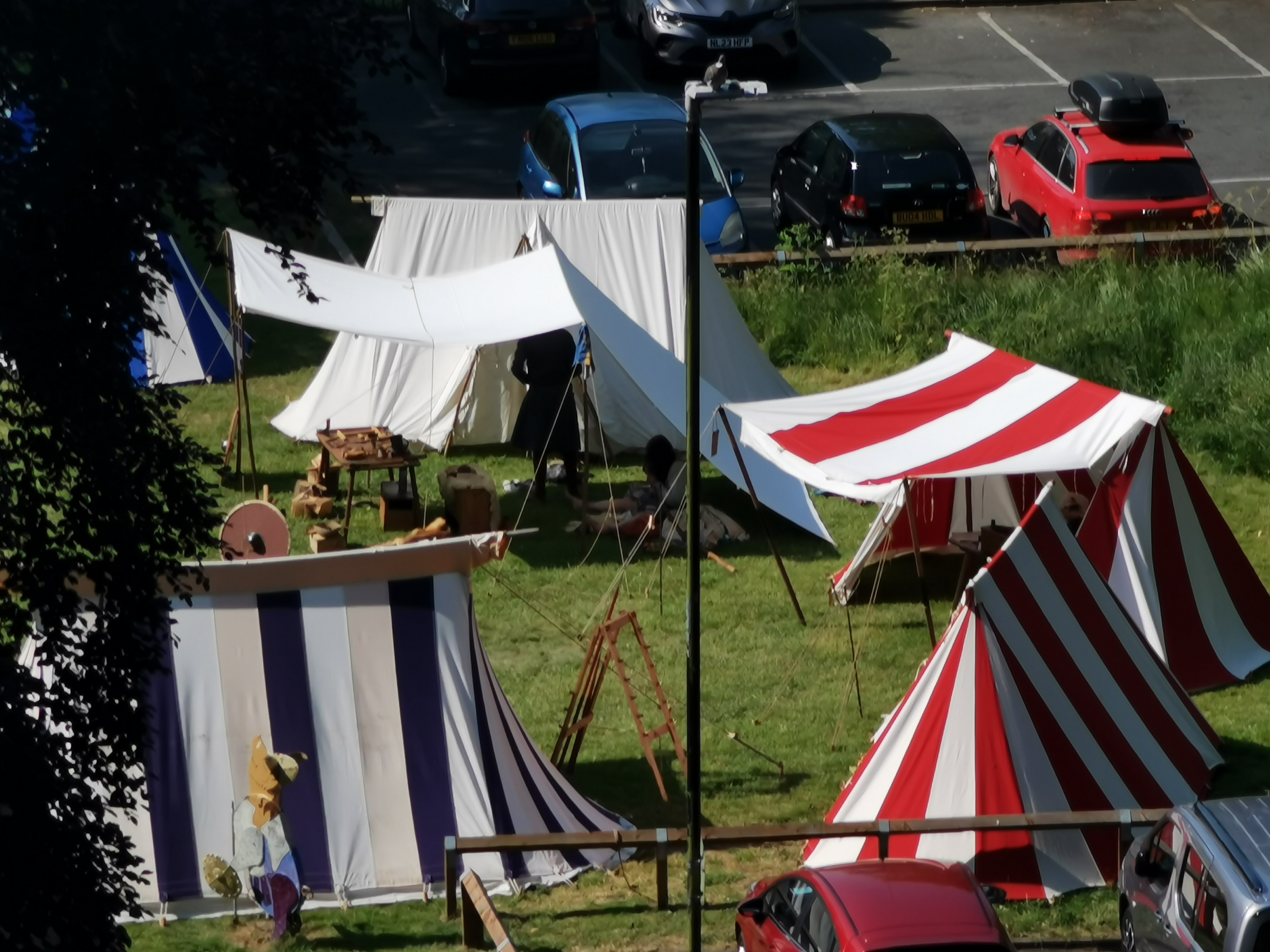
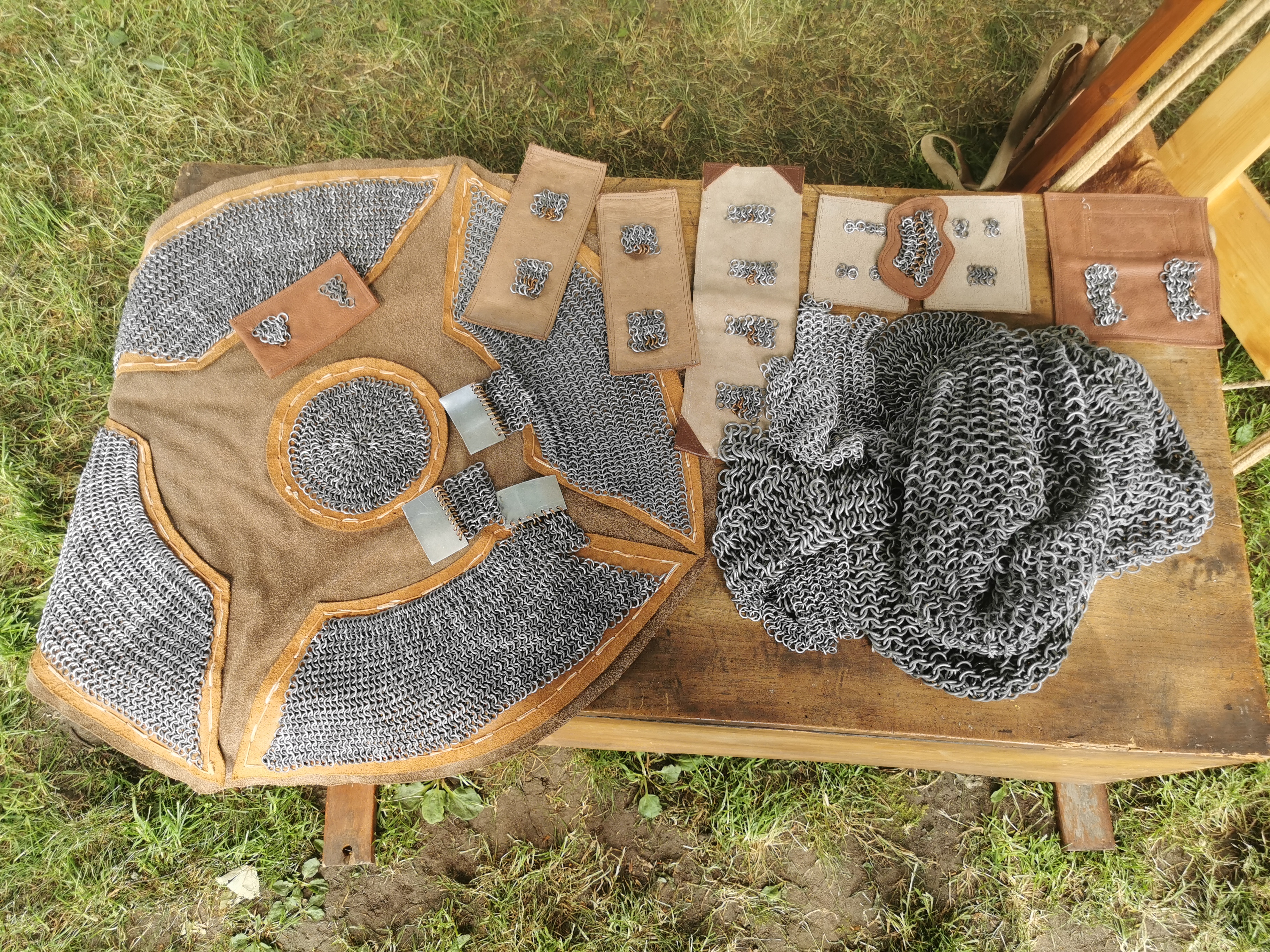
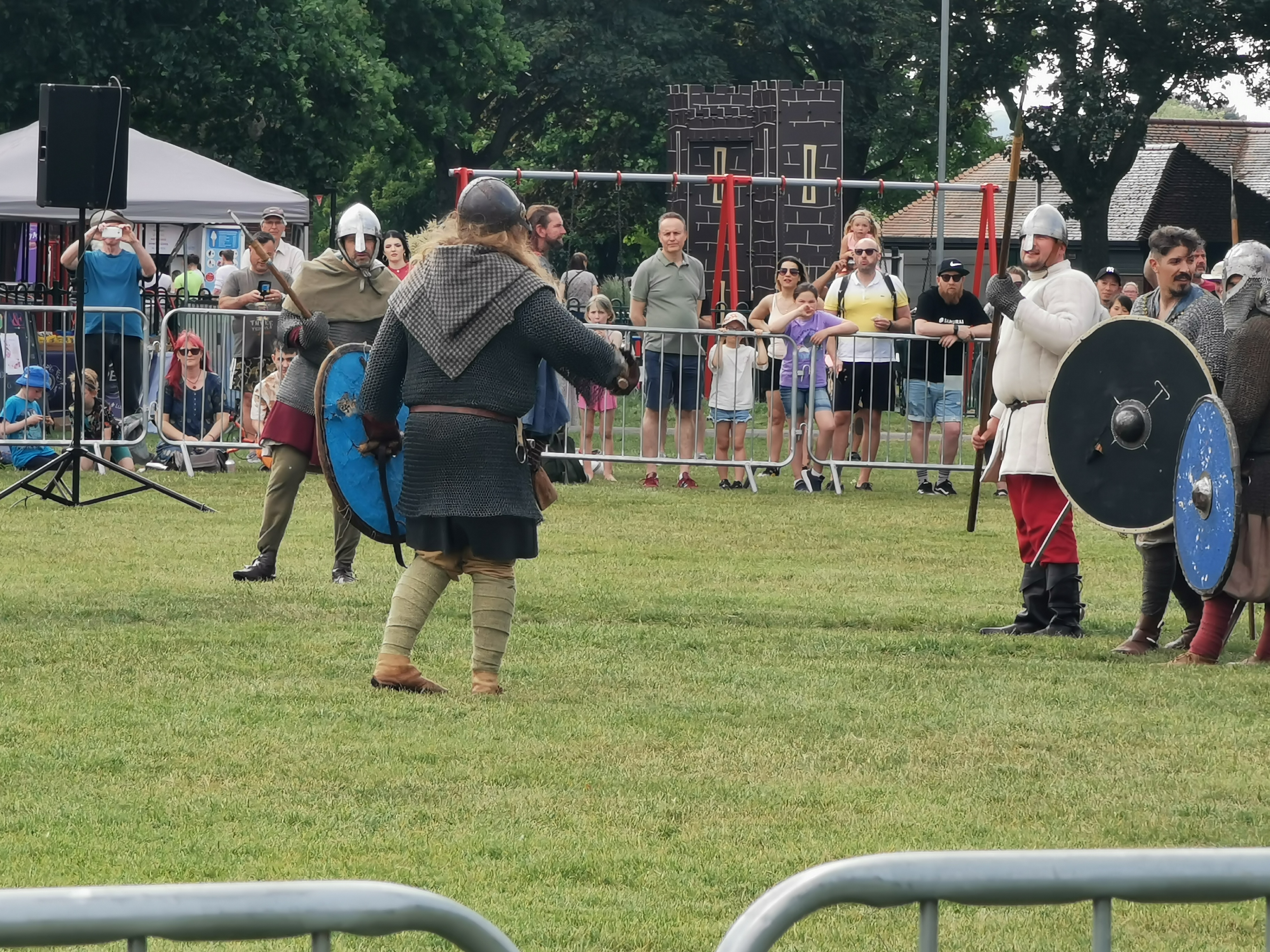
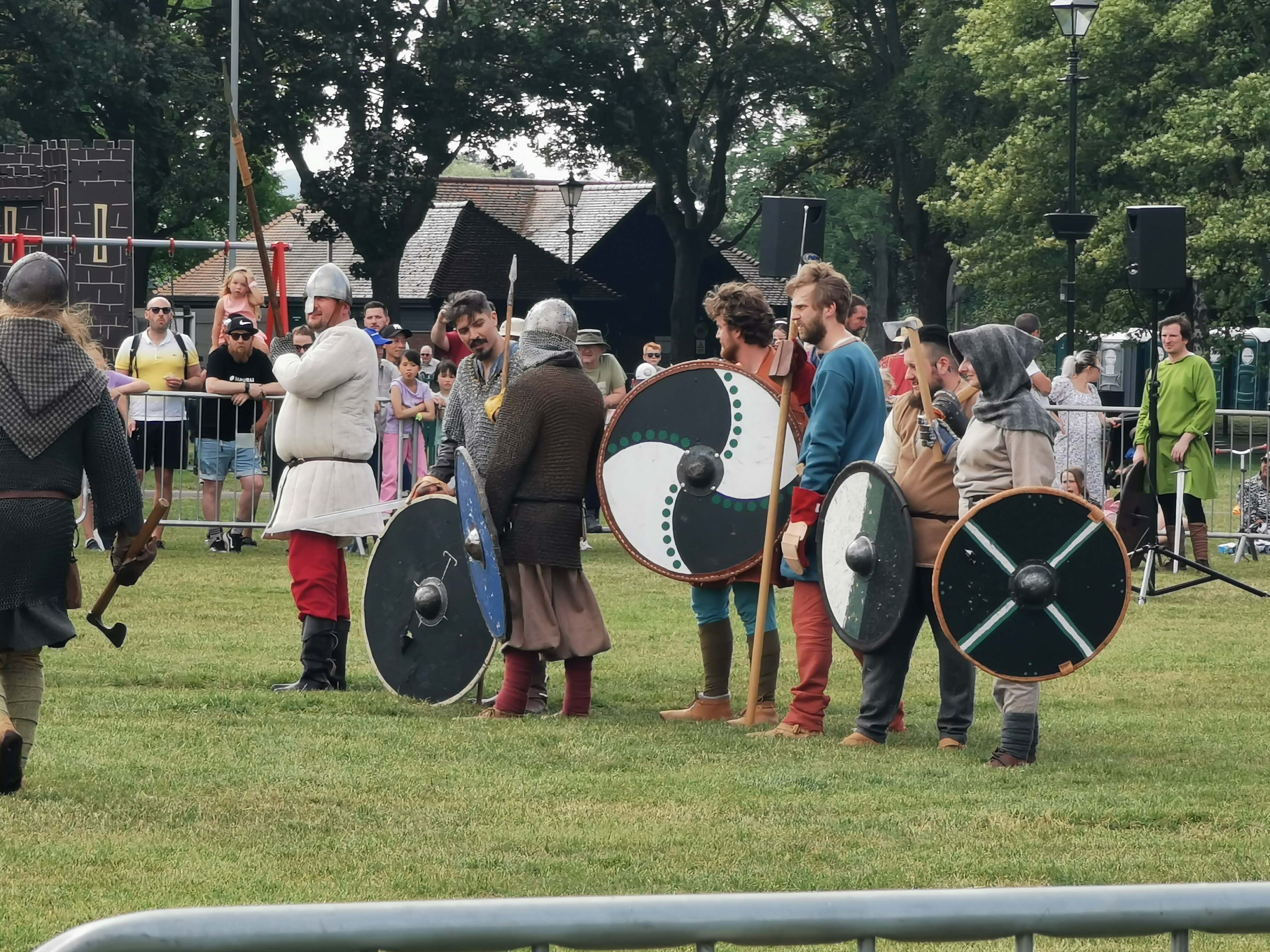
Æthelfest, a celebration of all things Saxon, with an emphasis on Æthelflæd, the lady of Mercia, and the anniversary of her death, which occurred on 12th June 918, included author talks (of which I gave one), a reenactment camp, music in the bandstand, and even some ‘have a go archery’, of which I was brilliant – of course. I met Annie Whitehead, who also writes about Mercia, and managed to snag a place on one of her very popular talks.
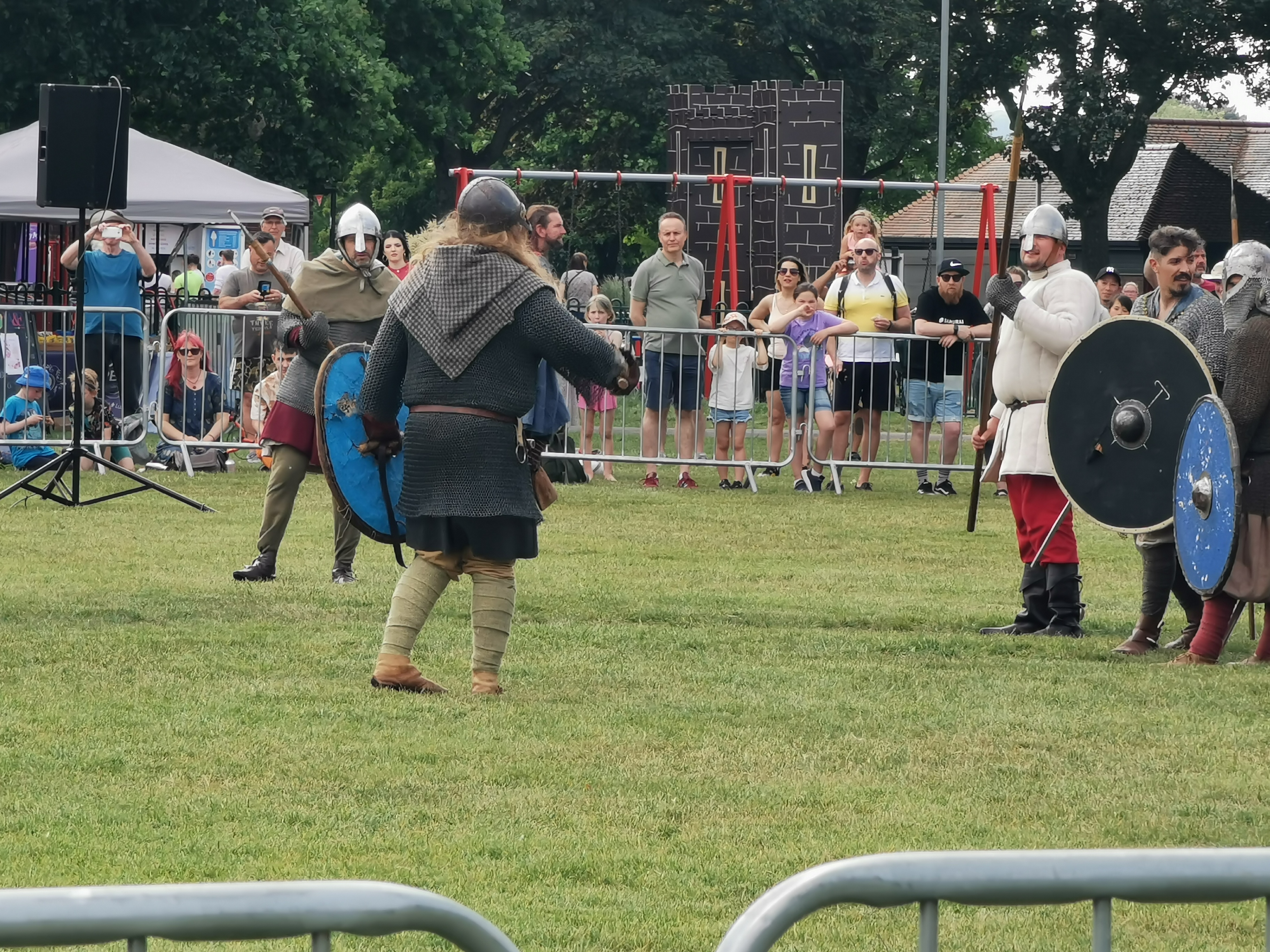
Regrettably, it was super toasty while I was there, and so I massively applaud the re-enactors who even managed to have a battle with all their equipment on.
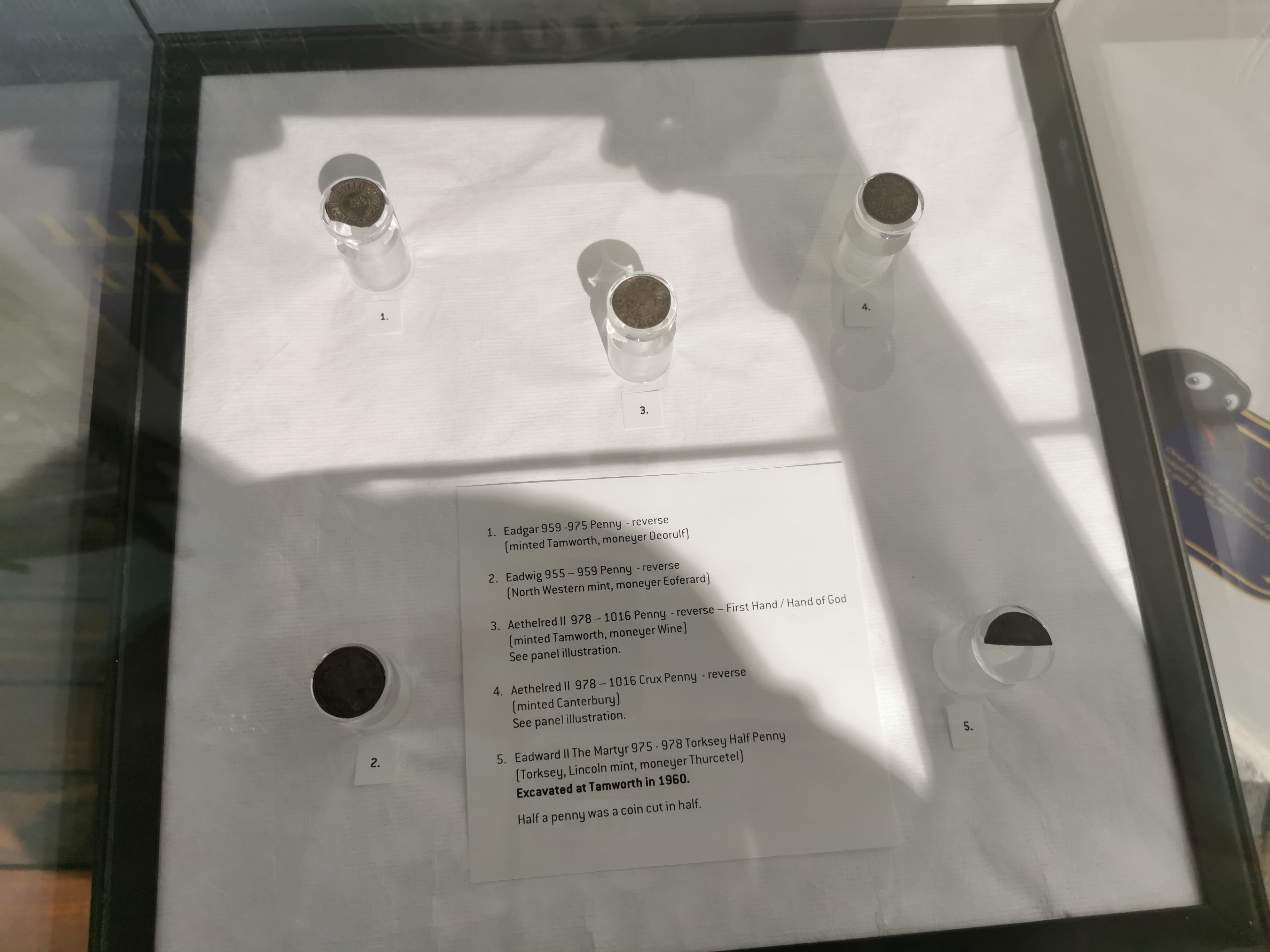
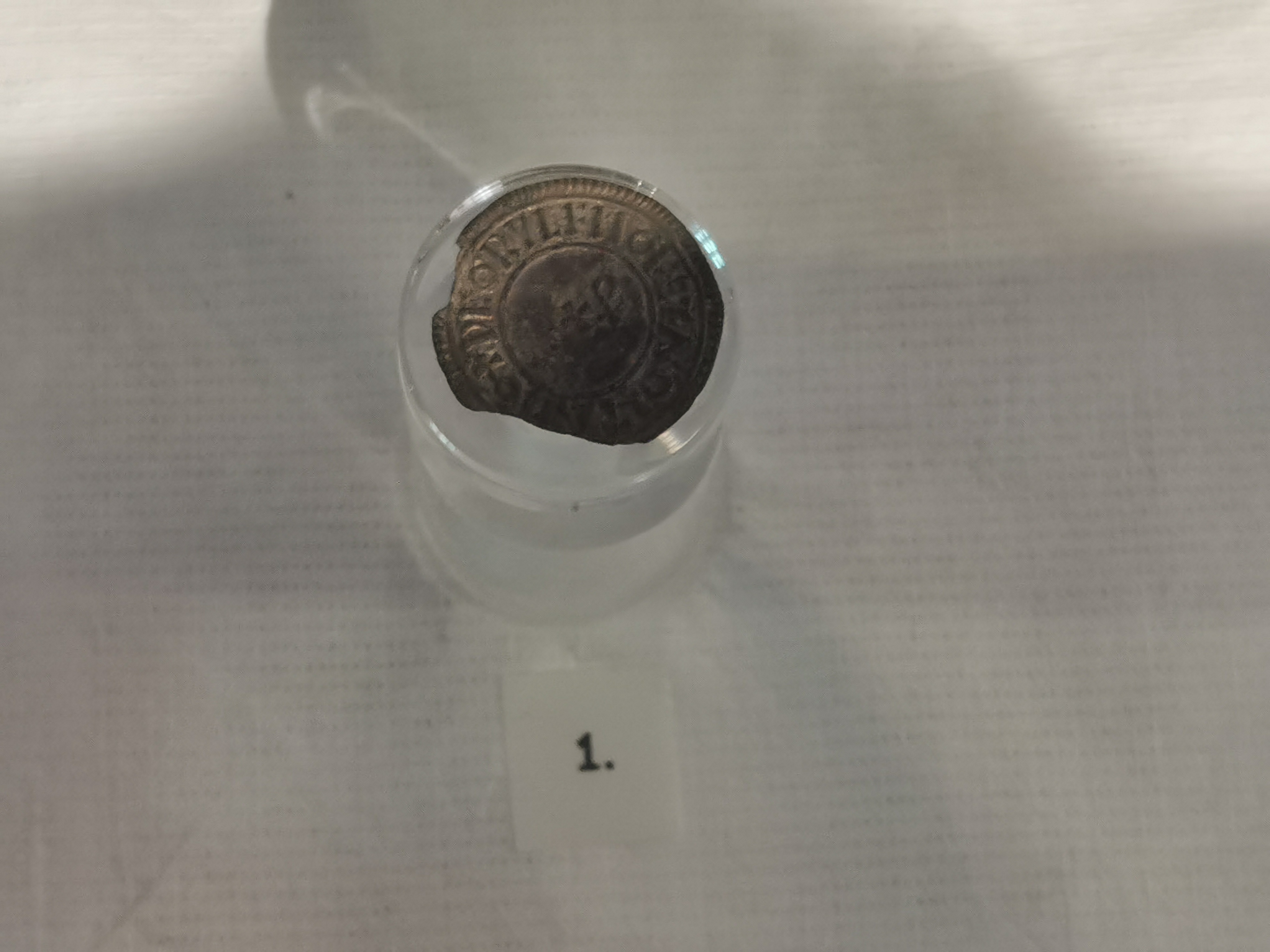
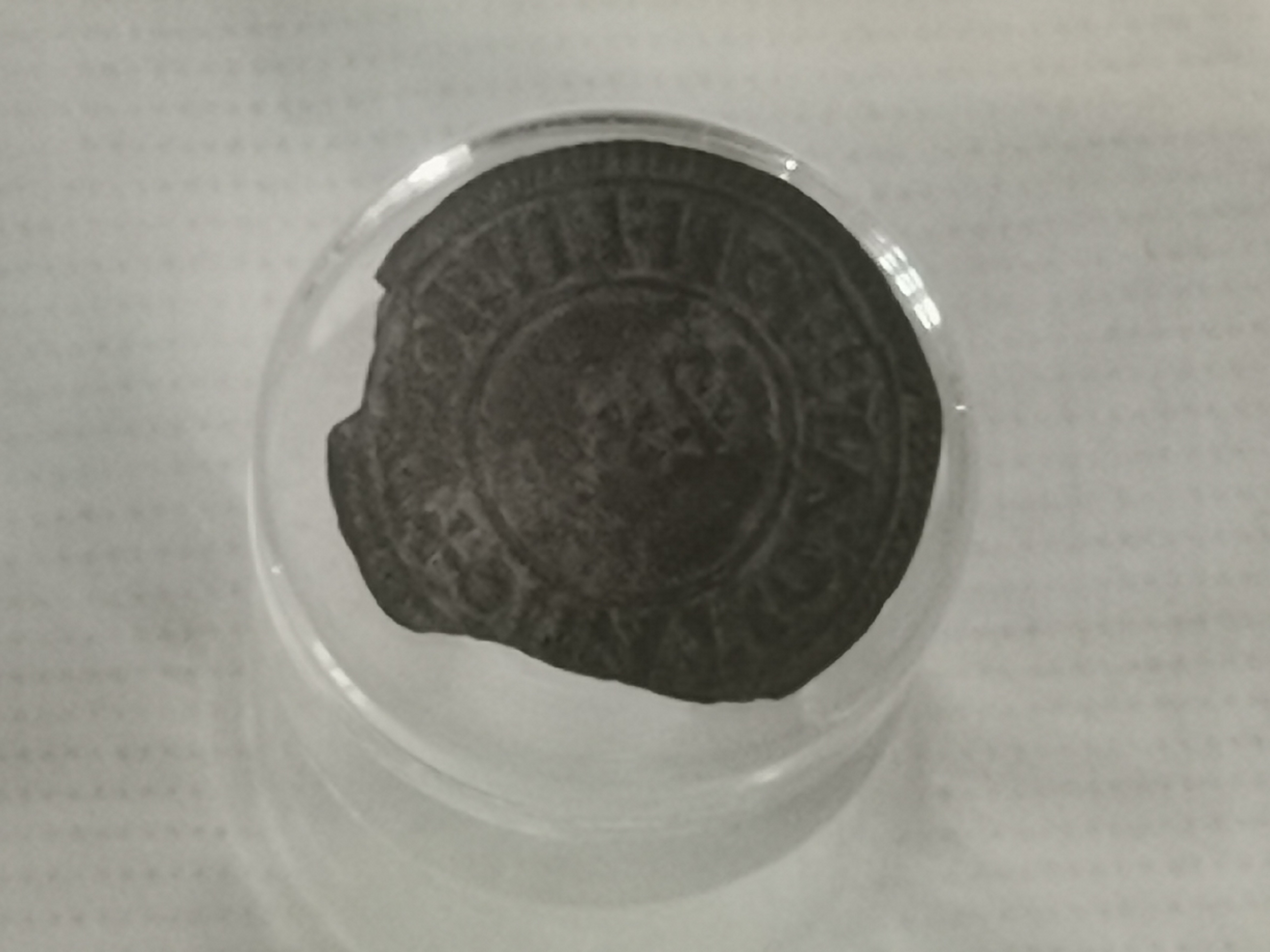
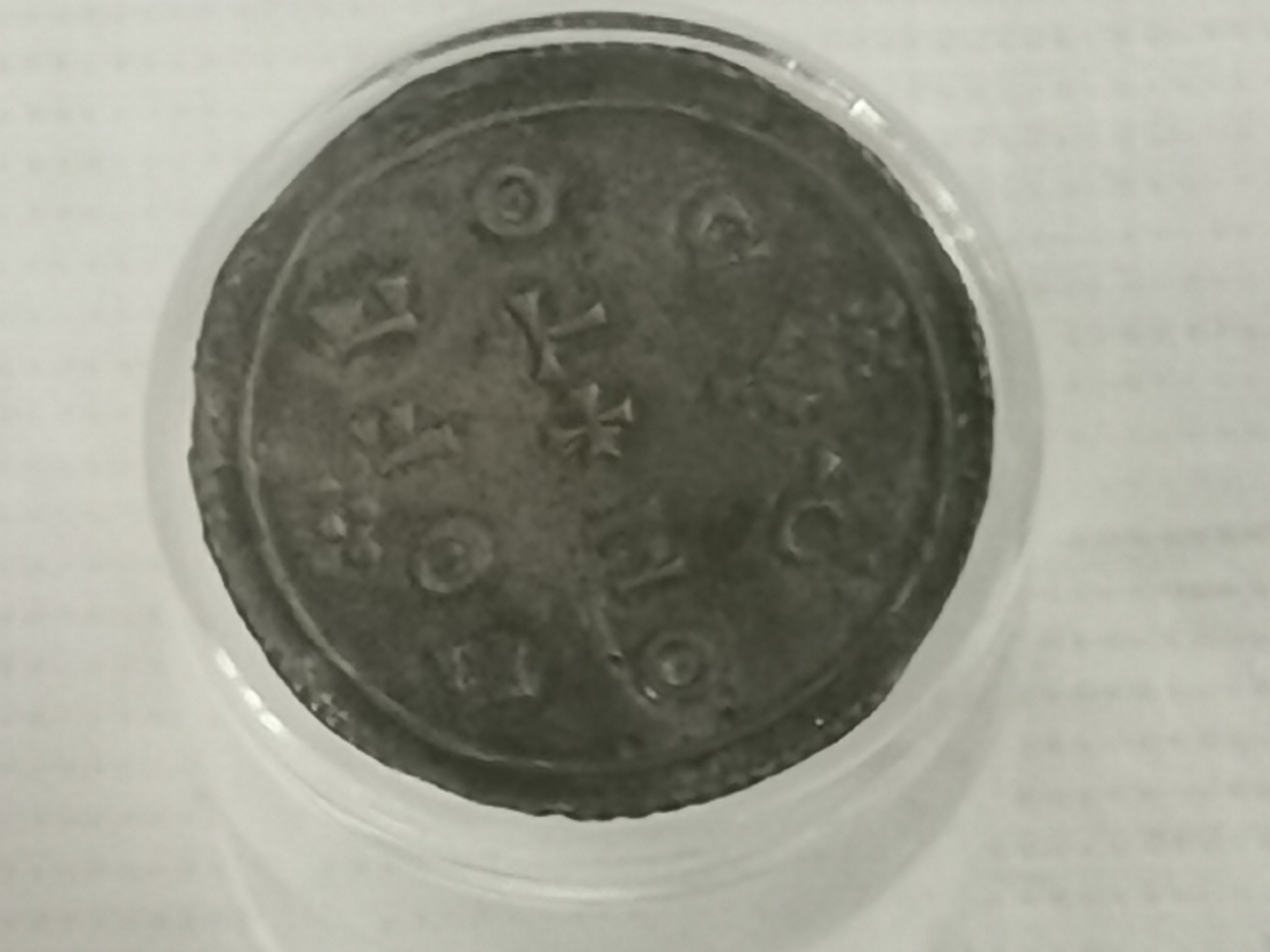
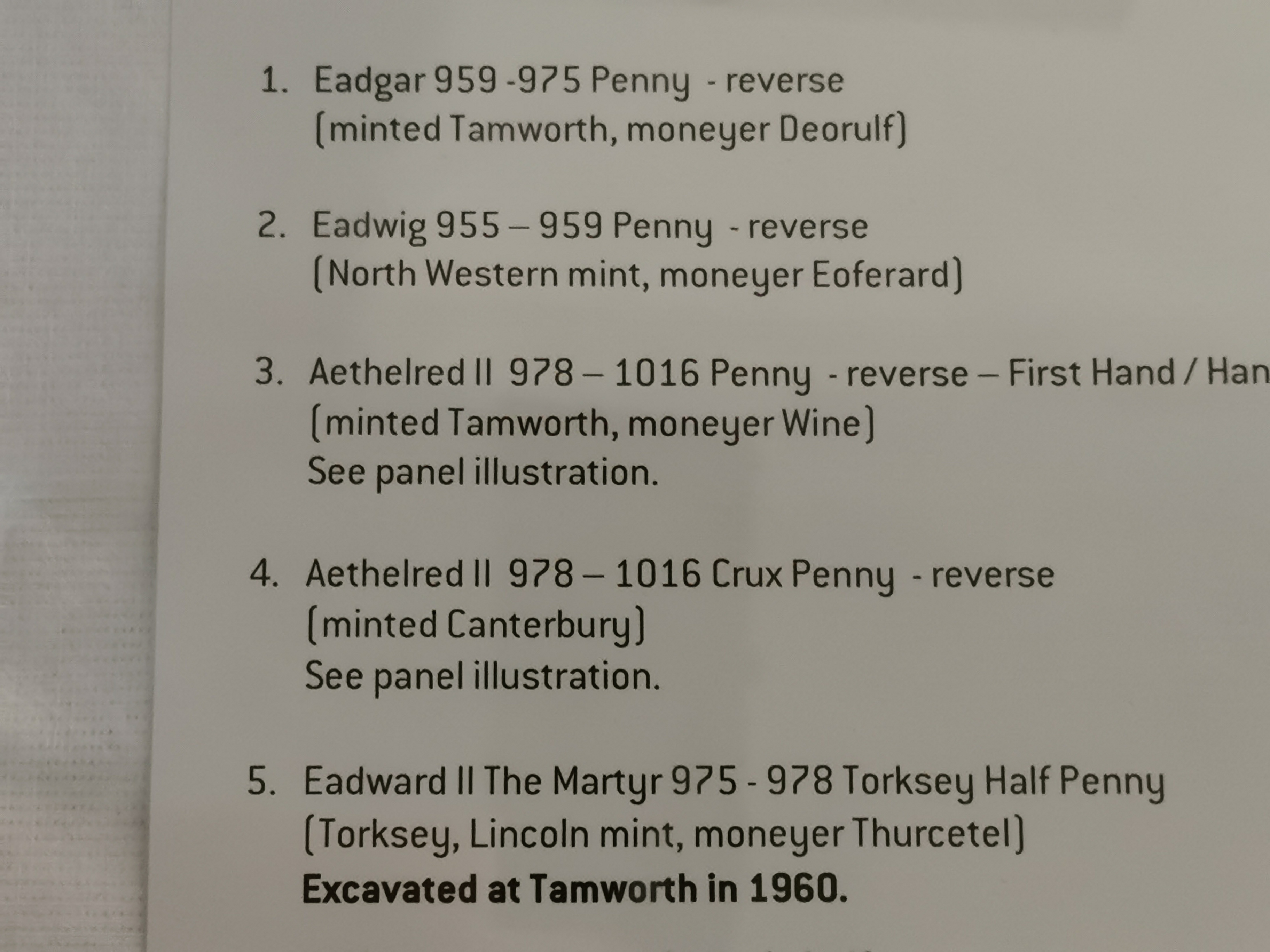
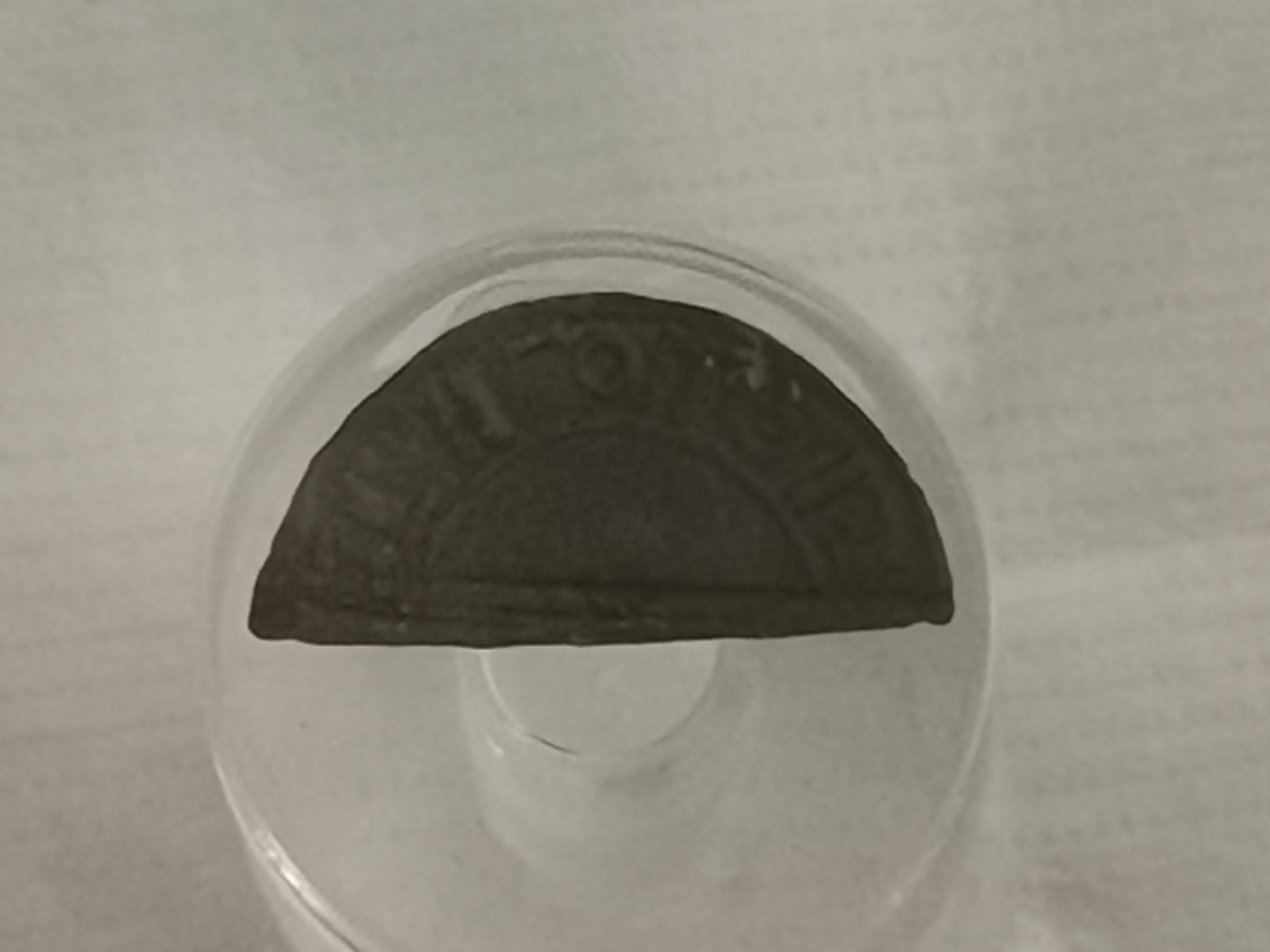
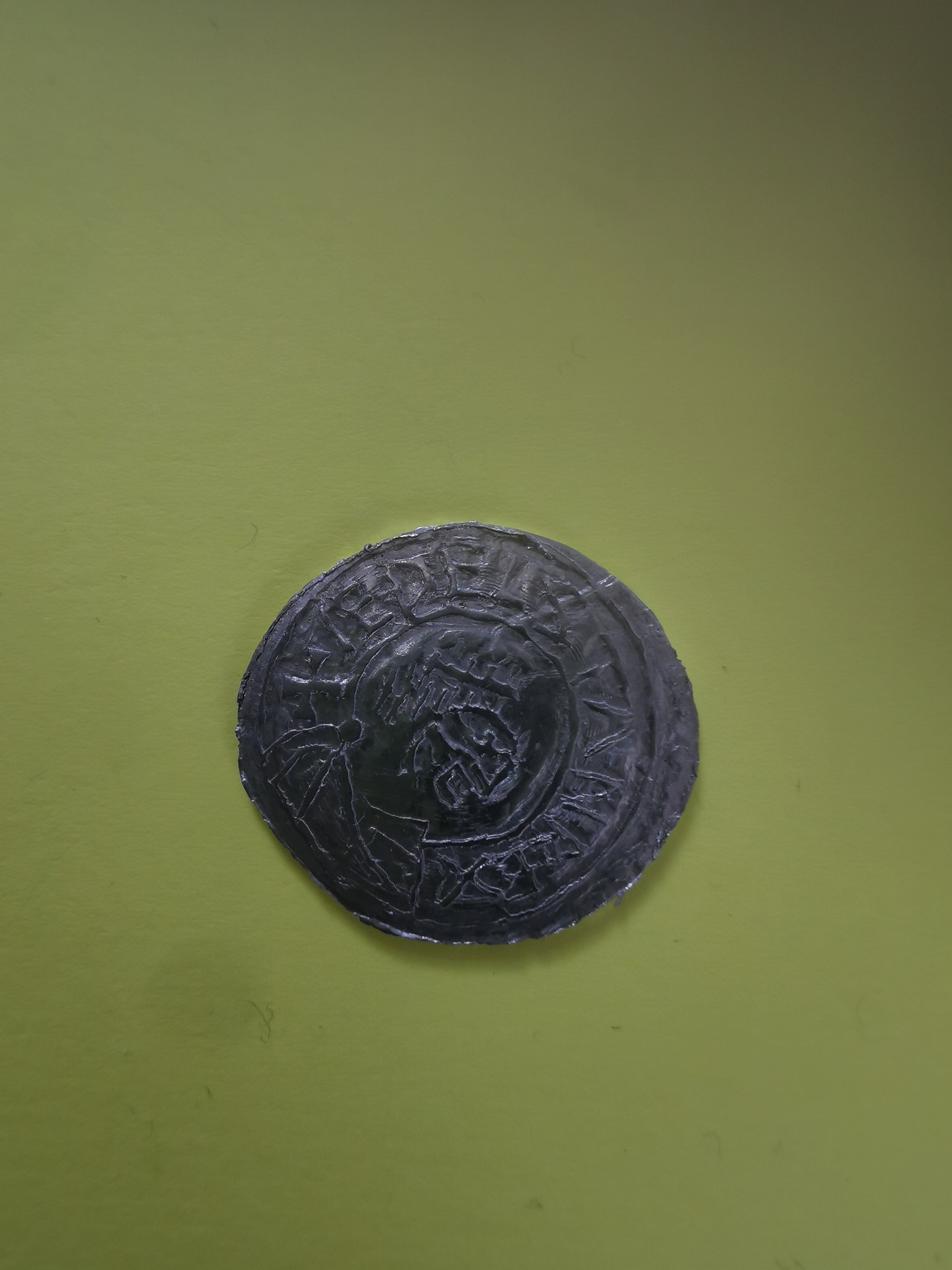
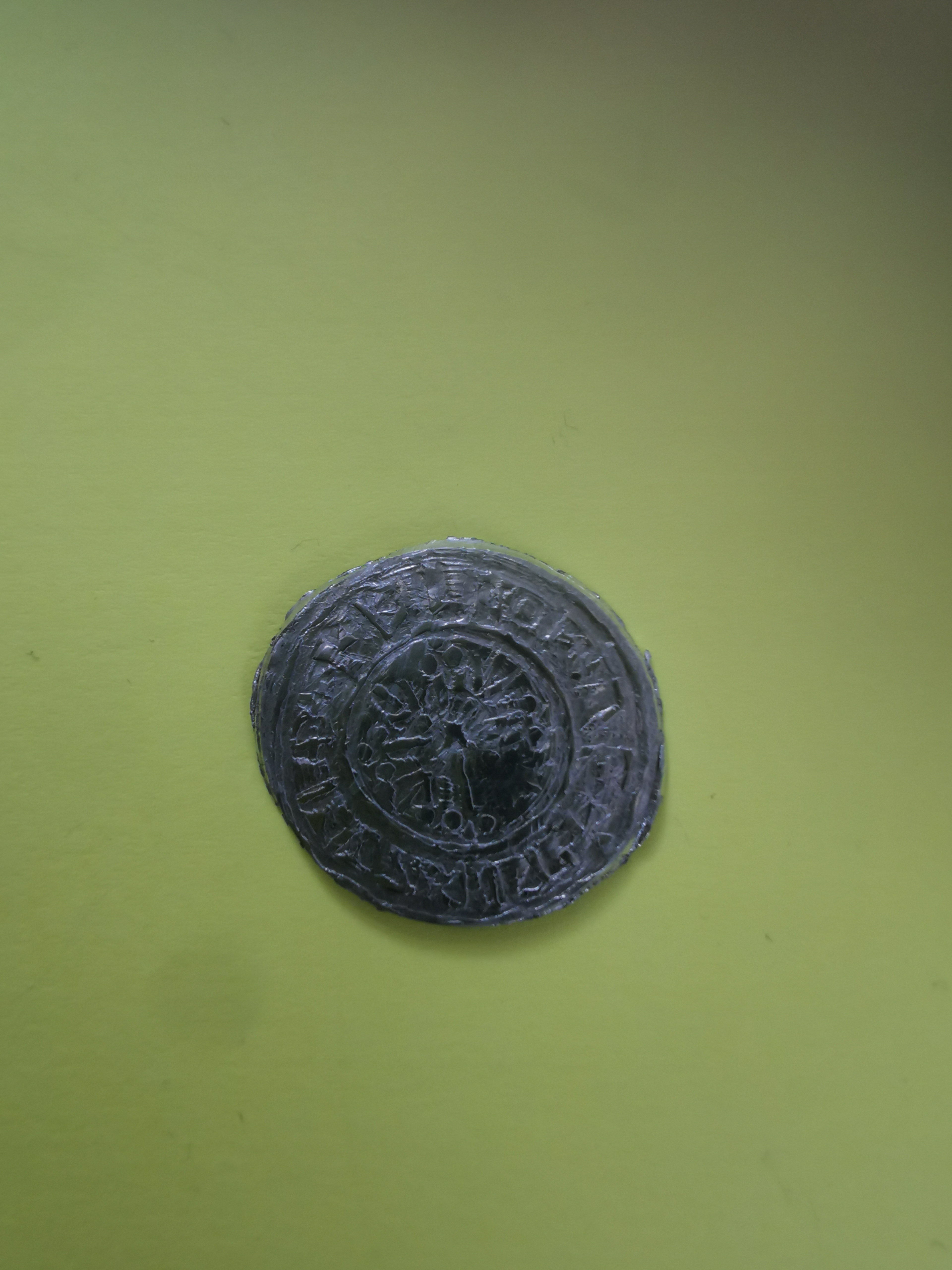
Tamworth Castle currently houses some of the Staffordshire Hoard, and it was great to see it in all its shining glory, although I didn’t take any photos of it. But, I did get some snaps of the coins they have in the museum and also had an Athelstan coin struck by the re-enactors.
It’s to be hoped that the event proved popular and will be repeated.
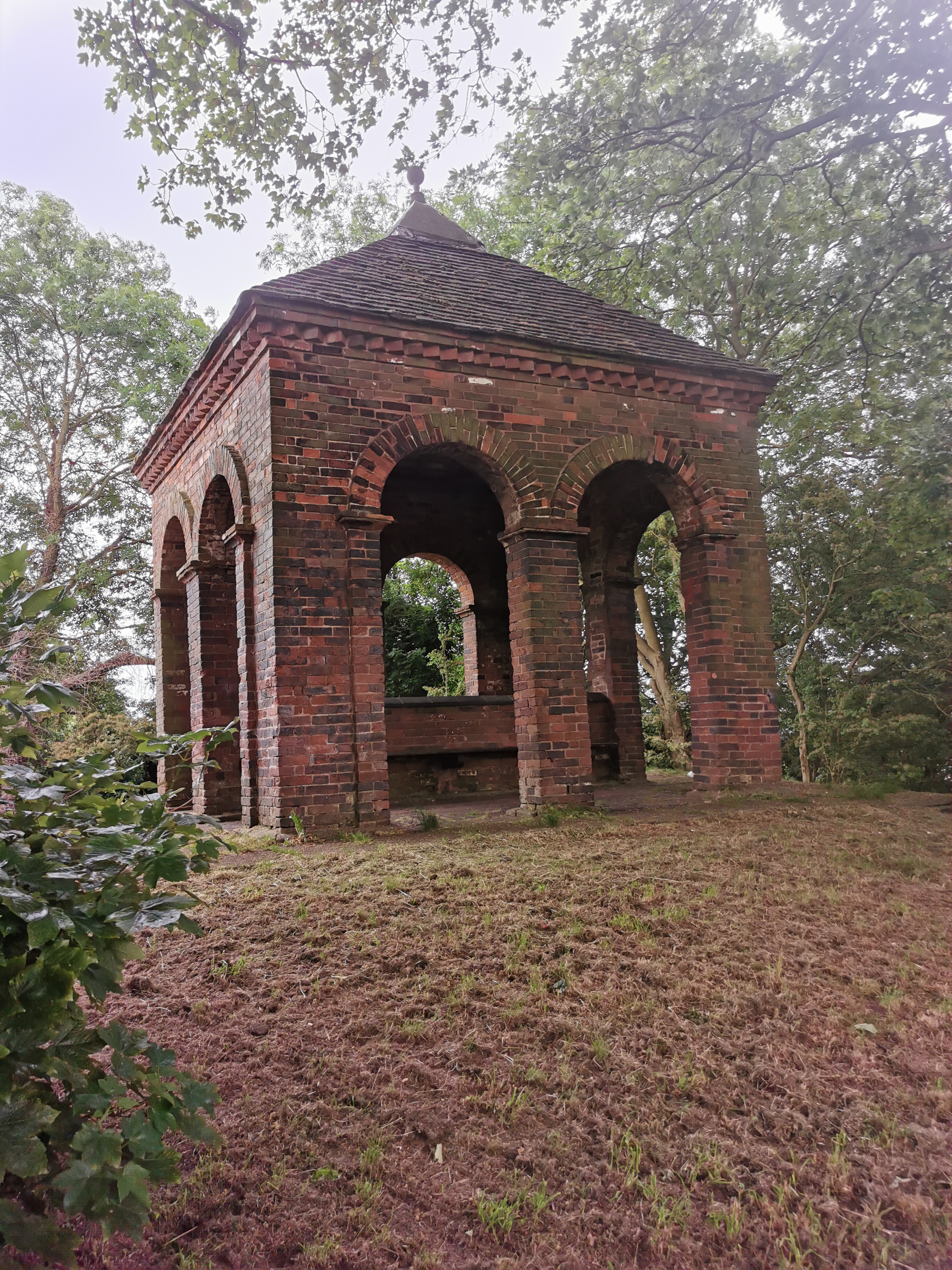
While I was there, I also took the opportunity to visit the ‘strange little building’ close to where I grew up, and which has been so instrumental in my desire to write about Saxon England, and particularly Mercia.
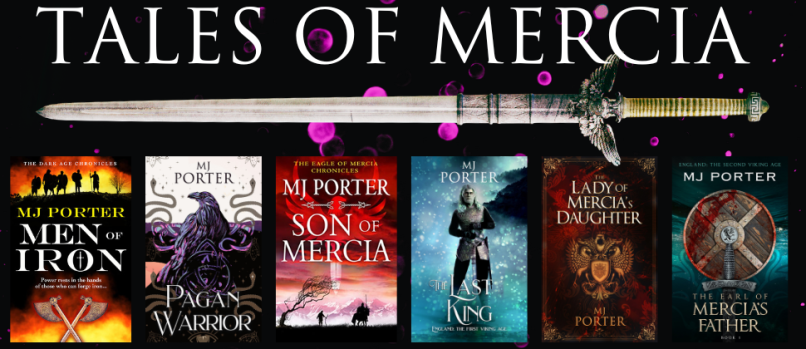
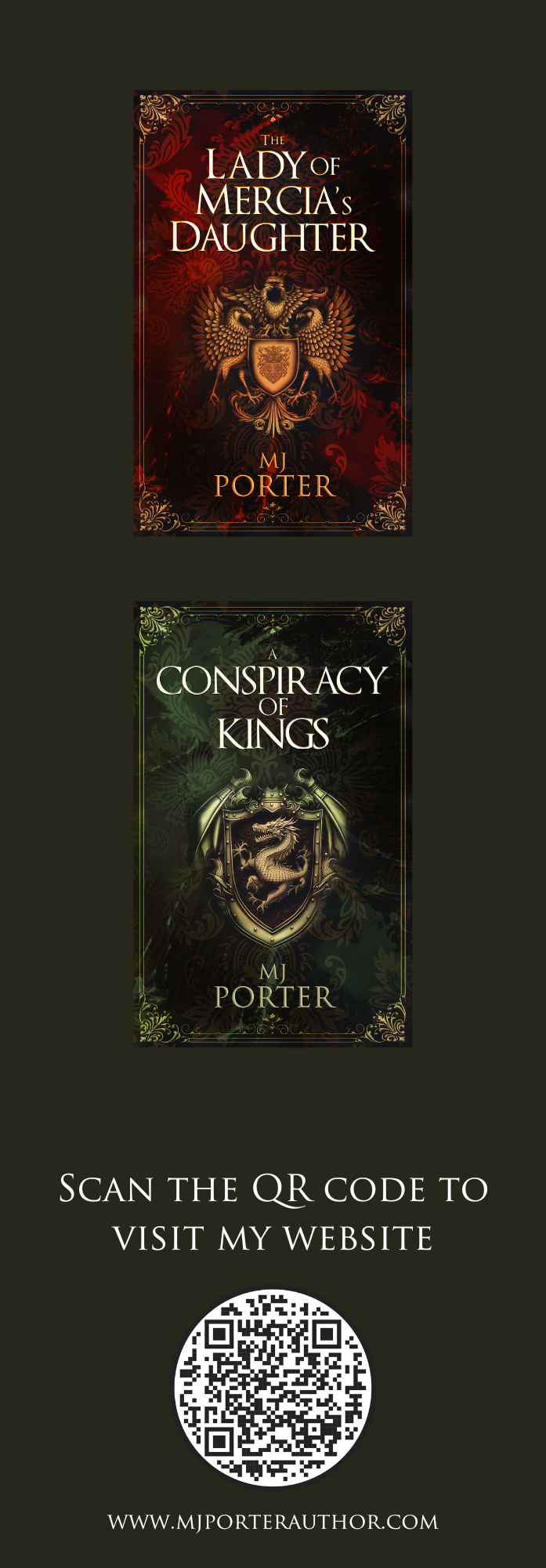
While I’ve not written about Lady Æthelflæd (yet), I have written about her daughter and the events immediately after her mother’s death, when Lady Ælfwynn succeeded to the kingdom of Mercia, but only for a short amount of time, in The Lady of Mercia’s Daughter and A Conspiracy of Kings – which feature on my bookmark below:)
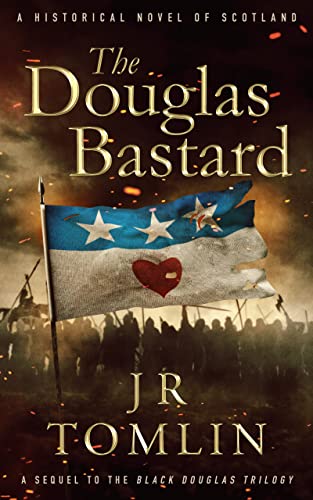
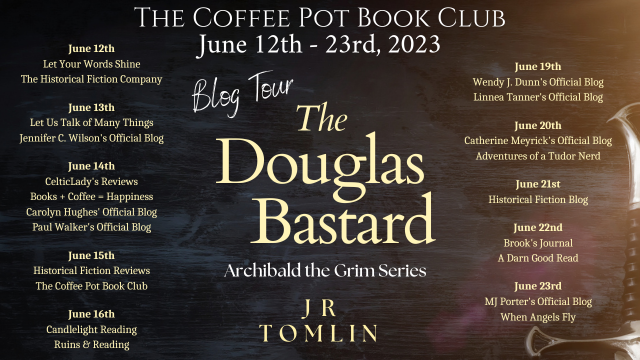
I’m delighted to welcome J R Tomlin to the blog to tell us all about the historical background to The Douglas Bastard.
The Second War of Scottish Independence is a war that should never have happened. (Admittedly, that is true of quite a few wars) It happened simply because England’s King Edward III was pissed off at the Scots.
Remember that the famous Battle of Bannockburn was not the end of the First War of Scottish Independence, although many think it was. The Scots launched numerous chevauchees into England, believing the destruction of the north of England would force the English to the peace table. It did not work. The war continued for another decade, with the English forced out of Scotland but refusing to sign a peace treaty or recognise Scotland’s status as an independent kingdom.
However, in 1326, the rebellion by Queen Isabella and her lover Mortimer overthrowing King Edward II changed England’s political landscape. In June of the next year, James, Lord of Douglas, Thomas, Earl of Moray, and Donald, Earl of Mar, gathered a large force, as many as 10,000 men, and led a chevauchee across the border into England. They carried no supplies but lived off the land as they moved across a wide swathe of northern England. Perhaps in order to bring legitimacy to the new regime, Mortimer and the sixteen-year-old newly crowned King Edward III assembled an even larger army, much better equipped than the Scots, and led it north. They probably believed they could defeat the Scottish force in England, leaving Scotland undefended so they could go into Scotland.
It was a long and complex campaign in which the Scots outran the English, who quickly ran low on food and supplies. The Scots also had an unassailable position on a rocky height overlooking the fast-flowing River Weir. They even took an English scout prisoner and sent him with their position since the English seemed incapable of catching up with them. On the last day of July, the English army arrived on the other side of the Weir. They sent heralds, inviting the Scots to abandon their position and engage in battle. The Scottish leaders replied (and this sounds like James Douglas) that they were happy where they were, and if the English King and his council were unhappy with their lands being burnt before them, they should cross the river and do something about it. Mortimer and the young king refused. Crossing the Weir would allow their vanguard to be attacked before the rest of the army could cross, so they were certainly right to refuse.
The standoff lasted for three days before the Scots moved during the night to an even more unassailable position within an area known as Stanhope Park. At daylight, the English shifted their position but still dared not cross the Weir. Although the Scottish position was unassailable, it also appeared to have the Scots trapped with no way of resupplying. The English believed all they had to do was starve the Scots out, and they would win.
On the night of the 4th of August, James Douglas led a night attack, penetrating to the very centre of the English camp. They rode in, cutting guy ropes and firing tents. There was panic in the camp. Douglas himself collapsed the King’s tent with the terrified king inside, his confessor killed protecting him. By that time, the English were organising for defence, so the Scots returned, untouched, to their own camp.
The next day, a Scot allowed himself to be taken prisoner to give the English word that the Scots would try to cut their way free the following night. The English, believing the story, spent the night in their armor with bonfires lit to see during the supposed coming battle. And the Scots retreated, picking their way through what the English had believed was an impenetrable marsh.
The English King wept in fury and humiliation.
He also never forgave the Scots. He was even more angry when his mother and Mortimer negotiated a peace treaty with Scotland which he and King Robert the Bruce signed in March 1328.
Only four years later, King Edward repudiated the treaty he had signed, backing an invasion by the pretender to the Scottish throne, Edward Balliol. Then began the totally useless Second War of Scottish Independence, which cost countless lives on both sides and eventually gained England nothing.
It did, however, provide stories of treachery, battle, bravery, defeat, and triumph that beg to be told.
Thank you so much for sharing the background to your new book. It sounds fabulous.
Here’s the blurb
Young Archibald, the Black Douglas’s bastard son, returns from exile to a Scotland ravaged by war. The war-hardened Knight of Liddesdale will teach him what he must learn. And with danger on every side, he must learn to sleep with one eye open and a claymore in his hand because even their closest ally may betray them…
J R Tomlin is the author of twenty historical novels.
Her historical novels are mainly set in Scotland. You can trace her love of that nation to the stories of Robert the Bruce and the Black Douglas that her grandmother read her when she was small and to her hillwalking through the Scottish Cairngorms where the granite mountains have a gorgeous red glow under the setting sun.
In addition to having lived in Scotland, she has traveled in the US, mainland Europe and the Pacific Rim. She now lives in Oregon.
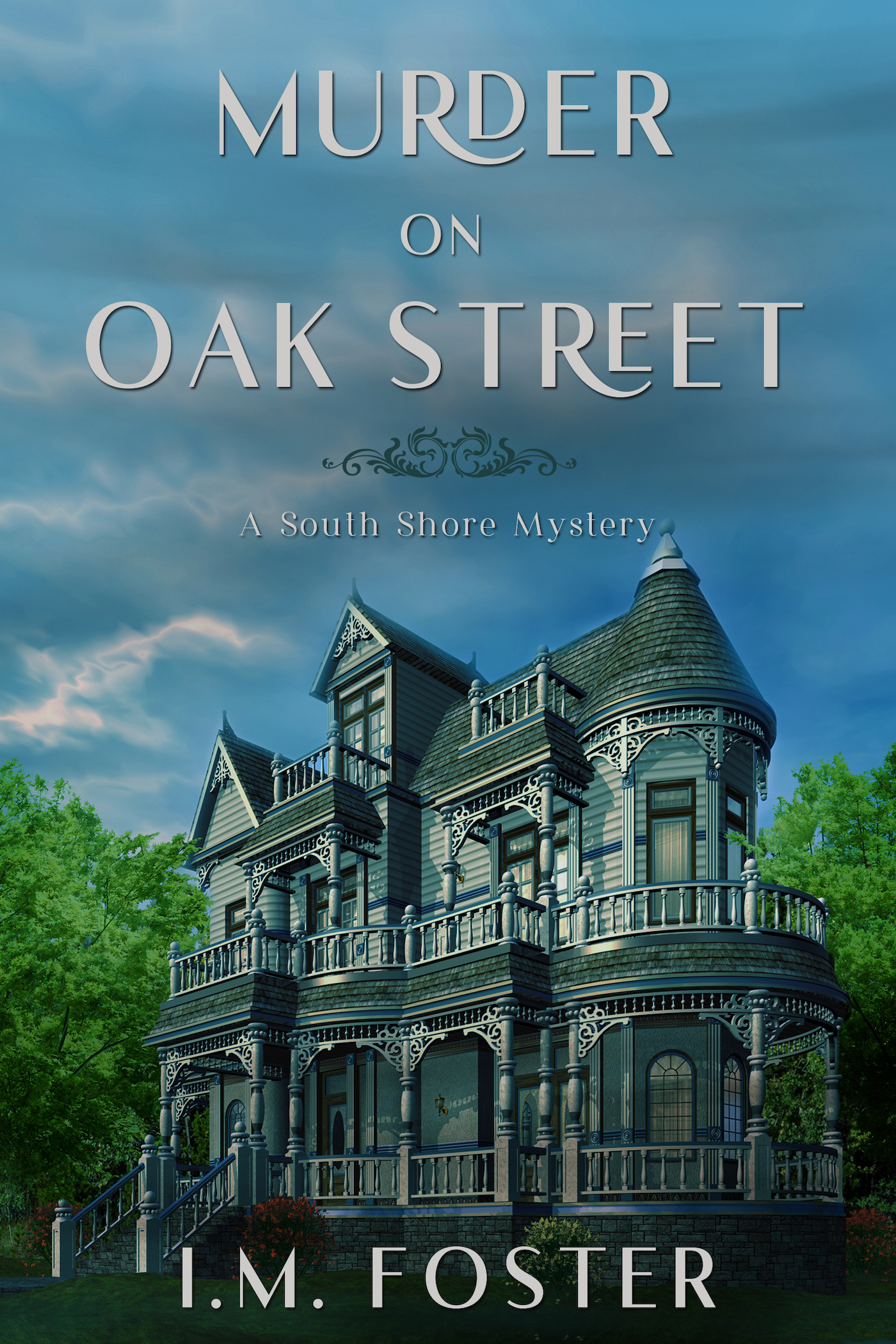
I’m delighted to welcome I.M. Foster to the blog, to share a fascinating post on Forensics at the Turn of the Century.
To start off with, I guess I should give a very basic definition of what exactly forensics is. Basically, it is the use of different scientific disciplines, such as biology, chemistry, physics, etc., to investigate crimes or examine evidence that can be used to present in court. That being the case, the techniques available at any given period in history would depend largely on the stage of scientific development that was available to the investigator at the time.
Today a multitude of investigative tools are available to detectives and medical examiners, from ballistics to DNA. Most large police departments even have their own forensics labs, as Suffolk County, New York now does. But forensic science in the day of Dr. Daniel O’Halleran was quite a bit different than it is today.
To begin with, there was no such thing as forensic science, per se, even though the use of science to determine the cause of death actually goes back to ancient Rome and Egypt. For example, it was a physician, Antisius, who determined that of the twenty-three blows Julius Caesar received it was the one below his left arm that actually killed him. Alas, after the fall of the Roman Empire, the use of science to detect the cause of death seemed to stagnate for the next thousand or so years.
Fast forward to the sixteenth century, and things began to pick up again. Interest in determining reasons for a person’s demise increased, the French and Italians studied the result of violent death on internal organs, and once again, science was being used to assist in determining the cause of death. During the nineteenth century, scientific advances produced a number of breakthroughs that aided in criminal investigations.
By the dawn of the twentieth century, poison could be detected in body tissue, handwriting analysis and the study of documents were being employed, and toxicology was being presented as evidence in jury trials. In addition, scientific tools, such as the polarized light microscope had been invented, enabling physicians to study fibers. And photography had made its appearance, making it easier to study the crime scene in detail.
Fingerprints were still relatively new on the scene however. Though a system of classifying fingerprints had been developed by the 1880s, don’t expect Daniel to be incorporating it into his investigative tool kit right away. The system used by most of Europe and North America didn’t come about until 1896 and wasn’t employed in the United States until 1903, when it was used by the New York State Prison system for criminal identification. The first use of the technique at a criminal case in the United States didn’t occur until 1910.
Before fingerprinting, something called anthropometry was used for identification, which was the measurement of body parts and their proportions to one another, not exactly foolproof. As for the twelve matching points of a fingerprint, that didn’t come along until 1918, so while Daniel might eventually play around with it, fingerprinting certainly not something he’s going to base his cases on.
The turn of the century did present some extremely helpful investigative tools however. Biologists were able to determine not only if a stain was blood, but whether it was human or animal. Ballistics was becoming more refined, though the tracing of a bullet to a specific gun wouldn’t come about until 1910. And geology was first used in 1904 by a German scientist when he identified a killer from the dirt on his pants and under his fingernails, as well as the coal soot found on a handkerchief he’d left at the crime scene. Now, that is something that Daniel might eventually employ.
Other advances were just on the horizon. The use of a microscope to compare strands of hair didn’t come along until 1910, and the study of botanicals such as plant fibers and pollen in relation to a crime scene wasn’t widely used until the 1920s, though I’m sure there were local residents who might be able to point out where a certain plant was more prevalent.
In spite of all the advances, however, using scientific principles in criminal investigations still wasn’t seen as its own discipline. But in 1904, Edmond Locard was to write a passage that one might point to as the beginning of modern forensic science. Every contact leaves a trace. Shortly after, in 1909, the first school was opened for the sole purpose of studying how to use science to determine the cause and method of death, and thus the seeds were planted for the modern study of forensic science.
Thank you for sharing such a fascinating post.
Here’s the blurb
New York, 1904. After two years as a coroner’s physician for the city of New York, Daniel O’Halleran is more frustrated than ever. What’s the point when the authorities consistently brush aside his findings for the sake of expediency? So when his fiancée leaves him standing at the altar on their wedding day, he takes it as a sign that it’s time to move on and eagerly accepts an offer to assist the local coroner in the small Long Island village of Patchogue.
Though the coroner advises him that life on Long Island is far more subdued than that of the city, Daniel hasn’t been there a month when the pretty librarian, Kathleen Brissedon, asks him to look into a two-year-old murder case that took place in the city. Oddly enough, the case she’s referring to was the first one he ever worked on, and the verdict never sat right with him.
Eager for the chance to investigate it anew, Daniel agrees to look into it in his spare time, but when a fresh murder occurs in his own backyard, he can’t shake his gut feeling that the two cases are connected. Can he discover the link before another life is taken, or will murder shake the peaceful South Shore village once again?
Buy Links
This title is available to read with #KindleUnlimited.
I. M. Foster is the pen name author Inez Foster uses to write her South Shore Mystery series, set on Edwardian Long Island. Inez also writes historical romances under the pseudonym Andrea Matthews, and has so far published two series in that genre: the Thunder on the Moor series, a time-travel romance set on the 16th century Anglo-Scottish Borders, and the Cross of Ciaran series, which follows the adventures of a fifth century Celt who finds himself in love with a twentieth century archaeologist.
Inez is a historian and librarian, who love to read and write and search around for her roots, genealogically speaking. She has a BA in History and an MLS in Library Science and enjoys the research almost as much as she does writing the story. In fact, many of her ideas come to her while doing casual research or digging into her family history. Inez is a member of the Long Island Romance Writers, the Historical Novel Society, and Sisters in Crime.
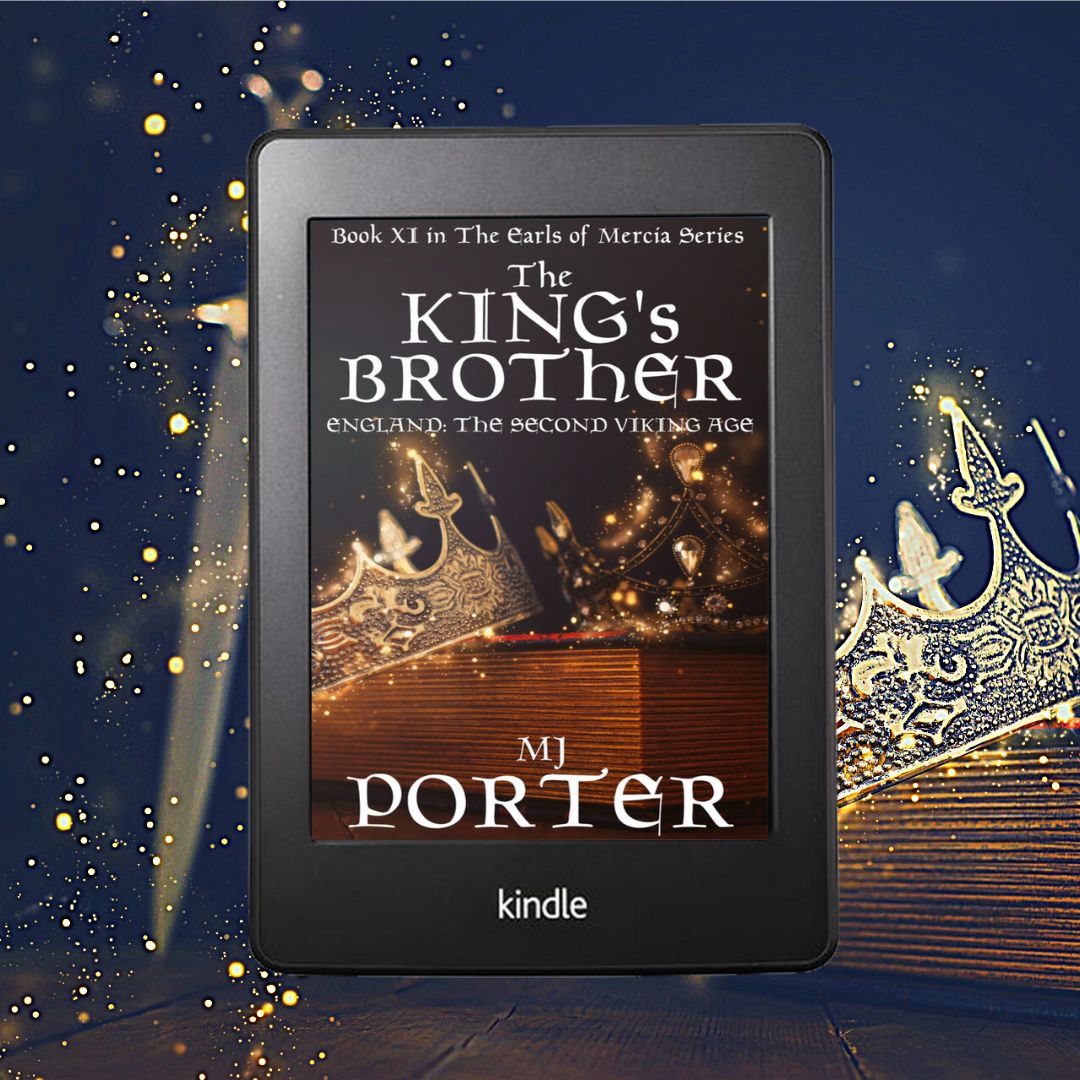
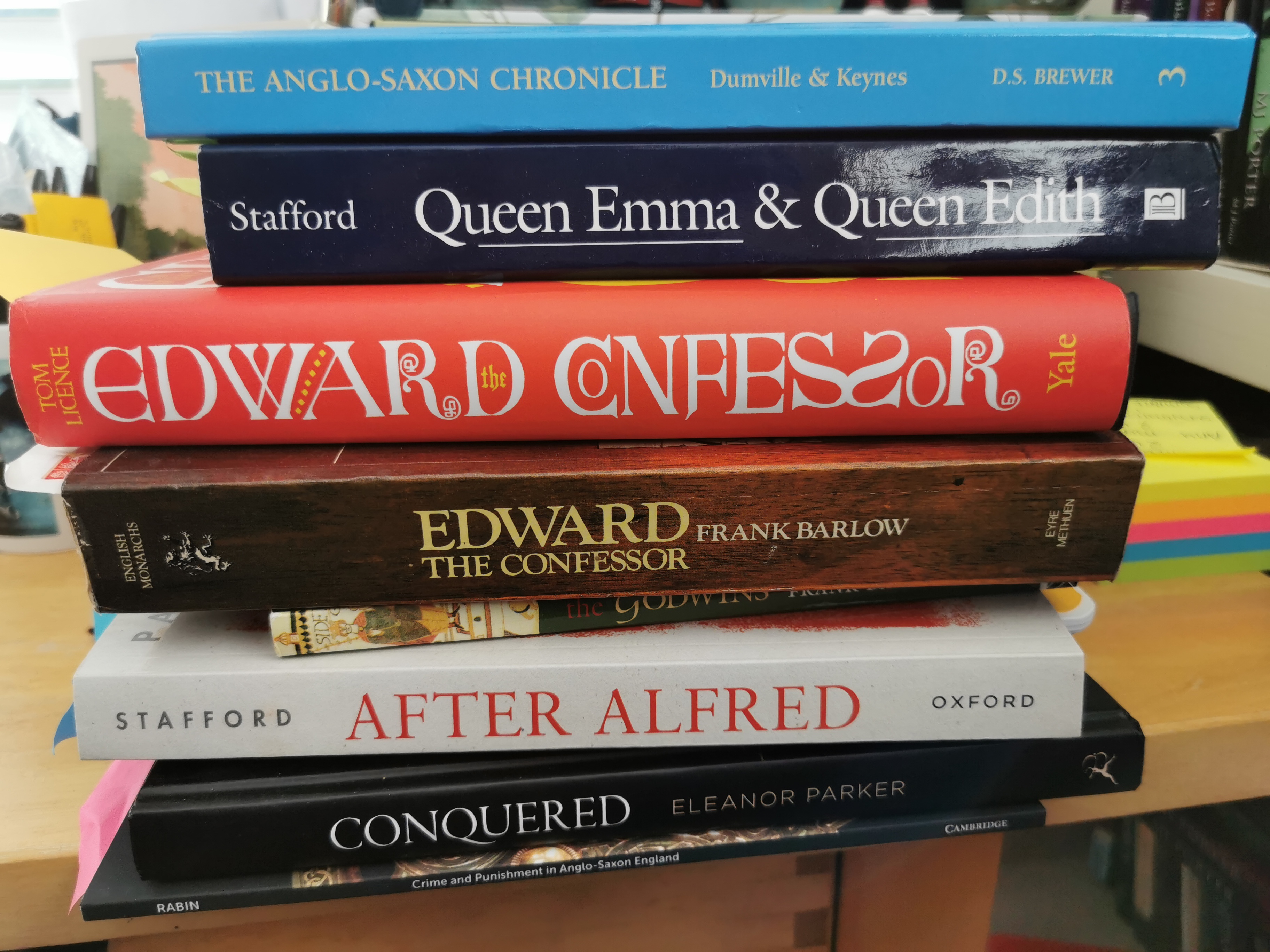
I always like to share my research with my readers. Here’s a small pile of the books that I’ve specifically used in the last few weeks while finalising the little details in The King’s Brother.
As always, there are resources not shown here. The two primary online resources that I will NEVER tire of sharing are
My two versions of The Anglo-Saxon Chronicle not shown here have also proved invaluable, my preferred version by Michael Swanton, and the version found in English Historical Documents Vol. 1 by Dorothy Whitlock, although I’ve discovered I have a first edition, and there was a subsequent second edition, which is the one most often used – mind my first edition was substantially cheaper than a second edition. (I dare you to click on the link and see how much it costs:))
Some of these books are more academic than others. For those looking for an introduction to the period, I highly recommend The Death of Anglo-Saxon England by Nick Higham which is stuffed with images and can be found quite cheaply second-hand.









 MJ Porter