Author of Saxon historical fiction and non-fiction, 20th-century historical mysteries, and Norse-inspired historical romantasy. Book reviewer and blog host.
Today I’m delighted to welcome Eric Schumacher to the blog with a fantastic post about his new book (available for preorder now) Sigurd’s Swords.
Your book, Sigurd’s Sword, is set in a time period I love, but I don’t know as much about events in the land of the Rus as I’d like, or about Olaf Tryggvason’s early years. As a historian first and foremost, and then a writer, I’m always interested in how people research their historical stories.
Can you explain your research process to me, and give an idea of the resources that you rely on the most (other than your imagination, of course) to bring your historical landscape to life?
First of all, thank you for having me on your wonderful blog and for your interest in Sigurd’s Swords.
My research isn’t as much of a process as it is a series of rabbit holes that I tend to climb down to gather information that I then convert to notes. I keep those notes in the writing program I use so that I can refer to them often as I write. That said, I often go back to the original sources for more information or for clarity.
It is a bit tricky writing about Vikings, because they did not chronicle their events in writing. There’s was an oral culture. So what information we have comes from outside sources, and usually from sources who wrote their works decades or even centuries after the people lived and the events occurred. Thanks to the Byzantines, Sigurd’s Swords is the only book I have written that actually had a contemporary writer who chronicled some of the events in the book.
Do you have a ‘go’ to book/resource that you couldn’t write without having to hand, and if so, what is it (if you don’t mind sharing)?
Yes! I usually start in the same place for all of my books. That place is the sagas, and in particular, Snorre Sturlason’s Heimskringla, or “The Lives of the Norse Kings.” That provides me with the guardrails and the general outline of the story. However, Snorre wrote his series of tales centuries after my character Olaf lived, so I cannot rely on him 100% for the details of my books. Nor does he get into the minutiae that help add flavour and depth to the story, such as weaponry, fighting styles, flora and fauna, food and beverages, the types of dwellings that existed, and so on. For those things, I rely more on individual books or research papers I find online.
In the case of Olaf and his time in Kievan Rus’, I also turned to other sources that I found. The Russian Primary Chronicle, to which I found a reference on Wikipedia, was a tremendous help. Like the Anglo-Saxon Chronicle, it is broken down by year, so it provided me with a better sense of the timing of events and what events my characters may have experienced during their time in that kingdom. That, in turn, led me to other sources for more detailed descriptions of those events. The Byznatines were a great help for this. Civil servant John Sylitzes wrote his “A Synopsis of Byzantine History” in AD 1081, which covered the Siege of Drastar I have in my novel. Leo the Deacon, who was at the siege, also wrote about it in his Historia. The foreign policy of the Byzantines is described in The Grand Strategy of the Byzantine Empire, and was also helpful to provide larger context for why certain events might have unfolded the way they did, such as the Siege of Kyiv in AD 968. Having these sources also provided a secondary verification of the timing of things.
All that said, there was still much I could not unearth about the Rus or Olaf during that time. So I tried to fill in the gaps with plausible plotlines and information based on the research I could find. I hope it all comes together in an enjoyable story for your readers!
Thank you so much for sharing your research with me. It sounds fascinating, and I will have to hunt some of it down. Good luck with the new book.
Here’s the blurb;
From best-selling historical fiction novelist, Eric Schumacher, comes the second volume in Olaf’s Saga: the adrenaline-charged story of Olaf Tryggvason and his adventures in the kingdom of the Rus.
AD 968. It has been ten summers since the noble sons of the North, Olaf and Torgil, were driven from their homeland by the treachery of the Norse king, Harald Eriksson. Having then escaped the horrors of slavery in Estland, they now fight among the Rus in the company of Olaf’s uncle, Sigurd.
It will be some of the bloodiest years in Rus history. The Grand Prince, Sviatoslav, is hungry for land, riches, and power, but his unending campaigns are leaving the corpses of thousands in their wakes. From the siege of Konugard to the battlefields of ancient Bulgaria, Olaf and Torgil struggle to stay alive in Sigurd’s Swords, the riveting sequel to Forged by Iron.
Eric Schumacher (1968 – ) is an American historical novelist who currently resides in Santa Barbara, California, with his wife and two children. He was born and raised in Los Angeles and attended college at the University of San Diego.
At a very early age, Schumacher discovered his love for writing and medieval European history, as well as authors like J.R.R. Tolkien and C.S. Lewis. Those discoveries continue to fuel his imagination and influence the stories he tells. His first novel, God’s Hammer, was published in 2005.
London, 1896. Madame Tussauds opens to find one of its nightwatchmen decapitated and his colleague nowhere to be found. To the police, the case seems simple: one killed the other and fled, but workers at the museum aren’t convinced. Although forbidden contact by his superior officer, Scotland Yard detective John Feather secretly enlists ‘The Museum Detectives’ Daniel Wilson and Abigail Fenton to aid the police investigation.
When the body of the missing nightwatchman is discovered encased within a wax figure, the case suddenly becomes more complex. With questions over rival museums, the dead men’s pasts and a series of bank raids plaguing the city, Wilson and Fenton face their most intriguing and dangerous case yet.
My Review
Murder at Madame Tussauds is the first of Jim Eldridge’s Museum Detective series, but it won’t be the last.
This is a very evocative portrayal of late Victorian London, complete with Hansoms and fog, and a terrible crime that needs solving.
A thoroughly enjoyable read with a fantastic conclusion.
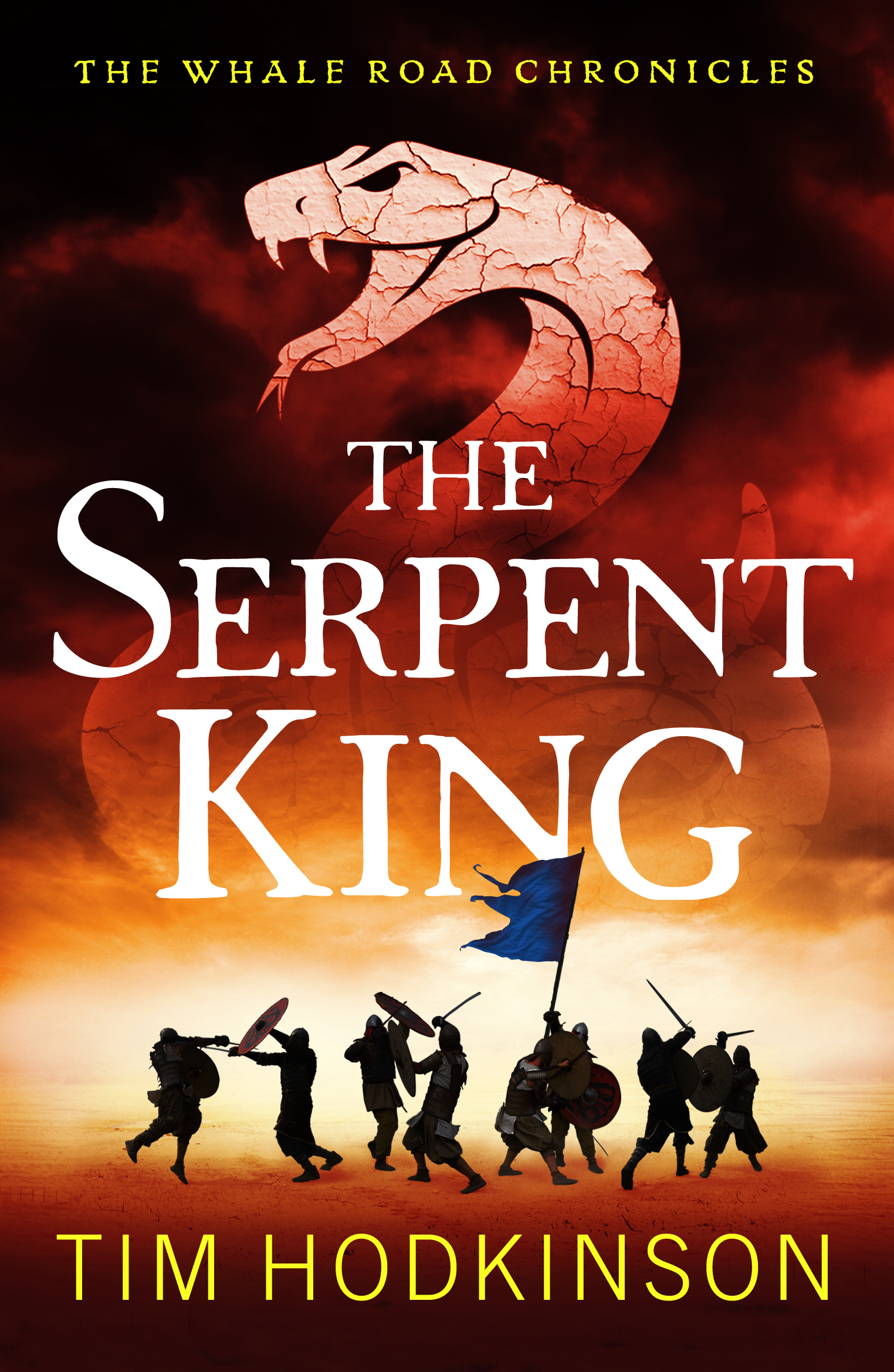
The great warrior, Einar Unnsson, wants revenge. His mother’s assassin has stolen her severed head and Einar is hungry for his blood. Only one thing holds him back. He is a newly sworn in Wolf Coat, and must accompany them on their latest quest.
The Wolf Coats are a band of fearsome bloodthirsty warriors, who roam the seas, killing any enemies who get in their way. Now they’re determined to destroy their biggest enemy, King Eirik, as he attempts to take the throne of Norway.
Yet, for Einar, the urge to return to Iceland is growing every day. Only there, in his homeland, can he avenge his mother and salve his grief. But what Einar doesn’t know is that this is where an old enemy lurks, and his thirst for vengeance equals Einar’s…
Read Tim Hodkinson’s newest epic Viking adventure.
Here’s my review
The Serpent King by Tim Hodkinson is the fourth instalment in The Whale Road Chronicles, reuniting readers with Einar and the rest of the Wolf Coats.
It is an energetic and fast-paced jaunt through the sea kingdoms of Norway, the Scottish islands, and Iceland, and although we don’t go to Ireland, it’s never far from the characters’ thoughts.
I love this series because the author twists his story through the ‘known facts’ of the time period. I know what’s coming, and many others will also know what’s coming in future books, but the joy is in how we get there.
About the author
Tim Hodkinson was born in 1971 in Northern Ireland. He studied Medieval English and Old Norse Literature at University with a subsidiary in Medieval European History. He has been writing all his life and has a strong interest in the historical, the mystical and the mysterious. After spending several happy years living in New Hampshire, USA, he has now returned to life in Northern Ireland with his wife Trudy and three lovely daughters in a village called Moira.
Tim is currently working on a series of viking novels for Ares Fiction, an imprint of Head of Zeus.
The Dacian kingdom and Rome are at peace, but no one thinks that it will last. Sent to command an isolated fort beyond the Danube, centurion Flavius Ferox can sense that war is coming, but also knows that enemies may be closer to home.
Many of the Brigantes under his command are former rebels and convicts, as likely to kill him as obey an order. And then there is Hadrian, the emperor’s cousin, and a man with plans of his own…
Gritty, gripping and profoundly authentic, The Fort is the first book in a brand new trilogy set in the Roman empire from bestselling historian Adrian Goldsworthy.
The Fort by Adrian Goldsworthy is good ‘Roman’ era fiction.
Set in Dacia in AD105, it is the story of ‘The Fort’ under the command of Flavius Ferox, a character some will know from Goldsworthy’s previous trilogy that began with Vindolanda.
Mistakenly thinking this was an entirely new trilogy with all new characters, it took me a while to get into the story. Everyone seemed to know everyone else apart from me. But Ferox is a good character, and he grounded me to what was happening in the immediate vicinity of the Fort, and apart from once or twice, it didn’t really matter what had gone before.
This is a story of suspicions, ambition and lies, and it rumbles along at a good old pace. This isn’t the story of one battle, but rather many, a slow attrition against the Romans by the Dacians.
Overall, this was an enjoyable novel, and some of the fighting scenes were especially exciting. Those with an interest in Roman war craft will especially enjoy it, although, I confess, I don’t know my spatha from my pilum (there is a glossary, fellow readers, so do not fear.)
About the author
Adrian Goldsworthy has a doctorate from Oxford University. His first book, THE ROMAN ARMY AT WAR was recognised by John Keegan as an exceptionally impressive work, original in treatment and impressive in style. He has gone on to write several other books, including THE FALL OF THE WEST, CAESAR, IN THE NAME OF ROME, CANNAE and ROMAN WARFARE, which have sold more than a quarter of a million copies and been translated into more than a dozen languages. A full-time author, he regularly contributes to TV documentaries on Roman themes.
Adrian Goldsworthy , Author , Broadcaster , Historical consultant .
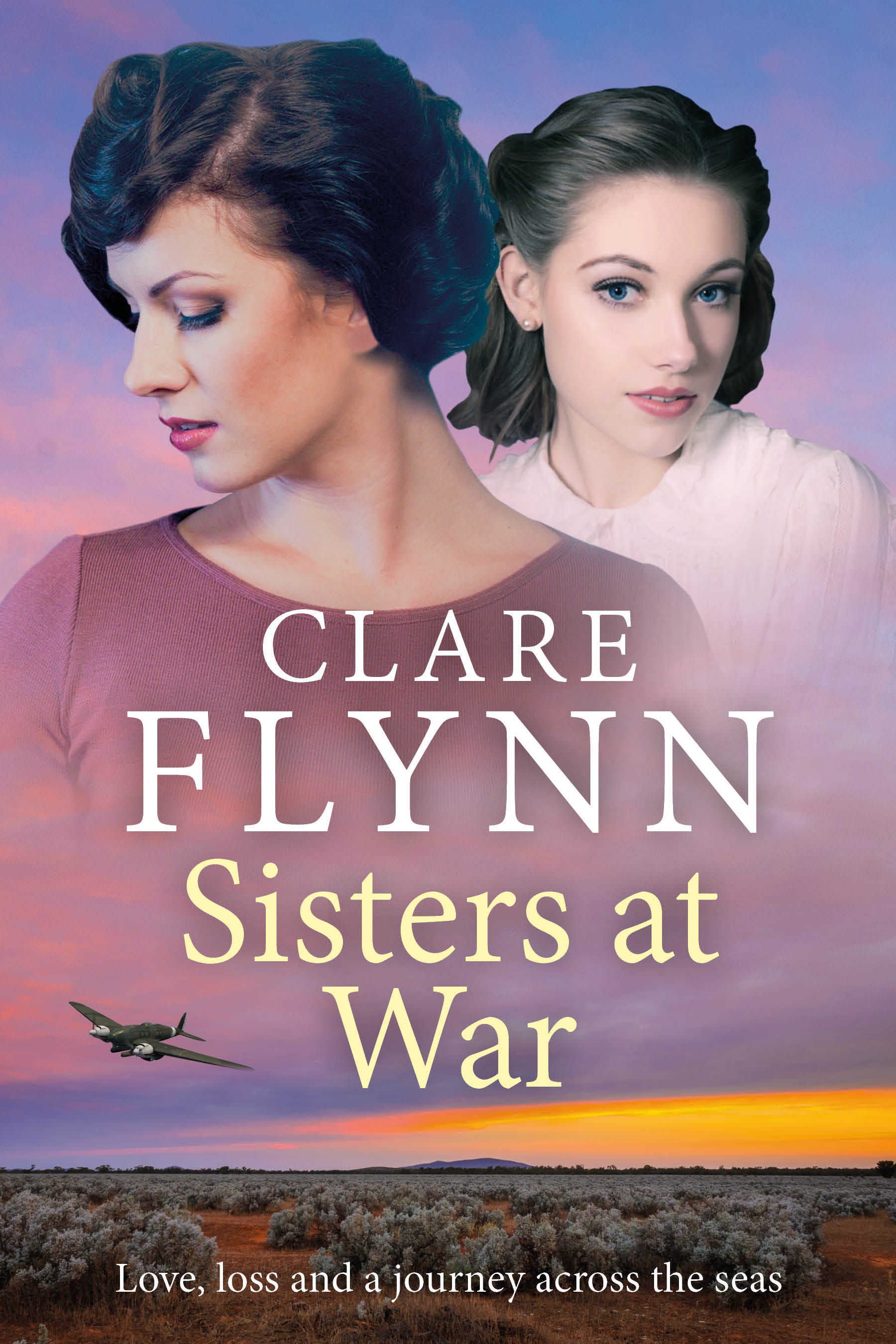
Today, I’m excited to share a post from Clare Flynn about the research she undertook when writing Sisters At War, and the particular resources she relied on.
Thanks for hosting me on your blog today.
You asked me to talk about my research methodology. I hesitate to use the word methodology as that implies I have a strict disciplined and systematic approach, whereas mine tends to be more exploratory and often serendipitous. It seems I’m the opposite to you, MJ, I’m a writer first and then a historian.
I usually start with a big pile of books to read around the subject. While I mostly read fiction on an e-reader, all my non-fiction research books have to be physical copies. I don’t necessarily read everything cover-to-cover although sometimes I do if it warrants it. I tend to begin like a magpie hopping around and grasping things, then I turn into a rabbit and disappear down the research hole!
For Sisters at War I read a wide range of books – about the merchant navy in general and during World War 2 in particular, about the Liverpool Blitz, general background on the war, on the Wrens, on life on the home front, on the rounding up of Italian “aliens”, etc. I visited Liverpool and bagged a pile of Blitz books – including photographic books from the Museum of Liverpool. The latter – which I visited before I started writing the book – also had an excellent photographic exhibition of the Merseyside Blitz with memories of those there. I often find images more helpful than words in creating a believeable canvas on which to paint my story.
REFERENCE BOOKS AND MAPS (author’s own)
A sense of place is very important to me. I was born in Liverpool ten years after the end of the war, then left as a child, and the war changed the cityscape dramatically. I ended up buying about a dozen street maps from pre-war to cover the entire area in detail – I have a bit of a thing for maps and even if I don’t always use actual place names or street names I like to place them exactly. I also look at public transport timetables, and bus routes. I also have detailed maps of the Liverpool docks before and during the war.
Sadly, everyone in my family who was around in the war is now dead, but I drew on what I remembered from my mother’s stories of her childhood – and read accounts in the Museum of Liverpool and listened to testimonies online.
I do a lot of online research. Unable to visit Liverpool again while writing the book, I discovered the excellent website for the Western Approaches museum. I was able to wander freely around this underground rabbit warren using the excellent virtual tour – almost as good as being there and without stairs to climb! Western Approaches is a giant underground bunker under the streets of Liverpool and was the nerve centre of the Battle of the Atlantic.
Western Approaches Map Room with permission of photographer, Mark Carline
To immerse myself in the period I also use music – I listen to songs that were popular at the time, films – I’ve always been a fan of old black & white movies and grew up on a diet of old war films, fashions – I have various books on period fashion and supplement them with online research – Pinterest is often a treasure trove as are old sewing patterns.
Part of the book is set in Australia – in Tatura in Victoria where there was an internment camp for civilian enemy aliens shipped out there by Britain, and a little bit in Sydney. I lived briefly in Sydney so had my own memories to draw on, backed up with online research and Google Earth. I’ve never been to Tatura (a bit of a one-horse town) but the family of my brother’s wife come from nearby Mooropna and I was able to check if I had my impressions of the scenery right – again supplemented with online research. I found a video on YouTube of a train journey between Melbourne and Sydney – edited down to two hours so I was able to experience the scenery for real! I also did a lot of digging to make sure I was having my ships dock at the right quay in Melbourne and again looked at old YouTube videos and maps.
I chanced upon the tragic stories of the Italian ‘aliens’ and their experiences on the two ships, the Arandora Star and the Dunera while reading about Italians in Britain in WW2. That led me to lots more online research – including videoed testimonies from the surviving ‘Dunera Boys’ recorded in the 1980s-90s.
HMT DUNERA IN 1940 – credit Australian War Museum, public domain
While I read, watch, look and listen, I take notes in longhand. I have a dedicated notebook for each novel and go back and highlight the areas I want to include and cross things out once I have used them. I do far more research than I include in any given book and try to wear the research lightly. There is nothing worse than reading novels where you feel you are sitting in a lecture hall as the author displays all their knowledge in front of you. The research is there to serve the story not the other way round. And a lot of research is not used at all – it’s fact checking, making sure dates are correct, checking the tiny details that add flavour and colour, and making sure no anachronisms creep in – particularly in speech. I also try to check every historical reference as often we can make erroneous assumptions. An example – I have a character listening to one of Churchill’s famous speeches on the wireless – the one at the time of Dunkirk – and had assumed the broadcast was the one we are familiar with now with Churchill’s stirring rendition. In fact it was not! When that speech was first brodacast it was read by a BBC announcer. It was only later that Churchill recorded himself for rebroadcasting. That meant I needed to rewrite that scene.
You asked what draws me to ‘play with the facts’ but as I don’t write biographical fiction, I don’t see it as playing with facts. All my characters are fictitious – although their experiences draw on my discoveries about real people’s similar ones in wartime. My characters are also ‘ordinary people’ so the historical facts are dates, times and locations of bombs, etc – all of which form the hard scaffolding on which I hang my entirely fictitious story. I am meticulous about repecting the history.
My approach to research is more as a creative exercise. I’m not someone who locks themselves away in a library for months before they begin writing. I do some reading in advance but for the most part I dip in and out, moving between writing the book and reading around the subject. Frequently, something that crops up in my research feeds the story and takes it in a direction I had not anticipated before starting – so it is a huge aid to creativity. For example I had not planned to write about the experience of Italian aliens – but once I discovered their dramatic and often tragic stories I had to bring back Paolo Tornabene – a minor character in Storms Gather Between Us – and give him a significant role in Sisters at War. As you will have gathered by now, I am not a planner – my stories evolve as I write and research them.
I hope this has given you some insight into how I work and thank you very much, MJ, for giving me the chance to share it.
Thank you so much for sharing your research with me. It’s always so fascinating to discover how authors go about creating their stories. I’m not one for much planning either. The story comes to me as I write and research. Good luck with Sisters At War.
Here’s the blurb:
1940 Liverpool. The pressures of war threaten to tear apart two sisters traumatised by their father’s murder of their mother.
With her new husband, Will, a merchant seaman, deployed on dangerous Atlantic convoy missions, Hannah needs her younger sister Judith more than ever. But when Mussolini declares war on Britain, Judith’s Italian sweetheart, Paolo is imprisoned as an enemy alien, and Judith’s loyalties are divided.
Each sister wants only to be with the man she loves but, as the war progresses, tensions between them boil over, and they face an impossible decision.
A heart-wrenching page-turner about the everyday bravery of ordinary people during wartime. From heavily blitzed Liverpool to the terrors of the North Atlantic and the scorched plains of Australia, Sisters at War will bring tears to your eyes and joy to your heart.
Clare Flynn is the author of thirteen historical novels and a collection of short stories. A former International Marketing Director and strategic management consultant, she is now a full-time writer.
Having lived and worked in London, Paris, Brussels, Milan and Sydney, home is now on the coast, in Sussex, England, where she can watch the sea from her windows. An avid traveler, her books are often set in exotic locations.
Clare is a Fellow of the Royal Society of Arts, a member of The Society of Authors, ALLi, and the Romantic Novelists Association. When not writing, she loves to read, quilt, paint and play the piano.
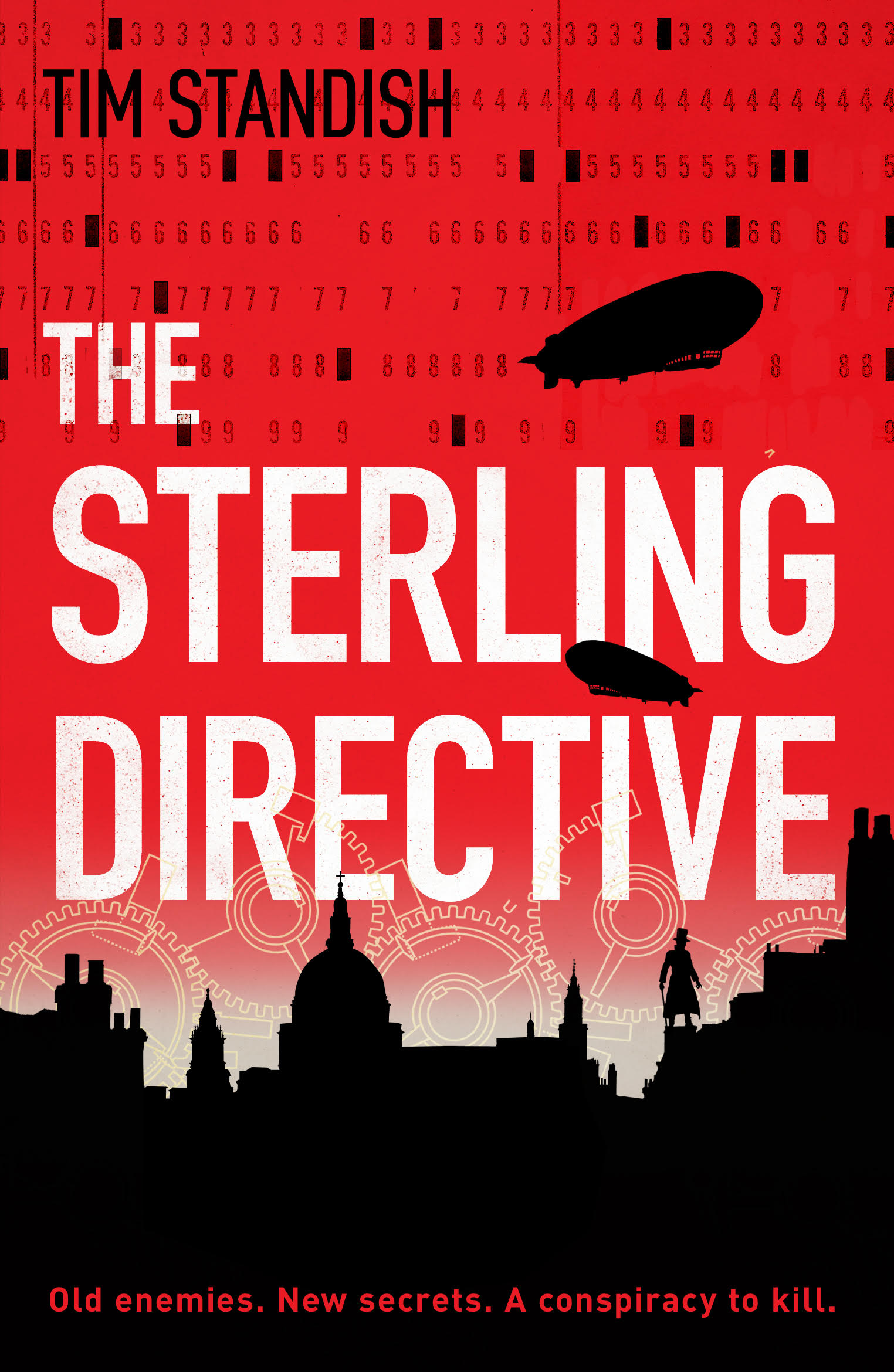
Today I’m delighted to welcome Tim Standish to the blog with a fascinating post about his alternative historical fiction novel, The Sterling Directive.
Weaving with history: developing an alternative Victorian world for The Sterling Directive
A question that I get asked a lot by people when they first read The Sterling Directive is why write an alternative-history rather than a straight history novel? The simple answer is that it’s a genre that has always interested me. I loved the ‘Future Shock’ stories in the comic 2000AD that I read growing up and novels like Fatherland by Robert Harris as well as counterfactual exploration of the more serious kind, for example in the excellent ‘What if?’ series of historical essays.
The first inkling I had of The Sterling Directive, and long before I even knew I was writing a novel, was an idea for a scene of two men duelling on a late Victorian station platform. By then I had come across, and was greatly enjoying, the burgeoning genre of steampunk – its blend of geeky scifi and Victorian society really struck a chord with me and infused this scene from the beginning.
Several years later, when I began to write in earnest, I was consciously sitting down to write an alt-historical novel of the kind that I would enjoy reading – probably a thriller, definitely story-led and in a world that was a recognisable alternative not too far from our own world.
I wanted to create an alternative history that that supported the story rather than driving the story, one that was alternative but alternative ‘in the background’, as part of a believable world that had evolved organically away from actual history. The science fiction writer William Gibson was a big influence on this choice, as he does a great job of revealing a dystopian future as a world that seems as natural to me as a reader as it does to the characters within it, for example in his novels Count Zero or Virtual Light.
I had read enough Victorian-set fiction, as well as works in the expanding alt-Victorian genre, to have a broad sense of the setting. However, while existing knowledge was enough to get me started, I realised pretty quickly that there would be an ongoing list of research questions large and small that I would need to answer along the way. These ranged from the micro ‘what would an evening gown look like in 1896’ to the macro ‘How might the Confederate States have won the American Civil War?’.
For very specific questions my first port of call was the internet. Given the wider fascination with the Victorian and Edwardian eras, I soon discovered there is a wealth of information to be found on sites ranging from personal blogs to academic research centres. The online catalogues of museums and auction galleries were also a boon when it came to furniture, and other odds and ends for set dressing. From time to time my searching for one thing accidentally led me to something else – the Stirn Waistcoat Camera was one such item that provided a helpful boost to a particular aspect of the plot.
Social media is also a superb resource for this sort of thing, for example @WikiVictorian on Twitter and @millywdresshistorian on Instagram whose eclectically curated photos are a great source of creative sparks.
The broader questions that needed answering inevitably involved some more in-depth research.
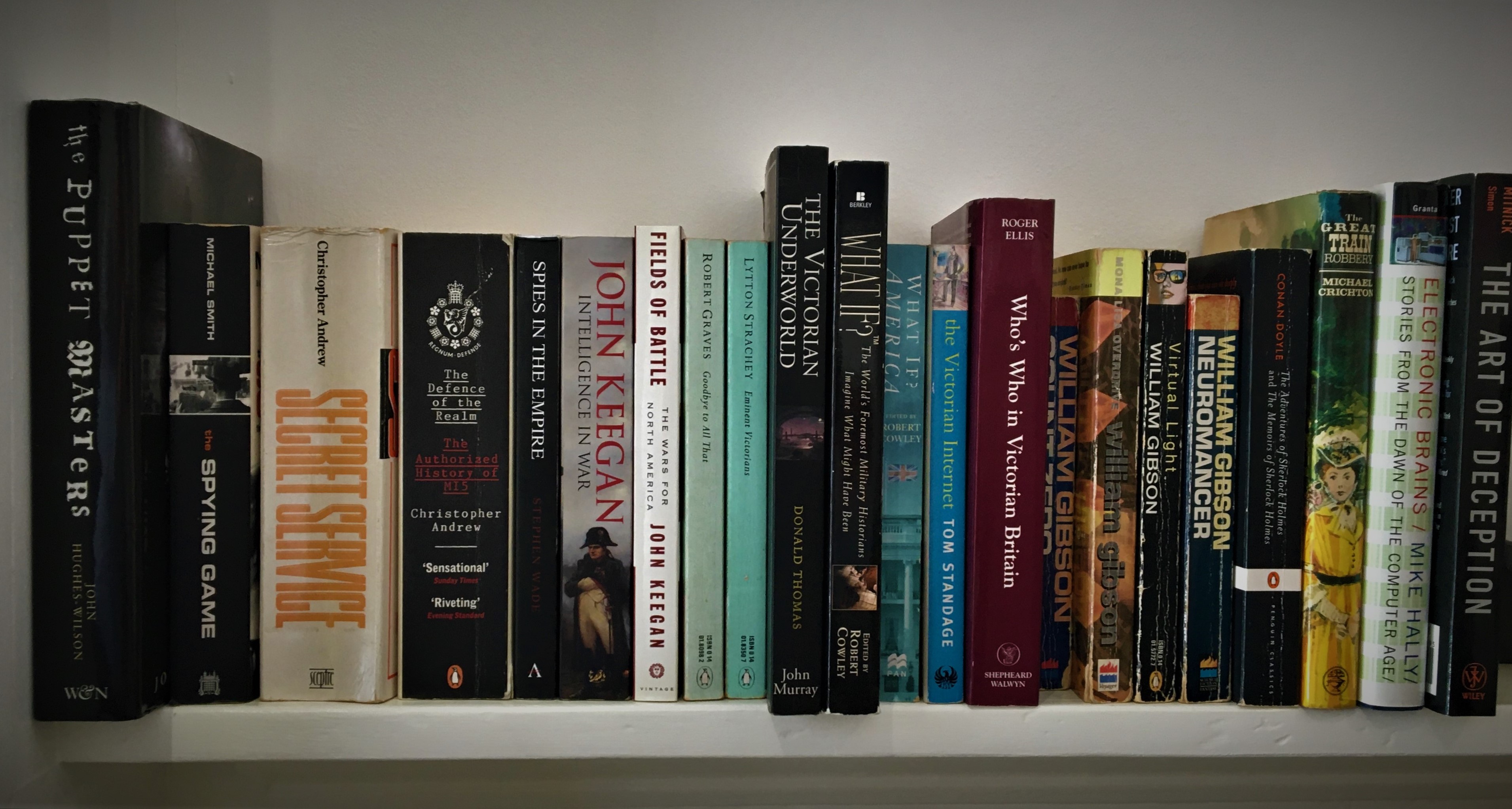
In The Sterling Directive’s world Babbage’s Difference Engine has given rise to a late Victorian computer age. This is a familiar theme in alt-Victorian fiction, though one that I wanted to firmly root in reality. Tom Standage’s The Victorian Internet, exploring the early use of the telegraph and drawing similes to the early internet provided an excellent starting point and something that I returned to time and again. Another is Electronic Brains: Stories from the Dawn of the Computer Age by Mike Hally. Kevin Mitnick’s books describing his experiences as a hacker in the early days of computing were also a great source of anecdotes and personalities.
In terms of the people and politics of Victorian society, I started with Lytton Strachey’s Eminent Victorians and read out from there. I also went to a Victorian History symposium at the V&A and the associated book, The Victorian Visionprovided another good jumping off point. Donald Thomas’ The Victorian Underworld was another, as was Henry Mayhew’s London Labour and the London Poor.
Probably because it has always interested me, and because it is the centre of the protagonist’s world in The Sterling Directive, I did quite a lot of reading into the early days of espionage. Christopher Andrew’s histories of MI6 and MI5 were early influences, particularly the descriptions of the Topographical and Statistical Department which inspired shady off-book agency The Map Room and their governmental antagonists The Bureau of Engine Security in The Sterling Directive. Michael Smith’s The Spying Game was another key source as was John Hughues-Wilson’s The Puppet Masters, a world history of spying.
Image by T Standish
Finally, one key source for everything and anything was my brother. Far more widely read than myself, and with a background in antiquarian books, his encyclopaedic knowledge was invaluable at various stages, from pointing out that a song a character was singing hadn’t been written yet, to recommending books.
Hopefully that gives you a sense of where the historical aspects of The Sterling Directive came from, but what about the ‘alternative’ part? Having already decided that I wanted something less divergent and fantastical, it struck me that it would be helpful to set a broad frame and to have some rules of thumb in place.
In terms of a frame, I used Charles Babbage’s invention of the Difference and Analytical Engines as a point of divergence; in my timeline the Engines were actually a success and kick-started a Victorian computer age. It’s a relatively common notion in ‘steampunk’ fiction which can lead to wildly differing and often fantastical versions of history.
I wanted to plot a more organic evolution from this starting point. My first bit of reasoning was that the development of Babbage’s Engines would lead to domestic computers for richer households by 1896 (when The Sterling Directive is set). I saw this as broadly analogous to the time elapsed between the use of the Bletchley Park ‘bombes’ in the second world war and the spread of basic personal computers at home in the mid to late 1980s and early 90s. That time period became my overall benchmark for computing technology and its likely impact on a Victorian world.
Using this as a broad frame I also developed some principles or rules of thumb to judge alternative ideas ‘out’ or ‘in’:
Access to computing power means calculations and hence research can be accelerated and that new technologies can emerge 15-20 years early. For example: airships are commonplace.
Inventions and ideas that existed but at the fringe can become more mainstream. For example: a mechanised version of Bertillon’s measurement system is the default means of identifying people.
Wider use of technology will have a destabilising impact on broader societal norms. For example: Suffragettes are an active lobbying group in the 1890s.
Rules are breakable if doing so a) serves the plot or b) is cool. For example: transport devices used in Chapter 20, details of which would be a spoiler!
Some of the changes I introduced were based on outliers from real history, or by introducing them earlier than in reality. For instance, I decided that Brunel’s wide-gauge railways were a commercial and UK-wide success (and, crucially for one scene, allowed the heroes to have a game of billiards as they travelled).
Some changes were a product of transposing an approximation of the 1980s into an approximation of the 1890s and were often in the background. One of my favourites was based on the Hard Rock café style of themed restaurants that I remember being quite the thing in the 1980s. I wondered what a Victorian version of this would be like and had the idea of a Dickens-themed chain of restaurants called ‘Pickwicks’, that I imagined would be festooned in memorabilia and merchandise and perfect for a low-key lunch in an airport.
Finally, some changes were a result of the sorts of questions posed by historians in the What-if? series of books. The biggest one of these in The Sterling Directive is ‘What if the Confederates won the Civil War?’ shortly followed by ‘How would that happen?’ and ‘What would that mean for the rest of the world?’. It is a big question that I only begin to answer in The Sterling Directive. It’s one that I’ll continue to tackle as the series progresses, starting with the second book which takes place in The Confederate States of America in 1898. A shelf or two of reading awaits…
Thank you so much for sharing your research and reasoning. It sounds fascinating – playing with ‘history’ in such a way.
Here’s the blurb:
It is 1896. In an alternative history where Babbage’s difference engines have become commonplace, Captain Charles Maddox, wrongly convicted of a murder and newly arrested for treason, is rescued from execution by a covert agency called the Map Room.
Maddox is given the choice of taking his chances with the authorities or joining the Map Room as an agent and helping them uncover a possible conspiracy surrounding the 1888 Ripper murders. Seeing little choice, Maddox accepts the offer and joins the team of fellow agents Church and Green. With help from the Map Room team, Maddox (now Agent Sterling) and Church investigate the Ripper murders and uncover a closely guarded conspiracy deep within the British Government. Success depends on the two of them quickly forging a successful partnership as agents and following the trail wherever, and to whomever, it leads.
An espionage thriller set in an alternative late 19th-century London.
Tim Standish grew up in England, Scotland and Egypt. Following a degree in Psychology, his career has included teaching English in Spain, working as a researcher on an early computer games project, and working with groups and individuals on business planning, teamworking and personal development. He has travelled extensively throughout his life and has always valued the importance of a good book to get through long flights and long waits in airports. With a personal preference for historical and science fiction as well as the occasional thriller, he had an idea for a book that would blend all three and The Sterling Directive was created.
When not working or writing, Tim enjoys long walks under big skies and is never one to pass up a jaunt across a field in search of an obscure historic site. He has recently discovered the more-exciting-than-you-would-think world of overly-complicated board games.
Today, I’m delighted to welcome Glen Craney to the blog with a fascinating post about the historical research that went into writing The Cotillion Brigade.
Thank you, M.J., for inviting me as a guest on your blog.
As part of my research process, I try to travel to the historical locations of my novels. And one of the first things I do is head first for the local cemetery. More than once, I’ve made discoveries from the headstones that changed the trajectory of my stories.
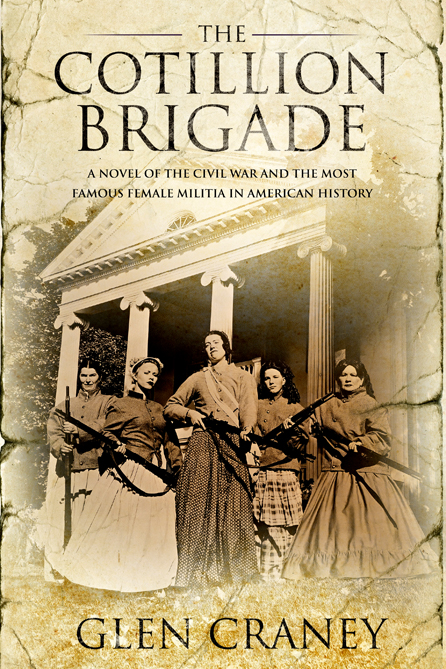
LaGrange, Georgia, is the setting of my latest novel, The Cotillion Brigade, which is based on the true story of the Nancy Hart Rifles, the most famous female militia in American history.
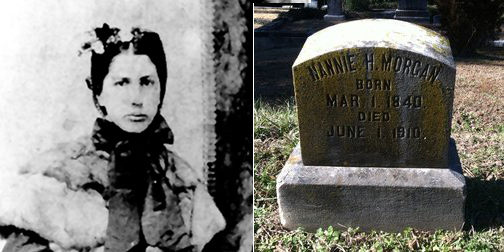
When I pulled into the scenic town of LaGrange to learn more about the Nancy Harts, I parked the car and walked among the monuments of Hillview Cemetery, where many of my characters from The Cotillion Brigade are buried. To my astonishment, and not a little chagrin, my protagonist, Captain Nancy Colquitt Hill Morgan, was nowhere to be found among her comrades in arms. How could she not be buried in the town she helped save?
I learned later that she is buried in Decatur, more than seventy-five miles away. I wondered if this was her wish. Had she moved to Decatur late in life to reside with family? I knew from my research that many Southern families, devastated by the war, could not afford to transport deceased members back to the homesteads.
Nancy Morgan’s Grave
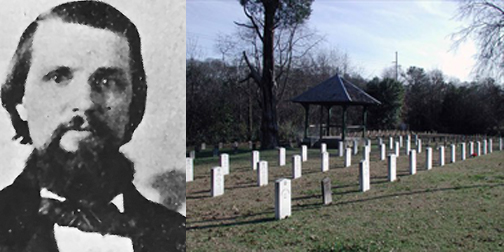
Still feeling a little sad for Captain Nancy in exile, I drove across town to the smaller Stonewall Confederate Cemetery, where I was unprepared for another tragic discovery. Most of the three hundred soldiers buried there died from wounds and disease. After the bloody battle of Chickamauga and during Sherman’s Atlanta campaign, thousands of Confederate wounded were shipped south along the Atlanta and West Point rail line, one of the last surviving transport arteries in the heart of the Confederacy. Cities on the way, like Newnan, LaGrange, and West Point, became hospital centers, and the Nancy Harts took time from their military drills to help nurse the men.
The Stonewall Cemetery sits near the railroad tracks, and as I studied the names on the stones, the horrific reason for this location suddenly dawned on me. Many of the wounded men would not have survived the jarring journey from the battlefields northwest of Atlanta. Their bodies were likely removed from the train cars to be buried immediately.
John Gay-Stonewall Cemetery
Captain Nancy’s close friend, Carolyn Poythress, was widowed very young before the war. She fell in love with another man, Lt. John Gay of the Fourth Georgia infantry regiment, who came back to LaGrange to convalesce from an artillery chest wound received at Antietam. After they married, Lt. Gay returned to Lee’s Army of Northern Virginia. He fell mortally wounded at the siege of Petersburg, only two weeks before the surrender at Appomattox. Caroline, accompanied by the daughter her husband never lived to see, insisted he be buried with his comrades at Stonewall Cemetery. Caroline lies in Hillview.
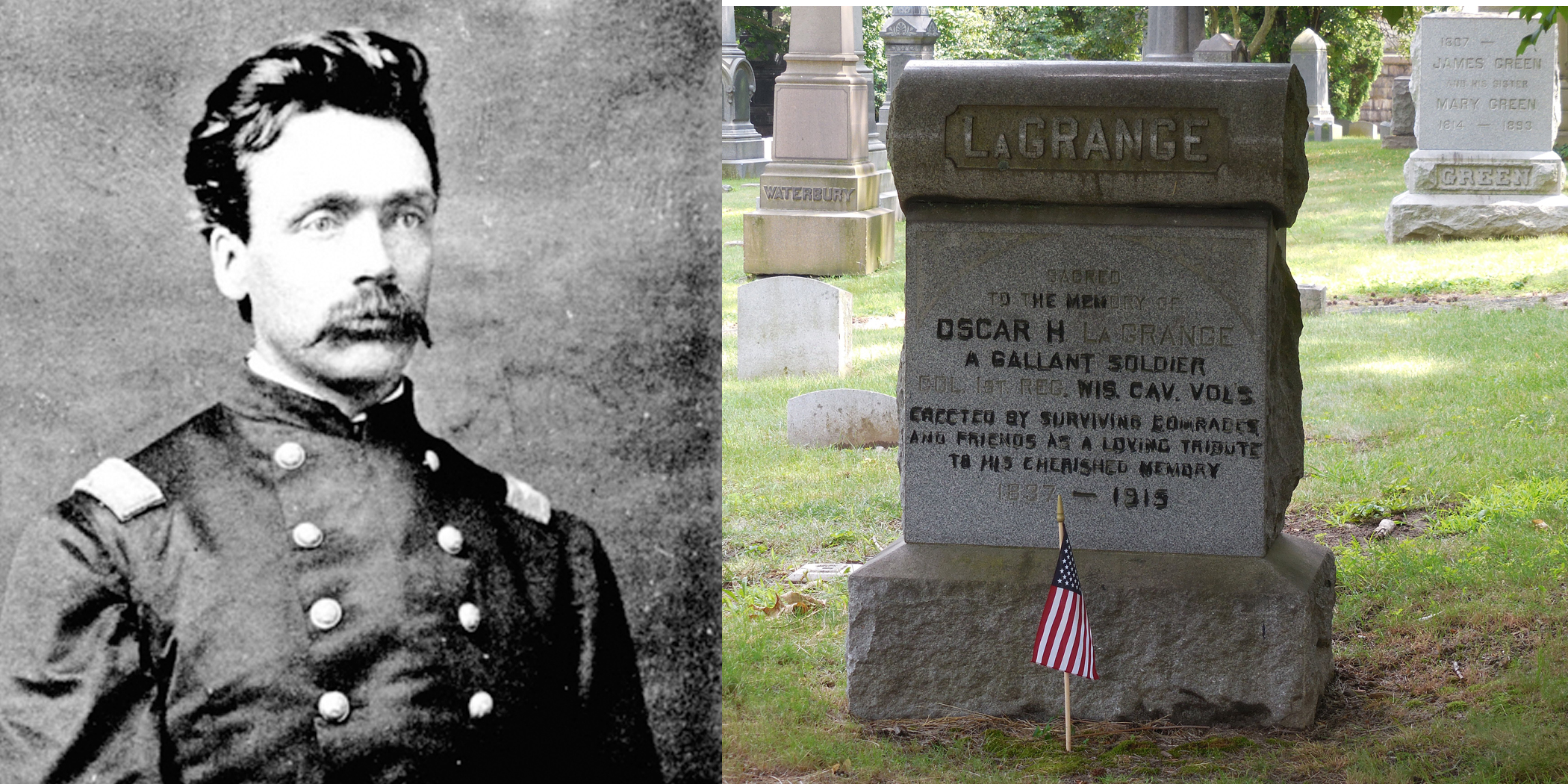
A thousand miles away, another plot revealed a secret about my second protagonist, Colonel Oscar Hugh LaGrange. The Union officer who confronted Captain Nancy and her militia during the last days of the war lies buried in the Bronx’s Woodland Cemetery. Next to his stone is that of his third wife, Susie Gray LaGrange, who goes unmentioned in the history books. Strange as it seems, the ardent Abolitionist colonel from Wisconsin married not one, but two, Southern plantation belles. That discovery would lead me to a new understanding about the officer’s transformation and the impact the Nancy Harts of Georgia had on him.
Colonel LaGrange’s Grave
Thank you so much for sharing your research with me. It’s always fascinating to understand the discoveries made while researching, and how they add to the finished story.
Here’s the blurb
Georgia burns.
Sherman’s Yankees are closing in.
Will the women of LaGrange run or fight?
Based on the true story of the celebrated Nancy Hart Rifles, The Cotillion Brigade is an epic novel of the Civil War’s ravages on family and love, the resilient bonds of sisterhood in devastation, and the miracle of reconciliation between bitter enemies.
“Gone With The Wind meets A League Of Their Own.”
— John Jeter, The Plunder Room
1856. Sixteen-year-old Nannie Colquitt Hill makes her debut in the antebellum society of the Chattahoochee River plantations. A thousand miles north, a Wisconsin farm boy, Hugh LaGrange, joins an Abolitionist crusade to ban slavery in Bleeding Kansas.
Five years later, secession and war against the homefront hurl them toward a confrontation unrivaled in American history.
A graduate of Indiana University School of Law and Columbia University Graduate School of Journalism, Glen Craney practiced trial law before joining the Washington, D.C. press corps to write about national politics and the Iran-contra trial for Congressional Quarterly magazine. In 1996, the Academy of Motion Pictures, Arts and Sciences awarded him the Nicholl Fellowship prize for best new screenwriting. His debut historical novel, The Fire and the Light, was named Best New Fiction by the National Indie Excellence Awards. He is a three-time Finalist/Honorable Mention winner of Foreword Magazine’s Book-of-the-Year and a Chaucer Award winner for Historical Fiction. His books have taken readers to Occitania during the Albigensian Crusade, the Scotland of Robert Bruce, Portugal during the Age of Discovery, the trenches of France during World War I, the battlefields of the Civil War, and the American Hoovervilles of the Great Depression. He lives in Malibu, California.
Today, I’m delighted to welcome back H D Coulter, with a post about the historical research that went into writing Saving Grace.
Saving Grace is the sequel to Ropewalk, and the setting couldn’t be more different – from the North of England to Boston. Could you tell me about how you went about researching the setting for Saving Grace, and why you chose that particular location?
I would like to thank M J Porter for inviting me back again to guest post. Today I am discussing how book 1, Ropewalk, which took place in the north of England but book 2 mostly takes place in Beacon Hill, Boston and in the American deep south state of Georgia.
I will not go into spoilers here. But at the end of book 1, circumstances happened which meant that Bea and Joshua could no longer live in England and needed to flee. I choose to locate some of Saving Grace in Beacon Hill as it was a flourishing hub of Boston. It was a representation of what was happening across America in the 1830s, with various cultures descending on different areas of the hill. A class divide between north and south slope in wealth, with a sense of unrest bubbling underneath. With Joshua’s background in shipping, it was a natural selection for the character to choose that location with Boston harbour situated on the south slope and possible business connections. It was an area much like Ulverston, with new industrial advancement owned by the rich and yet filled with small clusters of different communities scattered from one street to the next.
For book 1, Ropewalk, there was a lot of research done locally whilst I lived there and into the Reformer’s. However for book 2, Saving Grace, I had to rely on research more for the locations, history, people and society. Moving the story to America and placing the characters into this alien landscape reflected my own sense of discovery into the local culture and the rules of this unknown society.
Since I couldn’t walk the streets and see Bea walking beside me, I needed more visual resources so that I could picture it in my mind’s eye. Thankfully, there are still locations in Beacon Hill and Georgia, that seem unchanged from that period. So, I read books, watched TV, You Tube documentaries and films, taking place in those locations. An interesting point I’ve noticed whilst I was researching book 2 and now that I’m deep down the rabbit hole for book 3, is that Georgia, South Carolina and into the wilds surrounding those states are like the fells around Cumbria and the south lakes. Which wouldn’t seem so alien to Bea.
For Beacon Hill, I gathered all the resources I could to transform the streets into the 1830s. There are a lot of original features still left in Beacon Hill of the time they developed it, like Charles Street and Acorn Street. Whilst I was researching Beacon Hill; I discovered the African Meeting house, which was a hub for the abolitionist movement and a rumoured connection to the underground railroad. Which created a whole new subplot to the novel and leading into book 3. It mirrored that of Bob Lightfoot and yet independent to Bea. Once I discovered the Underground Railroad, the story came to life and the character of Sarah was born; a strong, formidable and caring character who has her own story and their friendship becomes vital for Bea as she finds her voice once more.
One aspect I found, the Underground Railroad shows, documentaries and films, fixate on to the late 1840s and 1850s. Around the time the legendary Harriet Tubman escapes on the Underground Railroad to the north but had the strength in the characters to return and free her family and slaves from neighbouring plantations. She was another formidable character and opponent against the slave patrollers and developed the nickname “Mosses” as she delivered people to the promise land. But during the 1850 American congress signed the ‘Fugitive Slave Act’ which brought a new law allowing capture of escaped slaves and blocked the sanctuary in the northern states and allowed patrollers to roam the streets and drag them back down south.
“They were never really free.”
The more I discovered, the more I researched, looking into the tiny details and become fascinated by the smouldering embers that fuelled the American Civil War.
“She had been born a coastal cottage girl and now she was a lady. But it was all a lie. It wasn’t how she had thought it would be. She carried so many secret labels that she had given up wondering which one was her true calling; a lace-maker, a cottage girl, a wife, a mother, a murderer; a fugitive?”
Saving Grace, chapter 5.
Each one of the principal characters feels like they are battling their own form of deception, obsession and redemption. Unbeknown Hanley is watching in the shadows, controlling their lives and waiting to make his move.
Some resources I used:
Beacon Hill (Images of America) Kindle Edition
by Cynthia Chalmers Bartlett (Author) Format: Kindle Edition.
Beacon Hill, Back Bay and the Building of Boston’s Golden Age Kindle Edition
by Ted Clarke (Author) Format: Kindle Edition.
The Underground Railroad: LONGLISTED FOR THE MAN BOOKER PRIZE 2017 Kindle Edition
by Colson Whitehead (Author) Format: Kindle Edition.
Passengers: True Stories of the Underground Railroad Kindle Edition
by William Still (Author), Ta-Nehisi Coates (Introduction).
The Underground Railroad: Authentic Narratives and First-Hand Accounts (African American) Kindle Edition
by William Still (Author), Ian Finseth (Editor).
Underground, TV show about a group of slaves trying to escape the south.
Thank you so much for sharing your research. I do love a good rabbit hole! Good luck with the new book.
Intrigued?
Here’s the blurb;
Beacon Hill, Boston. 1832.
“You are innocent. You are loved. You are mine.”
After surviving the brutal attack and barely escaping death at Lancaster Castle, Beatrice Mason attempts to build a new life with her husband Joshua across the Atlantic in Beacon Hill. But, as Beatrice struggles to cope with the pregnancy and vivid nightmares, she questions whether she is worthy of redemption.
Determined to put the past behind her after the birth of her daughter Grace, Bea embraces her newfound roles of motherhood and being a wife. Nevertheless, when she meets Sarah Bateman, their friendship draws Bea towards the underground railroad and the hidden abolitionist movement, despite the dangerous secrets it poses. Whilst concealed in the shadows, Captain Victor Hanley returns, obsessed with revenge and the desire to lay claim to what is his, exposes deceptions and doubts as he threatens their newly established happiness.
Now, Beatrice must find the strength to fight once more and save Grace, even if it costs her life.
Hayley was born and raised in the lake district and across Cumbria. From a young age, Hayley loved learning about history, visiting castles and discovering local stories from the past. Hayley and her partner lived in Ulverston for three years and spent her weekends walking along the Ropewalk and down by the old harbour. She became inspired by the spirit of the area and stories that had taken place along the historic streets.
As a teacher, Hayley had loved the art of storytelling by studying drama and theatre. The power of the written word, how it can transport the reader to another world or even another time in history. But it wasn’t until living in Ulverston did she discover a story worth telling. From that point, the characters became alive and she fell in love with the story.
Sign up to Hayley’s newsletter between now and May 30th to be placed into a giveaway raffle for a personalised BookBox, including a signed copy of Ropewalk and Saving Grace.
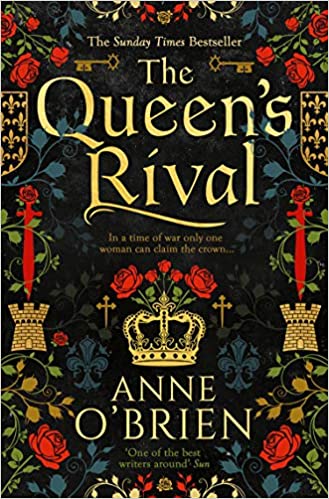
Today, I’m delighted to welcome Anne O’Brien to the blog to talk about her fantastic book, The Queen’s Rival, a real favourite of mine. (Find my review here).
I have read Queen’s Rival and I found it riveting. Yet, it is deliciously complex, and there’s a huge amount of both primary and secondary material available for study. Can you explain your research process to me, and give an idea of the resources that you rely on the most (other than your imagination, of course) to bring the historical characters to life?
The complexity of the Wars of the Roses within the story of Cecily Neville was daunting when I first took it on. Where to start, where to end. Should I consolidate into one book, or write a sequel? While I thought about it, all became clear to me. Because I write about medieval women and form their point of view, many of the political events and battles must dealt with lightly, made only relevant when they had a bearing on Cecily’s experience, and then rarely in grat detail. To begin: the day that she became a force in her own right – the events at Ludlow after the debacle at Ludford Bridge when she was left to face the rampaging mob of the Lancastrian army, alone with her three younger children. To end: with the crowning of Richard III when Cecily must come to terms with the political forces that had removed her grandson Edward V from the throne.
Who to include in Cecily’s story?
Some major figures would have to be short-changed because they did not develop the plot that was Cecily’s life, but were merely people on the periphery of Cecily’s story. These included such notable characters as Margaret Beaufort, Anne Neville, Henry Tudor. Even Margaret of Anjou might have demanded a more dynamic role although she is not entirely absent. This may disappoint some readers but these are characters for another book. There is a finite length to a novel as my editor is keen to tell me; Cecily and her family must take pre-eminence.
Cecily was the youngest of a large family. To include all her brothers and sisters would definitely be a bad plan. I deliberately made a choice of those who would be most useful to me Her brother Richard of Salisbury of course and his son the Earl Warwick. Two of her sisters, the eldest and the one closest to her in age. The rest would sadly have to remain anonymous.
Why write in letter format? I chose to do this to develop the family aspect of the Wars of the Roses. These were real people who suffered and rejoiced within their families. I decided that letters would make this a very personal account for Cecily, and thus make the emotion of her losses and achievements even stronger when faced with scandal and treachery.
Mostly when researching I refer to secondary sources. I do not always find the need to return to primary sources. For me this would be like re-inventing the wheel since the history of the Wars of the Roses has been magnificently researched by a number of historians, although I admit to being picky over whom I might use. I find myself returning to the works of Matthew Lewis, Ian Mortimer, Nigel Saul, Anthony Goodman and Michael Jones. For Cecily herself , when I was was half way through writing, a new long-awaited biography of Cecily was published: Cecily Duchess of York by J L Laynesmith which proved endlessly useful for tying up a number of loose ends for me.
For primary sources, the chroniclers of the day are fascinating and encouraged me to write my own version of a Chronicle to help the plot to progress in The Queen’s Rival. Accounts of Cecily’s pious lifestyle in her later years and the vast detail of her will were both excellent.
Taking the facts, together with the reactions of those who knew Cecily, it is then a matter of historical imagination to create an interpretation of her life as accurately as possible.
Do you have a ‘go’ to book/resource that you couldn’t write without having to hand, and if so, what is it?
I don’t have a ‘go to’ book when writing because my medieval women span a number of reigns, but one I find myself referring to frequently is The Senses in Late Medieval England by C M Woolgar. It opens up the medieval world and life in aristocratic households beautifully, from every possible angle. I also have quite a collection of books on medieval armour and costume – an essential part of my research, as well as medieval poetry and chivalric tales. And then there are the general history reference books … Altogether my bookshelves are groaning from the weight of medieval history books.
Thank you so much for sharing your process with me. It’s fascinating and I’m in awe of how you managed to fit so much into one novel!
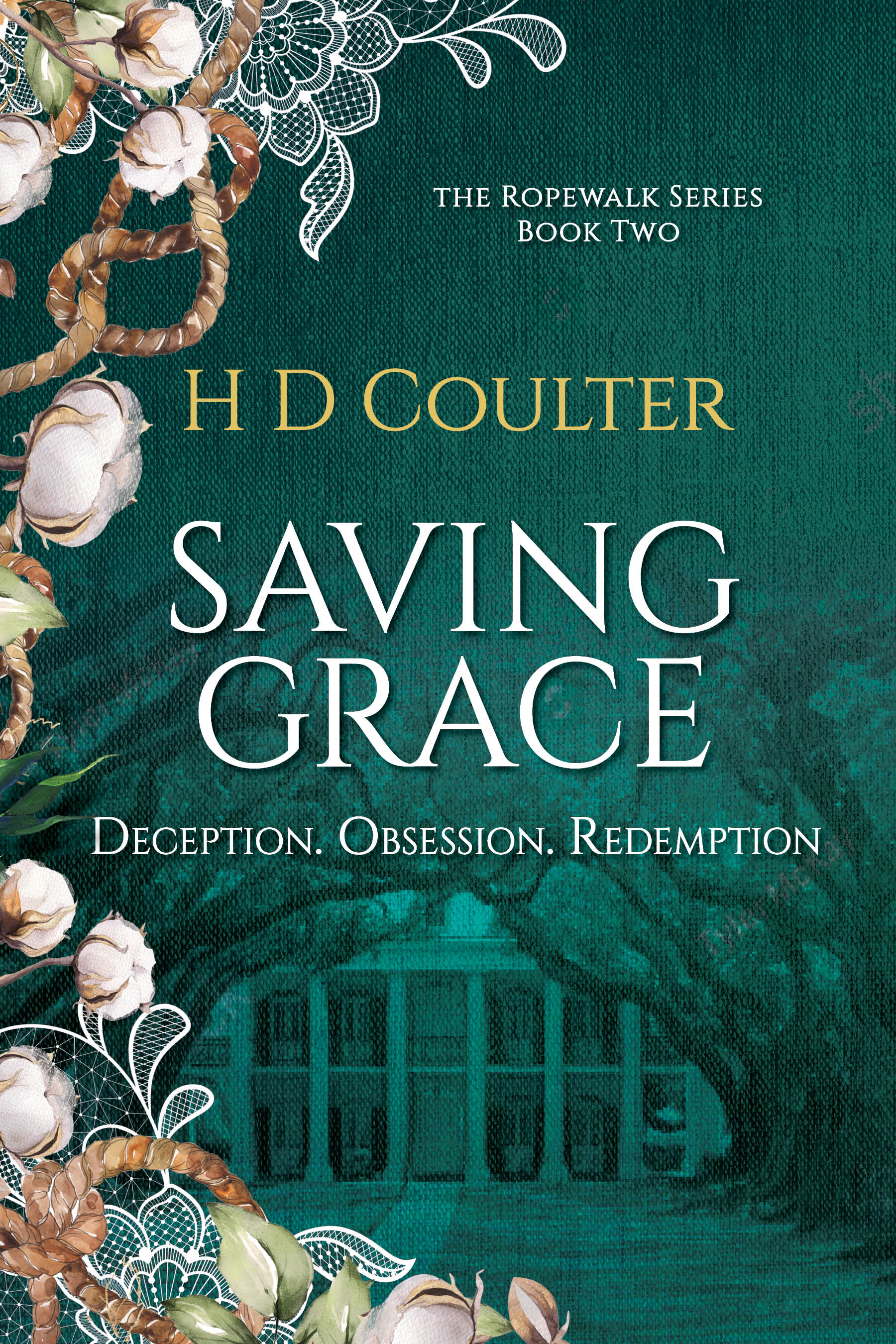
(Isn’t the cover beautiful).
Here’s the blurb;
England, 1459.
One family united by blood. Torn apart by war…
The Wars of the Roses storm through the country, and Cecily Neville, Duchess of York, plots to topple the weak-minded King Henry VI from the throne.
But when the Yorkists are defeated at the battle of Ludford Bridge, Cecily’s family flee and abandon her to face a marauding Lancastrian army on her own.
Stripped of her lands and imprisoned in Tonbridge Castle, the Duchess begins to spin a web of deceit. One that will eventually lead to treason, to the fall of King Henry VI, and to her eldest son being crowned King Edward IV.
Sunday Times Bestselling author Anne O’Brien was born in West Yorkshire. After gaining a BA Honours degree in History at Manchester University and a Master’s in Education at Hull, she lived in East Yorkshire for many years as a teacher of history.
Today she has sold over 700,000 copies of her books medieval history novels in the UK and internationally. She lives with her husband in an eighteenth-century timber-framed cottage in the depths of the Welsh Marches in Herefordshire. The area provides endless inspiration for her novels which breathe life into the forgotten women of medieval history.
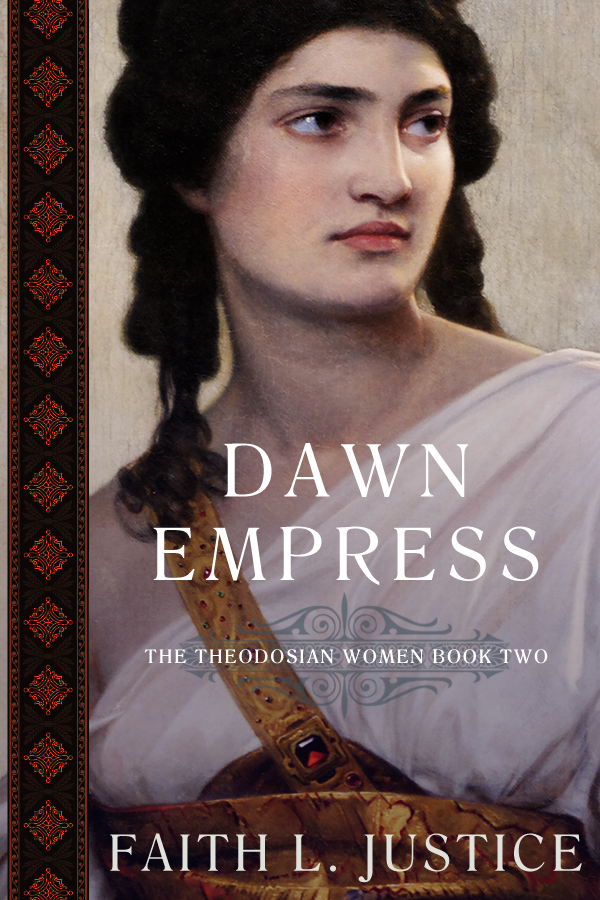
Today I’m delighted to welcome Faith L Justice to the blog with a post about the way she researched in order to write Dawn Empress.
Q. How Far Could a Roman Army March in a Day and Did They Wear Socks with Their Sandals?
A: 37 miles and “Yes”—Details in the post!
My mission is to tell interesting stories about little-known, but important women, while entertaining the reader. Because I write biographical historical fiction, historical accuracy is extremely important to me. For every novel, I must answer hundreds of questions like those posed in the title, so I do a tremendous amount of research beyond the facts of births, deaths, wars, etc. The sights, smells, sounds, and descriptions of clothes, food, housing, and transportation helps the reader experience a kind of time travel as they immerse themselves in a past culture. Personally, I find research the most fun part of writing my books. I get to learn new stuff, visit interesting places, and share my passions with readers.
I ran across the empresses who are the subjects of my three-book series The Theodosian Women when I researched my first novel set in the early fifth century. Pulcheria (Dawn Empress) took over the Eastern Roman court at the tender age of fifteen and ruled as regent for her under-age brother Theodosius II. Placidia (Twilight Empress) ruled over the fading Western Empire for her under-age son Valentinian III. Athenais (work in progress), a pagan philosopher/poet married the “Most Christian Emperor” Theodosius II. These women fascinated me. I wanted to tell their stories, but I had a lot of research work to do.
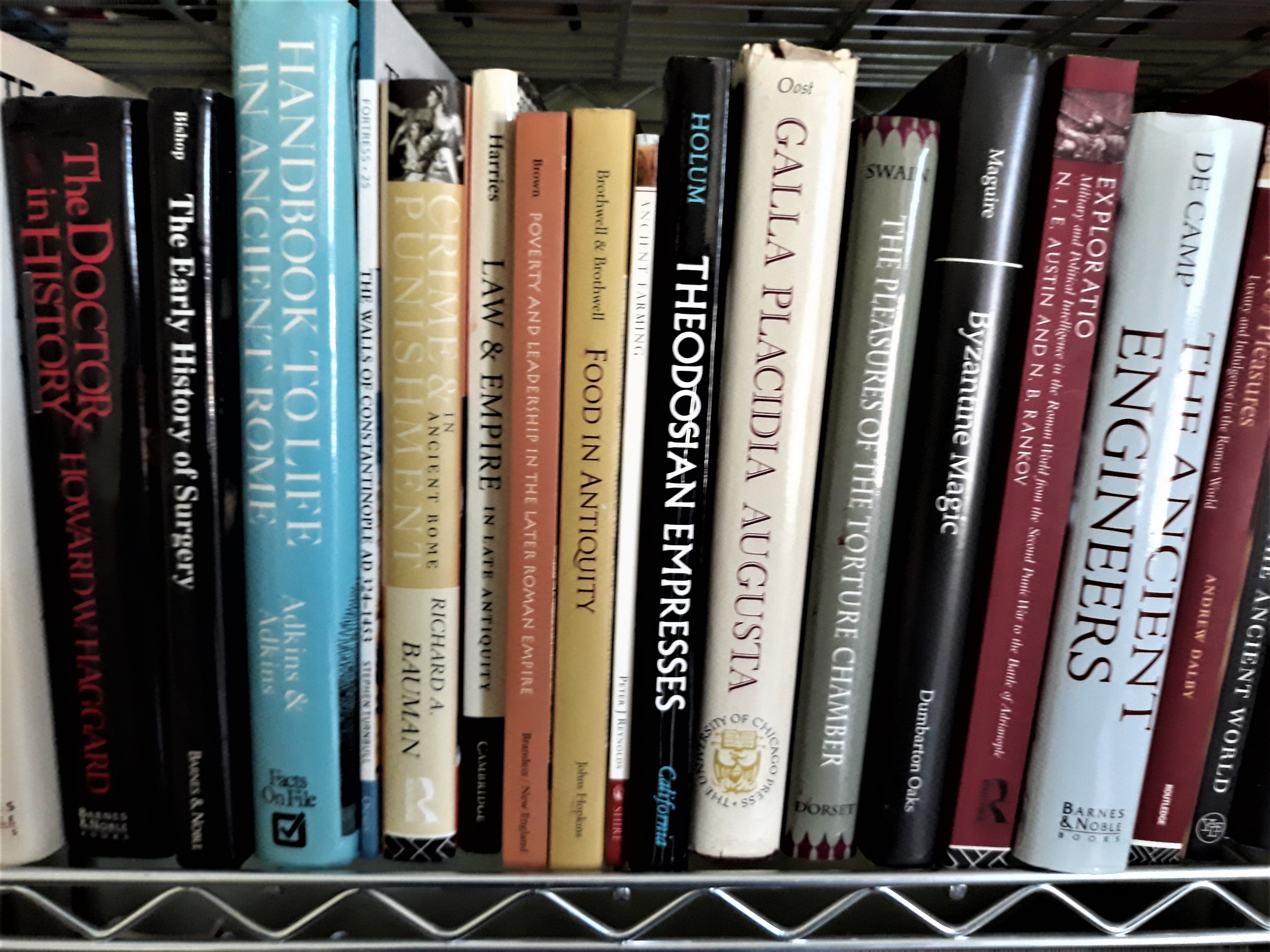
This was hampered by the times. The fifth century experienced great turmoil as barbarians invaded the Roman Empire sacking cities, disrupting education and culture, and destroying records. This left only fragments of primary sources for future historians to ponder. Archaeology filled in some of the blanks, but there was lots of room for my imagination. My print resources consisted of translated copies of primary sources, general histories by well-respected historians, and a couple of obscure biographies. I still remember the unmitigated joy I felt when I found a used copy of Galla Placidia Augusta: A Biographical Essay by Stewart Irvin Oost and plunked down my money. I wrote Pulcheria’s story later when Kenneth G. Holum’s Theodosian Empresses: Women and Imperial Dominion in Late Antiquity was generally available. I’ve provided research bibliographies for each of my novels on my website but here’s a visual sample of my research book shelves.
My first drafts are usually “white room” versions concentrating on the plot derived from the histories. I spend my second draft answering pesky questions about food, clothing, health, religion, architecture, art, technology, trade, and natural disasters—anything that adds color and context to my character’s lives. These details mostly come from specialized books and academic articles. The Handbook to Life in Ancient Rome (part of the Oxford Facts on File series) is a good place to start, but I couldn’t write with confidence without the academic articles I find at JSTOR (free with a library card) and Academia.edu.
Research has changed enormously in the past twenty-five years, making it much easier for the casual scholar. For my first two novels, I had to haunt the research branch of the New York Public Librarylooking up academic articles in dusty indices. About half of the journals seemed to be missing when I searched for them in the stacks. Now with a library card and a computer, anyone can access thousands of academic journals and presentations. I have over 300 titles in my miscellaneous research file alone.
The coolest new tool I’ve found is an interactive website called Orbis the Stanford Geospatial Network Model of the Roman World. Created and maintained by Stanford University, Orbis provides travel data in the Roman Empire. I fill in the details and it tells me how long it would take an army to march from Constantinople to Aquileia in January: 26.5 days, covering 1588 km (987 miles) at 60 km (37 miles) per day. Do I have a post rider carrying an important message from Rome to Toulouse in October? How about a trader moving exotic animals from Alexandria to Rome during the summer? No more looking up obscure modes of transportation, determining distance on Google Maps, and hand calculating. Magic!
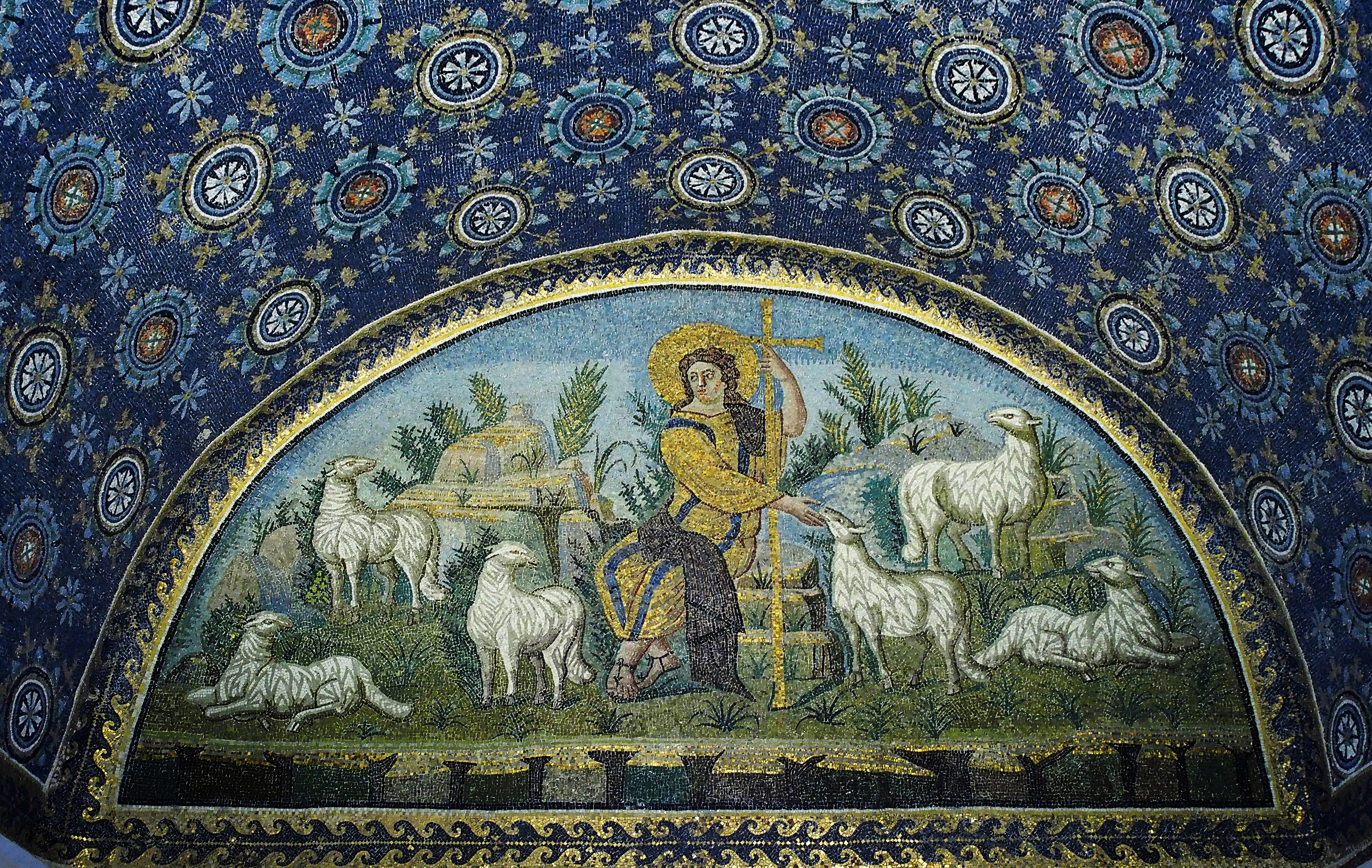
My all-time favorite research technique is the site visit. I have a dozen books on Constantinople and Ravenna with gorgeous pictures and incredible diagrams, but nothing beats walking the famed walls that lasted a thousand years, feeling the weather change when a storm blows in across the Black Sea, or seeing surviving frescoes and mosaics in fifth century buildings. I took the picture of this stunning mosaic in the Mausoleum of Galla Placidia in Ravenna, Italy.
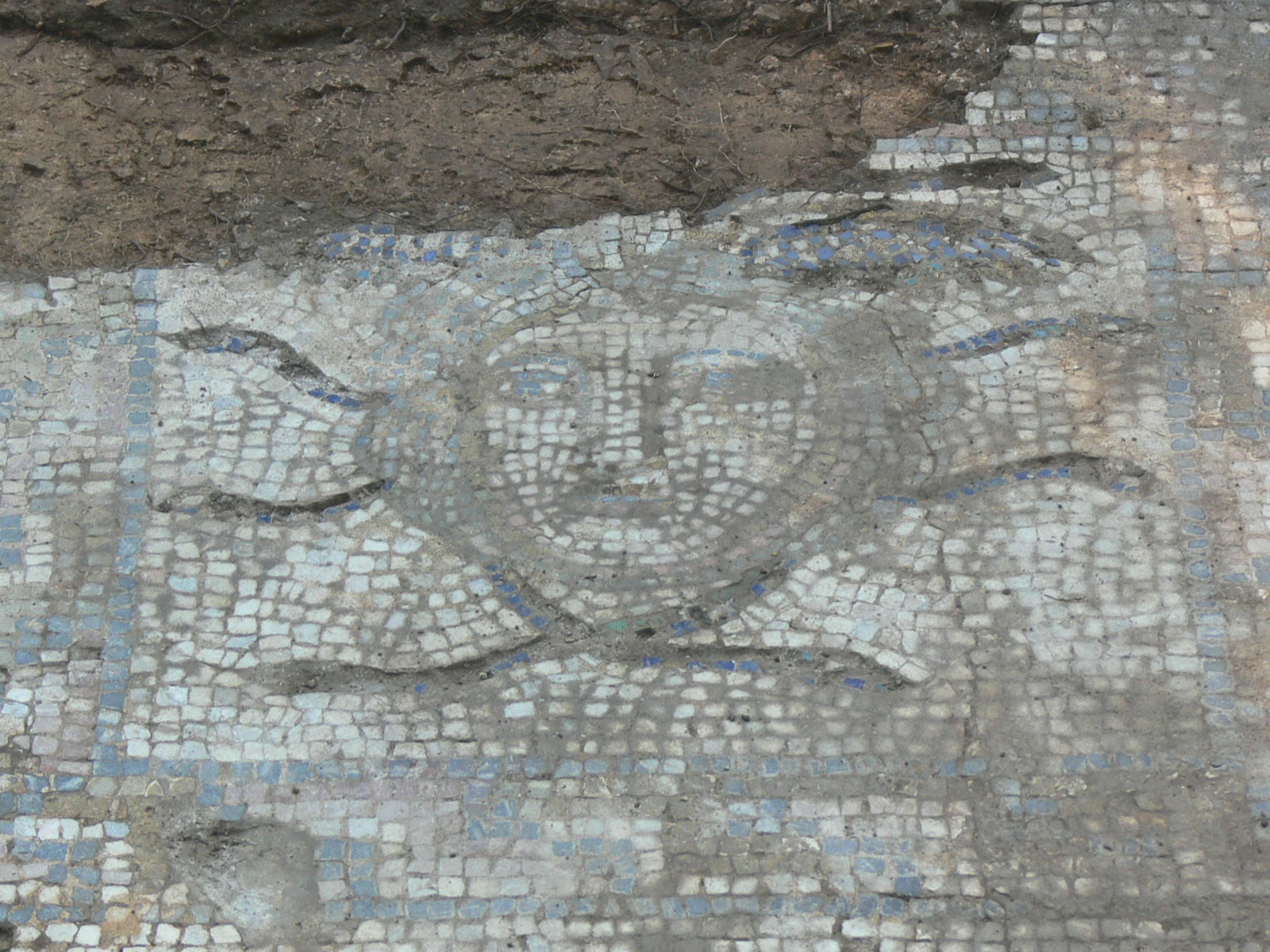
I also do hands-on history by volunteering at archaeological digs. While working on Hadrian’s Wall in the UK, I got to visit the Vindolanda Roman Fort and see rare correspondence of a young Roman soldier asking his mother to send him knitted socks for the winter, among many other everyday artifacts, such as a doll, grocery lists, and a birthday party invitation written by the wife of the commander. In Tuscany, I helped uncover and preserve a mosaic of Medusa (pictured below) at a dig of a first century Roman villa. All this fuels a sense of awe and respect for these ordinary people who are long gone, but still very human in their needs, which I hope comes through in my writing.
Museums come in a close second for favorite personal research. We have world-class ones here in New York. I studied 5C Roman clothing, coins, art, and jewelry at the Metropolitan Museum of Art, giving me a motherlode of detail to enrich my stories. If this pandemic we’re living through has any upside, it’s that museums around the world have made their collections available online. We can now virtually visit special exhibitions, search collections, and order previously inaccessible images and books. But I’m looking forward to going back in person.
So that’s my research process—lots of reading and note taking, punctuated with museum trips, site visits, and archaeology digs (a.k.a. vacations). After living vicariously in the fifth century for twenty-five years, I have an extensive personal library, but I want to give a hearty shout out to all the research librarians who helped me over the years. For accuracy, I trust “Ask A Librarian” over a chat room on the internet any day. Support your local libraries. They are national treasures!
On a final note, my sincere thanks to MJ Porter for hosting me on this blog tour. It’s always a privilege to meet new readers. If any of you have questions about my research process or my books, feel free to get in touch through my website or other social media. I love to hear from people. Stay safe out there!
Thank you so much for sharing. A pleasure to have you on the blog. Note for UK readers, JSTOR offers some free articles, and others can be purchased with a subscription package:)
Here’s the blurb;
As Rome reels under barbarian assaults, a young girl must step up.
After the Emperor’s unexpected death, ambitious men eye the Eastern Roman throne occupied by seven-year-old Theodosius II. His older sister Pulcheria faces a stark choice: she must find allies and take control of the Eastern court or doom the imperial children to a life of obscurity—or worse. Beloved by the people and respected by the Church, Pulcheria forges her own path to power. Can her piety and steely will protect her brother from military assassins, heretic bishops, scheming eunuchs and—most insidious of all—a beautiful, intelligent bride? Or will she lose all in the trying?
Dawn Empress tells the little-known and remarkable story of Pulcheria Augusta, 5th century Empress of Eastern Rome. Her accomplishments rival those of Elizabeth I and Catherine the Great as she sets the stage for the dawn of the Byzantine Empire. Don’t miss this “gripping tale” (Kirkus Reviews); a “deftly written and impressively entertaining historical novel” (Midwest Book Reviews). Historical Novel Reviews calls Dawn Empress an “outstanding novel…highly recommended” and awarded it the coveted Editor’s Choice.
Faith L. Justice writes award-winning historical novels, short stories, and articles in Brooklyn, New York where she lives with her family and the requisite gaggle of cats. Her work has appeared in Salon.com, Writer’s Digest, The Copperfield Review, and many more publications. She is Chair of the New York City chapter of the Historical Novel Society, and Associate Editor for Space and Time Magazine. She co-founded a writer’s workshop many more years ago than she likes to admit. For fun, she digs in the dirt—her garden and various archaeological sites.