Author of Saxon historical fiction and non-fiction, 20th-century historical mysteries, and Norse-inspired historical romantasy. Book reviewer and blog host.
‘Do you realise, Corinna, just how hard it is for a young woman of irregular birth, without family, fortune or friends in the world? Marriage is the only way to get any chance of a life.’
Following the death of her mother, Corinna Ormesby has lived a quiet life in the countryside with her cantankerous Cousin Agnes. Her father’s identity has been a tantalising mystery, but now at nineteen Corinna knows that finding him may be her only way to avoid marriage to the odious Mr Beech.
Deciding to head to London, Corinna dons a male disguise. Travelling alone as a young woman risks scandal and danger, but when, masquerading as a youth, she is befriended by three dashing blades, handsome and capable Alick Wolfe, dandy Ferdinand Shilton and the incorrigible Lord Purfoy, Corinna now has access to the male-only world of Regency England. And when she meets Alick’s turbulent brother Darius, a betrayal of trust leads to deadly combat which only one of the brothers may survive.
From gambling in gentleman’s clubs to meeting the courtesans of Covent Garden, Corinna’s country naivety soon falls away. But when she finds her father at last, learns the truth about her parentage and discovers her fortunes transformed, she must quickly decide how to reveal her true identity, while hoping that one young man in particular can see her for the beauty and Lady she really is.
A Suitable Heiress continues Jane Dunn’s exploration of Regency-era England. Once more, we have a very different main character, young Corinna, who knows she’s a bastard, but is determined to find her father, and continue in her quest to become an artist. And how might she manage this? By masquerading as a man and running away to London.
What ensues is a delightful tale of the era, not without its peril for our heroine/hero as her disguise is discovered and her father found. But this is only half the story for Corinna must manage her friendships carefully and guard her reputation as well as her companions while seeking to fulfill her ambitions.
An Unsuitable Heiress is a delightful Regency tale sure to appeal to fans of the era.
Jane Dunn is an historian and biographer and the author of seven acclaimed biographies, including Daphne du Maurier and her Sisters and the Sunday Times and NYT bestseller, Elizabeth & Mary: Cousins, Rivals, Queens. She comes to Boldwood with her first fiction outing – a trilogy of novels set in the Regency period, the first of which is to be published in January 2023. She lives in Berkshire with her husband, the linguist Nicholas Ostler.
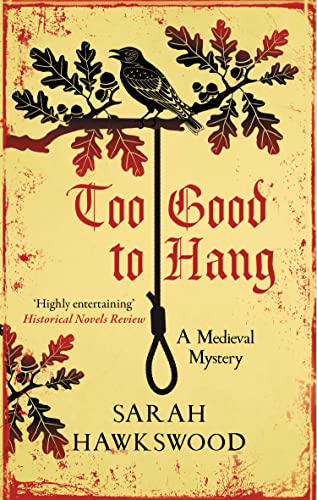
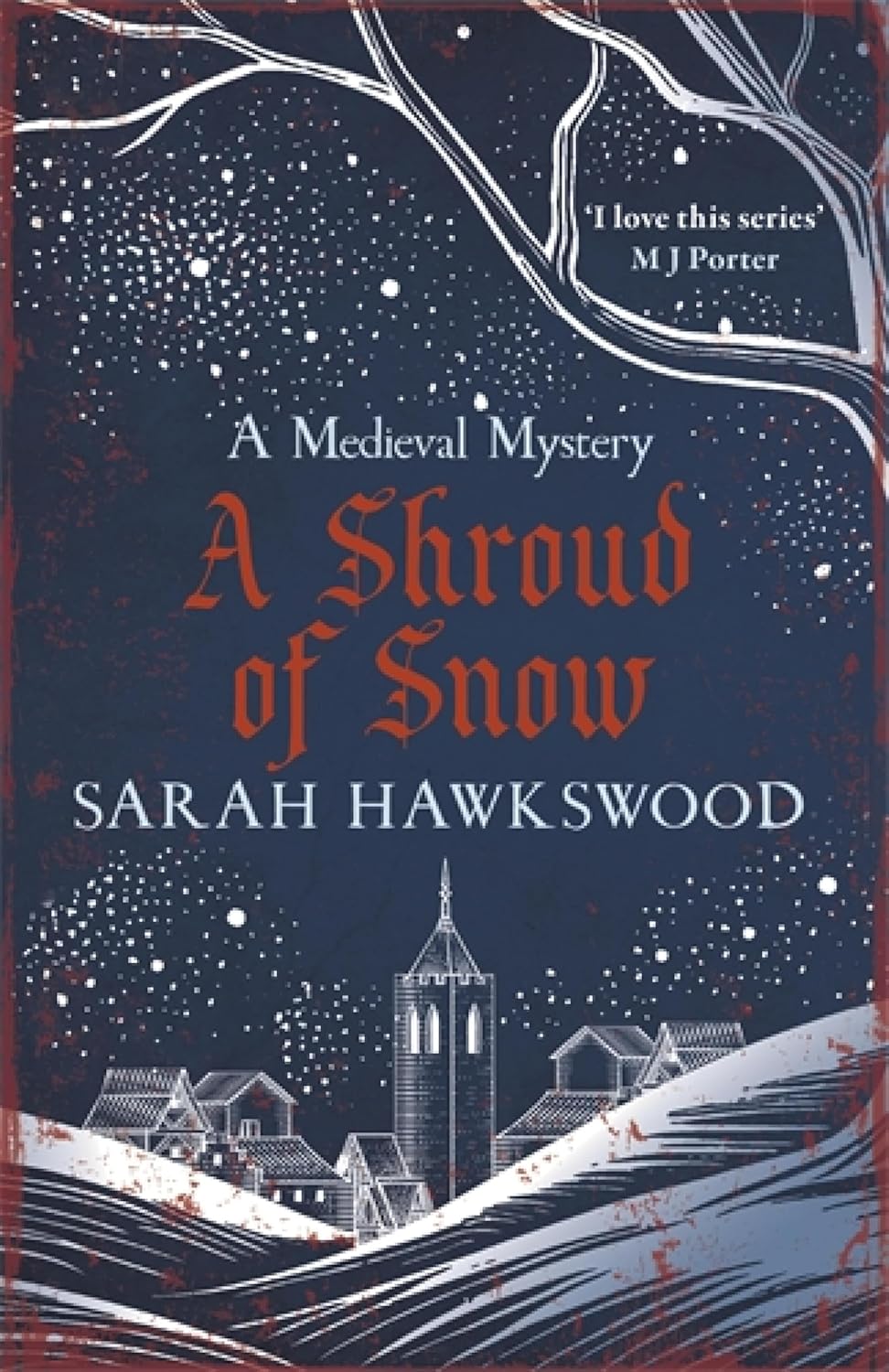
April, 1145. Thorgar the Ploughman is found by the bloodied body of Father Edmund, a village priest in Ripple, and is summarily hanged for being caught in the act, despite his pleas of innocence.
When his sister goes to Worcester to seek justice for Thorgar, the lord Sheriff sends Hugh Bradecote, with Serjeant Catchpoll and Underserjeant Walkelin, to discover the truth. They soon expose strong motives for placing the blame on the ploughman’s shoulders, some unpleasant secrets festering among the villagers, as well as the whisper of a treasure long lost and now rediscovered.
The shadow the noose casts is a long one, but the Sherrif’s men will need to plumb the darkness to uncover the true killer.
A new Bradecote and Catchpoll (and Wakelin) medieval mystery is always a true delight, and Too Good To Hang is a fabulous addition to the series.
This time, our trio are called upon to determine the true culprit when an overzealous village has already hanged a man they deem to be responsible for the murder of the priest without trial or even, any real proof, other than the man’s unfortunate appearance at the side of the dead man.
What transpires, with careful investigation from Bradecote, Catchpoll and Wakelin, is that there is much more going on in the small settlement than first meets the eye. One of the village priests might well be dead, but there is a good reason for that and an even better reason to suspect almost everyone else within the settlement as well. And there’s not just the matter of the dead priest and the hanged man; there are also rumours of old treasure buried close by.
As ever, I love the way the mystery slowly resolves itself. Bradecote is lordly, Catchpoll is more world, and Wakelin is slowly becoming his own man. Added to this, there is a fine cast of strong women ruled by weak men, and the author highlights this in their interactions.
An absolute joy.
Thank you to Netgalley and the publisher for my review copy.
Check out my reviews for previous Bradecote & Catchpoll mysteries.
Pagan Warrior is the story of the battle of Hædfeld, fought in the seventh century between the Northumbrians, and you got it, the Mercians – or rather, Cadwallon of Gwynedd but with Penda of Mercia as his firm ally. You can find more details here.
A quick shout out to thank all the blog hosts and Cathie at The Coffee Pot Book Club for organising.
And, the post that perhaps gave me the most fear to begin will but which was fun when I remembered all the little details, five fun facts about writing the trilogy.
Check out a post about two of the royal residences of Bernicia at the time, Bamburgh and Ad Gefrin (Yeavering). (There are lots of photos; thank you to Helen Hollick for uploading them all.)
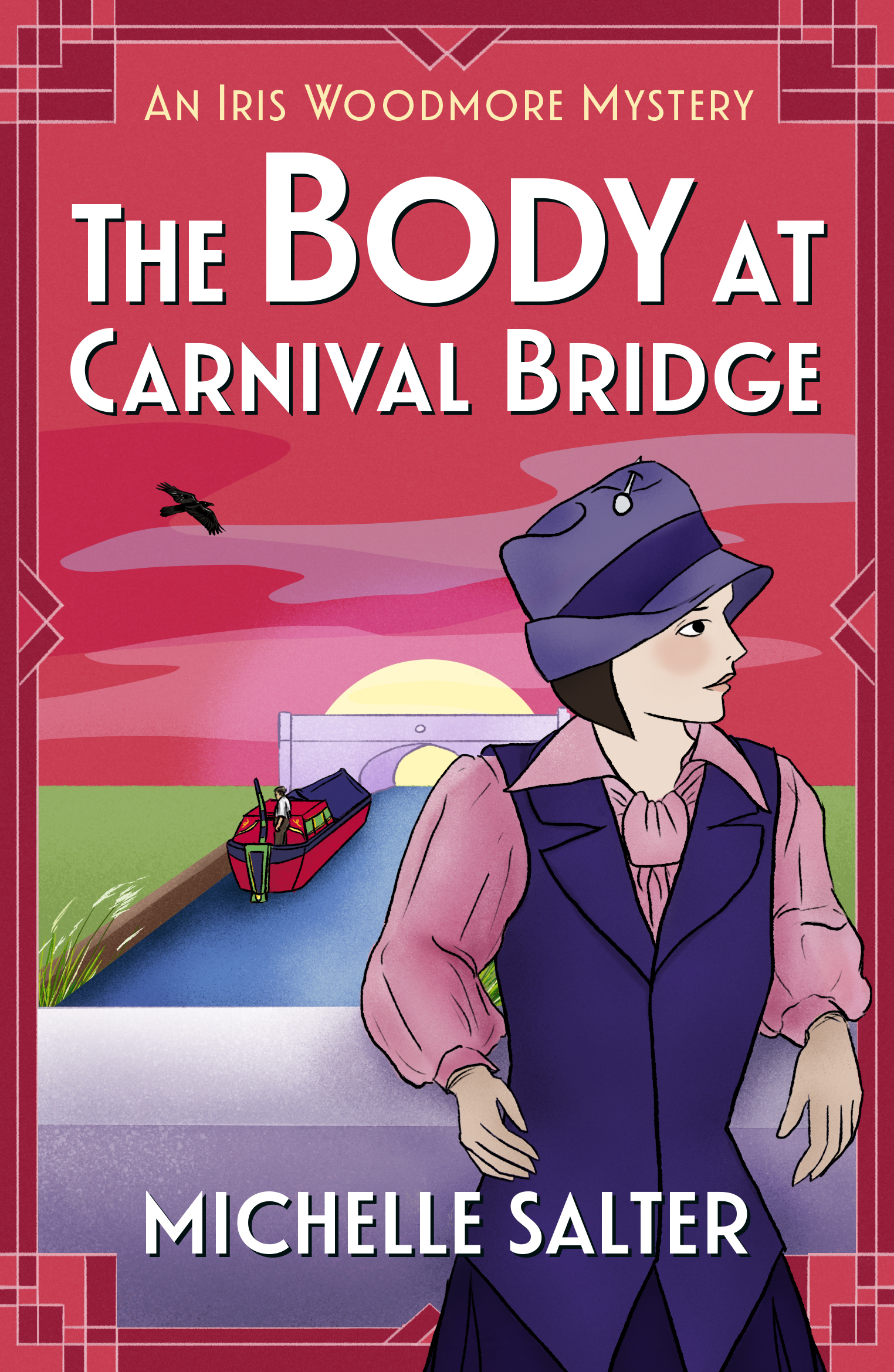
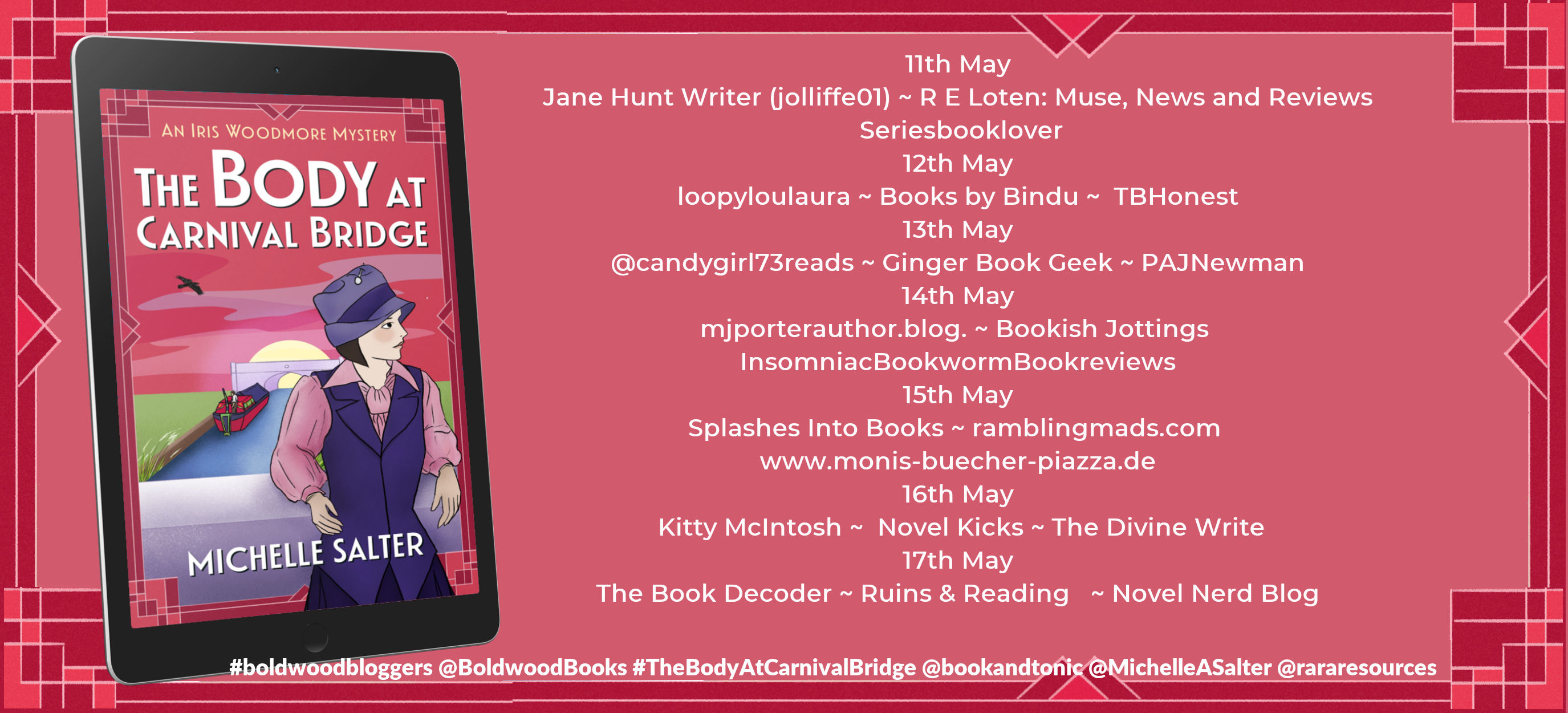
It’s 1922, and after spending a year travelling through Europe, Iris Woodmore returns home to find a changed Walden. Wealthy businesswoman Constance Timpson has introduced equal pay in her factories and allows women to retain their jobs after they marry.
But these radical new working practices have made her deadly enemies.
A mysterious sniper fires a single shot at Constance – is it a warning, or did they shoot to kill? When one of her female employees is murdered, it’s clear the threat is all too real – and it’s not just Constance in danger.
As amateur sleuth Iris investigates, she realises the sniper isn’t the only hidden enemy preying on women.
The Body at Carnival Bridge is the third book in the Iris Woodmore series, and it is going from strength to strength.
Some time has passed since the tragic events of book 2, and Iris is perhaps a little out of sorts with herself, but no sooner has she made contact with her old friends than tragedy strikes, and Iris is compelled to investigate the death of a young girl.
What ensues is a well-reasoned and intriguing mystery, highlighting the social inequalities of women in the aftermath of World War I and also referencing the harsh realities of the lives of women unable to access birth control. The author really excels in placing the reader in the period without overloading the narrative., and always with an eye to moving the mystery onwards.
The Iris Woodmore mysteries are fast becoming some of my favourites. The mystery is always reliable, the author has an eye for detail, and Iris herself is a likeable character, as are those surrounding her.
A fabulous mystery well-grounded in the period’s events without overloading the reader.
Michelle Salter is a historical crime fiction writer based in northeast Hampshire. Many local locations appear in her mystery novels. She’s also a copywriter and has written features for national magazines. When she’s not writing, Michelle can be found knee-deep in mud at her local nature reserve. She enjoys working with a team of volunteers undertaking conservation activities.
I’m delighted to welcome Amy Maroney to the blog. I always love to hear about the historical research for author’s novels. So here we go.
Uncovering the story of Queen Charlotta of Cyprus, a forgotten heroine
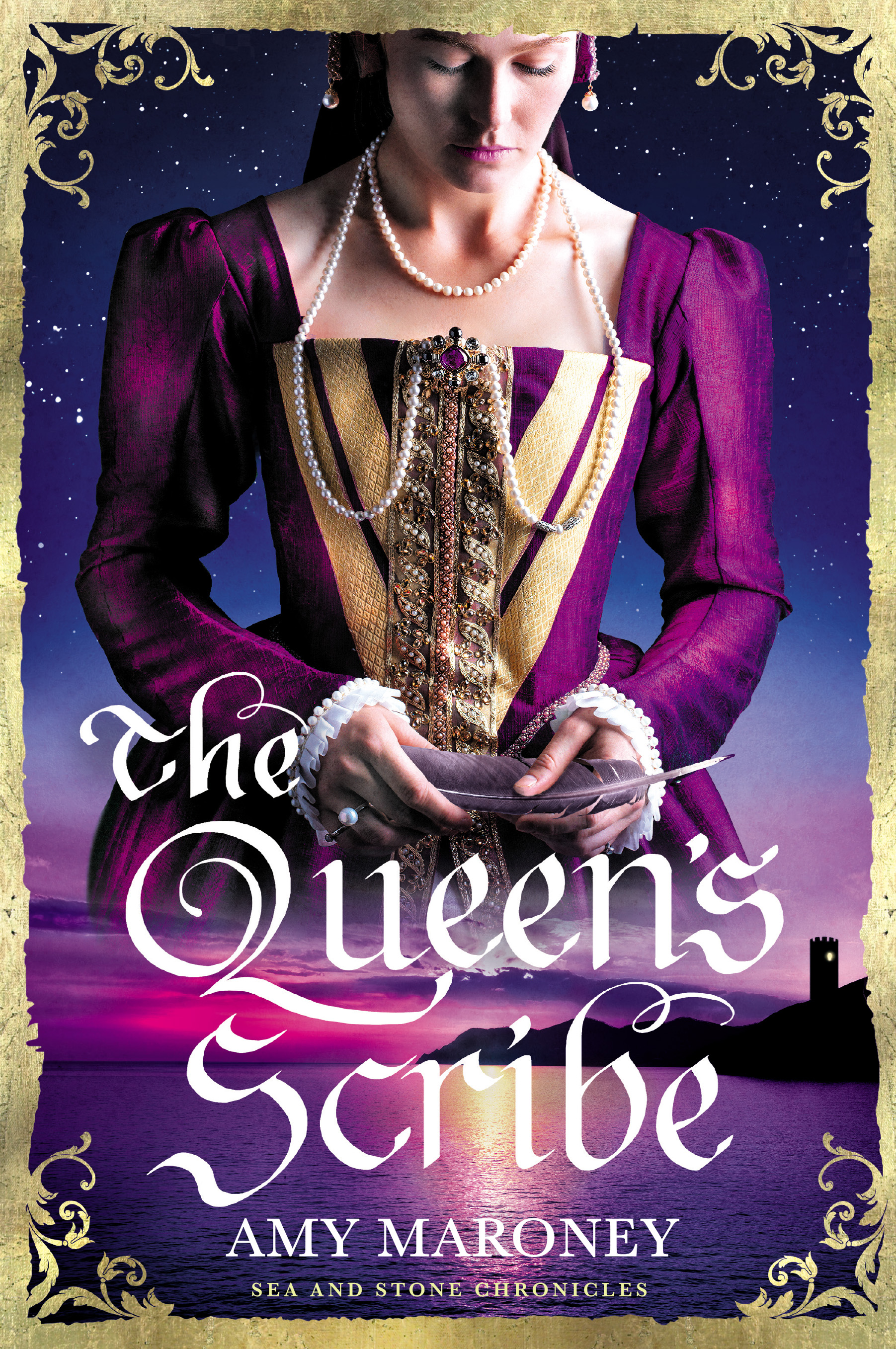
My new novel, The Queen’s Scribe, features a fifteenth-century monarch with an extraordinary story of ambition, courage, and dedication to her kingdom. Just who was Queen Charlotta of Cyprus, and why was she so mesmerizing that I wrote a book about her?
As is often the case with women in history, very little information remains about this queen (she was baptized ‘Charlotte’, but may have referred to herself as ‘Carlotta’; I call her ‘Charlotta’ in the novel). Most scholars agree that she was born about 1444.
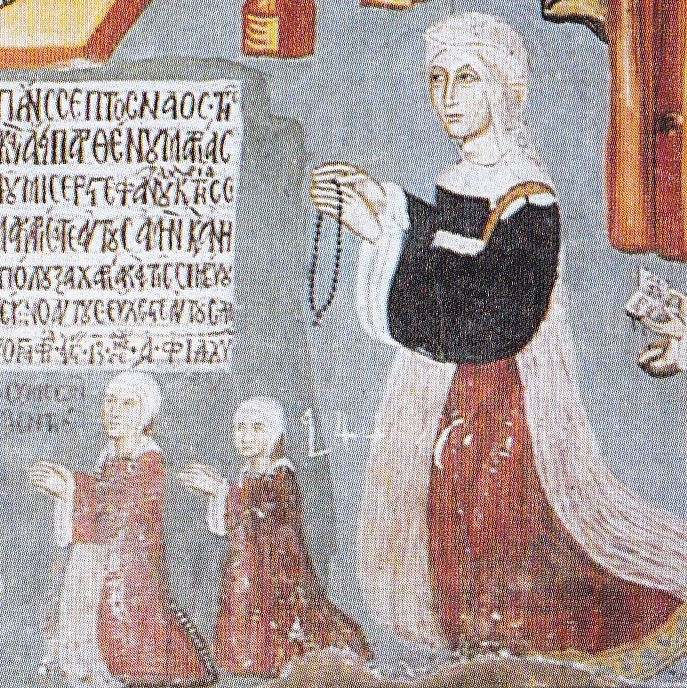
Charlotta was the only surviving child of King Jean II of Lusignan and his wife Eleni Palaiologina, princess of Morea. The following image is said to portray Charlotta, her mother, and her sister (subsequently deceased).
IMAGE OF QUEEN ELENI AND HER DAUGHTERS, PUBLIC DOMAIN PHOTO
Charlotta’s father, King Jean, was a genial but ineffective ruler who loved hunting, hawking, and spending money. The glory days of the kingdom ended abruptly when his grandfather King Janus was taken captive by Egyptian Mamluks and subsequently ransomed for 200,000 ducats, which put the kingdom in deep debt. By the time of Charlotta’s birth, three centuries of lavish living coupled with a weak military presence had crippled the once-powerful Lusignan dynasty.
Within the royal court itself, animosity festered like a battle wound. Queen Eleni was a proud Greek and a dominating personality. She purportedly bit off her rival Marietta’s nose when she found the woman in bed with her husband (some sources say she cut it off). Jean and Marietta’s son, Jacques (also known as Jacco the Bastard) was the apple of his father’s eye. A handsome, charismatic bully, he became Charlotta’s protector before his desire for the throne soured their relationship forever.
Thanks to her mother’s influence, Princess Charlotta was thoroughly Greek and her understanding of French was rudimentary at best. Though her father was French and many of the ruling nobility claimed French roots, the French spoken in Cyprus at the time was so distorted that native speakers visiting from Europe could not understand it.This fact underpins the plot of The Queen’s Scribe, which features a fictional French heroine whose skills as a scribe and interpreter become essential to Queen Charlotta.
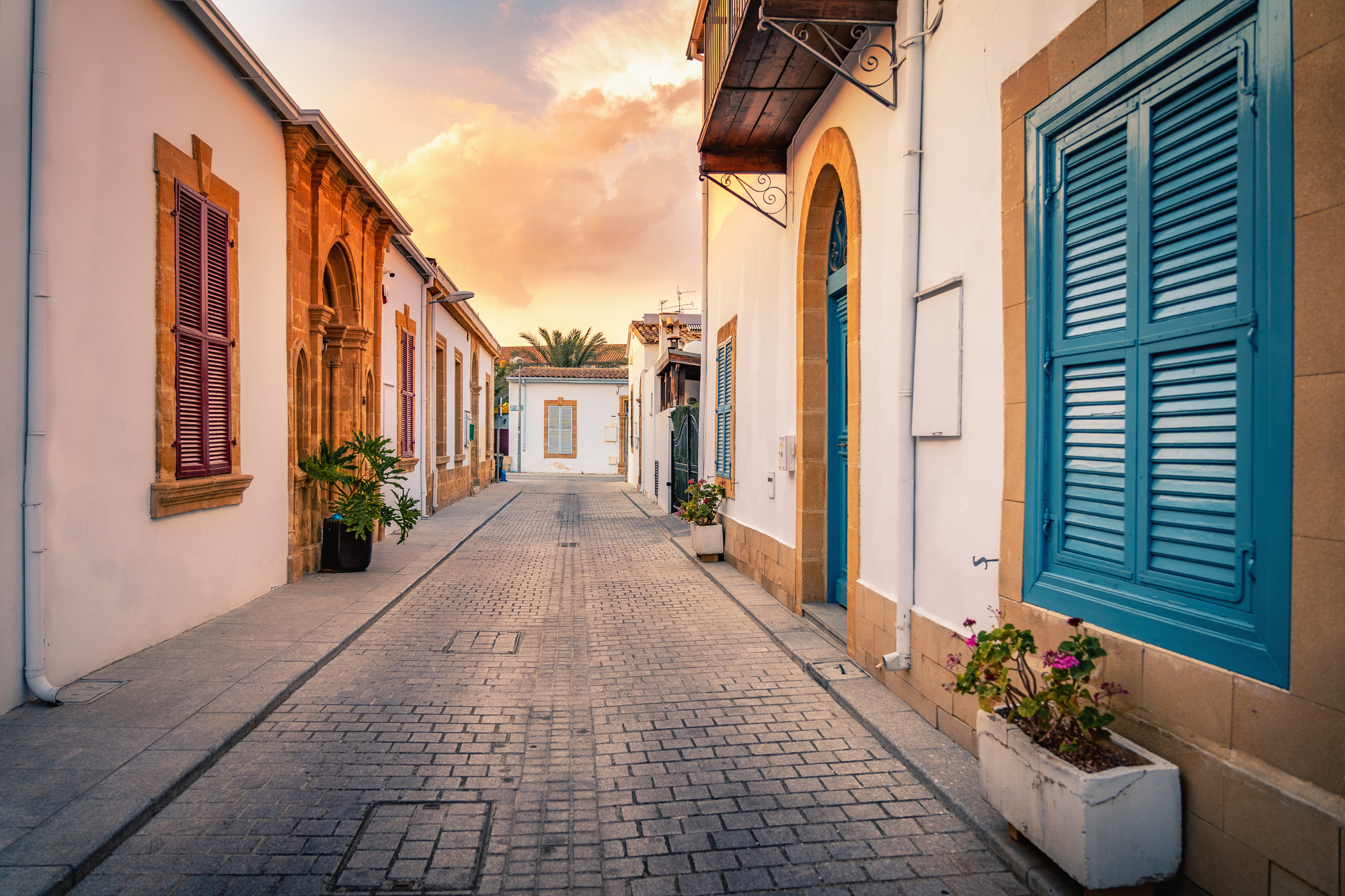
PHOTO OF NICOSIA OLD TOWN, DEPOSIT PHOTOS STANDARD LICENSE
When she was about 13, Charlotta was married to the Portuguese Prince João of Coimbra. The young couple moved from the royal palace to a house elsewhere in the Cyprus capital of Nicosia, angering Charlotta’s mother and delighting the Western European (‘Latin’) members of the court. Tensions grew between the two camps until Prince João suddenly died under mysterious circumstances; the queen’s chamberlain—who was like a brother to Queen Eleni—was blamed.
In a royal tit-for-tat, the queen’s chamberlain was then killed by Sicilian associates of Jacco’s. Palace gossips said Charlotta had asked her half-brother to arrange the murder. Before he could be punished, Jacco fled for the island of Rhodes and the hospitality of the Knights Hospitaller.
Meanwhile, Charlotta grieved her dead husband and awaited a new betrothal, this time with her first cousin Louis (of the French-speaking Duchy of Savoy). Queen Eleni, who had been disabled by what might have been a paralytic stroke in early adulthood, slowly lost her health. Still, she fought the betrothal with every ounce of her strength, for in the Greek Orthodox tradition, marrying a first cousin was an unforgivable sin.
In 1458, both Queen Eleni and King Jean died. At 15, Charlotta was crowned queen. Soon afterward, Jacco sailed to Egypt, intent on gaining the sultan’s support for his campaign to seize his half-sister’s throne.
Meanwhile, the powerful barons who had served her father as council members now whispered in Charlotta’s ear. Some of them truly believed in her; others cared only for their own self-interest and survival; a few displayed breathtaking treachery.
Rumors began swirling that Jacco had charmed the Sultan of Egypt and was building a massive army of Mamluk warriors. Charlotta desperately needed help to preserve her throne, and naturally looked to her new husband, Louis, for support. But far from being the strong partner she’d hoped for, he was a disinterested and weak leader, more interested in fine food and amusements than strategizing for war.
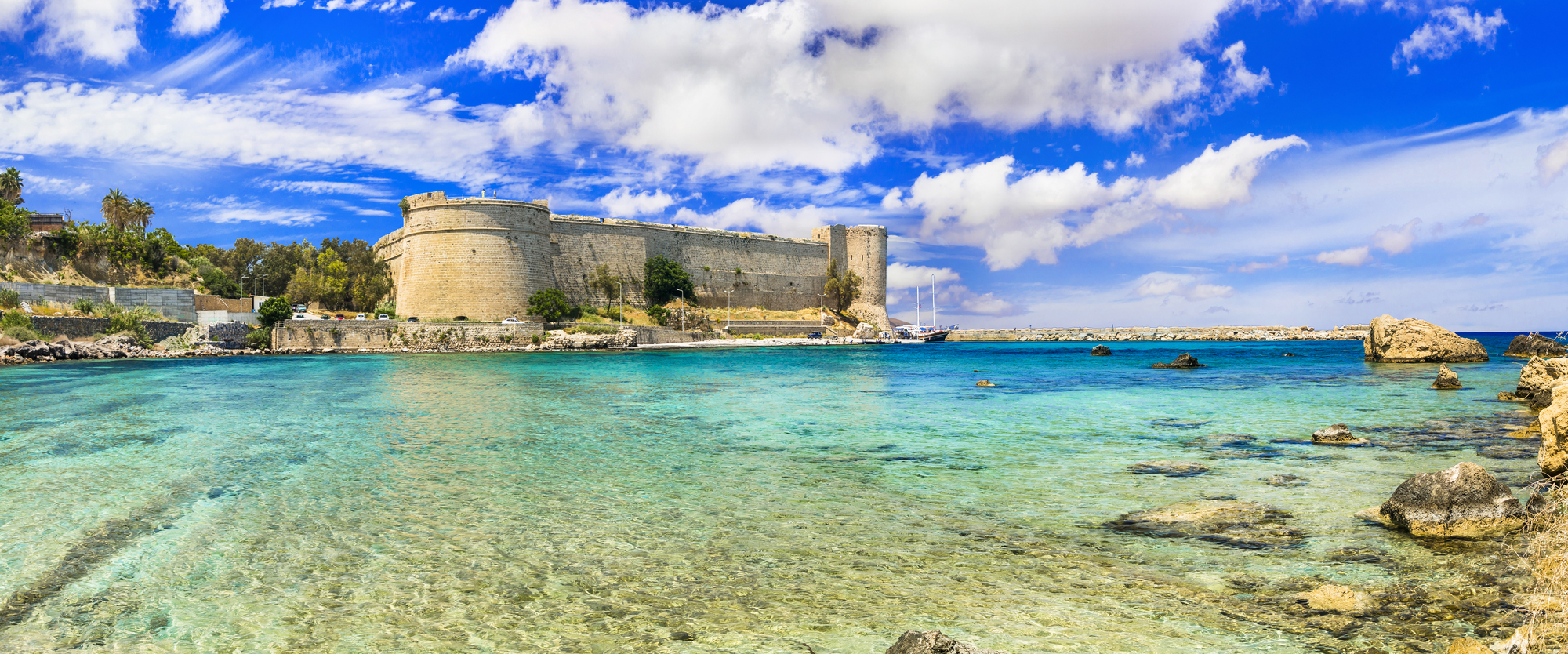
PHOTO OF KYRENIA FORTRESS, DEPOSIT PHOTOS STANDARD LICENSE
Less than two years after her coronation, Charlotta moved her court to the seaside fortress of Kyrenia, where they survived a massive siege by Jacco. A few months later, she left Louis in the fortress and sailed around the Mediterranean beseeching allies to help save her crown.
I chose to tell Queen Charlotta’s tale through the eyes of fictional Estelle de Montavon, daughter of a French falconer. In The Queen’s Scribe, Estelle—a talented scribe and linguist—becomes as valuable as gold when the royal court retreats to Kyrenia Fortress and civil war looms. When Queen Charlotta voyages across the Mediterranean Sea entreating French-speaking allies for help, Estelle is at her side, witnessing every triumph and disaster along the way.
Like so many other women in history, Queen Charlotta has been lost in the shadows for too long. I hope The Queen’s Scribe plays a role in bringing her story back into the light.
Thank you so much for sharing. She sounds that an intriguing character, as does her mother:)
Here’s the blurb
A broken promise. A bitter conflict. And a woman’s elusive chance to love or die.
1458. Young Frenchwoman Estelle de Montavon sails to Cyprus imagining a bright future as tutor to a princess. Instead, she is betrayed by those she loves most—and forced into a dangerous new world of scheming courtiers, vicious power struggles, and the terrifying threat of war.
Determined to flee, Estelle enlists the help of an attractive and mysterious falconer. But on the eve of her escape, fortune’s wheel turns again. She gains entry to Queen Charlotta’s inner circle as a trusted scribe and interpreter, fighting her way to dizzying heights of influence.
Enemies old and new rise from the shadows as Estelle navigates a royal game of cat and mouse between the queen and her powerful half-brother, who wants the throne for himself.
When war comes to the island, Estelle faces a brutal reckoning for her loyalty to the queen. Will the impossible choice looming ahead be her doom—or her salvation?
With this richly-told story of courage, loyalty, and the sustaining power of love, Amy Maroney brings a mesmerizing and forgotten world to vivid life. The Queen’s Scribe is a stand-alone novel in the Sea and Stone Chronicles collection.
Praise for the Sea and Stone Chronicles:
“Island of Gold is a nimbly told story with impeccable pacing.”
—Historical Novel Society, Editor’s Choice Review
“Sea of Shadows is stunning. A compelling tale of love, honor, and conviction.”
—Reader’s Favorite Review
Amy Maroney is the author of the award-winning Miramonde Series, the story of a Renaissance-era female artist and the modern day scholar on her trail.
Buy Links:
This title is available to read on #KindleUnlimited.
Amy Maroney studied English Literature at Boston University and worked for many years as a writer and editor of nonfiction. She lives in Oregon, U.S.A. with her family. When she’s not diving down research rabbit holes, she enjoys hiking, dancing, traveling, and reading.
Amy is the author of The Miramonde Series, an Amazon-bestselling historical mystery trilogy about a Renaissance-era female artist and the modern-day scholar on her trail. Amy’s award-winning historical adventure/romance series, Sea and Stone Chronicles, is set in medieval Rhodes and Cyprus.
An enthusiastic advocate for independent publishing, Amy is a member of the Alliance of Independent Authors and the Historical Novel Society.
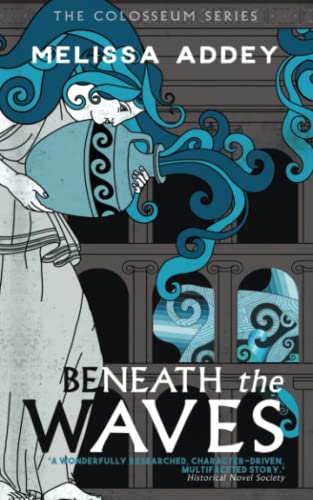
The Colosseum is being flooded. And emotions are rising to the surface. Rome, 80AD. The Emperor orders the Colosseum to be flooded. There must be vast battles, spectacular props and epic storytelling. Meanwhile Emperor Titus must somehow be persuaded to give up his love affair with the Jewish Queen, Berenice.
Marcus, manager of the amphitheatre, must face the dangers, mistakes and emotions of the watery depths as new members join his team. His scribe, Althea, must find out what she wants from life, now that she is a freedwoman, but a woman’s choices are not always free.
Words may be dangerous, but desires must be spoken out loud. As the backstage team takes on new challenges, a change is coming.
Beneath the Waves is the gripping second novel in the Colosseum historical fiction series. If you enjoy immersing yourself in the past and finding characters you care about, then join the Colosseum’s tough, loyal and quick-witted backstage team.
Beneath the Waves is the thrilling second part of The Colosseum series by Melissa Addey.
Picking up the tale of Althea, a Greek slave woman, from where we left her at the end of From the Ashes, this is the story of the ending of the 100 days of Games, begun in From the Ashes, and also takes the reader through to the second year in the life of the Colosseum.
Our much-loved characters reappear in Beneath the Waves, along with a few new additions. While From the Ashes focused very much on surviving the events of Vesuvius, the plague and the fire that our characters suffered, book 2 is perhaps less filled with huge peril for everyone, as instead, it focuses on the peril our main characters experience. Their humanity is very evident. They are people. They don’t always do the right thing. They are perhaps beset with irrational fears. And they also perhaps do what they’re supposed to do when we, as a modern audience, would demand alternatives. Althea and Marcus are characters of their time, which is one of the huge strengths of the novel.
I adore the descriptions of the Games and the minutiae of day-to-day life, and this second novel builds very much to an impressive and potentially dangerous ending for Marcus, Althea and their young charge.
(And, if you’re a fan of Simon Turney as well, then reading this series alongside his Domitian, will ensure you know what’s happening to the toffs as well as the plebs.)
Meet the author
Melissa Addey writes historical fiction set in Ancient Rome, medieval Morocco and 18th century China. She is a full time self-published author and runs workshops for authors wanting to be entrepreneurial. Her books have been selected for Editor’s Choice by the Historical Novel Society and won the inaugural Novel London award. She has been the Leverhulme Trust Writer in Residence at the British Library, has a PhD in Creative Writing and works with the Alliance of Independent Authors on their campaigns.
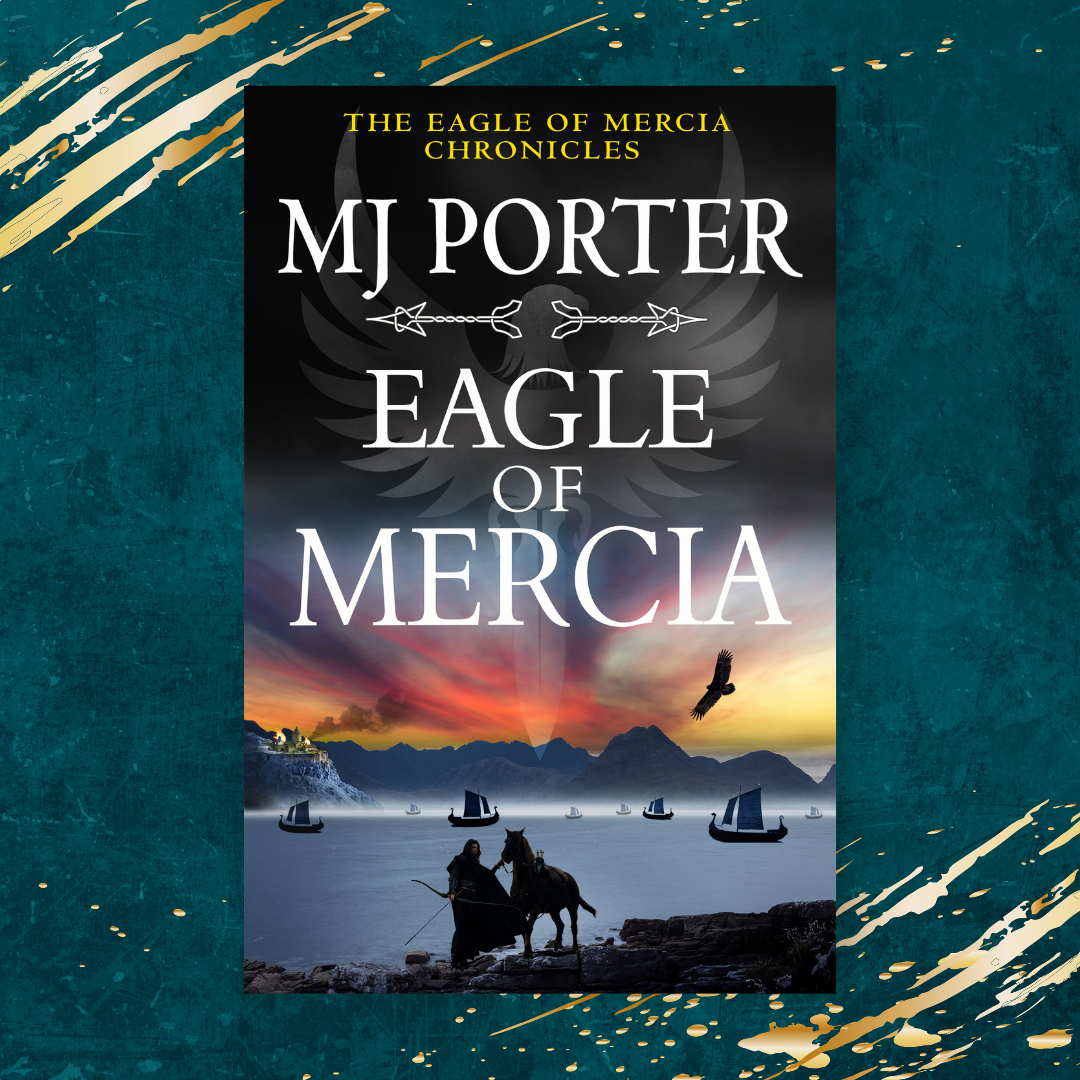
In Eagle of Mercia, young Icel and his allies are busily guarding the River Thames against a potential Viking raider attack. The Viking raiders certainly made use of the many rivers running through England at the time (and throughout the British Isles), but the river was also significant as a very definitive and solid boundary between the Saxon kingdoms of Wessex and Mercia, which to the west, where the River Thames doesn’t flow, was continued by the earthworks known as the Wansdyke.
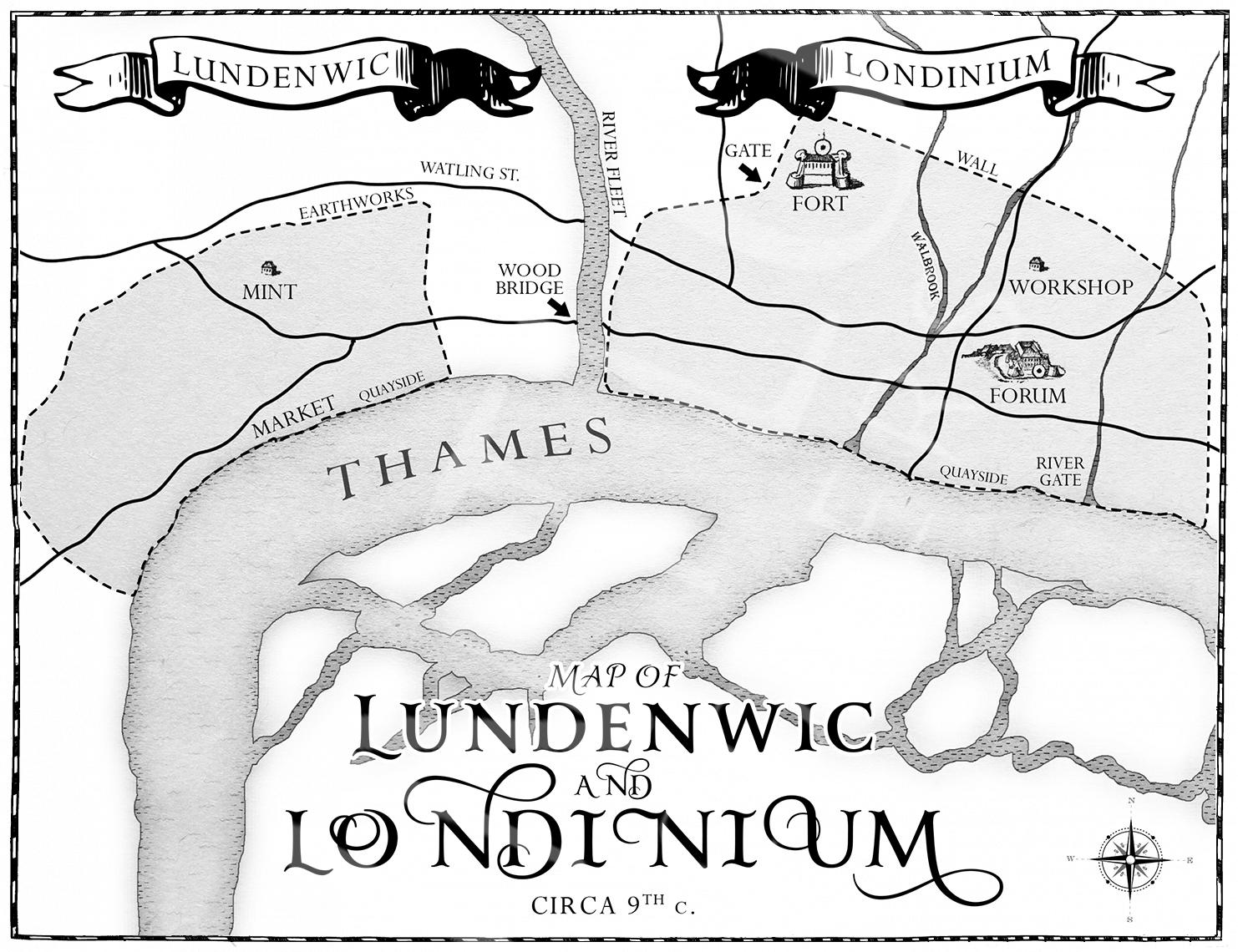
London, now the capital of the United Kingdom, wasn’t always as important as we might assume, and indeed, it wasn’t ever the capital of Wessex or Mercia. These two kingdoms fought most fiercely over the settlement. It wasn’t even overly important to the Romans, either. And this is why I’ve perhaps been remiss in not truly considering its significance. As rivers have changed their course over the years, so has the River Thames. And what’s most fascinating about the River Thames is that, seemingly for long periods during the Saxon era, it wasn’t navigable, as we might expect it to have been.
Map of Early England by Flintlock Covers
‘During this period, as perhaps as other times, there may well have been a division between use of the Thames in its today reach and use of it above the tidal head. Paleoenvironmental evidence suggests that a relative drop in river levels during the Roman period meant that the tidal head was perhaps as low as Londinium itself, but that it (and thereby the range of easy navigability) generally moved upstream during the Anglo-Saxon period. This trend was not, however, uniform, and there were also brief periods (such as the late tenth to eleventh centuries) when the tidal reach shifted back downstream again.’ p. 271
It seems then, that when considering London, or Londinium/Lundenwic/Londonia, we also need to be mindful of the era in the Saxon period that we’re writing about. For the first Viking age,
‘A combination of the seasonal (and presumably climatic) unreliability of riverine travel and the need on many occasions to travel upstream cannot have made it easy for the Vikings to use the Thames for shock offensives… and there is no clear example of a Viking force travelling by water up the Thames further than Fulham.’ p.278
Clues to how passable the River Thames might have been can be traced.
‘Without the construction of bridges, the river would have been impassable except by ferry, from its estuary as far as the lowest fording point, perhaps as low as Halliford near Shepperton, and between the various fording points. Even where the middle and upper stretches could be forded, such crossings were not guaranteed to be easy. Lechlade and Cricklade, two potentially treacherous upper Thames crossings, severely affected by flooding in winter were named Old English (ge)lad ‘difficult river crossing.’ p.279
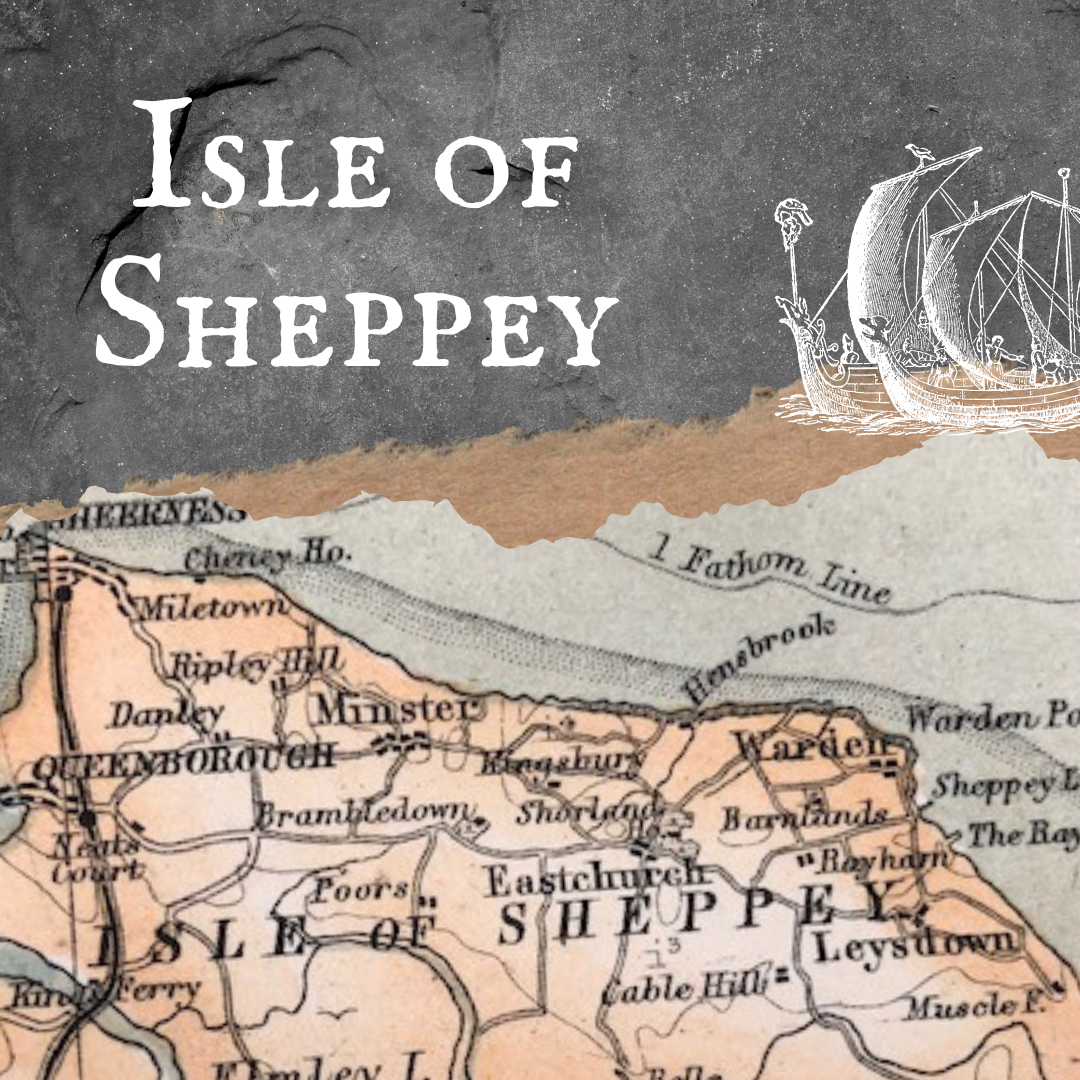
As with all things, we should be wary of assuming that current conditions would have been prevalent in the past. The River Thames certainly falls into that category. So while, yes, it was certainly a decisive boundary between the Saxon kingdoms of Wessex and Mercia, on occasion, it wouldn’t have been as decisive as at others. This, I find fascinating, and just another of those ‘facts’ travellers to the Saxon era should be wary about. While we know (hopefully not a spoiler) that London was attacked in the 840s and 850s, prior to this, it might well have been impossible for the Viking raiders to attack in the way they were used to. This, perhaps, accounts for why they chose more coastal locations, such as the Isle of Sh.
Map by Flintlock Covers for Wolf of Mercia
(Quotes taken from Beyond the Burghal Hidage by Baker and Brookes)
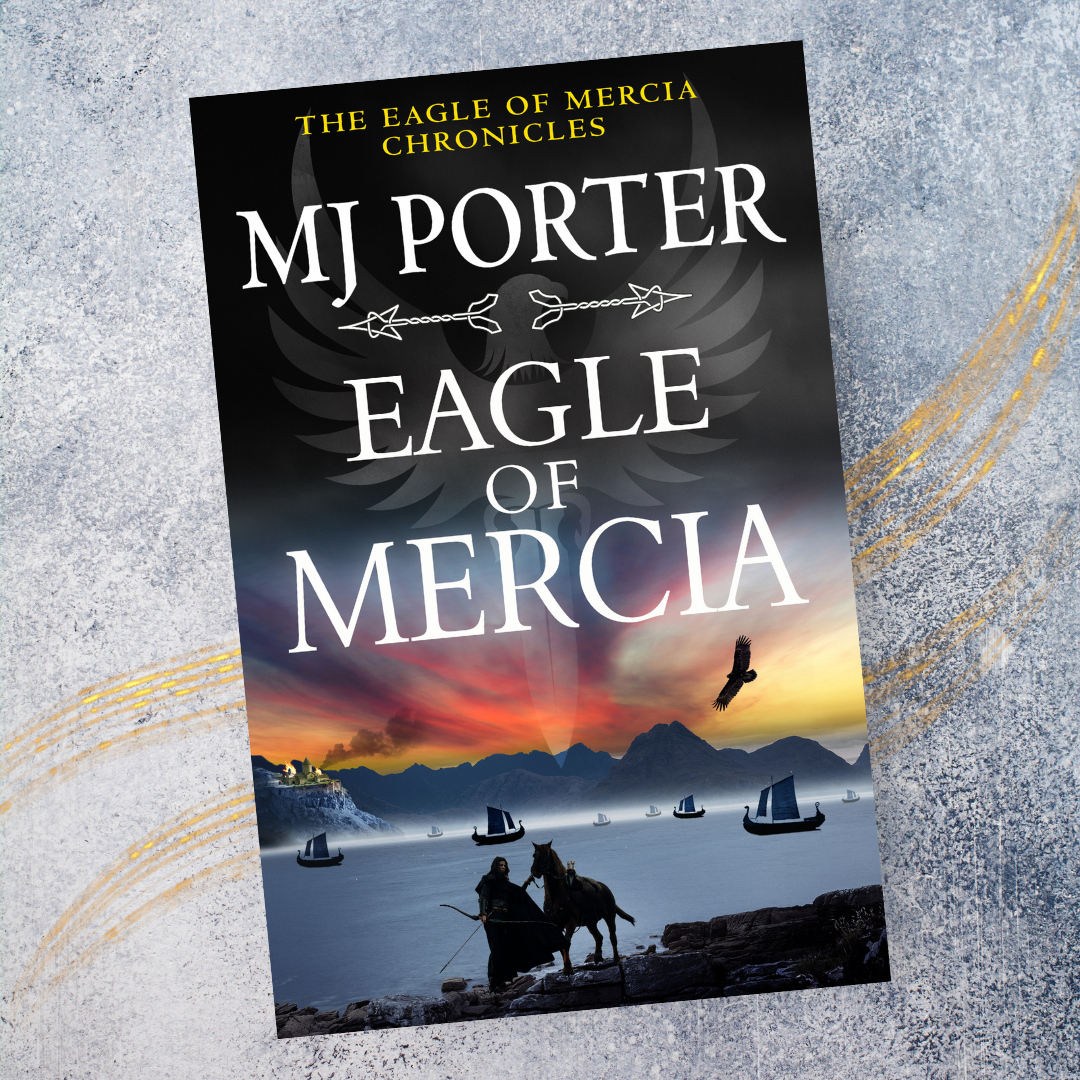
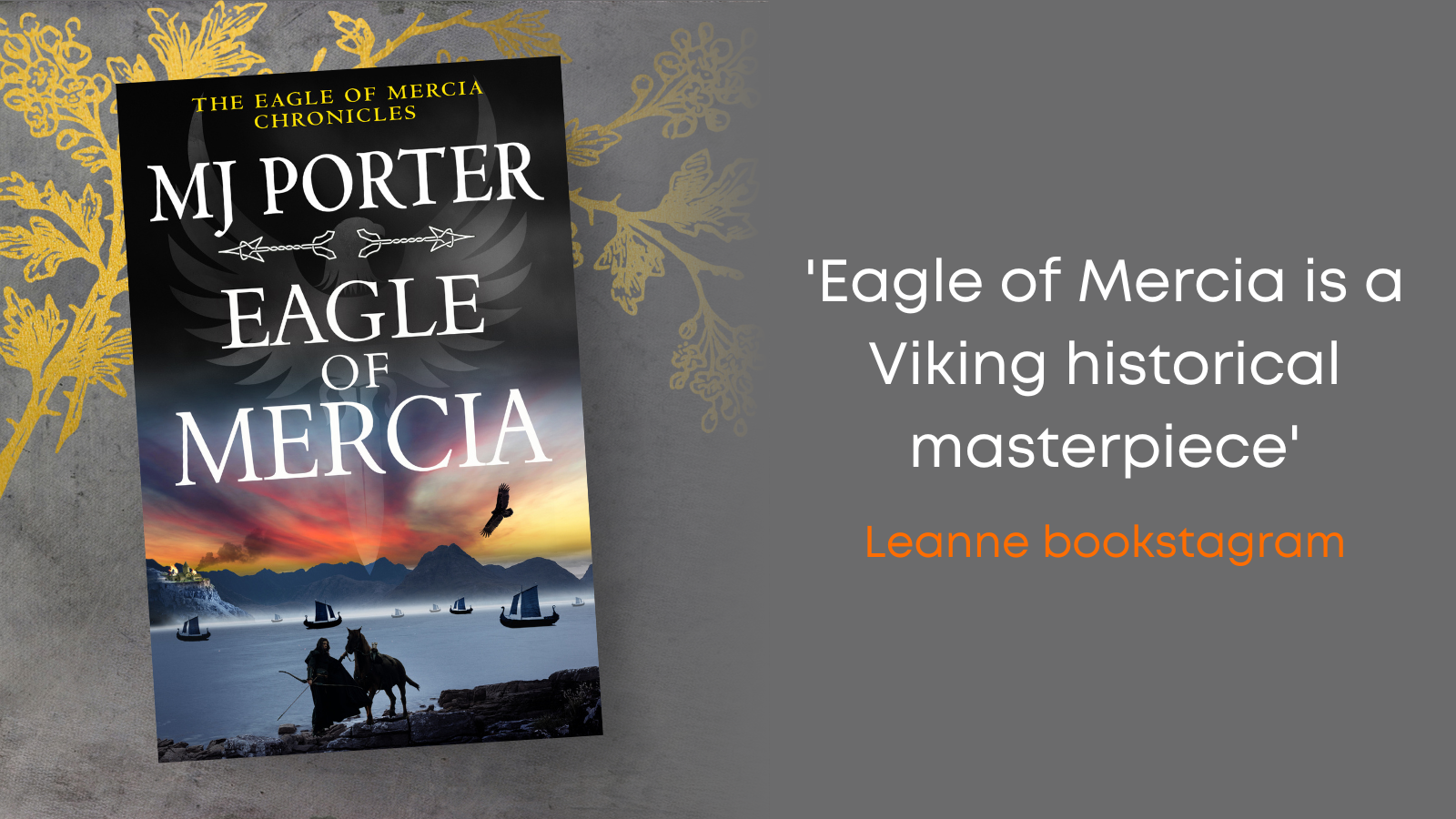
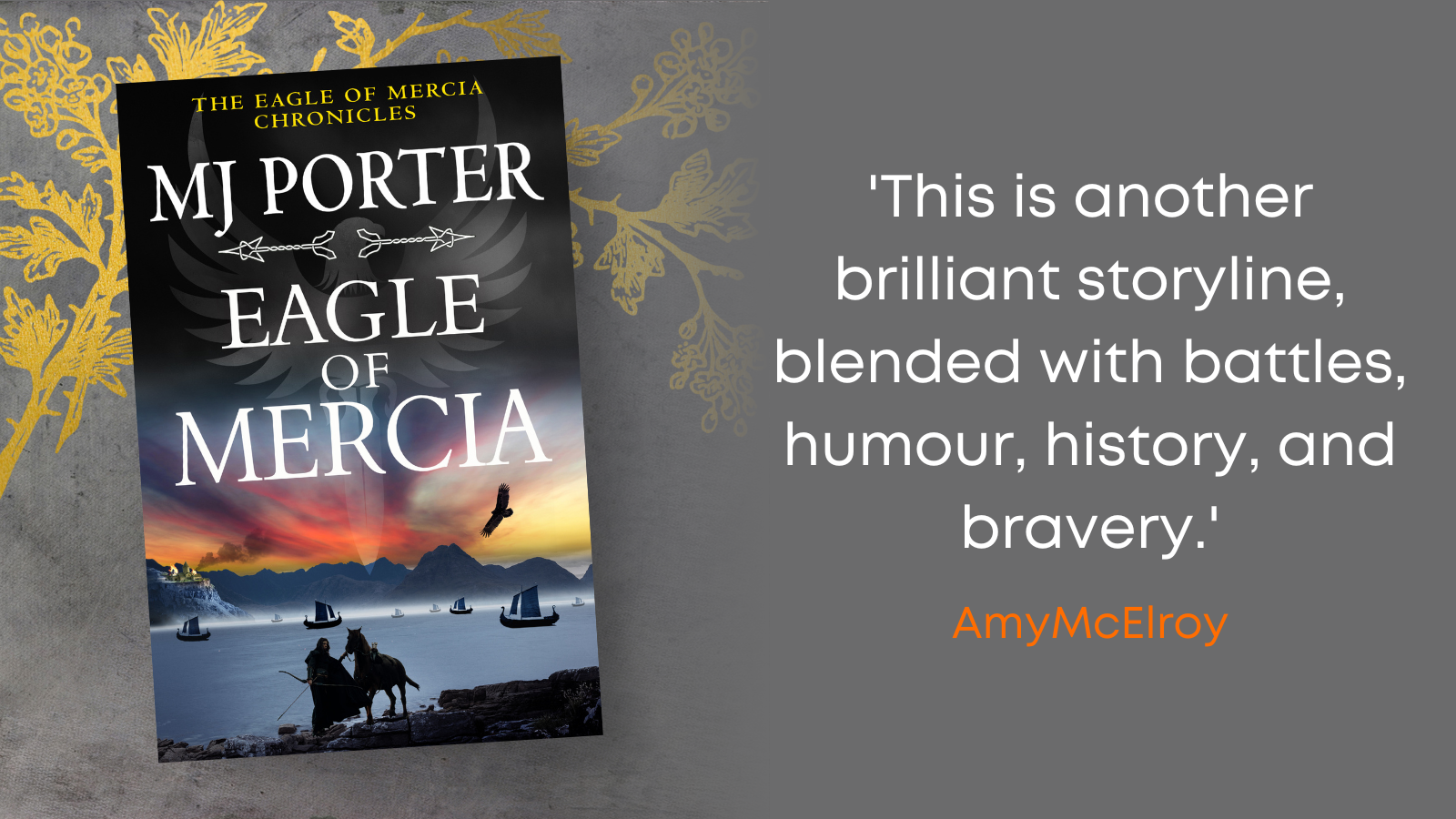
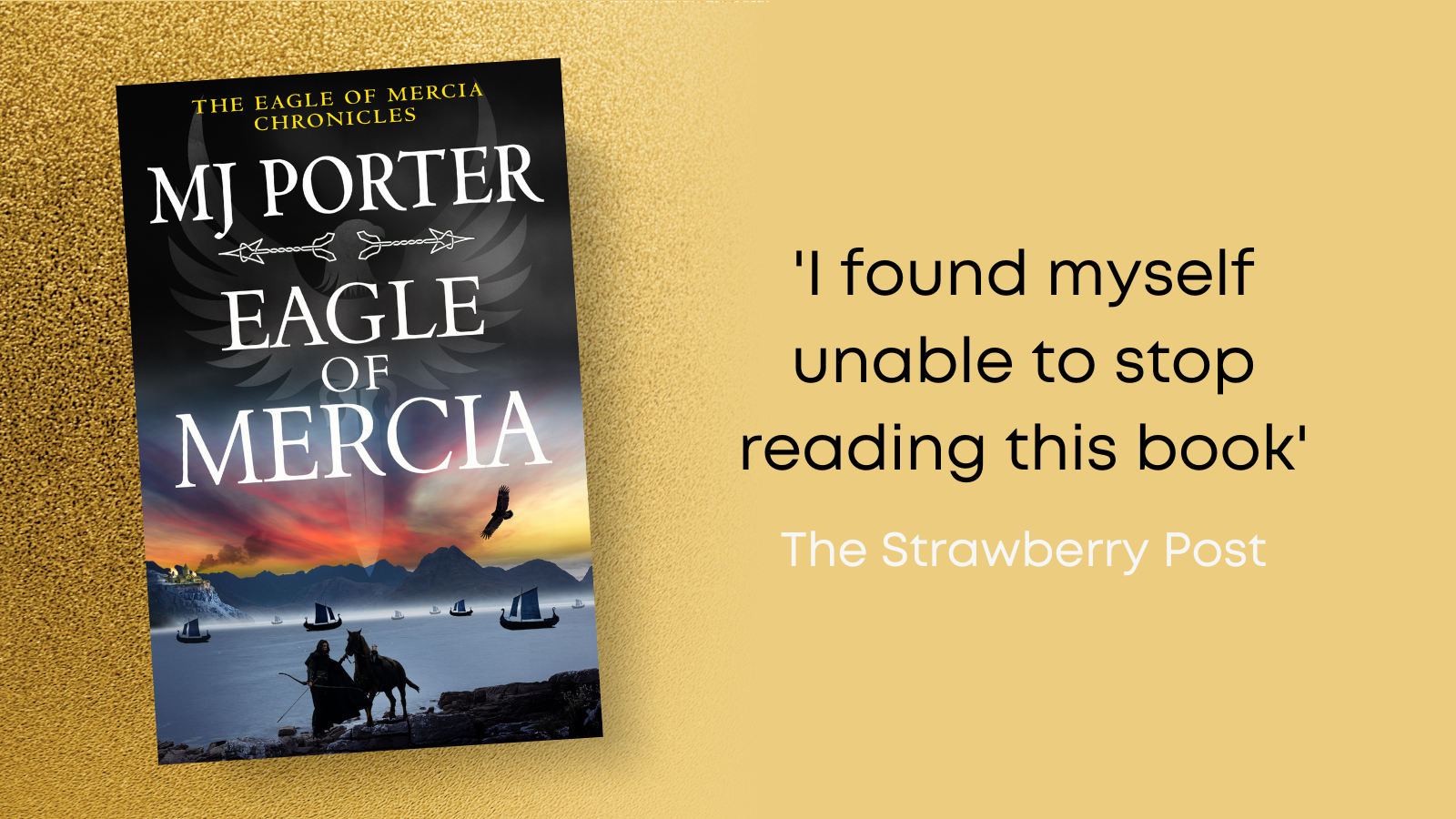
Today is the day, book 4 in The Eagle of Mercia Chronicles is released into the wild. I’m really excited about this one:) And I can’t believe we’re already onto book 4.
Here’s the blurb:
A mercy mission in the heart of Wessex is beset with deadly, bloody dangers.
Tamworth AD831
Icel’s profile continues to rise. Lord of Budworth and warrior of Mercia, he’s acknowledged by King Wiglaf and his comrades to keep Mercia safe from the ravages of Wessex, the king-slayer of the East Angles, and the Viking raiders. But, danger looms. Alongside Spring’s arrival comes the almost certain threat of the Viking raiders return.
When Lord Coenwulf of Kingsholm is apprehended by a Viking and held captive on the Isle of Sheppey in Wessex held Kent, Icel is implored by Lady Cynehild to rescue her husband.
To rescue Lord Coenwulf, Icel and his fellow warriors must risk themselves twice over, for not only must they overpower the Viking raiders, they must also counter the threat of Mercia’s ancient enemy, the kingdom of Wessex as they travel through their lands.
Far from home and threatened on all sides, have Icel and his fellow warriors sworn to carry out an impossible duty?
I can let you know that book 5 is mostly written, and I know the title and I’ve seen the cover – I know, I’m such a tease. I will update when I can share more.
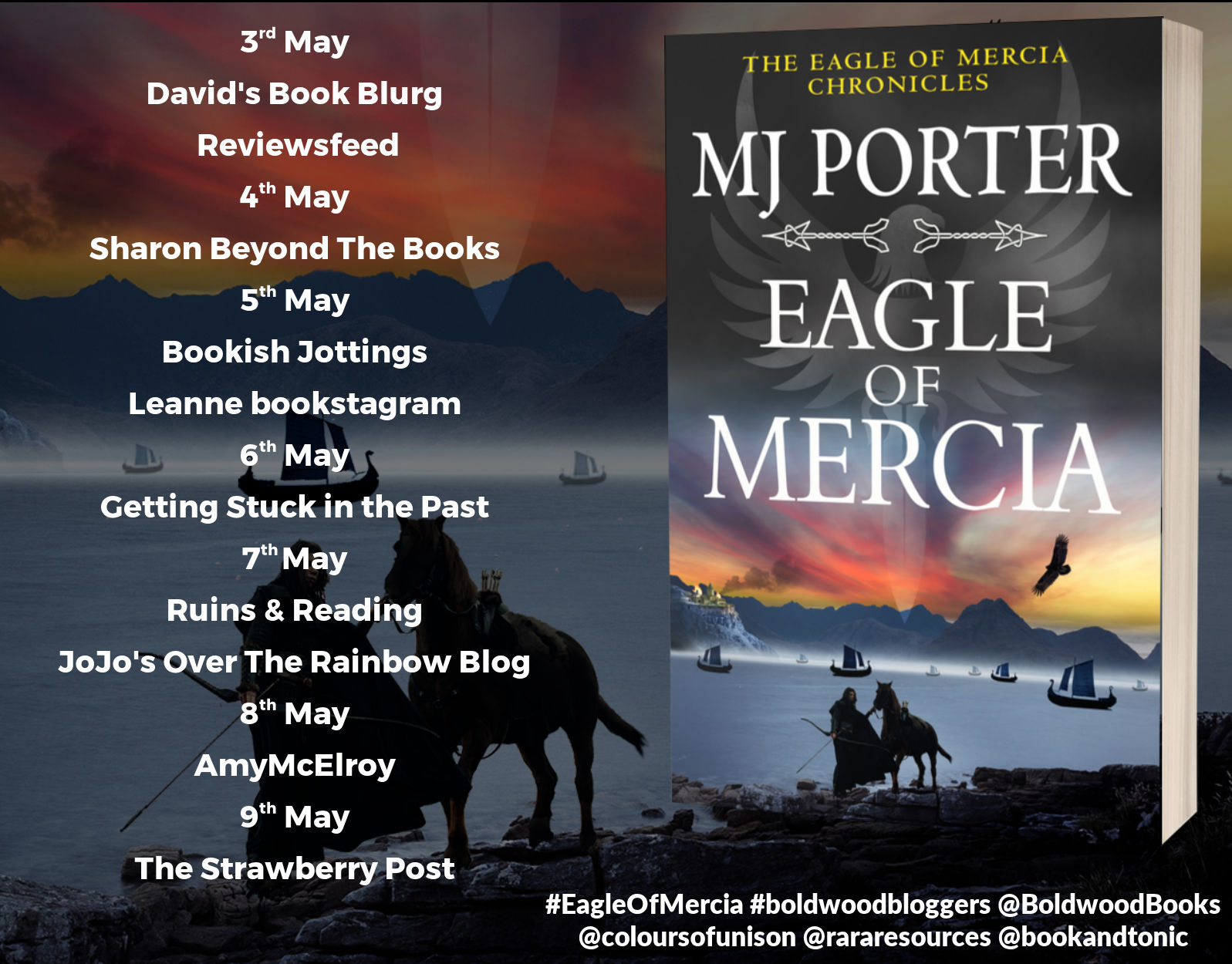
Check out the blog tour for Eagle of Mercia. My thanks to Rachel at Rachel’s Random Resources for organising and all the hosts for taking part. I will add the links each day. The initial reviews for Eagle are very positive, so I hope you’ll enjoy it too.
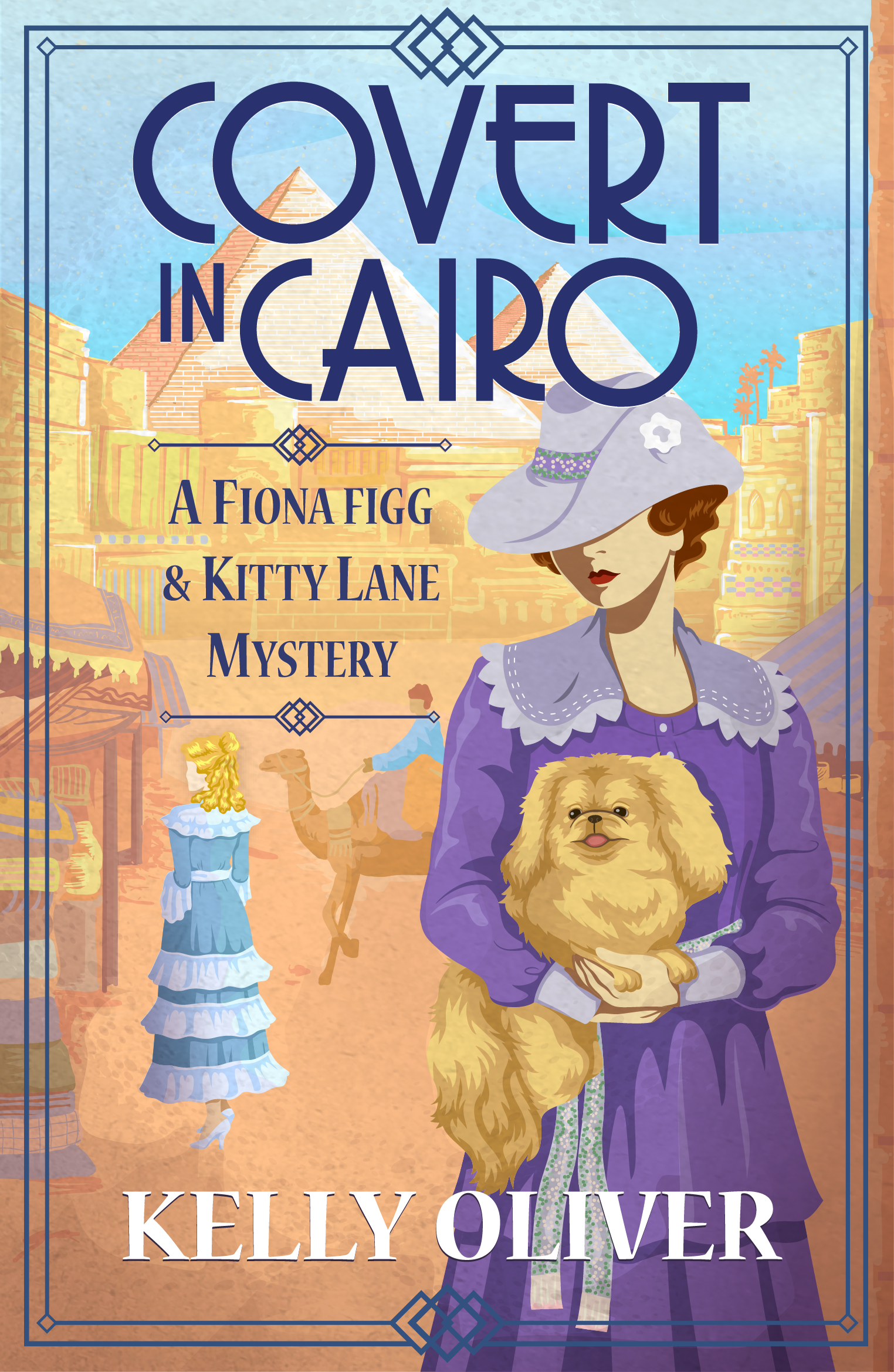
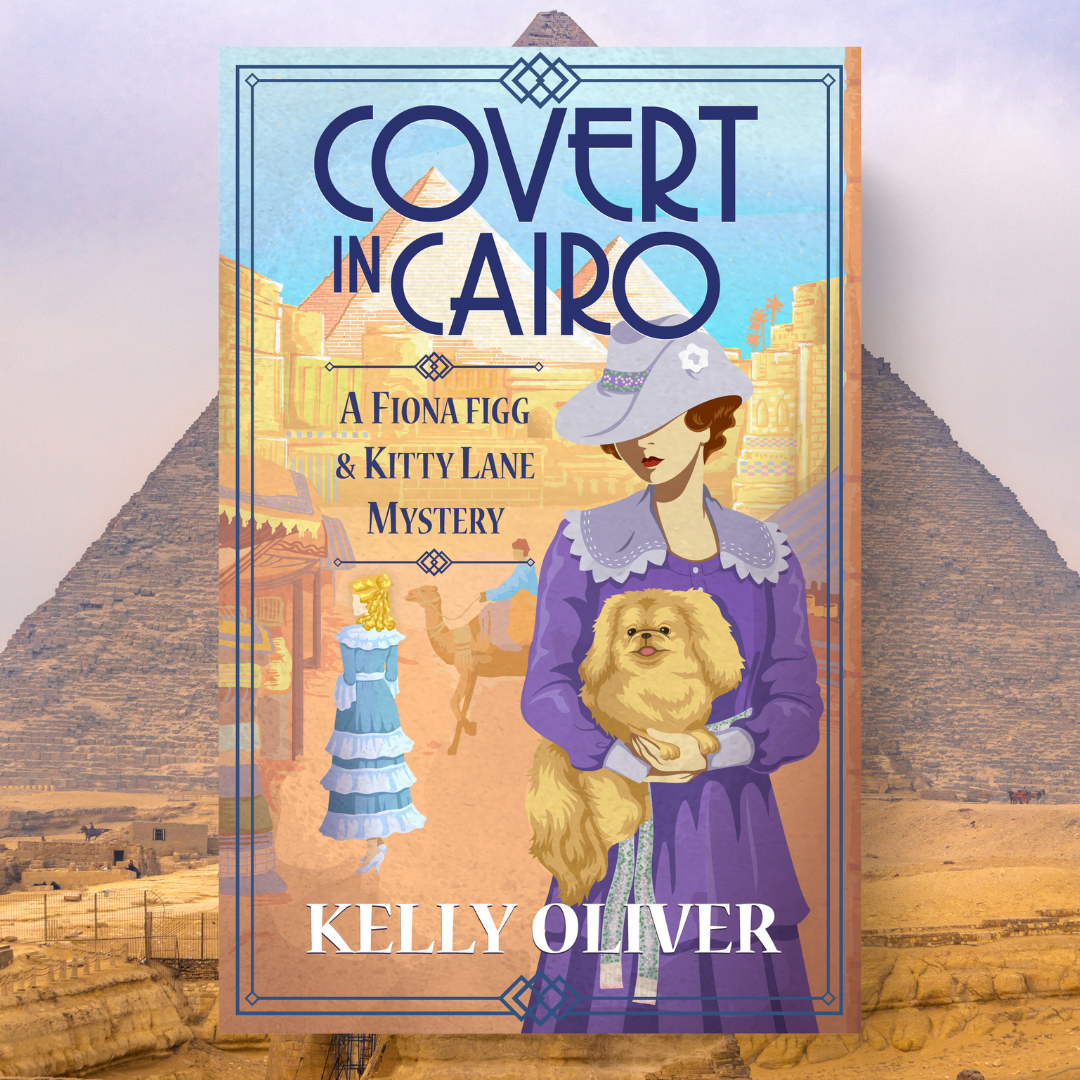
Following a tip-off from notorious spy Fredrick Fredricks, Fiona Figg and Kitty Lane of British Intelligence find themselves in the hustle and bustle of Egypt. But ancient mummies aren’t the only bodies buried in the tombs of Cairo.
When a young French archeologist is found dead in a tomb in the desert with his head bashed in, and an undercover British agent goes missing, the threat moves closer to home.
As they dig deeper, soon Fiona and Kitty uncover a treasure trove of suspects, including competing excavators, jealous husbands, secret lovers, and belligerent spies! Fiona wonders if the notorious Fredrick Fredricks could be behind the murders? Or is the plot even more sinister?
One thing is clear – If Fiona and Kitty can’t catch the killer, they might end up sharing a sarcophagus with Nefertiti.
With humor as dry as the Arabian desert, and pacing as fast as a spitting camel, Fiona and Kitty are back in another sparkling adventure, this time in WW1 Egypt.
Covert in Cairo is an enjoyable trip to Cairo in December 1917. Fiona Figg is on a mission to prevent the Suez Canal from being attacked, as she finds a Cairo overrun with British troops, very much a Britain away from home, complete with good tea and marmalade.
As in the previous book, Fiona Figg longs to make a name for herself and finally win free from the confines of being a file clerk at the War Office, but not everything goes her way. Kitty Lane is on hand to add her skills to the investigation, and Clifford, their chaperone, but really, a man with an eye for the ladies and very much embodying all that was wrong in the thinking of an early twentieth-century man, including thinking women were fragile, can add his skills as well, most notably being able to talk to anyone.
What ensues is a tale of murder, antiquities, camels and donkeys, night-time shenanigans, and an all-round good mystery.
An enjoyable jaunt to the Cairo of the past, including several well-known historical personalities, and ensuring that Fiona must continue her pursuit of an errant spy and, as such, win-free from returning to dreary London for the time being.
Check out my review for book 1 in the Fiona Figg and Kitty Lane Mystery books Chaos at Carnegie Hall
Meet the Author
Kelly Oliver is the award-winning, bestselling author of three mysteries series: The Jessica James Mysteries, The Pet Detective Mysteries, and the historical cozies The Fiona Figg Mysteries, set in WW1. She is also the Distinguished Professor of Philosophy at Vanderbilt University and lives in Nashville, Tennessee. She is bringing new titles in the Fiona Figg series to Boldwood, the first of which, Chaos in Carnegie Hall, will be published in November 2022.
I’m really excited to share the details of the Pagan Warrior blog tour with The Coffee Pot Book Club.
Pagan Warrior is the story of the battle of Hædfeld, fought in the seventh century between the Northumbrians, and you got it, the Mercians – or rather, Cadwallon of Gwynedd but with Penda of Mercia as his firm ally. You can find more details here.
I might have written this book many years ago, but it’s had a refresh, and is now available in audio, narrated by the fabulous, Matt Coles, as is the second book, Pagan King. Warrior King will be coming later this year in audio.
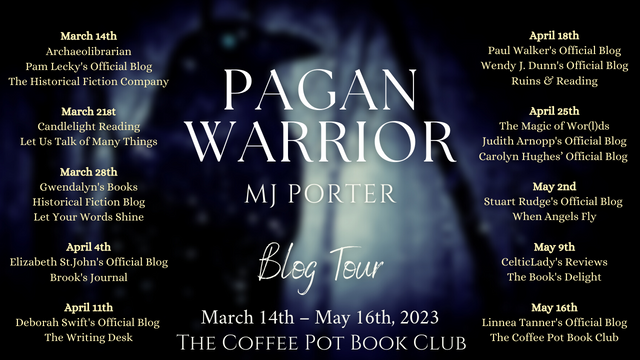
You can follow the blog tour, and I’ll be sharing posts here as well. A quick shout out to thank all the blog hosts and Cathie at The Coffee Pot Book Club for organising.
For April 25th, check out a post about Penda of Mercia.
And, the post that perhaps gave me the most fear to begin will but which was fun when I remembered all the little details, five fun facts about writing the trilogy.
For March 21st check out a post about two of the royal residences of Bernicia at the time, Bamburgh and Ad Gefrin (Yeavering). (There are lots of photos, thank you to Helen Hollick for uploading them all).