Author of Saxon historical fiction and non-fiction, 20th-century historical mysteries, and Norse-inspired historical romantasy. Book reviewer and blog host.
I’m sharing a snippet from Susan E Sage’s new novel, Dancing in the Ring.
Catherine stared at an oak tree outside the classroom window without seeing the young man on the branch staring back in at her.
That humid early September afternoon, she was preoccupied with the fact that in less than a year, at age twenty-five, she’d be one of only four women in her graduating class. That is, if she passed all her remaining classes at the Detroit College of Law. She’d done well until this point, but anything could happen. Her single hope: to someday soon wear the cap and gown.
Then Catherine noticed the most handsome man she’d ever seen smiling at her from a tree branch. The oak tree was right outside the window, so she could see his brown wavy hair, the cleft in his chin, and even a dimple on his cheek. He wore a straw boater hat and tipped it her way when he caught her noticing him. She knew he was a fellow student as she’d noticed him before in the hallways, and at a few lectures.
He almost took her breath away, not because he was there on the branch, but because he was so darn handsome. “Only Valentino could compare,” she’d later confide to Molly, her sister. She fanned her face when he persisted to stare at her. Throughout college, she’d prided herself on not having been much distracted by young men, but now she’d become a silly schoolgirl.
Somehow she knew he expected her to avoid his stare. Instead, she returned it. Five minutes left of class, so why not have a little fun? It was also the last day of classes for the term.
As Catherine predicted, he found it unnerving. He imitated an ape and began scratching his underarm. At this, she nudged a friend sitting next to her. “Joan, get a load of what’s outside on the tree branch!” Enjoying even more attention, he began making loud ape-like noises. Then he almost lost his footing.
Here’s the blurb:
Detroit in the 1920s proved to be the Paris of the West for many – including Catherine McIntosh and Robert Sage. These two law school students become as passionate about each other as they are their dreams.
From a poor family in the Detroit neighborhood of Corktown, Catherine learned early on, the necessity of being resilient. She becomes one of the first women in Detroit to obtain a law degree. Bob, the ‘battling barrister,’ boxes in order to pay for law school. Despite his gruff and tough-boy personality, my great uncle Bob was a friend to all: judges, cops, and even a couple members of the notorious Purple Gang. The couple becomes legendary in legal circles for their commitment to social justice causes – as well as notorious in the local speakeasies and dancehalls.
At first, their optimism seems boundless, as it had for so many following an era of trauma and challenges that include the 1918 flu pandemic. It isn’t long before their passionate courtship turns into a tempestuous marriage. Then the Great Depression hits and their lives are forever changed.
Buy Links:
This title is available to read on #KindleUnlimited.
Susan Sage has published three novels: Insominy (2015), A Mentor and Her Muse (2017), and Dancing in the Ring (2023). Her writing has appeared in various literary magazines and journals. She received her English degree from Wayne State University where she was a recipient of the Tompkins Award in creative writing.
Although a Detroit native, she has resided most of her adult life in Flushing, Michigan with her husband and two cats.
A few weeks ago, I was granted exclusive access to King Coelwulf.
A few weeks ago, I was granted exclusive access to King Coelwulf. Here’s what the enigmatic king of Mercia had to say.
King Coelwulf, thanks for allowing me entry into your stronghold at Northampton. It’s quite interesting to be at the heart of the Mercian defence against the Raiders. Now, can you tell me why people should want to read about you?
“Well, I’m not saying that they will. I mean, if they’re like me, then they probably don’t have time to be reading a story. I’ve got bodies to bury, Raiders to hunt down, and a kingdom to rule. I would tell anyone to spend their time more wisely than reading a book. That sort of thing is for the monks and the clerics, not warriors trying to defend a kingdom.”
Ah, well, in that case, thank you for finding the time to speak to me.
“I didn’t have much choice. Or rather, I was advised it would be a good use of my time, by my Aunt, Lady Cyneswith.”
Well, Lady Cyneswith is a wise woman, and I’m grateful that she’s encouraged you to speak to me.
“She is a highly intelligent woman. Braver than many men when it comes to the Raiders, and skilled when it comes to healing injuries of the body, as well as the mind.”
And her dogs have very interesting names, what was it again? Wiglaf and Berhtwulf, surely the names of old Mercian kings? Men who usurped the ruling line from your family?
“Oh really. I’d never realised. Funny, that.”
Ah, well, moving on, could you tell me about your books? I’m sure my readers would love to hear about it.
“Nothing to say really. Same old, same old. Raiders to evade, Raiders to find, Raiders to kill, a kingdom to keep whole. It’s a grand old bloody mess. I swear, I’ve barely managed to scrub the grime and body fluids from my sword and seax. Or rather, Wulfhere has. He’s a good lad. Quick on his feet. He’s one of my squires. Couldn’t do it without him.
That’s interesting that you should mention your squire, did you say? I wouldn’t have expected you to even know the lad’s name. After all, you are the king of Mercia, surely your squire is beneath you. Are there any more of your warriors you’d like to mention by name?
“Of course there are. I’d name them all if I had the time, which I don’t, just to make you aware. I’ve got to go to a crown-wearing ceremony shortly. But, I’ll mention a few, just to keep you happy. And you should know that no man is ever above knowing the names of those who serve him. Remember that.
But, I’ll mention some of my warriors by name. If only because it’ll infuriate some of them. Edmund, he’s my right-hand man, a skilled warrior, missing an eye these days, but it’s not stopped him, not at all. His brother, Hereman. Well, where do I start? Hereman does things no one would consider, in the heat of battle, and he’s a lucky b……. man, sorry, he’s a lucky man. And then there’s Icel. He’s lived through more battles than any of the rest of my warriors. I almost pity the Raiders who come against him. None of them live for much longer.
And Pybba. You know, he fights one handed now, and the Raiders seem to think he’s easy picking, but he’s not. Not at all. And, I can’t not mention Rudolf. He’s the youngest of my warriors, but his skill is phenomenal, not that you can tell him that. Cheeky b……, sorry cheeky young man. But, all of my warriors are good men, and we mourn them when they fall in battle, but more importantly, we avenge them all. All of them. No Raider should take the life of a Mercian without realising they’ve just ensured their own death.
Yes, I’ve heard that you avenge your men, with quite bloody means. And Edmund, there’s a suggestion that he’s a scop, a man who commits the deeds of the fallen to words? That fascinates me, as someone who also makes a living from using words.
“Well, Edmund has some small skills with words, but he honours our fallen warriors by weaving them into the song of my warriors. In fifty years, when we’re all dead and gone, our legend will live on, thanks to Edmund, and his words.
Can I ask you about Alfred, in Wessex? Have you met him? Do you think he’s doing a good job in keeping the Raiders out of Wessex?
“I’ve never met him. Couldn’t say either way. It’s not for me to comment on a fellow king. We’re all after the same thing. Kill the f……, sorry, kill the b……., sorry, kill the enemy. All of them, until Mercia is safe once more. And Wessex, if you’re from there.”
Well, it looks like you’re needed. Is that your crown?
“Yes, and now I need to go and perform some ceremonial task. It’ll take a long time, no doubt. Make sure you have an escort when you leave here. I wouldn’t put it passed the f……, sorry, the Raiders, to be keeping a keen eye on the bridge over the Nene.
Thank you for your concern, and yes, I’ll make sure I do. Good luck with the new book.
“I don’t need luck. I just need to kill all the b……., sorry, Raiders.
As you can tell, King Coelwulf was a very busy man. But I found him to be honourable and worthy of leading the Mercians against our persistent enemy. Long live the king.
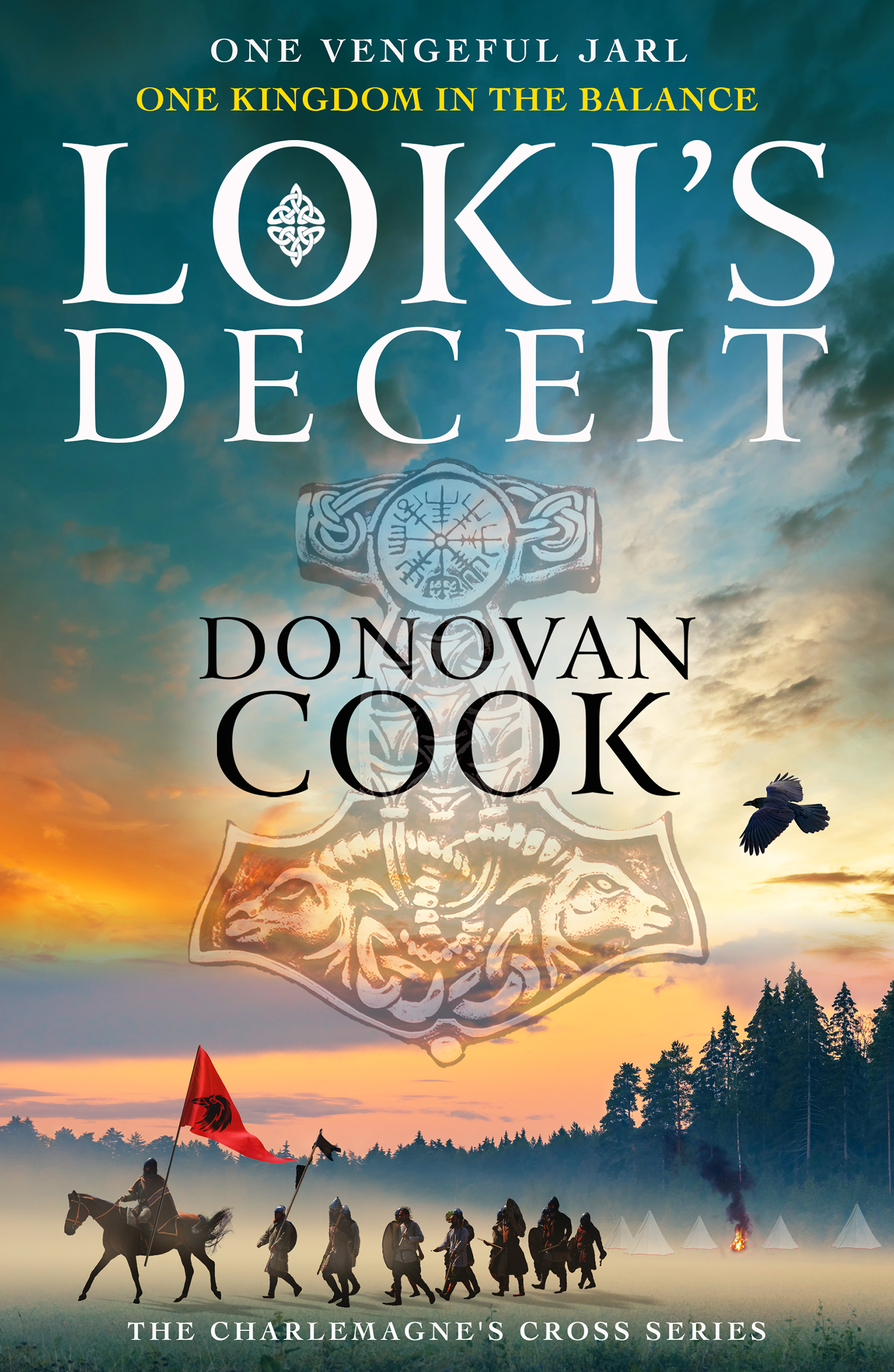
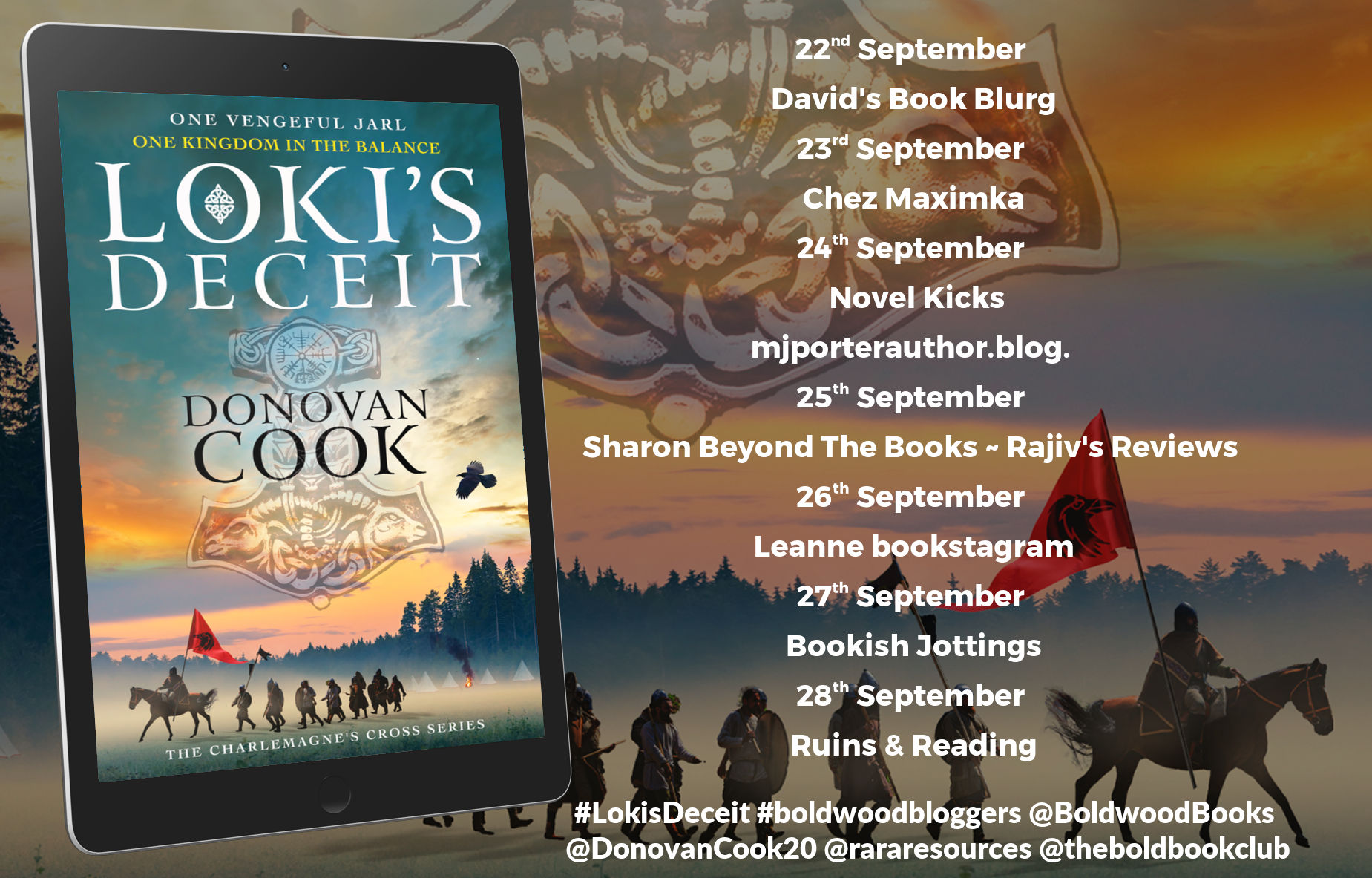
A challenger filled with vengeance. A kingdom’s fate at stake.
Sven the Boar is Jarl of Ribe once more. He and Charles try to settle into their new lives, but trouble and treachery are never too far away.
Tormented by recent events, Charles struggles to adapt to life amongst the heathens that mock his Christian God and the arrival of a priest from the south only makes things worse.
Meanwhile, Sven is burdened with the responsibilities of being Jarl again and protecting his grandson from those hunting him.
When forced into an alliance with King Horik’s nephew who is raising an army to challenge his uncle for the throne of Denmark, Sven makes an important decision.
As the threat of war becomes real, Sven rides to fight a battle that will change the destiny of Denmark.
But whilst he fights, will Charles remain safe or are other games in play that threaten him?
Loki’s Deceit is book 2 in the Charlemagne’s Cross Series. Check out my review for Odin’s Betrayal. Do you need to have read book 1? Probably, but I’m always happy to read books out of order, and you will certainly enjoy it if you do jump in now.
Loki’s Deceit begins almost immediately after the catastrophic events of Odin’s Betrayal. Charles and his grandfather, Sven, are still uncomfortable around one another, and neither of them is happy to find themselves in Ribe – Sven because he doesn’t relish being jarl once more, and Charles because he’s far from home and with no fellow Christians for friends.
We also have a few new points of view for Loki’s Deceit, that of Hildegard and that of Gerold. They add some of the richer background elements to the story, filling in the gaps for how the events of book 1 came about, for this is really a tale of impending war amongst the Danish jarls and their king, even while Charles and Sven battle their inner turmoils. Not only is their war, but conspiracy abounds wherever Sven and Charles turn. There are many characters that we shouldn’t trust and which Sven and Charles should also be mindful of, all bound up with their combined unease anyway. The settlement of Ribe is filled with men, women, and children who don’t like Charles at all or, indeed, his grandfather, the mighty Sven the Boar. There are many keen to take Sven’s position, and there are many who would welcome that.
For me, this felt very much as though this was more Sven’s story than Charles’. Not that we don’t get just as much Charles as Sven, but Sven is the warrior who will be forced to fight for his survival and that of his fellow warriors, while Charles is still not sure what he’s fighting for, although he is prepared to fight.
As with Odin’s Betrayal, the action continues until the last page, and I am looking forward to book 3.
Loki’s Deceit is a tale of loyalty, ambition, family, politics and religious divide, sure to appeal to fans of the era and historical fiction in general. It’s fabulous to read a series set (almost) entirely in Denmark.
Meet the author
Donovan Cook is the author of the well-received Ormstunga Saga series which combines fast-paced narrative with meticulously researched history of the Viking world, and is inspired by his interest in Norse Mythology
I’m delighted to welcome Heidi back to the blog with a post about her new novel, The London Forgery.
They say a historical novel takes place at least fifty years back in time. It has its setting in a certain period in history, and the author paints a picture with words of what it was like to live back then. That author must love research, must love history, must love delving into the sight, sounds, and smells of that time.
And what’s not to love about that? I have days when I probably spend more time on research than I do on the actual writing process. Because historical accuracy is important, right? It would be an anachronism to read about a cell phone in a 1960’s novel.
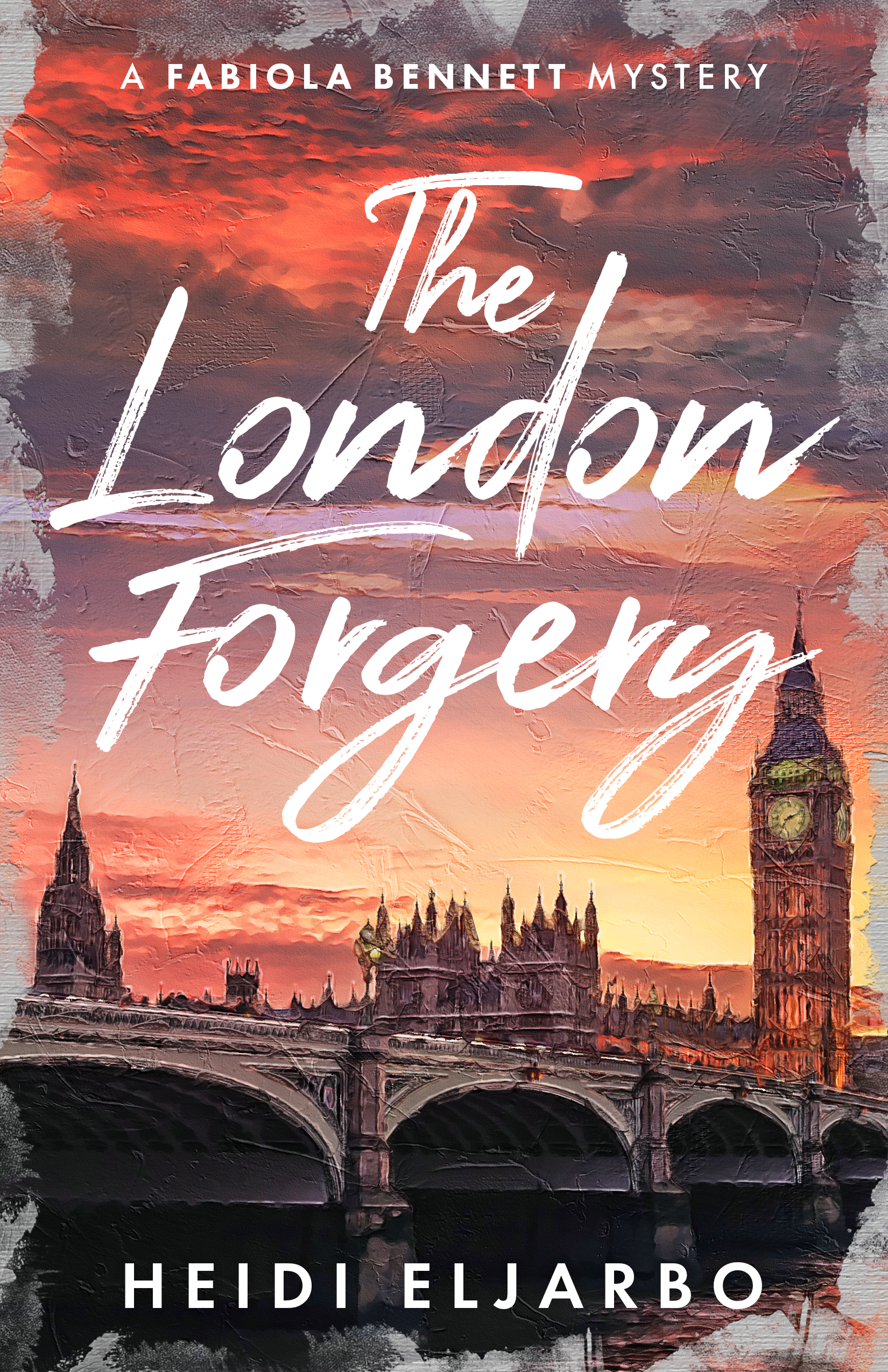
To make things even more complicated, I love dual-timeline novels. And I enjoy writing them. The London Forgery is such a novel. The main character, an art historian named Fabiola Bennett, has been asked to help solve an art mystery…a serious one…and there’s a problem at the National Gallery in London.
The year is 1973. Phew! Just enough years back in time to call it historical fiction. But back up a minute. I was in my early teens in 1973. I’ve lived a while, but don’t feel like I’m historical quite yet. But, oh, how fun it was to check the facts about everything from blue and white police cars to what year chocolate digestives came on the market. I went into my own memory bank when I did research for the main story, and I looked at old pictures. My sister was several years older than me and ruled the fashion of that decade. I can remember the long skirts and dresses I wore, my orange platform shoes, and listening to my favorite music. Back then, my bedroom had green walls and sported a bright-orange plastic lampshade. A small transistor radio tuned to Radio Luxembourg sat on the windowsill.
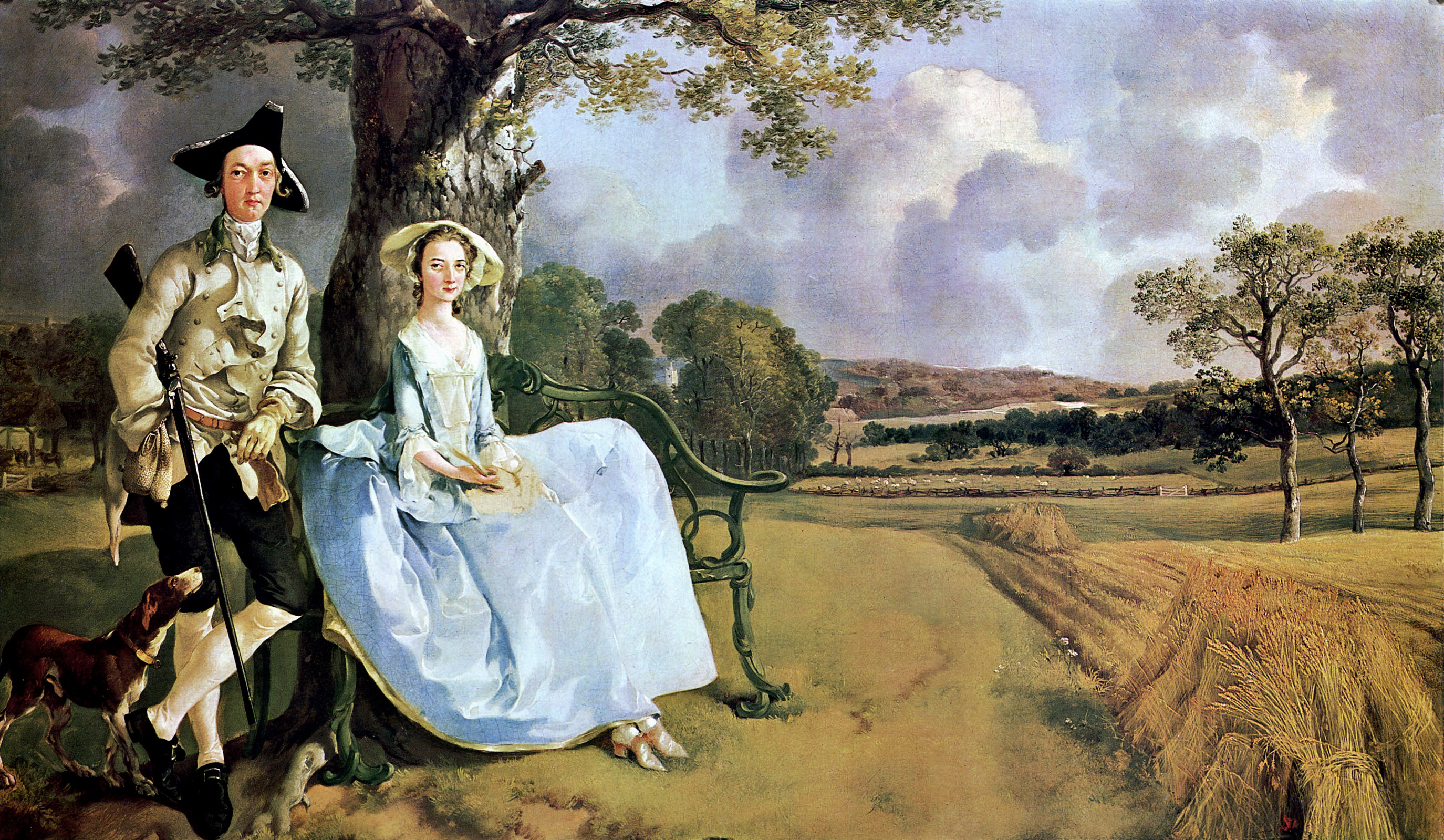
In The London Forgery, Fabiola rushes off to London. A mysterious note has been delivered anonymously at the door of the National Gallery, and the director needs her help. The message is confusing, but it seems one of her favorite eighteenth-century portraits is in trouble. As always, Fabiola will take too many risks as she tries to solve the mystery involving the British artist Thomas Gainsborough and his 1750 portrait called Mr. and Mrs. Andrews.
But what about the other story? I mentioned The London Forgery is a dual-timeline novel. Each of the books in this series will have a secondary story about a famous artist—a story that blends in with the main theme of the book.
Writing about Gainsborough and his love for his wife, the process of painting the famous masterpiece, and the young sitters Robert and Frances Andrews was pure joy. There’s much information about these two couples. I listened to lectures about them, read umpteen articles, and studied the beautiful painting.
Mr. and Mrs. Andrews now hangs upstairs in room thirty-five in the National Gallery on Trafalgar Square in London. Go see it if you can. It’s worth the trip.
Take care, Heidi Eljarbo
Here’s the blurb
1973. Art historian Fabiola Bennett sees herself as a prudently observant deer who becomes a daring and even mischievous lioness if the situation calls for it. And that’s exactly what’s required when greedy criminals steal, forge, and tamper with treasured artwork. When the crooks add murder to their list of crimes, the chaos is complete.
A mysterious note is delivered anonymously at the door of the National Gallery in London, and the director immediately calls Fabiola’s office in Oslo and pleads with her to come without delay. The message is confusing, but it seems one of her favorite eighteenth-century portraits is in trouble.
Fabiola hops on the first plane and meets up with her vibrant side-kick Pippa Yates and the ever-loyal Detective Inspector Cary Green from New Scotland Yard. But she is not naïve enough to think untangling the purpose and meaning of the mysterious note will be as simple as a walk in Hyde Park. These things never are.
1750. Newly married Robert and Frances Andrews, members of the landed gentry of Suffolk, England, hire young and talented Thomas Gainsborough to paint their wedding portrait. Their desire is a lovely conversation piece showing their wealth and class, an artwork to remember them by for generations to come.
Little do they know the gifted artist portrays their personalities exactly how he perceives them, and the artistic symbolism is not as flattering as they’d hoped for. Even the looming clouds in the distance promise a troublesome future.
This is the first book in a new dual timeline series by Heidi Eljarbo—an intriguing spin-off from the much-loved Soli Hansen Mysteries.
Fans of Lucinda Riley, Rhys Bowen, Kathleen McGurl, Kate Morton, and Katherine Neville will love this cozy historical art mystery, which takes the readers back to the nostalgia of the groovy seventies and the classical Georgian era of the eighteenth century.
Heidi Eljarbo is the bestselling author of historical fiction and mysteries filled with courageous and good characters that are easy to love and others you don’t want to go near.
Heidi grew up in a home filled with books and artwork and she never truly imagined she would do anything other than write and paint. She studied art, languages, and history, all of which have come in handy when working as an author, magazine journalist, and painter.
After living in Canada, six US states, Japan, Switzerland, and Austria, Heidi now calls Norway home. She and her husband have fifteen grandchildren—so far—in addition to a bouncy Wheaten Terrier.
Their favorite retreat is a mountain cabin, where they hike in the summertime and ski the vast, white terrain during winter.
Heidi’s favorites are family, God’s beautiful nature, and the word whimsical.
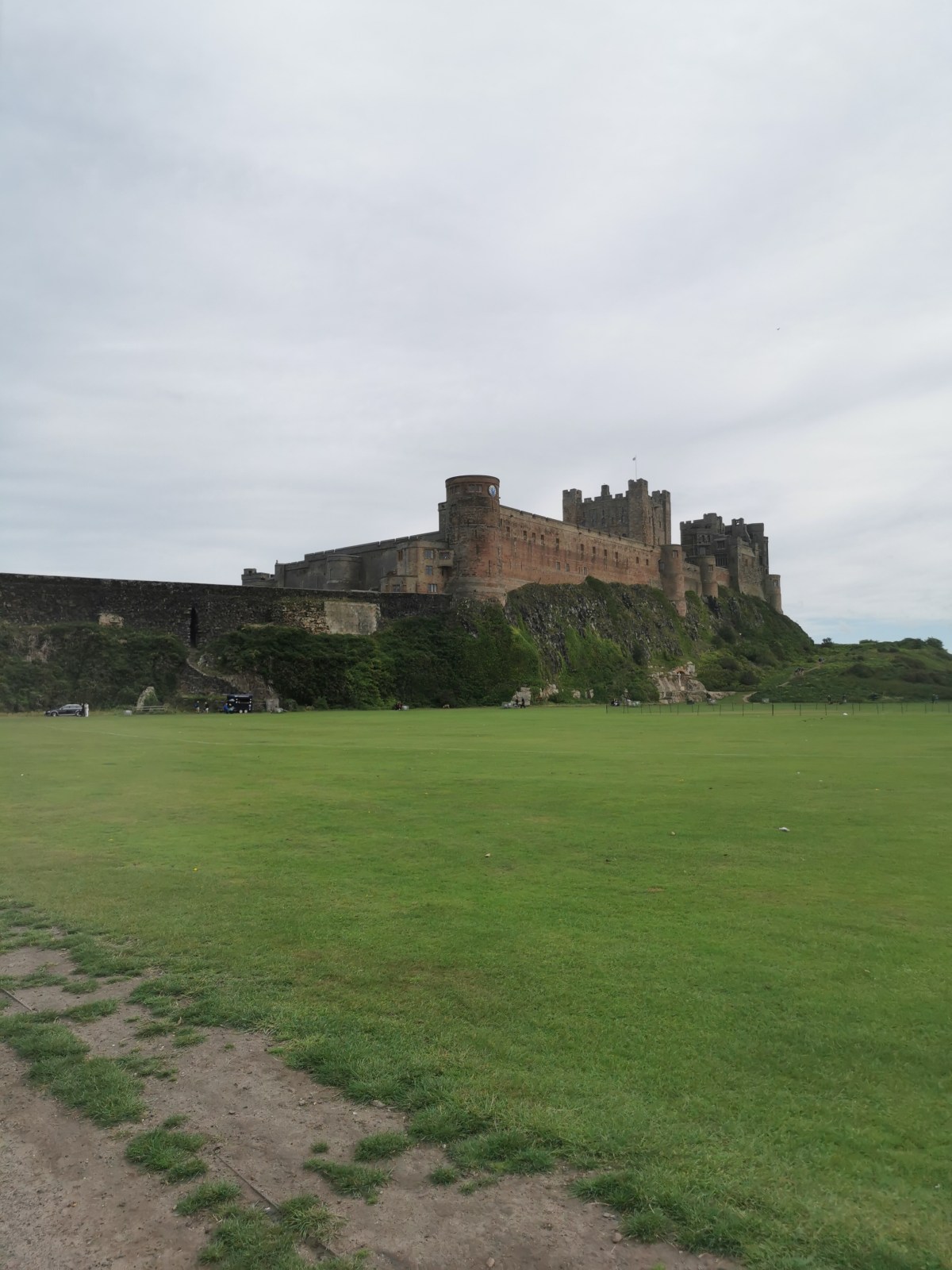
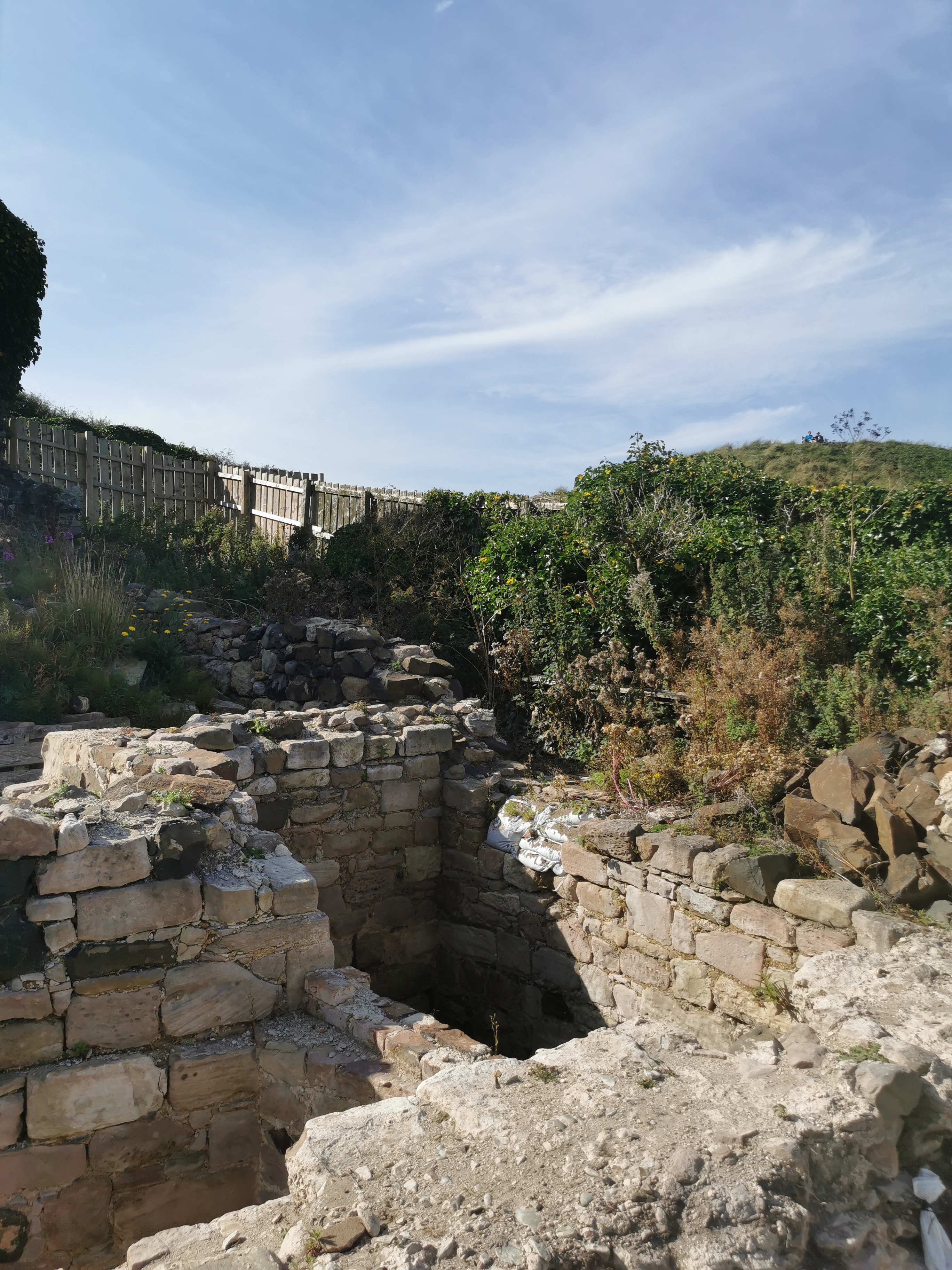
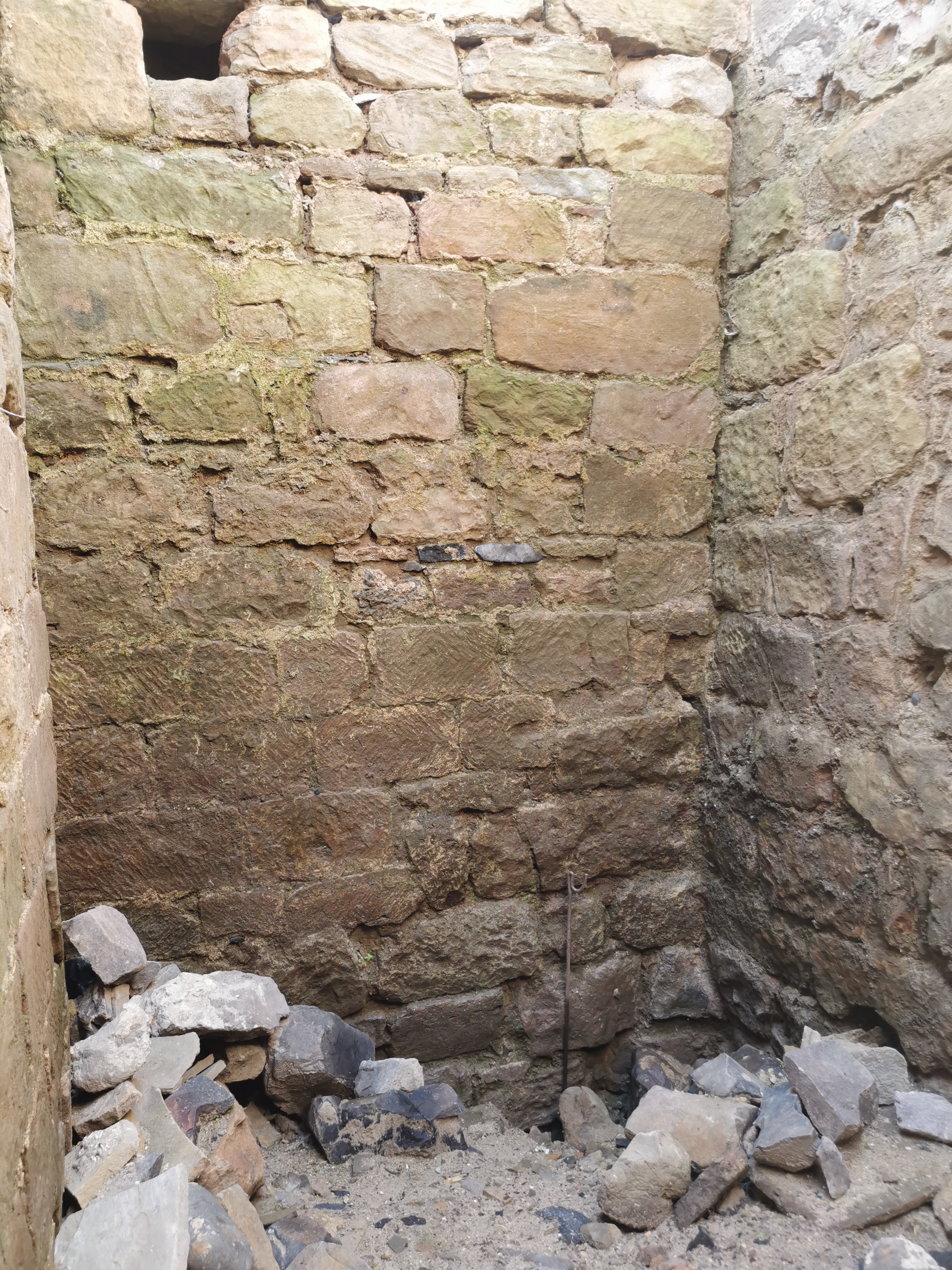
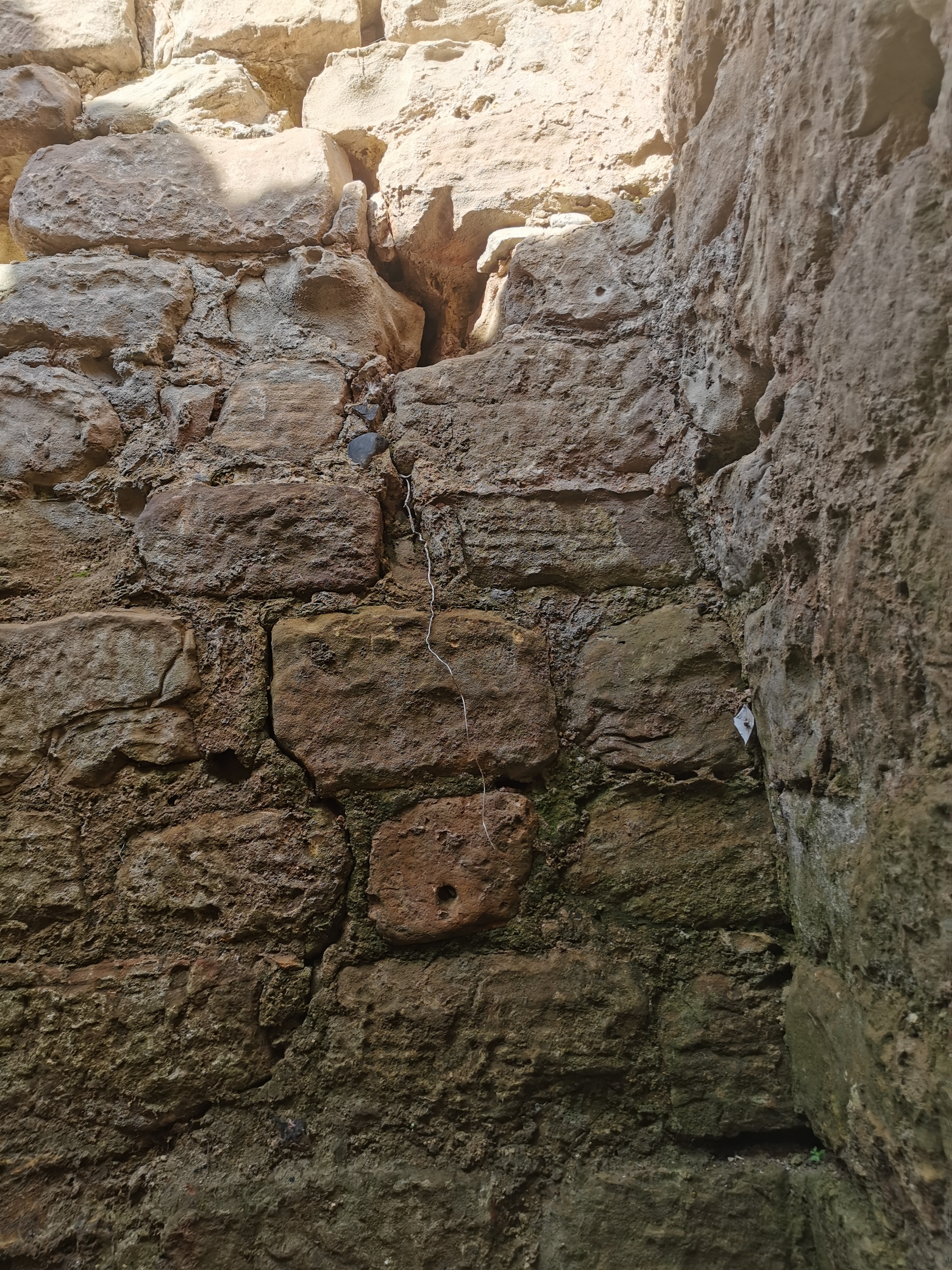
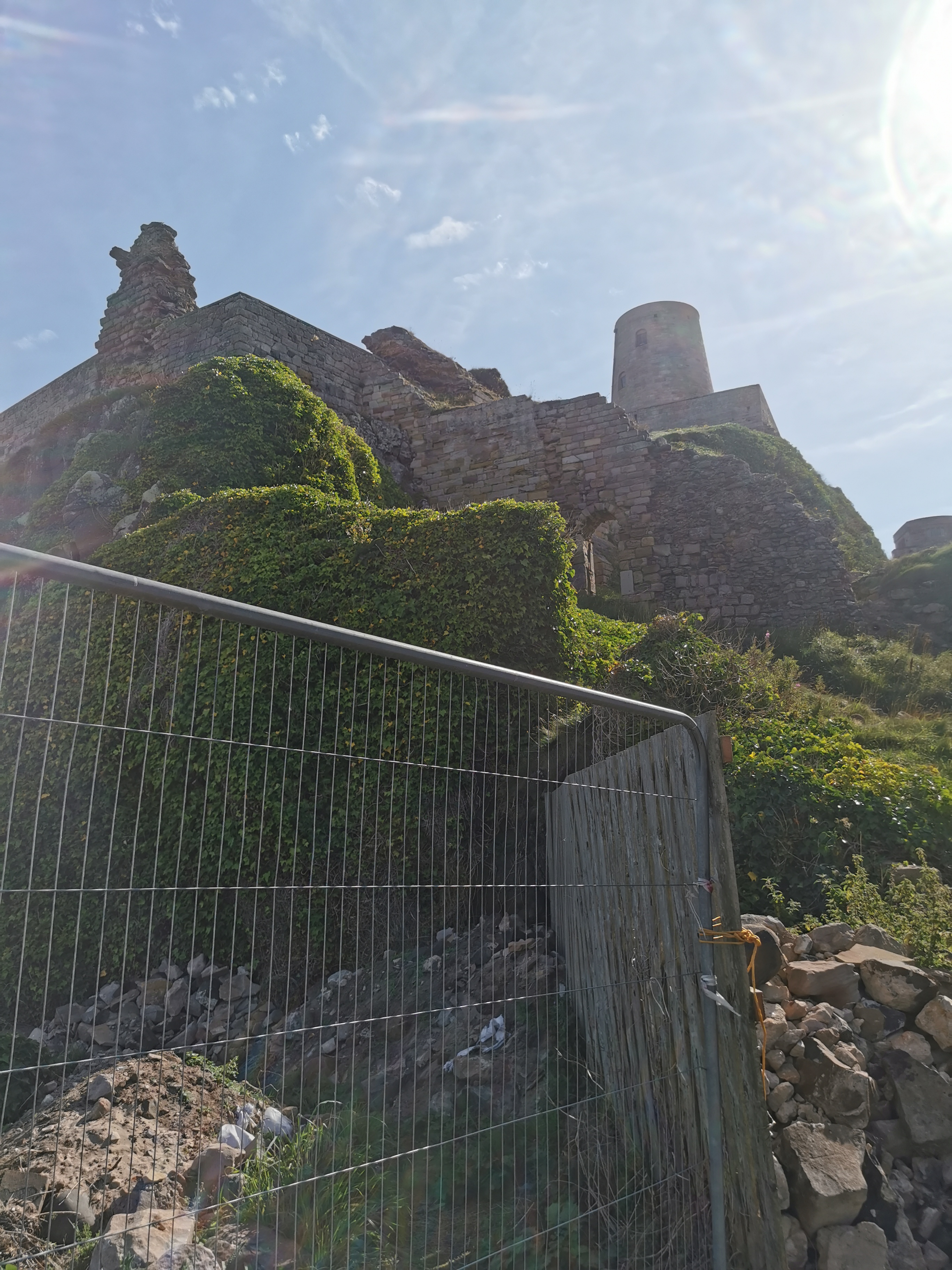
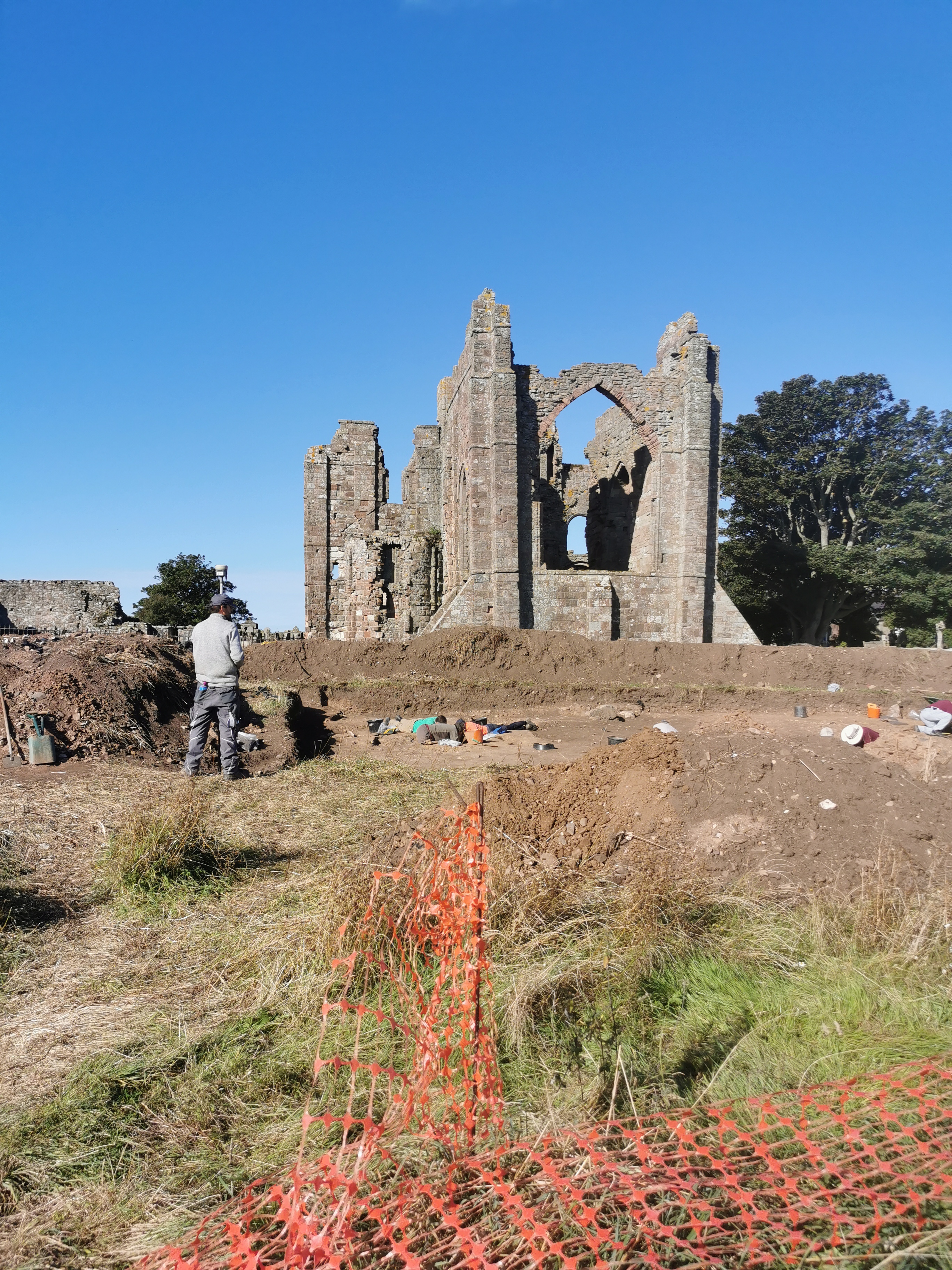
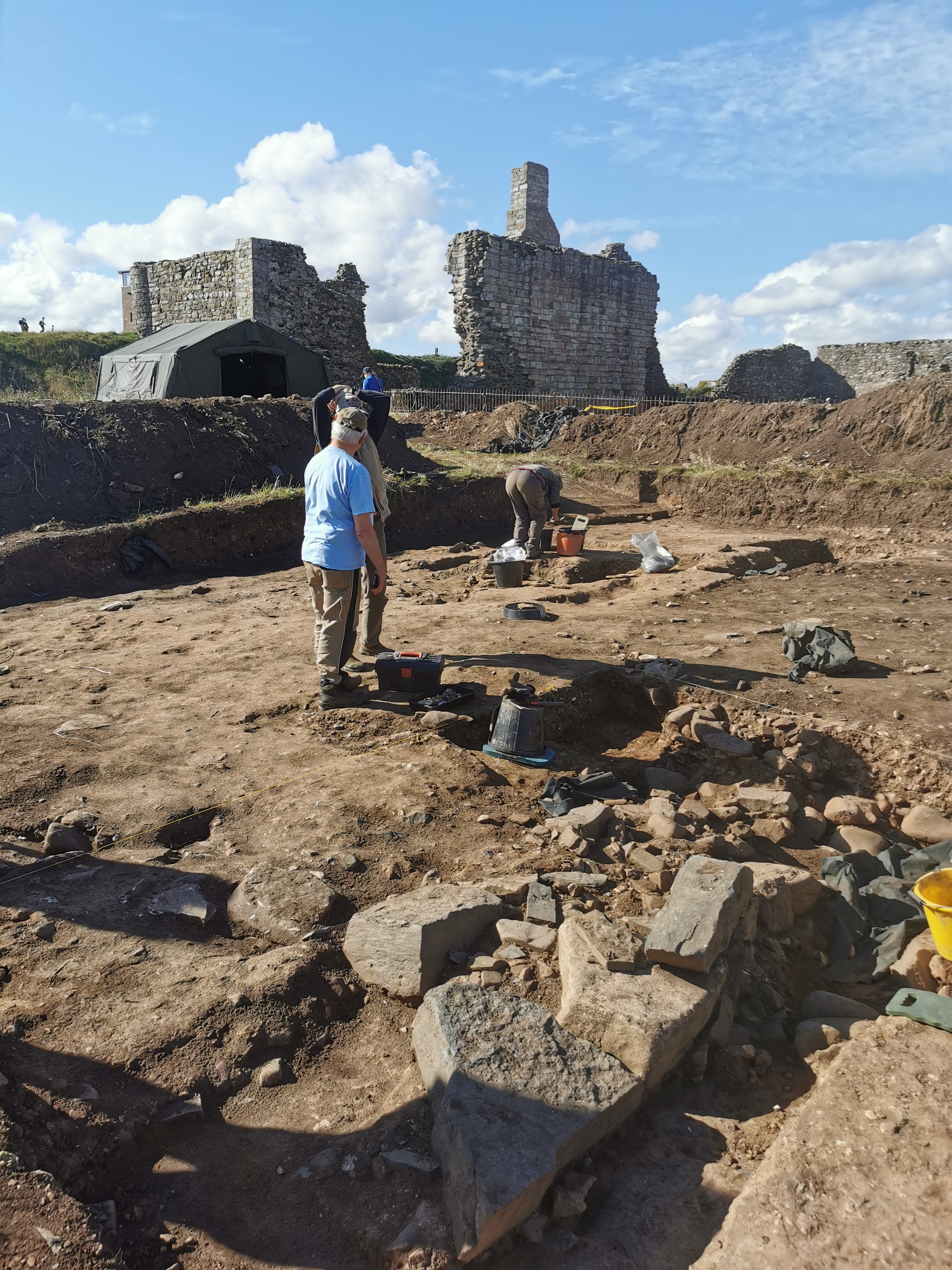
If you’ve not heard of the Bamburgh Research Project then WHERE HAVE YOU BEEN, no I jest. It’s fine if you’ve not heard of them. Briefly, because you can check out their blog for all the details, they’ve been excavating at Bamburgh Castle in Northumberland for about twenty years – maybe a little bit longer. Their most famous finds were the Bamburgh Bones, discovered in the Bowl Hole, and now reinterred in St Aidan’s Church, in a crypt, in an ossuary, and there is an entire database about the individuals, and what their lives might have been like in seventh century Northumbria. It is certainly worth checking out. I mean, as a historical fiction writer, there is a lot of scope for a fabulous story there.
But the BRP aren’t just all about bones. They’ve also been trying to rediscover the secrets of Bamburgh Castle, a rocky outcropping on the Northumbrian coast, which shows signs of habitation dating back into the Iron Age. Now, they are a field school so volunteers can sign up to help them with the excavations, but this year they offered something else, a post-excavation week, which is much more my sort of thing. (I have excavated elsewhere, but I don’t much like getting dirty hands, so it was not much fun for me – I’m most certainly a ‘sit down’ and read the excavation report sort of historian.)
So, I thought I’d share what I’ve been up to all week, and what I’ve been learning.
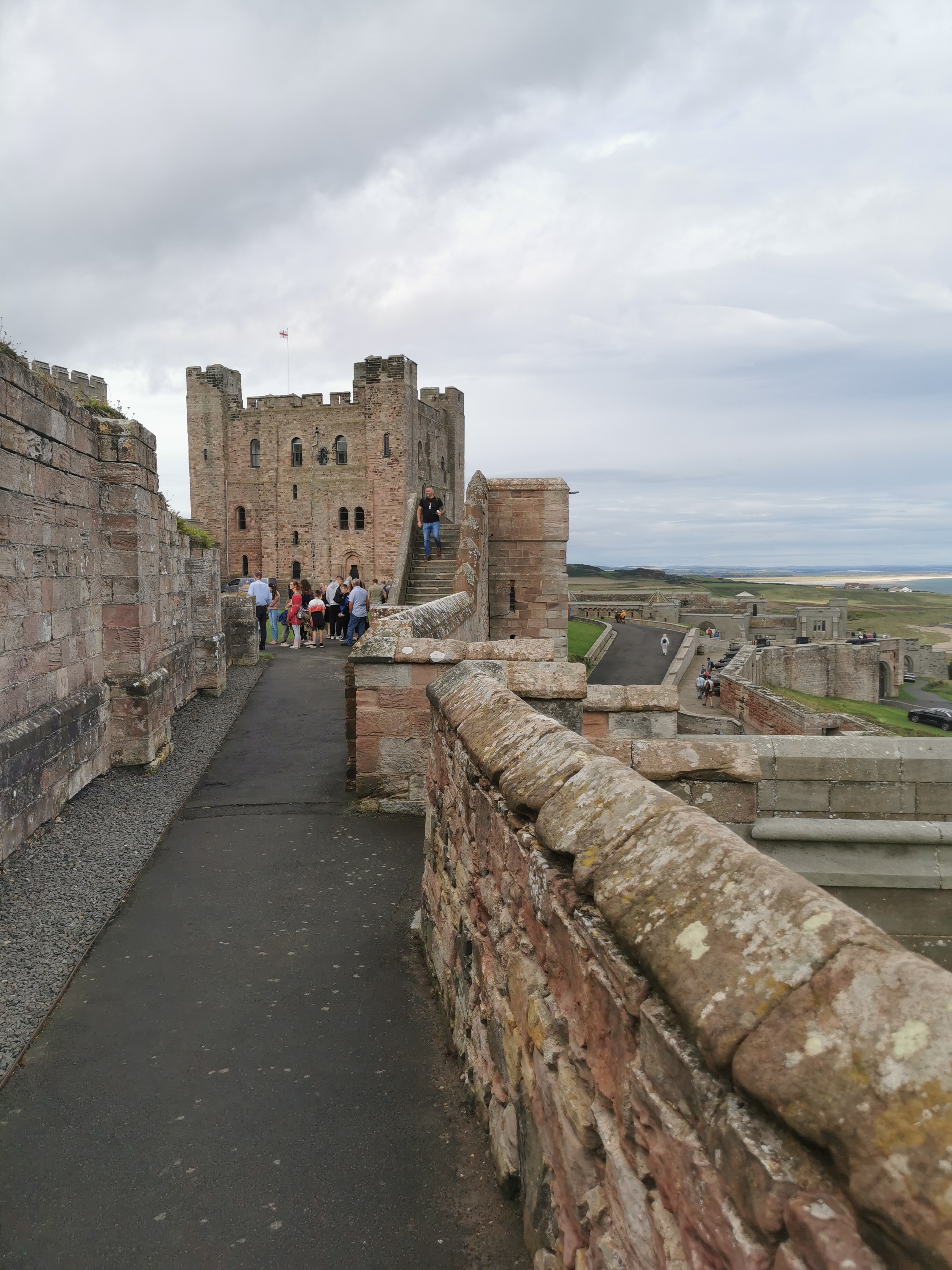
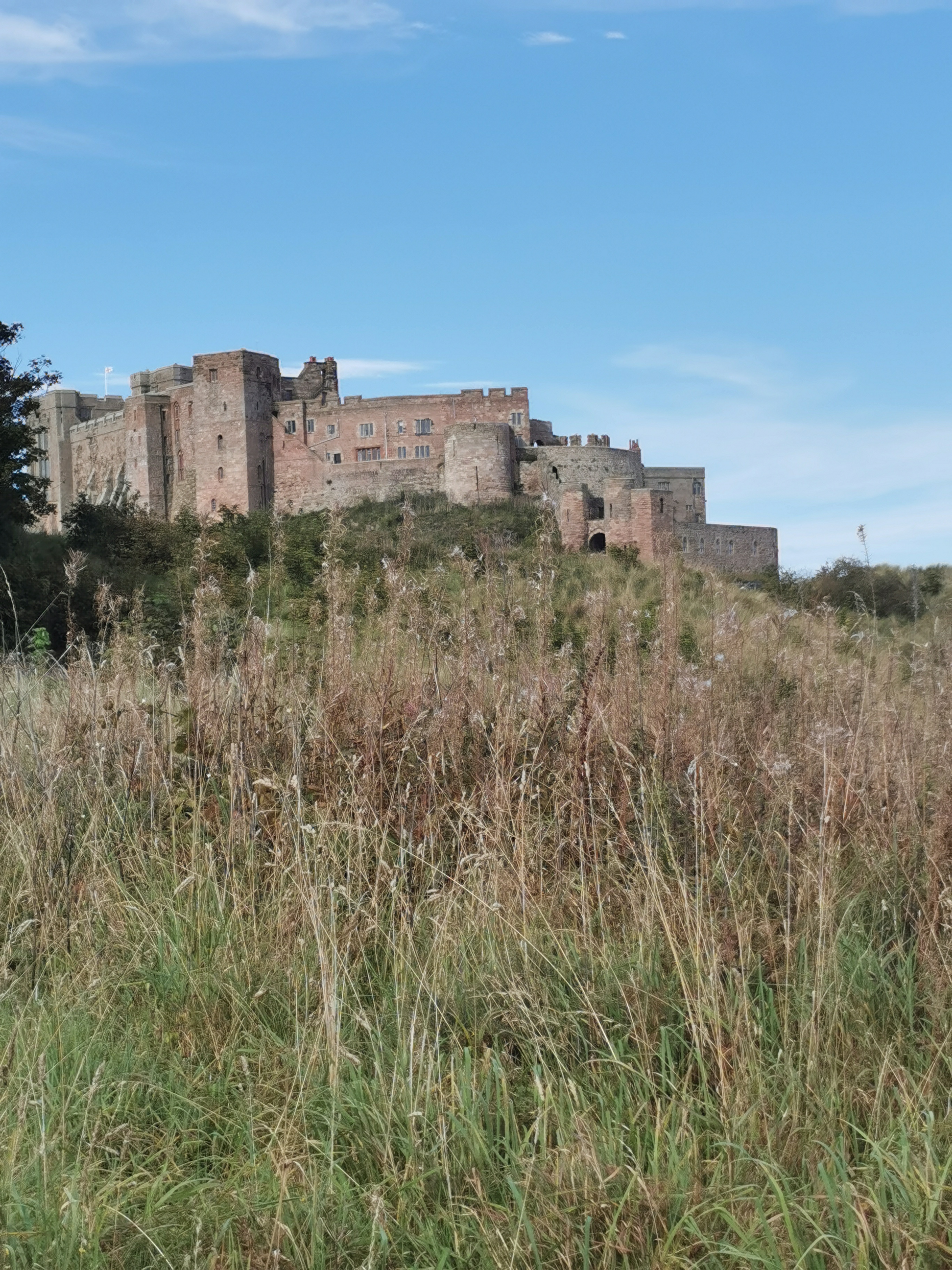
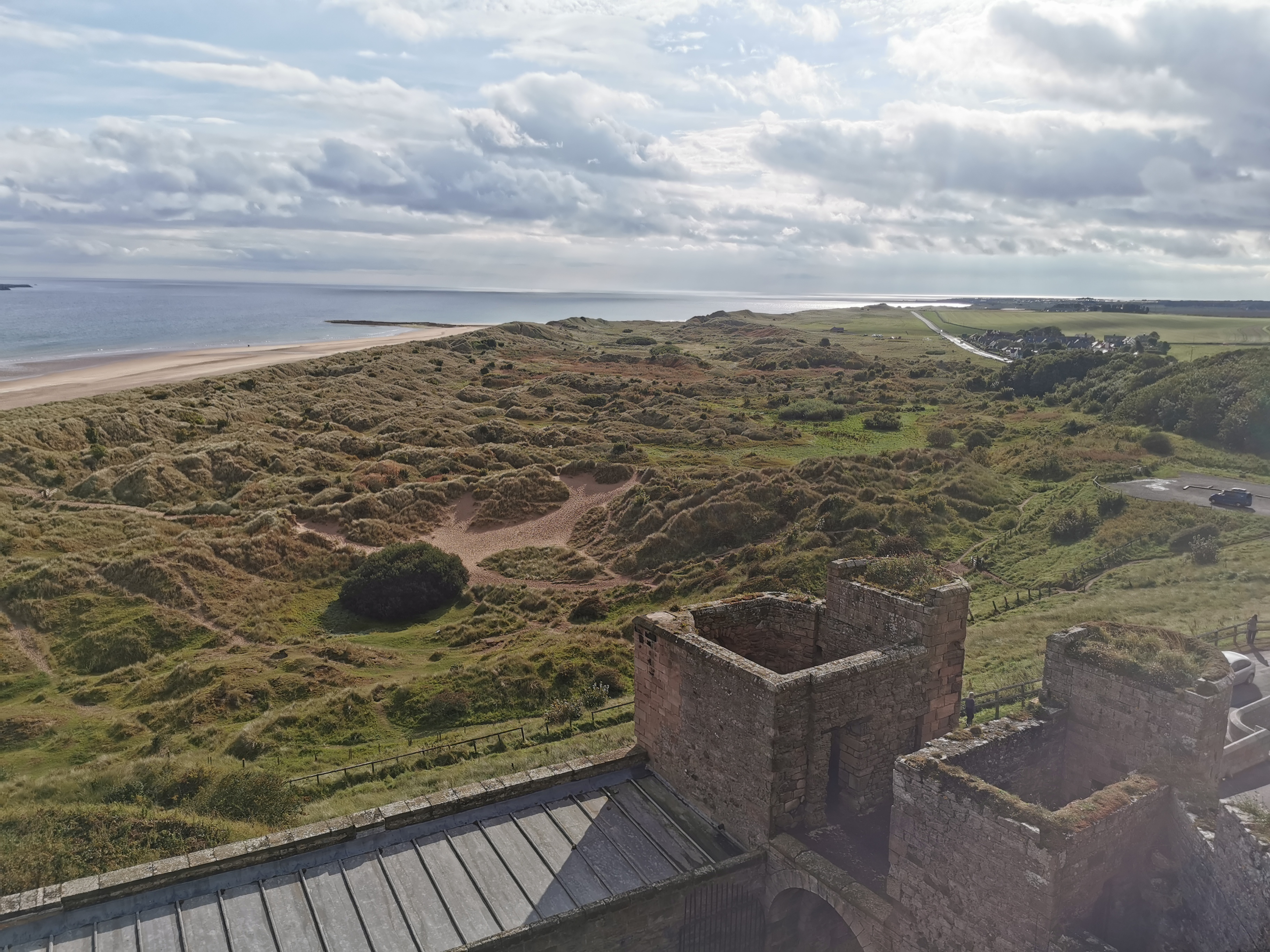
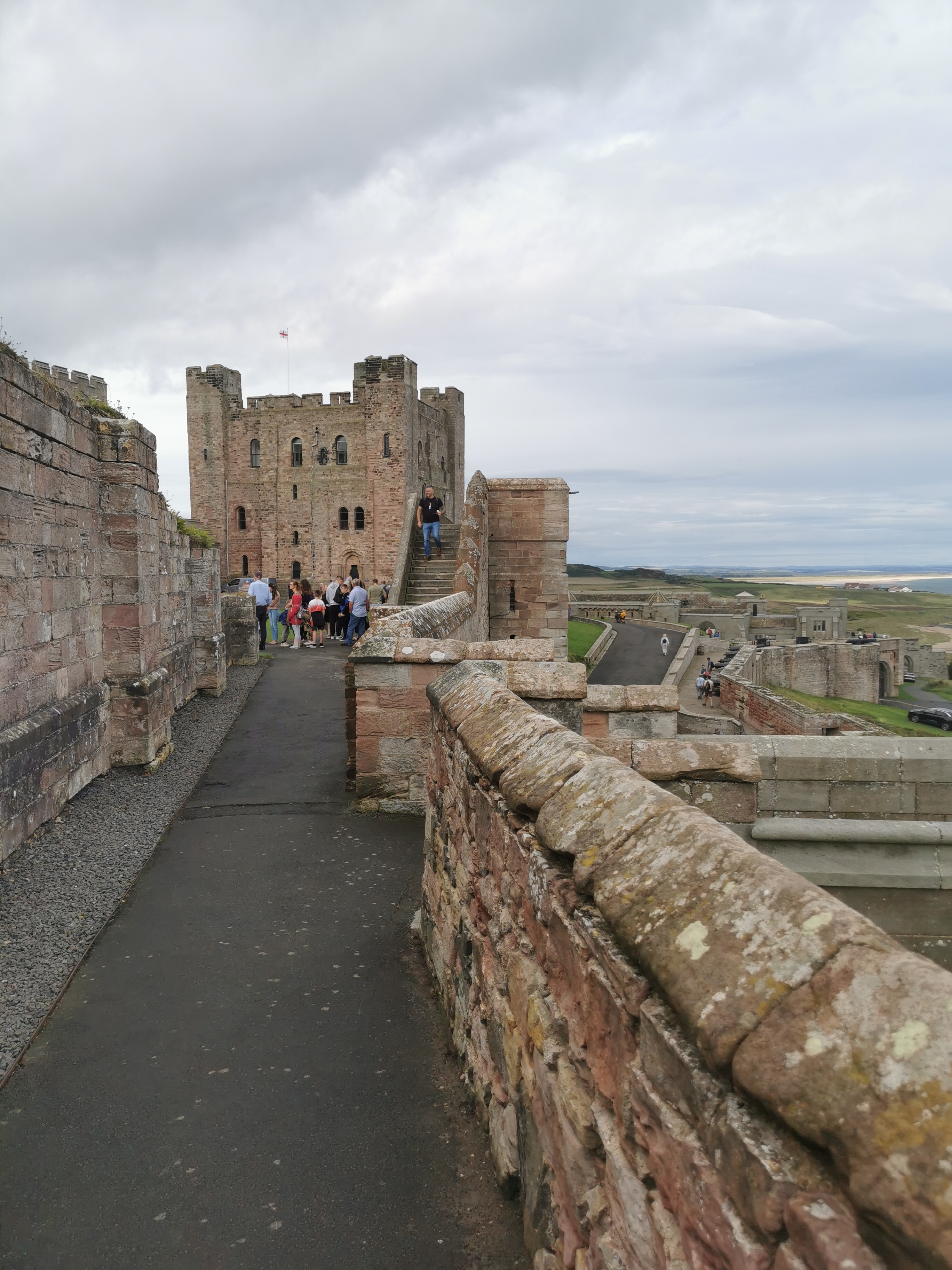
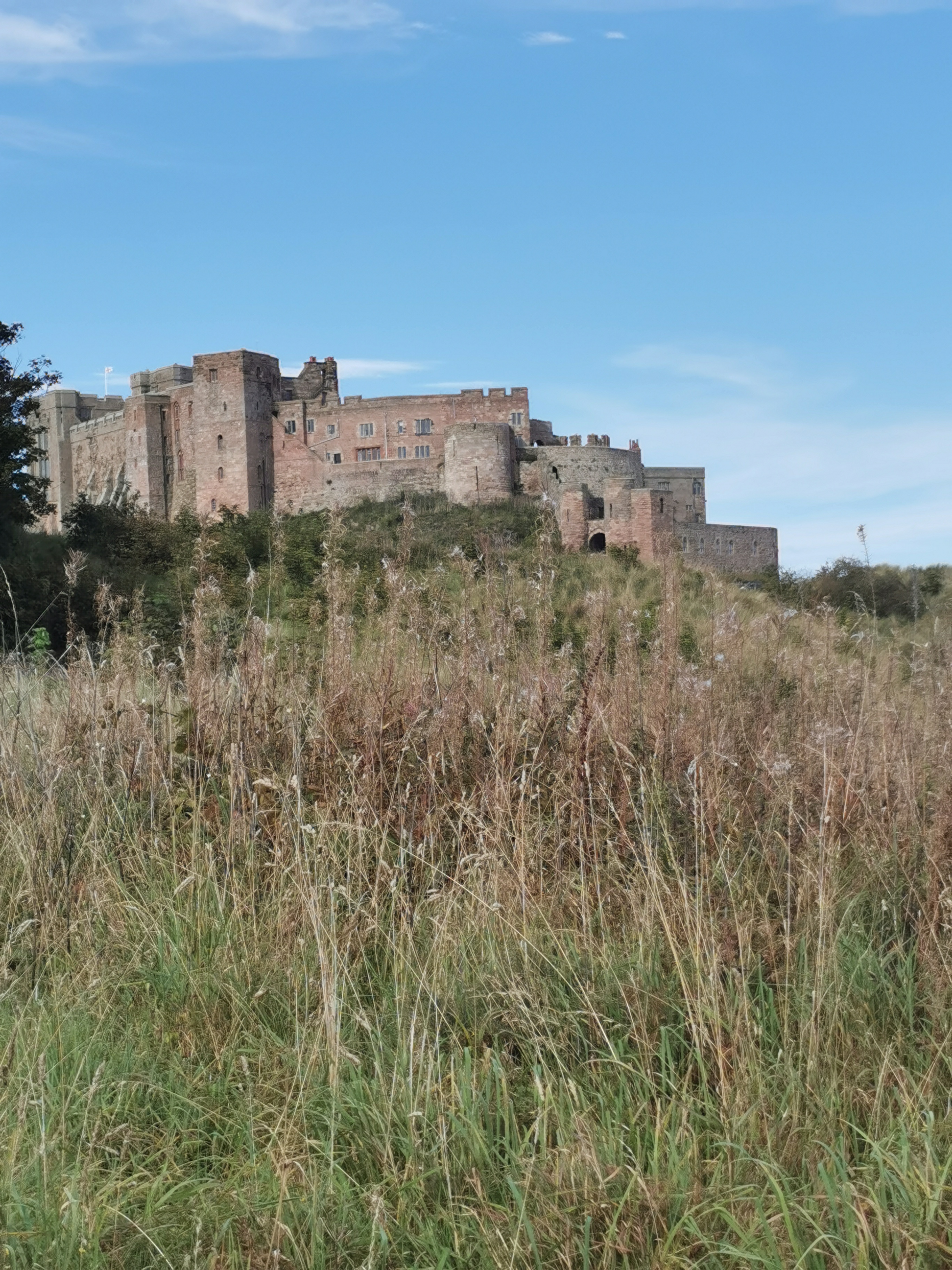
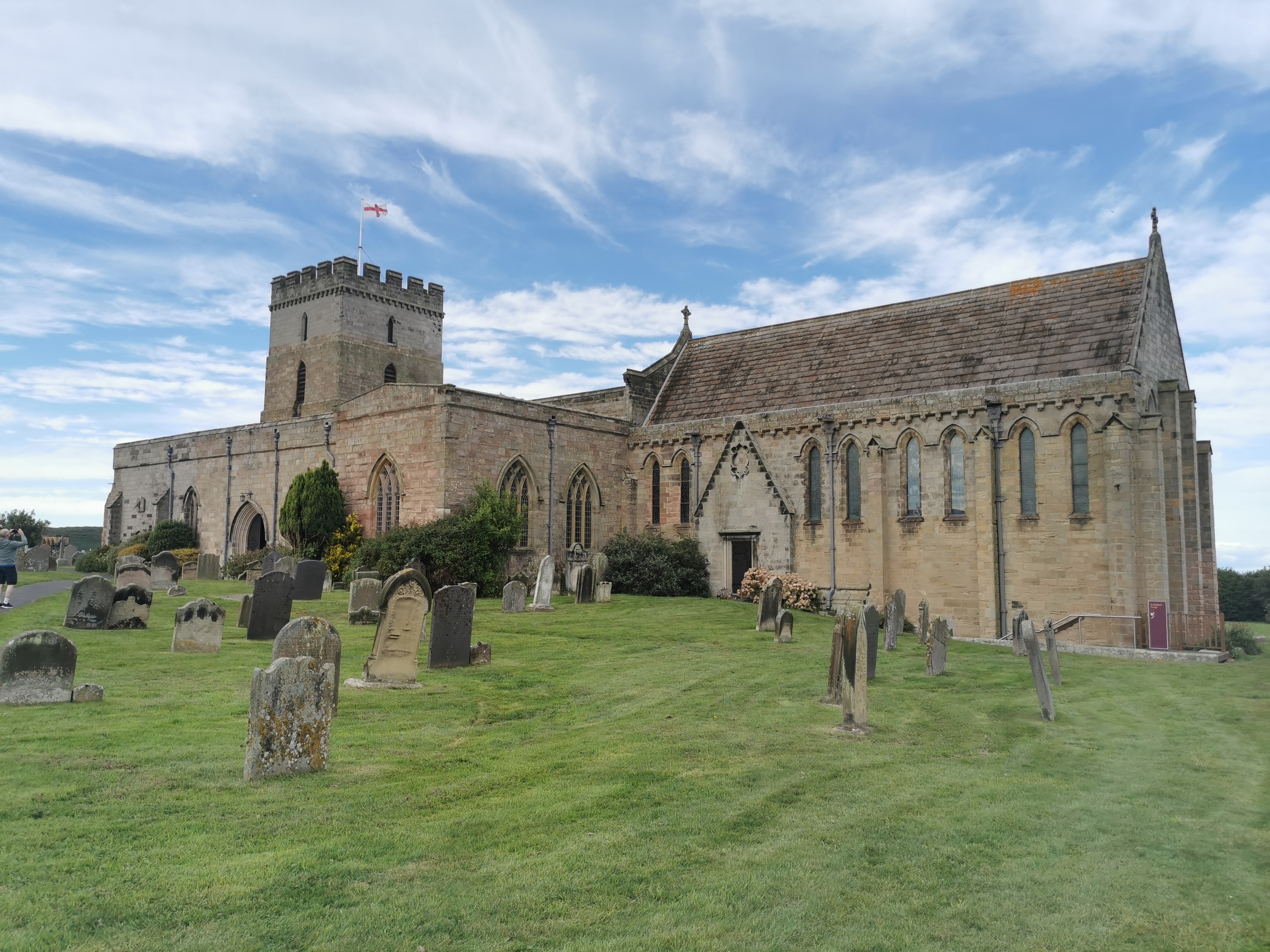
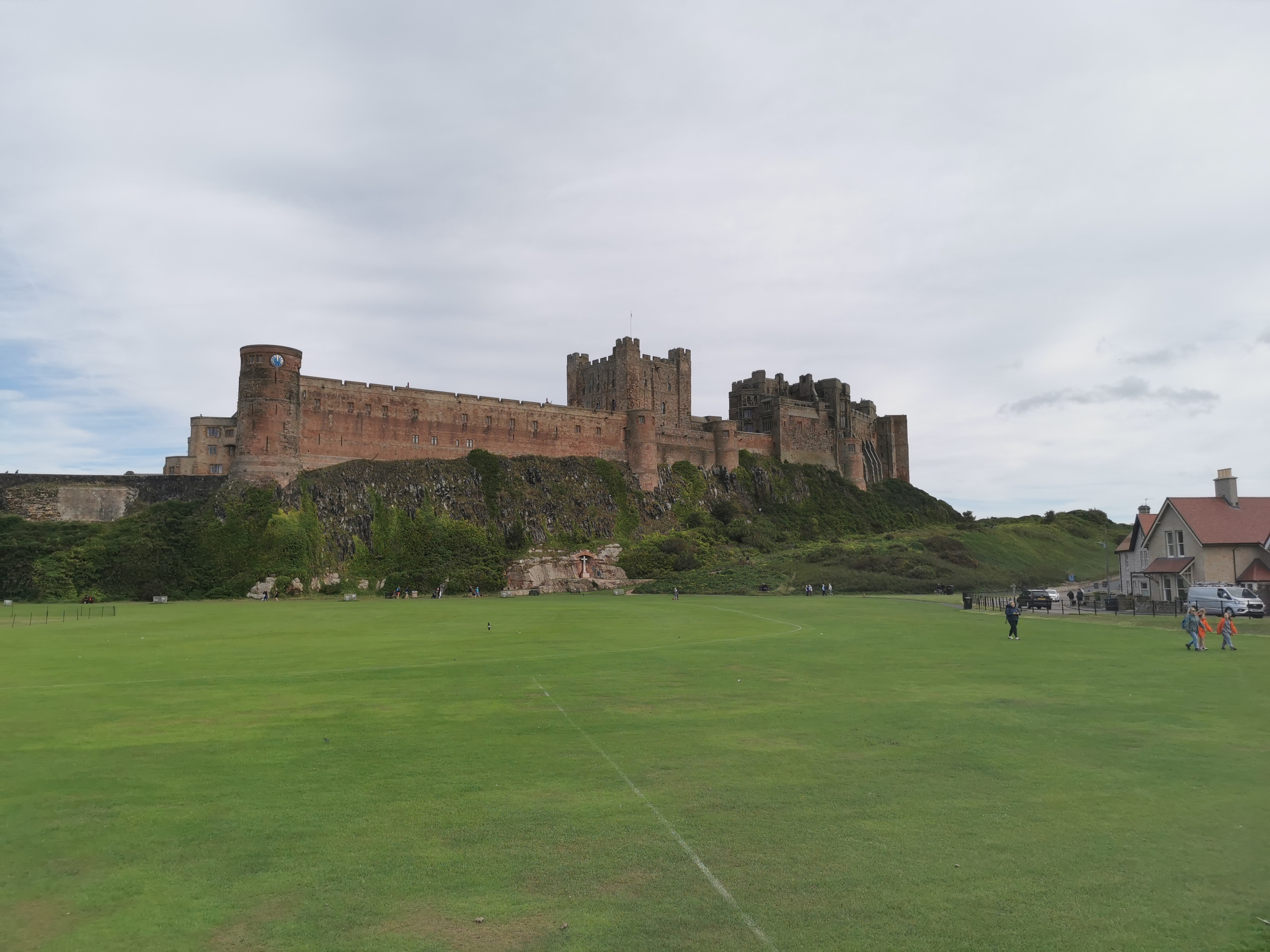
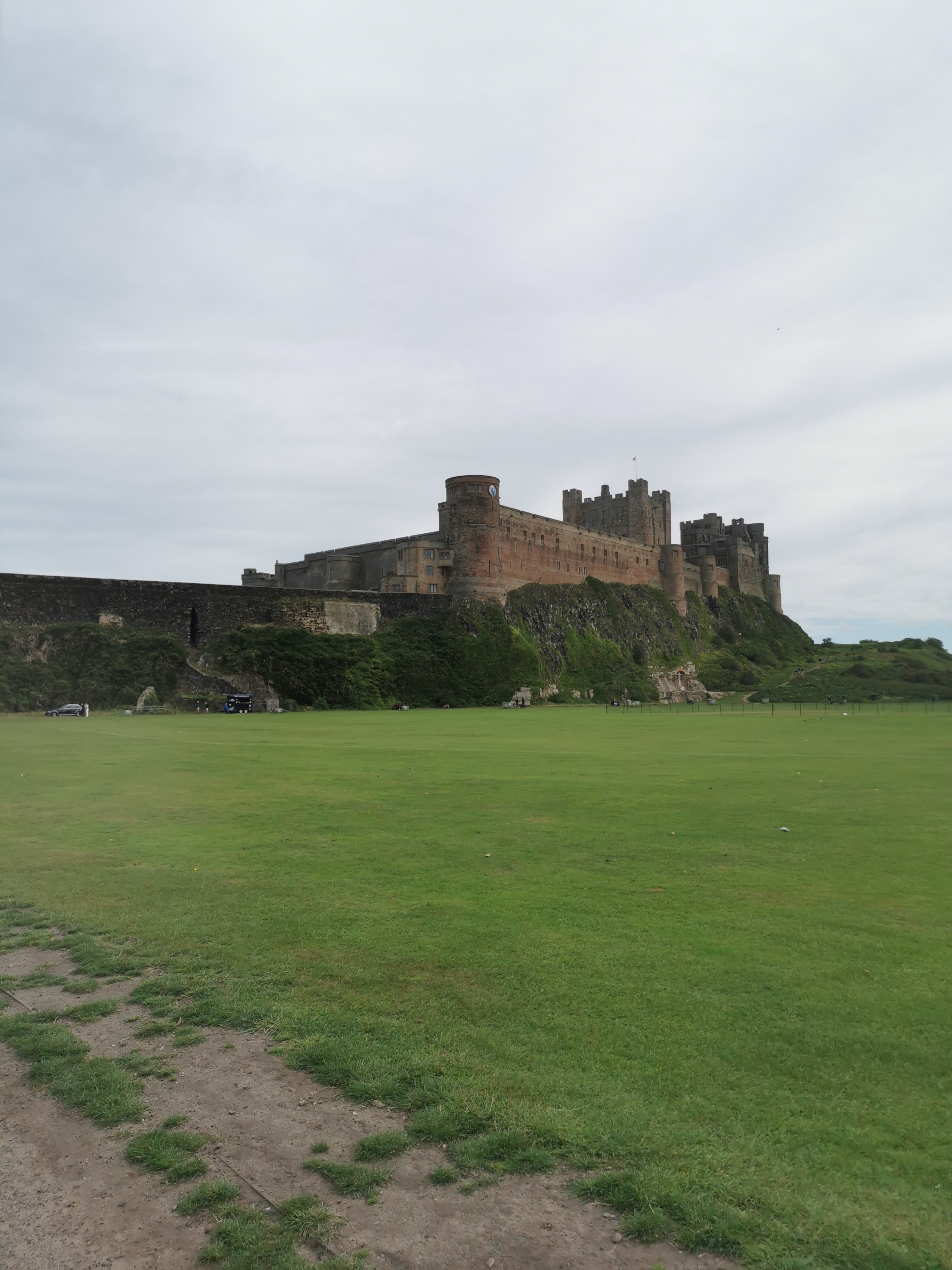
Various views of Bamburgh Castle, from the cricket ground, from the windmill inside the castle walls, and from the Bowl Hole.
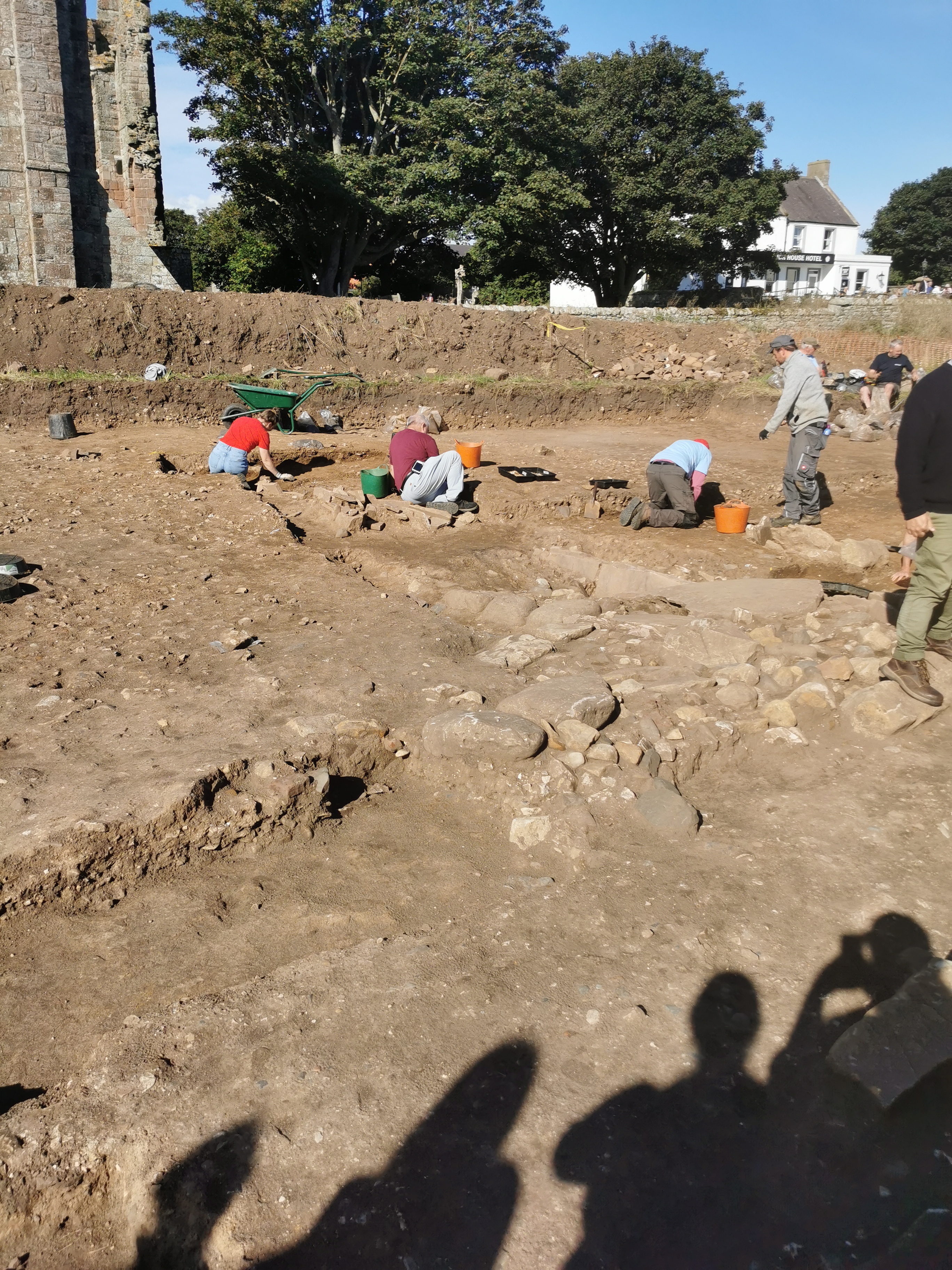
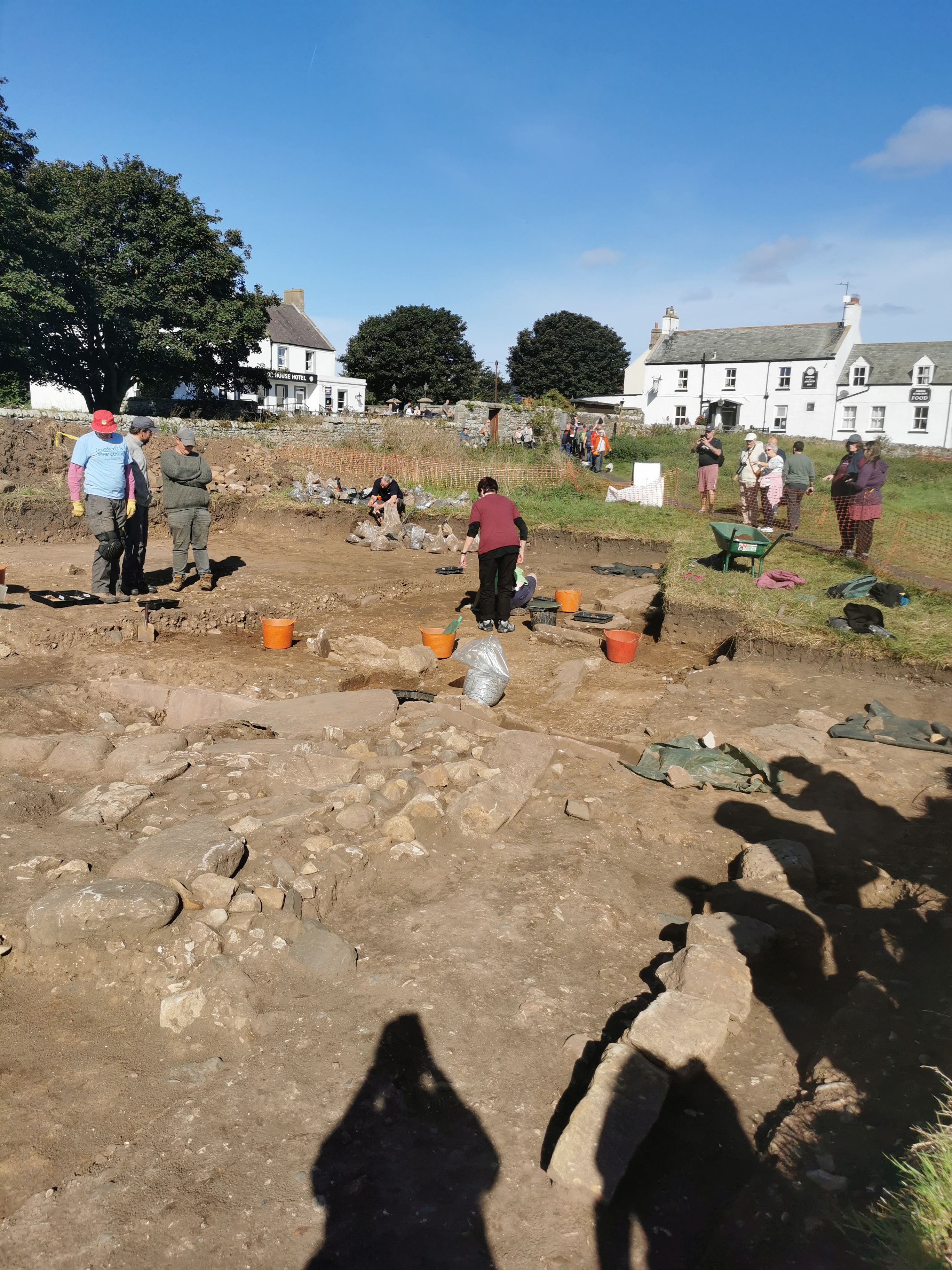
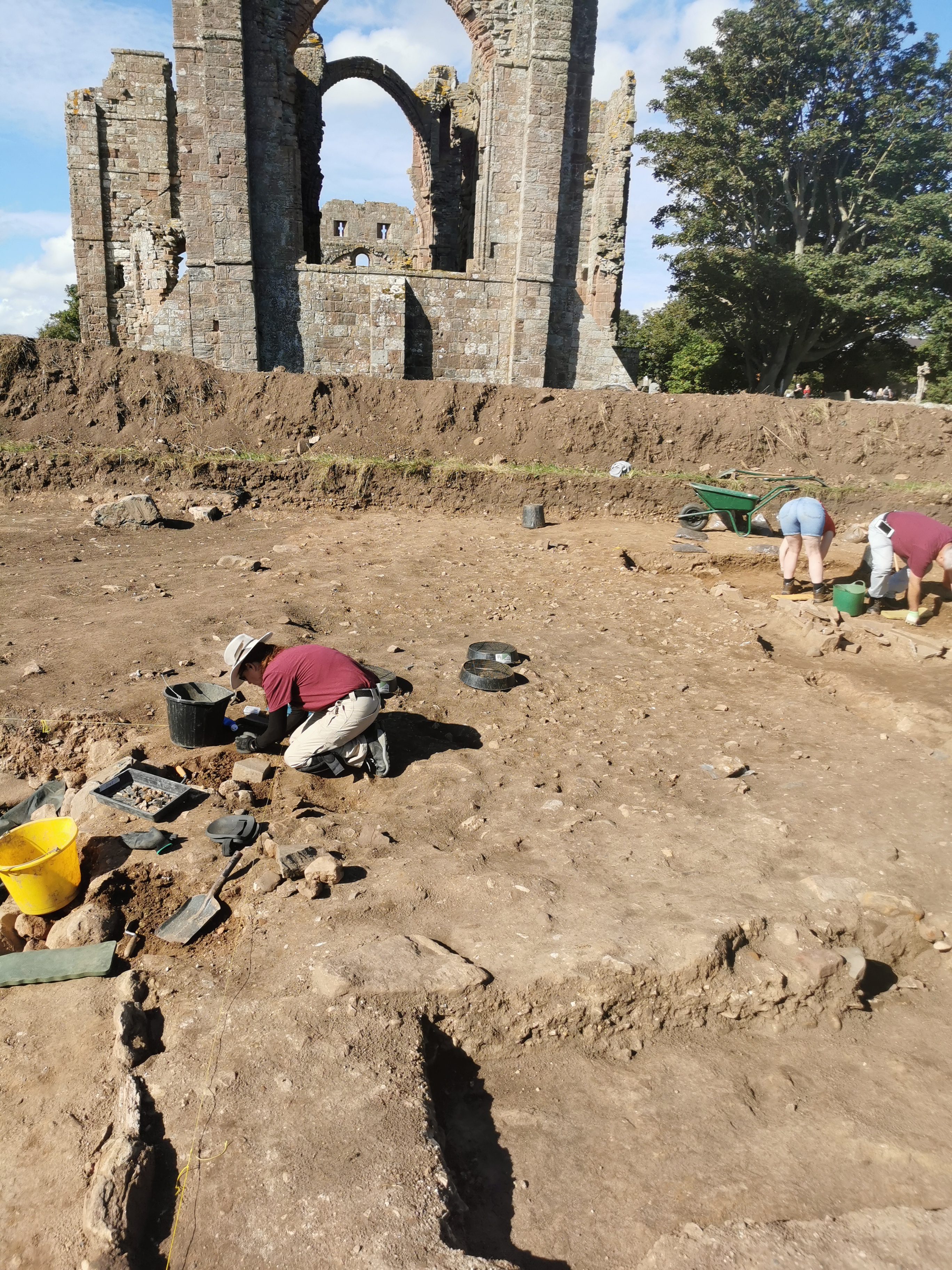
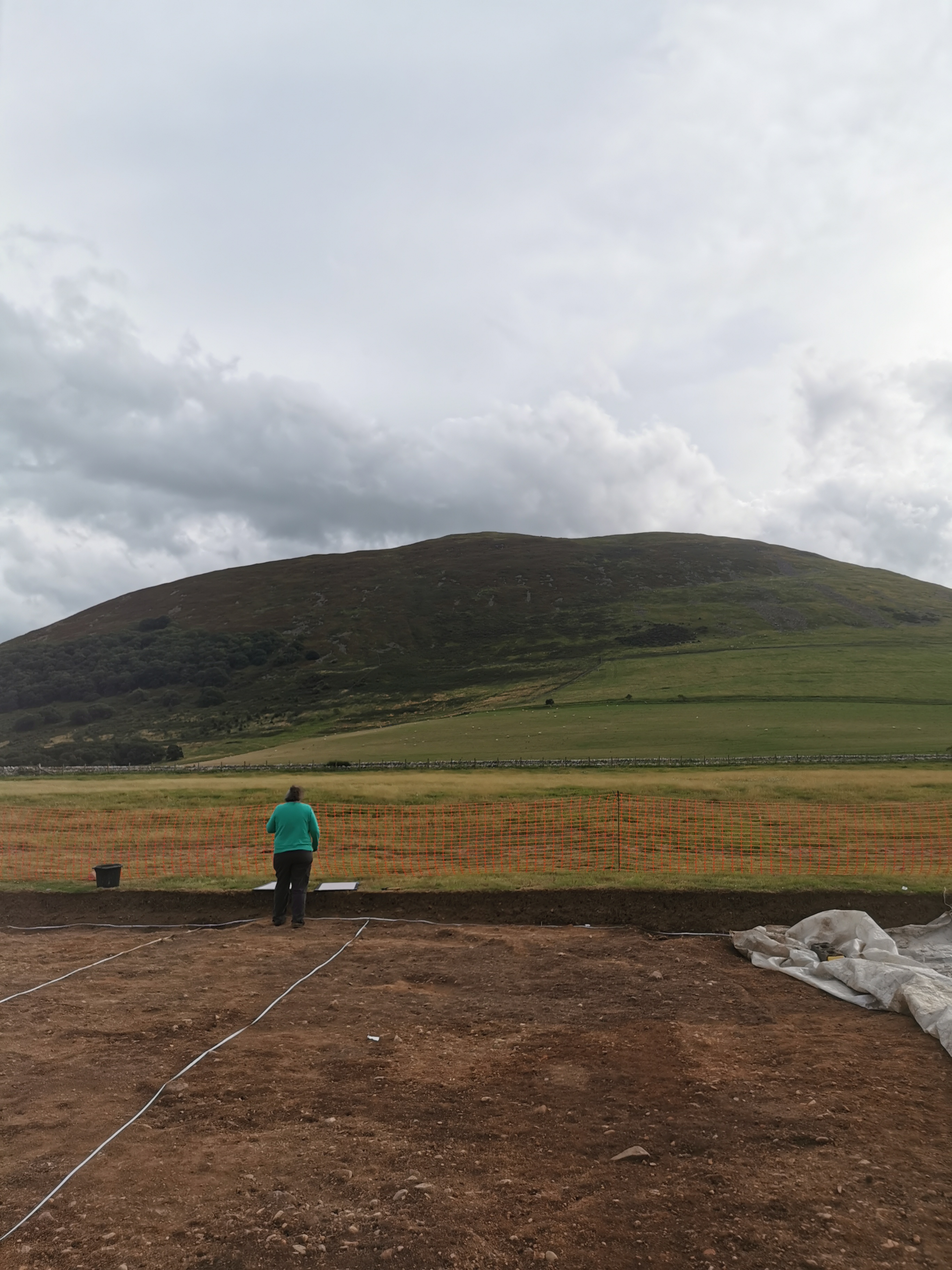
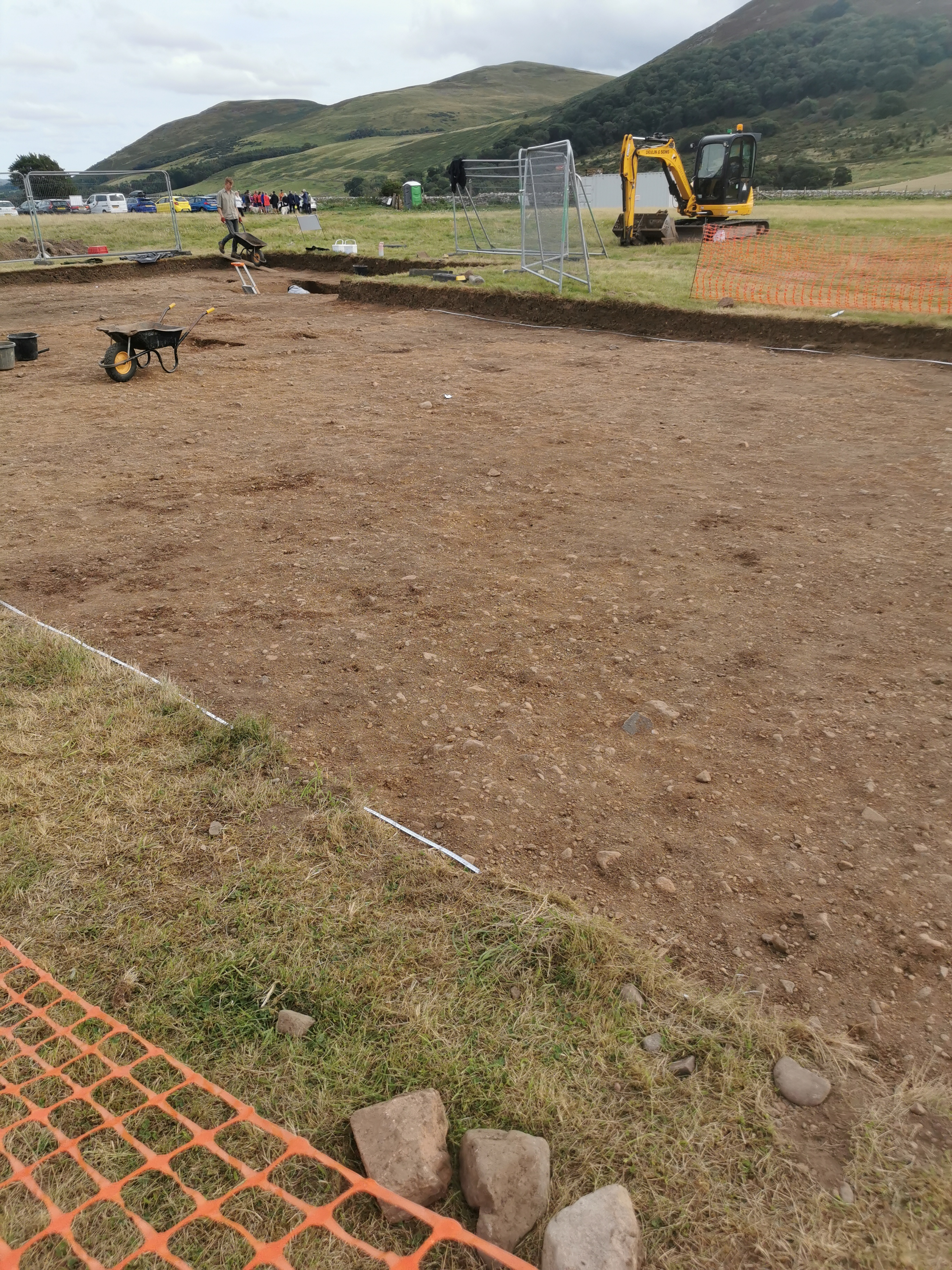
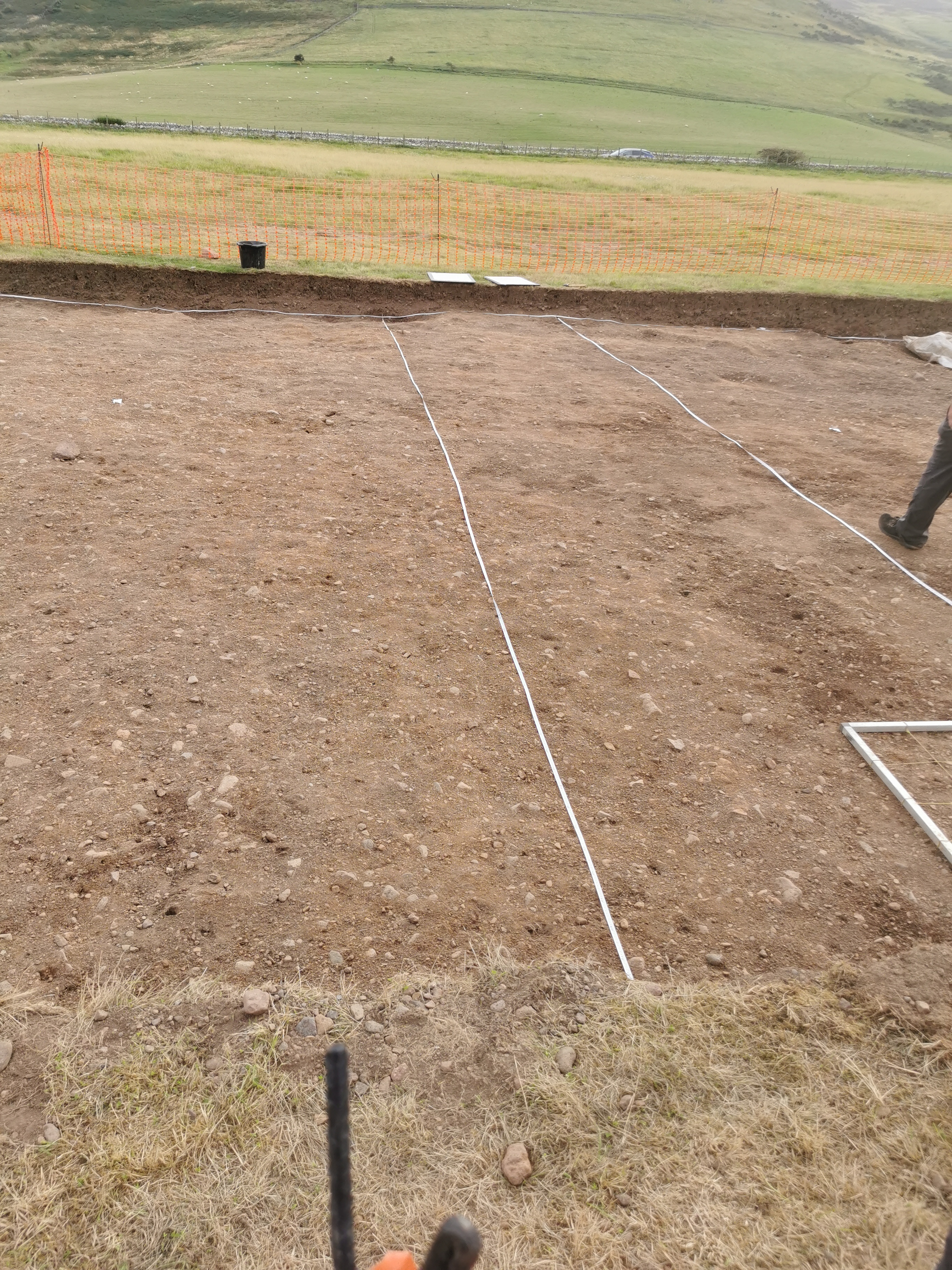
Day 1 – look at this year’s excavation site and also, finds recording
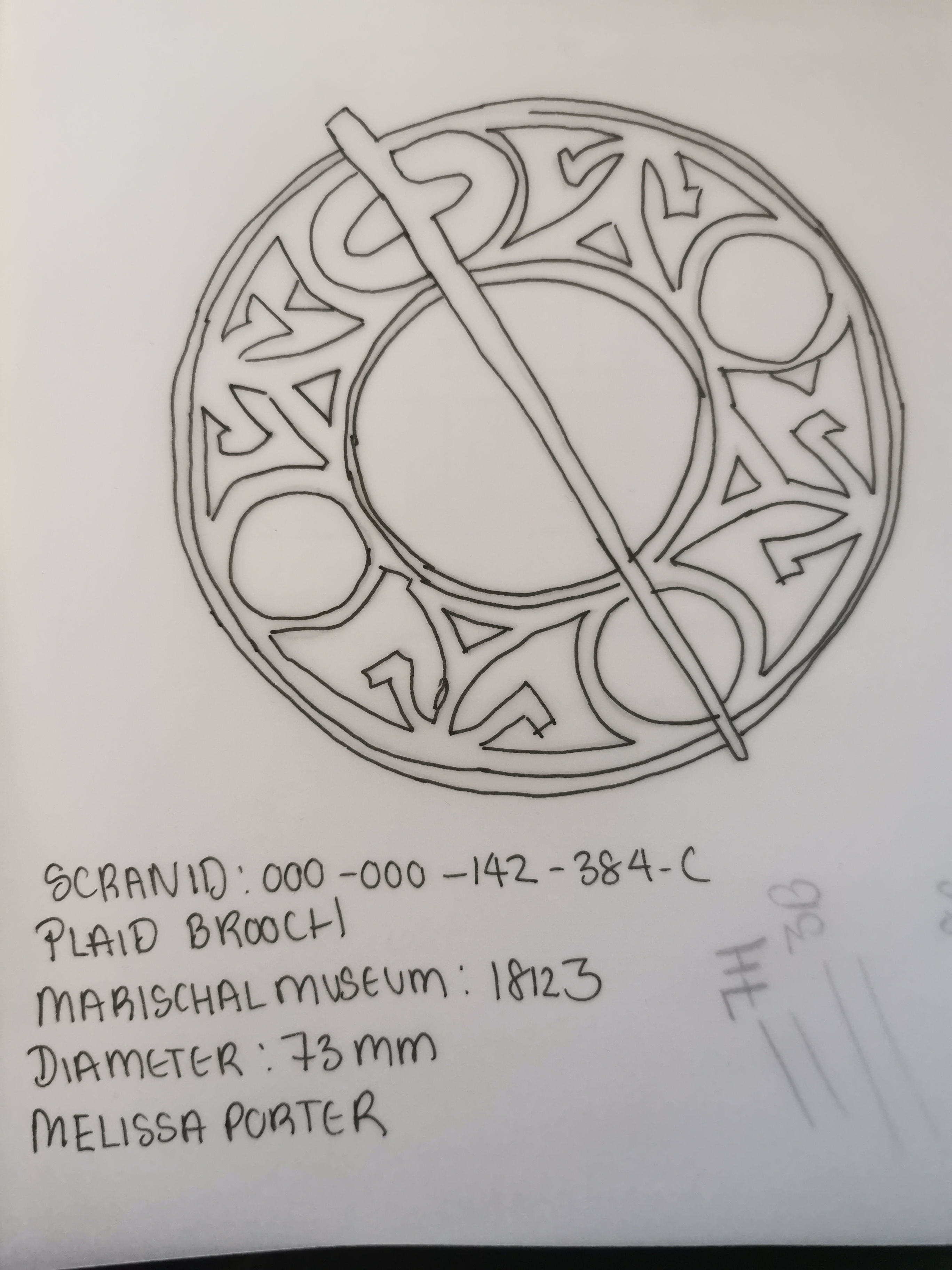
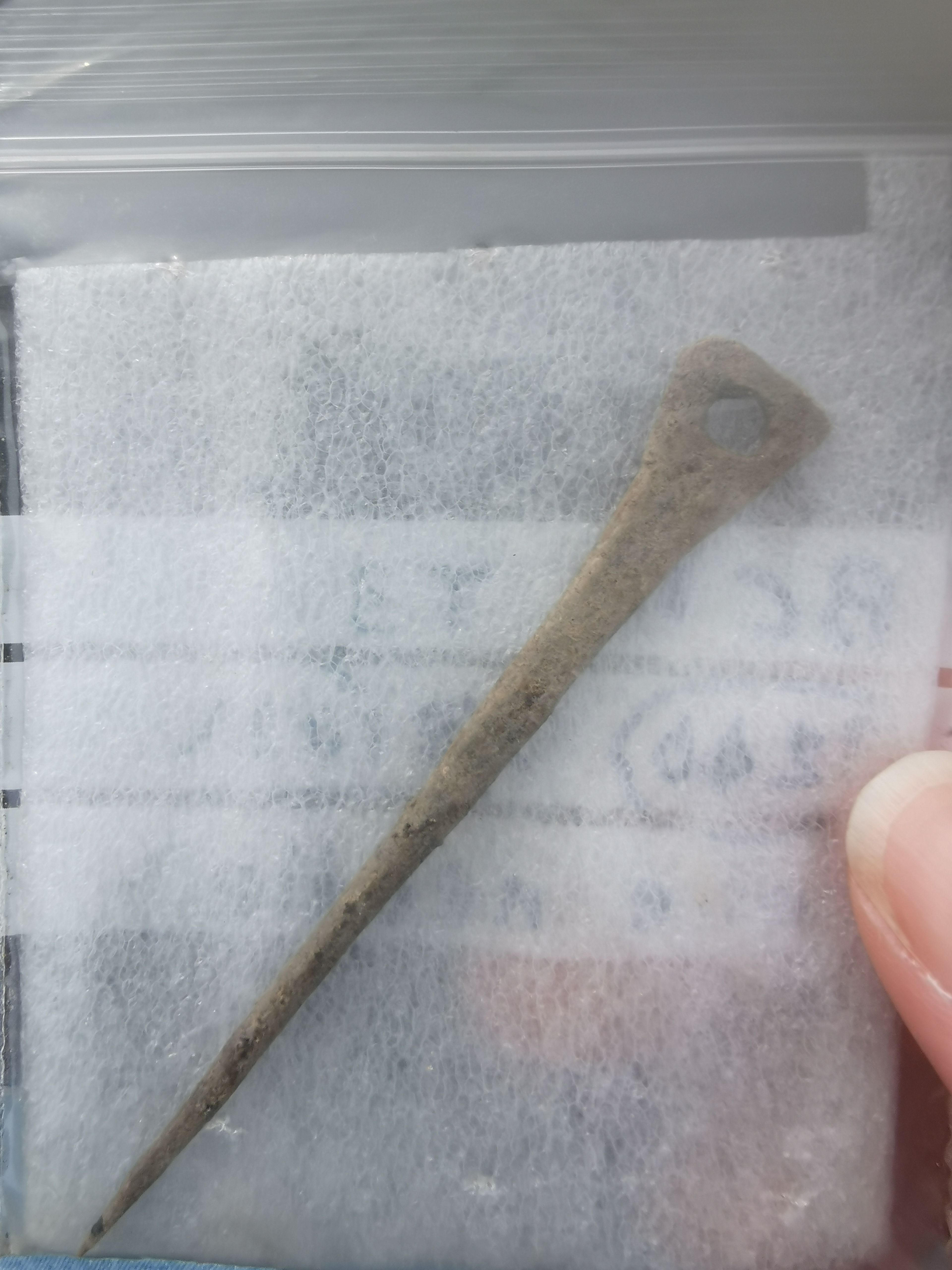
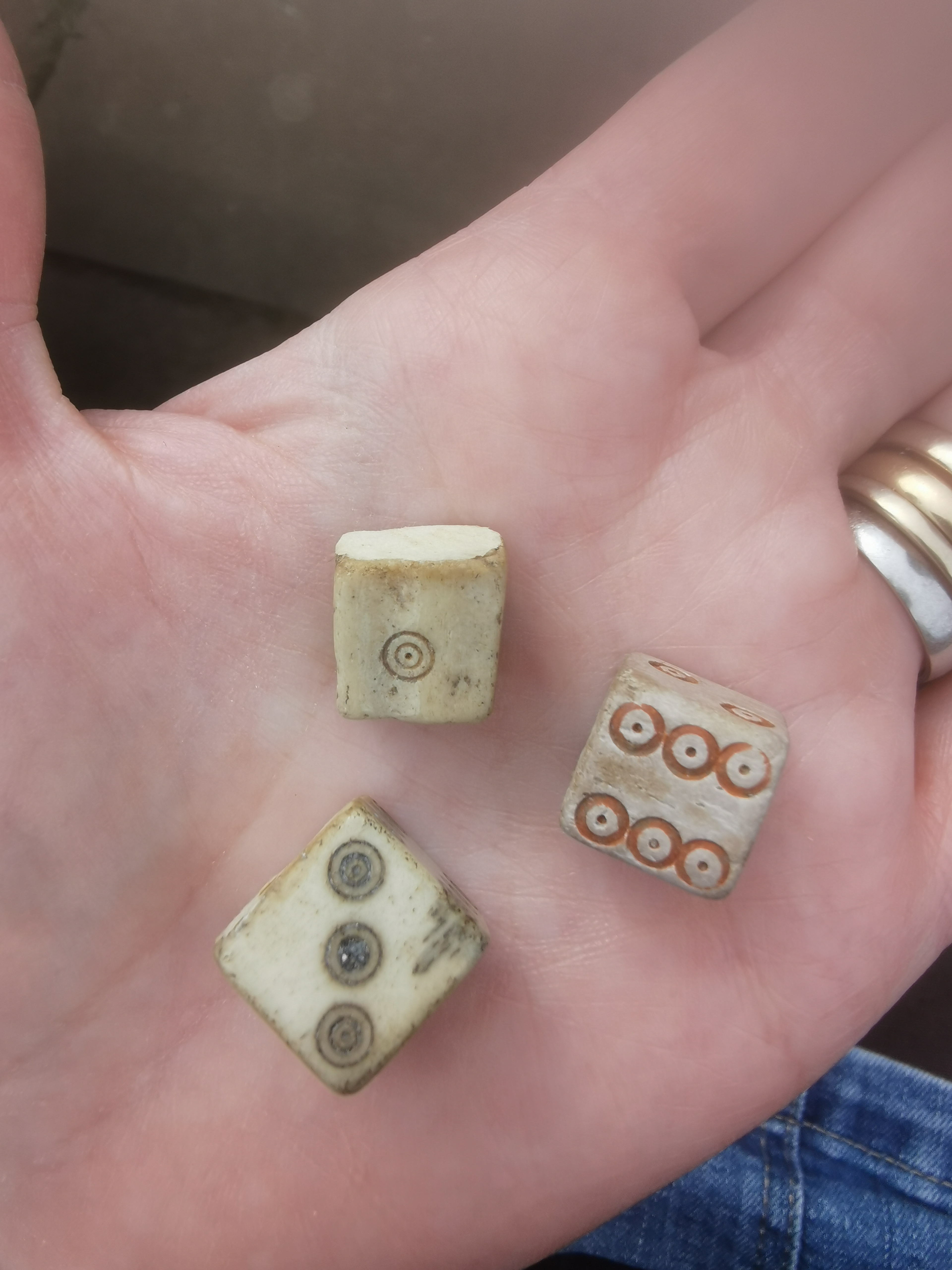
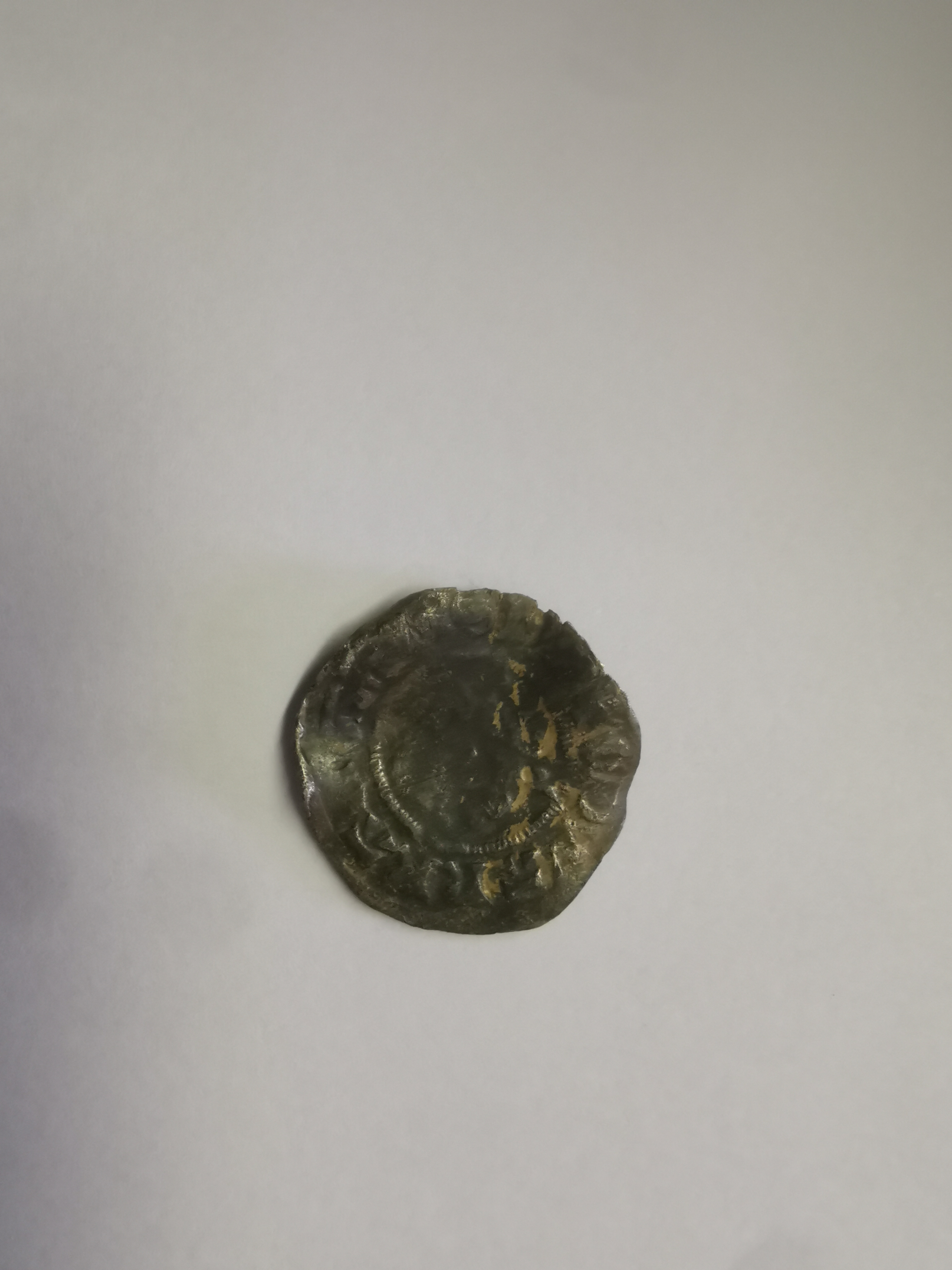
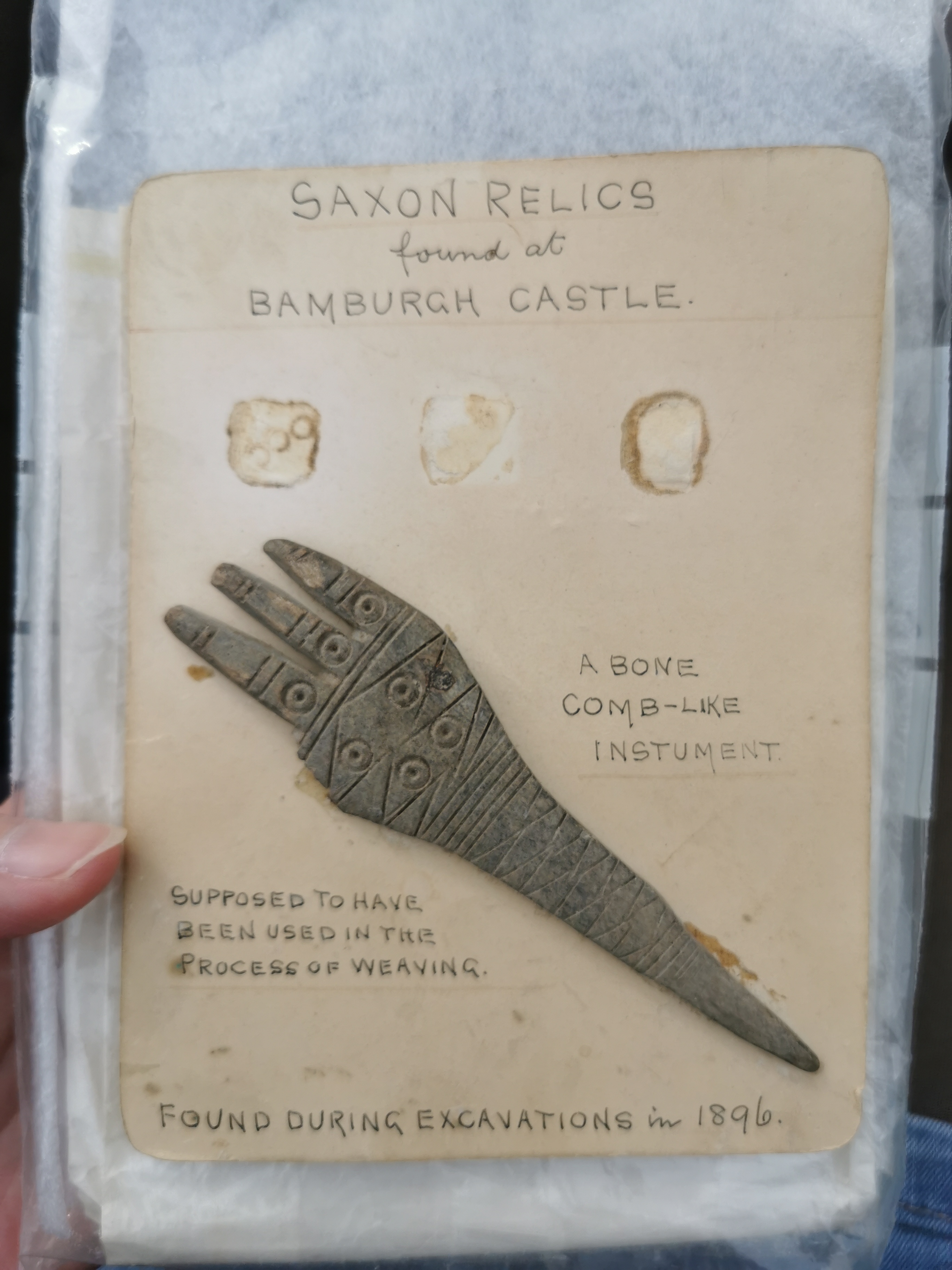
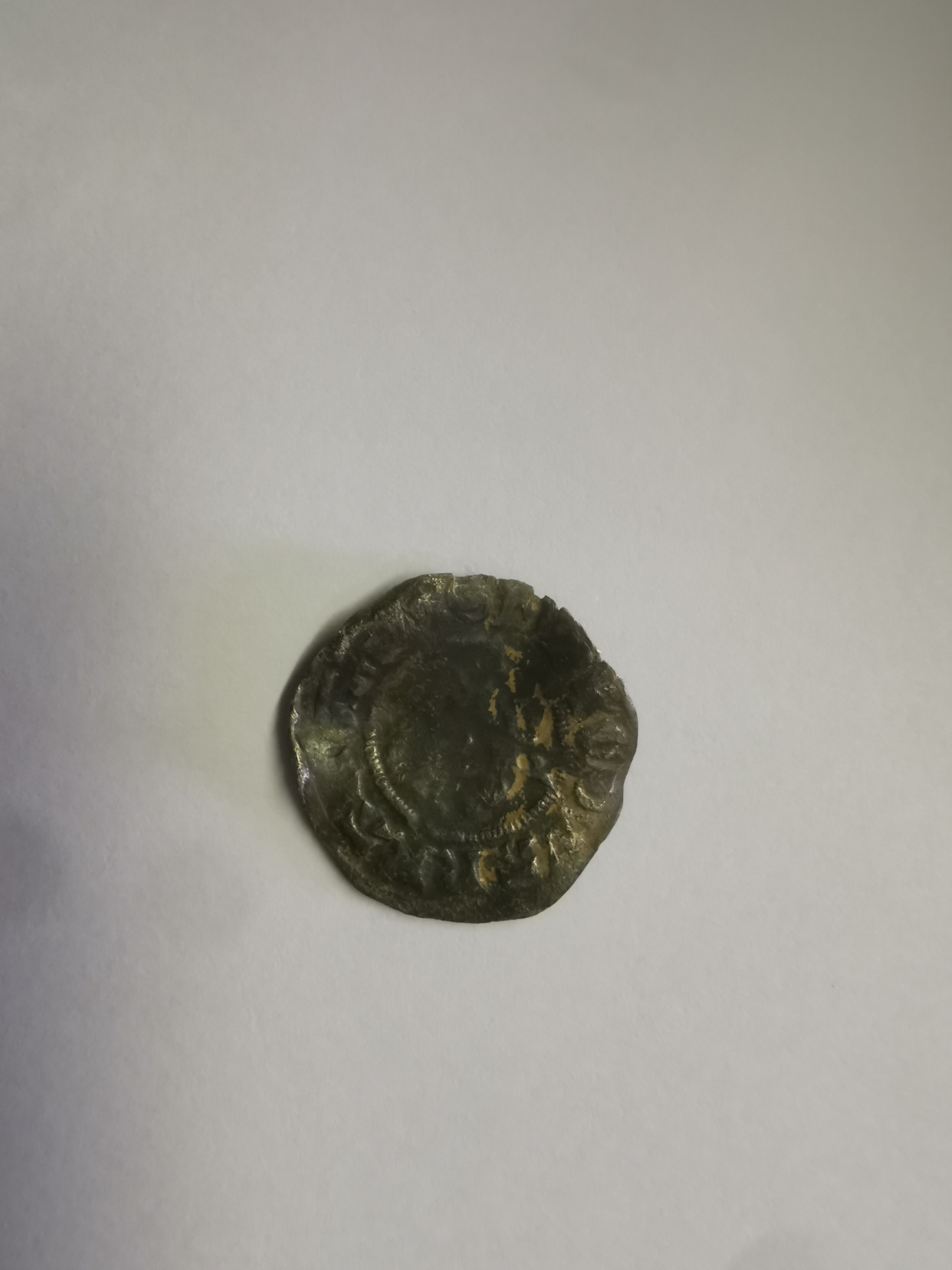
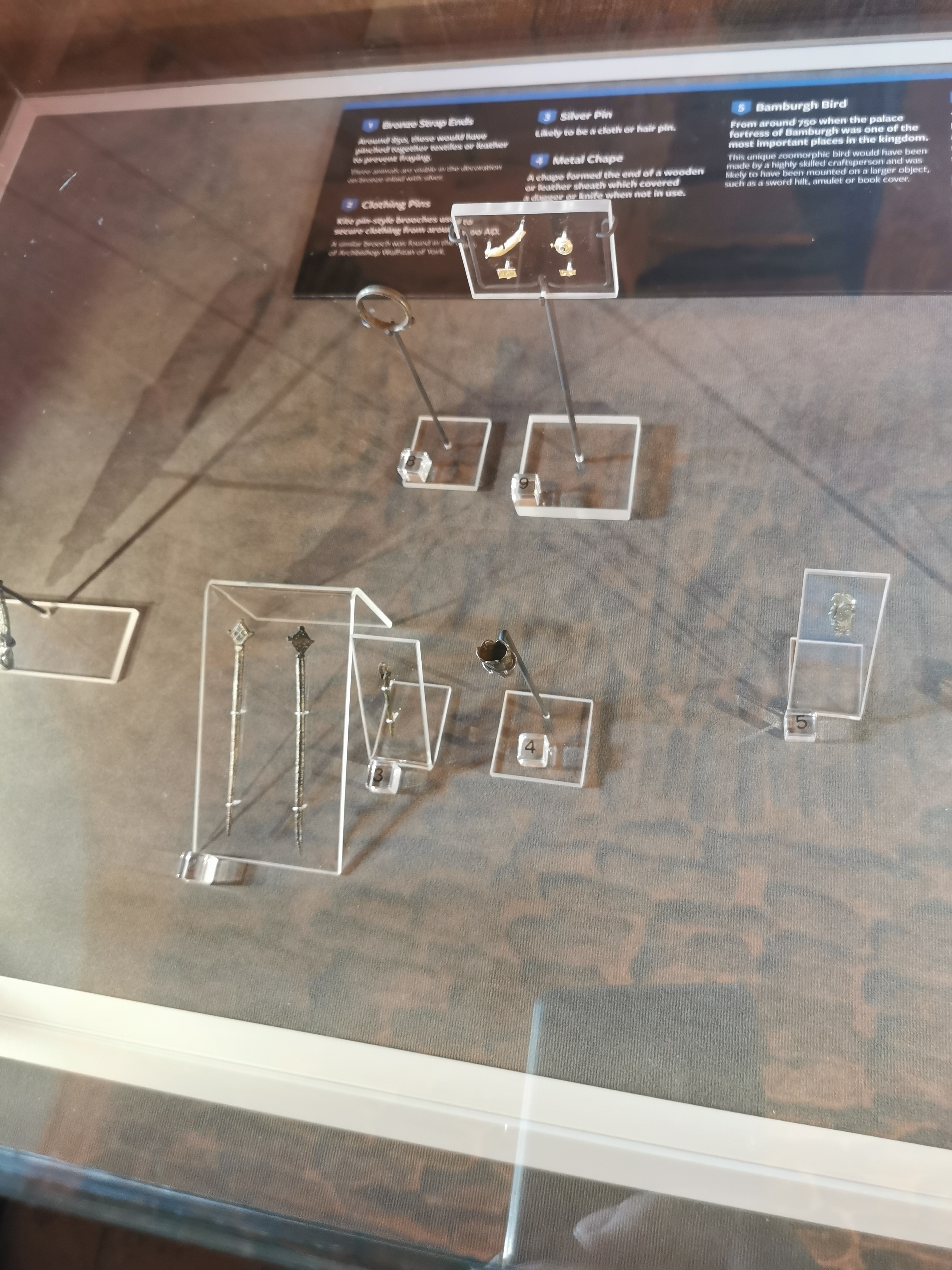
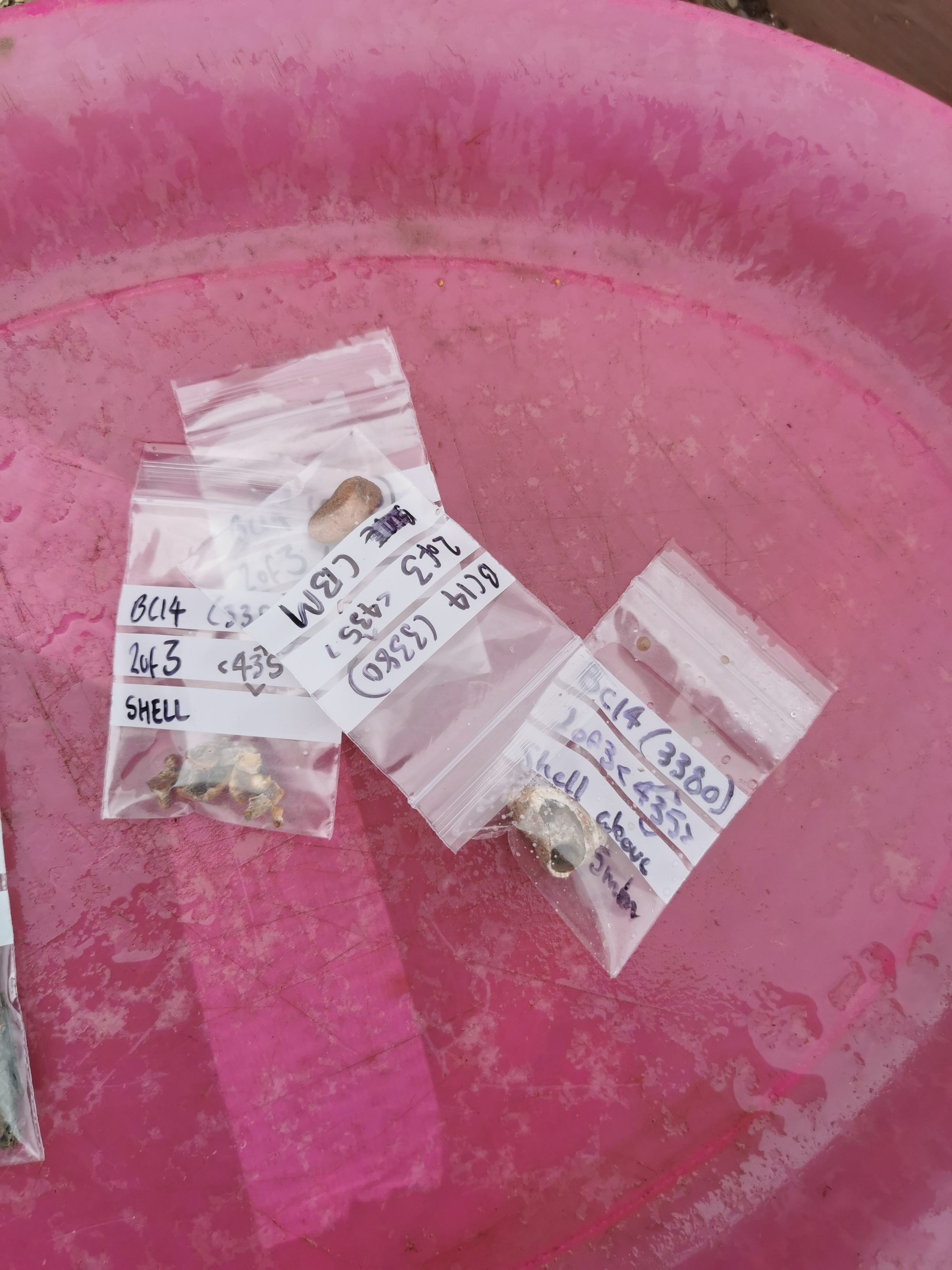
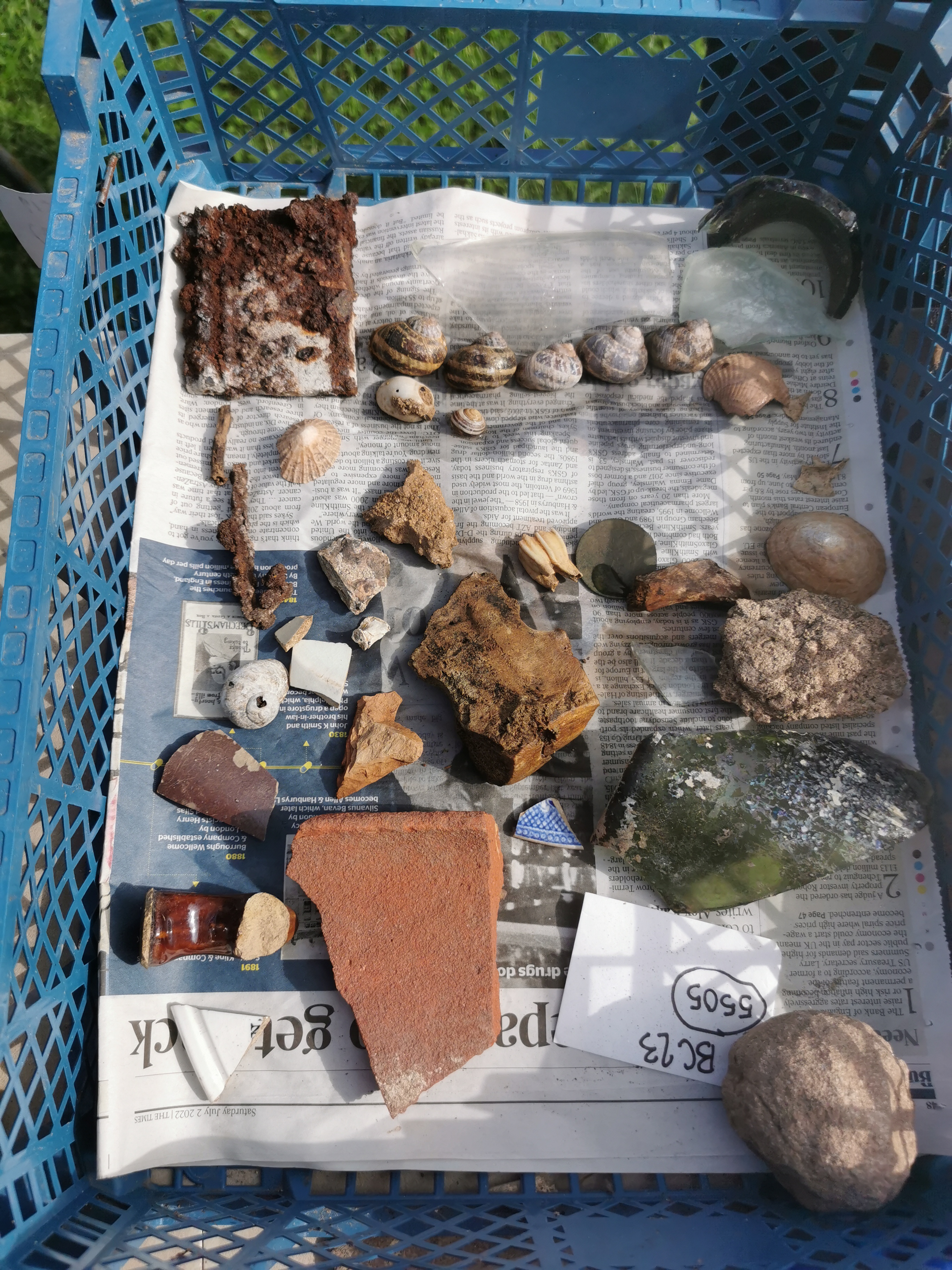
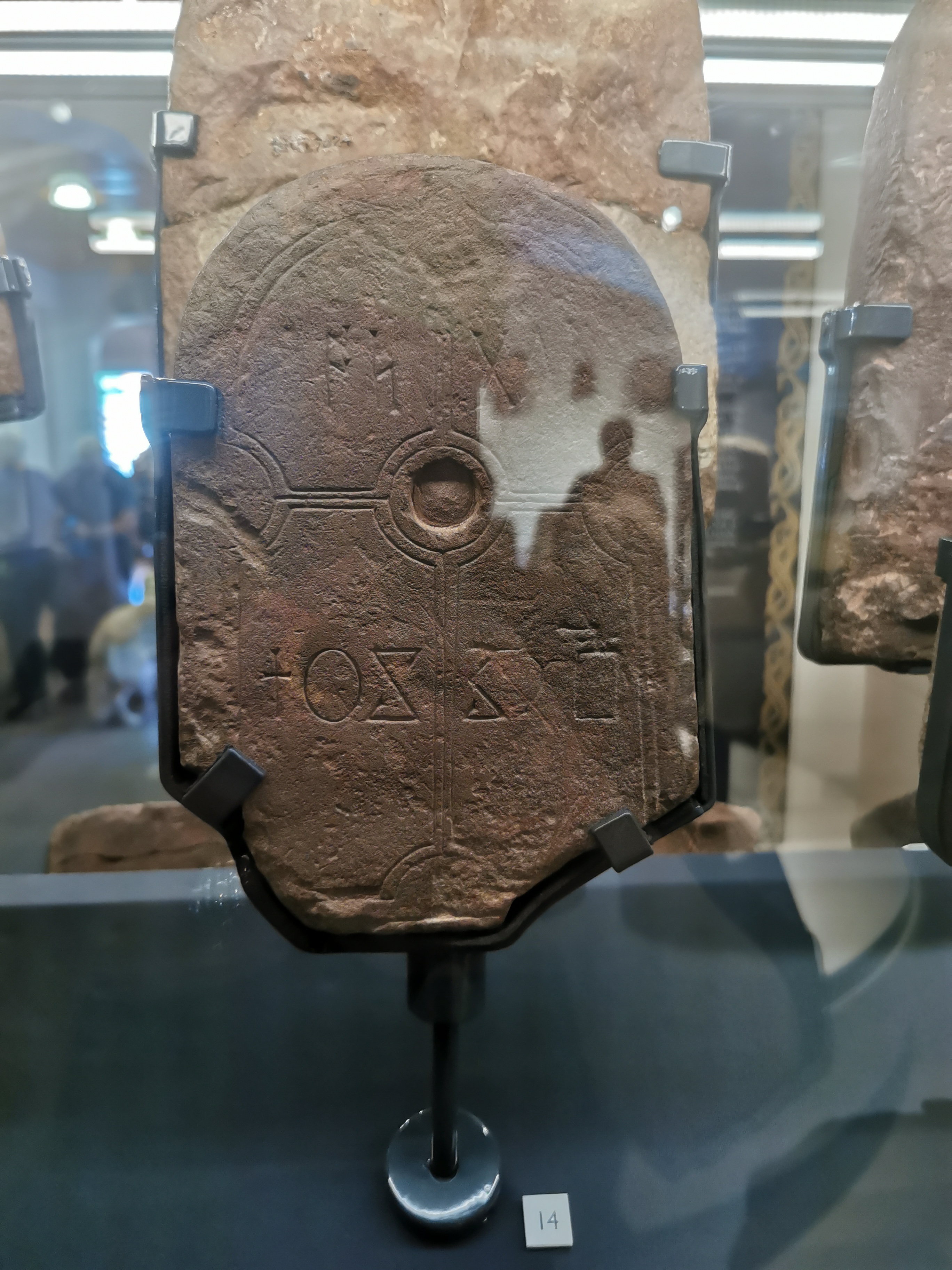
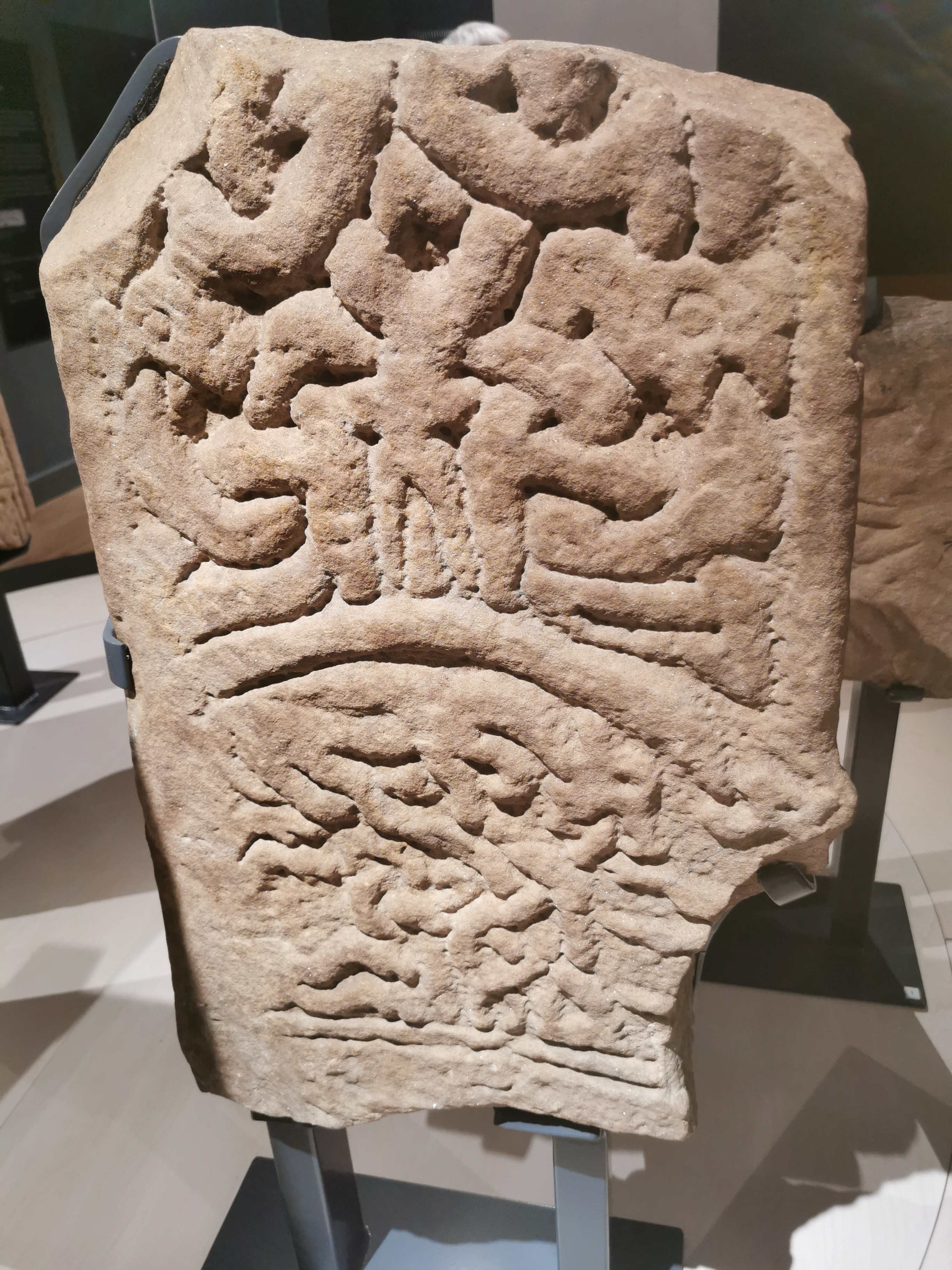
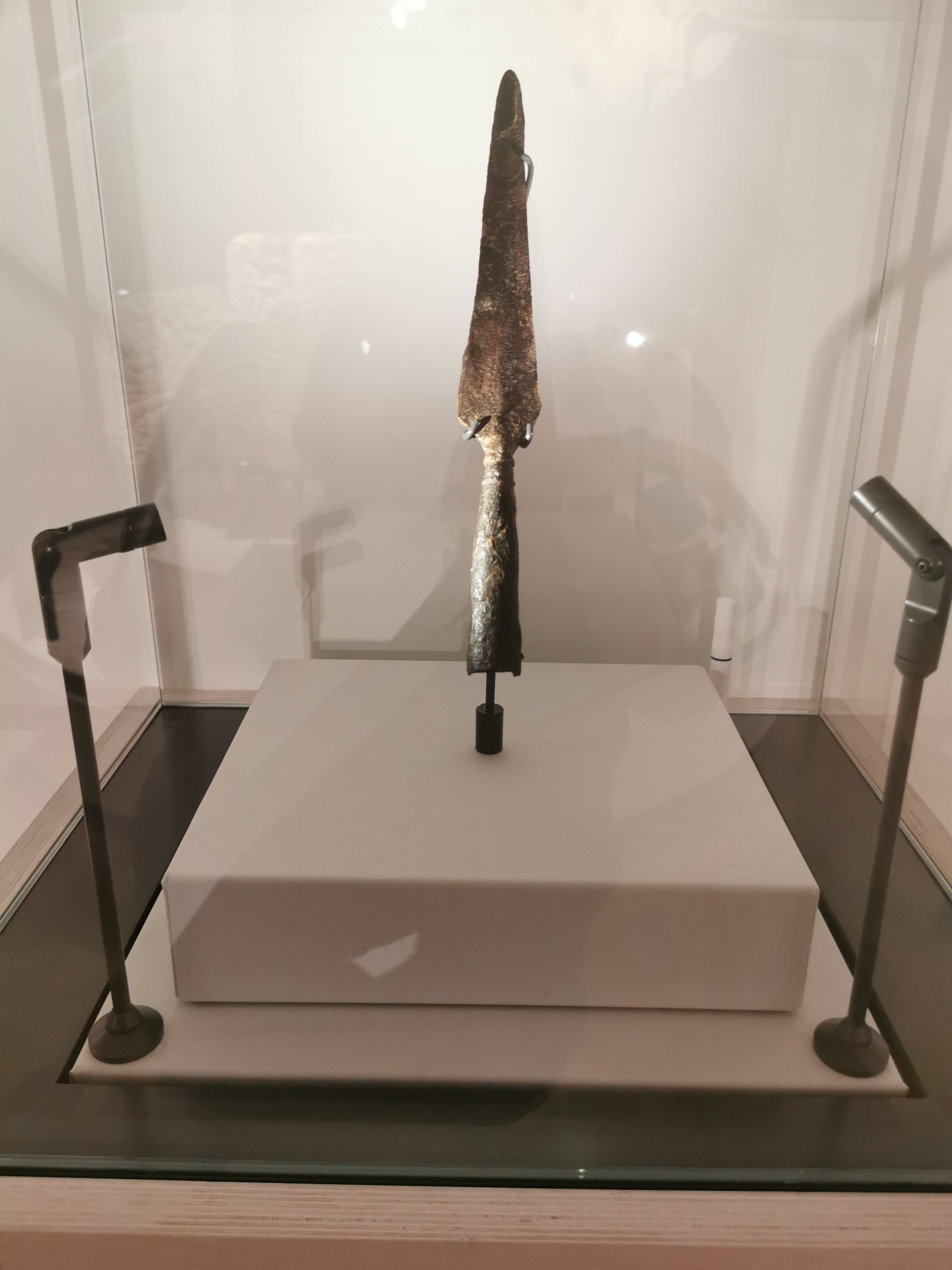
This year’s excavation siteSome of the finds made at the various sites, and also some coins found in the village of Bamburgh itself
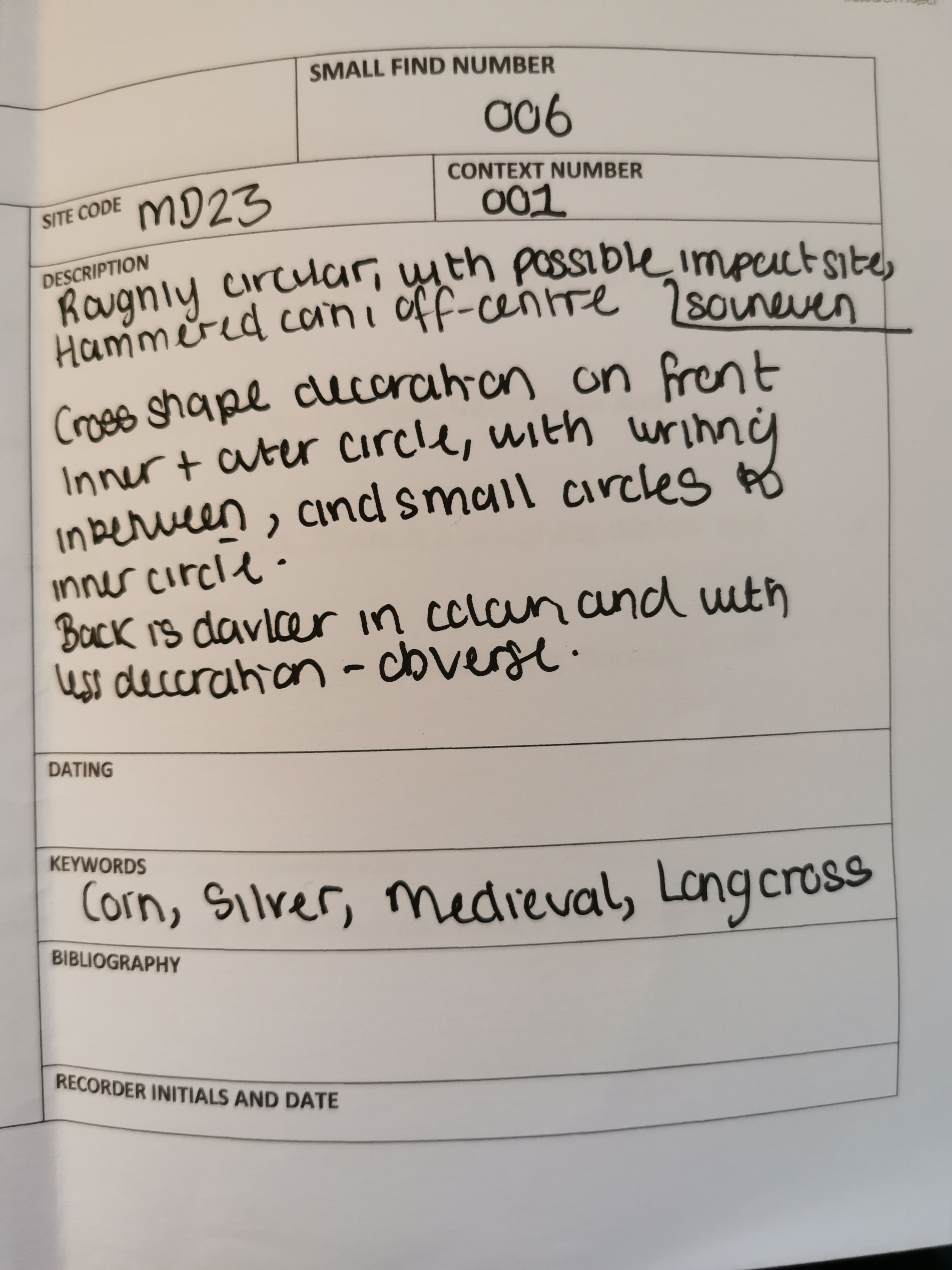
Learning how to record finds did involve some experimenting with pencils and pen width – it’s important to get the right sort of pencil and pen!
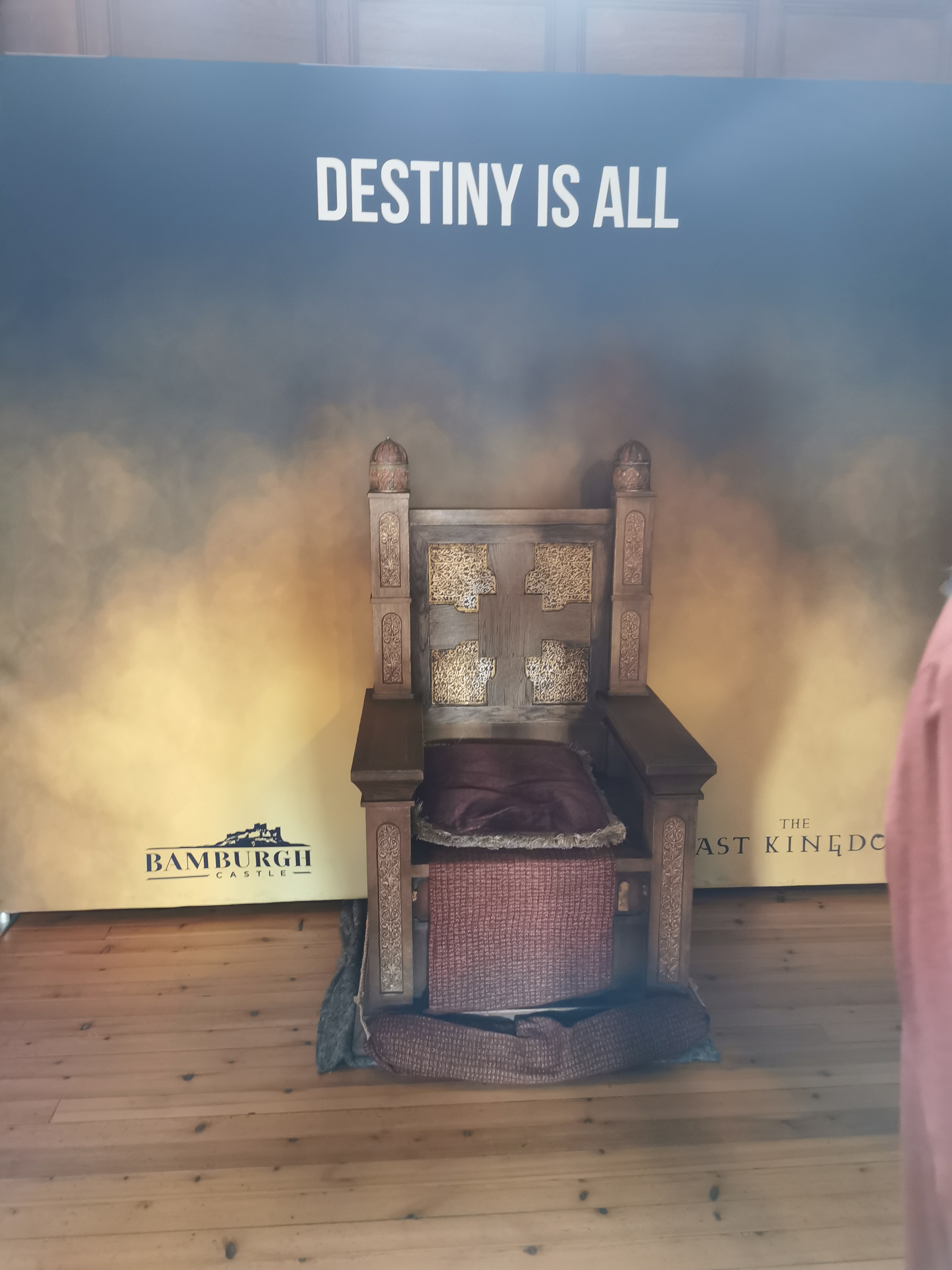
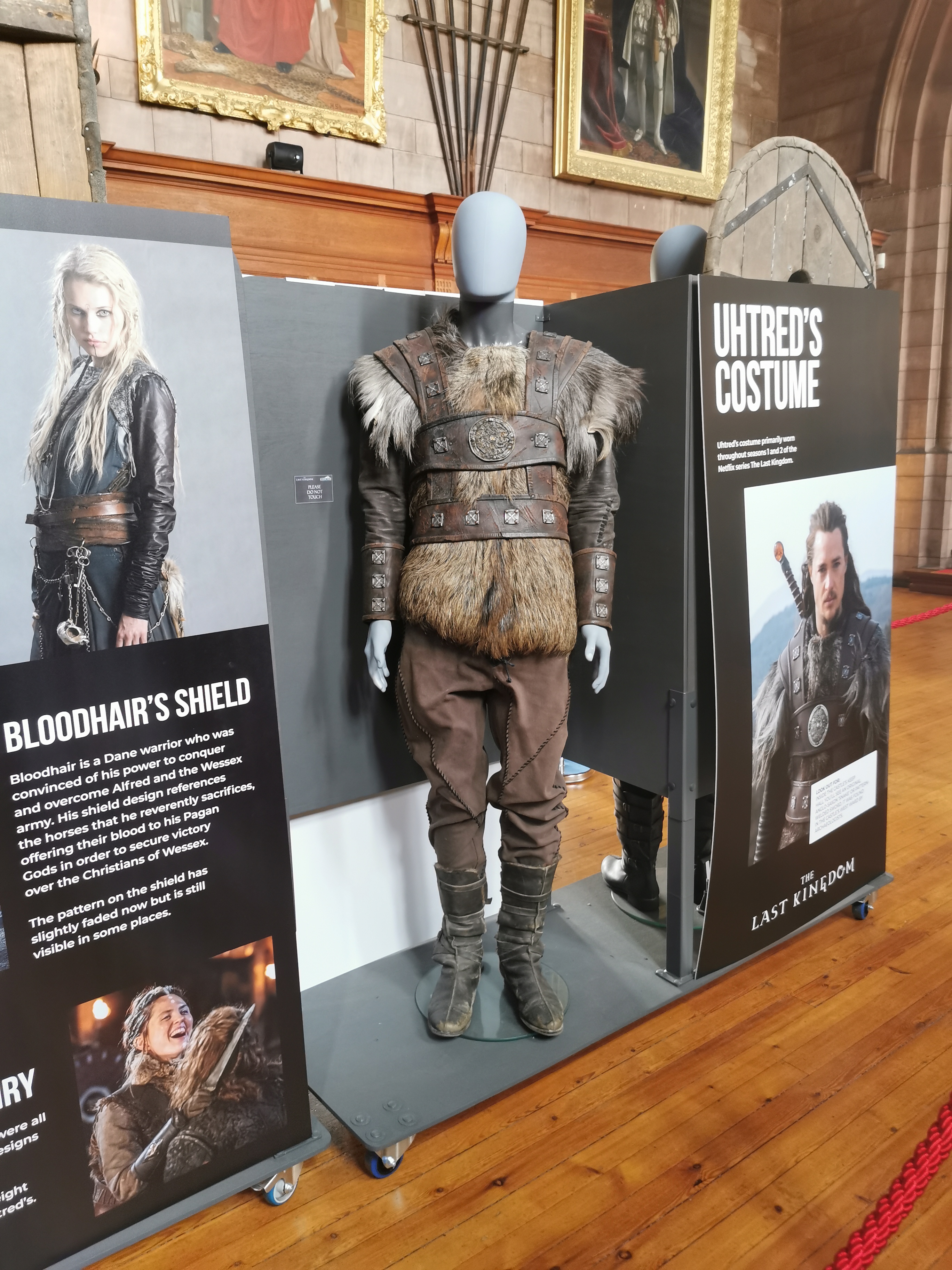
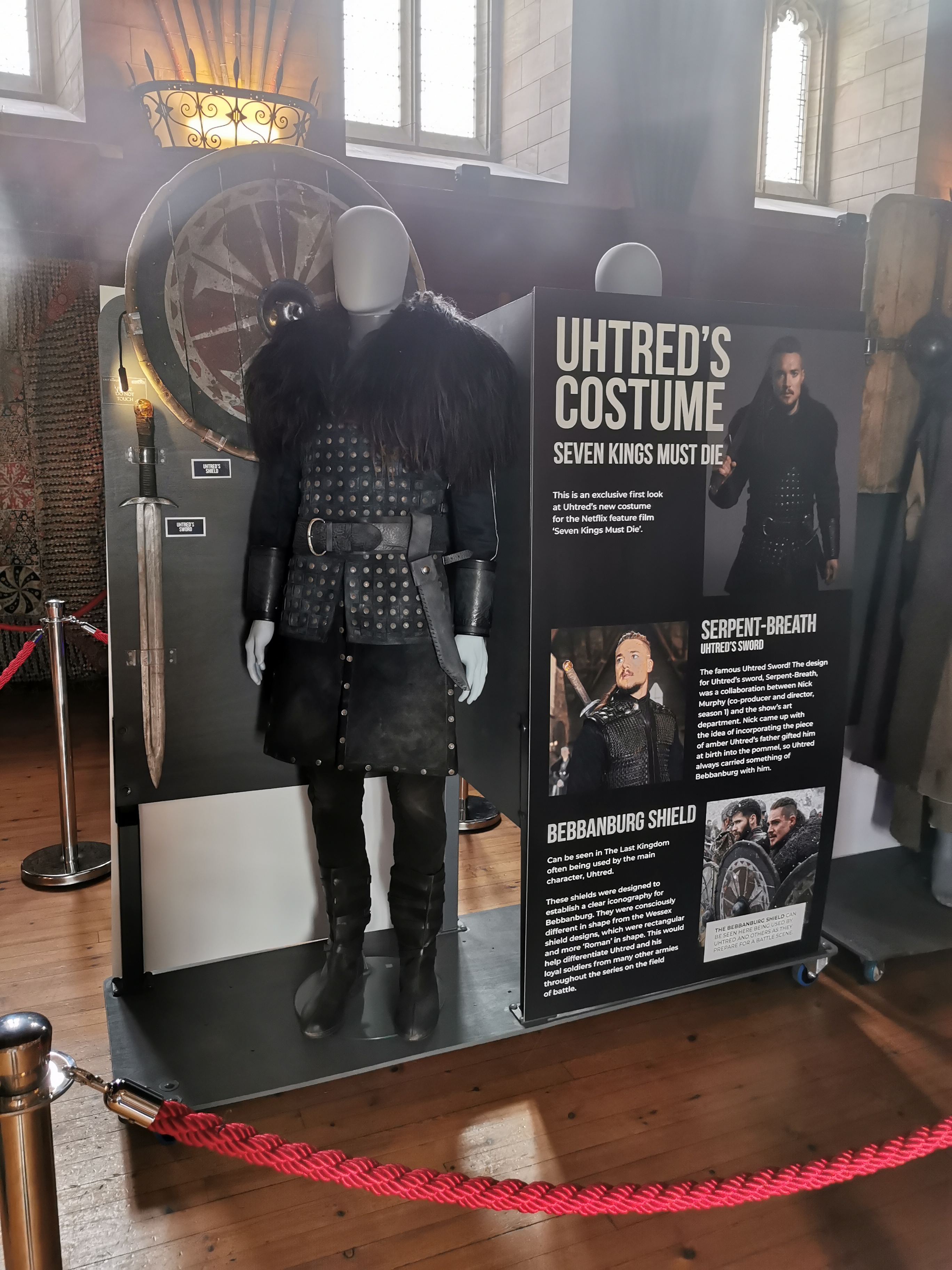
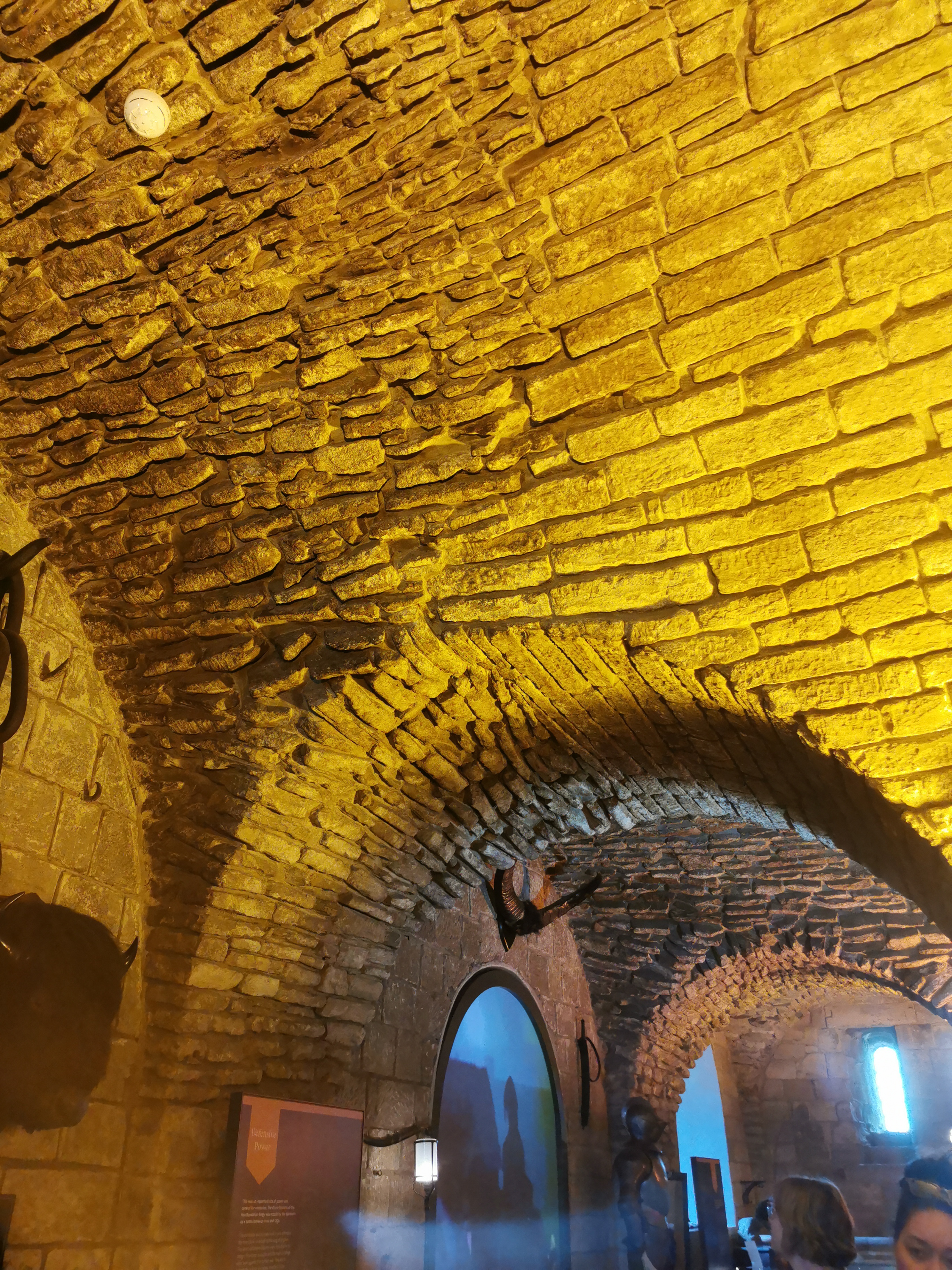
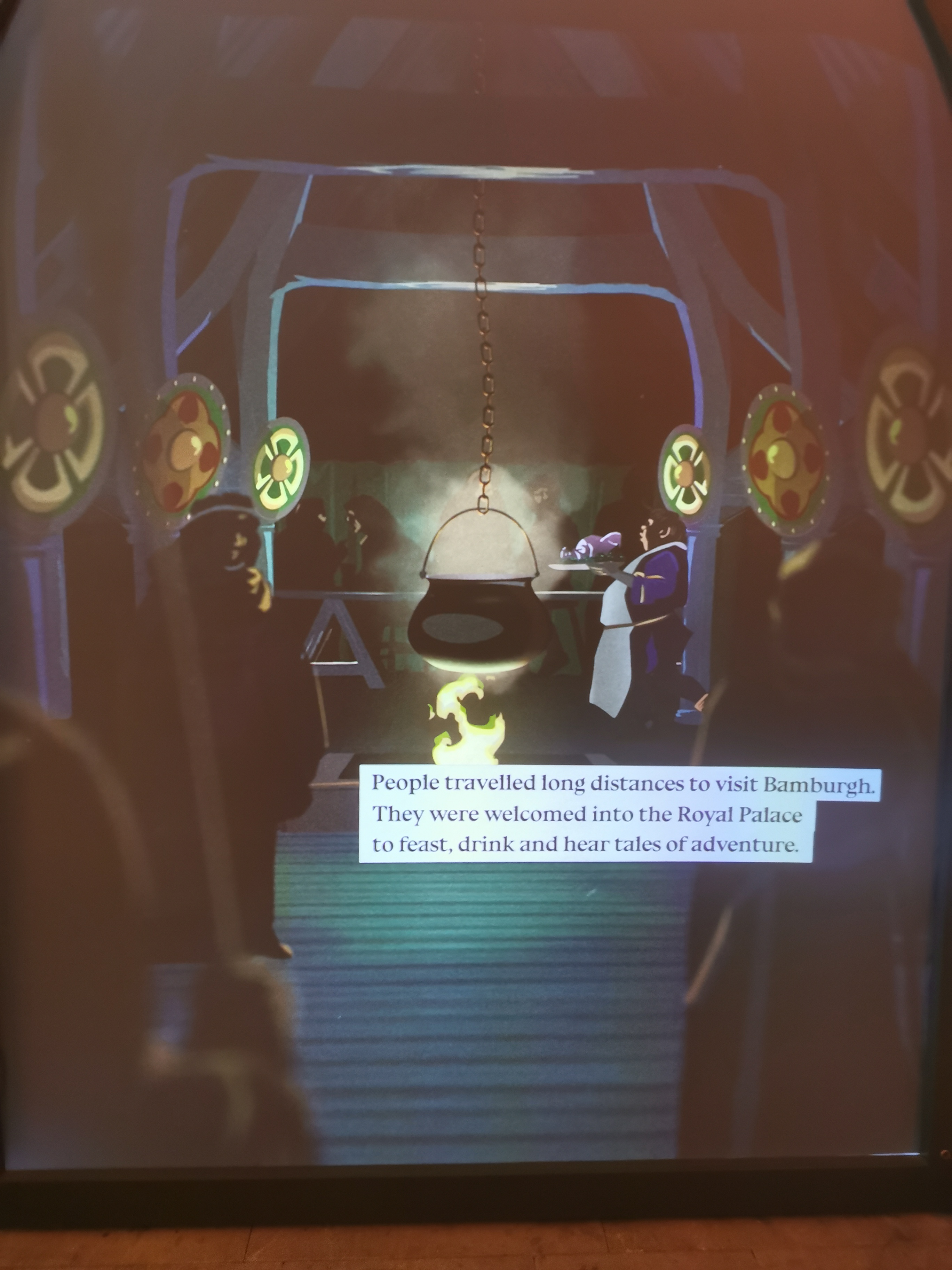
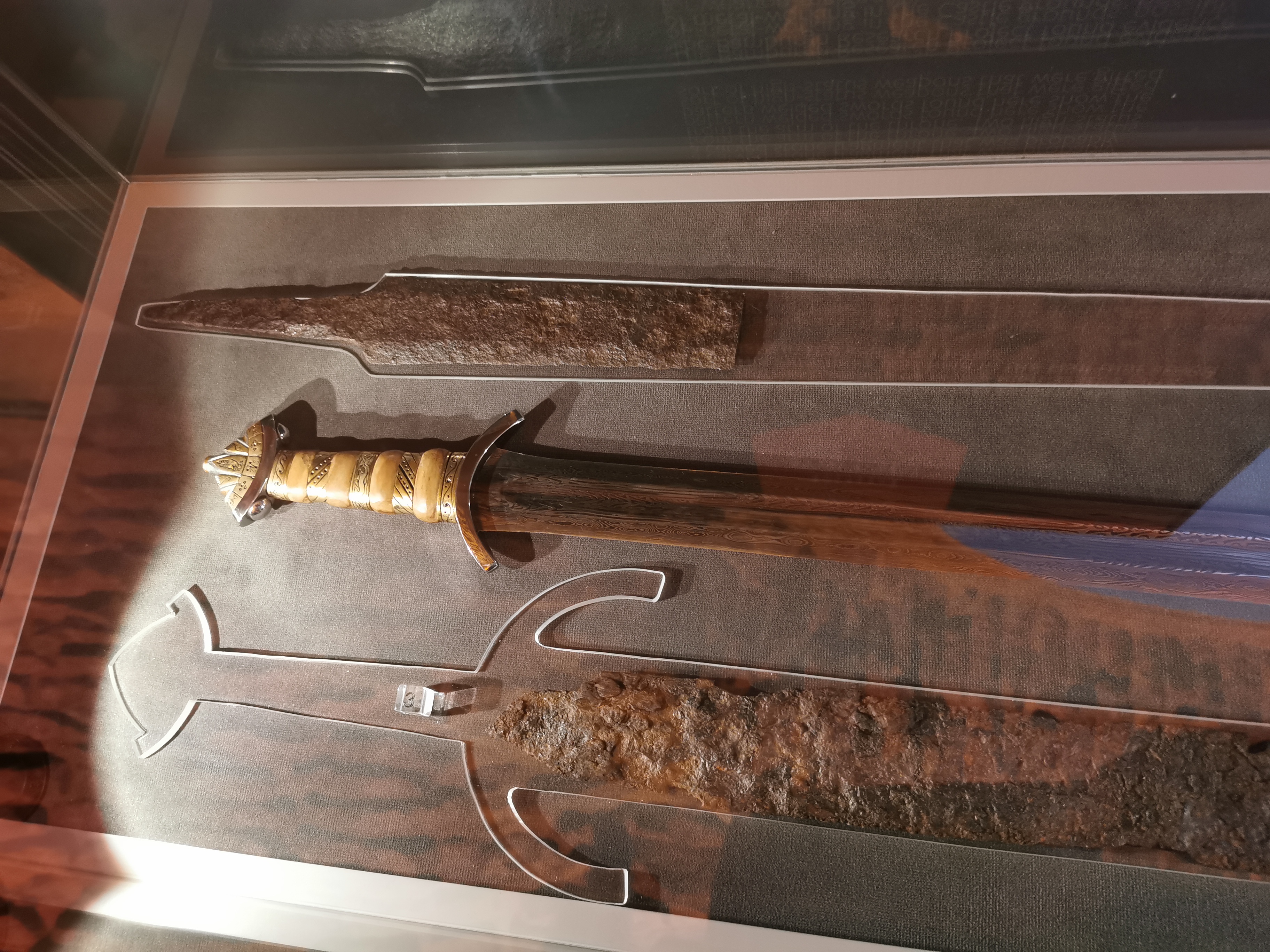
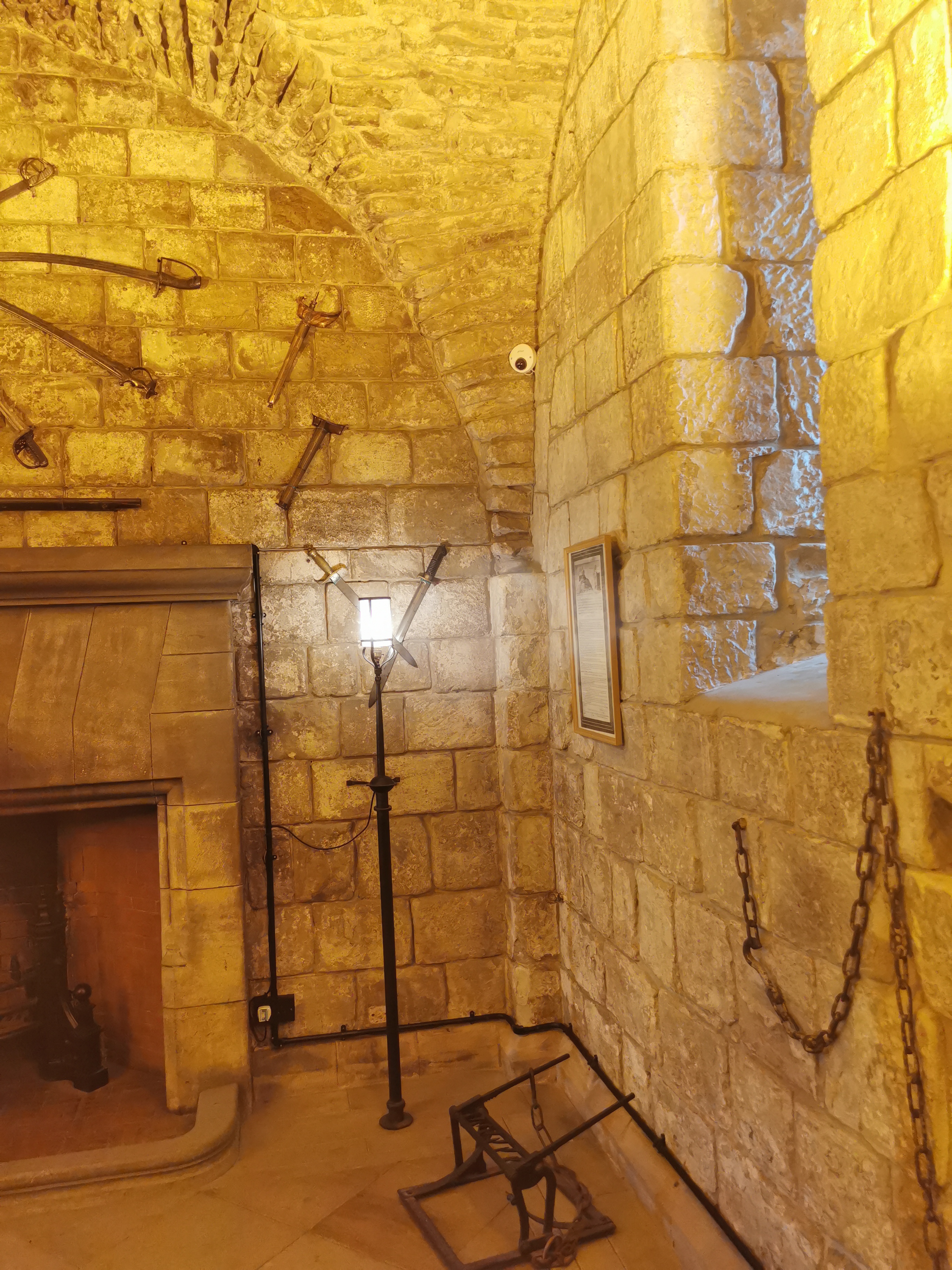
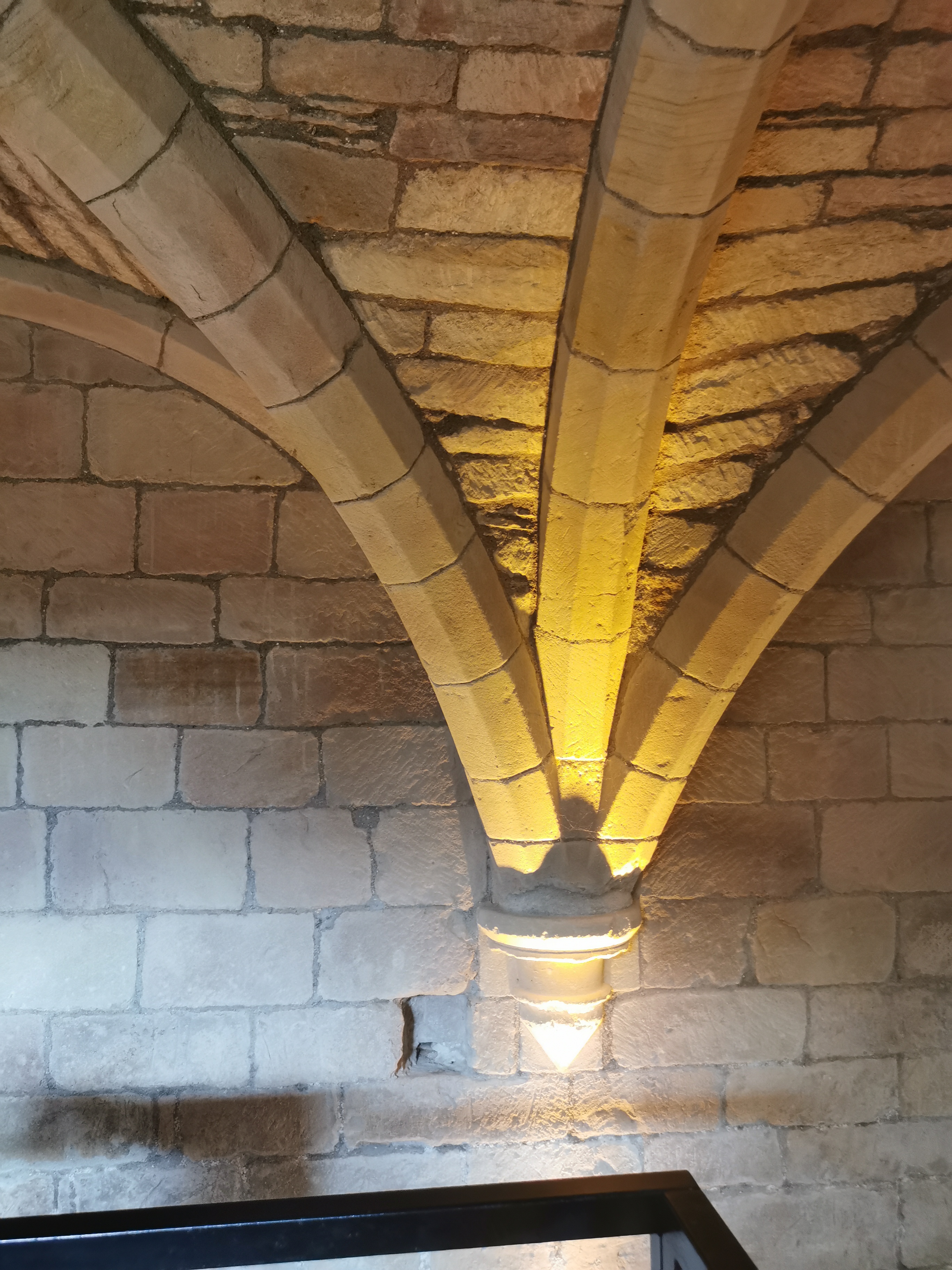
Day 2 – tour of Bamburgh Castle interior (including the Last Kingdom exhibition) and the chapel, and getting my hands wet with some environmental sampling
I didn’t take many photos of my wet hands:) In true ‘historian’ style, I did not enjoy getting my hands dirty and wet:)
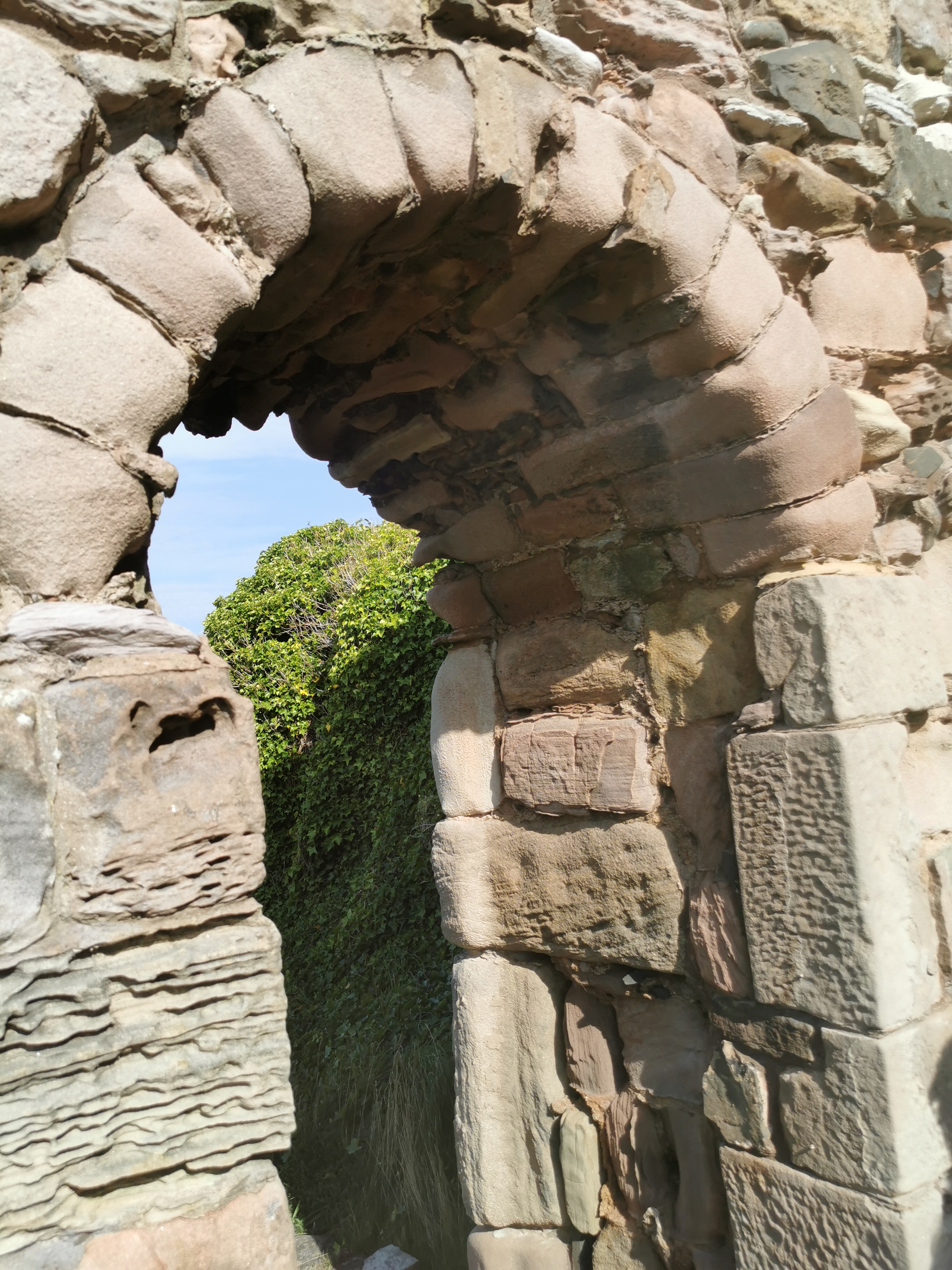
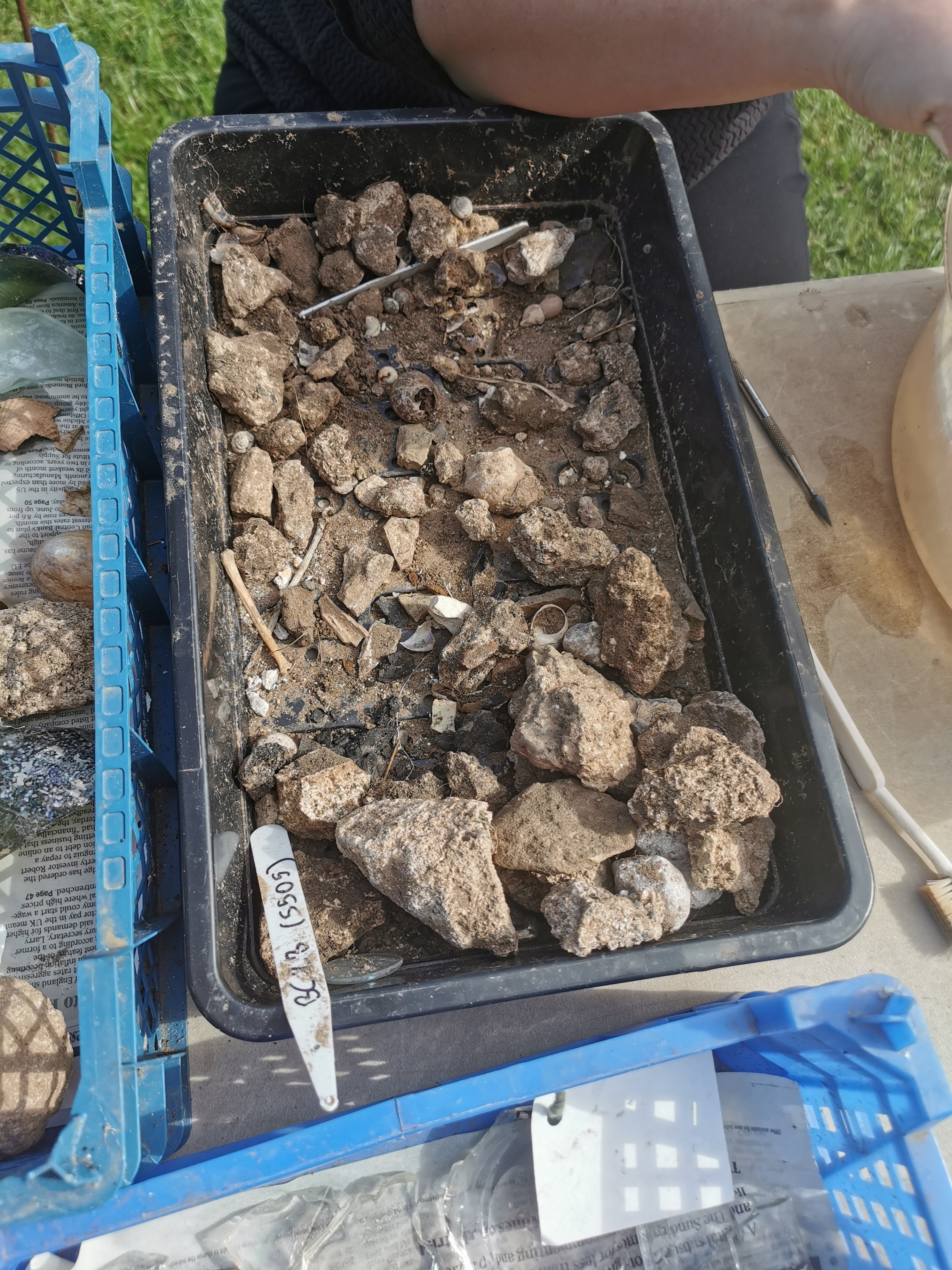
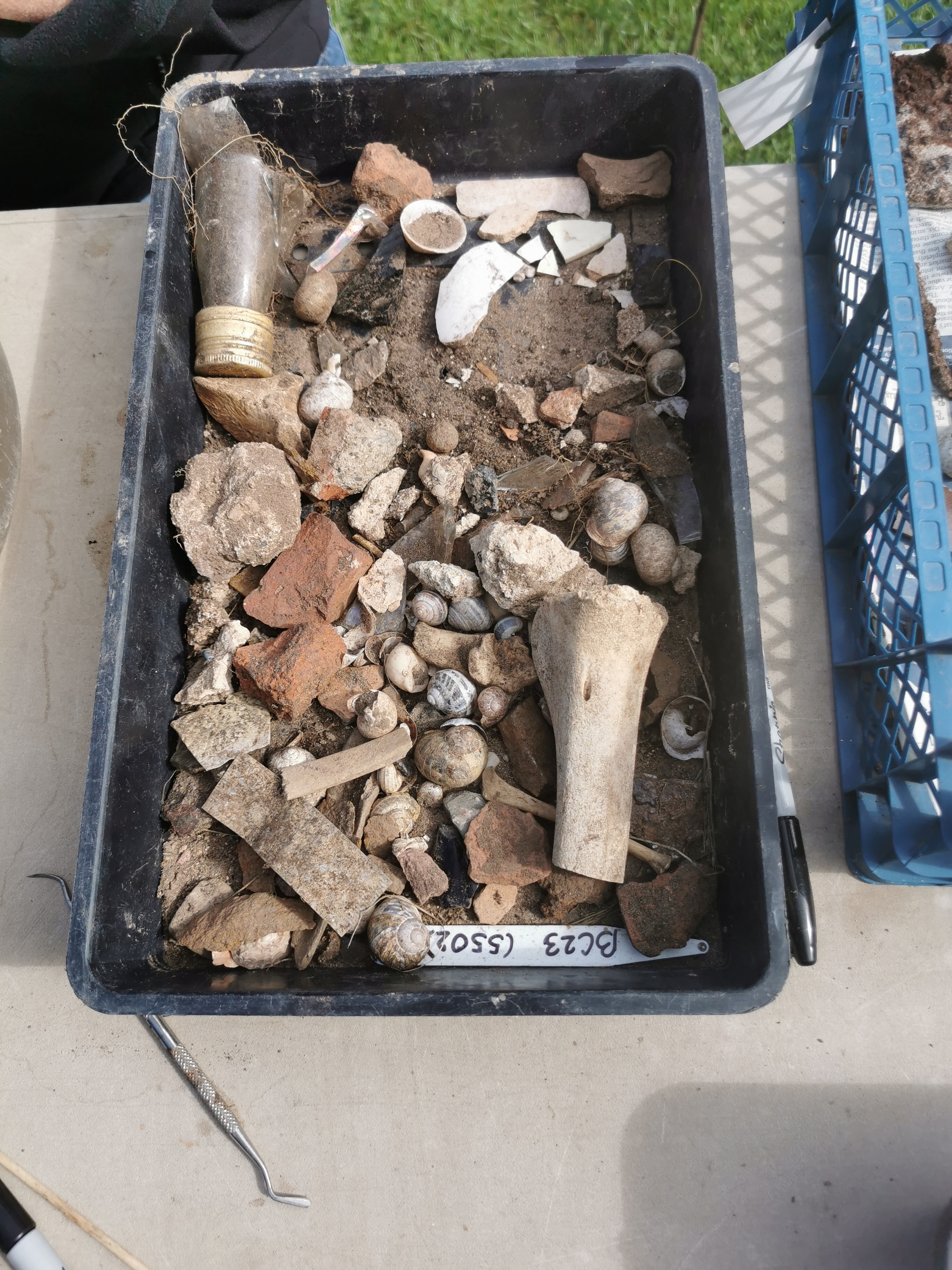
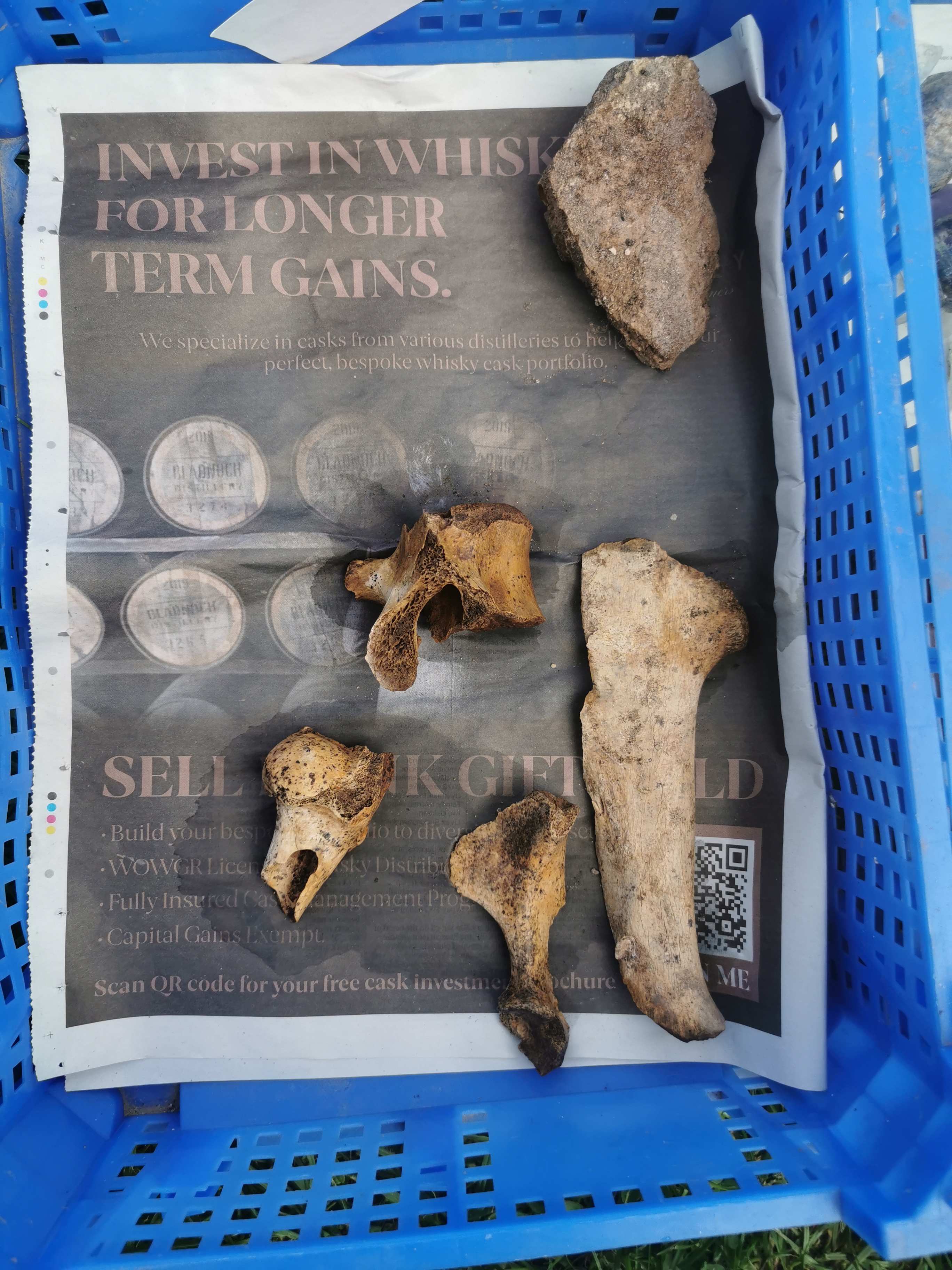
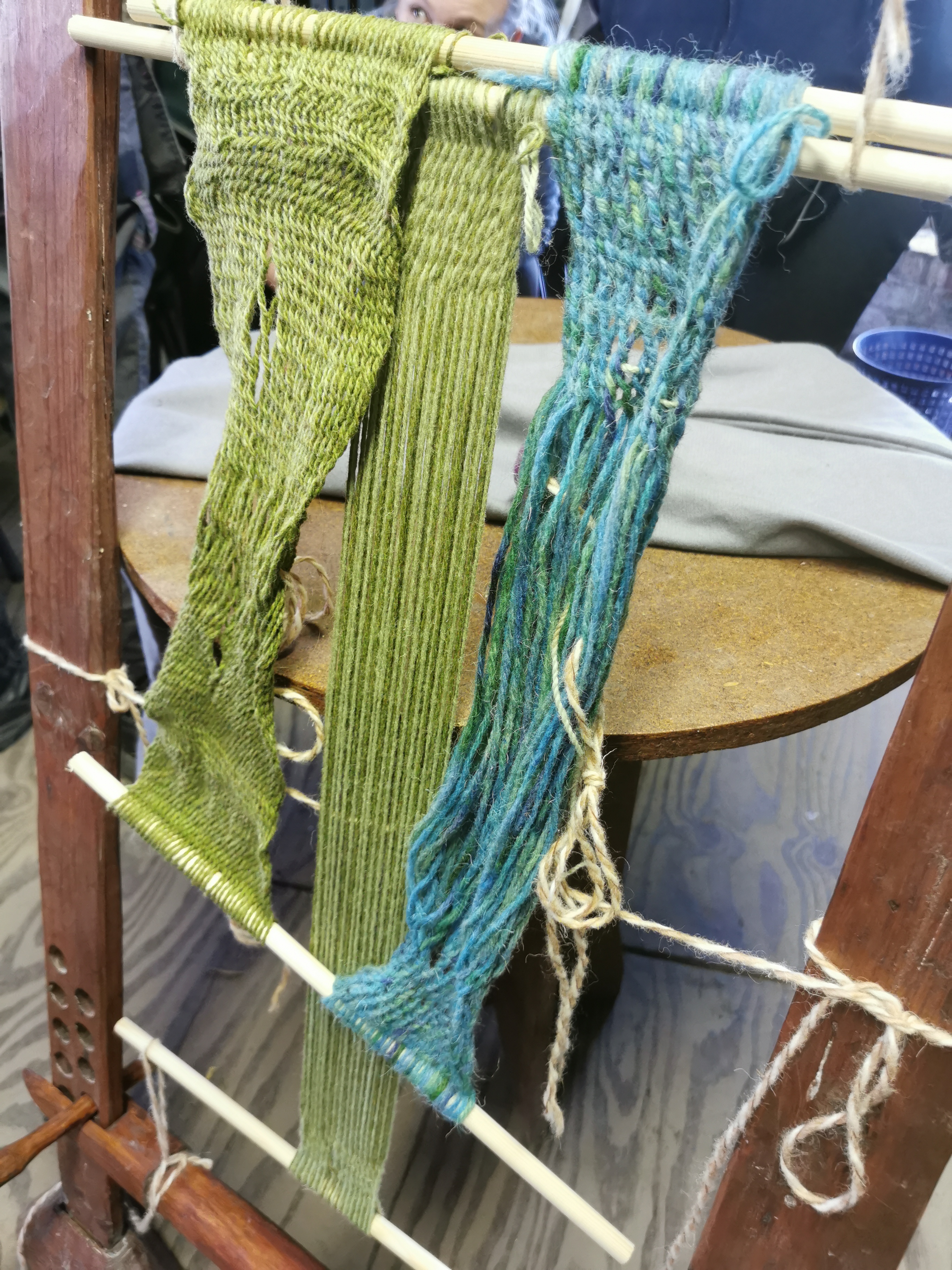
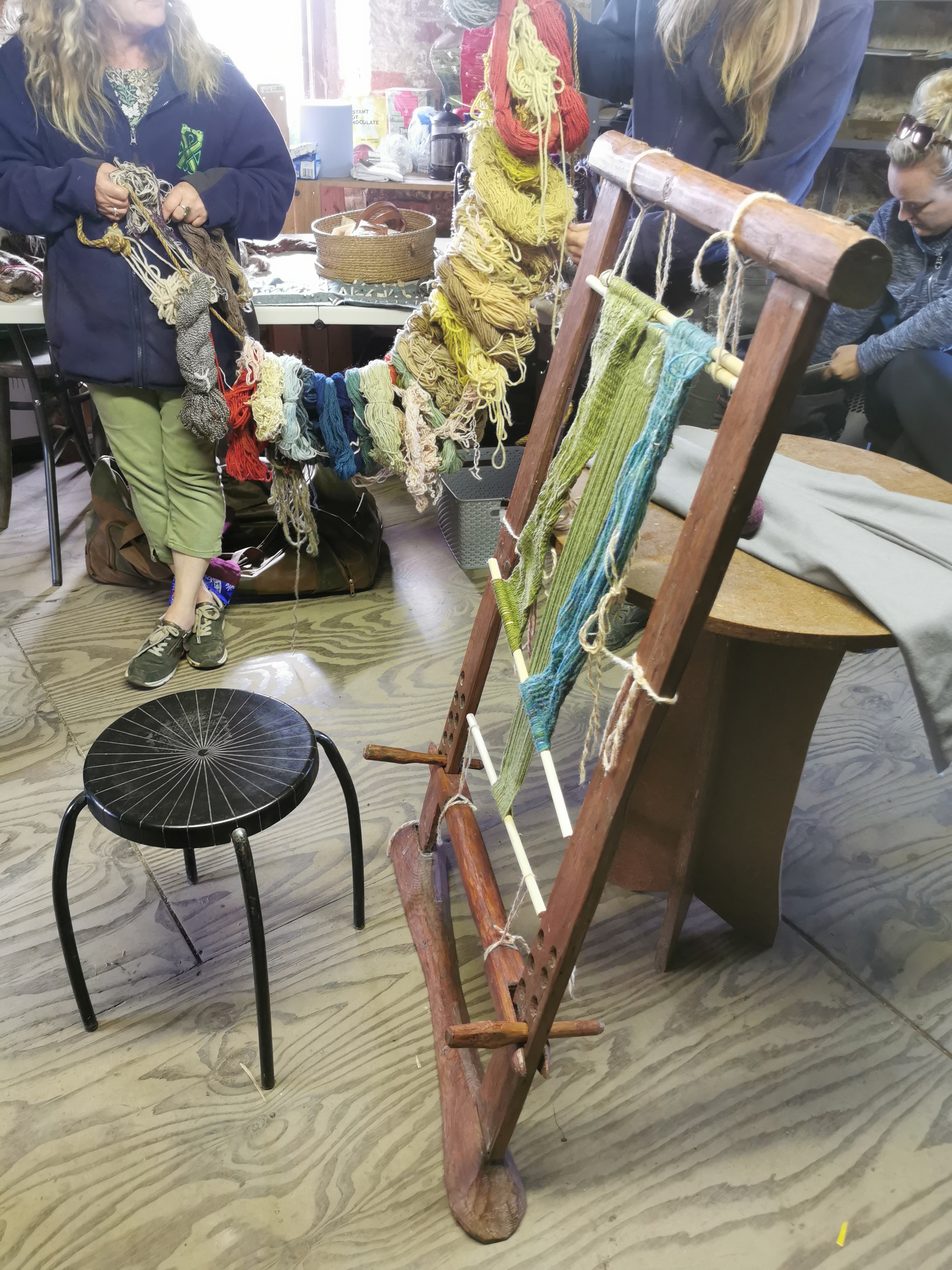
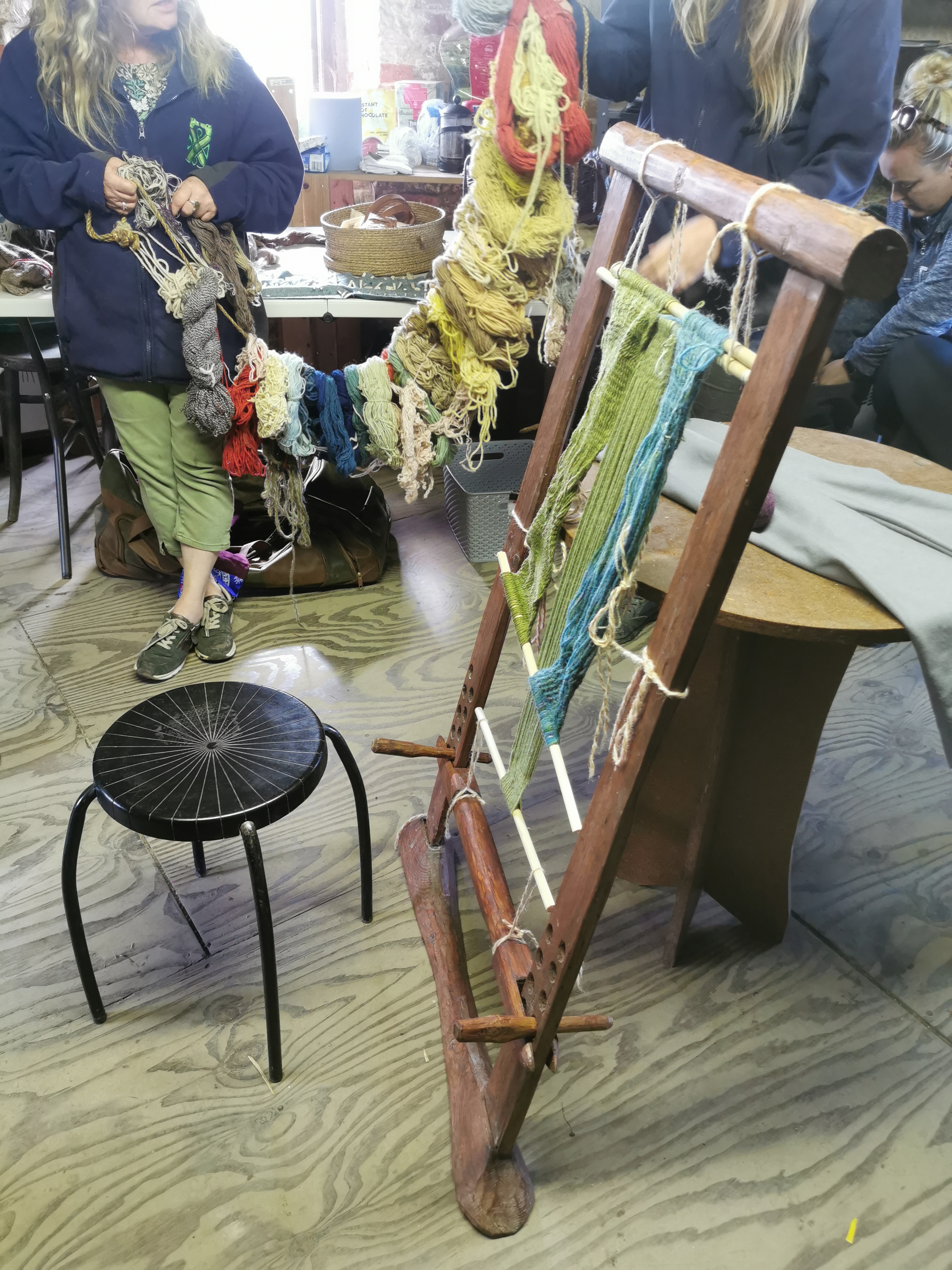
Day 3 Processing and cleaning finds and a talk about Saxon textiles as well as a demo – bone is animal bone!
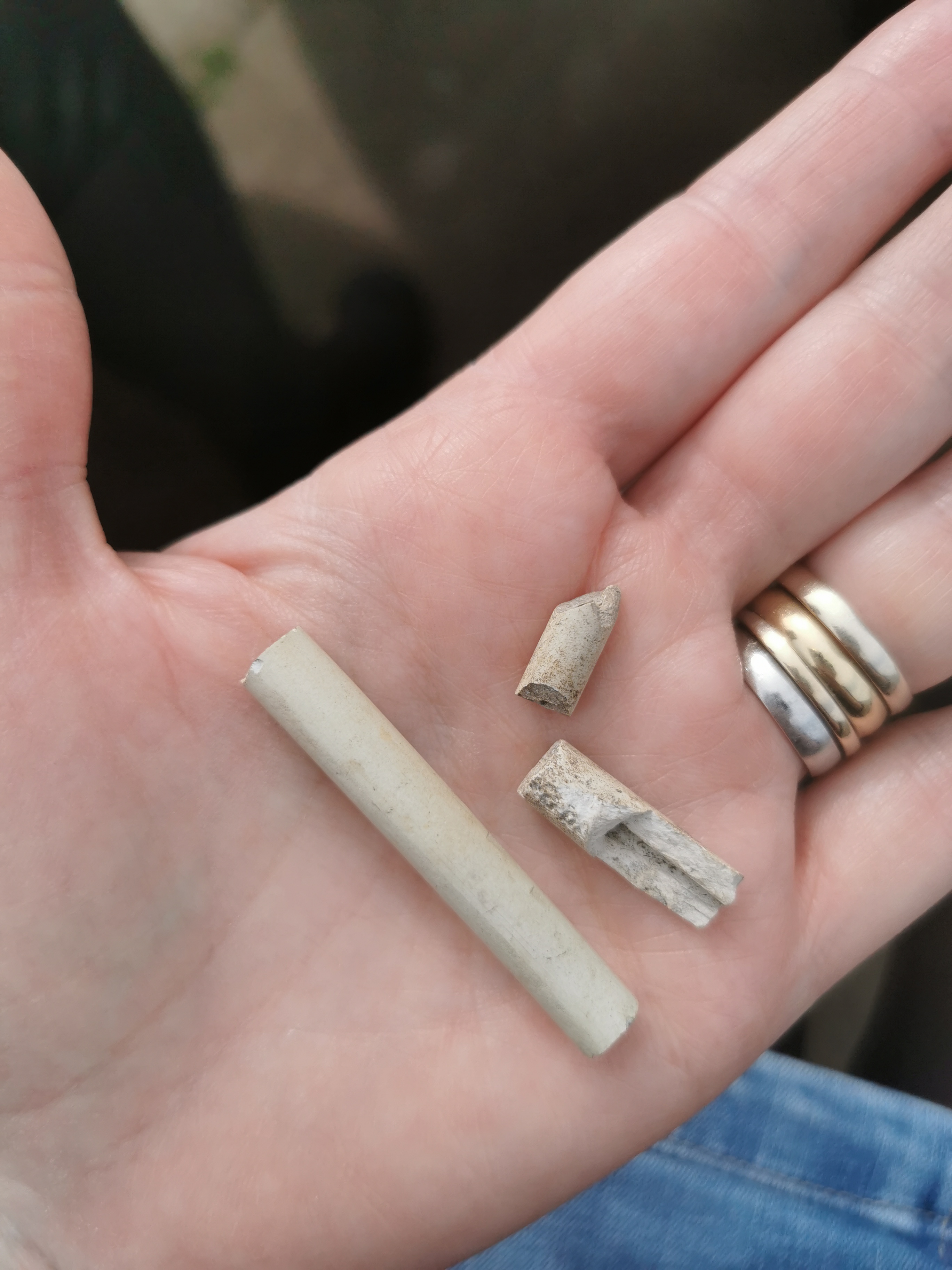
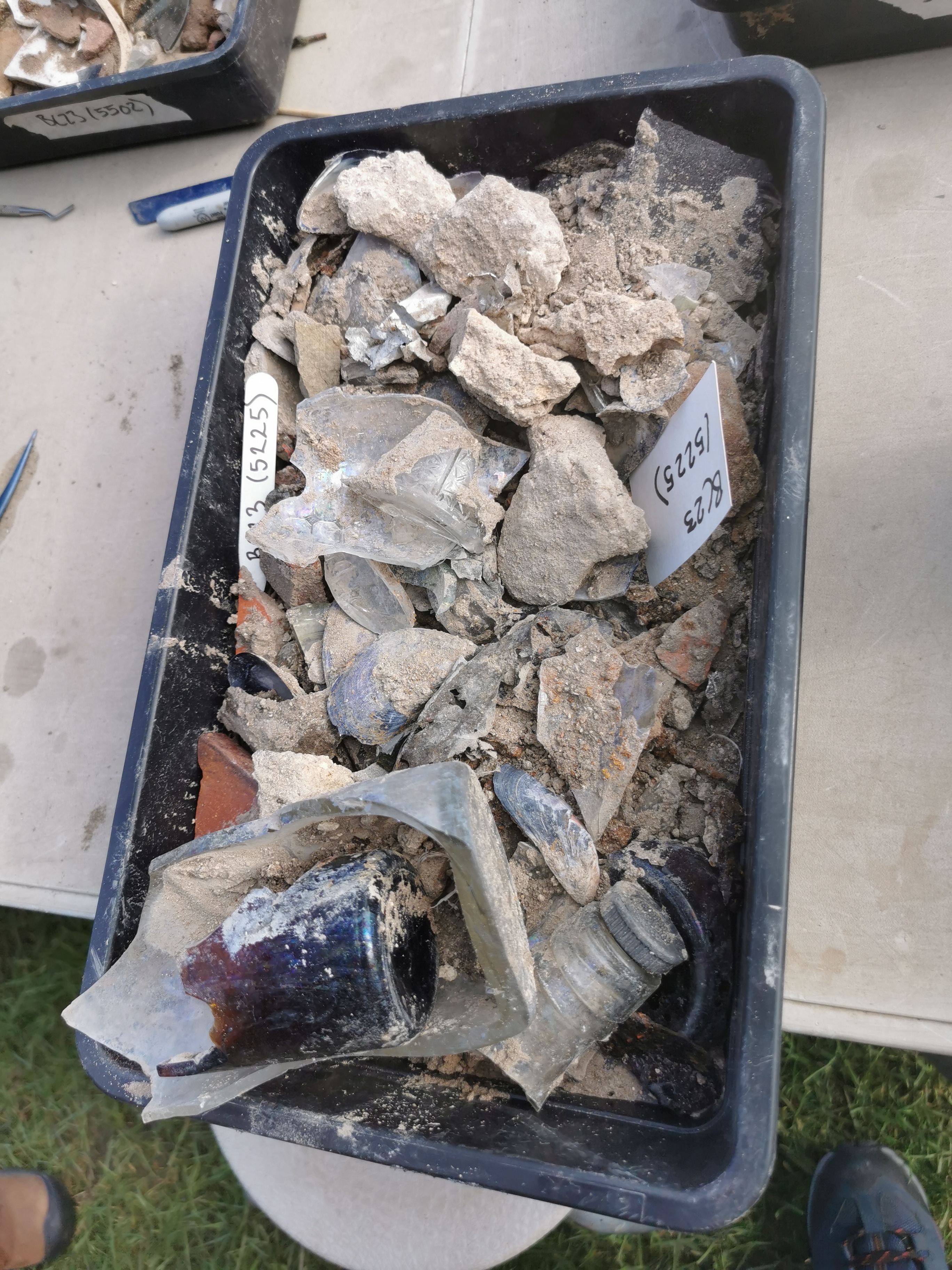
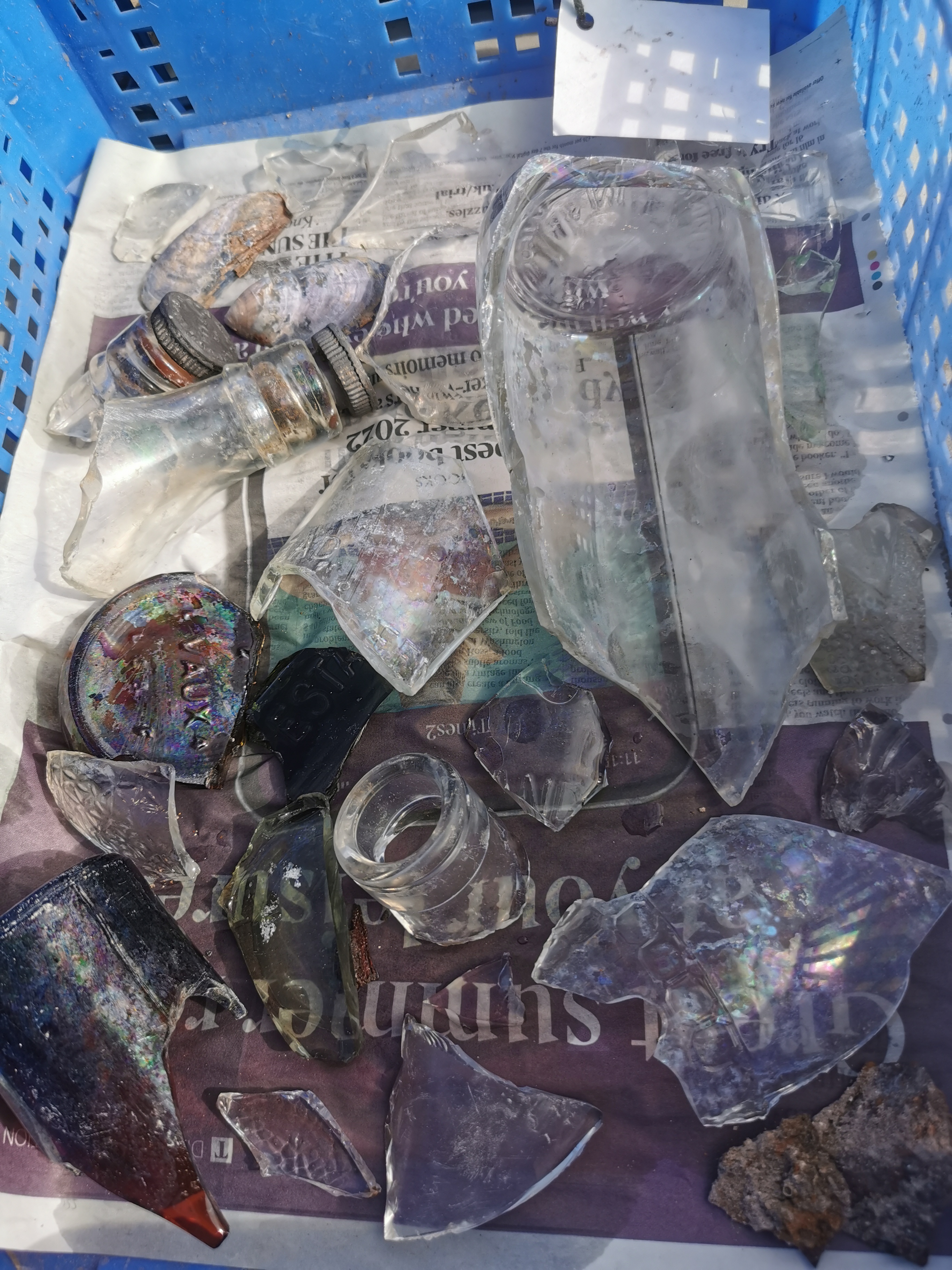
You can really tell the difference between the early medieval finds and those from a more ‘modern’ layer. I did clean a lot of glass – I would say they were discarded milk bottles:) I forgot to take many pictures during the textiles talk but it was fascinating, and alas, I’ve been told that toggles are only found from the 1300s so I need to rewrite a bit of my current writing project.
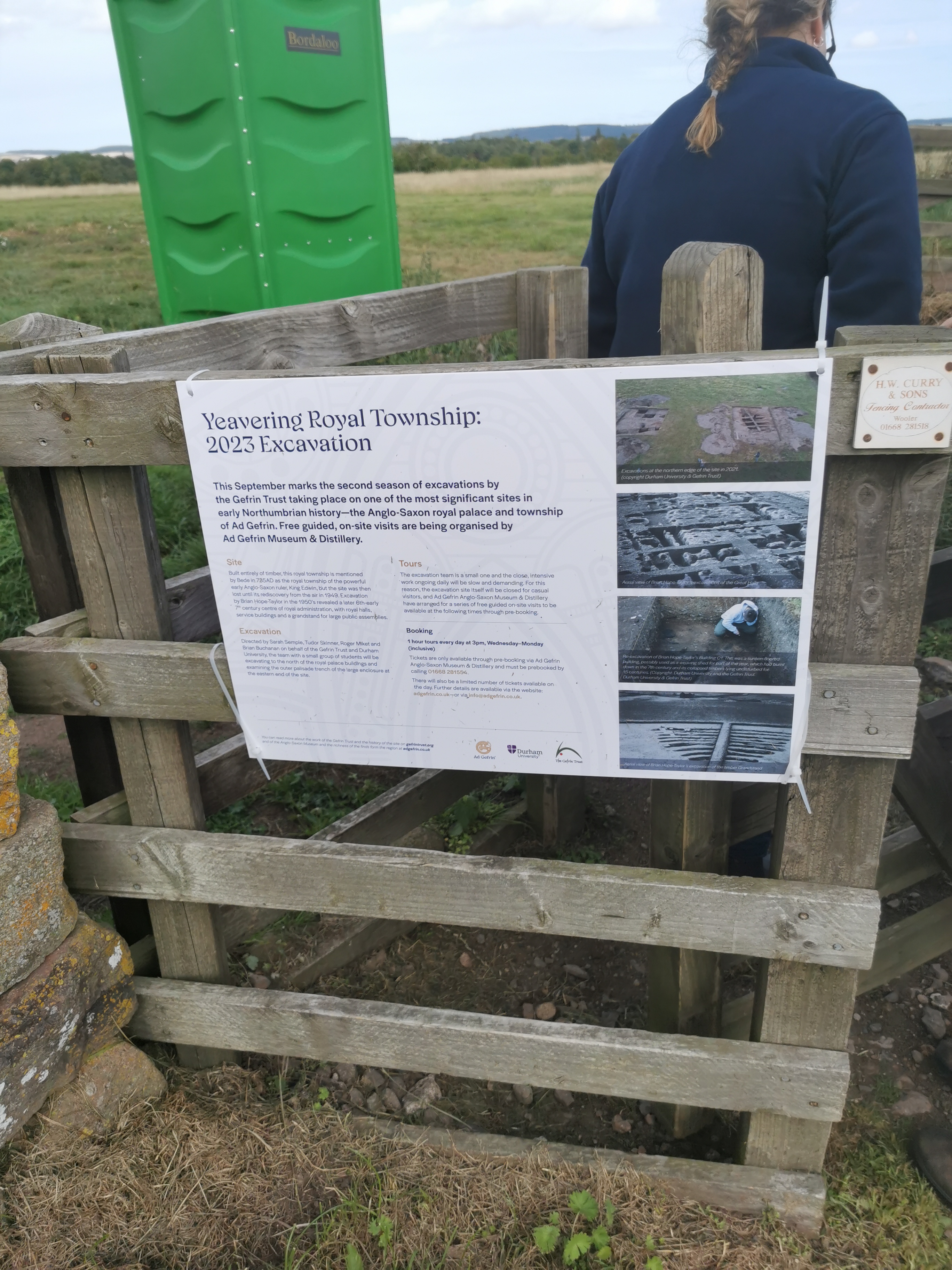
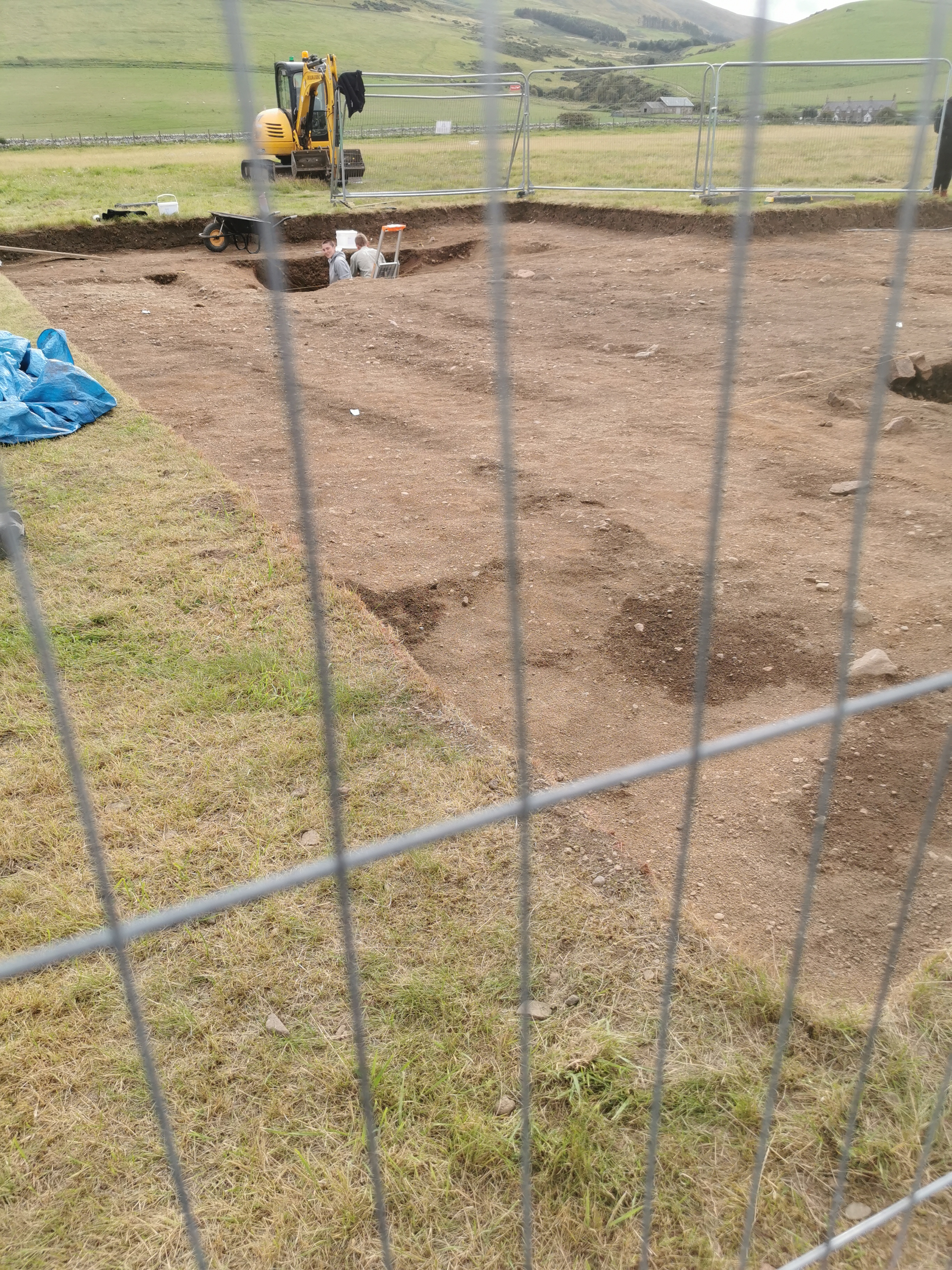
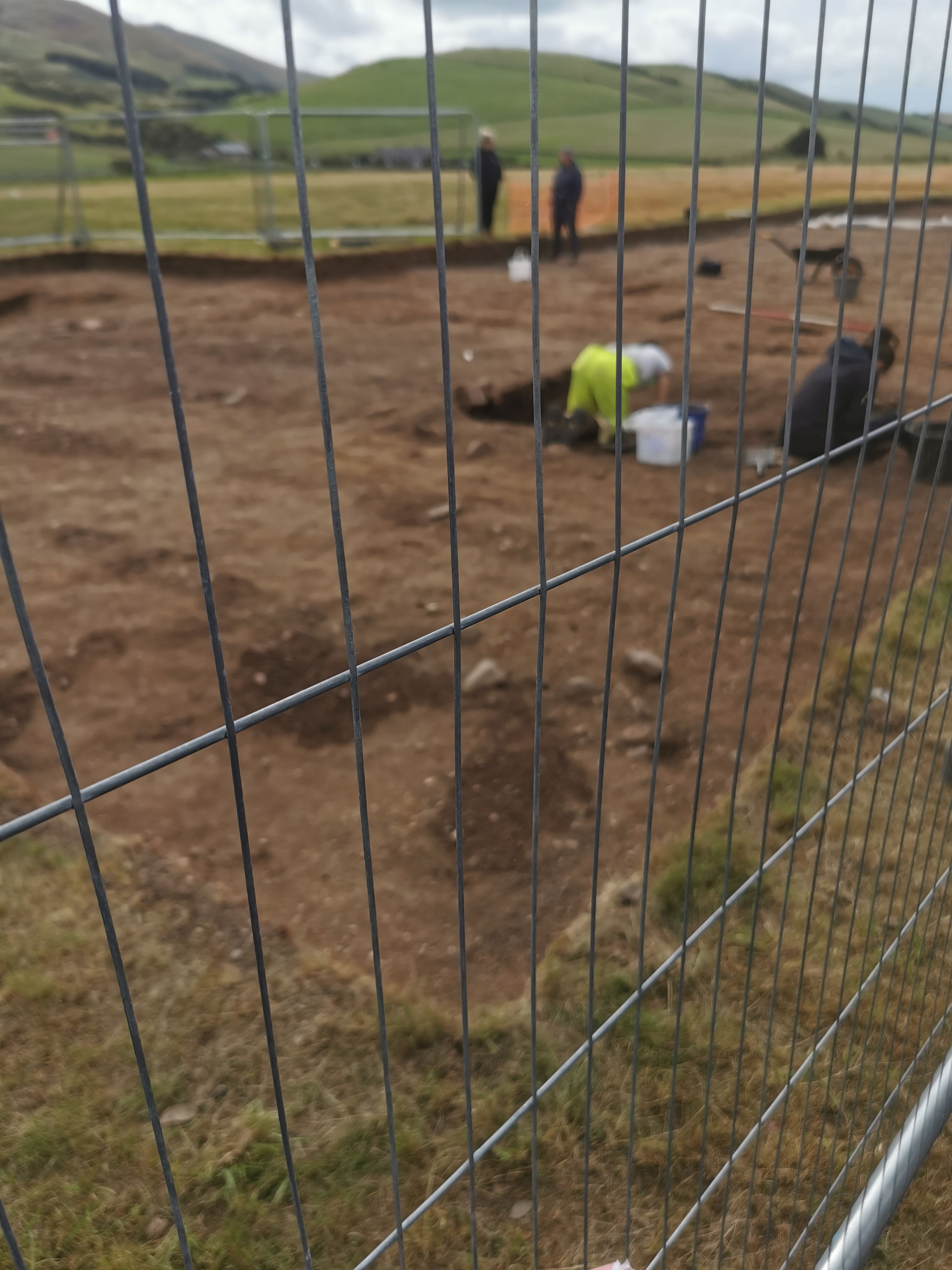
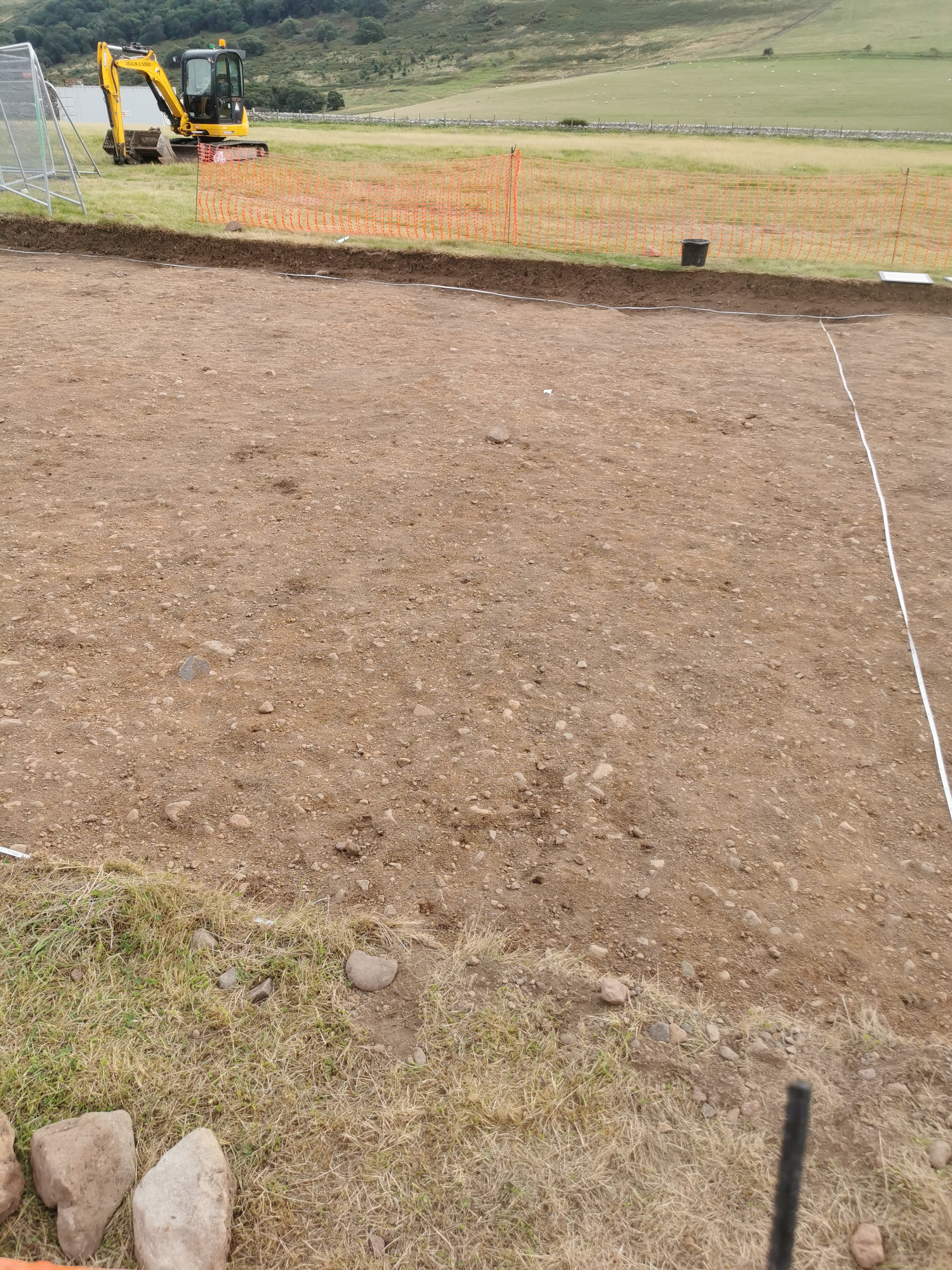
Day 4 Site visits to Lindisfarne/Holy Island and Ad Gefrin/Yeavering
Thank you to the teams excavating at the two locations for sharing their experiences with us. You can find details of the two excavations online. Lindisfarne Dig Ventures. Ad Gefrin Trust. Lindisfarne is the site close to the ruined priory in the background. Ad Gefrin is essentially a field in a beautiful valley with the hill, Yeavering Bell, looking down on it. I also took a quick stroll through the museum at Lindisfarne Priory.
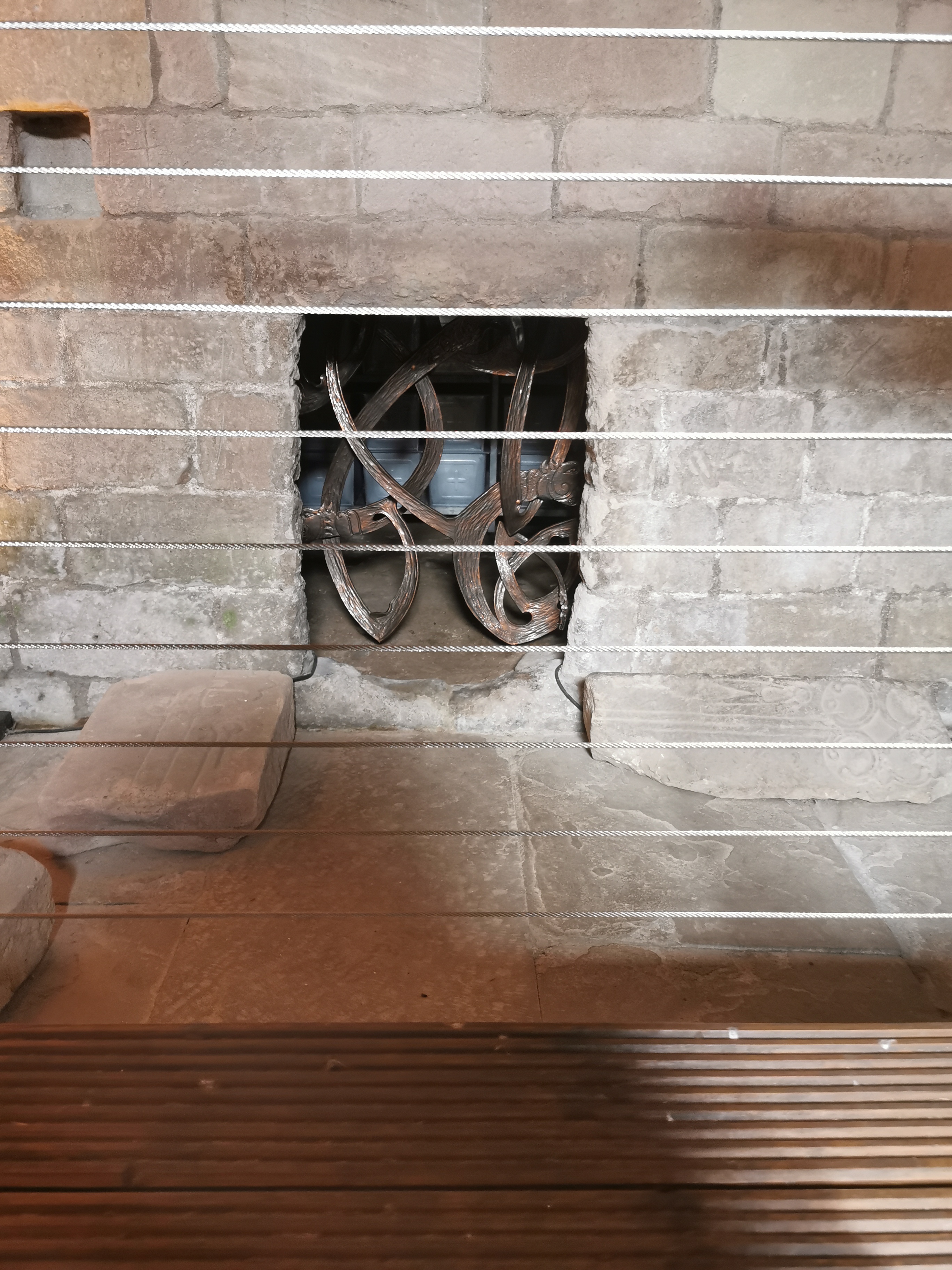
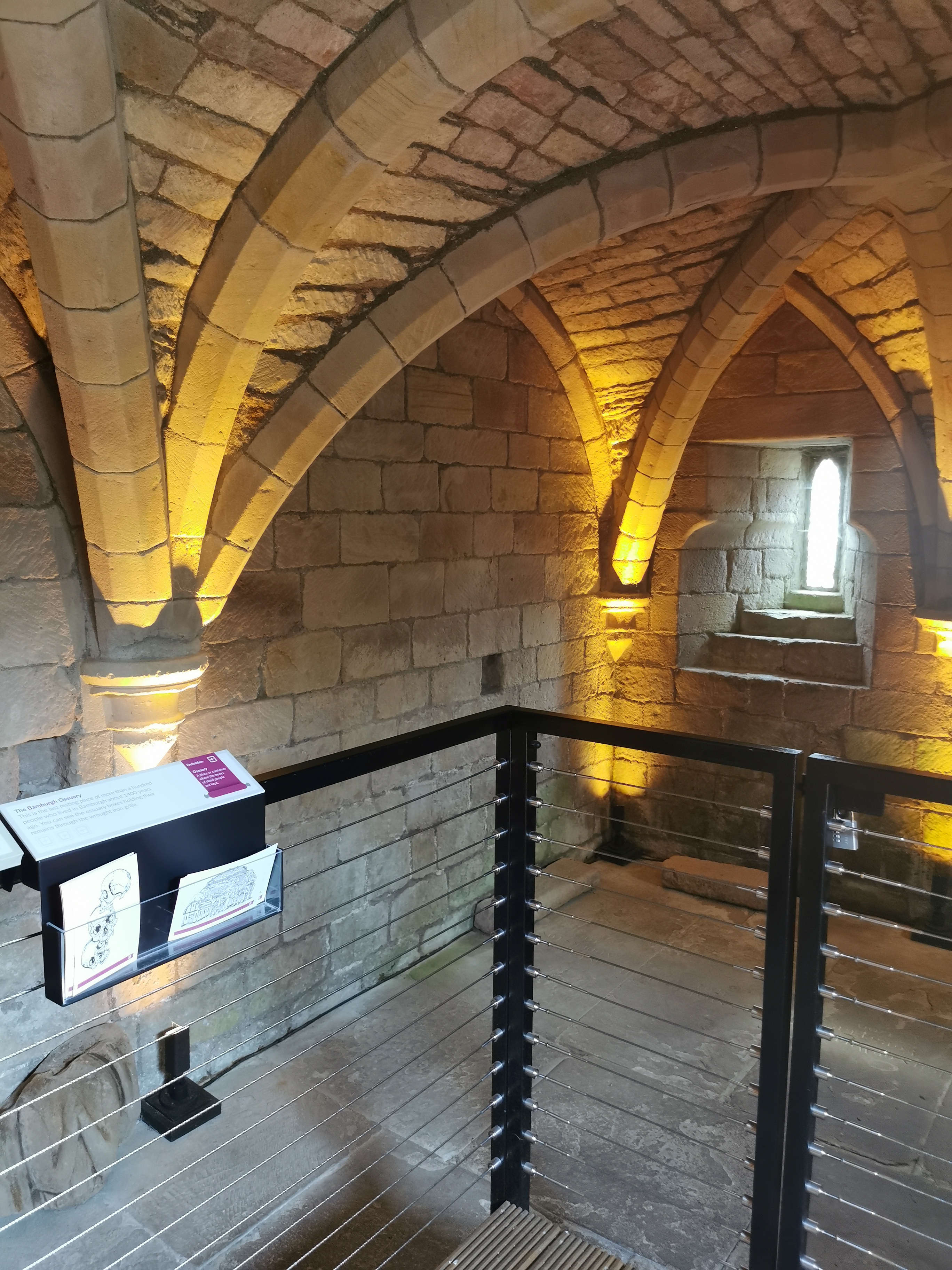
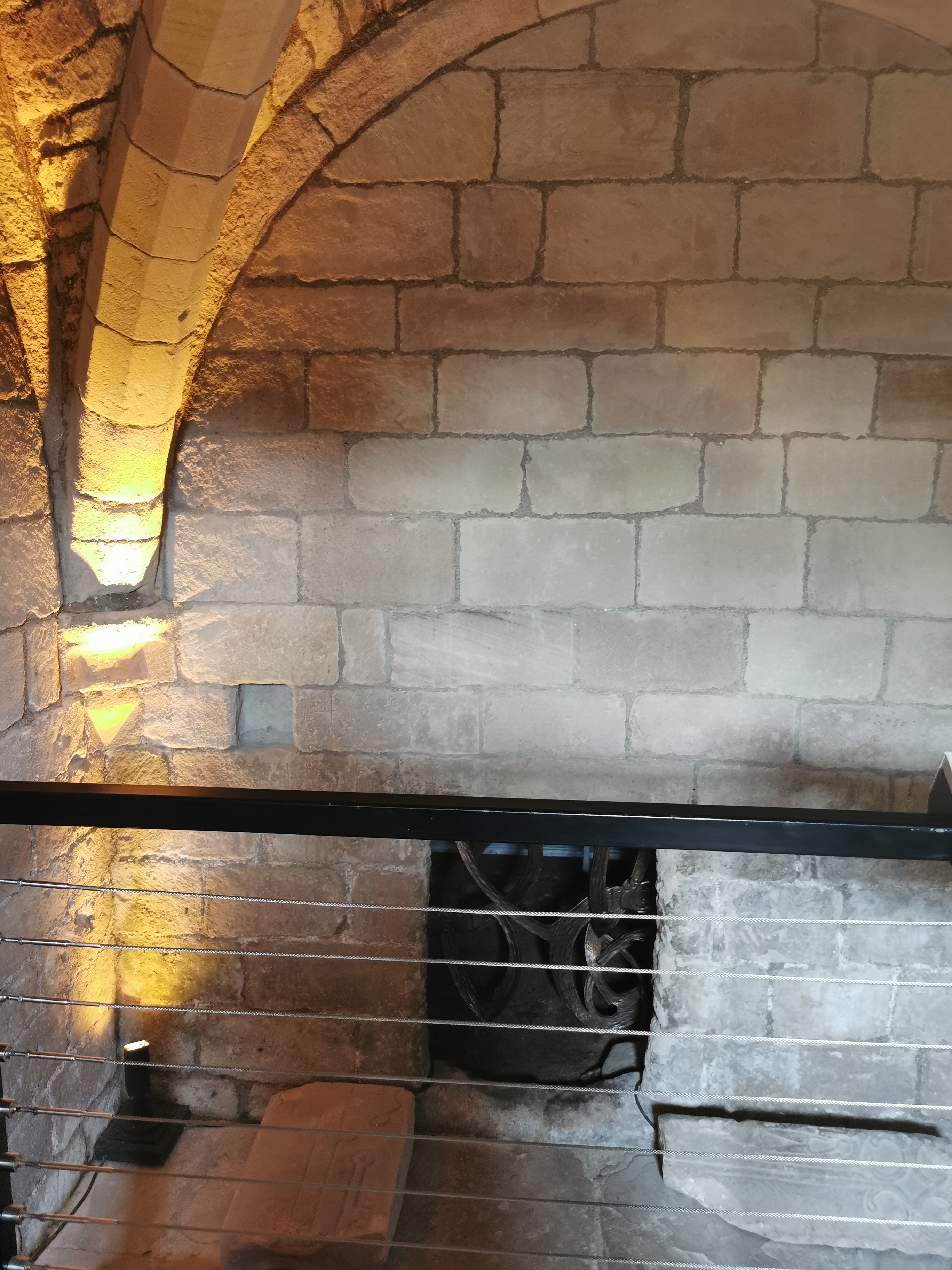
Day 5 Visit to the Bowl Hole, St Aidan’s Church and a talk by an osteoarchaeologist
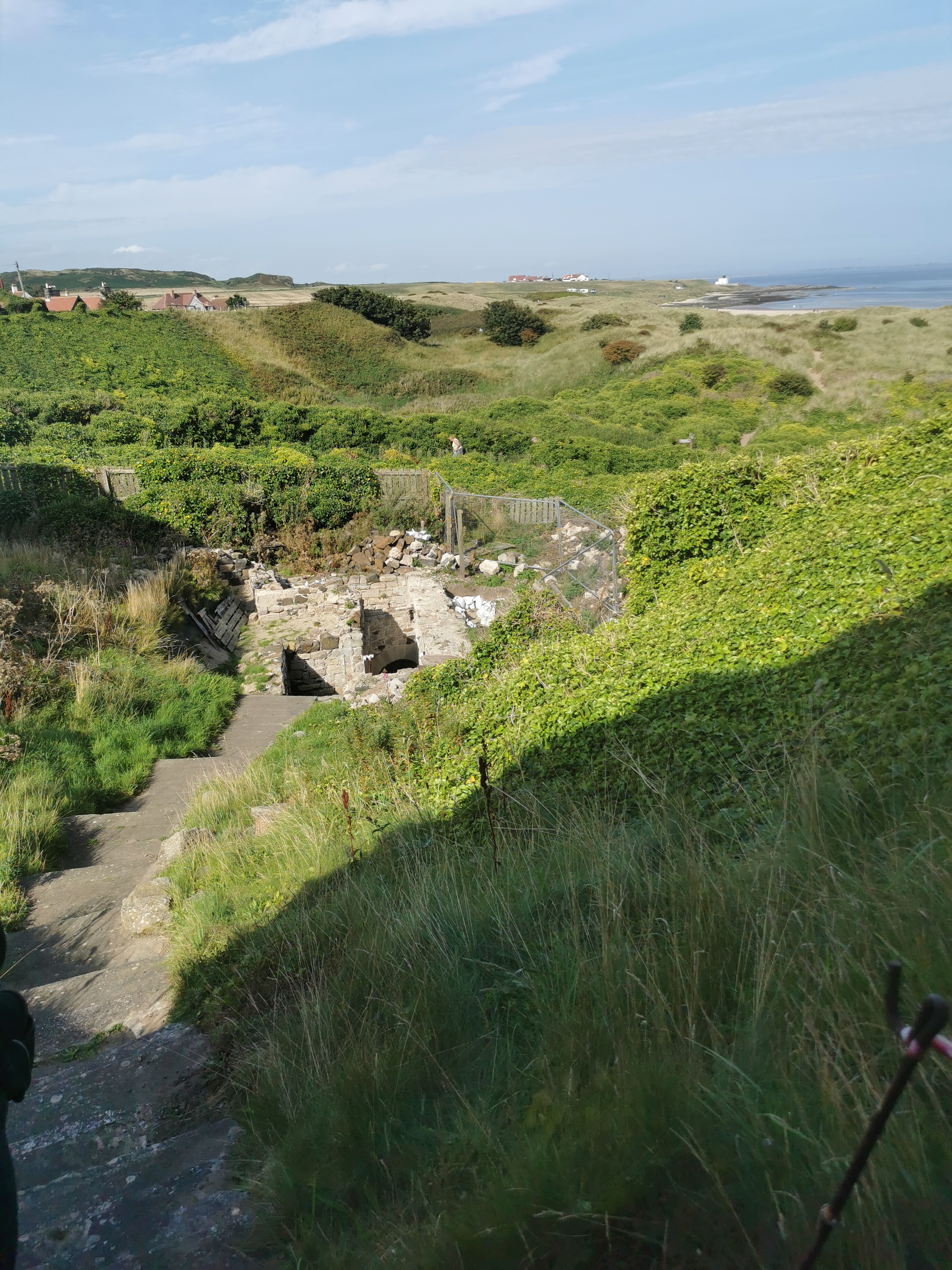
The well-known Bamburgh Bones were discovered in the Bowl Hole – there’s little to see there now but overgrown weeds but the view from the Bowl Hole to the castle is important. The skeletons excavated from the Bowl Hole have now been interred in St Aidan’s Church in the village. You can visit the database for the Bamburgh Bones and learn about the individual skeletons. I’ve not included any photos from the osteoarchaeologist because I was too busy making notes, but it was fascinating to discover what can be discovered about the lives people led from their bones.
It was a fabulous week. Being allowed to ask as many questions as I wanted was fantastic, and I’d like to thank my fellow students, the Bamburgh Research Project Team, Dig Ventures, the Ad Gefrin Trust and all the specialists who shared their knowledge with us for contributing to the amazing experience.
Really, I wouldn’t think he’d do that. He’ll make some excuse about having no time, or some such. Oh wait, did Lady Cyneswith set this up?
Yes, she did, and I’ve already spoken to her. But tell me, do you know the king? You seem to know who everyone is.
Of course I do. I’m Rudolf. His old squire, and now member of his warband. Why?
Would you like to talk to us about his latest book?
Well, I suppose I have the time. If you’re quick, and I don’t get caught. I’m supposed to be showing young Hiltiberht the ropes, and Haden can be a real handful.
Tell me, what’s King Coelwulf like? As a warrior?
Bloody lethal. You don’t want to be facing off against him. I’ve never seen anyone kill so quickly. And the moves he can do? I wish I had even half of his skill. I mean, he says I’m a good warrior and all, but I make up for my lack of skill with speed. And he doesn’t have that because he’s so bloody …. Um, because he doesn’t need to do that. Sometimes, I swear the enemy make it look so easy it’s as though they’re falling onto his seax or sword.
He’s quite good then?
Better than good. I’ve never seen anyone fight the way he does. Well, apart from Icel, and Edmund, and maybe Hereman. But, certainly, the Raiders stand no chance against him.
I hear he even camps in the woodlands and forests? It’s not really the sort of thing a king should do, is it?
Now, you see here. He was a warrior long before he was king. King Coelwulf only has one aim, to kill all the Raiders. To drive them from Mercia and make sure they don’t come back. He’s not into all that fancy clothes, and court etiquette, or sleeping in a bed of silk sheets. They’d be too damn cold, anyway. He’s told me. No, the king of Mercia is a damn warrior, and the only man capable of defeating the Raiders, and the Welsh, if it comes to it.
And, have you read the new book?
Got no time for reading. I’m sure King Coelwulf told you that, and he’s right. I’d like a good night’s sleep without interruption more than I’d like to read a book. Maybe a scop could tell the tale. But, that would be Edmund and I’d have to listen to him tell the tale. He’s good, of course he’s good, but he probably wouldn’t mention me as much as I might like.
To all the young lads who do read the book, what would your advice be? How could they get into King Coelwulf’s warband?
Well, they should probably have joined it a while ago, and at the moment, there’s a few squires that need training up, so there’s no room, not for a while. So, I’d tell them to wait, and while they’re waiting, learn a few things, like how to clean saddles and seaxs. It’s a mucky job, but someone’s got to do it. And with King Coelwulf, you’ve got to earn his respect first. And then, well, once you’ve got it, you’ve got to keep it. A hard man, but a great man. Mercians should be pleased with their king. He’ll keep them safe, or he’ll die trying. You didn’t find the old king doing that. Far from it in fact. He’s scuttled off to Rome, or somewhere like that. Gone to pray for his soul. He’s got a lot to need forgiveness for, abandoning his kingdom like that.
Oh, sorry, I’ve got to go.
And there you have it. A few words from Rudolf, King Coelwulf’s old squire. I hear he fights incredibly well, and offers some important advice for any would be members of the king’s warband.
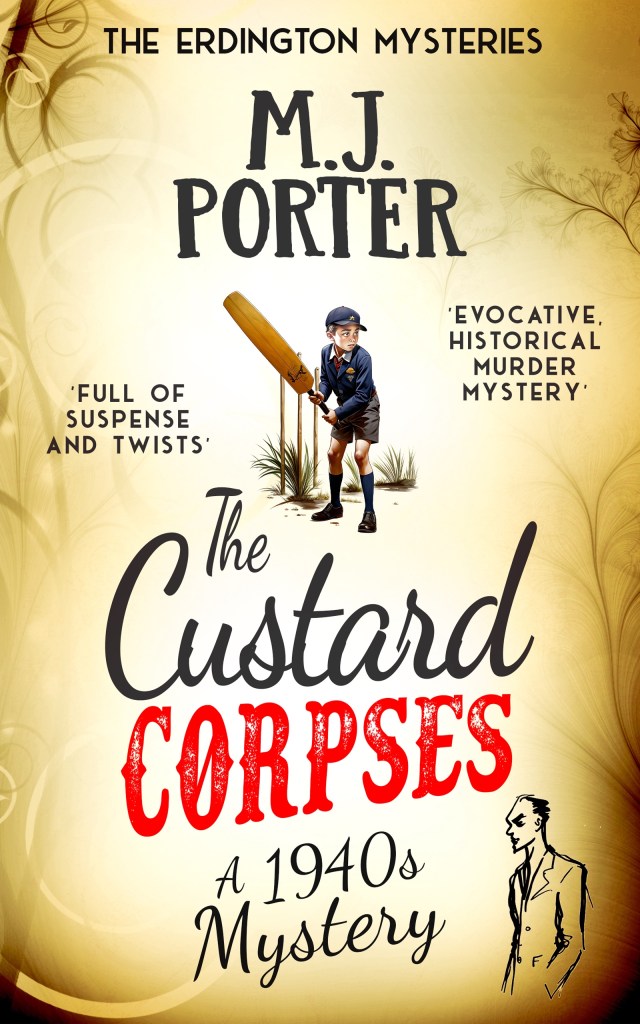
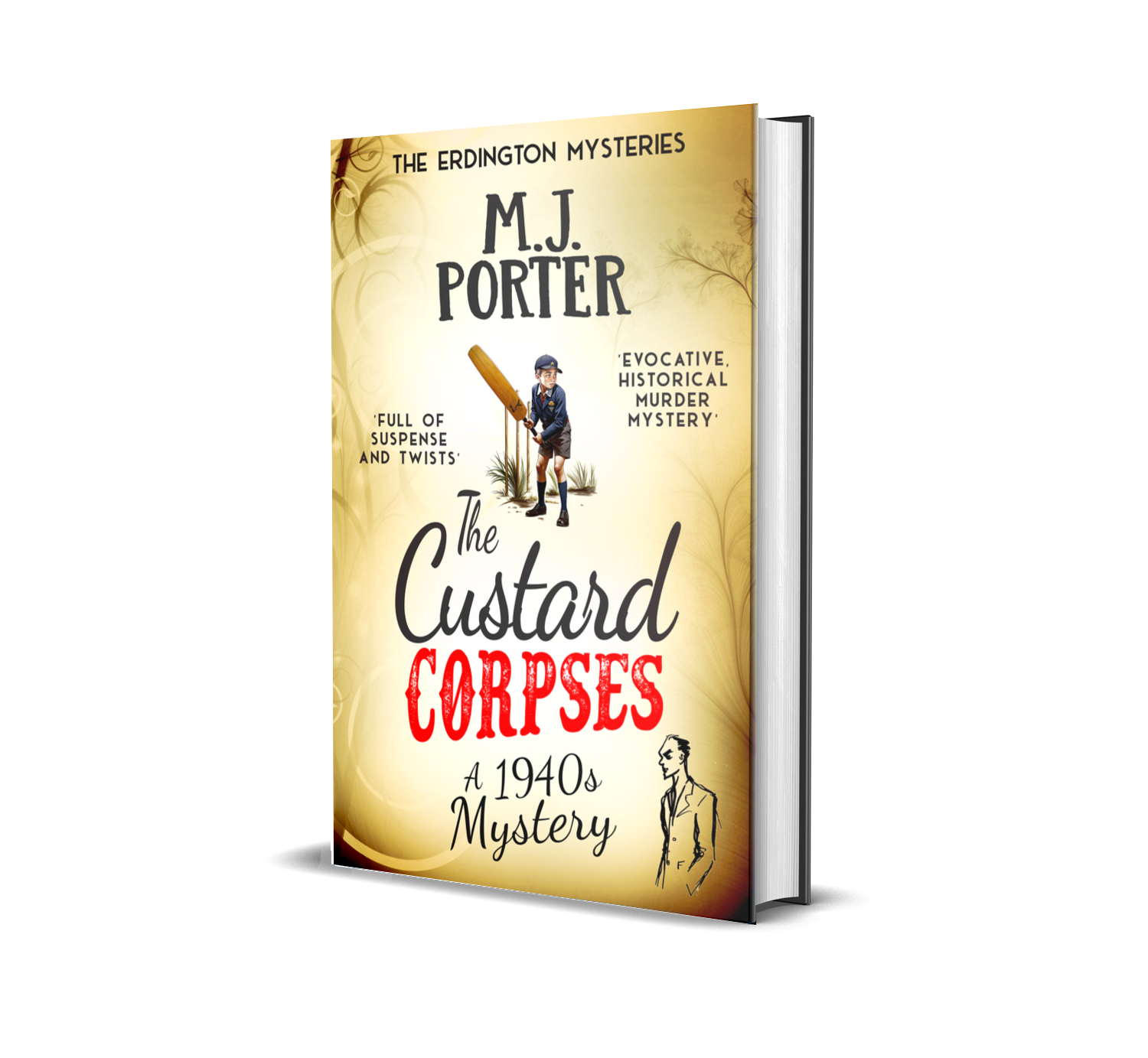
With a snazzy new cover, and with its sibling to arrive in the coming months, I’ve taken the decision to move The Custard Corpses to a wider audience in ebook format, so readers on Kobo, Apple, Nook and other retailers accessed via the Ingram distribution option, as well as Amazon, can now enjoy my twentieth-century mystery, set in the 1940s.
Here’s the blurb
A delicious 1940s mystery.
Birmingham, England, 1943.
While the whine of the air raid sirens might no longer be rousing him from bed every night, a two-decade-old unsolved murder case will ensure that Chief Inspector Mason of Erdington Police Station is about to suffer more sleepless nights.
Young Robert McFarlane’s body was found outside the local church hall on 30th September 1923. But, his cause of death was drowning, and he’d been missing for three days before his body was found. No one was ever arrested for the crime. No answers could ever be given to the grieving family. The unsolved case has haunted Mason ever since.
But, the chance discovery of another victim, with worrying parallels, sets Mason, and his constable, O’Rourke, on a journey that will take them back over twenty-five years, the chance to finally solve the case, while all around them the uncertainty of war continues, impossible to ignore.
Or you can buy paperback and hardback copies directly from me. Visit my SumUp store.
If you’ve not yet tried one of my ‘modern’ mysteries, then check out my series page on the blog to discover why I decided to write something so very different to everything I’ve ever written before.
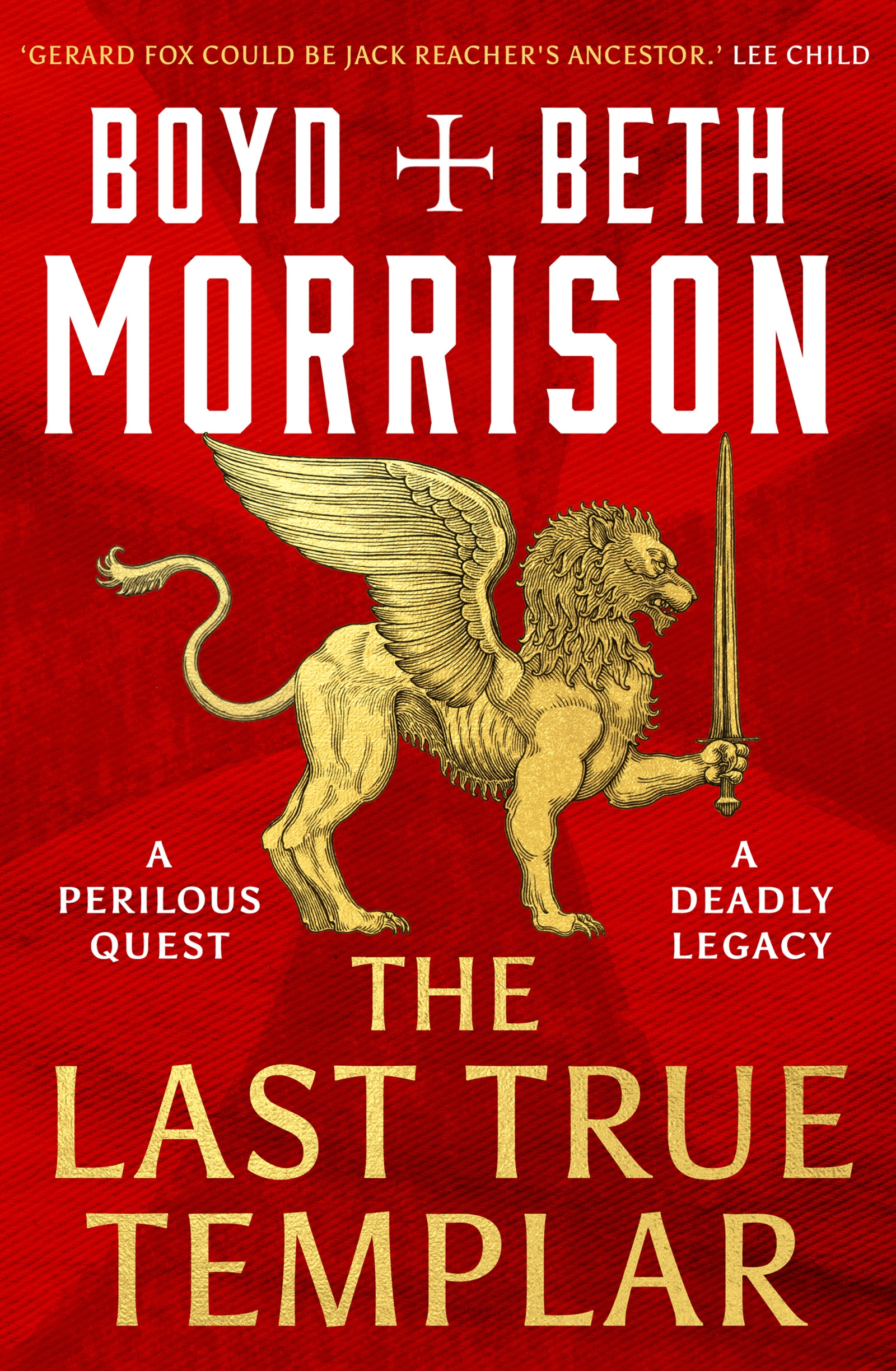
The thrilling new historical adventure from New York Times bestselling author Boyd Morrison and expert medievalist Beth Morrison. Fox and Willa find themselves on a dangerous quest for the treasure of the Templar Knights.
A Perilous Quest. A Deadly Legacy.
Italy, 1351. English companions, knight Gerard Fox and the resourceful Willa, have come through a death-defying journey across war-torn Europe. Now looking towards a future together, they must first find a way to reconcile with their difficult pasts.
In a small village between Florence and Siena, Fox and Willa are caught up in a deadly ambush. After rescuing Luciana, the target of the attack, they take refuge in her opulent villa and learn her heartbreaking story – a tale of loss, deception, and a burning desire for freedom.
Soon, Fox and Willa are involved in a perilous quest to save Luciana’s family legacy. To do so, they will have to solve a mystery that points the way to the fabled lost treasure of the Knights Templar.
The Last True Templar is a thrilling journey through fourteenth-century Italy, taking our two heroes to Siena, Florence and Venice (and somewhere else, but spoilers) as they attempt to assist Luciana in her bid to finally solve the mystery of her father’s last letter, sent to her over forty years ago, and which it’s believed, will lead to the lost Templar treasure.
And they’re not alone, for as with all good thrillers, there is another side to this story, and someone else wants to get their hands on the Templar treasure just as much as they do: Luciana’s ruthless husband.
This is an Italy in recovery following the devastation of the Black Death, where few, it seems, have been left unscathed. Ironically, two Englishmen, Gerard and Armstrong, are most involved in the hustle and bustle of the quest, with the aid of some quick-witted and intelligent women.
This story is well-grounded in the historical architecture of the time, as our characters race to solve clues, riding from city to city, some loyal to Luciana’s husband and some to Luciana, all needing to look at or visit various important buildings – many of the well-known ones still being built, or heavily renovated. There is intrigue aplenty. Those characters trying to stop Gerard, Willa, and Luciana are ruthless and ambitious, and all this while Gerard and Willa are trying to determine their future.
Throughout the narrative, there’s quite a bit of to-ing and fro-ing in time. I’d prefer the flashbacks to occur before the characters reveal what happened, as they are somewhat irrelevant.
This is book 2 in the series – I haven’t read book 1 – I don’t necessarily think you need to read the first book to enjoy this one, as we’re given snippets of what’s happened before, but this is very much an isolated ‘quest’. And I did enjoy it. The Last True Templar is very much in the mould of a Dan Brown thriller, only set in the distant past, with an eye to what the cityscapes would have looked like in 1351, and with three feisty women to ensure the narrative never gets bogged down in more purely violent bouts between our two sides.
A rollercoaster of a journey, it’s sure to appeal to fans of historical fiction, historical mysteries and old-fashioned action and adventure stories- (as well as to fans of The Curse of Oak Island:))
About the author
Boyd Morrison is the #1 New York Times bestselling author of twelve thrillers, including six with Clive Cussler. His first novel, The Ark, was an Indie Next Notable pick and was translated into over a dozen languages. He has a PhD in industrial engineering from Virginia Tech.
Beth Morrison is Senior Curator of Manuscripts at the J. Paul Getty Museum. She has curated major exhibitions including ‘Imagining the Past in France, 1250-1500’, and ‘Book of Beasts: The Bestiary in the Medieval World’. She has a PhD in the History of Art from Cornell University.
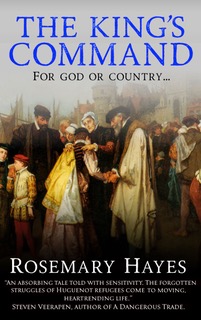
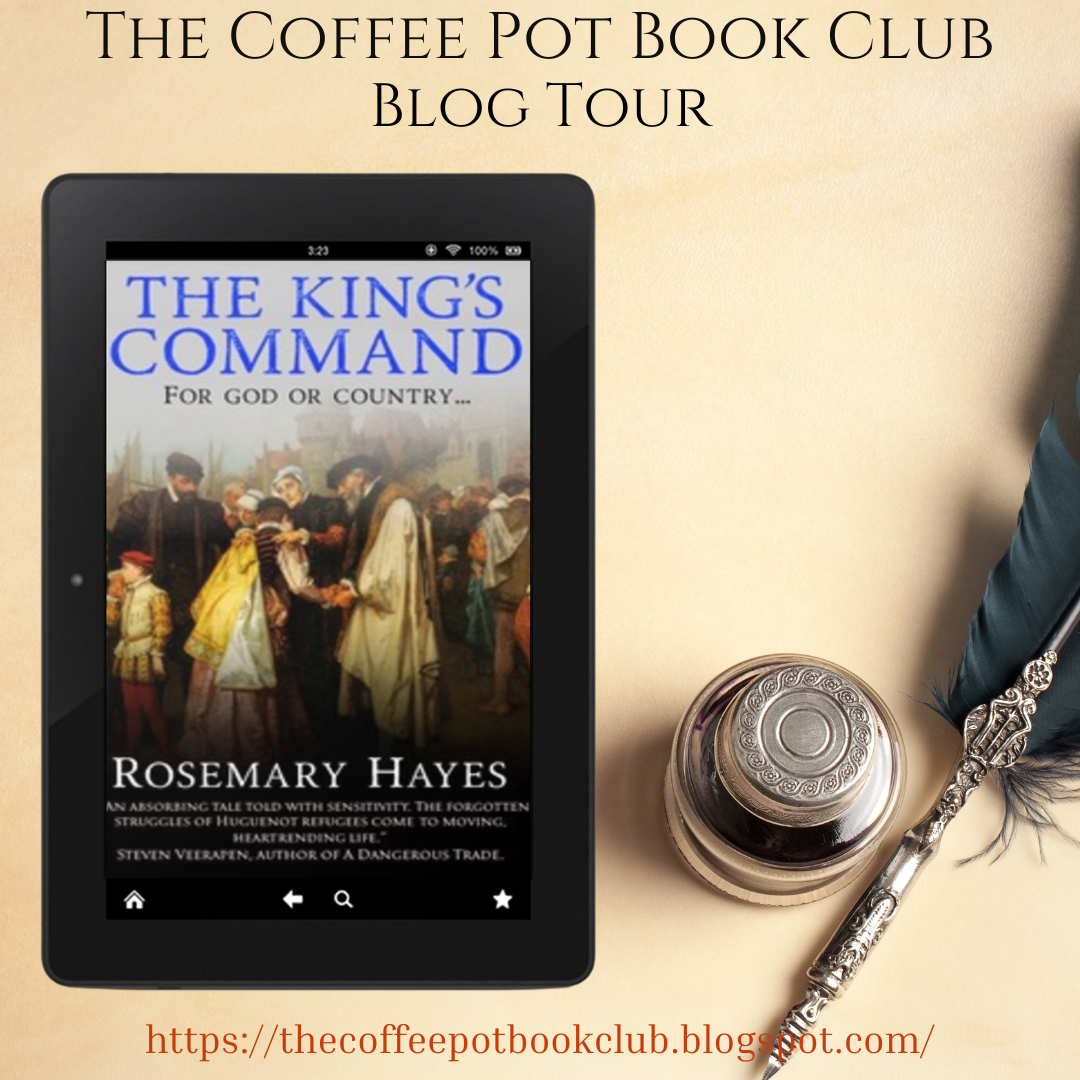
I’m delighted to welcome Rosemary Hayes and her new novel, The King’s Command to the blog.
INSPIRATION AND RESEARCH FOR MY NOVEL ‘THE KING’S COMMAND’
Carving above French Church in London
I’d always known that I had Huguenot ancestors but had not given it much thought until a cousin mentioned that they had been driven out of France for their religious beliefs. This sparked my interest and I decided to find out more.
My ancestors – the facts
Many of those who try to trace their Huguenot roots find the process laborious and frustrating, coming across contradictions and going down blind alleys, but I was lucky. A lot is known about my Huguenot forebears, Lydia and Samuel La Fargue. They feature in the Annals of the Huguenot Society and some meticulous research was done on them by an Edwardian ancestor of mine, so I had a head start.
I knew where they lived in France; in a small town in Gascony, not far from Bordeaux, originally called Castillon-sur-Dordogne and now called Castillon-la-Bataillie. I knew what they did (they were predominately lawyers, physicians and minor nobles) and that they were friends with other prominent Protestant families in the region with whom they inter married and socialised. In the baptism records of the time, it can also be seen that they were godparents to one another’s children. The Edwardian ancestor states that they lived just outside the town centre in ‘the pleasant faubourg’ and, although I found no evidence of this, it seems likely to be true. They also owned land in the plains South of the town.
So, they came from the bourgeoisie, were committed Huguenots, following the teachings of Calvin, and their own ancestors had fought against the Catholics in the sixteenth century Wars of Religion.
I also knew that Lydia, Samuel, their surviving children and Lydia’s widowed mother left Castillon and fled to Geneva in 1690. And also, intriguingly, that Samuel returned alone to Castillon in 1692 where he died, aged 32, on the very day on which he converted to Catholicism. He may, of course, have died from natural causes, but these were turbulent times, so who knows? I did discover from local documents that he had returned to try and reclaim forfeited property.
After his death Lydia, her children and her mother then left Geneva for London and settled in the pleasant village of Hammersmith where there was a small Huguenot community. Lydia’s only surviving child, Elias, became a Church of England vicar in Lincolnshire and is my direct ancestor.
Why did the Huguenots flee France? A brief background
The wars of religion between Protestants and Catholics raged in France during the second half of the 16th century where hatred ran deep, armies were raised and atrocities committed by both sides. These wars were finally brought to an end through the actions of King Henry IV. Henry, originally a Protestant, was a pragmatist. In a bid to unite the country he converted to Catholicism, reportedly saying “Paris is well worth a mass” and promulgated the Edict of Nantes (1598) which granted official tolerance to Protestantism, and for eighty years or so the Huguenots thrived.
Henry’s successors, however, were far less tolerant of the Huguenots, destroying their strongholds and breaking up their military organisation and when the young Louis XIV finally took control of his throne in 1661, he vowed to make France a wholly Catholic country and wipe out the ‘false religion’ of Protestantism once and for all. During his reign, the Edict of Nantes, which had protected Huguenots for so long, was revoked and their lives became impossible.
Unless they denied their faith, they would forfeit their property, be unable to practise their professions or trades and their children would be forcibly removed from them to be brought up as Catholics. They were banned from holding gatherings, even in private, and their temples were destroyed. Yet they were not allowed to leave the country; the King did not want to lose the skills of these hardworking and successful people.
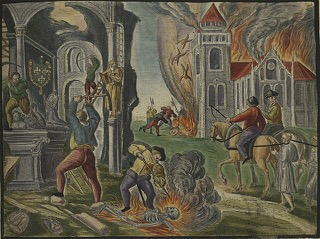
here destruction of Huguenot temple
Hardly surprising then, that many converted and many fled despite the penalties if they were caught.
Huguenot women in prison
The fiction
It has been an intriguing journey finding out about my ancestors and, more generally, about the circumstances which forced Huguenots like them to flee France. My book ‘The King’s Command’ is based, very loosely, on their experience. I have set the story in Castillon, called the main character Lydia (or Lidie, as she was known by her family) and her husband Samuel, but a lot of the other characters are fictional, as is the account of Samuel’s death and Lidie’s escape. I know nothing of the family’s actual escape to Geneva but night travelling was common. There were ‘Huguenot Trails’ known only to those within a trusted network, safe houses along the escape routes, false identities adopted and bribes paid. There were also plenty of financial rewards offered to those betraying Huguenots and to soldiers finding stowaways, with spies and informers everywhere, so any escape would have been fraught with danger.
In my story, I have made Lidie stay in Castillon and then escape not from nearby Bordeaux, which was heavily guarded, but from a little port called La Tremblade a good way up the West coast. Many Huguenots did escape from here and I used, as background, a contemporary account of one such escape, cranking up the tension as the family tried to avoid detection.
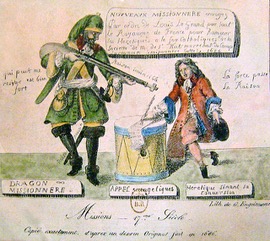
To add to the tension, I made the King’s dragoons visit Castillon to try and force unconverted Huguenot households to abjure. I don’t know if this is true, but certainly there were plenty of reports of this happening in the region.
dragoon forcing Huguenot to sign abduration papers
I also made Samuel die a violent death as a direct result of his association with Claude Brousson, a Protestant lawyer and preacher who fought tirelessly for justice for the Huguenots. Brousson had to flee for his life to Switzerland and then, very bravely, returned in secret to become part of the Church of the Desert, in the wild and mountainous region of the Cevennes, where he preached and gave succour to his fellow Protestants. He died a martyr and hero but he is largely forgotten now and I felt he merited some recognition.
In reality, once Lidie reached London, it seems that she led a very quiet and worthy life, centred on the French church in Hammersmith, but I decided to make her lively and vivacious with a strong character and a love of fashion and of the new silks being made in Spitalfields. I also invented for her a naughty surviving daughter, a new romance and another child from a (fictitious) second marriage.
In her will, Lidie left the bulk of her estate to her son Elias and the rest to the French church in Hammersmith and the French poor of London. It seems that she was still relatively well off and it is known that she brought with her from France some family portraits (presumably taken out of their frames and rolled up), some small pieces of family silver and the La Fargue seal.
The Huguenots were hardworking and talented people and they integrated so seamlessly into their adopted countries that, generations on, it is easy to forget the circumstances which forced them to flee their native France in the 17thcentury.
Thank you so much for sharing your fabulous post.
Here’s the blurb
16 year old Lidie Brunier has everything; looks, wealth, health and a charming suitor but there are dark clouds on the horizon. Lidie and her family are committed Huguenots and Louis XIV has sworn to stamp out this ‘false religion’ and make France a wholly Catholic country. Gradually Lidie’s comfortable life starts to disintegrate as Huguenots are stripped of all rights and the King sends his brutal soldiers into their homes to force them to become Catholics. Others around her break under pressure but Lidie and her family refuse to convert. With spies everywhere and the ever present threat of violence, they struggle on. Then a shocking betrayal forces Lidie’s hand and her only option is to try and flee the country. A decision that brings unimaginable hardship, terror and tragedy and changes her life for ever.
‘One of the very best historical novels I have ever read’
Sandra Robinson, Huguenot Ancestry Expert
Buy Links:
This title is available to read with #KindleUnlimited.
Rosemary Hayes has written over fifty books for children and young adults. She writes in different genres, from edgy teenage fiction (The Mark),historical fiction (The Blue Eyed Aborigineand Forgotten Footprints),middle grade fantasy (Loose Connections, The Stonekeeper’s Childand Break Out) to chapter books for early readers and texts for picture books. Many of her books have won or been shortlisted for awards and several have been translated into different languages.
Rosemary has travelled widely but now lives in South Cambridgeshire. She has a background in publishing, having worked for Cambridge University Press before setting up her own company Anglia Young Books which she ran for some years. She has been a reader for a well-known authors’ advisory service and runs creative writing workshops for both children and adults.
Rosemary has recently turned her hand to adult fiction and her historical novel ‘The King’s Command’ is about the terror and tragedy suffered by the French Huguenots during the reign of Louis XIV.
The hero of the Mercian Ninth Century Series, King Coelwulf, has not been treated kindly by history.
He appears in the Anglo-Saxon Chronicle (the main narrative source for the period) as a ‘foolish king’s thegn’ (in the ASC E Version, although not in the older A version) and not actually a king at all.
´Here the raiding army went from Lindsey to Repton and took winter-quarters there, and [[874] drove the king Burhred across the sea 22 years after he had the kingdom; and conquered all that land…And the same year they granted the kingdom of Mercia to be held by a foolish king’s thegn, and he swore them oaths and granted hostages, that it should be ready for them whichever day they might want it, and he himself should be ready with all who would follow him, at the service of the raiding-army. (A) 874 [873]
´Here the raiding-army went from Lindsey to Repton, and there took winter quarters, and drove the king Burhred across the sea 22 years after he had the kingdom, and conquered all that land. And he went to Rome and settled there, and his body lies at St Mary’s church in the English Quarter. And the same year they granted the kingdom of Mercia to be held by Ceolwulf, a foolish king’s thegn.’ (E)874 [873] (Both quotes from M Swanton ed. and trans. The Anglo-Saxon Chronicles).
His ‘reign’ has been explained as being entirely dependent on Viking overlords who really ruled Mercia, from their ‘base’ at Repton. He was a ‘puppet king,’ a sop to assist the independent Mercians as they struggled to come to terms with their new warlords.
The survival of two charters, carrying Coelwulf’s name, and witnessed by the ealdormen and bishops of Mercia, have not been given the attention they deserve because they suggest a different interpretation to that of King Alfred (the Great) single-handedly defeating the Vikings, and making ‘England,’ as does the discovery of the Watlington Hoard of coins which suggests that Coelwulf and Alfred were ruling jointly.
So, if we put aside the problems of what Coelwulf did, or didn’t achieve, who might he actually be, and why might he have been named as king?
Coelwulf’s name leads historians of the period to suggest he was a member of a branch of the Mercian royal family whose last ruler was King Coelwulf I, who ruled in Mercia from AD821-823. He succeeded his brother, Coenwulf, who ruled from AD796-821. They were descended from the brother of the mighty seventh-century king, Penda, most famously known for being pagan, warlike and terrorising the Northumbrian kingdom during its ‘Golden Age.’ (Read about Penda and the Northumbrian kingdom in my Gods and Kings trilogy). He was therefore a member of a long-lived ruling dynasty that could trace its descendants all the way back to the early 600s.
This identification of Coelwulf helps to explain why he was accepted as king following King Burgred’s abdication. He was no foolish king’s thegn. He was a member of a ruling dynasty, who, for one reason or another, were no longer the ruling family in Mercia in the 870’s. (And what was happening in Mercia before the 870’s is just as fascinating as what came after it – you can read about that in The Eagle of Mercia Chronicles).