Author of Saxon historical fiction and non-fiction, 20th-century historical mysteries, and Norse-inspired historical romantasy. Book reviewer and blog host.
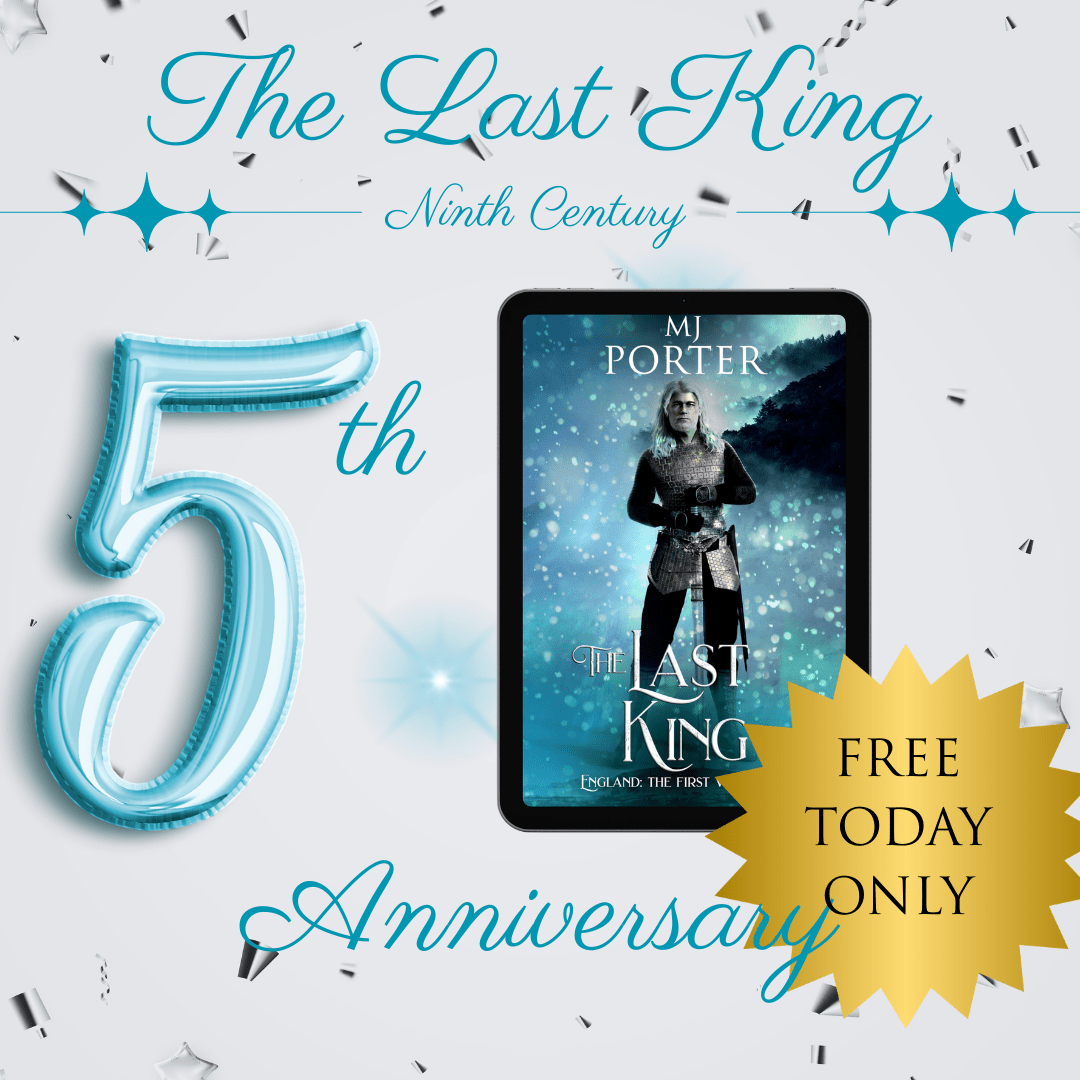
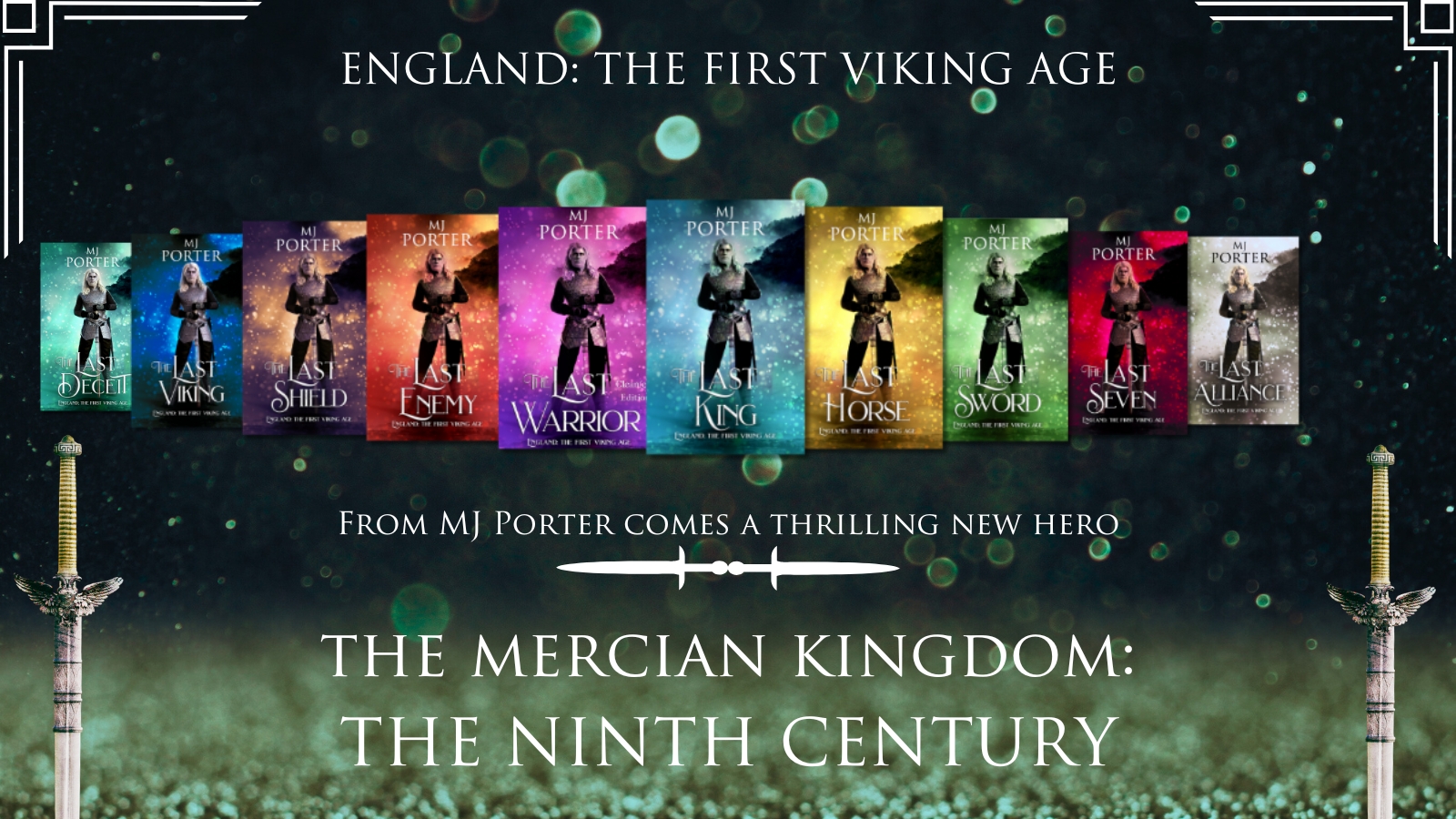
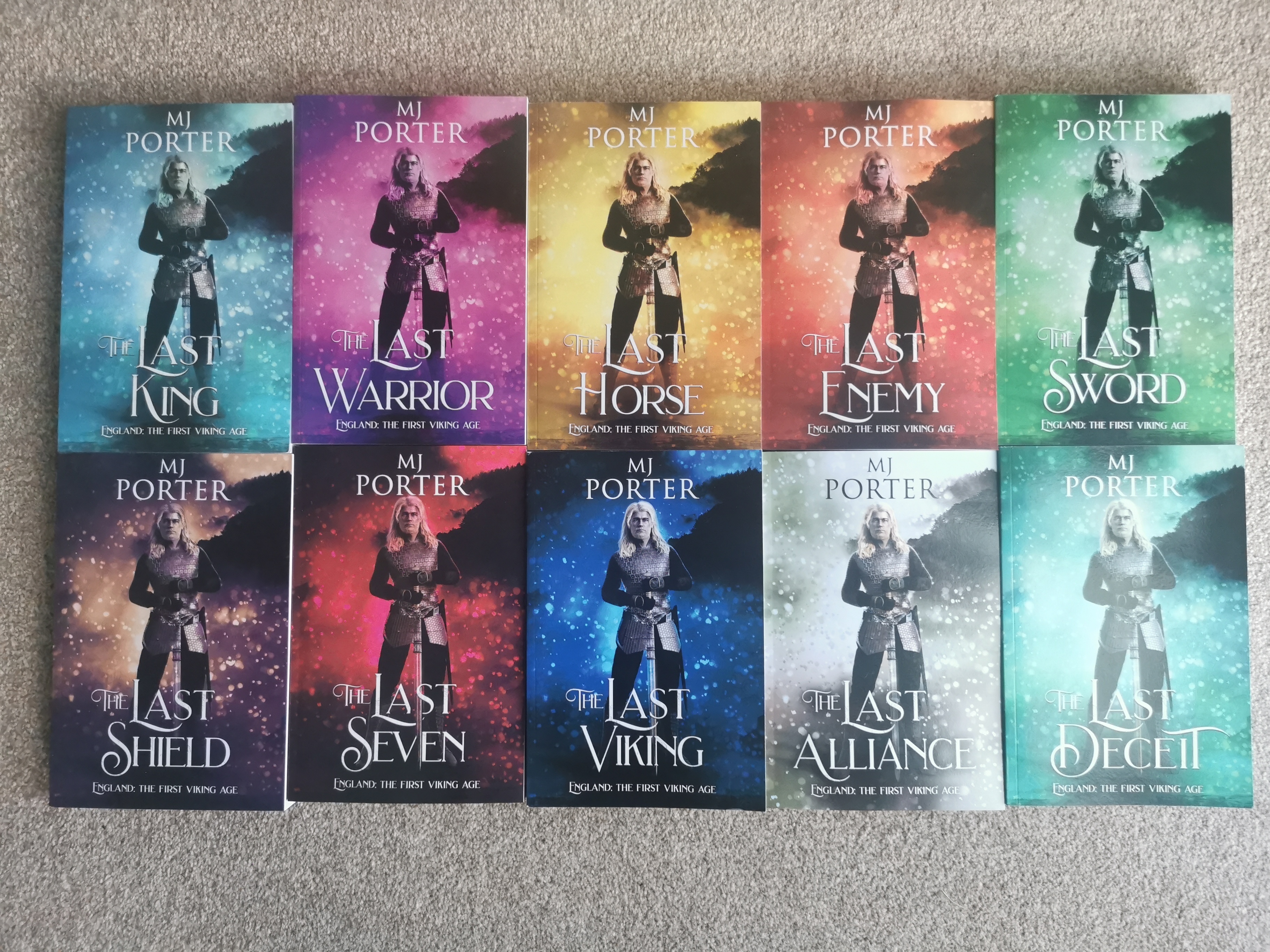
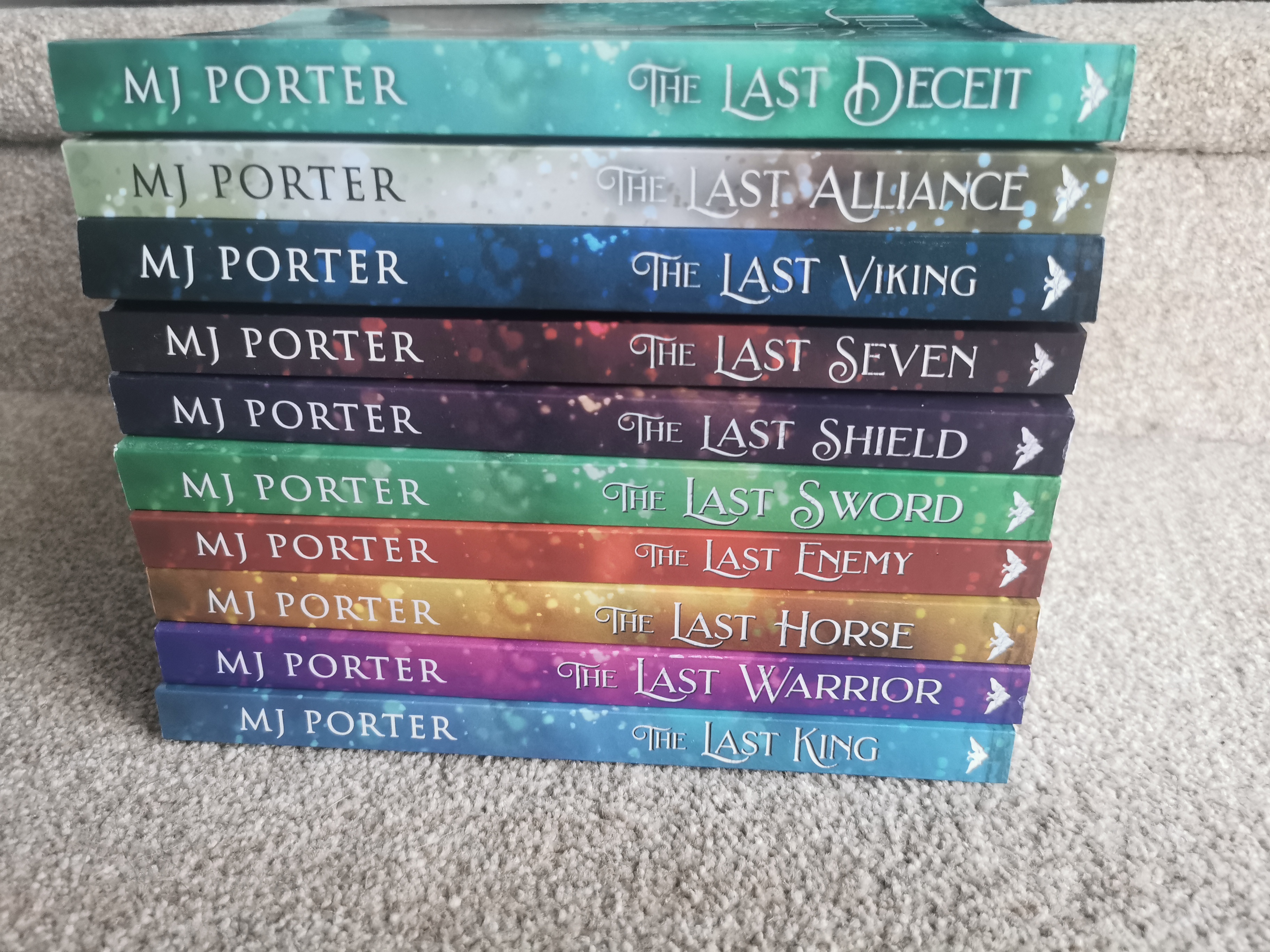
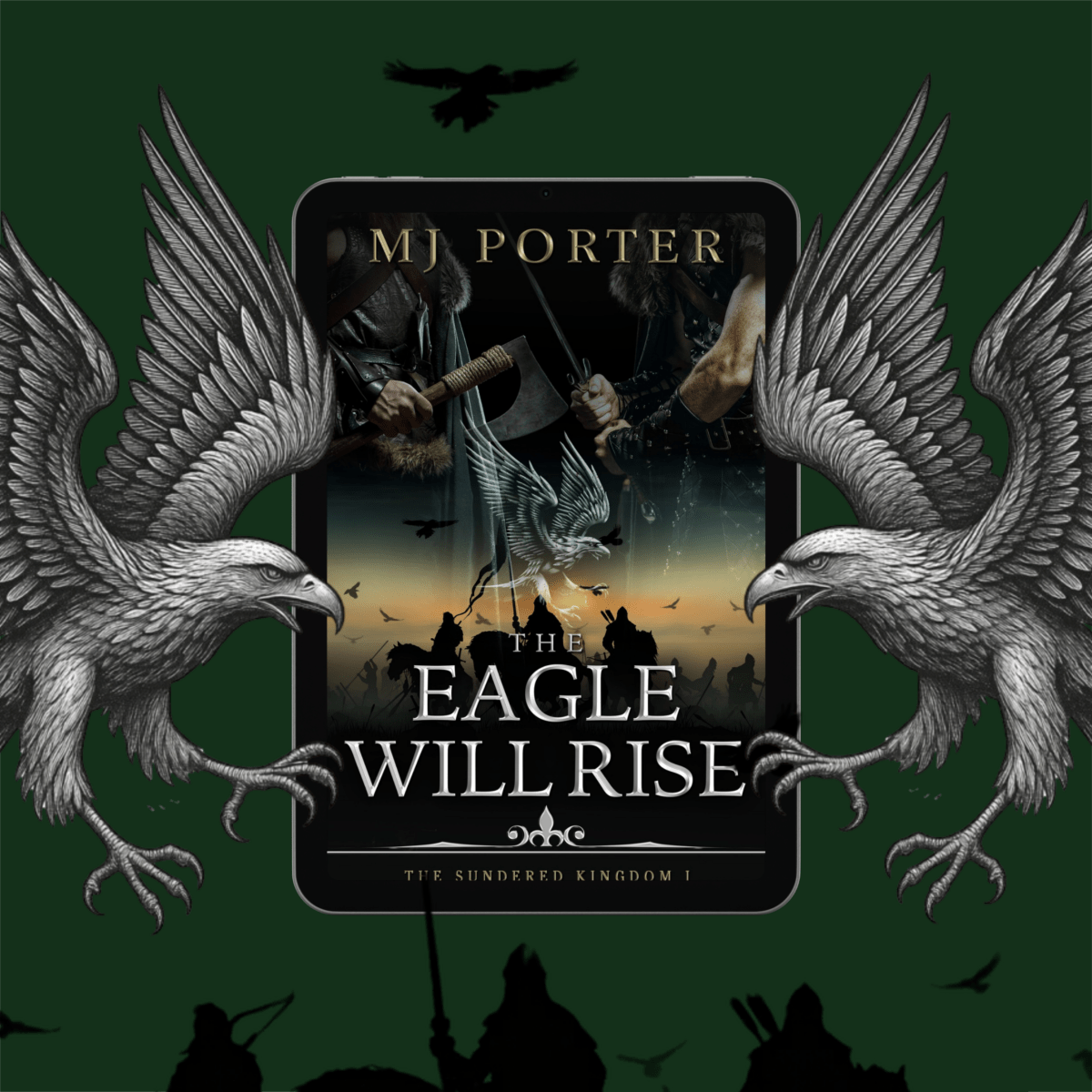
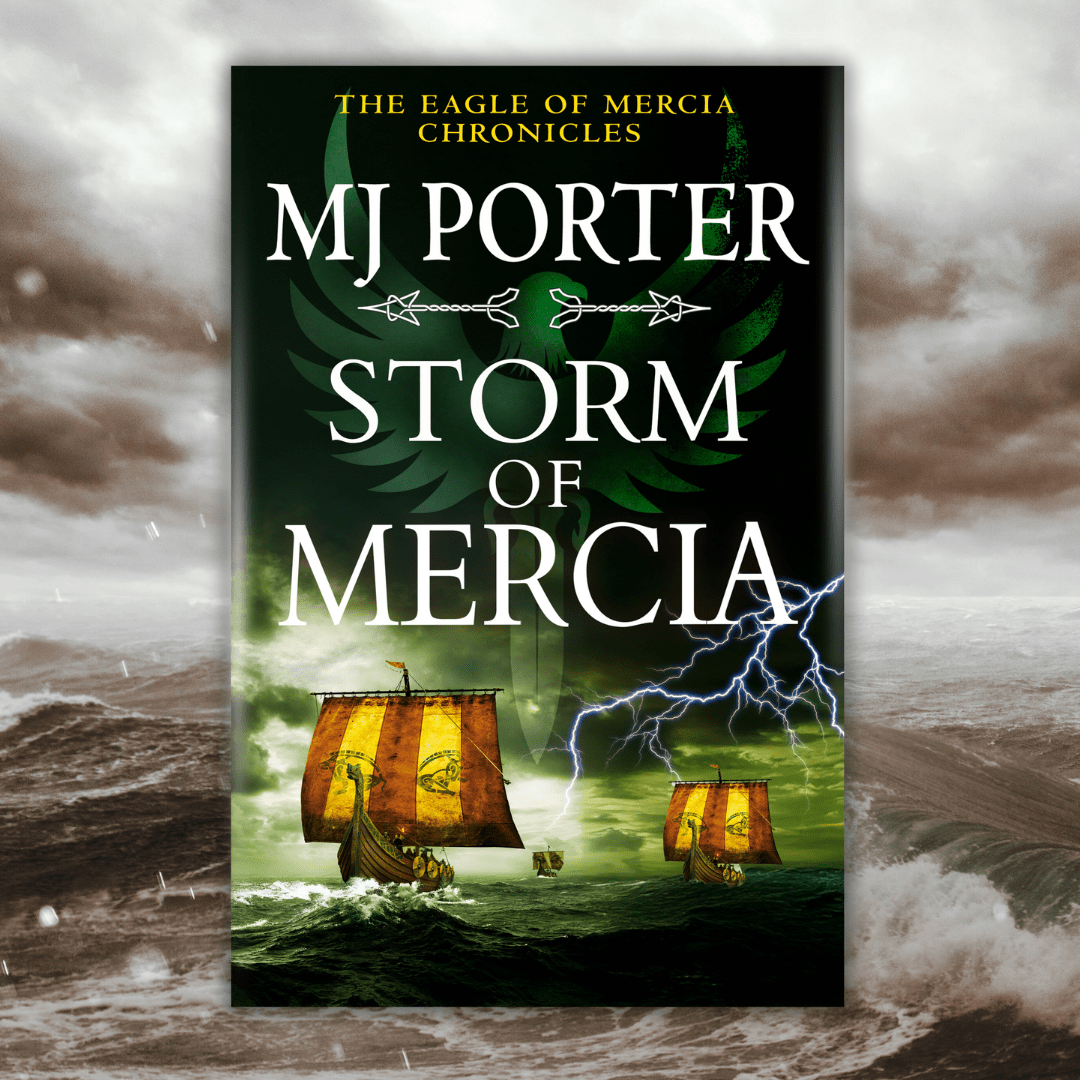
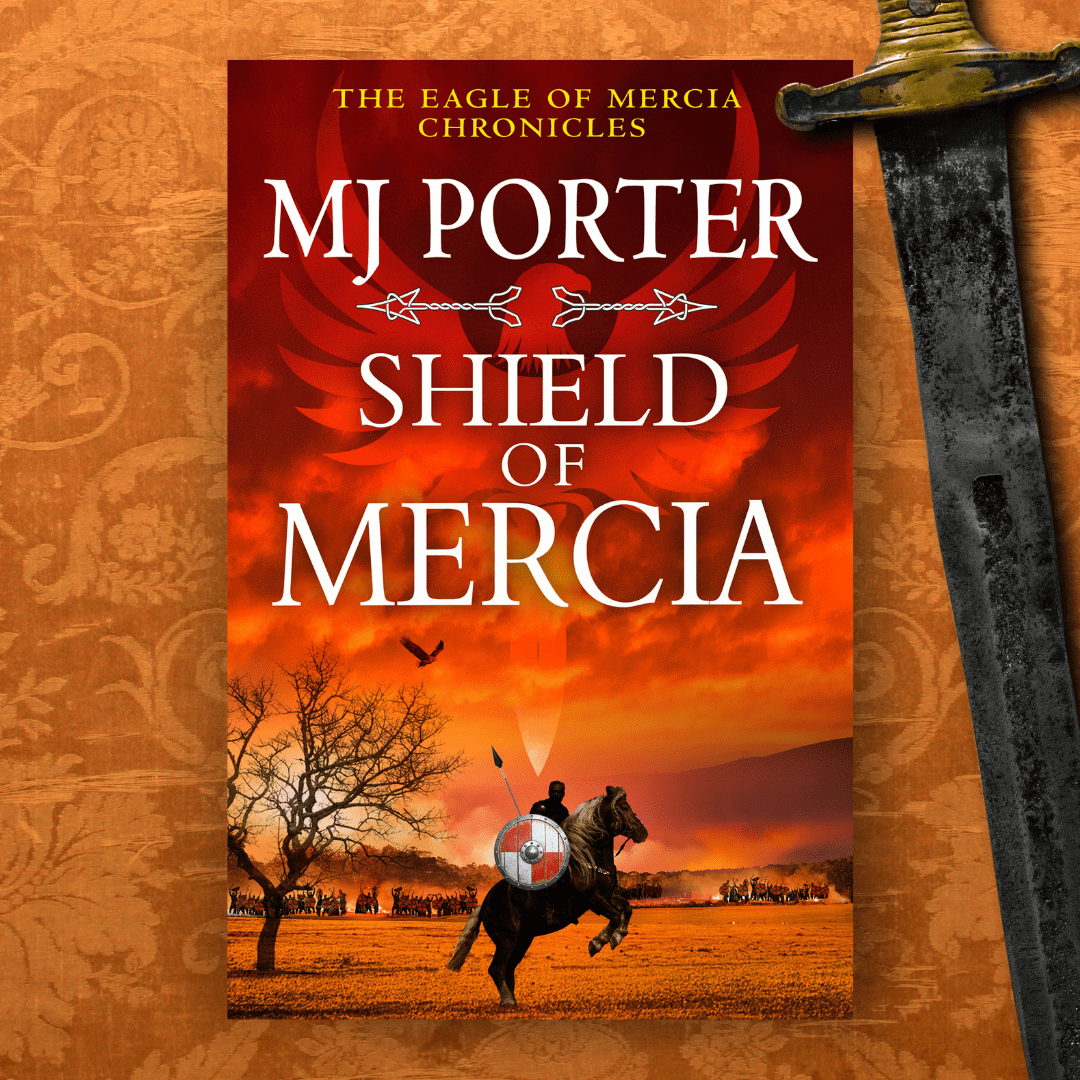
If you’ve been with Coelwulf, Rudolf, Icel, Edmund and Pybba since the beginning, then you’re probably with me in trying to work out how five years have gone by since the first book’s release. There are now ten books in all, as well as a short story collection, Coelwulf’s Company, and the prequel series featuring a young Icel, the Eagle of Mercia Chronicles (check out the stories featuring a young Icel – if you know, you know, and if you don’t yet know, you’re going to want to find out.)
If you’ve not yet discovered The Mercian Kingdom: The Ninth Century series, then you’re in for a treat, as long as you’re not easily offended by foul language and violence – although if you are, there are Cleaner versions available without quite so much swearing. Follow this link, as they can be a bit tricky to find on Amazon.
The Last King books are available in ebook, paperback and hardback, and The Last King (book 1 ) is also available in audio.
Competition Time
I’ve gained some of the best fans ever by running competitions to win signed copies of my books, and this year is no different, although the prize keeps getting BIGGER.
To enter the competition to win all 10 books signed by me, complete this Google form. (Competition is open until 30th April 2025).
Entries are open to UK-based people only (because postage is very expensive elsewhere), but people outside the UK can still submit their details and receive a FREE copy of a short story collection featuring stories set in The Last King’s world (and check out another fabulous deal below).
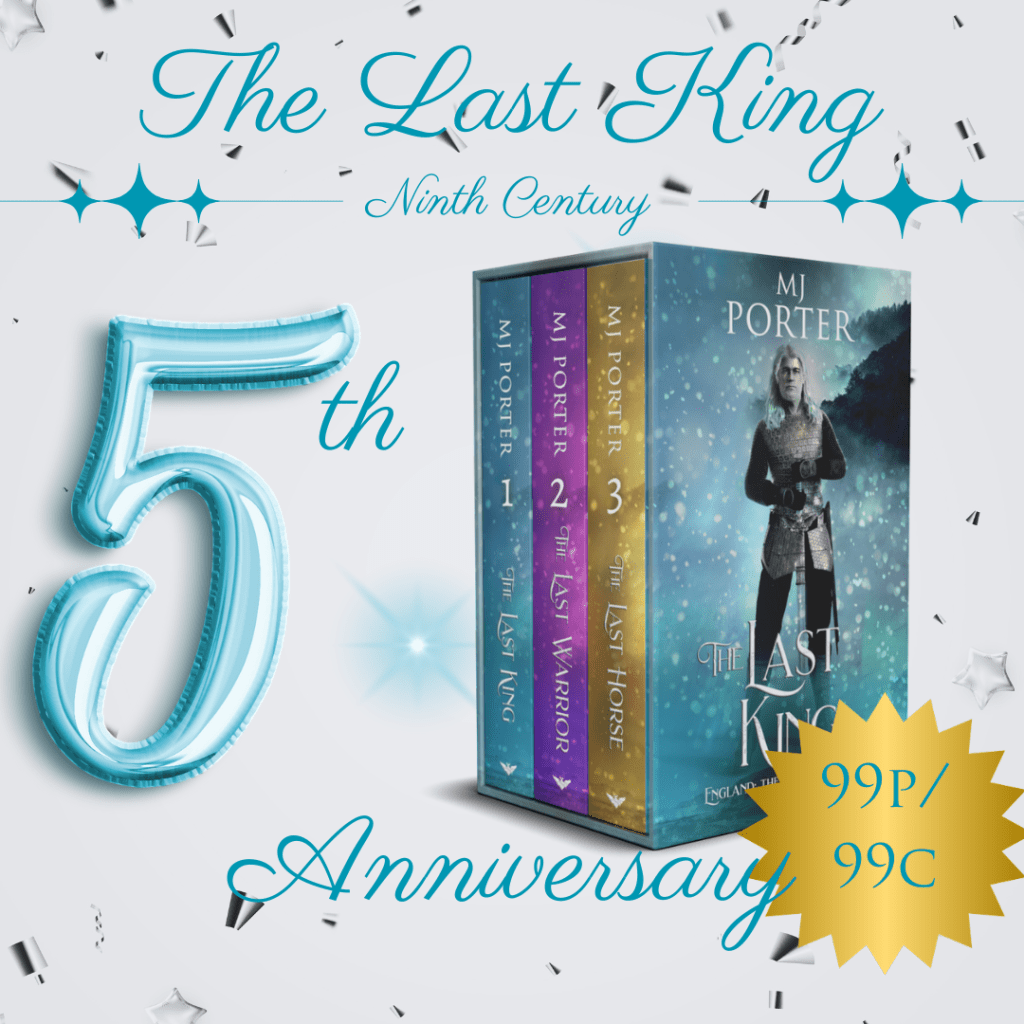
You can also grab the first 3 books in the series for 99p/99c and equivalent worldwide for a very limited time
These are the less sweary-versions (I am having a bit of moment with hyphenated words so I am going with it for this).
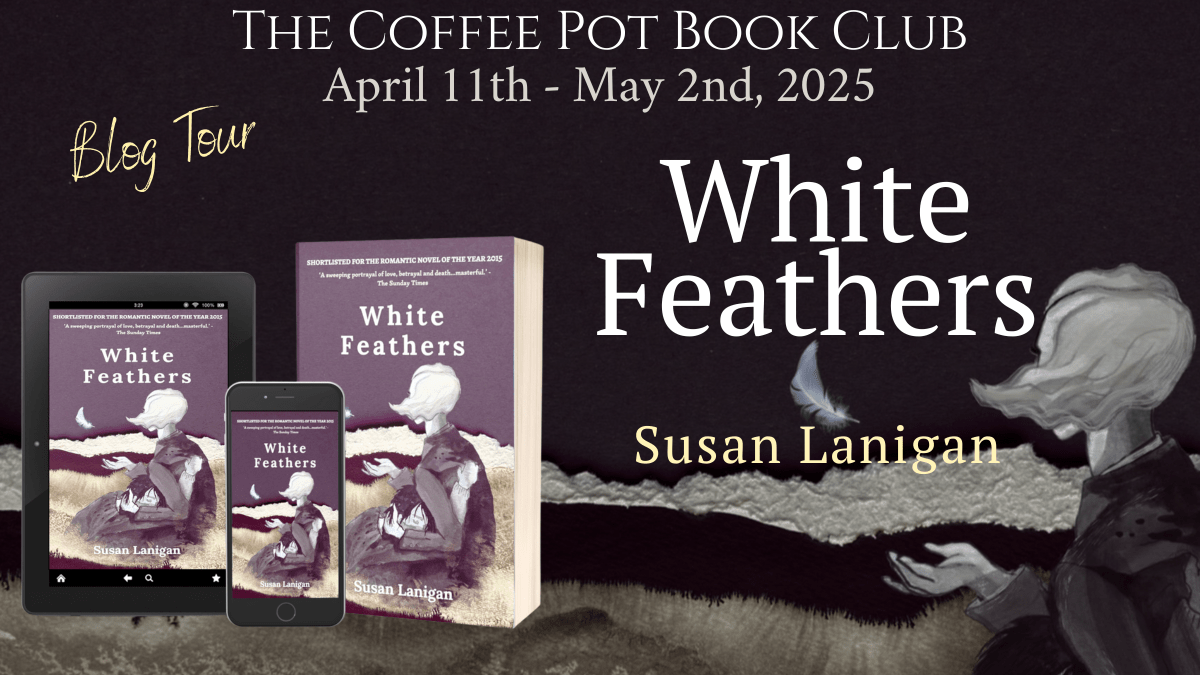
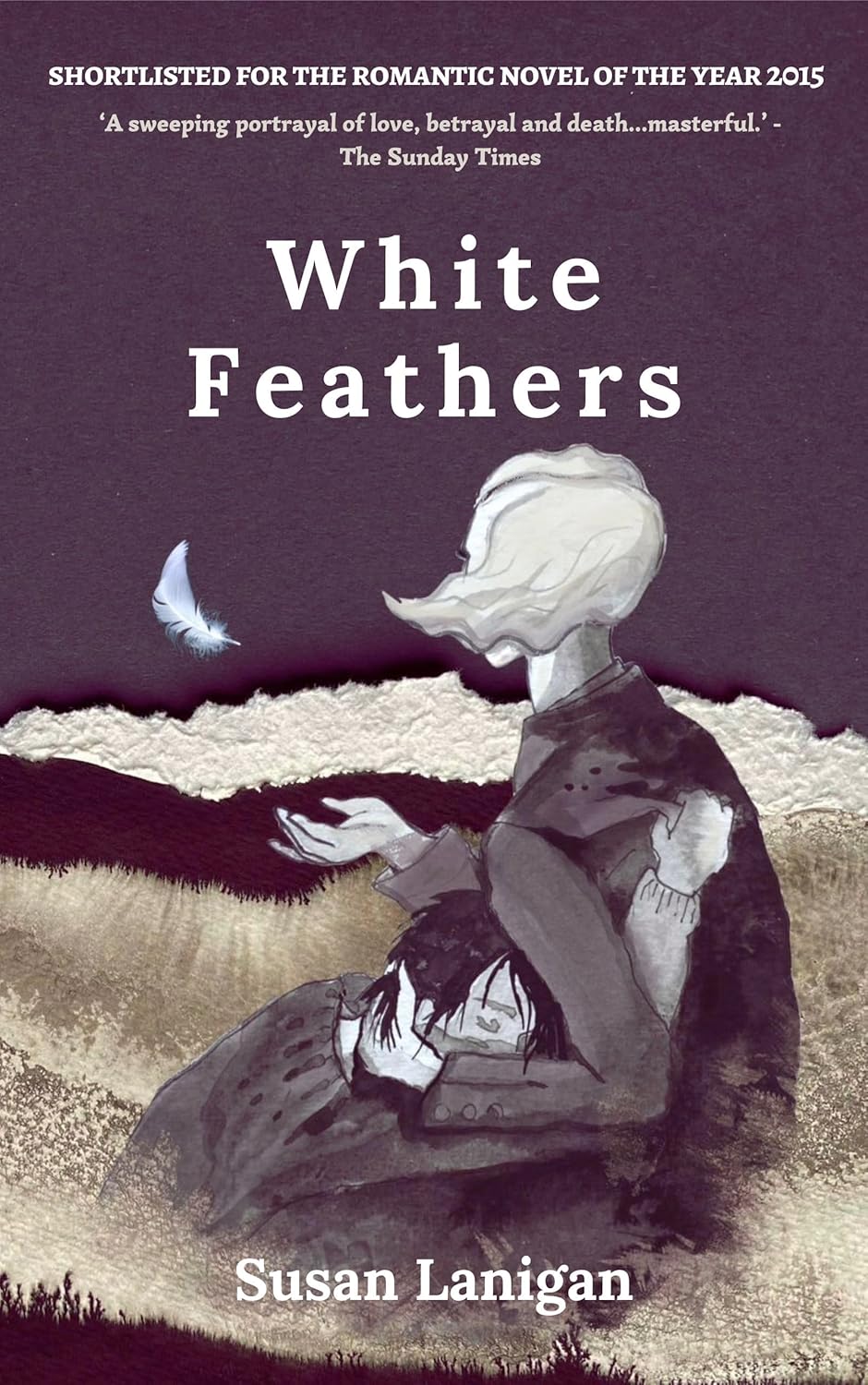
I’m delighted to welcome Susan Lanigan and her new book, White Feathers, to the blog with guest post.
Guest Post
My Research Process
By Susan Lanigan
When I was constructing the narrative of White Feathers, I needed an outline, but I was not sure in advance of everything that would occur. The advantage of writing historical fiction is that you can use real events as the vines on the trees which my Tarzan plot could grasp onto and swing to the next tree. So, I looked up various battles of World War I – Loos, the Somme, Neuve-la-Chapelle – and threaded a narrative from them. Like many, I had been captivated by Vera Brittain’s memoir Testament of Youth, and while I think Brittain would probably have been a lot personally, my heart broke for what she endured, how her hope was destroyed and how she carried on regardless after hope was gone.
I owe Brittain a lot for the construction of Eva’s narrative, particularly when she was in Étaples working as a Voluntary Aid Detachment nurse. Brittain’s narrative of that time is captivating and contains so many details. I first learned of the stark tale of the sinking of HMHS Britannic in that book, and then did my own research on the subject. I also read the account of Mary Borden, who writes in a very modernist style. The section in White Feathers where the dying Canadian lieutenant begs for a drink is based on an account in her book The Forbidden Zone.
While my research on the battles was comprehensive, my true experience of researching was coming across random fascinating minutiae and feeling compelled to shoehorn them into the story. The pigeon van was one of these phenomena, discovered while wandering around the Musée de la Grande Guerre, built near Mons, with a monument to mark the battle there. It was the closest the Germans got to Paris. The white feather propaganda was fascinatingly horrifying, and I can only imagine what it was like to see those notices on every corner, how hard it must have been to maintain an ethical stance in the face of overwhelming institutional opposition to it. The priest who oversees the trial and confession of a particular character was a real person, as was the order to which he belonged.
The inevitable problem with research is that you must omit more than you include if you are to have a novel that approaches a publishable wordcount. I could have spent all day talking about the “Little Mother” letter quoted by Robert Graves in Goodbye to All That, or the internecine rivalry of the Pankhurst sisters. But in the end, it’s story that matters; it is the flowing dress with the pleasing detail and the research is the firm undergarment that keeps everything in shape beneath!
Here’s the Blurb
“Anti-war and anti-patriarchy without ever saying so – a bravura performance of effortless elegance” – Irish Echo in Australia
SHORTLISTED FOR THE ROMANTIC NOVEL OF THE YEAR AWARD 2015
In 1913, Irish emigrée Eva Downey receives a bequest from an elderly suffragette to attend a finishing school. There she finds friendship and, eventually, love. But when war looms and he refuses to enlist, Eva is under family and social pressure to give the man she loves a white feather of cowardice. The decision she eventually makes will have lasting consequences for her and everyone around her.
Journey with Eva as she battles through a hostile social order and endeavours to resist it at every turn.
Susan Lanigan’s first novel White Feathers, a tale of passion, betrayal and war, was selected as one of the final ten in the Irish Writers Centre Novel Fair 2013, and published in 2014 by Brandon Books. The book won critical acclaim and was shortlisted for the UK Romantic Novel of the Year Award in 2015. This edition is a reissue with a new cover and foreword.
Her second novel, Lucia’s War, also concerning WWI as well as race, music and motherhood, was published in June 2020 and has been named as the Coffee Pot Book Club Honourable Mention in the Modern Historical Book of the Year Award.
Susan lives by the sea near Cork, Ireland, with her family.
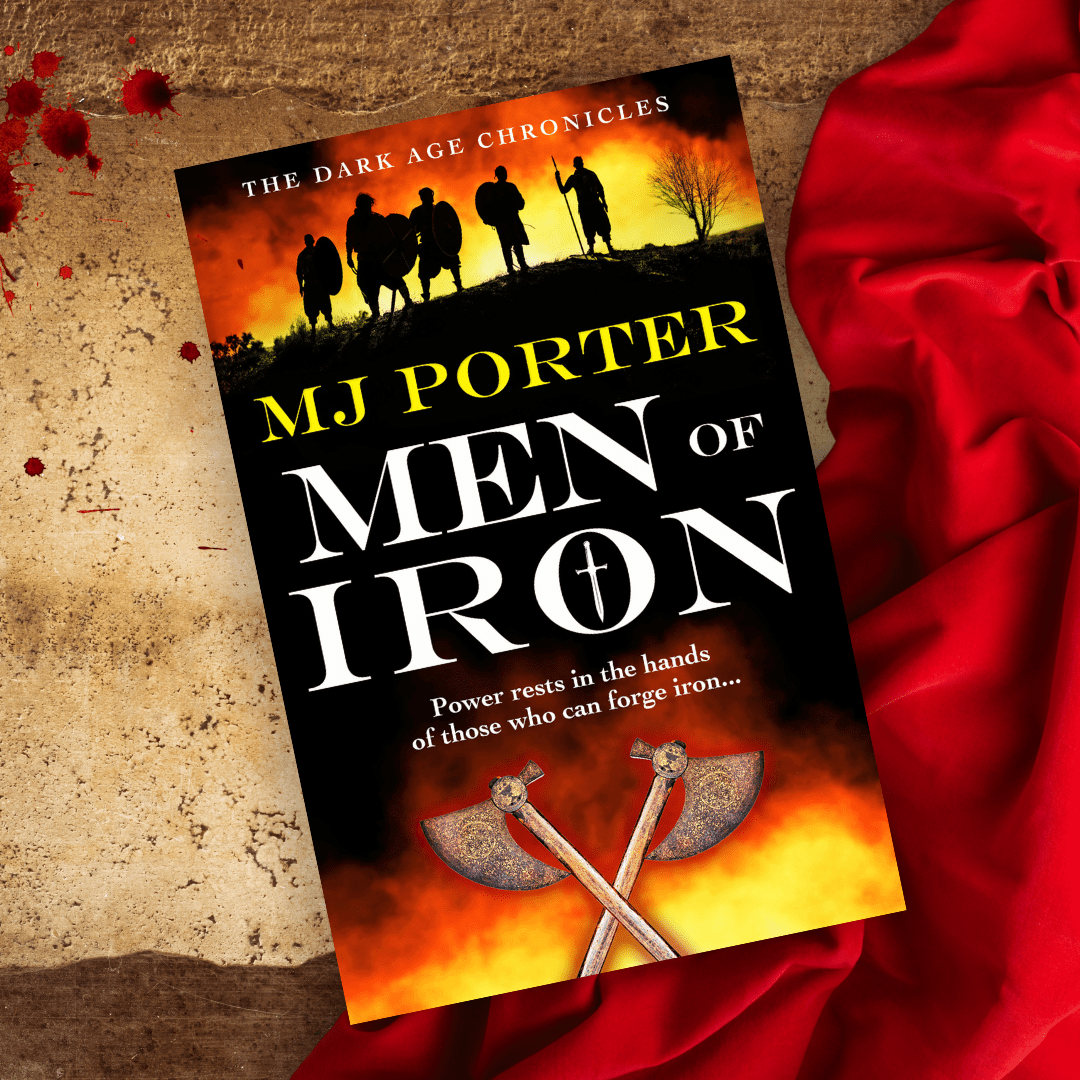
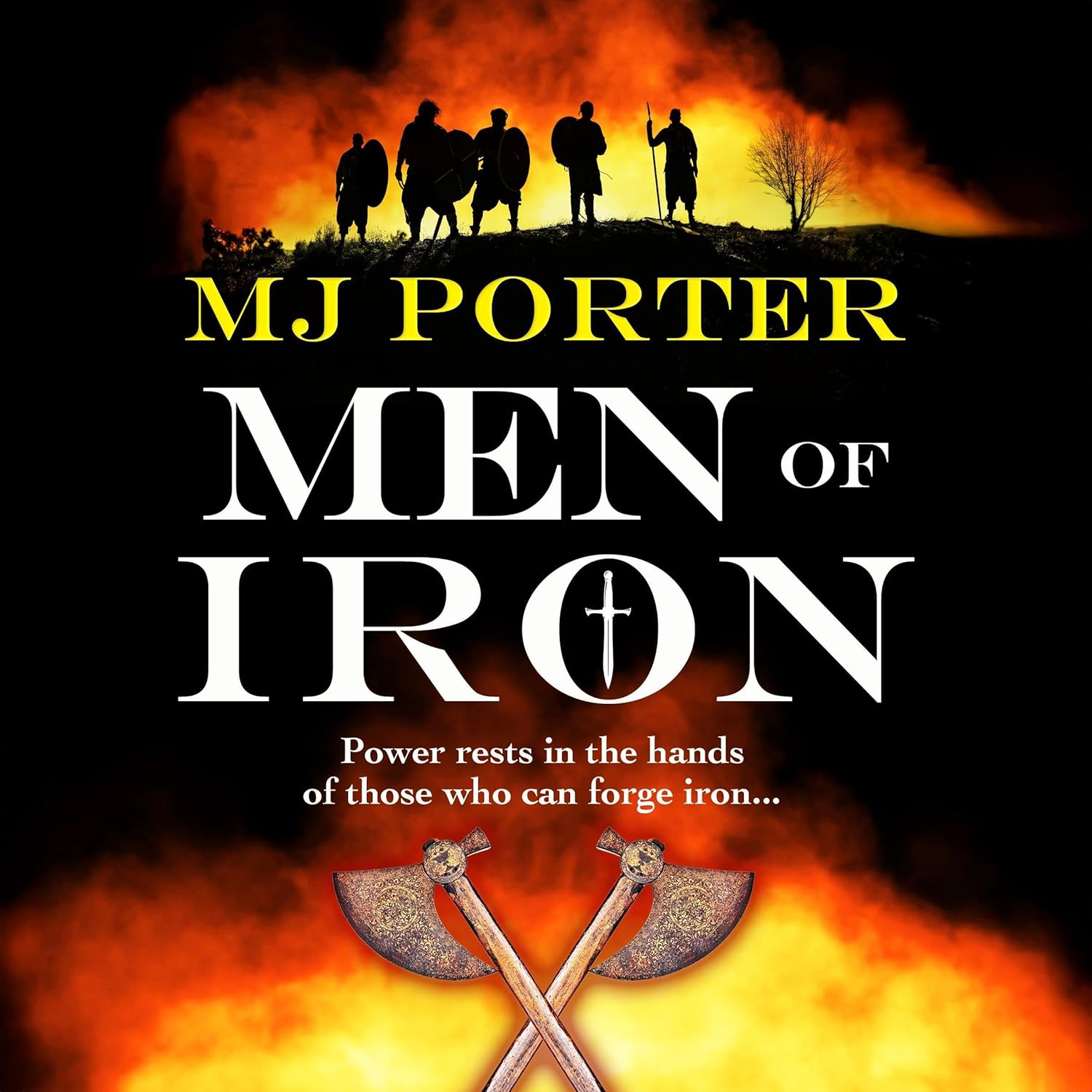
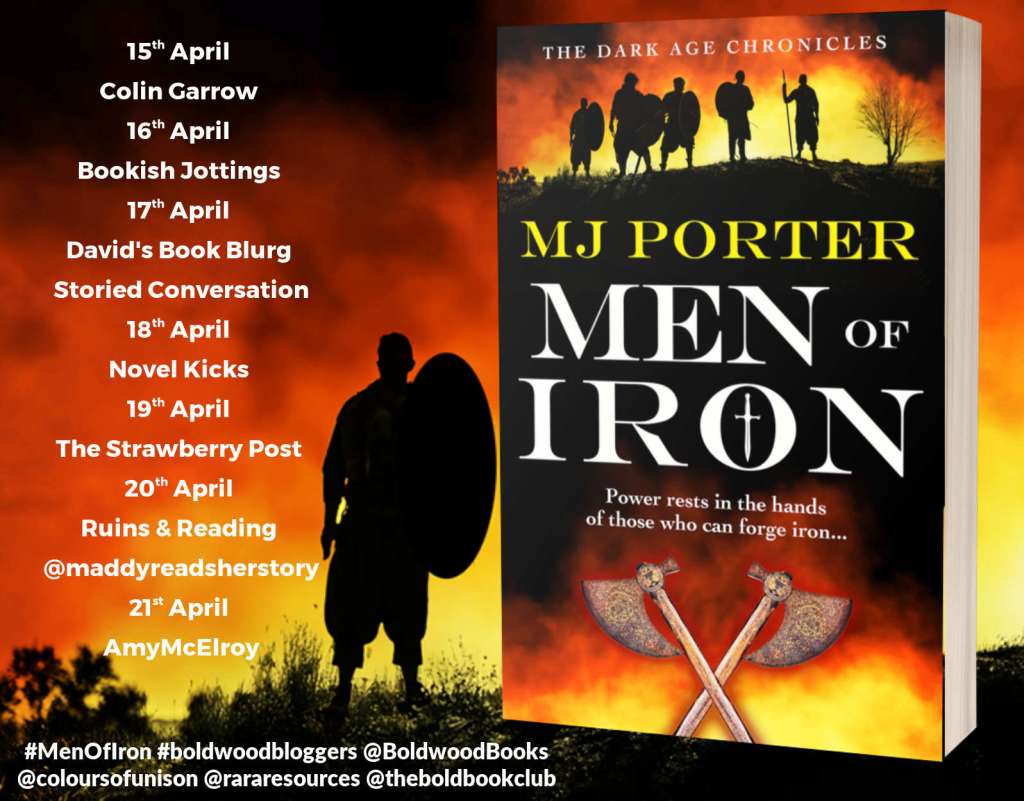
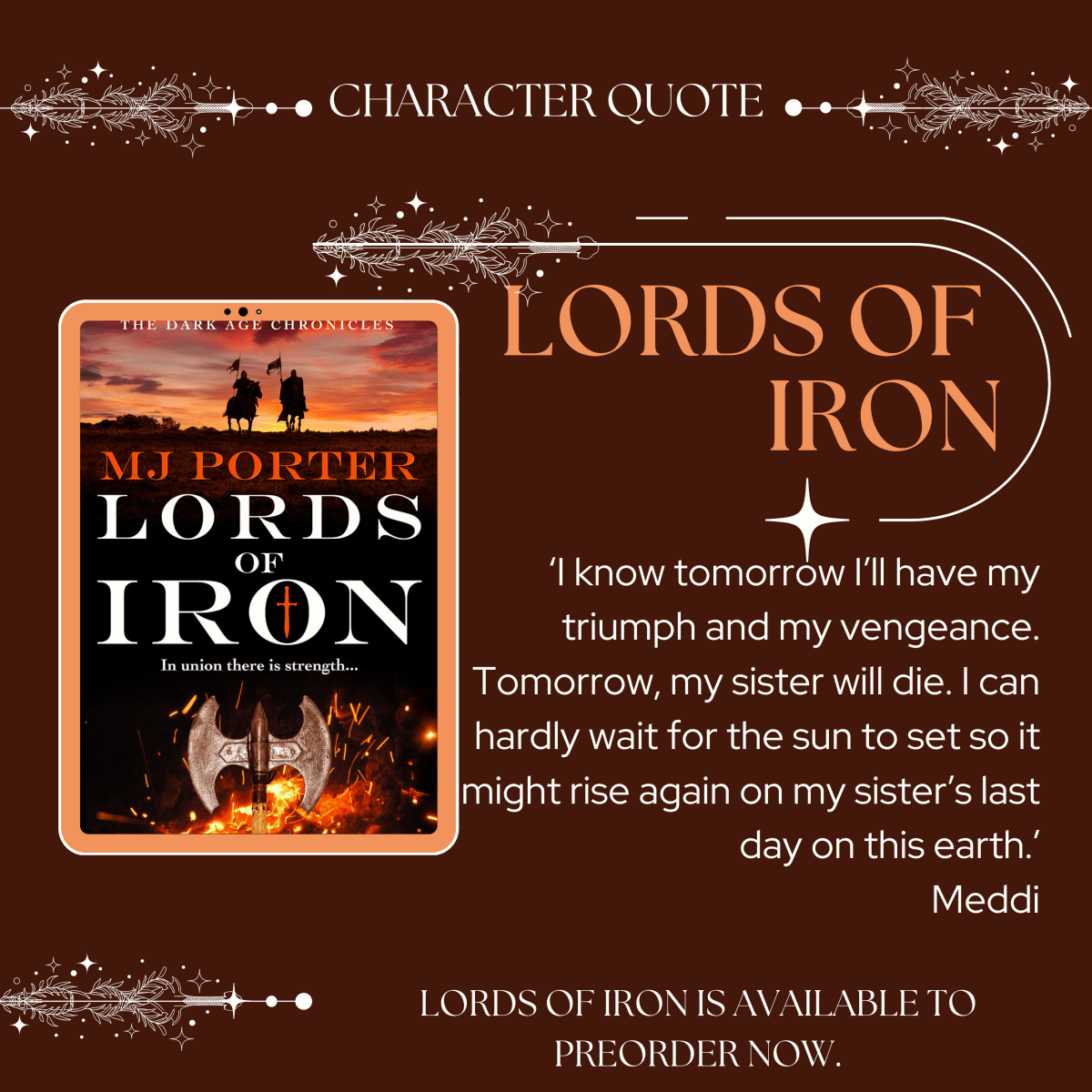
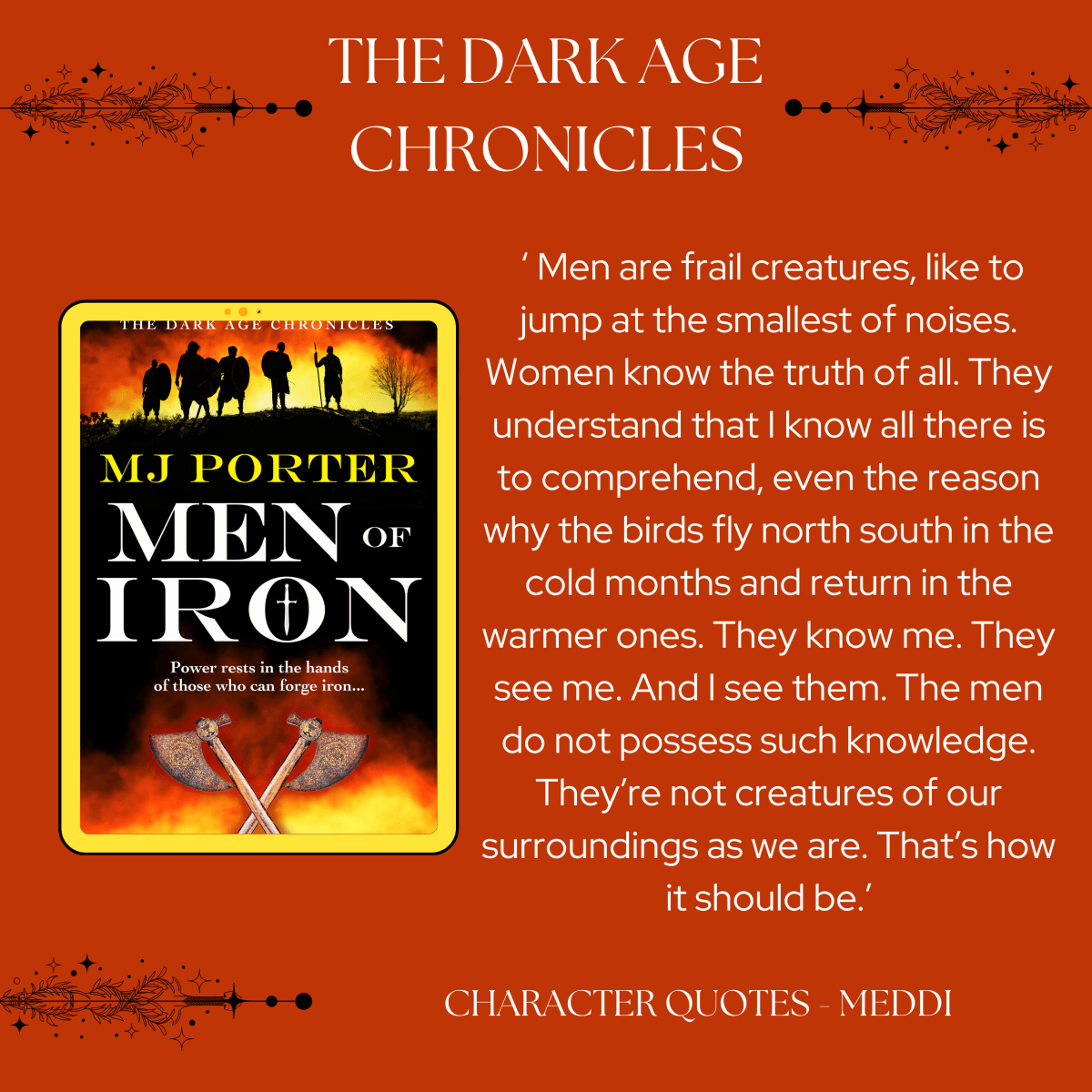
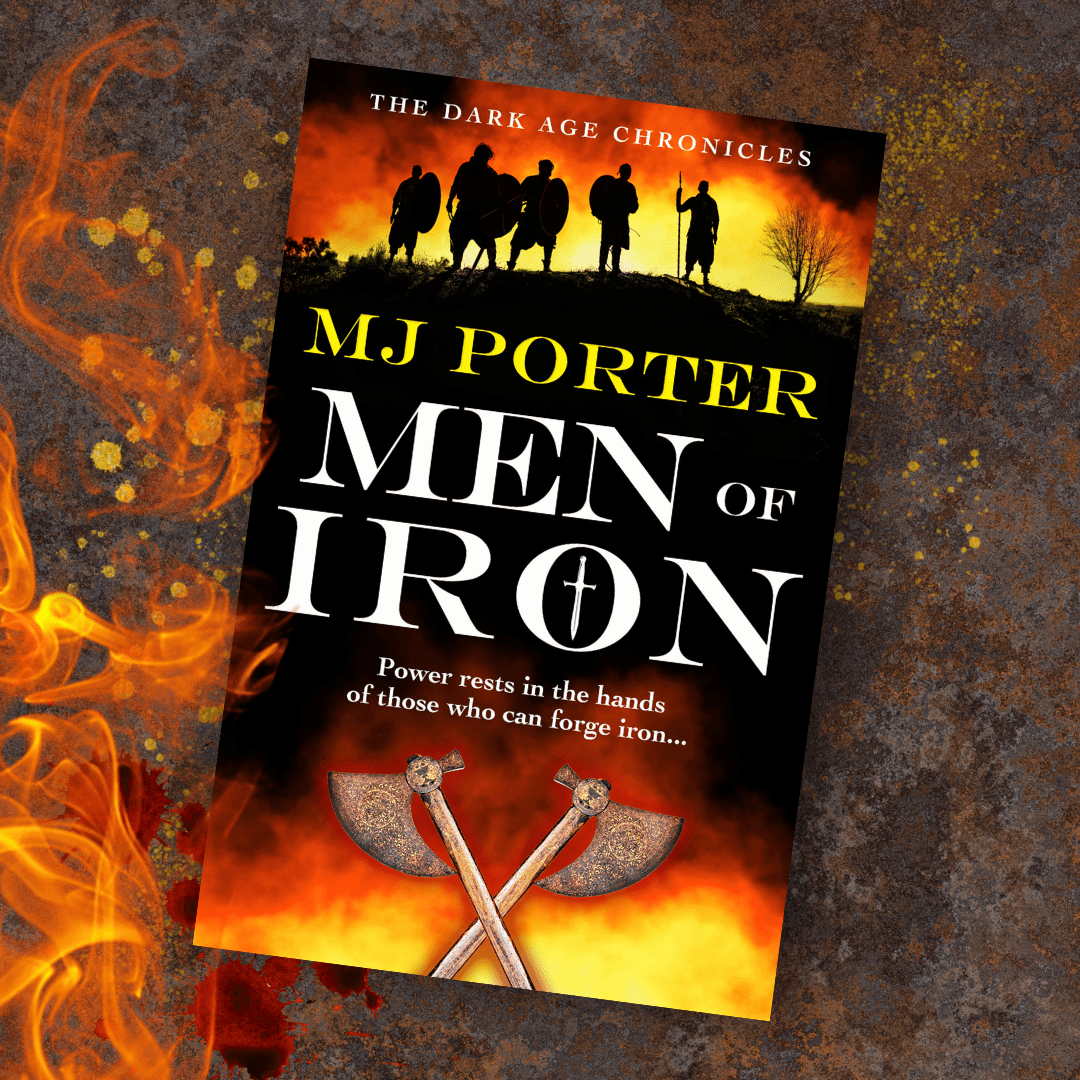
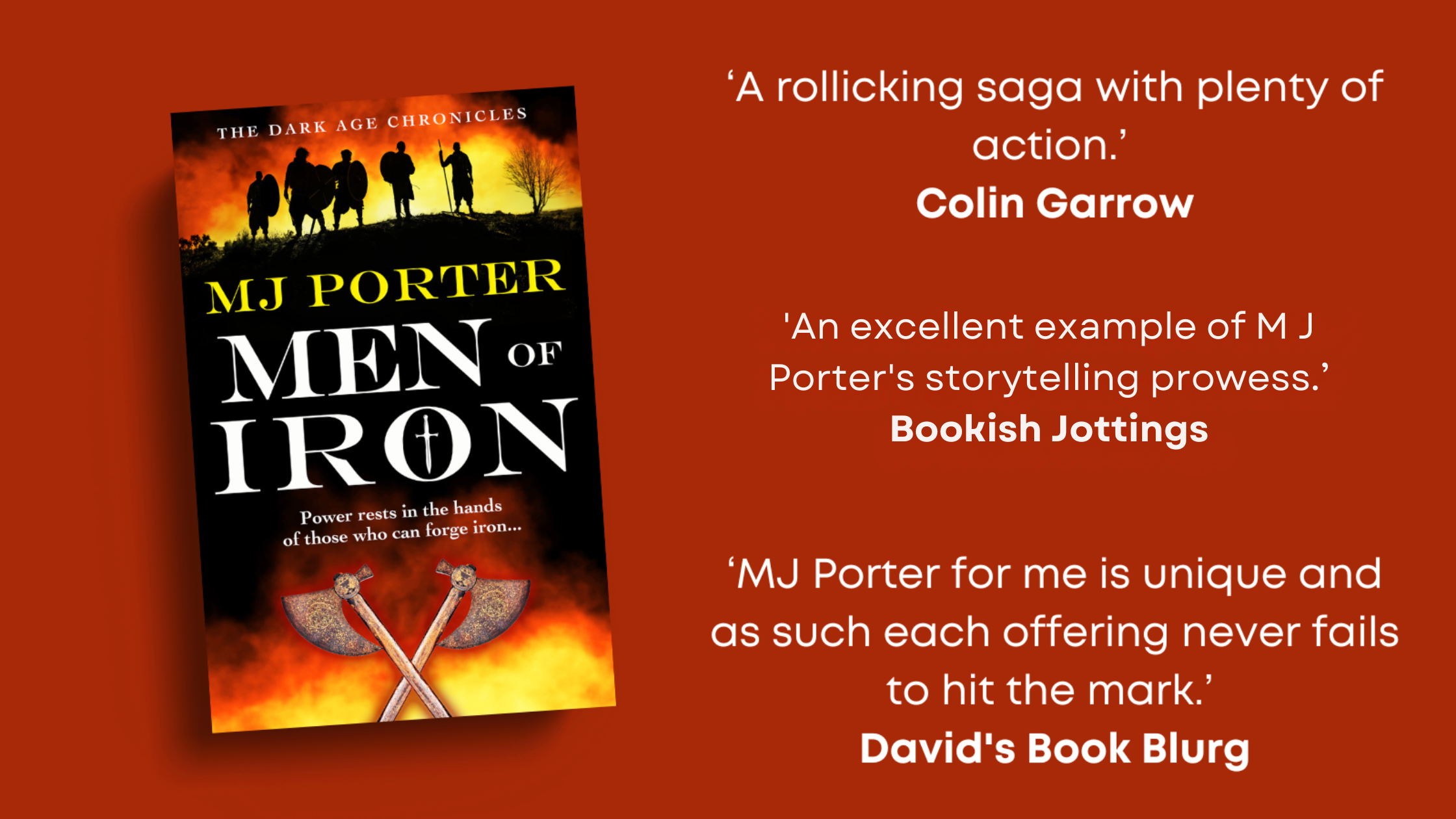
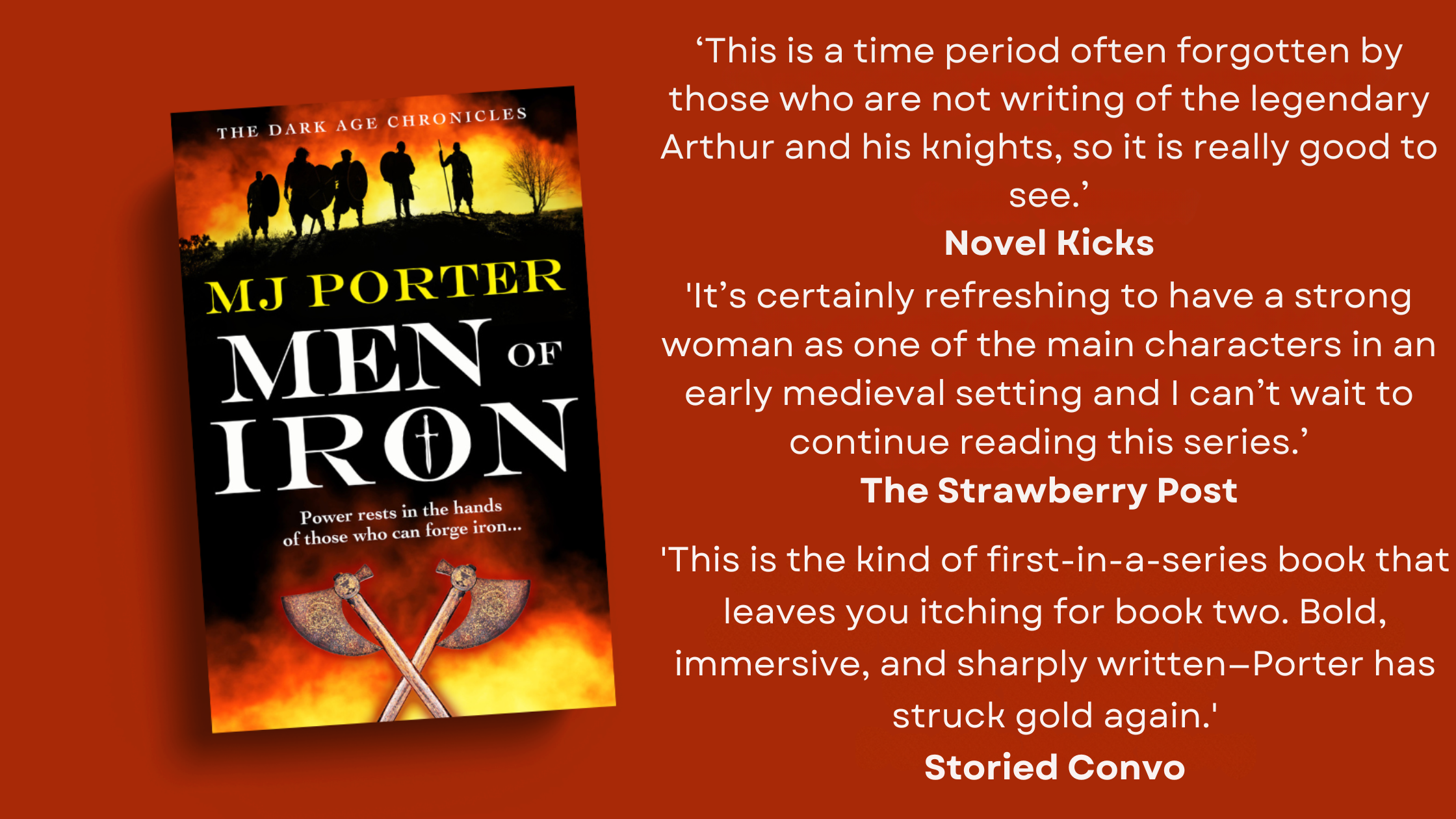
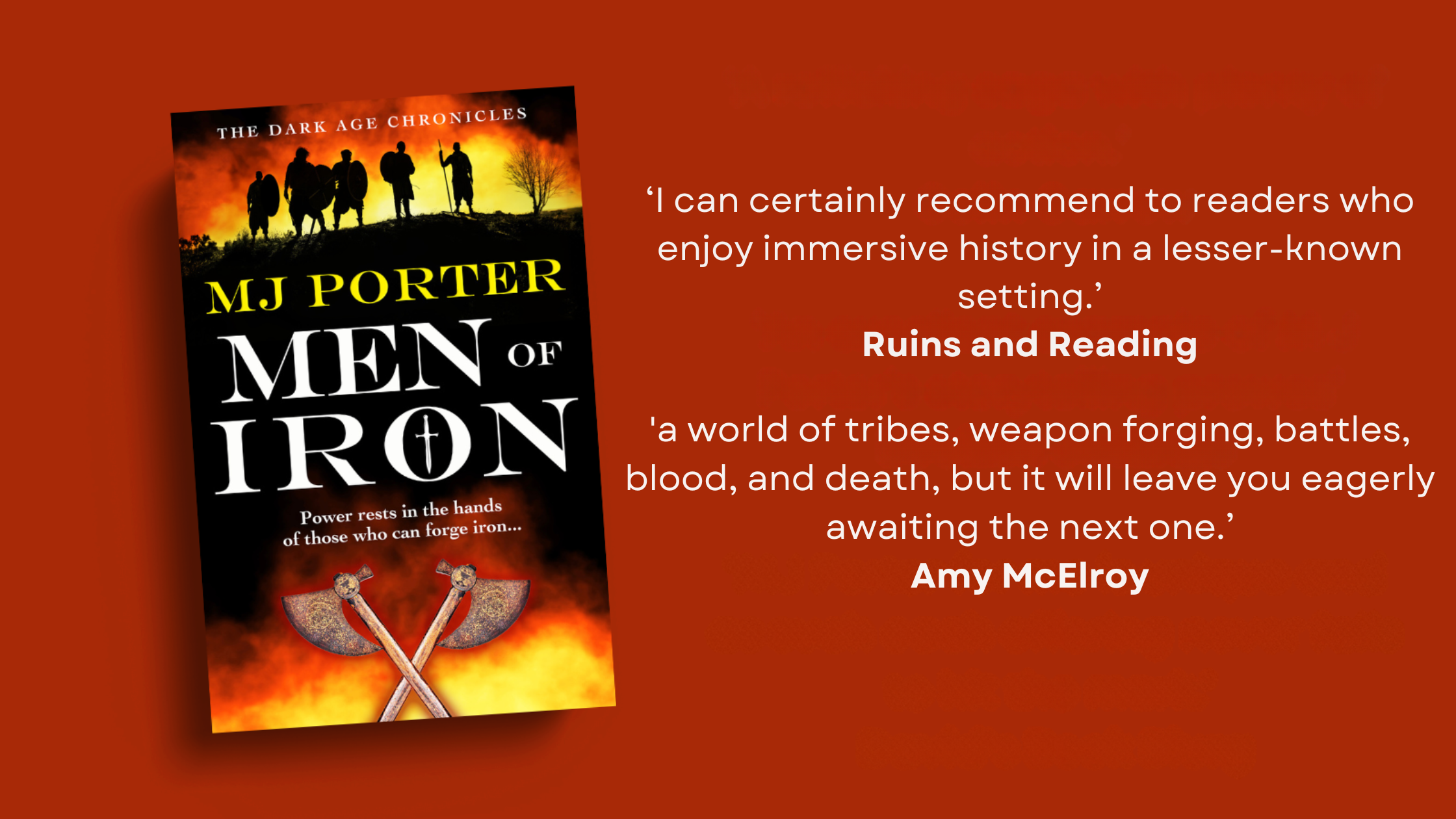
It’s happy release day to Men of Iron, the first book in the Dark Age Chronicles Trilogy #newrelease #MenOfIron #histfic
The Dark Ages?
As a bit of a history nerd, I’m not always comfortable with the term ‘Dark Ages’ for my books, mostly because the ‘real’ Dark Ages took place between about 410 and 600 in England, and so, until NOW, my books haven’t strictly fallen into that category. (Also, as a very literal child, I entirely mistook what was meant by the Dark Ages, and I was always perplexed as to why it was so damn dark.)
Admittedly, many apply the term to almost all of the period of Saxon England, which is somewhat incorrect (and indeed it was once applied to the entire Middle Ages). The idea of the Dark Ages stems from a belief there was no scientific or cultural advancement during this period (according to Wiki), but particularly in regards to England it references the lack of surviving written records from the period.
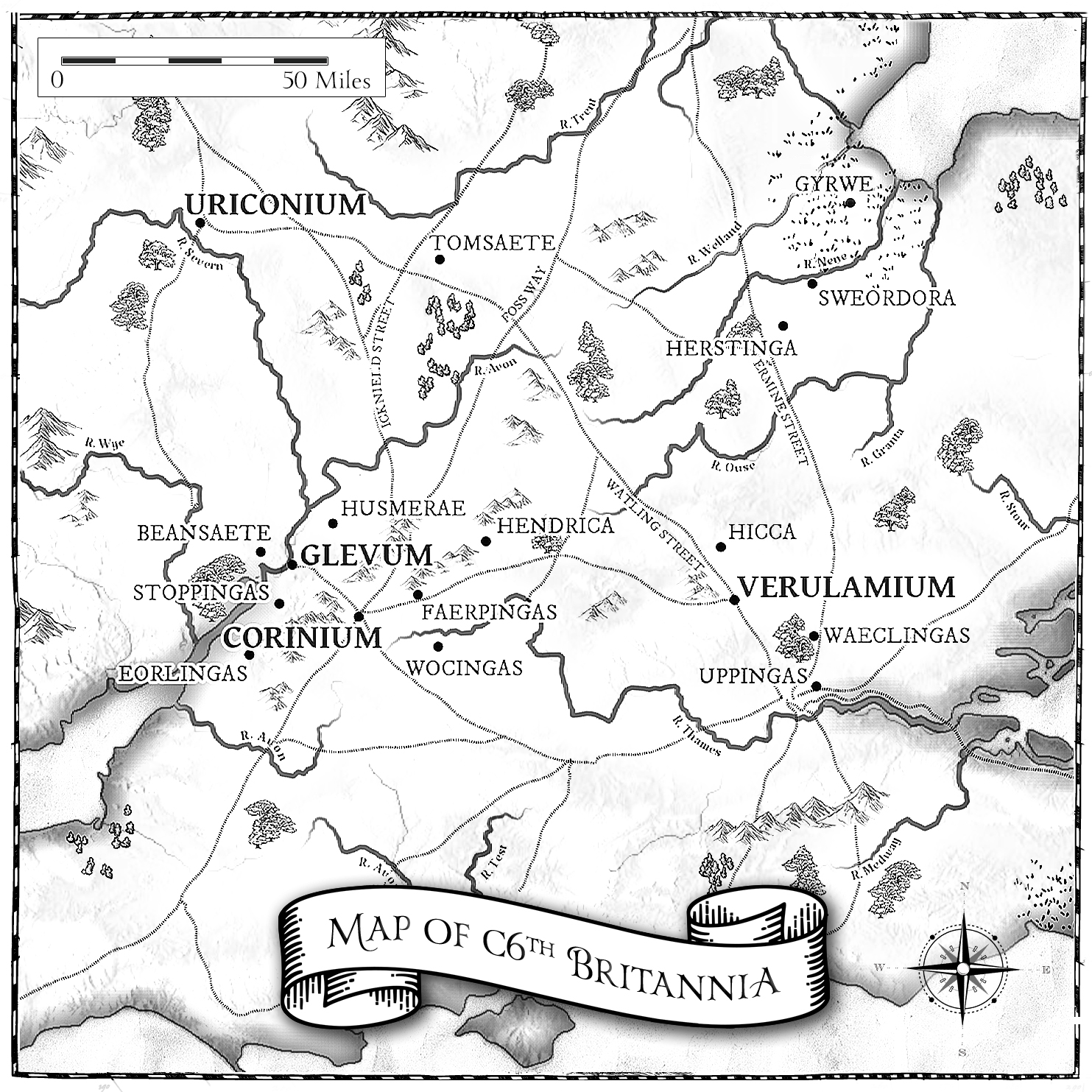
Archaeology is massively changing this interpretation, and there is now an accepted view that much can be understood about the era, just not in the way ‘historians’ might think – the merging of archaeology and history (and other sciences) is rewriting the period. We’re no longer entirely reliant on two written sources, Gildas, and his De Excidio et Conquestu Britanniae – On The Ruin of Britain (who may or may not have a cameo in Men of Iron), or Bede, (amongst historians often called ‘Bloody’ Bede) and his Historia ecclesiastica gentis Anglorum – History of the English People (as well as a few ‘odd’ earlier sources. Check out my blog post for more details.) It might be impossible to apply dates to developments, but it is possible to postulate what was actually happening during these ‘lost’ two hundred years, even if much of our knowledge must rely on finds from graves. It is also increasingly understood that this period was complex and that rarely does ‘one narrative’ adequately explain what was happening throughout England. This is a time before the major Saxon kingdoms, when much was in flux with cultures merging and endeavouring to survive with the loss of the Roman economy.
A new trilogy
And this is where my new trilogy enters stage left. This period fascinates me. I’ve been reading extensively about it for some time, and eventually managed to convince my editor (thank you) to let me tell ‘a‘ story of what ‘might‘ have been happening in this period. It can’t be based on any ‘named’ historical individuals (well, apart from one or two I’ve snuck in there as fictional creations) but it can attempt to populate this complex and little-understood period with people who lived and breathed, and I’m so excited to share it, with my readers. And guess what, it’s about what was ‘Mercia’ before it was ‘Mercia.’ (If you think you’re going to get me away from Mercia, you’re very mistaken.)
So how then to tell this story with so many cultures? I’ve taken the decision to offer a dual narrative, one from Meddi, my seeress in the west of England (close to Gloucester), and the other, Wærmund, my would-be-warrior from the east of England (the Fens). These two main characters allow me to explore the continuity and change taking place in what would become England. Their experiences as a seeress, as a warrior, and with the added complications of family discord driving their actions, ensure the characters from Men of Iron feel like ‘real people’ even in this distant, hazy landscape so similar and yet so different to everything we experience today. I really hope you’ll enjoy it. (I’m also very excited as I have dual narrators for this trilogy.)
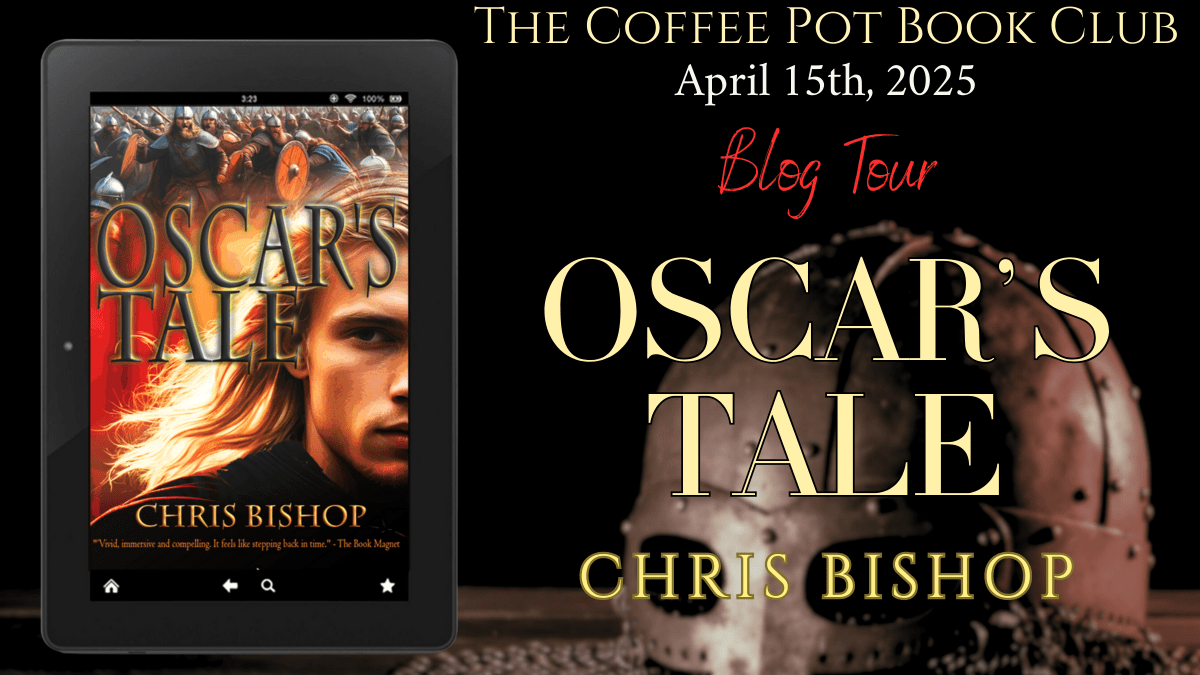
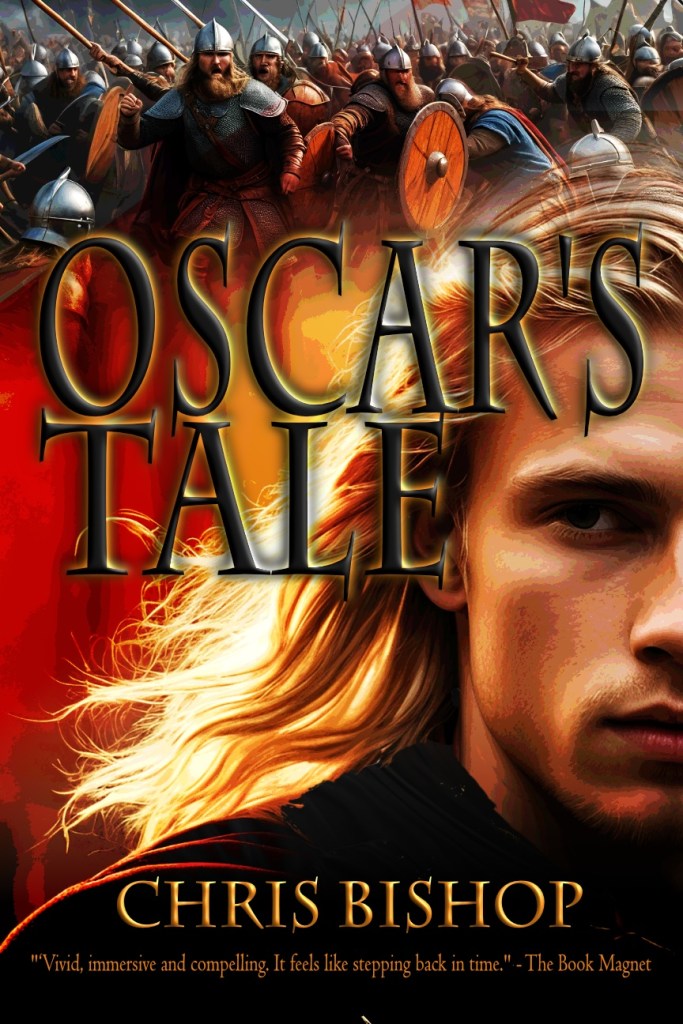
Oscar’s Tale is that of a Saxon boy who sets out to find and rescue his father who has been taken by Viking slavers.
The story begins in 877, just prior to the Viking attack on Chippenham in which King Alfred was routed. Against this backdrop, Oscar is obliged to set out on his all but impossible quest and quickly becomes embroiled in all that’s going on in Wessex at this turbulent time, culminating in him playing a small but important part in the battle at Edington.
But this is not just a story about blood thirsty battles and fearsome warriors, it’s about a boy struggling to live up to his father’s reputation as a warrior and trying to find his place in a dangerous and uncertain world. For that, he is forced to confront many dangers and earn the respect of others who are far above his station. Along the way he also finds love – albeit at a cost far higher than most would have been willing to pay.
Chris was born in London in 1951. After a successful career as a Chartered Surveyor, he retired to concentrate on writing, combining this with his lifelong interest in Anglo Saxon history.
His first novel, Blood and Destiny, was published in 2017 and his second, The Warrior with the Pierced Heart, in 2018 followed by The Final Reckoning in 2019 and Bloodlines in 2020. Together they form a series entitled The Shadow of the Raven, the fifth and final part of which – The Prodigal Son – was published in 2023.
Chris has published numerous blogs about various aspects of Anglo Saxon history and is a member of the Historical Writers’ Association.