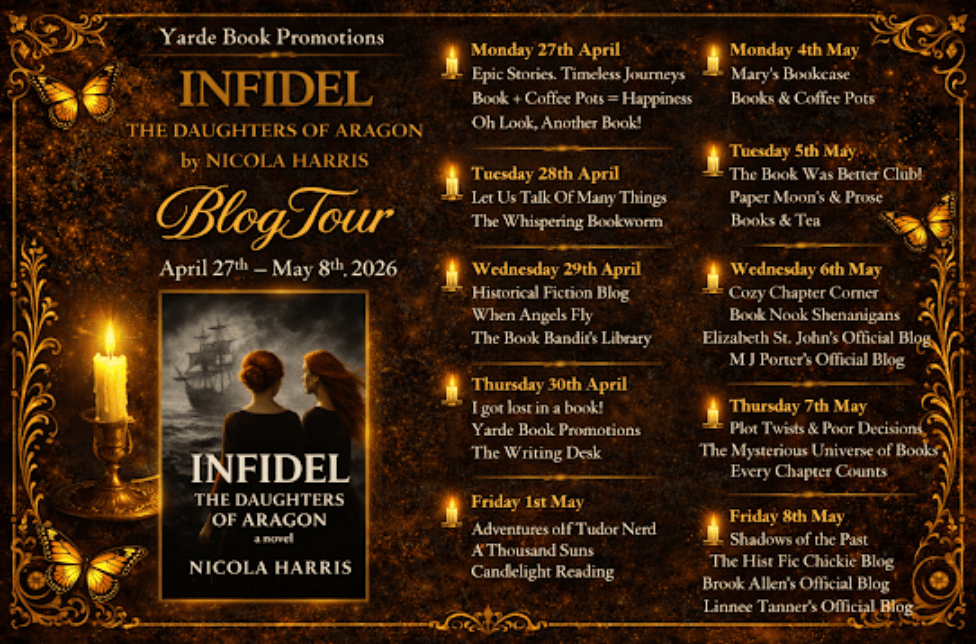
I’m welcoming Nicola Harris to the blog with her new novel, Infidel #InfidelTheDaughtersOfAragon #NicolaHarris #CatherineOfAragon #HistoricalFiction #TudorHistory #BookTour #BlogTour #YardeBookPromotions

I’m welcoming Nicola Harris to the blog with her new novel, Infidel #InfidelTheDaughtersOfAragon #NicolaHarris #CatherineOfAragon #HistoricalFiction #TudorHistory #BookTour #BlogTour #YardeBookPromotions

I’m welcoming Nicola Harris to the blog with her new novel, Infidel

Guest post by Nicola Harris

My research for Infidel began long before I ever thought of writing a novel about Catherine of Aragón. It began on a beach in Tenerife, years before tourism transformed the island. To a child, it felt like another world. The light, the heat, the colours, the food, the rhythm of life. 

I was fortunate enough to spend a great deal of time with a Spanish family who welcomed me into their home and their culture year after year. They taught me fragments of their language and, more importantly, the stories that shaped their history. Through them, I first encountered the world of Muslim Spain and the Catholic warrior monarchs who fought to reclaim it. It was impossible not to be fascinated.

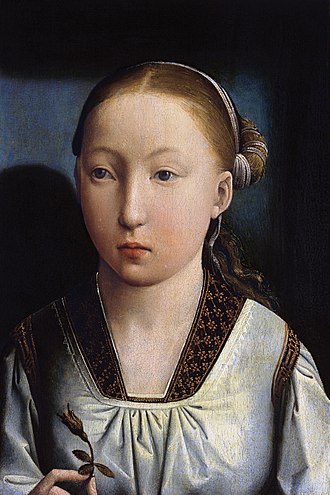
Catalina’s mother, Isabella of Castile, stood out immediately. She was disciplined, relentless, and utterly convinced of her divine purpose. She was also a mother raising her children in a kingdom defined by conflict.

That tension between power and vulnerability became the foundation of my interest in Catalina’s early life. Before she was a queen, she was a child shaped by siege warfare, political ambition, and the expectations of a dynasty that demanded strength from its daughters.
As I began to research more deeply, I found myself drawn to the wider world that touched Catalina’s childhood. I have always been captivated by the fall of Constantinople and the Turkish Sultan Mehmed II’s audacious plan to take the city. 

On a trip to Turkey a few years ago, I spoke with a Turkish waiter about his view of the sultan. His pride and respect for Mehmed stayed with me. It reminded me that history is never simple. Every figure we study has another side, another story, another set of loyalties and beliefs. 

That conversation helped me approach the period with a wider lens, aware that the Christian and Muslim worlds were not simply enemies but complex civilisations with their own brilliance and contradictions.

Juana of Castile, Catalina’s older sister, became a vital part of the novel for this reason. She is often reduced to the label Juana the Mad, but she was far more than that. In Infidel, Juana allows me to explore the moral questions surrounding the Muslim wars and the Inquisition. 

She is outspoken, intelligent, and unwilling to accept cruelty as the natural cost of faith. Through her, I could give voice to the discomfort a modern reader might feel when confronted with the punishments and persecutions of the age. Without revealing too much, Juana’s own journey takes her far from home, and the emotional cost of that distance shapes her view of the world.

Her brother Juan was married to Margaret of Austria, who is frequently remembered for educating Anne Boleyn. What is less often acknowledged is that long before Anne ever entered Margaret’s household, Catalina was already connected to Margaret by family.

In Infidel, those family connections matter. It reminds us that Catalina did not exist only in relation to Henry VIII and Anne Boleyn. She belonged to a wider European network of women whose lives, loyalties, and alliances shaped the courts that Anne would later enter.

There is a great deal of sadness in this story, because there was a great deal of sadness in Catalina’s early life. She lost people she loved. She witnessed the brutality of war. She learned to read cyphers and how to read hearts. She watched her parents arguing over her father’s love affairs. She learned to stand firm even when everything around her was shifting. 

Her childhood was not soft or sheltered. It was an ordeal. She came face to face with native Americans who were snatched from their land and brought to the palace. I wanted to understand what forged her, what hardened her, and what gave her the strength she carried into England. Her resilience did not appear by magic. It was earned.

Infidel grew from all these threads: my early love of Spain, my fascination with the fall of Constantinople, my respect for the complexity of the period, my interest in the overlooked connections between women like Catalina and Margaret of Austria, and my desire to show Catalina not as a symbol but as a girl shaped by fire. 

She was fierce, vulnerable, determined, and unforgettable long before she became a Tudor queen. I wanted to bring that girl to life. I wanted to show the sisters who stood beside her, the world that formed her, and the dynasty that demanded so much from its daughters.

Here’s the blurb

Born in the glittering courts of Castile and Aragon and forged in the shadow of war, Catalina de Aragón grows up surrounded by queens, rebels, and explorers. She is her mother’s last daughter, the final jewel of a dynasty built on conquest and faith, and the one child Isabella of Castile cannot bear to lose.

But destiny has already claimed Catalina.

Promised to Prince Arthur of England since childhood, she is raised to bind kingdoms, soothe old wounds, and carry the hopes of an empire across the sea. Yet, Spain fractures under rebellion, grief, and the ruthless zeal of its own rulers.

From the burning streets of Granada to the storm‑lashed Bay of Biscay, Catalina and her sisters must navigate a treacherous path shaped by ambition, betrayal, and the dangerous love of men who fear the power of queens. She learns to read cyphers, to read hearts, and to stand unbroken even as her childhood is stripped from her piece by piece.

And when she finally sails for England armed with her mother’s lessons, her father’s steel, and the ghosts of the Alhambra at her back, Catalina steps into her fate not as a girl, but as a force.

A princess.

A survivor.

A daughter of Aragon.

Infidel is the story of a young woman raised for greatness and destined to reshape the fate of nations. This is Catalina, as she has never been seen before. She is fierce, vulnerable, and unforgettable.

A sweeping, intimate portrait of sisterhood, survival, and the making of a dynasty, Infidel reveals the hidden lives of a woman whose courage shaped the Tudor world.

Any Triggers: Grief, mild peril, the Spanish Inquisition, enslaved people, death in childbirth and miscarriage.
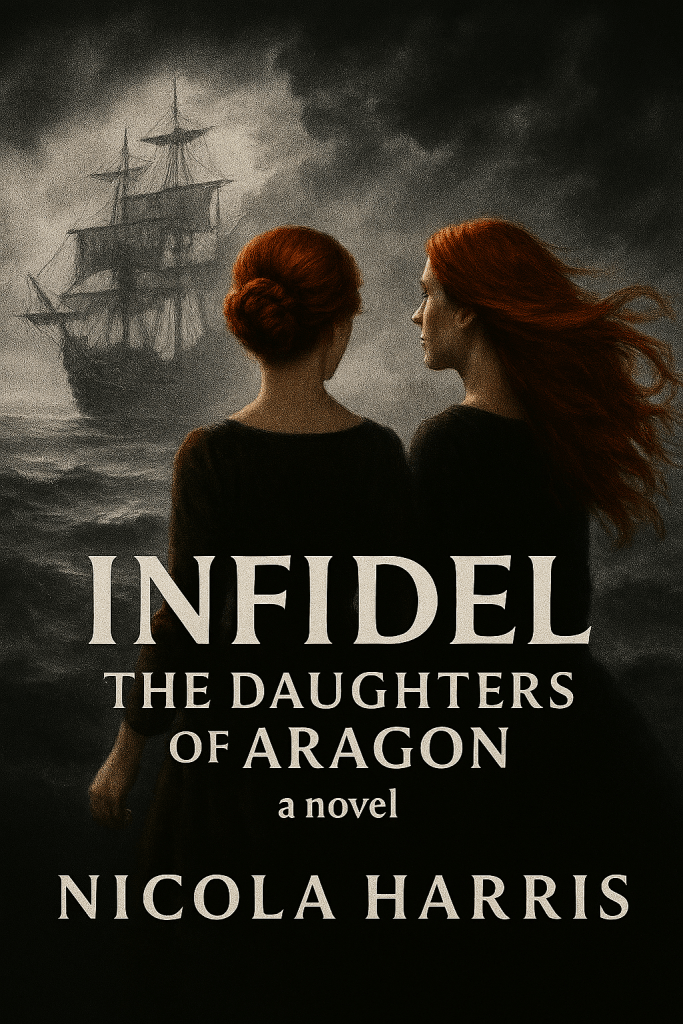
https://books2read.com/u/4AZDEJ

 Read with #KindleUnlimited

Meet the author

I’ve always been a writer, but it was only when illness forced me to stop everything that I finally had the time to write a novel. After decades of misdiagnosis, I learned I was born with a serious genetic condition, not rare, but profoundly misunderstood. The clues were there from birth, and suddenly, a lifetime of struggle made sense.

Writing became my lifeline: a way to step beyond my pain, to shape my experience into a story, and to find meaning where there had once been only endurance.

I have a lifelong love of children, Counselling, and Psychotherapy Theory and history.
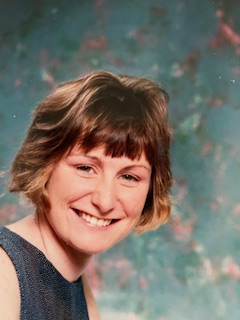
Auhtor Nicola Harris

https://nicolaharrisauthor.com/

Follow the Infidel by Nicola Harris blog tour with Yarde Book Promotions

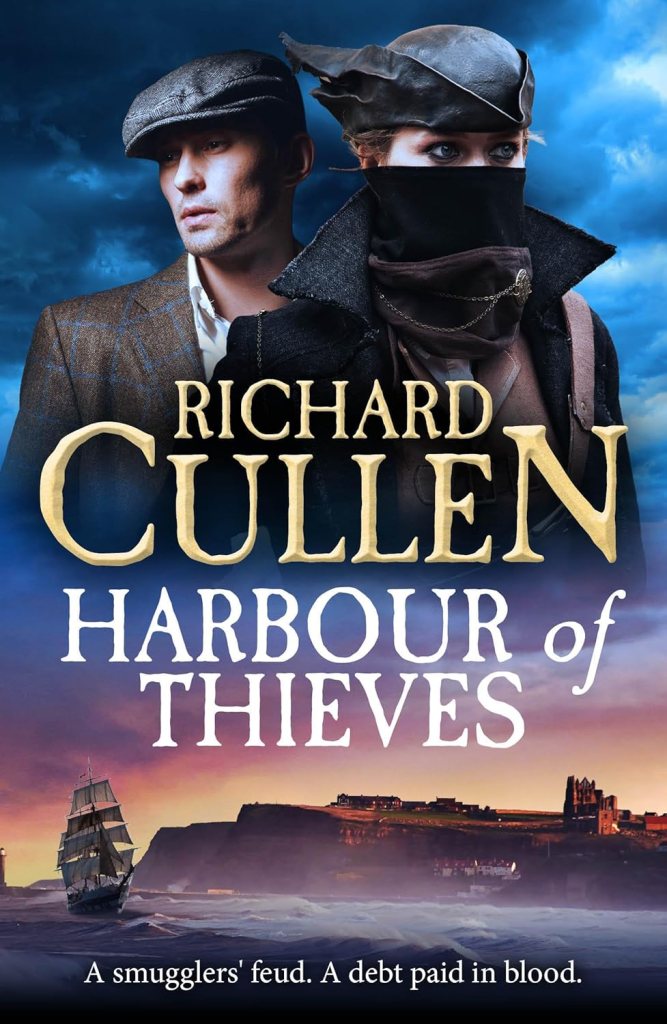
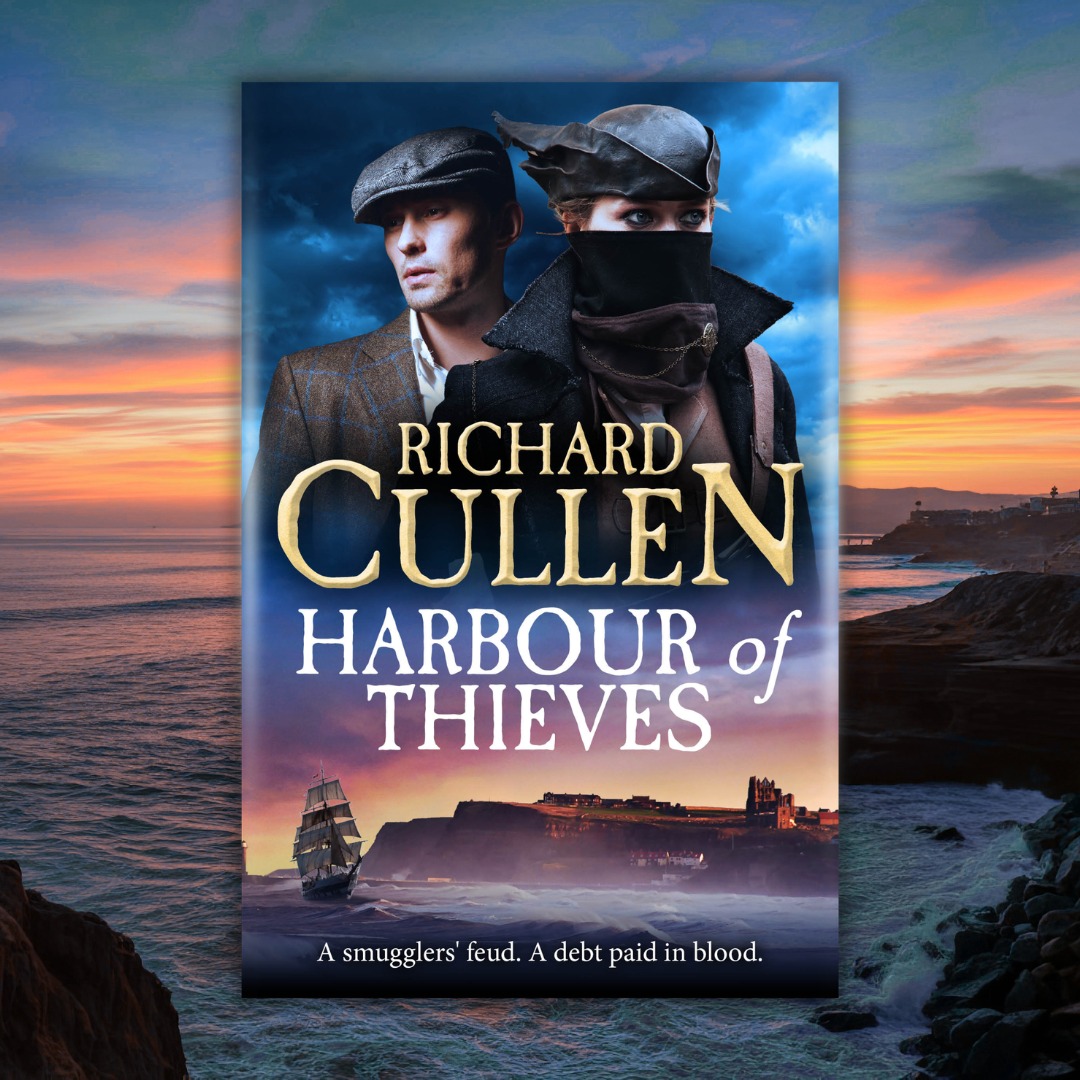
I’m reviewing Harbour of Thieves by Richard Cullen, a brand new 19th century tale of smugglers and North Yorkshire #historicalfiction #bookreview

I’m reviewing Harbour of Thieves by Richard Cullen, a brand new 19th century tale of smugglers and North Yorkshire #historicalfiction #bookreview @boldwoodbooks @wordhog

Here’s the blurb

An epic NEW historical crime story of treachery and bitter rivalry between Yorkshire’s tough smuggling gangs 💥 Perfect for the fans of Bernard Cornwell’s Sharpe series, House of Guinness and Peaky Blinders 🩸⚔️

Can one man forget his past, or will he be dragged back into the world of violence he worked hard to leave behind?

Yorkshire, 1840

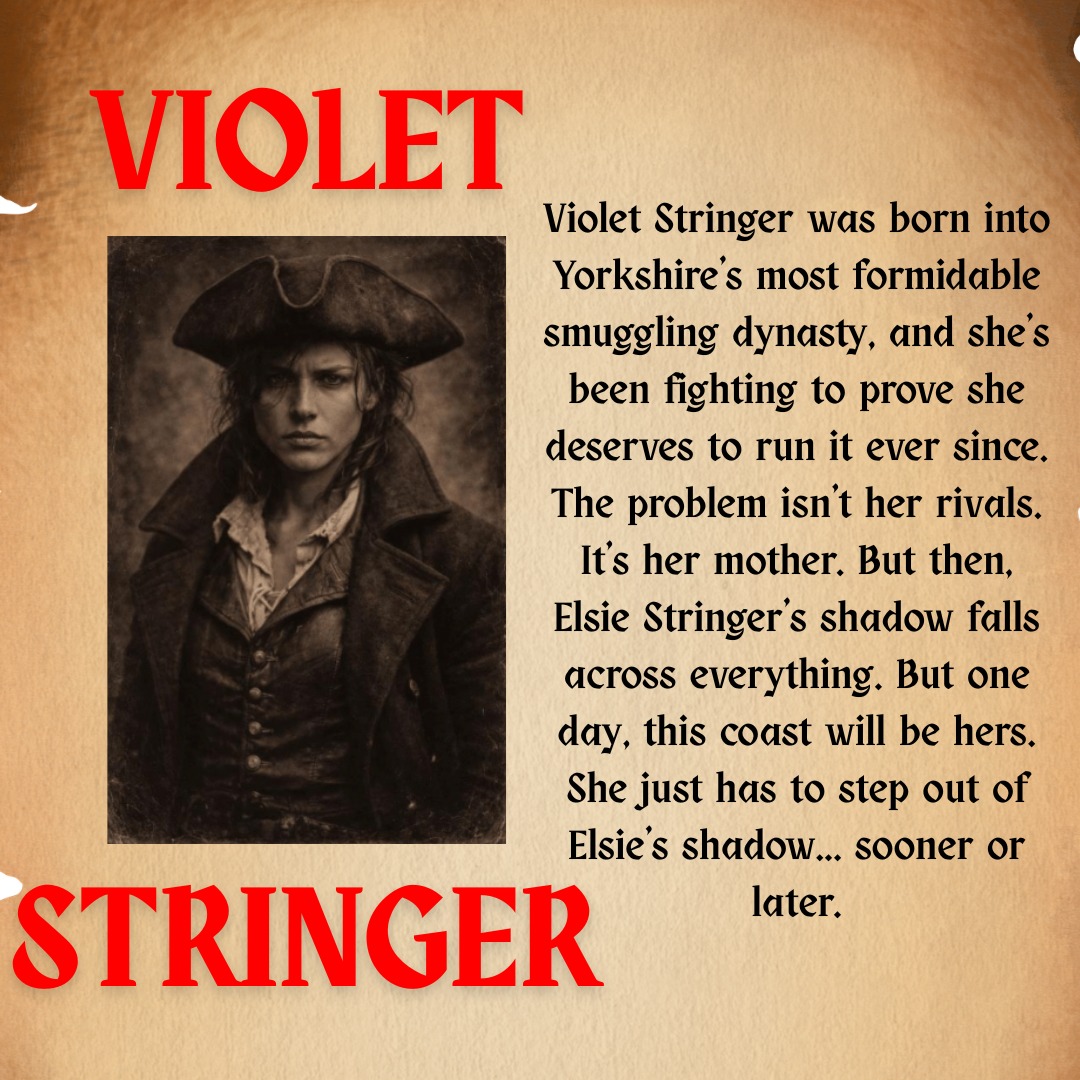
Along this treacherous Yorkshire coastline, the cutthroat industry of smuggling thrives, and two rival gangs rule the night… the Stringers of Bay Town and the Lambs of Ravenscar. Waging a war for control of the contraband that flows through England’s northern cities.

After a lifetime of violence and bloodshed, Jim Hood returns to his hometown of Whitby with his friend Samuel Comus, their pockets heavy with prize money from their exploits along the African coast. They dream of respectability, of turning their backs on their past, but old friends and enemies await, and old habits die hard…

When tragedy strikes, and Jim’s well-laid plans turn to ash, Jim is forced to return to the brutal world he’d sworn to leave behind.

Now he must navigate the deadly currents that flow between rival smuggling empires, where childhood loyalties war with newfound enemies, and where the price of survival might be the very soul he’d fought so hard to reclaim.

Perfect for the fans of Bernard Cornwell, Ken Follett and Dan Jones.

Purchase Link

https://amzn.to/4n47Yrb

My Review

Harbour of Thieves is a rollicking good read set in the 1840s, in and around the coastline of Whitby and Scarborough (North Yorkshire) and focuses on the underbelly of smuggling as two rival bands face not one, but two enemies, and are riven with discord between each other as well.

We have multiple characters in this thrilling, fast-paced tale, and we also need to give a shout-out to the Yorkshire weather! There are many characters we simply despise, a few we quite like, and others we can perhaps admire, while being grateful never to be faced with the decisions they have to make. We have strong women, even stronger women and those we think we should pity but who, in their own way, are perhaps the strongest of all. We have villains aplenty, from the excise man to the leader of the Lambs, who is a nasty piece of work.

The story is fast and satisfying, as events wrap around our would-be heroes, forcing them to make hard decisions to survive. This is a thrilling adventure of high stakes and high seas, and I devoured it in only 24 hours!

Check out my review for Rebellion, the first book in the Chronicles of the Black Lion series.

Meet the author

Richard Cullen is a writer of historical adventure and epic fantasy. Previously published by Head of Zeus and Orbit Books, his new historical adventure series for Boldwood, Chronicles of the Black Lion, set in thirteenth-century England, will launch in October 2024.

Connect with the author

Newsletter Sign Up https://bit.ly/RichardCullenNews

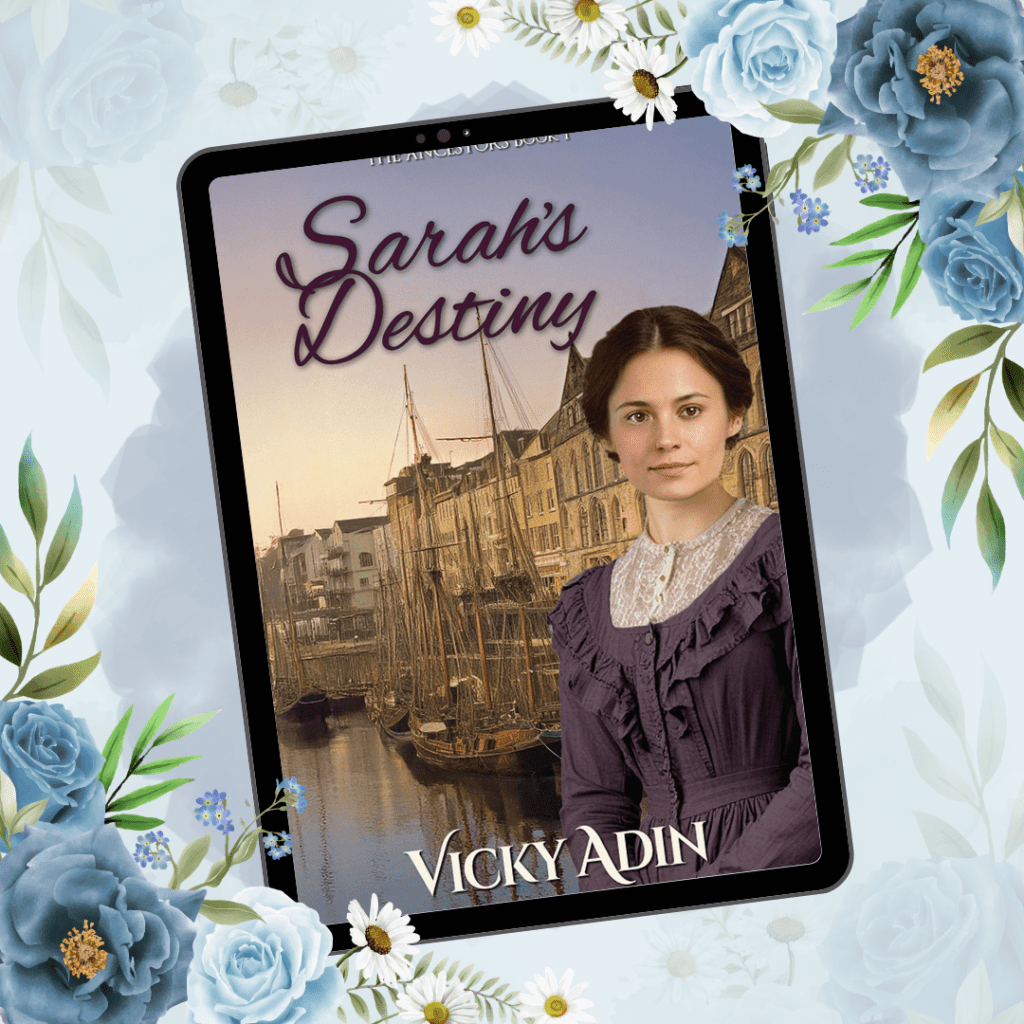
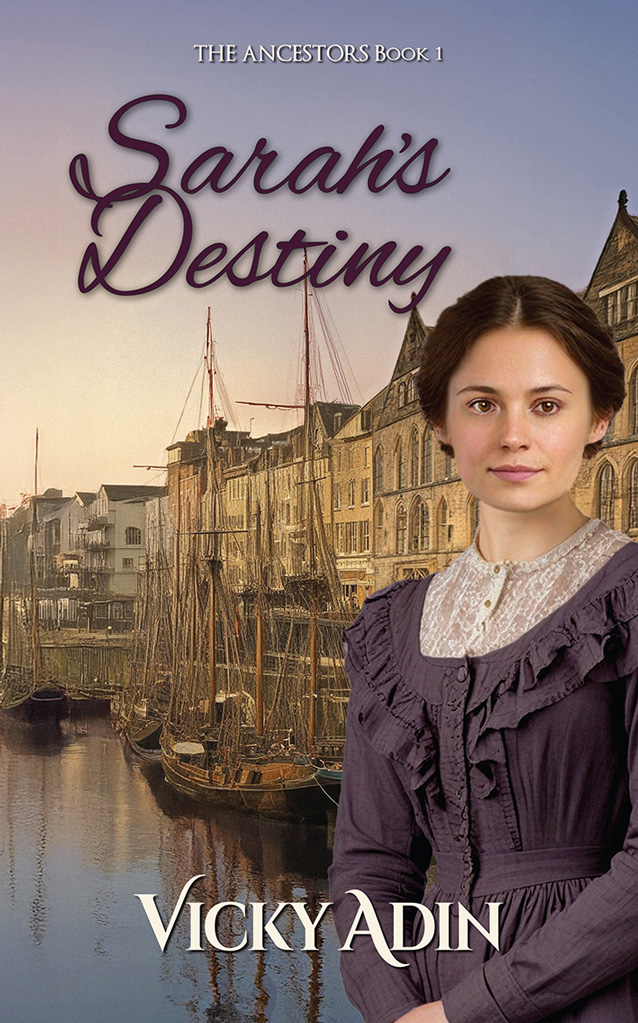
I’m delighted to welcome Vicky Adin and her new book, Sarah’s Destiny, to the blog, #HistoricalFiction #VictorianWomen #workingclasswomen #enduringlove #Bristol #widows #BlogTour #TheCoffeePotBookClub 

I’m delighted to welcome Vicky Adin and her new book, Sarah’s Destiny, to the blog, #HistoricalFiction #VictorianWomen #workingclasswomen #enduringlove #Bristol #widows #BlogTour #TheCoffeePotBookClub @cathiedunn
@thecoffeepotbookclub.com

I’m delighted to welcome Vicky Adin and her new book, Sarah’s Destiny, to the blog,

Read about Vicky Adin’s inspiration for writing Sarah’s Destiny

My inspiration stretches back well into the seventeen hundreds as I hunted for my family history. Genealogy research always turns up interesting snippets of information. A name on one document, repeated on another and linked to another often leads to the discovery of the places, people, and occupations associated with their lives. I was in for a surprise as I abandoned the direct line and drifted along another branch to twigs and leaves.

Sarah’s story was one of those sideways leaps as I searched for extra details relating to my third and fourth great-grandparents. With a love of history and genealogy, such research can provide details beyond the facts, however, there are always gaps and to me that’s where the stories lie. I love filling in the gaps.

My third great-grandfather intrigued me. In those times, several branches of an extended family and generations of a direct line would live in that same area over long periods, with the sons often continuing the father’s occupation. In this case, a daughter maintained that tradition and in keeping with the naming patterns of the day, Sarah was the third daughter to be given that name in memory of two others. She must have carried a huge sense of responsibility. Such traditions are invaluable to a genealogist, but …. 

Sometimes, the information doesn’t quite add up. When my great-grandfather’s dates didn’t quite match and when his daughters broke tradition and moved away from the family, I researched the one who remained. A gut instinct told me she could well be the key to what I was searching for. And I was right. The more documents I found about her life, the more fascinated I became. 

Sarah lived her life in the Victorian era from 1834 to 1907. During that time, she was to have two husbands and eight children and lost three, but her marital status and the children’s names and dates were often confusing, suggesting more to the story than the hard facts provided.  She was literate and worked as a licenced victualler, a pub landlord, in her own right, just like her father. She was, without doubt, loyal, determined, and defied conventions. But what was she really like? That is the one question genealogy research will never answer, especially that far back. That is where a writer’s intuition takes over. 

Next came the historical research about Bristol, where she lived and worked her entire life. In its heyday Bristol was a progressive and prosperous city that sparked my curiosity. I’d never been to Bristol so I used Google Earth to ‘wander’ down the same streets that Sarah would have done. I found the pub, one among many, where she’d grown up beside the Welsh Back and where bars and restaurants still dot the landscape today, just as they were in her day. I love the fact that the core of England never changes. Some new buildings and some road realignments but in essence what Sarah knew, I could view.

A ‘back’ is a Bristolian word for a wharf and the Welsh Back is the cobblestone street running along the length of the famous floating harbour built in 1809. That is where the trows, (specially designed boats with folding masts to get under the low bridges) from Wales came across the notorious Bristol Channel and tied up to unload their wares. 

The more I looked into Bristol’s history, the more I realised the city itself had a story to tell. So too, her lover.

I took Sarah’s facts and the spirit of Bristol and recreated her life. I filled the gaps, taking into account Bristol’s unique words and dialect and all the numerous and wonderful Victorian revelations, the likes of Mrs Beeton’s Book of Household Management and the serialisation of Dickens novels, the completion of the Bristol Suspension Bridge and so much more. We can never know exactly what people said, how they behaved, or what they thought, but understanding the mores and laws of the time offers a likely premise.

Sarah’s Destiny is inspired by a true story, the facts guided her time frame, and the history embellished the storyline, but Sarah’s soul captured my imagination.  

Here’s the blurb

Young Sarah Daniels is the heart, soul and future of The White Hart Inn on the Welsh Back. Alongside the quay and wharves on Bristol’s floating harbour, she dreams of finding love, and a destiny where she can escape the drudgery and tragedy that life usually delivers Victorian women. But dreams are free, and few share her ideals. When reality strikes, and Sarah learns the hard way that life is unkind, one man offers her hope.

Through many decades of heart-aching loss, false promises and broken dreams, the young widow clings to that one hope. With six children to care for, she takes risks few others would consider. She breaks conventions and makes sacrifices to keep that hope alive.

Will her wishes come true, or is she destined to be another unfortunate in the sea of many?

Any Triggers: Grief, abuse, attempted rape (gentle)

https://books2read.com/u/3LPag7

This title is available to read on #KindleUnlimited. 

Meet the author

Like the characters in her books, Vicky has a passion for family history and a love of old photos, antiques, and treasures from the past. After researching the history of the time and place, and realising the hardships many people suffered, Vicky knew she wanted to write their stories. Tales of love and loss, and triumph over adversity. Her latest release, Sarah’s Destiny, Book 1 of The Ancestors series, is inspired by a true love story set in Bristol.

Vicky particularly enjoys writing inter-generational sagas, inspired by true stories of early immigrants to New Zealand, linked by journals, letters, photographs, and heirlooms.

She’s an avid reader of historical novels, family sagas and women’s stories and loves to travel when she can. She has a MA(Hons) in English and Education. Her story of Gwenna won gold in The Coffee Pot Book Club Women’s Historical Fiction Book of Year in 2022 and several of her books carry the gold B.R.A.G medallion.

www.vickyadin.co.nz

 https://www.bookbub.com/profile/vicky-adin

Follow the Sarah’s Destiny by Vicky Adin blog tour with The Coffee Pot Book Club

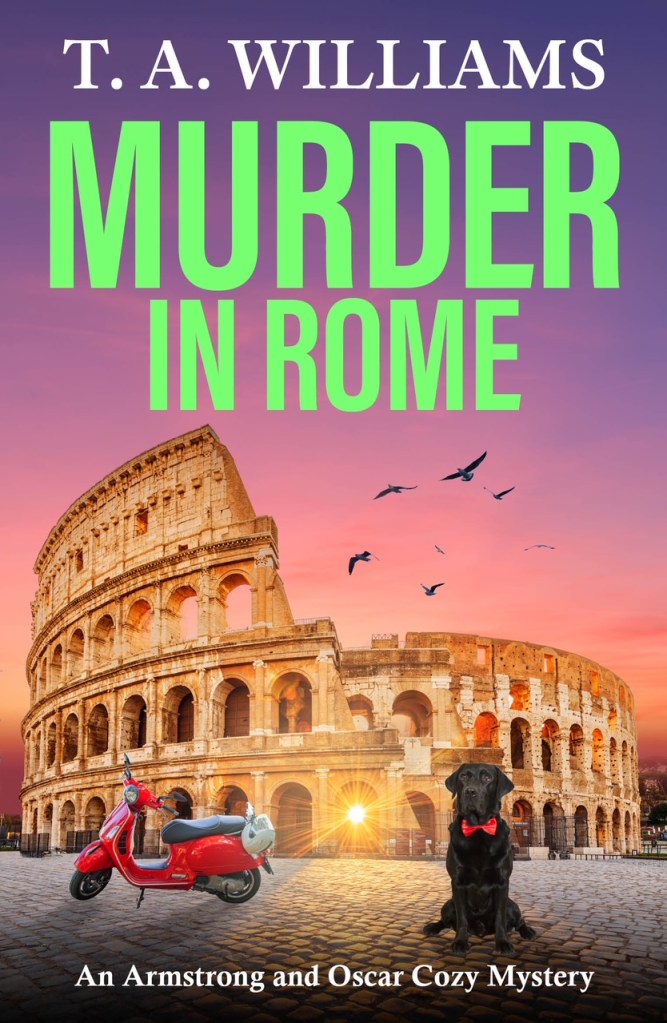
I’m reviewing the new book in the Armstrong and Oscar Cozy Italian Mysteries, Murder in Rome by TA Williams #BookReview #BlogTour #CosyCrime #ContemporaryCrime

I’m reviewing the new book in the Armstrong and Oscar Cozy Italian Mysteries, Murder in Rome by TA Williams #BookReview #BlogTour #CosyCrime #ContemporaryCrime

I’m reviewing the new book in the Armstrong and Oscar Cozy Italian Mysteries, Murder in Rome by TA Williams #BookReview #BlogTour #CosyCrime #ContemporaryCrime

Here’s the blurb

The BRAND NEW instalment in the bestselling, beloved Armstrong & Oscar Cozy Mystery series! 

A road leading to Rome

Former DCI Dan Armstrong has been living and working in Florence for nearly three years—yet somehow, Rome has always eluded him. That is, until glamorous TV celebrity Tamsin Goodfaith turns up with a request he can’t refuse: investigate her uncle’s suspicious death in the Eternal City.

Murder at the castle

Philip Hastings was a billionaire financier, found dead at his magnificent—if slightly spooky—medieval castle in the Roman hills. Dan and his faithful canine companion, Oscar, soon find themselves surrounded by luxury, secrets and more suspects than sightseeing opportunities.

This time it’s personal. But when a second murder follows close behind, the case turns dangerously personal. With whispers of ghosts and crumbling alibis, Dan and Oscar must sniff out the truth before he becomes the next victim. Harder to crack than castle walls—and harder still than stopping Oscar from stealing snacks—this Roman holiday is anything but relaxing. .

Purchase Link

https://mybook.to/MurderInRome

My Review

Murder in Rome is somehow the 15th book in the Armstrong and Oscar mysteries, and I’ve read them all (apart from 1, which I seem to have missed).

This latest outing sees Dan taking a trip to Rome, somewhere he’s not been before, with Oscar at his side. What he encounters is a palatial residence that seems to be hiding its own secrets, but his remit is simple, determine if Philip was murdered, or whether he really did commit suicide. As Dan begins to investigate there are strange goings-on in the dysfunctional, wealthy family.

Murder in Rome unfolds as earlier books in the series. The reader genuinely doesn’t know who can and can’t be trusted until there is a huge breakthrough. For this one, I loved the historical elements as it’s passed time Anna was able to help Dan solve his cases. Of course, Oscar has a starring role once more too.

Always a guaranteed good read, I didn’t guess who did it! I do love this series.

Check out my reviews for earlier books in the series, and be sure to start at book 1, Murder in Tuscany.

Meet the author

I’m a man. And a pretty old man as well. I studied languages at Nottingham University a long time ago and then lived and worked in France and Switzerland before going to work in Italy for seven years. My Italian wife and I then came back to the UK with our little daughter (now long-since grown up) where I ran a big English language school for many years. We now live in a sleepy little village in Devonshire. I’ve been writing almost all my life but it was only thirteen years ago that I finally managed to find a publisher who liked my work enough to offer me my first contract.

I started off writing romances but after 28 of them, I knew I wanted to try something different, and so the first of the Armstrong and Oscar cozy mysteries, Murder in Tuscany, was born three years ago. I’ve been having a lot of fun ever since getting to know the dynamic duo (and introducing them to people all over the world). These books are cosy crime [a genre I didn’t even know existed when I started writing them). They are murder mysteries, but not gory, over-violent stuff, but stories designed to exercise the brain of the reader and to put a smile on their face. Maybe it’s because there are so many horrible things happening in the world today that I feel I need to do my best to provide something to cheer my readers up. My books provide escapism to some gorgeous locations all over my beloved Italy.


Newsletter Sign Up https://bit.ly/TAWilliamsNews

Bookbub profile @trevorwilliams3

Author TA Williams

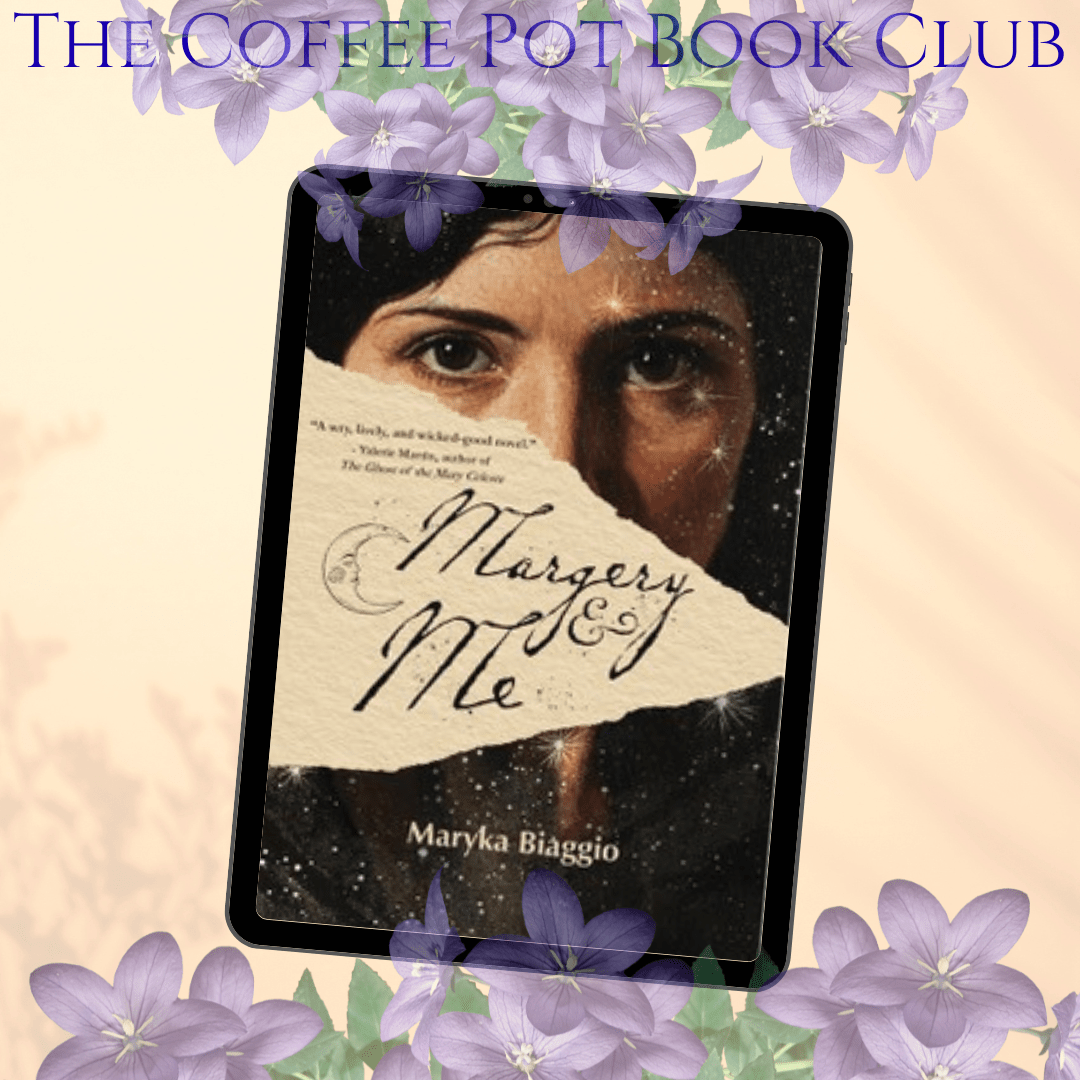
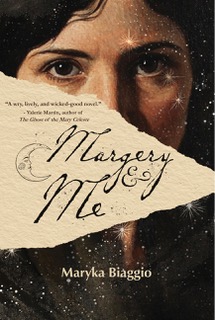
I’m welcoming Maryka Biaggio and her new book, Margery and Me, to the blog #MargeryandMe #historicalfiction #realpeople #TheCoffeePotBookClub #BlogTour

I’m welcoming Maryka Biaggio and her new book, Margery and Me, to the blog #MargeryandMe #historicalfiction #realpeople #TheCoffeePotBookClub #BlogTour

I’m welcoming Maryka Biaggio and her new book, Margery and Me, to the blog #MargeryandMe #historicalfiction #realpeople #TheCoffeePotBookClub #BlogTour

Here’s the blurb

In the 1920s, Margery Crandon captivated both Boston society and psychic researchers with her astonishing seances. At her gatherings, her deceased brother Walter regularly appeared, entertaining the circle with his witty and cheeky remarks. Margery’s abilities earned her the admiration of luminaries, including Sir Arthur Conan Doyle and William Butler Yeats. But one man stood in opposition: Harry Houdini, the legendary magician, who was determined to expose her as a fraud.


Margery and Me tells the true story of the medium who mystified scientists, challenged skeptics, and sparked a sensation across America and Europe. As Houdini and Margery clashed in a battle of wits and wills, the question remained: Could the master illusionist unmask her, or would her extraordinary powers be enough to convert even the most resolute of doubters?

Buy Link

https://books2read.com/u/4Xy5re

Meet the author

Maryka Biaggio is a psychology professor-turned-novelist who brings forgotten lives back into the light. Specializing in historical fiction inspired by real people, she crafts emotionally resonant narratives anchored in careful research. 

Her debut novel, Parlor Games (Doubleday, 2013), launched a distinguished career that includes Gun Girl and the Tall Guy and Margery and Me. Her work has earned numerous accolades, including the Willamette Writers Award, Oregon Writers Colony Award, Historical Novel Society Review Editors’ Choice, La Belle Lettre Award, and a Publishers Weekly pick. 

Biaggio is celebrated for illuminating overlooked historical figures with psychological depth and narrative grace.

Author Maryka Biaggio

https://marykabiaggio.com

https://www.bookbub.com/authors/maryka-biaggio

Follow the Margery and Me by Maryka Biaggo blog tour with The Coffee Pot Book Club

I’m welcoming John Anthony Miller and his new book, Another Soul Saved, to the blog, #BlogTour #HistoricalFiction #WWIIFiction #HolocaustFiction #WomenInHistory #YardeBookPromotions

I’m welcoming John Anthony Miller and his new book, Another Soul Saved, to the blog @authorjamiller @maryanneyarde @yardereviews
@maryanneyarde.bsky.social #BlogTour #HistoricalFiction #WWIIFiction #HolocaustFiction #WomenInHistory #YardeBookPromotions

I’m welcoming John Anthony Miller and his new book, Another Soul Saved, to the blog

Research required to write the novel Another Soul Saved

An author’s goal in writing a novel is to create an imaginary world with make-believe characters that keep the reader immersed in the story. When writing historical fiction, the story is usually grounded in fact—actual places, events, or historical accounts. To keep the reader fully engaged, the author needs to mimic the every-day life of people who lived during that time. Details lend credibility to the narrative, and details require research.

Another Soul Saved is my nineteenth published novel, and I typically approach each one from the same perspective. Usually, I start by choosing a location and time period, or a world event that drives the plot. Once I have the basic concept underway, I start the research.

I begin with the names of the characters. Another Soul Saved is set in Vienna, Austria, in the early days of WWII. Assuming the characters are around thirty years old, and the book takes place in 1941, I searched online for popular Austrian baby names in 1910 – the year around when the characters would have been born. I use a legal pad and make three columns: female names, male names, and surnames. Then I match them based on my image of the character. I actually spend a lot of time on names because I want them to flow, especially for the main characters.

Next, I researched the city of Vienna, where the book takes place. I have been to Austria, but not the neighbourhood where the book is set, so I used Google Earth—it has a dropdown feature where you can actually “walk the streets.” It helps me describe buildings and use actual street names. Since some of the book takes place in St. Stephen’s Cathedral, I had to find the floor plans, including those of burial crypts in the basements, which are used in the novel to hide escaping Jews.

To create the right atmosphere, I had to understand the city of Vienna as it existed in 1941. Ninety-nine percent of the residents supported the policies of Adolf Hitler, but my novel uses the voice of the one percent who didn’t—those risking their lives to save others, knowing that friends, neighbors, and even family members could betray them. I had to create the underlying tension so the reader felt the same fear that the main characters lived with. I read books about the Austrian Resistance movement and the nation’s policies and treatment of the Jewish population, so I understood what their lives were like. 

Another Soul Saved tells the story of Monika Graf, a wealthy woman who risks everything to rescue Jewish children, with no recognition or reward, betraying both her country and her husband. Unable to have children of her own, she impulsively rescues two Jewish children from the Nazis, which starts a whole underground movement. To realistically portray the process, I had to research real-life events. How did Jewish children escape the Nazi regime in Austria? A limited number were permitted to emigrate. What process was followed to get them out of the country? Many more children posed as Catholics, sheltered by the church in orphanages, convents, and seminaries. How was this accomplished? Other children were hidden on farms where it was easy to blend in with the farmer’s family, with much less exposure to soldiers or citizens who supported them.

Topics specific to the novel that I had to research included train travel, a nearby concentration camp, the workings of St. Stephen’s Cathedral—how many priests and what duties were they assigned, food rationing, the Gestapo presence in Vienna—headquarters and processes, and a timeline for the Jews in Vienna.

And lastly, I conducted research common to any historical novel: clothing worn during the time period, women’s hairstyles, local foods, and popular automobiles. 

My goal as an author is to blend the different levels of research into a world the reader doesn’t want to leave.

Here’s the blurb

Vienna, 1941

Monika Graf, the wife of a wealthy Austrian military commander, steals two Jewish girls from the Nazis—a crime often punishable by death. With soldiers in rapid pursuit, a homeless Jew named Janik, a mysterious man who lurks in the shadows, helps her escape.

Unable to have children of her own, she finds a new purpose in life—rescuing Jewish children from the horrendous Nazi regime. She asks the Swiss for help, trading military secrets she gleans from her husband for the lives of Jewish children. With Janik’s continued support, she also enlists Father Christoff, a priest at St. Stephen’s Cathedral coping with unexpected emotions and doubting his commitment to God. Monika quickly forms bonds that can’t be broken, feelings exposed she never knew existed. 

Relentlessly pursued by Gestapo Captain Gustav Kramer, Monika combats continuing risk to her clandestine operation. When her husband, a rabid Nazi, returns from the battlefield severely wounded, she gets caught in a cage that she can’t crawl out of.

Wrought with danger, riddled with romance, Another Soul Saved shows humanity at both its best and worst in a classic struggle of good versus evil.

Any Triggers: Holocaust storyline; Nazi characters

https://books2read.com/u/49YQy8

This book is available on #KindleUnlimited

Meet the author

John Anthony Miller writes all things historical—thrillers, mysteries, and romance. He sets his novels in exotic locations spanning all eras of space and time, with complex characters forced to face inner conflicts—fighting demons both real and imagined. He’s published twenty novels and ghostwritten several others, including Another Soul Saved. He lives in southern New Jersey.

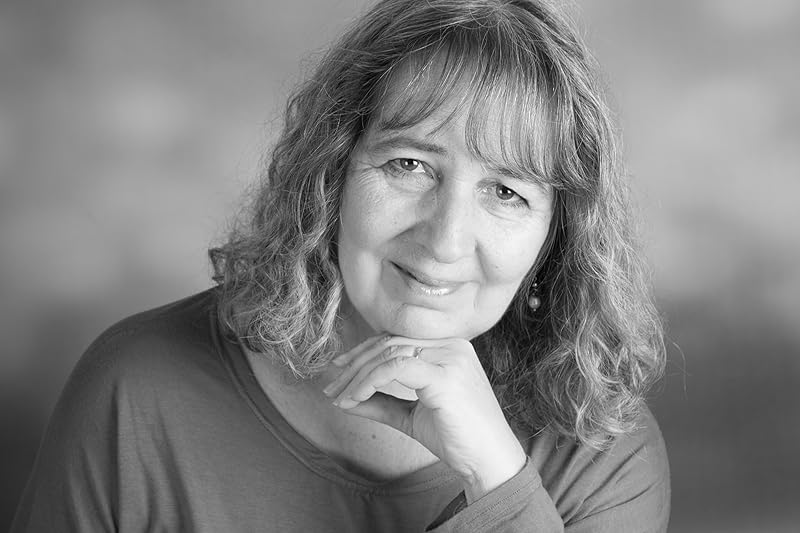
Author John Anthony Miller

https://www.bookbub.com/authors/john-anthony-miller

https://www.publishersmarketplace.com/members/jamjam57/

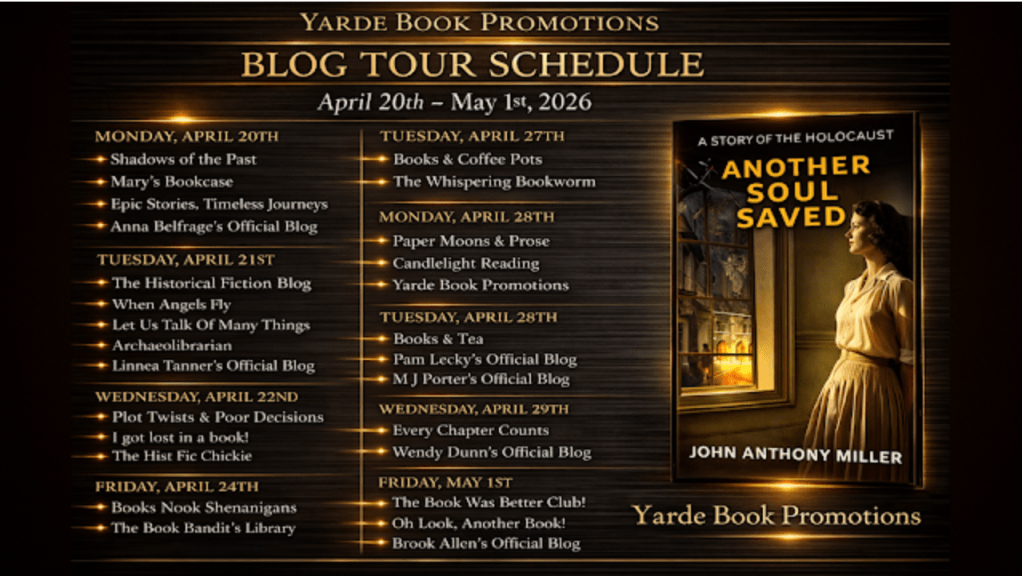
Follow the Another Soul Saved by John Anthony Miller blog tour with Yarde Book Promotions

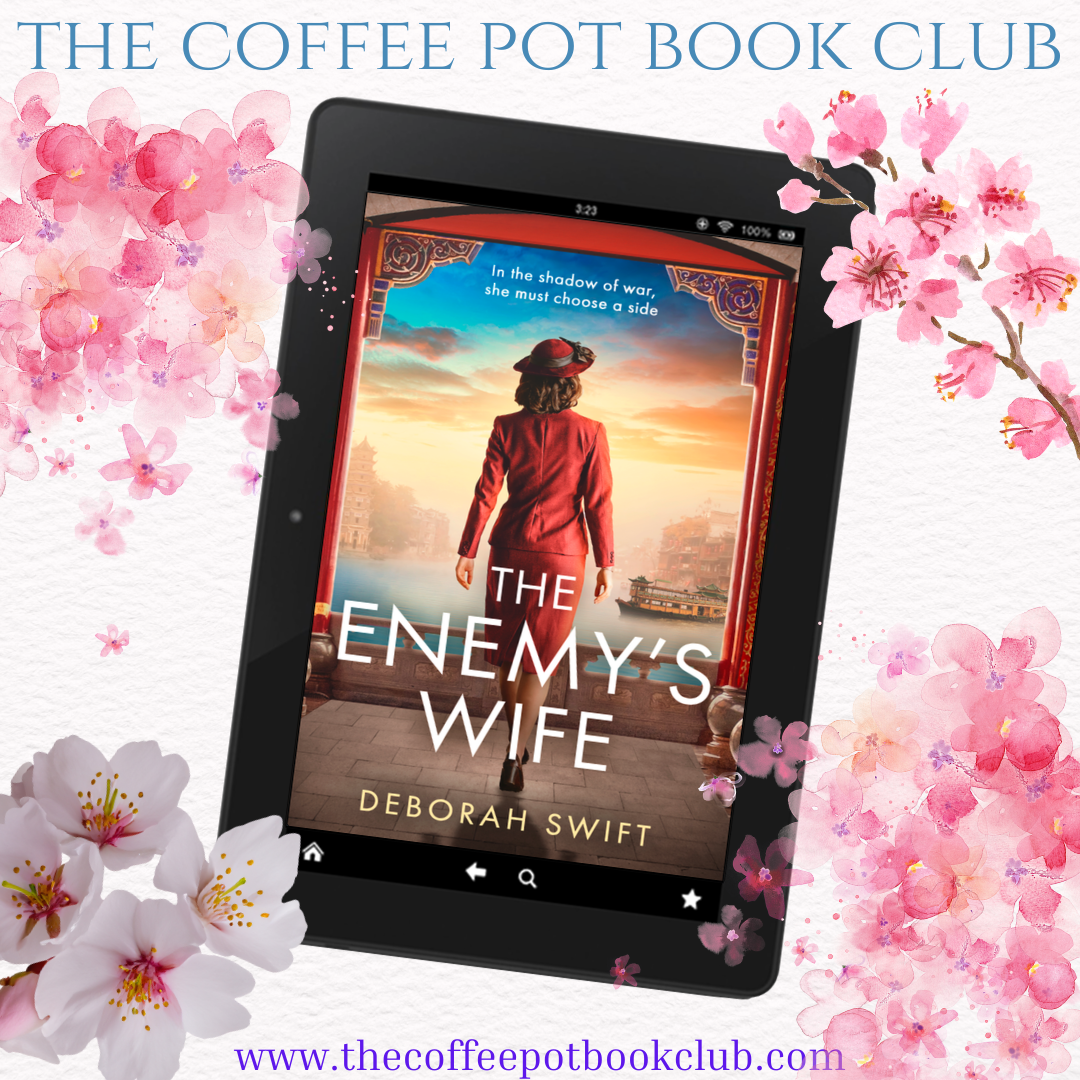
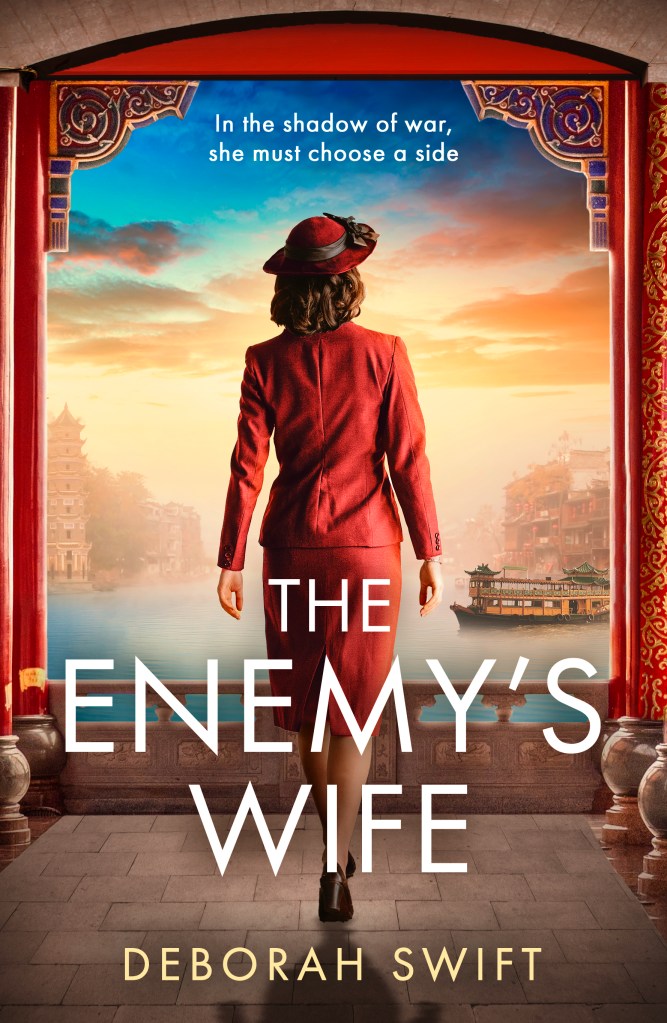
I’m delighted to welcome Deborah Swift and her new book, The Enemy’s Wife, to the blog #BlogTour #TheCoffeePotBookClub #TheEnemysWife #HistoricalFiction #WW2 #Shanghai

I’m delighted to welcome Deborah Swift and her new book, The Enemy’s Wife, to the blog #BlogTour #TheCoffeePotBookClub #TheEnemysWife #HistoricalFiction #WW2 #Shanghai @swiftstory @cathiedunn
@deborahswiftauthor @thecoffeepotbookclub

I’m delighted to welcome Deborah Swift and her new book, The Enemy’s Wife, to the blog #BlogTour #TheCoffeePotBookClub #TheEnemysWife #HistoricalFiction #WW2 #Shanghai

The Political Melting Pot of Shanghai  by Deborah Swift

My novel The Enemy’s Wife is set in Shanghai during the Attack on Pearl Harbor in December 1941. At this time, China was already deeply embroiled in turmoil—both from foreign invasion and internal political conflict. Understanding the situation requires looking at two overlapping struggles: the war against Japan and the civil war within China itself.

The External War with Japan

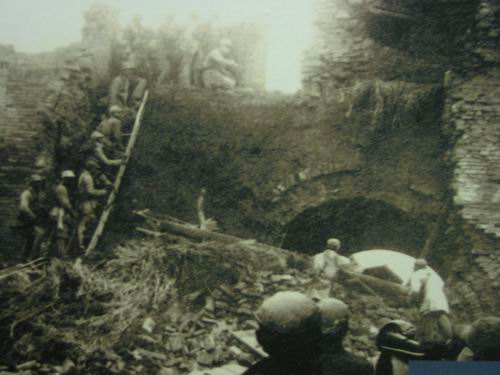
Pic of Japanese arrival in French concession

China had been fighting Japan since the Second Sino-Japanese War, which began years before Pearl Harbor. Japan had occupied major parts of eastern China, including key cities like Shanghai and Nanjing, so that the Chinese capital had moved inland to Chongqing. The war was brutal, with events like the Nanjing Massacre, where thousands of women were raped and murdered, still fresh in memory. Commanders at Nanjing were later found guilty of war crimes and executed. These barbaric crimes were not isolated incidents, so by 1941, China was exhausted but still resisting.

The Internal War – Two rival Chinese governments

China was politically divided between two main factions, firstly, the Nationalists (Kuomintang), the official government of China, led by Chiang Kai-shek, and supported by the United States and other Allies. 

On the other side were the Communists, led by Mao Zedong who controlled vast swathes of northern China. When the Japanese invaded, these rebel communist factions used guerrilla warfare against the Japanese. They were extremely influential amongst the workers and the lower classes in China.

To defeat the Japanese, The Nationalists and Communists agreed to a temporary alliance called the Second United Front to resist Japan. But in reality, cooperation was limited and mistrust remained high. Both sides were already positioning themselves for a future power struggle, so fierce clashes between them still occurred even during the anti-Japanese war. The civil war within China was still going on beneath the invasion of the Japanese.

Pic – Collapse of United Front Propaganda Poster

The Impact of Pearl Harbor

The attack on Pearl Harbor dramatically changed China’s situation. The United States officially entered the war and became a major ally of China, which meant China was now part of the broader Allied war effort against Japan.

In turn, this meant that American aid (military supplies, training, and financial support) began increasing, mainly to the Nationalists. This did not please the communists, who saw it as arming their enemy!

Corruption Rots the Government

Corruption created a sharp contrast between the ruling elite and ordinary people. Many officials lived soft lives of relative comfort, while ordinary civilians suffered deprivation and hardship. 

A large portion of foreign aid (especially from the U.S.) was lost to corruption. Supplies like weapons, fuel, and food were stolen, hoarded, or sold on the black market. Some officers in the Nationalist army inflated troop numbers known as ghost soldiers to collect extra pay. Even so, frontline soldiers were often under-equipped and underfed despite the incoming aid. Officials embezzled funds or mismanaged resources. The government printed large amounts of money to cover costs, contributing to hyperinflation, so that ordinary people saw their savings become nearly worthless. This resulted in more support for the communists, and growing anger toward the government.

Pic of Chinese army

The Chinese Communist Party, led by Mao Zedong, capitalized on this by promoting strict discipline and anti-corruption policies. Communist forces often treated peasants better and redistributed land in some areas, and their image as more egalitarian helped them gain grassroots support. By the end of World War II, these weaknesses contributed directly to the Nationalists’ defeat in the resumed Chinese Civil War.

So writing a novel including all these factions was interesting. Not only was corruption rife in government, but there was also prostitution, gambling, and drug wars to contend with! I have a character in the Japanese army, but also several who are part of the Communist rebel faction fighting against them. This is a book where women too play a major part, both in resisting the Japanese through distributing anti-Japanese propaganda, and more directly by helping prisoners of war held by the Japanese.

As a place to set a novel, Shanghai offers plenty of opportunity for tension, conflict and plot. I hope you will enjoy The Enemy’s Wife.

Here’s the Blurb

‘A fast-paced, beautifully written, and moving story. Refreshing to read a book set in a different theatre of war. Wartime Shanghai jumped off the page’ CLARE FLYNN

A poignant story of the impossible choices we make in the shadow of war, for fans of Daisy Wood and Marius Gabriel. 

1941. When Zofia’s beloved husband Haru is conscripted into the Imperial Japanese Army, she is left to navigate Japanese-occupied Shanghai alone.

Far from home and surrounded by a country at war, Zofia finds unexpected comfort in a bond with Hilly, a spirited young refugee escaping Nazi-occupied Austria.

As violence tightens its grip on the city, they seek shelter with Theo, Zofia’s American employer. But with every passing day, the horrors of war and Haru’s absence begin to reshape Zofia’s world – and her heart.

Can she still love someone who has become the enemy?

Readers love The Enemy’s Wife:

‘A gorgeous novel that will truly pull at your heartstrings‘ CARLY SCHABOWSKI

‘I loved The Enemy’s Wife – a gripping, fast-paced and evocative story about the Japanese occupation of Shanghai during WW2 – and really rooted for the brave and selfless central character, Zofia. Highly recommended’ ANN BENNETT

‘Such an emotional and moving read, grounded in immaculate research that never overshadows the heart of the story’ SUZANNE FORTIN

Buy Link

Universal Link

Meet the Author

Deborah used to be a costume designer for the BBC, before becoming a writer. Now she lives in an old English school house in a village full of 17th Century houses, near the glorious Lake District. Deborah has an award-winning historical fiction blog at her website www.deborahswift.com.

Deborah loves to write about how extraordinary events in history have transformed the lives of ordinary people, and how the events of the past can live on in her books and still resonate today.

Her WW2 novel Past Encounters was a BookViral Award winner, and The Poison Keeper was a winner of the Wishing Shelf Book of the Decade.

Author Deborah Swift

Connect with the Author

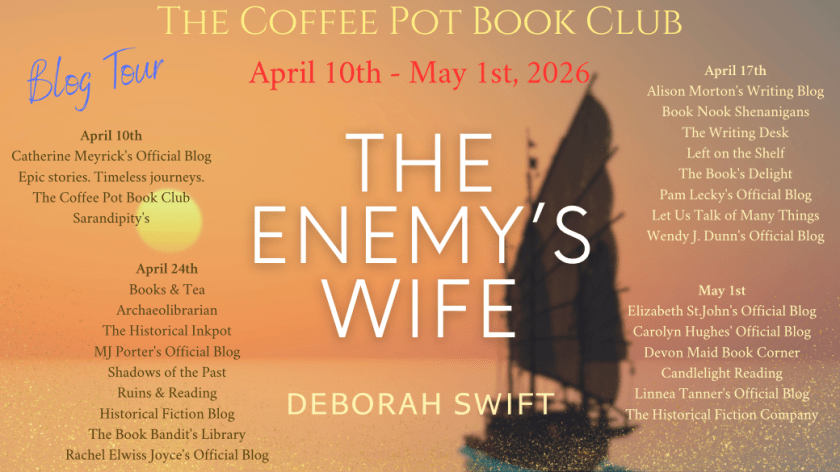
Follow The Enemy’s Wife blog tour with The Coffee Pot Book Club

I’m welcoming JP Reedman and Bride of the Devil to the blog #medieval #HistoricalFiction #Norman #WomenInHistory #BiographicalFiction #BlogTour #TheCoffeePotBookClub

I’m welcoming JP Reedman and Bridee of the Devil to the blog #medieval #HistoricalFiction #Norman #WomenInHistory #BiographicalFiction #BlogTour @stonehenge2500 @cathiedunn
@jpreedmanhistorical @thecoffeepotbookclub #TheCoffeePotBookClub

I’m welcoming JP Reedman and Bride of the Devil to the blog #medieval #HistoricalFiction #Norman #WomenInHistory

Here’s the blurb

She is a great heiress; he is the wickedest man in Normandy.

Known to men far and wide as ‘The Devil,’ Robert de Belleme terrorises France alongside his equally fearsome mother, Mabel the Poisoner. But even a Devil needs an heir, and Mabel chooses the wealthy heiress Agnes of Ponthieu to be her son’s bride. The marriage is unhappy, though the longed-for son and heir is eventually born…but when Robert is away on one of his military campaigns, Agnes flees back to her father’s castle.

She is not safe; her young son William is not safe.

The Devil will seek to claim his own.

Buy Link

mybook.to/nNxi

This series is available to read on #KindleUnlimited.

Meet the author

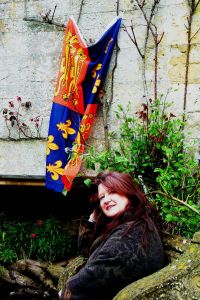
J.P. Reedman was born in Canada but has lived in the U.K. for over 30 years. 

Interests include folklore and anthropology, prehistoric archaeology (neolithic / bronze age Europe; ritual, burial & material culture), as well as The Wars of the Roses and the rest of the medieval era. Novels include the popular I, Richard Plantagenet series about Richard III, The Falcon and the Sun (featuring other members of the House of York), and Medieval Babes, an ongoing series about lesser-known medieval queens and noblewomen.

https://stone-lord.blogspot.com/

https://www.bookbub.com/authors/j-p-reedman

Follow the Bride of the Devil by JP Reedman blog tour with The Coffee Pot Book Club

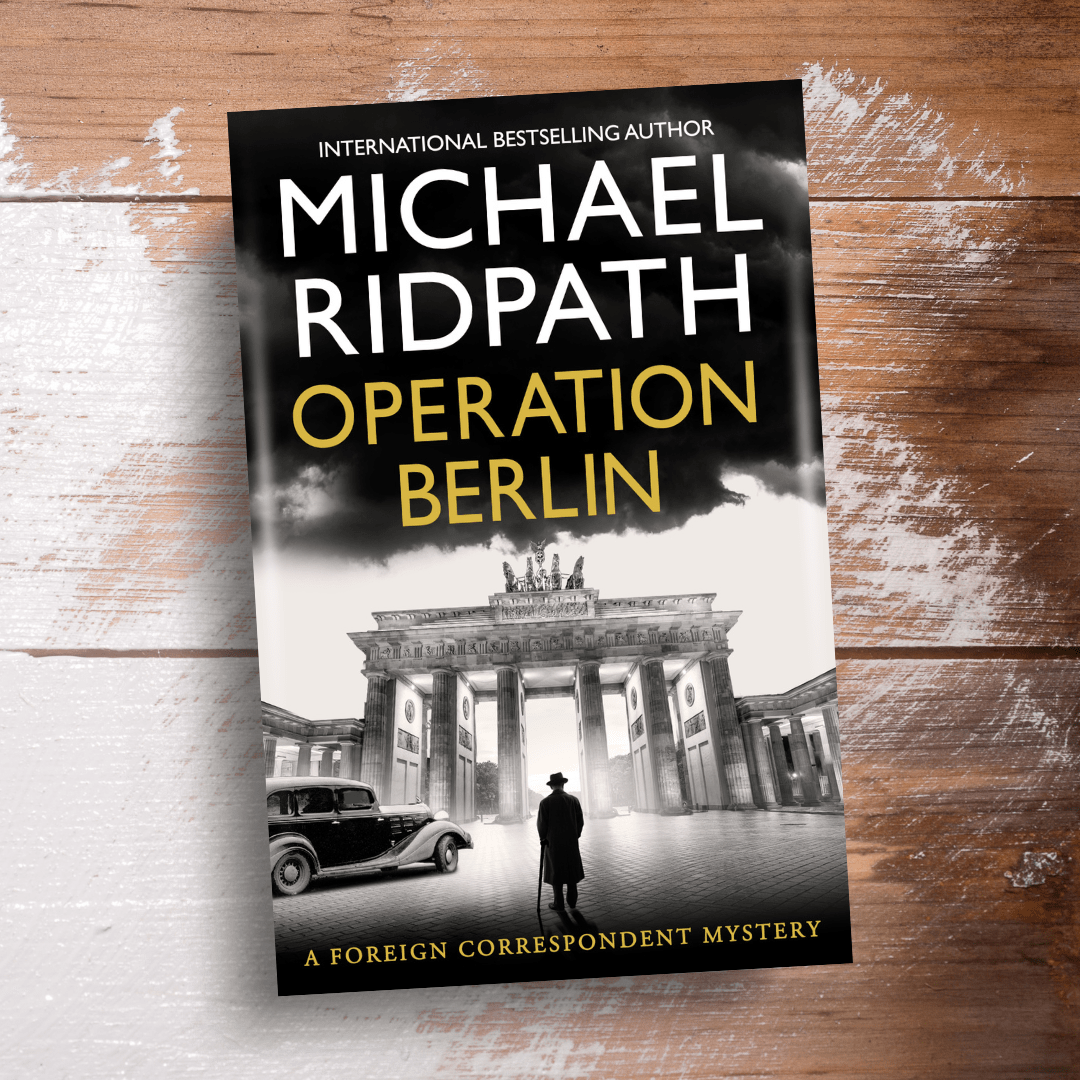
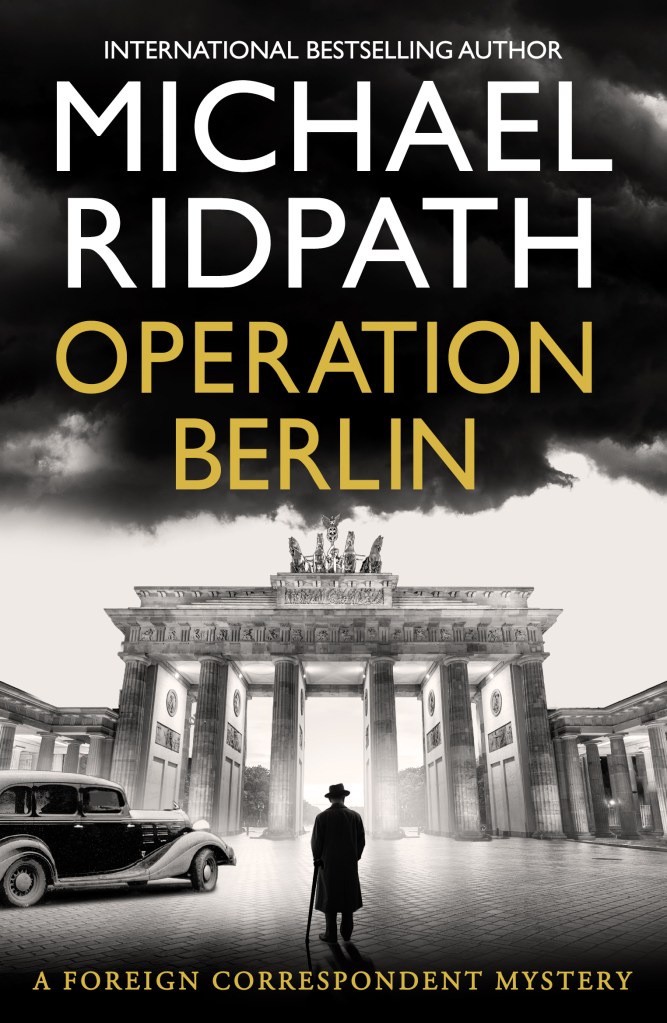
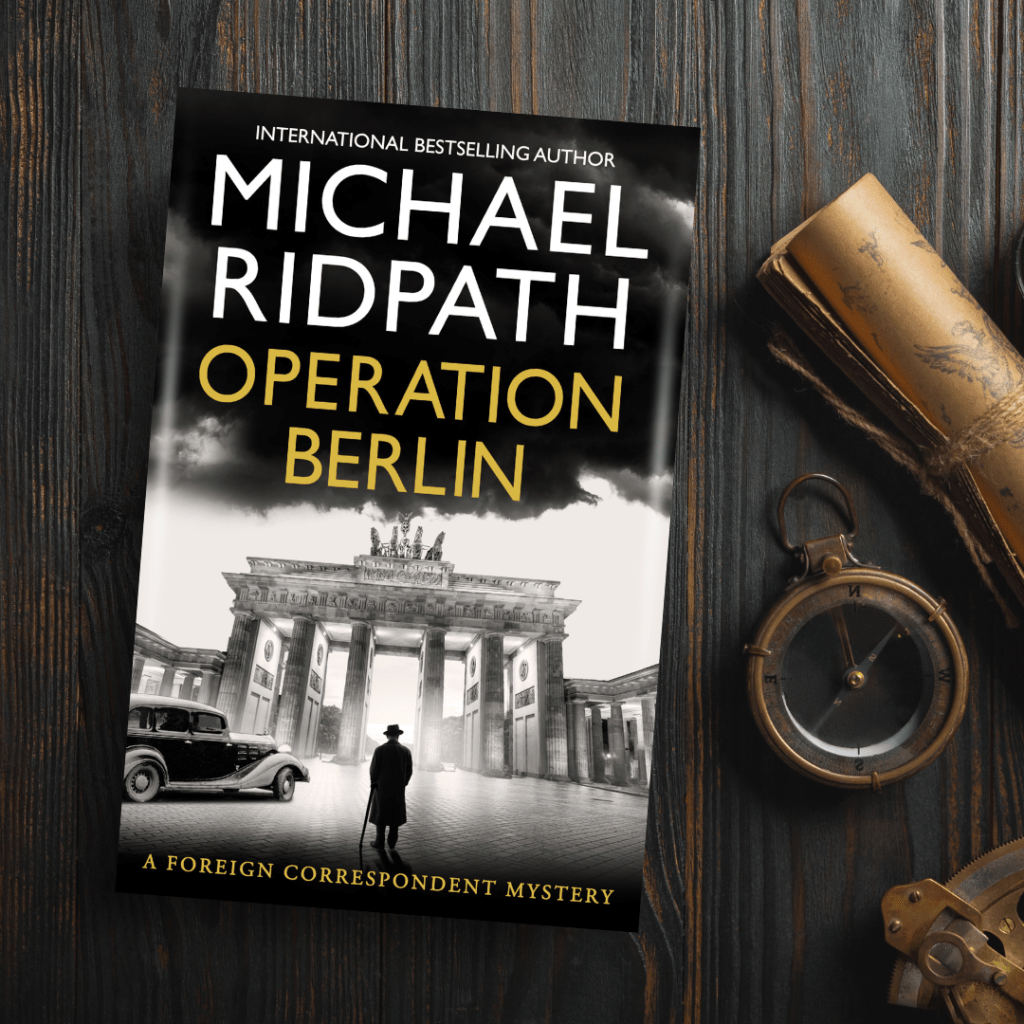
I’m sharing my review for Operation Berlin by Michael Ridpath #blogtour #bookreview

I’m sharing my review for Operation Berlin by Michael Ridpath #blogtour #bookreview #OperationBerlin #boldwoodbloggers @BoldwoodBooks @rararesources @michaelridpathauthor

I’m sharing my review for Operation Berlin by Michael Ridpath #blogtour #bookreview

Here’s the blurb

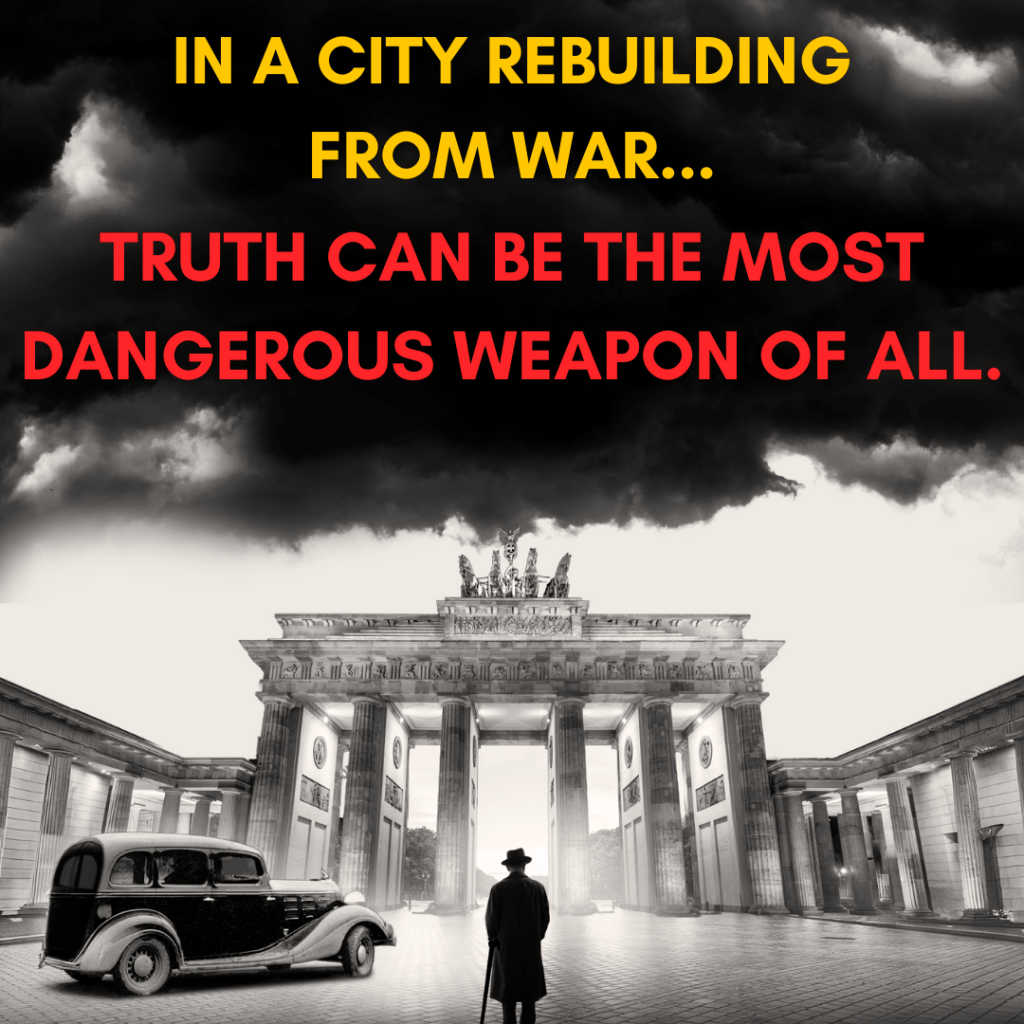
In a city rebuilding from war, truth can be the most dangerous weapon of all.

Berlin, 1930.

Historian Archie Laverick, scarred mentally and physically by the Great War, travels to Berlin to research a famed Prussian general. His quiet study is shattered when he crosses paths with Esme Carmichael, a spirited young American intent on making her name as a foreign correspondent. When a shooting at a Saxon castle leaves a young Jewish woman accused of murder, Archie and Esme are drawn into a perilous hunt for the truth.

Their investigation cuts through the glittering façades and lingering scars of a nation still reeling from war – where resentment simmers, political alliances shift, and the first shadows of a new conflict fall across Europe. Amid whispers of blackmail and betrayal, the pair must navigate intrigue and danger to unmask a killer hiding in plain sight.

A tense, atmospheric mystery set in a world between wars – perfect for fans of Philip Kerr’s Berlin Trilogy, Robert Harris’s Fatherland, and Alan Furst’s spy novels.

Purchase Link

https://mybook.to/operationberlinsocial

My Review

Operation Berlin wasn’t quite what I was expecting, but if anything, that’s a good thing. I was expecting a somewhat taut thriller, but instead was pleasantly surprised to read something with more of a cosy crime feel, though deeply steeped in the era’s events.

Archie and Esme are entertaining characters, both with their own backstories, and while the storyline engages with the social mores of the time, it is far from shocking in this day and age. I also enjoyed the addition of Moses and hope he might appear in future books. I very much enjoyed Archie’s quest to track down information on the general he’s researching, as it meant I was educated on more than just 1930s Berlin. 

Overall, a very pleasant surprise. I imagine I will try more of Michael’s books in the future.

Meet the author

Michael Ridpath is the bestselling author of over 20 crime novels and thrillers. His first novel, after a career in finance, was Free to Trade, a No 2 bestseller about the murky world of bond trading which was translated into over thirty languages. He is currently writing the Foreign Correspondent series of murder mysteries set in the capitals of Europe in the 1930s. He splits his time between London and Massachusetts.

Author Michael Ridpath

Newsletter Sign Up

Bookbub profile: @MichaelRidpath

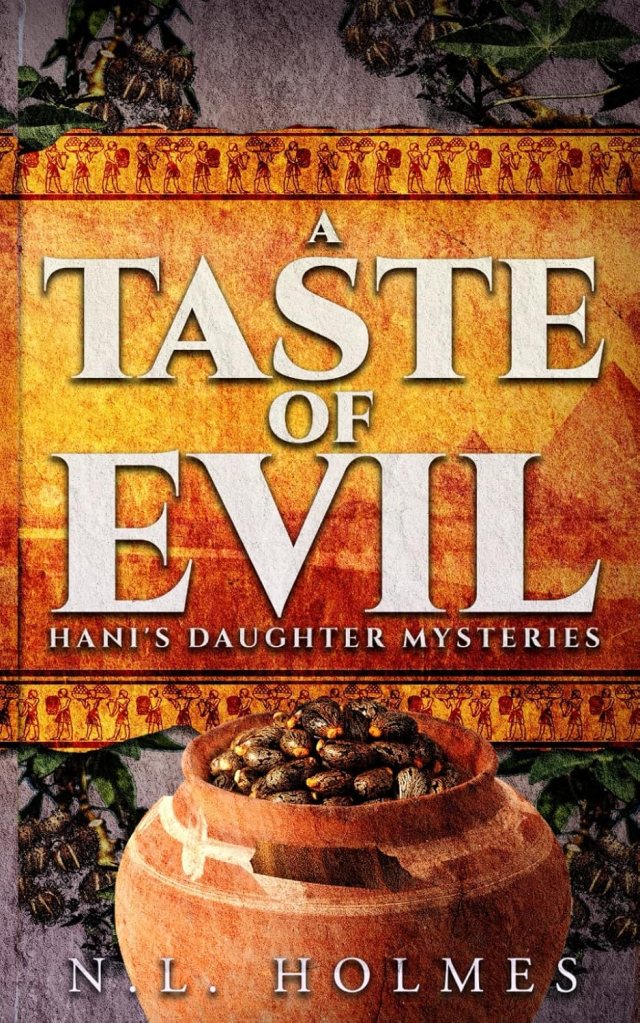
Today, I’m delighted to welcome NL Holmes and her new book, A Taste of Honey to the blog, with an excerpt #AncientHistoricalFiction #AncientEgyptianMystery #CozyHistorical #BlogTour #TheCoffeePotBookClub

Today, I’m delighted to welcome NL Holmes and her new book, A Taste of Honey to the blog, with an excerpt #AncientHistoricalFiction #AncientEgyptianMystery #CozyHistorical #BlogTour #TheCoffeePotBookClub

Today, I’m delighted to welcome NL Holmes and her new book, A Taste of Honey to the blog, with an excerpt

Excerpt from A Taste of Honey by NL Holmes

They leashed the puppies with a nub of rope the steward brought them and led the dogs, tumbling and frolicking, down the road toward the River from which they had come. The steward accompanied them to the bank, where a low, utilitarian-looking vessel of modest size had drawn up and lay rocking in the green water.

“Thank Lord Amen-nakhte for this,” said Neferet gratefully. “It saves us a long wait in the sun.”

“I’m sure he’s happy to do it for his old friend, my lady. My lord.” The steward bowed repeatedly as the little party clattered up the gangplank, puppies in their arms.

After the usual ritual of casting off anchors and pushing into the flow, the crew struck up their paddling rhythm, and the boat surged downstream toward the city. It was early afternoon, and there was little traffic on the River. Instead of standing at the gunwales, watching the scene unspool past them on the banks, the travelers crouched on the deck and played with the puppies. Just like human toddlers, the young dogs were uncoordinated, hyperactive, and prone to chewing on everything. They were an endless cause for merry laughter. As for Brute, he observed them with paternal tolerance.

All at once, a thud, a screech—and the boat gave a sideways lurch that threw everyone to the deck, reeling. Neferet, caught completely off-balance, fell flat on her face. Bener-ib screamed as she toppled over a coil of rope, and one of the puppies slid on its back across the deck, stopped only by the wickerwork of the gunwales. Mut-tuy scuttled after it and hugged the wildly squirming creature to her chest.

“What was that?” cried Neferet as she struggled to her hands and knees.

“I think we’ve struck something.” From his seat on the planking, Grandfather had fallen sideways, feet in the air, one sandal flying. He picked himself up gingerly and groped for his shoe.

“Mut the mother of us all!” Mut-tuy shouted. “That boat hit us!” She pointed, round-eyed, to starboard, where an elegant yacht crowded against the side of their own craft. They could hear the squeal of wet wood as the two hulls ground against one another. 

Amen-nakhte’s captain ran to the gunwales, screaming and gesticulating at the other boat. It drew away a bit but maintained a parallel course. No one came to the side to shout excuses or see if there had been injuries aboard their victim. Neferet added her own imprecations to those of the captain, while the others secured the puppies.

“What were they thinking?” she exploded as Grandfather joined her at the rail. “They have all the room in the world. Why are they coming so close to us? We’re going to collide again.”

“I think that’s what they intend,” he murmured. “Look. They’re leaning into us.” 

He hastily pulled Neferet away from the gunwales as the tall mass of the yacht bore down once more upon the slow little farm transport. The big boat’s long, carved prow slid over its victim with a shudder of boards and the sound of splintering. The smaller boat rose in the water and sank back with a splash. Screams of rowers caught between the hulls sent chills up Neferet’s neck.

“The turds are trying to sink us!”

“Are they pirates?” Bener-ib clutched at Neferet’s arm.

“So close to the city? I can hardly imagine it.” But what else could they be? Her stomach was in her throat. They were all going to have to jump ship and swim for shore. And what about the puppies?

Their boat was struggling to pull away from its aggressive fellow traveler. The steersman hung desperately upon one of the tall oars with all his weight while the captain stalked up and down in a frenzy, yelling orders, but the larger vessel crowded after it.

“Stay on the other side, girls, and be prepared to evacuate,” Grandfather said uneasily. “I think you’re right, Neferet. They’re trying to take us down.”

Bener-ib whimpered at Neferet’s side, her fingers digging into her partner’s arm, but she never released her grip on the cream-colored puppy pressed to her side with the other elbow. Another teeth-gritting screech resounded as the vessels collided once more. The cargo boat listed wildly, throwing everyone against the gunwales. One of the stone anchors skidded over the deck with bone-crushing momentum and crashed through the wickerwork barrier on the other side. The empty mast almost slapped the River before rising again abruptly. Water sloshed across the planking. The passengers slid and staggered. One of the sailors ran to cut the rope that held the anchor, which was weighing the boat down at a tilt.

“Don’t let go of the puppies!” Neferet shouted, grabbing at Brute’s collar. If we go under, they’ll drown, she thought in anguish. We’ll all probably drown.

The yacht drew forward, raking the side of the boat again as it passed. More ominous splintering resounded—and strangely, a distant yapping and baying. A couple of men had gathered at the rail of the yacht and stared down at the terrified passengers below them. Their expressions were grim. 

Who, by all that’s holy, are these people who want to kill us?

Welcome to the blog. Can you tell me about your new novel.
Although much of it was done a long time ago, when I began teaching a course that involved a cultural and historical look at Ugarit, tackling a series of books set in an obscure city state in the Late Bronze Age did require some academic snooping. Times and places about which we know relatively little are a mixed blessing: one always wishes one had more clues to hang fiction upon, but in those gaps where we know nothing, plausible imagination is OK for the novelist. Still, I didn’t want to contradict anything we knew for sure to be true, so there was a lot to learn. I bought a lot of books.
To me, a person with a soft spot for words, one of the most interesting things I began to find out about was the literary tradition of Ugarit. Fortunately for us—and unfortunately for the inhabitants of the city in about 1190 BCE, when the city fell never to rise again—Ugarit was put to the torch, baking and preserving the clay tablets upon which information was recorded. A whole private library of texts was among the tablets discovered, opening to modern scholars a wonderful new world of mythological epic. 

The author of some of the most complete of these was a certain scribe named Ili-milku, born in the near-by kingdom of Shiyannu. He eventually held the post of chief scribe of Ugarit but evidently still had time to write. It’s likely that, rather than composing the Cycle from scratch, he compiled and wrote down a definitive edition of a slew of tales that had been recited orally for a long time, much like Homer. He is the third point-of-view character in The Moon That Fell from Heaven. More about him in a moment.

Since their discovery in the 1930s, we have been exposed to Ugaritic narratives about Kirta, a Job-like figure of patience in suffering. About Aqhat, the long-prayed-for son of a childless couple. About Ba’al, the storm god, and various lesser divine figures like the Gracious Gods or Horon. Biblical scholars immediately noticed not only themes similar to those of the Hebrew Bible, but also literary forms that occur in the Bible. This shouldn’t surprise us, as the entire world of the eastern Mediterranean, which we may generalize as Canaanite, shared a closely related culture and languages. The Ugaritic high god Ilu, for example, is the same as El and means simply “god.” Ba’al is “the lord,” the rider of the clouds. But the gods of Ugarit were not omnipotent, by any means. They were closely associated with the phenomena of nature, and like nature, they did a lot of dying and resurrecting. Other parallels—with the Greek world—are striking too. Anat the Maiden is a virgin warrior goddess like Athena, for example. The Bronze Age was a world of global interconnection!

When the fictional Ili-milku is held hostage, he finds himself forced to critique endless poems his captor has written. This activity is possible because scholars have worked out that all the mythological stories that have come down to us from Ugarit are actually in verse. Their idea of poetry—like that of the Biblical authors—didn’t require rhyme or even meter. It was free verse, you might say. But it used very definite patterns of language, repetitions, build-ups, parallels. In short, it was constructed pretty much the same way modern Near Eastern poetry is, an interesting continuity of more than 3000 years.

How were these poetic narratives used? Some seem as if they might have been liturgical drama, with choral parts. Others were perhaps sung or chanted in temples or even around the campfire. Unfortunately, there’s no way to know until someone finds some stage directions. But even so, they shed a lot of light on how the people of Ugarit viewed their world, what they valued, how their society was structured. I’m glad to have studied them, because they bring a whole population closer and make them more human. I hope I’ve accomplished a little of that myself by turning a bit of their human drama into fiction.

Here’s the blurb

EIn Tutankhamen’s Egypt, the vizier’s head cook dies suspiciously, and it looks like murder to Neferet and Bener-ib. Only, who would want to kill a cook, a man admired by all?

Perhaps he has professional rivals or a jealous wife. But she is the longtime cook of Neferet’s family, a dear retainer above reproach. Was her husband the good man he seemed to be, or did he have the shady past our two sleuths begin to suspect?

They’d better find out soon before the waters of foreign conspiracy rise around Neferet and her diplomat father. If they can’t find the killer, it could mean war with Egypt’s enemy, Kheta — and someone else could die. Maybe one of our nosy sleuths…  

Buy Links

Ebook

Paperback

Meet the author

N.L. Holmes is the pen name of a professional archaeologist who received her doctorate from Bryn Mawr College. She has excavated in Greece and in Israel and taught ancient history and humanities at the university level for many years. She has always had a passion for books, and in childhood, she and her cousin used to write stories for fun.

These days she lives in France with her husband, two cats, geese, and chickens, where she gardens, weaves, dances, and plays the violin

Connect with N L Holmes

Website

Book Bub

AllAuthor

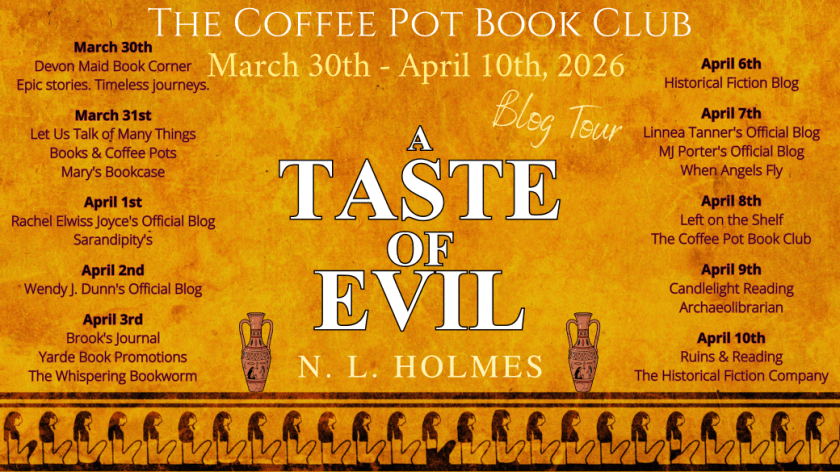
Follow the A Taste of Eveil by NL Holmes blog tour with The Coffee Pot Book Club