Briony and Tom, both in their twenties, are very different characters. But opposites attract. In business, as in love, they complement each other.
They buy a farm and discover a rare drug. Tom grows it and Briony markets it. At first, they are oblivious of their responsibilities to the land and its people. But gradually they realise that they have been supporting a racist and colonialist regime.
The onset of the Rhodesian – Zimbabwean War of Independence tears at the couple’s relationship. Misunderstandings arise from their conflicting personalities and from external pressures. Events pull them apart, but also bind them together.
Try the Leopard’s Mouth is a romantic thriller set in Africa. It is also a historical novel, grounded in real events in the period 1970-80.
Buy Links
This title is available to read on #KindleUnlimited.
Charles Moberly has written three novels to date: The Scrotum Toad, a satirical comedy (Winner of a Chill with a Book Reader Award); The Corncrake, a historical novel set in 1909-10 and 1914-15 (Winner of a Chill with a Book Premier Award).
In The Corncrake, four members of a family share the narration, which passes between them approximately 300 times throughout – this powerful technique allows the reader to enter the minds of the characters as they react to events, so that love, conflicts and misunderstandings are conveyed immediately. This is only possible if the voices of the characters are so strong that they are identifiable the moment they speak.
Try the Leopard’s Mouth is a romantic thriller with a firm historical base.
Charles lived and worked in Africa for two years, which explains why two of his novels are set there.
In his writing, he loves tension and how cultural differences can tear people apart, yet unite them through a common humanity. He believes that no two characters should ever have the same voice. He writes in the vernacular of the time and place, using slang where appropriate.
I’m delighted to welcome Amy Maroney to the blog. I always love to hear about the historical research for author’s novels. So here we go.
Uncovering the story of Queen Charlotta of Cyprus, a forgotten heroine
My new novel, The Queen’s Scribe, features a fifteenth-century monarch with an extraordinary story of ambition, courage, and dedication to her kingdom. Just who was Queen Charlotta of Cyprus, and why was she so mesmerizing that I wrote a book about her?
As is often the case with women in history, very little information remains about this queen (she was baptized ‘Charlotte’, but may have referred to herself as ‘Carlotta’; I call her ‘Charlotta’ in the novel). Most scholars agree that she was born about 1444.
Charlotta was the only surviving child of King Jean II of Lusignan and his wife Eleni Palaiologina, princess of Morea. The following image is said to portray Charlotta, her mother, and her sister (subsequently deceased).
IMAGE OF QUEEN ELENI AND HER DAUGHTERS, PUBLIC DOMAIN PHOTO
Charlotta’s father, King Jean, was a genial but ineffective ruler who loved hunting, hawking, and spending money. The glory days of the kingdom ended abruptly when his grandfather King Janus was taken captive by Egyptian Mamluks and subsequently ransomed for 200,000 ducats, which put the kingdom in deep debt. By the time of Charlotta’s birth, three centuries of lavish living coupled with a weak military presence had crippled the once-powerful Lusignan dynasty.
Within the royal court itself, animosity festered like a battle wound. Queen Eleni was a proud Greek and a dominating personality. She purportedly bit off her rival Marietta’s nose when she found the woman in bed with her husband (some sources say she cut it off). Jean and Marietta’s son, Jacques (also known as Jacco the Bastard) was the apple of his father’s eye. A handsome, charismatic bully, he became Charlotta’s protector before his desire for the throne soured their relationship forever.
Thanks to her mother’s influence, Princess Charlotta was thoroughly Greek and her understanding of French was rudimentary at best. Though her father was French and many of the ruling nobility claimed French roots, the French spoken in Cyprus at the time was so distorted that native speakers visiting from Europe could not understand it.This fact underpins the plot of The Queen’s Scribe, which features a fictional French heroine whose skills as a scribe and interpreter become essential to Queen Charlotta.
PHOTO OF NICOSIA OLD TOWN, DEPOSIT PHOTOS STANDARD LICENSE
When she was about 13, Charlotta was married to the Portuguese Prince João of Coimbra. The young couple moved from the royal palace to a house elsewhere in the Cyprus capital of Nicosia, angering Charlotta’s mother and delighting the Western European (‘Latin’) members of the court. Tensions grew between the two camps until Prince João suddenly died under mysterious circumstances; the queen’s chamberlain—who was like a brother to Queen Eleni—was blamed.
In a royal tit-for-tat, the queen’s chamberlain was then killed by Sicilian associates of Jacco’s. Palace gossips said Charlotta had asked her half-brother to arrange the murder. Before he could be punished, Jacco fled for the island of Rhodes and the hospitality of the Knights Hospitaller.
Meanwhile, Charlotta grieved her dead husband and awaited a new betrothal, this time with her first cousin Louis (of the French-speaking Duchy of Savoy). Queen Eleni, who had been disabled by what might have been a paralytic stroke in early adulthood, slowly lost her health. Still, she fought the betrothal with every ounce of her strength, for in the Greek Orthodox tradition, marrying a first cousin was an unforgivable sin.
In 1458, both Queen Eleni and King Jean died. At 15, Charlotta was crowned queen. Soon afterward, Jacco sailed to Egypt, intent on gaining the sultan’s support for his campaign to seize his half-sister’s throne.
Meanwhile, the powerful barons who had served her father as council members now whispered in Charlotta’s ear. Some of them truly believed in her; others cared only for their own self-interest and survival; a few displayed breathtaking treachery.
Rumors began swirling that Jacco had charmed the Sultan of Egypt and was building a massive army of Mamluk warriors. Charlotta desperately needed help to preserve her throne, and naturally looked to her new husband, Louis, for support. But far from being the strong partner she’d hoped for, he was a disinterested and weak leader, more interested in fine food and amusements than strategizing for war.
PHOTO OF KYRENIA FORTRESS, DEPOSIT PHOTOS STANDARD LICENSE
Less than two years after her coronation, Charlotta moved her court to the seaside fortress of Kyrenia, where they survived a massive siege by Jacco. A few months later, she left Louis in the fortress and sailed around the Mediterranean beseeching allies to help save her crown.
I chose to tell Queen Charlotta’s tale through the eyes of fictional Estelle de Montavon, daughter of a French falconer. In The Queen’s Scribe, Estelle—a talented scribe and linguist—becomes as valuable as gold when the royal court retreats to Kyrenia Fortress and civil war looms. When Queen Charlotta voyages across the Mediterranean Sea entreating French-speaking allies for help, Estelle is at her side, witnessing every triumph and disaster along the way.
Like so many other women in history, Queen Charlotta has been lost in the shadows for too long. I hope The Queen’s Scribe plays a role in bringing her story back into the light.
Thank you so much for sharing. She sounds that an intriguing character, as does her mother:)
Here’s the blurb
A broken promise. A bitter conflict. And a woman’s elusive chance to love or die.
1458. Young Frenchwoman Estelle de Montavon sails to Cyprus imagining a bright future as tutor to a princess. Instead, she is betrayed by those she loves most—and forced into a dangerous new world of scheming courtiers, vicious power struggles, and the terrifying threat of war.
Determined to flee, Estelle enlists the help of an attractive and mysterious falconer. But on the eve of her escape, fortune’s wheel turns again. She gains entry to Queen Charlotta’s inner circle as a trusted scribe and interpreter, fighting her way to dizzying heights of influence.
Enemies old and new rise from the shadows as Estelle navigates a royal game of cat and mouse between the queen and her powerful half-brother, who wants the throne for himself.
When war comes to the island, Estelle faces a brutal reckoning for her loyalty to the queen. Will the impossible choice looming ahead be her doom—or her salvation?
With this richly-told story of courage, loyalty, and the sustaining power of love, Amy Maroney brings a mesmerizing and forgotten world to vivid life. The Queen’s Scribe is a stand-alone novel in the Sea and Stone Chronicles collection.
Praise for the Sea and Stone Chronicles:
“Island of Gold is a nimbly told story with impeccable pacing.”
—Historical Novel Society, Editor’s Choice Review
“Sea of Shadows is stunning. A compelling tale of love, honor, and conviction.”
—Reader’s Favorite Review
Amy Maroney is the author of the award-winning Miramonde Series, the story of a Renaissance-era female artist and the modern day scholar on her trail.
Buy Links:
This title is available to read on #KindleUnlimited.
Amy Maroney studied English Literature at Boston University and worked for many years as a writer and editor of nonfiction. She lives in Oregon, U.S.A. with her family. When she’s not diving down research rabbit holes, she enjoys hiking, dancing, traveling, and reading.
Amy is the author of The Miramonde Series, an Amazon-bestselling historical mystery trilogy about a Renaissance-era female artist and the modern-day scholar on her trail. Amy’s award-winning historical adventure/romance series, Sea and Stone Chronicles, is set in medieval Rhodes and Cyprus.
An enthusiastic advocate for independent publishing, Amy is a member of the Alliance of Independent Authors and the Historical Novel Society.
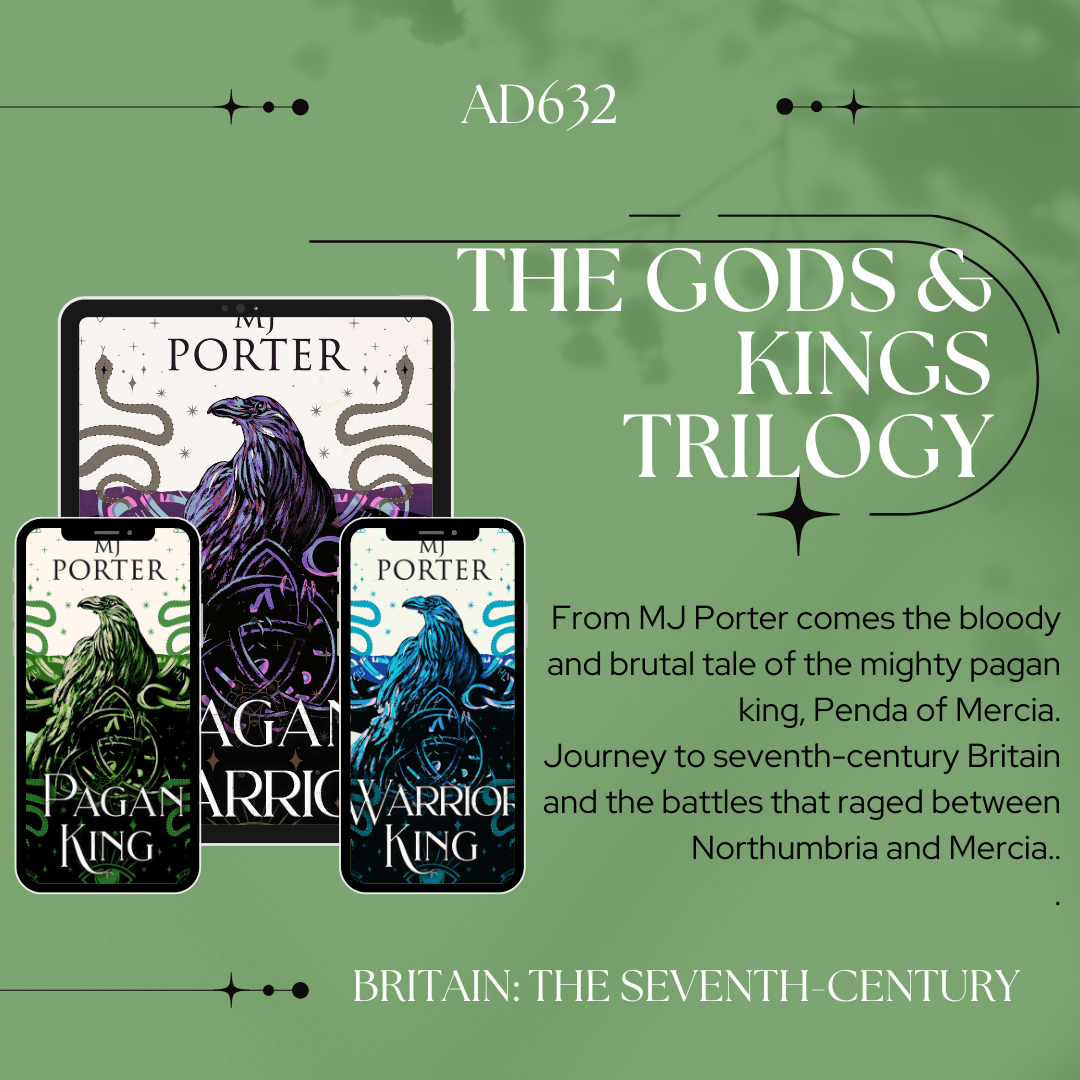
I’m really excited to share the details of the Pagan Warrior blog tour with The Coffee Pot Book Club.
Pagan Warrior is the story of the battle of Hædfeld, fought in the seventh century between the Northumbrians, and you got it, the Mercians – or rather, Cadwallon of Gwynedd but with Penda of Mercia as his firm ally. You can find more details here.
I might have written this book many years ago, but it’s had a refresh, and is now available in audio, narrated by the fabulous, Matt Coles, as is the second book, Pagan King. Warrior King will be coming later this year in audio.
You can follow the blog tour, and I’ll be sharing posts here as well. A quick shout out to thank all the blog hosts and Cathie at The Coffee Pot Book Club for organising. Next Tuesday is the final day, and I’m going to be running a competition so pop back and see what’s happening.
And, the post that perhaps gave me the most fear to begin will but which was fun when I remembered all the little details, five fun facts about writing the trilogy.
For March 21st check out a post about two of the royal residences of Bernicia at the time, Bamburgh and Ad Gefrin (Yeavering). (There are lots of photos, thank you to Helen Hollick for uploading them all).
I’m delighted to welcome Lindsey S. Fera to the blog with an excerpt from her new book, Muskets and Masquerades.
His throat thick with melancholy, Jack leaned against an old cherry tree. It had been months since he allowed himself to feel sorrow, to remember the pain endured aboard HMS Lively. The laudanum had numbed everything, but was no longer a part of his life, thanks to Quinnapin, and five grueling days of sickness and agony. Now, he must relearn to feel.
The cherry tree’s welcoming shade reminded him of the Howletts’ ancient oak. Perhaps Mary and Henry occupied that space this very moment, laughing and climbing the tree’s thick, wide branches. Hopefully they did, for now with a proclamation of independence, war was certain to persist, and perhaps rage on for years to come. These will not be easy times.
Mr. Greeves, Hancock’s assistant, approached with steadfast step. “Mr. Perkins—you’re required, sir.”
Jack followed the assistant and reentered the stuffy meetinghouse.
“There he is, and looking a bit flushed, I must say,” John Adams said with a nod of approval. “The color in your cheeks does improve your complexion. We were quite astounded when first we saw you, looking so thin and pale.” Adams regarded Jefferson. “I’ve known this lad since he graduated Harvard and became my law apprentice. Indeed, he learned well; we’re now partners.”
“And I’m grateful to you, sir,” Jack replied. “My imprisonment upon HMS Lively did me quite the disservice, but I’m recovering well. My leg grows stronger each day.”
“So I’ve heard, Mr. Perkins,” Jefferson remarked. “We’re right heartily glad for your return to Congress. Pray, what do you think of the declaration?”
Jack beamed. “’Tis a marvel, sir. Better written than any good man here could’ve done—and each gentleman present is more than capable of conjuring such profound sentiments, but to put it to writing is quite the task. ’Tis been an honor to be part of such a moment, sir.”
“And your moment will come, too, Mr. Perkins. We still hope to court France. They would prove a most powerful ally,” Adams added.
Father rested a hand on Jack’s shoulder. “I couldn’t have said it better, Mr. Jefferson. I’m most pleased by your fine, diligent work. Have we each signed the parchment yet?”
John Adams eyed the meetinghouse door. “We’re awaiting Dr. Franklin. He went to the necessary.”
As Adams finished speaking, the meetinghouse door opened, and in stepped Dr. Franklin. A glint of sunlight reflected off his large patch of receding hairline, which yielded to long, greying hair. Franklin peered at the room from over the edge of round spectacles. “Shall we sign again, gentlemen?”
The men clamored about the room, surrounding Mr. Hancock at his desk. Jack joined his father and John Adams. He’d met Mr. Hancock several times when living in Boston. It had been at Hancock’s grand manor that George was bequeathed a sum of money from an old life insurance policy held by George’s natural father, Captain Bixby; Bixby had been contracted by Hancock’s late uncle. A night I’ll never forget; and I’m certain, neither will George. The annual sum had allowed his cousin to purchase the Black Water Inn in Portsmouth.
Mr. Hancock dipped a white quill into the inkwell and scraped off the excess black ink. He scratched a flamboyant signature, quite largely, onto the parchment. “Is it substantial enough to match the one sent to King George?”
The gentlemen laughed, and each took their turn signing the page. When it came to Jack, he hesitated, and met the eyes of those in the room.
“Gentlemen, I wish to speak on things I’ve contemplated since the creation of this document.”
“Go on, Perkins,” Franklin said, though a few others, Congressmen from the southern colonies, groaned.
“’Tis a privilege to sign such a document, but ’twas equally an honor to fight. I was there at Concord, and likewise present at Bunker Hill. I stand before you today, gentlemen, not as a vessel of Congress, quick to sign my name, but as a militiaman who fought the British on each of those fateful days. The people of Massachusetts have been fighting since 1770.” Jack’s throat clogged, but he composed himself. “’Tis been six long years for the people of Massachusetts, and I pray the rest of these alleged united states partake in the fight that has solely been ours. New-England has long been the head of Dr. Franklin’s famed serpent, and I’m overjoyed to see the other colonies join with us as the body.”
Jack dipped the quill in ink and signed his name. “This is for each man who remains on the front lines of battle, each man who has fought, and each man whose injury or death has been the cost of this document. This is for Bunker Hill.” Though he spoke the word man, he envisioned Annalisa, the woman who fought and survived Bunker Hill, the woman who’d traveled with him in the name of Congress and had lost her life. For Annalisa, he signed.
The gentlemen clapped.
“Hear, hear, Perkins.”
“Huzzah!”
Adams rapped his cane. “For Bunker Hill.”
Mr. Hancock nodded. “For Bunker Hill, Mr. Perkins.”
When the last signature was upon the parchment, Jack addressed Congress once more. “Now, we must all hang together, gentlemen.”
Dr. Franklin chuckled, landing a hand upon Jack’s shoulder. “Indeed, young Mr. Perkins, we must all hang together, for if we do not, we’ll all hang separately.”
Here’s the blurb
Jack and Annalisa are married only five months when, enroute to France, a shipwreck separates them. On different shores, each believes the other dead. But when Annalisa learns Jack is alive, she returns to America and discovers much has changed. After a betrayal, she flees town as her alter ego, Benjamin Cavendish, and joins the Continental Army.
Unbeknownst to Annalisa, Jack has also joined the Continentals, harboring shameful secrets from his days in mourning. Against the backdrop of war with Britain, façades mount between Jack and Annalisa, and the merry minuet of their adolescence dissolves into a masquerade of deceit, one which threatens to part them forever.
LINDSEY S. FERA is a born and bred New Englander, hailing from the North Shore of Boston. As a member of the Topsfield Historical Society and the Historical Novel Society, she forged her love for writing with her intrigue for colonial America by writing her debut novel, Muskets & Minuets, a planned trilogy.
When she’s not attending historical reenactments or spouting off facts about Boston, she’s nursing patients back to health. Muskets & Masquerades is her sophomore novel.
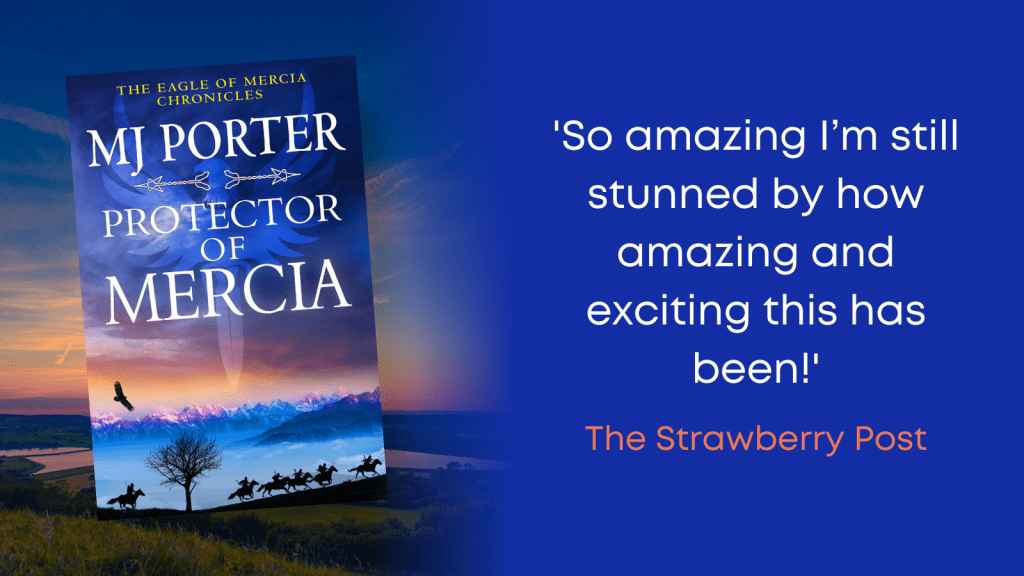
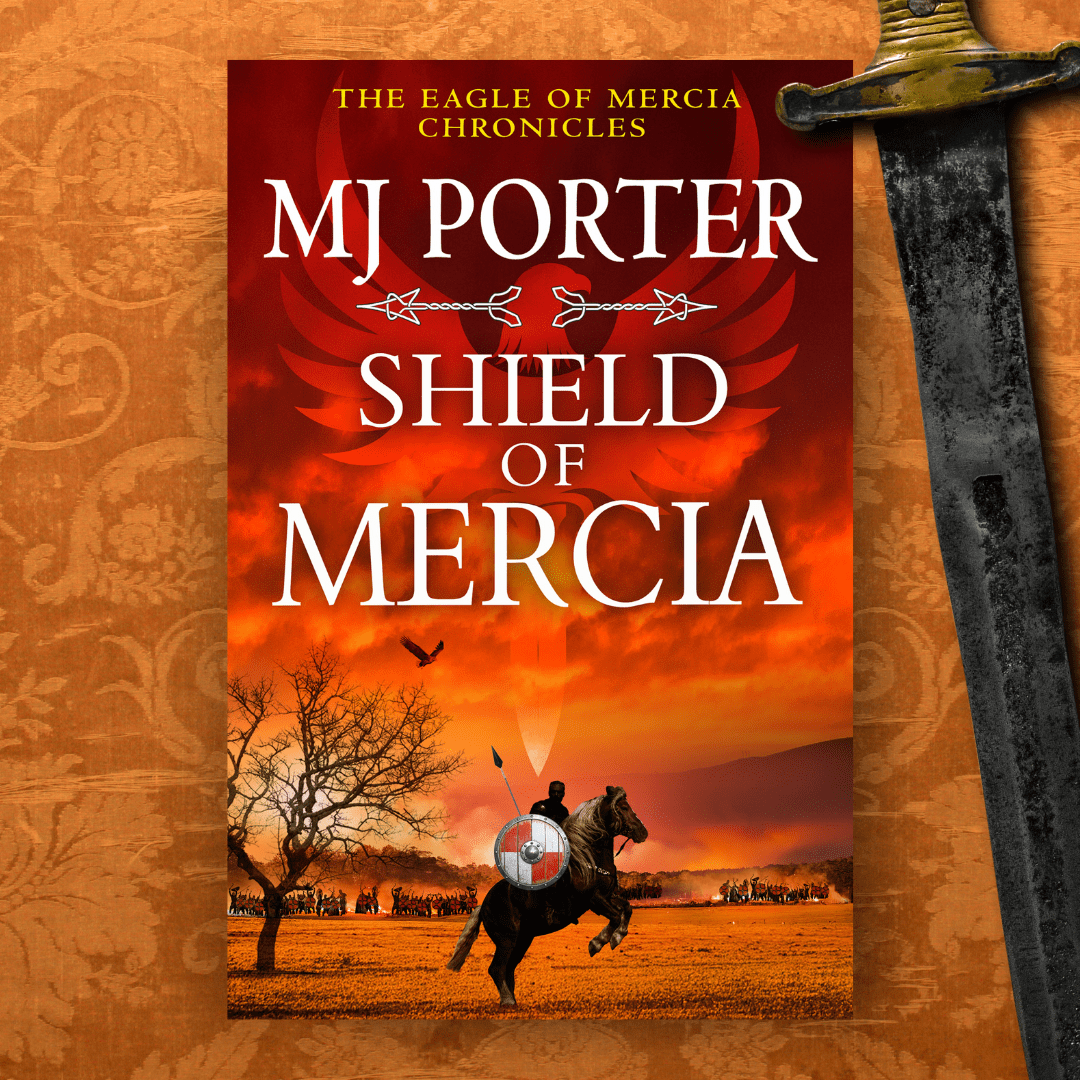
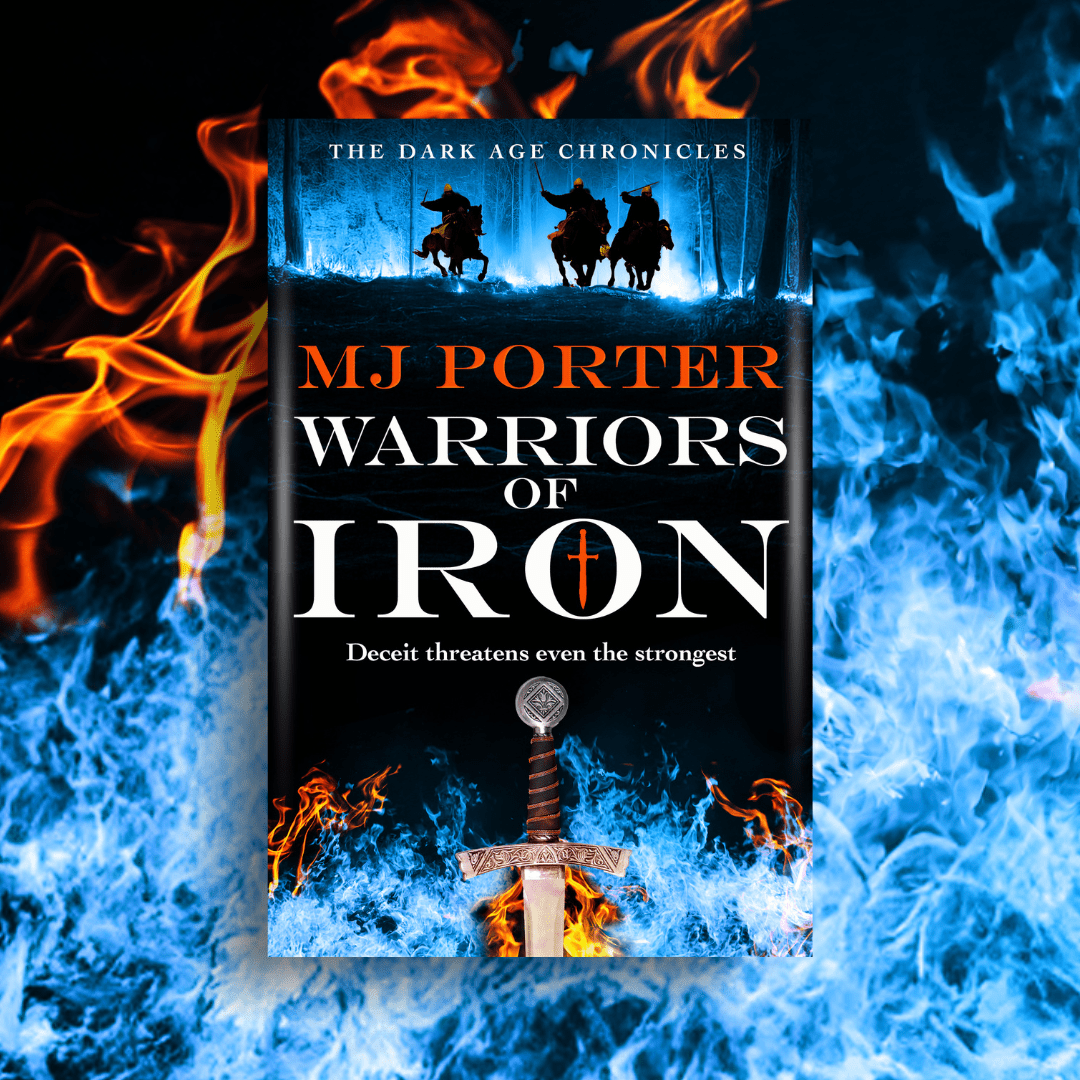
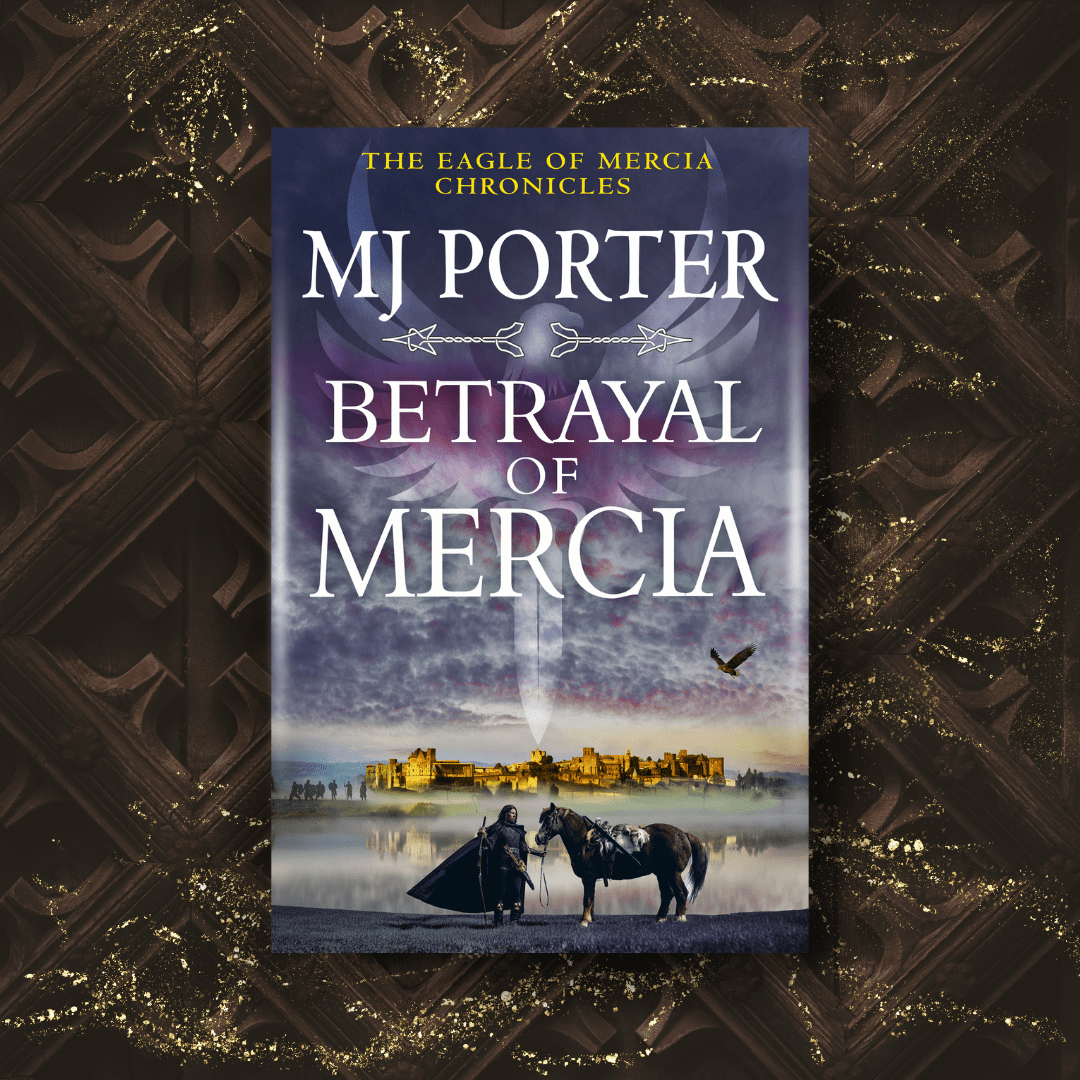
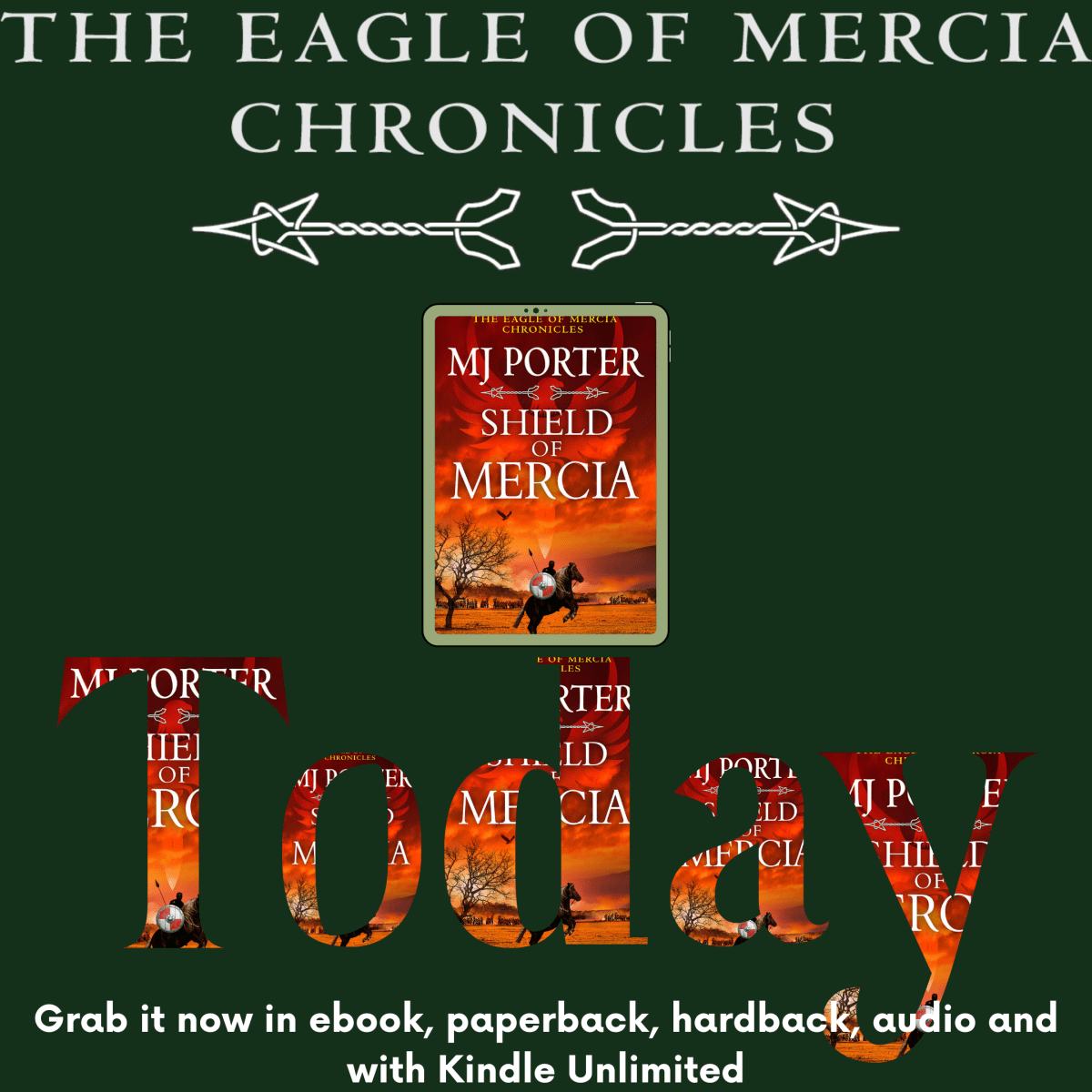
Today is the day, book 4 in The Eagle of Mercia Chronicles is released into the wild. I’m really excited about this one:) And I can’t believe we’re already onto book 4.
Here’s the blurb:
A mercy mission in the heart of Wessex is beset with deadly, bloody dangers.
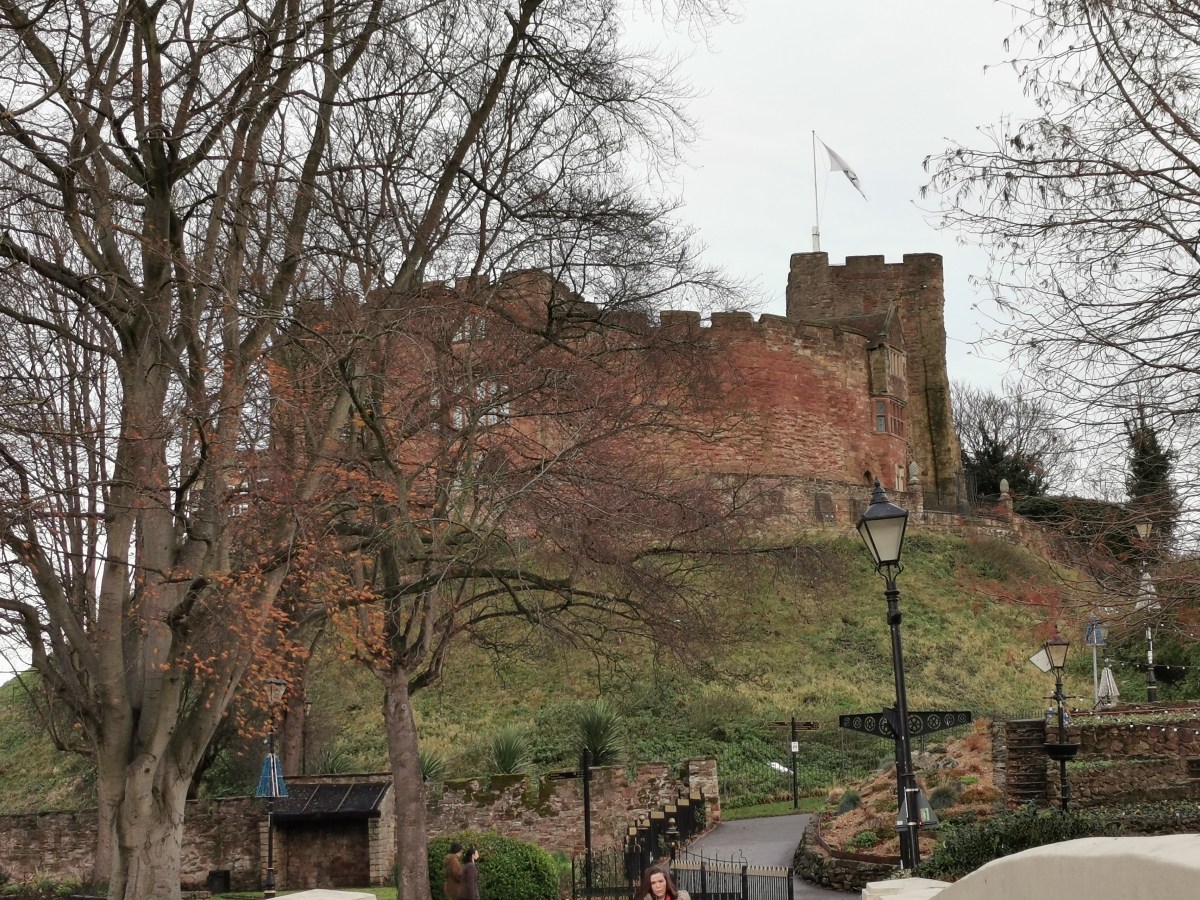
Tamworth AD831
Icel’s profile continues to rise. Lord of Budworth and warrior of Mercia, he’s acknowledged by King Wiglaf and his comrades to keep Mercia safe from the ravages of Wessex, the king-slayer of the East Angles, and the Viking raiders. But, danger looms. Alongside Spring’s arrival comes the almost certain threat of the Viking raiders return.
When Lord Coenwulf of Kingsholm is apprehended by a Viking and held captive on the Isle of Sheppey in Wessex held Kent, Icel is implored by Lady Cynehild to rescue her husband.
To rescue Lord Coenwulf, Icel and his fellow warriors must risk themselves twice over, for not only must they overpower the Viking raiders, they must also counter the threat of Mercia’s ancient enemy, the kingdom of Wessex as they travel through their lands.
Far from home and threatened on all sides, have Icel and his fellow warriors sworn to carry out an impossible duty?
I can let you know that book 5 is mostly written, and I know the title and I’ve seen the cover – I know, I’m such a tease. I will update when I can share more.
Check out the blog tour for Eagle of Mercia. My thanks to Rachel at Rachel’s Random Resources for organising and all the hosts for taking part. I will add the links each day. The initial reviews for Eagle are very positive, so I hope you’ll enjoy it too.
I’m really excited to share the details of the Pagan Warrior blog tour with The Coffee Pot Book Club.
Pagan Warrior is the story of the battle of Hædfeld, fought in the seventh century between the Northumbrians, and you got it, the Mercians – or rather, Cadwallon of Gwynedd but with Penda of Mercia as his firm ally. You can find more details here.
I might have written this book many years ago, but it’s had a refresh, and is now available in audio, narrated by the fabulous, Matt Coles, as is the second book, Pagan King. Warrior King will be coming later this year in audio.
You can follow the blog tour, and I’ll be sharing posts here as well. A quick shout out to thank all the blog hosts and Cathie at The Coffee Pot Book Club for organising.
And, the post that perhaps gave me the most fear to begin will but which was fun when I remembered all the little details, five fun facts about writing the trilogy.
For March 21st check out a post about two of the royal residences of Bernicia at the time, Bamburgh and Ad Gefrin (Yeavering). (There are lots of photos, thank you to Helen Hollick for uploading them all).
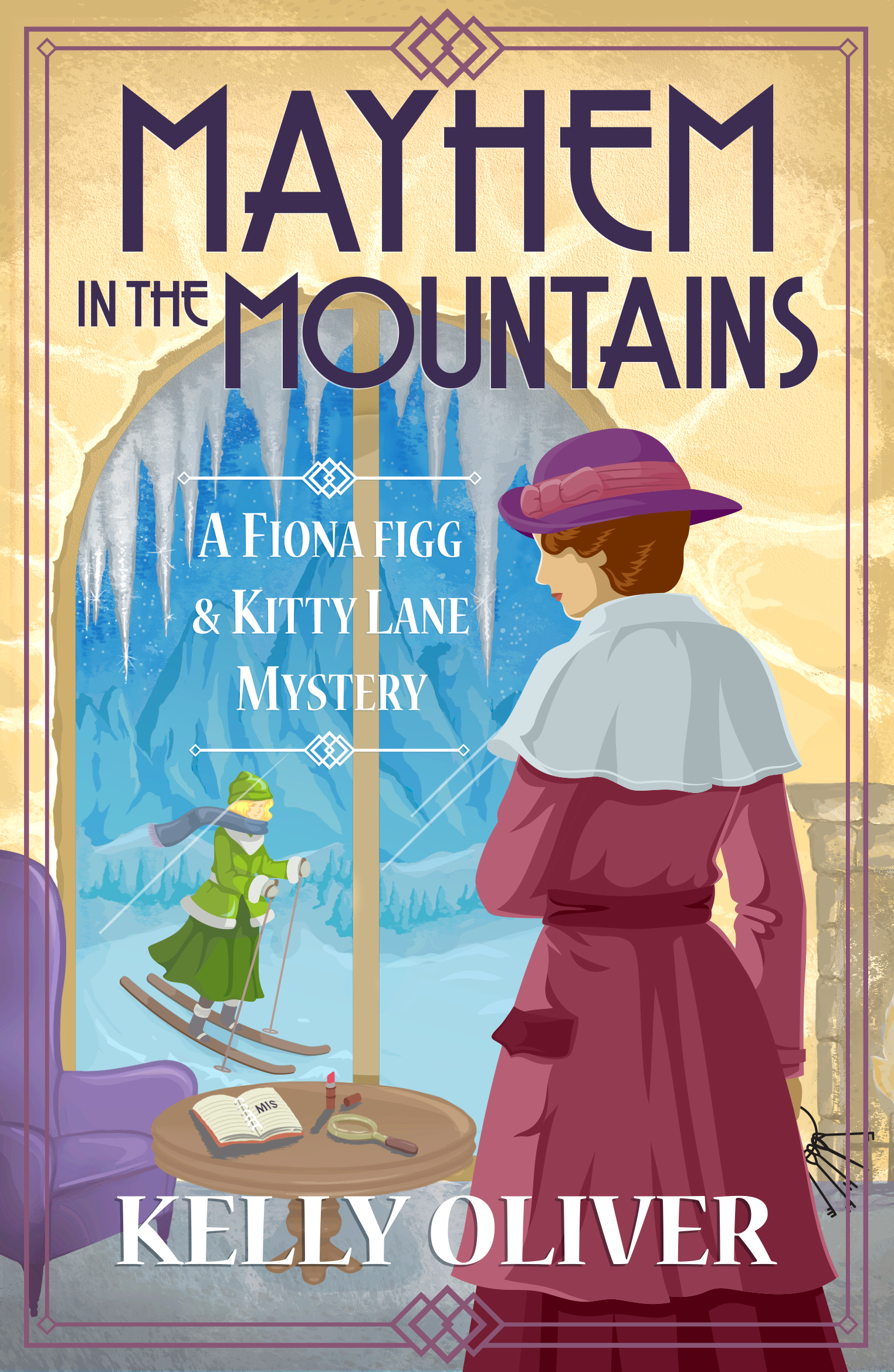
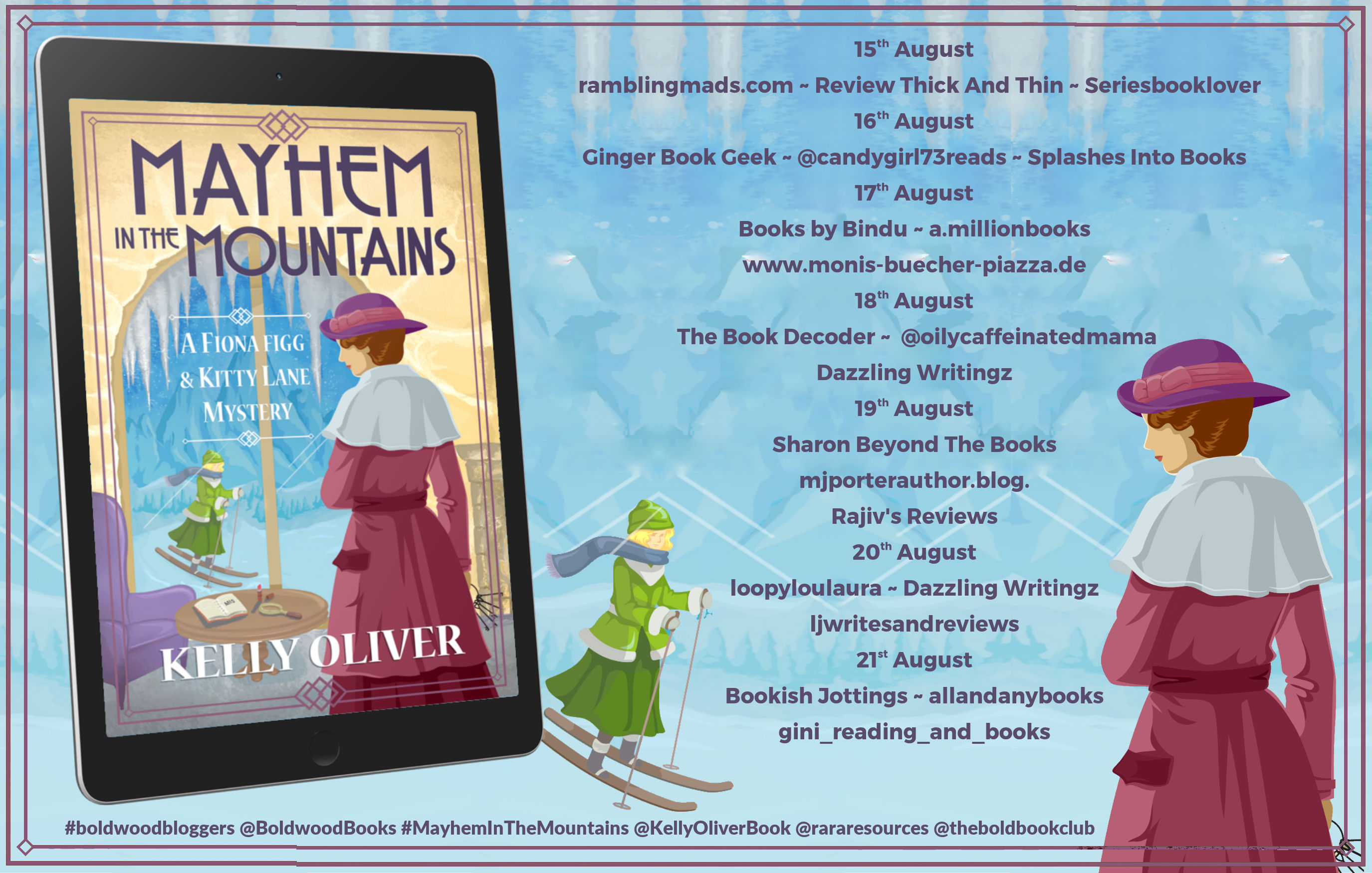
Following a tip-off from notorious spy Fredrick Fredricks, Fiona Figg and Kitty Lane of British Intelligence find themselves in the hustle and bustle of Egypt. But ancient mummies aren’t the only bodies buried in the tombs of Cairo.
When a young French archeologist is found dead in a tomb in the desert with his head bashed in, and an undercover British agent goes missing, the threat moves closer to home.
As they dig deeper, soon Fiona and Kitty uncover a treasure trove of suspects, including competing excavators, jealous husbands, secret lovers, and belligerent spies! Fiona wonders if the notorious Fredrick Fredricks could be behind the murders? Or is the plot even more sinister?
One thing is clear – If Fiona and Kitty can’t catch the killer, they might end up sharing a sarcophagus with Nefertiti.
With humor as dry as the Arabian desert, and pacing as fast as a spitting camel, Fiona and Kitty are back in another sparkling adventure, this time in WW1 Egypt.
Covert in Cairo is an enjoyable trip to Cairo in December 1917. Fiona Figg is on a mission to prevent the Suez Canal from being attacked, as she finds a Cairo overrun with British troops, very much a Britain away from home, complete with good tea and marmalade.
As in the previous book, Fiona Figg longs to make a name for herself and finally win free from the confines of being a file clerk at the War Office, but not everything goes her way. Kitty Lane is on hand to add her skills to the investigation, and Clifford, their chaperone, but really, a man with an eye for the ladies and very much embodying all that was wrong in the thinking of an early twentieth-century man, including thinking women were fragile, can add his skills as well, most notably being able to talk to anyone.
What ensues is a tale of murder, antiquities, camels and donkeys, night-time shenanigans, and an all-round good mystery.
An enjoyable jaunt to the Cairo of the past, including several well-known historical personalities, and ensuring that Fiona must continue her pursuit of an errant spy and, as such, win-free from returning to dreary London for the time being.
Check out my review for book 1 in the Fiona Figg and Kitty Lane Mystery books Chaos at Carnegie Hall
Meet the Author
Kelly Oliver is the award-winning, bestselling author of three mysteries series: The Jessica James Mysteries, The Pet Detective Mysteries, and the historical cozies The Fiona Figg Mysteries, set in WW1. She is also the Distinguished Professor of Philosophy at Vanderbilt University and lives in Nashville, Tennessee. She is bringing new titles in the Fiona Figg series to Boldwood, the first of which, Chaos in Carnegie Hall, will be published in November 2022.
Finally free of Catherine of Aragon, Henry VIII, is now married to Anne Boleyn and eagerly awaiting the birth of his son. In a court still reeling from the royal divorce and growing public resentment against church reform, Henry must negotiate widespread resentment toward Anne. He places all his hopes in a son to cement his Tudor blood line, but his dreams are shattered when Anne is delivered of a daughter.
Burying his disappointment, Henry focuses on getting her with child again, but their marriage is volatile and as Henry faces personal bereavement, and discord at court, Anne’s enemies are gathering. When the queen miscarries of a son, and Henry suffers a life-threatening accident, his need for an heir becomes critical. Waiting in the wings is Jane Seymour, a lady-in-waiting who offers the king comfort and respite from Anne’s fiery passions.
But, when Anne falls foul of her former ally, Thomas Cromwell, and the king is persuaded he has been made a cuckold, Henry strikes out and the queen falls beneath the executioner’s sword, taking key players in Henry’s household with her.
Jane Seymour, stepping up to replace the fallen queen, quickly becomes pregnant. Delighted with his dull but fertile wife, Henry’s spirits rise even further when the prince is born safely. At last, Henry has all he desires but even as he celebrates, fate is preparing to deliver one more staggering blow.
Henry, the once perfect Renaissance prince, is now a damaged middle-aged man, disappointed in those around him but most of all in himself. As the king’s optimism diminishes, his intractability increases, and the wounded lion begins to roar.
Buy Links
This title is available to read on #KindleUnlimited.
When Judith Arnopp began to write professionally there was no question as to which genre to choose. A lifelong history enthusiast and avid reader, Judith holds an honours degree in English and Creative writing, and a Masters in Medieval Studies, both from the University of Wales, Lampeter.
Judith writes both fiction and non-fiction, working full-time from her home overlooking Cardigan Bay in Wales where she crafts novels based in the Medieval and Tudor period. Her main focus is on the perspective of historical women from all roles of life, prostitutes to queens, but she has recently turned her attention to Henry VIII himself.
Her novels include:
A Matter of Conscience: Henry VIII, the Aragon Years. (Book one of The Henrician Chronicle)
A Matter of Faith: Henry VIII, the years of the Phoenix (Book Two of The Henrician Chronicle)
The Beaufort Bride: (Book one of The Beaufort Chronicle)
The Beaufort Woman: (Book two of The Beaufort Chronicle)
The Kings Mother: (Book three of The Beaufort Chronicle)
The Heretic Wind: the life of Mary Tudor, Queen of England
A Song of Sixpence: The story of Elizabeth of York
Intractable Heart: The story of Katheryn Parr
The Kiss of the Concubine: A story of Anne Boleyn
Sisters of Arden: on the pilgrimage of Grace
The Winchester Goose: at the court of Henry VIII
The Song of Heledd:
The Forest Dwellers
Peaceweaver
Her non-fiction articles feature in various historical anthologies and magazines and an illustrated non-fiction book, How to Dress like a Tudor will be published by Pen & Sword in 2023.
I’m really excited to share the details of the Pagan Warrior blog tour with The Coffee Pot Book Club.
Pagan Warrior is the story of the battle of Hædfeld, fought in the seventh century between the Northumbrians, and you got it, the Mercians – or rather, Cadwallon of Gwynedd but with Penda of Mercia as his firm ally. You can find more details here.
I might have written this book many years ago, but it’s had a refresh, and is now available in audio, narrated by the fabulous, Matt Coles, as is the second book, Pagan King. Warrior King will be coming later this year in audio.
You can follow the blog tour, and I’ll be sharing posts here as well. A quick shout out to thank all the blog hosts and Cathie at The Coffee Pot Book Club for organising.
For April 25th, check out a post about Penda of Mercia.
And, the post that perhaps gave me the most fear to begin will but which was fun when I remembered all the little details, five fun facts about writing the trilogy.
For March 21st check out a post about two of the royal residences of Bernicia at the time, Bamburgh and Ad Gefrin (Yeavering). (There are lots of photos, thank you to Helen Hollick for uploading them all).
A quirky and funny series for fans of a good mystery and compelling characters. Can you solve the crime before our dressmaking duo?
After losing her job at an exclusive London hotel, Penny Slipper is only too happy to help when her grandma asks her to take charge at the Cozy Craft sewing shop in charming rural Suffolk.
With cousin Izzy on hand as the expert dressmaker and Penny’s head for business, what can possibly go wrong?
But Penny’s in town for less than a day when the local librarian is poisoned and Penny fears she might even be accidentally responsible. Penny and Izzy are forced to turn detectives to uncover the true cause of death, while finishing a costume commission for their first customer.
Matters take a further deadly turn when a second body is discovered.
Can Penny and Izzy unpick the mysteries of the past and sew the pieces of this puzzle together before it’s too late?
If you enjoy fast-paced mysteries, charming country towns and characters who you want to spend hours with then you’re going to love the Cozy Craft Mystery series.
The Wonderland Murders is a delightful and very well-plotted contemporary cozy mystery set in Framingham, the UK.
Penny and Izzy are cousins thrown together by the illness of their mutual grandmother, who normally runs a crafting shop. Izzy is somewhat scatty and filled with new ideas. Penny is more down to earth and determined to make a profit from the shop. But no sooner has Penny arrived than a murder takes place in the local library. While they’re not obsessive about who is responsible, they do begin to consider who might have been to blame as they work on an Alice in Wonderland costume for the upcoming World books day for one of the librarians.
What ensues is so well-plotted and delightful that I genuinely didn’t guess the ending. These stories have a lovely lightness of touch, genuine warmth and humour throughout, and Izzy and Penny really complement each other as main characters.
I loved this first book so much that I’m busy devouring the rest of the series, and the series is consistently as enjoyable and delightful. I’m so glad I took a chance on The Wonderland Murders, and if you love a cozy crime, you won’t be disappointed, either.
Giveaway Prize – The Wonderland Murders, a cross stitch book, a floral notepad, a note writing set and a grass bunny.
Millie Ravensworth writes the Cozy Craft Mystery series of books. Her love of murder mysteries and passion for dressmaking made her want to write books full of quirky characters and unbelievable murders. Millie lives in central England where children and pets are something of a distraction from the serious business of writing, although dog walking is always a good time to plot the next book.