Author of Saxon historical fiction and non-fiction, 20th-century historical mysteries, and Norse-inspired historical romantasy. Book reviewer and blog host.
How to React When Woken at 3am by Drunk Argentinian Backpackers while Staying in a Youth Hostel and Other Lesser Known Travel Tips
Book 4 of the hilarious book series that those in the know will want to read when arriving at Paris airport so they laugh so freaking hard that it will intimidate any suspicious characters looking to abduct them and sell them into the human trafficking game.
Life was not meant to be easy, Simon Yeats’ father used to tell him. Well, it sure as hell was not meant to be this bizarre and witty. Australian ex-pat Yeats, as all he has ever been called since High School, shares his stories of travel misadventures and dubious personal introspection with comedic insights into the unusual and uproarious elements of living his life abroad. All while having a sense of Wanderlust as pervasive as Mongol hordes in the 12th century.
From how to negotiate getting abused in Los Angeles when you will only drive at 5 miles/hr., to what to do when locked out of your hotel room in your underwear, to the emotions of attempting the world’s second highest bungee in South Africa when you have a pathological fear of heights, to how to deal with the trials and tribulations of staying in a youth hostel in South America with travelers who have no respect for the other guests.
Simon Yeats has gone into the world and experienced all the out of the ordinary moments for you to sit back and enjoy the experience without the need to empty your bank account, get squeezed sitting in a middle airline seat on a nine hour flight to Tokyo, or deal with border security at the Ukraine/Russia boundary.
Simon Yeats has lived nine lives, and by all estimations, is fast running out of the number he has left. His life of globetrotting the globe was not the one he expected to lead. He grew up a quiet, shy boy teased by other kids on the playgrounds for his red hair. But he developed a keen wit and sense of humor to always see the funnier side of life. With an overwhelming love of travel, a propensity to find trouble where there was none, and being a passionate advocate of mental health, Simon’s stories will leave a reader either rolling on the floor in tears of laughter, or breathing deeply that the adventures he has led were survived. No author has laughed longer or cried with less restraint at the travails of life.
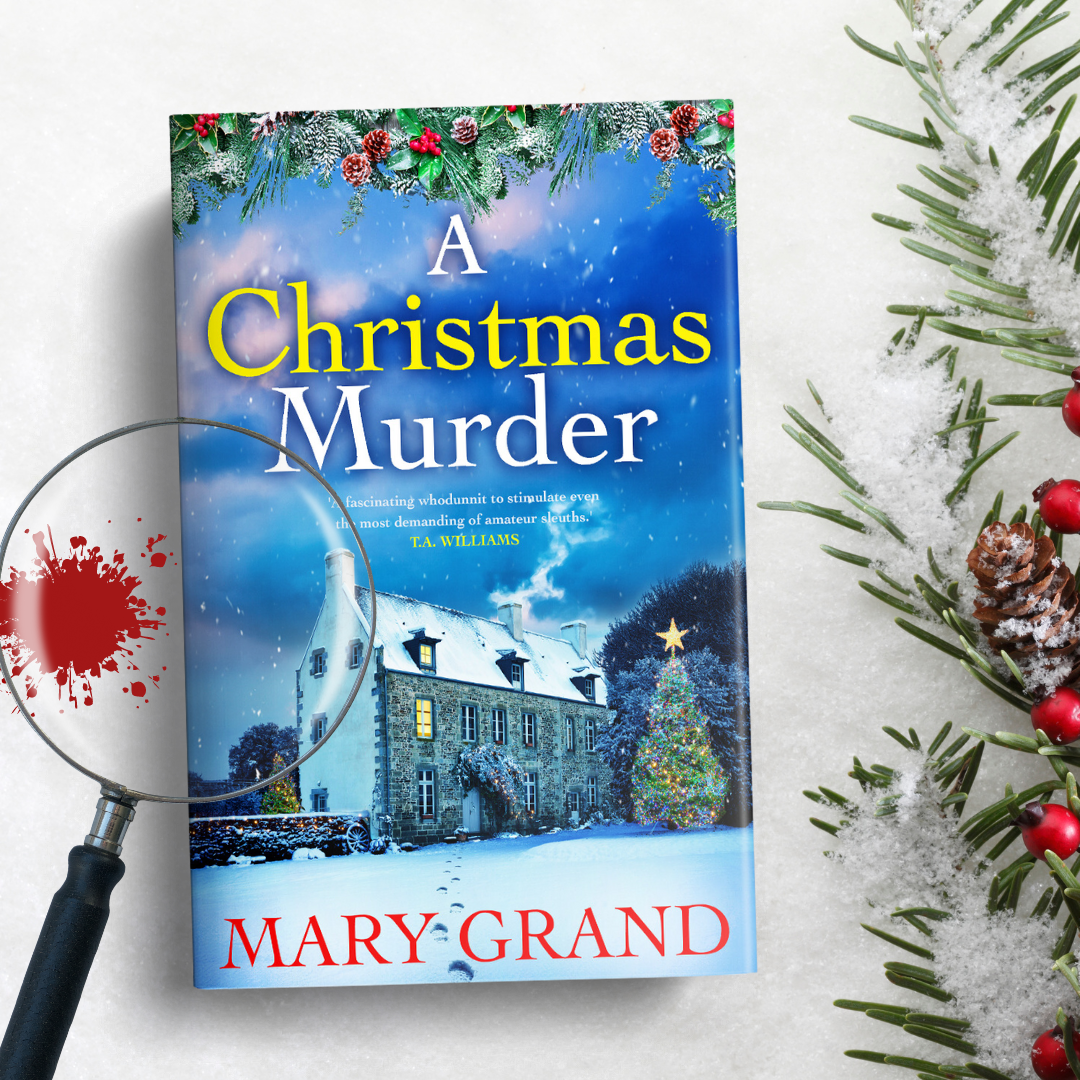
Susan didn’t plan on being an amateur sleuth and, after two successful investigations, she’s looking forward to a quiet Christmas. So, when local businesswoman Meera is in desperate need of help, Susan agrees rather reluctantly.
The task should be easy enough. The infamous press mogul Duncan Fern is coming back to the Isle of Wight, the scene of his family’s childhood holidays, to celebrate Christmas with his grown-up children and their partners, his new glamorous wife Kirsten who is forever dripping with diamonds, and the spikey editor of his paper the Morning Flame, Antoine. The newly-refurbished luxurious Bishopstone Manor is the perfect setting for a festive break and all Susan has to do is help Meera host.
But when a snowstorm descends over the island, and the following morning a body is found, Christmas at the Manor takes a darker turn. Can Susan get to the bottom of the mystery before the murderer strikes again…
This is the first of Mary Grand’s mysteries I’ve read, and it was very enjoyable.
While it snows outside, affairs within the restored Tudor mansion take a deadly turn. Our main character, Susan, uneasy with the police verdict, sets about trying to discover the truth. What she discovers is a web of lies and family deceit.
While yes, this is a murder mystery, I found the setting and storyline to be really enjoyable. The eventual resolution was satisfying and unexpected, although, with hindsight, there were definitely clues.
A contemporary murder mystery sure to appeal to fans of the genre.
Meet the author
Mary Grand writes gripping, page-turning suspense novels, with a dark and often murderous underside. She grew up in Wales, was for many years a teacher of deaf children and now lives on the Isle of Wight.
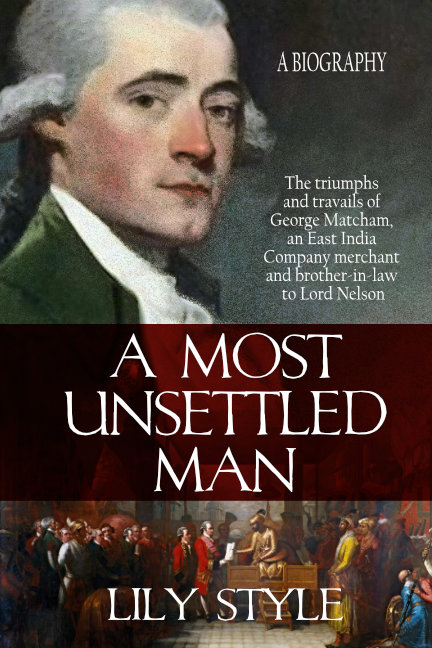
I’m delighted to welcome Lily Style and her new book, A Most Unsettled Man, to the blog with an excerpt.
Excerpt
On the 6th of November 1805, the ring of church bells, near and far, grew and grew like a storm that must soon break. Then did.
George’s copy of the Gazette Extraordinaire bore news that rocked his whole family to the core. Britain’s navy had annihilated the French and Spanish fleets at Cape Trafalgar, off the southern tip of Spain, but Horace’s resounding victory had cost him his life.
Kitty collapsed and, after this, George junior noted that the news of Horace’s death had made his mama very ill.
Details of Horace’s last moments flew around England with great gusto. Brave Lord Nelson had ignored the tradition by which naval officers saved their skins by leading from behind. He’d instead insisted on wearing his full Royal Navy admiral’s uniform on HMS Victory’s open deck, complete with his array of medals and sun-catching gewgaws. Bold and bright, leading from the front, Horace’s uniform had made him an easy mark for a sniper perched on a French tall ship’s mast.
George later reflected that, from Horace’s physical frailty and proneness to melancholy, “it might have been imagined that he was ill-fitted for war & hardship. But … He went a willing victim to his country’s safety and renown”.
George, Kitty and Susanna Bolton, distraught themselves, sped to Merton to support the heart-broken Emma.
Blurb
George Matcham, dubbed the most unsettled man alive, was born in East India Company controlled Bombay and undertook three epic overland treks between Asia and England before marrying the favourite sister of the not yet famous Horatio Nelson. Intimate details about George’s life have been preserved because of his close relationship with Nelson and his famous paramour Emma Hamilton, whose rises and falls he observed first-hand.
Packed with period press clippings and eyewitness accounts, A Most Unsettled Man provides an unprecedented glimpse into the private life of a modest 18th century English gentleman, as well retelling the enduring love story of Nelson and Emma from an entirely new perspective.
Lily Style is the direct descendant of famed lovers Admiral Lord Nelson and Emma Hamilton and also Nelson’s sister, Kitty Matcham (because their grandchildren married).
Lily is the founder of Emma Hamilton Society and writes regularly for Nelson-related publications. She is also a keen genealogist with an interest in piecing together real human stories lying behind dry facts.
One of these stories is of her 4th great-grandfather, George Matcham, whose story she’s traced from his mid eighteenth-century birth in East India Company controlled Bombay through to his intimate involvement with Nelson and Emma’s rise and fall.
When I decided to write another book featuring Detective Inspector Mason and his Sergeant, O’Rourke, I was determined to set the story very firmly in the period. That might sound a bit strange, but sometimes, a historical mystery might not feel that historical other than for the odd touches – clothing, hairstyles etc. To ensure I didn’t do this, I spent a great deal of time researching the history of The Automobile Association (a UK-based roadside recovery service with a history as long as automobiles) and how they might have operated in the early 1940s. Of course, with the war on and petrol rationing, it was very challenging for them to survive as they relied on subscriptions which dropped significantly during the war years.
The AA Sentry boxes
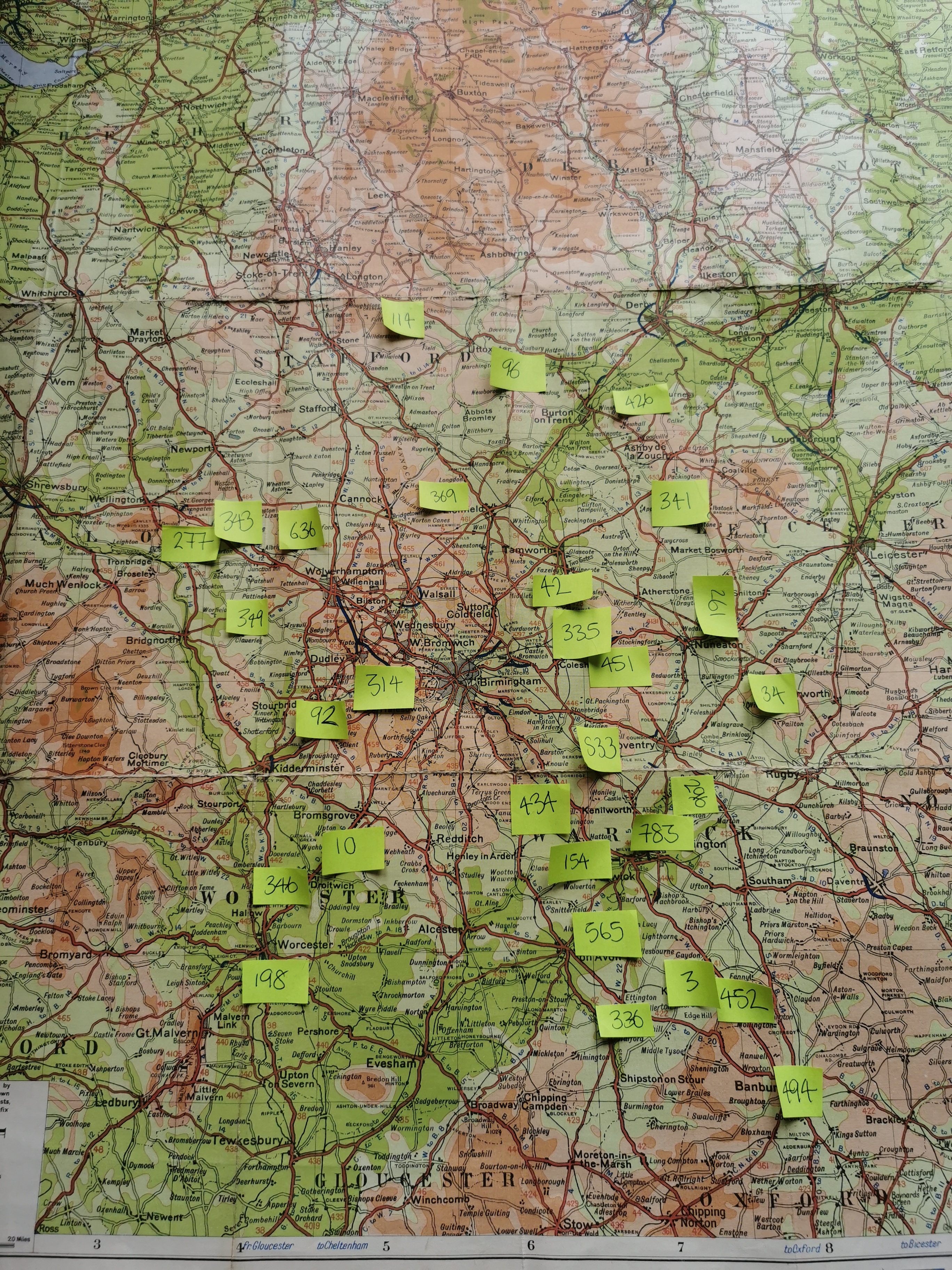
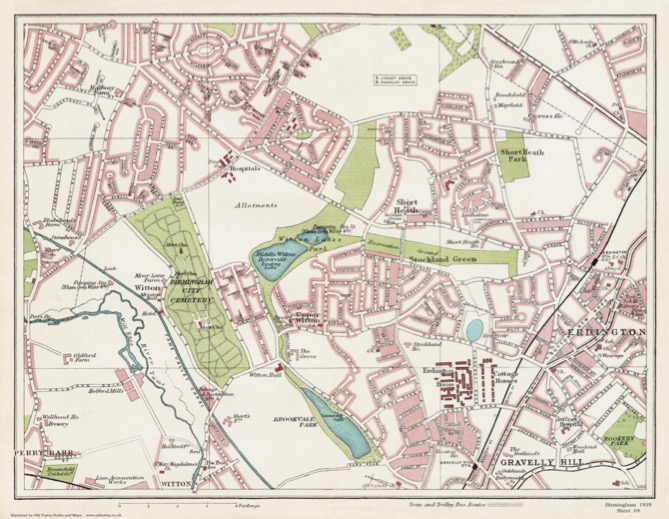
I spent a great deal of time trying to find the locations for the sentry boxes that are so important to my story and that the AA patrol staff would have passed on their assigned patrol routes, often on pedal bikes. Yes, they did have telephones in the boxes, but of course, the patrol men wouldn’t have had access to a telephone while they were out patrolling, and if I’ve read it correctly, all calls were sent to a central exchange which was in London. There’s a list of surviving sentry boxes from the 1960s, so twenty years after my story is set, and with the use of a map from the 1940s (thank you online marketplace), I found many of the sentry boxes close to Erdington. This was because some of today’s roads weren’t built (such as many of the A roads), and using a period map ensured I didn’t put something where it couldn’t have existed. I love using old maps for all of my books (20th-century and Saxon stories). They often highlight facts that might pass today’s reader by – such as roads that have changed route or weren’t even in existence at the time.
I was a bit disappointed because I couldn’t find a map that showed the patrol routes that the AA patrolmen (sorry, it was all men at this time) would have followed on their daily routes. This is potentially because such maps were either not produced or, because of the war effort, they weren’t widely distributed. Here’s a fabulous training video for those wanting to see what the early AA was all about. https://www.youtube.com/watch?v=kmyLKlx7YEA
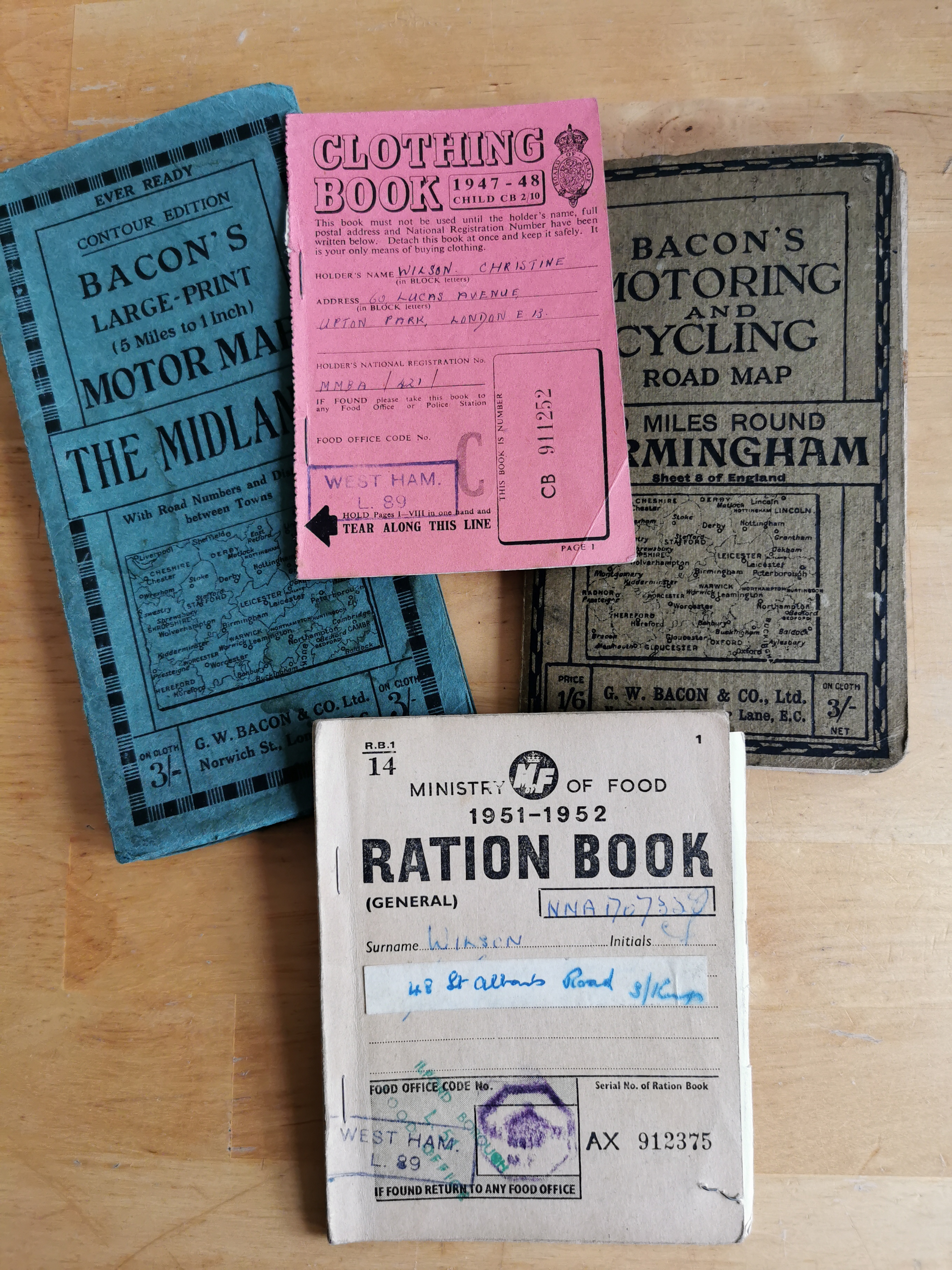
Some ration books I was able to buy from an online marketplace, and the maps I also found and usedMy additions to a period map to show where the AA sentry boxes would have been in the 1960s
I also needed clarification on how far a car might have travelled on one full petrol tank. Sometimes it’s the oddest queries that set authors tumbling down rabbit holes of research.
The history of fingerprinting is much longer than we might think
But the roads weren’t the only thing I needed to research. Much of the case in The Automobile Assassination hinges on fingerprints (how else to identify my nameless murder victim?), and I knew nothing about the technological advances that had made fingerprint identification as prevalent as it is today. I invested some time in researching and discovered some amazing facts, some that were quite disturbing during the advances in fingerprinting and the way the information they use is provided. I also, quite by chance, discovered when the first fax machine was invented, which was much earlier than we might think.
And that then took me to another element of the book that I needed to research, ration books. Again, the advantage of writing about the 1940s is that artefacts survive from the period. I was able to get hold of some ration books (thank you, online marketplace again) so that I could work out how they were distributed and used and how I could make what was happening seem ‘very real.’ What surprised me was that the coupons themselves didn’t have numbers (and certainly not bar codes), although each book had a serial number stamped on its front. I discovered the system would be particularly easy to ‘fudge’ if you inclined that way. And there were huge scandals regarding ration books during the 1940s. As with the AA sentry boxes, I was determined to weave these elements into the storyline.
Newspaper archives are a gold mine
The more I write stories set in the twentieth century, the more resources I find to help me. I made a great deal of use of the online newspaper archives – and hidden, often on the front or the back page, were all the times that the Blackout was in operation each night. This was an excellent little detail to weave into the narrative to make it seem more historically accurate.
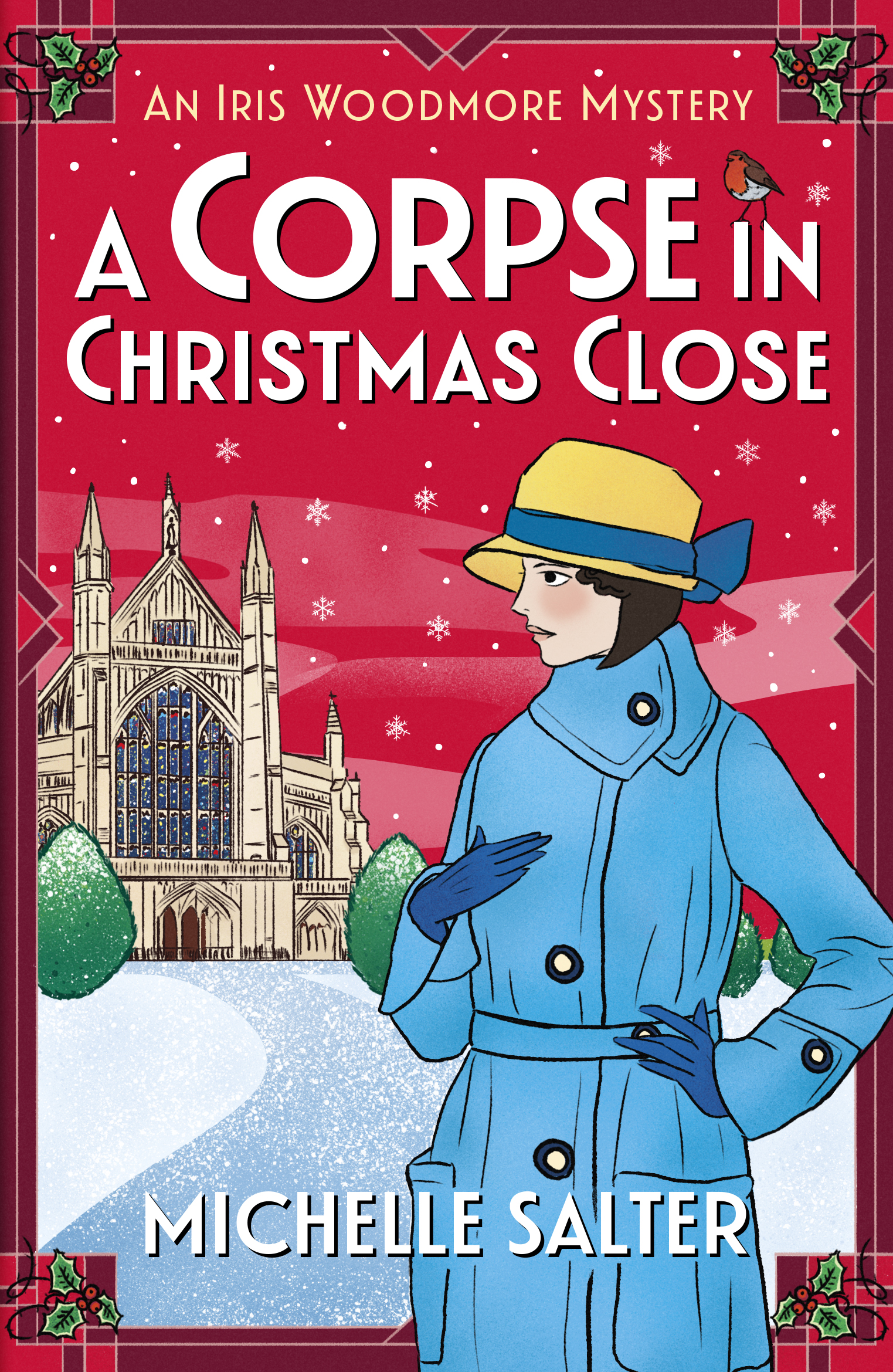
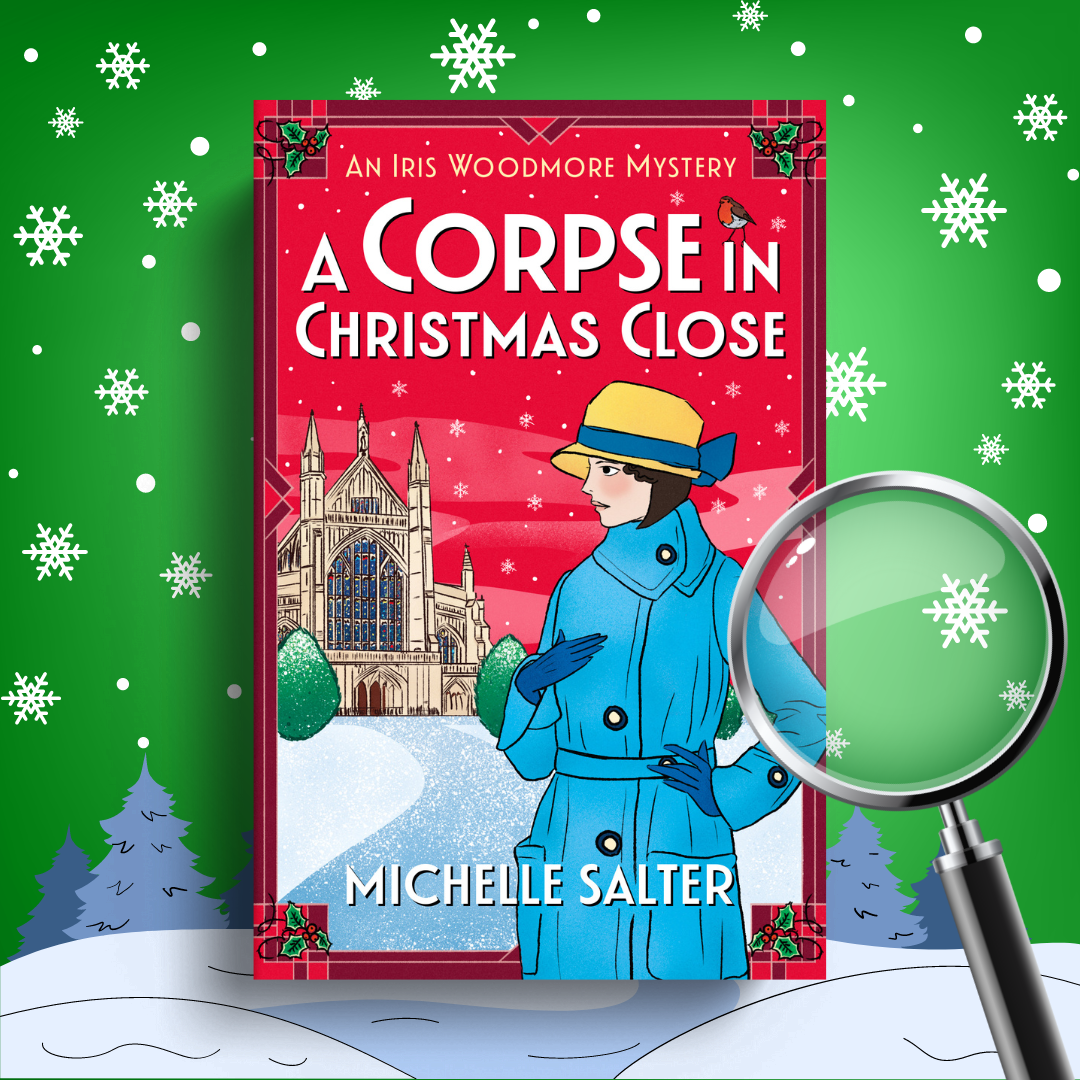
When a pantomime turns deadly, Iris investigates a cast of killers…
Christmas, 1923. When reporter Iris Woodmore is sent to cover the Prince of Wales’ visit to historic Winchester, she discovers more than just royal gossip.
The leading lady in Winchester Cathedral’s charity pantomime is found dead in mysterious circumstances. And the chief suspect is Cinderella’s handsome prince, played by Percy Baverstock’s younger brother, Freddie.
For the sake of the Baverstocks, Iris must investigate the murder, even though it means confronting an old enemy. And as the line between friend and foe blurs dangerously, she’s ensnared by someone she hoped she’d never see again…
Everyone’s favourite amateur sleuth returns for a Christmas mystery, perfect for fans of Verity Bright, Claire Gradidge and Emily Organ.
I love a new Iris Woodmore 1920s mystery, and A Corpse in Christmas Close is as well-plotted and deeply grounded in the historical events of the day as the previous books in the series.
Iris is a great main character. She is tenacious and outspoken, aware of society’s conventions but often keen to ignore them. She and her fellow cast members are all well-drawn and believable.
I almost always determine how much I love a mystery by whether I work out the culprit or not, and once more, I was caught out by the resolution for A Corpse in Christmas Close.
The pacing is great. I’m looking forward to Iris’ next adventure.
Michelle Salter writes historical cosy crime set in Hampshire, where she lives, and inspired by real-life events in 1920s Britain. Her Iris Woodmore series draws on an interest in the aftermath of the Great War and the suffragette movement.
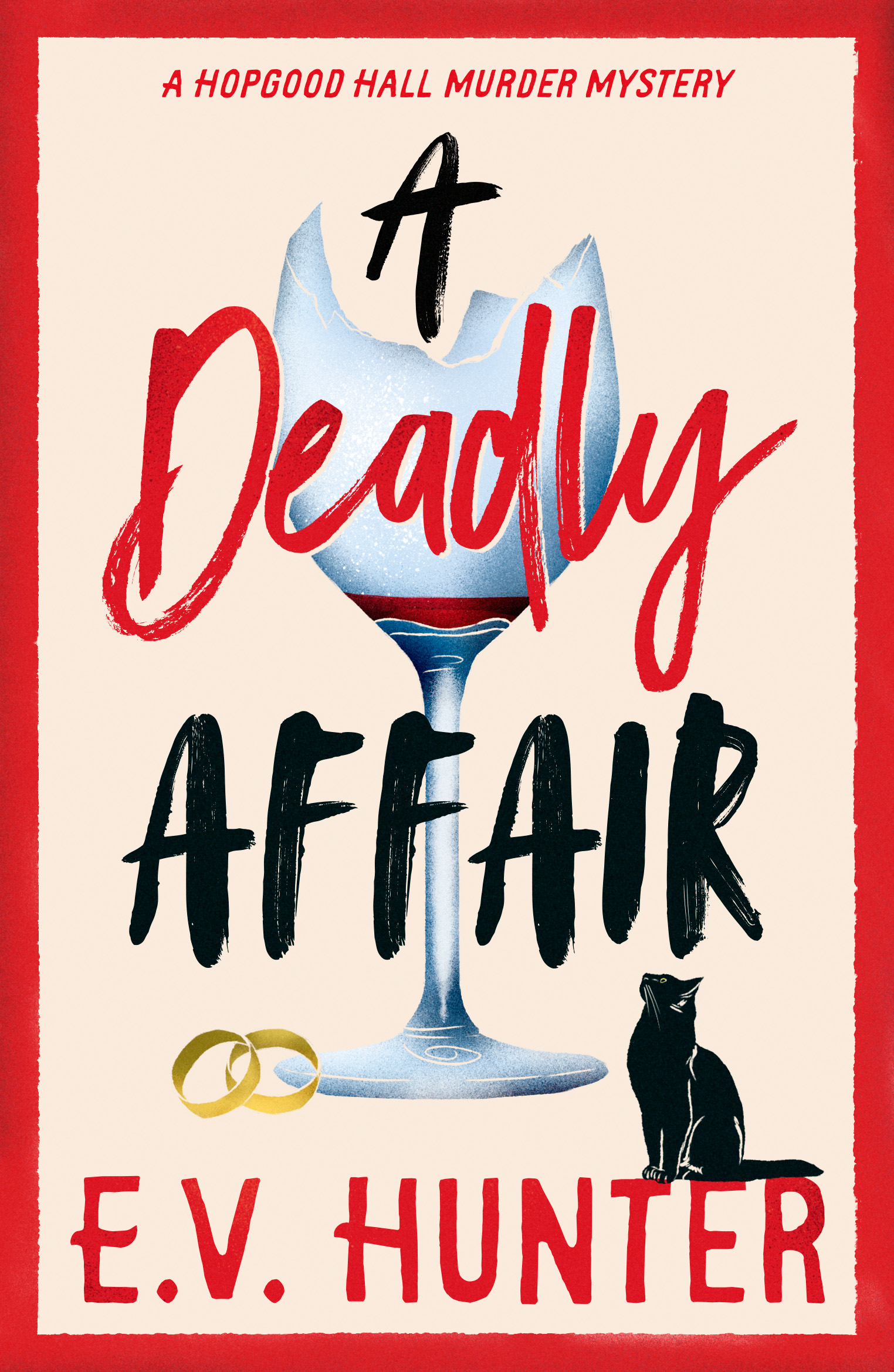
Life at Hopgood Hall is never boring, but Alexi Ellis hopes that there will be no more murders for the time being – she’s solved four already and is getting a reputation in the local area for being bad luck.
So when local gossip Polly Pearson arrives at Hopgood hall, Alexi knows this can only mean bad news. Polly has made it clear that she dislikes Alexi, and has campaigned for her to leave Hopgood Hall forever – so what could Polly want?
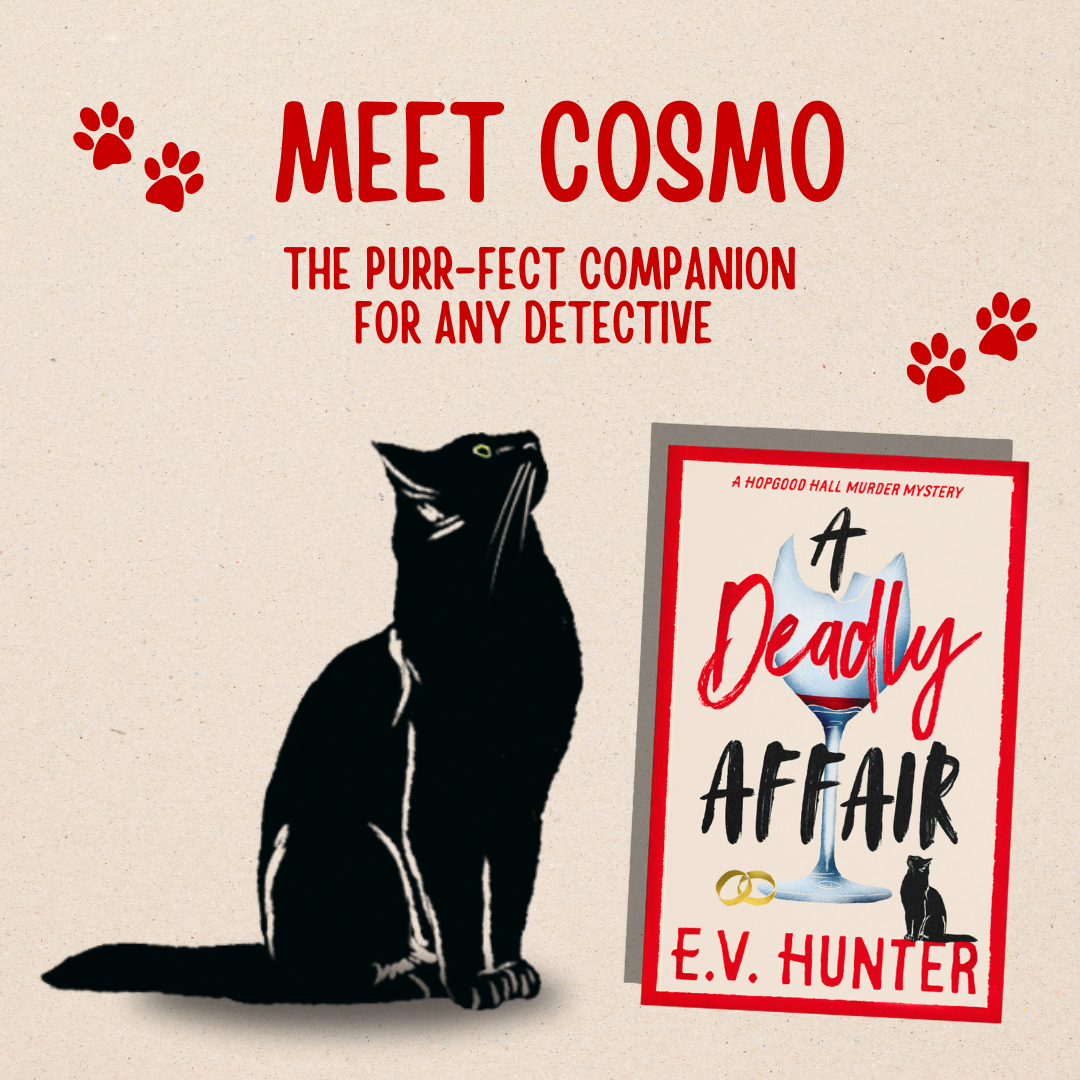
Then Polly reveals that her partner, Gerry has been found murdered in her B&B and that she is the main suspect! Alexi, her partner Jack and Cosmo the cat are all left speechless. More so when Polly begs Alexi for help improving her innocence.
But Alexi isn’t sure she wants to help this spiteful gossip. Is she really innocent or as deadly as the police believe her to be?
A Deadly Affair is the latest book in the Hopgood Hall Murder Mystery series. I’ve read them all.
By now, we know our main characters, Jack and Alexi, well. However, they are still asking questions about their relationship, and I’m afraid this aspect of the series is my least favourite. Luckily, Cosmo comes to the rescue more often than not.
The mystery itself is complex and well-plotted as our sleuths try to understand why Gerry has been murdered. It quickly transpires that all is not as simple as it first appears. Lambourn is filled with dodgy individuals, any of whom could have been the ones involved.
The resolution of the mystery unfolds quickly. I always say I judge a mystery by whether or not I guessed ‘who did it,’ and I did not see this one coming.
These mysteries often have quite a dark underbelly to them (a nod to the author’s other genre, I’m sure), and this one, similar to book 1, fits that bill. It is not quite as cosy as I prefer (because I’m a big wuss), but that doesn’t detract from the fine plotting and masterful way the mystery has been plotted by the author. I take my hat off to EV Hunter for that:)
I have read book 4, A Story to Strangle For, but I’ve failed to review on the blog.
Meet the author
Evie Hunter has written a great many successful regency romances as Wendy Soliman and is now redirecting her talents to produce dark gritty thrillers for Boldwood. For the past twenty years she has lived the life of a nomad, roaming the world on interesting forms of transport, but has now settled back in the UK.
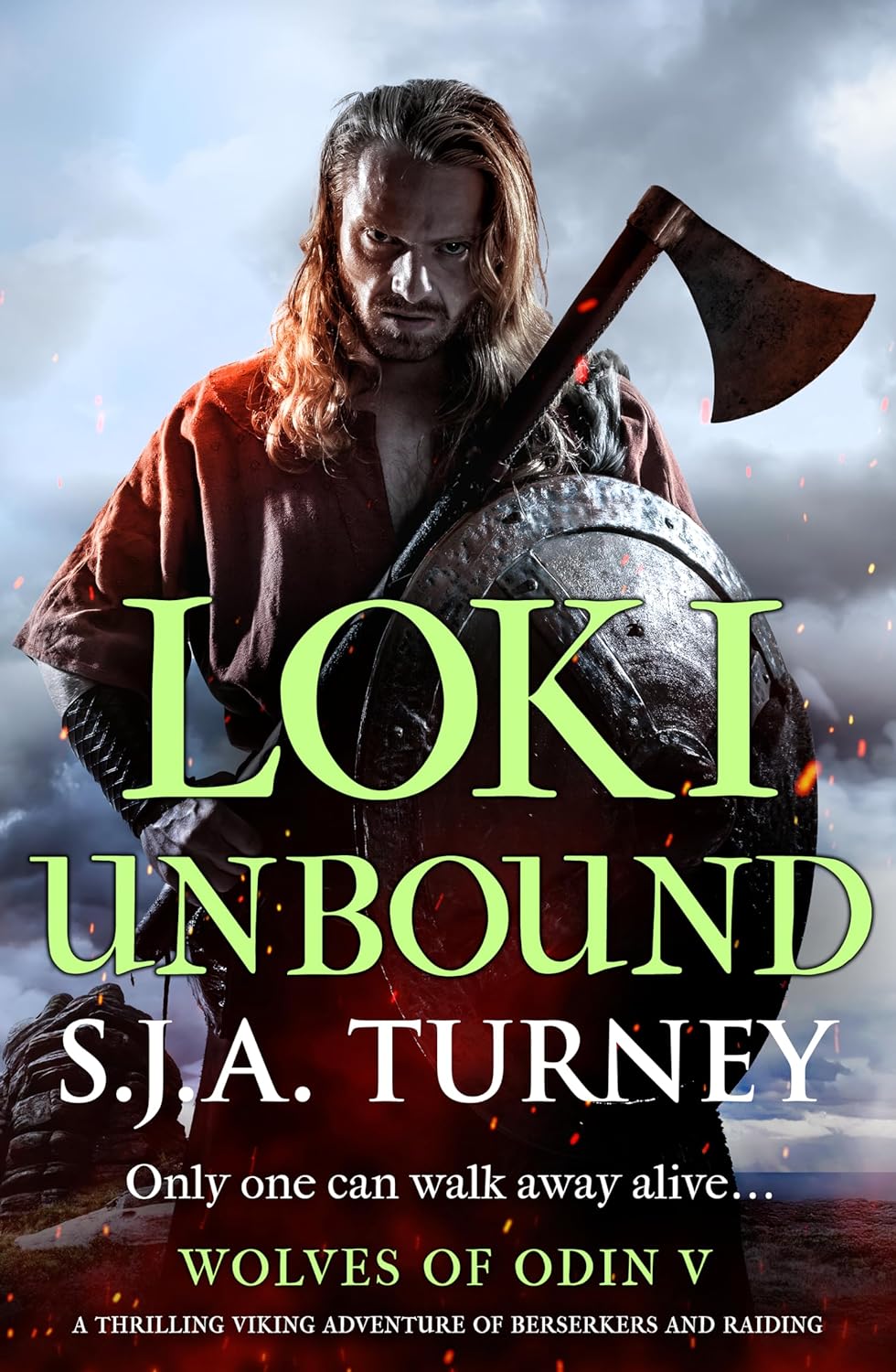
The Wolves of Odin must bring a rogue Viking chief to heel, in the rolling Yorkshire Dales… AD 1044. Fleeing the machinations of William the Conqueror in France, the Wolves of Odin set sail for Britain.
They make for the north of the country, heading to Jorvik – Viking York. Its earl, Sigurd, doesn’t believe they have arrived with peaceable intentions. To prove their good faith, he challenges them to fix a problem for him…
North of Jorvik, in the Dales, a rogue Viking warlord, Arkil, resists Sigurd’s rule with a small army. Sigurd’s forces are spread too thin to deal with him directly, and so it falls to the Wolves…
My Review
Loki Unbound is the fifth book in the Wolves of Odin series. I’ve read book 2, but none of the others. It took me a little while to get back into the characters, but more than anything, it’s because Hardrada was such an important character in book 2, and he’s not in this one:) Once I realised this, I worked out what was happening.
This book takes us to Jorvik and Swaledale, north of Jorvik, where our cast of warriors and seeresses are faced with a seemingly impossible task: reclaiming a lost mining area from the local Viking. The Viking has built some fairly impenetrable defences and has a warrior of immense renown amongst his warriors and his own seeress. But Halfdan, Gunnhild, and Bjorn are not to be stopped in their attempts to aid the bishop of Jorvik and, in exchange, gain something they really want as they work towards facing their own enemies in the Scandinavian lands.
Told from the viewpoint of our main characters and with some retrospective story elements concerning Bjorn, which worked really well, this is an engrossing tale of the time that I thoroughly enjoyed. I will have to go back and read the stories I’ve missed in this series.
SJA Turney is an author I trust to tell me an excellent story, be it Roman or Viking, and he didn’t disappoint.
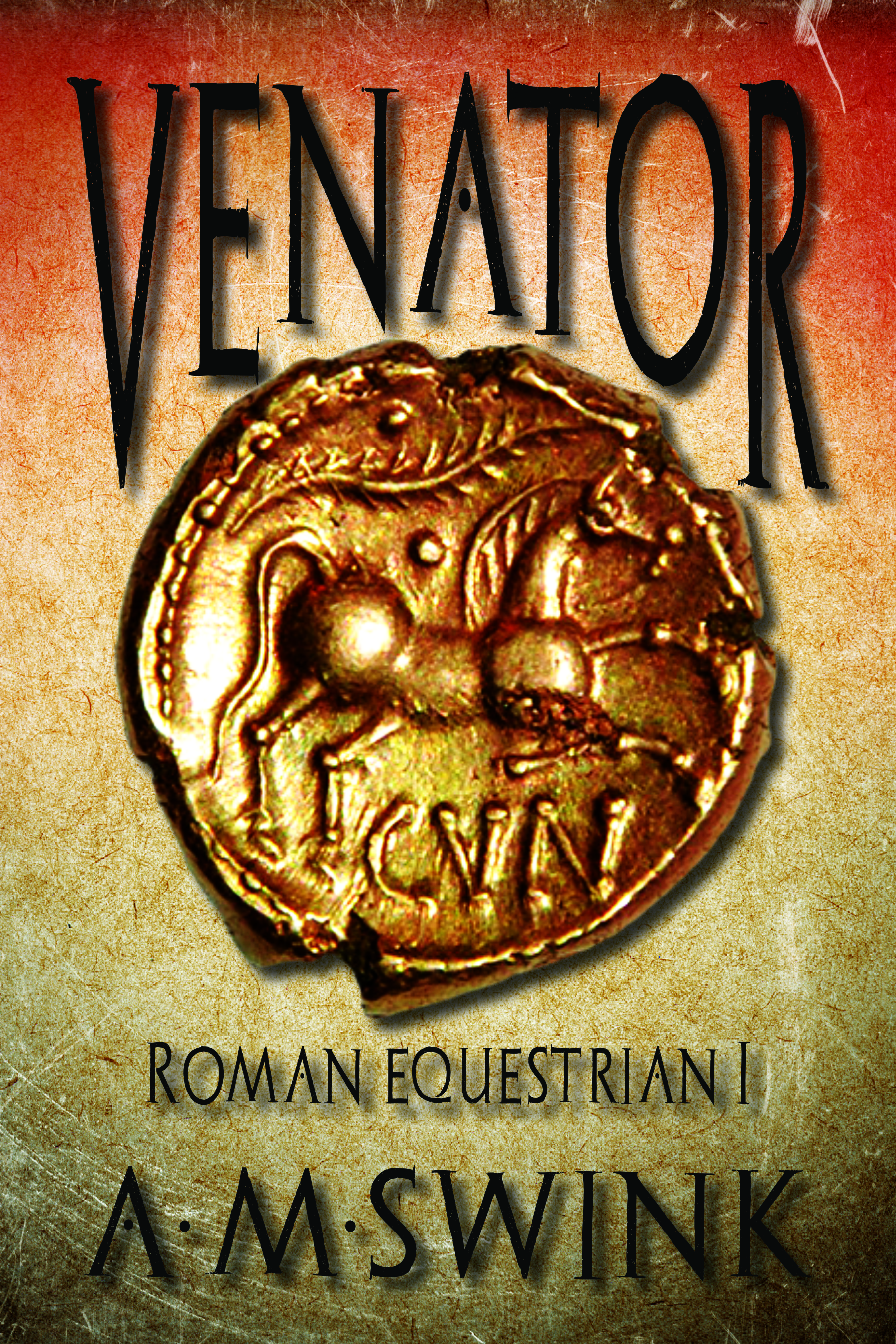
I’m delighted to welcome A.M.Swink and her new book, Venator from the Roman Equestrian Series, to the blog with an excerpt.
Excerpt
Excerpt 5:
‘There we are.’ Julianus Titianus pushed Livius away as soon as he’d poured the wine. He lifted his glass at Decimus. ‘Your health, Centurion.’
Decimus begrudgingly sipped his drink. With a grunt, he leant forward and slammed his beaker back on the tribune’s marble table. ‘What do you want, Titianus?’
‘My, my! So very direct!’ The tribune chuckled, narrowing his beady eyes at the centurion over the rim of his glass. ‘Not even a word of thanks for your gracious host?’
‘I’m not fond of lies. They tend to stick in my throat.’ Decimus scowled.
He glanced around uncomfortably at his surroundings. Though as primus pilus he’d spent long hours in the war room discussing campaign strategies with the legate, Decimus had never felt entirely at ease within the ornate praetorium. The high, vaulted ceilings, painted walls, and mosaic floors seemed far too excessive for his tastes. Did all men of such high rank have to make their homes in opulent palaces?
He shuddered. Perhaps he wasn’t cut out for belonging to the equestrian class.
Across the table, Titianus sat before a mural depicting Pluto leading Proserpina into Hades; the mouth of the cave to the underworld loomed directly behind the tribune’s head. ‘Words were never your strong suit, were they, Maximus?’ Titianus smirked. ‘You’ve always been a man of action.’
‘Get to your point!’ Decimus barked, sitting on the edge of his chair.
‘So impatient!’ Titianus reclined against the back of his seat and tutted softly. ‘I do hope you aren’t considering the mercantile trade when you leave the army, old boy. You’re a pretty poor negotiator.’
‘Luckily enough, Tribune, I have no plans of the sort.’
‘Oh, really?’ Titianus coolly pulled out a tool to begin picking at imagined flecks of dirt beneath his spotless fingernails. ‘I thought I’d been reliably informed you plan to spend your retirement in the capital.’
Decimus shifted in his seat uncomfortably. ‘And why is it any of your concern?’
‘Just wondering if our paths shall cross again.’ Titianus smirked. ‘I’ll be heading back to pursue a quaestorship come spring. And my promotion is assured. I don’t have to bother telling you who my connections are. Let’s just say that I would be quite the valuable ally or quite the powerful enemy.’
‘Your connections are too rich for my blood; I think I’ll remain neutral.’
‘I hardly think you can value neutrality when it comes to me, Centurion.’
Decimus impatiently drummed his fingers on the table. ‘You know nothing about the business that interests me,’ he said at last.
‘Hmm…’ Titianus pretended to mull over Decimus’s words. ‘I don’t know about that. I do know that if you want to breed nags for the imperial army, you’re going to need a contract. One taken out with the palace.’
Decimus abruptly stopped drumming his fingers. He eyed the tribune suspiciously. ‘And?’
‘Well, I’m hardly one to brag, but…I do have friends in high places.’ Titianus shrugged. ‘Ones that have the ability to push for or against the success of such a petition.’
Decimus felt a cool chill from the smile Titianus gave him. He forced himself to bark out a laugh. ‘You’re bluffing.’
Titianus picked up his beaker and idly swirled its contents. ‘Find out at your peril, Centurion.’
‘I value my time, Tribune. And you are wasting it.’ Decimus pushed his chair back and stood.
‘Hold on!’ A note of alarm entered Titianus’s voice. He lifted a hand in protest. ‘Aren’t you curious as to what I’ve got to say?’
‘No.’ Decimus picked his helmet off the table and turned to leave. ‘I’ve played in this little farce for long enough!’
‘It concerns the princess.’
Decimus froze. His tongue darted out to wet his dry lips. ‘What about her?’
Titianus gestured to the vacant seat. He smiled as the centurion reluctantly sat back down. ‘Good, good. Now, let’s discuss this properly.’ He linked his fingers together on the tabletop, twiddling his soft, doughy thumbs. ‘I understand from our quartermaster that you purchased the princess from the legion two months ago for the sum of five hundred denarii. Is that correct?’
Decimus curtly nodded.
Titianus met the centurion’s gaze. He paused for a long moment, leaning over the table. ‘I’ll give you a thousand denarii for her.’
‘I’m sorry, Tribune.’ Decimus quickly stood again. ‘My slave is not for sale.’
‘Twelve hundred denarii!’
‘Not for that price. Not for any price.’ He clapped his helmet back on his head and began making his way towards the door.
Titianus stood and followed him down the hall. ‘Fifteen hundred denarii!’
‘At any price, Tribune!’ Decimus called warningly, refusing to break stride.
‘All right, all right!’ Titianus grabbed at the centurion’s shoulder. Decimus halted and whirled around to face him with a snarl. The tribune backed away, holding his hands up defensively. ‘Eighteen hundred denarii for one night. Just one night with her. Otherwise, she’s yours. Eighteen hundred denarii. One night. My final offer.’
Decimus’s face darkened. He loomed over the cowering tribune and grabbed hold of his neckerchief. ‘Do I look like a pimp to you?’
‘I…I just…’ Titianus choked.
‘Do I look like a pimp to you?!’ Decimus shook Titianus, lifting him onto his toes. With a contemptuous grunt, he tossed him onto the tiled floor. The man skidded roughly against the tesserae before slowing to a halt before his gilded lararium.
‘Stay away from my property, Tribune. Consider this your final warning.’ Decimus turned and stalked out the door.
Livius materialised in the hall and hastened to his master’s side.
‘Get off!’ Titianus kicked at Livius when the slave stooped to help him up. He panted, lifting his head to watch the centurion march away towards the barracks. Hate glistened in his beady dark eyes.
Blurb
Britannia, AD 59. Decimus is a long-serving senior centurion who dreams of retirement in Rome. Luciana is a Cornovii princess devoted to the freedom and survival of her tribe. Connected only by a passion for horsemanship, the pair could not be more ill-matched. After a deadly conflict thrusts these enemies together, each is determined to fight their desires and triumph over the other. Who will ultimately control the other’s heart?
But Decimus and Luciana are not the only ones on the hunt for supremacy; a desperate struggle over the province is beginning to simmer to a boil. There are whispers of mysterious Druids fomenting unrest among the western British tribes, whose inter-tribal divisions threaten to subsume them. The future of the Roman legions in the province is suddenly thrown into doubt as casualties begin to mount. Decimus and Luciana find themselves entangled within a web of characters, Briton and Roman, playing with Britannia’s destiny to serve their own ends.
The hunt for power is on, where only one side can emerge triumphant. But just who among these hunters will end up hunted?
A native of Dayton, Ohio, A.M. Swink grew up obsessed with two things: books and horses. After a childhood of reading, writing, showing, and riding, she moved to Lexington, Kentucky to complete a degree in equine science and management and a degree in English literary studies. She now works in Lexington as a college professor of reading and writing. In her spare time, she has travelled extensively around the UK and Ireland, exploring ancient sites and artefacts, as well as tracing her own ancestry. She is proud to be descended from County Cork’s Callaghan clan.
When not writing, she can be found collecting and showing model horses or enjoying her favourite British comedy programmes.
Setting for The Custard Corpses, my first foray into historical mysteries
The Custard Corpses is set during the 1920s, 1930s and 1940s. I wanted to make the book as authentic as possible, even though I’m not a historian of that time period. When I was first studying history at school, I always found it strange to think of it as history as I had grandparents who had lived through the 1920s, 1930s and 1940s (my old granny was born in 1901, my mother’s parents in 1920 and my father’s parents in 1926 and 1928). That’s probably why I’ve never written about the period before.
Getting the names right
I wanted to ensure I was using names and places that existed at the time, and I didn’t want to inadvertently make any silly mistakes – a few beta readers pointed out I was using metric measurements, when they should have been imperial in the 1940s. They thought it was sweet that I’d never known the world of imperial numbers (and money).
Maps and train routes
So, I spent quite a bit of time hunting down random facts; maps of the time period, tram and train routes (which you can find online, but I had some old maps), pictures of cars, police uniforms at the time, advertisements of the time and also editions of the Picture Post magazine. At one point, I wanted a celebrity scandal, and there it was, on the cover of a magazine.
Map of Erdington from the era
Newspaper Archives
I was amazed by the information that I could find by accessing archives ( and also that which I couldn’t find), and I was especially impressed by the ‘history’ section on the Birmingham.gov website, and by those local newspapers that have archives available online – such as the Inverness newspaper and the Birmingham Mail. There’s also a whole aerial photo website that I could have used, but I couldn’t quite work it out.
Family memories
I was also lucky in that I set the book somewhere I have childhood memories of, and also that a family member spent their early years in Erdington. It was funny to realise the parts that they especially remembered – such as the fact that some of the buses were still open-topped at the time, and the liveries that buses were decorated with. The Birmingham that I remember is very different to the one that exists now, and the one that existed in the 1940s. My memories of Birmingham consist of the dodgy car park we used, the train journey we used to take in the old carriages with individual doors (they were old in my day) and shopping for jeans.
I also made some use of the 1911 census records, and the Office for National Statistics spreadsheet which lists all the most popular names in decades. It made it easy to devise names for the characters. It also helped that while the 1940s is ‘history’ it’s much more relatable to me than the period before 1066, when I usually set my stories, so provided I didn’t use the internet in the story itself (and only as a research tool), or refer to cms, it was just about authentic, I hope. And did allow for the use of cars and telephones.
The inspiration behind The Custard Corpses #histfic #mystery
The inspiration behind The Custard Corpses is a bit weird, even I admit that
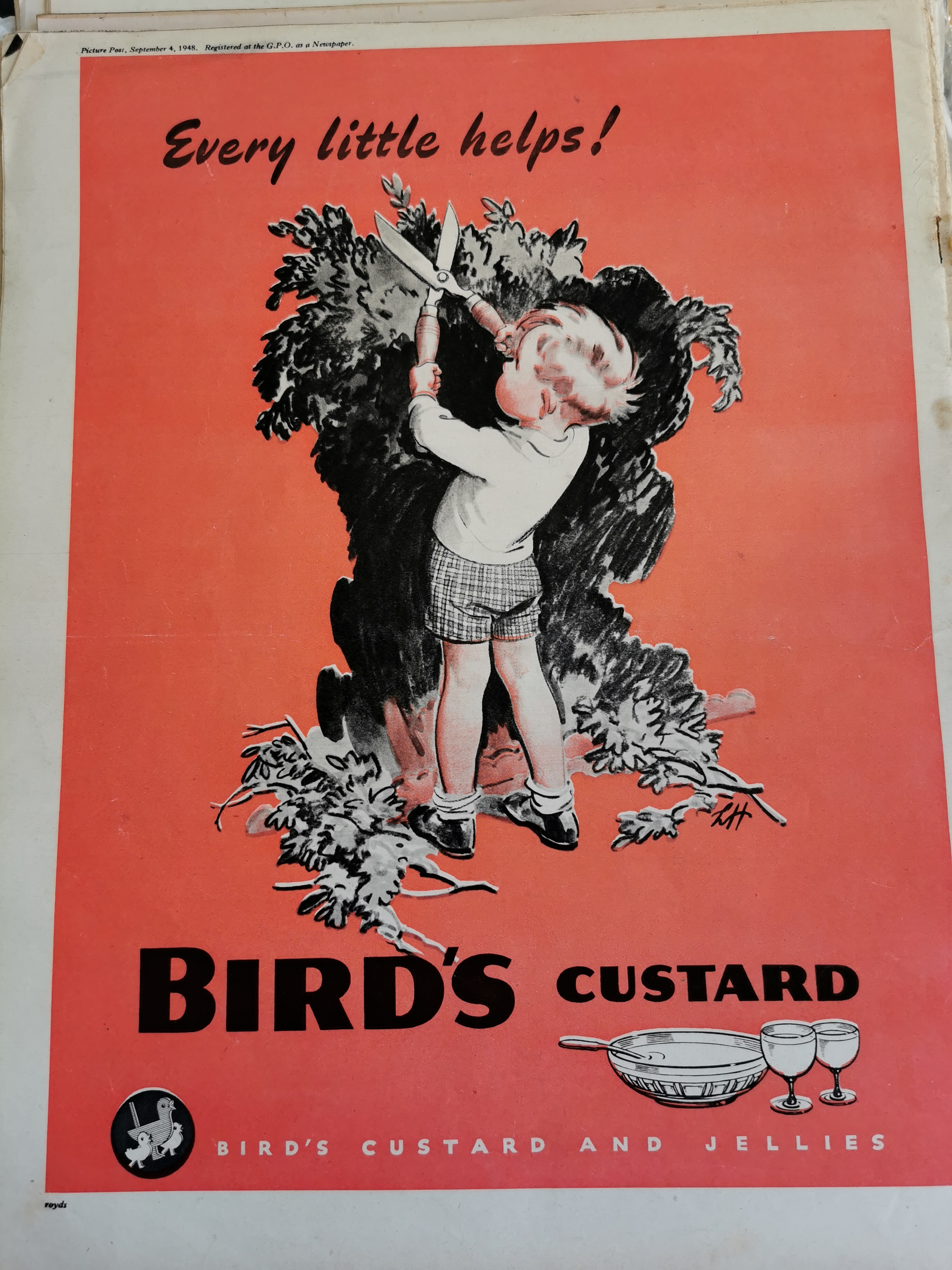
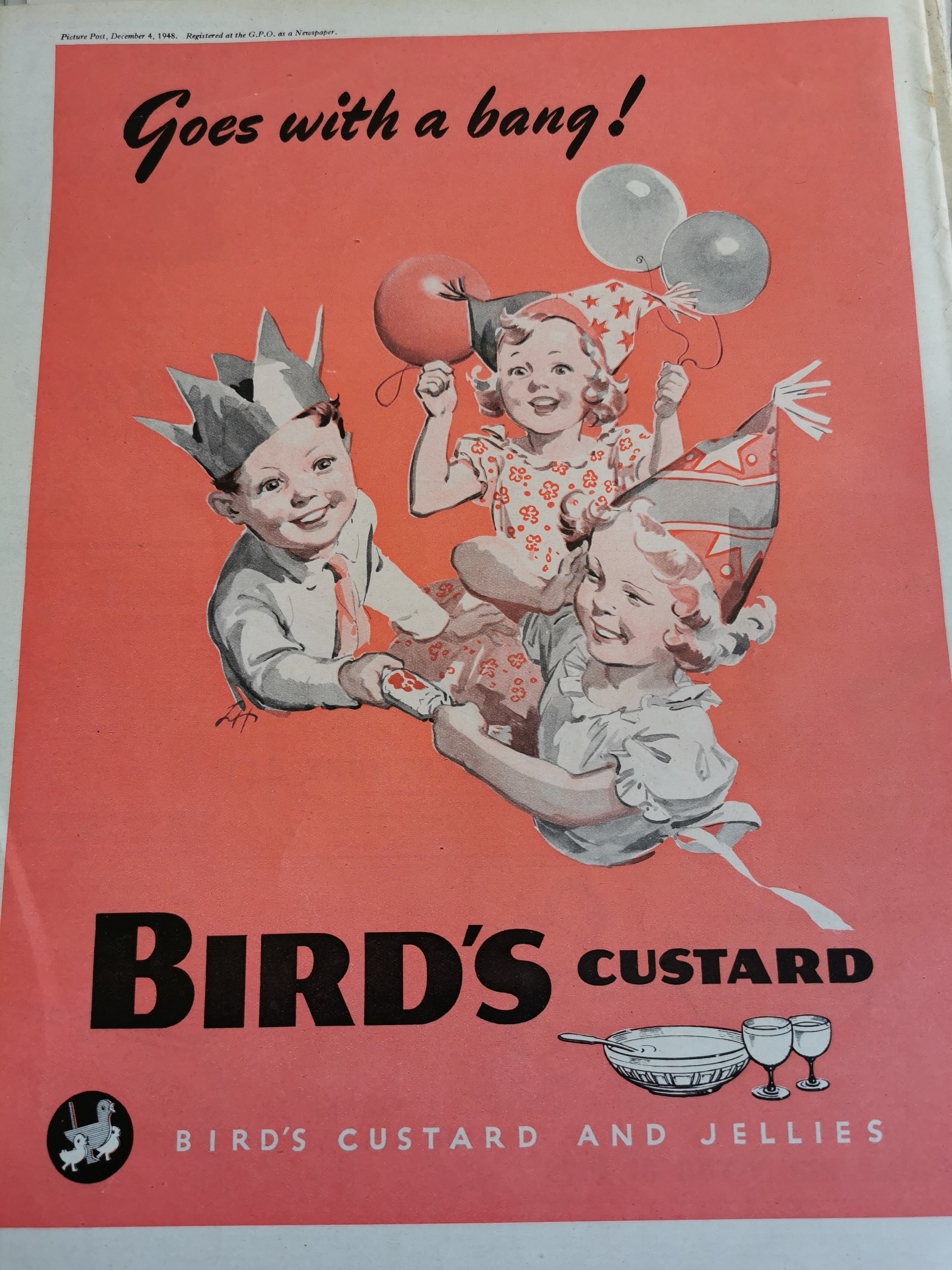
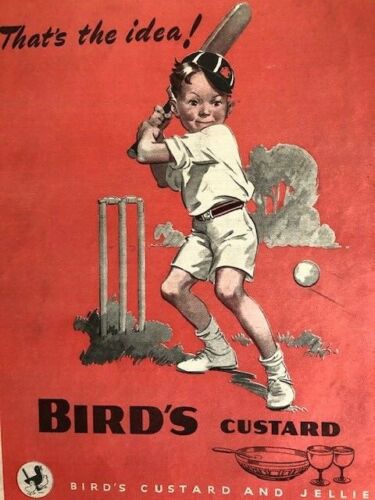
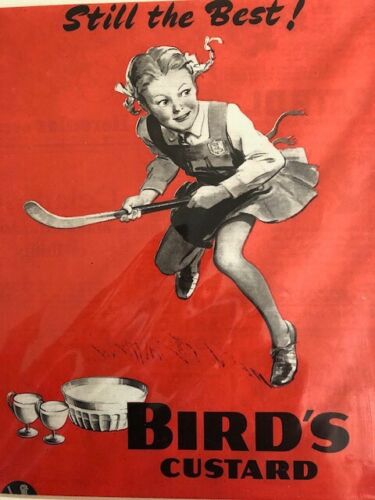
My father had, for many years, bought and sold antique paraphernalia, mostly maps, but also other items as well – books, stamps, old vellum deeds, postcards – you get the idea. With the restrictions during Lockdown, he wasn’t able to sell as normal at his antique fairs, and having put off having an online presence, he finally decided to open an eBay shop – but needed tech support. And so, as ‘tech support’, he started sending me all sorts of fascinating items to list, but the one that really got my attention were the advertisements that ran in the Picture Post magazines for Bird’s Custard.
They’re bright, they’re inviting, they are, to put it bluntly, before their time. They have lovely catchphrases, such as ‘every little helps’ which Tesco use now. The black and white images on the coloured background ensure the readers eye is drawn to the happy child, and they do make you want to eat custard.
I wanted to share them with as many people as possible so that they could catch a glimpse of these old campaigns. There were other advertisements as well in the magazines, ones for Pepsi and for Shell, to name a few, but it was the Bird’s Custard ones that really captured my imagination. But how could I share them with people?
Well, my mind works in strange ways, and I began to consider a mystery that would somehow be relevant to the advertisements, so it needed to be set during the period the Picture Post magazine was produced from 1938 to the 1950s. And so, The Custard Corpses.
I set The Custard Corpses during the Second World War, but that was really because it fit with the adverts I’d seen, the added bonus that I could then use the well-known events of the war was a secondary consideration.
Where I set the book was entirely based on the fact that I had family members who’d lived in Erdington at the time. I was able to pick the brains of my Dad for the little details that I didn’t know or couldn’t remember, not that he was born in 1943, but not long after.
It was all quite random, in the end, and there was a swell of little details that I uncovered that just, through pure happenstance, fitted together. It helped that I wanted to try my hand at something more modern than the eleventh century, but still historical. But I’m not an expert on any other time period, so I suppose it was an easy choice to decide on a setting that was just within living memory of some. I couldn’t visit anywhere due to Lockdown, so familiar was best.
Is this the weirdest reason to have written a book?
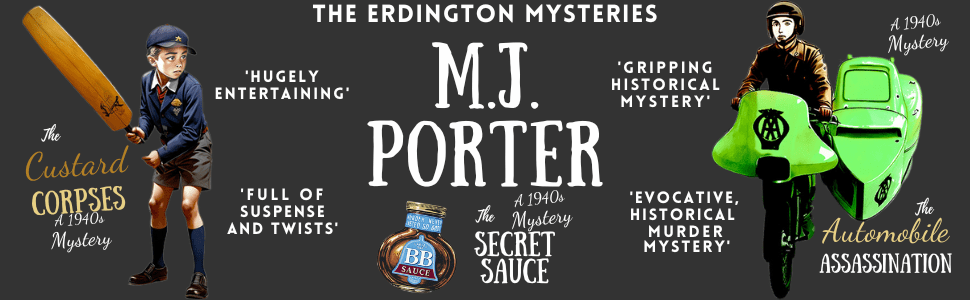
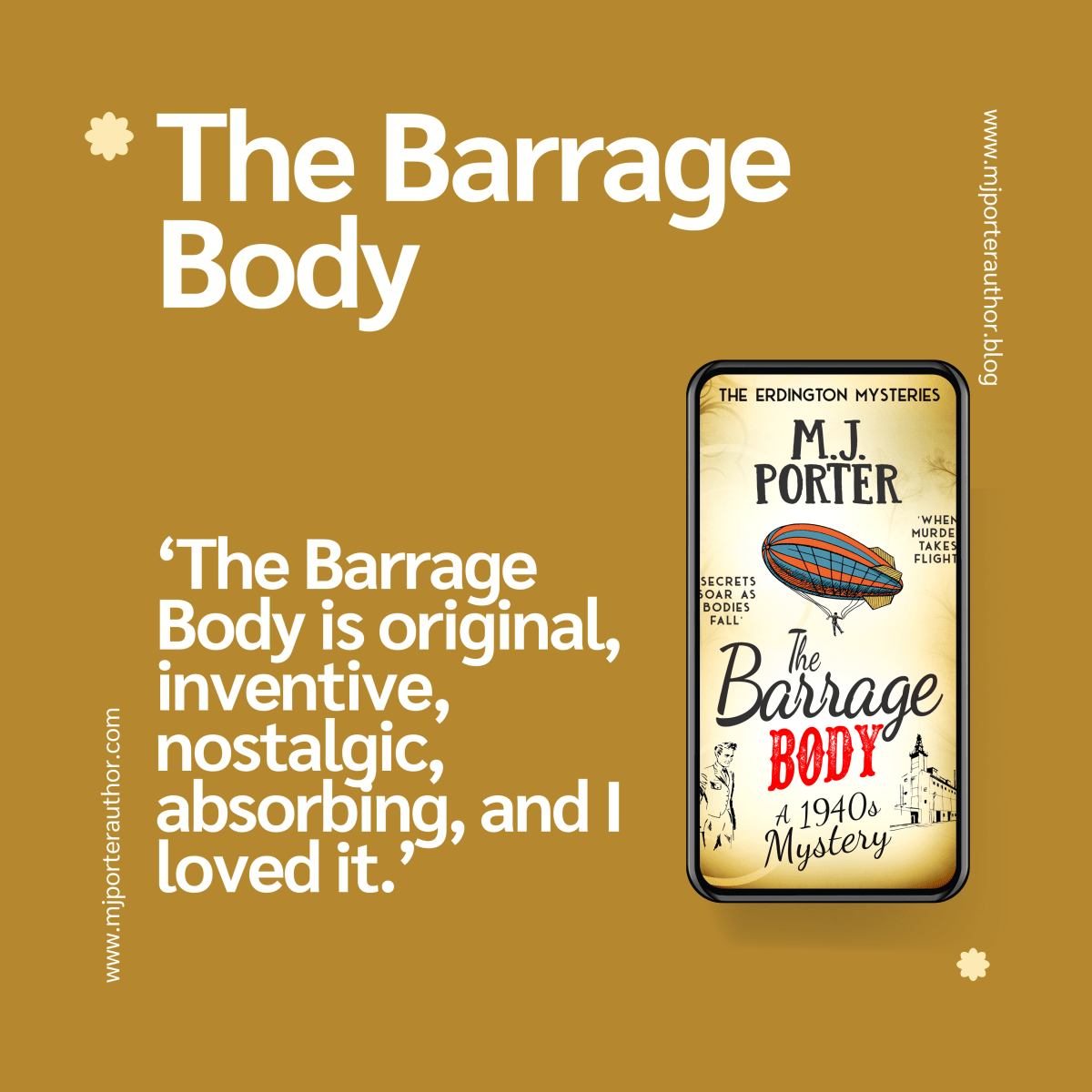
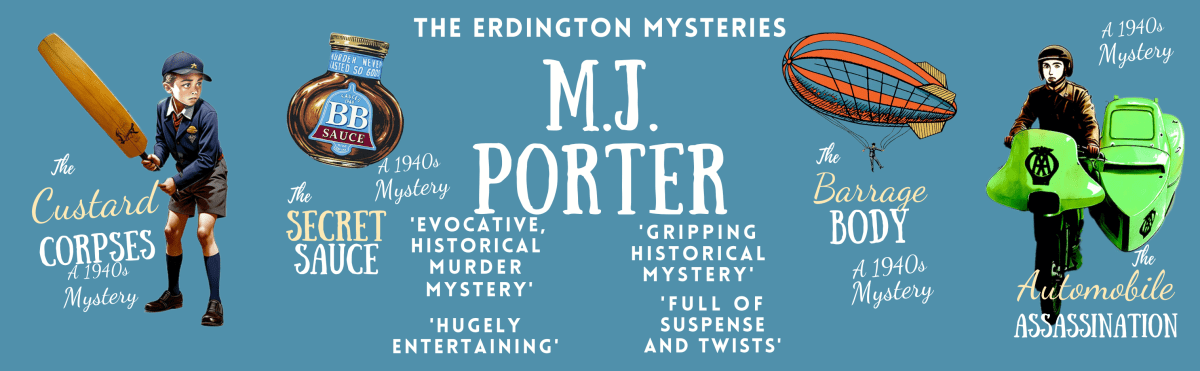
Buy The Custard Corpses here, available in ebook, paperback, hardback and audio. Or, check out the signed editions page to get a copy directly from me. Book 3, The Secret Sauce, is available now, (as is book 2, The Automobile Assassination), and the Barrage Body is coming very soon.