Author of Saxon historical fiction and non-fiction, 20th-century historical mysteries, and Norse-inspired historical romantasy. Book reviewer and blog host.
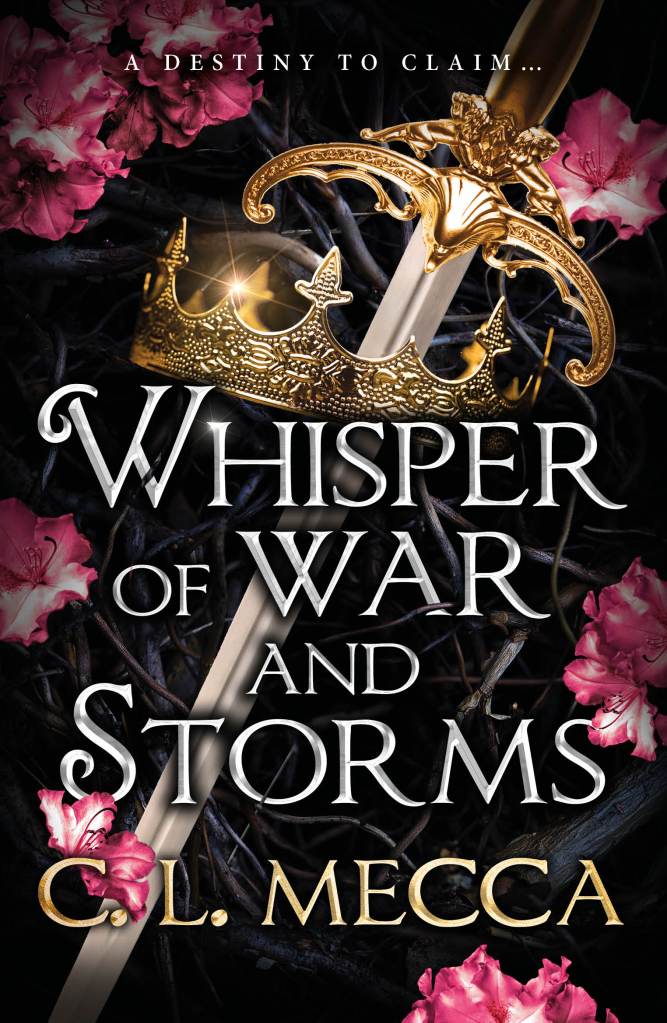
A spellbinding, epic romantasy adventure of tangled secrets and dark magic for fans of Sarah J Maas, Callie Hart, Rebecca Yarros and Jennifer L Armentrout.
A lost princess. A forbidden love. A destiny she never knew awaited her.
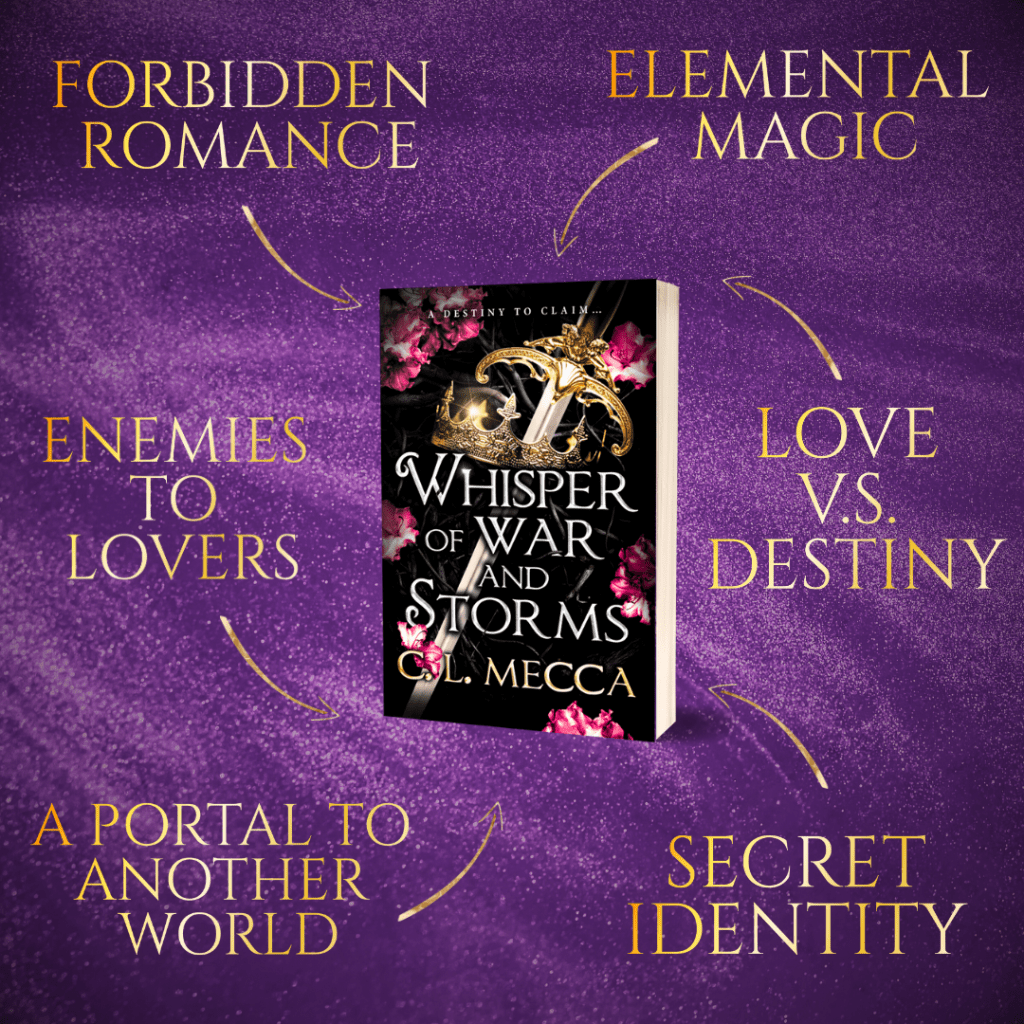
When a forgotten ring reveals Mevlida Brennan’s true heritage as the long-lost princess of Aetheria, a kingdom of immortals and magic, her world is turned upside down. But there’s just one problem—Mev didn’t know she was missing.
Thrust into a realm on the brink of war, Mev is caught between her newfound legacy and a dangerous political game. A powerful king holds the key to restoring the ancient portal that connects their realms, but his son, Kael, stands in her way. Brooding, relentless, and dangerously irresistible, Kael is sworn to protect his people—even if it means kidnapping Mev to keep her from uncovering the truth.
As dark forces rise and her dormant powers awaken, trust is a luxury neither can afford, yet their hearts may leave them no choice. Mev must embrace her destiny or risk losing everything. Because the storm isn’t coming—it’s already here.
In a battle of elemental magic, loyalty, and love, one whisper could spark a war.
Whisper of War and Storms is a quick read – I devoured it in a few hours.
Our two main characters are engaging and quite fun, and the story and developing romance feel quite like a Regency Romance, with the whole, ‘will they, won’t they’ speak openly about their feelings.
The storyline and backstory have a lovely Narnia feel, and I very much enjoyed the world-building and how the author has set up the story for subsequent books in what I assume will be a long-running series.
A fun and engaging read.
Meet the author
Cecelia Mecca is the author of historical, paranormal romance including the bestselling ‘Bloodwite’ series. She will write romantasy novels for Boldwood as C. L. Mecca, the first of which, Whisper of War and Storms, will be published in February 2025, as well as American small town romance series ‘The Bachelor Pact’ under the name Bella Michaels. She lives in Northeast Pennsylvania with her family.
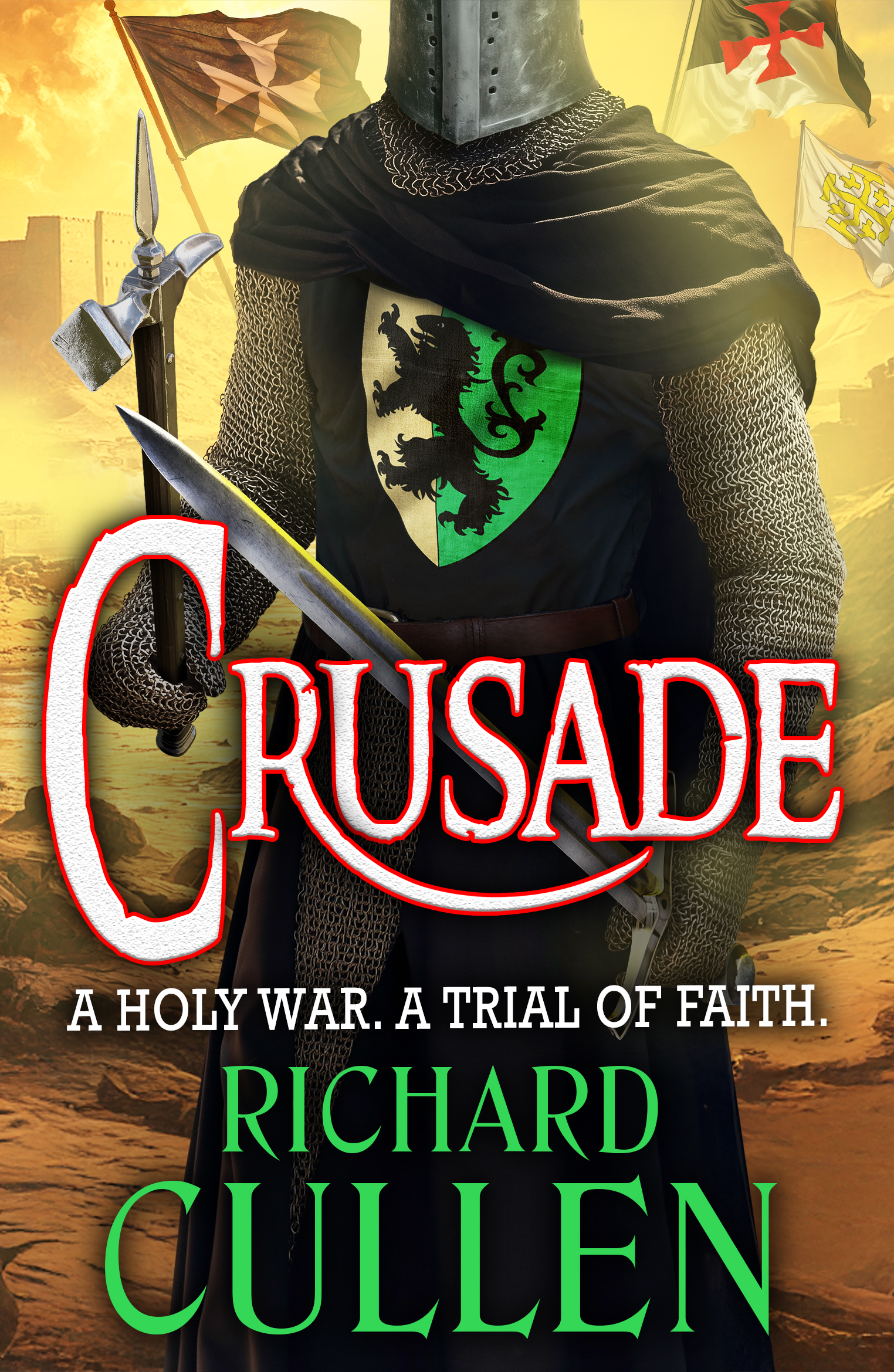
Continuing the epic historical adventure series from Richard Cullen, featuring The Black Lion…
Stripped of his birthright, Estienne Wace seeks to prove his worth in the deserts of Outremer!
Egypt 1219AD.
Abandoning the safety of England for the perilous shores of the Levant, Estienne Wace is thrust into the turmoil of the Fifth Crusade. Burning with righteous purpose, he is determined to reclaim the Holy Land in the name of Christ.
War rages along the banks of the Nile as a crusading army besieges the Saracen city of Damietta, certain that the price they pay in blood will return the glory and treasures they crave. But as the Black Lion roars, and the siege grinds on, Estienne’s unwavering faith is tested more and more by the grim reality of this brutal conflict.
As the siege turns on a knife edge, Estienne finds himself thrust upon a journey across the merciless desert. Stripped of everything, and forced into a dangerous alliance, he will grapple with the true meaning of faith, honour, and the price of salvation, in a land where nothing is as he once believed.
Perfect for the fans of Bernard Cornwell, Ben Kane and Conn Iggulden.
Crusade by Richard Cullen continues the story of Estienne Wace as he decides to join the Fifth Crusade. You can taste the heat and the sand in this one as he steps foot in the Holy Land.
It’s a very busy story. Estienne, quickly realising the rhetoric he’s been told regarding the Holy Land isn’t quite as it seems, begins to question his place there, even as he interacts with people from the local area who call it home. His understanding would perhaps seem a little too ‘modern’ if not for our new POV, that of one of the enemy. Kashta adds a new dynamic to the tale, even though his chapters are only occasionally inserted into Estienne’s tale. But he also comes to question whether the war is worth the cost.
It takes Estienne a long time to see beyond the heat and the sand and appreciate the beauty of the landscape and the people who live there. He certainly has a rough time, as Kashta, his new enemy, dogs his every step as do a few others who would rather see Estienne dead.
The story flows well, and I enjoyed the depiction of the landscape and people. I also appreciated the frank portrayal of the Fifth Crusade and the bickering and infighting between those supposedly in charge of it all. Having recently watched the first series of Rogue Heroes, I could see Egypt and its vast sand and dunes.
I’m curious to see what will happen to Estienne next. Perhaps he needs an easier time of it in the third book:)
Check out my review for Rebellion, the first book in the series.
Meet the author
Richard Cullen is a writer of historical adventure and epic fantasy. Previously published by Head of Zeus and Orbit Books, his new historical adventure series for Boldwood, Chronicles of the Black Lion, set in thirteenth-century England, will launch in October 2024.
The BRAND NEW, action-packed Ryker thriller from million-copy bestselling author Rob Sinclair.
His past is coming back with a vengeance…
Ex-intelligence agent James Ryker has done many things in the past he’d prefer to forget. The last time he saw Gregor Minko – son to one of Ukraine’s most dangerous and politically influential arms dealers – Gregor was a scared 6-year-old boy in need of protection. But Ryker had to walk away. The boy wasn’t the mission.
Twenty years on Ryker is approached by two strangers in Antibes, France, asking for his help in finding Gregor – now going by the name of Gregor Rebrov. With a back catalogue of ‘crimes against the Russian state’, Gregor has escaped from a gulag in Siberia and is now in the wind.
Fuelled by old demons and painful memories of his own brutal actions in the past, Ryker finds himself once again in the thick of a complicated race against time and who knows how many of the world’s secret services, to find Gregor and get some answers.
As answers turn into more questions, they lead Ryker closer to home… and he can’t shake the feeling that he may be to blame.
A brand new high-stakes thriller. Perfect for fans of Lee Child and Robert Ludlum.
The Enemy Within is the latest novel in the James Ryker series. I’ve not read all the books, but I’ve read enough to know they guarantee an action-packed adventure in which our main character will encounter a few baddies.
The Enemy Within quickly grabbed my attention, especially with the addition of Gregor’s point of view from the gulag, while James is in a somewhat better position in the south of France. As we’re taken back to Ryker’s past, events in the present start to unfold, and we’re also treated to a trip to the Ukraine and Russian border.
I don’t know if this book is more violent than earlier ones in the series or because one of the storylines is Ryker as a younger man; it’s just that we discover how truly lethal he used to be, but the body count is certainly high.
The ending was delightfully twisty, and readers will learn much about Ryker from reading the latest instalment.
It is a violent, bloody and twisty tale, with elements of the current difficulties of the Ukraine war threaded through, which also makes it shockingly current.
Rob Sinclair is the million copy bestseller of over twenty thrillers, including the James Ryker series. Most recently published by Bloodhound, Boldwood will publish his latest action thriller, Rogue Hero, in June 2024 and will be republishing all the James Ryker series over the coming months.
A scream shattered the tranquil air, echoing off the ice-covered lake, and Daniel’s heart froze. He knew that voice all too well.
After a pleasant afternoon of ice skating on the frozen waters of West Lake, local librarian Kathleen Brissedon stumbles across a gruesome sight in the nearby gazebo. It only takes a moment for her beau, assistant coroner Doctor Daniel O’Halleran, to determine that the victim was murdered.
To protect Kathleen from the ghastly sight of the man’s slashed throat, Daniel insists she return home while he examines the body further. Though the immediate cause of death appears obvious, he fears the subsequent autopsy will uncover more questions than answers, and it’s clear that he has his work cut out for him if he’s going to find the person responsible.
Kathleen has no intention of remaining demurely at home, not when there’s a murder to solve. Slipping back to the scene, she conducts her own investigation. Though her discoveries prove interesting, Daniel is too concerned about her safety to stifle his annoyance, especially after the killer makes a second attempt closer to home. But as the puzzle pieces begin to fall into place and Daniel starts closing in on the truth, the killer sets their sights on him.
With the danger increasing, Kathleen intent on assisting in the investigation, and his family descending on Patchogue to spend the Christmas holidays, Daniel has his hands full.
Will he and Kathleen be able to put their heads together and discover who is behind the attacks, or will the killer continue to plague the tranquil South Shore village unhindered?
This title is available to read on #KindleUnlimited.
Meet the author
I. M. Foster is the pen name author Inez Foster uses to write her South Shore Mystery series, set on Edwardian Long Island. Inez also writes historical romances under the pseudonym Andrea Matthews and has so far published two series in that genre: the Thunder on the Moor series, a time-travel romance set on the 16th century Anglo-Scottish Borders, and the Cross of Ciaran series, which follows the adventures of a fifth century Celt who finds himself in love with a twentieth-century archaeologist.
Inez is a historian and librarian, who loves to read and write and search around for her roots, genealogically speaking. She has a BA in History and an MLS in Library Science and enjoys doing the research almost as much as she does the actual writing of the story. In fact, many of her ideas come to her while doing casual research or digging into her family history. Inez is a member of the Long Island Romance Writers, the Historical Novel Society, and Sisters in Crime.
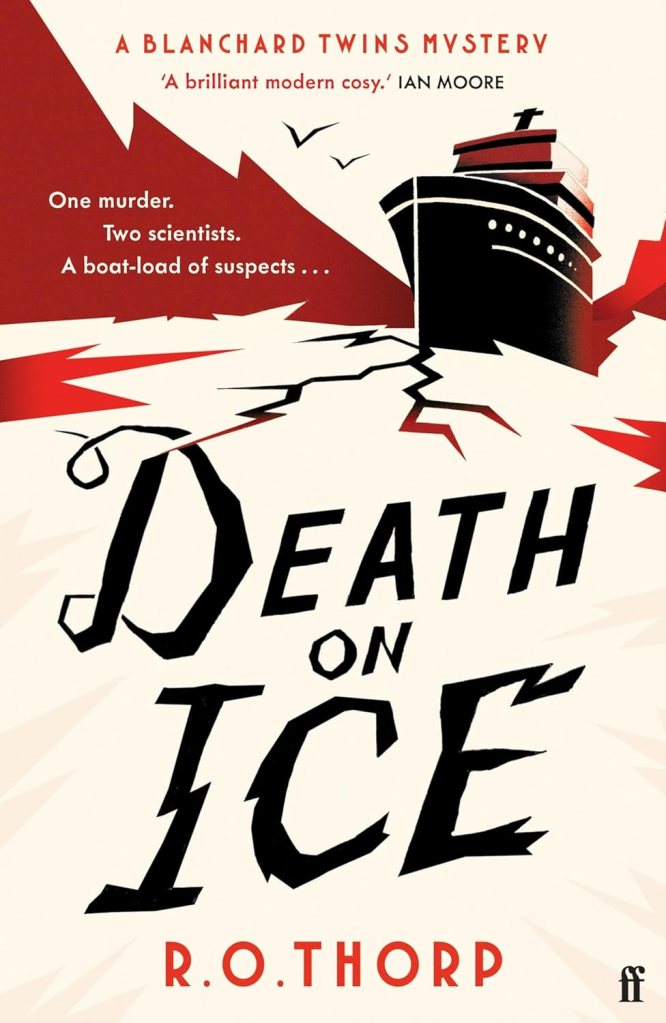
A scientist nobody liked has been murdered on the Arctic ice . .
Meet the Blanchard twins: Rose is practical, sharp, and protective. Specialty: manta rays. Finn is too sweet and kind for his own good. Specialty: sharks.
Rose and Finn are looking for sharks on the sea bed. When they return to the Dauphin they make a terrible discovery: their colleague has been murdered on the ice –with a harpoon that should never have been there. Everyone else on the luxury cruise ship – the wealthy passengers, the researchers hard at work, the tight-knit crew and their strangely calm Captain – were all aboard at the time, so they are all under suspicion. Rose and Finn were the only two at sea, and they’re miles from anywhere, so it’s up to them to investigate.
On scientific problems, they are a brilliant team – but can the Blanchard twins solve a murder?
Death on Ice has such a good premise, and indeed, the book is very enjoyable, but it does take a little while to get going. For those unsure about it, I would recommend ploughing on through the first 25% until we get to the crux of the matter.
This isn’t really a story about a crime-fighting duo, or if it is, it’s not the twins who are our crime fighters, but rather the two police characters who are flown to the ship and asked to disentangle the complex murder while also trying to solve the crime that has them in the Arctic Circle in the first place.
I enjoyed the author’s writing style, but it took a little bit of getting used to it. This is ‘a busy book’ as in, every word counts. That might sound strange, but often, especially with cosy mysteries, there are some elements that are story-filler and not story-related. This, to me, felt a little bit like The West Wing of old and other TV shows that are conversation and plot-heavy, i.e. you actually have to pay attention throughout the whole episode, and you need to do this with Death on Ice. It’s not a bad thing once you realise it.
And it is a cleverly spun tale, and by the end of it, I was entirely enthralled with our four main characters and some of the others besides (our lovely sleepy shark). I certainly did not guess the resolution.
Bestselling author Nicola Cornick’s brand-new heart-breaking historical tale of unforgettable courage, hidden secrets and lasting love, perfect for fans of Barbara Erskine, Philippa Gregory and Christina Courtenay.
1715: With the country on the brink of rebellion, Dorothy Forster’s life at Bamburgh Hall is ruled by the men in her life – her feckless brothers stirring up trouble at court, her elderly father with his dangerous secrets and the man she loves who the world seems determined to keep her apart from. As tensions grow, Dorothy finds herself caught between the warring factions, danger everywhere. Then Dorothy discovers her family are the keepers of the legendary Rose, the talisman both sides believe will guarantee them victory in this deadly conflict. Now Dorothy will have to risk everything to keep the Rose safe; the fate of the country and the men she loves rests in her hands.
Present Day: Hannah Armstrong has returned home to Bamburgh Hall for work but when she discovers that her stepmother Diana has been keeping worrying secrets, her focus shifts to getting to the truth. Their family home once belonged to heroic Dorothy Forster, whose portrait graces the walls and whose spirit lingers in her home, but soon Hannah learns that there was much more to this formidable woman. Because Dorothy left behind a mysterious legacy and it’s not long before Hannah realises it’s one people are willing to kill for. Now Hannah is in a race against time to unravel the secrets of the past before danger arrives at their door.
Two women divided by time but bound by a centuries’ old mystery. Bestseller Nicola Cornick is back with a brand-new thrilling adventure, a heartbreaking love story and the unforgettable story of how the courage of one woman can save a family and even save a nation.
The Secrets of the Rose is a dual-timeline novel set in the present day and 1715, and much more importantly, it’s located about 10 minutes from where I live. Just like when someone writes a historical novel featuring one of ‘my’ historical characters, I felt a little uneasy about it all. Thankfully, I needn’t have worried, and that allowed me to enjoy the story and local scenery very much.
Dorothy Forster is a local legend to the area and someone I’ve heard quite a bit about. It was lovely to put some ‘flesh’ on those stories and see her come to life as a real person. While the story has some slightly mystical qualities, it was still very enjoyable.
As always, I prefer the historical timelines to the modern-day ones, but Hannah was an engaging character with a lot going on in her life. I appreciated the parallels between the two main characters. The conclusions for both of our characters are thrilling and swept me along with them.
A delightful, easy read, I devoured in a couple of sittings.
(If you want to see some photos of Bamburgh then check out my blog post here).
Nicola Cornick is a historian and author who works as a researcher and guide for the National Trust in one of the most beautiful 17th century houses in England. She writes dual time novels that illustrate her love of history, mystery and the supernatural, and focus on women from the footnotes of history. Her books have appeared in over twenty five languages, sold over half a million copies worldwide and been described as “perfect for Outlander fans.” Nicola also gives writing and history talks, works as a consultant for TV and radio, and is a trustee of the Wantage Literary Festival and the Friends of Lydiard Park.
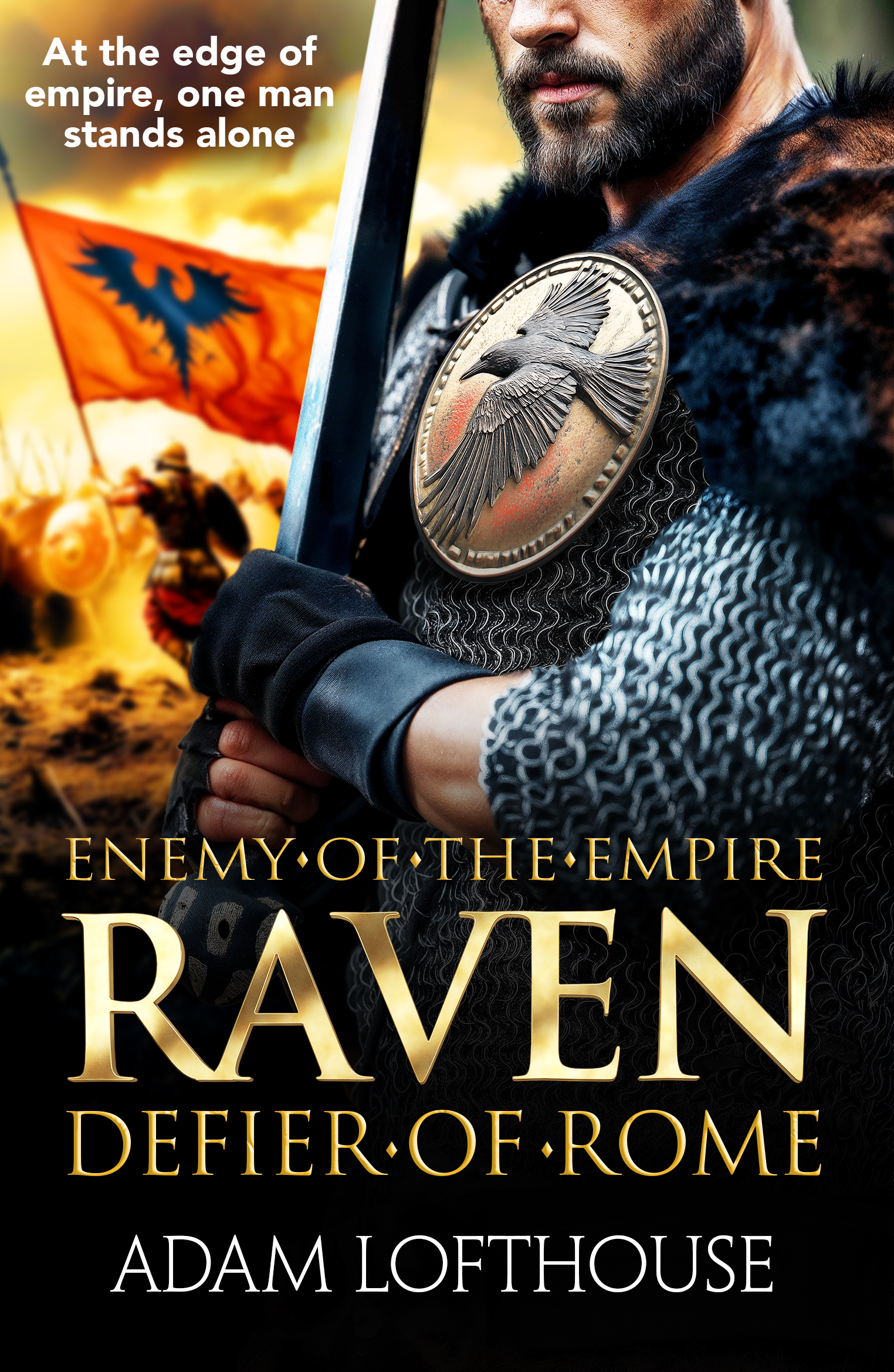
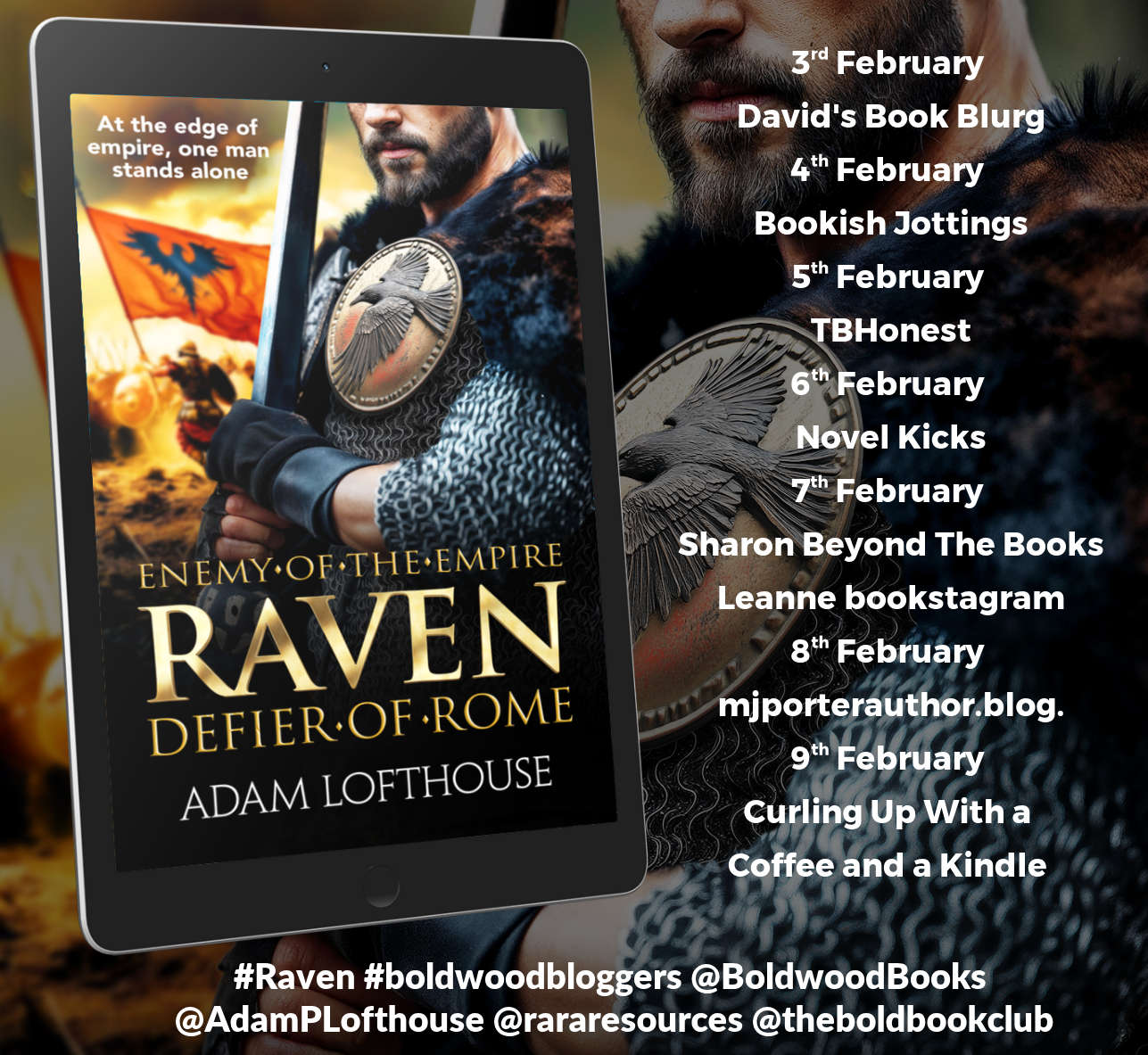
144 AD. Alaric Hengistson, leader of the Ravensworn, revels in his many fear-fuelled names whispered in the hearth flames. Cunning in battle, a ruthless war lord. He sleeps sound in the knowledge that he has been chosen by the Gods for a higher purpose – to rise up against the tyranny of an Empire.
For years he has thwarted Rome’s attempts to gain control over the land that has long resisted them. His land. Germania. However the rules are changing, and new deals are struck between the conquering Roman legions and the feuding Germanic tribes. Deals that could prove Alaric’s downfall.
As the eagles march with the wolves, together hunting the Raven, Alaric must prove his legend or watch his Ravensworn burn in flames.
Raven is a fun, violent, action-packed epic set in Germania in the second century AD.
Alaric is very far from being any hero. Yes, he might be prepared to stand apart from the might of the Roman Empire, but he doesn’t care who he tramples on along the way. Sometimes, he’s almost likeable, but a lot of the time, he’s just a single man, making slightly dodgy decisions, often based on his rage and fury and trying to live with the consequences. Alaric is proud of his reputation, but of course, it means he has far more enemies than allies, as becomes clear as the plotline develops. Alaric also suffers in that he believes the accolades he receives and even revels in them, even though, as the reader discovers, much of it is down to blind luck and not any great skill.
Unlike many Roman-era books, Raven contains very little ‘Roman.’ Rather, the story is that of an outsider looking in and understanding how the Roman Empire works—perhaps better than the Romans did! It’s also filled with betrayal and violence.
It’s great to read a book that merges the Roman world and that of tribal Germania and have it told from the viewpoint of those tribes. I look forward to reading more about the rogue, Alaric.
Meet the author
Adam Lofthouse is the author of action-packed historical thrillers. His brand new series for Boldwood, ‘Enemies of Rome’, will focus on the boundaries at the edge of the Roman Empire. The first book Raven, will be published in February 2025.
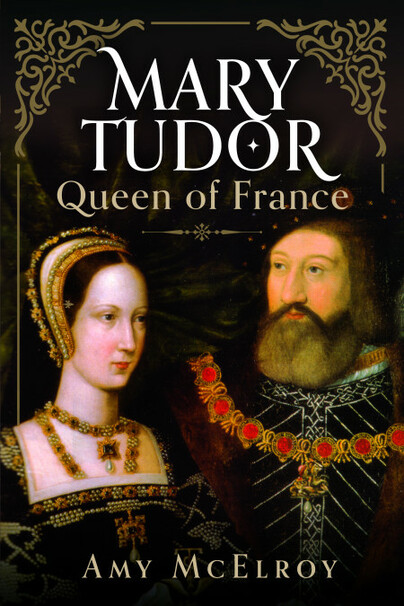
Mary Tudor, Henry VIII’s sister, lived a remarkable life. A princess, duchess and queen, she was known as the English Rose for her beauty. Mary Tudor, Queen of France, aims to explore the life of one of the few who stood up to Henry VIII and lived to tell the tale.
Henry VIII is well known, but his larger-than-life character often overshadows that of his sisters. Mary Tudor was born a princess, married a king and then a duke, and lived an extraordinary life. This book focuses on Mary’s life, her childhood, her relationship with Henry, her marriages and her relationship with her husbands.
Mary grew up in close proximity to Henry, becoming his favourite sister, and later, after her marriage to the French king, she married his best friend, Charles Brandon, 1st Duke of Suffolk. The events impacting the siblings will be reviewed to examine how they may have changed and shaped their relationship.
Mary Tudor by Amy McElroy is a fascinating biographical account of the life of Mary, Henry VIII’s sister, and not to be confused with his daughter.
The story is quite remarkable, and while I knew something about her, I didn’t know everything. The chapters, which follow her through the 3 marriage proposals she receives, which result in 2 marriages, are quite astounding. So much time and effort went into trying to wed her to Prince Charles (later Emperor Charles), and then all of a sudden, she married Louis XII of France. I found it most fascinating. If anything, her 2nd marriage seems almost anticlimatic, even though it evidently wasn’t at the time. And, with all we know about Henry and his marital difficulties, Mary appears to have been somewhat serene about everything. I imagine she perhaps had a happier life, if one often troubled by the terrible debt her brother placed upon her (families!).
I really appreciated the author’s desire to keep this narrative to Mary and not to her children and grandchildren. It seems fitting to have a title devoted exclusively to her.
A fine portrayal of Mary’s eventful, if short life, with a lovely writing style.
Meet the author
Amy was born and bred in Liverpool before moving to the Midlands to study criminal justice and eventually becoming a civil servant. She has long been interested in history, reading as much and as often as she could. Her writing journey began with her blog, sharing thoughts on books she had read before developing to writing reviews for Aspects of History. The Lives of Women in the Tudor Era is Amy’s second book. Her first, Educating the Tudors, focused on the educational opportunities of all classes, those who taught them and the pastimes enjoyed by all.
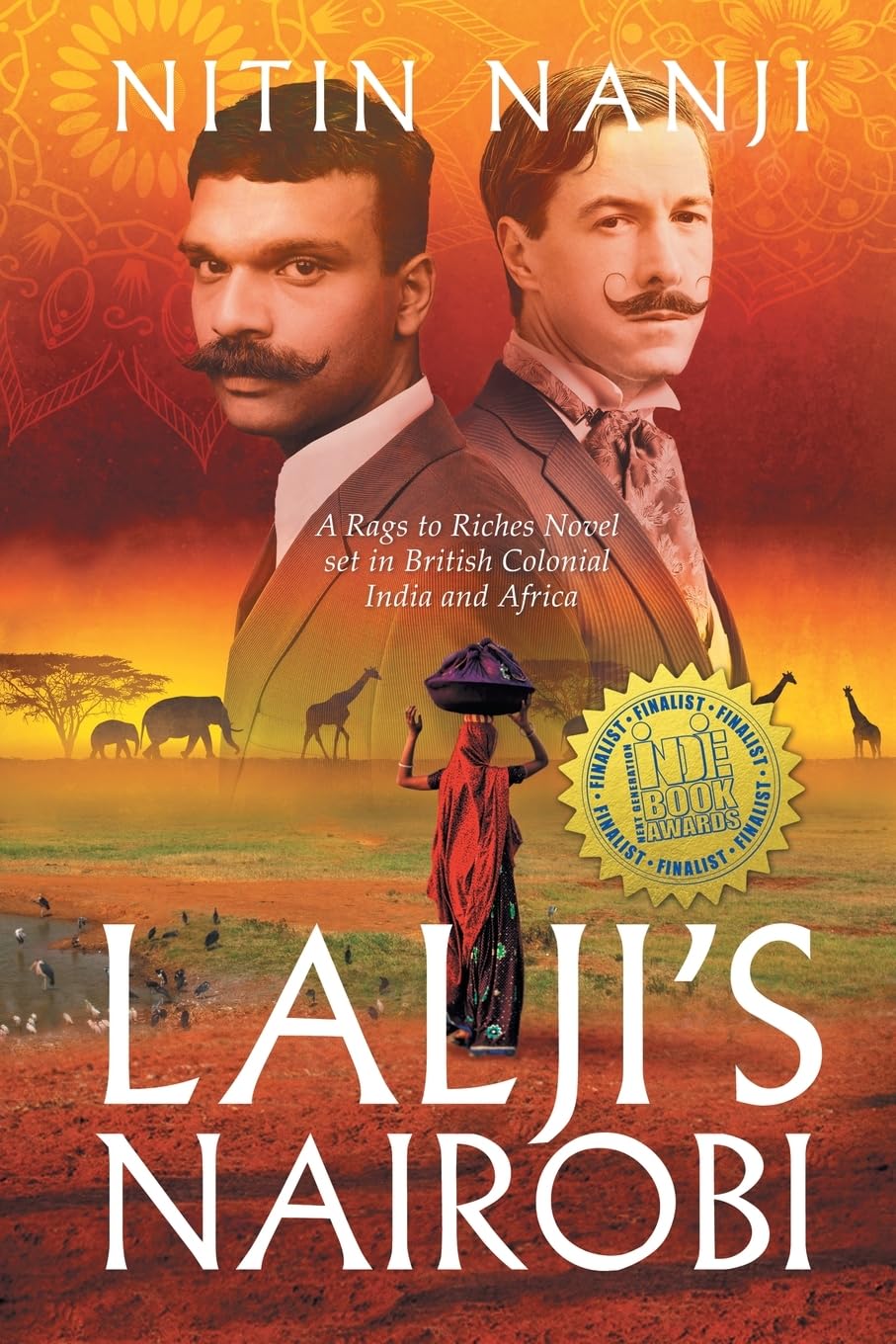
I’m delighted to welcome Nitin Nanji and his book, Lalji’s Nairobi, to the blog with an excerpt.
Excerpt 1
The next morning brought an early visitor to their door in the shape of the village Sarpanch, Thakorbhai. The Sarpanch was the elected head of the village and led the Panchayat. His role was to officiate over disputes, collect fines and enforce the law with the help of the police.
Thakorbhai was a large man with short legs and a bull neck. He sported a moustache that was long and curled upwards at the ends, like two cobras poised to strike. When he sat on a chair, he folded his legs under him and they disappeared under his enormous belly. The children of the village were thrown into fits of giggles at this sight as he looked like an overgrown hen sprawled over her eggs. For that reason, he was also known unkindly as ‘Murgiben’ (mother hen).
He invited himself into the yard and sat down on Parshottam’s charpoy. He had come about the story going around that Parshottam’s son was to head out to Africa. He knew Parshottam had been making inquiries about the next meeting of the Panchayat and thought the two matters may well be connected.
“You are right, I was hoping to have the matter considered at the Panchayat,” said Parshottam before calling out for Lalji to join them. Rambai appeared with a tumbler of salted buttermilk for the Sarpanch and joined in the chorus calling for Lalji.
“What does the boy say?” inquired Thakorbhai.
“He hasn’t made up his mind. See, I was thinking with the lack of prospects here after the famines and with the tax situation….”
“You leave the tax situation to me, Parshottam,” bellowed Thakorbhai. “We need to know if the boy is willing to go and take his chances!”
At that instance, both Lalji and Naran appeared. They paid their respects to the Sarpanch by bowing to him and gesturing to touch his feet hidden under his belly.
“So, what’s your decision young man?” he inquired of Lalji. “Are you ready to cross the big ocean and arrive at the opposite shore to start a new life, away from your family?”
Lalji seated himself down in a squatting position and looked straight at the Sarpanch. Without hesitation announced, “Yes, I willl be taking the vaan and see what destiny has in store for me. It is my role as the eldest son.”
“Shabhash (well said), my boy! That’s the right answer.” The cobras parted to reveal pink gums.
“The son of Dhiraj will be accompanying him, so as he is not alone,” interjected Parshottam.
Thakorbhai waved the idea away as being of no consequence. He told Parshottam his son was in a different league from many and he was supportive of the idea. He mentioned others had considered it before but no son of the village had made the journey.
“The reasons are many but the fact is no one has had the strength of character to take the step. If I was twenty years younger, I would have given the same answer as Lalji here,” he said.
Turning to Lalji he asked, “Would you lead a group of three others from here to go with you?”
Lalji was taken aback by the question, having never considered himself as taking on such responsibility. He didn’t feel unable to lead, but he wanted to know whom the Sarpanch had in his mind.
“It would be you as their leader with Nizar the hardware merchant’s son, and Ramji the eldest son of Karsan the builder. Then there’s that idle son of Dhiraj your father has been talking about.”
“But I hardly know them. Will they follow my wishes?” inquired Lalji.
“Leave that to me. I have spoken to Karsan and Noormohammed about that and they have both pledged their sons will do as you say. They have been waiting for such an opportunity for a long time to get their sons to Africa. They are good boys and want to succeed for their families. They need sound advice and guidance from someone who is mature and responsible. None of them are capable of it on their own. They all need to be led by someone sensible and smart.”
“But I am eighteen and I think they are older,” responded Lalji. The words seem to stop the Sarpanch in his tracks momentarily. He retorted dismissively, “Arre! When I was your age, I ran both the shop and farmed the land. And I did the accounts for my elder brothers. Ability trumps age!”
Having gulped the buttermilk in one long action with his head tossed back. Then he got up briskly to leave, adding, “I hear you have an Arab sea master in mind, Parshottam. For my part, I will speak to my contacts in Porbander to find out who they should contact in Africa. I suggest you start putting together enough food and grains for the journey for him.” The two cobras were drowned in buttermilk.
Book Trailer
Here’s the blurb
British Gujarat, 1905.
Despairing of the social injustices and crippling taxes under the British Raj, Lalji, 19, flees to British East Africa hoping to build a better life using his natural business skills and acumen. But he soon finds unexpected dangers in his new home- turbulent politics and war with German East Africa- as well as some surprising opportunities. A combination of luck, coincidence, and his flair for commerce lead to early success.
Then, just as he is at his most vulnerable, a new threat emerges from where he least expects: from within his own family.
Can Lalji beat overwhelming odds to fulfill his hopes and ambitions?
A story about survival, faith, ability, humanity, and a deep desire to succeed.
The ebook will be free to download on Kindle from February 4th – 8th
This title is available to read on #KindleUnlimited
Meet the Author
Historical novelist of Indian parentage, born and raised in Kenya, educated in England, writing about India and East Africa under the British Empire.
Nitin has come to writing his debut novel after retiring as a doctor. Born in Kenya before its independence he came to England at the age of fifteen. His parentage is Indian, his grandfather having moved during the British Raj from Gujarat in India to Colonial East Africa as an economic migrant.
‘Lalji’s Nairobi’ is set in the early part of the last century, inspired by the stories of Indian migrants who settled in East Africa. A ‘rags to riches’ story of the experiences of Lalji as a determined young businessman who grapples with the challenges of living in the new colony.
Within the backdrop of a racist administration, Nitin immerses the reader into the times and norms of colonial society and shows how Lalji achieves rapid success despite difficult odds, leading a team of four compatriots from his village.
The novel is well-researched and retains the undertones of the era. Nitin’s intimate knowledge of the three cultures of the colony (British, Indian, and African) succeeds in making this an enjoyable and authentic read.
‘Lalji’s Nairobi’ is now an award-winning novel that recently won acclaim from the prestigious New Generation Indie Book Awards as a ‘Finalist’. It also earned Five Stars and the ‘Highly Recommended’ award of excellence from The Historical Fiction Company, which has recently also awarded the book with a silver medal in the Blixen Africa Category.
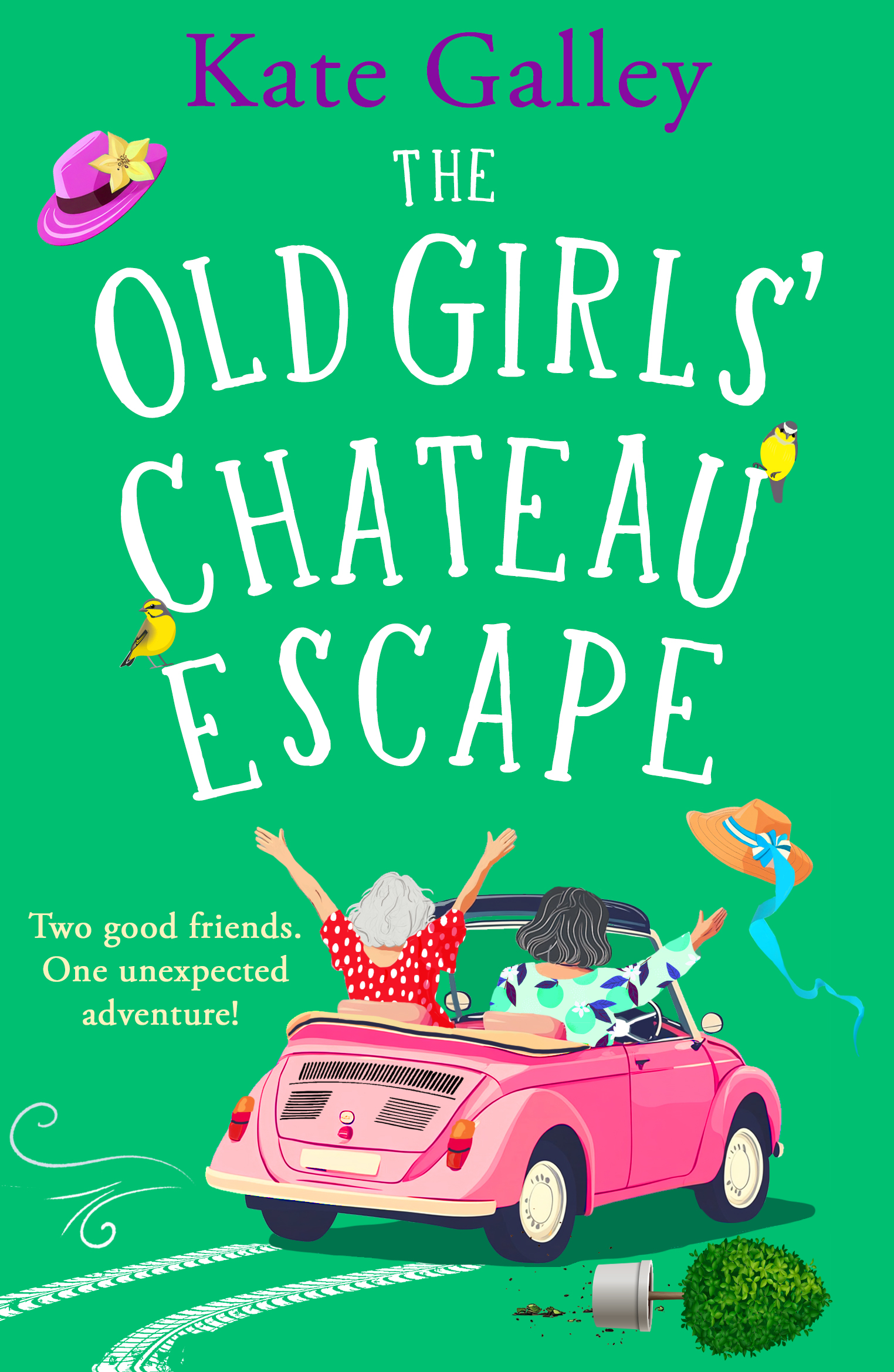
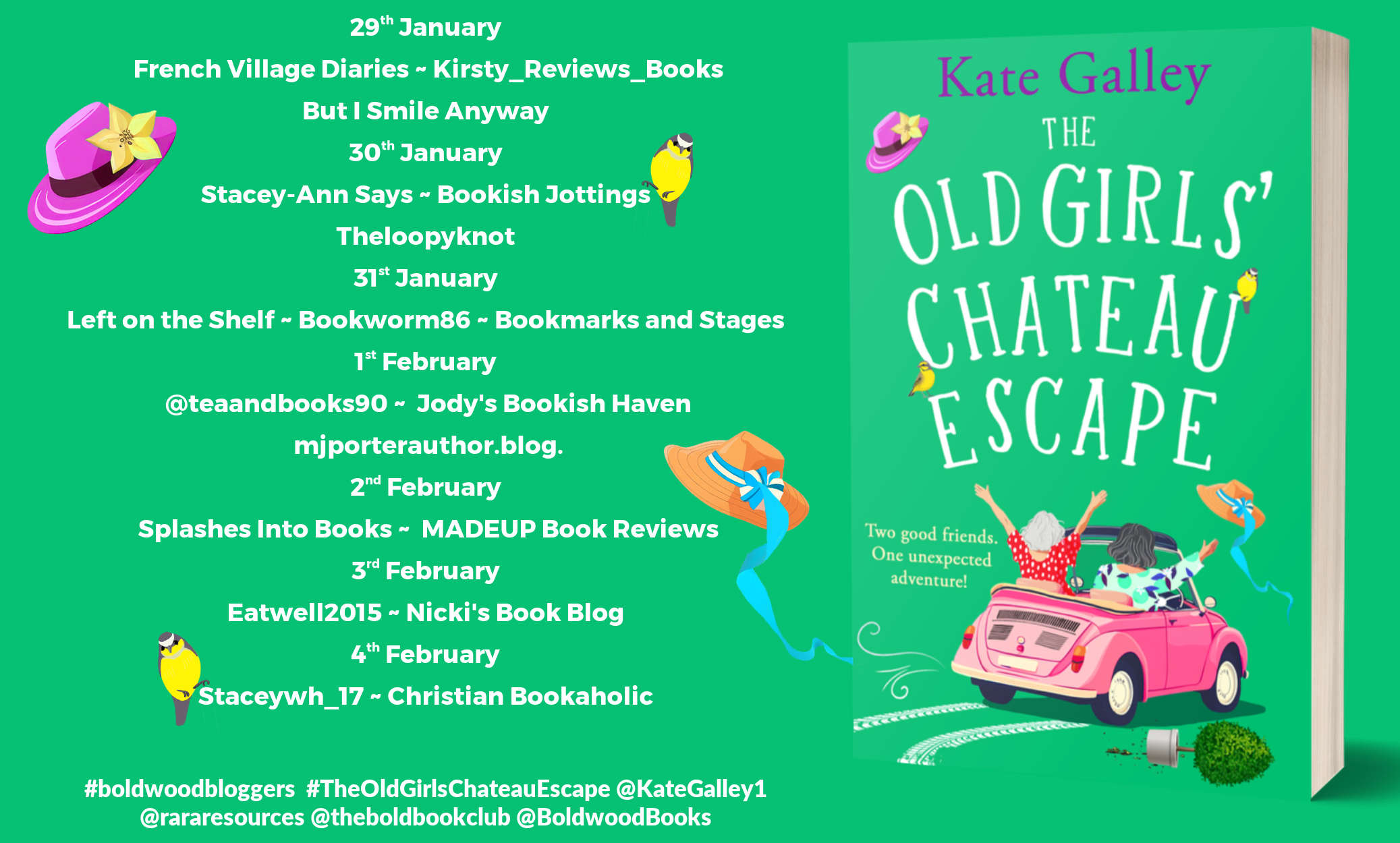
When, at the age of 71, Gina Knight’s husband of four decades left her unexpectedly, she thought her life over. Until she met Dorothy Reed – a woman so full of the joie de vivre you’d think she was 21, not nearly 90. Gina would do anything for Dorothy. So when Dorothy suggests she take on the role of companion for one of Dorothy’s old friends, Gina sees no reason to say no.
Meredith Harper is a successful writer, living in Provence, and needs help looking after her husband, whose health is deteriorating. But when Gina arrives at the grand chateau, it becomes clear that Dorothy has not given Gina the full story. Because Meredith is also writing her memoirs, and Dorothy wants to know the contents before anyone else. So much so, she’s sent Gina to spy.
But what secrets is Meredith keeping? And will Gina be able to find out the truth before her cover’s blown?
The Old Girls’ Chateau Escape is a worthy follow-up to the first book in the series, Old Girls Behaving Badly.
This time, our cast are mostly in France, which makes a delightful scene change and allows Art Historian Gina to thrive.
While she once more takes on the role of companion to an older couple, Gina has been tasked with uncovering some secret that Dorothy doesn’t wish others to know. What follows is a charming tale filled with some trepidation and a lot of questions, which resolves itself quite beautifully in the final few chapters.
I thoroughly enjoyed the story and I’m sure readers will be equally entertained by Gina and Dorothy and their antics.
Kate Galley is the author of uplifting golden years fiction, including The Second Chance Holiday Club. She was previously published by Aria, and is a mobile hairdresser in her spare time.