Author of Saxon historical fiction and non-fiction, 20th-century historical mysteries, and Norse-inspired historical romantasy. Book reviewer and blog host.
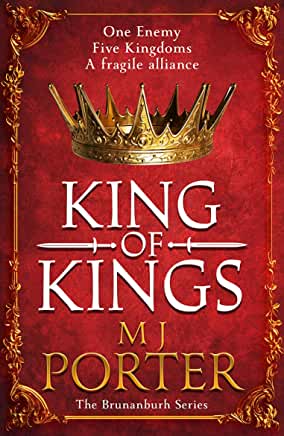
My new book, King of Kings, is a multi-viewpoint novel telling the story of events in Britain from 925-934. I thought it would be good to share details of the historical people my character are based on.
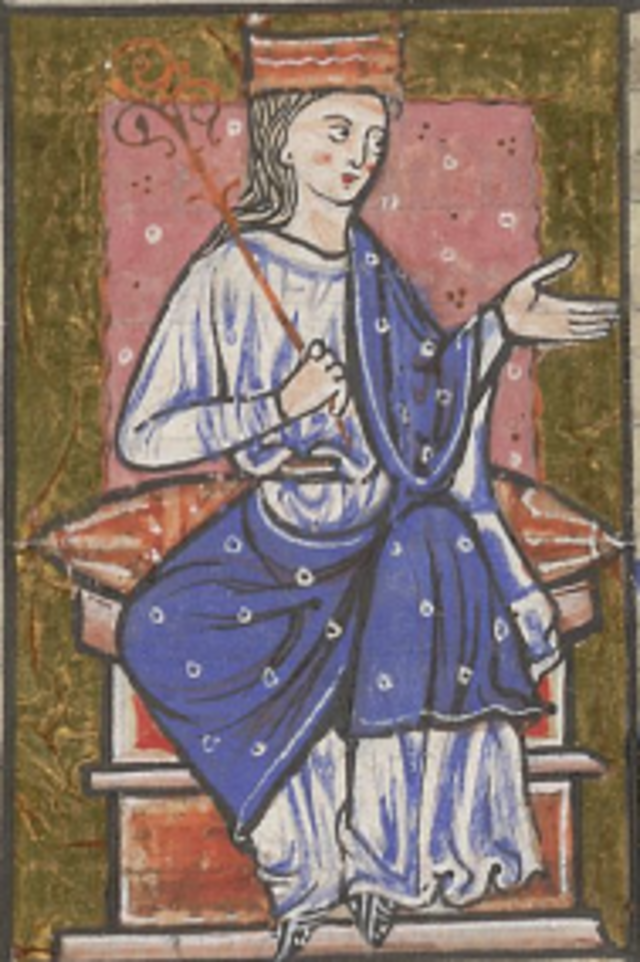
My portrayal of Constantin, the king of the Scots, is of course fictional in King of Kings, but he is based on a historical individual, Constantin (e) II, so who exactly was he?
Constantin is a fascinating character. Again, and as with Athelstan, his exact date of birth is unknown, but it must have been, at the latest, by 877/8, when his short-reigned father died.
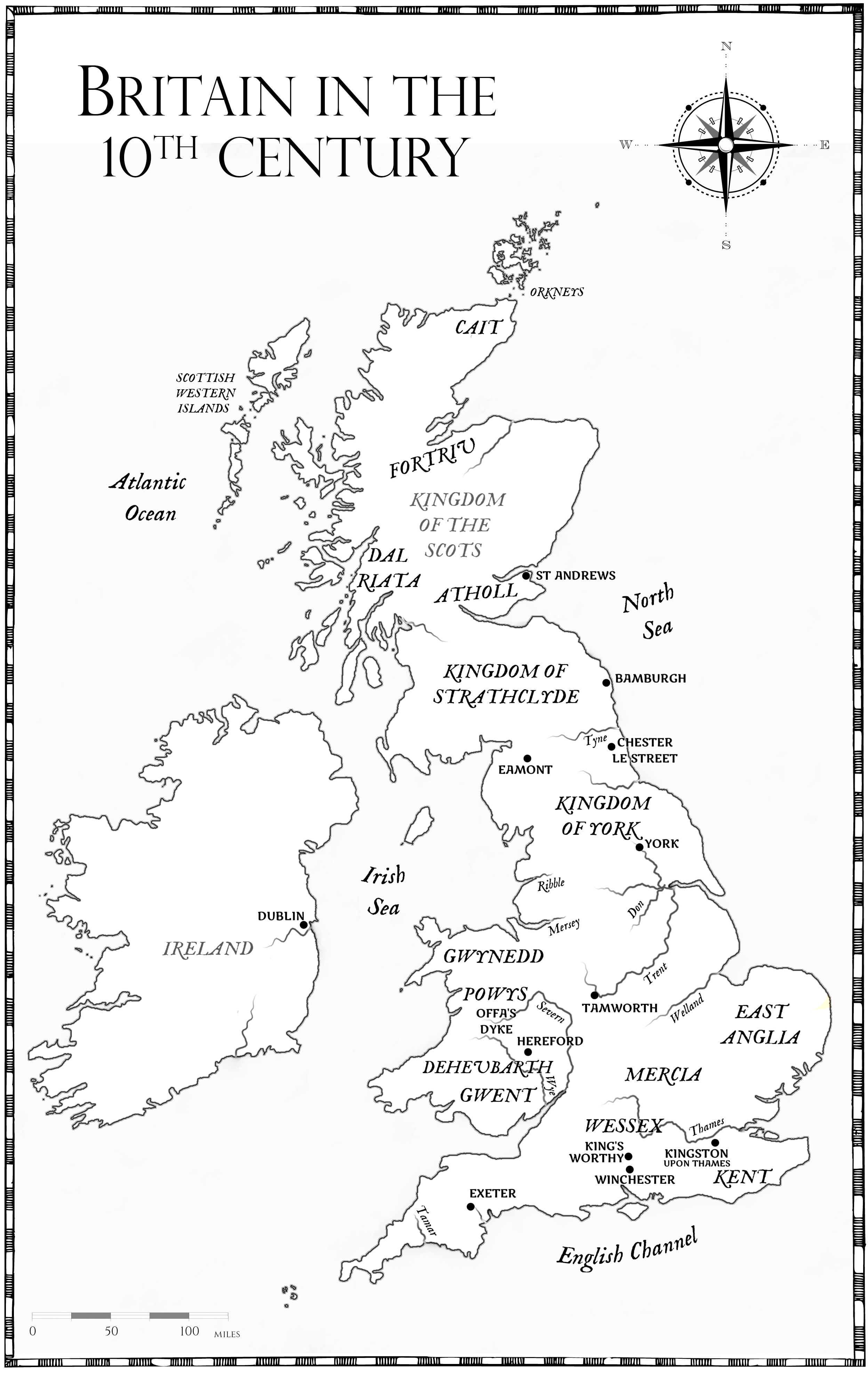
By 900, Constantin was the king of the Scots (we think – there is some confusion about this). This wasn’t yet quite Scotland, but it was getting there. The ancient kingdoms of Cait, Fortriu, Atholl and Dal Riata, were ruled by one king, Constantin. But, he hadn’t succeeded his father, Aed, but rather a man named Domnall II, his cousin. At this time there were two rival dynasties and they strictly alternated the kingship.
Affairs in the kingdom of the Scots often intermingled with those of the independent kingdom of Bamburgh, Strathclyde, and of course, the Norse, or Viking raiders, if you will. Indeed, the entry recording Constantin’s death in the Annals of Ulster, reads as though there was often strife.
‘Constantinus son of Ed held the kingdom for xl years in whose third year the Northmen plundered Dunkeld and all Albania. In the following year the Northmen were slain in Strath Erenn…And the battle of Tinemore happened in his xviii year between Constantin and Ragnall and the Scotti had the victory. And the battle of Dun Brunde in his xxxiiii year.’ (Alex Woolf, From Pictland to Scotland, 789-1070,p.126)
Constantin, ruling for decades, and I mean decades, seems to have brought much needed stability to the kingdom, as affairs there very much mirrored the emerging ‘England’ to the south.
‘Constantin’s reign has increasingly come to be see as one of the most significant in the history of Scotland. Not only was it very long, at least forty years, but it was also the period during which conflict and diplomatic relations between a kingdom recognisably ancestral to Scotland and one recognisably ancestral to England first occurred.’ (Alex Woolf, From Pictland to Scotland, 789-1070, p.128)
Constantin allied with the rulers of Bamburgh, and York, and also, on occasion, both Æthelflæd of Mercia and Edward the Elder, after her death. But, he seems to have been quite flexible in his thinking, and was prepared to pick and choice as he saw fit.
By the beginning of King of Kings, Constantin would have been in his mid-forties, and he was still to rule for many years to come, and he was certainly a more than adequate counterpart to Athelstan, king of the English, no doubt helped by his sons and grandsons, as his reign continued.
Athelstan is one of the main characters in my new book, King of Kings, a multiple point of view story, recounting affairs in Britain from 925-934.
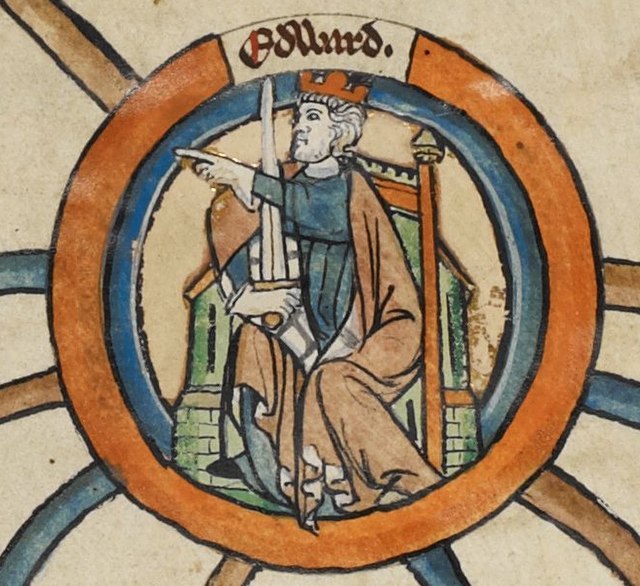
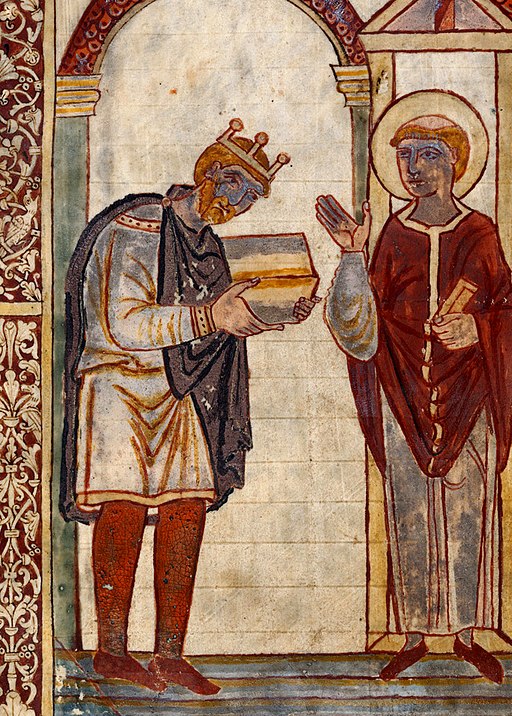
Based on a historical person, my portrayal of him, is of course, fictitious, but there are many details known about him. However, we don’t know for sure who his mother was, it’s believed she might have been called Ecgwynn, and we don’t know, for certain, the name of his sister, but it’s believed she might have been named Edith. What is known is that his father was Edward, the son of King Alfred, and known to us today as Edward the Elder. Athelstan is also rare in that he is one of only two Saxon kings for who a contemporary image is available. (The other is Edgar, who would have been his step-nephew)
It must be supposed that Athelstan was born sometime in the late 890s. And according to a later source, that written by William of Malmesbury in the 1100s (so over two hundred years later), Athelstan was raised at the court of his aunt, Æthelflæd of Mercia. David Dumville has questioned the truth of this, but to many, this has simply become accepted as fact.
‘he [Alfred] arranged for the boy’s education at the court of his daughter, Æthelflæd and Æthelred his son in law, where he was brought up with great care by his aunt and the eminent ealdorman for the throne that seemed to await him.’[i]
[i] Mynors, R.A.B. ed and trans, completed by Thomson, R.M. and Winterbottom, M. Gesta Regvm Anglorvm, The History of the English Kings, William of Malmesbury, (Clarendon Press, 1998), p.211 Book II.133
Why then might this have happened? Edward became king on the death of his father, Alfred, and either remarried at that time, or just before. Edward’s second wife (if indeed, he was actually married to Athelstan’s mother, which again, some doubt), Lady Ælfflæd is believed to have been the daughter of an ealdorman and produced a hefty number of children for Edward. Perhaps then, Athelstan and his unnamed sister, were an unwelcome reminder of the king’s first wife, or perhaps, as has been suggested, Alfred intended for Athelstan to succeed in Mercia after the death of Æthelflæd, and her husband, Æthelred, for that union produced one child, a daughter named Ælfwynn.
There is an acknowledged dearth of information surrounding King Edward the Elder’s rule of Wessex. He’s acknowledged as the king of the Anglo-Saxons. His father had been the king of Wessex. Historians normally use the surviving charters to unpick the political machinations of the Saxon kings, but for Edward, there’s a twenty year gap between the beginning and end of his reign, where almost no known genuine charters have survived. What isn’t known for sure, is how much control, if any, he had in Mercia. Was Mercia subservient to Wessex or was it ruled independently? It’s impossible to tell. And this makes it difficult to determine what Athelstan might have been doing, and also what his father’s intentions were towards him.
Frontispiece of Bede’s Life of St Cuthbert, showing King Æthelstan (924–39) presenting a copy of the book to the saint himself. 29.2 x 20cm (11 1/2 x 7 7/8″). Originally from MS 183, f.1v at Corpus Christi College, Cambridge. (Wikimedia Commons)
What is known is that following the death of King Edward in 924, Athelstan was acknowledged as the king of Mercia; his stepbrother, Ælfweard was proclaimed king in Wessex. As with all events at this time, it shouldn’t be assumed that just because this is what happened, this is what was always intended.
‘Here King Edward died at Farndon in Mercia; and very soon, 16 days after, his son Ælfweard died at Oxford; and their bodies lie at Winchester. And Athelstan was chosen as king by the Mercians and consecrated at Kingston.’[i]
[i] Swanton, M. trans and edit The Anglo-Saxon Chronicles, (Orion Publishing Group, 2000), D text p.105
But, if Athelstan was raised in Mercia, it’s highly likely he was a warrior from a young age, helping the Mercians defeat the Viking raiders who still had control of the Danish Five Boroughs of Lincoln, Nottingham, Derby, Nottingham and Leicester.
And the events of 924 are where King of Kings begins, and so I will leave him there. By now, he would have been perhaps thirty years old, give or take a few years. What sort of man was he? What sort of king might he be? Do please read King of Kings to find out. And, if this intrigues you, then do please have a look at Sarah Foot’s wonderful monograph on him, Athelstan, from Yale Publishing.
2022 has been a busy writing year. Routine has been important, as has setting firm deadlines and also having some well-deserved time off. I’ve also distracted myself from my constant need to write by taking a few weeks away from the keyboard to work my very part-time job. People think I’m nuts, but the only way to dampen down my mind is to fill it with something else! It helps that I can trust myself to get things done and knuckle down when I need to. I’m adopting the same approach to 2023. I’ve already got the first six months mapped out writing-wise.
In February, I edited Cragside and started work simultaneously on Warrior of Mercia and The Last Seven while also editing Pagan King. I worked myself hard because I knew what was coming later in the year.
I continued to work on Warrior of Mercia and The Last Seven throughout March, and finished my first draft of Warrior of Mercia in April. This allowed me to start work on my first non-fiction book, due out sometime in 2024 with Pen and Sword books.
During May and June, I had a bit of a hiatus as I was on a wonderful holiday in Orkney and also working my part-time job. But I did complete an edit on Warrior of Mercia during the late May half-term, so I did a bit of writing:)
When I finally got back to my writing in July, I was back to working on The Last Seven, having completed my copyedits for Warrior of Mercia.
Throughout August, I worked on what is now King of Kings, and also devoted the month to my non-fiction project.
During September, I wrote a lot more for King of Kings, having decided to play around with the original book, and began work on Icel 4, which I finished the first draft of in October. I also worked on a short story that precedes the events in King of Kings.
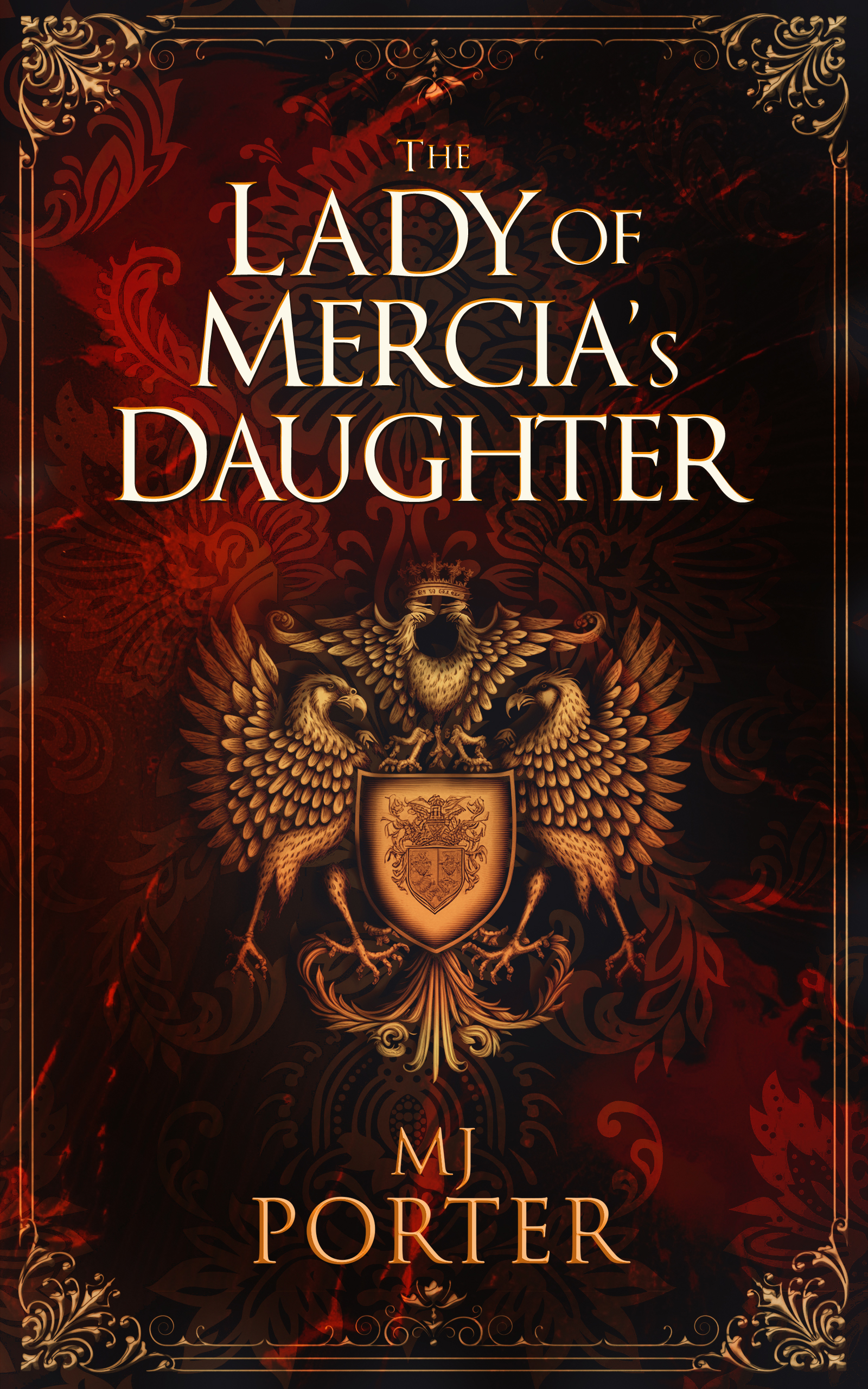
And then, I spent November working on the next book in the Earls of Mercia series, The King’s Brother, while during December, I returned to my non-fiction project, did some editing on Icel 4, now entitled Eagle of Mercia, and worked on my non-fiction book. I also completed an edit on The Lady of Mercia’s Daughter to go with the fabulous new cover.
For all my careful planning, December was a very full-on month, and I worked right up until 6pm on 23rd December because I needed to get some editing done. Next year, I need to be a bit more wary of just how short December can feel.
In terms of words written this year, I don’t keep a strict record, but I would place it at about 500,000. I don’t think it’s my biggest tally to date, but it’s still been very busy. For anyone curious about my writing routine, I’ll be presenting on it for The History Quill masterclass in April 2023. You can find the details on the link. I think a good daily routine is so important for writers, and so I’m going to be talking about how I do what I do:)
I also took the time to attend several conventions, virtually (The History Quill Convention, The HNSNA one-day convention, and the IMC in Leeds – which feeds my non-fiction needs) as well as in-person (The HNS Conference in Durham, and one on the Bamburgh Bones). I tried my hand at Saxon-era embroidery and of course, spent more time making mugs at the local pottery. I might have shared photos of my slightly wonky attempts.
I can’t see that I did a post on my writing throughout 2021, but I have found my 2020 post about my writing during Lockdown.
If you want to see what I was reading during 2022, then check it out here.
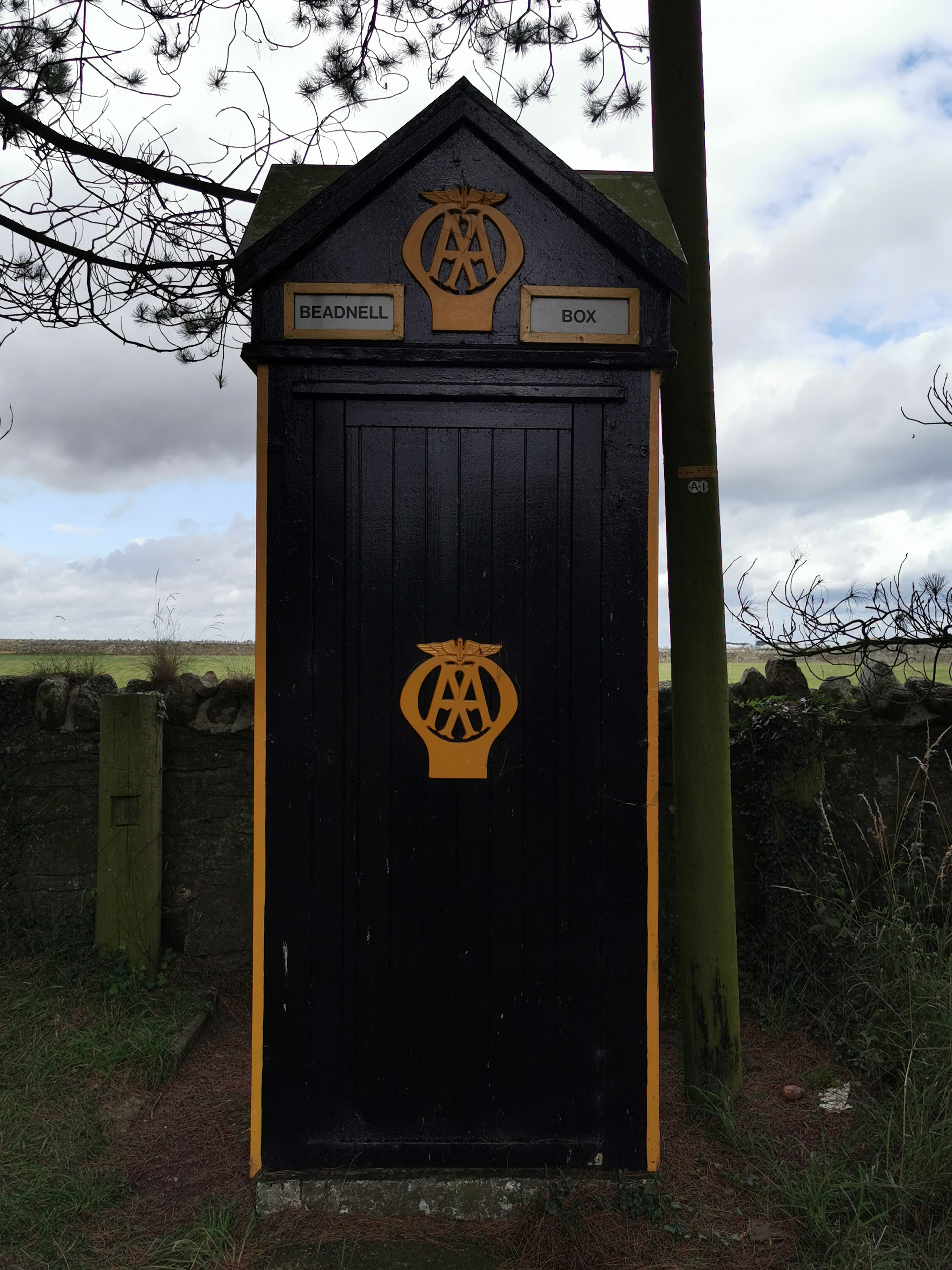
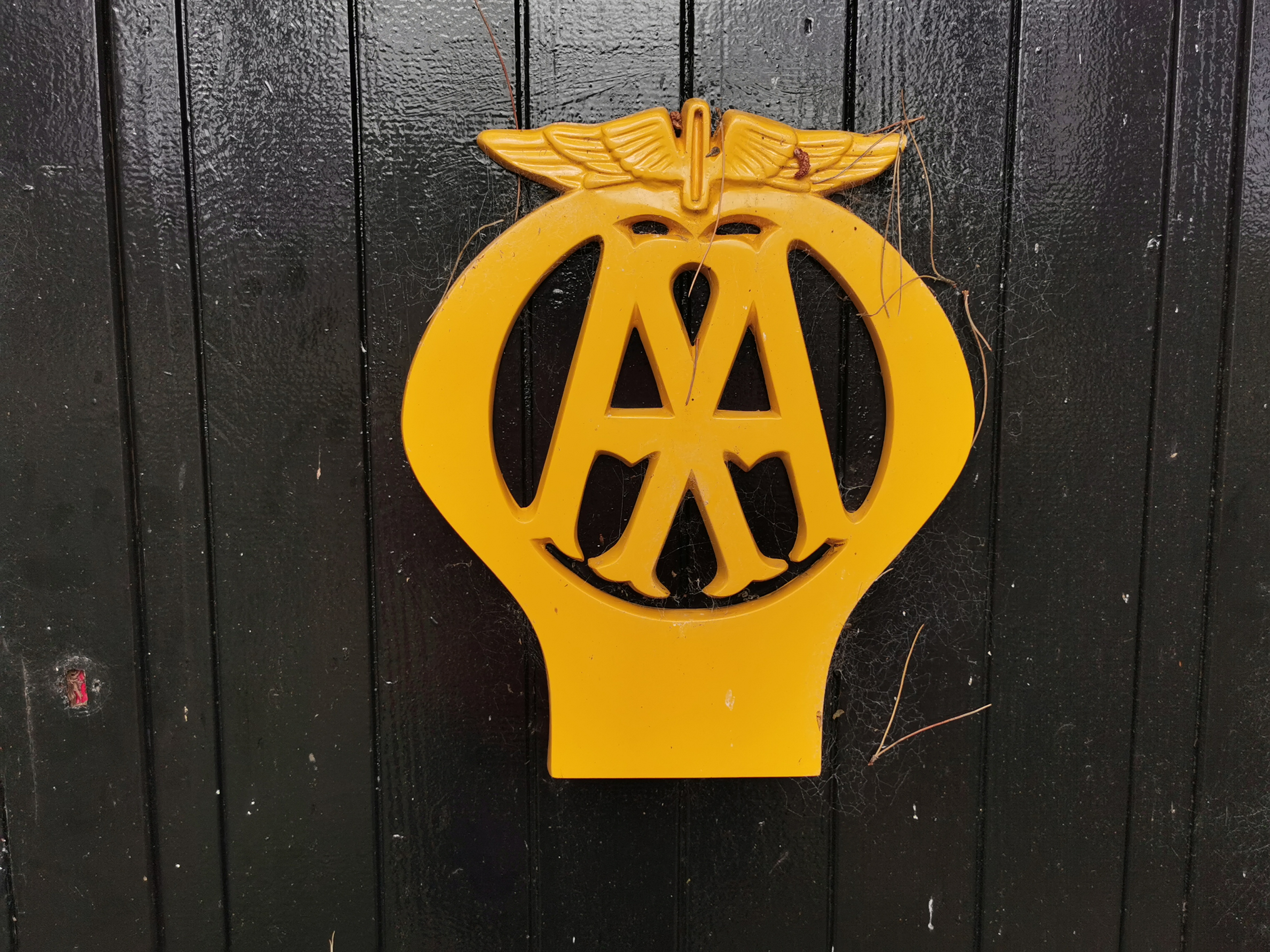
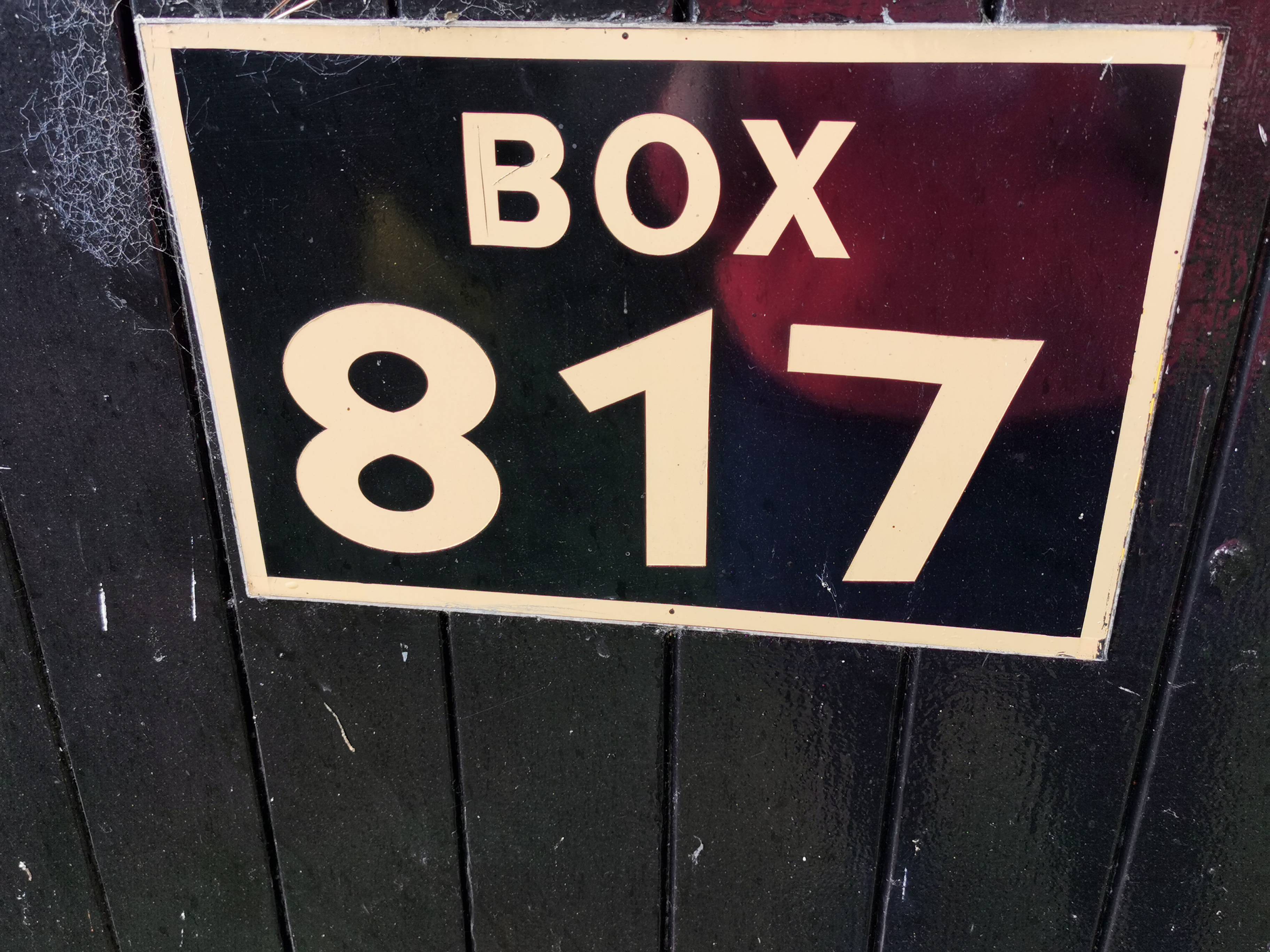
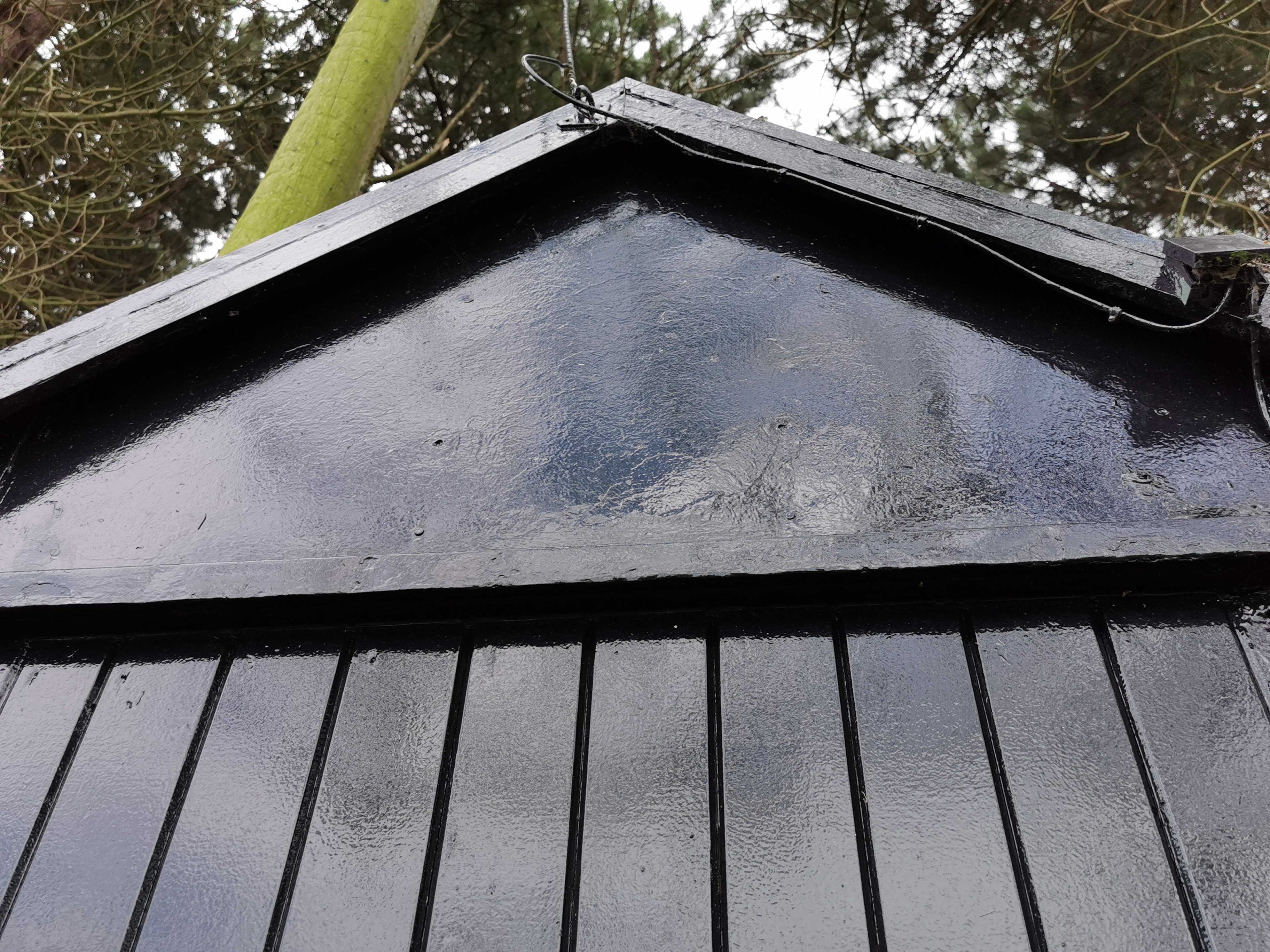
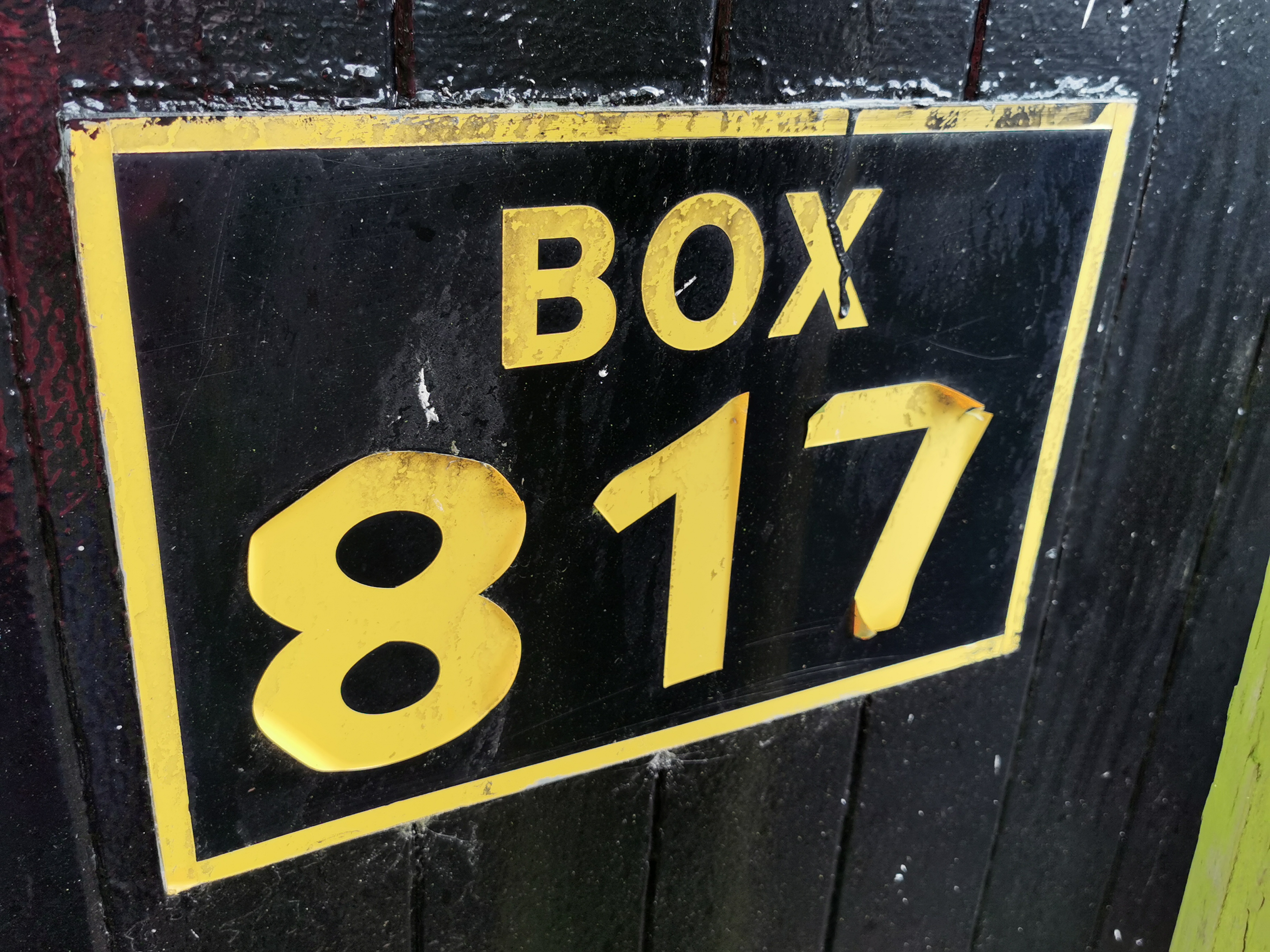
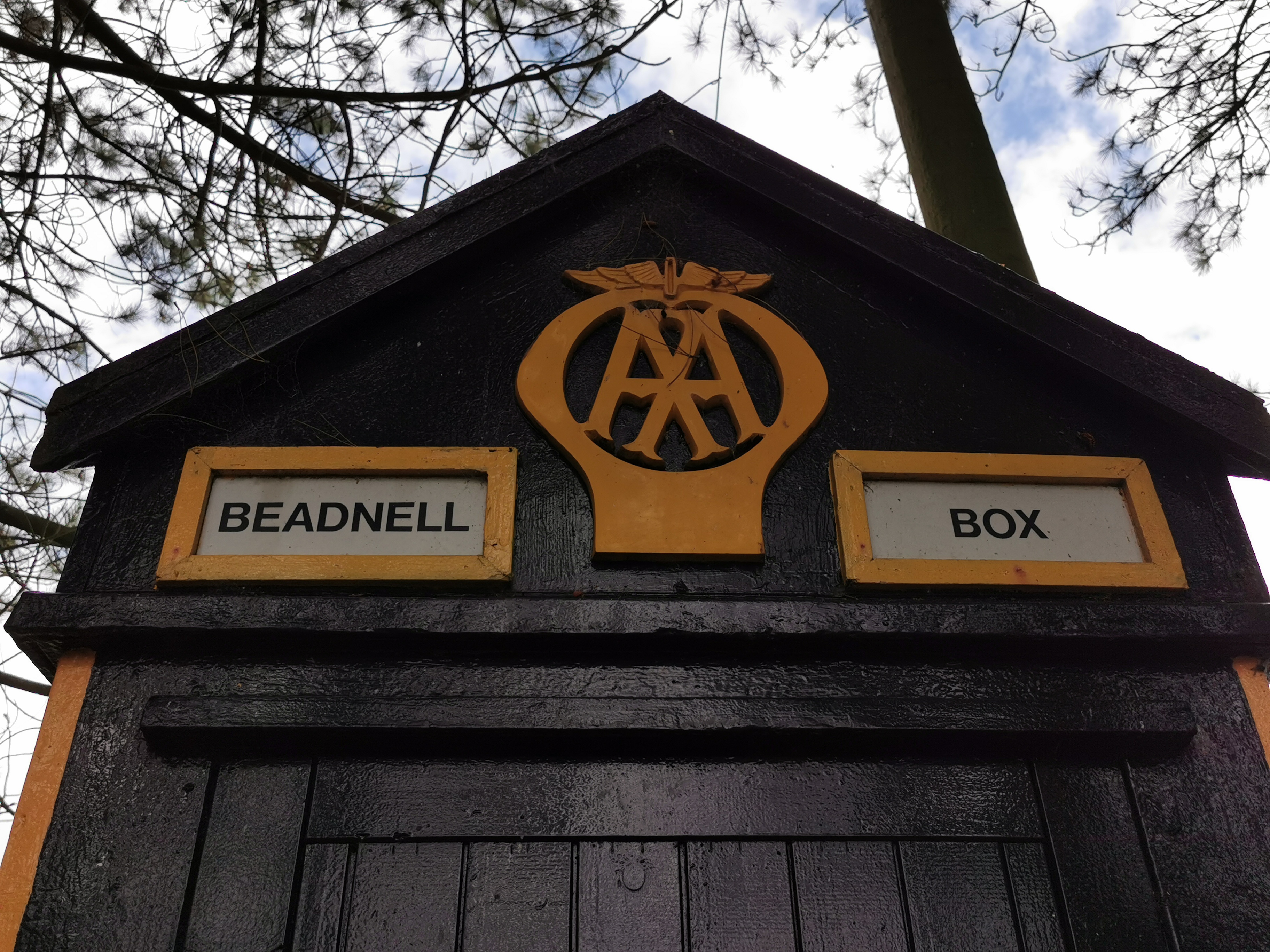
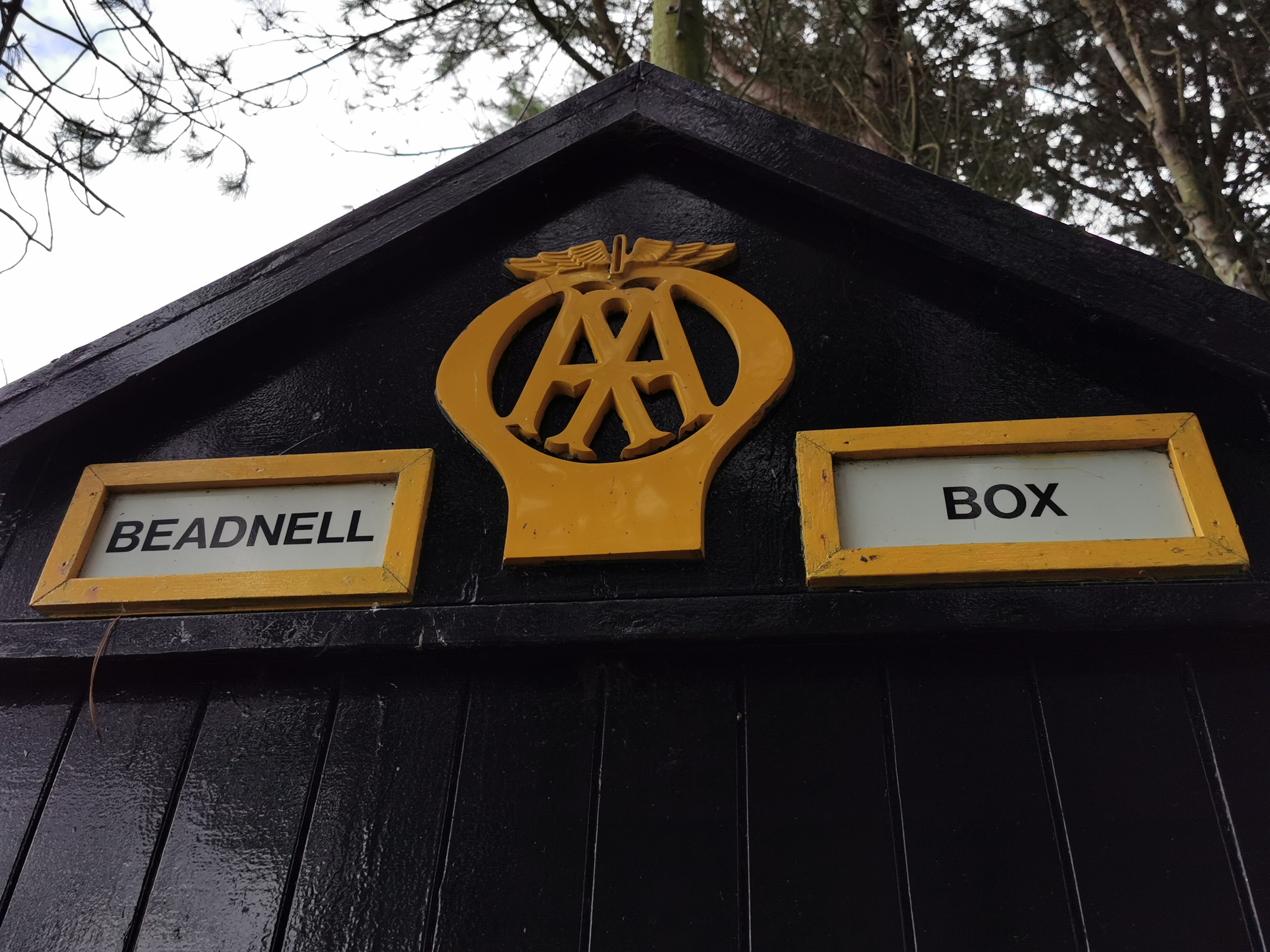
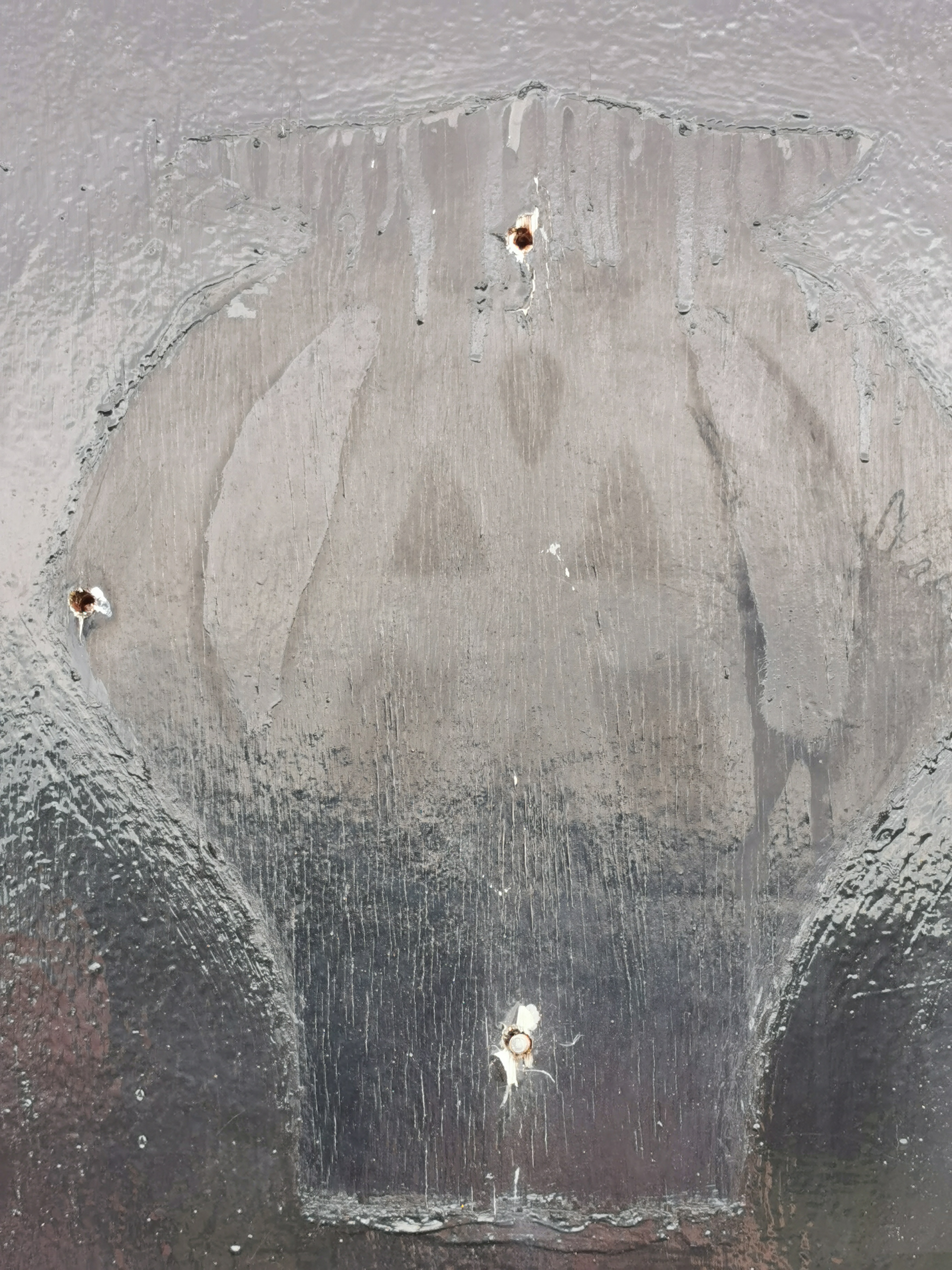
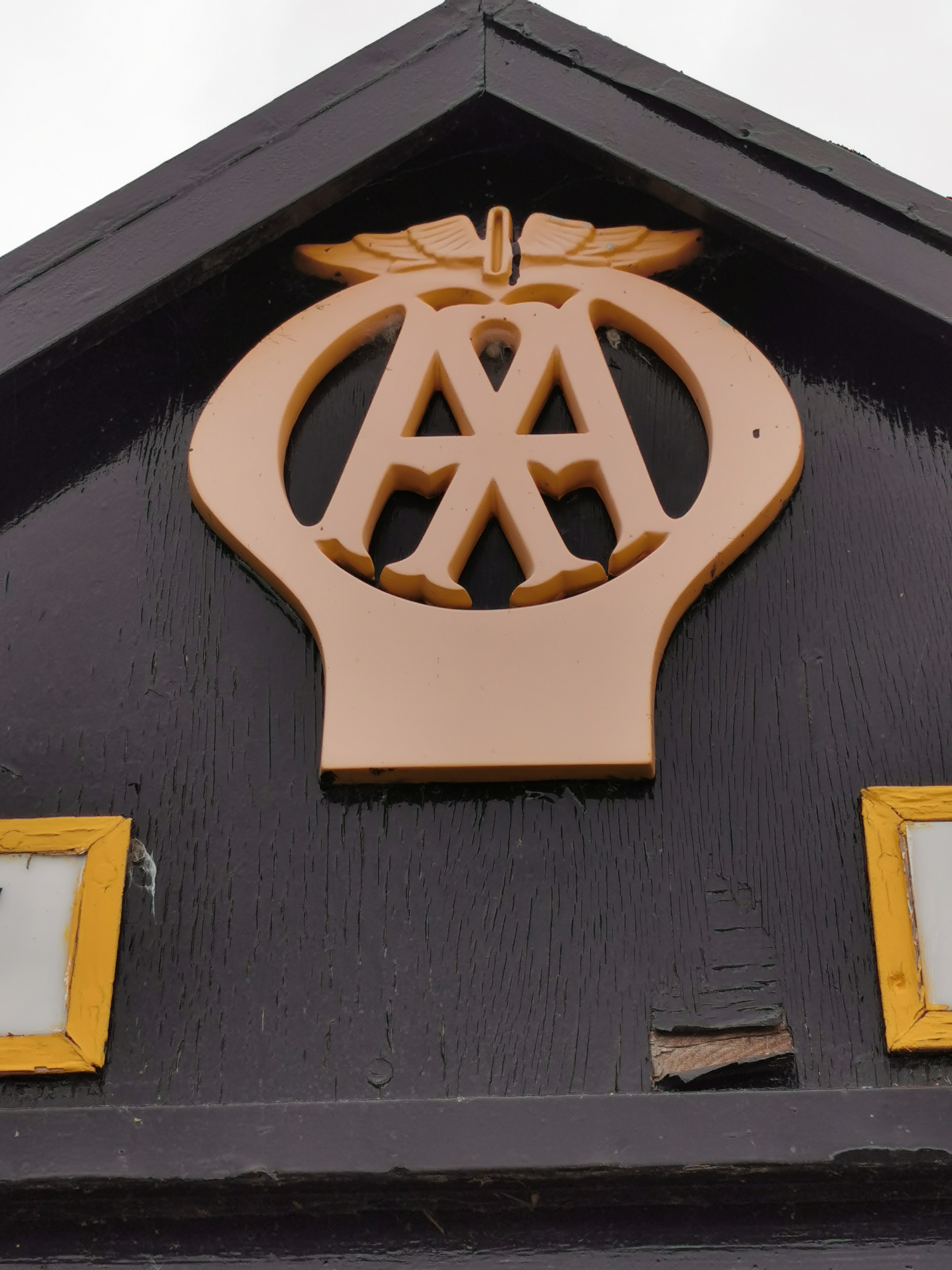
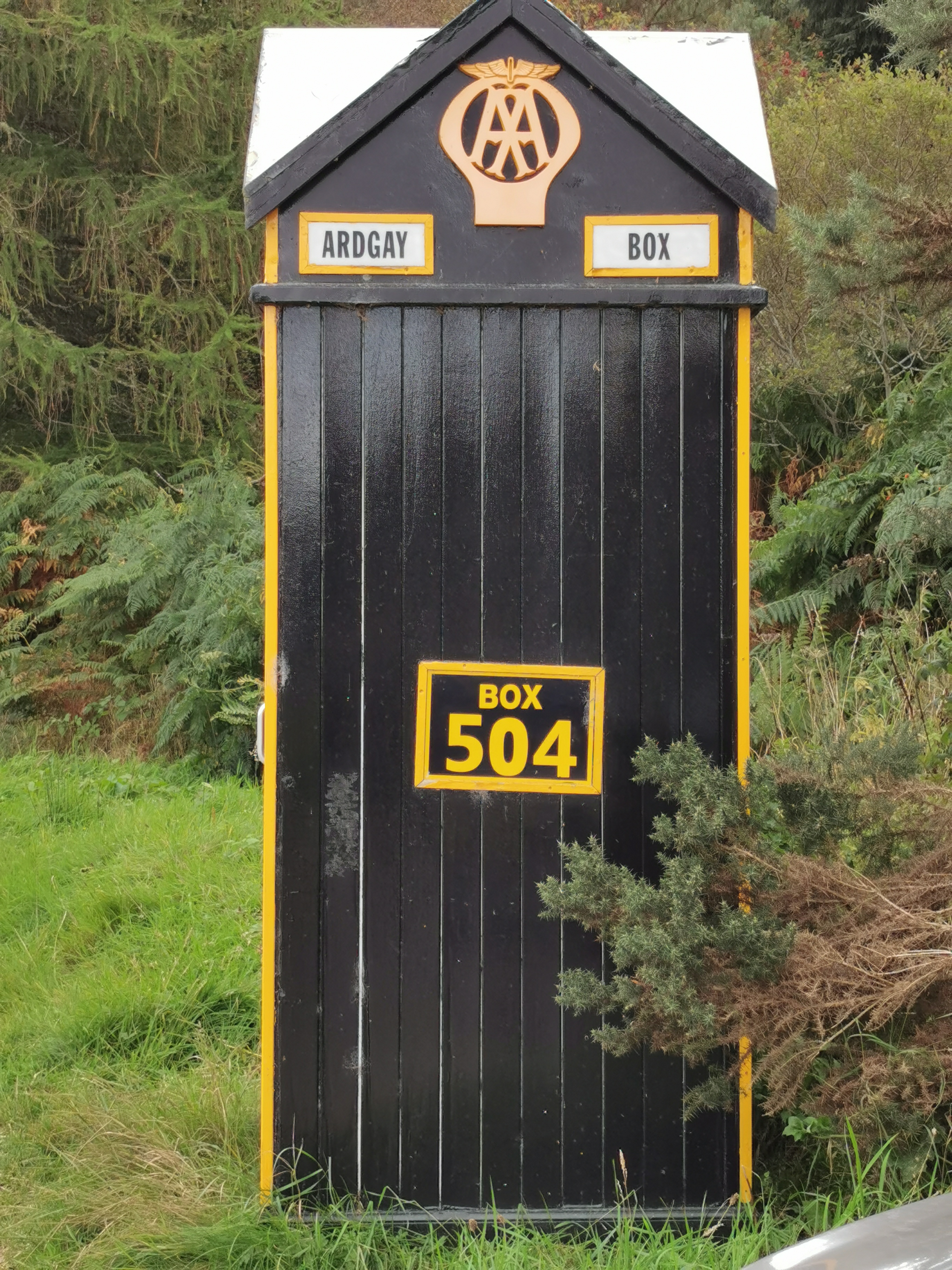
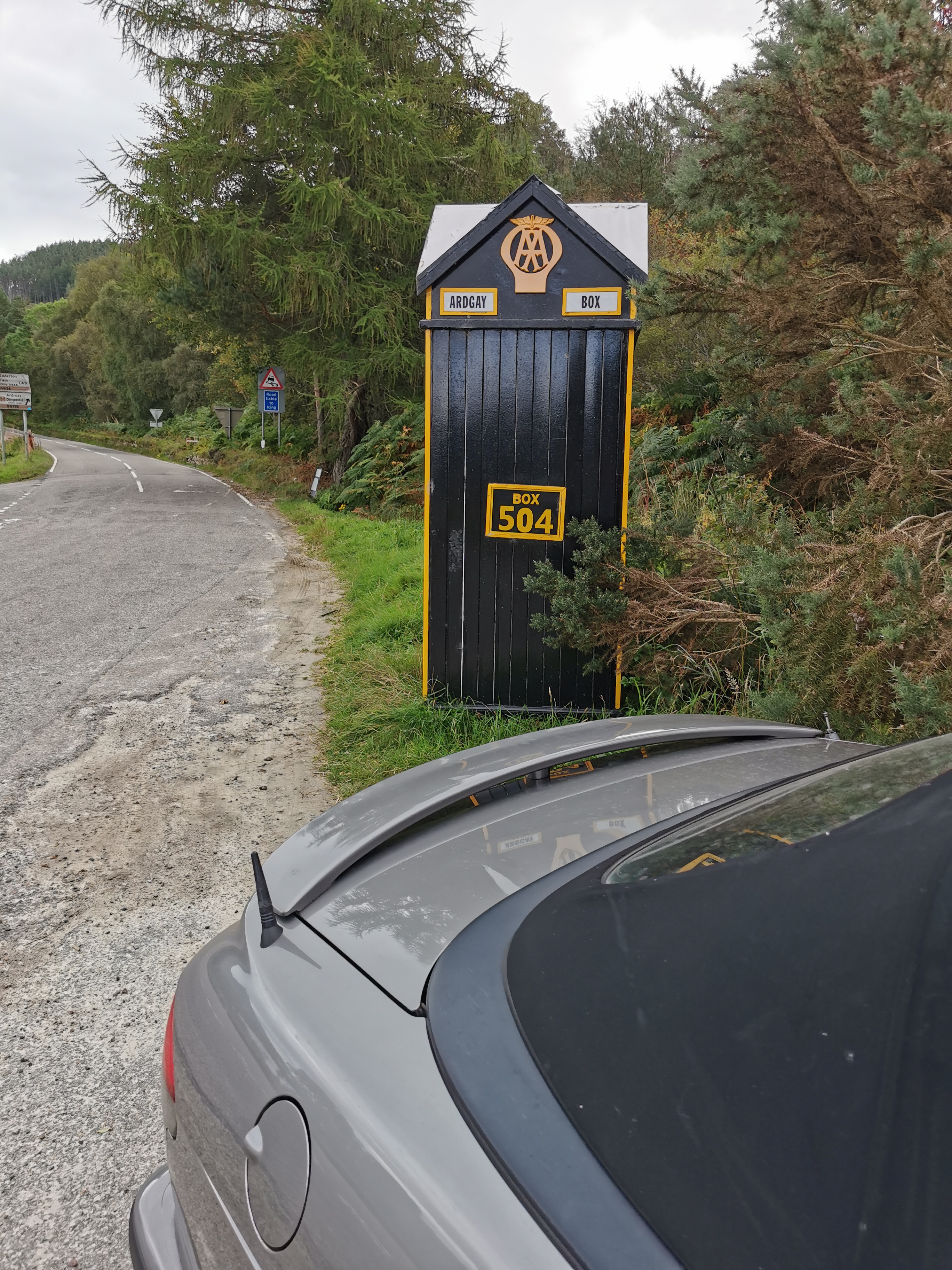
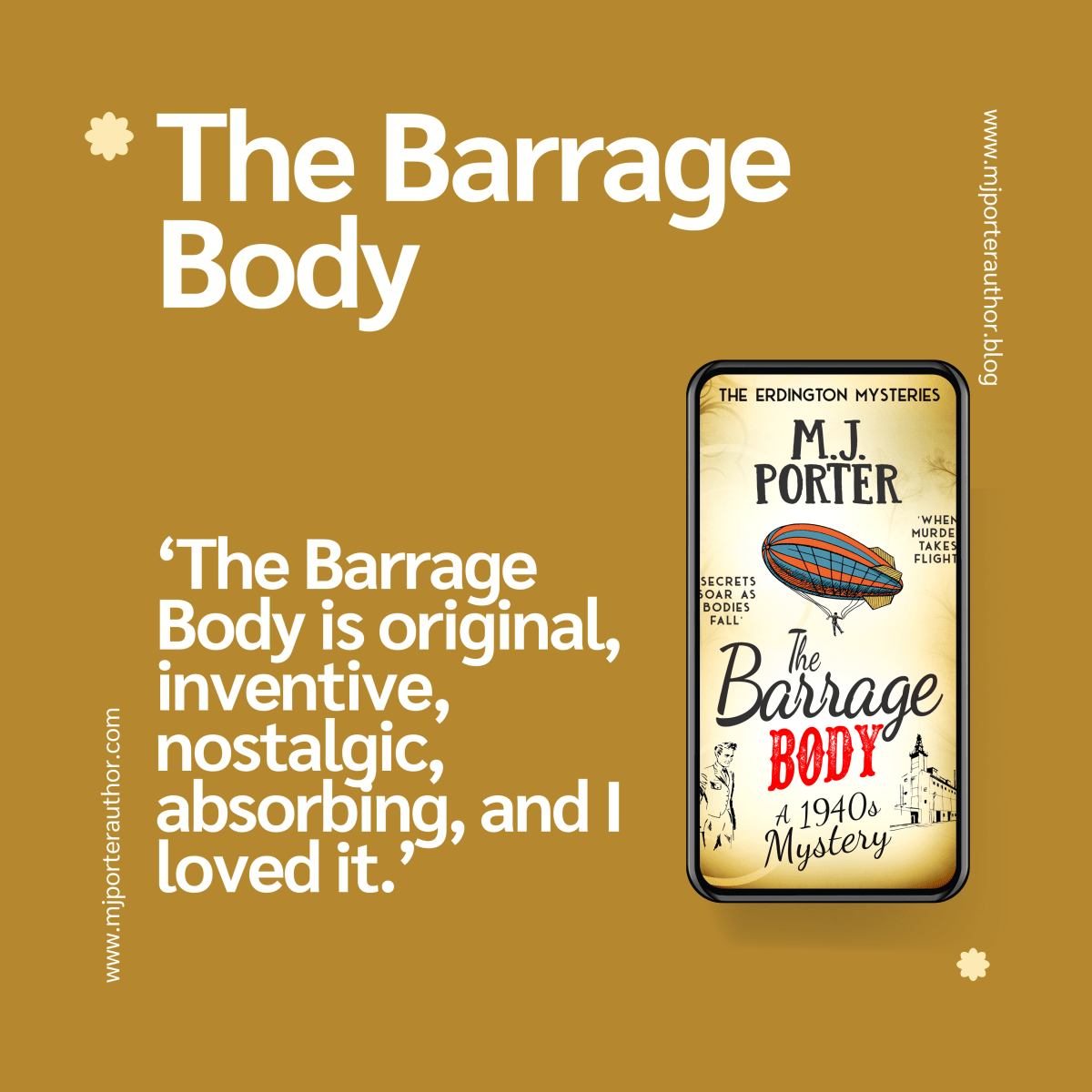
I don’t really need an excuse to share these wonderful photos, but a book birthday does seem like a good opportunity to do so. So below are some of the images that first inspired me to write about The Automobile Association sentry boxes in my story The Automobile Assassination.
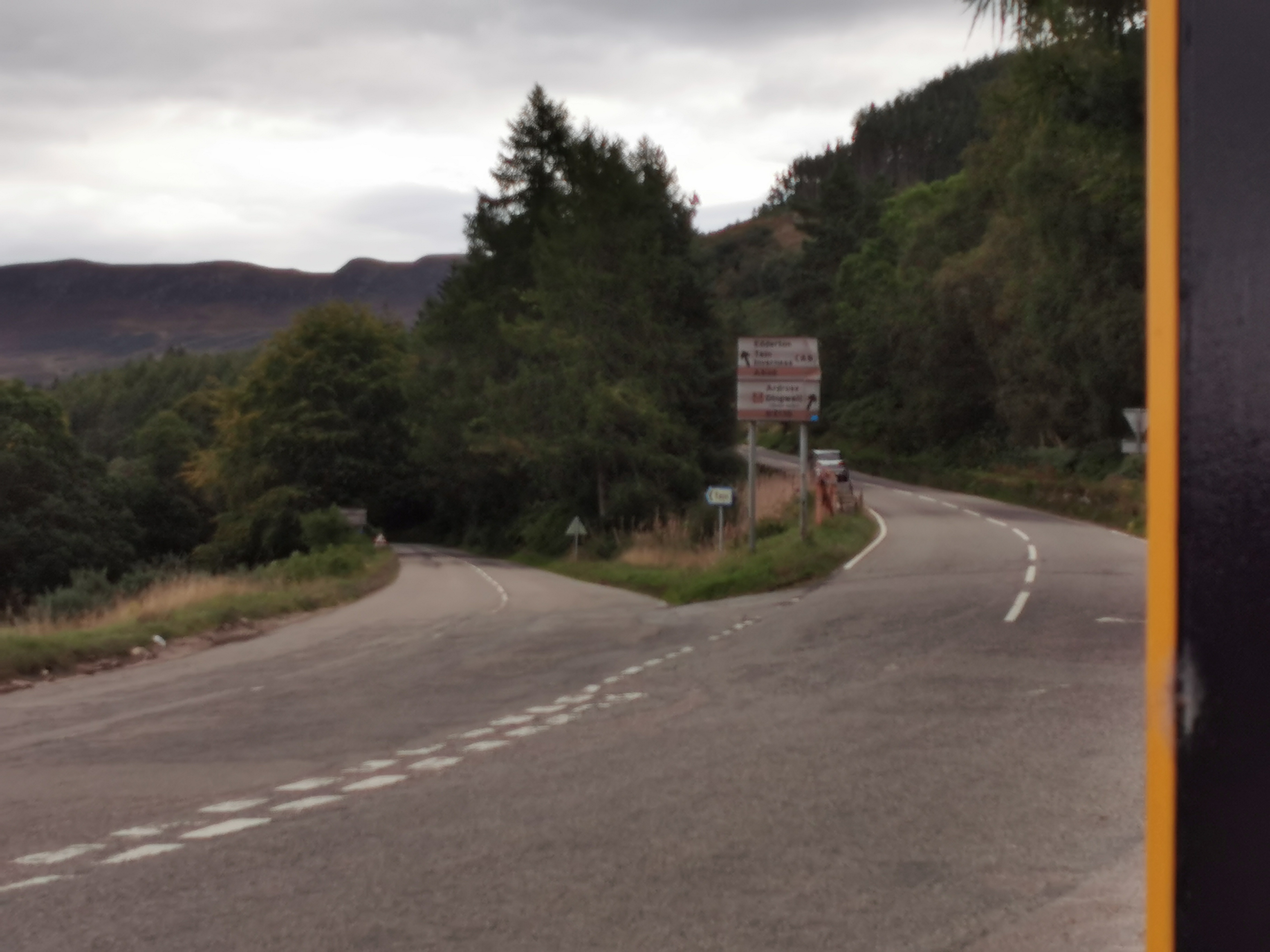
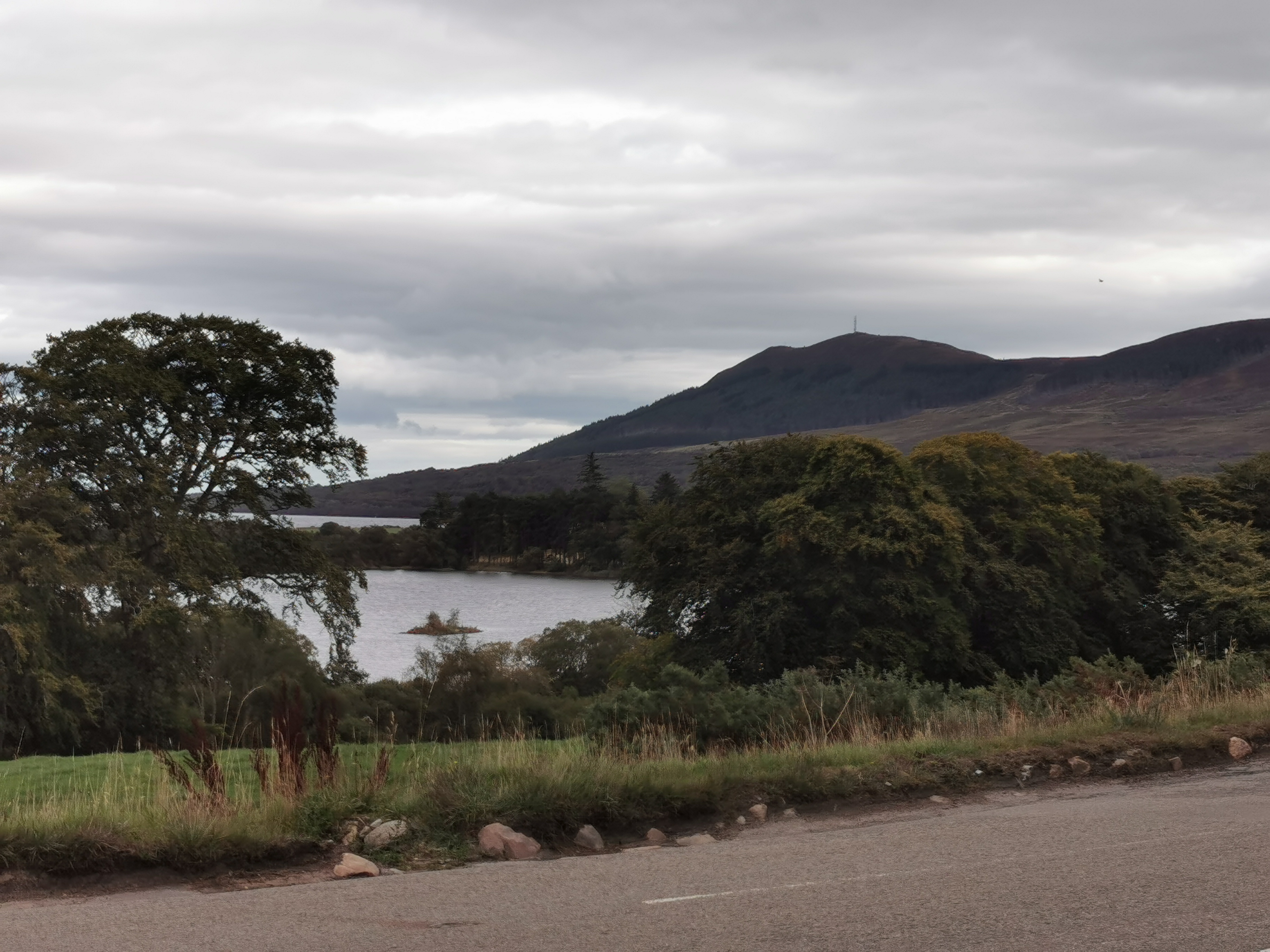
Below is Beadnell Sentry Box, near Seahouses in Northumberland – on the road opposite Beadnell. (For anyone who doesn’t know, this is close to Bamburgh Castle AKA Bebbanburg, for fans of the Saxon period). And Ardgay Sentry Box, North Scotland, which I visited on my way to my holiday in Orkney in 2021. I had to include the view from the Ardgay sentry box, which is absolutely stunning. And it makes perfect sense as to why a sentry box would have been needed there – it is very remote.
Very few of these sentry boxes remain in their locations – and the majority are in Northern England and Scotland, and are, hopefully, now listed buildings. But, there would have been a time when these sentry boxes would have been a regular sight throughout the United Kingdom. A list of all the sentry boxes known up to 1962 reveals that there were 862 boxes (although not all of them may have been constructed) and just to add to the joy of them, these numbers make very little sense. Boxes located close together are not numbered concurrently.
Inside one of these sentry boxes would have been a telephone, and if you were lucky, a petrol canister so that you could make it to the next petrol station, if you did happen to run out of petrol. Patrolmen (yes, sadly, they were all men at the time) would have followed a specific route, to begin with on peddle bikes, but eventually using motorbikes with sidecars stuffed full of tools to help the stranded motorist. And the phone, in the 1940s, would have been answered by someone in the head office based in London.
AA members paid a subscription fee, and were then given a key which allowed access into the sentry boxes. Can you imagine how cross you’d have been to need to use the telephone only to discover you’d left your key at home. Cars also had a very dapper badge, often attached to the front grill, which proclaimed they were members. AA patrolmen were to salute to all cars showing a badge.
But enough about the sentry boxes, and the AA organisation in the 1940s. here’s the blurb for the book.
Erdington, September 1944
As events in Europe begin to turn in favour of the Allies, Chief Inspector Mason of Erdington Police Station is once more prevailed upon to solve a seemingly impossible case.
Called to the local mortuary where a man’s body lies, shockingly bent double and lacking any form of identification, Mason and O’Rourke find themselves at Castle Bromwich aerodrome seeking answers that seem out of reach to them. The men and women of the royal air force stationed there are their prime suspects. Or are they? Was the man a spy, killed on the orders of some higher authority, or is the place his body was found irrelevant? And why do none of the men and women at the aerodrome recognise the dead man?
Mason, fearing a repeat of the cold case that dogged his career for two decades and that he’s only just solved, is determined to do all he can to uncover the identity of the dead man, and to find out why he was killed and abandoned in such a bizarre way, even as Smythe demands he spends his time solving the counterfeiting case that is leaving local shopkeepers out of pocket.
Join Mason and O’Rourke as they once more attempt to solve the impossible in 1940s Erdington.
The Automobile Assassination can be read in ebook, paperback, hardback and audio version (narrated by the wonderful Matt Coles). I do hope you will check out the blog posts below.
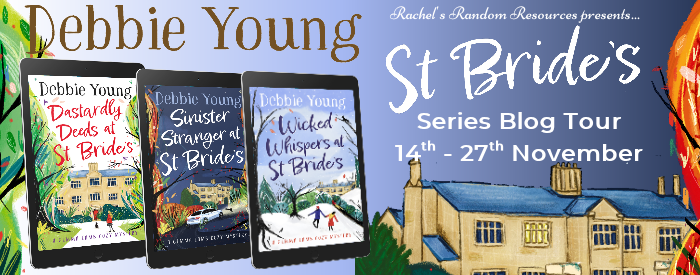
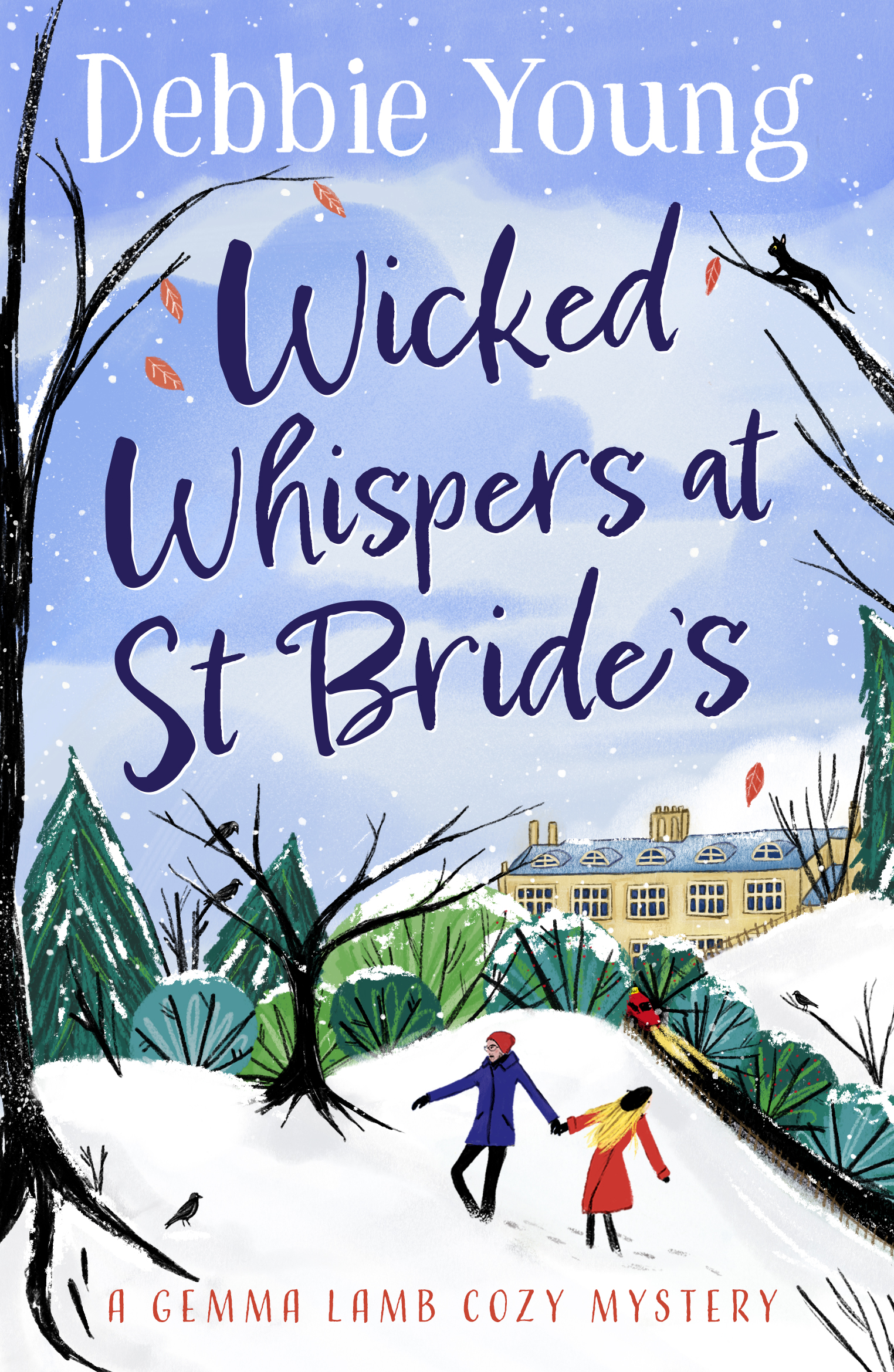
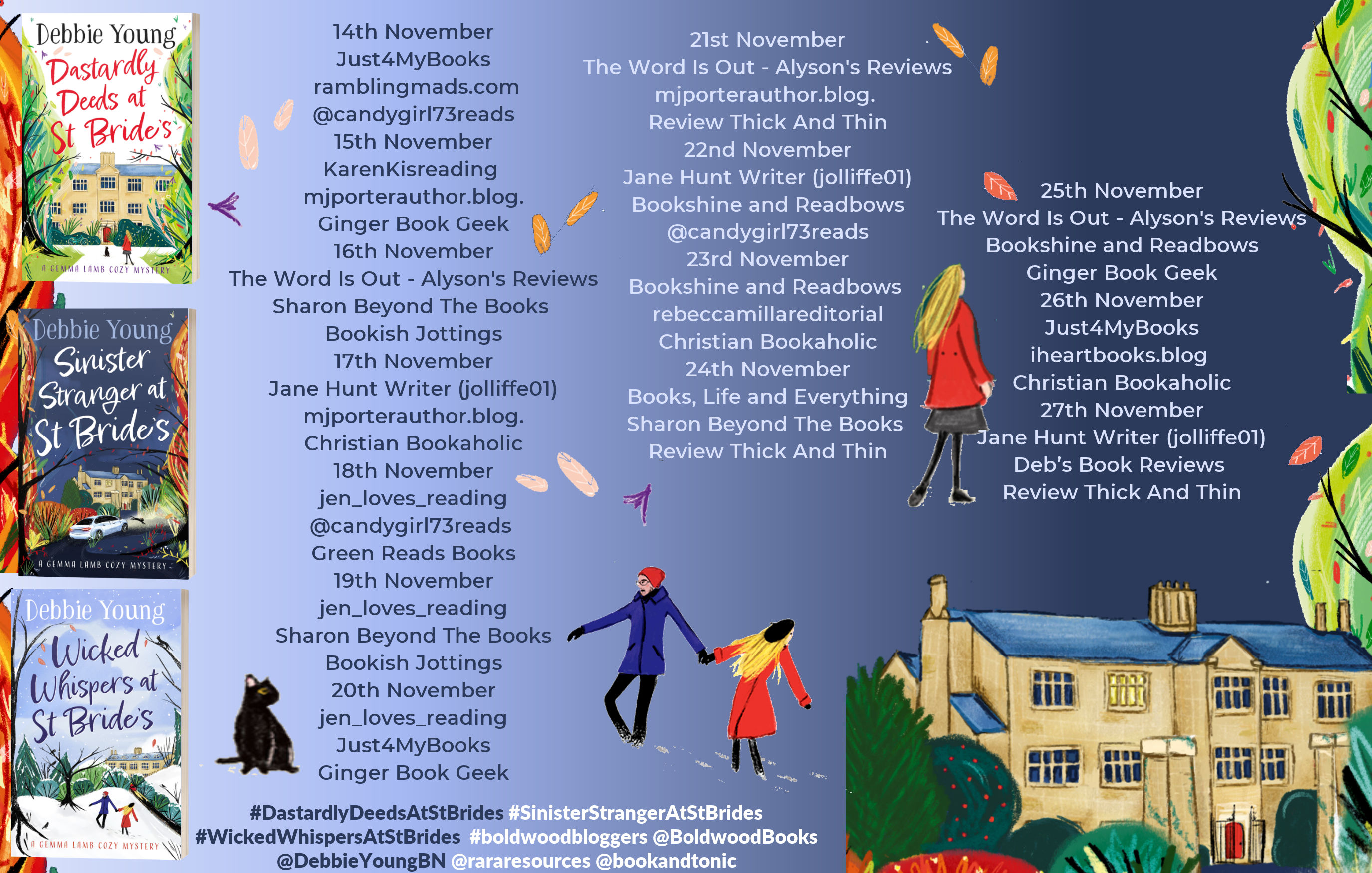
Gemma Lamb is ready for an uneventful term at St Bride’s, she’s had enough of dastardly deeds and sinister strangers.
However, she’s barely back at school before:
Unlucky in love Oriana is sneaking around at odd hours
Handsome Joe is keeping secrets
Militant Mavis feels a scandal is brewing
It’s all a bit much, but when a stranger appears Gemma thinks she’s had enough. But this stranger isn’t so sinister, instead he looks rather too familiar. If Gemma can’t get him away from the school the whispers and scandal his presence could unleash may just close St Bride’s doors for good.
The St Bride’s books are rapidly becoming one of my favourite series.
Wicked Whispers at St Bride’s takes place during the half term after the Christmas holidays. While the girls are all learning how to play games with the teachers, Cluedo, Chess, and a touch of poker, Gemma finds herself wondering what’s going on between Joe and Oriana, which leads her to make a rather impromptu decision when a stranger appears at the doors of St Bride’s.
What follows is a series of misunderstandings, a somewhat unexpected fire alarm, and not one, not two, not three, but four trips out for afternoon tea, during which two more mysteries are solved.
I really do enjoy this series featuring the staff and students of St Bride’s. They’re just the right sort of cosy to fill a couple of hours with feel-good reading. I’m hoping there’ll be a book 4 soon.
Meet the Author
Debbie Young is the much-loved author of the Sophie Sayers and St Brides cosy crime mysteries. She lives in a Cotswold village where she runs the local literary festival, and has worked at Westonbirt School, both of which provide inspiration for her writing. She is bringing both her series to Boldwood in a 13-book contract. They will be publishing several new titles in each series and republishing the backlist, starting in September 2022.
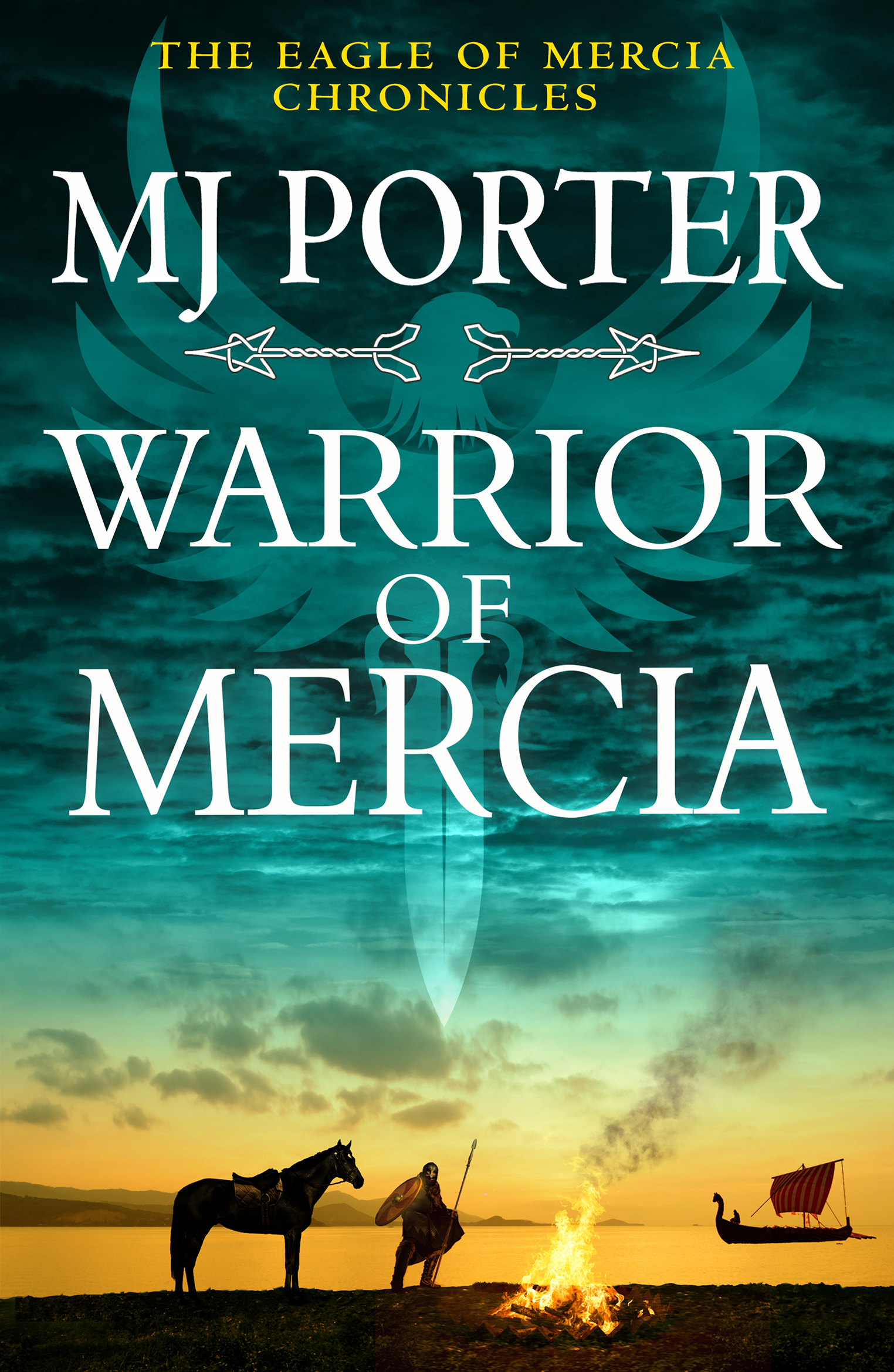
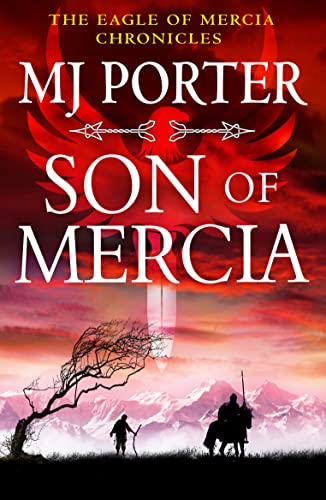
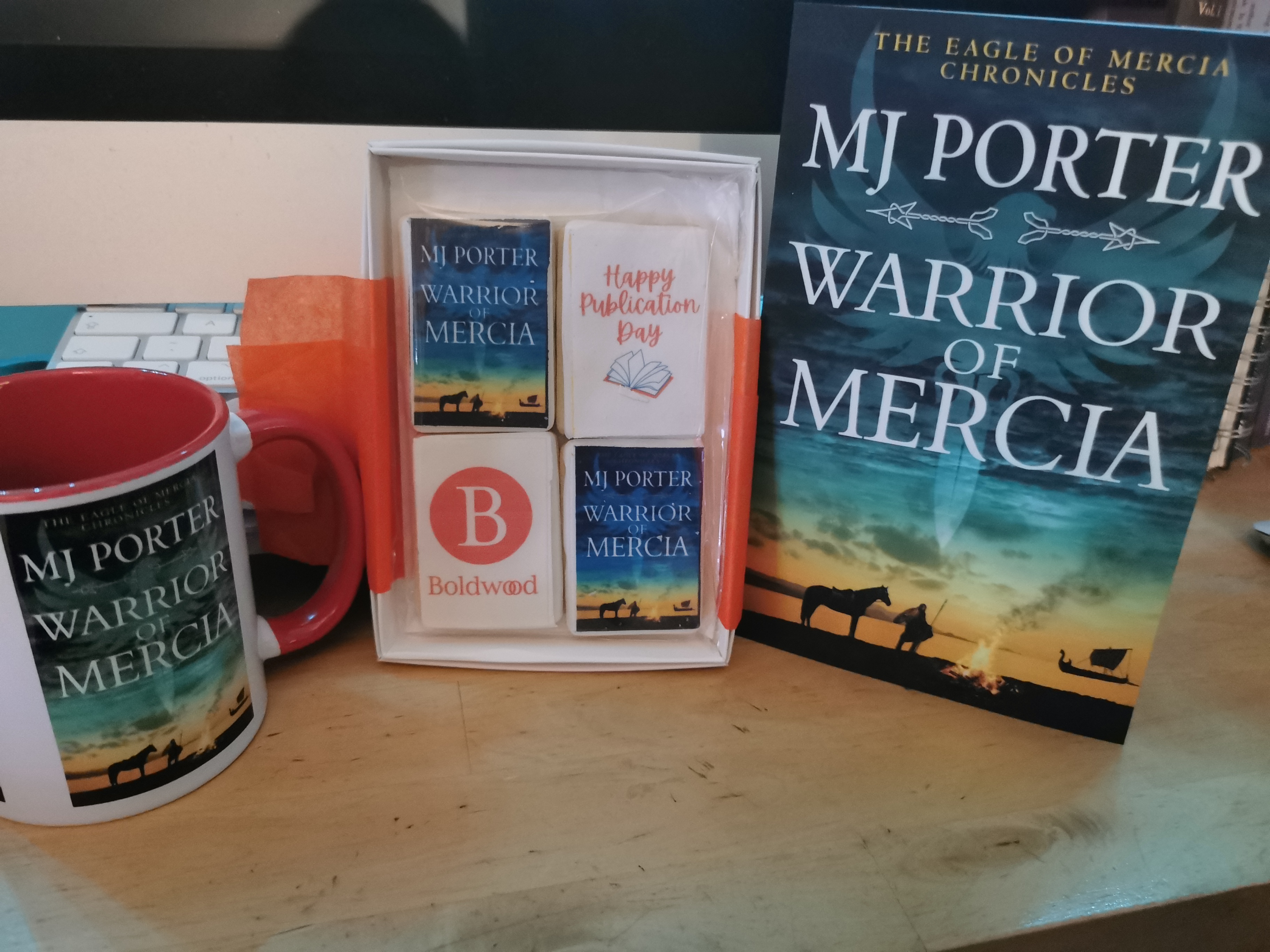
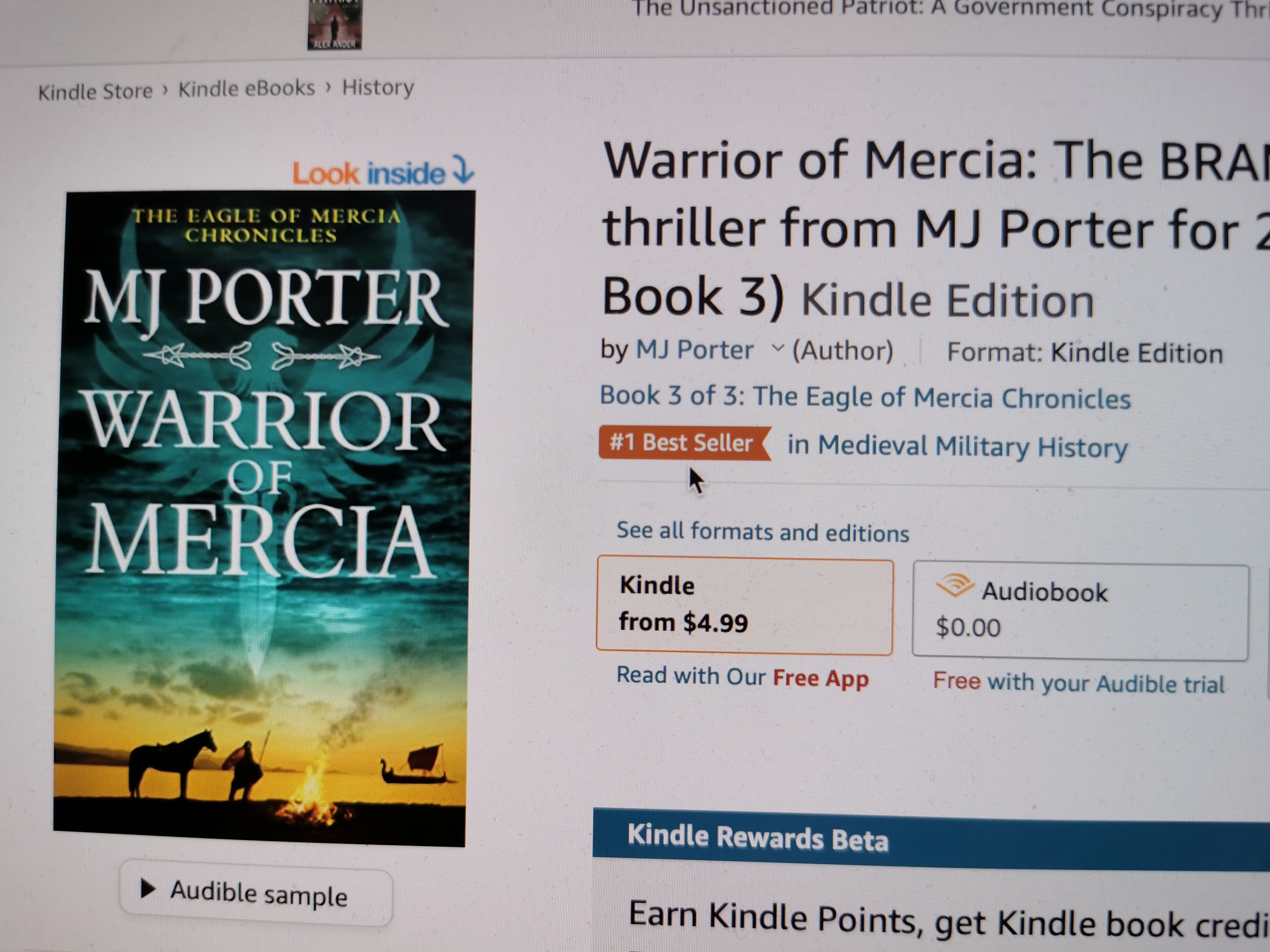
Today sees the release of book 3 in my series about young Icel, a much-loved character from my The Ninth Century series featuring King Coelwulf, the last king of Mercia. And so, now that Icel as a young man, and Icel as a crotchety older man are both firmly in reader’s minds, I thought I’d share more about the idea for the Eagle of Mercia Chronicles series.
My characters in the Ninth Century series feel like they very much arrived in my head fully formed. Coelwulf was obviously the first, but others quickly followed, and Icel, with his derisive comments about any of their accomplishments, was an early fan favourite, and one of my favourites as well. Surly, and outspoken, while offering little of his life before the period that my characters knew him, he really did speak to me when I was deciding on a new series to write for Boldwood Books. All those little comments he makes. I think the below is our first introduction to his character;
“In the reign of King Wiglaf I first became a man,” he’s fond of saying, although he never explains what act made him a man. Again, I’ve stopped questioning him. Edmund likes to when he’s either drunk too much, or is trying to distract himself from whatever attack we’re about to begin. And of course Rudolf hangs on Icel’s every word. They’re an excellent match for each other, the boy who never runs out of questions, and the man who never answers them.’ (The Last King)
All these hints at what he might really have been like when he was perhaps no older than Rudolf, another firm fan favourite, made me want to tell his story. It did help that Mercia, at the time he would have been a boy was in political turmoil. It also helped that the Viking Raiders were making an appearance in Saxon England as well throughout the 830s. But Icel is a fictional character, and while fictionalising my Saxon characters, the men and women I normally write about did actually exist, even if we only have their names. But Mercia, in the 820s and 830s suffered a series of successive kingships, many of which failed, and so while Icel is fictitious, he does allow me to give a more rounded view of the entirety of events. He will live through these tumultuous times, and that’s important when I wanted to write about these events as well as all the kings.
It also helped that, in my contrary nature as a writer of historical fiction, that I always want to offer something a little different to the oft-taken paths when authors write about Saxon England – the Vikings, the reign of Alfred, Ethelred the Unready and the Norman Conquest, as well as the Golden Age of Northumbria, are often chosen but there is just so much more in these six hundred years to write about. So, no one else was writing about Mercia as it begins to falter in the 820s and 830s, and so I thought, why not:)
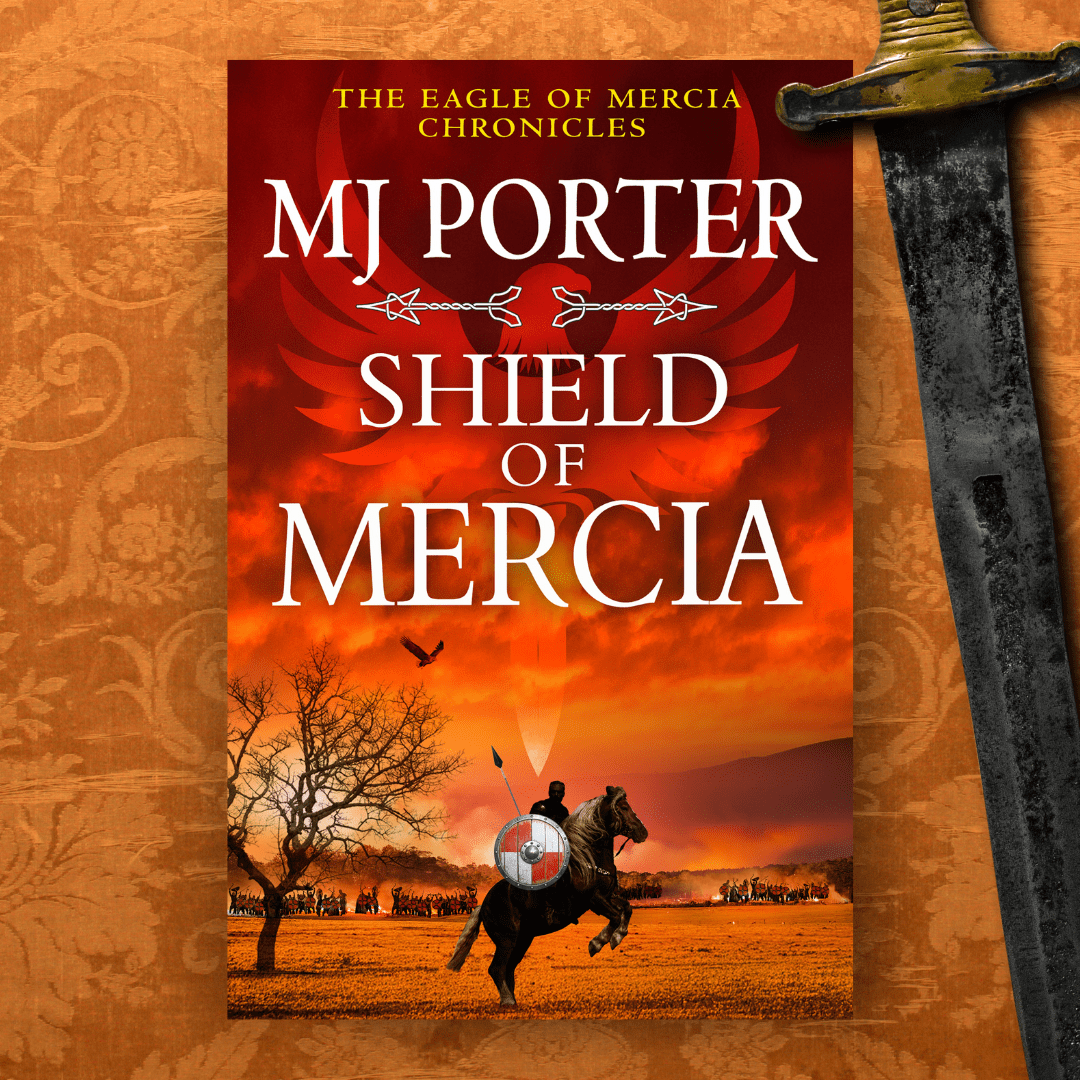
I really, really hope you’ll enjoy book 3, Warrior of Mercia, which follows Icel to the kingdom of the East Angles. I can also assure you that Book 4 is well underway as well.
Icel is a lone wolf no more…
Oath sworn to Wiglaf, King of Mercia and acknowledged as a member of Ealdorman Ælfstan’s warrior band, Icel continues to forge his own destiny on the path to becoming the Warrior of Mercia.
With King Ecgberht of Wessex defeated and Londonium back under Mercian control, the Wessex invasion of Mercia is over.
But the Wessex king was never Mercia’s only enemy. An unknown danger lurks in the form of merciless Viking raiders, who set their sights on infiltrating the waterways of the traitorous breakaway kingdom of the East Angles, within touching distance of Mercia’s eastern borders.
Icel must journey to the kingdom of the East Angles and unite against a common enemy to ensure Mercia’s hard-won freedom prevails.
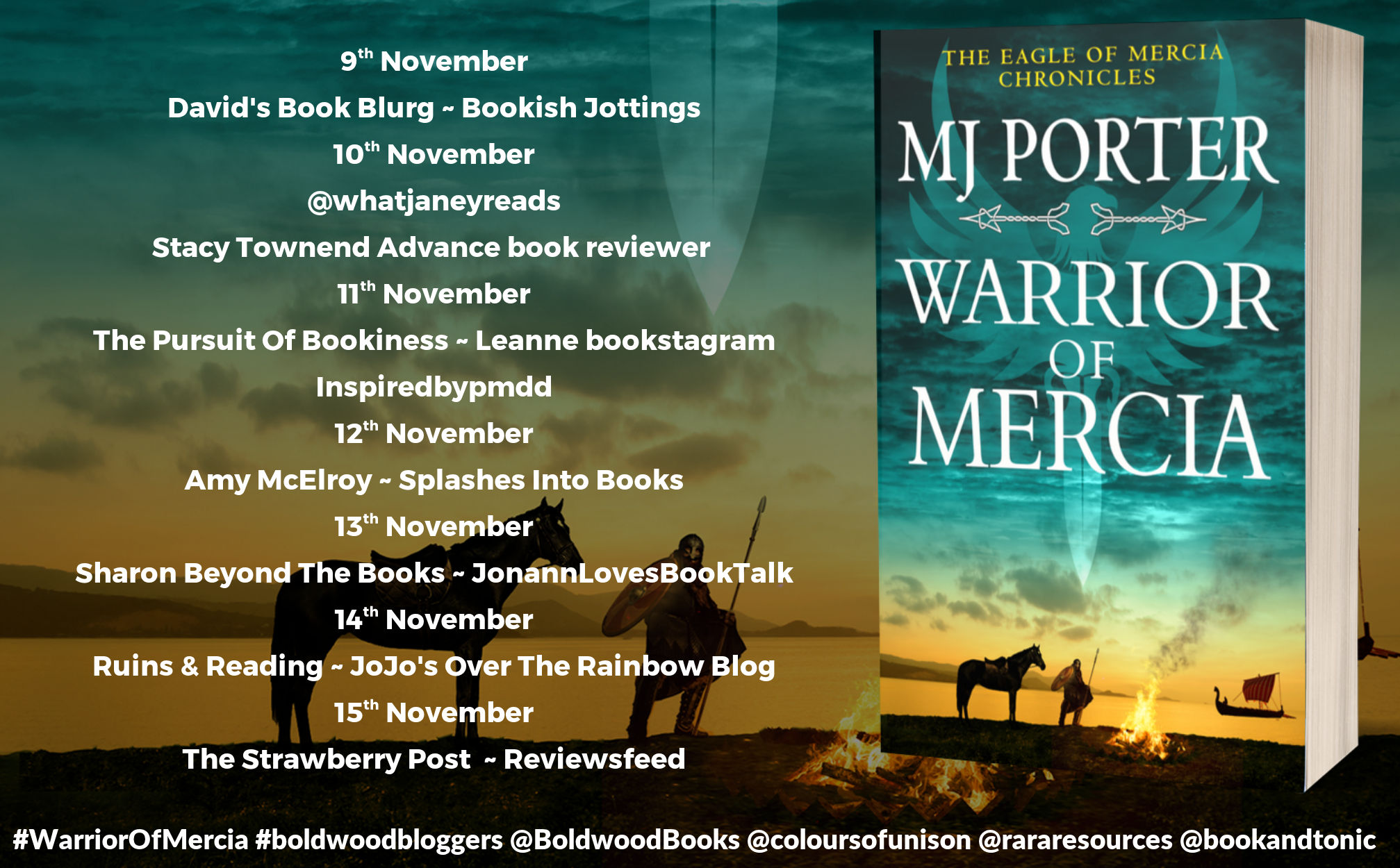
And you can follow the blog tour with Rachel’s Random Resources too. I’ll be updating with links to reviews, and I’d like to say a huge thank you to my blog tour hosts and usual reviewers for going out of their way to make release day so special.
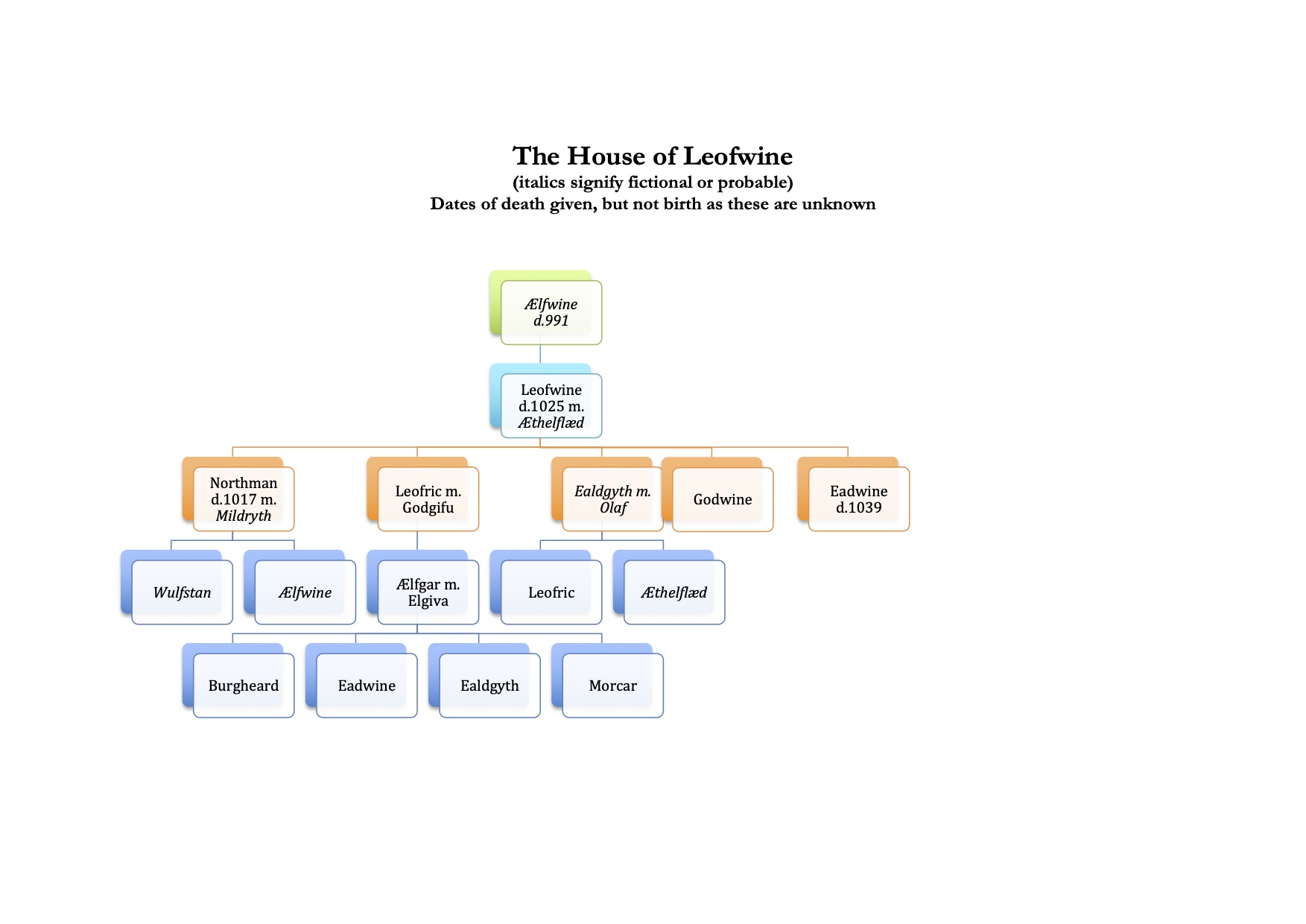
Ealdorman Leofwine , was the ealdorman of the Hwicce (c.994-1023), one of the ancient tribal regions in Mercia, which was a part of England, at the time the story begins. It is possible he may have been related to Ælfwine, who is named, and dies at the Battle of Maldon (more below).
Ealdorman Leofwine and his descendants, who would hold positions of power until the Norman Conquest of 1066, are a unique family in this tumultuous period. No other family, apart from the ruling family of Wessex (and even then there was a minor hiccup caused by those pesky Danish kings) held a position of such power and influence and for such a long period of time, as far as is currently known. The position of ealdorman was not hereditary. It was a position in the gift of the king, and Saxon kings ruled with a varying number of ealdormen. To understand Leofwine’s significance, it’s important to understand this. Unlike an earl – a term we are all perhaps far more familiar with – but specifically a medieval earl in this regard – that position was both more often than not hereditary AND meant that the person involved ‘owned’ significant properties in the area they were earls over. This is not how the ealdormanic system worked in Saxon England, as it’s currently understood.
It is difficult to track many of the ealdormanic families of this period, and the previous century, but there are a few notable individuals, all who bucked the usual trend, which no doubt accounts for why we know who they are.
Perhaps most well-known is Ealdorman Athelstan Half-King, who was the ealdorman of East Anglia from about 934 to 955/6 when he fell from favour at court during the reign of King Eadwig and retired to Glastonbury Abbey. Before he did so, he ensured that his son, Æthelwald, was elevated to the position of ealdorman in his place. This was most unusual, but then, he came from a powerful family, fiercely loyal to the ruling House of Wessex, if not actually a member of them. Athelstan Half-King is believed to have been the son of Ealdorman Æthelfrith, a Mercian ealdorman when Lady Æthelflæd was the Lady of Mercia. Athelstan was one of four brothers. His older brother seems to have either briefly retained the ealdordom after their father’s death in Mercia, or been accorded it a few years later, but when he died, Athelstan Half-King didn’t become ealdorman of Mercia in his place. No, he remained in East Anglia while his two brothers, Eahric and Æthelwald, held ealdordoms in Wessex (Eahric) and Kent (Æthelwald). They didn’t become the ealdorman of Mercia either. The ealdordom passed to a different individual.
When Ealdorman Æthelwald of the East Angles died a few short years later (Athelstan Half-King’s son), his place was taken by Ealdorman Æthelwine, the youngest of Athelstan Half-King’s children. But, the family failed to hold on to the position, despite Ealdorman Æthelwine being married three times, and fathering three sons, one of whom died at the battle of Assandun in 1016. The next to hold the ealdordom of the East Angles after the death of Æthelwine was Leofsige, who was the ealdorman until he fell foul of the king in 1002. In the early 1000s Ulfcytel emerges and may have been married to one of the king’s daughters, but is never officially accorded the title of ealdorman.
Another famous ealdorman was Byrhtnoth of Essex, who died at the Battle of Maldon in 991. But Byrhtnoth was not the son of the previous ealdorman, and indeed, he married the daughter of a very wealthy man and in turn was raised to an ealdordom in Essex at exactly the same time that Ealdorman Athelstan Half-King was being forced to retire from his position in East Anglia. (Byrhtnoth’s wife’s sister had briefly been married to King Edmund (939-946, before his murder). While there are some arguments that Byrhtnoth was from a well regarded family, his appointment was not because of an hereditary claim. It’s known that he was father to a daughter, but not to a son. As such his family did not retain the ealdordom on his death. Indeed, it seems as though Essex and the East Anglian earlordoms were united for a time under Leofsige.
The argument has been put forth that the position of ealdorman may have come with properties that were the king’s to gift to the individual to enable them to carry out their duties in a particular area. The Saxons had a number of types of land tenure, bookland, was land of which the ‘owners’ held the ‘book’ or ‘the title deed.’ (There are some wonderful charters where landed people had to ask for the king to reissue a charter as theirs was lost, often in a fire. There is a wonderful example where King Edgar has to reissue a charter for his grandmother, as he’d lost it while it was in his care). Other land tenure was ‘loan land,’ that is land that could be loaned out, often for a set number of ‘lives.’ Ealdormen might then have held bookland that was hereditary, and not in the area they were ealdorman of, and loan land that was in the king’s to gift to them within the area that they were the appointed ealdorman.
Many will be familiar with the family of Earl Godwin and his sons (thanks to the influence of the Danes, the term ealdorman was replaced by earl, which was the anglicised version of jarl). Much work has been done on the land that the Godwin family held when the great Domesday survey was undertaken during the reign of William the Conqueror. It will quickly become apparent that while they had areas where they held a great deal of land, these were not necessarily the areas over which first Godwin and then his sons Tostig, Harold, Gyrth, Leofwine and Sweyn held the position of earl. Most notably, Tostig was earl of Northumbria from 1055-1065, and yet the family had almost no landed possessions there.
And this is where we return to Ealdorman Leofwine and his family. While everyone knows about Earl Godwin and his sons, they didn’t hold their position for as long as Ealdorman Leofwine and his family. Earl Godwine is first named as an earl in charter S951 dated to 1018. By that period, Leofwine of the Twice had already held a position of importance since 994. The families of both men would converge as the events of 1066 drew nearer, and indeed, Godwine’s son, Harold, was married to Ealdorman Leofwine’s great-granddaughter when he was briefly king of England.
When Ealdorman Leofwine died, his son, Leofric, didn’t become ealdorman in his place. Leofric was a sheriff during the period between his father’s death and his own appointment. And indeed, Leofric’s son, Ælfgar was elevated to an earldom before his father’s death, and so was not initially the earl of Mercia. However, on this occasion, and because of a political situation that was rife with intrigue, Ælfgar did become the earl of Mercia after his father’s death, and after Ælfgar’s death, his young son also took the earldom of Mercia. The family survived the events of 1066, but they didn’t retain their hold on the earldom. The House of Leofwine were a family to not only rival that of Earl Godwine’s, as far as it’s known, but they were also the ONLY family to retain a position as an ealdorman/earl for over seventy years. And yet, very few know about them, and indeed, in many non-fiction books, they’re not even mentioned. And that was the perfect opportunity for me to write about the fabulous family, largely inspired by a non-fiction book, The Earls of Mercia: Lordship and Power in Late Anglo-Saxon England by Stephen Baxter.
This post is just a quick summary of where you can find a few articles I’ve written in the last few months, in case you’ve missed them (in no particular order).
I wrote a feature for Shepherd about the five books that led to my obsession with Saxon England.
And sticking with all things Saxon, I’ve written a piece all about Saxon England for this month’s interactive Historical Times magazine. (this link will take you to the sample – sign up to become a member – the magazines are always stuffed with fabulous content)
Your book, Apollo’s Raven, sounds fascinating. Can you share with me what the first idea was that made you decide to write this story? It might be very different from how the story ended up being, but I am curious, if you don’t mind sharing. And, if the story is very different, would you mind sharing the process by which you ended up with your current novel?
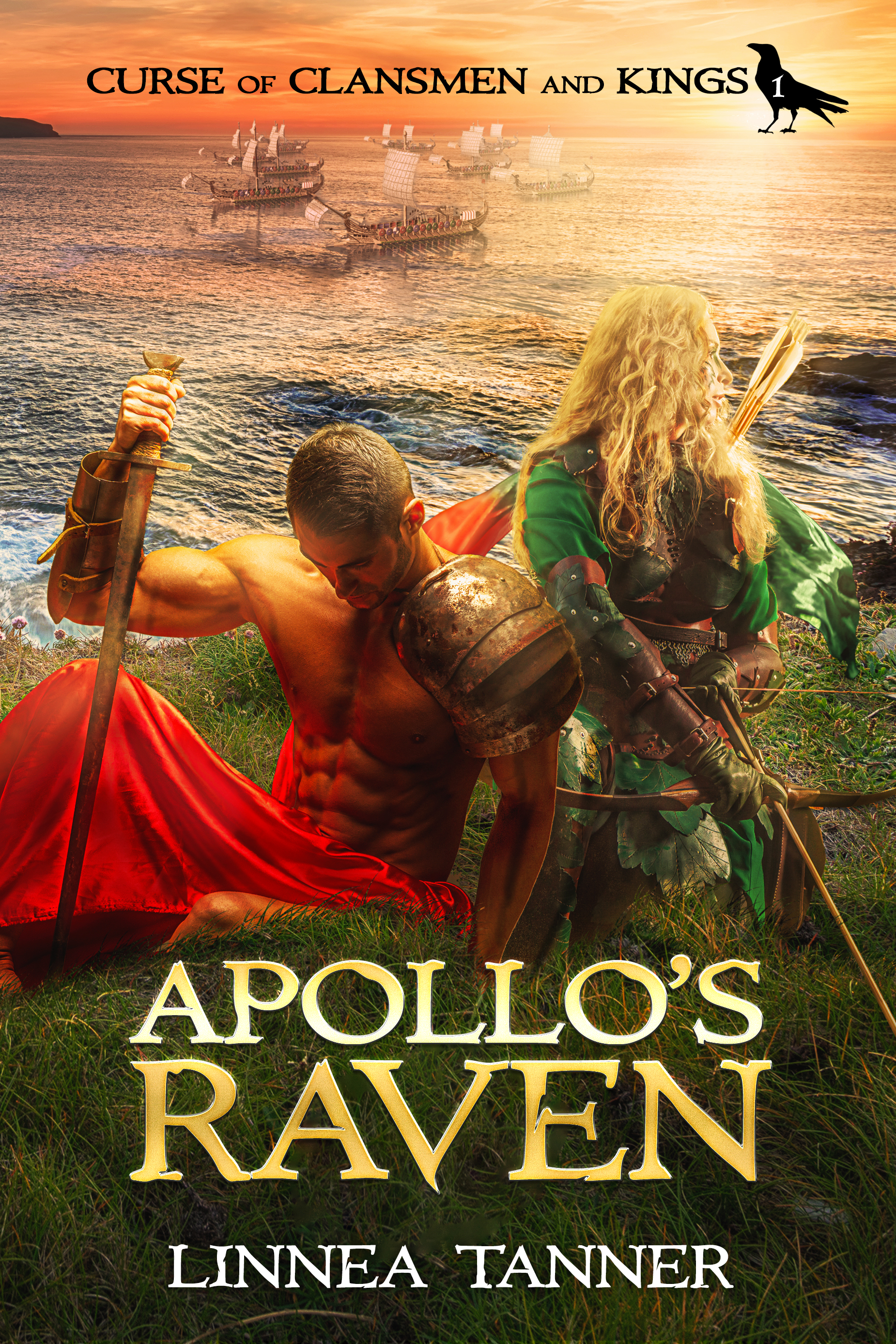
Thank you for featuring me as an author of Apollo’s Raven (Book 1 Curse of Clansmen and Kings) in the blog tour. You pose an interesting question, because the evolution of the characters and storyline has been a lifelong journey. Since childhood, the characters of a female warrior and her Roman lover have lived in my head, in part, as a way for me to deal with challenges in my own life. Both characters are bigger than life, but I never had a cohesive tale until I discovered historical figures who inspired me to develop the overall arc of the storyline.
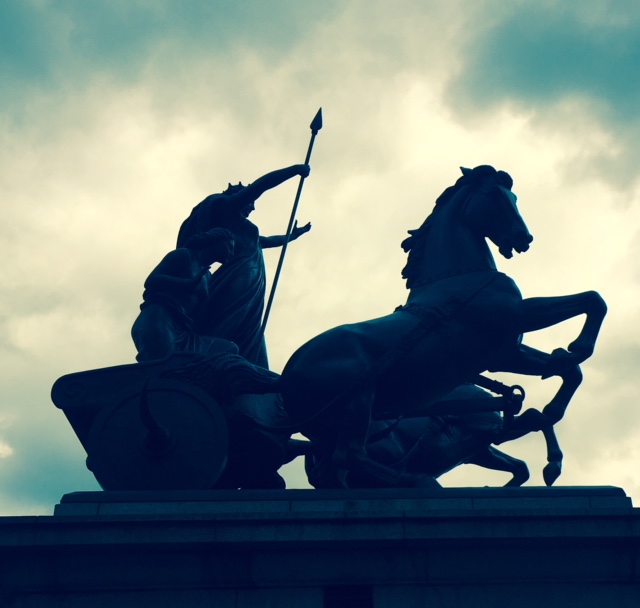
A pivotal point for creating the story was during one of my business travels to the United Kingdom. I was intrigued by the statue of a warrior queen and her daughters in a chariot, alongside the Thames River in London. After I did more research, I learned that she was Boudicca—an Iceni warrior queen who united the Britons in a rebellion against the Romans in AD 61 to expel them from Britannia. Roman historians describe her as a powerful druidess who sacrificed some of her victims to the war goddess, Andraste. Although the Celtic society was becoming more paternalistic, women were still held in high regard and could rule. The legacy of warrior queens in ancient Britannia and in Irish mythology inspired the primary protagonist, Catrin, in the series.
Boudicca in chariot with two daughters
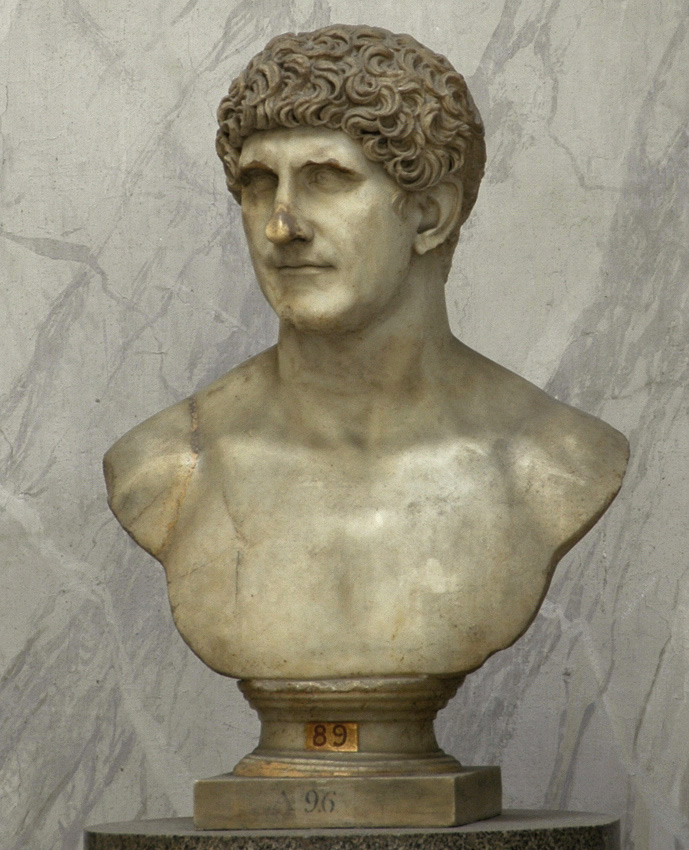
The legacy of Marcus Antonius (Mark Antony) and his tragic downfall with Cleopatra inspired the creation of Catrin’s Roman lover, Marcellus. Mark Antony’s son (Iullus Antonius) from a previous marriage also suffered a similar tragic fate— he was forced to commit suicide for his scandalous affair with Augustus Caesar’s only daughter, Julia. Little is known about Iullus’s son, Lucius Antonius, except that he was exiled to Gaul as a young man, most likely as a condition to escape his father’s fate. During the period in my series, the Antonius family legacy is cursed by the act of damnatio memoriae (condemnation of memory) for Marcus and Iullus Antonius, who both died in disgrace as a consequence of their liaisons with women. One of the burning questions I had is how would the tragic Antonius legacy impact Lucius Antonius? How would he react if his own son went down the same fateful path as his ancestors?
Bust Mark Antony
And thus, Marcellus, the son of Lucius Antonius, was created and cursed to meet the tragic fate as his ancestors. Catrin also lives under the curse cast against her father, King Amren, that foretells she and her half-brother will overthrow their father and rule the Cantiaci Kingdom in southeast Britannia.
I drafted a three-page summary in 2010 for initially three books in the Curse of Clansmen and Kings series, which is now envisioned to be at least five books, a sequel, and other books associated with the characters. The series spans the time period between AD 24 through AD 40 in the backdrop of ancient Britannia, Gaul, and Rome. Prior to the Roman conquest of Britannia, tribal kings fought each other for power and sought interference from Rome to settle political differences. The series is an epic tale with universal themes of love versus duty, political corruption, otherworldly forces, loyalty, vengeance, and redemption.
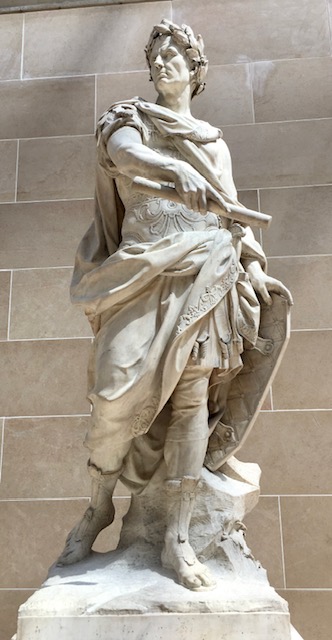
When I look back at my original summary, the storyline has changed substantially. Apollo’s Raven starts earlier in southeast Britannia to give a taste of the Celtic culture and beliefs to contrast with the Romans. Since the Celts left few written records, most of the backdrop for Celtic society is based on Greek and Roman accounts and archaeological findings. Interestingly, Julius Caesar left some of the most detailed accounts about the Celtic society in Gaul and Britannia.
Statue of Julius Caesar
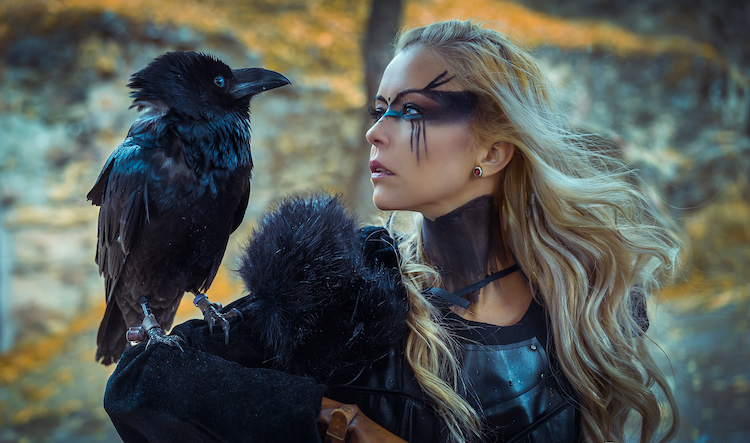
Fantastical elements were added to reflect the culture and religious beliefs of Britons to contract with the paternalistic Romans. The magical elements are based on Welsh and Irish mythology and legends, similar to Arthurian legends. The story was changed so that Catrin can connect with ravens, which is seen as a bad omen. As she is struggling to understand this unnatural connection, she is romantically drawn to the captivating Roman hostage, Marcellus—her family’s enemy.
Likewise, Marcellus is confounded by Catrin’s mystical ability to travel to other worlds through her spirit guide, the Raven. She co-exists in the realm of mankind and in the Otherworld of the gods and the dead which empower with the ability to see through the eyes of a raven, foretell the future, and hear his thoughts. His intimate relationship with Catrin could unravel the volatile politics between Rome and Britannia.
Catrin Shutterstock
One of the most fascinating concepts of Celtic religion that I incorporated into the series is the Celtic belief in the reincarnation of the soul. Their belief is consistent with the Greek philosopher Pythagoras, who believed in metempsychosis, or the “transmigration of souls.” Every soul is immortal and, upon death, enters into a new body. I freely use this concept to explain shapeshifting and other magical powers, which was not originally included in the series.
In essence, seeds for the characters and storyline germinated over time in my mind, but then evolved to include fantastical elements after I developed the original summary of the plotline. After that, characters directed how their stories should be told in my head, and I was further inspired from further research and travels.
Thank you so much for sharing with on the blog. I wish you huge success with the series.
Here’s the blurb:
A Celtic warrior princess is torn between her forbidden love for the enemy and duty to her people.
AWARD-WINNING APOLLO’S RAVEN sweeps you into an epic Celtic tale of forbidden love, mythological adventure, and political intrigue in Ancient Rome and Britannia. In 24 AD British kings hand-picked by Rome to rule are fighting each other for power. King Amren’s former queen, a powerful Druid, has cast a curse that Blood Wolf and the Raven will rise and destroy him. The king’s daughter, Catrin, learns to her dismay that she is the Raven and her banished half-brother is Blood Wolf. Trained as a warrior, Catrin must find a way to break the curse, but she is torn between her forbidden love for her father’s enemy, Marcellus, and loyalty to her people. She must summon the magic of the Ancient Druids to alter the dark prophecy that threatens the fates of everyone in her kingdom.
Will Catrin overcome and eradicate the ancient curse. Will she be able to embrace her forbidden love for Marcellus? Will she cease the war between Blood Wolf and King Amren and save her kingdom?
Award-winning author, Linnea Tanner, weaves Celtic tales of love, magical adventure, and political intrigue in Ancient Rome and Britannia. Since childhood, she has passionately read about ancient civilizations and mythology. Of particular interest are the enigmatic Celts, who were reputed as fierce warriors and mystical Druids.
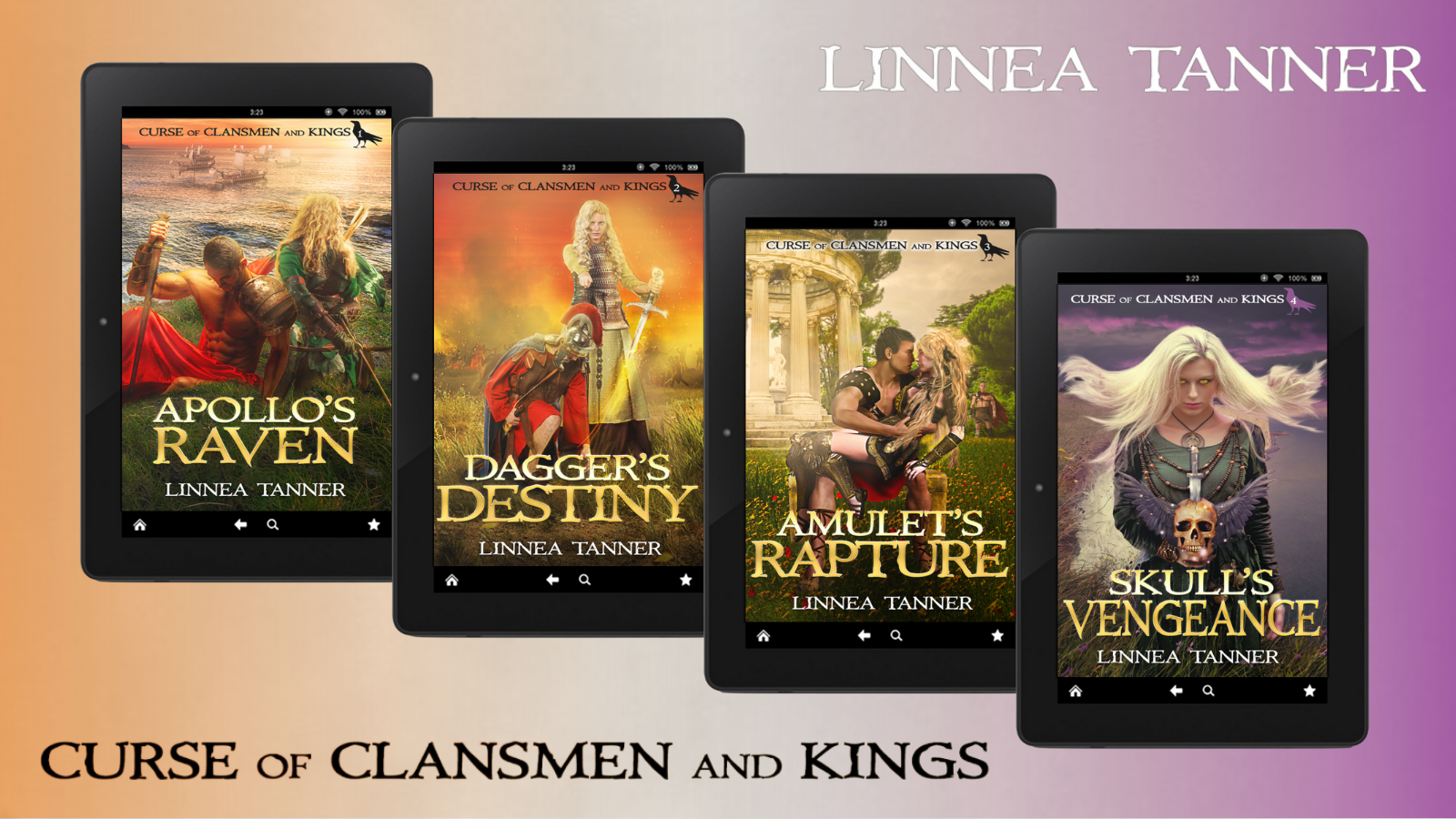
Linnea has extensively researched ancient and medieval history, mythology, and archaeology and has traveled to sites described within each of her books in the Curse of Clansmen and Kings series. Books released in her series include Apollo’s Raven (Book 1), Dagger’s Destiny (Book 2), and Amulet’s Rapture (Book 3). Skull’s Vengeance (Book 4) is anticipated to be released in late 2021 or early 2022.
A Colorado native, Linnea attended the University of Colorado and earned both her bachelor’s and master’s degrees in chemistry. She lives in Fort Collins with her husband and has two children and six grandchildren.
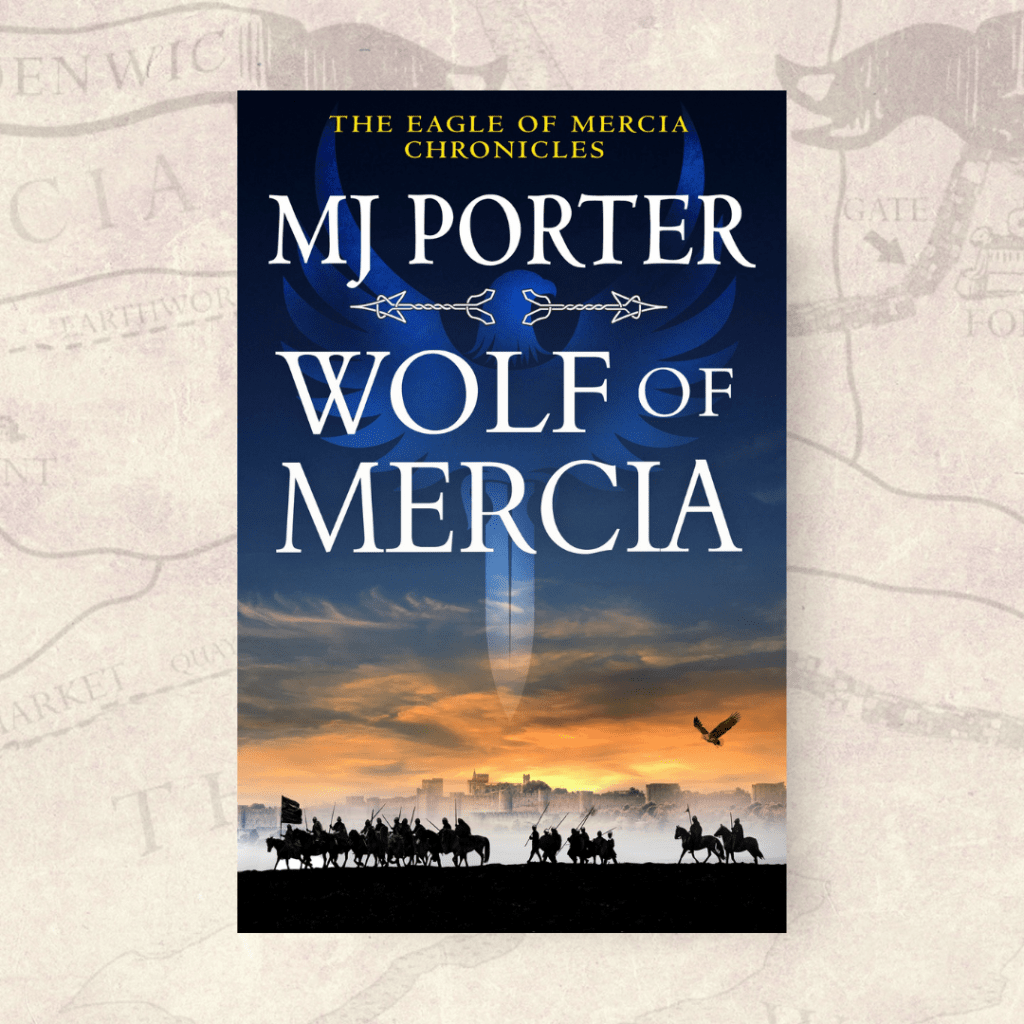
I’m really excited about this one. I truly hope you, as my readers, will love this second book in young Icel’s story. My beta readers assure me it’s very good, and in fact, one of them was up until 3am reading the end:) Check out the release day posts for Son of Mercia and Warrior of Mercia.
Here’s the blurb:
As a lone wolf inside a Wessex stronghold, Icel must ensure his own and Mercia’s triumph.
Icel is becoming a warrior of Mercia, but King Ecgberht of Wessex still holds the Mercian settlement of Londonia and its valuable mint.
King Wiglaf of Mercia is determined that the last bulwark be reclaimed from his sworn enemy to complete his rehabilitation as Mercia’s rightful ruler.
In the heart of the shield wall, Icel suddenly finds himself on the wrong side of the battle and thrust into the retreating enemy stronghold where he must take on the pretence of a Wessex warrior to survive and exact a cunning plan to bring down the Wessex force cowering behind the ancient walls.
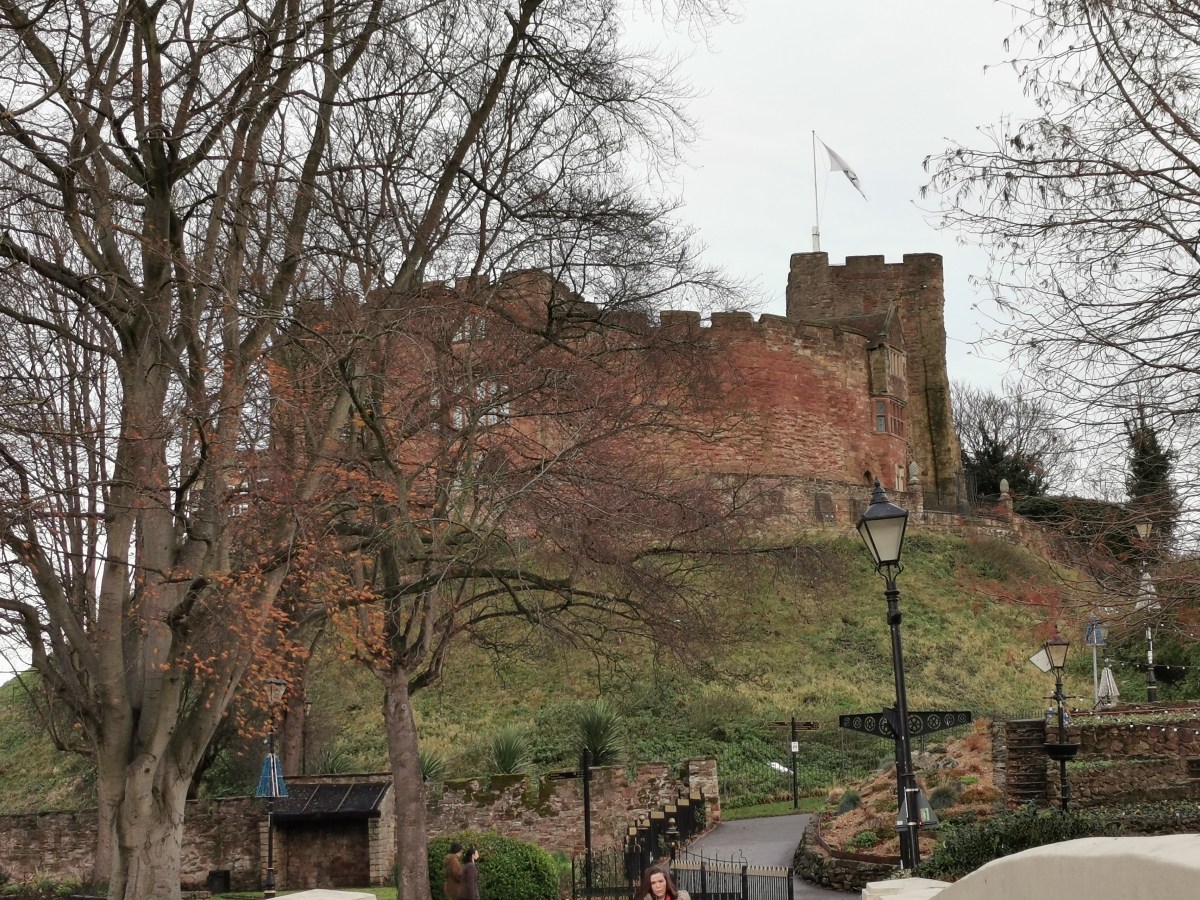
His allegiances are tested and the temptation to make new allies is overwhelming but Icel must succeed if he’s ever to see Tamworth again and bring about King Wiglaf’s victory, or will he be forced to join the enemy?
Do check out the reviews from the Wolf of Mercia blog tour, hosted by Rachel’s Random Resources (click the graphic quotes below (some of the websites are no longer active)).
And, don’t forget to sign up for my Boldwood Books newsletter to keep up to date with special offers and new release information, and also to enter competitions.


















 MJ Porter

