Author of Saxon historical fiction and non-fiction, 20th-century historical mysteries, and Norse-inspired historical romantasy. Book reviewer and blog host.
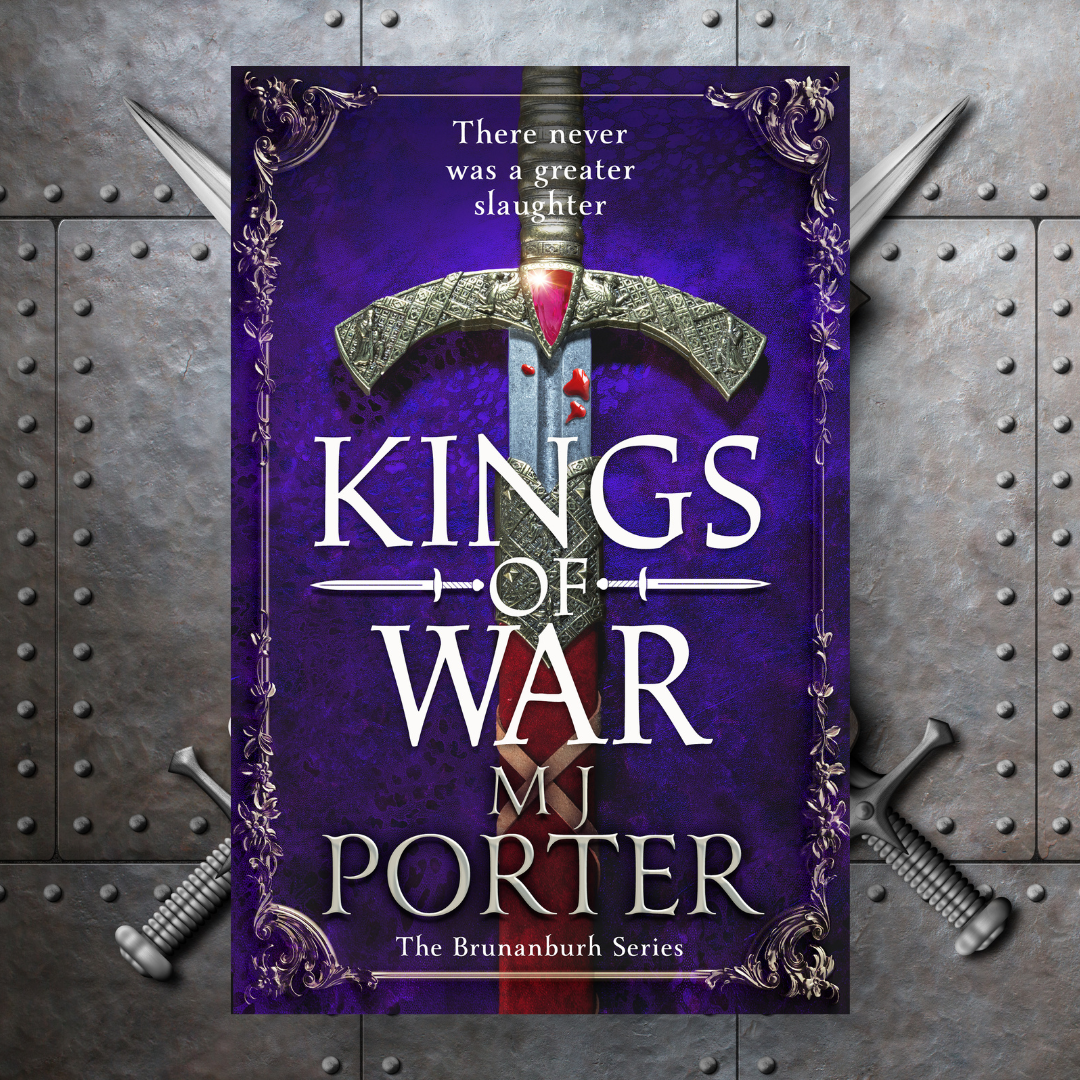
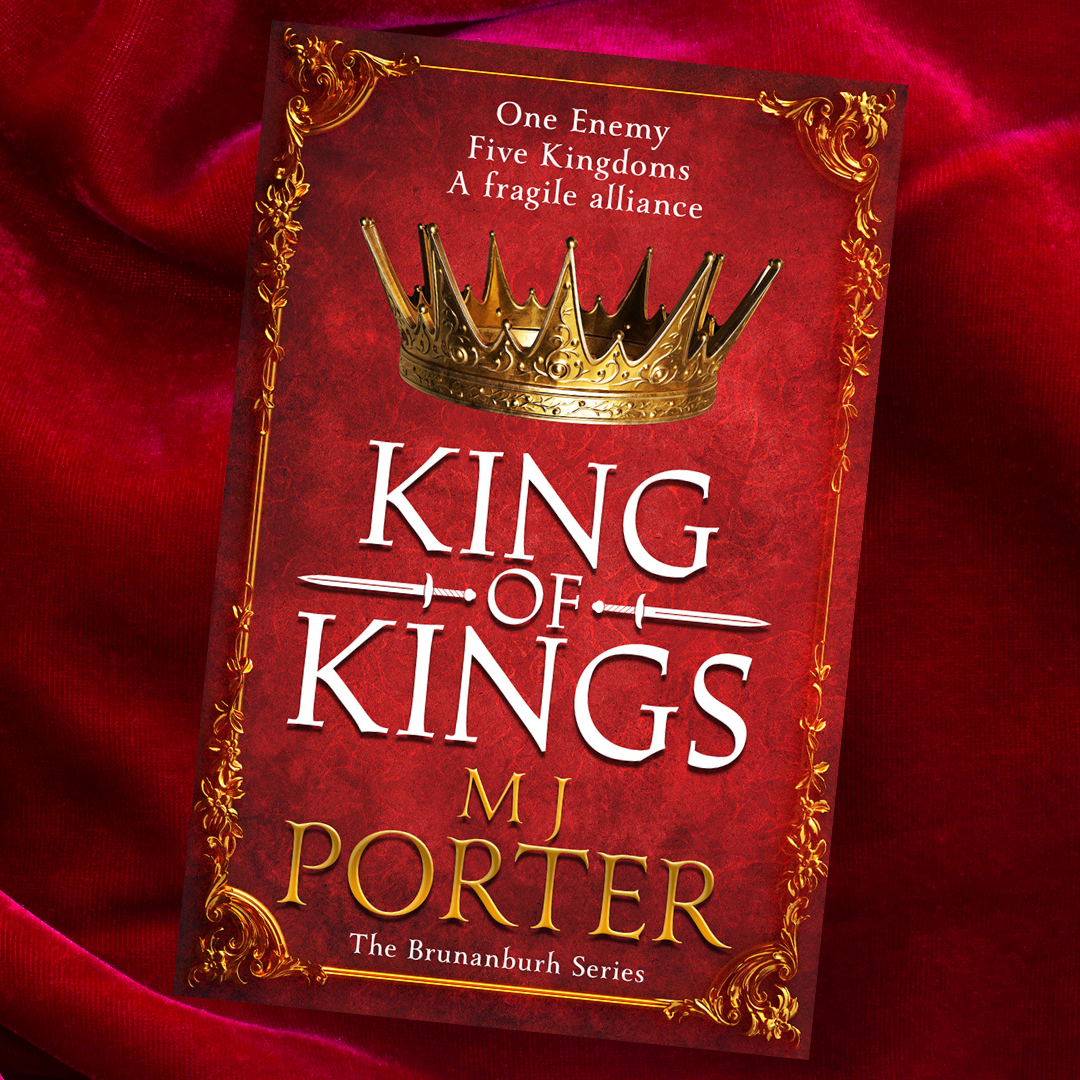
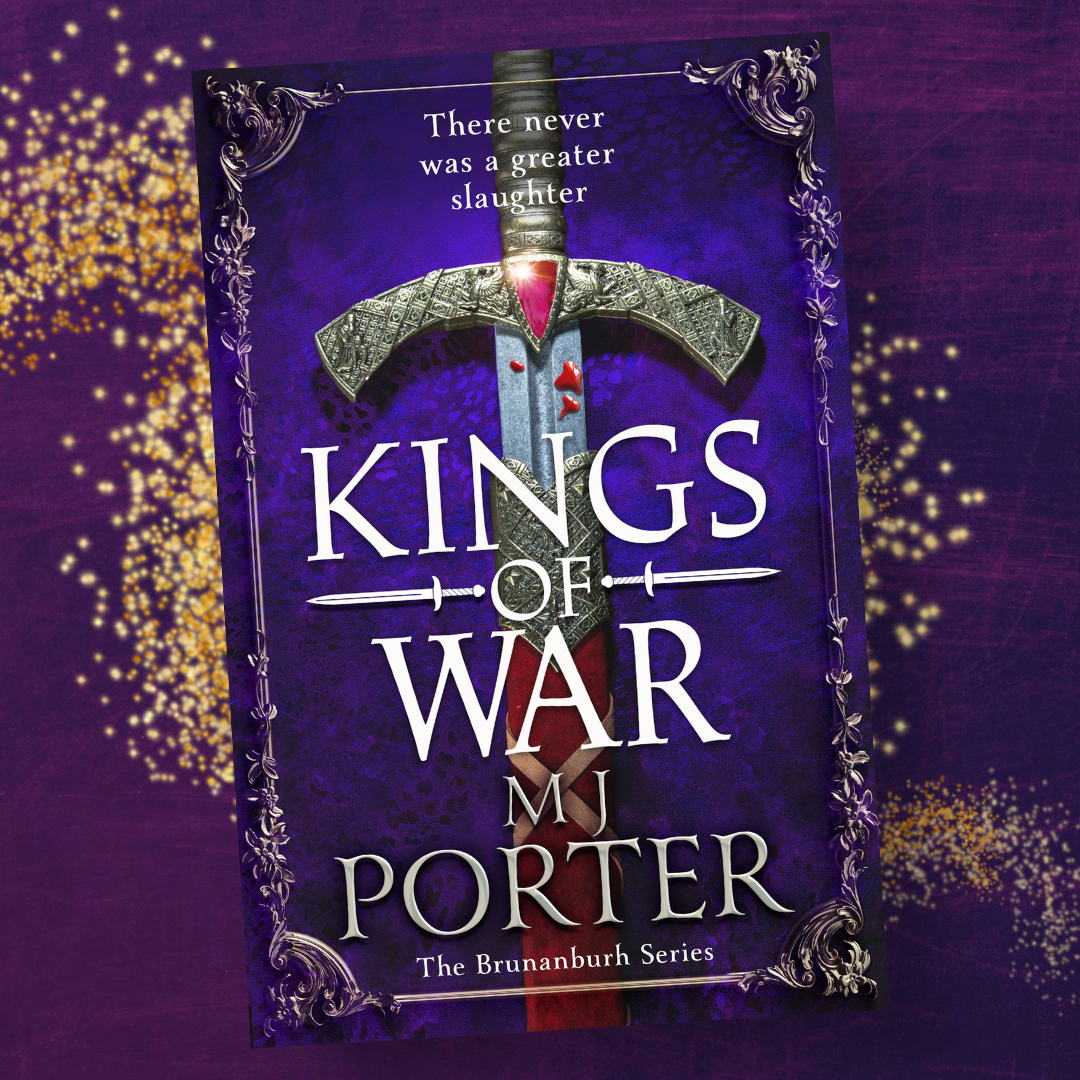
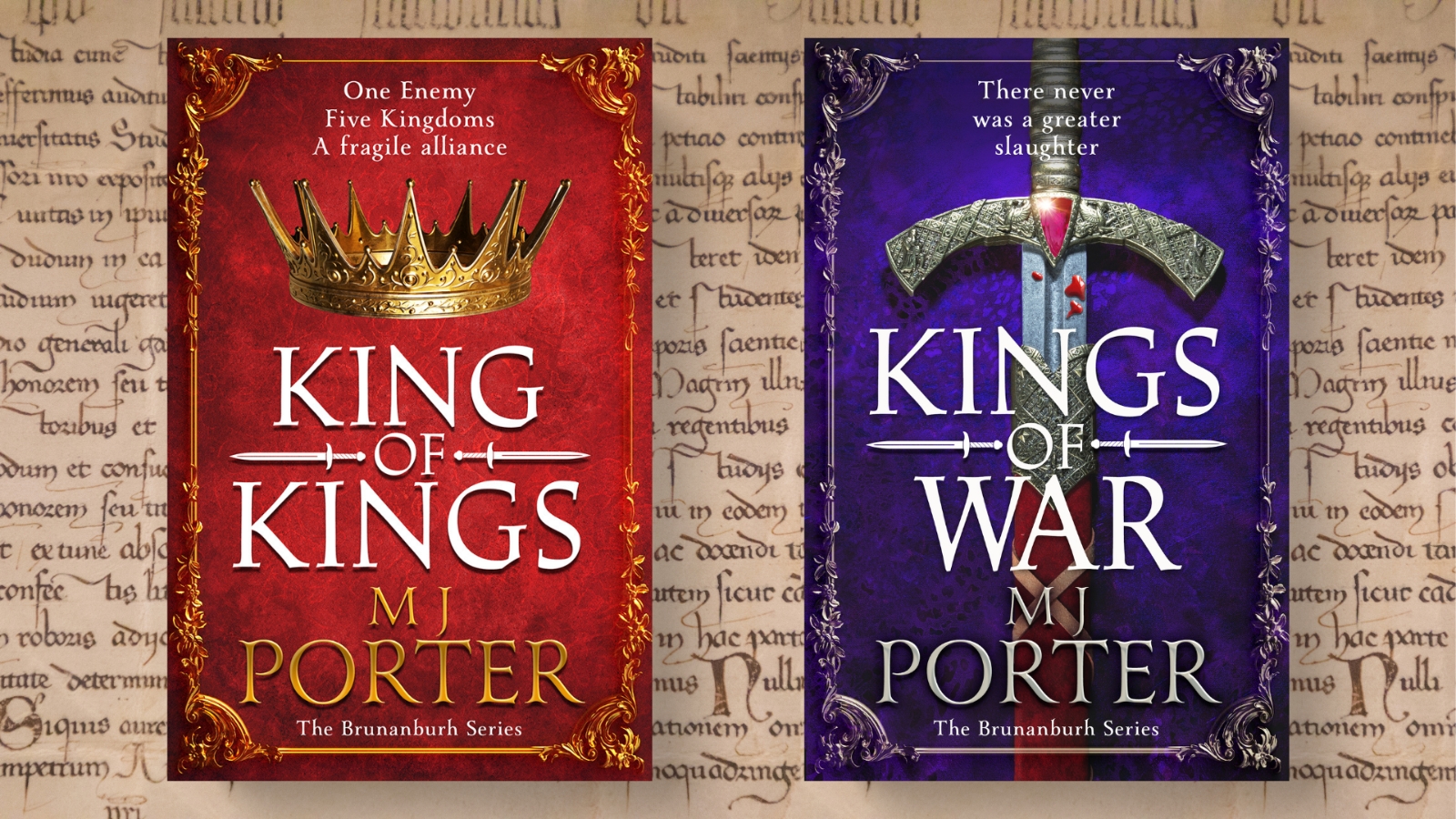
It’s release day for Kings of War, the sequel to King of Kings. This is the story of the battle of Brunanburh fought in 937. (Check out my post on where exactly Brunanburh was fought).
I’m so excited to share this story with my readers, and the cover is fantastic.
Here’s the blurb:
Can the King of the Scots and the Dublin Norse triumph against a united England?
AD934
King Athelstan of the English has been successful in uniting the many kingdoms of Britain against one enemy, the Viking raiders.
But men who are kings don’t wish to be ruled.
Constantin, King of the Scots, rebelled against the Imperium and was forcibly brought to bend the knee to Athelstan and England at Cirencester.
His son Ildulb seeks bloody vengeance from Athelstan following the battle at Cait and the death of his son.
Olaf Gothfrithson, king of the Dublin Norse, having asserted his power following his father’s death has his sights set on reclaiming Jorvik.
Can the united might of the Scots and the violence of the Dublin Norse, descendants of the infamous Viking raiders, bring King Athelstan and his vision of the united Saxon English to her knees?
An epic story of kingsmanship that will result in the pivotal, bloody Battle of Brunanburh, where only one side can be victorious.
Read the release day posts on Boldwood Books Facebook account
Kings of War is on blog tour with the fabulous hosts of Rachel’s Random Resources. I’ll be sharing their reviews throughout the next week. A huge thank you to Rachel, and the hosts.
My new book, Kings of War, is a multi-viewpoint novel telling the story of events in Britain from 925-934. I thought it would be good to share details of the historical people my character are based on.
My portrayal of Constantin, the king of the Scots, is of course fictional in King of Kings, but he is based on a historical individual, Constantin (e) II, so who exactly was he?
Constantin is a fascinating character. Again, and as with Athelstan, his exact date of birth is unknown, but it must have been, at the latest, by 877/8, when his short-reigned father died.
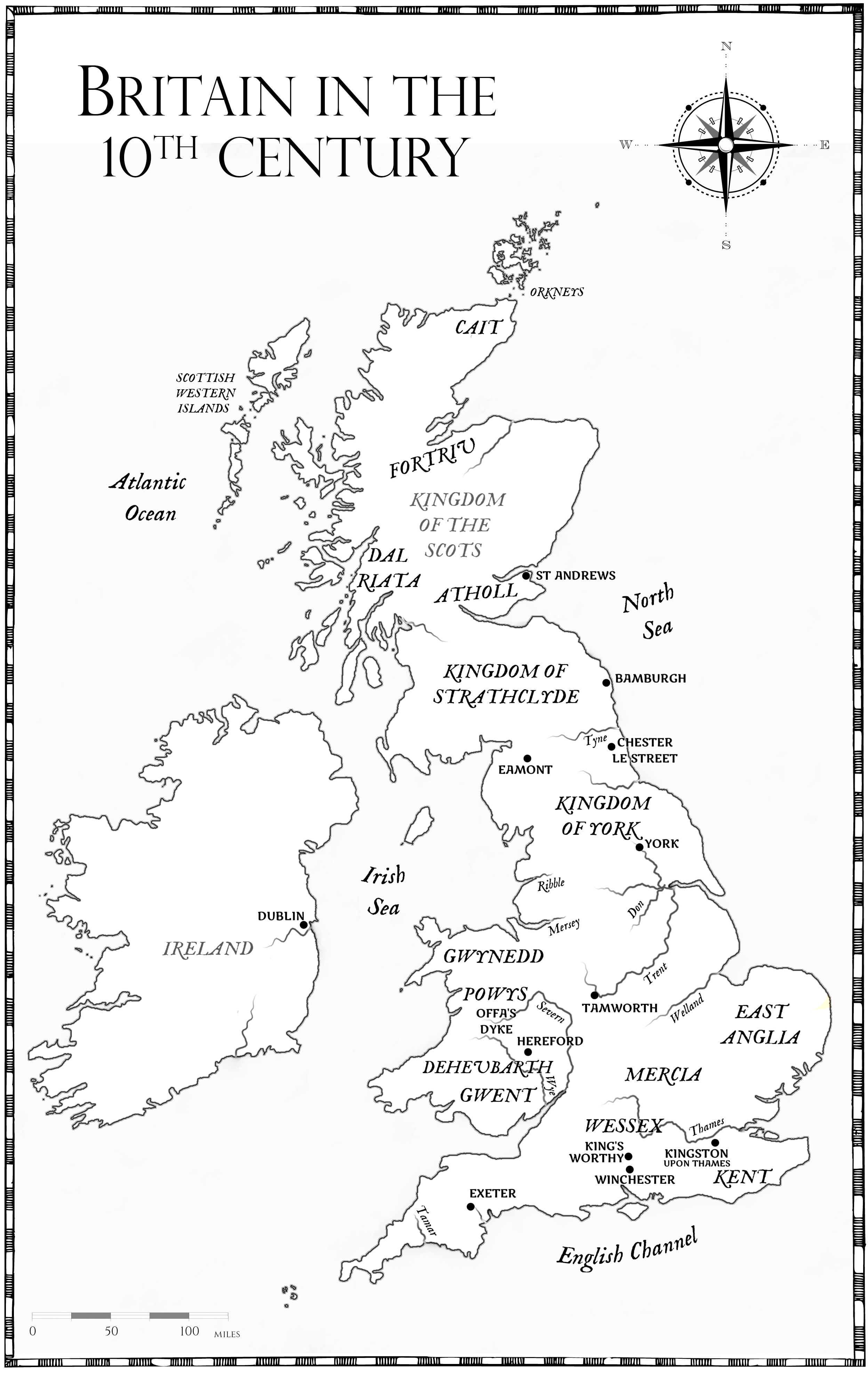
By 900, Constantin was the king of the Scots (we think – there is some confusion about this). This wasn’t yet quite Scotland, but it was getting there. The ancient kingdoms of Cait, Fortriu, Atholl and Dal Riata, were ruled by one king, Constantin. But, he hadn’t succeeded his father, Aed, but rather a man named Domnall II, his cousin. At this time there were two rival dynasties and they strictly alternated the kingship.
Affairs in the kingdom of the Scots often intermingled with those of the independent kingdom of Bamburgh, Strathclyde, and of course, the Norse, or Viking raiders, if you will. Indeed, the entry recording Constantin’s death in the Annals of Ulster, reads as though there was often strife.
‘Constantinus son of Ed held the kingdom for xl years in whose third year the Northmen plundered Dunkeld and all Albania. In the following year the Northmen were slain in Strath Erenn…And the battle of Tinemore happened in his xviii year between Constantin and Ragnall and the Scotti had the victory. And the battle of Dun Brunde in his xxxiiii year.’ (Alex Woolf, From Pictland to Scotland, 789-1070,p.126)
Constantin, ruling for decades, and I mean decades, seems to have brought much needed stability to the kingdom, as affairs there very much mirrored the emerging ‘England’ to the south.
‘Constantin’s reign has increasingly come to be see as one of the most significant in the history of Scotland. Not only was it very long, at least forty years, but it was also the period during which conflict and diplomatic relations between a kingdom recognisably ancestral to Scotland and one recognisably ancestral to England first occurred.’ (Alex Woolf, From Pictland to Scotland, 789-1070, p.128)
Constantin allied with the rulers of Bamburgh, and York, and also, on occasion, both Æthelflæd of Mercia and Edward the Elder, after her death. But, he seems to have been quite flexible in his thinking, and was prepared to pick and choice as he saw fit.
By the beginning of King of Kings, Constantin would have been in his mid-forties, and he was still to rule for many years to come, and he was certainly a more than adequate counterpart to Athelstan, king of the English, no doubt helped by his sons and grandsons, as his reign continued.
Athelstan is one of the main characters in my new book, Kings of War, a multiple point of view story, recounting affairs in Britain from 925-934. Here’s a post about Athelstan I wrote for the release of King of Kings.
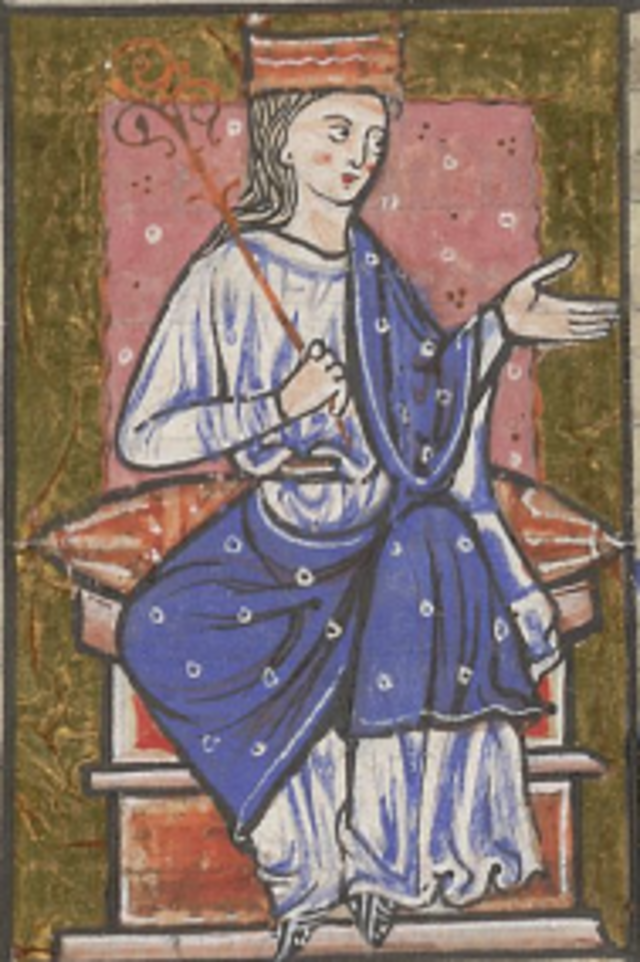
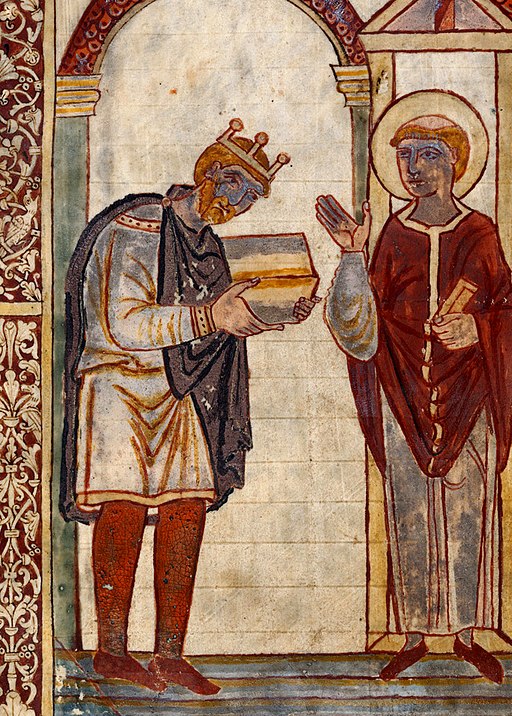
Based on a historical person, my portrayal of him, is of course, fictitious, but there are many details known about him. However, we don’t know for sure who his mother was, it’s believed she might have been called Ecgwynn, and we don’t know, for certain, the name of his sister, but it’s believed she might have been named Edith. What is known is that his father was Edward, the son of King Alfred, and known to us today as Edward the Elder. Athelstan is also rare in that he is one of only two Saxon kings for who a contemporary image is available. (The other is Edgar, who would have been his step-nephew)
It must be supposed that Athelstan was born sometime in the late 890s. And according to a later source, that written by William of Malmesbury in the 1100s (so over two hundred years later), Athelstan was raised at the court of his aunt, Æthelflæd of Mercia. David Dumville has questioned the truth of this, but to many, this has simply become accepted as fact.
‘he [Alfred] arranged for the boy’s education at the court of his daughter, Æthelflæd and Æthelred his son in law, where he was brought up with great care by his aunt and the eminent ealdorman for the throne that seemed to await him.’[i]
[i] Mynors, R.A.B. ed and trans, completed by Thomson, R.M. and Winterbottom, M. Gesta Regvm Anglorvm, The History of the English Kings, William of Malmesbury, (Clarendon Press, 1998), p.211 Book II.133
Why then might this have happened? Edward became king on the death of his father, Alfred, and either remarried at that time, or just before. Edward’s second wife (if indeed, he was actually married to Athelstan’s mother, which again, some doubt), Lady Ælfflæd is believed to have been the daughter of an ealdorman and produced a hefty number of children for Edward. Perhaps then, Athelstan and his unnamed sister, were an unwelcome reminder of the king’s first wife, or perhaps, as has been suggested, Alfred intended for Athelstan to succeed in Mercia after the death of Æthelflæd, and her husband, Æthelred, for that union produced one child, a daughter named Ælfwynn.
There is an acknowledged dearth of information surrounding King Edward the Elder’s rule of Wessex. He’s acknowledged as the king of the Anglo-Saxons. His father had been the king of Wessex. Historians normally use the surviving charters to unpick the political machinations of the Saxon kings, but for Edward, there’s a twenty year gap between the beginning and end of his reign, where almost no known genuine charters have survived. What isn’t known for sure, is how much control, if any, he had in Mercia. Was Mercia subservient to Wessex or was it ruled independently? It’s impossible to tell. And this makes it difficult to determine what Athelstan might have been doing, and also what his father’s intentions were towards him.
Frontispiece of Bede’s Life of St Cuthbert, showing King Æthelstan (924–39) presenting a copy of the book to the saint himself. 29.2 x 20cm (11 1/2 x 7 7/8″). Originally from MS 183, f.1v at Corpus Christi College, Cambridge. (Wikimedia Commons)
What is known is that following the death of King Edward in 924, Athelstan was acknowledged as the king of Mercia; his stepbrother, Ælfweard was proclaimed king in Wessex. As with all events at this time, it shouldn’t be assumed that just because this is what happened, this is what was always intended.
‘Here King Edward died at Farndon in Mercia; and very soon, 16 days after, his son Ælfweard died at Oxford; and their bodies lie at Winchester. And Athelstan was chosen as king by the Mercians and consecrated at Kingston.’[i]
[i] Swanton, M. trans and edit The Anglo-Saxon Chronicles, (Orion Publishing Group, 2000), D text p.105
But, if Athelstan was raised in Mercia, it’s highly likely he was a warrior from a young age, helping the Mercians defeat the Viking raiders who still had control of the Danish Five Boroughs of Lincoln, Nottingham, Derby, Nottingham and Leicester.
And the events of 924 are where King of Kings begins, and so I will leave him there. By now, he would have been perhaps thirty years old, give or take a few years. What sort of man was he? What sort of king might he be? Do please read King of Kings to find out. And, if this intrigues you, then do please have a look at Sarah Foot’s wonderful monograph on him, Athelstan, from Yale Publishing.
There are a few new characters in Kings of War, the sequel to King of Kings. Here I’ll explain who the historical individuals probably were, and what’s known about them, if anything. That said, Edmund did feature in King of Kings, but I’ve not shared his information before.
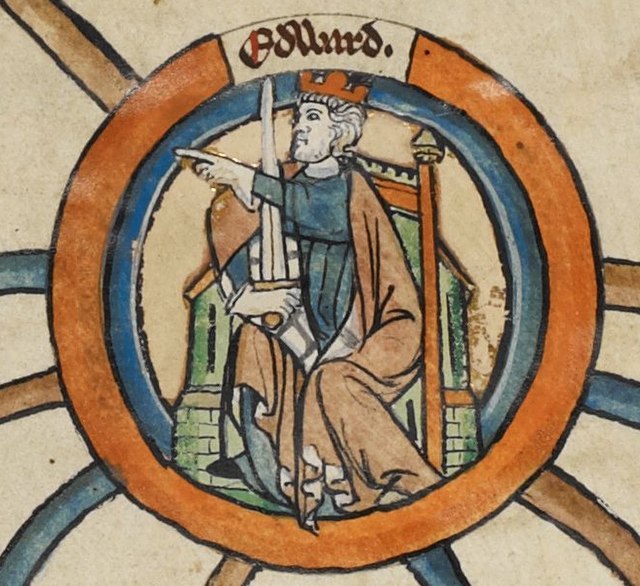
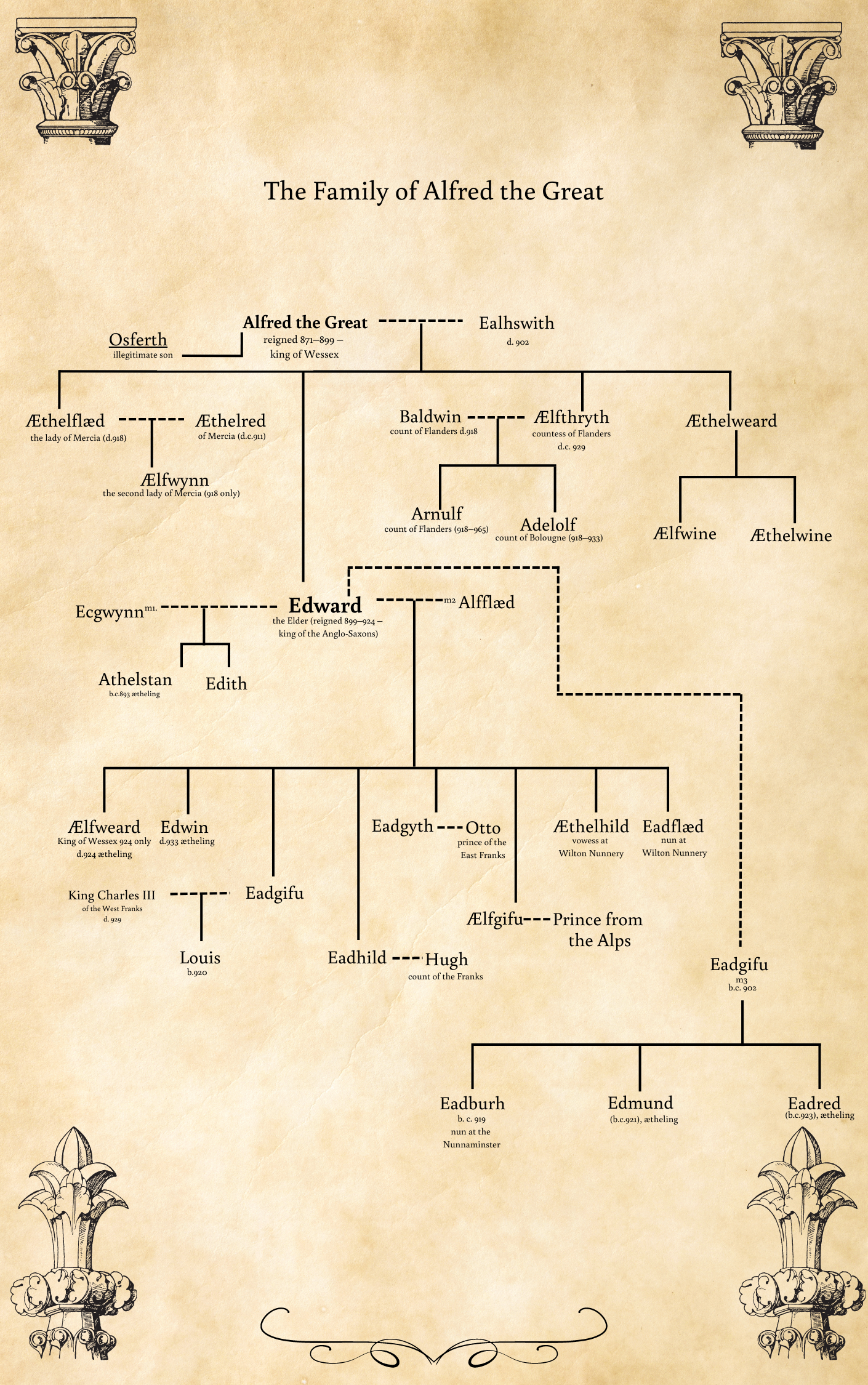
Edmund, of the House of Wessex, is the second-youngest halfbrother of the king, Athelstan. His date of birth is not known for sure, but it’s believed to have been in about 921, as he’s said to have been 18 when he became king on Athelstan’s death. His mother is Lady Eadgifu, the third wife of Edward the Elder. He has a full brother, Eadred, even younger than him.
Family tree by Boldwood Books
‘And the Ætheling succeeded to the kingdom; and he was then 18 years old.’ (ASC A)
Edmund would only have been very young when his father, Edward the Elder, died in 924. It’s doubtful whether he had any memory of him at all. It’s long been believed that his mother, Lady Eadgifu, was responsible for raising him and his younger brother. What precisely Edmund was doing during the reign of his older half-brother isn’t known for sure. He is said to have fought beside him at the Battle of Brunanburh, but some cast doubt on this.
What is known is that Edmund had a sister (possibly two) and his sister, Eadburh, c.919-952, became a nun and was regarded as a saint.
William of Malmesbury in his Gesta Pontificum Anglorum tells the story of Edmund’s sister, Eadburh,[i] being consigned to the Nunnaminster in infancy as she showed such signs of devotion.[ii]
‘There had been a convent on this spot before, in which Eadburg, daughter of king Edward the Elder, had lived and died, but by then it was almost in ruins. When she was barely three, Eadburg had given a remarkable proof of her future holiness. Her father had wanted to find out whether his little girl would turn towards God or the world. He set out in the dining room the adornments of the different ways of life, on this side a chalice and the Gospels, on the other bangles and necklaces. The little girl was brought in by the nurse and sat on her father’s knees. He told her to choose which she wanted. With a fierce look she spat out the things of the world, and immediately crawling on hands and knees towards the Gospels and chalice adored them in girlish innocence…Her father honoured his offspring with more restrained kisses and said, ‘Go where heaven calls you, follow the bridegroom you have chosen and a blessing be upon your going.’…Countless miracles during her life and after her death bear witness to the devotion of her heart and the integrity of her body.’[iii]
William later adds that, ‘Some of the bones of Eadburg the happy are buried,’[iv] at Pershore.
Aside from the later William of Malmesbury (who wrote long after the Norman Conquest of 1066), Eadburh is the recipient of land in one charter, that of S446, dated to 939 and surviving in one manuscript. ‘King Athelstan to Eadburh, his sister; grant of 17 hides (mansae) at Droxford, Hants.’[v] Other that, nothing is known of Eadburh with any certainty.
I won’t share more details of Edmund just yet as he has an important part to play in the Brunanburh Series.
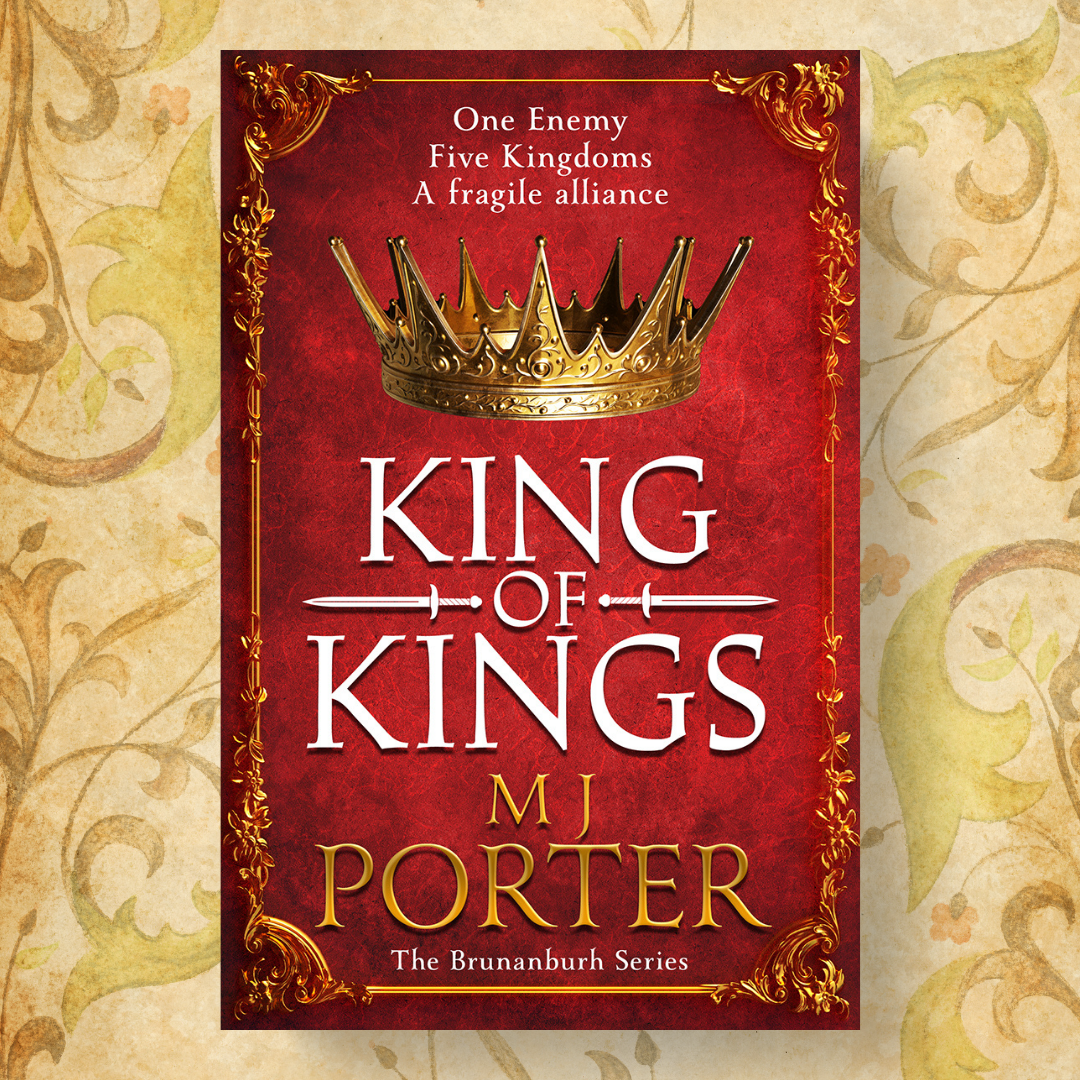
You can read King of Kings for FREE for a very limited time on Amazon, Kobo and Apple Books in the UK, US, Australia and Canada. (3rd-10th July ’23)
[ii] Foot, S Athelstan (Yale University Press, 2011), p.45 Priest, D trans, Gesta Pontificum Anglorum, The Deeds of the Bishops of England, (The Boydell Press, 2002)
[iii] Priest, D trans, Gesta Pontificum Anglorum, The Deeds of the Bishops of England, (The Boydell Press, 2002), pp115-6
[iv] Priest, D trans, Gesta Pontificum Anglorum, The Deeds of the Bishops of England, (The Boydell Press, 2002), p.202
[v] Sawyer, P. H. (Ed.), Anglo-Saxon charters: An annotated list and bibliography, rev. Kelly, S. E., Rushforth, R., (2022). http://www.esawyer.org.uk/ S446
There are a few new characters in Kings of War, the sequel to King of Kings. Here I’ll explain who the historical individuals probably were, and what’s known about them, if anything.
Olaf Gothfrithson is the son of Gothfrith, who King Athelstan of the English, beat to the kingdom of York or Jorvik in King of Kings.
Olaf, perhaps a great-grandson of Ivarr the Boneless (it’s difficult to piece together the family connections, and indeed, in an initial draft I named Olaf’s brothers entirely incorrectly). Ivarr was the famous Viking raider who led part of the Great Heathen Army in the 860s before meeting his death in 870 or 873, depending on which contemporary source you read.
Olaf claimed Dublin following his father’s death, although not without some fighting. In Ireland, he had many enemies, including Olaf Cenncairech (Scabbyhead) of Limerick and Donnchad of the Southern Ui Neill.
Olaf is known to have been one of four brothers. Halfdan, who died in 926, according to the Irish Annals, Blakari and Rognvaldr being the other two, who both play a role in future events.
Affairs in Ireland at this time were complex. Dublin was largely a Norse enclave, involved in almost constant warfare with the Irish clans. Claire Downham has written extensively on this period. ‘The rivalry between Limerick and Dublin marks an important chapter in the history of vikings in Ireland. The number of viking campaigns recorded in these years rivals any other period of Irish history. The influence of the vikings is reflected in the range of their campaigns across the island and in the involvement of Irish overkings in their wars.’ (Viking Kings of Britain and Ireland: The Dynasty of Ivarr to A.D. 1014, C. Downham, p. 41)
Affairs in Ireland fall far outside my expertise, but I hope I’ve correctly portrayed what events are known from this period and which concern Olaf Gothfrithson (you’ll find his name also written as Óláfr Gu∂rø∂sson and Amlaib), Olaf Cenncairech – Scabbyhead (a wonderful name for the man – again my thanks to C. Downham for including this in her work) – and Olaf’s brothers and sons.
In Kings of War, Olaf is staunchly determined to claim back ‘his’ lost kingdom of Jorvik.
Read King of Kings for FREE for a very limited time on Kindle, Kobo and Apple in the UK, US, Australia and Canada (3rd -10th July ’23).
As with all things kindle and ebooks related, I was not quick to adapt to audiobooks. In fact, I really struggled with them for some time. I was happy to have my books available as audiobooks, but I didn’t really like or understand the allure of it.
Until.
Well, there’s always an until.
I’d listened to a few audios on my daily walks before I hit upon how it really worked for me. They help me sleep. What? I know, it sounds rather counterproductive. So, I don’t listen to many ‘new’ audios, but I love to listen to an audiobook for a book I’ve already read, and then I listen to them at night, comfy in my bed, although some do question my headphones, which are big chunky things, but I can’t wear in-ear ones – I have a funny ear. Actually, I think it’s more to do with my spectacles – so many things trying to make use of my ears at one time. So, with my big chunky headphones, and my phone, I sleep better than I ever have, thanks to my audiobooks.
I know you want to know why. So here goes. My brain is always ‘on the go.’ It’s always thinking. Teasing out plot lines, thinking about stuff going on in my personal life. Thinking, thinking, thinking. It’s a pain. Do you know how hard it is to ‘think’ when you’re listening to an audiobook. You have to REALLY want to not be listening to what you’re being told.
It also helps that I listen to my ‘classics,’ the stories I love. Discworld – they’re all in the process of being rerecorded, and while I was a bit grumpy about this, I’m just grateful that I now have two versions to listen to. Anne McAffrey’s PERN books, and Katherine Kerr’s Deverry books are also up there. These are stories I know well, and I get to enjoy them all over again. And, by setting a timer on my audio, I know I don’t actually miss much when I fall asleep.
Now, not all books work. Some you need to listen to during the day – some narrators are a bit too excitable, but as an alternative way of enjoying my reading, audiobooks are fabulous. Why not give them a try?
Audiobooks are also great for driving, exercising and just chilling out without needing to engage with any other sense than my hearing. Mind – I recommend some noise cancelling headphones as well.
With my author head on, I also love hearing my characters brought to life, hearing them with all the inflexion I imagine in my mind when I’m writing them.
Listen to the fabulous Matt Coles bring King Athelstan of the English to life from King of Kings.
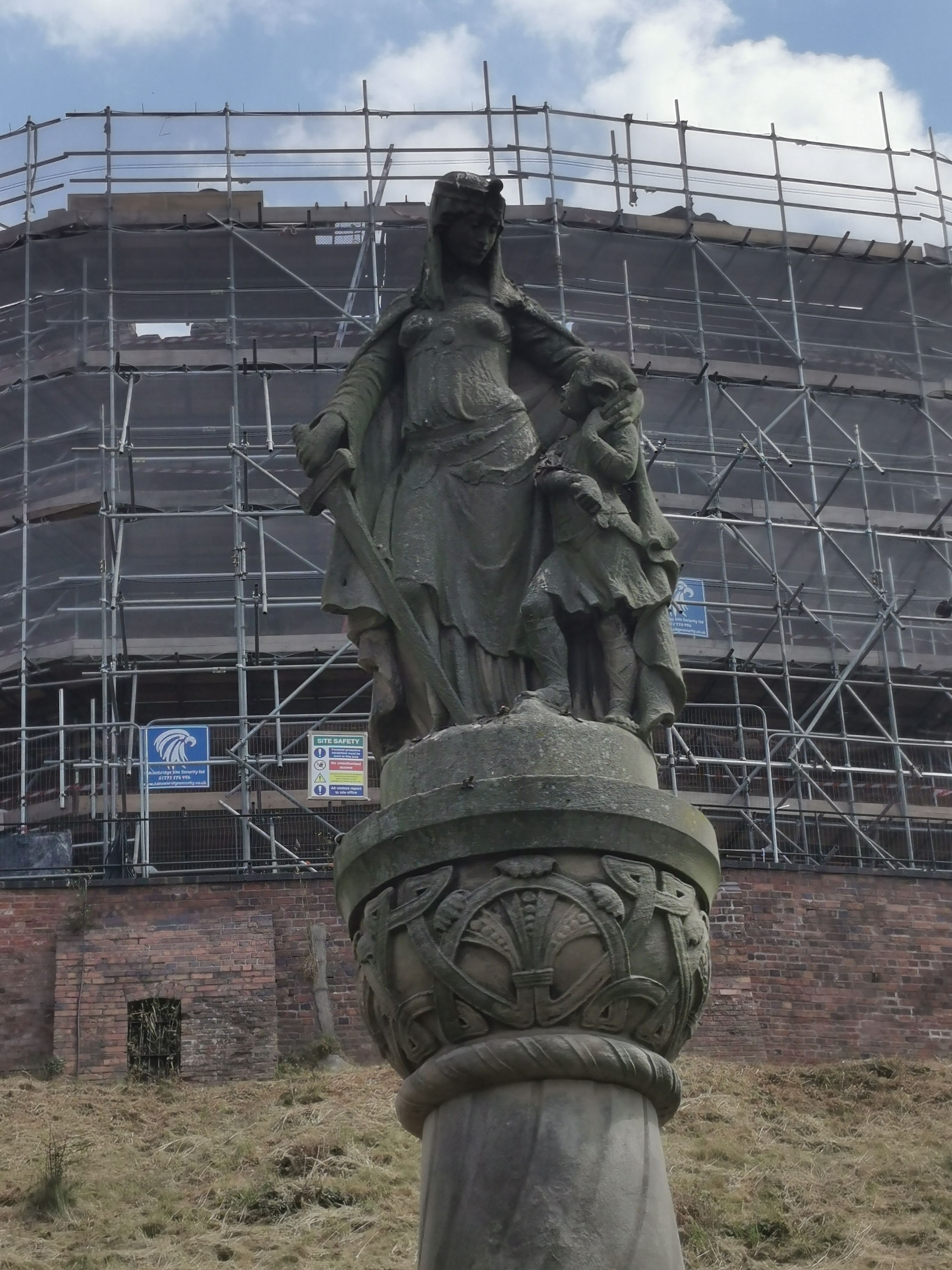
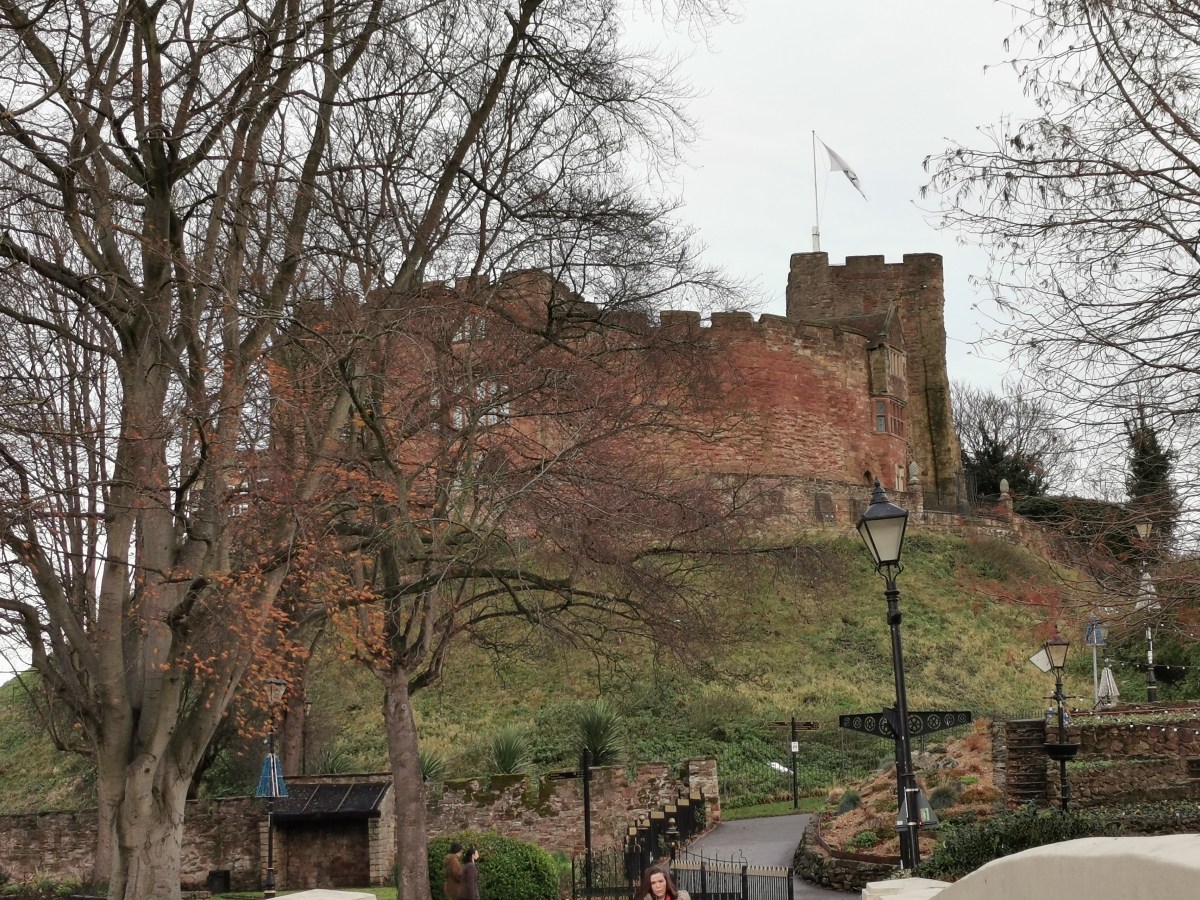
The statue of Æthelflæd and a young Athelstan, the future king of England, at Tamworth Castle
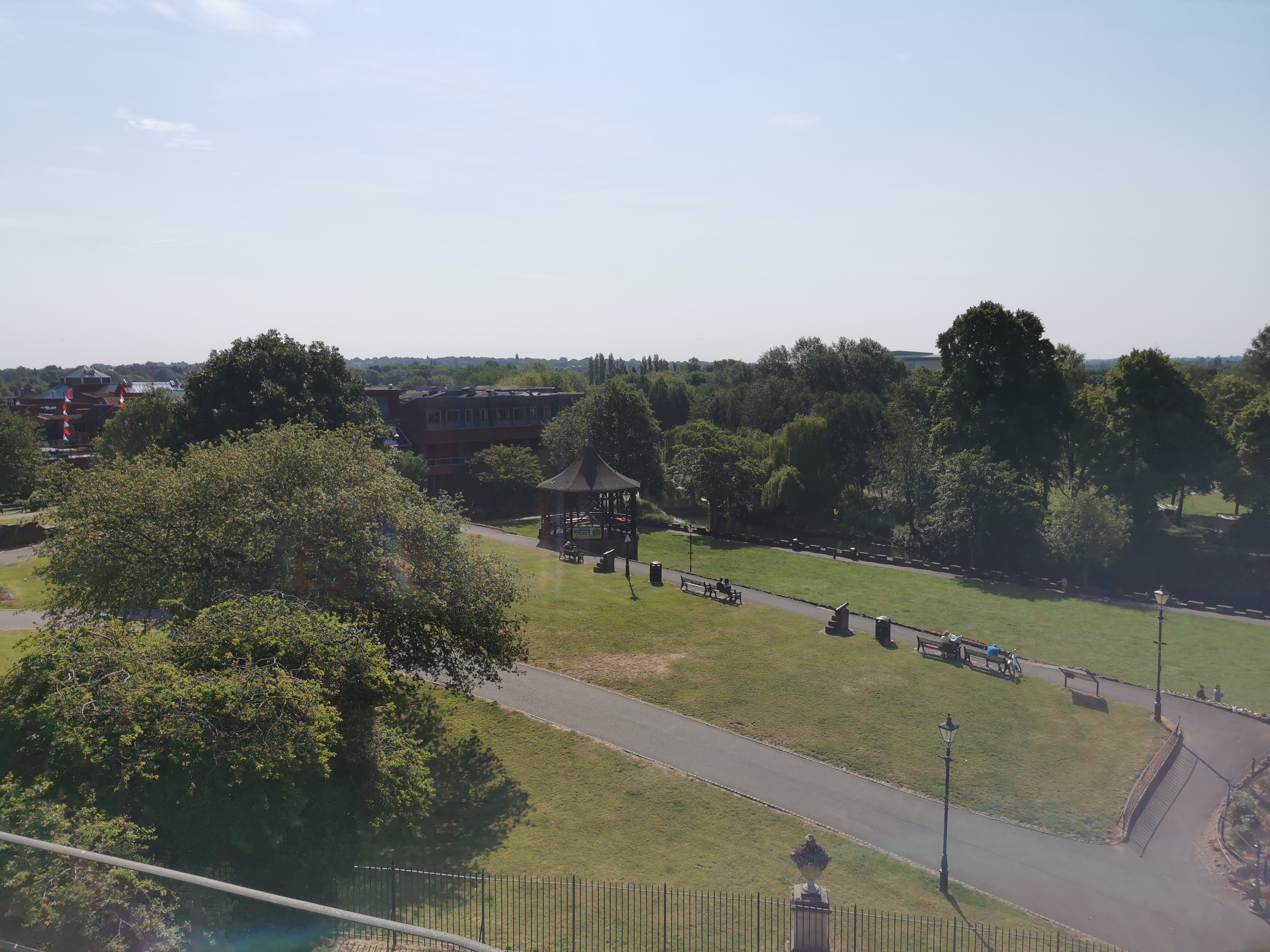
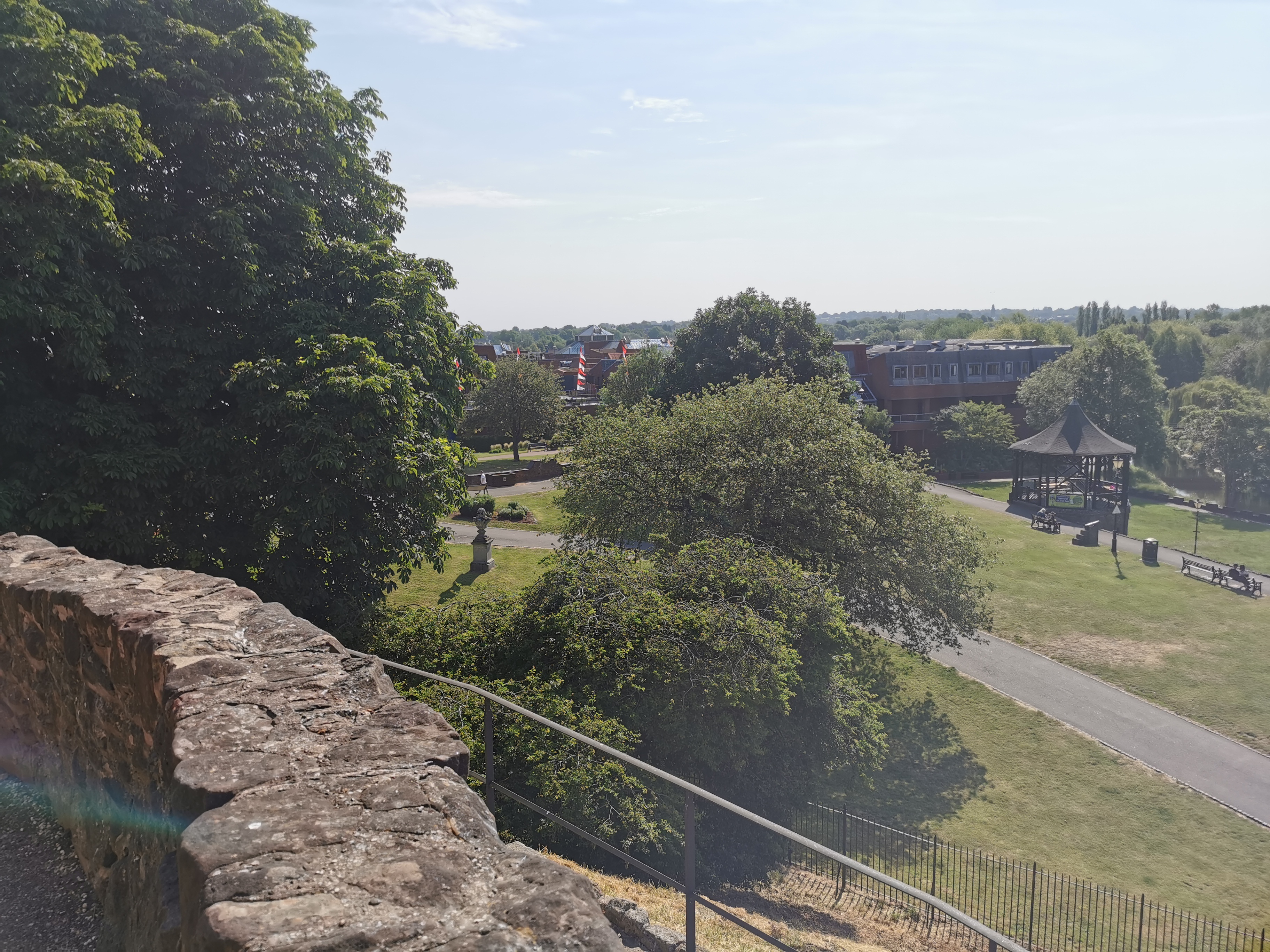
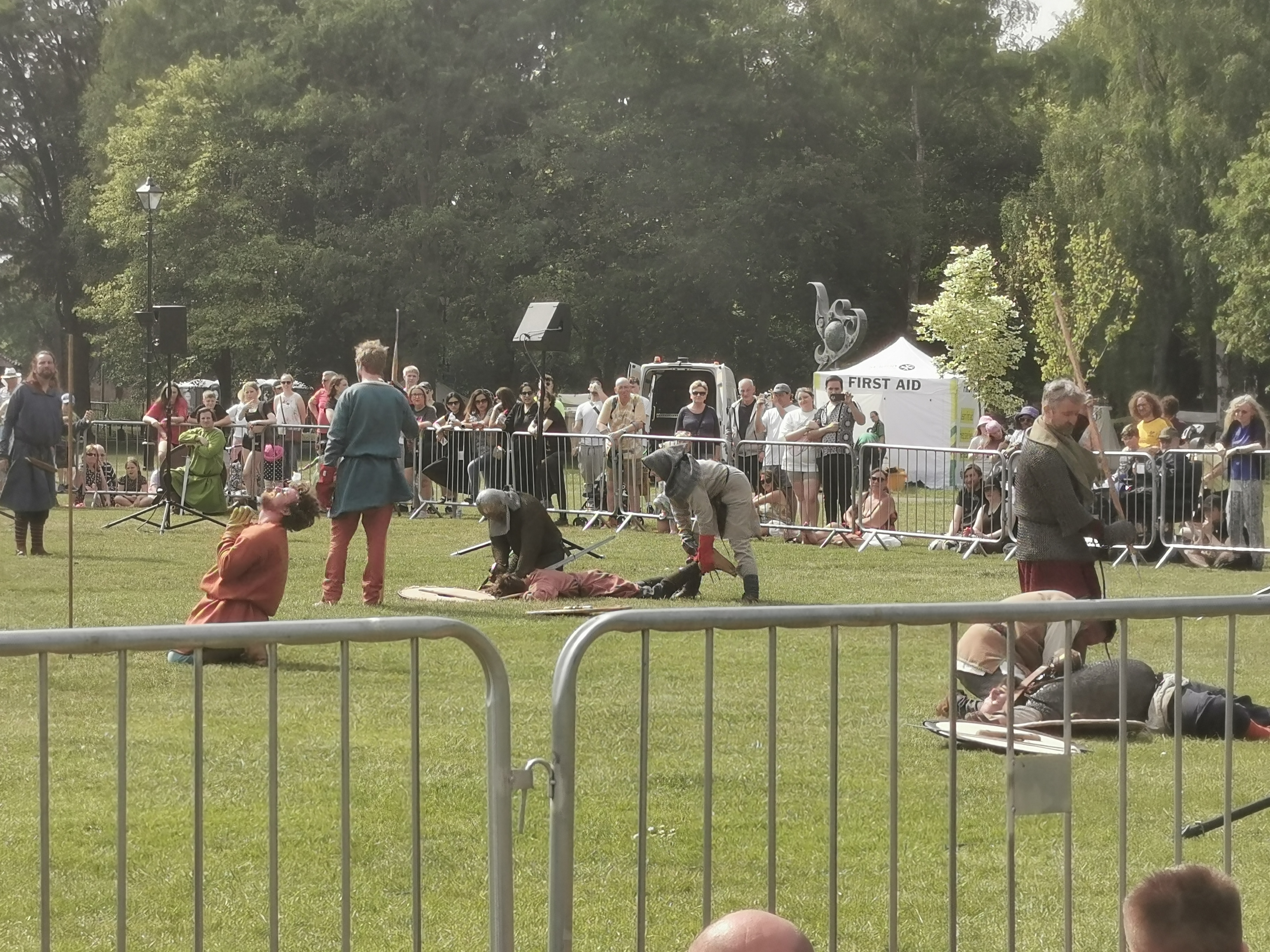
It is possible that I couldn’t have picked a hotter weekend to venture from my coastal location to the heart of the former Mercian kingdom, but that didn’t stop the event from being fantastic.
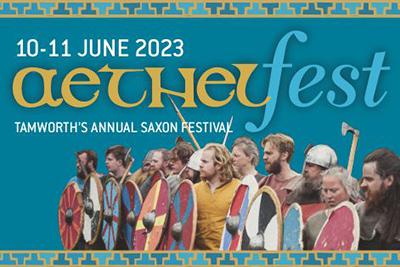
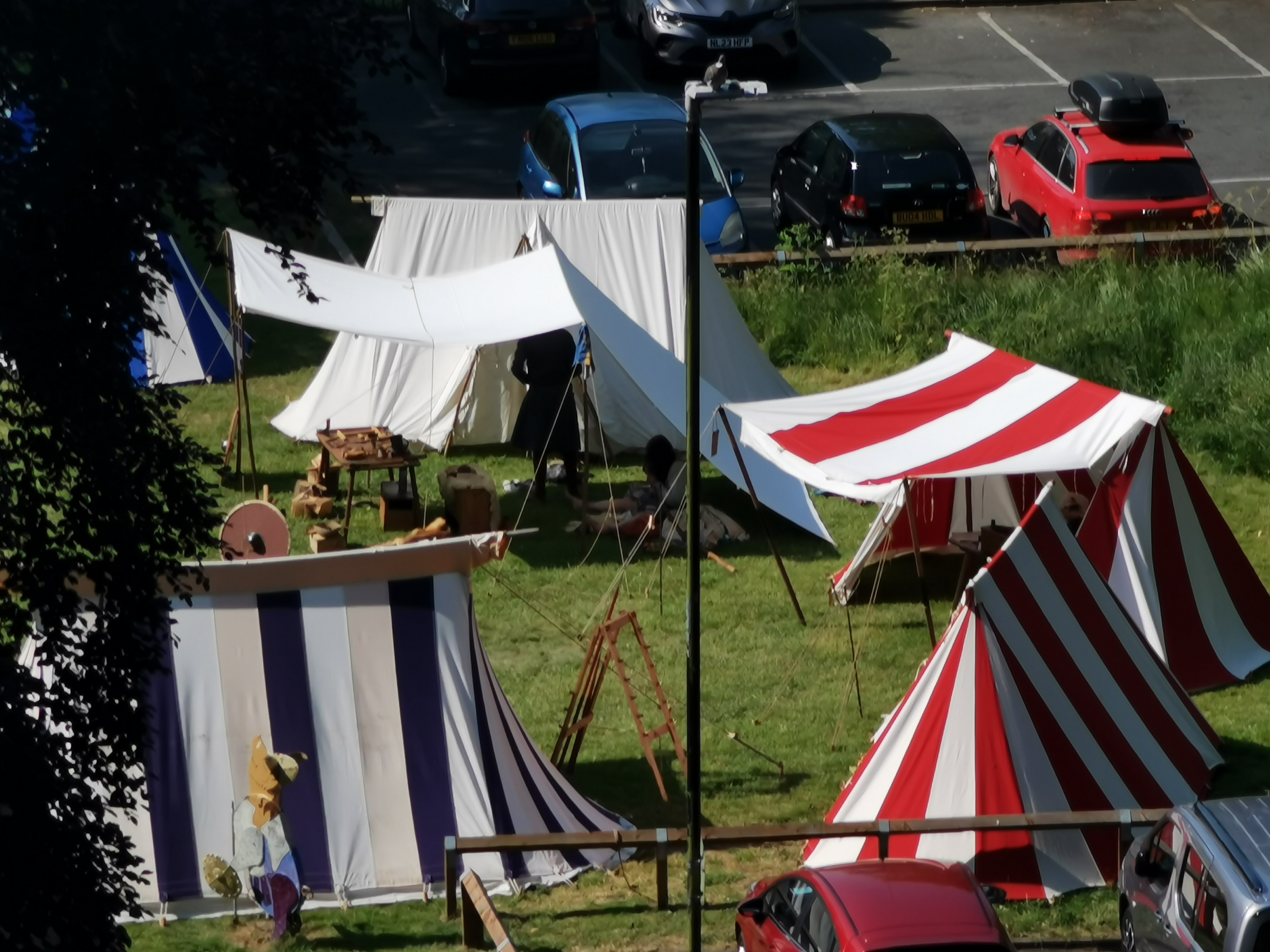
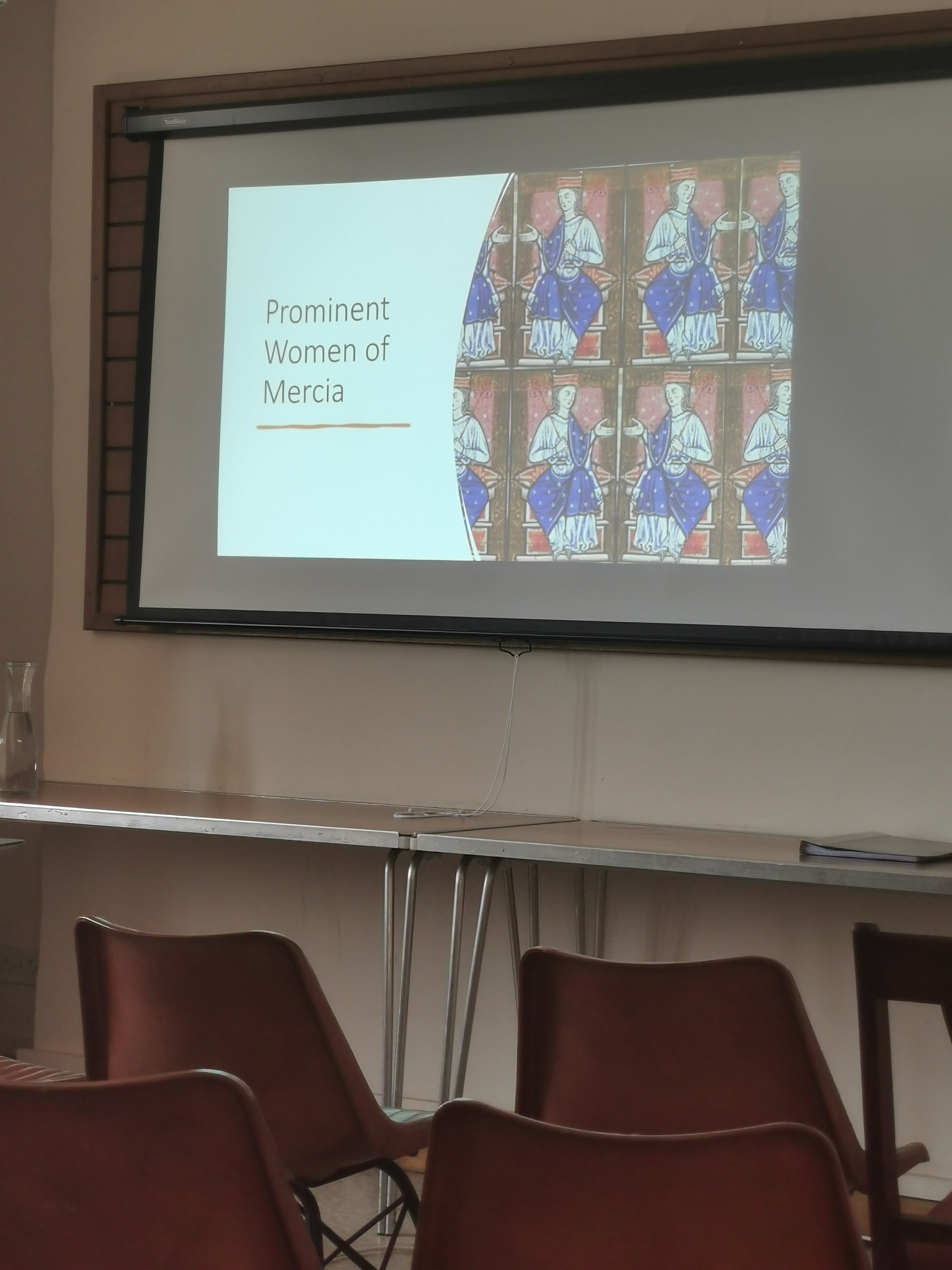
Æthelfest, a celebration of all things Saxon, with an emphasis on Æthelflæd, the lady of Mercia, and the anniversary of her death, which occurred on 12th June 918, included author talks (of which I gave one), a reenactment camp, music in the bandstand, and even some ‘have a go archery’, of which I was brilliant – of course. I met Annie Whitehead, who also writes about Mercia, and managed to snag a place on one of her very popular talks.
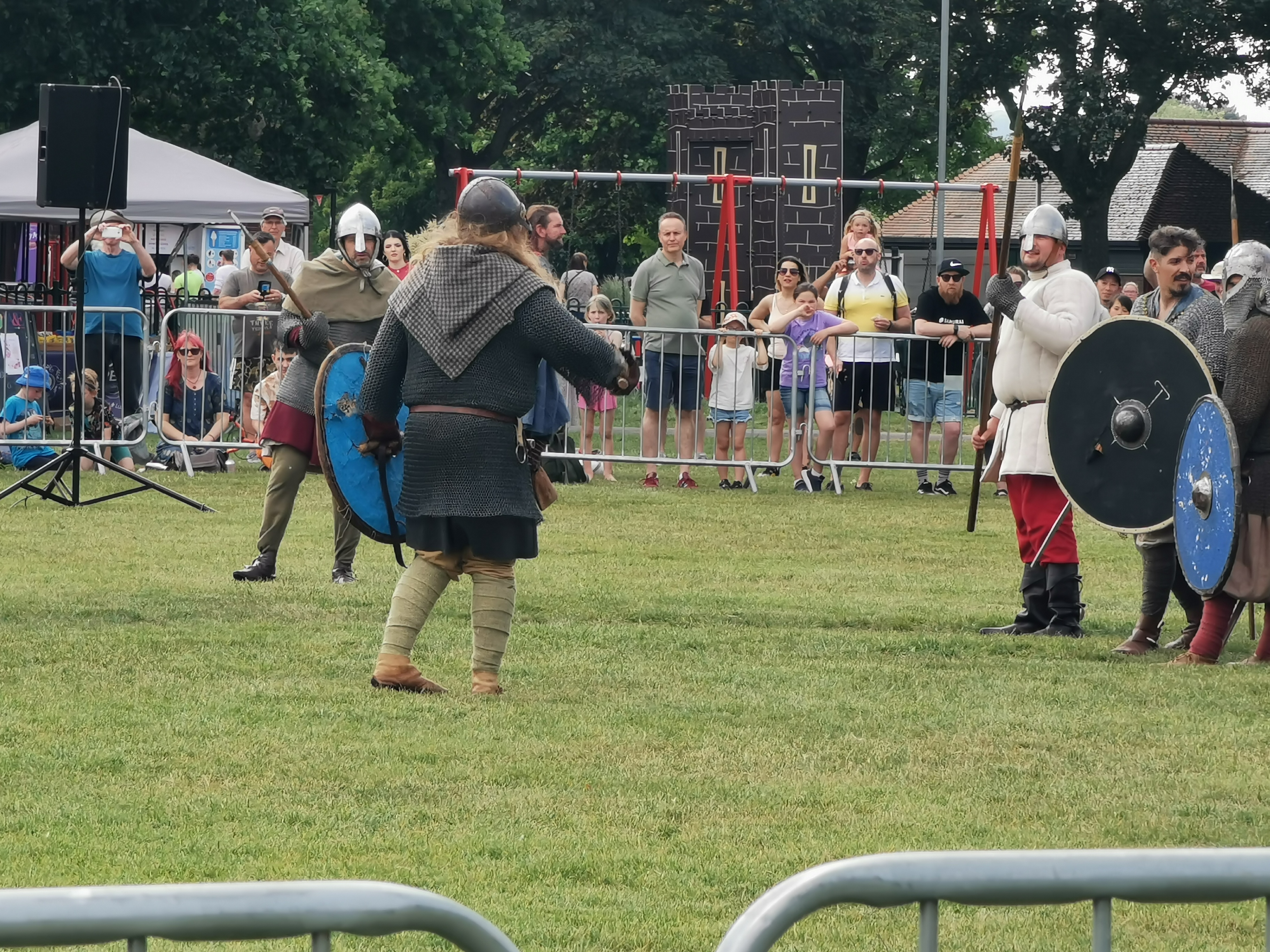
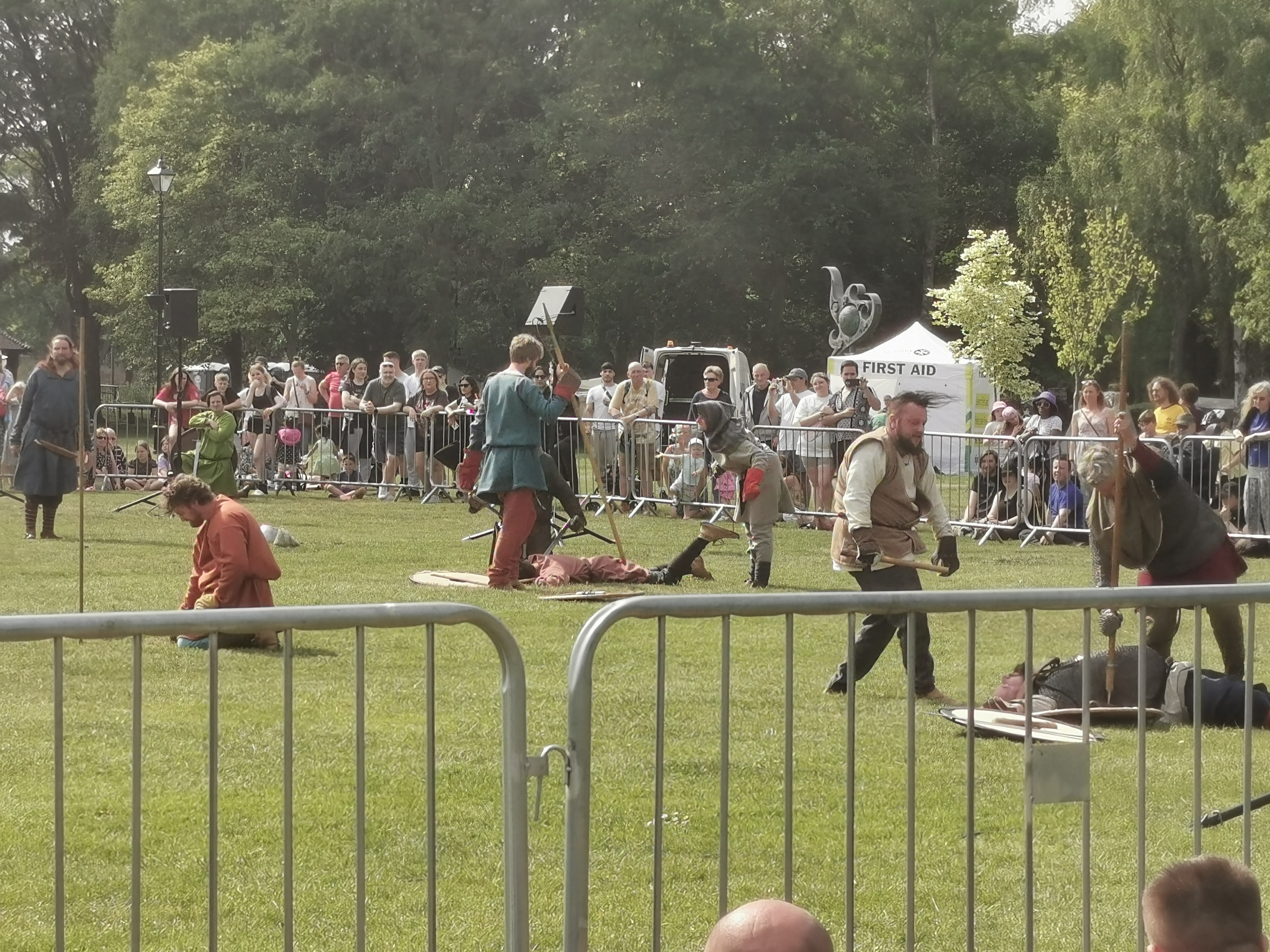
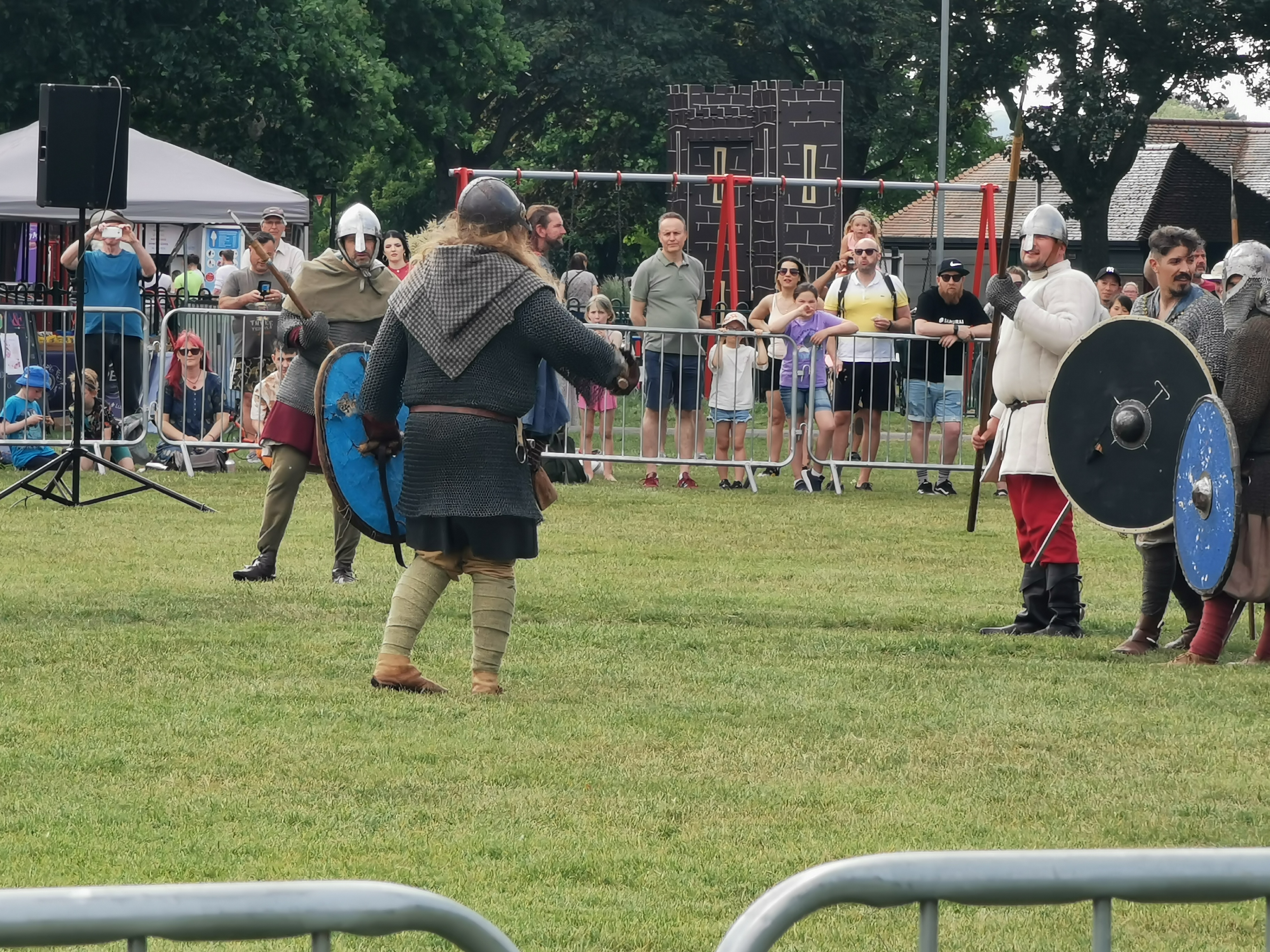
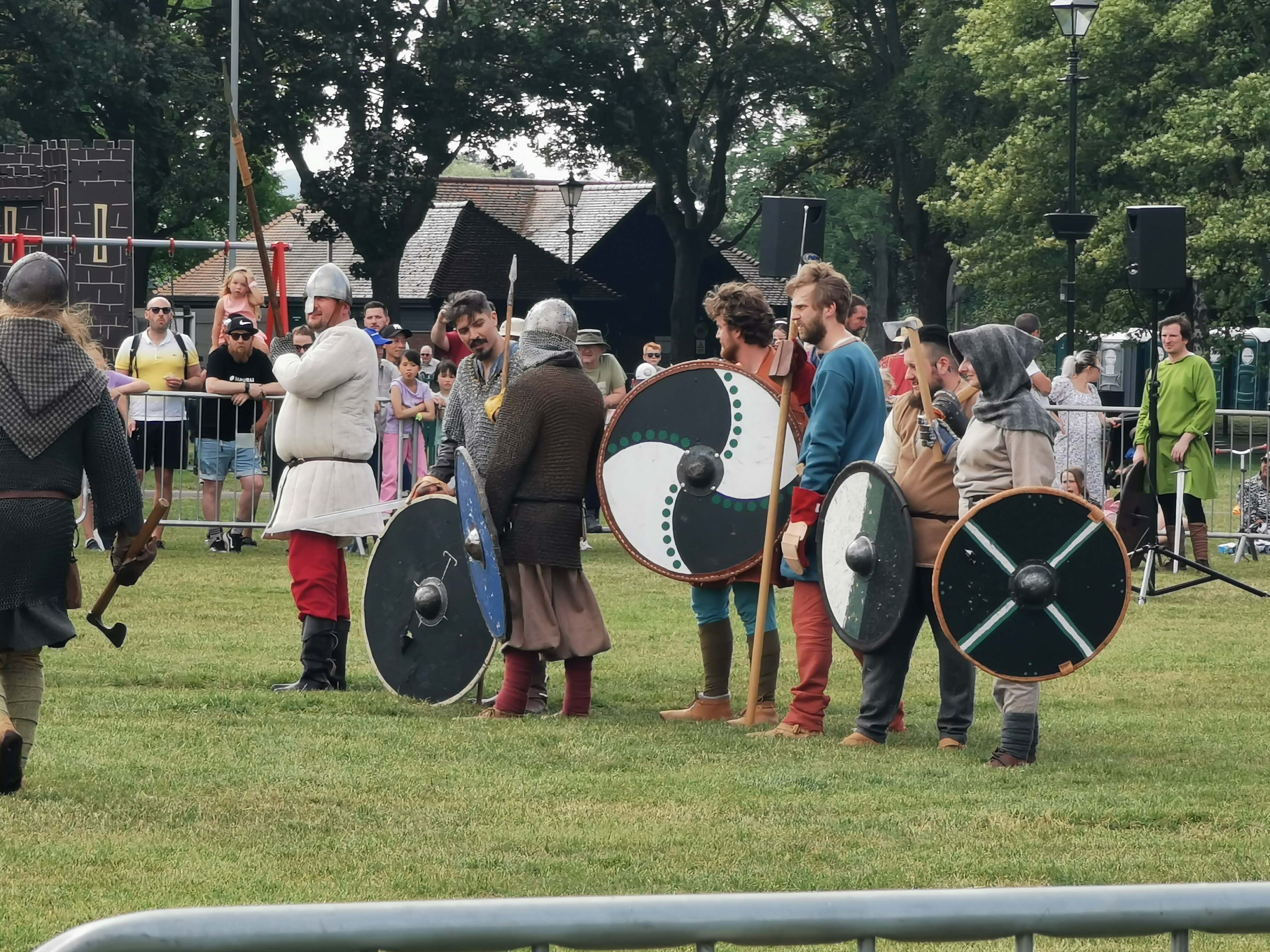
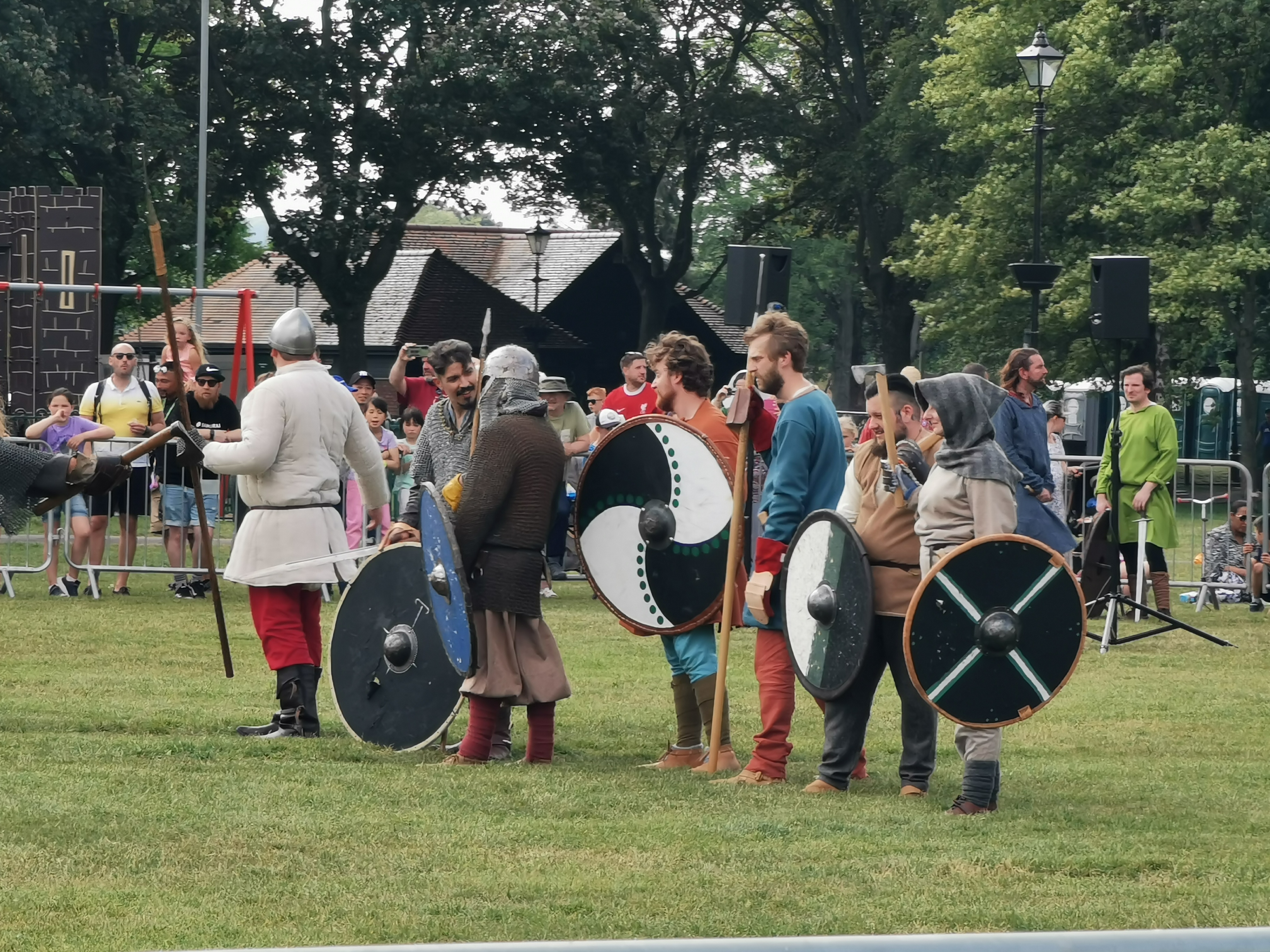
Regrettably, it was super toasty while I was there, and so I massively applaud the re-enactors who even managed to have a battle with all their equipment on.
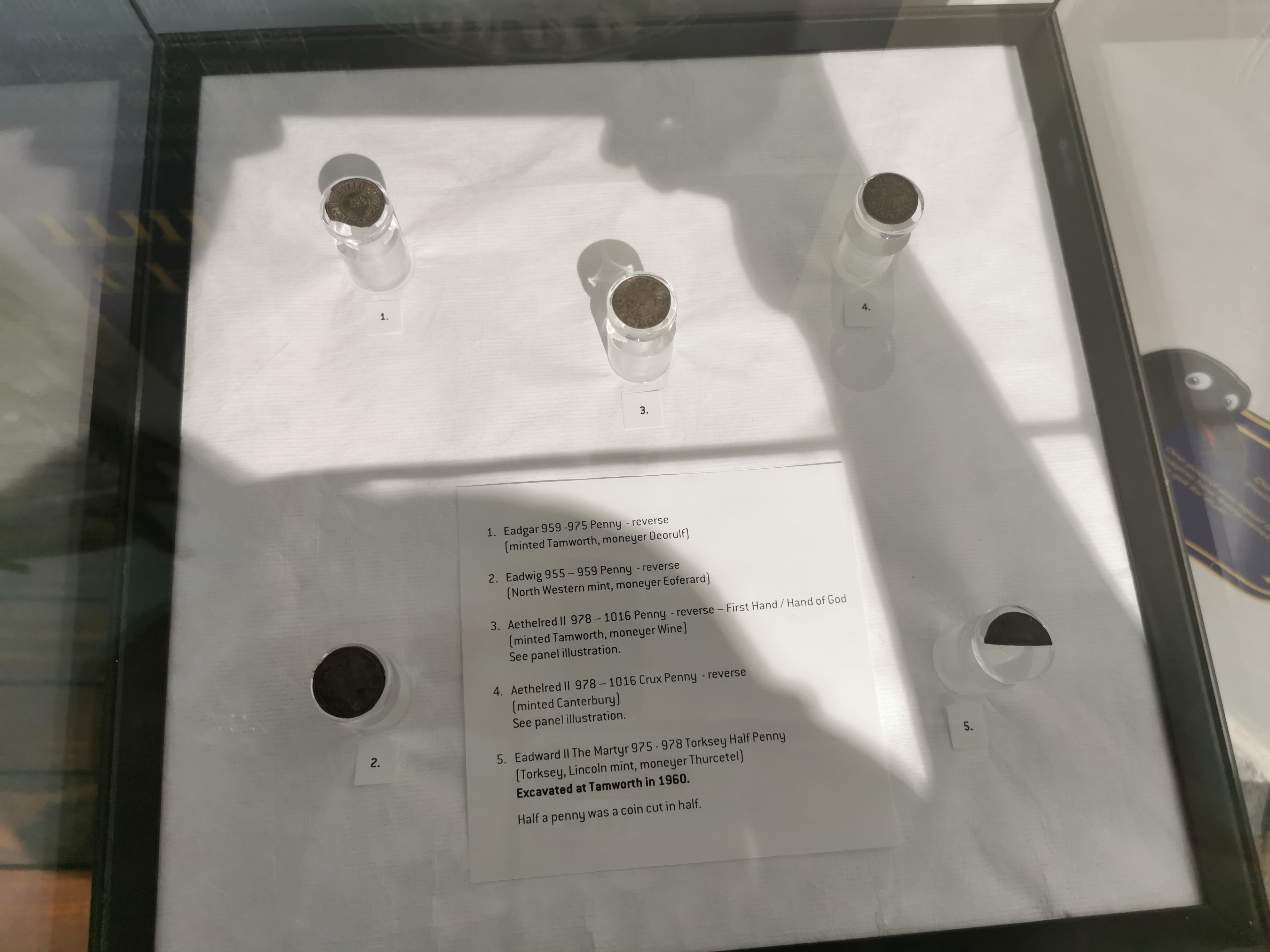
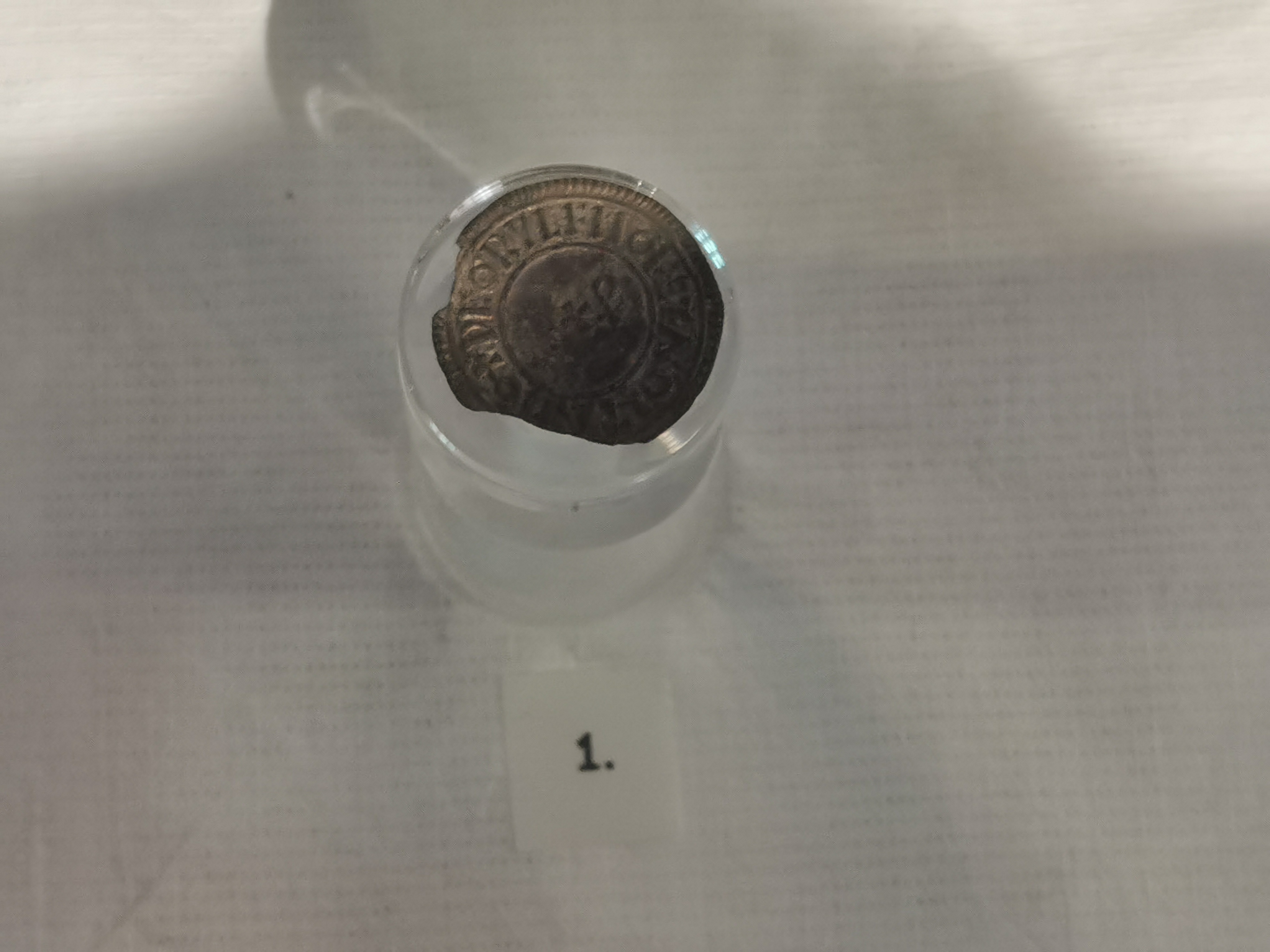
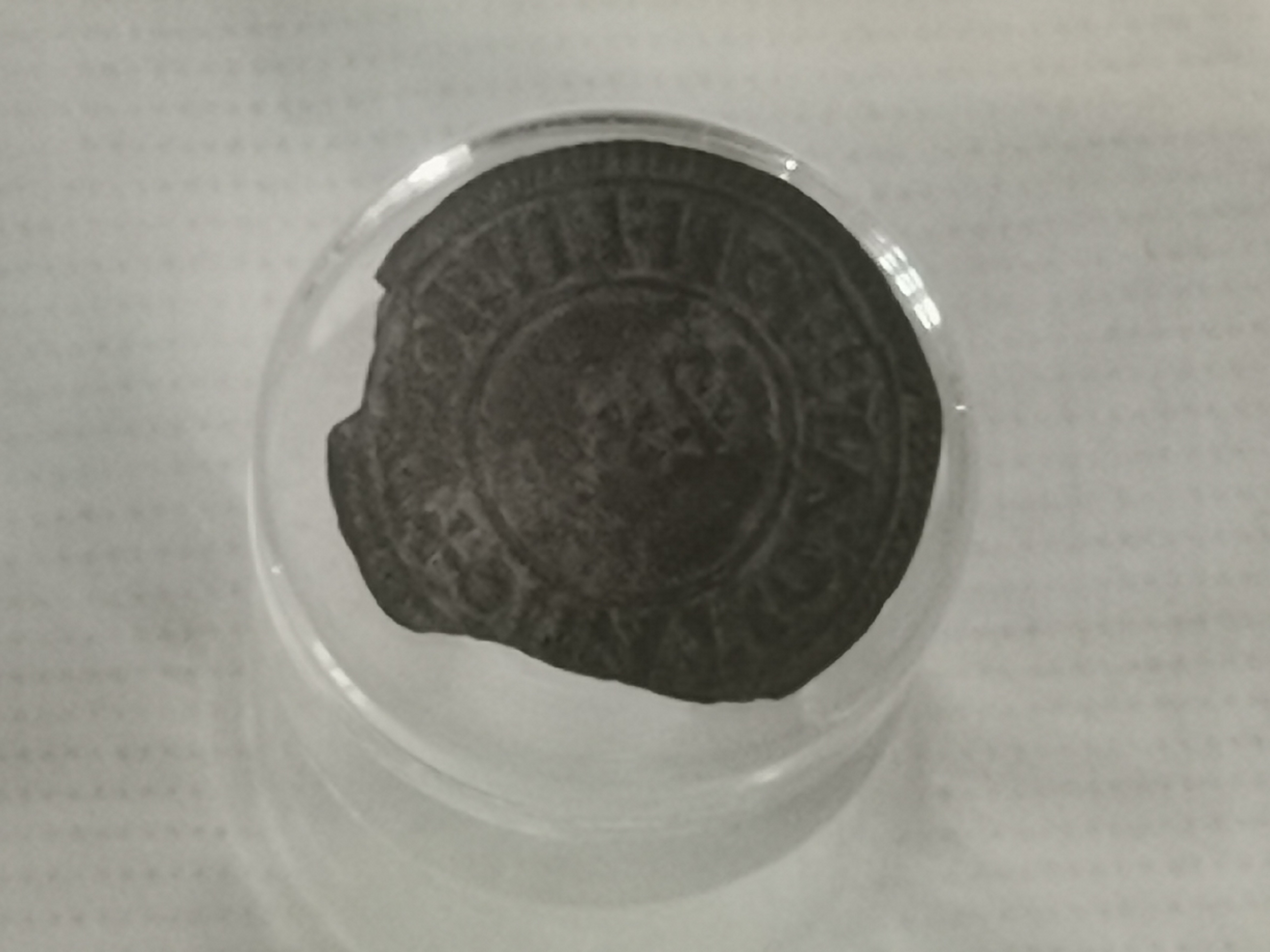
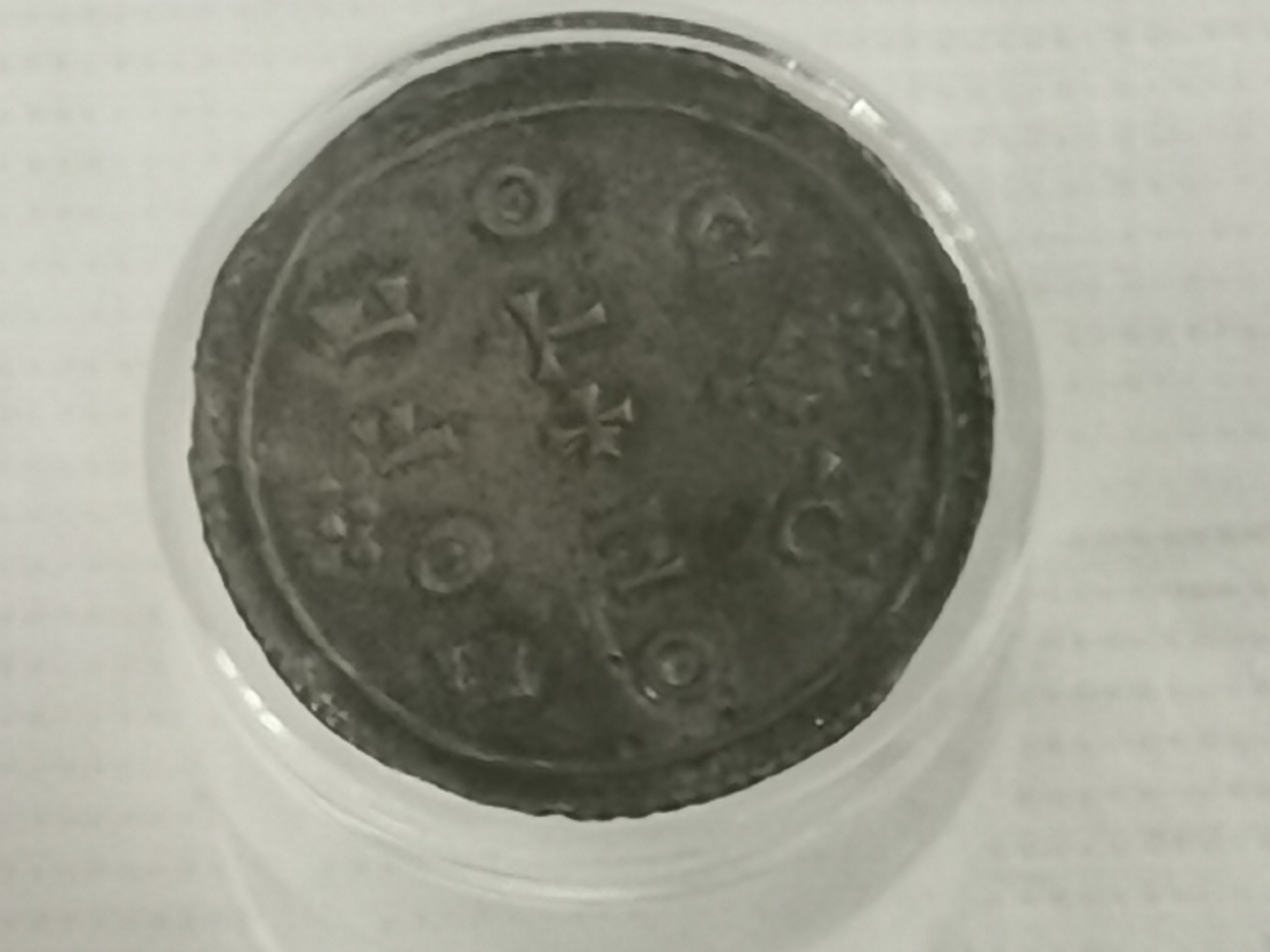
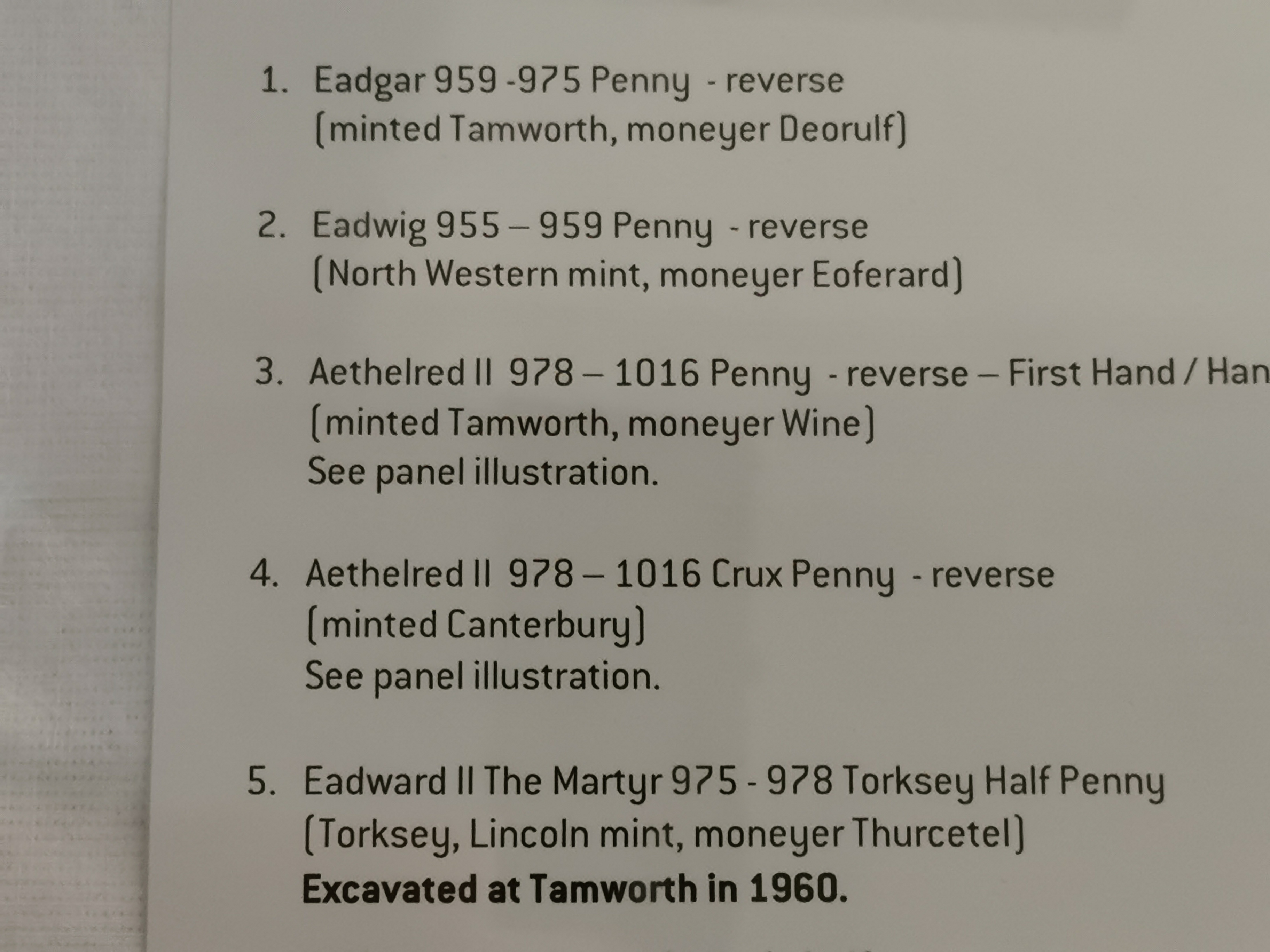
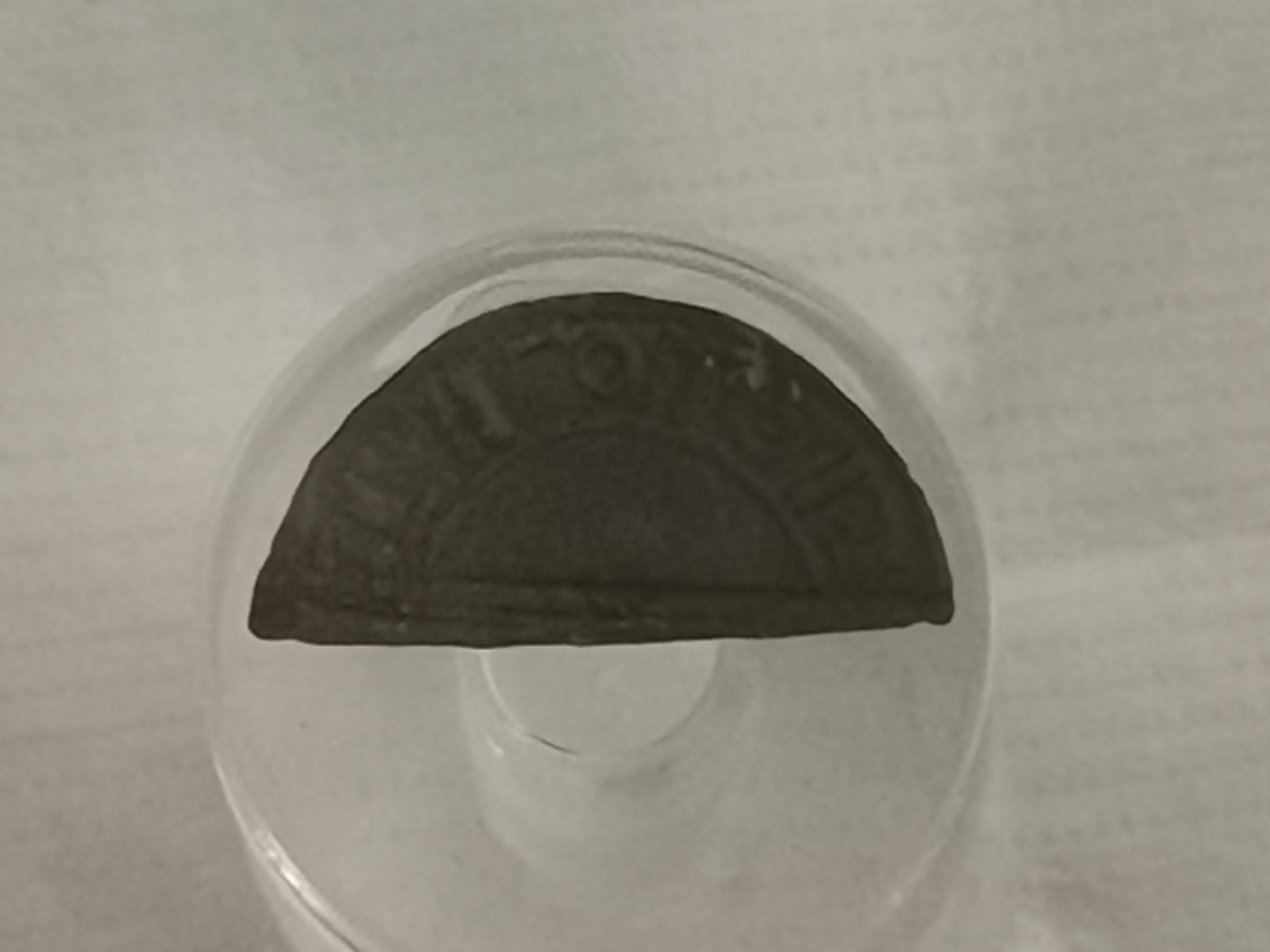
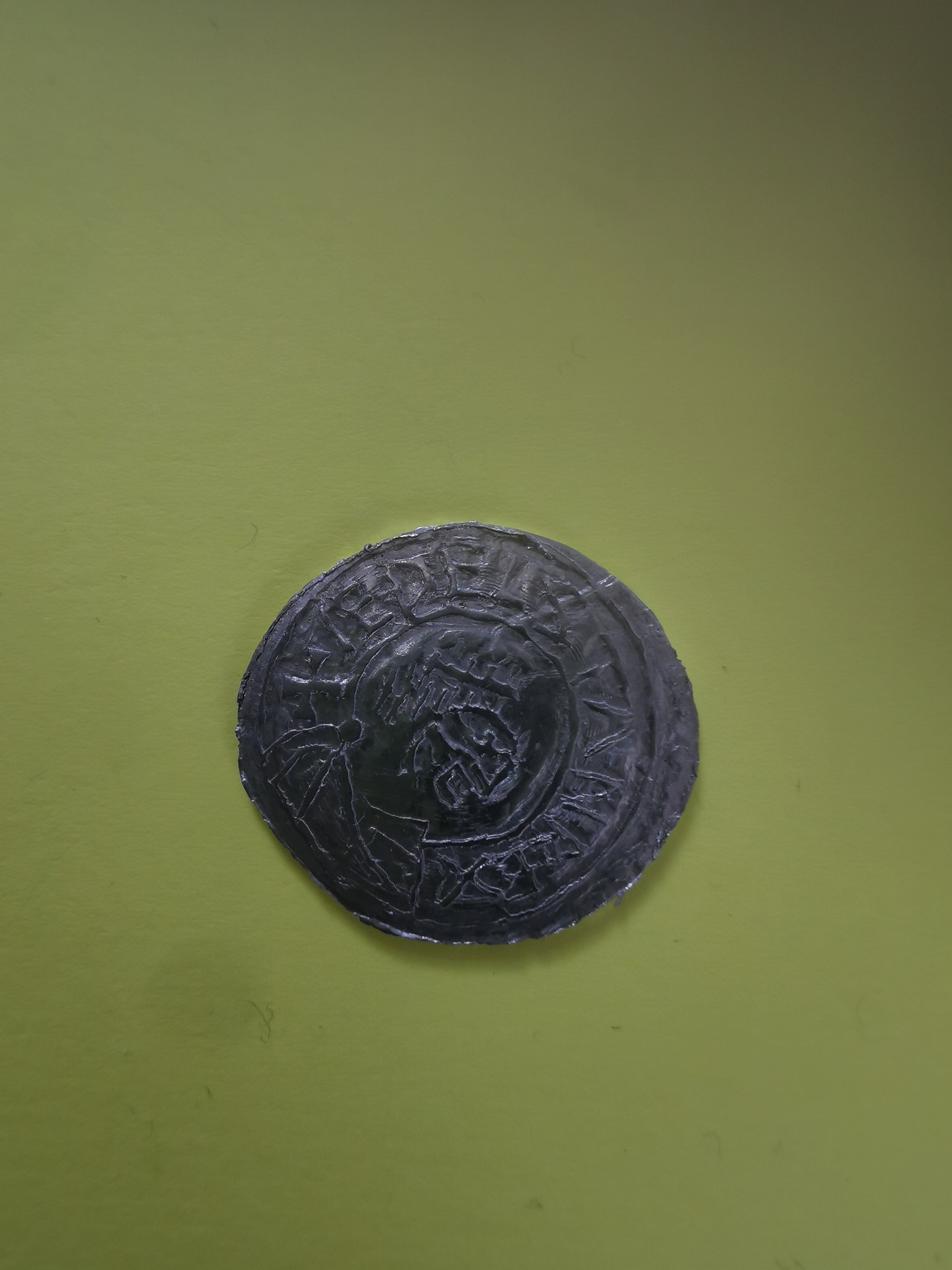
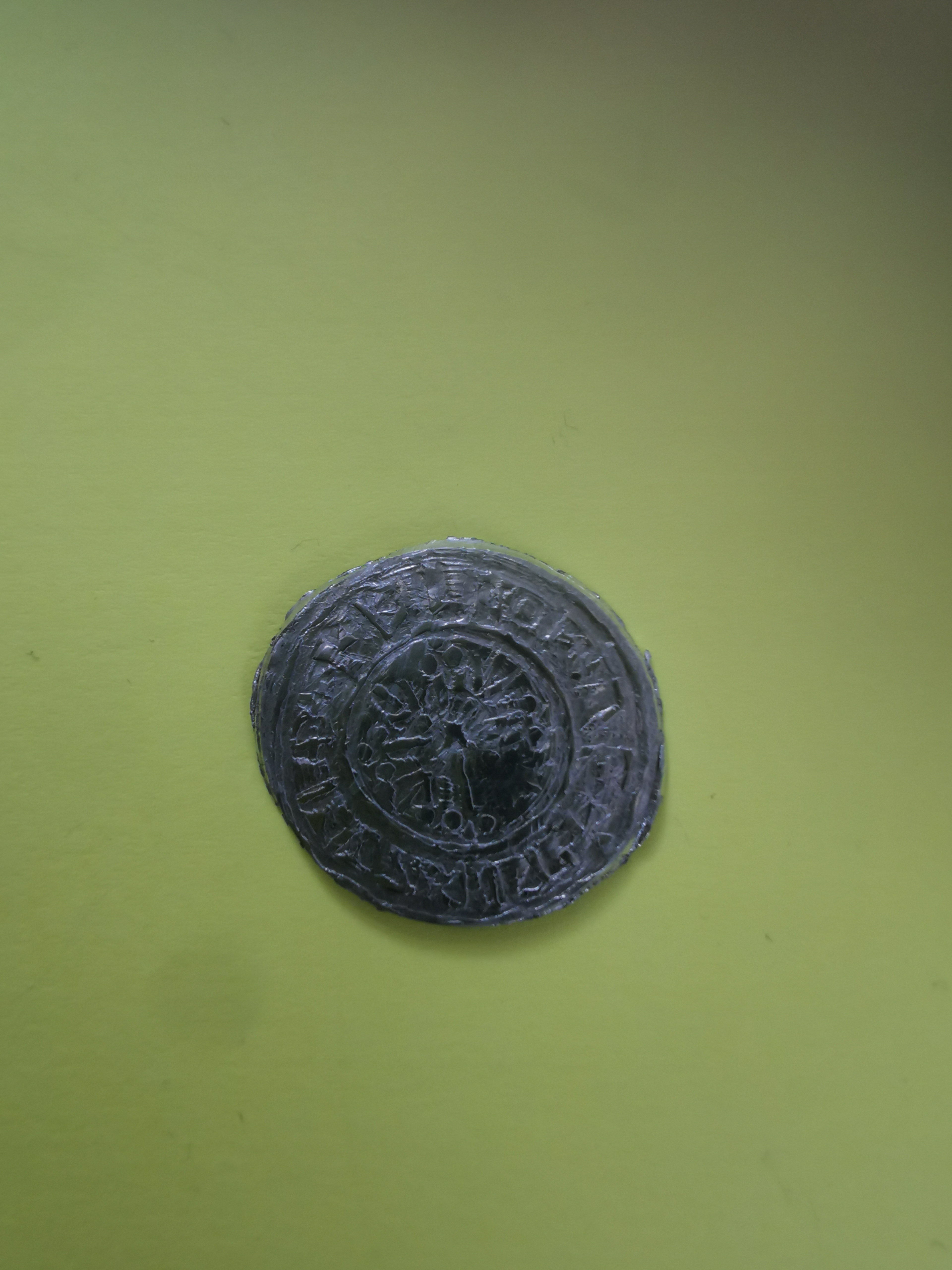
Tamworth Castle currently houses some of the Staffordshire Hoard, and it was great to see it in all its shining glory, although I didn’t take any photos of it. But, I did get some snaps of the coins they have in the museum and also had an Athelstan coin struck by the re-enactors.
It’s to be hoped that the event proved popular and will be repeated.
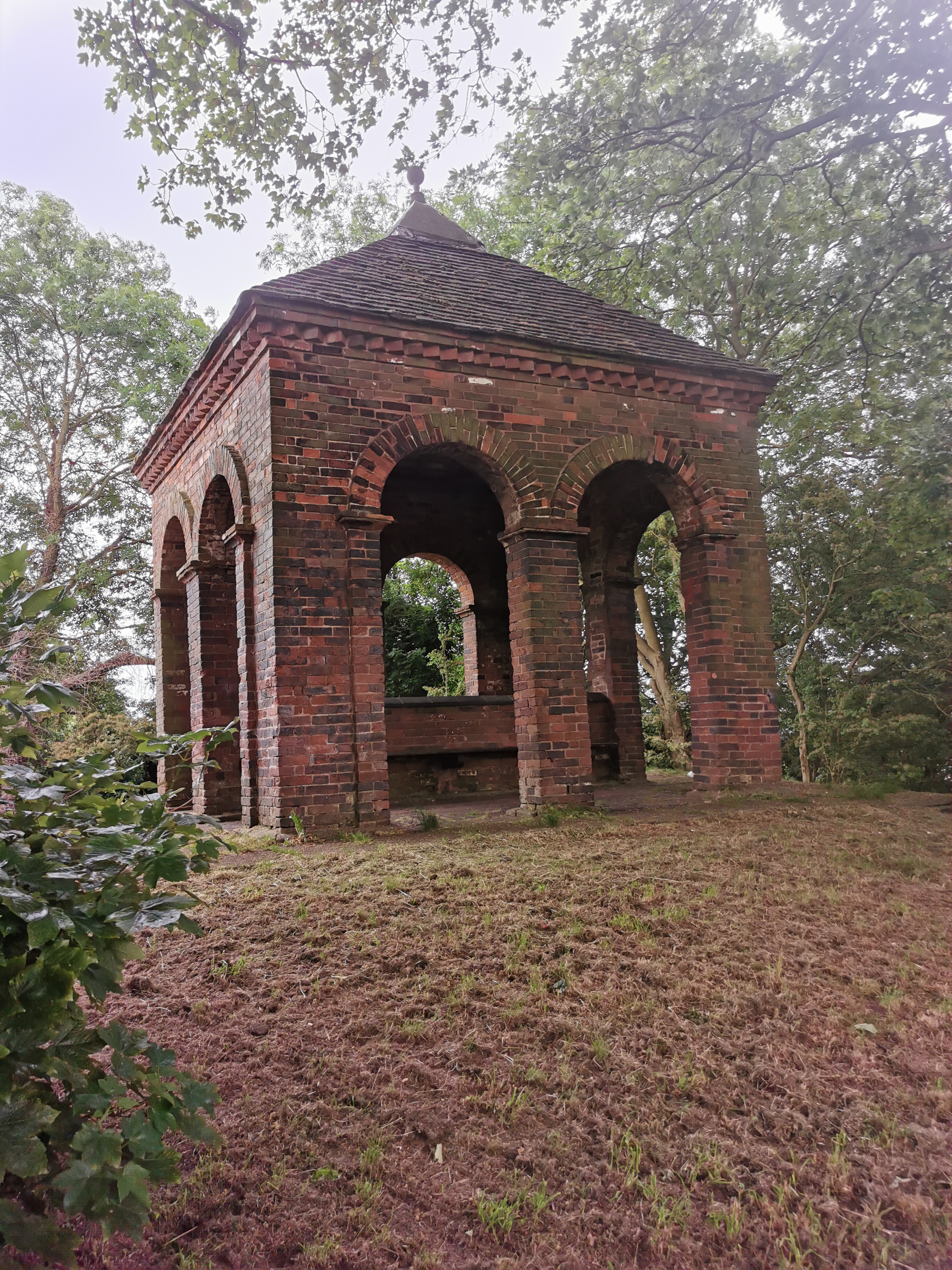
While I was there, I also took the opportunity to visit the ‘strange little building’ close to where I grew up, and which has been so instrumental in my desire to write about Saxon England, and particularly Mercia.
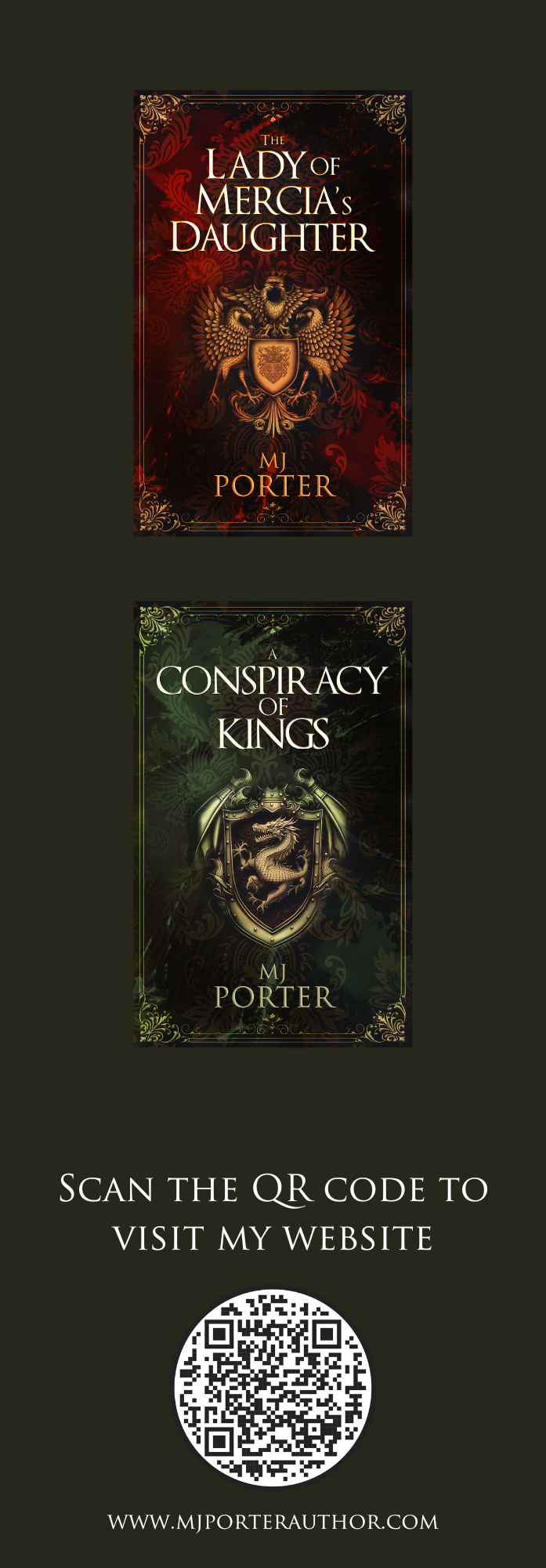
While I’ve not written about Lady Æthelflæd (yet), I have written about her daughter and the events immediately after her mother’s death, when Lady Ælfwynn succeeded to the kingdom of Mercia, but only for a short amount of time, in The Lady of Mercia’s Daughter and A Conspiracy of Kings – which feature on my bookmark below:)
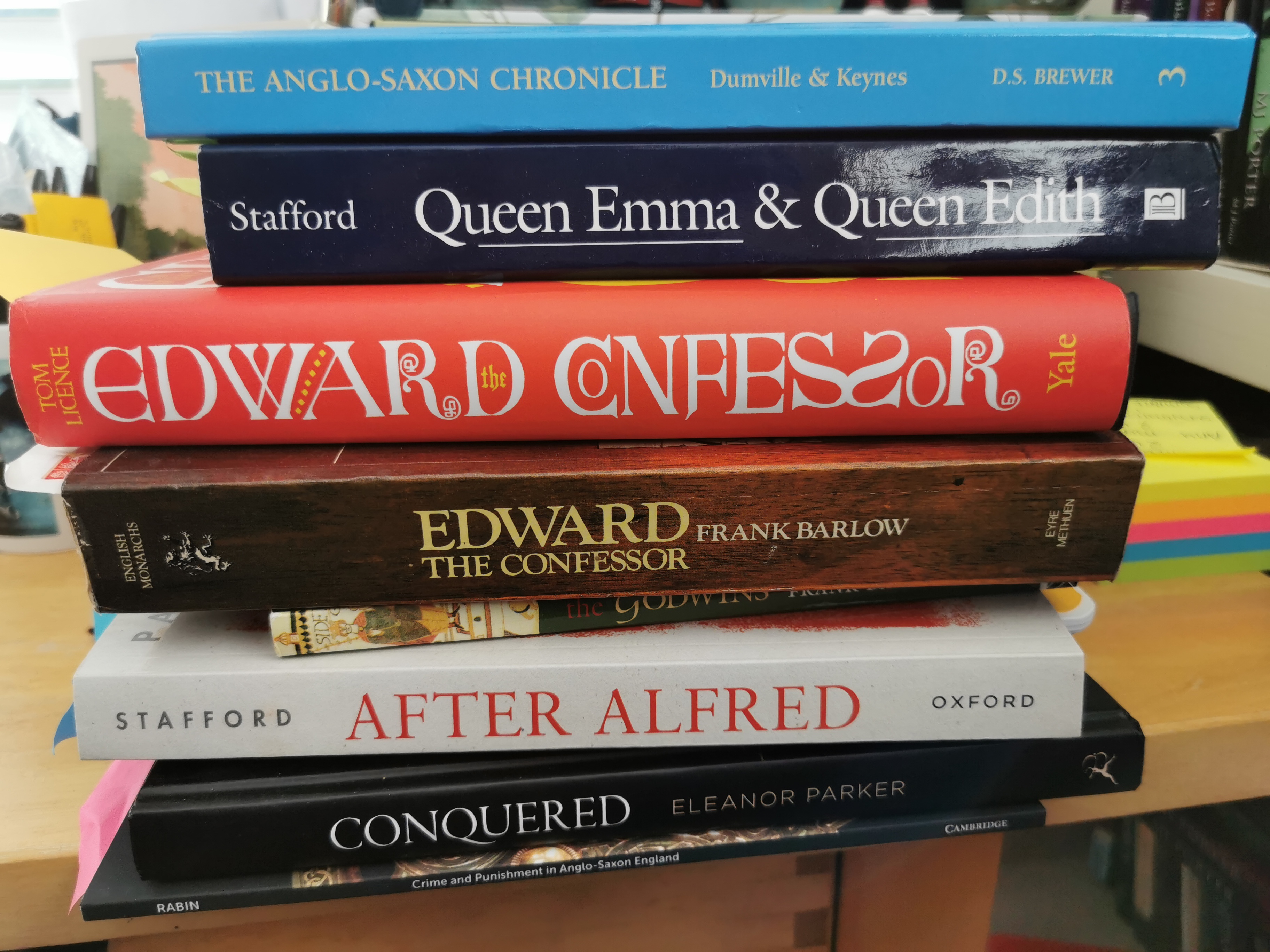
I always like to share my research with my readers. Here’s a small pile of the books that I’ve specifically used in the last few weeks while finalising the little details in The King’s Brother.
As always, there are resources not shown here. The two primary online resources that I will NEVER tire of sharing are
My two versions of The Anglo-Saxon Chronicle not shown here have also proved invaluable, my preferred version by Michael Swanton, and the version found in English Historical Documents Vol. 1 by Dorothy Whitlock, although I’ve discovered I have a first edition, and there was a subsequent second edition, which is the one most often used – mind my first edition was substantially cheaper than a second edition. (I dare you to click on the link and see how much it costs:))
Some of these books are more academic than others. For those looking for an introduction to the period, I highly recommend The Death of Anglo-Saxon England by Nick Higham which is stuffed with images and can be found quite cheaply second-hand.
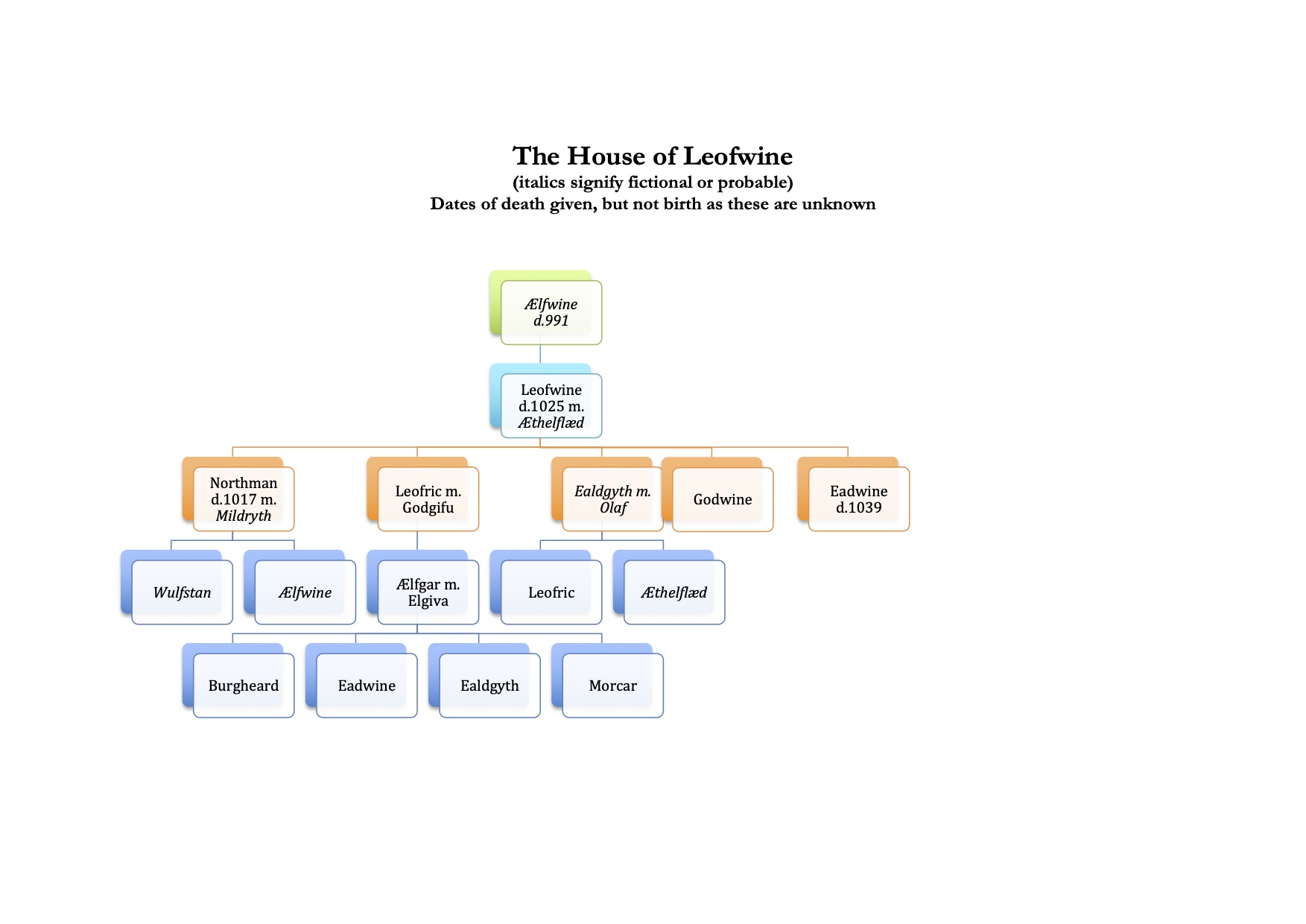
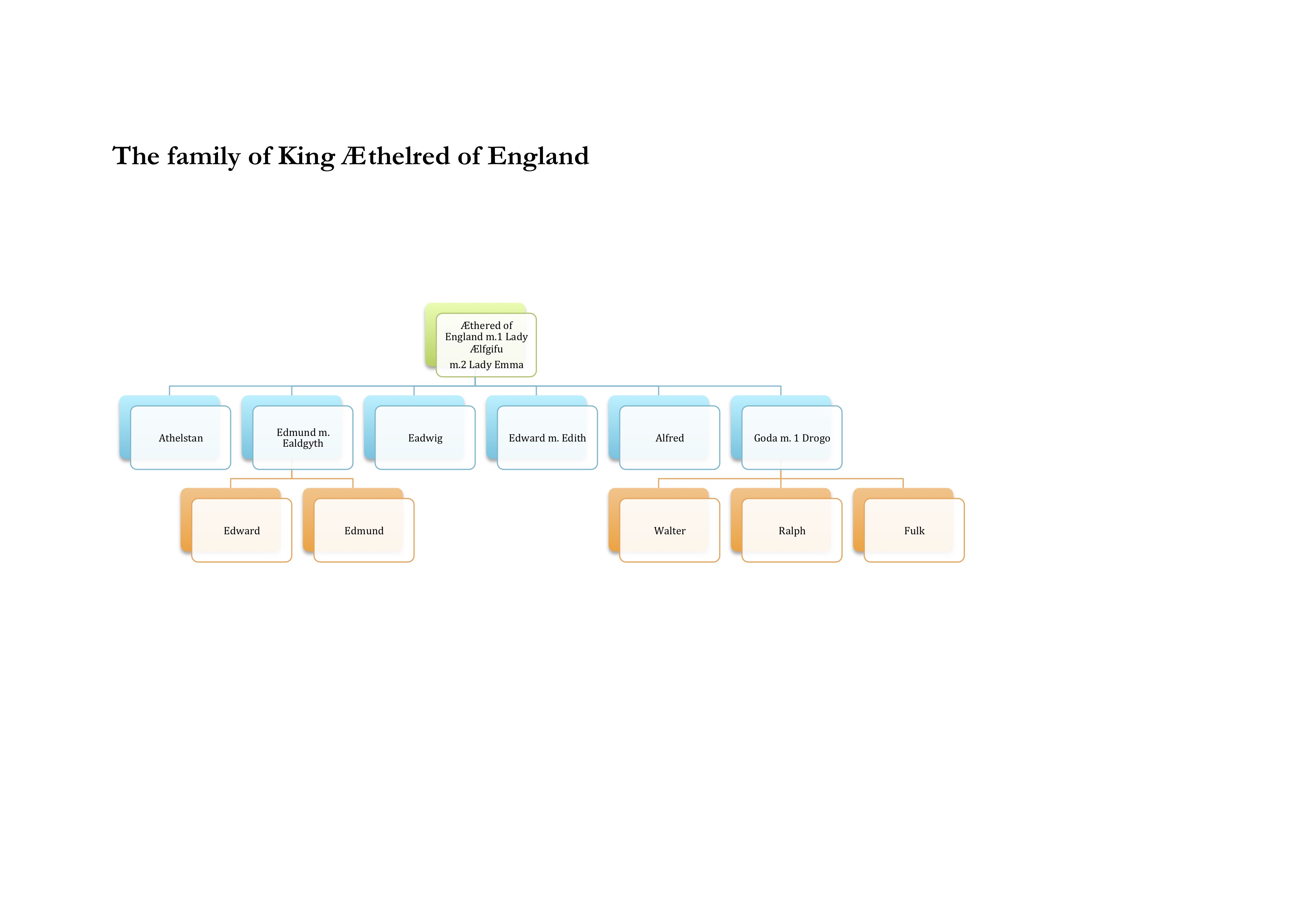
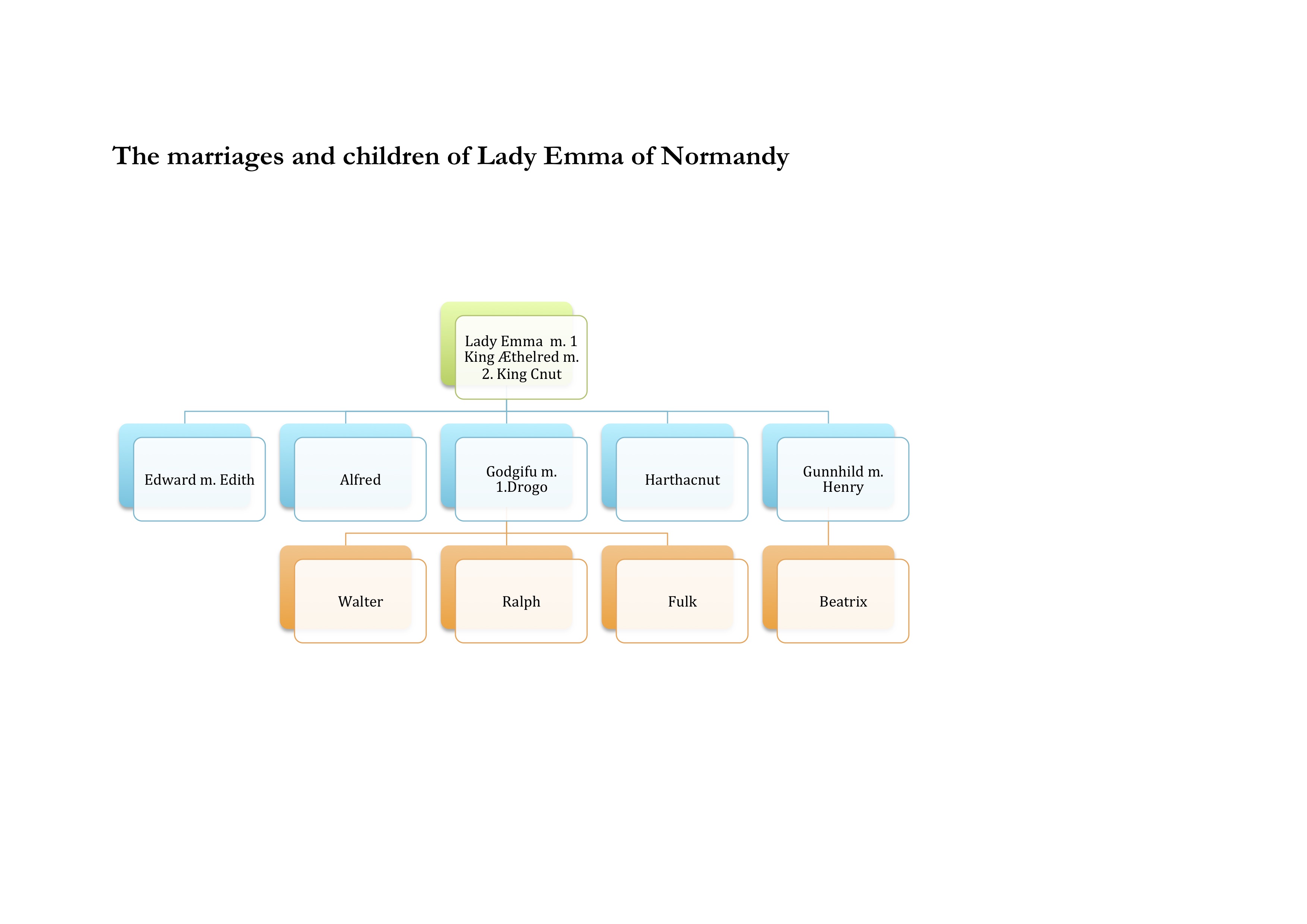
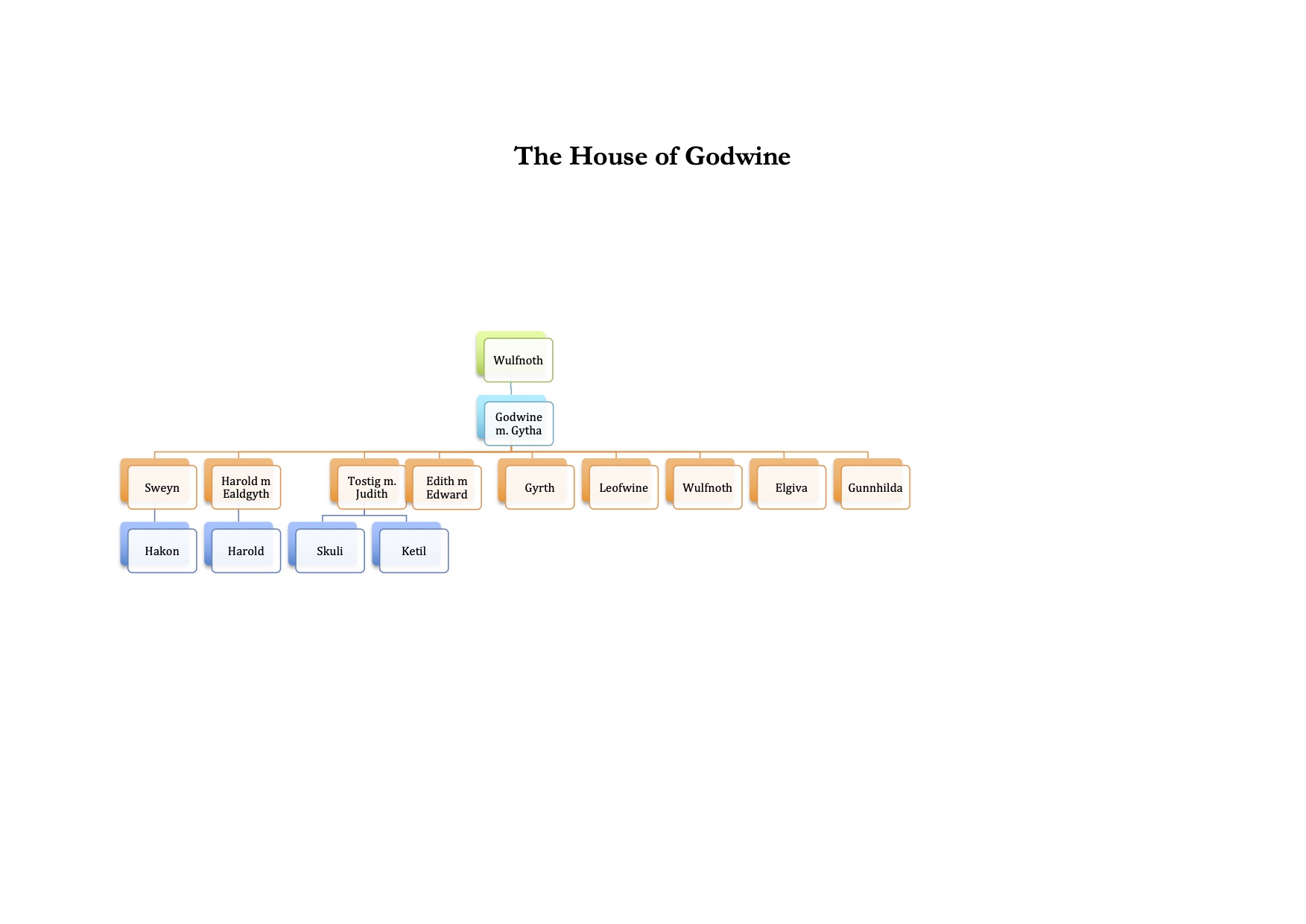
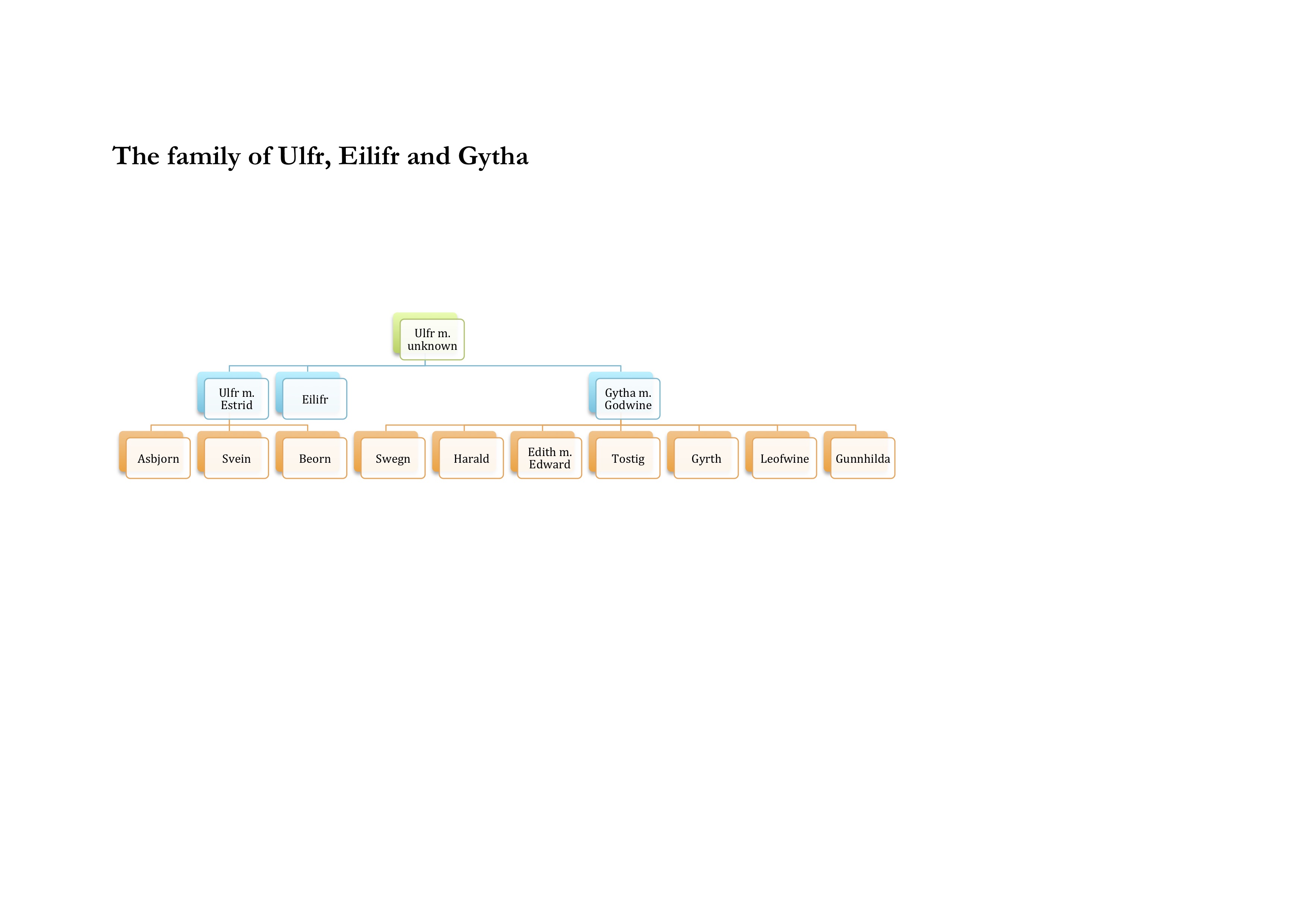
I thought a little refresh might be in order with the release of The King’s Brother, so I’m resharing some genealogy tables I put together when working on The English King and Lady Estrid. These will, hopefully, point you in the right direction for the somewhat complex family dynamics in The King’s Brother.
The House of Leofwine
The family of King Æthelred II.
The children of Lady Emma, twice England’s queen.
The House of Godwine.
The family of Gytha, wife of Earl Godwine
I hope that helps. You can click on the tables to increase their size.
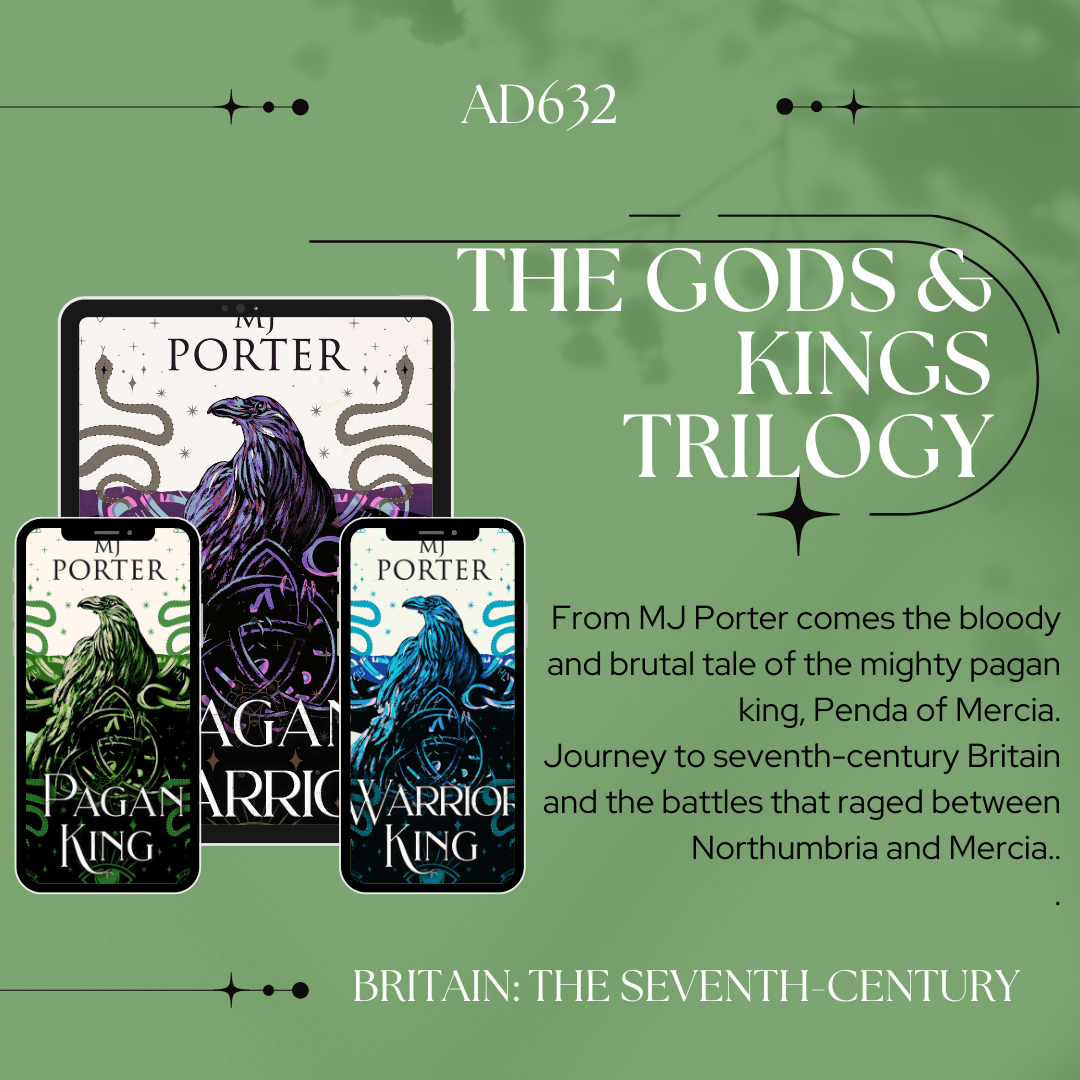
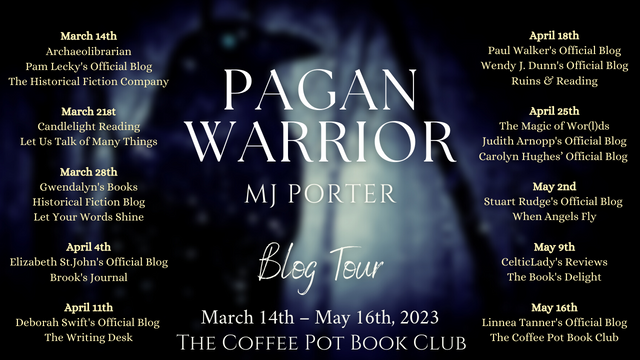
Pagan Warrior is the story of the battle of Hædfeld, fought in the seventh century between the Northumbrians, and you got it, the Mercians – or rather, Cadwallon of Gwynedd but with Penda of Mercia as his firm ally. You can find more details here.
A quick shout out to thank all the blog hosts and Cathie at The Coffee Pot Book Club for organising.
And, the post that perhaps gave me the most fear to begin will but which was fun when I remembered all the little details, five fun facts about writing the trilogy.
Check out a post about two of the royal residences of Bernicia at the time, Bamburgh and Ad Gefrin (Yeavering). (There are lots of photos; thank you to Helen Hollick for uploading them all.)