The estate is close to where I live, and so to add to the general ambience, I’m sharing a few more wintery photos of the beautiful grounds below, and a little video I took one day when I was making sure my timings for the book were correct. It was a wee bit windy:)
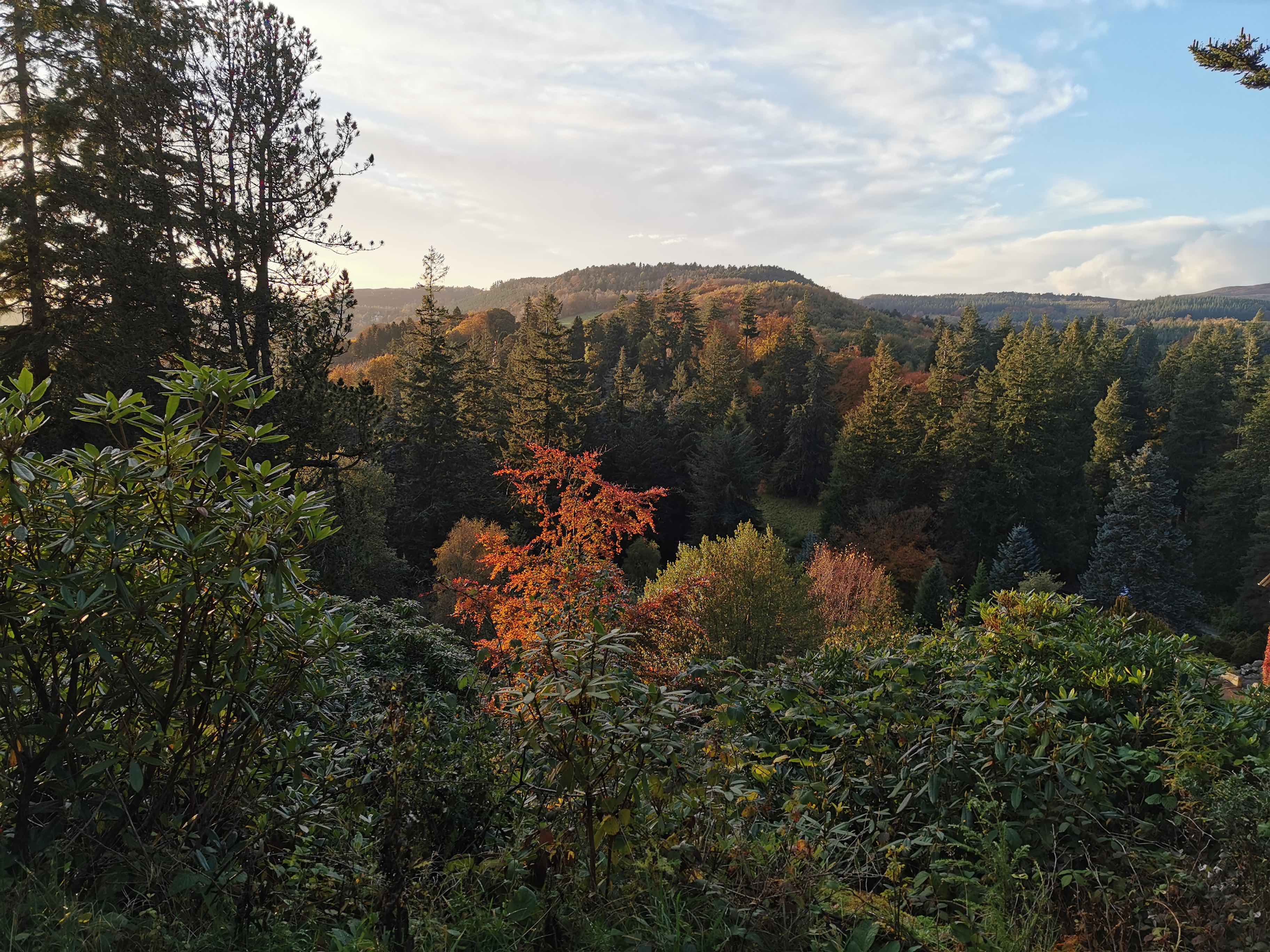
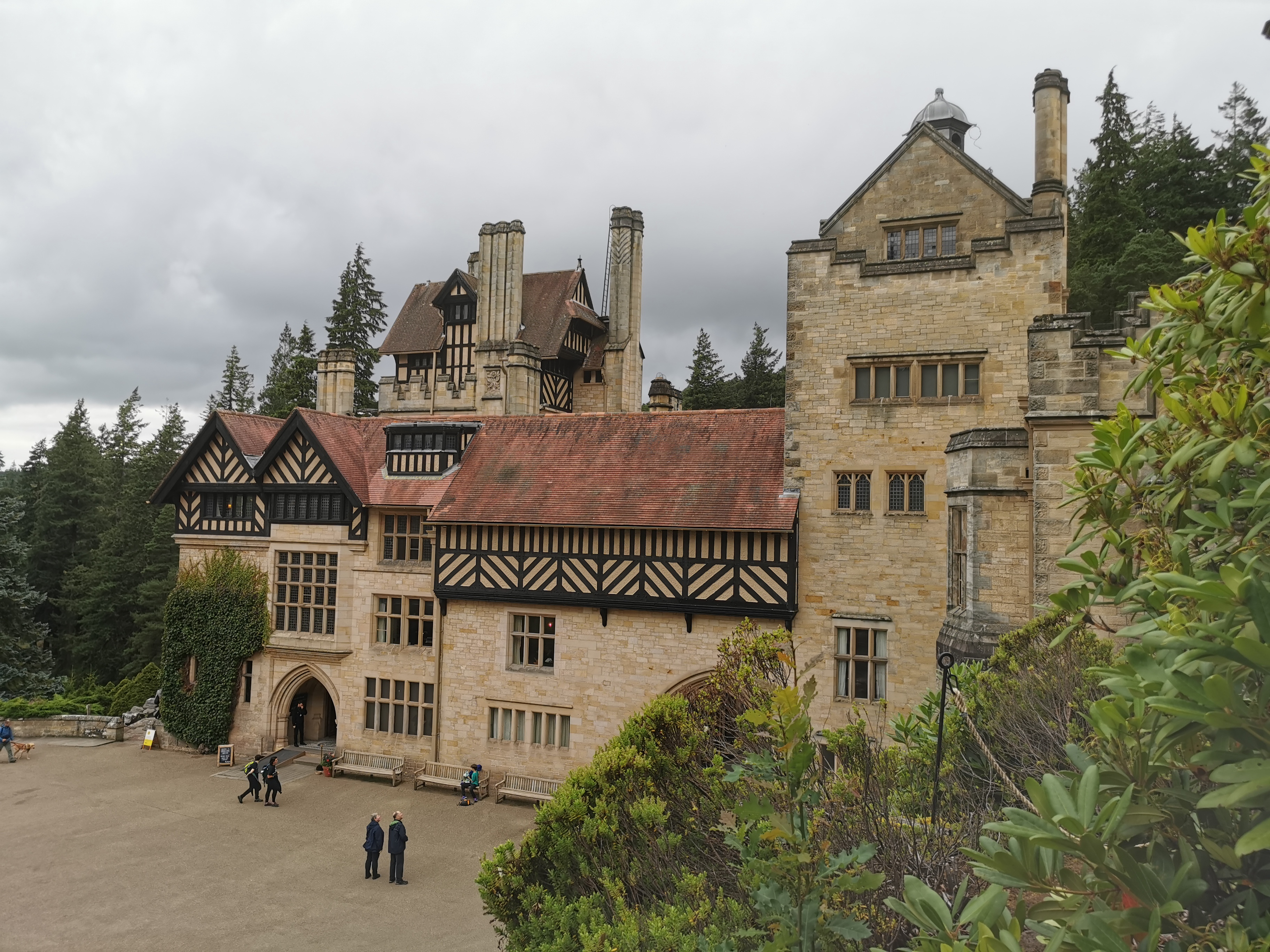
Autumnal view of the estate looking out towards Rothbury
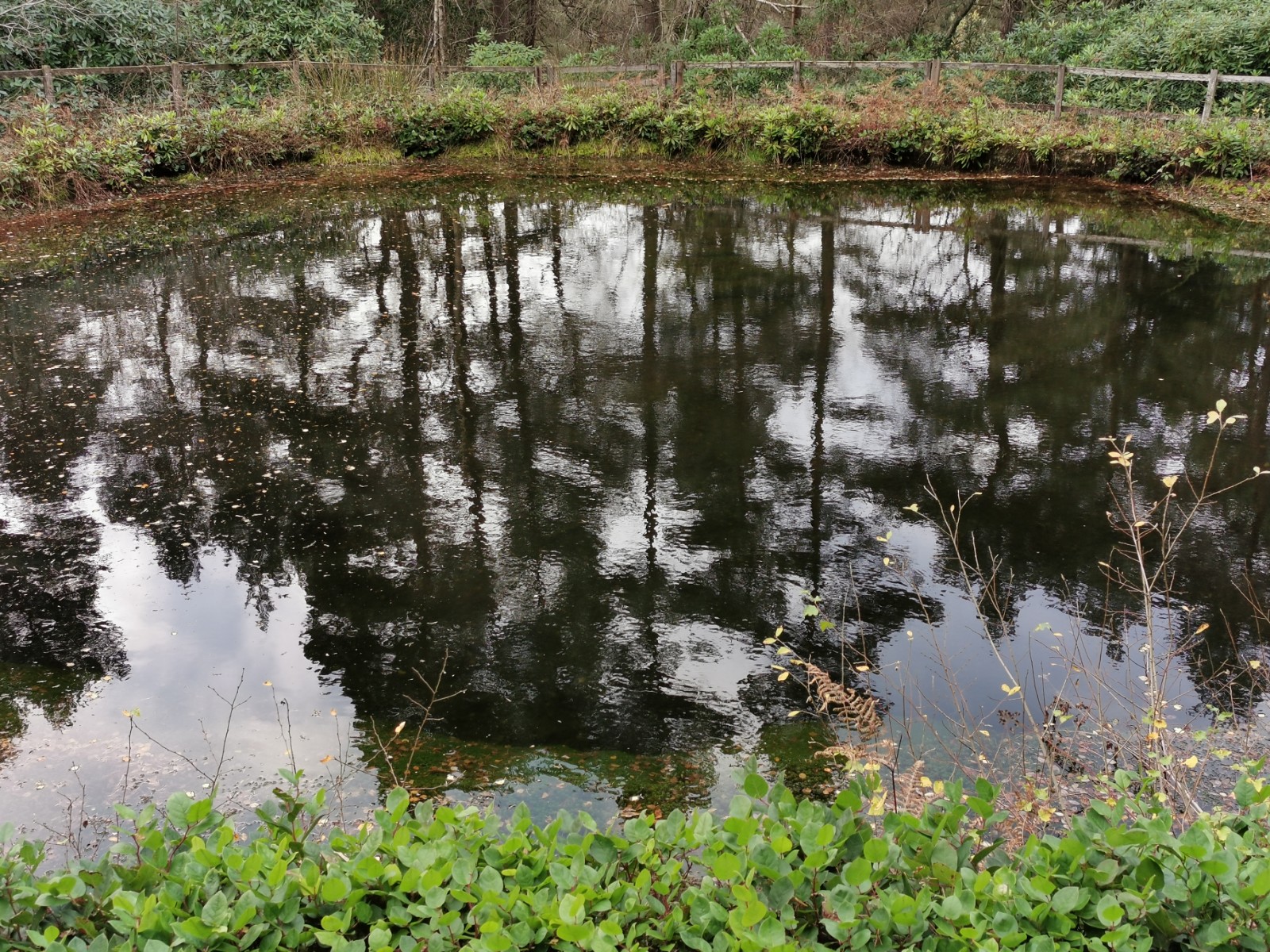
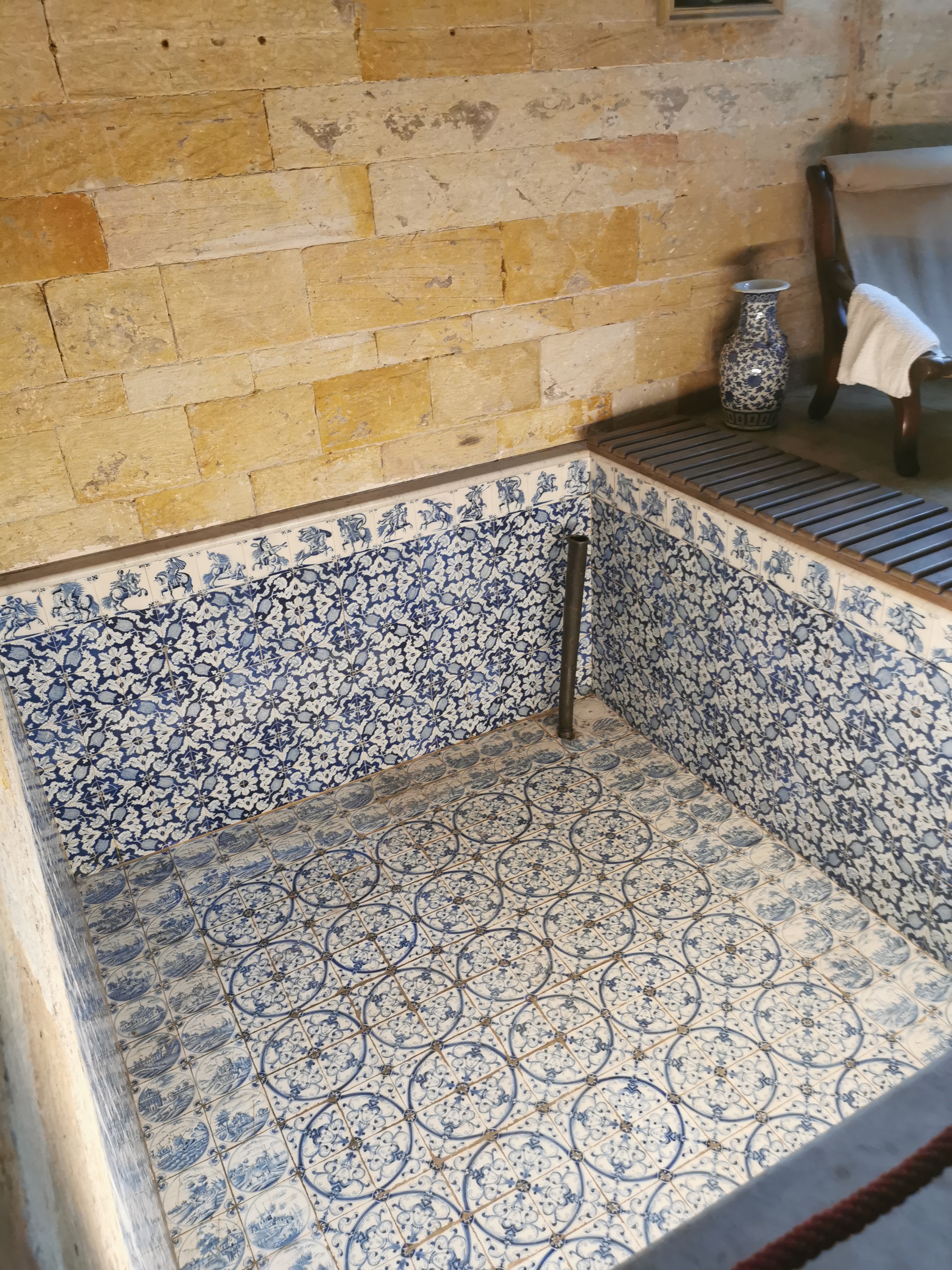
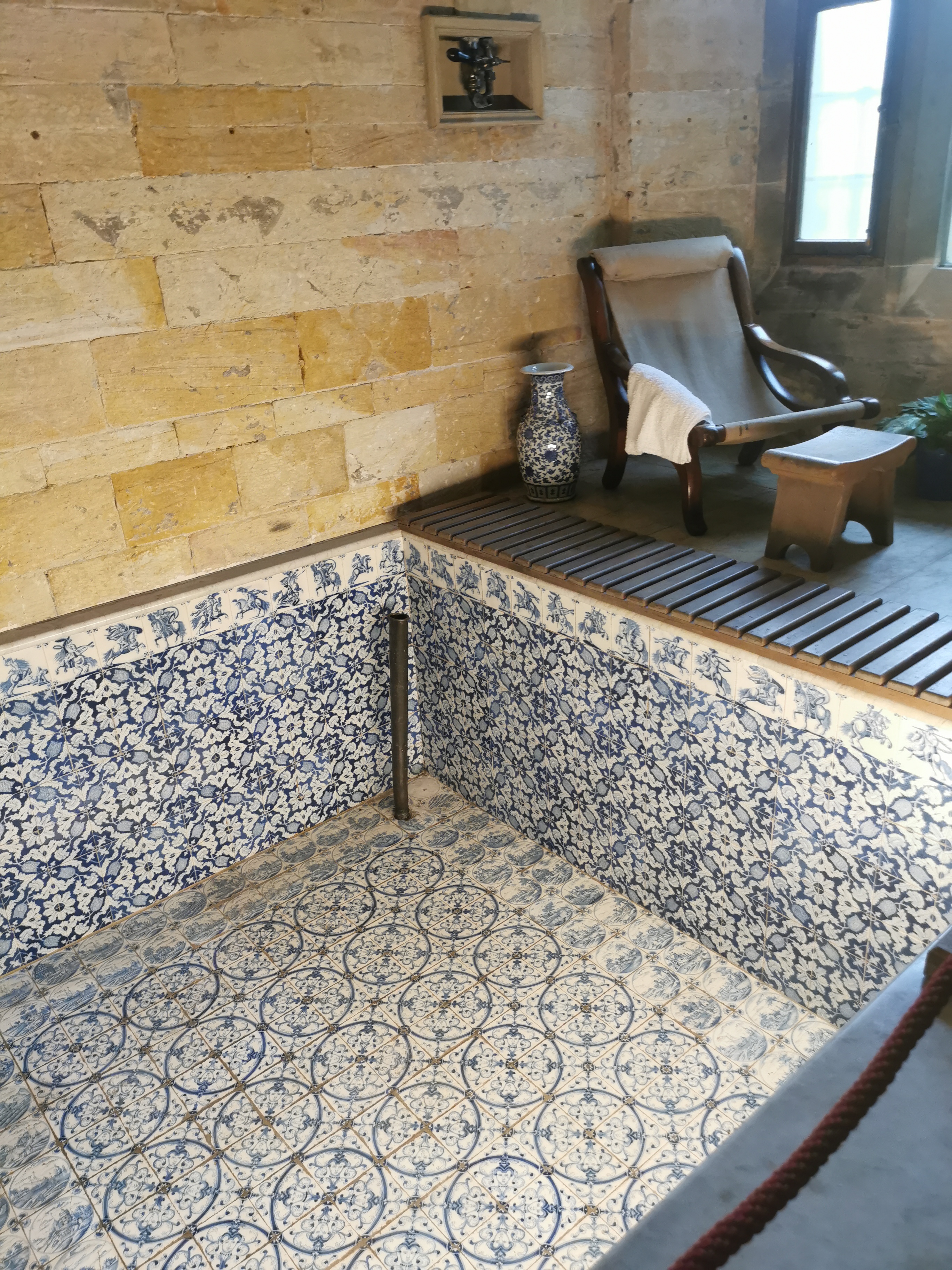
The Basin Tank, Cragside
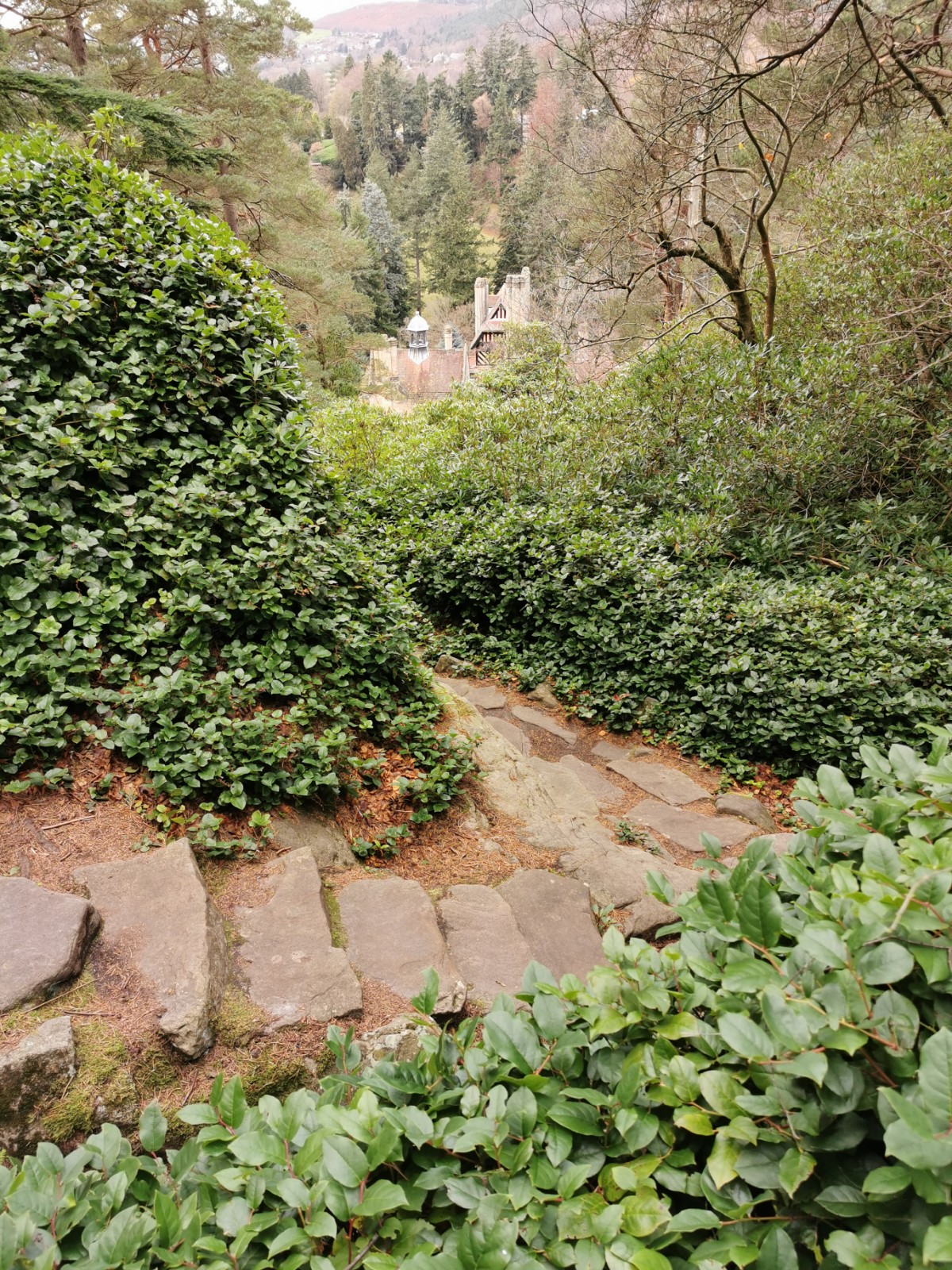
One of the many, many paths through the Estate and leading to the house
Cragside TreesCragside view from Debdon Valley
Somewhat by chance, I visited Cragside today and managed to snap some photos to share with my readers. I was most excited about the bathroom, which has been closed for a while but has now reopened. It looks amazing.
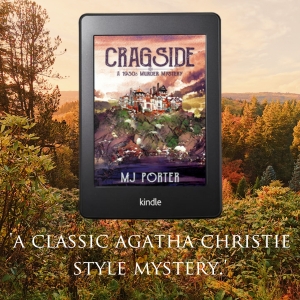
You can enjoy Cragside in ebook, paperback and audio, narrated by the fabulous Gill Mills, who portrays Lady Merryweather fantastically.
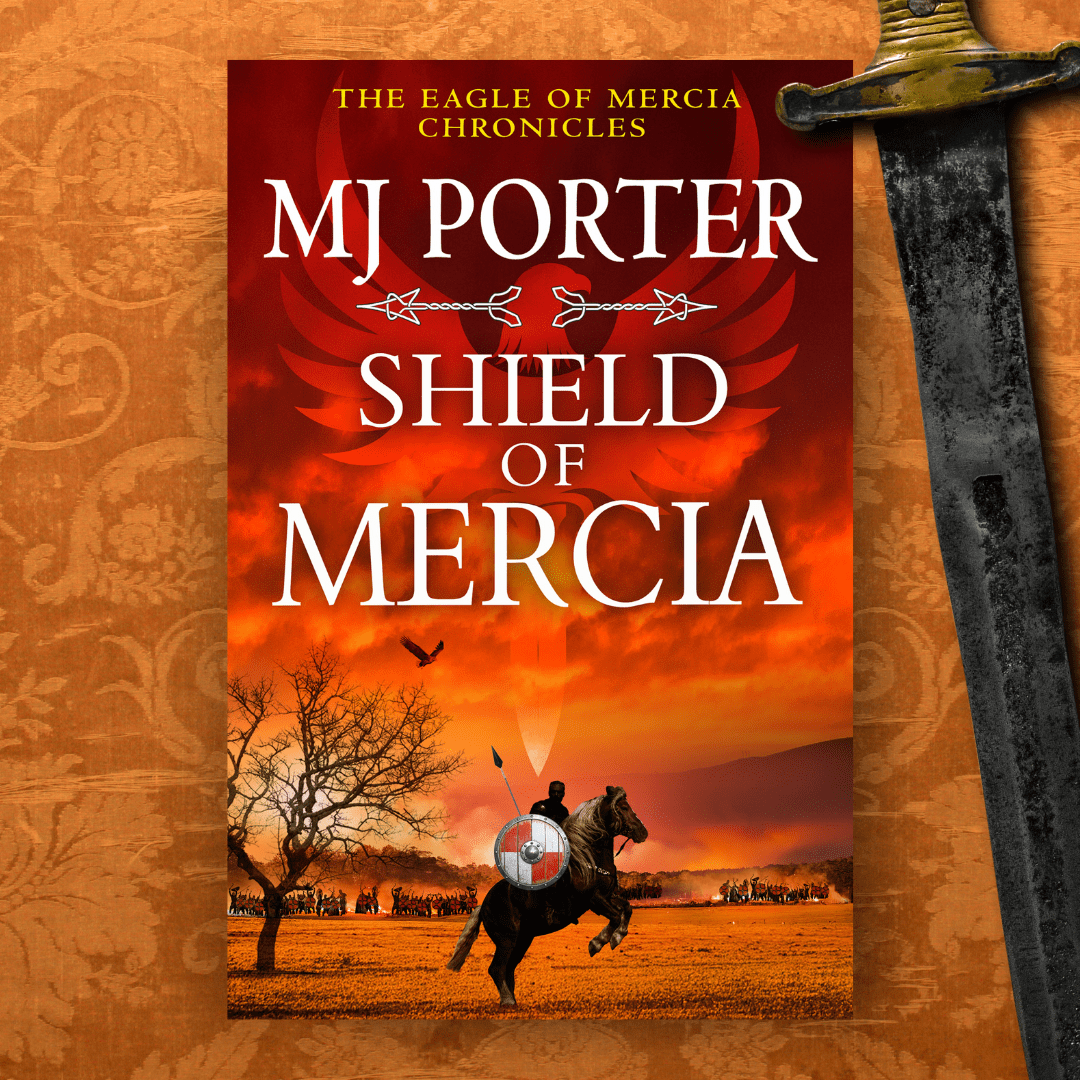
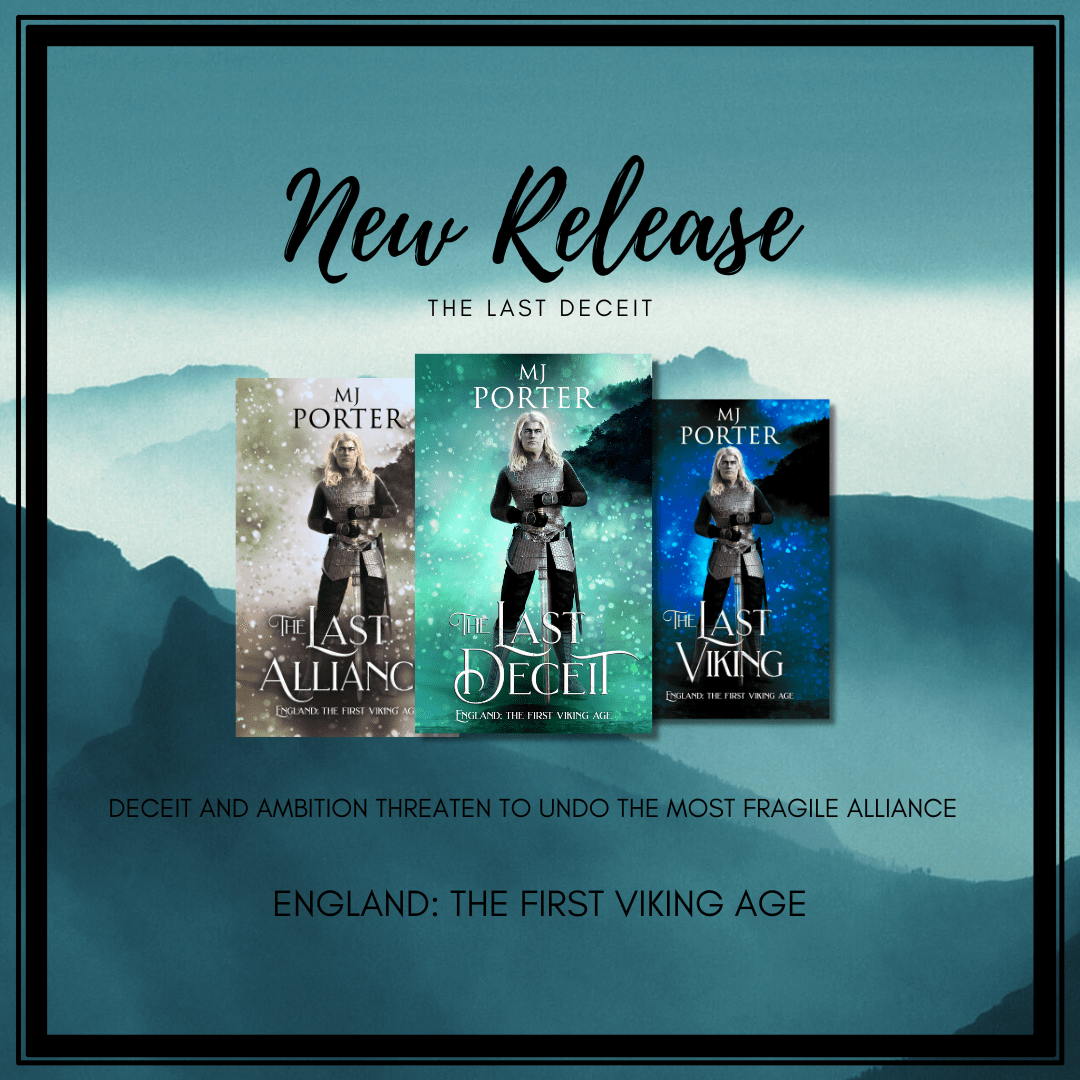
Can the Norse and the Scots exact their revenge over the mighty King Athelstan of the English?
AD937
After the slaughter field of Brunanburh, a defeated Olaf Gothfrithson of the Dublin Norse and Constantin of the Scots narrowly escaped with their lives. In their kingdoms, failure has left them demoralised and weak.
Olaf licks his wounds in Dublin, whilst Constantin and the Welsh kingdoms who defied King Athelstan, are once more forced to bend the knee. As Athelstan’s reputation grows stronger day by day, their need to exact revenge on the overmighty and triumphant Athelstan has never been greater.
Olaf sets his sights on reclaiming the lost kingdom of Jorvik only for tragedy to strike at the heart of England and a reluctant new King, Edmund steps into the fray.
While England mourns the death of their warrior king, her enemies gather on her borders and England stands alone against the might of the Norse, Welsh and Scots.
Can the new king be victorious and banish her enemies once and for all or will England, and its king lose all that’s been gained and succumb to a new pretender?
There’s no cover yet but I will share once I have it:)
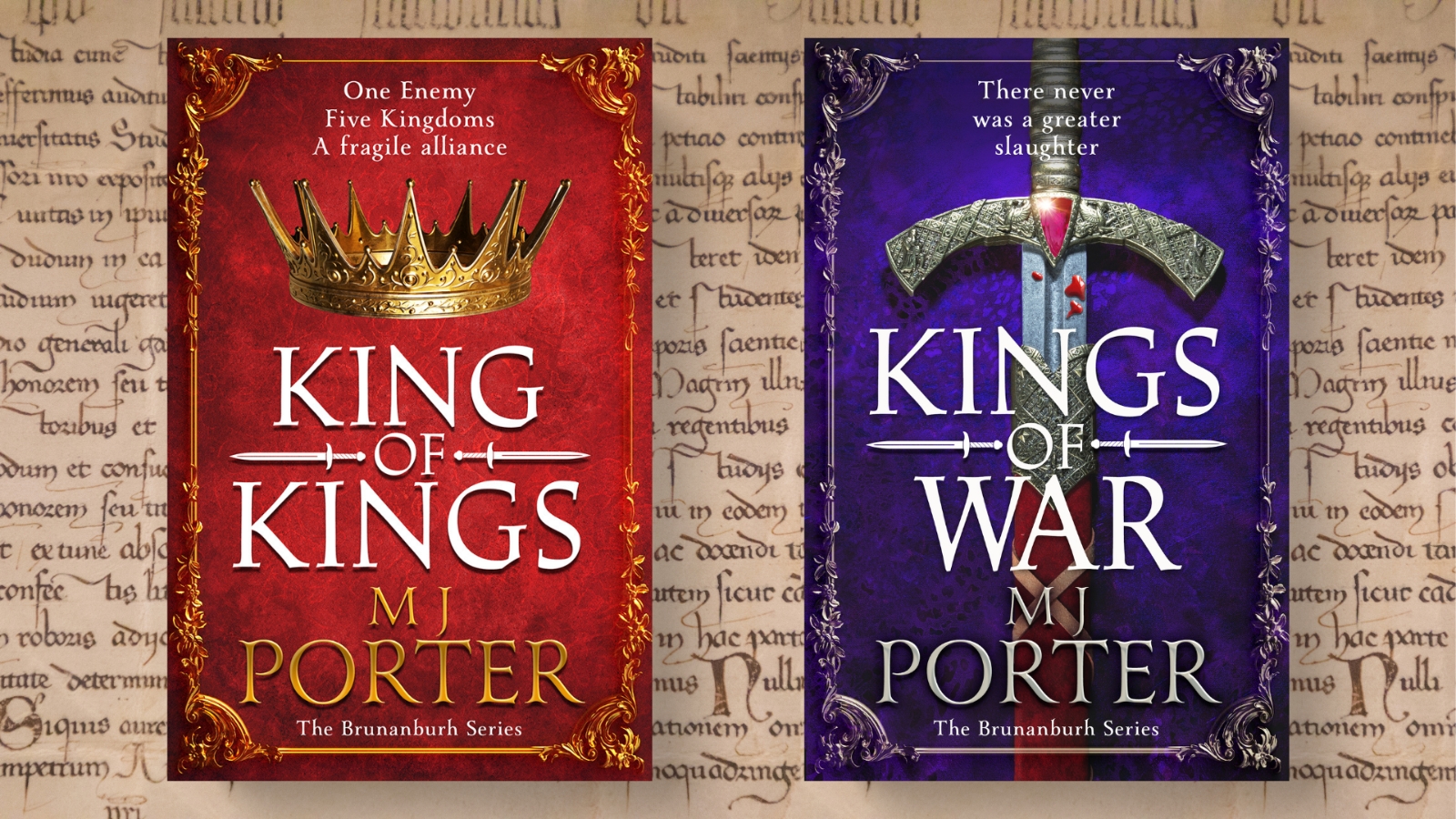
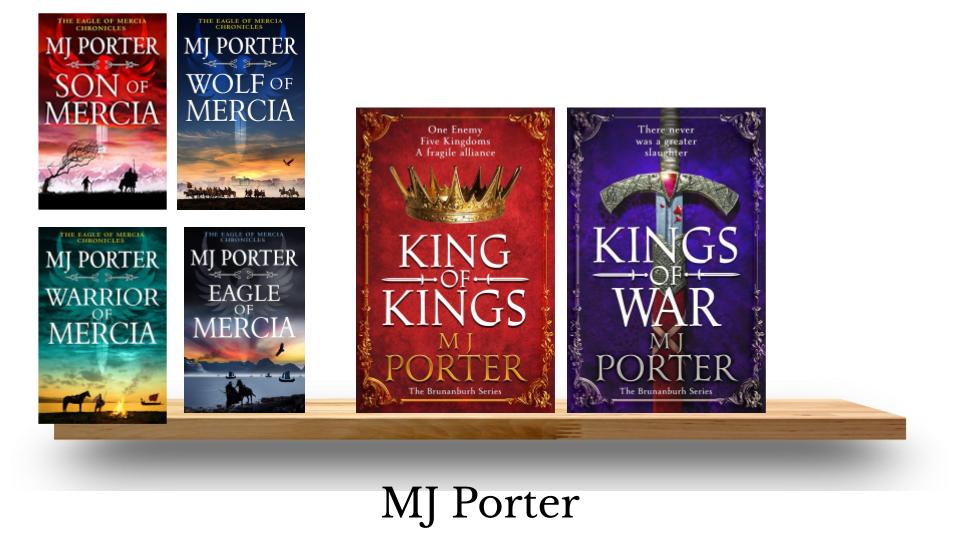
If you’ve not yet grabbed King of Kings and Kings of War then they are currently just 99p/£1.39 on Amazon UK and the equivalent worldwide. You can read about the series on my Brunanburh page.
I’m also asking my readers if they’d like to meet me virtually via a Zoom chat? If you think you might, then please complete the Google form. It’s just to see what readers would be interested in, their availability and timezones:) Nothing is set in stone yet.
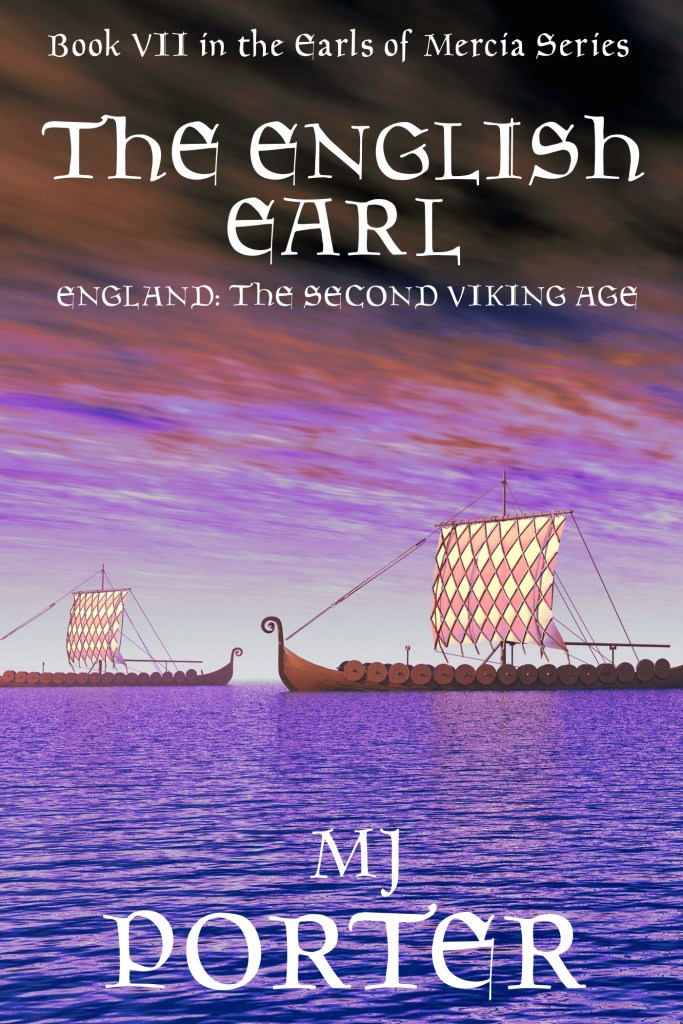
I think we all know that I’m really not very good at remembering book birthdays, but I have remembered this one and so, happy book birthday to The English Earl. (This is the book that I always forget when writing out the series – so I think it needs some love – I even managed to give it an ISBN that was out of sync with the rest of the series).
Intrigued? Here’s the blurb.
England, November AD1035.
Cnut, the Danish king of England, is dead, his son and chosen heir, Harthacnut, fighting for the survival of Denmark against Magnus, usurper of Cnut’s eldest son’s rule of Norway. Cnut’s Northern Empire of England, Denmark, Norway and Sweden is fragmented and in turmoil, and that’s before news of his death even spreads.
The queen dowager, Lady Emma, has the support of Earl Godwine to rule until her son, Harthacnut, can come to England to claim his inheritance. But there are problems. No one knows how long it will take Harthacnut to regain control of his father’s Viking Empire, and the English will not allow themselves to be left abandoned in the meantime.
Earl Leofric of Mercia, has long been an ally of Cnut’s, but not always an ally of his wife, the queen dowager. And more, Cnut made concessions for his other surviving son, the result of his union with Lady Ælfgifu of Northampton in Mercia, and Earl Leofric must honour those, despite the queen dowager’s determination to ignore the son’s existence.
As England once more faces the threat of external attack, should Magnus prevail in Denmark, Earl Leofric has important decisions to make. He has a long held grudge to settle with Earl Godwine of Wessex, Cnut’s much-favoured earl, while ensuring his own family’s survival. Earl Leofric is the only truly English Earl within England and Mercia is his to command.
And the queen dowager should never be overlooked. In power for her entire adult life, she is desperate to retain her hold on the network of prestige she controls, little caring who she endangers along the way. The queen dowager has twice been England’s queen. She has always had more than the one son she shared with Cnut, and her older sons are keen to exercise their own claim to wear England’s crown.
Harald, son of Cnut and Ælfgifu, Harthacnut, son of Cnut and Lady Emma, Edward and Alfred, sons of Lady Emma and King Æthelred II; four men with an equal, and valid claim to the English kingdom, but there is only one kingdom available. Who will prevail?
Available in ebook, paperback, large print/hardback and with Kindle Unlimited.
Check out the Earls of Mercia series page on my blog for more details.
It’s a happy 4th birthday to my publisher, Boldwood Books, so I’m sharing 4 books/authors that have inspired me on my journey to becoming an author, and they might not be what you expect.
Many authors of historical adventure/historical fiction often cite the greats when talking about their influences, Bernard Cornwell, Simon Scarrow etc etc (you get the picture), but those aren’t my author heroes. My first intention was to write historical fantasy, and my literary heroes are giants of that genre ( and you might realise here why I write so many series)
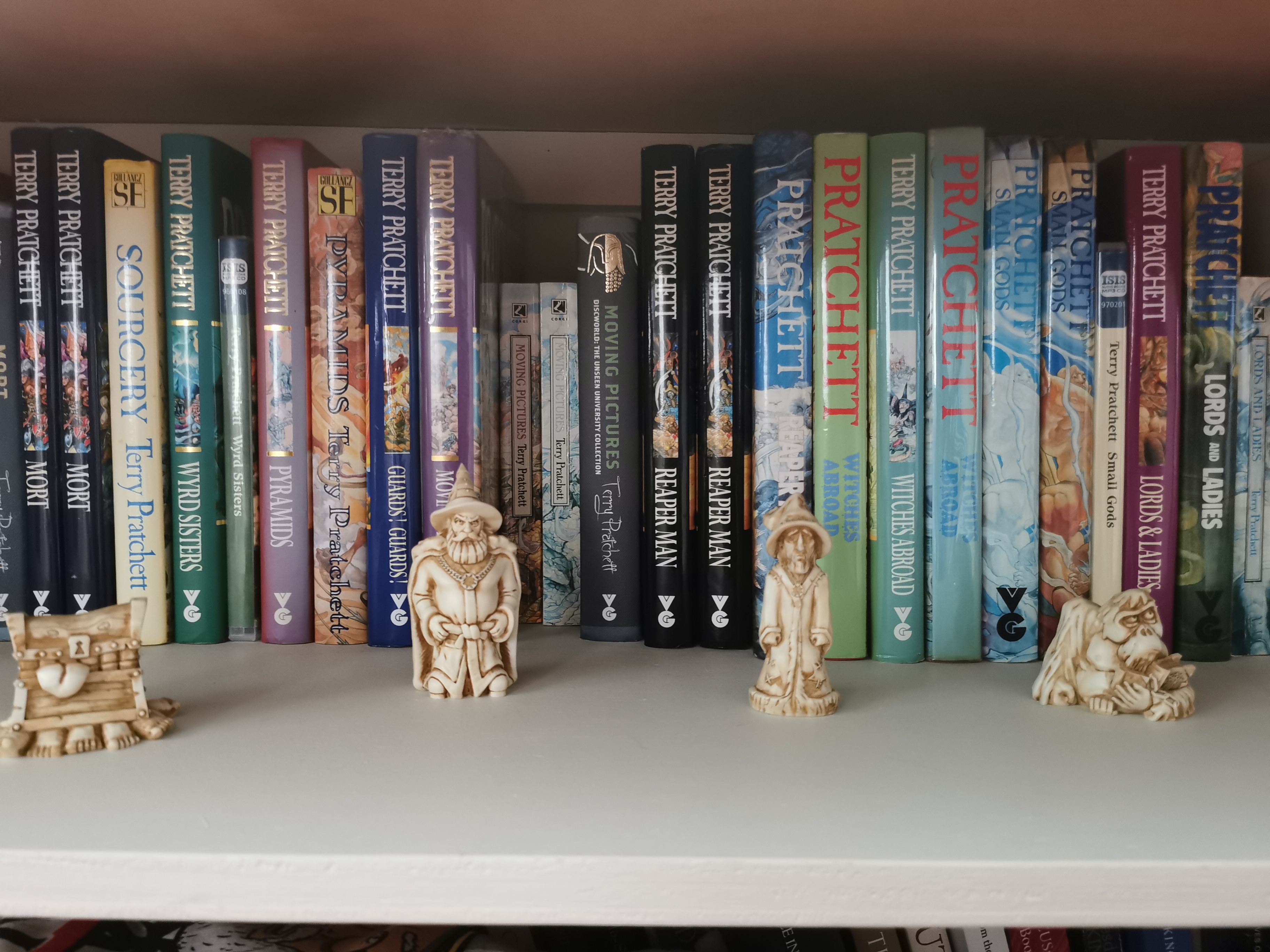
Terry Pratchett – his Discworld books, with their humour, recurring characters, and themes which are still very relevant, used to see me staying up late at night to finish them. I now listen to the audiobooks – which have luckily just been rerecorded and I adore all the versions.
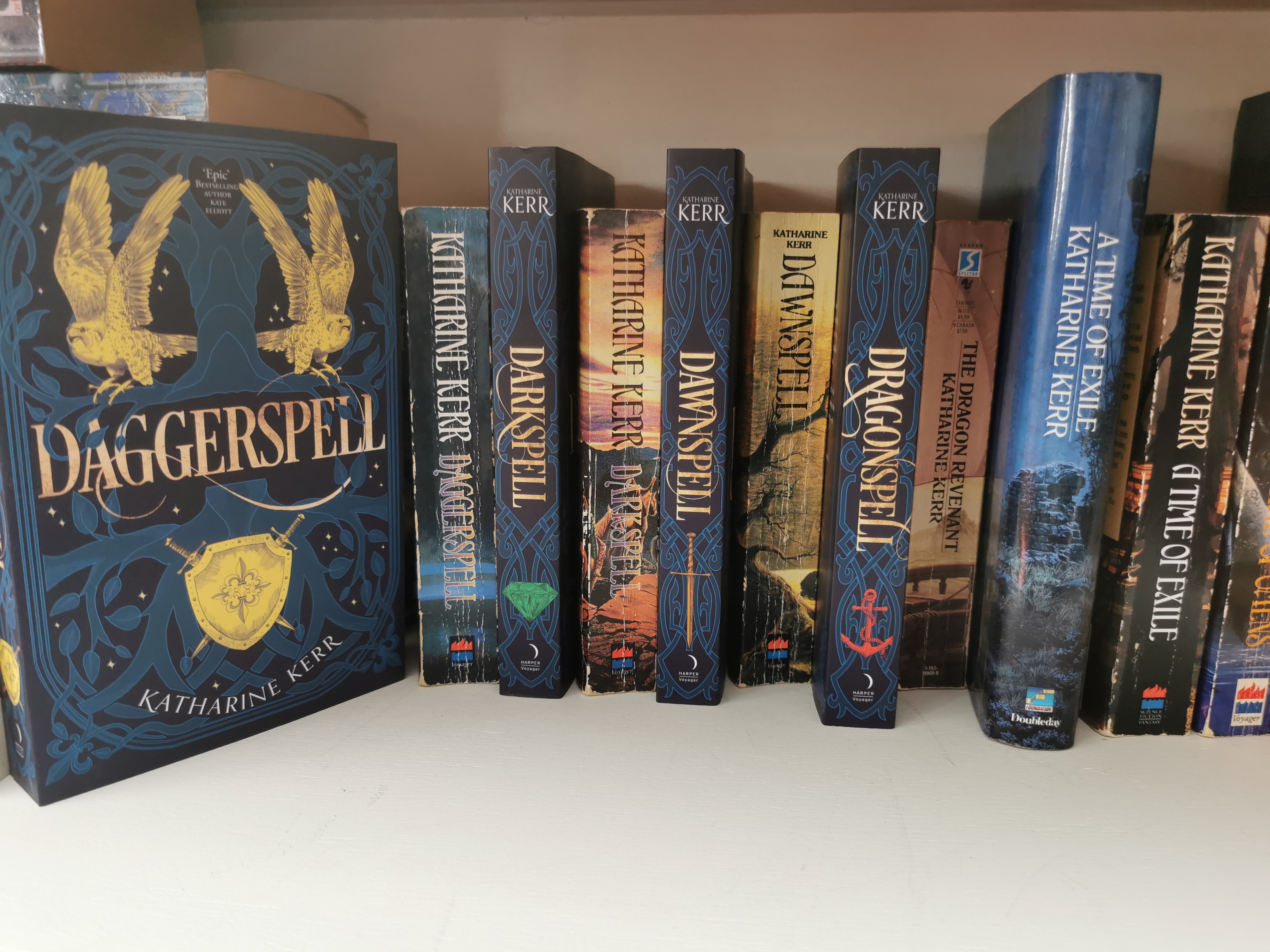
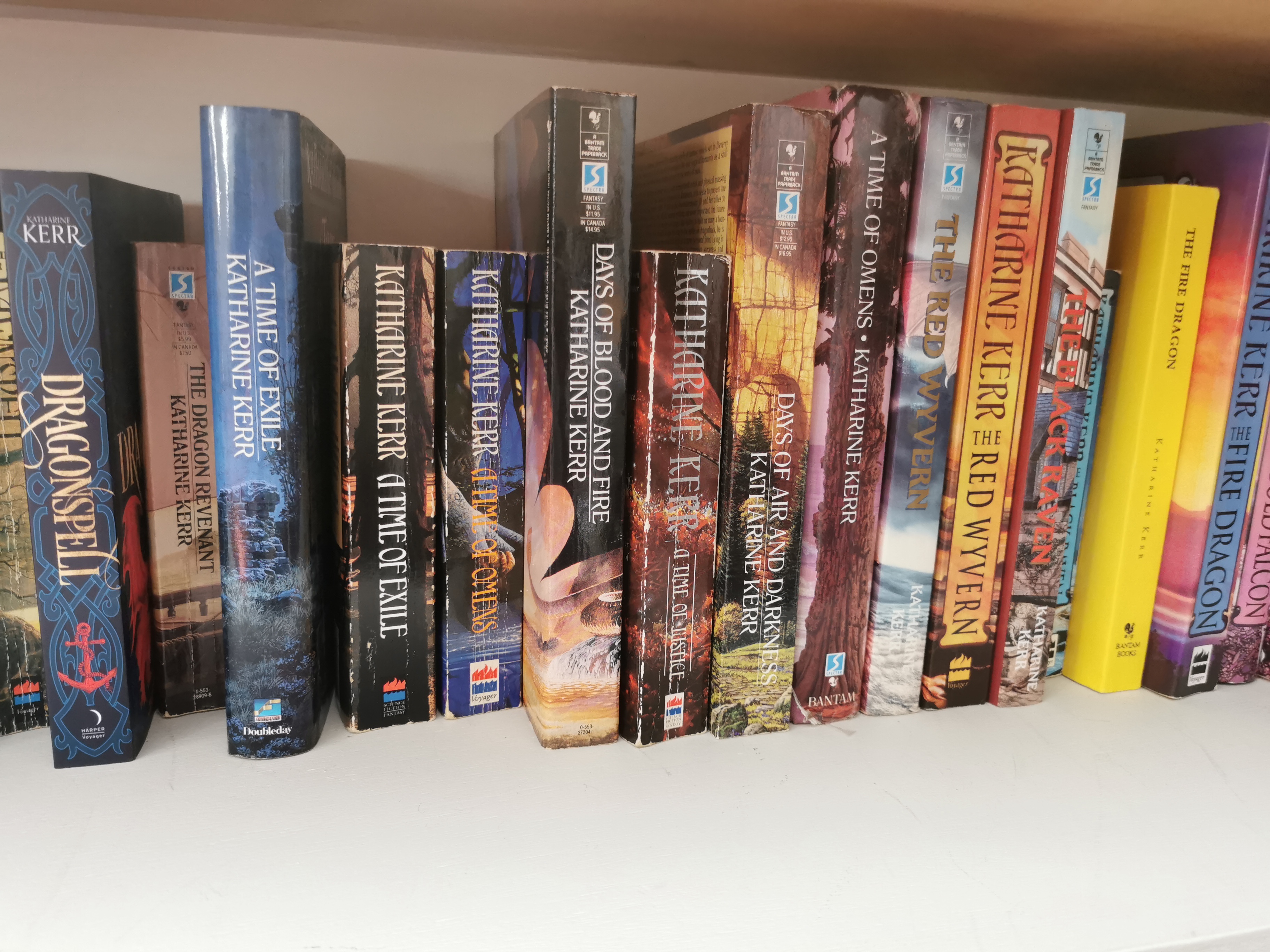
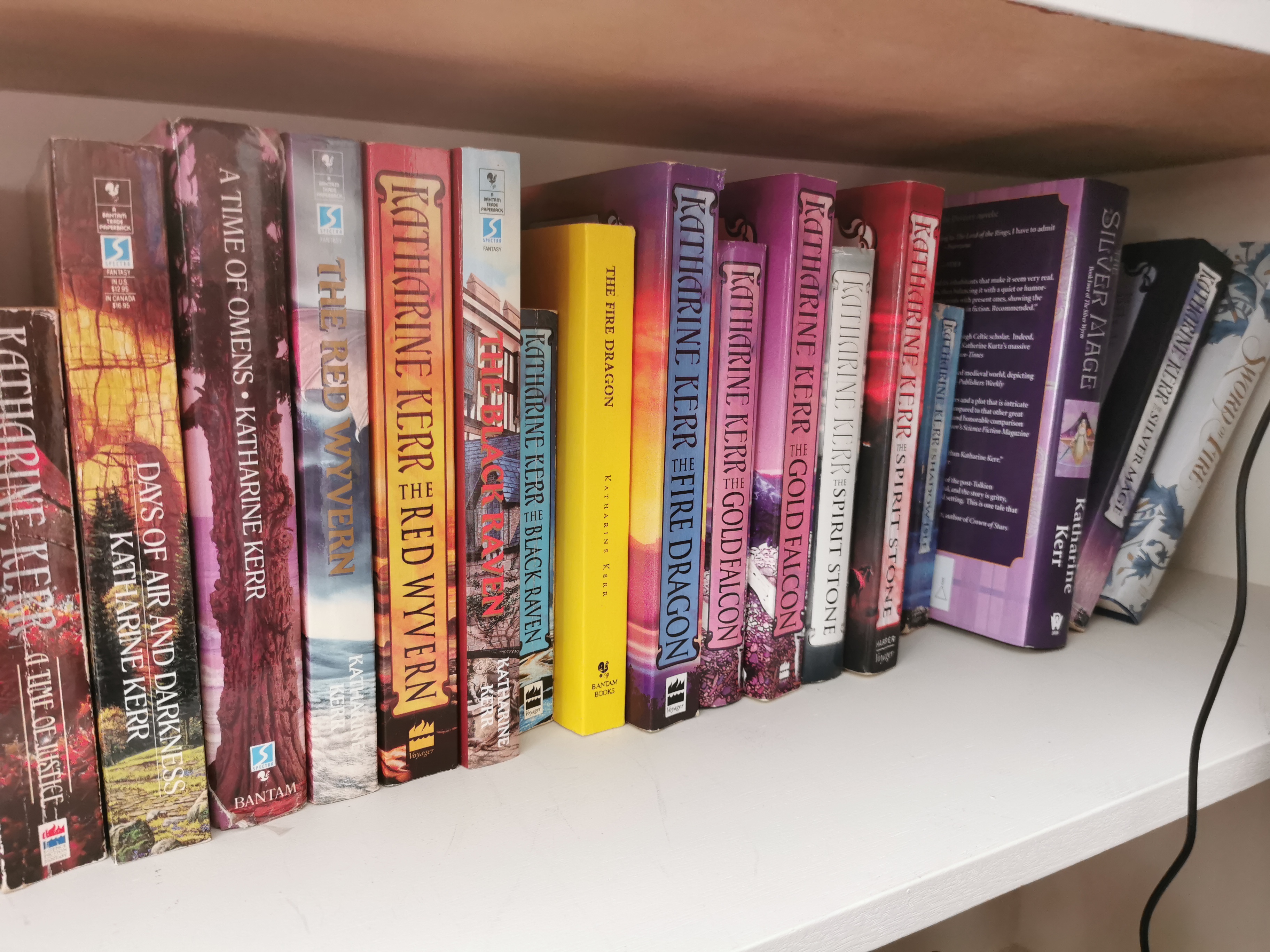
Katharine Kerr – the Deverry series. WOW. I might have told this story before, but I will never forget the day (many years ago) when I picked up my first Deverry novel. I’ve been reading them ever since. The wonderful mix of history/myth and the intertwining ‘lives’ of the characters have always thrilled me. And, on a personal note, the way that the death of one of the main characters was handled, gave me comfort when I was bereaved, many, many years ago. These things stick with us.
Anne McCaffrey – the PERN novels. I reread these books all the time. I’ve also read many of her other novels as well, but PERN were the ones for me. The timelines, the mixing of past and present, the DRAGONS. Just a fabulous set of novels. (These are still in a box somewhere from my recent move, and so I can’t share the images of my old covers, but the new ebook covers are delightful.)
Tom’s Midnight Garden – perhaps a strange one to include, but I read the book as a very young child, and I think the magic of the story, the interweaving of the narrative with past and present – certainly pushed me to seek out other novels that were very similar. At heart, I think I’ve always been intrigued by fantasy.
So yes, not many historical fiction novels there – but all of them have an element of the historical, and of course, Terry Pratchett has the humour, which I also try and incorporate into my stories these days. (Check out my new Discworld characters). And head over to my TikTok to see more of my Deverry collection. Some of these books came straight from Katharine Kerr herself (squee),and I treasure them. I also have some cards from the original UK cover illustrator.
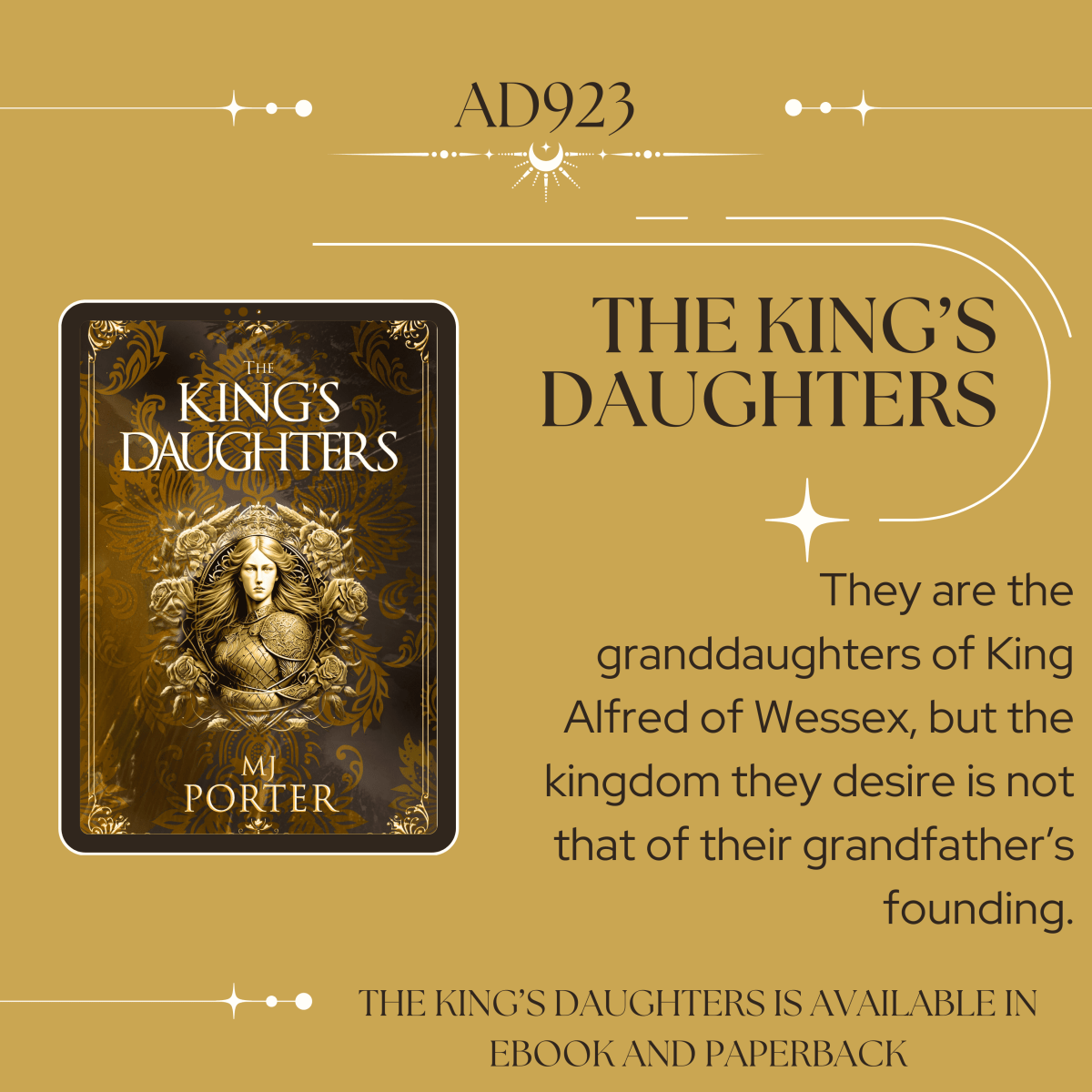
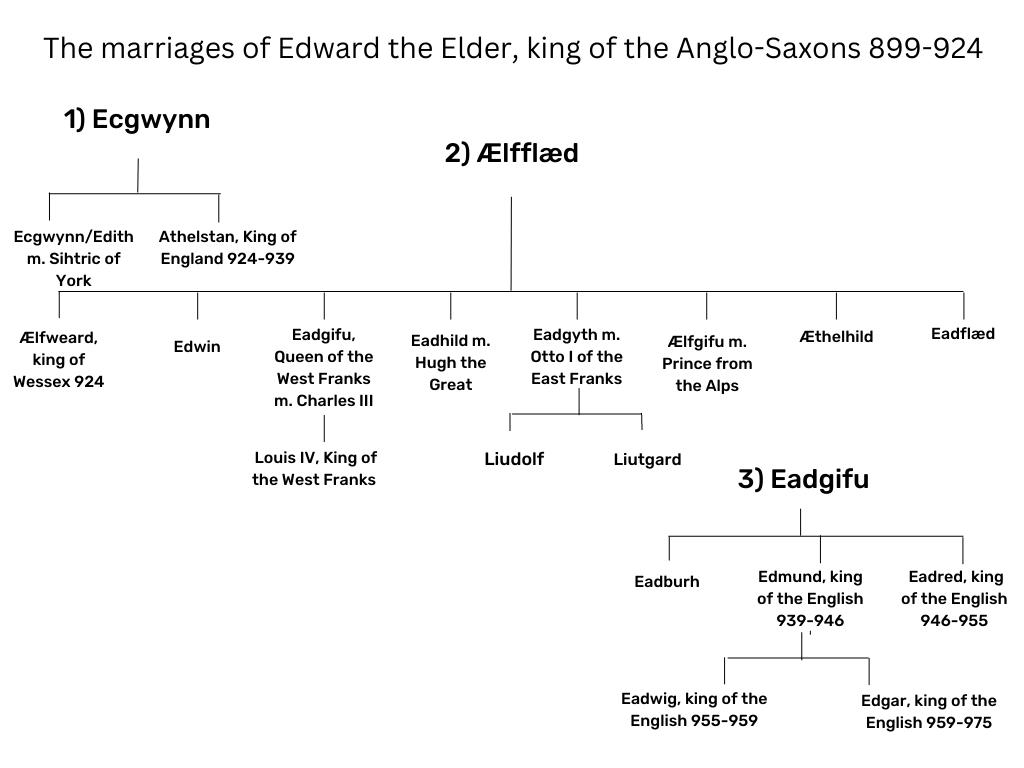
Who were the many daughters of Edward the Elder who married into the ruling families in East and West Frankia?
Edward the Elder was married three times, to an unknown woman- who was the mother of the future King Athelstan, to Lady Ælfflæd – who was the mother of the future, and short-lived King Ælfweard, and finally to Lady Eadgifu – who was the mother of the future kings Edmund and Eadred. But, while each woman was mother to a future kings, this story focuses on the daughters. And there were a lot of them, and their lives were either spent in making prestigious marriages, or as veiled women – whether professed religious, or merely lay women living in a nunnery or an isolated estate.
Eadgifu[i], was perhaps the oldest daughter of King Edward the Elder, and his second wife, Lady Ælfflæd. She was the first to marry, to Charles III, King of West Frankia (879-929), who ruled the kingdom from 898-922. This union is written about by the near-contemporary writer Æthelweard in the prologue to his Chronicon.
‘Eadgyfu [Eadgifu] was the name of the daughter of King Eadweard [Edward], the son of Ælfred…and she was your great-aunt and was sent into the country of Gaul to marry the younger Charles.’[ii]
This was a marriage of some prestige for the granddaughter of King Alfred and one which saw her become the Queen of the West Franks.
Charles was much her senior, and one with many illegitimate sons, born to Charles’ concubines,[iii] as well as six daughters with his first wife, Frederuna.[iv] But, on the death of his first wife in 917, Charles had no legitimate heir to rule after him.
Eadgifu isn’t mentioned in The Anglo-Saxon Chronicle, but she does feature in The Annals of Flodoard of Reims 919-966. historian Sarah Foot maintains that as Eadgifu’s marriage isn’t mentioned in the work of Flodoard, it must have occurred before he began writing and, therefore before 919.[v]
Yet, Charles III didn’t rule a quiet kingdom, far from it, in fact. Louis, Eadgifu and Charles’ son was born in 921-922, and his birth seems to have coincided with Charles losing control of his kingdom to an overpowerful nobleman, who ruled as Robert, King of the West Franks from 922-923 when Charles III was briefly reinstated before being deposed once more and imprisoned, where he wound remain until his death in 929.
It is known that Louis was sent to the Wessex royal court, to be fostered firstly by her father and then by her half-brother, Athelstan.[vii] It’s likely that Louis was a similar age to Edward the Elder’s younger children. If Eadgifu returned to Wessex in 923 as well, she would have been in Wessex when her father died, her full-brother became king, albeit briefly, only for Athelstan, her half-brother, to become king.
On Charles’ death, in 929, Eadgifu was certainly once more living in England with her son Louis. And she would do so until 936 when Louis regained his kingship, and Eadgifu returned to West Frankia as the king’s mother.
Louis’ reinstatement does seem to have had much to do with his uncle by marriage, Hugh of the Franks (c.895-956), married to his aunt Eadhild.
We’re told by Flodoard,
‘Louis’s uncle, King Athelstan, sent him to Frankia along with bishops and others of his fideles after oaths had been given by the legates of the Franks. Hugh and the rest of the nobles of the Franks set out to meet Louis when he left the ship, and they committed themselves to him on the beach at Boulogne-sur-Mer just as both sides had previously agreed. They then conducted Louis to Laon and he was consecrated king, anointed and crowned by Lord Archbishop Artoldus (of Rheims) in the presence of the leading men of the kingdom and more than twenty bishops.’[viii]
But all might not be quite as bland as Flodoard states. Hugh might have been married to Eadhild, Louis’ aunt, but he was also an extremely powerful nobleman, brother to the previous king, Ralph. As McKitterick states, ‘No doubt Hugh calculated that he would be able to exert effective power within the kingdom as the young monarch’s uncle, chief advisor and supporter.’[ix]
Young Louis would only have been about sixteen when he was proclaimed king of West Frankia. He was also a virtual stranger to those he now ruled, having been fostered at the Wessex/English court since 923.
Louis was consecrated on 19th June 936. What happened during the early years of his rule is explored in The King’s Daughters, through the eyes of his mother.
(Read on below the references to find out about the other daughters).
[ii] Campbell, A. ed The Chronicle of Æthelweard: Chronicon Æthelweardi, (Thomas Nelson and Sons Ltd, 1962), Prologue p.2
[iii] The matter of marriages, and concubinage is gathering increasing levels of interest. It is becoming apparent that the need for legitimate marriages was a matter laid down by the Church as a means to garner legitimacy. Before this, unions of concubinage may have held as firmly as church recognised marriages.
[iv] Details taken from McKitterick, R. The Frankish Kingdoms Under The Carolingians, 751-987, (Longman, 1983), p. 365 Genealogical table
[v] Foot, S Athelstan (Yale University Press, 2011), p.46
[vi] Bachrach, B.S. and Fanning, S ed and trans, The Annals of Flodoard of Reims, 916-966 (University of Toronto Press, 2004), 20A
[vii] William of Jumieges in his Gesta Normannorum Ducum III.4 (PASE)
[viii] Bachrach, B.S. and Fanning, S ed and trans, The Annals of Flodoard of Reims, 916-966 (University of Toronto Press, 2004), 18A (936). Foot, S Athelstan (Yale University Press, 2011), p.168
[ix] McKitterick, R. The Frankish Kingdoms Under The Carolingians, 751-987, (Longman, 1983), p.315
[x] Van Houts, E. M. C., trans. The Gesta Normannorum Ducum of William of Jumieges, Orderic Vitalic, and Robert of Torigni, (Clarenden Press, Oxford, 1992) pp82-83 Book III.4
[xi] Bachrach, B.S. and Fanning, S ed and trans, The Annals of Flodoard of Reims, 916-966 (University of Toronto Press, 2004), 33G
[xii] PASE Greater Domesday Book 353 (Lincolnshire 18:25)
Eadhild[i], perhaps the second daughter of Edward the Elder and his second wife, Lady Ælfflæd, marriage Hugh the Great, later known as dux Francorum, in another continental dynastic marriage similar to that of her sister. Under 926, Flodoard of Reims states, ‘Hugh, son of Robert, married a daughter of Edward the Elder, the king of the English, and the sister of the wife of Charles.’[ii] This wasn’t Hugh’s first marriage, but that union was childless.
There’s no record of the marriage in The Anglo-Saxon Chronicle. However, once more, it is mentioned in Æthelweard’s Chronicon, ‘Eadhild, furthermore, was sent to be the wife of Hugo, son of Robert.’[iii] And also in Flodoard’s Annals, as mentioned above.
There is a later, really quite detailed account in the twelfth-century source of William of Malmesbury’s Gesta Regum Anglorum. He describes Eadhild as ‘in whom the whole mass of beauty, which other women have only a share, had flowed into one by nature,’ was demanded in marriage from her brother by Hugh of the Franks.’[v]
Hugh was a very wealthy individual. His family, ‘commanded the region corresponding to ancient Neustria between the Loire and the Seine, except for the portions ceded to the Vikings between 911 and 933. Hugh also possessed land in the Touraine, Orleanais, Berry, Autunois, Maine and north of the Seine as far as Meaux, and held the countships of Tours, Anjou and Paris. Many powerful viscounts and counts were his vassals and deputies…a number of wealthy monasteries were also in Robertian [the family named after his father] hands. Hugh himself was lay abbot of St Martin of Tours, Marmoutier, St Germain of Auxerre (after 937), St Denis, Morienval, St Riquier, St Valéry and possibly St Aignan of Orleans, St Germain-des-Pres and St Maur des Fosses.’[viii]
Eadhild, sadly died in 937, childless, and in The King’s Daughters her death sets in motion some quite catastophic family feuding.
(Read on below the references to learn more about The King’s Daughters)
[ii] Foot, S Athelstan (Yale University Press, 2011), p.47. Bachrach, B.S. and Fanning, S ed and trans, The Annals of Flodoard of Reims, 916-966 (University of Toronto Press, 2004), 926
[iii] Campbell, A. ed The Chronicle of Æthelweard: Chronicon Æthelweardi, (Thomas Nelson and Sons Ltd, 1962), Prologue p.2
[iv] Bachrach, B.S. and Fanning, S ed and trans, The Annals of Flodoard of Reims, 916-966 (University of Toronto Press, 2004), 8E
[v] Foot, S Athelstan (Yale University Press, 2011), p.47. Mynors, R.A.B. ed and trans, completed by Thomson, R.M. and Winterbottom, M. Gesta Regvm Anglorvm, The History of the English Kings, William of Malmesbury, (Clarendon Press, 1998),ii,135,pp218-9
[vi] McKitterick, R. The Frankish Kingdoms Under The Carolingians, 751-987, (Longman, 1983), p.314
[vii] Foot, S Athelstan (Yale University Press, 2011), p.47
[viii] McKitterick, R. The Frankish Kingdoms Under The Carolingians, 751-987, (Longman, 1983), p.314
Eadgyth,[i] has her marriage mentioned in the entry for the D text of the Anglo-Saxon Chronicle under the year 924. Alongside Athelstan’s unnamed biological sister, she’s the only one of Edward’s daughters to be mentioned in The Anglo-Saxon Chronicle. ‘..and he gave his sister across the sea to the son of the King of the Old Saxons (Henry).’[ii]Sarah Foot notes that in the Mercian Register section of The Anglo-Saxon Chronicle, this sentence in 924 is unfinished. The D text chooses to complete this sentence differently, referencing the union of Eadgyth to Otto, as opposed to the union of Athelstan’s unnamed sister to Sihtric of York. This then explains why the reference occurs in the annal entry for 924, whereas the union took place in 929/30, following a Saxon military triumph over the Slavs in the late summer of 929.[iii]
Æthelweard’s Chronicon again adds to our knowledge by informing his readers that Athelstan sent two of his sisters for Otto to choose the one he found most agreeable to be his wife.
‘King Athelstan sent another two [of his sisters] to Otho, the plan being that he should choose as his wife the one who pleased him. He chose Eadgyth.’[v] This story is also told in Hrotsvitha’s Gesta Ottonis. ‘he bestowed great honour upon Otto, the loving son of the illustrious king, by sending two girls of eminent birth, that he might lawfully espouse whichever one of them he wished.’[vi]
Bishop Cenwald of Worcester accompanied both sisters to Saxony. The account of his visit can be witnessed in a confraternity book from St Galen, where he signed his name. Eadgyth was certainly the mother of a son and a daughter, Liudolf and Liudgar.
Read The King’s Daughters to discover more about her story.
[ii] Swanton, M. trans and edit The Anglo-Saxon Chronicles, (Orion Publishing Group, 2000), p105. And Foot, S Athelstan (Yale University Press, 2011), p.49 n69
[iii] Foot, S Athelstan (Yale University Press, 2011), p.48
[iv] Foot, S Athelstan (Yale University Press, 2011), p.48
[v] Campbell, A. ed The Chronicle of Æthelweard: Chronicon Æthelweardi, (Thomas Nelson and Sons Ltd, 1962), Prologue p.2
[vi] Foot, S Athelstan (Yale University Press, 2011), p.49, but Hrotsvitha, Gesta Ottonis, lines 79-82 and 95-8 ed. Berchin 278-9
[vii] Swanton, M. trans and edit The Anglo-Saxon Chronicles, (Orion Publishing Group, 2000), C p.124
King Athelstan is said to have sent two sisters to the court of Otto of Saxony, for him to determine which he would marry. This sister has vexed historians, even Æthelweard in his Chronion is unsure of her name,[i] and he wrote his text much earlier than other sources available, by c.978 at the latest. It would be hoped that a woman who left England only forty years earlier might have been remembered. Æthelweard believed she had married, ‘a certain king near the Alps, concerning whose family we have no information, because of both distance and the not inconsiderable lapse of time.’[ii] He held out hopes that Matilda, to whom he dedicated his work, might be able to tell him more.
‘Louis, brother of Rudolf of Burgundy, and his English wife were influential figures in that region when Rudolf died young, leaving only a child, Conrad, as heir.’[vi]
More than this, it is impossible to say. It is unsettling to realise that the daughter of one of the House of Wessex’s kings could so easily be ‘lost’ to our understanding today, and indeed, to that of her descendants only forty years later. This raises the awareness that if noble women could disappear from the written records, then so to could almost anyone.
[i] This sister may appear as Anonymous 921 on PASE
[ii] Campbell, A. ed The Chronicle of Æthelweard: Chronicon Æthelweardi, (Thomas Nelson and Sons Ltd, 1962), Prologue p.2
[iii] Mynors, R.A.B. ed and trans, completed by Thomson, R.M. and Winterbottom, M. Gesta Regvm Anglorvm, The History of the English Kings, William of Malmesbury, (Clarendon Press, 1998), pp.199-201
[iv] Foot, S Athelstan (Yale University Press, 2011) p.51
[v] Please see Foot, S Athelstan (Yale University Press, 2011), p.51 for this fascinating discussion in its entirety.
[vi] Foot, S ‘Dynastic Strategies: The West Saxon royal family in Europe,’ in England and the Continent in the Tenth Century: Studies in Honour of Wilhelm Levison (1876-1947) (Brepols, 2012), p.250
The King’s Daughter is the story of these women and their lives (mostly) in Continental Europe, and I hope you’ll enjoy it.
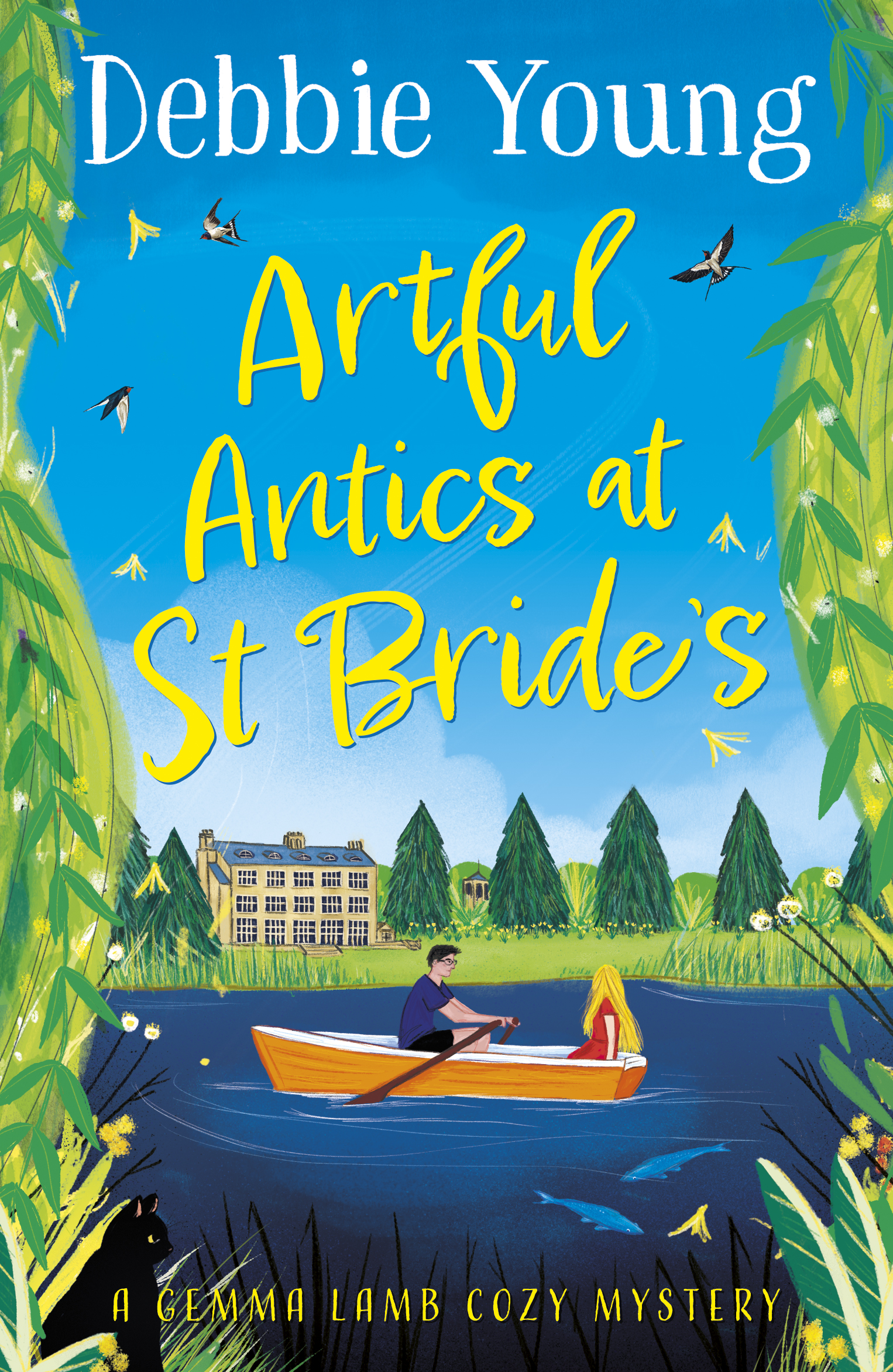
When English teacher Gemma Lamb’s school flat is wrecked by storms, maverick headmistress Hairnet insists the girls must fund its repair by setting up their own businesses – the start of a series of hilarious unintended consequences.
Meanwhile Gemma’s worries are compounded by the arrival of bossy new girl Frieda Ehrlich, sponsored by a mysterious local tycoon whose wealth is of dubious origins. Fearful for the school’s reputation, Gemma recruits an old friend to help investigate the tycoon’s credentials, jeopardising her romance with sports teacher Joe Spryke.
What is Frieda hiding? Why is her sponsor living in a derelict manor house? Why is his chauffeur such a crazed driver? And what has become of McPhee, Hairnet’s precious black cat? With a little help from her friends, Gemma is determined to solve these mysteries, restore her flat and save the school.
For anyone who loved St Trinian’s – old or new – or read Malory Towers as a kid. St Brides is the perfect read for you!
Artful Antics at St Bride’s is book four in the St Bride’s series of boarding school books for grown-ups.
Taking place immediately after the events of book 3, Gemma returns to work to find her staff flat in turmoil, and she’s not the only one. The old building is in much need of some repair work. And so sets in motion the decision to allow the students to begin their own businesses in the hope of making some money to fund the repairs. And, while that’s happening, a mysterious and rather grumpy new student arrives mid-term and causes a few problems.
What, I hear you say, does all this have to do with art? Well, the new student suggests the Sixth Form hold an art exhibition to sell their work, and of course, her father is invited, alongside the man who’s sponsoring her time at the school.
As we’ve come to expect with a St Bride’s story, not all is as it seems. Gemma is determined to get to the bottom of the story about the ruined house that the new girl’s sponsor and father are currently living in – uninhabitable is not the word – added to which, Max Security is also acting strangely, and then McPhee disappears as well.
I do love the St Bride’s series. The tales are gently told but engaging and keep the reader guessing until the end. Perfect for relaxing after a hard day at work or when you just want a bit of ‘chill time.’ They’re lovely, escapist fiction for all those who grew up on the Chalet School, Malory Towers, Trebizon and St Claires stories.
Read my reviews for the earlier books in the series
Debbie Young is the much-loved author of the Sophie Sayers and St Brides cosy crime mysteries. She lives in a Cotswold village where she runs the local literary festival, and has worked at Westonbirt School, both of which provide inspiration for her writing. She is bringing both her series to Boldwood in a 13-book contract. They will be publishing several new titles in each series and republishing the backlist, starting in September 2022.
I’ve just been checking my Spotify and discovered I could share this with my readers. My books with Boldwood should be on there – the stories of young Icel and the Brunanburh series. Son of Mercia doesn’t seem to be connected to the main account, but I found it below. Enjoy.
Sometimes, it seems to me, that fiction and non-fiction authors of the Saxon era believe the stories they’re told about Saxon England which are actually the result of much later sources. This of course, means that the later stories, more often than not the work of Norman pseudo-historians writing in the 1100s and later, grow in popularity while fewer people understand that the stories are not only not contemporary, they might have been written down hundreds of years after the events they allegedly describe and discuss.
I make no bones of the fact that understanding the sources of the Saxon period is complex and difficult. Much of it depends on what a scholar, or a reader, might take as the ‘level of credibility.’ Some people will take saints lives at face value, others will not. Some will find value in poems and some will not. Some, and I include myself in this, will misconstrue the Anglo-Saxon Chronicle and realise they were reading it all wrong.
There are really very few sources available for the modern reader. The Anglo-Saxon Chronicle is very well known, but perhaps not the bones of how it was constructed (please see Pauline Stafford’s book After Alfred for a comprehensive, and frankly, mind-blowing discussion). The words of Bede are often cited. There are charters, wills, legal documents, some poetry and saints lives, as mentioned above. This is not a huge amount to build a narrative upon, and yet historians have done this for many years – to some the increasing amount of archaeological information (often contradictory) is an annoyance, but for others, it has made the merits of the surviving written word more questionable. We should be asking, ‘why do we know what we know,’ as opposed to lapping it up and assuming its authenticity.
Another problem is the scarcity of the surviving documents, and the fact that very, very few of them survive in contemporary formats. With the best will in the world, what is copied isn’t always correct and equally, the temptation to embellish mustn’t be ignored, and that’s before we return to the heart of the problem. What was written was written for a purpose. As today, everything contains bias, it exhibits their intentions (Bede wrote an ecclesiastical history – the clue is in the name), while the Anglo-Saxon Chronicle was a Wessex based endeavour, at least in the beginning. The surviving nine recensions changed hands on more than one occasion, and the bias subsequently changed with it. We imagine monks labouriously copying out the texts, letter by letter, but what if the words were written by female religious? Or not by the religious at all? What if they were a state-sponsored endeavour to present their patron in the best possible light? Who was that patron? Was that patron always the same one? We don’t, it appears, have the ‘original’ version of the Anglo-Saxon Chronicle. The versions available to us are all copies – written out at various points from the tenth to the twelfth century, and then again, heavily annotated during the Tudor era.
And this is merely another step along the way. Few can read these precious sources in their original format or even in their original language. We rely on translations, which allow a fresh wave of bias, and also, understanding. Our world is different to the world the Saxons lived within. They had different contexts for some words. While researching for my non-fiction book, I was amazed to discover the work of Sarah Foot and the Veiled Women of England, and her assertion that the word ‘nonne‘ might not have meant a cloistered nun, as we assume from the similarity of the two words.
We don’t know far more than we do know. There is a temptation to ‘plug’ the gaps with any available knowledge. And that’s not a problem, providing the author confirms it is fiction, not non-fiction. I write fiction, but I know the non-fiction the stories are built upon (hopefully). I write extensive historical notes for all of my books. I play with the possibilities, and purposefully reinterpret the ‘gaps’ but I don’t pretend that what I write is factual.
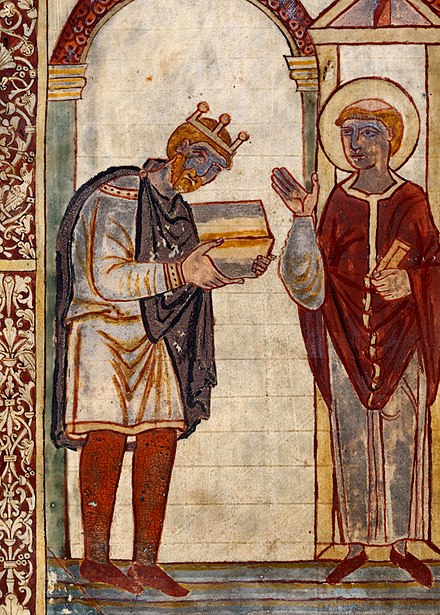
We have almost no images of anyone who lived in Saxon England. There are contemporary images of King Athelstan and his nephew, King Edgar. I can’t think of a single contemporary image of a woman. The Bayeuax Tapestry dates to after the end of Saxon England. We might have something which was held, or commissioned by a Saxon woman, and a queen, if the embroideries found in St Cuthbert’s tomb were indeed made by Lady Ælflæd, the second wife of King Edward the Elder.
We do have coins, more often than not from archaeological or metal-detecting finds. They do allow us a tangible hold on this part of history, and increasingly are adding to the need to rewrite the written words that have survived. We also have increasing archaeological finds, but again, and as no expert in archaeology, there is also a thin line. Archaeologists often set out to ‘find’ something. What they find often isn’t that ‘thing’ but in the past, the temptation to present only limited information has allowed certain narratives to stand, which are only now being understood, just as with increasing study on the written sources.
When writing about Saxon England, we must be wary of all of these things – we need to be aware that very rarely is something what we expect it to be, and equally, we must remember that the people of Saxon England were just that, people. They would have been irrational, selfish, violent, horrible, brutal, honest, religious, fervent, foolish, intelligent or not.
And so, writing Saxon England is far from a simple task. It is very rare to be able to categorically state that something is ‘wrong’. It is even rarer to be able to categorically state that something is ‘correct.’ The work of a fiction writer might be easier than that of a non-fiction writer, but the fiction writer has to recreate people as well as a coherent narrative, and there are always people who will be happy to argue with those interpretations. And that is all they are, interpretations – but so, if non-fiction writers are honest enough to admit – is much of their work as well.
(I’ve not even discussed the problems of trying to write a coherent piece on the history of the British Isles at this time – contending with Old Norse, Old Irish, Old English, Old Welsh, Latin and no doubt, other languages that I’ve failed to mention).
That said, the era is fascinating. It’s worth investing in it, and taking the time to understand the complexities.
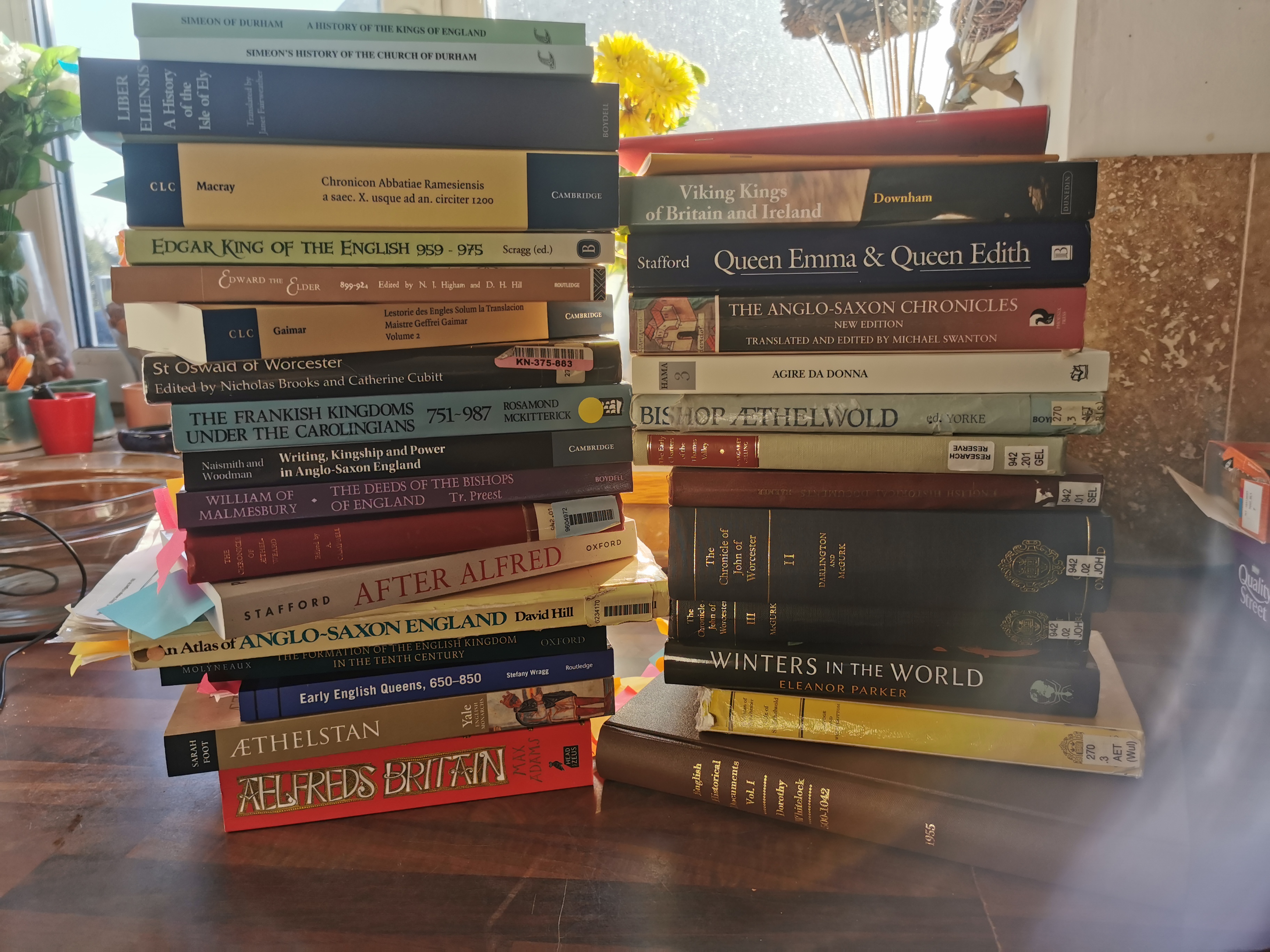
Looking to read about Saxon England? Here are some of the primary and secondary works that I highly recommend.
An Atlas of Anglo-Saxon England – David Hill (It took me years but I eventually found a copy on Abebooks that didn’t break the bank)
The Electronic Sawyer – online catalogue of Anglo-Saxon Charters – an amazing resource once you feel confident to explore the primary sources. Used to be part of the KEMBLE online resource but this seems to have disappeared, which is a great shame.
https://oepoetryfacsimile.org – Old English poetry collection, showing different translations, and reprints – fascinating – and revealing I’m not the only one with these concerns:)
Just a few of my Saxon books (some were from the local library)
As a rule of thumb, and it’s not always right – the more expensive a resource- the more academic the contents.
I recommend anything written by Max Adams, Nick Higham (sometimes uses his initials), Pauline Stafford, Ann Williams, Levi Roach and Simon Keynes, amongst many others. Once you’ve got to grips with the period/person/event you’re interested in, start to dig a little deeper with more academic articles.
Here’s the beginning from A Conspiracy of Kings (there might be spoilers if you’ve not read The Lady of Mercia’s Daughter)
Chapter 1
Tamworth, the kingdom of Mercia, 918
We feast that night. There are smiles and tears on everyone’s faces as Tamworth’s great hall is swept clear of the men and women from Wessex. My armed guard ensures no one hurts them as the Mercians pull tables and benches to fill the vast space left behind. My servants, taken only somewhat by surprise as they were expecting a feast one way or another after the witan, rush to ensure everyone has a drink, if not food.
Cousin Ecgwynn hurries to me as I watch the activity, questions on her lips and I throw my arms around her, unheeding her sumptuous gown while I wear the clothes of a warrior. Usually, she would protest. But not today.
‘Enough of that,’ Cousin Ecgwynn complains, batting my embrace away, and not delicately. She holds my arms away from her, glaring at me.
I can see the flicker of rage in her blue eyes and the tightness of her stance.
‘You let me believe you were dead! I’ve been mourning for you, as I would a sister, and coming so soon after the death of Lady Æthelflæd….’ Her normally serene face floods with tears as her words trail off. I thrust my arms around her again, holding her tighter, hoping to make her understand, using my strength gained on the training field to overpower hers. I absorb her scent, the familiarity of home, the reminder of all that my uncle and Archbishop Plegmund tried to take from me.
‘I’m sorry, dear Ecgwynn. It was.’ I pause, unsure what to say, speaking into her ear as I continue to hold her tight. ‘Well, in all honesty, it was all we could think of to ensure that Uncle Edward’s treachery was exposed.’
I don’t call King Edward of Wessex her father. That would be too cruel. I think that, like me, Lady Ecgwynn could happily forget that a man was even involved in her conception and birth. Certainly, he’s done little enough for her since he became the king of Wessex when she was no more than a child and banished her to Mercia alongside Cousin Athelstan.
But Cousin Ecgwynn’s not finished yet. Once more, she pulls her way clear of my embrace, determined to argue with me.
‘But my brother knew and still didn’t tell me. That’s too cruel,’ her angry voice is gaining force. I know there’s nothing to do but try and explain. I could make excuses all night long, but she’s almost my sister, and she deserves the truth.
‘He knew. But only because he came to me and saw that I still lived after the attack in the north. Admittedly, cousin Athelstan could have told you that I wasn’t dead, but then, how would you have greeted King Edward when he came to Mercia to stake his claim for it? He couldn’t know that I yet lived.’
‘I’m not a woman to have her head turned by the arrival of a man whose only call on her affection is to claim to be her father. I wouldn’t have put your scheme in peril!’ Her voice is shrill with outrage, all tears forgotten, as she chastises me, her words coming almost too fast to decipher.
To the side, cousin Athelstan hovers, and I know why. He’s not scared of facing any man on the battlefield, but his sister? Well, he’d sooner not see her angry, and certainly, he’s content for me to be the one to soothe her.
I realise then that we erred when we made our plans.
‘No, I know you’re not. Apologies, cousin Ecgwynn. It wasn’t done because of a lack of trust. It was just better if as few as possible knew the truth.’ I can see that being so brutally honest at least pleases her, even if her forehead remains lined with anger and her lips purse tightly.
I hold my arms out once more. This time she steps into them willingly, a faint wrinkle on her nose because I smell of horse and sweat. I feel her shoulders sag, and her body trembles as though she’s going to cry. But she steps away from my embrace mere moments later, a watery smile on her face.
‘If only everyone I ever loved who died could come back to life, as you have. It would make my heart ache less.’ I nod. Abruptly, my thoughts focus on my mother, and despite my warrior’s prowess, my grief is fresh. I’d gladly step into my mother’s arms and cry away all my sorrows and disappointments at my uncle’s actions.
‘What would your mother think?’ Lady Ecgwynn asks, her thoughts following mine as she loops her arm through mine to walk amongst the people toasting my good health and the future of Mercia. Their voices range from soft to the roar of a battle cry. I chuckle at the exuberance, aware that cousin Athelstan stays close. He and cousin Ecgwynn will need to make peace with each other at some point. But not yet.
‘I hardly know what my mother would think or do. She and Edward were never close; at least, I don’t think they were. But, I believe she understood his ambitions well, all the same.’
‘Your mother was an excellent judge of character,’ cousin Ecgwynn confirms. ‘Although she did trust Archbishop Plegmund, the poisonous snake.’
My voice ripples with laughter as I picture Plegmund’s face too easily as the head of a snake.
Today, I’m delighted to welcome Juliane Weber, and the Irish Fortune series to the blog. Book 1 is currently on special offer for 99p/99c, so snap it up.
Here’s the blurb
“Under the Emerald Sky reaches another level in storytelling, the kind where the characters remain with you long after you have closed the book.” – The Historical Fiction Company
It’s 1843 and the Englishman Quinton Williams has come to Ireland to oversee the running of his father’s ailing estate and escape his painful past. There he meets the Irishwoman Alannah O’Neill, whose family is one of few to have retained ownership of their land, the rest having been supplanted by the English over the course of the country’s bloody history. Seeing the injustices of Victorian Ireland, Alannah’s brother Kieran has learned to hate the English and imperialism. Aware of Kieran’s hostility towards the English, Alannah keeps her growing relationship with Quin a secret – but it’s a secret that can’t be kept for long from those plotting to end England’s oppression of the Irish people. As Quin and Alannah seek happiness in the face of hate and revenge, an action-packed romance ensues.
But all the while, disaster looms – the Great Famine that would forever change the course of Ireland’s history. With repeated failure of the potato harvest upon which most Irish families depend, thousands will go hungry, with sickness and starvation sweeping through Irish farms, decimating poor populations for years to come.
Can Quin and Alannah find happiness in a land teetering on the brink of disaster?
Buy Links:
This series is available to read on #KindleUnlimited.
*Under the Emerald Sky, Book 1, ebook is on offer at 0.99.*
Juliane Weber is a scientist turned historical fiction writer, and author of the Irish Fortune Series. Her stories take readers on action-packed romantic adventures amid the captivating scenery and folklore of 19th century Ireland.
Under the Emerald Sky, the first book in the Irish Fortune Series, was awarded bronze medals in The Historical Fiction Company 2021 Book of the Year Contest and The Coffee Pot Book Club 2022 Book of the Year Contest. The second book in the series, Beneath the Darkening Clouds, was awarded a bronze medal in The Historical Fiction Company 2022 Book the Year Contest.
Juliane spent most of her life in South Africa, but now lives with her husband and two sons in Hamelin, Germany, the town made famous by the story of the Pied Piper.











 MJ Porter
