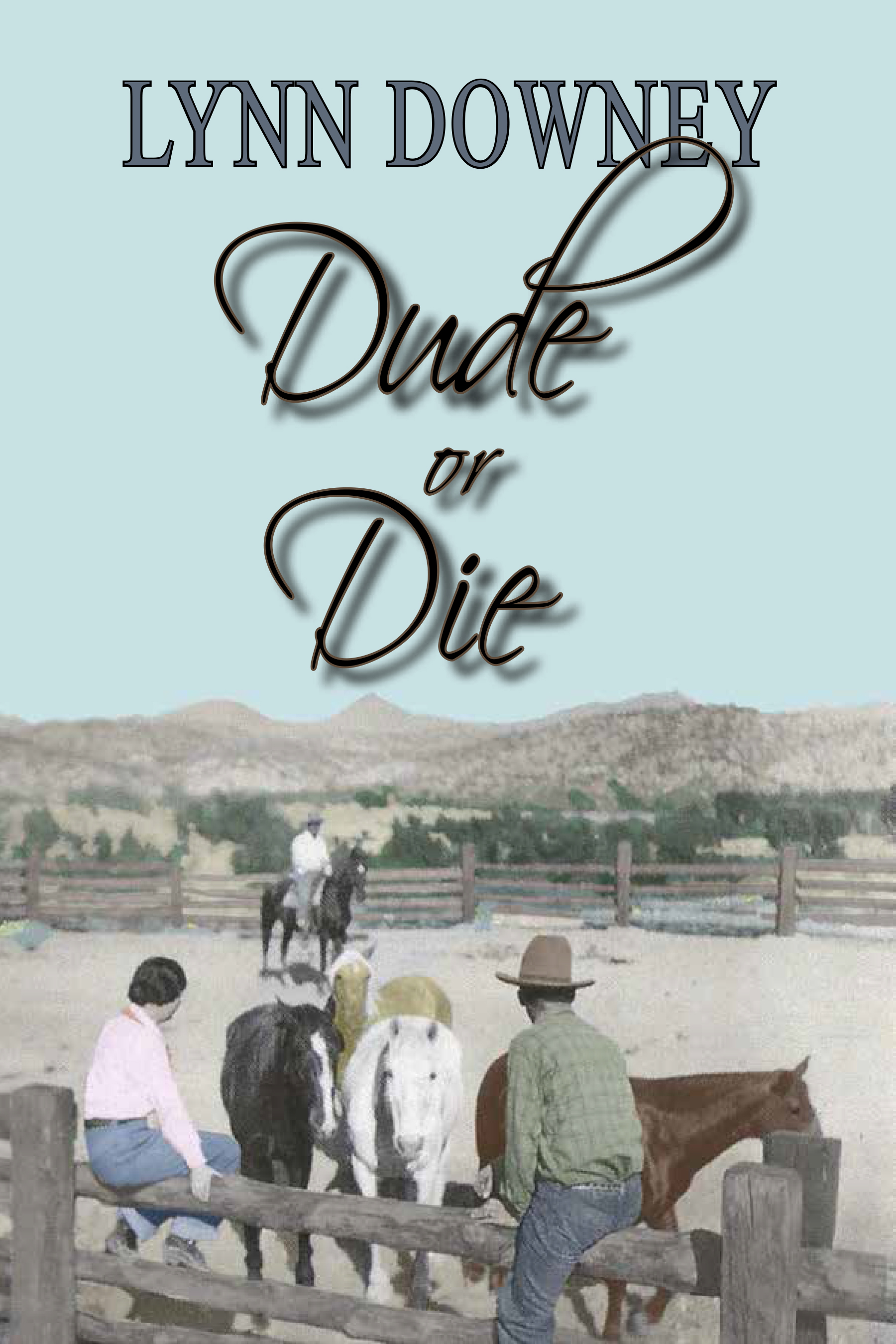
I’m delighted to welcome Lynn Downey and her new book, Dude or Die, to the blog #DudeRanch #HistoricalFiction #WomensFiction #WesternWomen #BlogTour #TheCoffeePotBookClub

I’m delighted to welcome Lynn Downey and her new book, Dude or Die, to the blog with a guest post.

Lynn Downey

I’ve been writing about the American dude ranch for the last few years. My novels, Dudes Rush In and the new sequel, Dude or Die, are set on a fictional Arizona dude ranch in the 1950s. My last nonfiction book tackled the same theme, American Dude Ranch: A Touch of the Cowboy and the Thrill of the West.

Dude ranches began in the Rocky Mountain West in the 1880s. They were originally the kind of place where men from the eastern states could go to hunt or just live like cowboys for a few weeks. It didn’t take long for women and families to start visiting these places, which opened up throughout Montana and Wyoming, and then in California and the Southwest around the time of World War I. People had experiences at dude ranches they couldn’t get anywhere else, and ranching is thriving throughout the western states today.

I first got interested in dude ranches when I was working as the company historian for Levi Strauss & Co. in San Francisco. There was a catalog in the archives called Dude Ranch Duds, featuring clothing specifically to be worn on dude ranches. Not just the denim jeans and jackets, but western shirts, satin shirts with embroidery, gabardine riding pants, everything that real cowboys wouldn’t actually wear. But that was the point. The guests were dudes and dudines, they came from somewhere else to immerse themselves in the cowboy West.

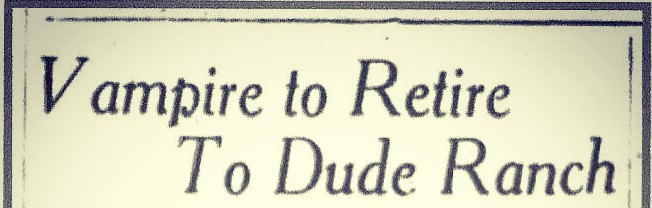
Writing about dude ranching for so many years has yielded stories I never thought I would find, and they went beyond tales of cowboys and dudes. Doing research included perusing a lot of historical newspapers, which are available and searchable online. One day I found what is probably my favorite headline of all time. It was in a number of papers in July of 1935:

“Vampire to Retire to Dude Ranch”

It seems actor Bela Lugosi, most famous for playing Count Dracula in the 1931 film Dracula, had just finished making a new movie called Murder By Television (believe it or not). The Cameo Pictures Corporation was running publicity for the film, and told Lugosi to fill out a questionnaire for readers of various movie magazines. One of the questions asked what his “Present Ambition” was. His answer: “Dude Ranch.”

Of course, I had to read that article.

This just tickled newspaper reporters. One writer for the Brooklyn Times tracked down what he thought were a few more details about Lugosi’s interesting statement.

While the second leading fiend in the United States does not find his lot an unhappy one, he would rather be a cowboy…he has no intention of retiring to a haunted castle in the mountains of his native Hungary when his days of screen acting are over. His desires are for a home on the range, preferably a dude ranch, where all the midnight shrieks, if any, will be from guests whose digestive systems have disagreed with the ranch fodder.

Well, I didn’t believe that for a minute. So, I did what any good historian would do: I tracked down Bela Lugosi’s granddaughter.

She was lovely, and intrigued by the story, which she’d never heard before. She talked to her father, Bela Lugosi, Jr. and a few days later wrote me an email. “My grandfather was an interesting person and I believe he could have thought a dude ranch was a good idea. He really loved the outdoors and especially enjoyed hiking and taking walks.”

I think Lugosi also had a great sense of humor. Because I believe he told the PR people about his dude ranch ambition purely as a joke. Perhaps he was tired of talking to the publicity folks, and wanted to have a little fun.

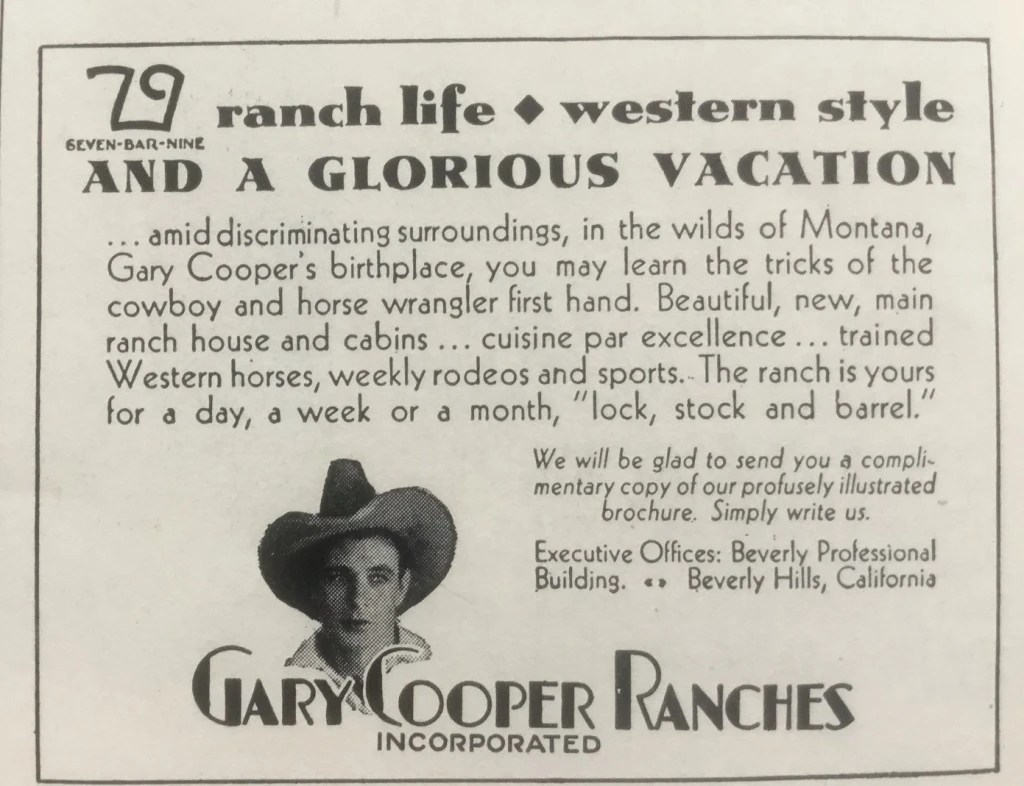
This reflects how popular dude ranches had become by the 1930s. Movie stars like Errol Flynn and Joel McCrea told reporters they planned to open ranches of their own, but they never did. Gary Cooper did have a dude ranch during this decade on the property where he grew up in Helena, Montana, but it didn’t last long. That was probably because people expected to see the movie star when they arrived, but he was rarely if ever there.

Bela Lugosi could have made up anything when the Cameo Pictures Corporation people asked him about his ambitions for the future. But he chose the dude ranch, which was deeply embedded in American culture. It was also the absolute opposite of his character, both on and off screen. And he knew it.

Here’s the blurb

It’s 1954, and San Francisco writer Phoebe Kelley is enjoying the success of her first novel, Lady in the Desert. When Phoebe’s sister-in-law asks her to return to Tribulation, Arizona to help run the H Double Bar Dude Ranch, she doesn’t hesitate. There’s competition from a new dude ranch this year, so the H Double Bar puts on a rodeo featuring a trick rider with a mysterious past. When accidents begin to happen around the ranch, Phoebe jumps in to figure out why, and confronts an unexpected foe. And a man from her own past forces her to confront feelings long buried. Dude or Die is the second book in the award-winning H Double Bar Dude Ranch series.

Buy Link

Universal Link:

This title is available to read on #KindleUnlimited

Meet the Author

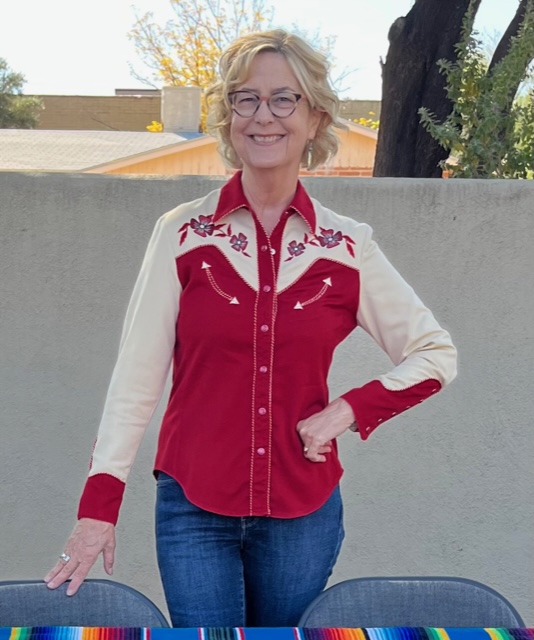
Lynn Downey is an award-winning novelist, short story writer, historian of the West, and native Californian.

She was the Historian for Levi Strauss & Co. in San Francisco for 25 years. Her adventures as ambassador for company history took her around the world, where she spoke to television audiences, magazine editors, and university students, appeared in numerous documentaries, and on The Oprah Winfrey Show. She wrote many books and articles about the history of the company and the jeans, and her biography, Levi Strauss: The Man Who Gave Blue Jeans to the World, won the Foreword Reviews silver INDIE award.

Lynn got interested in dude ranches during her time at Levi’s. Her debut historical novel, Dudes Rush In, is set on an Arizona dude ranch in the 1950s; Arizona because she’s a desert rat at heart, and the 1950s because the clothes were fabulous.

Dudes Rush In won a Will Rogers Medallion Award, and placed first in Arizona Historical Fiction at the New Mexico-Arizona book awards. The next book in this series, Dude or Die, was released in 2023. And just for fun, Lynn wrote a screenplay based on Dudes Rush In, which is currently making the rounds of reviewers and competitions.

She pens short stories, as well. “The Wind and the Widow” took Honorable Mention in the History Through Fiction story contest, and “Incident at the Circle H” was a Finalist for the Longhorn Prize from Saddlebag Dispatches. The story “Goldie Hawn at the Good Karma Café,” won second place in The LAURA Short Fiction contest from Women Writing the West, and is based on her experiences in a San Francisco religious cult in the 1970s. (That will be another book one of these days.)  

Lynn’s latest nonfiction book is American Dude Ranch: A Touch of the Cowboy and the Thrill of the West, a cultural history of the dude ranch. It was reviewed in The Wall Street Journal, True West, Cowgirl, and The Denver Post, and was a Finalist for the Next Generation INDIE Award in Nonfiction. Kirkus Reviews said the book is “…deeply engaging and balances accessible writing style with solid research.”

When she’s not writing, Lynn works as a consulting archivist and historian for museums, libraries, cultural institutions, and businesses. She is the past president of Women Writing the West, a member of the Western Writers of America, and is on numerous boards devoted to archives and historic preservation.

Lynn lives in Sonoma, California, where she sometimes makes wine from the Pinot Noir grapes in her back yard vineyard.

Connect with the Author

Website: BlueSky:

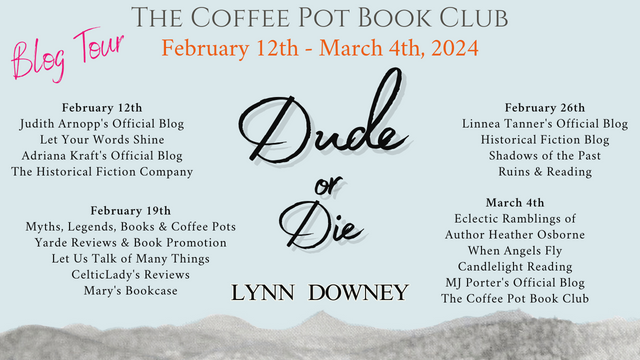
Follow the Dude or Die blog tour with The Coffee Pot Book Club

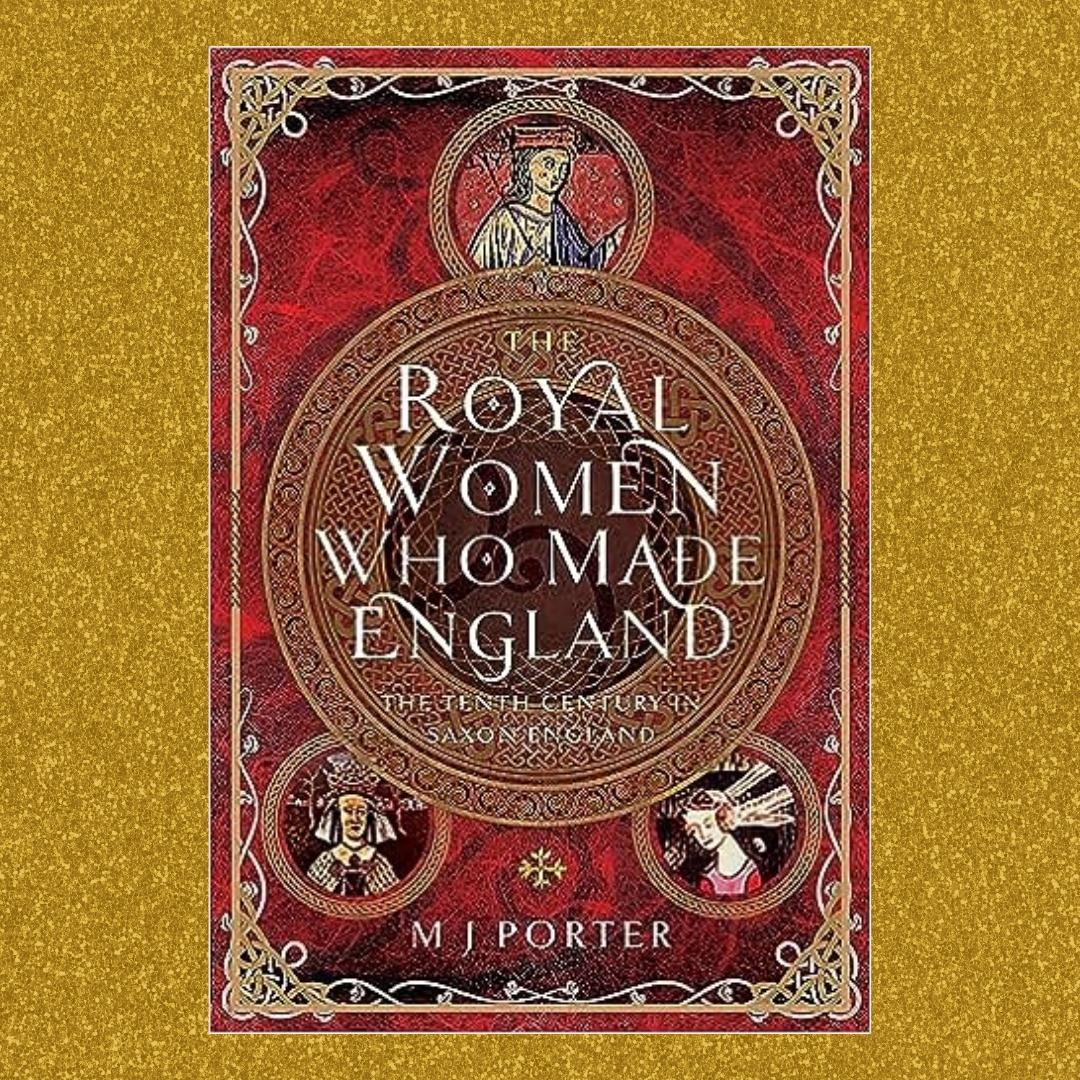
Competition time, and an update on the ebook version of The Royal Women Who Made England

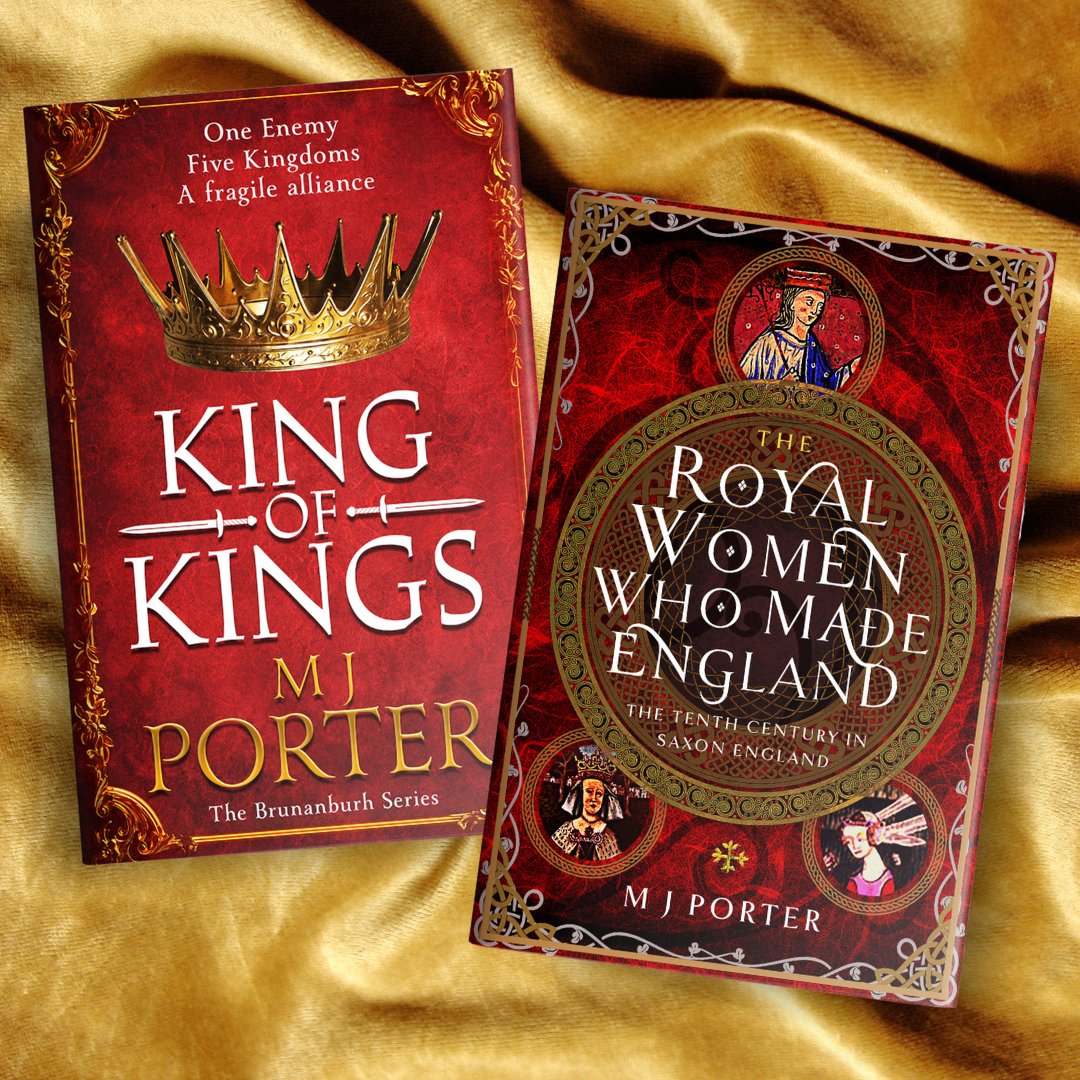
My fabulous publishers are working together and offering a hardback edition of King of Kings and The Royal Women Who Made England (UK only). To enter you will need to access one of the original posts from Boldwood on Twitter, Facebook or Instagram. I will add links here. (Closing date 6th Feb 2024. T &Cs apply).

I can’t work out how to do the Facebook one:(

https://www.facebook.com/theboldbookclub You might have to hunt for it. Let me know if it’s a pain, or if you know how to do it!


I can also let you know that the ebook/kindle version is now available to preorder, and the US hardback release date is 30th March 2024.

https://books2read.com/TheRoyalWomenWhoMadeEngland

Or purchase directly from the publisher, Pen and Sword

https://www.pen-and-sword.co.uk/The-Royal-Women-Who-Made-England-Hardback/p/24395

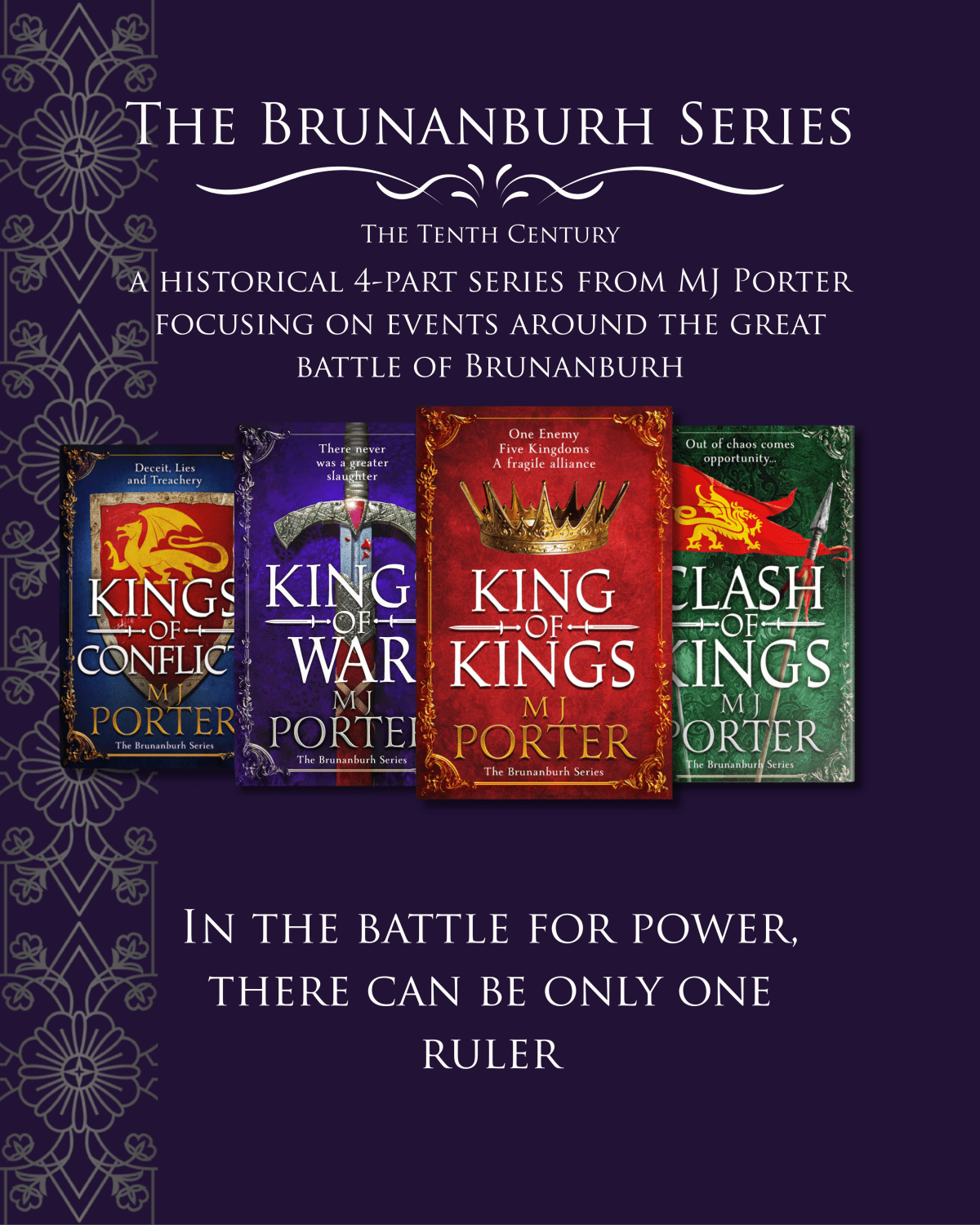
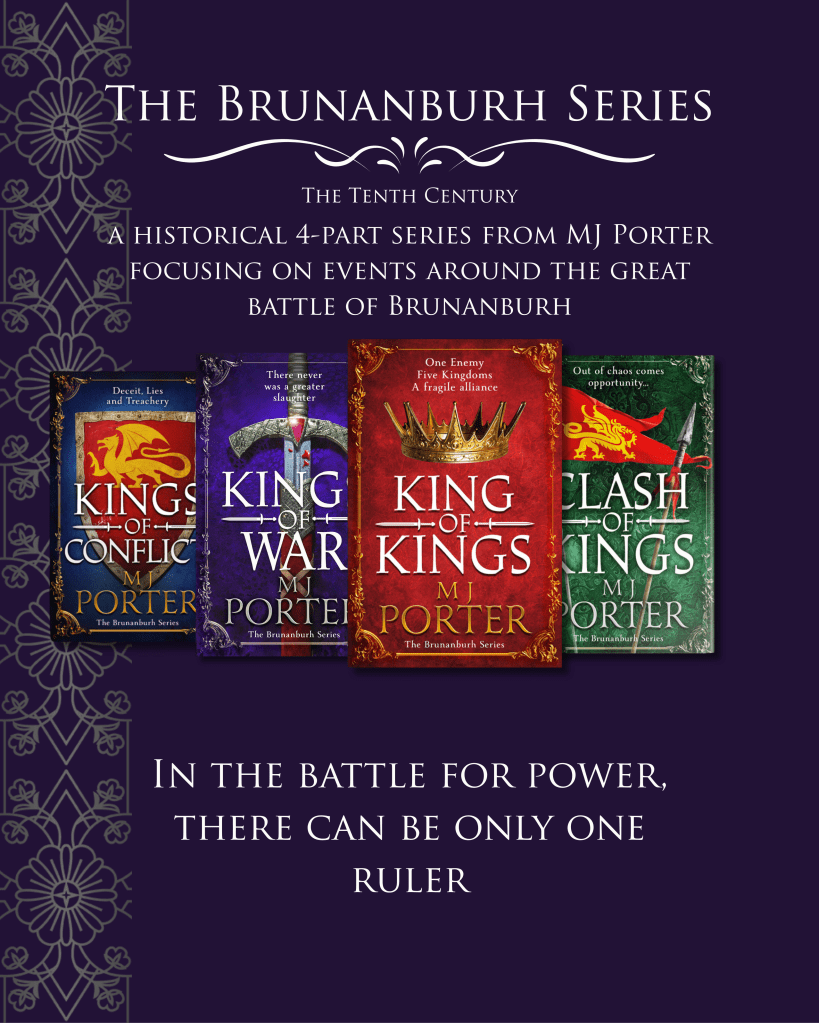
Check out the Brunanburh Series page on my blog for my information about my fiction.


And, because I never tire of making a slight fool of myself, here’s me talking about some more of the research I undertook for the book and trying to explain the family tree of Otto I, King of the East Franks. Who knows how successful I’ve been.

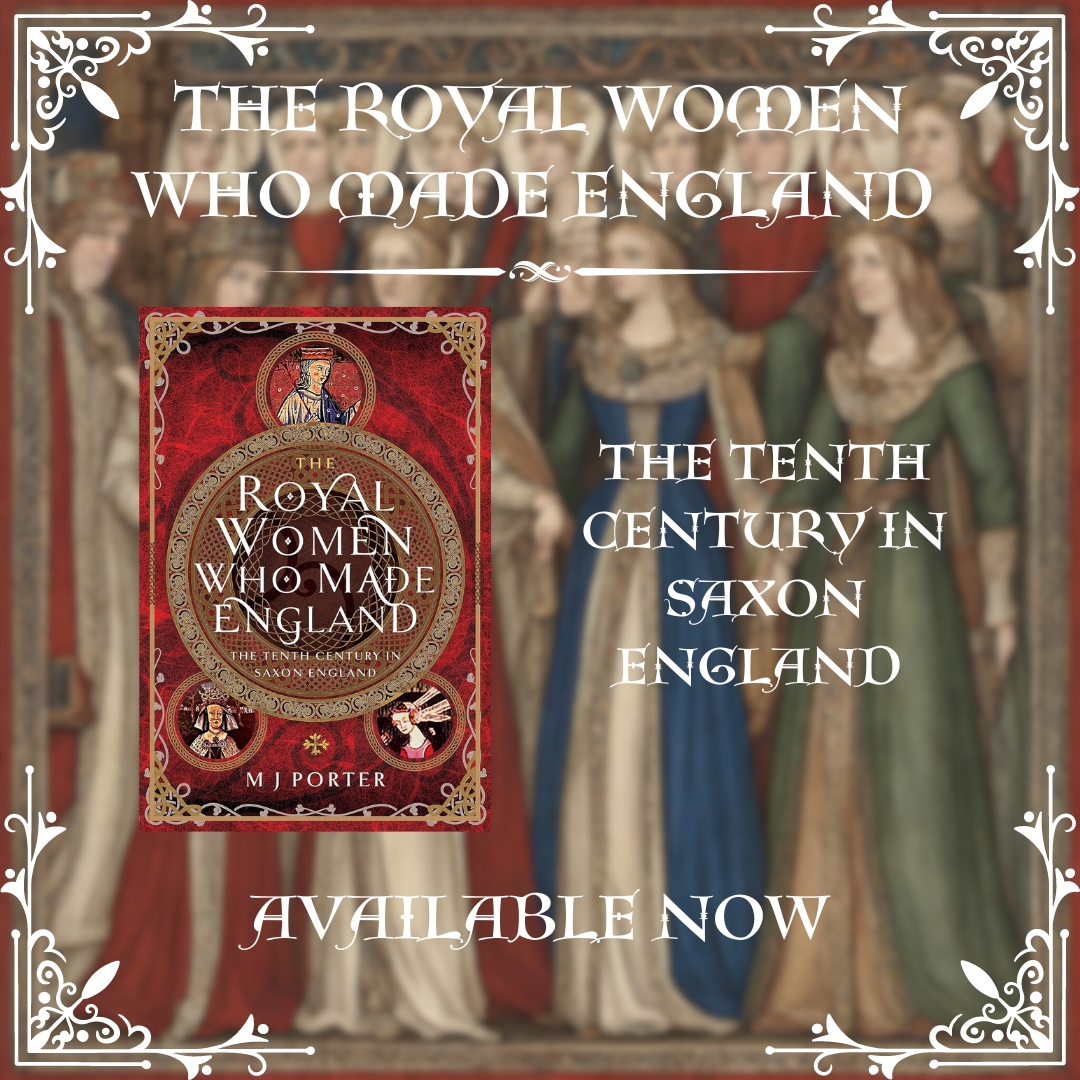
The Royal Women Who Made England: The Tenth Century in Saxon England. But who were these royal women?

In the online resource, The Prosopography of Anglo-Saxon England (PASE), a database of every known name from the Saxon period, 33,981 male names are listed. There are only 1,460 female names for the 600-year period of Saxon England. Only 4 per cent of entries are women (there are also many anonymous ones which may mask more women). Twenty-one (possibly twenty-two) of these belong to the royal women of the tenth century. So, who were they?

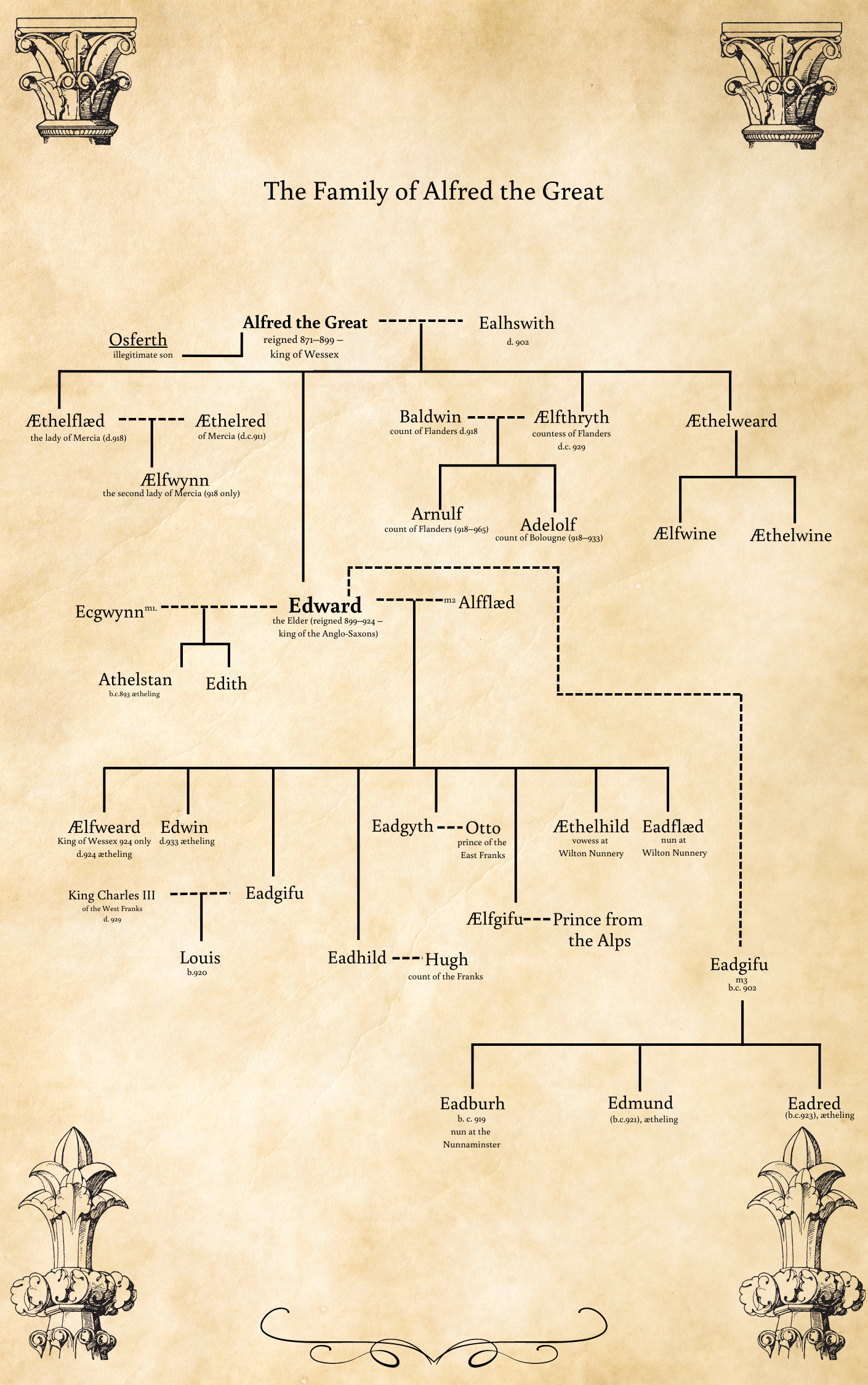
Lady Ealhswith, the wife of King Alfred.

Æthelflæd, Lady of the Mercians, presumed to be the oldest of Ealhswith daughters, and her daughter, Ælfwynn.

Æthelgifu, Alfred and Ealhswith’s second daughter, the abbess of Shaftesbury.

Ælfthryth, the Countess of Flanders, their third daughter.

Ecgwynn (if that was her name), mother to King Athelstan, and his unnamed sister, given the name of Ecgwynn/Edith in later sources

Lady Ælfflæd the second wife of Edward the Elder. They had many children. Six of them were daughters, Æthelhild, Eadgifu, Eadflæd, Eadhild, Eadgyth and Ælfgifu.

Edward’s third wife, Lady Eadgifu, certainly had one daughter, Eadburh. (There is the possibility that she had two.)

Ælfgifu of Shaftesbury, whose mother Wynflæd is named, was the first wife of Edmund. Æthelflæd of Damerham was Edmund’s second wife.

Edmund’s oldest son, Eadwig, married another Lady Ælfgifu.

Edmund’s youngest son, Edgar, would marry, or have children with no fewer than three women, Æthelflæd, Wulfthryth and Elfrida/Ælfthryth. From these three unions, one daughter was born, Edith/Eadgyth.

Another Ælfgifu was the first wife of Æthelred II. His second wife was Lady Emma of Normandy. At least four daughters were born to Ælfgifu, a daughter (also called Ælfgifu), Eadgyth, Wulfhild and Ælfthryth, while Lady Emma was the mother to Gode.

You can read all about these women in my non-fiction book, and there are also some links to blog posts I’ve written, which may be of interest.

Purchase links (Hardback)

https://amzn.to/3vVNjiw

https://www.pen-and-sword.co.uk/The-Royal-Women-Who-Made-England-Hardback/p/24395


Below you can hear me try and explain the importance of the marriages of some of these women into the West Frankish dynasty. I also forget the title of my non-fiction title, and generally make a bit of a mess of it. Enjoy:)

The Family of Charles III, the king of the West Franks (in my own words)

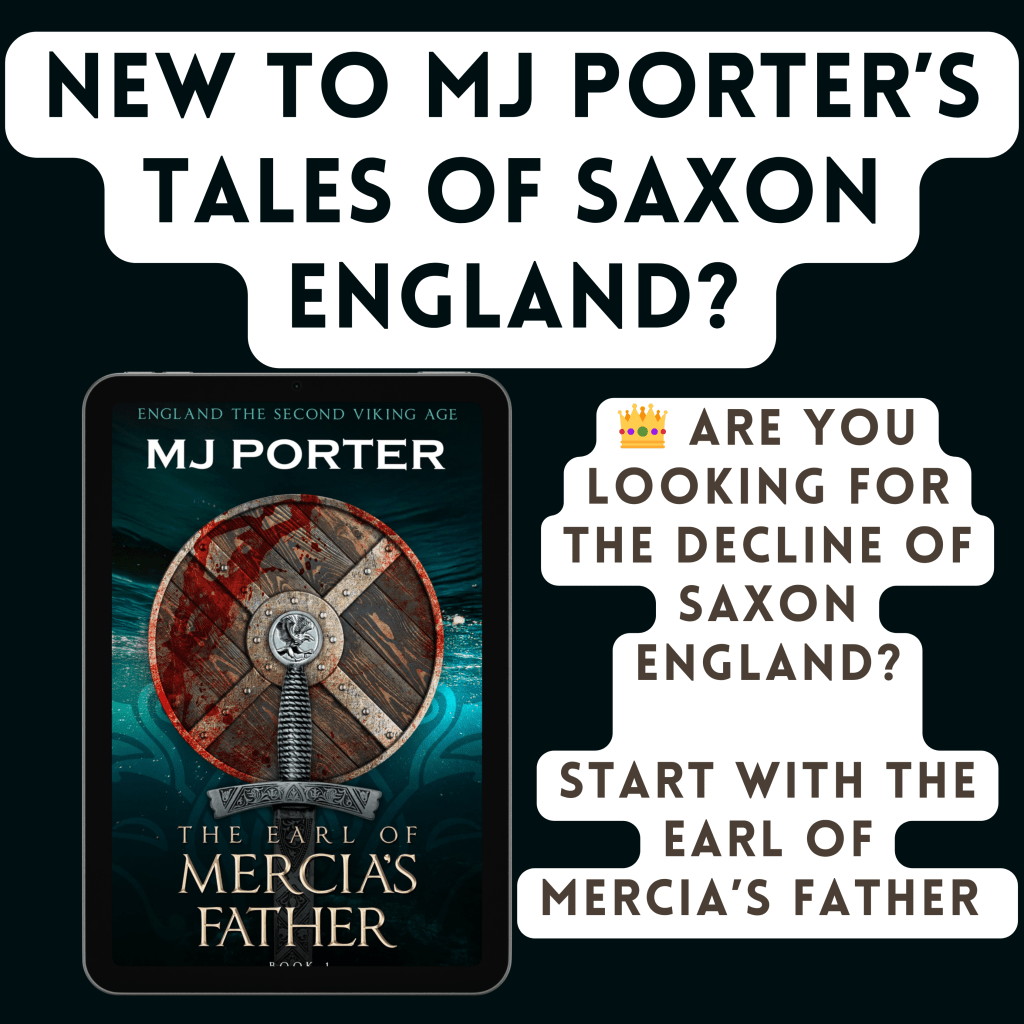
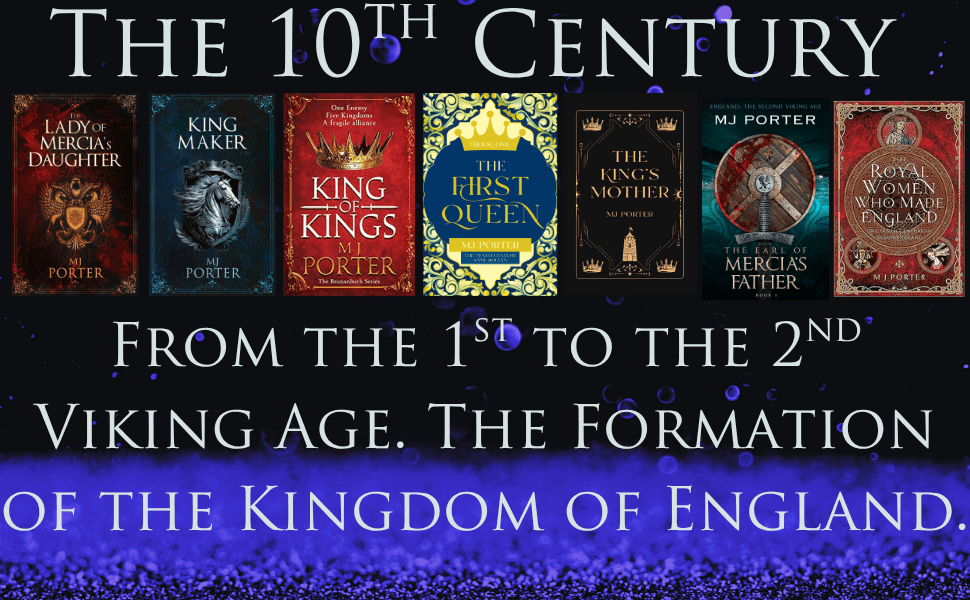
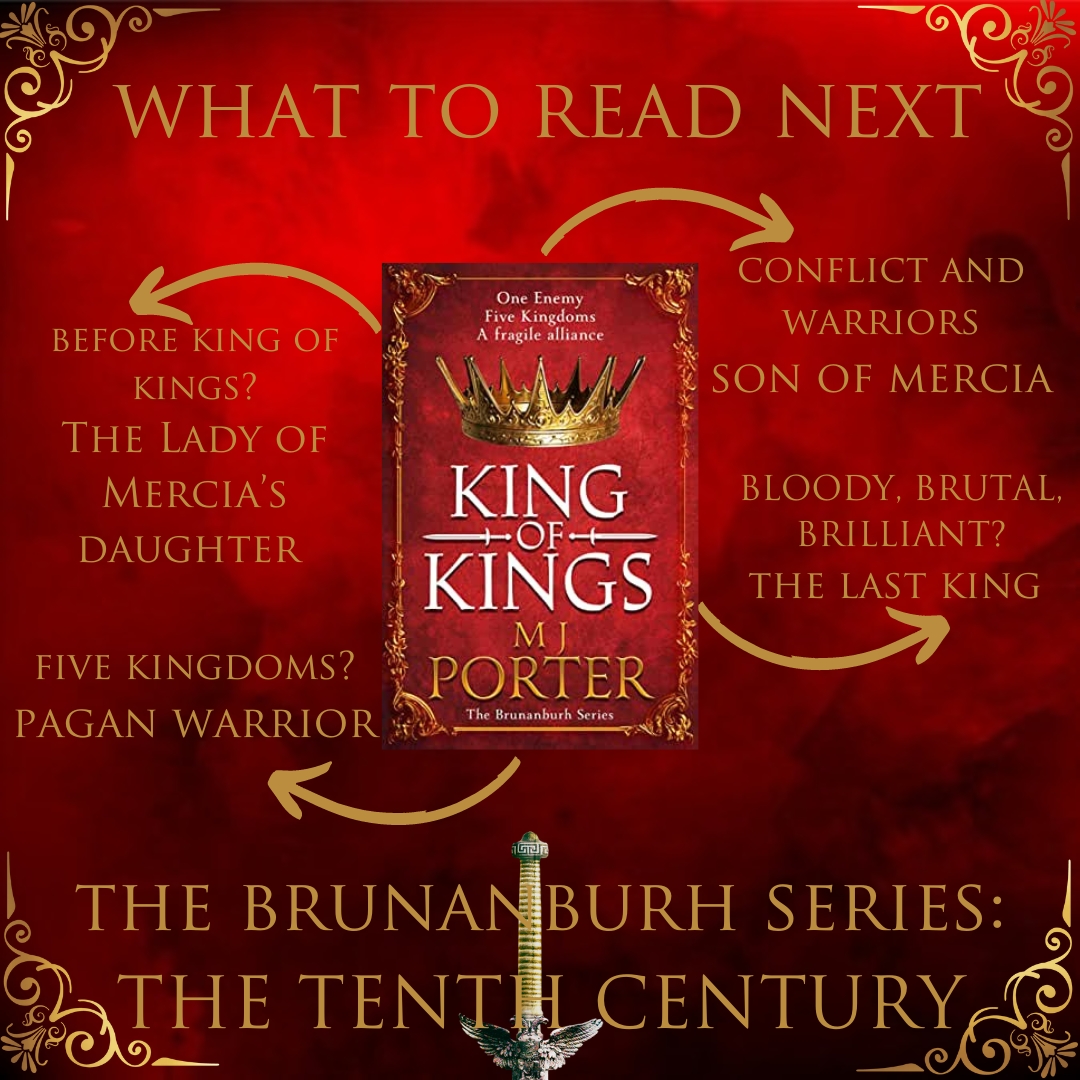
What to read after The Brunanburh Series #hisffic #TheTenthCentury

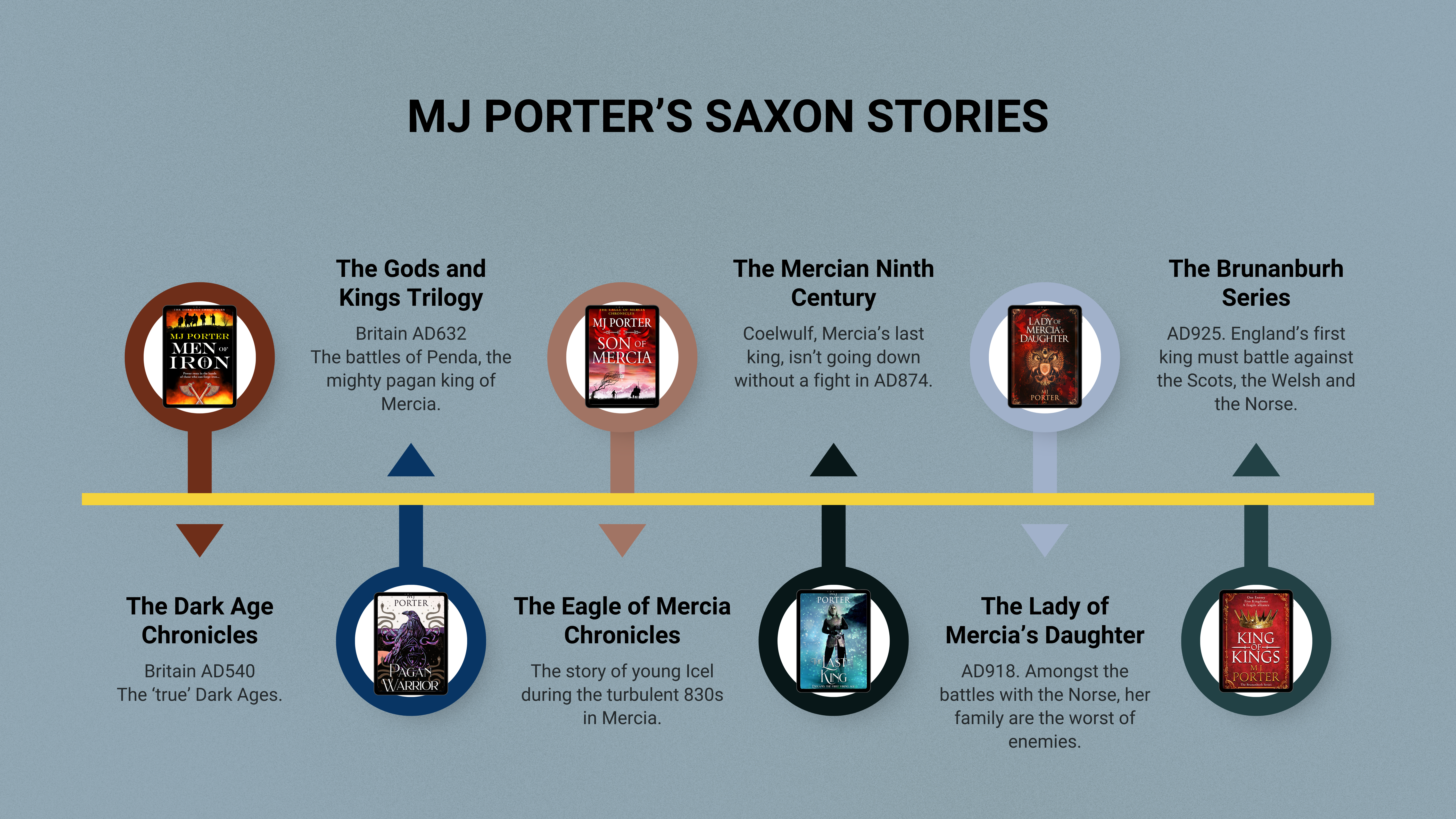
I do appreciate that it’s not exactly a bad problem to have, but I am sometimes concerned that readers are not altogether sure where to go after finishing one of my series and hopefully, enjoying it. Never fear, for I have put together a handy little guide, hopefully picking out the elements that readers might have enjoyed in one particular series, and applying them to other ones.

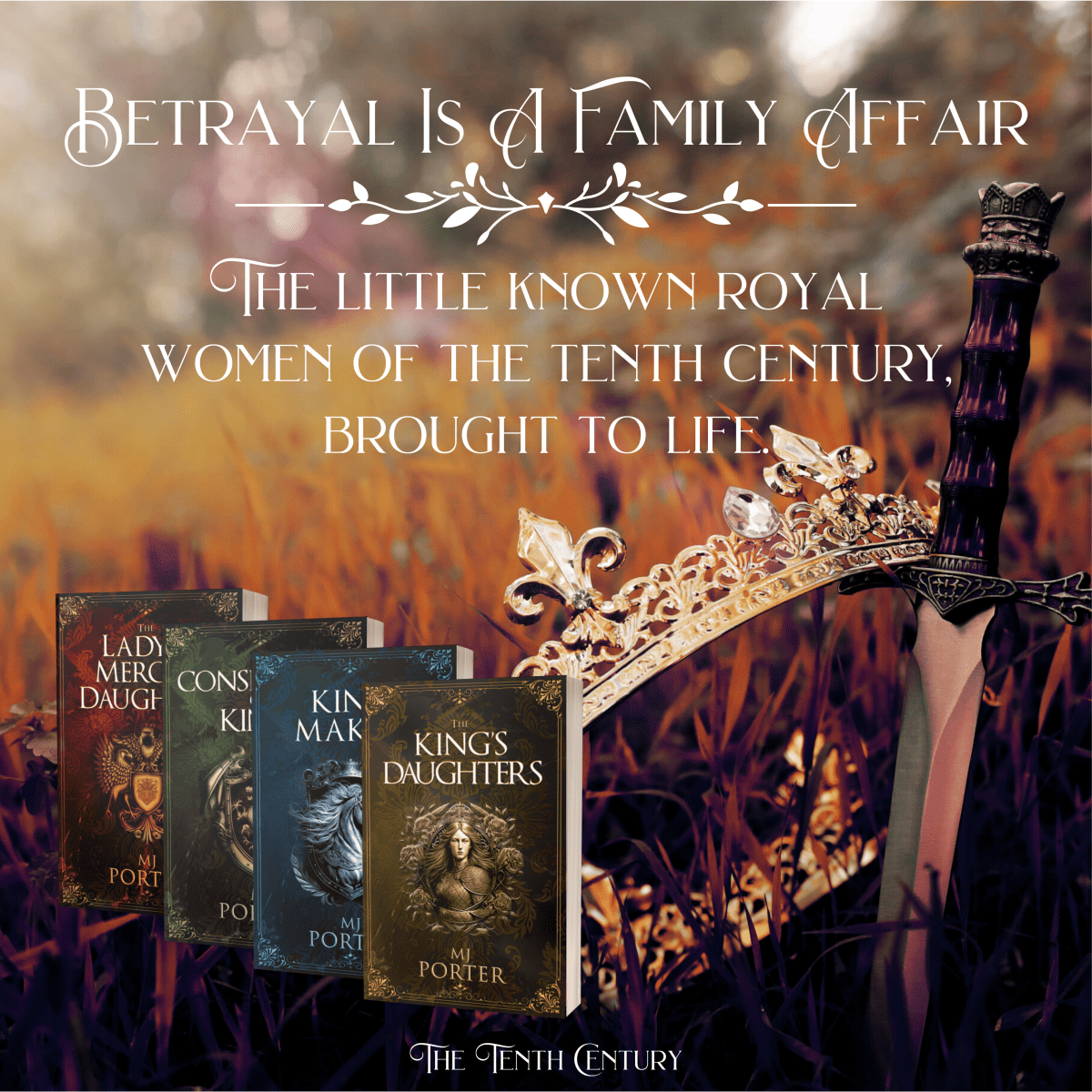
So, for readers interested in what happened before King of Kings, The Lady of Mercia’s Daughter and its sequel, A Conspiracy of Kings, offer a retelling of the Lady Ælfwynn’s life. The books also feature a younger Athelstan, and there may be a few other figures from the Brunanburh series in there as well.

For those interested in England before it was England, or rather the idea of Five kingdoms, then the Gods and Kings trilogy, starting with Pagan Warrior, is really where you want to be. Step back to the seventh century, a time before Viking raiders, but with just as many ambition and brutal warrior kings.

And if it is the conflict and band of warriors that interests you, then the Eagle of Mercia Chronicles might well be where you could go next. Follow young Icel as he realises he must become a warrior, not a healer if he is to protect Mercia from her enemies beginning with Son of Mercia, set nearly a hundred years before the events of Brunanburh.

If you want books with a very healthy dose of violence, (and swearing), then The Mercian Ninth Century is the series for you, beginning with The Last King. Also set before the events of Brunanburh, (in the 870s) this series is all about warriors, violence, and overcoming (hopefully) all the odds.

(The series is also available without the stronger language. Follow this link as otherwise, it’s quite hard to find).

I hope you find something you like, and don’t forget, to sign up for my mailing list to keep up to date with all things Saxon England and to receive a free ebook download via Bookfunnel.

Posts

Listen to me on the A Slice of Medieval Podcast with Derek Birds and Sharon Bennett Connelly

I’m delighted to share details of the A Slice of Medieval Podcast I’m featured on this week. I hope you enjoy the discussion about Brunanburh, King Athelstan and not forgetting, Olaf Scabbyhead.

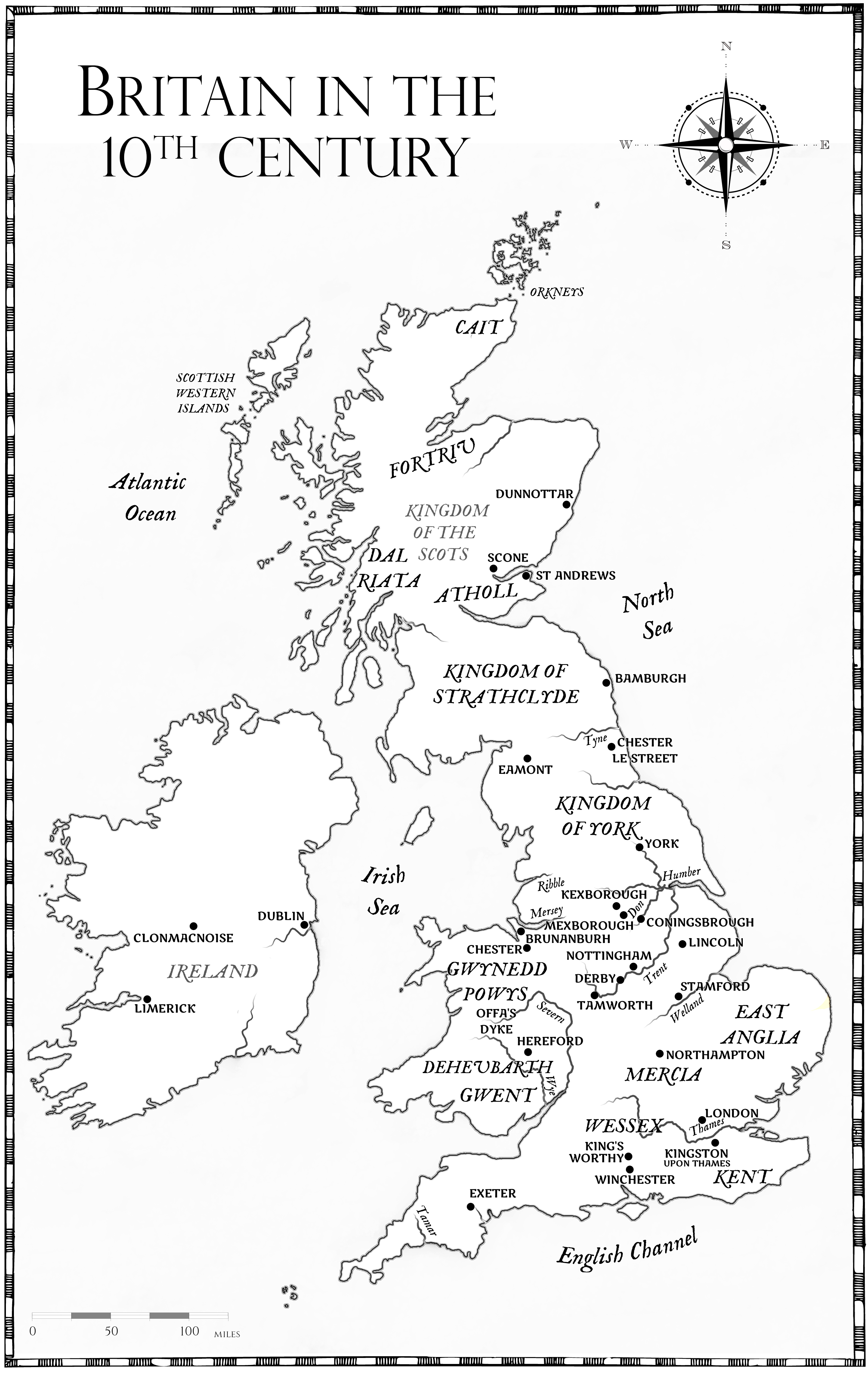
I’ve added the map below so you can see where I’m talking about during the podcast.

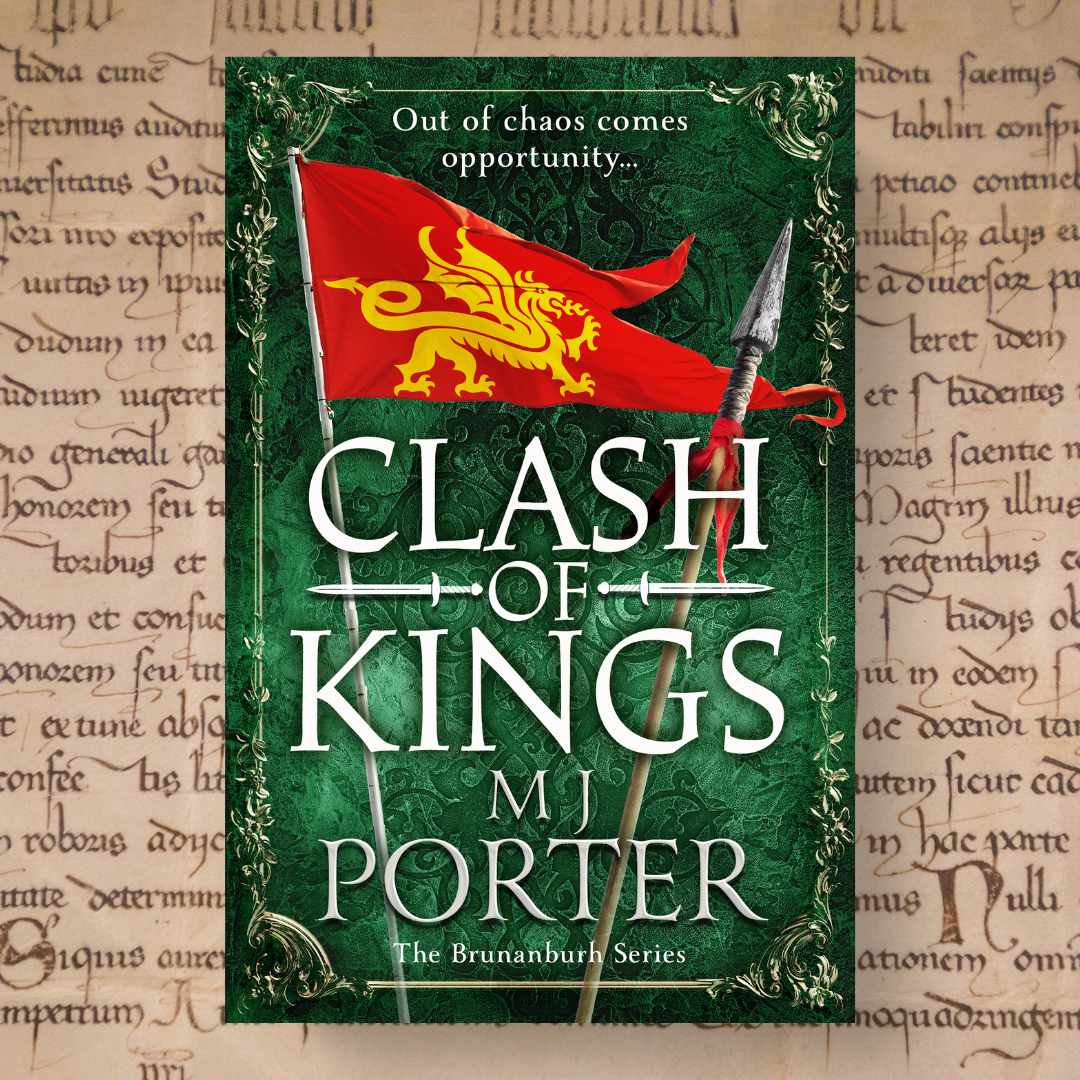
My new book, Clash of Kings, has a number of main characters. Meet Lady Eadgifu. #histfic #non-fiction #Brunanburh

Clash of Kings has a number of characters, and some might be surprised to find Lady Eadgifu amongst them, but she was an incredibly important historical character, and I couldn’t leave her out of the narrative set at the English court.

Lady Eadgifu was the third wife of Edward the Elder (r.899-924), king of the Anglo-Saxons. Edward the Elder was the father of King Athelstan, and a whole host of daughters, as well as five sons. Lady Eadgifu would, it seems, have been young when she married the aging Edward the Elder, and that meant that she long outlived him, and also, that her three children (possibly four, but I’ve opted for three) were young when their father died. And two of these children were sons, Edmund (born c.921) and Eadred (born c.923). Her daughter, Eadburh, is thought to have been the oldest of the three children, born c.919.

While Lady Eadgifu, from what’s known (and it isn’t much, as there are few surviving charters from the end of Edward’s reign) perhaps had little role to play while her husband lived, other than wife and mother to the king’s children, following his death, she became increasingly significant. She was the daughter of an ealdorman, who perhaps died just before her birth, and her family are said to have had connections with Kent. Indeed, it’s often stated that she brought her husband Kent with their union. By that, what’s often meant, is the loyalty of the Kentish people. Remember, at this time, we’re still just before the creation of ‘England’ as we would now recognise it.

Sadly, very little is known about Lady Eadgifu (and she’s not alone in this – many of the royal women ‘disappear’ at points in the historical record, and on occasion, are entirely lost.) We know about a land dispute she was involved in, and also much more information for after Athelstan’s reign.

Indeed, it has been said that during Athelstan’s reign,

‘Nor is it surprising that Eadgifu, as the consort of the previous king, served little role in her stepson’s court.[i]

[i] Firth, M. and Schilling, C. ‘The Lonely Afterlives of Early English Queens’, in Nephilologus September 2022, https://doi.org/10.1007/s11061-022-09739-4p.7
However, Barbara Yorke believes that,

‘the enhanced position [of Lady Eadgifu] may also have been developed specifically for the widowed Eadgifu as part of an alliance with her stepson Æthelstan [Athelstan] in which she supported his position and he recognised her sons as his heirs.’[i]


[i] Yorke, B. ‘The Women in Edgar’s Life,’ in Edgar, King of the English, 959-975 Scragg, D. ed (The Boydell Press, 2008), p.146


And it is this option that I’ve decided to explore in the Brunanburh series. Lady Eadgifu was wife to a king. She would have known her worth, even when faced with a stepson as the king of the English, and another stepson, and stepdaughters, who perhaps didn’t share any love for their, potentially, younger stepmother.

Read Clash of Kings to discover her role in the aftermath of the victory for the English at Brunanburh.

Map design by Shaun at Flintlock Covers

books2read.com/King-of-Kings

books2read.com/kingsofwar

books2read.com/clashofkings


Read about all the characters from the Brunanburh Series.

Posts

My new book, Clash of Kings, has a number of main characters. Meet Hywel, the king of the Welsh.

My new book, Clash of Kings, is a multi-viewpoint novel telling the story of events in Britain from 937-942. I thought it would be good to share details of the historical people my main characters are based on.

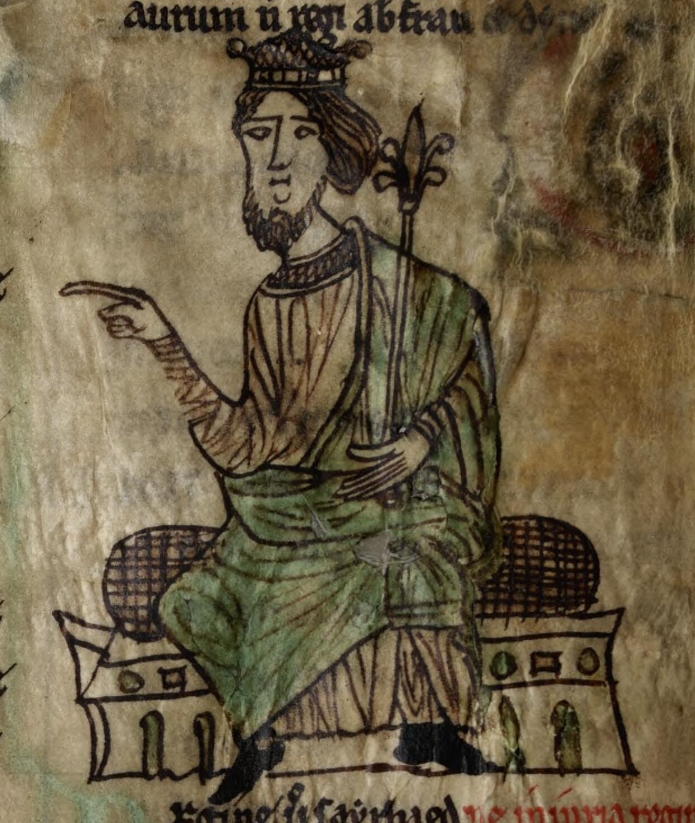
My portrayal of Hywel, better known as Hywel Dda (which autocorrect is determined should say Dad), and which means ‘good’ (a unique epithet in Wales), is of course, fictional, but who was the historical Hywel? Firstly, it should be noted that this epithet is a later invention, not assigned to Hywel until at least the twelfth century, and perhaps, as Dr. Kari Maund has commented in The Welsh Kings: Warriors, Warlords and Princes, a reflection of border events at that period rather than the earlier tenth century. (Dr Maund was one of my university lecturers, so she knows her stuff).

By Unknown author – This image is available from the National Library of WalesYou can view this image in its original context on the NLW Catalogue, CC0, https://commons.wikimedia.org/w/index.php?curid=41427788

Hywel has no date of birth recorded, and indeed, like Constantin of the Scots, he seems to have ruled for a long time providing much-needed consistency. Hywel ap Cadell was the grandson of the famous Rhodri Mawr, who’d united the kingdoms of the Welsh during his rule. But, this unity fragmented on Rhodri’s death.

To begin with, Hywel ruled Dehuebarth, probably with his brother, Clydog, (who may have been the younger brother) after the death of their father in c.911. He, his brother, and his cousin, Idwal of Gwynedd, submitted to the English king, Edward the Elder in the late 910s.

‘and the kings of Wales: Hywel and Clydog and Idwal and all the race of the Welsh, sought him as their lord [Edward]’. ASC A 922 corrected to 918 (Swanton, M. trans and edit The Anglo-Saxon Chronicles, (Orion Publishing Group, 2000)p.103-4)

Not long after, Clydog died, leaving Hywel as ruler of Dehuebarth. Hywel had also married Elen, the daughter of Llywarch and niece of Rhydderch, the last king of Dyfed, and he was able to use this alliance to eventually claim Dyfed as well.

Hywel’s believed to have been highly educated, and some historians suggest he was particularly fascinated with King Alfred, and all he’d achieved and was therefore keen to emulate many of his actions. This could also be why his name came to be associated with the codification of laws in later traditions. What fascinates me most about Hywel is his decision to ally closely with King Athelstan. Certainly, he’s a intriguing figure in early tenth-century Britain, and not just because we know he made a pilgrimage to Rome in 928, and still managed to return back to his kingdom and continue ruling it.

Hywel seems to have distanced himself from events which led to the battle of Brunanburh in 937, but in my portrayal of him, he still classifies himself as very much Athelstan’s ally. Events in Clash of Kings might well test that allegiance.

Map design by Shaun at Flintlock Covers

books2read.com/King-of-Kings

books2read.com/kingsofwar

books2read.com/clashofkings


Read about all the characters in the Brunanburh series.

Clash of Kings is released today. Meet Athelstan, the King of the English.

Today sees the release of Clash of Kings, the third book in the Brunanburh series. But who was Athelstan, king of the English?

Based on a historical person, my portrayal of him, is of course, fictitious, but there are many historical details known about him. However, we don’t know for sure who his mother was, it’s believed she might have been called Ecgwynn, and we don’t know, for certain, the name of his sister, but it’s believed she might have been named Edith. What is known is that his father was Edward, the son of King Alfred, and known to us today as Edward the Elder. Athelstan is also rare in that he is one of only two Saxon kings for who a contemporary image is available. (The other is Edgar, who would have been his nephew)

Edward the Elder
Edward the Elder – MS Royal 14 B VI.jpg
Miniature d’Édouard l’Ancien dans une généalogie royale du XIVe siècle. WikiCommons

It must be supposed that Athelstan was born sometime in the late 890s. And according to a later source, that written by William of Malmesbury in the 1100s (so over two hundred years later), Athelstan was raised at the court of his aunt, Æthelflæd of Mercia. The historian, David Dumville, has questioned the truth of this, but to many, this has simply become accepted as fact.

‘he [Alfred] arranged for the boy’s education at the court of his daughter, Æthelflæd and Æthelred his son in law, where he was brought up with great care by his aunt and the eminent ealdorman for the throne that seemed to await him.’[i]


[i] Mynors, R.A.B. ed and trans, completed by Thomson, R.M. and Winterbottom, M. Gesta Regvm AnglorvmThe History of the English Kings, William of Malmesbury, (Clarendon Press, 1998), p.211 Book II.133

Æthelflæd image
Æthelflæd as depicted in the cartulary of Abingdon Abbey (British Library Cotton MS Claudius B VI, f.14).
https://commons.wikimedia.org/wiki/File:Æthelflæd_as_depicted_in_the_cartulary_of_Abingdon_Abbey.png
AnonymousUnknown author, Public domain, via Wikimedia Commons

Why then might this have happened? Edward became king on the death of his father, Alfred, and either remarried at that time, or just before. Edward’s second wife (if indeed, he was actually married to Athelstan’s mother, which again, some doubt), Lady Ælfflæd is believed to have been the daughter of an ealdorman and produced a hefty number of children for Edward. Perhaps then, Athelstan and his unnamed sister, were an unwelcome reminder of the king’s first wife, or perhaps, as has been suggested, Alfred intended for Athelstan to succeed in Mercia after the death of Æthelflæd, and her husband, Æthelred, for that union produced one child, a daughter named Ælfwynn.

There is an acknowledged dearth of information surrounding King Edward the Elder’s rule of Wessex. He’s acknowledged as the king of the Anglo-Saxons. His father had been the king of Wessex. Historians normally use the surviving charters to unpick the political machinations of the Saxon kings, but for Edward, there’s a twenty year gap between the beginning and end of his reign, where almost no known genuine charters have survived. What isn’t known for sure, is how much control, if any, he had in Mercia. Was Mercia subservient to Wessex or was it ruled independently? It’s impossible to tell. And this makes it difficult to determine what Athelstan might have been doing, and also what his father’s intentions were towards him.

Frontispiece of Bede’s Life of St Cuthbert, showing King Æthelstan (924–39) presenting a copy of the book to the saint himself. 29.2 x 20cm (11 1/2 x 7 7/8″). Originally from MS 183, f.1v at Corpus Christi College, Cambridge. (Wikimedia Commons)

What is known is that following the death of King Edward in 924, Athelstan was acknowledged as the king of Mercia; his half-brother, Ælfweard was proclaimed king in Wessex. As with all events at this time, it shouldn’t be assumed that just because this is what happened, this is what was always intended.

‘Here King Edward died at Farndon in Mercia; and very soon, 16 days after, his son Ælfweard died at Oxford; and their bodies lie at Winchester. And Athelstan was chosen as king by the Mercians and consecrated at Kingston.’[i]


[i] Swanton, M. trans and edit The Anglo-Saxon Chronicles, (Orion Publishing Group, 2000), D text p.105

But, if Athelstan was raised in Mercia, it’s highly likely he was a warrior from a young age, helping the Mercians defeat the Viking raiders who still had control of the Danish Five Boroughs of Lincoln, Nottingham, Derby, Nottingham and Leicester.

Throughout King of Kings and Kings of War, my character, Athelstan, has proven himself to be amendable to peace as well as prepared to fight for his kingdom. He’s had to contend with some very unruly family members (it’s no wonder he never married), and also some aggressive neighbours. It’s perhaps his relationship with his brother, Edmund, and Hywel, king of the Welsh, that has revealed Athelstan as the man he might like to be remembered, but it is his victory at Brunanburh, against the Norse and the Scots, which he now has to contend with. Has Athelstan finally freed the English from the Viking raider/Norse menace?

Read Clash of Kings to discover.

Design by Boldwood Books

books2read.com/King-of-Kings

books2read.com/kingsofwar

books2read.com/clashofkings

Map design by Flintlock Covers

Check out the Brunanburh Series page to read about all the characters in the series.


Read my release day post for Boldwood Books.

https://www.boldwoodbooks.com/meet-edmund-i-king-of-the-english/


Follow the Clash of Kings blog tour with Rachel’s Random Resources and the following fabulous bloggers.

Bookish Jottings

Novel Kicks

David’s Book Blurg

Sharon Beyond the Books

Leanne Bookstagram

Ruins and Reading

Nik Reads Novels

Storied Conversation

Kimberli Reads

Meet the characters in Clash of Kings, Athelstan the Ealdorman

Confusingly, Athelstan the Ealdorman shares the same name as King Athelstan of the English, a fact I allow the pair to find amusing because of the uncertainty it causes.

Athelstan is the son of an ealdorman, and one of four brothers, although one has already died . Athelstan, Eadric and Æthelwald are held in high regard by King Athelstan and all become ealdormen.

In my version of events, Athelstan is married to Lady Ælfwynn, the cousin of King Athelstan and daughter of Æthelflæd, the lady of Mercia, a suggestion that isn’t widely accepted, but is certainly a possibility, thus making him a member of King Athelstan’s extended family. His epithet, the Half-King could have arisen because he was indeed married to the king’s cousin (under Athelstan, Edmund and Eadred).

Even if Athelstan Half King wasn’t married to the daughter of Lady Æthelflæd of Mercia, it seems he was married to an Ælfwynn. He was a powerful man, building a dynasty, and also part of a powerful dynasty. Between him and his brothers, they must often have been found at the court of the king in the tenth-century. Athelstan was the ealdorman of East Anglia, his older brother, Ælfstan, one of the ealdormen of Mercia (930-934) before his death, while Eadric was an ealdorman of Wessex (942-949), and Æthelwald was an ealdorman of Kent (940-946).

Athelstan the ealdorman seemed an obvious choice for me to develop as a character in the series. He’s closely bound to the ruling family, married into it, and he’s also a warrior who fought at the battle of Brunanburh. His influence continues to grow in Clash of Kings. His relationships with his brothers was also fun to explore. Powerful men, with warriors at their command, and fiercely invested in the future of the English kingdom.

Read Clash of Kings to continue their story.

books2read.com/King-of-Kings

books2read.com/kingsofwar

books2read.com/clashofkings

(13th January 2024)


Check out the Brunanburh Series page for more information about the historical characters featured in the Brunanburh series.

Meet the characters in Clash of Kings, Edmund, Ætheling of the English

With Clash of Kings being released on 13th January 2024, I thought I’d reintroduce my readers to the main characters.

Here’s Edmund, ætheling and Prince of the English.

Edmund, of the House of Wessex, is the second-youngest halfbrother of the king of the English, Athelstan. His date of birth is not known for sure, but it’s believed to have been in about 921, as he’s said to have been 18 when he became king on Athelstan’s death. His mother is Lady Eadgifu, the third wife of Edward the Elder. He has a full brother, Eadred, even younger than him, and a sister who may have been older than him, and who became a cloistered woman.

Family tree by Boldwood Books

‘And the Ætheling succeeded to the kingdom; and he was then 18 years old.’ (ASC A)

Edmund would only have been very young when his father, Edward the Elder, died in 924. It’s doubtful whether he had any memory of him at all. It’s long been believed that his mother, Lady Eadgifu, was responsible for raising him and his younger brother. What precisely Edmund was doing during the reign of his older half-brother isn’t known for sure. He is said to have fought beside him at the Battle of Brunanburh, but some historians cast doubt on this.

As a character in Kings of War and Clash of Kings, Edmund has become a man throughout the previous books, and developed a close relationship with Athelstan. But, he’s still young. He’s riven with indecision, and while delighted to have been involved in the success of the battle of Brunanburh, he’s happy to let his older brother rule England. There is also an on-going thread which pitches Edmund against the family of Constantin, the king of the Scots. Events in Clash of Kings will have a profound effect on young Edmund.

books2read.com/King-of-Kings

books2read.com/kingsofwar

books2read.com/clashofkings

(13th January 2024)

Read about Olaf Gothfrithson

Check out all the historical characters from the Brunanburh Series by visiting the Brunanburh Series page on the blog.