Author of Saxon historical fiction and non-fiction, 20th-century historical mysteries, and Norse-inspired historical romantasy. Book reviewer and blog host.
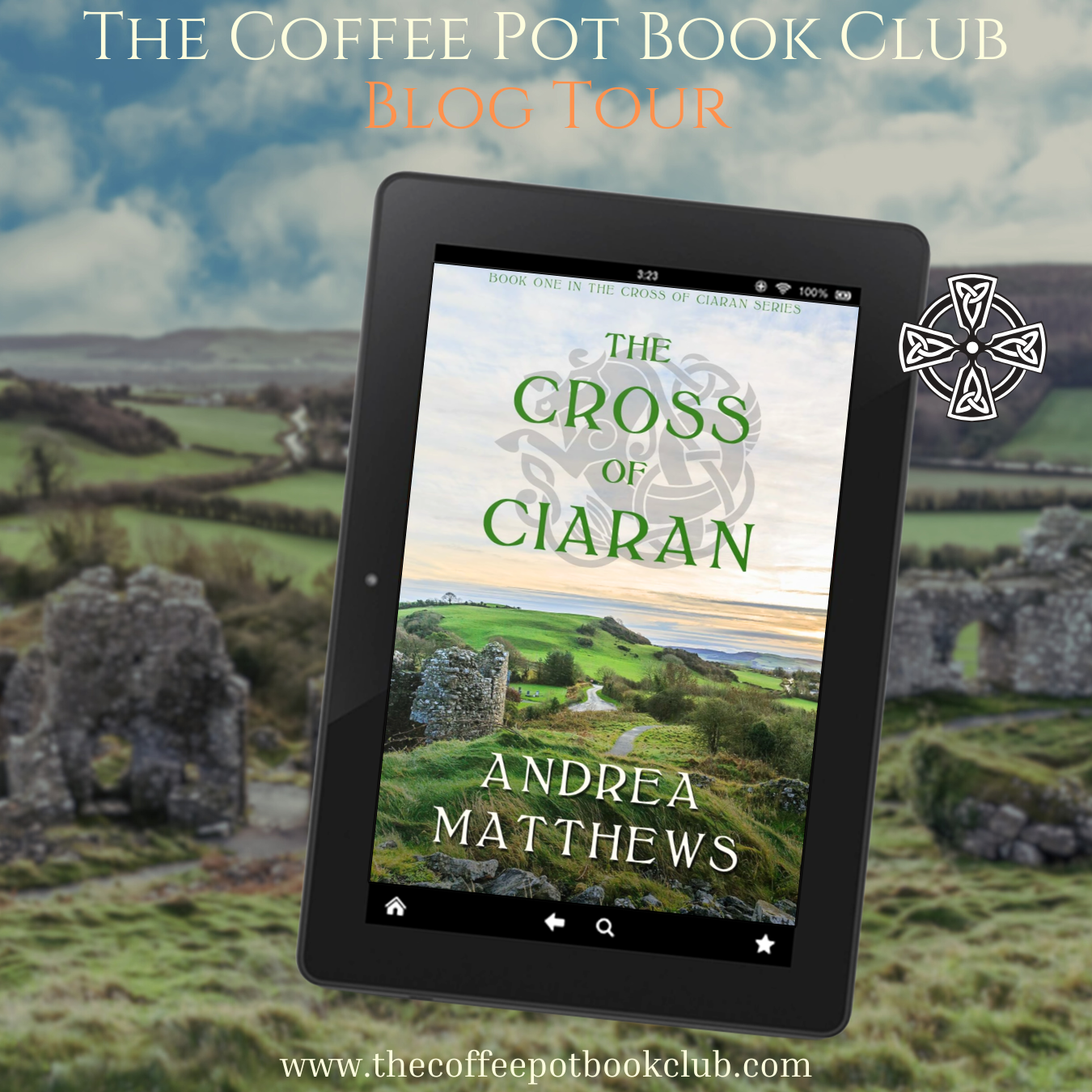
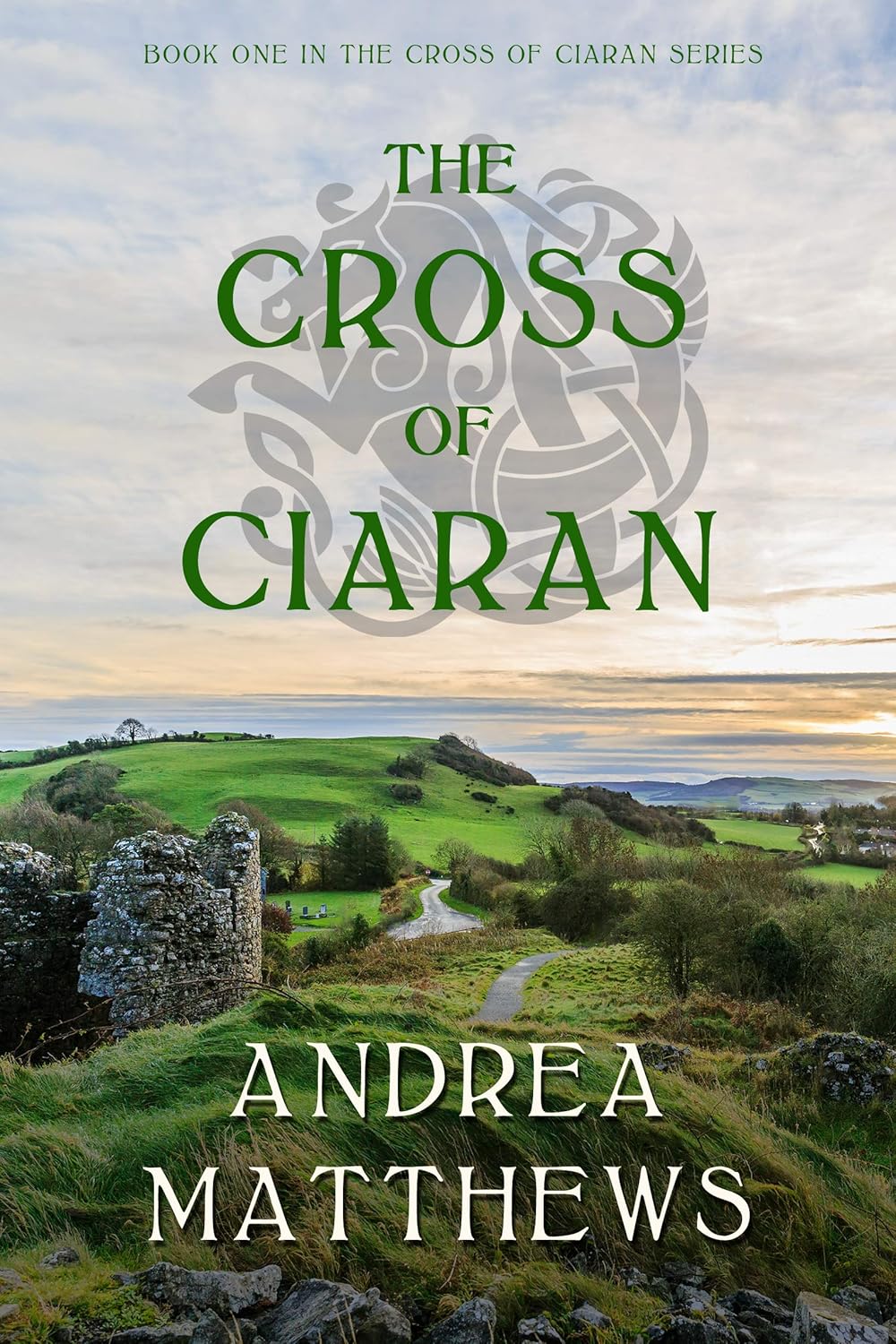
I’m delighted to welcome Andrea Matthews and her book, The Cross of Ciarán, to the blog.
Here’s the Blurb
When a fifth century pagan priest is unearthed in Ireland fifteen hundred years after being entombed, archaeologist Caitlin O’Connell is convinced it’s the find of the century. The body is in perfect condition, right down to the intricate tattoos adorning the Celt’s skin. In fact, if scientific data hadn’t proved otherwise, she would swear he hadn’t been interred more than a few hours.
Eager to discover more about the mysterious Celt, Caitlin accompanies the body back to the New York museum where she’s employed, but before she has time to study him, the priest disappears without a trace.
Rumors surrounding the event begin to circulate and result in the excavation’s benefactor pulling the plug on the entire expedition. The rumors are not far off the mark though.
After being buried alive for betraying his goddess and his priesthood in the dawning age of Christianity, Ciarán wakes to a strange new world. Alone and frightened in an unforgiving city, he stumbles upon the only thing familiar to him and seeks sanctuary within the church walls. With the help of the parish’s pastor, Father Mike, Ciarán slowly grows accustomed to his surroundings, though he’s plagued by dark dreams and the disturbing sensation that an evil from his past has followed him into the future.
But a more immediate danger lurks on his doorstep. Caitlin is determined to get to the bottom of the mystery concerning her missing Celt, and when she meets her Uncle Mike’s new handyman, Ciarán Donnelly, she’s convinced the handsome Irishman knows more about the theft than he’s letting on.
Yet, even she can’t deny the attraction between them, simmering below the surface and blurring the lines between her personal and professional life.
But will Ciarán’s secrets draw them together or shatter their future forever.
Andrea Matthews is the pseudonym for Inez Foster, a historian and librarian who loves to read and write and search around for her roots, genealogical speaking. She has a BA in History and an MLS in Library Science, and enjoys the research almost as much as she does writing the story. In fact, many of her ideas come to her while doing casual research or digging into her family history.
She is the author of the Thunder on the Moor series set on the 16th century Anglo-Scottish Border, and the Cross of Ciaran series, where a fifteen hundred year old Celt finds himself in the twentieth century.
Andrea also writes historical mysteries under the pen name I. M. Foster. Her series A South Shore Mystery is set in the early 1900s on Long Island. She is a member of the Long Island Romance Writers, and the Historical Novel Society.
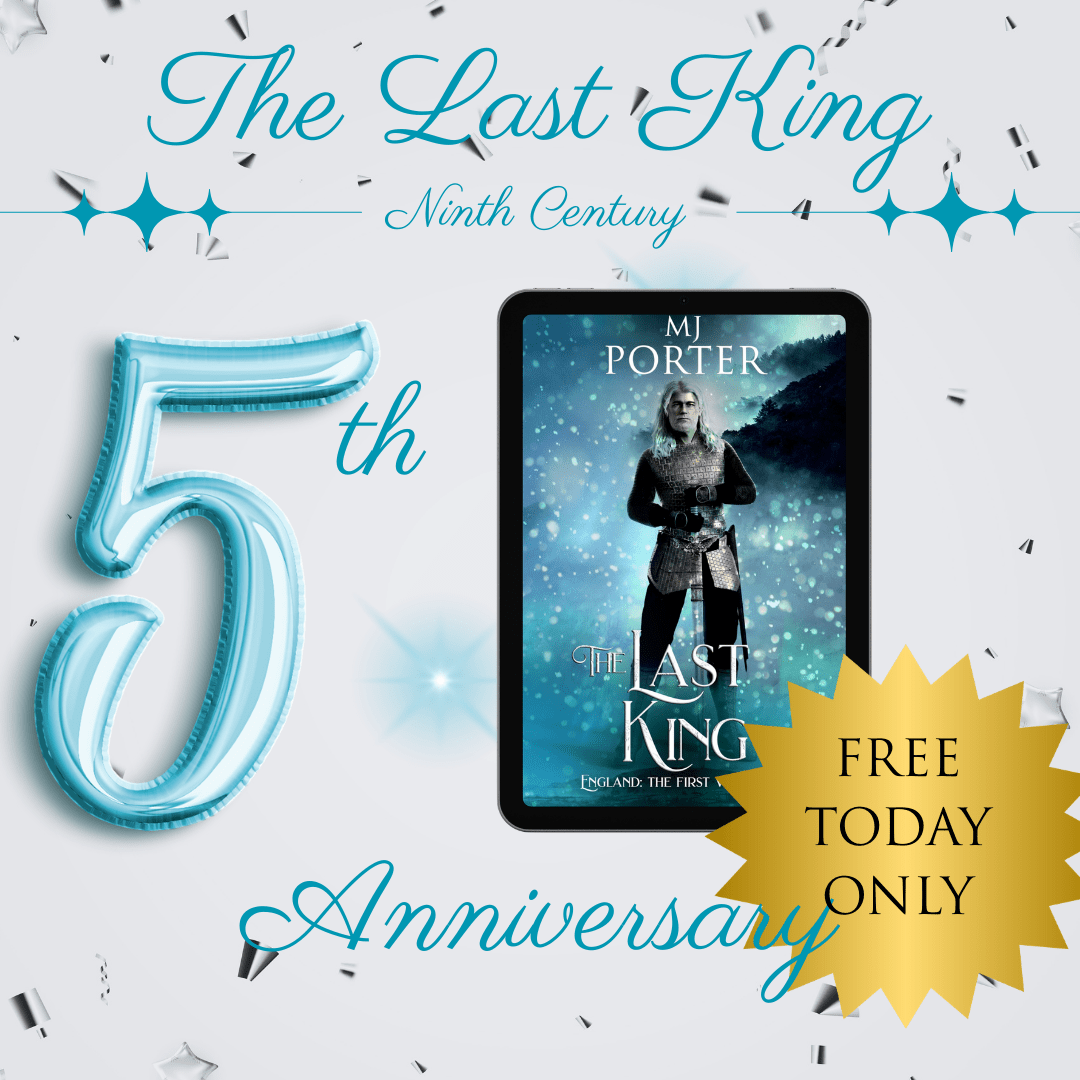
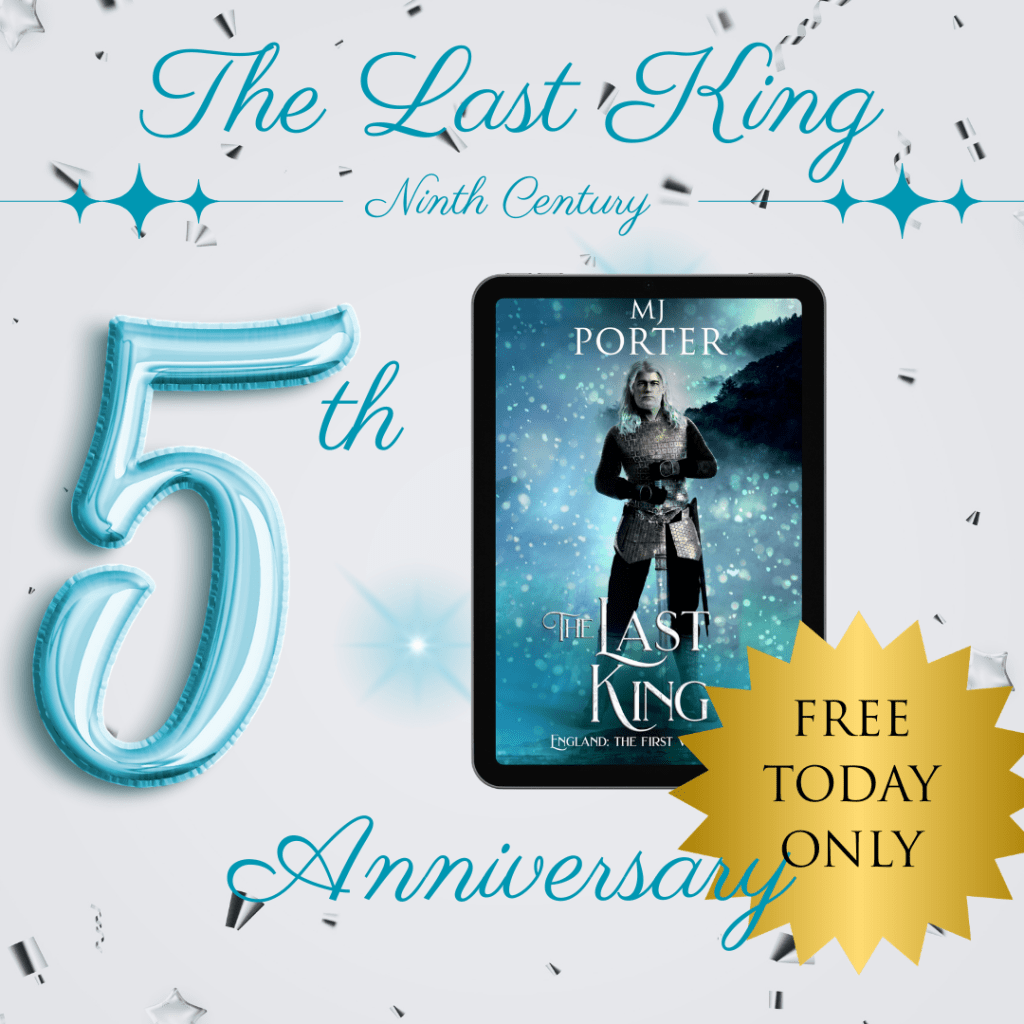
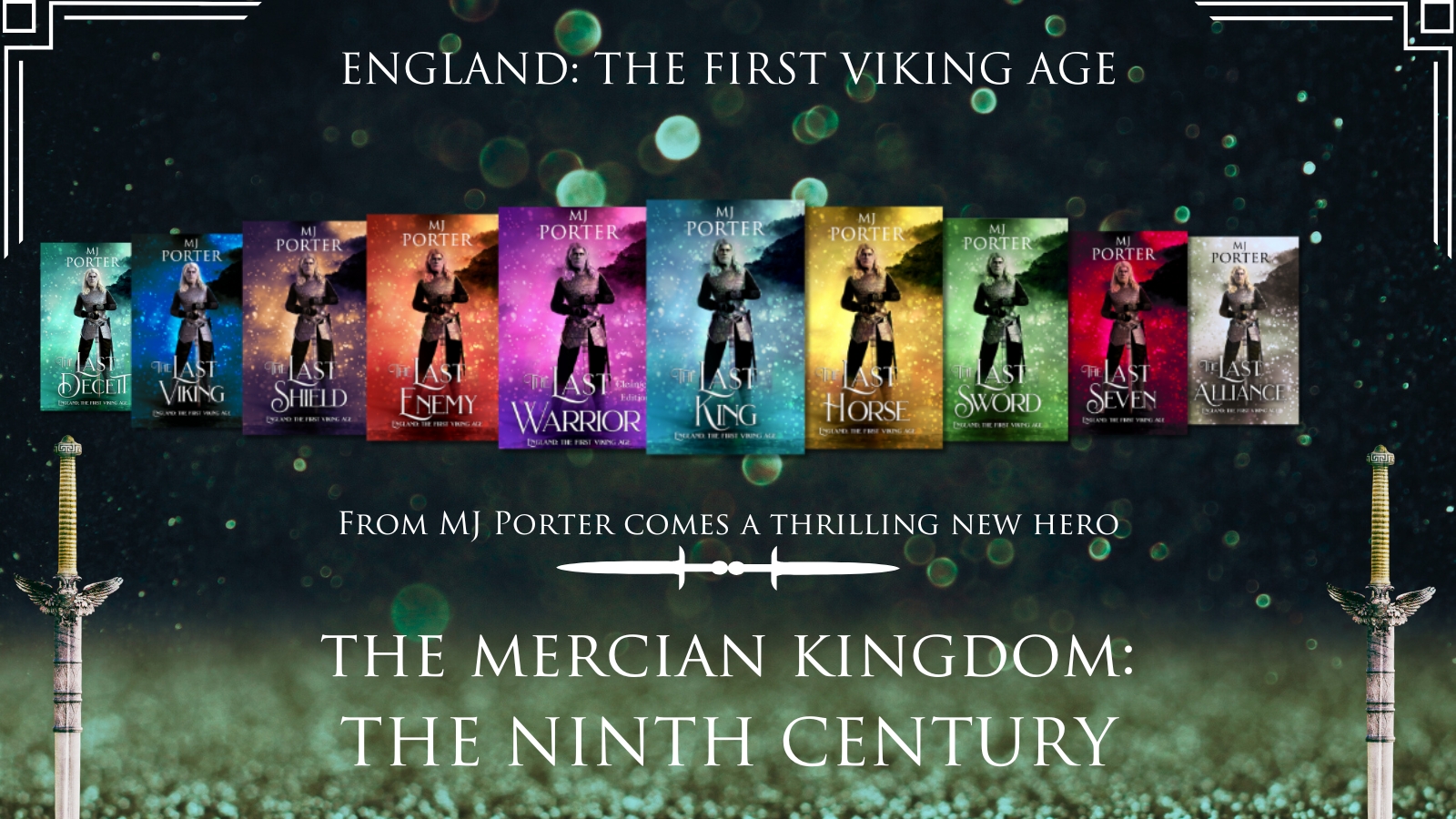
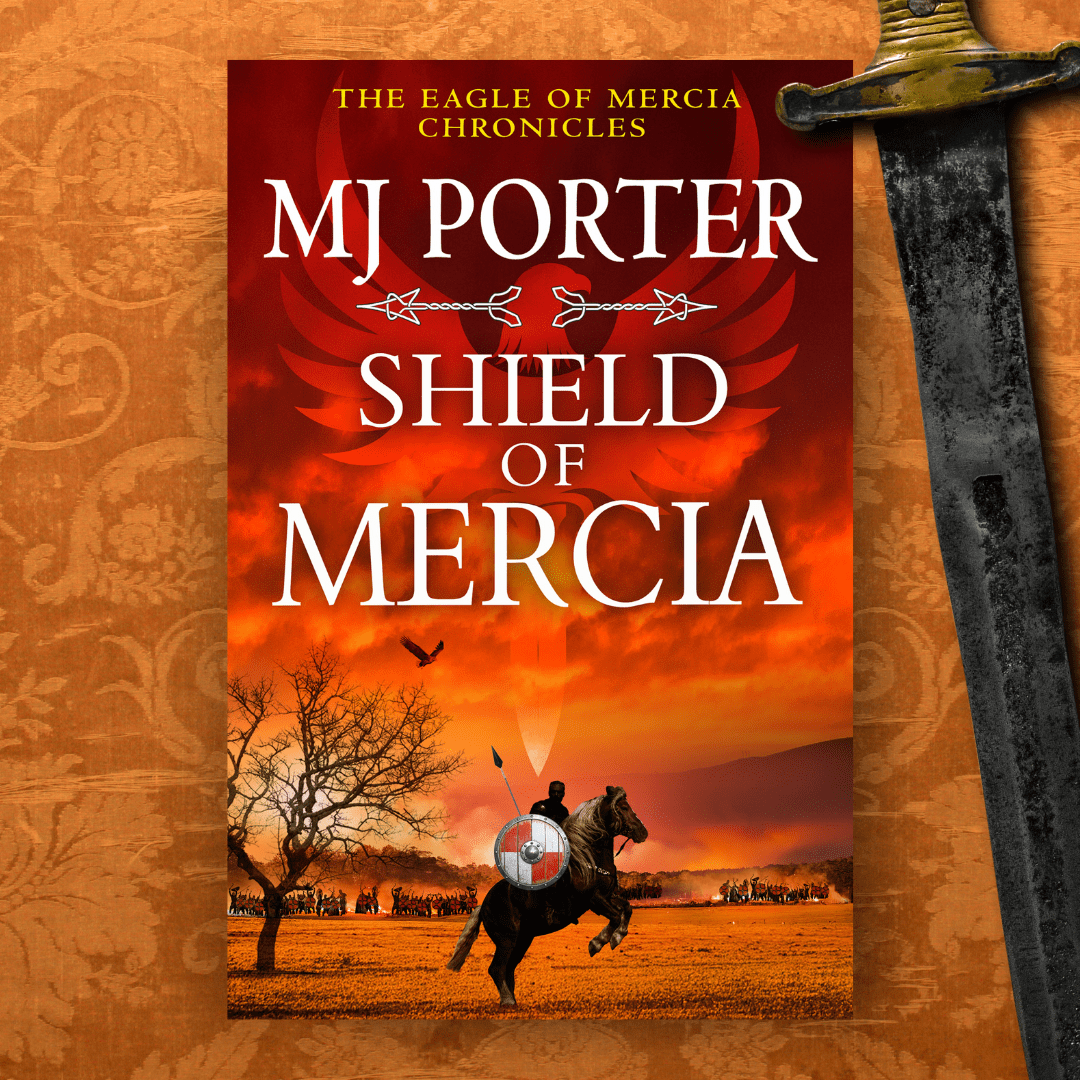
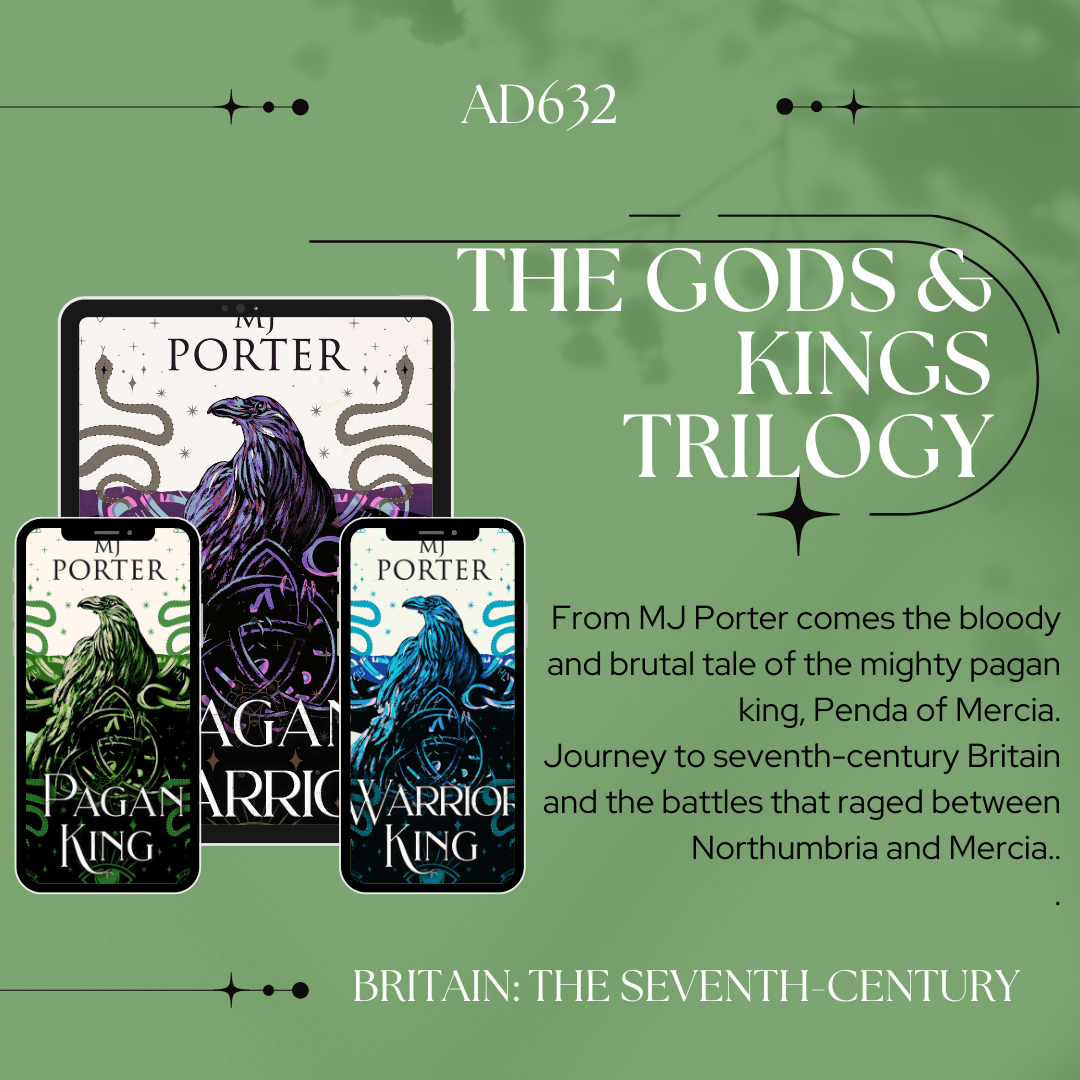
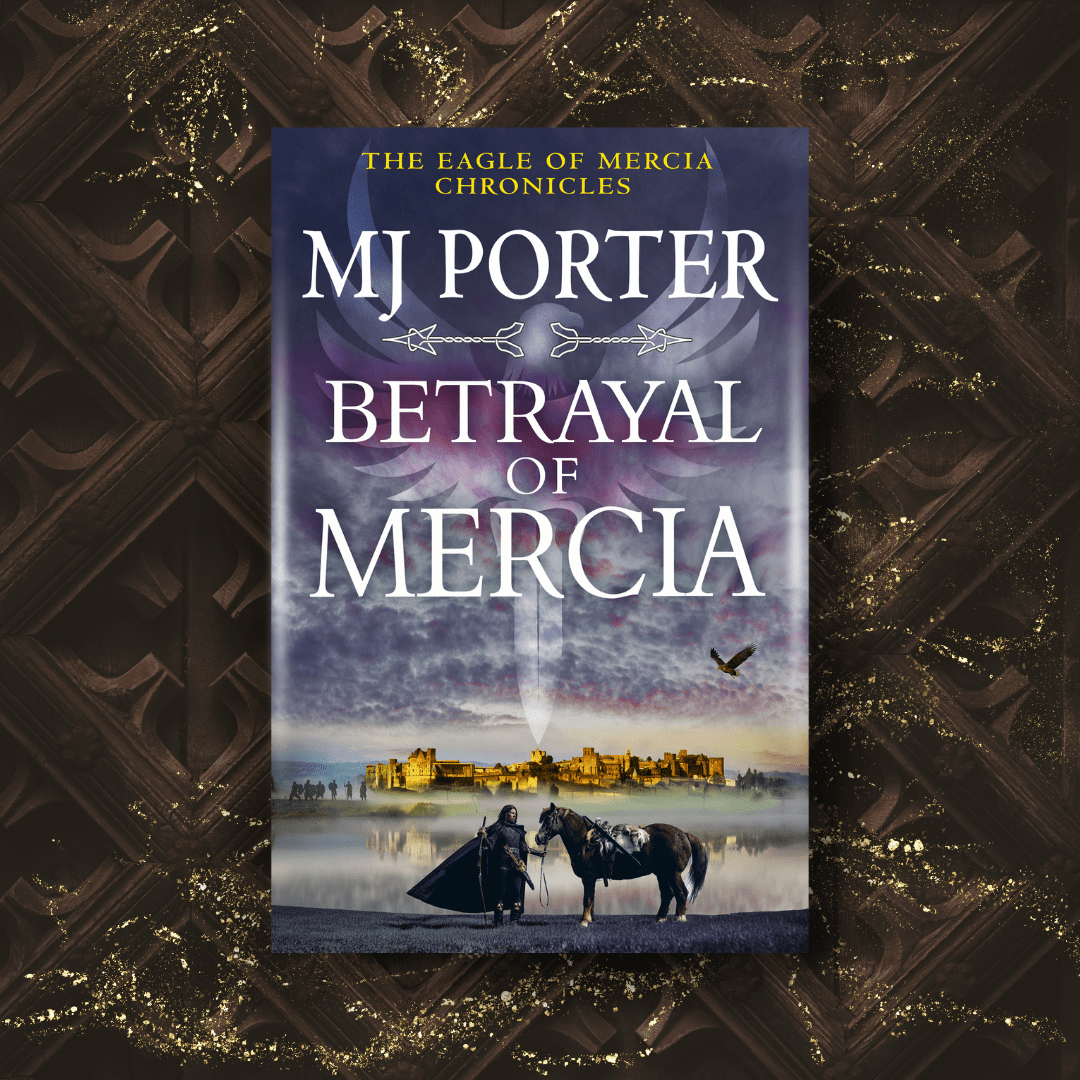
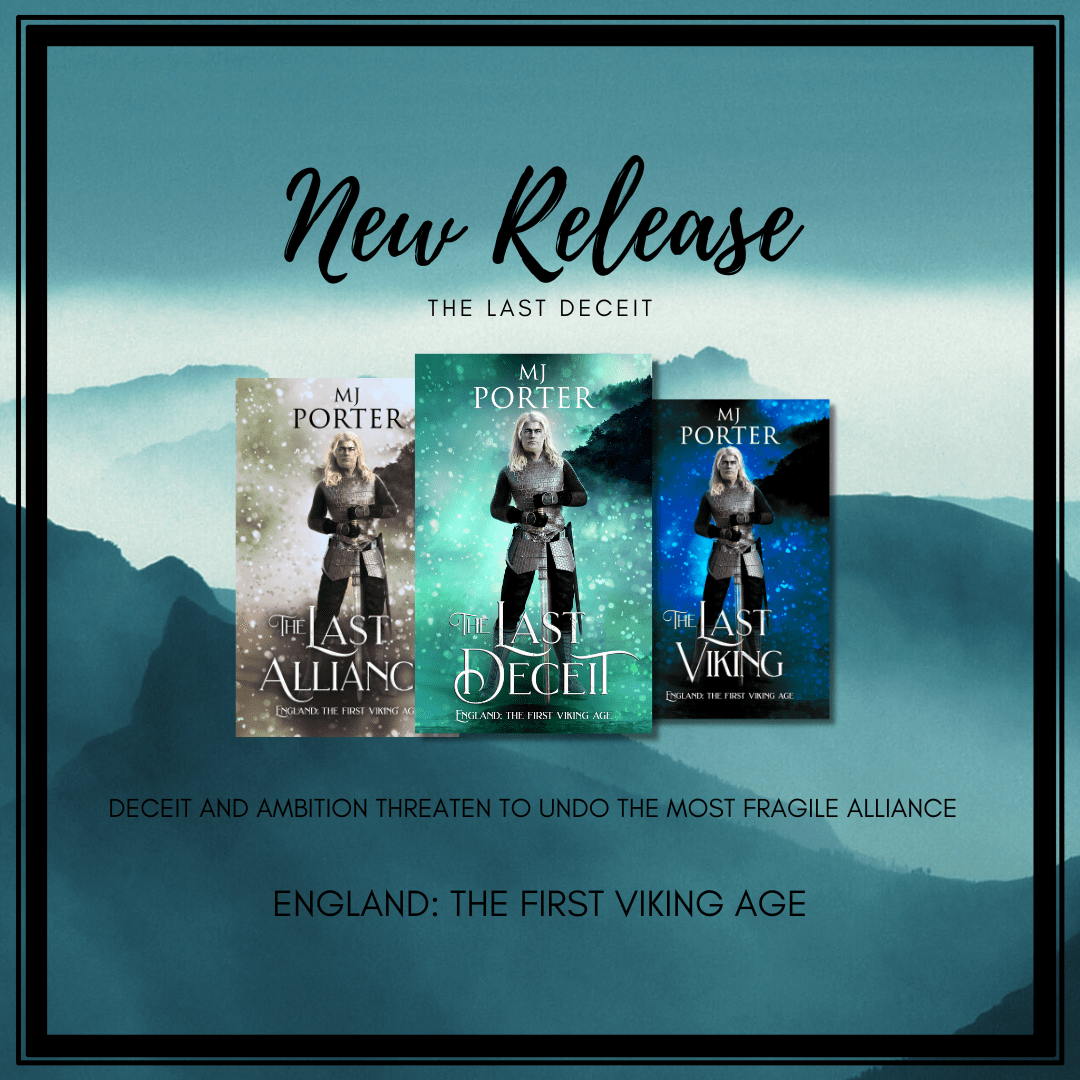
If you’ve been with Coelwulf, Rudolf, Icel, Edmund and Pybba since the beginning, then you’re probably with me in trying to work out how five years have gone by since the first book’s release. There are now ten books in all, as well as a short story collection, Coelwulf’s Company, and the prequel series featuring a young Icel, the Eagle of Mercia Chronicles (check out the stories featuring a young Icel – if you know, you know, and if you don’t yet know, you’re going to want to find out.)
If you’ve not yet discovered The Mercian Kingdom: The Ninth Century series, then you’re in for a treat, as long as you’re not easily offended by foul language and violence – although if you are, there are Cleaner versions available without quite so much swearing. Follow this link, as they can be a bit tricky to find on Amazon.
The Last King books are available in ebook, paperback and hardback, and The Last King (book 1 ) is also available in audio.
Competition Time
I’ve gained some of the best fans ever by running competitions to win signed copies of my books, and this year is no different, although the prize keeps getting BIGGER.
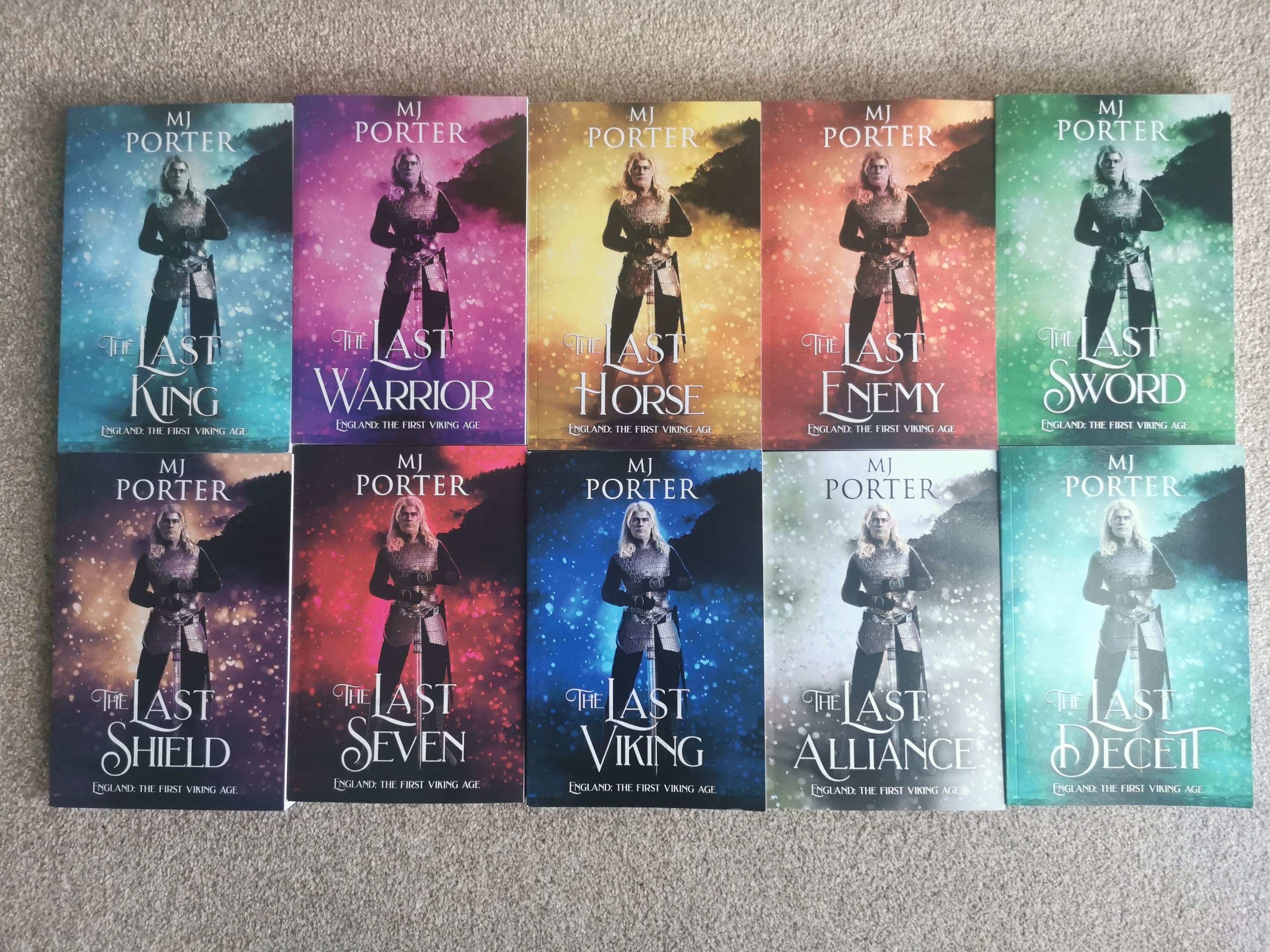
To enter the competition to win all 10 books signed by me, complete this Google form. (Competition is open until 30th April 2025).
Entries are open to UK-based people only (because postage is very expensive elsewhere), but people outside the UK can still submit their details and receive a FREE copy of a short story collection featuring stories set in The Last King’s world (and check out another fabulous deal below).
You can also grab the first 3 books in the series for 99p/99c and equivalent worldwide for a very limited time
These are the less sweary-versions (I am having a bit of moment with hyphenated words so I am going with it for this).
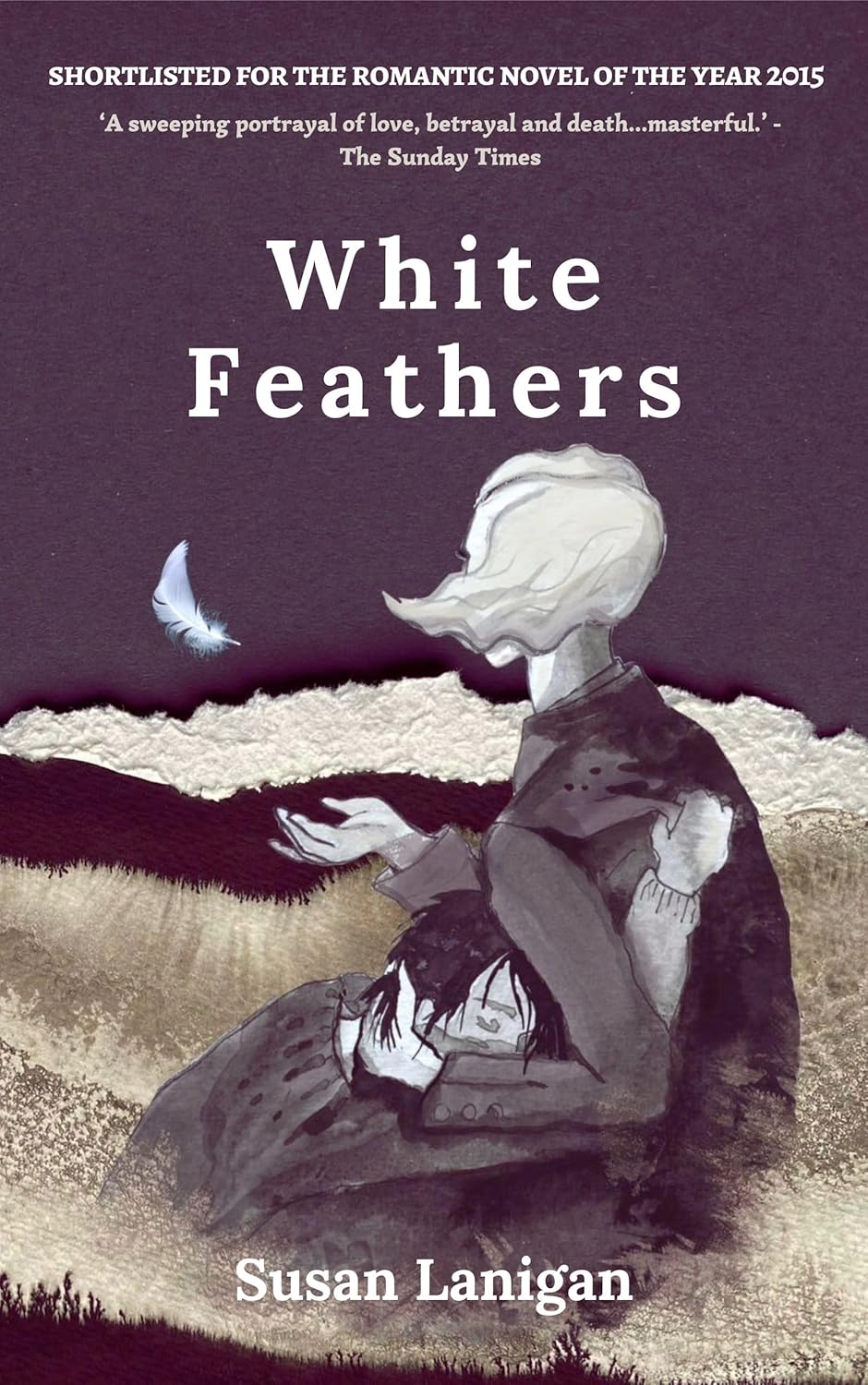
I’m delighted to welcome Susan Lanigan and her new book, White Feathers, to the blog with guest post.
Guest Post
My Research Process
By Susan Lanigan
When I was constructing the narrative of White Feathers, I needed an outline, but I was not sure in advance of everything that would occur. The advantage of writing historical fiction is that you can use real events as the vines on the trees which my Tarzan plot could grasp onto and swing to the next tree. So, I looked up various battles of World War I – Loos, the Somme, Neuve-la-Chapelle – and threaded a narrative from them. Like many, I had been captivated by Vera Brittain’s memoir Testament of Youth, and while I think Brittain would probably have been a lot personally, my heart broke for what she endured, how her hope was destroyed and how she carried on regardless after hope was gone.
I owe Brittain a lot for the construction of Eva’s narrative, particularly when she was in Étaples working as a Voluntary Aid Detachment nurse. Brittain’s narrative of that time is captivating and contains so many details. I first learned of the stark tale of the sinking of HMHS Britannic in that book, and then did my own research on the subject. I also read the account of Mary Borden, who writes in a very modernist style. The section in White Feathers where the dying Canadian lieutenant begs for a drink is based on an account in her book The Forbidden Zone.
While my research on the battles was comprehensive, my true experience of researching was coming across random fascinating minutiae and feeling compelled to shoehorn them into the story. The pigeon van was one of these phenomena, discovered while wandering around the Musée de la Grande Guerre, built near Mons, with a monument to mark the battle there. It was the closest the Germans got to Paris. The white feather propaganda was fascinatingly horrifying, and I can only imagine what it was like to see those notices on every corner, how hard it must have been to maintain an ethical stance in the face of overwhelming institutional opposition to it. The priest who oversees the trial and confession of a particular character was a real person, as was the order to which he belonged.
The inevitable problem with research is that you must omit more than you include if you are to have a novel that approaches a publishable wordcount. I could have spent all day talking about the “Little Mother” letter quoted by Robert Graves in Goodbye to All That, or the internecine rivalry of the Pankhurst sisters. But in the end, it’s story that matters; it is the flowing dress with the pleasing detail and the research is the firm undergarment that keeps everything in shape beneath!
Here’s the Blurb
“Anti-war and anti-patriarchy without ever saying so – a bravura performance of effortless elegance” – Irish Echo in Australia
SHORTLISTED FOR THE ROMANTIC NOVEL OF THE YEAR AWARD 2015
In 1913, Irish emigrée Eva Downey receives a bequest from an elderly suffragette to attend a finishing school. There she finds friendship and, eventually, love. But when war looms and he refuses to enlist, Eva is under family and social pressure to give the man she loves a white feather of cowardice. The decision she eventually makes will have lasting consequences for her and everyone around her.
Journey with Eva as she battles through a hostile social order and endeavours to resist it at every turn.
Susan Lanigan’s first novel White Feathers, a tale of passion, betrayal and war, was selected as one of the final ten in the Irish Writers Centre Novel Fair 2013, and published in 2014 by Brandon Books. The book won critical acclaim and was shortlisted for the UK Romantic Novel of the Year Award in 2015. This edition is a reissue with a new cover and foreword.
Her second novel, Lucia’s War, also concerning WWI as well as race, music and motherhood, was published in June 2020 and has been named as the Coffee Pot Book Club Honourable Mention in the Modern Historical Book of the Year Award.
Susan lives by the sea near Cork, Ireland, with her family.
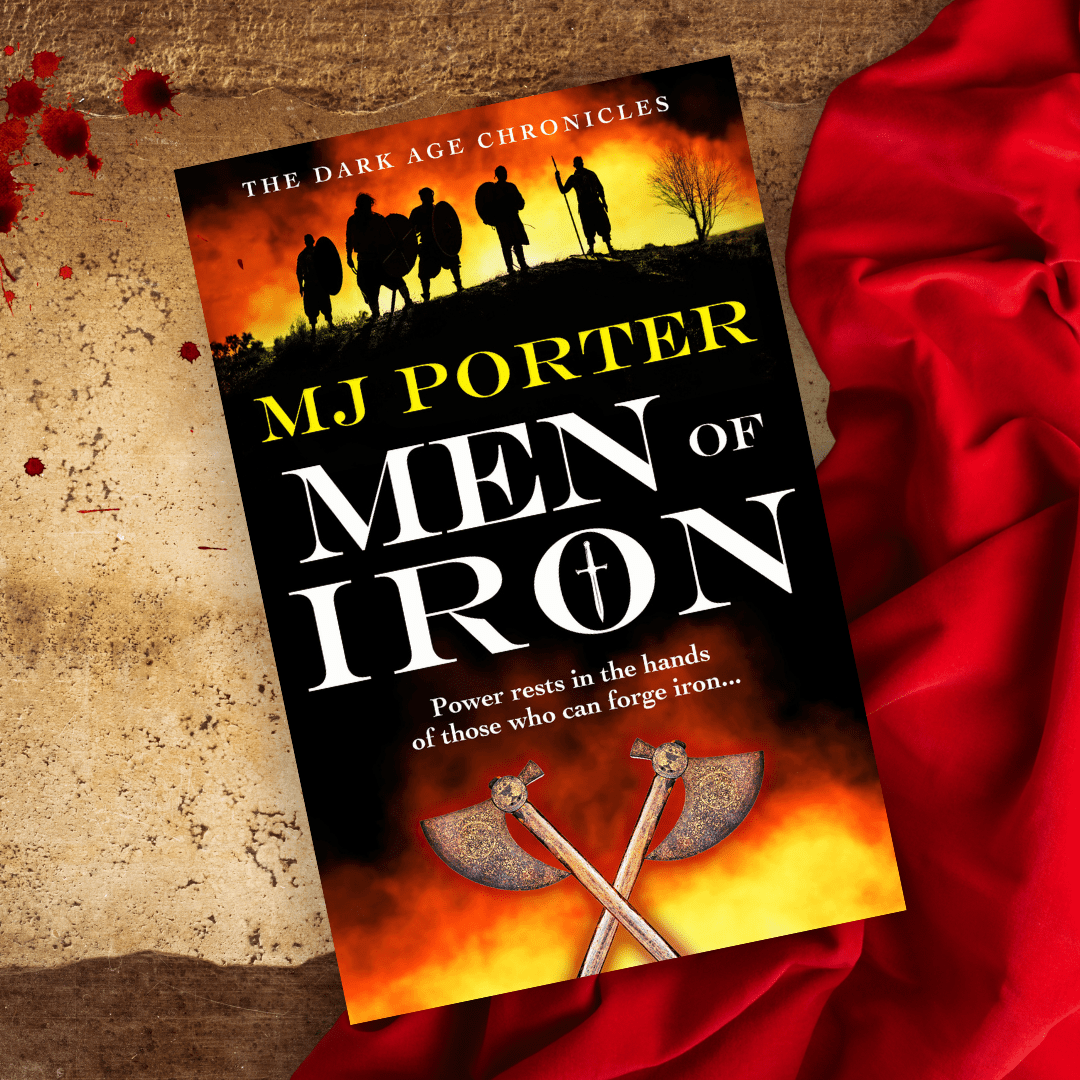
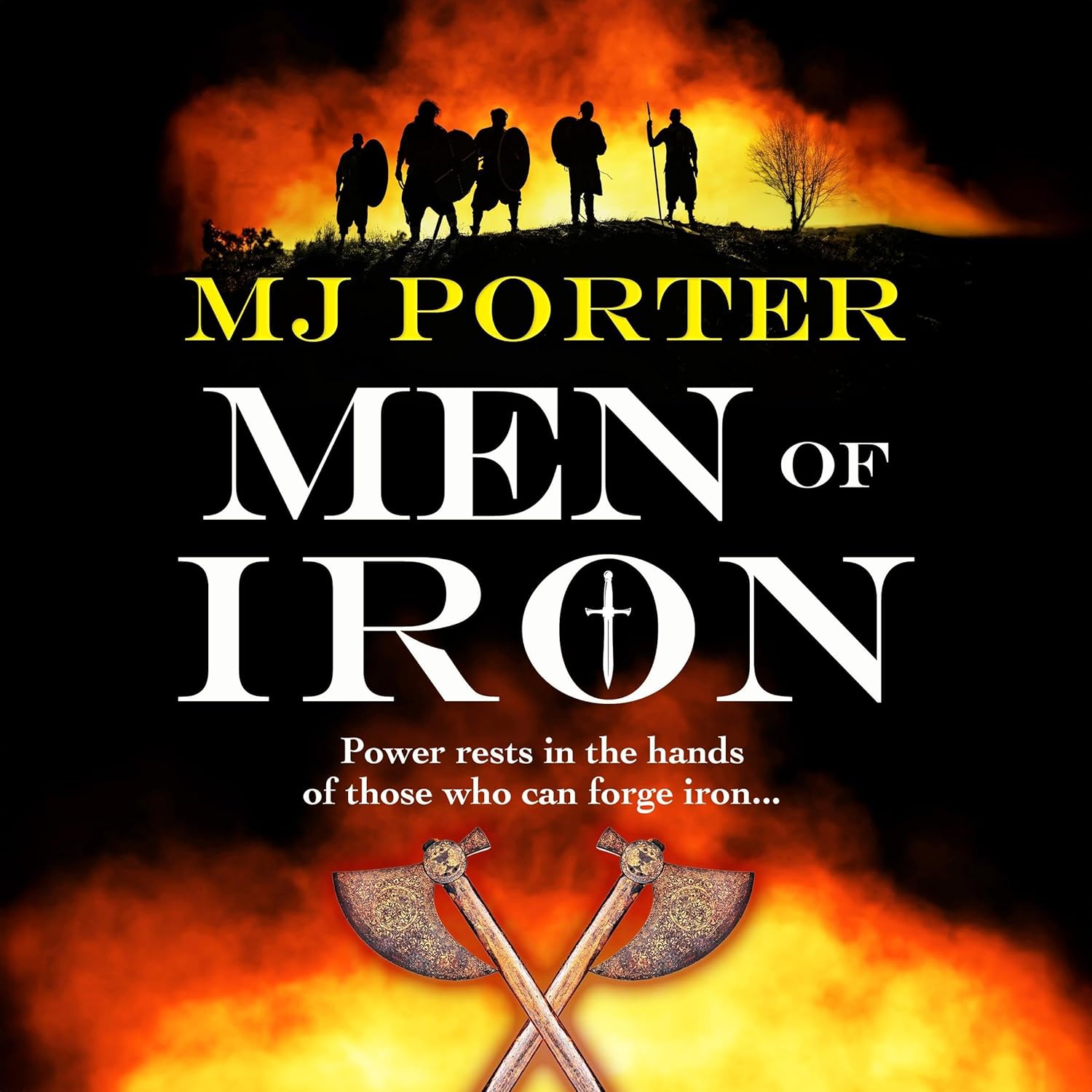
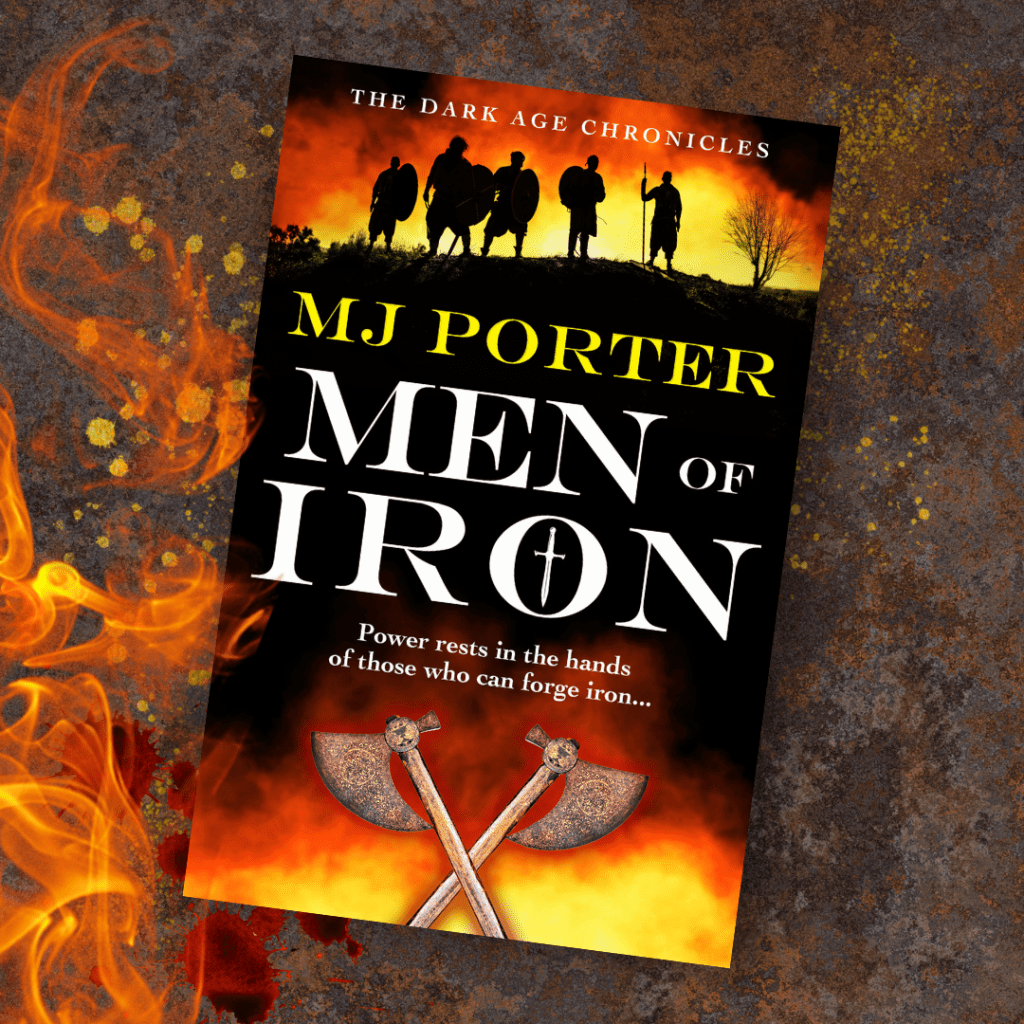
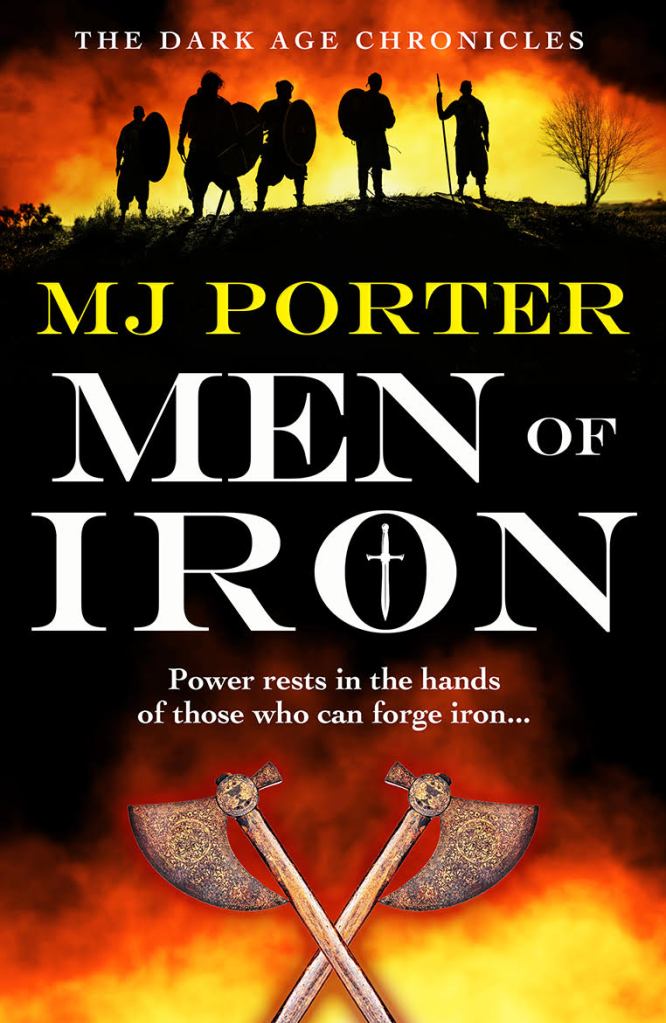
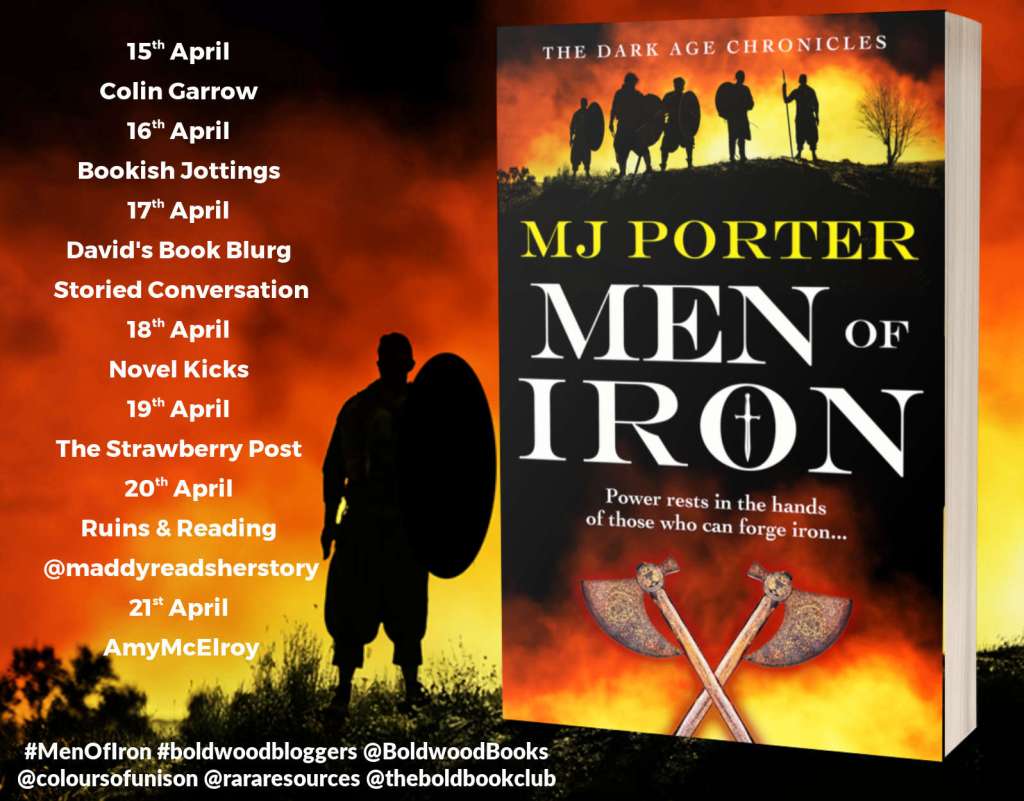
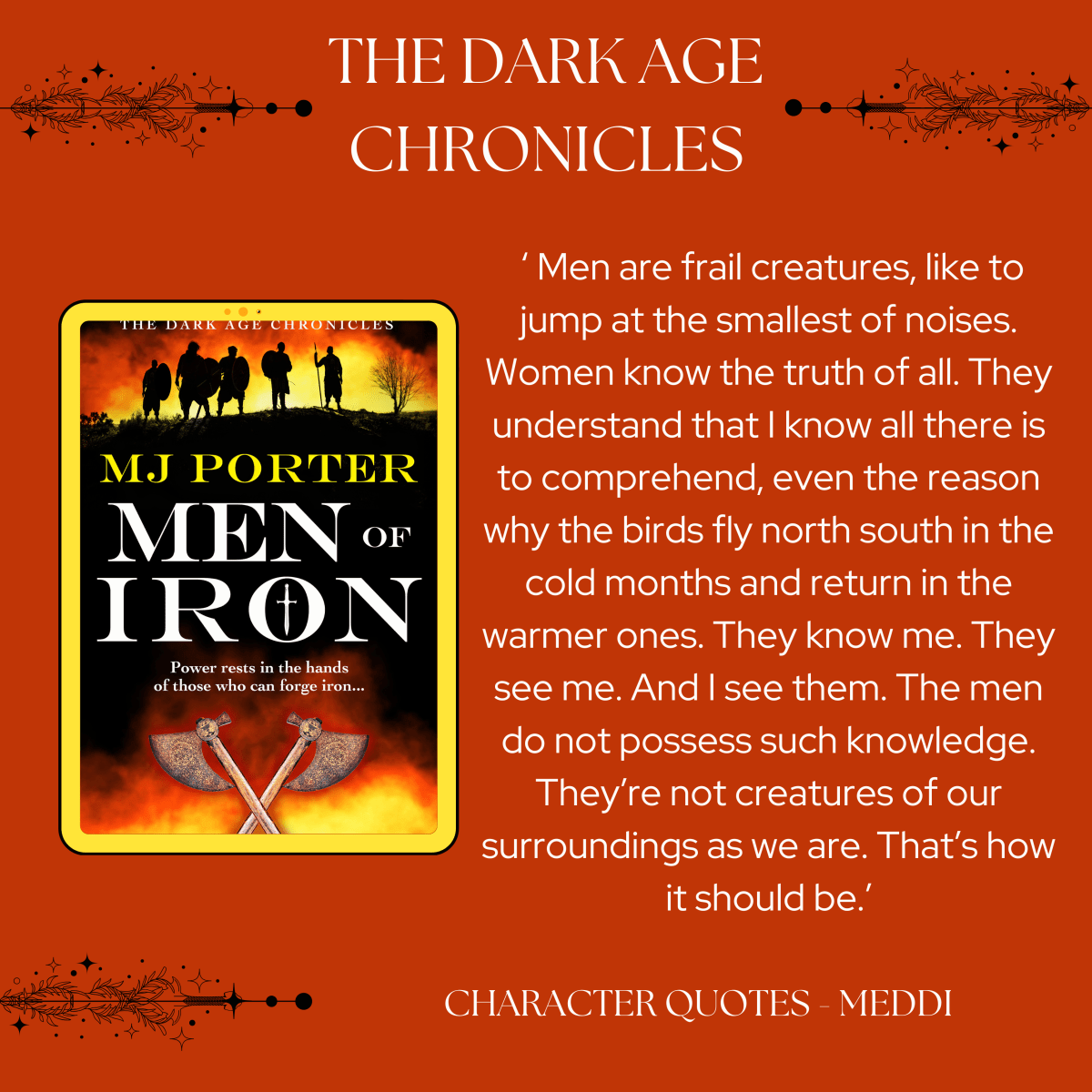
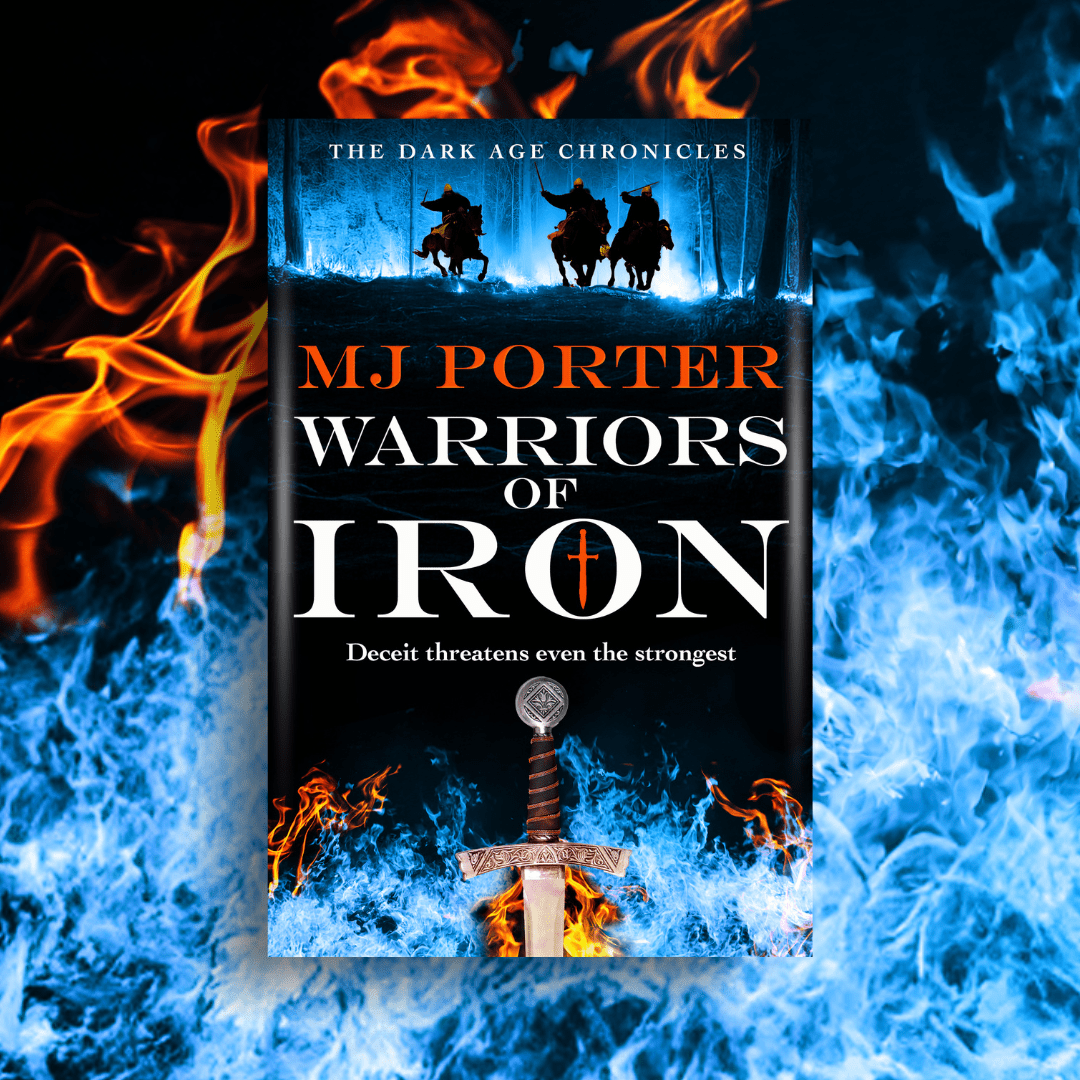
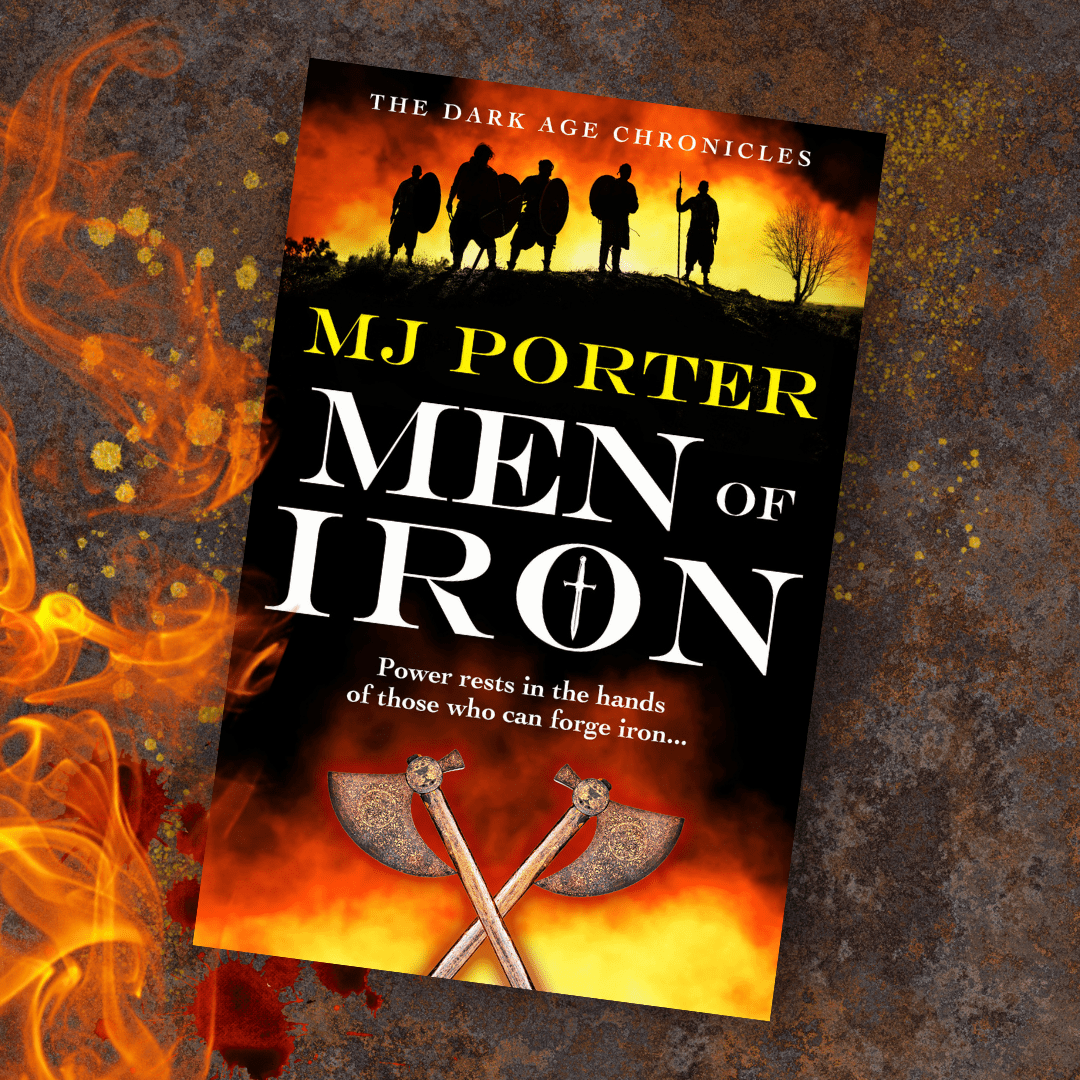
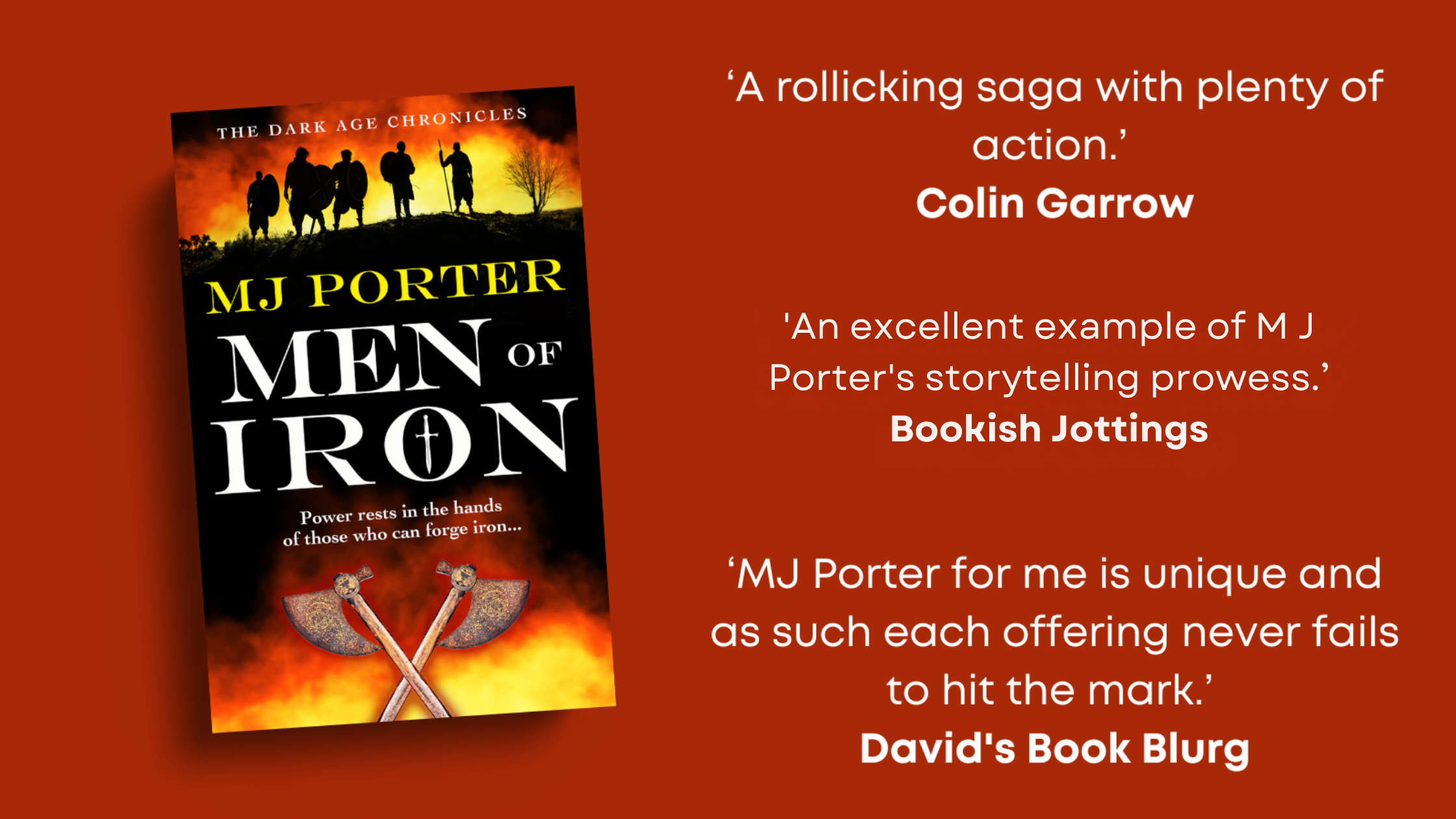
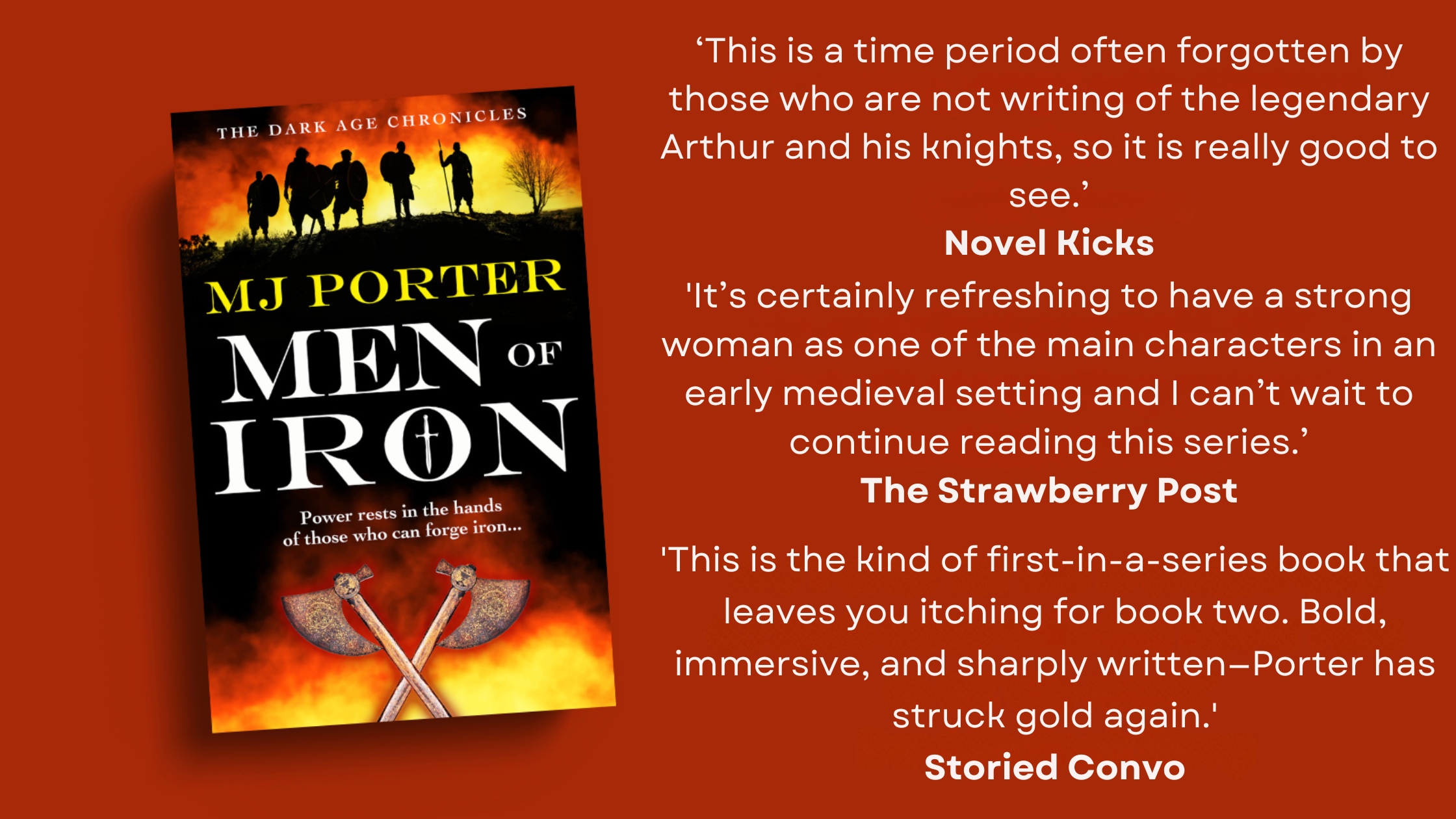
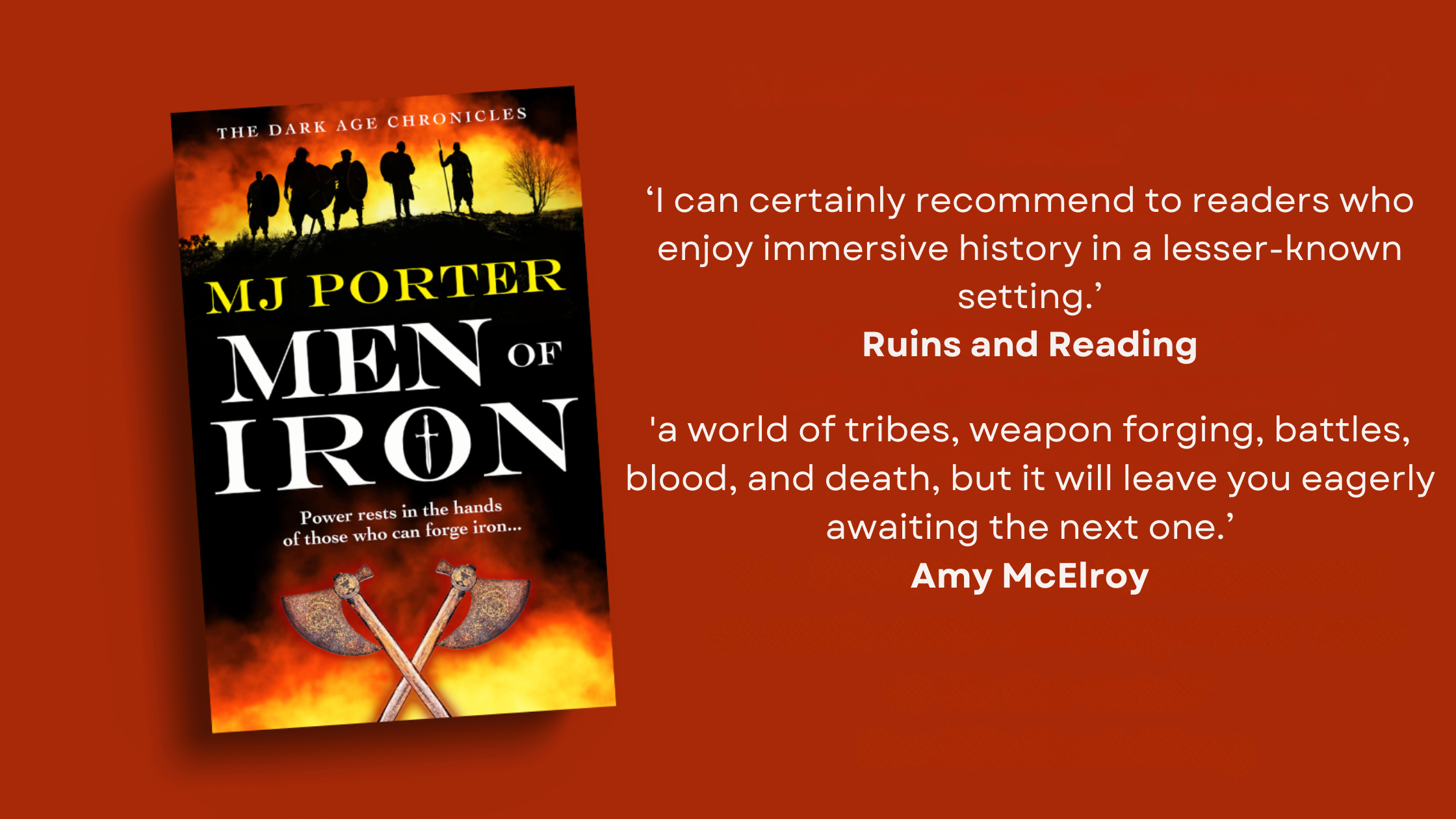
It’s happy release day to Men of Iron, the first book in the Dark Age Chronicles Trilogy #newrelease #MenOfIron #histfic
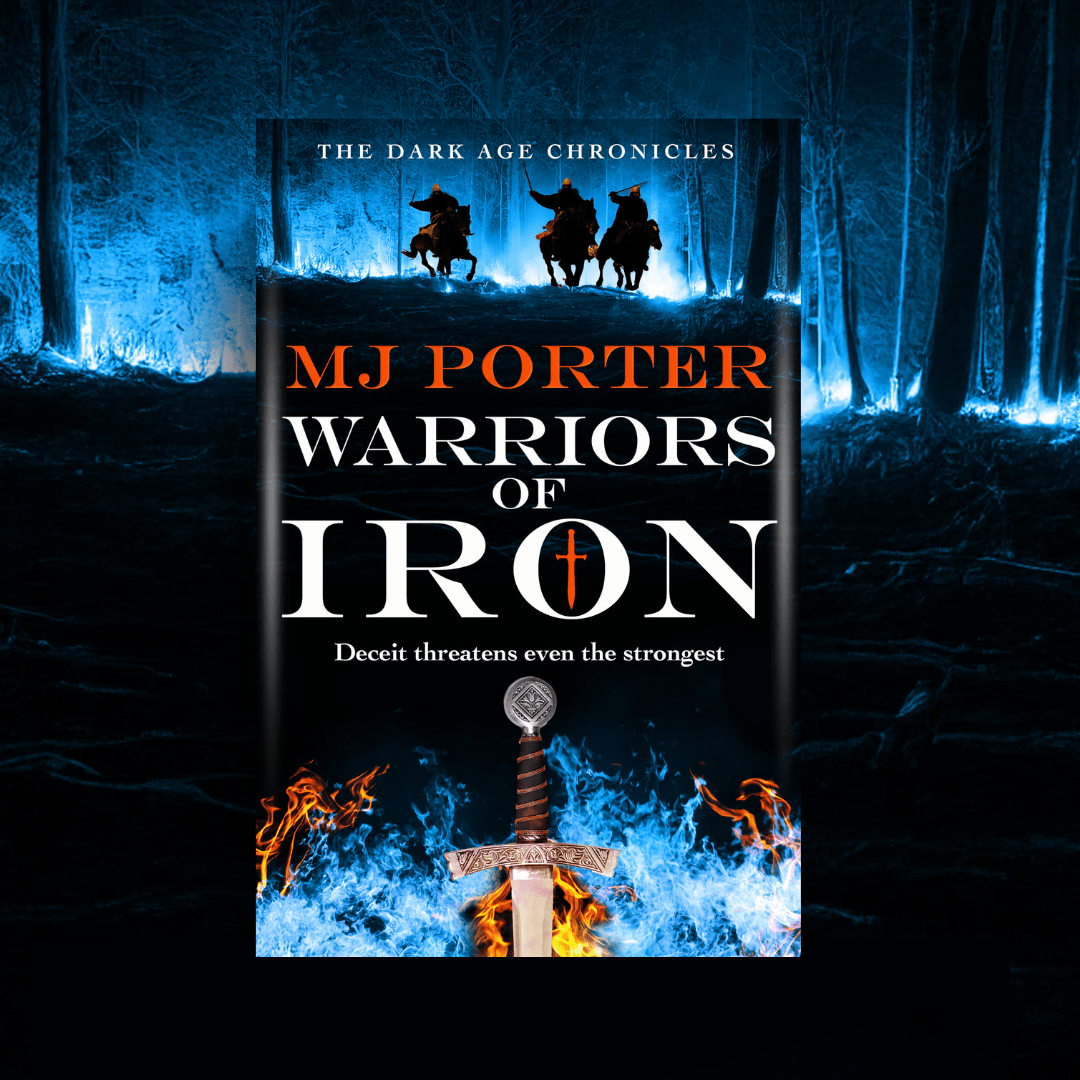
The Dark Ages?
As a bit of a history nerd, I’m not always comfortable with the term ‘Dark Ages’ for my books, mostly because the ‘real’ Dark Ages took place between about 410 and 600 in England, and so, until NOW, my books haven’t strictly fallen into that category. (Also, as a very literal child, I entirely mistook what was meant by the Dark Ages, and I was always perplexed as to why it was so damn dark.)
Admittedly, many apply the term to almost all of the period of Saxon England, which is somewhat incorrect (and indeed it was once applied to the entire Middle Ages). The idea of the Dark Ages stems from a belief there was no scientific or cultural advancement during this period (according to Wiki), but particularly in regards to England it references the lack of surviving written records from the period.
Archaeology is massively changing this interpretation, and there is now an accepted view that much can be understood about the era, just not in the way ‘historians’ might think – the merging of archaeology and history (and other sciences) is rewriting the period. We’re no longer entirely reliant on two written sources, Gildas, and his De Excidio et Conquestu Britanniae – On The Ruin of Britain (who may or may not have a cameo in Men of Iron), or Bede, (amongst historians often called ‘Bloody’ Bede) and his Historia ecclesiastica gentis Anglorum – History of the English People (as well as a few ‘odd’ earlier sources. Check out my blog post for more details.) It might be impossible to apply dates to developments, but it is possible to postulate what was actually happening during these ‘lost’ two hundred years, even if much of our knowledge must rely on finds from graves. It is also increasingly understood that this period was complex and that rarely does ‘one narrative’ adequately explain what was happening throughout England. This is a time before the major Saxon kingdoms, when much was in flux with cultures merging and endeavouring to survive with the loss of the Roman economy.
A new trilogy
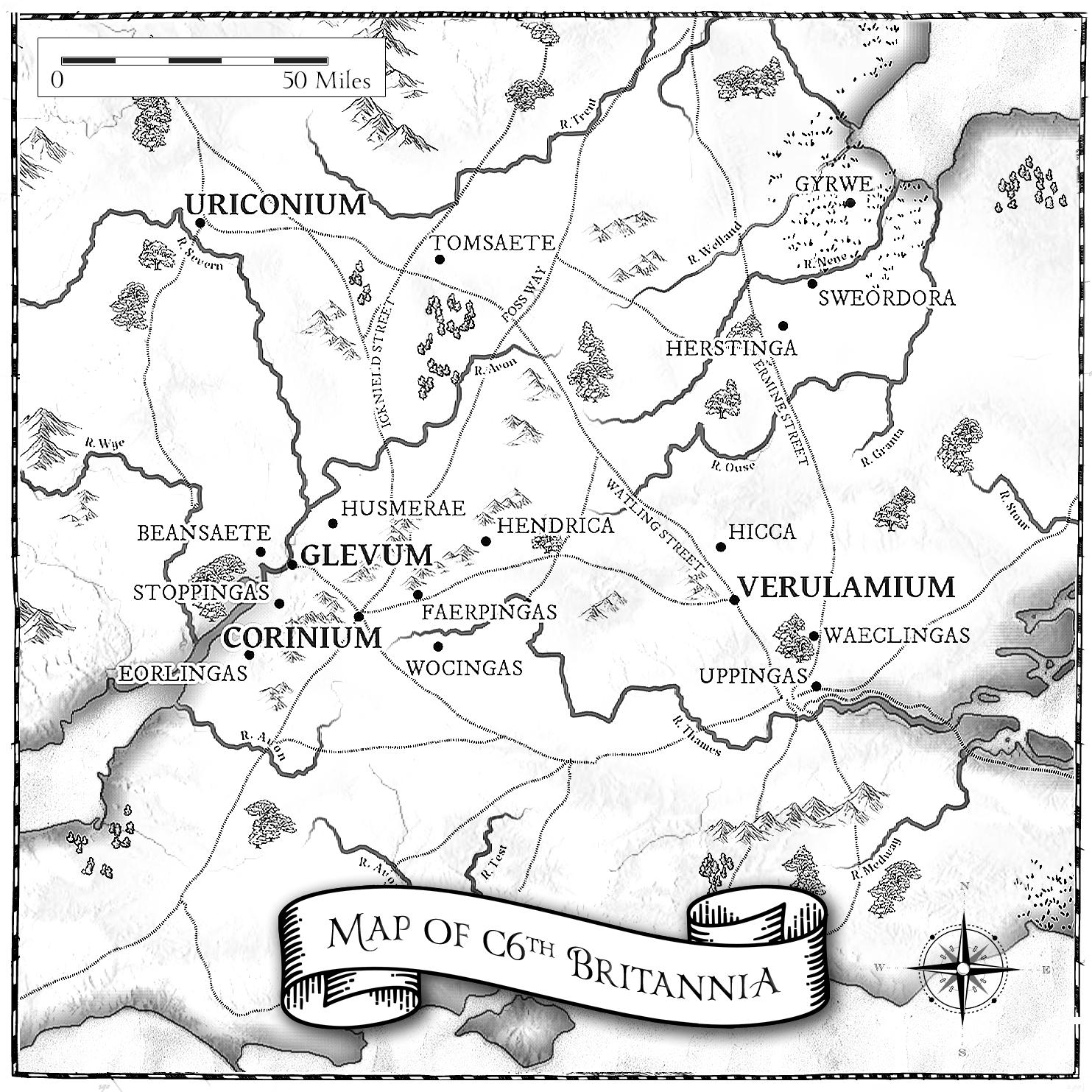
And this is where my new trilogy enters stage left. This period fascinates me. I’ve been reading extensively about it for some time, and eventually managed to convince my editor (thank you) to let me tell ‘a‘ story of what ‘might‘ have been happening in this period. It can’t be based on any ‘named’ historical individuals (well, apart from one or two I’ve snuck in there as fictional creations) but it can attempt to populate this complex and little-understood period with people who lived and breathed, and I’m so excited to share it, with my readers. And guess what, it’s about what was ‘Mercia’ before it was ‘Mercia.’ (If you think you’re going to get me away from Mercia, you’re very mistaken.)
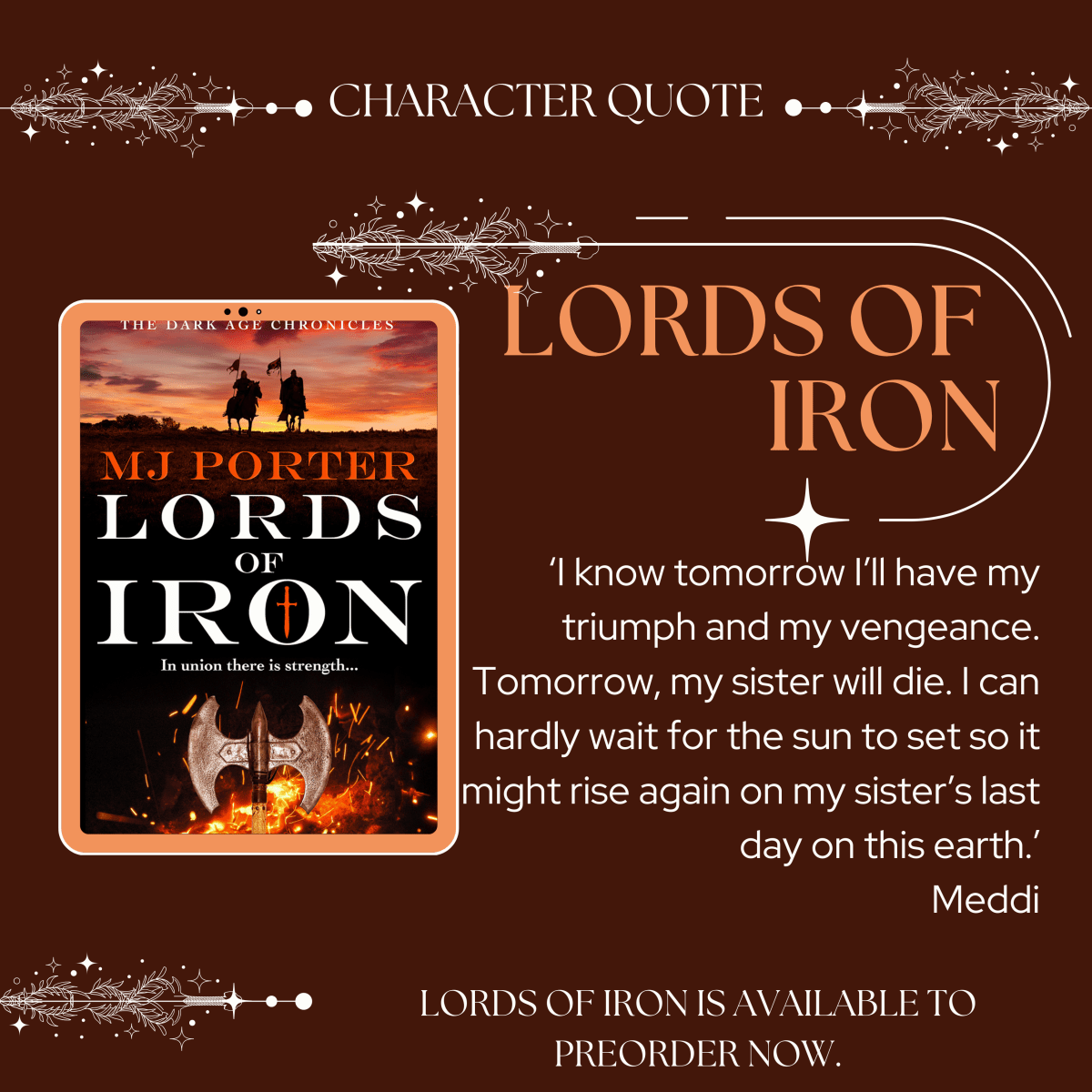
So how then to tell this story with so many cultures? I’ve taken the decision to offer a dual narrative, one from Meddi, my seeress in the west of England (close to Gloucester), and the other, Wærmund, my would-be-warrior from the east of England (the Fens). These two main characters allow me to explore the continuity and change taking place in what would become England. Their experiences as a seeress, as a warrior, and with the added complications of family discord driving their actions, ensure the characters from Men of Iron feel like ‘real people’ even in this distant, hazy landscape so similar and yet so different to everything we experience today. I really hope you’ll enjoy it. (I’m also very excited as I have dual narrators for this trilogy.)
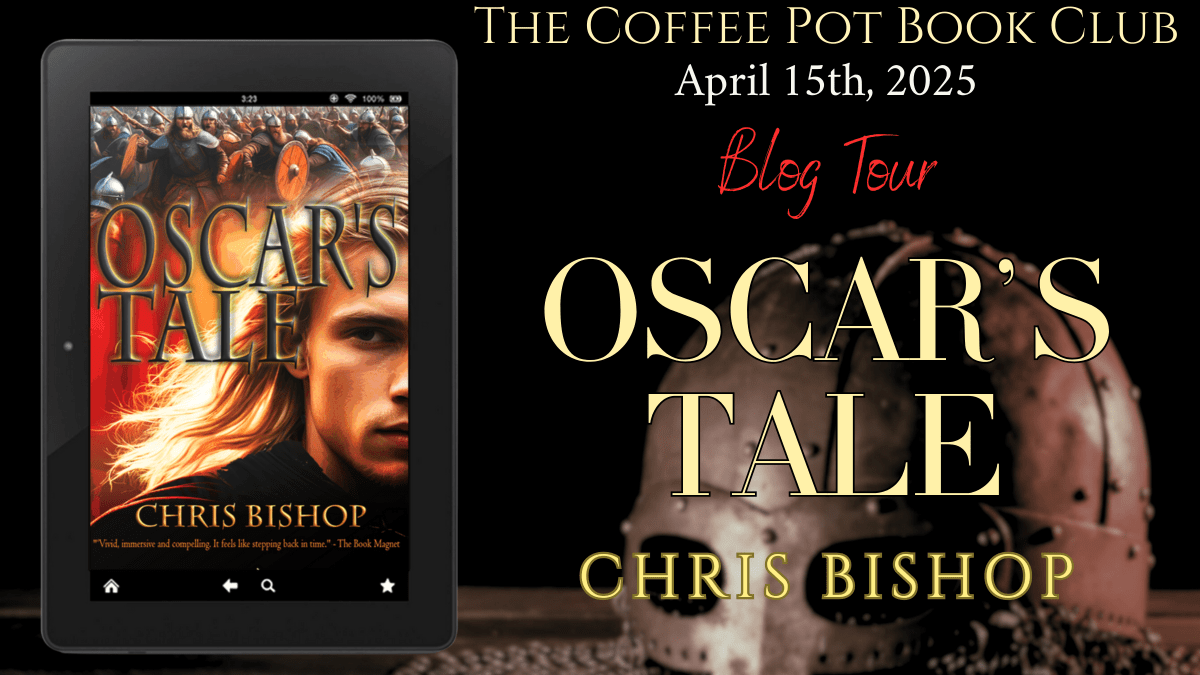
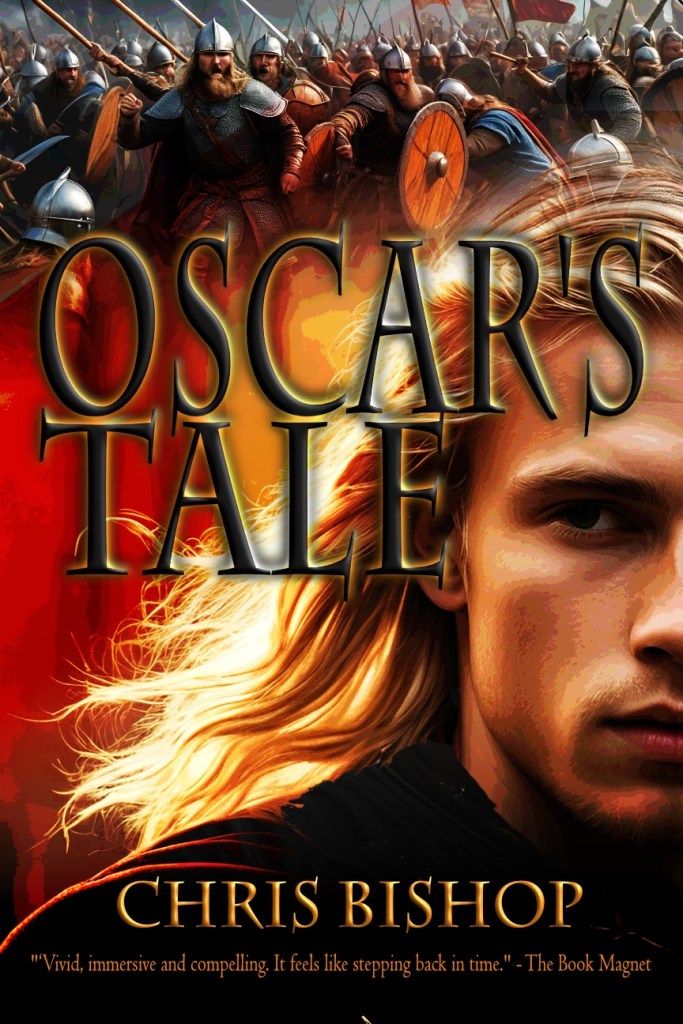
Oscar’s Tale is that of a Saxon boy who sets out to find and rescue his father who has been taken by Viking slavers.
The story begins in 877, just prior to the Viking attack on Chippenham in which King Alfred was routed. Against this backdrop, Oscar is obliged to set out on his all but impossible quest and quickly becomes embroiled in all that’s going on in Wessex at this turbulent time, culminating in him playing a small but important part in the battle at Edington.
But this is not just a story about blood thirsty battles and fearsome warriors, it’s about a boy struggling to live up to his father’s reputation as a warrior and trying to find his place in a dangerous and uncertain world. For that, he is forced to confront many dangers and earn the respect of others who are far above his station. Along the way he also finds love – albeit at a cost far higher than most would have been willing to pay.
Chris was born in London in 1951. After a successful career as a Chartered Surveyor, he retired to concentrate on writing, combining this with his lifelong interest in Anglo Saxon history.
His first novel, Blood and Destiny, was published in 2017 and his second, The Warrior with the Pierced Heart, in 2018 followed by The Final Reckoning in 2019 and Bloodlines in 2020. Together they form a series entitled The Shadow of the Raven, the fifth and final part of which – The Prodigal Son – was published in 2023.
Chris has published numerous blogs about various aspects of Anglo Saxon history and is a member of the Historical Writers’ Association.
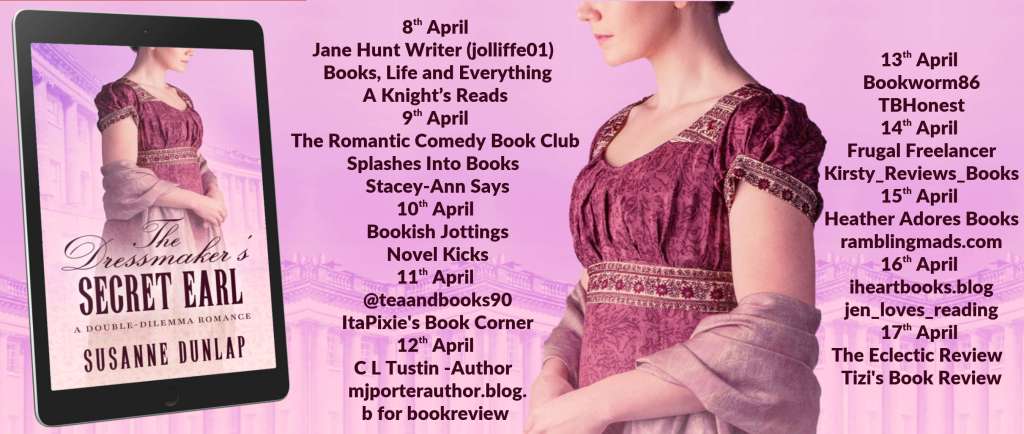
A marriage of convenience to a scoundrel? Not if Augusta can help it.
The impoverished daughter of a baronet, Augusta has no intention of being bartered away like a prize horse. Instead, she flees to London, determined to forge her own path as a modiste.
But fate has other plans. On her very first day in the city, she crosses paths with a brooding earl—one burdened with a clubfoot and a reputation nearly as scandalous as the proposal she ran from. His captivating sister, Mariana, is not only Augusta’s employer’s best client but harbors a secret ambition of her own: to marry the one man society deems wholly unsuitable.
Drawn into Mariana’s reckless schemes of masquerades, cross-dressing, and Whig intrigue, Augusta soon finds herself entangled in more than just scandal—she’s losing her heart to a man who embodies everything she swore to escape.
But the earl has secrets of his own. Is he truly the rogue society believes him to be?
And when Augusta’s past comes calling, will her newfound independence—and her heart—survive?
A charming, fast-paced Regency romance perfect for fans of Bridgerton and the sweetly adventurous love stories of Maggie Dallen and Jenny Hambly.
The Dressmaker’s Secret Earl is a Regency romance with a difference. Our main female character, Augusta, is strong-willed and determined to live a life free from the marriage union her aunt has arranged for her with an awful man who only wants her for her money. Our male main character, George, is doing his best to live by his rules, which aren’t necessarily what society expects from him, and he does his utmost to avert suspicion that he’s not the rake they believe him to be.
Add to this Mari, the earl’s sister, and someone who fast becomes Augusta’s only friend in London, and we’re set for an exciting journey through London society and some of its less salubrious locations, as all three endeavour to forge the lives for themselves that they desire.
The Dressmaker’s Secret Earl is a fast-paced tale of Regency London with main characters the reader quickly feels invested in. Fans of the genre will certainly enjoy it, as will those who are looking for something a little different, perhaps with more historical detail and a more varied stage for our main characters to occupy than might be expected.
Meet the author
Susanne Dunlap is the award-winning author of over a dozen historical novels, as well as an Author Accelerator Certified Book Coach in fiction, nonfiction, and memoir. Her love of history began in academia with a PhD in music history from Yale. Her novel THE PORTRAITIST won first prize in its category in the 2022 Eric Hoffer Book Awards, and was a finalist in the CIBA Goethe Awards and the Foreword Indies Awards. THE ADORED ONE: A NOVEL OF LILLIAN LORRAINE AND FLORENZ ZIEGFELD, won first place in its category in the 2023 CIBA Goethe Awards for Late Historical Fiction. Today, she lives, coaches, and writes in beautiful Biddeford, Maine.
He’s a carefree rake who wants a marriage of convenience.
She’s an awkward spinster who doesn’t want to marry at all.
Fate has other plans in store for them both.
Laurence enjoys his dalliances with the married ladies of society, and thinks marriage is only a matter of convenience. He’s on the lookout for a practical woman accustomed to society. Frances is an odd and awkward young woman, more at home gathering shells on the beach than in the ballrooms of London, hoping to stay a spinster forever.
When the two meet in Margate, will their initial dislike of one another turn into something important?
While Laurence finds his life growing shallow, Frances wonders if love might be worth making a bold move for. Can she find her way into Laurence’s heart, and will he undertake to love her, just the way she is?
A warm-hearted Regency romance, full of historical detail and emotional discovery, as two opposites find they might just attract. The Season has begun, the ton is gathered… who knows what the tides will bring for Laurence and Frances.
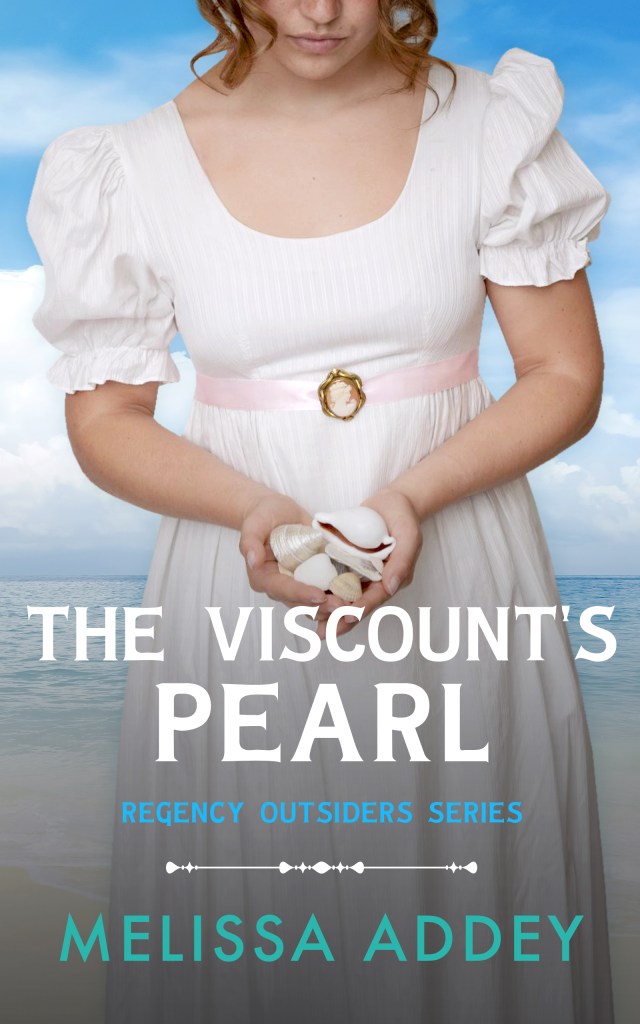
The Viscount’s Pearl by Melissa Addey is a charming and thrilling Regency romance with a difference.
Our main character, Frances, is her mother and father’s despair, about to start her fourth scandalous season with no match. She’s outspoken, easily overwhelmed by society’s expectations and also entirely assured of her own mind. And it doesn’t involve marrying when she already has a fortune to her name. The only person who seems to understand her is her aging godfather, who happens to be Laurence’s uncle.
In contrast, Laurence is entirely at home amongst society’s expectations of him, until his uncle asks him to think again about his plans for the future, which he finds himself doing whether he wishes to or not.
Laurence and Frances are engaging main characters, but it is Frances who perhaps shines a little brighter. I adored that the author never worked to soften Frances’ awkwardness. Rather Laurence must work to accommodate her if they’re ever to be happy together.
This is both your usual regency romance and also not. But it is a joy to read and thoroughly enjoyable, and I admire the author for accurately portraying Frances as who she is and for maintaining consistency.
I grew up and was home educated on an Italian hill farm. I now live in London with my husband, two children and a black and white cat called Holly who enjoys the editing process as there is so much scrap paper involved.
I mainly write historical fiction, inspired by what I call ‘the footnotes of history’: forgotten stories or part-legends about interesting people and places. I have a PhD in Creative Writing, for which I wrote The Garden of Perfect Brightness and an academic thesis about balancing fact and fiction in historical fiction.
I like to move from one historical era to another, finding stories to share, like a travelling minstrel. So far I’ve been to Ancient Rome, medieval Morocco, 18th century China and Regency England. Join me on my travels: browse my books.
If you’d like to know more about me and my books, visit my website www.MelissaAddey.com where there are free novellas, book trailers, interviews, videos of research trips, info for book clubs and more.
Check out my review for From The Ashes, Melissa Addey’s Roman-era historical fiction set around the events of Vesuvius and the building of the Colosseum.
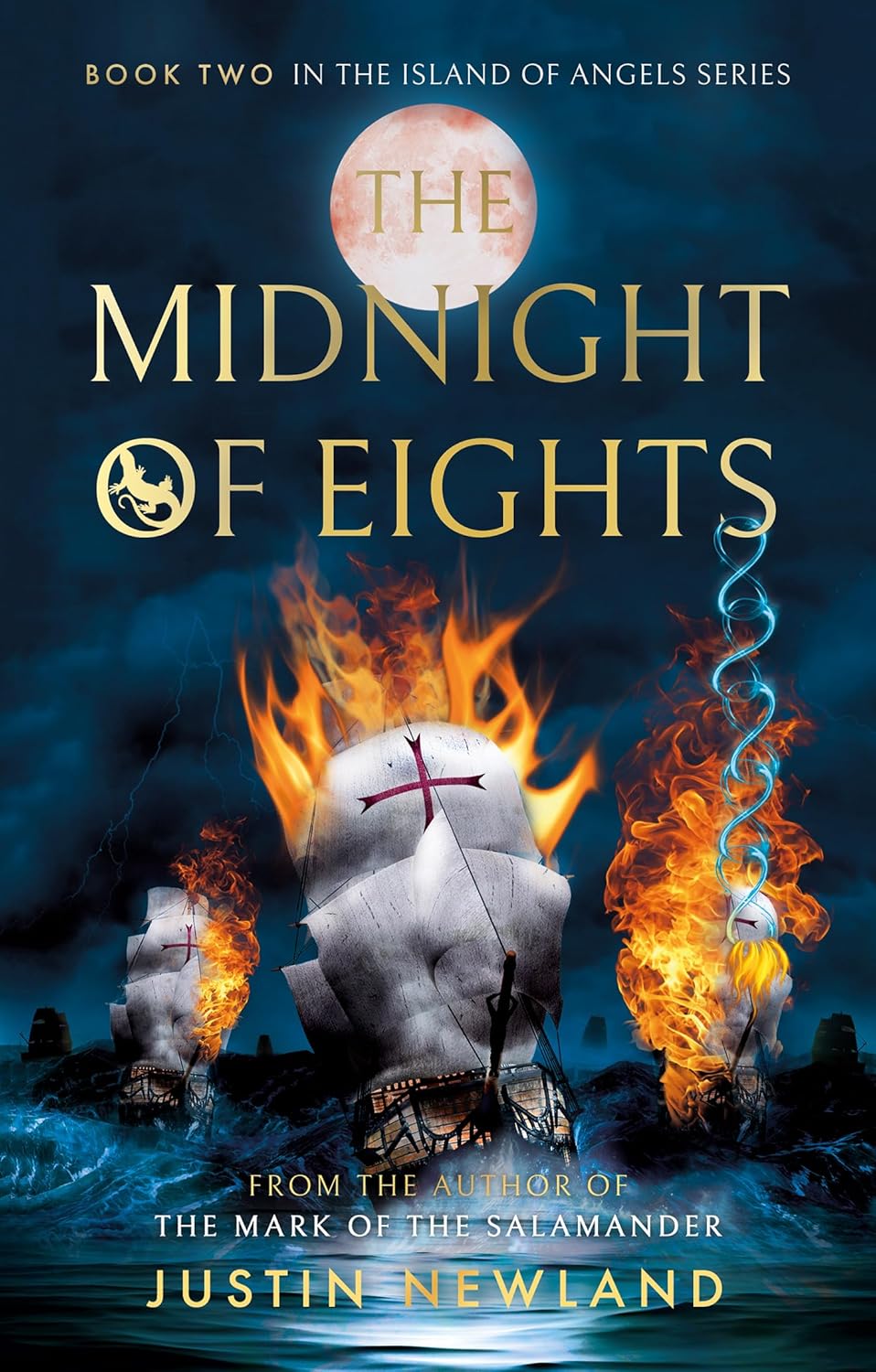
I’m delighted to welcome Justin Newland and his book, The Midnight of Eights, The Island of Angels series, to the blog with a guest post.
Guest Post
My novel, The Midnight of Eights, is set in Elizabethan times, and explores England’s coming of age in that period. This guest post muses on the state of religion in England in the Tudor era.
King Henry VIII ruled in England. He had not yet divorced himself from his first wife, Catherine of Aragon, nor from the Vatican in Rome. After Martin Luther posted his 95 theses or complaints about the Catholic Church, Henry wrote a tract condemning Luther. For his efforts, Pope Leo X in 1521 bestowed on him the title of FIDEI DEFENSOR or ‘Defender of the Faith’, which is abbreviated to F. D. It’s one of many ironies in history that, even today, the English monarch, who by law is forbidden to marry a Catholic, let alone become one and remain monarch, still bears the same title, inherited from Henry VIII. You can find it engraved on every coin of the realm. Look for yourself.
Soon after Henry VIII’s break with Rome in 1532, he ordered the Dissolution of the Monasteries. Between 1536 and 1539, the ruby heart was ripped out of England, because, despite their many failings at the time, the monasteries did succour to and aid the poor. The Dissolution helped break the Papacy’s strangle-hold on the English court – for better or for worse. And, with none of its officers, the monks and priests, to represent it, the Catholic religion was exiled from England’s shores. Henry’s other great reform at the time was the ‘Act of Treaty’ (1527-1536) which for the first time allowed ordinary people to own property.
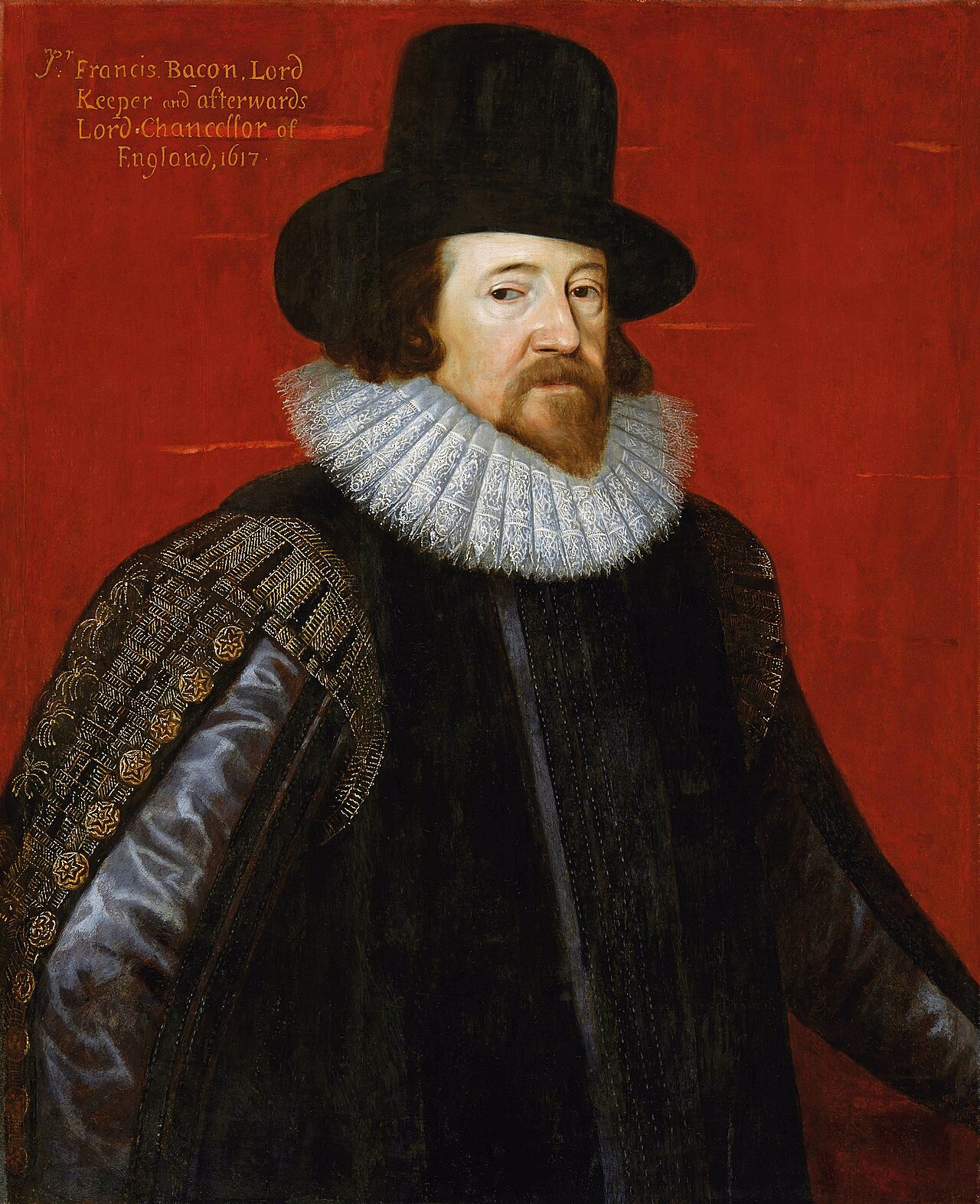
The positive aspect of the break from Rome was that it brought a gradual deliverance from the dogmatism of the Catholic Church, releasing new and liberated ways of thinking. For example, this led to the beginnings of the great English scientific tradition (e.g. Francis Bacon, the father of empiricism, was born in 1561) and to the beginnings of secular theatre (all theatre up to this point had been religious in nature, the ‘Mysteries’ for example).
However, the break with Rome brought other difficulties to an English people increasingly edgy about religion. While Henry remained a Catholic (he had simply displaced the Pope as Head of the Church), his son Edward VI, on his accession in 1547, did change the country’s religion to Protestantism. Cranmer’s English prayer book was published in 1549 to uphold that fact. By 1552, it was illegal to hold any religious service other than a Protestant one. Then another switch – in 1553 Edward died and Mary succeeded. Mary was a staunch Catholic. To make matters worse, she went ahead and married the heir to the Spanish throne, Philip. Fired by the spirit of the Inquisition, she burned Cranmer and 270 Protestants at the stake. The English people never forgave her. She died childless in 1558. Elizabeth succeeded. England switched back to Protestantism.
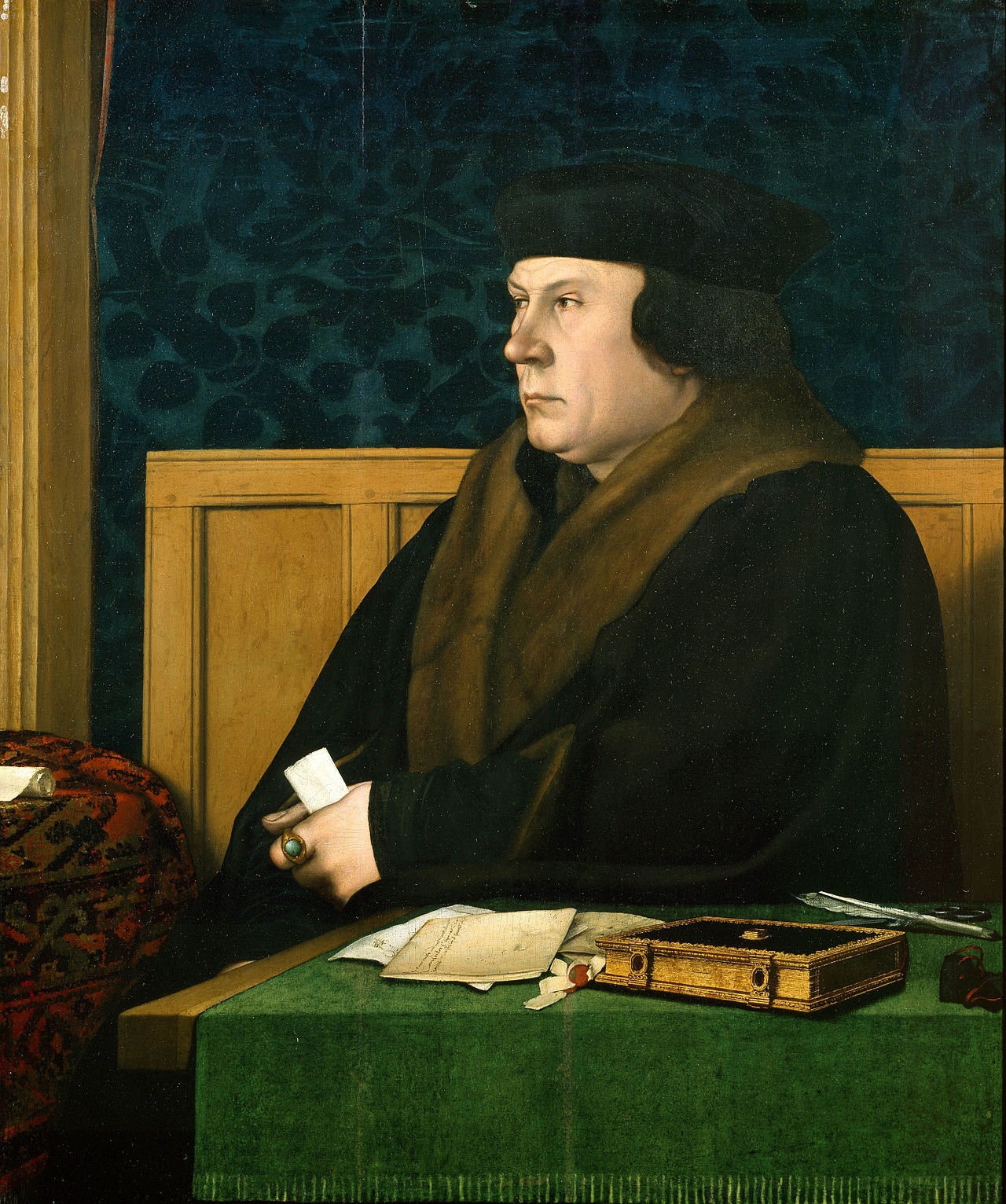
So in the space of 11 years, from 1547 to 1558, England’s religion had changed from Catholic to Protestant, not once – but twice. No wonder there was a paranoia in people around these times. Look at their portraits, say of Holbein’s portrait of Thomas Cromwell. They are austere, taut, puritan – full of fire and brimstone, and plenty of inner self-disciple. Both men and ladies wore odd-shaped hats that covered their ears. During this fraught eleven years, ordinary people could never be sure that their religious beliefs were not going to cost them or their friends and family their lives. There was little certainty.
Elizabeth ascended to the throne in 1558. What she managed to do, though, was to marry both contending parties of Catholicism and Protestantism, and in such a way that satisfied her subjects. She wisely refused to stand as Head of the newly formed Anglican Church, which she left vacant. Instead, she decided that it should be governed by a Synod of Bishops. She also created a High Church and a Low Church. The High adopted the Roman Catholic Rite, and to this day involves mass said in Latin and so on. The Low Church is Protestant. It involves simple worship in the vernacular with few sacraments.
Elizabeth was some lady, as we know. But consider this. Her father was a serial killer and had murdered her mother, Anne Boleyn. Yet she still did what she did over many years.
Gloriana, yes! That is some inner belief!
Justin Newland
Francis Bacon, courtesy of WikipediaThomas Cromwell, courtesy of Wikipedia
Here’s the Blurb
1580.
Nelan Michaels docks at Plymouth after sailing around the world aboard the Golden Hind. He seeks only to master his mystical powers – the mark of the salamander, that mysterious spirit of fire – and reunite with his beloved Eleanor.
After delivering a message to Francis Walsingham, he’s recruited into the service of the Queen’s spymaster, where his astral abilities help him to predict and thwart future plots against the realm.
But in 1588, the Spanish Armada threatens England’s shores.
So how could the fledgling navy of a small, misty isle on the edge of mainland Europe repulse the greatest fleet in the world?
Was the Queen right when she claimed it was divine intervention, saying, ‘He blew with His winds, and they were scattered!’?
Or was it an entirely different intervention – the extraordinary conjunction of coincidences that Nelan’s astral powers brought to bear on that fateful Midnight of Eights?
Justin Newland’s novels represent an innovative blend of genres from historical adventure to supernatural thriller and magical realism.
Undeterred by the award of a Maths Doctorate, he conceived his debut novel, The Genes of Isis (ISBN 9781789014860, Matador, 2018), an epic fantasy set under Ancient Egyptian skies.
His second book, The Old Dragon’s Head (ISBN 9781789015829, Matador, 2018), and is set in Ming Dynasty China in the shadows of the Great Wall.
Set during the Great Enlightenment, The Coronation (ISBN 9781838591885, Matador, 2019)speculates on the genesis of the most important event in the modern world – the Industrial Revolution.
The Abdication (ISBN 9781800463950, Matador, 2021) is a mystery thriller in which a young woman confronts her faith in a higher purpose and what it means to abdicate that faith.
The Mark of the Salamander (ISBN 9781915853271, Book Guild, 2023), is the first in a two-book series, The Island of Angels. Set in the Elizabethan era, it tells the epic tale of England’s coming of age.
The latest is The Midnight of Eights (ISBN 9781835740 330, Book Guild, 2024), the second in The Island of Angels series, which charts the uncanny coincidences of time and tide that culminated in the repulse of the Spanish Armada.
His work in progress is The Spirit of the Times which explores the events of the 14th Century featuring an unlikely cast of the Silk Road, Genghis Khan, the Black Plague, and a nursery rhyme that begins ‘Ring a-ring a-roses’.
Author, speaker and broadcaster, Justin gives talks to historical associations and libraries, appears on LitFest panels, and enjoys giving radio interviews. He lives with his partner in plain sight of the Mendip Hills in Somerset, England.
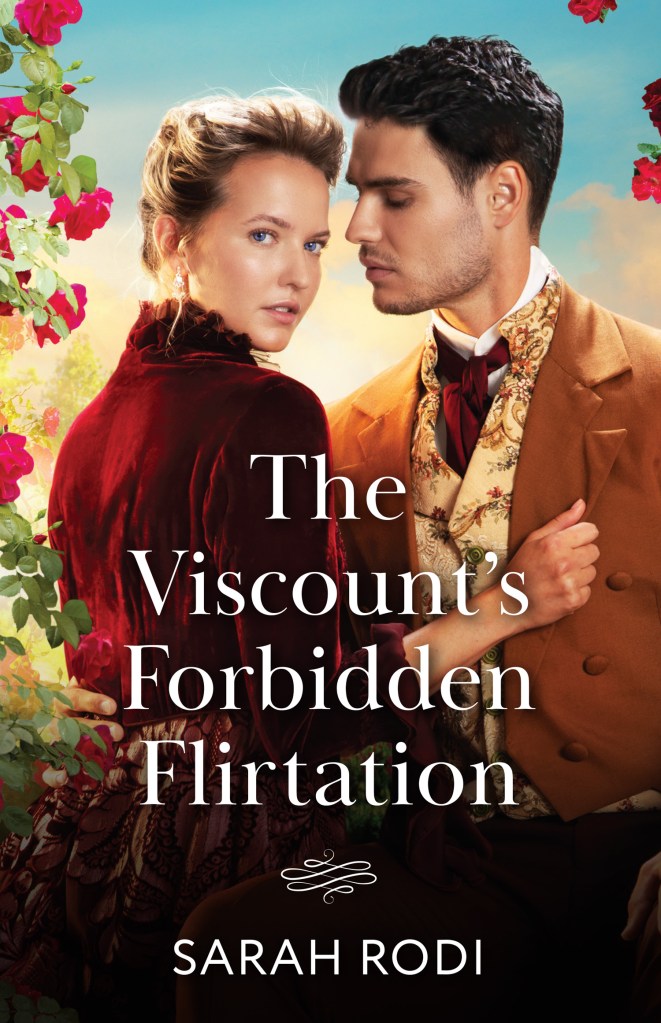
Lieutenant Colonel Ezra Hart finds himself in urgent need of a wife—inheriting the viscountcy relies on it! But while he’s dutifully spinning the Season’s jewels around Society’s ballrooms he finds himself desiring the one woman he shouldn’t covet…
French émigrée Seraphine Mounier is as beguiling as she is vivacious, but Ezra knows she has no interest in the marriage mart. What’s worse, she represents the very enemy he fought at Waterloo. As an undeniable connection sparks, resisting Seraphine seems one battle Ezra’s destined to lose!
Sarah Rodi has always been a hopeless romantic. She grew up watching old, romantic movies recommended by her grandad, or devouring love stories from the local library. Sarah lives in the village of Cookham in Berkshire, where she enjoys walking along the River Thames with her husband, her two daughters and their dog. She has been a magazine journalist for over 20 years, but it has been her lifelong dream to write romance for Mills & Boon. Sarah believes everyone deserves to find their happy ever after. You can contact her via @sarahrodiedits or sarahrodiedits@gmail.com or at sarahrodi.com