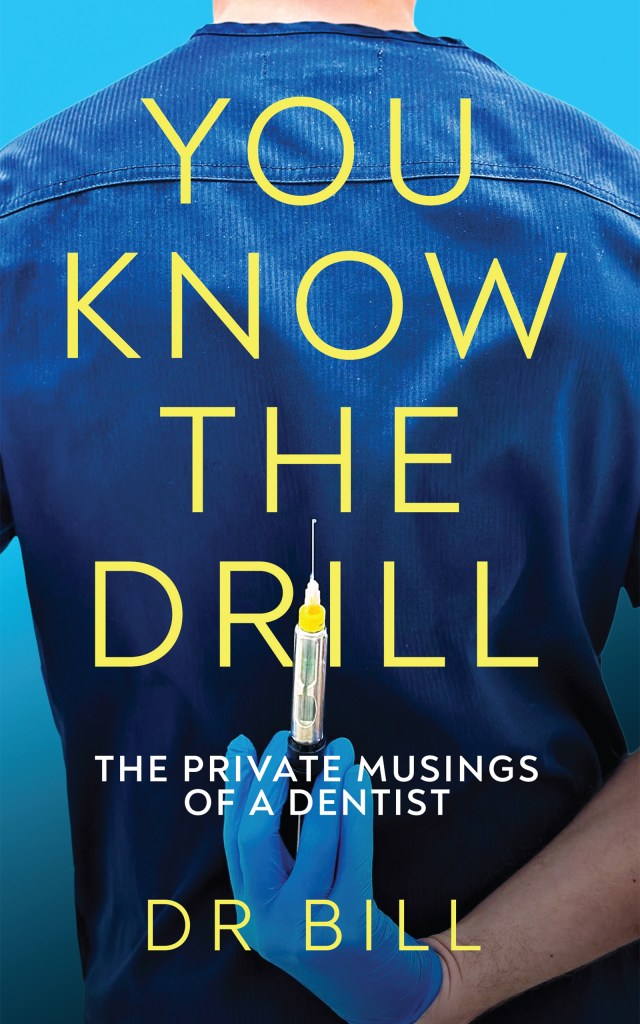
Welcome to my life. The life of a reluctant dentist. This book charts the course of a nervous student dealing with people from all walks of life, from exploding angry abscesses to exploding angry people, both in and out of the chair.
When I was a wet-behind-the-ears school sixth former, it seemed like a really good idea to go to university and study the teeth, gums and mouth. I’m still trying to work out why I thought that was a good idea.
The definition of a dentist mentions competencies in biomedical knowledge, surgical dexterity, and critical thinking. What it fails to include is being an unpaid therapist, getting splattered in pus, coaxing nutters out from under the dental chair, having the police storm your surgery, and dealing with patients who think a crown is something you put on your head, then try and sue you when you say otherwise.
Written as a form of therapy – to offload on paper – this book gives a frank account of life both in and out of the surgery. So, take a seat in the waiting room and I’ll see you shortly in Chapter One…
So, I hate the dentist (not the person – the idea of it). I’ve had a few nasty experiences with dentists who should perhaps have paid a little more attention to patient care than they did. However, I’ve found a new dentist and he’s lovely and very, very thoughtful. I decided to read this book as a means of understanding what it’s like for the actual person who is the dentist as opposed to the patient, gripping the armrests and leaving imprints in the dentist’s chair. I’m so glad I did. I can’t say it’s going to make my next trip any easier, but I will certainly be a little calmer about the whole thing – probably until the bloody drill comes out:)
This is a delightful collection of stories, from training to working as a dentist. Some of them are funny. Some of them are sad. Some of them are bloody outrageous. All of them paint the picture of a professional working under some very trying circumstances (including during Covid), and sometimes not. I also appreciated the explanations about how the system works in the UK and what dentists are actually doing when they look in your mouth. I was very glad I wasn’t the one in the dentist’s chair for some of the procedures described.
Fans of the dentist and those who aren’t (i.e. me) will enjoy this collection of tales and musings. And, I promise, there are no LAs involved in reading it.
Meet the author
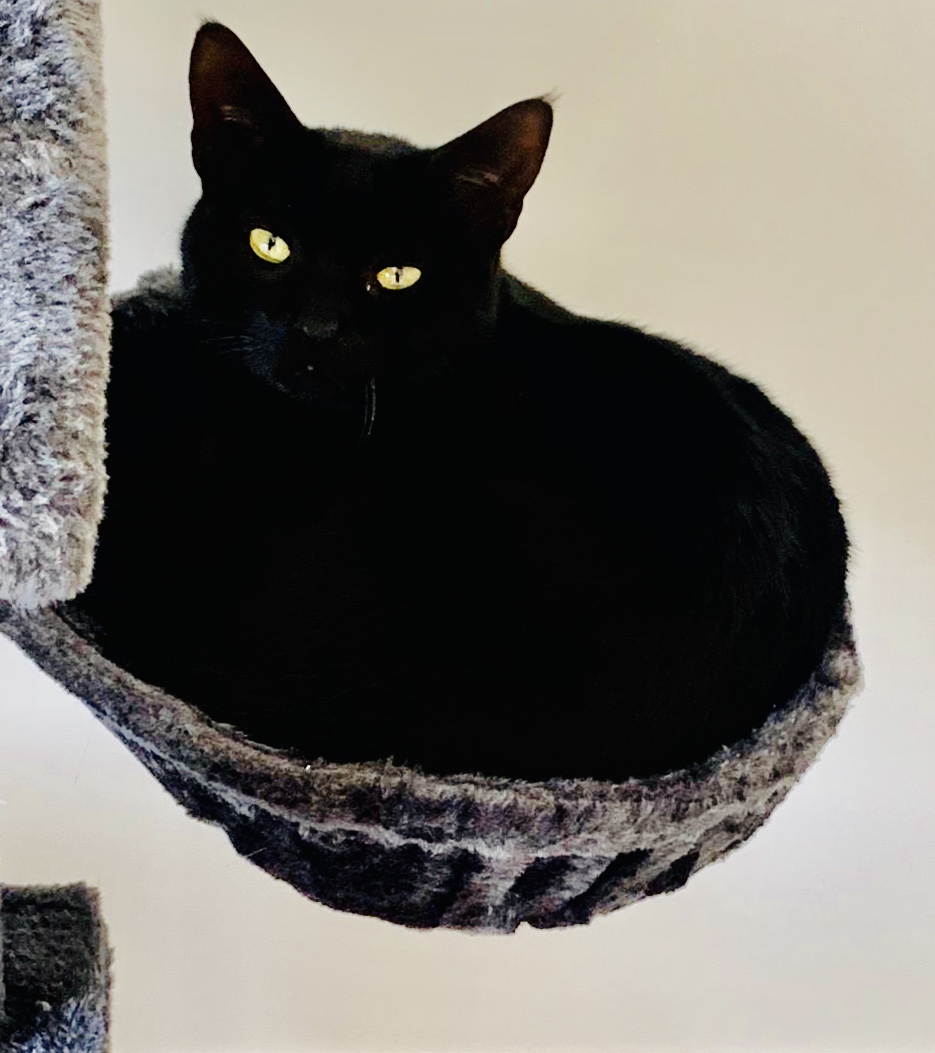
Dr Bill is a reluctant dentist who lives with his kind partner and a neurotic cat. This is his first book. There may be another. This depends on whether Dr Bill’s patients are gracious sweethearts who give him nothing to write about, or cantankerous bastards who provide the fodder for written revenge!
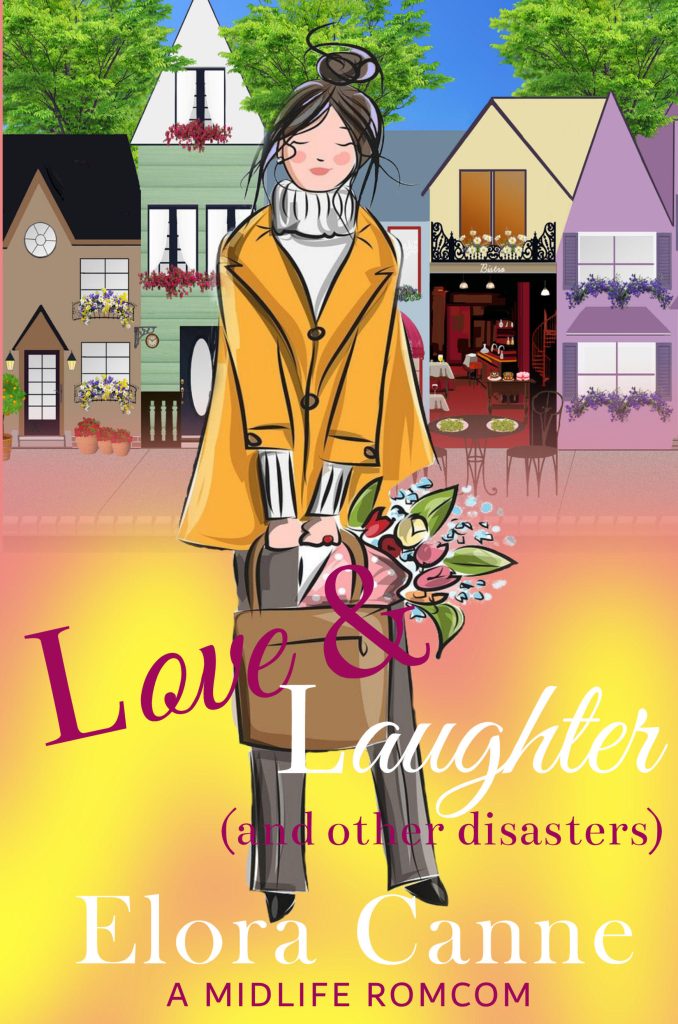
Life in Pelican Cove is about to be disrupted when felines and big feelings move into the neighbourhood, along with the newcomers.
Meryl starts having unsolicited feelings for local yogi, Louis, aka Captain Underpants. She valiantly fights the moral dilemma of falling in love ‘at her age.’ However, she’s secretly enjoying the new experience, until her grown-up daughter casts doubt in her mind.
In a spontaneous act of defiance, Meryl decides to engage in the friendship of a secret admirer, Gardening Pop, via a local gardening forum as well. They share misguided messages of blooms as their friendship blossoms.
Meanwhile, Louis, Captain Underpants, finds himself in a love triangle of his own, when yogi, Glenda, makes her move on him. Glenda elicits the help of her close friend, Antoinette, and the two go off on a relationship101 Girls Only Weekend Getaway. There, they literally stumble upon sizzling trail guide, Andy. Soon, Glenda discovers she has no need to poach Louis after all.
Will Meryl still be interested in Louis’ suave moves? Or, has Gardening Pop plucked at her heartstrings?
This laugh-out-loud romcom novella brings out the best and the worst in the people of Pelican Cove, in a tangle of love and laughter, and other disasters.
Love and Laughter (and other disasters) is a charming second-chance love story set in Pelican Cove, Australia. Our main characters all manage to entangle themselves with either doubt or overconfidence, which leads to many dilemmas for those involved, especially poor Louis, as they work out their feelings for one another.
This was a lovely tale, light-hearted and fun and sure to appeal to fans of the genre.
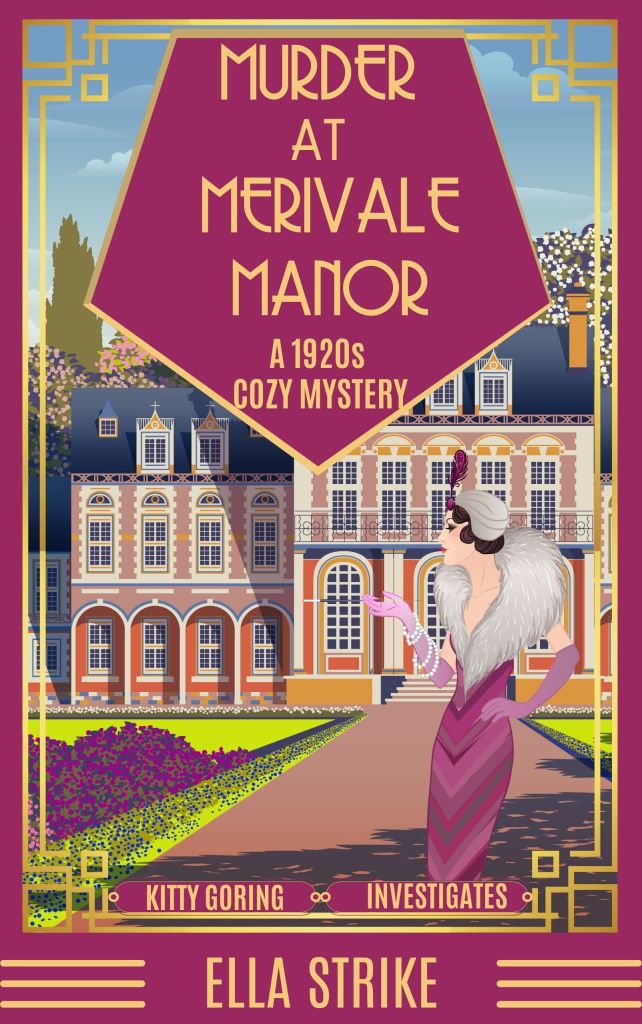
Kitty Goring seems to have it all—lavish nights at London’s finest clubs, elegant soirées, and a parade of charming bachelors vying for her hand. But despite the glamour, Kitty longs for something a little more… thrilling.
In a bid for excitement (and to avoid her mother’s constant reminders that she really ought to be searching for a husband), Kitty dreams up the perfect diversion. A playful mock robbery at her family’s grand estate, Merivale Manor. It’s all meant to be fun—until one of the guests turns up very much dead.
With a real killer on the loose in quaint little Hampstead Village, Kitty’s keen instincts kick in. Forget matchmaking—Kitty’s determined to unmask the culprit before anyone else falls victim. With a sharp wit and a flair for mischief, she dives headfirst into the investigation. But getting to the truth won’t be easy, especially with the brooding Detective Inspector Henry Burton underestimating her at every turn.
Murder, mystery, and a dash of romance—Kitty’s got her hands full in this charming whodunit!
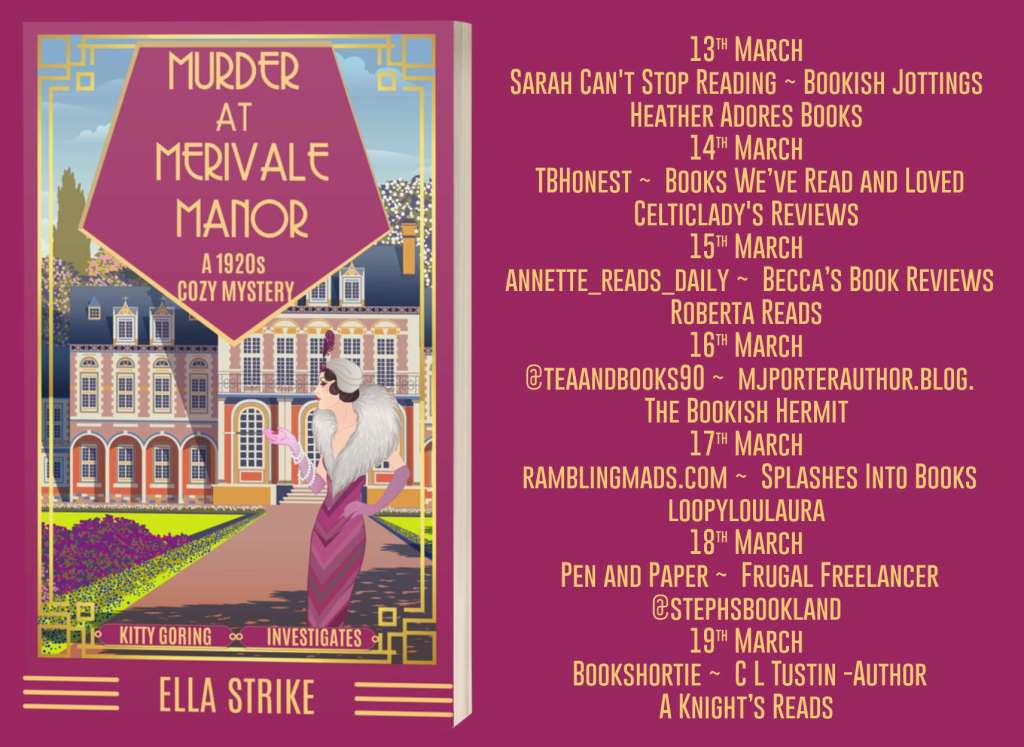
Murder at Merivale Manor is the delightful first book in the Kitty Goring Investigates historical cozy mystery series.
Author’s note
London in the 1920s is a glamorous and exciting city, but danger and death are never too far behind. Join Kitty Goring and her group of Bright Young Things in the adventure of a lifetime, as they race to catch a killer who lurks amongst them. Each book in this series is a cozy period mystery that features our plucky heroine, aided in her investigations by a gang of eccentric and lovable characters.
MMurder at Merivale Manor is the first book in the Kitty Goring Investigations series of historical mysteries set in the 1920s.
This first book introduces us to Kitty, a headstrong woman with a varied collection of friends and associates and a somewhat overbearing mother. The family is somewhat down on its luck but still working to keep up appearances. One of those is the need for Kitty’s brother to marry well to recover the family fortunes.
But, as ever, all is not as it appears when a woman keen on Kitty’s brother is unexpectedly murdered at the local fete. Feeling guilty about a silly game Kitty initiated that seems to have led to Jane’s death, Kitty is determined to investigate and find the culprit.
This is a fun, quick read, and readers of the genre will enjoy discovering who the true culprit was.
Meet the author
Ella Strike, cat lover and author of historical cozy mysteries, lives in London with her husband and twins. When she’s not penning murder mysteries or drinking copious amounts of Earl Grey, you can find her with her nose buried in a book or listening to true crime podcasts as she cooks.
Her stories are a mix of history, a dash of intrigue, and a whole lot of cozy, old-world charm.
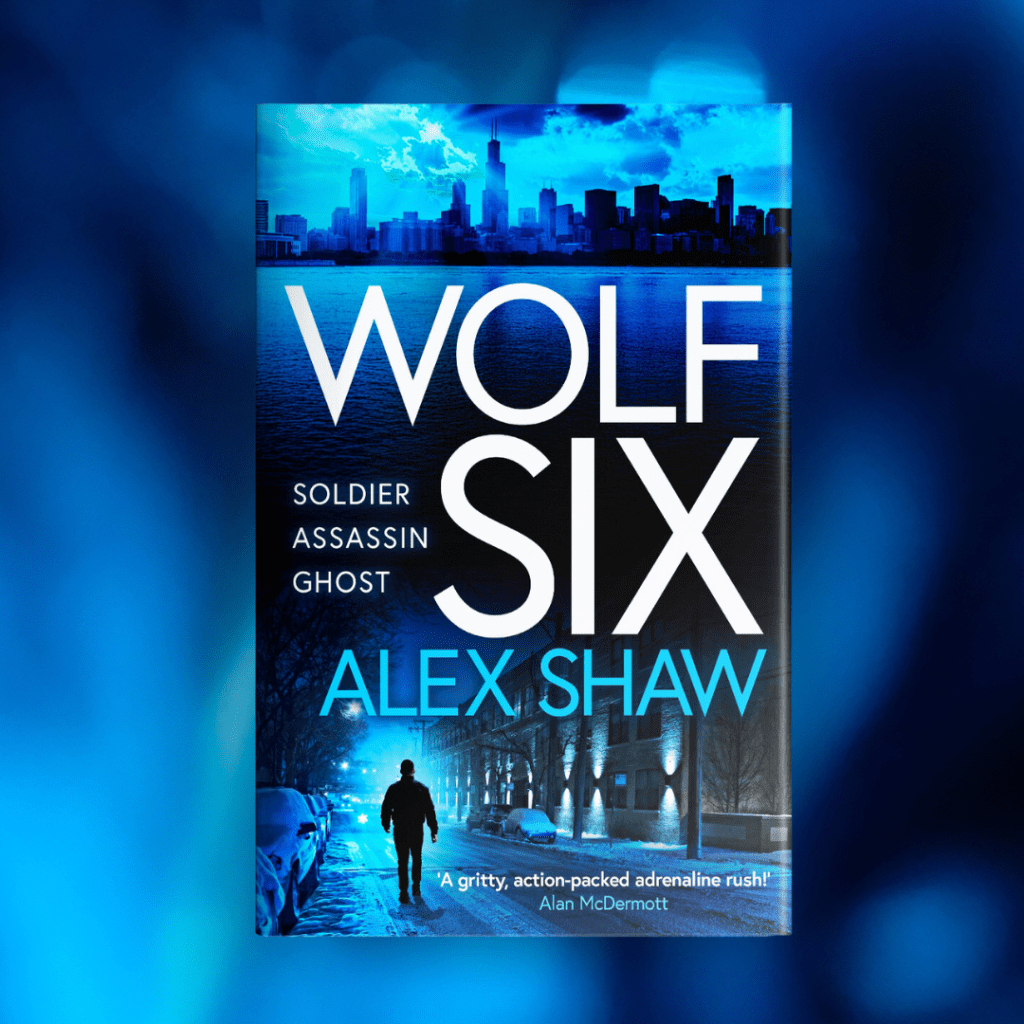
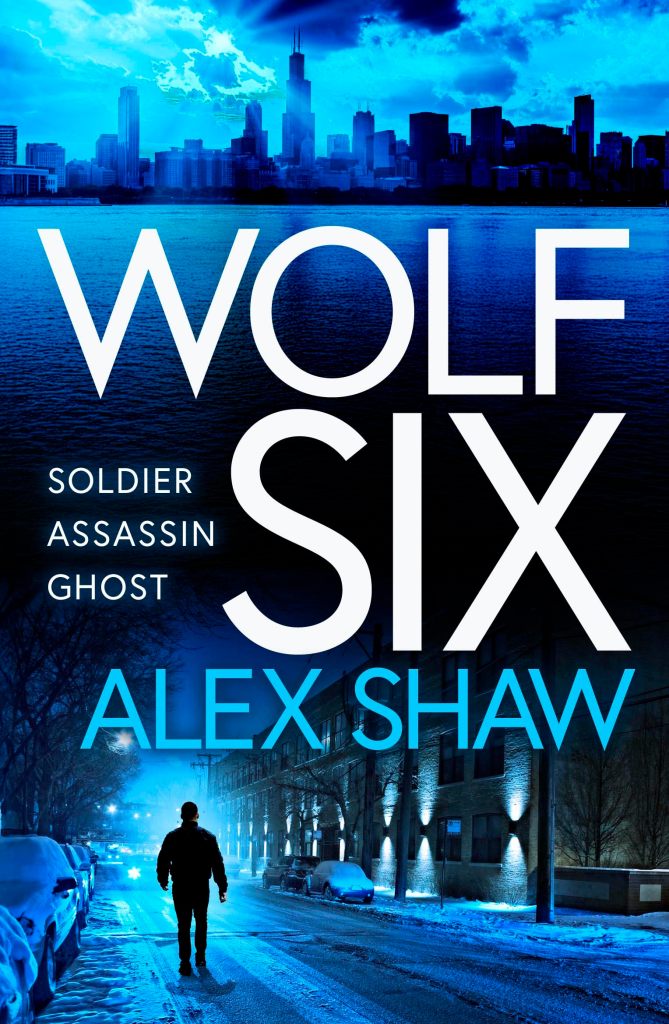
Killing for a living is easy, living for a reason is much harder
Meet Ruslan Akulov.
In the shadowy world of assassins for hire, he is known as ‘Wolf Six’.
A Ukrainian raised in Moscow, conscripted into Russia’s most covert Special Forces unit ‘The Werewolves’, Akulov is full of loathing for the country that built and then broke him. The only rules he follows now are his own.
Unable to shake the guilt of his past, Akulov has made it his business to seek out those who prey upon the innocent. The name Wolf Six is legendary – whispered by those who know it with fear. But when Akulov accidentally thwarts the armed robbery of a Chicago Bank, he pits himself against both the Russian Bratva and the CIA, setting into motion a spiralling sequence of events which will bring his past back to haunt him, and potentially turn his future to ashes…
His mission of retribution takes him from Chicago to Kyiv, to Havana and back into the US, where Akulov must stop at nothing if he is to remain alive. No simple mission, even for the world’s deadliest assassin.
Perfect for fans of Tom Wood, Vince Flynn and Mark Greaney, this is an explosive action thriller you won’t be able to put down.
Wolf Six by Alex Shaw is certainly a thrilling thriller. It takes the reader from Chicago to Ukraine, Cuba, Russia, and many other places.
Our main character, Ruslan, is usually a cold-blooded assassin, but all that’s about to change as we follow him through this tale of double-crossing and vengeance. There is a split timeline narrative, with some elements explaining how Ruslan came to be as he is while also following him in the present, in which he’s managed to unintentionally get himself caught up in all sorts of difficulties with all sorts of baddies and intelligence agencies.
I very much enjoyed the whistlestop tour of the world through Ruslan’s eyes, and you certainly have to be on your toes to keep up with all the action.
I do have a soft spot for thrillers of this genre, and I will certainly be reading more of Ruslan’s adventures.
Meet the author
Alex Shaw is the author of bestselling action thrillers published by HarperCollins including the Aidan Snow and Jack Tate series, for which he was shortlisted for the Wilbur Smith Adventure Writing Prize. He will start a brand new action-packed series for Boldwood, the first of which, Wolf Six, will be published in February 2025.
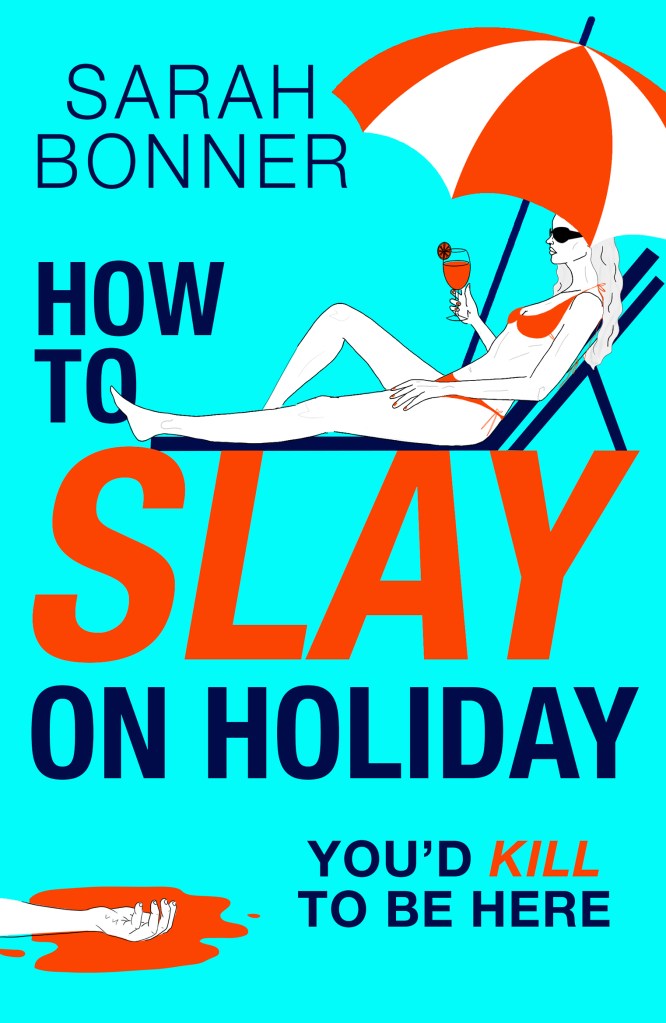
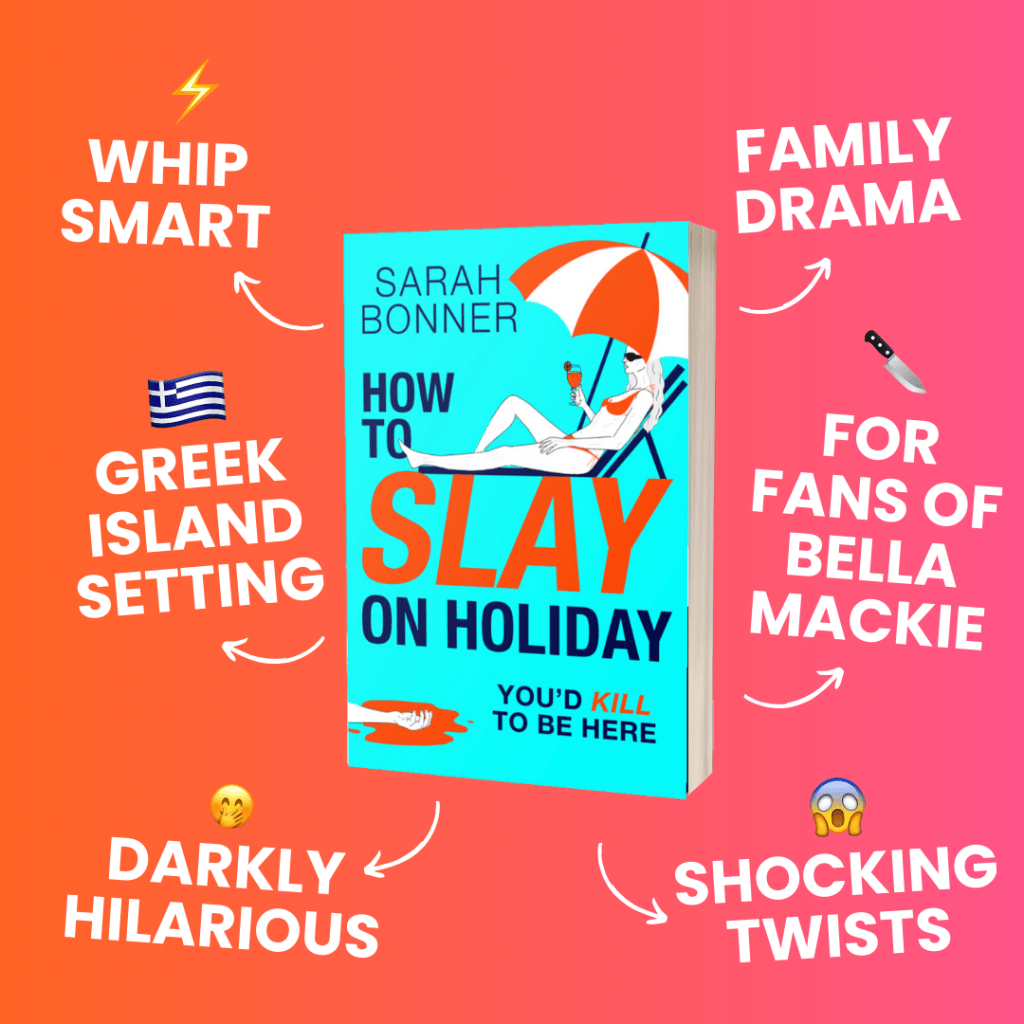
Chloe and her husband Scott are holidaying with their families on the beautiful Greek island of Mykonos. But Chloe has a secret… She has hired a hitman to kill Scott when they return home. This week, her plan is to pretend to be such a happy wife that no suspicion can possibly fall on her after the murder.
But she’s reckoning without Scott’s meddlesome sister, Tori, plus the rivalries and demands of both families. Can she deal with them all while keeping her murderous intentions hidden?
Then Chloe wakes up in their villa covered in blood, next to a dead body, with no memory of the previous night. Panic ensues as she tries to piece together what happened – and just who else on this holiday might be a secret killer…
Fans of Katy Brent, Bella Mackie and Julie Mae Cohen won’t be able to resist this twisty, darkly funny crime thriller.
How to Slay on Holiday is a fun, quick, and easy read. The use of three points of view helps the story move along at pace and also allows the reader to learn things not all of the characters know.
There are secrets aplenty between the two families on holiday and also between all of the characters. At times, I wondered how on earth it could ever be resolved, but resolved it was.
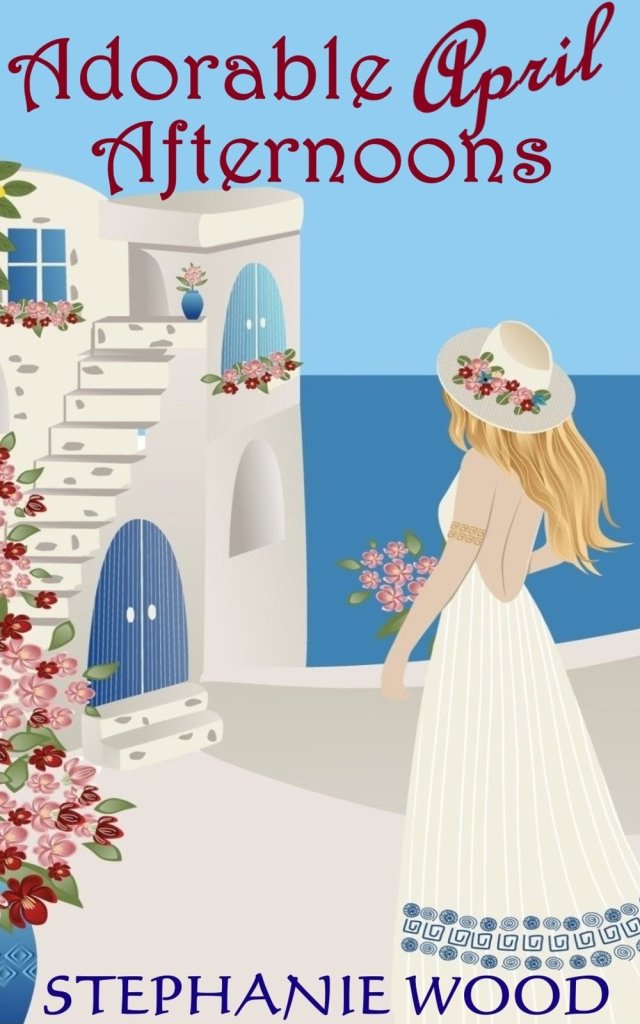
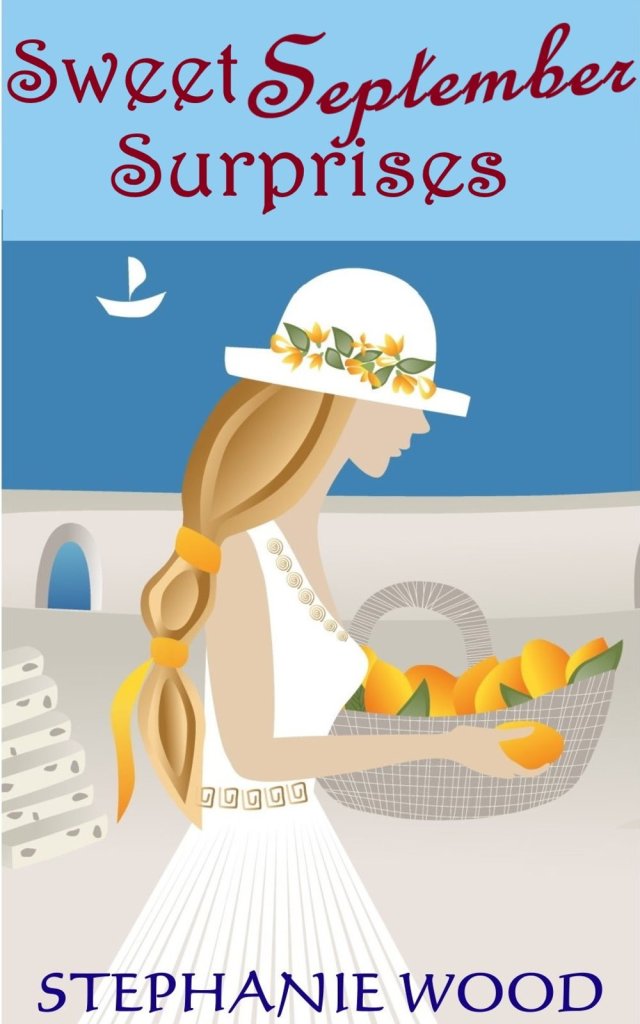
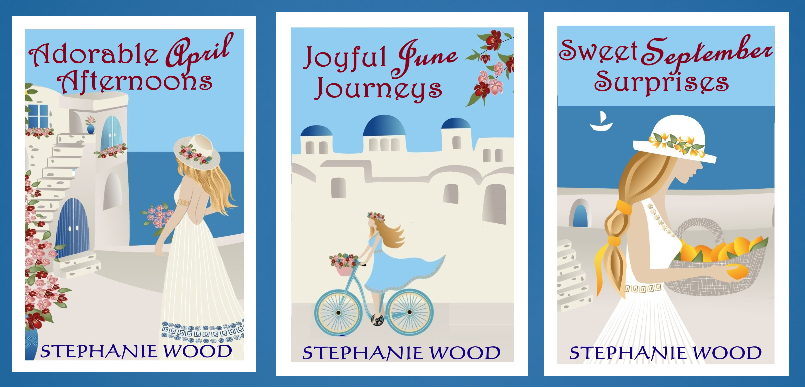
Jessica is escaping to the Greek Retreat to discover if running away from a broken engagement really can lead to a happy ever after. She doesn’t believe life works that way, but her future could depend on it. The Greek island of Kynos is an idyllic hideaway, offering its visitors the space and time needed to truly appreciate the traditional hospitality. The locals are always friendly and ready to entertain their guests, while the daily activities offer many different ways to explore the island and its heritage. Jessica is hoping The Retreat will provide everything she needs in order to plan for a successful future, but has she left it too late?
The Greek Retreat is a trilogy of standalone tales full of sunshine, surprises and love.
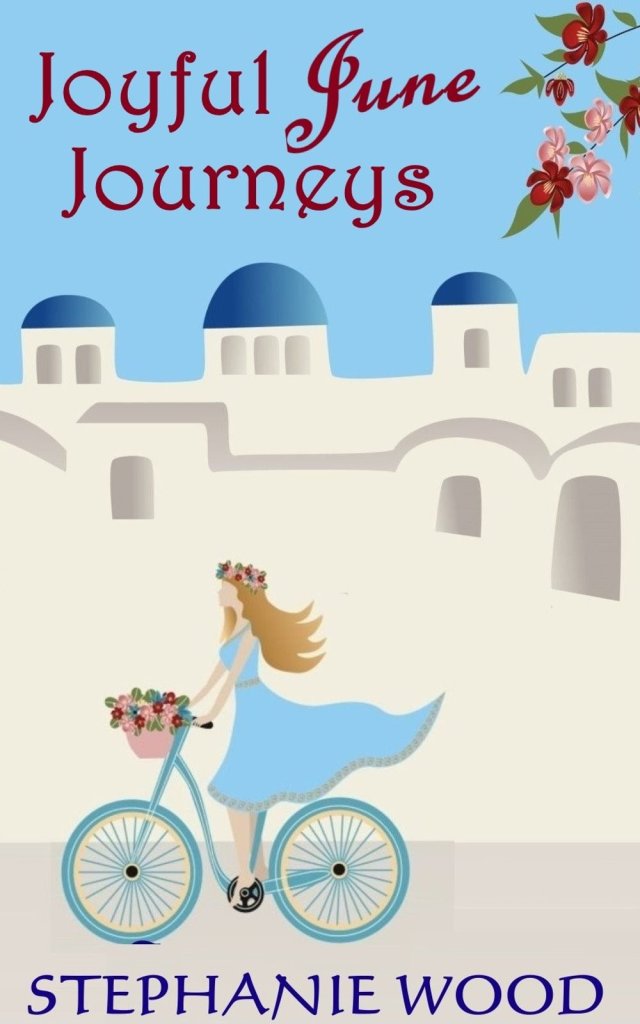
Chrissie is escaping to the Greek Retreat to avoid some of the issues her parents have left her to deal with at home. She hopes that visiting a new location will give her a different perspective and help her to find a way forward.
The Greek Retreat is a trilogy of standalone tales full of sunshine, surprises and love.
Katie is escaping to the Greek Retreat to give herself some space to recover from an unexpected predicament. She blames herself for the situation she finds herself in and knows that something has to change, although she has no idea what she is looking for.
The Greek Retreat is a trilogy of standalone tales full of sunshine, surprises and love.
Stephanie writes contemporary fiction in the form of novels, novellas and short stories and her books explore a wide range of life’s challenges, dreams and responsibilities. The stories are all character based, so she has fun expressing each unique personality and the reasons behind their actions in a setting which always has a strong sense of community.
She published the AEGEAN SUN series of books as a fly-on-the-wall vision of life in a Greek resort during the summer season, the CHRISTMAS ON THE CLOSE series is set in a British suburban cul-de-sac over the festive period and the GREEK RETREAT trilogy is planned for publication in 2025.
Stephanie lives in Lancashire where, apart from reading and writing, she loves gardening and cycling and is a huge fan of the soaps Emmerdale and Neighbours.
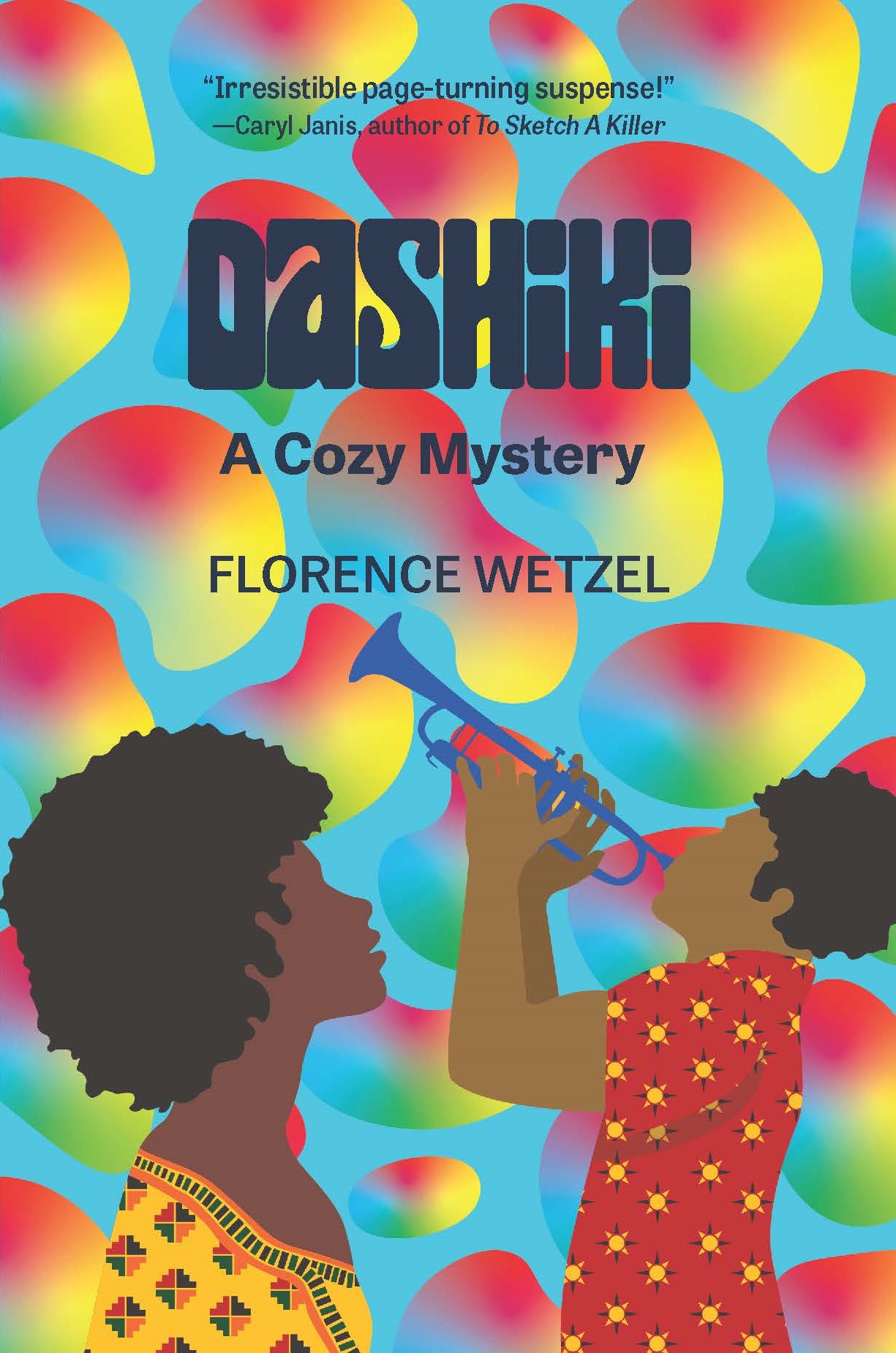
A cozy mystery with a dash of romance set in the vibrant world of jazz.
During an interview with reclusive jazz singer Betty Brown, journalist Virginia Farrell is shown priceless tapes from the iconic 1957 Thelonious Monk-John Coltrane gig at the Five Spot. When Betty is found murdered, Virginia is determined to recover the tapes and uncover the truth behind Betty’s death.
In the spirit of Nancy Drew, Virginia teams up with her six-foot blonde roommate to investigate the various suspects. Detective Robert Smith from the Hoboken Police Department joins the case, quickly becoming absorbed by an unsolved murder possibly linked to Betty Brown’s death, as well as an undeniable attraction to Virginia.
Dashiki is a cozy mystery laced with romance, immersing readers in the captivating world of jazz, where musicians, journalists, scholars, and enthusiasts intersect in an entertaining whodunit.
Dashiki is a delightful, cosy mystery set in the early 2000s in the vibrant jazz world of New York. I am not a fan of jazz (sorry), but that didn’t stop me from thoroughly enjoying this mystery and being entirely enthralled as our detective, Robert Smith, and amateur sleuth, Virginia, endeavour to discover who was responsible for the murder of Betty Brown, while both harbouring doubts about the other.
The plotting of the mystery is excellent, and I didn’t work out who the real culprit was, which always pleases me. Too many clues and it feels too easy. Dashiki had just the right amount to keep me guessing while reading but not enough that it was self-evident who our murderer was.
I thoroughly enjoyed this mystery. The cast was fabulously eclectic, and the story is dotted with humour, which I also always very much enjoy. Fans of cosy mysteries will surely enjoy Dashiki as much as I did.
Meet the author
Florence Wetzel was born 1962 in Brooklyn, NY. Her novels include the thriller The Woman Who Went Overboard and the Swedish mystery The Grand Man. She has also authored horror short stories, a book of poems and memoir essays, and co-authored jazz clarinettist Perry Robinson’s autobiography. In July 2024, she published Sara My Sara: A Memoir of Friendship and Loss.
*Terms and Conditions –UK / US & Canada entries welcome. Please enter using the Rafflecopter box below. The winner will be selected at random via Rafflecopter from all valid entries and will be notified by Twitter and/or email. If no response is received within 7 days then Rachel’s Random Resources reserves the right to select an alternative winner. Open to all entrants aged 18 or over. Any personal data given as part of the competition entry is used for this purpose only and will not be shared with third parties, with the exception of the winners’ information. This will passed to the giveaway organiser and used only for fulfilment of the prize, after which time Rachel’s Random Resources will delete the data. I am not responsible for despatch or delivery of the prize.
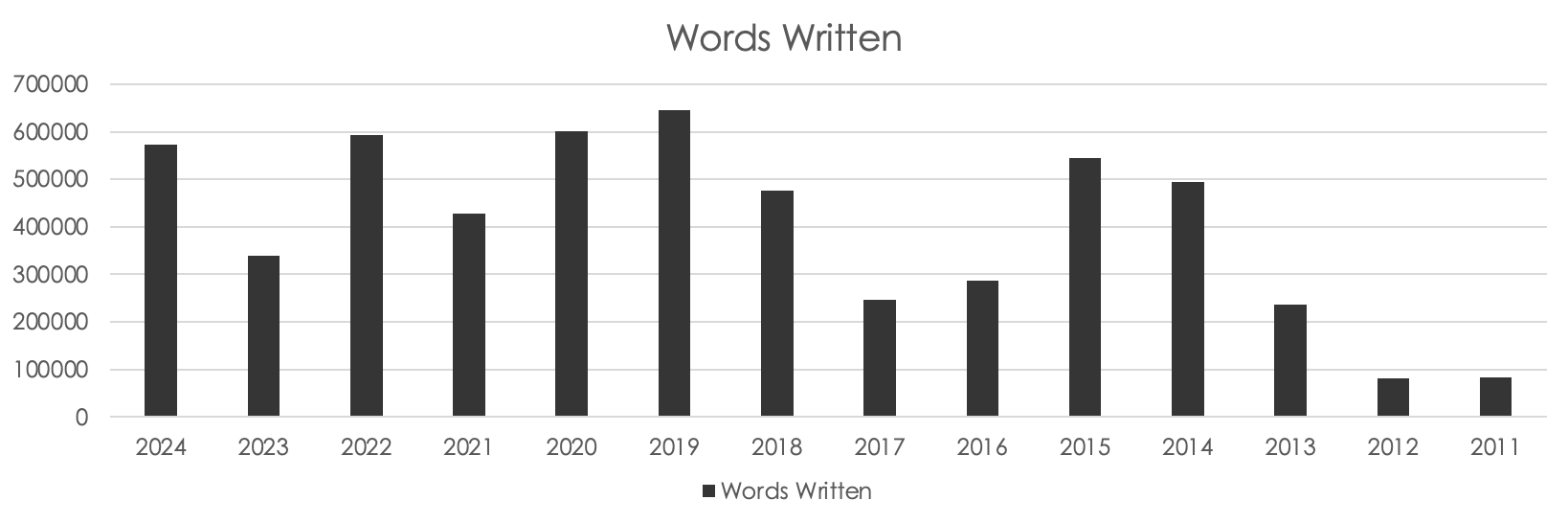
So, what have I been writing/editing in 2024? As ever, it’s time to turn to my trusty diary to find out, but I’ve also been keeping a spreadsheet this year so it’s much easier to work out exactly what I’ve been writing, and when I was writing it. So here goes:
In January, I instigated my ‘new approach’ to writing, following a disappointing writing year in 2023. Was I harsh on myself with my assessment of 2023 ? I don’t think so, and certainly my new approach has ensured I wrote a lot more in 2024 than in 2023. So, my new approach is simple, I write at least 2000 words a day, every day. Did I manage every day? I certainly did not, but when I wasn’t working at my very seasonal job in the local school (or I must admit, on holiday), I managed to write at least 2000 words a day almost every day. This might sound a little crazy, but writing for me is a bit of a necessity. If I don’t exercise my creative mind, I am plagued (yes, plagued) by rather weird dreams. If I wasn’t writing, I would be really stuck.
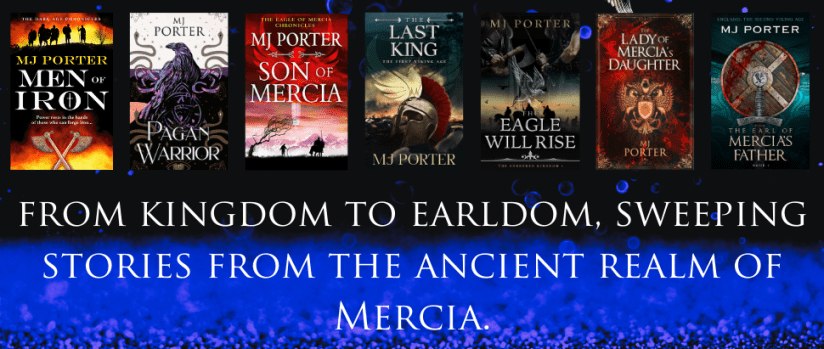
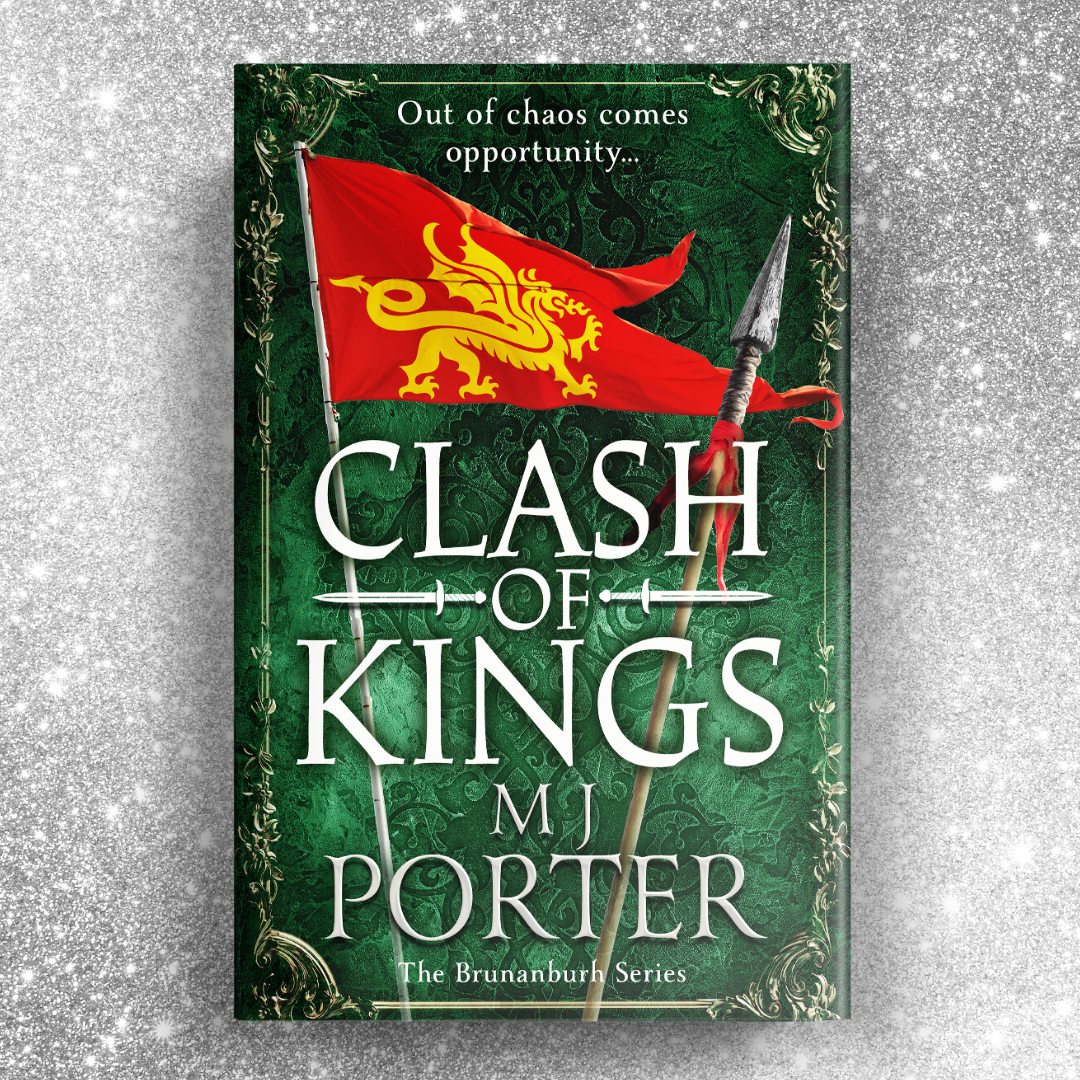
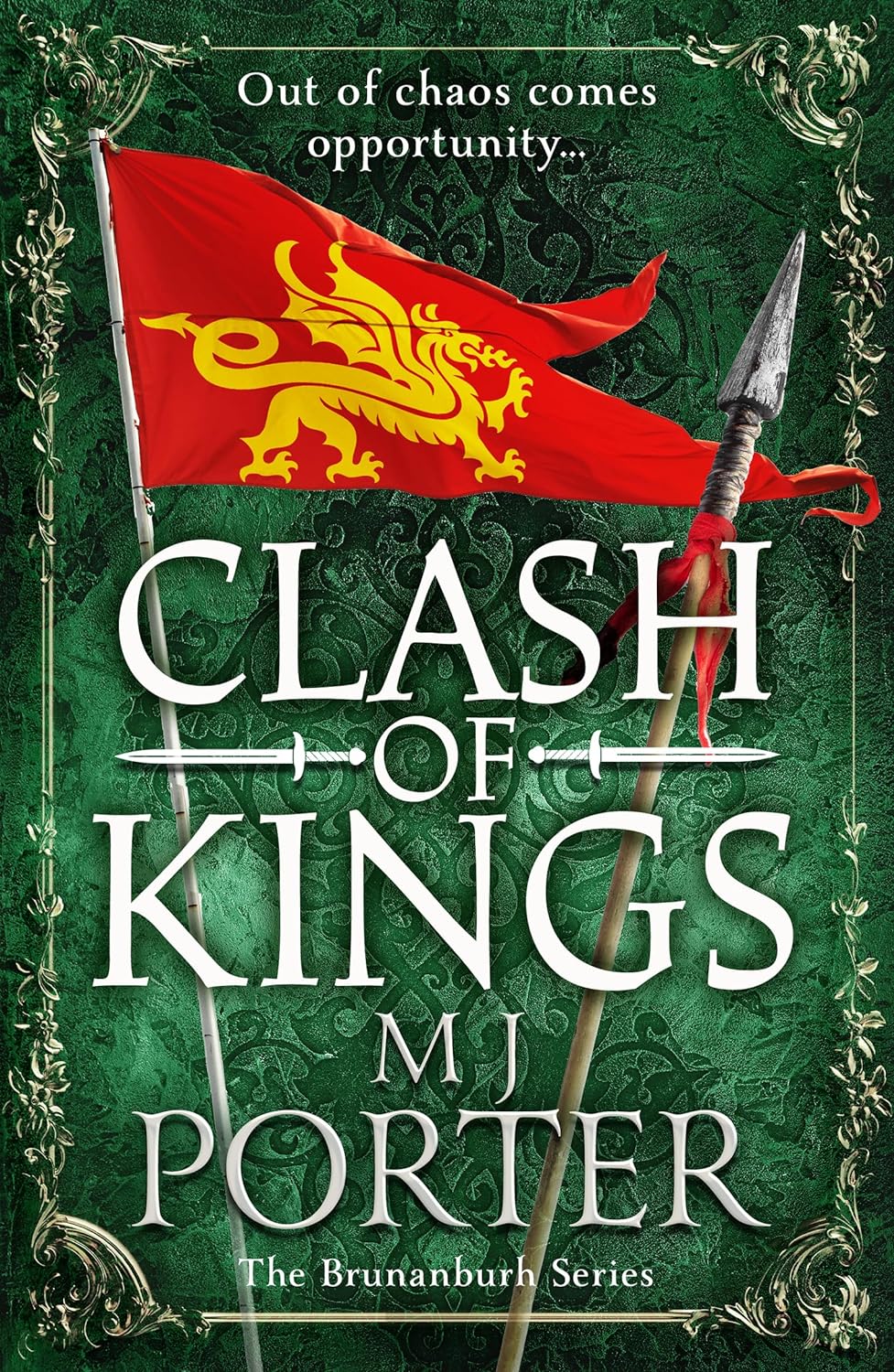
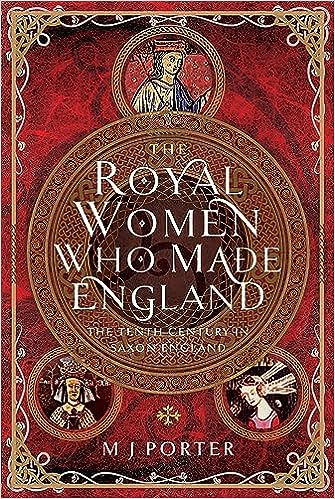
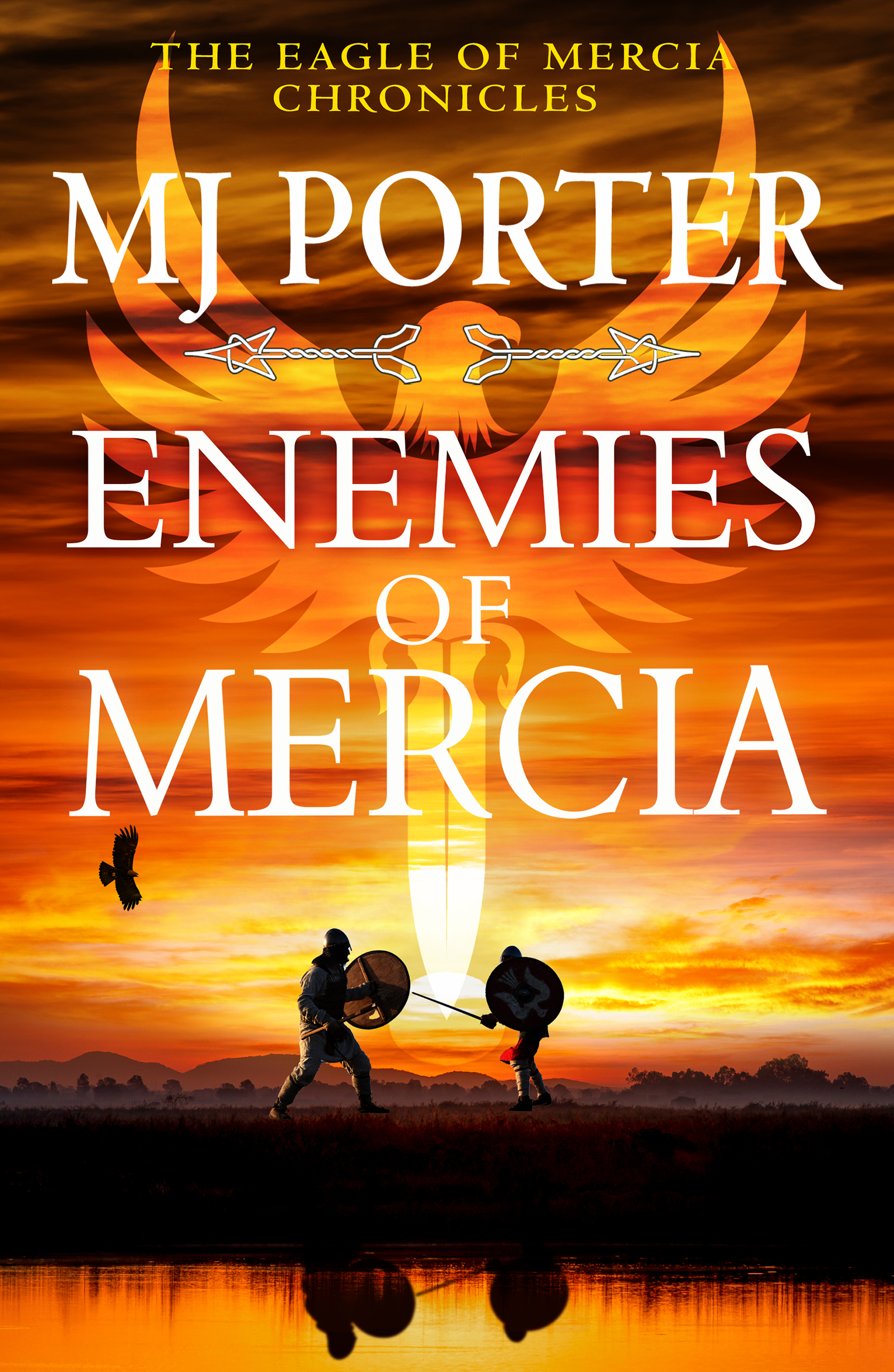
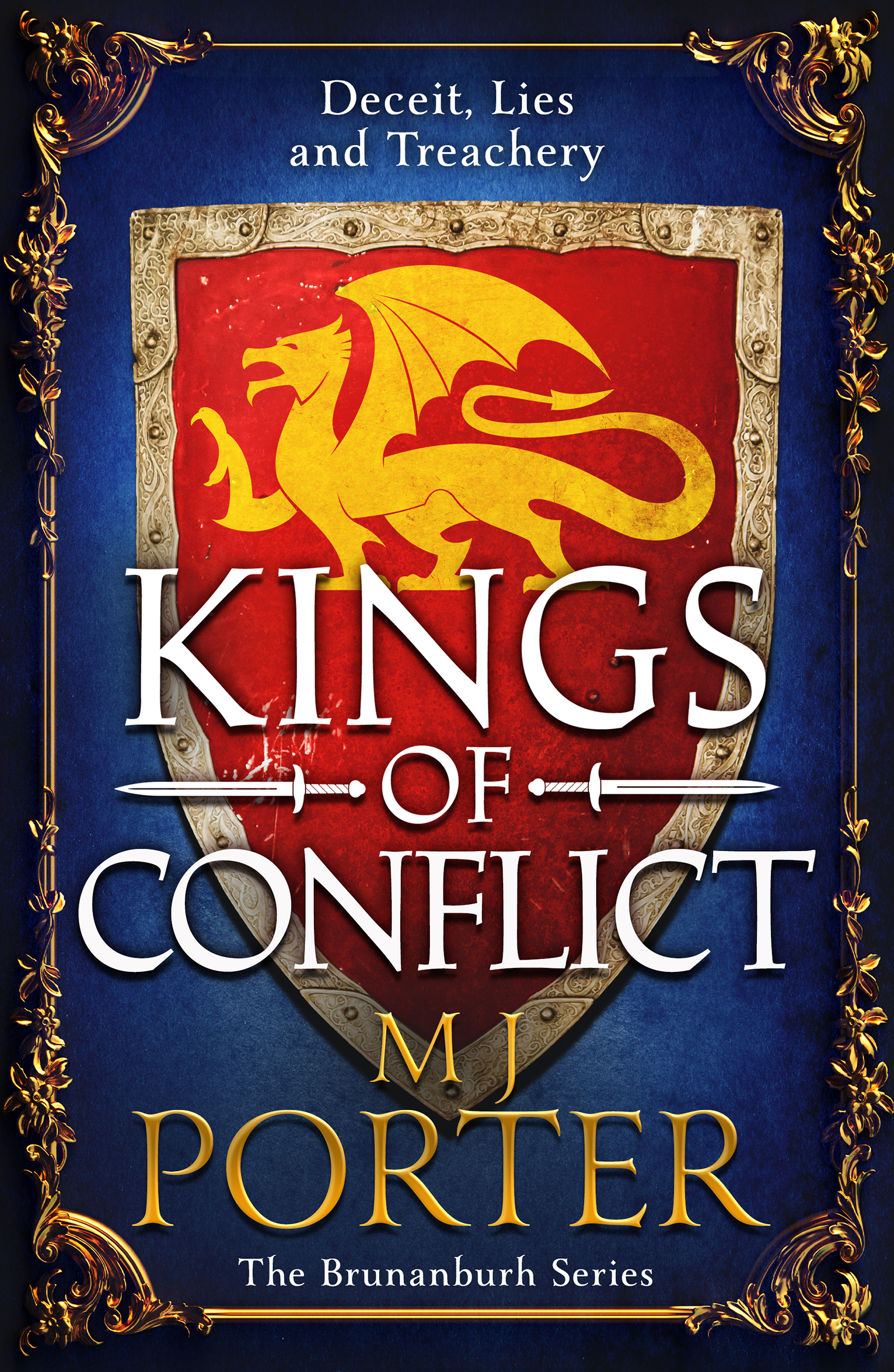
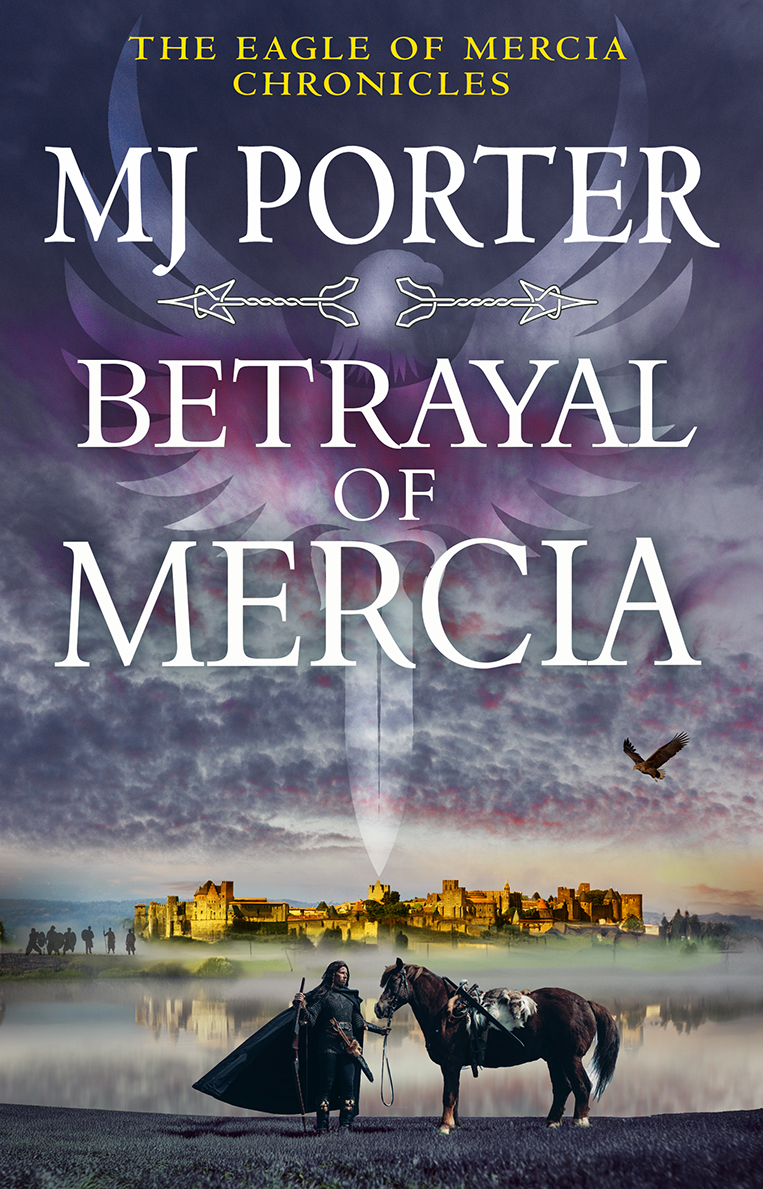
In January, I began my new writing routine by finishing off the first draft for The Last Viking, and then swiftly moved onto the next Icel story. Somewhat bizarelly, it’s this book, Betrayal of Mercia, which is being released on 5th January 2025. I was very ahead of the game. I also spent a bit of time working on edits for Enemies of Mercia and Conflict of Kings. It was my sixth most productive month. Not a bad start. It was also the month that Clash of Kings was released, the third book in the Brunanburh series, as well as my first non fiction title, The Royal Women Who Made England.
At this point, I’m also going to wax a little lyrical about another lifestyle change I made which was to start exercising every morning. This, I’ve found, wakes me up much better than caffeine and sets me up really well for the rest of the day. It can be anything from 10 minutes up to about half an hour, and I use an online app to decide what I’m going to do each day. I don’t complicate matters by trying to get to the gym, and my equipment is steadily growing at him. It’s made me much stronger, and now, like writing, I struggle if I don’t take the time to do a little bit each day.
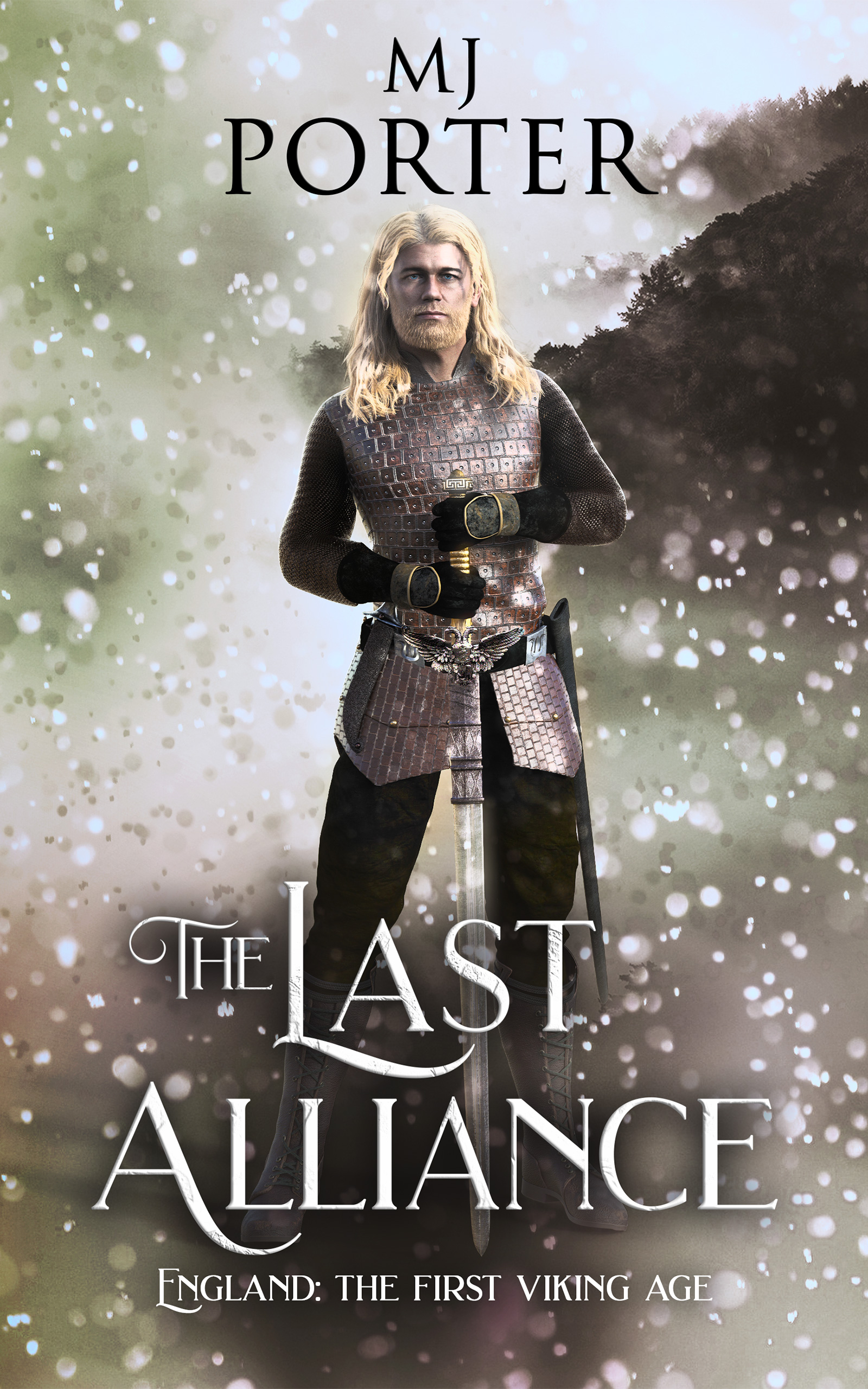
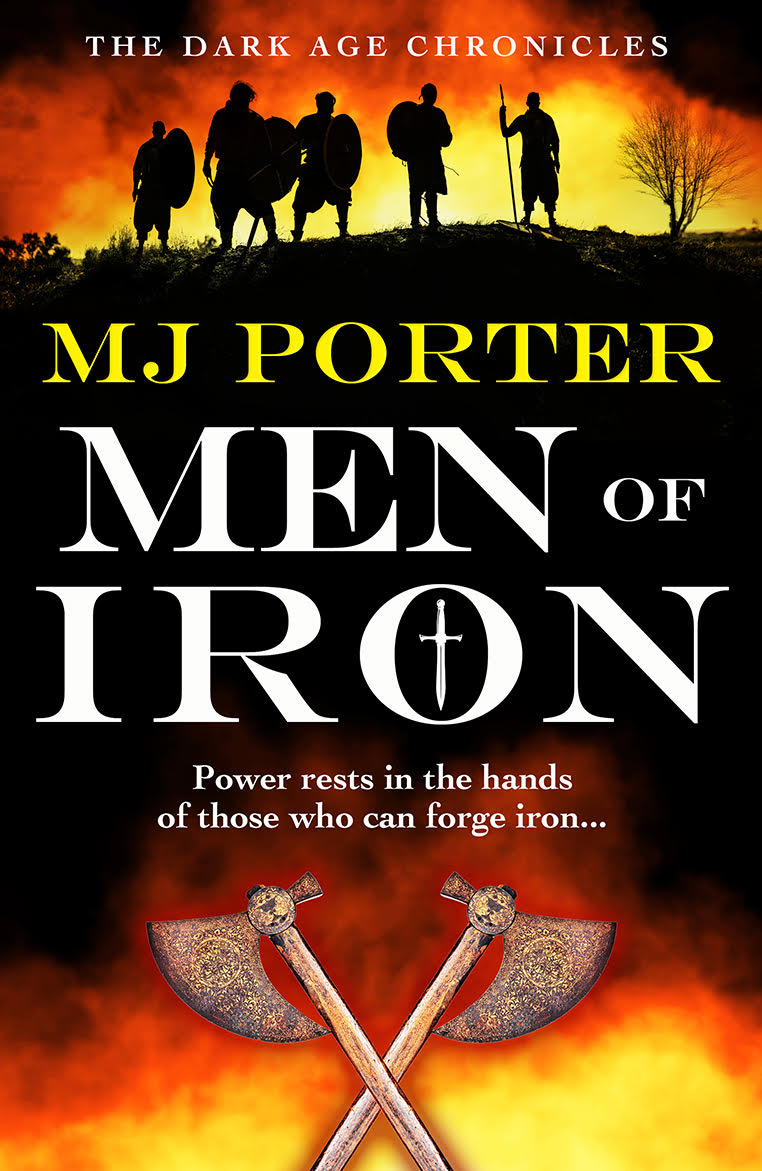
In February, my fifth most productive writing month, I was working on six different projects – which is kind of crazy. I finished my first draft of Betrayal of Mercia, scooted back to the next Coelwulf book, The Last Alliance, and also started work on my Dark Ages series, the first book of which, Men of Iron, will be releasing in April 2025. Aside from that, I also had some work to do on The Last Viking, Protector of Mercia and Kings of Conflict. So, by now I was in the swing of things. I write in the morning and then in the afternoon I work on edits, either structural, copy or proofreads. It means my creative side gets all excited in the morning, and then I can buckle down in the afternoons and get on with the other very important processes for a self-confessed pantser (I plan very little about my writing).
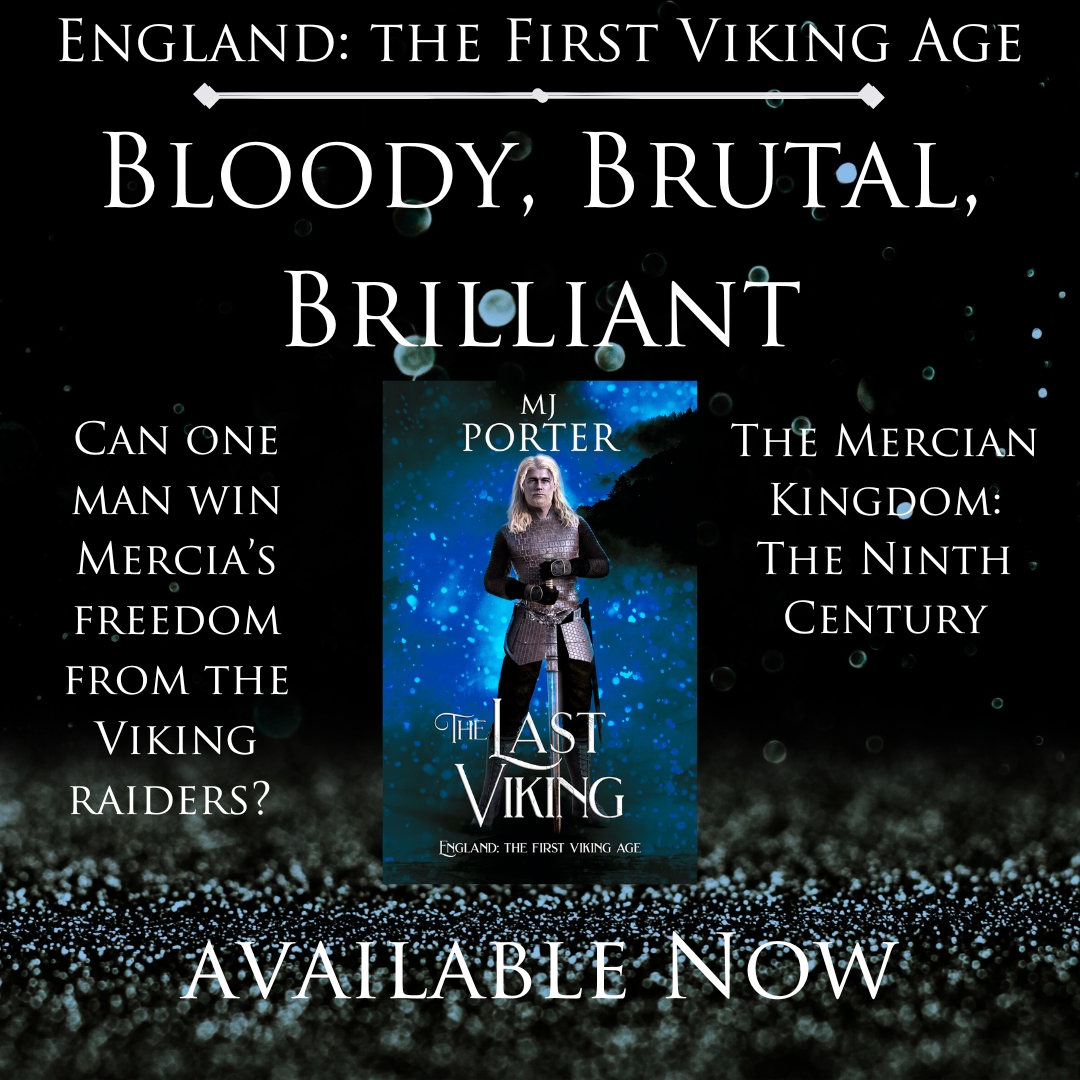
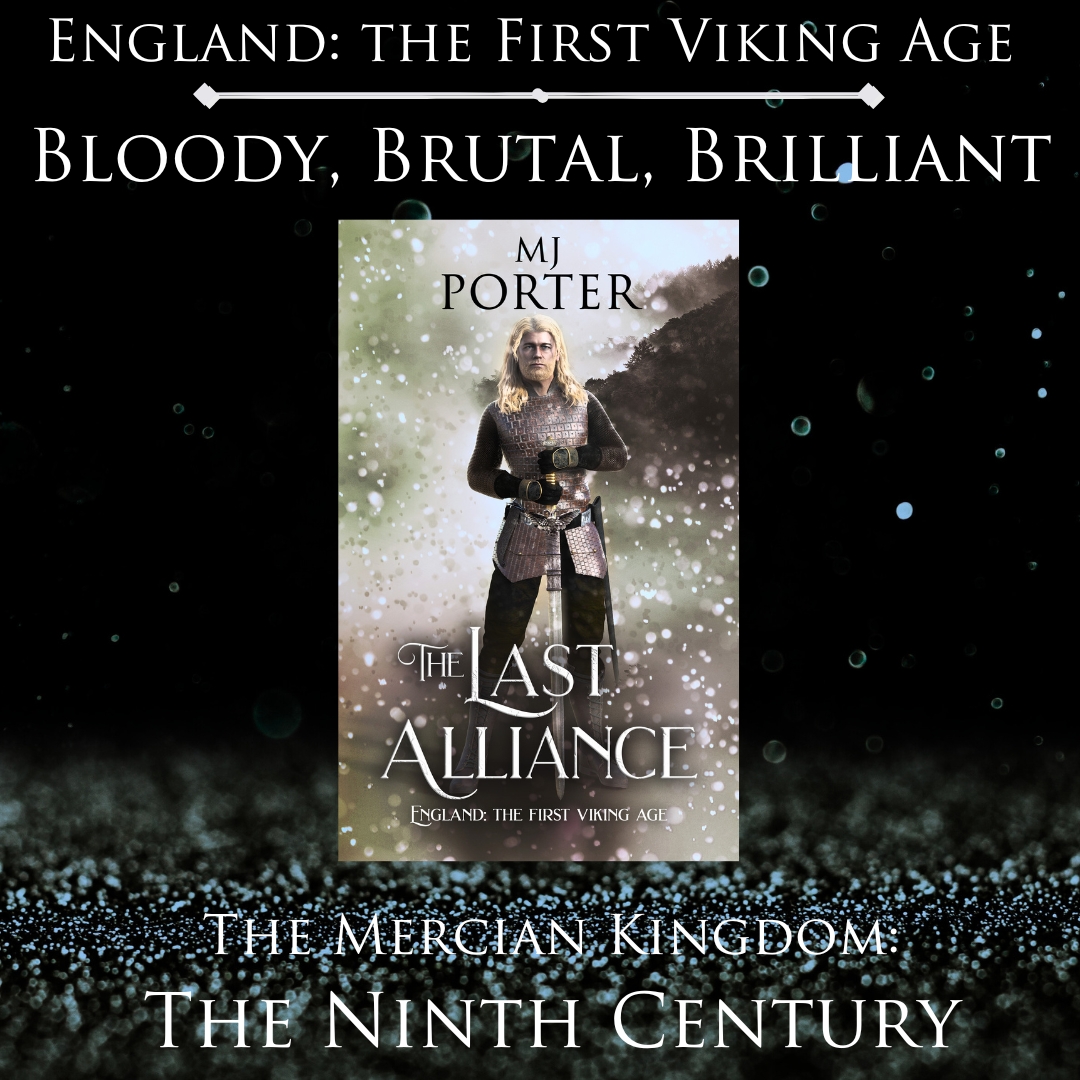
March was my third most productive writing month. I wrote the vast majority of the first draft of what would become The Last Alliance, and also did some editing for Betrayal of Mercia and Kings of Conflict. March also saw the welcome release of The Last Viking, the first Coelwulf book for a few years. It was so much fun to be back with Coelwulf and his friends. He is my most favourite character to write because it’s just like releasing all the tension and stress through his language and general attitude to life. I wish I could be ‘more’ Coelwulf all the time.
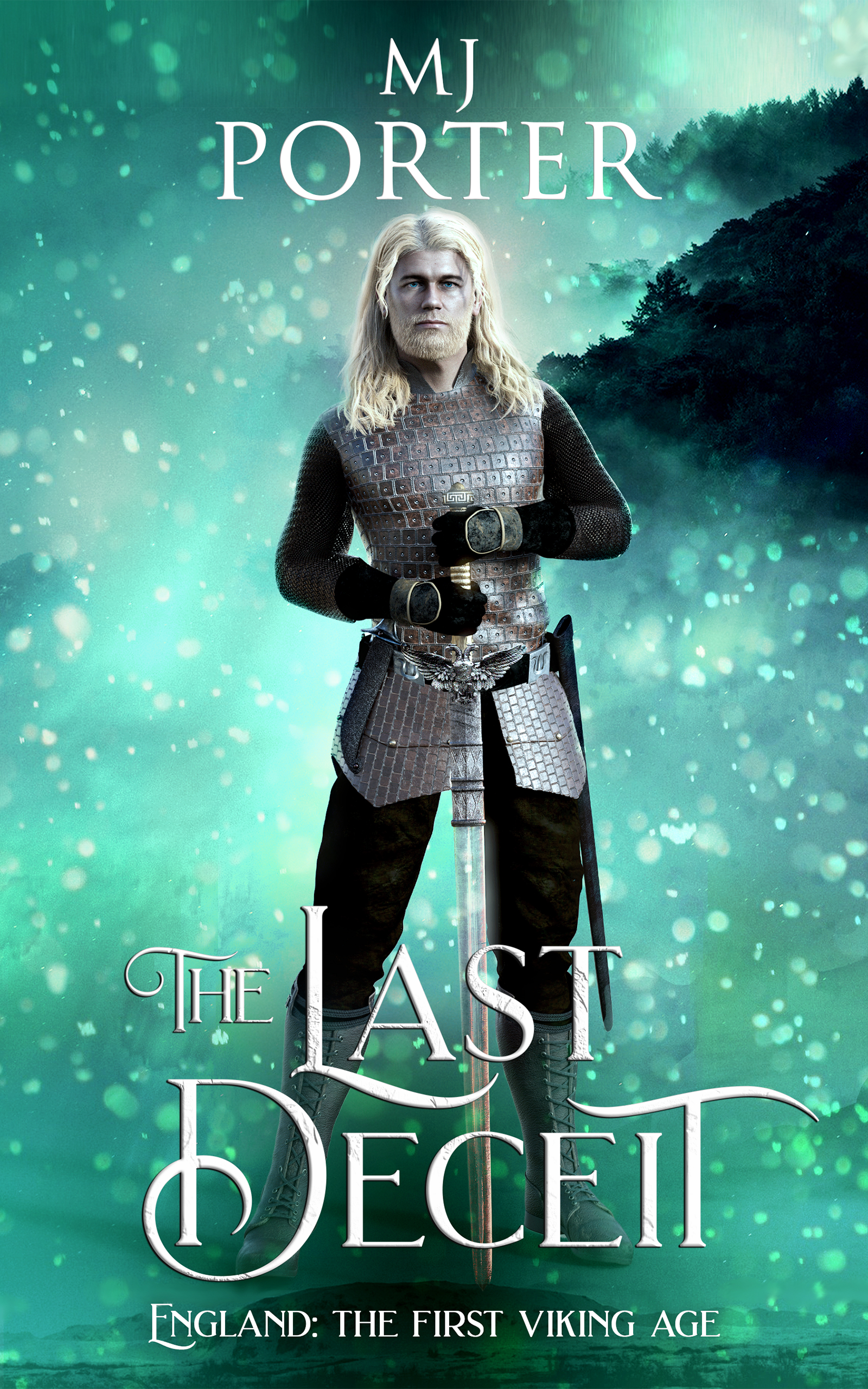
April was my seventh most productive writing month, with much of it taken up with work on Men of Iron, although I did start the month with the first 10,000 words of what became The Last Deceit. I didn’t realise I’d been playing with that book for quite so long. At this point, I was largely adhering to my 2000 words a day endeavour, although with a holiday and my time in school on the horizon, it was all about to come to a bit of a halt. It also saw the release of Enemies of Mercia, book 6 in the stories of young Icel.
May was my eighth most productive month of 2024, coming in at 29,000 words for the month, so very much below my intended target of 2,000 words a day. But, I was on holiday and busy with exams at the local school, and I was ahead of my schedule that I’d written at the start of the year, so I didn’t mind too much. I was finishing the first draft of Men of Iron, and I also started work on the sequel to Men of Iron, which should be called Warriors of Iron when it’s released in August 2025.
June was a write-off (literally). I managed a massive 1000 words all month. Not only was I just back from holiday and busy in school, but I ended up with my first official bout of ‘Covid’ which was a most odd experience. However, I was able to release The Last Alliance at the end of June, which I was very pleased about.
July was a muddled month with a holiday to Norfolk (yes, I made it to Suffolk and Sutton Hoo), but it was my tenth most productive month, so not very productive at all, as I reworked some of Men of Iron.
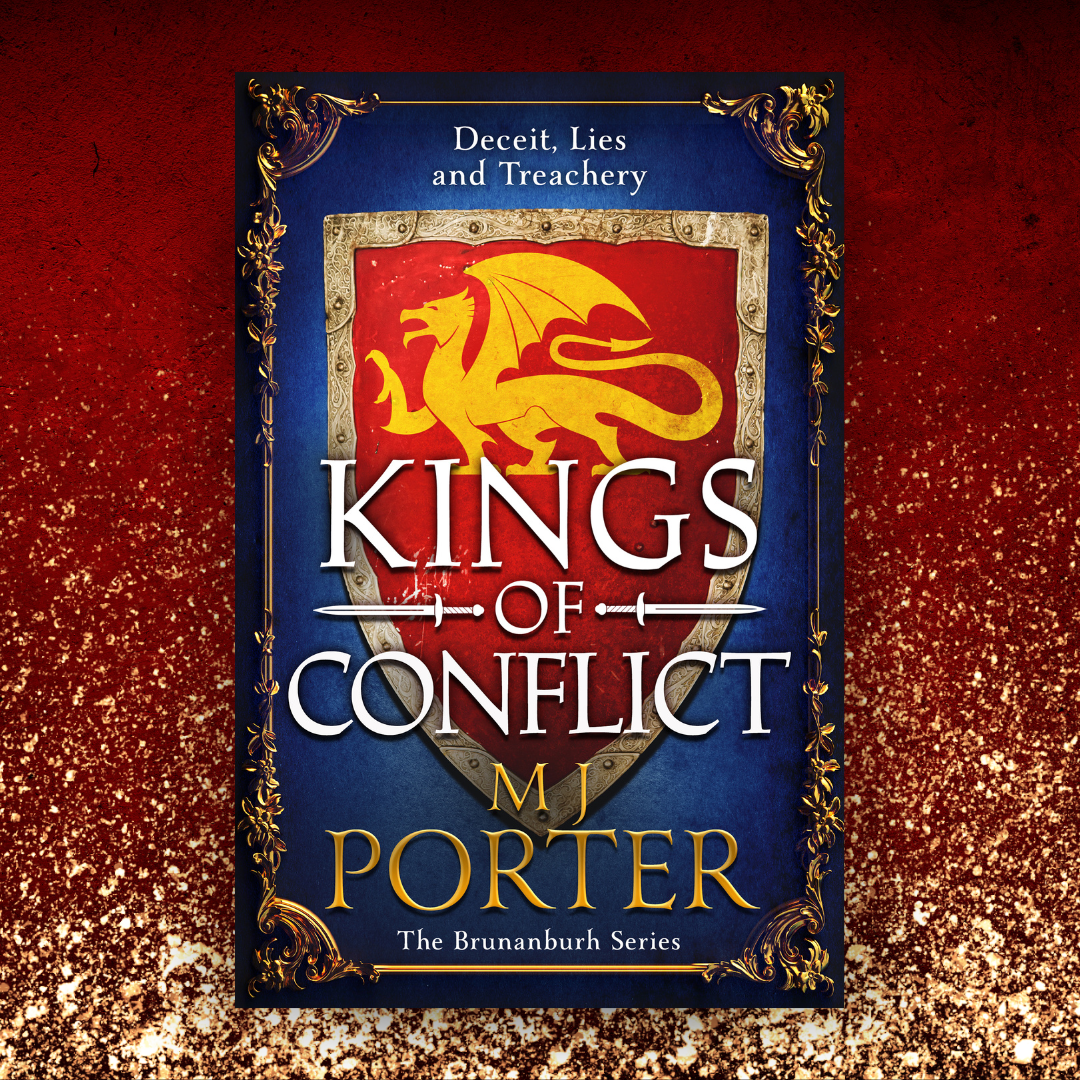
For August, I was back to it. It was my most productive month, coming in at just under 85,000 words written on a variety of projects, I had to make up for lost time. I was writing Warriors of Iron and The Last Deceit, and editing Betrayal of Mercia as well as Men of Iron. I don’t want you feeling sorry for me because September, I knew, was going to be a difficult writing month with my long-awaited trip to Devon and slow journey there and back to take in A LOT of historical sites I needed to visit for Men of Iron and other projects. 6th August saw the release of Kings of Conflict, the final book in the Brunanburh series.
September was my eleventh most productive month, or second from last:) I worked on structural edits for Men of Iron, endeavouring to weave into the narrative some of the places I’d visited on my travels to and from Devon.
October was my fourth most productive month. My main tasks for the month were working on initial drafts for Warriors of Iron and The Last Deceit. I also worked on copyedits for Men of Iron and Betrayal of Mercia. This was the first time I managed to keep track of how many words I removed from the edited copy during the proofread. It was not that many words, but I faithfully recorded all of them, which gave me a net minus 3.
November is the month every year when I allow myself to write absolutely anything I want. This year saw me returning to a project from 2018 and starting to ‘fix’ many of the problems with it – the biggest one being there was simply too much story to fit into one book. I now intend to make it a trilogy, and using about 20,000 words from the first draft, I added a further 59,000 to it as well as working on some editing and structural edits of other projects. It was a busy month, but November is always really important to me. Deadlines and editing can really drain me of my creativity. November allows me to be excited about something entirely new and without deadlines (although, not so new this time as it was an older project). Watch this space to find out what I’m going to do with it.
For December, I was once more busy in the local school, and travelling to meet fellow Viking authors, and other authors more local to me. All the same, I’ve been busy writing, finally getting back to Icel, who I’ve neglected of late. That said, I’ve known where this new story would go ever since I finished working on the first draft Betrayal back in January. At the moment, my working title is Icel of Mercia, but I’m sure that won’t be the published title. December has been my ninth most productive writing month, but even as I write this, I know I have a few more writing days to go, so it will increase. December will also see the release of The Last Deceit. I’ve just managed to get the 3 Coelwulf books in, as promised.
All in all, I’ve enjoyed my writing in 2024. There are always moments when it’s an effort, and moments when it feels easy, but my new writing routine, or what I now call ‘minimising the stress around first drafts’ has really helped me. Ensuring I’m working on something while editing another project ensures I have time for my stories to settle before I edit them, and also allows me to plant all those lovely Easter Eggs I love to scatter through the many different series. I pity the person who tries to work out which book I was writing when in the future.
I have two newish projects under way, my November project, and also the beginnings of another nonfiction title. I also have two of my three Boldwood titles complete bar some of the editing, and Icel 8 is shaping up nicely as well. For next year, I want to continue my current practice of writing at least 2000 words each morning, and editing in the afternoon. It works really well with my writing style. Everyone has different styles. It’s important to determine what works, and when it stops working, to find something else. 2024 was the year I revamped what had been working for me for many years. It’s also allowed me to methodically plan, even if I didn’t always keep to the plan.
In terms of words written this year, it comes in at about 570k. It’s not my best year, which was 2019, but it’s so much better than in 2023, I’m really pleased.
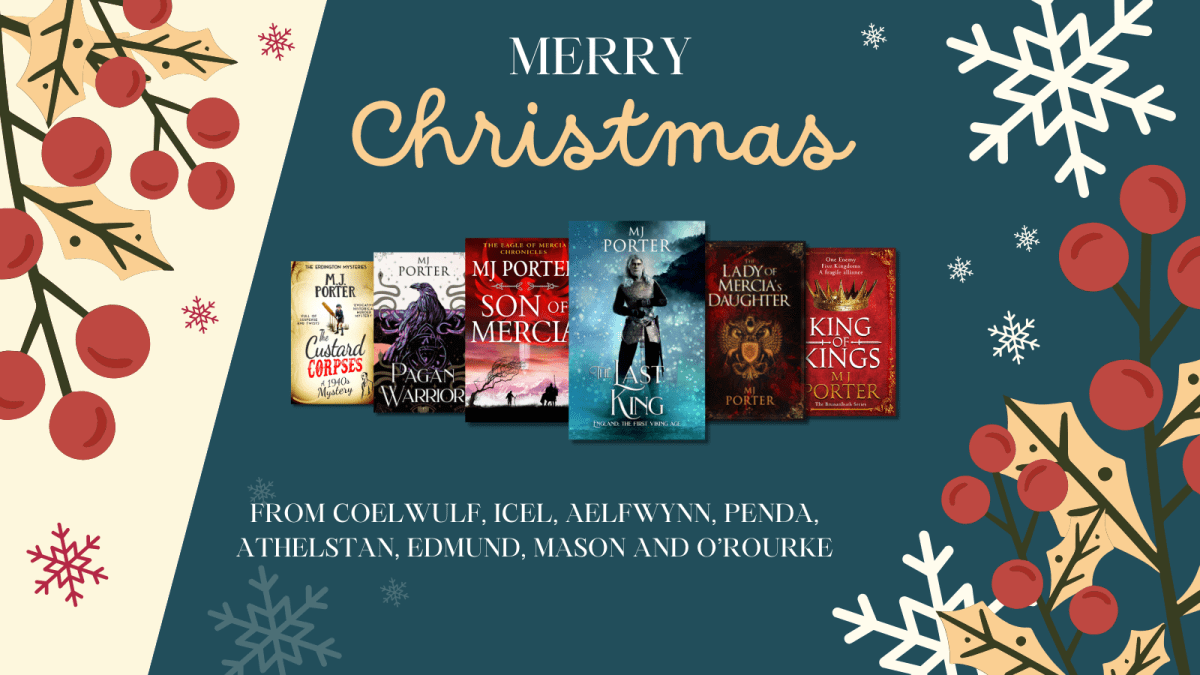
Forthcoming releases for 2025 will be Betrayal of Mercia, Men of Iron, Warriors of Iron in August, Icel 8 in October and hopefully, a new Erdington Mystery (I have a title, which is a good sign for that series) and my November 2024 project which I need to finish but which will probably be released under a different author name. I also hope to return to Coelwulf, but I’m not promising 3 titles in the series as I did in 2024. That was almost too much for me. In terms of writing, I need to finish the Dark Age Chronicles (I’ve stated it will be a trilogy – I have too many characters as it is,) and continue with the lovely Icel.
A huge thank you to all my wonderful readers who allow me to spend my time with my characters. It is a privilege.
If you want to follow my writing journey, join my newsletter. I update readers each month.
Bella and Amy, two of the teachers in the story, are trying to find a soloist for A Carol for Christmas, until now without success.
Bella’s heart lifted. The kids had been practising their little hearts out for A Carol for Christmas, where the children from Heatherwood and the five neighbouring primary schools took part in a sing-off to see which school choir would be crowned the area’s champion. They were singing so well, together, but she still didn’t have anyone to sing the solo. No one voice out of the whole choir, or at least those who had volunteered to do it, seemed able to cope with it.
Perhaps she and Amy should rethink the solo. ‘O Holy Night’ was, after all, widely known as a difficult carol to sing for a soloist, with the breadth of vocal range involved and those high notes to hit.
As she listened to the children’s sweet voices singing ‘O Little Town of Bethlehem’, she tried to focus in on the sound of each child’s voice individually.
When the carol finished, she beckoned Amy over. ‘Have a drink, everyone. We’re going to need those voices again in a second.’
‘What’s up?’ Amy asked as she approached.
Bella pulled on her bottom lip as she thought. ‘How about we play a little game?’
‘What were you thinking?’
‘Well, we’re no closer to finding a soloist, and we only have two weeks until the finals, so I’m wondering if we can smoke out this soloist by having each child sing a line of a song, or a couple of lines, and see how they get on with it.’
Amy pursed her lips. ‘That might just work.’
‘Good. Can you think of a fun way to make this into a game for them?’
‘Give me five minutes,’ Amy said, walking backwards towards the stage again and holding her hands up in a double thumbs-up sign.
Once she’d got the children’s attention, Amy said, ‘Right, can everyone go and grab a chair and put it in the middle of the room? I need them back to back to form two rows.’
The children dashed to the left side of the room, lifting, dragging and screeching the chairs, which they and the children in the lower years had adorned with covers featuring snowmen, reindeer, snowflakes and Christmas trees as part of the school’s attempt to make it the most Christmassy year ever at Heatherwood.
Once everything was in place, Amy said, ‘Right, we’re going to play a game of musical chairs. If you’re out, I want you to sing the next two lines in the carol. Got it?’
Fifty nodding heads later, Bella was applauding her friend on her genius. As the opening chords of ‘O Come All Ye Faithful’ rang out, Bella looked on whilst Amy instructed the children to walk round the chairs until the music stopped.
When it did, Eva Morrison was the first ‘unlucky’ child, but she took it with good grace and sang the next two lines in the carol exceptionally well. Amy restarted the process and the children giggled and chatted as time and again they had to find a seat once the music stopped.
Naturally, some jostling ensued and the occasional non-festive shove happened, but mainly the children got in the Christmas spirit and adapted.
After ‘O Come All Ye Faithful’, Amy played ‘Silent Night’ and Bella’s heart faltered as Niamh Fallon sang the lines. Her voice was achingly beautiful, and suited that carol perfectly. Having decided they would indeed change the carol to ‘Silent Night’ and have Niamh sing it, Bella tried to signal to Amy that they were good and didn’t need any more musical chairs, but Amy didn’t see her, and started another round, this time with ‘O Holy Night’.
As first Calum then Gregory didn’t manage to hit the notes, Bella’s frustration grew. We should just knock this on the head now and let Niamh sing ‘Silent Night’.
But then Lara didn’t get to a chair before Ed, and as she began to sing, a hush fell over everyone as her pure, strong, yet melodic voice floated through the games hall. Bella gulped, the hairs on her arms stood up, and she felt such a profound ache in her chest she thought she might start crying. In fact, she was crying. Oh my goodness, they’d found their soloist. Lara’s voice was incredible. How had she managed to keep that hidden, and why?
Here’s the blurb
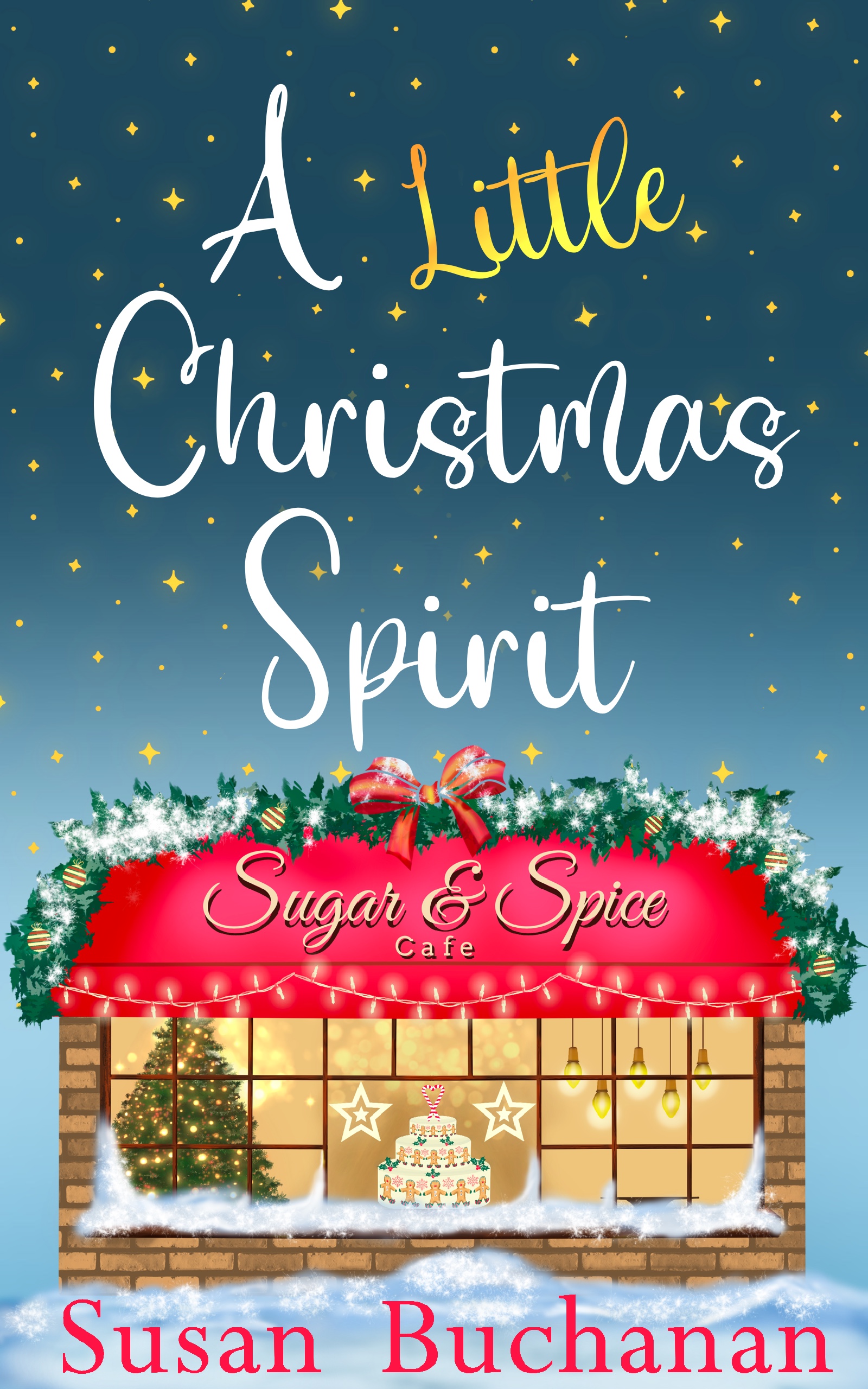
Can a sprinkle of magic heal broken hearts this Christmas?
With Jacob now at the helm at the cosy Sugar and Spice café, it’s the perfect opportunity for Christmas Spirit Lara to weave her magic.
Fraser is floundering in his new role as headteacher as he grapples with guilt over having to place his beloved mother in a care home, leaving him feeling lost and alone during what should be a joyful time.
Meanwhile, school janitor Paul is torn between his desire to feel needed and the pressure from his wife to retire, dimming the season’s sparkle.
Valerie, overwhelmed by the demands of newborn twins, feels she’s not giving her other daughter enough attention. She needs a bit of me time and for her husband to realise the responsibility for the kids falls to both of them.
And Bella, heartbroken after her husband’s shocking request for a separation just a year into their marriage, longs to escape the memories of last year’s perfect Christmas.
Can Lara help them rediscover joy, connection, and the true spirit of the season?
A heartwarming journey filled with friendship, community, and a dash of holiday magic that promises to transform the lives of those in need of hope this Christmas.
Susan Buchanan writes contemporary romance and women’s fiction, usually featuring travel, food, family, friendship and community.
Her books are Sign of the Times, The Dating Game, The Christmas Spirit, Return of the Christmas Spirit and Just One Day – Winter, Spring, Summer and Autumn.
As a freelance developmental editor, copyeditor and proofreader, if she’s not reading, editing or writing, she’s thinking about it.
She is a member of the Romantic Novelists’ Association, the Society of Authors and the Alliance of Independent Authors.
She lives near Glasgow with her husband, two children and a crazy Labrador.
When she’s not editing, writing, reading or caring for her two delightful cherubs, she likes going to the theatre, playing board games, watching quiz shows and eating out, and she has recently discovered a love of writing retreats.
Giveaway to Win a Signed copy of The Christmas Spirit and bookmark (Open to UK Only)
*Terms and Conditions –UK entries welcome. Please enter using the Rafflecopter box below. The winner will be selected at random via Rafflecopter from all valid entries and will be notified by Twitter and/or email. If no response is received within 7 days then Rachel’s Random Resources reserves the right to select an alternative winner. Open to all entrants aged 18 or over. Any personal data given as part of the competition entry is used for this purpose only and will not be shared with third parties, with the exception of the winners’ information. This will passed to the giveaway organiser and used only for fulfilment of the prize, after which time Rachel’s Random Resources will delete the data. I am not responsible for despatch or delivery of the prize.
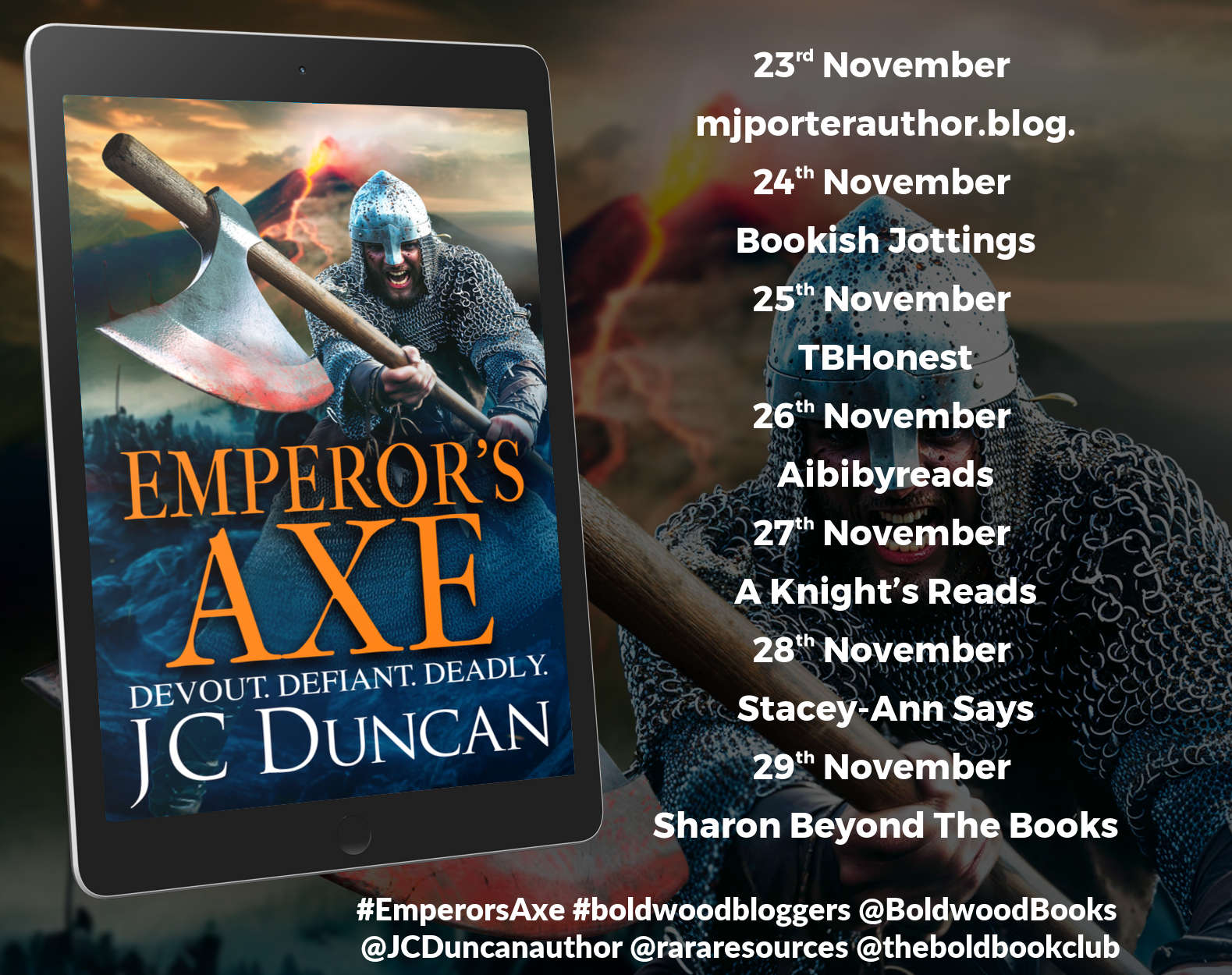
The greatest threat to the empire is not a foreign army, but the thirst for power at all costs.
1038 AD, Constantinople
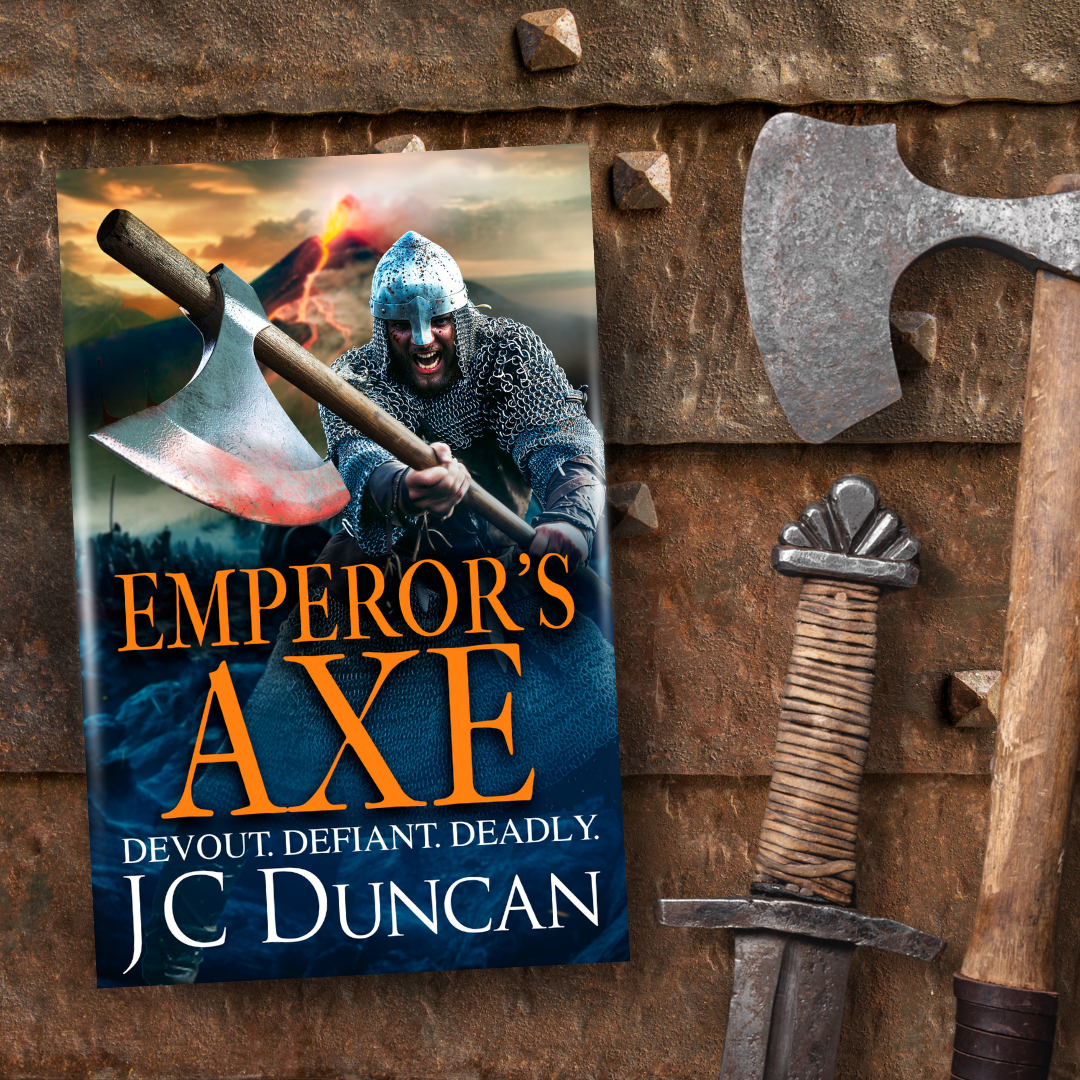
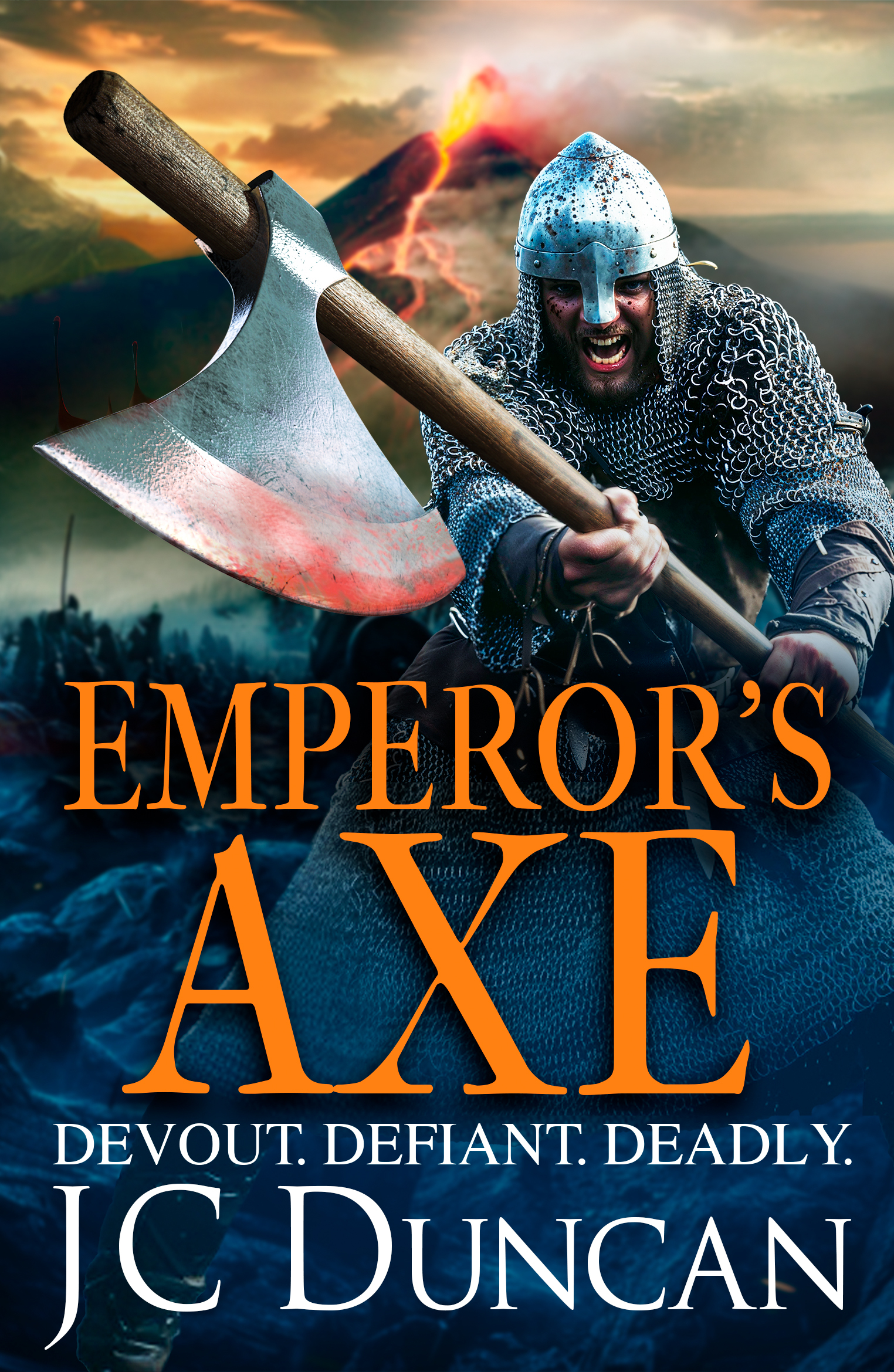
Harald Sigurdsson has risen through bravery and glory in battle to become the commander of the legendary Varangian guard, the oath-sworn protector of the Roman throne in Constantinople; The wielder of the emperor’s axe.
With the estranged Emperor and Empress consumed in a deadly palace war for sole control of the empire, Harald must somehow keep the peace. In a city where everything is taken by subterfuge, violence and deceit, what must an honourable man do to protect the empire from both its enemies and itself?
Harald might be forced to choose between his life and his oaths, to take a side or become an enemy of all, and watch, outcast, as the empire crumbles. Harald is a master of war, but victory in battle will no longer be enough.
The explosive next chapter in the extraordinary tale of Harald Hardrada
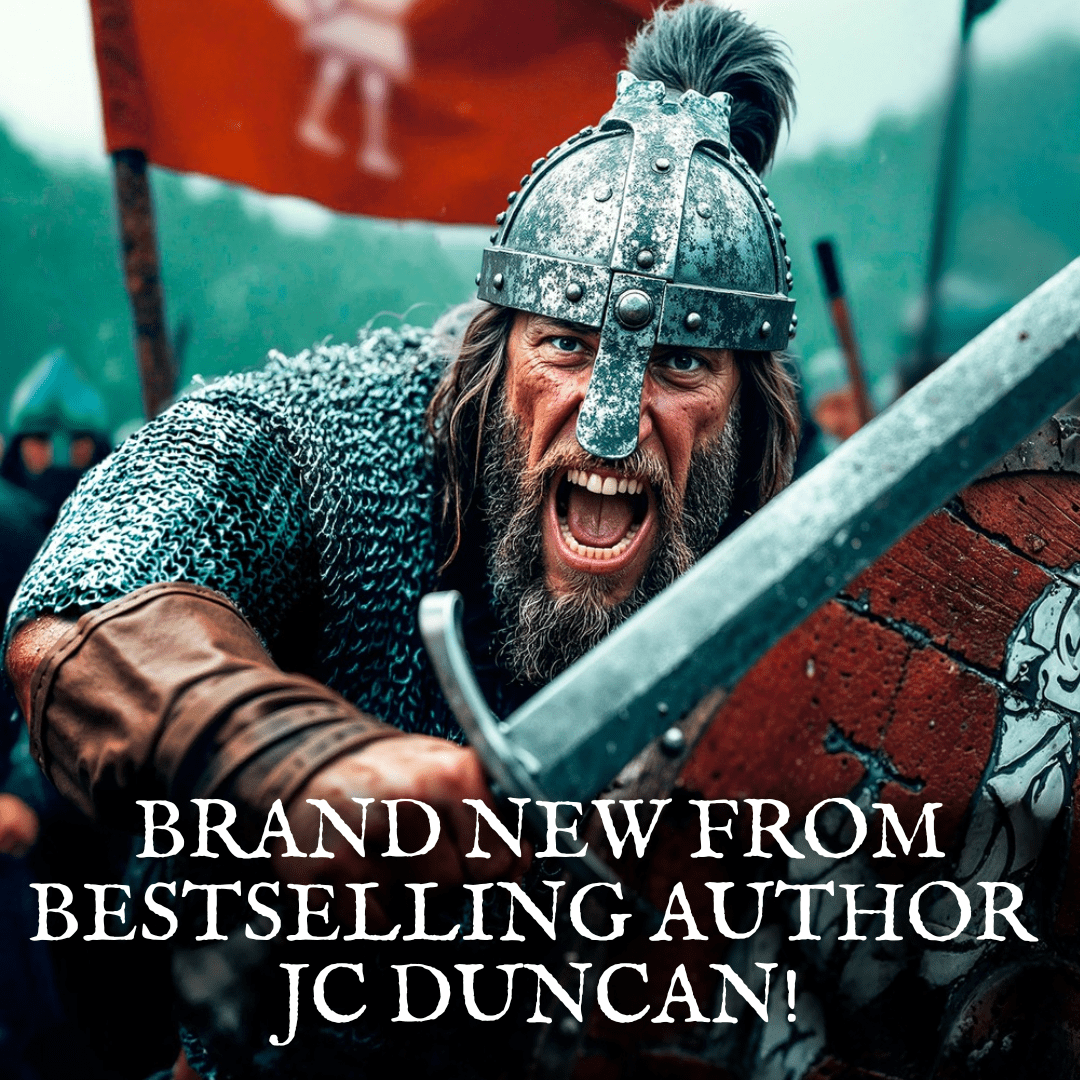
Emperor’s Axe is book three in JC Duncan’s epic retelling of Harald Hardrada’s life. I’ve read the first two books.
Emperor’s Axe sees our hero, Harald, still deeply embroiled in the court politics of the era, only this time, he does seem to have found himself an enemy that might just be his match, John, the Emperor’s brother. As such, he quickly finds himself and many of his men shipped off to fight a seemingly impossible offensive in Sicily and on the mainland of what is now Italy. The expedition’s leaders are ineffective, placed there because of politics and not skill. That’s never going to go down well with Harald, who has a thirst for action and brave daring-do. And it is up to our narrator, Eric the Follower, to intervene when allies threaten to become enemies.
Eric, narrating his tale fifty years later, has the benefit of hindsight and can gloss over some details, but he never shies away from being honest about Harald’s character. He might follow him, but always agree with him? That’s another thing entirely.
And indeed, Harald’s thirst for action and brave daring-do, as opposed to having a sound head for politics, leads him to the tumultuous concluding events of the novel, when he is finally allowed to return to Constantinople, and finds the Empress and Emperor in crisis.
JC Duncan never lets us forget that the Emperor and Empress rule over vast swathes of land. Neither can we forget that Harald has a goal in mind, reclaiming his dead brother’s kingship as soon as he’s able. This is a hugely entertaining novel, managing to encapsulate so much, including the Norman warriors as well as the Norsemen, and stuffed with detail. A fabulous read.
J. C. Duncan is a well-reviewed historical fiction author and amateur bladesmith, with a passion for Vikings. The first book in his fictional series about Harald Hardrada, the last great Viking leader, will be published by Boldwood in October 2023.












































 MJ Porter