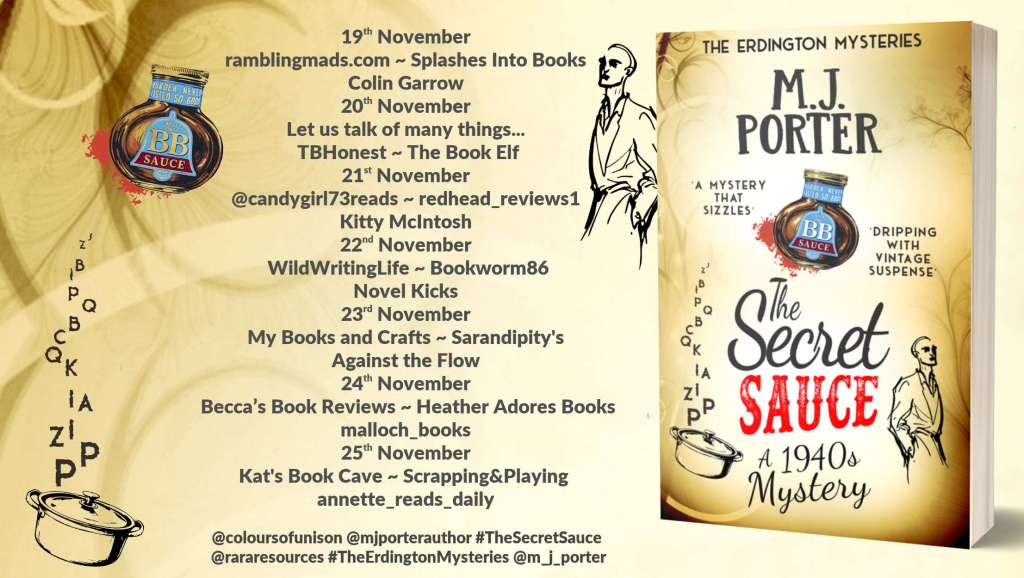
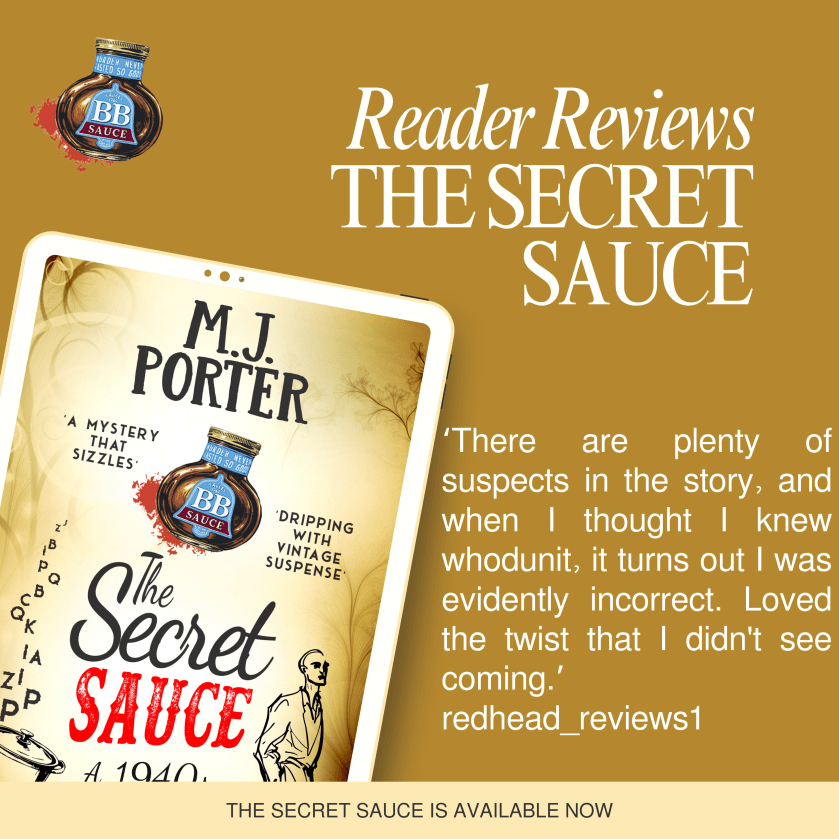
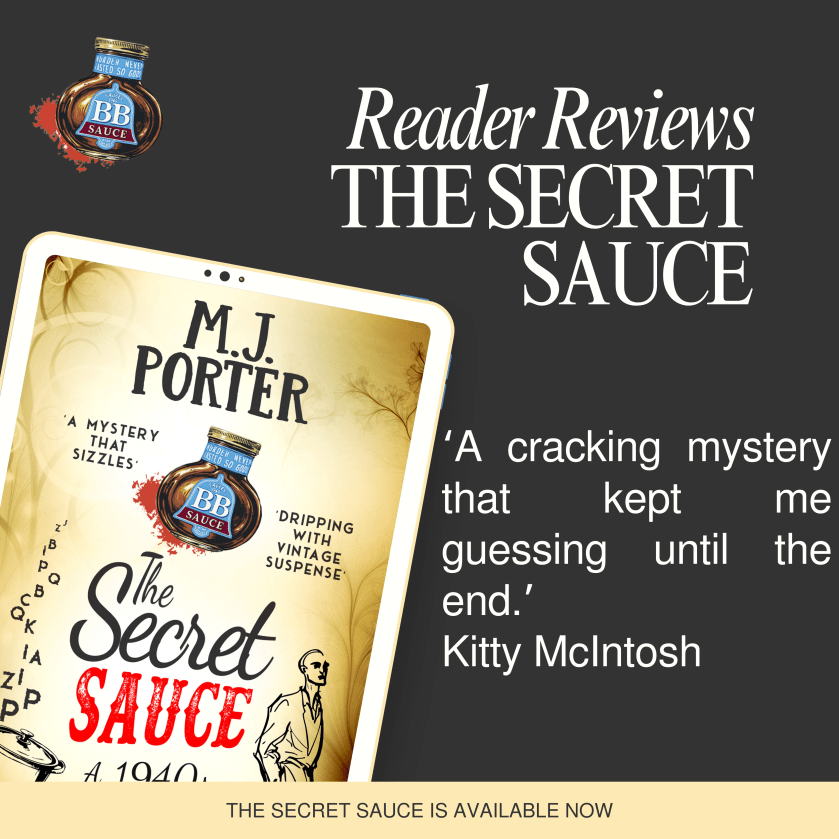
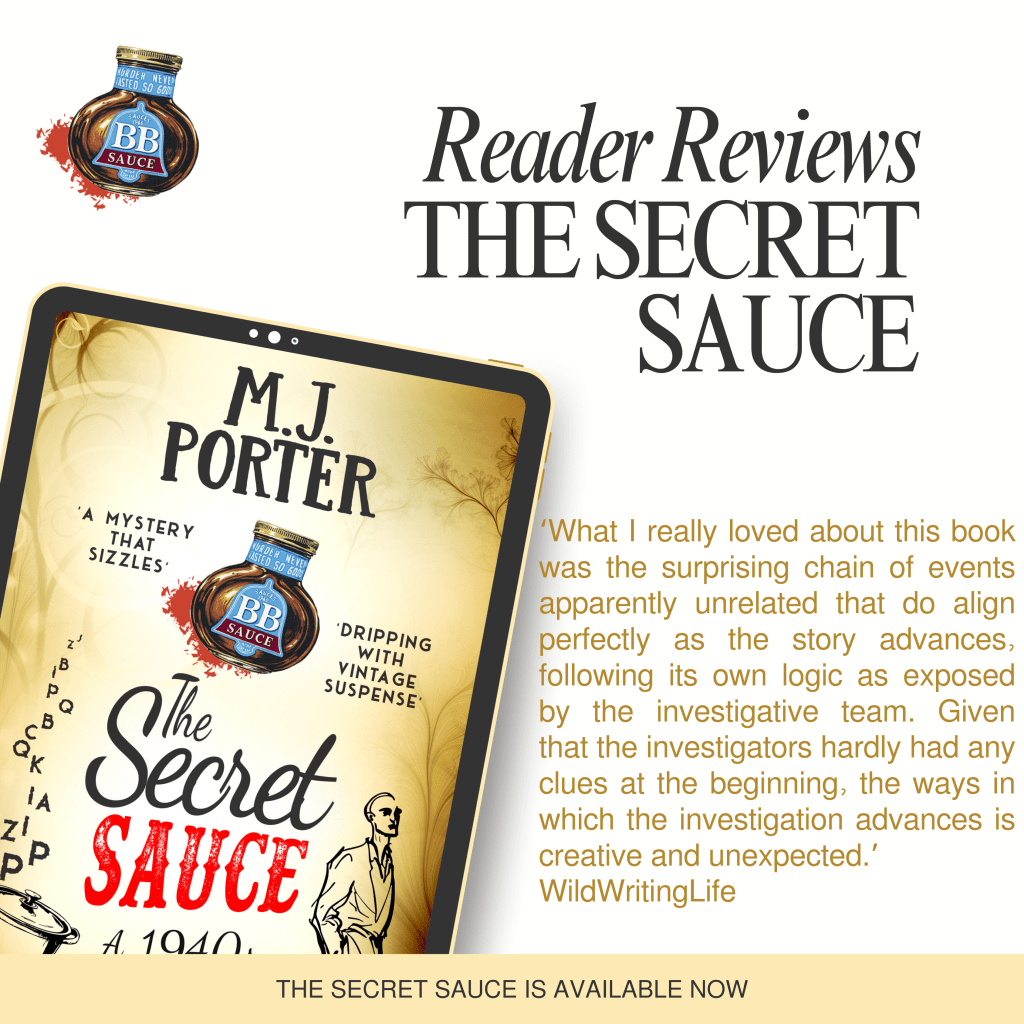
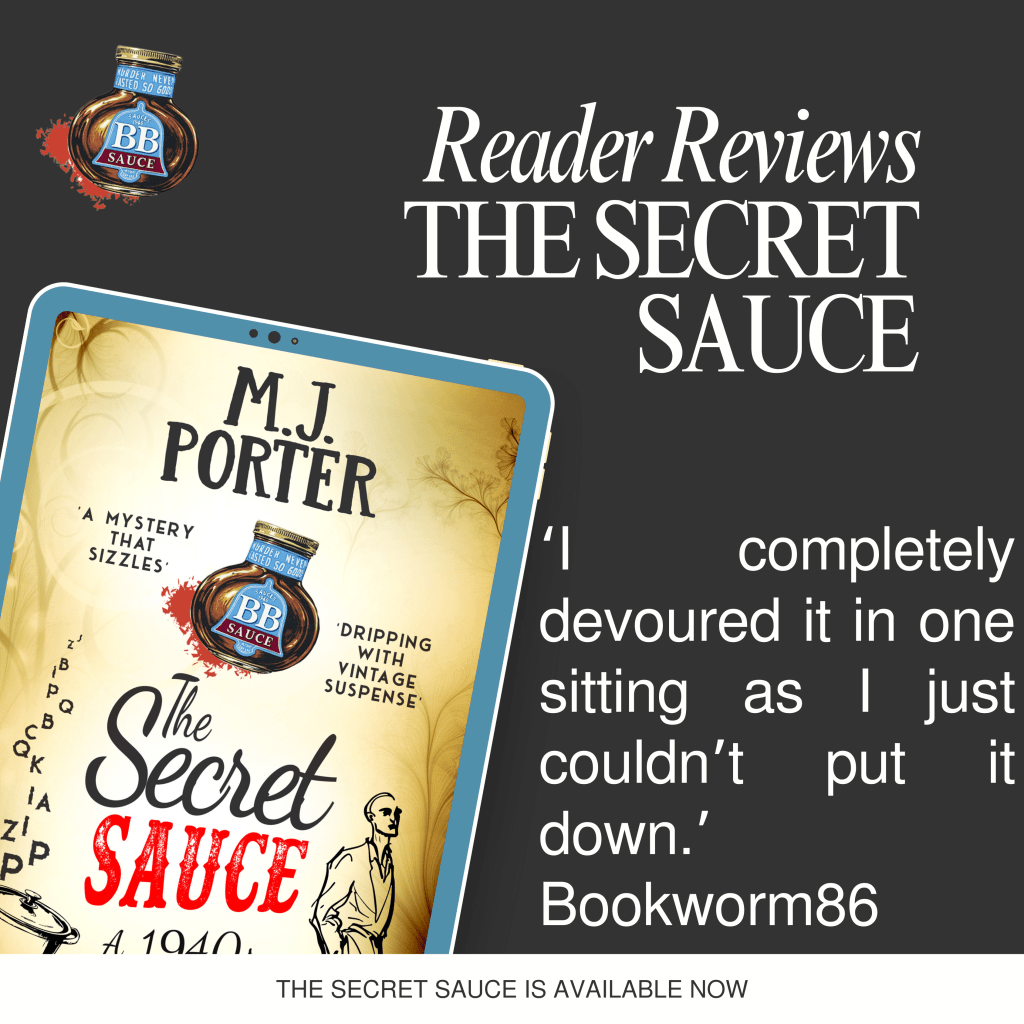
The Secret Sauce is on blog tour with Rachel’s Random Resources hosts. Check out the reviews, blog posts and Q & As below #histfic #historicalmystery
Here’s the blurb
Birmingham, England, November 1944.
Chief Inspector Mason of Erdington Police Station is summoned to a suspicious death at the BB Sauce factory in Aston on a wet Monday morning in late November 1944.
Greeted by his enthusiastic sergeant, O’Rourke, Sam Mason finds himself plunged into a challenging investigation to discover how Harry Armstrong met his death in a vat containing BB Sauce – a scene that threatens to put him off BB Sauce on his bacon sandwiches for the rest of his life.
Together with Sergeant O’Rourke, Mason follows a trail of seemingly unrelated events until something becomes very clear. The death of Harry Armstrong was certainly murder, and might well be connected to the tragedy unfolding at nearby RAF Fauld. While the uncertainty of war continues, Mason and O’Rourke find themselves seeking answers from the War Office and the Admiralty, as they track down the person who murdered their victim in such an unlikely way.
Join Mason and O’Rourke for the third book in the quirky, historical mystery series, as they once more attempt to solve the impossible in 1940s Erdington.
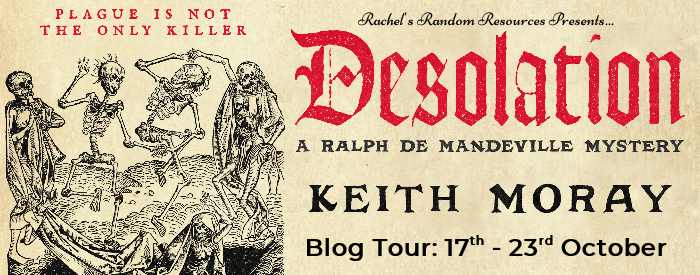
I’m sharing my review for Desolation by Keith Moray, a brand new historical mystery #bookreview #blogtour #newrelease
Here’s the blurb
A BRAND NEW wickedly dark medieval mystery from Keith Moray. If you like your murder truely gruesome – this series is for you! 🩸☠️🗡️
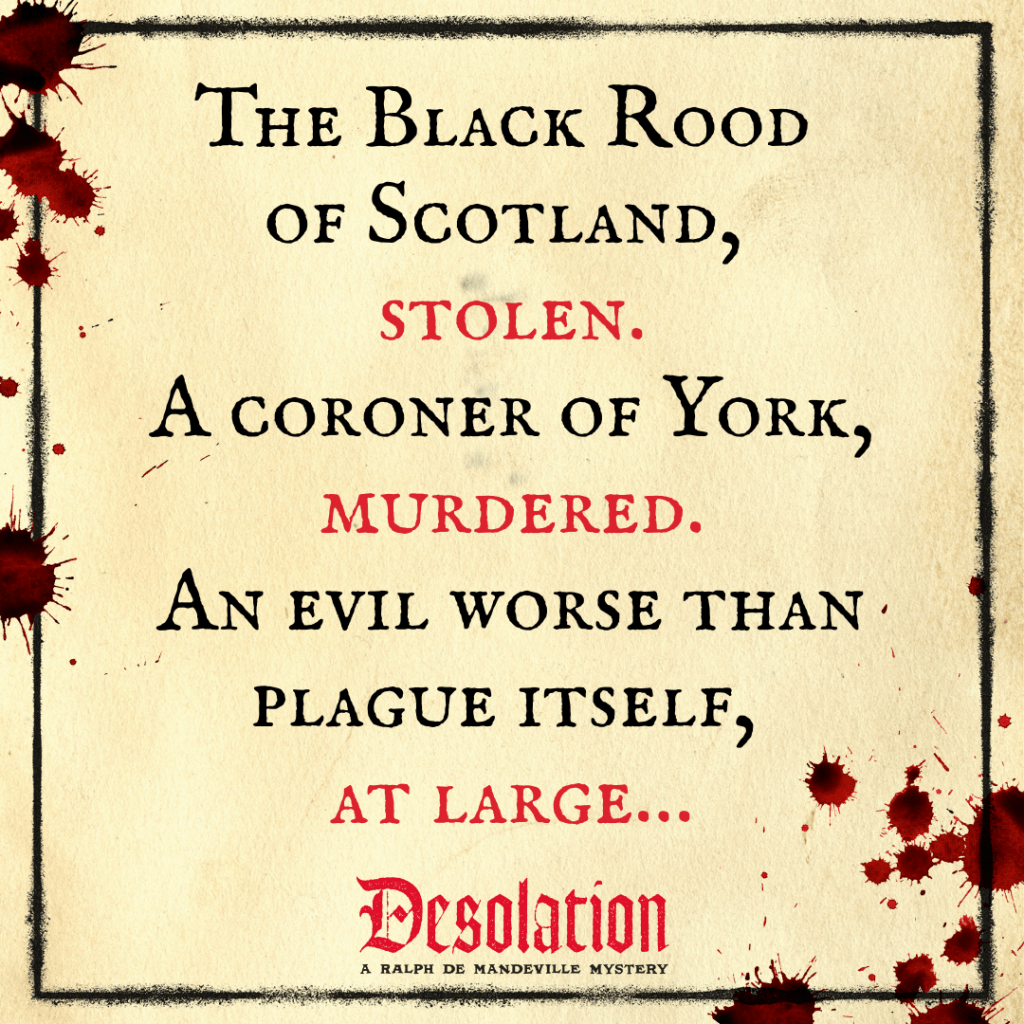
The Black Rood of Scotland, stolen.
A coroner of York, murdered
An evil worse than plague itself, at large…
1361, York. As the country recovers from the war with France, and whispers that the pestilence has returned to England grow louder, fear is in the heart of every nobleman and commoner alike. Sir Ralph de Mandeville, ex-solider and newly appointed Justice of the Peace is sent to Langbarugh, just outside York, to investigate the murder of Coroner Sir Boderick de Whitby.
More deaths quickly follow, and while these are swiftly dealt with as plague victims, Sir Ralph and his two assistants Merek and Peter soon uncover something altogether more horrifying… A greater evil is at large in the northern wapentakes.
As panic escalates and the lines between plague and murder blur, Sir Ralph is thrust into a desperate race against time. Every shadow hides a potential killer, every cough could be a death knell. Can he unmask a murderer lurking in the terrifying shadow of the Black Death before they’re all consumed by a terror more sinister than any plague?
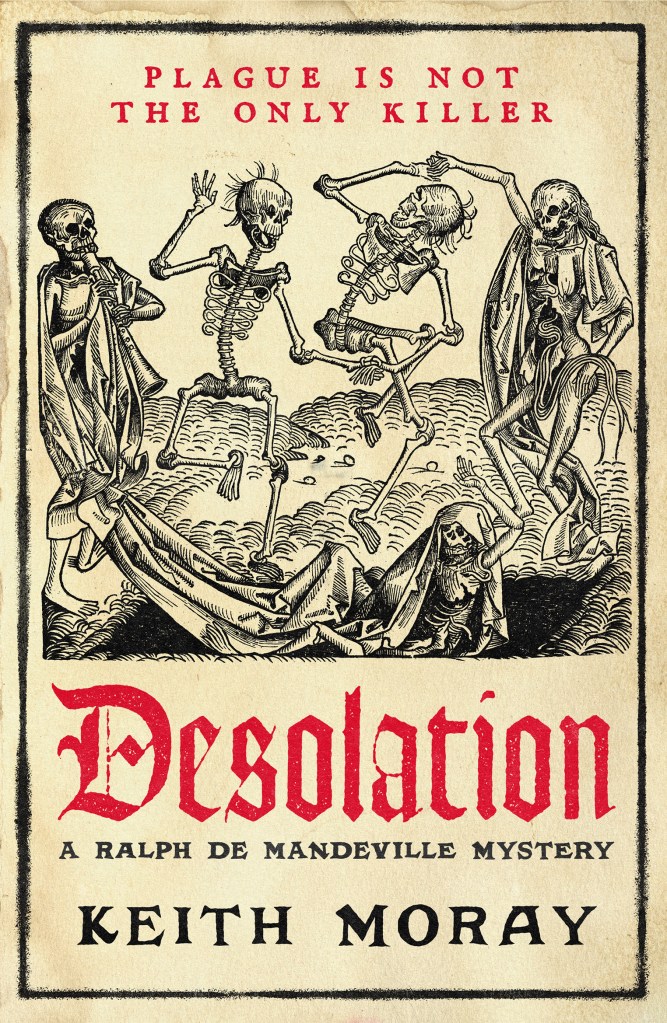
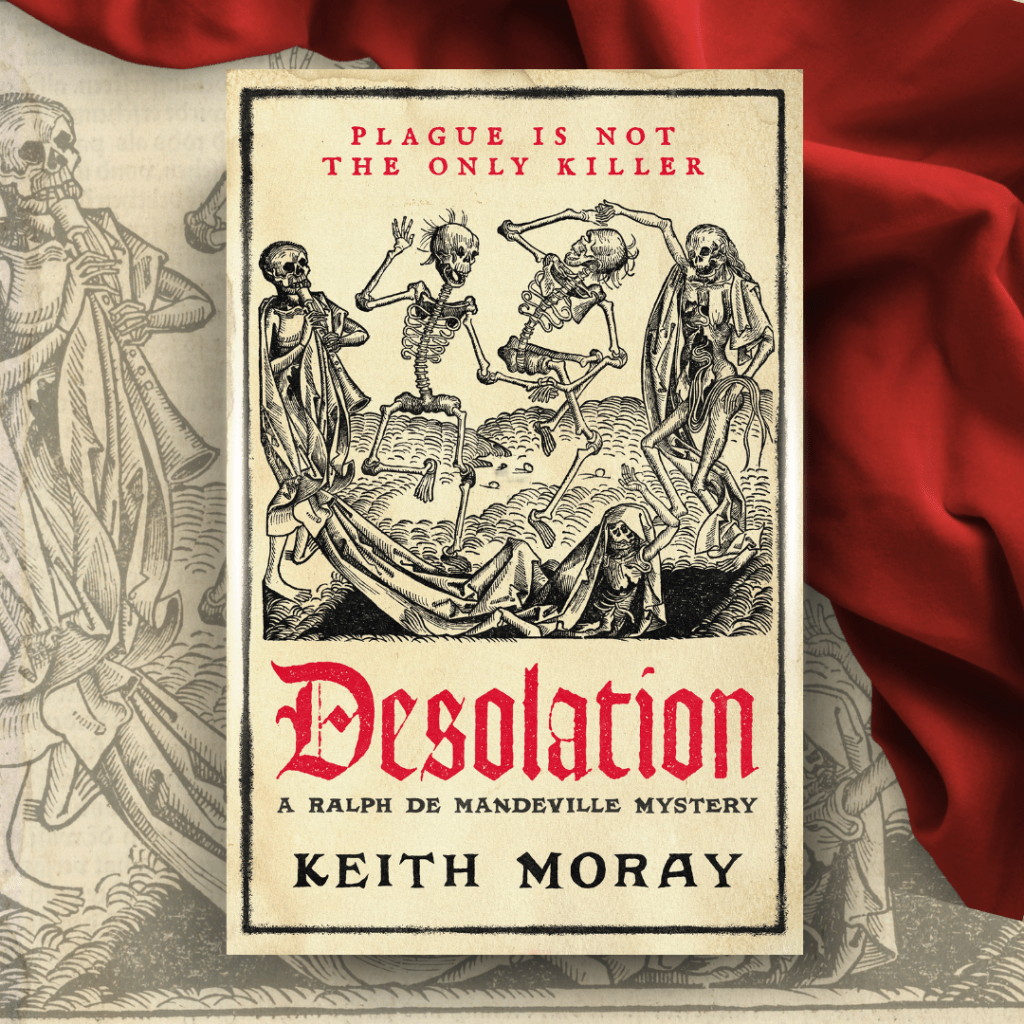
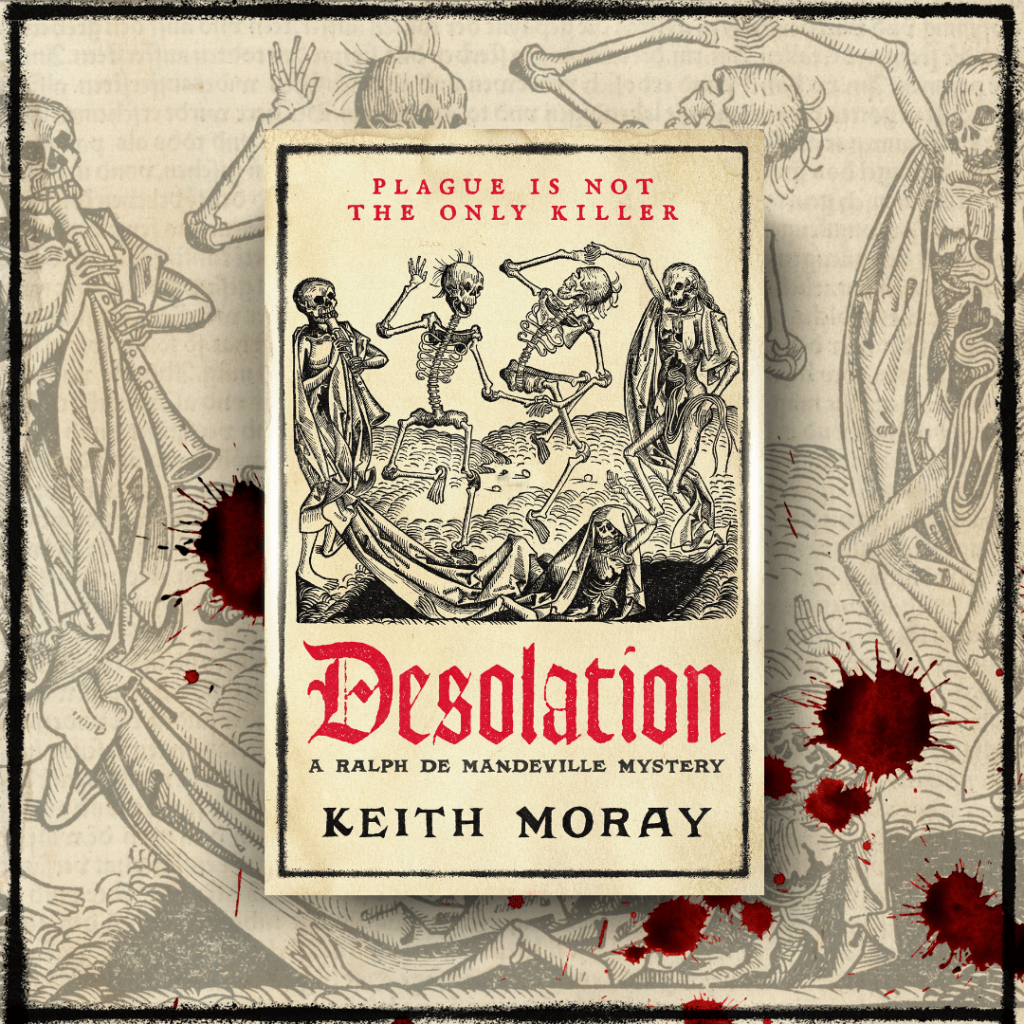
Desolation is the first book I’ve read by Keith Moray. I think the cover is fabulous and very evocative.
The story is intriguing, with a wide cast and it takes quite some time until we finally meet Ralph de Manville because there are so many other characters to meet first. I do hope that in later books in the series, Ralph will enter the narrative a little quicker.
It is quite a complex plot, because the narrative switches between characters so much. The reader does have to work to make sense of what’s happening. We are told certain things, but not others – so we know what’s happening but not necessarily who is doing it. The body count is HUGE!
When Ralph finally begins to make sense of what’s happening, the resolution comes quite quickly, and the ending is certainly satisfying.
I read a lot of mysteries. If I don’t work out ‘who did it’ I am always impressed, although with Desolation there are so many people implicated, it does feel as though there are a lot of people to guess. I worked out some elements, but not others, and I did very much enjoy the mystery element of the story.
Meet the author
Keith is a retired GP, medical journalist and novelist, writing in several genres. As Keith Moray he writes historical crime fiction in the medieval era and in ancient Egypt, The Inspector Torquil McKinnon crime novels set on the Outer Hebridean island of West Uist, and as Clay More he writes westerns. Curiously, his medical background finds its way into most of his fiction writing.
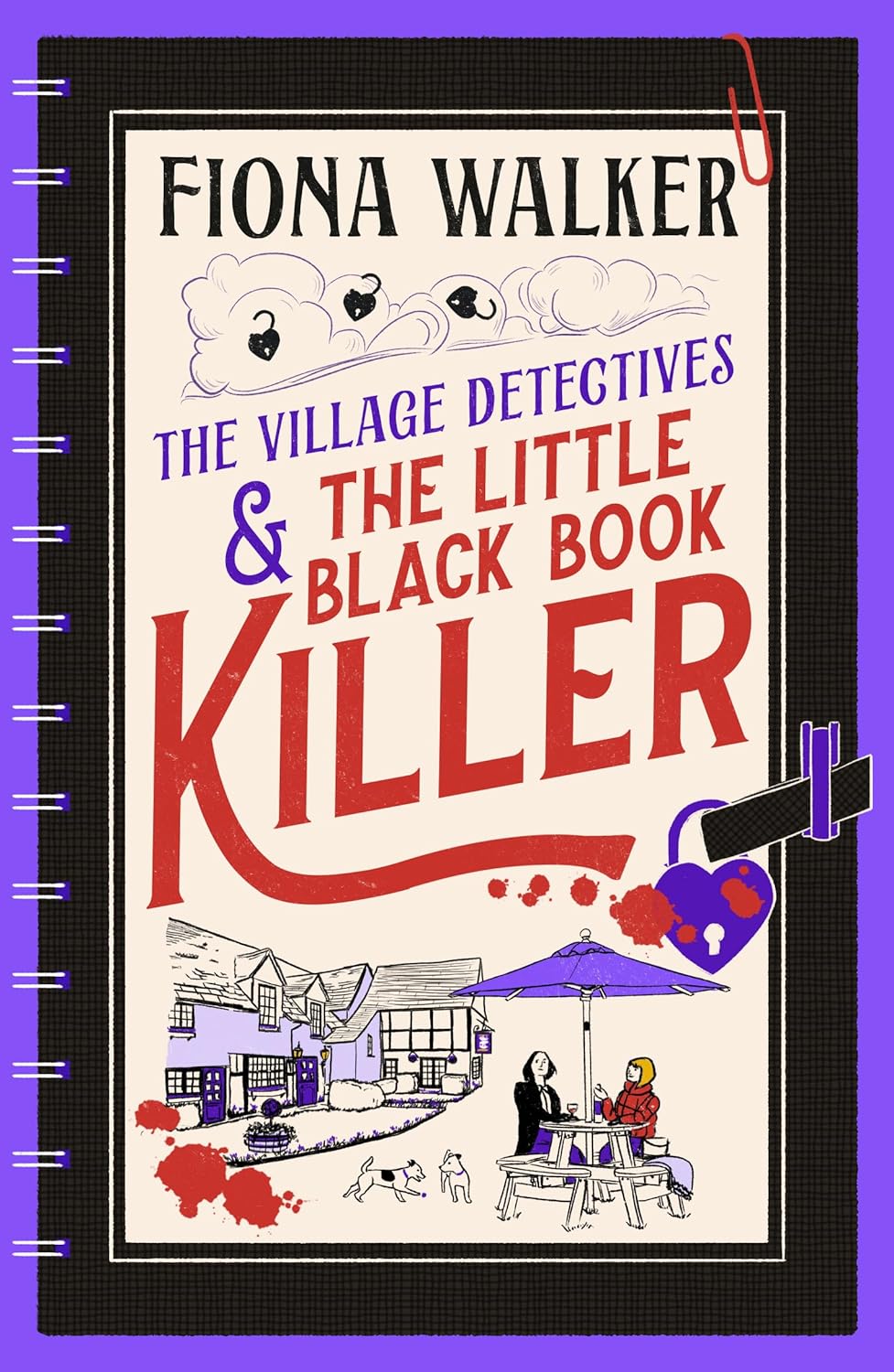
I’m sharing my review for The Little Black Book Killer by Fiona Walker, the third book in her The Village Detectives series #bookreview #cosycrime #newrelease
Here’s the blurb
Matchmaking has never been so murderous… 💔🔪
Juno is feeling ready – at last – to start dating again, after losing her husband some years ago. She is sure she can make time from being a Village Detective, indeed it might help distract her from her crush on hunky (but far-too-young!) pub landlord – Mil.
So she’s signed up to an exclusive new dating app and cannot wait. But when one of the founding investors in that same dating app drops dead in front of fellow Village Detective Phoebe in a nearby hotel – and then a second investor is found hanging in the local cricket pavilion just days later – Juno knows she’ll have to put her love life on hold.
Teaming up once more with Phoebe, Felix and Mil… the Village Detectives are back. And this time Juno – who’d thought she was getting under the covers with a new lover – is going undercover to catch a killer…
Wickedly funny cozy crime, from million-copy bestselling author Fiona Walker! Fans of The Thursday Murder Club and A Death on Location will love the Village Detectives!
The Little Black Book Killer is the third book in the Village Detective Series, and I definitely think it’s my favourite so far. I laughed so hard at one line in particular, and I think all readers will love it.
Freddy is out of her ‘funk’ (which has been a running theme). Juno is certainly ‘dialled down’ a few notches (yay), and their switching narratives ensure the reader almost always knows what’s happening. The characters involved in the actual mystery are a delightful mix of local villagers who all bring something to the table. The graveyard vandals and the missing underwear also add a delightful side story.
The mystery itself is quite complex, and there are a ton of red herrings (yay), so I didn’t work out all the elements of the resolution, which I always appreciate.
As I said, this is the third book in the series, and my favourite so far.
Check out my review for The Poison Pen Letters, the second book in the series. I have read book 1 too, but clearly not popped it on the blog.
Meet the author
Fiona Walker is the million copy bestselling author of joyously funny romantic comedies. Most recently published by Head of Zeus, she will be turning to cozy crime for Boldwood.
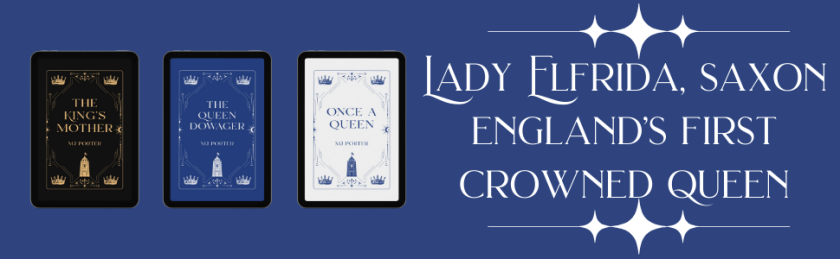
Why did I write about Lady Elfrida? Saxon England’s first crowned queen? #nonfiction #authorinspiration
Why did I write about Lady Elfrida?
Lady Elfrida could have been Anne Boleyn, marrying for love, only she outlived her husband. She could have been Eleanor of Aquitaine, only she only had one son who lived to adulthood. She could have been Isabella, the She-Wolf of France. No woman before her had ever held so must power in England, and lost it, at the hands of her son.
The delight in Lady Elfrida’s story is playing with the ‘what ifs’ and the ‘possibilities.’ This is why she is a perfect character to explore through fiction, because her life is long and varied, and there’s a great deal to untangle from the historical record.
Elfrida was, officially, the first crowned Queen of Saxon England. Of Saxon England. Before her, there had been queens of Wessex (not as many as you think), Mercia (more), Northumbria, Kent, East Anglia, and even of the Anglo-Saxons, but never of the English.
‘Twice a Queen’ Emma, who married Elfrida’s son, Æthelred II, and the Cnut, would have walked in only recently relinquished footsteps when she married. Equally, Elfrida replaced Lady Eadgifu, a woman not known to have been acknowledged queen, but who just might have known Elfrida before her death, and who had certainly played her own part as a kingmaker following the death of her husband, her stepsons, her sons, and then older grandson.
I confess, the idea of a married king falling passionately in love with Lady Elfrida was almost more than enough to want to write about her, and I did include this in the first novel, much more a romantic historical novel than the subsequent books, but it was what came after that struck me.
A woman of considerable power and influence
But Lady Elfrida was a woman of considerable power, not just a love interest for the king – take a look at the charters issued throughout her second husband’s and second son’s life, and she’s there, named. Not always at the top of the list of attestations, but clearly in evidence, apart from when she and her son seem to have fallen out in about 985 until 993, when she reappears until her death. Lady Elfrida was a ‘mover and shaker’ at the Saxon English Court.
She was the ‘queen’ alongside her husband as king, she was mother to his third and fourth children – two sons.
As queen, she was involved in the Benedictine Reformation, then sweeping England – alongside such political heavyweights as Archbishop Dunstan and Oswald and Bishop Æthelwold, and her husband gave her command over the nunneries of England (which meant their wealth and assets as well as their spiritual needs).
Under her step-son, Edmund the Martyr, Lady Elfrida, was absent from Court, no doubt plotting her son’s return, or, just acknowledging that she had no part to play as her son had been excluded from the succession.
Lady Elfrida returned to Court with her son’s accession. A regency council was formed, and of course Elfrida was included, and this seems to be where Elfrida reached her peak of influence.
It’s worthwhile pausing to consider this outcome. Æthelred was no more than ten, possibly eleven, when he came to the throne. He was a minor. He was a child. And yet he became king of England, his coronation taking place in April 978 or 979, either with unseemly haste after his half-brother’s murder, or with a year of ‘arm twisting’ in between.
He was a minor. He was not a warrior.
A hundred years before Æthelred’s reign, the Alfred-Guthrum treaty had been signed, dividing England between the Danes and the ‘English’ (as they weren’t yet really known). ‘England’ (still not a distinct entity) had nearly been overrun by the Vikings. Fast-forward a hundred years, and ‘England’ has formed and there’s a minor on the throne. This, in any eyes, must be hailed as the greatest victory for Lady Elfrida.
Examining Lady Elfrida’s life with a rational approach and half an eye to the charter evidence for the period, and half an eye on what would happen after her death to smear her image, it‘s difficult not to say that she was not the first truly influential and powerful queen to ever stand close to England’s throne – a queen as well as a wife, the king’s mother, and, in time, the grandmother to a future generation – she deserves much more than her attribution (which formed quite quickly after her death and only grew after the Norman Conquest) of ‘whore’ and ‘murderer’.
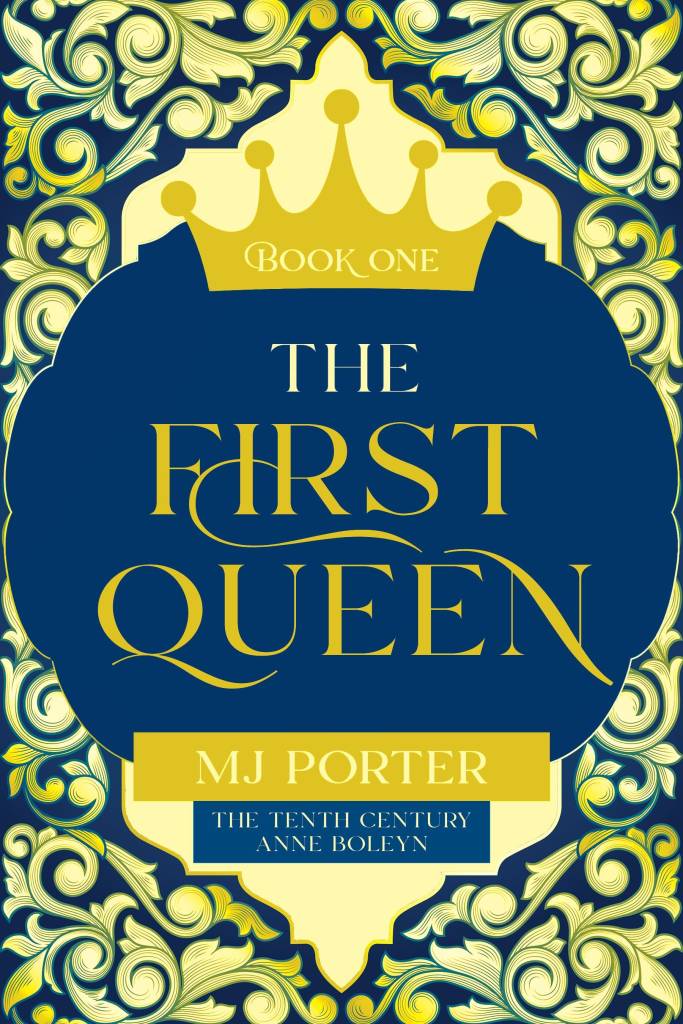
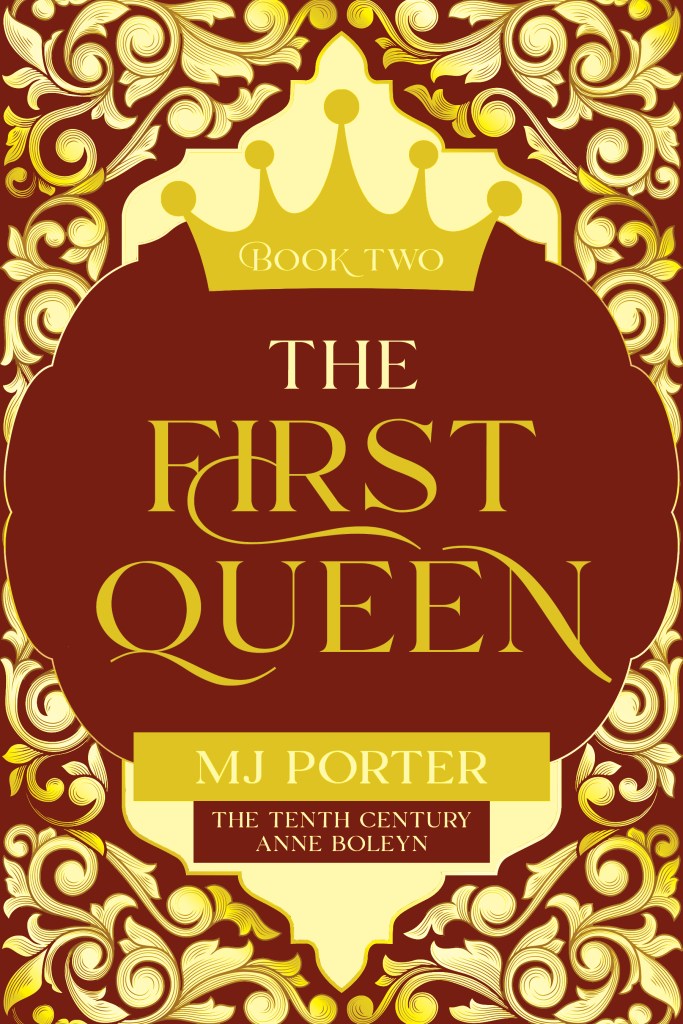
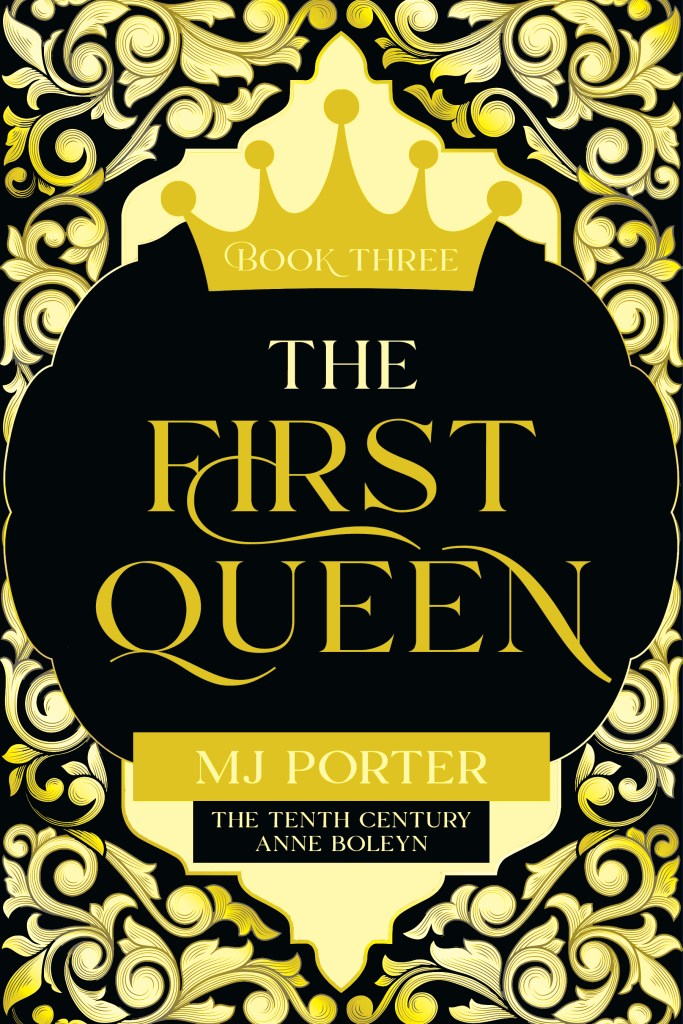
The First Queen Trilogy charts Lady Elfrida’s marriage.
The King’s Mother, the first in a second trilogy, charts Lady Elfrida’s role, as well, the King’s Mother. Her story can be read from here.
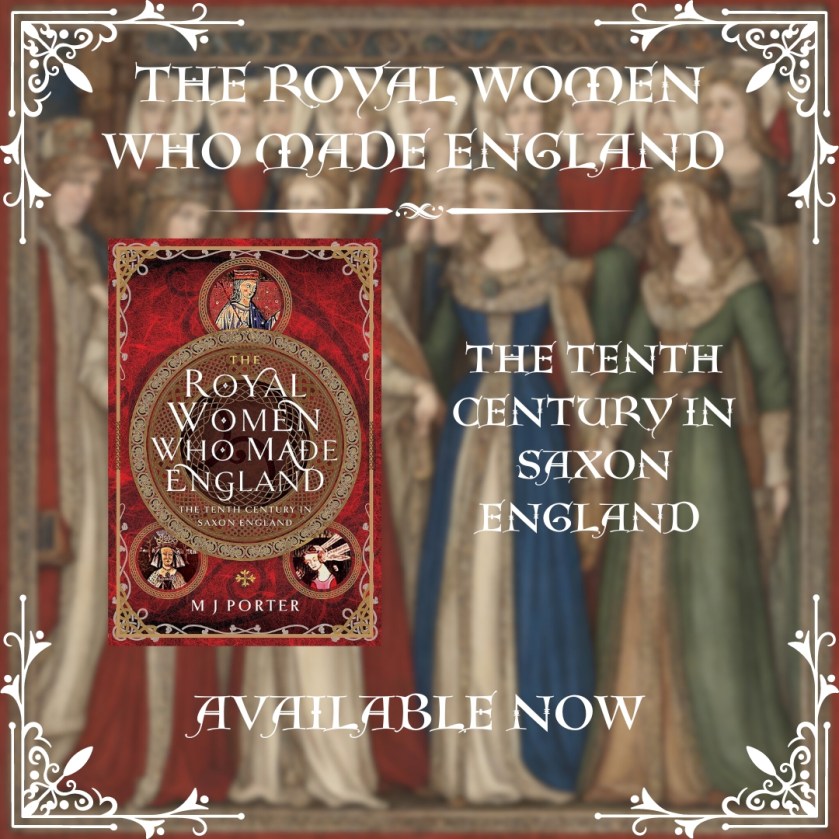
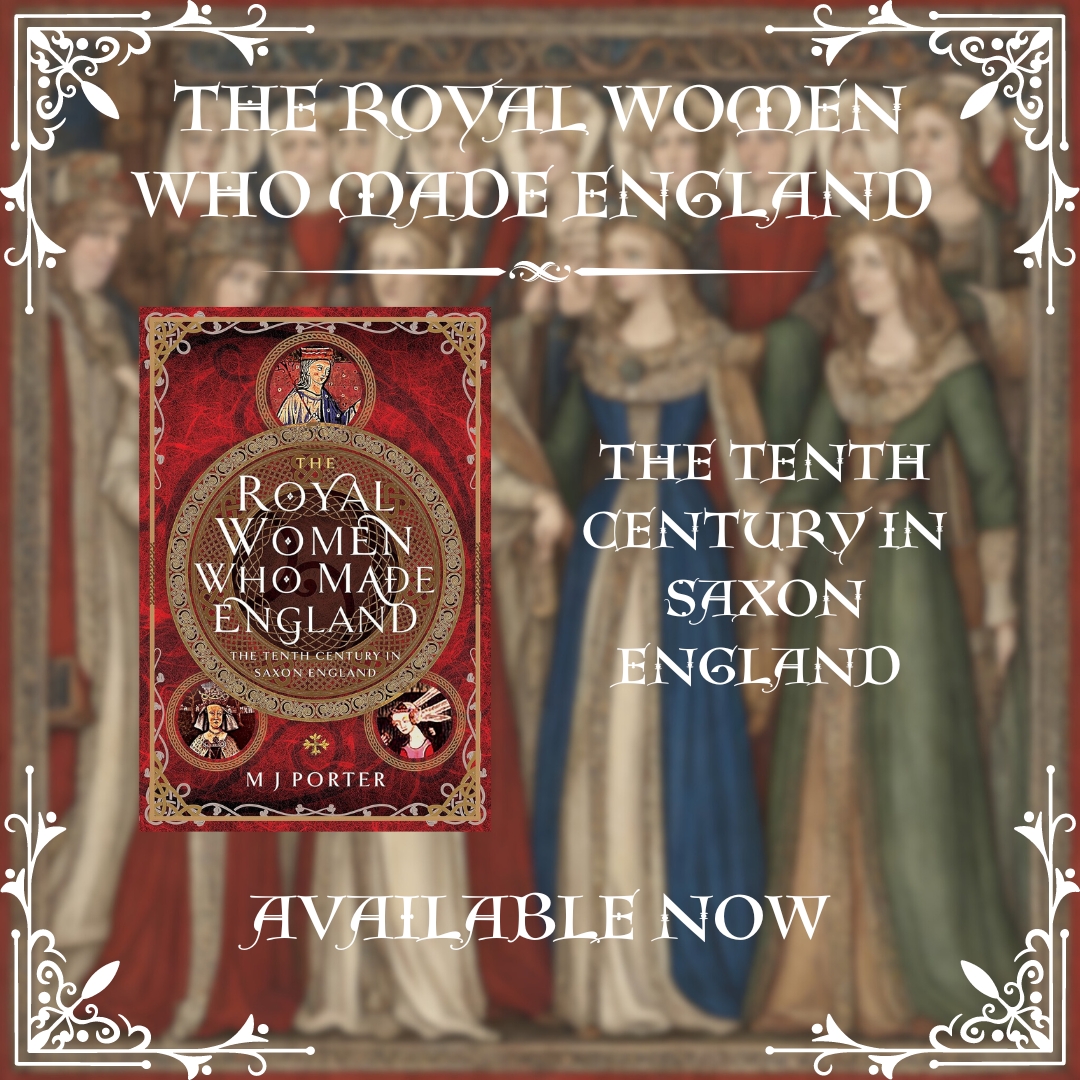
If you’d like to know more about the historical Elfrida, she features in my first non-fiction title, below (as does Lady Eadgifu).
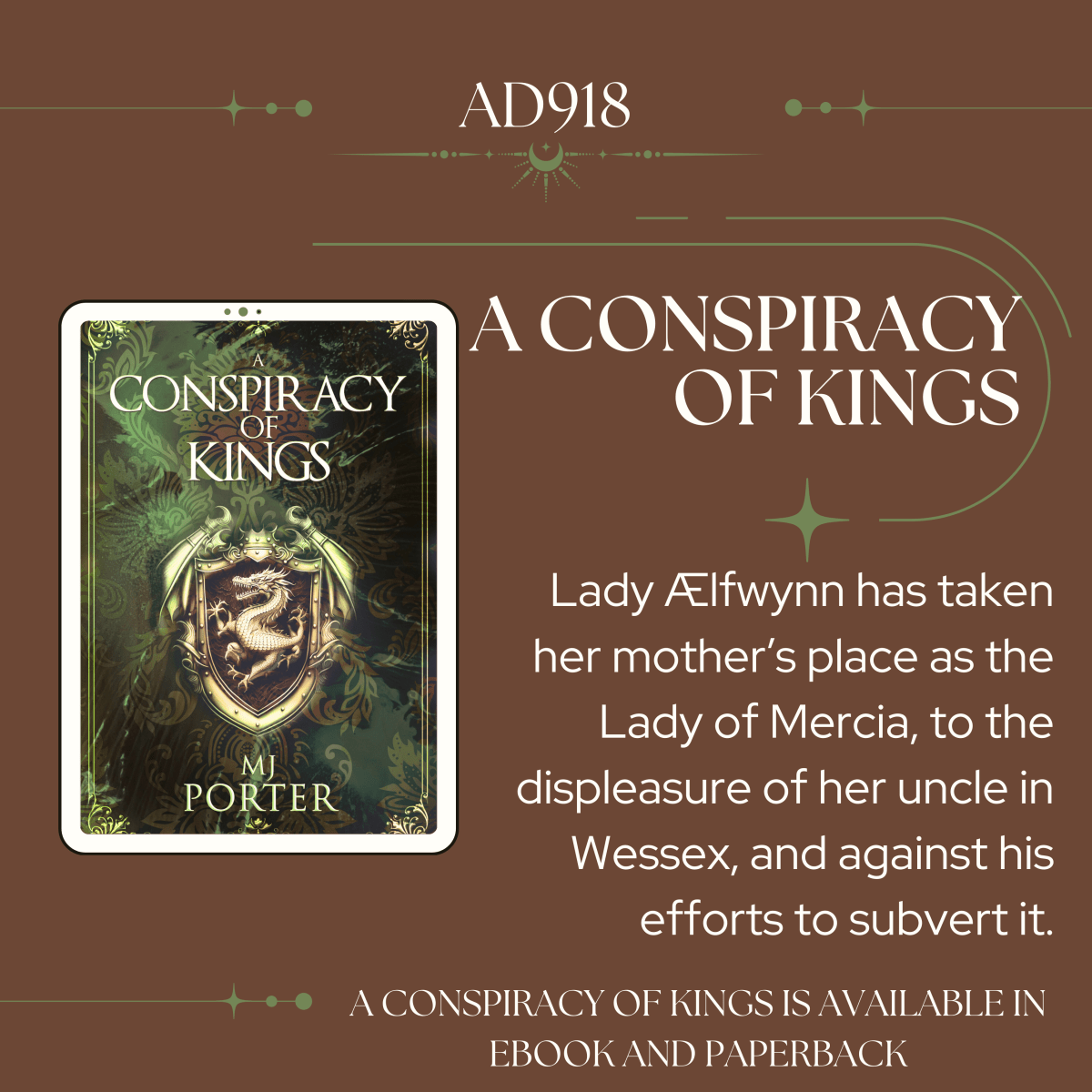
A Conspiracy of Kings – a little bit of history (may contain spoilers for my fictional recreation of Lady Ælfwynn
In the sequel to The Lady of Mercia’s Daughter, the story of Lady Ælfwynn continues. She is The Second Lady of Mercia, but everything isn’t as it seems. In the various recensions of The Anglo-Saxon Chronicles, an attempt can be made to piece together what befalls her.
The Anglo-Saxon Chronicle A version doesn’t mention Ælfwynn at all but instead has King Edward of Wessex/the Anglo-Saxons taking control of Tamworth as soon as his sister dies in June 918.
The Anglo-Saxon Chronicle E only mentions Lady Æthelflæd’s death in 918 and not what happens immediately after in Mercia. Lady Ælfwynn’s fate, however, is recorded in The Anglo-Saxon Chronicle C. We’re told that she was deprived of all power and ‘led into Wessex three weeks before Christmas.’ This entry is dated 919, although it’s normally taken to mean 918 due to a disparity between the dating in this part of The Anglo-Saxon Chronicle – known as the Mercian Register – where a new year starts in December as opposed to in the Winchester version of The Anglo-Saxon Chronicle where the new year starts in September.
These details are stark, offering nothing further. What then actually happened to Lady Ælfwynn? Was she deprived of her power? Was she deemed unsuitable to rule?
What adds to the confusion surrounding Lady Ælfwynn is that other than this reference in The Anglo-Saxon Chronicle, she doesn’t appear in any of the later sources. It’s as though she simply ceased to exist.
Two intriguing suggestions have been put forward to explain what happened to Lady Ælfwynn, both with some tenous corroboration.
Did she become a nun or, perhaps, a religious woman?
A later charter dated to 948 and promulgated by King Eadred is to an ‘Ælfwyn, a religious woman,’ and shows land being exchanged in Kent for two pounds of purest gold. (S535) There’s no indication that this Ælfwyn is related to our Ælfwynn or even to King Eadred. But, there remains the possibility that it might just have been the same woman, after all, Eadred would have been Ælfwynn’s cousin. Charter S535 survives in only one manuscript.
Alternatively, and based on a later source, Ramsey Abbey’s Book of Benefactors, we learn the following:
‘he [Athelstan Half-King] bestowed marriage upon a wife, one Ælfwynn by name, suitable for his marriage bed as much as by the nobility of her birth as by the grace of her unchurlish appearance. Afterwards she nursed and brought up with maternal devotion the glorious King Edgar, a tender boy as yet in the cradle. When Edgar afterwards attained the rule of all England, which was due to him by hereditary destiny, he was not ungrateful for the benefits he had received from his nurse. He bestowed on her, with regal munificence, the manor of Weston, which her son, the Ealdorman, afterwards granted to the church of Ramsey in perpetual alms for her soul, when his mother was taken from our midst in the natural course of events.’[i]
Which alternative is it?
There are only eight women named Ælfwynn listed in the Prosopography of Anglo-Saxon England (PASE), a fabulous online database. Of these, one is certainly Ælfwynn, the second lady of the Mercians, and one is undoubtedly the religious woman named in the charter from 948. (When the identification is not guaranteed, multiple entries are made in this invaluable online database). The other five women were alive much later than the known years Ælfwynn lived. One of the entries might possibly relate to her, but that’s all the information known about her.
And this is far from unusual for many of the women of the House of Wessex. Some women are ‘lost’ on the Continent. Some are ‘lost’ in England.
‘Were it not for the prologue to Æthelweard’s Latin translation of an Anglo-Saxon Chronicle, we would know of only six tenth-century royal daughters or sisters from early English sources and the names of only four of them. Three of these named ones are nuns or abbesses. Only Ælfwynn, the daughter of Æthelflæd and Æthelred of Mercia, and the two daughters of Edward/sisters of Athelstan who married Otto I and Sihtric of York, appear in the witness lists of charters, though Eadburh, daughter of Edward the Elder, is a grantee of a charter of her brother Athelstan.’[ii]
Reconstructing a ‘possible’ life for Lady Ælfwynn was the inspiration for both The Lady of Mercia’s Daughter and A Conspiracy of Kings, and the potential for family betrayal, politicking, and war with the Viking raiders was just too good an opportunity to miss.
[i] Edington, S and Others, Ramsey Abbey’s Book of Benefactors Part One: The Abbey’s Foundation, (Hakedes, 1998) pp.9-10
[ii] Stafford, P. Fathers and Daughters: The Case of Æthelred II in Writing, Kingship and Power in Anglo-Saxon England, (Cambridge University Press, 2018) p.142
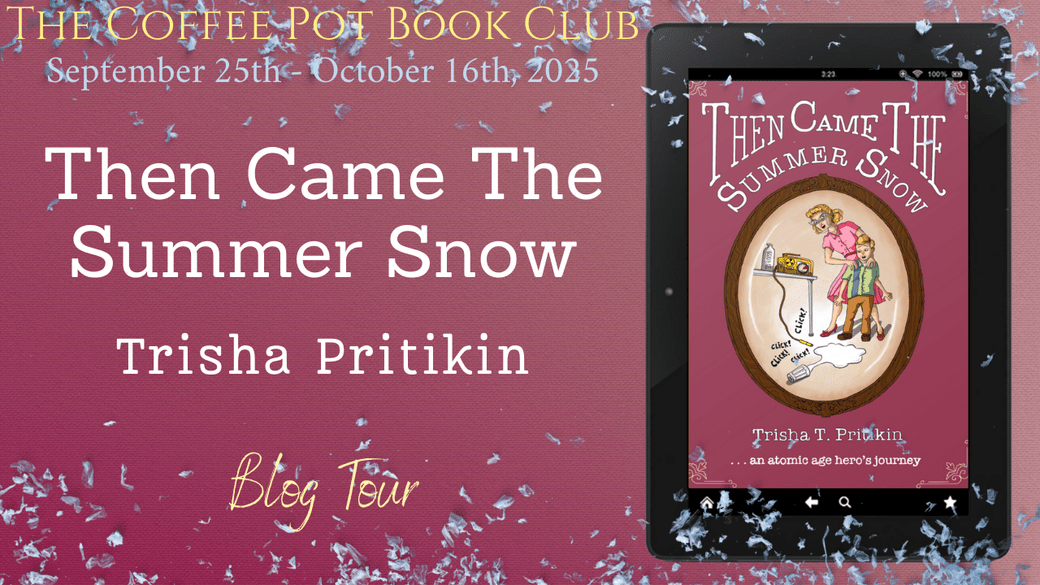
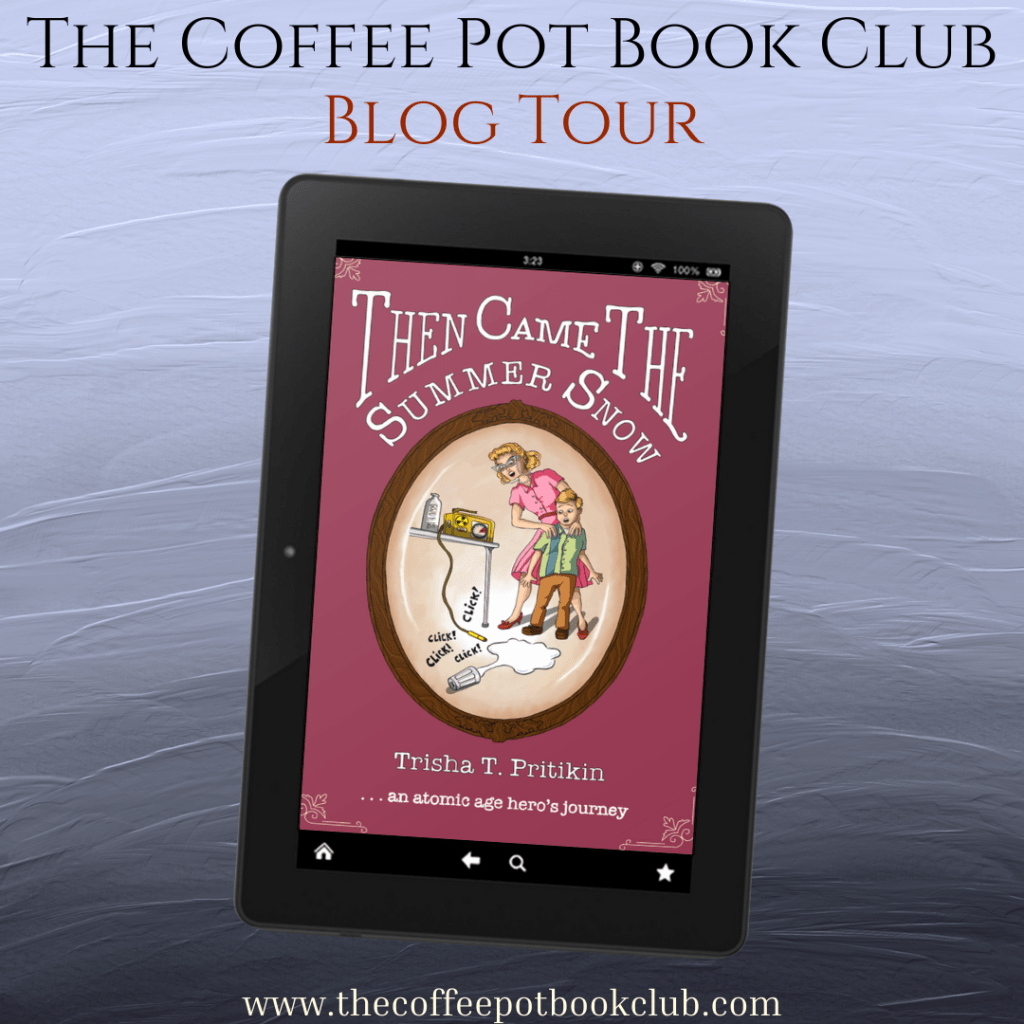
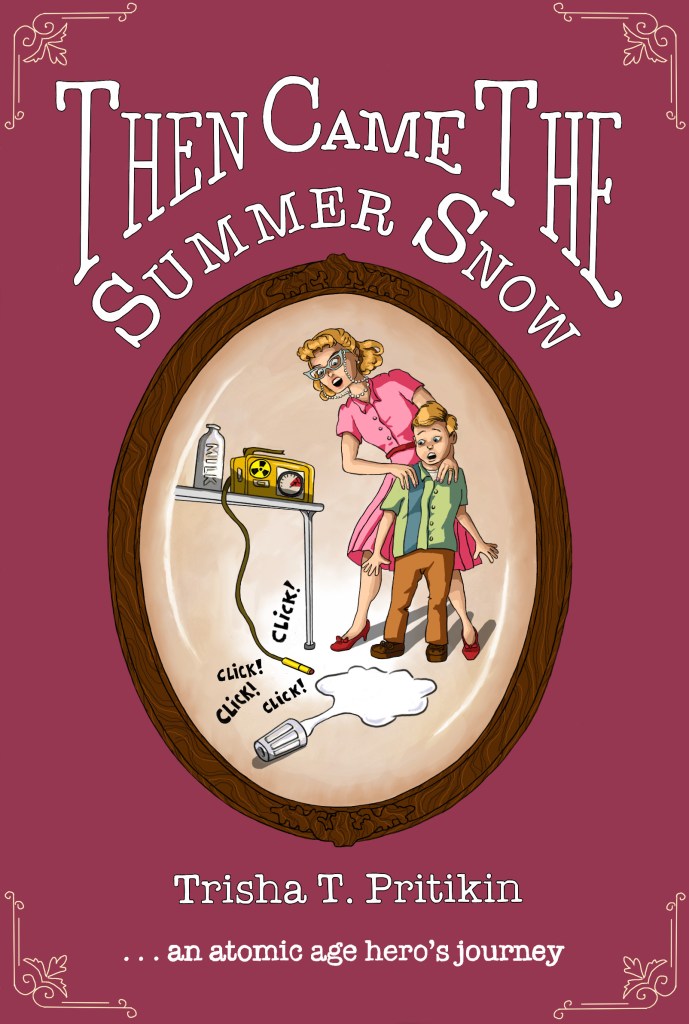
I’m welcoming Then Came The Summer Snow by Trisha T Pritikin to the blog #HistoricalFiction #Downwinders #AtomicJustice #1950s #BlogTour #TheCoffeePotBookClub
Here’s the blurb
In 1958, Edith Higgenbothum, a housewife in Richland, Washington, downwind of the massive Hanford nuclear weapons production site, discovers that the milk her young son Herbie drinks contains radioactive iodine from Hanford’s secret fallout releases. Radioactive iodine can damage the thyroid, especially in children.
When Herbie is diagnosed with aggressive thyroid cancer, Edith allies with mothers of children with thyroid cancer and leukemia in communities blanketed by fallout from Nevada Test Site A-bomb tests on a true atomic age hero’s journey to save the children.
Praise for Then Came the Summer Snow:
“In Trisha Pritikin’s crisp and sweeping novel, the Cold War comes home to live with a family in Richland, Washington. Not the Cold War of ideologies, but the one that included 2,000+ nuclear tests, and the production of hundreds of tons of plutonium; that contaminated our homes, food and communities; that actually took family members.”
~ Robert “Bo” Jacobs, Emeritus Professor of History at the Hiroshima Peace Institute and Hiroshima City University, author of Nuclear Bodies: The Global Hibakusha (Yale 2022).
“Then Came the Summer Snow is like an unexpected gift in its surprise and freshness. Absurdity informs its realism, its poignancy, and its humor. A troubling, hilarious, weird, and wonderful novel.”
~ Mark Spencer, author of An Untimely Frost
Triggers: misogynist culture of 1950s; no violence, but cancers in children are a focus, and thyroid cancer treatment.
This title is available to read on #KindleUnlimited.
Meet the author
Trisha is an internationally known advocate for fallout-exposed populations downwind of nuclear weapons production and testing sites. She is an attorney and former occupational therapist.
Trisha was born and raised in Richland, the government-owned atomic town closest to the Hanford nuclear weapons production facility in southeastern Washington State. Hanford manufactured the plutonium used in the Trinity Test, the world’s first test of an atomic bomb, detonated July 16,1945 at Alamogordo, NM, and for Fat Man, the plutonium bomb that decimated Nagasaki on August 9, 1945. Beginning in late 1944, and for more than forty years thereafter, Hanford operators secretly released millions of curies of radioactive byproducts into the air and to the waters of the Columbia River, exposing civilians downwind and downriver. Hanford’s airborne radiation spread across eastern Washington, northern Oregon, Idaho, Western Montana, and entered British Columbia.
Trisha suffers from significant thyroid damage, hypoparathyroidism, and other disabling health issues caused by exposure to Hanford’s fallout in utero and during childhood. Infants and children are especially susceptible to the damaging effects of radiation exposure.
Trisha’s first book, The Hanford Plaintiffs: Voices from the Fight for Atomic Justice, published in 2020 by the University Press of Kansas, has won multiple awards, including San Francisco Book Festival, 1st place (history); Nautilus Silver award (journalism and investigative reporting); American Book Fest Book Awards Finalist (US History); Eric Hoffer Awards, Shortlist Grand Prize Finalist; and Chanticleer International Book Awards, 1st Place, (longform journalism). The Hanford Plaintiffs was released in Japanese in 2023 by Akashi Shoten Publishing House, Tokyo.
Why did I write about Lady Eadgifu, the main character in Kingmaker? #histfic #authorinspiration
I don’t really know when I became a fan of historical fiction but I can take a good guess at who, and what, was to blame.
William Shakespeare and Macbeth.
When I was at school, we didn’t get ‘bogged’ down with grammar and spelling in English lessons, oh no, we studied stories, plays, words, and also the ‘motivation’ behind the use of those stories and those words. And it was Macbeth that first opened my eyes to the world of historical fiction.
Yes, Macbeth is a blood thirsty play, and it might be cursed, but more importantly, it’s based on Holinshed’s Chronicle of England, Scotland and Ireland.
Macbeth is nothing better than the first work of historical fiction that I truly read, and understood to be as such. And what a delight it was.
I remember less the story of Macbeth as presented by Shakespeare (aside from the three witches – “when shall we three meet again?” “well I can do next Wednesday,’ (thank you Terry Pratchett for that addition), than working out ‘fact’ from ‘fiction’ in his retelling of the story. And hence, my love of historical fiction was slowly born, and from that, stems my love of telling stories about ‘real’ people and the way that they lived their lives, looking at the wider events taking place, and trying to decide how these might, or might not, have influenced these people.
Shakespeare chose the story of a little-known ‘Scottish’ monarch for his historical fiction; my latest subject is the third wife of King Edward the Elder, again someone that few people have heard of, but whose relative, many years in the future, would have interacted with Macbeth, or rather with Mac Bethad mac Findlaích.
Lady Eadgifu, the Lady of Wessex, lived through a tumultuous time.
Many people studying Saxon England know of King Alfred (died AD899), and they know of his grandson, Æthelred II (born c.AD 968), known as ‘the unready’. But the intervening period is little known about, and that is a true shame.
Lady Eadgifu, just about singlehandedly fills this gap. Born sometime before c.AD903 (at the latest), her death occurred in c.AD964/6. As such, she probably missed Alfred by up to 4 years, and her grandson, King Æthelred by about the same margin.
But what she did witness was the emergence of ‘England’ and the ‘kingdom of the English’ as we know it. And it wasn’t a smooth process, and it was not always assured, and it was certainly never, at any point, guaranteed that England would emerge ‘whole’ from the First Viking Age.
And more importantly, rather than being one of the kings who ruled during this period, Lady Eadgifu was the king’s wife, the king’s mother, or even the king’s grandmother. She would have witnessed England as it expanded and contracted, she would have known what went before, and she would have hoped for what would come after her life. (I think in this, I was very much aware of my great-grandmother who lived throughout almost the entire twentieth century – just think what she would have witnessed).
Lady Eadgifu was simply too good a character to allow to lie dormant under the one event that might well be known about from the tenth century – the battle of Brunanburh. She does also appear in my Brunanburh Series.
So, for those fans of Bernard Cornwell’s ‘Uhtred’ and for those fans of Lady Elfrida at the end of the tenth century, I hope you will enjoy Lady Eadgifu. She was a woman, in a man’s world, and because she was a woman, she survived when men did not.
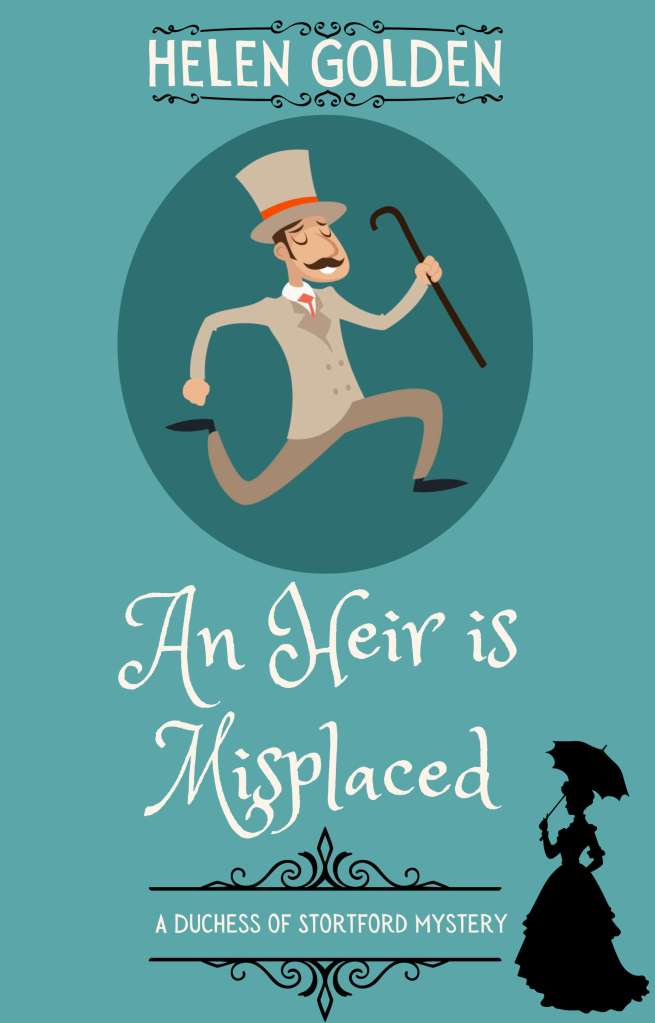
I’m delighted to welcome a returning Helen Golden to the blog with her new book, An Heir is Misplaced. #bookreview #cosymystery #blogtour #avidreader
Here’s the blurb
A missing heir. An out of sorts duchess. A Season in High Society that just became far more interesting…
London, 1891. With the gossip broadsheet The Society Page speculating that her husband is getting far too cosy with their female neighbour back at his country estate, Alice, Duchess of Stortford, is fed-up. And it’s raining! But when a flustered nobleman appears at her door, knowing of her reputation for managing discreet enquires, he begs her for help. His nephew, who is about to inherit an Earldom, has gone missing.
But the deeper Alice digs, the murkier things become. Why are the late Earl’s wife and his stepson so evasive? What really happened at The Carlton Hotel the night the heir was last seen? And who’s set to gain the Earldom if the heir ends up dead?
Aided by her loyal maid Maud, her quick-thinking footman George, and the ever-resourceful private investigator Ben Beaumont—not to mention a certain well-known detective with a pipe—Alice must untangle a web of secrets to find the missing heir before it’s too late.
The clock is ticking, the gossip is swirling—and only Alice can set things right.
An Heir is Misplaced sees Helen Golden creating a new feisty female sleuth, set in the later Victorian era. Alice, the Duchess of Strotford, clearly has some very interesting connections, as we learn through this first encounter with her.
Tasked with finding a missing heir, she calls on all the resources a well-born lady of high society has at her disposal, while remaining within the confines of what would have been acceptable. As ever, the mystery isn’t quite all it seems, and Alice quickly grows suspicious, as the tangled threads begin to make sense.
This is a fabulous introduction to Alice, and I’m excited to read more of her backstory, as well as her future sleuthing endeavours.
Check out my reviews for the books in Helen Golden’s Right Royal Mystery series, featuring one of Lady Alice’s descendants.
Helen Golden spins mysteries that are charmingly British, delightfully deadly, and served with a twist of humour.
With quirky characters, clever red herrings, and plots that keep the pages turning, she’s the author of the much-loved A Right Royal Cozy Investigation series, following Lady Beatrice and her friends—including one clever little dog—as they uncover secrets hidden in country houses and royal palaces. Her new historical mystery series, The Duchess of Stortford Mysteries, is set in Victorian England and introduces an equally curious sleuth from Lady Beatrice’s own family tree—where murders are solved over cups of tea, whispered gossip, and overheard conversations in drawing rooms and grand estates.
Helen lives in a quintessential English village in Lincolnshire with her husband, stepdaughter, and a menagerie of pets—including a dog, several cats, a tortoise, and far too many fish.
If you love clever puzzles, charming settings, and sleuths with spark, her books are waiting for you.
I’m sharing a post about the inspiration for The Secret Sauce to celebrate release day #histfic #historicalmystery
Why The Secret Sauce?
As fans of my historical mysteries set in Erdington, Birmingham (UK), will know, I always like to pick a ‘quirky’ hook for my stories. The Secret Sauce is no different. For those who don’t know, HP Sauce was made for many, many decades at Aston in Birmingham (it isn’t any more). As a child, I drove past the sign below at least monthly, if not more often. Initially, I hoped to call this book The Body in the Beans (what a great title), but alas, HP didn’t make baked beans in the 1940s. As such, I had to have a little rethink. I thought the idea was too good to forget. And so, The Secret Sauce has as its Birmingham-specific hook; brown sauce, which, for the purposes of the story, I’ve renamed BB Sauce (you need to read the book to find out what that stands for).
Image from Birmingham Museum, taken by my sisterImage from Birmingham Museum, taken by my sister
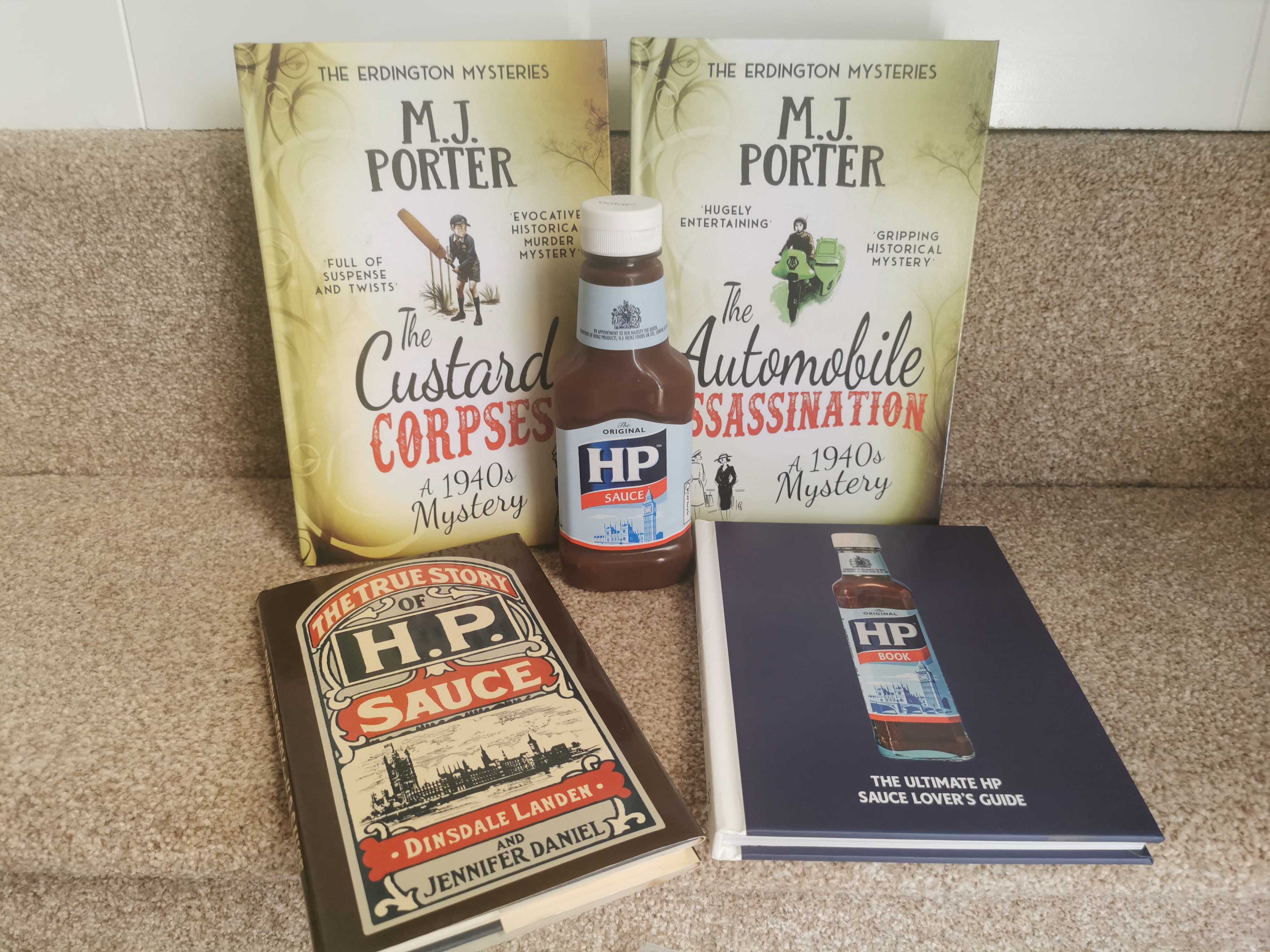
However, HP Sauce is a brown, fruity sauce, with a fascinating history, and, I believe, a recipe that remains a ‘secret.’ It started life at the end of the nineteenth century, and through fair means or foul, ended up in the hands of the owners of the Midlands Vinegar Company. It survived the uncertainties of both world wars, although sourcing the ingredients was often challenging. The True Story of HP Sauce, produced in 1985, states that advertising for HP Sauce was stopped during the Second World War because it was so difficult to get a bottle. There was also a bomb shelter beneath the factory during WW2. The Ultimate HP Sauce Lover’s Guide mainly contains recipes. I have been ‘forced’ to try HP Sauce, as I’d never had it before. It reminds me a little bit of Branston Pickle:) I don’t think I’m a fan, but I suspect it’s probably a bit like Marmite – you love it, or hate it.
Just like the Bird’s Custard Factory, which was the inspiration for The Custard Corpses, HP Sauce was a Birmingham staple. In fact, I suspect, for many locals, HP Sauce is more well-known, whether fondly or not (because it could stink), than the custard factory.
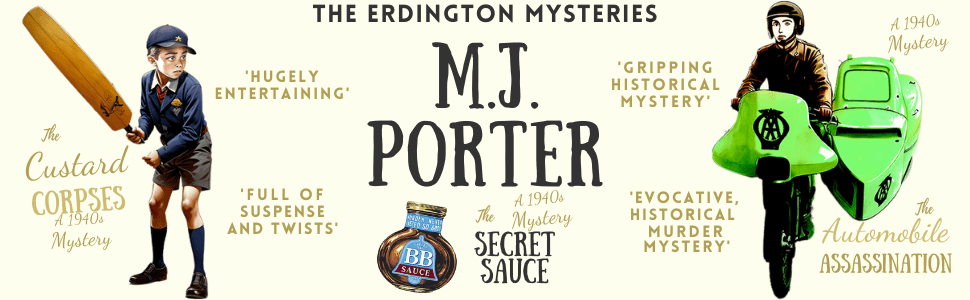
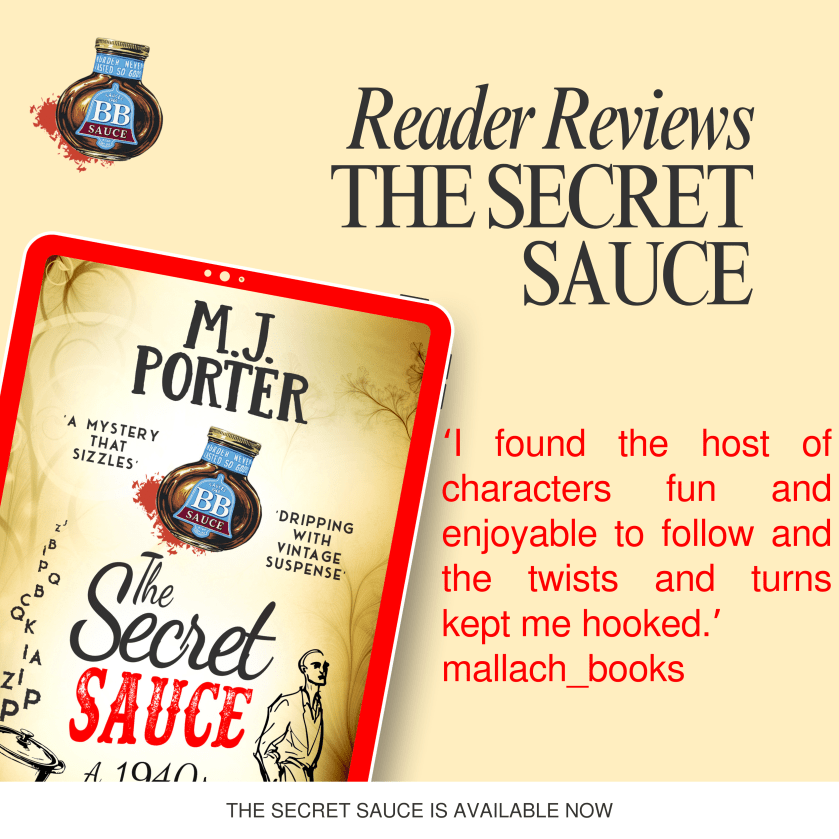
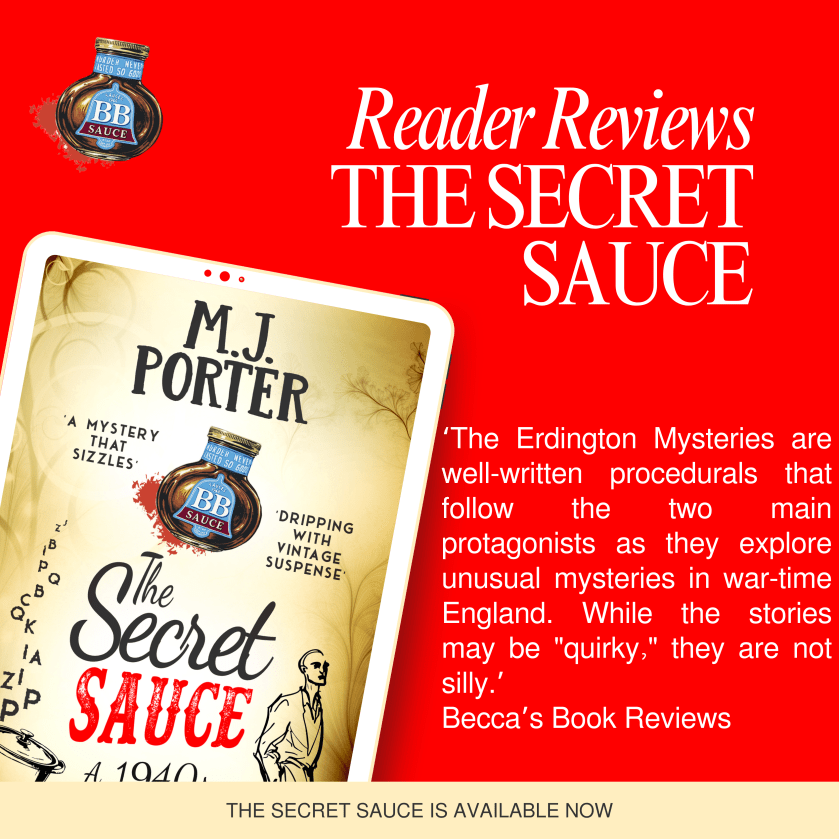
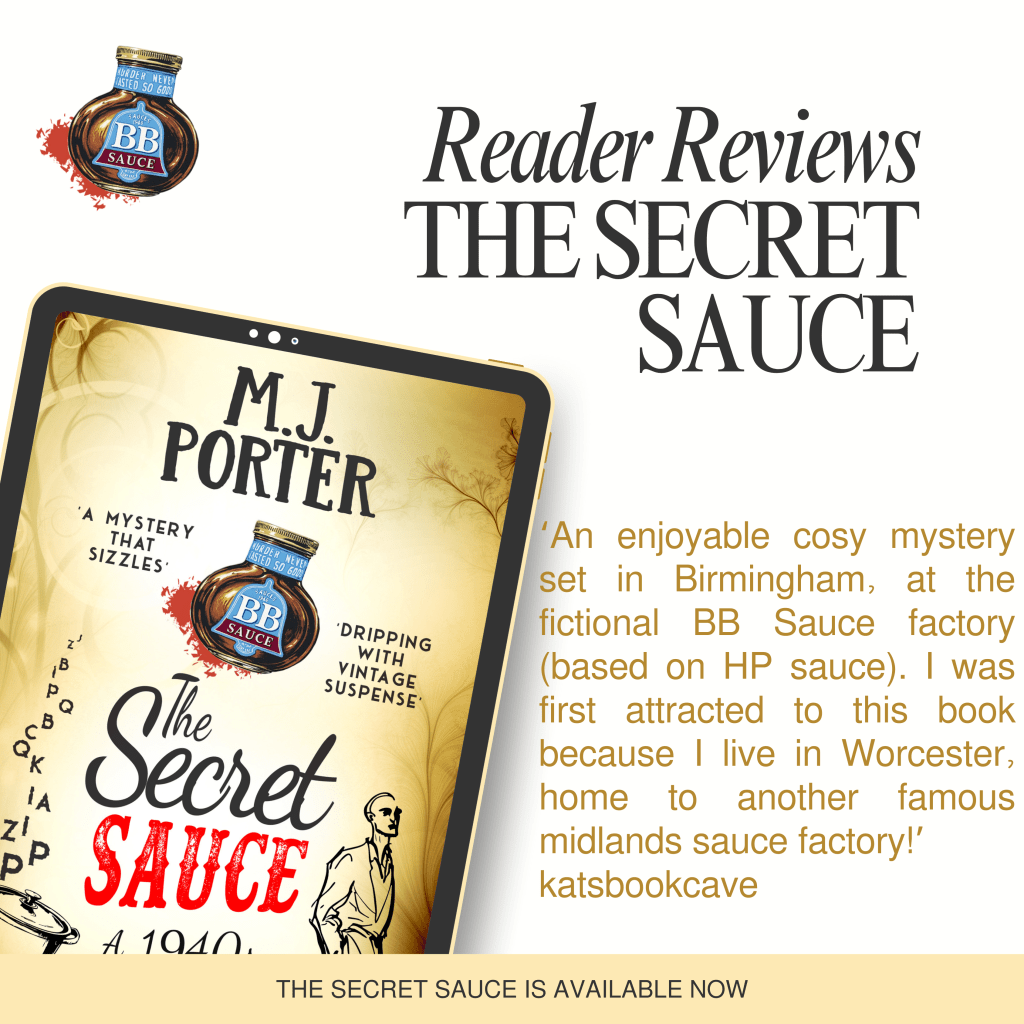
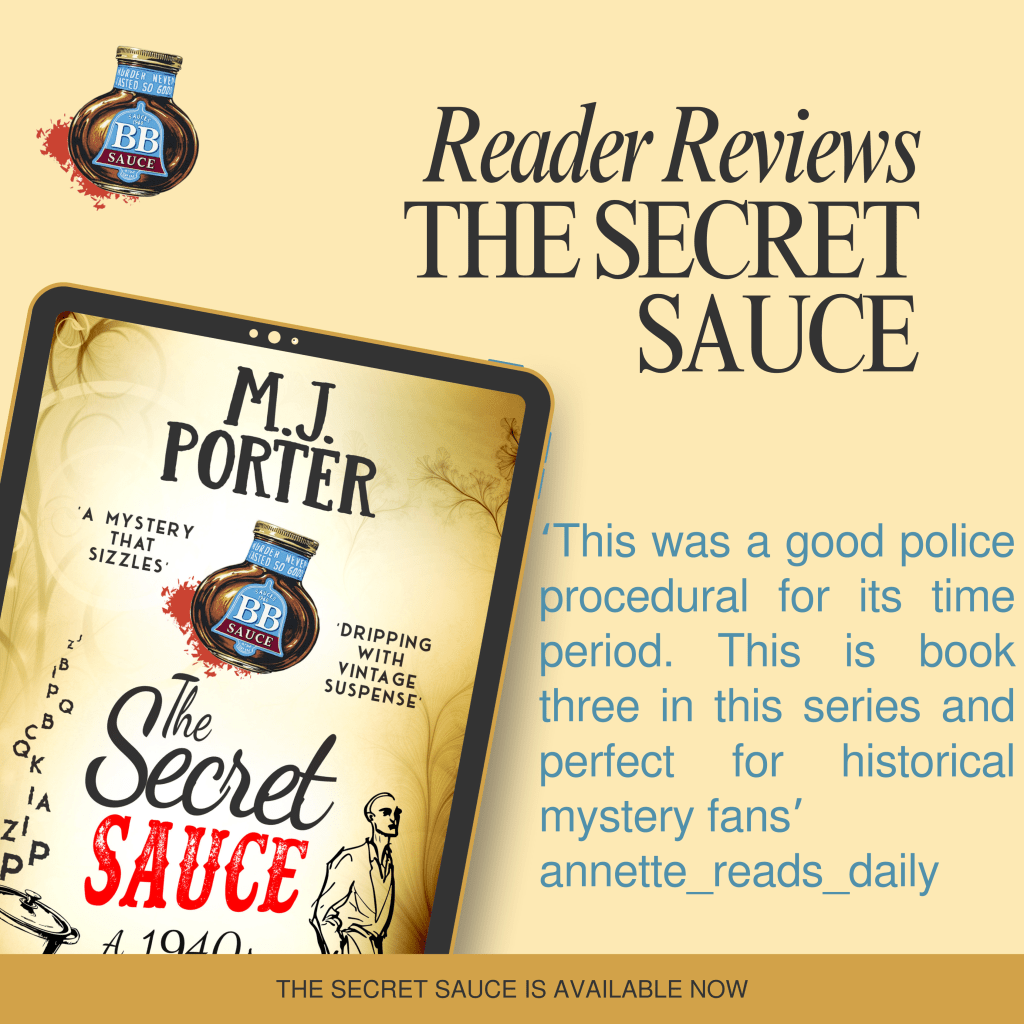
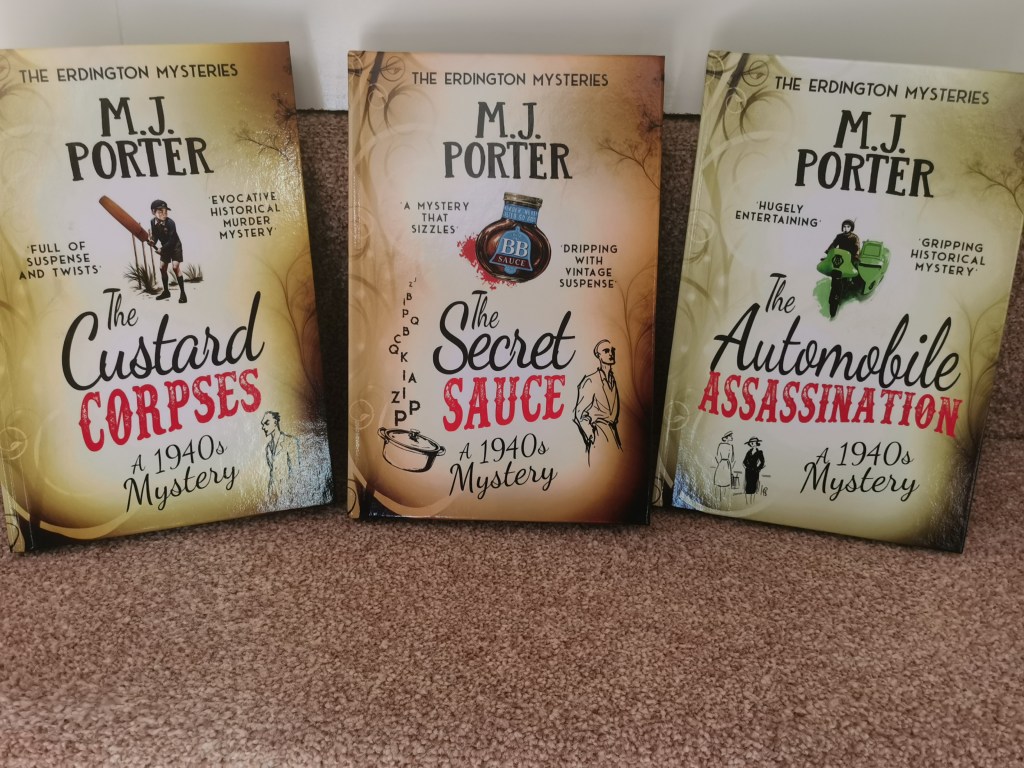
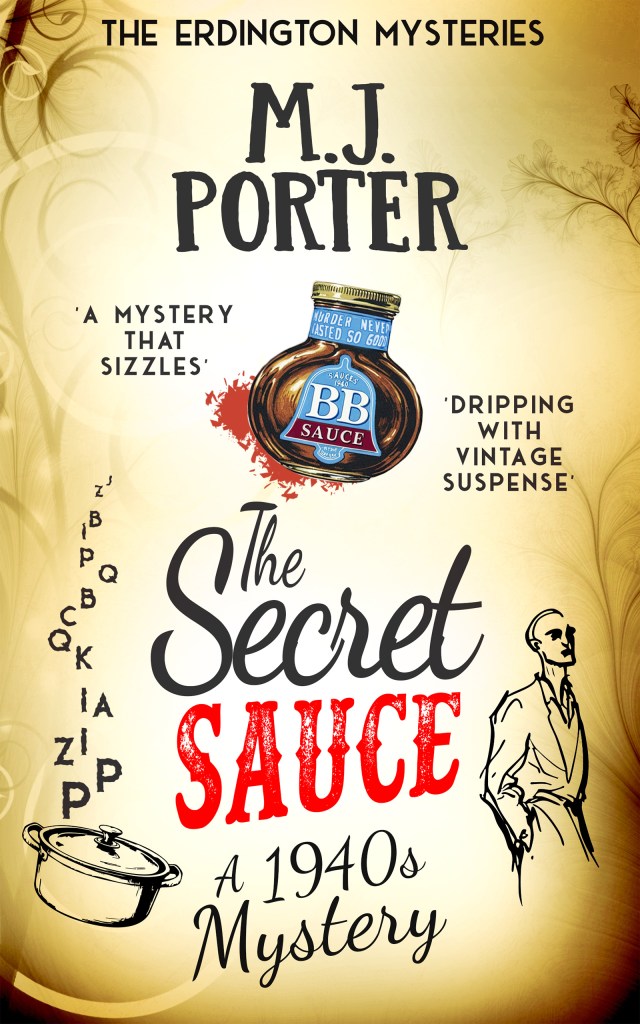
If you look at the cover for The Secret Sauce, you’ll notice, as with the other books in the series, that I’ve made some changes to the ‘brand.’ One of the changes was to make the BB Sauce bottle bulbous, a stark contrast to the elongated one of HP Sauce. I also added another Birmingham staple to the BB Sauce bottle by opting for colours inspired by Aston Villa Football Club’s kit. Why did I do this? Well, a reader shared some photos of my books and beside them was an Aston Villa programme. It was too good an opportunity to miss, as after all, the two would have been located in Aston.
Trinity Road Stand, Aston Villa Football Club, taken by my brother
Here’s the blurb
Birmingham, England, November 1944.
Chief Inspector Mason of Erdington Police Station is summoned to a suspicious death at the BB Sauce factory in Aston on a wet Monday morning in late November 1944.
Greeted by his enthusiastic sergeant, O’Rourke, Sam Mason finds himself plunged into a challenging investigation to discover how Harry Armstrong met his death in a vat containing BB Sauce – a scene that threatens to put him off BB Sauce on his bacon sandwiches for the rest of his life.
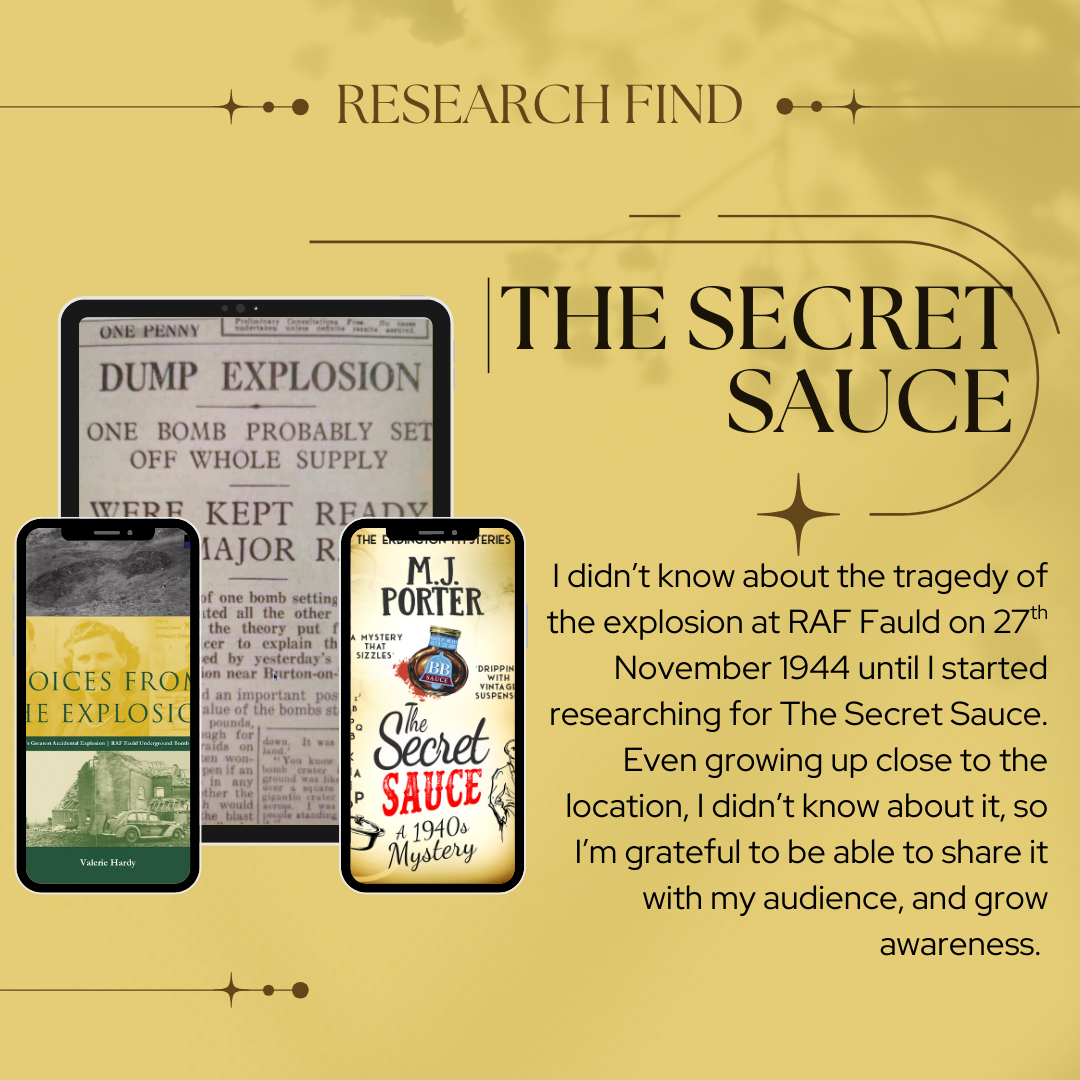
Together with Sergeant O’Rourke, Mason follows a trail of seemingly unrelated events until something becomes very clear. The death of Harry Armstrong was certainly murder, and might well be connected to the tragedy unfolding at nearby RAF Fauld. While the uncertainty of war continues, Mason and O’Rourke find themselves seeking answers from the War Office and the Admiralty, as they track down the person who murdered their victim in such an unlikely way.
Join Mason and O’Rourke for the third book in the quirky, historical mystery series, as they once more attempt to solve the impossible in 1940s Erdington.
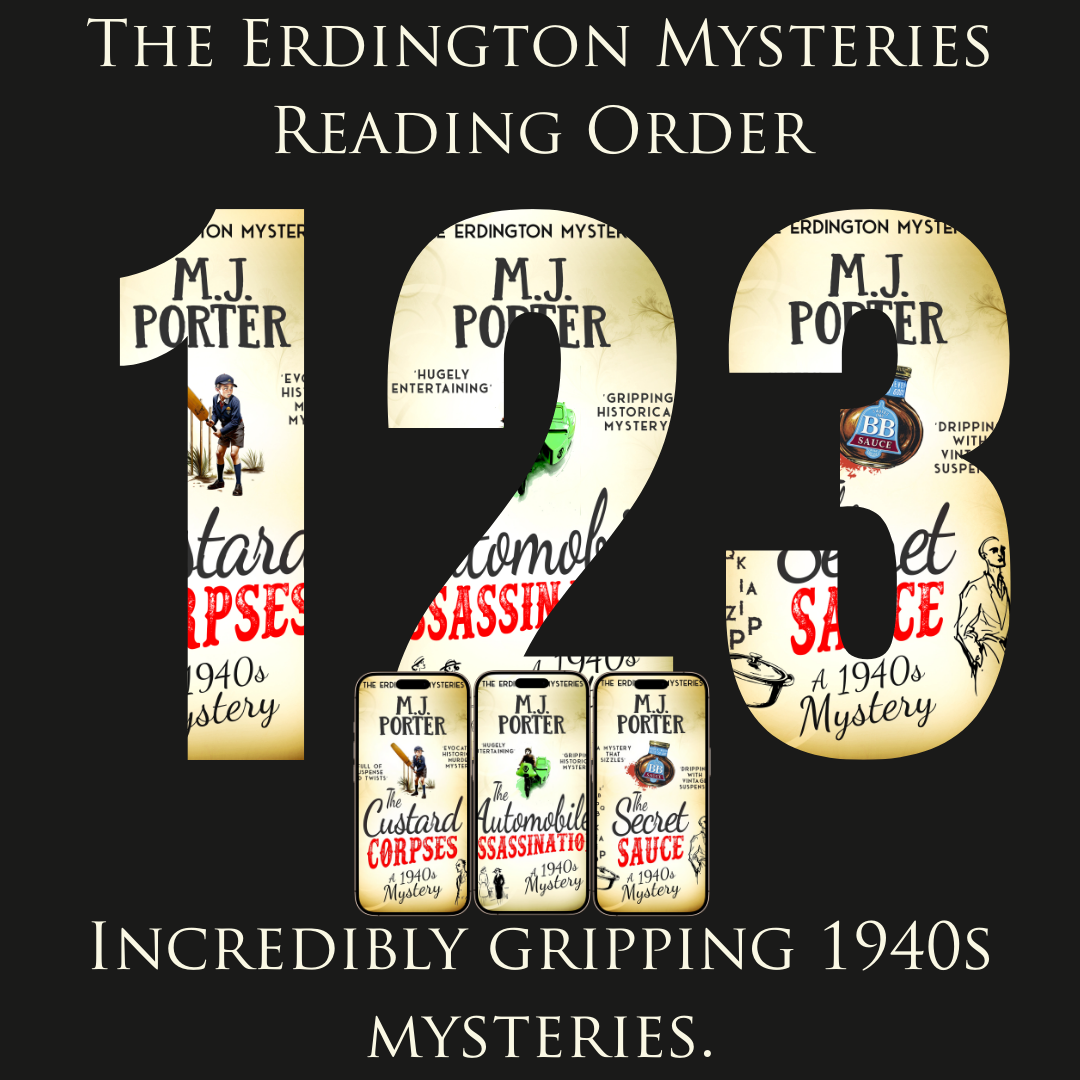
All 3 hardbacks in the Erdington Mystery series in a row.
I’m super excited to share the cover for The Secret Sauce, the third book in The Erdington Mysteries #histfic #historicalmystery
Listen to me read the beginning of Chapter 1
Here’s the blurb
Birmingham, England, November 1944.
Chief Inspector Mason of Erdington Police Station is summoned to a suspicious death at the BB Sauce factory in Aston on a wet Monday morning in late November 1944.
Greeted by his enthusiastic sergeant, O’Rourke, Sam Mason finds himself plunged into a challenging investigation to discover how Harry Armstrong met his death in a vat containing BB Sauce – a scene that threatens to put him off BB Sauce on his bacon sandwiches for the rest of his life.
Together with Sergeant O’Rourke, Mason follows a trail of seemingly unrelated events until something becomes very clear. The death of Harry Armstrong was certainly murder, and might well be connected to the tragedy unfolding at nearby RAF Fauld. While the uncertainty of war continues, Mason and O’Rourke find themselves seeking answers from the War Office and the Admiralty, as they track down the person who murdered their victim in such an unlikely way.
Join Mason and O’Rourke for the third book in the quirky, historical mystery series, as they once more attempt to solve the impossible in 1940s Erdington.































 MJ Porter