Author of Saxon historical fiction and non-fiction, 20th-century historical mysteries, and Norse-inspired historical romantasy. Book reviewer and blog host.
If you’ve read a few of my books, you’ll know that I don’t very often venture into the Saxon lands on the north-west coast of England. (I know that Ealdorman Leofwine visits there in his second book, but I didn’t know better then). There’s a very good reason for this. I am, quite frankly, a bit scared to do so. Mainly because I don’t feel as though I can get a firm understanding of what was happening there during the Saxon era. (I would say the same about Cornwall/Devon – and that’s because there are various references to the area coming under Saxon control – only to be repeated a later period, so it clearly didn’t happen when some of the sources say it did).
Some research will highlight the Norse element of the area, and others will call it Cumbria, or Northumberland. And in the 830s, before the main ravages of the Viking raiders, it feels very unknown to me.
But, in Protector of Mercia, I do take young Icel to the north-west – no doubt to test myself and to see if I could do it.
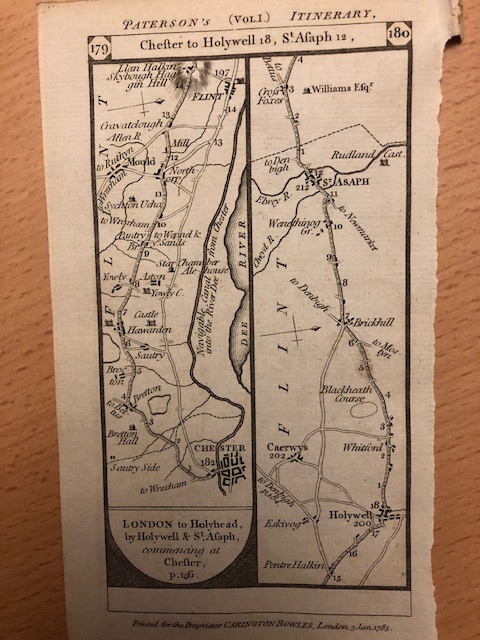
I think we can start with Chester, which admittedly, would probably have been classified as being in Mercia. Chester, a former roman site, is well-known, even now there are standing Roman ruins. Admittedly, what Chester might have been like in the 830s is more difficult to pin point – so I had a bit of fun with that.
And after Chester? What then? I like to make use of old maps when I’m trying to reconstruct the past (the one above is a road map, so looks a bit unusual). Yes, they’re still positively modern but I find it easier than using Googlemaps where there’s too much ‘modern’ to look at. The starkness of antique maps isn’t always quite as extreme as on the map below of Cheshire from 1835 which shows the voting hundreds but there’s always something of value in them, even if its just revealing where the rivers are in relation to settlements – if you use Googlemaps you might become distracted by canals and other, much later, attempts to control rivers.
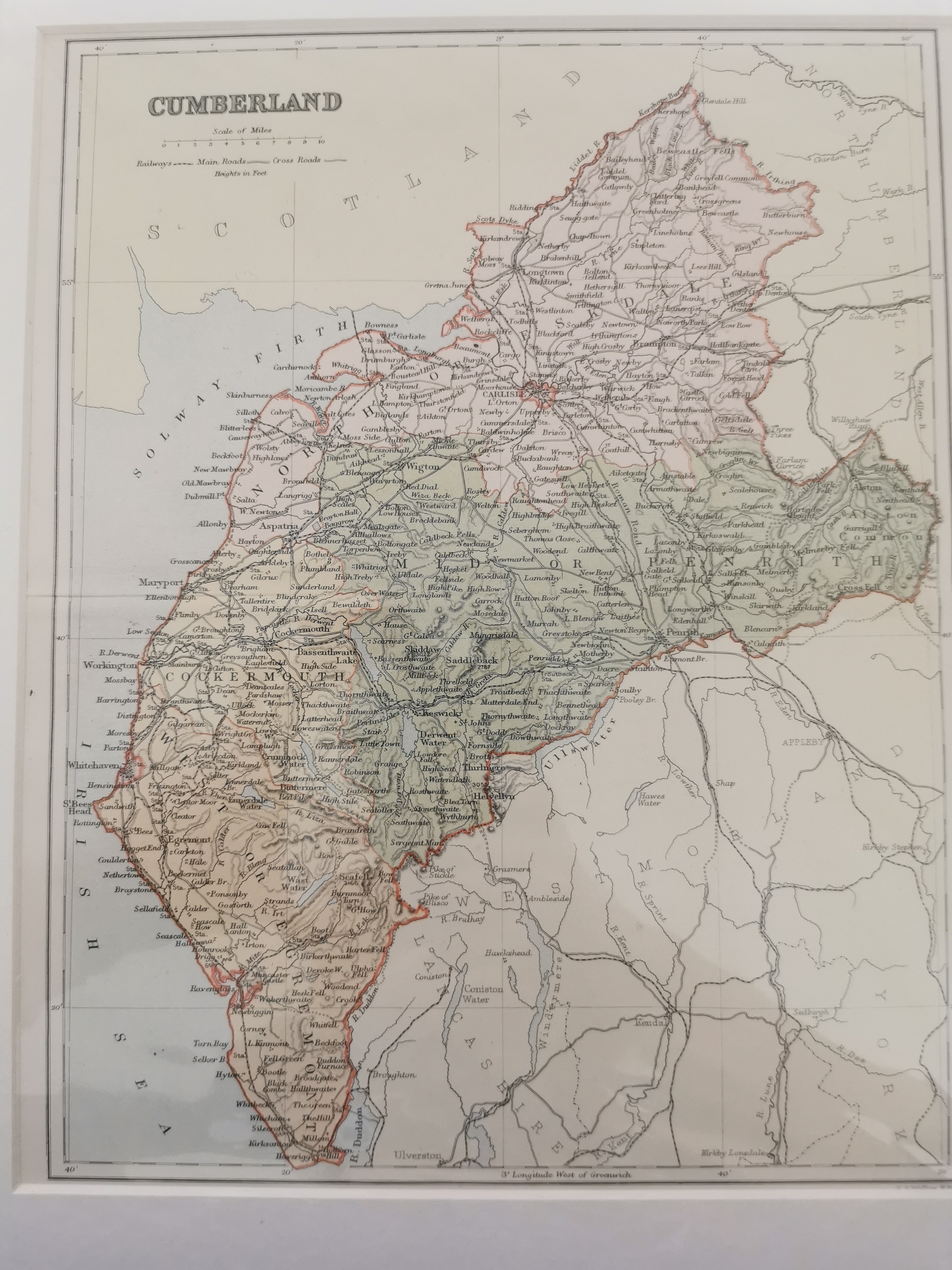
Indeed, we almost go from one extreme to another when looking at the map for Cumbria or Cumberland as the map calls it. This is from 1895 so is much more modern.
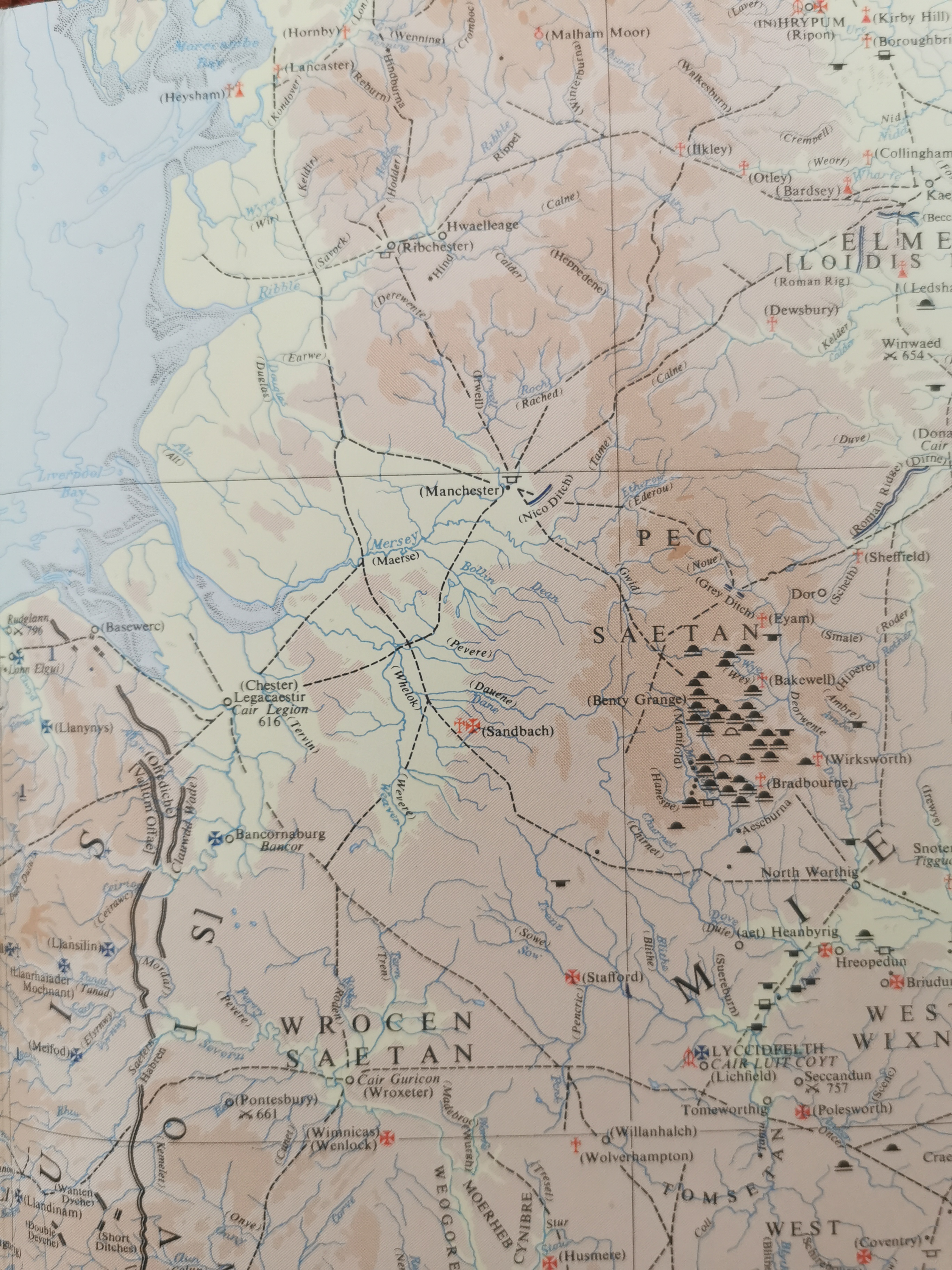
But it’s the map below that should put the problems into context. This is a snippet from Britain in the Dark Ages, an Ordnance Survey map from 1966, which shows just how stark the landscape might have been (I don’t doubt that we should, hopefully, know a bit more in the intervening 50+ years).
So, there’s not a lot to go on, and I’m sending poor Icel north-west, so it’ll be interesting to see what he discovers.
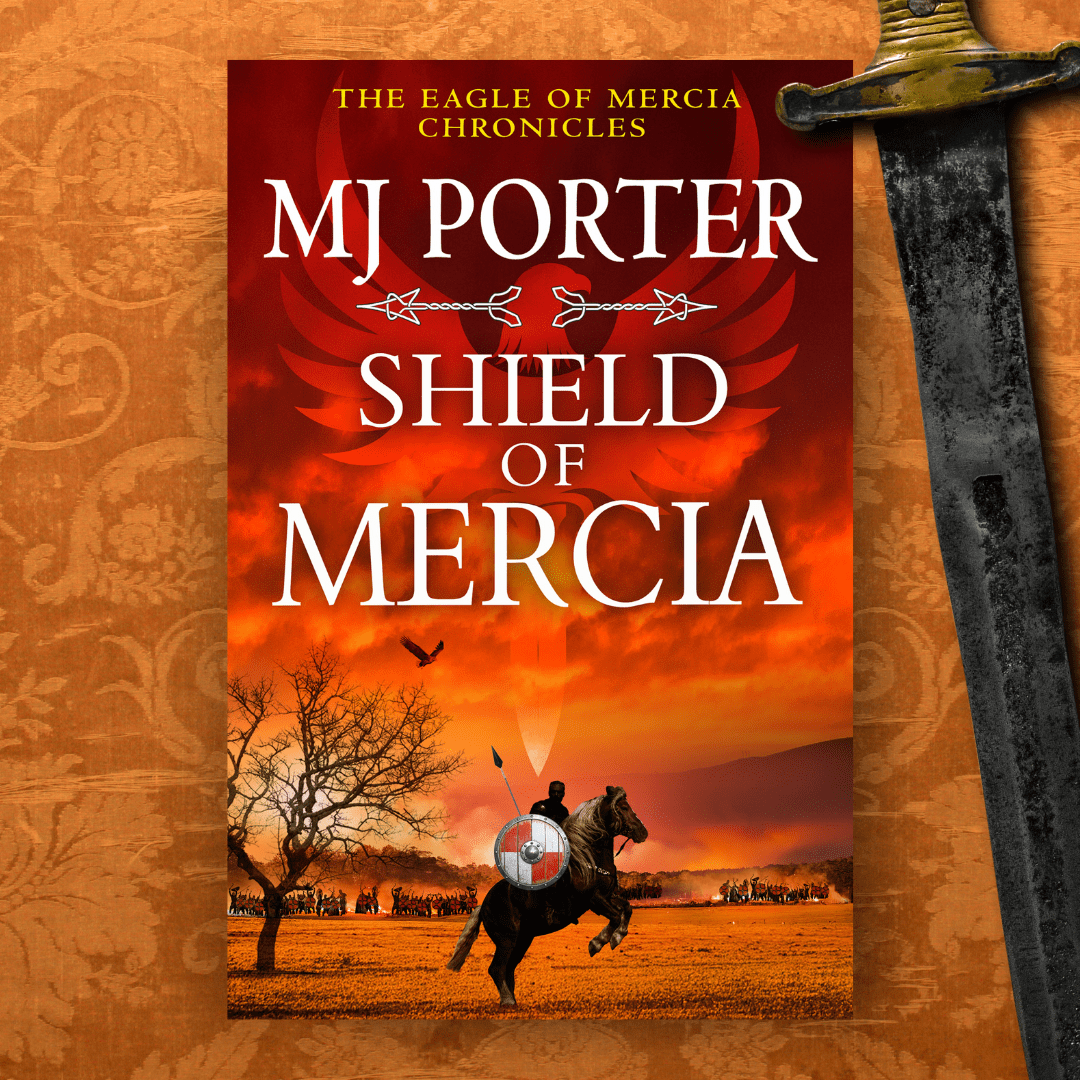
Protector of Mercia is released today, 5th September, in ebook, audio and paperback. The hardback will be ready soon.
Welcome to my release day post for Protector of Mercia. I’m going to talk about the kings who preceded all the chaos of the series.
Readers of the Eagle of Mercia Chronicles will have encountered the names of kings Coenwulf and Coelwulf, although the kings in the first book, Son of Mercia, ruled after both Coenwulf and Coelwulf. But, having written about Coelwulf II in the Mercian Ninth Century books – which feature an older, and wiser Icel, I was eager to return to an equally unsettled period in Mercia’s history. And this, helped by the fact that Icel would just have been old enough at this period to be involved, very much helped set the scene. However, the aftermath of the reigns of these two men, brothers, are very much at the heart of political affairs during the Eagle of Mercia Chronicles.
So, who were Coenwulf and Coelwulf or Ceolwulf?
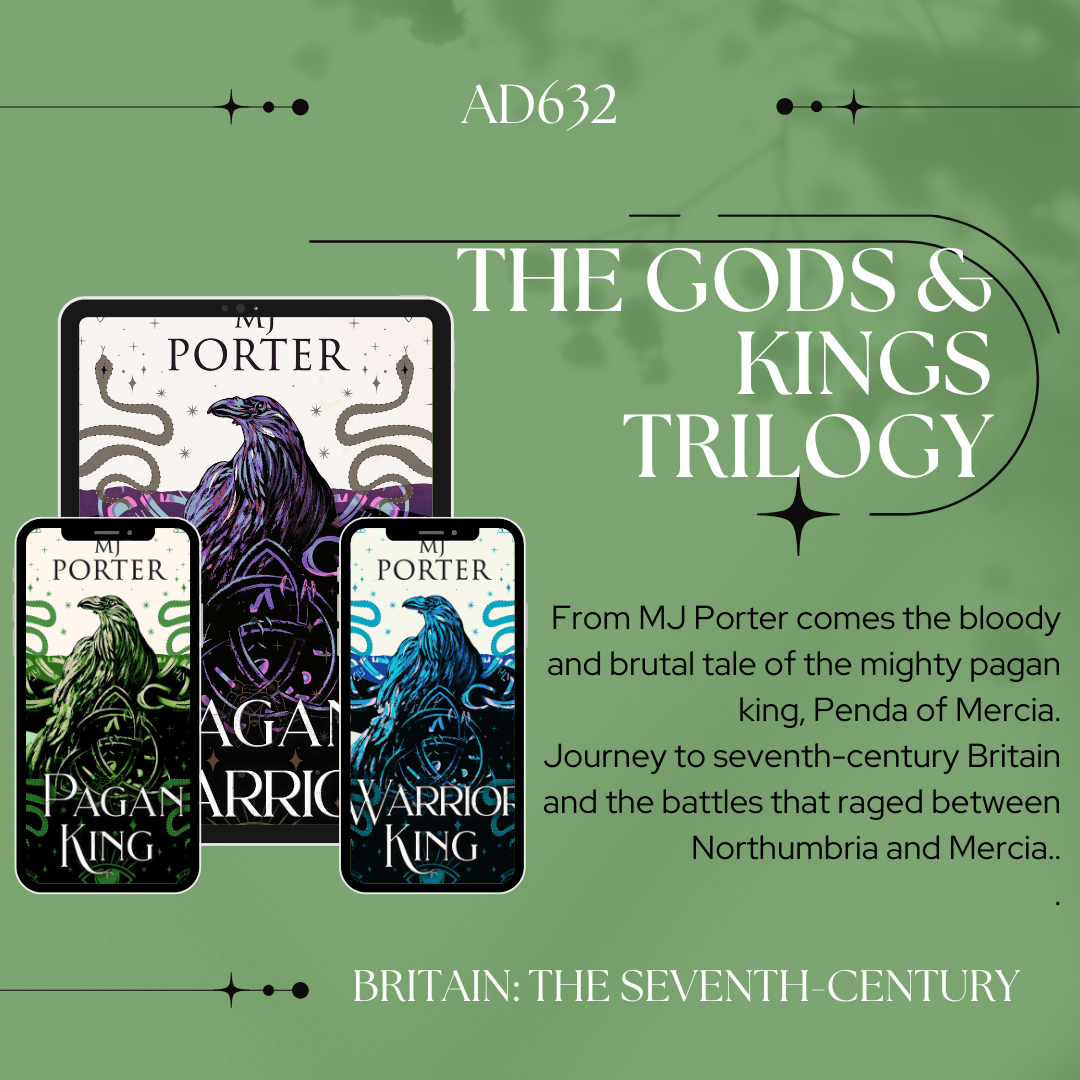
Coenwulf, the first and only of his name, was king of Mercia from 796 until his death in 821. He claimed descent, not from the previous king Offa (of Offa’s Dyke fame), and his son, but instead from Pybba, who is believed to have been the father of both Kings Penda and Eowa (read about them in my Gods and Kings trilogy) who ruled in the seventh century. You might have heard of Penda. Although the connection isn’t sound, he is often referenced when talking about the Staffordshire Hoard.
It does seem as though the crisis of the late 820s/830s and the slow decline of Mercian power have overshadowed all that King Coenwulf achieved, not helped by the fact that his son, who was to succeed him, died before his father (if he existed at all), so that on Coenwulf’s death, the kingship passed to his brother, Coelwulf, and he in turn was overthrown at some point in 823-826. The brother kings seem to have shared another brother as well, who may have been king of Kent, after Mercia annexed the kingdom to its own domain.
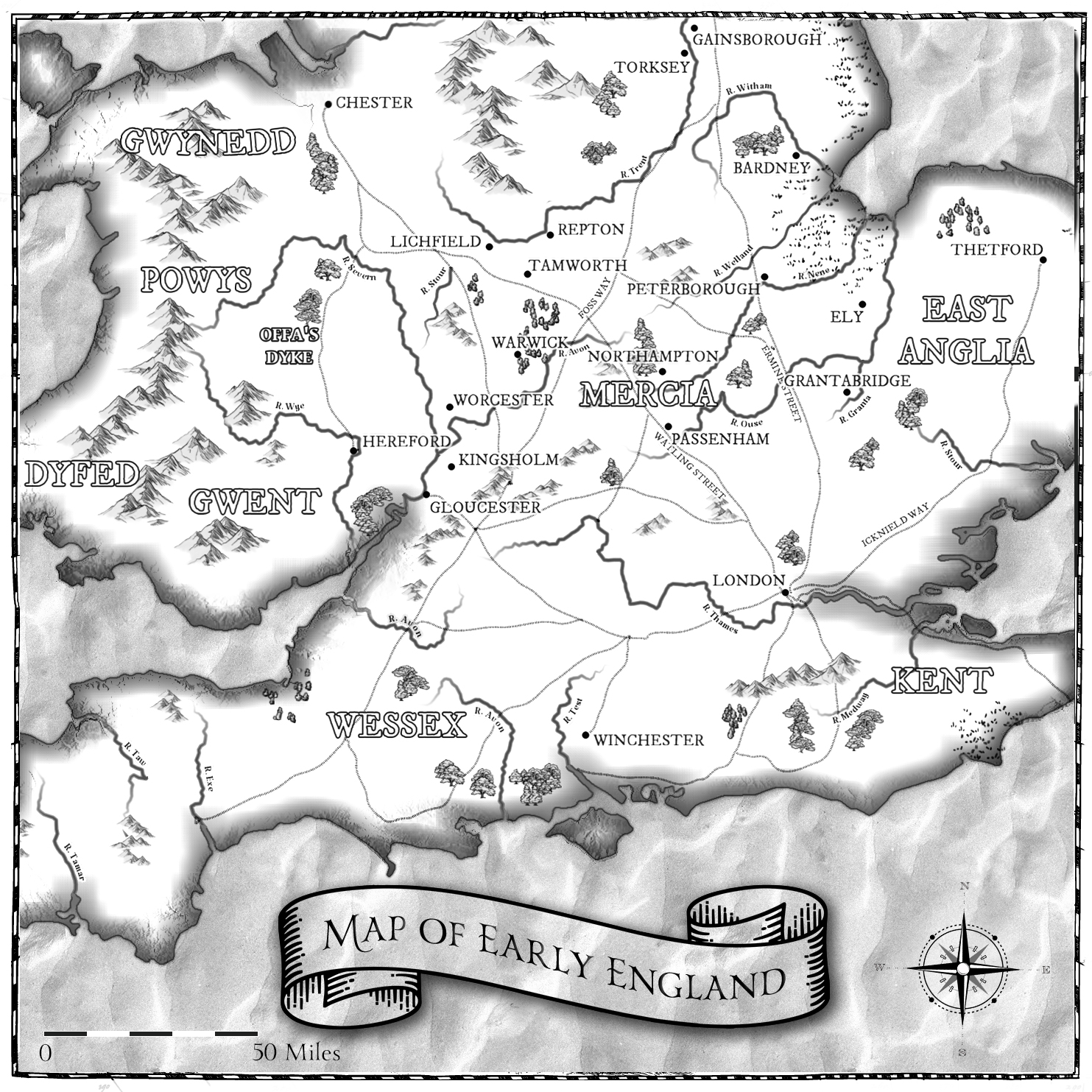
But Coenwulf was a successful ruler. He claimed the kingship after the death of Offa’s son, Ecgfrith, not long after his father’s death, (Offa is said to have been keen to eliminate all rivals to the kingship which is why, when his son died, the kingship had to pass to a more obscure branch of the ruling line), and while he suffered reverses in Kent and the kingdom of the East Angles, he does seem to have exercised control in both places, and was also aggressive against the Welsh kingdoms throughout his reign. Mercia, at this time, was NOT confined to the current English Midlands, it was a much vaster kingdom although it’s firm boundaries are difficult to establish.
Map design by Flintlock Covers
While the Anglo-Saxon Chronicle is sparse about our brother kings, that didn’t stop the later Norman writers, embellishing the story of them. But first, what do we hear about these kings from the Anglo-Saxon Chronicle?
‘Ceolwulf, king of Mercia, ravaged over the inhabitants of Kent as far as the Marsh, and [they] captured Præn, their king, and led him bound into Mercia.’ 796 [798[ (A)
´Here Coenwulf, king of Mercia, passed away, and Coelwulf succeeded to the kingdom.’ 819 [821] (A)
´Here Ceolwulf was deprived of his kingdom.’ 821 [823] (A)
´And the same year King Egbert and King Beornwulf fought at Ellendynm and Egbert took the victory; and a great slaughter was made there…. And that year the East Angles killed Beornwulf, king of the Mercians.’ 823 [825[ (A)
´Here Ludeca, king of Mercia, was killed, and his 5 ealdormen with him, and Wiglaf succeeded to the kingdom.’ 825 [827] (A)
´Here Wiglaf obtained the kingdom of Mercia again.’ 828 [830] (A)
Henry of Huntingdon, one of the Anglo-Norman author, writes of Cenwulf, our Coenwulf
‘Not long afterwards, Cenwulf, king of Mercia, beating and ravaging his way through the Kentish province, captured their king Præn, who could not match his strength and was lurking in the coverts and isolated places, and victoriously took him back in chains.’ p.259
Coenwulf’s brother, Coelwulf, succeeded him, but not for long, until he was usurped. Henry of Huntingdon in summarising affairs in Mercia adds.
‘Cenwulf reigned peacefully for twenty-six years, and died the common death.
Ceolwulf possessed the kingdom for three years, which the fierce Beornwulf then wrested from him.’ p.271
The Chronicle of John of Worcester adds similar details.
‘[821] Ceolwulf, king of the Mercians, was driven from his kingdom, and Beornwulf was raised to the kingship.’p241
There is some confusion regarding children born to either brother, and indeed, much that is known of that later Coelwulf II stems from the fact he shared a name with one of the two brothers, and as such, his connection with that ruling family can be supposed by experts in the field (not me). It appears that Coenwulf had a son and a daughter, the daughter well known as an abbess at a local nunnery, and possibly, two wives. King Coelwulf is known to have had one daughter, Ælflæd, who married Wigmund, the son of King Wiglaf. But there is a distinct lack of information regarding these individuals. We don’t know when the usurped King Coelwulf died. We don’t know when his daughter died, for certain, and obviously, other children are unknown.
The Chronicle of John of Worcester, another Anglo-Norman writer, informs us that.
‘[819] St Cenwulf, king of the Mercians, after a life devoted to good deeds, passed over to the eternal blessedness which is in heaven, and left his 7-year-old son St Kenelm heir of his realm. But when a few months had passed, by the treachery of his own sister Cwenthryth, whose cruel spirit had been roused by an awful lust for power, he was secretly done to death with cruel outrage by Æscberht, his most bloodthirsty tutor, in the shade of a thorn tree in a deserted wood. But he who was slain with heaven alone as witness, was later revealed by heaven’s witness through a column of light. Kenelm’s head was cut off, milk-white in the beauty and innocence of birth, and from it a milky dove with golden wings soared to heaven. After his happy martyrdom, Ceolwulf received the kingdom of the Mercians.’ P239-241
Henry of Huntington adds. ‘At Winchcombe you will read of the secret martyrdom of Kenelm. He was the son of Cenwulf, the Mercia king, who died in the year of grace 819, having reigned for twenty-four years. The martyrdom of his son Kenelm was revealed from heaven to Pope Silvester II at Rome.’p691
However, Coenwulf and Coelwulf I do seem to have enjoyed military successes. Coelwulf’s attacks on Wales are mentioned in the Annales Cambriae.
‘818 Cenwulf [Coenwulf] devastated the Dyfed regio.
822 The fortress of Degannwy is destroyed by the Saxons and they took the kingdom of Powys into their own control.’ p48
The Anglo-Saxon Chronicle is not helpful about the reigns of either brother, other than referencing their accession and either death or deposing. We don’t know the date that Coelwulf I died, although he clearly lived after being deposed.
Increasingly, scholarship is looking at Mercia during this period – if the answers can’t be found in the surviving written sources they can be found elsewhere. When King Alfred began his revival in education, many of the scholars he turned to were Mercians, highlighting Mercia’s accomplishments in all spheres – and the correlation has been made that the same happened in Mercia after the end of Northumbria’s Golden Age. There is also a wealth of Mercian sculpture dated to this period which hints at the power and influence of the kingdom, perhaps even of artistic centres at the heart of certain designs.
This doesn’t yet help us truly appreciate the power these kings could wield – so often overshadowed by what happened after their reigns, but it certainly shows we should be wary of accepting this absence in the written sources as indicative of their failure. Indeed, we should be wary of any Wessex-centred source from later in the same century (the Anglo-Saxon Chronicle) that might not only suffer from Wessex-bias, but may also reveal a desire to overshadow Mercia in order to proclaim Wessex’s kings as the more powerful. This is something that is certainly at the heart of the revival in interest in the descendant of these two kings, King Coelwulf II, or Mercia’s last king, written about as a ‘foolish king’s thegn’ in the Anglo-Saxon Chronicle but clearly very far from being that.
It’s intriguing to realise that our Norman writers only had access to much the same information that we do in order to offer an account of what was happening in Mercia at this time. But they do seem to have enjoyed embellishing the words of the Anglo-Saxon Chronicle, and while arguments are often made that they may have had access to local sources not written about in the Anglo-Saxon Chronicle, especially for John of Worcester, who wrote at one of the most important Mercian centres, until their words can be entirely unpicked, we must be wary of using their additions as historical ‘fact,’ in much the same way that we need to be wary of the Anglo-Saxon Chronicle(s).
Quotations are taken from the following translations. Darlington, R.R. & McGurk, P. ed. The Chronicle of John of Worcester Volume II The Annals from 450 to 1066(Clarendon Press, 1995). Greenway, D. ed. and trans. Historia Anglorum, The History of the English People, Henry of Huntingdon, (Clarendon Press, 1996. Morris’ translation of Nennius and the Welsh Annals and Swanton’s The Anglo-Saxon Chronicles.
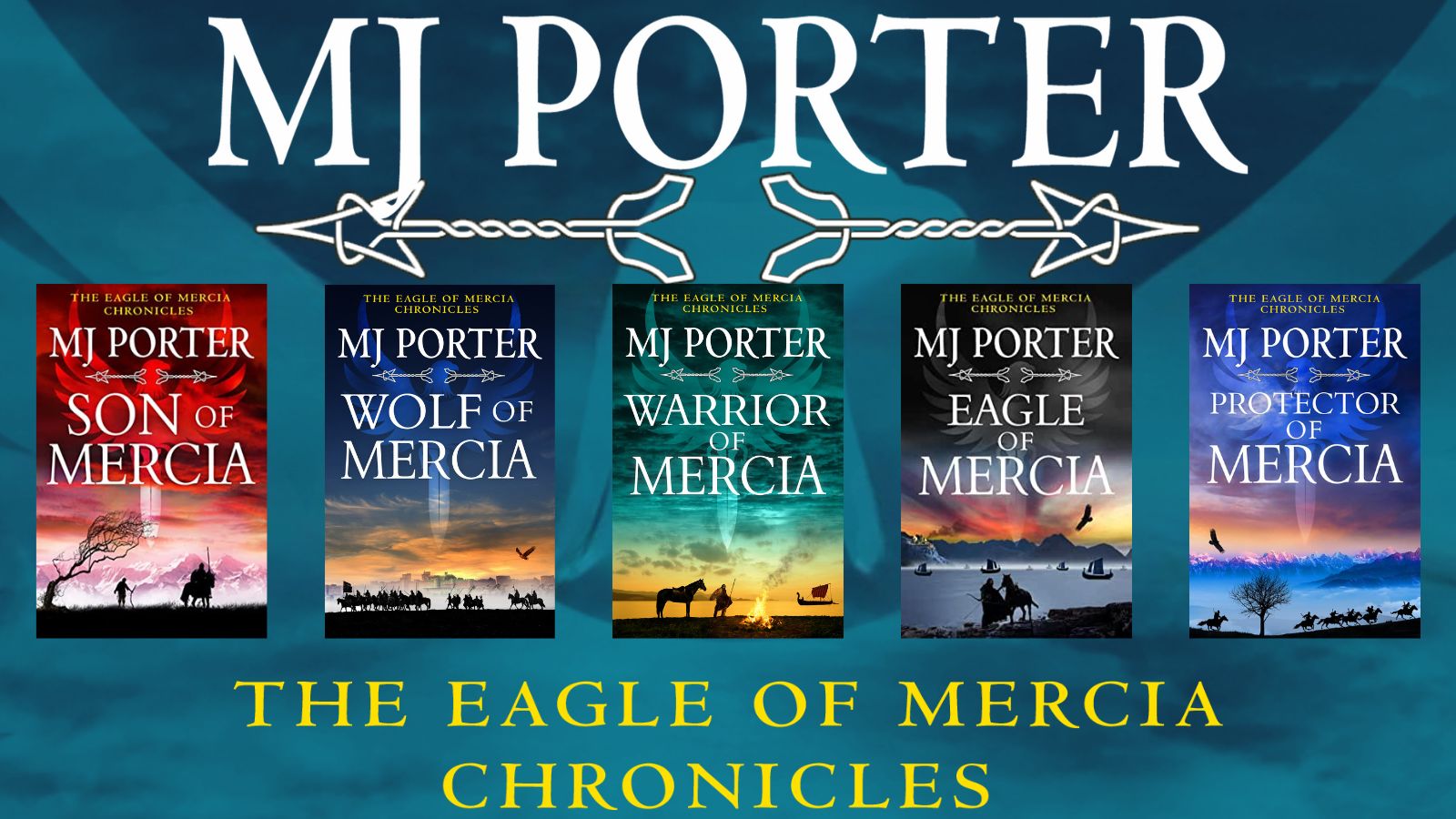
If you’ve not yet started The Eagle of Mercia Chronicles, then check out this introduction to the series.
Sign up to my monthly newsletter to learn more about my writing journey, new releases and special offers, and receive a free short story collection featuring many stories of Saxon England.
Today is the day, book 5 in The Eagle of Mercia Chronicles is released into the wild.
Here’s the blurb:
A deathbed oath leaves the lives of two infants hanging in the balance.
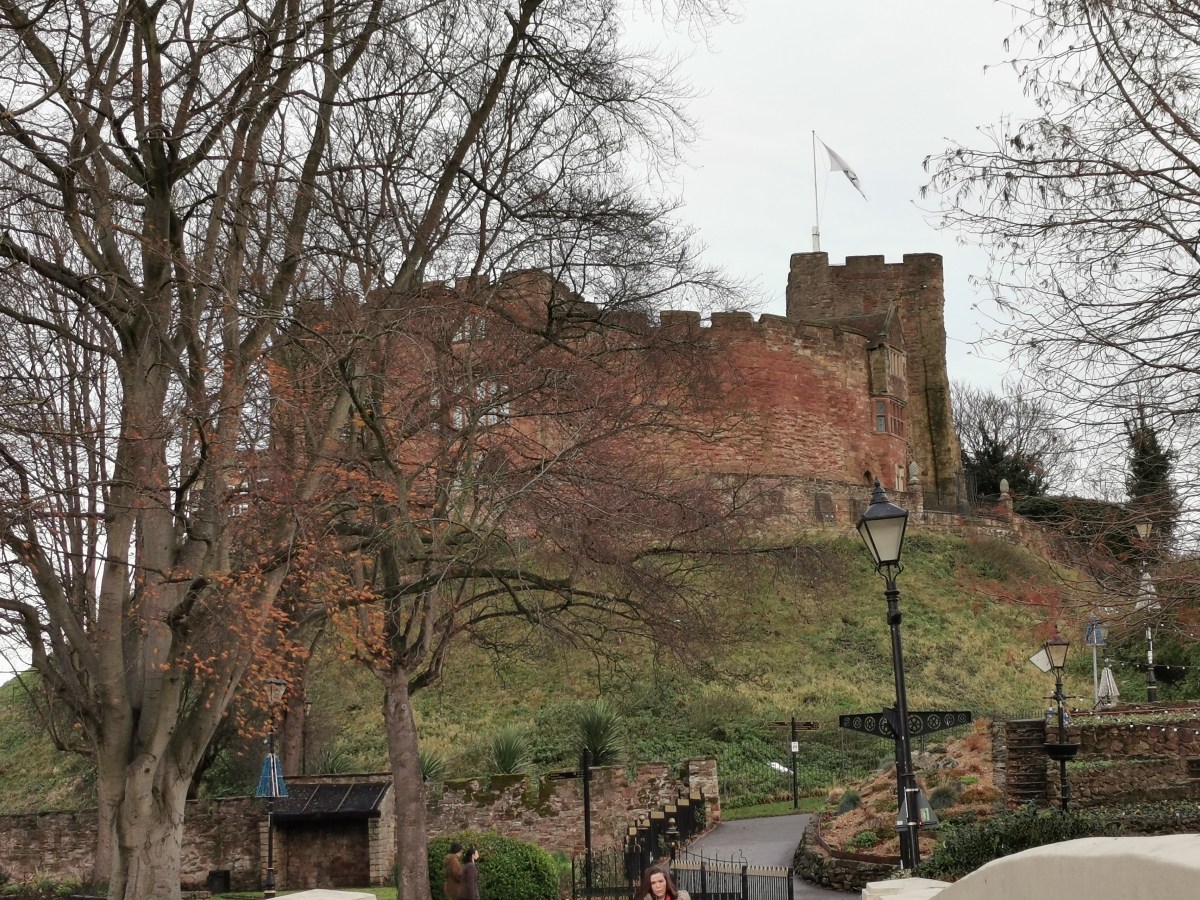
Tamworth AD833 After successfully rescuing her husband from the Island of Sheppey, Icel hears the deathbed confession of Lady Cynehild which leaves him questioning what he knows about his past, as well as his future.
In the unenviable position of being oath sworn to protect their two atheling sons when Lord Coenwulf is punished and banished for his treason against the Mercian ruler, King Wiglaf, Icel is once more torn between his oaths and the secret he knows.
When the two children are kidnapped, Icel, good to his word, and fearing for their safety, pursues their abductors into the dangerous Northern lands, fearing to discover who is behind the audacious attempt on their lives: the queen, the king’s son, or even Lady Ælflæd, a friend to him in the past, but now wed to the king’s son and aunt to the two abandoned children.
Alone in the Northern lands, Icel finds himself facing his worse fears. Can he rescue the children from their captor, or will he fail and lose his life in the process?
Read all about Protector of Mercia over on my publisher’s Facebook account.
Protector of Mercia is on blog tour. My thanks to Rachel at Rachel’s Random Resources for organising and all the hosts for taking part. I will add the links each day.
Check out the reviews below. I’ll be updating as the blog tour progresses.
“As delicious as a Devon Cream Tea!” ~ author Elizabeth St John
“Every sentence pulls you back into the early 1970s… The Darling Buds of May, only not Kent, but Devon. The countryside itself is a character and Hollick imbues it with plenty of emotion” ~ author Alison Morton
***
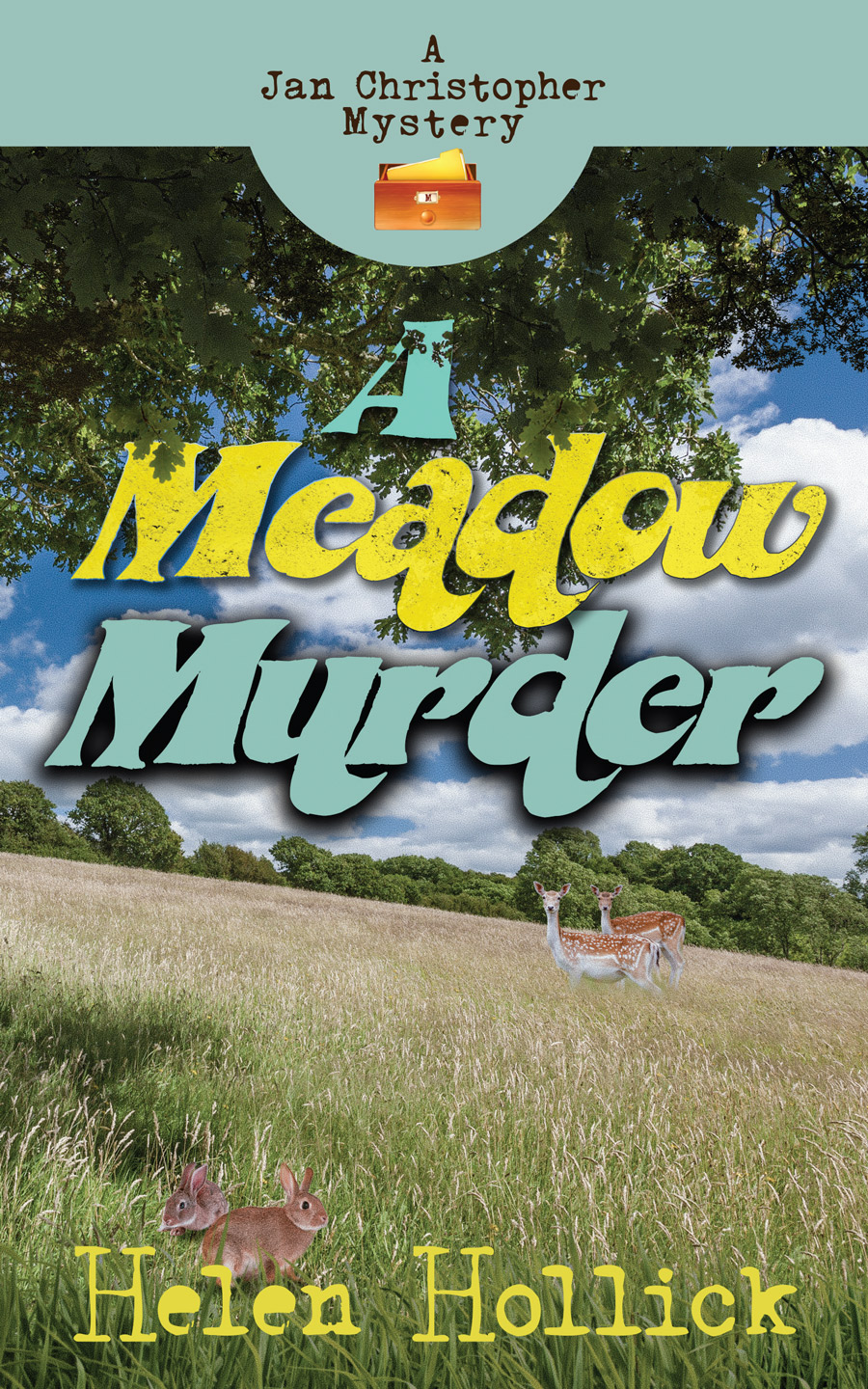
Make hay while the sun shines? But what happens when a murder is discovered, and country life is disrupted?
Summer 1972. Young library assistant Jan Christopher and her fiancé, DS Lawrence Walker, are on holiday in North Devon. There are country walks and a day at the races to enjoy, along with Sunday lunch at the village pub, and the hay to help bring in for the neighbouring farmer.
But when a body is found the holiday plans are to change into an investigation of murder, hampered by a resting actor, a woman convinced she’s met a leprechaun and a scarecrow on walkabout…
Buy Links
This title is available to read on #KindleUnlimited.
First accepted for traditional publication in 1993, Helen became a USA Today Bestseller with her historical novel, THE FOREVER QUEEN (titled A HOLLOW CROWN in the UK) with the sequel, HAROLD THE KING (US: I AM THE CHOSEN KING) being novels that explore the events that led to the Battle of Hastings in 1066.
Her PENDRAGON’S BANNER TRILOGY is a fifth-century version of the Arthurian legend, and she writes a nautical adventure/fantasy series, THE SEA WITCH VOYAGES.
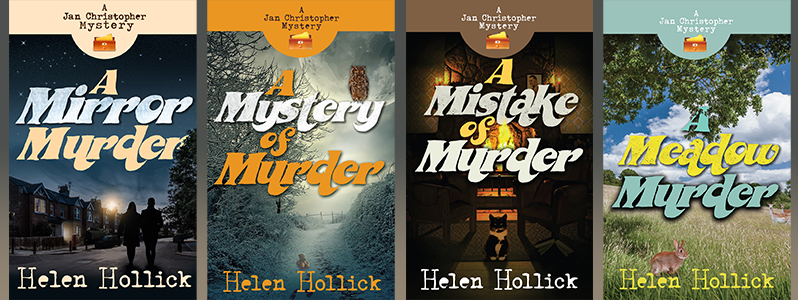
She has also branched out into the quick read novella, ‘Cosy Mystery’ genre with her JAN CHRISTOPHER MURDER MYSTERIES, set in the 1970s, with the first in the series, A MIRROR MURDER incorporating her, often hilarious, memories of working as a library assistant. The front cover of episode #4 A MEADOW MURDER is Helen’s actual hay meadow on her Devon farm.
Her non-fiction books are Pirates: Truth and Talesand Life of A Smuggler. She lives with her family in an eighteenth-century farmhouse in North Devon and occasionally gets time to write…
Why did I decide to tell the story of King Coelwulf II of Mercia?
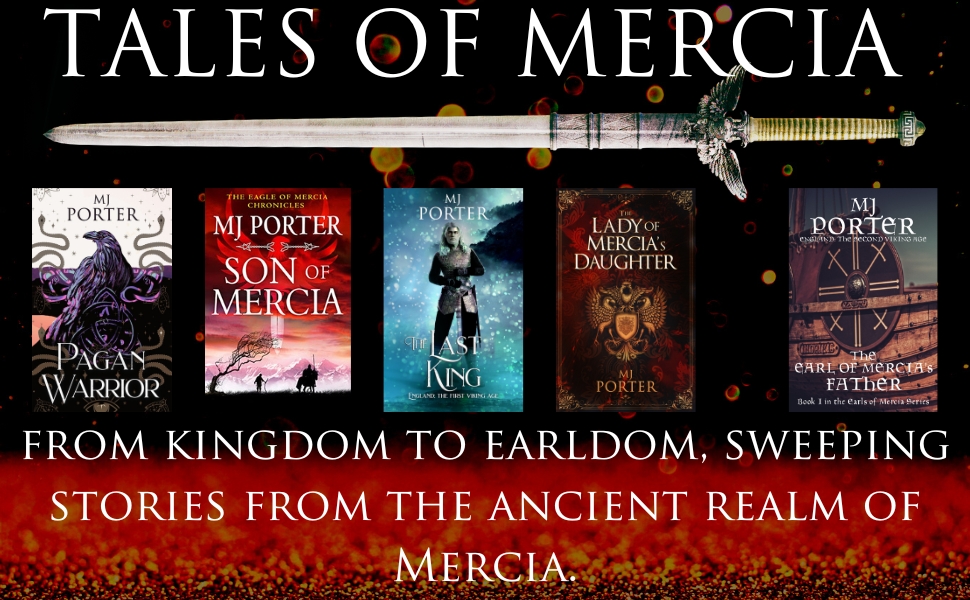
The Last King is set in Mercia in the Ninth Century, one of the ancient kingdoms of England. Mercia, at that time, is perceived as being on the decline – no more the mighty King Penda of the seventh century (who I’ve written about in Pagan Warrior) or King Offa of the eighth century (who I do want to write about), but instead Wessex, on Mercia’s southern border, just waiting to pounce when Mercia is already weak and further destabilised by the Vikings of the Great Heathen Army. It seems inevitable that Mercia will be subsumed by Wessex.
Mercia’s king in the early 870’s was Burgred, brother by marriage to King Alfred and with King Alfred himself married to a Mercian, I think we can all decipher the intentions of the House of Wessex towards Mercia. This alliance seems to have been powerful, persuasive, and long lasting, until abruptly, Wessex gave up on Mercia, and refused to assist in the battle against the Vikings. It is this Mercia that Coelwulf lived in, and lived through.
The historical Coelwulf was allegedly a member of a family who had ruled as kings in the early 800’s. King Coelwulf II (as he was known) was accepted by the Mercians as their king. This is ‘proved’ by the few charters which survive from the time period, which are ‘witnessed’ by the three bishops of Mercia, and her ealdormen as well. In the past, these documents have been taken to show that all of the Mercian nobility bowed down before the Vikings and accepted them as their ‘overlords.’ This view is only now being challenged, and I’m enjoying challenging it.
Mercia, unlike the kingdoms of Northumbria and Wessex, had no one who wrote propaganda for her. Northumbria had the Venerable Bede, Wessex had the Anglo-Saxon Chronicle, but for Mercia, there is a dearth of information. Perhaps there was a record, it is hinted at in something known as the Mercian Register incorporated in one version of the Anglo-Saxon Chronicle, but it is presumed that much of the record was burned by the Vikings.
I’m thriving on looking at the possibilities for what might have happened in Mercia. There are surprising omissions in the Anglo-Saxon Chronicle, a few things that don’t make too much sense when you examine them further, and so ‘my’ version of the time period is a little bit different to anything people might read about in older books. It doesn’t make it right, but, and this is what is so appealing about the time period, it also doesn’t make it wrong.
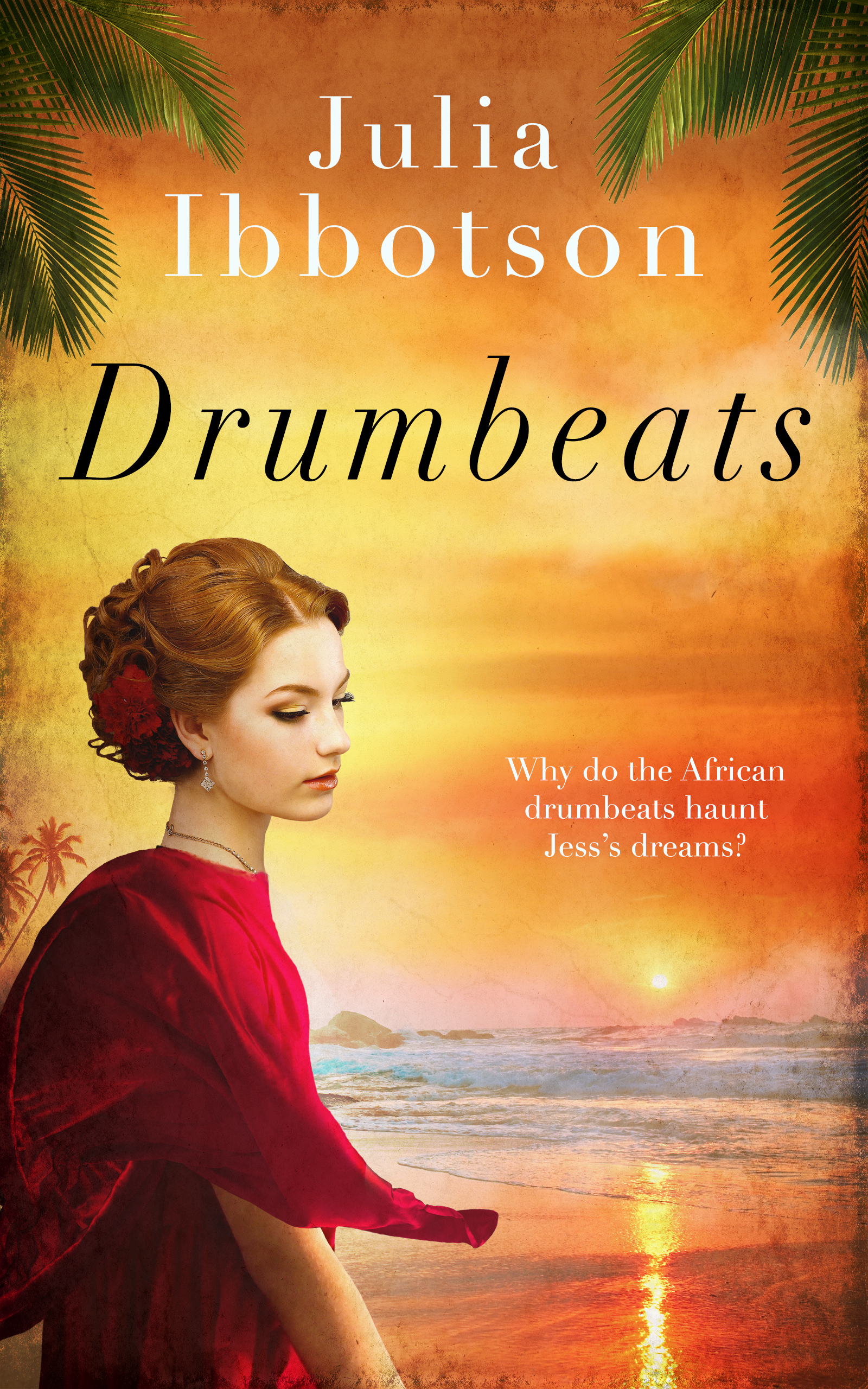
It’s 1965, and 18 year old Jess escapes her stifling English home for a gap year in Ghana, West Africa. But it’s a time of political turbulence across the region. Fighting to keep her young love who waits back in England, she’s thrown into the physical and emotional dangers of civil war, tragedy and the conflict of a disturbing new relationship. And why do the drumbeats haunt her dreams?
This is a rite of passage story which takes the reader hand in hand with Jess on her journey towards the complexities and mysteries of a disconcerting adult world.
This is the first novel in the acclaimed Drumbeats trilogy: Drumbeats, Walking in the Rain, Finding Jess.
For fans of Dinah Jefferies, Kate Morton, Rachel Hore, Jenny Ashcroft
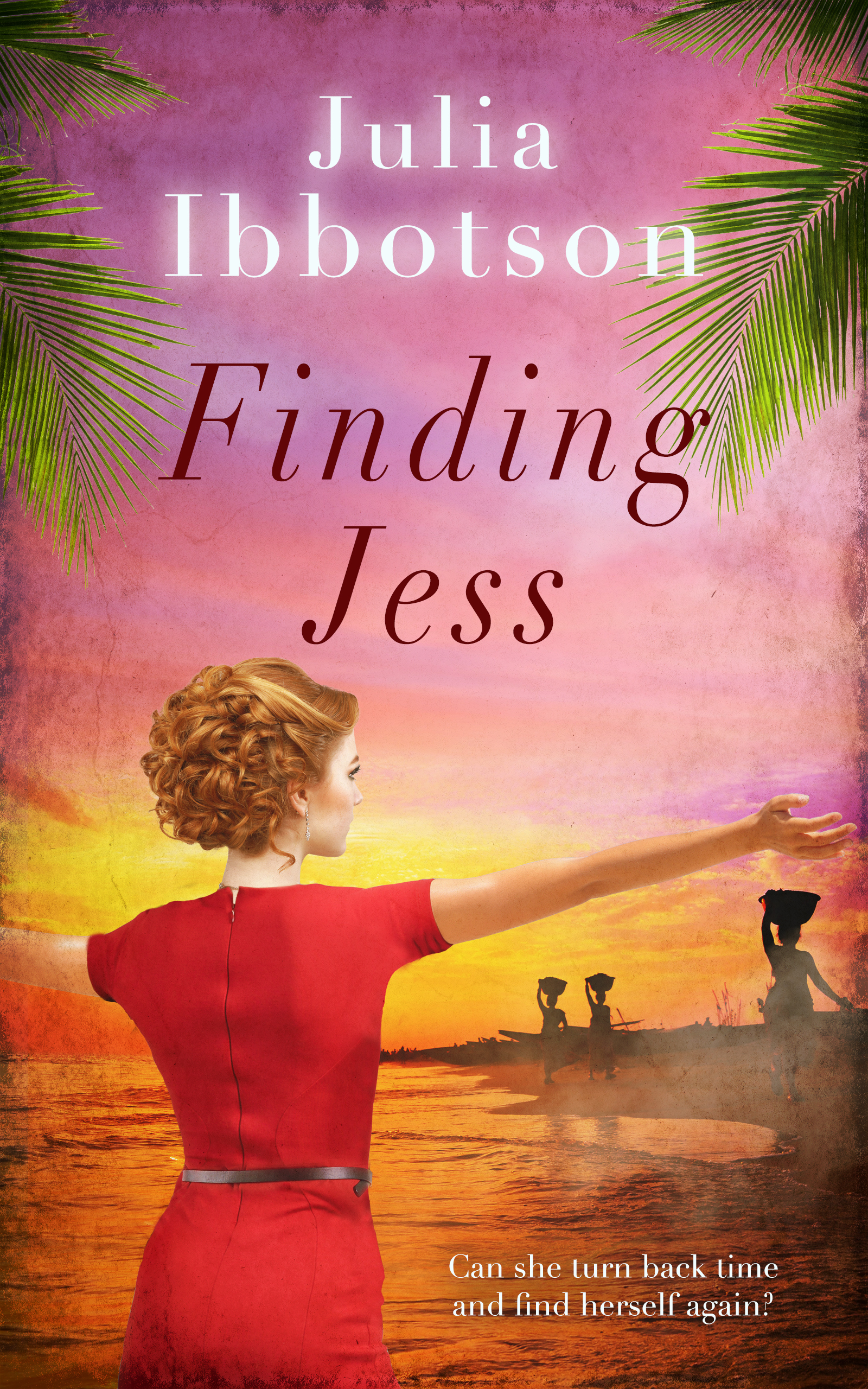
Jess happily marries the love of her life. She wants to feel safe, secure and loved. But gradually it becomes clear that her beloved husband is not the man she thought him to be.
She survived war and injury in Africa, but can she now survive the biggest challenge of her life?
On the brink of losing everything, and still haunted by her past and the Ghanaian drumbeats that haunt her life, Jess feels that she can no longer trust anyone but herself. Then she’s mysteriously sent a newspaper clipping of a temporary job in Ghana. Could this be her lifeline? Can she turn back time and find herself again? And what, exactly, will she find?
Finding Jess is a passionate study of love and betrayal – and one woman’s bid to reclaim her self-belief and trust. It’s a feel-good story of a woman’s strength and spirit rising above adversity.
Award-winning author Julia Ibbotson herself spent an exciting time in Ghana, West Africa, teaching and nursing (like Jess in her books), and always vowed to write about the country and its past. And so, the Drumbeats Trilogy was born. She’s also fascinated by history, especially by the medieval world, and concepts of time travel, and has written haunting time-slips of romance and mystery partly set in the Anglo-Saxon period. She studied English at Keele University, England, specialising in medieval language, literature and history, and has a PhD in linguistics. She wrote her first novel at age 10, but became a school teacher, then university lecturer and researcher. Her love of writing never left her and to date she’s written 9 books, with a 10th on the way. She’s a member of the Romantic Novelists Association, Society of Authors and the Historical Novel Society.
I’m really excited to share a fabulous blog post about his new book, Usurpers, from Robb Pritchard. I do love a story that uses ancient sources and historical ‘fact.’
Man and myth. Apart from King Arthur, of course, there is another man in British history who is known in myth just as much as the historical record. Immortalised as Macsen Wledig in one of Wales’ most important ancient works of literature, the Mabinogion, Magnus Maximus was also a real general, and later, a usurping emperor.
Relatively speaking, the three centuries of Roman rule in Britannia was a rather secure time for the Romanised inhabitants. After Boudica’s revolt in AD 61 the four provinces that divided the island enjoyed an extended period of peace, which it has rarely experienced in the subsequent 1700 years. But towards the end of the fourth century, the security of the social fabric was beginning to unravel. And Magnus played an important role in that.
In 367 Britannia was almost completely overrun by a horde of barbarians, a seemingly coordinated mix of Picts, Scotti and Saxons. It was only saved by the efforts of a General Theodosius, who was supported by his son and nephew, the future emperors Theodosius the Younger and Magnus Maximus. And thus, Magnus’ story in Britannia begins.
Some fifteen years later, the Elder Theodosius has been murdered by factions of either the court of Gratian, or the toddler emperor, the young son of Valentinian I. Theodosius has been raised to Eastern Emperor, but Magnus is languishing in Rome unable to use his military expertise to help the Empire recover after the crushing disaster of Adrianople, al lost battle against the Goths in which a good percentage of the Roman army was wiped out.
It wouldn’t have been much of a surprise for him to end at the end of an assassin’s blade, the same way as his uncle, but instead, he found himself promoted to the enviable position of Dux Britanniarum, in charge of bolstering the islands’ defences. Perhaps he was given the position to keep him safely away from the circles of power in the imperial cities of Rome, Trier and Milan where a former general with his reputation could be a threat, but it ended up leading to the opposite outcome. Instead of being kept busy in a distant province, he used his position to build support for himself over a couple of years, before launching a successful bid for the ‘purple’. He ruled the Western Empire from Trier for five years.
His reign, and life, ended on the 28th of August 388, ignominiously, in a roadside ditch somewhere in present-day Slovenia, but his connection to Wales still endures to this day. Several royal dynasties which came to prominence in the early medieval period claimed descent from him, finding both pride and authority in the connection to Rome. He was evidently popular enough in popular culture that people spoke about him around fires in their halls as when the Red Book of Hergest was written, some thousand years after his death, they wrote the Dream of Macsen Wledig about him.
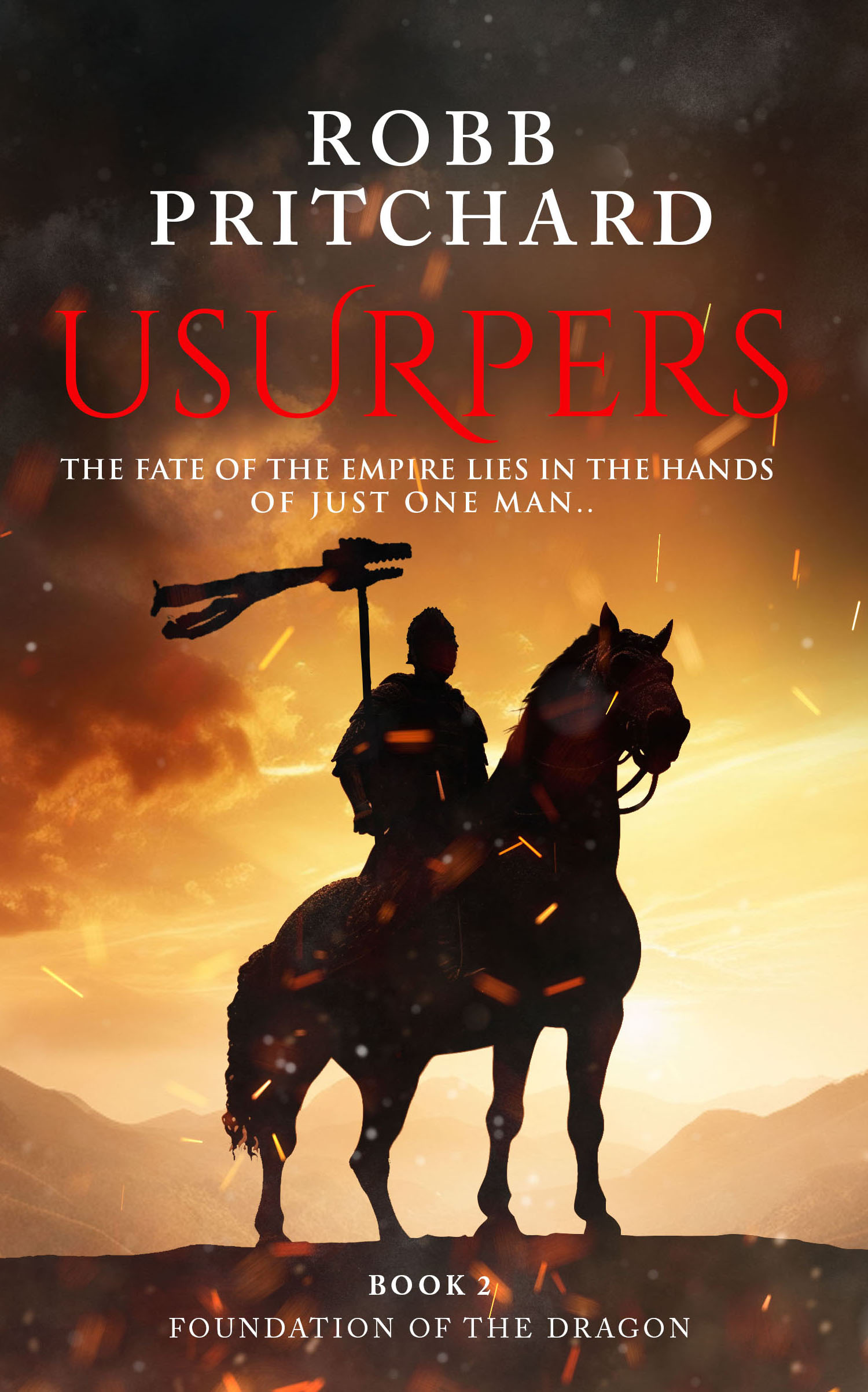
For Book 2 of the Foundation of the Dragon series, this is the story I chose to write. But it wasn’t quite as easy as simply collecting all the known facts and weaving them onto a narrative. Magnus is equally well known, perhaps more so, from the Dream of Macsen Wledig, than as a real person, but the story bears no resemblance to the real one. With the resurgence of interest in Welsh culture and heritage, I wanted to include the Mabignion dream story.
How to connect the myth of Macsen Wledig of the Mabinogion with the factual Roman Dux Britanniarum and emperor into a coherent and believable story took quite a while, and a few failed attempts, but I think it turned out quite well. I am terribly self-critical when it comes to my writing, so a couple of weeks out from publication, I am as nervous as perhaps Magnus was as he sailed over to Gaul in 383.
Usurpers covers the period of Magnus’s life from outcast to the moment he is proclaimed as Augustus by the soldiers of Britannia. Book 3 will follow the story of his years ruling from Trier and the ill-fated war against his cousin. If all goes to plan, Book 4 will be about Vortigen in the years of upheaval during Rome’s withdrawal from Britannia, which should be out in the second half of 2024.
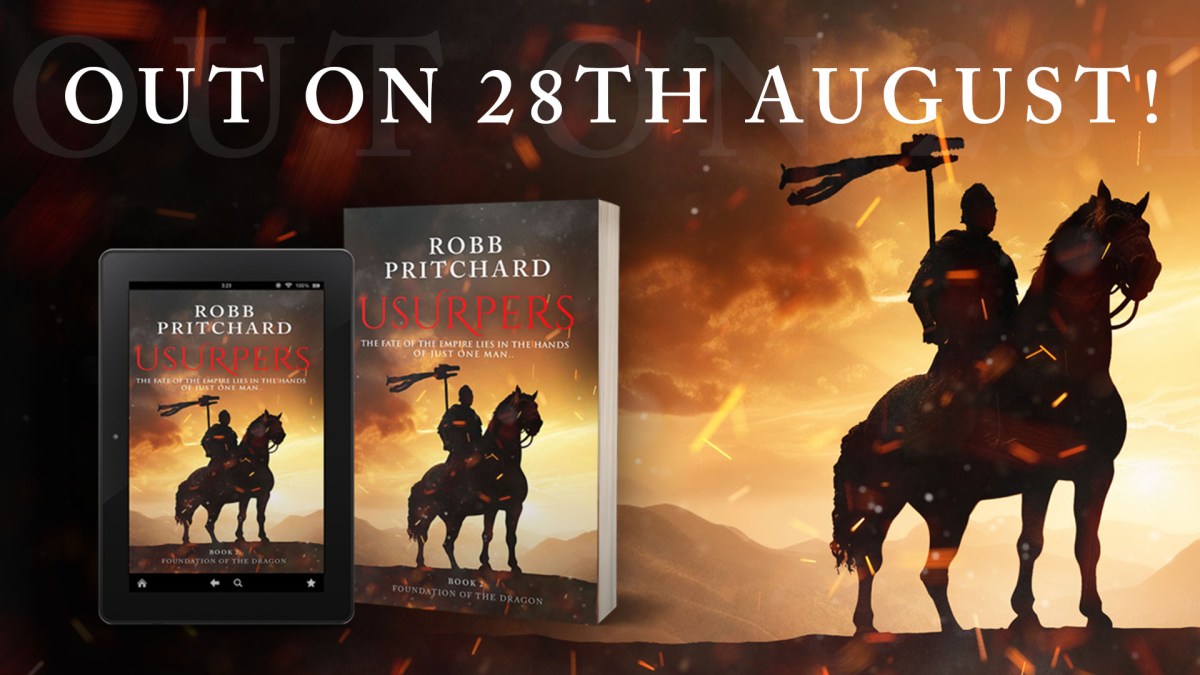
Usurpers, Book 2 of the Foundation of the Dragon series is out on the 28th of August. Pre-orders are available now.
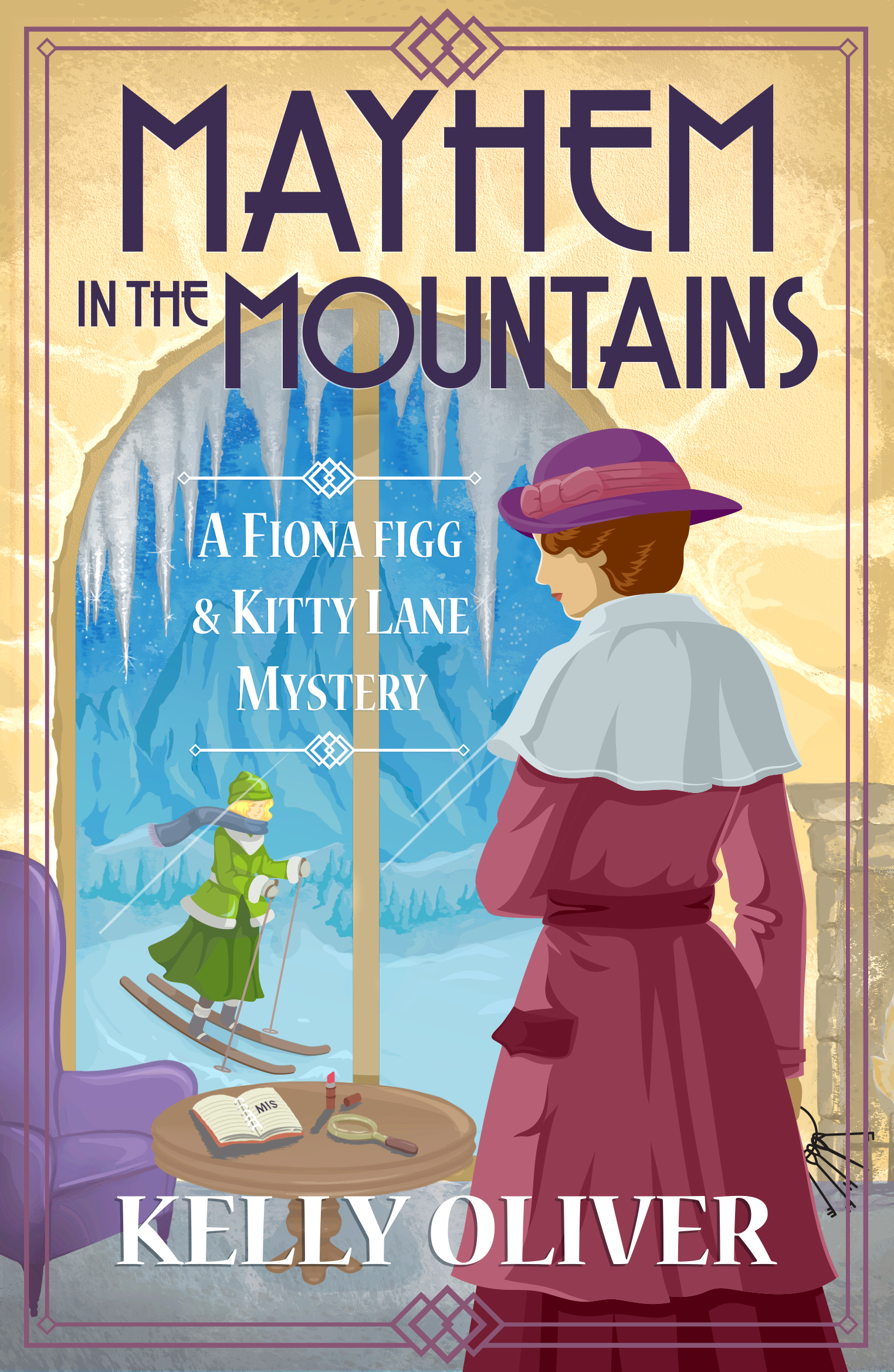
When a deadly blizzard traps Fiona Figg and Kitty Lane in the Dolomite Mountains, it’s all downhill from here.Their hotel is snowed-in, and no one can get in or out. Then a man is found dead in his locked hotel room – and the killer is still on the premises. But with no murder weapon and too many suspects, their investigation is treading on thin ice.
The colder it gets outside, the hotter it gets inside as Fiona squares off with both her beloved Archie and her nemesis Fredricks. With her love-life on a slippery-slope, Fiona risks everything in one bold move…
As fast and twisty as a downhill slalom, this slick new cozy from Kelly Oliver will have you melting into a puddle of laughter.
Mayhem in the Mountains picks up where Covert in Cairo ends; only our intrepid file clerk-turned-spy has exchanged the heat of the desert for the cold of Italy in January. And it is very cold and quite miserable and were it not for tea, toast (and marmalade), and a few trusty Sherlock Holmes stories, Fiona would be quite bored.
But never fear, when Fredricks finally arrives (late, don’t you know) a chain of events starts, beginning with an avalanche that culminates in the need to investigate a perplexing murder case, and one that becomes increasingly perplexing as we learn more and more about probable events.
Interwoven with fictional portrayals of real people, including Mussolini, Mayhem in the Mountains is a fine mystery that only Fiona seems eager to solve. At the same time, other characters are more concerned with the war effort and a few shady shenanigans between MI5 and sister organisations.
There is a real vibrancy to these tales. Fiona might on occasion seem a little too focused on only one thing -proving to her boss that she deserves to escape from Room 40 at the War Office – but that doesn’t stop her from being determined to do the right thing, even if others don’t always agree with her. Her morality means she often stands slightly to the side of her supposed allies and fellow spies.
A vibrant, entertaining read, sure to appeal to fans of historical mysteries, and with just the right amount of historical detail.
Kelly Oliver is the award-winning, bestselling author of three mysteries series: The Jessica James Mysteries, The Pet Detective Mysteries, and the historical cozies The Fiona Figg Mysteries, set in WW1. She is also the Distinguished Professor of Philosophy at Vanderbilt University and lives in Nashville, Tennessee.
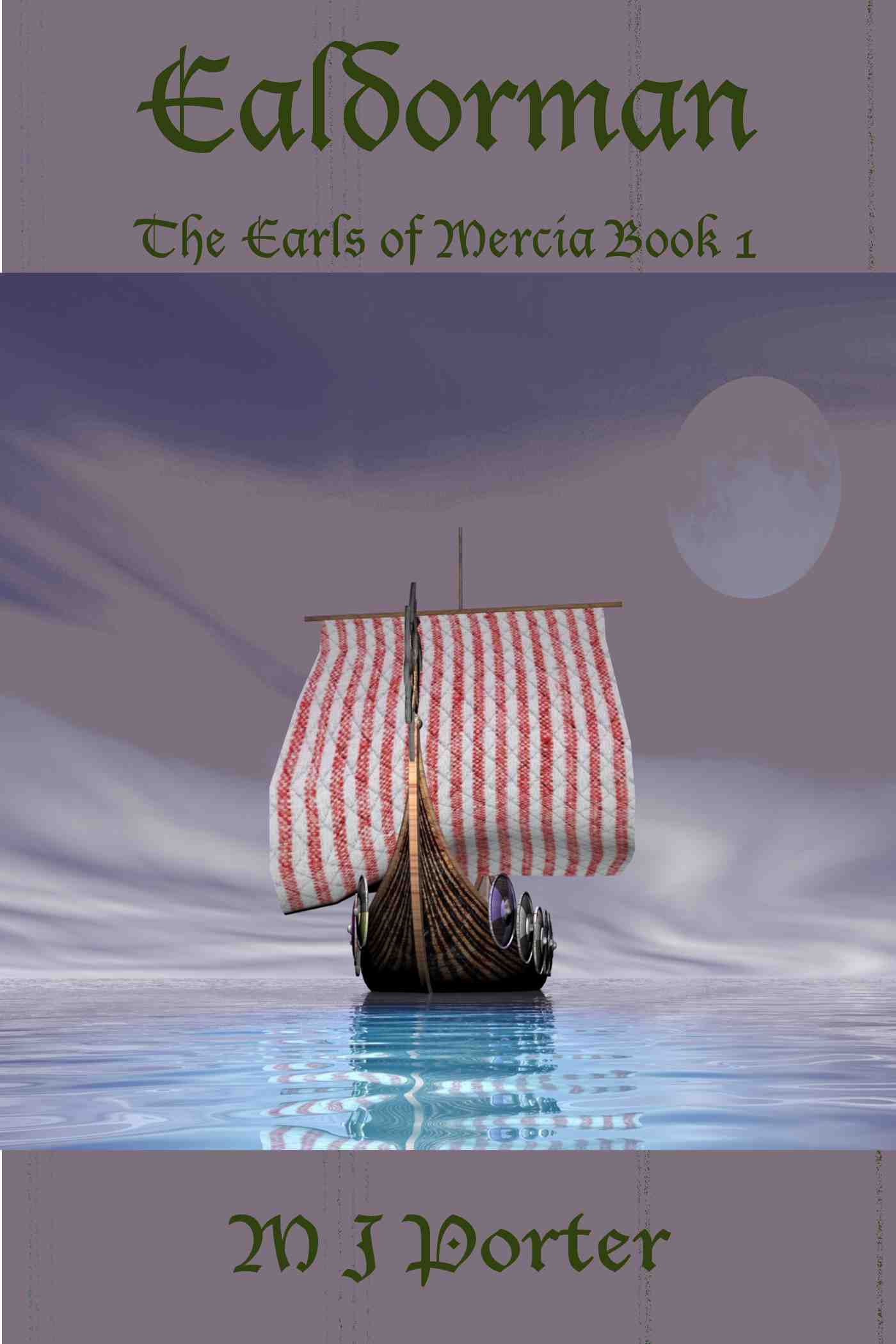
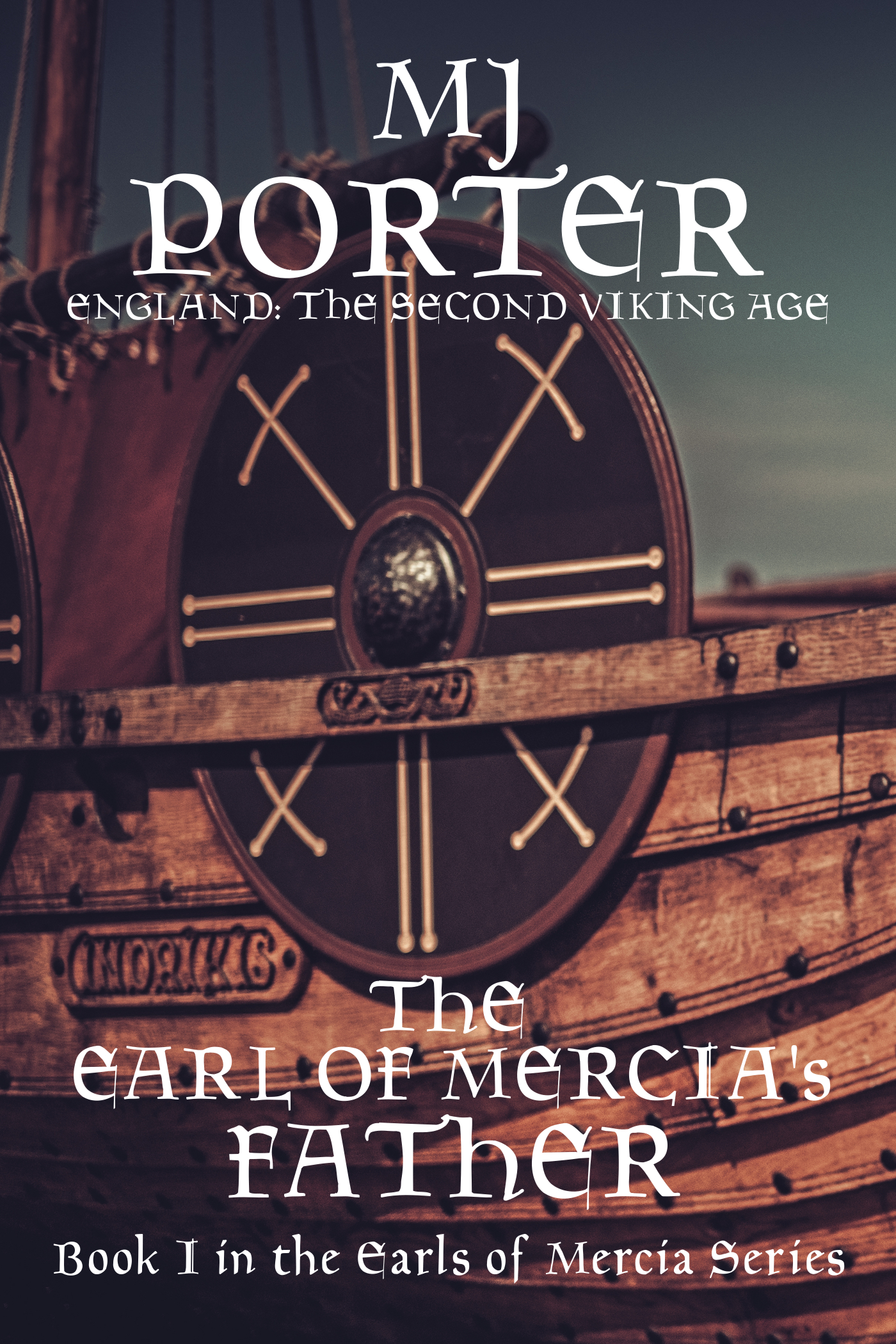
The Earl of Mercia’s Father, or Ealdorman as it was originally known, has had quite the book journey and I thought I’d share some of those details.
Ealdorman began life back in about 2011 when I was researching for my MA using the local university library. It didn’t have a massive Saxon section, and so I slowly worked my way through the more biographical titles. I am interested in the people and their lives, but also in the wider political events. I read all and sundry, in no particular order, and really, with no intention of doing more than learning a bit more about the era. I read about Lady Elfrida, England’s first crowned queen, I read about King Edward the Confessor, I read about the Godwines, Cnut, Æthelred (I think you’re getting the idea), and I read a book about the Earls of Mercia. And I did some more research and wrote some essays and then one day I thought, ‘wait a mo, that would be a good story.’ And so, the first Earls of Mercia story began life, the intention to offer an alternative narrative to the one often presented of the last century of Saxon England, through the eyes of the Earls of Mercia as opposed to Earl Godwine and his family.
From my research, I’d discovered Ealdorman Leofwine, an often shadowy character but one who is documented from 994 to about 1022 as one of King Æthelred II’s ealdormen (we didn’t have earls until King Cnut conquered England). But, I’ve told this story many times, my intention here is to write about that book.
It began life in 2011, but ground to a halt sometime that year, about 30,000 words in because I was a bit stuck. I wanted to take my character to Shetland, but kept confusing Orkney and Shetland. That sounds like a stupid reason to stop writing, but stop I did. And for quite a long time. Not until May 2013 did I resume my story, and only after a trip to Orkney, which, once and for all, ensured I knew the difference between Orkney and Shetland.
I hurried to finish the book, filled with enthusiasm for the project once more. I played the old ‘find an agent game’ to no avail, and decided to indie publish myself, as I’d been doing with my fantasy books. And so that should have been it. Ealdorman was out in the world.
But that wasn’t it. In fact, that was far from it. I held the rights for some years, continued writing the series, and one day, signed a publishing contract with much excitement, for book 1 and book 2. Suffice to say, it was not my best decision. So, fast forward a few years and it was mine once more, and I could republish it – with a new title and a new cover. But that wasn’t all.
In the ‘lost years’ (as I’ll term them), I’d continued writing, this series, another series, probably another series, a few side stories, etc etc. And so, the original book, Ealdorman, was no longer, in my mind at least, ‘fit for purpose.’ Being indie, knowing that one day I’d hopefully get my rights back, I both wrote out the first two books in the series (for people reading all of my series and after a chronologically sound narrative between series) and also massively edited, amended and rewrote the book as I could publish it in paperback. The one that’s now published, is not at all the book I first wrote between 2011 and 2013. There are elements that remain, and certainly Ealdorman Leofwine is still my half-blind hero, but much else has changed. It’s more exciting now. I’ve dealt with some of the ‘nerd’ elements to it, but Leofwine is still Leofwine.
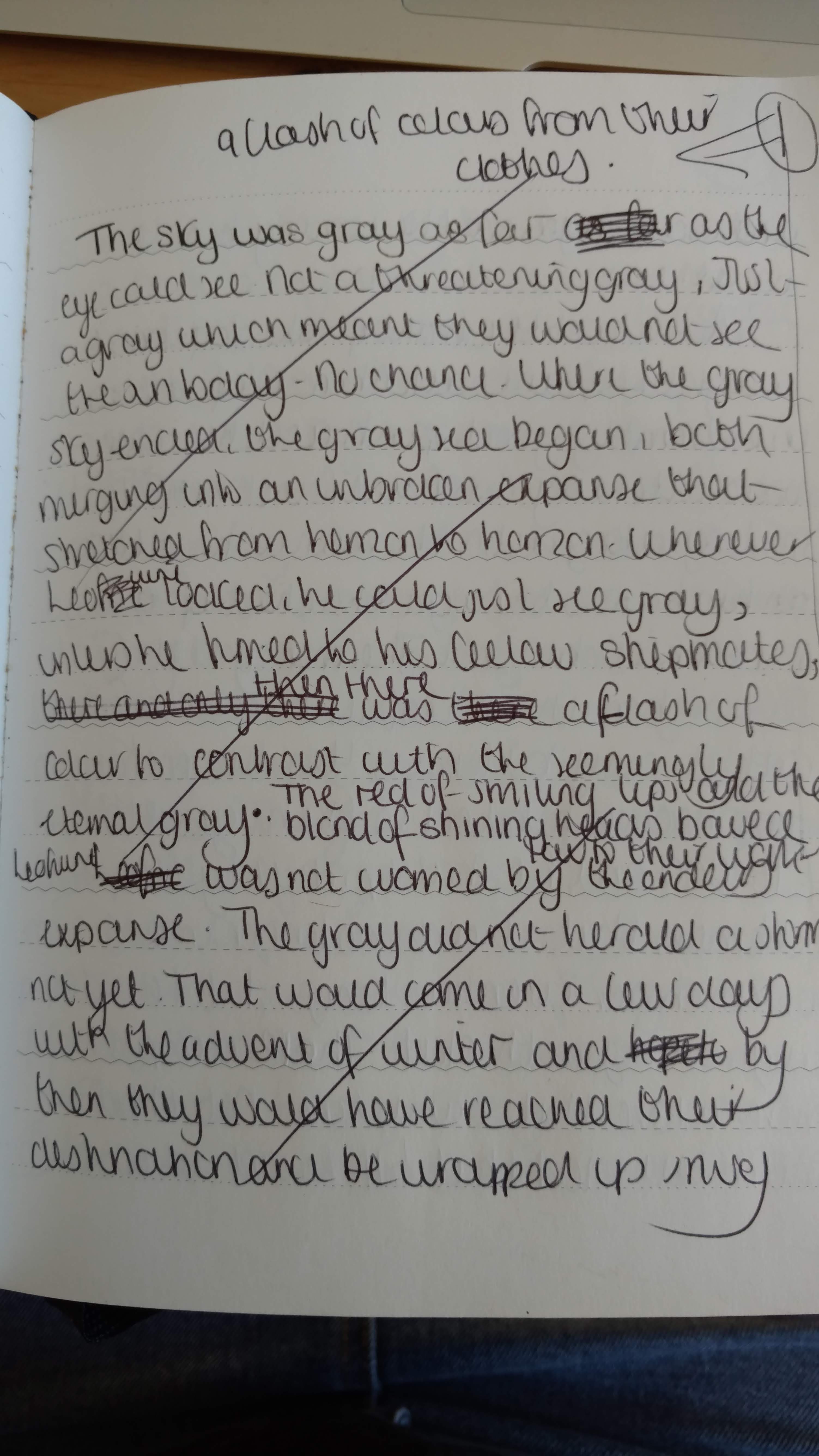
This then, is something that many writers never get to do. If Ealdorman had remained as it was, if I’d given up due to a lack of success, if I’d not written more books, if I’d not lost my rights for a few years, if I’d traditionally published it, the book that is The Earl of Mercia’s Father in its current guise wouldn’t exist. And despite it’s problems – it’s not been possible to write them all out – I’m very proud of all that this book represents, not just for me as a writer, but for the journey the book has been on, from handwritten notes, to a finished draft, to a rewritten draft, through another rewrite to what it is today. It’s been a journey and a half.
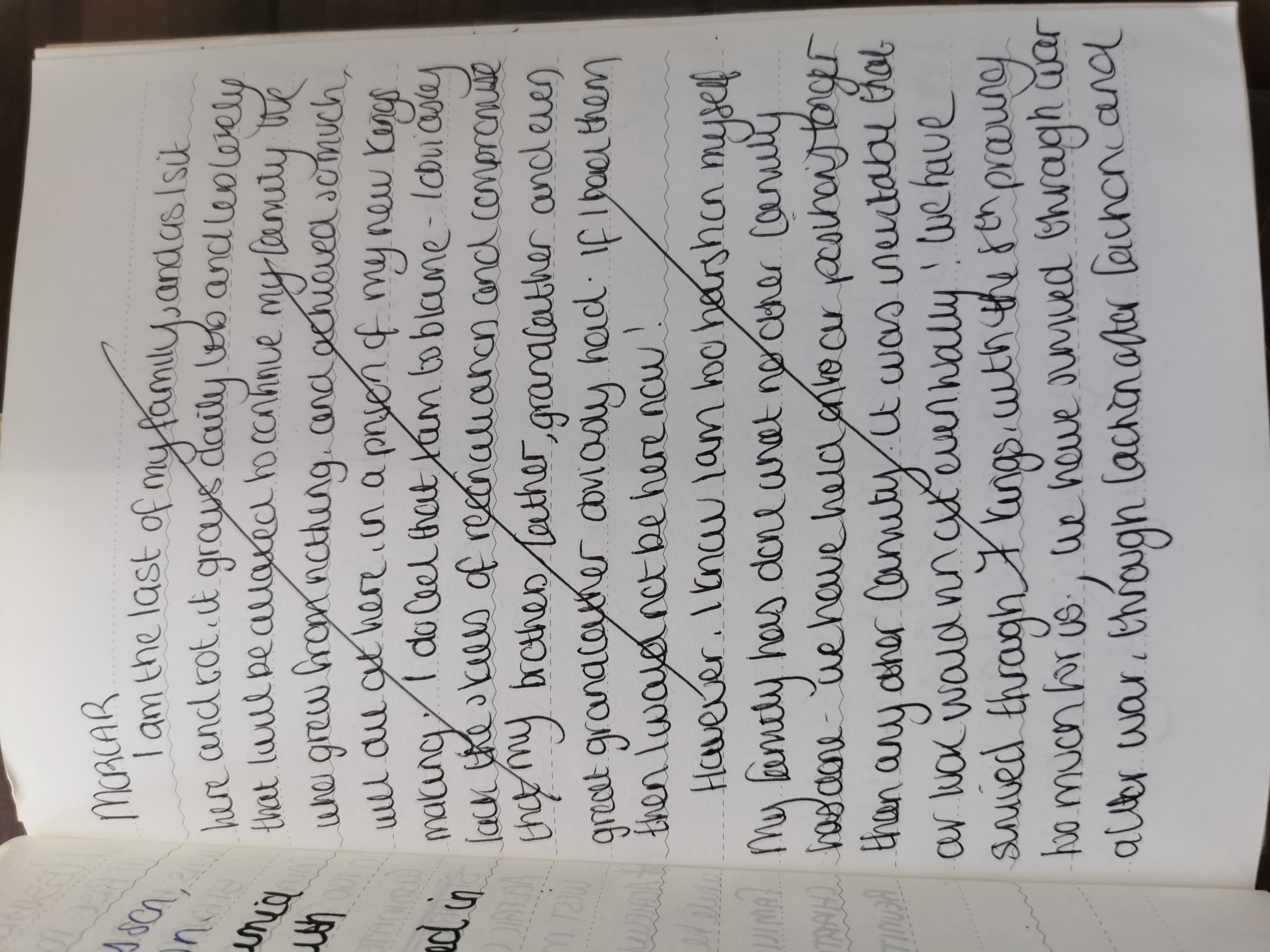
The notebook, the original beginning, and the ending that has still never been written, although I have used it in a short story.
You can find out more about the entire series on my Earls of Mercia page on the blog.
I’m delighted to welcome Cindy Burkart Maynard to the blog, with an excerpt from her book, Esperanza’s Way.
Over the following months, the young woman and the old Master worked side by side, trying every treatment they could find. They rifled through Master Cohen’s books, desperate to fend off the invader overtaking Johanna’s body. They dressed the lumps with damp cloths infused with black nightshade. Esperanza created a poultice of nettle, mustard seed and moldy bread and laid it against the invading tumors.
Among his books, Master Cohen found an ancient Egyptian remedy – an ointment that combined bull bile, fly droppings, and ochre. They prepared gallons of marjoram tea and forced her to choke it down. They spooned a powerful mixture of heartsease, marigold, and yarrow into her mouth. Nothing worked. By the time the courtyard flowers drooped in their pots, and cold winds stripped the trees of their leaves Johanna’s condition had worsened to a critical stage. She thrashed back and forth on her pallet, insensible to anything but the pain that enveloped her.
“Please, husband,” she rasped. “Please end this torment. You must have something to release me from this agony.” Looking toward Esperanza standing at her bedside she begged. “Esperanza, you once killed a woman with belladonna. If you love me at all, please, please do the same for me.”
Esperanza lifted her eyes to Master Cohen’s. He squeezed his eyes closed and nodded almost imperceptibly, giving her tacit permission to end Johanna’s suffering.
Esperanza’s blood turned to ice in her veins.
Here’s the blurb
Motivated by the memory of her mother dying in her arms, Esperanza resolves that she will one day walk the halls of the Scola Medica at Salerno and train to become a healer. Fate brought Amika, a talented herbalist, into her life and helped Esperanza take her first steps toward gaining the knowledge that would fulfill her dream. Unfortunately, a tragic accident forced Esperanza to flee Amika’s home. Her journey toward finding the path to success is littered with stumbling blocks, some more difficult to avoid than she expected.
Cindy Burkart Maynard is passionate about history, and the natural world, a passion that adds rich detail and context to her historical fiction novels. Her characters come to life on the page as they portray what it was like to live in another time and place. She weaves compelling, dramatic stories based on strong characters facing daunting challenges. She has co-authored two nonfiction works about the Colorado Plateau and the Desert Southwest and contributed articles to Images and Colorado Life Magazines. She has been a Volunteer Naturalist for Boulder County for more than twenty years, and served as a Docent at the Sonora Arizona Desert Museum in Tucson, AZ.
Awards: Colorado Authors League Award Winner for Western Literature
Women Writing the West Award Finalist WILLA Literary Award finalist for soft cover fiction.
Readers’ Favorite Five Star Author Winner of the Marie M. Irvine award for Literary Excellence