Author of Saxon historical fiction and non-fiction, 20th-century historical mysteries, and Norse-inspired historical romantasy. Book reviewer and blog host.
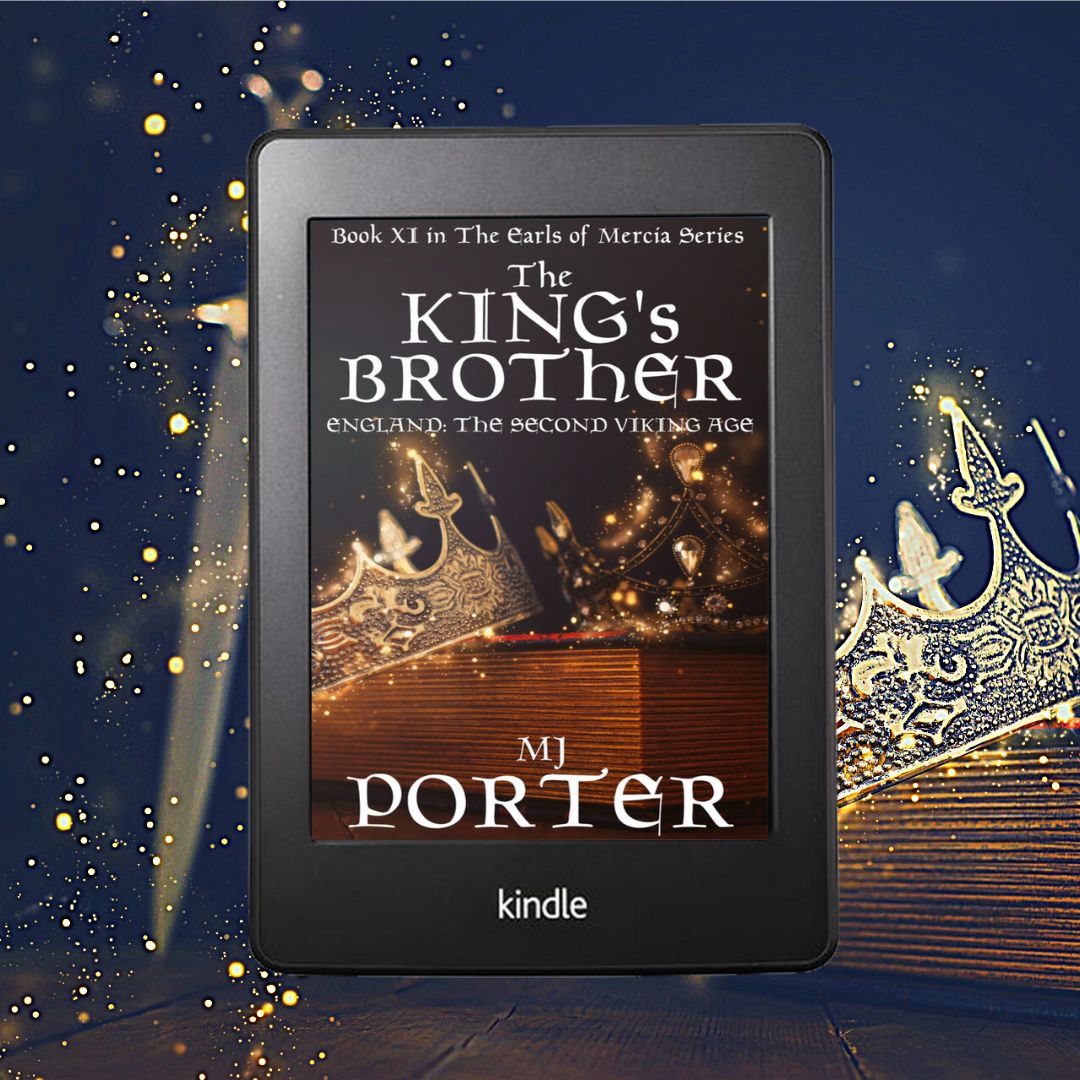
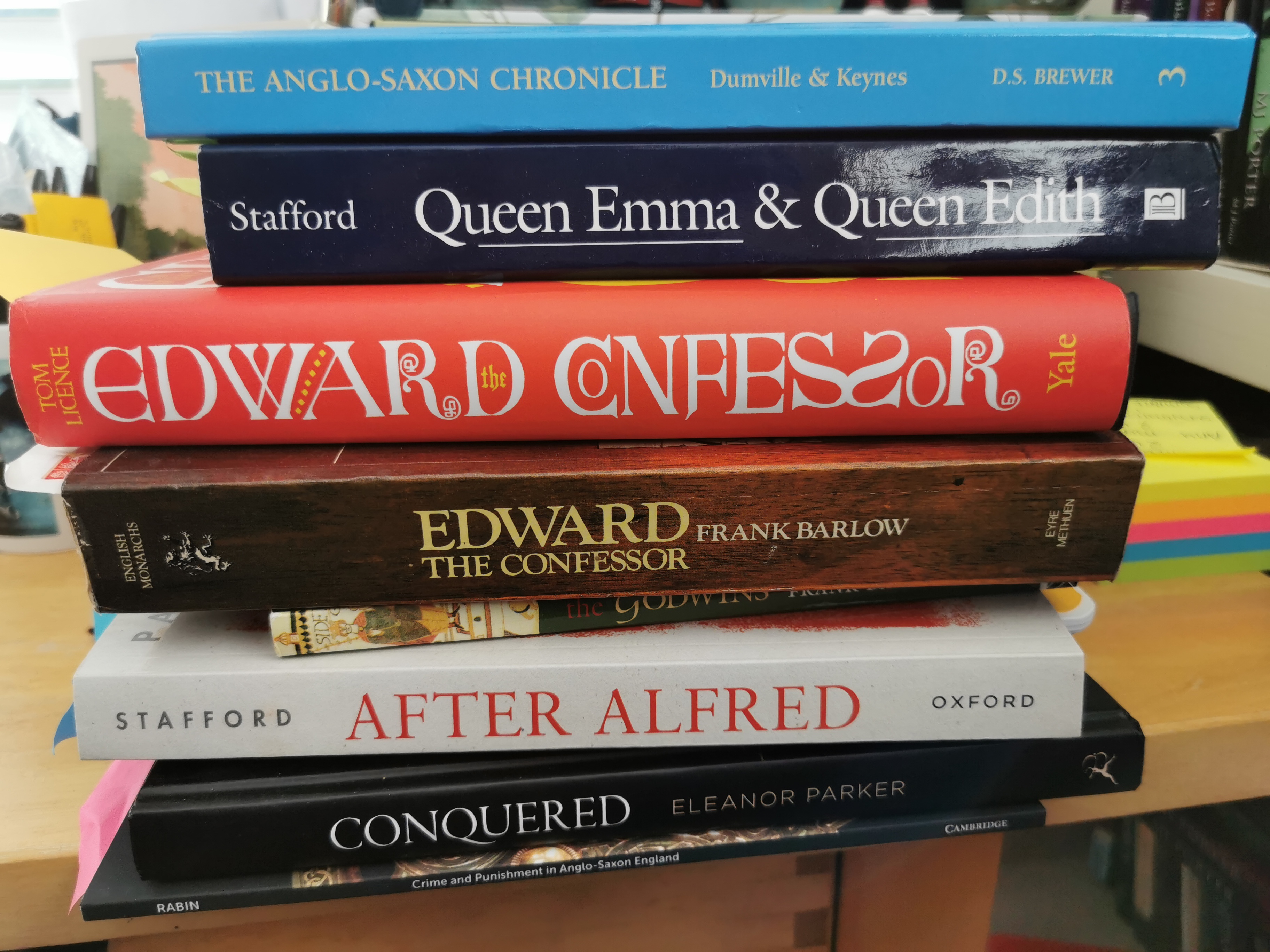
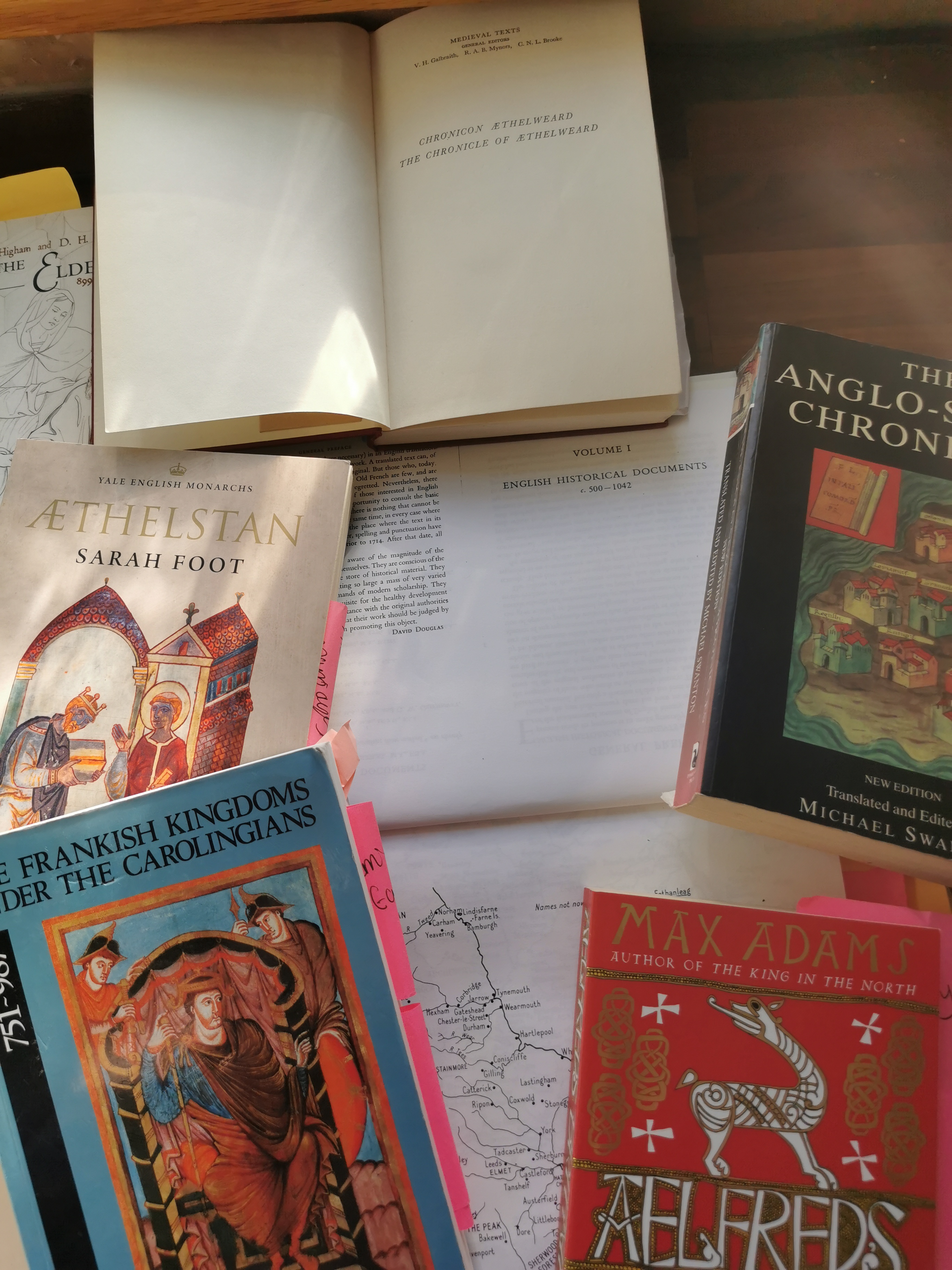
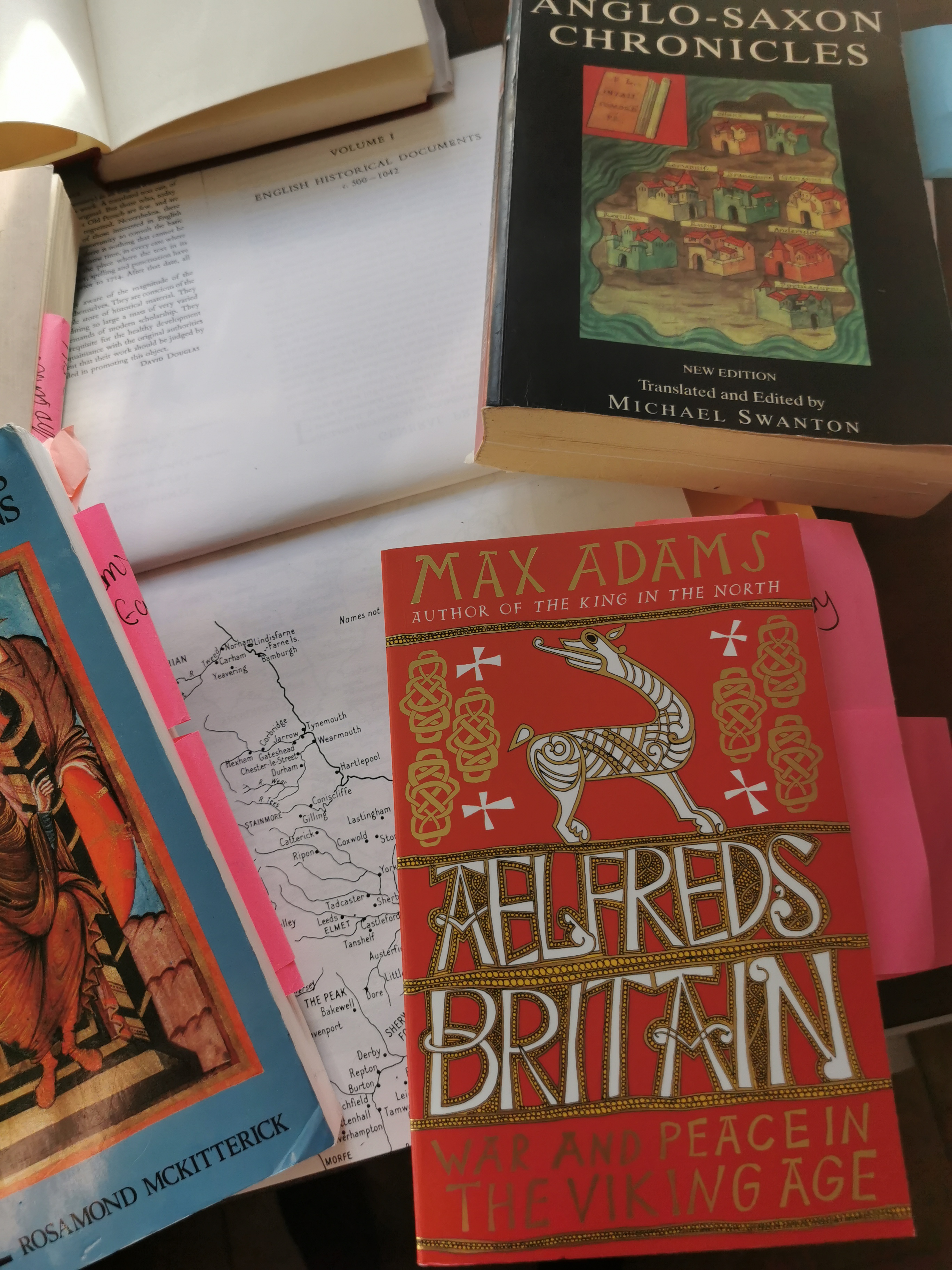
I always like to share my research with my readers. Here’s a small pile of the books that I’ve specifically used in the last few weeks while finalising the little details in The King’s Brother.
As always, there are resources not shown here. The two primary online resources that I will NEVER tire of sharing are
My two versions of The Anglo-Saxon Chronicle not shown here have also proved invaluable, my preferred version by Michael Swanton, and the version found in English Historical Documents Vol. 1 by Dorothy Whitlock, although I’ve discovered I have a first edition, and there was a subsequent second edition, which is the one most often used – mind my first edition was substantially cheaper than a second edition. (I dare you to click on the link and see how much it costs:))
Some of these books are more academic than others. For those looking for an introduction to the period, I highly recommend The Death of Anglo-Saxon England by Nick Higham which is stuffed with images and can be found quite cheaply second-hand.
The Scots of Dalriada takes place in 5th century Ireland and Scotland and tells the fictional story of the legendary king Fergus Mór. Recorded Irish history begins with the introduction of Christianity and Latin literacy, beginning in the 5th century. Most of my research however, relied on sources written much later. First and foremost, Studies in the History of Dalriada by John Bannerman.
Published in 1974 this book is no longer in print but can be purchased second-hand.
My research of the Dalriada began fifteen years ago when I discovered that my ancestors descended from the Dalriada. History is compelling, especially when your own ancestors are involved, and the stories around the Dalriada didn’t let me go. I had to wait three years to obtain a copy of this book but it was definitely worth it, as it is much more comprehensive and detailed than anything to be found on the net.
It amazed me that St. Patrick was kidnapped as a teenager and sold to the Dalriada. He stayed with them, working as a shepherd on the exposed hills of Slemish until he miraculously escaped. When he returned to Ireland in his role as missionary, his first self-imposed duty was to convert the Dalriadians, despite bitter opposition from the druids.
See my first book from this period about the life of St.Patrick, Patron Saint of Ireland.
The Missionary
Although both books take place in 5th century Ireland, they are entirely independent of each other.
5th century Ireland and Scotland is at the end of the Iron Age and beginning of the early Medieval Age. This period includes an expansion of the Dalriada clan to Western Scotland. Ireland, at the time, was divided into many small baronies, each ruled by an underking. Life was dominated by a myriad of petty wars, neighbouring clans were constantly under attack from each other, stealing cattle and crop and encroaching upon each other’s land.
The Dalriada was situated in the utmost North East of Ireland, composed of much that is presently known as Antrim. To the North and East their territory was bordered by the North Channel and the Irish Sea. To the South and West, by the aggressive tribes of the Northern Uí Néill, the Dál Fiatach and the Dál nAraide, who continually attacked the Dalriada. So it was only natural that the Dalriada sought to expand their kingdom across the North Channel.
These background facts form the setting for my, mainly fictional, novel about Fergus. The book covers his life from roughly 440 to 501 AD, when his ship is sea wrecked, and he is succeeded by his son Domangart.
By that time the Dalriada have conquered Argyll (“Coast of the Gaels”) and built their chief stronghold and trading centre at Dunadd. The hillfort of Dunadd is believed to have been their capital. Other royal forts included Dunollie, Dunaverty and Dunseverick. Within Dalriada was the important monastery of Iona, which played a key role in the spread of Celtic Christianity throughout northern Britain, and in the development of insular art. Iona was a centre of learning and produced many important manuscripts. Dalriada had a strong seafaring culture and a large naval fleet.
Scotland is said to have been founded by the legendary king Fergus Mór (Fergus the Great) in the 5th century. Heavy onslaughts from the Picts checked the Dalriada on the Scottish mainland. In the 8th century the Dalriada gradually declined; and after the Viking invasions early in the 9th century, it lost all political identity. In the mid-9th century its king Kenneth I MacAlpin brought the Picts and Scoti (the Roman name for the Irish Gaels) permanently together, and thereafter the whole country was known as Scotland.
More books that I read to complement my research:
A Brief History of Ireland by Richard Killeen
Ireland’s Forgotten Past: A History of the Overlooked and Disremembered by Turtle Bunbury
A History of Scotland by Neil Oliver
Scotland: History of a Nation by David Ross
The Book of Celtic Myths: From the Mystic Might of the Celtic Warriors to the Magic of the Fey Folk, the Storied History and Folklore of Ireland, Scotland, Brittany, and Wales by Adams Media
Satellite image of Scotland and Northern Ireland showing the approximate greatest extent of Dál Riata (shaded). The mountainous spine which separates the east and west coasts of Scotland can be seen.
Ancient hill fort at Dunadd
Here’s the blurb
THREE BROTHERS Fergus, Loarn and Angus, Princes of the Dalriada, are forced into exile by their scheming half-brother and the druidess Birga One-tooth.
THREE FATES Fergus conceals himself as a stable lad on Aran and falls helplessly in love with a Scottish princess, already promised to someone else. Loarn crosses swords against the Picts. Angus designs longboats.
TOGETHER A MIGHTY POWER Always on the run the brothers must attempt to outride their adversaries by gaining power themselves. Together they achieve more than they could possibly dream of. Fergus Mór (The Great) is widely recognised as the first King of Scotland, giving Scotland its name and its language. Rulers of Scotland and England from Kenneth mac Alpín until the present time claim descent from Fergus Mór.
Full of unexpected twists and turns, this is a tale of heart-breaking love amidst treachery, deceit and murder.
Rowena Kinread grew up in Ripon, Yorkshire with her large family and a horde of pets. Keen on travelling, her first job was with Lufthansa in Germany.
She began writing in the nineties. Her special area of interest is history. After researching her ancestry and finding family roots in Ireland with the Dalriada clan, particularly this era.
Her debut fiction novel titled “The Missionary” is a historical novel about the dramatic life of St. Patrick. It was published by Pegasus Publishers on Apr.29th, 2021 and has been highly appraised by The Scotsman, The Yorkshire Post and the Irish Times.
Her second novel “The Scots of Dalriada” centres around Fergus Mór, the founder father of Scotland and takes place in 5th century Ireland and Scotland. It is due to be published by Pegasus Publishers on Jan.26th, 2023.
The author lives with her husband in Bodman-Ludwigshafen, Lake Constance, Germany. They have three children and six grandchildren.
I always think that the characters of Saxon England are a little too ethereal for people to really connect with. I think it’s difficult to visualise life before the Norman Conquest, but it doesn’t mean we shouldn’t try.
My current obsession, and victim of my historical fiction endeavours is Leofwine, Ealdorman of the Hwicce during the reign of Æthelred II, who I refuse to call ‘Unready’ because I just don’t think he was. I think, he was a victim of his times, treated harshly by later historians.
My research is going deeper, examining the evidence of the charter attestations that Leofwine made (where he signs, and therefore, it must be assumes, agrees to whatever the charter is concerned with). Charters from before the Norman Conquest are rare, and have only survived in copies because they benefitted someone in some way, normally the monastery or Church that the copy of the original charter has survived in, or a later lay landowner keen to keep hold of the land.
This effectively means that in determining the validity of the charter, historians need to know about what was happening in the world at large, when the COPY of the charter was made. Effectively, to study Saxon history, you have to also study early Anglo-Norman history to work out just what’s going on and why the charter is so important.
In the records of Sherborne, Leofwine’s name can be found attesting two charters. No original copies of the charters survive, and the record as we have it, is in a twelfth century hand. So, should it be trusted? Should it be used as an historical source? Or as with so much history, can it really only be used as a historical record of the time period that produced it? After all, at least a hundred years and probably more like 150 years, separate the copy of the charter and the date of its alleged drafting and attestation.
It’s an interesting dilemma and one I don’t plan on solving today. Would I use it? Yes, I’d but I’d be standing on the shoulders of those giants of academic history who have studied far more charters than me and who’ve decided that the copies are ‘probably’ genuine as they stand. I’d also be wary of this, and all it might mean.
And how relevant are they to Ealdorman Leofwine? I think very, because they appear to show his standing at the royal court. In charter S933 (1015) he signs as the third ‘dux’ (ealdorman) and in S910 from 1005 he also signs as the third ‘dux’. So what does it all mean? Well, as with everything the picture is wider than just Sherborne. In total Leofwine attests 41 charters whilst an ealdorman. So although I think it’s important to examine the validity of the cartularies that the charters survive in, it’s a bit of a painstaking and picky business. But one I’m enjoying. For anyone really keen to look at Leofwine’s charters in more detail, you can start by having a look at the Electronic Sawyer. And you can see an image of S910 it on The British Library Digitised Manuscripts Website ff. 27v-29r and S933 also on The British Library Digitised Manuscripts Website at ff. 4v-6r. The handwriting is amazing.
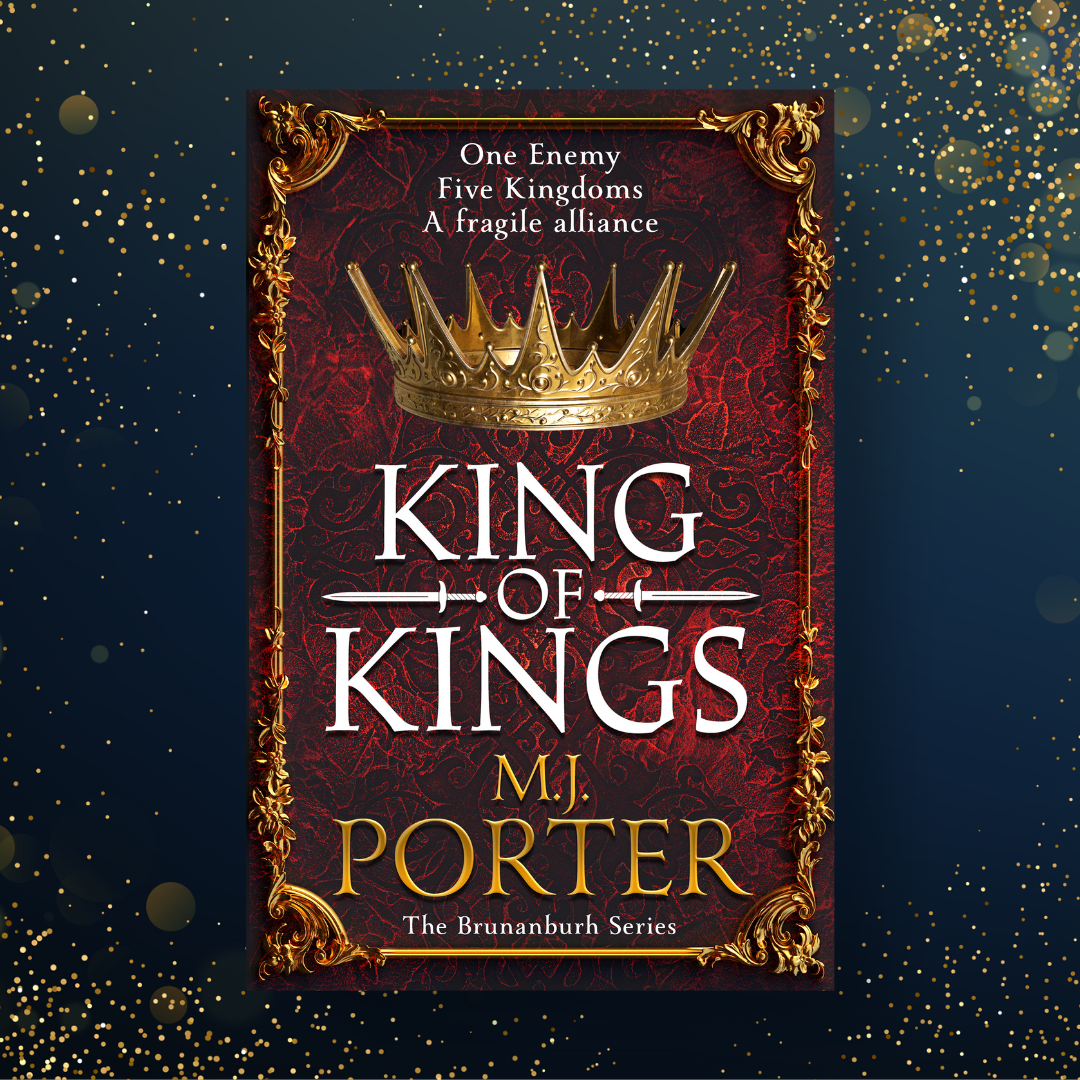
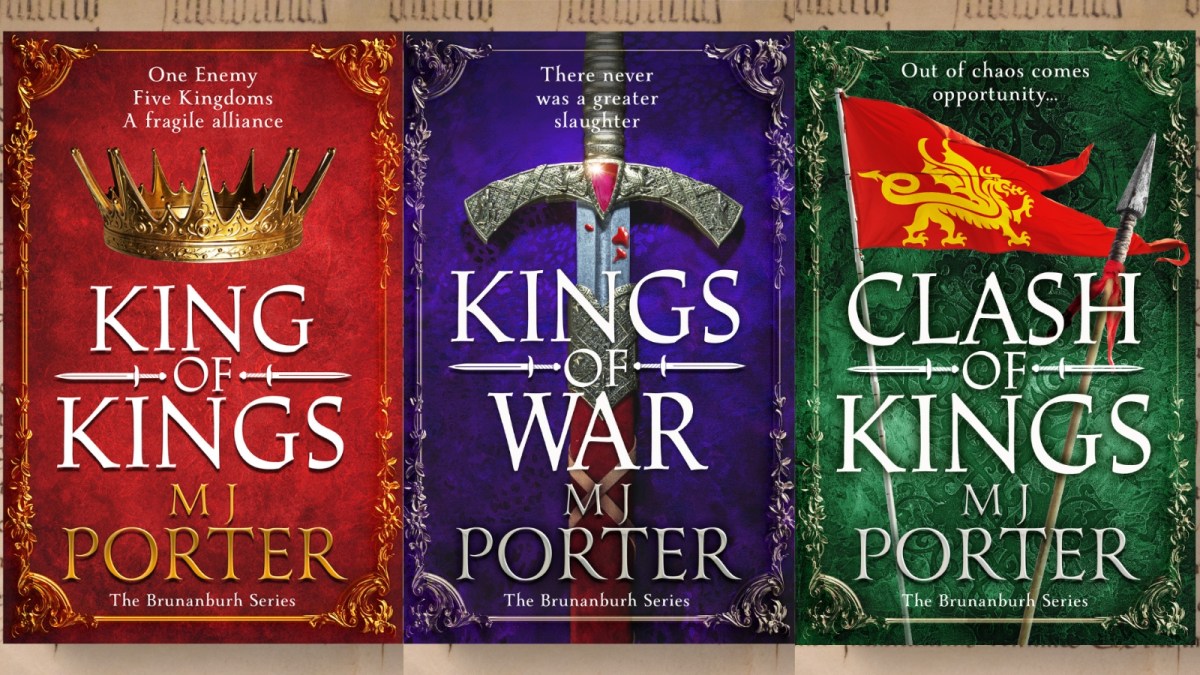
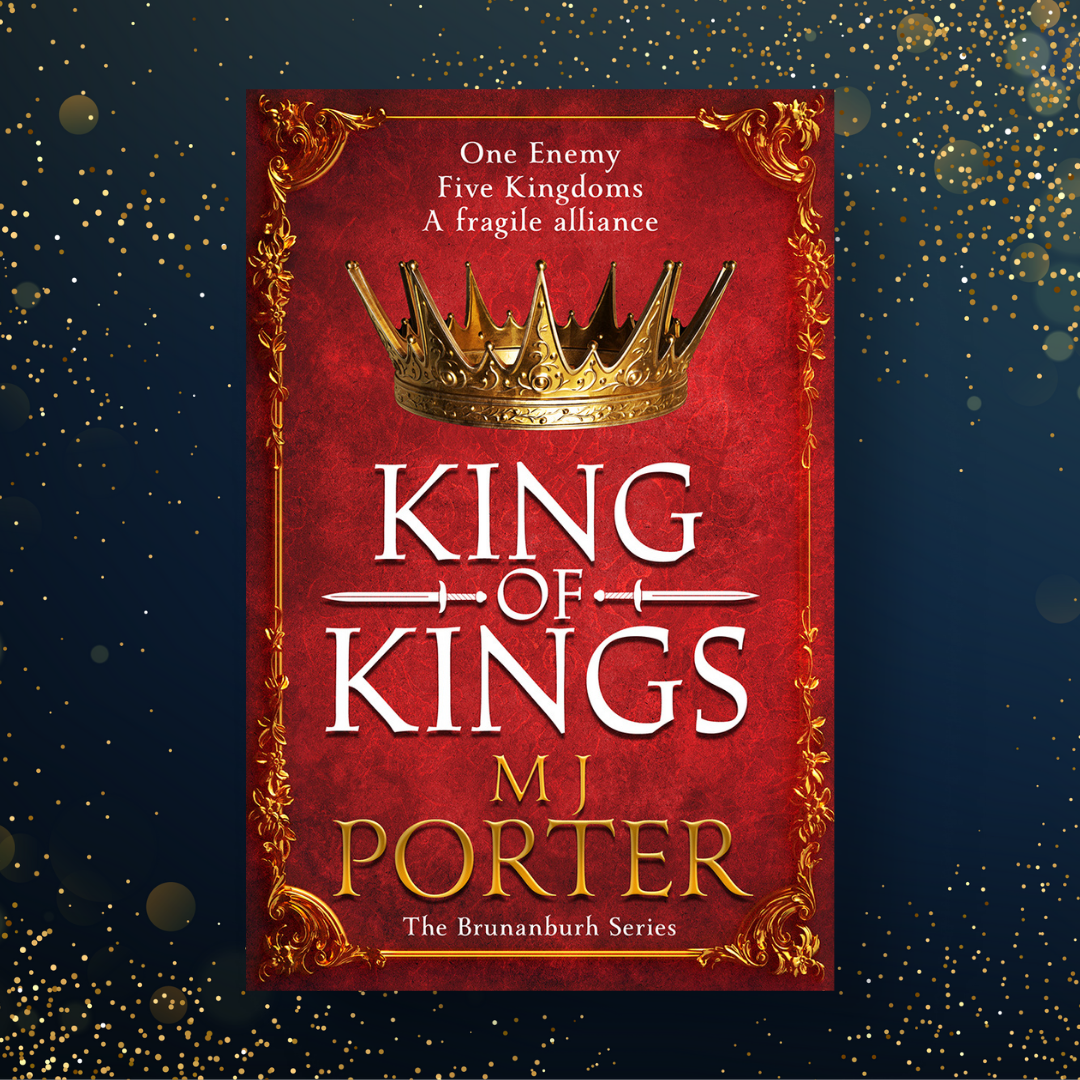
My new book, King of Kings, is a multi-viewpoint novel telling the story of events in Britain from 925-934. I thought it would be good to share details of the historical people my main characters are based on.
Owain of Strathclyde is perhaps the most difficult character in King of Kings to find in the historical record. Indeed, his place in the story is contested by historians, as we don’t know if the scribe of the Anglo-Saxon Chronicle of the time meant Owain of Strathclyde, or an Owain of one of the Welsh kingdoms. I decided to adopt the Owain of Strathclyde, but who exactly was he, and what was Strathclyde?
The kingdom of Strathclyde is also known by another name, that of Cumbria, and there is confusion in the sources and amongst historians about where it is and what it was. Alex Woolf suggests that by the events of 927, Strathclyde/Cumbria encompassed, ‘most of part of Lanarkshire, Dunbartonshire, Renfrewshire, Stirlingshire, Peebleshire, West and Mid-Lothian, eastern Dumfriesshire and Cumberland.’ (Woolf, A. From Pictland to Alba, 789-1070, Edinburgh University Press, 2007) p.155)
So who then were it’s kings? This again is far from as easy to state as might be thought. It’s believed that Owain of Strathclyde, succeeded his father, Donald II, to become king of Strathclyde, and in turn was succeeded by his son.
In 924, we are told that ‘the king of the Strathclyde Britons and all the Strathclyde Britons,’ (Swanton p.104) joined the king of Wessex, Edward the Elder’s alliance by the Anglo-Saxon Chronicle, but Owain isn’t named. Indeed, and as said above, when we do get mention of Owain in the Anglo-Saxon Chronicle, he’s named as ‘king of Gwent,’ (Swanton, M. trans and edit The Anglo-Saxon Chronicles, (Orion Publishing Group, 2000) p.107) even though there was no Welsh king of Gwent named as Owain at the time. It’s therefore difficult to get a feel for who he was, and what he did, but that didn’t mean I couldn’t include him in King of Kings. If anything, it made it all the more intriguing.
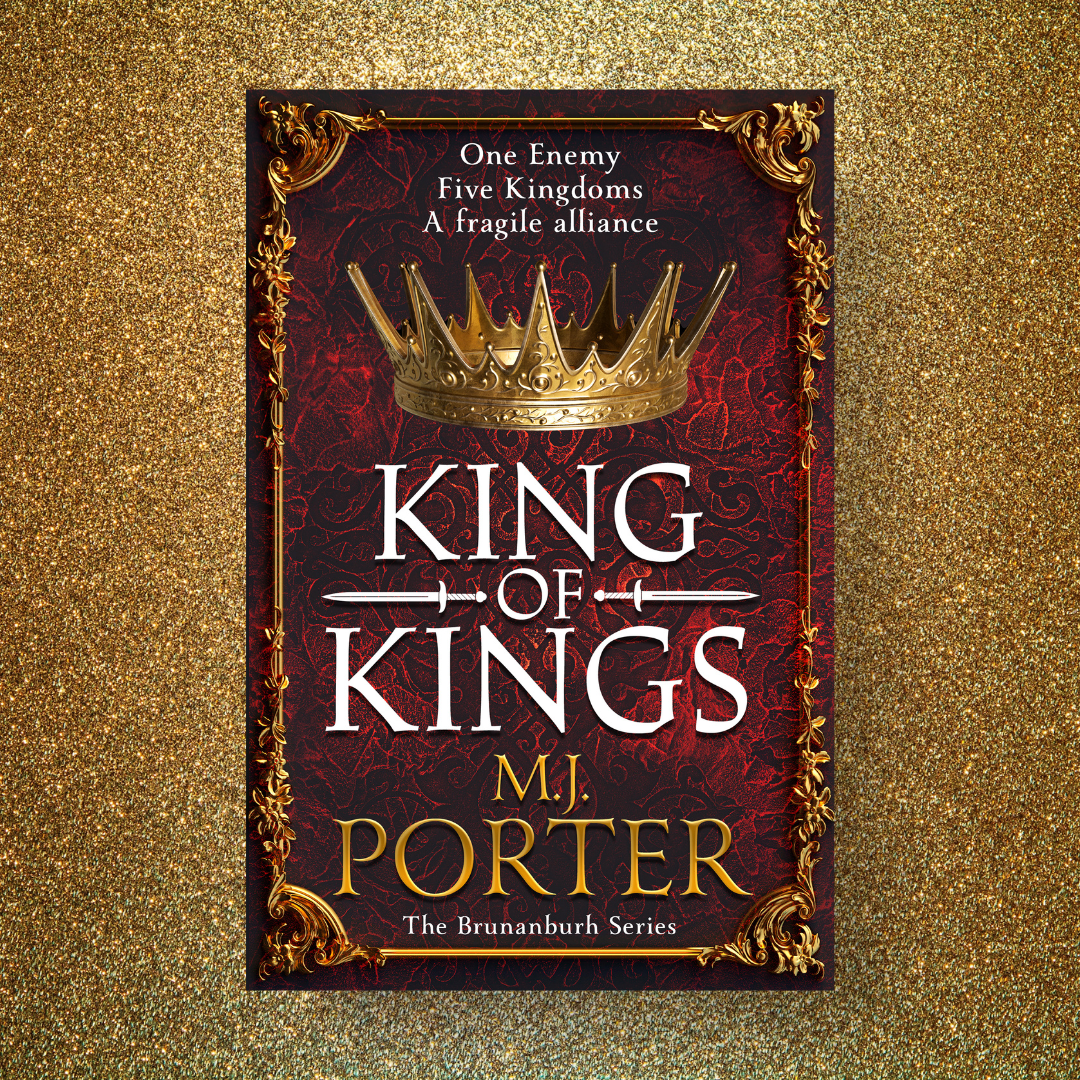
I’m so excited about the release today of King of Kings. This story, the first part in the retelling of the greatest battle on British soil that many have never heard of, Brunanburh, has been long in the making. Building on the original series, begun in 2014, King of Kings is entirely reworked, and it’s so much better:) (I honestly can’t believe how much better it is.)
Here’s the blurb
‘An epic tale of the birth of a nation. Truly mesmerising. Game of Thrones meets The Last Kingdom’ – Gordon Doherty
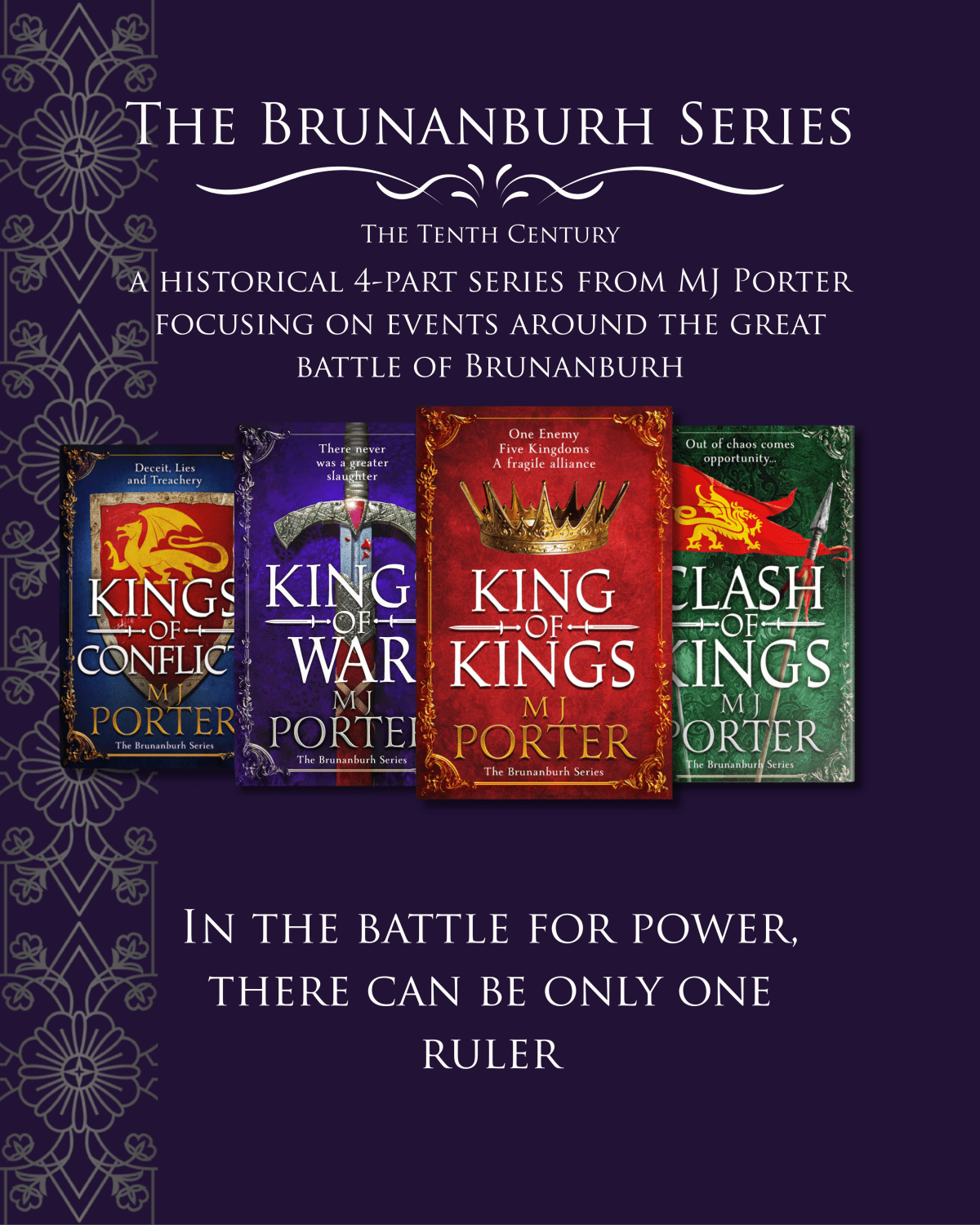
In the battle for power, there can be only one ruler.
AD925
Athelstan is the king of the English, uniting the petty kingdoms of Wessex, Mercia, the Danish-held Five Boroughs and York following the sudden death of his father, King Edward.
His vision is to unite the realms of the Scots and the Welsh in a peace accord that will protect their borders from the marauding threat of the Norse Vikings.
Whilst seemingly craving peace and demanding loyalty with an imperium over every kingdom, Athelstan could dream of a much bigger prize.
But danger and betrayal surround his best intentions, namely from his overlooked stepbrother, Edwin, who conspires and vies for what he deems is his rightful place as England’s king.
As ever, powerful men who wish to rule do not wish to be ruled, and Constantin of the Scots, Owain of Strathclyde, and Ealdred of Bamburgh plot their revenge against the upstart English king, using any means necessary.
An epic story of kingsmanship that will set in motion the pivotal, bloody Battle of Brunanburh where allies have to be chosen wisely…
(available in ebook, paperback, hardback and audio, narrated by the wonderful Matt Coles).
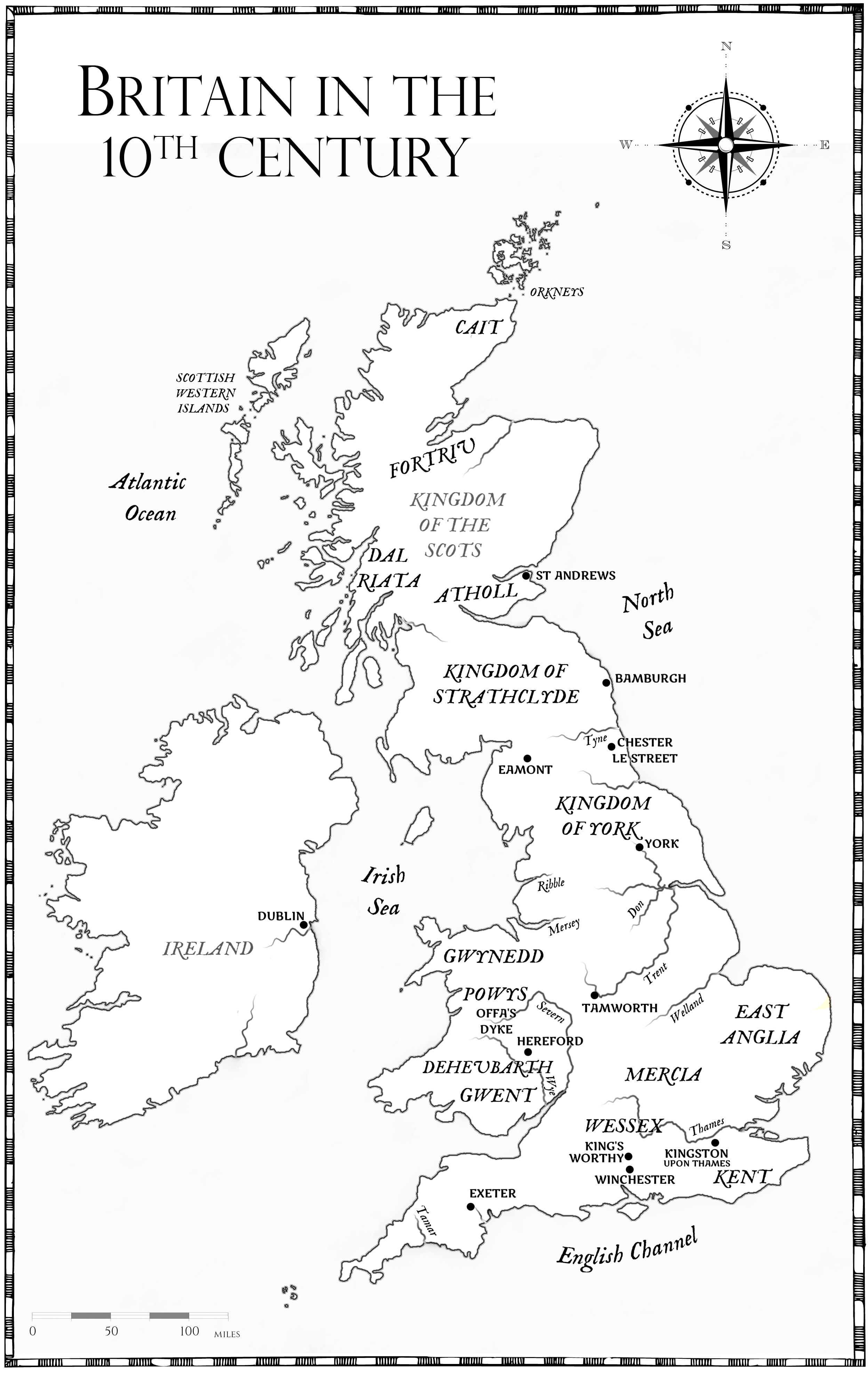
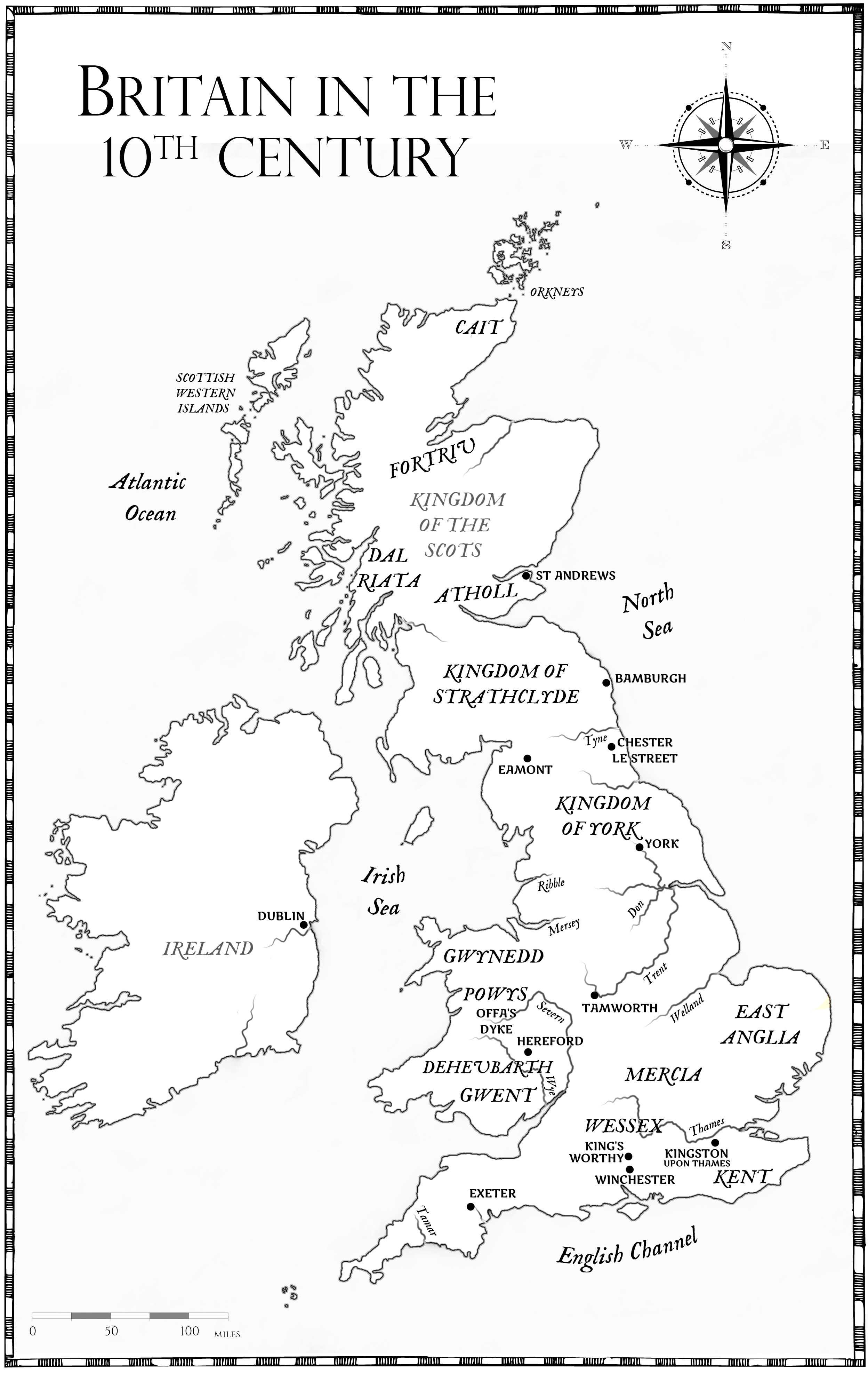
King of Kings. with its five kingdoms, and one alliance, might need some explanation. To help my readers understand who everyone is, and importantly, where everyone is, King of Kings has a map and a genealogical table, as well as a cast of characters.
Map designed by Shaun at Flintlock Covers
And because the family of King Alfred is so important to the story, I also have a genealogical table to share with my readers.
Design by Boldwood Books
I’ve written some brief introductions for the main cast of characters.
And for those who are falling in love with the period as much as I am, I wanted to share some non-fiction recommendations, and cautions.
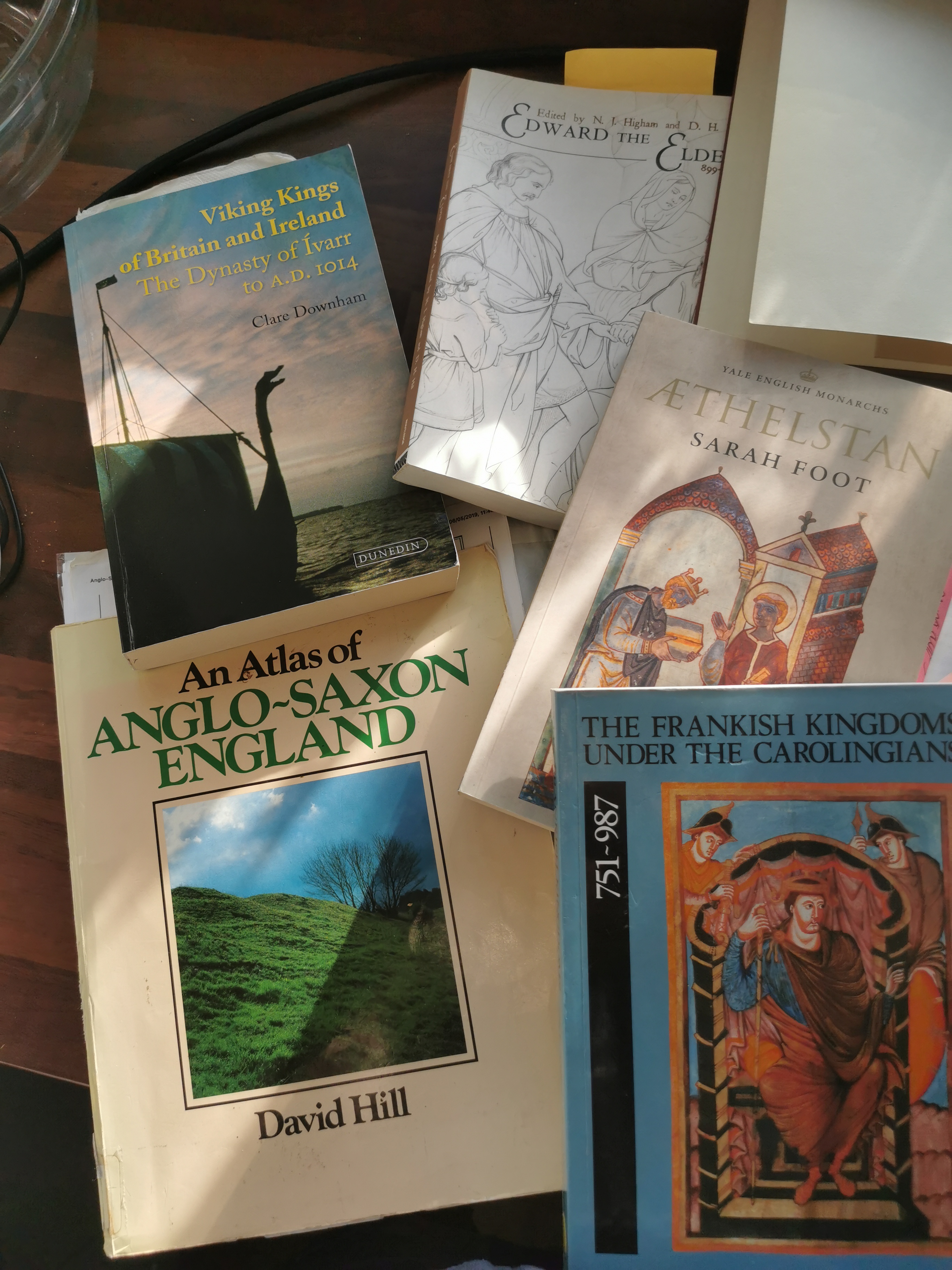
There is no one book that will adequately cover this period (that was one of the reasons that I fictionalised it) but these books (see photos below), along with Dr. Kari Maund’s The Welsh Kings, which I have in ebook, will give you a good grounding of events in Britain and Ireland. So, these are
Alfred’s Britain by Max Adams
Athelstan by Sarah Foot
The Anglo-Saxon Chronicles ed and trans. Michael Swanton (other versions available – I like the formatting of this one -with the different recensions)
The Welsh Kings by Kari Maund
An Atlas of Anglo-Saxon England by David Hill (don’t be put off by the fact this book is from the 1970s – it is invaluable)
From Pictland to Alba 789-1070 by Alex Woolf
Viking Kings of Britain and Ireland by Claire Downham
English Historical Documents ed and trans by Dorothy Whitelock
The Frankish Kingdom under the Carolingians by R McKitterick
Edward the Elder ed. Higham and Hill (not a narrative account, but historians writing papers about their area of interest and expertise).
There are also two very important online resources.
King of Kings has a number of characters, and some might be surprised to find Lady Eadgifu amongst them, but she was an incredibly important historical character, and I couldn’t leave her out of the narrative set at the English court.
Lady Eadgifu was the third wife of Edward the Elder (r.899-924), king of the Anglo-Saxons. Edward the Elder was the father of King Athelstan, and a whole host of daughters, as well as five sons. Lady Eadgifu would, it seems, have been young when she married the aging Edward the Elder, and that meant that she long outlived him, and also, that her three children (possibly four, but I’ve opted for three) were young when their father died. And two of these children were sons, Edmund (born c.921) and Eadred (born c.923). Her daughter, Eadburh, is thought to have been the oldest of the three children, born c.919.
While Lady Eadgifu, from what’s known (and it isn’t much, as there are few surviving charters from the end of Edward’s reign) perhaps had little role to play while her husband lived, other than wife and mother to the king’s children, following his death, she became increasingly significant. She was the daughter of an ealdorman, who perhaps died just before her birth, and her family are said to have had connections with Kent. Indeed, it’s often stated that she brought her husband Kent with their union. By that, what’s often meant, is the loyalty of the Kentish people. Remember, at this time, we’re still just before the creation of ‘England’ as we would now recognise it.
Sadly, very little is known about Lady Eadgifu (and she’s not alone in this – many of the royal women ‘disappear’ at points in the historical record, and on occasion, are entirely lost.) We know about a land dispute she was involved in, and also much more information for after Athelstan’s reign.
Indeed, it has been said that
‘Nor is it surprising that Eadgifu, as the consort of the previous king, served little role in her stepson’s court.[i]
‘the enhanced position [of Lady Eadgifu] may also have been developed specifically for the widowed Eadgifu as part of an alliance with her stepson Æthelstan [Athelstan] in which she supported his position and he recognised her sons as his heirs.’[i]
[i] Yorke, B. ‘The Women in Edgar’s Life,’ in Edgar, King of the English, 959-975 Scragg, D. ed (The Boydell Press, 2008), p.146
And it is this option that I’ve decided to explore in King of Kings. Lady Eadgifu was wife to a king. She would have known her worth, even when faced with a stepson as the king of the English, and another stepson, and stepdaughters, who perhaps didn’t share any love for their, potentially, younger stepmother. Will Lady Eadgifu work with or against Athelstan? Read on to find out.
Today, I’m absolutely delighted to share a fabulous post from Anna Belfrage about dressing in the seventeenth century. It will make you giggle, I promise.
Dressing for success in the seventeenth century
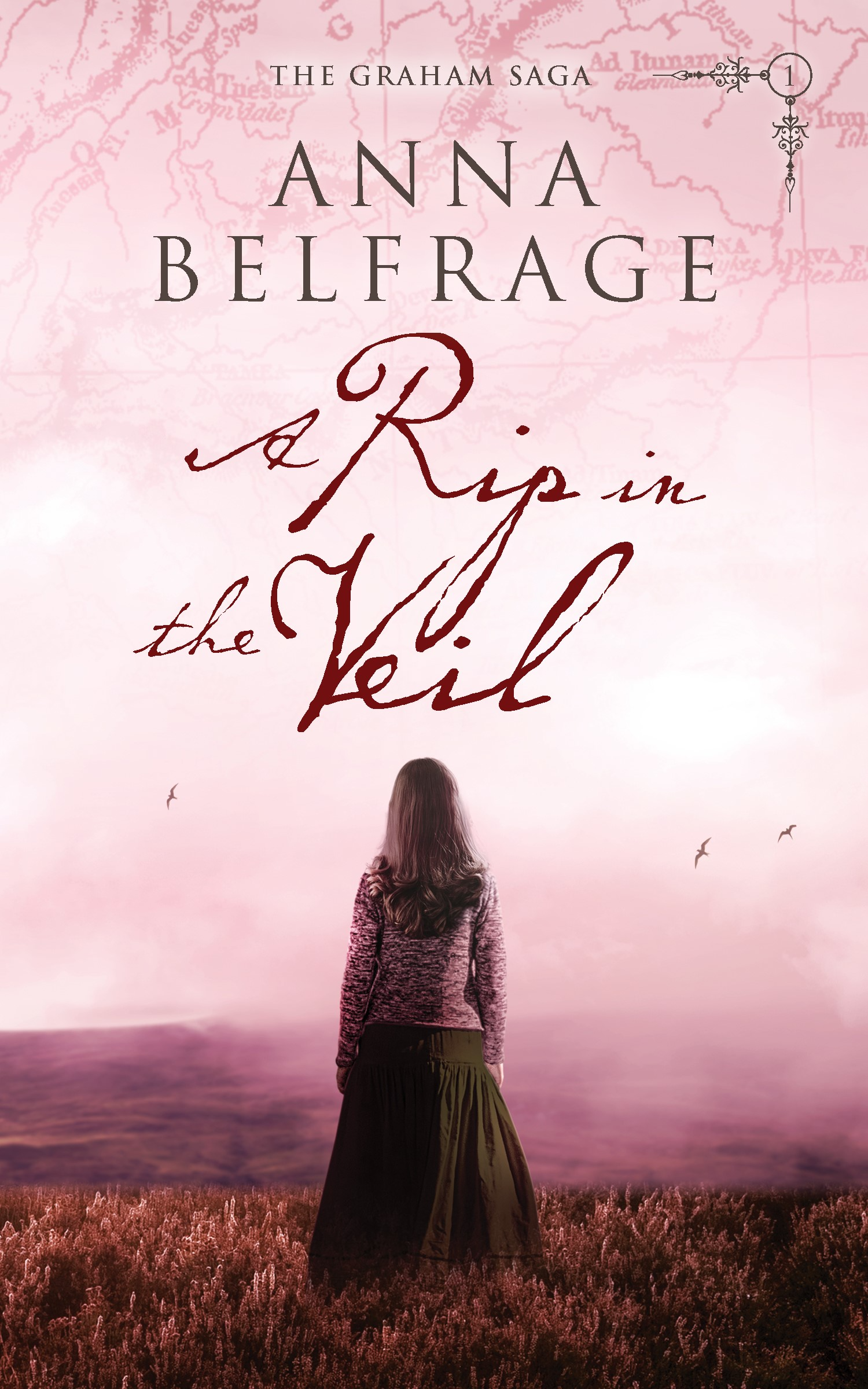
In a A Rip in the Veil—the first book in The Graham Saga—the unfortunate (or not, depending how one sees it) Alex Lind has the misfortune of falling three centuries backwards in time to land at the feet of Matthew Graham. Matthew Graham is a devout Presbyterian who has fought in the Commonwealth armies in the Civil War. To Alex, he is initially very strange. Heck, the entire situation is strange: no, wait—it’s impossible!
Matthew is as taken aback as Alex is—perhaps even more, as the only explanation to her sudden appearance in his life must be magic. Or? Besides, what is the woman wearing? Those tight, tight breeches she calls ‘djeens” showcase her every curve, as do her other garments. No, had she been his woman, he’d never have allowed her to set a foot outside dressed like that, all of her exposed, like.
Alex quickly realises that in this new time she has to adapt. ASAP. And one of the first things she must embrace is an entire new wardrobe. “Yay me,” she mutters as she shakes out shift and petticoats and heavy skirts and bodice and. . .
I must admit that I wasn’t entirely thrilled when Alex landed in 1658. The seventeenth century is not my sartorial favourite – especially when it comes to male fashion.
This period dress thing is difficult.
First of all, as the writer of historical fiction it is important to understand what people wore, who wore what and how it was worn. In some cases it’s straightforward: stockings cover your feet and the nether part of your legs no matter if you live in the twentieth century or the fifteenth. But take that rather ugly male adornment that Henry VIII was so proud of flaunting – the codpiece – and I am somewhat stumped. How did it work? ( Okay, so I’ve looked this up; strings, buttons or hooks kept this decorative little (hmm) flap of fabric in place.)
Secondly, it helps if the writer in question finds the period attire alluring in some way or other. It’s difficult to write convincingly about handsome men in codpieces and padded breeches when all you see in your head is something resembling a man in a huge diaper.
Finally, there must be a familiarity with how people dress and undress. “He told her to turn around and zipped up her gown,” is not a good description of the intimacy between man and wife in the fourteenth century. (BTW, the modern zipper owes a lot to Swedish inventor Gideon Sundback. It’s nice to know us Swedes have contributed to human development: dynamite, zippers, gauge blocks, the AGA cooker.) Having exploring male fingers encountering panties in the sixteenth century is also something of an anachronism, and should the dashing regency rake pulls down his boxers you’re not reading historical fiction, you’re reading about a masquerade.
To avoid such gaffes, I’ve spent a lot of time researching the period and have accordingly done my fair share of staring at what few clothes survive from the seventeenth century—like James II’s elegant attire exhibited in the Victoria & Albert museum. Okay, so that is later in the century, but all that lace, all those embroideries, and that gigantic wig! Plus, the high heels on the shoes. . . Nope, not at all my cup of tea.
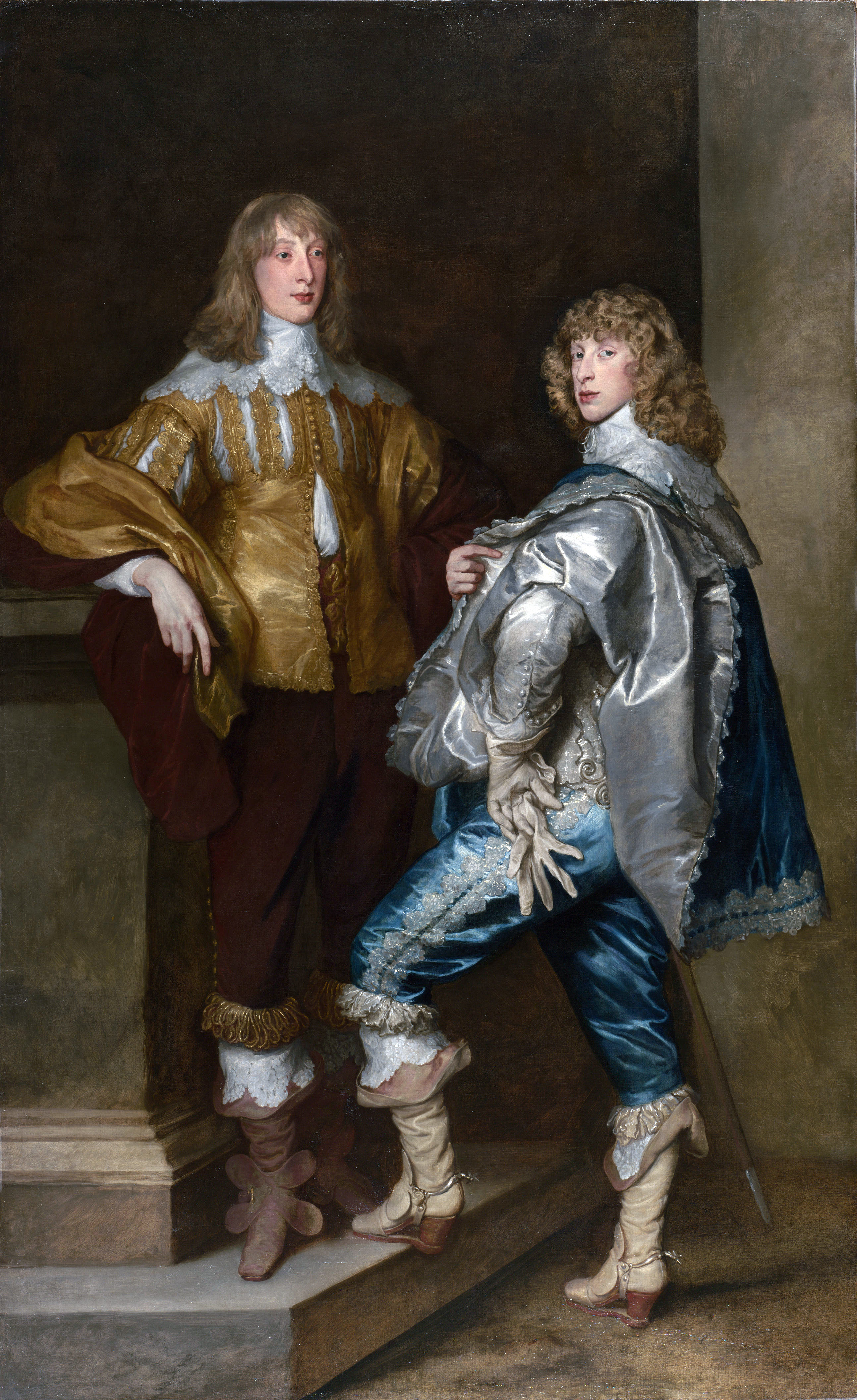
Earlier in the 1600s, men wore wide breeches, sashes, lace, ribbons—like these young and elegant Stuart brothers in Van Dyke’s portrait.
To the seventeenth century young girl, they were likely delectable. To Alex, not so much. She’d be hard put not to laugh her head off. So it is fortunate that when she first meets Matthew, he is in a ragged shirt and equally ragged breeches, fleeing from pursuing soldiers. It is also fortunate that Matthew would no more adorn himself with ribbons than he would dance attendance on the king—he is a man of Parliamentarian convictions. No, Matthew wears plain and well-made clothes, now and then adorned with a ruffled cuff or an elegant collar.
Obviously, Matthew expects this new female companion of his to dress sedately, which is how Alex finds herself obliged to re-learn just how to dress.
In the seventeenth century, there were no bras, no panties. Instead, the undergarment is a shapeless elongated linen shirt that comes to just below the knees. This shift is worn over stockings that come to just above the knee and are fastened by garters. “I can help you with those,” Matthew suggests, and there is a twinkle in his eyes as he helps Alex fasten the stockings with pink ribbons. Just because he doesn’t wear ribbons, it doesn’t mean she can’t, he says. In fact, he rather likes the fact that she is wearing them—and that he tied them into place. Over the shift—which also doubles as nightgown—Alex now dons a corset. “Ugh!” she groans as she tightens into place. The corset she has ties in front—only people who can afford a ladies maid have corsets that tie in the back. She has to struggle a bit to get it to sit right, and then there are the petticoats, tied into place at her waist and falling to mid-calf. Only the very, very rich have garments that fall all the way to the floor. Most women have skirts high enough to allow them to work and walk without dragging the hem in the dirt.
“Here.” Matthew hands her the heavy skirts. And yes, they are heavy, making it hard to, for example, run. Or jump a fence. Once Alex has stepped into them, he helps her tighten them into place. A bodice, a shawl to cover what may remain exposed of her chest and then Matthew holds out a cap. “No way!” She backs away, staring at the embroidered linen coif. “You must cover your hair,” he says. She refuses. There is a slight. . . er . . . argument. Things end in a compromise: she will not cover her hair indoors, but otherwise she will either wear a coif or a hat. Matthew would prefer both, but he is pragmatic enough to realise this isn’t a battle he will win. Besides, Alex is having to handle a lot of change as it is. “Tell me about it,” she mutters. She isn’t overly impressed with the food. Or the lack of chocolate. Or of tea. “I thought they had tea in the seventeenth century,” she groans. “They do,” I tell her, “but it is very, very expensive.” “Oh.” She gnaws her lip, her shoulders slumping. Which is probably why Matthew expends a ridiculous amount on a ridiculous small quantity of tea next time he goes to Edinburgh, pleased by the way she lights up from within when he hands the precious package over.
Over time, Alex will become accustomed to her new clothes, even if she will quite often think longingly of jeans and sweatshirts, of Converse and shop-bought socks. (She hates to knit)
But while she adapts to her new life on the outside, she remains a woman of modern conviction and outlook, which will now and then cause her quite some problems in her new time. It is fortunate that she has Matthew to guide her. On the other hand, there will be countless of occasions when Matthew will owe his life and sanity to her, the strange lass he found concussed and burned on an empty Scottish moor. Two halves made whole are my Alex and Matthew, no matter such details as sartorial arguments!
Thank you so much for such a fabulous post. I just can’t imagine all the lace:)
Here’s the blurb
On a muggy August day in 2002 Alex Lind disappears. On an equally stifling August day in 1658, Matthew Graham finds her on a Scottish moor. Life will never be the same for Alex – or for Matthew.
Alexandra Lind is thrown three centuries backwards in time to land at the feet of escaped convict Matthew Graham.
Matthew doesn’t know what to make of this strange woman who has seemingly fallen from the skies—what is she, a witch?
Alex is convinced the tall, gaunt man is some sort of hermit, an oddball, but she quickly realises the odd one out is she, not he.
Catapulted from a life of modern comfort, Alex grapples with her new existence, further complicated by the dawning realization that someone from her time has followed her here—and not exactly to extend a helping hand.
Potential compensation for this brutal shift in fate comes in the shape of Matthew, a man she should never have met, not when she was born three centuries after him. But Matthew comes with baggage of his own and on occasion his past threatens them both. At times Alex finds it all excessively exciting, longing for the structured life she used to have.
How will she ever get back? And more importantly, does she really want to?
Buy Links
This title is available to read on #KindleUnlimited.
Had Anna been allowed to choose, she’d have become a time-traveller. As this was impossible, she became a financial professional with two absorbing interests: history and writing. Anna has authored the acclaimed time travelling series The Graham Saga, set in 17th century Scotland and Maryland, as well as the equally acclaimed medieval series The King’s Greatest Enemy which is set in 14th century England.
Anna has also published The Wanderer, a fast-paced contemporary romantic suspense trilogy with paranormal and time-slip ingredients.
Her Castilian Heart is the third in her “Castilian” series, a stand-alone sequel to her September 2020 release, His Castilian Hawk. Set against the complications of Edward I’s invasion of Wales, His Castilian Hawk is a story of loyalty, integrity—and love. In the second instalment, The Castilian Pomegranate, we travel with the protagonists to the complex political world of medieval Spain. This latest release finds our protagonists back in England—not necessarily any safer than the wilds of Spain!
All of Anna’s books have been awarded the IndieBRAG Medallion, she has several Historical Novel Society Editor’s Choices, and one of her books won the HNS Indie Award in 2015. She is also the proud recipient of various Reader’s Favorite medals as well as having won various Gold, Silver and Bronze Coffee Pot Book Club awards.
Find out more about Anna, her books and enjoy her eclectic historical blog on her website, www.annabelfrage.com
King of Kings has a number of characters, and King Ealdred, or Lord Ealdred of Bamburgh is one of them. But who was he, and what was the independent kingdom of Bamburgh?
Now, I think we all ‘think’ we know about Bebbanburg (Bamburgh) thanks to Uhtred of Bebbanburg, Bernard Cornwell’s creation. But events in Bamburgh are complex and not easy to understand, even for someone who might think they know the period quite well.
What was Bamburgh?
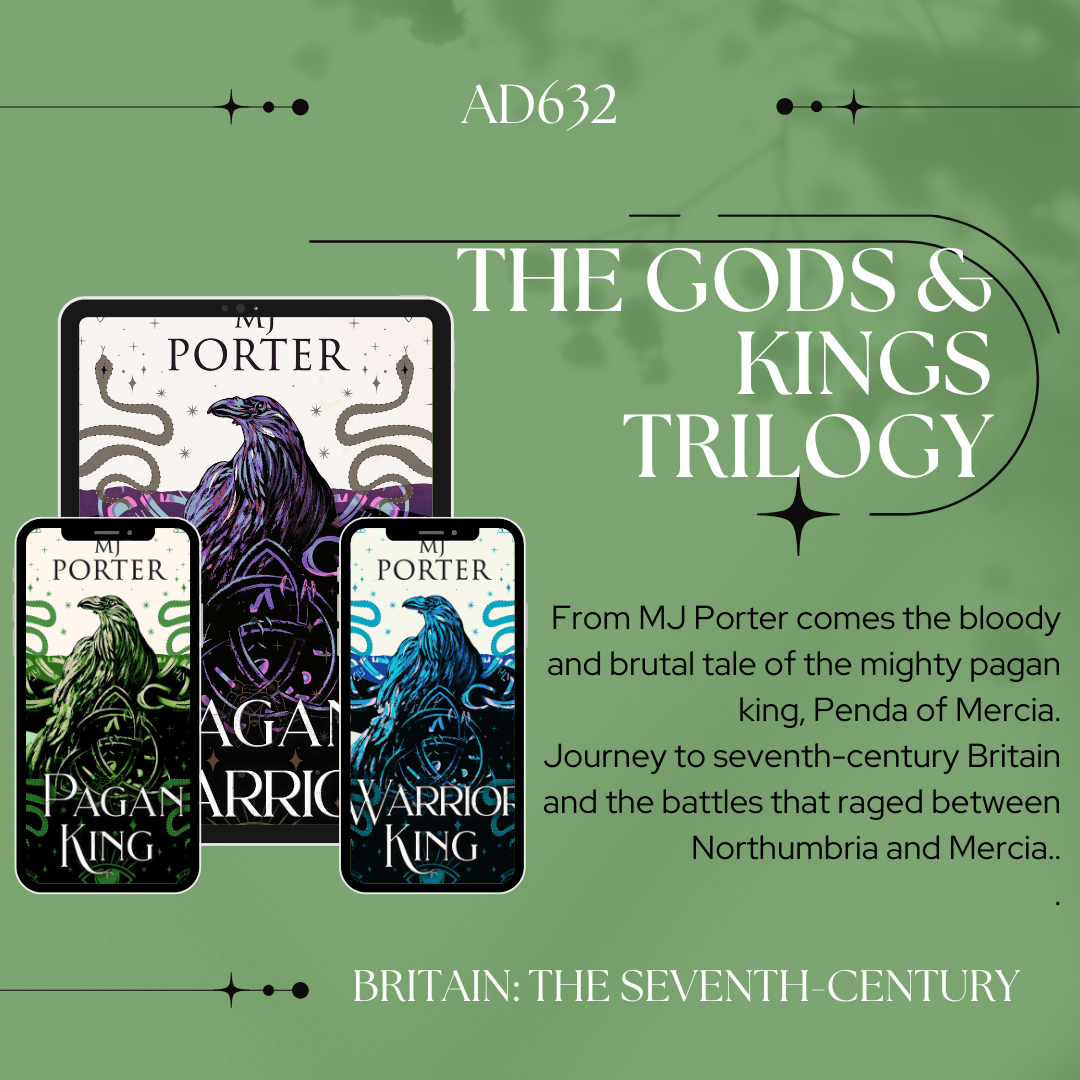
So what was Bamburgh? Bamburgh is traditionally associated with the kingdom of Bernicia – the far northern Saxon kingdom, which was particularly prominent during the seventh century, so three hundred years before the events of King of Kings, and which was joined to the kingdom of Deira to form Northumbria. Check out my Gods and Kings trilogy for the some of the events of this period.
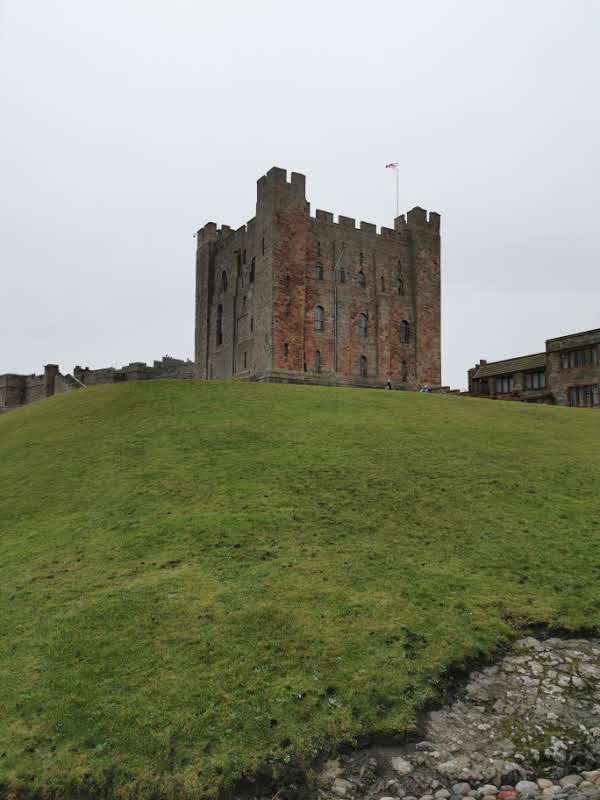
The iconic castle that stands today is a later building, the oldest part, the keep, dating to the end of the Saxon period, while much of what we see today is the later work of Lord Armstrong (who built Cragside), when he significantly repaired the remains. Indeed, the family still own Bamburgh Castle, although not Cragside, which is a National Trust property. (I’ve written a 1930s mystery set at Cragside).
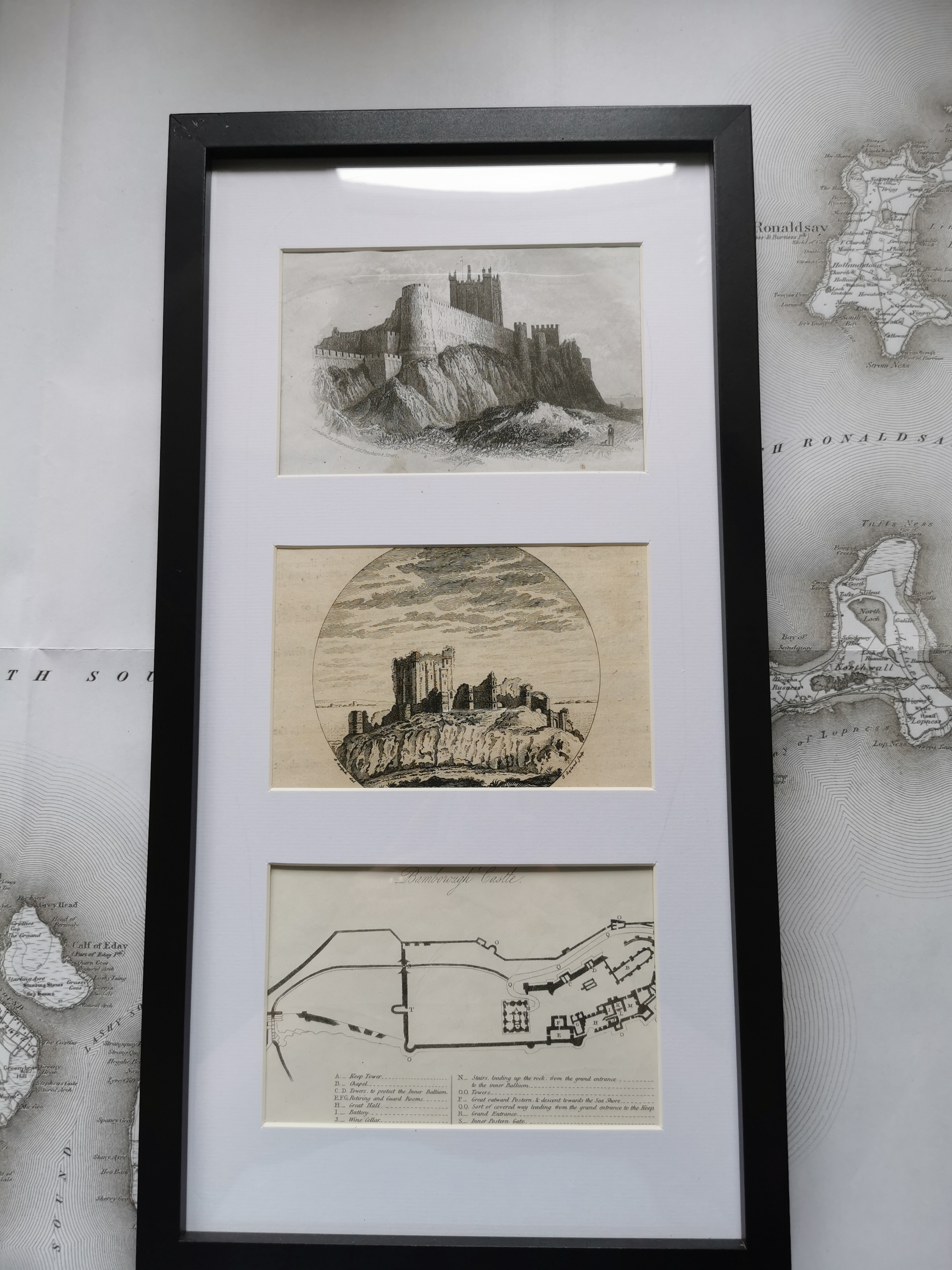
Bamburgh is slightly unusual in that there are old images of the castle before the 19th century work of Armstrong. I enjoy collecting these antique prints. We often find such buildings falling into ruin, not being ruined and the rebuilt.
Antique prints of Bamburgh Castle
And Bamburgh Castle and its environs are stuffed with archaeology. There were some very famous archaeological investigations undertaken in the 1960s, and there’s now a dedicated team unearthing the treasures hidden beneath the current building. You can follow the teams work at Bamburgh Research Project’s Blog. You might know about Bamburgh because of the seventh century bones discovered in the Bole Hole, and there’s a great book about this, Warrior by Edoardo Albert and Paul Gething – available from all good book sellers. You can also learn about where these bones now lie by checking out Bamburgh Bones.
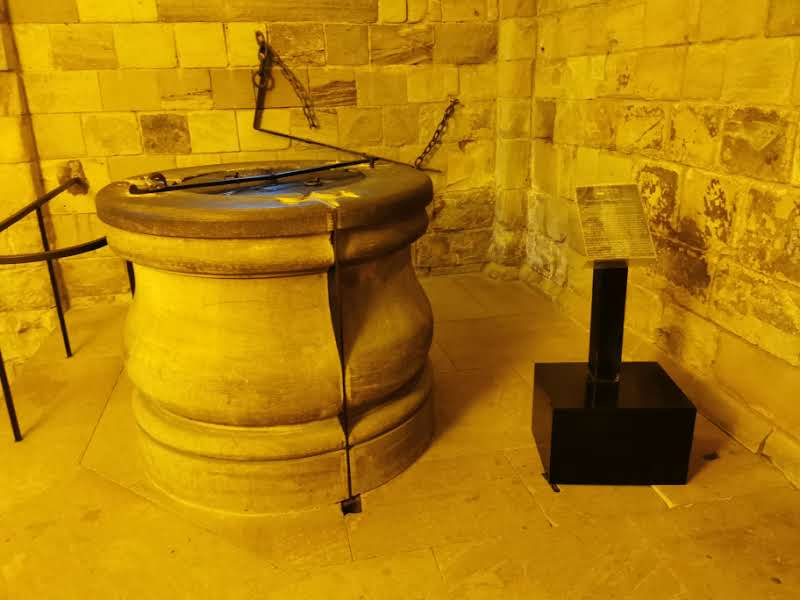
The well
The Tenth Century at Bamburgh
But, all this is before the events of the tenth-century (or after), as fascinating as it is. So, what was happening in the tenth-century? The easiest way I can describe this is that while York, and much of the Saxon kingdom of Northumbria was inundated with the Norse (Viking raiders if you will), Bamburgh was a bastion against this influx, wedged between the growing might of the kingdom of the Scots, ruled by Constantin, and the constantly changing affairs of York, and its string of Norse rulers, often associated with Dublin as well.
Ealdred’s father, Eadwulf is somewhat better attested, with the Annals of Ulster naming him as ‘king of the Saxons of the north.’ He died in c.913 and then Ealdred seems to have had a difficult time of it, his gaze more likely to turn to the Scots kingdom than the known Saxon rulers based in Mercia and Wessex when he was threatened by the Norse Viking raiders.
However, he joined an alliance with Edward the Elder, king of the Anglo-Saxons, in 920 (corrected from 924).
‘And then the king of Scots and all the nation of Scots chose him as father and lord; and [so also did] Reginald and Eadwulf’s sons and all those who live in Northumbria, both English and Danish and Norwegians and others; and also the king of the Strathclyde Britons and all the Strathclyde Britons.’
(Swanton, M. trans and edit The Anglo-Saxon Chronicles, (Orion Publishing Group, 2000 p.104 (A text )
This then takes us to the beginning of King of Kings. Will Ealdred continue his alliance with the new king of the Anglo-Saxons, or will he look elsewhere, especially now that the Viking raider, Sihtric, is lord of York/Jorvik?
What about Uhtred of Bebbanburg?
As to Uhtred himself, of The Last Kingdom fame, he’s even more shadowy than Ealdred, and for that reason, doesn’t feature at all in King of Kings, although there is an ealdorman Uhtred who will appear in subsequent books.
My new book, King of Kings, is a multi-viewpoint novel telling the story of events in Britain from 925-934. I thought it would be good to share details of the historical people my main characters are based on.
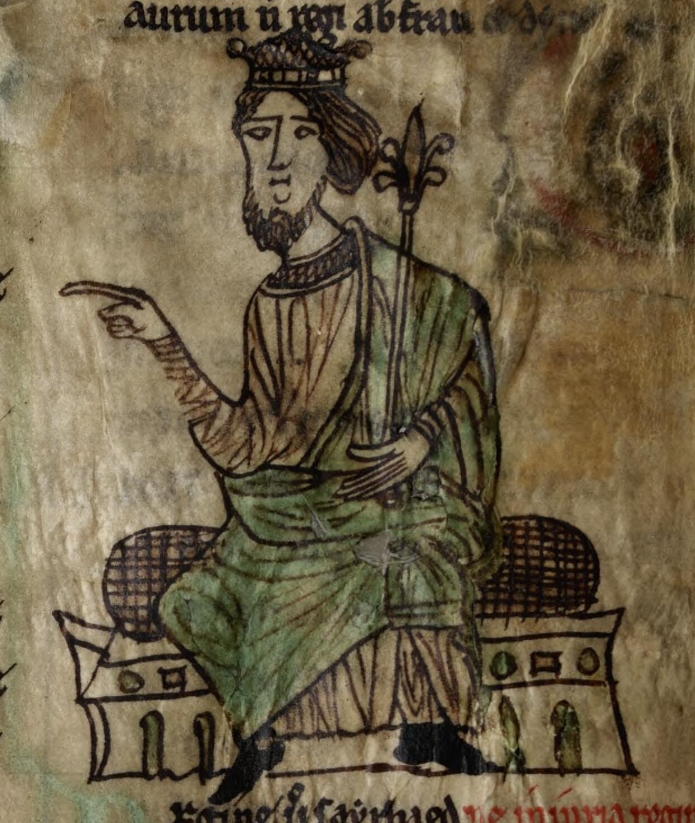
My portrayal of Hywel, better known as Hywel Dda (which autocorrect is determined should say Dad), and which means ‘good’ (a unique epithet in Wales), is of course, fictional, but who was the historical Hywel? Firstly, it should be noted that this epithet is a later invention, not assigned to Hywel until at least the twelfth century, and perhaps, as Dr. Kari Maund has commented in The Welsh Kings: Warriors, Warlords and Princes, a reflection of border events at that period rather than the earlier tenth century. (Dr Maund was one of my university lecturers, so she knows her stuff).
Hywel has no date of birth recorded, and indeed, like Constantin of the Scots, he seems to have ruled for a long time providing much-needed consistency. Hywel ap Cadell was the grandson of the famous Rhodri Mawr, who’d united the kingdoms of the Welsh during his rule. But, this unity fragmented on Rhodri’s death.
To begin with, Hywel ruled Dehuebarth, probably with his brother, Clydog, (who may have been the younger brother) after the death of their father in c.911. He, his brother, and his cousin, Idwal of Gwynedd, submitted to the English king, Edward the Elder in the late 910s.
‘and the kings of Wales: Hywel and Clydog and Idwal and all the race of the Welsh, sought him as their lord [Edward]’. ASC A 922 corrected to 918 (Swanton, M. trans and edit The Anglo-Saxon Chronicles, (Orion Publishing Group, 2000)p.103-4)
Not long after, Clydog died, leaving Hywel as ruler of Dehuebarth. Hywel had also married Elen, the daughter of Llywarch and niece of Rhydderch, the last king of Dyfed, and he was able to use this alliance to eventually claim Dyfed as well.
Hywel’s believed to have been highly educated, and some historians suggest he was particularly fascinated with King Alfred, and all he’d achieved and was therefore keen to emulate many of his actions. This could also be why his name came to be associated with the codification of laws in later traditions. What fascinates me most about Hywel is his decision to ally closely with King Athelstan which will be explored in King of Kings. Certainly, he is a intriguing figure in early tenth-century Britain, and not just because we know he made a pilgrimage to Rome in 928, and still managed to return back to his kingdom and continue ruling it.
My new book, King of Kings, is a multi-viewpoint novel telling the story of events in Britain from 925-934. I thought it would be good to share details of the historical people my character are based on.
My portrayal of Constantin, the king of the Scots, is of course fictional in King of Kings, but he is based on a historical individual, Constantin (e) II, so who exactly was he?
Constantin is a fascinating character. Again, and as with Athelstan, his exact date of birth is unknown, but it must have been, at the latest, by 877/8, when his short-reigned father died.
By 900, Constantin was the king of the Scots (we think – there is some confusion about this). This wasn’t yet quite Scotland, but it was getting there. The ancient kingdoms of Cait, Fortriu, Atholl and Dal Riata, were ruled by one king, Constantin. But, he hadn’t succeeded his father, Aed, but rather a man named Domnall II, his cousin. At this time there were two rival dynasties and they strictly alternated the kingship.
Affairs in the kingdom of the Scots often intermingled with those of the independent kingdom of Bamburgh, Strathclyde, and of course, the Norse, or Viking raiders, if you will. Indeed, the entry recording Constantin’s death in the Annals of Ulster, reads as though there was often strife.
‘Constantinus son of Ed held the kingdom for xl years in whose third year the Northmen plundered Dunkeld and all Albania. In the following year the Northmen were slain in Strath Erenn…And the battle of Tinemore happened in his xviii year between Constantin and Ragnall and the Scotti had the victory. And the battle of Dun Brunde in his xxxiiii year.’ (Alex Woolf, From Pictland to Scotland, 789-1070,p.126)
Constantin, ruling for decades, and I mean decades, seems to have brought much needed stability to the kingdom, as affairs there very much mirrored the emerging ‘England’ to the south.
‘Constantin’s reign has increasingly come to be see as one of the most significant in the history of Scotland. Not only was it very long, at least forty years, but it was also the period during which conflict and diplomatic relations between a kingdom recognisably ancestral to Scotland and one recognisably ancestral to England first occurred.’ (Alex Woolf, From Pictland to Scotland, 789-1070, p.128)
Constantin allied with the rulers of Bamburgh, and York, and also, on occasion, both Æthelflæd of Mercia and Edward the Elder, after her death. But, he seems to have been quite flexible in his thinking, and was prepared to pick and choice as he saw fit.
By the beginning of King of Kings, Constantin would have been in his mid-forties, and he was still to rule for many years to come, and he was certainly a more than adequate counterpart to Athelstan, king of the English, no doubt helped by his sons and grandsons, as his reign continued.