Author of Saxon historical fiction and non-fiction, 20th-century historical mysteries, and Norse-inspired historical romantasy. Book reviewer and blog host.
Today I’m delighted to welcome David Loux to the blog to talk about the research for his new book, Chateau Laux.
Your book, Chateau Laux, is set in a time period I wouldn’t even know how to start writing about. As a historian first and foremost, and then a writer, I’m always interested in how people research their historical stories.
My research did not start out with a novel in mind. It began with an investigation of the Laux family surname in 2005. This research resulted in a lot of information related to the provenance of the name, which I presented in a paper addressed to a Laux family reunion in York, Pennsylvania, in 2010. It subsequently provided the foundational material for Chateau Laux.
Can you explain your research process to me, and give an idea of the resources that you rely on the most (other than your imagination, of course) to bring your historical landscape to life?
One of the challenges of historical research is that much valuable information is lost over the years—especially the good, warm-blooded stories of individual lives. Fortunately, interest in the Laux name goes back many years, and I was able to benefit from genealogical publications in 1910 that provided information which would have been increasingly difficult to access over time. Another very tangible benefit to my research was that the Laux name was of noble origin, which meant that I was able to discover information that went all the way back to the middle ages. Some of the information was in French and some was in Latin, and the wonderful research assistants at the Bibliothèque Nationale were a big help. I also benefited from connections made through the Center for Basque Studies at the University of Nevada in Reno, which put me in touch with researchers familiar with Occitan names and pronunciations. Finally, and most importantly, family group members in southern France were able to provide information from archives that would have been unavailable from other sources.
Do you have a ‘go’ to book/resource that you couldn’t write without having to hand, and if so, what is it (if you don’t mind sharing)?
When I first started my research, I had very little idea of the milieu and other significant associations connected with the name, which means I had to keep an open mind and read anything I could get my hands on. There were many false starts and dead ends. As far as critical resources, I would have to say that Chateau Laux would not have been the same without the research assistance of the Bibliothèque Nationale, as they were able to provide context and authenticity that would otherwise have been elusive. But then again, every resource previously referred to was essential in its own way. It helps that I was able to read French, and to a lesser extent, Spanish, as some of the information was only available in those languages.
Thank you so much for sharing the research you undertook to write your book. It’s so fascinating to find out what makes people write the stories that they do.
Here’s the blurb;
A young entrepreneur from a youthful Philadelphia, chances upon a French aristocrat and his family living on the edge of the frontier. Born to an unwed mother and raised by a disapproving and judgmental grandfather, he is drawn to the close-knit family. As part of his courtship of one of the patriarch’s daughters, he builds a château for her, setting in motion a sequence of events he could not have anticipated.
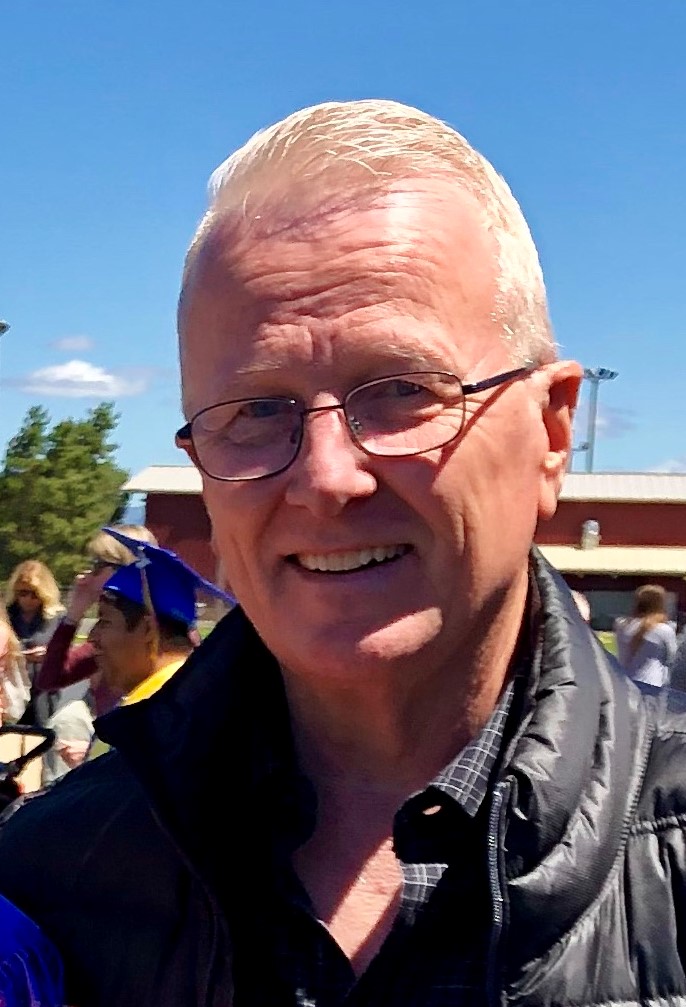
David Loux is a short story writer who has published under pseudonym and served as past board member of California Poets in the Schools. Chateau Laux is his first novel. He lives in the Eastern Sierra with his wife, Lynn.
When Rósa is betrothed to Jón Eiríksson, she is sent to a remote village.
There she finds a man who refuses to speak of his recently deceased first wife, and villagers who view her with suspicion.
Isolated and disturbed by her husband’s strange behaviour, her fears deepen.
What is making the strange sounds in the attic?
Who does the mysterious glass figure she is given represent?
And why do the villagers talk of the coming winter darkness in hushed tones?
The Glass Woman is an intriguing tale of Iceland in the late 1600s.
I make no bones that I am fascinated by Iceland, perhaps not during this time period, but earlier, when the country was being settled. I tried this book on the off-chance – Jane Eyre in Iceland – yes, please.
And indeed, it is a dark tale, told from the viewpoint of Rosa. It is dark, frightening and claustrophobic, and reads very much like a much more modern Icelandic ghost story I read recently. It makes you shiver, it makes you feel for Rosa, but then everything changes and the book is not at all what you think it’s going to be.
I found the story intriguing and engaging, and if it’s not Jane Eyre in Iceland, it’s because the book is actually much harsher.
I decided it was time to take a hard look at myself, and why my very first historical fiction project is proving to be the longest so far.
The Earls of Mercia inspiration
The last century of Early England is a place well-trodden by non-fiction and historical fiction authors, so why did I choose to tell it through the eyes of a handful of people who almost slip through the historical record unnoticed because of the ‘giants’ of the period?
History is filled with those who get swept aside because other events overtake their achievements, and so it is with the Earls of Mercia. They were a family who ‘ruled’ continually from 993 to 1066 – a feat not even achieved by the Wessex royal family, begun by King Alfred, during the same time period. In the annals of the time they’ve been pushed to the side by the likes of Eadric Streona, King Cnut and the family of Godwine, by the events of both 1016 and 1066, and also by the fact that when the family married into royalty, it was destined to be short-lived.
I ‘discovered’ my first character – Ealdorman Leofwine – while meandering down the aisle in a university library. By rights, I shouldn’t have been there, not in that section, and equally, I shouldn’t have gone on to write my dissertation about him, but I did, but only after I’d made him into a fictional character. So just what was it that made him so appealing as a character?
As I read about the family, in Stephen Baxter’s, The Earls of Mercia, Lordship and Power in Late Anglo-Saxon England, I was flabbergasted that this character existed and yet hadn’t been put to good ‘use.’ Ealdorman Leofwine, his sons, grandsons, and great-grandchildren were witnesses to all of the events I’ve mentioned above. Not only did they witness them, but they were involved as well. I remember picking up and reading Frank Barlow’s book on the Godwines and being disgusted that Ealdorman Leofwine, Earl Leofric, Earl Ælfgar and his sons and daughter get little more than the odd mention. The desire to tell a story only about the Godwines excluded the perfect foil for them. I couldn’t allow that to stand.
But, how to tell the story of a century, of four generations? Initially, my idea was to tell a retrospective story, through the eyes of the great-grandson who did survive the tumultuous events of 1066, using the idea of a scribe writing down the family’s history while he was imprisoned at the request of William the Bastard for well over a decade. I still have the words I first wrote. But, that was not the route I eventually went down. No, I wanted to make Ealdorman Leofwine more than just someone’s ancestor, I wanted to make him a person in his own right, even if I do harbour the suspicion that he might have been retrospectively given greater influence than he might have claimed.
And that is the path that I’ve continued to tread. My overarching ambition is to tell the story of the years from 993-1066, but each player must have their own story, they must all be allowed to live, before they die; they must all be people in their own right. And now, as I begin to retell the story that so many are familiar with, that of the reign of Edward the Confessor and the events that led to 1066, I’m pleased by my decision to ensure the Earls of Mercia have their own story to tell – and also by the fact that because of that, other historical characters are also having their story retold a little – the oft-forgotten or misunderstood characters, and that means kings as well as earls and great ladies.
I’m pleased that people who read about the Earls of Mercia are able to consider that the Godwines were not quite the ‘top-dogs’ they might appear to be from such a distance. Not that it doesn’t involve playing around with what some might call the ‘facts’ but that is the joy of historical fiction – in getting to know my characters, in playing around with the information that we do have, I can find other possibilities, and they are not quite as far-fetched as it might be believed.
I began writing the first book in the Earls of Mercia series in 2011. Since then, I’ve been slowly working my way backward through Early England and slightly forward through Denmark. This has meant that the first two books in the series have undergone some subtle changes as they’ve been rereleased in paperback and the copyright returned to me by my publisher. So, for those who haven’t started the books yet, starting with book 1 or even book 2 isn’t necessary. You can jump in at book 3, Northman Part 1, or at The Earl of Mercia’s Father, book 6, or even with Viking King, The English King, or The King’s Brother – yes, you might miss some back story but you’ll be able to enjoy the main story.
Enjoy.
Check out the Earls of Mercia series page on the blog for more information.
It’s been a funny old year, I think we can all agree on that. While, at times, I’ve really struggled to focus to write, I’ve also been lucky to chance upon a good number of characters that I really enjoy writing about – Coelwulf and his comrades – not that it makes it easy, but it makes it enjoyable, sometimes in a sick and twisted way. So here goes, a review of just what I’ve been up to during the weirdest year in living memory.
For the first time with any great degree of consistency, I’ve tried to track what I’m doing on a day to day basis. It’s been intriguing, but only lasted for about a third of the year, you’ll see why as we go.
I finished A Conspiracy of Kings, the sequel to The Lady of Mercia’s Daughter in January, ready for release in February. I’m really pleased I returned to Lady Ælfwynn because it moved my mind onto the project I’d been considering writing for a few years – about King Coelwulf of Mercia. I think that if I’d not written A Conspiracy of Kings, Coelwulf might still be waiting for me to start his story. But luckily, I did start to write about him in January, with a scene that has still to make it into any of the books, and in February I started with how I hoped to begin the story. Looking at my notes for the year, once I’d started writing the first book, it was all a bit of a whirlwind and a first draft was completed by the end of the month. One day I wrote 10,000 words. It seems he was really in my head. Those two years of thinking about writing about him, had paid off with a great character just waiting to come out of my imagination.
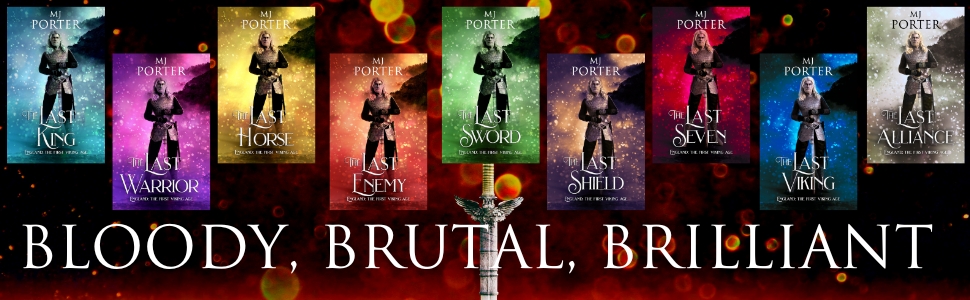
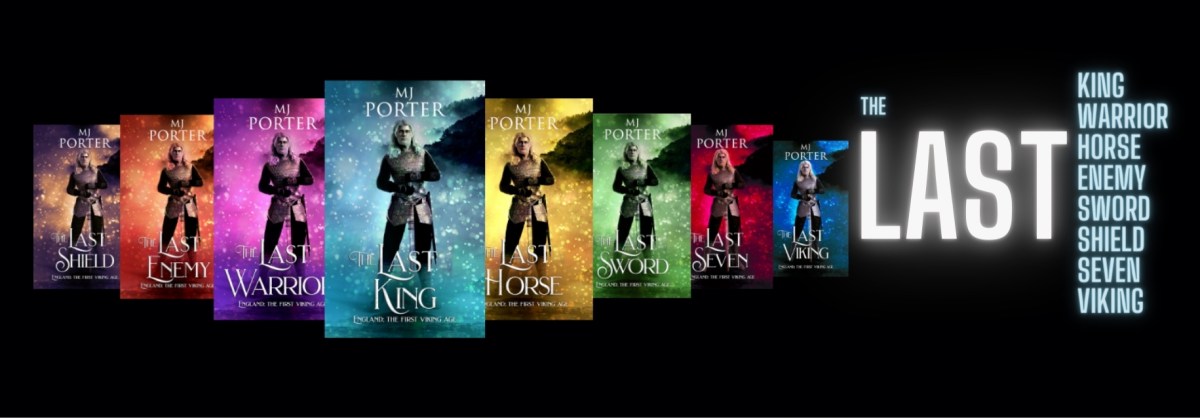
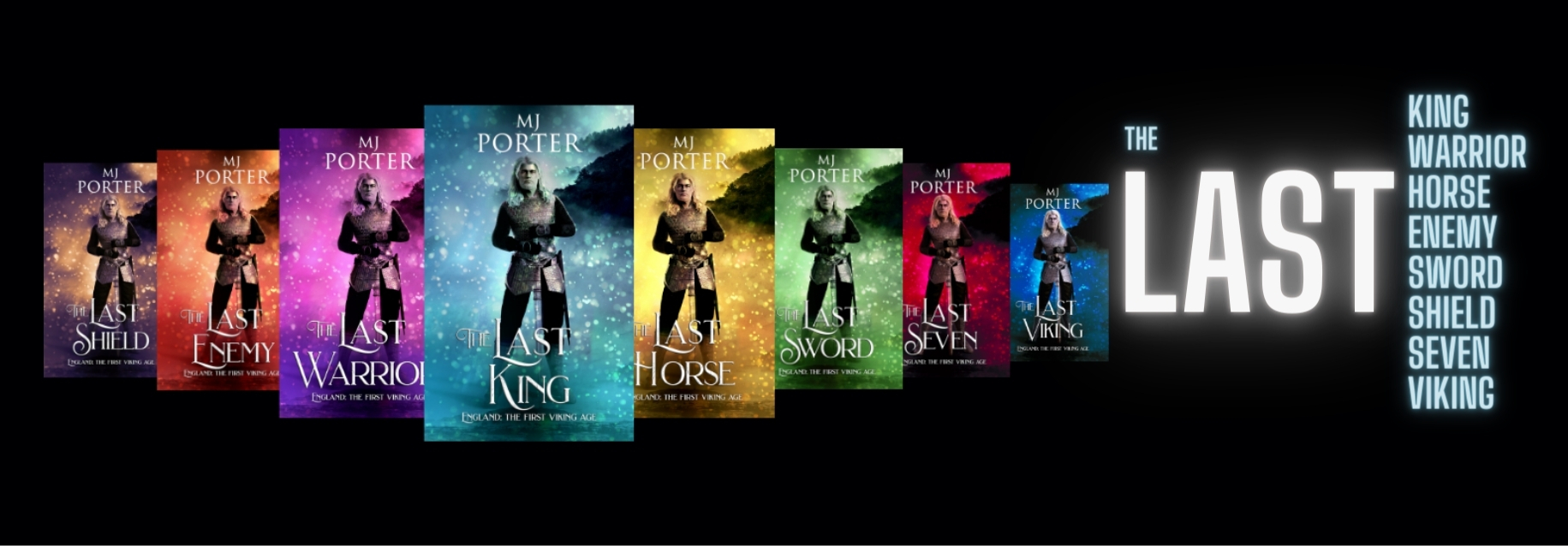
I’ve said elsewhere that there were quite a few influences on The Last King, the film, The Gentlemen directed by Guy Ritchie, the one that really made me think I should do anything I wanted with the storyline – make it bloody, make it brutal, make it sweary, and give it the ‘hook’ at the very beginning of the book. Another influence was the idea of a sportsperson at the height of their game – someone so good that they don’t really consider it anymore, and in fact, are a bit surprised that others aren’t there with them – that was the sort of warrior I wanted Coelwulf to be – already fully-formed with no backstory to wade through before getting on with the story of ‘right now.’
After finishing The Last King, I immediately pressed on with the follow-up, which became The Last Warrior. By now, it was March, and my part-time job as an exam invigilator was about to be suspended for the rest of the year – and of course, we were about to be plunged into Lockdown Part One. I had Coelwulf and pals to keep me going – and keep me going they did. By 8th April, my diary states that the first draft of The Last Warrior was complete, and I’d placed The Last King on Netgalley because I was really curious to see what people thought about it. I’d also reached out to a few people and given them advanced copies to read. The response was overwhelmingly positive as reviews started to trickle in throughout April. But now I turned my mind to Lady Estrid, and the eleventh century in Denmark.
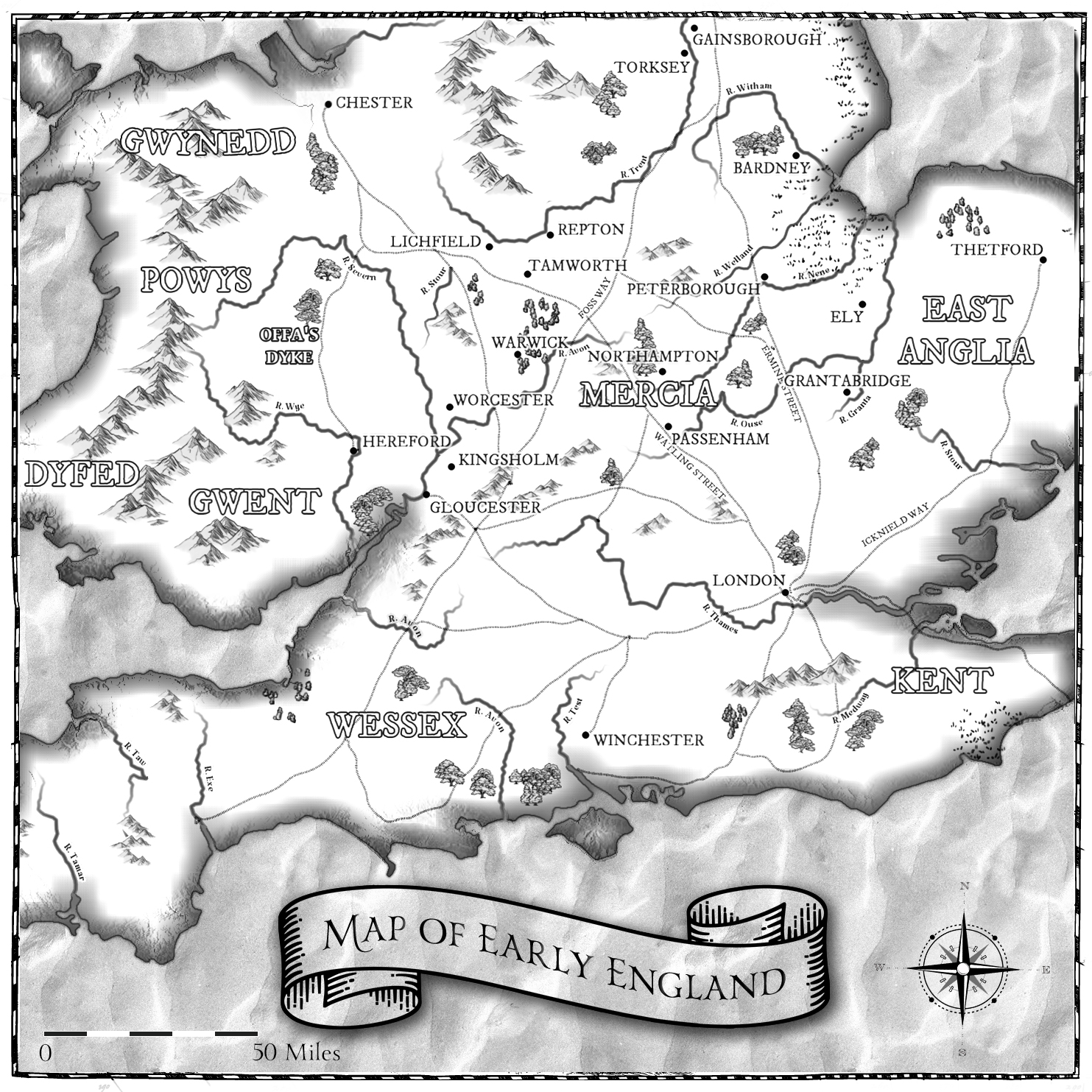
Map by Flintlock Covers
Again, Estrid was a character I’d considered writing about for some time. She was a bit part character in my Earls of Mercia books, but she seemed to me the perfect vehicle for writing about comparable events in Denmark, as opposed to England, in the eleventh century.
I am fascinated by all of the Scandinavian countries in the ‘Viking’ Age, and beyond. But, I’m certainly no expert on what was happening.
My diary says I started writing the book on April 9th, but I know I’d written about 5000 words in February (to enter a competition that I didn’t win:)). I gave myself about two weeks of working on Lady Estrid, a breather as it were, and then went back to the edit for The Last Warrior. I know some people wait months between a finished draft and an edit, but I don’t like to wait quite that long, although I do think even a little bit of ‘distance’ can help the process. At this point, with very little else to do due to Lockdown, my notes become really detailed about editing and words added, but I won’t bore with those little details. Suffice to say, I’m normally someone that adds words rather than deletes them throughout the first edit – I tracked the words added, but not deleted, and how many pages I edited in a day.
At this point, I was also hoping to do a quick edit, and finish off my NaNoWriMo project from the previous November. Throne of Ash is a historical fantasy, and goodness me, it has bedevilled my year. So much so that I have it to thank for the number of books I’ve written about Coelwulf. At the moment, it just doesn’t ‘work’ and I know it just doesn’t ‘work’ and I still can’t quite work out how to make it ‘work’ but it will. Eventually. Or it won’t, and it will just continue to drive me a bit bonkers. But hey, I’ll share a mock-up cover all the same. (I like to have the cover designed before I start a book.)
The Last King was released on 23rd April. The next day, I began work on book 3 – which at the time I was calling The Last Lord, which quickly changed to The Last Sword, and then became The Last Horse. Throne of Ash was pushed aside, and so too was Lady Estrid. The women in my life, (Throne of Ash’s main character is a woman) were giving me grief. Coelwulf, Rudolf, Edward, Pybba and Haden were much easier going – the banter, the fighting, the ‘scenario’ – it all just fit what I was able to write at that time.
I know what you’re thinking – I was slightly over-achieving at this point – don’t worry, it’s all about to come to an abrupt stop because Lockdown was about to change. I’d had a month where not much had been any different, (I’m a writer, I write, I spend most of my time at home anyway) but now my other-half was furloughed and now began the great ‘walk,’ which I’ve also spent much of the year doing (a walk almost everyday building up to the point where I now go for my walk, rain or shine, sleet or snow.) Now my routine really suffered, and would continue to do so for months. It’s not a complaint, but I’m aware that I need my routine to accomplish all the tasks I set myself. I was still trying to write every day but my word count was down to 1000-2000. But, at least the story still wanted to be told.
By the middle of June I was doing a final edit on The Last Warrior, and the book was released on 25th June, just as The Last Sword had become known as The Last Horse, and I was happy that the first draft was complete. By 1st July, I’d noted in my diary that The Last Horse was ‘completed.’
People were really enjoying The Last King, and by the time The Last Warrior was released at the end of June I had three times as many preorders as I’d had for my ‘new’ series.
By now, some of the restrictions had been removed because Lockdown had ‘allegedly’ come to an end, but I remained local, although this was when my weekly, and now twice-weekly, walks at Cragside began. This was also when I attended (virtually) the International Medieval Congress hosted by Leeds University. I spent an enjoyable week attending so many talks and really reconnecting with my love of academic history. I purchased many, many books on my time period, and really hope they do the same next year, as it meant I could keep up with my almost daily walks.
I was also back to Lady Estrid, and editing The Last Horse, both must have been finished in August, but there’s a note on 11th August saying that Lady Estrid was ‘finished.’ (It wasn’t, but that’s a story for later on – I thought it was finished.) I turned my mind back to the next book about Coelwulf.
But, big things were happening for The Last King throughout the summer months. I’d managed to get an international BookBub deal for it and I’d taken the book on tour with The Coffee Pot Book Club (check here for details of the posts) and was also running a promotion on The History Quill in August.
The Last Horse was released on 27th August, and now I’d had more than double the preorders that I’d had for The Last Warrior, which had been triple the preorders I’d had for The Last King. I think my readers liked Coelwulf – and so did I.
By now I’m into September, and I had to have day-surgery to remove half of my thyroid, so again, things slowed down a bit – although I used the experience when writing The Last Enemy. And I was also into Tier 3 restrictions. By now, my notes have become really sporadic and I can’t track what I was doing to any degree of accuracy as earlier in the year. I think everything was coming off the rails a little bit – two difficult books, surgery, which knocked me more than I thought it would, and Lockdown. It wasn’t easy going with the writing and it was started to frustrate me – I needed my routine back but it was to be a few more months before it returned.
I’d spent my time pummelling Lady Estrid into submission. It had taken a great deal of time to edit, and I’d also written many more words from when I’d so confidently stated it was ‘finished’ in August. The ending was changed, the beginning was changed and I added to many more of my characters. I think in the edit I added about 15k words, and removed some of the elements that were giving me bother.
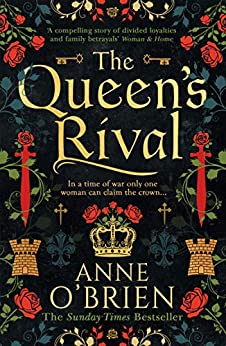
At some point, I finished The Last Enemy, and was back to editing it, and Lady Estrid, making use of Netgalley and The History Quill, was about to be released to a mixture of feedback – a bit of a Marmite book but one I was really pleased with. It had been a hard slog, over six months of thinking and writing about it, and with a bit of inspiration from Anne O’Brien’s The Queen’s Rival, I hoped I’d accomplished what I’d set out to do – a history of Denmark from the 1020s to 1050 – through the eyes of Lady Estrid, and her large, and extremely influential, far-flung family.
And then to November and NaNoWriMo once more. Did I think about finishing last year’s abandoned project? I didn’t, not at all, but instead took myself to the 1940s for a project I’m calling The Custard Corpses, and also a return to the Earls of Mercia books. Throughout November, I got my ‘routine’ back. I remembered all the restrictions I needed to place on myself to achieve what I wanted to achieve, the fact I prefer to write in the morning, and the knowledge that I can easily write at least 2000 words a day, even when I don’t really want. (I take part in NaNoWriMo every November and have done since 2013. I can’t stress how good it is for reinforcing all the things I know, but often forget, and because I always allow myself to step aside from my usual writing projects, how freeing it can be.)
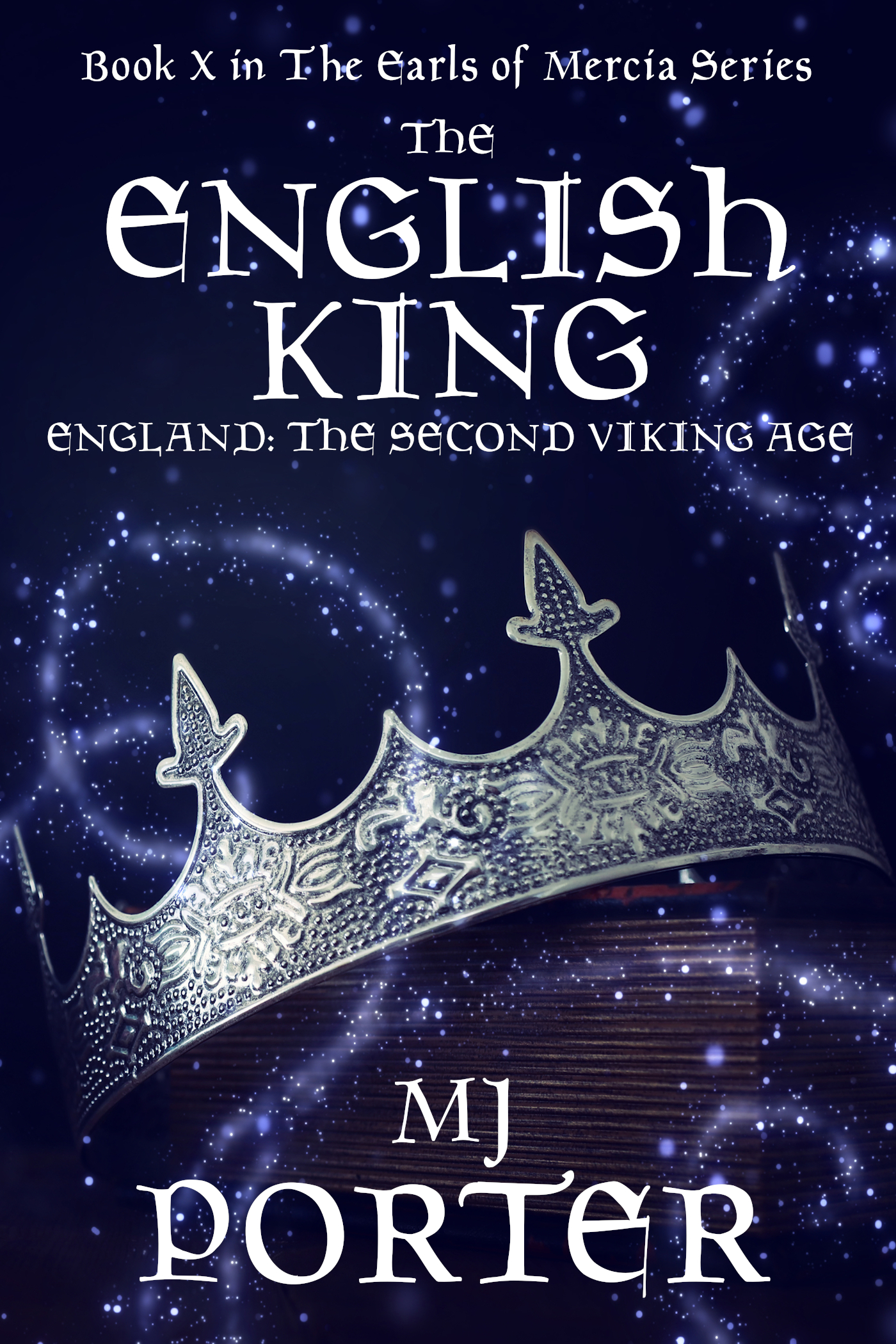
At 50k, I put The Custard Corpses to one side, and powered through The English King – another story that took a while to find its way – but which did with enough ‘routine.’ The Last Enemy was released at the end of November, and the number of preorders continued to exceed my expectations, as did the number of people reading and reviewing and rating. Thank you to you all.
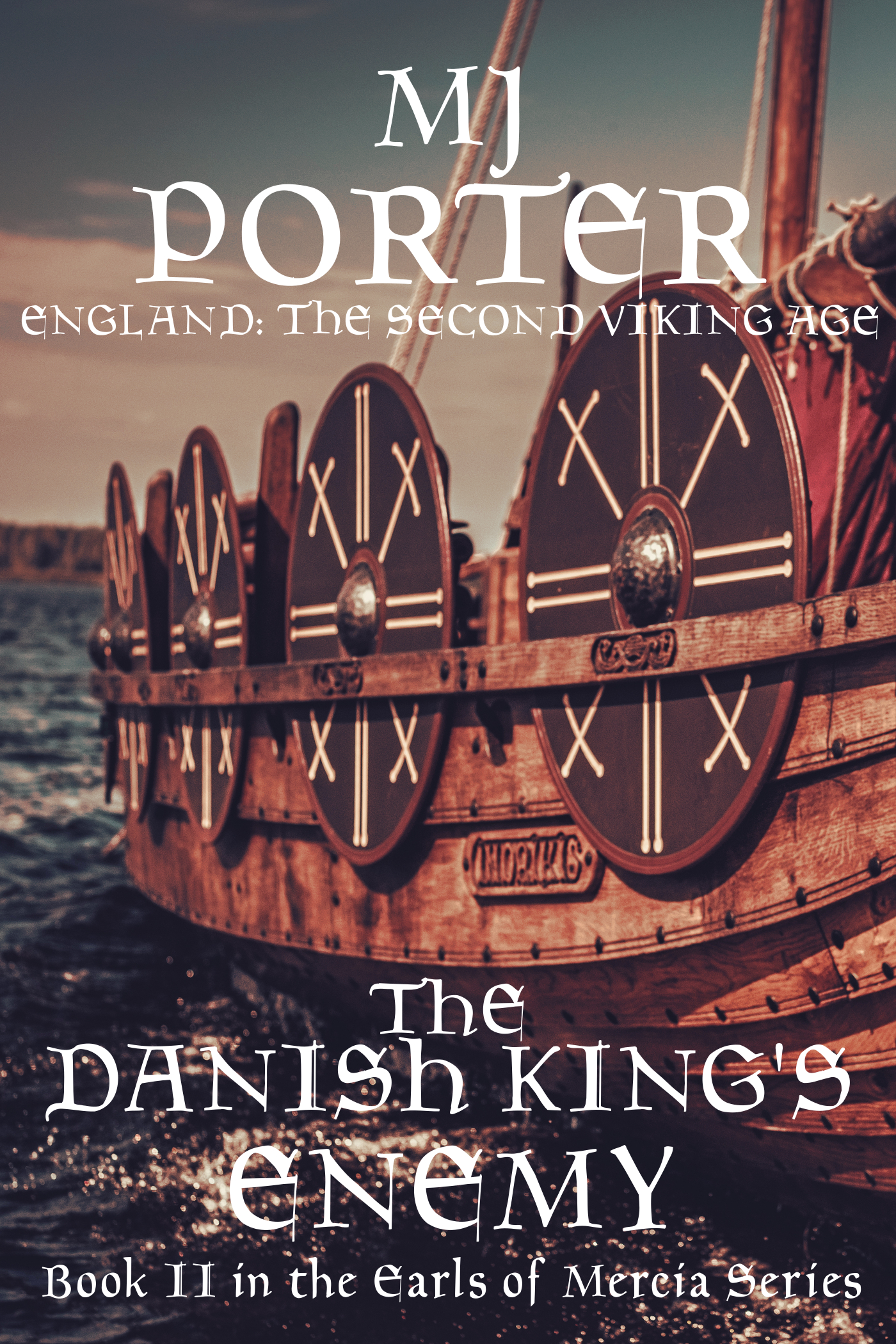
And to top the year off, I’ve also had the copyright restored to me for the second Earls of Mercia book. It’s a long and tedious story, but suffice to say, it was all reedited and rewritten during 2019 but I only had the paperback rights, and now I can release it in ebook as well. So, The Danish King’s Enemy is mine once more – a new name, a big section rewritten, a new cover, but still the same old Ealdorman Leofwine. If you’ve read one of the previous incarnations, please consider popping a review on the new one. It would be a huge help. And if not, it is in Kindle Unlimited, and it’ll be on special offer at the end of January 2021 too.
I can’t say I’m unhappy with what I’ve written in 2020, but it has been a challenge – not just because of events in the wider-world but also because my characters didn’t always behave – I’m looking at you Lady Estrid, and Throne of Ash.
But, 2020 has been fantastic in terms of the readers and reviewers that I’ve met along the way. I couldn’t have done it without them encouraging me on – demanding to know ‘what next’ for Coelwulf. I’m grateful to have been able to interact with them, and it’s shown me how powerful Netgalley can be, if the book finds a willing audience. I’ve also discovered a huge array of non-fiction books that I’ve been using to help me with my works in progress – and for that I’m grateful to the VIMC in Leeds. Without that my passion wouldn’t have been reignited and without that, I wouldn’t have powered myself through Lady Estrid, and she might well be mouldering in a corner, like other, abandoned projects.
For those thinking that I’ve written too much this year, remember, it has been Lockdown for nearly nine months, in my head, if not in others. I’ve only had my characters to distract me from the wider world. As a comparison, I released seven books in 2019, two of which were largely written in 2018. In 2020 I released six books, one of which was written in 2019, and another book which is ready for January 2021. I’ve managed about the same workload – I have suffered with my routine, and my motivation, but have taken great joy in the response my books have received.
And so to 2021. I have three books to edit and finish, and then I’ll return to the world of Coelwulf. I hope you, as my readers, will stay with me, but if not, thank you for spending 2020 with me. I hope I’ve managed to distract you from events outside our own front doors, and I will continue to try and do so. If you want to follow me, I have a newsletter which can be joined here.
Stay safe, people. I hope 2021 will be ‘better’, although I think for many of us ‘better’ is not quite what we once thought it would be.
(This page contains some Amazon Affiliate links, and some Booklinker links)
I know I won’t have been the only one to have struggled to find books engaging throughout 2020but there are two trends that have mainly characterised my reading throughout the year. I’ve either found myself in Early England (before 1066), or in the loving embrace of cosy 1920s murder mysteries. I don’t think it’s possible to get further apart.
But there are some books that have fallen outside of those two trends, and two of these books, have been my standout books of the year.
I was lucky enough to get an advanced copy from Netgalley so didn’t have to wait until the summer to enjoy it.
Here’s the blurb:
“One family united by blood. Torn apart by war…
England, 1459: Cecily, Duchess of York, is embroiled in a plot to topple the weak-minded King Henry VI from the throne. But when the Yorkists are defeated at the Battle of Ludford Bridge, Cecily’s family flee and abandon her to face a marauding Lancastrian army on her own.
Cecily can only watch as her lands are torn apart and divided up by the ruthless Queen Marguerite. From the towers of her prison in Tonbridge Castle, the Duchess begins to spin a web of deceit – one that will eventually lead to treason, to the fall of King Henry VI, and to her eldest son being crowned King of England.
This is a story of heartbreak, ambition and treachery, of one woman’s quest to claim the throne during the violence and tragedy of the Wars of the Roses.”
I loved this book, and more than that, O’Brien’s choice to tell her story almost exclusively through letters inspired me when I was struggling to write Lady Estrid, and gave me a means to tell a complex family story. But, even without that, I highly recommend this book. Anne O’Brien tells engaging and captivating stories of England’s forgotten women, and that is just the sort of book that appeals to me.
It’s available now in ebook, audiobook and hardback, and when I wrote this, the ebook was only 99p, an absolute steal.
Next up on my list of excellent reads is Camelot by Giles Kristian.
Here’s the blurb:
Britain is a land riven by anarchy, slaughter, famine, filth and darkness. Its armies are destroyed, its heroes dead, or missing. Arthur and Lancelot fell in the last great battle and Merlin has not been these past ten years. But in a small, isolated monastery in the west of England, a young boy is suddenly plucked from his simple existence by the ageing warrior, Gawain. It seems he must come to terms with his legacy and fate as the son of the most celebrated yet most infamous of Arthur’s warriors: Lancelot. For this is the story of Galahad, Lancelot’s son – the reluctant warrior who dared to keep the dream of Camelot alive
Camelot had a wonderful feel to it, and while, I wasn’t quite as enamoured of it as I was Lancelot, the sort-of prequel, I still can’t recommend it enough. The way Kristian evoked the Arthurian legend was amazing. No matter how much I ‘knew’ what was going to happen, I still wanted the characters to triumph, and that, was a little piece of genius.
Camelot is available now in hardback, ebook and audio book.
One thing I’ve noticed is that I really didn’t read a lot of fantasy this year, which is strange for me. When I did read, I found solace in some tried and tested favourites, Mark Lawrence’s The Girl and the Stars, Katharine Kerr’s return to Deverry with the wonderful Sword of Fire and Terry Pratchett – I’ve been trying to listen to some audiobooks, and although I’m still not sure I like it, I have found the Terry Pratchett audiobooks to be great entertainment, especially as I’ve read all the books in the past. I have the last book in Peter Newman’s Deathless Trilogy to read as well, but I’ve been saving it up because it’s going to be a real treat.
(I’ve just noticed that Mark Lawrence wrote a review for Sword of Fire on the cover. How funny. But, I’ve been a fan of Katharine Kerr for well over twenty years – maybe that’s why I like Mark Lawrence as he clearly is as well.)
But to return to historical fiction, I have stepped, just once or twice, further back in time than the Early English period to the Romans and the Greeks.
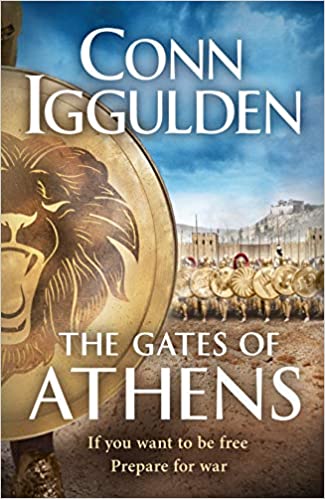
Sons of Rome by Turney and Doherty was a fantastic read, each author taking the part of one of two characters, interchanging their lives in a format that worked so well. I have book 2 to read now and I’m excited about that. And also The Gates of Rome by Conn Iggulden was a stellar read, and I’m still quite cross about the ending! He better put that right if there’s a sequel. I’m also going to give an honourable mention to Derek Birk’s Britannia World’s End. I really, really loved the first book. The second book was not quite as stellar but was still a welcome return to the characters from Book 1.
I’ve also taken on some beta reading projects this year, and have been really impressed by the quality of fiction that people are writing. I’ve been taken to Australia and New Zealand at the time of the gold rush, to Ancient Egypt, to Tudor England, 17th century Paris, 19th century Italy and now I find myself in 19th Century America. I hope these books are released and then I can share my reviews. I read books listed on Netgalley and also on The History Quill. If you love getting your mitts on books before they’re released, I highly recommend both of them, and The History Quill especially if you’re after fresh new voices in historical fiction.
But finally, I will mention the books I’ve read from the Early English period. I’ve not read as widely as I might have liked, but it can be hard to read what you’re writing about at the same time. I’ve spent some time with Matthew Harffy’s creations with Fortress of Fury and A Time For Swords. I’ve also returned to the world of Christine Hancock’s Bright Helm and I can assure that she has a new book, hopefully next year, which readers are going to really, really enjoy – a slight diversion from Byrhtnoth but still very much mentioning him. I’ve been lucky to read a really early copy of it, and I love it already. Bring it on!
I have the last Uhtred book to read, War Lord, but I’ve been saving it up for the holidays.
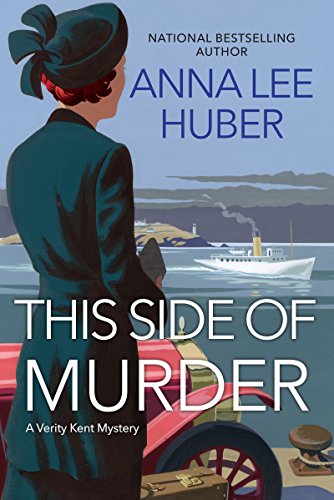
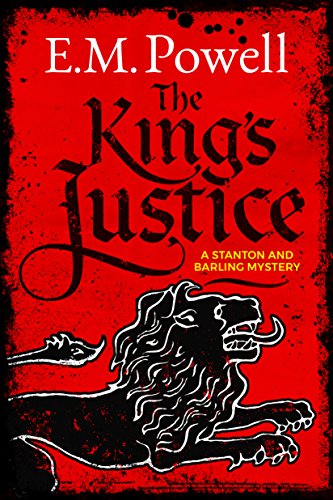
But, the thing that has really got me through the year has been a vast selection of murder mystery books. The majority have been set in the 1920s in the UK, but I have just discovered E M Powell’s Stanton and Barling mysteries set in the 1100s. These are so entertaining, if quite gory, and what I enjoy most about them, is I’ve never yet guessed who actually committed the murders! The same could be said for the Posey Parker mystery books by L B Hathaway which elevate the 1920s murder mystery to a whole new level. The Verity Kent murder mysteries are also excellent, and have a theme that runs through them all.
So, what I can take away from this is that much of the year has been spent reading cosy murder mysteries, although not many of them have been that cosy. It seems that I need a good mystery to help me unwind and one that’s not too gritty, and one that’s certainly set in the past.
Thank you to the authors who’ve kept me entertained this year, and happy reading everyone. I’m looking forward to more in 2021.
Oh, hello, I’m here to interview King Coelwulf about his latest book.
Really, I wouldn’t think he’d do that. He’s make some excuse about having no time, or some such. Oh wait, did Lady Cyneswith set this up?
Yes, she did, and I’ve already spoken to her. But tell me, do you know the king? You seem to know who everyone is.
Of course I do. I’m Rudolf. His old squire, and now member of his warband. Why?
Would you like to talk to us about his latest book?
Well, I suppose I have the time. If you’re quick, and I don’t get caught. I’m supposed to be showing young Hiltiberht the ropes, and Haden can be a real handful.
Tell me, what’s King Coelwulf like? As a warrior?
Bloody lethal. You don’t want to be facing off against him. I’ve never seen anyone kill so quickly. And the moves he can do? I wish I had even half of his skill. I mean, he says I’m a good warrior and all, but I make up for my lack of skill with speed. And he doesn’t have that because he’s so bloody …. Um, because he doesn’t need to do that. Sometimes, I swear the enemy make it look so easy it’s as though they’re falling onto his seax or sword.
He’s quite good then?
Better than good. I’ve never seen anyone fight the way he does. Well, apart from Icel, and Edmund, and maybe Hereman. But, certainly, the Raiders stand no chance against him.
I hear he even camps in the woodlands and forests? It’s not really the sort of thing a king should do, is it?
Now, you see here. He was a warrior long before he was king. King Coelwulf only has one aim, to kill all the Raiders. To drive them from Mercia and make sure they don’t come back. He’s not into all that fancy clothes, and court etiquette, or sleeping in a bed of silk sheets. They’d be too damn cold, anyway. He’s told me. No, the king of Mercia is a damn warrior, and the only man capable of defeating the Raiders, and the Welsh, if it comes to it.
And, have you read the new book?
Got no time for reading. I’m sure King Coelwulf told you that, and he’s right. I’d like a good night’s sleep without interruption more than I’d like to read a book. Maybe a scop could tell the tale. But, that would be Edmund and I’d have to listen to him tell the tale. He’s good, of course he’s good, but he probably wouldn’t mention me as much as I might like.
To all the young lads who do read the book, what would your advice be? How could they get into King Coelwulf’s warband?
Well, they should probably have joined it a while ago, and at the moment, there’s a few squires that need training up, so there’s no room, not for a while. So, I’d tell them to wait, and while they’re waiting, learn a few things, like how to clean saddles and seaxs. It’s a mucky job, but someone’s got to do it. And with King Coelwulf, you’ve got to earn his respect first. And then, well, once you’ve got it, you’ve got to keep it. A hard man, but a great man. Mercians should be pleased with their king. He’ll keep them safe, or he’ll die trying. You didn’t find the old king doing that. Far from it in fact. He’s scuttled off to Rome, or somewhere like that. Gone to pray for his soul. He’s got a lot to need forgiveness for, abandoning his kingdom like that.
Oh, sorry, I’ve got to go.
And there you have it. A few words from Rudolf, King Coelwulf’s old squire. I hear he fights incredibly well, and offers some important advice for any would be members of the king’s warband.
If you haven’t read my earlier interview with King Coelwulf, then you can find it here. And I also interviewed his Aunt, which can be found here.
Lady Estrid has taken herself on tour with the fabulous Coffee Pot Book Club. She what she’s been up to, and thank you to everyone for hosting her, and the Coffee Pot Book Club for arranging.
Thank you to all the hosts for allowing Lady Estrid onto their blogs, and to The Coffee Pot Book Club for being so, so, so good at organising everything. Thank you.
(This post contains Amazon affiliate links, which means that at no cost to you, Amazon rewards me.)
I’m very honoured to have caught a few moments with Lady Cyneswith, the aunt of King Coelwulf. Thank you for finding the time to speak to me.
“Well, I’m sure you’ve discovered that my nephew is a very busy man, a bit rough around the edges some times, and so I’m delighted to speak with you on his behalf, smooth away any ruffles he might have caused.
Yes, I confess, I had noticed that he was short on time when I tried to speak with him earlier.
Short on time, and economical with his words. He is the king, you know, but of course, his priorities are with defeating the Raiders. I think there are those who don’t quite appreciate the persistence of the enemy. It takes a strong and decisive leader to defeat them, and we should be pleased to have one. Much better than our previous king, who gave up Mercia in exchange for his life. Shocking.
I speak for the whole of Mercia when I say we are so pleased to have such a man leading us. Some new, vigourous, blood was needed to ensure Mercia stayed together.
Our previous king, Burgred, was not blessed with the military requirements for the post. But then, I won’t be alone in believing that Burgred should never have been king. He only achieved what he did because of the manipulation of the natural right of succession.
So, you believe that all the kings since King Coelwulf, first of his name, were usurpers?
I make no bones about that. Mercia wouldn’t be in such peril if my family line had retained their hold on power, as they should have done. But, now is not the time to dwell on that. It’s important to think of the future, and of what is yet to be achieved, but which will be, and soon.
I asked King Coelwulf if had a few words to explain why people should read the latest book.
I imagine he said something along the lines of, ‘I don’t have time for reading, so I wouldn’t.’ And, of course, he means that, but it is difficult for him to appreciate the fascination others have with what he’s trying to achieve. So, I would say, read it and discover just what risks your king, and his warriors and ealdormen are making to ensure Mercia’s freedom. Read it, and understand the peril and take steps to ensure your freedom as well.
And, have you read the latest book?
I have yes, and I’m pleased to say there’s a slightly bigger part for me in, than usual. Of course, it’s difficult with all the fighting to find room for the women of Mercia, but I’m sure that one day, in the not too distant future, Mercia will have female warriors to keep her safe. After all, anyone can learn to chop off someone’s head, or slice them through the neck, the skill, of course, is in staying alive afterwards.
Um, yes, quite. Thank you for that. I wondered if I could get a few words from you about King Alfred of Wessex.
No, not really. I don’t speak about neighbouring kings, and I’ve never met the man. Now, if you asked me about the king of Gwent, then I might have something to say about him, but you haven’t, and so, I don’t.
Could I ask you about the language used in the book? It’s quite strong in places.
While I have no particular need to hear such words, I can well appreciate that, on occasion, they might be warranted. After all, our king and his warriors are risking their lives every time they enter a battle against our enemy. I put it down to the rush of adrenaline, and hope everyone else does the same.
I asked King Coelwulf about his warriors, do you have any particular favourite amongst them?
I take pride in teaching all of the men some simple techniques to treat wounds received in battle. It’s important to know how to heal as well as to maim. My favourites are obviously those who listen carefully and learn what I teach them.
Thank you for taking the time to speak with me.
It is of course, my pleasure, and my duty, as the king’s sole surviving relative. Under his leadership, Mercia will once more be great again.
And there you have it. An interesting interview with Lady Cyneswith, a most formidable woman. I should think she’d be as lethal on the battlefield as her nephew is proving to be. If you haven’t read my earlier interview with King Coelwulf, then you can find it here.
A few weeks ago, I was granted exclusive access to King Coelwulf, to talk about his new book, The Last Enemy. Here’s what the enigmatic king of Mercia had to say.
King Coelwulf, thanks for allowing me entry into your stronghold at Northampton. It’s quite interesting to be at the heart of the Mercian defence against the Raiders. Now, can you tell me why people should want to read the fourth book about you, The Last Enemy?
“Well, I’m not saying that they will. I mean, if they’re like me, then they probably don’t have time to be reading a story. I’ve got bodies to bury, Raiders to hunt down, and a kingdom to rule. I would tell anyone to spend their time more wisely than reading a book. That sort of thing is for the monks and the clerics, not warriors trying to defend a kingdom.”
Ah, well, in that case, thank you for finding the time to speak to me.
“I didn’t have much choice. Or rather, I was advised it would be a good use of my time, by my Aunt, Lady Cyneswith.”
Well, Lady Cyneswith is a wise woman, and I’m grateful that she’s encouraged you to speak to me.
“She is a highly intelligent woman. Braver than many men when it comes to the Raiders, and skilled when it comes to healing injuries of the body, as well as the mind.”
And her dogs have very interesting names, what was it again? Wiglaf and Berhtwulf, surely the names of old Mercian kings? Men who usurped the ruling line from your family?
“Oh really. I’d never realised. Funny, that.”
Ah, well, moving on, could you tell me about your new book? I’m sure my readers would love to hear about it.
“Nothing to say really. Same old, same old. Raiders to evade, Raiders to find, Raiders to kill, a kingdom to keep whole. It’s a grand old bloody mess. I swear, I’ve barely managed to scrub the grime and body fluids from my sword and seax. Or rather, Wulfhere has. He’s a good lad. Quick on his feet. He’s one of my squires. Couldn’t do it without him.
That’s interesting that you should mention your squire, did you say? I wouldn’t have expected you to even know the lad’s name. After all, you are the king of Mercia, surely your squire is beneath you. Are there any more of your warriors you’d like to mention by name?
“Of course there are. I’d name them all if I had the time, which I don’t, just to make you aware. I’ve got to go to a crown-wearing ceremony shortly. But, I’ll mention a few, just to keep you happy. And you should know that no man is ever above knowing the names of those who serve him. Remember that.
But, I’ll mention some of my warriors by name. If only because it’ll infuriate some of them. Edmund, he’s my right-hand man, a skilled warrior, missing an eye these days, but it’s not stopped him, not at all. His brother, Hereman. Well, where do I start? Hereman does things no one would consider, in the heat of battle, and he’s a lucky b……. man, sorry, he’s a lucky man. And then there’s Icel. He’s lived through more battles than any of the rest of my warriors. I almost pity the Raiders who come against him. None of them live for much longer.
And Pybba. You know, he fights one handed now, and the Raiders seem to think he’s easy picking, but he’s not. Not at all. And, I can’t not mention Rudolf. He’s the youngest of my warriors, but his skill is phenomenal, not that you can tell him that. Cheeky b……, sorry cheeky young man. But, all of my warriors are good men, and we mourn them when they fall in battle, but more importantly, we avenge them all. All of them. No Raider should take the life of a Mercian without realising they’ve just ensured their own death.
Yes, I’ve heard that you avenge your men, with quite bloody means. And Edmund, there’s a suggestion that he’s a scop, a man who commits the deeds of the fallen to words? That fascinates me, as someone who also makes a living from using words.
“Well, Edmund has some small skills with words, but he honours our fallen warriors by weaving them into the song of my warriors. In fifty years, when we’re all dead and gone, our legend will live on, thanks to Edmund, and his words.
Can I ask you about Alfred, in Wessex? Have you met him? Do you think he’s doing a good job in keeping the Raiders out of Wessex?
“I’ve never met him. Couldn’t say either way. It’s not for me to comment on a fellow king. We’re all after the same thing. Kill the f……, sorry, kill the b……., sorry, kill the enemy. All of them, until Mercia is safe once more. And Wessex, if you’re from there.”
Well, it looks like you’re needed. Is that your crown?
“Yes, and now I need to go and perform some ceremonial task. It’ll take a long time, no doubt. Make sure you have an escort when you leave here. I wouldn’t put it passed the f……, sorry, the Raiders, to be keeping a keen eye on the bridge over the Nene.
Thank you for your concern, and yes, I’ll make sure I do. Good luck with the new book.
“I don’t need luck. I just need to kill all the b……., sorry, Raiders.
As you can tell, King Coelwulf was a very busy man. But his new book, The Last Enemy, is well worth a read. Bloody, brutal, just like the man himself, but I found him to be honourable and worthy of leading the Mercians against our persistent enemy. Long live the king.
One of the big plusses for choosing the character of Lady Estrid for my most recent novel, was her large and illustrious family and their far-reaching influence over Denmark, Sweden, Norway and England. It meant there was already an excellent story to tell.
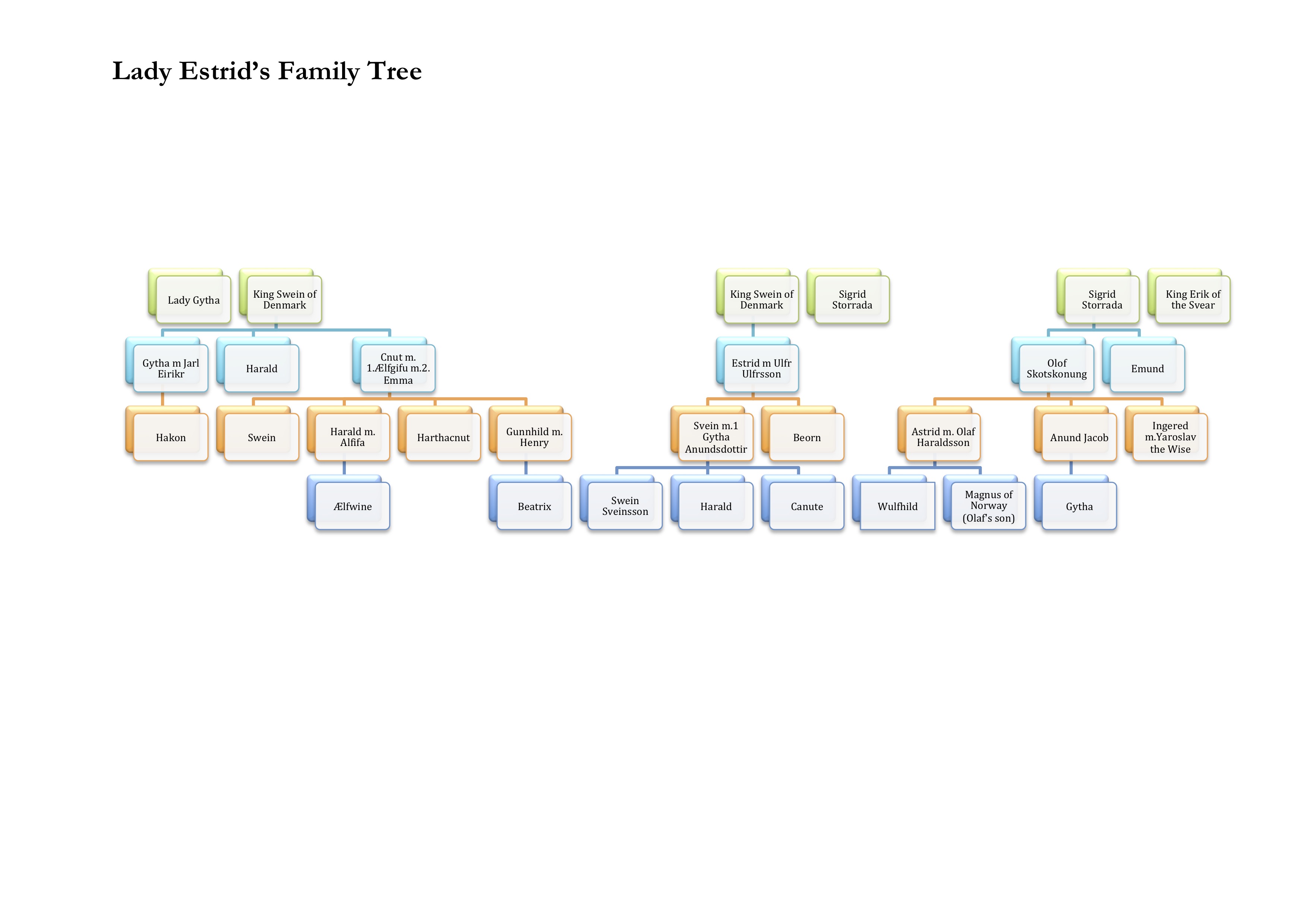
While I quickly managed to slot all the different relatives into order (well, I have been writing about them for a while), I’m aware it’s not the easiest of tasks, and so, I have put together some genealogical tables of the main families to make it that bit easier.
The family of Lady Estrid Sweinsdottir, as mentioned in Lady Estrid.
Due to a lack of information, I have made little mention of the rest of Estrid’s half-sisters, of which she had three or four. I feel it perhaps also helped the story a little – it was complicated enough as it was without giving them the capacity to meddle in affairs in Denmark. I have also made the assumption, that because I don’t know who they married, that they didn’t make international alliances, as Estrid did.
To break it down into more palatable chunks, Lady Estrid’s mother was married twice, once to King Swein of Denmark (second) and also to King Erik of the Svear (first). King Swein was also married twice (in my story at least – as it is debated), to Lady Gytha (who I take to be his first wife) and then to Lady Sigrid (who I take to be his second wife.) Swein was king of Denmark, Erik, king of the Svear (which would become Sweden), and so Sigrid was twice a queen, and she would have expected her children to rule as well, and her grandchildren after her. Sigrid was truly the matriarch of a vast dynasty.
She would have grandchildren who lived their lives in the kingdom of the Rus, in Norway, in England, and Denmark.
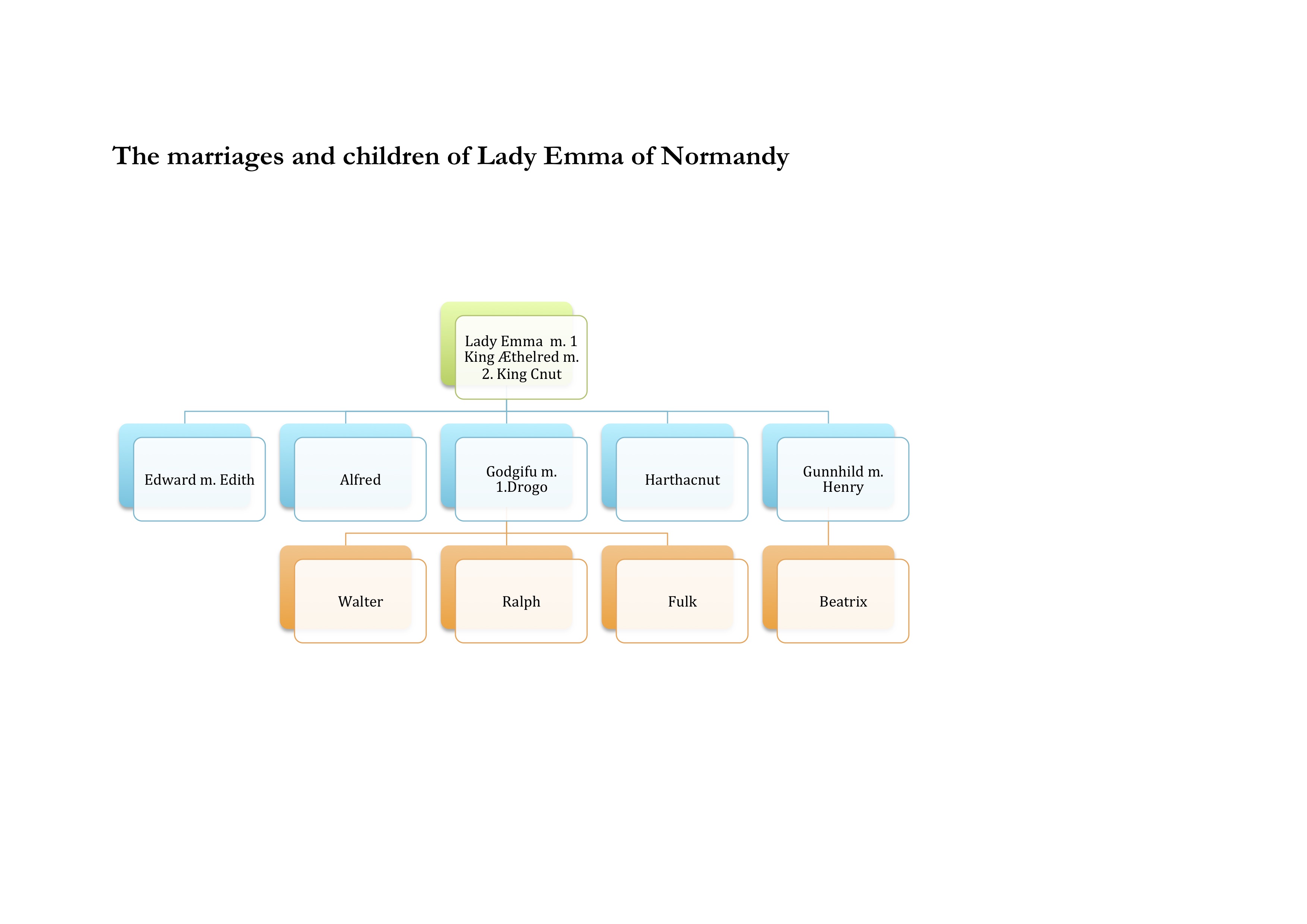
And Sigrid wasn’t the only ‘double queen.’ Lady Emma, twice queen of England, was first married to King Æthelred and then to King Cnut, Estrid’s brother.
Lady Emma, twice queen of England and her children
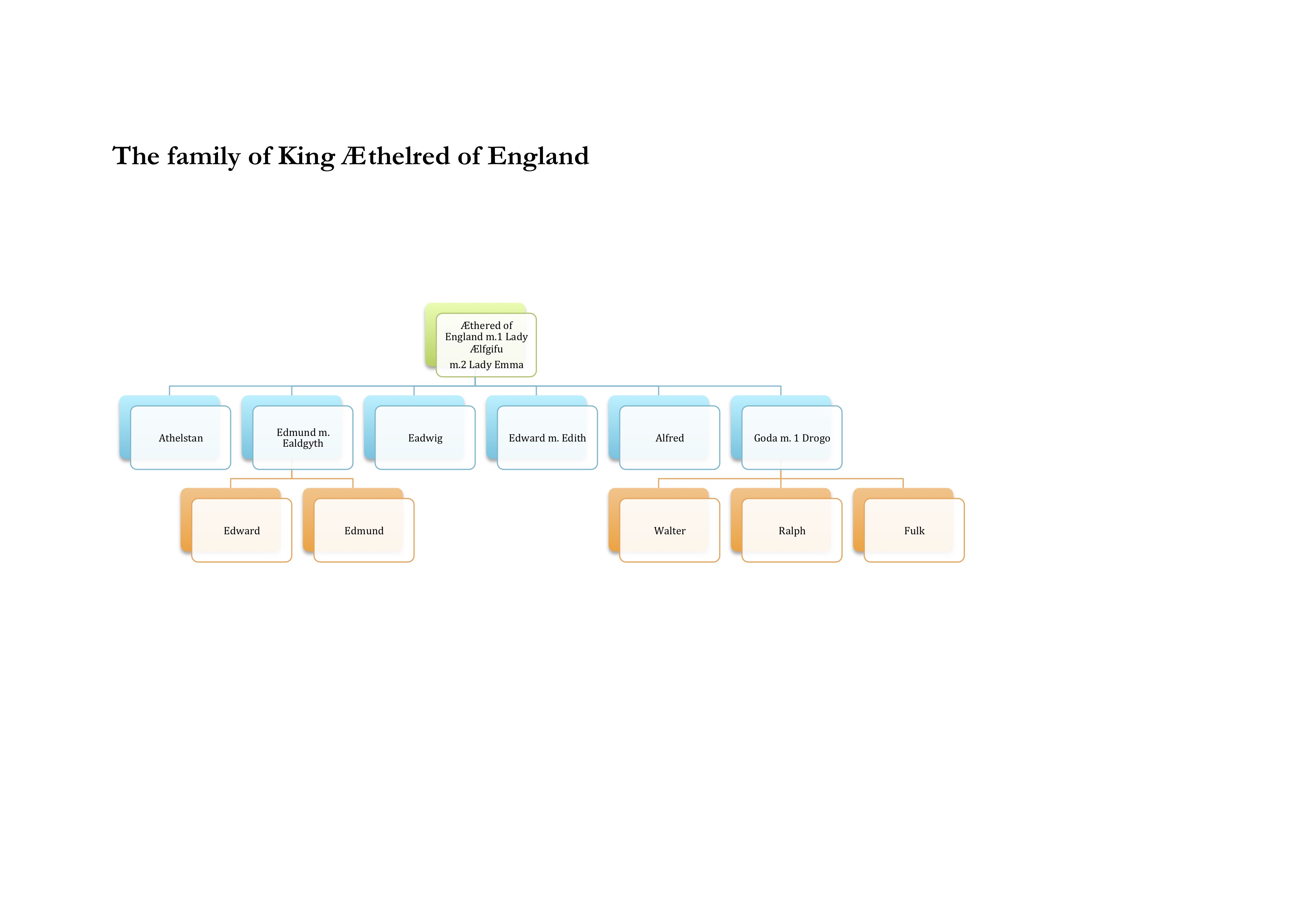
Not that it’s possible to speak of Lady Emma’s children from her two marriages, without considering the children of her first husband’s first marriage. King Æthelred had many children with his first wife, perhaps as many as nine (again, a matter for debate), the below only shows the children mentioned in Lady Estrid. Readers of The Earls of Mercia series, and the Lady Elfrida books, will have encountered the many daughters, as well as sons.
The family of King Æthelred of England
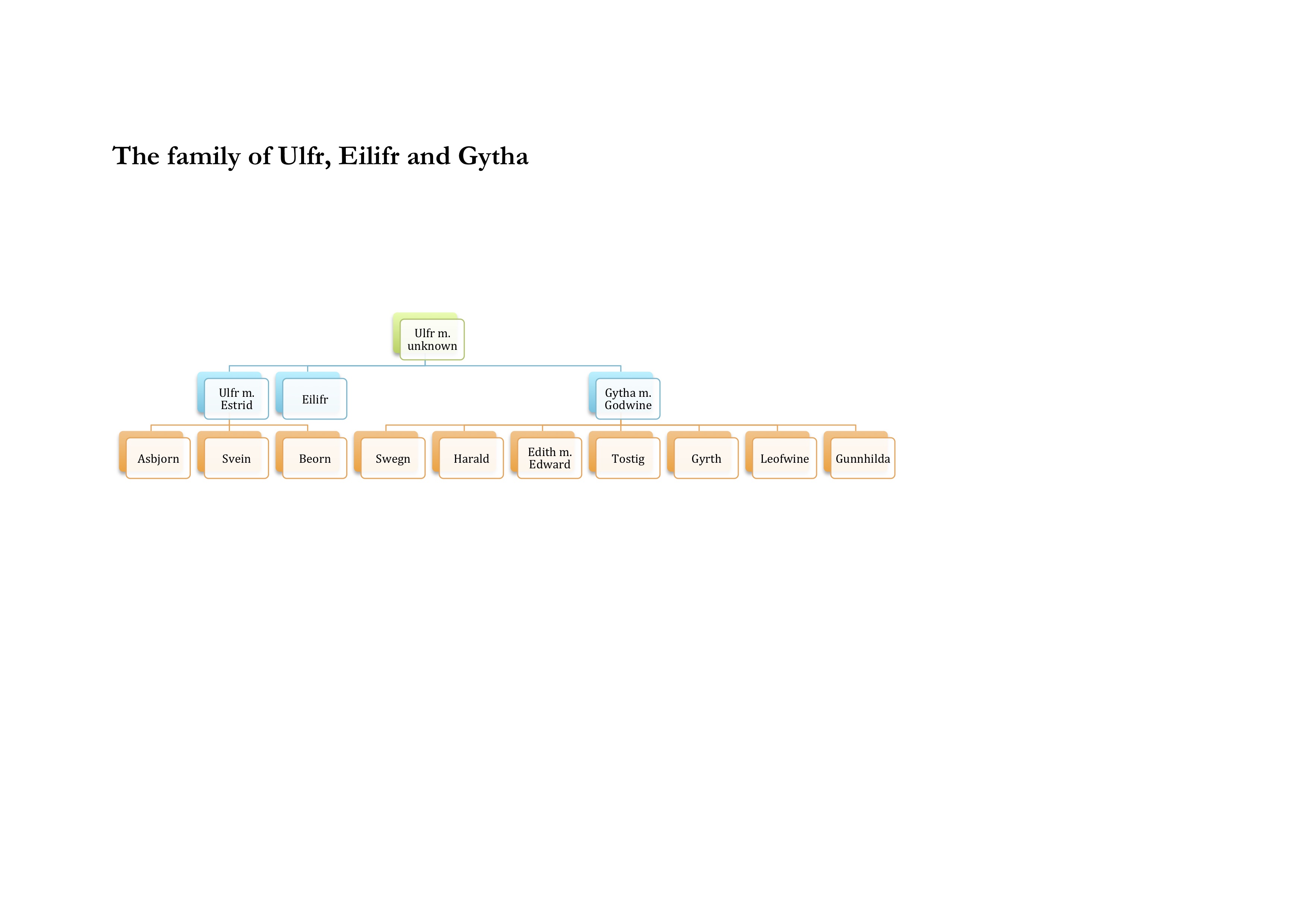
One of the other family’s that had the most impact on Lady Estrid, was that of her third husband, and father of her two sons, Jarl Ulfr.
The family of Ulfr
Ulfr had a brother and a sister, and while little is known about the brother, it is his sister who birthed an extremely illustrious family, through her marriage to Earl Godwine of Wessex. (The family tree doesn’t include all of her children.)
Four such powerful families, all intermarried, make for a heady mix.
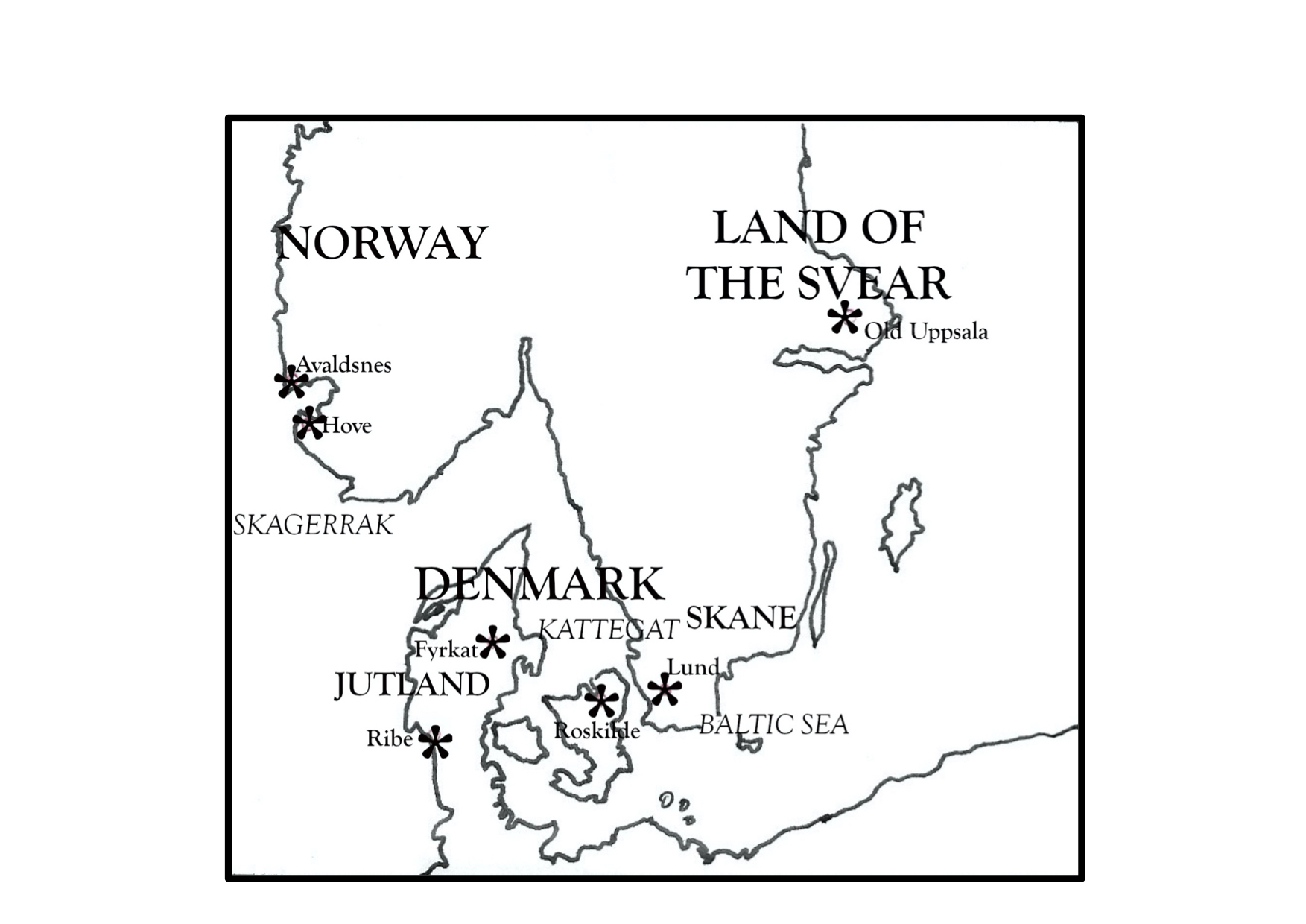
For the modern reader, not only are the family dynamics complicated to understand, but so too is the geography. Sweden was not Sweden as it is today, and the reason I’ve insisted on calling it the Land of the Svear. But equally, Denmark was larger than it’s current geographical extent, covering Skåne, (in modern day Sweden) as well. The map below attempts to make it a little clearer. Norway is perhaps the most recognisable to a modern reader, but even there, there are important difference. King Swein claimed rulership over parts of Norway during his rule, and so too did King Cnut. But, Denmark isn’t the only aggressor, there were rulers in all three kingdoms who wished to increase the land they could control, King Cnut of Denmark, England, Skåne and part of Norway, is merely the most well-known (to an English-speaking historian.)