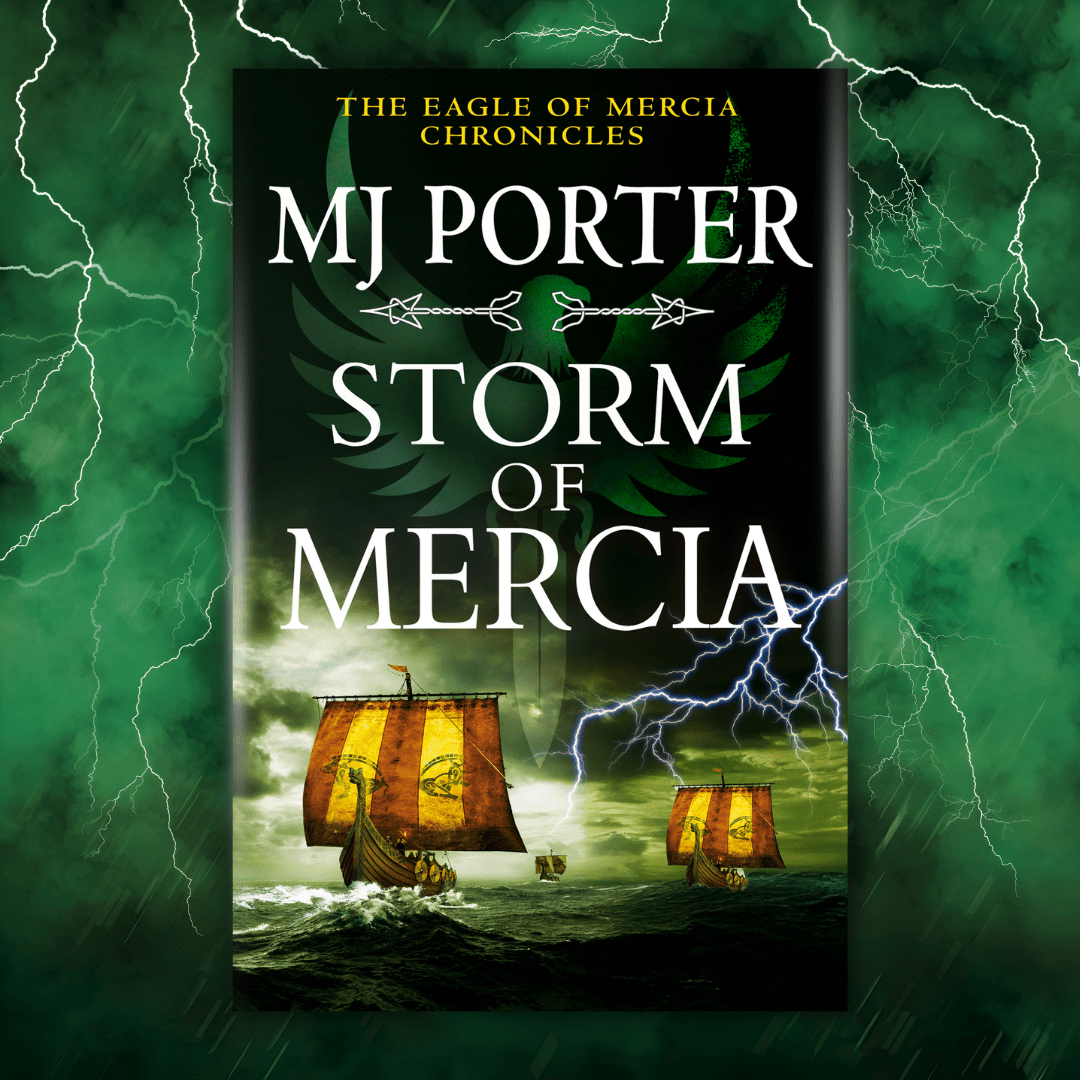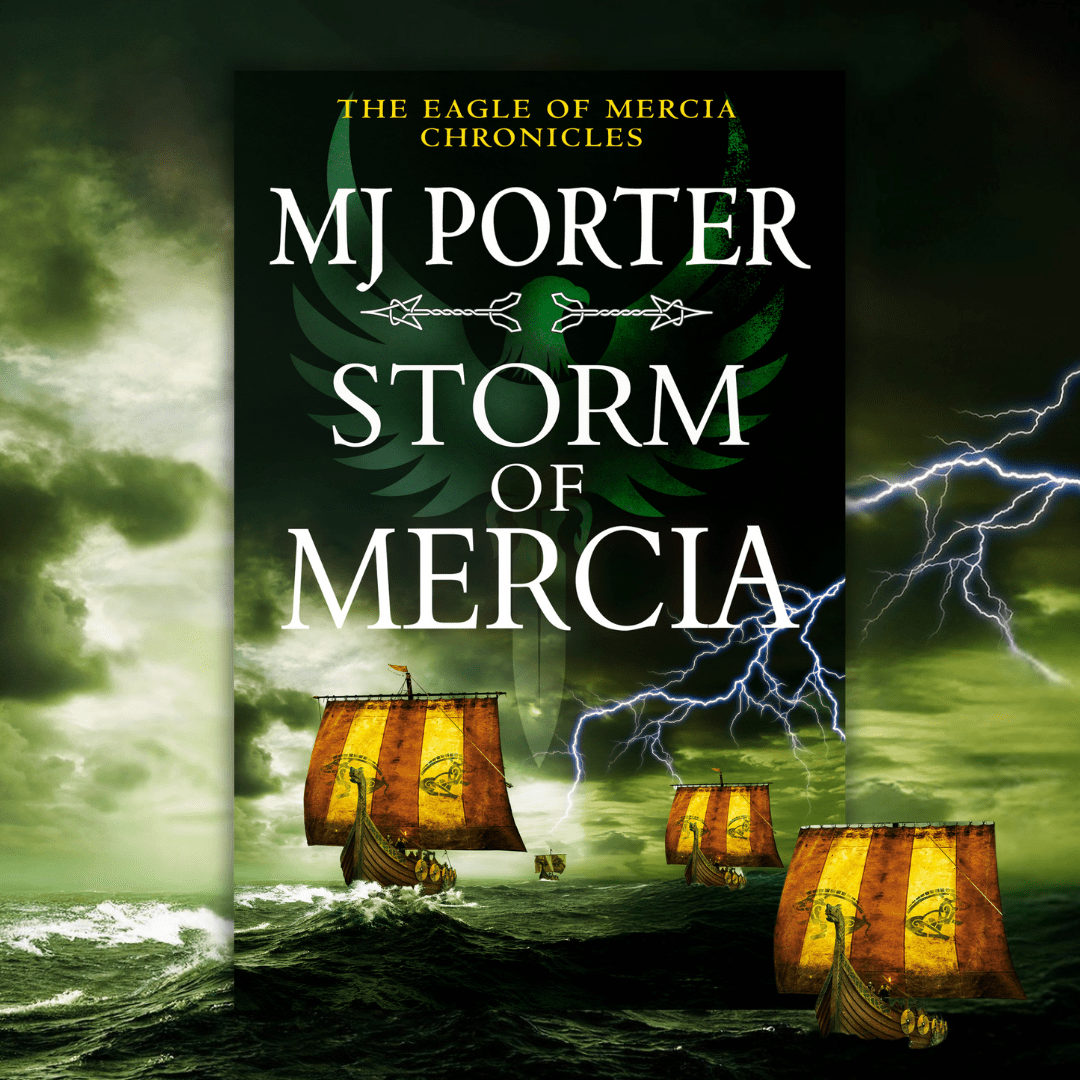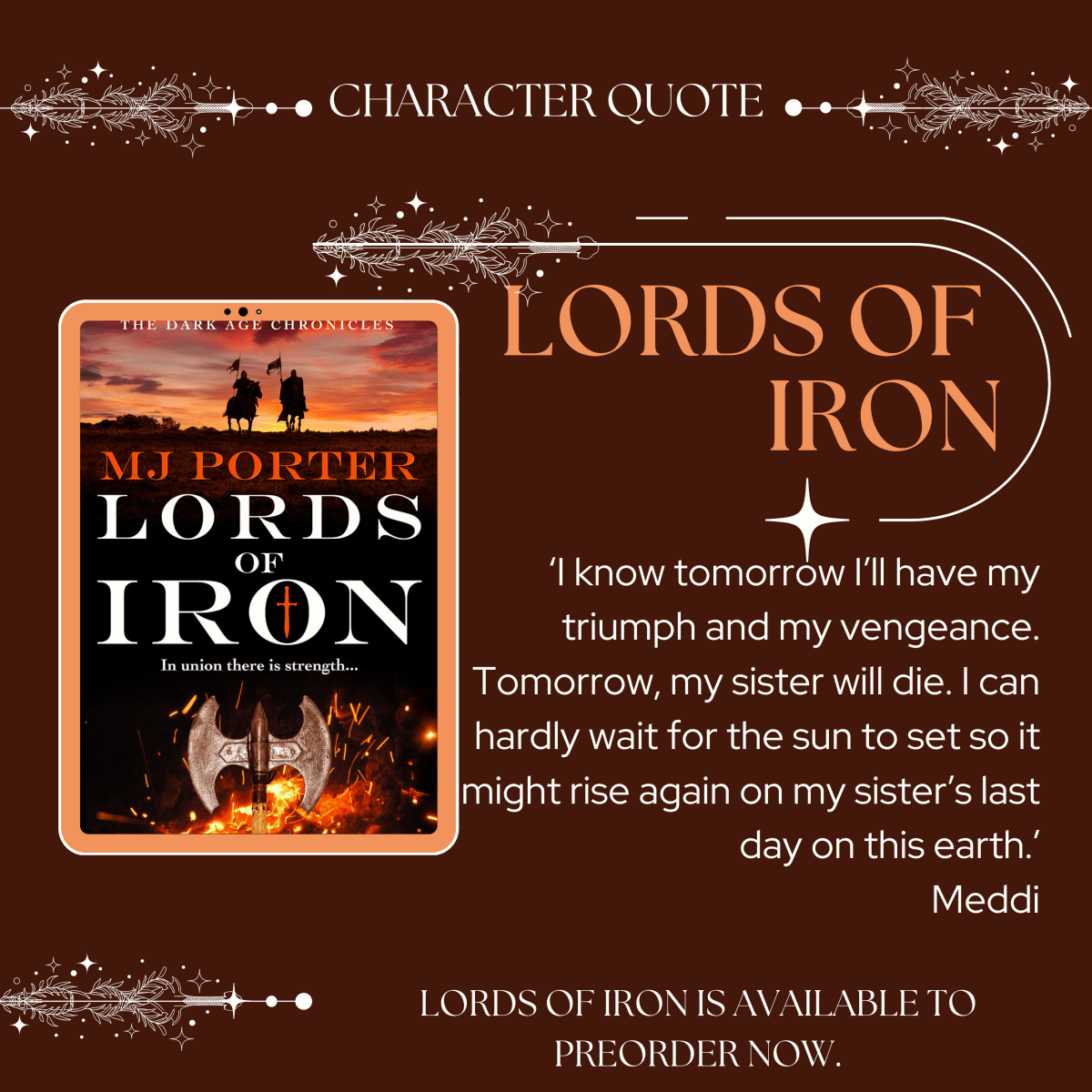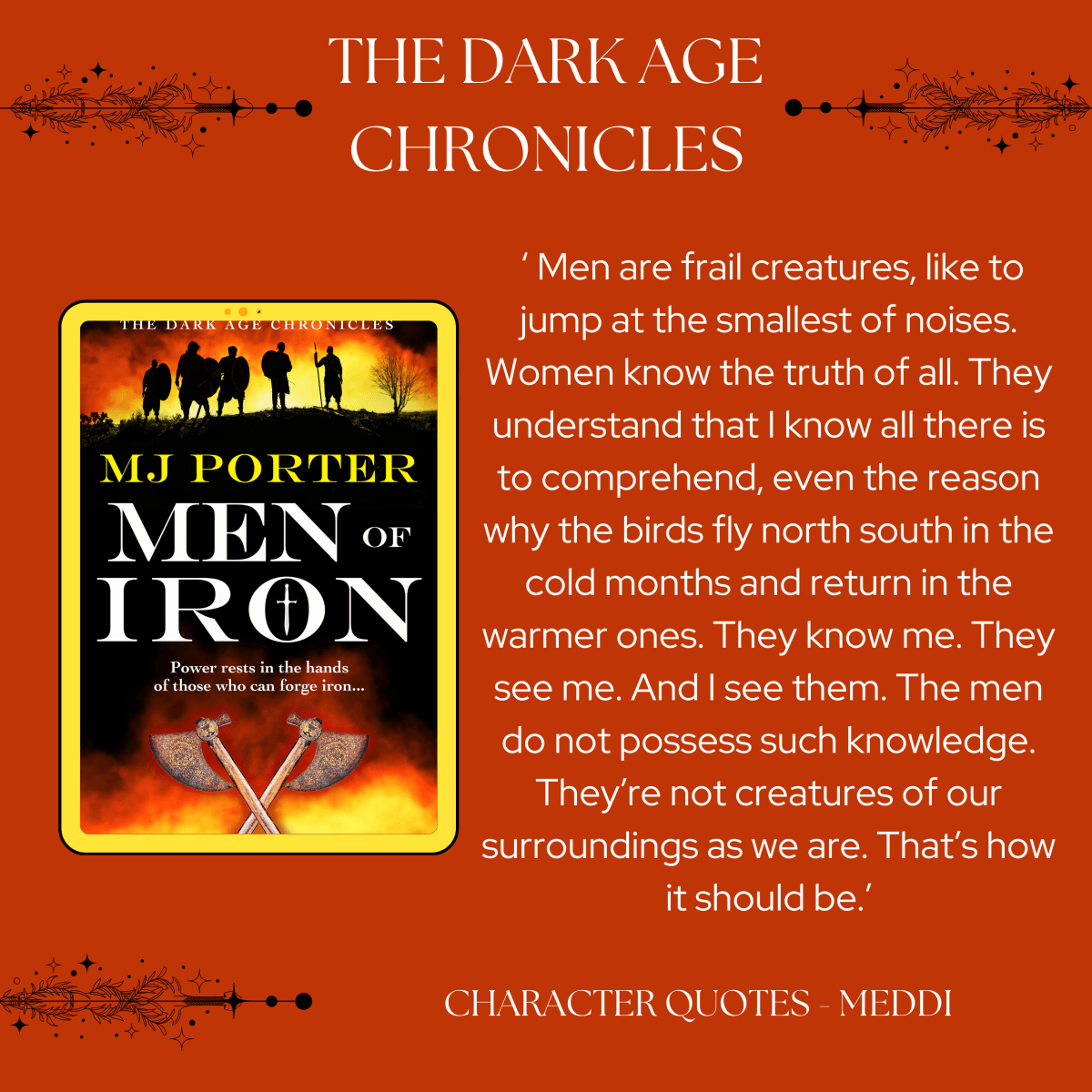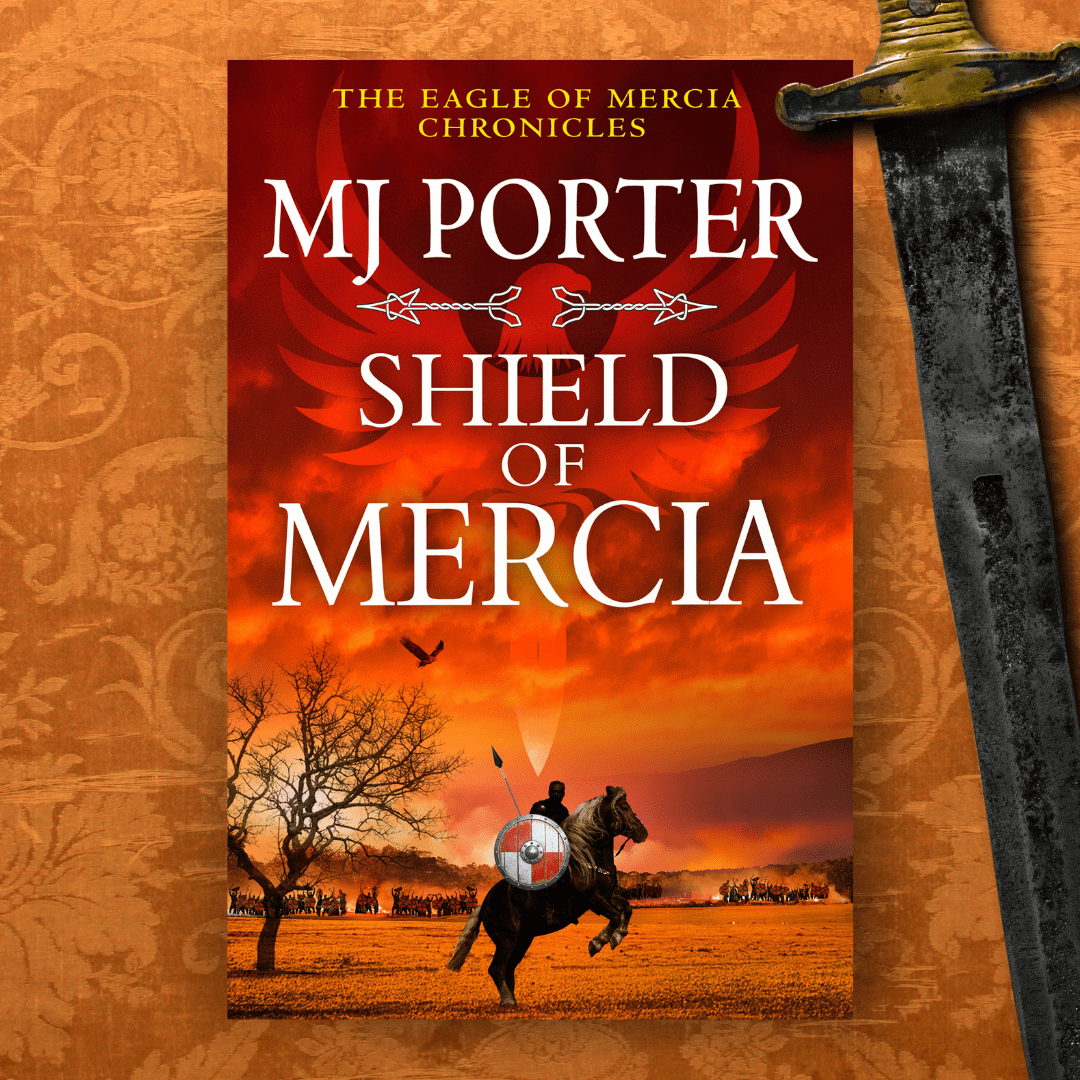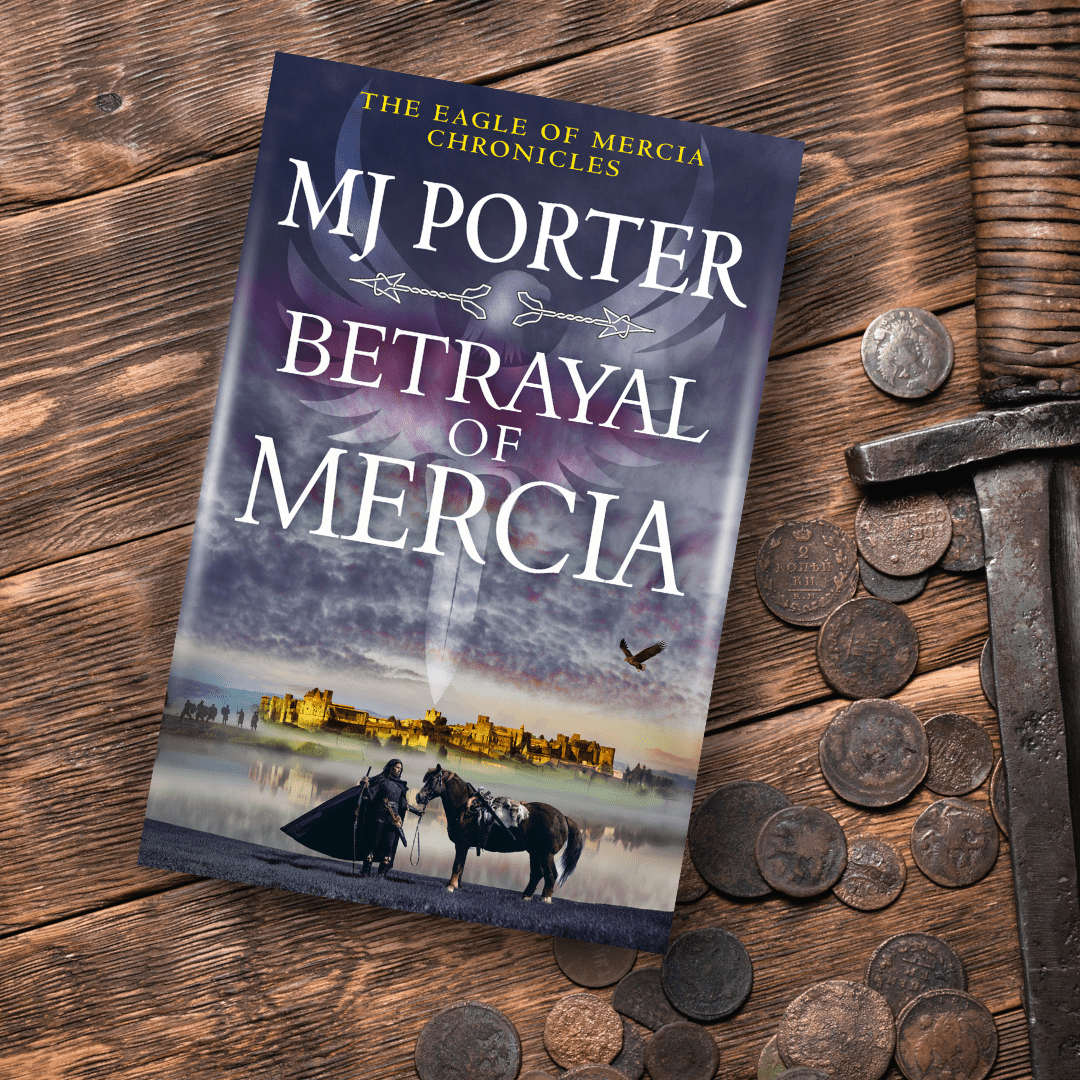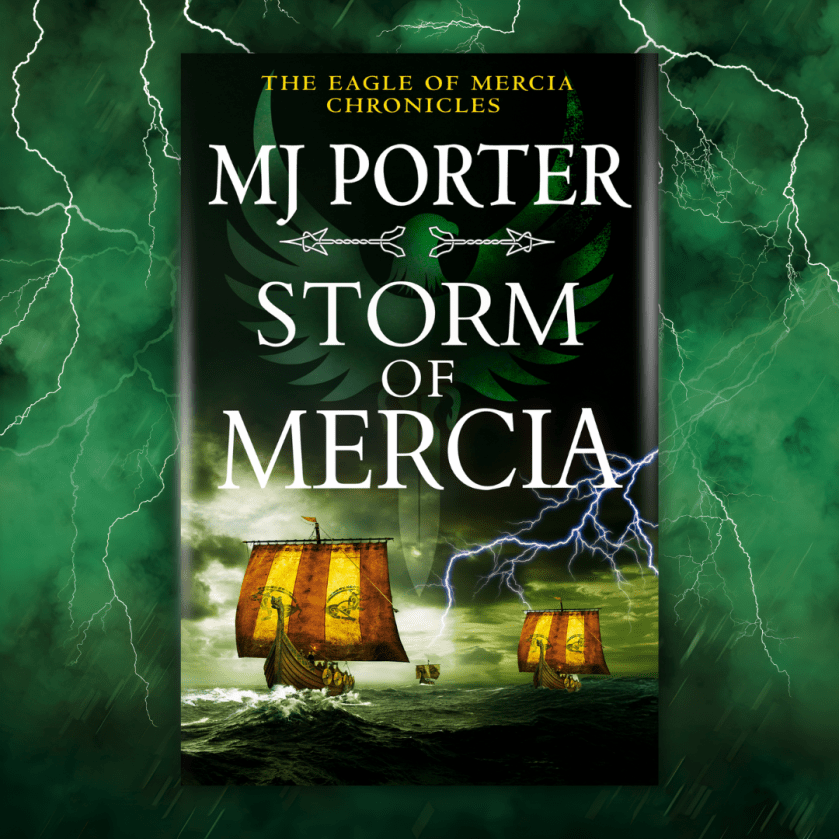
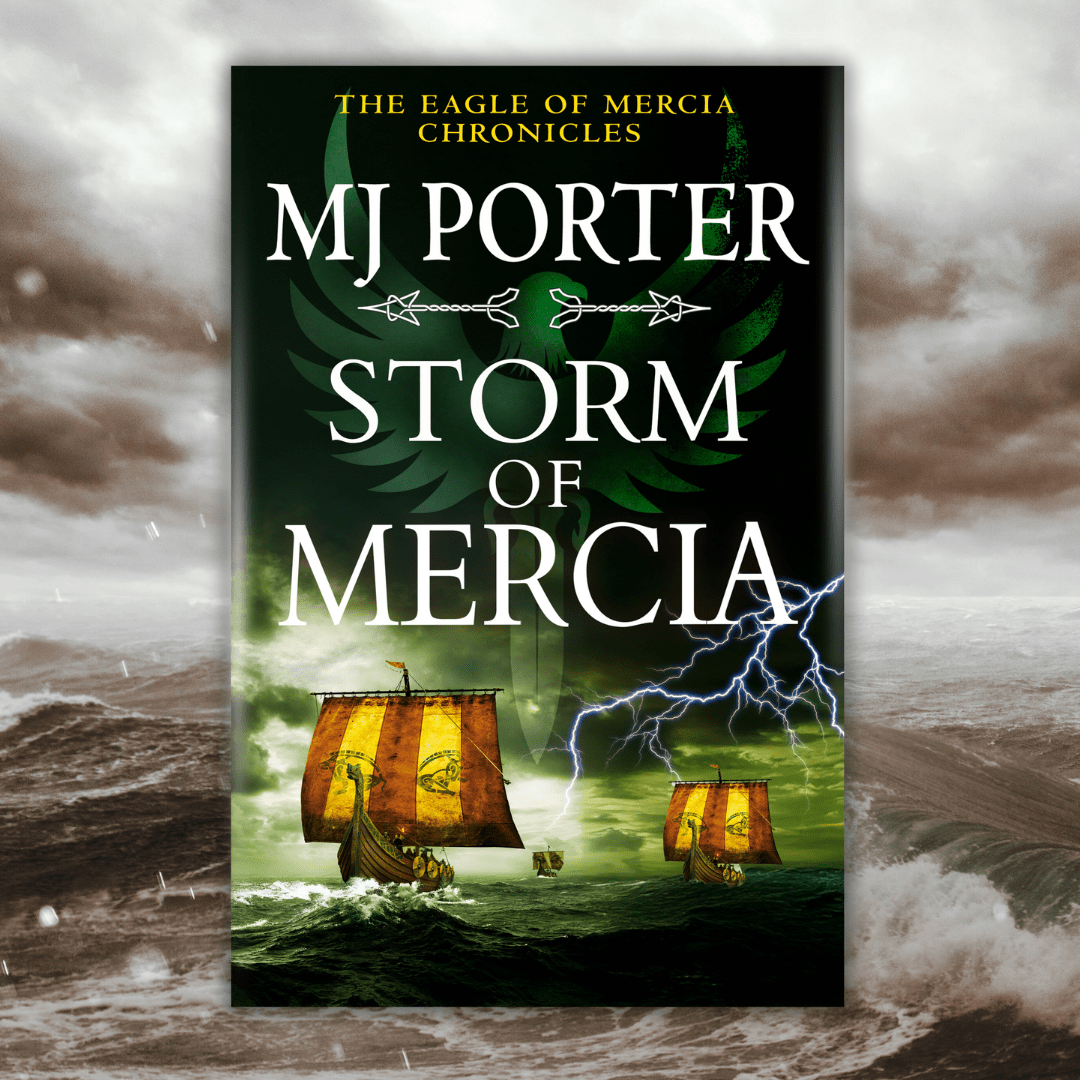
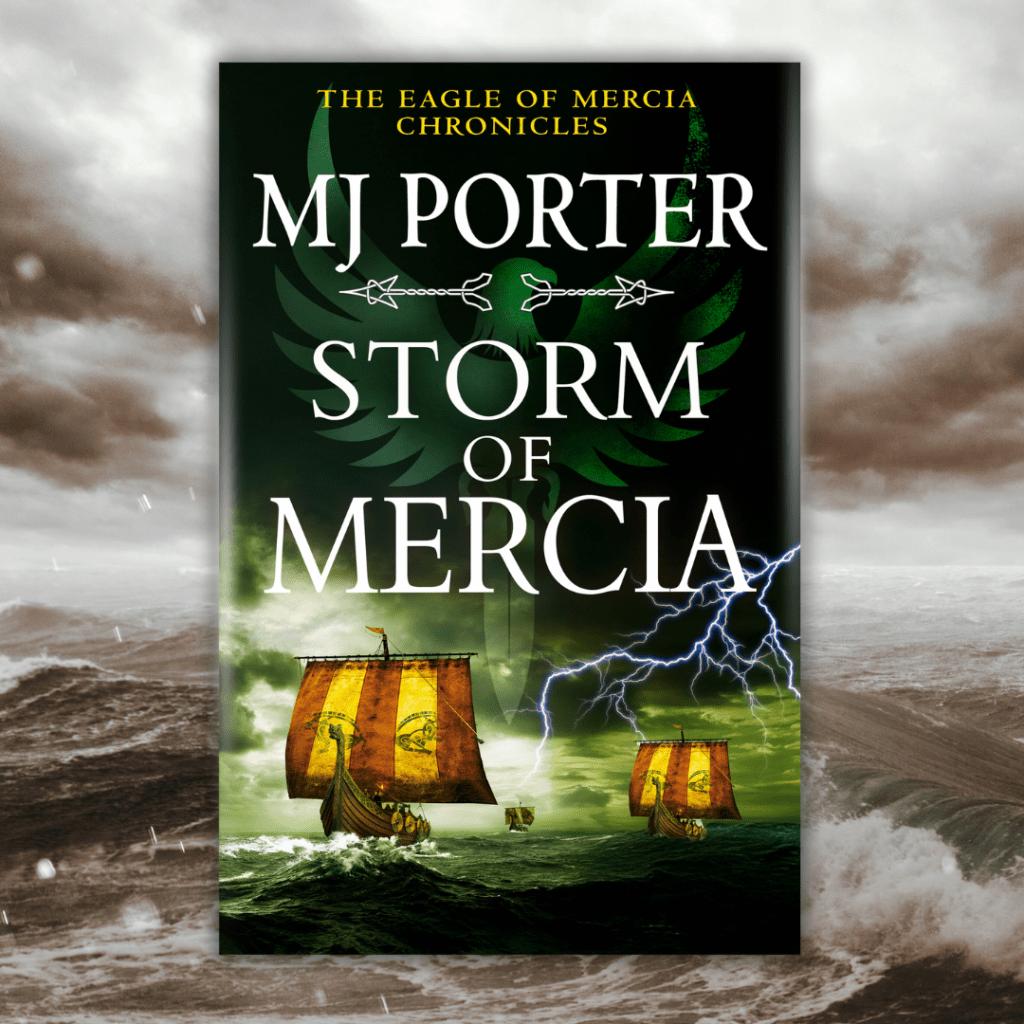
Storm of Mercia is now available. This is also known as ‘the one on the ship.’ #histficbook #newrelease #authorinspiration

Storm of Mercia is now available. This is also known as ‘the one on the ship.’ #histficbook #newrelease #authorinspiration

Storm of Mercia AKA ‘the one on the ship’

Every Saxon-era series needs a book where the primary location is a ship and Storm of Mercia sees Icel and some of his allies on board a Viking ship. And it’s not willingly done.

‘If these bastards think they’ve found strong men to row their ship for them, they might be right. If they think we’re going to be any good at it, they’re very, very wrong.’

As someone who doesn’t necessarily like boats/ships, this was a bit of a stretch for me. Not only did I have to ensure I knew which was my bæcbord (left) and which my steorbord (right) and why that might have been (which I did learn for the book and kept on a sticky note). I did have some fun with my characters trying to learn and explain this to one another.

‘I suspect you don’t know your stem from your stern, or your bæcbord from your steorbord.’

‘Why can’t they just use bloody right and left?’ Oswy complains loudly.

I also needed to draw on some of my less pleasant experiences on a boat. Last year I endured a ‘slightly’ rough crossing from Orkney to Mainland Scotland – which took me the whole road journey home to recover from (about 6 hours). But, perhaps my most hated memory is of a trip to the Norfolk Broads in 2024, not my idea of fun. Those long river craft are a nightmare to ‘park’ as it were, not helped by the fact I don’t know my left or my right when under pressure, let alone my bæcbord and steorbord. I can’t take directions, or indeed, provide them. (The bugs were also a nightmare, and that element of the experience made it into the Dark Age Chronicles). 

One of Icel’s comments about ‘parking’ his boat is taken directly from my ‘holiday.’ 

‘The ship’s once more been run aground. I’m starting to think there’s no skill at all to disembarking. Well, aside from trying not to hit something that pierces the ship’s wooden hull.’

That said, the storm which my characters endure isn’t based on my experiences at all but rather on those of a former fisherman turned artist I met in Orkney and whose paintings now adorn my walls. His depiction of the black/green of a terrible storm saw me through those scenes. While I would have been terrified, I suspect he was a little more used to them when he was younger. Go check out this beautiful picture to see how a former fisherman would visualise a terrible storm blowing in. 

https://www.seascape-art-orkney.co.uk/gallery/eye-of-the-storm/

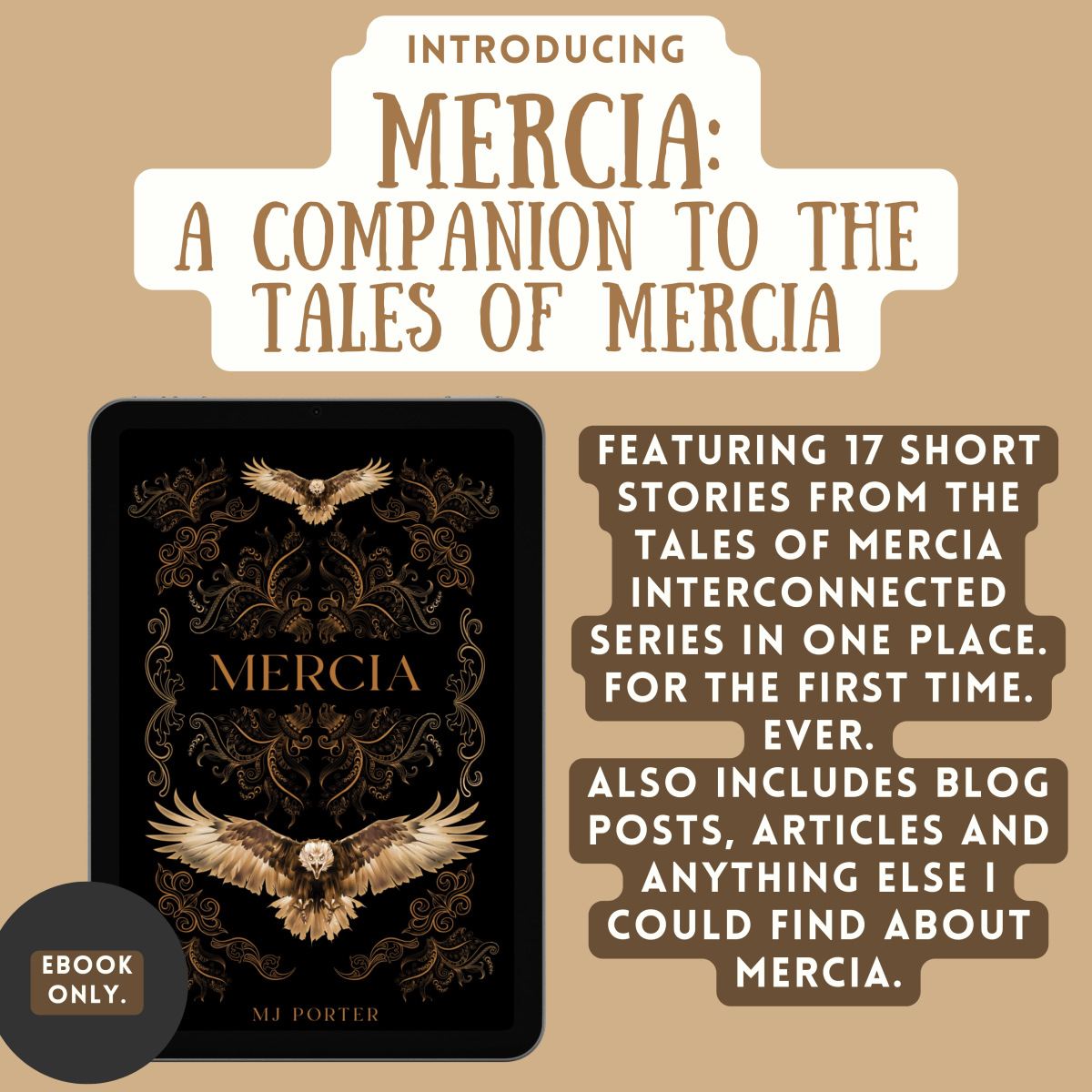
You can find a deleted scene from an early version of drafting for Storm of Mercia in Mercia: A Companion’s Guide to the Tales of Mercia.

Storm of Mercia is available in ebook, paperback, hardback and audio. Grab your copy now.

Listen to me talking about Storm of Mercia

Read a nerdy post about the Anglo-Saxon Chronicle entry for AD836

Learn about the inspiration for Wynflæd

Wessex has never been Mercia’s ally, neither has it been her only enemy.

Wessex, AD836

The Viking raiders’ devastation has been halted once more by the shields of Mercia as opposed to Wessex. But their whereabouts are unknown.

King Wiglaf of Mercia is keen to ensure the Viking raiders are swept from his shared border with Wessex but these Viking ships are quick and difficult to track and Icel is once more deployed with Ealdorman Ælfstan warriors to do his King’s bidding. However, Icel’s quest is beset with many more obstacles and it’s not all about the seax and shield.

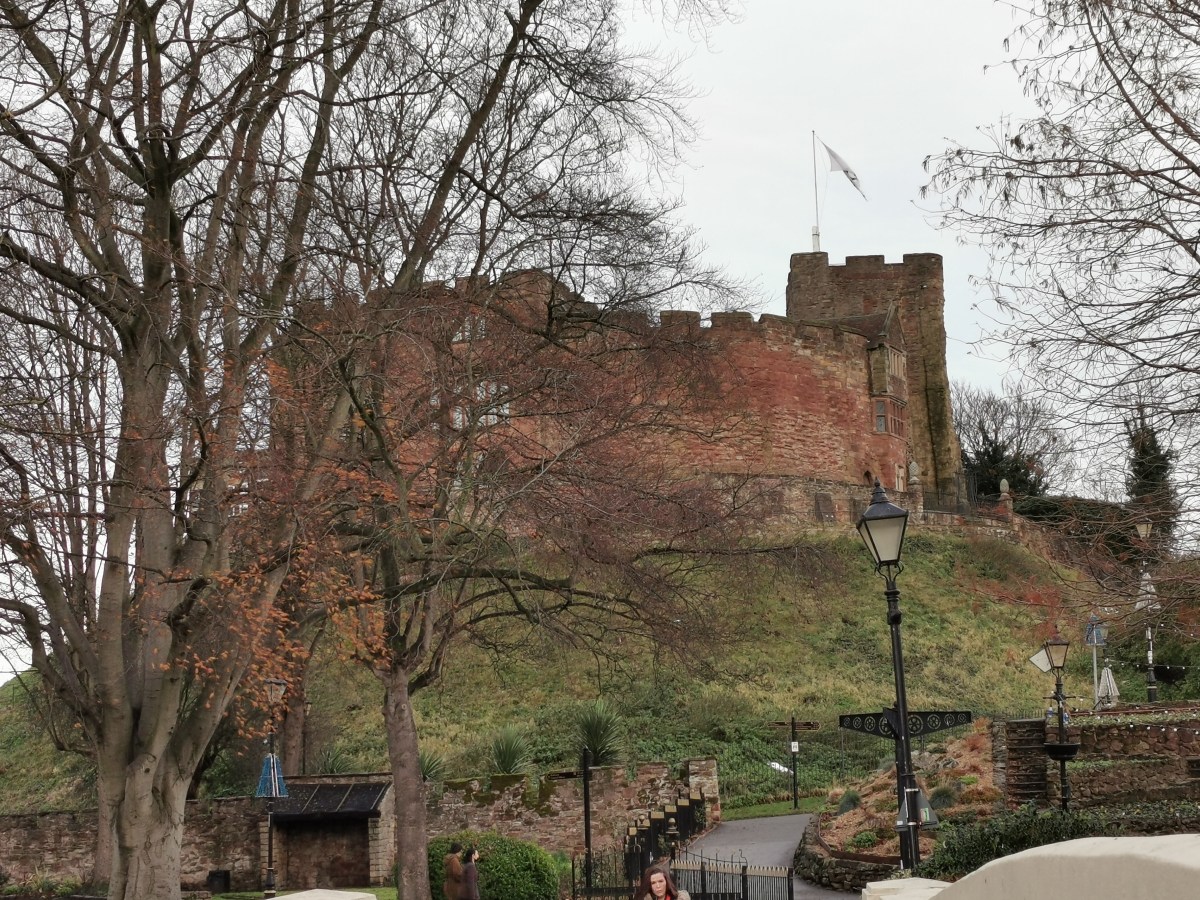
Worrying news from home overshadows Icel’s every deadly encounter. Will the storms of war keep him away or has he time to make one more desperate journey back to Tamworth?

With raging seas driving him ever further from Mercia’s shores, and the threat of a new conspiracy against the Mercian kingship will Icel overpower the sands of time, or will he be defeated by his deadliest nemesis yet?
https://amzn.to/4a3G1ed

Check out the Eagle of Mercia Chronicles series page

If you can’t get enough of young Icel, you need to try The Mercian Ninth Century Series where he appears as an older character

AND coming May 7th 2026, The Sundered Kingdom (for anyone who’s curious, many of the Easter eggs for Storm of Mercia will show up in The Eagle Will Rise which features an even older Icel).

Sign up to my Boldwood Books newsletter to keep up to date with all things Icel… https://bit.ly/MJPorterNews

Or, you can order a signed paperback copy directly from me. Check out my bookstore.

Posts

Storm of Mercia is now available. Let’s talk about Wynflæd #histficbook #newrelease #characterinspiration

Storm of Mercia is now available. Let’s talk about Wynflæd #histficbook #newrelease #characterinspiration

The inspiration behind Wynflæd in the Eagle of Mercia Chronicles

Young Icel is an orphan in the Eagle of Mercia Chronicles, his mother dying when he was born. He knows very little about her, but there are a number of mother-figures in his life. Lady Cynehild is one of them, and she’s the one to spill the beans about the identity of his father, but Wynflæd is perhaps more important, providing him with some stability and the opportunity to pursue his chosen path of becoming a healer, before he must cast it aside and become a warrior.

Wynflæd’s perhaps not the kindest of mother-figures but what she lacks in outright affection, she makes up for in supporting him in his endeavours. That she also knows the truth of his mother’s identity causes a ruction in their relationship, but also accounts for why she’s so involved in his life. The interplay between the two characters has provided moments of light relief throughout the series, but I don’t think it can be denied that the pair are fiercely fond of one another, even if neither of them is very good at showing it. The quote below perhaps best summarises their relationship, as voiced by Icel.

‘She was not my friend through the ties of family, but because she wished to be.’ 

I suspect Wynflæd’s character possesses a great deal of my grandmother’s fortitude. She was a slight woman (who only grew shorter as she aged) but crikey, she was stubborn, and incredibly skilled in needlecraft (I believe her mother was a milliner) as Wynflæd is in healing. She was also argumentative, she and my grandfather often arguing about politics, to which I was told ‘the ruling party always needs a strong opposition.’ And to her dying day, she stuck to a long-running and bickering relationship with one of her sisters-in-law, which even now we marvel at. She also insisted that Mother’s Day be correctly identified as Mothering Sunday, and it was always with relief that we could find a card with Mothering Sunday on it each year.

She also endured great sorrow, her first child dying at birth (and she never knew where the baby was buried as seems to have been the way these things were done in the 1940s (neither were we able to find any details later on)), and then losing another child (my mother) when my mother was in her 50s. Despite this, my grandmother showed her love through her actions and not through any monetary bribes such as pocket money. I believe it’s in this regard that she and Wynflæd are most alike, and so I hope she won’t mind that I was so heavily influenced by her in creating the crotchety character of Wynflæd. 

Wynflæd has her own short story in my new short story collection – Mercia: A Companion’s Guide to the Tales of Mercia. (There is also a deleted scene from an early version of drafting for Storm of Mercia).

Storm of Mercia is available in ebook, paperback, hardback and audio. Grab your copy now.

Listen to me talking about Storm of Mercia

Read a nerdy post about the Anglo-Saxon Chronicle entry for AD836

Wessex has never been Mercia’s ally, neither has it been her only enemy.

Wessex, AD836

The Viking raiders’ devastation has been halted once more by the shields of Mercia as opposed to Wessex. But their whereabouts are unknown.

King Wiglaf of Mercia is keen to ensure the Viking raiders are swept from his shared border with Wessex but these Viking ships are quick and difficult to track and Icel is once more deployed with Ealdorman Ælfstan warriors to do his King’s bidding. However, Icel’s quest is beset with many more obstacles and it’s not all about the seax and shield.

Worrying news from home overshadows Icel’s every deadly encounter. Will the storms of war keep him away or has he time to make one more desperate journey back to Tamworth?

With raging seas driving him ever further from Mercia’s shores, and the threat of a new conspiracy against the Mercian kingship will Icel overpower the sands of time, or will he be defeated by his deadliest nemesis yet?

https://amzn.to/4a3G1ed

Check out the Eagle of Mercia Chronicles series page

If you can’t get enough of young Icel, you need to try The Mercian Ninth Century Series which features an older Icel.

AND coming May 7th 2026, The Sundered Kingdom (for anyone who’s curious, many of the Easter eggs for Storm of Mercia will show up in The Eagle Will Rise which features an even older Icel).

Sign up to my Boldwood Books newsletter to keep up to date with all things Icel… https://bit.ly/MJPorterNews

Or, you can order a signed paperback copy directly from me. Check out my bookstore.
Posts

Storm of Mercia. Return to the world of young Icel in the ninth book in the Eagle of Mercia Series. #histficbook #newrelease #HadPossessionOfThePlaceOfSlaughter

It’s happy release day to Storm of Mercia. Return to the world of young Icel in the ninth book in the Eagle of Mercia Series. #histficbook #newrelease

A nerdy post about the Anglo-Saxon Chronicle.

Who held what now? ‘had possession of the place of slaughter’ in the Anglo-Saxon Chronicle and what it might mean

We return to Icel in Storm of Mercia and the year is still AD836. The Anglo-Saxon Chronicle (ASC) records for this year that ‘Here King Egbert fought against 25 (35 in the A Version of the text) ship-loads at Carhampton, and great slaughter was made there, and the Danish had possession of the place of slaughter.’

This turn of phrase ‘had possession of the place of slaughter’ crops up routinely in the ASC. Indeed, it appears only 4 years later under 840, although in the same record it states that one of the Wessex ealdormen ‘made great slaughter there and took the victory.’ Is this phrase ‘had possession of the place of slaughter’ just a way for the chroniclers to record when the enemy had a victory over the warriors of Wessex? (and yes, I do mean only Wessex).

I’ve had a brief glance through the ASC entries from 800 to 870 and there are 6 occasions that the phrase ‘had possession of the place of slaughter’ is used and only one of these isn’t a reference to the Danish being victorious. This is in 860 when Wessex defeated the Viking raiders attack on Winchester, during the reign of Æthelberht, one of Ecgberht’s grandsons who ruled from 860-865.

It’s quite notable to me that the phrase is almost exclusively used to describe a loss for the Wessex forces (aside from the one example). When the Wessex forces were victorious against the enemy, the ASC always clearly states it was a victory (I’ve checked as well. They used victory or victorious when this happened). I haven’t found an entry that states the outcome of a battle for Wessex was a ‘loss.’ Perhaps that was too much for the chronicler to admit to, and they could only write of victories or allude to losses in a different way.

Storm of Mercia is available from today in ebook, paperback, hardback and audio. Grab your copy now.

Wessex has never been Mercia’s ally, neither has it been her only enemy.

Wessex, AD836

The Viking raiders’ devastation has been halted once more by the shields of Mercia as opposed to Wessex. But their whereabouts are unknown.

King Wiglaf of Mercia is keen to ensure the Viking raiders are swept from his shared border with Wessex but these Viking ships are quick and difficult to track and Icel is once more deployed with Ealdorman Ælfstan warriors to do his King’s bidding. However, Icel’s quest is beset with many more obstacles and it’s not all about the seax and shield.

Worrying news from home overshadows Icel’s every deadly encounter. Will the storms of war keep him away or has he time to make one more desperate journey back to Tamworth?

With raging seas driving him ever further from Mercia’s shores, and the threat of a new conspiracy against the Mercian kingship will Icel overpower the sands of time, or will he be defeated by his deadliest nemesis yet?

https://amzn.to/4a3G1ed

Check out the Eagle of Mercia Chronicles series page

If you can’t get enough of young Icel, you need to try The Mercian Ninth Century Series

AND coming soon, The Sundered Kingdom (for anyone who’s curious, many of the Easter eggs for Storm of Mercia will show up in The Eagle Will Rise).

Sign up to my Boldwood Books newsletter to keep up to date with all things Icel… https://bit.ly/MJPorterNews

Or, you can order a signed paperback copy directly from me. Check out my bookstore.

Posts

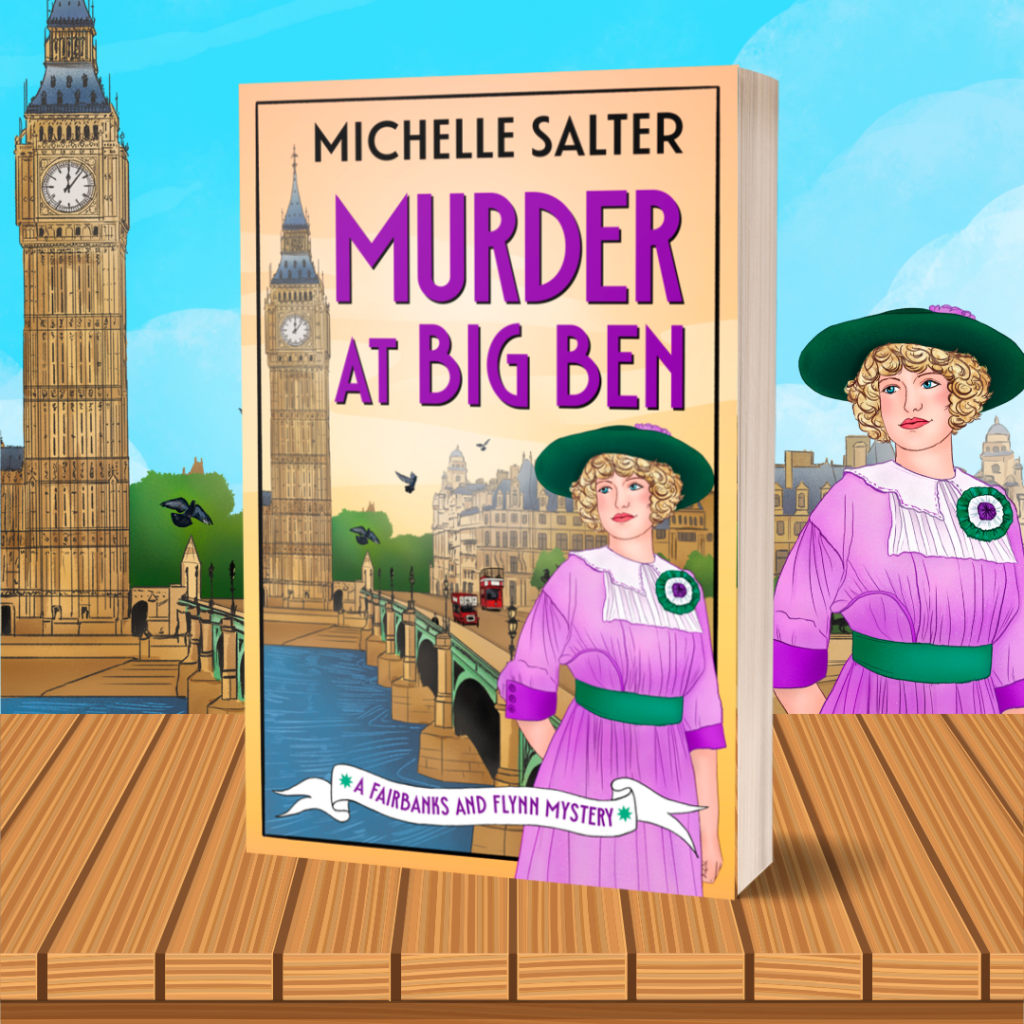
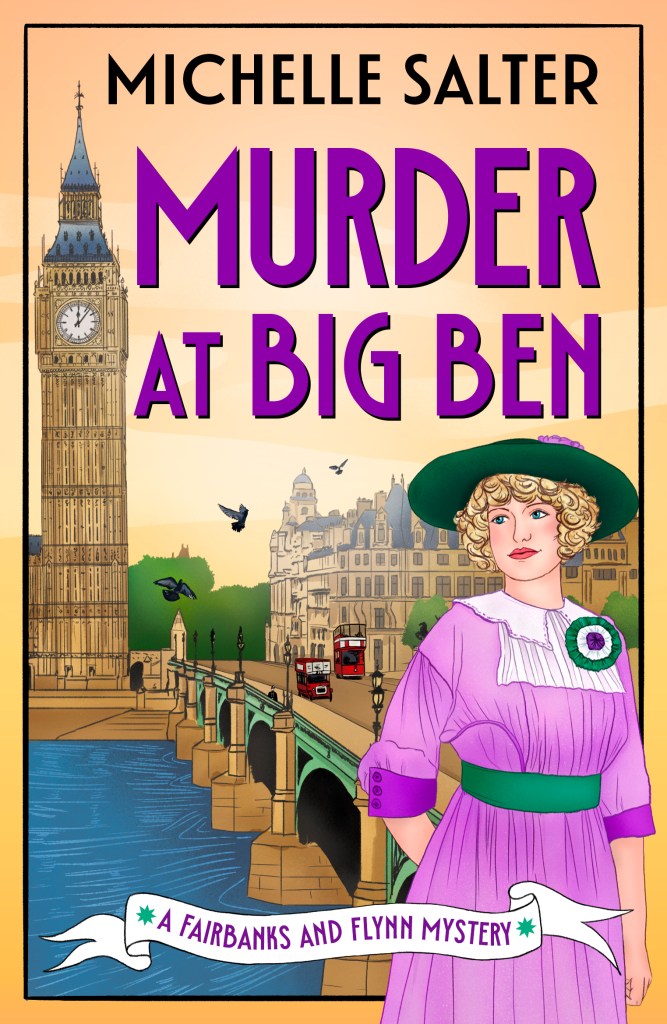
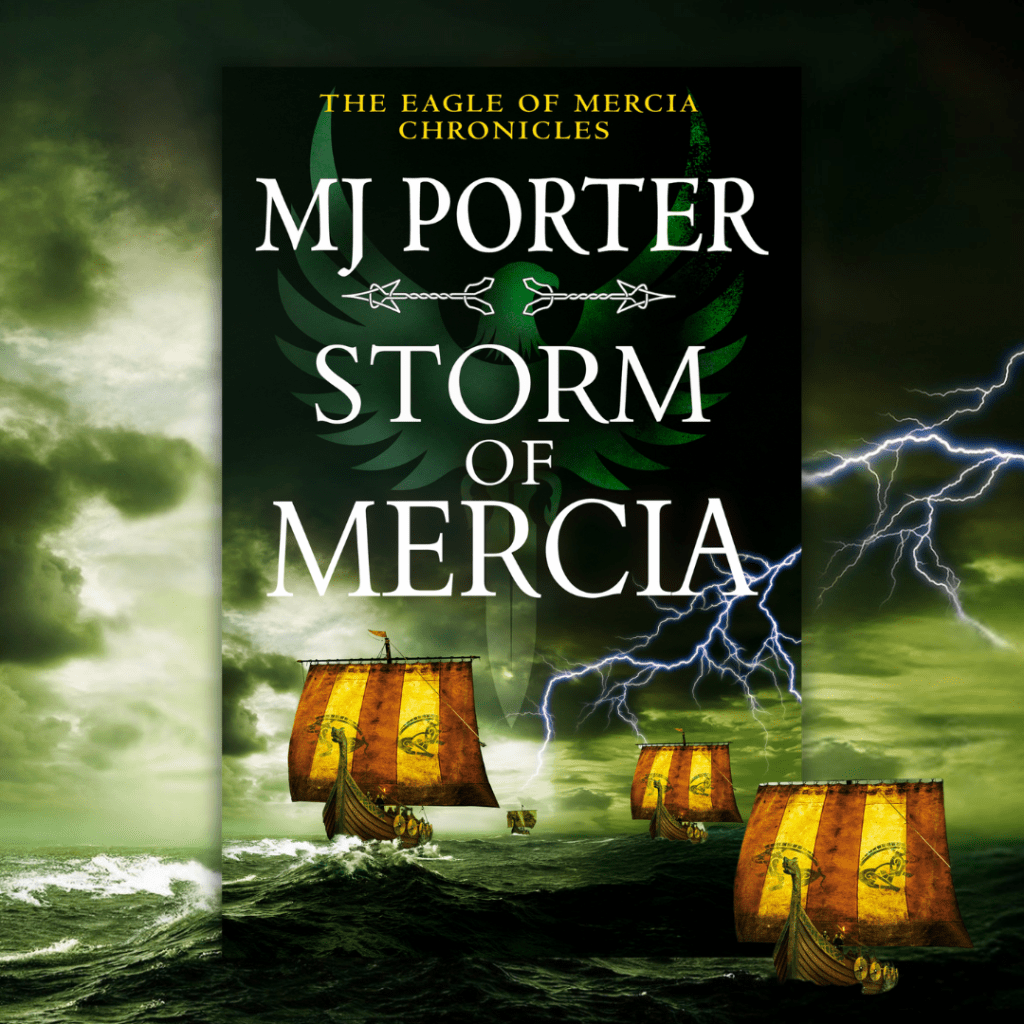
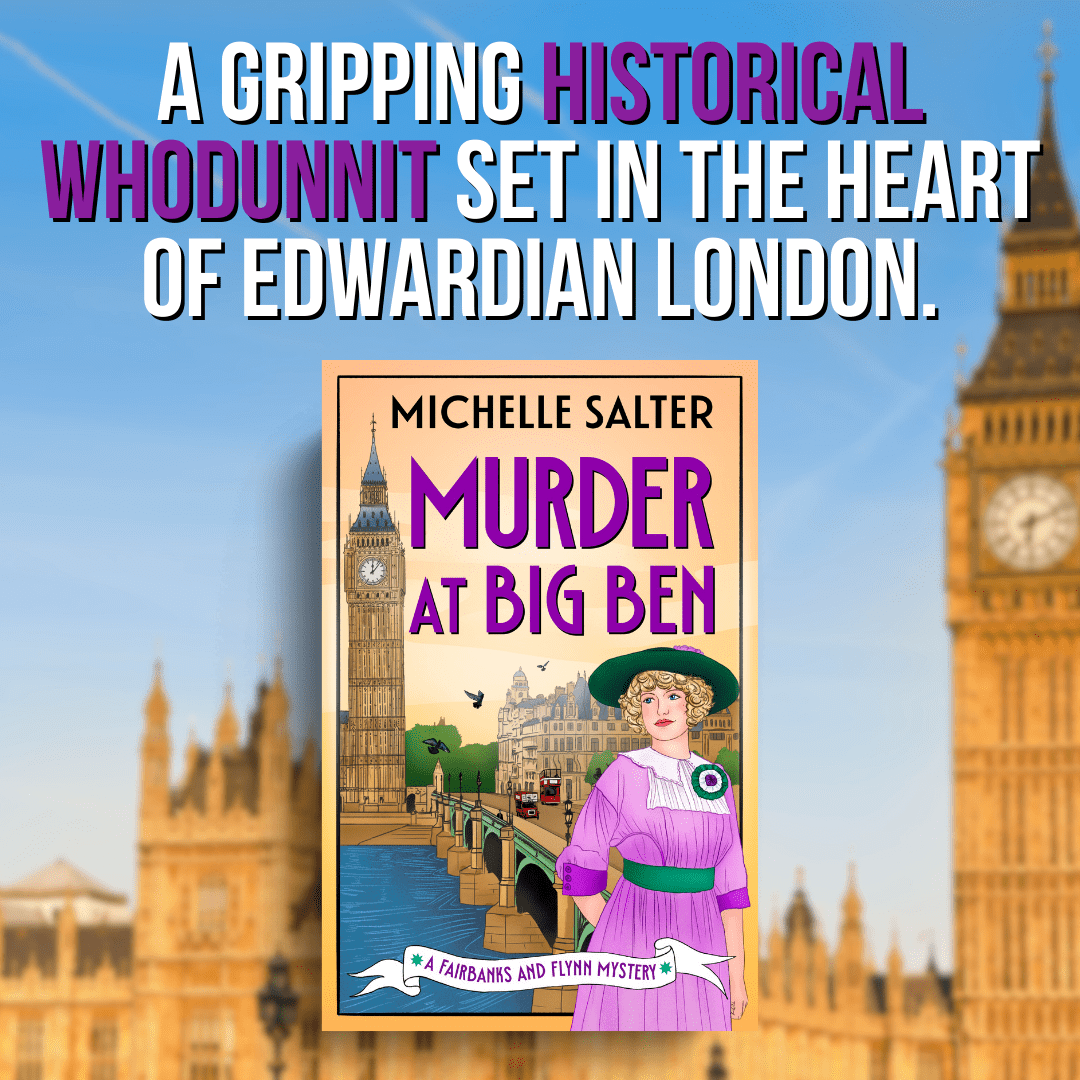
I’m delighted to share my review for Murder at Big Ben by Michelle Salter, the second book in a new historical mystery series #historicalmystery #cosycrime #highlyrecommended

I’m delighted to share my review for Murder at Big Ben by Michelle Salter, the second book in a new historical mystery series #historicalmystery #cosycrime #highlyrecommended #historicalmystery #cosycrime #highlyrecommended
#BoldwoodBloggers @BoldwoodBooks

I’m delighted to share my review for Murder at Big Ben by Michelle Salter, the second book in a new historical mystery series #historicalmystery #cosycrime #highlyrecommended

Here’s the blurb

🇬🇧 You won’t be able to put down this latest instalment in the Fairbanks and Flynn Mysteries, perfect for fans of Agatha Christie, Benedict Brown and T. E. Kinsey 🔎 🔪 

Three women hide in Big Ben, only two come out alive…

2 April 1911 is census night, when suffragettes hide overnight in parliament to force census takers to record it as their address – the only way women can have a place in government.

Coral Fairbanks, suffragette, actress, and artist’s muse, is among the women who break into parliament. What she doesn’t know is that Guy Flynn, artist and Scotland Yard detective, has been ordered to guard it that night.

When a suffragette hiding in Big Ben is poisoned, suspicion falls on the residents of two grand houses in Mayfair. The Kesbys are avant-garde artists, the Ashcourts are aristocrats fallen on hard times.

Once again, Fairbanks and Flynn put aside their differences to investigate an astonishing case of deception and murder.

A new historical mystery set in Edwardian London featuring the iconic detective duo Fairbanks and Flynn.

While this novel has the same detective duo as the other books in the Fairbanks and Flynn Mystery series, it can be read as a STANDALONE

 Purchase Link

https://amzn.to/4dGK2as

My Review

Murder at Big Ben is the second book in the Fairbanks and Flynn Mystery series, and it’s another fabulous mystery.

I adore how these books are so deeply rooted in the events of the day, making use of historical events to provide a vivid and very satisfying mystery for the reader to devour (or attempt to solve). The red herrings are placed extremely well. The eventual resolution of the mystery unfolds very smoothly, and when you do know the resolution, you can appreciate how well the author dropped snippets here and there, while ensuring there was never enough to give the mystery away.

Coral and Guy are such great characters. The mystery is top-notch and there are any number of suspects who could be the culprit..

Another fabulous installment in the series which I devoured in just a few sittings.

Check out my reviews for Murder in Trafalgar Square, the first book in the Fairbanks and Flynn Mystery series, and also my reviews for the Iris Woodmore series of historical mysteries Death at Crookham Hall, Murder at Waldenmere Lake, The Body at Carnival Bridge, A Killing At Smugglers Cove, A Corpse in Christmas Close, and Murder at Mill Ponds House.
Meet the author

Michelle Salter is a bestselling author of Edwardian and 1920s murder mysteries featuring female amateur sleuths, suffragettes and Scotland Yard detectives. She combines colourful characters, fascinating British history, and will-they-won’t-they romance in classic golden-age whodunnits.
Each book can be read as a STANDALONE even if it’s part of a series.

Michelle’s cozy crime novels have gained a dedicated following of readers who love her compelling characters and page-turning plot twists.

When she’s not writing books, Michelle enjoys exploring the backstreets of London and sharing fascinating facts from the Edwardian era and Roaring Twenties on her blog and social media.

She lives in Hampshire, England, and loves walking in the countryside and reading crime novels.

Connect with Michelle 

Bookbub profile

Newsletter Sign Up

Posts

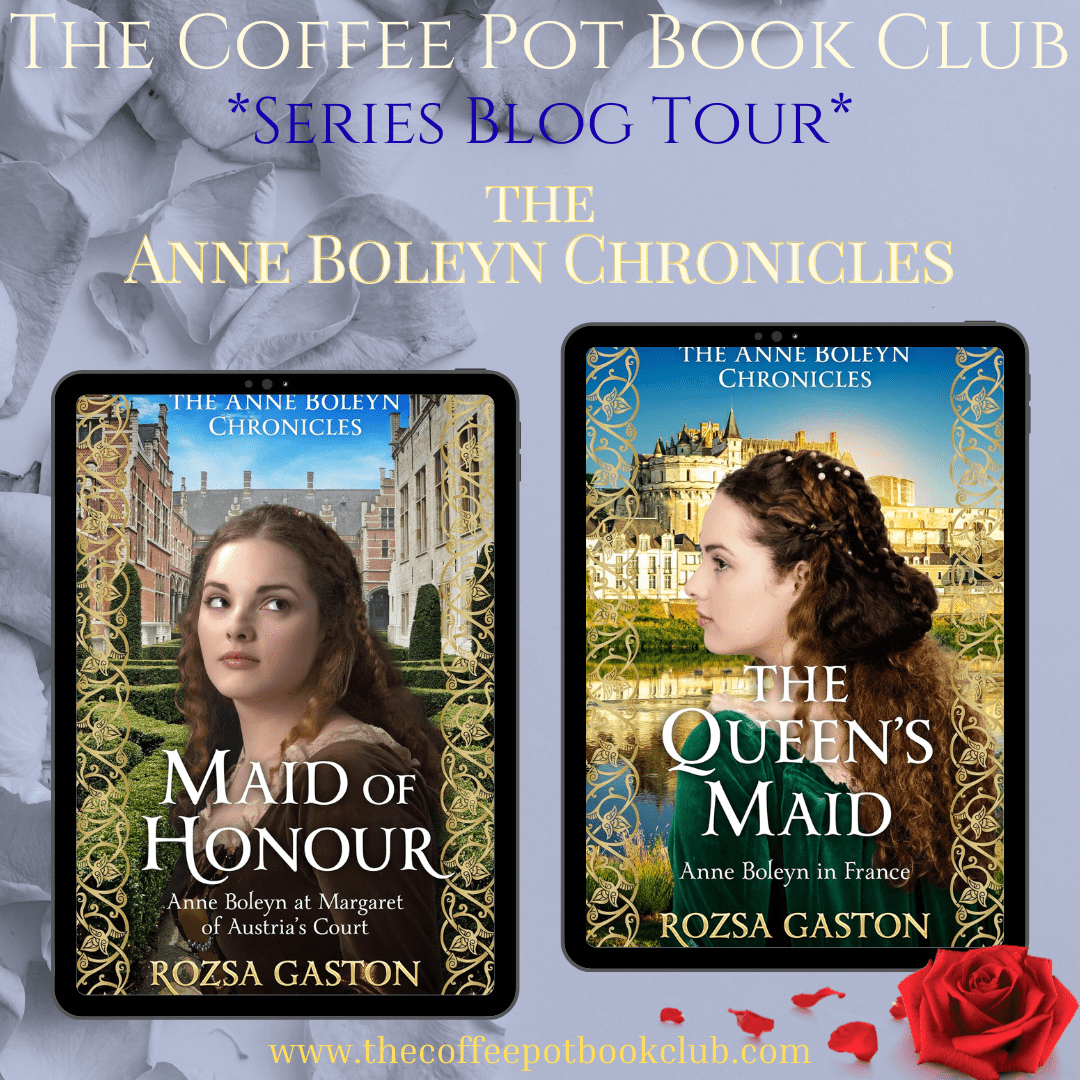
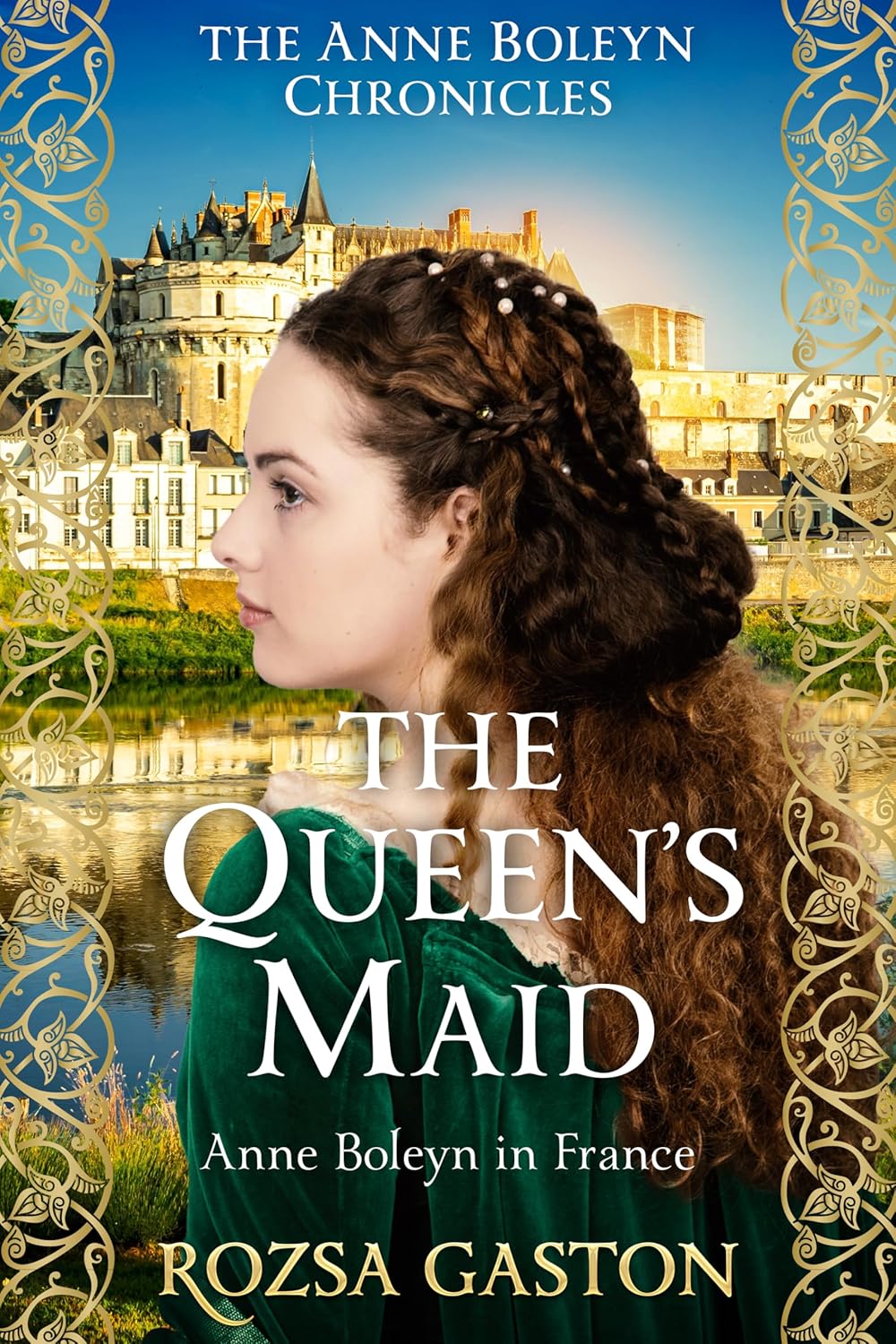
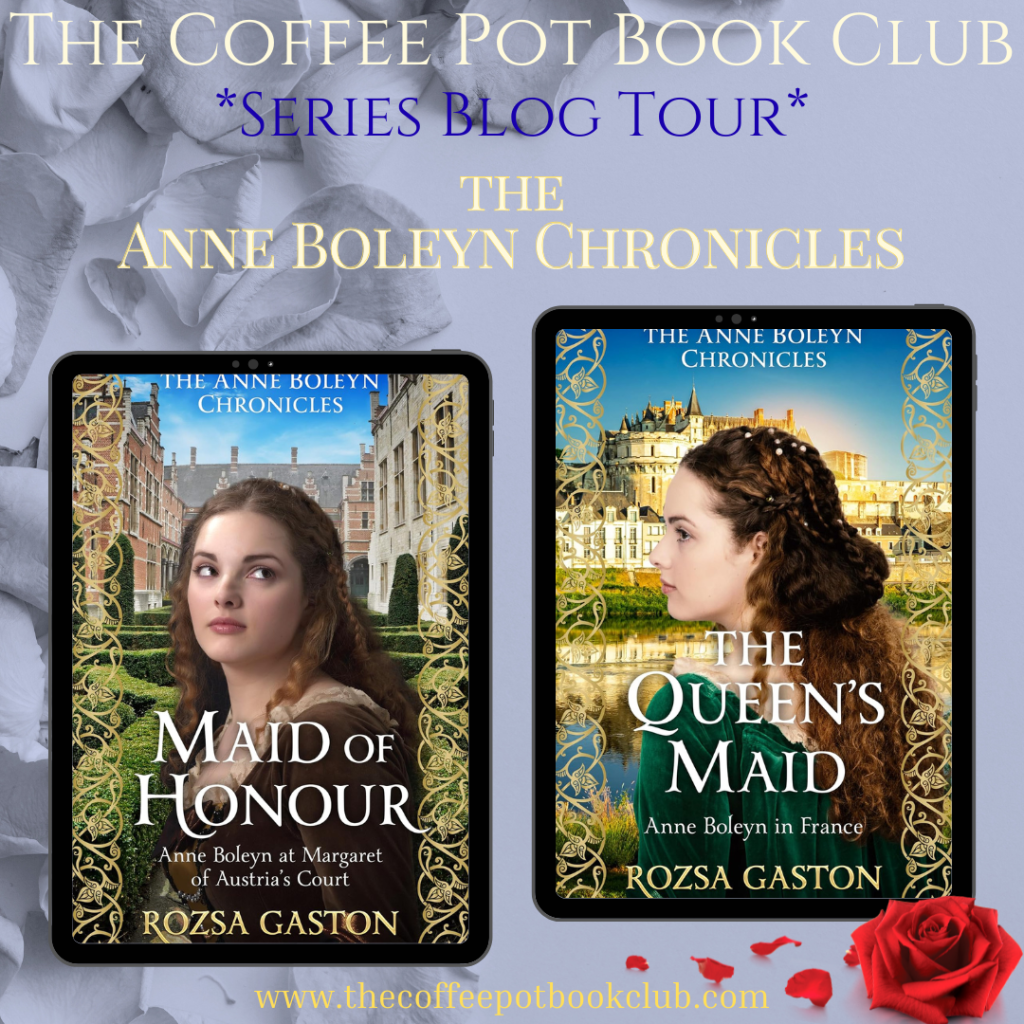
I’m welcoming The Queen’s Maid: Anne Boleyn in France by Rozsa Gaston to the blog #AnneBoleyn #AnneBoleynChronicles #HistoricalFiction #HistoricalSaga #TudorFiction #FrenchHistory #WomenInHistory #WomensHistoryMonth #BlogTour #TheCoffeePotBookClub

Anne Boleyn in France by Rozsa Gaston to the blog #AnneBoleyn #AnneBoleynChronicles #HistoricalFiction #HistoricalSaga #TudorFiction #FrenchHistory #WomenInHistory #WomensHistoryMonth #BlogTour #TheCoffeePotBookClub

I’m welcoming The Queen’s Maid: Anne Boleyn in France by Rozsa Gaston to the blog

Here’s the blurb

The Tudor series continues! For fans of Philippa Gregory, Elizabeth Chadwick, Carol McGrath and Anne O’Brien.

A new adventure begins for Anne…

France, 1514

After an enlightening period of training as a lady’s maid at Margaret of Austria’s court, Anne Boleyn has been sent to France.

She arrives at the Palace of Tournelles, home of ageing King Louis and his new English wife, Mary Tudor, sister of King Henry VIII. As Anne speaks French, her main role is to serve as translator for Queen Mary.

Anne’s sister Mary is also at the French court, and Anne soon learns that not everyone is pleased about the union between the French king and his young queen.

The king’s cousin-in-law, Louise of Savoy, is desperate for Queen Mary not to fall pregnant, so that her son Francis will ascend the throne.

And with Louise and the English queen pulling Anne in two different directions, it will not be possible to appease everyone.

Can Anne successfully navigate the familial politics at the French royal court? Will she make her mark as one of the queen’s maids?

Or could her divided loyalties prove to be her undoing…?

THE QUEEN’S MAID is a thoroughly researched, fascinating historical novel set during the 16th century in Europe. It is the second book in the Anne Boleyn Chronicles series.

‘Wonderfully detailed and entirely enjoyable. This is a young Anne in whom I absolutely believe, and who does much to explain the woman she’d become.’ – Sarah Gristwood, author of Game of Queens

THE ANNE BOLEYN CHRONICLES SERIES:
Book One: Maid of Honour
Book Two: The Queen’s Maid
Book Three: Queen of Diamonds

Buy Links

Universal Buy Links

Book 1: https://getbook.at/MaidOfHonour

Book 2: https://getbook.at/TheQueensMaid

Book 3: https://getbook.at/QueenOfDiamondsAB

Series Buy Links

Amazon US: https://www.amazon.com/dp/B0FNQHK66N

Amazon UK: https://www.amazon.co.uk/dp/B0FNQHK66N

This series is available to read on #KindleUnlimited.

Meet the author

Rozsa Gaston is a historical fiction author who writes books on women who reach for what they want out of life. 

She is the author of Maid of Honour: Anne Boleyn at Margaret of Austria’s Court, 𝗚𝗿𝗮𝗻𝗱 𝗣𝗿𝗶𝘇𝗲 𝗪𝗶𝗻𝗻𝗲𝗿 of the 𝟮𝟬𝟮𝟰𝗖𝗛𝗔𝗨𝗖𝗘𝗥 𝗕𝗼𝗼𝗸 𝗔𝘄𝗮𝗿𝗱 for Early Historical Fiction, The Queen’s Maid: Anne Boleyn in France, Queen of Diamonds: The French Royal Court, Margaret of Austria, 𝗙𝗶𝗿𝘀𝘁 𝗣𝗹𝗮𝗰𝗲 𝗪𝗶𝗻𝗻𝗲𝗿 of the 𝟮𝟬𝟮𝟯 𝗖𝗛𝗔𝗨𝗖𝗘𝗥 𝗕𝗼𝗼𝗸 𝗔𝘄𝗮𝗿𝗱 for Early Historical Fiction, the four-book Anne of Brittany Series: Anne and Charles; Anne and Louis, 𝗚𝗲𝗻𝗲𝗿𝗮𝗹 𝗙𝗶𝗰𝘁𝗶𝗼𝗻 𝗪𝗶𝗻𝗻𝗲𝗿of the 𝟮𝟬𝟭𝟴 𝗣𝗨𝗕𝗟𝗜𝗦𝗛𝗘𝗥𝗦 𝗪𝗘𝗘𝗞𝗟𝗬 𝗕𝗼𝗼𝗸𝗟𝗶𝗳𝗲 𝗣𝗿𝗶𝘇𝗲; Anne and Louis: Rulers and Lovers; and Anne and Louis Forever Bound, 𝗙𝗶𝗿𝘀𝘁 𝗣𝗹𝗮𝗰𝗲 𝗪𝗶𝗻𝗻𝗲𝗿 of the 𝟮𝟬𝟮𝟮 𝗖𝗛𝗔𝗨𝗖𝗘𝗥 𝗕𝗼𝗼𝗸 𝗔𝘄𝗮𝗿𝗱 for Early Historical Fiction.

Other works include Sense of Touch, Marguerite and Gaston, The Least Foolish Woman in France, Paris Adieu, and Budapest Romance.

Gaston studied European history at Yale and received her master’s degree in international affairs from Columbia. She worked at Institutional Investor, WR Capital, and as a columnist for The Westchester Guardian before becoming a novelist. 

She is currently working on Book Four of The Anne Boleyn Chronicles, covering Anne Boleyn’s time at the 1520 Field of Cloth of Gold. She lives in Bronxville, New York with her family.

Her motto? History matters.

Author Rozsa Gaston.

www.rozsagaston.com

https://www.bookbub.com/profile/rozsa-gaston

Follow The Anne Boleyn Chronicles by Rozsa Gaston blog tour with The Coffee Pot Book Club