
Today I’m really delighted to feature a guest post from Alistair Tosh about his new Roman era novel, Siege.

Maintaining order in Roman Britannia’s vast militarised zone

The original vision for my ‘Edge of Empire’ series of novels was to write stories that focussed on the lives and adventures of two protagonists from a single Roman auxiliary infantry unit. It was to be set in the north of the province of Britannia and in the wilder, unconquered lands beyond its boundaries. But as I buried myself in the research phase I was continually surprised by what I discovered. Ultimately I gained a greater understanding of the Roman way of doing things and quite fundamentally changed the approach to my stories.

For much of its first 300 years of use Hadrian’s Wall marked the north-west frontier of the Roman Empire. In movies such as The Eagle or Centurion we see Roman foot soldiers astride its battlements looking north, spear and shield in hand. But the Wall was not the-be-all-and-end-all of the north’s defence. What is less understood, at least to me, is that the Wall was really a focal point for a much larger militarised zone that stretched from Lancaster in the south to forts like Blatobulgium and Trimontium well into what is now modern day southern Scotland (I’m ignoring the period of the Antonine wall for simplicity).

It seems evident that the lands both north and south of Hadrian’s Wall were at times restive, if not in down right conflict, with the Roman administration. Whilst auxiliary infantry troops had an important role in keeping the peace, their deployment became increasingly localised in nature, especially in the later centuries of the empire. It was the mounted troops that had the pivotal role in commanding the north.

When researching for my historical adventure novel ‘Siege’, that focuses on the lives of the men of a Germanic cohort, a real life regiment with a mixture of infantry and cavalry. I was surprised by the amount of detail we now have on the everyday life of a Roman cavalryman. In the story I have worked hard to be faithful to that knowledge and attempted to bring it to life for the present day reader.

Most forts in the militarised zone included a cavalry force within their garrisons.

It has been calculated that sustaining a cavalryman with his kit and horse cost 5 times that of an infantryman. Why would the Romans invest so much if they were not an important and  valuable asset? The answer surely must, at least in part, lie in both its symbolic and strategic roles.

Cavalry could move at a rapid pace and cover great distances quickly. They were highly mobile, making them effective on patrols and as scouts both north and south of the Wall. They made speedy messengers, giving warning of sudden threats and incursions. They also ensured food security, protecting local farmland and guarding supply trains to the Wall’s outlying forts. But, probably as importantly, they projected the image of power and renown of Rome and its imperial might. If you have ever seen the Household Cavalry in London or mounted police outside of a football (soccer) stadium you will get an idea of what a Roman turma must have looked like to an Iron Age population.

Outlying forts, north of the Wall, such as at Birrens and Netherby housed specialist, double strength, mixed infantry and cavalry cohorts (milliaria equitata) as well as specialist scouts (exploratores) enabling them to command a significant geographic area and suppress any uprising of local tribes. The effect on the populace must have been as much psychological as physical.

But who were these cavalrymen? Well they certainly weren’t drawn from the Roman aristocracy as they often were in the time of the Republic. No, the names of their units give a clear indication that the Romans recruited from all over the empire from the homelands of its conquered peoples. Germanic and celtic Gaulish units were prevalent, such as the I Nervana Germanorum and the cohors II Tungrorum that garrisoned the fort of Birrens at different times. But regiments from as far away as Spain and modern day Bulgaria and Croatia have also been identified. But as the needs of the empire changed over time individual units would mainly have recruited from the local populations. With sons moving into the family business by joining the cohorts of their fathers and grandfathers.

So what was life like for the cavalryman? Well each troop, known as a turma (typically 30 men), were housed in a single barrack block. Trios of men lived at the back of the building with their horses stabled at the front. There were surely few nights that troopers fell asleep without the sound of the snorts of their mounts accompanied by the smell of hay and dung. Each room had a hearth set against the stable-side wall for warmth and cooking. The decurion, who commanded the turma, lived in rooms at the end of the block along with his family.Troopers ate, slept and kept their weapons and tack in these small rooms. It is also thought that grooms and slaves may have slept in the roof space above.

Training for cavalrymen and their mounts was extensive and intense. If you have seen horses being drilled for modern day dressage you will get the idea, with each trained initially on a long rein to teach the horse basic skills as well as special steps. It is likely that horses were broken and prepared by specialists before being assigned to its rider. They learned to overcome their instinct to flee when startled and to cope in the noise and fervour of combat. The early instruction of the cavalryman would have focussed on the basic skills of controlling and riding the horse whilst holding a sword or spear in the right hand and the shield and rein in the left. From there they would have progressed to training to fight as a turma, with unit drills enabling large numbers of men to manoeuvre in battle. 

The average cavalryman was well armed and armoured. He typically wore chainmail armour that allows greater movement whilst on horseback. Their weapons consisted of the long cavalry sword often referred to as the spatha. They also had a fighting lance and two shorter throwing javelins. Their shields were a variety of shapes including square and oval, but were usually flat with a steel rim and a rounded metal boss to enable it to be used as a weapon.

It is not hard to imagine the damage the charge of even a small unit of auxiliary cavalry could inflict on the largely unprotected bodies of the tribal warriors of the north of Britain. 

Buy Links:

 www.amazon.com/dp/B09SLWHP8T

 www.amazon.co.UK/dp/B09SLWHP8T

Meet Alistair

Alistair lived in the Dumfriesshire countryside for most of his childhood. A region of Scotland filled with ancient place names such as Torthorwald and Caerlaverock. But it was his history teacher’s telling of the tale of Burnswark and the Roman siege of the Iron Age hillfort that fired his love of Roman and Dark Ages history. From there the kernel of the stories for the Edge of Empire series took root.

On leaving school he began a 35-year communications career, firstly with the Royal Navy, that included covert riverine and seaborne operations during the height of ‘The Troubles’ in Northern Ireland, before moving into the corporate world. Military life is unique, and Alistair aims to reflect an authentic view of that experience and its language in his stories.  When not writing or spending time with family, Alistair, his wife Jenny and Hurley the cockerpoo love to walk in the hills of both the UK and Andalucia.


Thank you for such a fabulous guest post. Good luck with the new book.
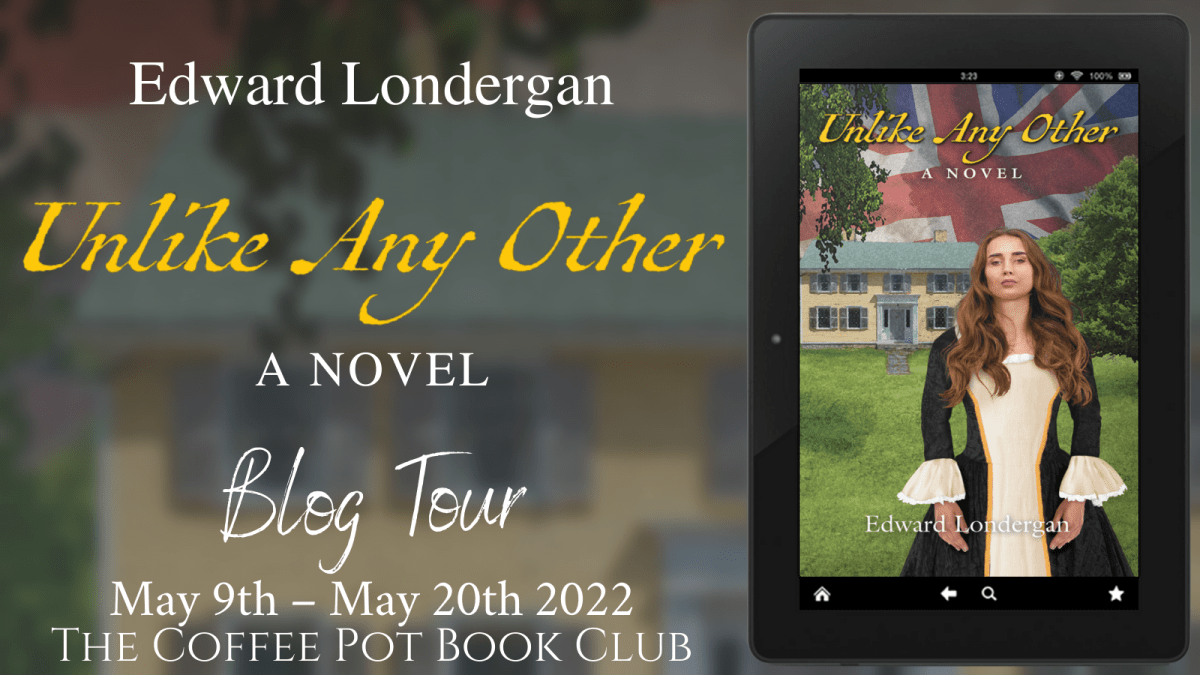
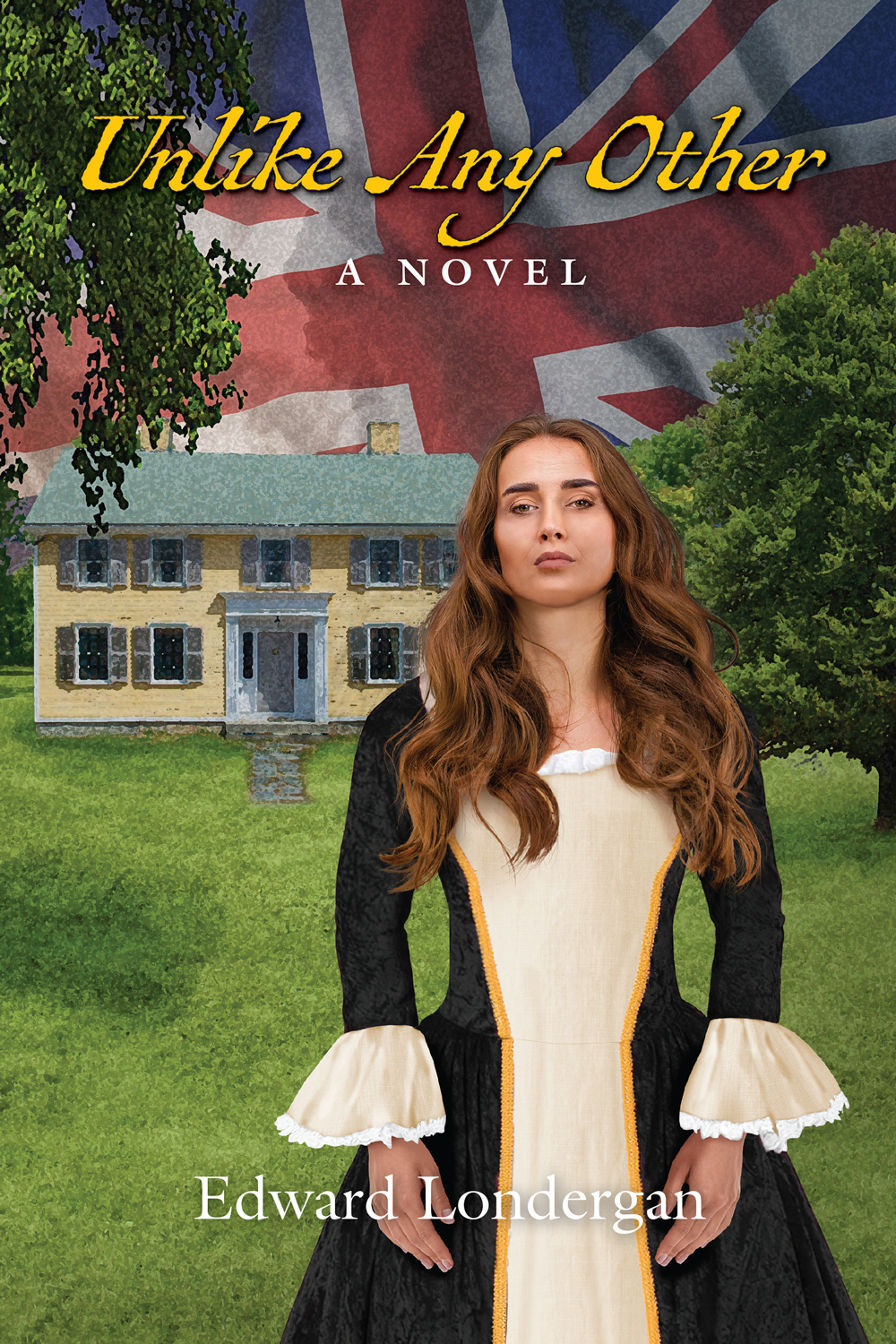
Today, I’m delighted to share a guest post from Edward Londergan about his new book, Unlike Any Other #blogtour #TheCoffeePotBookClub

Today, I’m welcoming Edward Londergan and his new novel, Unlike Any Other to the blog. Edward has written a fascinating post about the locations used in his novel, and how he researched them.

One of the most important aspects of research I undertook to write the book is identifying and understanding the physical locations where the story took place. One of the most important aspects of any historical fiction story is the location. Luckily for me, the three places where most of the story takes place are relatively close to my home. Knowing each of the locations well helps me make the reader be there and see it in their mind’s eye. It helps me craft the story better to make it more lifelike. I want the reader to be there. I firmly believe that if the writer can’t see it neither can the reader. 

The three main locations are all in Central Massachusetts—the small town of Hardwick, the City of Worcester, and the town of Brookfield. One of the great helps to me was the maps of Revolutionary War era Brookfield drawn by a local historian and cartographer. He put together a series of maps of Brookfield during Bathsheba’s time living there. He did quite a bit of research for the maps and I was lucky enough to learn of them from a mutual acquaintance. Unfortunately, he passed away before I began writing the book, so I could not ask the dozen questions I had for him. 

He took great care to get the location of each building of each farm, of the taverns and cemetery. Using his maps and my wonderful and sometimes intimidating imagination, I visualized the village and could walk through it from end to end as if I lived in that moment. 

Bathsheba grew up on her father’s estate in Hardwick. He was a wealthy man and owned large tracts of land. A large house sat on the top of a hill that could be seen for miles in every direction. To proclaim his undying allegiance to the British crown, he had a large boulder dragged to the middle of this field. A large hole two feet deep was drilled in it. A tall tree trunk was used as a flagpole from which flew a large Union Jack. Having such a flag on such a tall pole on top of a high hill rubbed many people in pre-Revolutionary War Massachusetts the wrong way. To be able to go to the estate site and gaze across the open fields, see the long stone walls he had built, stand on that boulder and look in the hole, and visualize the flag curling in the breeze made it all come alive for me. 

In Brookfield, I could drive and walk the roads where all the buildings once stood that Bathsheba would have known and perhaps visited. The roads of today follow, for the most part, the roads of that time. To go to the location of Bathsheba’s house, which is long since gone having been abandoned and falling down many years ago, and stand where the front steps remain, blocks of granite, a short distance from the well where her husband’s body was put after he was murdered. To walk up the dirt road and know that she once rode her horse on it, walked it as I did, or drove in their carriage along it makes it all real. The church they attended still stands. The town common is the same shape as it was then. Some of the houses surrounding it existed when Bathsheba lived there. She would have walked by these same places. 

In my stories, I want to put the reader there. If they realize they’re reading, I’ve failed as a writer. I want my readers to get lost in the story so that the pages seemingly turn themselves. I want the reader to be at the tavern, sit before at a table near the fire on a cold winter day, and see the mug of rum before them. 

Having grown up in Worcester, I’m familiar with the city. Knowing the locations of the jail, courthouse, meeting house, Bathsheba’s sister’s estate, and the burying ground all helped me imagine what it was like during those events. Interestingly, Bathsheba and her unborn child, killed when she was executed, were buried on her sister’s estate, which in 1905 was gifted to the City of Worcester and is now Green Hill Park. She and her baby lie somewhere within the park in an unmarked grave. 

Thank you so much for sharing your research with me. It sounds amazing. I do love a good map. Good luck with your new book.

Here’s the blurb:

The Story of An 18th Century Woman from A Prominent New England Family Who Went from A Life of Privilege to The Gallows

Bathsheba Spooner was the daughter of Timothy Ruggles, a general in the French and Indian War, president of the Stamp Act Congress, Chief Justice of the Court of Common Pleas, and a leading loyalist in Massachusetts during the Revolutionary War; the epitome of upper class.

Like her father, Bathsheba was smart, strong-willed, and a staunch British loyalist. Forced to marry a man she did not love, Bathsheba withstood her husband’s abuse for years until a young Continental soldier entered her life. But when this well-heeled mother of three small children discovered she was pregnant with the soldier’s child, her thoughts quickly turned to murder.

Based on a true story, the events that follow Bathsheba’s life, her decisions, and her ultimate demise will show readers that Bathsheba Spooner was, in fact, Unlike Any Other . . .

Buy Links:

Amazon UKAmazon USAmazon CAAmazon AU

Barnes and NobleWaterstonesKobo

Hudson BooksellersIndieboundBooks-A-Million

Meet the Author

Ed Londergan is the author of the award-winning books The Devils’ Elbow and The Long Journey Home. Having researched American history for many years, he is a frequent speaker with a focus on colonial Massachusetts. A graduate of Holy Cross, he lives in Warren, Massachusetts. 

Connect with the author

WebsiteTwitterFacebookLinkedIn

InstagramAmazon Author PageGoodreads

Follow the Unlike Any Other blog tour with The Coffee Pot Book Club

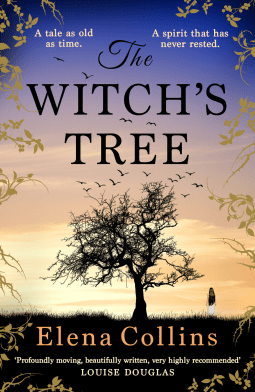
Happy release day to Elena Collins whose The Witches Tree is released today. Here’s my review.

Here’s the blurb:

A tale as old as time. A spirit that has never rested.

Present day

As a love affair comes to an end, and with it her dreams for her future, artist Selena needs a retreat. The picture-postcard Sloe Cottage in the Somerset village of Ashcombe promises to be the perfect place to forget her problems, and Selena settles into her new home as spring arrives. But it isn’t long before Selena hears the past whispering to her. Sloe Cottage is keeping secrets which refuse to stay hidden.

1682

Grace Cotter longs for nothing more than a husband and family of her own. Content enough with her work on the farm, looking after her father, and learning the secrets of her grandmother Bett’s healing hands, nevertheless Grace still hopes for love. But these are dangerous times for dreamers, and rumours and gossip can be deadly. One mis-move and Grace’s fate looks set…

Separated by three hundred years, two women are drawn together by a home bathed in blood and magic. Grace Cotter’s spirit needs to rest, and only Selena can help her now. 

Review:

The Witch’s Tree is my second dual timeline novel in a week. It’s not my preferred take on historical fiction, but hey, I’m on holiday, so why not.

The Witch’s Tree is a story linked by a single space – a house – and the author offers two timelines, one modern-day and one set in the late seventeenth century. It was the late seventeenth-century story that fascinated me the most, and the feeling of impending doom made the story a little difficult to read in places. The contrasting stories of the two women further enforced the sense that problems were brewing for Grace in the seventeenth century,. As you might expect, I wanted more of the seventeenth-century story, and less of the modern-day one. I did appreciate that the modern-day story didn’t give away any of the details of the seventeenth-century story and that some of the aspects were misunderstood by the modern cast. I think that little bit of realism really helped with the contemporary storyline.

A captivating read, I think readers will enjoy meeting Grace and Selena.

My thanks to Netgalley and the publisher for my review copy.

(Not one to ever think that books should come with trigger warnings, I confess, there was one aspect of the book that I found a little upsetting, so I’ll say here that readers should be aware of the appearance in the narrative of a cleft lip. I don’t want to give any spoilers, but just to let readers know it is there.)

The Witches Tree is released today, 17th May 2022, and is available in ebook, paperback, hardback, large print and audio.

Connect with the author on twitter.

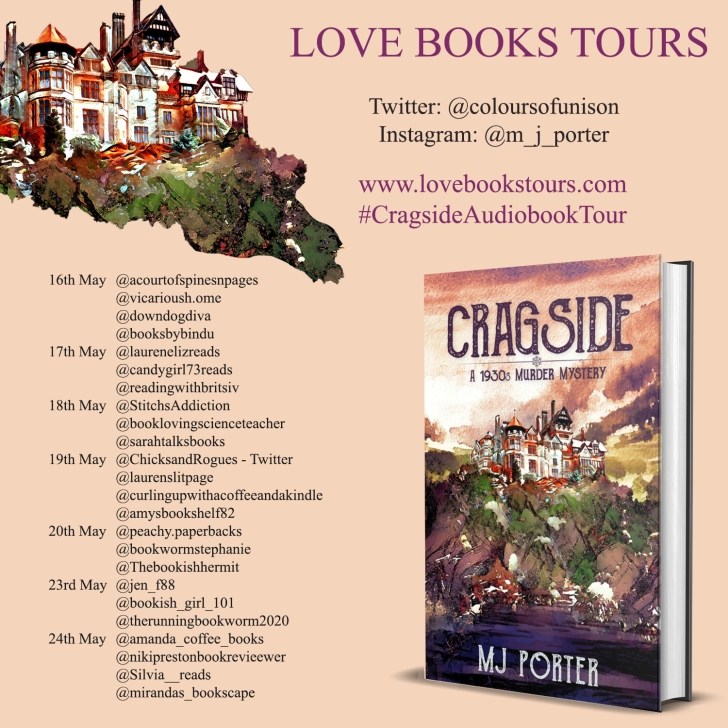
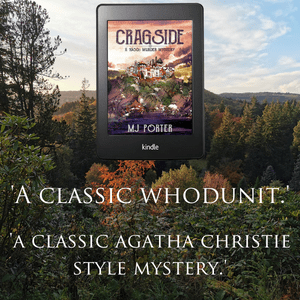
Cragside – A 1930s murder mystery was on audiobook tour with Lovebookstours from 16th-24th May 2022 #Cragside #CosyCrime #BlogTour

I’ll be uploading links on the days of the tour, and would like to thank all the hosts and Kelly Lacey for organising the tour.

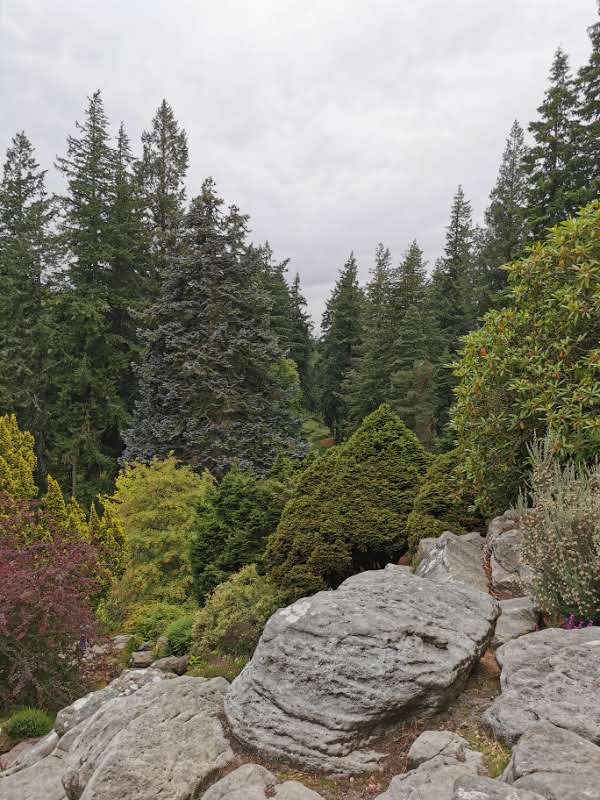
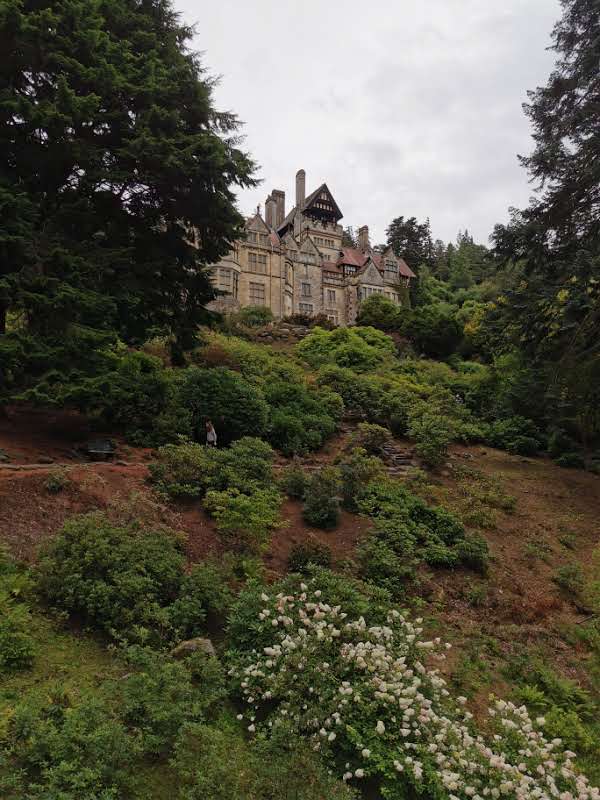
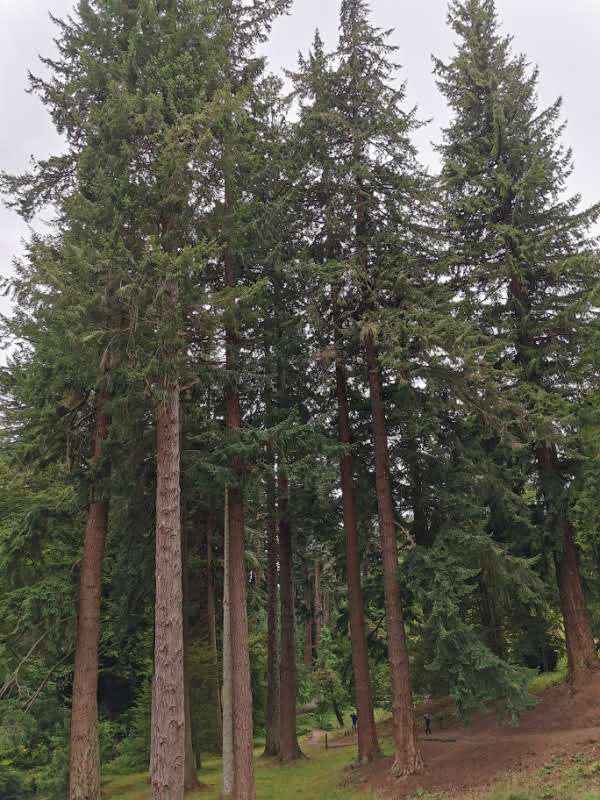
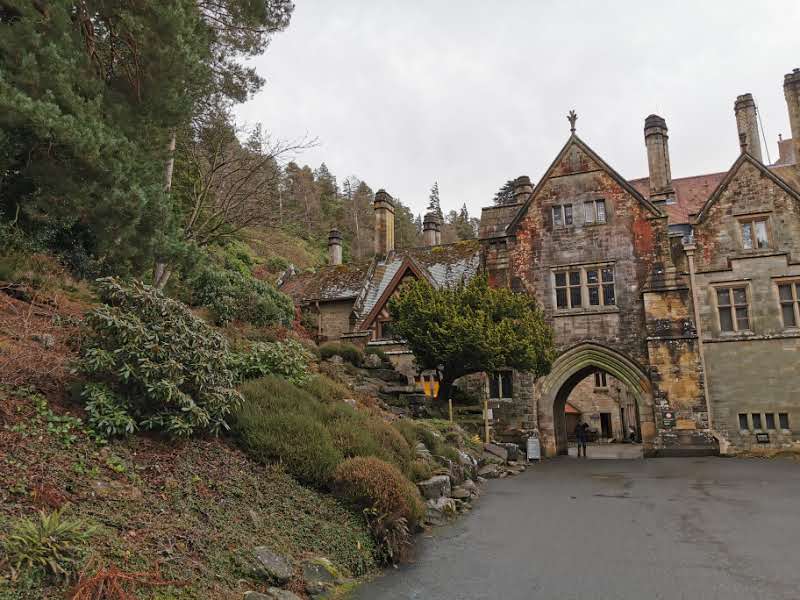
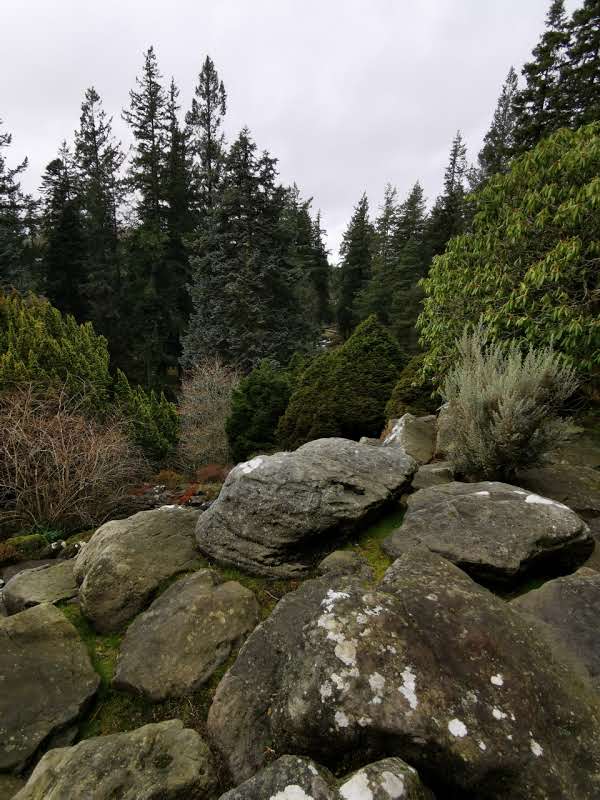
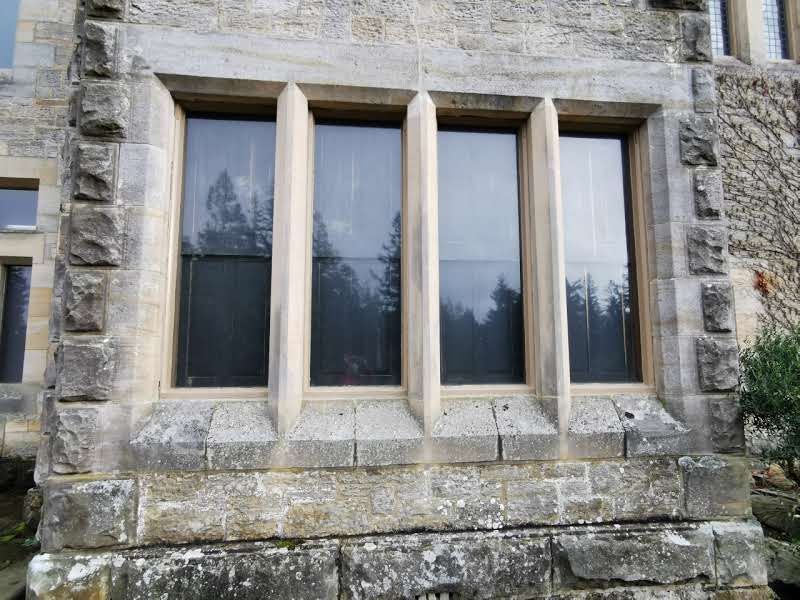
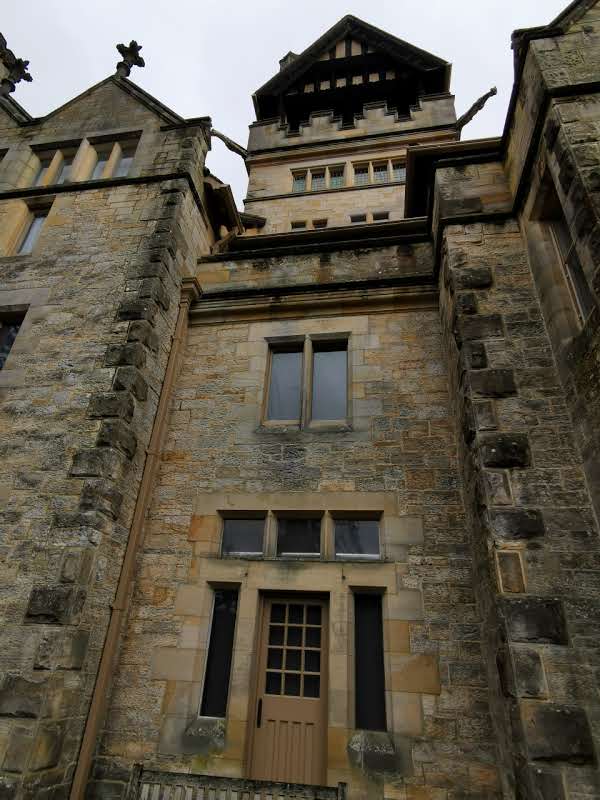
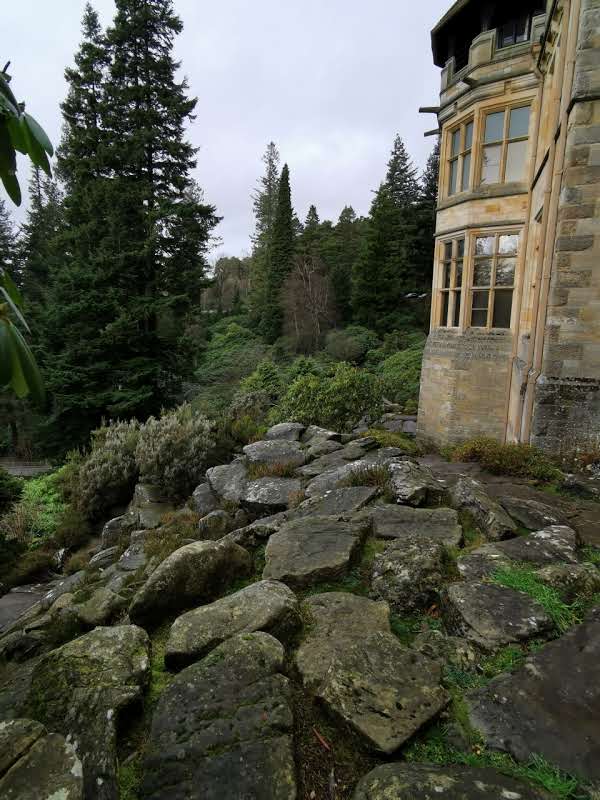
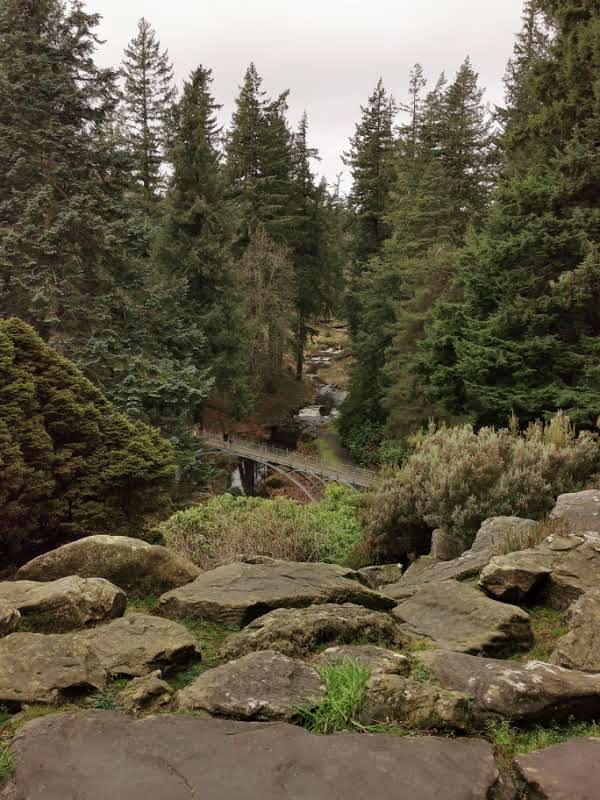
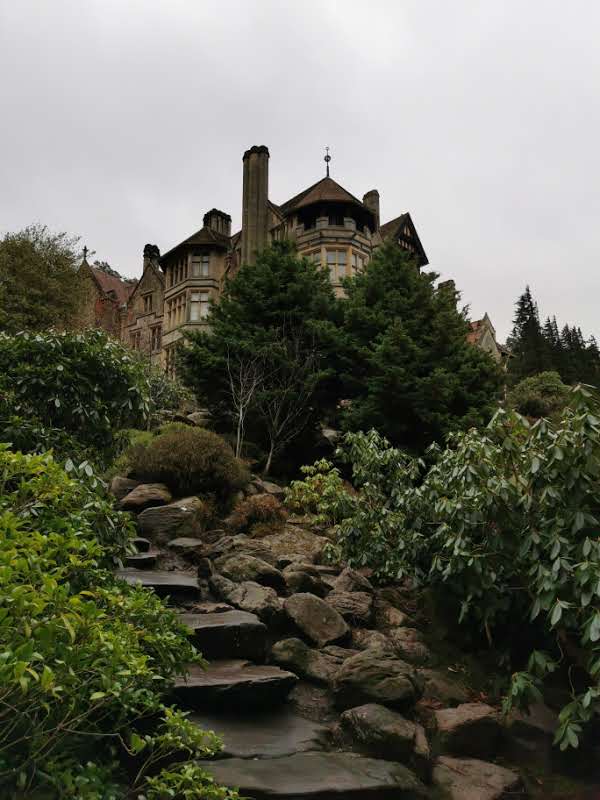
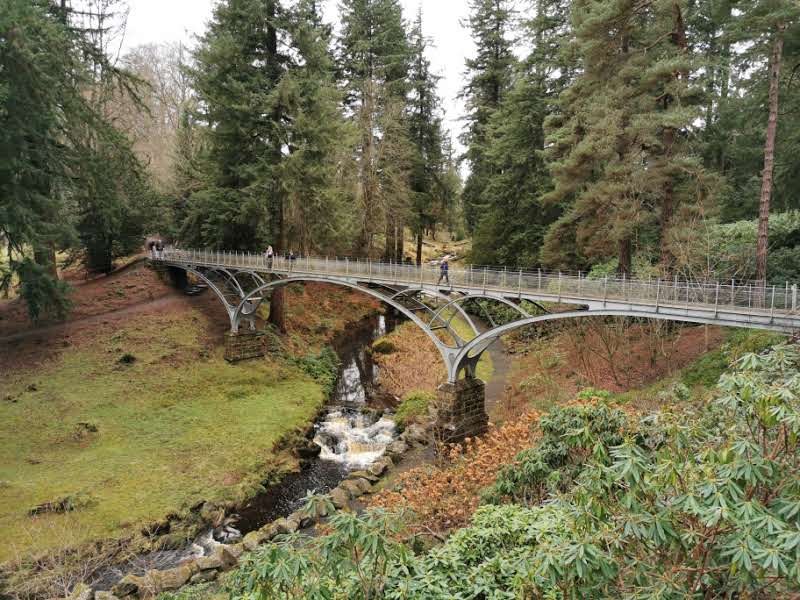
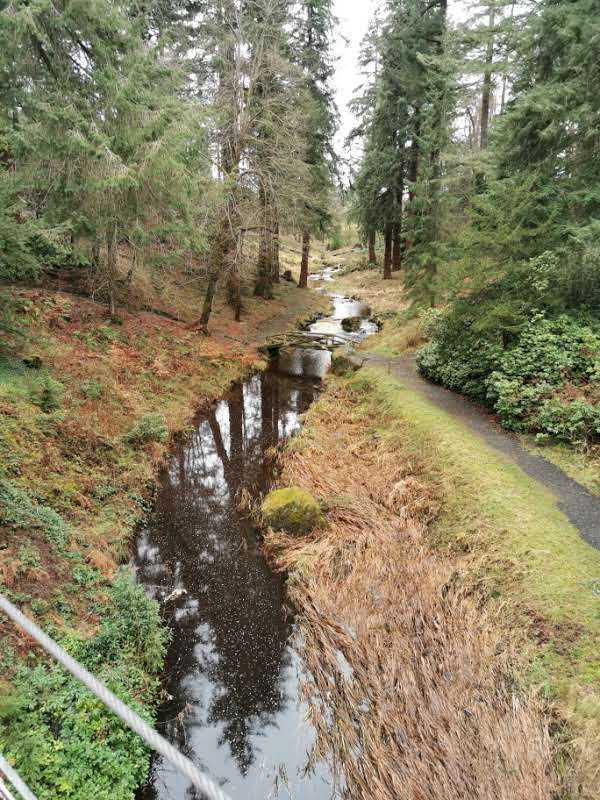
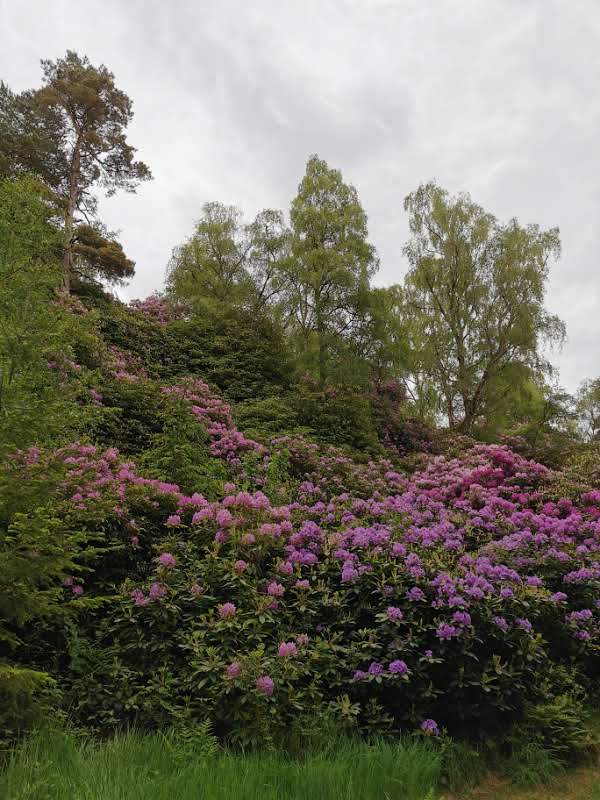
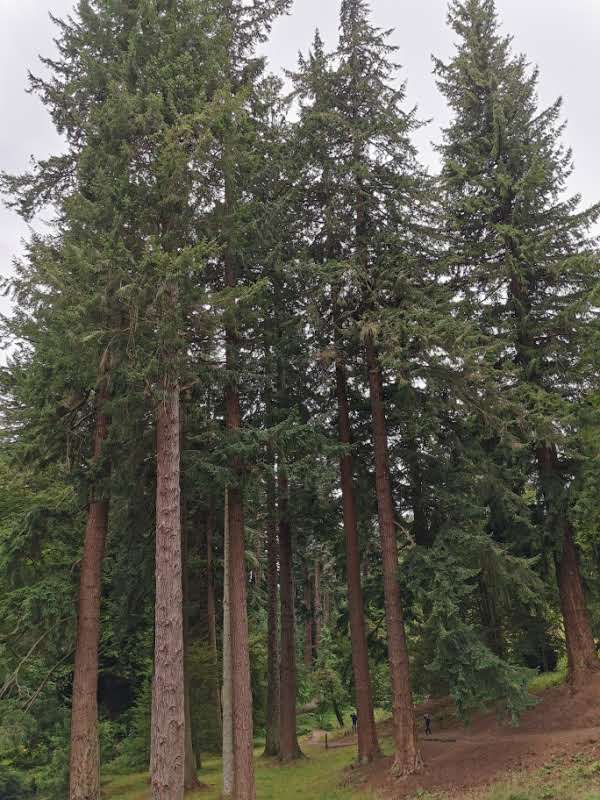
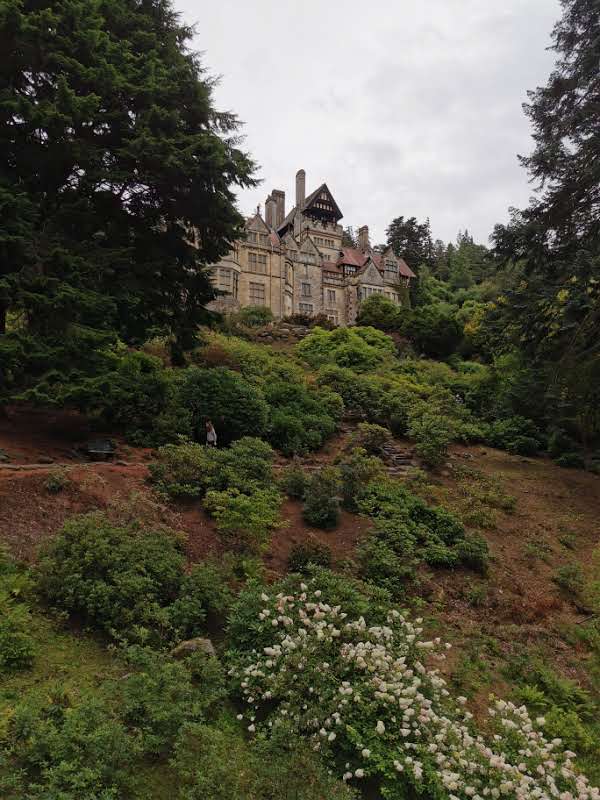
Check out the Cragside page on the blog for photos of the beautiful estate.

Here’s the blurb

From the author of The Erdington Mysteries, a classic 1930s murder mystery house party.

Lady Merryweather has had a shocking year. Apprehended for the murder of her husband the year before, and only recently released, she hopes a trip away from London will allow her to grieve. The isolated, but much loved, Cragside Estate in North Northumberland, home of her friends, Lord and Lady Bradbury, holds special memories for her.

But, no sooner has she arrived than the body of one of the guests is found on the estate, and suspicion immediately turns on her. Perhaps, there are no friendships to be found here, after all.

Released, due to a lack of evidence, Lady Ella returns to Cragside only to discover a second murder has taken place in her absence, and one she can’t possibly have committed.

Quickly realising that these new murders must be related to that of her beloved husband, Lady Merryweather sets out to solve the crime, once and for all. But there are many who don’t want her to succeed, and as the number of murder victims increases, the possibility that she might well be the next victim, can’t be ignored.

Journey to the 1930s Cragside Estate, to a period house-party where no one is truly safe, and the estate is just as deadly as the people.

You can purchase the audiobook via the following link.

And I’m adding the links for all the fab hosts below.

https://www.instagram.com/p/Cdq9j3EI3wd/?utm_source=ig_web_copy_link


https://vicarioushome.com/cragside-m-j-porter-coloursofunison-lovebookstours-igbooktours/


https://www.instagram.com/p/CdjEbPQLZ5O/?utm_source=ig_web_copy_link


https://www.booksbybindu.com/home/Cragside


https://www.instagram.com/p/Cdq9j3EI3wd/


https://www.instagram.com/p/Cdpdef3oHQJ/


https://www.instagram.com/p/CdrAqmtv1o4/


https://www.instagram.com/p/CcbABRSLuPI/


https://www.instagram.com/p/CdtuzQeK4Rq/


https://www.instagram.com/p/CdwKHCipelm/


https://www.instagram.com/p/Cdu7fFlte3n/


https://www.instagram.com/p/Cd5FhJNAiKO/


https://www.instagram.com/p/Cdxqew6r9pS/


https://www.instagram.com/p/Cd6LgVosmaY/


https://www.instagram.com/p/Cd5vRIkgQHo/


https://www.instagram.com/p/Cd6VY8-r1uw/


https://www.instagram.com/p/Cd8MGnns587/


https://www.instagram.com/p/Cd7z9YWgxFJ/


https://mirandasbookscape.wordpress.com/2022/05/24/cragside-a-1930s-murder-mystery-by-mj-porter-blog-tour-book-review/

Phew. I think I’ve caught everyone. Once more, thank you to all the reviewers to Love Books Tours, and of course, to my wonderful narrator Gill Mills, who completely smashed the narration for Cragside. Thank you.

Posts

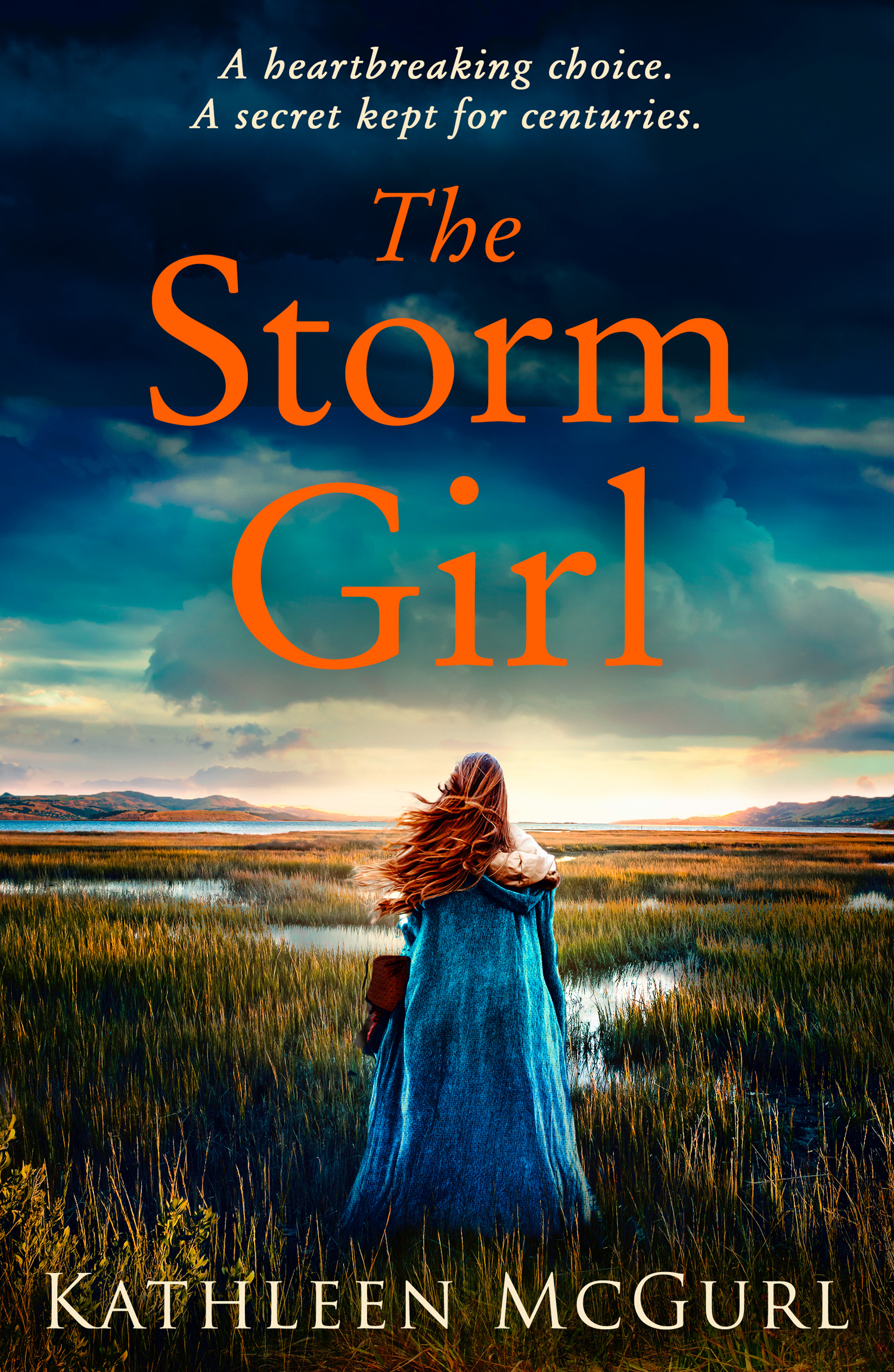
Today, I’m taking part in The Storm Girl by Kathleen McGurl blog tour

Today, I’m taking part in The Storm Girl by Kathleen McGurl blog tour with Rachel’s Random Resources.

Here’s the blurb:

The gripping new historical novel from the USA Today bestselling author of The Girl from Bletchley Park and The Forgotten Secret.

A heartbreaking choice. A secret kept for centuries.

1784. When Esther Harris’s father hurts his back, she takes over his role helping smugglers hide contraband in the secret cellar in their pub. But when the free traders’ ships are trapped in the harbour, a battle between the smugglers and the revenue officers leads to murder and betrayal – and Esther is forced to choose between the love of her life and protecting her family…

Present day. Fresh from her divorce, Millie Galton moves into a former inn overlooking the harbour in Mudeford and plans to create her dream home. When a chance discovery behind an old fireplace reveals the house’s secret history as a haven for smugglers and the devastating story of its former residents, could the mystery of a disappearance from centuries ago finally be solved?

Sweeping historical fiction perfect for fans of Lucinda Riley, Kathryn Hughes and Tracy Rees.

My review

The Storm Girl is a dual timeline novel, and as a reader and writer of historical fiction, it was the historical storyline that captivated me far more than the modern-day tale of divorce and starting afresh.

Coming at this from a ‘newb’ point of view, I expected both storylines to have some connection, other than the most tenuous one, of them simply taking place in the same space although at different times. That wasn’t what happened, and I did encounter some problems, whereby the one storyline gave away events in the other – which was a little frustrating.

With all that said, I did enjoy this book. The historical storyline, while a little too wholesome for me, did capture my imagination and The Storm Girl is very much a competent and go-getting type of gal that a modern audience will thrill to discover.
Will I try a dual timeline novel again, that remains to be seen? I confess I would have been happy to have the story revolve only around the historical elements, and not worry about the modern-day setting at all, but I more than understand that a dual timeline narrative is extremely popular, and I’m sure fans of this genre will be captivated by this tale of a place in two different timelines, over two hundred years apart, and will, hopefully, consider learning more about their own local history as a result of reading the book.

A firm 4/5 from me – I did appreciate the historical notes at the back of the novel.

Purchase Links

UK – https://www.amazon.co.uk/Storm-Girl-Sweeping-historical-fiction-ebook/dp/B09VYLVP58/

US – https://www.amazon.com/Storm-Girl-Sweeping-historical-fiction-ebook/dp/B09VYLVP58/

Meet the Author

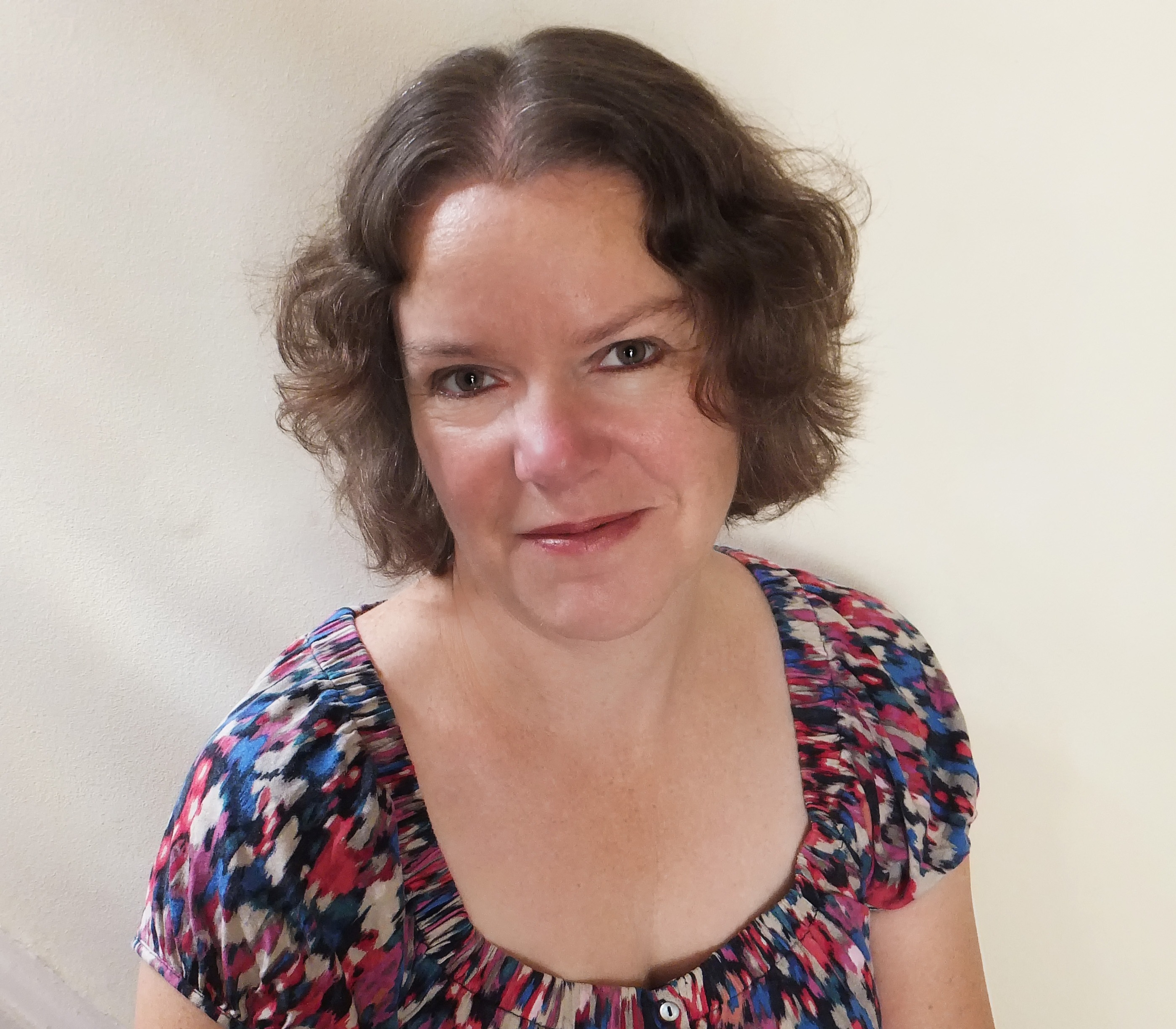
Kathleen McGurl lives near the coast in Christchurch, England. She writes dual timeline novels in which a historical mystery is uncovered and resolved in the present day. She is married to an Irishman and has two adult sons. She enjoys travelling, especially in her motorhome around Europe but home is Mudeford, where this novel is set.

Connect with Kathleen 

https://kathleenmcgurl.com/

https://www.facebook.com/KathleenMcGurl

https://twitter.com/KathMcGurl

Follow the tour for The Storm Girl with Rachel’s Random Resources

Book Review and happy release day for – A Taste for Killing by Sarah Hawkswood – historical mystery

Here’s the blurb:

January, 1145. Godfrey Bowyer, the best but least likeable bow maker in Worcester, dies an agonising death by poisoning. Although similarly struck down after the same meal, his wife Blanche survives. The number of people who could have administered the poison should mean a very short investigation for the Sheriff’s men, Hugh Bradecote and Serjeant Catchpoll, but perhaps someone was pulling the strings, and that widens the net considerably. Could it be the cast-out younger brother or perhaps Orderic the Bailiff, whose wife may have had to endure Godfrey’s attentions? Could it even be the wife herself?

With Bradecote eager to return to his manor and worried about his wife’s impending confinement, and Underserjeant Walkelin trying to get his mother to accept his choice of bride, there are distractions aplenty, though Serjeant Catchpoll will not let them get in the way of solving this case.

This is the 10th title in this series, however it can be read alone!

Review

A Taste for Killing is my third Bradecote and Catchpoll Investigations book, and it is always fabulous to return to twelfth-century Worcester.

In A Taste for Killing, Bradecote, Catchpoll and Walkelin must uncover the true culprit when Godfrey Bowyer dies from poisoning. There are, as always, no end of possible suspects, and because this book takes place in Worcester, we meet all sorts of characters, from the burgesses to the maids, and even an old woman, on her death bed, and with a fabulous memory for things that happened many years ago.

The investigation is as tricky as always. Some information points one way, other information, another. I do love the way the author puts the solution together, with all the false leads and people guilty of something, if not the murder. The three main characters, while having their own, separate lives, don’t overburden the story with their storylines, and yet still add to it. All of the characters feel real, and as though they could have truly existed.

My biggest complaint would be that I didn’t want to murderer to be who it was, but still, a thoroughly enjoyable addition to the series. I’ll be reading the 7 books I’ve not yet gotten to when I have the time:)

My thanks to the publisher and Netgalley for my review copy.

Check out my previous reviews for the series; Blood Runs Thicker and Wolf at the Door.

A Taste for Killing is released today, 12th May 2022.

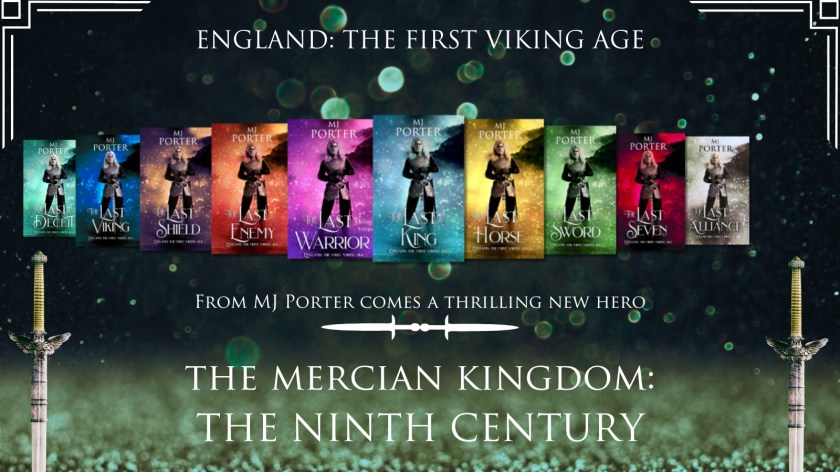
#TheLastKing is 2 years old today. Join me and the hosts of today’s blog tour in celebrating

If you’ve been with Coelwulf, Rudolf, Icel, Edmund and Pybba since the beginning, then you’re probably with me in trying to work out how 2 years have gone by since the release of the first book.
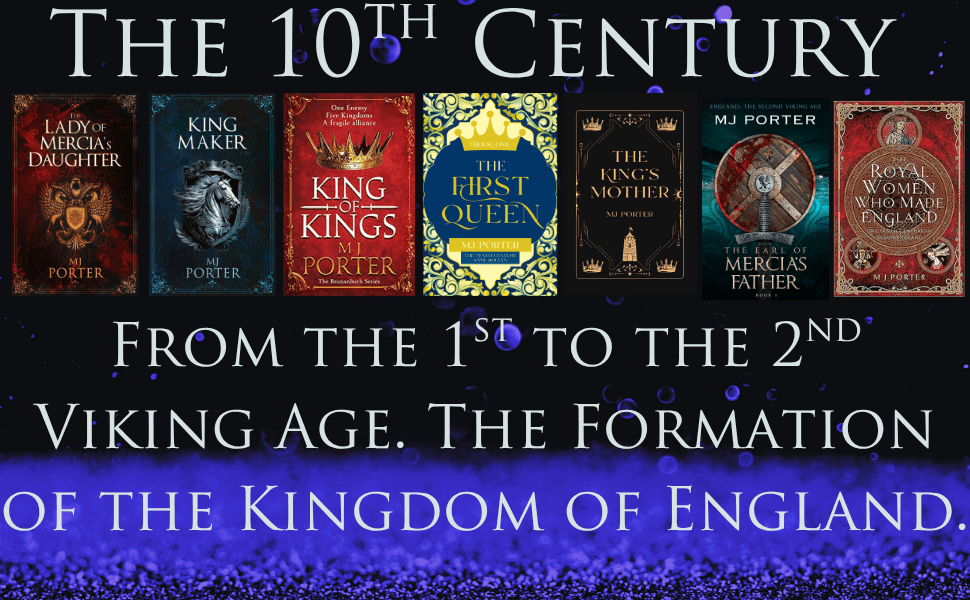
I thought it worthy of a huge celebration, and so The Last King is on blog tour for today only with a whole swathe of hosts from Rachel’s Random Resources. Check out their posts and blogs, and you really might enjoy those hosts that have an excerpt from the book. When I was choosing them, it reminded me of all the things that drew me these characters, and this book, and made me write it the way that I did. The exuberance is difficult to ignore. (And remember – there are Clean(er) versions of all the books available in ebook format without the more offensive word that rhymes with something that quacks).
I’m going to pop some links here to blog posts I’ve shared in the past.

Lady Cyneswith

Rudolf

You can now buy signed copies directly from me. Check out my new store.

https://mjporterauthor.sumupstore.com


http://www.nikipreston.com/
https://jessicabelmont.com/
https://ebookaddicts.net
www.davidsbookblurg.co.uk
https://www.instagram.com/chaptersofvicki
https://www.instagram.com/fantasybookcraz_mum
https://nickislifeofcrime.blogspot.co.uk
https://themagicofworlds.wordpress.com/
Bforbookreview.wordpress.com
https://www.thepursuitofbookiness.co.uk/
https://medium.com/@authorbeccamcculloch
https://www.booksblog.co.uk/
http://bookreviewsbyjasmine.blogspot.com
http://www.chezmaximka.blogspot.com
https://ruinsandreading.blogspot.com/


Posts

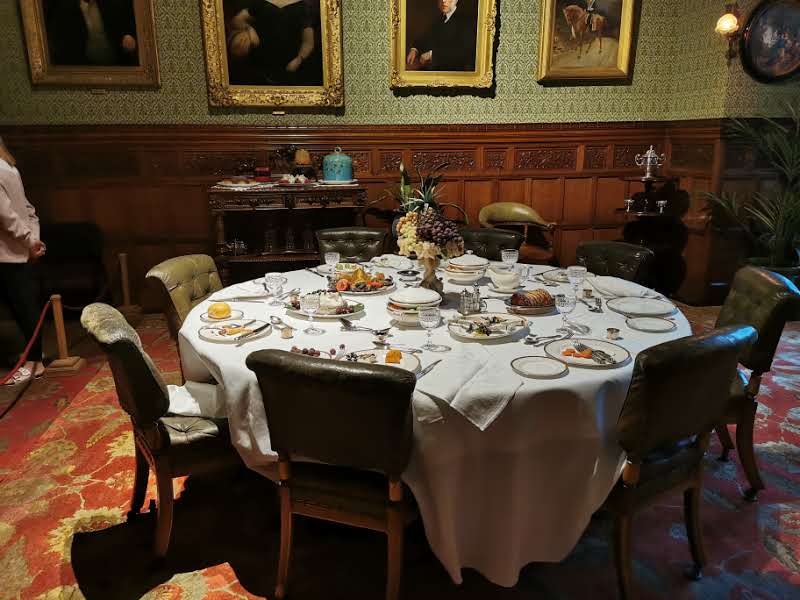
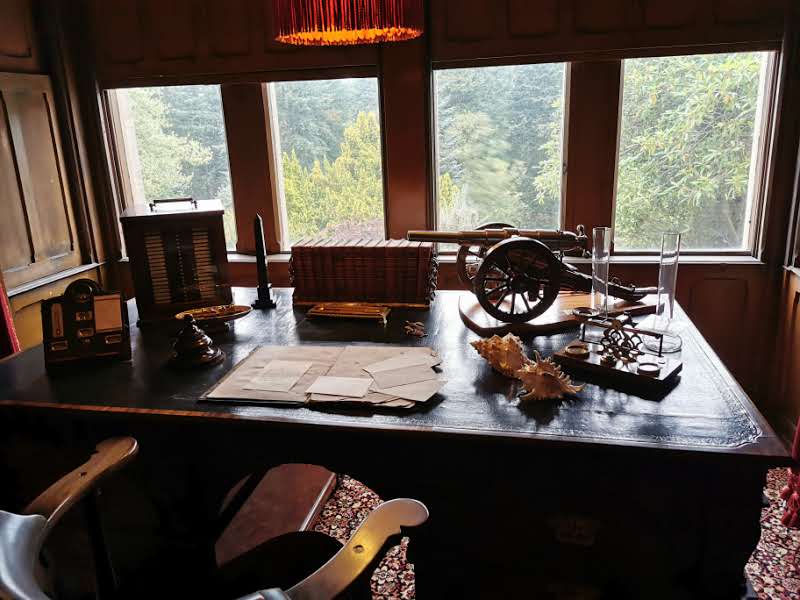
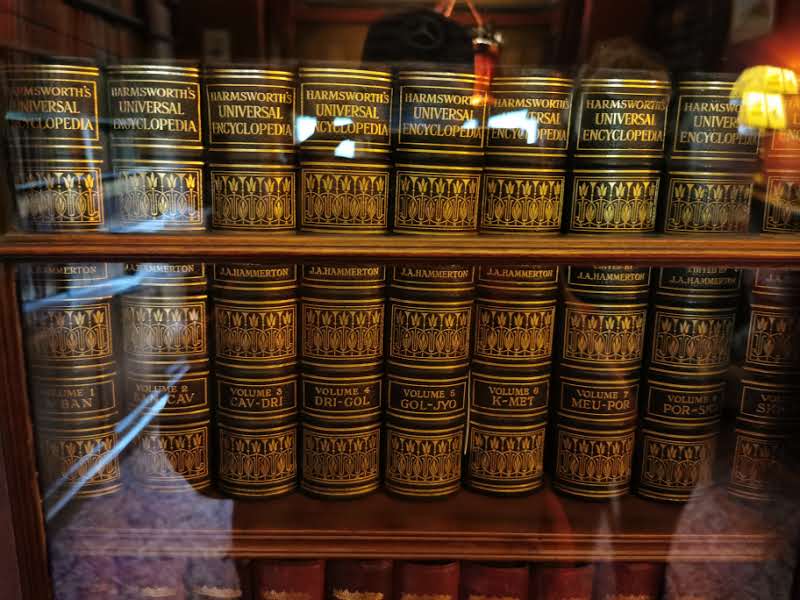
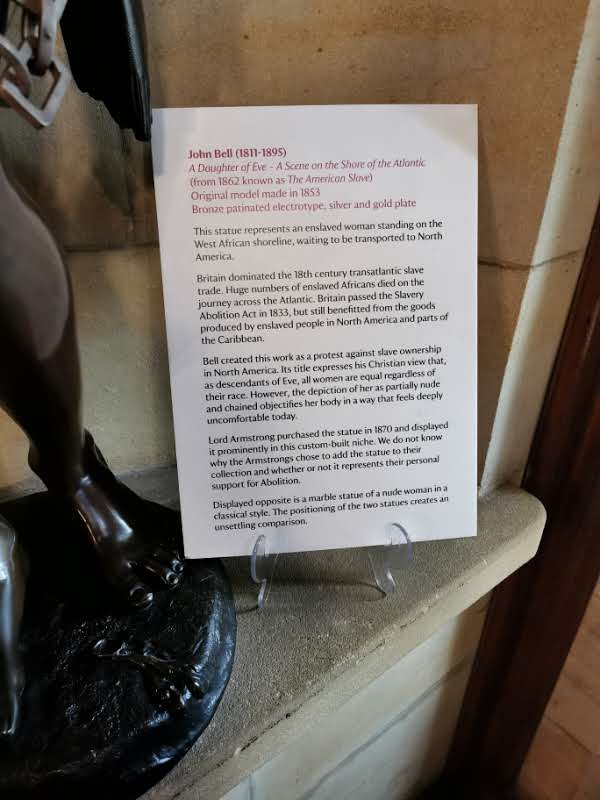
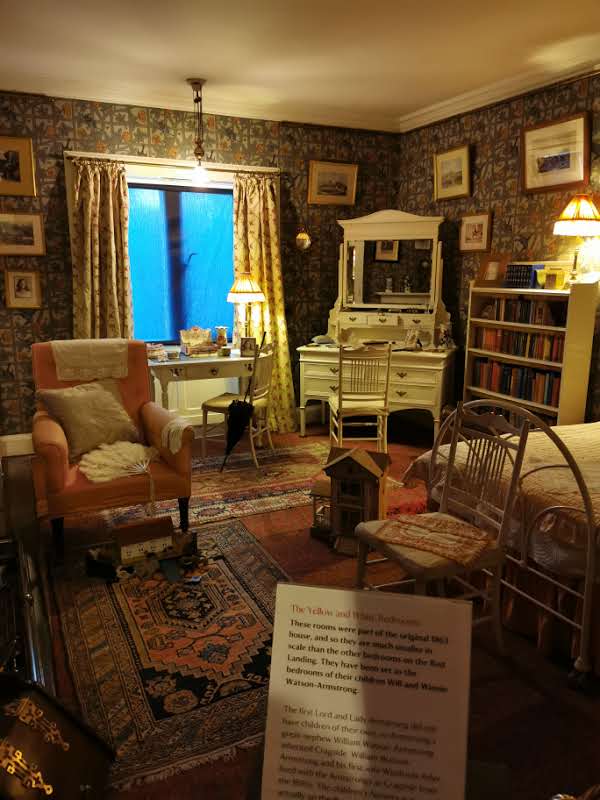
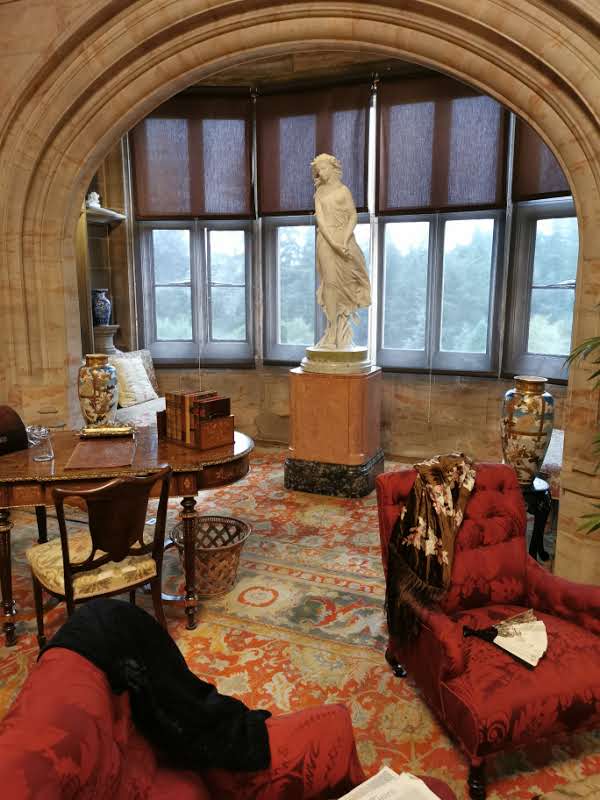
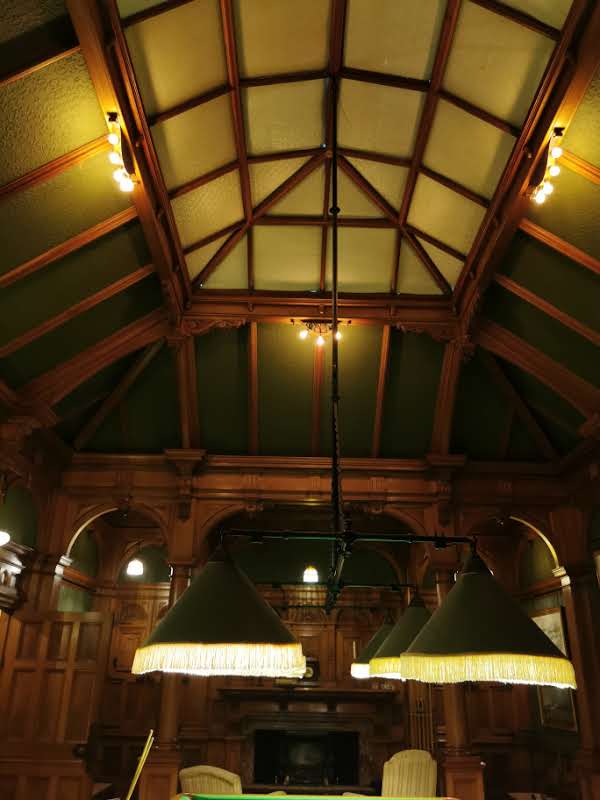
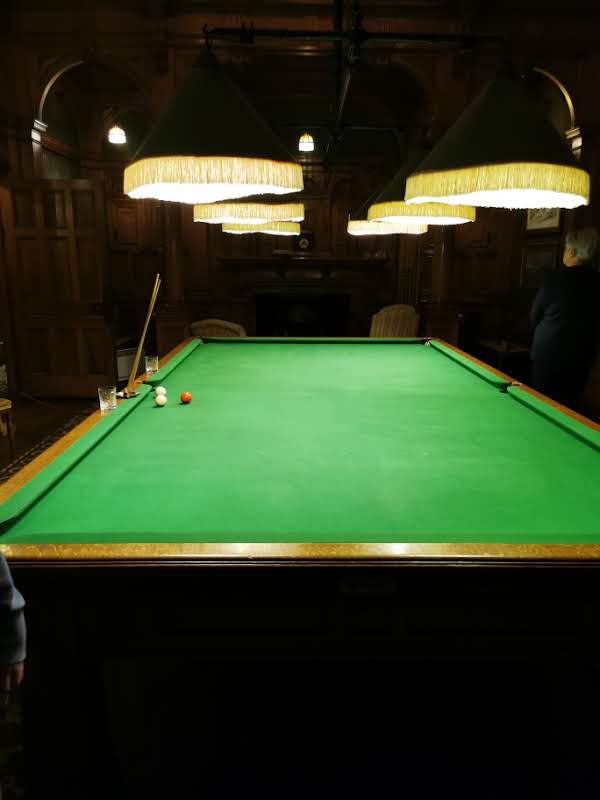
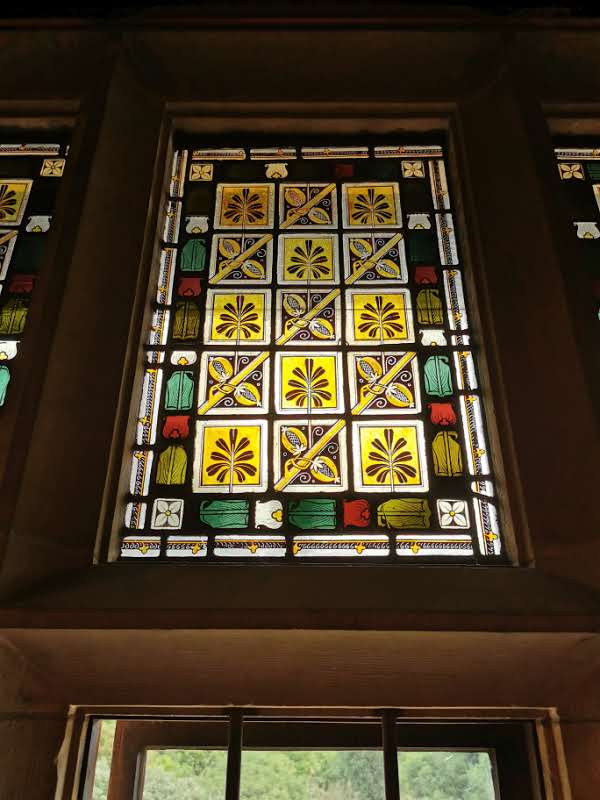
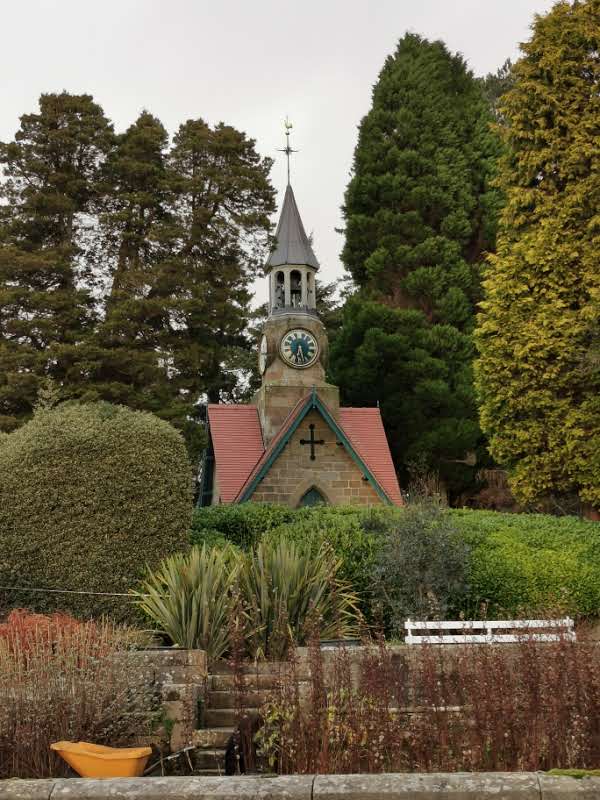
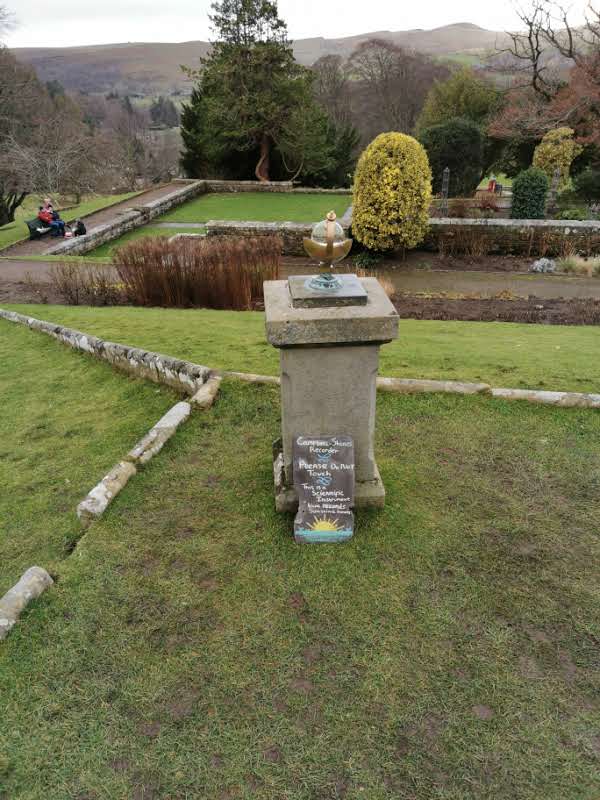
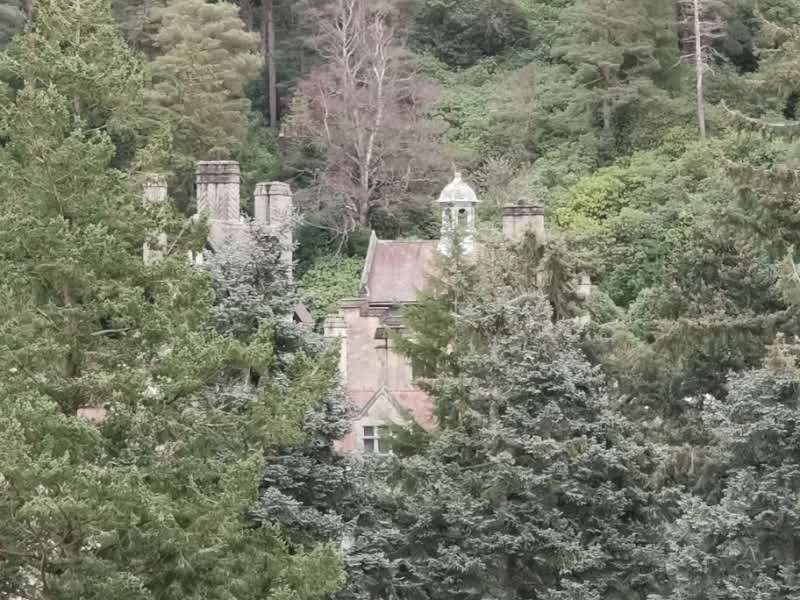
Cragside, again, in photos

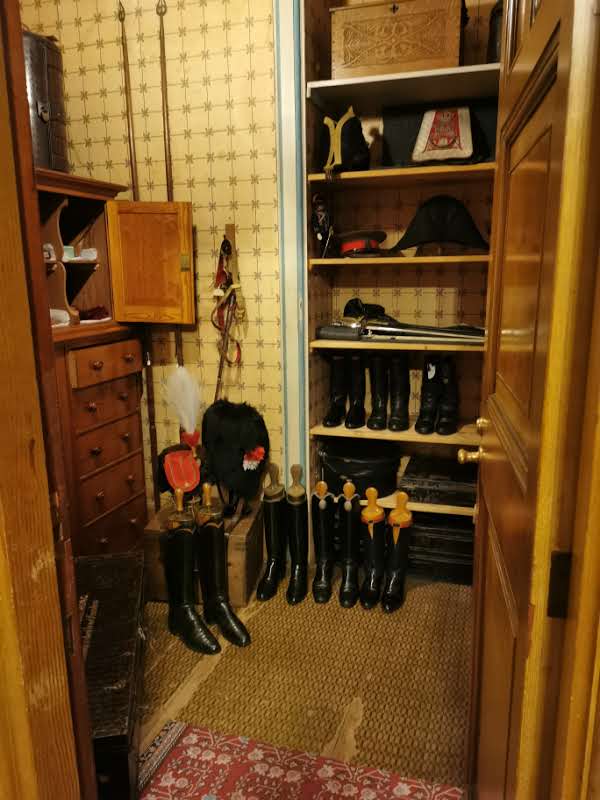
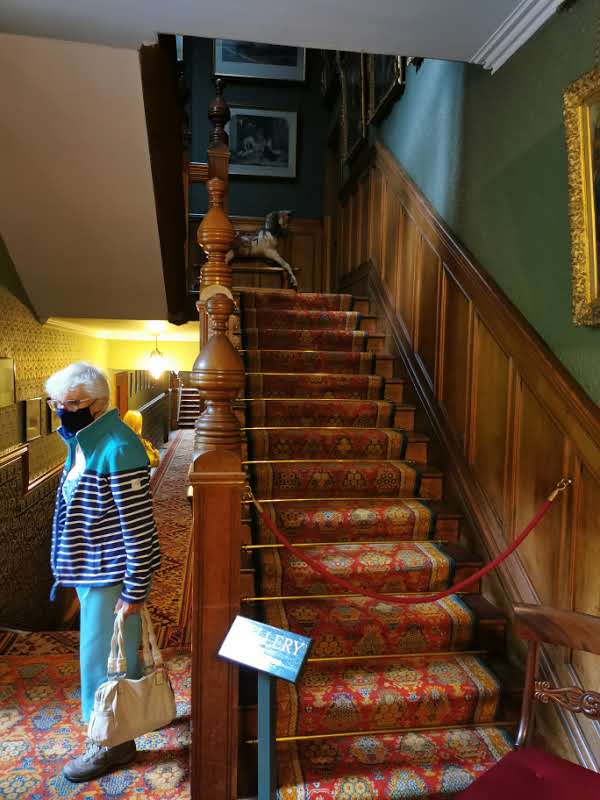
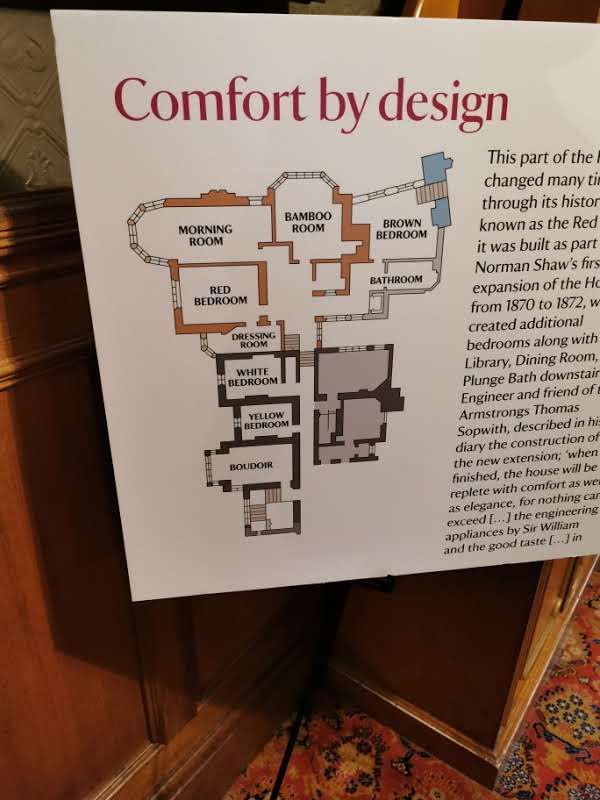
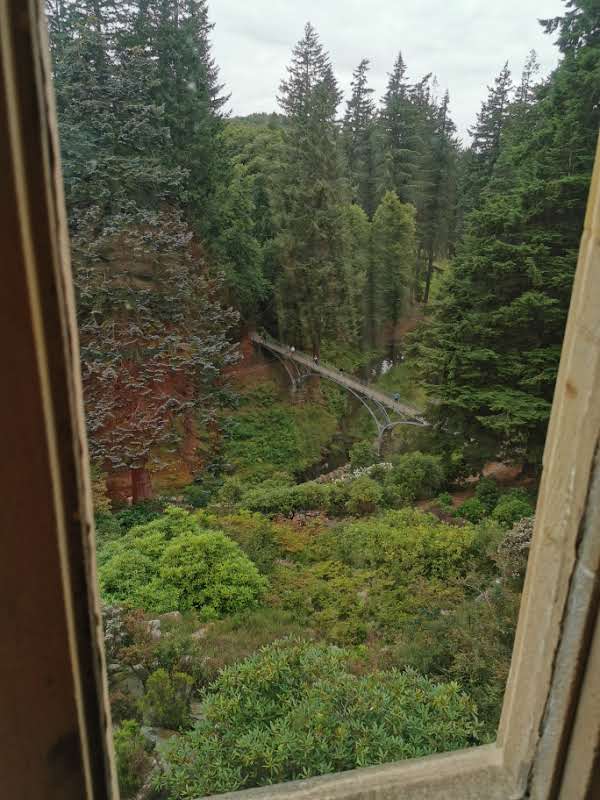
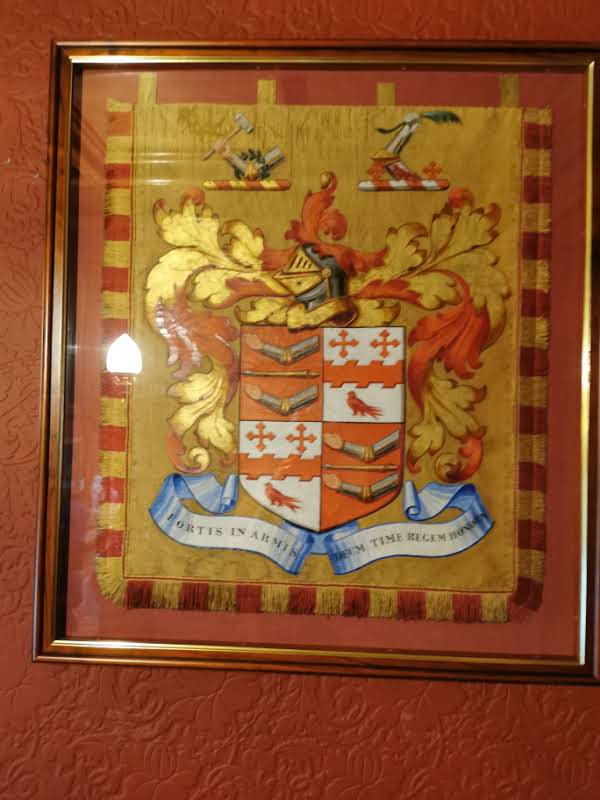
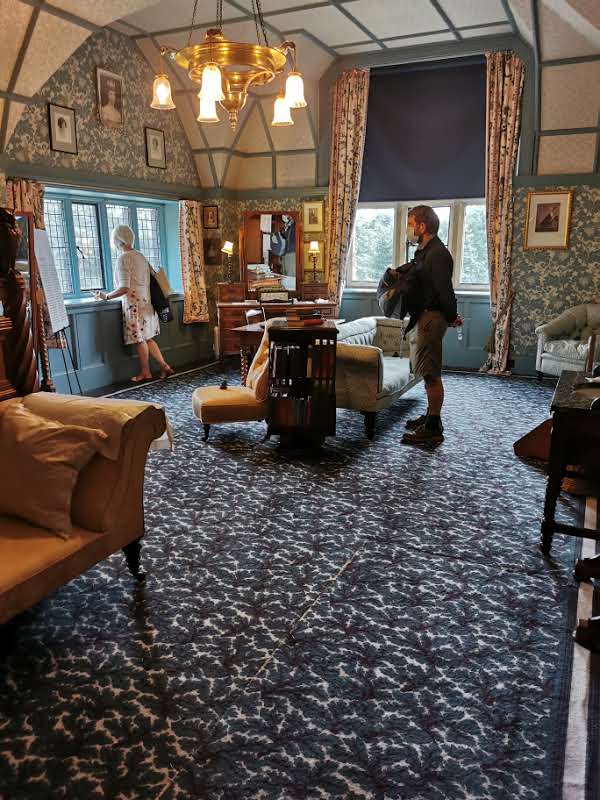
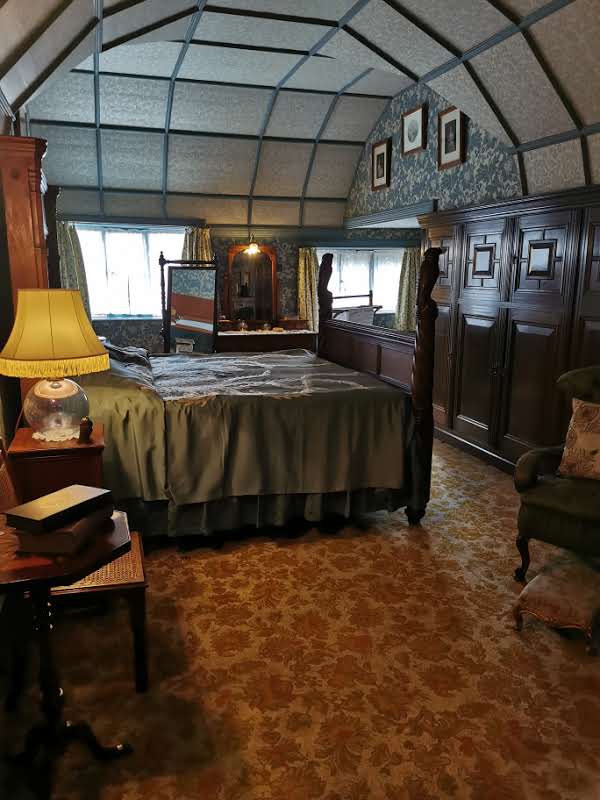
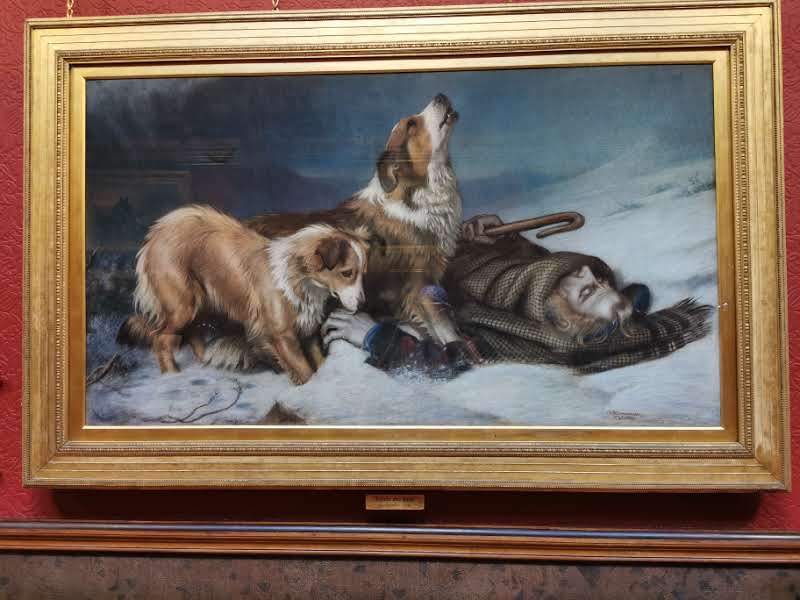
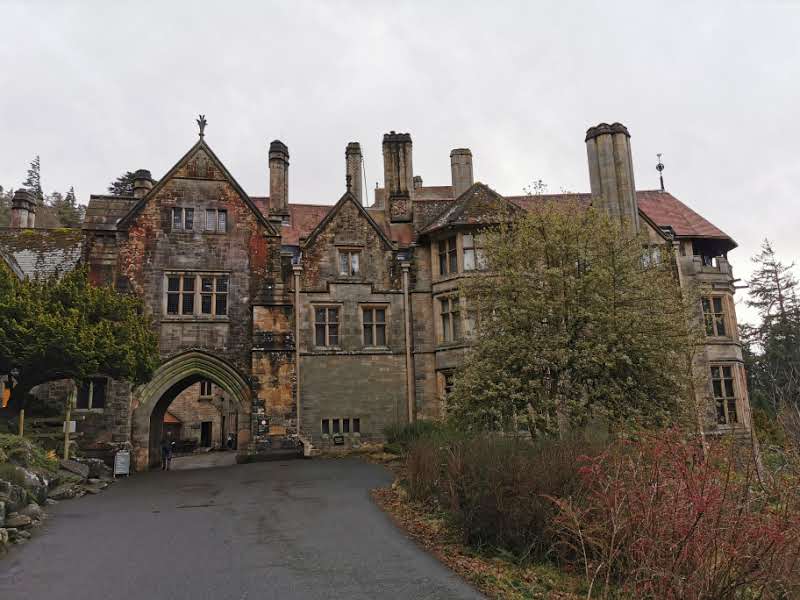
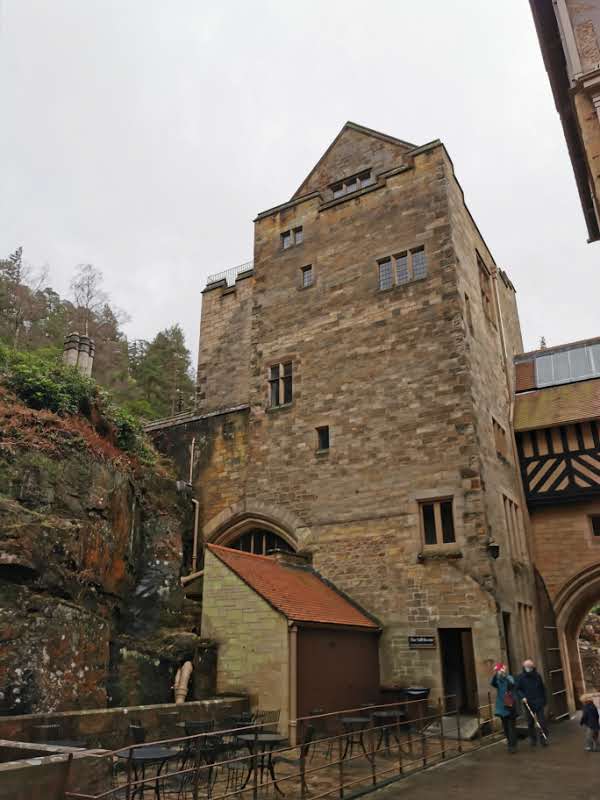
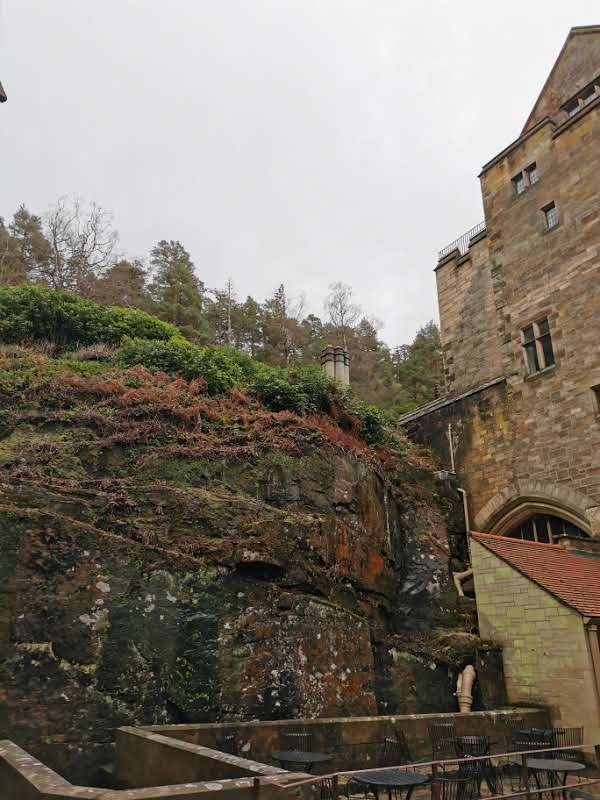
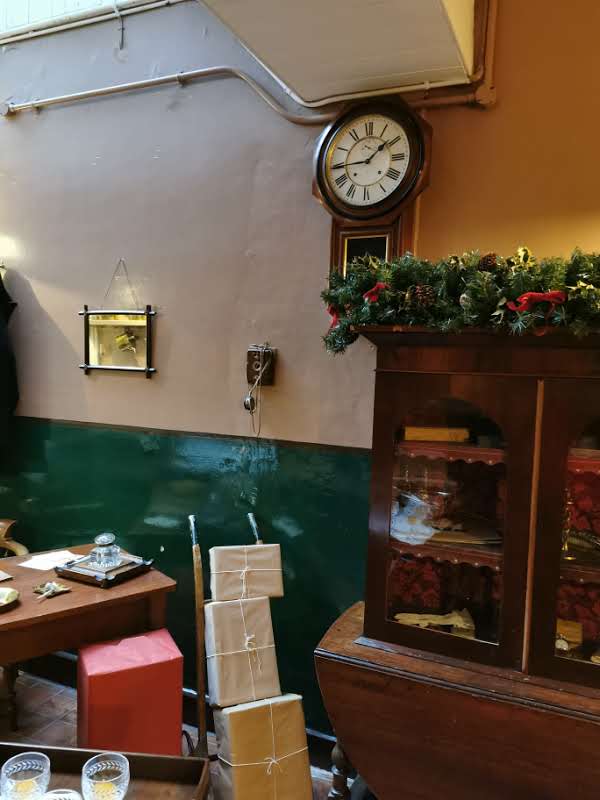
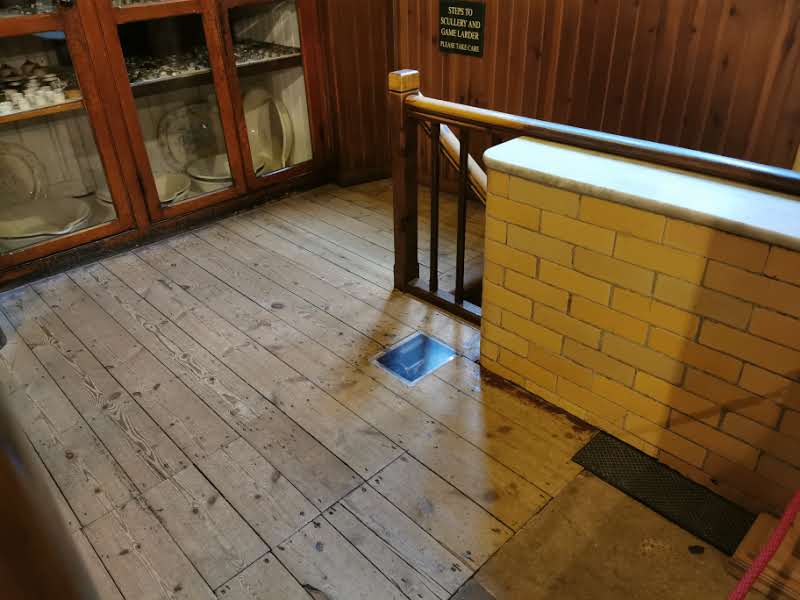
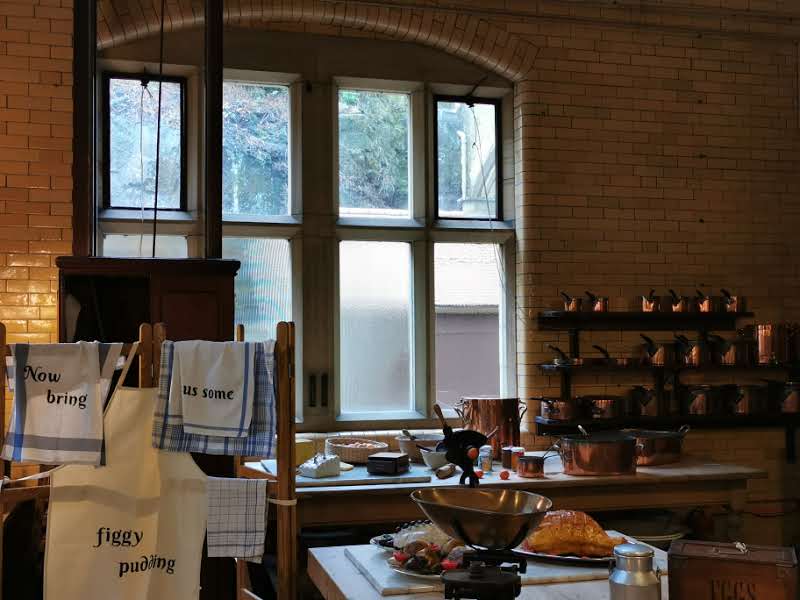
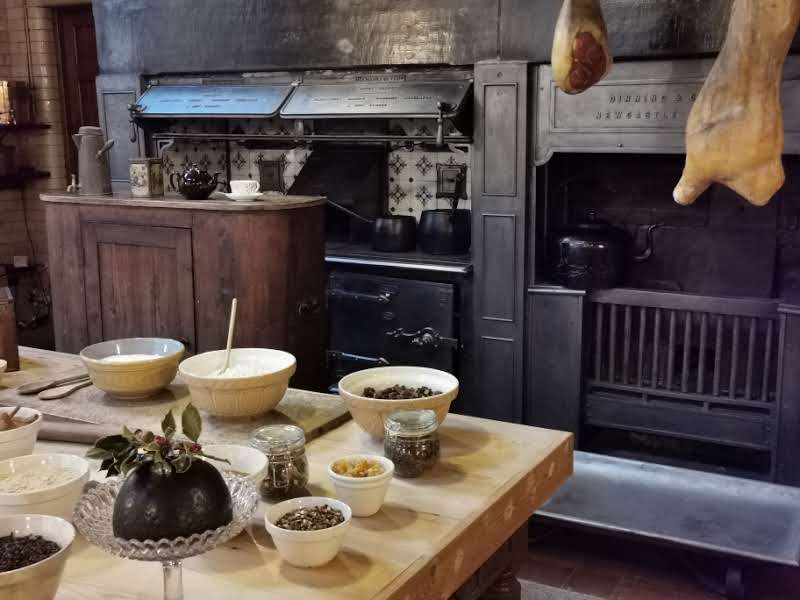
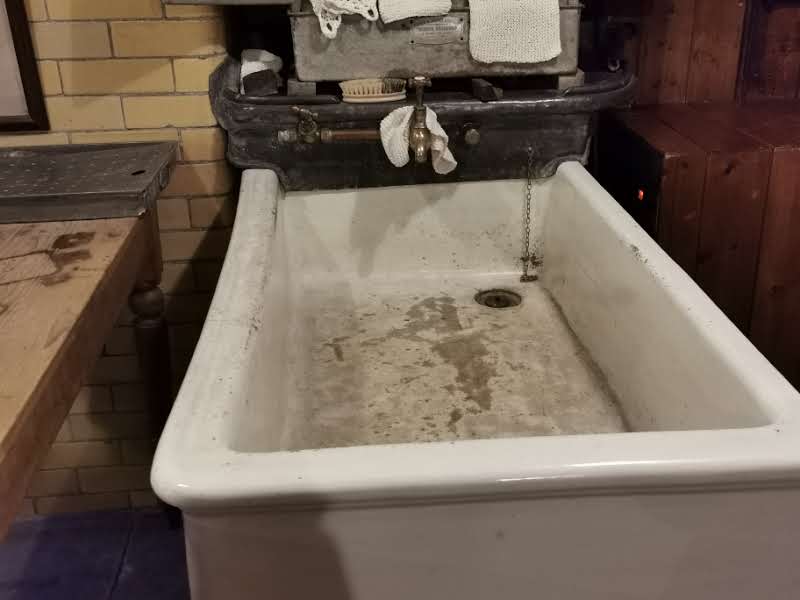
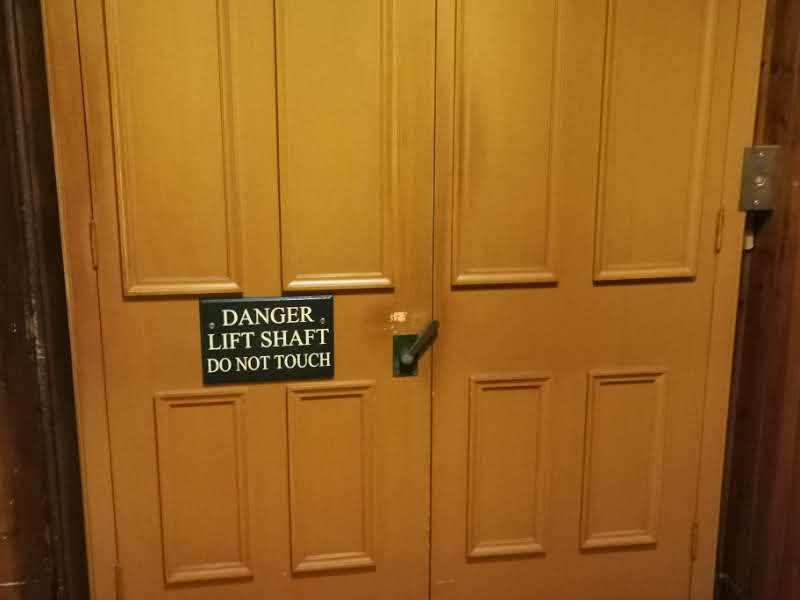
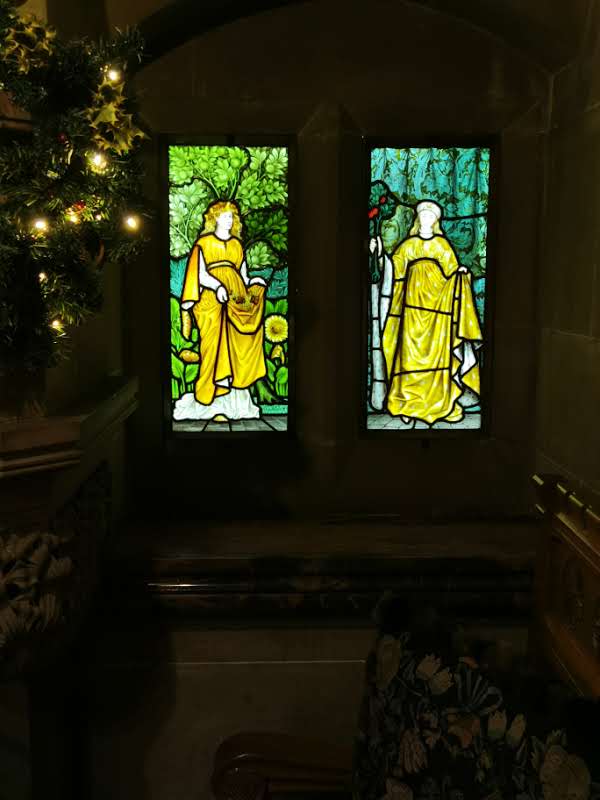
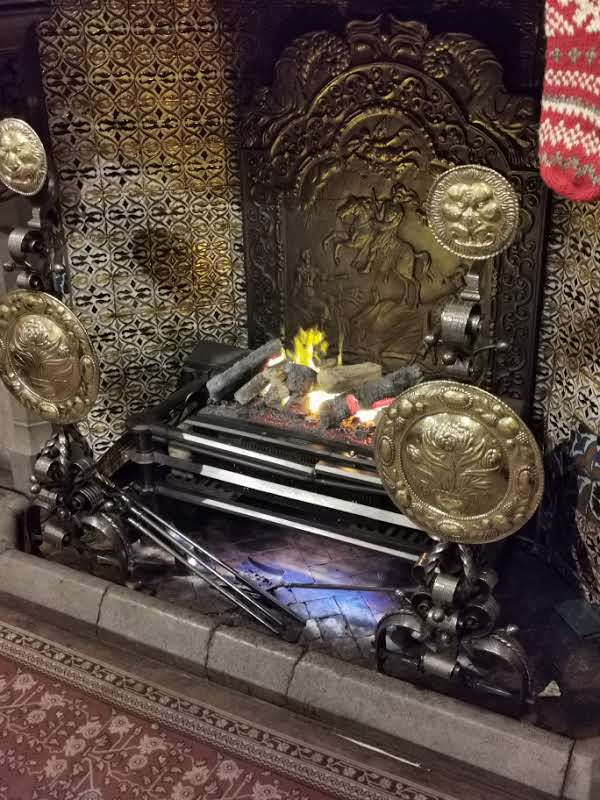
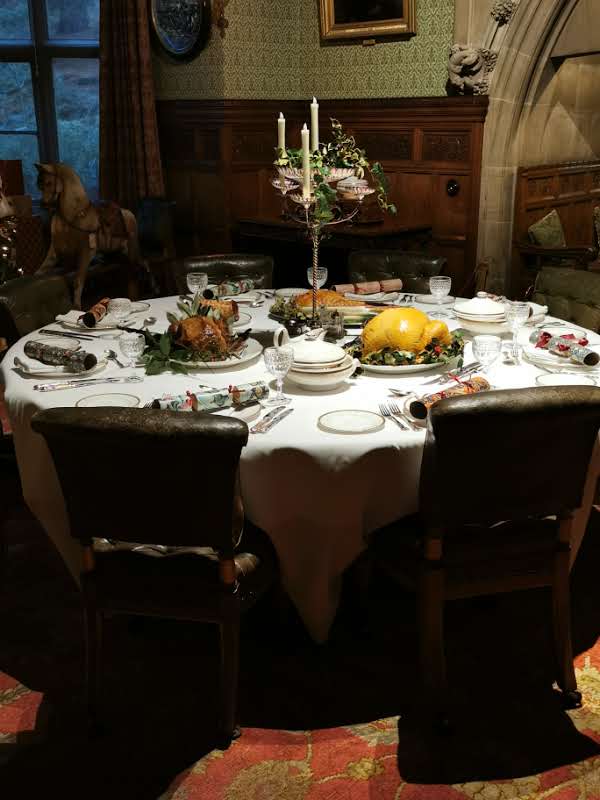
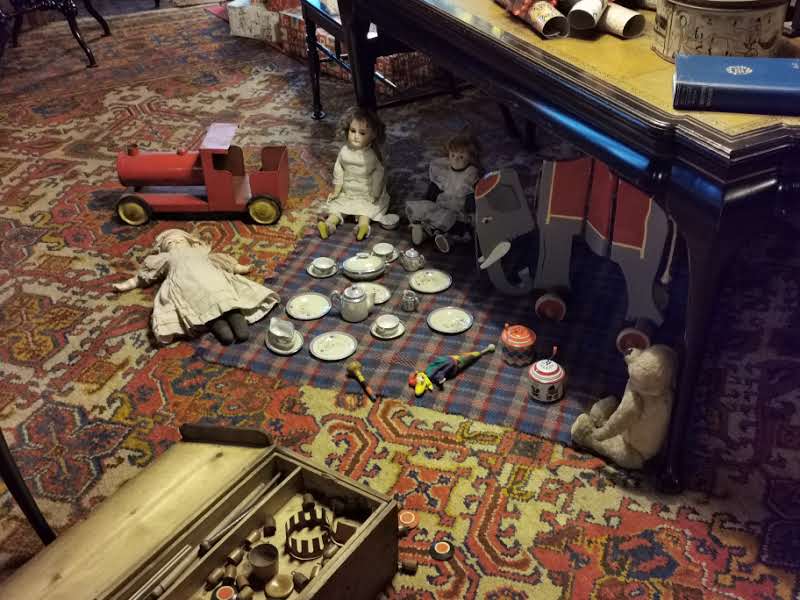
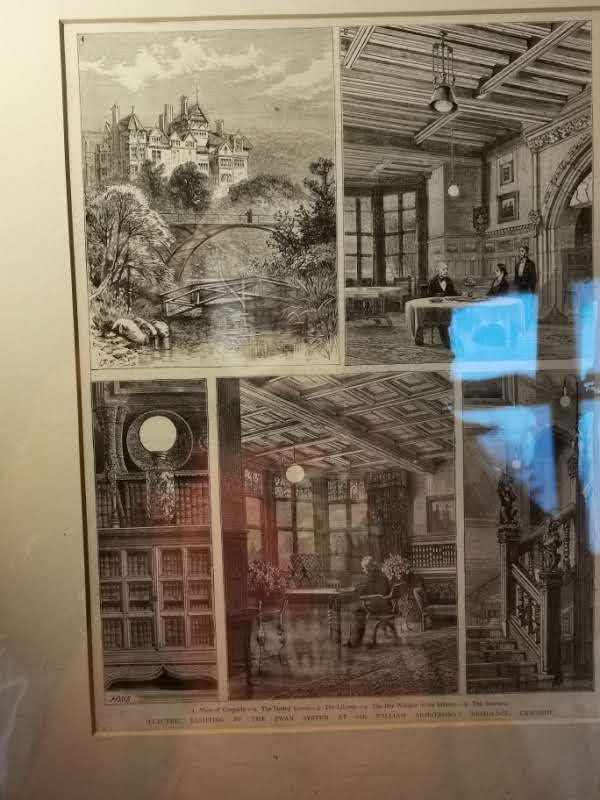
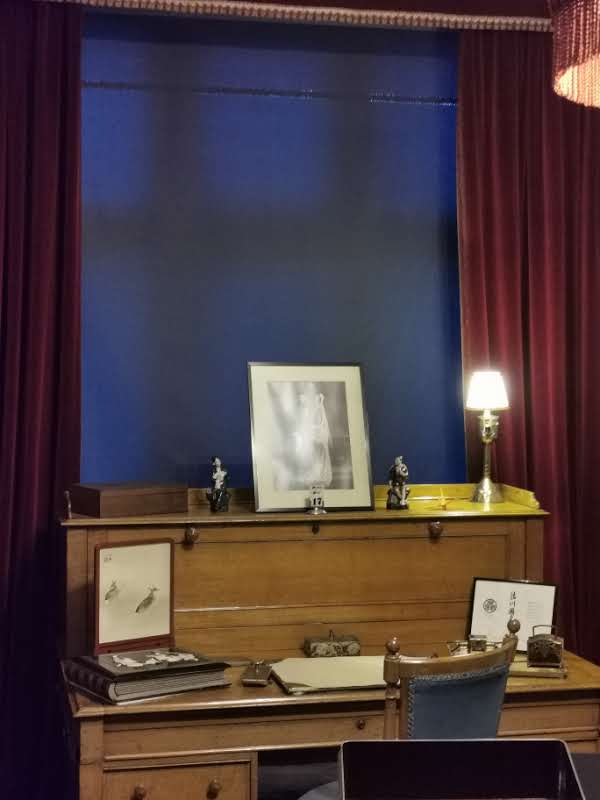
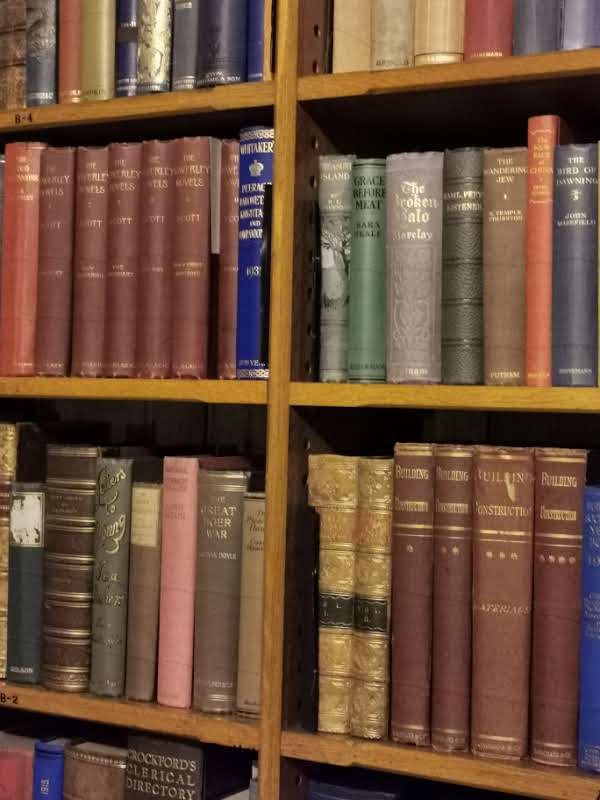
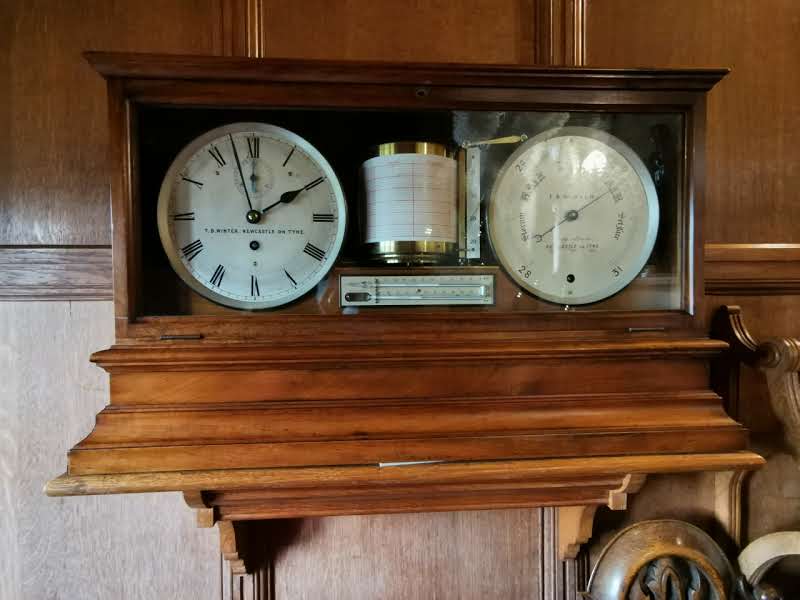
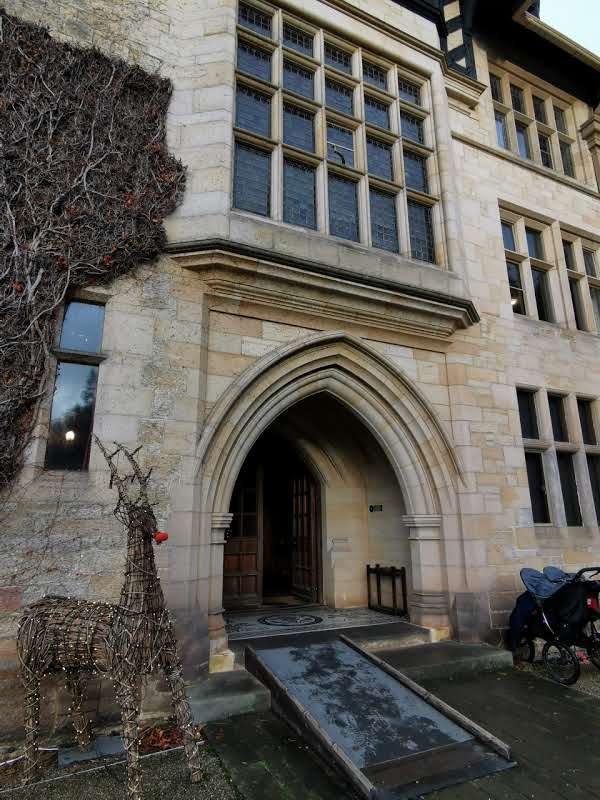
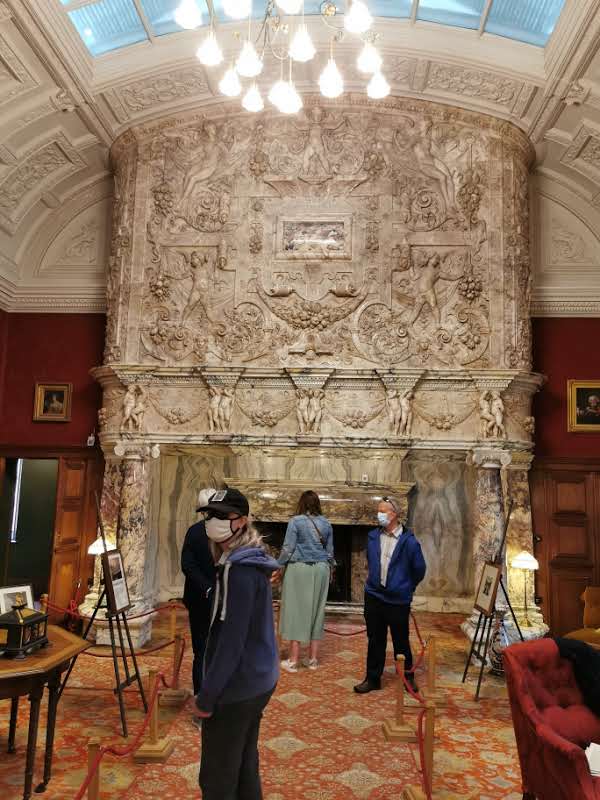
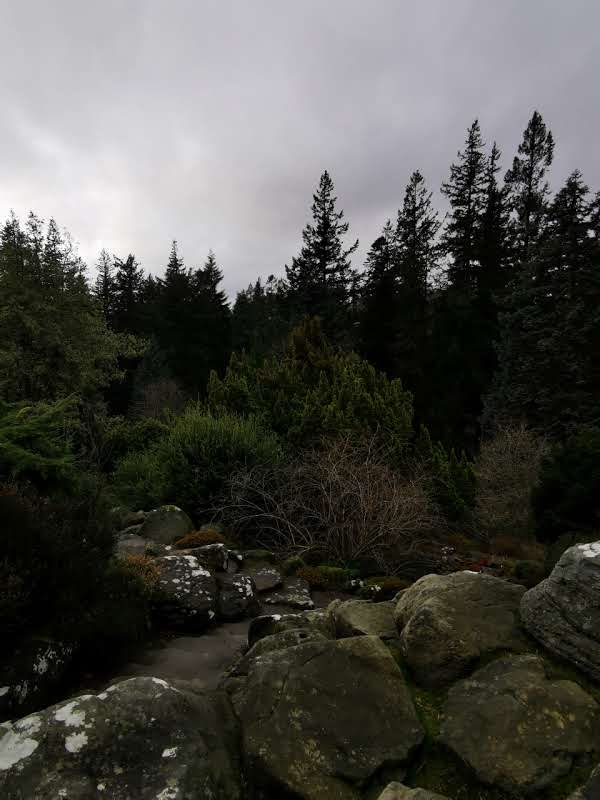
It’s not very often that I actually get to visit the places I write about. Very little of Saxon England remains as it would have been. But for Cragside, I could visit as often as I liked, and I did. I’m going to share some images of the interior of the house with you. These were either taken during December 2021, so might be a bit Christmasy, or were taken in August 2021. (apologises to people I’ve accidentally snapped).

Cragside: A 1930s murder mystery is now available in ebook, hardback, paperback and audio.

It’s my turn on the new release blog tour for The Capsarius by Simon Turney #AriesFiction #BlogTour

Here’s the blurb:

Warrior and combat medic, Titus Cervianus, must lead a legion and quell the uprisings in Egypt in a new Roman adventure from Simon Turney.
Egypt. 25 BC.

Titus Cervianus and the Twenty Second Deiotariana have been sent to deal with uprisings and chaos in Egypt. Yet the Twenty Second is no ordinary legion. Founded as the private royal army of one of Rome’s most devoted allies, the king of Galatia, their ways are not the same as the other legions, a factor that sets them apart and causes friction with their fellow soldiers.

Cervianus is no ordinary soldier, either. A former surgeon from the city of Ancyra, he’s now a capsarius – a combat medic. Cervianus is a pragmatist, a scientist, and truly unpopular with his legion.

Marching into the unknown, Cervianus will find unexpected allies in a local cavalryman and a troublesome lunatic. Both will be of critical importance as the young medic marches into the searing sands of the south, finding forbidden temples, dark assassins, vicious crocodiles, and worst of all, the warrior queen of Kush…

Amazon Link:

Review

I really enjoyed The Capsarius. I’ve read some of Simon Turney’s Roman fiction in the past, but this book, without its focus on Roman Rome, is a little different, and very enjoyable.

I didn’t read this book quickly – rather I enjoyed it slowly, taking delight in reading a small amount each day over an extended period. It’s a story rich with detail, as our main character, The Capsarius, travels through a land he is clearly excited to visit, being so very strange to his birth lands, and yet one he understands is filled with danger. The heat, the lack of water, and the need to stay close to the great river Nile, bring into play some very dangerous enemies, the crocodiles of the delta.

The Capsarius is not your usual Roman warrior. He’s a skilled and widely read individual, keen to hold on to the ideals he has as a medic in the Roman army, even though he’s pitted against just about everyone in the legion, and his superiors really don’t seem to like him a great deal – not that it worries him. He’s a man of reason, and yet one who’s thrust into a strange land, with even stranger gods, and gods who seem to speak to him. The interplay between the reasoned man forced to question his beliefs because of the pervading Egyptian religion is skillfully drawn.

This is a slow burn, which rewards the reader with two really quite different battle scenes in the second half of the book when our Roman hero finally encounters his elusive enemy, and I’m already looking forward to book 2.

A wonderful read – with just the right amount of humour and peril – set in a wonderfully drawn land of intrigue and danger.

Thank you to Netgalley and the publisher for my review copy, and for inviting me onto the new release blog tour.

Meet the author

Simon Turney is from Yorkshire and, having spent much of his childhood visiting historic sites, fell in love with the Roman heritage of the region. His fascination with the ancient world snowballed from there with great interest in Rome, Egypt, Greece and Byzantium. His works include the Marius’ Mules and Praetorian series, the Tales of the Empire and The Damned Emperor series, and the Rise of Emperors books with Gordon Doherty.

Follow Simon
Twitter: @SJATurney
Instagram: @simonturney_aka_sjaturney

Website: http://simonturney.com/

Don’t forget to stop by the other reviewers on The Capsarius new release blog tour.

headofzeus.com@AriesFiction

Not convinced yet? Do check out my other reviews for Simon Turney’s Roman era books. Commodus, Sons of Rome, Masters of Rome, Emperors of Rome.

Happy release day to Cragside: A 1930s murder mystery

Today, I’m releasing the ebook, paperback and audiobook of Cragside into the wild. I loved writing this book, and I want to say that my narrator, Gill Mills, has done an amazing job of bringing the character of Lady Ella Merryweather to life. Thank you.

But, why Cragside?

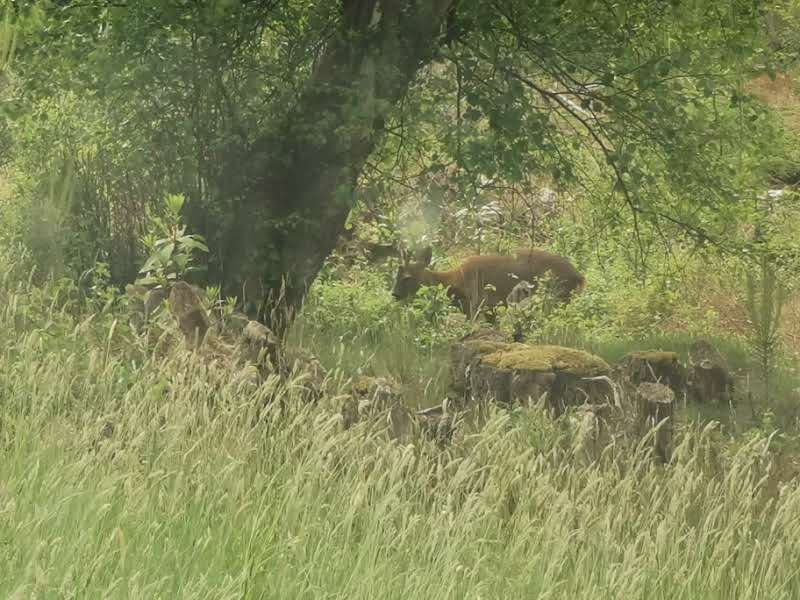
Cragside is a National Trust property in North Northumberland. During Lockdown, it was one of the places that was allowed to remain open (the grounds were) for locals. What started as a single visit because it was just amazing to go somewhere that wasn’t home, or the walk down the road, became a regular weekly haunt. Every week, just about without fail, and no matter the weather, we walked around the estate, exploring places I’d never seen before. And what an absolute joy it was. Cragside, the house, is majestic, but it’s the estate and all of its wonderful nature that really called to me. It’s not unusual to see a deer on the vast estate, or to watch birds, ducks and even some fish, in their natural environment. And some of the ducks like to have a proper little scrap, which really echoes.

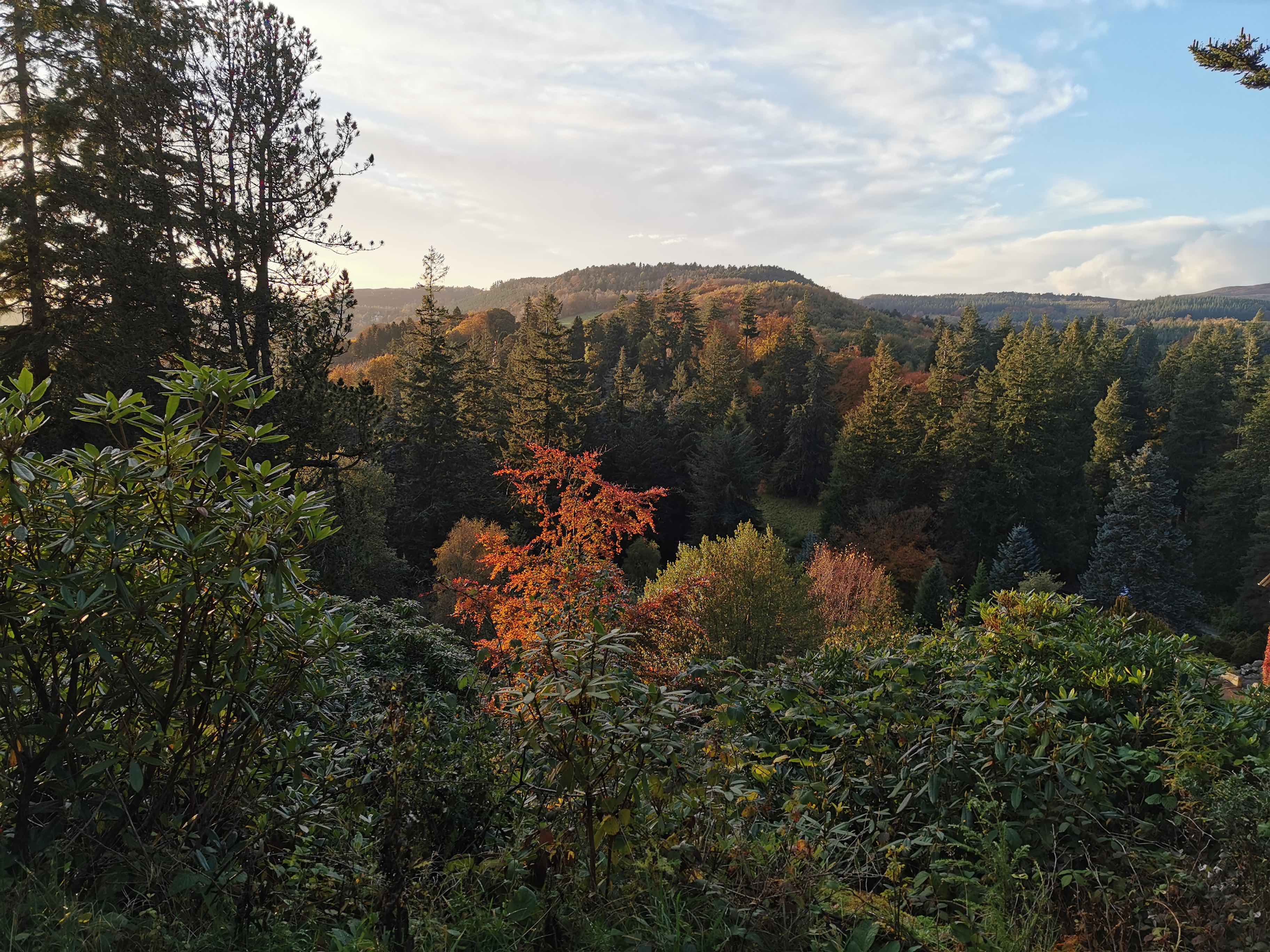
Autumnal view of the estate looking out towards Rothbury
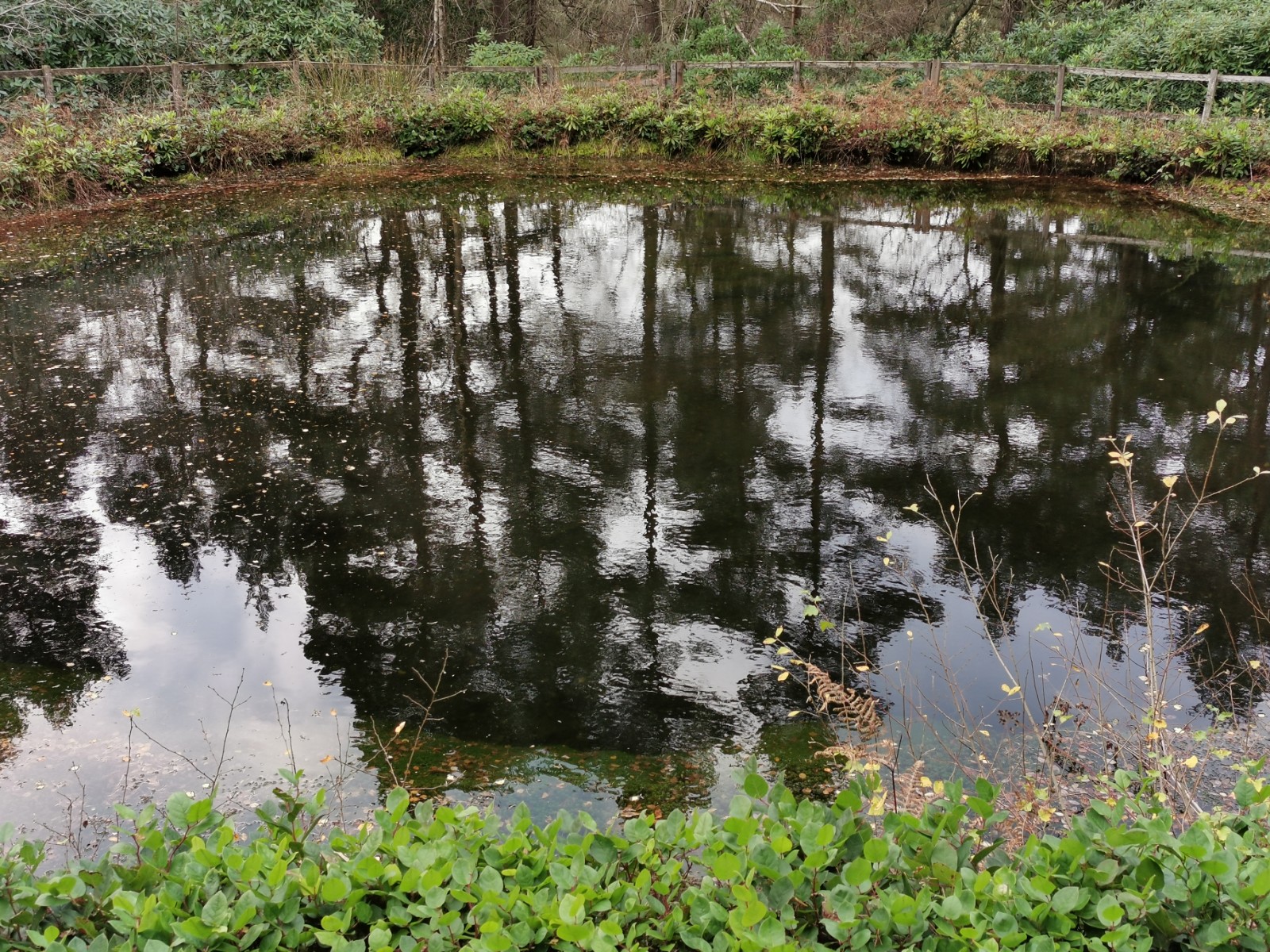
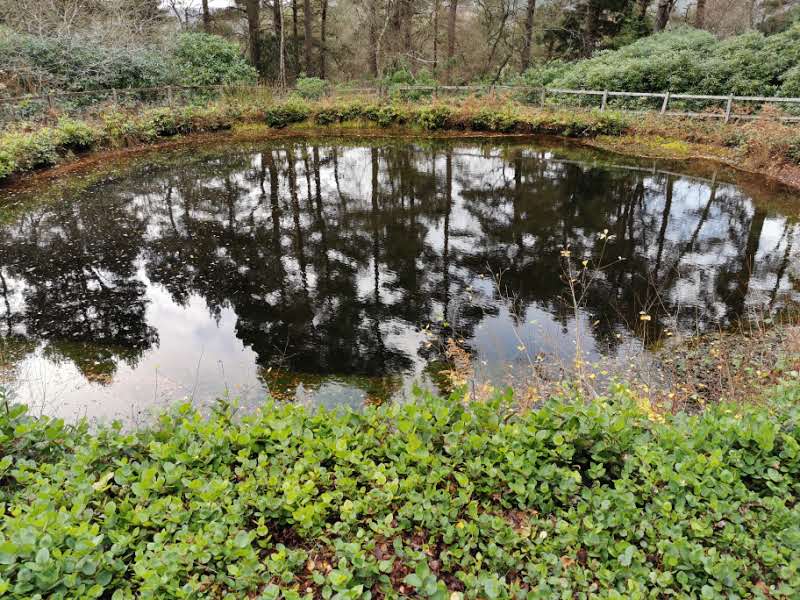
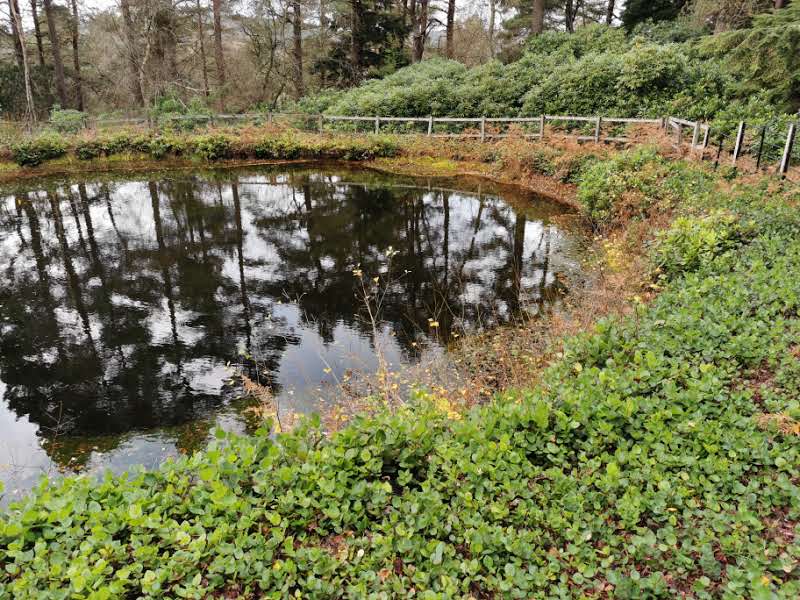
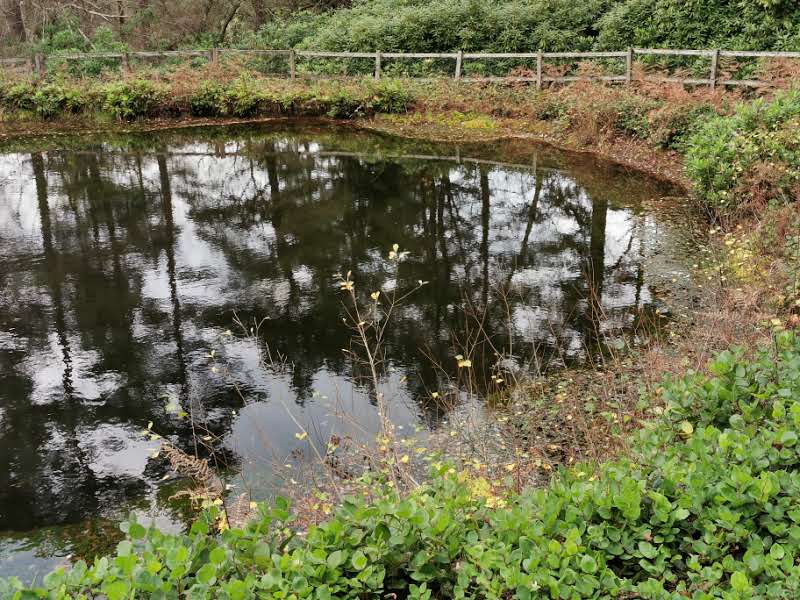
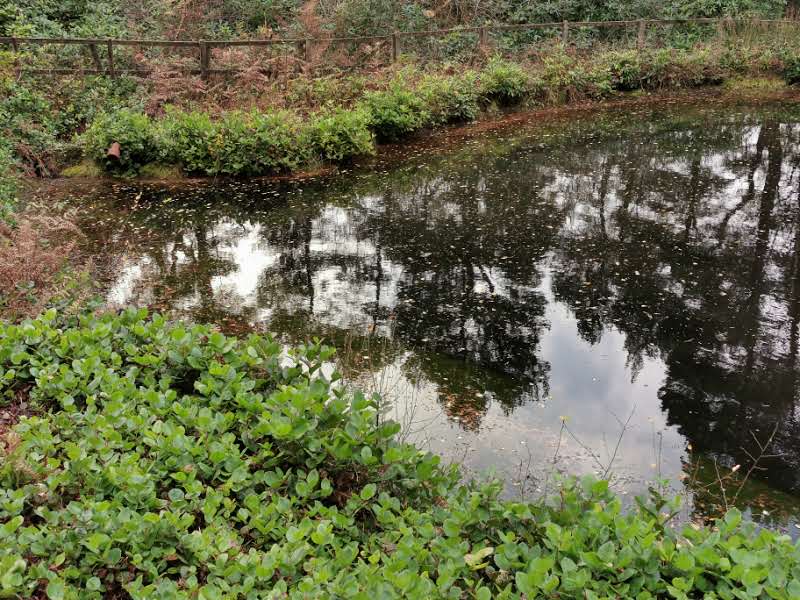
The Basin Tank, Cragside
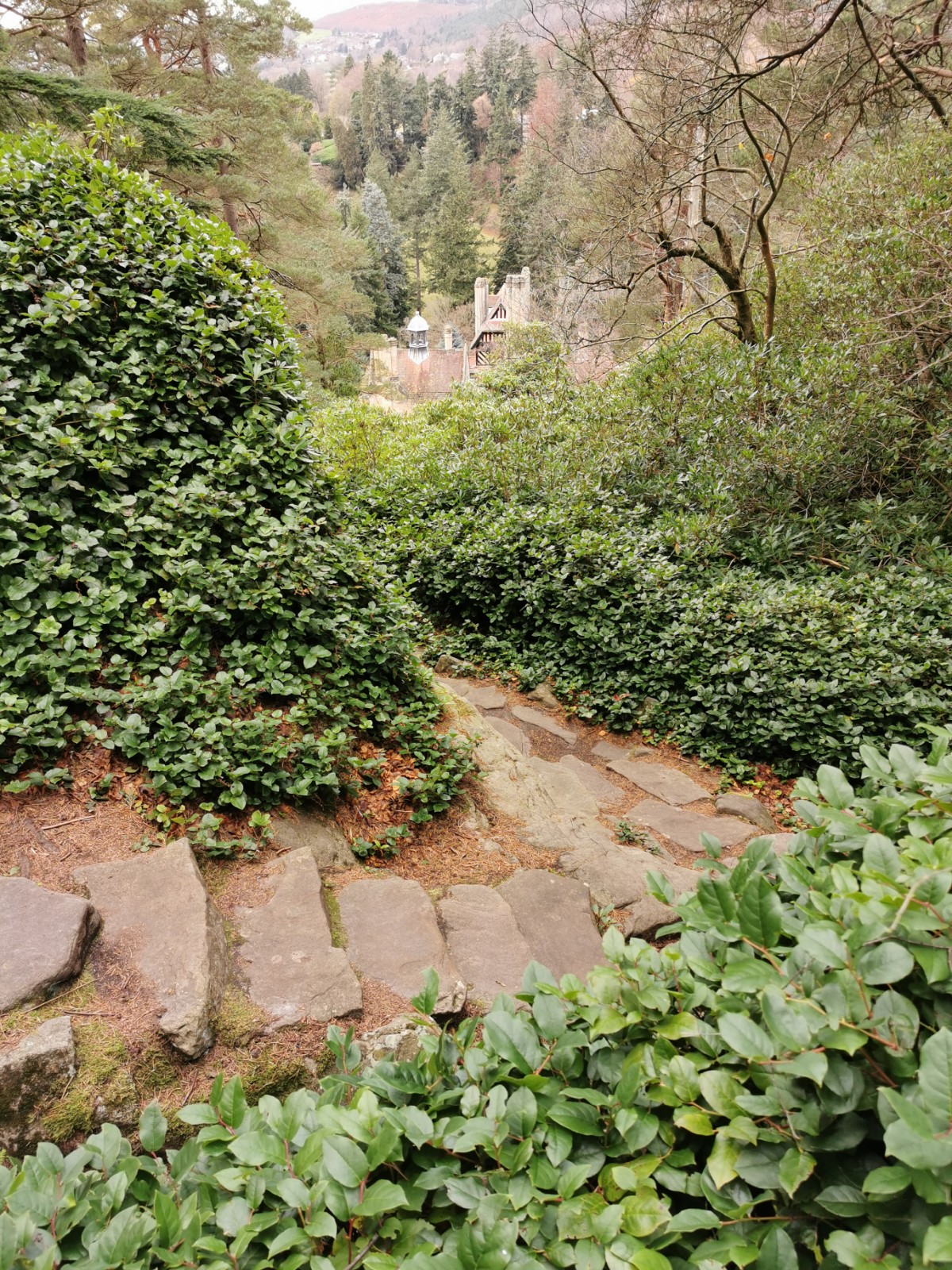
One of the many, many paths through the Estate and leading to the house

And the more I walked around the estate, the more I started to see possibilities for a new story. The basin tank, dark and brooding, seemed like a perfect place to find a body, and that was just the first of the thoughts I had about a potential new story. And, of course, I also made the decision to set the story in Autumn, because while the spring and summer are beautiful, I’m a huge fan of Autumn colours, and it’s not just because the estate tends to be quieter over the cooler months:)

My main character, Lady Ella Merryweather, developed along with my walks and I enjoyed crafting the story of a woman already suspected of murder trying to prove her innocence in the 1930s.

I hope you’ll enjoy my 1930s murder mystery inspired by my love of Cragside and Agatha Christie novels.

Cragside is available now.