Today, I’m reviewing the rather fabulous The Maids of Biddenden by GD Harper as part of the #blogtour #histfic #12thCentury

Here’s the blurb:

‘There is no me; there is no you.

There is only us.’

The Maids of Biddenden is inspired by the real-life story of conjoined twins Mary and Eliza Chulkhurst, born in 1100 into a wealthy family from a small Kent village.

Joined at the hip, the sisters overcome fear and hostility to grow into gifted and much-loved women ­– one a talented musician and song-writer, the other a caring healer and grower of medicinal plants. Entangled in the struggles for power and influence of the great Kent nobles of the time, they achieve much in their lifetimes and leave behind a legacy in Biddenden that survives to this day.

This is the heart-warming and inspirational story of two remarkable women leading one joint life, challenging adversity to become the best they can be.
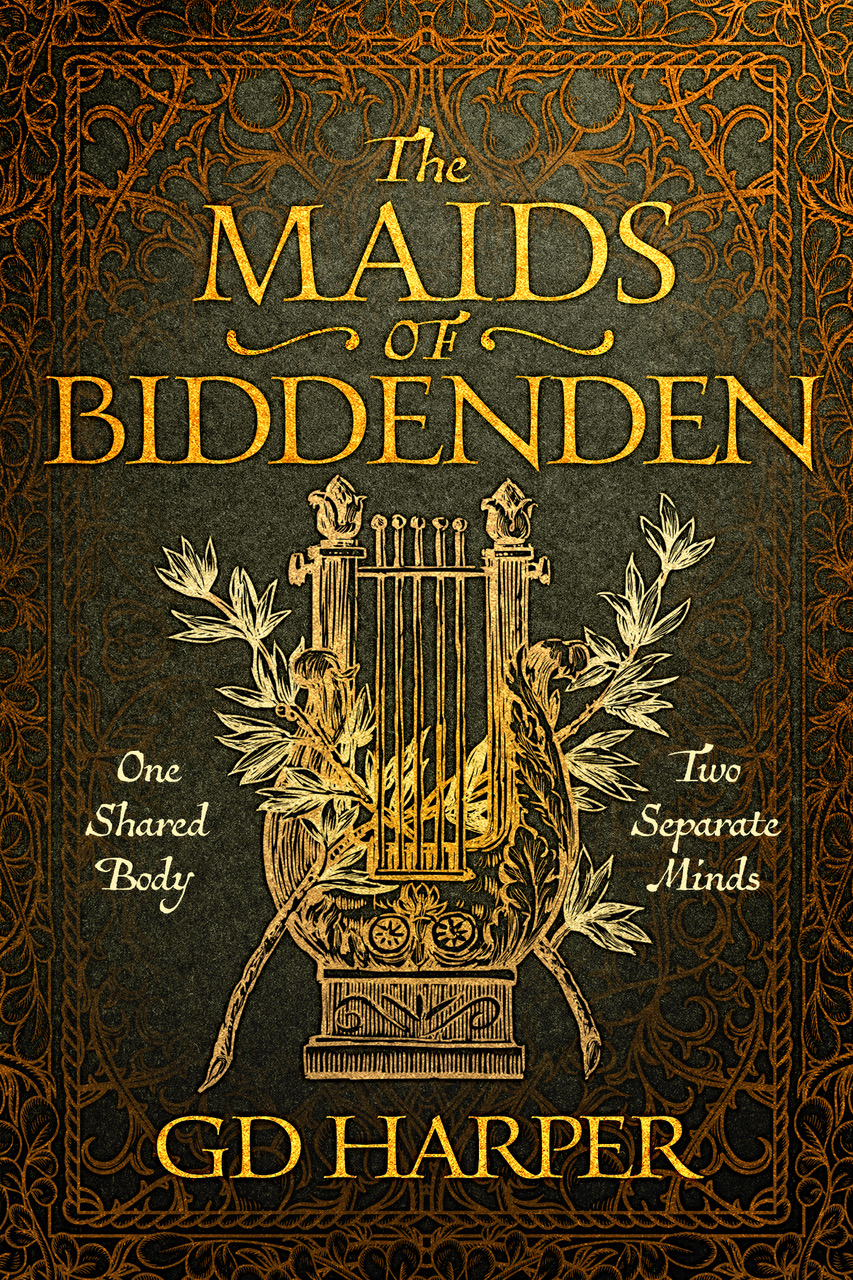
Review

The Maids of Biddenden is that rare beast which entirely absorbs the reader from page one. Helped by a flowing style of writing, and the immediate and impending danger that the twins find themselves in as six-year-olds, the reader is entirely absorbed in the story, and their fate, so much so that it’s difficult to put the book down. That said, it is not just the twins themselves that drive the story – the people they interact with, those with their best and worst interests at heart – are all believable and well written, and there are occasions when the reader will be left frustrated and angered that some seem to face little punishment for their actions. The story has a number of points of view, and I found that they all worked very well – offering a view of the twins as they think of themselves, and also as others perceived them.

The story is effectively split in two; the first 45% tells the story of the Maids as young children. This element of the story is filled with a deep sense of foreboding that drives the story onward and makes the reader fearful for the future of the Maids. The narrative then moves forward a few years, and we see them as young women, trying to make a name for themselves and use their talents for good. At this point, the immediate landscape that the Maids encounter broadens considerably, and we move away from the nunnery and the settlement of Biddenden, into the politics and events of the early twelfth century, that almost consume the lives of the Maids for the remainder of their years – they lived during the time of the tragedy of the White Ship.

The story doesn’t so much lose focus here, but because the impending danger has passed, the reader is instead absorbed in how the twins accomplish all that they do. There is a great deal of attention to detail here – both medical knowledge and music – and it’s fascinating to see how the Maids’ lives interact with known events from the period.

This is a delightful story. I was entirely engrossed and found myself snatching what time I could to carry on reading it – something that doesn’t happen all that often. I highly, highly recommend The Maids of Biddenden for fans of historical fiction, and also for those who don’t normally read the genre. The challenges that the twins face are well told, and the reaction their appearance sparks are conveyed well, although as the reader you will be offended by the prevailing belief that they are Godless and a monstrosity, and the fact that they were a ‘sight to see’ as opposed to always being appreciated for who they were and what they could accomplish. The historical notes at the back of the novel are also fascinating.

A truly heart-warming story.

Purchase Links

UK – https://www.amazon.co.uk/Maids-Biddenden-heart-warming-inspirational-12th-century-ebook/dp/B09ZBKX9S4/

US – https://www.amazon.com/Maids-Biddenden-heart-warming-inspirational-12th-century-ebook/dp/B09ZBKX9S4/

Meet the author

I became a full-time author in 2016, publishing three novels under the pen name GD Harper. I have been both a Wishing Shelf Book Award finalist and Red Ribbon winner, been shortlisted for the Lightship Prize, longlisted for the UK Novel Writing Award and longlisted for the Page Turner Writer Award. The Maids of Biddenden was a finalist in this year’s Page Turner Book Award for unpublished manuscripts, longlisted for the Exeter Book Prize and the Flash 500 Novel Award, and shortlisted for the Impress Prize. 

Connect with GD Harper

Facebook: @gdharperauthor

Twitter: @harper_author

Website: www.gdharper.com

https://www.instagram.com/gdharperauthor/
Follow The Maids of Biddenden blog tour with Rachel’s Random Resources

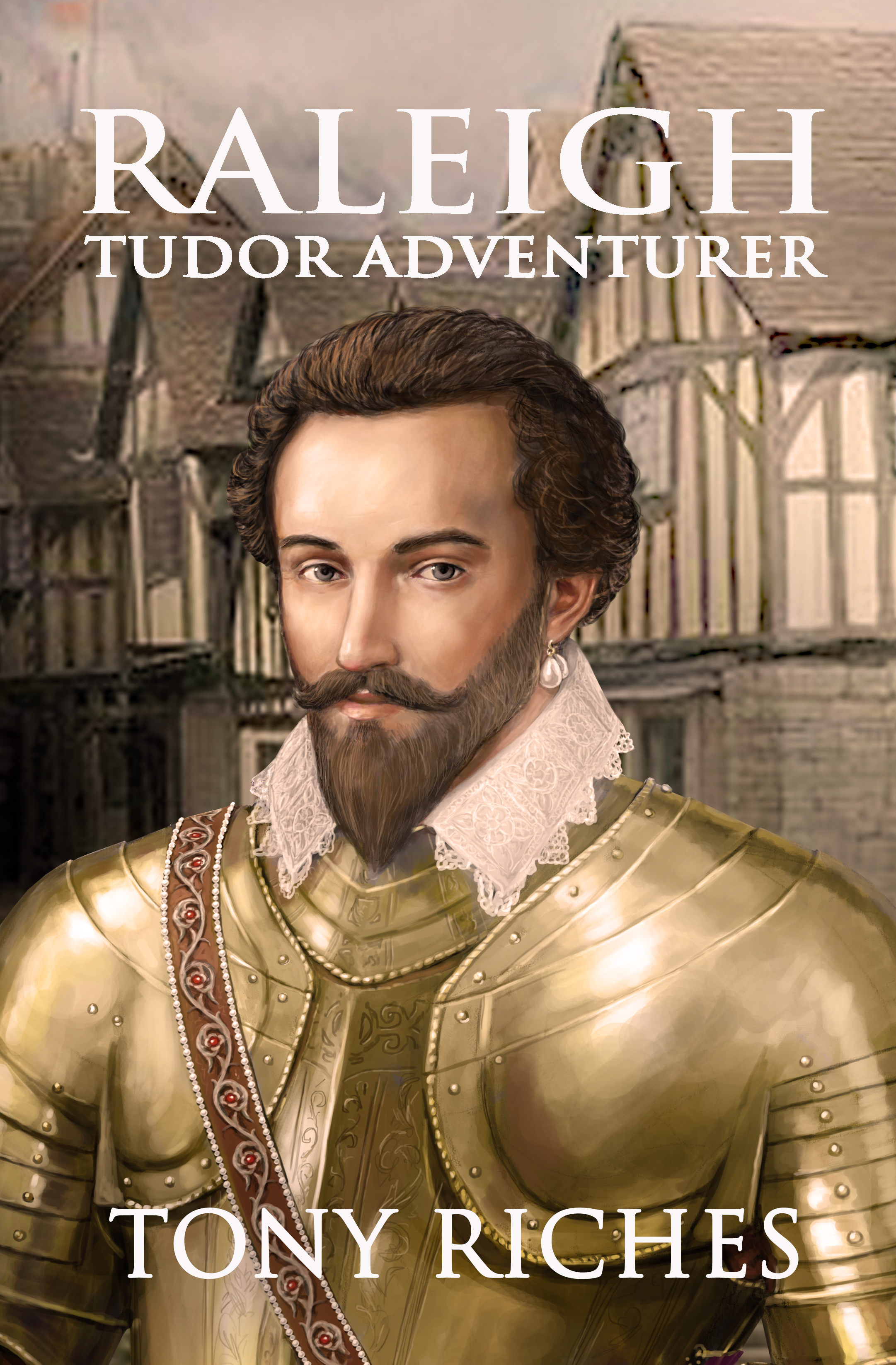
Today, I’m excited to share a fab post by Tony Riches about his new book, Raleigh – Tudor Adventurer #BlogTour

Inspiration to write Raleigh – Tudor Adventurer.

Tudor adventurer, courtier, explorer and poet, Sir Walter Raleigh has been called the last true Elizabethan.

This journey began when I was researching for an historical novel about Henry Tudor, who like me was born in the town of Pembroke, Wales. I eventually uncovered enough original material to write three books, with Henry being born in the first, coming of age in the second and becoming King of England in the third. 

The result was my best-selling Tudor Trilogy, and I decided to continue the stories of the Tudors in a continuous line. I also made a conscious decision to tell the stories through those surrounding King Henry VIII and Queen Elizabeth I, so we see different facets of these complex rulers through the eyes of others.

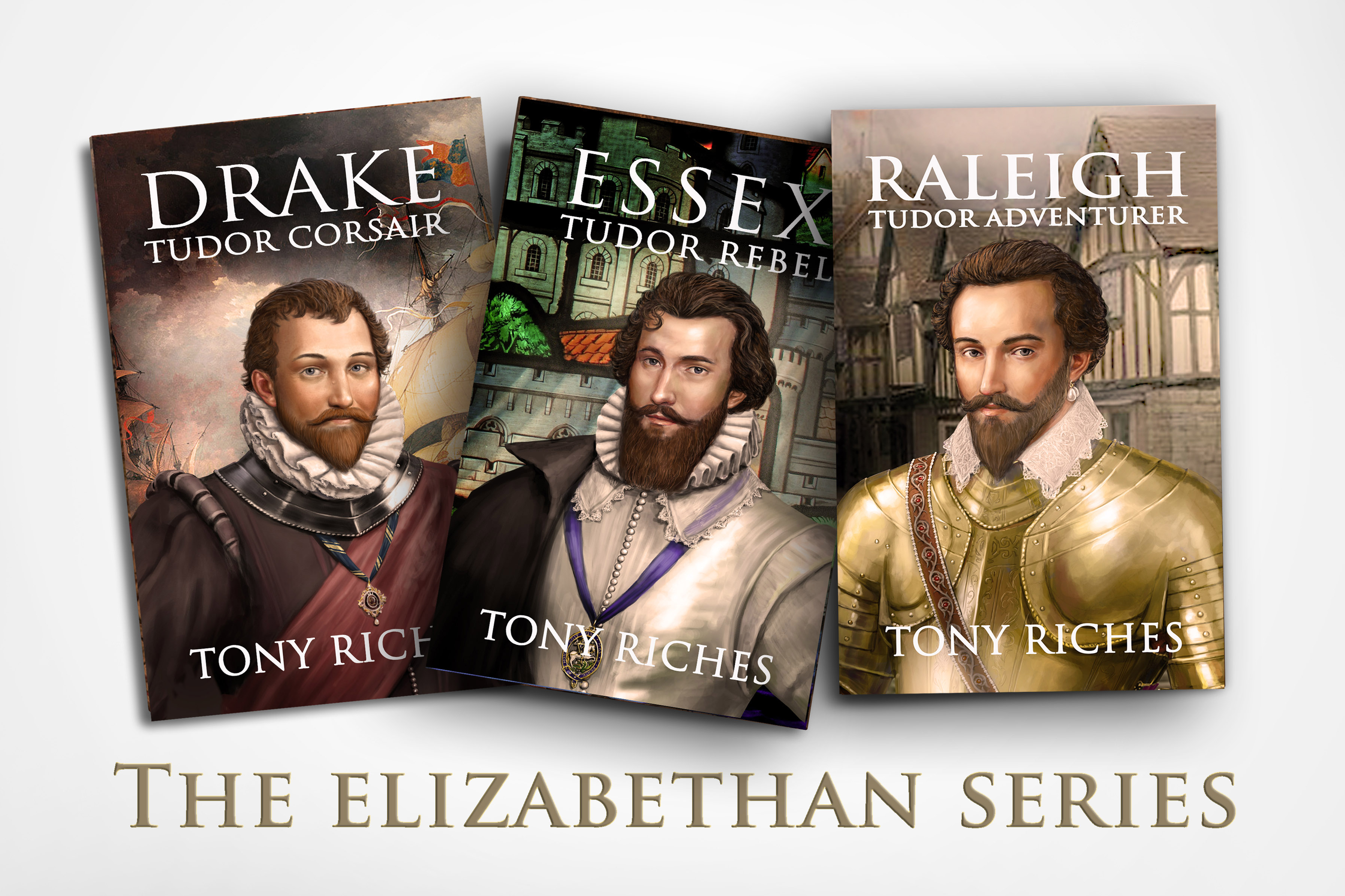
For my Elizabethan series I chose three very different favourites of the queen, who each saw different sides of her personality. Sir Francis Drake showered her with gold and jewels, stolen from the Spanish, in return for the status he longed for. The Earl of Essex was like the errant son she never had, but Raleigh became her protector, Captain of the Guard, and lived to see the last days of the Tudor dynasty.

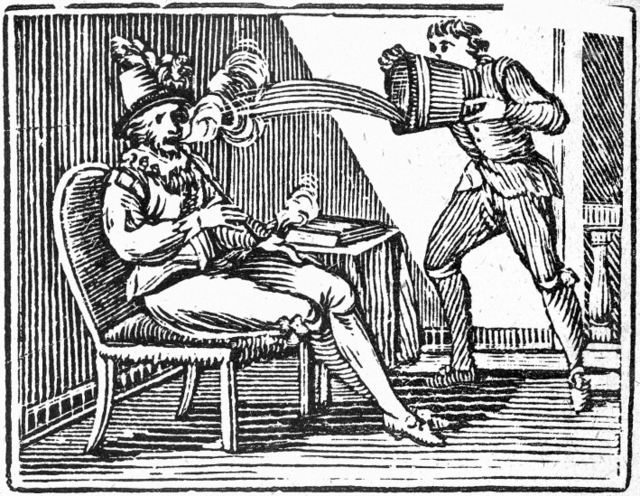
Many of the things I thought I knew about Walter Raleigh proved to be wrong. Raleigh is credited with introducing the potato and tobacco to Britain, but I’ve seen no evidence for either, or for the popular tale of a servant throwing water over him when he mistook the smoke from Raleigh’s pipe for a fire!

Sir_Walter_Raleigh_being_doused

I followed Raleigh across the Irish Sea to the sleepy harbour at Youghal, where he had a house and became Mayor, as well as to the bustling city of Cork, where he served in the English Army of occupation. I also visited Raleigh’s house at Sherborne in Dorset, which still has many original features.

Sherborne Castle

My research uncovered a comprehensive collection of original letters and poetry written by Raleigh. As well as helping me understand his motivation, and the timeline of complex events, they also gave me a sense of his ‘voice’, and how he spoke to the queen and others of her court.

I relied on the comprehensive records of the Elizabethan Court, which set out events in fascinating detail.  I was also lucky to read ‘A Woman of Noble Wit’, a new novel by Rosemary Griggs, about Raleigh’s mother. This led me to explore Walter Raleigh’s relationship with his father, as well as his mother, an aspect of him largely ignored by historical biographers.

My hope is that Raleigh – Tudor Adventurer will help readers see beyond the myths and half-truths, and have a better understanding of the man who has been called the last true Elizabethan.

Thank you so much for sharing. Your research sounds fabulous, and I too am reading A Woman of Noble Wit. Good luck with the new release.

Here’s the blurb:

Tudor adventurer, courtier, explorer and poet, Sir Walter Raleigh has been called the last true Elizabethan.

He didn’t dance or joust, didn’t come from a noble family, or marry into one. So how did an impoverished law student become a favourite of the queen, and Captain of the Guard?

The story which began with the best-selling Tudor trilogy follows Walter Raleigh from his first days at the Elizabethan Court to the end of the Tudor dynasty.

Buy Links:

Available on #KindleUnlimited.

Universal Link

Amazon UK

Amazon US

Amazon CA

Amazon AU

Meet the author

Tony Riches is a full-time UK author of best-selling historical fiction. He lives in Pembrokeshire, West Wales and is a specialist in the lives of the Tudors. He also runs the popular ‘Stories of the Tudors’ podcast, and posts book reviews, author interviews and guest posts at his blog, The Writing Desk. For more information about Tony’s books please visit his website tonyriches.com and find him on Facebook and Twitter @tonyriches

Connect with Tony:

BlogWebsitePodcastTwitter

FacebookInstagramAmazon Author Page

Follow the blog tour for Raleigh: Tudor Adventurer by Tony Riches with The Coffee Pot Book Club

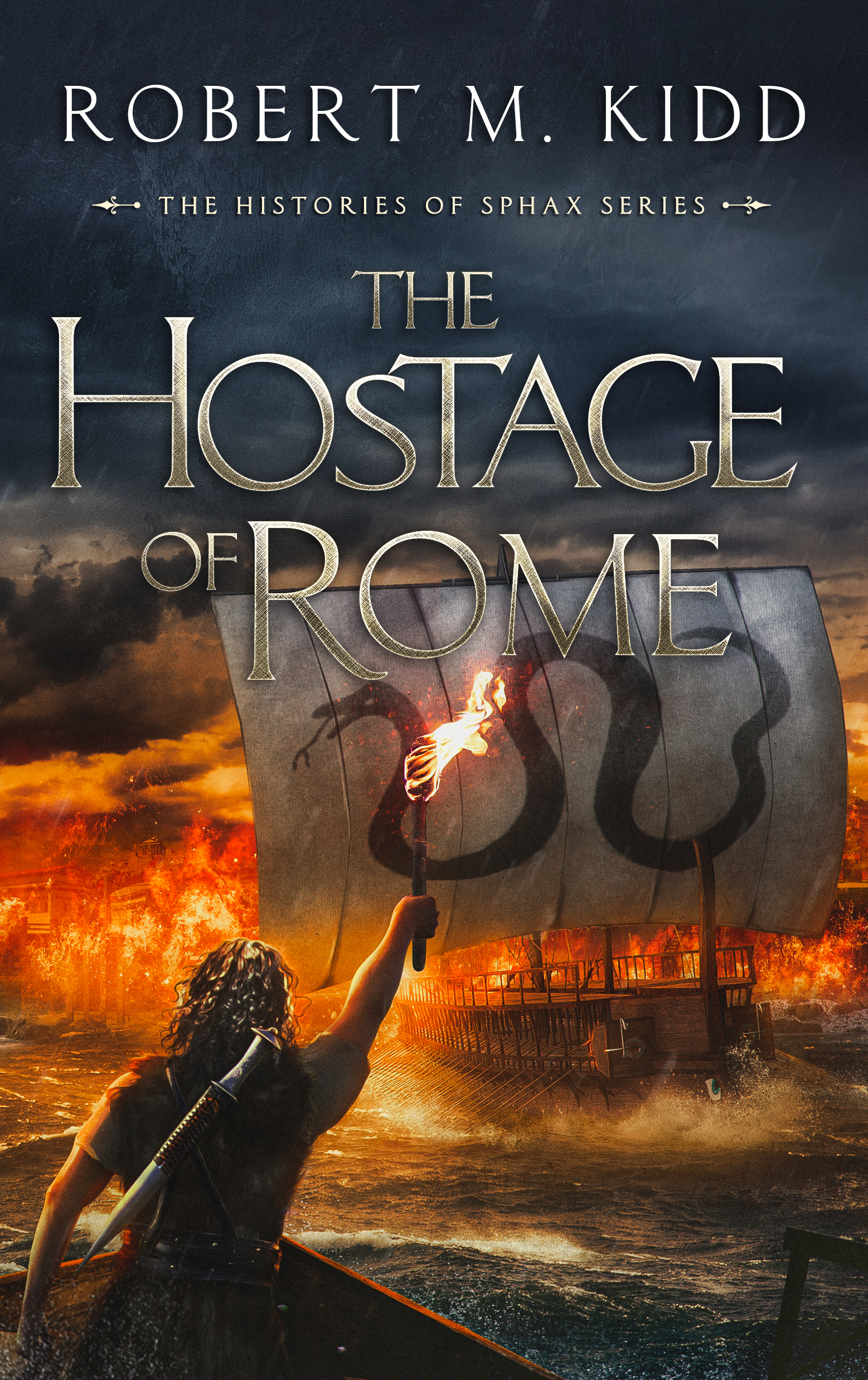
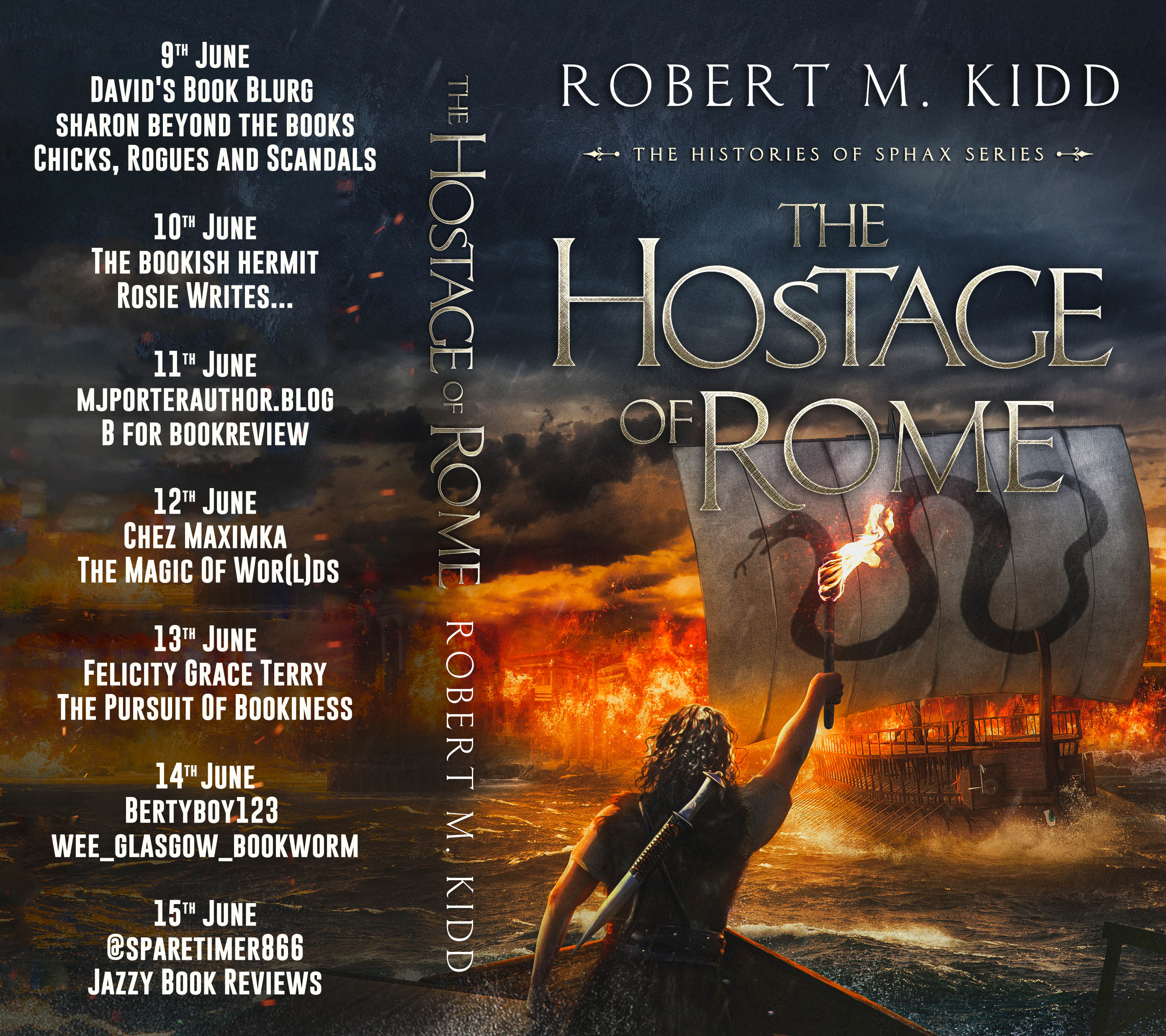
I’m delighted to share my review for The Hostage of Rome by Robert M Kidd #blogtour

The Hostage of Rome is the third book in The Histories of Sphax, but it is the first book in the series that I’ve read. While I’m sure that I’ve missed out by jumping straight into book 3, I didn’t find starting the book difficult – not at all. Sphax is an easy and engaging character to meet, as are those who surround him. And, now I have books 1 and 2 to enjoy as well. I have no problem reading any series out of order:)

From the very first word, the action is pretty much non-stop, and the writing style is engaging and easy going.

I’m not often a visitor to BC era Rome – many of the Roman novels I’ve read have been set during the early centuries of the AD era – but I’m so glad I made the jump back in time.

The Hostage of Rome is an enjoyable and entertaining read, and I’m so pleased I decided to read it.

Here’s the blurb:

217 BC. Rome has been savaged, beaten and is in retreat. Yet, in that winter of winters, her garrisons cling on behind the walls of Placentia and Cremona, thanks to her sea-born supplies. If he could be freed, a hostage of Rome may yet hold the key to launching a fleet of pirates that could sweep Rome from the seas. For that hostage is none other than Corinna’s son Cleon, rival heir to the throne of Illyria, held in Brundisium, four hundred miles south of the Rubicon. 

But Hannibal is set on a greater prize! Macedon is the great power in Greece, feared even by Rome. Its young king, Philip, is being compared with his illustrious ancestor, Alexander the Great. An alliance with Macedon would surely sound the death knell for Rome.          

Given Hannibal’s blessing, Sphax, Idwal and Corinna face an epic journey against impossible odds. Navigating the length of the Padus, past legionary garrisons and hostile Gauls, they must then risk the perils of the storm-torn Adria in the depths of the winter. If the gods favour them and they reach the lands of the pirate queen, only then will their real trials begin. 

Purchase Links

UK US

Meet the author

When Cato the Censor demanded that ‘Carthage must be destroyed,’ Rome did just that. In 146 BC, after a three year siege, Carthage was raised to the ground, its surviving citizens sold into slavery and the fields where this once magnificent city had stood, ploughed by oxen. Carthage was erased from history.

That’s why I’m a novelist on a mission! I want to set the historical record straight. Our entire history of Hannibal’s wars with Rome is nothing short of propaganda, written by Greeks and Romans for their Roman clients. It intrigues me that Hannibal took two Greek scholars and historians with him on campaign, yet their histories of Rome’s deadliest war have never seen the light of day. 

My hero, Sphax the Numidian, tells a different story!

When I’m not waging war with my pen, I like to indulge my passion for travel and hill walking, and like my hero, I too love horses. I live in Pembrokeshire, West Wales.

https://robertmkidd.com/
https://twitter.com/RobertMKidd1

https://www.facebook.com/profile.php?id=100064169594911

Giveaway to Win Book 6 in The Histories of Sphax series to be dedicated to the winner, & a signed dedicated copy too (Open INT)

*Terms and Conditions –Worldwide entries welcome.  Please enter using the Rafflecopter box below.  The winner will be selected at random via Rafflecopter from all valid entries and will be notified by Twitter and/or email. If no response is received within 7 days then Rachel’s Random Resources reserves the right to select an alternative winner. Open to all entrants aged 18 or over.  Any personal data given as part of the competition entry is used for this purpose only and will not be shared with third parties, with the exception of the winners’ information. This will passed to the giveaway organiser and used only for fulfilment of the prize, after which time Rachel’s Random Resources will delete the data.  I am not responsible for despatch or delivery of the prize.

http://www.rafflecopter.com/rafl/display/33c69494502/?

Follow The Hostage of Rome tour with Rachel’s Random Resources

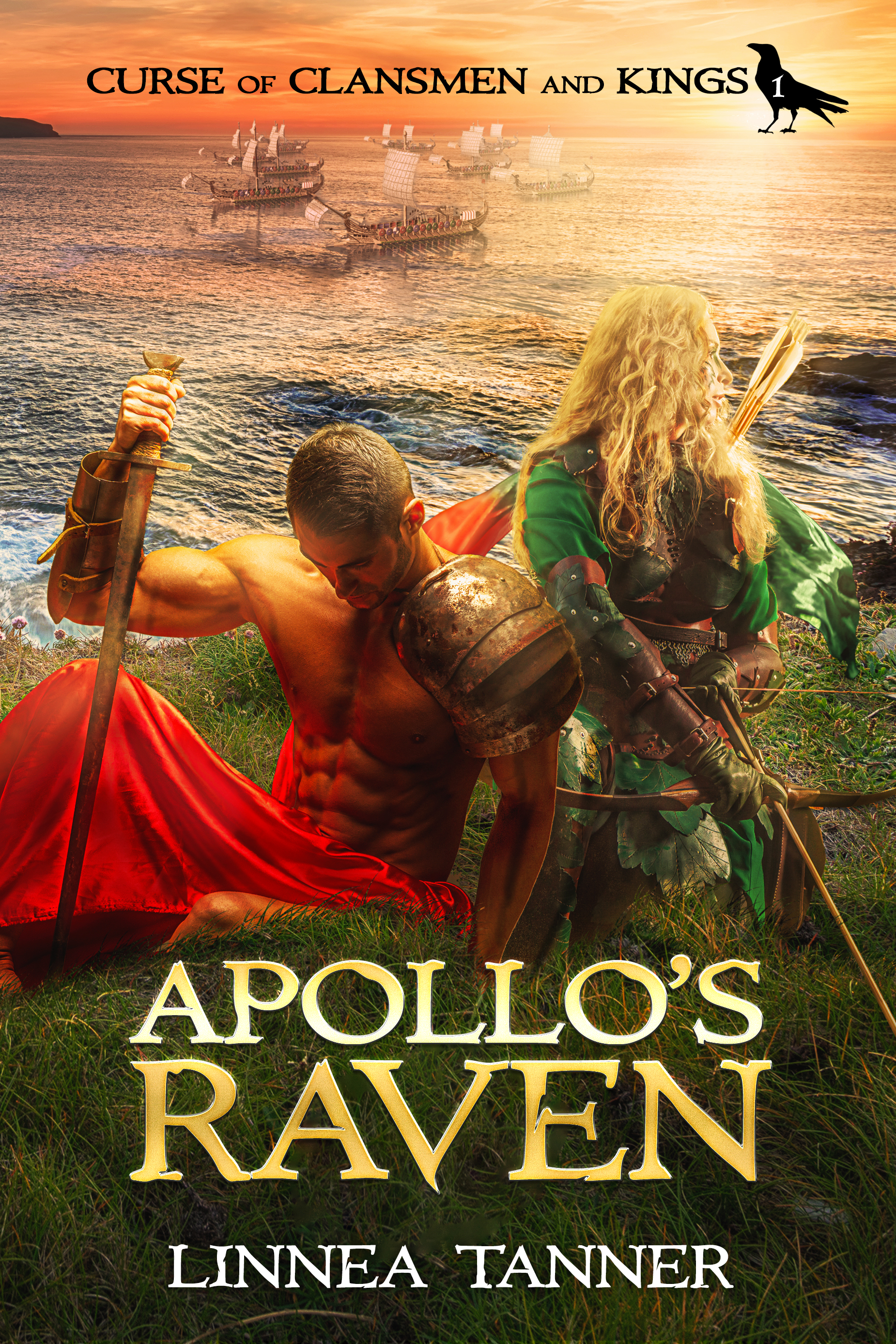
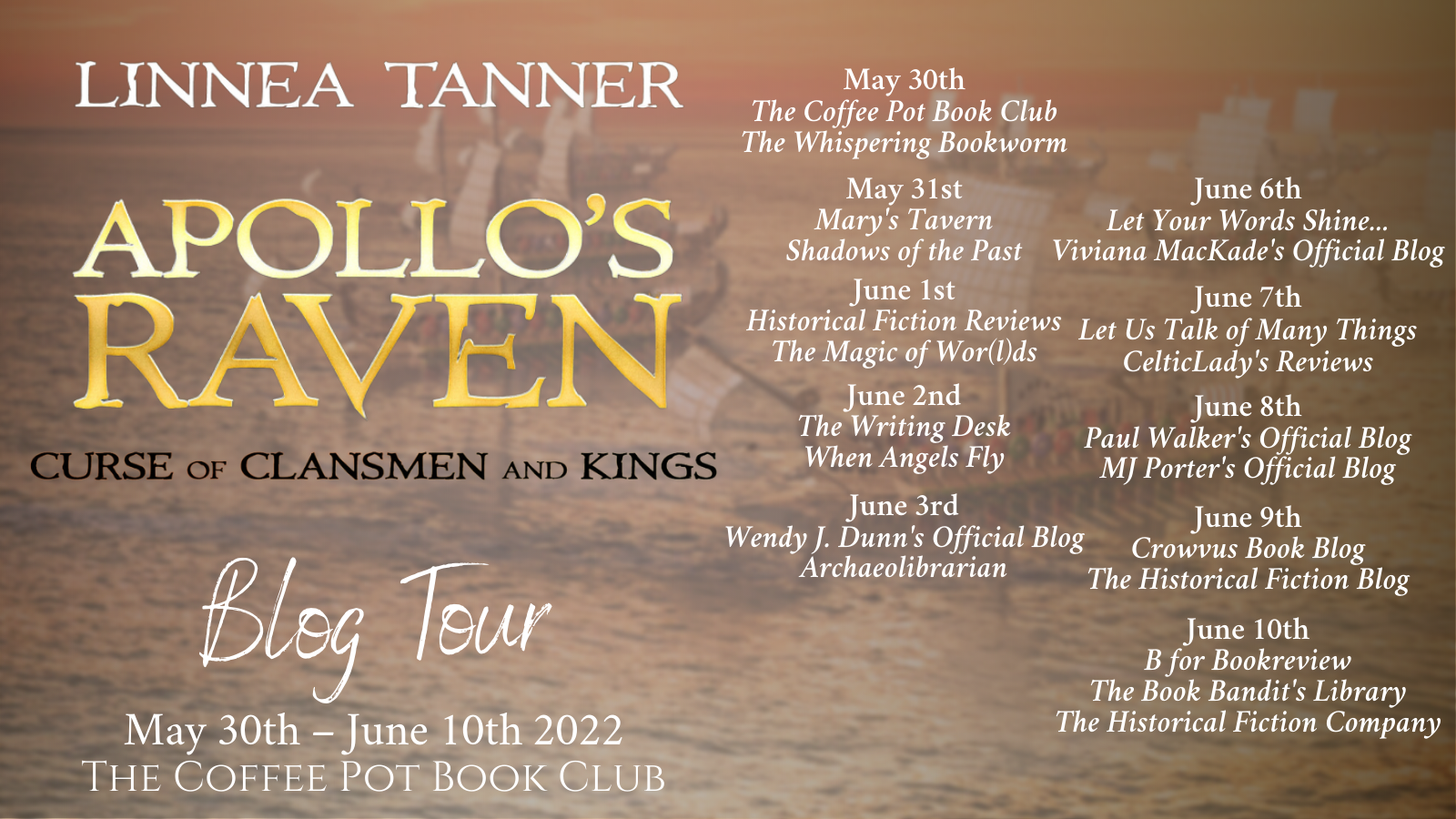
I’m delighted to welcome Linnea Tanner to the blog, with Apollo’s Raven, Book 1 in Curse of Clansmen and Kings

Your book, Apollo’s Raven, sounds fascinating. Can you share with me what the first idea was that made you decide to write this story? It might be very different from how the story ended up being, but I am curious, if you don’t mind sharing. And, if the story is very different, would you mind sharing the process by which you ended up with your current novel?

Thank you for featuring me as an author of Apollo’s Raven (Book 1 Curse of Clansmen and Kings) in the blog tour. You pose an interesting question, because the evolution of the characters and storyline has been a lifelong journey. Since childhood, the characters of a female warrior and her Roman lover have lived in my head, in part, as a way for me to deal with challenges in my own life. Both characters are bigger than life, but I never had a cohesive tale until I discovered historical figures who inspired me to develop the overall arc of the storyline.

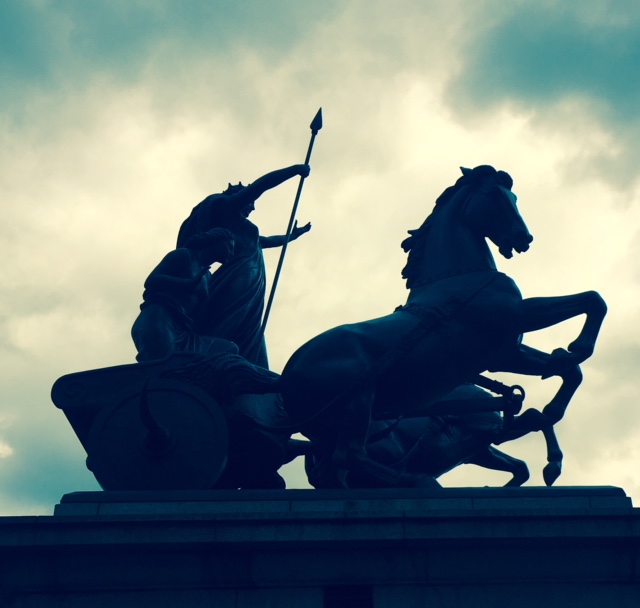
A pivotal point for creating the story was during one of my business travels to the United Kingdom. I was intrigued by the statue of a warrior queen and her daughters in a chariot, alongside the Thames River in London. After I did more research, I learned that she was Boudicca—an Iceni warrior queen who united the Britons in a rebellion against the Romans in AD 61 to expel them from Britannia. Roman historians describe her as a powerful druidess who sacrificed some of her victims to the war goddess, Andraste. Although the Celtic society was becoming more paternalistic, women were still held in high regard and could rule. The legacy of warrior queens in ancient Britannia and in Irish mythology inspired the primary protagonist, Catrin, in the series.

Boudicca in chariot with two daughters

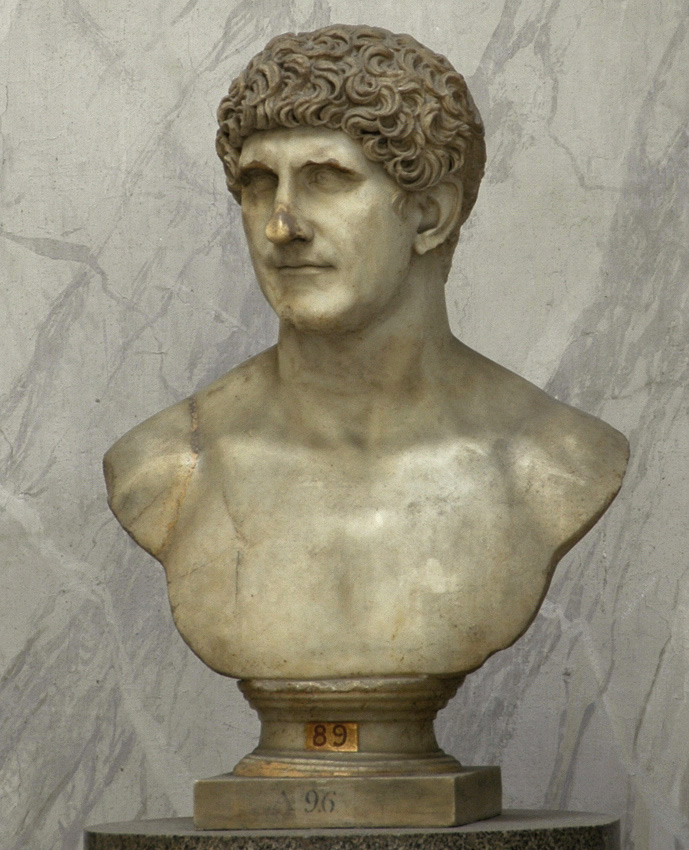
The legacy of Marcus Antonius (Mark Antony) and his tragic downfall with Cleopatra inspired the creation of Catrin’s Roman lover, Marcellus. Mark Antony’s son (Iullus Antonius) from a previous marriage also suffered a similar tragic fate— he was forced to commit suicide for his scandalous affair with Augustus Caesar’s only daughter, Julia. Little is known about Iullus’s son, Lucius Antonius, except that he was exiled to Gaul as a young man, most likely as a condition to escape his father’s fate. During the period in my series, the Antonius family legacy is cursed by the act of damnatio memoriae (condemnation of memory) for Marcus and Iullus Antonius, who both died in disgrace as a consequence of their liaisons with women. One of the burning questions I had is how would the tragic Antonius legacy impact Lucius Antonius? How would he react if his own son went down the same fateful path as his ancestors?

Bust Mark Antony

And thus, Marcellus, the son of Lucius Antonius, was created and cursed to meet the tragic fate as his ancestors. Catrin also lives under the curse cast against her father, King Amren, that foretells she and her half-brother will overthrow their father and rule the Cantiaci Kingdom in southeast Britannia. 

I drafted a three-page summary in 2010 for initially three books in the Curse of Clansmen and Kings series, which is now envisioned to be at least five books, a sequel, and other books associated with the characters. The series spans the time period between AD 24 through AD 40 in the backdrop of ancient Britannia, Gaul, and Rome. Prior to the Roman conquest of Britannia, tribal kings fought each other for power and sought interference from Rome to settle political differences. The series is an epic tale with universal themes of love versus duty, political corruption, otherworldly forces, loyalty, vengeance, and redemption.

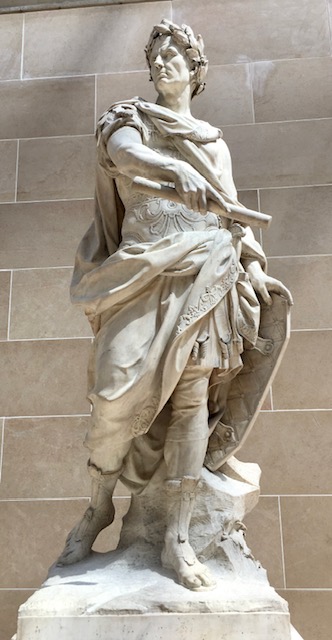
When I look back at my original summary, the storyline has changed substantially. Apollo’s Raven starts earlier in southeast Britannia to give a taste of the Celtic culture and beliefs to contrast with the Romans. Since the Celts left few written records, most of the backdrop for Celtic society is based on Greek and Roman accounts and archaeological findings. Interestingly, Julius Caesar left some of the most detailed accounts about the Celtic society in Gaul and Britannia.

Statue of Julius Caesar

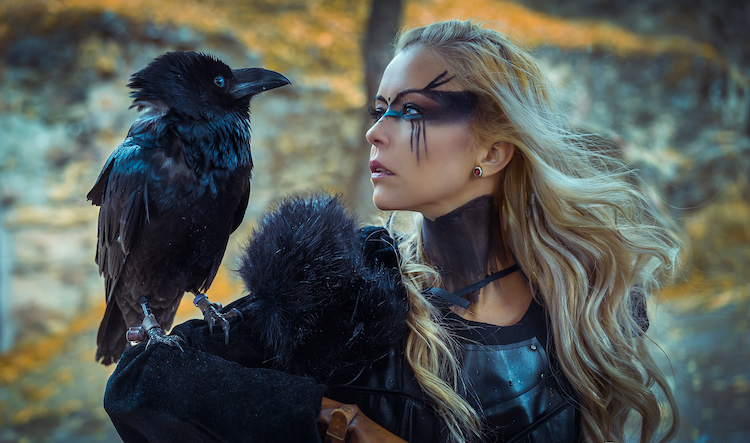
Fantastical elements were added to reflect the culture and religious beliefs of Britons to contract with the paternalistic Romans. The magical elements are based on Welsh and Irish mythology and legends, similar to Arthurian legends. The story was changed so that Catrin can connect with ravens, which is seen as a bad omen. As she is struggling to understand this unnatural connection, she is romantically drawn to the captivating Roman hostage, Marcellus—her family’s enemy. 

Likewise, Marcellus is confounded by Catrin’s mystical ability to travel to other worlds through her spirit guide, the Raven. She co-exists in the realm of mankind and in the Otherworld of the gods and the dead which empower with the ability to see through the eyes of a raven, foretell the future, and hear his thoughts. His intimate relationship with Catrin could unravel the volatile politics between Rome and Britannia.

Catrin Shutterstock

One of the most fascinating concepts of Celtic religion that I incorporated into the series is the Celtic belief in the reincarnation of the soul. Their belief is consistent with the Greek philosopher Pythagoras, who believed in metempsychosis, or the “transmigration of souls.”  Every soul is immortal and, upon death, enters into a new body. I freely use this concept to explain shapeshifting and other magical powers, which was not originally included in the series.

In essence, seeds for the characters and storyline germinated over time in my mind, but then evolved to include fantastical elements after I developed the original summary of the plotline. After that, characters directed how their stories should be told in my head, and I was further inspired from further research and travels.

Thank you so much for sharing with on the blog. I wish you huge success with the series.

Here’s the blurb:

A Celtic warrior princess is torn between her forbidden love for the enemy and duty to her people.

AWARD-WINNING APOLLO’S RAVEN sweeps you into an epic Celtic tale of forbidden love, mythological adventure, and political intrigue in Ancient Rome and Britannia. In 24 AD British kings hand-picked by Rome to rule are fighting each other for power. King Amren’s former queen, a powerful Druid, has cast a curse that Blood Wolf and the Raven will rise and destroy him. The king’s daughter, Catrin, learns to her dismay that she is the Raven and her banished half-brother is Blood Wolf. Trained as a warrior, Catrin must find a way to break the curse, but she is torn between her forbidden love for her father’s enemy, Marcellus, and loyalty to her people. She must summon the magic of the Ancient Druids to alter the dark prophecy that threatens the fates of everyone in her kingdom.

Will Catrin overcome and eradicate the ancient curse. Will she be able to embrace her forbidden love for Marcellus? Will she cease the war between Blood Wolf and King Amren and save her kingdom?

Trigger Warnings:

Sex, Violence, Sacrificial Rituals

Buy Links:

Apollo’s Raven:

Amazon (Universal Link)

Amazon UKAmazon USAmazon CAAmazon AU

Barnes and NobleWaterstones:  Kobo:

iBooksGooglePlay:  Booktopia: Books-A-Million

Audio: AudibleiTunes

Series Links:

Apollo’s Raven (Book 1)

Dagger’s Destiny (Book 2)

Amulet’s Rapture (Book 3)

Meet the Author

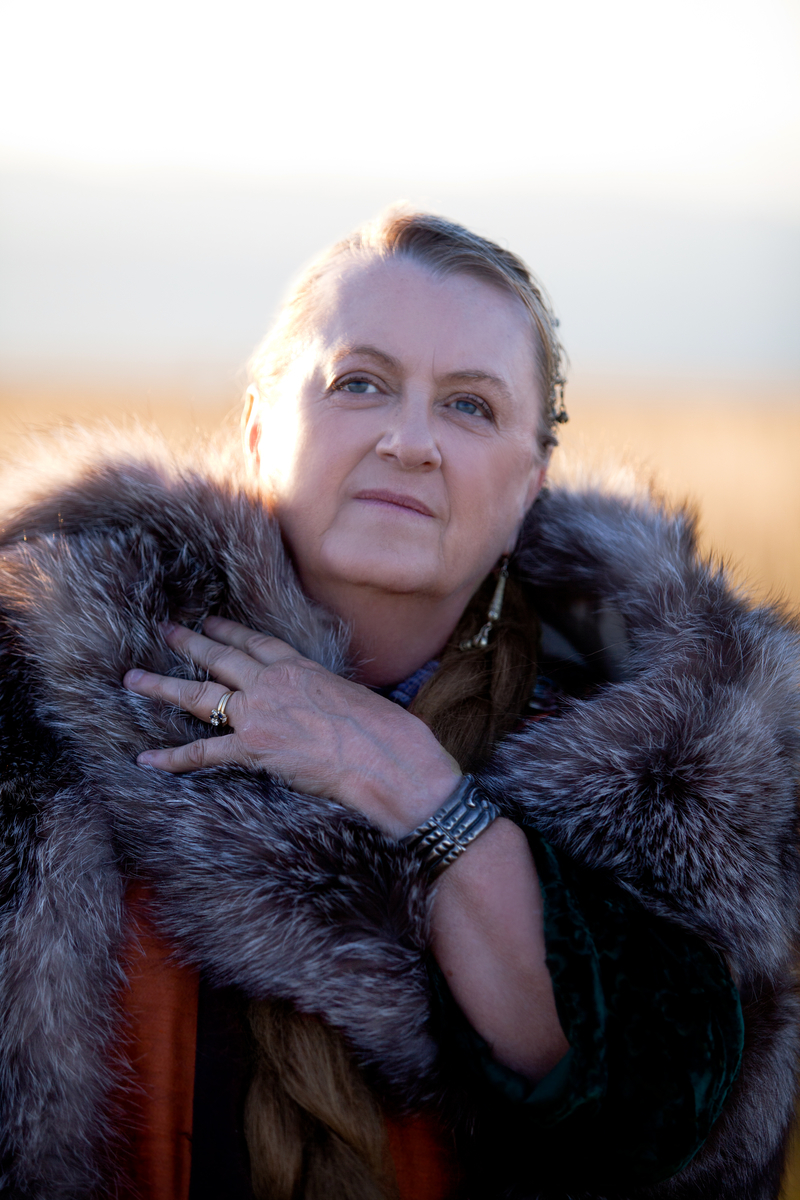
Award-winning author, Linnea Tanner, weaves Celtic tales of love, magical adventure, and political intrigue in Ancient Rome and Britannia. Since childhood, she has passionately read about ancient civilizations and mythology. Of particular interest are the enigmatic Celts, who were reputed as fierce warriors and mystical Druids.

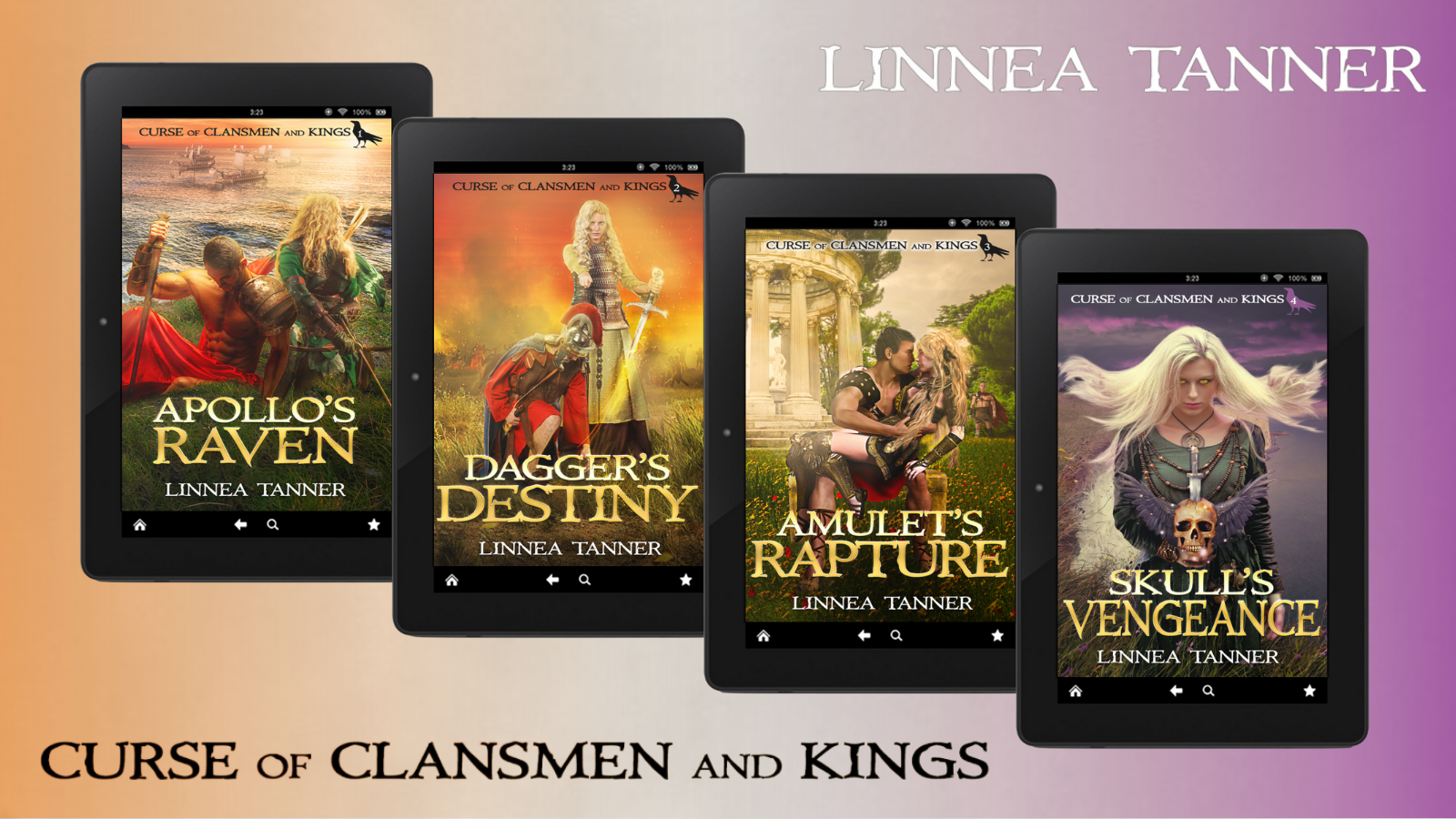
Linnea has extensively researched ancient and medieval history, mythology, and archaeology and has traveled to sites described within each of her books in the Curse of Clansmen and Kings series. Books released in her series include Apollo’s Raven (Book 1), Dagger’s Destiny (Book 2), and Amulet’s Rapture (Book 3). Skull’s Vengeance (Book 4) is anticipated to be released in late 2021 or early 2022. 

A Colorado native, Linnea attended the University of Colorado and earned both her bachelor’s and master’s degrees in chemistry. She lives in Fort Collins with her husband and has two children and six grandchildren.

Connect with Linnea

WebsiteTwitter:   Facebook

LinkedInInstagramPinterest

BookBubAmazon Author PageGoodreads

Don’t forget to check out the other stops on the Apollo’s Raven blog tour with The Coffee Pot Book Club

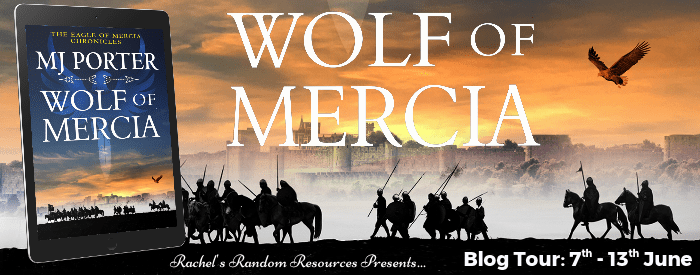
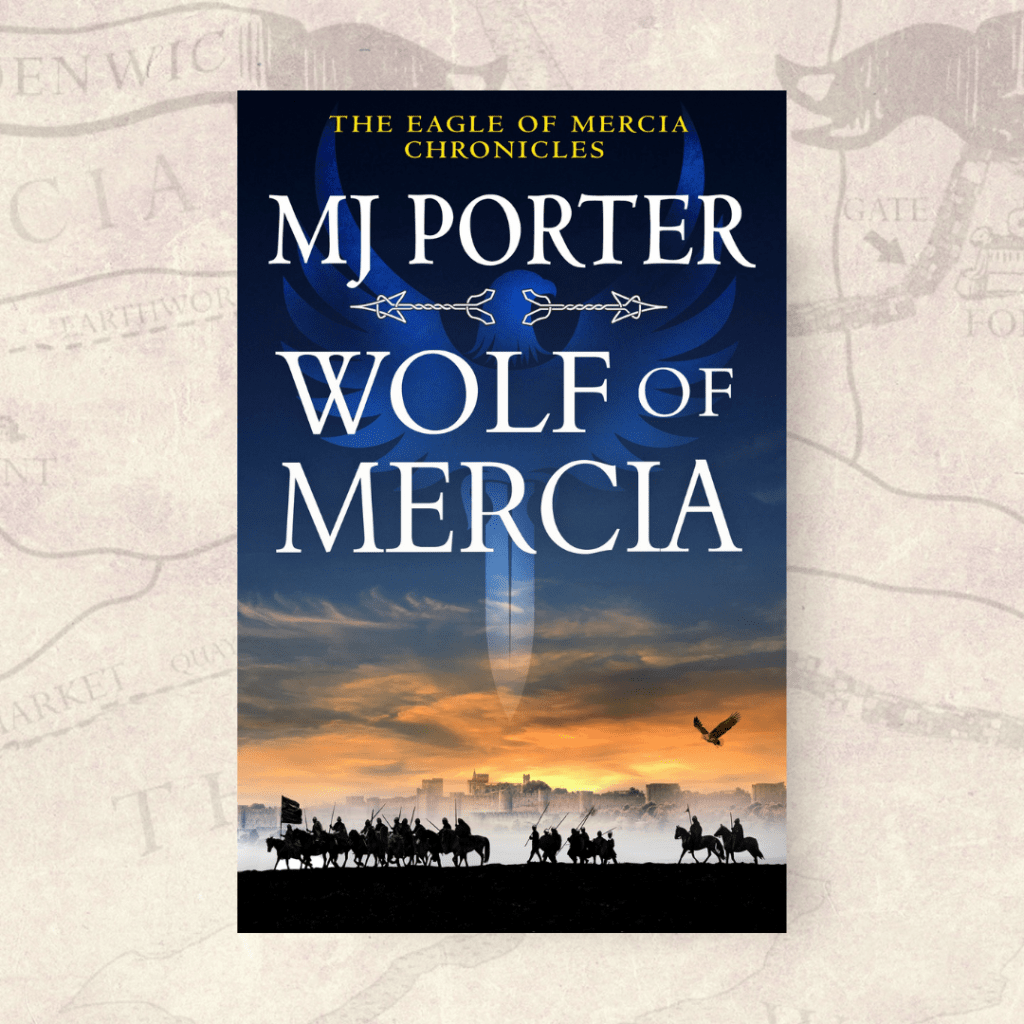
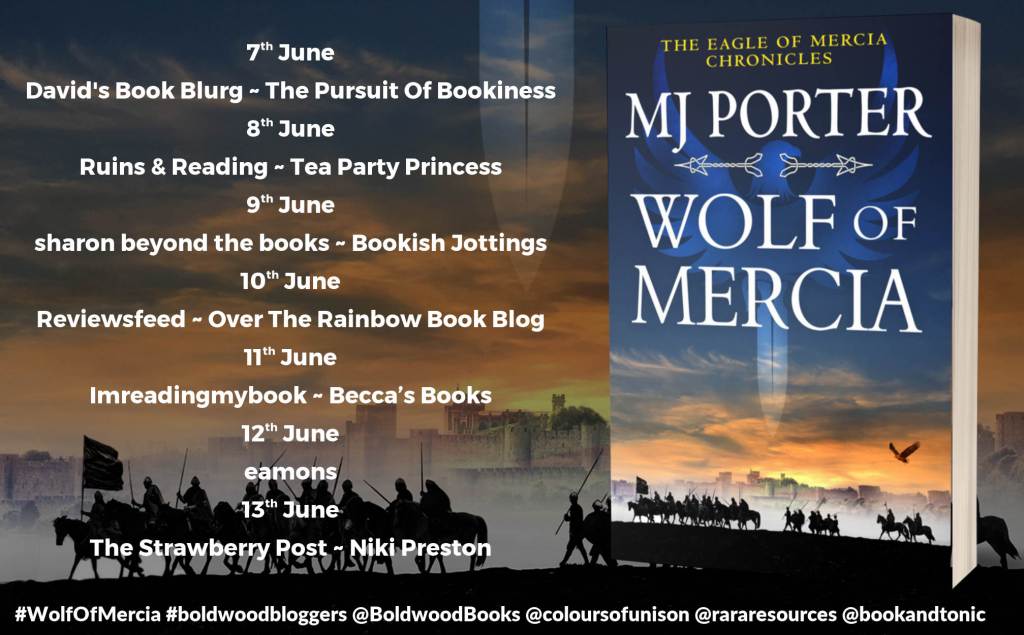
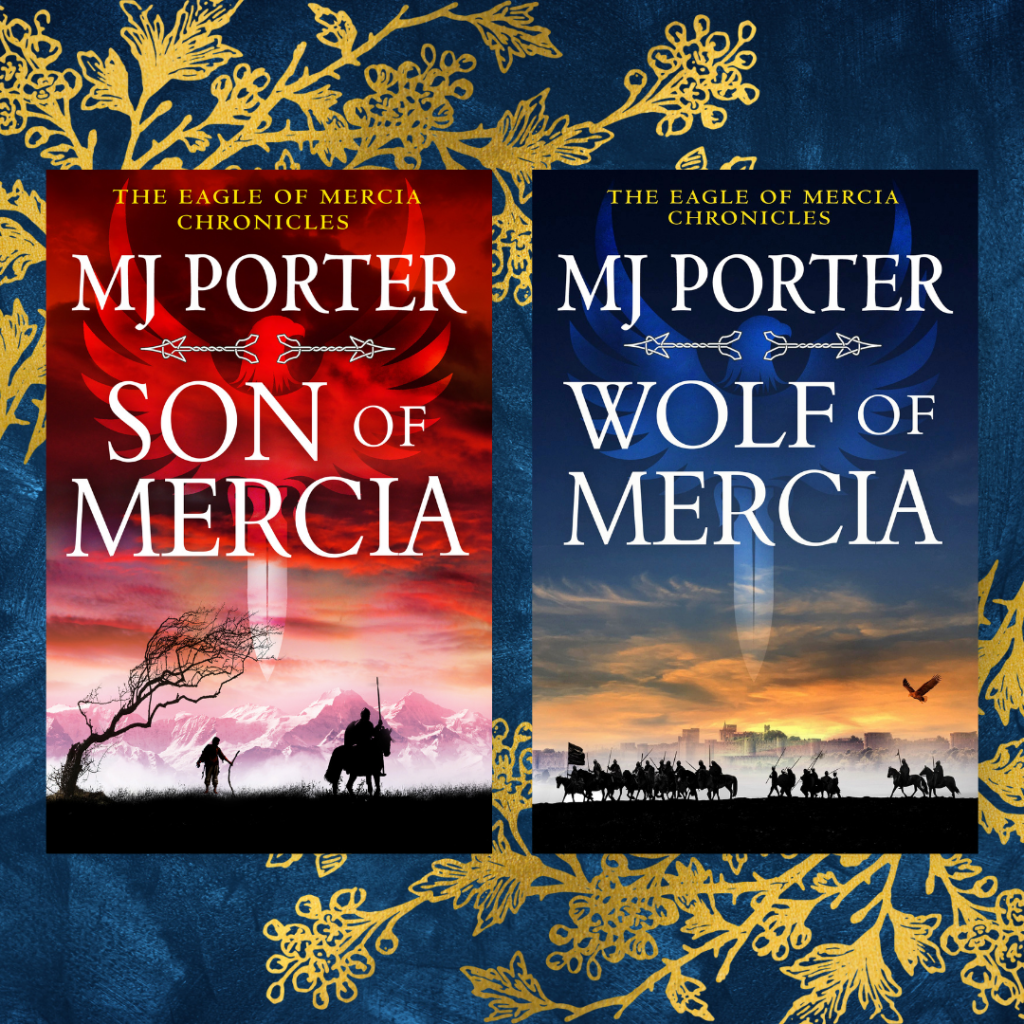
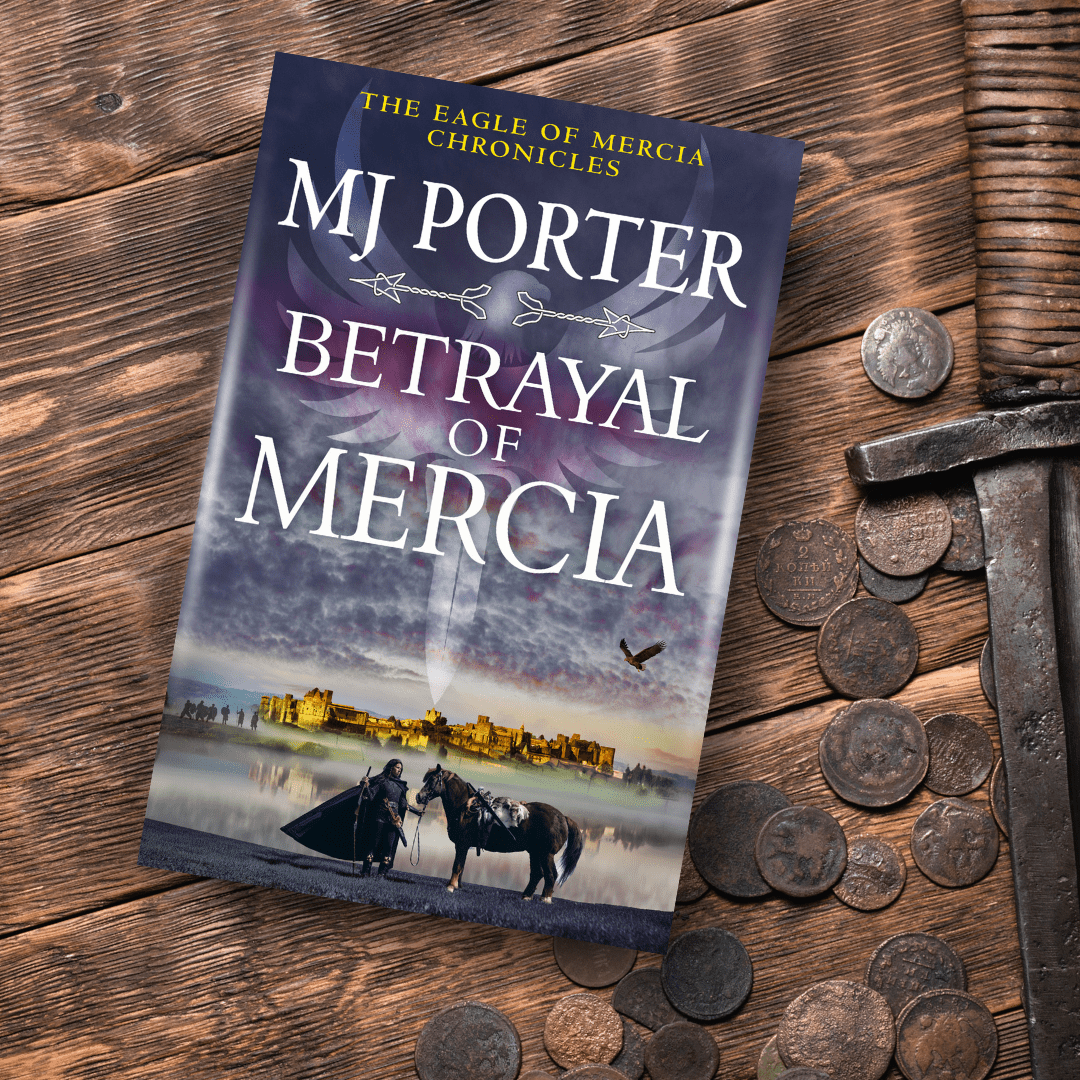
It’s release day for Wolf of Mercia, book 2 in the Eagle of Mercia Chronicles #WolfOfMercia #ReleaseDayPost

I’m really excited about this one. I truly hope you, as my readers, will love this second book in young Icel’s story. My beta readers assure me it’s very good, and in fact, one of them was up until 3am reading the end:) Check out the release day posts for Son of Mercia and Warrior of Mercia.

Here’s the blurb:

As a lone wolf inside a Wessex stronghold, Icel must ensure his own and Mercia’s triumph.

Icel is becoming a warrior of Mercia, but King Ecgberht of Wessex still holds the Mercian settlement of Londonia and its valuable mint.

King Wiglaf of Mercia is determined that the last bulwark be reclaimed from his sworn enemy to complete his rehabilitation as Mercia’s rightful ruler.

In the heart of the shield wall, Icel suddenly finds himself on the wrong side of the battle and thrust into the retreating enemy stronghold where he must take on the pretence of a Wessex warrior to survive and exact a cunning plan to bring down the Wessex force cowering behind the ancient walls.

His allegiances are tested and the temptation to make new allies is overwhelming but Icel must succeed if he’s ever to see Tamworth again and bring about King Wiglaf’s victory, or will he be forced to join the enemy?

books2read.com/Wolf-of-Mercia


Do check out the reviews from the Wolf of Mercia blog tour, hosted by Rachel’s Random Resources (click the graphic quotes below (some of the websites are no longer active)).

And, don’t forget to sign up for my Boldwood Books newsletter to keep up to date with special offers and new release information, and also to enter competitions.

https://bit.ly/MJPorterNews

Posts

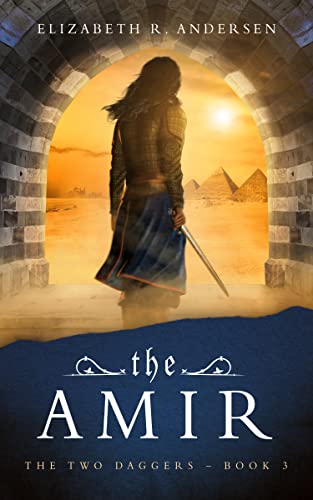
Happy release day and review for The Amir by Elizabeth R Andersen (The Two Daggers book 3) #histfic #BookReview

Here’s the blurb

Acre has fallen.

In the frantic days after the Mamluk army brutally sacked their city, Sidika and Emre find themselves in Egypt at the house of an ambitious amir to Sultan al-Ashraf Khalil. Emre, reinstated to his position in the Mamluk army, plays a dangerous game, pitting the sultan’s amirs against each other in a bid to increase his influence in the royal court. Sidika, captured as a slave, can only think of Henri and escape. But when Emre comes up with a risky plan to help her flee Cairo, how far is she willing to go for her freedom?

Henri, now living in Francia among hostile relatives, dreams of finding Sidika and ransoming her, but he cannot avoid a nobleman’s duties: arranged marriage awaits him. As he attempts to settle into his new life, a group of outcasts arrives in Maron, causing an uproar. By protecting them, Henri does what he knows is right, but the consequences could be deadly.

Love, lust, revenge, and loss push Henri, Sidika, and Emre toward adulthood in the third book in The Two Daggers series, following them through social and political turbulence at the sunset of the Levantine crusades.

My Review

The Amir by Elizabeth R Andersen, is a thoroughly engrossing read. I’m not a stranger to what happened during The Crusades, but in The Amir, the author has chosen three main characters who can provide interconnected and unique perspective on what it must have been like for those affected by the fall of Acre.

I found the reimagining of Egypt to be thoroughly engrossing, and I read it at a time when I was also reading a Roman era novel set in Egypt, and when Death on the Nile was released at the cinema, and so I really could imagine the heat and the sand, and the crocodiles!

Poor Henri, travelling to a land he’s never visited, really does seem incapable of doing anything right, and with a collection of relatives who wish him harm, I really felt for him, even while he frustrated me. Both Henri and Sidika, while one is a nobleman, and one a slave, are truly trapped by the events that have befallen them in their lives.

It is Sidika and her experiences that really thrilled during the novel. She is an incredibly strong character, and I can’t wait to read more of her story in book 4.

An engrossing story, and one I thoroughly enjoyed. I wish Elizabeth R Andersen every success with the release of her new book.

Check out Elizabeth’s The Alewives of Colmar here.

Buy Link

Meet the author

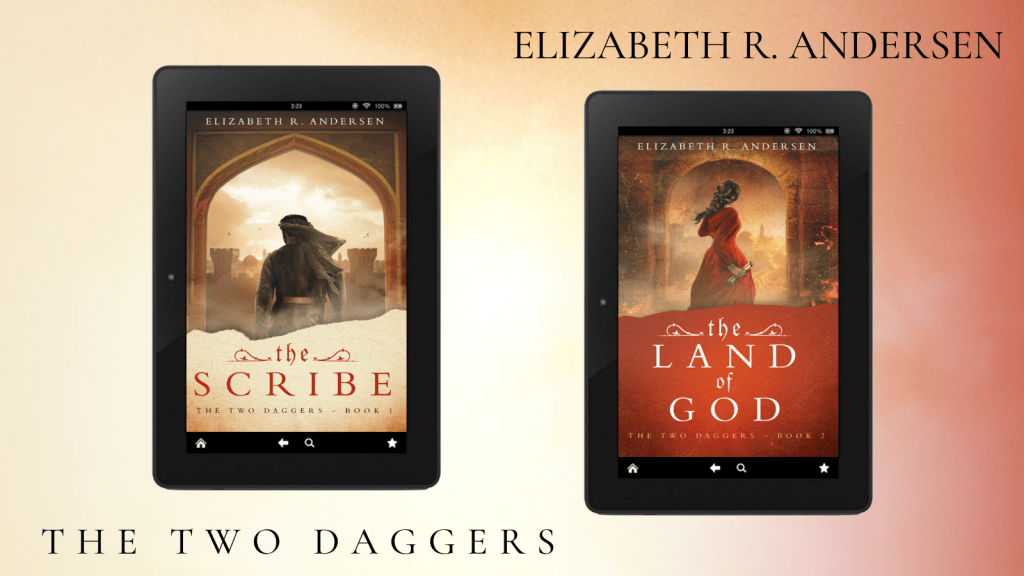
Elizabeth R. Andersen’s debut novel, The Scribe, launched in July of 2021. Although she spent many years of her life as a journalist, independent fashion designer, and overworked tech employee, there have always been two consistent loves in her life: writing and history. She finally decided to do something about this and put them both together. 

Elizabeth lives in the Seattle area with her l young son. On the weekends she usually hikes in the stunning Cascade mountains to hide from people and dream up new plotlines and characters. Elizabeth is a member of the Historical Novel Society and the Alliance of Independent Authors.

Connect with Elizabeth

WebsiteTwitterFacebook:  Instagram

PinterestBookBubAmazon Author Page

Goodreads

Posts

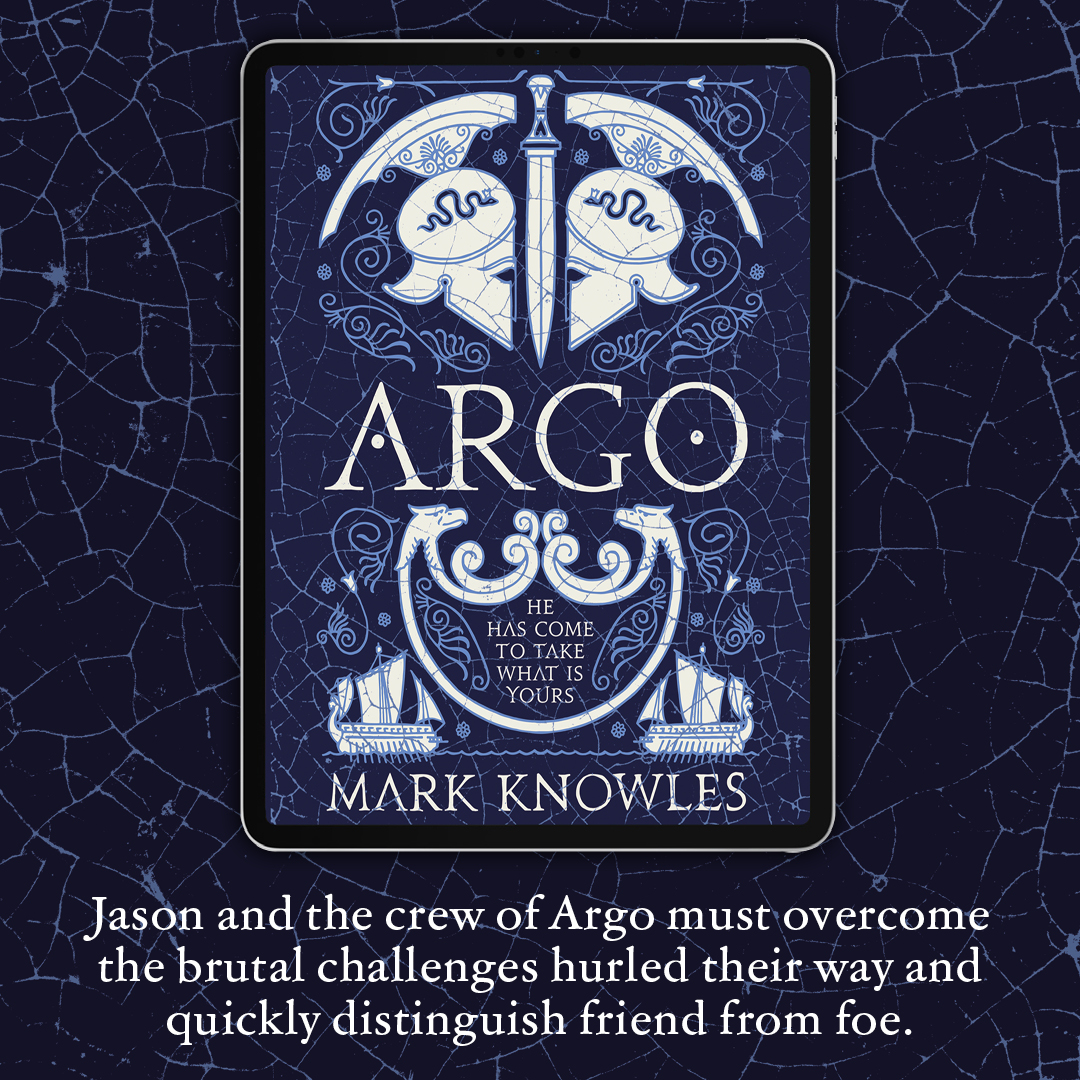
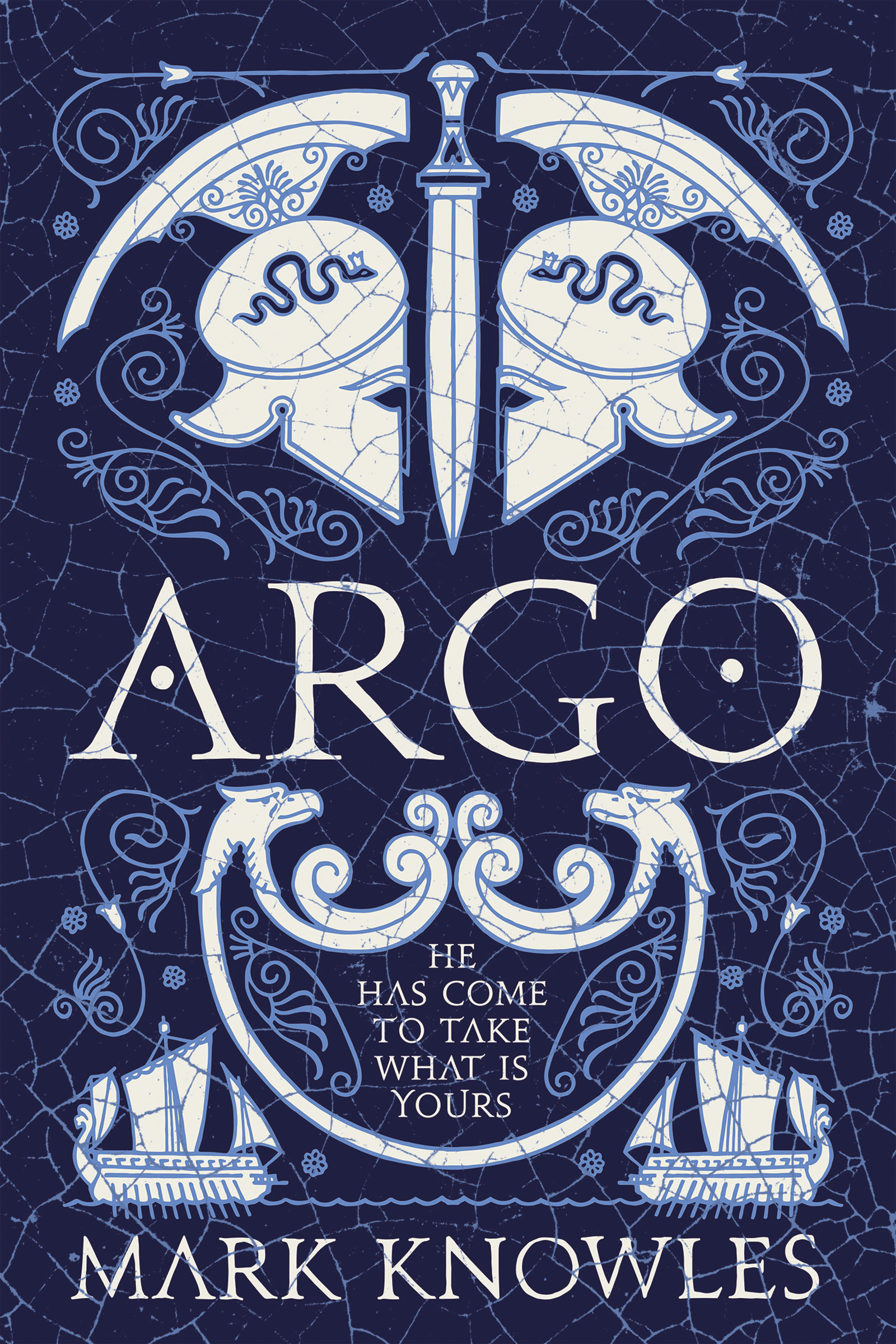
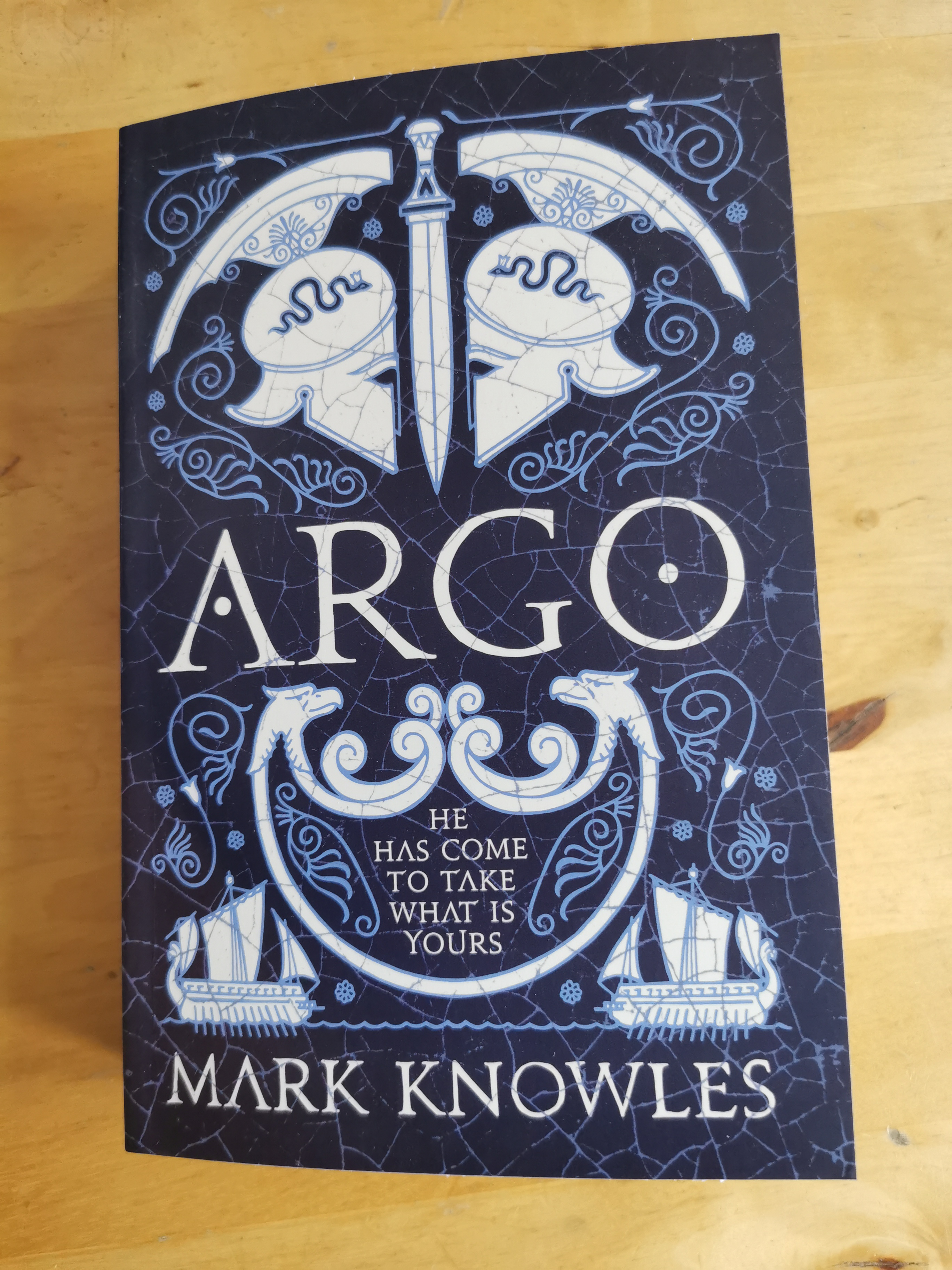
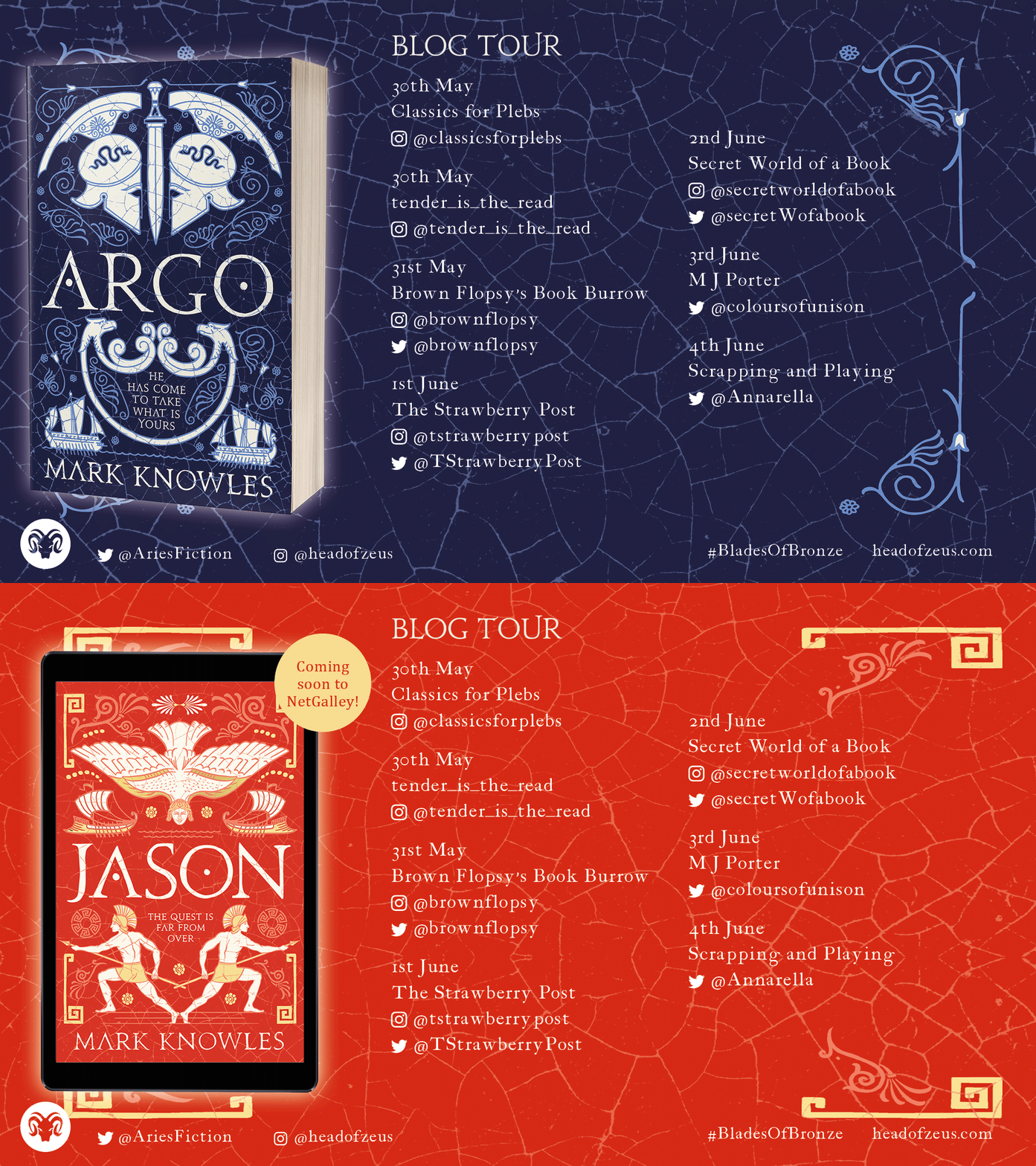
It’s my turn on the #Argo by Mark Knowles blog tour #BladesofBronze

Here’s the blurb

An action-led reimagining of the famous Greek myth, Jason and the Golden Fleece, brilliantly told by classicist Mark Knowles.

He has come to take what is yours…

Iolkos, Thessaly. 1230 BC. King Pelias has grown paranoid, tormented by his murderous past and a prophecy of the man who will one day destroy him.

When a stranger arrives to compete in the Games of Poseidon, Pelias is horried, for this young man should never have grown to manhood. He is Jason, Pelias’ nephew, who survived his uncle’s assassins as a child. Now Jason wants his revenge – and the kingdom.

But Pelias is cunning as well as powerful. He gives his foe an impossible challenge: to claim the throne, Jason must first steal the fabled Golden Fleece of Colchis.

Jason assembles a band of Greece’s finest warriors. They are the Argonauts, named for their trusty ship. But even with these mighty allies, Jason will have to overcome the brutal challenges hurled his way. His mission and many lives depend on his wits – and his sword.

PRAISE FOR ARGO AND MARK KNOWLES:

‘Mark Knowles has taken the legend of Jason and the Golden Fleece, and stripped it down to its bare bones… What is left is a deeply researched historical epic, so brilliantly brought to life I could taste the salt air on my tongue… Epic battles, well- rounded characters sailing through a brilliantly described world’ Adam Lofthouse, author of The Centurion’s Son

‘What a spectacular triumph! Knowles has taken a reassuringly familiar legend and elevated it into a new, realistic and engrossing story’ Sam Taw

‘[Knowles] has teamed his love of learning classics and childhood love of sword-and- sandals epics to accomplish something remarkable’ Boarding Schools’ Association

Review

The legends of Greece don’t often cross my mind when I’m thinking of stories to read, but I read a wonderful retelling of the legend of Troy last year, and so I was really intrigued to be invited to read Argo by Mark Knowles. And I’m so pleased I did.

Argo is a rich retelling of the journey to retrieve the Golden Fleece, populated with a cast of characters with names even I recognised. Some of them leap from the page more clearly than others, as is to be expected with such a large cast, and the ship, Argo itself, is one of the clearest, for even someone such as me to imagine. Reading the author’s bio, it’s easy to see why the ship is such an important part of the story.

I was swept away by the tale, and intrigued to know how it would all end. I should probably have known, but I didn’t.

The story is rich in detail, the journey told in great detail, as are the stops along the way, and the people the Argonauts interact with. It certainly builds in tension so that the last quarter of the book went by in a flash. This truly is a wonderful reimagining of the legends of Jason, the Argonauts and of course, Argo.

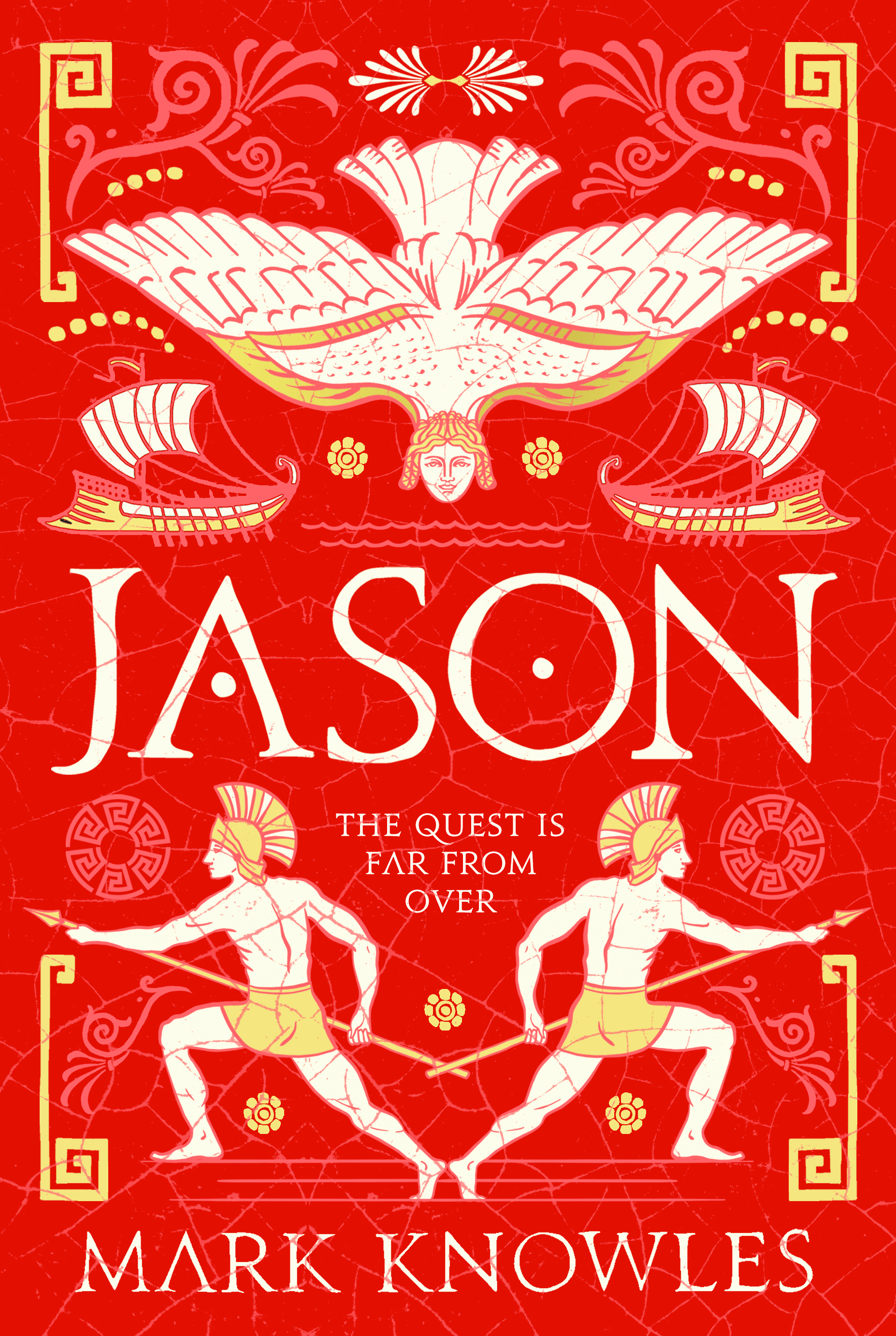
I’m lucky to have been given an advanced copy of the sequel Jason, and I’m powering my way through the book now, which, luckily, starts exactly where Argo stops, and I was so pleased I had book 2 straight to hand. Do check back for me review.

Curious? Here’s a link for Argo.

https://amzn.to/3Ltsqx8

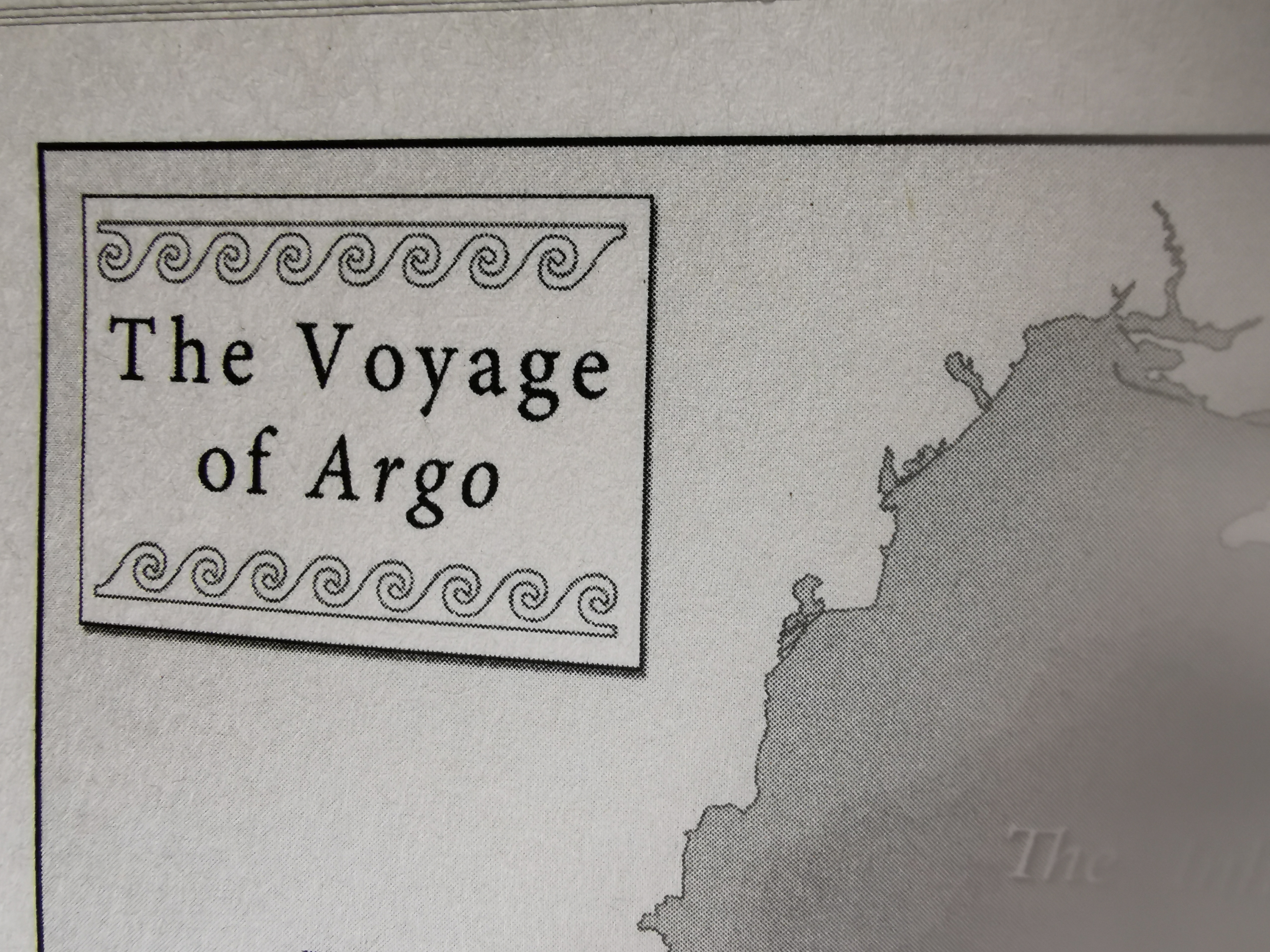
Just to reassure everyone, there is a fab map!

Meet the author

Mark Knowles took degrees in Classics and Management Studies at Downing College, Cambridge. After a decade working as a frontline officer and supervisor within the Metropolitan Police Service, he became Head of Classics at a school in Harrogate. He is a particular fan of experimental archaeology and rowed on the reconstructed ancient Athenian trireme Olympias during its last sea trials in Greece in 1994.

If you missed the introduction to Jason from Mark Knowles on Monday, here it is again.

Introduction to Jason by Mark Knowles

Getting Argo home in the process of writing JASON was great fun. In fact, once I’d got the route straight in my head, it gave me the most joy I’ll probably ever have in writing a story. It presented an opportunity to weave together as many strands of myth as I could without – I hope – stretching credibility. And what more could an unashamed Classics geek want? JASON features an all-star ancient Greek cast: Circe, Talos, the Sirens, King Minos, Ariadne, the Minotaur, and the Oracle, ranging over a vast landscape from as far north as the Danube to Crete in the south. 

‘Sprouting wings and flying home would have been a more useful suggestion!’ So says Idas, a thorn in Jason’s side, as options are discussed to outwit the ships blockading the Black Sea straits. His comments are apposite when looking at the wackier ancient suggestions for the return leg of Jason’s voyage. In one surviving version of the myth, we see Argo traversing the Sahara; in another, sailing to Greece via Scandinavia. Needless to say, all these routes (but one) are physically impossible. But what an opportunity for a writer to stretch the imagination!

I even discovered a lost island when researching the route. An old map of the Anatolian coastline based on a Roman geographer’s work showed an island just off the Thracian coast (modern day Bulgaria), which some natural disaster or other seems to have swallowed in the Middle Ages. As soon as I saw it, I had to have it for Circe’s mysterious island of Aea. This sums up the spirit in which JASON was written. I hope, in joining this epic voyage, you make some discoveries of your own.

Preorder Jason here.

https://amzn.to/3PvpuTV

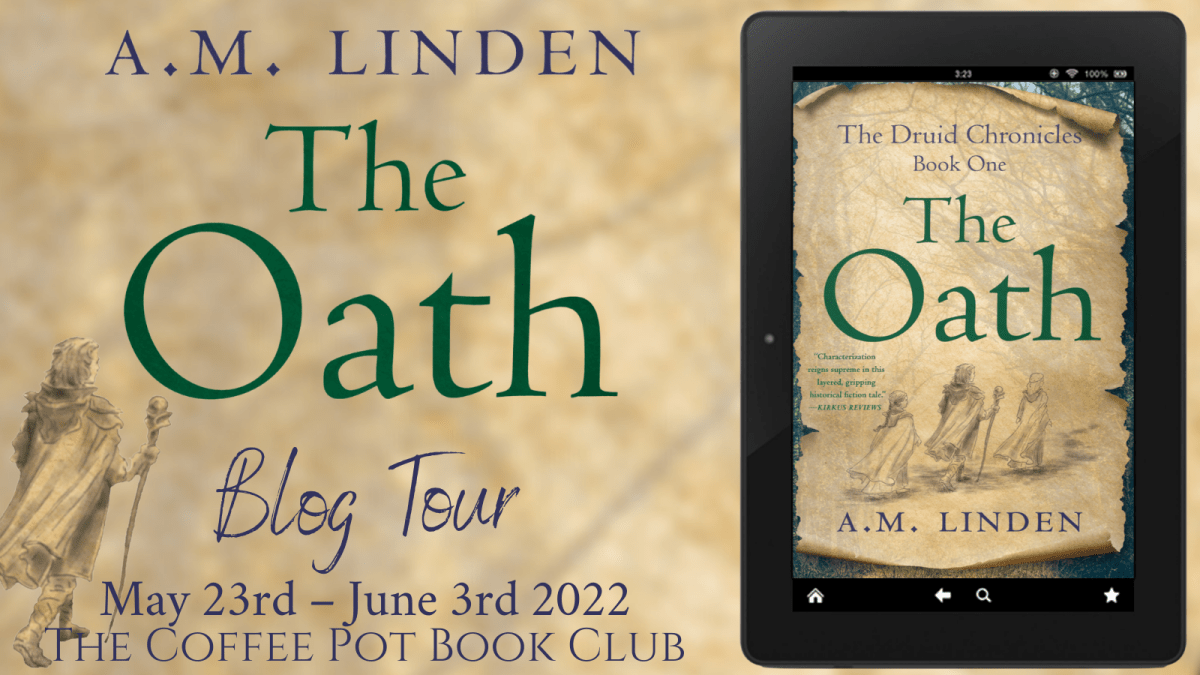
Today, I’m delighted to welcome A M Linden and her new book, The Oath, to the blog with a post about what inspired her to write the book #BlogTour

Welcome to the blog. I’m hoping you’re share what inspired you to write the book with my readers.

The initial inspiration for The Oath—and the books that were to follow it—was an image that came to me when I was mulling over the idea of writing a tongue-in-cheek medieval murder mystery as a way to balance the formal writing I did for work. More accurately, I had just dismissed this as a charming but unrealistic notion since to write any sort of fiction you need to have characters and a plot, and I had neither. Then, out of the blue, I pictured a Druid priest and a Christian nun having a conversation in a dirt-walled chamber. 

Since that odd experience, I’ve had occasion to say that writing the five volumes of The Druid Chronicles was what I did to find out who those two people were, what they were talking about, and what happened to them afterwards. There was, of course, more to it than that since I’d seen images of modern Druids celebrating the summer solstice at Stone Henge, knew a little about the Roman destruction of the Druidic center on the island of Anglesey, and took it for granted that later vilification of polytheistic worshippers by the Christian church was at the basis of our current stereotypes of sorcerers and witches. In any case, I was intrigued by the thought of a Druid and a nun having a clandestine meeting, and went on to scribble the first draft of a story that took them out of that underground cell into a world that seemed to grow around them, replete with complicated characters, unexpected plot twists, and moral quandaries. 

Looking back now, I realize that I owe much of their story to other sources of inspiration as well, including the Native American creation stories my mother read to me at bedtime, the works of JRR Tolkien and Ursula Le Guin that captivated me as a teenager, and the impact that the African proverb, “Until lions have their historians, tales of the hunt shall always glorify the hunter” had on me the first time I heard it. While I can’t say what part of this eclectic mix inspired which aspect of The Druid Chronicles, I know I could not have come up with it just out of the blue.

Thank you so much for sharing. Good luck with the books.

Here’s the blurb:

When the last of members of a secretive Druid cult are forced to abandon their hidden sanctuary, they send the youngest of their remaining priests in search of Annwr, their chief priestess’s sister, who was abducted by a Saxon war band fifteen years ago. With only a rudimentary grasp of English and the ambiguous guidance of an oracle’s prophecy, Caelym manages to find Annwr living in a hut on the grounds of a Christian convent.

Annwr has spent her years of captivity caring for the timid Aleswina, an orphaned Saxon princess who was consigned to the cloistered convent by her cousin, King Gilberth, after he assumed her father’s throne. Just as Caelym and Annwr are about leave together, Aleswina learns that Gilberth, a tyrant known for his cruelty and vicious temper, means to take her out of the convent and marry her. Terrified, she flees with the two Druids—beginning a heart-pounding adventure that unfolds in ways none of them could have anticipated.

Praise:

“Linden’s well-researched tale eloquently brings to life a lesser-known period of transition in Britain. . . . The author has created a strong foundation for her series with well-developed characters whom readers can embrace. . . . [a] layered, gripping historical fiction.”

—Kirkus Reviews

“The story rolls along at a lively pace, rich with details of the times and a wide cast of characters. [The] plotting, shifting points of view of the three engaging protagonists, and evocative writing style make The Oath a pleasure to read. Highly recommended.”

—Historical Novel Review

“Linden uses a fairy tale-like style almost as though this story has been passed down orally over the centuries.”

—Booklist Review

Trigger Warnings:

Sexual assault, child abuse

Buy Links:

Amazon UKAmazon USAmazon CAAmazon AU

Barnes and NobleWaterstonesKoboApple Books

Meet the author

Ann Margaret Linden was born in Seattle, Washington, but grew up on the east coast of the United States before returning to the Pacific Northwest as a young adult. She has undergraduate degrees in anthropology and in nursing and a master’s degree as a nurse practitioner. After working in a variety of acute care and community health settings, she took a position in a program for children with special health care needs where her responsibilities included writing clinical reports, parent educational materials, provider newsletters, grant submissions and other program related materials. The Druid Chronicles began as a somewhat whimsical decision to write something for fun and ended up becoming a lengthy journey that involved Linden taking adult education creative writing courses, researching early British history, and traveling to England, Scotland, and Wales. Retired from nursing, she lives with her husband and their cat and dog in the northwest corner of Washington State.

Connect with the author

Website

Amazon Author Page

Goodreads

Follow The Oath blog tour with The Coffee Pot Book Club

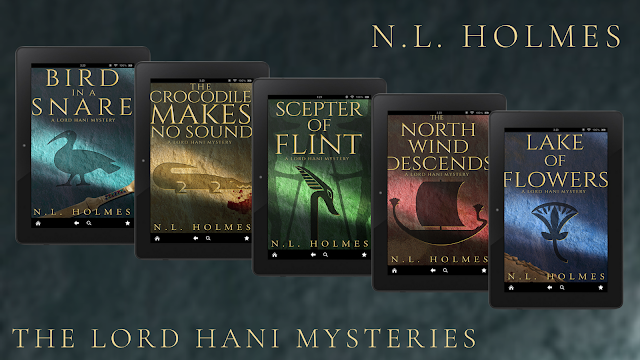
Today, I’m delighted to welcome N L Holmes to the blog with her book, Bird in a Snare, the first book in The Lord Hani Mysteries #blogpost

Today, I’m delighted to welcome N L Holmes to the blog. She’s going to share with us all the inspiration behind her Egyptian mystery books.

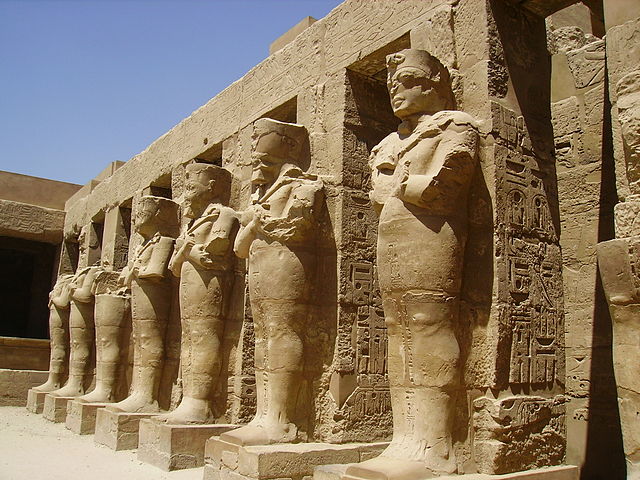
In a way, my Egyptian stories started the same way yours did, M.J. As a kid, I used to love all those fifties sword-and-sandal movies like The Egyptian and Land of the Pharaohs. That awakened my fascination with archaeology and perhaps with what ancient societies looked like. I remember raising pennies to help raise the temple at Abu Simbel when Lake Nassar was being built. During the decades that followed, I got sidetracked from my first love, but in my fortieth year, I went back to school and got my PhD in archaeology after all. Not specifically Egyptian, but Classical and Near Eastern, which situated me in the Eastern Mediterranean. And that meant people who interacted with the Egyptians. The interest was still simmering! 

Land of the Pharaohs

We’re getting closer now to the actual inspiration for Lord Hani. Over the following twenty-five years, I taught a wide variety of classes on ancient culture and history, including one on Ancient Egypt and one called Ancient Near Eastern Empires, which included Egypt and the Hittites. My family had been bookish, so the idea of starting to write fiction when I retired from teaching was a natural one. And the first inspiration I had for a story came from that Ancient Empires class. As an exercise, I had assigned my students to read the few brief historical documents referring to a certain royal divorce in the Syrian city of Ugarit, a vassal of the Hittites. “Now,” I told them, “describe what we really know about the event.” It became pretty clear that there wasn’t much you could say without drifting off into speculation.  I said to myself, There’s a novel in there! So when I retired, I began to write The Queen’s Dog and expanded it into the Empire at Twilight series, set in the last few generations of the Hittite Empire.

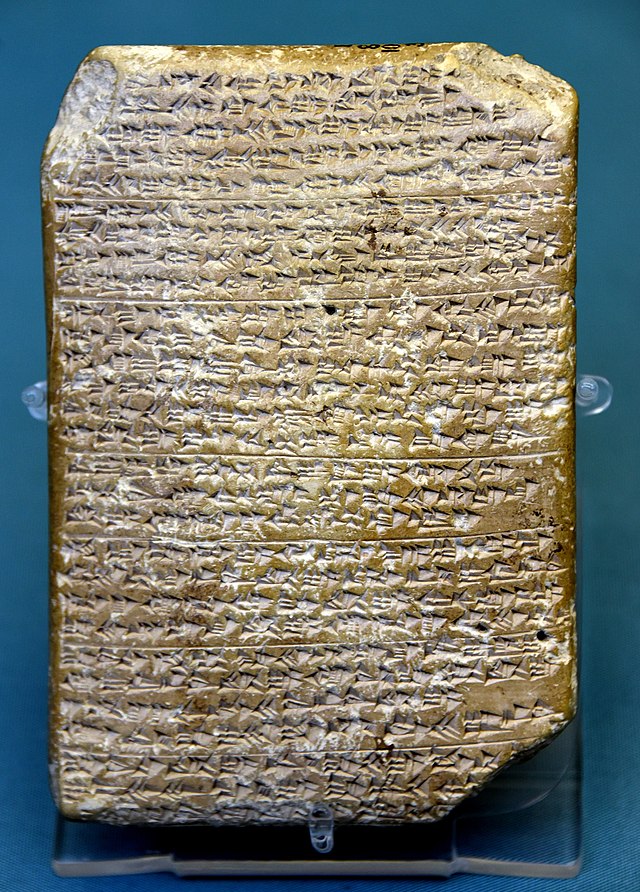
From my teaching experience, though, I knew there were only about five people in the world who got excited by the Hittites, whereas loads of people were Egyptophiles. I loved Egypt too, after all. And we had a wonderful resource in the Amarna Letters. This is a partial archive of diplomatic correspondence from the reign of Akhenaten, the “heretic pharaoh”, that tells us nearly everything we know about Egypt’s relationship with its vassals and peers in the fourteenth century BCE. Here was a ready-made cast of characters and loads of plot points grounded in reality. Hani son of Mery-ra appeared frequently in the Letters, and his every mission was ready to become an adventure. I took Hani as my protagonist and developed his character into the sort of man I thought might be a trusted royal emissary under several kings. Then I selected a number of events and personages and wove them together. The process was “This, this, and this happened. Now explain it. Give the actors motives and relationships.”

Amarna letters

I’m not a writer who plots in advance, so I can’t say that had any particular story in mind before I started. The process was one of tying diverse threads in so that nothing was left dangling at the end. In addition to Hani’s particular adventures, I wanted to capture a sense of the social and political upheaval Akhenaten inflicted on his kingdom with his “reforms.” Thus, I made Hani’s family involved with the worship of Amen-Ra—people whose personal lives took a direct hit from the revolution of values. Hani’s crisis of conscience is an ongoing thread through the six books of the series.  But in addition to the political intrigue and the personal or familial arc, there is also a murder mystery in each book. In the case of Bird in a Snare and The North Wind Descends, the murder is a real historical fact; the others are fictional. After my experience with the Hittite series, I thought a solid, definable genre series might be easier for readers to digest. People seemed not to know exactly what to do with a genre-less, perhaps literary book set in the remote past, just because there weren’t any. Historical mysteries are familiar and popular. And that is how Lord Hani came to be!

Amen temple

Thank you so much for sharing the inspiration behind your series of books. They sound fascinating. Good luck with them.

Here’s the blurb:

When Hani, an Egyptian diplomat under Akhenaten, is sent to investigate the murder of a useful bandit leader in Syria, he encounters corruption, tangled relationships, and yet more murder. His investigation is complicated by the new king’s religious reforms, which have struck Hani’s own family to the core. Hani’s mission is to amass enough evidence for his superiors to prosecute the wrongdoers despite the king’s protection—but not just every superior can be trusted. And maybe not even the king! Winner of the 2020 Geoffrey Chaucer Award for historical fiction before 1750.

Trigger Warnings:
Sexual abuse of children

Buy Links:

Amazon UKAmazon US: Amazon CAAmazon AU

Barnes and Noble:  KoboiBooksAudio

Universal Links for series:

Bird in a Snare (Book 1)

The Crocodile Makes No Sound (Book 2)

Scepter of Flint (Book 3)

The North Wind Descends (Book 4)

Lake of Flowers (Book 5)

Meet the author

N.L. Holmes is the pen name of a professional archaeologist who received her doctorate from Bryn Mawr College. She has excavated in Greece and in Israel and taught ancient history and humanities at the university level for many years. She has always had a passion for books, and in childhood, she and her cousin (also a writer today) used to write stories for fun.

Connect with N L Holmes

WebsiteTwitter:  FacebookLinkedInInstagram

PinterestBookBubAmazon Author PageGoodreads

Don’t forget to check out the other stops on the Bird in a Snare blog tour with The Coffee Pot book Club

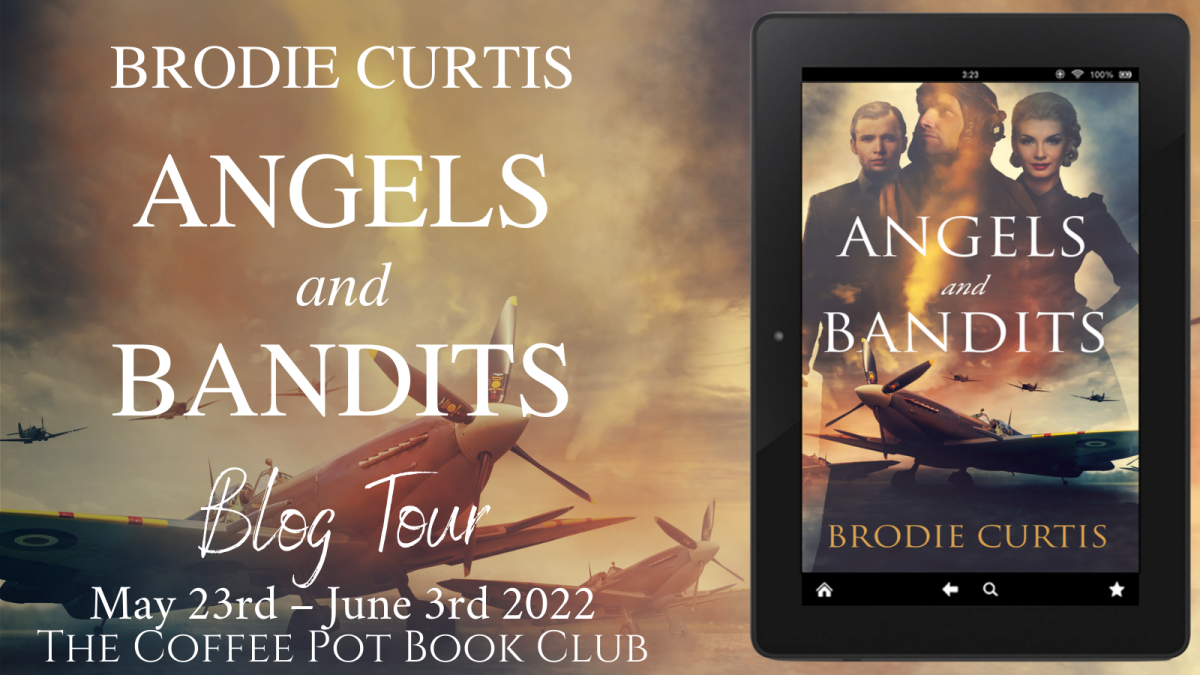
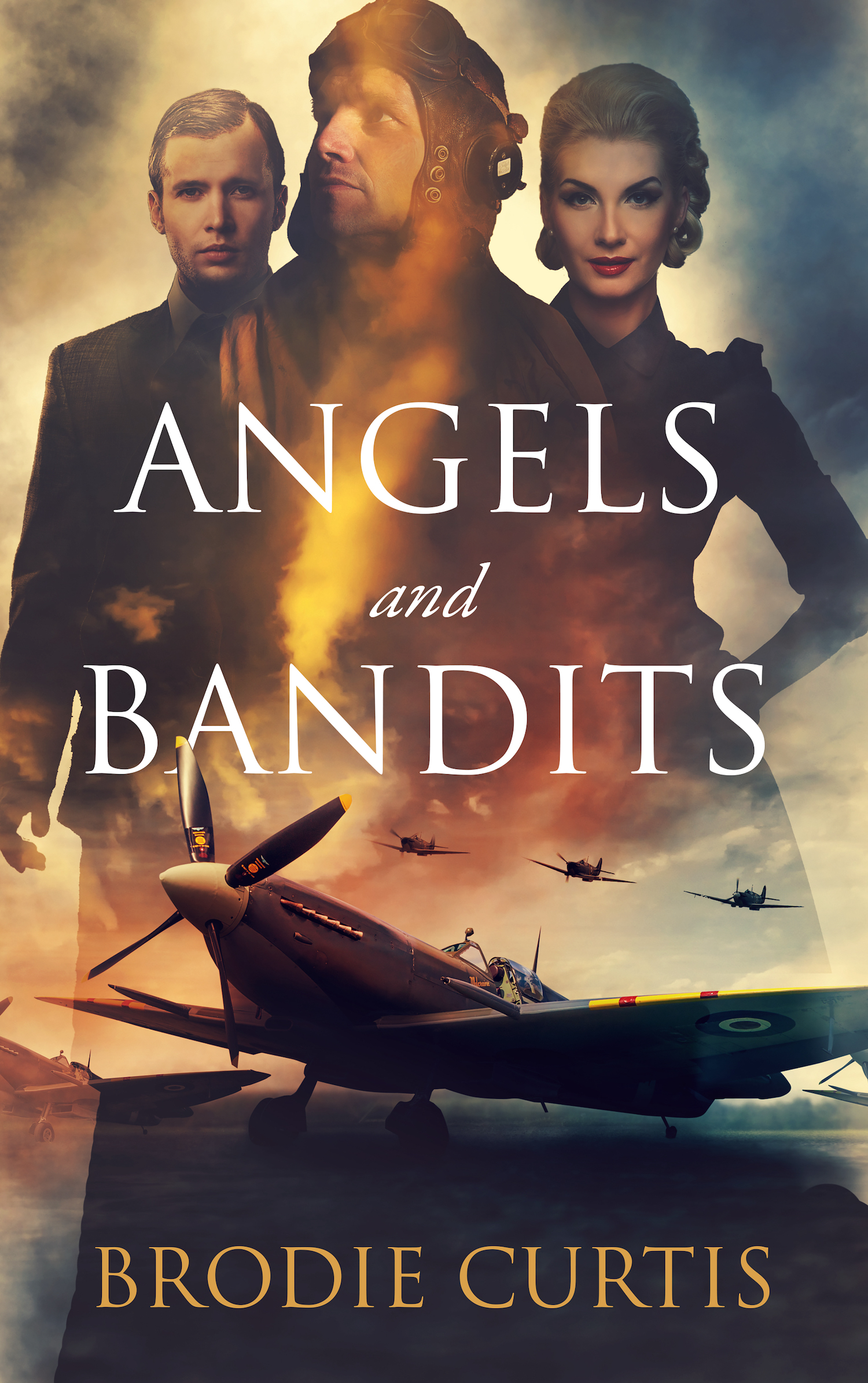
Today, I’m delighted to host a fascinating guest post from Brodie Curtis about his new book, Angels and Bandits #BlogTour

Today, I’m delighted to share a fab post from Brodie Curtis about the inspiration behind his new book, Angels and Bandits.

ANGELS and BANDITS is my second historical novel, set around The Battle of Britain. What inspired ANGELS and BANDITS? Well, I can say the book is a follow-on to THE FOUR BELLS, my debut novel which portrays events during the Great War. Protagonist Eddy Beane is the answer to a loose thread from my first book, and we follow Eddy’s story all the way to those heady days when Britain stood alone in 1940.

But my inspiration for ANGELS and BANDITS goes beyond a sequel and is rooted in deep respect and admiration for the Royal Air Force’s defence of unrelenting German Luftwaffe bombing attacks in August and September of 1940. For those of us who have never experienced war in our day to day lives, and hopefully never will, just imagine London in late summer 1940. Sirens wailed, ack-ack guns boomed and in between Londoners heard the droning engines of bombers somewhere high overhead. Explosions, death and destruction became part of daily life. 

Contemporary images of mostly boyish countenances of RAF fighter pilots present the young men, who were inexperienced in life but tasked with the weighty life-saving responsibility of protecting civilians. It was up to them to confront and repel the German Luftwaffe and all of its daunting scale, efficiency and weaponry. It is the story of those young men and how they dug deep within themselves to accomplish the task that inspired me. 

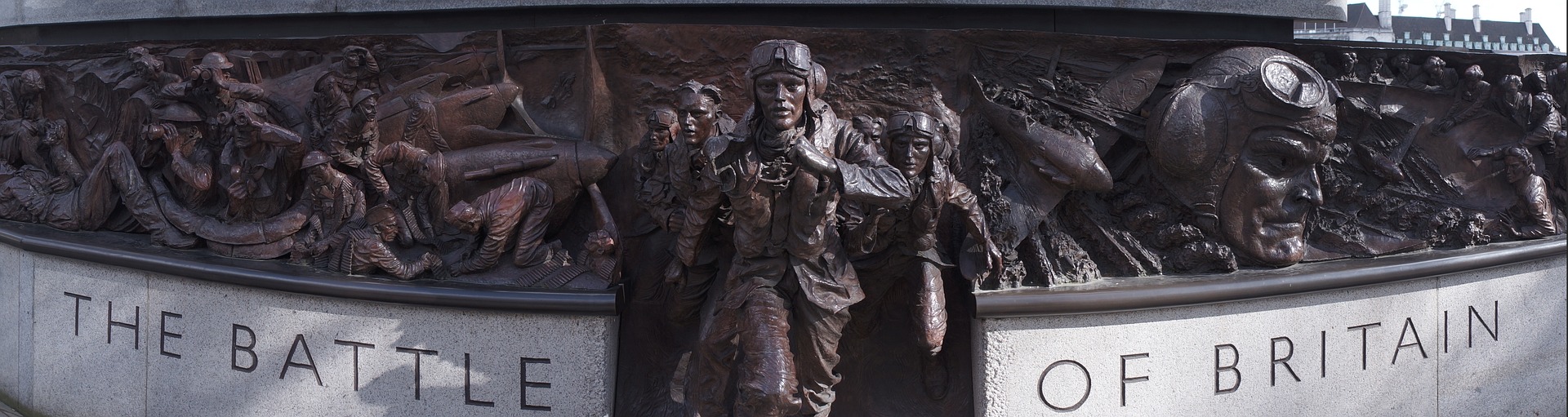
For me, I was stirred beyond words reading Churchill’s war-time speeches and famous line: “Never, in the field of human conflict, was so much owed by so many to so few.” Walking by The Battle of Britain sculpture on Victoria Embankment in London, opposite the London Eye, was terrifically inspiring. 

Battle of Britain Monument

Watching YouTube clips of the Spitfire in action took my breath away. And I must admit that watching scenes from Michael Caine’s movie  The Battle of Britain, for the umpteenth time, still gives me chills. 

So who were “The Few”? That question, I suppose, is at the heart of ANGELS and BANDITS. My impression from a deep research dive is that “The Few” were men of many backgrounds. Some educated, some not; some wealthy, some far from it; Englishmen and Canadians and Aussies, Poles and Czechs, and many more. All united by the masterful leadership of Air Marshals Hugh Dowding and Keith Park, and others. 

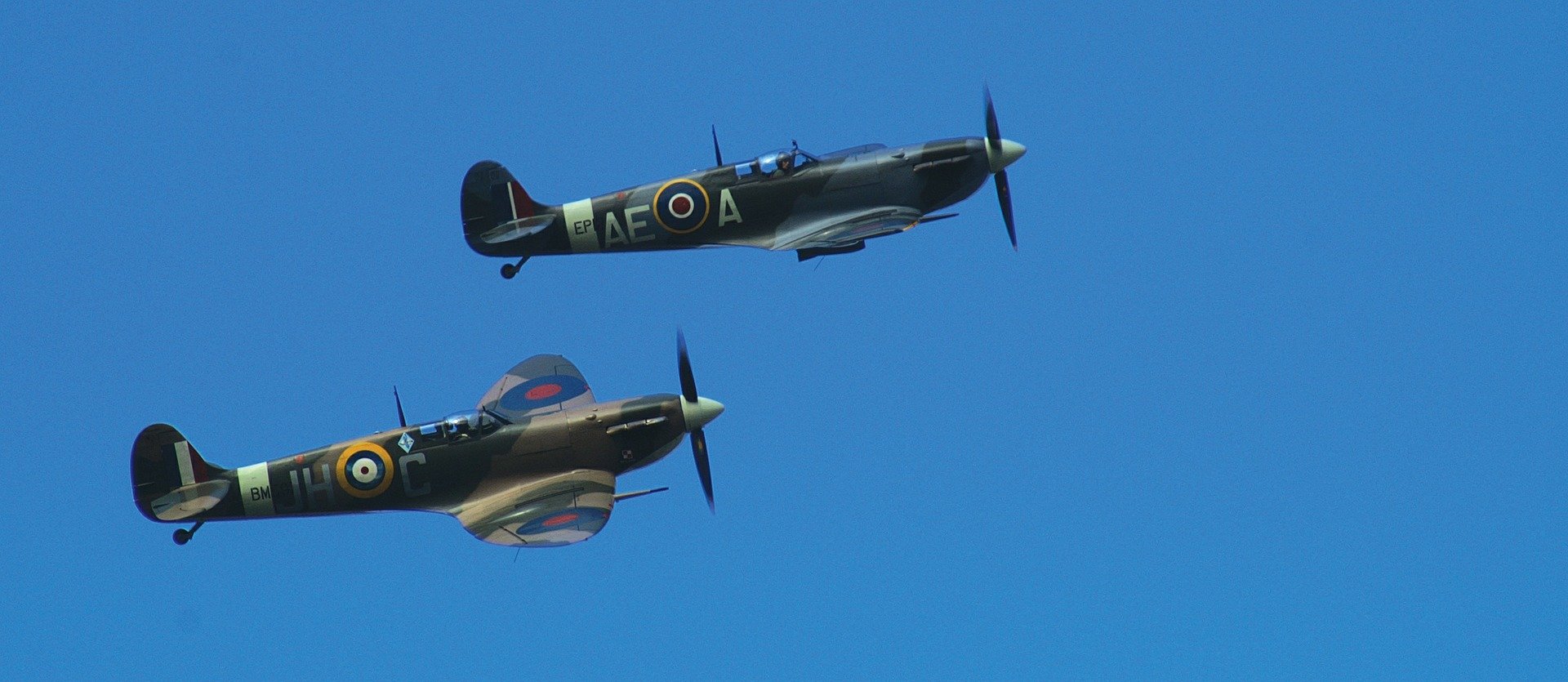
How did “The Few” do it? The answer, in part, is that many of them flew the magnificent Spitfire, Britain’s elegant yet powerful fighter plane. 

Sptifire

The more I learn about Spits, the more I love them, and can’t wait for the day I look into the cockpit of one. My admiration for Spitfires surely comes through in many scenes in ANGELS and BANDITS.

I would draw a contrast with the inspiration for my debut novel, THE FOUR BELLS. That book was set in motion years ago, in a homey lounge, when I heard a gorgeously mournful acoustic version of John McCutcheon’s song about the transcendent Christmas Truce of 1914. It inspired me to research reports on the truce in contemporaneous writings and non-fiction, and to walk the fields of Flanders. Its funny how your characters take you along on their own journey. In the end, The Christmas Truce became just one important scene in THE FOUR BELLS.

Thank you so much for sharing your inspiration and good luck with the new book.

Here’s the blurb:

The Battle of Britain rages and two young RAF pilots from very different stations in life must somehow find common ground—and stay alive. 

On the eve of World War II, working-class Eddy Beane is a flight instructor in London. He successfully completes dangerous espionage missions for Air Commodore Keith Park and takes on society-girl June Stephenson as a student. Her ex-fiancé, Dudley Thane, is also a flyer, but upper-class and Cambridge-educated. When the German Luftwaffe attacks England in 1940, Eddy and Dudley end up serving in the same Spitfire squadron. Aerial combat is intense, and both men show their skills and courage, but can they set aside jealousy and class differences to become fighting brothers for the defence of Britain? 

Buy Links: 

Universal Link

Amazon UKAmazon USAmazon CAAmazon AU

Barnes and NobleKoboApple Books

Meet the author

Raised in the Midwest, Brodie Curtis was educated as a lawyer and left the corporate world to embrace life in Colorado with his wife and two sons. 

Curtis is the author of THE FOUR BELLS, a novel of The Great War, which is the product of extensive historical research, including long walks through the fields of Flanders, where much of the book’s action is set. His second novel, ANGELS AND BANDITS, takes his protagonists into The Battle of Britain. Curtis is currently working on a novel set on a Mississippi Riverboat prior to the Civil War.

A lover of history, particularly American history and the World Wars, Curtis reviews historical fiction for the Historical Novels Review and more than 100 of his published reviews and short takes on historical novels can be found on his website

Social Media Links:

WebsiteTwitterFacebook

InstagramBookBubAmazon Author PageGoodreads

Follow the Angels and Bandits blog tour with The Coffee Pot Book Club