Author of Saxon historical fiction and non-fiction, 20th-century historical mysteries, and Norse-inspired historical romantasy. Book reviewer and blog host.
2022 has been a busy writing year. Routine has been important, as has setting firm deadlines and also having some well-deserved time off. I’ve also distracted myself from my constant need to write by taking a few weeks away from the keyboard to work my very part-time job. People think I’m nuts, but the only way to dampen down my mind is to fill it with something else! It helps that I can trust myself to get things done and knuckle down when I need to. I’m adopting the same approach to 2023. I’ve already got the first six months mapped out writing-wise.
In February, I edited Cragside and started work simultaneously on Warrior of Mercia and The Last Seven while also editing Pagan King. I worked myself hard because I knew what was coming later in the year.
I continued to work on Warrior of Mercia and The Last Seven throughout March, and finished my first draft of Warrior of Mercia in April. This allowed me to start work on my first non-fiction book, due out sometime in 2024 with Pen and Sword books.
During May and June, I had a bit of a hiatus as I was on a wonderful holiday in Orkney and also working my part-time job. But I did complete an edit on Warrior of Mercia during the late May half-term, so I did a bit of writing:)
When I finally got back to my writing in July, I was back to working on The Last Seven, having completed my copyedits for Warrior of Mercia.
Throughout August, I worked on what is now King of Kings, and also devoted the month to my non-fiction project.
During September, I wrote a lot more for King of Kings, having decided to play around with the original book, and began work on Icel 4, which I finished the first draft of in October. I also worked on a short story that precedes the events in King of Kings.
And then, I spent November working on the next book in the Earls of Mercia series, The King’s Brother, while during December, I returned to my non-fiction project, did some editing on Icel 4, now entitled Eagle of Mercia, and worked on my non-fiction book. I also completed an edit on The Lady of Mercia’s Daughter to go with the fabulous new cover.
For all my careful planning, December was a very full-on month, and I worked right up until 6pm on 23rd December because I needed to get some editing done. Next year, I need to be a bit more wary of just how short December can feel.
In terms of words written this year, I don’t keep a strict record, but I would place it at about 500,000. I don’t think it’s my biggest tally to date, but it’s still been very busy. For anyone curious about my writing routine, I’ll be presenting on it for The History Quill masterclass in April 2023. You can find the details on the link. I think a good daily routine is so important for writers, and so I’m going to be talking about how I do what I do:)
I also took the time to attend several conventions, virtually (The History Quill Convention, The HNSNA one-day convention, and the IMC in Leeds – which feeds my non-fiction needs) as well as in-person (The HNS Conference in Durham, and one on the Bamburgh Bones). I tried my hand at Saxon-era embroidery and of course, spent more time making mugs at the local pottery. I might have shared photos of my slightly wonky attempts.
I can’t see that I did a post on my writing throughout 2021, but I have found my 2020 post about my writing during Lockdown.
If you want to see what I was reading during 2022, then check it out here.
Wow! I think 2022 has been the year that I read (and listened) to the most books EVER! As I write this, I’m up to 99 titles. I have some ‘holiday’ reading I’m keen to do as well – fingers crossed I make it to the magic 100 for the year (I am including audiobooks in this, and also my own books as I have to read them A LOT, and I’ve also been refreshing a few throughout the year as well.) Even so, I’ve read many, many books, across a number of different genres, but the predominant one has certainly been historical mysteries/cozy crime. I’ve found that this is my ‘happy’ place when trying not to think about my own books. And luckily, Boldwood Books (who publish the Eagle of Mercia Chronicles) have a huge collection of mystery writers, and they’ve autoapproved me on Netgalley, so I’ll never struggle to find something to read in my favourite genre.
As has been pointed out to me by a fellow author, I don’t often award a five star review to books. Indeed, while I do rate and review on Amazon and Goodreads, on the blog, I don’t tend to give a rating – I’m just quirky like that. Those books that I have given a five star to, I’ve given a shout out in the Aspects of History Books of 2022. You can find the link here – (of course, these are all historical fiction books) and The Capsarius, Valentia, Twelve Nights and The Maids of Biddenden made it onto that list (and yes, these are all books I was lucky enough to be asked to review on the blog – but I never automatically give a 5 star review just because of that). I also want to add Domitian by SJA Turney as well. I couldn’t include two of his books on Aspecs of History but Domitian is wonderful, just my sort of Roman story with plenty of politics, intrigue, and some fabulous characters.
Three of these books are indie-published, and I can assure you all, that there’s a huge amount of amazing indie stuff out there. Don’t believe me, try one of these titles:)
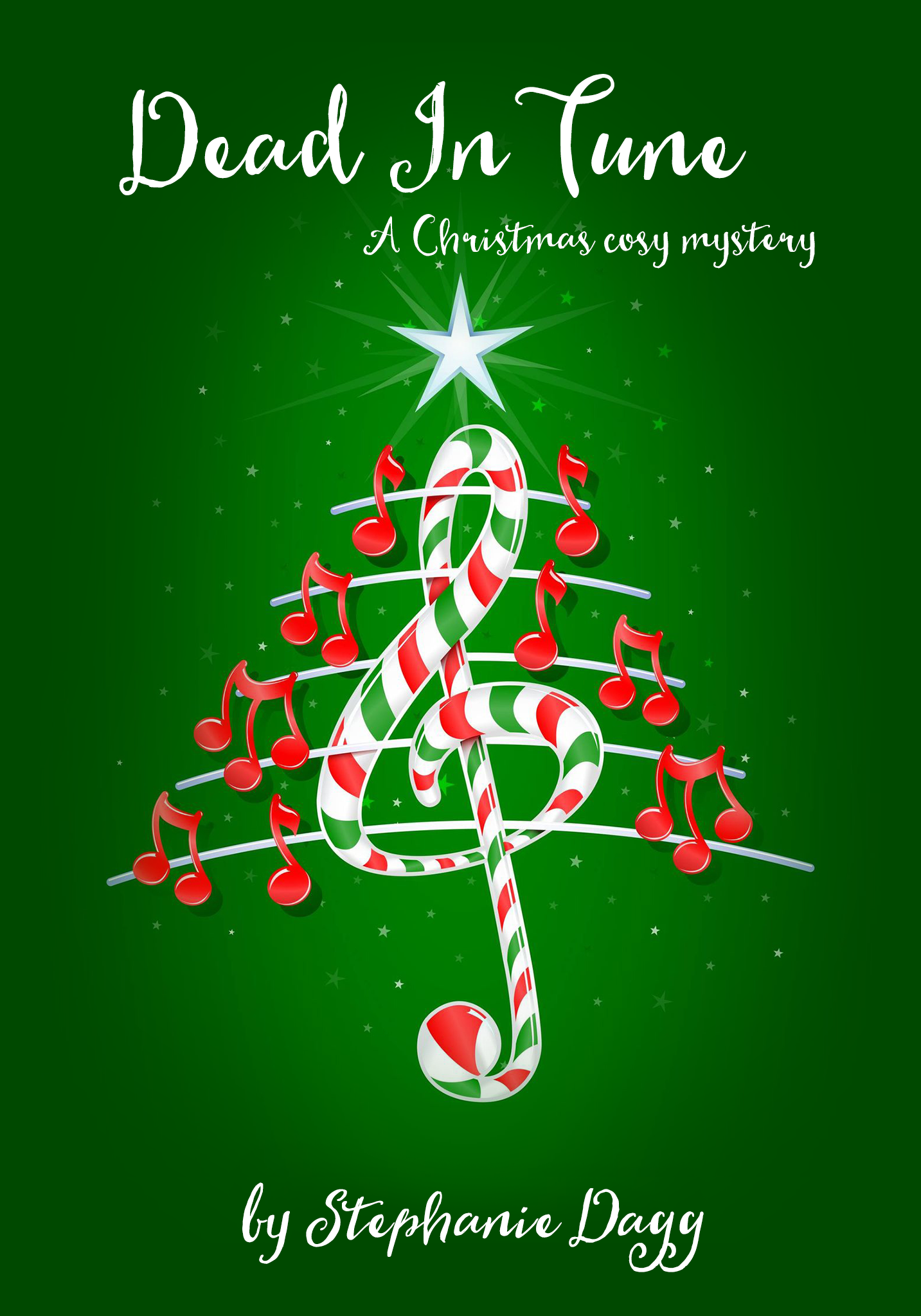
I’ve also treated myself to a bit of comedy this year. I’ve been listening to the Terry Pratchett Discworld audio books (the new and the original recordings – but not the abridged versions) and it’s reminded me of how much I love a funny book, and so, here are my favourite comedies of the year. Simon Whaley’s Foraging for Murder, Dead in Tune by Stephanie Dagg and Crazy for You by Domhnall O’Donoghue and Unseen Academicals by Terry Pratchett, which I’ve listened to twice!
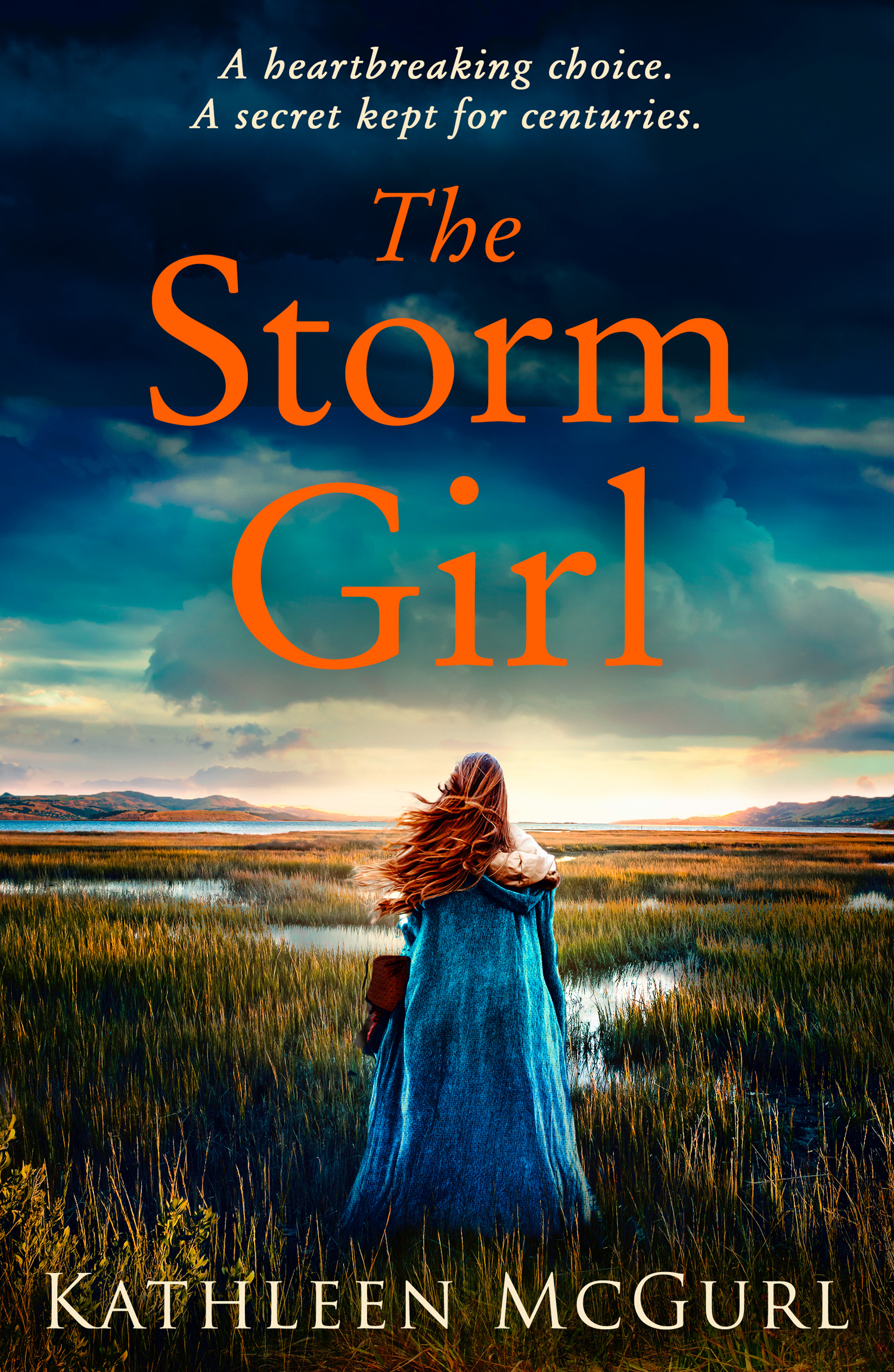
I’ve also dipped my toe into a few dual-timeline novels. As you might expect, my interest is always much more in the historical aspect of the story and not the modern settings, but they were a bit of fun when I was on holiday. The Witches Tree and The Storm Girl.
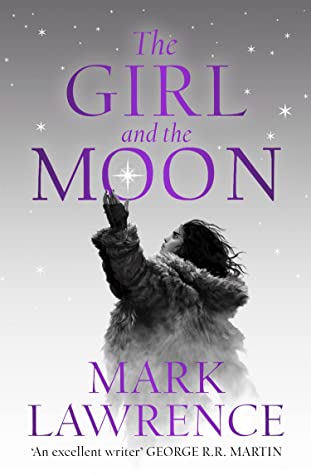
I’ve only read one fantasy book in 2022, which surprises me (aside from Discworld), but Mark Lawrence is one of my all-time favourite authors, and I will always read his books. The sneaky toad has a theme running through them all and I love it.
I’ve also read surprisingly few non-fiction books, in their entirety. I’ve been working on my non-fiction book and that’s meant a lot of dipping in and out of books I’ve already read. But, the non-fiction books I’ve read have been excellent, Michael Wood’s 40th anniversary of In Search of The Dark Ages, reviews for Aspects of History, Winter in the World by Eleanor Parker, also reviewed for Aspects of History and I also read my first ever writing guide.
And an entirely new genre for me, but one I was strangely drawn to for the location, which is close to where I grew up – a bit of Gangland.
I hope you’ve enjoyed reading my reviews on the blog. And I’d like to that the publishers that let me read advanced copies, and also, all the writers I’ve mentioned who’ve taken the time to craft these novels so that I can devour them. Now, I need to get back to my reading to make sure I hit that magic 100!
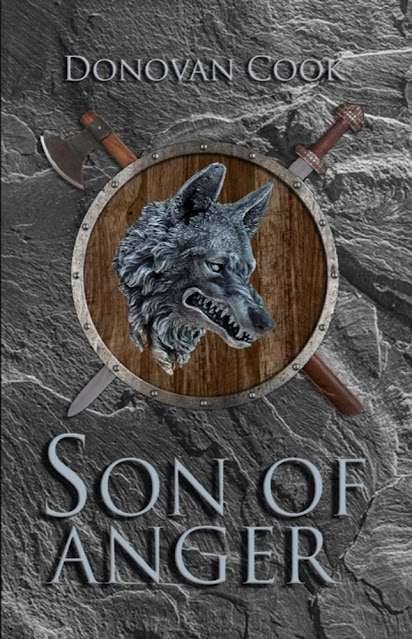
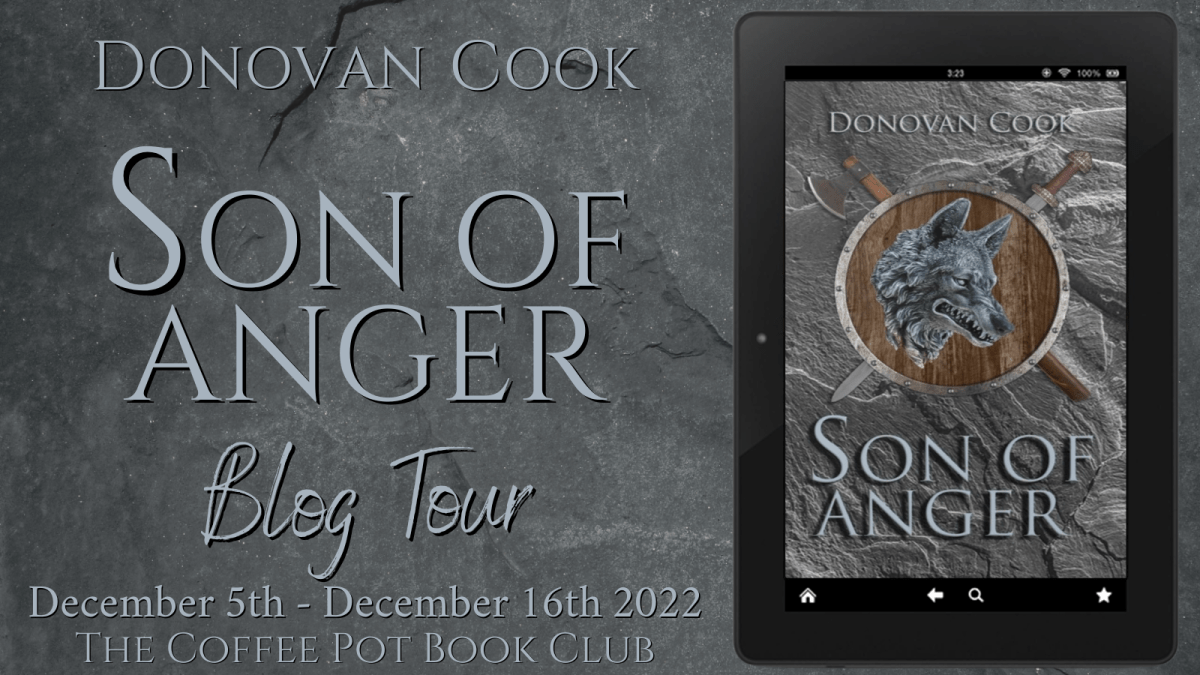
Ulf is like a storm, slowly building up its power, he grows more dangerous with each passing moment. And like all storms, he will eventually break. When he does, he will destroy everything in his path.
Ulf is one of a long line of famous Norse warriors. His ancestor Tyr was no ordinary man, but the Norse God of War. Ulf, however, knows nothing about being a warrior.
Everything changes when a stranger arrives on Ulf’s small farm in Vikenfjord. The only family he’s ever known are slaughtered and the one reminder of his father is stolen — Ulf’s father’s sword, Ormstunga. Ulf’s destiny is decided.
Are the gods punishing him? All Ulf knows is that he has to avenge his family. He sets off on an adventure that will take him across oceans, into the eye of danger, on a quest to reclaim his family’s honour.
The gods are roused. One warrior can answer to them. The Son of Anger.
My Review
Son of Anger by Donovan Cook is a Viking-era adventure deeply steeped in the ways of the Norse Gods. Ulf is an orphan, angry with his father for putting the life of the local jarl before that of his son. When his uncle, aunt and cousins are slaughtered, and the sword of Ulf’s father is stolen, Ulf is rescued by a shadowy figure living in the woodlands, a man who takes out his appetites on the young mute, Vidar. With his death, Ulf and Vidar forge an alliance which brings them to the attention of the very jarl that Ulf’s father died to protect, garnering a growing reputation for being able to undertake tasks that no man can. There are many who think Ulf responsible for killing his aunt and uncle and their children as they’ve never heard of the warrior who attacked their farm, but Ulf wins the support of the jarl’s son and his wife, and Vidar and Ulf are welcomed into the jarl’s settlement.
This is a story of many people and thoughts, told through the eyes of the large cast, with a heavy emphasis on the religion and beliefs of the Norse; the Gods seem to walk (or rather fly)amongst the cast, influencing what happens to them, and are as contrary as we would expect the Norse Gods to be. There are many stories and legends, all told with a particuarly ‘saga-like’ ability to make even the fantastical seem commonplace and day to day. The Norse respect their Gods but appreciate their unreliability.
There are a number of main characters, Ulf, Snorri, Vidar and Lady Ingibjorg, as well as the jarl himself, and the hirdmen of Snorri. Much is shadows and uncertainty, and through the novel walks an unpleasant, and unsighted character, who has ill will towards Ulf, and is only unmasked during the battle that takes place at the end of the book.
This final battle, in which the true killer of Ulf’s aunt and uncle is the enemy, is a fitting conclusion to this epic Norse tale, which continues in books 2 and 3 in the series.
Donovan Cook was born in South Africa but raised in England, and currently works as an English tutor. He is the author of the Ormstunga Saga, which includes his debut novel Son of Anger and the follow up, Raid of the Wolves. His novels come from his fascination with the Viking world and Norse Mythology and he hopes that you will enjoy exploring this world as much as he did writing about it.
When Donovan is not teaching or writing, he can be found reading, watching rugby, or working on DIY projects. Being born in South Africa, he is a massive Springboks fan and rarely misses a match.
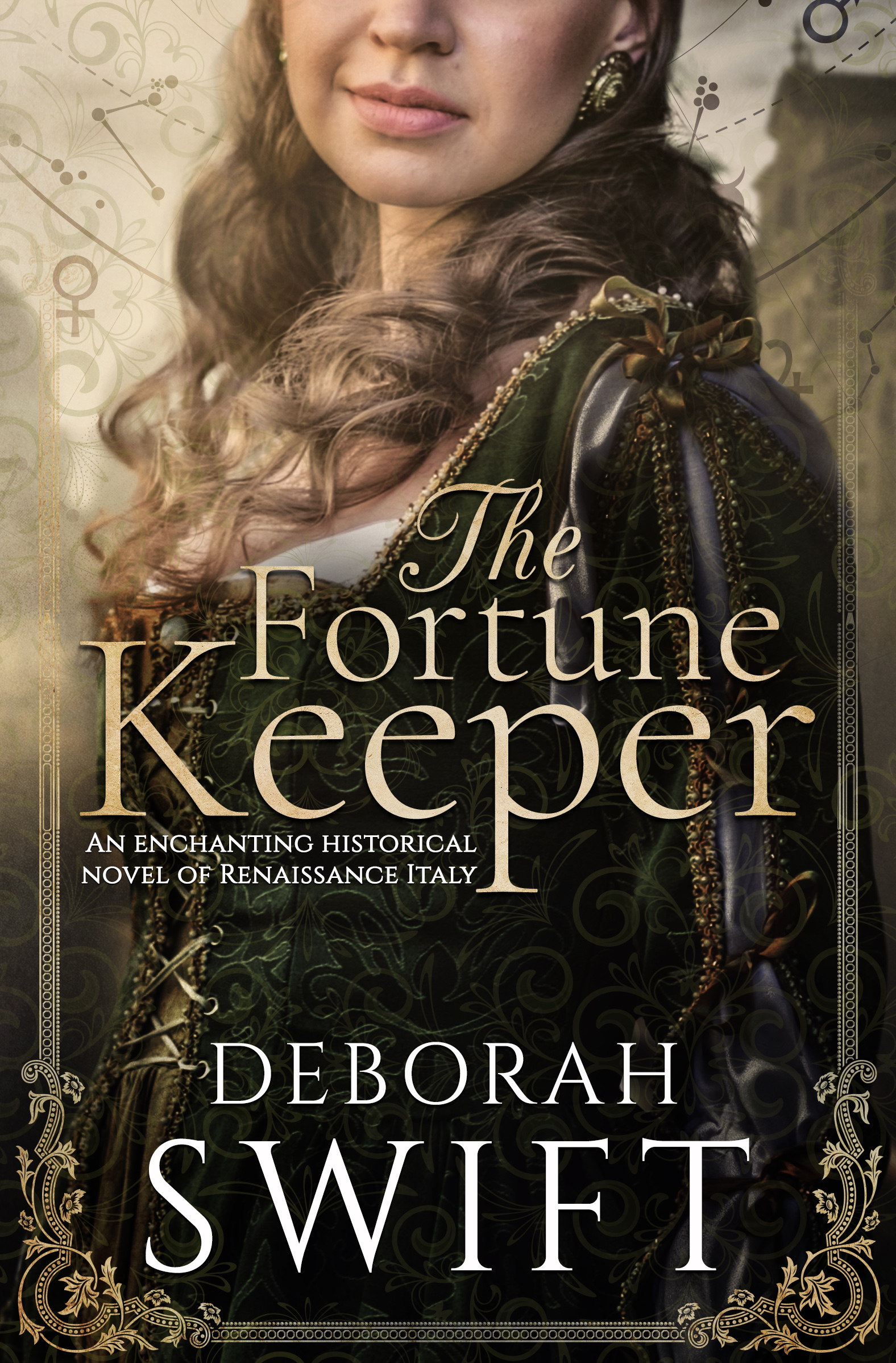
One of the things I was aware of as soon as I started this novel, The Fortune Keeper, was that although not a crime novel, it would probably have several murders within its pages. This is because the whole series is about Giulia Tofana, who was renowned for poisoning men in order that their wives could escape marital persecution.
Giulia Tofana became a legend and it is probable that she didn’t poison as many men as the rumours say, and that probably she was blamed for the crimes of others. One of the others suspected of her crimes was her stepdaughter Girolama. As she was to feature in this book, it led me to look into the law in early modern Venice because I knew I would have to be aware of policing, punishment, and the mechanisms of the law.
Miracle of the Holy Cross Accademia – Miracle of the Holy Cross at Rialto by Vittore Carpaccio
Renaissance Robbery
Venice was extremely wealthy in the Renaissance period, and vagabonds and thieves flooded into the city in search of easy pickings. In the picture above you can see the canal thronged with men dressed in rich clothing and ornament. The most common crimes in Venice were burglary and forgery, but it was by no means unusual for there to be murders over money and debts. The punishment for robbery was calculated on the basis of the quantity of property taken. First offenders who stole goods worth less than one lira could get away with a whipping, but woe betide you if you stole something bigger. The penalty was the loss of an eye for goods valued between five to ten lire, and the noose awaited those brave enough to steal something worth more than forty lire.
Interrogation chambers of the Doge’s Palace
Debt and Death
The law allowed for anyone who was owed more than five lire de piccola to threaten and even kill the debtor in order to recoup their money, putting the onus firmly on the debtor, not the avenger. This tells us that money was the main driving force in Venetian society. But what about armed robbery or assault where no debt was owing? Most assaults were subject to a mere fine of twenty-five lire, or banishment from the city state. If your crime was a crime which drew blood – sanguinem fecerit – then the punishment was up to the judging council. There was no such thing as ‘innocent until proven guilty’ in Venetian law at that time. Proof was largely circumstantial, and it relied on the judge and jury’s instinct as to the guilt of the person involved.
Cells of the Doge’s Palace
Renaissance Lawkeepers
The Avogaria di Comun were a group equivalent to lawyers, though non-professional, drawn exclusively from the nobility. They acted as prosecutors for the state, giving evidence and arguing for punishments before the main judicial councils of Venice. Because of their status, their judgements were often influenced by their social position, and the personal axes they had to grind.
Execution and Mutilation
In this period it was still common for mutilations to take place, which had been traditional in medieval times. Cutting out the tongue for heresy, cutting off the thumb or fingers for pilfering. Courtesans regularly had their noses or faces cut. There was also the custom of cutting of the ‘offending’ part – this led to men who were convicted of dabbling in heresy or alchemy, or crimes against the Holy Roman Church having their hand cut off to remove the ‘devil’s instrument’. This kind of public ritual and humiliation was designed to bring public vengeance to the accused person, and to reaffirm the values of the Church or state. The ritual turned the execution into a purification of the city.
There were in fact few crimes which brought down corporal or capital punishment. The types of corporal punishment used for the crimes of rape and assault were minor by today’s standards. As an example, for assault, out of 569 cases only fifteen involved mutilation of the criminal; and sixteen more involved some form of corporal discipline. For rape offenses, corporal punishment was even less significant, with twenty cases of discipline and only four of mutilation.
Palazzo Dario where many murders in the novel unfold
Maintaining law and order
On the streets the main arbiters of law and order were the town guard, the vigili urbani, who acted like our police do now. Their job was to make sure masked men didn’t carry arms, that only noblemen wore swords, and to act as a preventative force as well as policing troublemakers.
Further up the ladder were the Council of Ten, a kind of secret police force whose job was to maintain order within the city state of Venice. There was not much space in the city gaols of Venice due to the whole nature of its construction. For crimes of fraud, marital dispute, and affray, these men sat in judgement. It was unfeasible to keep men incarcerated for long because otherwise the gaols would be full of minor offenders. Small fines and short gaol sentences were the usual punishments for common violence in Venice. When the crime crossed the line into something that was considered ‘against God’ or ‘against the reputation of Venice’ then ritual punishment could be relied upon to warn the populace about sinning against these bigger, less personal edifices.
Count your nights by stars, not shadows ~ Italian Proverb
Winter in Renaissance Venice
Mia Caiozzi is determined to discover her destiny by studying the science of astronomy. But her stepmother Giulia forbids her to engage in this occupation, fearing it will lead her into danger. The ideas of Galileo are banned by the Inquisition, so Mia must study in secret.
Giulia’s real name is Giulia Tofana, renowned for her poison Aqua Tofana, and she is in hiding from the Duke de Verdi’s family who are intent on revenge for the death of their brother. Giulia insists Mia should live quietly out of public view. If not, it could threaten them all. But Mia doesn’t understand this, and rebels against Giulia, determined to go her own way.
When the two secret lives collide, it has far-reaching and fatal consequences that will change Mia’s life forever.
Set amongst opulent palazzos and shimmering canals, The Fortune Keeper is the third novel of adventure and romance based on the life and legend of Giulia Tofana, the famous poisoner.
‘Her characters are so real they linger in the mind long after the book is back on the shelf’ – Historical Novel Society
NB This is the third in a series but can stand alone as it features a new protagonist.
Trigger warnings:
Murder and violence in keeping with the era.
Buy Links
This book is available to read on Kindle Unlimited?
Deborah Swift is a USA TODAY bestselling author who is passionate about the past. Deborah used to be a costume designer for the BBC, before becoming a writer. Now she lives in an old English school house in a village full of 17th Century houses, near the glorious Lake District. She divides her time between writing and teaching. After taking a Masters Degree in Creative Writing, she enjoys mentoring aspiring novelists and has an award-winning historical fiction blog at her website www.deborahswift.com
Deborah loves to write about how extraordinary events in history have transformed the lives of ordinary people, and how the events of the past can live on in her books and still resonate today.
Recent books include The Poison Keeper, about the Renaissance poisoner Giulia Tofana, which was a winner of the Wishing Shelf Readers Award, and a Coffee Pot Book Club Gold Medal, and The Cipher Room set in WW2 and due for publication by Harper Collins next Spring.
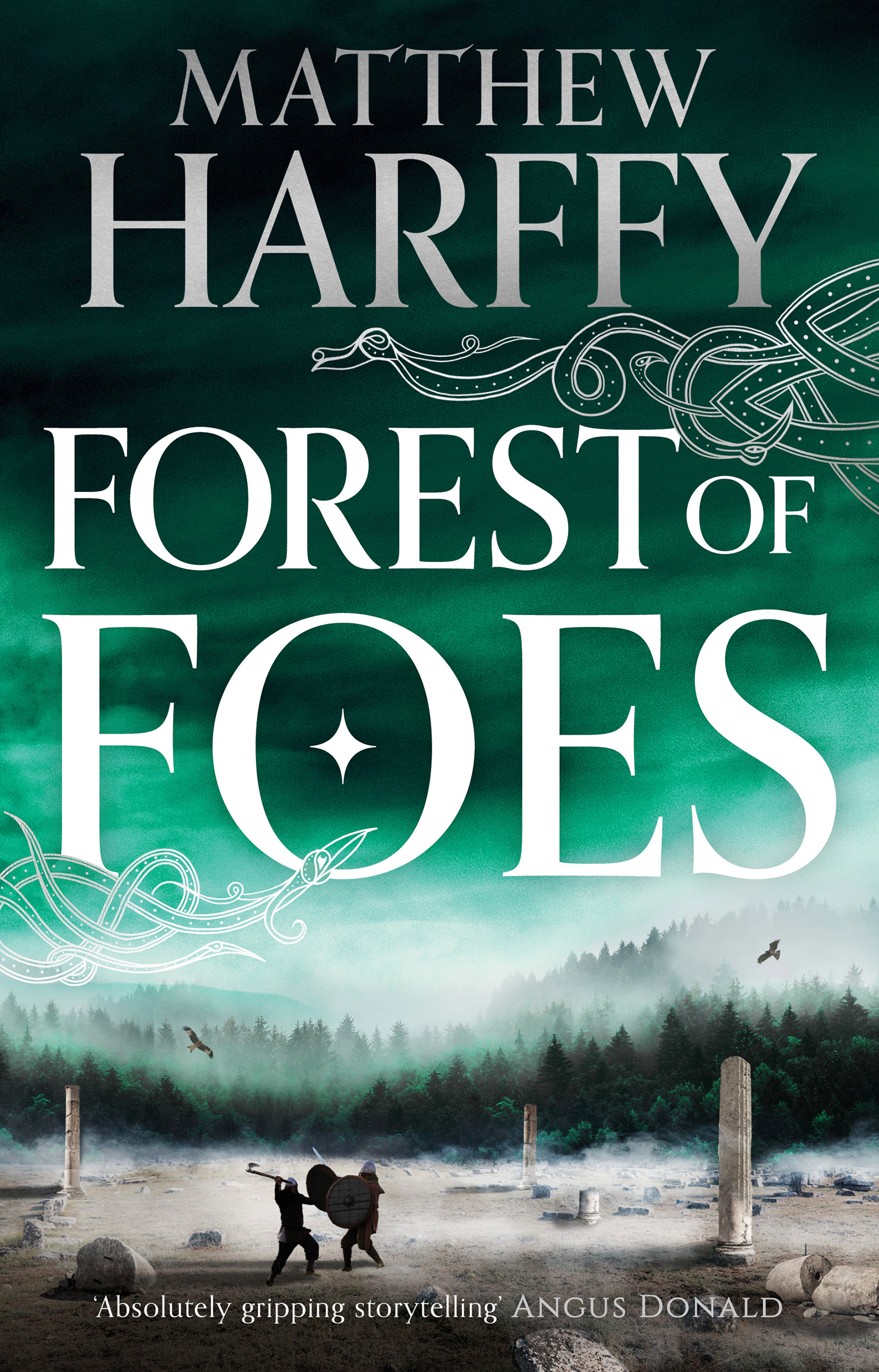
AD 652. Beobrand has been ordered to lead a group of pilgrims to the holy city of Rome. Chief among them is Wilfrid, a novice of the church with some surprisingly important connections. Taking only Cynan and some of his best men, Beobrand hopes to make the journey through Frankia quickly and return to Northumbria without delay, though the road is long and perilous.
But where Beobrand treads, menace is never far behind. The lands of the Merovingian kings are rife with intrigue. The queen of Frankia is unpopular and her ambitious schemes, though benevolent, have made her powerful enemies. Soon Wilfrid, and Beobrand, are caught up in sinister plots against the royal house.
After interrupting a brutal ambush in a forest, Beobrand and his trusted gesithas find their lives on the line. Dark forces will stop at nothing to seize control of the Frankish throne, and Beobrand is thrown into a deadly race for survival through foreign lands where he cannot be sure who is friend and who is foe.
The only certainty is that if he is to save his men, thwart the plots, and unmask his enemies, blood will flow.
My Review
Forest of Foes by Matthew Harffy is the 9th book in the Bernicia Chronicles. I’ve read nearly all of the books to date, but I know I’ve missed one or two out, and in this book, there are a few scenes where that comes home to roost – but not enough that I didn’t get a general idea and neither did it distract from the rest of the story.
Forest of Foes starts with a really exciting fight scene, in which Beobrand and Cynan are thrust into the heart of a skirmish. This very much sets the scene for the rest of the book, with a great deal of added political intrigue until our hero finally manages to exact revenge at the end of the book.
This book takes our characters to Merovingian France, and as readers of the series will know this isn’t Beobrand’s first trip there. As such, we meet new and old characters as Beobrand endeavours to fulfil his promise to Queen Eanflæd that he’ll get the monks Wilfrid and Baducing to Roma. Sadly, Beobrand hasn’t quite factored in the weather or the strong will of Wilfrid, or indeed the conniving members of the nobility in Merovingian France, or indeed, the queen, Bathilde.
Forest of Foes is an entertaining addition to the Bernicia Chronicles. I enjoyed the split narrative between Beobrand and Cynan, although it is a little unevenly done. There are also occasions where Wilfrid is our narrator, perhaps pointing to future developments for this character, who, historically, is a bit of a wildfire. Time will tell. The beginning of the book is particularly exciting, and the ending is satisfying. I enjoyed my trip to Merovingian France. The characters there are well drawn, and the peril to Beobrand is genuine and resolved particularly well.
I’m intrigued to see just how much trouble Beobrand and Cynan can get into as they finally resume their journey towards Roma, which I think they probably need to do quite quickly because there are forewarnings of trouble back home. We all know (I hope) that war is coming.
Meet the author
Matthew Harffy lived in Northumberland as a child and the area had a great impact on him. The rugged terrain, ruined castles and rocky coastline made it easy to imagine the past. Decades later, a documentary about Northumbria’s Golden Age sowed the kernel of an idea for a series of historical fiction novels. The first of them is the action-packed tale of vengeance and coming of age, THE SERPENT SWORD.
Matthew has worked in the IT industry, where he spent all day writing and editing, just not the words that most interested him. Prior to that he worked in Spain as an English teacher and translator. Matthew lives in Wiltshire, England, with his wife and their two daughters.
An invitation. A ghostly spectre. A criminal mastermind.
When Sherlock Holmes is invited to visit an old school friend, he and Doctor Watson are plunged into the first of three adventures involving the Dark Arts and the supernatural. From the ghostly spectre of a dead sister to the search for an ancient book of spells, the detecting duo learn that each case is connected, leading them into a final showdown with their deadliest adversary yet.
The Haunting of Roderick Usher might be volume 6 in the Watson Letters, but it is the first book I’ve read by this author and in this series. But fear not. Building on the ‘lore’ of Sherlock Holmes and adding a few ‘adult’ touches throughout, as well as a slightly alternative universe, this is a fine story in true Sherlock Holmes style and very, very enjoyable.
The Haunting of Roderick Usher is really a string of three separate stories, all building on the other, before coming to a thrilling conclusion. The Haunting of Roderick Usher, The Witch’s Ghost and The Very Last Death of Lord Blackwood are all unique stories in themselves, with a hint of the otherworldly and with a conclusion of their own.
I really enjoyed the building blocks of the stories, and the slightly more flippant Holmes, Watson and Mrs Watson. All three of them, and indeed Lestrade as well, all have their voices throughout these tales.
A lot of fun, provided you’re not going to be offended by the slightly more adult tone – and I certainly wasn’t.
Meet the author
True-born Geordie Colin Garrow grew up in a former mining town in Northumberland and has worked in a plethora of professions including taxi driver, antiques dealer, drama facilitator, theatre director and fish processor. He has also occasionally masqueraded as a pirate. Colin’s published books include the Watson Letters series, the Terry Bell Mysteries and the Rosie Robson Murder Mysteries. His short stories have appeared in several literary mags, including: SN Review, Flash Fiction Magazine, The Grind, A3 Review, Inkapture and Scribble Magazine. These days he lives in a humble cottage in Northeast Scotland.
I’m delighted to welcome Anna to the blog, and she’s written a fabulous post about her historical research.
Those unruly Welsh – a post about those that would not give up
Some years ago, I published His Castilian Hawk, where the story is set against the backdrop of Edward I’s conquest of Wales in 1282-83. Some may think that after Dafydd ap Gruffyd was executed in late 1283, Wales was permanently cowed, bowing its neck abjectly before its new overlord. Not at all like in Scotland, where the Scots just wouldn’t give up, no matter what Edward I threw at them.
Hmm. I dare say those medieval Welshmen would snort—rather loudly—at the notion that they somehow lacked in bravery. Also, one must keep in mind that the English king could command vastly more men than the Welsh could. Plus, Wales was not a cohesive unit as Scotland was. No, Wales was subdivided into various little principalities, and since the death of Llewellyn Fawr in 1240 no one had really managed to unite all Wales again. Also, large chunks of Wales had been under English control for yonks, ruled over by the so called Marcher Lords.
So it was a fragmented people who were invaded by the English in 1282-83, and in some places people didn’t overly care who sat in the nearby castle. Besides, many Welshmen had no reason to risk their neck for Llywellyn ap Gruffyd or his brother as they were princes of Gwynedd, not of Wales. But that does not mean the Welsh had rolled over and given up. In fact, there’d be a sequence of rebellions—of varying size—over the years. What all those rebellions have in common is that they failed, even if the impressive Owain Glyndwr in the early 15th century came close to success.
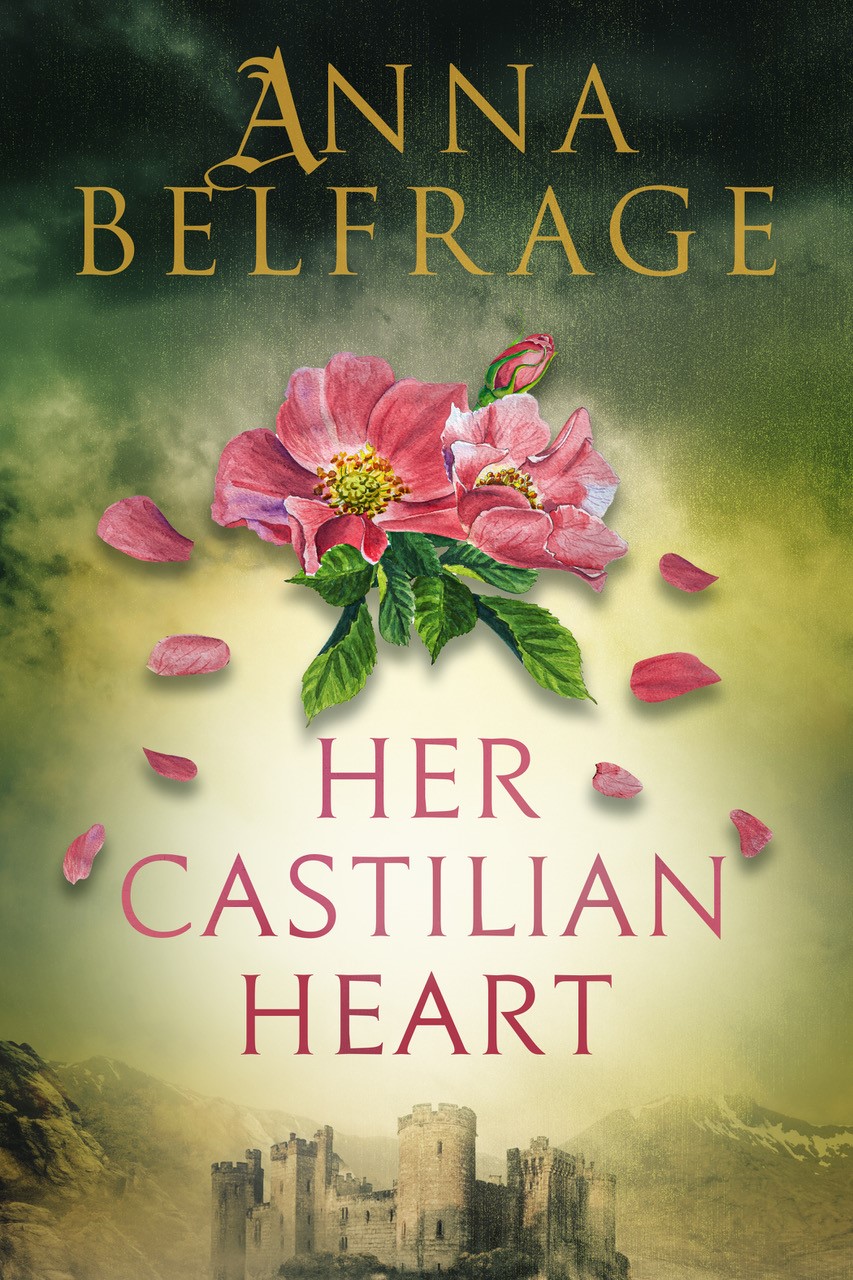
In my latest release, Her Castilian Heart, the adventures and misfortunes that beset my fictional protagonists, Robert FitzStephan and his wife Noor, are to some extent set against the backdrop of another Welsh rebellion, that of Rhys ap Maredudd.
Rhys was a member of the royal house of Deheubarth, a principality in mid Wales. Deheubarth and Gwynedd were traditional enemies, so when Dafydd ap Gruffyd prodded his older brother into rebellion in 1282, Rhys sided with the English. Actually, already in the Anglo-Welsh wars of 1276-77, Rhys submitted to England, hoping that by doing so he’d be able to keep his lands—and regain the impressive Dinefwr Castle, the traditional seat of the princes of Deheubarth.
In the aftermath of the 1282-83 conquest, Rhys was rewarded for his loyalty with more land. “And Dinefwr?” he asked. King Edward likely raised an eyebrow. No way was he about to return such an impressive castle to a Welsh princeling. Instead, he forced Rhys to sign a quitclaim, effectively handing over “his” castle permanently to the English king. Rhys may not have liked this, but he seems to have swallowed his disappointment and instead focussed his attention on fortifying his remaining castle of note, Dryslwyn.
But it must have rankled, losing Dinefwr. Also, Rhys seems to have been under the impression that he’d been promised Dinefwr if he rode with the English against his fellow Welshmen. Whatever the case, in 1287, Rhys rebelled.
He had some initial success, but King Edward’s appointed regent, Edmund of Cornwall (the king himself was in Gascony) acted with speed, assembling a huge host that marched into Wales. By October, the rebellion had effectively been stamped out until all that was left was a core of determined men besieged at Dryslwyn. This was when King Edward’s interest in siege machines came in handy: soon enough several huge trebuchets began bombarding Dryslwyn’s walls with projectiles. In all that upheaval, Rhys managed to slip away.
For some weeks, things were quiet, but in mid-November Rhys popped up again, urging his fellow Welshmen to join his rebellion. A new, much smaller force was assembled to sort things out—one in which I’ve included Robert FitzStephan and his friend, Roger Mortimer. Rhys took refuge in yet another castle, this time the triangular-shaped Newydd Emlyn.
The English packed together their siege weapons, loaded them onto carts, requisitioned forty oxen and hauled them all the way up to Newydd Emlyn. Ten days of siege and the English won—but the elusive Rhys had managed to slip away. Again.
For the coming four years, he somehow managed to stay hidden. Some people think he may have escaped to Ireland, but if he had, one wonders why he came back only to be captured. In 1291, Rhys ap Maredudd was executed in York, far from the land of his birth. His son and namesake was to spend the coming fifty years in prison.
Rhys was not the last Welshman to rebel against Edward. Some years later, the fires of rebellion would yet again threaten Edward’s iron hold on this his newest dominion—but of that I will write in the next book in the series!
Thank you so much for sharing such a fascinating post. Good luck with your new book and with writing the next one.
Here’s the blurb:
Blood is not always thicker than water…
At times a common bloodline is something of a curse—or so Robert FitzStephan discovers when he realises his half-brother, Eustace de Lamont, wants to kill him.
A murderous and greedy brother isn’t Robert’s only challenge. He and his wife, Noor, also have to handle their infected relationship with a mightily displeased Queen Eleanor—all because of their mysterious little foundling whom they refuse to abandon or allow the queen to lock away.
Eustace is persistent. When Robert’s life hangs in the balance, it falls to Noor to do whatever it takes to rip them free from the toothy jaws of fate. Noor may be a woman, but weak she is not, and in her chest beats a heart as brave and ferocious as that of a lioness. But will her courage be enough to see them safe?
Trigger Warnings: There is some sexual (consensual) content. Also some violence
Had Anna been allowed to choose, she’d have become a time-traveller. As this was impossible, she became a financial professional with two absorbing interests: history and writing. Anna has authored the acclaimed time travelling series The Graham Saga, set in 17th century Scotland and Maryland, as well as the equally acclaimed medieval series The King’s Greatest Enemy which is set in 14th century England.
Anna has also published The Wanderer, a fast-paced contemporary romantic suspense trilogy with paranormal and time-slip ingredients.
Her Castilian Heart is the third in her “Castilian” series, a stand-alone sequel to her September 2020 release, His Castilian Hawk. Set against the complications of Edward I’s invasion of Wales, His Castilian Hawk is a story of loyalty, integrity—and love. In the second instalment, The Castilian Pomegranate, we travel with the protagonists to the complex political world of medieval Spain. This latest release finds our protagonists back in England—not necessarily any safer than the wilds of Spain!
All of Anna’s books have been awarded the IndieBRAG Medallion, she has several Historical Novel Society Editor’s Choices, and one of her books won the HNS Indie Award in 2015. She is also the proud recipient of various Reader’s Favorite medals as well as having won various Gold, Silver and Bronze Coffee Pot Book Club awards.
Find out more about Anna, her books and enjoy her eclectic historical blog on her website, www.annabelfrage.com
Before partnership with a former army doctor recently returned from Afghanistan, Sherlock Holmes had but the quiet company of his own great intellect. Solitary he might be but, living as he did for the thrill of the chase, it was enough.
For a little while, at the least, it was enough.
That is, until a client arrives at his door with a desperate plea and an invitation into a world of societal scandal and stage door dandies. Thrust deep in an all-consuming role and charged with the safe-keeping of another, Holmes must own to his limits or risk danger to others besides himself in this the case of the aluminium crutch.
I do love a Sherlock Holmes mystery, and this is a very good one. It wasn’t that long ago that I read some of the original stories, and so I can say that the set-up is very traditional Holmes, even if we don’t have Watson in this story. This Holmes sounds like Holmes and acts like Holmes, and the story is particularly twisty and all the more enjoyable for that. (I am also an avid fan of the 221B Baker Street board game, although I do struggle to find others who love it as much as I do).
Holmes is asked to investigate the identity of a man who only one woman is convinced is not who he says he is. She has proof, she says. She grew up with the ‘real’ man, and this man, wearing his name and even beloved of the missing man’s uncle, is not who he claims to be. This sounds like it should be easy to solve – unmask the culprit and ta-da. But that is not at all the case. Holmes is forced to adopt an alias to live a double life for a while in his attempt to get to the bottom of the case, which becomes somewhat grisly throughout the investigation.
Sometimes I was a little confused, but I think that was intentional. There were times I was a little unsure about what Holmes was up to, but I also believe that was intentional as well. I did feel thoroughly swept up in Holmes’ world, with its slightly murky sidelines, as well as its traditional ‘day at the races,’ and the conclusion to the story was very satisfying.
A really well-done Holmes mystery. MK Wiseman knows her stuff, which is very, very true to the original, even in its brevity. I really recommend this tale if you love a good Holmes mystery.
Meet the author
M. K. Wiseman has degrees in Interarts & Technology and Library & Information Studies from the University of Wisconsin-Madison. Her office, therefore, is a curious mix of storyboards and reference materials. Both help immensely in the writing of historical novels. She currently resides in Cedarburg, Wisconsin.
Giveaway to Win 2 x M. K. Wiseman Sherlock Holmes Book Bundle (Open to US / UK and Canada)
Prize includes:
Signed and ‘annotated’ with a few margin notes copies of Sherlock Holmes & the Singular Affair & Sherlock Holmes & the Ripper of Whitechapel
Nifty ‘magnifying glass’ bookmark
*Terms and Conditions –UK / US & Canada entries welcome. Please enter using the Rafflecopter box below. The winner will be selected at random via Rafflecopter from all valid entries and will be notified by Twitter and/or email. If no response is received within 7 days then Rachel’s Random Resources reserves the right to select an alternative winner. Open to all entrants aged 18 or over. Any personal data given as part of the competition entry is used for this purpose only and will not be shared with third parties, with the exception of the winners’ information. This will passed to the giveaway organiser and used only for fulfilment of the prize, after which time Rachel’s Random Resources will delete the data. I am not responsible for despatch or delivery of the prize.
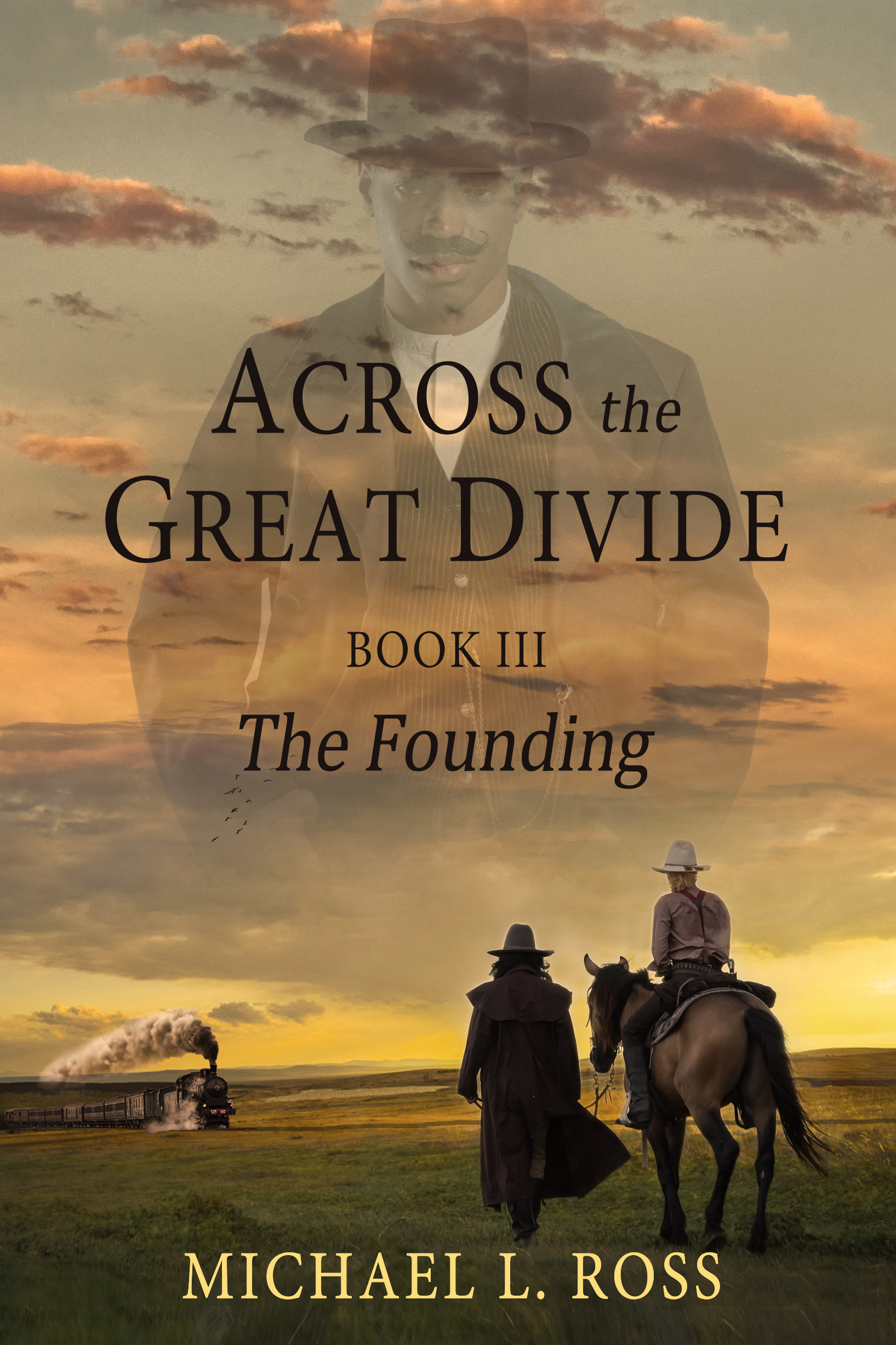
I’m delighted to welcome Michael L. Ross to the blog, with a post about his new book, The Founding.
The Founding follows the earthquake changes that the railroad made to American business and society during the latter half of the nineteenth century. Through the eyes of my fictional characters, Julia and Hiram Johannsen, the railroad itself almost becomes another major character. Julia is the sister of the main character, Will Crump. In order to do an effective job with telling the story of the railroad, I had to research and plot the timeline of the many different railroads that pushed south and west across America during the period 1868-1909.
The figure of robber baron Jason “Jay” Gould looms over the story, as he went from a tannery business to partner in the Erie Railroad to the major force behind the Union Pacific Railroad. The UP swallowed many other lines in its march to the Pacific Ocean.
Julia was a businesswoman at a time when it was uncommon, and shepherded the Johannsen steamship line through the Civil War, while Hiram fought for the Federal army in book 1 of the series, The Clouds of War. As The Founding opens, Julia and Hiram’s business is in danger from the encroaching railroads, financed from New York and Europe. They must adapt or perish.
The Atchison, Topeka, Santa Fe promised a new rail line that could save them. For my research, I delved into the railroad’s history, largely through Keith L. Bryant Jr.’s non-fiction account, History of the Atchison, Topeka, and Santa Fe Railway, and local records in the Newton, Kansas historical society. The ATSF and the Kansas Pacific railroads sought to go through Kansas from east to west, and south through Indian Territory (Oklahoma) to Santa Fe, and California. At every turn, Jay Gould bought up lines and pounced on the business, making it very tough indeed to compete. The Life and Legend of Jay Gould by Maury Klein follows Gould’s life in great detail, chronicling the schemes and deals that made Gould famous and feared.
The railroad story is a complex one, and many managers came and went. The road to success was complicated by the financial panic of 1873, where many railroads went bankrupt in the aftermath of the Franco-Prussian war. European countries had invested heavily in American railroads via bonds, and the end of the war with German victory brought the collapse of the Jay Cook Company, whose bonds financed railroad expansion.
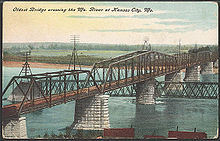
Two historical tidbits turned up in research that was of great interest and impacted the book. First, the famous joining of the railroads at Promontory Point, Utah to form the transcontinental railroad wasn’t truly transcontinental at first. It was thought that no one could build a bridge across the Missouri River, and at the time the Golden Spike was driven, the Union Pacific stopped at the river, and picked up on the other side. For a period of time, the locomotives had to be ferried across. Then the Kansas Pacific helped to build the Hannibal Bridge, a unique design that swung a bridge section sideways to allow steamboat river traffic, then back into a contiguous bridge across the river. Without electricity, and using only gravity, gears, and river power, it was a major engineering feat, truly uniting the east and western portions of the United States by rail.
Second, in Chicago, a man named George Hammond filed a patent for a refrigerated railroad car, in 1868. Within two years, Hammond was selling refrigerated meat to the tune of two million dollars annually. Railroad lines that had invested heavily in stockyards in Chicago and elsewhere were reluctant to adopt the new cars, but progress marched forward as demand for beef in the east increased. In The Founding, Hiram and Julia make use of both of these inventions to outsmart Gould, and in real life, Gould was slow to pick up on them. The refrigerated cars spawned a large meat packing business in Fort Worth, Texas, and with the expansion of the railroad, completely eliminated the need for the cattle drives of western movies. Within a decade, Hammond’s new plant in Omaha, Nebraska, was slaughtering over 100,000 cattle a year and moving a fleet of 800 refrigerator cars. Gustavus Swift improved the design of refrigerated cars.1 During the 1850s, when he was still a teenager, Gustavus F. Swift started to work in the beef business in Massachusetts. In 1875, Swift began buying cattle in Chicago to send to his family’s butcher operations back East. He quickly revolutionized the meat industry by using newly developed refrigerated railcars to ship fresh meat from Chicago to Eastern markets. The company soon set up a national network of branch offices, which allowed it to control the distribution of its meat across the country. By 1886, when the company slaughtered more than 400,000 cattle a year, Swift employed about 1,600 people. Between 1887 and 1892, new packing plants were opened in Kansas City, Omaha, and St. Louis. By the time the founder died in 1903, his company grossed $200 million in annual sales and employed about 23,000 people across the country.2[1]
These inventions allowed our fictional characters to gain capital to beat Gould, temporarily, at his own game.
As railroads advanced, many new towns were founded. Whether the railroad’s route included a particular town could mean the difference between death and survival for the town. Often towns paid handsome sums to the railroads to influence the route. Dallas paid a large cash bounty to gain three railroad lines running through it, cementing it as a center of Texas commerce. In 1860, Dallas only had 261 people. By 1900, it had 82,726.3
Often the town was required to pay for a depot, as well as show that there would be sufficient freight and passenger traffic to warrant choosing a route through the town. In Nicodemus, the citizens raised $16,000 for a depot, with great hopes. There was lots of politics and influence peddling.
Lubbock, Texas, the other town in this book, was initially unsuccessful in wooing the railroad. However, with persistence, growth, and the fact that it was racially white, the town fathers, including Will Crump, were successful in the end.
Thank you so much for sharing such a fascinating post.
Here’s the blurb:
Two men, two dreams, two new towns on the plains, and a railroad that will determine whether the towns—one black, one white—live or die.
Will Crump has survived the Civil War, Red Cloud’s War, and the loss of his love, but the search for peace and belonging still eludes him. From Colorado, famed Texas Ranger Charlie Goodnight lures Will to Texas, where he finds new love, but can a Civil War sharpshooter and a Quaker find a compromise to let their love survive? When Will has a chance to join in the founding of a new town, he risks everything—his savings, his family, and his life—but it will all be for nothing if the new railroad passes them by.
Luther has escaped slavery in Kentucky through Albinia, Will’s sister, only to find prejudice rearing its ugly head in Indiana. When the Black Codes are passed, he’s forced to leave and begin a new odyssey. Where can he and his family go to be truly free? Can they start a town owned by blacks, run by blacks, with no one to answer to? But their success will be dependent on the almighty railroad and overcoming bigotry to prove their town deserves the chance to thrive.
Will’s eldest sister, Julia, and her husband, Hiram, are watching the demise of their steamboat business and jump into railroads, but there’s a long black shadow in the form of Jay Gould, the robber baron who ruthlessly swallows any business he considers competition. Can Julia fight the rules against women in business, dodge Gould, and hold her marriage together?
The Founding tells the little-known story of the Exodusters and Nicodemus, the black town on the plains of Kansas, and the parallel story of Will’s founding of Lubbock, Texas, against the background of railroad expansion in America. A family reunited, new love discovered, the quest for freedom, the rise of two towns. In the end, can they reach Across the Great Divide? The Founding is the exciting conclusion to the series.
Praise for The Founding:
“Michael is an excellent storyteller and has done a wonderful job depicting Luther, and the other black characters in this book. He has done his homework and depicts many historical facts about Nicodemus in a most enlightening and creative way. It has been a pleasure working with someone who has made a concerted effort to get things right.
Michael Ross is a lover of history and great stories.
He’s a retired software engineer turned author, with three children, and five grandchildren, living in Newton, Kansas with his wife of 39 years. Michael graduated from Rice University and Portland State University with degrees in German and software engineering. He was part of an MBA program at Boston University.
Michael was born in Lubbock, Texas, and still loves Texas. He’s written short stories and technical articles in the past, as well as articles for the Texas Historical Society.
Across the Great Divide now has three novels in the series, “The Clouds of War”, and “The Search”, and the conclusion, “The Founding”. “The Clouds of War” was an honorable mention for Coffee Pot Book of the Year in 2019, and an Amazon #1 best seller in three categories, along with making the Amazon top 100 paid, reviewed in Publisher’s Weekly. “The Search” won Coffee Pot Cover of the Year in 2020, and Coffee Pot Silver Medal for Book of the Year in 2020, as well as short listed for the Chanticleer International Book Laramie Award.
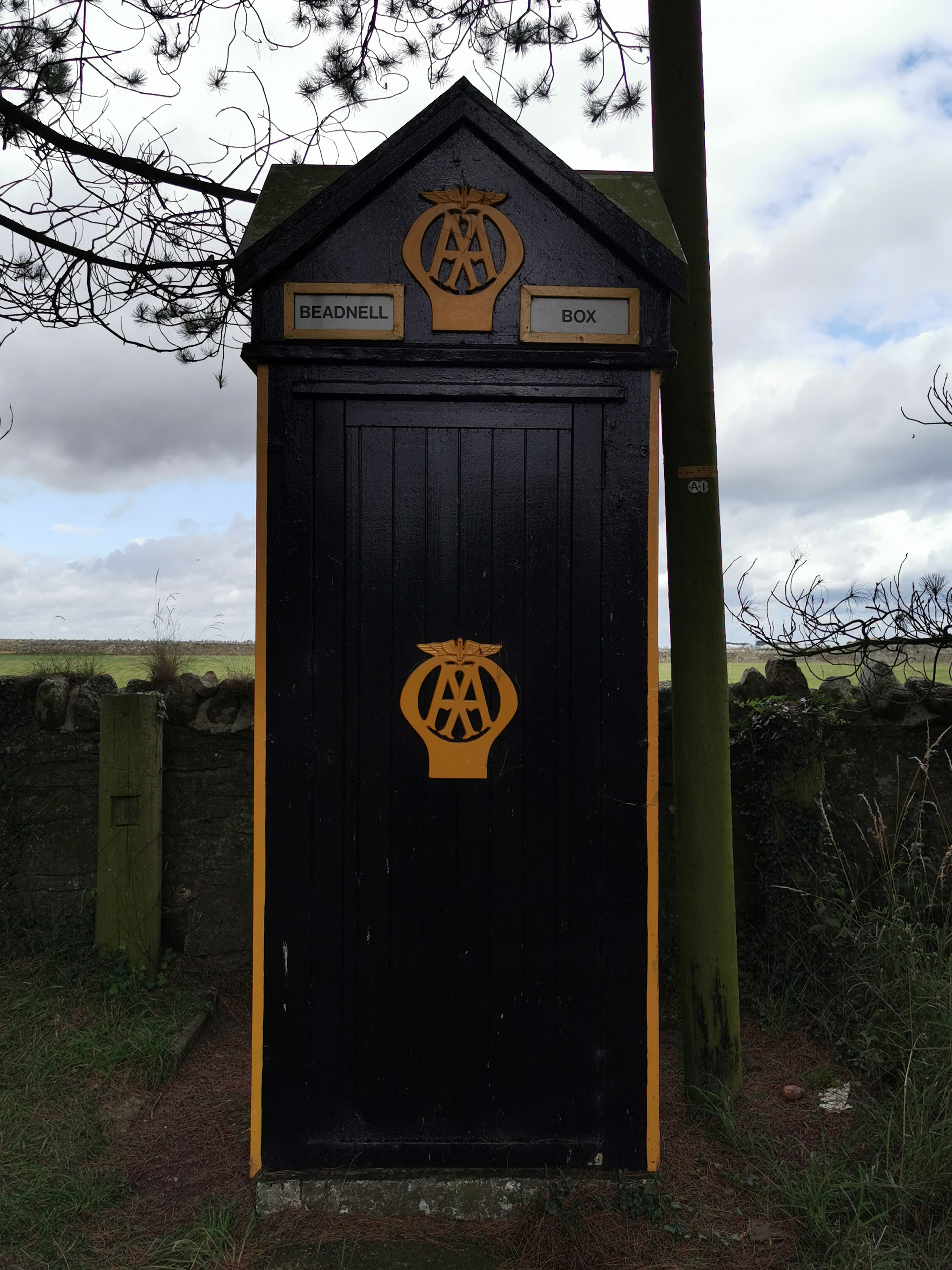
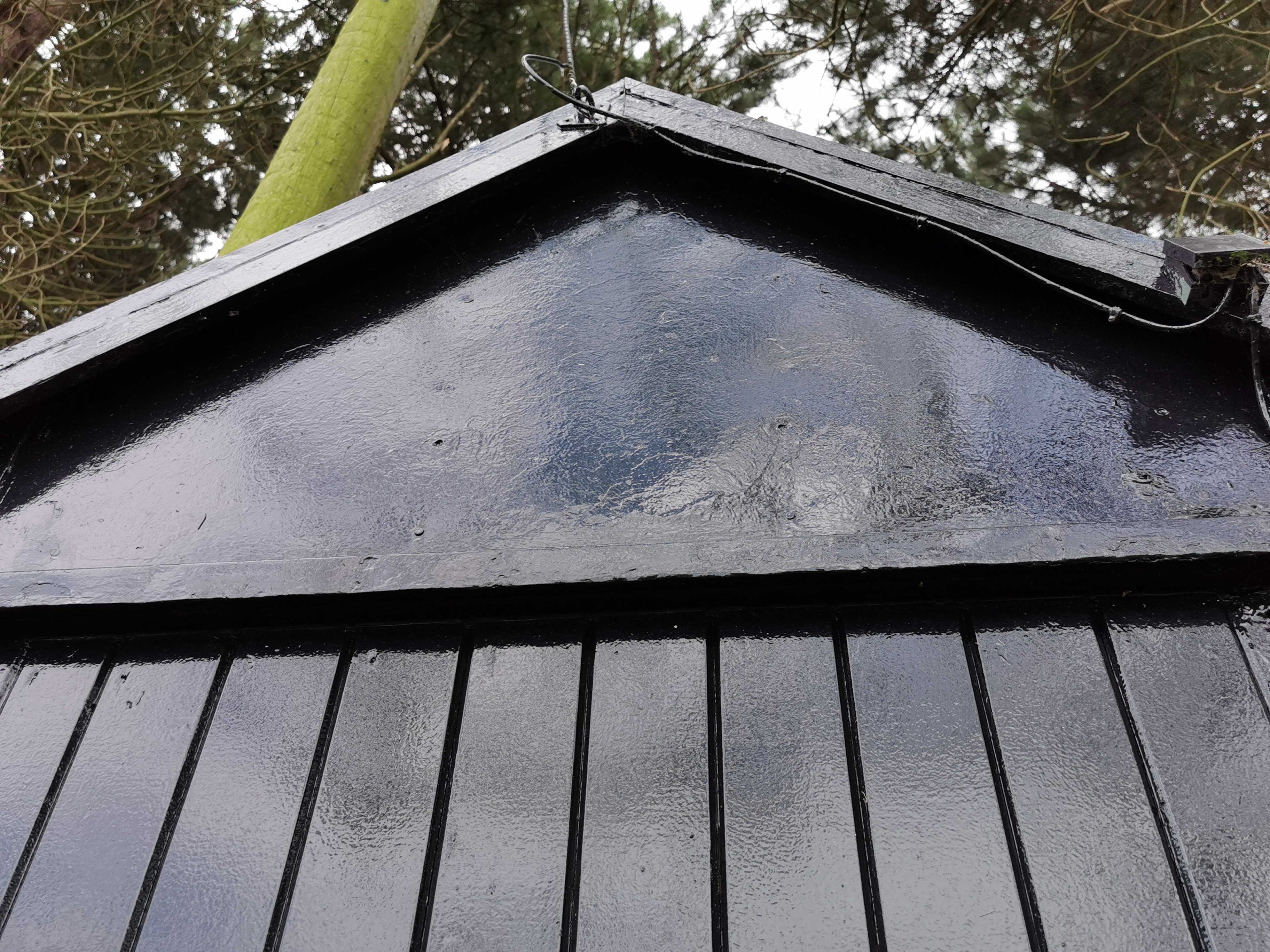
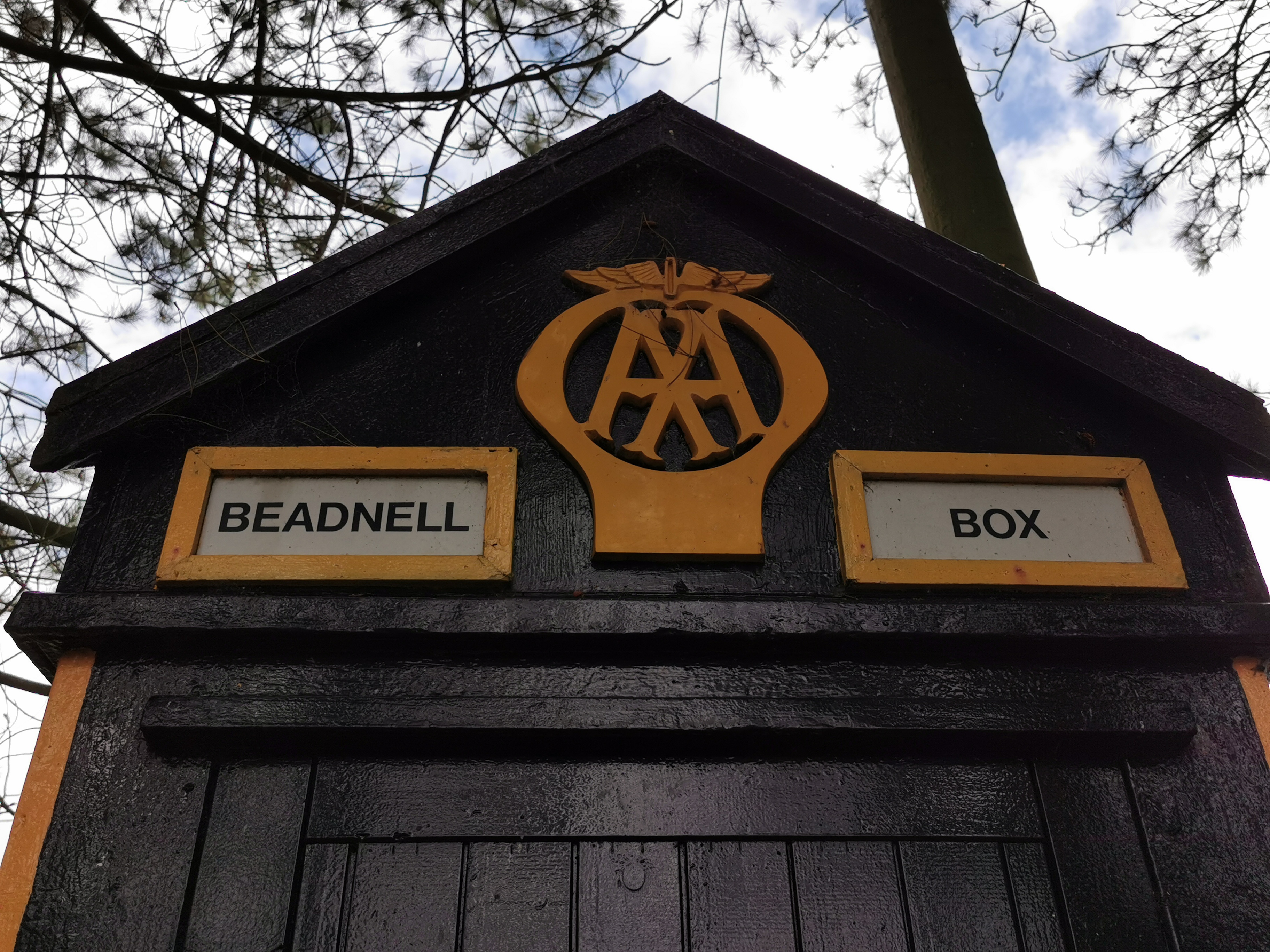
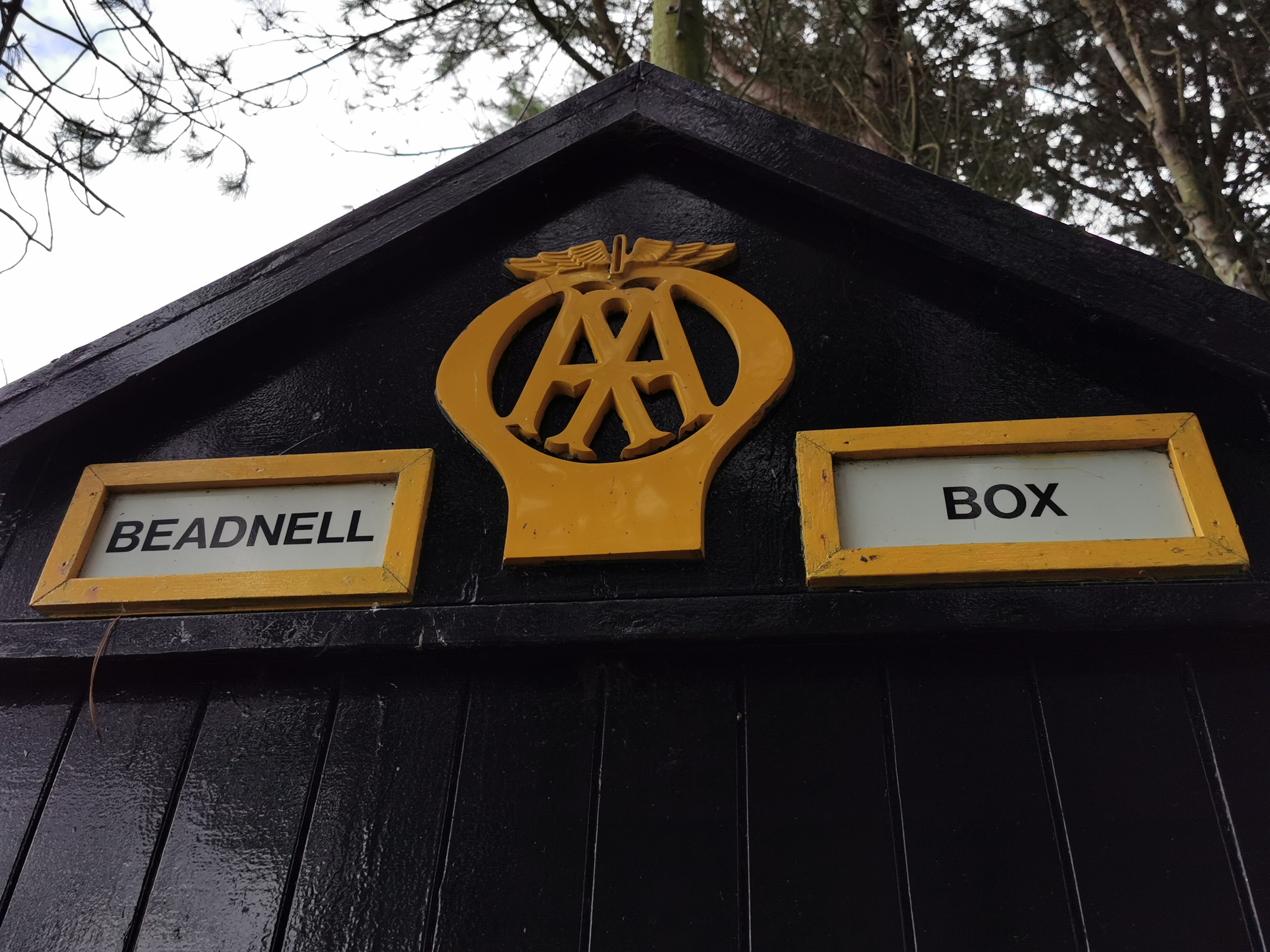
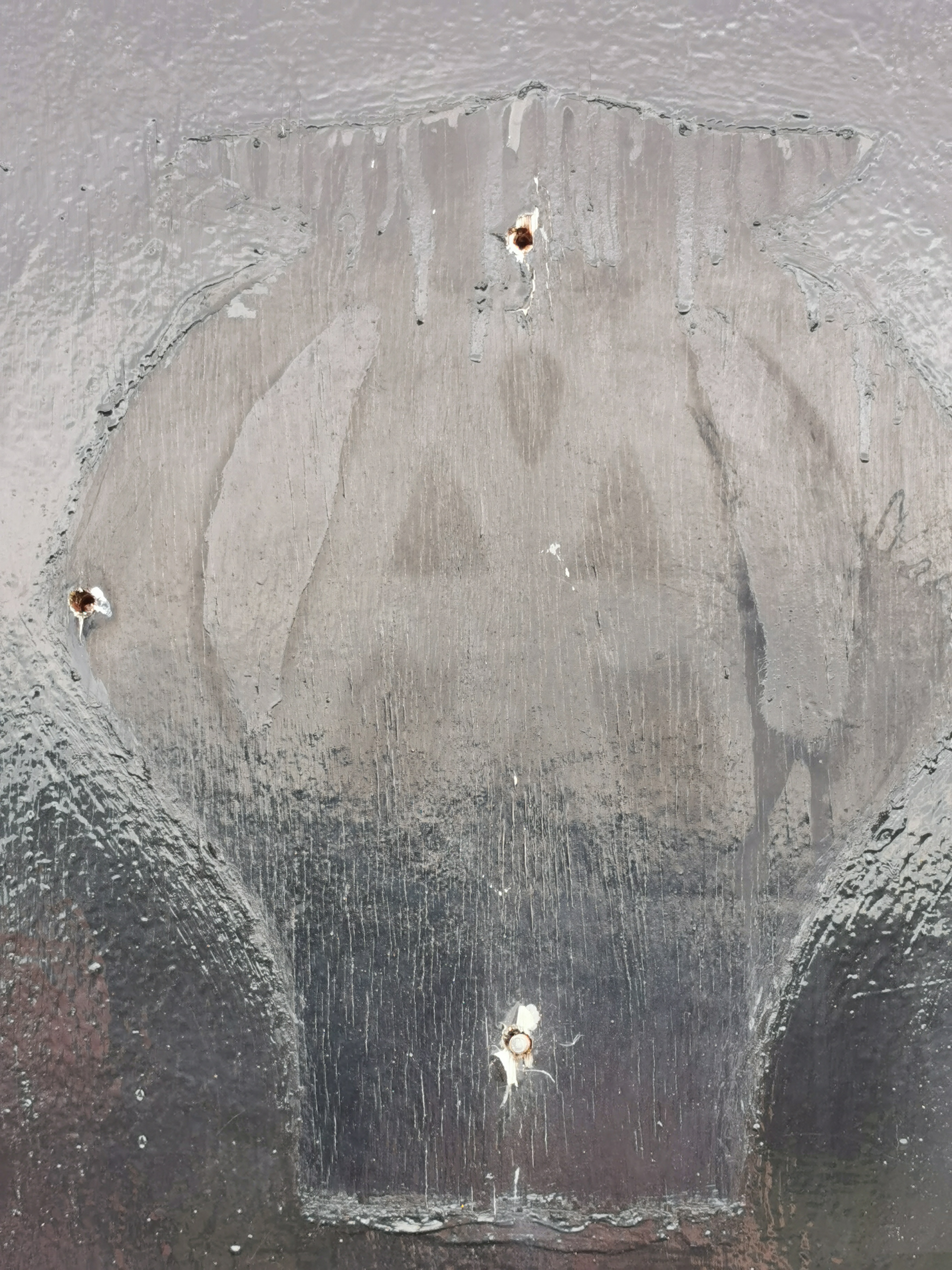
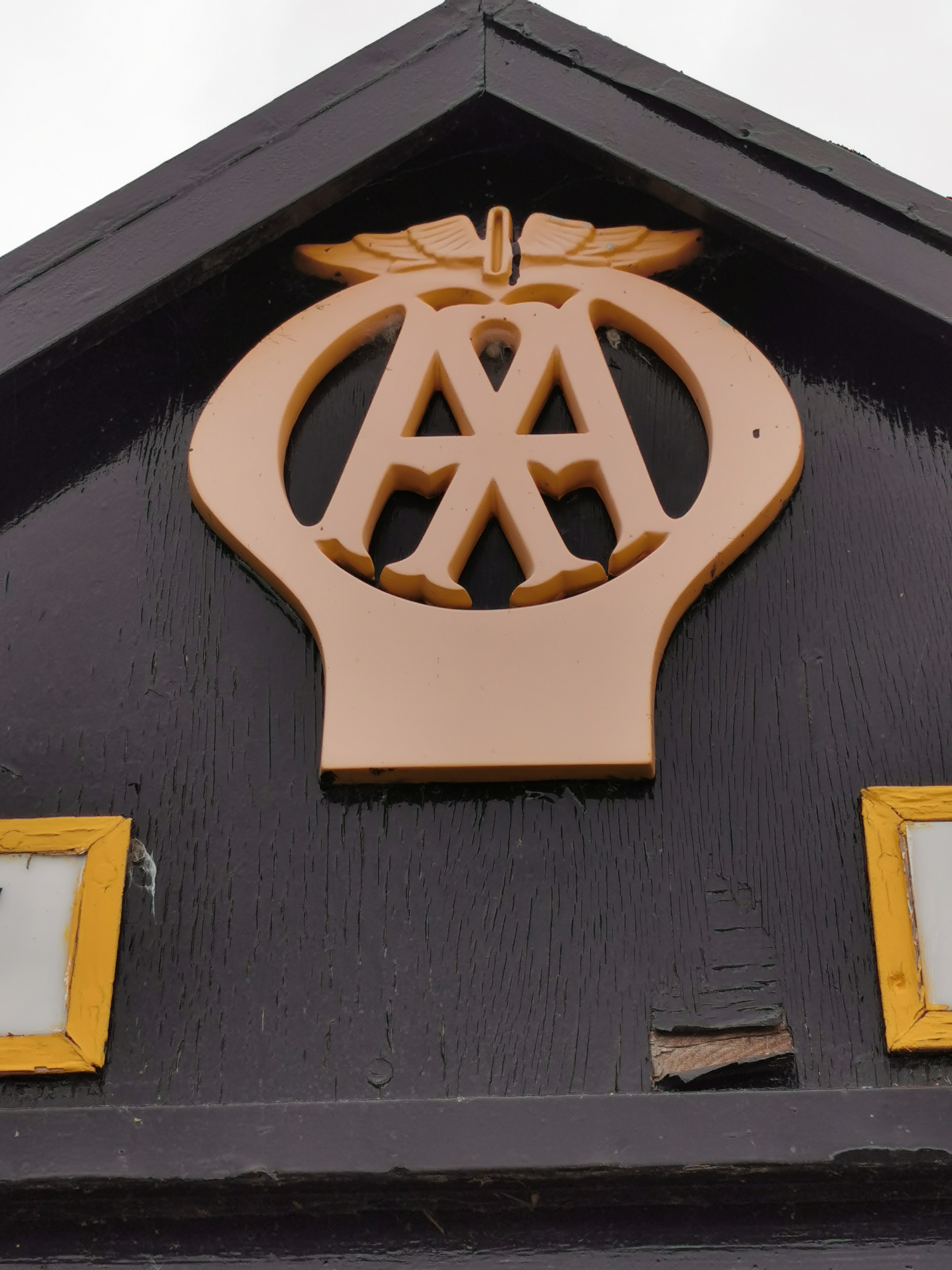
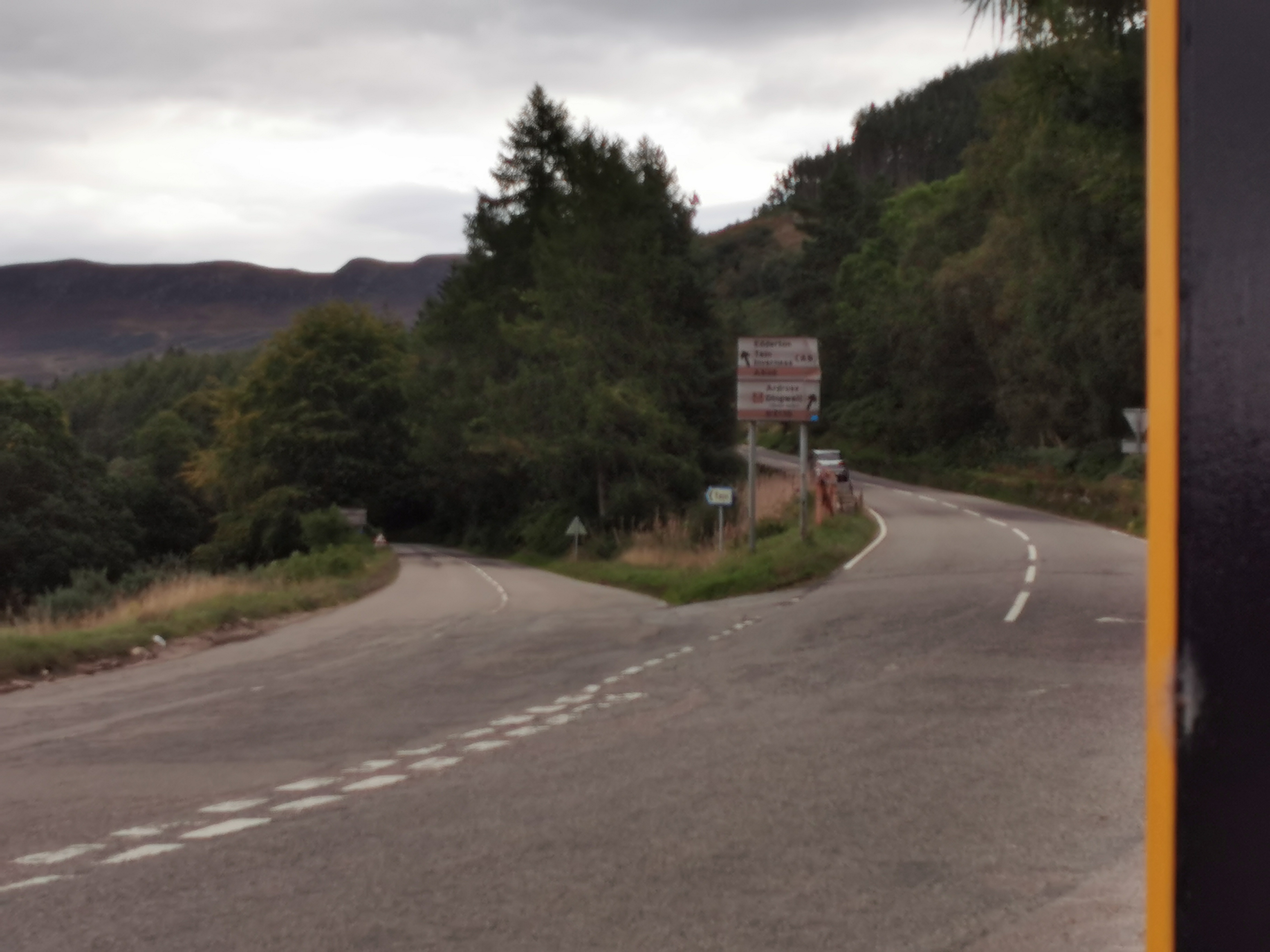
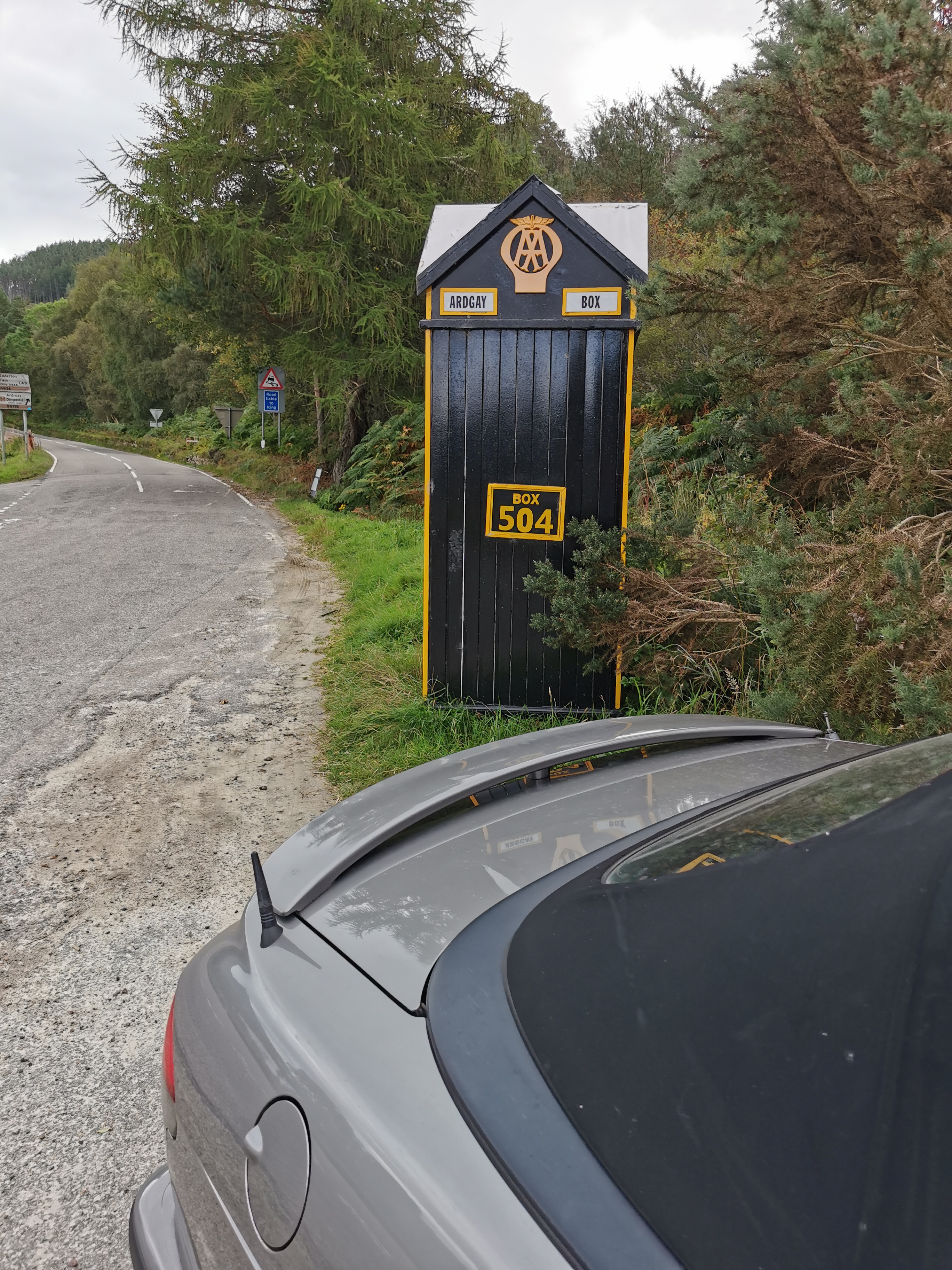
I don’t really need an excuse to share these wonderful photos, but a book birthday does seem like a good opportunity to do so. So below are some of the images that first inspired me to write about The Automobile Association sentry boxes in my story The Automobile Assassination.
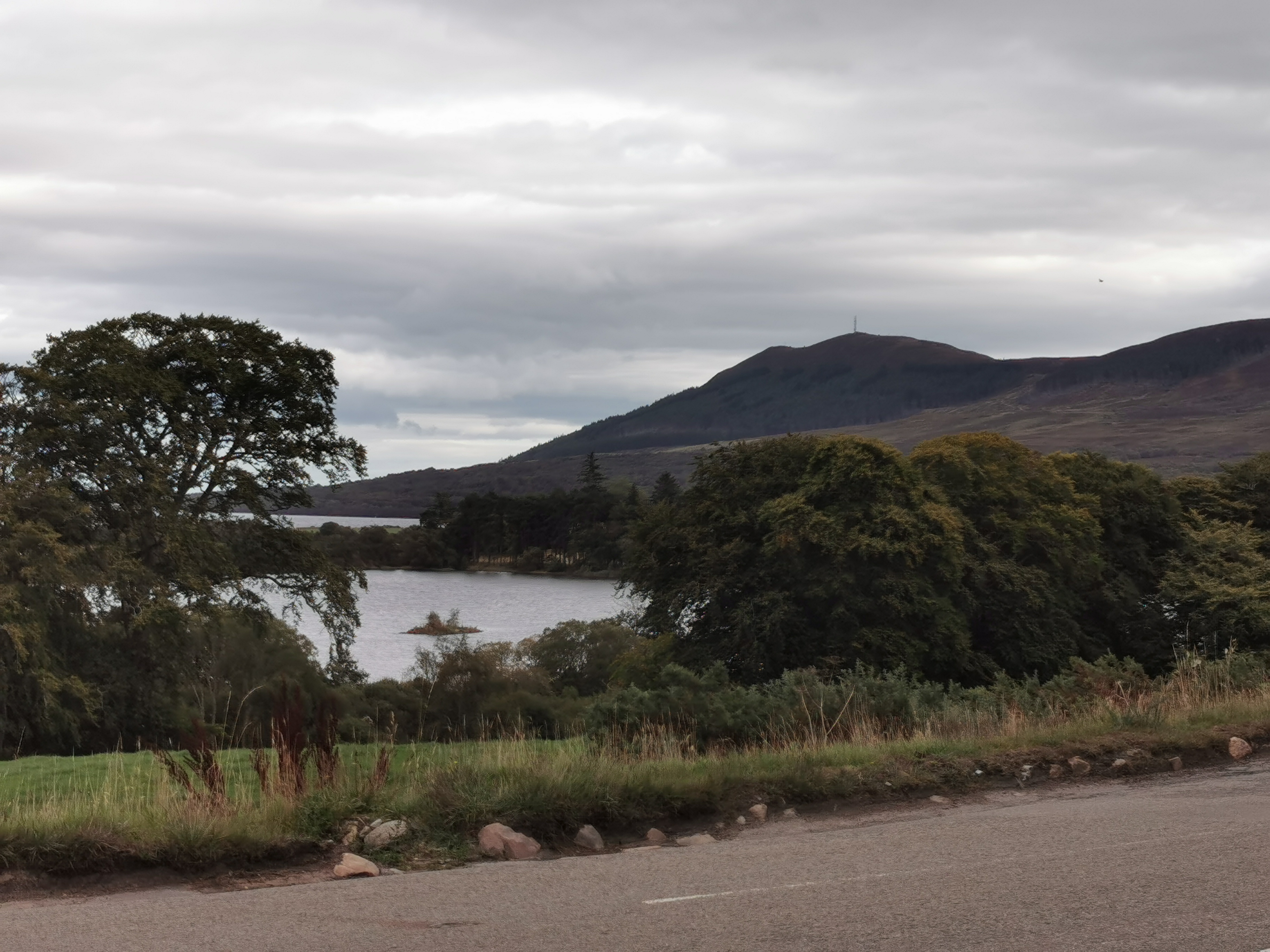
Below is Beadnell Sentry Box, near Seahouses in Northumberland – on the road opposite Beadnell. (For anyone who doesn’t know, this is close to Bamburgh Castle AKA Bebbanburg, for fans of the Saxon period). And Ardgay Sentry Box, North Scotland, which I visited on my way to my holiday in Orkney in 2021. I had to include the view from the Ardgay sentry box, which is absolutely stunning. And it makes perfect sense as to why a sentry box would have been needed there – it is very remote.
Very few of these sentry boxes remain in their locations – and the majority are in Northern England and Scotland, and are, hopefully, now listed buildings. But, there would have been a time when these sentry boxes would have been a regular sight throughout the United Kingdom. A list of all the sentry boxes known up to 1962 reveals that there were 862 boxes (although not all of them may have been constructed) and just to add to the joy of them, these numbers make very little sense. Boxes located close together are not numbered concurrently.
Inside one of these sentry boxes would have been a telephone, and if you were lucky, a petrol canister so that you could make it to the next petrol station, if you did happen to run out of petrol. Patrolmen (yes, sadly, they were all men at the time) would have followed a specific route, to begin with on peddle bikes, but eventually using motorbikes with sidecars stuffed full of tools to help the stranded motorist. And the phone, in the 1940s, would have been answered by someone in the head office based in London.
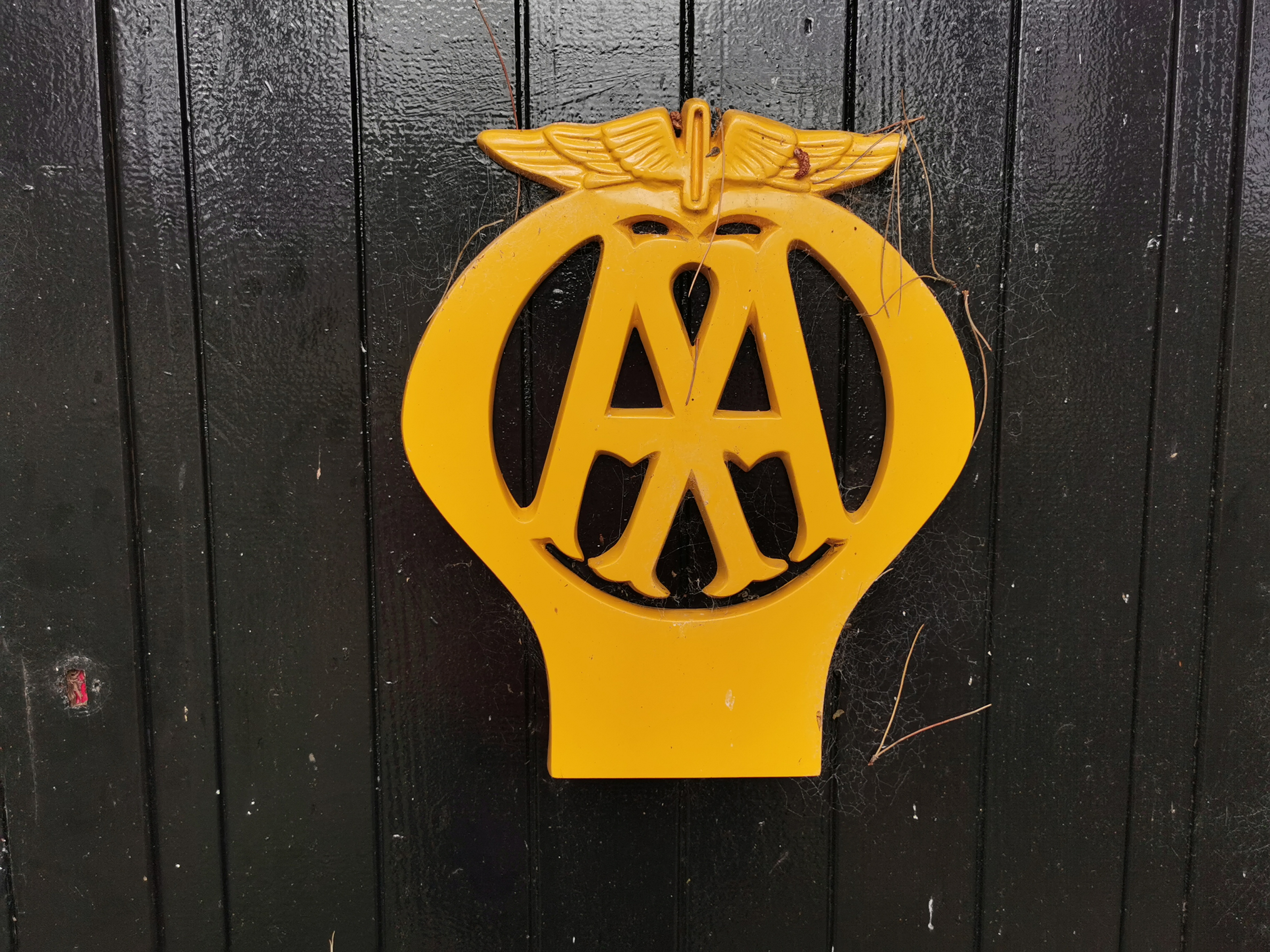
AA members paid a subscription fee, and were then given a key which allowed access into the sentry boxes. Can you imagine how cross you’d have been to need to use the telephone only to discover you’d left your key at home. Cars also had a very dapper badge, often attached to the front grill, which proclaimed they were members. AA patrolmen were to salute to all cars showing a badge.
But enough about the sentry boxes, and the AA organisation in the 1940s. here’s the blurb for the book.
Erdington, September 1944
As events in Europe begin to turn in favour of the Allies, Chief Inspector Mason of Erdington Police Station is once more prevailed upon to solve a seemingly impossible case.
Called to the local mortuary where a man’s body lies, shockingly bent double and lacking any form of identification, Mason and O’Rourke find themselves at Castle Bromwich aerodrome seeking answers that seem out of reach to them. The men and women of the royal air force stationed there are their prime suspects. Or are they? Was the man a spy, killed on the orders of some higher authority, or is the place his body was found irrelevant? And why do none of the men and women at the aerodrome recognise the dead man?
Mason, fearing a repeat of the cold case that dogged his career for two decades and that he’s only just solved, is determined to do all he can to uncover the identity of the dead man, and to find out why he was killed and abandoned in such a bizarre way, even as Smythe demands he spends his time solving the counterfeiting case that is leaving local shopkeepers out of pocket.
Join Mason and O’Rourke as they once more attempt to solve the impossible in 1940s Erdington.
The Automobile Assassination can be read in ebook, paperback, hardback and audio version (narrated by the wonderful Matt Coles). I do hope you will check out the blog posts below.