
I’m delighted to welcome The Bookseller of Kathmandu by Ann Bennett to the blog for a publication day blog post and competition #blogtour #historicalfiction #newrelease #blogpost

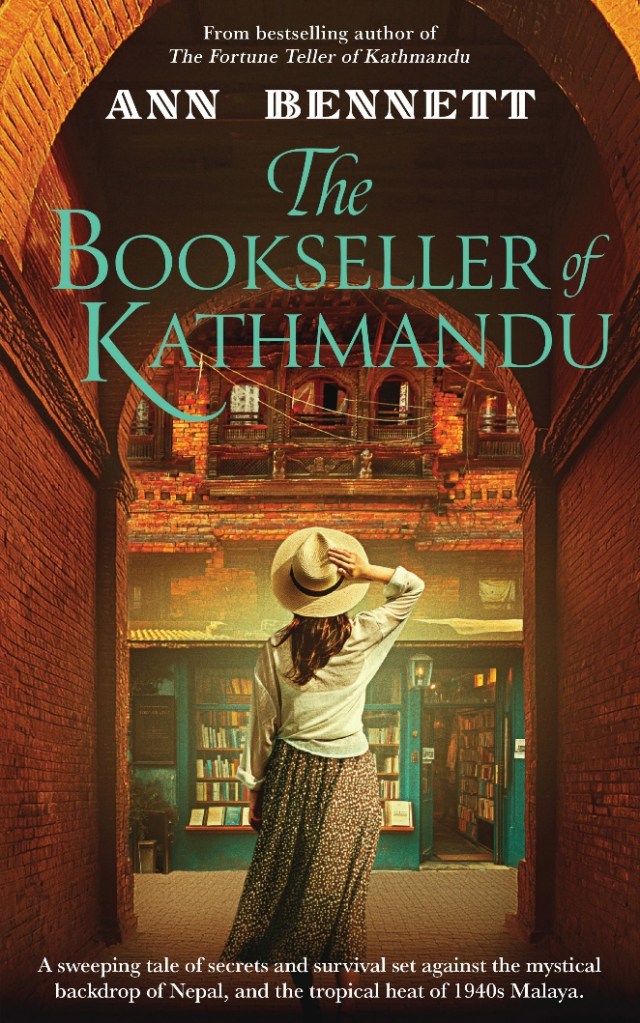
I’m delighted to welcome The Bookseller of Kathmandu by Ann Bennett to the blog for a publication day blog post and competition #blogtour #historicalfiction #newrelease #blogpost

Inspirations for The Bookseller of Kathmandu

The Bookseller of Kathmandu is set in two different locations and two time-zones and the inspirations behind the story came from many different sources.
I’ve wanted to write about Kathmandu since I first travelled to Nepal in 1987 when I was on a long trip round India and Southeast Asia. I was enchanted by Kathmandu, especially the narrow old streets of Thamel and the ancient heart of the city, Durbar Square. Thamel was a maze of pedestrianised streets and alleys, lined with medieval buildings, thronging with people. It was crammed full of shops, temples, cafes and street vendors. 
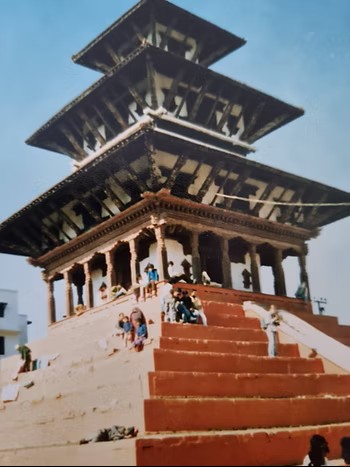
Durbar Square, 1987

The atmosphere, especially during the smoke-filled evenings was magical. My friend and I arrived by bus from Pokhara after a long trek through the Annapurna Range and spent several lazy days there. We stayed at the Kathmandu Guest House, in those days a backpacker hostel, eating in the many cafes and visiting all the sites of the Kathmandu Valley.  

Since then, Nepal suffered a devastating earthquake in 2015, destroying many of the ancient temples and streets in Thamel. Some of these have been rebuilt, but for a long time, Thamel and Durbar square were badly damaged, and even now, ten years on, the effects are still apparent. 

I first wrote about Nepal in The Fortune Teller of Kathmandu, published in 2023, which tells the story of Chloe, a thirtysomething British woman, who travels to India and Nepal to retrace the footsteps of her grandmother, Lena. Lena worked for a Gurkha recruiting officer during World War II, travelling to the forbidden kingdom of Nepal with him to recruit men for the front in Burma. 

The Bookseller of Kathmandu, although a standalone story, is in part a follow-up to that book. Chloe is married to Kiran, a Nepalese tour guide, and has bought a quirky old bookshop in Thamel. The inspiration for Paradise Books, was Pilgrim’s Book House in Thamel. A narrow old shophouse, with three stories packed full of books of every kind. 

In the story, Chloe is approached by Rajesh Desai, a distant cousin of Kiran’s. His father, Anil, has just died and Rajesh asks Chloe if she will take his father’s old books from him.

Pilgrim’s Book House, Kathmandu

Chloe is surprised to discover that Anil’s home is a crumbling Rana palace. When she starts looking through the books, she finds a cache of fading letters. They are from a British woman, Alice Lacey, living on a mining estate in Malaya, to Anil, who was serving with the Gurkhas during the Malayan Emergency of the 1940s and 50s.  The inspiration for Anil’s home is the hotel I stayed in while researching both books. It is called the Shankar Hotel, itself a restored Rana palace. Full of panelled rooms, chandeliers and sweeping wooden staircases, it seems to belong to a former era.
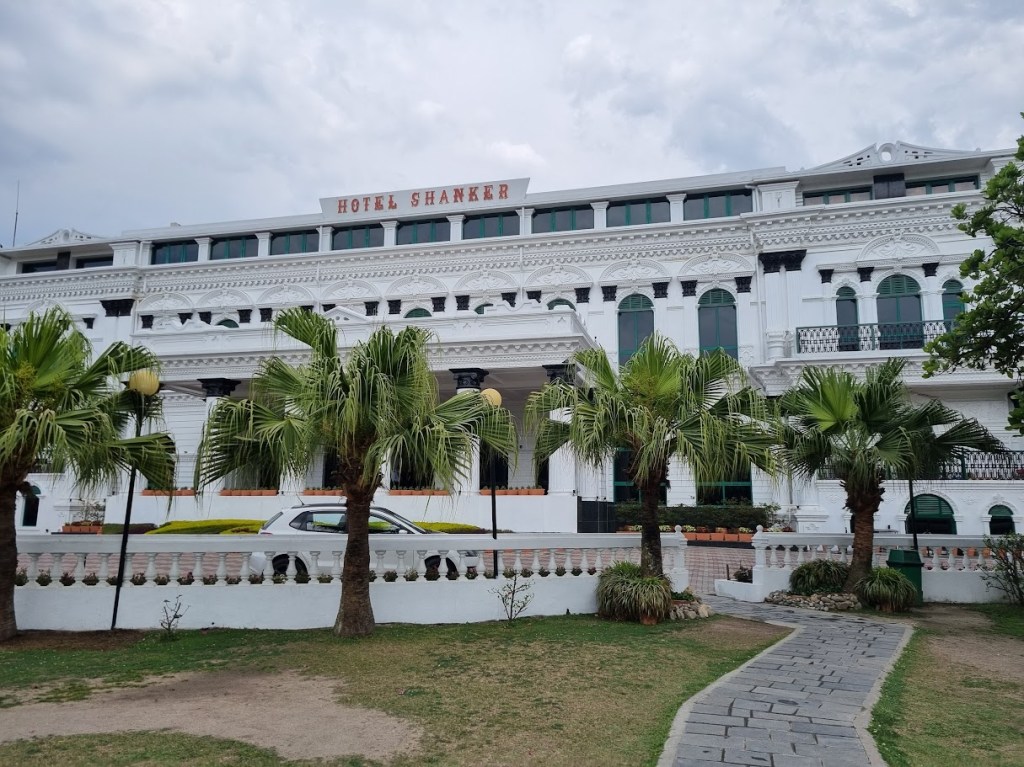
Hotel Shankar, Kathmandu. A former Rana palace.


The book is partly set in British Malaya of the late 1940s, where Alice Lacey is living with a volatile husband through a time of danger. Her developing friendship with Anil provides some light during those dark days.

I have also travelled to Malaysia several times, the first time in 1985 on an overland trip between Bangkok and Bali, staying in Penang and Malacca en route for Singapore. I was first inspired to visit because my father served in the British Indian Army in the Malaya Campaign during WWII. He was taken prisoner by the Japanese at the Fall of Singapore and transported to work on the Thai-Burma railway. I have travelled there since, to research his story, on several occasions. 

I set my first book, Bamboo Heart, partly in British Malaya in the lead up to the Japanese invasion, mainly in Penang, and my second book, Bamboo Island, on a rubber plantation near Kuala Lipis and in Singapore. I’ve written several books subsequently about WWII in Southeast Asia and during my research I began to read about the Malayan Emergency. Chinese communists, trained by the British as guerillas to wage war against the Japanese, turned against their former allies in an attempt to oust British rule and impose communism on Malaya. The resulting conflict lasted twelve years and has often been compared to the Vietnam war. 
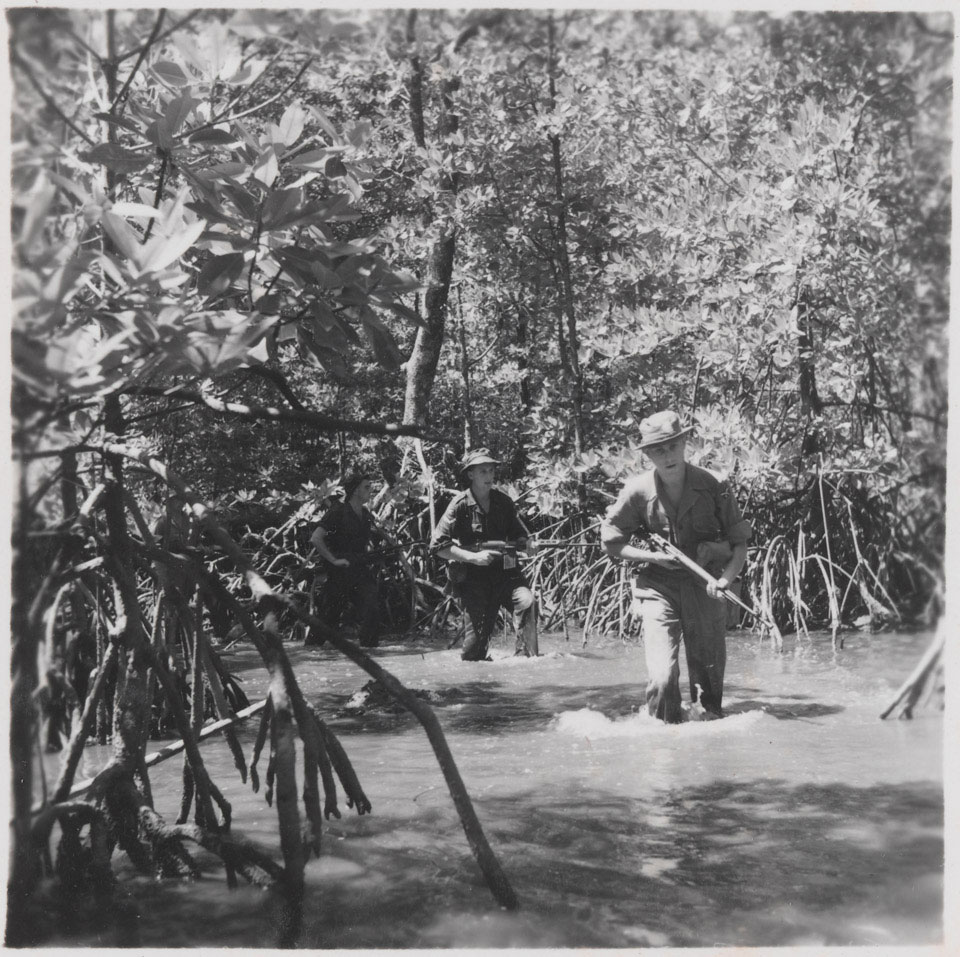
British Army patrol during the Malayan Emergency. Photo – British Army Museum. 

When I did start to read about the decline of British rule in Malaya and the Emergency, I began to wonder how it had affected the lives of ordinary people. So, I created the character of Alice, a naïve British woman, living on an isolated tin mine, caught up in those turbulent events, who is thrown together with a Gurkha officer assigned to protect her home.  

I hope you enjoy The Bookseller of Kathmandu and that it transports you to the backstreets of Kathmandu and to the jungles of 1940s Malaya.

If you are interested in finding out more about my books, please visit my website.  

Here’s the blurb

A sweeping tale of secrets and survival set against the mystical backdrop of Nepal, and the tropical heat of 1940s Malaya.

In the heart of bustling Kathmandu, Chloe Rai’s quaint bookshop is a sanctuary for those seeking solace within the pages of timeworn stories. But when she discovers a collection of letters hidden within the crumbling walls of a forgotten Rana palace, her world begins to intertwine with a narrative from a different time and place.

Penned in the 1940s by a woman named Alice Lacey, the letters tell the story of the Malayan Emergency, a time of turmoil and conflict. As Alice’s life becomes intertwined with that of Anil, a Gurkha officer, their bond is tested by the chaos and violence surrounding them. Chloe’s discoveries not only reveal family secrets, but also mirror her own struggles in the present. As she delves deeper into Alice’s story, she begins to understand the power of the past in shaping the present.

With a rich cultural backdrop and a poignant exploration of friendship, resilience, and truth, ‘The Bookseller of Kathmandu’ is a beautifully woven tale that showcases the enduring power of storytelling. Join Chloe on a journey through time as she uncovers the truth and learns to navigate the complexities of her own life.

If you enjoy captivating storytelling, then you won’t want to miss ‘The Bookseller of Kathmandu.’ And if you loved ‘The Fortune Teller of Kathmandu,’ then you will be enthralled by Chloe and Alice’s intertwined stories…

Purchase Link 

https://mybook.to/booksellerkathmandu

Meet the author

Ann Bennett is a British author of historical fiction. Her first book, Bamboo Heart: A Daughter’s Quest, was inspired by researching her father’s experience as a prisoner of war on the Thai-Burma Railway and by her own journey to uncover his story. It won the Asian Books Blog prize for fiction published in Asia in 2015, and was shortlisted for the best fiction title in the Singapore Book Awards 2016.

That initial inspiration led her to write more books about WWII in Southeast Asia – Bamboo Island: The Planter’s Wife, A Daughter’s Promise, Bamboo Road: The Homecoming, The Tea Planter’s Club, The Amulet, and The Fortune Teller of Kathmandu. Along with The Lotus House, published in October 2024, they make up the Echoes of Empire Collection.

Ann is also the author of The Oriental Lake Collection – The Lake Pavilion and The Lake Palace, both set in British India during the 1930s and WWII, and The Lake Pagoda and The Lake Villa, set in French Indochina.

The Runaway Sisters, USA Today bestselling The Orphan House, The Child Without a Home and The Forgotten Children are set in Europe during the same era and are published by Bookouture. Her latest book, The Stolen Sisters, published on 29th November 2024 is the follow-up to The Orphan List (published by Bookouture in August this year) and is set in Poland and Germany during WWII.

A former lawyer, Ann is married with three grown up sons and a granddaughter and lives in Surrey, UK. For more details, please visit her website http://www.annbennettauthor
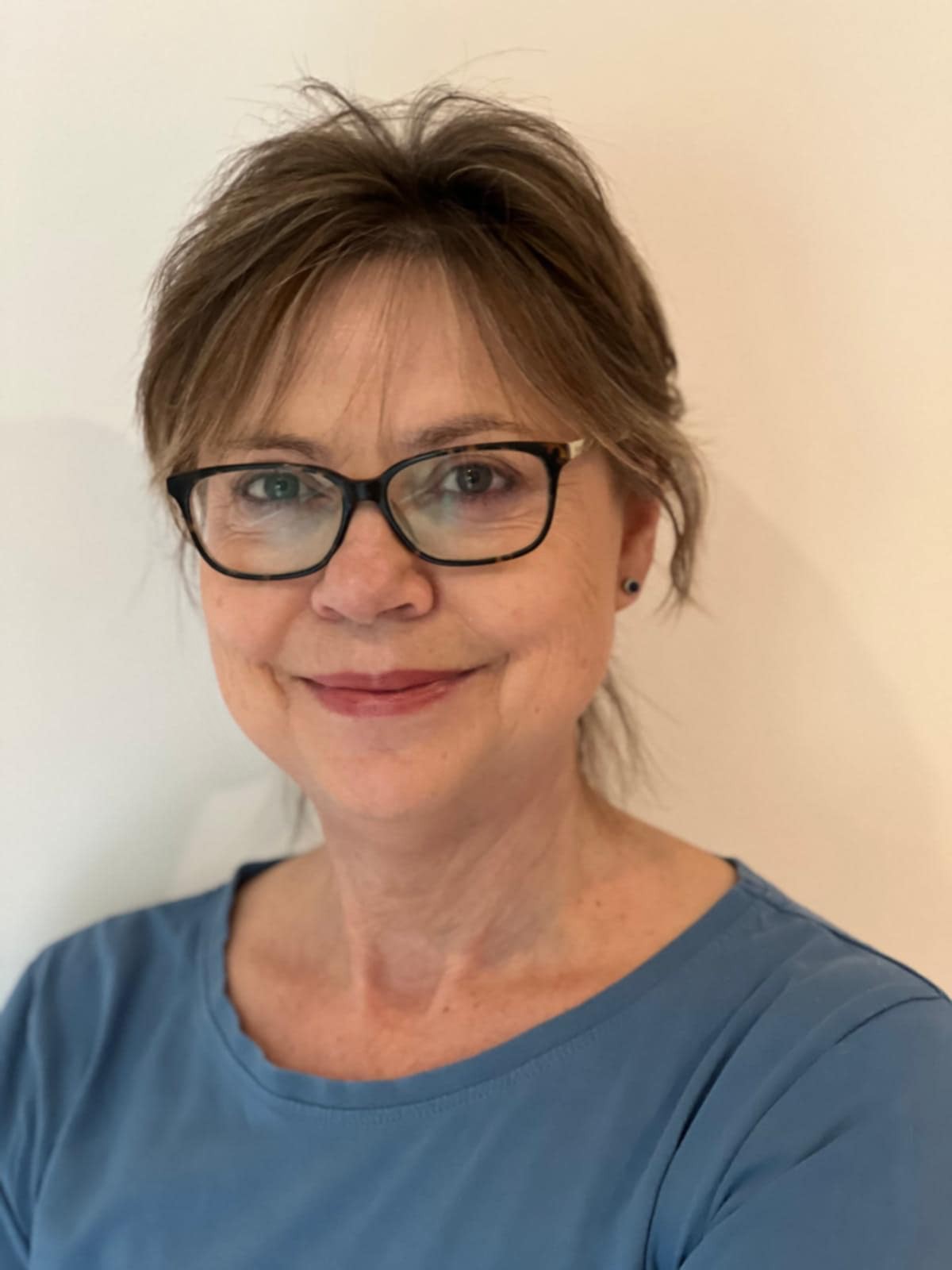
Author Ann Bennett

Connect with the author

Giveaway to Win a Paperback copy of Fortune Teller of Kathmandu (Open to UK and Europe only)

https://gleam.io/spDXQ/win-a-paperback-copy-of-fortune-teller-of-kathmandu-open-to-uk-and-europe-only

*Terms and Conditions –UK and Europe entries welcome.  Please enter using the Gleam box below.  The winner will be selected at random via Gleam from all valid entries and will be notified by Twitter and/or email. If no response is received within 7 days then Rachel’s Random Resources reserves the right to select an alternative winner. Open to all entrants aged 18 or over.  Any personal data given as part of the competition entry is used for this purpose only and will not be shared with third parties, with the exception of the winners’ information. This will passed to the giveaway organiser and used only for fulfilment of the prize, after which time Rachel’s Random Resources will delete the data.  I am not responsible for despatch or delivery of the prize.

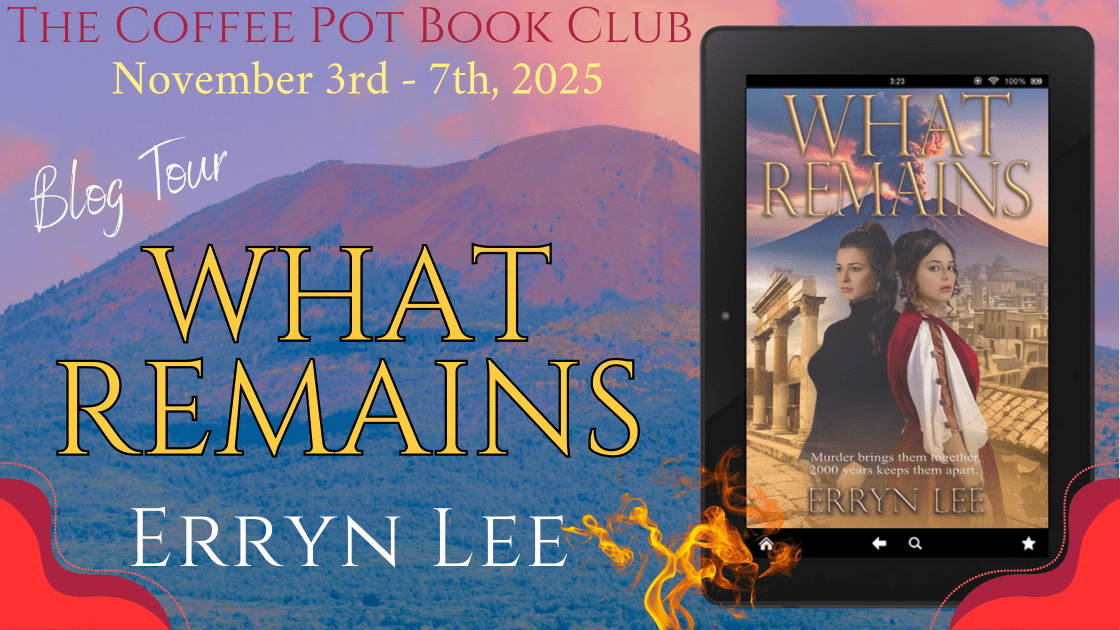
I’m delighted to welcome Erryn Lee and her book, What Remains,to the blog #HistoricalFiction #DualTimeline #TimeSlipFiction #HistoricalThriller #ForensicFiction #AncientRome #Vesuvius #BlogTour #TheCoffeePotBookClub

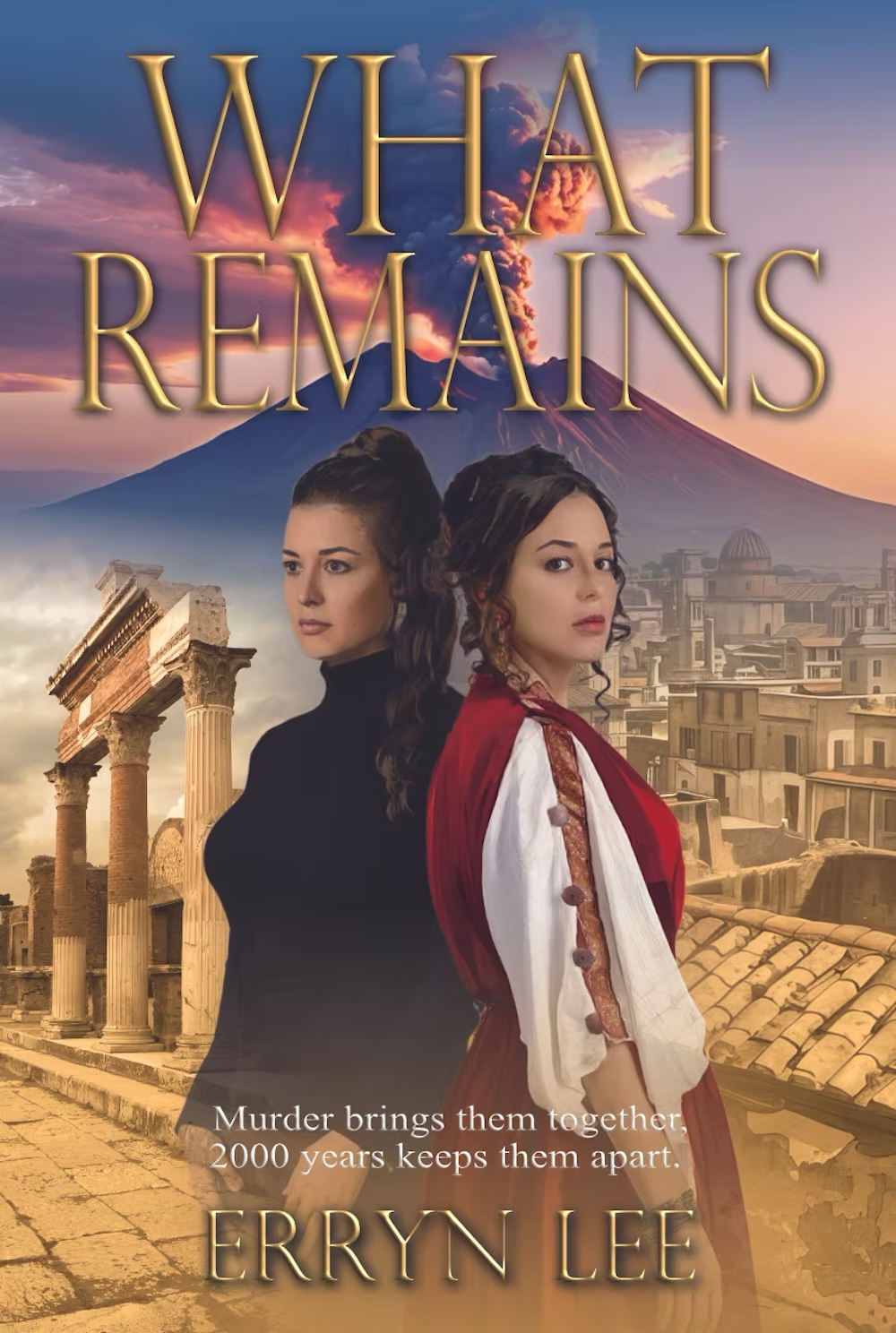
I’m delighted to welcome Erryn Lee and her book, What Remains, to the blog with an extract.

Extract

As I held the weapon in my right hand I imagined using my left to take hold of the Praetorian’s hair to pull it back towards me, leaning over the prone body as I had in my nightmare to press the pugio to the man’s throat and slice from left to right, digging the blade in so deeply at the right that it shaved the mandible and jarred against the bone of the mastoid process, almost sticking. In my mind, I could see the bright gush of blood and feel its heat as it washed over my fingers, while the body jerked beneath my left hand and then subsided.

I dropped the pugio on the bench beside the skull and had enough time to lean across the sink before the scalding burn in my throat became gut-wrenching spasms as all that was inside me poured outwards. When the heaving subsided I hung over the sink, a single trail of thick saliva dripping from my chin, making its way towards the mess at the bottom. My throat scalded and my eyes flooded with tears. It took two hands, one on each side of the sink to push me upright. When I did, the room swam as though underwater.

Here’s the Blurb

What Remains is a haunting dual-timeline mystery that bridges centuries-and secrets-between ancient Rome and the modern world.

Forensic anthropologist Tori Benino has just landed the opportunity of a lifetime: leading a dig at a long-buried Roman village lost to the eruption of Vesuvius. But when she uncovers the remains of a Praetorian guard hidden in an ancient latrine-clearly murdered-Tori realizes she’s stumbled onto something far more sinister than a routine excavation. As she digs deeper into the past, her own carefully ordered life begins to fall apart.

Nearly two thousand years earlier, Thalia, the daughter of a wealthy merchant, is desperate to escape an arranged marriage to a brutal and politically powerful senator. Her only hope lies with a Praetorian soldier assigned to guard her-but trusting him could cost her everything.

As past and present collide, What Remains asks: When history is buried, what truths refuse to stay hidden?

Perfect for fans of Kathy Reichs and Kate Quinn, this novel is inspired by true events and delivers a compelling blend of suspense, history, and heart.

Buy Link

Universal Link:

Meet the Author

Erryn Lee has spent most of her life between the covers of books, her love for historical fiction drew her to a career as an English and History teacher, where she enjoys sharing her passion for both language and the past with young adults (at least until she needs to give it up to write full time).

When not teaching or writing she is deeply immersed in research and studying her Masters in History. Erryn lives with her husband, a fluctuating number of horses and three bossy cavoodles on a horse farm in the picturesque central west of NSW, Australia.

Connect with the Author

Follow the What Remains blog tour with The Coffee Pot Book Club

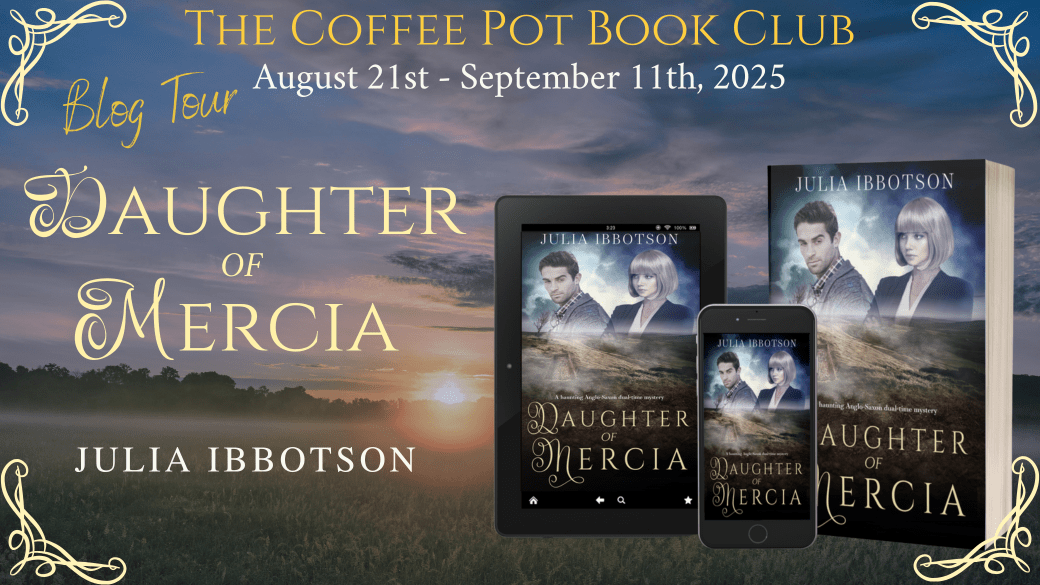
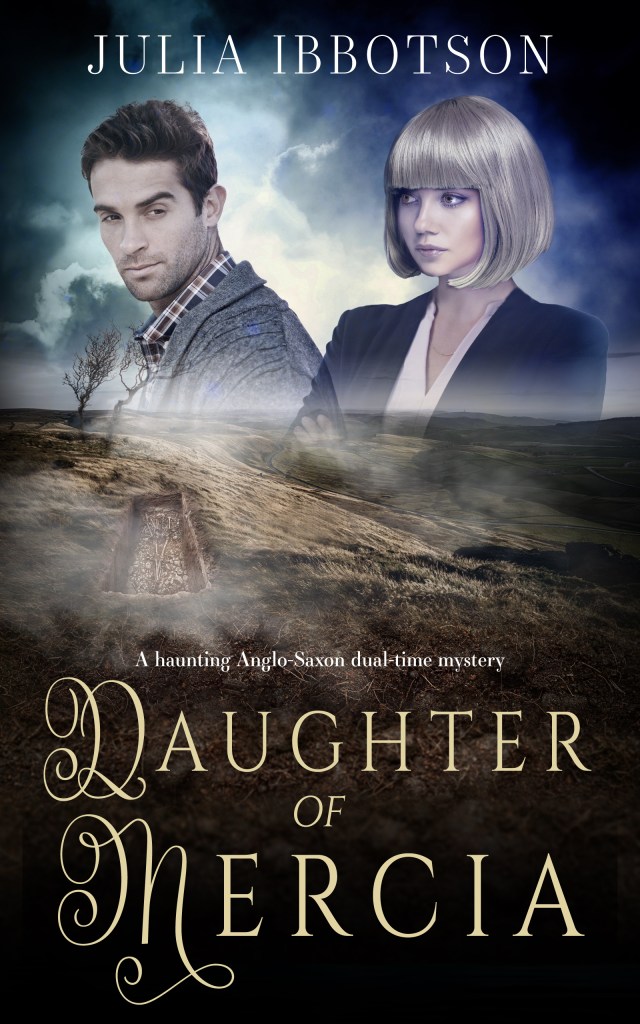
I’m delighted to welcome Julia Ibbotson and her book, Daughter of Mercia, to the blog #DaughterOfMercia #JuliaIbbotson #medieval #anglosaxon #dualtime #timeslip #timetravel #mystery #romance #BlogTour #TheCoffeePotBookClub

I’m delighted to welcome Julia Ibbotson and her book, Daughter of Mercia, to the blog with a guest post.

Lady Mildryth of Mercia

It might surprise us to know that women in the Anglo-Saxon period, even early in their history, were regarded as equal in importance to their male counterparts. Women could hold their own wealth, land, possessions; they could inherit from their fathers or mothers on their own account and they could bequeath it to their children. They were not regarded as the property of their husbands or fathers. Their rights were protected in law and it seems that this applied across the social spectrum, from high-status families presumably to ealdormen to thegns to freedmen ceorls and grant-bearer geburs.

High-status women could be leaders of settlements / regions in the years following the immigration and settling of even the early tribes of Anglo-Saxons. They could be strategists and negotiators. Later, for example, Lady Ǣthelflaed of Mercia, the 10th century daughter of King Alfred, strategized battles to take Derby, Leicester, York, and of whom it is said that she was a “man in valour, a woman in name”. The Anglo-Saxon word cūning (king)applies to either male or female leaders, while the word queen (cwene) applies only to the wife of a king. The historical significance of strong female leaders goes right back to Boudicca of the Iceni in the first century AD. Post-Roman Britain was composed of many small kingdoms, and kingdoms fought to take over other kingdoms and thus wield greater power over a larger region. But our theories of this time of great change are beginning to recognise the way that stable everyday life and the quest for peace were also significant.

Lady Mildryth is a fictional character but is bred of such strong female leaders as these. I have based her on other Anglo-Saxon women who have a place in the history of Britain and I wanted her to represent an idea of the powerful yet peace-loving early settlers who wanted to create stable, secure communities, from the chaos and blood-shed of previous generations. Clearly, I have taken liberties with historical characters and events for the sake of my novel and it is not intended to be an accurate academic analysis of the time, but since archaeological excavation is only just gaining a clearer picture of the early Anglo-Saxon period and its domestic and cultural signigifance, maybe my imagination is not so far out!

Recent archaeological excavation and research has demonstrated that even back to the 5th century, high status ladies were buried with signifiers of their wealth in their grave goods: rich jewellery, gold artefacts, precious glass, beautiful fabrics.

Lady Mildryth, as the leader of a region, would have worn fabrics that were richly dyed and decorated: a chemise or shift, a long-sleeved kirtle (under-gown) often of expensive linen or wool, an over-gown trimmed with fur or braid, and an embroidered mantle(cloak). As a high-status woman, she would have eaten well, with home-grown meat, fish, dairy, vegetables, fruit (hedgerow berries but also imported dates, figs, almonds), and she would have drunk honeyed mead and imported wine, during her mead hall feastings.

Although her antecedents are pagan, and she accepts the duality of her people, she finds herself on the cusp of Christianity, yet still drifting to some of the pagan beliefs of her upbringing. Her late mother was from the Cornovii tribe from the people of Pengwern / Powys, Celtic-Brythonic pagans. She was hand-fasted to Mildryth’s father and died when Mildryth was young. Lady M’s character takes after her mother’s strength of will and determination to be on a par with her brothers (Crydda and Cynewald) – although she knows that she must earn this.

Her antecedents are historical (well, possibly legendary!) characters. Her grandfather is Icel, son of Eomer, of the Icinglas (or Iclingas), an Angle from across the seas in Jutland. He is said to have led his people across the North Sea in around 515 AD to the region we now call East Anglia, and is said to have moved westwards across the country, founding the kingdom of Mercia in the 520s AD. His son, Lady Mildryth’s father, is Cnebba who ruled after Icel from possibly around 535 AD.

We speak of the archetypes ‘Peace-weavers’ and ‘Shield-maidens’ in Anglo Saxon society and I see Lady Mildryth as a Peace-weaver. She is a strategist and commander of men, like Lady Æthelflæd of Mercia generations later. But she is also a negotiator and does not wish to conquer other lands or fight to subdue other tribes. She is dedicated to her settlement, her community, and my novel is more about domestic history than that of battles and high kings.

Lady Mildryth strives to make her settlement run smoothly and to encourage the cultural enrichment of her people: a culture taken from her Angeln ancestors as shown in her use of the scōp, the poet story-teller who regales the thegns of the mead-hall with tales of tradition, of warriors, family and legendary heroism. Peace-weavers were often encouraged, or chose, to make expedient marriages with other kingdoms to avert potential strife. There is evidence to suggest that there were battles for lands, yes, but also deals and negotiations so that tribes could coexist. In Daughter of Mercia, Lady Mildryth is certainly aware of this.

If you’d like to read more of life in Anglo-Saxon times, you may like to look at my blog on my website and the 7-part series ‘Living with the Anglo-Saxons’ at https://juliaibbotsonauthor.com where there are also some reference texts.

Here’s the Blurb

Echoes of the past resonate across the centuries as Dr Anna Petersen, a medievalist and runologist, is struggling with past trauma and allowing herself to trust again. When archaeologist (and Anna’s old adversary) Professor Matt Beacham unearths a 6th century seax with a mysterious runic inscription, and reluctantly approaches Anna for help, a chain of events brings the past firmly back into her present. And why does the burial site also contain two sets of bones, one 6th century and the other modern?

As the past and present intermingle alarmingly, Anna and Matt need to work together to solve the mystery of the seax runes and the seemingly impossible burial, and to discover the truth about the past. Tensions rise and sparks fly between Anna and Matt. But how is 6th century Lady Mildryth of Mercia connected to Anna? Can they both be the Daughter of Mercia?

For fans of Barbara Erskine, Elena Collins, Pamela Hartshorne, Susanna Kearsley and Christina Courtenay.

Buy Link

Universal Link

This title is available to read on #KindleUnlimited

Meet the Author

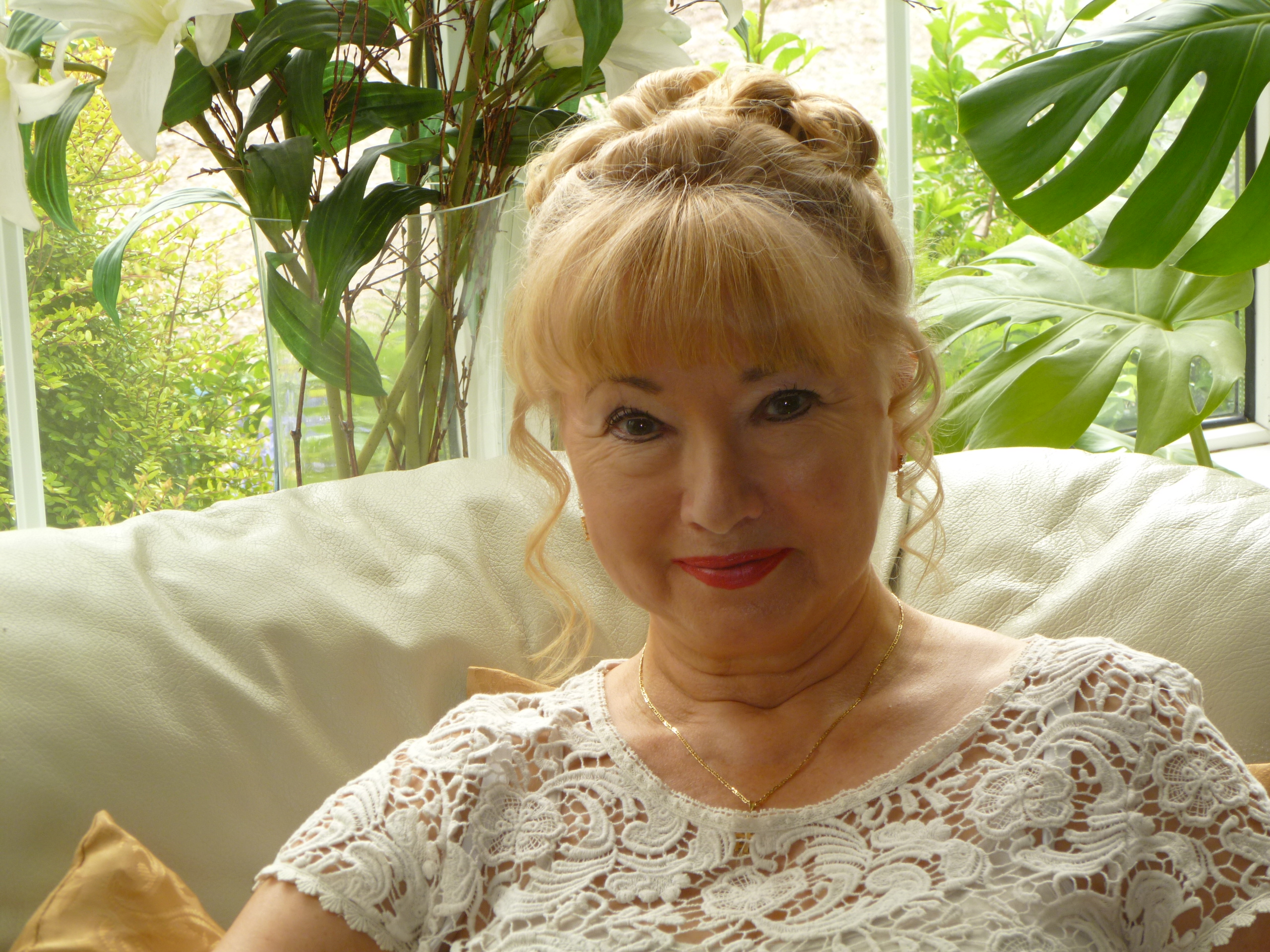
Julia Ibbotson is fascinated by the medieval world and the concept of time. She is the author of historical mysteries with a frisson of romance. Her books are evocative of time and place, well-researched and uplifting page-turners. Her current series focuses on early medieval time-slip/dual-time mysteries.

Julia read English at Keele University, England, specialising in medieval language / literature / history, and has a PhD in socio-linguistics. After a turbulent time in Ghana, West Africa, she became a school teacher, then a university academic and researcher. Her break as an author came soon after she joined the RNA’s New Writers’ Scheme in 2015, with a three-book deal from Lume Books for a trilogy (Drumbeats) set in Ghana in the 1960s.

She has published five other books, including A Shape on the Air, an Anglo-Saxon timeslip mystery, and its two sequels The Dragon Tree and The Rune Stone. Her latest novel is the first of a new series of Anglo-Saxon dual-time mysteries, Daughter of Mercia, where echoes of the past resonate across the centuries.

Her books will appeal to fans of Barbara Erskine, Pamela Hartshorne, Susanna Kearsley, and Christina Courtenay. Her readers say: ‘Julia’s books captured my imagination’, ‘beautiful story-telling’, ‘evocative and well-paced storylines’, ‘brilliant and fascinating’ and ‘I just couldn’t put it down’.

Connect with the Author

Follow the Daughter of Mercia blog tour with The Coffee Pot Book Club

Posts