Author of Saxon historical fiction and non-fiction, 20th-century historical mysteries, and Norse-inspired historical romantasy. Book reviewer and blog host.
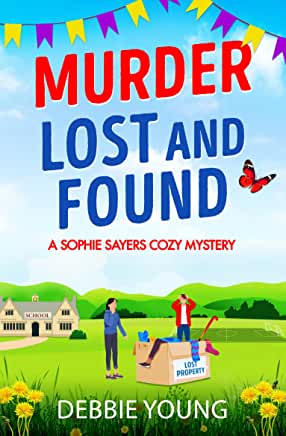
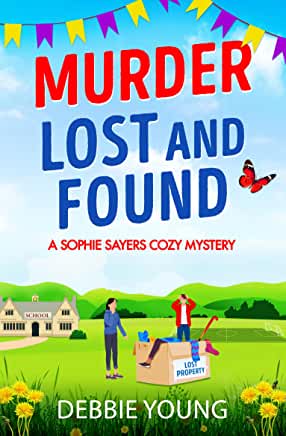
Sophie Sayers is ready for a glorious summer, but when a dead body is found in the village school’s lost property cupboard the summer holidays take an unexpected turn.
Even more shocking is when the body goes missing. Without a body, the police refuse to investigate. That’s just not good enough.
Sophie is determined to get to the bottom of the mystery. She needs to find out who has died and nab the culprit if she’s going to save the village school from the threat of closure.
My Review
Murder Lost and Found continues the Sophie Sayers Cosy Mysteries.
It’s the summer holidays, the school is empty of children, but while the caretaker and office manager try to ensure the school is prepared for the start of term, strange happenings take place.
I really enjoy this collection of stories. They’re light-hearted and a quick, pacy read, and I felt this one was particularly strong with the mystery of the lost property cupboard and the strange notes, making poor Sophie doubt herself, even while she contends with change at Horace’s bookshop.
A fun and entertaining read. Bring on book 8.
My thanks to Netgalley and the publisher for my review copy.
Debbie Young is the much-loved author of the Sophie Sayers and St Brides cosy crime mysteries. She lives in a Cotswold village where she runs the local literary festival, and has worked at Westonbirt School, both of which provide inspiration for her writing. She is bringing both her series to Boldwood in a 13-book contract. They will be publishing several new titles in each series and republishing the backlist, starting in September 2022.
Today, I’m absolutely delighted to share a fabulous post from Anna Belfrage about dressing in the seventeenth century. It will make you giggle, I promise.
Dressing for success in the seventeenth century
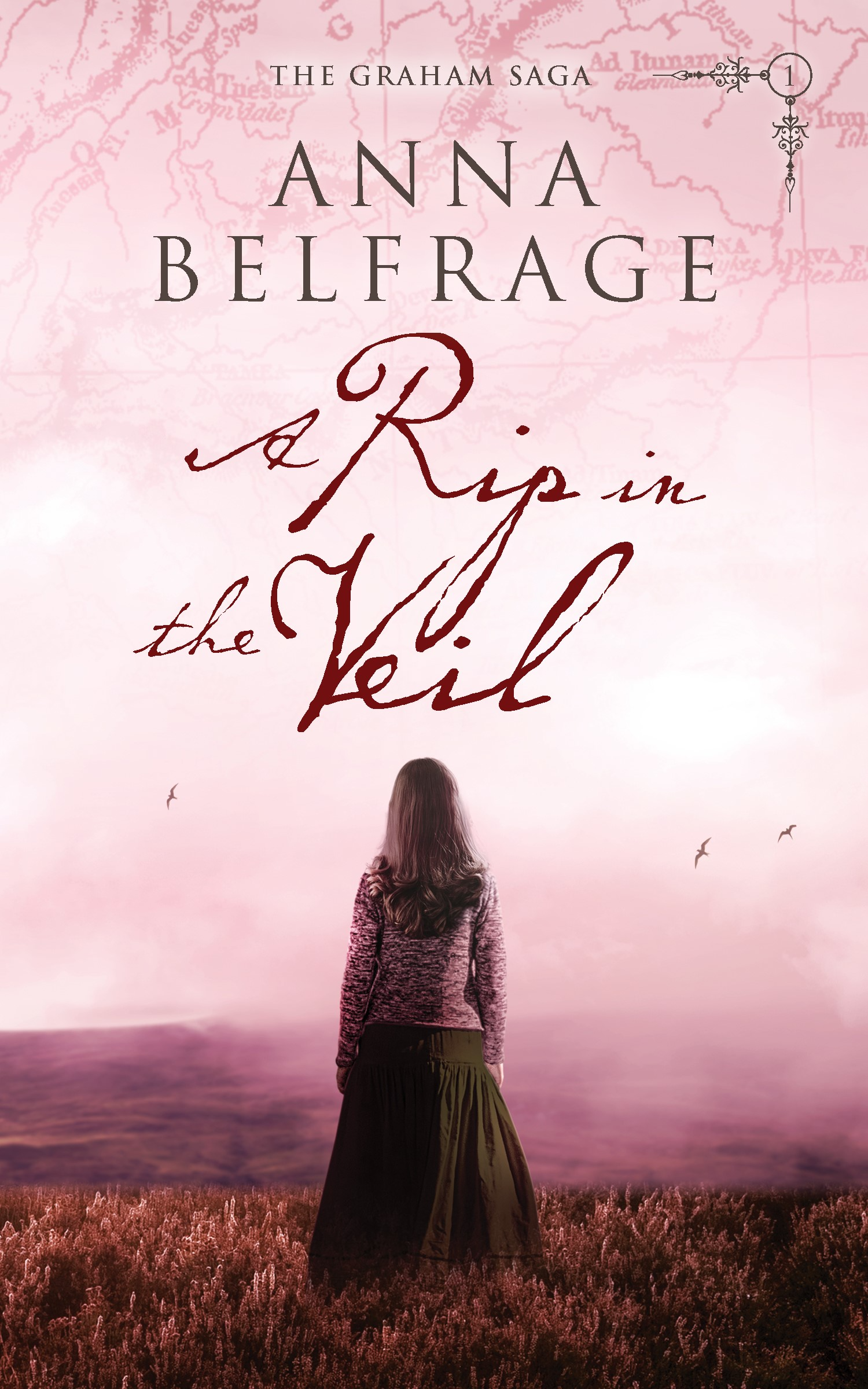
In a A Rip in the Veil—the first book in The Graham Saga—the unfortunate (or not, depending how one sees it) Alex Lind has the misfortune of falling three centuries backwards in time to land at the feet of Matthew Graham. Matthew Graham is a devout Presbyterian who has fought in the Commonwealth armies in the Civil War. To Alex, he is initially very strange. Heck, the entire situation is strange: no, wait—it’s impossible!
Matthew is as taken aback as Alex is—perhaps even more, as the only explanation to her sudden appearance in his life must be magic. Or? Besides, what is the woman wearing? Those tight, tight breeches she calls ‘djeens” showcase her every curve, as do her other garments. No, had she been his woman, he’d never have allowed her to set a foot outside dressed like that, all of her exposed, like.
Alex quickly realises that in this new time she has to adapt. ASAP. And one of the first things she must embrace is an entire new wardrobe. “Yay me,” she mutters as she shakes out shift and petticoats and heavy skirts and bodice and. . .
I must admit that I wasn’t entirely thrilled when Alex landed in 1658. The seventeenth century is not my sartorial favourite – especially when it comes to male fashion.
This period dress thing is difficult.
First of all, as the writer of historical fiction it is important to understand what people wore, who wore what and how it was worn. In some cases it’s straightforward: stockings cover your feet and the nether part of your legs no matter if you live in the twentieth century or the fifteenth. But take that rather ugly male adornment that Henry VIII was so proud of flaunting – the codpiece – and I am somewhat stumped. How did it work? ( Okay, so I’ve looked this up; strings, buttons or hooks kept this decorative little (hmm) flap of fabric in place.)
Secondly, it helps if the writer in question finds the period attire alluring in some way or other. It’s difficult to write convincingly about handsome men in codpieces and padded breeches when all you see in your head is something resembling a man in a huge diaper.
Finally, there must be a familiarity with how people dress and undress. “He told her to turn around and zipped up her gown,” is not a good description of the intimacy between man and wife in the fourteenth century. (BTW, the modern zipper owes a lot to Swedish inventor Gideon Sundback. It’s nice to know us Swedes have contributed to human development: dynamite, zippers, gauge blocks, the AGA cooker.) Having exploring male fingers encountering panties in the sixteenth century is also something of an anachronism, and should the dashing regency rake pulls down his boxers you’re not reading historical fiction, you’re reading about a masquerade.
To avoid such gaffes, I’ve spent a lot of time researching the period and have accordingly done my fair share of staring at what few clothes survive from the seventeenth century—like James II’s elegant attire exhibited in the Victoria & Albert museum. Okay, so that is later in the century, but all that lace, all those embroideries, and that gigantic wig! Plus, the high heels on the shoes. . . Nope, not at all my cup of tea.
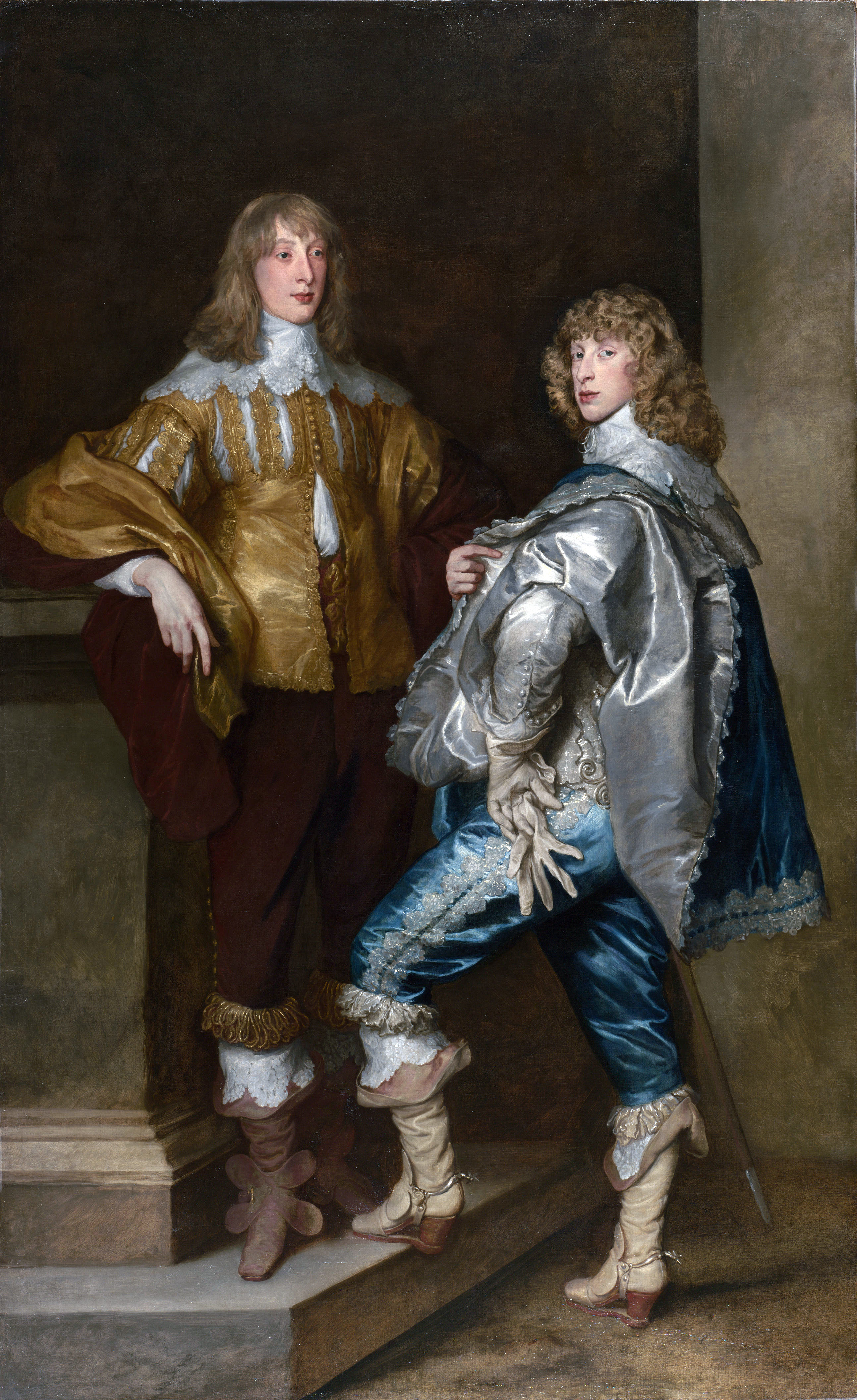
Earlier in the 1600s, men wore wide breeches, sashes, lace, ribbons—like these young and elegant Stuart brothers in Van Dyke’s portrait.
To the seventeenth century young girl, they were likely delectable. To Alex, not so much. She’d be hard put not to laugh her head off. So it is fortunate that when she first meets Matthew, he is in a ragged shirt and equally ragged breeches, fleeing from pursuing soldiers. It is also fortunate that Matthew would no more adorn himself with ribbons than he would dance attendance on the king—he is a man of Parliamentarian convictions. No, Matthew wears plain and well-made clothes, now and then adorned with a ruffled cuff or an elegant collar.
Obviously, Matthew expects this new female companion of his to dress sedately, which is how Alex finds herself obliged to re-learn just how to dress.
In the seventeenth century, there were no bras, no panties. Instead, the undergarment is a shapeless elongated linen shirt that comes to just below the knees. This shift is worn over stockings that come to just above the knee and are fastened by garters. “I can help you with those,” Matthew suggests, and there is a twinkle in his eyes as he helps Alex fasten the stockings with pink ribbons. Just because he doesn’t wear ribbons, it doesn’t mean she can’t, he says. In fact, he rather likes the fact that she is wearing them—and that he tied them into place. Over the shift—which also doubles as nightgown—Alex now dons a corset. “Ugh!” she groans as she tightens into place. The corset she has ties in front—only people who can afford a ladies maid have corsets that tie in the back. She has to struggle a bit to get it to sit right, and then there are the petticoats, tied into place at her waist and falling to mid-calf. Only the very, very rich have garments that fall all the way to the floor. Most women have skirts high enough to allow them to work and walk without dragging the hem in the dirt.
“Here.” Matthew hands her the heavy skirts. And yes, they are heavy, making it hard to, for example, run. Or jump a fence. Once Alex has stepped into them, he helps her tighten them into place. A bodice, a shawl to cover what may remain exposed of her chest and then Matthew holds out a cap. “No way!” She backs away, staring at the embroidered linen coif. “You must cover your hair,” he says. She refuses. There is a slight. . . er . . . argument. Things end in a compromise: she will not cover her hair indoors, but otherwise she will either wear a coif or a hat. Matthew would prefer both, but he is pragmatic enough to realise this isn’t a battle he will win. Besides, Alex is having to handle a lot of change as it is. “Tell me about it,” she mutters. She isn’t overly impressed with the food. Or the lack of chocolate. Or of tea. “I thought they had tea in the seventeenth century,” she groans. “They do,” I tell her, “but it is very, very expensive.” “Oh.” She gnaws her lip, her shoulders slumping. Which is probably why Matthew expends a ridiculous amount on a ridiculous small quantity of tea next time he goes to Edinburgh, pleased by the way she lights up from within when he hands the precious package over.
Over time, Alex will become accustomed to her new clothes, even if she will quite often think longingly of jeans and sweatshirts, of Converse and shop-bought socks. (She hates to knit)
But while she adapts to her new life on the outside, she remains a woman of modern conviction and outlook, which will now and then cause her quite some problems in her new time. It is fortunate that she has Matthew to guide her. On the other hand, there will be countless of occasions when Matthew will owe his life and sanity to her, the strange lass he found concussed and burned on an empty Scottish moor. Two halves made whole are my Alex and Matthew, no matter such details as sartorial arguments!
Thank you so much for such a fabulous post. I just can’t imagine all the lace:)
Here’s the blurb
On a muggy August day in 2002 Alex Lind disappears. On an equally stifling August day in 1658, Matthew Graham finds her on a Scottish moor. Life will never be the same for Alex – or for Matthew.
Alexandra Lind is thrown three centuries backwards in time to land at the feet of escaped convict Matthew Graham.
Matthew doesn’t know what to make of this strange woman who has seemingly fallen from the skies—what is she, a witch?
Alex is convinced the tall, gaunt man is some sort of hermit, an oddball, but she quickly realises the odd one out is she, not he.
Catapulted from a life of modern comfort, Alex grapples with her new existence, further complicated by the dawning realization that someone from her time has followed her here—and not exactly to extend a helping hand.
Potential compensation for this brutal shift in fate comes in the shape of Matthew, a man she should never have met, not when she was born three centuries after him. But Matthew comes with baggage of his own and on occasion his past threatens them both. At times Alex finds it all excessively exciting, longing for the structured life she used to have.
How will she ever get back? And more importantly, does she really want to?
Buy Links
This title is available to read on #KindleUnlimited.
Had Anna been allowed to choose, she’d have become a time-traveller. As this was impossible, she became a financial professional with two absorbing interests: history and writing. Anna has authored the acclaimed time travelling series The Graham Saga, set in 17th century Scotland and Maryland, as well as the equally acclaimed medieval series The King’s Greatest Enemy which is set in 14th century England.
Anna has also published The Wanderer, a fast-paced contemporary romantic suspense trilogy with paranormal and time-slip ingredients.
Her Castilian Heart is the third in her “Castilian” series, a stand-alone sequel to her September 2020 release, His Castilian Hawk. Set against the complications of Edward I’s invasion of Wales, His Castilian Hawk is a story of loyalty, integrity—and love. In the second instalment, The Castilian Pomegranate, we travel with the protagonists to the complex political world of medieval Spain. This latest release finds our protagonists back in England—not necessarily any safer than the wilds of Spain!
All of Anna’s books have been awarded the IndieBRAG Medallion, she has several Historical Novel Society Editor’s Choices, and one of her books won the HNS Indie Award in 2015. She is also the proud recipient of various Reader’s Favorite medals as well as having won various Gold, Silver and Bronze Coffee Pot Book Club awards.
Find out more about Anna, her books and enjoy her eclectic historical blog on her website, www.annabelfrage.com
‘It’s not a fair world I’m afraid. Beauty or fortune carries the day. You have the beauty and I the fortune, so there’s every chance we’ll succeed’
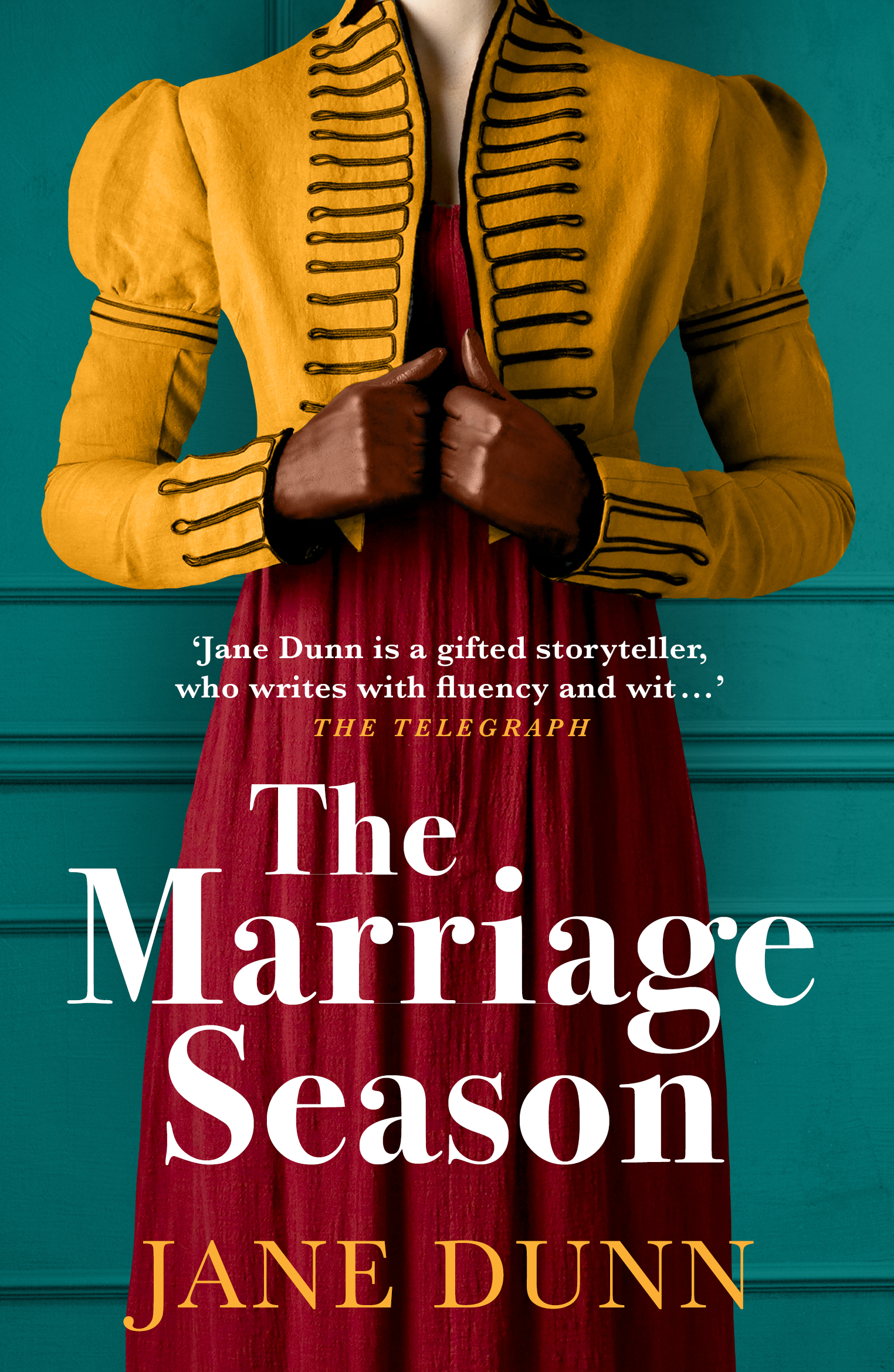
In Regency England, marriage is everything. For young widow Sybella Lovatt, the time has come to find a suitable husband for her sister and ward Lucie. Male suitors are scarce near their Wiltshire estate, so the sisters resolve to head to London in time for The Season to begin.
Once ensconced at the Mayfair home of Lady Godley, Lucie’s godmother, the whirl of balls, parties and promenades can begin. But the job of finding a husband is fraught with rules and tradition. Jostling for attention are the two lords – the charming and irresistible Freddie Lynwood and the preternaturally handsome Valentine Ravenell, their enigmatic neighbour from Shotten Hall, Mr Brabazon, and the dangerous libertine Lord Rockliffe, with whom the brooding Brabazon is locked in deadly rivalry.
Against the backdrop of glamorous Regency England, Sybella must settle Lucie’s future, protect her own reputation, and resist the disreputable rakes determined to seduce the beautiful widow. As the Season ends, will the sisters have found the rarest of things – a suitable marriage with a love story to match?
The Marriage Season by Jane Dunn is a delightful Regency romance that’s a little different to similar tales I’ve read, for the story is not just of a young woman trying to find a husband but of a widow deciding if she is perhaps prepared to love again, and her small son, James, or Jim as he likes to be called.
As much as Lucie and Sybella are fabulous creations, as are the men they encounter, it is little Jim and his love of ‘prancers’ that truly steals the show, and why not? That said, the story of Lucie and Sybella is delightful and well-told. Yes, it contains the twisting storylines we might expect, but the author has also littered the narrative with some delightful, period-specific words, which make the story really sparkle. And it’s not just young Jim and his roguish words that bring that charm.
I really adored The Marriage Season. Yes, it was fairly obvious what was going to happen, but that’s not truly the charm of the story but rather the detours the reader is taken on along the way, and of course, young Jim and his love of prancers is a true delight.
Meet the author
Jane Dunn is an historian and biographer and the author of seven acclaimed biographies, including Daphne du Maurier and her Sisters and the Sunday Times and NYT bestseller, Elizabeth & Mary: Cousins, Rivals, Queens. She comes to Boldwood with her first fiction outing – a trilogy of novels set in the Regency period, the first of which is to be published in January 2023. She lives in Berkshire with her husband, the linguist Nicholas Ostler.
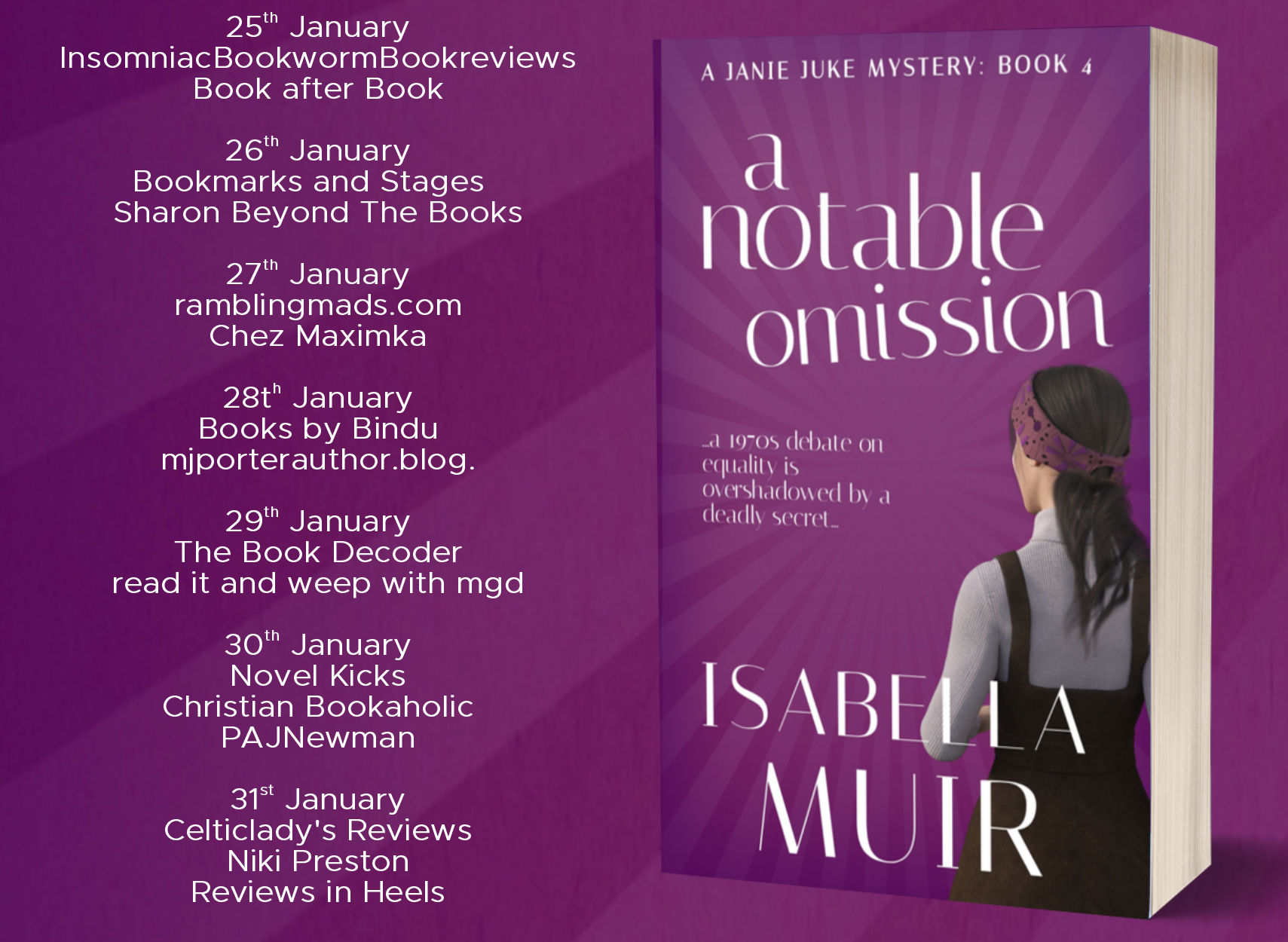
A Notable Omissionis the seventh novel from Isabella Muir – all of them set during the 1960s and 1970s. Here Isabella Muir provides some insight into one particular resource that helped her set the story in this particular historical period…
Having fun with historical research
Online research is fun, of course, but right now I’m saying thank goodness for libraries! With all my novels being set during those iconic decades of the 1960s and 1970s I’ve built up a broad range of resources to support my research into all things ‘sixties’. And along the way, in my local library, I tracked down a fascinating book. The Neophiliacs was written by Christopher Booker and published in 1969. It turns out that it is now out of print and Amazon are asking over £100 for a copy! So, you can imagine my delight when my wonderful library managed to retrieve a copy from their ‘rare and out-of-print’ books.
Wanting to find out more about Christopher Booker, I did what many do nowadays in these times of instant ‘information’ – I Googled him. I discovered that back in 1961 he became the founder and one of the early editors of the satirical magazine Private Eye. He was the first jazz critic for the Sunday and Daily Telegraph and continued as a weekly columnist for the Telegraph right up to 2019, when he finally retired at the age of 81. As well as The Neophiliacs Booker has written a number of books studying British society, as well as commenting on wider issues, such as the European Union. Some of his views regarding climate change, health issues, such as the dangers of asbestos and cigarettes, have been controversial; he would appear to be someone who is not afraid to say what he thinks, even if it means going against the grain.
However, as much as Mr Booker and I do not see eye-to-eye over such issues as climate change, his insight into the long-term implications of social change during the 1950s and 1960s have really struck a chord with me.
This paragraph in particular made me sit up and think:
‘…the twentieth century has also provided two other factors to aggravate and to feed the general neurosis; the first being the image-conveying apparatus of films, radio, television, advertising, mass-circulation newspapers and magazines; the second the feverishly increased pace of life, from communications and transport to the bewildering speed of change and innovation, all of which has created a profound subconscious restlessness which neurotically demands to be assuaged by more speed and more change of every kind.’
From: THE NEOPHILIACS: A STUDY OF THE REVOLUTION IN ENGLISH LIFE IN THE FIFTIES AND SIXTIES BY CHRISTOPHER BOOKER
Of course, now in 2023 the desire for speed is all around us – from the need for ever faster broadband, to high-speed rail links and non-stop Transatlantic flights. Some will point out that the changes started when the Industrial Revolution resulted in horse-drawn carriages and ploughs being replaced with the engine and the first railways. Social change is ongoing, but it does appear that some eras are more significant than others.
What is fascinating is to realise that at least sixty or seventy years ago Booker was able to identify ‘restlessness’ as it was happening, knowing that people would need more of the same, on and on until we reach the present day addiction to online and social media, where we constantly flick through images to gratify our seemingly ever reducing attention span.
Sadly, when my loan period expired, I had to return The Neophiliacs to the library, but not before making copious notes. Notes that helped no end as I drafted A Notable Omission, and insights that I hope have helped to set the scene for the novel, transporting readers back to an era when the pace of life was a tad gentler than it is today.
Here’s the blurb
A 1970s debate on equality is overshadowed by a deadly secret…
Spring 1970. Sussex University is hosting a debate about equality for women. But when one of the debating group goes missing, attention turns away from social injustice to something more sinister.
It seems every one of the group has something to hide, and when a second tragedy occurs, two of the delegates – amateur sleuth Janie Juke, and reporter Libby Frobisher – are prepared to make themselves unpopular to flush out the truth. Who is lying and why?
Alongside the police investigation, Janie and Libby are determined to prise answers from the tight-lipped group, as they find themselves in a race against time to stop another victim being targeted.
In A Notable Omission we meet Janie at the start of a new decade. When we left Janie at the end of The Invisible Case she was enjoying her new found skills and success as an amateur sleuth. Here we meet her a few months later, stealing a few days away from being a wife and mother, attending a local conference on women’s liberation to do some soul-searching…
Isabella is never happier than when she is immersing herself in the sights, sounds and experiences of family life in southern England in past decades – specifically those years from the Second World War through to the early 1970s. Researching all aspects of life back then has formed the perfect launch pad for her works of fiction. It was during two happy years working on and completing her MA in Professional Writing when Isabella rekindled her love of writing fiction and since then she has gone on to publish seven novels, six novellas and two short story collections.
This latest novel, A Notable Omission, is the fourth book in her successful Sussex Crime Mystery series, featuring young librarian and amateur sleuth, Janie Juke. The early books in the series are set in the late 1960s in the fictional seaside town of Tamarisk Bay, where we meet Janie, who looks after the mobile library. She is an avid lover of Agatha Christie stories – in particular Hercule Poirot. Janie uses all she has learned from the Queen of Crime to help solve crimes and mysteries. This latest novel in the series is set along the south coast in Brighton in early 1970, a time when young people were finding their voice and using it to rail against social injustice.
As well as four novels, there are six novellas in the series, set during the Second World War, exploring some of the back story to the Tamarisk Bay characters.
Isabella’s love of Italy shines through all her work and, as she is half-Italian, she has enjoyed bringing all her crime novels to an Italian audience with Italian translations, which are very well received.
Isabella has also written a second series of Sussex Crimes, set in the sixties, featuring retired Italian detective, Giuseppe Bianchi, who is escaping from tragedy in Rome, only to arrive in the quiet seaside town of Bexhill-on-Sea, East Sussex, to come face-to-face with it once more.
Isabella’s standalone novel, The Forgotten Children, deals with the emotive subject of the child migrants who were sent to Australia – again focusing on family life in the 1960s, when the child migrant policy was still in force.
The brand new instalment in bestselling author T. A. Williams’ Armstrong and Oscar cozy mystery series!
A brand new cozy crime series set in gorgeous Tuscany…It’s murder in paradise!
Murder in broad daylight…
When millionaire magnate, Rex Hunter is found with his head bashed in on the eighth hole of his prestigious golf and country club in beautiful Chianti, it’s a clear case of murder. Hunter was rich and successful and the envy of many, so retired DCI Dan Armstrong thinks the case will be a hole in one to solve….
A despised victim…
But as Dan and his trusty sidekick Oscar begin to dig deeper into Hunter’s lifestyle, they discover a man despised by many. A renowned womaniser, ruthless boss and heartless family man, it seems no one is particularly sorry to see Hunter dead. And the list of possible suspects is endless…
A murderer covering their tracks.
Dan is determined to catch this clever killer, but it seems every new lead brings another dead end. Will this be one case Dan and his canine companion won’t solve?
Murder in Chianti is the second book in the Armstrong and Oscar series of cosy crime stories set in modern-day Italy.
I thoroughly enjoyed book 1, and book 2 is even better. Now that Dan is living in Tuscany and is known as someone the local police can call on for assistance, the story can focus much more on the mystery to be solved.
And what a mystery this one is. For ages, it seemed as though no resolution could ever be found. Everything Armstrong and Oscar uncovered contradicted something else they already knew, and wow, there are many characters that the reader could suspect of the foul deed. There were several ‘big reveal’ moments, and when the ‘big reveal’ moment finally arrived for real, I was annoyed that I’d not thought of it before. After all, and looking back, the clues were certainly there, but very well concealed.
A thoroughly entertaining and well-plotted cosy mystery. Highly recommended.
My thanks to Netgalley and the publisher for my review copy.
T A Williams is the author of over twenty bestselling romances for HQ and Canelo and is now turning his hand to cosy crime, set in his beloved Italy, for Boldwood. The series will introduce us to retired DCI Armstrong and his labrador Oscar and the first book, entitled Murder in Tuscany, will be published in October 2022. Trevor lives in Devon with his Italian wife.
“Go out and tell all those you meet, Caledon has risen. Caledon will be protected and defended. And to you who would cause her harm, be prepared. A new fight has come.”
After the destruction of the Jacobite forces at Culloden, Scotland is divided, vulnerable and leaderless, with survivors from both sides seeking to make sense of the battles they have fought against their fellow Scots.
James Og flees Drumossie, seeking the protection of his uncle’s house in Sutherland. It is here that James learns that the Northern Highlands hold a secret power only he can wield: Caledon. When Ensign John Mackay begins hunting Og’s family, James realises he must harness this power to defeat the enemies of Scotland.
But, as the ageless Caledon awakes, so too does an ancient evil. When it allies with Mackay, the small Clan of Caledon faces enemies at every turn, discovering that even those closest to them may seek to destroy them.
Caledon is an intriguing work of historical fantasy set in Scotland following the battle of Culloden.
The narrative revolves around six main characters, switching between points of view, and is centred around family loyalty, distrust and the war raging between the Hanoverians and the Stuarts. There are also a few star-crossed lovers, and sadly, not everyone will get the happy ending they deserve, even with the aid of the mysterious Caledon.
With its supernatural elements it offers something a little different as the Clan of Caledon learn to trust their abilities while all those around them seek their destruction.
An enjoyable read and one sure to appeal to those with a love of a Scottish setting.
Meet the author
Virginia grew up in Orkney, using the breath-taking scenery to fuel her imagination and the writing fire within her. Her favourite genres to write are fantasy and historical fiction, sometimes mixing the two together. She enjoys swashbuckling stories such as The Three Musketeers by Alexandre Dumas and is still waiting for a screen adaption that lives up to the book!
When she’s not writing, Virginia is usually to be found teaching music. She believes wholeheartedly in the power of music, especially as a tool of inspiration. She also helps out with the John o’ Groats Book Festival which is celebrating its 4th year.
She now lives in the far-flung corner of Scotland. A doting spaniel-owner to Orlando and Jess, Virginia soaks up in inspiration from the landscape as she ventures out with her canine companions.
She loves cheese, music, and films, but hates mushrooms.
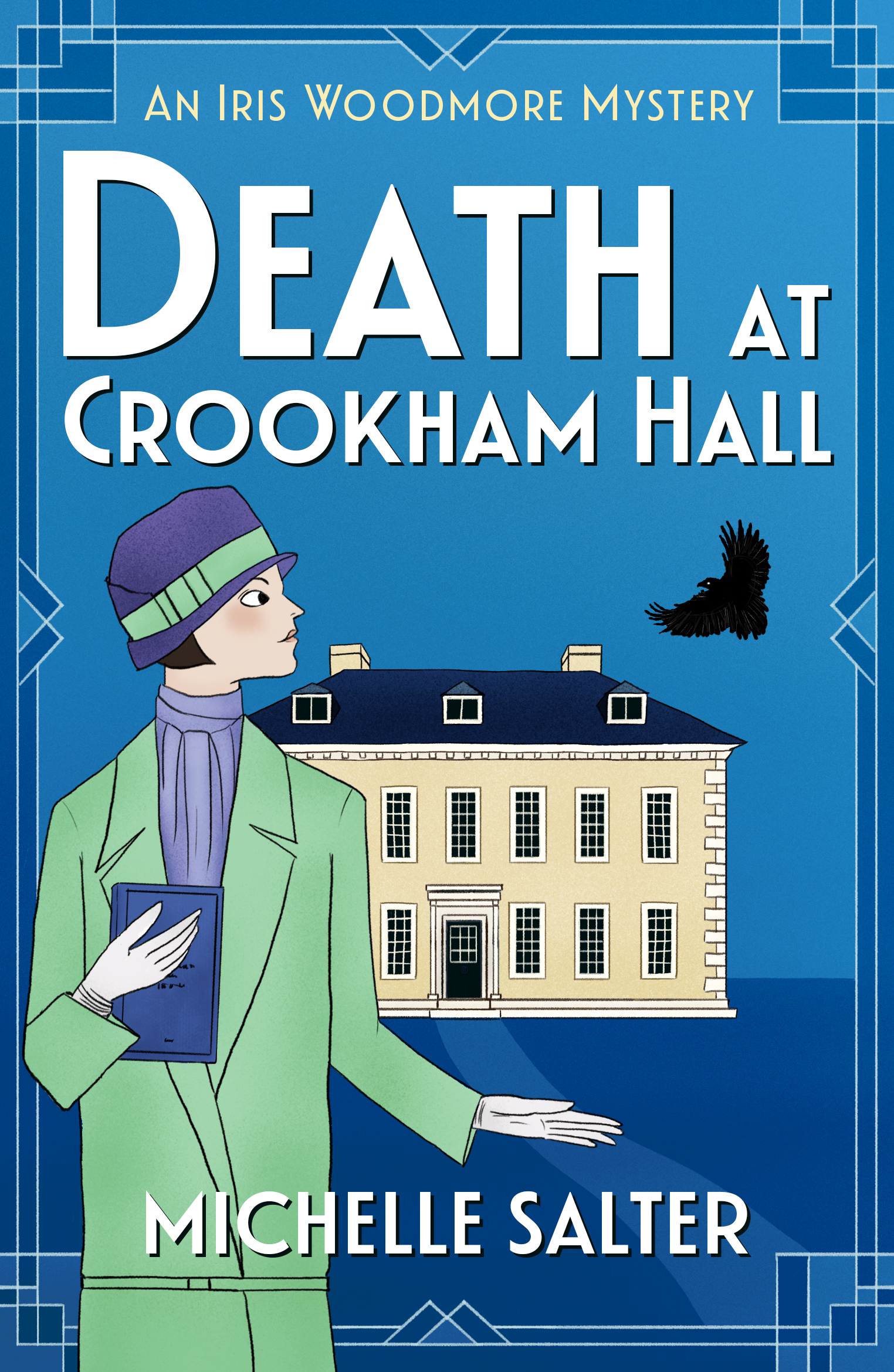
A fatal jump. A missing suffragette. An inexplicable murder.
London, 1920. When she catches news of a big story, reporter Iris Woodmore rushes to the House of Commons. But it’s a place that holds painful memories. In 1914, her mother died there when she fell into the River Thames during a daring suffragette protest. But in the shadow of Big Ben, a waterman tells Iris her mother didn’t fall – she jumped.
Iris discovers that the suffragette with her mother that fateful day has been missing for years, disappearing just after the protest. Desperate to know the truth behind the fatal jump, Iris’s investigation leads her to Crookham Hall, an ancestral home where secrets and lies lead to murder…
Death at Crookham Hall is an incredibly well-written historical mystery set in 1920, both in London and Walden.
Our intrepid young report, Iris, finding work as a reporter for the local newspaper, begins to discover much she doesn’t know about her mother’s untimely death following a visit to the House of Parliament.
Iris is a great character, modern but not too modern – wearing trousers is fine, but wearing a dress short enough to show her thighs is too shocking – and she finds herself desperate to gather together the unknown strands of her mother’s death.
This is a really well-written story, interspersed with fascinating tit-bits of information both about the suffragettes and their sister organisation, the suffrage societies, and where the focus is very much on the women of their time, from the lady to the laundry-maid. It’s a very compelling tale, on occasion, fast-paced. Everything Iris does brings her some new information, and her role as a reporter means she gets to interview all of the main suspects without the narration feeling forced.
The resolution of the mystery feels particularly well constructed, and I just thoroughly enjoyed the story. A fabulous, well-written, mystery that holds all the promise of much more to come for young Iris and her fellow reporter, as well as the local policeman, Ben, and her friend, Alice, in Walden.
Meet the author
Michelle Salter is a historical crime fiction writer based in northeast Hampshire. Many local locations appear in her mystery novels. She’s also a copywriter and has written features for national magazines. When she’s not writing, Michelle can be found knee-deep in mud at her local nature reserve. She enjoys working with a team of volunteers undertaking conservation activities.
Casual antique dealer Jake Patch picks up an unusual object and can’t put it down. Literally. His find is a time travel device, and he hatches a bold plan to acquire objects from the past and sell them at modern day prices. But when the mysterious Infinity Glass leaves Patch stranded in a dangerous past, it falls to his teen daughter Cass to save him.
With hints of The Time Traveller’s Wife and Back to the Future and a smattering of Lovejoy, Patches through Time will send you spinning headlong into the past, then spit you back into the twenty-first century.
This book contains occasional profanities. Trigger warning: bereavement (parent, spouse).
Patches Through Time is a really enjoyable novel. It hooked me from the beginning, with its premise of limited and location-specific time travel.
Patch is a great character, but the story really comes to life with the point of view switch to Cass, and having visited a handful of places in the distant past, much of the narrative revolves around events in war-torn Hastings in the early 1940s. The author does an excellent job of reconstructing the past locations, and the characters that Patch and Cass meet there are believable and all bring something new to the story.
I’m not sure if the plan is to write a sequel, but if it is, then, I’ll happily read it, as I think there’s much more that Cass and Patch can do with their time travelling device.
A thoroughly enjoyable novel.
Meet the author
Sian Turner was born in Wales, but lives in East Sussex. She has recently started learning Welsh (and can categorically testify that Welsh is difficult).
She works as a part-time volunteer in her local RSPCA cat re-homing centre, from where she keeps adopting new family members (only one or two at a time).
Sian enjoys reading and reviewing some of the many truly amazing novels by Independent Authors, and she is secretary of her local writers’ group, Shorelink Writers.
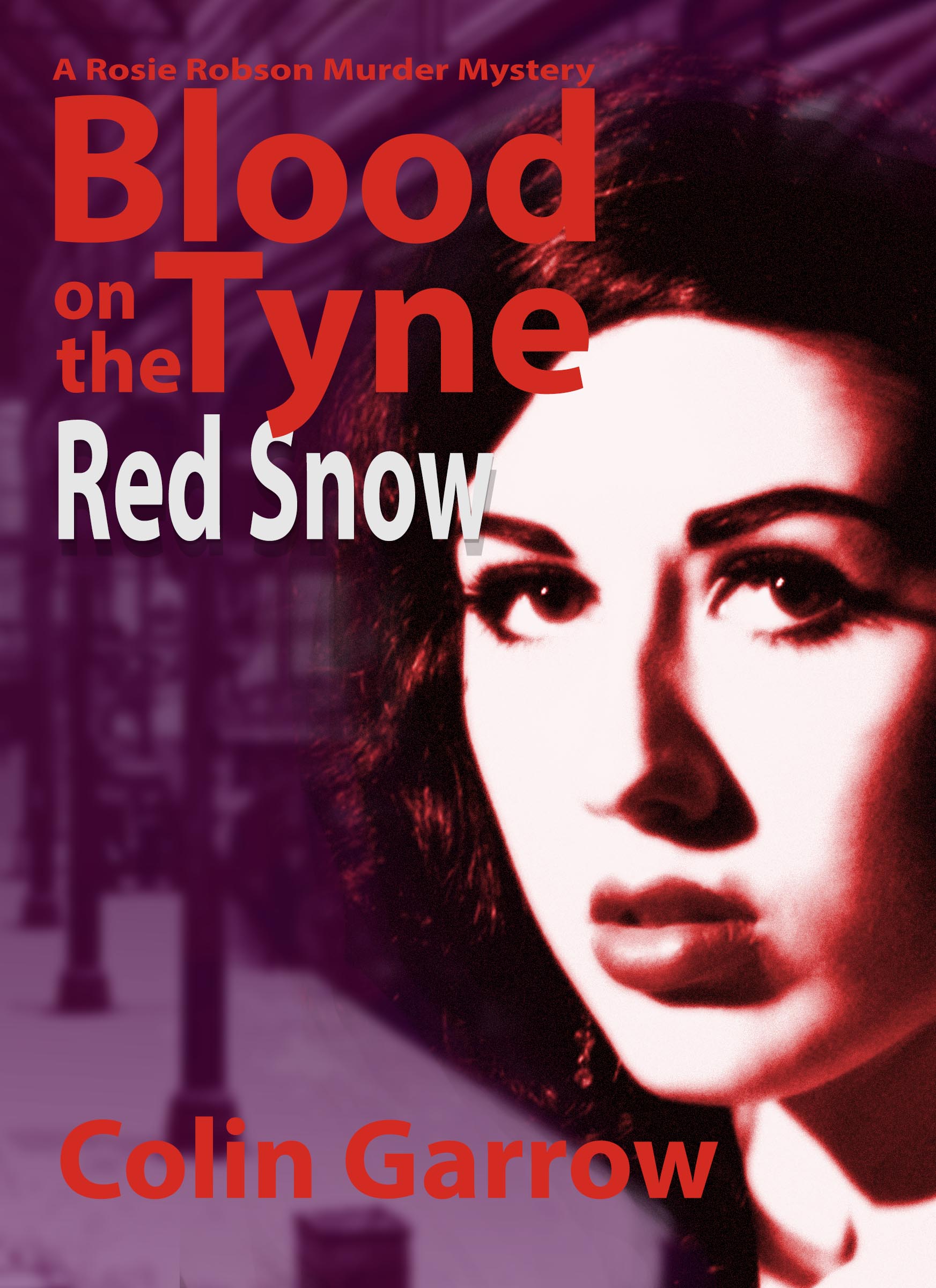
A dead body. A hoard of forged banknotes. A gangster out for blood.
Newcastle, December 1955. Returning home after a weekend away, singer and amateur sleuth Rosie Robson discovers a man lying on a baggage trolley with his throat cut. After the police get involved, an attack on Rosie and her boss prompts Inspector Vic Walton to find a safe house for the pair. But the bad guys seem to be one step ahead of them and Rosie is forced to track down a possible witness to the murder in a bid to learn the truth. Can the canny crooner solve the mystery before a Newcastle gang boss catches up with her?
Set on Tyneside, Blood on the Tyne: Red Snow is book #3 in the Rosie Robson Murder Mysteries series.
Extract from: Blood on the Tyne: Red Snow by Colin Garrow (contains some strong language)
Having tracked down the train station porter to a Gateshead apartment, Rosie and Frankie question him about money he stole from the dead man’s pocket. Finally admitting his crime, the porter hands over the money. But a man in a trench coat is watching the building:
Frankie wandered into the kitchen while I counted the notes. Three hundred and thirty pounds. I looked up at the porter. ‘Not worth getting killed over, is it?’
He worked his mouth for a minute. ‘Ye’re sayin it belongs to that Danny Fisher, are ye?’
I nodded.
‘Fuck.’
‘Know him, do you?’
‘Only by reputation.’ He pointed to the money. ‘So are yous gonna give it him back?’
I laughed. ‘Don’t be daft. This’ll go to the police.’
Martin’s eyes widened. He stared at me. ‘But what if Fisher thinks Ah’ve still got it?’
I hadn’t considered what the consequences might be for Martin if Fisher did track him down. I studied the carpet for a moment, thinking. ‘If he didn’t suspect you’d nicked it, he’d have no reason to come visiting, would he?’
He glared at me. ‘But ye said,’ stabbing the air with a grubby finger, ‘ye said if Ah didn’t talk to yous, Ah’d have to deal with Fisher.’
I shook my head. ‘I implied that if we were able to find you, sooner or later he would too.’
His eyes almost popped out of his head. ‘Jezaz Christ. So, he might still turn up here, eh?’
‘He might. But if no-one saw you take the cash, there’s nothing to worry about.’ I looked hard at him. ‘No-one didsee you, did they?’ I’d dismissed the idea that Fisher might’ve seen something while he’d been standing by the bridge on the station platform. If he had seen the porter messing with the body, he’d have been here already, and we’d likely have another dead body to deal with.
‘Oh, Christ, man.’ Martin threw his hands up in the air. ‘When Ah found the money, Ah shook so much Ah could hardly walk. Ye could’ve driven a steam train up me arse and Ah’d not have noticed.’
I tried not to laugh. Resting a hand on his arm, I said, ‘Look. We’ll tell the police where we got it and they’ll probably come round to speak to you. If you’re worried about anything—’
Frank grabbed my shoulder. ‘We’ve got a problem, bonny lass.’
I followed him back into the kitchen. The man in the trench coat stood in the lane, looking up at the flat. Now though, he had two more men with him. Behind him, Maurice’s car had been pushed out of its hiding place.
‘Is that who I think it is?’
‘It’s not the fuckin Pied Piper, that’s for sure,’ said Frankie.
Back in the living room, I caught sight of Martin making for the front door.
‘I wouldn’t do that, Mr Sutherland,’ I called.
He turned and stared at me. ‘Well Ah’m not bloody stayin here to get me neck sliced open.’
‘No, and neither are we. Is there a fire escape?’
He paused. ‘Not from this building.’ He came back into the room. ‘If we could get onto the roof…’
‘The roof?’
‘Aye. The warehouse next door has a fire escape.’
Frankie pushed past me and opened the flat door. Me and Martin followed him. Gazing over the banister into the stairwell below, we peered into darkness. Everything seemed quiet.
‘D’you think—’
Frankie shushed me. Lowering his voice, he murmured, ‘There’s someone there.’
Turning to the porter, I whispered, ‘How do we get to the roof?’
I didn’t hear what Martin said, my attention focused on the shadowy figures sliding up the first flight of stairs towards us.
My Review
Blood on the Tyne: Red Snow by Colin Garrow is an exciting murder mystery set in and around Newcastle, Gateshead, Sunderland and Northumberland in 1955.
Many of the locations are familiar to me, and I could quite happily trace Rosie’s journey upon discovering a body at Newcastle train station on her return from York.
This really is a fast-paced tale of murder, mayhem, forgery and gangsters. Rosie is headstrong even when embroiled in something far beyond her control. She’s resourceful and determined to find out the truth and stay alive.
Surrounding her is a great cast of supporting characters, and the story takes some quite unexpected twists and turns before reaching its conclusion.
As might be expected, there is some foul language throughout the book, and the author has also done a great job of ensuring the Geordie accent is prevalent throughout. Readers will quickly come to ‘hear’ the characters as well as read about them.
An entertaining read.
Meet the Author
True-born Geordie Colin Garrow grew up in a former mining town in Northumberland and has worked in a plethora of professions including taxi driver, antiques dealer, drama facilitator, theatre director and fish processor. He has also occasionally masqueraded as a pirate. Colin’s published books include the Watson Letters series, the Terry Bell Mysteries and the Rosie Robson Murder Mysteries. His short stories have appeared in several literary mags, including: SN Review, Flash Fiction Magazine, The Grind, A3 Review, Inkapture and Scribble Magazine. These days he lives in a humble cottage in Northeast Scotland.
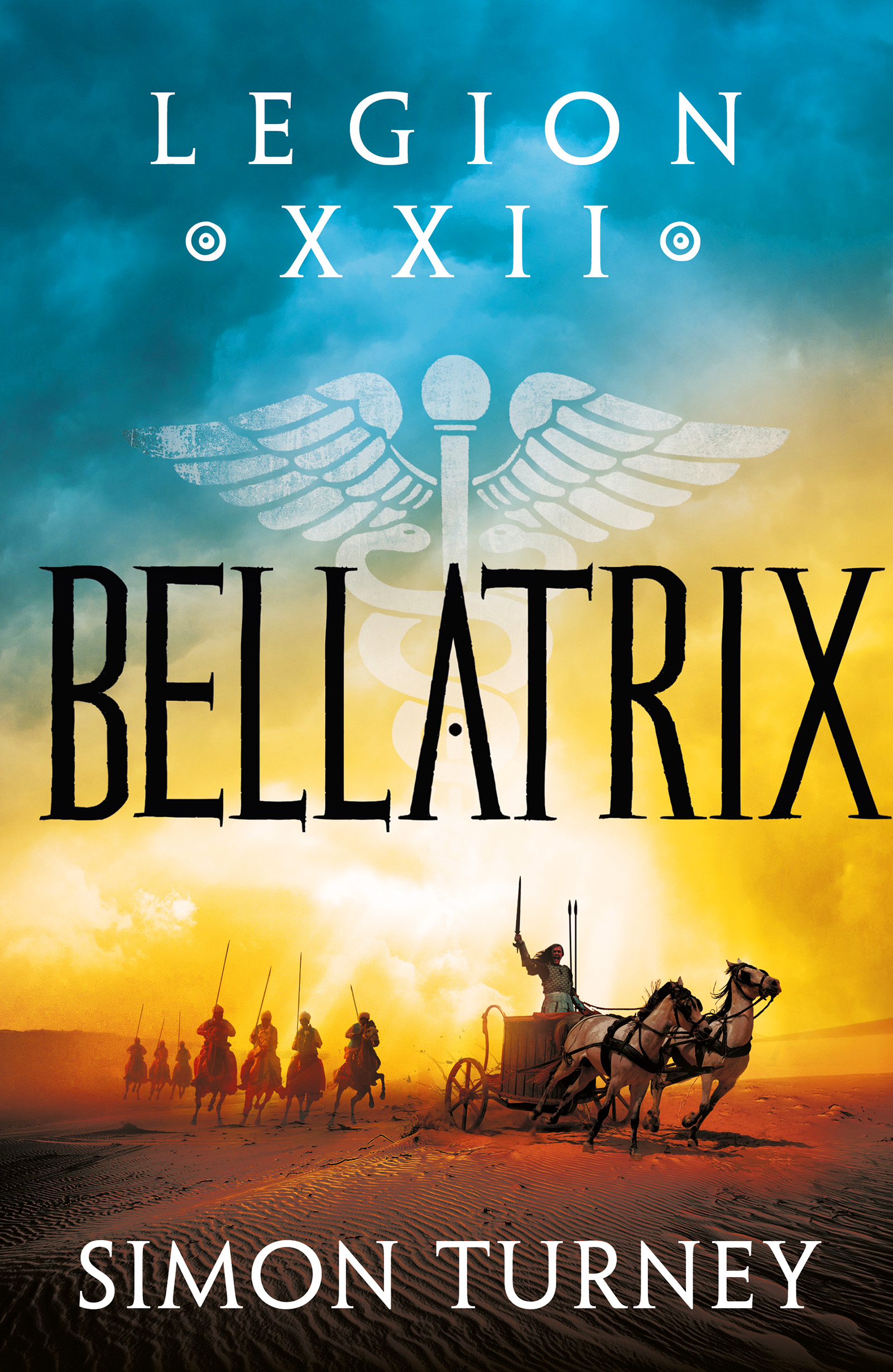
Warrior and combat medic of the Twenty Second Legion, Titus Cervianus, must fight the armies of the fabled Warrior Queen in this blistering new Roman adventure from Simon Turney.
Egypt, 25 BC. Titus Cervianus is no ordinary soldier. And the Twenty Second is no ordinary legion. Formed from the personal guard of a conquered king, the Twenty Second’s ways are strange to soldiers of the Empire – yet the legion has proved itself in the blistering heat of the desert.
Cervianus and his comrades march into the unknown as he and the Twenty Second Legion contend with the armies of the Bellatrix: the Warrior Queen of Kush. The Kushites and the Egyptians are united against the Roman presence in their lands – but there are complex political and military forces at work. Deep in the deserts, Cervianus and his comrades must brace themselves for a furious onslaught as they take on the might of the Bellatrix.
Bellatrix is the sequel to The Capsarius, (find my review here) a book that I thought was fantastic. I’ve been desperately waiting for Bellatrix, and it doesn’t disappoint.
From the first page, we’re plunged once more into the heat and cold of Egypt’s desert, an intense journey that makes for difficult reading at times. Our Capsarius is sorely tested. He’s not happy to be there, but he has orders to follow, and follow them he must. Luckily, his tent-mate, Ulxsses, is at his side, and just about manages to refrain from causing trouble for quite some time. Not that he manages to continue to do so for long.
This truly is a story about surviving against the odds. If you think the desert trek is bad, then things are only going to get much, much worse for our soldiers.
What I enjoy most about these stories of The Capsarius is the complete change of scene. I don’t read huge amounts of Roman-era fiction, although it’s a period that’s certainly growing on me, but even I know many of these stories take place in Europe or the UK. Egypt is completely new, and the clash of cultures between Rome and the Kush, is one of the highlights of the books.
Bellatrix is a worthy sequel to The Capsarius. You can taste the sand in your mouth and the pounding heat on your head as the story surges towards its stunning conclusion. Highly recommended.
Meet the Author
Simon Turney is from Yorkshire and, having spent much of his childhood visiting historic sites, fell in love with the Roman heritage of the region. His fascination with the ancient world snowballed from there with great interest in Rome, Egypt, Greece and Byzantium. His works include the Marius’ Mules and Praetorian series, the Tales of the Empire and The Damned Emperor series, and the Rise of Emperors books with Gordon Doherty. He lives in North Yorkshire with his family.




























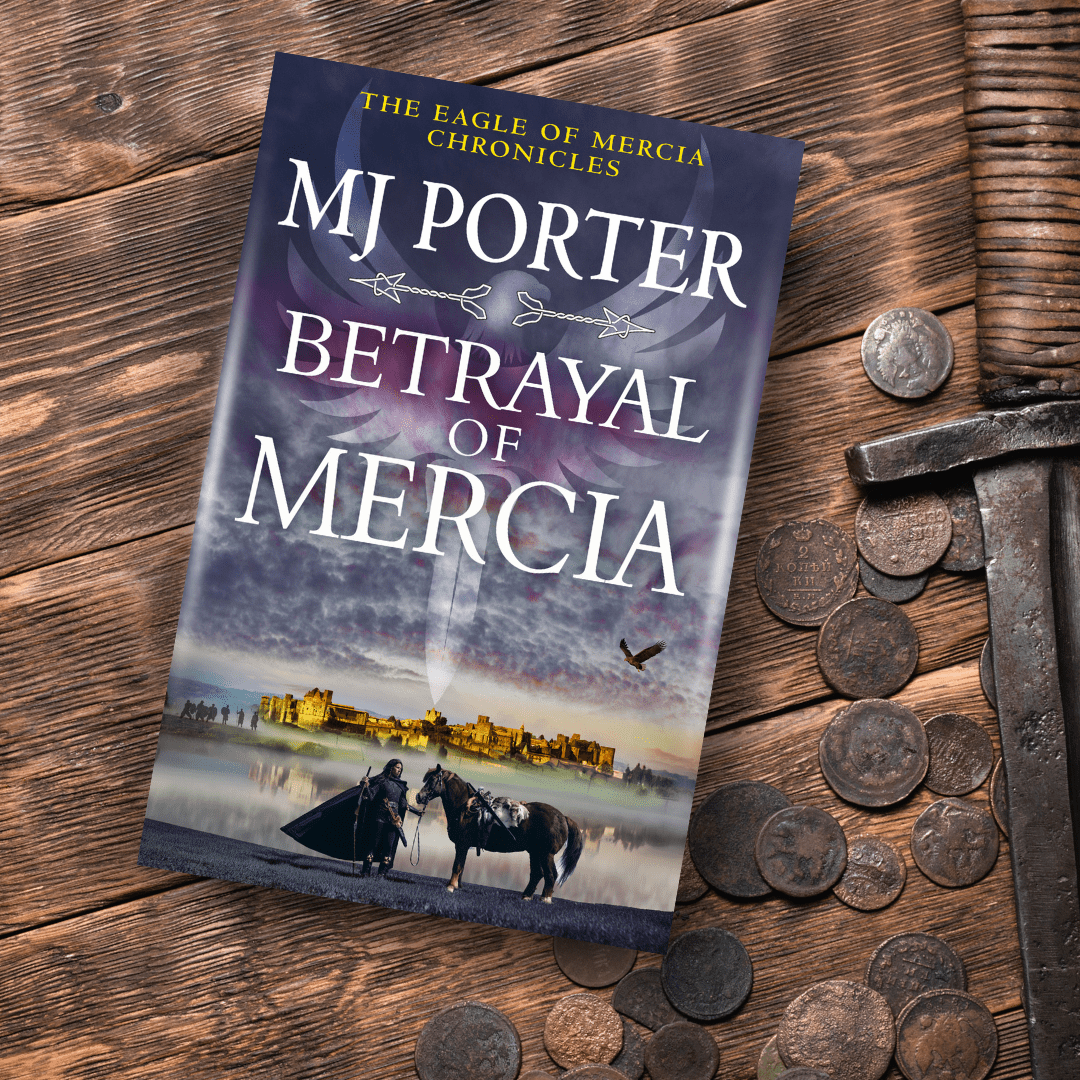










 MJ Porter