
2025 has been a challenging reading year for me. I’ve failed to hit my reading target of 100 books (although I’m not worried about that because hey, it’s just a bit of fun to even set a target), and there have been a few months where I barely read anything at all because ‘life’ got in the way. I’ve also noticed this year that my reading preferences have changed, moving even more towards mysteries and away from my writing genre of action and adventure historical fiction. I have also, however, joined my local book club, and so I’m reading one book each month to discuss in the group, and this means I’m not necessarily always reading books I would usually choose. This has been a bit of an eye-opener. In our book club, we do read the books, and we do talk about them. If you can find a book club like that, then I highly recommend it. It’s a great experience.
Goodreads (and The Storygraph) tell me I’ve read 82 books this year (as a point of note, I don’t usually put my audiobooks on multiple times (I listen to the same few audiobooks at night to help me sleep and I am almost word perfect on some of them these days)). As last year, I’ve not included my own books in this, which get read repeatedly while writing and editing.
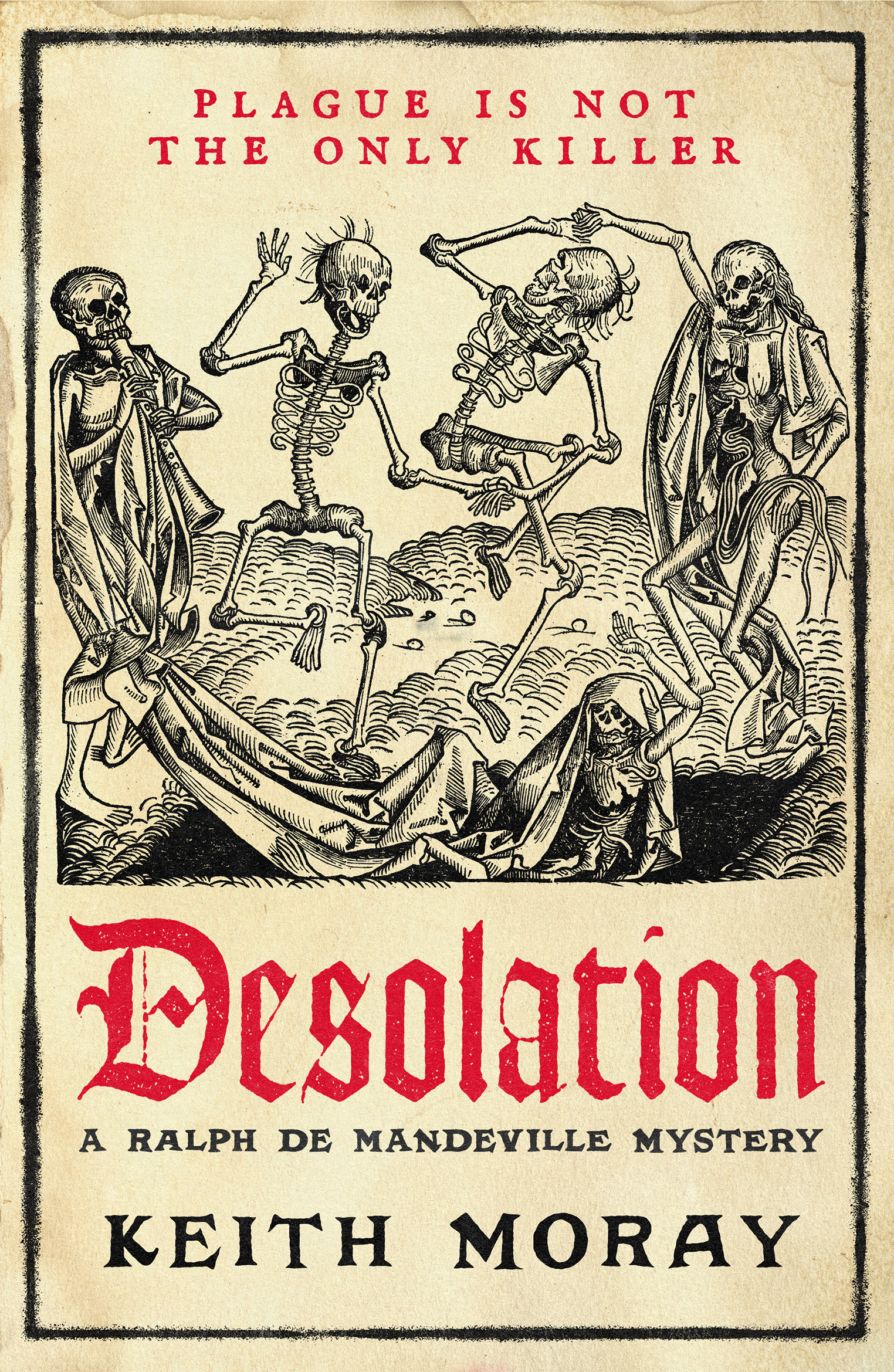
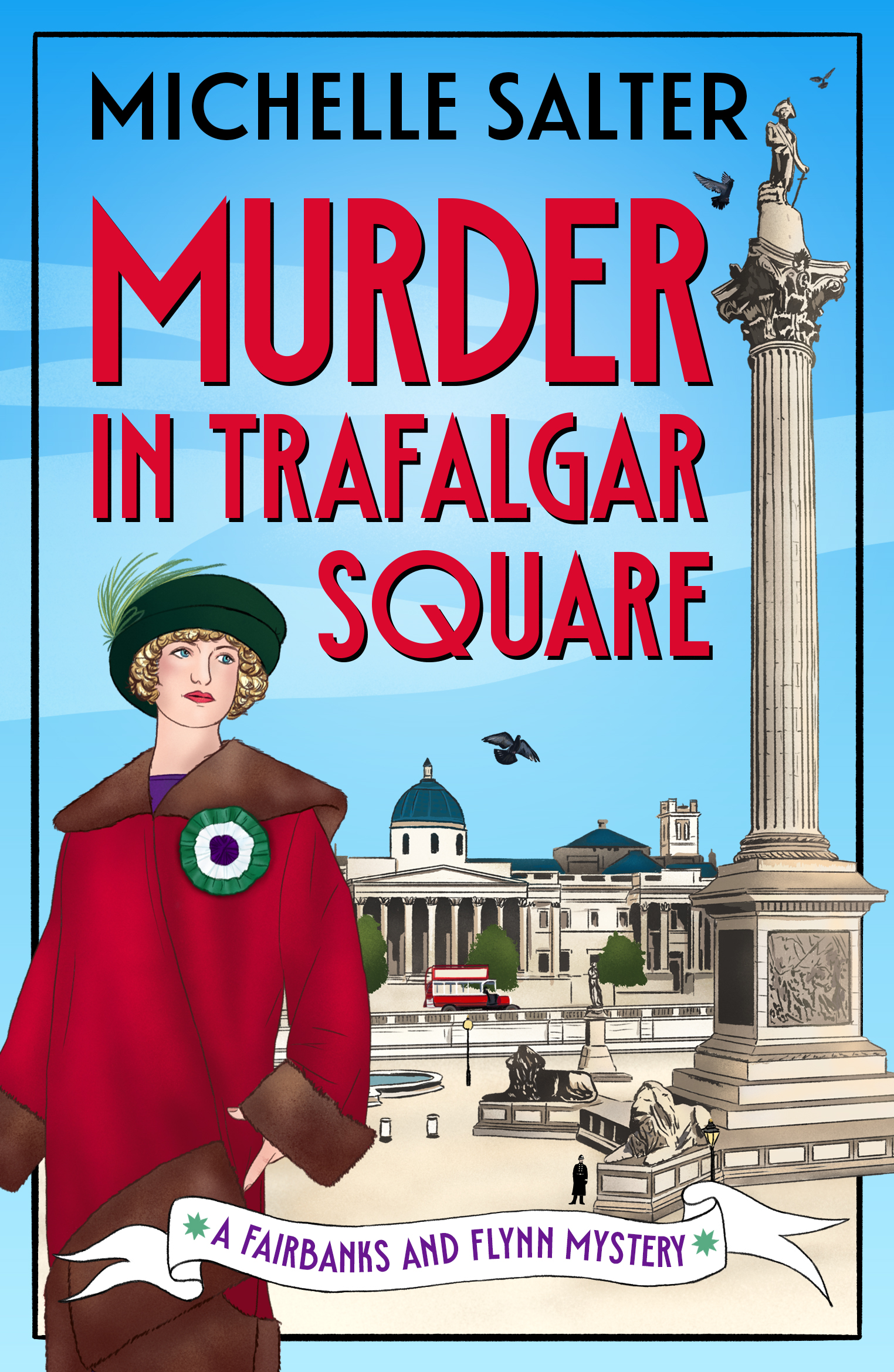
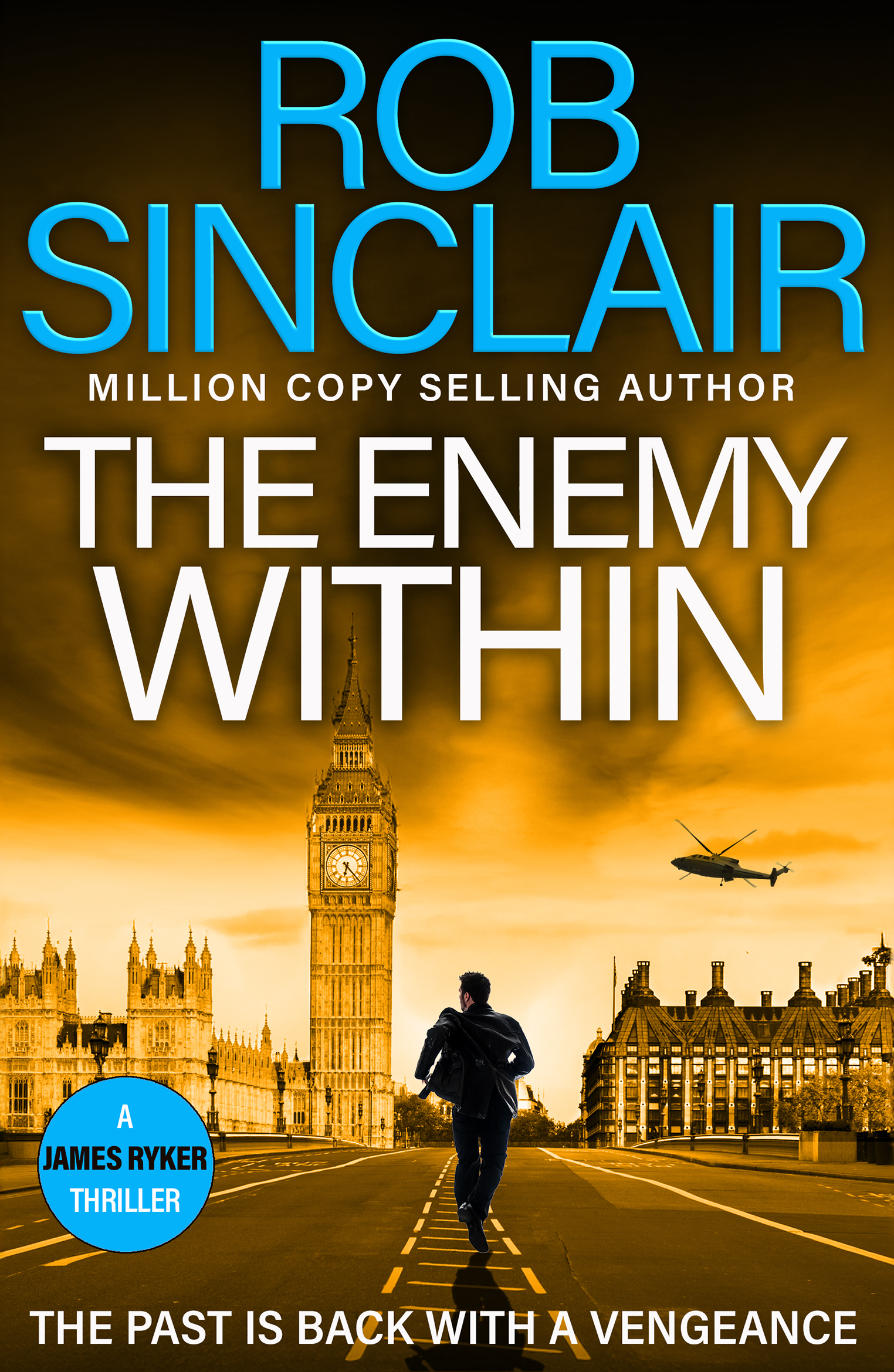
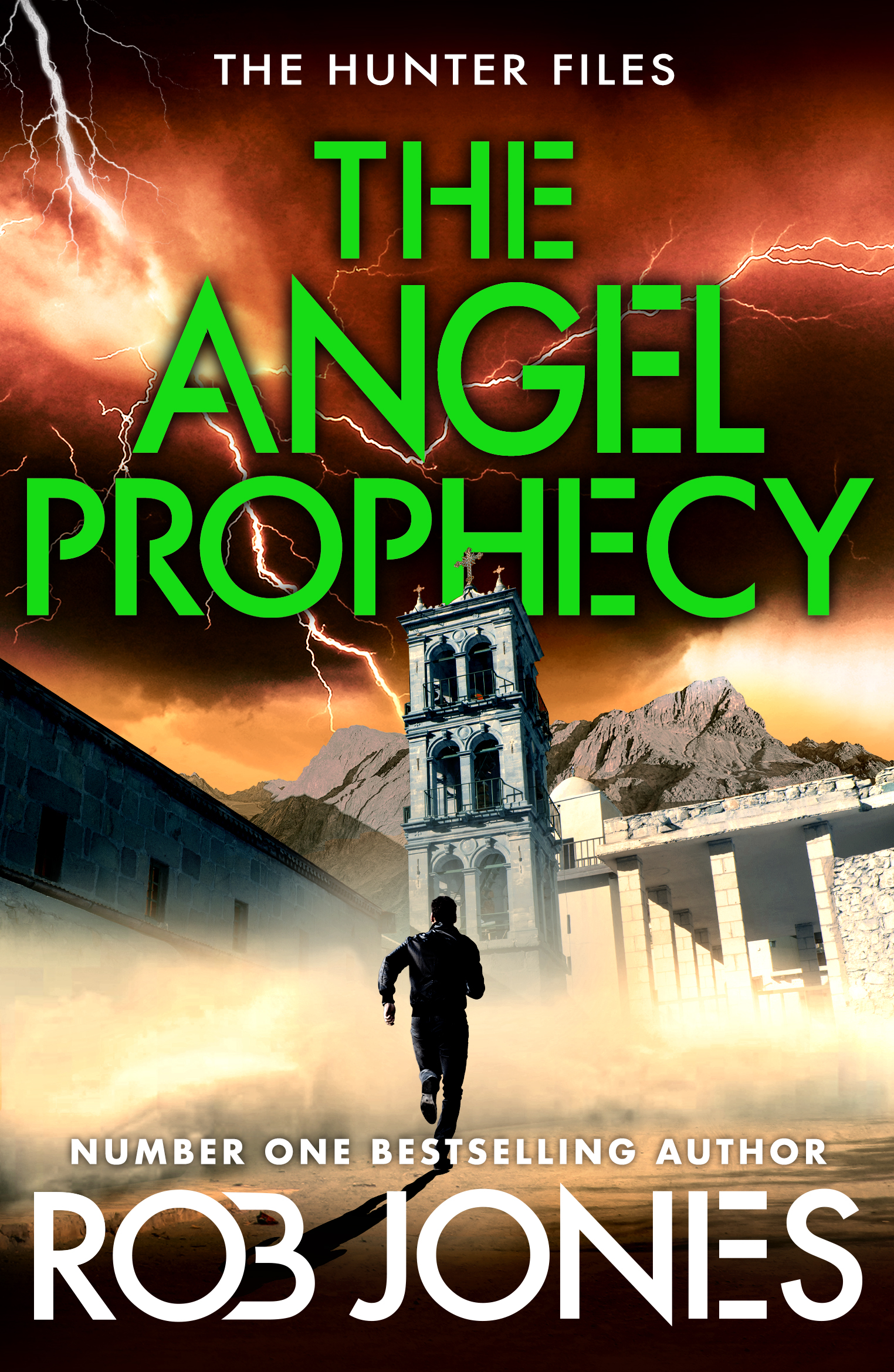
My most read category (a third of all books) has been historical mysteries – (some of these might also be classified as cosy). I’ve read anything from The Rush by Beth Lewis, about the dash to Dawson City to mine for gold at the end of the nineteenth century, to Desolation by Keith Moray (set in the 1300s) and Monstrous Murder by Elizabeth R Andersen (also set in the aftermath of the Black Death) to a huge collection of early twentieth century mysteries, including Michelle Salter’s new series, Murder in Trafalgar Square. I think my favourite (and most surprising read) was The Bookseller of Inverness by SG MacLean (our first book club read, and my recommendation (there were opinions about it – which was brilliant – and I would warn it certainly helps if you know something about the Battle of Culloden and its aftermath). Click on the images to visit the reviews (if I’ve reviewed on the blog).

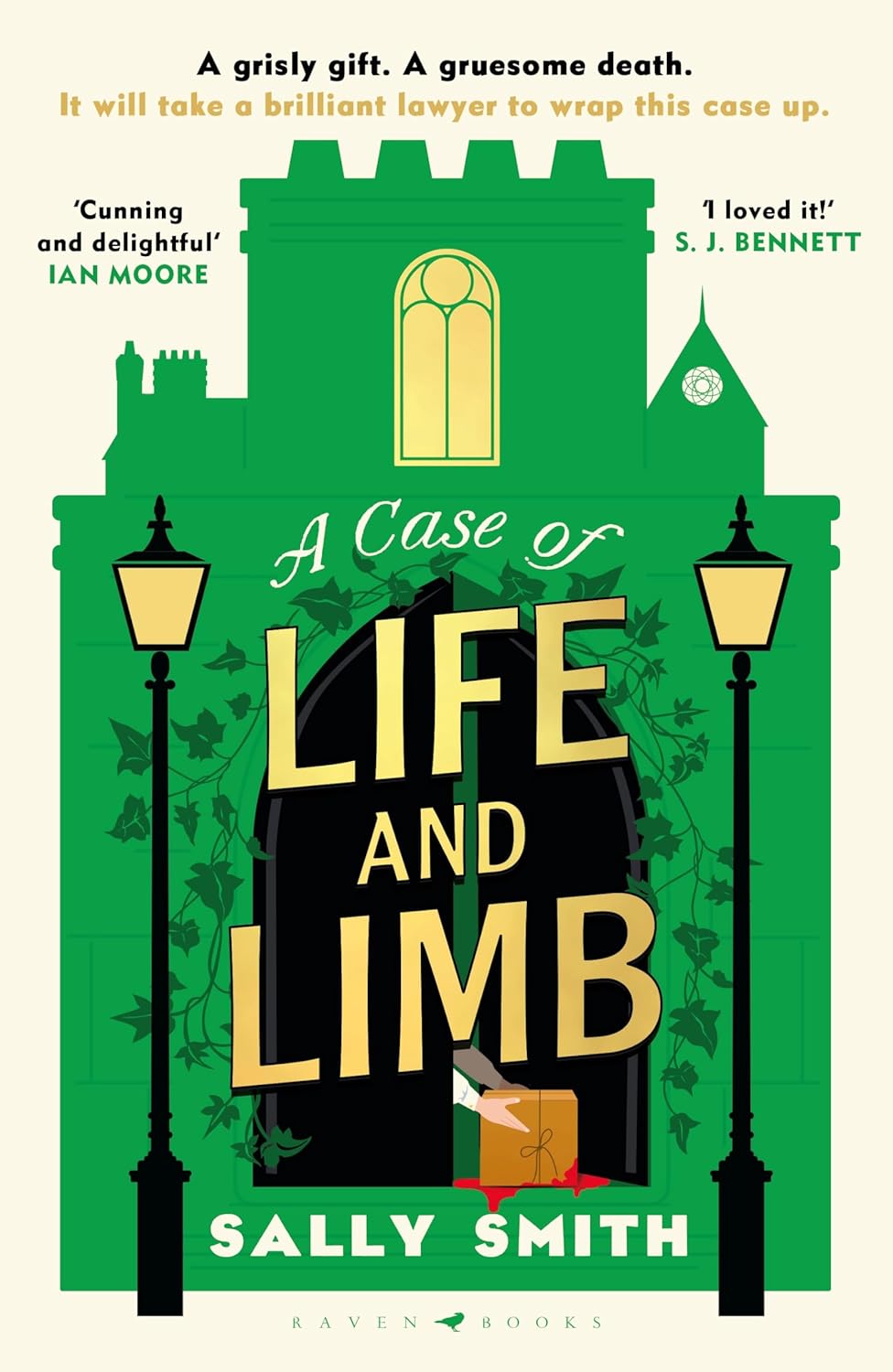
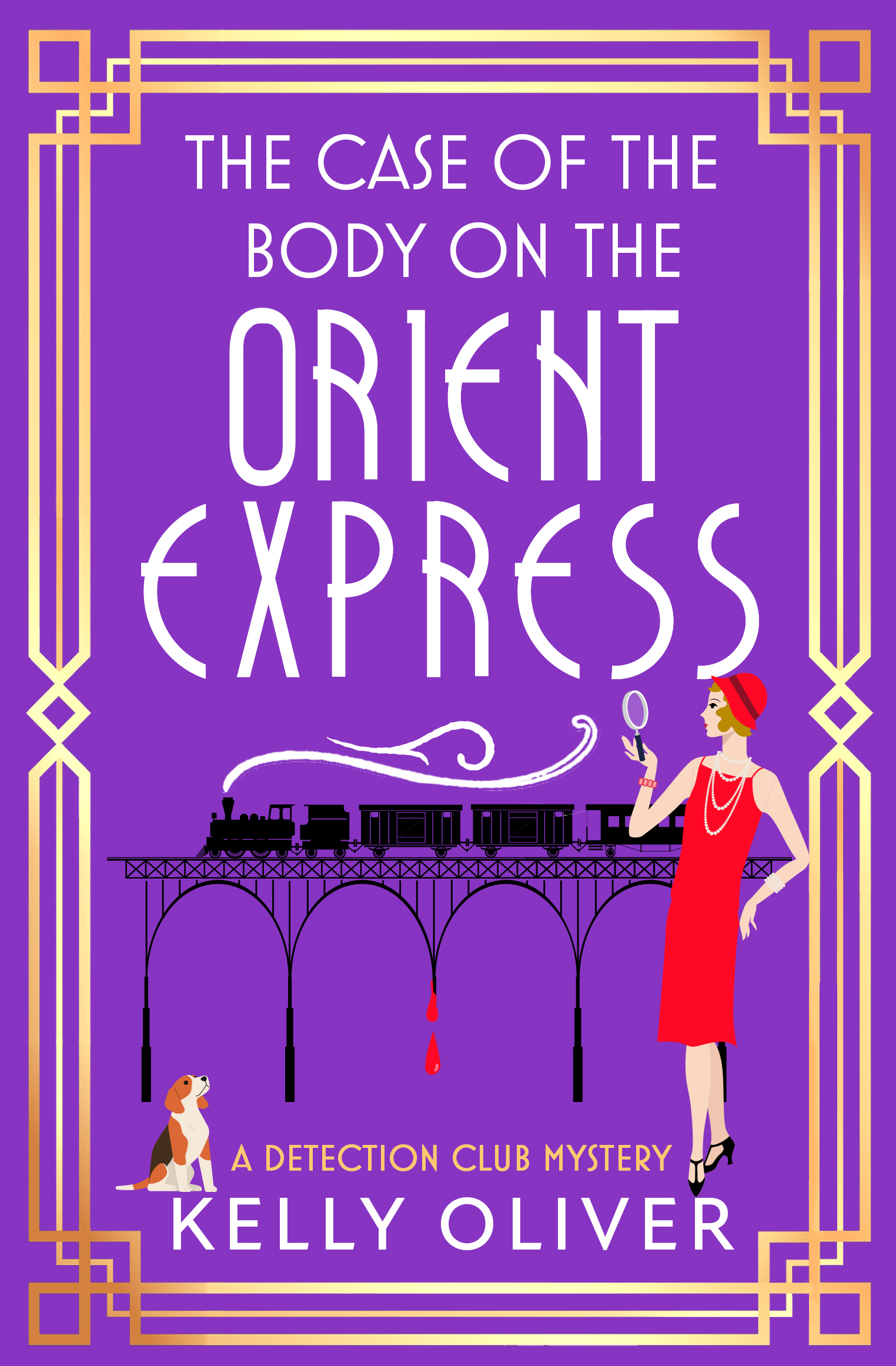

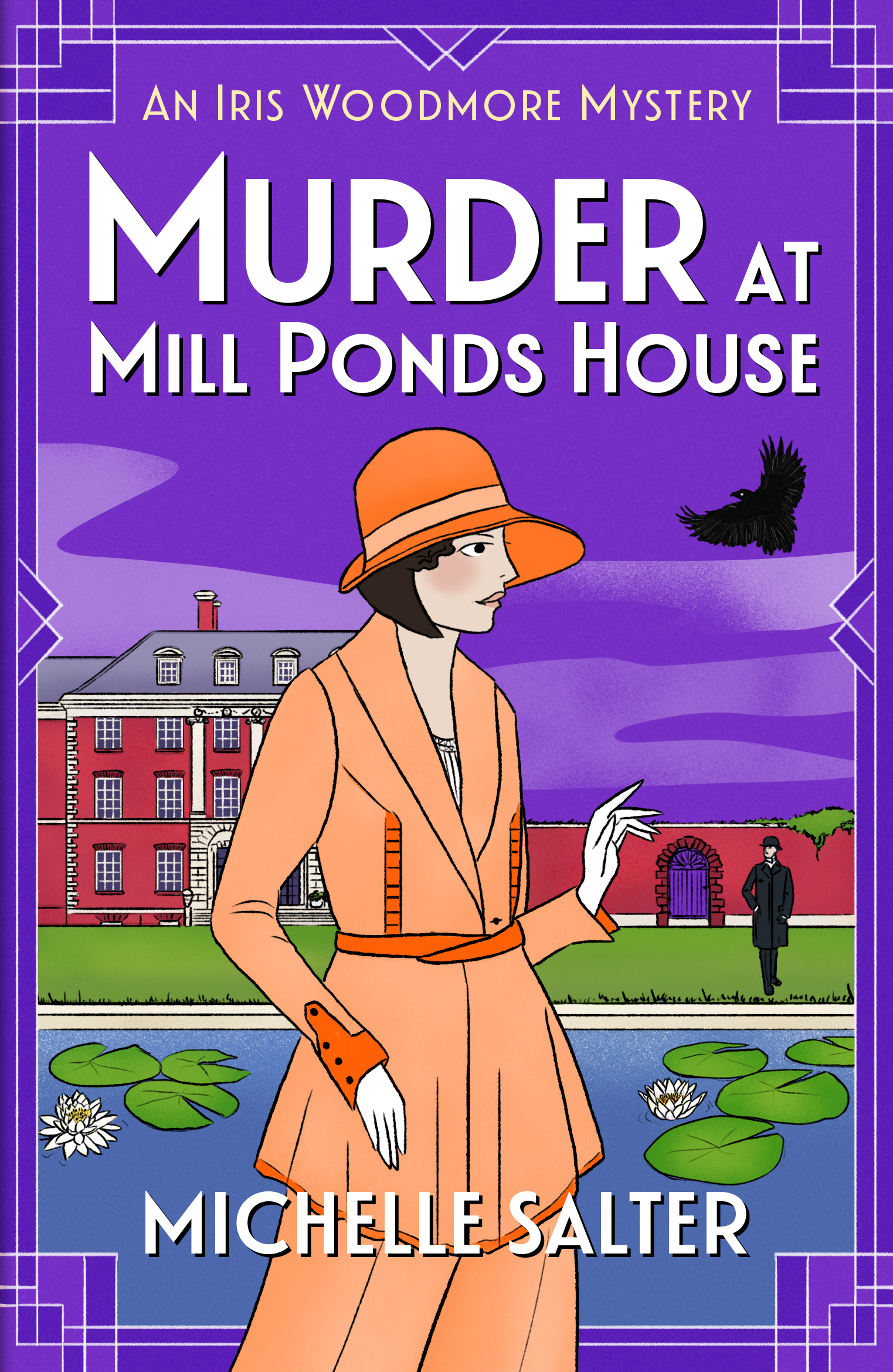

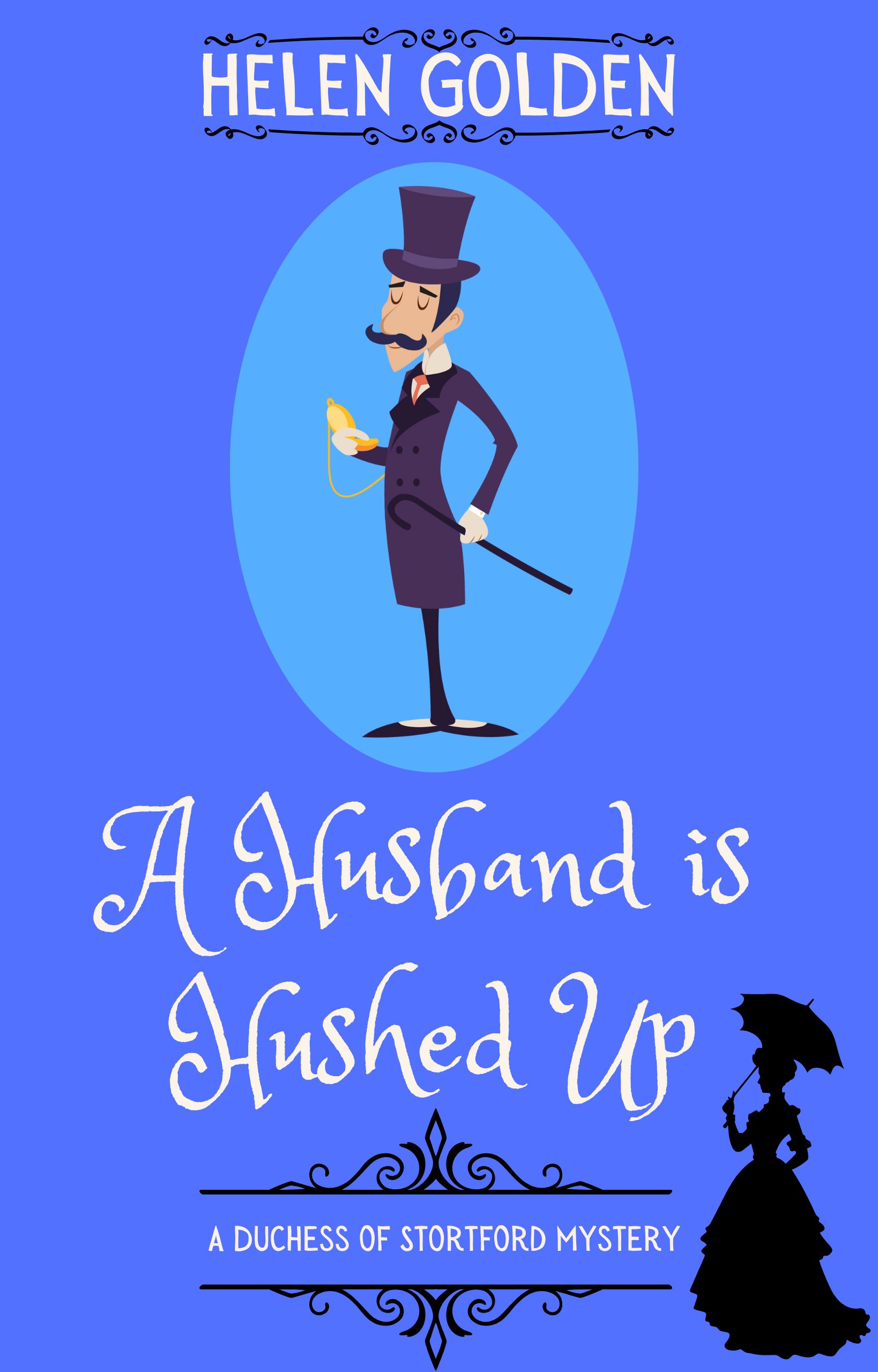
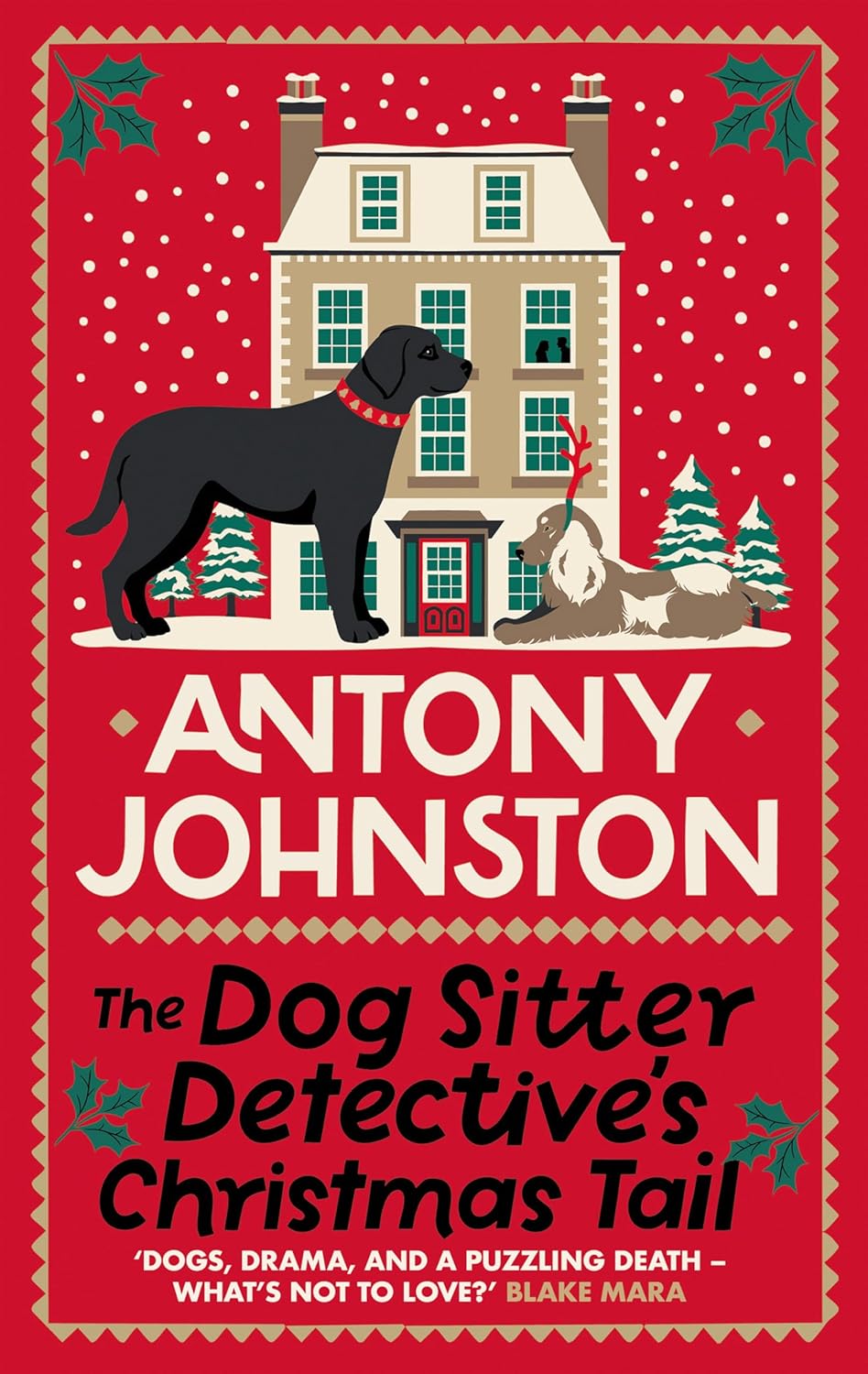
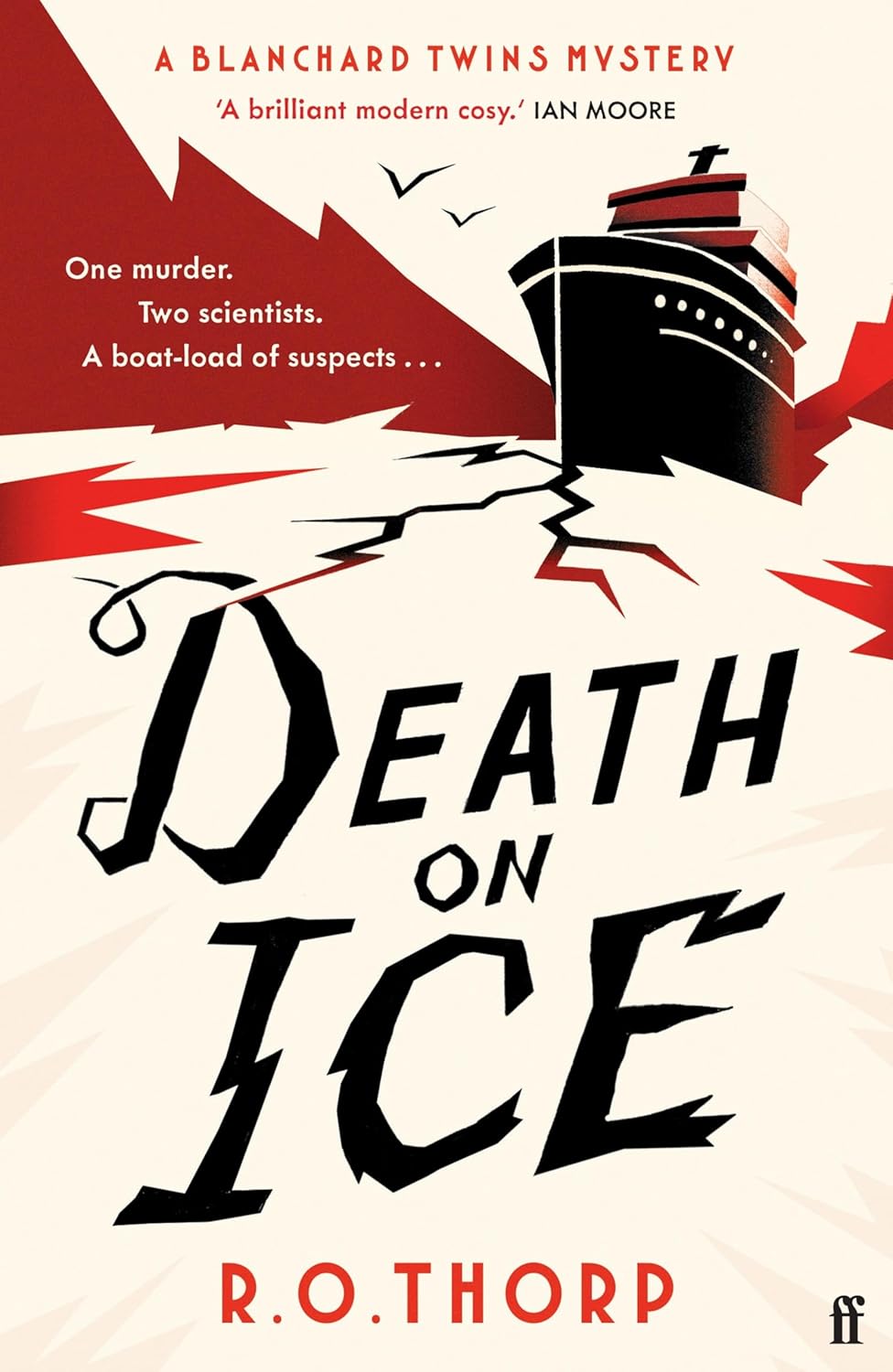
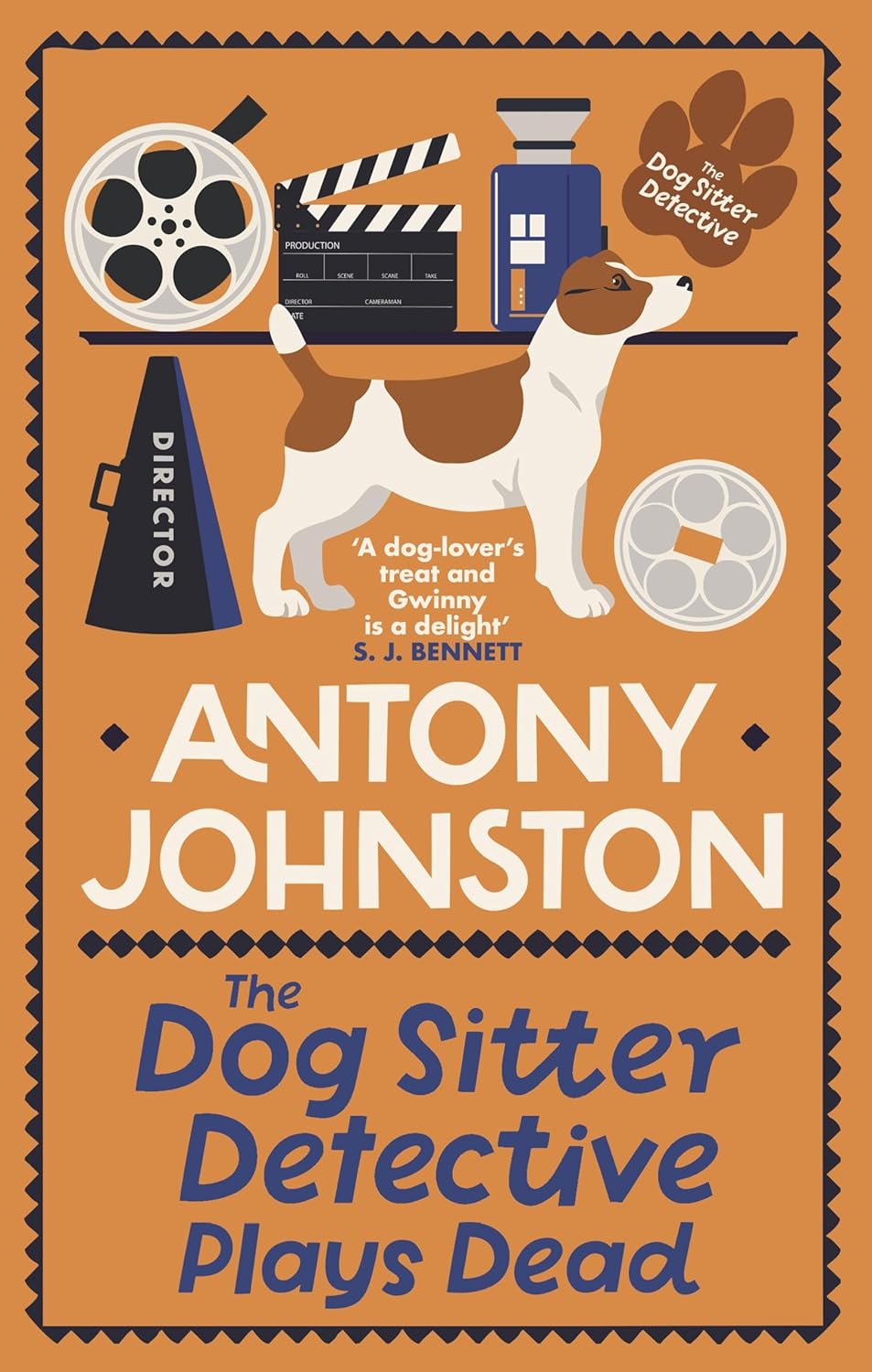
Behind historical mysteries in my reading year are just plain old contemporary mysteries. Again, some of these are also cozy reads. I don’t like my murder mysteries to be too graphic (when I was much younger, I read all the Scarpetta and Jonathan Kellerman novels and freaked myself out), and I’ve discovered that my preference is for a style known as ‘police procedural’ even when there are no police involved. I started the year with Death on Ice, which was a slow build but delightfully engaging, and ended with the equally brilliant The Retired Assassin’s Guide to Orchid Hunting – a fabulous New Zealand-based mystery (I’m going to read book 1 now), and Simon Whaley’s Flaming Murder (reviews to follow for these two books in Jan 2026). I also discovered Antony Johnston’s lovely Dog Sitter Detectives Series. These are such great books – quick reads but with compelling mysteries.






You can also check out my three favourite reads of 2025 over on Shepherd.
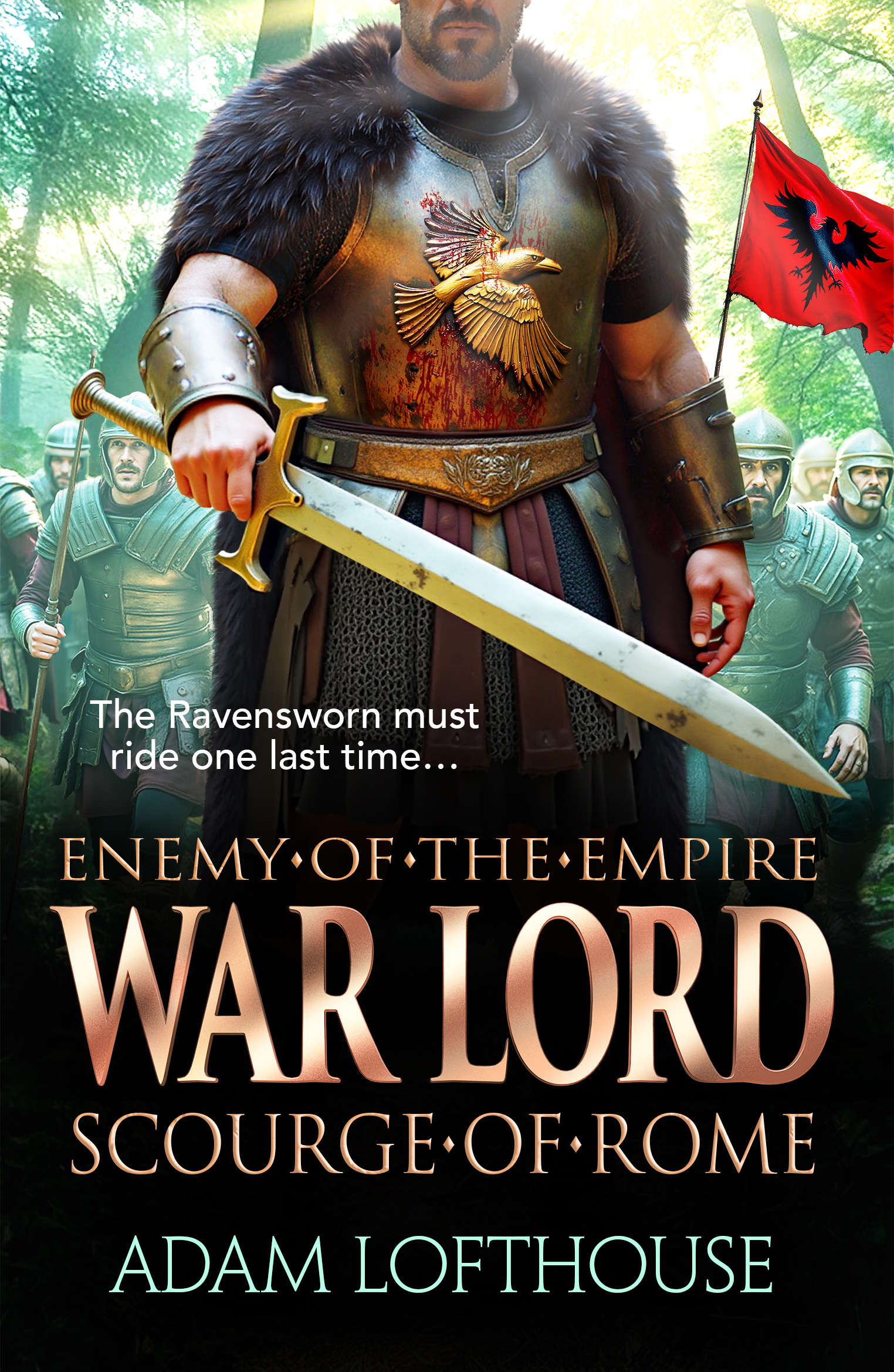
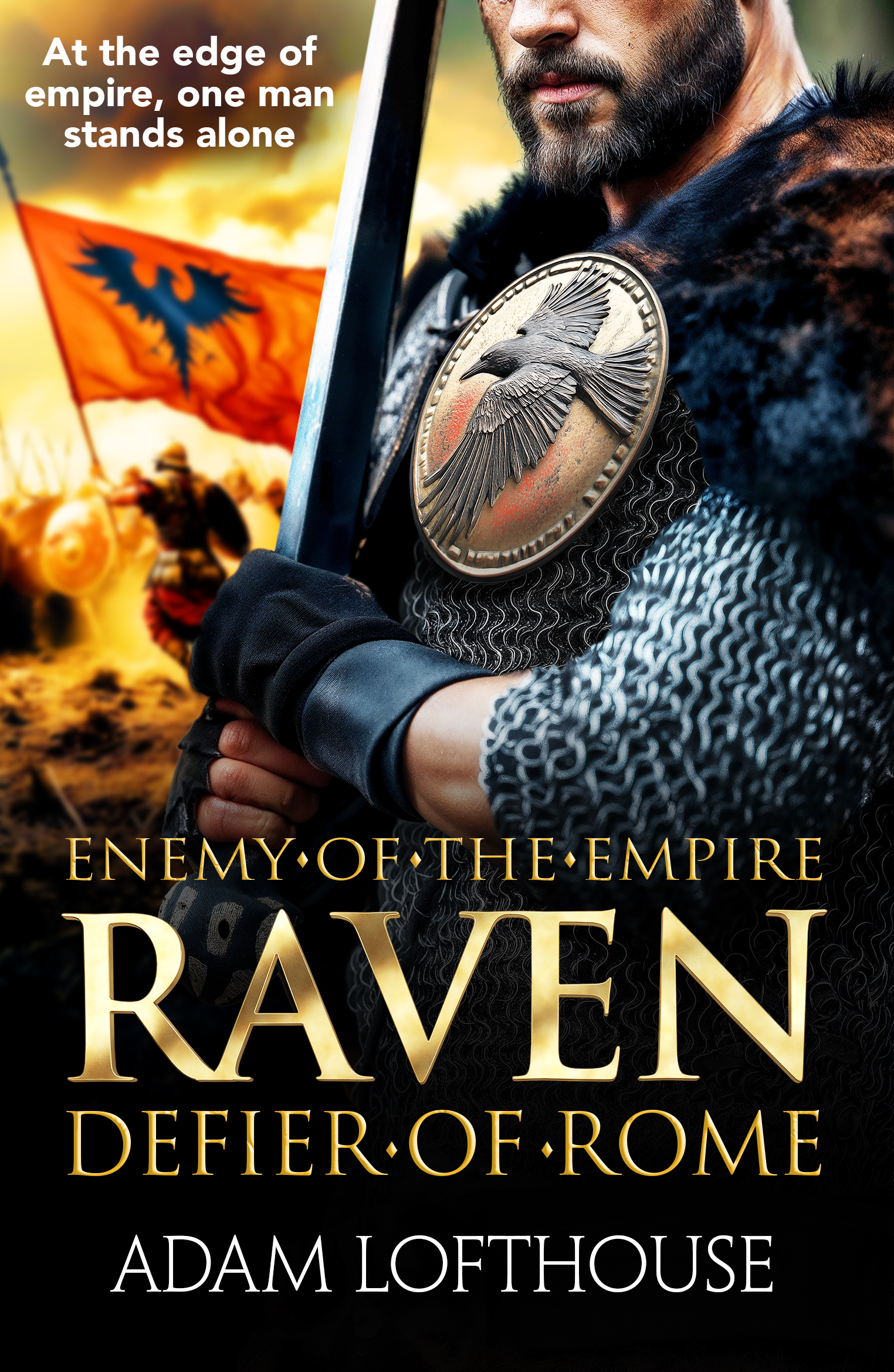
After that is ‘my main genre’ of historical fiction, some action and adventure and some not. Adam Lofthouse’s Roman-era novels have kept me intrigued (I’m blaming Alaric for that). (I also want some of that ‘shiny’ on my book covers).
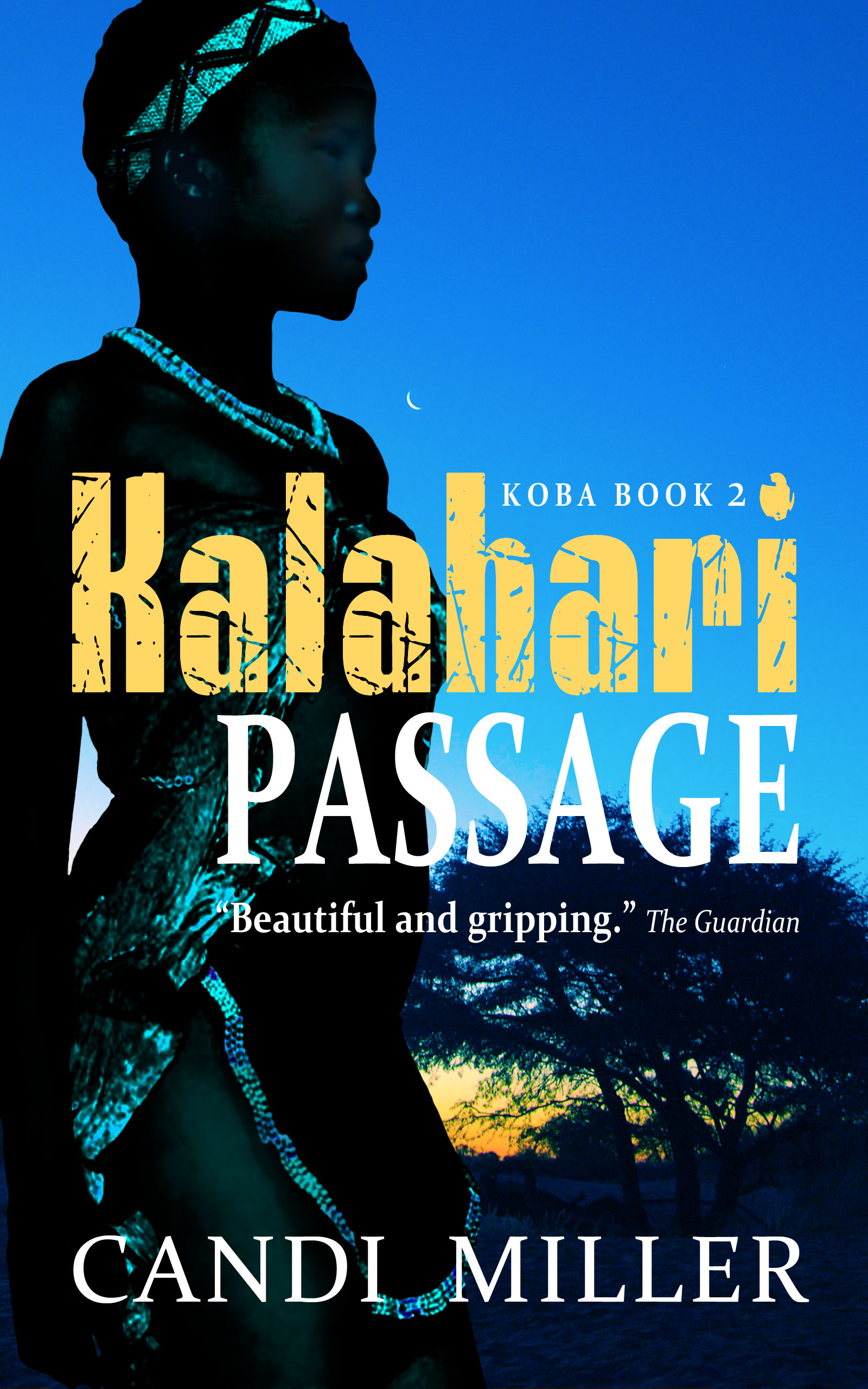
I do want to give a huge shout out to Kalahari Passage (which I’m classifying as historical fiction as its set in the 1960s (I think). This is a beautiful story, if sometimes a hard read. Do check it out.
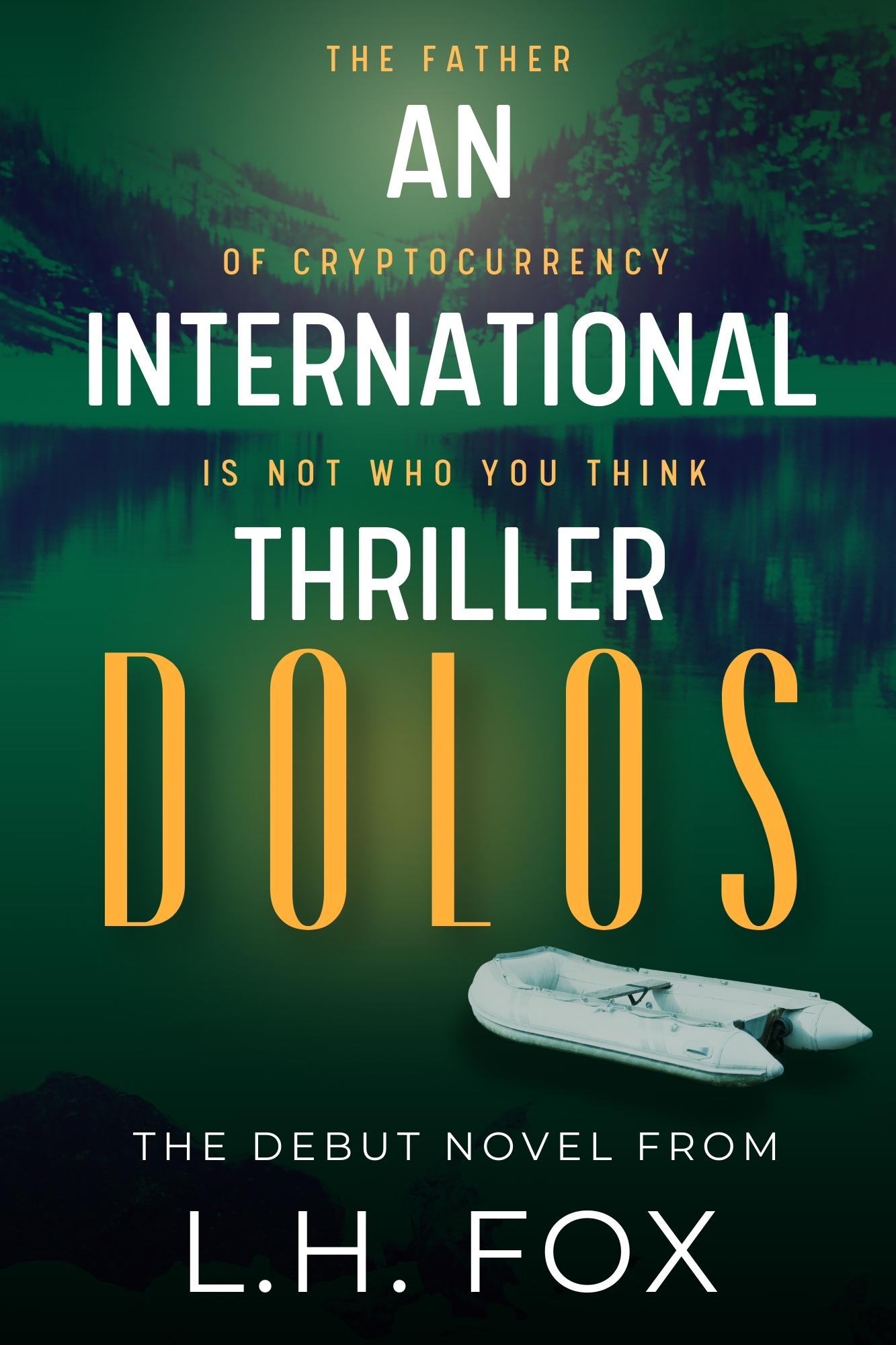
What I’m classifying as thrillers came next – from the new Harlan Coben to the rather brilliant Dolos by a debut author, LH Fox, which almost had me understanding how cryptocurrency works, and is also my most visited review on the blog.
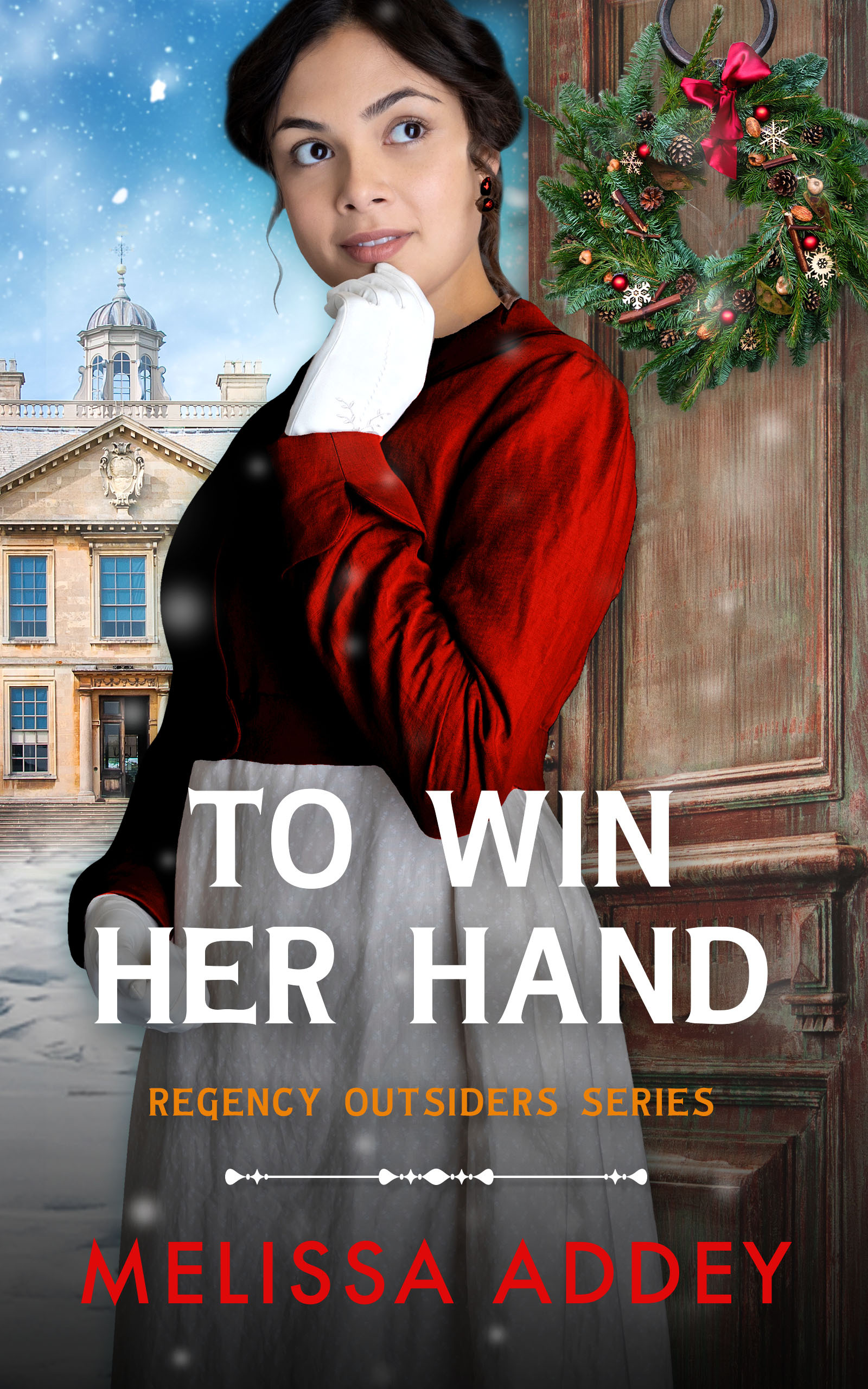
Six titles were historical romance. Jane Dunn, Melissa Addey and Susanna Dunlap all kept me entertained with their Regency romances, while The Ladies Road Guide to Utter Ruin could also be classified as a Regency romance, but I’ve popped it into the historical mystery category, as it certainly crosses over more into a mystery with the romance element in the background. (If you’ve not read Alison Goodman’s Dark Days Club books, then you’re missing a treat, my Regency fans – a hint of fantasy in the Regency era – what is not to love (still not convinced – I would compare it with Cassandra Claire’s Victorian trilogy).
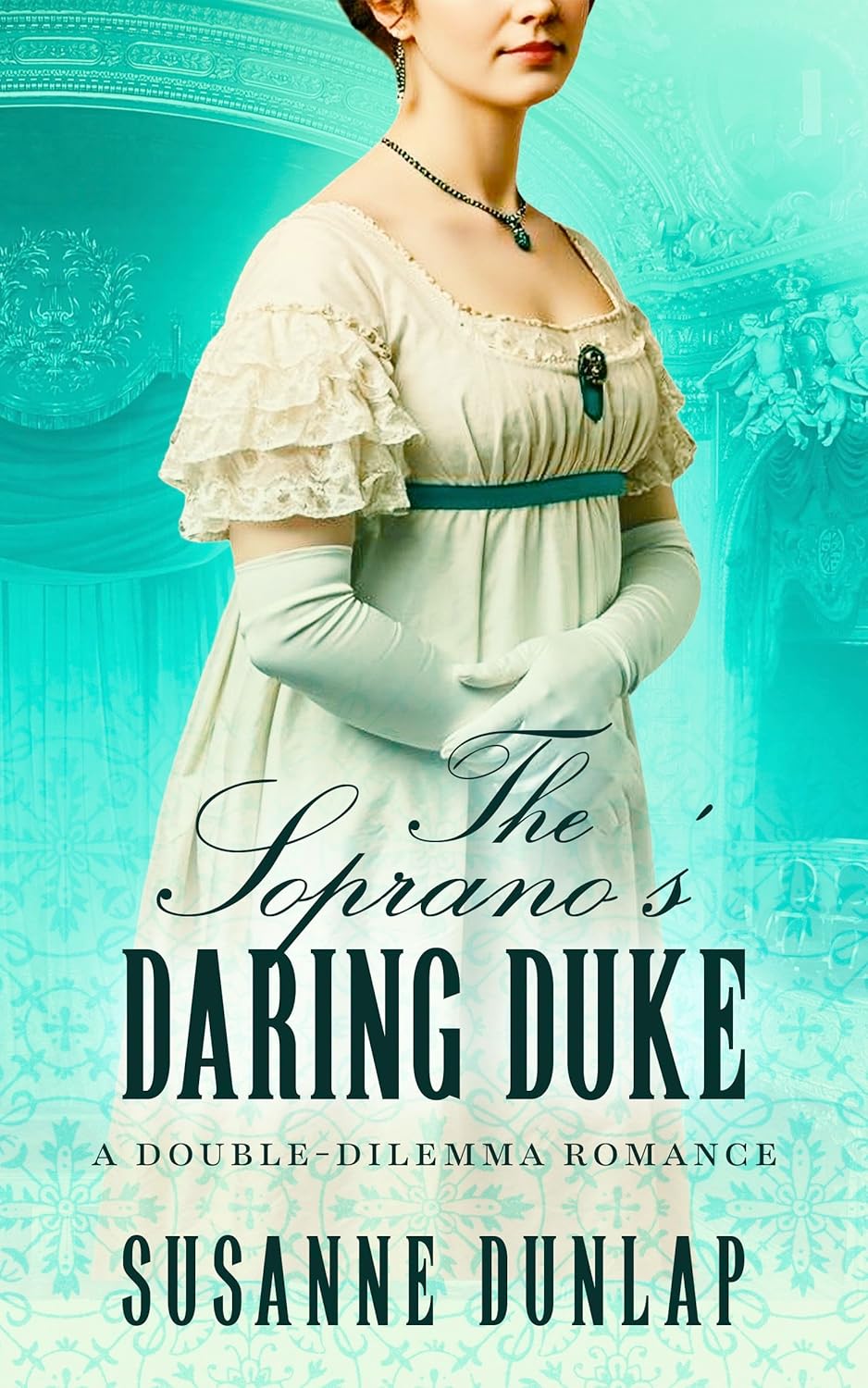
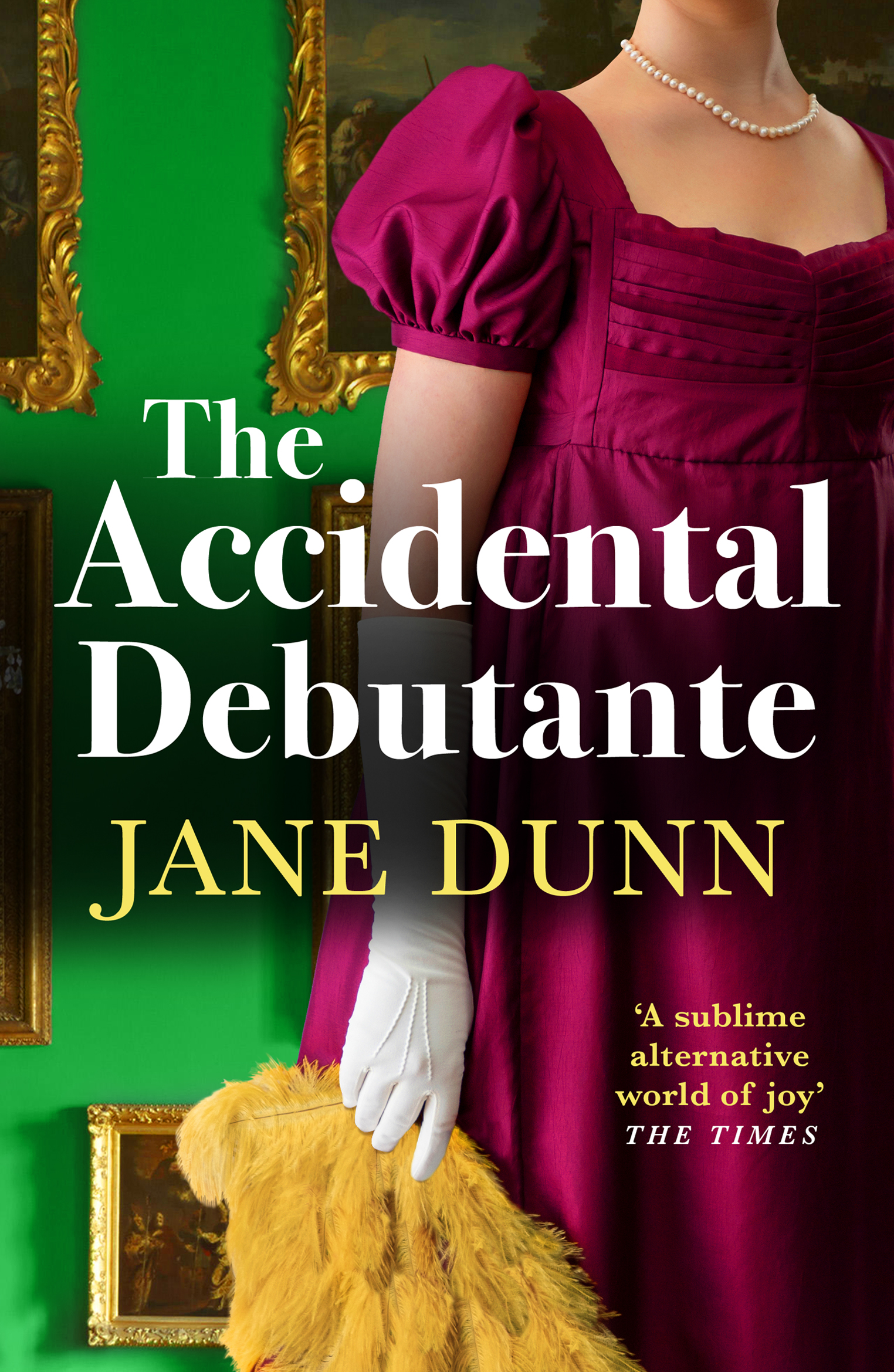
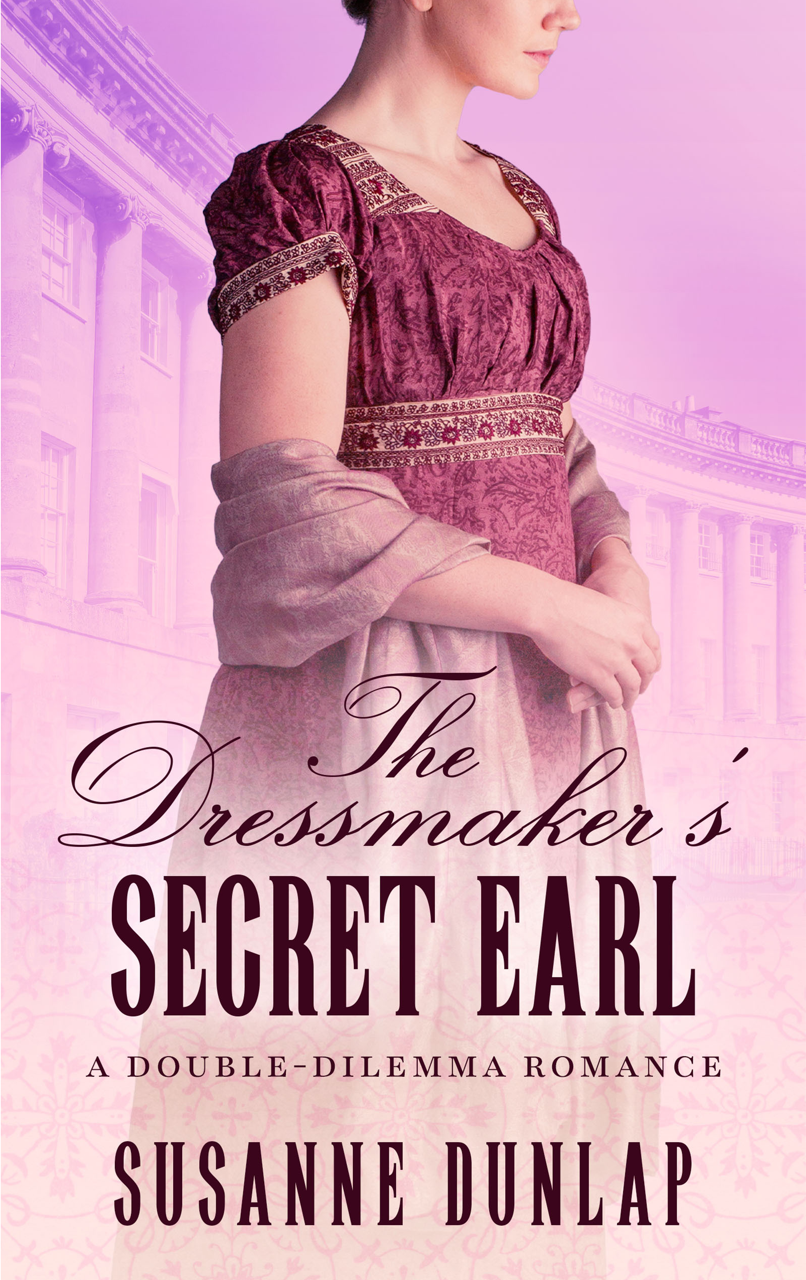
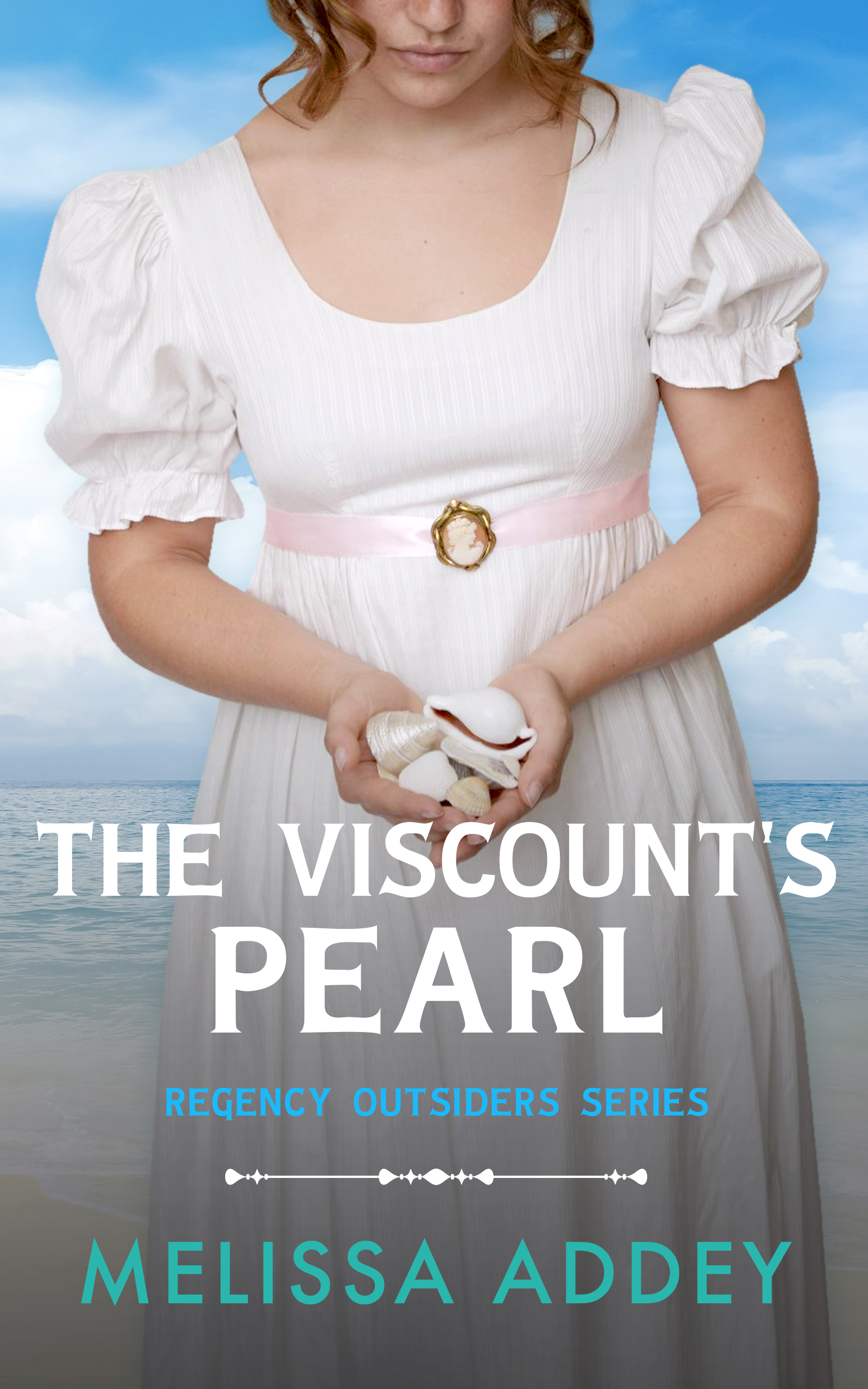
I also read a couple of romance novels (one for Book Club) and certainly enjoyed some more than others:)
I didn’t read (or at least finish) many non-fiction titles in 2025 (I am still reading Max Adams’ Mercian Chronicles and I have his new title on Northumbria to read as well). My only complete historical non-fiction title for the year was that by Amy McElroy on Mary Tudor – a great depiction which I found very inspiring. Mary is so often overlooked.
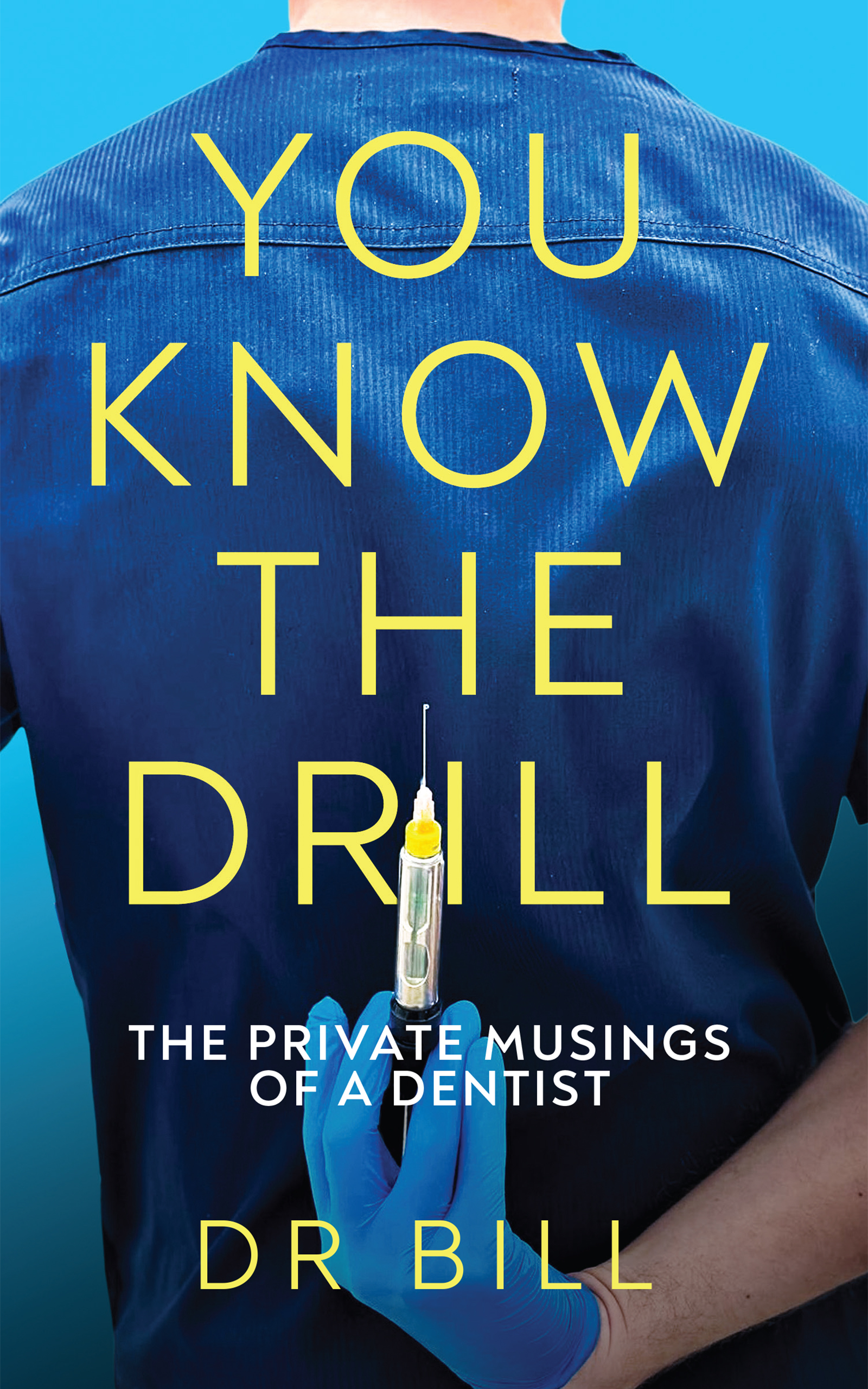
The title I enjoyed the most out of the other non-fiction reads was You Know the Drill, an account of a dentist’s life. I made myself read it because I’m so terrified of the dentist. Has it helped? Maybe.
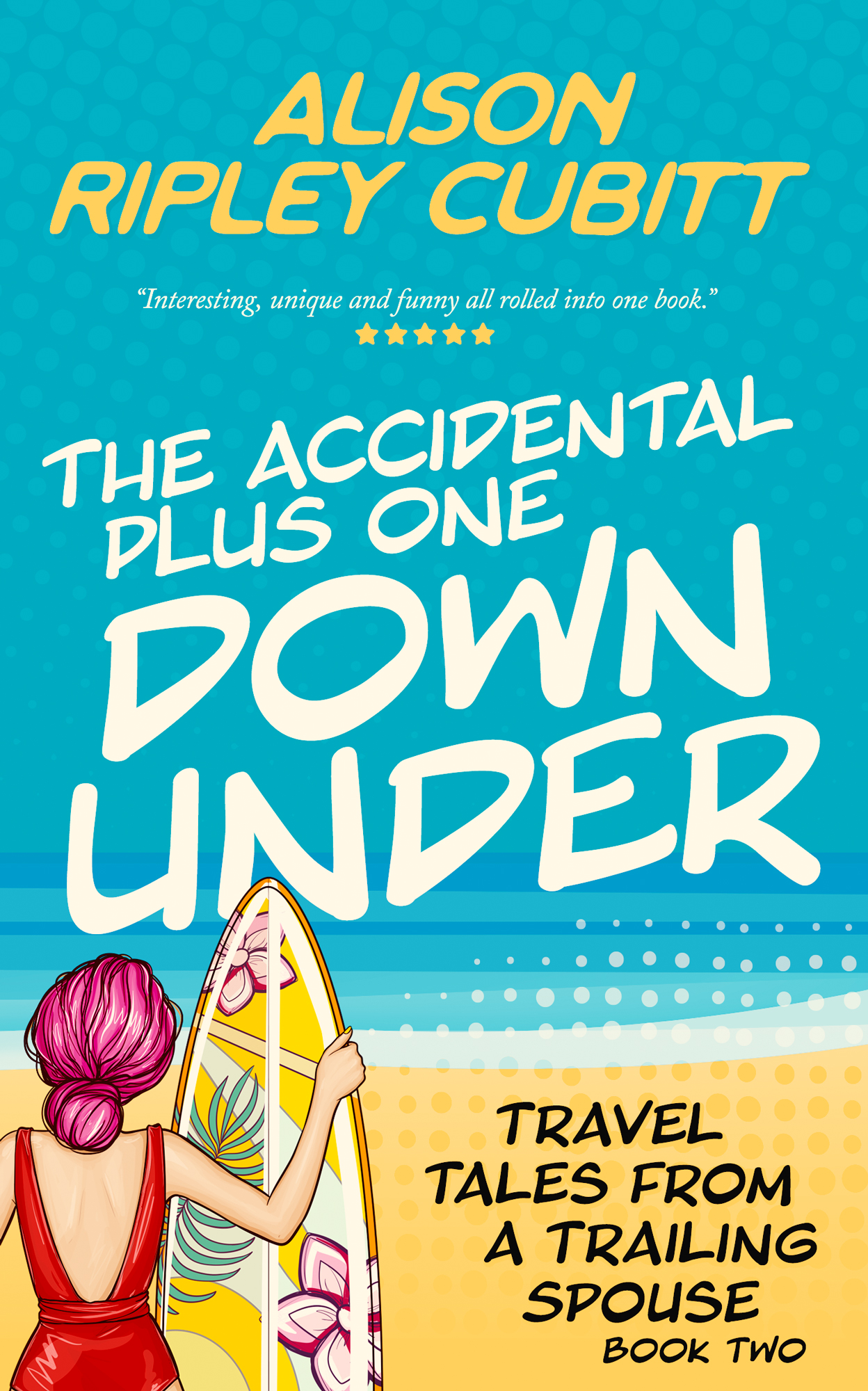
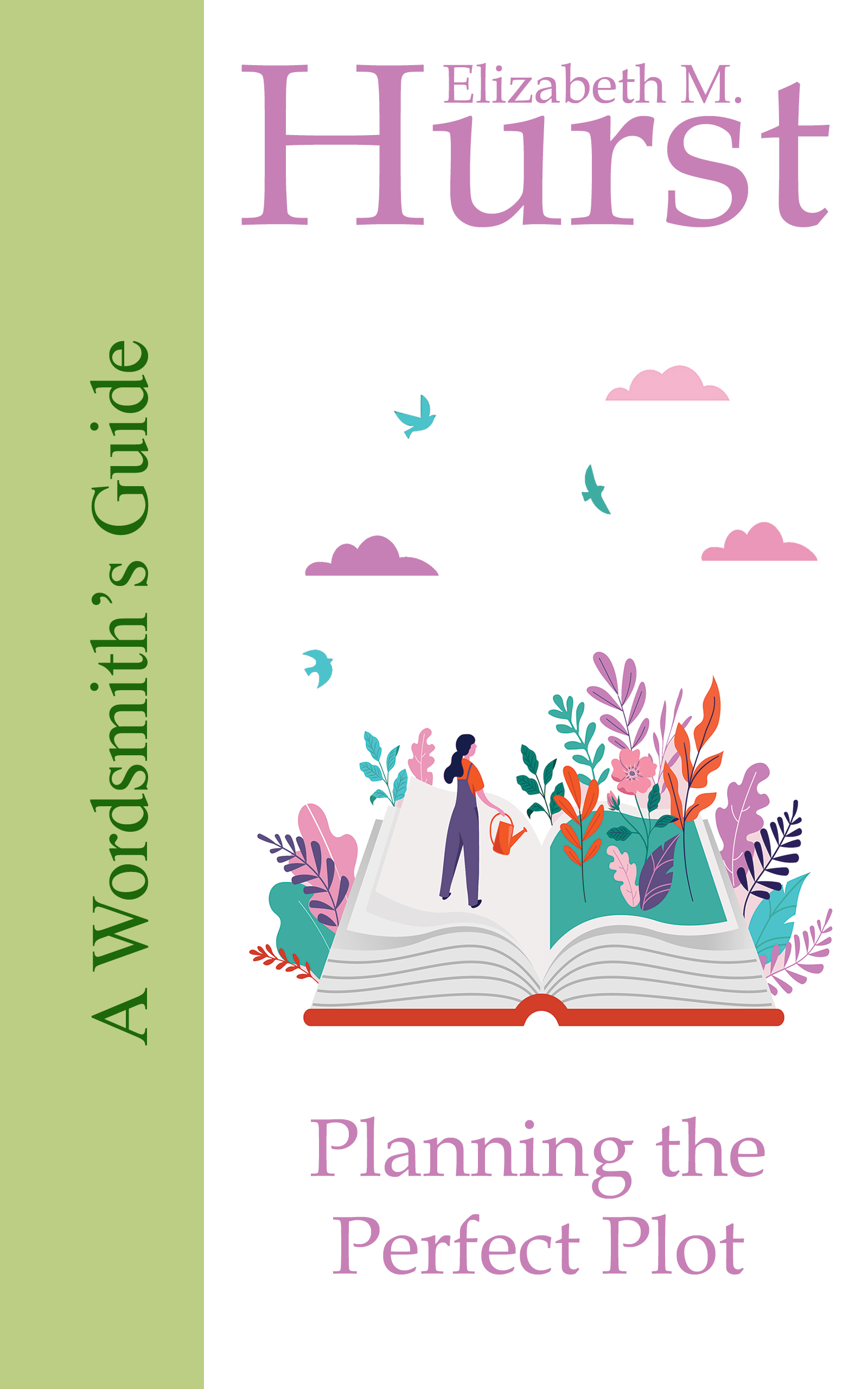
I also read a writing guide, which I enjoyed. It’s always intriguing to discover how other people write their stories. Check out Planning the Perfect Plot.
I’ve also half-read many other titles (apologies to those authors). Hopefully, I’ll get back to them when I have time in 2026. Every year I explain I’m a ‘mood’ reader, and if something isn’t working for me at that moment, it doesn’t mean I won’t come back to it when I fancy something different.
One genre I’ve really neglected is fantasy (aside from the Discworld audios), although I have managed a few short story collections (reviews to follow). I will need to get back to it. I have a few series I need to finish. Maybe the problem is, I don’t want to finish them. We shall see.
Our local book club started in August 2025, and so far we’ve read four very different titles. The Bookseller of Inverness was my choice, and I’m slowly gathering all of Shona’s other titles, including her new release for Feb 2026. Next, we tried Joanne Harris’ Five Quarters of the Orange (which I didn’t like for very different reasons to the ones I thought when I started reading). We then tried The Christmas Postcards by Karen Swan, and most agreed the one element of the story was much better than the other. We ended the year with Before I Go to Sleep by SJ Watson – a novel that was incredibly slow, with something of a predicatable ending (and no, I hadn’t seen the movie). I’m excited to see what we read in 2026. And as you can see, there’s a great variety of titles there. When it’s my turn to pick again I will be championing some of my fellow indie/Boldwood authors.
Here’s to 2026 and all the reading I hope to enjoy.
Check out my 2024 reading year in review
Check out my 2023 reading year in review


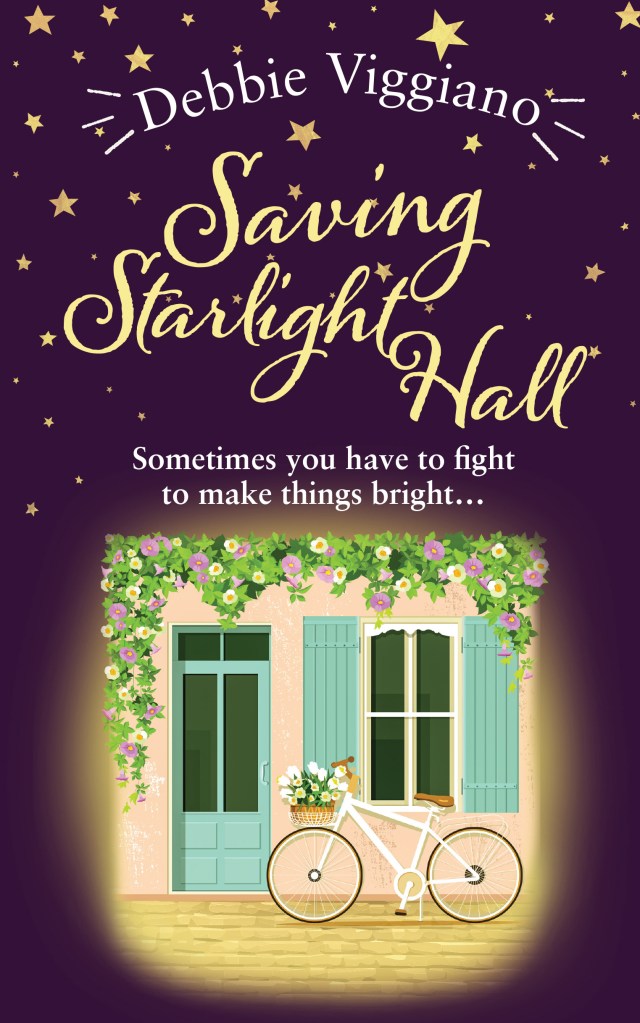
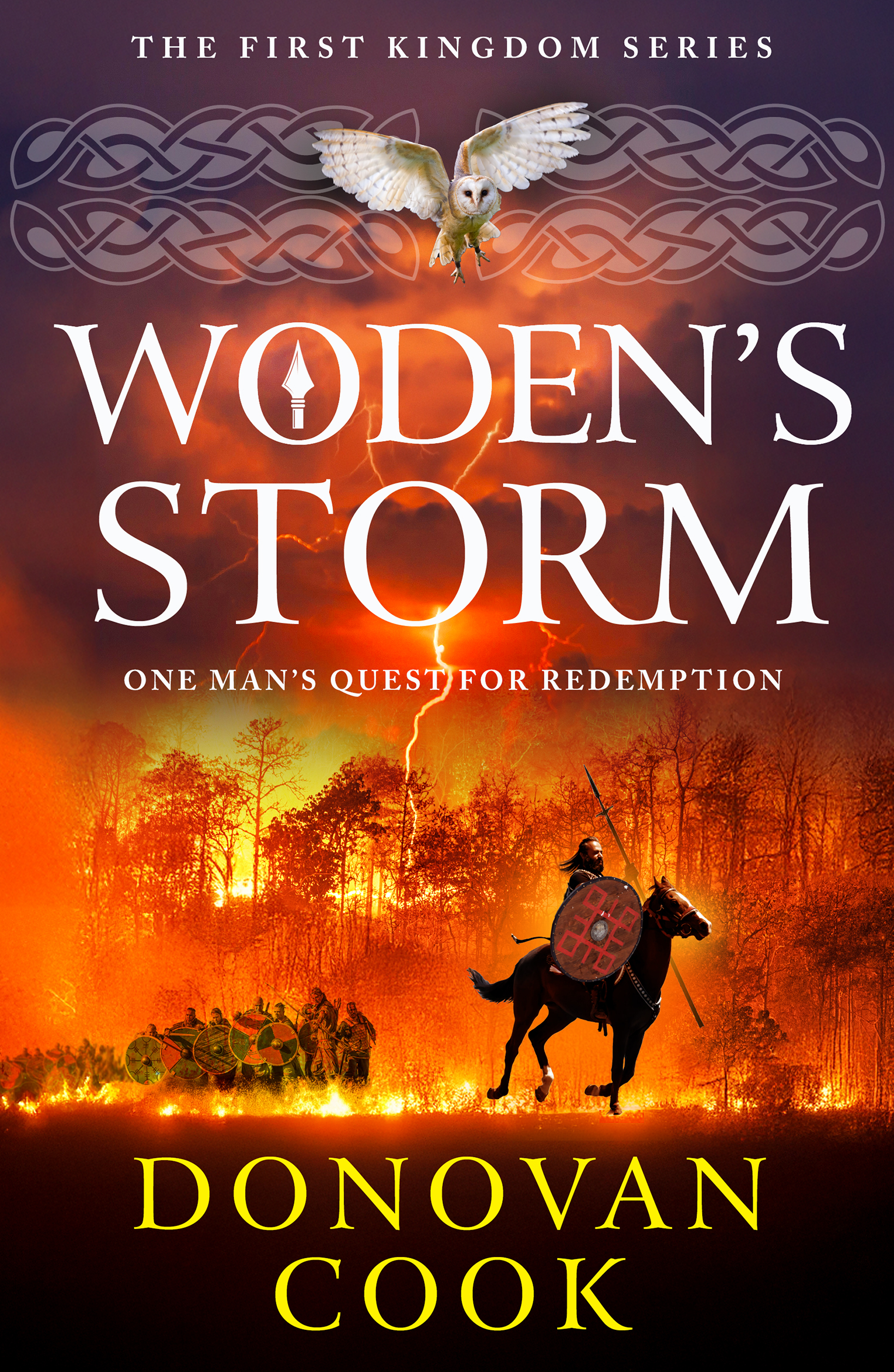
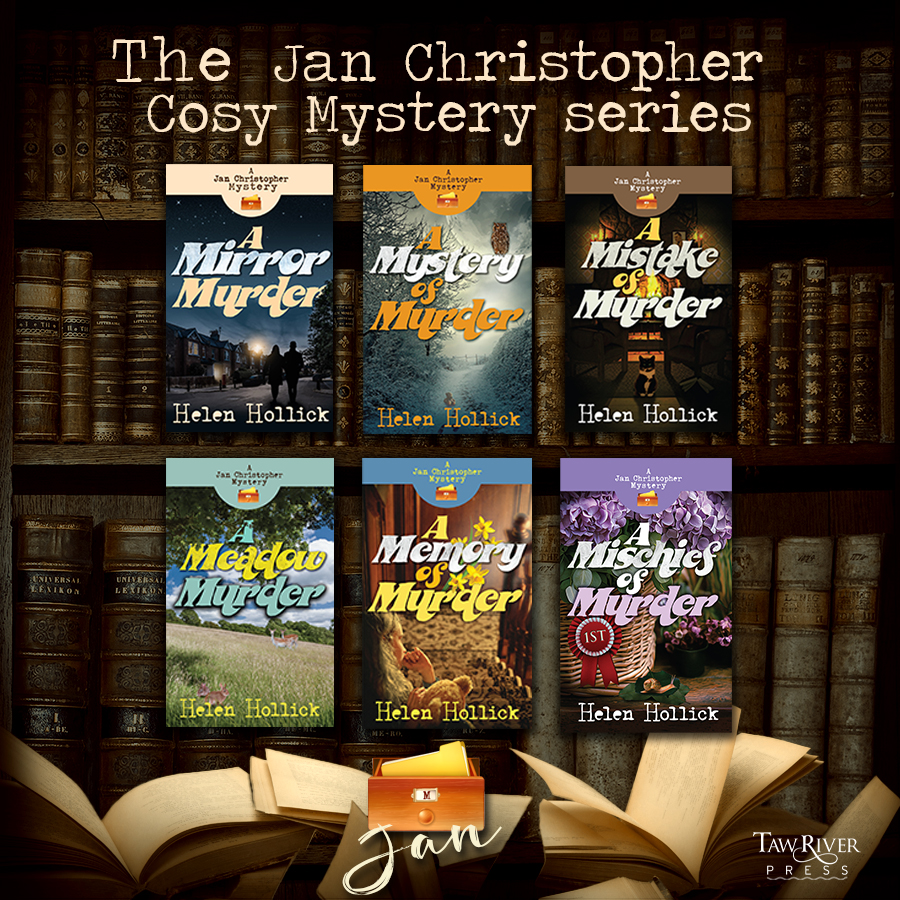
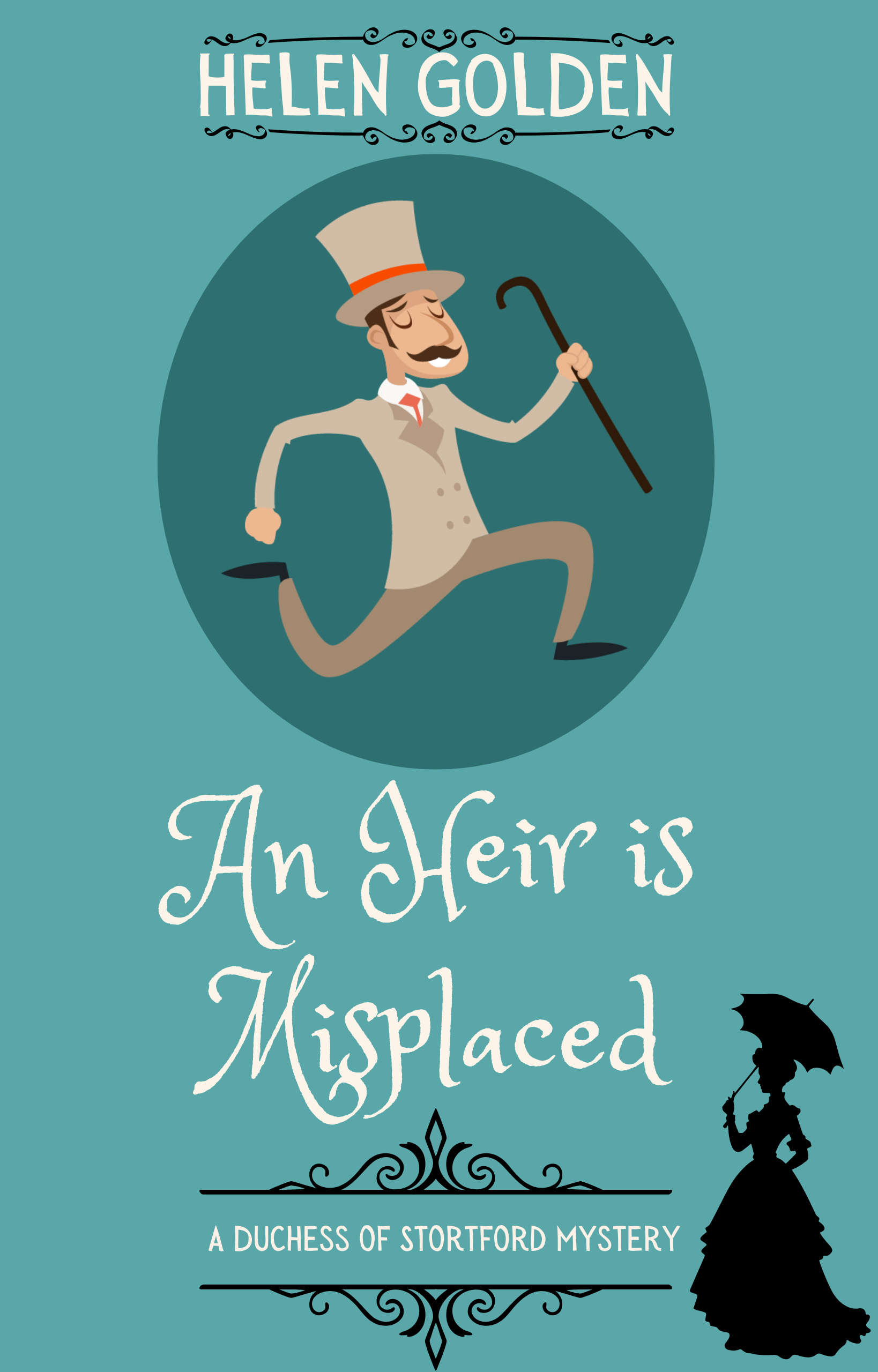
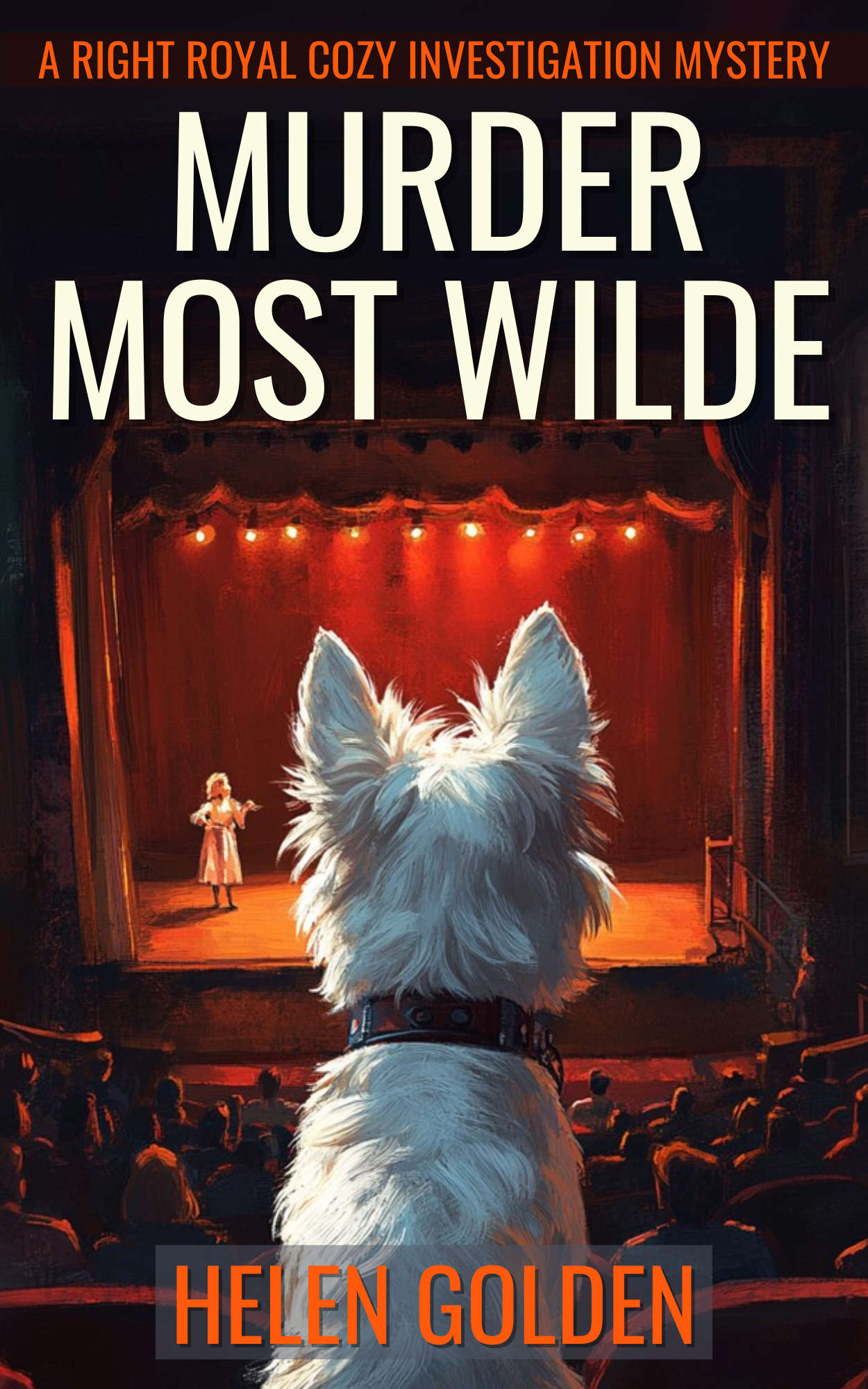

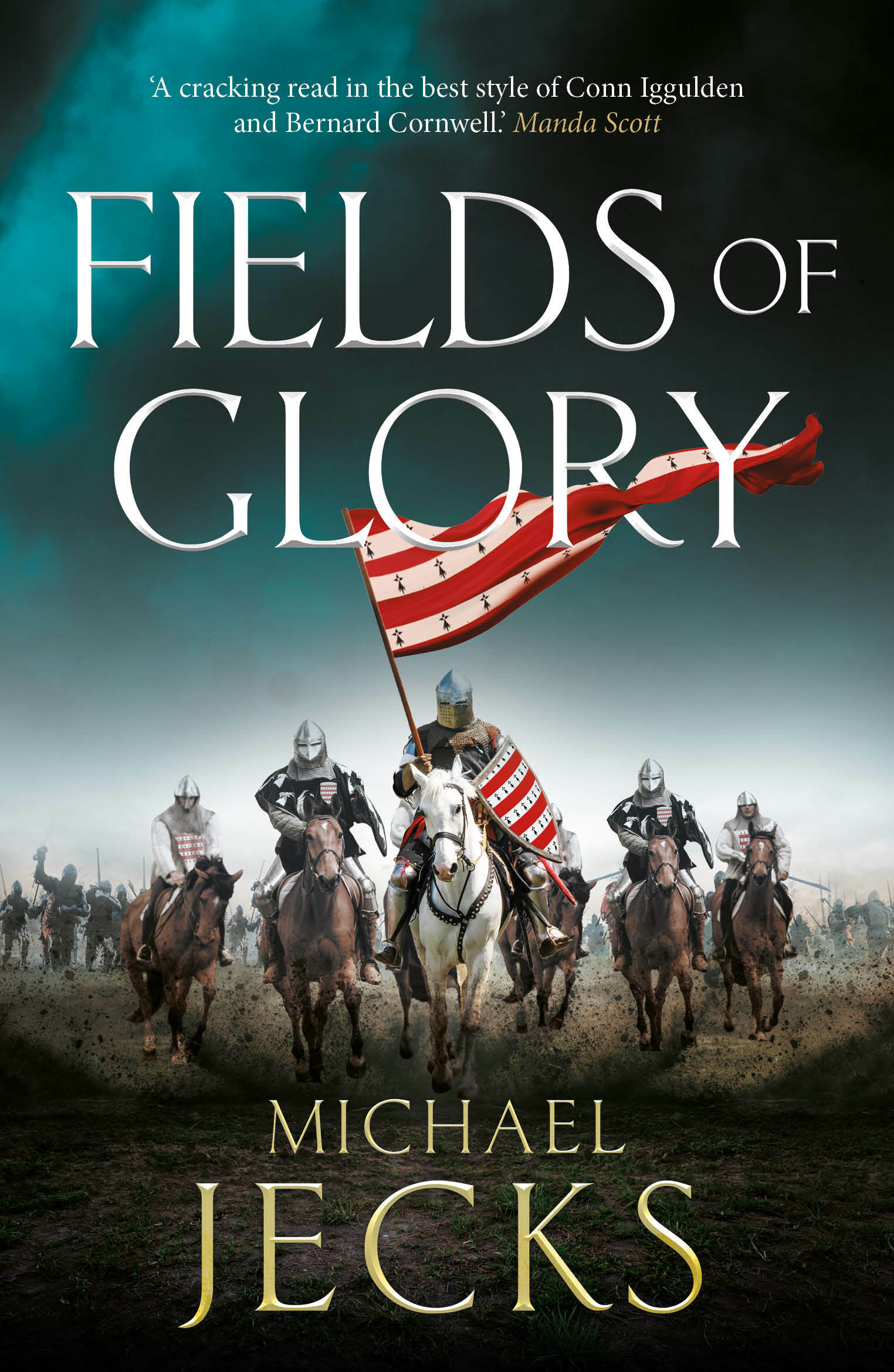
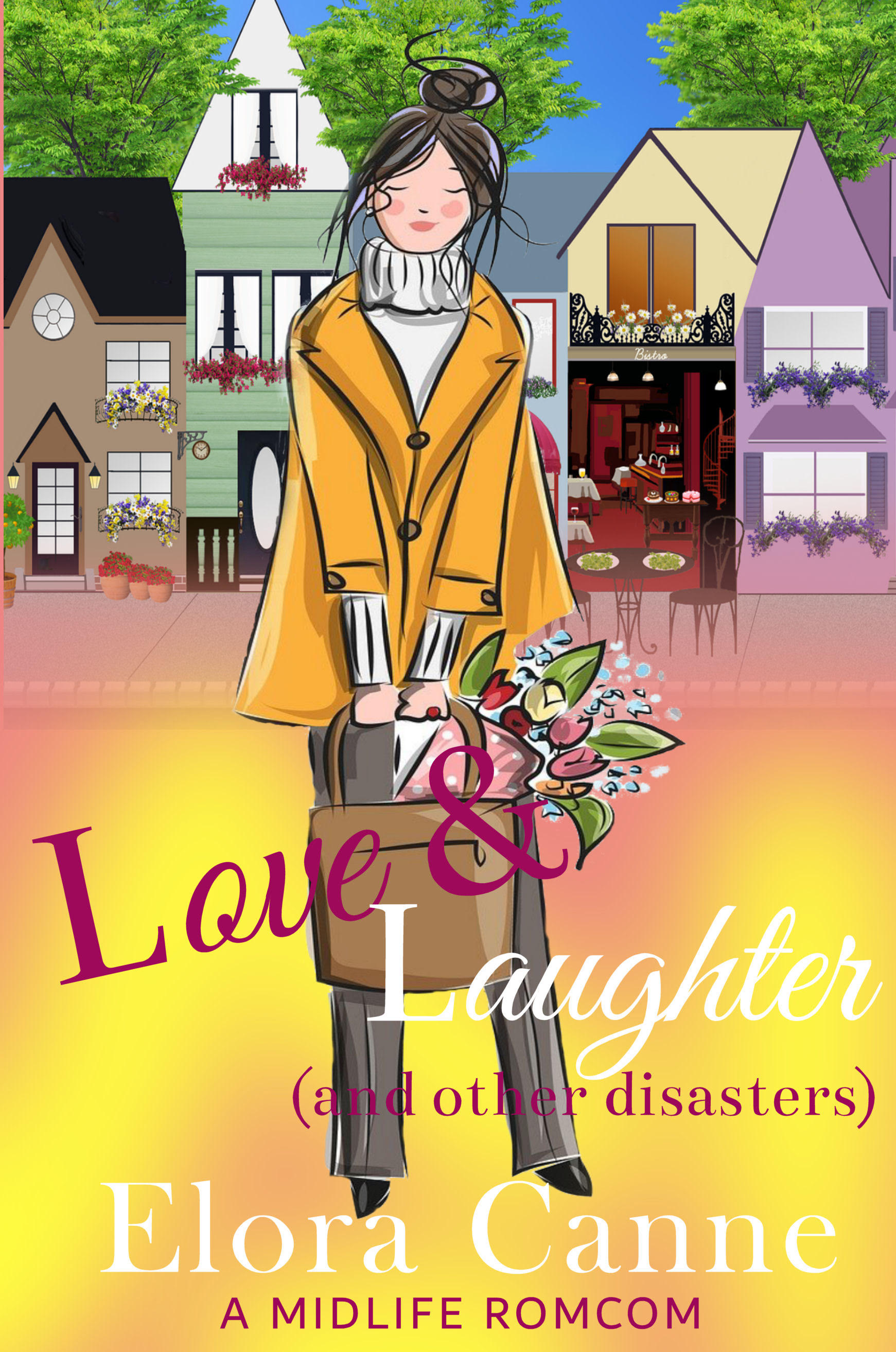
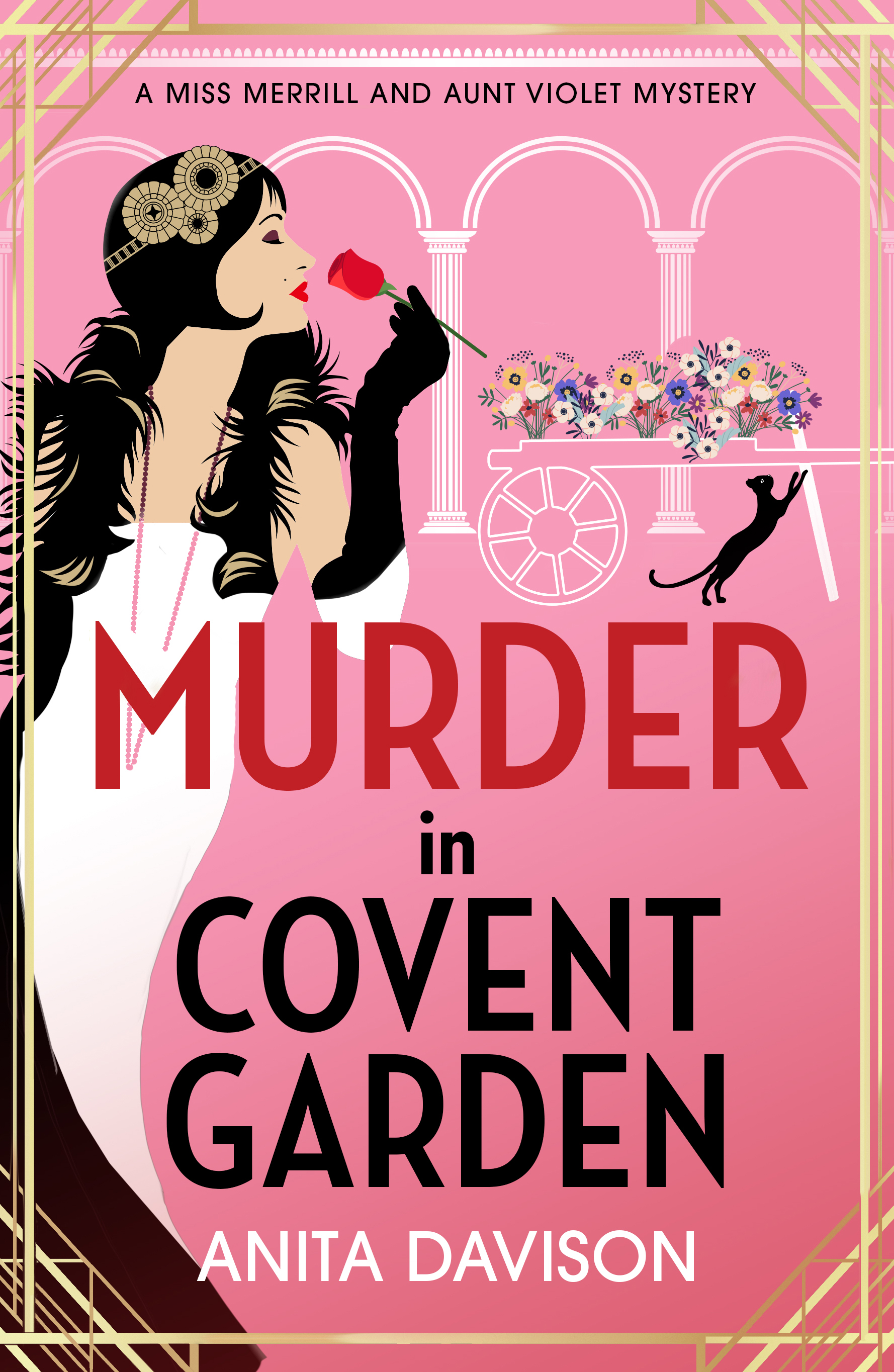
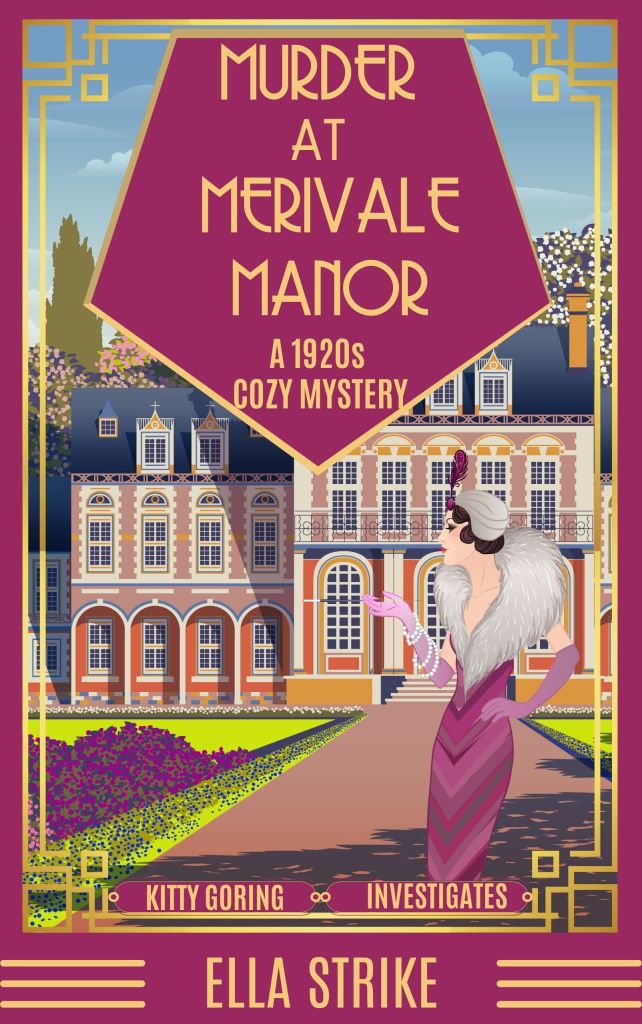
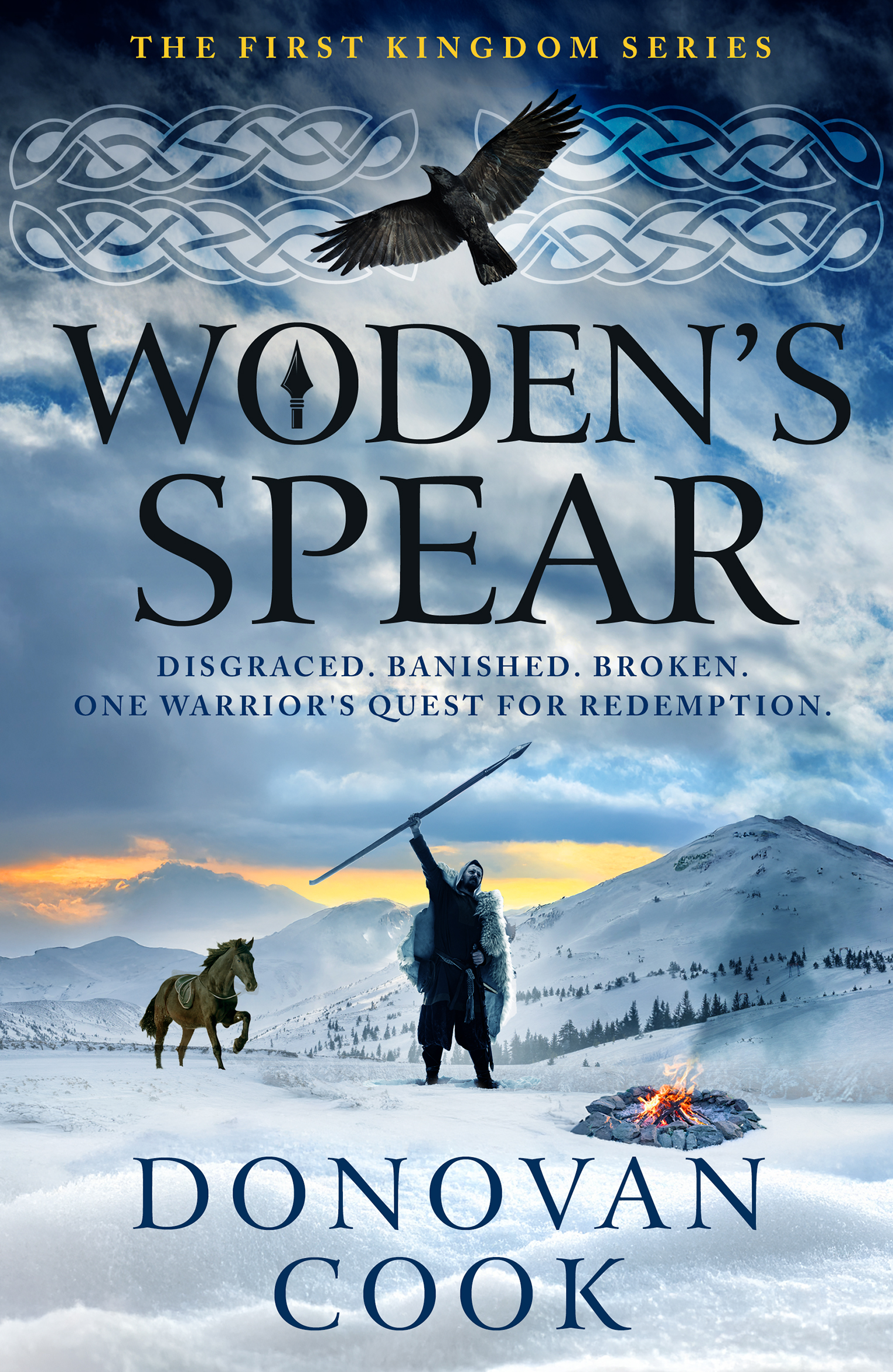
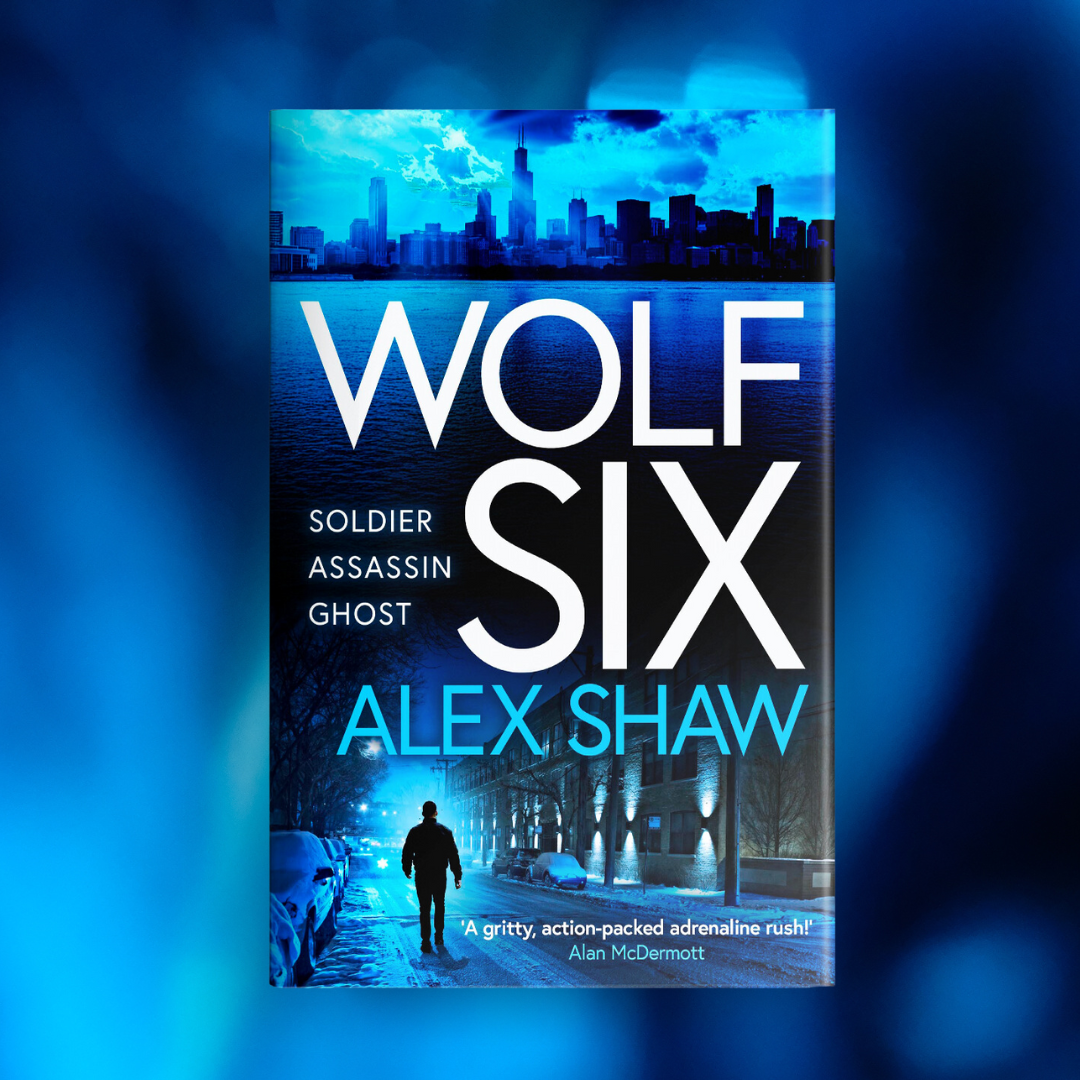

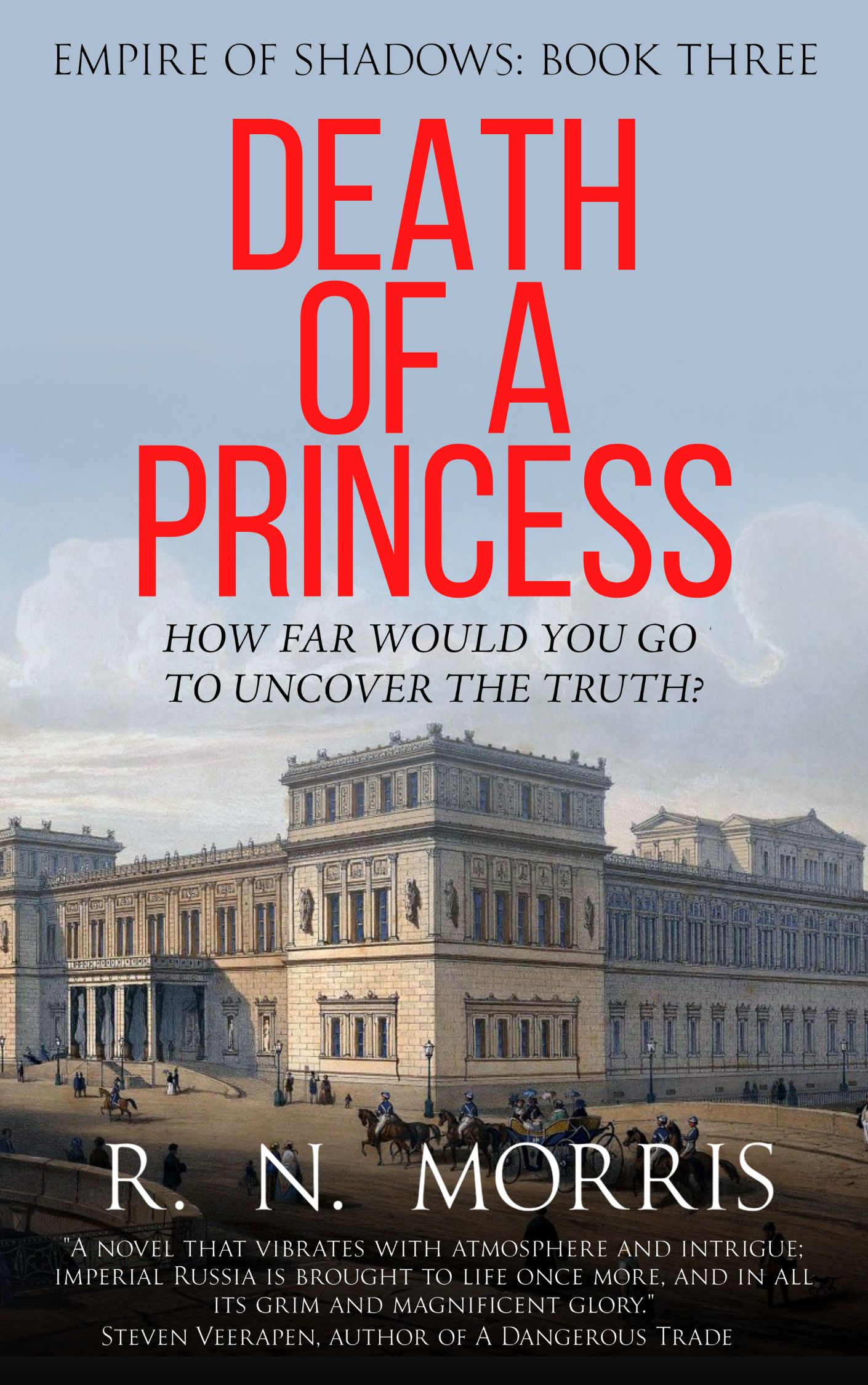
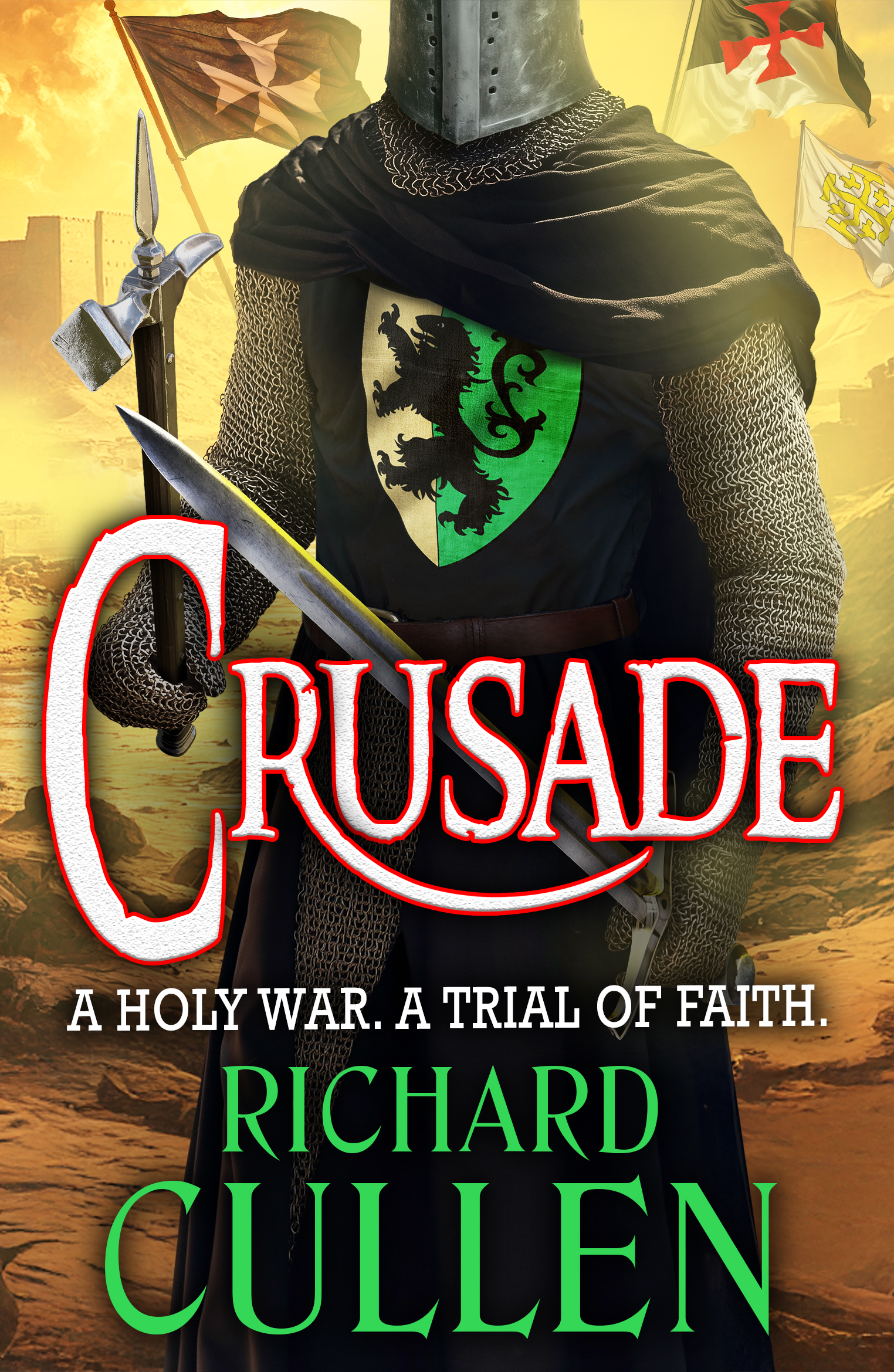
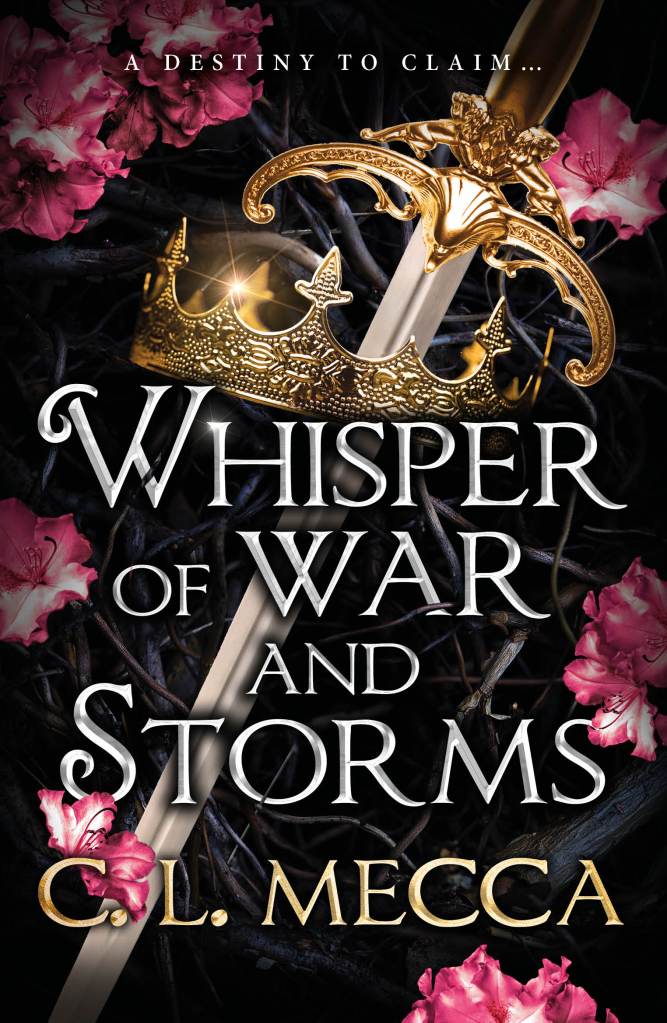
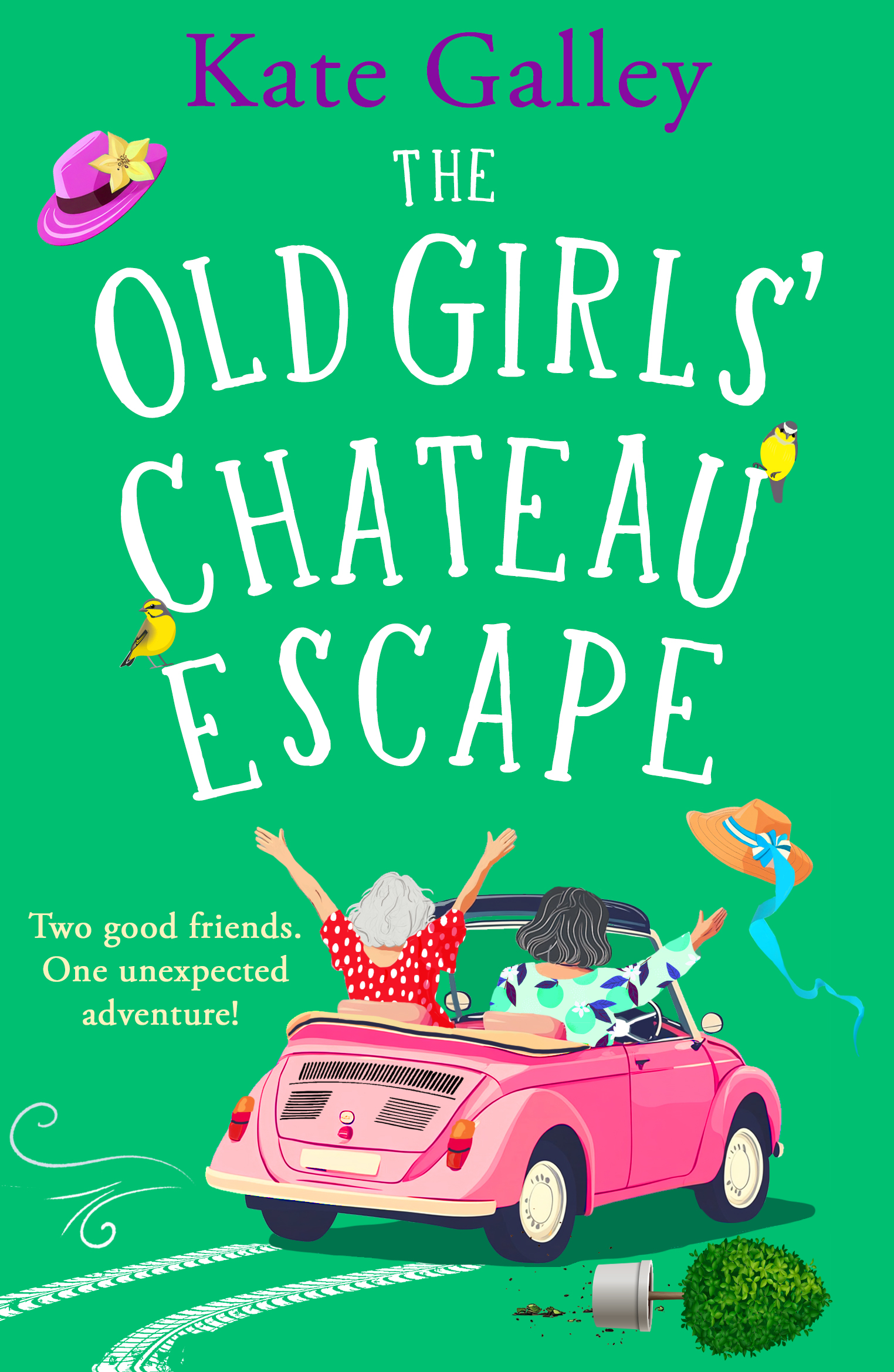
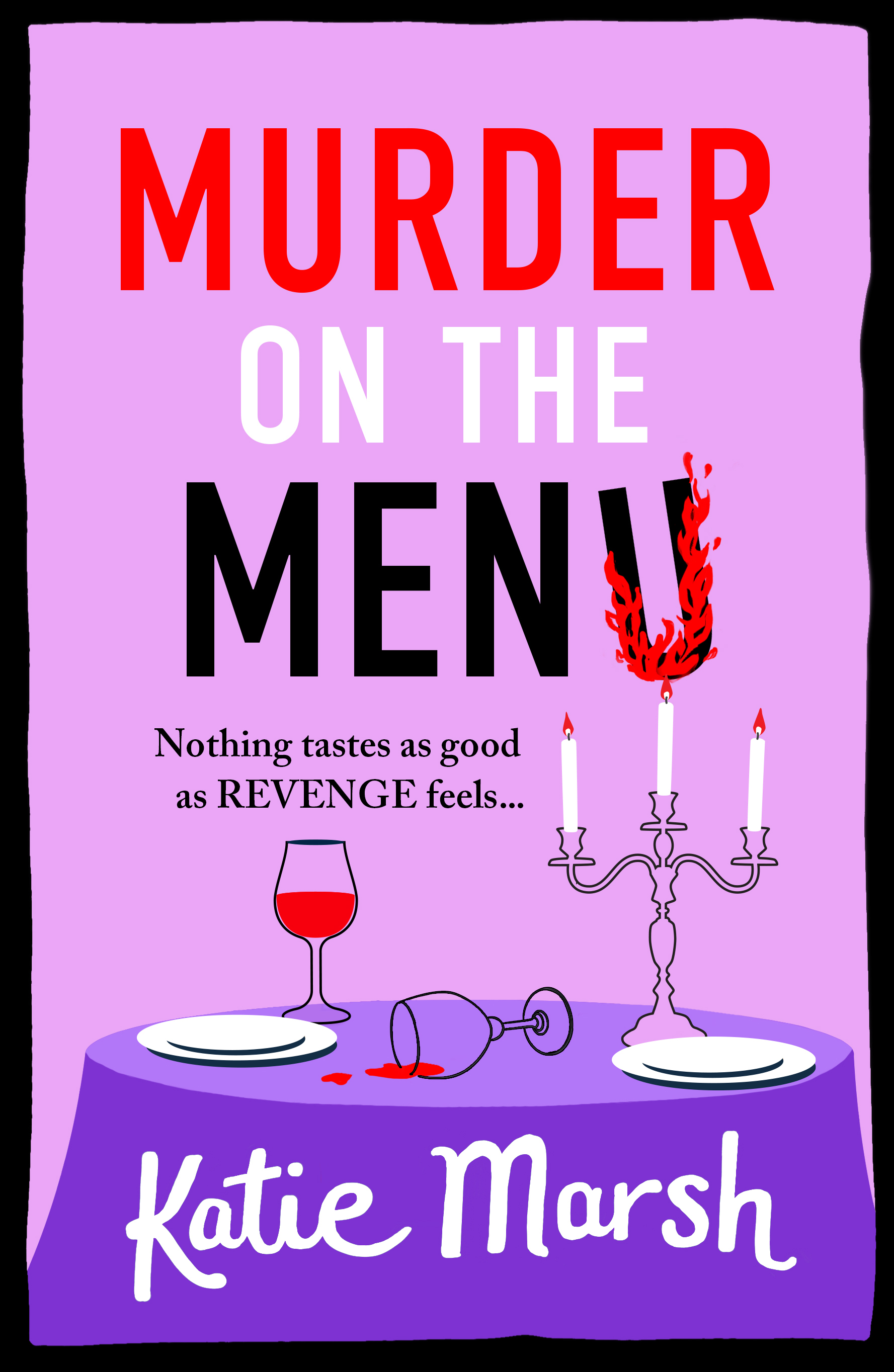
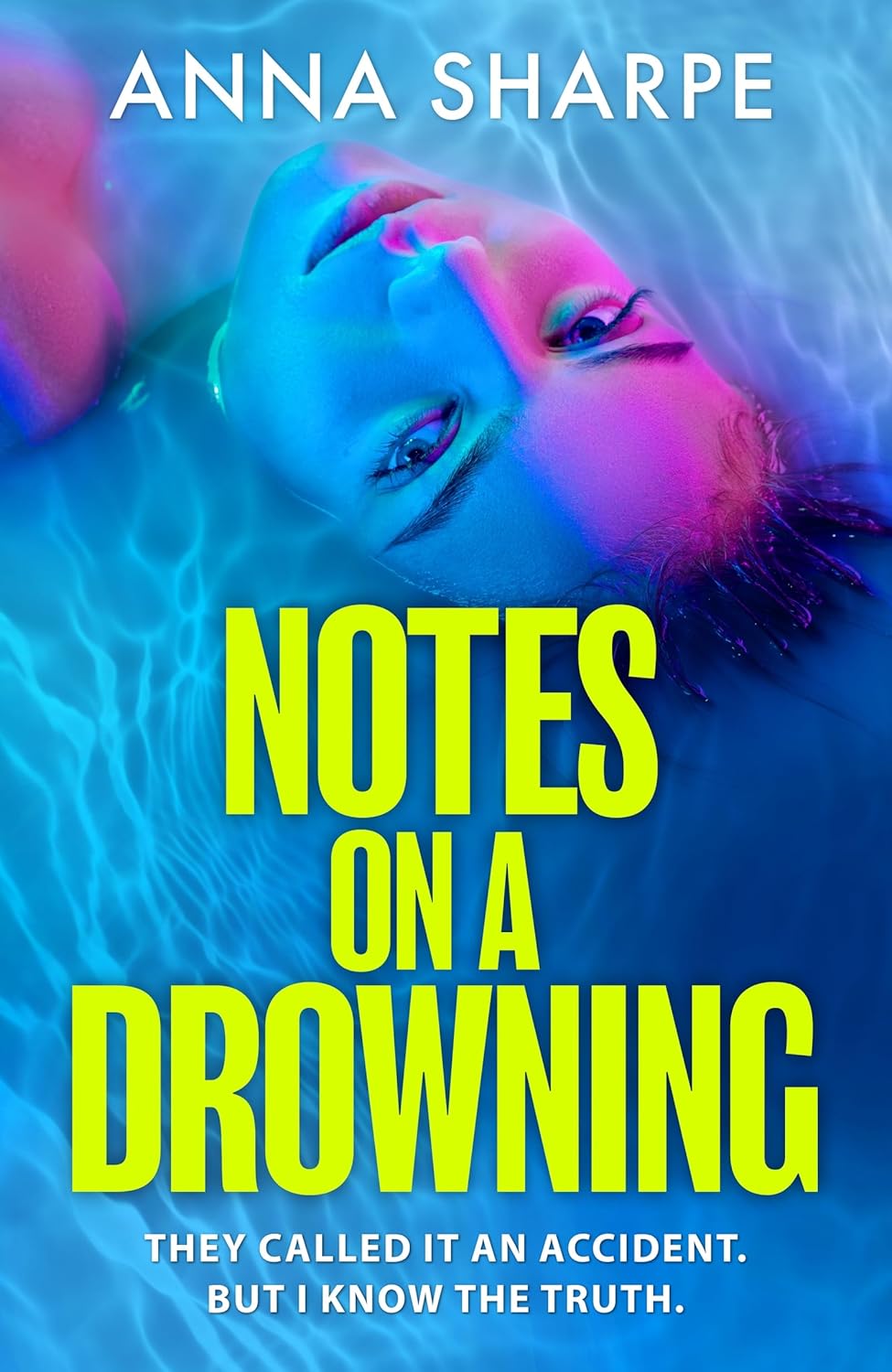
I read a lot of books by my fellow Boldwood authors, and I’m also a host for a couple of blog tour organisers. This means I often get to read books before everyone else. Yay.
Posts
Stay up to date with the latest from the blog.





 MJ Porter