Author of Saxon historical fiction, 20th-century historical mysteries, and Saxon historical non-fiction. Book reviewer and blog host.
Author: MJ Porter, author
I'm a writer of historical fiction (Early England/Viking and the British Isles as a whole before 1066, as well as three 20th century mysteries), and a nonfiction title about the royal women of tenth century England.
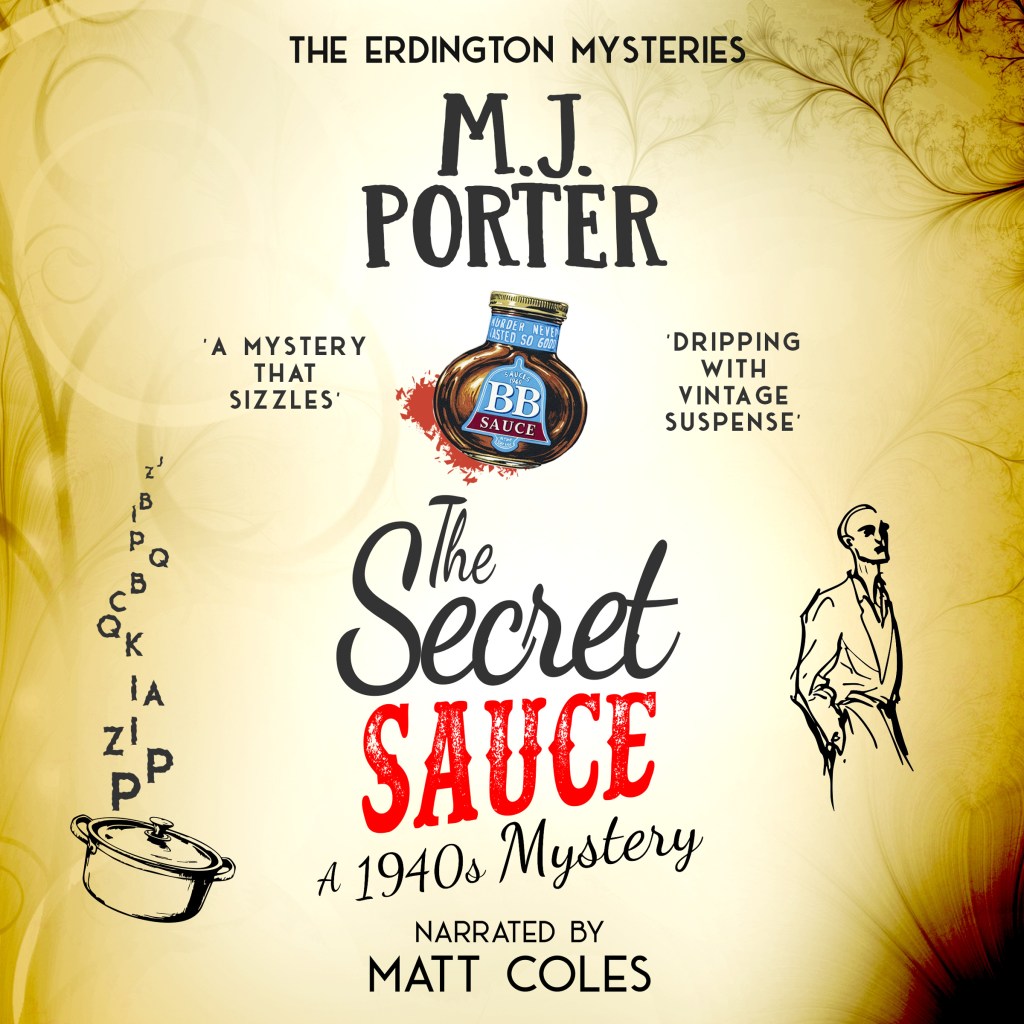
(I’d forgotten that Audible offered referral links to authors/producers – if you click on of the links, Audible rewards me and Matt:))
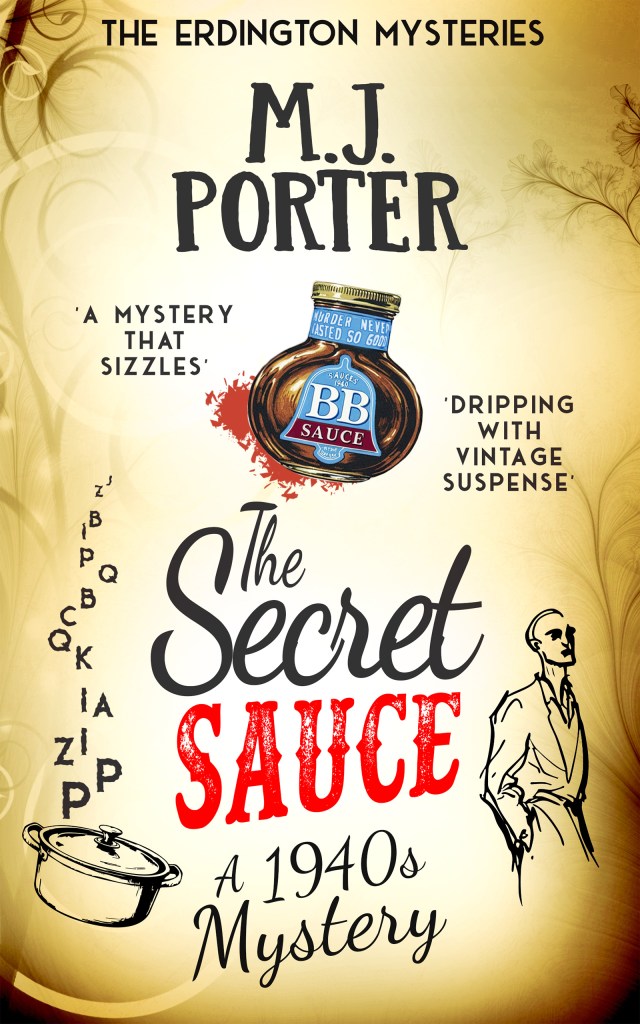
Here’s the blurb
Birmingham, England, November 1944.
Chief Inspector Mason of Erdington Police Station is summoned to a suspicious death at the BB Sauce factory in Aston on a wet Monday morning in late November 1944.
Greeted by his enthusiastic sergeant, O’Rourke, Sam Mason finds himself plunged into a challenging investigation to discover how Harry Armstrong met his death in a vat containing BB Sauce – a scene that threatens to put him off BB Sauce on his bacon sandwiches for the rest of his life.
Together with Sergeant O’Rourke, Mason follows a trail of seemingly unrelated events until something becomes very clear. The death of Harry Armstrong was certainly murder, and might well be connected to the tragedy unfolding at nearby RAF Fauld. While the uncertainty of war continues, Mason and O’Rourke find themselves seeking answers from the War Office and the Admiralty, as they track down the person who murdered their victim in such an unlikely way.
Join Mason and O’Rourke for the third book in the quirky, historical mystery series, as they once more attempt to solve the impossible in 1940s Erdington.
There are a lot of writing guides out there – with lovely sections for detailed planning, character development, and all the other bits that go into PLANNING a story, (there are also a lot of online resources too), but I’ve yet to find one for a Pantser (the opposite of a planner), and one that will provide a physical, handwritten record of all those pesky bits writers forget, and which can be absolutely invaluable when editing or moving onto the next book in a series.
So I’ve made one. This is a true notebook, not a guide. It has spaces for all the ‘bits’ I need to note down when writing. At the end of it, you should have a lovely book bible that will help you with future projects. I think it sounds fab:) It’s not quite A4 size (as KDP doesn’t offer that size), but it is a decent size with lots of room for recording your word count, your characters’ names, the locations you use – and with a timeline as well (see the images below). I hope my fellow pantsers will find it useful. (This is a physical book, not an ebook – see below for other options).
I’ve also set this up as a digital download on my Patreon (with slightly different colours that hopefully won’t drain your ink supply). You can find it by clicking here. You can decide how many times to print each page and each section is included.
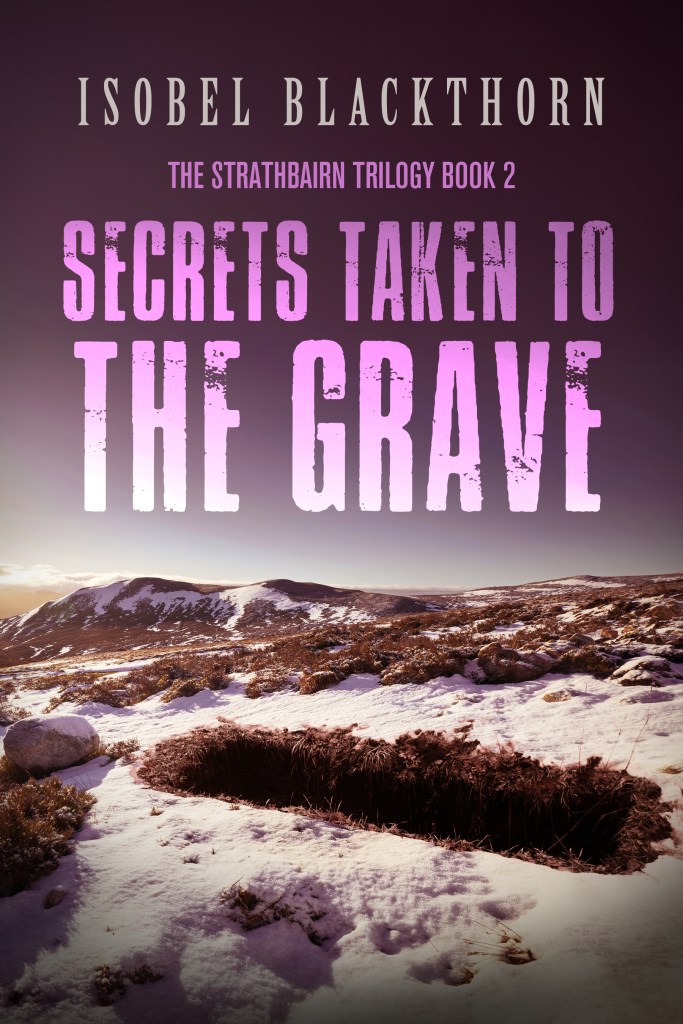
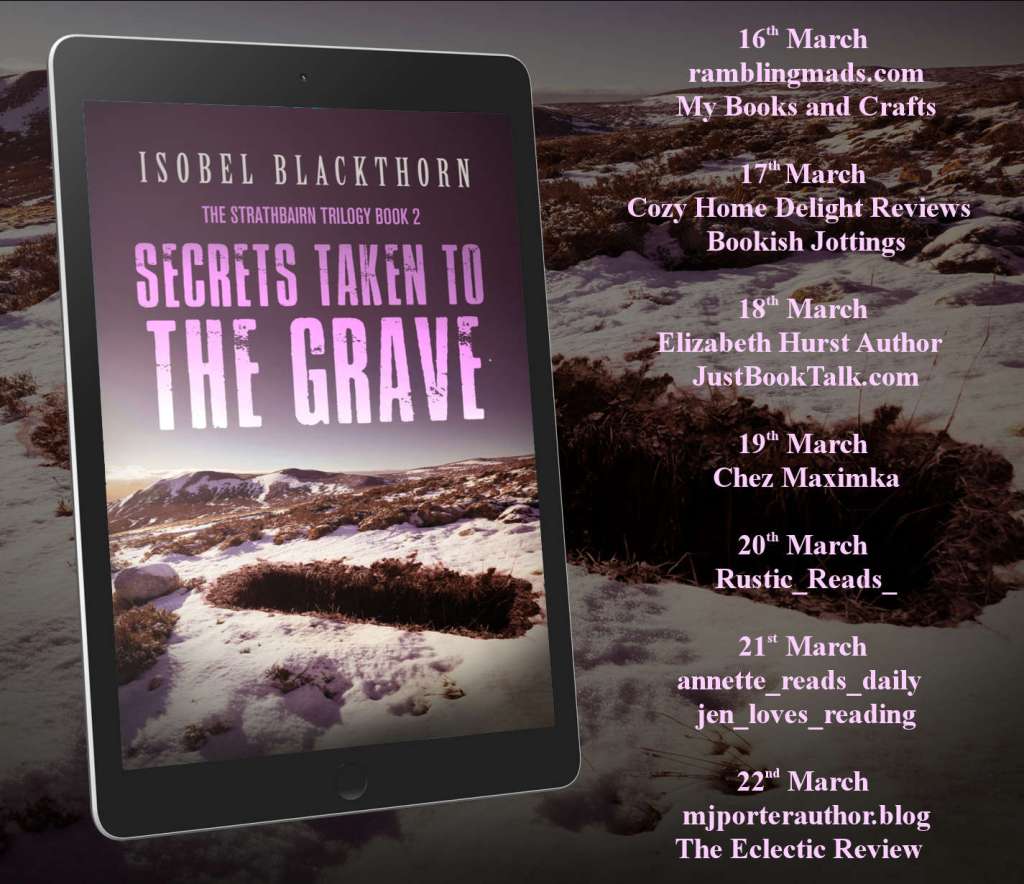
I’m reviewing Secrets Taken to Grave, a gothic mystery by Isobel Blackthorn set in Scotland #blogtour #histfic #recommended
I’m reviewing Secrets Taken to Grave, a gothic mystery by Isobel Blackthorn #blogtour #histfic
Here’s the blurb
The Scottish Highlands, 1893. Ingrid Barker arrives back at Strathbairn to attend the funeral of her old employer, Charles McCleod.
Every bone in Ingrid’s body screams for her to leave, and as she walks from the graveside, she can’t shake the suspicion that Charles was murdered. As she hurries to uncover the truth and get away from Strathbairn, another murder takes place – one that traps her in the very place she is desperate to escape from.
Running out of time and clues, can Ingrid evade the truth of that terrible night up at the abbey the last time she was here, and can she solve the mystery of Charles’ death before his ghost does away with her?
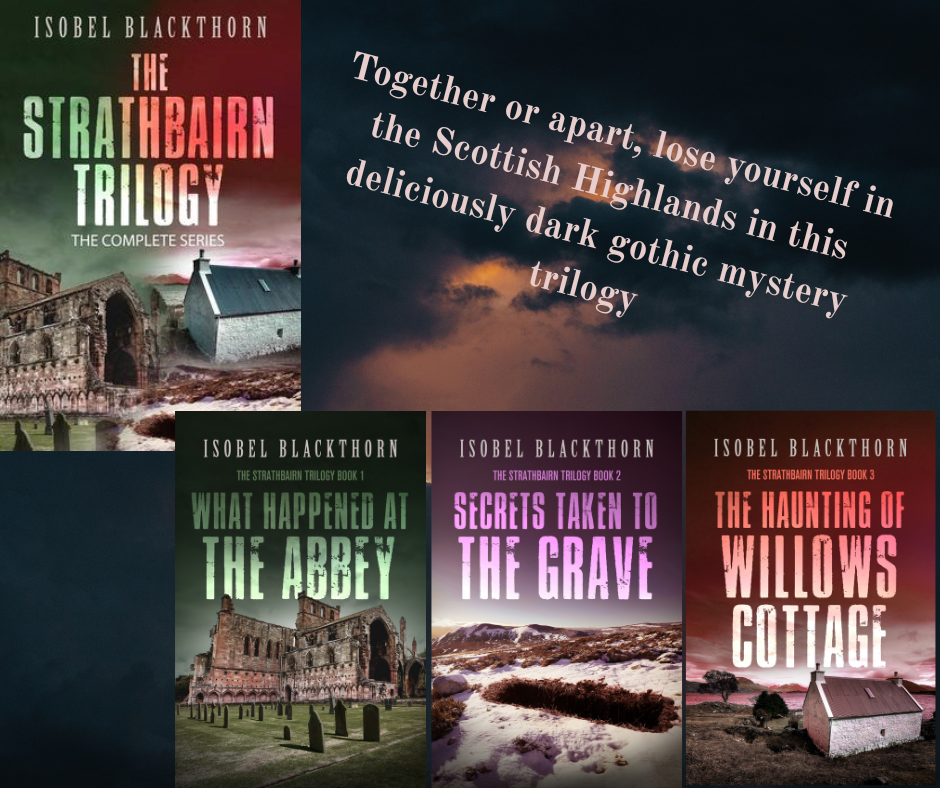
An unputdownable gothic mystery laced with dark family secrets, SECRETS TAKEN TO THE GRAVE is the second book in the Strathbrain Trilogy series of historical mystery novels by Isobel Blackthorn.
Secrets Taken to the Grave returns the reader to Straithbairn in the Scottish Highlands just before Christmas. It’s bleak. It’s cold, and Ingrid doesn’t truly wish to be there (or does she?), although her daughter is very happy.
We’re thrust back into the dysfunctional household of the McCleod’s, even though three years have gone by since Ingrid was last there. Almost immediately, Ingrid begins to become aware that all is not quite right. The author does a fabulous job of making the reader share her unease, creating a creepy atmosphere in the household, already riven with disquiet between the siblings.
A thrilling and disquieting return to Straithbairn and a fabulous follow up to the previous book in the series, What Happened At the Abbey.
Meet the author
Isobel Blackthorn is an award-winning author of immersive and inspiring fiction. She has penned over twenty-five books including a number of bestsellers.
Among her credits, Isobel’s biographical short story ‘Nothing to Declare’, which forms the first chapter of her biographical novel Emma’s Tapestry, was shortlisted for the Ada Cambridge Prose Prize 2019. One of her Canary Islands novels, A Prison in the Sun, was shortlisted in the LGBTQ category of the Readers’ Favorite Book Awards 2020 and the International Book Awards 2021. The Cabin Sessions was nominated for the Bram Stoker Award 2018 and the Ditmar Awards 2018. And The Unlikely Occultist: A biographical novel of Alice A. Bailey received an Honorable Mention in the 2021 Reader’s Favorite Book Awards.
Blackthorn is the author of the world’s only biography of Theosophist and mother of the New Age movement Alice Bailey – Alice A. Bailey: Life & Legacy. Isobel’s writing has appeared in journals and websites around the world, including Esoteric Quarterly, New Dawn Magazine, Paranoia, Mused Literary Review, Trip Fiction, Backhand Stories, Fictive Dream and On Line Opinion. Isobel was a judge for the Australasian Shadow Awards 2020 long fiction category. Her book reviews have appeared in New Dawn Magazine, Esoteric Quarterly, Shiny New Books, Sisters in Crime, Australian Women Writers, Trip Fiction and Newtown Review of Books.
Isobel’s interests are many and varied. She has a long-standing association with the Canary Islands, having lived in Lanzarote in the late 1980s. A humanitarian and campaigner for social justice, in 1999 Isobel founded the internationally acclaimed Ghana Link, uniting two high schools, one a relatively privileged state school located in the heart of England, the other a materially impoverished school in a remote part of the Upper Volta region of Ghana, West Africa. After working as a teacher, market trader and PA to a literary agent, she arrived at writing in her forties, and her stories are as diverse and intriguing as her life has been.
Isobel has performed her literary works at events in a range of settings and given workshops in creative writing.
British by birth, Isobel entered this world in Farnborough, Kent, UK. She has lived in England, Australia, Spain and the Canary Islands. She now lives and writes in Spain. She is currently at work on two novels composed in Spanish.
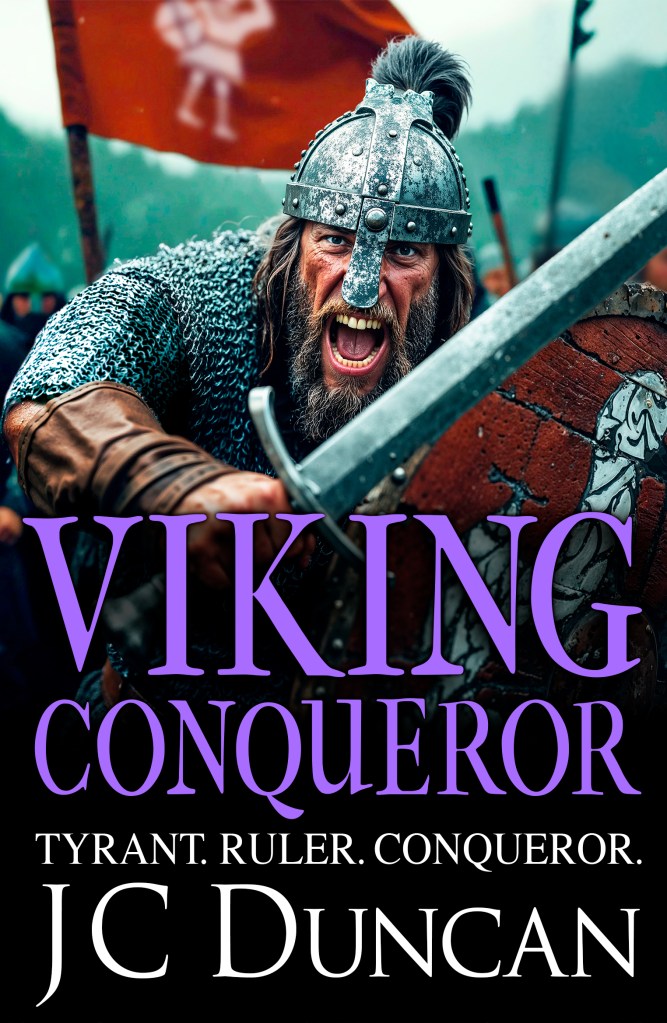
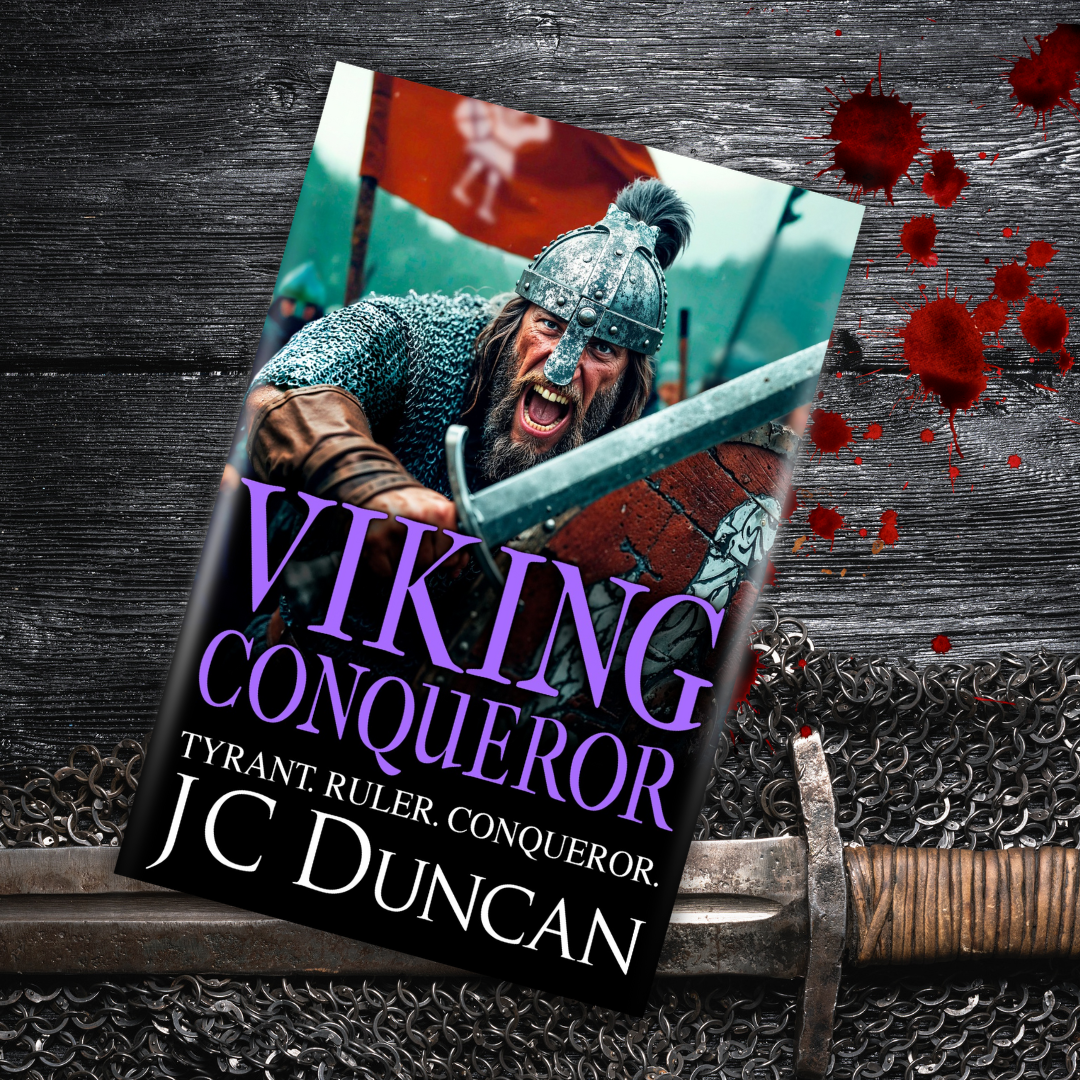
Today, I’m delighted to be reviewing Viking Conqueror by JC Duncan #blogtour #historicalfiction #HaraldHardrada
Here’s the blurb
Born to be king. Destined to die for glory.
1066 AD, Norway
Harald Hardrada, King of Norway, the Thunderbolt of the North, reigns supreme; undefeated on the battlefield and unchallenged at home. His banner, Land-Waster, flies triumphant everywhere he marches. Everything that was stolen from his brother, King Olaf, has been regained.
But power does not satiate. Glory does not fill the empty void in an ambitious heart. Victory is an elixir that runs dry no matter how freely it flows. No matter the height on which the triumphant stand, there, in the corner of his eye, is the glitter of another conquest.
Harald has achieved more than any man of his time, but fate is not done with him. His destiny lies on the banks of a quiet river in England’s green and pleasant land – Stamford Bridge.
To finish his great story, to forge the empire he always desired, all the last Viking conqueror must do is defeat a worthy opponent; King Harold of England, and seize his country and his crown.
His life changed nations. His death will change the world.
The thrilling conclusion in the extraordinary tale of Harald Hardrada ‘The Last Viking‘. A formidable warrior king known for his military prowess, ambition, and ruthlessness.
So here we are. This is the last book in the saga of Harald Hardrada, a man we’ve always known is destined to die at Stamford Bridge in the tumultuous events of 1066.
JC Duncan has spun us a fabulous tale of Hardrada’s life, never stinting to show us what Hardrada was before that fateful day, and this final instalment remains as triumphant as earlier books in the series, even if, Harald as king of Norway isn’t perhaps as filled with such fabulous stories of his brave daring do and his astonishing life as the earlier books. But then, he must earn his title of Hardrada – or hard ruler.
We move inexorably towards the events of Stamford Bridge with the ever loyal Eric returning to Harald’s side. It all seems so easy to accomplish close to Jorvik. So easy, and yet…it is not. Harald, at long last, finds a worthy opponent, one worthy of matching him in battle.
Not only does Harald’s story near its conclusion, but our narrator and his reasons for telling his tale are finally revealed as well.
I’ve loved this series by JC Duncan following the life of Harald Hardrada. It’s been fascinating to learn about his time away from Norway and all about that fateful day in 1066, which is recounted poignantly, and does indeed show Harald as the battle commander he was – ruthless, ambitious. Honourable (mostly). If you’ve not yet started the series, go pick up Warrior Prince now. You will not be disappointed.
JC Duncan is a well-reviewed historical fiction author, with a passion for Vikings. When he isn’t writing or doing his full-time engineering job, James is happiest being an amateur bladesmith
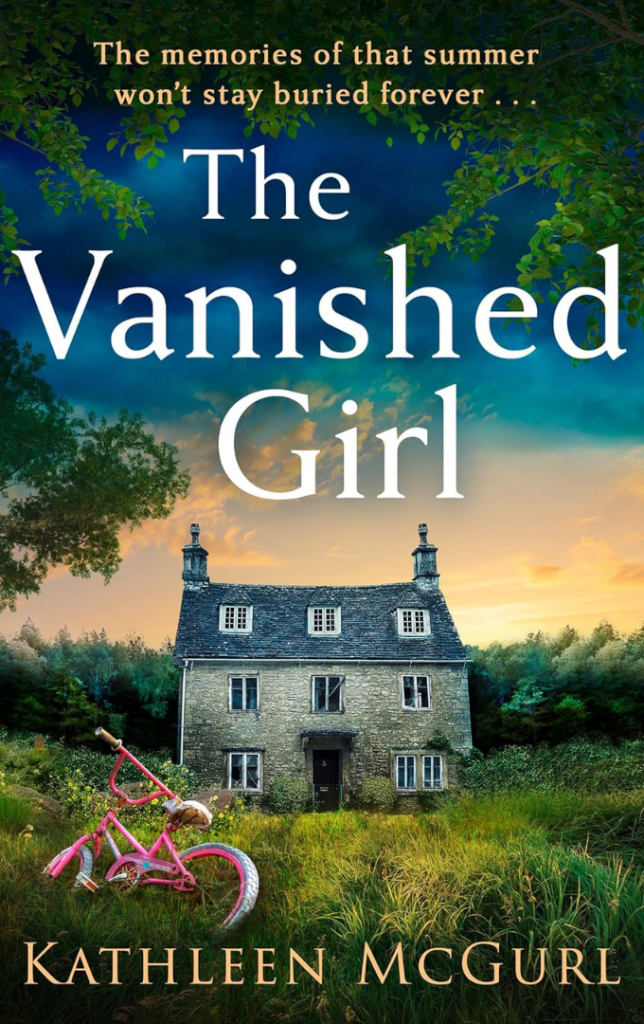
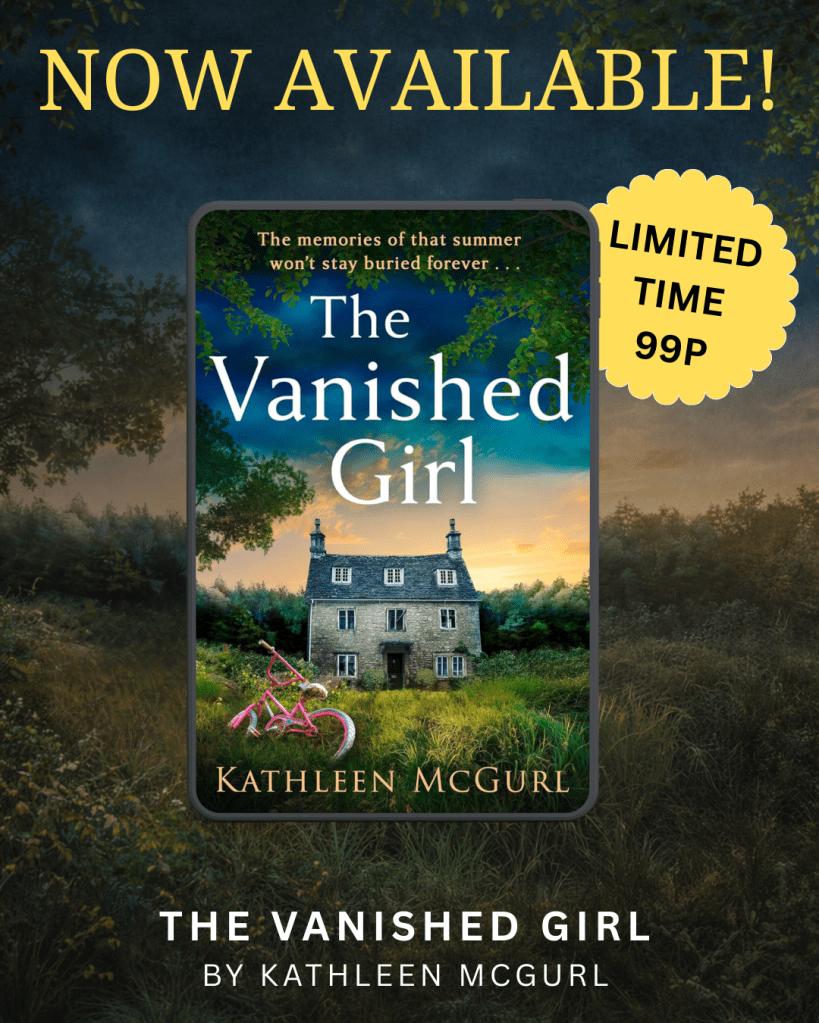
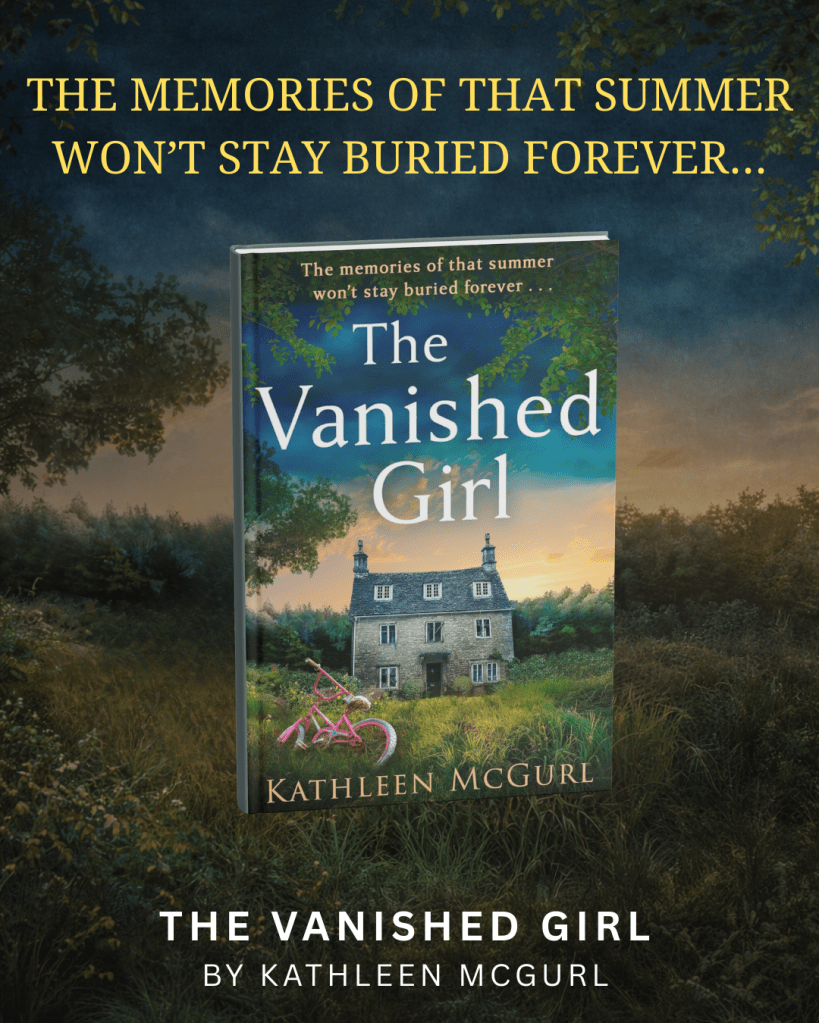
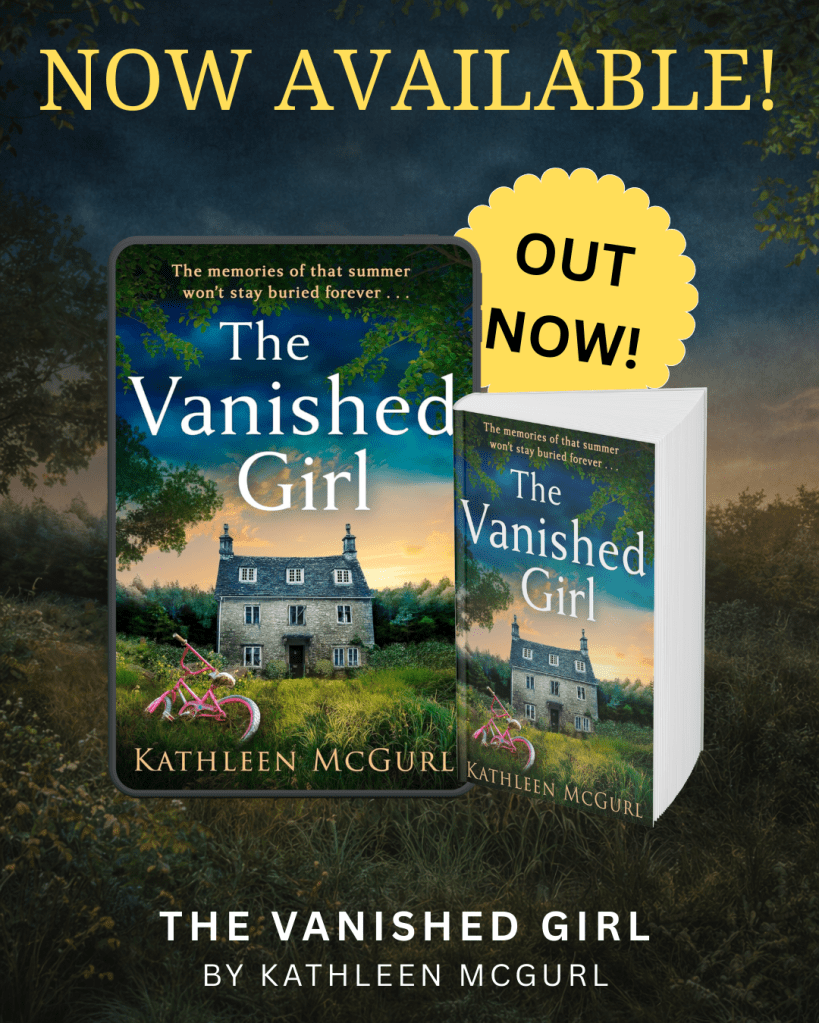
I’m delighted to welcome Kathleen McGurl and her new release The Vanished Girl to the blog #blogtour #newrelease #BookBlast
I’m delighted to welcome Kathleen McGurl and her new release The Vanished Girl to the blog #blogtour #newrelease #BookBlast
Here’s the blurb
The memories of that summer won’t stay buried forever…
1976. It’s a long, hot summer, and all Jo Salway wants is to bask in the freedom of the holidays with her life-long friends. But when little Pippa Jenkins suddenly vanishes without a trace, the friends must close ranks to protect themselves. And in doing so, change the course of their futures forever …
2024. Haunted by the events of fifty years ago, Jo has never returned to her childhood home of Hareton Wick. But in the aftermath of trauma and with her only respite found at the bottom of a bottle, Jo knows that the only way to start afresh is to unravel the secrets of her past. But when the tangled web of Pippa’s disappearance starts to lead closer to home, who will Jo be able to trust, and who will she betray …
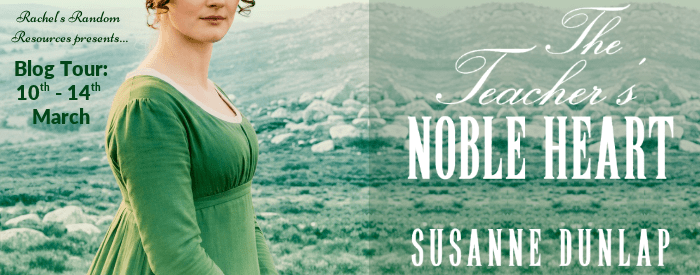
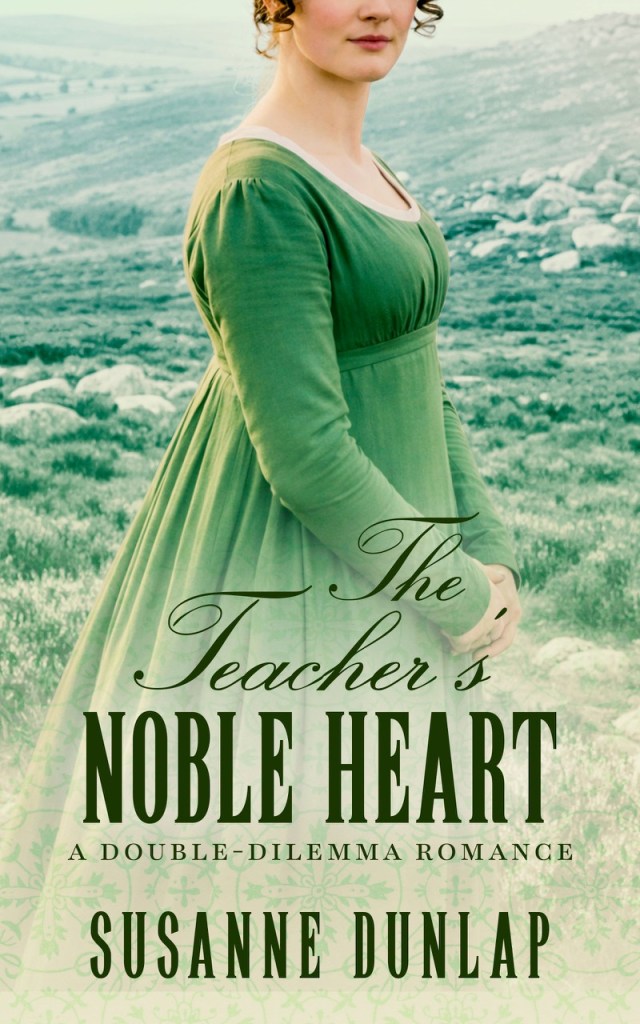
I’m welcoming The Teacher’s Noble Heart by Susanne Dunlap to the blog #blogtour #RegencyRomance #bookreview
I’m welcoming The Teacher’s Noble Heart by Susanne Dunlap to the blog #blogtour #RegencyRomance #bookreview
Here’s the blurb
In Regency Cornwall, governess Miss Wilkins has always survived by being sensible, capable, and self-reliant. When she dares to take a bold step toward independence, she has no intention of complicating her life—or her heart.
Her encounters with James Pentarrant, the steadfast captain of the Delabole slate quarry, are marked less by romance than by spirited disagreement. Self-contained and disciplined, James challenges her views at every turn, even as he respects her resolve. What begins as wary sparring and mutual resistance gradually deepens into an understanding neither expected nor sought.
Alongside their unfolding story, a young heiress newly returned to Cornwall hides a calling that defies convention. When a moment of danger on the moor—and the inevitable gossip that follows—forces her into an unintended engagement, assumptions harden and emotions become dangerously entangled. Her growing affection for her own sparring partner, a gentle country doctor with the manners of a true gentleman and a secret of his own, only further unsettles what society is determined to set in place.
Set against the rugged beauty of Cornwall’s coast, quarries, and windswept moors, The Teacher’s Noble Heart is a tender Regency romance of intertwined lives, mistaken conclusions, and love discovered in spite of every sensible intention.
Purchase Link
My Review
The Teacher’s Noble Heart is the fourth of Susanne Dunlap’s Regency romances I’ve read, and I’ve enjoyed all of them (see my reviews below for the previous books). Every book offers something a little different, while still delivering on what we all expect from a Regency romance.
In this story, we are transported to Cornwall, where society is a little different to that of London and yet mostly governed by the same conventions, even if some elements are a little less refined. The addition of our working nobleman and the mystery of the new local doctor adds a delightful element to the story of our two heroines,as does our less-than-typical professions of the two women.
A charming Regency Romance, offering something a little different to stories of London and the Ton and sure to delight fans of the genre.
Susanne Dunlap started out a historian, became an award-winning historical novelist with fourteen published novels for adults and teens, and is now the author of the Regency romance series, Double-Dilemma Romance. She lives and writes in a converted textile mill in Biddeford, Maine.
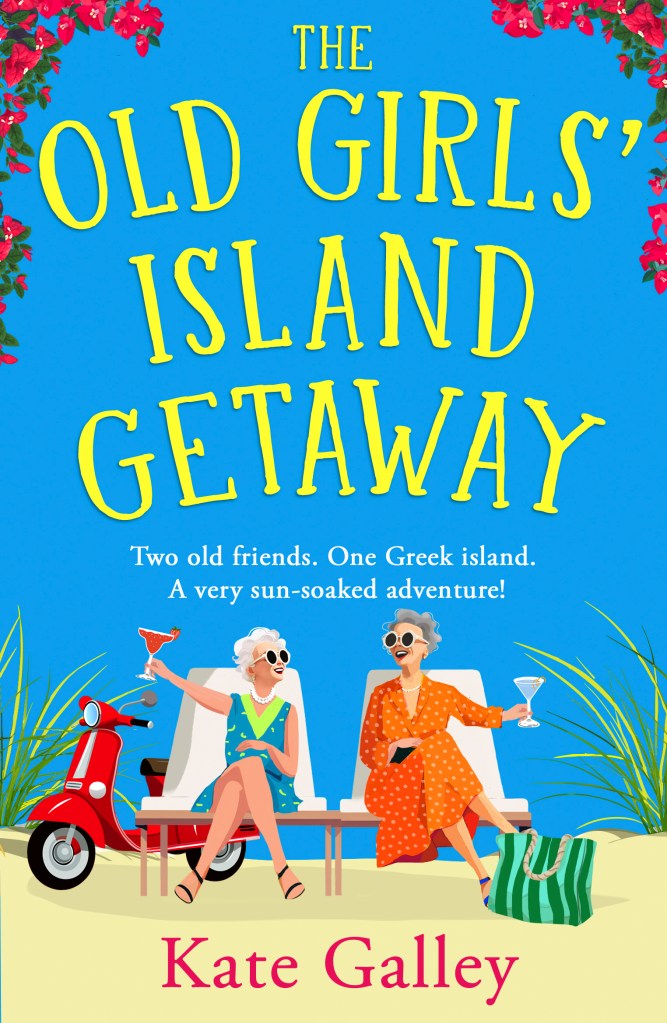
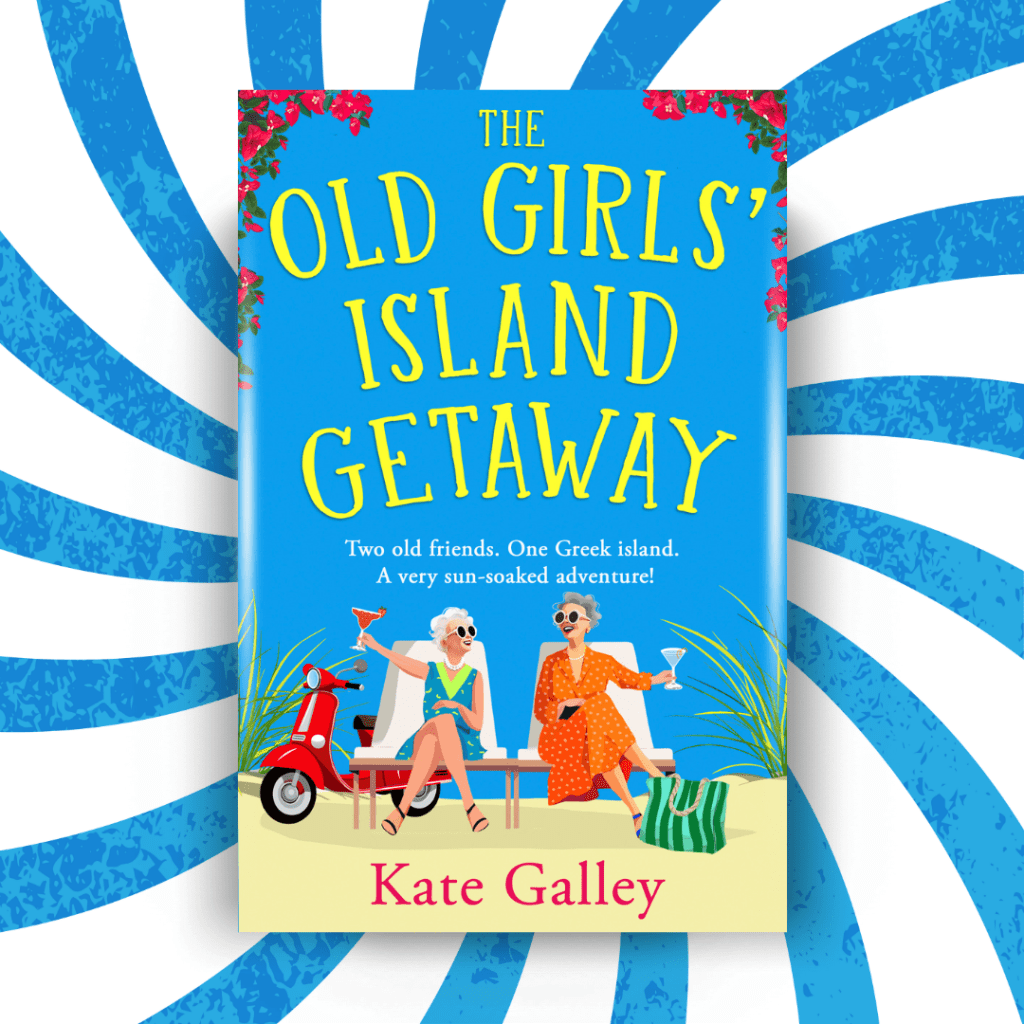
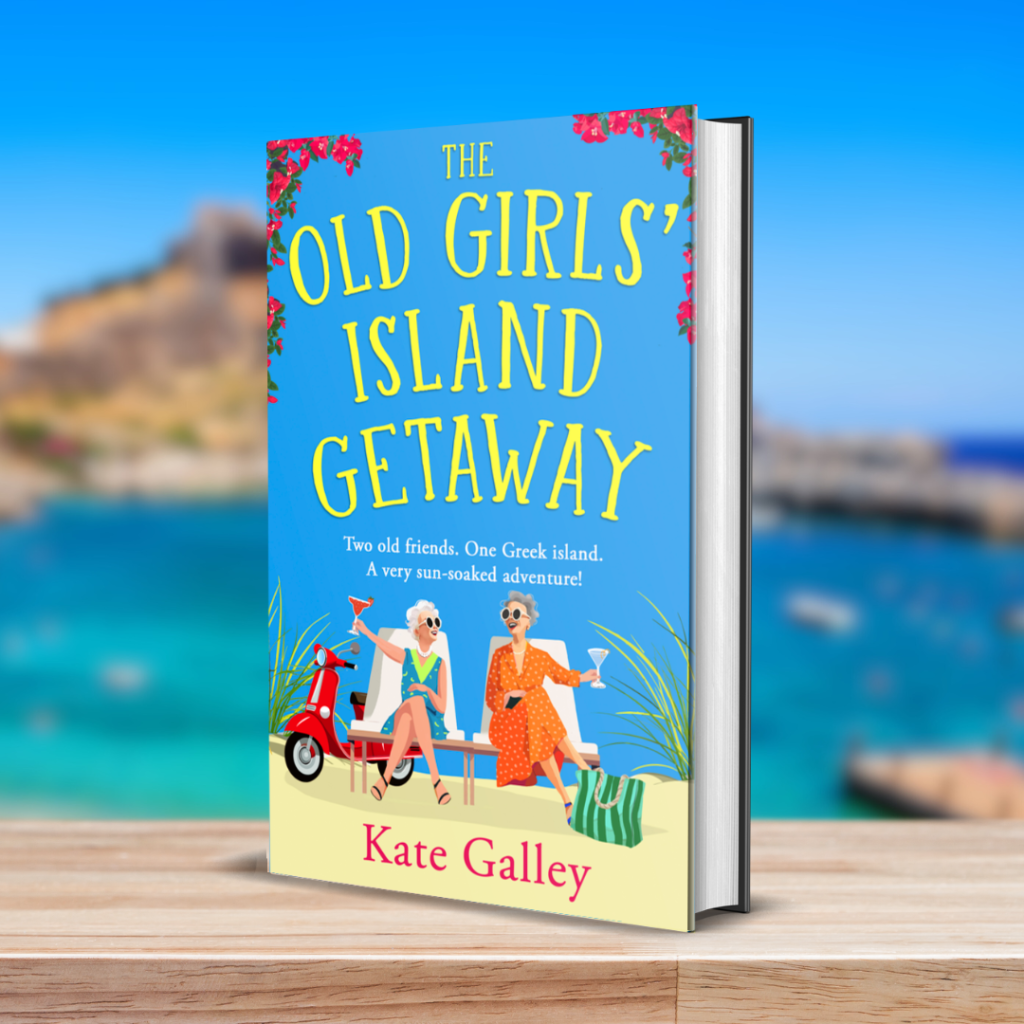
I’m delighted to be sharing my review for The Old Girls’ Island Getaway by Kate Galley #blogtour #newrelease #comedy
I’m delighted to be sharing my review for The Old Girls’ Island Getaway by Kate Galley
Here’s the blurb
Two old friends. One sun-soaked adventure.
Dorothy and Gina may be separated by twenty years, but their friendship is timeless. At seventy-one and nearly ninety, life’s too short not to have a little fun – especially in Corfu.
When Dorothy is invited to visit an old friend at his villa, she insists Gina comes along. They’re looking forward to sunshine, sea breezes, and perhaps a dash of ouzo. But their plans are upended by an unexpected guest: glamorous actress Florence Quinn, who’s taken up residence in the pool house.
Florence may sparkle on the surface, but she’s hiding something – and someone – from her past. Determined to help, Dorothy and Gina embark on a quest across the island, only to find that Corfu holds more secrets, scandals, and surprises than they ever imagined.
A warm, witty, and adventurous tale of friendship, mischief, and unexpected discoveries.
We’re back with the joyful ‘Old Girls,’ Gina and Dorothy as they jet off for yet another holiday, in the company of Dorothy’s granddaughter. This time, there’s a film star in their midst, threatening to disturb what Dorothy had hoped would be a reunion with a friend at the end of his life. But there are two minor mysteries for our ‘Old Girls’ and Dorothy’s granddaughter to solve – did Rupert play a part in stealing the priceless diamond decades ago – and why is Florence so determined on finding her holiday romance from thirty years ago?
These two mysteries provide the intrigue for the story as Gina is prevailed upon to drive a car around the twisty roads of Corfu and even hops onto a scooter, all in order to aid Florence. Juliet, Dorothy’s granddaughter, provides a welcome boost of humour with her cutting, if mostly true, comments.
As with the previous two books in the series, The Old Girls’ Island Getaway is a charming read, with some funny moments thrown in to remind us all that life doesn’t stop just because the birthdays start to rack up.
Kate Galley is the author of uplifting golden years fiction, including The Second Chance Holiday Club. She lives with her family in Buckinghamshire and works part time as a mobile hairdresser
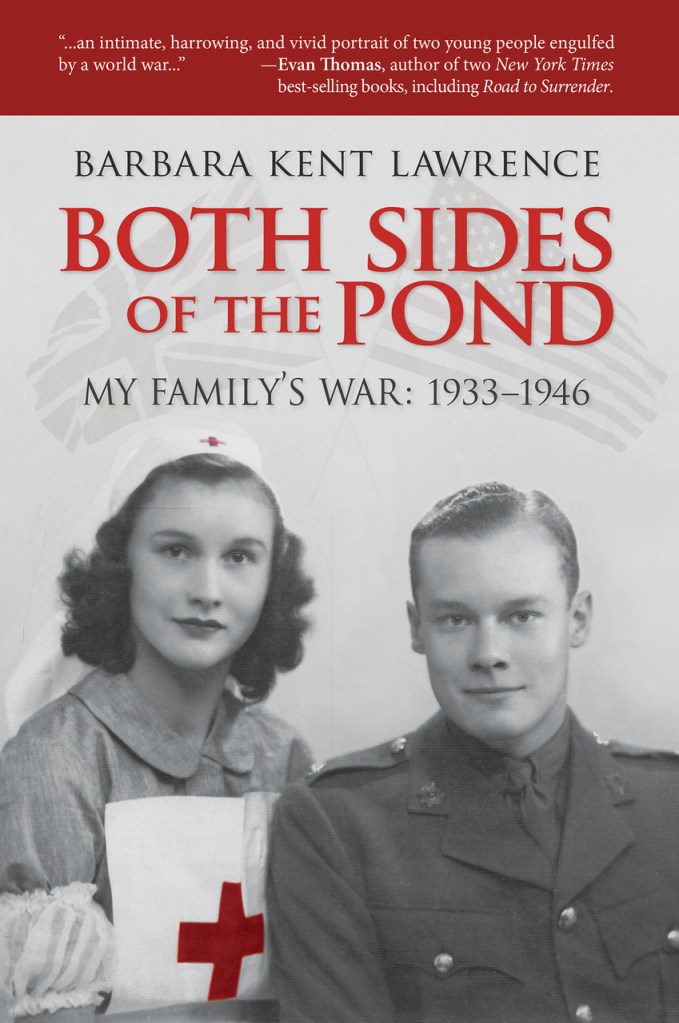
I’m spotlighting Both Sides of the Pond, My Family’s War: 1933-1946 by Barbara Kent Lawrence #BothSidesOfThePond #HistoricalFiction #WorldWar2History #MyFamilysWar #maineauthor #BlogTour #TheCoffeePotBookClub
I’m spotlighting Both Sides of the Pond, My Family’s War: 1933-1946 by Barbara Kent Lawrence
Here’s the blurb
In January of 1939 when Barbara Greene, a beautiful young British actress, met Joe Kennedy, Jr., son of the American Ambassador, she could not have expected that their relationship would lead to her emigrating to the United States and learning to pilot a plane. Neither could her brother, Kent, have foreseen his bitter retreat from Dunkirk when he left England in January 1940 to fight in France, or his subsequent service on the frontlines in Cornwall, North Africa, Sicily, and Burma.
In this intensively researched war story of the author’s family, we also hear the stories of other ordinary people who survived extraordinary circumstances. Richly illustrated with photographs and documents, “Both Sides of the Pond, My Family’s War: 1933 – 1946” is a captivating book.
Praise for Both Sides of the Pond:
“Author Barbara Kent Lawrence weaves a rich tapestry of the lives of her British mother and uncle from 1933 to 1946, before, during, and just after World War II. … War stories are very personal. This is such a story, and it offers insight into how two young people navigated difficult years that altered the trajectories of the lives they thought they would live. It is a worthy read, written beautifully. Don’t miss it.“ ~ Patricia Walkow, Military Writers Society of America
“I loved this book and couldn’t put it down. History and the complexity of human relationships unfold with uncommon grace.“ ~ Barbara Lazear Ascher, winner, most recently, of Pushcart’s Editors Book Award for Ghosting: A Widow’s Voyage Out.
Dr. Lawrence is the author of many articles and nine books, including an award-winning dissertation about the influence of culture on aspirations in Maine. Her new book, Both Sides of the Pond, My Family’s War: 1933 – 1945, is available in book stores and on amazon.com.
A former professor, she has taught courses in anthropology and sociology, research, and writing non-fiction and memoir. Lawrence grew up in New York City and Washington D.C., then earned a BA in anthropology from Bennington College, an MA in sociology from New York University, and an Ed.D. in Administration, Policy and Planning from Boston University.
In addition to teaching, Lawrence has worked for the Department of Social Services and the Housing Development Administration in New York, directed a small museum in Maine, co-run a brokerage and construction company, consulted for the Rural School and Community Trust and KnowledgeWorks, and started four non-profit organizations supporting the environment and students.
When not working she loves to garden, knit, and go for walks, pastimes she learned from her British mother. She lives in Maine and is working on the third novel in her Islands series.
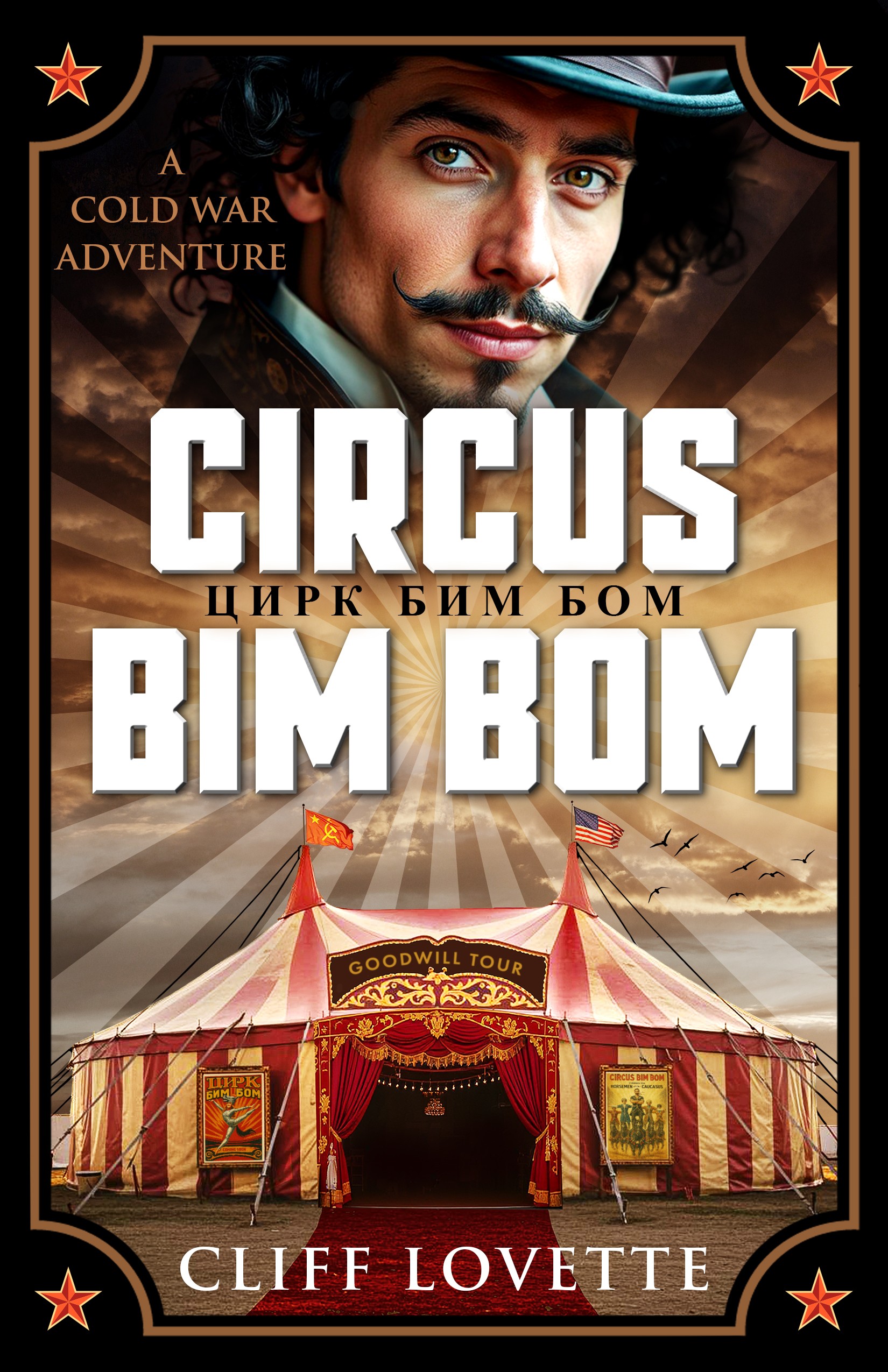
I’m welcoming Cliff Lovette and his new novel, Ciric Bim Bom: A Cold War Adventure to the blog with a post about my favourite topic – research
I’m welcoming Cliff Lovette and his new novel, Circus Bim Bom: A Cold War Adventure to the blog with a post about my favourite topic – research
THE RESEARCH NEVER ENDS
Circus Bim Bom: A Cold War Adventure Bim Bom Books by Cliff Lovette
In 1991, I was a young attorney at an entertainment law firm in Atlanta. In walks this long-haired road manager named Bobby Liberman. He’d just finished a tour and started telling me about his previous gig: road manager for a privately owned Soviet circus that had arrived in America in 1990—a hundred and twenty performers, crew, and families from the crumbling Soviet empire. I was hooked. More than three decades later, I’m still researching.
Following the Trail The Circus Bim Bom saga barely made a ripple in national news—just a few newspaper articles and some local TV coverage—before the story vanished into thechaos of 1990. It was a year when the rubble of the Berlin Wall was still being cleared, Saddam invaded Kuwait, and the Soviet Union began its final unraveling. With so much history unfolding simultaneously, a Soviet circus touring America was easy to overlook. Yet fragments survived: newspaper clippings in library archives, a circus program printed in both Russian and English, photographs from a July Fourth picnic at Lake Lanier where Soviet performers celebrated America’s birthday with Georgia Rotarians. The challenge was finding these fragments—and the people who could provide them with meaning.
The Hunt for Living Memory In 2010, I recruited a team of Emory Law students to help me organize the chaos. They compiled a fifty-four-page research packet that included contact lists for circus performers, American promoters, attorneys, and journalists who had covered the story. They created quote databases highlighting the most revealing moments fromdozens of newspaper articles, spanning publications from The Atlanta Journal-Constitution to The Washington Post to The Los Angeles Times. They transcribedinterviews that captured voices I might otherwise have lost to time. But documents only tell part of any story. I needed voices—living witnesses whocould fill in what the paper trail left out. I tracked down the Nashville promoter who had worked with the tour. I found theRoswell Rotarian who had hosted that Fourth of July party, and I listened as he described, with tears in his eyes, how a towering Russian strongman had put an arm around his shoulder during the fireworks and said, “Happy Birthday, USA.” That moment stayed with me. Here was an American patriot who’d opened his home to Soviet performers—strangers from the other side of the Iron Curtain—and three decades later, he still choked up remembering it. Over the years, I interviewed more than a dozen people connected to the tour. Some welcomed the chance to share their memories, while others were initially reluctant, surprised that anyone still cared about events from so long ago. Each conversation unlocked new details, contradictions, and mysteries, reminding me why this story matters.
The Bigger Picture Personal testimonies provided the human story, but I needed context—the geopolitical forces shaping what these performers experienced while their empire teetered back home. What was happening in Moscow while they performed in American arenas? What pressures weighed on Soviet officials? What were American audiences thinking as they watched these artists from behind the Iron Curtain? I studied declassified State Department documents about the Washington Summit negotiations between President Bush and Mikhail Gorbachev—the high-level diplomacy that formed the backdrop for this circus tour. I traced connections between promoters on both coasts and dug through newspaper archives from Atlanta, Los Angeles, and New York. Every answer generated new questions. Every document pointed to another document I hadn’t yet found.
Why the Research Never Ends M.J. Porter writes that we must “question everything and not just accept it… look at the why, the how, and everything in between, including the chance survival of the records we do have.” That philosophy resonates deeply with me. Historical research isn’t about finding definitive answers; it’s about following threads wherever they lead, questioning assumptions even when the answers seem obvious, and accepting that some gaps can never be filled. The fragments that survive do so by chance—a newspaper clipping saved in a scrapbook, a photograph tucked in a drawer, a memory that someone chose to share before it was too late. What matters is honoring those fragments: the transcribed interviews, the faded newspaper clippings, the photographs of Soviet acrobats at a Georgia lake on the Fourth of July. Those fragments became Circus Bim Bom: A Cold War Adventure—a novel that weaves fact and imagination to bring this forgotten story back to life. The book took shape over years of drafts, each revision incorporating something new I had learned, some detail I had finally tracked down, or some connection I had made. But even now, with the book complete, I continue to find new details—a name I hadn’t encountered, a connection I hadn’t made, a question I hadn’t thought to ask. The research never ends. And I wouldn’t have it any other way.
Here’s the blurb
Soviet circus performers arrived in America hoping to build cultural bridges. Instead, they became unwitting pawns in a Cold War game of international intrigue.
When the first privately owned Soviet circus arrived in 1990 in America as the Soviet Union disintegrated, its elite performers expected to build cultural bridges through spectacular shows. Instead, this prestigious troupe faced a perilous journey through Cold War America.
Circus director Yuri had to navigate treacherous waters where American mobsters, Soviet agents, and political forces circled like predators. Young aerialist Anton dreamed of becoming a clown against his family’s wishes, while forbidden romances and unexpected connections bloomed between Soviet performers and Americans who saw past the ideological divide. As high-stakes conspiracies threatened to tear the circus family apart, they had to choose between the authoritarian chains of home and the uncertain promise of freedom.
As the Ringmaster reminds us, “The best Soviet stories are like vodka—they burn with suffering, intoxicate with conflict, keep you stewing in reflection, and yearning for your heart’s desire.” This genre-bending tale explores whether human connection can transcend ideology—and whether storytelling can bridge the divides that separate us.
Circus Bim Bom offers an innovative multimedia reading experience. The novel includes 45+ YouTube links to period music, historical speeches, and cultural moments embedded throughout—readers can listen to the actual songs characters dance to as they waltz, and watch Reagan’s Brandenburg Gate speech as it’s referenced in the text.
Character Avatars: 25+ talking video introductions where characters speak directly to readers
Re-Imagined Circus Posters
Book Club Experience: Interactive forums, live chat, and community discussions
Historians Room(under construction): A space for Cold War history buffs to fact-check the novel, explore primary sources, and debate historical accuracy
Meet the author
Father, storyteller, and dog lover living in Sandy Springs, Georgia, with London curled at his feet. Cliff Lovette is an entertainment lawyer who learned about the real Circus Bim Bom in 1991 when the circus’s American road manager became a client at his Atlanta law firm. Circus Bim Bom: A Cold War Adventure is the first book in his debut duology
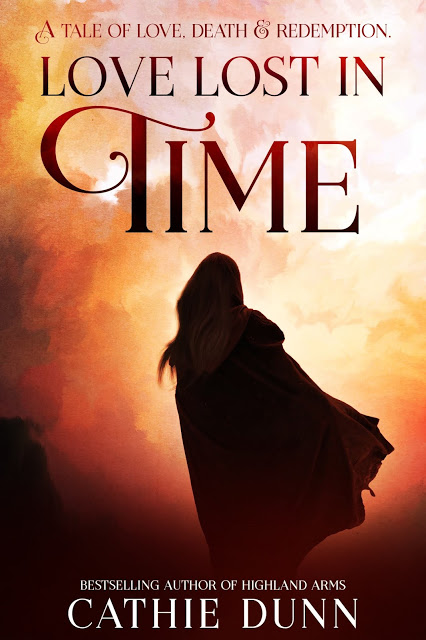
Today, I’m delighted to be reviewing Love Lost in Time by Cathie Dunn, a dual timeline novel #LoveLostInTime #CathieDunn #DualTimeline #WomenAcrossTime#BlogTour #YardeBookPromotions
Today, I’m delighted to be reviewing Love Lost in Time by Cathie Dunn, a dual timeline novel
Here’s the blurb
A reluctant daughter. A dutiful wife. A mystery of the ages.
Languedoc, France, 2018
Historian Madeleine Winters would rather research her next project than rehash the strained relationship she had with her late mother. However, to claim her inheritance, she reluctantly agrees to stay the one year required in her late mother’s French home and begins renovations. But when she’s haunted by a female voice inside the house and tremors emanating from beneath her kitchen floorboards, she’s shocked to discover ancient human bones.
The Mediterranean coast, AD 777
Seventeen-year-old Nanthild is wise enough to know her place. Hiding her Pagan wisdom and dutifully accepting her political marriage, she’s surprised when she falls for her Christian husband, the Count of Carcassonne. But she struggles to keep her forbidden religious beliefs and her healing skills secret while her spouse goes off to fight in a terrible, bloody war.
As Maddie settles into her rustic village life, she becomes obsessed with unraveling the mysterious history buried in her new home. And when Nanthild is caught in the snare of an envious man, she’s terrified she’ll never embrace her beloved again.
Can two women torn apart by centuries help each other finally find peace?
Love Lost in Time is a vivid standalone historical fiction novel for fans of epoch-spanning enigmas. If you like dark mysteries, romantic connections, and hints of the paranormal, then you’ll adore Cathie Dunn’s tale of redemption and self-discovery.
Any Triggers: Implied attack on a female character. Some minor fighting scenes.
Praise
“From the richness of Charlemagne’s court and the regret of a daughter, as she stands over her mother’s grave, to the realisation of an enemy and a skeleton under the kitchen floor, Love Lost in Time: A Tale of Love, Death and Redemption by Cathie Dunn is the unforgettable story that traverses two very different times.”
The Coffee Pot Book Club, 5* Editorial Review
“The narrative is ripe with emotions as two independent women are pulled in unexpected directions… Both landscapes are beautifully penned for readers to easily get lost in. Additionally, the storylines are engaging, and each helped bring a satisfying conclusion to the other. An enjoyable tale about love, sacrifice, and self-discovery.”
Historical Novel Society
“The historical details are beautiful, and a book which could easily feel oppressively sad is cleverly lightened with the use of romance and a satisfying ending. Well written and easy to read, the historical side may be a little more compelling, but the contemporary details add a layer that cannot be ignored!”
In’DTale Magazine
“In Love Lost in Time, Ms Dunn creates a fascinating balance between a tragic love story set in the Visigoth empire of the eighth century, and a very modern historian on a quest to find her own personal history in picturesque Languedoc…
Thoroughly researched and beautifully told, both stories complement each other in narrative power and colourful scene-setting; and in the dual narrative the main characters are compelling – each a product of destiny and following their fate, regardless of the cost. Fans of Kate Mosse will relish this book…”
Love Lost in Time is an engaging dual time line novel, set in almost contemporary France, and also in the late 700s, a time not many authors dare to write about because it’s so confusing for the reader (and complex). Cathie manages to evoke this period fabulously by making her main character, Nanthild, a woman of her time, while allowing events to take place largely externally to her. We know there’s war but we don’t have to get bogged down in all the politics of the era. We simply know it is a perilous time. A few main players drive the narrative and drive it very well indeed.
I also found the near-contemporary element of the novel satisfying (as a whole I don’t like dual timelines) and I was as caught up in what was happening to Maddie as I was with Nanthild’s storyline, even though as the two storylines started to converge, it became clear not all was going to go well for Nanthild.
A thoroughly engrossing novel and one I’m so pleased I decided to read.
Cathie is an Amazon-bestselling author of historical fiction, dual-timeline, mystery, and romance. She loves to infuse her stories with a strong sense of place and time, combined with a dark secret or mystery – and a touch of romance. Often, you can find her deep down the rabbit hole of historical research…
In addition, she is also a historical fiction book promoter with The Coffee Pot Book Club, a novel-writing tutor, and a keen reviewer on her blog, Ruins & Reading.
After having lived in Scotland for almost two decades, Cathie is now enjoying the sunshine in the south of France with her husband, and her rescued pets, Ellie Dog & Charlie Cat.
She is a member of the Historical Novel Society, the Richard III Society, the Alliance of Independent Authors, and the Romantic Novelists’ Association.













































 MJ Porter