


I’m delighted to welcome Deborah Swift and her new book, The Fortune Keeper, to the blog with some backstory behind The Fortune Keeper.
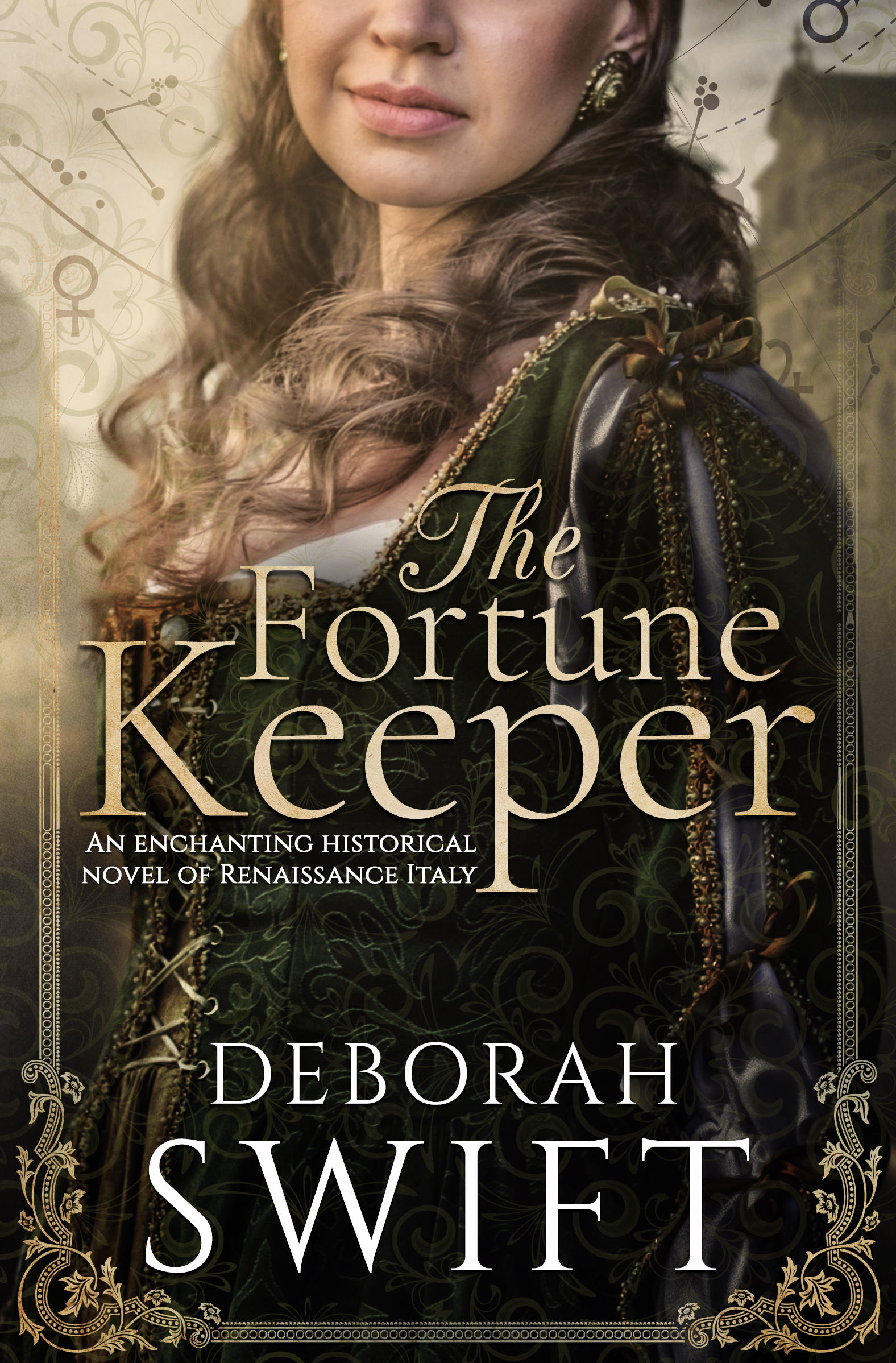
The Fortune Keeper
I’ve always been fascinated by Renaissance art and science and its effect on cultural life. In these novels I explore the artist Bernini and the legacy of Galileo Galilei as well as the influence of major cities such as Rome and Venice and their unique religious and architectural heritage. For a fiction writer you are looking for a period that can immerse people quickly into a recognisable setting, but one that is also different from today, and the Renaissance has a visual appeal that is both familiar, in that people do already have some visual ideas about it, but also with much left to uncover to tempt and enthral the reader. The grandeur of the Vatican or the shimmering canals of Venice offer opportunities for writing scenes that few locations can match. In the end though, it was the people and the characters that drew me, and one person in particular – Giulia Tofana.
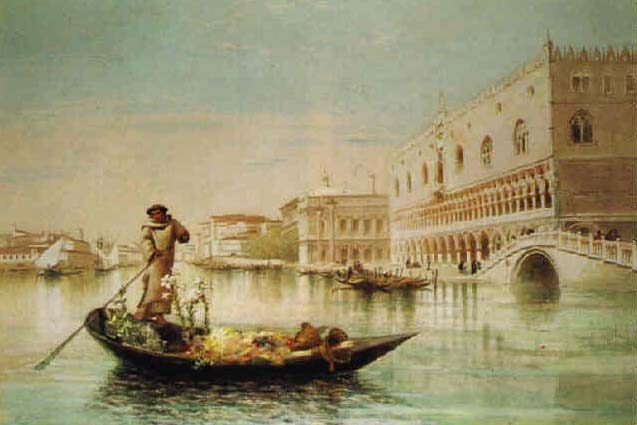
I knew very little, except what was available in books and online. Despite this, her name had lived on and she was credited with the poisoning of more than six hundred men. That seemed to be an extreme number, and led to my interest in uncovering more about her and in particular to explore her motives through fiction. Why did she do it, and why was she never caught?
It soon became apparent why. I learnt from researching her that we were in fact talking about three women rather than one. The three women were Giulia’s mother Theofania, Giulia herself and her daughter Girolama (later discovered to be a step-daughter). This idea helped to make sense of the conflicting evidence from the different sources. Or so I thought. Later, as I was researching the third book, lost documents emerged from an Italian archive that threw all the existing knowledge about her into question. The daughter Girolama is the main character in The Fortune Keeper, and I enjoyed exploring how she came to live with Giulia, and how it shaped her life.
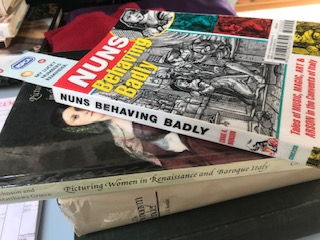
In fact there are some excellent books which chronicle women’s lives in the Renaissance. I was particularly grateful to the book ‘Women in Italy 1550 – 1650’ by Mary Rogers and Paola Tinagli, here is ‘how to bring up a daughter’, a passage from that book written in 1547,
‘as soon as the girl reaches the right age to learn to read and writer; I want the father to have two aims for her; one is religion, the other the management of the household.’
This seems to have been a common view, with the priority for girls being to remain ‘chaste’ for the marriage market, and also to have good practical skills in running a household or ordering servants. In Italy marriage then was a contract, with young women as young as twelve married off to older men whose previous partners had died in childbirth or from disease. Of course every society has the rebels who refuse to conform, and the more oppressive the society, the more underground the rebellion has to be. In a patriarchal society where women’s rights are few, the drastic action of poisoning an abusive partner was often the last recourse of a woman at the end of her tether.
For me the story comes first. I’m in the business of entertaining through fiction. Of course this doesn’t mean to throw out the history, but to use it intelligently, to choose eras where the story would naturally fit, and use the history to support the story, or particular version of events you are trying to tell. A novelist always makes choices about how to use the known facts at their disposal. I could have made Giulia a monster and turned it into a horror story, but instead I chose to focus on the ambiguity of women’s role as both prostitute and saint, how the Catholic religion both supported and undermined women, and to make the narrative a bigger exploration of the way women fight back when they have few options left to them.
A book I thoroughly enjoyed reading was The Ceremonial City by Iain Fenlon, which gives a sense of the myths and rituals that drive life in Venice. Not only is it lavishly illustrated (always a bonus for a fiction writer) but I appreciated the way he explored the way religious and secular life intertwined Monica Chojnacka’s book ‘Working Women of Early Modern Venice’ was a wonderful book that made me consider life outside the grand palazzi that readers often associate with Venice, and which gave an good insight into the working class.
I really enjoy the early modern period, and have set novels in the period not only in Italy, but here in England, and also in Spain. I think what appeals to me about the period is that it was a period of massive expansion in trade. And by trade, I mean not only commodities and goods, but also trade in ideas. It was a time when the world was incredibly outward-looking and open to encountering ‘the new.’ I hope to immerse people in this world through my trilogy of books set in Italy at that time.

Here’s the blurb
Count your nights by stars, not shadows ~ Italian Proverb
Winter in Renaissance Venice
Mia Caiozzi is determined to discover her destiny by studying the science of astronomy. But her stepmother Giulia forbids her to engage in this occupation, fearing it will lead her into danger. The ideas of Galileo are banned by the Inquisition, so Mia must study in secret.
Giulia’s real name is Giulia Tofana, renowned for her poison Aqua Tofana, and she is in hiding from the Duke de Verdi’s family who are intent on revenge for the death of their brother. Giulia insists Mia should live quietly out of public view. If not, it could threaten them all. But Mia doesn’t understand this, and rebels against Giulia, determined to go her own way.
When the two secret lives collide, it has far-reaching and fatal consequences that will change Mia’s life forever.
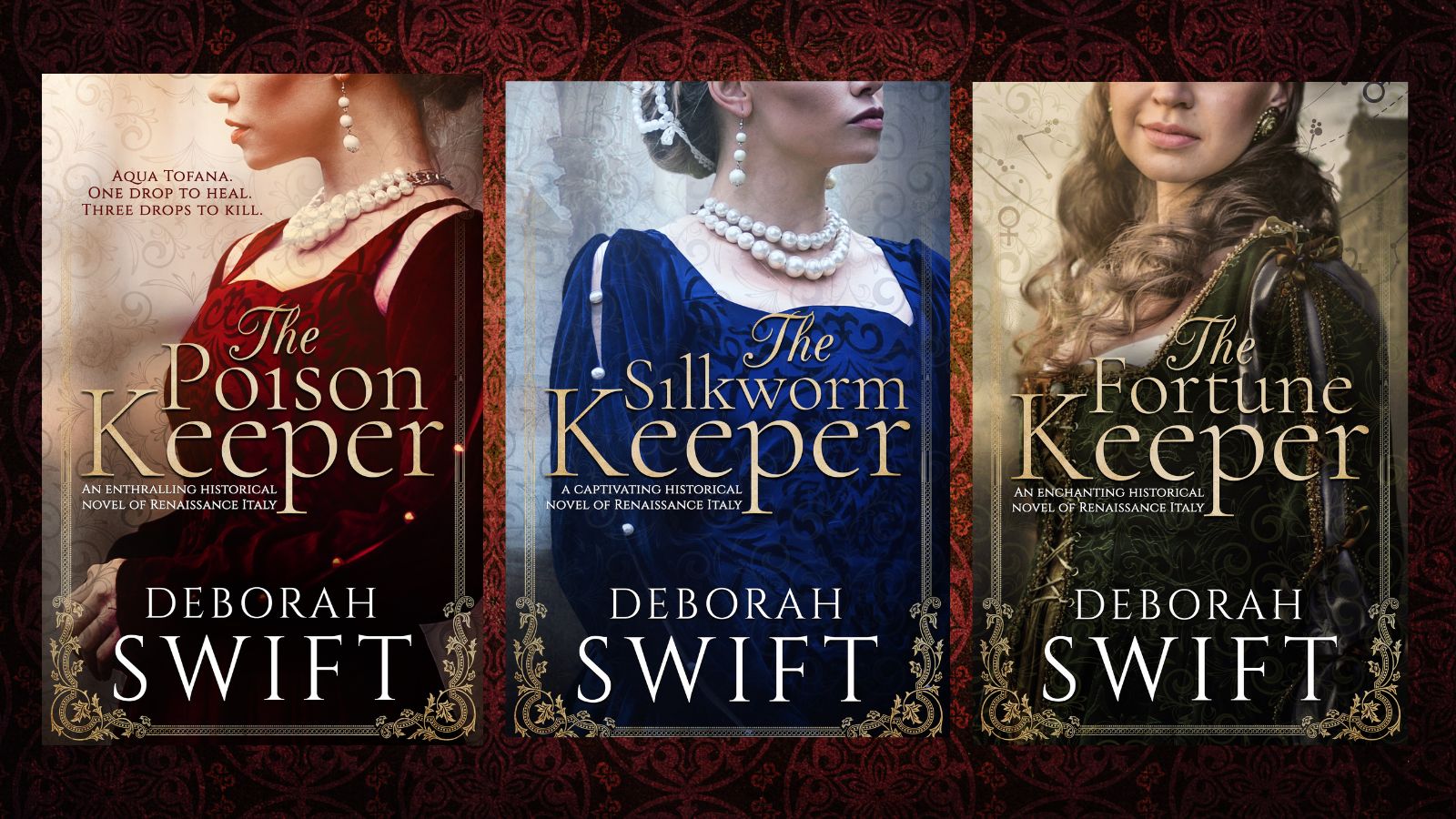
Set amongst opulent palazzos and shimmering canals, The Fortune Keeper is the third novel of adventure and romance based on the life and legend of Giulia Tofana, the famous poisoner.
‘Her characters are so real they linger in the mind long after the book is back on the shelf’
~ Historical Novel Society
NB This is the third in a series but can stand alone as it features a new protagonist. Other two books are available if reviewers want them.
Trigger Warnings:
Murder and violence in keeping with the era.
Buy Link
This title is available to read on #KindleUnlimited
Audiobook Buy Links
Meet the Author
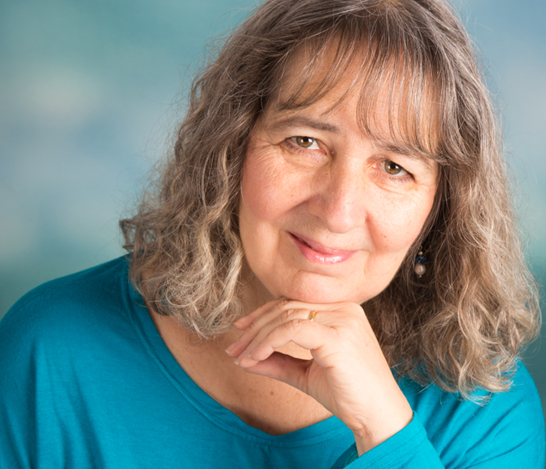
Deborah Swift is a USA TODAY bestselling author who is passionate about the past. Deborah used to be a costume designer for the BBC, before becoming a writer. Now she lives in an old English school house in a village full of 17th Century houses, near the glorious Lake District. Deborah has an award-winning historical fiction blog at her website http://www.deborahswift.com.
Deborah loves to write about how extraordinary events in history have transformed the lives of ordinary people, and how the events of the past can live on in her books and still resonate today.
The first in her series about the Renaissance poisoner Giulia Tofana, The Poison Keeper, was a winner of the Wishing Shelf Book of the Decade, and a Coffee Pot Book Club Gold Medal, and the latest in her WW2 Secret Agent series, Operation Tulip, is coming soon.
Connect with the Author
Discover more from MJ Porter
Subscribe to get the latest posts sent to your email.

 MJ Porter
Thank you so much for hosting Deborah Swift today, with such an interesting post.
Take care,
Cathie xx
The Coffee Pot Book Club
LikeLike