
As a writer of tales set in Saxon England, and often, but not always, featuring Viking raiders, it’s a bit shocking that I’ve never visited Jorvik Viking Museum. I’ve been to York on only a handful of occasions. However, opportunity presented itself recently, and so I finally went – it helped that I wanted to see the Silverdale Hoard which is only on display for a few weeks more. (It looks much shinier in person than this image portrays it).

Now, you can take photos inside Jorvik, but my phone was playing up and I couldn’t get the flash to turn off, and so I couldn’t take any of the exhibit itself, as you can’t use a flash. But, it was really a lot of fun – it is a bit of a shame that it’s in the dark – no doubt reinforcing the whole ‘Dark Ages’ ideal, which I can assure you, as quite a literal minded child, I genuinely took to mean it was always dark – and I didn’t appreciate the smell – but I did enjoy seeing all the reconstructions – including cats and dogs, oh, and rats – and learning about the excavations. There are some fab ideas to make the excavation accessible- the glass floor so visitors can see parts of the excavation (is it a mock up one or a proper one, I’m not sure). The staff are in period costume, and very knowledgeable – even if someone tried to say that King Athelstan wasn’t the king of all Britain, as his coins used to proclaim. (Read the Brunanburh series, people, for all the information about that claim).
And then, after my trip to Jorvik, and having spent quite some considerable coin in the gift shop – sadly the axe I really wanted was sold out – I took myself to York Minster.
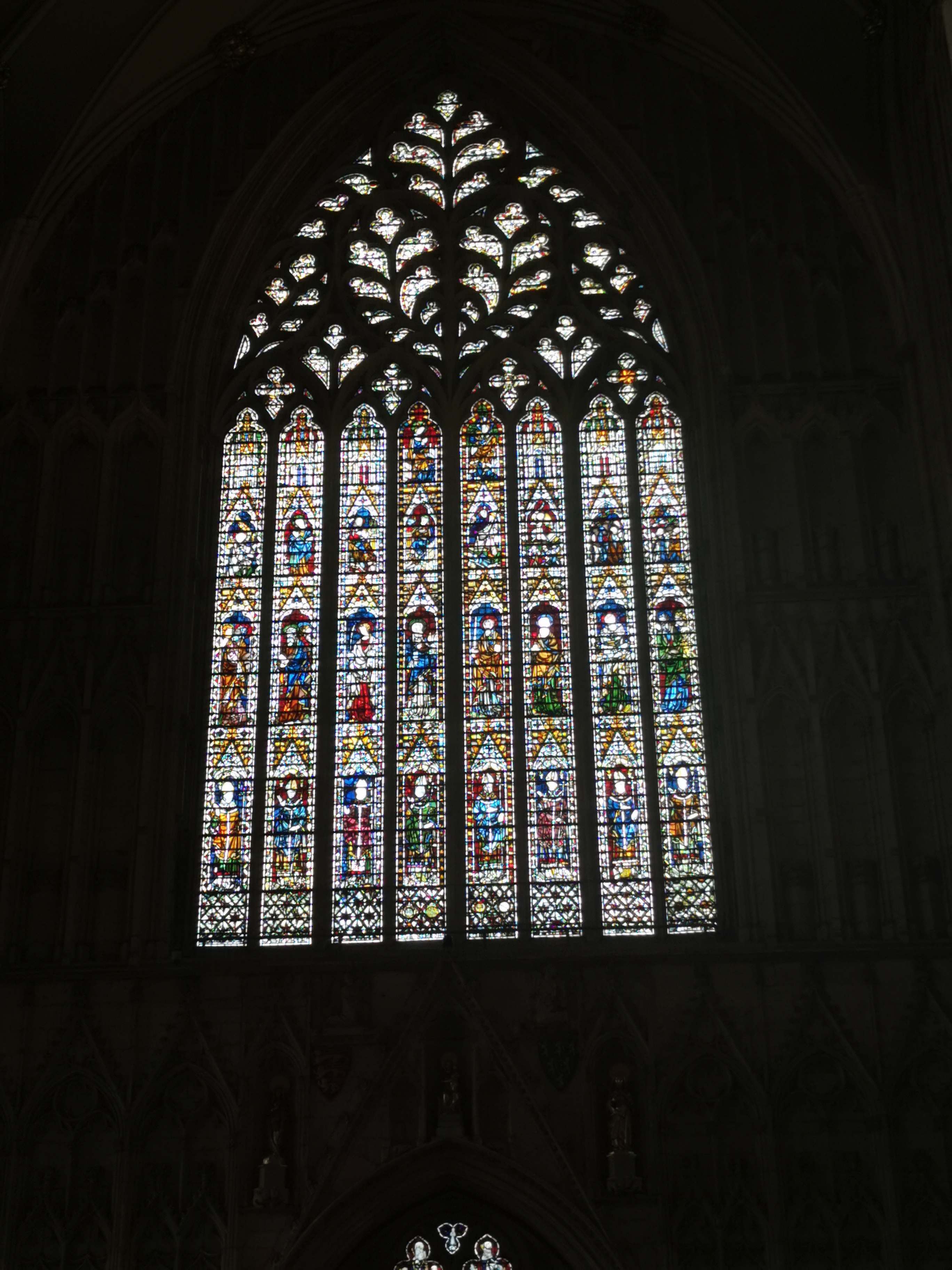
I’ve only recently really started to appreciate church buildings for what they are. I’m not religious, and I’ve always been somewhat daunted about going inside, but these buildings, if you know where to look (and people point out the interesting bits) are a real, physical connection to the past. (If you’re not convinced, then do consider joining, or just attending one of the Society for Church Archaeology Zoom meetings – I have learned so much from these meetings). And York Minster has certainly realised this. While it is very famous for its many devastating fires, Blue Peter endeavours, and stained glass windows, (photos below), they’re also showing off the heritage of the building itself.


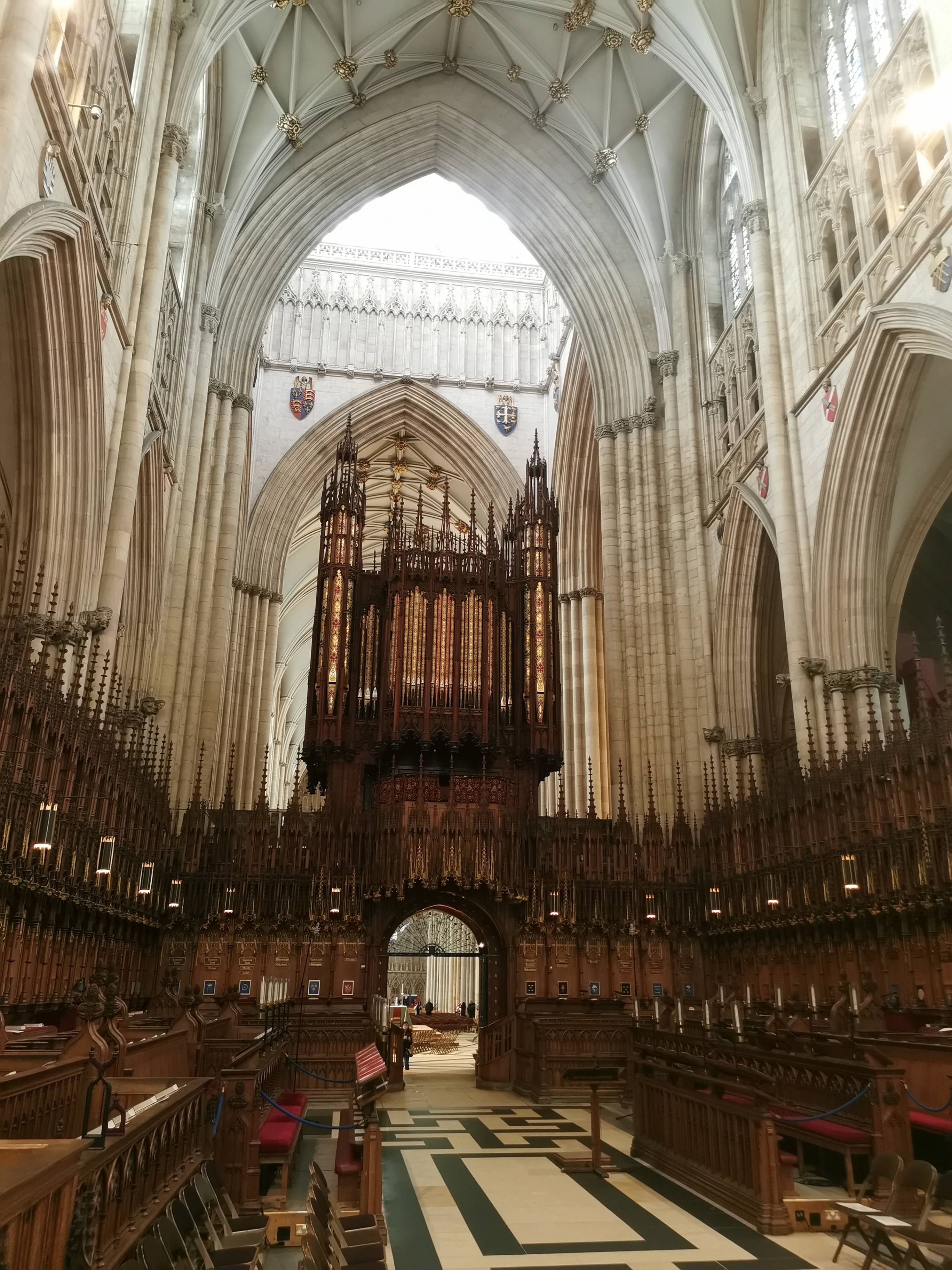


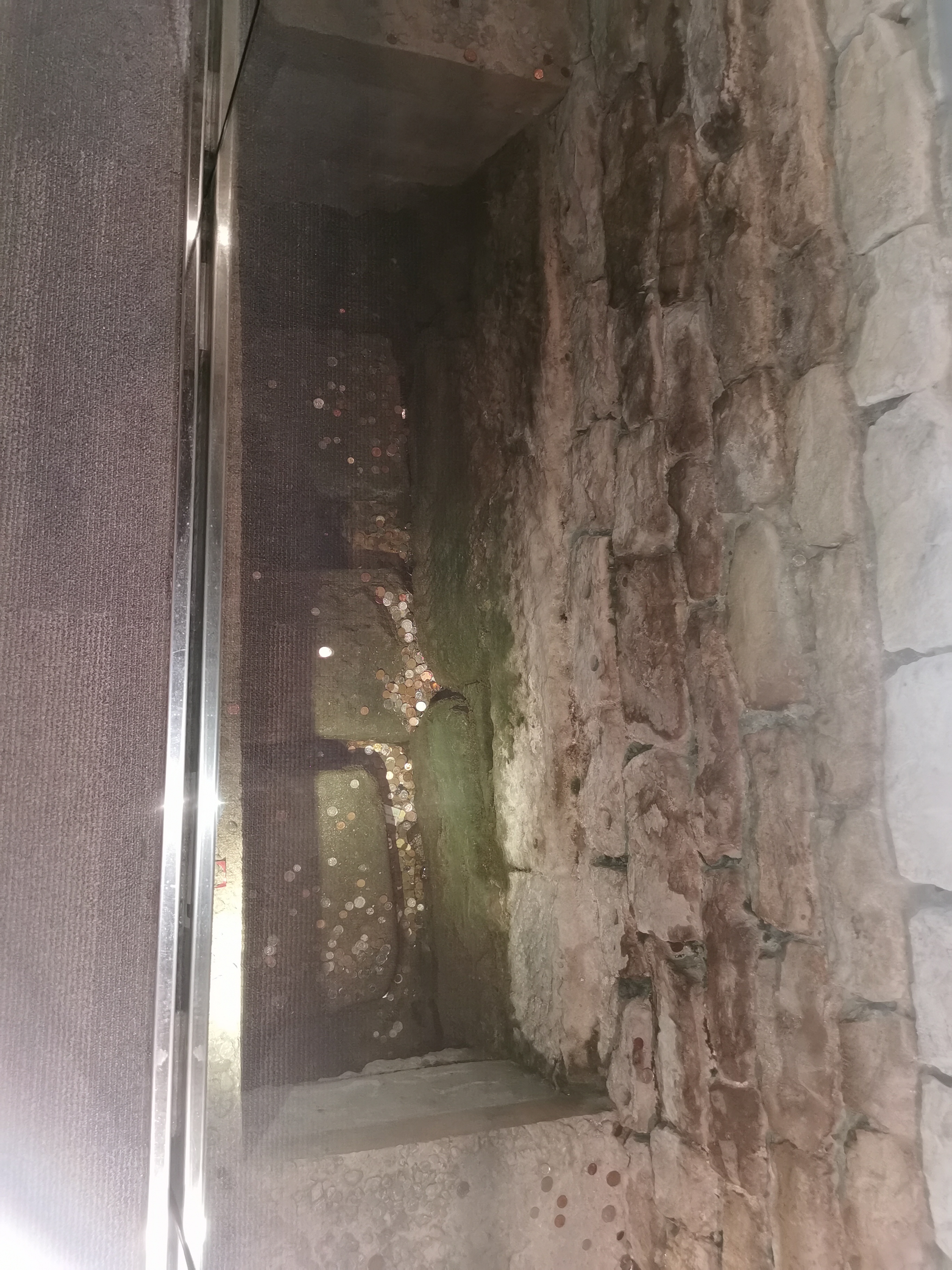
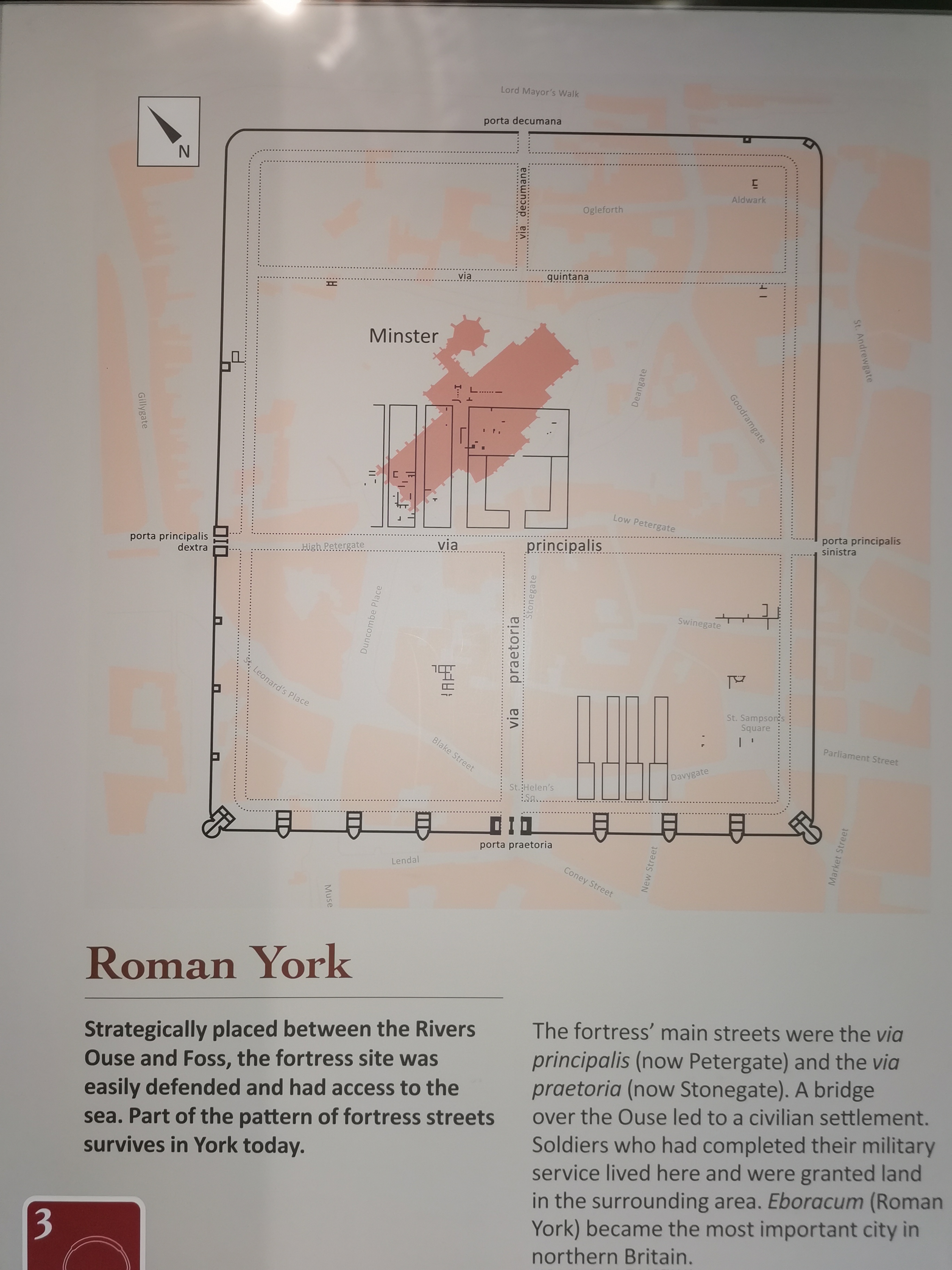
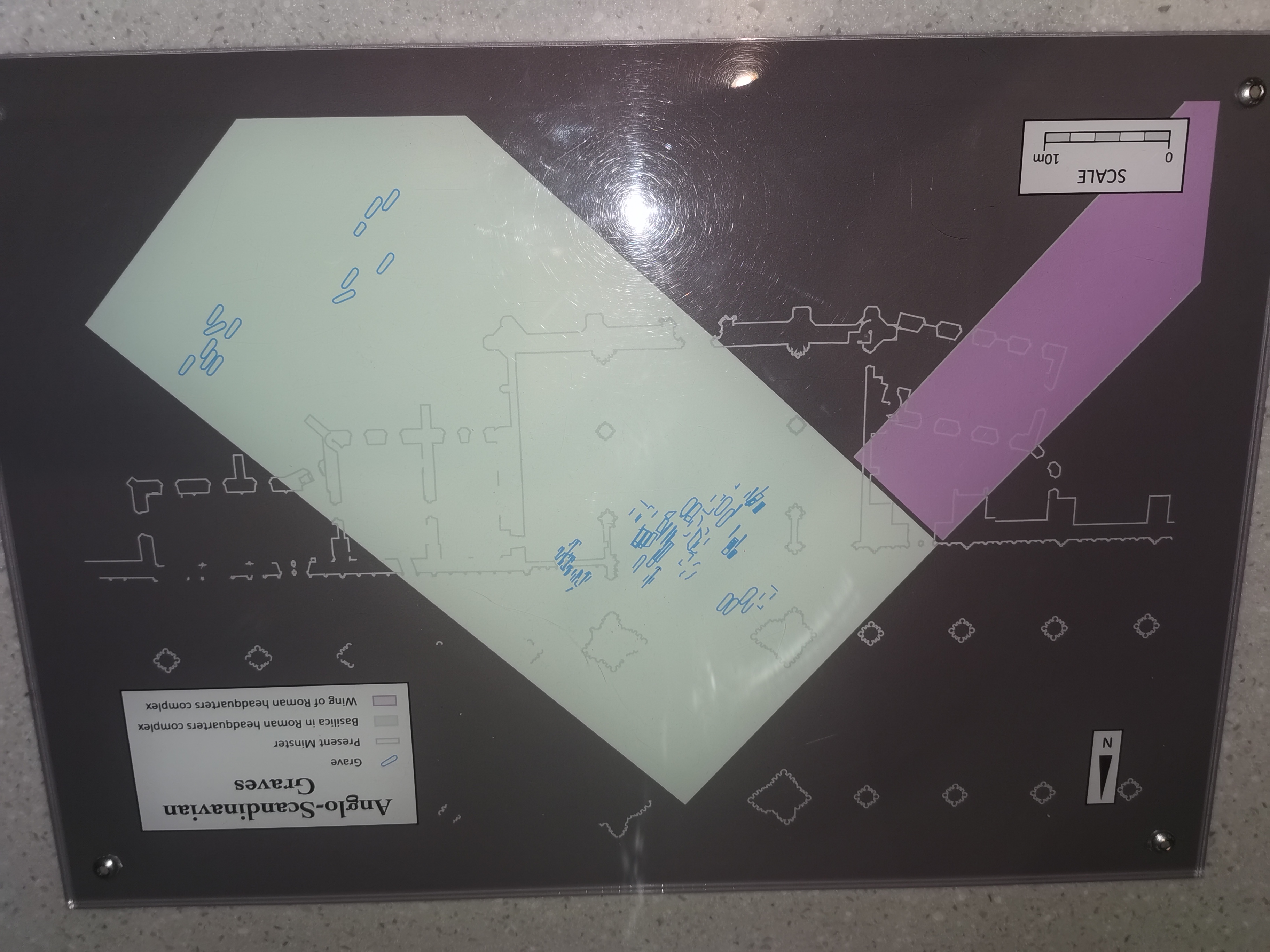
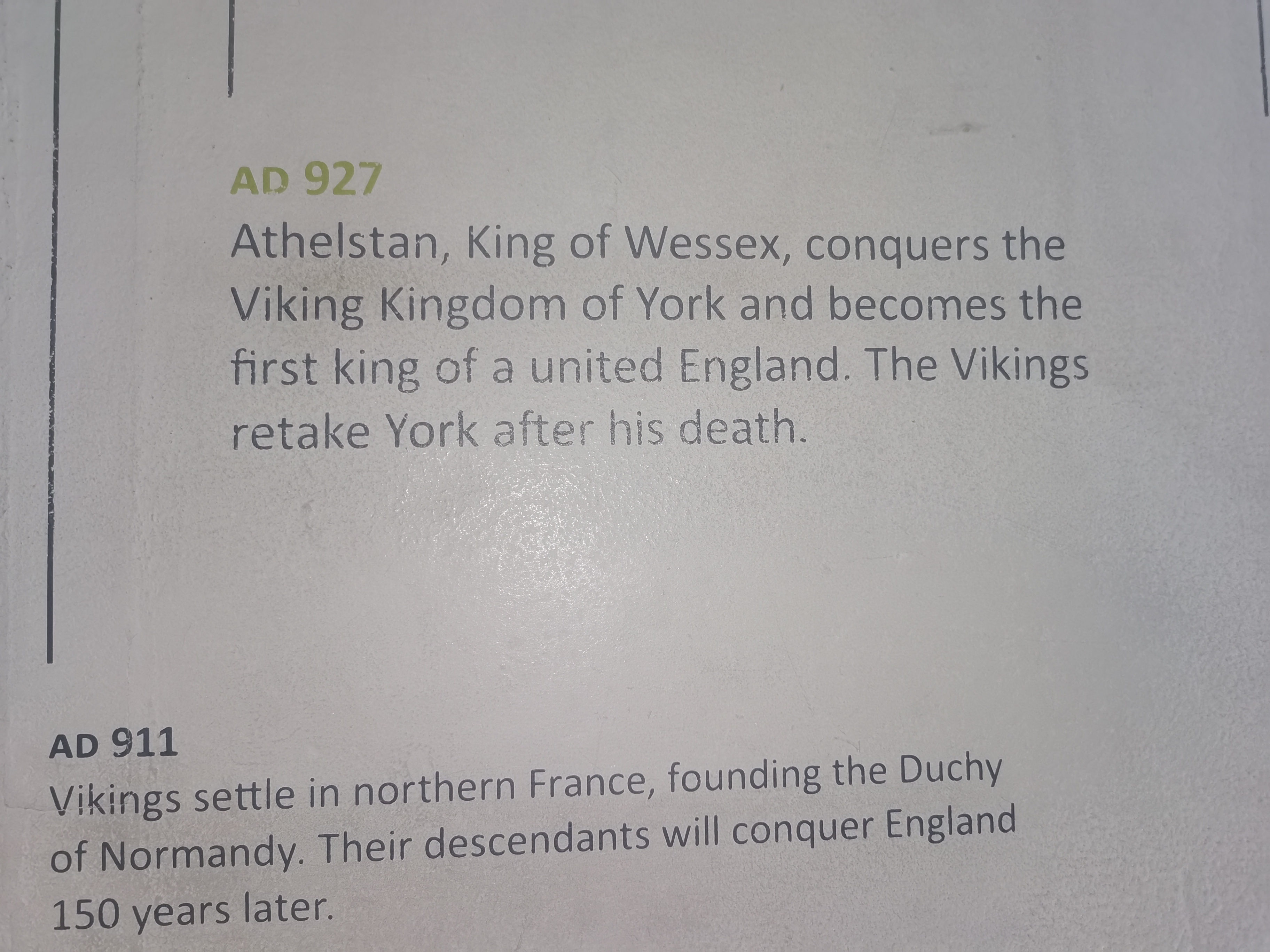
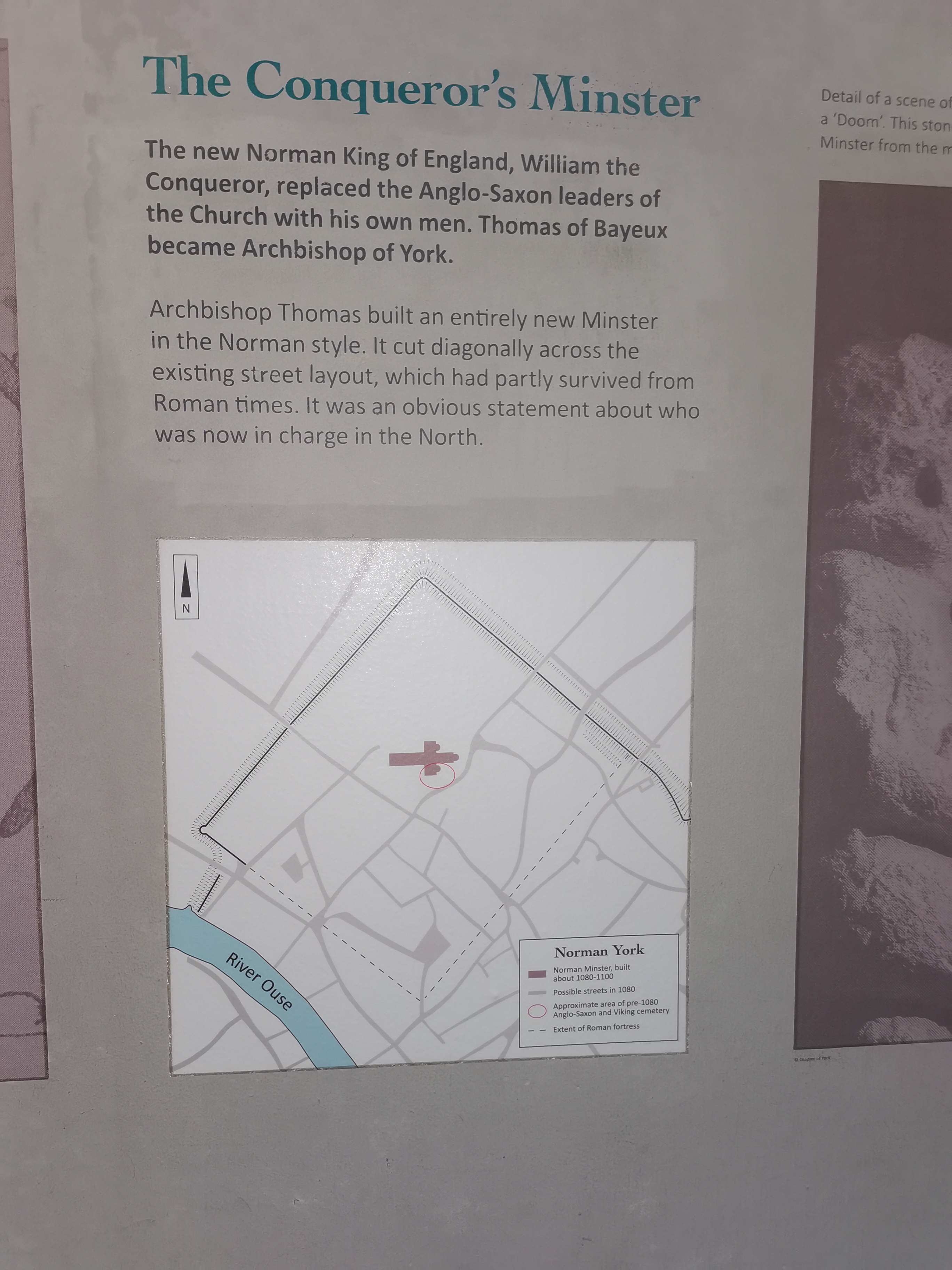
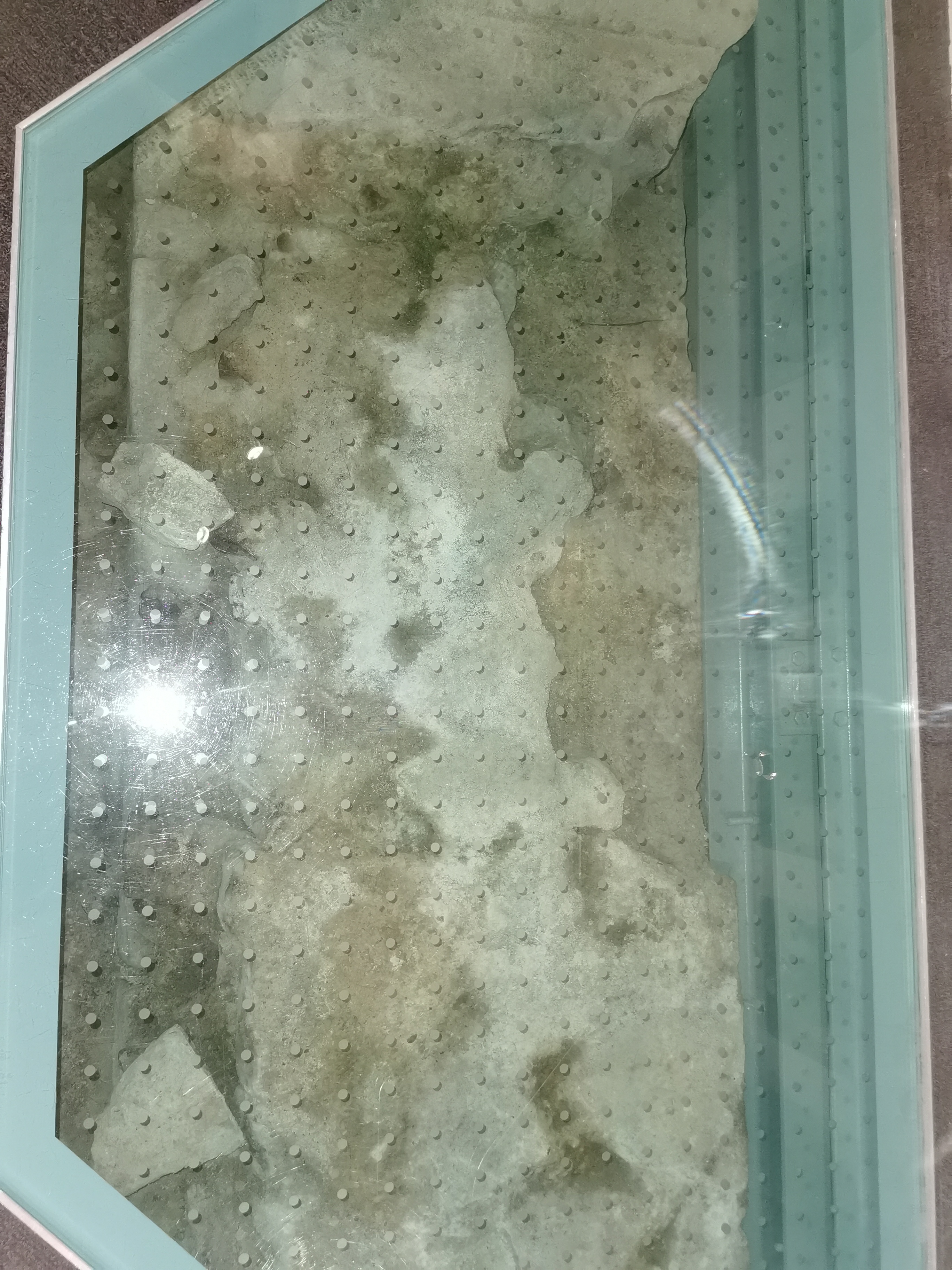
And of course, it was this part of the trip that I found fascinating. In the undercroft museum, they have some of the original Roman remains on view – the top left photo below is, I think, part of the drainage system. They’ve mapped the Roman settlement and the current cathedral, as well as the Saxon settlement, and the many phases of construction as well – cathedrals take hundreds of years to build – and throughout the undercroft, they have a running timeline, events not just in the UK, but also worldwide. While it might smell a bit damp down there, there is so much information on display, that I spent a long time just looking at everything.
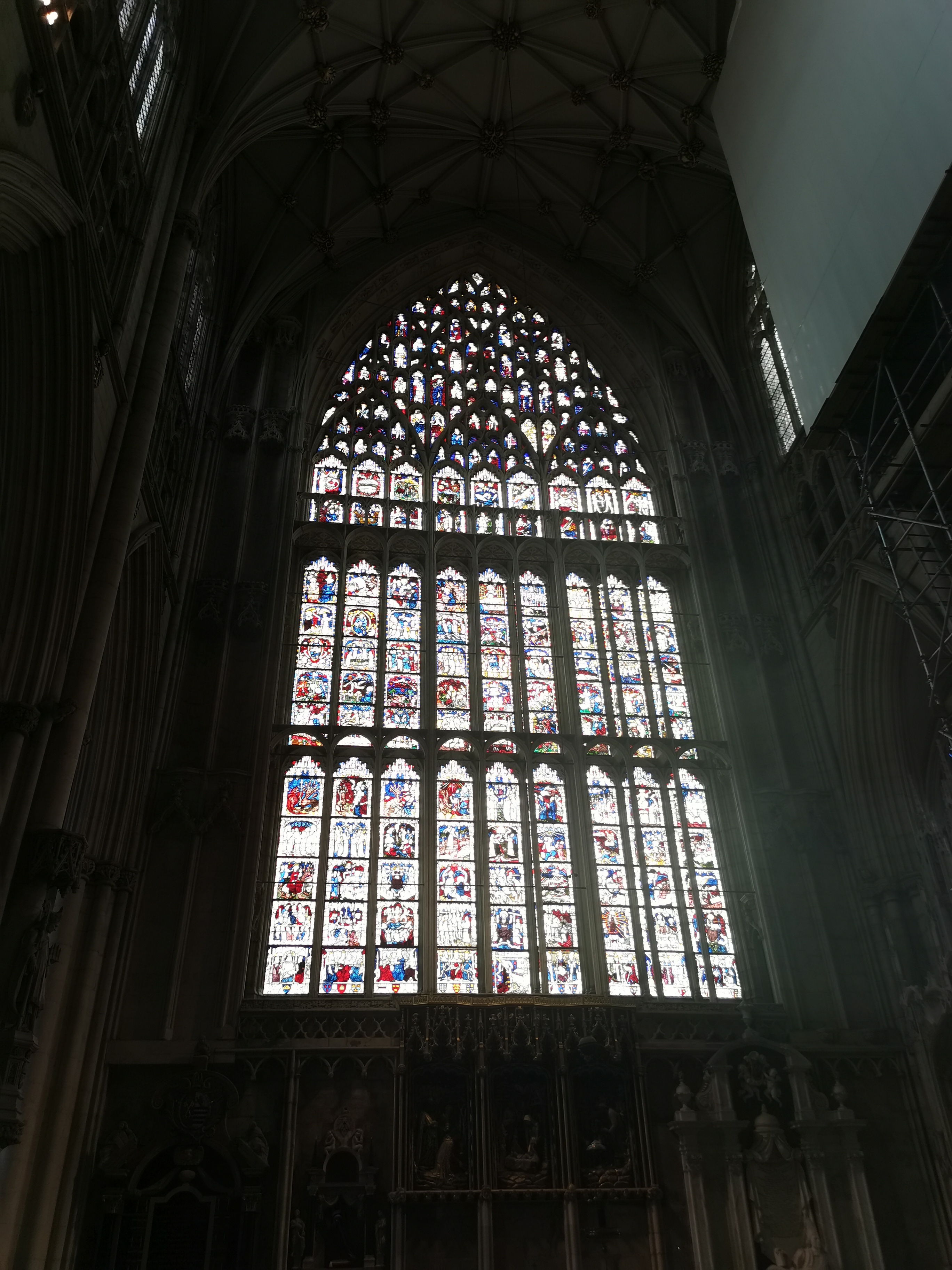
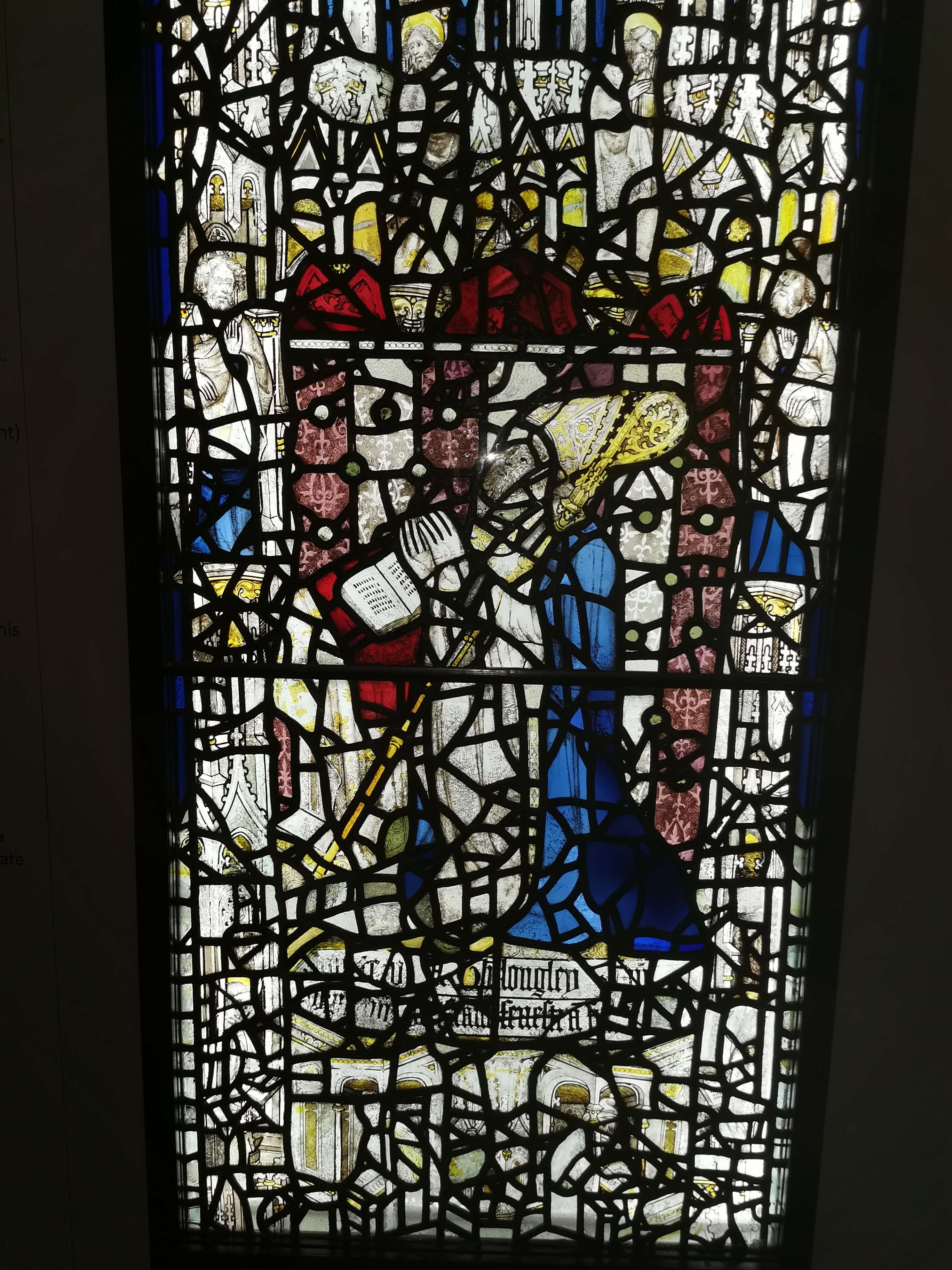
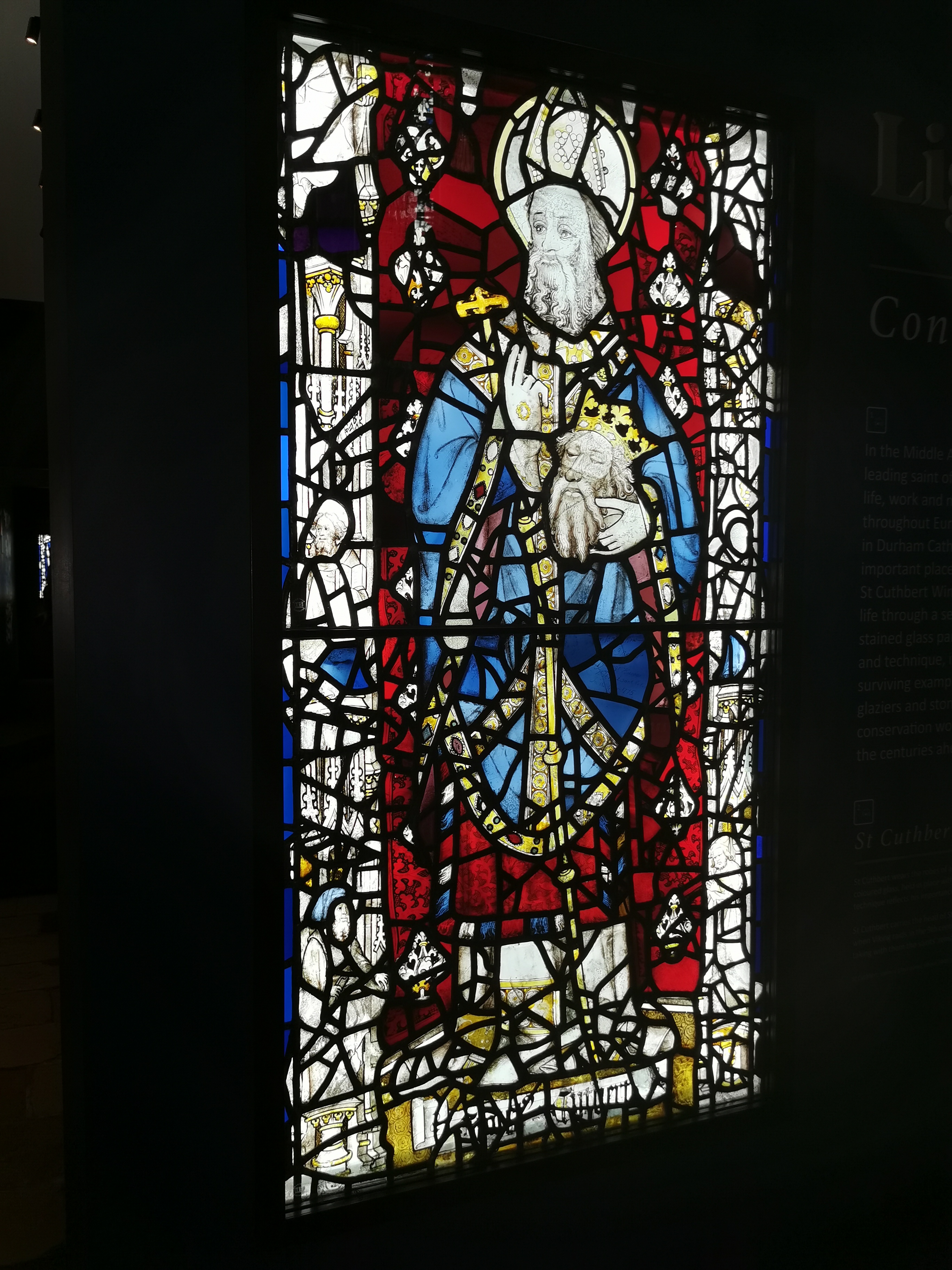
But to return, ‘top-side’ again, and more in keeping with my Gods and Kings trilogy, and some of the other Saxon stories I’ve written, the Minster also has some lovely stained glass depicting the life of St Cuthbert and St Oswald – the two Northumbrian saints most associated with Bamburgh and Lindisfarne. They’re currently conserving the glass, so you can get a really good look at it. And, of course, St Cuthbert is shown, in the bottom right image, holding St Oswald’s head. This, I confess, occasioned quite a few amusing conversations from people looking at the glass, who unsurprisingly, have no idea why this image is depicted in glass. It is, very weird, after all – I didn’t tell them that ‘back in the day’ there were quite a few ‘heads of St Oswald’ claimed by rival monasteries and churches. And of course, St Oswald is also connected with Mercia, as Lady Æthelflæd and her husband took his remains from Bardney and had him reinterred in Gloucester. He got around in the afterlife, that’s for sure.
I did once ask a historian about this appropriation of a Northumbrian saint by the rulers of Mercia. I’m still not entirely convinced by the answer I received.
There were many highlights of the day, but I particularly liked getting my hands on this ‘Viking History Ruler,’ which matches my Rulers of England one.

And, because I’m a bit obsessed with Saxon coinage, I added two more reproductions to my collection.
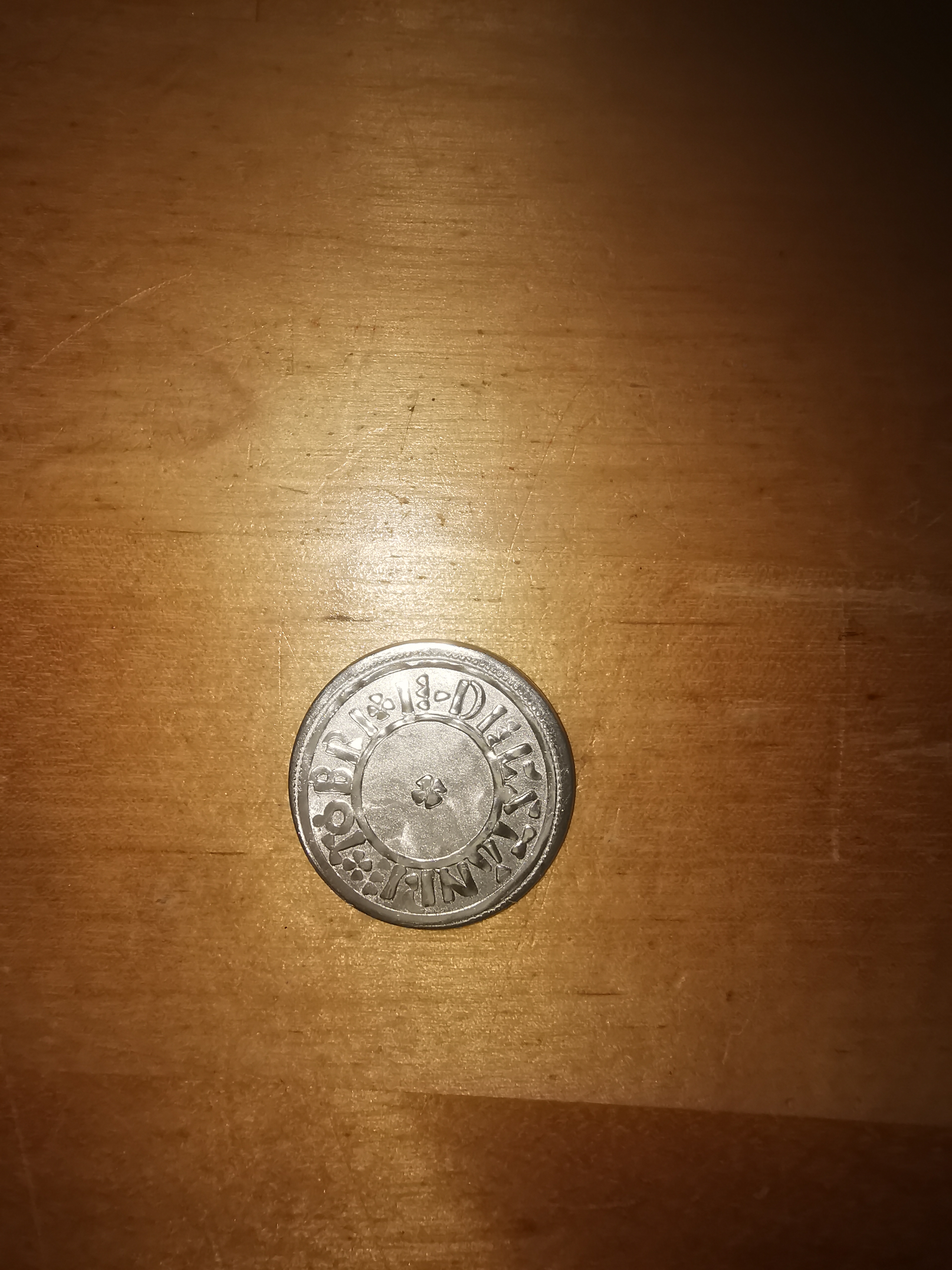
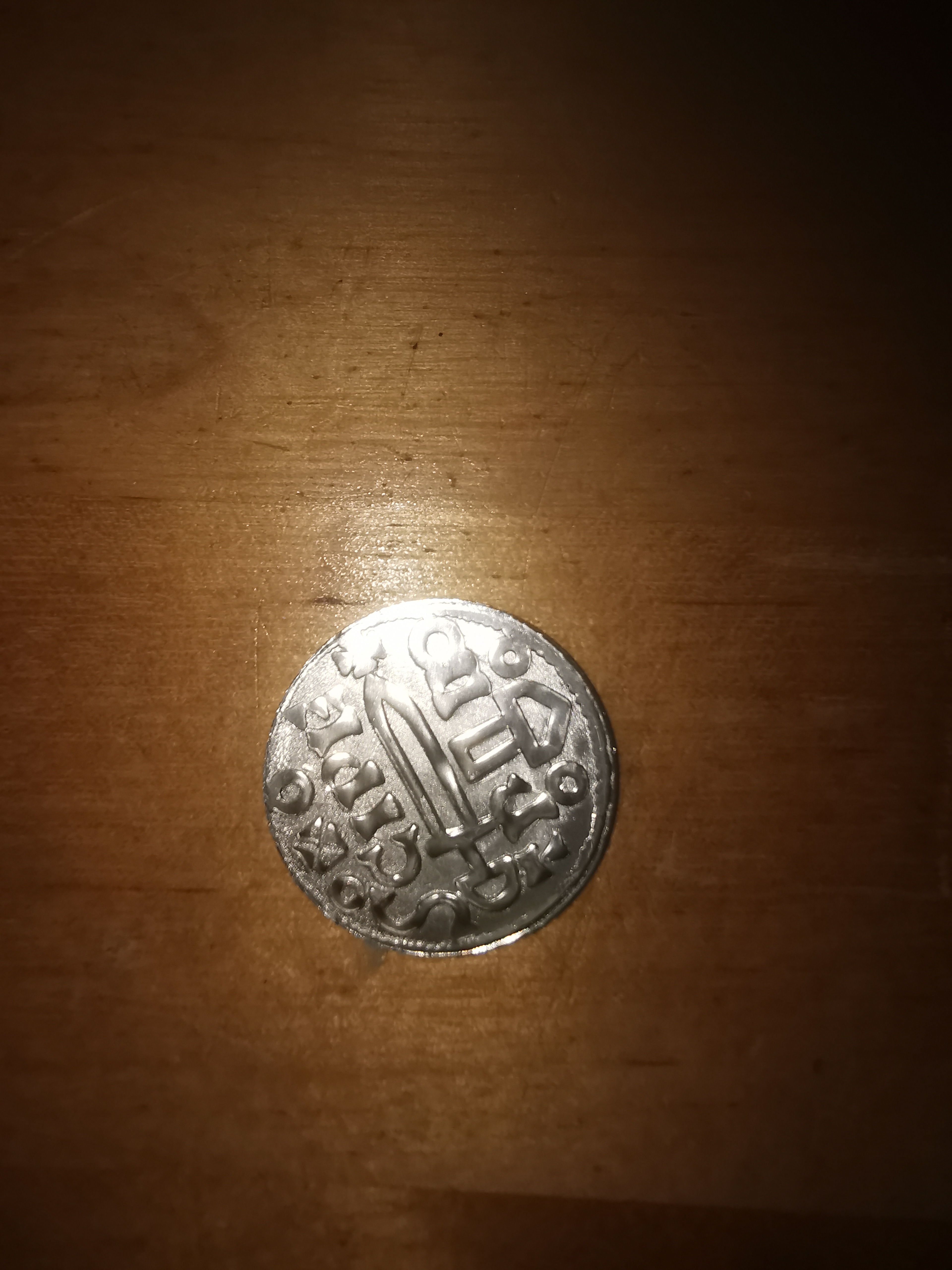
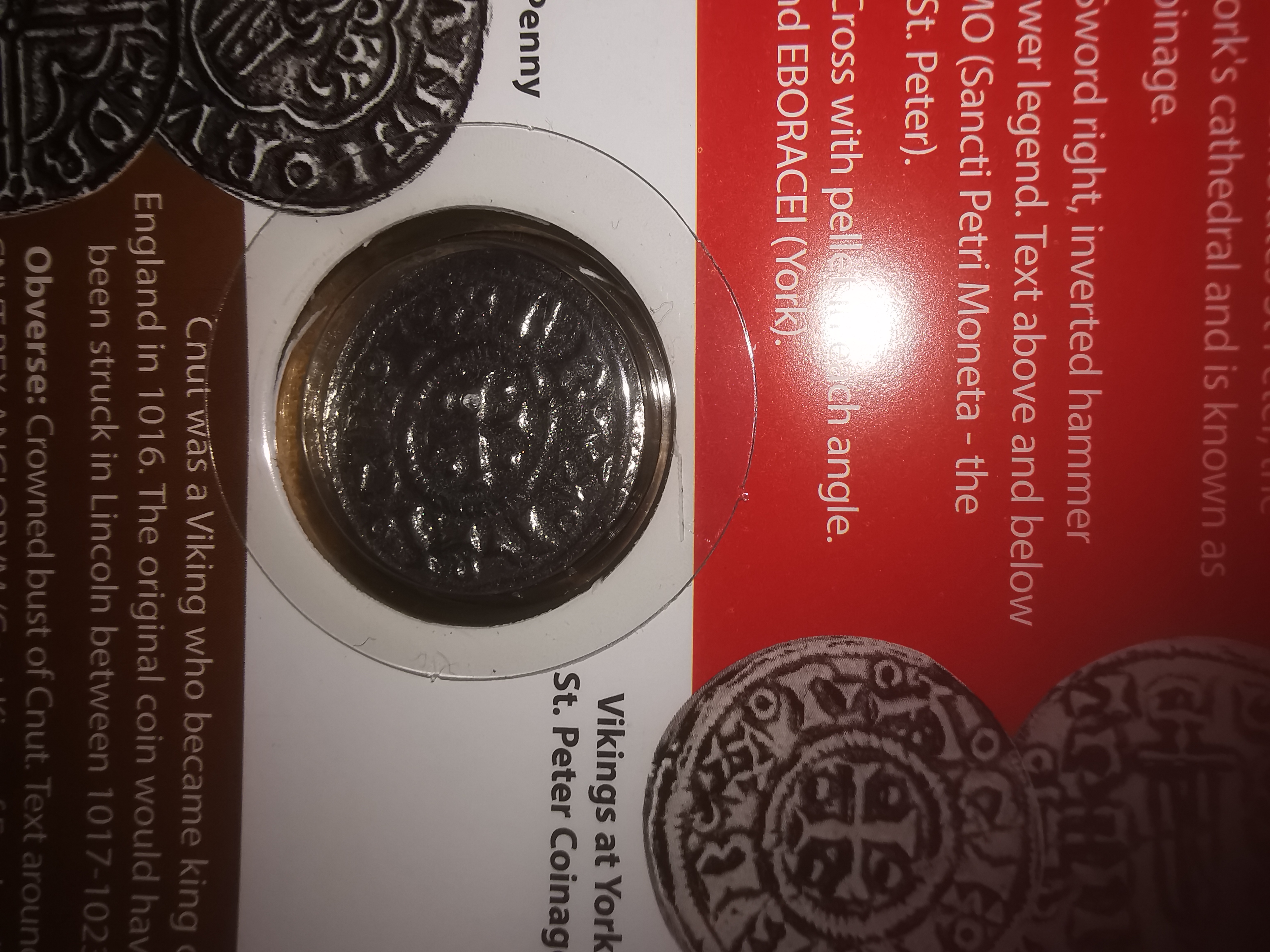

And just to top my day off, I nipped into a fabulous second hand book shop and managed to swag three books that I’ve been using my local university library for – all with translations of Saxon charters – I appreciate it’s not everyone’s idea of fun, but it was so happenstance – I just glimpsed the covers as I was leaving – they were even marked on a ‘still to sort’ shelf. Go me!
Sign up to my monthly newsletter to learn more about my writing journey, new releases and special offers, and receive a free short story collection featuring many stories of Saxon England.
Discover more from MJ Porter
Subscribe to get the latest posts sent to your email.

 MJ Porter
