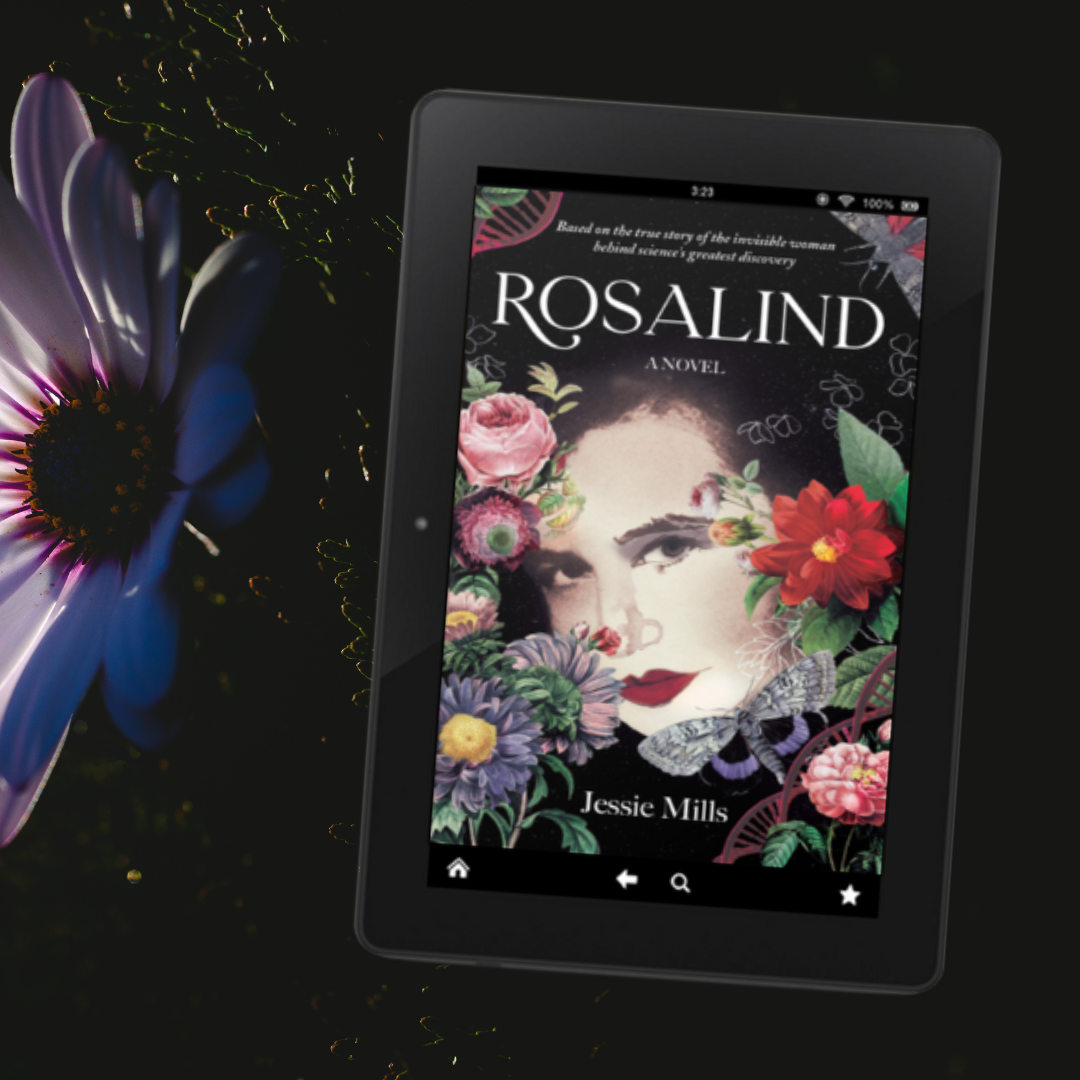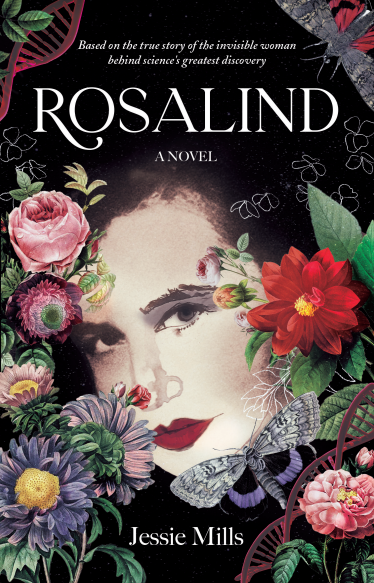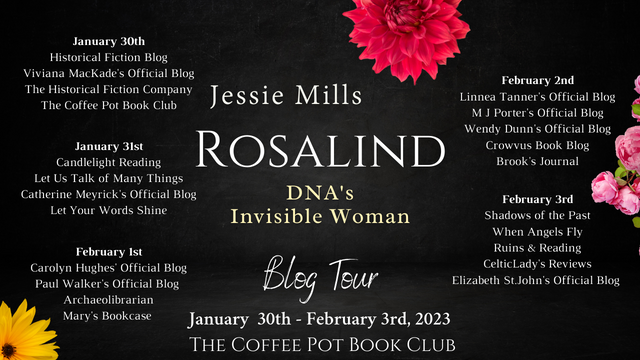

I’m welcoming Jessie Mills and her novel, Rosalind: DNA’s Invisible Woman to the blog today #rosalindfranklin #invisiblewomen #BlogTour #TheCoffeePotBookClub

I’m delighted to welcome Jessie Mills to the blog, with an extract from her novel, Rosalind: DNA’s Invisible Woman

Extract from ROSALIND: DNA’s INVISIBLE WOMAN, Part I, chapter 1 (Exodus | Shemot)

Norway, August 1939

As I stand in line with the other passengers, a dour-faced policeman snatches my passport from my hands. He looks up to examine me from beneath a deeply etched brow.

‘English?’ he asks.

His menacing eyes follow me as I walk past him and up the steps to board the ocean liner. The port town of Bergen is dotted with wooden houses in vivid hues of red and yellow. It is a different sight from the sleepy fishing village on our inbound journey when the Sheriff’s office was closed. I wished then that we could have flown from Gressholmen Airport, in one of the new metallic Imperial Airways planes. They were as big and shiny as the Zeppelins on the banners in Paris. But Father insisted that we couldn’t get the family Austin on one.

On our return, queues into the port stretch for several miles. The jetty is crawling with uniformed police in visor caps, which shield their faces from the stark Norwegian sun. The police are checking passengers’ papers before boarding the boat.

The ship has cast a deep and foreboding shadow over the steps.

As my feet navigate each rung, the iron staircase creaks and yawns. The structure is gnawing at the bolts on the side of the ship.

The staircase sways in unison with the waves as they lap with force against the steel stern. My feet move in time with the structure, back and forth like a pendulum. I vault two steps at a time, levering my body from every other step until the sun’s rays warm the cloth on my back.

Standing on the ship’s bow, I long to stay there forever. The last of August’s sun is twinkling softly on the water’s peaks. The waves are undulating gently against the hull as the boat crosses the water.

The journey out of the port is smooth. With each ripple and swell of the water, my mind drifts, first to home and then to college. I am due to return to Cambridge in less than a month. Suddenly, a thought grips me. At first, it is fleeting, but the more I try to suppress it, the harder it resurfaces, with agonising intensity. I may never return.

Seconds later, a pummelling sensation rams my stomach. The ship swings to one side, and the rail jolts against my ribs.

‘Navy ships?’ my mother asks.

A Cimmerian mist quickly settles on the water’s surface. Through the haze, a large vessel is visible.

My father’s response is inaudible.

As we descend the poorly lit stairwell at the side of the ship, a tide of panic sweeps over me. My parents and brothers spend the rest of the journey in silence.

Perhaps it is selfish to want the bourgeois life of a scientist, a gentleman’s profession. I like Maths too, as well as Chemistry. Yet while the rest of the world is upended by ideology, science is the last bastion deserving of my faith. From the tiniest molecule to the whole of the universe, science pervades every inch. It is the only language we have to make sense of it.

When you lose everything you ever knew to be true, all you can do is drive forwards to keep the ghosts at bay. Our family holiday to Norway began much like our trip two years before. There were few signs of what would transpire, or how it would change the course of our lives. Sometimes it only takes one event, one meeting, one person, or one kiss, for a life to change forever. That August was to be one of those events.

Here’s the blurb

‘A luminous, pin-sharp portrait of a true trailblazer. Mills’s writing simply glows.’ Zoë Howe, Author, Artist and RLF Writing Fellow at Newnham College, University of Cambridge

Rosalind: DNA’s Invisible Woman tells the true story of the woman who discovered the structure of DNA, whose work was co-opted by three men who won a Nobel prize for the discovery.

Her story is one of hope, perseverance, love and betrayal. 

Driven by her faith in science, Rosalind Franklin persisted with her education in the face of formidable obstacles, including the de-reservation of women from war science. 

In Norway at the start of World War II, her place at Cambridge’s first women’s college was thrown into jeopardy.

A decade later, she fled Paris upon the news that the research director at the State Chemicals Lab was having an affair. They continued to write to each other in secret.  

Rosalind knew when embarking on science, a gentleman’s profession, that the odds would be stacked against a woman’s success. But she did not foresee that her pay would later be cut on account of her age and gender, that she would be burned by the plagiarism rife among her male contemporaries or face her own battle with cancer. 

When she took a research post at King’s College London, the head of the physics department switched her subject to DNA at the last minute. 

She was tasked with discovering its structure using X-ray crystallography. Could she become the first scientist to map the DNA molecule and would the discovery ultimately be worth it? 

When two researchers at Cambridge University, her alma mater, built a three-chain model of DNA weeks after seeing her lecture, she knew that it was wrong. 

Scientists at each of the three labs competing in the race to find DNA’s structure had guessed that the molecule had three chains. Her evidence proved them wrong. But would anybody listen?

This is the story of DNA that you won’t find in the history books…   

The woman behind science’s greatest discovery has been variously referred to as ‘an obsessive woman’, ‘difficult’, and ‘the dark lady of DNA’. Why was she called these names, and were they justified? 

Written by journalist and former Wall Street Journal (PRO) editor Jessica Mills Davies, following nearly three years of intensive archival research, the novel aims to give Rosalind Franklin a voice for the first time in history. Her story is the most well-documented account of ‘the Matilda effect’ and its corollary ‘the Matthew Effect’, whereby women’s contributions to science and other professions are often ignored or misappropriated. 

The Exeter Novel Prize-longlisted novel is peppered with copies of original correspondence between her and her contemporaries, illustrating how three men got away with the biggest heist in scientific history. 

Buy Links: 

Universal Link

Amazon UKAmazon USAmazon CAAmazon AU

Barnes and NobleWaterstonesKoboBlackwell’s: 

(Also available on APPLE BOOKS)

Meet the author

Jessica is a journalist and author. She has written for publications such as The Independent, The Wall Street Journal and Business Insider, where she investigated the use of flammable cladding in hospital intensive care units in 2020.

Before that she was a member of the steering committee for Women at Dow Jones, where she spent several years as an editor and led the team that uncovered the misuse of funds at Abraaj.

Her debut novel tells the true story of Rosalind Franklin, the invisible woman behind the discovery of DNA’s double helix. It was longlisted for the Exeter Novel Prize 2020.

Connect with Jessie

WebsiteTwitterFacebook

LinkedIn: InstagramPinterest

Amazon Author PageGoodreads

Follow the Rosalind: DNAs Invisible Woman Blog Tour with The Coffee Pot Book Club

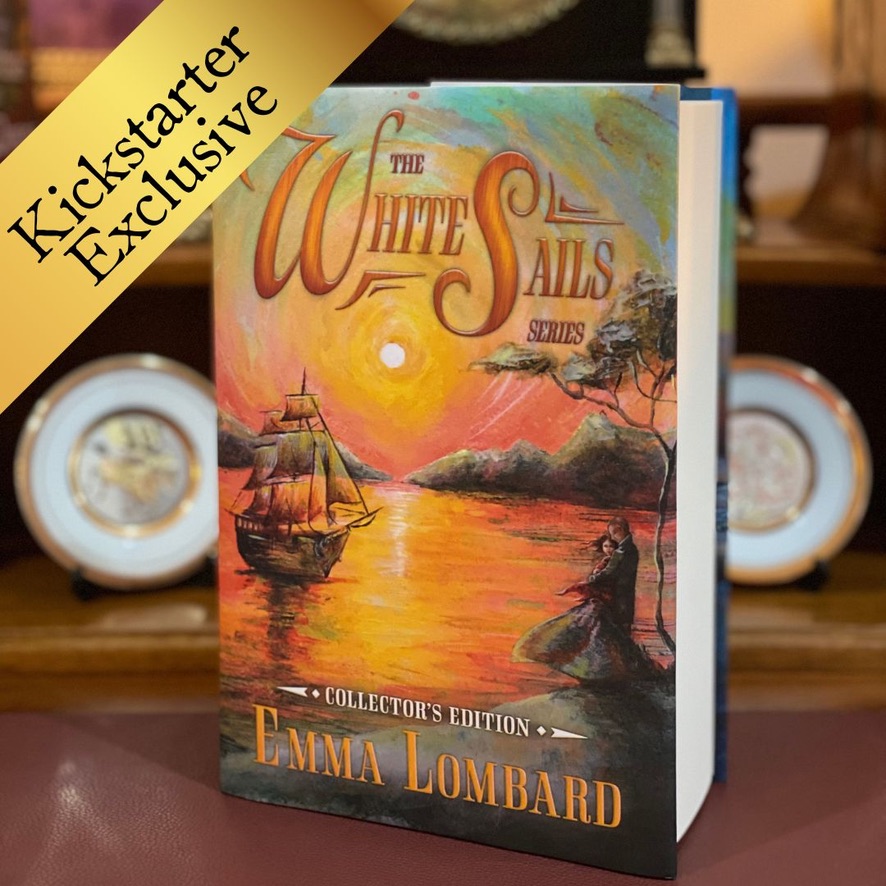
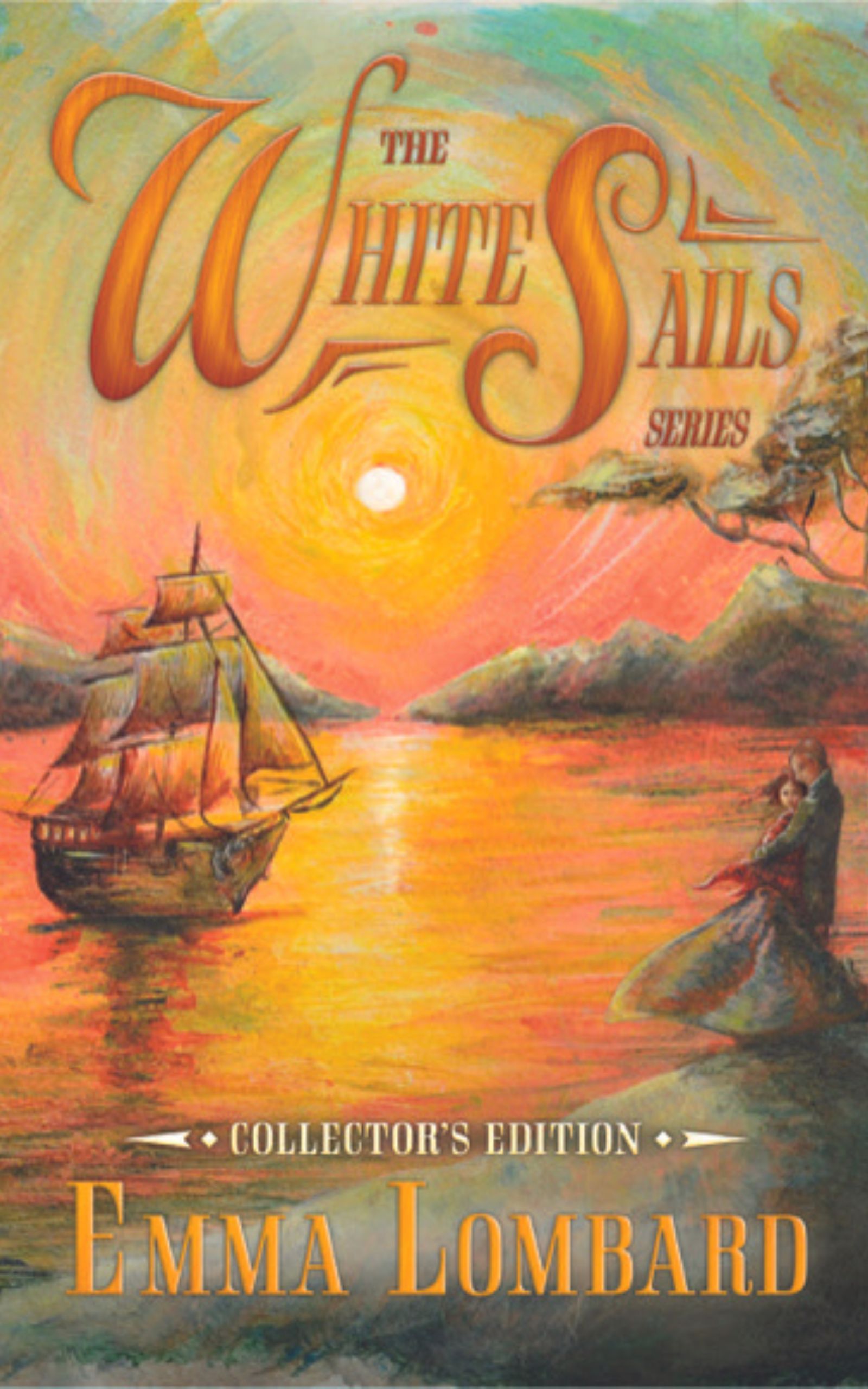
Today, I’m welcoming The White Sails Series Collector’s Edition by Emma Lombard to the blog #blogtour

Here’s the blurb

Award-winner, The White Sails Series, where icy winter storms, opportunistic mercenaries, uncharted lands, and a colourful crew of sailors are all lashed together by an epic love story. 

This collector’s edition includes all four books in the series.

The White Sails Series: Special Hardback Omnibus

If Bridgerton and Pirates of the Caribbean had a love child.

Are you a fan of sweeping romantic adventures?

Do you fall for tall, brooding Naval Officers?

Love a feisty female lead who makes you yell aloud?

Then hop aboard Emma Lombard’s hardback Collector’s Edition of The White Sails Series, and batten down the hatches!

But why?

Well, firstly, let me tell you what my Kickstarter campaign isn’t. It isn’t a plea for donations, it’s not a beg for money, and it’s not just another retailer.

Okay, so what is it then? 

Kickstarter is a wonderful way for me to give more to my fans.

It allows fans access to a special collector’s edition that is not (and will never be) available from online retailers.

It allows fans to have each and every copy personalised, which is just not doable on retailers.

It also allows fans a more intimate view of the story behind my series.

And best of all, it allows fans to get involved in my next series, whether through an exclusive sneak peek of the first draft or even having a character named after them.

Oh, and did I mention there’s an opportunity to win the original oil painting of the cover?

Where else in the world do you get all this extra cool stuff thrown in just because you bought a book?

What’s in it for you, Emma?

Without wanting to sound too cheesy, I’m beside myself to put such a pretty book out in the world. I’m mean, just look at that dreamy sunset! I’m not going to lie, I love a chunky book.

This collector’s edition fulfils my ultimate author dream—to be able to hold (and smell) a weighty tome. I’m not the only one—I’ve had folks walk up to my books at the market and pick them up just to smell them! My kind of peeps!

I know it’s taboo to talk about money, but the pledges received for this campaign will help me recoup some of the upfront expenses that I have already laid out, like editing, book cover design, audiobook narration, and it will give me the momentum I need to invest in those same services for my next series, The Gold Hills Series.

You’ll be helping keep the indie publishing ecosphere turning, which in turn lets me keep creating more stories.

So, what’s The White Sails Series about?

One of my readers described it best: If Bridgerton and Pirates of the Caribbean had a love child.

The idea for this series was born from a tiny nugget of family gossip that my grandmother shared with me. She told me how my 3x great grandmother left her well-to-do family in England to elope with an English sea captain, and live aboard his ship with him. 

I took the basic concept of this story and had a blast creating an entirely fictitious imagining of what it might have been like for a woman to live aboard a ship in those days. Quite ironic considering that I get terribly sea-sick myself.

Curious? Never seen what a Kickstarter campaign looks like?

Just looking: Take a look at Emma’s campaign to see it in detail: https://www.kickstarter.com/projects/emma-lombard-author/the-white-sails-series-special-hardback-omnibus-audiobook?ref=9oxhwz

Note: clicking on this link will not sign you up to anything, it will simply take you to the campaign page to look.

GIVEAWAY

Batten down the hatches, m’lovelies, for a chance to win an exclusive, personalised, hardcover Collector’s Edition of The White Sails Series: 

Fill out the entry form — https://forms.gle/Be1snbRhVZzcKyKY7

Winner will be notified by email on February 18th, 2023.

Buy Links 

Exclusively available on Kickstarter

Meet the author

Emma Lombard was born in Pontefract in the UK. She grew up in Africa—calling Zimbabwe and South Africa home for a few years—before finally settling in Brisbane Australia, and raising four boys. Before she started writing historical fiction, she was a freelance editor in the corporate world, which was definitely not half as exciting as writing rollicking romantic adventures. Her characters are fearless seafarers, even though in real life Emma gets disastrously sea sick.

Connect with Emma

WebsiteTwitter: FacebookInstagram

Book BubAmazon Author PageGoodreads

Follow The White Sail Series Collector’s Edition blog tour with The Coffee Pot Book Club

I’m delighted to welcome The Adventures of Ruby Pi and the Math Girls by Tom Durwood to the blog YAadventure #ScienceGirls #BlogTour #TheCoffeePotBookClub

I’m delighted to feature an excerpt from The Adventures of Ruby Pi and the Math Girls by Tom Durwood.

Gunfight in the Mogollons 

“These Colorado coaches,” lectured the solicitor, Aynsley, “are a larger, more rugged version of the Kinnear design. Wells Fargo uses them widely.

“This is a Concorde model, if I’m not mistaken,” he added. “Capacious.”

Johnny glared at the talkative lawyer. 

“More useless information,” snorted the militia man, Morgan. He rubbed his bandaged hand sullenly.    

The stagecoach’s constant motion cast a bad mood within its large interior, but it was more than just the motion. The day had turned to dusk. Only an hour further to Folsom. The mountain trail was clear, the horses making good time. 

“Leather-strap suspension,” offered Aynsley to his captive audience, “is what gives the carriage its swinging movemen– ” 

It happened so fast. 

All in the same moment–   

They heard a thunderous crash, followed by three loud gunshots.

The horses whined their objection in a panic – 

One of the brake levers snapped. 

The stagecoach screeched to a halt.

The stagecoach passengers heard a hard, painful scream from the driver’s seat – 

“I’m hit! I’m hit!”

The stage door flew open and half of the passengers spilled falling out onto the trial – 

Shut up,” came a woman’s voice. A pause, and then, “Morgan! You there?” 

The passengers stood.  Now they could see that a great, bulky deadfall had been placed across the trail to block the stage. 

Angie and Drew, from the saloon in Silver City, sat astride two horses, guns drawn.

“Hands up! All of you!” proclaimed Drew. “This here’s a robbery!”

He held his pistol on the stage driver, who had his hands up.  Beside him, the rifleman clutched at his arm, where had been shot.

Now Morgan smirked as he trained a gun on Johnny’s stomach.

“What the devil — ” sputtered Aynsley.

“You- you’re bandits?” demanded the startled Mrs. Aynsley.

“The money belts,” commanded Morgan. “That deed! Now!”

One of the drivers groaned for mercy.   

Angie stopped placing the saddle on the lead horse, turned and shot him 

“Money belts,” spat Drew.  

“But you’re such a nice boy — ”

“I’ll shoot you, hey,” shouted Drew, trembling. 

“You’ll never get away with it,” warned the lawyer. 

“Easy …” said Johnny.

“Sorry, bub,” Morgan said, half-smiling, to Johnny as he raised the weapon.  “We can’t leave witnesses now, can we?”

Ma yelled ‘No!’ and lunged for the militia man — 

“Hey. Morgan,” said Casey. 

Morgan turned in time to see Casey’s hand sweep to her side and emerge with a gleaming pistol, one of the Colt Rainmaker’s, nickel-plated and deadly fast.   

In a liquid motion, she raised the Colt and fanned the hammer —  

BAMBAMBAM!  

Three rounds sunk deep into Morgan’s chest, all at once.

Casey swiveled and sent three more rounds slamming into anxious young Drew, jerking him clean from his saddle — 

With a curse, Angie jammed her spurs into her horse and rode off —  

Casey dropped the Colt and ran to grab the Enfield rifle from the passenger racks. 

She shucked the rifle sheath and ran to the edge of the trail. 

She stood on an outcrop facing northeast. She could see the sweep of the basin and range, to her right, where Angie was escaping — 

She was galloping unseen, along the high-walled Mogollon limestone.

But there was a break in the wall, very distant … 

It was that opening to which Casey devoted her attention.  

They could hear the horse’s canter, moving away … 

Casey thumbed in three big, heavy cartridges.           

“Eleven hundred meters … ” said Johnny. 

Johnny held the rangefinder like binoculars.

He counted off a sequence of numbers. 

Casey scribbled the calculations. 

Distance … curvature  … target point … origin point

Now she watched through the Enfield’s telescopic sight, following the horse-and-rider trajectory, as she imagined it.  

John called out a second sequence of numbers, distance in meters.  

“Twenty …” said Johnny. 

“Fifteen,,, ten .. five …”

The Enfield let go a sharp crack — 

The firearm echoed in the great solemn quiet along the southern section of the Mogollons …

Angie’s body slumped and fell from the saddle. 

What we see are objects in refracted light. A thing itself does not change, just the ways in which we experience it.  It is the light which changes.   

A blue moon looks blue because of shifts in light, the suspended volcano dust in the air. The way that light refracts can make everything look new, and not as we thought it to be.   

It alters how things appear to us, does the immense cloud of fine dust and ash from the Krakatoa Volcano, supplemented by forest fires in Sweden and Canada. When the quality of the air changes, so does the quality of light. On a Blue Moon night, the thing itself does not change, just the ways we experience it. 

Casey turned to Ma. 

“Why don’t you take the money back to Mister Torgeson, Ma?”

She indicated the currency that had spilled from the lawyer’s satchel onto the trail, when Johnny had shot Morgan.  

“Back to Silver City.”  

Ma looked long and still at her daughter.

“I’m sure he’d appreciate it,” said Casey. 

She slung the Enfield over her shoulder, like it had always been there, like it belonged attached to her.   

“Johnny and me can run the clinic in Folsom. Then we’ll head straight for Albuquerque. 

“You come join us, soon as you can.”  

The horses fell quiet. A silence vast and deep seemed to descend, all along the southeastern section of the Mogollon Rim. The little grouping around the stagecoach listened, as though they could all feel, or somehow hear, the rotation of the earth.

No man or woman could put an adjective to the look that appeared on Ma’s face. It was sad and accepting, almost relieved and almost embarrassed, and several more emotions as well, all at the same time.

“And so the child,” intoned Aynsley, “is father to the man.” 

“What, are you the effing chorus now?” Johnny raised his pistol to shoot the lawyer. “You two-faced shill — ”

“No! Please!” Mrs. Aynsley began to cry —   

“They were robbing us, too,” she reminded Johnny.

Now Mrs. Aysnley’s cry turned into a scream, a hideous, feral sound, for such a cultured woman — 

Johnny lowered the gun. “Just as soon,” he murmured. 

“All right, Case,” said Ma. “All good.” 

Ma’s face had gone white. She gripped the hem of her skirt tightly   

“You two …take …” Ma choked. “Ah! Me! Take good care, Johnny –”

“The Fort Stanton stage should be by here in an hour or so,” said Casey. “That about right, Whip?” she called to the driver. 

“Yup,” came the reply.

Casey looked out over the basin lowlands. She closed eyes, for a moment.

“I don’t know what we’ll find in Albuquerque,” Casey said to her brother as she swung into the saddle of the horse Drew had been riding. 

“But we got a real-life deed to some damn thing.” 

“We got two hundred bucks.”

She patted the horse’s neck.

“And we can make an honest living fixin’ guns.”

“We should be all right,” Johnny nodded.   

He finished cinching the saddle of the lead stage horse and checked the horse’s underbelly. The bay was ready to trade all this gunplay and confusion among the humans for an open run along a clear path.   

“Let’s light a shuck — “

Here’s the blurb

A collection of adventure stories featuring young heroines at turning points in history who use math to solve colossal problems. Smart girls take on buried secrets, villains, tanks, mysteries, codes, and economics to save their people “Stories, mystery and math go well together… a welcome addition.” 
(~ Jeannine Atkins, author of “Grasping Mysteries: Girls Who Loved Math”) 

Buy Links:

Universal Buy Link

Amazon UKAmazon USAmazon CAAmazon AU

Barnes and NobleKobo

Meet the author

Tom Durwood is a teacher, writer and editor with an interest in history. Tom most recently taught English Composition and Empire and Literature at Valley Forge Military College, where he won the Teacher of the Year Award five times. Tom has taught Public Speaking and Basic Communications as guest lecturer for the Naval Special Warfare Development Group at the Dam’s Neck Annex of the Naval War College.

Tom’s ebook Empire and Literature matches global works of film and fiction to specific quadrants of empire, finding surprising parallels. Literature, film, art and architecture are viewed against the rise and fall of empire. In a foreword to Empire and Literature, postcolonial scholar Dipesh Chakrabarty of the University of Chicago calls it “imaginative and innovative.” Prof. Chakrabarty writes that “Durwood has given us a thought-provoking introduction to the humanities.” His subsequent book “Kid Lit: An Introduction to Literary Criticism” has been well-reviewed. “My favorite nonfiction book of the year,” writes The Literary Apothecary (Goodreads).

Early reader response to Tom’s historical fiction adventures has been promising. “A true pleasure … the richness of the layers of Tom’s novel is compelling,” writes Fatima Sharrafedine in her foreword to “The Illustrated Boatman’s Daughter.” The Midwest Book Review calls that same adventure “uniformly gripping and educational … pairing action and adventure with social issues.” Adds Prairie Review, “A deeply intriguing, ambitious historical fiction series.”

Tom briefly ran his own children’s book imprint, Calico Books (Contemporary Books, Chicago). Tom’s newspaper column “Shelter” appeared in the North County Times for seven years. Tom earned a Masters in English Literature in San Diego, where he also served as Executive Director of San Diego Habitat for Humanity.

Two of Tom’s books, “Kid Lit” and “The Illustrated Boatman’s Daughter,” were selected “Best of the New” by Julie Sara Porter’s Bookworm  Book Alert

Connect with Tom

WebsiteNewsletter:  

TwitterFacebookLinkedIn

PinterestAmazon Author PageGoodreads: 

Follow The Adventures of Ruby Pi and the Math Girls blog tour with The Coffee Pot Book Club

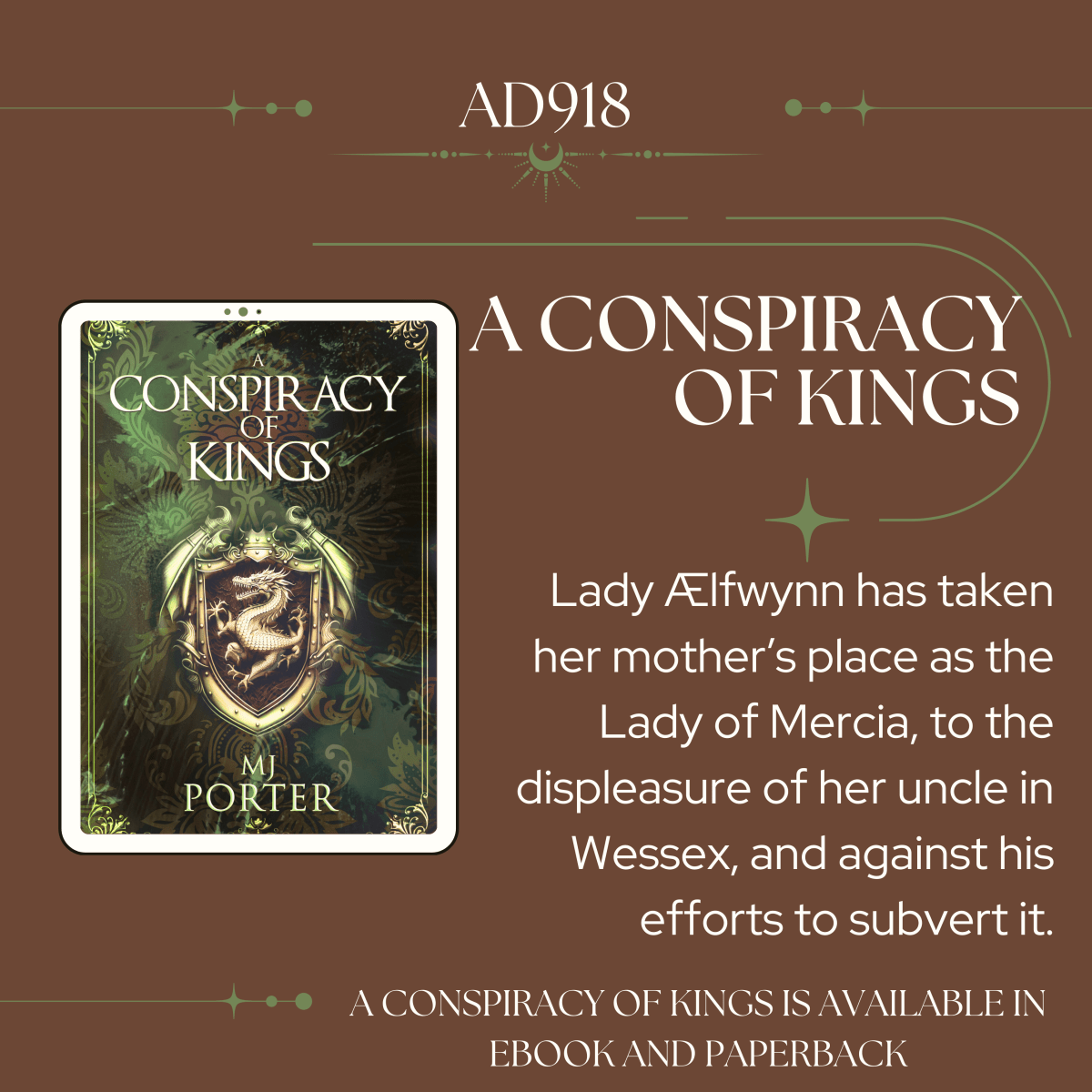
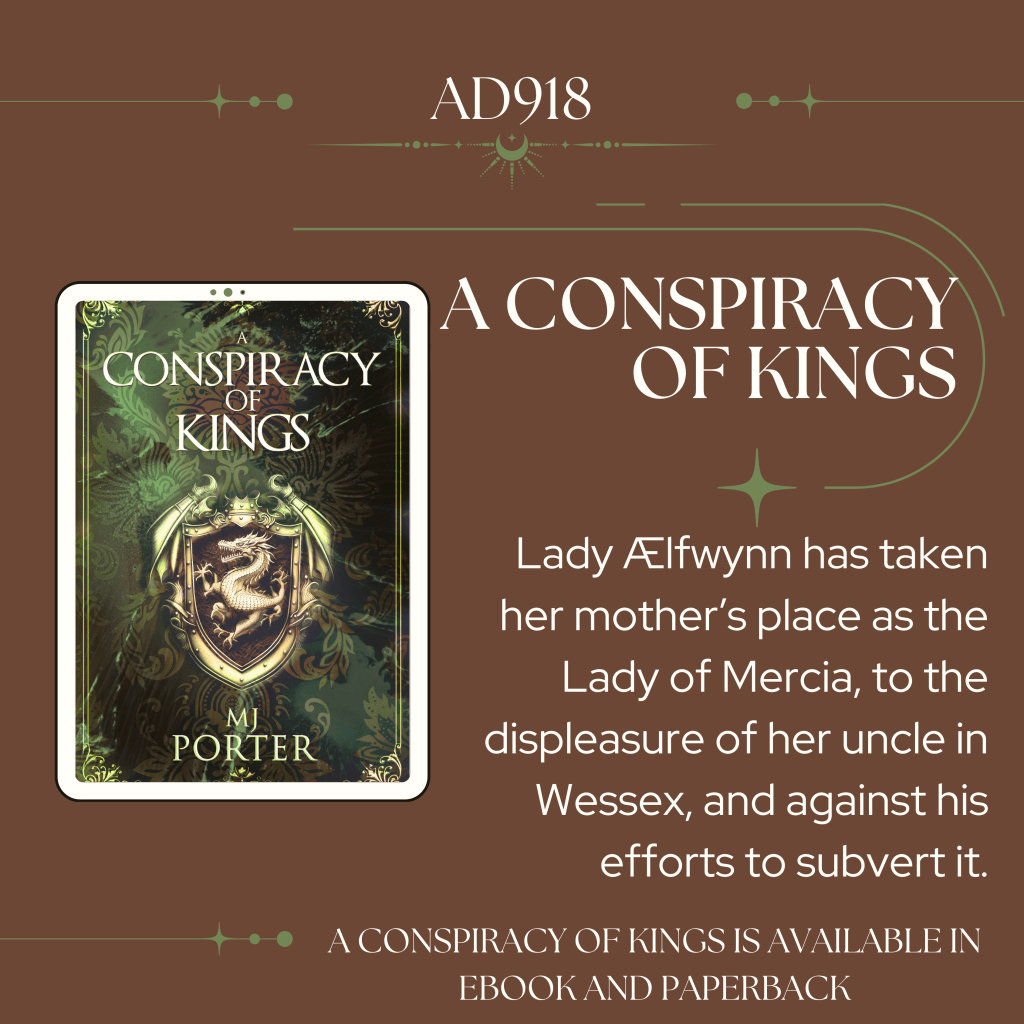
I’m excited to share the new cover for A Conspiracy of Kings

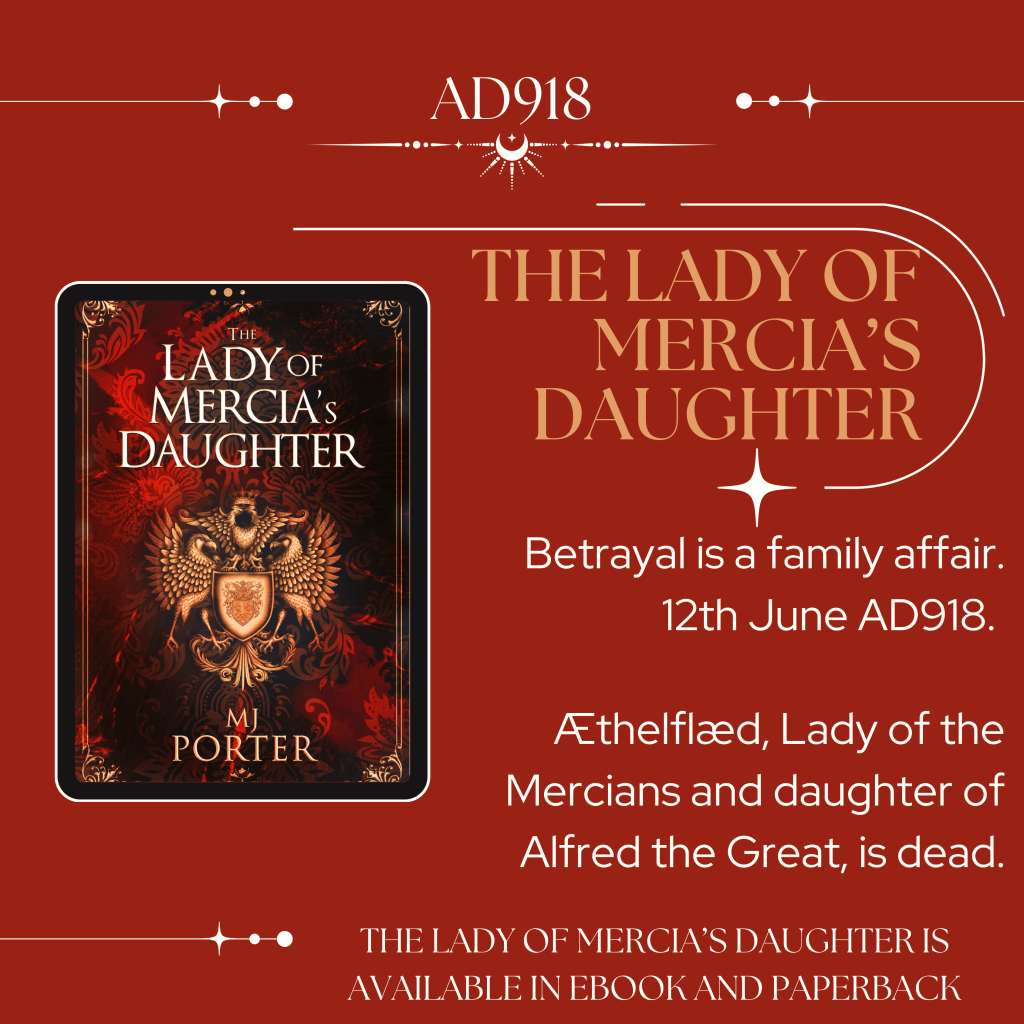
Here it is. The new cover for A Conspiracy of Kings, the sequel to The Lady of Mercia’s Daughter.

Here’s the blurb

Mercia, 918.

Lady Ælfwynn has taken her mother’s place as the Lady of Mercia, to the displeasure of her uncle in Wessex, and against his efforts to subvert it.

King Edward, casts his eye longingly over Mercia, and finds a willing accomplice where none should exist. This time, the threat to Lady Ælfwynn is not as easy to defeat.

This is the continuing story of Lady Ælfwynn, the granddaughter of King Alfred, begun in The Lady of Mercia’s Daughter.

It is intended that The Lady of Mercia’s Daughter should be read before A Conspiracy of Kings.

It’s been fabulous to have the opportunity to revisit both of these books in the last few months, while working on my non-fiction book about the royal women of The House of Wessex in the long tenth century.

Visit The Tenth Century Royal Women Page for more information.

Posts

Today, I’m reviewing Caledon by Virginia Crow on the blog #historicalfantasy #BlogTour #TheCoffeePotBookClub

Here’s the blurb

“Go out and tell all those you meet, Caledon has risen. Caledon will be protected and defended. And to you who would cause her harm, be prepared. A new fight has come.”

After the destruction of the Jacobite forces at Culloden, Scotland is divided, vulnerable and leaderless, with survivors from both sides seeking to make sense of the battles they have fought against their fellow Scots.

James Og flees Drumossie, seeking the protection of his uncle’s house in Sutherland. It is here that James learns that the Northern Highlands hold a secret power only he can wield: Caledon. When Ensign John Mackay begins hunting Og’s family, James realises he must harness this power to defeat the enemies of Scotland.

But, as the ageless Caledon awakes, so too does an ancient evil. When it allies with Mackay, the small Clan of Caledon faces enemies at every turn, discovering that even those closest to them may seek to destroy them.

Buy Links

Universal Link:

Amazon UKAmazon USAmazon AUAmazon CA

My Review

Caledon is an intriguing work of historical fantasy set in Scotland following the battle of Culloden.

The narrative revolves around six main characters, switching between points of view, and is centred around family loyalty, distrust and the war raging between the Hanoverians and the Stuarts. There are also a few star-crossed lovers, and sadly, not everyone will get the happy ending they deserve, even with the aid of the mysterious Caledon.

With its supernatural elements it offers something a little different as the Clan of Caledon learn to trust their abilities while all those around them seek their destruction.

An enjoyable read and one sure to appeal to those with a love of a Scottish setting.

Meet the author

Virginia grew up in Orkney, using the breath-taking scenery to fuel her imagination and the writing fire within her. Her favourite genres to write are fantasy and historical fiction, sometimes mixing the two together. She enjoys swashbuckling stories such as The Three Musketeers by Alexandre Dumas and is still waiting for a screen adaption that lives up to the book!

When she’s not writing, Virginia is usually to be found teaching music. She believes wholeheartedly in the power of music, especially as a tool of inspiration. She also helps out with the John o’ Groats Book Festival which is celebrating its 4th year.

She now lives in the far-flung corner of Scotland. A doting spaniel-owner to Orlando and Jess, Virginia soaks up in inspiration from the landscape as she ventures out with her canine companions.

She loves cheese, music, and films, but hates mushrooms.

Connect with the author

Website

TwitterFacebookInstagram

Book BubAmazon Author PageGoodreads

Follow the Caledon blog tour with The Coffee Pot Book Club

I’m delighted to feature The Flame Tree by Siobhan Daiko on the blog  #HistoricalFiction #WomensFiction #BlogTour #TheCoffeePotBookClub

Here’s the blurb:

In the spring of 1939, dashing young William Burton and the beautiful Constance Han set sail from London on the same ocean liner to Hong Kong.

Romance blossoms while they enjoy games of deck quoits and spend sultry tropical evenings dancing under the stars. Connie is intrigued by Will’s talent for writing poetry, and she offers to give him Cantonese lessons to help him with his new job— a cadet in the colonial service.

But once in Hong Kong, Connie is constrained by filial duty towards her Eurasian parents, and their wish for her to marry someone from her own background. She can’t forget Will however and arranges to meet him in secret under the magnificent canopy of a flame of the forest tree—where she fulfils her promise to teach him to speak Chinese.

Before too long, trouble looms as Japanese forces gather on the border between Hong Kong and mainland China. Will joins a commando group tasked with operating behind enemy lines, and Connie becomes involved in the fight against local fifth columnists.

When war breaks out, they find themselves drawn into a wider conflict than their battle against prejudice. Can they survive and achieve a future together? Or do forces beyond their control keep them forever apart?

Based on a little-known true story, The Flame Tree is a tale of love and survival against all the odds.

PRAISE FOR SIOBHAN DAIKO

“Siobhan Daiko will tug at your heartstrings, and leave you desperate for more…” 

~ Ellie Yarde, The Coffee Pot Book Club.

“Daiko is an author you’ll want to add to your historical fiction favourites.” 

Netgalley Reviewer

Buy Links:

Universal Link: https://mybook.to/TFTHK

Amazon UKAmazon USAmazon CAAmazon AU

Meet the author

Siobhan Daiko is a British historical fiction author. A lover of all things Italian, she lives in the Veneto region of northern Italy with her husband, a Havanese dog and a rescued cat. Siobhan was born of English parents in Hong Kong, attended boarding school in Australia, and then moved to the UK—where she taught modern foreign languages in a Welsh comprehensive school. She now spends her time writing page-turners and enjoying her life near Venice. 

Her novels are compelling, poignant, and deeply moving, with strong characters and evocative settings, but always with romance at their heart. You can find more about her books on her website http://www.siobhandaiko.org

Connect with Siobhan

Website

TwitterFacebookFacebook: LinkedInInstagram

PinterestBook BubAmazon Author PageGoodreads

Follow The Flame Tree blog tour with The Coffee Pot Book Club

Today, I’m delighted to share an excerpt from Holly Bush’s new book, The Captain’s Woman #HistoricalRomance #BlogTour #TheCoffeePotBookClub

Today, I’m sharing an excerpt from Holly Bush’s new book, The Captain’s Woman.

The Captain’s Woman – Excerpt

“I promise, Mrs. Phillips. I will not forget to stop and see you,” Anthony said to his landlady as the last of his things were loaded into a closed wagon sent by his stableman, Mr. Reynolds, to Devlin Street. His stableman! It was still hard to believe that the changes in his life were real. That they’d actually happened. 

“I’m so happy for you and that dear child of yours,” she said as she wiped tears from her eyes.

“And do not hesitate to call on John Pennyknoll. He’s a good all-around carpenter and won’t gouge you. And the veterans, especially the wounded ones, need work.”

“Mr. Pennyknoll seems to know his way around a hammer, but it won’t be you.” 

“You are too kind. Now please get out of this wind. I carried down all the extra coal I had in my rooms for you to use.”

He looked over her shoulder and saw Ann trudging through the snow holding the hand of Sister Ann Marie. She was not chattering or smiling. In fact, her head was hanging. Strange to see his girl less than happy, especially as of late, after he’d told her about having her own room and a school nearby her new home for her to attend. She looked up, saw him, and ran straight to him. Her face was tear streaked. 

“Papa,” she said softly against his neck as he held her. “I will miss the sisters and all the children. I want to take them all with us to our new home so they will have a home too, but I know I can’t.”

He kissed her forehead. “I’ve promised Mrs. Phillips we will visit occasionally. We’ll make time to visit the orphanage too.”

“Maybe Miss Thompson will bring me with her when she comes.”

“We will see.”

“I’m excited about all the changes and scared too, Papa.”

“I know exactly what you mean. It is a bit overwhelming.”

She shimmied down from his arms and hurried over to hug Mrs. Phillips, who was drying her tears with the corner of her white apron. Anthony glanced up at the windows of his room, his former room, and felt a little melancholy too. Not for the worry that he wouldn’t be able to pay Mrs. Phillips what was owed or if he would be able to replace Ann’s clothes as she grew out of them, but for the community that he’d found in the orphanage, at the grocer and other businesses, and with his landlady. 

He would not be sad long, however, and he did not think Ann would be either. Not once they’d settled into their new home on Spruce and 33rd Street. The street bordered the wealthiest section of the city and was only a few blocks from the Vermeal mansion and their headquarters nearby. He’d been to see it already, accompanied by Mr. Critchfeld and the housekeeper, Mrs. Smithy, who was to see to the redecorating or updating that would need to be done. He’d been overwhelmed at the time and said very little. The house held fifteen rooms, not counting staff quarters. There was a small ballroom, a large library, a formal dining room, and a casual parlor on the second floor where he imagined he and Ann would spend much of their time. There was indoor plumbing, including hot water and a bathing room near his suite and one on the top floor for the staff. The kitchen, which the cook informed him she would prefer he stay out of, had every modern appliance available recently installed. 

He took Ann’s hand as she waved with the other to Mrs. Phillips and led her to the small carriage, where Reynolds was holding open the door for he and Ann to climb in. He turned to her when they were settled and she’d shouted her last good-bye to Mrs. Phillips. Reynolds climbed in his seat in front of them, flicking the reins for the horse to begin moving. 

“We are on our way, Papa,” she said. “There are so many things to think about!”

“We are on our way, but we are not going to hurry any of our decisions. We are going to take our time and allow ourselves to be accustomed to our new home. Other than new clothes I’ve ordered and the new clothes to be made for you, we need not worry about anything.”

“Yes, Papa.”

Twenty minutes later, she was latched on to his arm as they pulled up to the brick house, the snow swept from the stone walkway and steps. They both sat still, looking at the bright red front door and peering up at the three stories of windows, even after Reynolds had opened the door of the carriage. 

“Come along now, dear,” he said. “Let us see our new lodgings.”

She glanced at him. “It seems every bit as nice as Mrs. Phillips’s house.”

It took him a moment to realize she was teasing him, trying to lighten their mood. “I will miss the steps that creaked so loudly I worried I was about to fall through them.”

“I will miss running to the water closet in the middle of a cold night,” she said with a smile. 

“Perhaps we will tell the housekeeper to light no fires in our sleeping rooms so we will be comfortably cold.”

She laughed then and looked back at the house through the open carriage door. “Oh, Papa! It is so beautiful! And we are keeping poor Mr. Reynolds out in the cold.”

She held his hand as they went up the brick walk. The door was opened by Mrs. Smithy. “Come in out of this weather, young lady,” the woman said.

“It is very cold out,” Ann said and held out her hand. “Good morning. I am Ann Marcus.”

The housekeeper smiled and took her hand. “And I am Mrs. Smithy. I am so glad to be managing a household with such a lovely young lady in residence.” She looked up at him. “Welcome home, sir.”

Here’s the blurb

Meet the Thompsons of Locust Street, an unconventional family taking Philadelphia high society by storm…

1870 ~ Muireall Thompson has taken her duties seriously since her parents died on the family’s crossing from Scotland to America in 1854. As the eldest sibling, their death made her responsible for her family and left little time for a life of her own. But now her brothers and sisters are adults; even the youngest is nearly ready to face the world on his own. What will she do when she is alone, other than care for an elderly aunt and volunteer at the Sisters of Charity orphanage? Has the chance for a husband and children of her own passed her by?

Widower Anthony Marcus, formerly a captain in the Union Army, is a man scraping the bottom of his dignity and hanging on to his honor by the barest thread. Reduced to doing odd jobs to keep a roof over his dear daughter Ann’s head, he often leaves her with the Sisters of Charity while he is out seeking steady work with a decent salary that will allow him to move from their single-room living quarters.

After an initial meeting that finds Muireall and Anthony at odds, a tentative friendship forms as they bond over their mutual affection for Ann. As friendship leads to passion, can a wealthy spinster and a poor soldier overcome their differences in station to forge a future together? Just as Muireall finds the courage to reach for her own happiness, Anthony’s past rises up between them and an old enemy reemerges to bring the Thompson family down once and for all. Will the divide between them be insurmountable, or can they put aside pride and doubt for a love worth fighting for?

Buy Links

Universal Link: 

Amazon UKAmazon USAmazon CA:   Amazon AU: 

Barnes and Noble

Kobo

iBooks: 

Google Books

Meet the Author

Holly Bush writes historical romance set in the U.S.in the late 1800’s, in Victorian England, and an occasional Women’s Fiction title. Her books are described as emotional, with heartfelt, sexy romance. She makes her home with her husband in Lancaster County, Pennsylvania.  Connect with Holly at www.hollybushbooks.com and on Twitter @hollybushbooks and on Facebook at Holly Bush.

Connect with Holly

WebsiteTwitterFacebook

Book BubAmazon Author PageGoodreads

Follow The Captain’s Woman blog tour with The Coffee Pot Book Club

I’m delighted to share an excerpt from Joan Koster’s new book, That Dickinson Girl #ThatDickinsonGirl #HistoricalFiction #BlogTour #TheCoffeePotBookClub

Today, I’m sharing an excerpt from That Dickinson Girl by Joan Koster.

Excerpt

“Let me.” Lucretia Mott took hold of both Anna’s hands. “I know how you feel, my dear. I am seventy-eight years old, and I have spoken at thousands of meetings, often with little preparation. I am as shy and nervous before I speak. All speakers are. Always, the Divine spirit has filled me and given me the words.” 

Lucretia reached up and pushed a lock of hair behind Anna’s ear. “When our message is righteous, we need fear not. You are so very young. Yet, so was Lucy Stone, who burned brighter than any of us in the beginning. I know your convictions. You will be a powerful voice for women, Friend Anna. Don’t fret about finding the words. Gather your faith and open yourself to your inner light. Speak as the spirit guides you. The words will come as tears, because your heart is full of the truth. Now to our places. It is time.” 

Anna grasped the elderly woman’s hand and followed her on to the platform. As Lucretia stood center stage and introduced her, Anna kept her eyes cast down and hid her white-fisted hands in her skirt. Below the ringing in her ears, the audience growled in the darkness. 

Then Lucretia turned to her, smiling broadly. “Tell the truth about woman’s rights. Stand strong against those who ridicule women’s intelligence.” She seized her hand and drew her forward to the podium. “Make noise enough to wake men’s hearts.”

Anna found herself standing alone above the crowd. Only the rigid corset prevented her from crumpling to the floor. The scrap of paper that she had written her notes on, sweaty and wrinkled, dangled from her hand. The topics she had chosen so rigorously and the statistics she had gleaned no longer mattered. 

Her dream of success tasted like soot on her tongue. What gave her the right to speak for all women? To make noise? She closed her eyes and bent her head while eight hundred people held their breath and waited. 

Julia. Julia Pennington of the flaming hair and pitiful eyes. Had she come tonight? Would a tired mill girl be in the audience, looking up at her with that perfect face? Would her lips twist and her hands clench when she heard her rail for fair pay for working girls like her? Or would she think her an unruly child? A fribble who spoke without thinking? 

A vision floated before her of Julia shivering in the cold in her threadbare coat and worn-out shoes. Her heart swelled with fury. The world had to change. 

Anna raised her head and swept her gaze over the faces arrayed before her. In the front row sat her mother, as prim and contained as at Meeting. Alongside her were her brothers, Sam and Edwin, hopeful but expecting her to fail, loving her, anyway. Beside them, her sister, pouting. 

Behind them were the elders from Arch Street Meeting, faces stern, waiting for her to sin. And on the other side of the aisle, the Anti-Slavery Society and Hicksites from Race Street Meeting, with James, Lucretia Mott’s husband of fifty years, peering kindly at her. Behind him, spectacles glittering in the gaslight, sat the renowned speaker Reverend William Furness of the Unitarians. 

Friends. She had friends. Supporters. And somewhere in the audience, Julia would be listening. She had given her the tickets, worth half a day’s pay. Surely Julia and her sister had come. 

Anna straightened her spine and threw back her shoulders. She began, “I am here today to talk about women and the righteousness of their cause.”

Way in the back, the black-coated newsmen fluttered and stilled like crows settling on fresh carrion. 

Here’s the blurb

SHE IS GOING TO BE THE GREATEST ORATOR OF THE CIVIL WAR

Eighteen-year-old Anna Dickinson is nothing like the women around her, and she knows it. Gifted with a powerful voice, a razor-sharp wit, and unbounded energy, the diminutive curlyhead sets out to surpass the men of her day as she rails against slavery and pushes for women’s rights. Only two things can bring her downfall—the entangling love she has for her devoted companion, Julia, and an assassin’s bullet. 

Forced to accompany the fiery young orator on her speaking tour of New England, Julia Pennington fights her growing attraction to the ever more popular celebrity. When a traitor sets out to assassinate Anna, Julia must risk her life to save her.

Loosely based on the life of forgotten orator, feminist, and lesbian, Anna Dickinson, That Dickinson Girl is the story of one woman’s rise to fame and fortune at the expense of love during the political and social turmoil of the American Civil War.

An earlier version of That Dickinson Girl was a finalist in the Mslexia Novel Competition.

Buy Links

Universal Buy Link

Amazon US:    Amazon UKAmazon CAAmazon AU:  

Signed PaperbackBarnes & Noble:   iTunesKobo:   Google Play: 

Meet the author

When she is not writing in her studio by the sea, Joan Koster lives with her historian husband and a coon cat named Cleo in an 1860s farmhouse stacked to the ceiling with books. In a life full of adventures, she has scaled mountains, chased sheep, and been abandoned on an island for longer than she wants to remember.

An award-winning author who loves mentoring writers, Joan blends her love of history, and romance, into historical novels about women who shouldn’t be forgotten and into romantic thrillers under the pen name, Zara West. She is the author of the award-winning romantic suspense series The Skin Quartet and the top-selling Write for Success series.

Joan blogs at JoanKoster.comWomen Words and WisdomAmerican Civil War VoiceZara West Romance, and Zara West’s Journal and teaches numerous online writing courses. 

Connect with the author

Website

Amazon Author Page:   Newsletter Sign UpBookBub:  Goodreads: 
Facebook:  TwitterPinterestInstagram

ResearchGateLinkedIn:      YouTube:   GOODREADS book link

Follow the blog tour for That Dickinson Girl with The Coffee Pot Book Club

Today, I’m delighted to share a blog post by Elizabeth Hutchison Bernard about her new book, Sisters of Castle Leod #HistoricalFiction #SistersOfCastleLeod #BlogTour #TheCoffeePotBookClub

I’m delighted to share a fascinating blog post by Elizabeth Hutchison Bernard about her new novel, Sisters of Castle Leod.

THE PLOT THICKENS 

Thanks so much for inviting me to talk about the research for my latest historical novel, Sisters of Castle Leod (release date: January 19, 2023).

I always do quite a bit of reading before deciding for certain what I want to write about, though I generally have a theme in mind. In this instance, I was very interested in exploring the subject of spiritualism—communication with the dead—especially as it was practiced in the late 19th and early 20th centuries. I soon ran across the name Sibell Lilian Mackenzie, 3rd Countess of Cromartie. Shortly after the turn of the 20th century, Sibell was becoming known as a spiritualist and a writer of mystical romance novels. Her younger sister, Constance, was an unusual young woman who became equally famous as a champion swimmer and for scandalizing British society with her public displays of Isadora Duncan-style barefoot dancing. The sisters were opposites in every way, which suggested to me the possibility of a story full of conflict and drama. In the historical record, I discovered plenty of both. 

There was a great deal of information available about the Mackenzie sisters, mostly through archived newspaper articles. At the time, they were among Great Britain’s most talked-about women. The press was fascinated with them. Because I enjoyed these old articles so much, I incorporated portions of a few into the book. They serve to give readers a wonderfully authentic taste of the social mores of the time. For example, here is part of an 1897 newspaper account describing Sibell’s “coming out,” over which Queen Victoria herself presided:

Nowadays you observe that the run of debutantes presented consists of every upstart whose family has rigged up for itself a compound surname. For every two-penny-half-penny nobody who has made a little money in trade to fancy he confers a sort of patent of nobility upon himself and his offspring by inserting a hyphen between his surname and his middle name is simply grotesque. But instead of these nobodies with whom recent drawing-rooms have reeked, there were no end of real swells at this one. The most interesting of all the presentations was that of the youthful Sibell Mackenzie Leveson-Gower, Countess of Cromartie.

I should mention that Sibell was a good deal more modest and down-to-earth than the writer of that article! Throughout my research, almost everything I read about the countess, who was a peeress in her own right and one of the wealthiest landowners in Scotland, portrayed her as a thoughtful, introspective young woman—a dreamer and philosopher. She wrote many short stories, most with a mystical bent, that were published in the popular women’s magazine The Lady’s Realm. By reading these stories, and several of her full-length romantic novels, I came to feel quite comfortable assuming her voice as my novel’s narrator. I also read Constance’s single book, Dancing, Beauty and Games, published in 1913, which gave me important insight into her very original ideologies as well as her motivations for some of the outrageous things she did. Authors of biographical historical fiction who have access to the actual writings of their characters enjoy a tremendous resource. I studied these books and stories with a careful eye to what they could tell me about the Mackenzie sisters—their public image, personal beliefs, and their innermost desires. 

The folklore of the Highlands was one of the things that attracted me to the sisters’ story. Here is an authentic newspaper snippet that led my plot in a surprising and rather spooky direction (for this preview, I’ve redacted any “spoilers”):

Lady Constance Mackenzie is sister and heir presumptive to the Countess of Cromartie, who also holds the titles Viscountess Tarbat, Baroness Castlehaven, and Baroness MacLeod. Lady Constance’s succession to all these titles, as well as the large family estates, depends upon the fulfillment of an old family legend whose truth in part has been demonstrated already, in a manner to arouse the awe of the superstitious, by a family tragedy that occurred last December. … [the legend states that] when a certain stream on the estates should be turned from its course, the succession would pass from the direct line. Only a few weeks before the [tragedy occurred], in making alterations on the estates, the course of the stream had been changed.

In the three years it took to research and write Sisters of Castle Leod, I did not confine myself to “armchair research.” Early in the process, my trip to the Scottish Highlands afforded me the opportunity to meet with Sibell’s grandson, 5thEarl of Cromartie and current chief of the Mackenzie clan. He graciously provided me with a private tour of Castle Leod and told me many interesting stories. Among them was that of the castle’s ghost, known as the Night Watchman—a 15th century sentry who, on occasion, emerges from behind the grandfather clock in the castle’s Great Hall. Though I would not call my novel a “ghost story,” the Night Watchman does have a role in the drama. 

On that same trip, I made a stop in London and visited the Spiritualist Association of Great Britain where, I had been told, Sibell once served as president. (I could find no proof of this in the Society’s records. However, at that time, there were many such societies, and she may have been involved in a different group with a similar name.) On two occasions, I met with psychics who attempted to contact Sibell on my behalf. Though results were inconclusive, it was nonetheless an interesting foray into the modern-day world of spiritualism.

As you can tell, my novel not only is about the difficult relationship between two very different sisters but also delves deeply into spiritual issues. Have you ever visited a psychic or attended a séance? How did you feel about the experience? 

Thank you for sharing your research with my readers. It really sounds as though you went above and beyond to ‘find’ your characters voices. Good luck with the new release.

Here’s the blurb

**Finalist in the 2022 American Writing Awards**

Millions are fans of Diana Gabaldon’s popular Outlander books and television series, but few know that Gabaldon’s fictional Castle Leoch was inspired by a real Scottish castle, Castle Leod. The two sisters who lived there at the turn of the twentieth century were among the most fascinating and talked-about women of their era. 

Lady Sibell Mackenzie is a spiritualist, a believer in reincarnation, and a popular author of mystical romances. Petite and proper, she values tradition and duty. Her younger sister Lady Constance, swimming champion and big game hunter, is a statuesque beauty who scandalizes British society with her public displays of Greek-style barefoot dancing. The differences between the sisters escalate into conflict after Sibell inherits their late father’s vast estates and the title 3rd Countess of Cromartie. But it is the birth of Sibell’s daughter that sets in motion a series of bizarre and tragic events, pitting sister against sister and propelling Sibell on a desperate mission to challenge the power of fate. 

Sisters of Castle Leod, by award-winning author Elizabeth Hutchison Bernard, is the emotionally charged story of two sisters torn apart by jealousy and superstition, and the impossible leap of faith that could finally bring them together.

Cover Art:  oil on glass painting, © Alison Hale, https://alisonhale.co.nz/ 

Buy Links

This title will be available on #KindleUnlimited.

Universal Link

Amazon UKAmazon USAmazon CAAmazon AU

Barnes and Noble

Meet the Author

A former touring musician/songwriter and public relations professional, Elizabeth Hutchison Bernard is the author of two Amazon bestsellers: THE BEAUTY DOCTOR, “a compelling historical novel steeped in mystery with strong elements of a medical thriller” (Readers’ Favorite, 5 stars), and TEMPTATION RAG: A NOVEL, a “resonant novel … about the birth and demise of ragtime … luxuriously crafted” (Publishers Weekly). Her books have been finalists for the Eric Hoffer Book Award, National Indie Excellence Awards, and Arizona Literary Contest; they have received 5-star ratings from Readers” Favorite, Book Readers Appreciation Group, and historical fiction Discovered Diamonds. Elizabeth and her family live near Phoenix, Arizona.
Connect with Elizabeth

WebsiteTwitterFacebookInstagram

Book BubAmazon Author PageGoodreads

Follow the Sisters of Castle Leod tour with The Coffee Pot Book Club

2022 – A Reading Year in Review

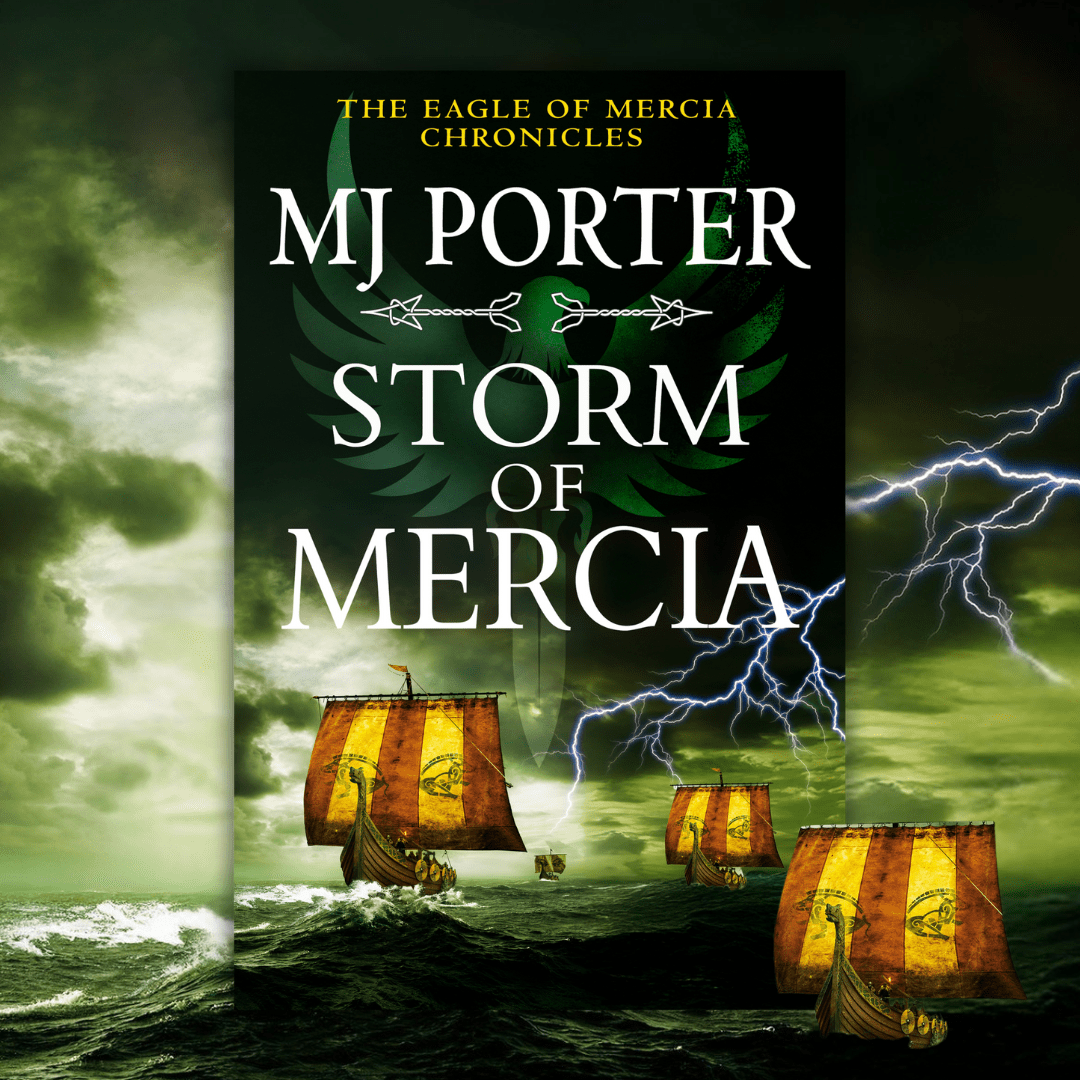
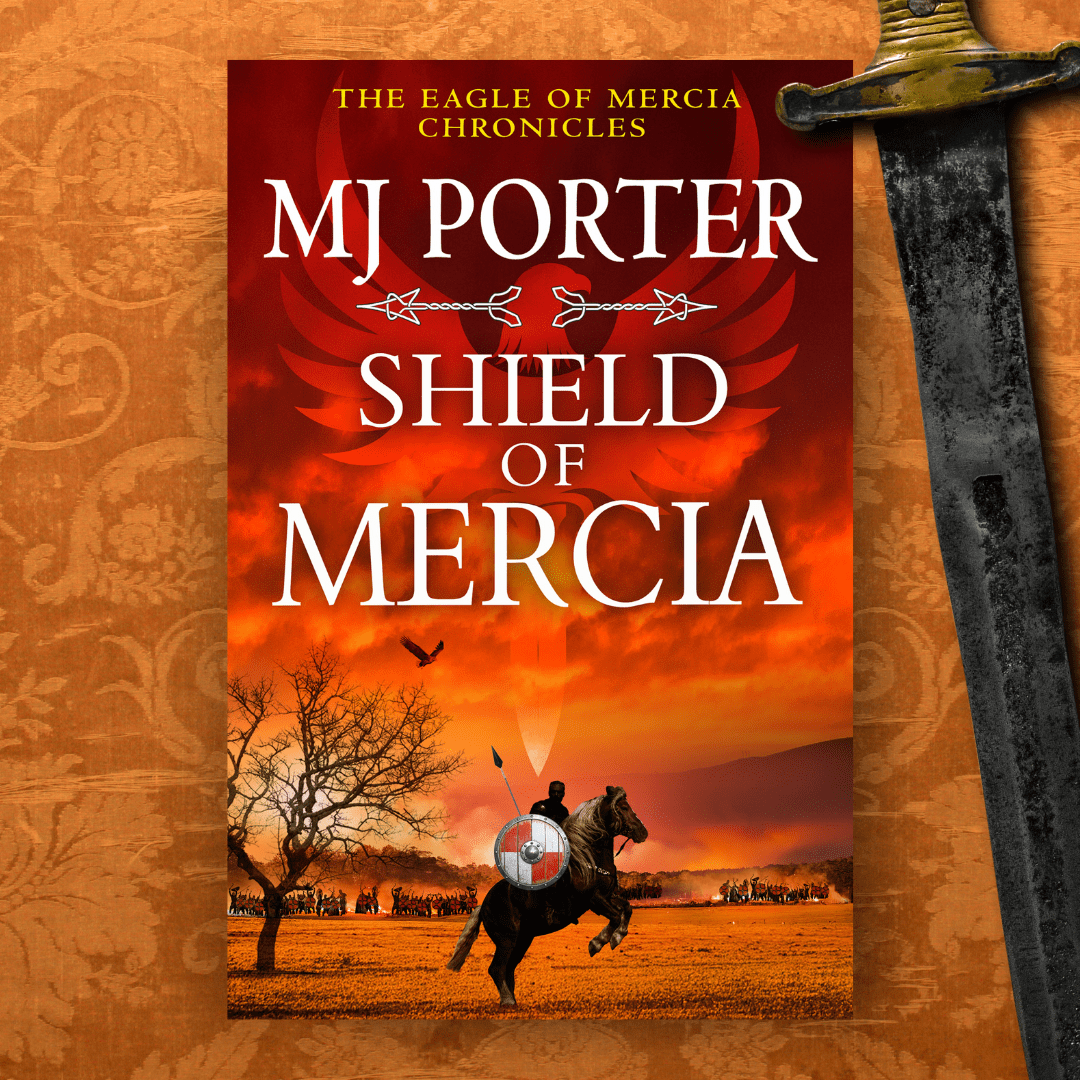
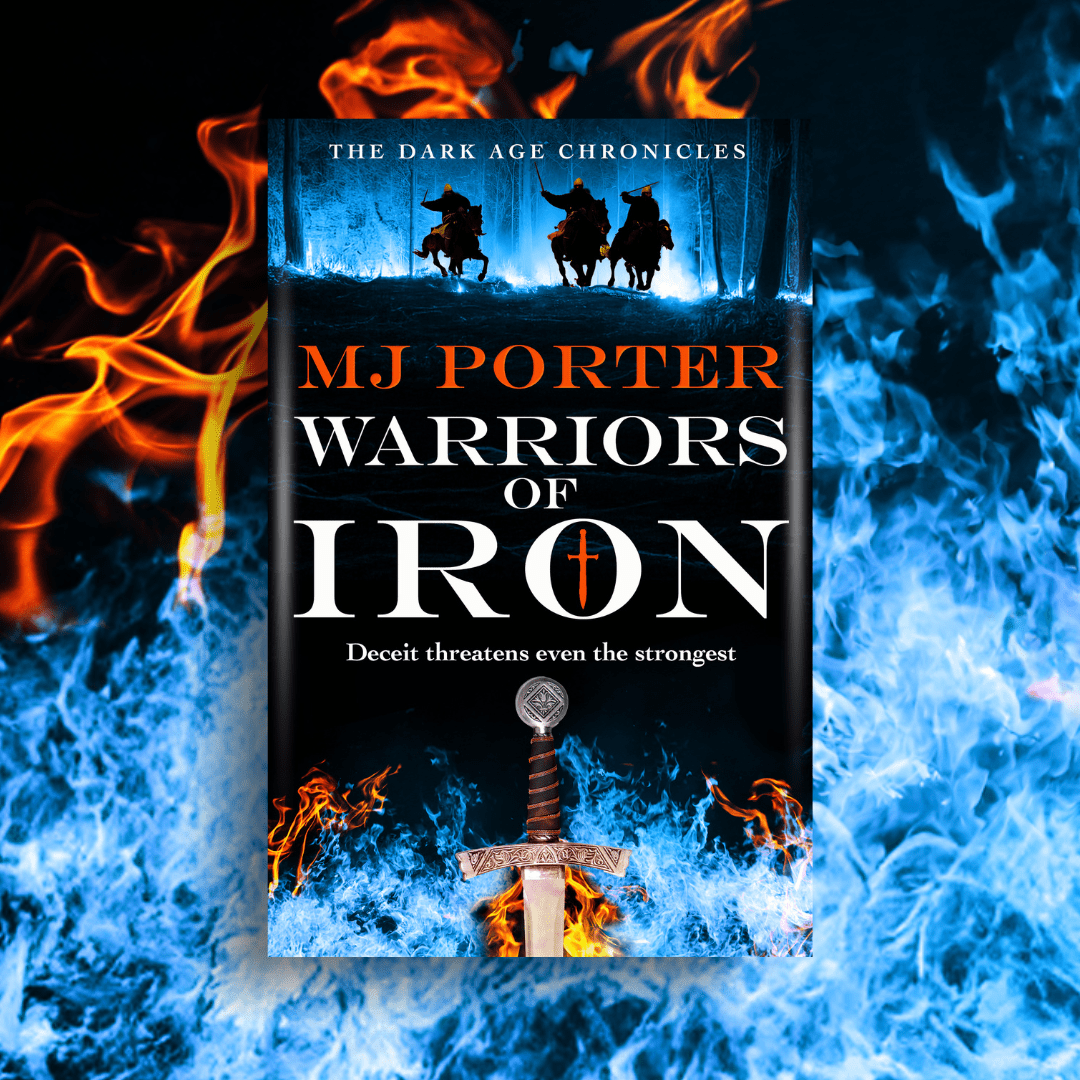
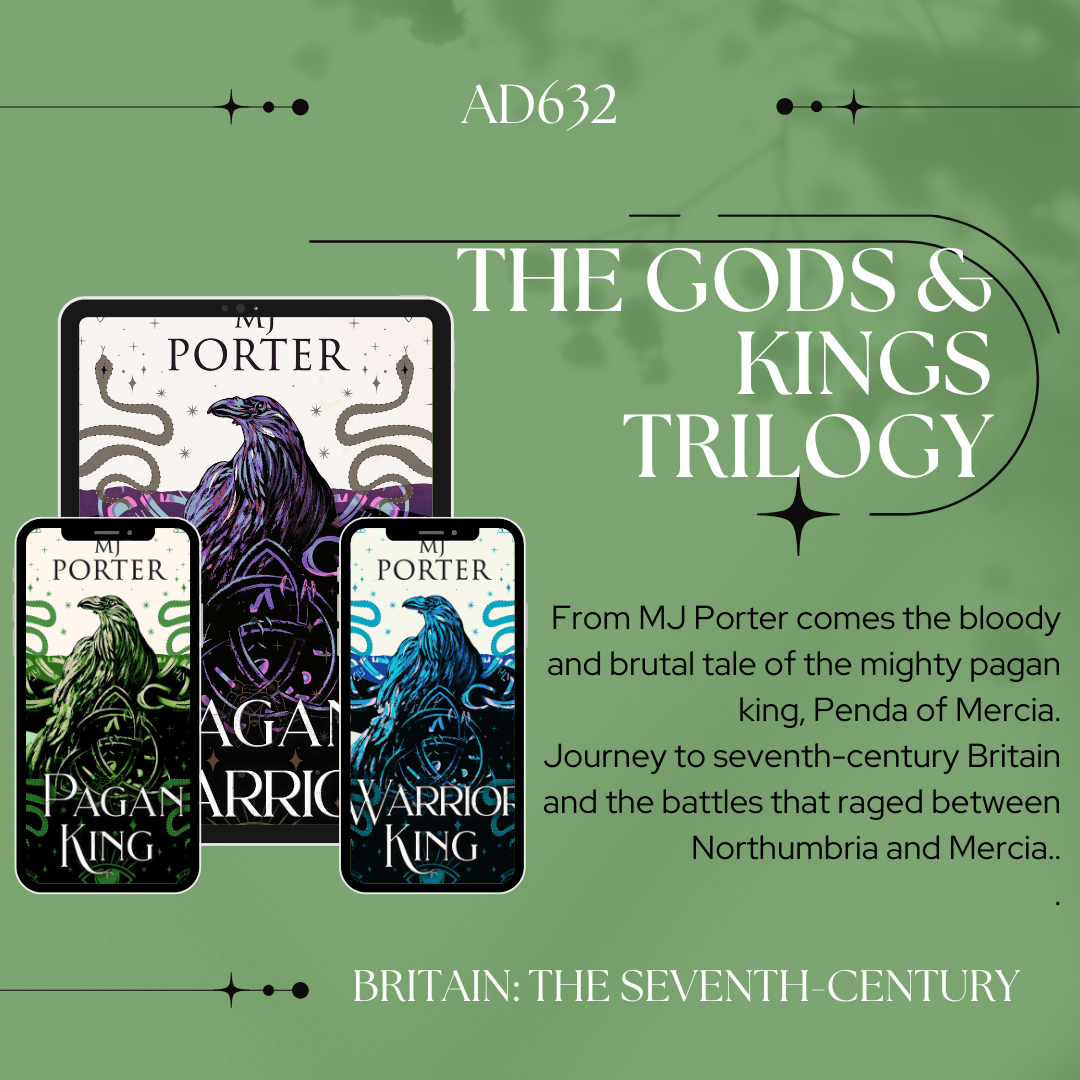
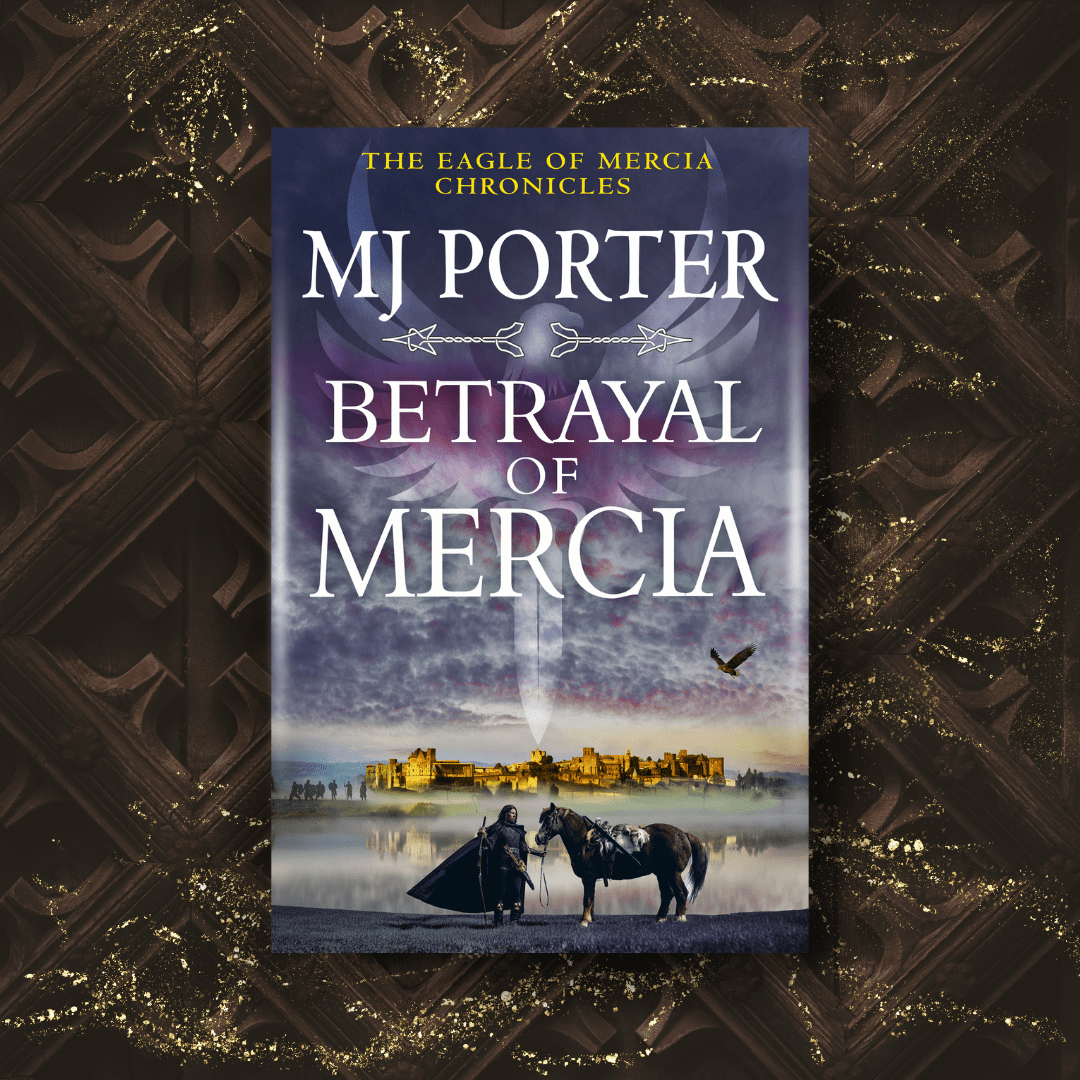
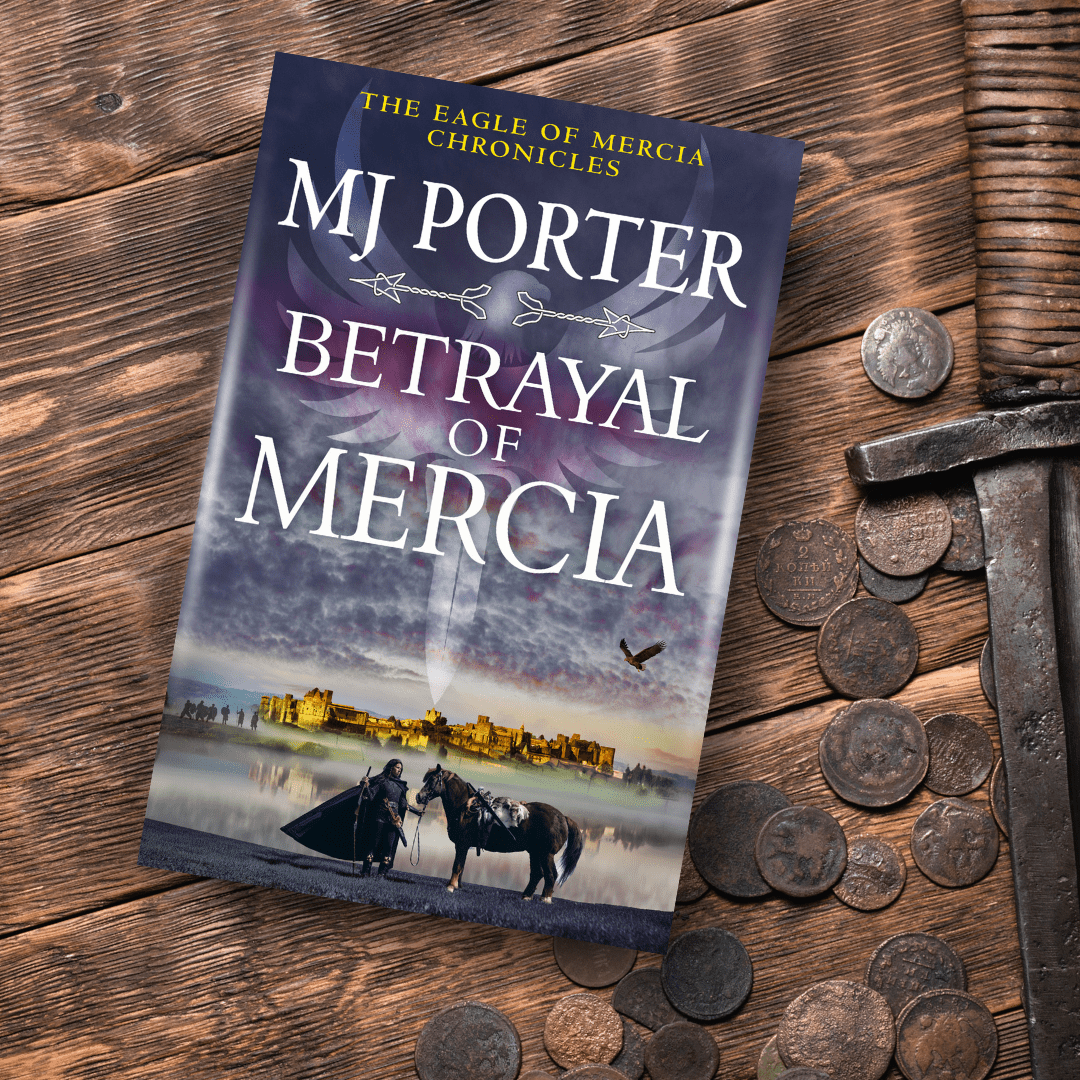
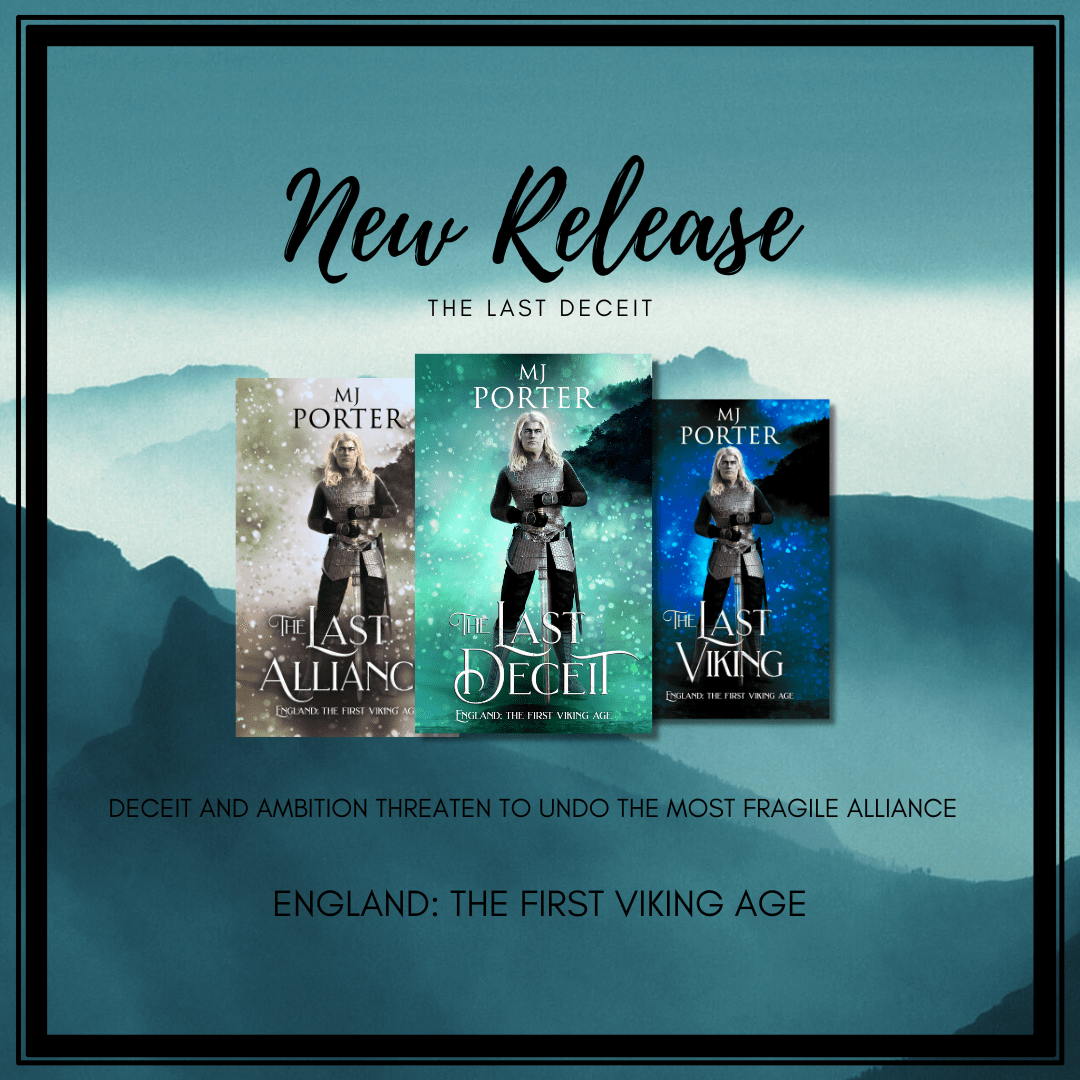
Wow! I think 2022 has been the year that I read (and listened) to the most books EVER! As I write this, I’m up to 99 titles. I have some ‘holiday’ reading I’m keen to do as well – fingers crossed I make it to the magic 100 for the year (I am including audiobooks in this, and also my own books as I have to read them A LOT, and I’ve also been refreshing a few throughout the year as well.) Even so, I’ve read many, many books, across a number of different genres, but the predominant one has certainly been historical mysteries/cozy crime. I’ve found that this is my ‘happy’ place when trying not to think about my own books. And luckily, Boldwood Books (who publish the Eagle of Mercia Chronicles) have a huge collection of mystery writers, and they’ve autoapproved me on Netgalley, so I’ll never struggle to find something to read in my favourite genre.

As has been pointed out to me by a fellow author, I don’t often award a five star review to books. Indeed, while I do rate and review on Amazon and Goodreads, on the blog, I don’t tend to give a rating – I’m just quirky like that. Those books that I have given a five star to, I’ve given a shout out in the Aspects of History Books of 2022. You can find the link here – (of course, these are all historical fiction books) and The Capsarius, Valentia, Twelve Nights and The Maids of Biddenden made it onto that list (and yes, these are all books I was lucky enough to be asked to review on the blog – but I never automatically give a 5 star review just because of that). I also want to add Domitian by SJA Turney as well. I couldn’t include two of his books on Aspecs of History but Domitian is wonderful, just my sort of Roman story with plenty of politics, intrigue, and some fabulous characters.

Three of these books are indie-published, and I can assure you all, that there’s a huge amount of amazing indie stuff out there. Don’t believe me, try one of these titles:)

I’ve also treated myself to a bit of comedy this year. I’ve been listening to the Terry Pratchett Discworld audio books (the new and the original recordings – but not the abridged versions) and it’s reminded me of how much I love a funny book, and so, here are my favourite comedies of the year. Simon Whaley’s Foraging for Murder, Dead in Tune by Stephanie Dagg and Crazy for You by Domhnall O’Donoghue and Unseen Academicals by Terry Pratchett, which I’ve listened to twice!

In terms of cozy crime, I’ve found a few new series of which I’m certainly going to read more. Catherine Coles new 1940s historical mystery series, TA Williams‘ Armstrong and Oscar cosy series, Debbie Young’s St Brides Series, and Helen Golden’s Right Royal Cozy Investigations.

In terms of books set in ‘my’ time period, I’ve been reading Matthew Harffy, SJA Turney or maybe it’s a Simon Turney one (it’s the same author, in case you were confused), Peter Gibbons, Christopher Cervasco, Donovan Cook, Eric Schumacher, Paula De Fougerolles, Richard Cullen, and still historical but a little before and after, Robert M Kidd, Elizabeth R Andersen, Mark Knowles, Dan Jones and Kate Shanahan.

I’ve also dipped my toe into a few dual-timeline novels. As you might expect, my interest is always much more in the historical aspect of the story and not the modern settings, but they were a bit of fun when I was on holiday. The Witches Tree and The Storm Girl.

I’ve only read one fantasy book in 2022, which surprises me (aside from Discworld), but Mark Lawrence is one of my all-time favourite authors, and I will always read his books. The sneaky toad has a theme running through them all and I love it.

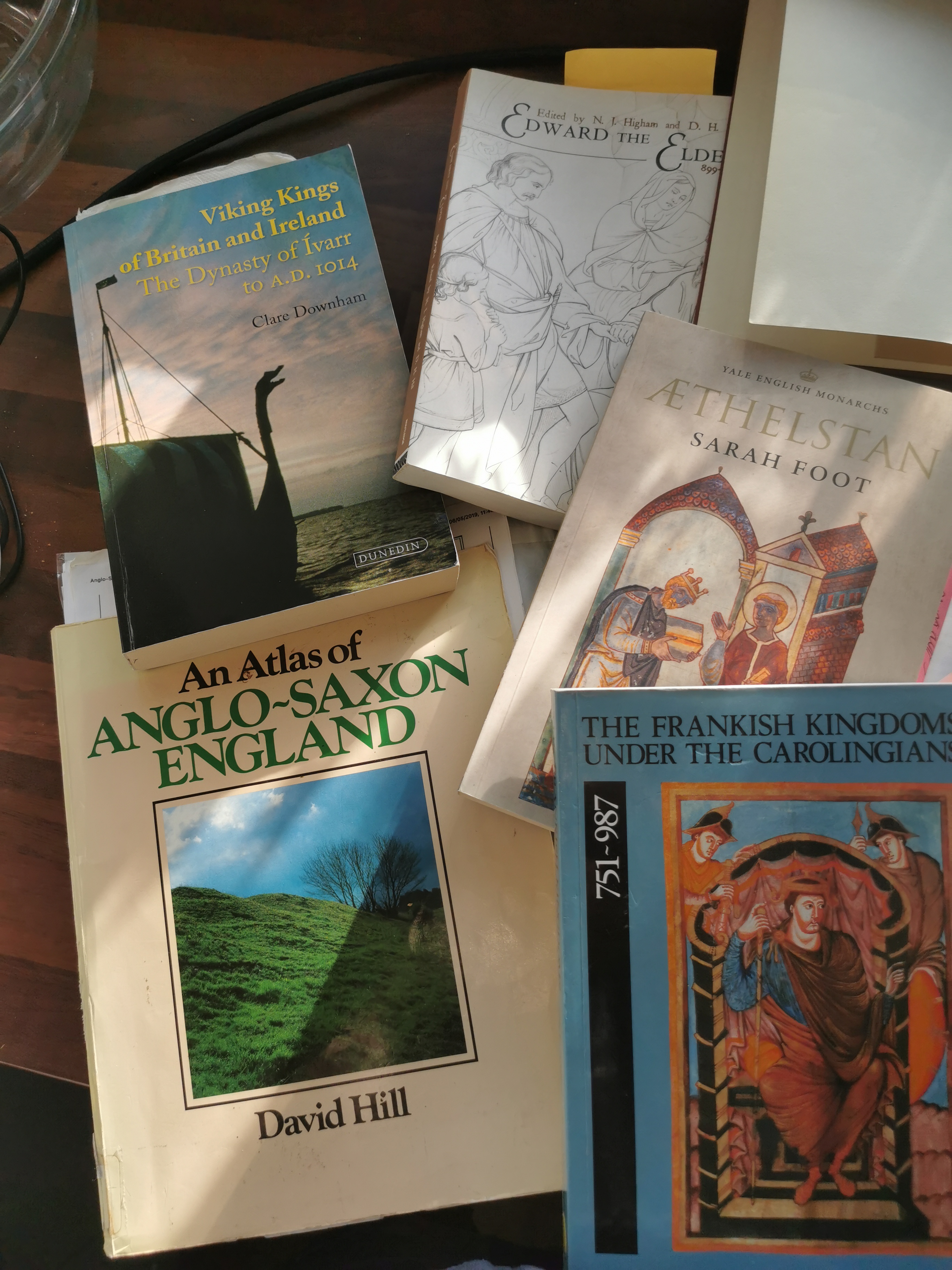
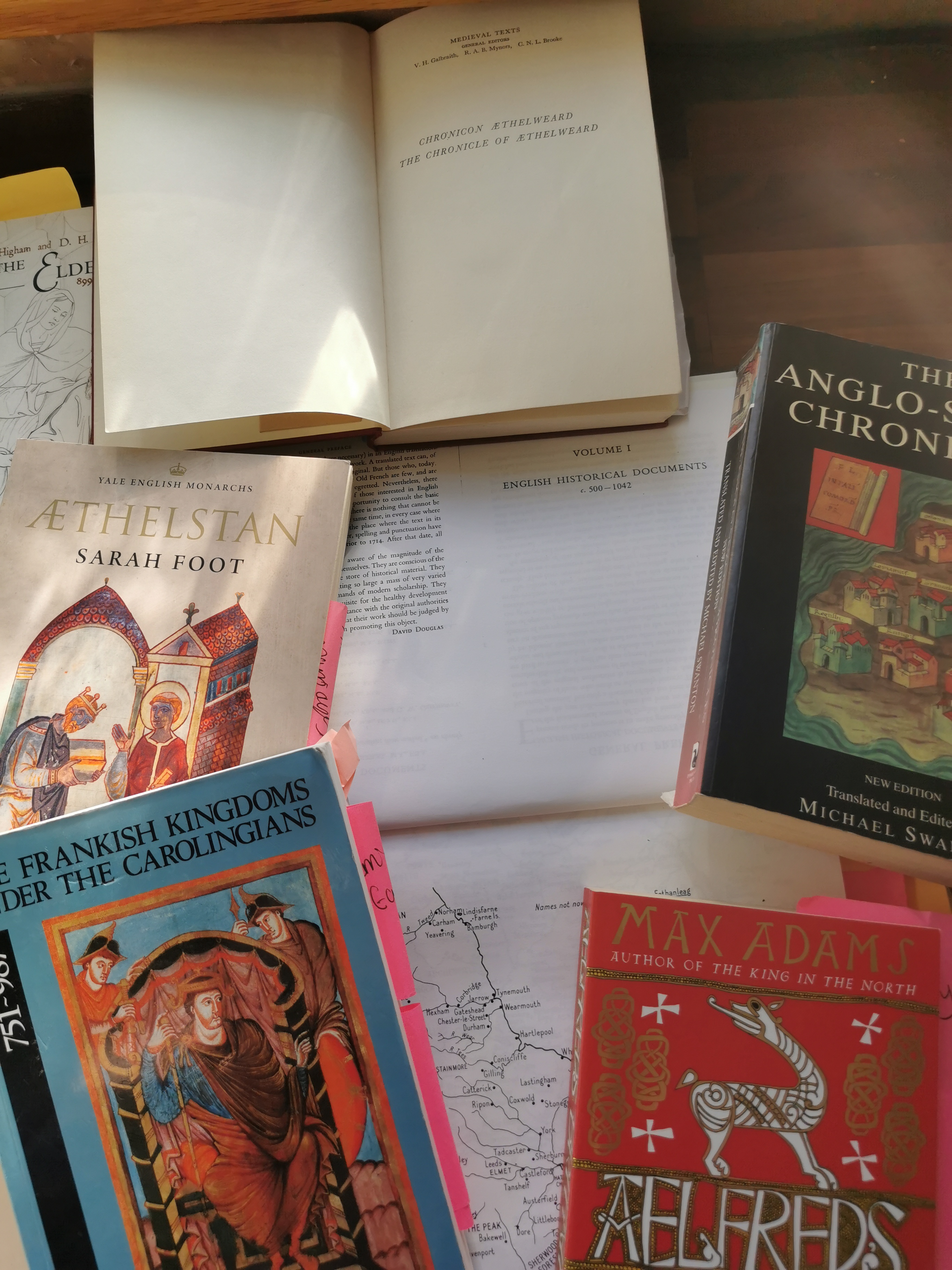
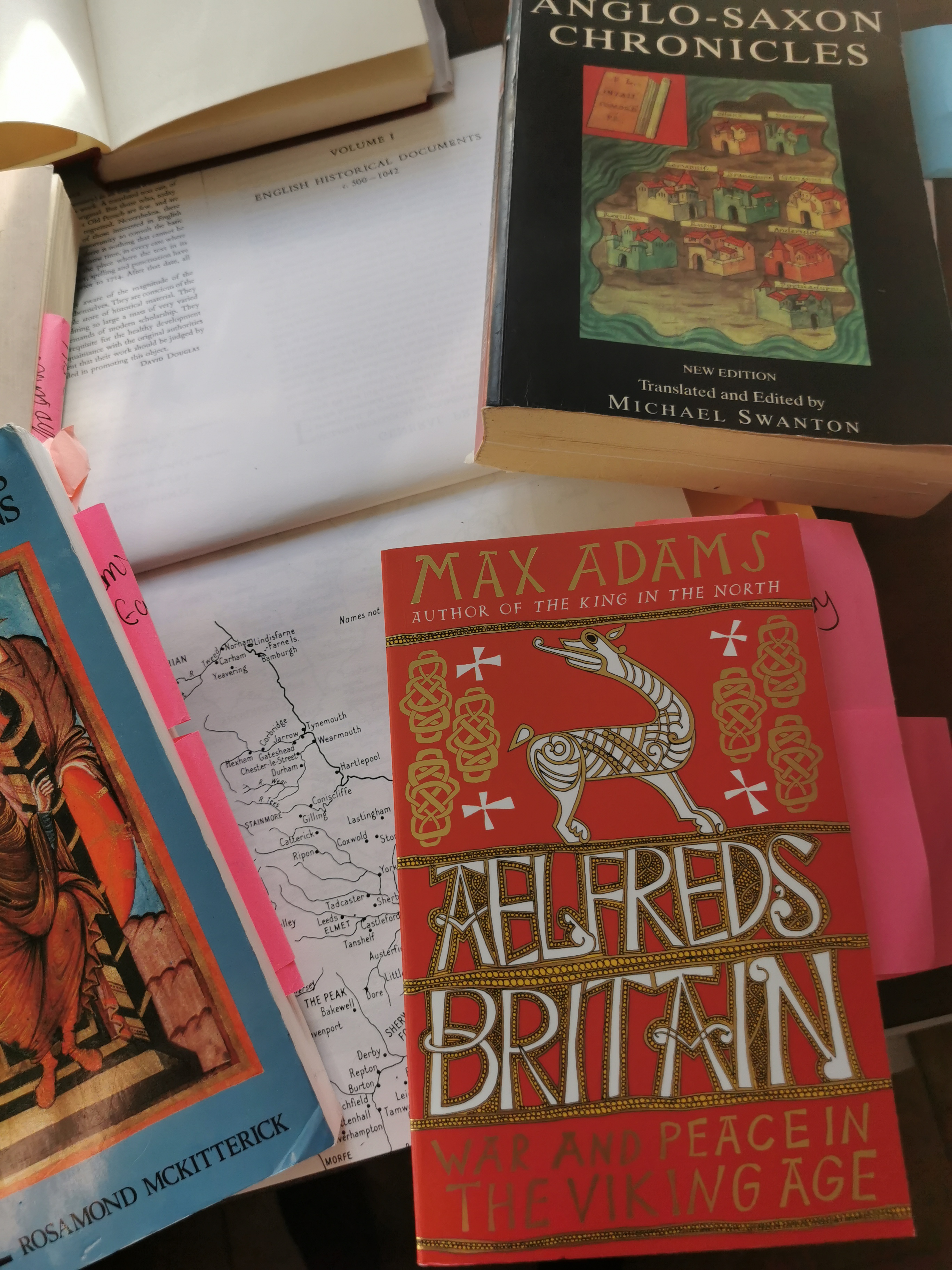
I’ve also read surprisingly few non-fiction books, in their entirety. I’ve been working on my non-fiction book and that’s meant a lot of dipping in and out of books I’ve already read. But, the non-fiction books I’ve read have been excellent, Michael Wood’s 40th anniversary of In Search of The Dark Ages, reviews for Aspects of History, Winter in the World by Eleanor Parker, also reviewed for Aspects of History and I also read my first ever writing guide.

And an entirely new genre for me, but one I was strangely drawn to for the location, which is close to where I grew up – a bit of Gangland.

I hope you’ve enjoyed reading my reviews on the blog. And I’d like to that the publishers that let me read advanced copies, and also, all the writers I’ve mentioned who’ve taken the time to craft these novels so that I can devour them. Now, I need to get back to my reading to make sure I hit that magic 100!