
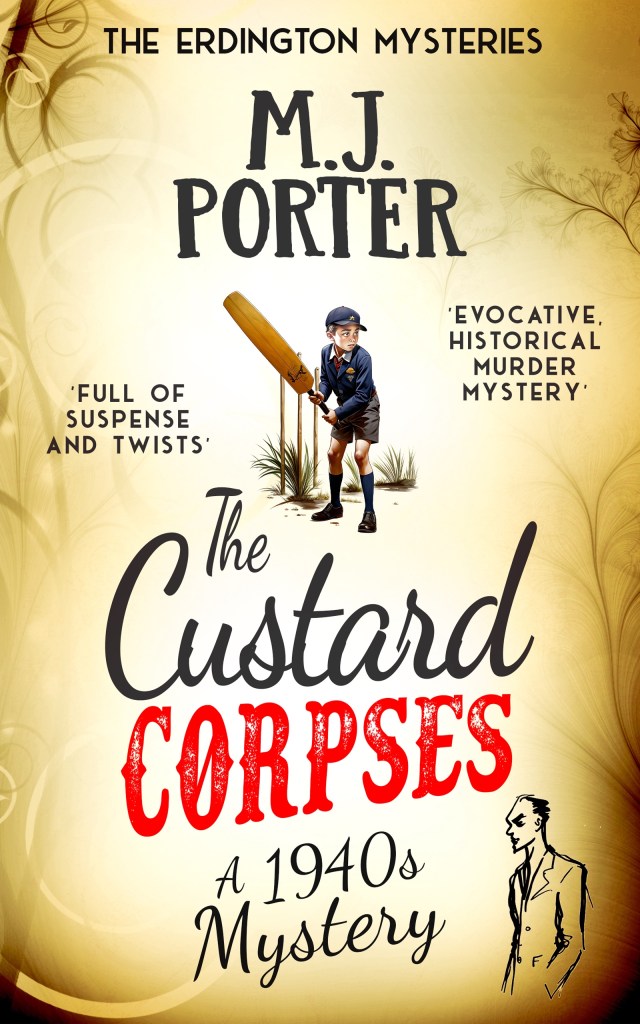
The Custard Corpses is now available from Kobo, Apple, Nook and other retailers, as well as Amazon

With a snazzy new cover, and with its sibling to arrive in the coming months, I’ve taken the decision to move The Custard Corpses to a wider audience in ebook format, so readers on Kobo, Apple, Nook and other retailers accessed via the Ingram distribution option, as well as Amazon, can now enjoy my twentieth-century mystery, set in the 1940s.
Here’s the blurb

A delicious 1940s mystery.

Birmingham, England, 1943.

While the whine of the air raid sirens might no longer be rousing him from bed every night, a two-decade-old unsolved murder case will ensure that Chief Inspector Mason of Erdington Police Station is about to suffer more sleepless nights.

Young Robert McFarlane’s body was found outside the local church hall on 30th September 1923. But, his cause of death was drowning, and he’d been missing for three days before his body was found. No one was ever arrested for the crime. No answers could ever be given to the grieving family. The unsolved case has haunted Mason ever since.

But, the chance discovery of another victim, with worrying parallels, sets Mason, and his constable, O’Rourke, on a journey that will take them back over twenty-five years, the chance to finally solve the case, while all around them the uncertainty of war continues, impossible to ignore.

books2read.com/TheCustardCorpses

Or you can buy paperback and hardback copies directly from me. Visit my SumUp store.

If you’ve not yet tried one of my ‘modern’ mysteries, then check out my series page on the blog to discover why I decided to write something so very different to everything I’ve ever written before.


Posts

Cragside: A 1930s murder mystery

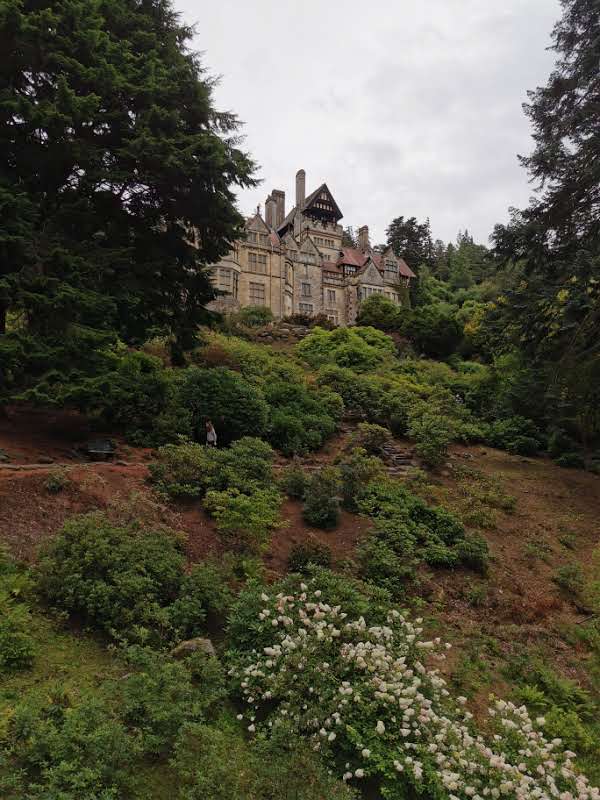
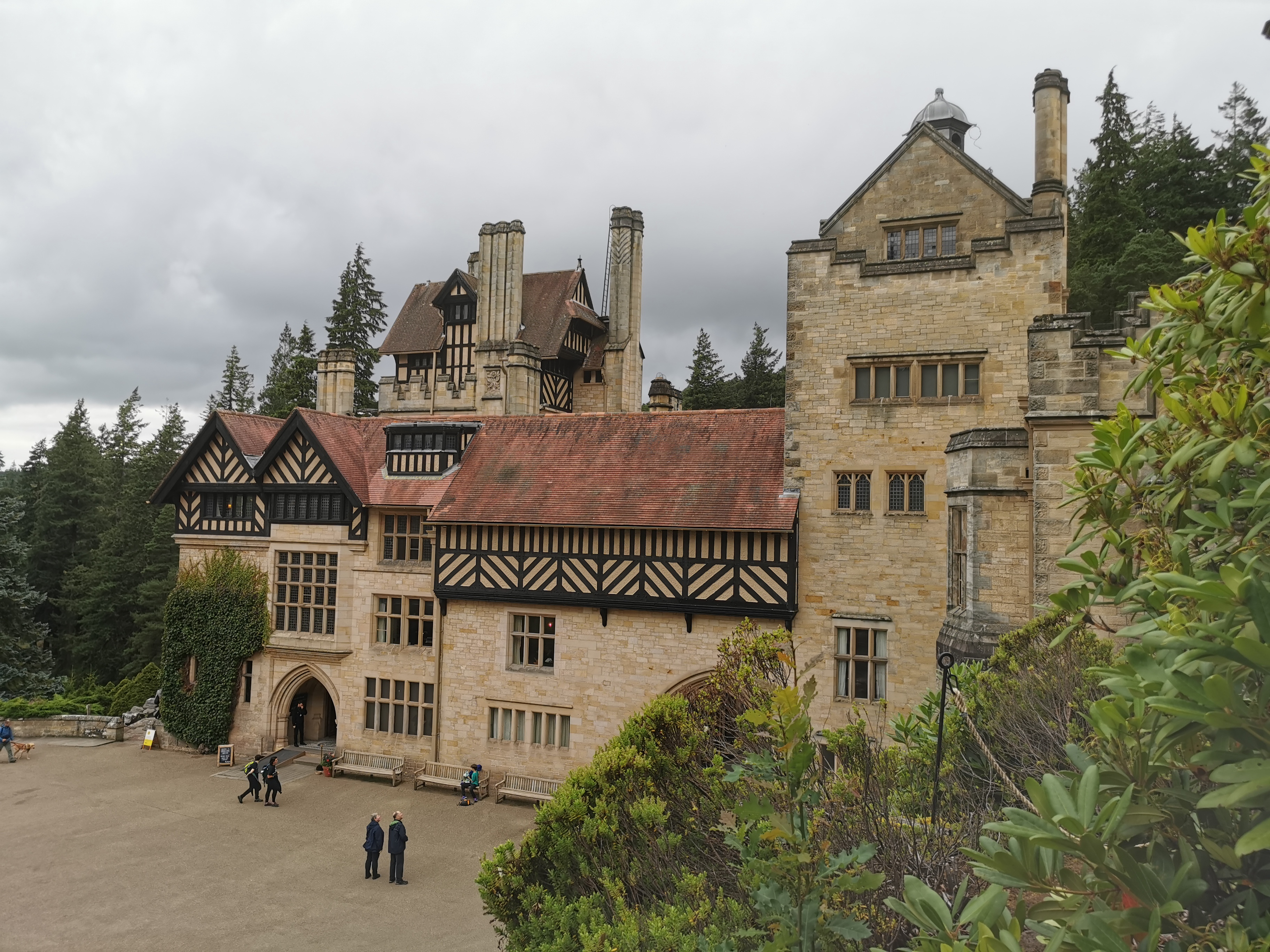
Some photos from Cragside Estate

The estate is close to where I live, and so to add to the general ambience, I’m sharing a few more wintery photos of the beautiful grounds below, and a little video I took one day when I was making sure my timings for the book were correct. It was a wee bit windy:)

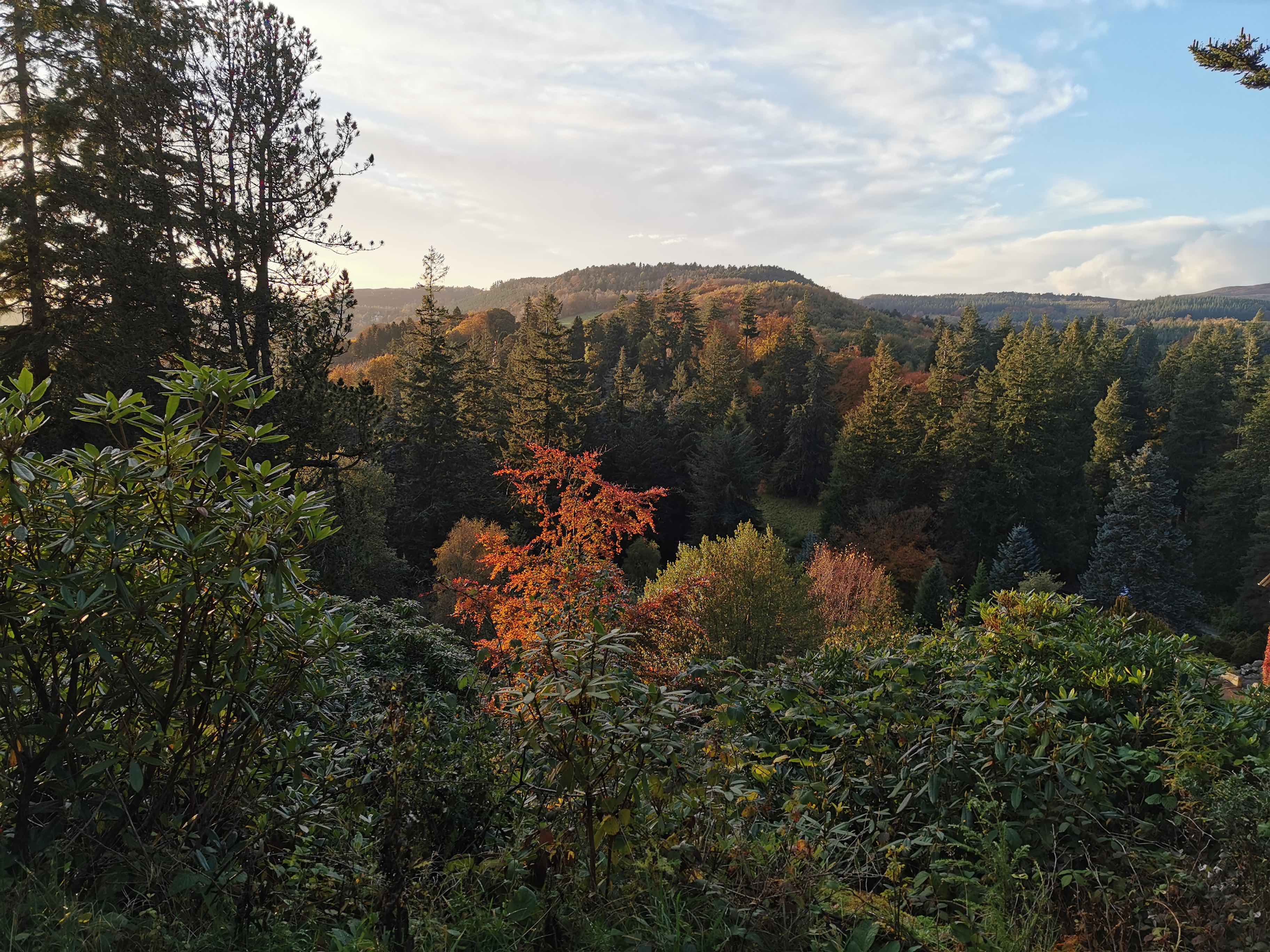
Autumnal view of the estate looking out towards Rothbury
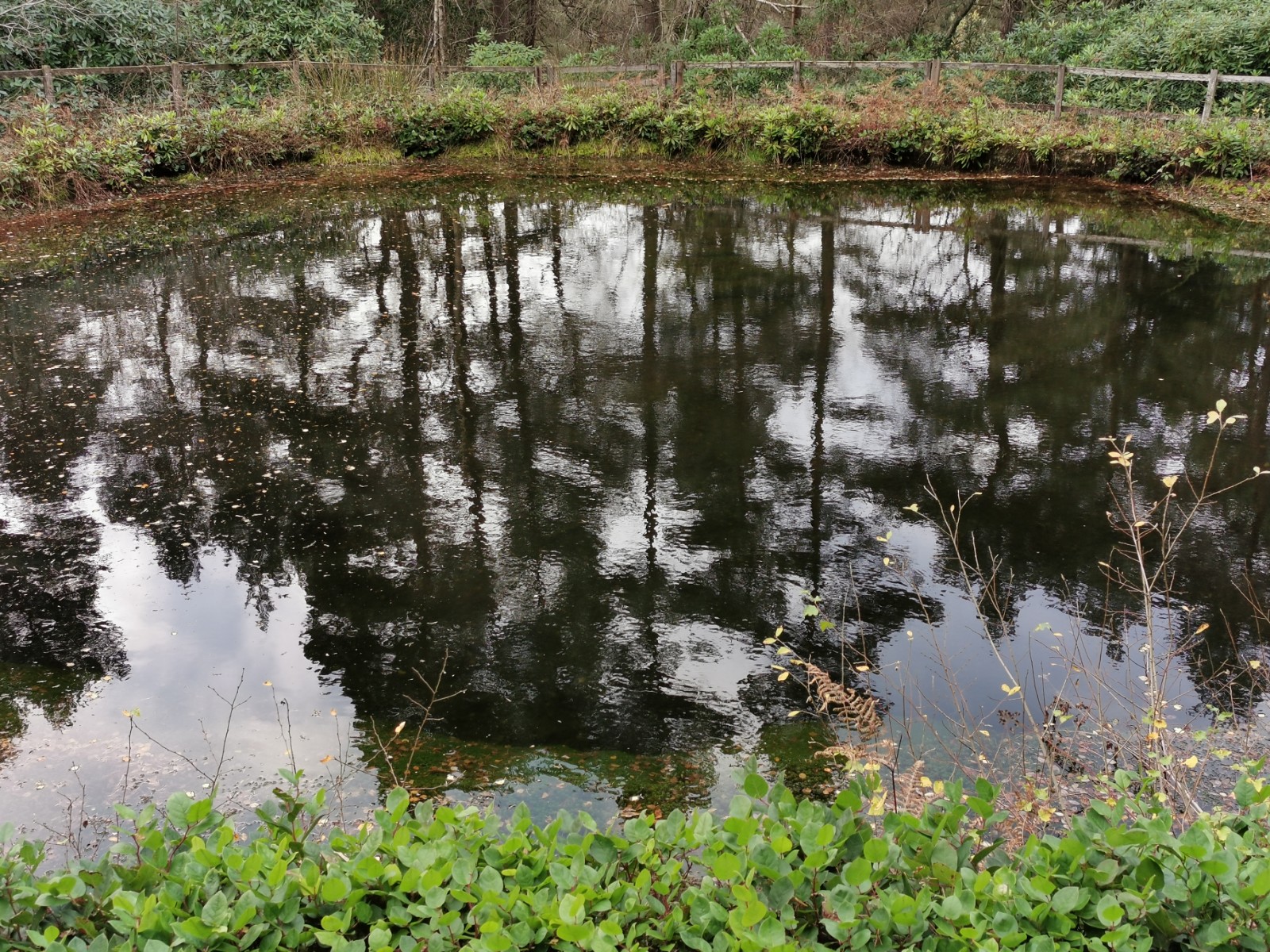
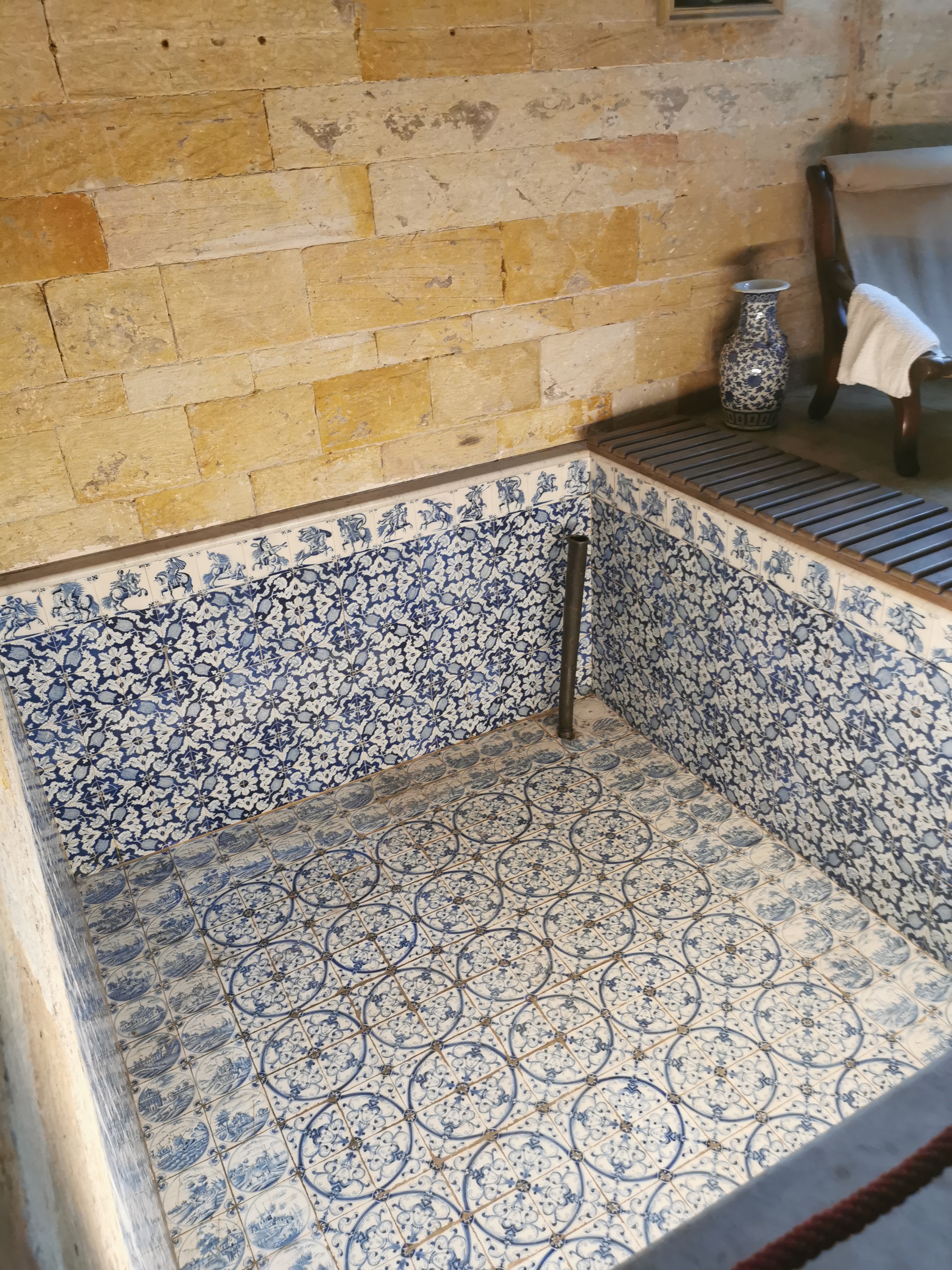
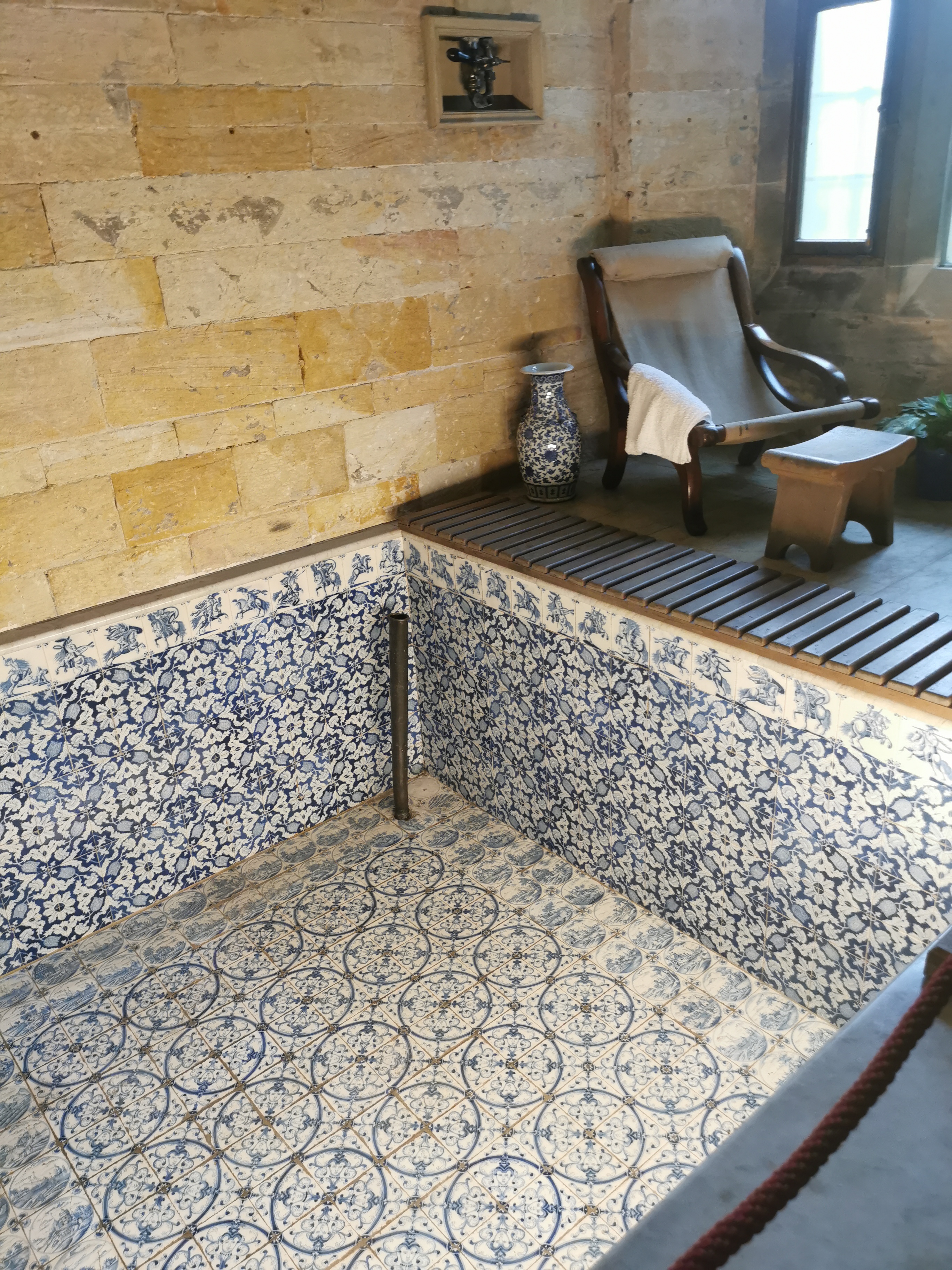
The Basin Tank, Cragside
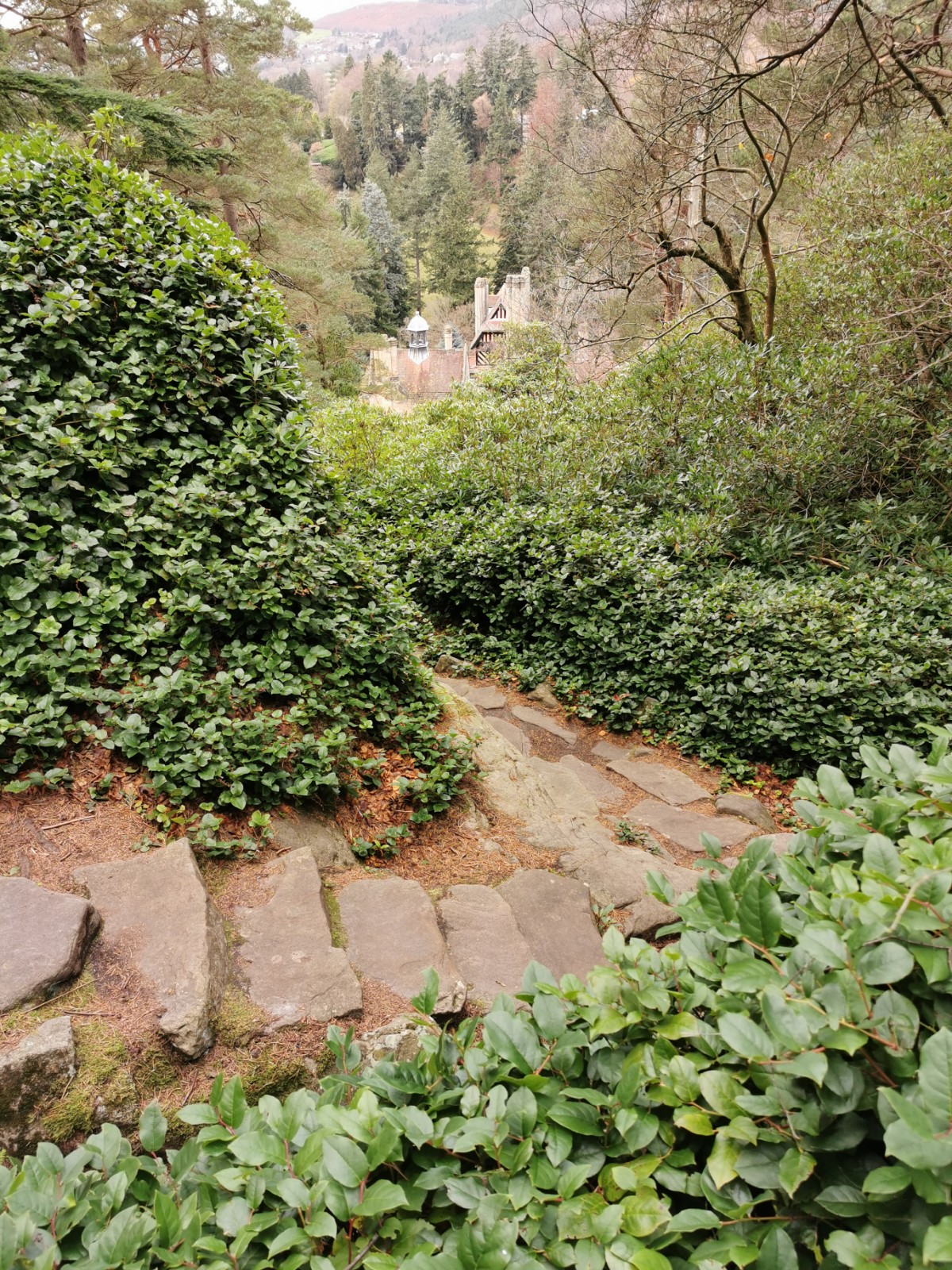
One of the many, many paths through the Estate and leading to the house

Somewhat by chance, I visited Cragside today and managed to snap some photos to share with my readers. I was most excited about the bathroom, which has been closed for a while but has now reopened. It looks amazing.

You can enjoy Cragside in ebook, paperback and audio, narrated by the fabulous Gill Mills, who portrays Lady Merryweather fantastically.

books2read.com/Cragside

The historical setting of the Gods and Kings trilogy #histfic #SeventhCentury

The historical setting of the Gods and Kings trilogy

It’s often assumed that we know very little about the men and women of seventh century Britain, and that’s not wrong, however, what is known makes for a compelling narrative.
The Golden Age of Northumbria

The seventh century in Britain is more often than not, lauded as the Golden Age of Northumbria, the northernmost Saxon kingdom of England. Many will have heard of the magnificent fortress on Northumberland’s coast, Bamburgh, or as some will know it Bebbanburg (even though must of what stands to this day is a late nineteenth century addition). Many may have heard of the names Edwin, Oswald Whiteblade, and his brother, Oswiu. Many may know of their Celtic Christianity, of Bishop Aidan from Iona beginning his monastery on Lindisfarne and the explosion in art which seems to come to natural fruition with the works of Bede in the later eighth century. But there is much, much more than that.

The Anglo-Saxon Chronicle tells us of a series of great battles fought on the island of Britain during the seventh century, most, if not all of them, great victories for Northumbria’s royal family, or if not victories, then terrible tragedies. Edwin, the uncle of Oswald Whiteblade, slew his nephew’s father, and Oswald was forced to flee into exile, where he was introduced to Celtic Christianity. And yet, this was only a mirror of Edwin’s own life, when he too had been forced to flee into exile when Oswald’s father claimed the kingdom of Northumbria. And all of this is fascinating, but what of the other kingdoms, and their leaders?

Penda of Mercia

And here, we encounter, Penda of Mercia, a pagan king, at a time when the Saxon kingdoms were slowly becoming converted to Christianity, either from the north and Iona (Bishop Aidan), or from Rome, with Bishop Paulinus. These two religions were to set up their own conflict for supremacy but for the three battles I’ve written about, it’s Penda and his paganism that creates the conflict.

Penda and his brother, Eowa, were to claim Mercia as there’s to rule. They seem to have originated from a royal family with their power base in the kingdom of the Hwicce, a part of Mercia centred around Gloucester and they were not happy with events in Northumbria.

Not once, not twice, but three times, Penda took on the might of Northumbria, in battles taking place at Hædfeld, Maserfeld and Winwæd, spanning a twenty year period.

Hædfeld, Maserfeld and Winwæd

It’s these three battles I offer a retelling of in the Gods and Kings series, and not just because there are these two kingdoms at loggerheads, Mercia and Northumbria, but because these battles brought into play every kingdom within Britain at the time; from Dal Riata and the kingdom of the Picts to the North, to that of the West Saxons and Dumnonia to the south and south-west. These battles were monumental. Great swathes of warriors facing one another with everything to play for, much to lose and even more to gain.

Who could resist battlegrounds such as these?

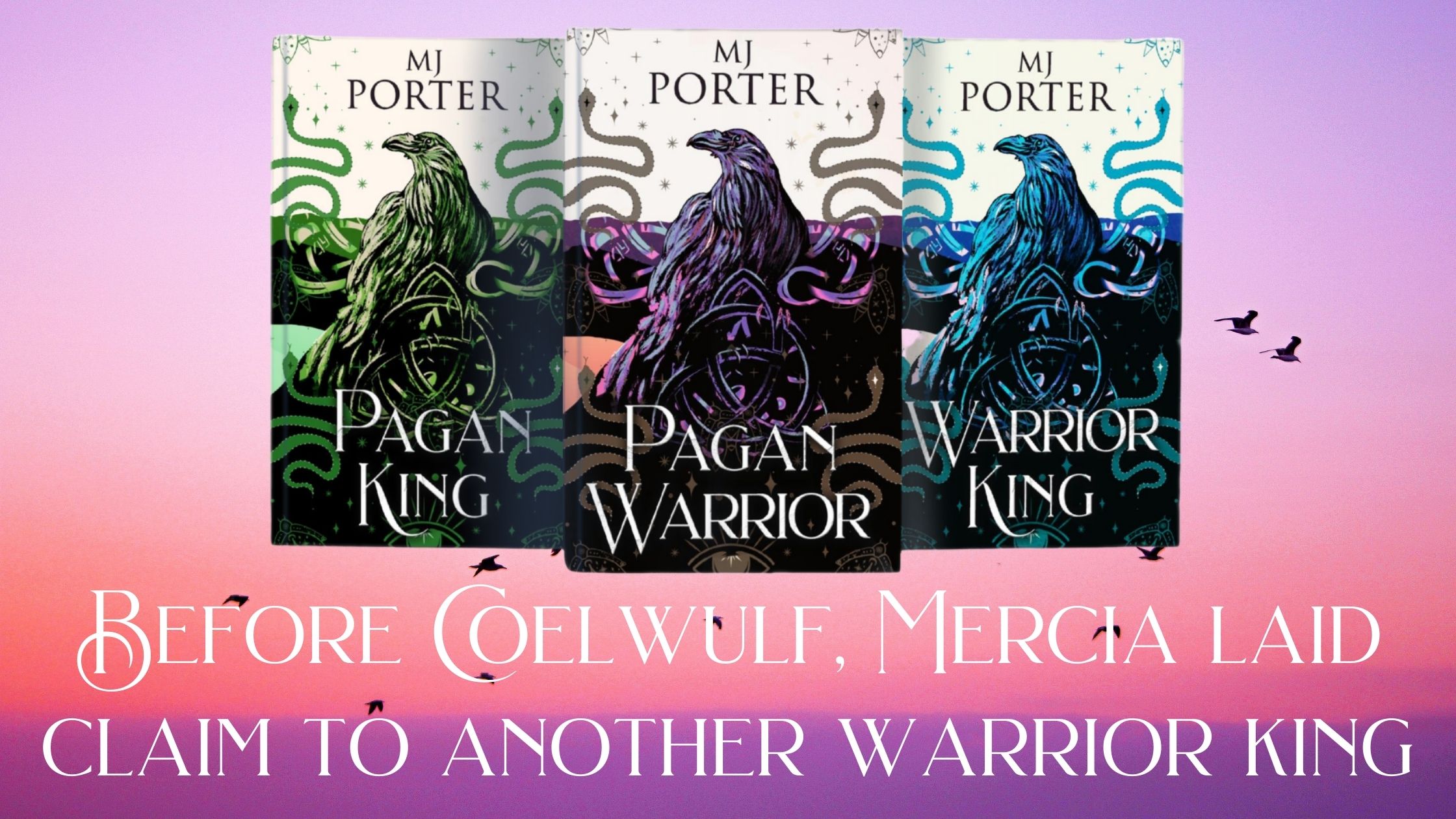
Pagan Warrior

Pagan King

Warrior King

(For anyone who is confused, these books were previously released under the titles of the battles, Hædfeld, Maserfeld and Winwæd.)

Check out the Gods and Kings page on the blog