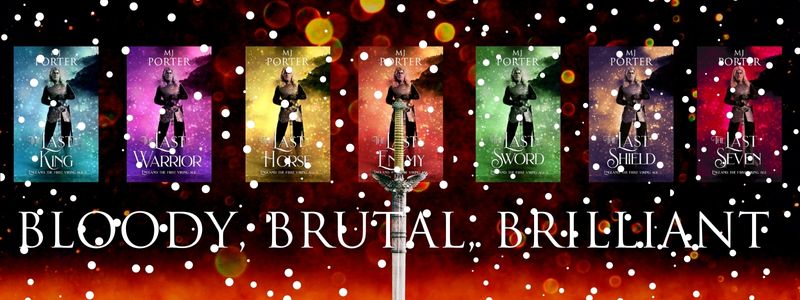
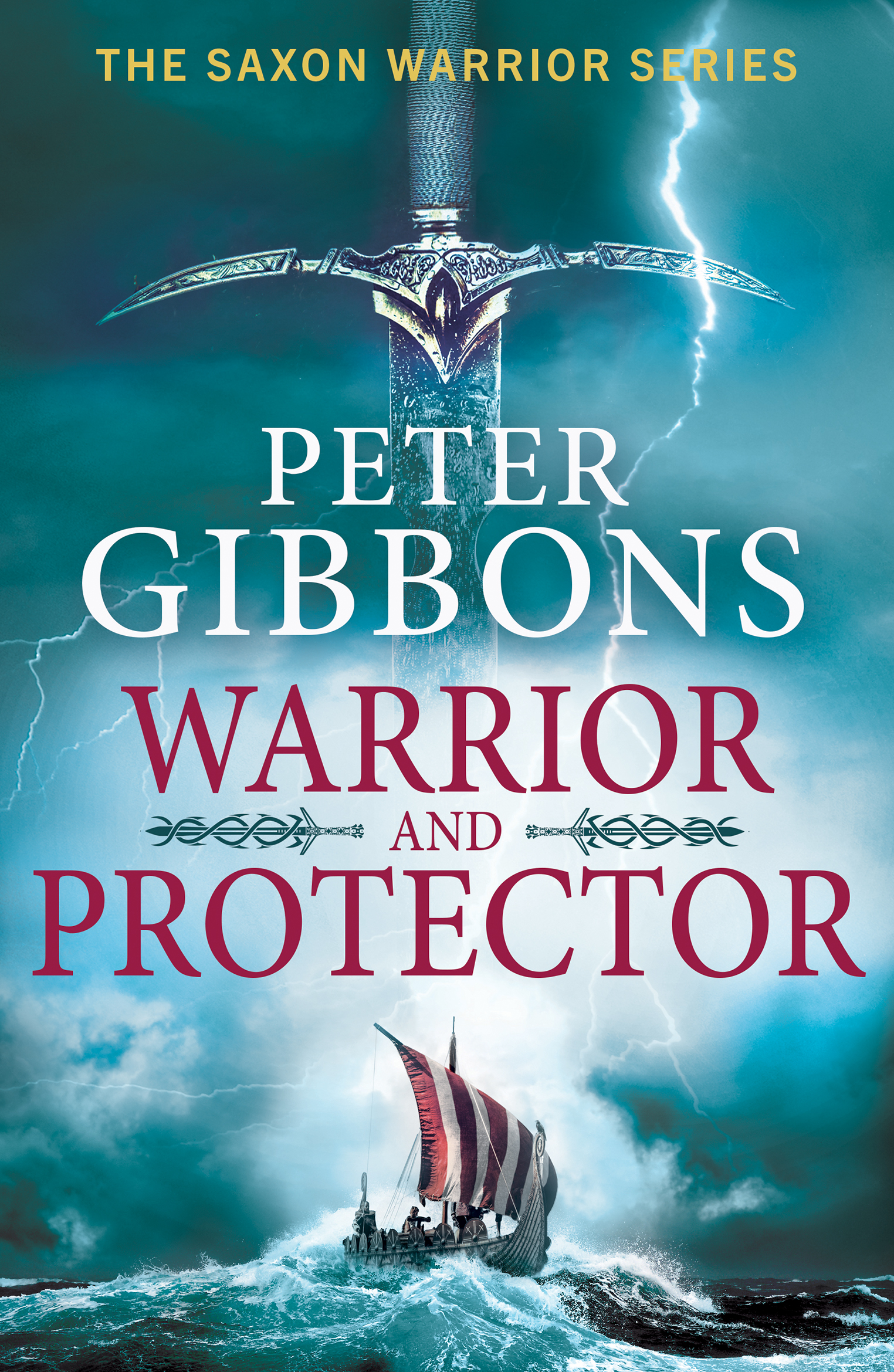
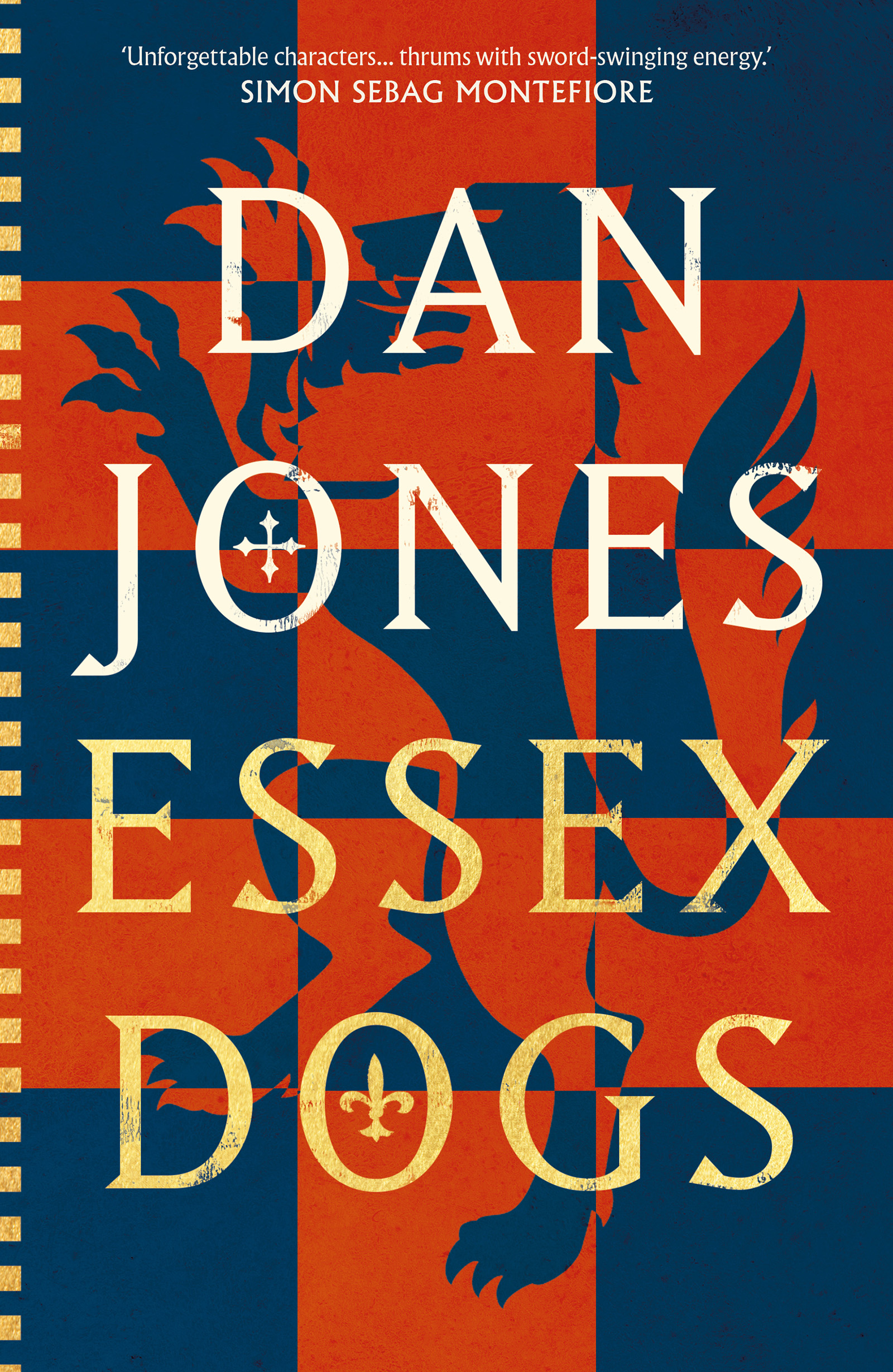
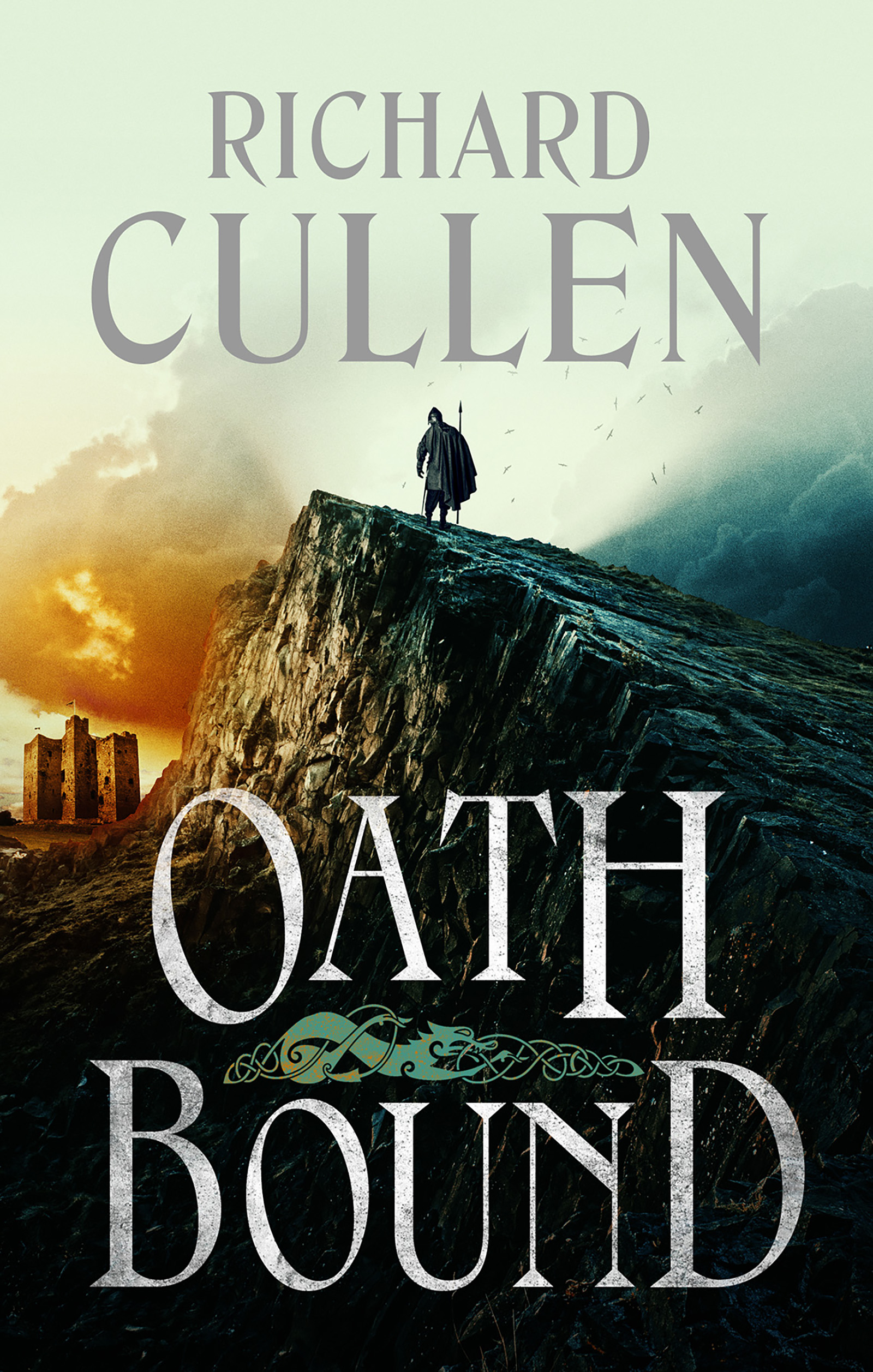
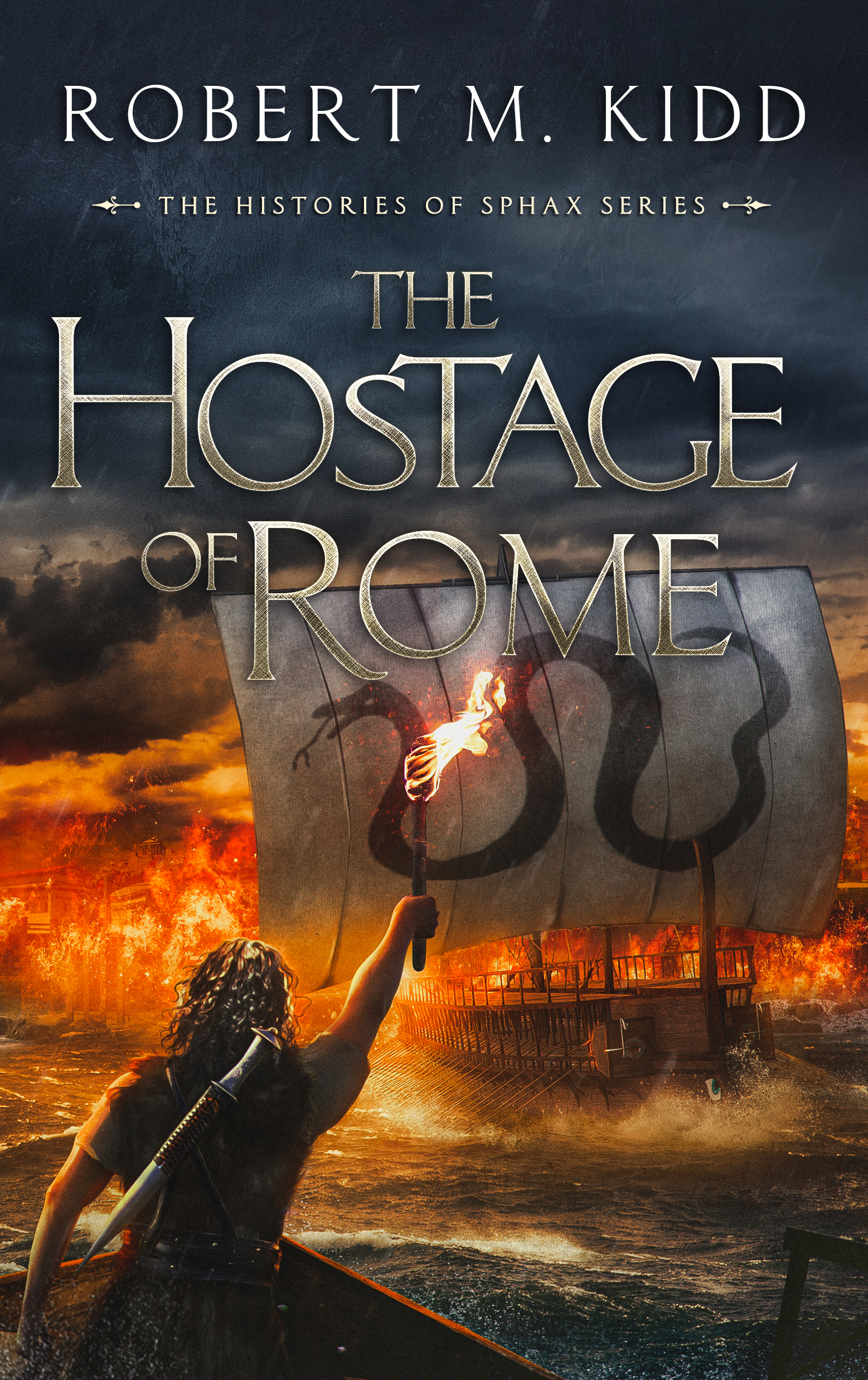
Author of Saxon historical fiction and non-fiction, 20th-century historical mysteries, and Norse-inspired historical romantasy. Book reviewer and blog host.
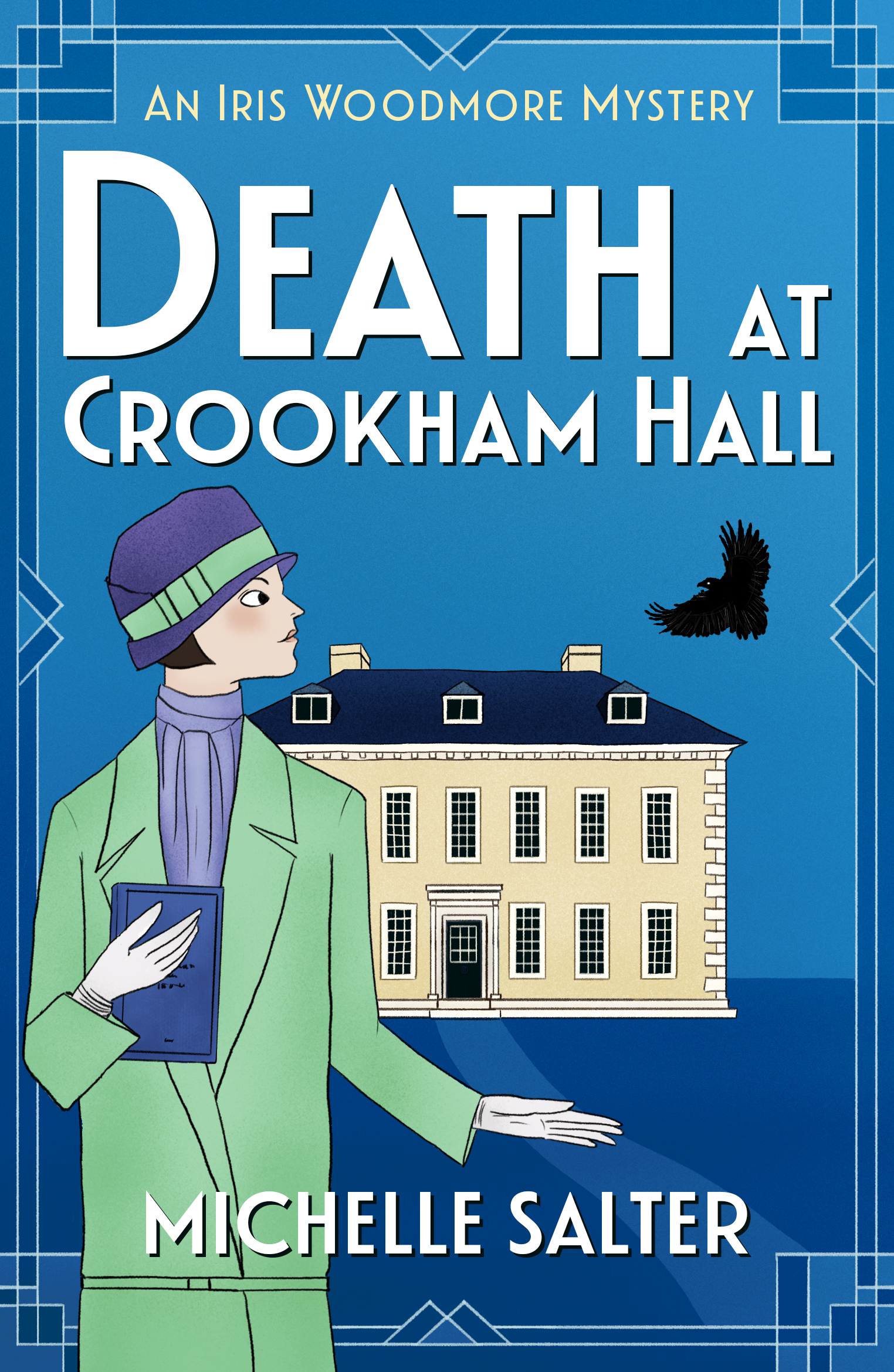
A fatal jump. A missing suffragette. An inexplicable murder.
London, 1920. When she catches news of a big story, reporter Iris Woodmore rushes to the House of Commons. But it’s a place that holds painful memories. In 1914, her mother died there when she fell into the River Thames during a daring suffragette protest. But in the shadow of Big Ben, a waterman tells Iris her mother didn’t fall – she jumped.
Iris discovers that the suffragette with her mother that fateful day has been missing for years, disappearing just after the protest. Desperate to know the truth behind the fatal jump, Iris’s investigation leads her to Crookham Hall, an ancestral home where secrets and lies lead to murder…
Death at Crookham Hall is an incredibly well-written historical mystery set in 1920, both in London and Walden.
Our intrepid young report, Iris, finding work as a reporter for the local newspaper, begins to discover much she doesn’t know about her mother’s untimely death following a visit to the House of Parliament.
Iris is a great character, modern but not too modern – wearing trousers is fine, but wearing a dress short enough to show her thighs is too shocking – and she finds herself desperate to gather together the unknown strands of her mother’s death.
This is a really well-written story, interspersed with fascinating tit-bits of information both about the suffragettes and their sister organisation, the suffrage societies, and where the focus is very much on the women of their time, from the lady to the laundry-maid. It’s a very compelling tale, on occasion, fast-paced. Everything Iris does brings her some new information, and her role as a reporter means she gets to interview all of the main suspects without the narration feeling forced.
The resolution of the mystery feels particularly well constructed, and I just thoroughly enjoyed the story. A fabulous, well-written, mystery that holds all the promise of much more to come for young Iris and her fellow reporter, as well as the local policeman, Ben, and her friend, Alice, in Walden.
Meet the author
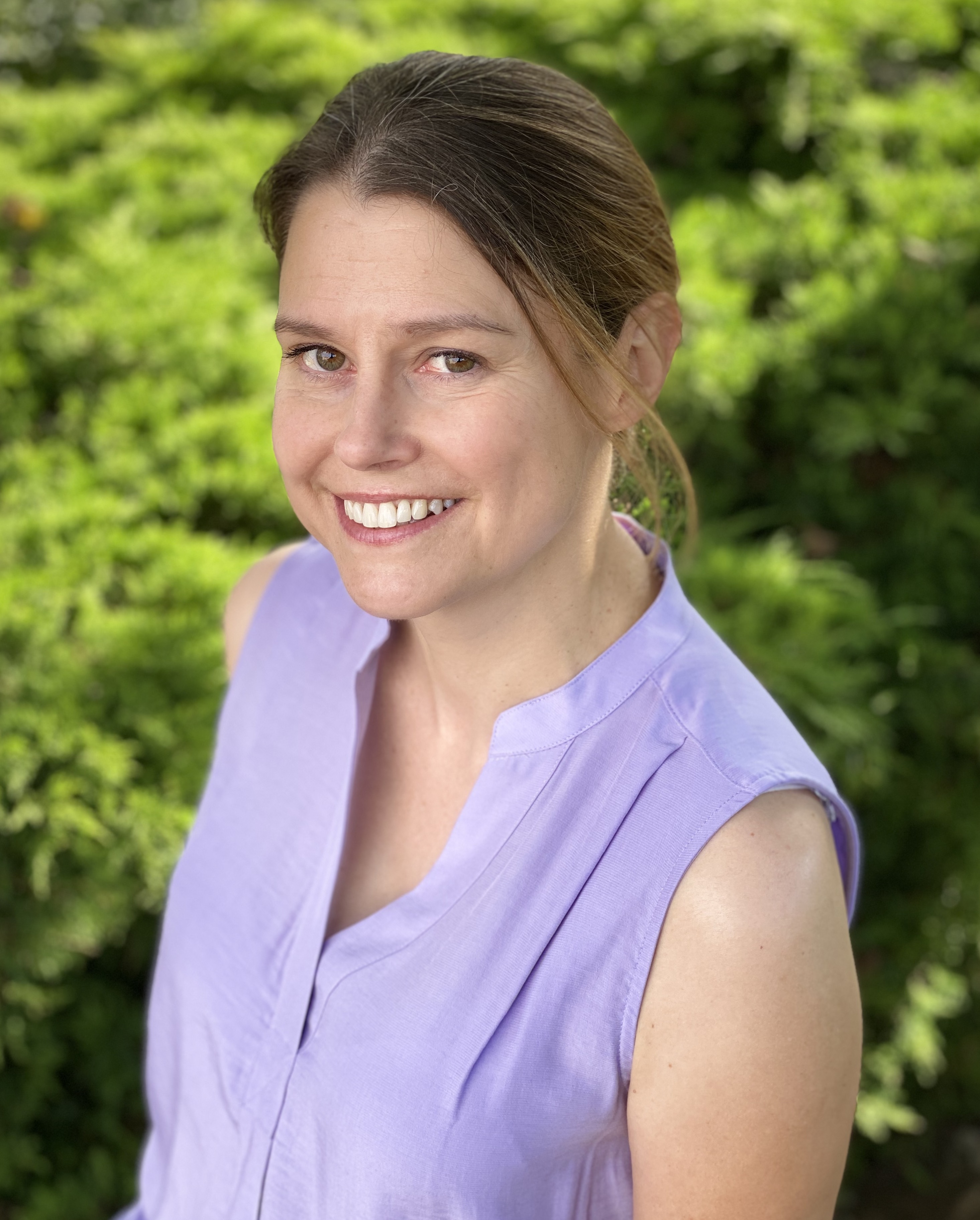
Michelle Salter is a historical crime fiction writer based in northeast Hampshire. Many local locations appear in her mystery novels. She’s also a copywriter and has written features for national magazines. When she’s not writing, Michelle can be found knee-deep in mud at her local nature reserve. She enjoys working with a team of volunteers undertaking conservation activities.
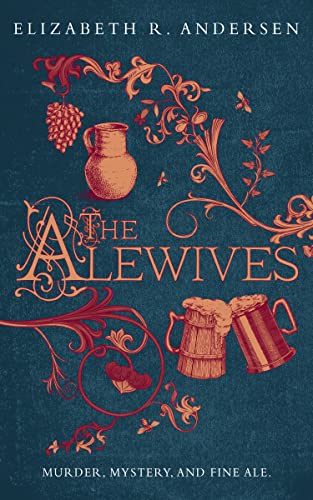
Gritta, Appel, and Efi managed to survive the Black Death, only to find that they are in desperate need of money. With limited options and lots of obstacles, they band together to become alewives – brewing and selling ale in the free Alsatian town of Colmar. But when an elderly neighbor is discovered dead in her house, the alewives cannot convince the sheriff and the town council that her death wasn’t an accident, it was murder. As the body count piles up, the ale flows and mystery is afoot!
Set in the tumultuous years after the most devastating pandemic the world has ever experienced, The Alewives is a playful romp through a dark time, when society was reeling from loss and a grieving population attempted to return to normal, proving that with the bonds of love, friendship, and humor, the human spirit will always continue to shine.
The Alewives is a fantastically well-written murder mystery set in the immediate aftermath of the Black Death, with delightful characters and a sinister murderer and thief, at the heart of all the problems. Set in the tannery area of Colmar, something smells bad.
The three main characters of Gritta, Appel, and Efi are all glorious creations – Grita with her useless husband and horde of children (she had 12, you see), Appel with her mysterious nighttime activities, and young Efi, who has the sense of a young kid goat at the beginning of the tale.
This story is immersive and filled with just enough tension and humour to make even a story about those who survived the Black Death an absolute delight to read. The humour is well constructed, the antics of the three women, acting a little outside the ‘law’ in a deeply patriarchal society that doesn’t allow women to brew their own ale for profit, artfully created, and even the Friar, Wikerus, is a sympathetic character, in the end. The three women are put upon. Society is against them, as is the sheriff (all the male characters are dismissive of the women, but they get on with it, doing all they can to circumnavigate the obstacles placed in their path), and the church, and just about everyone else, but they triumph.
The mystery itself is really well constructed, as are the red herrings. I didn’t know who the culprit(s) (no spoilers here) were until the big reveal.
A short, sharp, snappy, hugely entertaining, medieval mystery that portrays the realities of life at the time, with just the right amount of humour to make it thoroughly entertaining. A well-deserved 5/5 from me!
Meet the Author
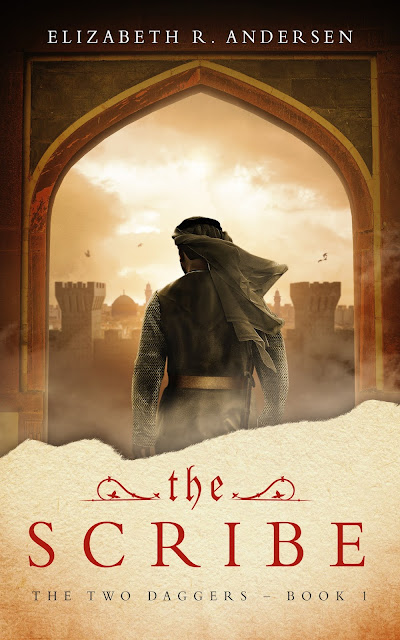
Elizabeth R. Andersen’s debut novel, The Scribe, launched in July of 2021. Although she spent many years of her life as a journalist, independent fashion designer, and overworked tech employee, there have always been two consistent loves in her life: writing and history. She finally decided to do something about this and put them both together.
Elizabeth lives in the Seattle area with her long-suffering husband and young son. On the weekends she usually hikes in the stunning Cascade mountains to hide from people and dream up new plotlines and characters.
– Join Elizabeth’s monthly newsletter and receive the first two chapters of The Scribe for free. Sign up at https://www.elizabethrandersen.com
– Find photos of hikes and daily author life at Elizabeth’s Instagram: @elizabethrandersen
– Follow Elizabeth on Twitter for nerdy medieval history facts: @E_R_A_writes
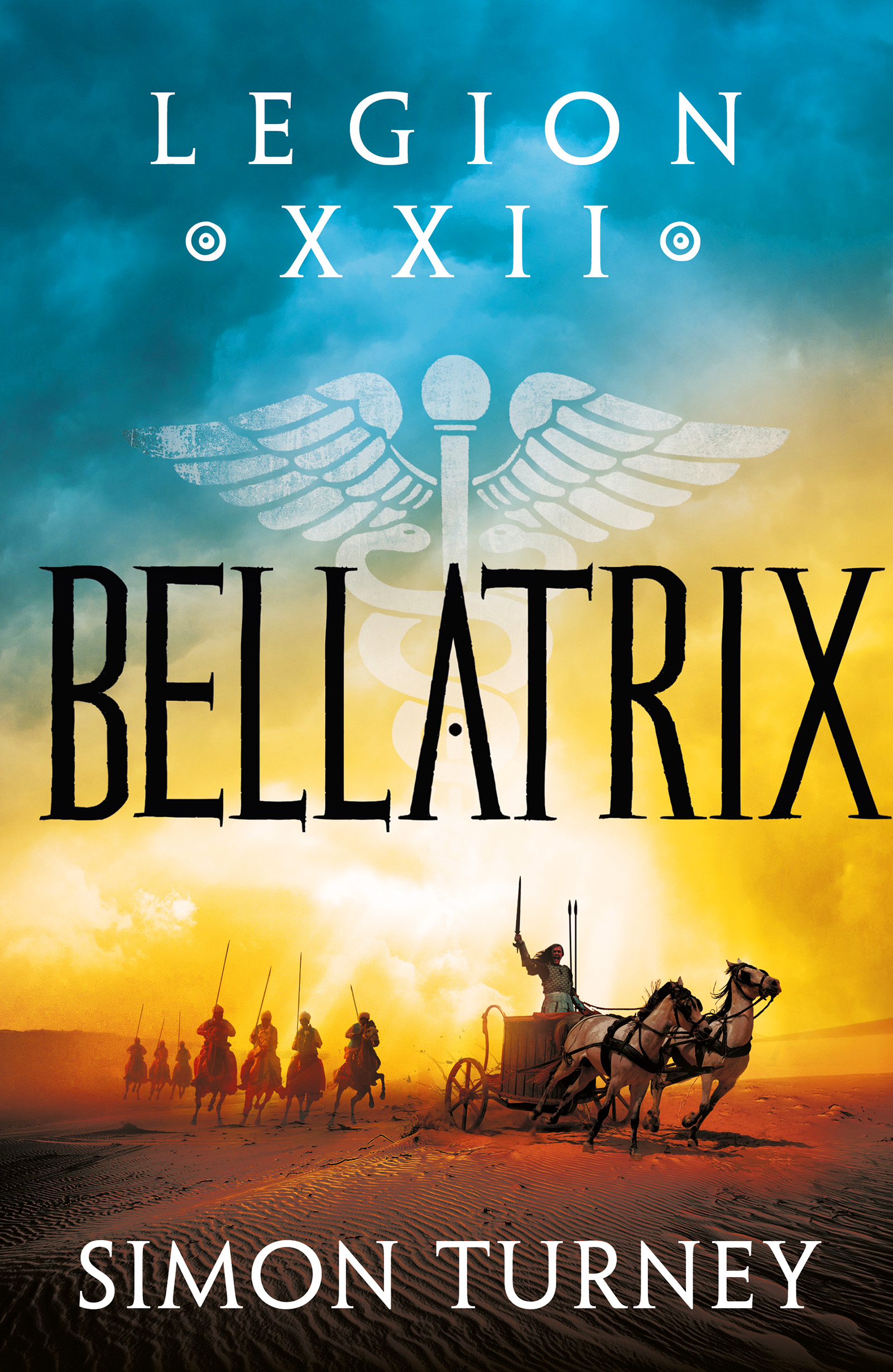
Warrior and combat medic of the Twenty Second Legion, Titus Cervianus, must fight the armies of the fabled Warrior Queen in this blistering new Roman adventure from Simon Turney.
Egypt, 25 BC. Titus Cervianus is no ordinary soldier. And the Twenty Second is no ordinary legion. Formed from the personal guard of a conquered king, the Twenty Second’s ways are strange to soldiers of the Empire – yet the legion has proved itself in the blistering heat of the desert.
Cervianus and his comrades march into the unknown as he and the Twenty Second Legion contend with the armies of the Bellatrix: the Warrior Queen of Kush. The Kushites and the Egyptians are united against the Roman presence in their lands – but there are complex political and military forces at work. Deep in the deserts, Cervianus and his comrades must brace themselves for a furious onslaught as they take on the might of the Bellatrix.
Bellatrix is the sequel to The Capsarius, (find my review here) a book that I thought was fantastic. I’ve been desperately waiting for Bellatrix, and it doesn’t disappoint.
From the first page, we’re plunged once more into the heat and cold of Egypt’s desert, an intense journey that makes for difficult reading at times. Our Capsarius is sorely tested. He’s not happy to be there, but he has orders to follow, and follow them he must. Luckily, his tent-mate, Ulxsses, is at his side, and just about manages to refrain from causing trouble for quite some time. Not that he manages to continue to do so for long.
This truly is a story about surviving against the odds. If you think the desert trek is bad, then things are only going to get much, much worse for our soldiers.
What I enjoy most about these stories of The Capsarius is the complete change of scene. I don’t read huge amounts of Roman-era fiction, although it’s a period that’s certainly growing on me, but even I know many of these stories take place in Europe or the UK. Egypt is completely new, and the clash of cultures between Rome and the Kush, is one of the highlights of the books.
Bellatrix is a worthy sequel to The Capsarius. You can taste the sand in your mouth and the pounding heat on your head as the story surges towards its stunning conclusion. Highly recommended.
Meet the Author
Simon Turney is from Yorkshire and, having spent much of his childhood visiting historic sites, fell in love with the Roman heritage of the region. His fascination with the ancient world snowballed from there with great interest in Rome, Egypt, Greece and Byzantium. His works include the Marius’ Mules and Praetorian series, the Tales of the Empire and The Damned Emperor series, and the Rise of Emperors books with Gordon Doherty. He lives in North Yorkshire with his family.
I’m delighted to share a fascinating blog post by Elizabeth Hutchison Bernard about her new novel, Sisters of Castle Leod.
THE PLOT THICKENS
Thanks so much for inviting me to talk about the research for my latest historical novel, Sisters of Castle Leod (release date: January 19, 2023).
I always do quite a bit of reading before deciding for certain what I want to write about, though I generally have a theme in mind. In this instance, I was very interested in exploring the subject of spiritualism—communication with the dead—especially as it was practiced in the late 19th and early 20th centuries. I soon ran across the name Sibell Lilian Mackenzie, 3rd Countess of Cromartie. Shortly after the turn of the 20th century, Sibell was becoming known as a spiritualist and a writer of mystical romance novels. Her younger sister, Constance, was an unusual young woman who became equally famous as a champion swimmer and for scandalizing British society with her public displays of Isadora Duncan-style barefoot dancing. The sisters were opposites in every way, which suggested to me the possibility of a story full of conflict and drama. In the historical record, I discovered plenty of both.
There was a great deal of information available about the Mackenzie sisters, mostly through archived newspaper articles. At the time, they were among Great Britain’s most talked-about women. The press was fascinated with them. Because I enjoyed these old articles so much, I incorporated portions of a few into the book. They serve to give readers a wonderfully authentic taste of the social mores of the time. For example, here is part of an 1897 newspaper account describing Sibell’s “coming out,” over which Queen Victoria herself presided:
Nowadays you observe that the run of debutantes presented consists of every upstart whose family has rigged up for itself a compound surname. For every two-penny-half-penny nobody who has made a little money in trade to fancy he confers a sort of patent of nobility upon himself and his offspring by inserting a hyphen between his surname and his middle name is simply grotesque. But instead of these nobodies with whom recent drawing-rooms have reeked, there were no end of real swells at this one. The most interesting of all the presentations was that of the youthful Sibell Mackenzie Leveson-Gower, Countess of Cromartie.
I should mention that Sibell was a good deal more modest and down-to-earth than the writer of that article! Throughout my research, almost everything I read about the countess, who was a peeress in her own right and one of the wealthiest landowners in Scotland, portrayed her as a thoughtful, introspective young woman—a dreamer and philosopher. She wrote many short stories, most with a mystical bent, that were published in the popular women’s magazine The Lady’s Realm. By reading these stories, and several of her full-length romantic novels, I came to feel quite comfortable assuming her voice as my novel’s narrator. I also read Constance’s single book, Dancing, Beauty and Games, published in 1913, which gave me important insight into her very original ideologies as well as her motivations for some of the outrageous things she did. Authors of biographical historical fiction who have access to the actual writings of their characters enjoy a tremendous resource. I studied these books and stories with a careful eye to what they could tell me about the Mackenzie sisters—their public image, personal beliefs, and their innermost desires.
The folklore of the Highlands was one of the things that attracted me to the sisters’ story. Here is an authentic newspaper snippet that led my plot in a surprising and rather spooky direction (for this preview, I’ve redacted any “spoilers”):
Lady Constance Mackenzie is sister and heir presumptive to the Countess of Cromartie, who also holds the titles Viscountess Tarbat, Baroness Castlehaven, and Baroness MacLeod. Lady Constance’s succession to all these titles, as well as the large family estates, depends upon the fulfillment of an old family legend whose truth in part has been demonstrated already, in a manner to arouse the awe of the superstitious, by a family tragedy that occurred last December. … [the legend states that] when a certain stream on the estates should be turned from its course, the succession would pass from the direct line. Only a few weeks before the [tragedy occurred], in making alterations on the estates, the course of the stream had been changed.
In the three years it took to research and write Sisters of Castle Leod, I did not confine myself to “armchair research.” Early in the process, my trip to the Scottish Highlands afforded me the opportunity to meet with Sibell’s grandson, 5thEarl of Cromartie and current chief of the Mackenzie clan. He graciously provided me with a private tour of Castle Leod and told me many interesting stories. Among them was that of the castle’s ghost, known as the Night Watchman—a 15th century sentry who, on occasion, emerges from behind the grandfather clock in the castle’s Great Hall. Though I would not call my novel a “ghost story,” the Night Watchman does have a role in the drama.
On that same trip, I made a stop in London and visited the Spiritualist Association of Great Britain where, I had been told, Sibell once served as president. (I could find no proof of this in the Society’s records. However, at that time, there were many such societies, and she may have been involved in a different group with a similar name.) On two occasions, I met with psychics who attempted to contact Sibell on my behalf. Though results were inconclusive, it was nonetheless an interesting foray into the modern-day world of spiritualism.
As you can tell, my novel not only is about the difficult relationship between two very different sisters but also delves deeply into spiritual issues. Have you ever visited a psychic or attended a séance? How did you feel about the experience?
Thank you for sharing your research with my readers. It really sounds as though you went above and beyond to ‘find’ your characters voices. Good luck with the new release.
Here’s the blurb
**Finalist in the 2022 American Writing Awards**
Millions are fans of Diana Gabaldon’s popular Outlander books and television series, but few know that Gabaldon’s fictional Castle Leoch was inspired by a real Scottish castle, Castle Leod. The two sisters who lived there at the turn of the twentieth century were among the most fascinating and talked-about women of their era.
Lady Sibell Mackenzie is a spiritualist, a believer in reincarnation, and a popular author of mystical romances. Petite and proper, she values tradition and duty. Her younger sister Lady Constance, swimming champion and big game hunter, is a statuesque beauty who scandalizes British society with her public displays of Greek-style barefoot dancing. The differences between the sisters escalate into conflict after Sibell inherits their late father’s vast estates and the title 3rd Countess of Cromartie. But it is the birth of Sibell’s daughter that sets in motion a series of bizarre and tragic events, pitting sister against sister and propelling Sibell on a desperate mission to challenge the power of fate.
Sisters of Castle Leod, by award-winning author Elizabeth Hutchison Bernard, is the emotionally charged story of two sisters torn apart by jealousy and superstition, and the impossible leap of faith that could finally bring them together.
A former touring musician/songwriter and public relations professional, Elizabeth Hutchison Bernard is the author of two Amazon bestsellers: THE BEAUTY DOCTOR, “a compelling historical novel steeped in mystery with strong elements of a medical thriller” (Readers’ Favorite, 5 stars), and TEMPTATION RAG: A NOVEL, a “resonant novel … about the birth and demise of ragtime … luxuriously crafted” (Publishers Weekly). Her books have been finalists for the Eric Hoffer Book Award, National Indie Excellence Awards, and Arizona Literary Contest; they have received 5-star ratings from Readers” Favorite, Book Readers Appreciation Group, and historical fiction Discovered Diamonds. Elizabeth and her family live near Phoenix, Arizona.
2022 has been a busy writing year. Routine has been important, as has setting firm deadlines and also having some well-deserved time off. I’ve also distracted myself from my constant need to write by taking a few weeks away from the keyboard to work my very part-time job. People think I’m nuts, but the only way to dampen down my mind is to fill it with something else! It helps that I can trust myself to get things done and knuckle down when I need to. I’m adopting the same approach to 2023. I’ve already got the first six months mapped out writing-wise.
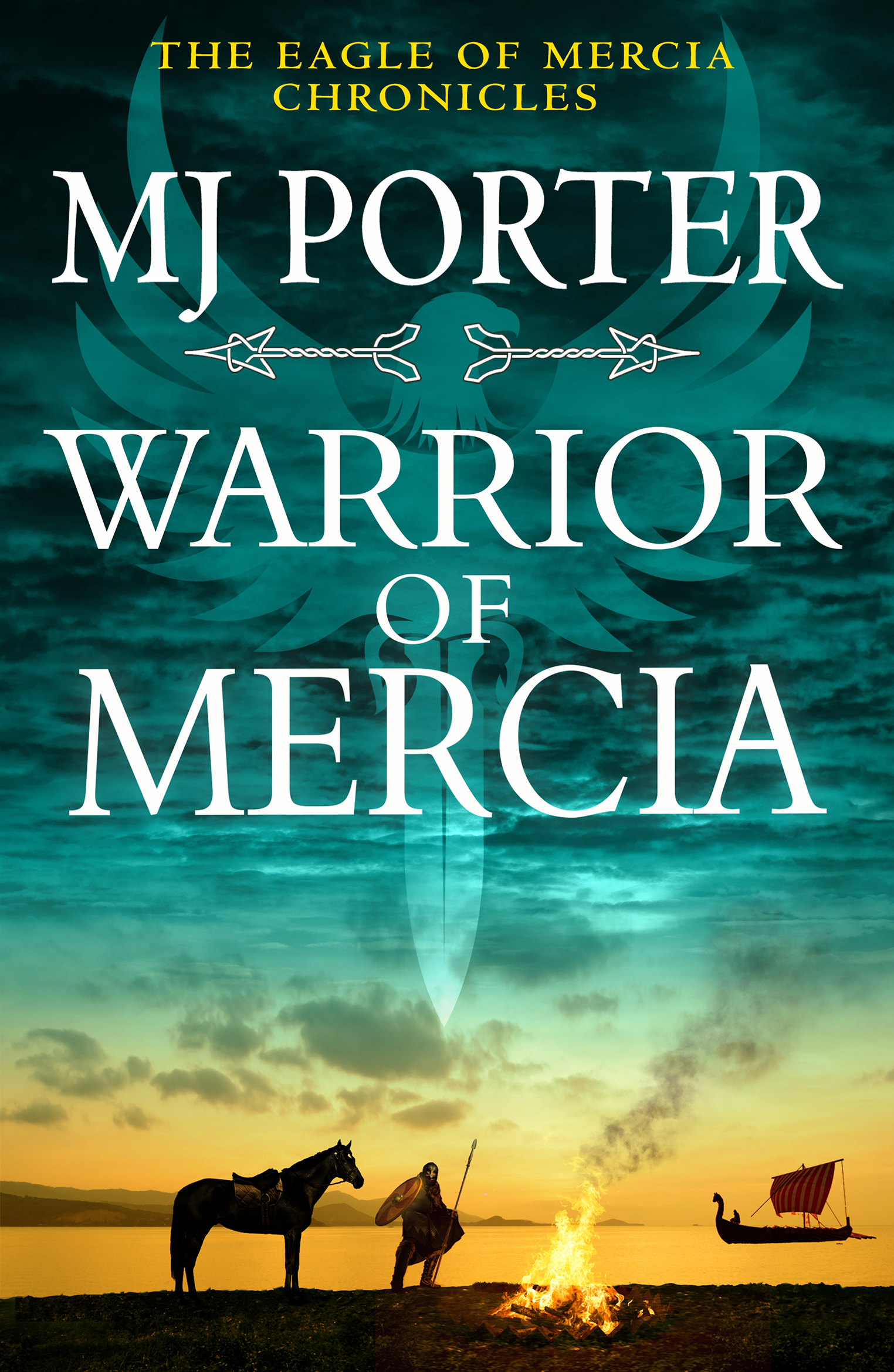
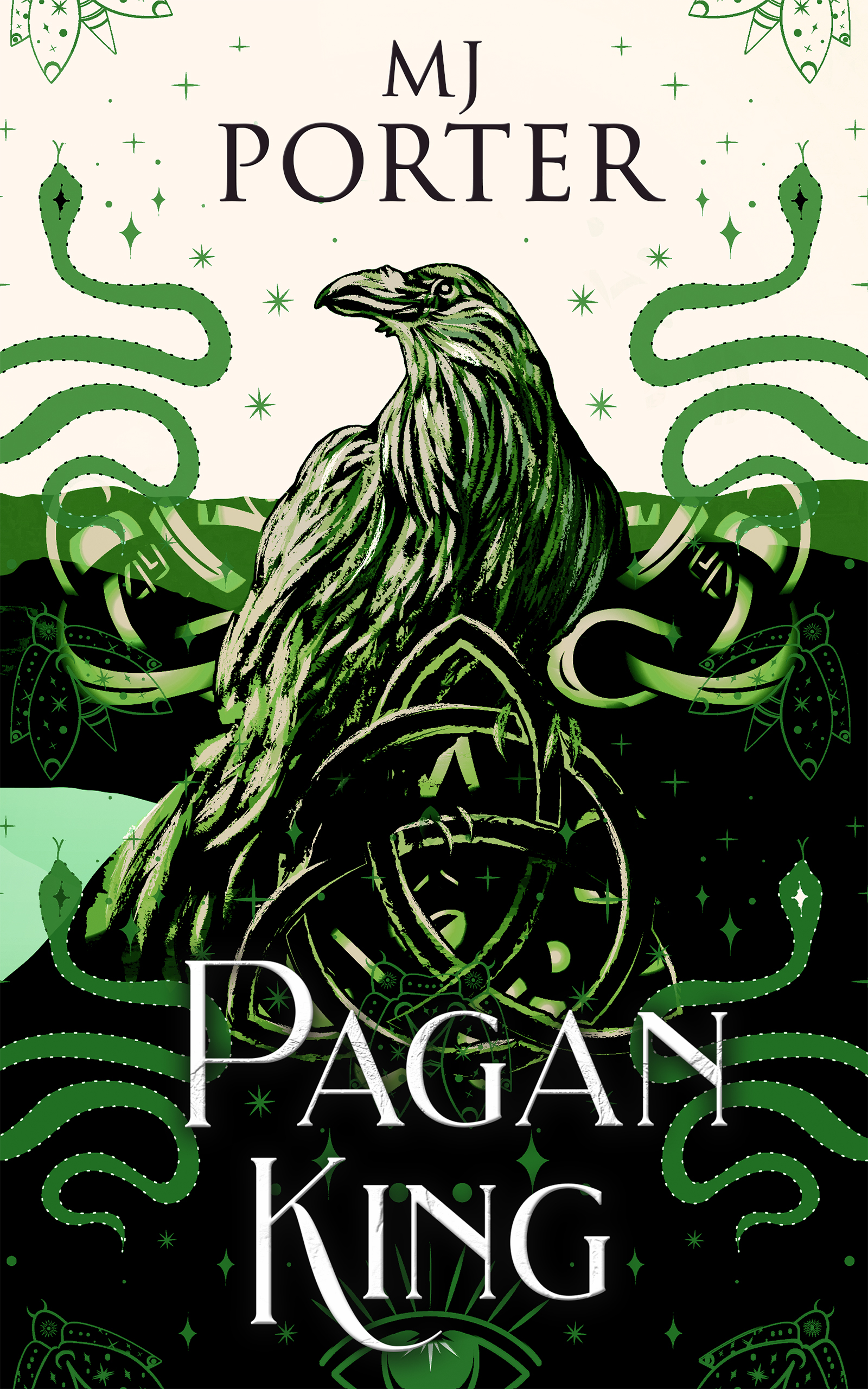
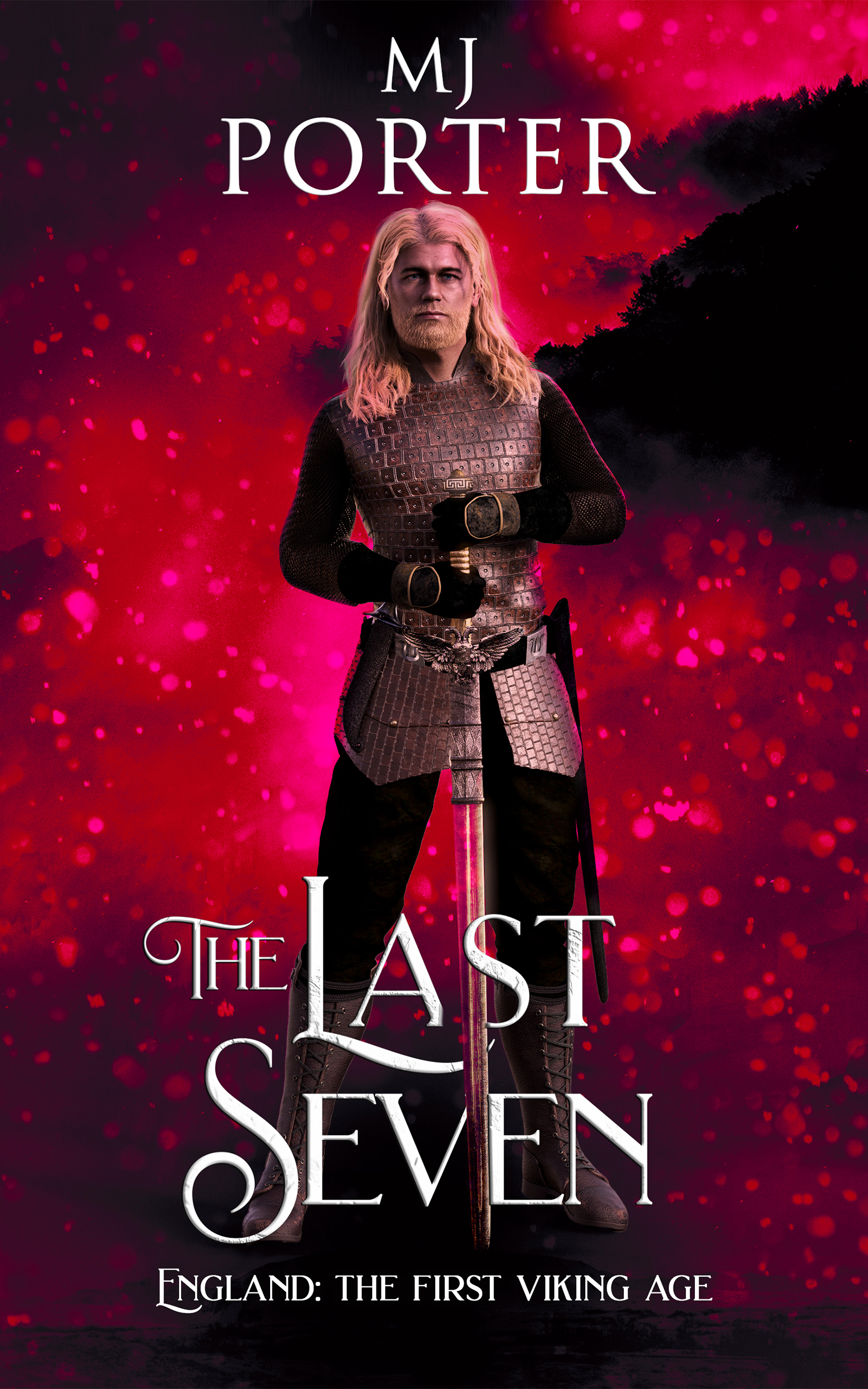
In February, I edited Cragside and started work simultaneously on Warrior of Mercia and The Last Seven while also editing Pagan King. I worked myself hard because I knew what was coming later in the year.
I continued to work on Warrior of Mercia and The Last Seven throughout March, and finished my first draft of Warrior of Mercia in April. This allowed me to start work on my first non-fiction book, due out sometime in 2024 with Pen and Sword books.
During May and June, I had a bit of a hiatus as I was on a wonderful holiday in Orkney and also working my part-time job. But I did complete an edit on Warrior of Mercia during the late May half-term, so I did a bit of writing:)
When I finally got back to my writing in July, I was back to working on The Last Seven, having completed my copyedits for Warrior of Mercia.
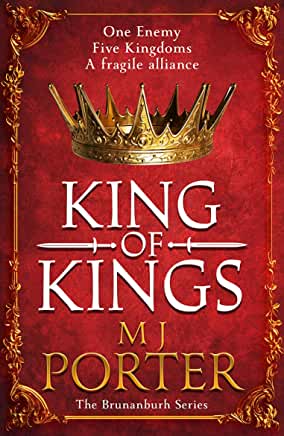
Throughout August, I worked on what is now King of Kings, and also devoted the month to my non-fiction project.
During September, I wrote a lot more for King of Kings, having decided to play around with the original book, and began work on Icel 4, which I finished the first draft of in October. I also worked on a short story that precedes the events in King of Kings.
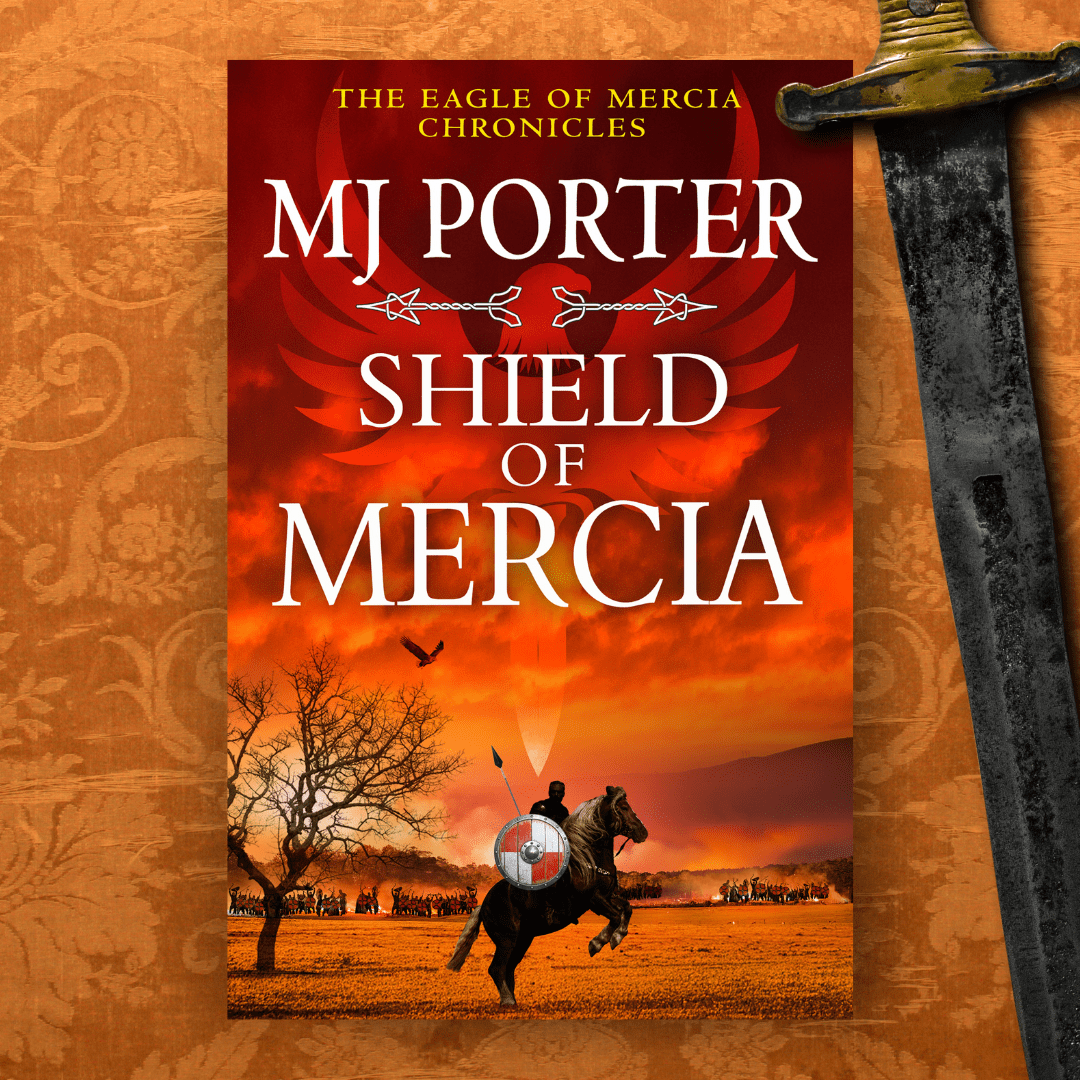
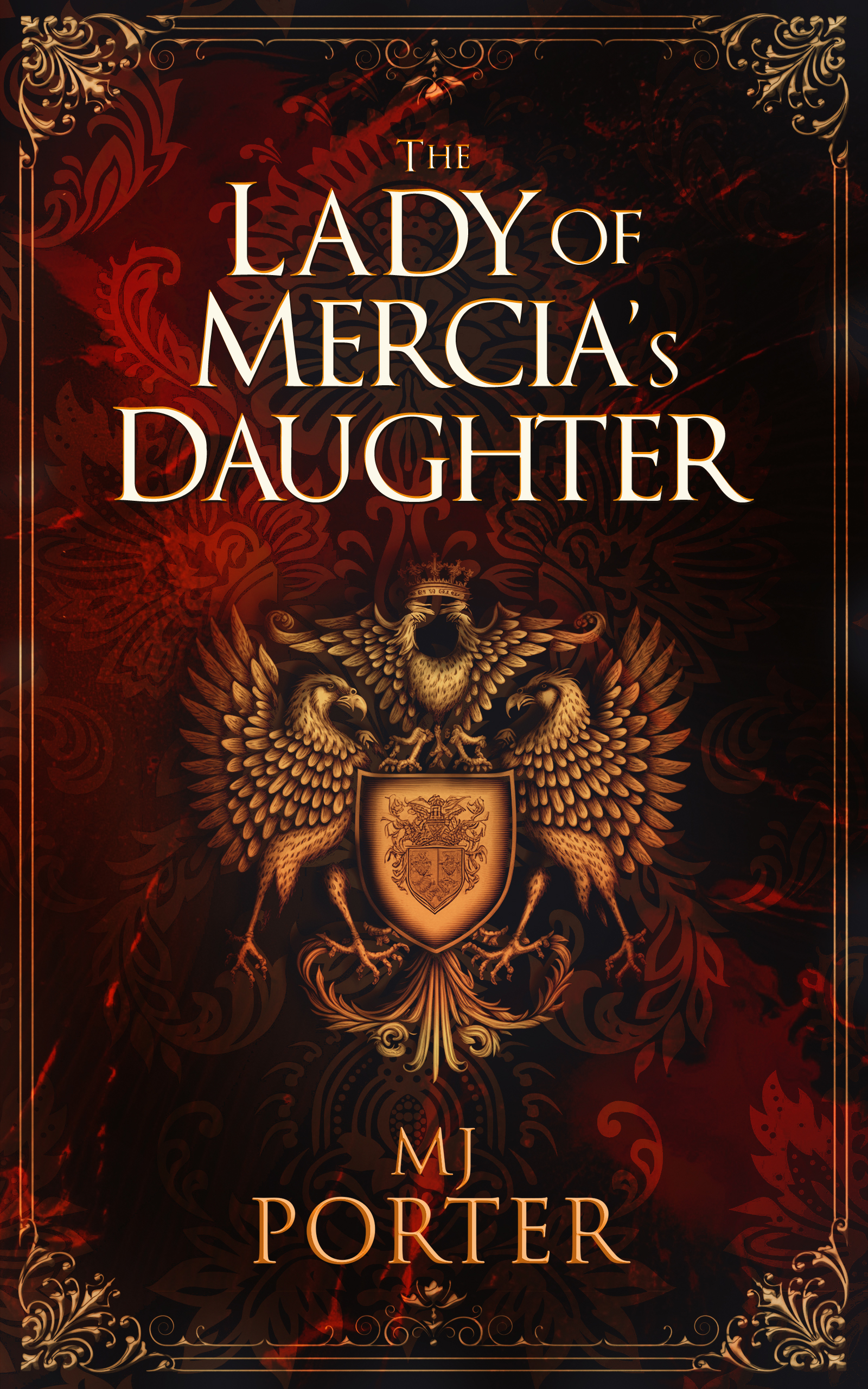
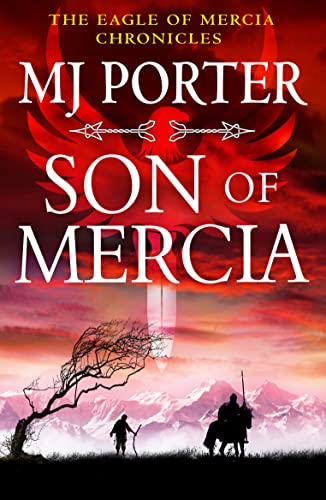
And then, I spent November working on the next book in the Earls of Mercia series, The King’s Brother, while during December, I returned to my non-fiction project, did some editing on Icel 4, now entitled Eagle of Mercia, and worked on my non-fiction book. I also completed an edit on The Lady of Mercia’s Daughter to go with the fabulous new cover.
For all my careful planning, December was a very full-on month, and I worked right up until 6pm on 23rd December because I needed to get some editing done. Next year, I need to be a bit more wary of just how short December can feel.
In terms of words written this year, I don’t keep a strict record, but I would place it at about 500,000. I don’t think it’s my biggest tally to date, but it’s still been very busy. For anyone curious about my writing routine, I’ll be presenting on it for The History Quill masterclass in April 2023. You can find the details on the link. I think a good daily routine is so important for writers, and so I’m going to be talking about how I do what I do:)
I also took the time to attend several conventions, virtually (The History Quill Convention, The HNSNA one-day convention, and the IMC in Leeds – which feeds my non-fiction needs) as well as in-person (The HNS Conference in Durham, and one on the Bamburgh Bones). I tried my hand at Saxon-era embroidery and of course, spent more time making mugs at the local pottery. I might have shared photos of my slightly wonky attempts.
I can’t see that I did a post on my writing throughout 2021, but I have found my 2020 post about my writing during Lockdown.
If you want to see what I was reading during 2022, then check it out here.
Wow! I think 2022 has been the year that I read (and listened) to the most books EVER! As I write this, I’m up to 99 titles. I have some ‘holiday’ reading I’m keen to do as well – fingers crossed I make it to the magic 100 for the year (I am including audiobooks in this, and also my own books as I have to read them A LOT, and I’ve also been refreshing a few throughout the year as well.) Even so, I’ve read many, many books, across a number of different genres, but the predominant one has certainly been historical mysteries/cozy crime. I’ve found that this is my ‘happy’ place when trying not to think about my own books. And luckily, Boldwood Books (who publish the Eagle of Mercia Chronicles) have a huge collection of mystery writers, and they’ve autoapproved me on Netgalley, so I’ll never struggle to find something to read in my favourite genre.
As has been pointed out to me by a fellow author, I don’t often award a five star review to books. Indeed, while I do rate and review on Amazon and Goodreads, on the blog, I don’t tend to give a rating – I’m just quirky like that. Those books that I have given a five star to, I’ve given a shout out in the Aspects of History Books of 2022. You can find the link here – (of course, these are all historical fiction books) and The Capsarius, Valentia, Twelve Nights and The Maids of Biddenden made it onto that list (and yes, these are all books I was lucky enough to be asked to review on the blog – but I never automatically give a 5 star review just because of that). I also want to add Domitian by SJA Turney as well. I couldn’t include two of his books on Aspecs of History but Domitian is wonderful, just my sort of Roman story with plenty of politics, intrigue, and some fabulous characters.
Three of these books are indie-published, and I can assure you all, that there’s a huge amount of amazing indie stuff out there. Don’t believe me, try one of these titles:)
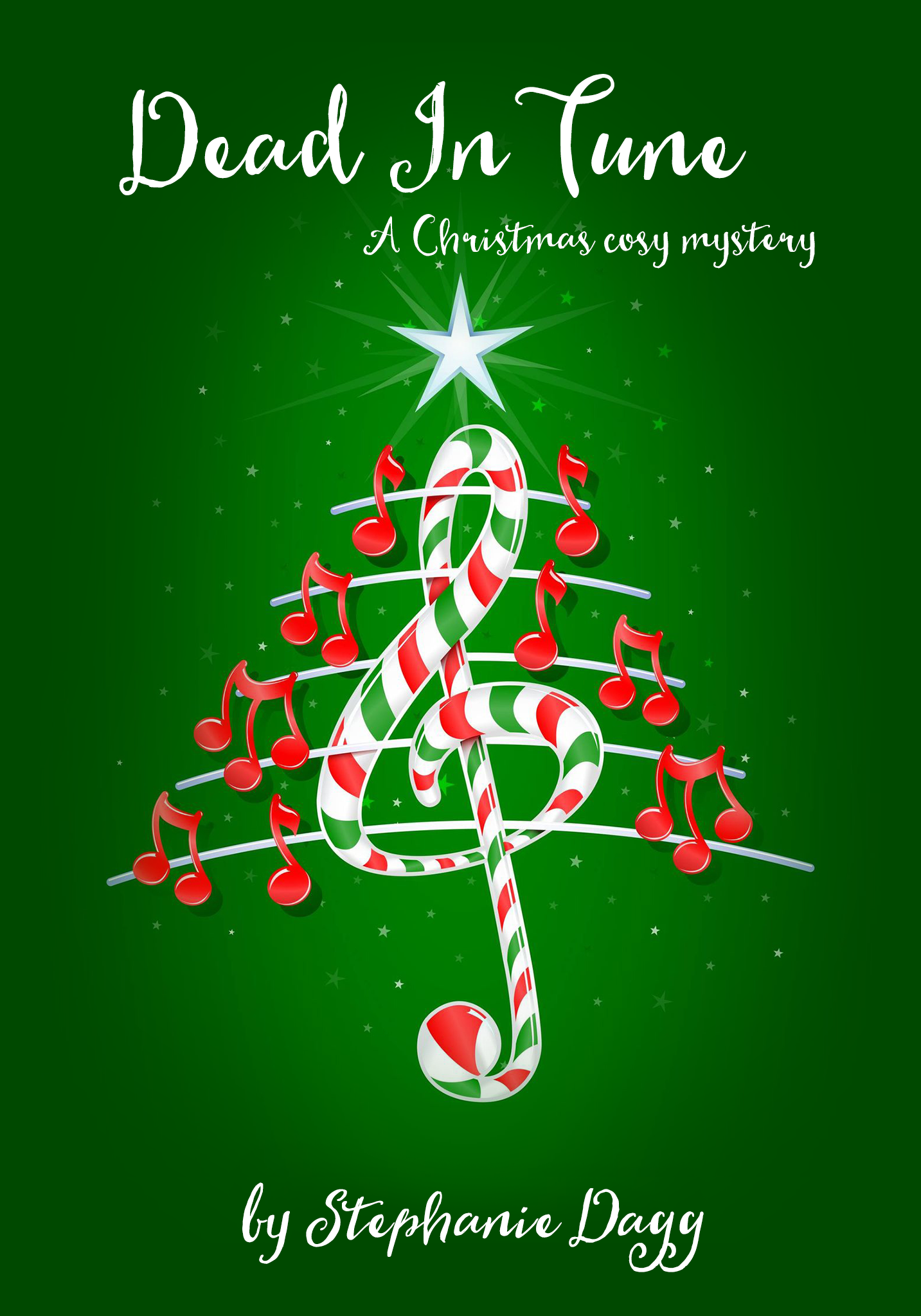
I’ve also treated myself to a bit of comedy this year. I’ve been listening to the Terry Pratchett Discworld audio books (the new and the original recordings – but not the abridged versions) and it’s reminded me of how much I love a funny book, and so, here are my favourite comedies of the year. Simon Whaley’s Foraging for Murder, Dead in Tune by Stephanie Dagg and Crazy for You by Domhnall O’Donoghue and Unseen Academicals by Terry Pratchett, which I’ve listened to twice!
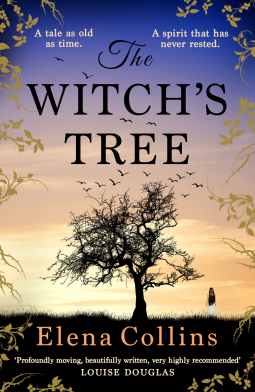
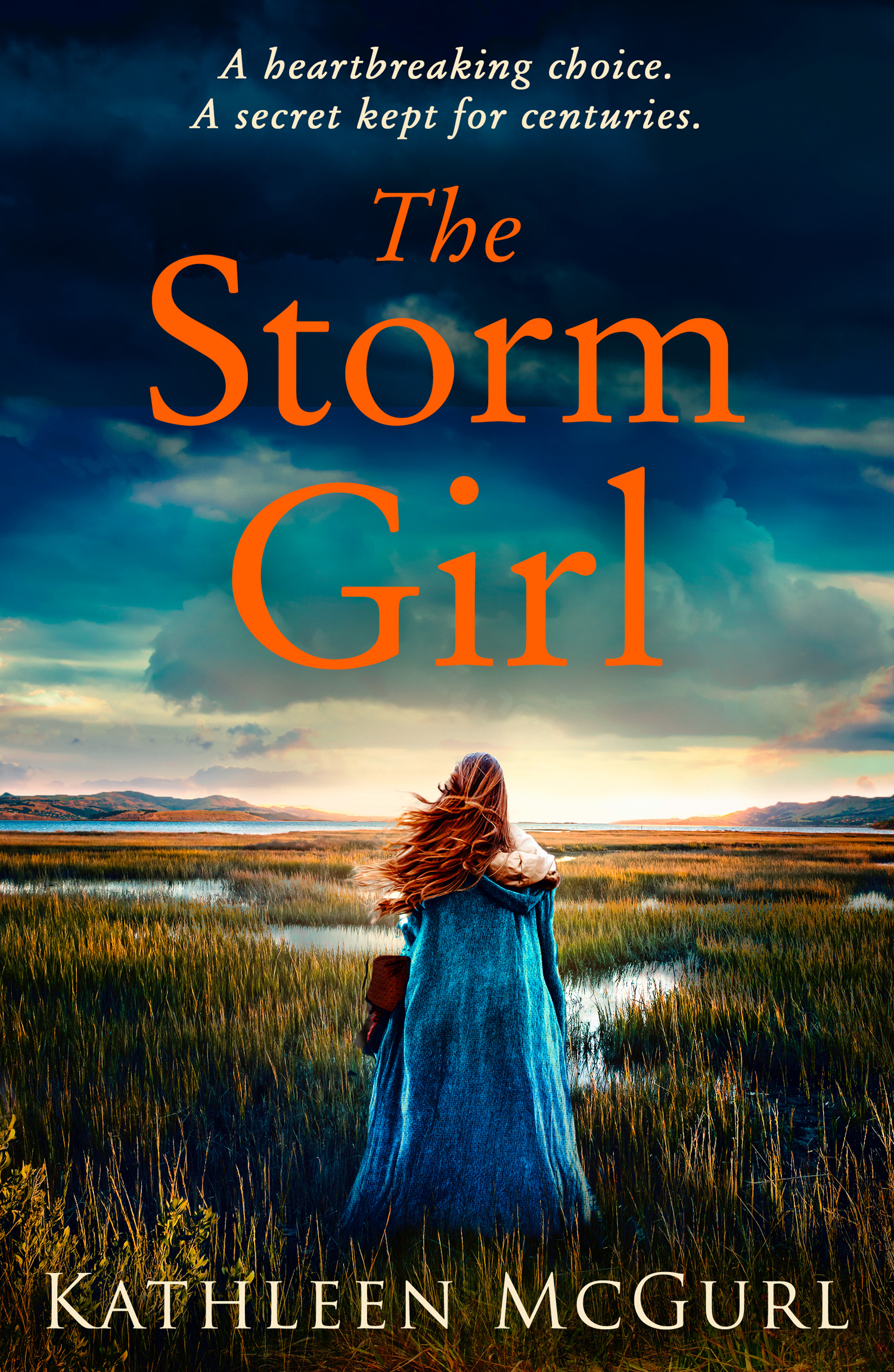
I’ve also dipped my toe into a few dual-timeline novels. As you might expect, my interest is always much more in the historical aspect of the story and not the modern settings, but they were a bit of fun when I was on holiday. The Witches Tree and The Storm Girl.
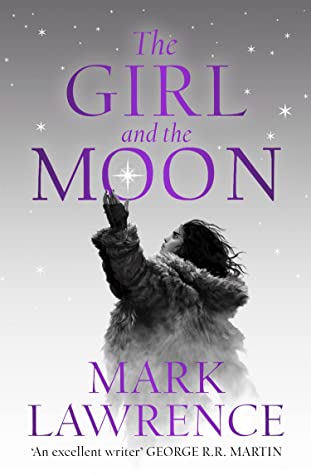
I’ve only read one fantasy book in 2022, which surprises me (aside from Discworld), but Mark Lawrence is one of my all-time favourite authors, and I will always read his books. The sneaky toad has a theme running through them all and I love it.
I’ve also read surprisingly few non-fiction books, in their entirety. I’ve been working on my non-fiction book and that’s meant a lot of dipping in and out of books I’ve already read. But, the non-fiction books I’ve read have been excellent, Michael Wood’s 40th anniversary of In Search of The Dark Ages, reviews for Aspects of History, Winter in the World by Eleanor Parker, also reviewed for Aspects of History and I also read my first ever writing guide.
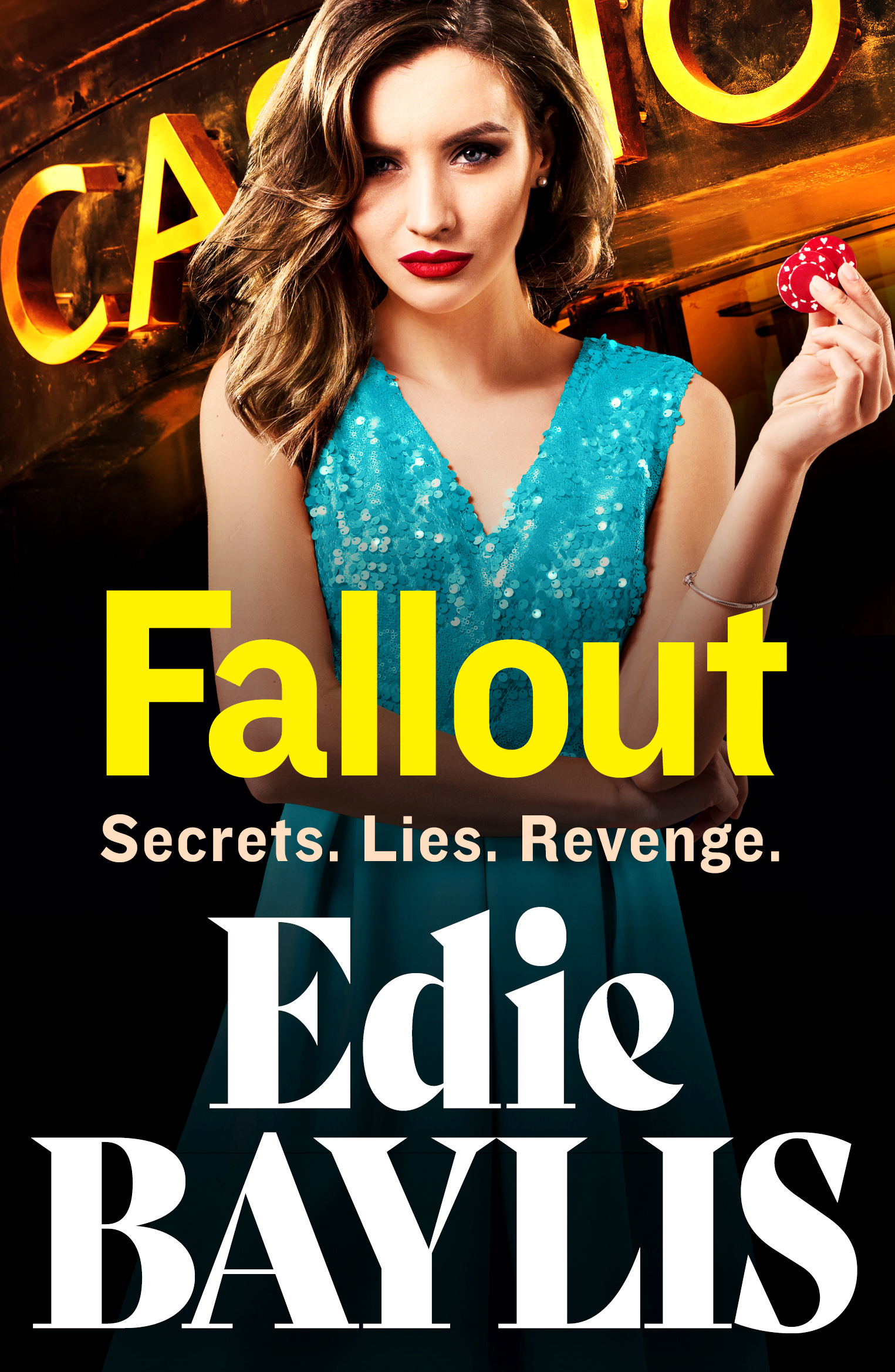
And an entirely new genre for me, but one I was strangely drawn to for the location, which is close to where I grew up – a bit of Gangland.
I hope you’ve enjoyed reading my reviews on the blog. And I’d like to that the publishers that let me read advanced copies, and also, all the writers I’ve mentioned who’ve taken the time to craft these novels so that I can devour them. Now, I need to get back to my reading to make sure I hit that magic 100!
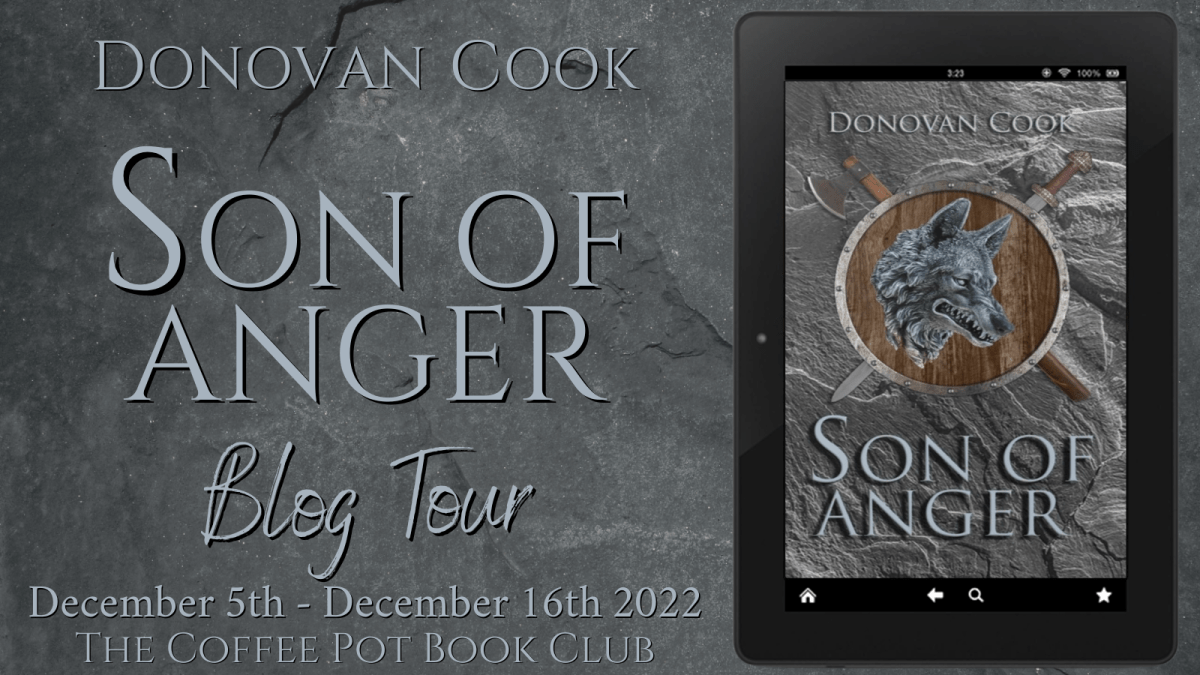
Ulf is like a storm, slowly building up its power, he grows more dangerous with each passing moment. And like all storms, he will eventually break. When he does, he will destroy everything in his path.
Ulf is one of a long line of famous Norse warriors. His ancestor Tyr was no ordinary man, but the Norse God of War. Ulf, however, knows nothing about being a warrior.
Everything changes when a stranger arrives on Ulf’s small farm in Vikenfjord. The only family he’s ever known are slaughtered and the one reminder of his father is stolen — Ulf’s father’s sword, Ormstunga. Ulf’s destiny is decided.
Are the gods punishing him? All Ulf knows is that he has to avenge his family. He sets off on an adventure that will take him across oceans, into the eye of danger, on a quest to reclaim his family’s honour.
The gods are roused. One warrior can answer to them. The Son of Anger.
My Review
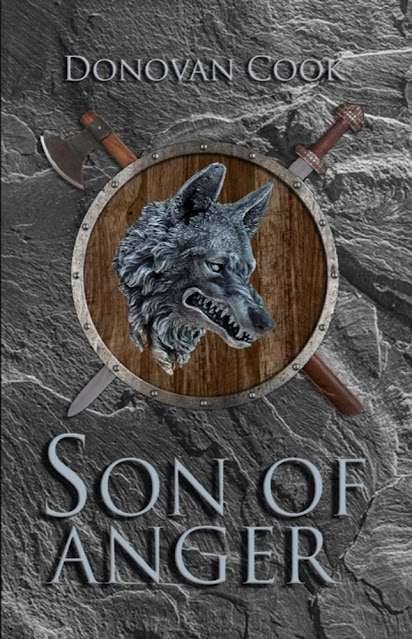
Son of Anger by Donovan Cook is a Viking-era adventure deeply steeped in the ways of the Norse Gods. Ulf is an orphan, angry with his father for putting the life of the local jarl before that of his son. When his uncle, aunt and cousins are slaughtered, and the sword of Ulf’s father is stolen, Ulf is rescued by a shadowy figure living in the woodlands, a man who takes out his appetites on the young mute, Vidar. With his death, Ulf and Vidar forge an alliance which brings them to the attention of the very jarl that Ulf’s father died to protect, garnering a growing reputation for being able to undertake tasks that no man can. There are many who think Ulf responsible for killing his aunt and uncle and their children as they’ve never heard of the warrior who attacked their farm, but Ulf wins the support of the jarl’s son and his wife, and Vidar and Ulf are welcomed into the jarl’s settlement.
This is a story of many people and thoughts, told through the eyes of the large cast, with a heavy emphasis on the religion and beliefs of the Norse; the Gods seem to walk (or rather fly)amongst the cast, influencing what happens to them, and are as contrary as we would expect the Norse Gods to be. There are many stories and legends, all told with a particuarly ‘saga-like’ ability to make even the fantastical seem commonplace and day to day. The Norse respect their Gods but appreciate their unreliability.
There are a number of main characters, Ulf, Snorri, Vidar and Lady Ingibjorg, as well as the jarl himself, and the hirdmen of Snorri. Much is shadows and uncertainty, and through the novel walks an unpleasant, and unsighted character, who has ill will towards Ulf, and is only unmasked during the battle that takes place at the end of the book.
This final battle, in which the true killer of Ulf’s aunt and uncle is the enemy, is a fitting conclusion to this epic Norse tale, which continues in books 2 and 3 in the series.
Donovan Cook was born in South Africa but raised in England, and currently works as an English tutor. He is the author of the Ormstunga Saga, which includes his debut novel Son of Anger and the follow up, Raid of the Wolves. His novels come from his fascination with the Viking world and Norse Mythology and he hopes that you will enjoy exploring this world as much as he did writing about it.
When Donovan is not teaching or writing, he can be found reading, watching rugby, or working on DIY projects. Being born in South Africa, he is a massive Springboks fan and rarely misses a match.
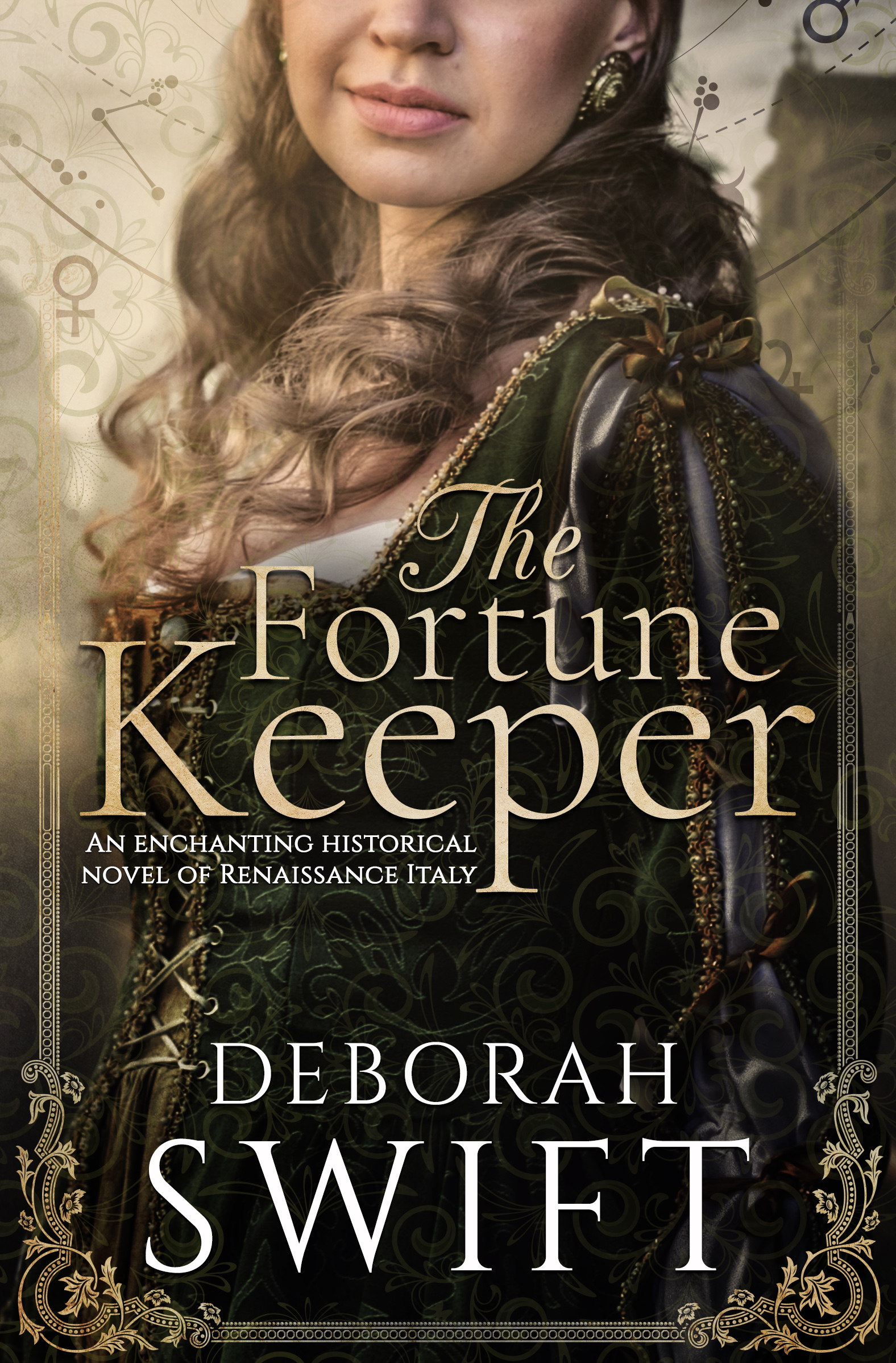
One of the things I was aware of as soon as I started this novel, The Fortune Keeper, was that although not a crime novel, it would probably have several murders within its pages. This is because the whole series is about Giulia Tofana, who was renowned for poisoning men in order that their wives could escape marital persecution.
Giulia Tofana became a legend and it is probable that she didn’t poison as many men as the rumours say, and that probably she was blamed for the crimes of others. One of the others suspected of her crimes was her stepdaughter Girolama. As she was to feature in this book, it led me to look into the law in early modern Venice because I knew I would have to be aware of policing, punishment, and the mechanisms of the law.
Miracle of the Holy Cross Accademia – Miracle of the Holy Cross at Rialto by Vittore Carpaccio
Renaissance Robbery
Venice was extremely wealthy in the Renaissance period, and vagabonds and thieves flooded into the city in search of easy pickings. In the picture above you can see the canal thronged with men dressed in rich clothing and ornament. The most common crimes in Venice were burglary and forgery, but it was by no means unusual for there to be murders over money and debts. The punishment for robbery was calculated on the basis of the quantity of property taken. First offenders who stole goods worth less than one lira could get away with a whipping, but woe betide you if you stole something bigger. The penalty was the loss of an eye for goods valued between five to ten lire, and the noose awaited those brave enough to steal something worth more than forty lire.
Interrogation chambers of the Doge’s Palace
Debt and Death
The law allowed for anyone who was owed more than five lire de piccola to threaten and even kill the debtor in order to recoup their money, putting the onus firmly on the debtor, not the avenger. This tells us that money was the main driving force in Venetian society. But what about armed robbery or assault where no debt was owing? Most assaults were subject to a mere fine of twenty-five lire, or banishment from the city state. If your crime was a crime which drew blood – sanguinem fecerit – then the punishment was up to the judging council. There was no such thing as ‘innocent until proven guilty’ in Venetian law at that time. Proof was largely circumstantial, and it relied on the judge and jury’s instinct as to the guilt of the person involved.
Cells of the Doge’s Palace
Renaissance Lawkeepers
The Avogaria di Comun were a group equivalent to lawyers, though non-professional, drawn exclusively from the nobility. They acted as prosecutors for the state, giving evidence and arguing for punishments before the main judicial councils of Venice. Because of their status, their judgements were often influenced by their social position, and the personal axes they had to grind.
Execution and Mutilation
In this period it was still common for mutilations to take place, which had been traditional in medieval times. Cutting out the tongue for heresy, cutting off the thumb or fingers for pilfering. Courtesans regularly had their noses or faces cut. There was also the custom of cutting of the ‘offending’ part – this led to men who were convicted of dabbling in heresy or alchemy, or crimes against the Holy Roman Church having their hand cut off to remove the ‘devil’s instrument’. This kind of public ritual and humiliation was designed to bring public vengeance to the accused person, and to reaffirm the values of the Church or state. The ritual turned the execution into a purification of the city.
There were in fact few crimes which brought down corporal or capital punishment. The types of corporal punishment used for the crimes of rape and assault were minor by today’s standards. As an example, for assault, out of 569 cases only fifteen involved mutilation of the criminal; and sixteen more involved some form of corporal discipline. For rape offenses, corporal punishment was even less significant, with twenty cases of discipline and only four of mutilation.
Palazzo Dario where many murders in the novel unfold
Maintaining law and order
On the streets the main arbiters of law and order were the town guard, the vigili urbani, who acted like our police do now. Their job was to make sure masked men didn’t carry arms, that only noblemen wore swords, and to act as a preventative force as well as policing troublemakers.
Further up the ladder were the Council of Ten, a kind of secret police force whose job was to maintain order within the city state of Venice. There was not much space in the city gaols of Venice due to the whole nature of its construction. For crimes of fraud, marital dispute, and affray, these men sat in judgement. It was unfeasible to keep men incarcerated for long because otherwise the gaols would be full of minor offenders. Small fines and short gaol sentences were the usual punishments for common violence in Venice. When the crime crossed the line into something that was considered ‘against God’ or ‘against the reputation of Venice’ then ritual punishment could be relied upon to warn the populace about sinning against these bigger, less personal edifices.
Count your nights by stars, not shadows ~ Italian Proverb
Winter in Renaissance Venice
Mia Caiozzi is determined to discover her destiny by studying the science of astronomy. But her stepmother Giulia forbids her to engage in this occupation, fearing it will lead her into danger. The ideas of Galileo are banned by the Inquisition, so Mia must study in secret.
Giulia’s real name is Giulia Tofana, renowned for her poison Aqua Tofana, and she is in hiding from the Duke de Verdi’s family who are intent on revenge for the death of their brother. Giulia insists Mia should live quietly out of public view. If not, it could threaten them all. But Mia doesn’t understand this, and rebels against Giulia, determined to go her own way.
When the two secret lives collide, it has far-reaching and fatal consequences that will change Mia’s life forever.
Set amongst opulent palazzos and shimmering canals, The Fortune Keeper is the third novel of adventure and romance based on the life and legend of Giulia Tofana, the famous poisoner.
‘Her characters are so real they linger in the mind long after the book is back on the shelf’ – Historical Novel Society
NB This is the third in a series but can stand alone as it features a new protagonist.
Trigger warnings:
Murder and violence in keeping with the era.
Buy Links
This book is available to read on Kindle Unlimited?
Deborah Swift is a USA TODAY bestselling author who is passionate about the past. Deborah used to be a costume designer for the BBC, before becoming a writer. Now she lives in an old English school house in a village full of 17th Century houses, near the glorious Lake District. She divides her time between writing and teaching. After taking a Masters Degree in Creative Writing, she enjoys mentoring aspiring novelists and has an award-winning historical fiction blog at her website www.deborahswift.com
Deborah loves to write about how extraordinary events in history have transformed the lives of ordinary people, and how the events of the past can live on in her books and still resonate today.
Recent books include The Poison Keeper, about the Renaissance poisoner Giulia Tofana, which was a winner of the Wishing Shelf Readers Award, and a Coffee Pot Book Club Gold Medal, and The Cipher Room set in WW2 and due for publication by Harper Collins next Spring.
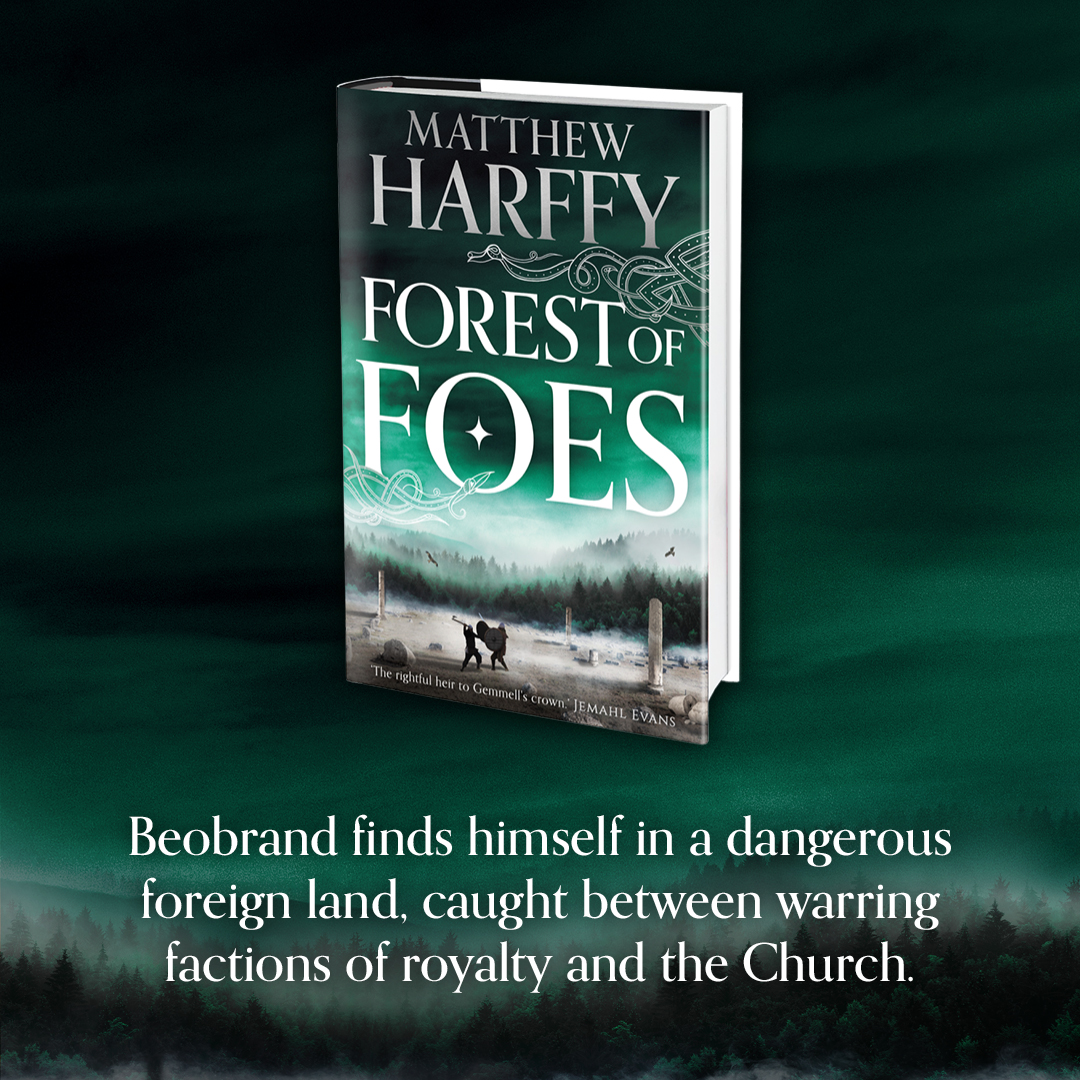
AD 652. Beobrand has been ordered to lead a group of pilgrims to the holy city of Rome. Chief among them is Wilfrid, a novice of the church with some surprisingly important connections. Taking only Cynan and some of his best men, Beobrand hopes to make the journey through Frankia quickly and return to Northumbria without delay, though the road is long and perilous.
But where Beobrand treads, menace is never far behind. The lands of the Merovingian kings are rife with intrigue. The queen of Frankia is unpopular and her ambitious schemes, though benevolent, have made her powerful enemies. Soon Wilfrid, and Beobrand, are caught up in sinister plots against the royal house.
After interrupting a brutal ambush in a forest, Beobrand and his trusted gesithas find their lives on the line. Dark forces will stop at nothing to seize control of the Frankish throne, and Beobrand is thrown into a deadly race for survival through foreign lands where he cannot be sure who is friend and who is foe.
The only certainty is that if he is to save his men, thwart the plots, and unmask his enemies, blood will flow.
My Review
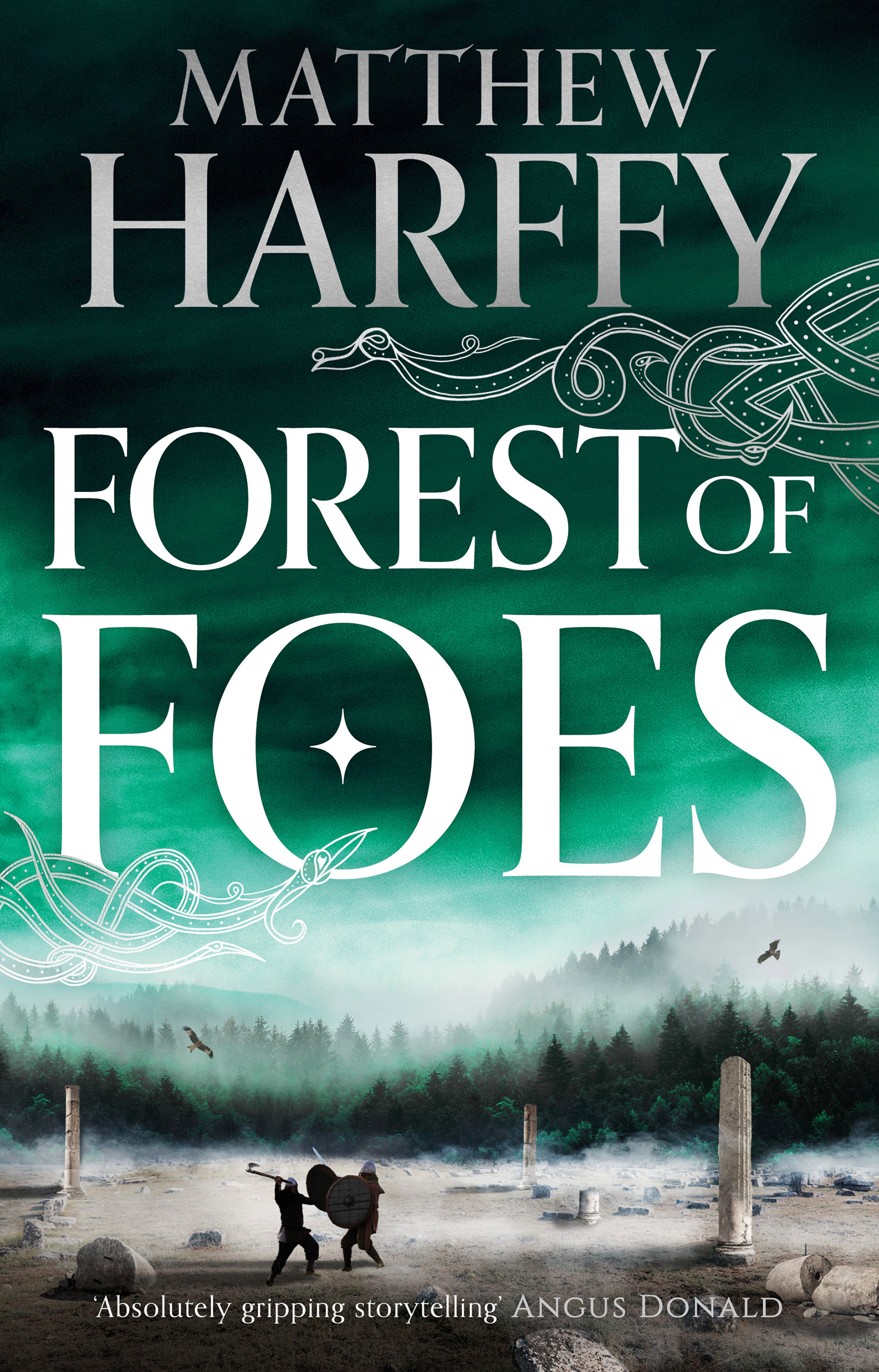
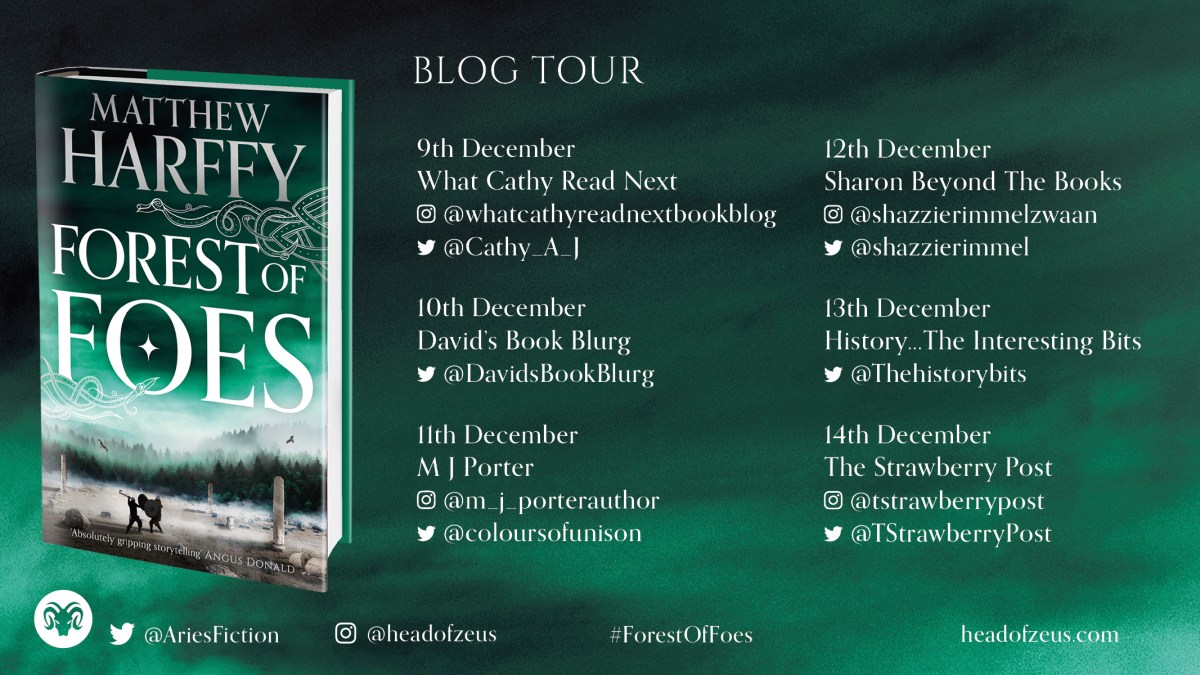
Forest of Foes by Matthew Harffy is the 9th book in the Bernicia Chronicles. I’ve read nearly all of the books to date, but I know I’ve missed one or two out, and in this book, there are a few scenes where that comes home to roost – but not enough that I didn’t get a general idea and neither did it distract from the rest of the story.
Forest of Foes starts with a really exciting fight scene, in which Beobrand and Cynan are thrust into the heart of a skirmish. This very much sets the scene for the rest of the book, with a great deal of added political intrigue until our hero finally manages to exact revenge at the end of the book.
This book takes our characters to Merovingian France, and as readers of the series will know this isn’t Beobrand’s first trip there. As such, we meet new and old characters as Beobrand endeavours to fulfil his promise to Queen Eanflæd that he’ll get the monks Wilfrid and Baducing to Roma. Sadly, Beobrand hasn’t quite factored in the weather or the strong will of Wilfrid, or indeed the conniving members of the nobility in Merovingian France, or indeed, the queen, Bathilde.
Forest of Foes is an entertaining addition to the Bernicia Chronicles. I enjoyed the split narrative between Beobrand and Cynan, although it is a little unevenly done. There are also occasions where Wilfrid is our narrator, perhaps pointing to future developments for this character, who, historically, is a bit of a wildfire. Time will tell. The beginning of the book is particularly exciting, and the ending is satisfying. I enjoyed my trip to Merovingian France. The characters there are well drawn, and the peril to Beobrand is genuine and resolved particularly well.
I’m intrigued to see just how much trouble Beobrand and Cynan can get into as they finally resume their journey towards Roma, which I think they probably need to do quite quickly because there are forewarnings of trouble back home. We all know (I hope) that war is coming.
Meet the author
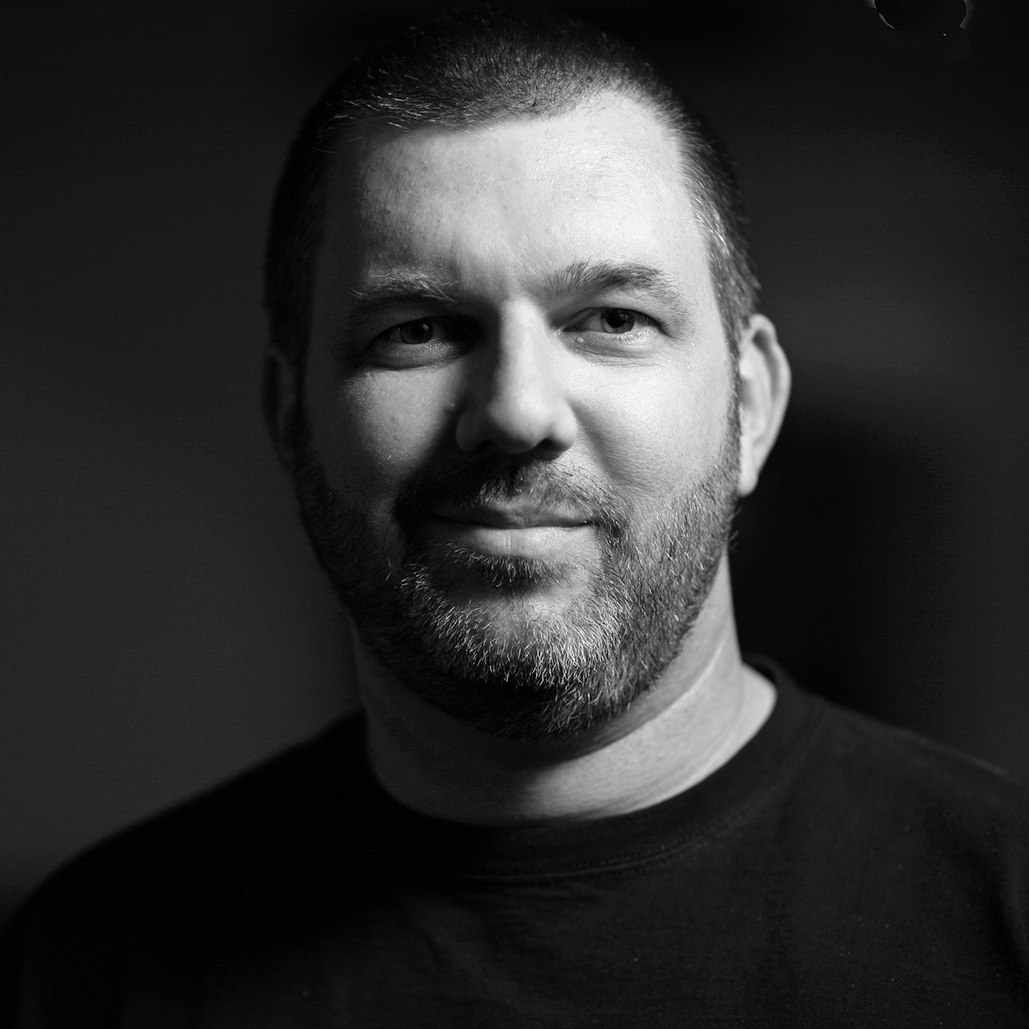
Matthew Harffy lived in Northumberland as a child and the area had a great impact on him. The rugged terrain, ruined castles and rocky coastline made it easy to imagine the past. Decades later, a documentary about Northumbria’s Golden Age sowed the kernel of an idea for a series of historical fiction novels. The first of them is the action-packed tale of vengeance and coming of age, THE SERPENT SWORD.
Matthew has worked in the IT industry, where he spent all day writing and editing, just not the words that most interested him. Prior to that he worked in Spain as an English teacher and translator. Matthew lives in Wiltshire, England, with his wife and their two daughters.
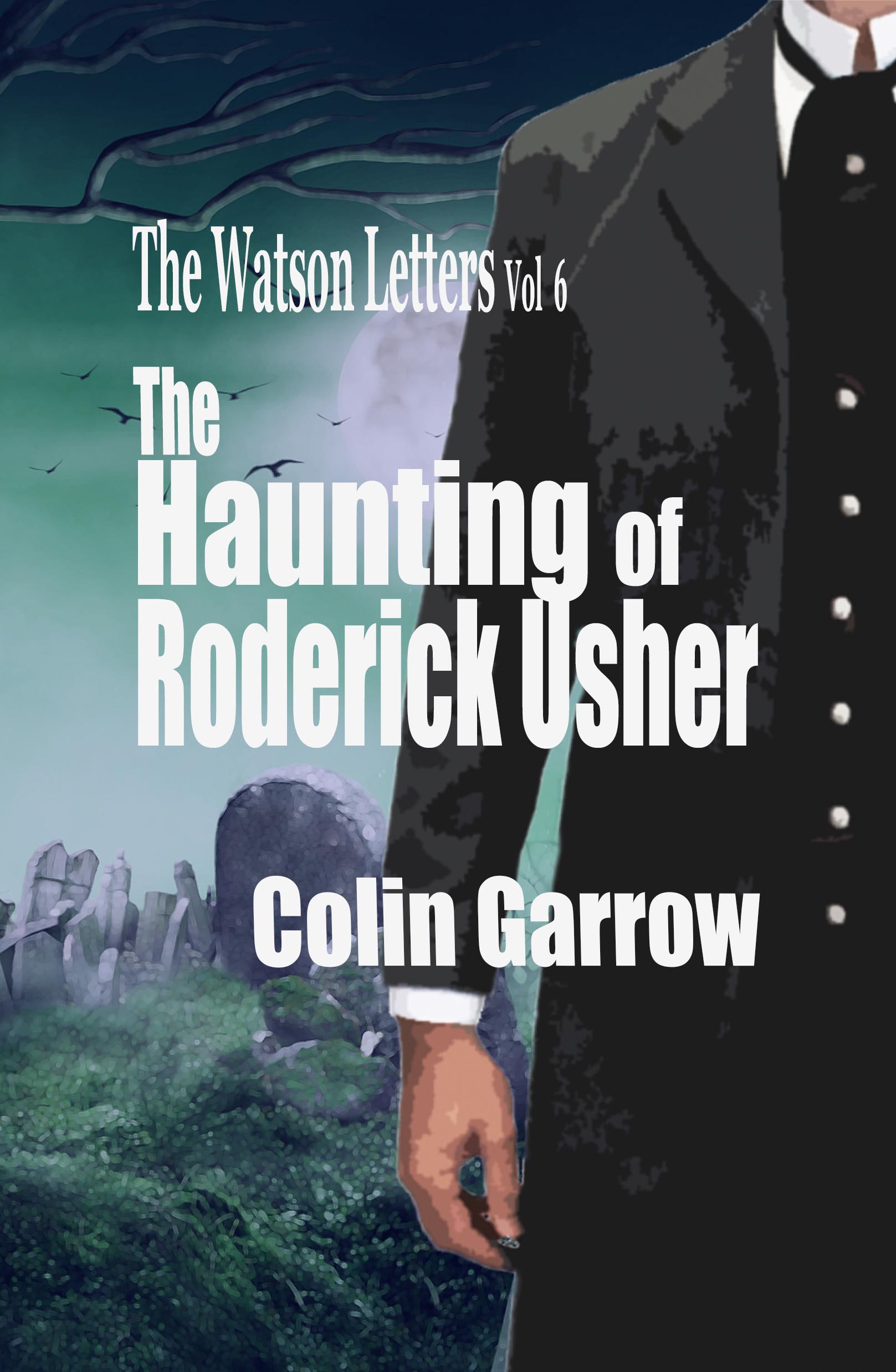
An invitation. A ghostly spectre. A criminal mastermind.
When Sherlock Holmes is invited to visit an old school friend, he and Doctor Watson are plunged into the first of three adventures involving the Dark Arts and the supernatural. From the ghostly spectre of a dead sister to the search for an ancient book of spells, the detecting duo learn that each case is connected, leading them into a final showdown with their deadliest adversary yet.
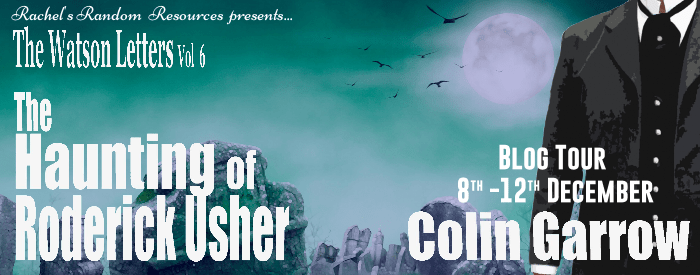
The Haunting of Roderick Usher might be volume 6 in the Watson Letters, but it is the first book I’ve read by this author and in this series. But fear not. Building on the ‘lore’ of Sherlock Holmes and adding a few ‘adult’ touches throughout, as well as a slightly alternative universe, this is a fine story in true Sherlock Holmes style and very, very enjoyable.
The Haunting of Roderick Usher is really a string of three separate stories, all building on the other, before coming to a thrilling conclusion. The Haunting of Roderick Usher, The Witch’s Ghost and The Very Last Death of Lord Blackwood are all unique stories in themselves, with a hint of the otherworldly and with a conclusion of their own.
I really enjoyed the building blocks of the stories, and the slightly more flippant Holmes, Watson and Mrs Watson. All three of them, and indeed Lestrade as well, all have their voices throughout these tales.
A lot of fun, provided you’re not going to be offended by the slightly more adult tone – and I certainly wasn’t.
Meet the author
True-born Geordie Colin Garrow grew up in a former mining town in Northumberland and has worked in a plethora of professions including taxi driver, antiques dealer, drama facilitator, theatre director and fish processor. He has also occasionally masqueraded as a pirate. Colin’s published books include the Watson Letters series, the Terry Bell Mysteries and the Rosie Robson Murder Mysteries. His short stories have appeared in several literary mags, including: SN Review, Flash Fiction Magazine, The Grind, A3 Review, Inkapture and Scribble Magazine. These days he lives in a humble cottage in Northeast Scotland.