Ulf is like a storm, slowly building up its power, he grows more dangerous with each passing moment. And like all storms, he will eventually break. When he does, he will destroy everything in his path.
Ulf is one of a long line of famous Norse warriors. His ancestor Tyr was no ordinary man, but the Norse God of War. Ulf, however, knows nothing about being a warrior.
Everything changes when a stranger arrives on Ulf’s small farm in Vikenfjord. The only family he’s ever known are slaughtered and the one reminder of his father is stolen — Ulf’s father’s sword, Ormstunga. Ulf’s destiny is decided.
Are the gods punishing him? All Ulf knows is that he has to avenge his family. He sets off on an adventure that will take him across oceans, into the eye of danger, on a quest to reclaim his family’s honour.
The gods are roused. One warrior can answer to them. The Son of Anger.
My Review
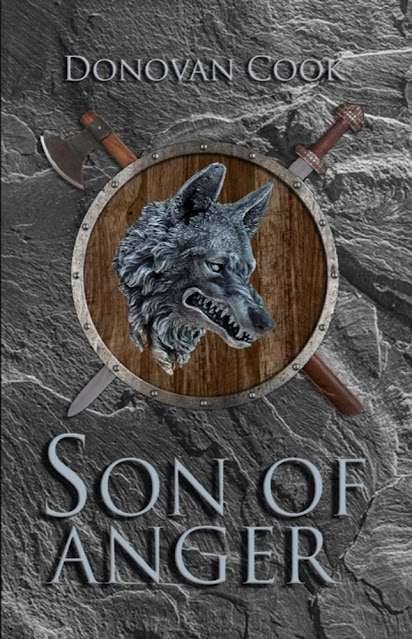
Son of Anger by Donovan Cook is a Viking-era adventure deeply steeped in the ways of the Norse Gods. Ulf is an orphan, angry with his father for putting the life of the local jarl before that of his son. When his uncle, aunt and cousins are slaughtered, and the sword of Ulf’s father is stolen, Ulf is rescued by a shadowy figure living in the woodlands, a man who takes out his appetites on the young mute, Vidar. With his death, Ulf and Vidar forge an alliance which brings them to the attention of the very jarl that Ulf’s father died to protect, garnering a growing reputation for being able to undertake tasks that no man can. There are many who think Ulf responsible for killing his aunt and uncle and their children as they’ve never heard of the warrior who attacked their farm, but Ulf wins the support of the jarl’s son and his wife, and Vidar and Ulf are welcomed into the jarl’s settlement.
This is a story of many people and thoughts, told through the eyes of the large cast, with a heavy emphasis on the religion and beliefs of the Norse; the Gods seem to walk (or rather fly)amongst the cast, influencing what happens to them, and are as contrary as we would expect the Norse Gods to be. There are many stories and legends, all told with a particuarly ‘saga-like’ ability to make even the fantastical seem commonplace and day to day. The Norse respect their Gods but appreciate their unreliability.
There are a number of main characters, Ulf, Snorri, Vidar and Lady Ingibjorg, as well as the jarl himself, and the hirdmen of Snorri. Much is shadows and uncertainty, and through the novel walks an unpleasant, and unsighted character, who has ill will towards Ulf, and is only unmasked during the battle that takes place at the end of the book.
This final battle, in which the true killer of Ulf’s aunt and uncle is the enemy, is a fitting conclusion to this epic Norse tale, which continues in books 2 and 3 in the series.
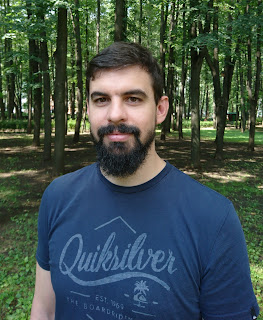
Donovan Cook was born in South Africa but raised in England, and currently works as an English tutor. He is the author of the Ormstunga Saga, which includes his debut novel Son of Anger and the follow up, Raid of the Wolves. His novels come from his fascination with the Viking world and Norse Mythology and he hopes that you will enjoy exploring this world as much as he did writing about it.
When Donovan is not teaching or writing, he can be found reading, watching rugby, or working on DIY projects. Being born in South Africa, he is a massive Springboks fan and rarely misses a match.
One of the things I was aware of as soon as I started this novel, The Fortune Keeper, was that although not a crime novel, it would probably have several murders within its pages. This is because the whole series is about Giulia Tofana, who was renowned for poisoning men in order that their wives could escape marital persecution.
Giulia Tofana became a legend and it is probable that she didn’t poison as many men as the rumours say, and that probably she was blamed for the crimes of others. One of the others suspected of her crimes was her stepdaughter Girolama. As she was to feature in this book, it led me to look into the law in early modern Venice because I knew I would have to be aware of policing, punishment, and the mechanisms of the law.
Miracle of the Holy Cross Accademia – Miracle of the Holy Cross at Rialto by Vittore Carpaccio
Renaissance Robbery
Venice was extremely wealthy in the Renaissance period, and vagabonds and thieves flooded into the city in search of easy pickings. In the picture above you can see the canal thronged with men dressed in rich clothing and ornament. The most common crimes in Venice were burglary and forgery, but it was by no means unusual for there to be murders over money and debts. The punishment for robbery was calculated on the basis of the quantity of property taken. First offenders who stole goods worth less than one lira could get away with a whipping, but woe betide you if you stole something bigger. The penalty was the loss of an eye for goods valued between five to ten lire, and the noose awaited those brave enough to steal something worth more than forty lire.
Interrogation chambers of the Doge’s Palace
Debt and Death
The law allowed for anyone who was owed more than five lire de piccola to threaten and even kill the debtor in order to recoup their money, putting the onus firmly on the debtor, not the avenger. This tells us that money was the main driving force in Venetian society. But what about armed robbery or assault where no debt was owing? Most assaults were subject to a mere fine of twenty-five lire, or banishment from the city state. If your crime was a crime which drew blood – sanguinem fecerit – then the punishment was up to the judging council. There was no such thing as ‘innocent until proven guilty’ in Venetian law at that time. Proof was largely circumstantial, and it relied on the judge and jury’s instinct as to the guilt of the person involved.
Cells of the Doge’s Palace
Renaissance Lawkeepers
The Avogaria di Comun were a group equivalent to lawyers, though non-professional, drawn exclusively from the nobility. They acted as prosecutors for the state, giving evidence and arguing for punishments before the main judicial councils of Venice. Because of their status, their judgements were often influenced by their social position, and the personal axes they had to grind.
Execution and Mutilation
In this period it was still common for mutilations to take place, which had been traditional in medieval times. Cutting out the tongue for heresy, cutting off the thumb or fingers for pilfering. Courtesans regularly had their noses or faces cut. There was also the custom of cutting of the ‘offending’ part – this led to men who were convicted of dabbling in heresy or alchemy, or crimes against the Holy Roman Church having their hand cut off to remove the ‘devil’s instrument’. This kind of public ritual and humiliation was designed to bring public vengeance to the accused person, and to reaffirm the values of the Church or state. The ritual turned the execution into a purification of the city.
There were in fact few crimes which brought down corporal or capital punishment. The types of corporal punishment used for the crimes of rape and assault were minor by today’s standards. As an example, for assault, out of 569 cases only fifteen involved mutilation of the criminal; and sixteen more involved some form of corporal discipline. For rape offenses, corporal punishment was even less significant, with twenty cases of discipline and only four of mutilation.
Palazzo Dario where many murders in the novel unfold
Maintaining law and order
On the streets the main arbiters of law and order were the town guard, the vigili urbani, who acted like our police do now. Their job was to make sure masked men didn’t carry arms, that only noblemen wore swords, and to act as a preventative force as well as policing troublemakers.
Further up the ladder were the Council of Ten, a kind of secret police force whose job was to maintain order within the city state of Venice. There was not much space in the city gaols of Venice due to the whole nature of its construction. For crimes of fraud, marital dispute, and affray, these men sat in judgement. It was unfeasible to keep men incarcerated for long because otherwise the gaols would be full of minor offenders. Small fines and short gaol sentences were the usual punishments for common violence in Venice. When the crime crossed the line into something that was considered ‘against God’ or ‘against the reputation of Venice’ then ritual punishment could be relied upon to warn the populace about sinning against these bigger, less personal edifices.
Count your nights by stars, not shadows ~ Italian Proverb
Winter in Renaissance Venice
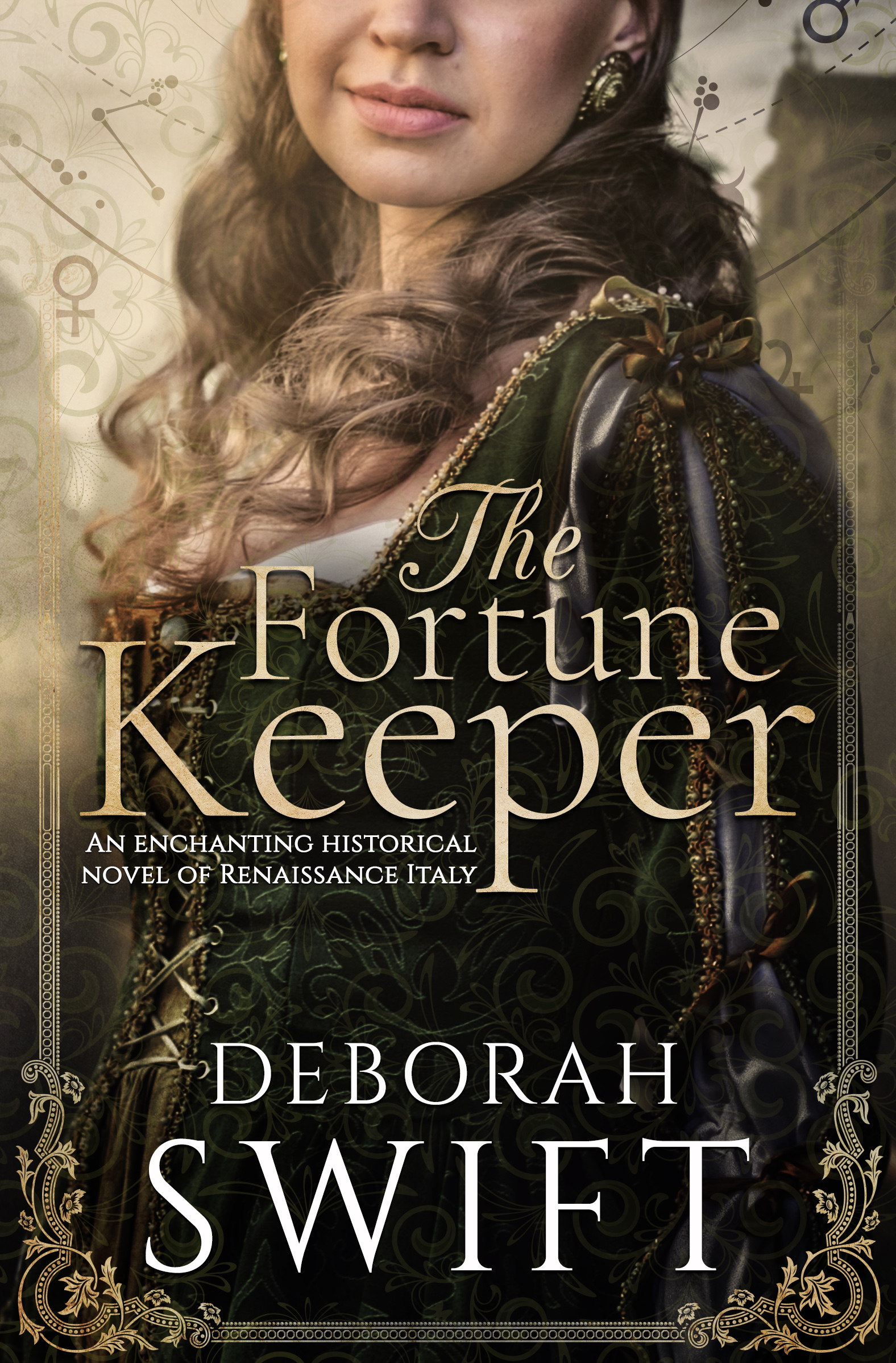
Mia Caiozzi is determined to discover her destiny by studying the science of astronomy. But her stepmother Giulia forbids her to engage in this occupation, fearing it will lead her into danger. The ideas of Galileo are banned by the Inquisition, so Mia must study in secret.
Giulia’s real name is Giulia Tofana, renowned for her poison Aqua Tofana, and she is in hiding from the Duke de Verdi’s family who are intent on revenge for the death of their brother. Giulia insists Mia should live quietly out of public view. If not, it could threaten them all. But Mia doesn’t understand this, and rebels against Giulia, determined to go her own way.
When the two secret lives collide, it has far-reaching and fatal consequences that will change Mia’s life forever.
Set amongst opulent palazzos and shimmering canals, The Fortune Keeper is the third novel of adventure and romance based on the life and legend of Giulia Tofana, the famous poisoner.
‘Her characters are so real they linger in the mind long after the book is back on the shelf’ – Historical Novel Society
NB This is the third in a series but can stand alone as it features a new protagonist.
Trigger warnings:
Murder and violence in keeping with the era.
Buy Links
This book is available to read on Kindle Unlimited?
Deborah Swift is a USA TODAY bestselling author who is passionate about the past. Deborah used to be a costume designer for the BBC, before becoming a writer. Now she lives in an old English school house in a village full of 17th Century houses, near the glorious Lake District. She divides her time between writing and teaching. After taking a Masters Degree in Creative Writing, she enjoys mentoring aspiring novelists and has an award-winning historical fiction blog at her website www.deborahswift.com
Deborah loves to write about how extraordinary events in history have transformed the lives of ordinary people, and how the events of the past can live on in her books and still resonate today.
Recent books include The Poison Keeper, about the Renaissance poisoner Giulia Tofana, which was a winner of the Wishing Shelf Readers Award, and a Coffee Pot Book Club Gold Medal, and The Cipher Room set in WW2 and due for publication by Harper Collins next Spring.
I’m delighted to welcome Anna to the blog, and she’s written a fabulous post about her historical research.
Those unruly Welsh – a post about those that would not give up
Some years ago, I published His Castilian Hawk, where the story is set against the backdrop of Edward I’s conquest of Wales in 1282-83. Some may think that after Dafydd ap Gruffyd was executed in late 1283, Wales was permanently cowed, bowing its neck abjectly before its new overlord. Not at all like in Scotland, where the Scots just wouldn’t give up, no matter what Edward I threw at them.
Hmm. I dare say those medieval Welshmen would snort—rather loudly—at the notion that they somehow lacked in bravery. Also, one must keep in mind that the English king could command vastly more men than the Welsh could. Plus, Wales was not a cohesive unit as Scotland was. No, Wales was subdivided into various little principalities, and since the death of Llewellyn Fawr in 1240 no one had really managed to unite all Wales again. Also, large chunks of Wales had been under English control for yonks, ruled over by the so called Marcher Lords.
So it was a fragmented people who were invaded by the English in 1282-83, and in some places people didn’t overly care who sat in the nearby castle. Besides, many Welshmen had no reason to risk their neck for Llywellyn ap Gruffyd or his brother as they were princes of Gwynedd, not of Wales. But that does not mean the Welsh had rolled over and given up. In fact, there’d be a sequence of rebellions—of varying size—over the years. What all those rebellions have in common is that they failed, even if the impressive Owain Glyndwr in the early 15th century came close to success.
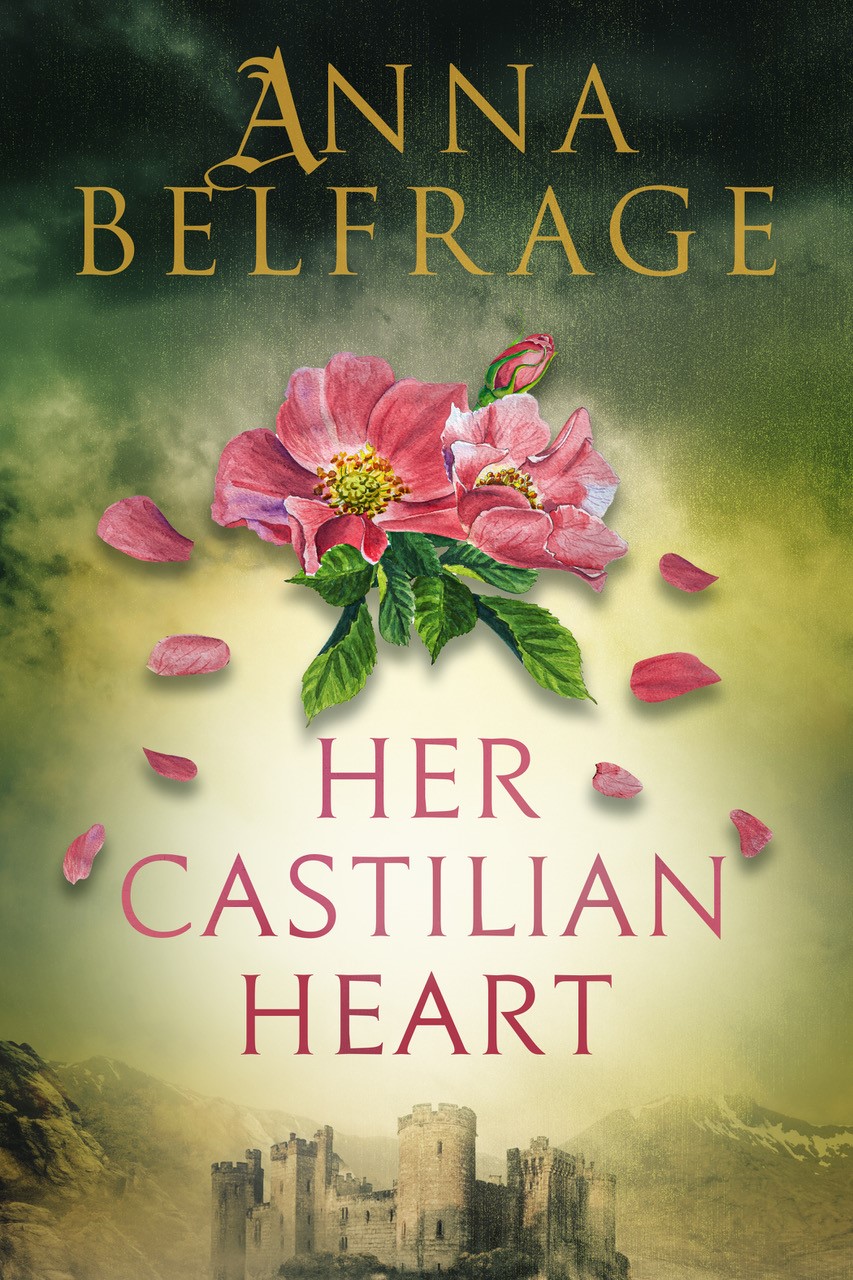
In my latest release, Her Castilian Heart, the adventures and misfortunes that beset my fictional protagonists, Robert FitzStephan and his wife Noor, are to some extent set against the backdrop of another Welsh rebellion, that of Rhys ap Maredudd.
Rhys was a member of the royal house of Deheubarth, a principality in mid Wales. Deheubarth and Gwynedd were traditional enemies, so when Dafydd ap Gruffyd prodded his older brother into rebellion in 1282, Rhys sided with the English. Actually, already in the Anglo-Welsh wars of 1276-77, Rhys submitted to England, hoping that by doing so he’d be able to keep his lands—and regain the impressive Dinefwr Castle, the traditional seat of the princes of Deheubarth.
In the aftermath of the 1282-83 conquest, Rhys was rewarded for his loyalty with more land. “And Dinefwr?” he asked. King Edward likely raised an eyebrow. No way was he about to return such an impressive castle to a Welsh princeling. Instead, he forced Rhys to sign a quitclaim, effectively handing over “his” castle permanently to the English king. Rhys may not have liked this, but he seems to have swallowed his disappointment and instead focussed his attention on fortifying his remaining castle of note, Dryslwyn.
But it must have rankled, losing Dinefwr. Also, Rhys seems to have been under the impression that he’d been promised Dinefwr if he rode with the English against his fellow Welshmen. Whatever the case, in 1287, Rhys rebelled.
He had some initial success, but King Edward’s appointed regent, Edmund of Cornwall (the king himself was in Gascony) acted with speed, assembling a huge host that marched into Wales. By October, the rebellion had effectively been stamped out until all that was left was a core of determined men besieged at Dryslwyn. This was when King Edward’s interest in siege machines came in handy: soon enough several huge trebuchets began bombarding Dryslwyn’s walls with projectiles. In all that upheaval, Rhys managed to slip away.
For some weeks, things were quiet, but in mid-November Rhys popped up again, urging his fellow Welshmen to join his rebellion. A new, much smaller force was assembled to sort things out—one in which I’ve included Robert FitzStephan and his friend, Roger Mortimer. Rhys took refuge in yet another castle, this time the triangular-shaped Newydd Emlyn.
The English packed together their siege weapons, loaded them onto carts, requisitioned forty oxen and hauled them all the way up to Newydd Emlyn. Ten days of siege and the English won—but the elusive Rhys had managed to slip away. Again.
For the coming four years, he somehow managed to stay hidden. Some people think he may have escaped to Ireland, but if he had, one wonders why he came back only to be captured. In 1291, Rhys ap Maredudd was executed in York, far from the land of his birth. His son and namesake was to spend the coming fifty years in prison.
Rhys was not the last Welshman to rebel against Edward. Some years later, the fires of rebellion would yet again threaten Edward’s iron hold on this his newest dominion—but of that I will write in the next book in the series!
Thank you so much for sharing such a fascinating post. Good luck with your new book and with writing the next one.
Here’s the blurb:
Blood is not always thicker than water…
At times a common bloodline is something of a curse—or so Robert FitzStephan discovers when he realises his half-brother, Eustace de Lamont, wants to kill him.
A murderous and greedy brother isn’t Robert’s only challenge. He and his wife, Noor, also have to handle their infected relationship with a mightily displeased Queen Eleanor—all because of their mysterious little foundling whom they refuse to abandon or allow the queen to lock away.
Eustace is persistent. When Robert’s life hangs in the balance, it falls to Noor to do whatever it takes to rip them free from the toothy jaws of fate. Noor may be a woman, but weak she is not, and in her chest beats a heart as brave and ferocious as that of a lioness. But will her courage be enough to see them safe?
Trigger Warnings: There is some sexual (consensual) content. Also some violence
Had Anna been allowed to choose, she’d have become a time-traveller. As this was impossible, she became a financial professional with two absorbing interests: history and writing. Anna has authored the acclaimed time travelling series The Graham Saga, set in 17th century Scotland and Maryland, as well as the equally acclaimed medieval series The King’s Greatest Enemy which is set in 14th century England.
Anna has also published The Wanderer, a fast-paced contemporary romantic suspense trilogy with paranormal and time-slip ingredients.
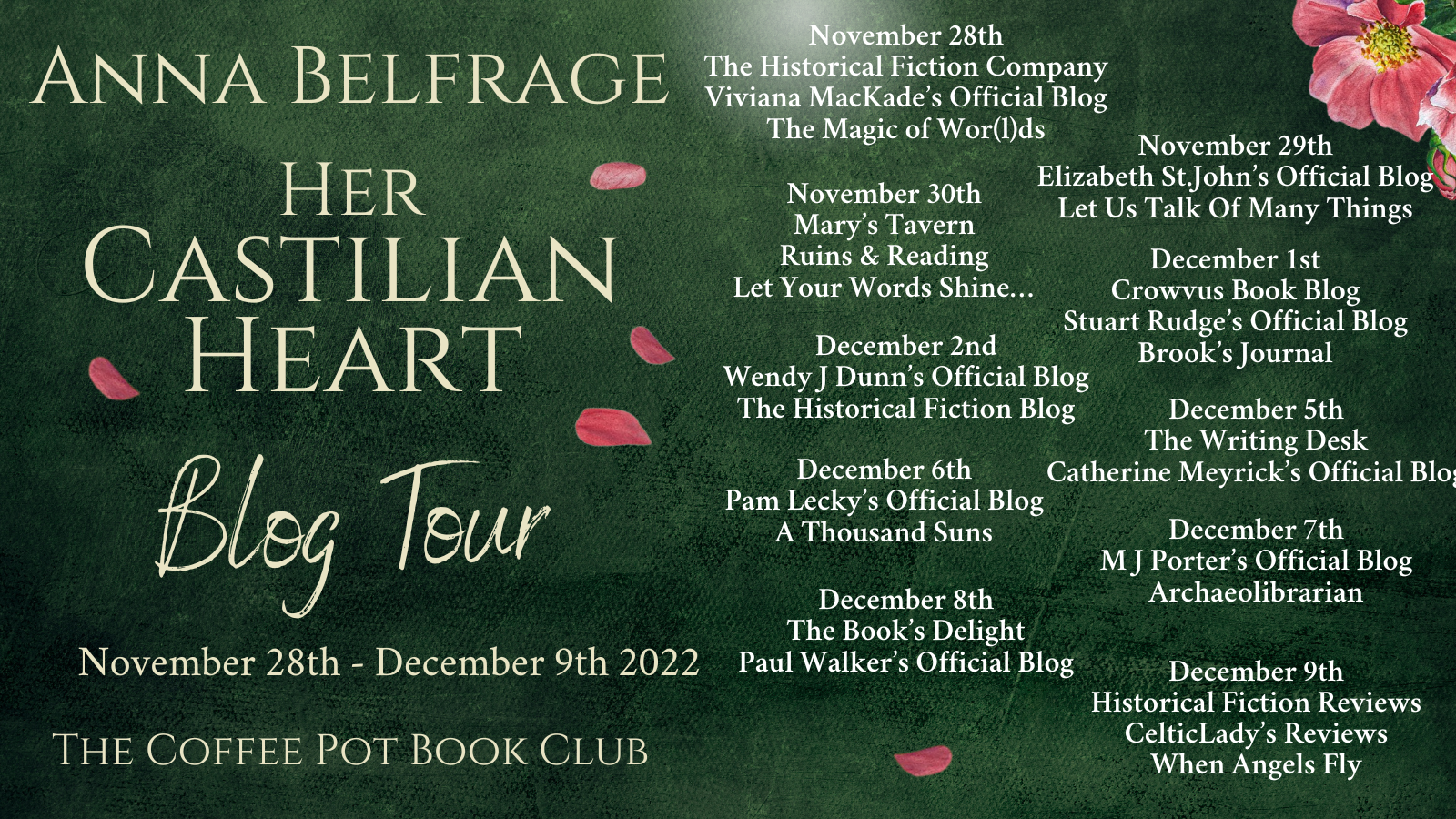
Her Castilian Heart is the third in her “Castilian” series, a stand-alone sequel to her September 2020 release, His Castilian Hawk. Set against the complications of Edward I’s invasion of Wales, His Castilian Hawk is a story of loyalty, integrity—and love. In the second instalment, The Castilian Pomegranate, we travel with the protagonists to the complex political world of medieval Spain. This latest release finds our protagonists back in England—not necessarily any safer than the wilds of Spain!
All of Anna’s books have been awarded the IndieBRAG Medallion, she has several Historical Novel Society Editor’s Choices, and one of her books won the HNS Indie Award in 2015. She is also the proud recipient of various Reader’s Favorite medals as well as having won various Gold, Silver and Bronze Coffee Pot Book Club awards.
Find out more about Anna, her books and enjoy her eclectic historical blog on her website, www.annabelfrage.com
Before partnership with a former army doctor recently returned from Afghanistan, Sherlock Holmes had but the quiet company of his own great intellect. Solitary he might be but, living as he did for the thrill of the chase, it was enough.
For a little while, at the least, it was enough.
That is, until a client arrives at his door with a desperate plea and an invitation into a world of societal scandal and stage door dandies. Thrust deep in an all-consuming role and charged with the safe-keeping of another, Holmes must own to his limits or risk danger to others besides himself in this the case of the aluminium crutch.
I do love a Sherlock Holmes mystery, and this is a very good one. It wasn’t that long ago that I read some of the original stories, and so I can say that the set-up is very traditional Holmes, even if we don’t have Watson in this story. This Holmes sounds like Holmes and acts like Holmes, and the story is particularly twisty and all the more enjoyable for that. (I am also an avid fan of the 221B Baker Street board game, although I do struggle to find others who love it as much as I do).
Holmes is asked to investigate the identity of a man who only one woman is convinced is not who he says he is. She has proof, she says. She grew up with the ‘real’ man, and this man, wearing his name and even beloved of the missing man’s uncle, is not who he claims to be. This sounds like it should be easy to solve – unmask the culprit and ta-da. But that is not at all the case. Holmes is forced to adopt an alias to live a double life for a while in his attempt to get to the bottom of the case, which becomes somewhat grisly throughout the investigation.
Sometimes I was a little confused, but I think that was intentional. There were times I was a little unsure about what Holmes was up to, but I also believe that was intentional as well. I did feel thoroughly swept up in Holmes’ world, with its slightly murky sidelines, as well as its traditional ‘day at the races,’ and the conclusion to the story was very satisfying.
A really well-done Holmes mystery. MK Wiseman knows her stuff, which is very, very true to the original, even in its brevity. I really recommend this tale if you love a good Holmes mystery.
Meet the author
M. K. Wiseman has degrees in Interarts & Technology and Library & Information Studies from the University of Wisconsin-Madison. Her office, therefore, is a curious mix of storyboards and reference materials. Both help immensely in the writing of historical novels. She currently resides in Cedarburg, Wisconsin.
Giveaway to Win 2 x M. K. Wiseman Sherlock Holmes Book Bundle (Open to US / UK and Canada)
Prize includes:
Signed and ‘annotated’ with a few margin notes copies of Sherlock Holmes & the Singular Affair & Sherlock Holmes & the Ripper of Whitechapel
Nifty ‘magnifying glass’ bookmark
*Terms and Conditions –UK / US & Canada entries welcome. Please enter using the Rafflecopter box below. The winner will be selected at random via Rafflecopter from all valid entries and will be notified by Twitter and/or email. If no response is received within 7 days then Rachel’s Random Resources reserves the right to select an alternative winner. Open to all entrants aged 18 or over. Any personal data given as part of the competition entry is used for this purpose only and will not be shared with third parties, with the exception of the winners’ information. This will passed to the giveaway organiser and used only for fulfilment of the prize, after which time Rachel’s Random Resources will delete the data. I am not responsible for despatch or delivery of the prize.
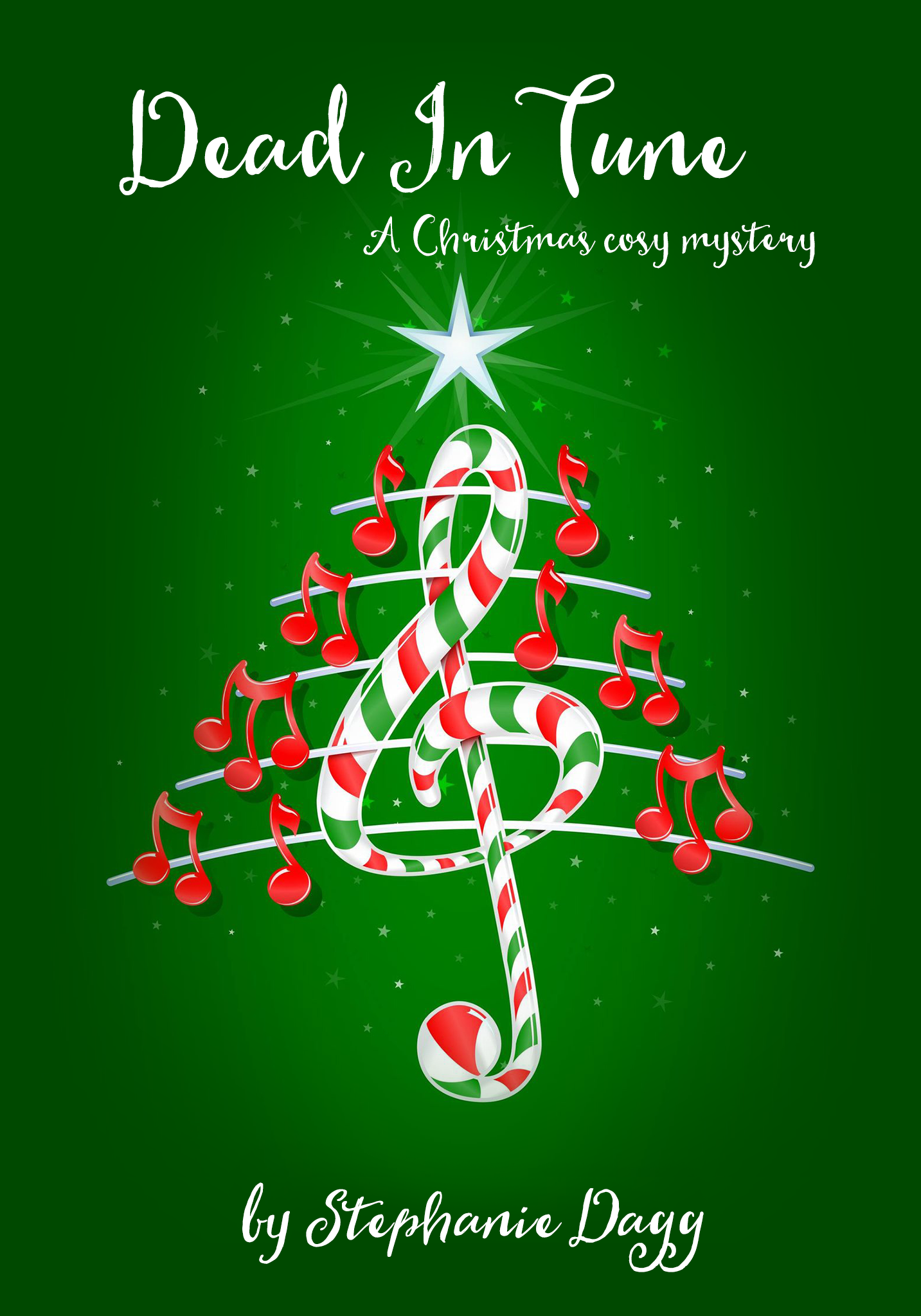
It’s nearly Christmas, a time for peace and goodwill. Or maybe not.
First the house of a young Spanish family is burned down, and then a Dutch clog dancer is battered almost to death with his own footwear. On the night of the carol service, at which the Worldwide Friendship Club’s choir is singing, a Scottish bagpiper is found dead. By Martha, who has come across enough dead bodies already this year to last her a lifetime.
Convinced there’s a link to the choir, Martha and best friend Lottie set out on the trail of the murderer. Their unconventional sleuthing methods land one of them in rather a lot of trouble…
‘Dead In Tune’, the sequel to ‘Hate Bale’, is an entertaining, festive cosy mystery set in rural France.
Dead in Tune is a fun cosy Christmas crime that hits all the right notes (sorry: but it really does.) The story’s pacing is sound, and the light relief is very well placed so that even when there’s a bit of un-Christmas-like peril, the reader knows not to fear unnecessarily.
The two characters of Martha and Lottie bounce off one another very well. Both British ex-pats, both really quite nosy and yet with good hearts, for the most part. Members of the local choir, events start to veer away from the cosy Christmas they might have hoped for with an arson attack, a mugging and then the murder of the poor Scottish bag-pipe player.
This isn’t the first book featuring these characters. I’ve not read book one, and this Christmas-themed book works very well as a standalone. It is short and sweet and made me chuckle, and I really didn’t know who the murderer was until the big reveal.
A lot of fun and highly recommended for fans of cosy crime and those in need of a Christmas read.
Meet the Author
I’m an English immigrant living in France with my family, after many years in Ireland. We have a seventy-five acre farm with animals ranging from alpacas to zebra finches. I work part-time as a freelance editor. The rest of the time I’m helping to run our carp fishing lake business and inevitably cleaning up after some or other animal.
I’ve written both fiction and non-fiction books, and plenty of them – somewhere around the fifty mark now! Originally I was published by two presses in Ireland, but more recently I’ve taken the self-publishing route. I’m a keen book blogger, and I also love knitting, natural dyeing, gardening and cycling.
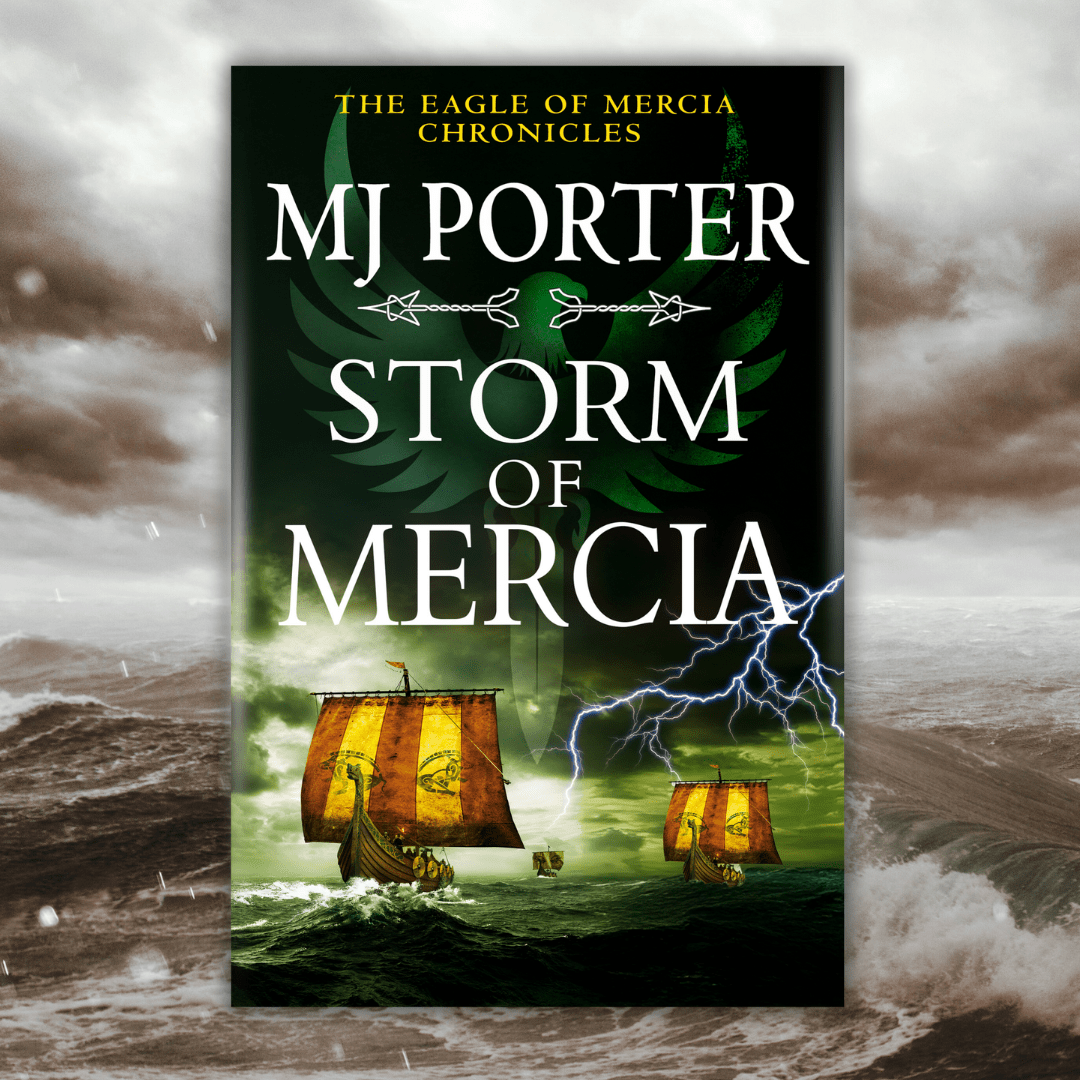
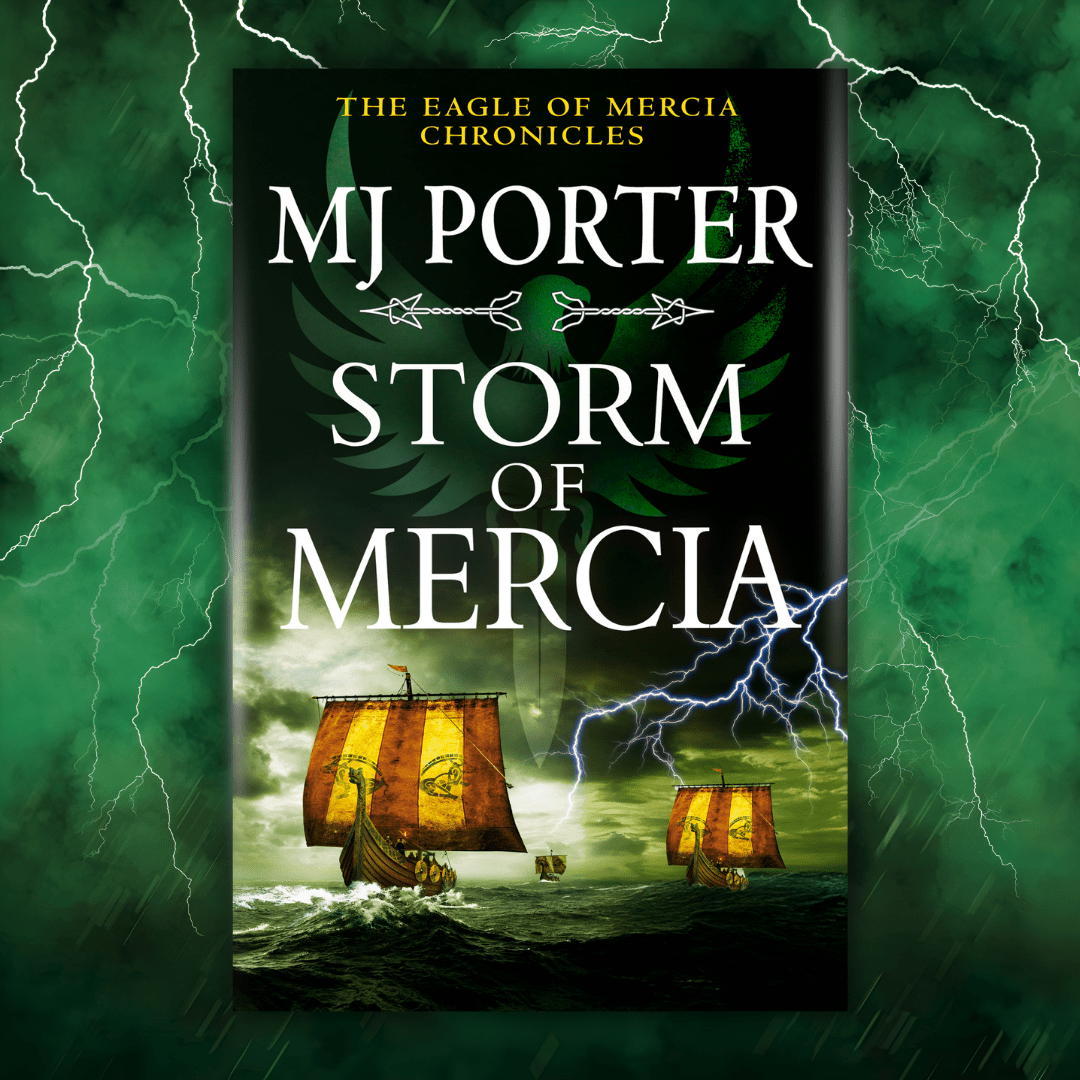
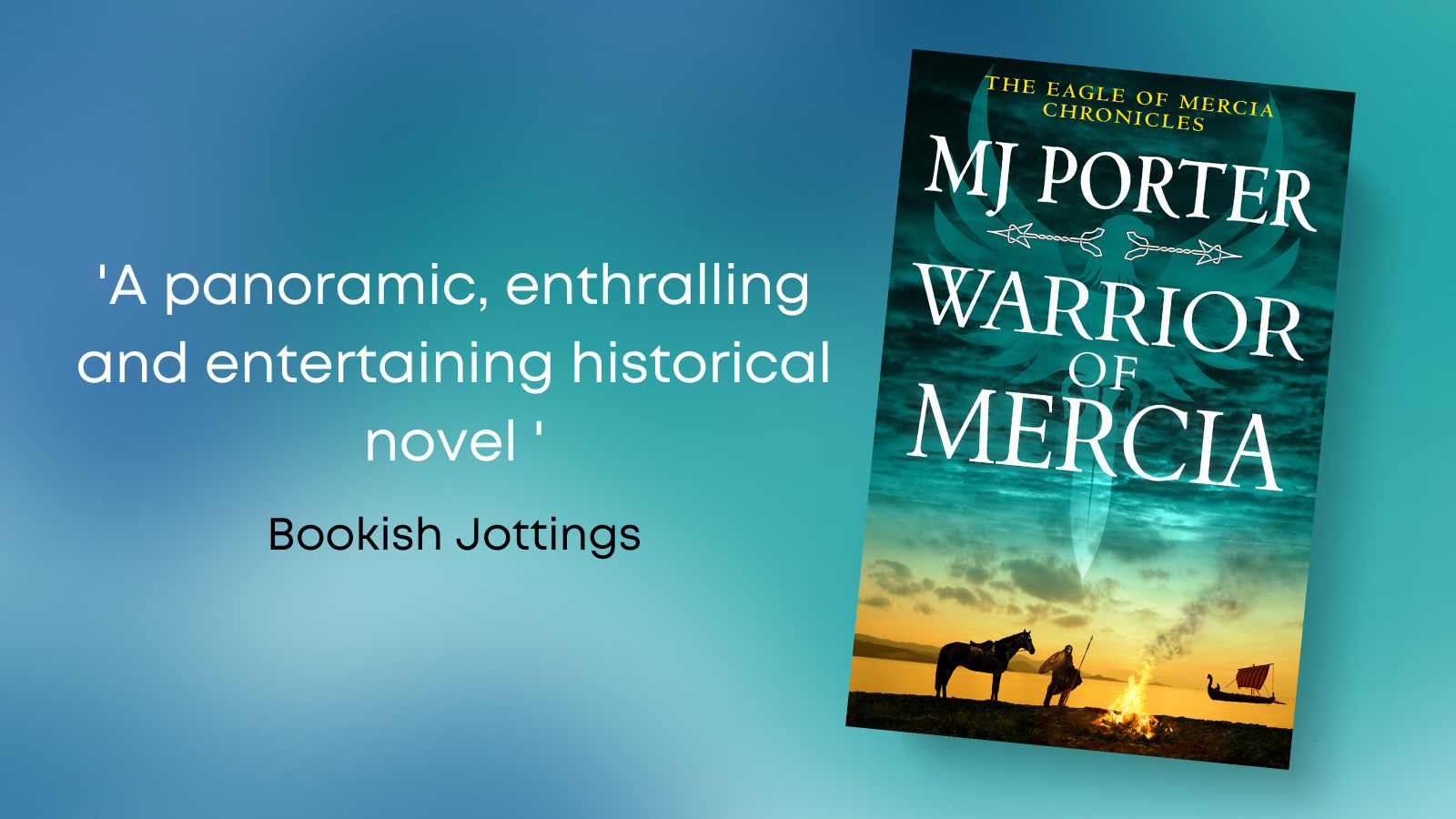
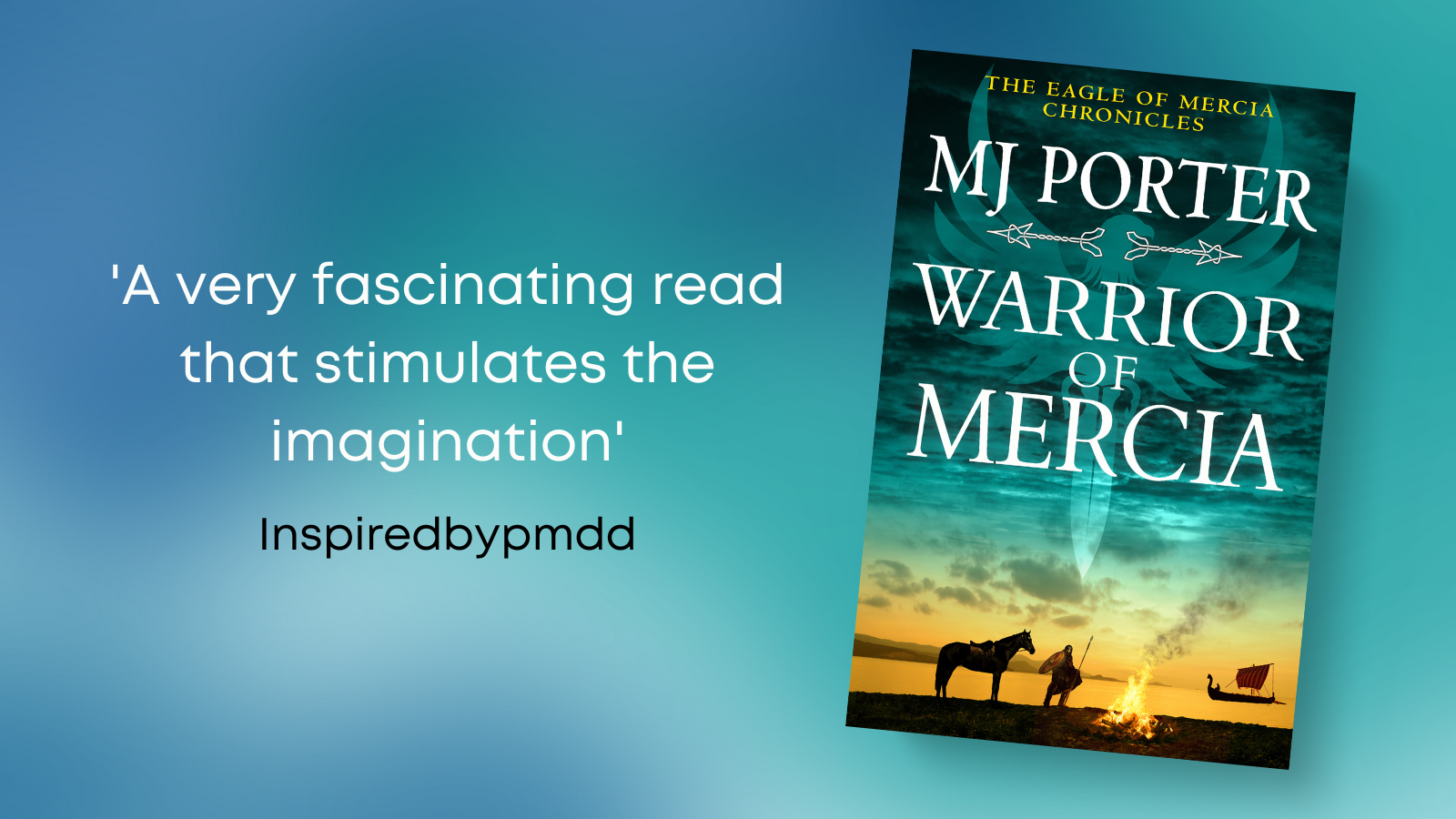
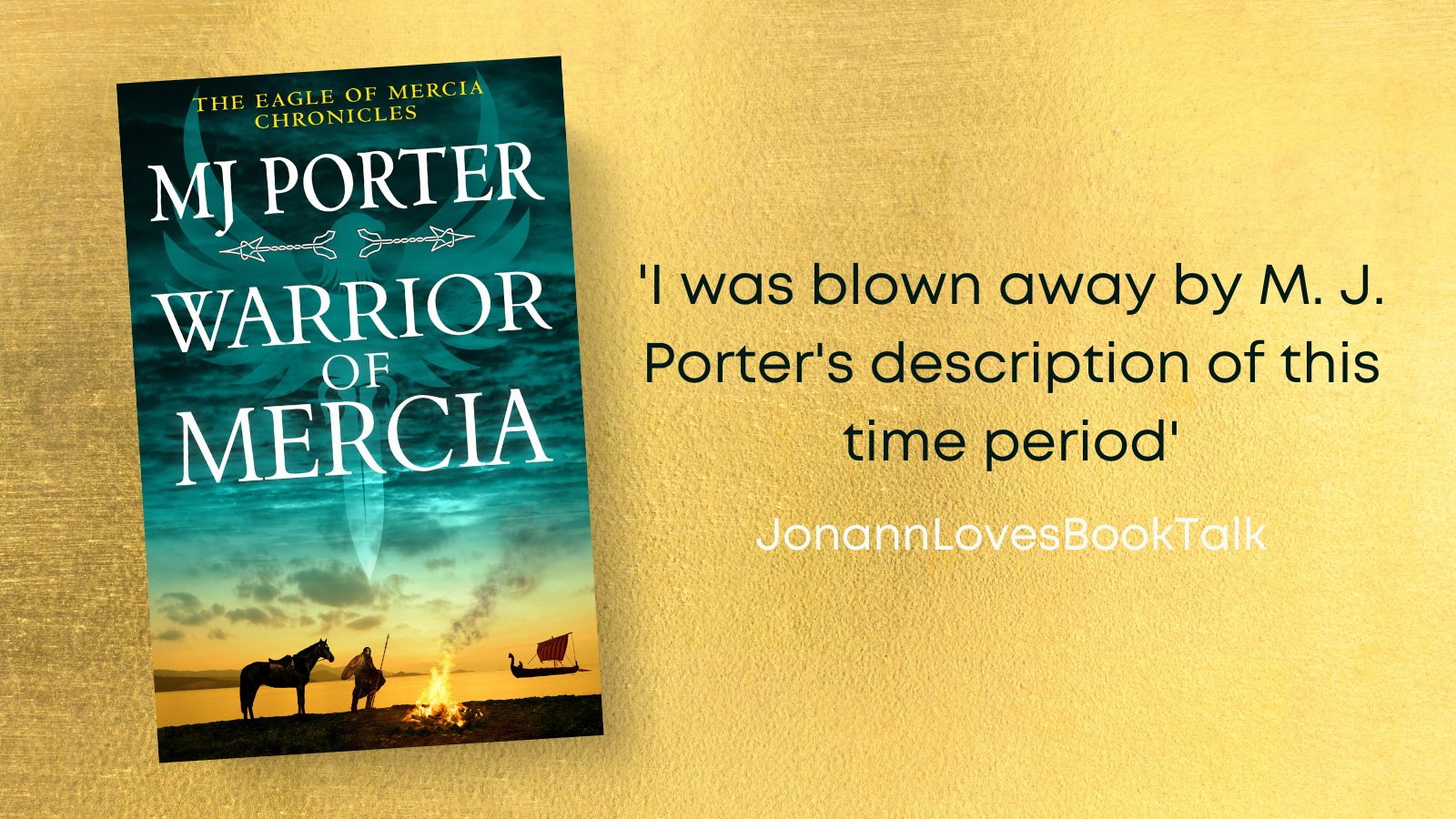
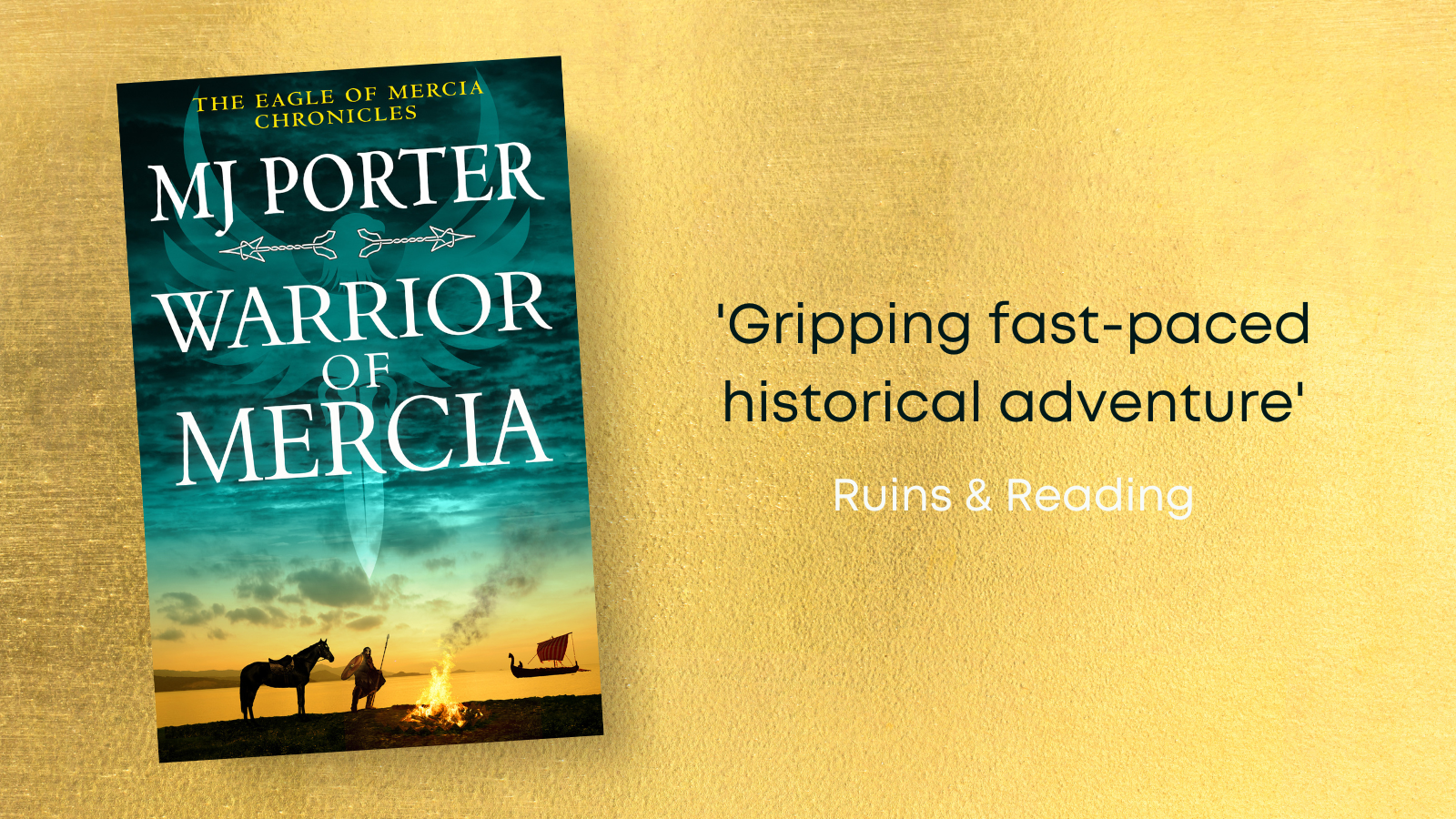
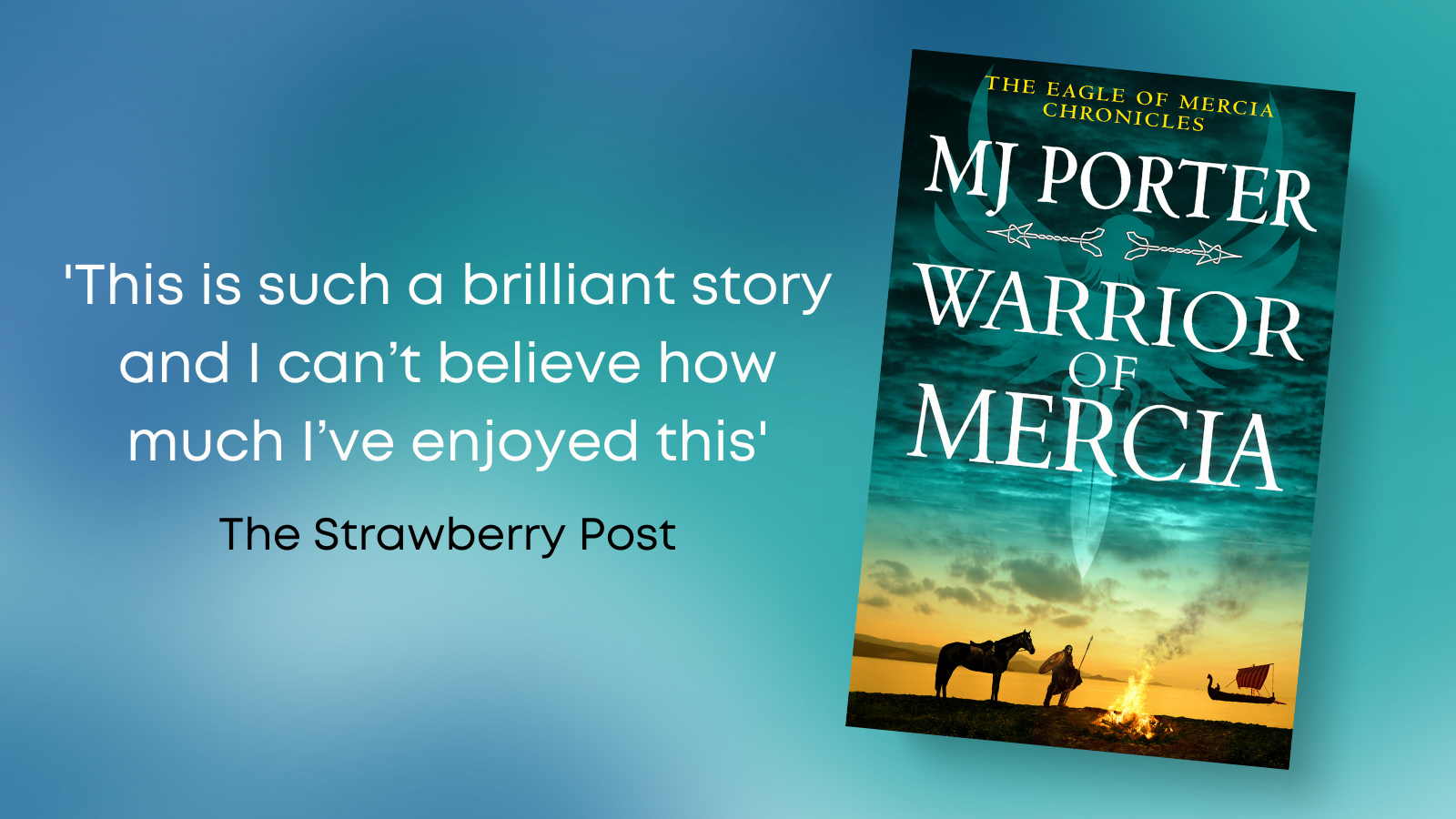
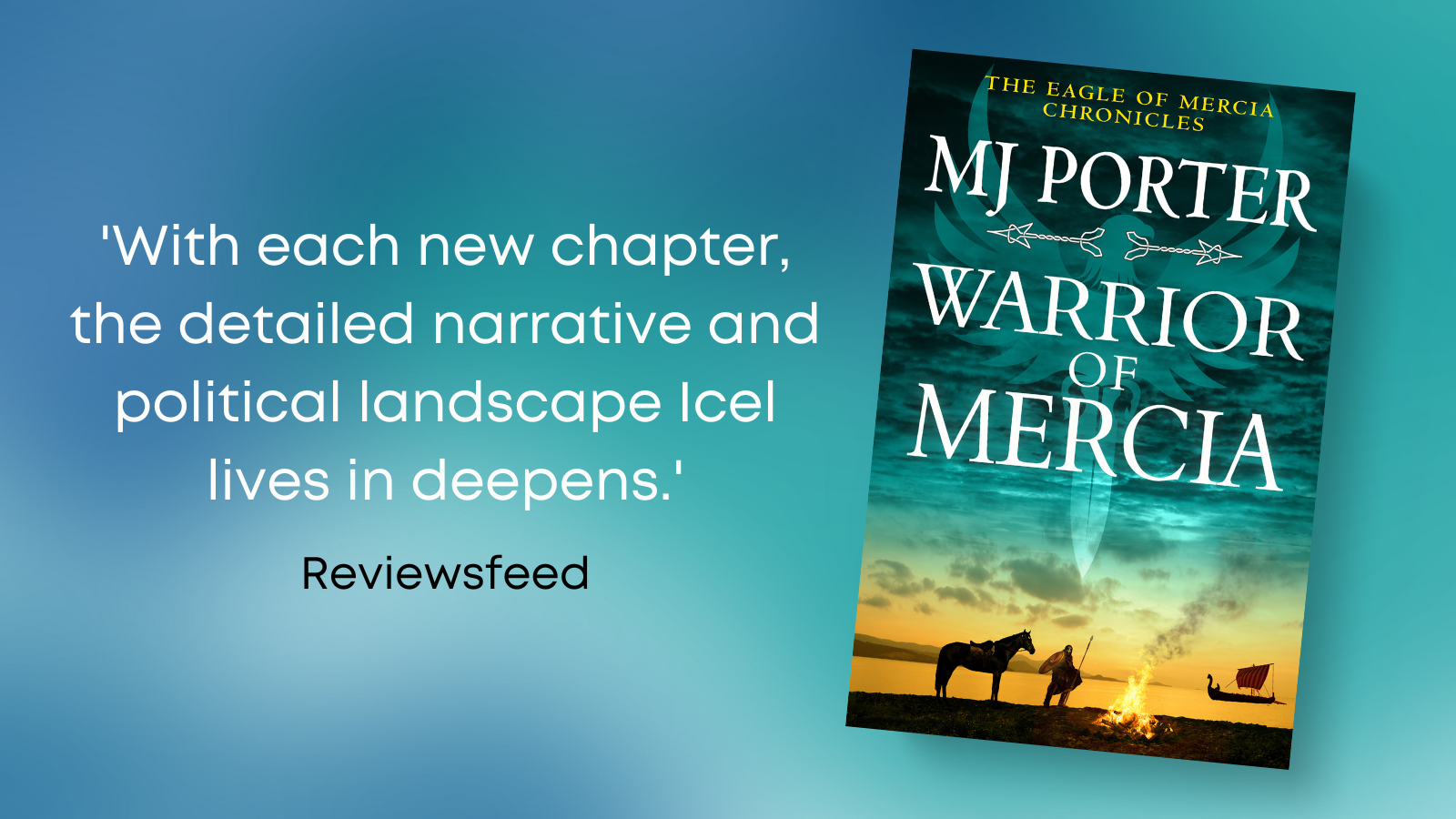
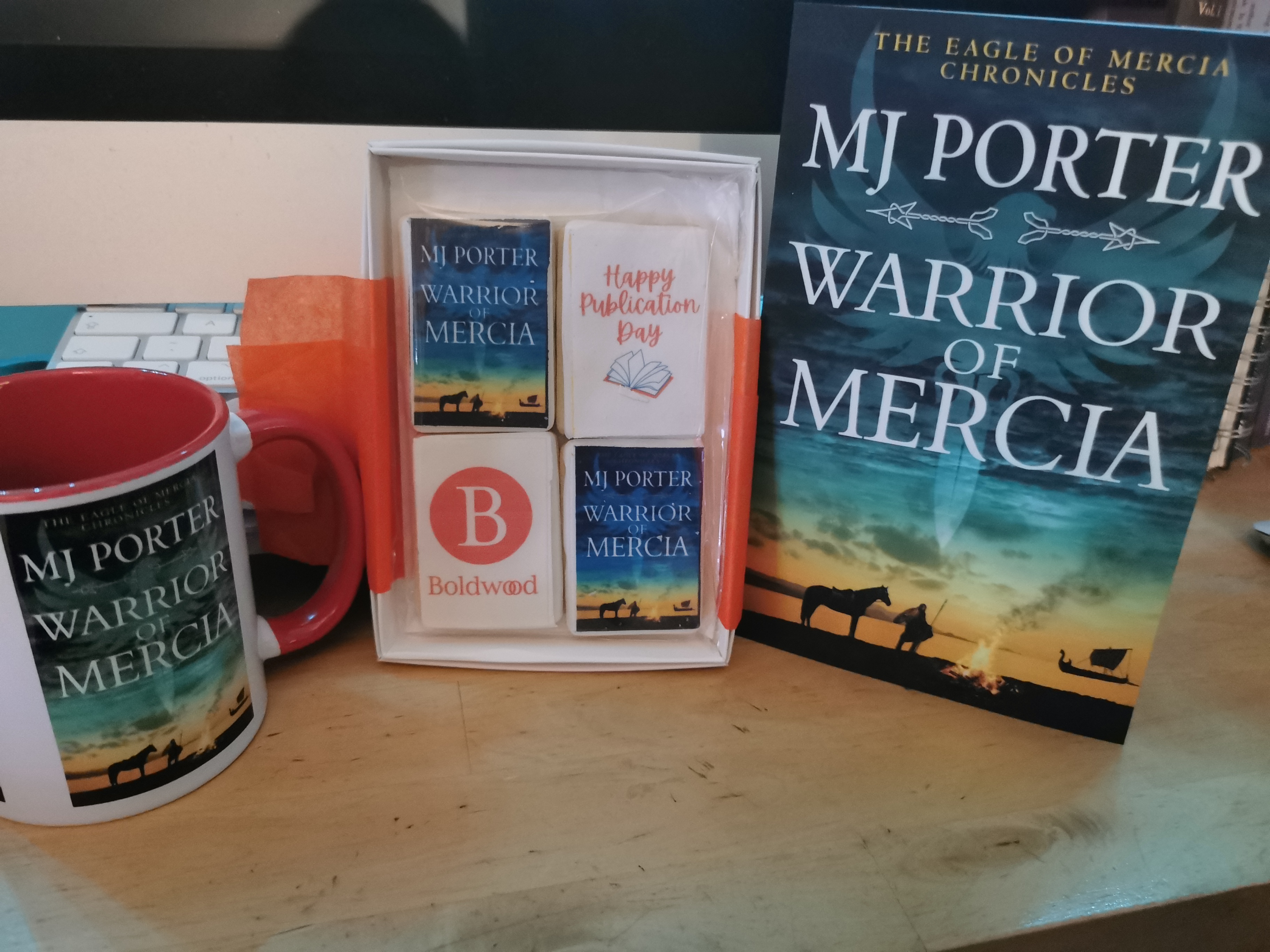
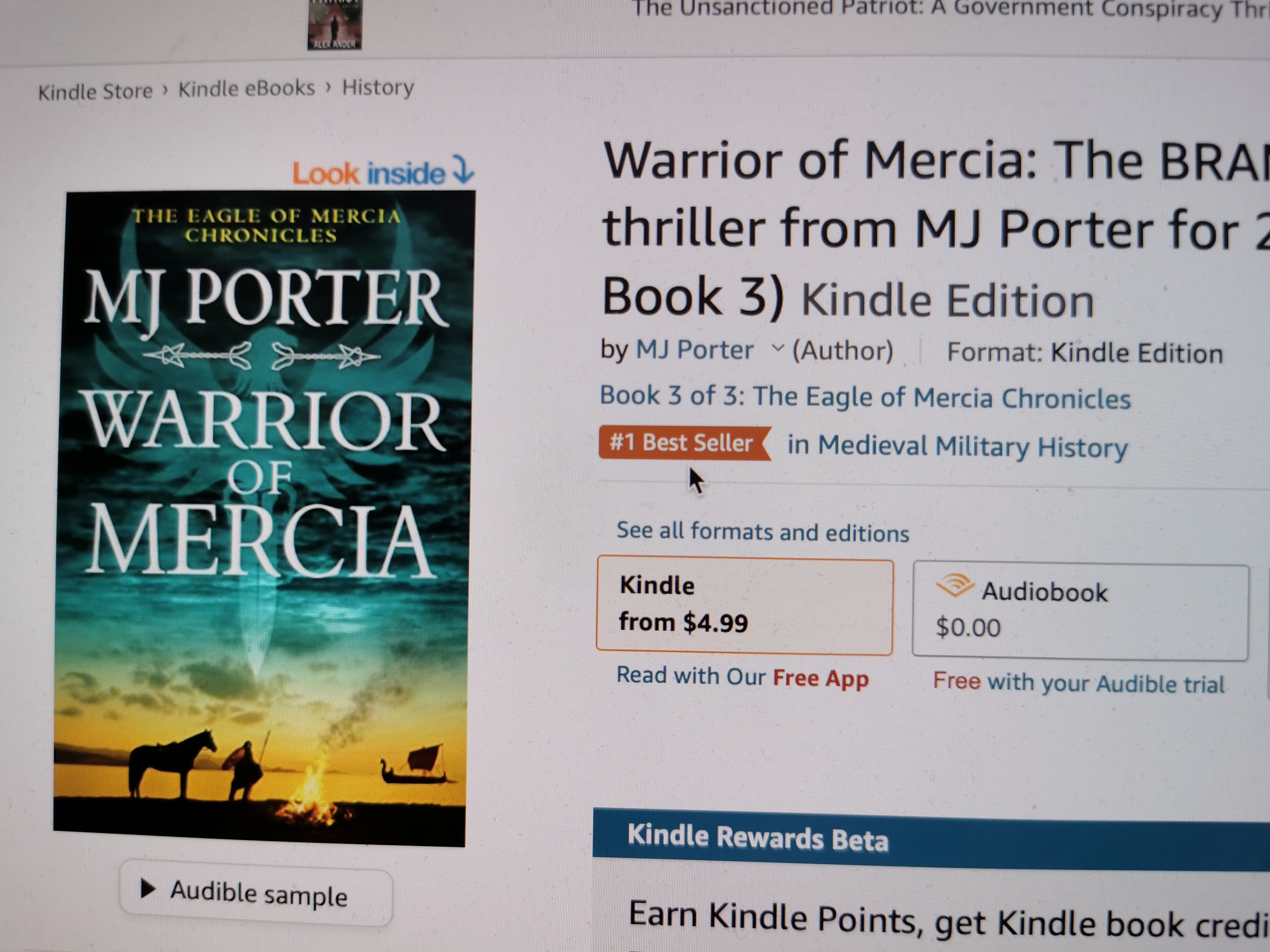
Today sees the release of book 3 in my series about young Icel, a much-loved character from my The Ninth Century series featuring King Coelwulf, the last king of Mercia. And so, now that Icel as a young man, and Icel as a crotchety older man are both firmly in reader’s minds, I thought I’d share more about the idea for the Eagle of Mercia Chronicles series.
My characters in the Ninth Century series feel like they very much arrived in my head fully formed. Coelwulf was obviously the first, but others quickly followed, and Icel, with his derisive comments about any of their accomplishments, was an early fan favourite, and one of my favourites as well. Surly, and outspoken, while offering little of his life before the period that my characters knew him, he really did speak to me when I was deciding on a new series to write for Boldwood Books. All those little comments he makes. I think the below is our first introduction to his character;
“In the reign of King Wiglaf I first became a man,” he’s fond of saying, although he never explains what act made him a man. Again, I’ve stopped questioning him. Edmund likes to when he’s either drunk too much, or is trying to distract himself from whatever attack we’re about to begin. And of course Rudolf hangs on Icel’s every word. They’re an excellent match for each other, the boy who never runs out of questions, and the man who never answers them.’ (The Last King)
All these hints at what he might really have been like when he was perhaps no older than Rudolf, another firm fan favourite, made me want to tell his story. It did help that Mercia, at the time he would have been a boy was in political turmoil. It also helped that the Viking Raiders were making an appearance in Saxon England as well throughout the 830s. But Icel is a fictional character, and while fictionalising my Saxon characters, the men and women I normally write about did actually exist, even if we only have their names. But Mercia, in the 820s and 830s suffered a series of successive kingships, many of which failed, and so while Icel is fictitious, he does allow me to give a more rounded view of the entirety of events. He will live through these tumultuous times, and that’s important when I wanted to write about these events as well as all the kings.
It also helped that, in my contrary nature as a writer of historical fiction, that I always want to offer something a little different to the oft-taken paths when authors write about Saxon England – the Vikings, the reign of Alfred, Ethelred the Unready and the Norman Conquest, as well as the Golden Age of Northumbria, are often chosen but there is just so much more in these six hundred years to write about. So, no one else was writing about Mercia as it begins to falter in the 820s and 830s, and so I thought, why not:)
I really, really hope you’ll enjoy book 3, Warrior of Mercia, which follows Icel to the kingdom of the East Angles. I can also assure you that Book 4 is well underway as well.
Icel is a lone wolf no more…
Oath sworn to Wiglaf, King of Mercia and acknowledged as a member of Ealdorman Ælfstan’s warrior band, Icel continues to forge his own destiny on the path to becoming the Warrior of Mercia.
With King Ecgberht of Wessex defeated and Londonium back under Mercian control, the Wessex invasion of Mercia is over.
But the Wessex king was never Mercia’s only enemy. An unknown danger lurks in the form of merciless Viking raiders, who set their sights on infiltrating the waterways of the traitorous breakaway kingdom of the East Angles, within touching distance of Mercia’s eastern borders.
Icel must journey to the kingdom of the East Angles and unite against a common enemy to ensure Mercia’s hard-won freedom prevails.
And you can follow the blog tour with Rachel’s Random Resources too. I’ll be updating with links to reviews, and I’d like to say a huge thank you to my blog tour hosts and usual reviewers for going out of their way to make release day so special.
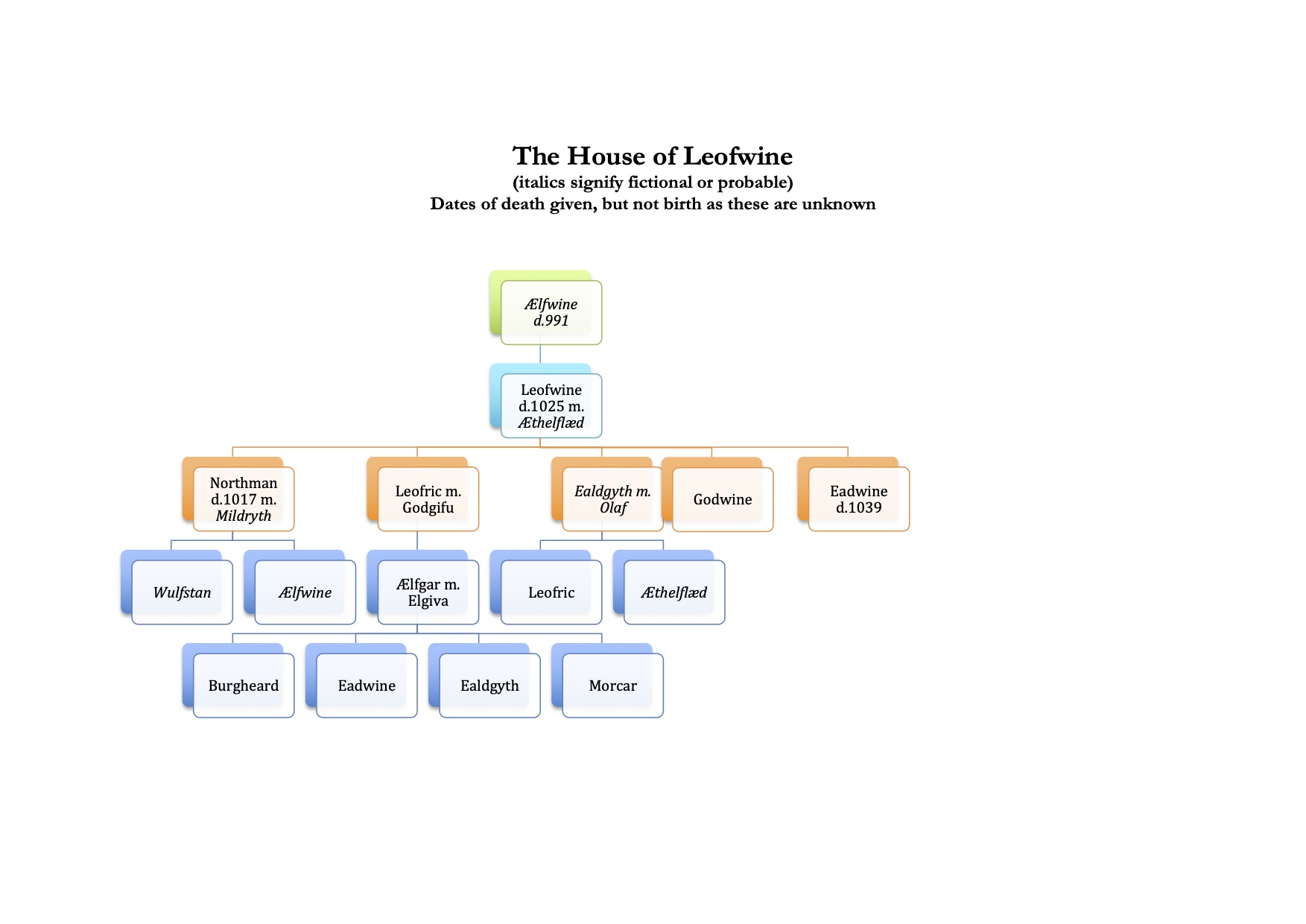
Ealdorman Leofwine , was the ealdorman of the Hwicce (c.994-1023), one of the ancient tribal regions in Mercia, which was a part of England, at the time the story begins. It is possible he may have been related to Ælfwine, who is named, and dies at the Battle of Maldon (more below).
Ealdorman Leofwine and his descendants, who would hold positions of power until the Norman Conquest of 1066, are a unique family in this tumultuous period. No other family, apart from the ruling family of Wessex (and even then there was a minor hiccup caused by those pesky Danish kings) held a position of such power and influence and for such a long period of time, as far as is currently known. The position of ealdorman was not hereditary. It was a position in the gift of the king, and Saxon kings ruled with a varying number of ealdormen. To understand Leofwine’s significance, it’s important to understand this. Unlike an earl – a term we are all perhaps far more familiar with – but specifically a medieval earl in this regard – that position was both more often than not hereditary AND meant that the person involved ‘owned’ significant properties in the area they were earls over. This is not how the ealdormanic system worked in Saxon England, as it’s currently understood.
It is difficult to track many of the ealdormanic families of this period, and the previous century, but there are a few notable individuals, all who bucked the usual trend, which no doubt accounts for why we know who they are.
Perhaps most well-known is Ealdorman Athelstan Half-King, who was the ealdorman of East Anglia from about 934 to 955/6 when he fell from favour at court during the reign of King Eadwig and retired to Glastonbury Abbey. Before he did so, he ensured that his son, Æthelwald, was elevated to the position of ealdorman in his place. This was most unusual, but then, he came from a powerful family, fiercely loyal to the ruling House of Wessex, if not actually a member of them. Athelstan Half-King is believed to have been the son of Ealdorman Æthelfrith, a Mercian ealdorman when Lady Æthelflæd was the Lady of Mercia. Athelstan was one of four brothers. His older brother seems to have either briefly retained the ealdordom after their father’s death in Mercia, or been accorded it a few years later, but when he died, Athelstan Half-King didn’t become ealdorman of Mercia in his place. No, he remained in East Anglia while his two brothers, Eahric and Æthelwald, held ealdordoms in Wessex (Eahric) and Kent (Æthelwald). They didn’t become the ealdorman of Mercia either. The ealdordom passed to a different individual.
When Ealdorman Æthelwald of the East Angles died a few short years later (Athelstan Half-King’s son), his place was taken by Ealdorman Æthelwine, the youngest of Athelstan Half-King’s children. But, the family failed to hold on to the position, despite Ealdorman Æthelwine being married three times, and fathering three sons, one of whom died at the battle of Assandun in 1016. The next to hold the ealdordom of the East Angles after the death of Æthelwine was Leofsige, who was the ealdorman until he fell foul of the king in 1002. In the early 1000s Ulfcytel emerges and may have been married to one of the king’s daughters, but is never officially accorded the title of ealdorman.
Another famous ealdorman was Byrhtnoth of Essex, who died at the Battle of Maldon in 991. But Byrhtnoth was not the son of the previous ealdorman, and indeed, he married the daughter of a very wealthy man and in turn was raised to an ealdordom in Essex at exactly the same time that Ealdorman Athelstan Half-King was being forced to retire from his position in East Anglia. (Byrhtnoth’s wife’s sister had briefly been married to King Edmund (939-946, before his murder). While there are some arguments that Byrhtnoth was from a well regarded family, his appointment was not because of an hereditary claim. It’s known that he was father to a daughter, but not to a son. As such his family did not retain the ealdordom on his death. Indeed, it seems as though Essex and the East Anglian earlordoms were united for a time under Leofsige.
The argument has been put forth that the position of ealdorman may have come with properties that were the king’s to gift to the individual to enable them to carry out their duties in a particular area. The Saxons had a number of types of land tenure, bookland, was land of which the ‘owners’ held the ‘book’ or ‘the title deed.’ (There are some wonderful charters where landed people had to ask for the king to reissue a charter as theirs was lost, often in a fire. There is a wonderful example where King Edgar has to reissue a charter for his grandmother, as he’d lost it while it was in his care). Other land tenure was ‘loan land,’ that is land that could be loaned out, often for a set number of ‘lives.’ Ealdormen might then have held bookland that was hereditary, and not in the area they were ealdorman of, and loan land that was in the king’s to gift to them within the area that they were the appointed ealdorman.
Many will be familiar with the family of Earl Godwin and his sons (thanks to the influence of the Danes, the term ealdorman was replaced by earl, which was the anglicised version of jarl). Much work has been done on the land that the Godwin family held when the great Domesday survey was undertaken during the reign of William the Conqueror. It will quickly become apparent that while they had areas where they held a great deal of land, these were not necessarily the areas over which first Godwin and then his sons Tostig, Harold, Gyrth, Leofwine and Sweyn held the position of earl. Most notably, Tostig was earl of Northumbria from 1055-1065, and yet the family had almost no landed possessions there.
And this is where we return to Ealdorman Leofwine and his family. While everyone knows about Earl Godwin and his sons, they didn’t hold their position for as long as Ealdorman Leofwine and his family. Earl Godwine is first named as an earl in charter S951 dated to 1018. By that period, Leofwine of the Twice had already held a position of importance since 994. The families of both men would converge as the events of 1066 drew nearer, and indeed, Godwine’s son, Harold, was married to Ealdorman Leofwine’s great-granddaughter when he was briefly king of England.
When Ealdorman Leofwine died, his son, Leofric, didn’t become ealdorman in his place. Leofric was a sheriff during the period between his father’s death and his own appointment. And indeed, Leofric’s son, Ælfgar was elevated to an earldom before his father’s death, and so was not initially the earl of Mercia. However, on this occasion, and because of a political situation that was rife with intrigue, Ælfgar did become the earl of Mercia after his father’s death, and after Ælfgar’s death, his young son also took the earldom of Mercia. The family survived the events of 1066, but they didn’t retain their hold on the earldom. The House of Leofwine were a family to not only rival that of Earl Godwine’s, as far as it’s known, but they were also the ONLY family to retain a position as an ealdorman/earl for over seventy years. And yet, very few know about them, and indeed, in many non-fiction books, they’re not even mentioned. And that was the perfect opportunity for me to write about the fabulous family, largely inspired by a non-fiction book, The Earls of Mercia: Lordship and Power in Late Anglo-Saxon England by Stephen Baxter.
Today, I’m welcoming Jane Davis to the blog with a fascinating post about her new book, Small Eden.
In England’s Green and Pleasant Land
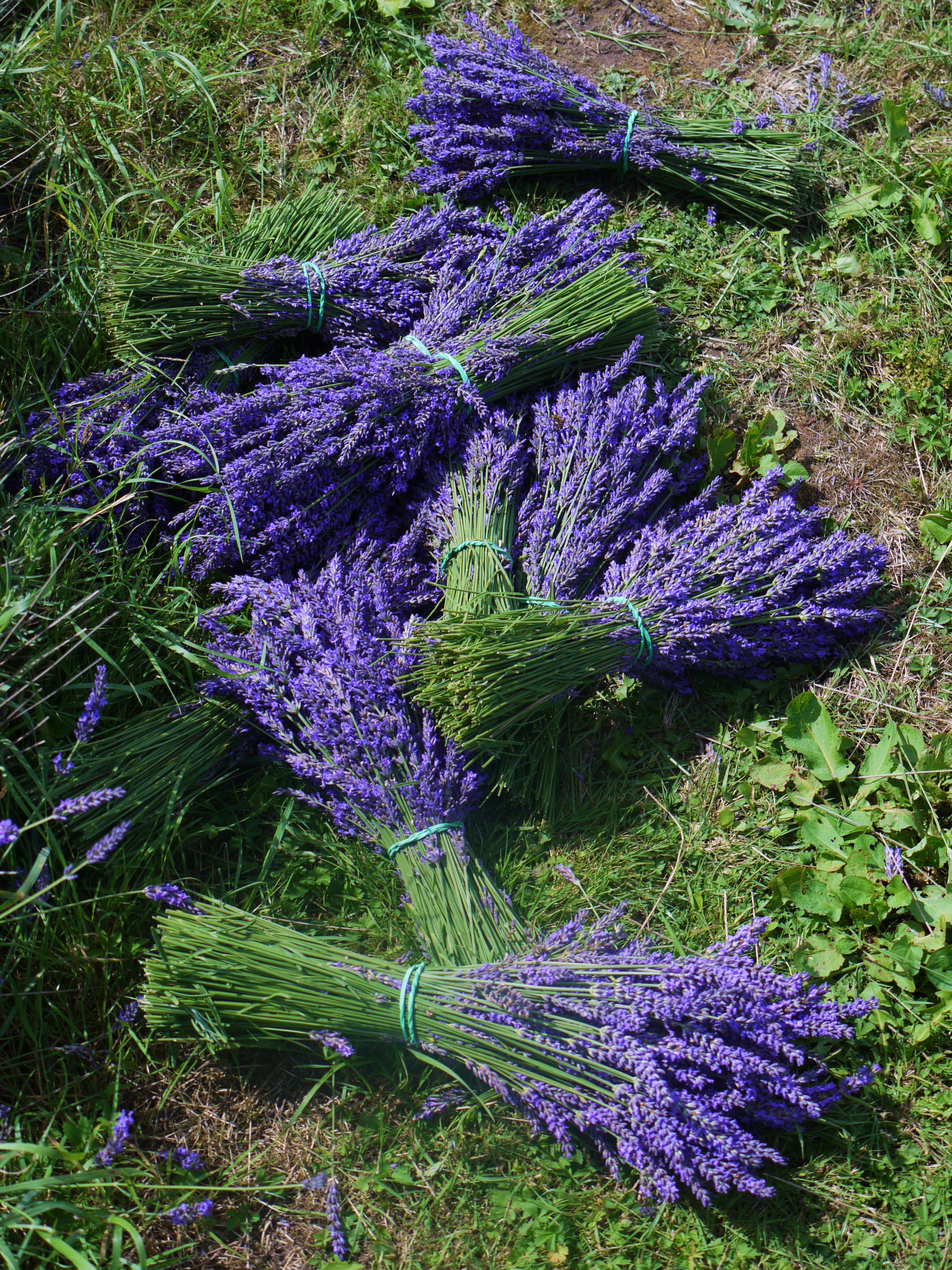
In Victorian England, Carshalton and nearby Mitcham were known for their physic gardens, where plants were grown for medicinal and cosmetic use. Peppermint, lavender, camomile, aniseed, rhubarb, and liquorice were stable crops but today the name Carshalton is best associated with lavender growing. Of the many lavender farms that used to exist, only two remain. Mayfield Lavender is the larger of the two. In the summer months, people come a long way to see it. https://www.mayfieldlavender.com/
Lavender Fields (copyright, author)
At a time when few women ran their own businesses, I was delighted to stumble across the story of Sarah Sprules. Sarah had worked alongside her father in his physic garden and took over his business after he died. Her produce was known worldwide. Her lavender water won medals at exhibitions in Jamaica and Chicago, but the highest accolade she held was her Royal Warrant to supply lavender oil to Queen Victoria, bestowed on her after the Queen and Princess Louise visited her during August 1886. The royal connection proved especially beneficial as Queen Victoria had so many European relatives.
But that wasn’t all. it was the discovery that Mitcham was once the opium-growing capital of the UK that made me decide my leading man, Robert Cooke, should be a physic gardener. This chapter has been written out of the history books, but in the nineteenth century, far from having a seedy reputation, opium use was respectable. Queen Victoria’s household ordered opium from the royal apothecary, and Prime Minister William Gladstone is said to have drunk opium tea before important speeches. It was used an anaesthetic, in sedatives, for the relief of headaches, migraines, sciatica, as a cough suppressant, to treat pneumonia, and for the relief of abdominal complaints and women’s cramps.
Mrs Beeton’s famous Book of Household Management recommended that no household should be without a supply of powdered opium and laudanum, and she included a recipe for laudanum. But awareness of its dangers was beginning to spread.
Opium Poppy or Papaver somniferum, vintage engraved illustration. Trousset encyclopedia (1886 – 1891). (Image licensed to author)
Short Matching Excerpt from Small Eden
It was Freya who first showed him Dr Bull’s Hints to Mothers, a pamphlet highlighting the dangers of opiates in the nursery. Of course he doesn’t agree with the practice of dosing up babies so that they sleep all day, he told his wife, but yes, he’s aware it goes on. Working mothers have little choice but to leave children for hours at a time, so they doctor their gripe-water. And it’s not just the poor. Mothers read the labels that say Infant Preservative and Soothing Syrup. They think that ‘purely herbal’ and ‘natural ingredients’ means that products are safe. Though it was chilling to read about case after case of infant deaths linked to over-use.
As many as a third of infant deaths in industrial cities.
And he, who has buried two sons.
But even Dr Bull didn’t condemn the use of opiates outright. They are medicines, he wrote, and like any medicine, ought to be prepared by pharmacists. The trouble is, Robert told Freya, that until recently any Tom, Dick or Harry could operate a pharmacy. And hasn’t he been vocal in his support for an overhaul of the system?
***
Why did it take so long for opium to be banned?
In the 19th Century, Great Britain fought two wars to crush Chinese efforts to restrict its importation. Why? Because opium was vital to the British economy. And then there was the thorny issue of class. The upper and middle classes saw the heavy use of laudanum among the lower classes as ‘misuse’; however they saw their own use of opiates was seen as necessary, and certainly no more than a ‘habit’. Addiction wasn’t yet recognised. That would come later.
The anti-opium movement
In 1874, a group of Quaker businessmen formed The Society for the Suppression of the Opium Trade. Then in 1888 Benjamin Broomhall formed the Christian Union for the Severance of the British Empire with the Opium Traffic. Together, their efforts ensured that the British public were aware of the anti-opium campaign.
Short Matching Excerpt from Small Eden
“Indulge me if you will while I explain how the Indian trade operates – a system that the House of Commons condemned this April last. The East India Company – with whom I’m sure you are familiar – created the Opium Agency. Two thousand five hundred clerks working from one hundred offices administer the trade. The Agency offers farmers interest-free advances, in return for which they must deliver strict quotas. What’s so wrong with that? you may ask. What is wrong, my friends, is that the very same Agency sets the price farmers are paid for raw opium, and it isn’t enough to cover the cost of rent, manure and irrigation, let alone any labour the farmer needs to hire. And Indian producers don’t have the option of selling to higher bidders. Fail to deliver their allocated quota and they face the destruction of their crops, prosecution and imprisonment. What we have is two thousand five hundred quill-pushers forcing millions of peasants into growing a crop they would be better off without. And this, this, is the Indian Government’s second largest source of revenue. Only land tax brings in more.”
More muttering, louder. The shaking of heads and jowls.
“I propose a motion. That in the opinion of this meeting, traffic in opium is a bountiful source of degradation and a hindrance to the spread of the gospel.” Quakers are not the types to be whipped up into a frenzy of moral indignation, but their agreement is enthusiastic. “Furthermore, I contend that the Indian Government should cease to derive income from its production and sale.”
Robert looks about. Surely he can’t be the only one to wonder what is to replace the income the colonial government derives from opium? Ignoring this – and from a purely selfish perspective, provided discussion is limited to Indian production – his business will be unaffected. Seeing his neighbours raise their hands to vote, Robert lifts his own to half-mast. Beside him, Smithers does likewise.
***
The time comes when Robert Cooke must make a choice. He can either diversify, or he can gamble that the government will ban cheap foreign imports and that the price of domestic produce will rise. Robert Cooke is a risk-taker. He decides to specialise, and that decision will cost him dearly. It may even cost him his family.
Thank you so much for such a fascinating post. Good luck with your new book.
Here’s the blurb:
A boy with his head in the clouds. A man with a head full of dreams.
1884. The symptoms of scarlet fever are easily mistaken for teething, as Robert Cooke and his pregnant wife Freya discover at the cost of their two infant sons. Freya immediately isolates for the safety of their unborn child. Cut off from each other, there is no opportunity for husband and wife to teach each other the language of their loss. By the time they meet again, the subject is taboo. But unspoken grief is a dangerous enemy. It bides its time.
A decade later and now a successful businessman, Robert decides to create a pleasure garden in memory of his sons, in the very same place he found refuge as a boy – a disused chalk quarry in Surrey’s Carshalton. But instead of sharing his vision with his wife, he widens the gulf between them by keeping her in the dark. It is another woman who translates his dreams. An obscure yet talented artist called Florence Hoddy, who lives alone with her unmarried brother, painting only what she sees from her window…
Hailed by The Bookseller as ‘One to Watch’, Jane Davis writes thought-provoking literary page turners.
She spent her twenties and the first half of her thirties chasing promotions in the business world but, frustrated by the lack of a creative outlet, she turned to writing.
Her first novel, ‘Half-Truths and White Lies’, won a national award established with the aim of finding the next Joanne Harris. Further recognition followed in 2016 with ‘An Unknown Woman’ being named Self-Published Book of the Year by Writing Magazine/the David St John Thomas Charitable Trust, as well as being shortlisted in the IAN Awards, and in 2019 with ‘Smash all the Windows’ winning the inaugural Selfies Book Award. Her novel, ‘At the Stroke of Nine O’Clock’ was featured by The Lady Magazine as one of their favourite books set in the 1950s, selected as a Historical Novel Society Editor’s Choice, and shortlisted for the Selfies Book Awards 2021.
Interested in how people behave under pressure, Jane introduces her characters when they are in highly volatile situations and then, in her words, she throws them to the lions. The themes she explores are diverse, ranging from pioneering female photographers, to relatives seeking justice for the victims of a fictional disaster.
Jane Davis lives in Carshalton, Surrey, in what was originally the ticket office for a Victorian pleasure gardens, known locally as ‘the gingerbread house’. Her house frequently features in her fiction. In fact, she burnt it to the ground in the opening chapter of ‘An Unknown Woman’. In her latest release, Small Eden, she asks the question why one man would choose to open a pleasure gardens at a time when so many others were facing bankruptcy?
When she isn’t writing, you may spot Jane disappearing up the side of a mountain with a camera in hand.
Riddled with guilt and tormented by desire, Lucy Short keeps notes about newcomers to the village, but why? The misfit with the rescue dog has a mysterious past. She’s been biding her time, plotting and scheming, and now she’s determined to get what she deserves. It won’t be straight forward. Someone is sure to be watching her every move, and there seems to be something more sinister going on.
Mr. Lester Senior is dead. The family is in turmoil. The future of the famous village treasure hunt is in doubt, but for Lucy a new world beckons. She must stick to her task. The rewards could be huge, but will there also be a price to pay?
The Ultimate Village Game is a bit of a slow burner, but one that keeps you intrigued from the very beginning. The author does an excellent job of creating a mystery without really letting the reader in on what the mystery is.
The big reveal slowly starts to come into focus from about half way through the book, gaining pace as the end of the book comes into sight.
There is a lot of attention to detail here, a cast of characters that’s quite wide-ranging but interesting all the same. I was entirely drawn into the lives of the main characters and really enjoyed both the big reveal and the bits that came after it – no spoilers here.
This is, as the author says below, unconventional, and not at all your usual local murder mystery, but it is incredibly enjoyable and my only slight complaint would be that there was a lot of scope here for it not to be quite such a pleasant ending:) But, if you’re looking for an absorbing read, then this is certainly that.
Author Q & A
Hi Beth. Thanks for answering my questions about your new book.
Hi MJ, Thanks for having me.
I do love a cosy mystery. Can you tell me who and what influences your writing?
It was really just life in general that influenced The Ultimate Village Game, the quirks of our lives, the things that are hidden or left unsaid, words or deeds or memories that may be misinterpreted or distorted. I am sometimes taken with a conversation I overhear or a real life situation I come across. Of course, I may only have heard or come across a fragment of information, so I work on it, develop it. I’m a day dreamer too, so on occasion ideas come into my head that way.
Can you tell me about the fictional location where your novel is set?
The Ultimate Village Game is set deep in the heart of the English countryside. Steely Green is a small, picturesque village but with idiosyncrasies. It’s a contemporary setting, but the village is probably a little behind the times, and to an extent the characters reflect this. Even so, there’s plenty going on!
Can you name your favourite cosy crime novel or author?
Aunt Dimity’s Death – Nancy Atherton
Do you have a favourite cosy crime film or TV show?
Cozy crime is my absolute favorite genre on TV, and I can watch almost any of it. I’m happy to watch the same episodes over and over. In a way, it’s my wallpaper.
What did you find the hardest part of writing your cosy crime?
The Ultimate Village Game is not a conventional cosy mystery, and I had to concentrate on keeping the story moving at a pace I was happy with. I generally read my work back a lot along the way, and with this novel I found I had to do so even more. One of the hardest parts, though, was keeping track of all the characters. They seemed to want to go off and do their own thing on occasion.
No spoilers, but did you know who was going to be the murderer before you started writing your story or did it come to you as you wrote?
(Sorry, can’t answer this one!)
Thank you so much for answering my questions and good luck with your new release.
Meet the Author
Beth Merwood is a writer from the south of England. Her debut novel, The Five Things, was published in 2021.
Giveaway to Win 1 x Paperback and 1 x e-copy of The Ultimate Village Game (Open to UK Only)
1st Prize- Paperback copy of The Ultimate Village Game
2nd Prize – E-copy of The Ultimate Village Game
*Terms and Conditions –Worldwide entries welcome. Please enter using the Rafflecopter box below. The winner will be selected at random via Rafflecopter from all valid entries and will be notified by Twitter and/or email. If no response is received within 7 days then Rachel’s Random Resources reserves the right to select an alternative winner. Open to all entrants aged 18 or over. Any personal data given as part of the competition entry is used for this purpose only and will not be shared with third parties, with the exception of the winners’ information. This will passed to the giveaway organiser and used only for fulfilment of the prize, after which time Rachel’s Random Resources will delete the data. I am not responsible for despatch or delivery of the prize.
Flora Flowerdew has a secret. The former Florrie Gubbins, music hall dancer, is now Madame Flowerdew, one of London’s most renowned spirit mediums. But it’s actually her beloved Pomeranian dog, Chou-Chou, who can see the ghosts.
One of her most lucrative seances, for the wealthy Petrie family whose daughter is about to marry a handsome young duke, goes chaotically awry. The duke’s late, and very irate, grandfather demands Flora and his grandson Benedict find the long-missing family diamonds—even the search becomes littered with mayhem and murder! Can Flora discover the jewels before she loses her career, her sanity—and her heart?
Sparks fly as Flora, Benedict, and Chou-Chou pursue the truth of the diamonds’ disappearance in this lighthearted, cozy historical mystery set in foggy, gas-lit London
Flora Flowerdew and the Mystery of the Duke’s Diamonds is a delightful, light-hearted Victorian mystery. For all that, it is stuffed with all the elements we would expect to find in a novel of the period, including the always needed addition of the reticule, as well as hansom cabs, wonderful clothing and period detail.
Flora is a delightful character, a woman on the up as she makes her name, not as a chorus girl, but as a spirit medium, with her collection of allies, including a female news reporter for the local newspaper. And of course, there’s a hint of romance along the way; as well as stories of intrigue and mystery, an intrepid explorer, and strange goings-on.
The mystery is engaging, and I think we can all agree, that the inclusion of an irate ghost is particularly fitting for the time period.
An enjoyable, light-hearted read, perfect for those wanting to dip their toe into Victorian London.
Meet the author
Amanda McCabe wrote her first romance at the age of sixteen–a vast historical epic starring all her friends as the characters, written secretly during algebra class (and her parents wondered why math was not her strongest subject…)
She’s never since used algebra, but her books (set in a variety of time periods–Regency, Victorian, Tudor, Renaissance, and 1920s) have been nominated for many awards, including the RITA Award, the Romantic Times BOOKReviews Reviewers’ Choice Award, the Booksellers Best, the National Readers Choice Award, and the Holt Medallion. She lives in New Mexico with her lovely husband, along with far too many books and a spoiled rescue dog.
When not writing or reading, she loves yoga, collecting cheesy travel souvenirs, and watching the Food Network–even though she doesn’t cook. She also writes as Amanda Allen…
*Terms and Conditions –US entries welcome. Please enter using the Rafflecopter box below. The winner will be selected at random via Rafflecopter from all valid entries and will be notified by Twitter and/or email. If no response is received within 7 days then Rachel’s Random Resources reserves the right to select an alternative winner. Open to all entrants aged 18 or over. Any personal data given as part of the competition entry is used for this purpose only and will not be shared with third parties, with the exception of the winners’ information. This will passed to the giveaway organiser and used only for fulfilment of the prize, after which time Rachel’s Random Resources will delete the data. I am not responsible for despatch or delivery of the prize.
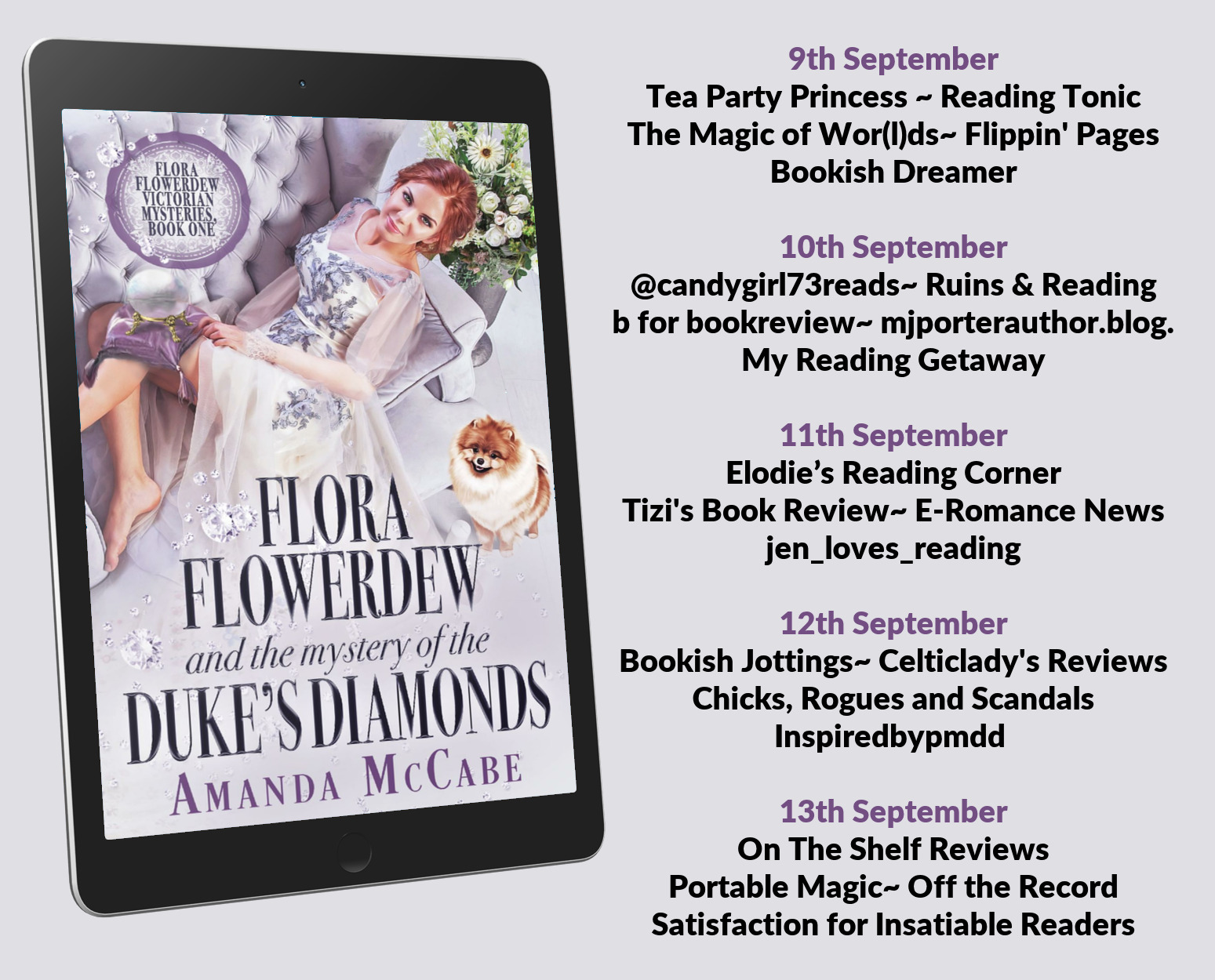
Follow the blog tour for Flora Flowerdew and the Mystery of the Duke’s Diamonds










































 MJ Porter