What to read after The Brunanburh Series #hisffic #TheTenthCentury

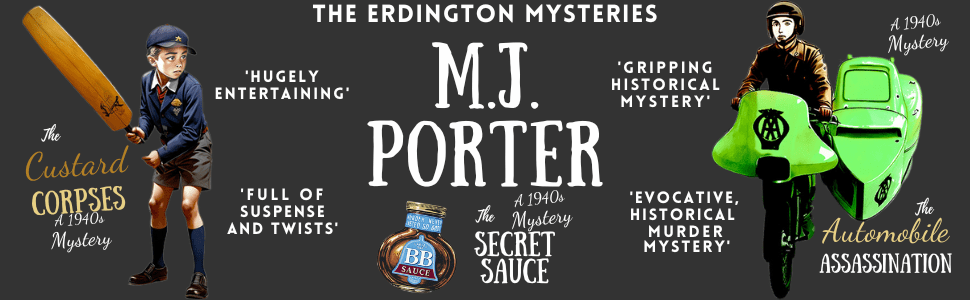
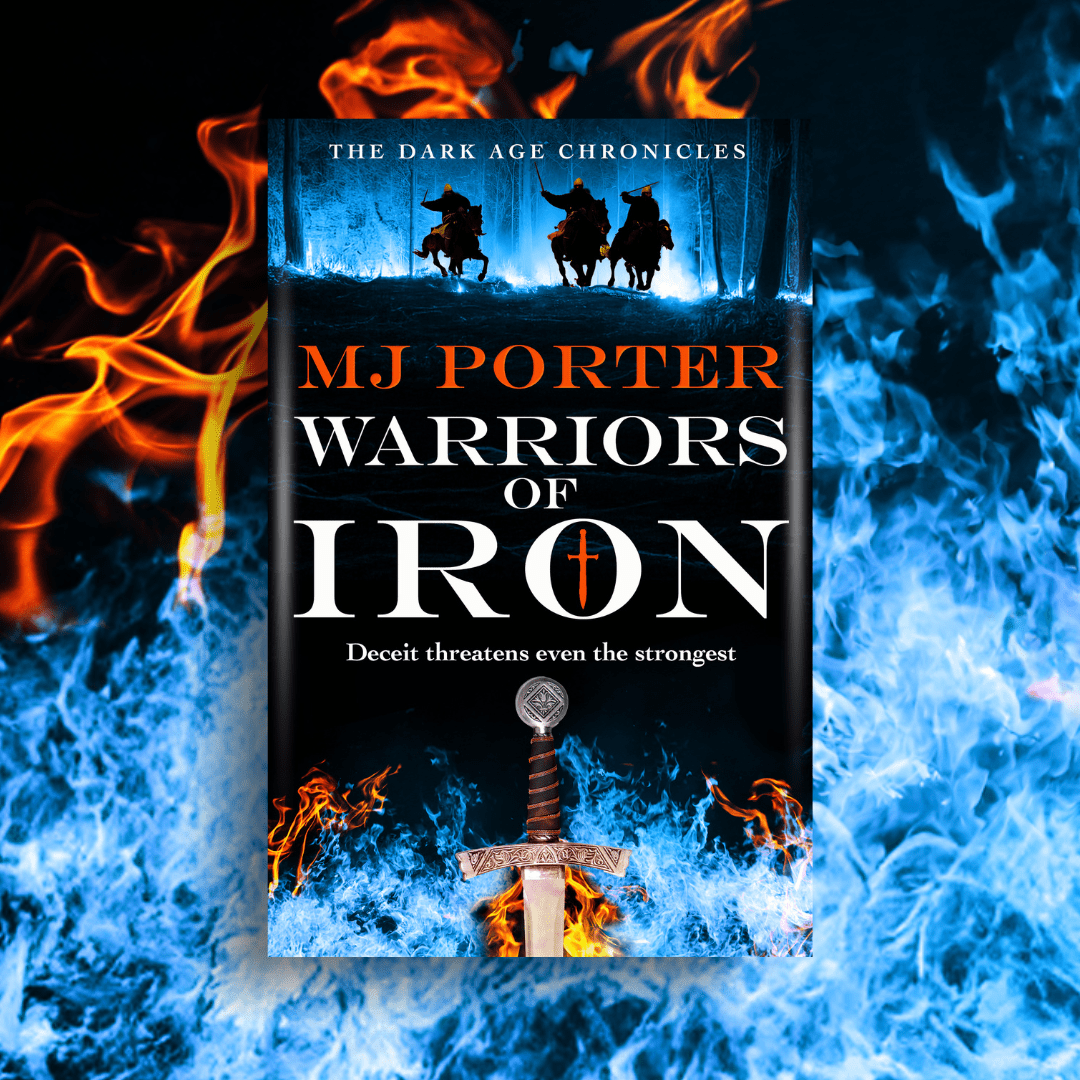
I do appreciate that it’s not exactly a bad problem to have, but I am sometimes concerned that readers are not altogether sure where to go after finishing one of my series and hopefully, enjoying it. Never fear, for I have put together a handy little guide, hopefully picking out the elements that readers might have enjoyed in one particular series, and applying them to other ones.

So, for readers interested in what happened before King of Kings, The Lady of Mercia’s Daughter and its sequel, A Conspiracy of Kings, offer a retelling of the Lady Ælfwynn’s life. The books also feature a younger Athelstan, and there may be a few other figures from the Brunanburh series in there as well.

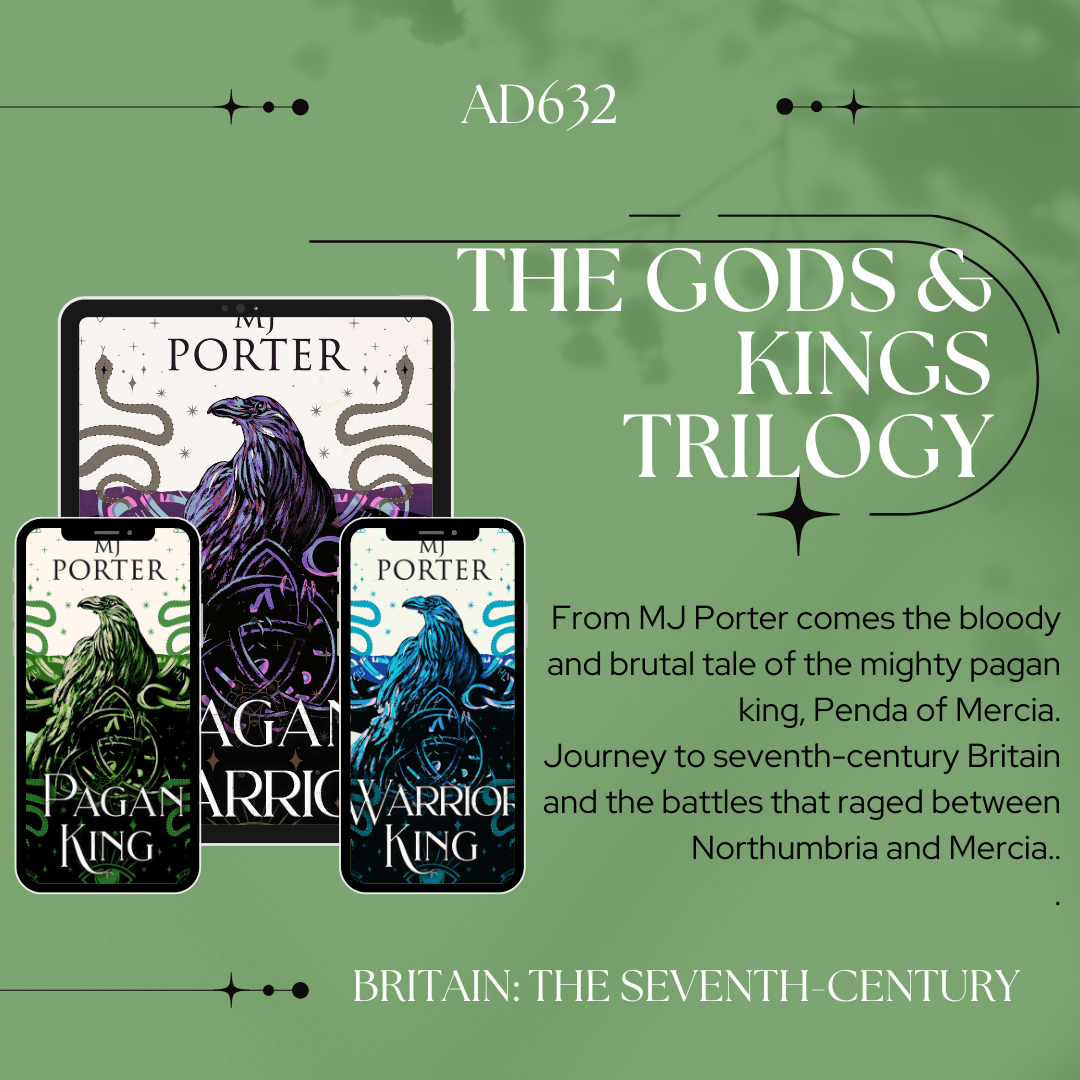
For those interested in England before it was England, or rather the idea of Five kingdoms, then the Gods and Kings trilogy, starting with Pagan Warrior, is really where you want to be. Step back to the seventh century, a time before Viking raiders, but with just as many ambition and brutal warrior kings.

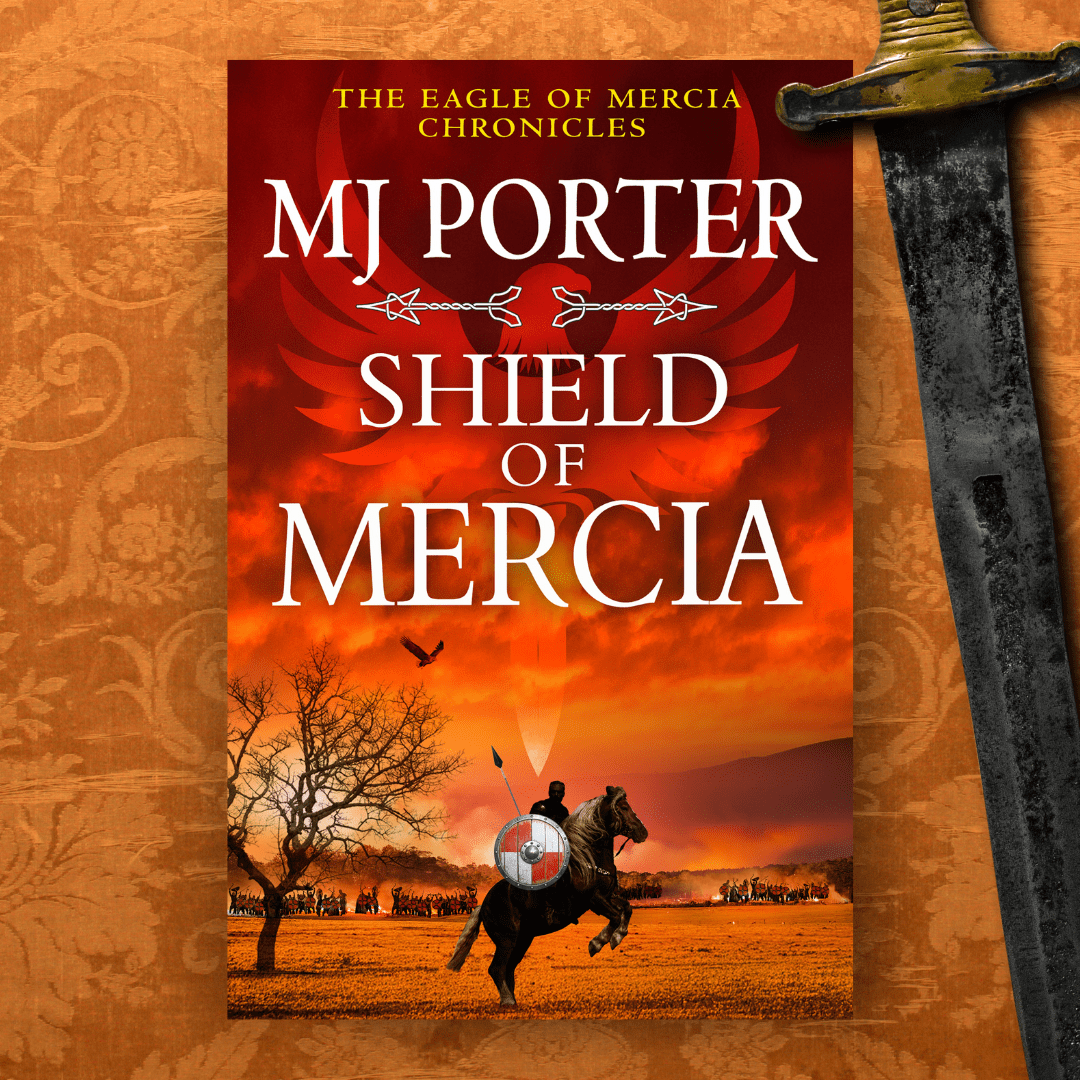
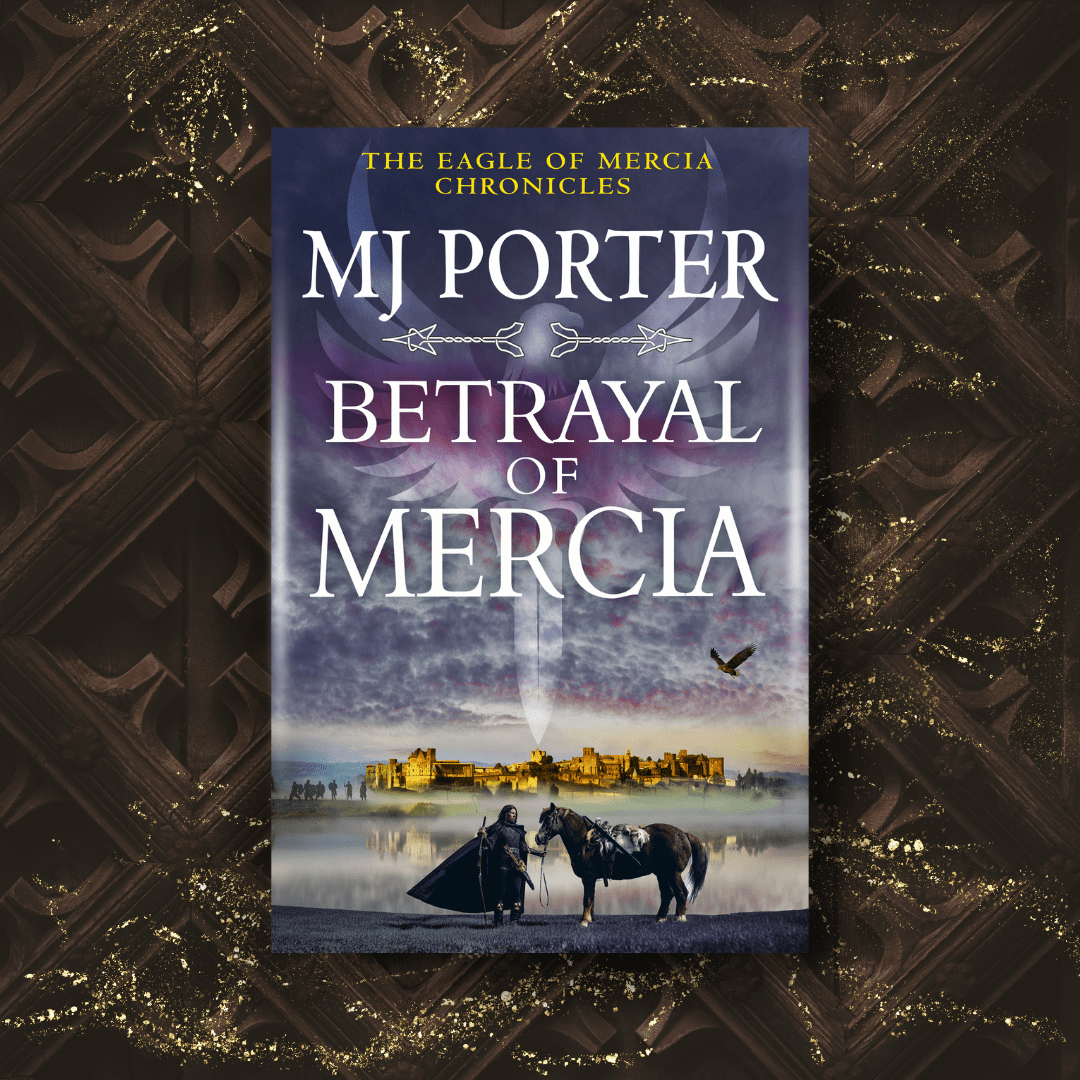
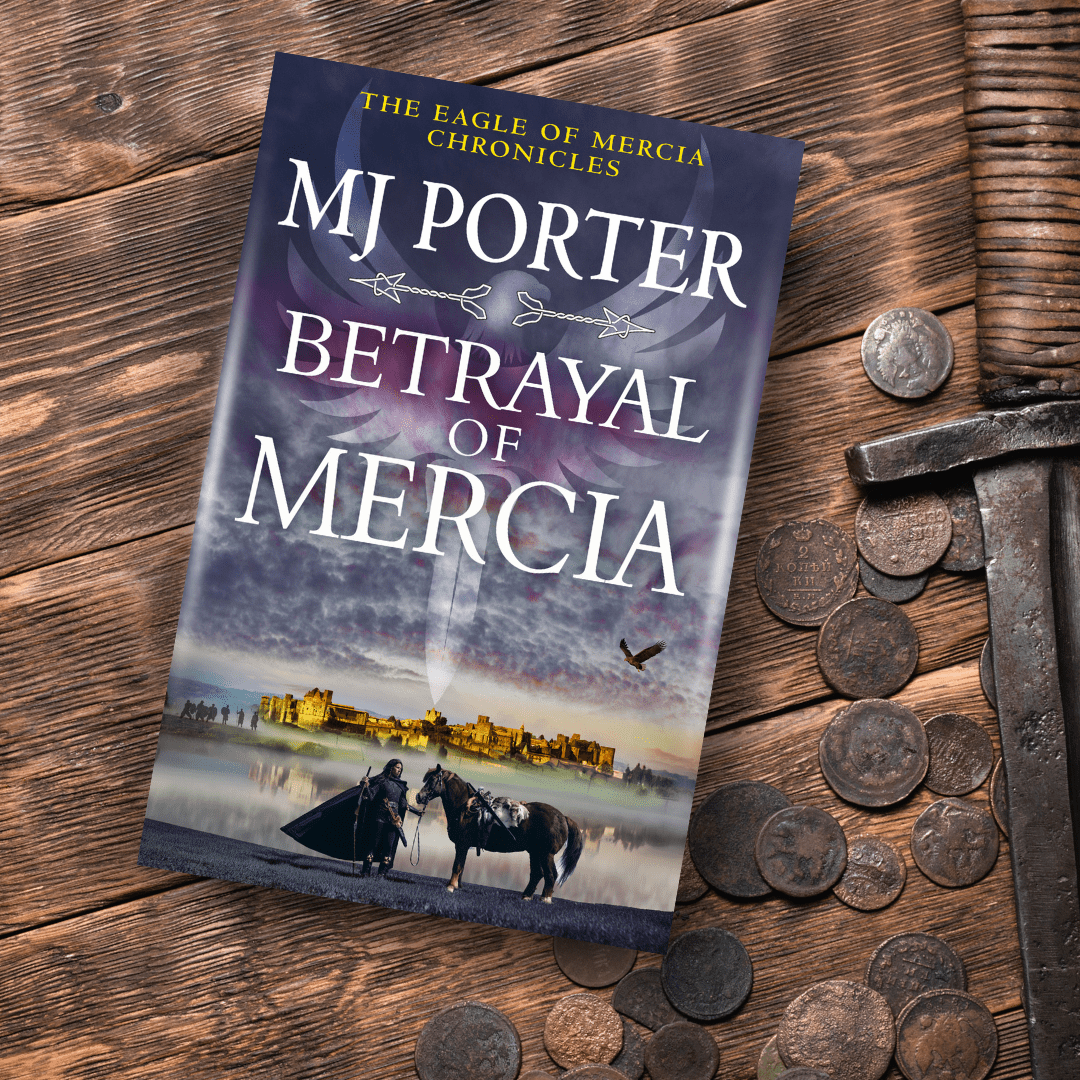
And if it is the conflict and band of warriors that interests you, then the Eagle of Mercia Chronicles might well be where you could go next. Follow young Icel as he realises he must become a warrior, not a healer if he is to protect Mercia from her enemies beginning with Son of Mercia, set nearly a hundred years before the events of Brunanburh.

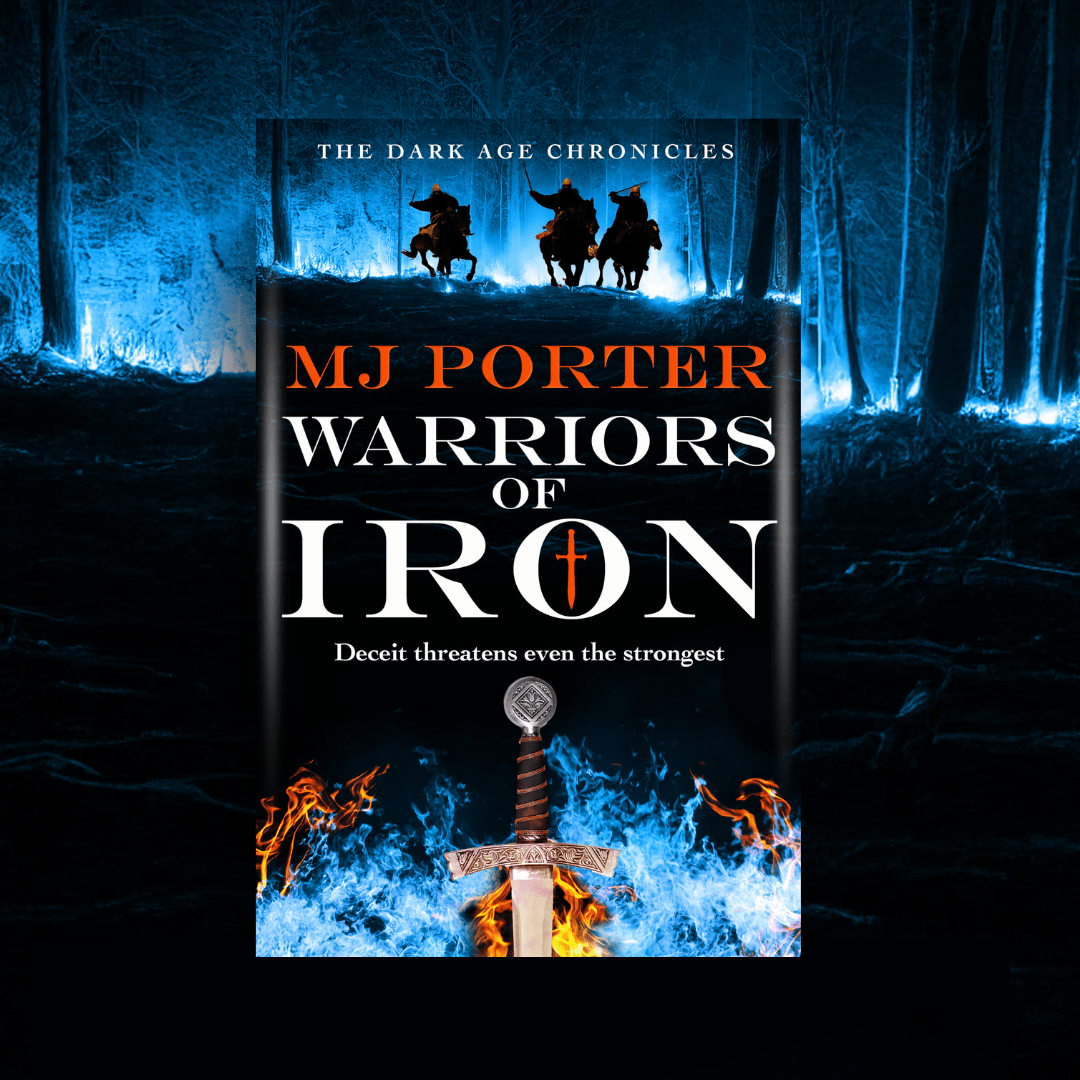
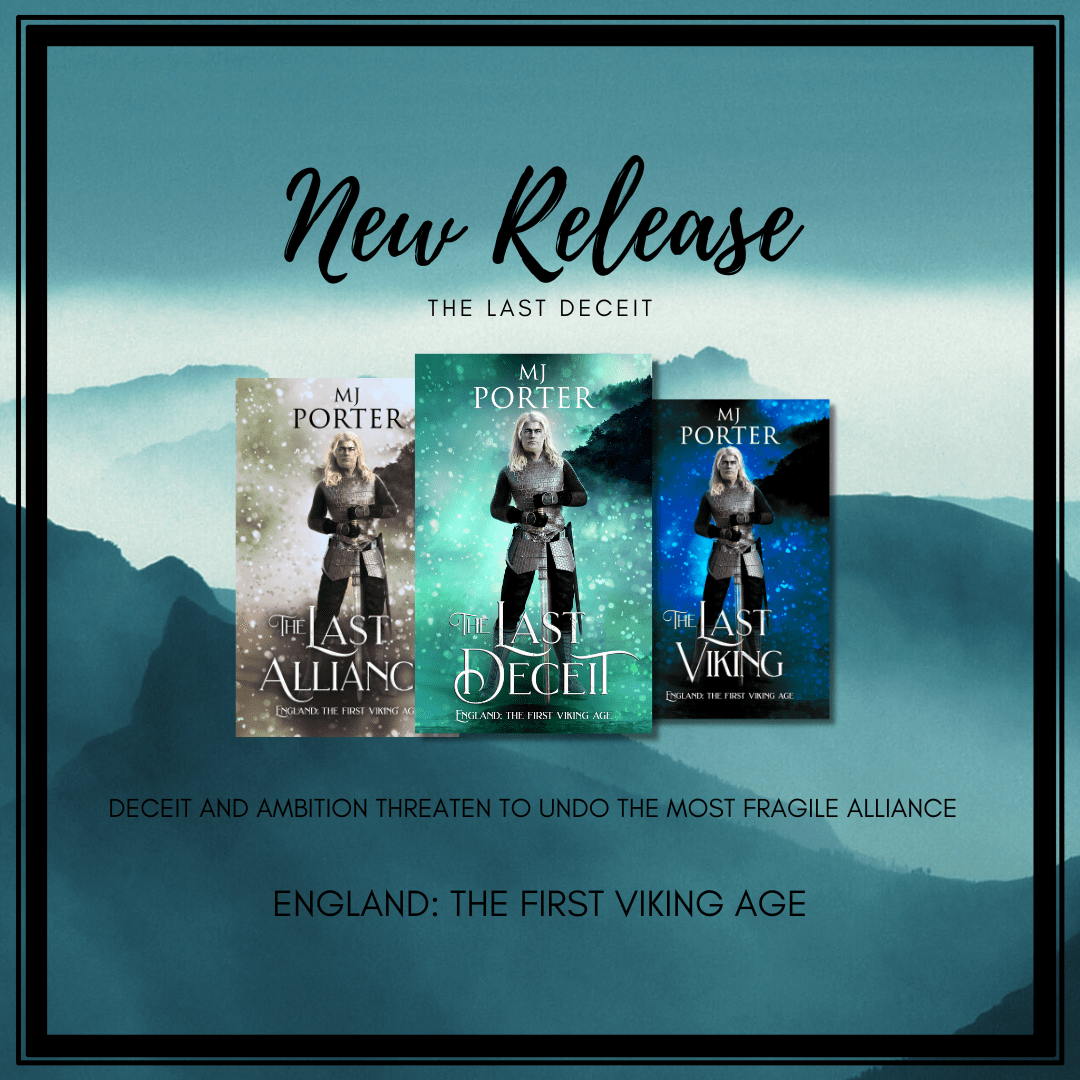
If you want books with a very healthy dose of violence, (and swearing), then The Mercian Ninth Century is the series for you, beginning with The Last King. Also set before the events of Brunanburh, (in the 870s) this series is all about warriors, violence, and overcoming (hopefully) all the odds.

(The series is also available without the stronger language. Follow this link as otherwise, it’s quite hard to find).

I hope you find something you like, and don’t forget, to sign up for my mailing list to keep up to date with all things Saxon England and to receive a free ebook download via Bookfunnel.

Posts

Listen to me on the A Slice of Medieval Podcast with Derek Birds and Sharon Bennett Connelly

I’m delighted to share details of the A Slice of Medieval Podcast I’m featured on this week. I hope you enjoy the discussion about Brunanburh, King Athelstan and not forgetting, Olaf Scabbyhead.

I’ve added the map below so you can see where I’m talking about during the podcast.

Today, it’s my turn on the #blogtour for Jane Dunn’s new historical romance, A Scandalous Match #histfic

Here’s the blurb

‘Angelica had always known her lack of high birth, fortune or influence debarred her from being presented as an eligible young woman worthy of marriage. To cap it all, being an actress assured she was utterly beyond the pale of respectability.’

Nightly at the Covent Garden Theatre in London, an enchanting actress is wowing the crowds with her affecting portrayal of Ophelia. Preyed on by rakes and opportunistic young bucks, feted by dukes and earls, even the Prince Regent himself, Angelica Leigh is a sensation.

But in Regency England, beauty and talent are not enough to be considered marriage material, so when the eminently eligible Lord Charles Latimer sets his heart on Angelica, his uncle is sent to intervene.

As a highly respected, hard-working and wealthy lawmaker, The Honourable Ivor Asprey, is himself seen as desirable husband material, but widowed with an eleven-year-old daughter Elinor, he has forsaken all thoughts of romance. Lord Latimer’s mother, the Duchess of Arlington, despairs of her son, despite being reassured by Ivor that his infatuation with the actress will pass. But there is something about Angelica Leigh that demands attention, and even the austere and upstanding Mr Asprey isn’t immune to her charms.

Sunday Times bestselling author Jane Dunn brings the Regency period irresistibly to life. Perfect for fans of Jane Austen. Janice Hadlow, Gill Hornby, and anyone with a Bridgerton-shaped hole in their lives.

Purchase Link

https://mybook.to/scandalousmatchsocial

My Review

A Scandalous Match returns us to Jane Dunn’s wonderful reimagining of Regency England. Our heroine this time is Angelica, our hero Ivor. Both of them are very different characters. The chemistry between them takes some time to develop, but when it does, it is quite explosive.

A Scandalous Match contains all the elements of a Regency romance we would expect, including the stubborn heroine and equally stubborn hero, their failure to speak plainly, and the reach of society that endeavours to keep them apart. But, as with Jane’s previous books, there is the fascinating element of ‘other’ in there as well. The servants aren’t faceless and nameless. The conventions of the times are laid bare, and the peripheral characters also ‘buck’ against the trends we might expect. It all adds a delicious quantity to the books, which I adore, from the ‘cant’ of the servants to the slightly risqué relationship of Angelica’s mother and her ‘keeper.’ I also adore how the obsession with horses is constantly explored, just as in today’s day and age, we might brag about our high-end cars.

Another thrilling and enthralling read. Readers of Regency Romance, and romance in general, will delight in travelling to Jane’s Regency England.

Find my review for The Marriage Season, An Unsuitable Heiress and A Lady’s Fortune.

Meet the author

Jane Dunn is an historian and biographer and the author of seven acclaimed biographies, including Daphne du Maurier and her Sisters and the Sunday Times and NYT bestseller, Elizabeth & Mary: Cousins, Rivals, Queens. She comes to Boldwood with her first fiction outing – a trilogy of novels set in the Regency period, the first of which is to be published in January 2023. She lives in Berkshire with her husband, the linguist Nicholas Ostler.

Connect with Jane

Bookbub profile

Newsletter Sign Up

I’m delighted to welcome Elizabeth Hutchison Bernard and her new book, The Beauty Doctor, to the blog #historicalfiction #historicalmystery #cosmeticsurgeryhistory #BlogTour #TheCoffeePotBookClub

I’m delighted to welcome Elizabeth Hutchison Bernard and her new book, The Beauty Doctor, to the blog, with an excerpt.

Chapter 2

On the chance Dr. Rome was still attending to Mr. Kilroy, she lay in wait. He was clearly surprised to find her loitering in front of the Kilroys’ townhome. She explained that she was calling off her engagement and needed to find employment. He seemed interested. It wasn’t until they were sitting across from each other at Café Le Jour on Forty-sixth Street that Abigail began to think she’d made yet another terrible mistake.

“You are a very beautiful young woman,” he said, smiling at her over his coffee cup. “I suppose people tell you that all the time.”

“Not so often, actually.” That he had begun on such a personal note, and with the same overabundance of charm he’d displayed at the Hennessys’ banquet, had an unsettling effect on her. As did his gaze, which was direct and insistent.

“I’m sure you’re only being modest, but you need not be around me. I appreciate beauty for what it is and for the entitlements it brings to those lucky enough to have it.”

\“I’ve never been one to think much about entitlements. I was taught that if you desire something, you work for it. Which is why I wanted to speak with you—”

“There are lots of women who work very hard at being beautiful and still they can’t hold a candle to you. I’d even go so far as to say that you, Miss Platford, are the embodiment of everything I hope to achieve for my patients. That’s why you may actually be the perfect one to assist me with my new practice. You see, what I really need,” he said, the excitement in his voice building, “is a foil. A stunningly beautiful foil.”

“A foil?” She wasn’t sure what the word meant, but didn’t like the way it sounded.

“Yes. Someone to make the rounds with me at parties and events, anywhere we can meet women—the kind of women with both the desire and the means to avail themselves of my services.” This was not what she’d expected, nor was it a welcome development. Her purpose in approaching Dr. Rome was a far more serious one than his words implied. She had imagined herself working at his side, much as she had done with her father, helping to put patients at ease, assisting with their care. And though it was not her favorite duty, she would readily have consented to manage his schedule and fulfill the required paperwork if he were to ask her. But this business of attending parties and events—what did it have to do with doctoring?

“You speak of meeting women in need of your services, but surely you plan to take care of men as well. Mr. Kilroy is your patient, isn’t he?”

“For the moment, yes—though that was only a favor. But let me explain.” He took a hasty gulp of his coffee and set down the cup. “I’m about to embark on a new facet of my career, a new field. Transformative surgery. Have you heard of it?”

“I don’t believe I have.”

“Some call it beauty surgery.”

She instantly recalled splashy advertisements she’d seen in the newspapers for practitioners who claimed to specialize in straightening noses, pinning back ears, and plumping up wrinkles with paraffin. At best, such solicitations had struck her as tasteless. At worst … might Dr. Rome be nothing more than a charlatan?

“Oh—you’re a beauty doctor.” The inflection in her voice no doubt came across as somewhat disparaging. She dipped her head, hoping to obscure the visual evidence of her skepticism beneath the plethora of ostrich feathers on the brim of her blue velvet hat.

“Just imagine it for a moment, Miss Platford,” he said, seeming not to have found anything disturbing in her reaction. “Your mere presence by my side would stimulate, in any average woman, an intense longing for beauty; then, arising quite naturally from that, a burning curiosity. With just a hint, she would be eager to learn what I offer in the way of beautifying procedures. That’s how one goes about building a thriving beauty practice. Stimulate the need, offer the solution. Or, if you prefer, think of it this way: You would be helping to enlighten women about advances that can greatly enhance their lives. No different from selling a product. A product that people would certainly buy if they only knew its benefits.”

So, he wanted her to help him sell the concept of beauty surgery to other women? That was not what a doctor does! To take part in such activities would compromise everything she believed in. “Your idea is to use me as a sort of walking advertisement?”

“I wouldn’t put it like that.”

“Forgive me for being blunt, but are you really a doctor?”

He shoved aside his coffee cup, almost knocking it over. “Would I call myself a doctor if I wasn’t one?”

“I don’t mean to offend you. It’s just that I don’t know any other doctors who are engaged in your kind of work.”

“Because no medical school in this country has the foresight to embrace transformative surgery. That’s why it was necessary for me to receive advanced training in Europe. I returned from Paris only recently.”

“But you did train in medicine? Here in America?”

“Certainly, but the typical doctor’s training only goes so far. The medical establishment is very set in its ways. It resists anything that might challenge the status quo. And that is exactly what transformative surgery does. The social implications are immense. It represents possibly the greatest force for the empowerment of women in all of human history.”

“Empowerment of women?” Despite her disappointment, she had to smile. “I’m sorry, but I don’t see what your transformative surgery could have to do with the movement for women’s rights.”

“Maybe you’ve never thought of it this way, but beauty is power,” Dr. Rome said, with the calm certainty of a man who knows he speaks the truth. “And with enough power, Miss Platford, a woman can achieve anything.”

Here’s the blurb

A Bone-Chilling Mystery-Suspense-Thriller Set in the Edwardian Era

Finalist, Eric Hoffer Book Award


“Beauty is power,” Dr. Rome told her. “And with enough power, one can achieve anything.”

Straightening noses, trimming eyelids, lifting jowls . . . In the year 1907, his revolutionary beauty surgery is considered daring, perhaps dangerous. Still, women want what Dr. Rome promises. Neither is his young assistant Abigail Platford immune to Dr. Rome’s persuasive charm.

Abigail once dreamed of becoming a doctor, though of a much different sort. That dream ended with her father’s tragic death from a medical error for which she holds herself responsible. Dr. Rome, who proudly displays his medical degree from Johns Hopkins, seems to believe in her. If he were willing to act as her mentor, might there still be a chance to realize her dream of someday becoming a doctor serving New York City’s poor?

But something feels terribly wrong, as though an insidious evil is closing in. Broken promises, lies, and intrigues abound. The powerful are threatening to destroy the weak, and a doctor’s sacred duty hangs in the balance. Abigail no longer knows who to believe; but with Dr. Rome now her mentor and her lover, she desperately wants to trust him.

Even when she discovers that one of their patients has mysteriously disappeared.

From bestselling author Elizabeth Hutchison Bernard, a suspenseful work of historical fiction grounded in the social and moral issues of the Edwardian era in America. Second Edition with Author’s Preface.

Buy Link:

Universal Link:

Meet the author

Elizabeth Hutchison Bernard is the author of bestselling historical novels. Her 2023 release, Sisters of Castle Leod, is an Amazon Kindle #1 Bestseller (Historical Biographical Fiction, Historical Literary Fiction), winner of the 2023 Maxy Award for Historical and Adventure Fiction, and an Editors’ Choice of the Historical Novel Society. Her biographical novel Temptation Rag (2018) was hailed by Publishers Weekly as a “resonant novel . . . about the birth and demise of ragtime . . . in which romance and creative passions abound.” Elizabeth’s 2017 historical mystery-suspense-thriller, The Beauty Doctor, was a finalist for the prestigious Eric Hoffer Book Award. The book’s re-release (Jan. 4, 2024) features a stunning new cover and an Author Preface with insights into social and moral issues of the Edwardian era that frame this shocking fictional story set in the early days of cosmetic surgery. Before becoming a full-time author, Elizabeth was executive editor of an international aesthetic surgery journal, and senior consultant to the National Cosmetic Network in conjunction with Johns Hopkins University’s plastic surgery educational program. Learn more about Elizabeth and her books at www.EHBernard.com.

Meet the author

Website:

Follow The Beauty Doctor blog tour with The Coffee Pot Book Club

Meet the characters from Clash of Kings, Idwal of Gwynedd.

Idwal of Gwynedd has long been a character in the Brunanburh series, but it appears I’ve been remiss in not writing a blog about him. So here goes.

I confess, I’ve had quite a lot of fun with Idwal, pitching him against Hywel. But, I’m not sure that’s actually very wide of the mark.

Idwal of Gwynedd and Hywel were cousins. Their fathers were both sons of perhaps the second most well-known king of Wales, Rhodri Mawr. Hywel being the first (at least in my mind). Rhodri Mawr had held much of Wales, and was accorded the title King of the Britons. On his death, at the hands of King Alfred of Wessex, the kingdoms fractured back into their constituent parts. Idwal’s father ruled in Gwynedd. Hywel’s in Seisyllwg. Hywel succeeded his father while very young and quickly grew his power base. Idwal became king of Gwynedd in 916.

We first met Idwal in King of Kings in 927. He was, unwillingly, signing the accord with Athelstan at Hereford after the one agreed with the northern kings at the treaty of Eamont. Idwal visited England on multiple occasions, according to the surviving charter evidence, where he’s shown attesting Athelstan’s charters in 928, 931, 934 and 935. (S400, S413, S416, S417, S425, S407, S1792 and S434 – see the Electronic Sawyer for more information about these charters).

In my interpretation of him, he’s a very unwilling participant, more likely to look to the Norse for an alliance than the English, or indeed, his cousin, Hywel.

When we return to him, in Clash of Kings, Idwal, is once more, a man aggrieved by the success of the English king. Read Clash of Kings to discover what fate has in store for Idwal.

He is perhaps one of the most fun characters in Brunanburh – a grouchy man who is happy to do all he can to disrupt the more staid approach of King Athelstan of the English, and who resents his cousin’s influence with the English.

books2read.com/King-of-Kings

books2read.com/kingsofwar

books2read.com/clashofkings


Read about all the characters in The Brunanburh Series.

Map design by Flintlock Covers

My new book, Clash of Kings, has a number of main characters. Meet Lady Eadgifu. #histfic #non-fiction #Brunanburh

Clash of Kings has a number of characters, and some might be surprised to find Lady Eadgifu amongst them, but she was an incredibly important historical character, and I couldn’t leave her out of the narrative set at the English court.

Lady Eadgifu was the third wife of Edward the Elder (r.899-924), king of the Anglo-Saxons. Edward the Elder was the father of King Athelstan, and a whole host of daughters, as well as five sons. Lady Eadgifu would, it seems, have been young when she married the aging Edward the Elder, and that meant that she long outlived him, and also, that her three children (possibly four, but I’ve opted for three) were young when their father died. And two of these children were sons, Edmund (born c.921) and Eadred (born c.923). Her daughter, Eadburh, is thought to have been the oldest of the three children, born c.919.

While Lady Eadgifu, from what’s known (and it isn’t much, as there are few surviving charters from the end of Edward’s reign) perhaps had little role to play while her husband lived, other than wife and mother to the king’s children, following his death, she became increasingly significant. She was the daughter of an ealdorman, who perhaps died just before her birth, and her family are said to have had connections with Kent. Indeed, it’s often stated that she brought her husband Kent with their union. By that, what’s often meant, is the loyalty of the Kentish people. Remember, at this time, we’re still just before the creation of ‘England’ as we would now recognise it.

Sadly, very little is known about Lady Eadgifu (and she’s not alone in this – many of the royal women ‘disappear’ at points in the historical record, and on occasion, are entirely lost.) We know about a land dispute she was involved in, and also much more information for after Athelstan’s reign.

Indeed, it has been said that during Athelstan’s reign,

‘Nor is it surprising that Eadgifu, as the consort of the previous king, served little role in her stepson’s court.[i]

[i] Firth, M. and Schilling, C. ‘The Lonely Afterlives of Early English Queens’, in Nephilologus September 2022, https://doi.org/10.1007/s11061-022-09739-4p.7

However, Barbara Yorke believes that,

‘the enhanced position [of Lady Eadgifu] may also have been developed specifically for the widowed Eadgifu as part of an alliance with her stepson Æthelstan [Athelstan] in which she supported his position and he recognised her sons as his heirs.’[i]


[i] Yorke, B. ‘The Women in Edgar’s Life,’ in Edgar, King of the English, 959-975 Scragg, D. ed (The Boydell Press, 2008), p.146


And it is this option that I’ve decided to explore in the Brunanburh series. Lady Eadgifu was wife to a king. She would have known her worth, even when faced with a stepson as the king of the English, and another stepson, and stepdaughters, who perhaps didn’t share any love for their, potentially, younger stepmother.

Read Clash of Kings to discover her role in the aftermath of the victory for the English at Brunanburh.

Map design by Shaun at Flintlock Covers

books2read.com/King-of-Kings

books2read.com/kingsofwar

books2read.com/clashofkings


Read about all the characters from the Brunanburh Series.

Posts

My new book, Clash of Kings, has a number of main characters. Meet Hywel, the king of the Welsh.

My new book, Clash of Kings, is a multi-viewpoint novel telling the story of events in Britain from 937-942. I thought it would be good to share details of the historical people my main characters are based on.

My portrayal of Hywel, better known as Hywel Dda (which autocorrect is determined should say Dad), and which means ‘good’ (a unique epithet in Wales), is of course, fictional, but who was the historical Hywel? Firstly, it should be noted that this epithet is a later invention, not assigned to Hywel until at least the twelfth century, and perhaps, as Dr. Kari Maund has commented in The Welsh Kings: Warriors, Warlords and Princes, a reflection of border events at that period rather than the earlier tenth century. (Dr Maund was one of my university lecturers, so she knows her stuff).

By Unknown author – This image is available from the National Library of WalesYou can view this image in its original context on the NLW Catalogue, CC0, https://commons.wikimedia.org/w/index.php?curid=41427788

Hywel has no date of birth recorded, and indeed, like Constantin of the Scots, he seems to have ruled for a long time providing much-needed consistency. Hywel ap Cadell was the grandson of the famous Rhodri Mawr, who’d united the kingdoms of the Welsh during his rule. But, this unity fragmented on Rhodri’s death.

To begin with, Hywel ruled Dehuebarth, probably with his brother, Clydog, (who may have been the younger brother) after the death of their father in c.911. He, his brother, and his cousin, Idwal of Gwynedd, submitted to the English king, Edward the Elder in the late 910s.

‘and the kings of Wales: Hywel and Clydog and Idwal and all the race of the Welsh, sought him as their lord [Edward]’. ASC A 922 corrected to 918 (Swanton, M. trans and edit The Anglo-Saxon Chronicles, (Orion Publishing Group, 2000)p.103-4)

Not long after, Clydog died, leaving Hywel as ruler of Dehuebarth. Hywel had also married Elen, the daughter of Llywarch and niece of Rhydderch, the last king of Dyfed, and he was able to use this alliance to eventually claim Dyfed as well.

Hywel’s believed to have been highly educated, and some historians suggest he was particularly fascinated with King Alfred, and all he’d achieved and was therefore keen to emulate many of his actions. This could also be why his name came to be associated with the codification of laws in later traditions. What fascinates me most about Hywel is his decision to ally closely with King Athelstan. Certainly, he’s a intriguing figure in early tenth-century Britain, and not just because we know he made a pilgrimage to Rome in 928, and still managed to return back to his kingdom and continue ruling it.

Hywel seems to have distanced himself from events which led to the battle of Brunanburh in 937, but in my portrayal of him, he still classifies himself as very much Athelstan’s ally. Events in Clash of Kings might well test that allegiance.

Map design by Shaun at Flintlock Covers

books2read.com/King-of-Kings

books2read.com/kingsofwar

books2read.com/clashofkings


Read about all the characters in the Brunanburh series.

Clash of Kings is released today. Meet Athelstan, the King of the English.

Today sees the release of Clash of Kings, the third book in the Brunanburh series. But who was Athelstan, king of the English?

Based on a historical person, my portrayal of him, is of course, fictitious, but there are many historical details known about him. However, we don’t know for sure who his mother was, it’s believed she might have been called Ecgwynn, and we don’t know, for certain, the name of his sister, but it’s believed she might have been named Edith. What is known is that his father was Edward, the son of King Alfred, and known to us today as Edward the Elder. Athelstan is also rare in that he is one of only two Saxon kings for who a contemporary image is available. (The other is Edgar, who would have been his nephew)

Edward the Elder
Edward the Elder – MS Royal 14 B VI.jpg
Miniature d’Édouard l’Ancien dans une généalogie royale du XIVe siècle. WikiCommons

It must be supposed that Athelstan was born sometime in the late 890s. And according to a later source, that written by William of Malmesbury in the 1100s (so over two hundred years later), Athelstan was raised at the court of his aunt, Æthelflæd of Mercia. The historian, David Dumville, has questioned the truth of this, but to many, this has simply become accepted as fact.

‘he [Alfred] arranged for the boy’s education at the court of his daughter, Æthelflæd and Æthelred his son in law, where he was brought up with great care by his aunt and the eminent ealdorman for the throne that seemed to await him.’[i]


[i] Mynors, R.A.B. ed and trans, completed by Thomson, R.M. and Winterbottom, M. Gesta Regvm AnglorvmThe History of the English Kings, William of Malmesbury, (Clarendon Press, 1998), p.211 Book II.133

Æthelflæd image
Æthelflæd as depicted in the cartulary of Abingdon Abbey (British Library Cotton MS Claudius B VI, f.14).
https://commons.wikimedia.org/wiki/File:Æthelflæd_as_depicted_in_the_cartulary_of_Abingdon_Abbey.png
AnonymousUnknown author, Public domain, via Wikimedia Commons

Why then might this have happened? Edward became king on the death of his father, Alfred, and either remarried at that time, or just before. Edward’s second wife (if indeed, he was actually married to Athelstan’s mother, which again, some doubt), Lady Ælfflæd is believed to have been the daughter of an ealdorman and produced a hefty number of children for Edward. Perhaps then, Athelstan and his unnamed sister, were an unwelcome reminder of the king’s first wife, or perhaps, as has been suggested, Alfred intended for Athelstan to succeed in Mercia after the death of Æthelflæd, and her husband, Æthelred, for that union produced one child, a daughter named Ælfwynn.

There is an acknowledged dearth of information surrounding King Edward the Elder’s rule of Wessex. He’s acknowledged as the king of the Anglo-Saxons. His father had been the king of Wessex. Historians normally use the surviving charters to unpick the political machinations of the Saxon kings, but for Edward, there’s a twenty year gap between the beginning and end of his reign, where almost no known genuine charters have survived. What isn’t known for sure, is how much control, if any, he had in Mercia. Was Mercia subservient to Wessex or was it ruled independently? It’s impossible to tell. And this makes it difficult to determine what Athelstan might have been doing, and also what his father’s intentions were towards him.

Frontispiece of Bede’s Life of St Cuthbert, showing King Æthelstan (924–39) presenting a copy of the book to the saint himself. 29.2 x 20cm (11 1/2 x 7 7/8″). Originally from MS 183, f.1v at Corpus Christi College, Cambridge. (Wikimedia Commons)

What is known is that following the death of King Edward in 924, Athelstan was acknowledged as the king of Mercia; his half-brother, Ælfweard was proclaimed king in Wessex. As with all events at this time, it shouldn’t be assumed that just because this is what happened, this is what was always intended.

‘Here King Edward died at Farndon in Mercia; and very soon, 16 days after, his son Ælfweard died at Oxford; and their bodies lie at Winchester. And Athelstan was chosen as king by the Mercians and consecrated at Kingston.’[i]


[i] Swanton, M. trans and edit The Anglo-Saxon Chronicles, (Orion Publishing Group, 2000), D text p.105

But, if Athelstan was raised in Mercia, it’s highly likely he was a warrior from a young age, helping the Mercians defeat the Viking raiders who still had control of the Danish Five Boroughs of Lincoln, Nottingham, Derby, Nottingham and Leicester.

Throughout King of Kings and Kings of War, my character, Athelstan, has proven himself to be amendable to peace as well as prepared to fight for his kingdom. He’s had to contend with some very unruly family members (it’s no wonder he never married), and also some aggressive neighbours. It’s perhaps his relationship with his brother, Edmund, and Hywel, king of the Welsh, that has revealed Athelstan as the man he might like to be remembered, but it is his victory at Brunanburh, against the Norse and the Scots, which he now has to contend with. Has Athelstan finally freed the English from the Viking raider/Norse menace?

Read Clash of Kings to discover.

Design by Boldwood Books

books2read.com/King-of-Kings

books2read.com/kingsofwar

books2read.com/clashofkings

Map design by Flintlock Covers

Check out the Brunanburh Series page to read about all the characters in the series.


Read my release day post for Boldwood Books.

https://www.boldwoodbooks.com/meet-edmund-i-king-of-the-english/


Follow the Clash of Kings blog tour with Rachel’s Random Resources and the following fabulous bloggers.

Bookish Jottings

Novel Kicks

David’s Book Blurg

Sharon Beyond the Books

Leanne Bookstagram

Ruins and Reading

Nik Reads Novels

Storied Conversation

Kimberli Reads

Meet the characters in Clash of Kings, Athelstan the Ealdorman

Confusingly, Athelstan the Ealdorman shares the same name as King Athelstan of the English, a fact I allow the pair to find amusing because of the uncertainty it causes.

Athelstan is the son of an ealdorman, and one of four brothers, although one has already died . Athelstan, Eadric and Æthelwald are held in high regard by King Athelstan and all become ealdormen.

In my version of events, Athelstan is married to Lady Ælfwynn, the cousin of King Athelstan and daughter of Æthelflæd, the lady of Mercia, a suggestion that isn’t widely accepted, but is certainly a possibility, thus making him a member of King Athelstan’s extended family. His epithet, the Half-King could have arisen because he was indeed married to the king’s cousin (under Athelstan, Edmund and Eadred).

Even if Athelstan Half King wasn’t married to the daughter of Lady Æthelflæd of Mercia, it seems he was married to an Ælfwynn. He was a powerful man, building a dynasty, and also part of a powerful dynasty. Between him and his brothers, they must often have been found at the court of the king in the tenth-century. Athelstan was the ealdorman of East Anglia, his older brother, Ælfstan, one of the ealdormen of Mercia (930-934) before his death, while Eadric was an ealdorman of Wessex (942-949), and Æthelwald was an ealdorman of Kent (940-946).

Athelstan the ealdorman seemed an obvious choice for me to develop as a character in the series. He’s closely bound to the ruling family, married into it, and he’s also a warrior who fought at the battle of Brunanburh. His influence continues to grow in Clash of Kings. His relationships with his brothers was also fun to explore. Powerful men, with warriors at their command, and fiercely invested in the future of the English kingdom.

Read Clash of Kings to continue their story.

books2read.com/King-of-Kings

books2read.com/kingsofwar

books2read.com/clashofkings

(13th January 2024)


Check out the Brunanburh Series page for more information about the historical characters featured in the Brunanburh series.

I’m delighted to welcome RW Meek and his new book, The Dream Collector, to the blog #HistoricalFiction #LiteraryFiction #BlogTour #TheCoffeePotBookClub

I’m delighted to welcome RW Meek and his new book, The Dream Collector, to the blog, with an excerpt.                             

                                               “Meeting Sabrine”

The warming, pleasant effects of the cognac had Sigmund sorting through the photographs with greater leisure; he started to savor them as if paintings—until one particular pose troubled him. She was photographed curled into a corner of the bed, her back pressed against the wall, and her head thrust forward with a swollen and distended neck, barring teeth like a vicious animal. It was frightening to behold someone less than human. He gulped what remained of the drink.  

“She threatens,” Dr. Charcot explained. “I call this attitude, Le Menace.”

Before Sigmund could respond with a reasonable question, whispering sounds outside the door of the library caused him to turn. He heard quick retreating footsteps, watched the door latch click open and instinctively recoiled at her sudden appearance. She wore a white smock identical to the photograph in his trembling hands and he braced himself for whatever menace she might express.  

The princess of the hysterics walked forward, wearing a most natural smile, presenting such uncommon composure and confidence that he could not believe that this woman had spent the past five years of her life confined in an institution for the diseased and insane.

When she offered her hand, specifically to him, he tried to assure himself that she must be in the state Charcot labeled, l’Ėtat Normal. 

Here’s the blurb

The Dream Collector immerses the reader into the exciting milieu of late 19th Century Paris when art and medicine were in the throes of revolution, art turning to Impressionism, medicine turning to psychology. In 1885, Julie Forette, a self-educated woman from Marseilles, finds employment at the infamous Salpêtrière, hospital and asylum to over five thousand disabled, demented and abandoned women, a walled city ruled by the famed neurologist and arrogant director, Dr. Jean-Martin Charcot.  

Julie Forette forms a friendship with the young, visiting intern Sigmund Freud who introduces her to the altering-conscious power of cocaine. Together they pursue the hidden potential of hypnotism and dream interpretation. After Freud receives the baffling case of the star hysteric, Sabrine Weiss, he is encouraged by Julie to experiment with different modes of treatment, including “talking sessions.” Their urgent quest is to find a cure for Sabrine, Princess of the Hysterics, before Dr. Charcot resorts to the radical removal of her ovaries.  

In Paris, Julie finds a passion for the new art emerging, Impressionism and Post-Impressionism, and forms friendships with the major artists of the period, including Pissarro, Monet, and Degas. Julie becomes intimately involved with the reclusive Cezanne only to be seduced by the “Peruvian Savage” Paul Gauguin.  Julie is the eponymous ‘Dream Collector’ collecting the one unforgettable, soul-defining dream of the major historical figures of the period. 

Praise for The Dream Collector: 

“Meek never fails to stun and impress with his evocation of scenes and events, of sights and dialogue, and of peoples’ reactions to them.”

~ HFC Reviews

“Tribute must be paid to the obvious and clear literary skills of the author R.w. Meek and to his ability to invoke historic personages and the Belle Époque he so evidently adores.”

~ Julian de la Motte, award winning author of Senlac

Buy Link:

Universal Link

Meet the author

R.w. Meek has a Master’s degree in Art History from the American University in Washington, D.C., his areas of expertise are Impressionism and Post-Impressionism, with a particular interest in Vincent van Gogh.  He has interned and conducted tours at the National Museum of American and the National Gallery of Art. In 2022 and 2023 five of his chapter excerpts from his soon to be published novel “The Dream Collector” were either finalists or published in various literary journals. The author has also won the Palm Beach Book Festival Competition for “Best Writer in Palm Beach’ his manuscript judged by a panel of NYT Best Selling authors. “The Dream Collector” also received gold and silver medals in the Historical Fiction Company literary contest and earned runner-up for the “Best Historical Fiction Novel’ of 2022. 

The author was born in Baltimore, adventured in Europe for many years, and recently moved from Delray Beach, Florida to Santa Clarita, California.  His wife is a psychologist, sculptress, playwright and stand-up story teller.  His daughter Nora is a story board artist in the animation world and resides in Hollywood, California. His favorite writers are Dostoevsky, John Fowles, and Antoine de Saint-Exupery. 

Meet the author

Website:  Facebook

Follow The Dream Collector blog tour with The Coffee Pot Book Club