Author of Saxon historical fiction and non-fiction, 20th-century historical mysteries, and Norse-inspired historical romantasy. Book reviewer and blog host.
I’m delighted to welcome Julia Ibbotson and her new book, A Shape on the Air, to the blog #Medieval #HistoricalFiction #AngloSaxon #TimeTravel #TimeSlip #Mystery #Romance #BlogTour #TheCoffeePotBookClub
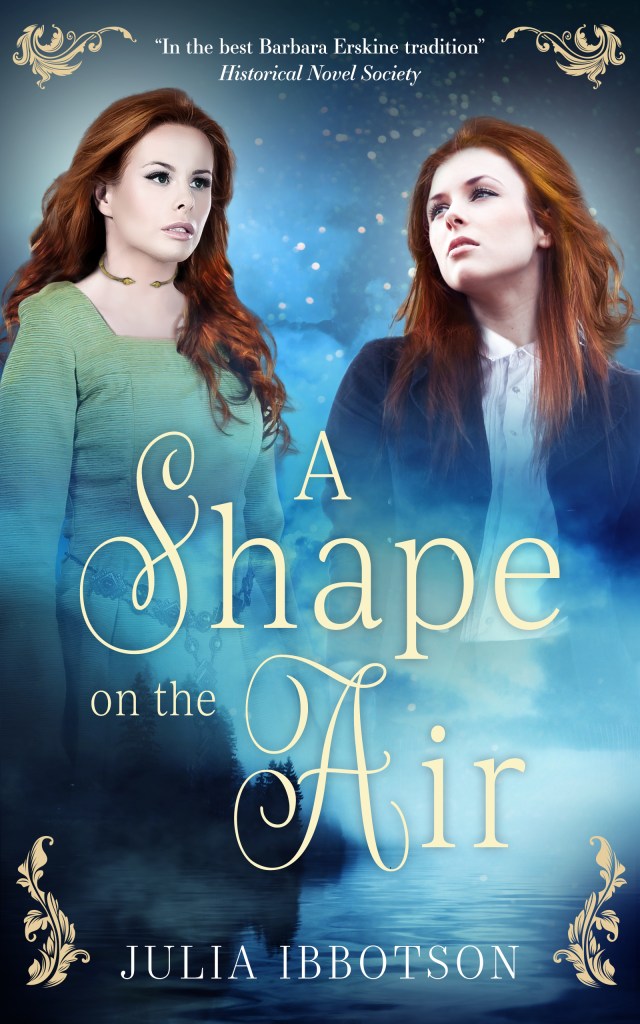
I’m delighted to welcome Julia Ibbotson and her new book, A Shape on the Air, Dr DuLac Series, Book 1, to the blog.
Here’s the Blurb
Can echoes of the past threaten the present? They are 1500 years apart, but can they reach out to each other across the centuries? One woman faces a traumatic truth in the present day. The other is forced to marry the man she hates as the ‘dark ages’ unfold.
How can Dr Viv DuLac, medievalist and academic, unlock the secrets of the past?
Traumatised by betrayal, she slips into 499 AD and into the body of Lady Vivianne, who is also battling treachery. Viv must uncover the mystery of the key that she unwittingly brings back with her to the present day, as echoes of the past resonate through time. But little does Viv realise just how much both their lives across the centuries will become so intertwined. And in the end, how can they help each other across the ages without changing the course of history?
For fans of Barbara Erskine, Pamela Hartshorne, Susanna Kearsley, Christina Courtenay.
This title is available to read on #KindleUnlimited
Meet the Author
Julia Ibbotson is fascinated by the medieval world and the concept of time. She is the author of historical mysteries with a frisson of romance. Her books are evocative of time and place, well-researched and uplifting page-turners. Her current series focuses on early medieval time-slip/dual-time mysteries.
Julia read English at Keele University, England, specialising in medieval language / literature / history, and has a PhD in socio-linguistics. After a turbulent time in Ghana, West Africa, she became a school teacher, then a university academic and researcher. Her break as an author came soon after she joined the RNA’s New Writers’ Scheme in 2015, with a three-book deal from Lume Books for a trilogy (Drumbeats) set in Ghana in the 1960s.
She has published five other books, including A Shape on the Air, an Anglo-Saxon timeslip mystery, and its two sequels The Dragon Tree and The Rune Stone. Her latest novel is the first of a new series of Anglo-Saxon dual-time mysteries, Daughter of Mercia, where echoes of the past resonate across the centuries.
Her books will appeal to fans of Barbara Erskine, Pamela Hartshorne, Susanna Kearsley, and Christina Courtenay. Her readers say: ‘Julia’s books captured my imagination’, ‘beautiful story-telling’, ‘evocative and well-paced storylines’, ‘brilliant and fascinating’ and ‘I just couldn’t put it down’.
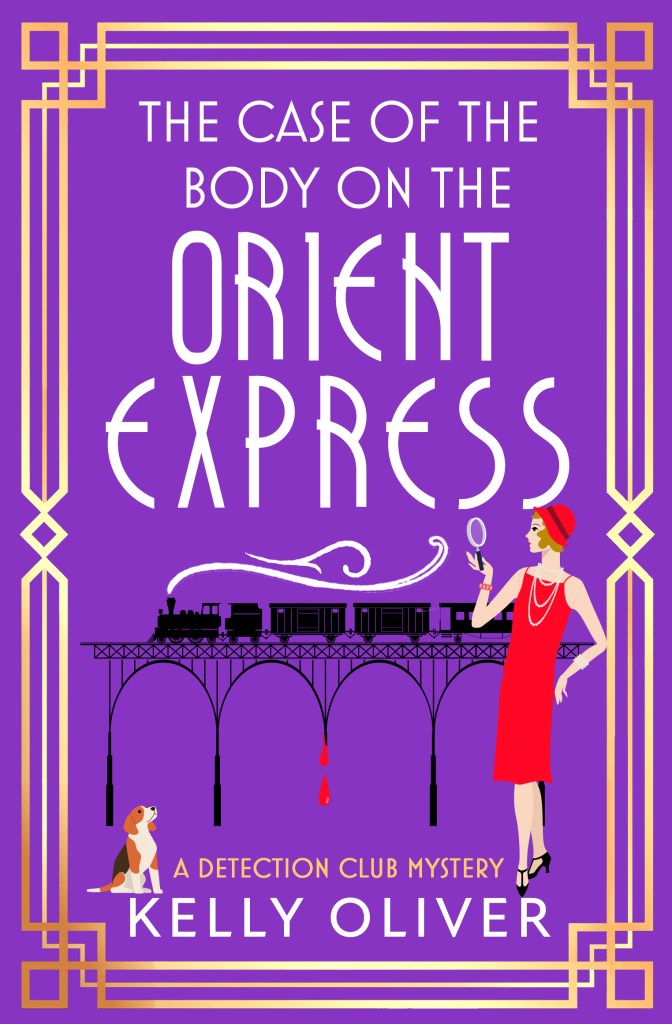
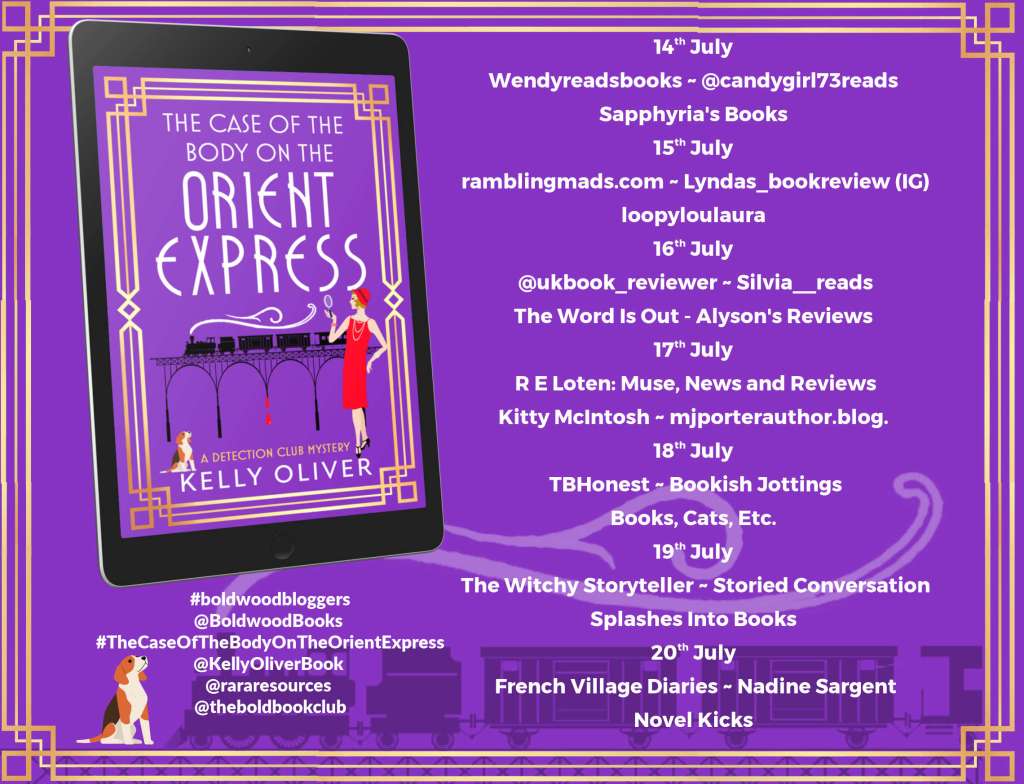
Paris, 1928: Agatha Christie and fellow writer Dorothy L Sayers board the Orient Express, bound for Constantinople. Christie in particular is looking forward to a break from recent dispiriting events in both her work and private life – the finalisation of her divorce from her philanderous husband Archie, and the miserly reception of her latest book.
But before the duo can settle in to enjoy the luxuries of their first-class journey, their journey is derailed when a fellow guest drops dead during the dinner service. And as the last person to speak to the victim, Dorothy finds herself a prime suspect in his murder.
As the train hurtles East, Sayers’ resourceful assistant Eliza and her friend Theo must navigate a maze of suspects. But with each passing mile, the stakes rise, and when another body is discovered, their search to find the killer before they reach their destination becomes increasingly complicated.
Can Eliza and Theo stay one step ahead, crack the mystery and clear Dorothy’s name? Or will this be one journey too far for the amateur sleuths?
The Case of the Body on the Orient Express is a fun murder mystery, reuniting us with outspoken and headstrong Eliza, and her fellow sleuth, Theo, who, in true ‘tormented writer’ guise, has spent the last two years in France, roughing it in an attempt to escape the object of his torment, Eliza. What could be better than throwing them together on the Orient Express, with a host of mystery writers on their way to a writers convention?
As their journey gets underway, Eliza is aware of undercurrents from Dorothy, her employer, and she’s alert to the other passengers as well. She’s not about to accept that Ivan died of a heart attack. And so begins her sleuthing, with the aid, sometimes unwillingly given, of Theo. And the case becomes curioser and curioser as the train finally reaches Istanbul/Constantinople.
Another fab addition to Kelly Oliver’s sleuthing mysteries. I do love the little connections between this series and the Fiona Figg books. But, of course, you don’t need to have read them. I also enjoy the addition of the real-life mystery writers. Fans of the genre will thoroughly enjoy Eliza and Theo’s new escapade.
Kelly Oliver is the award-winning, bestselling author of three mysteries series: The Jessica James Mysteries, The Pet Detective Mysteries, and the historical cozies The Fiona Figg Mysteries, set in WW1. She is also the Distinguished Professor of Philosophy at Vanderbilt University and lives in Nashville, Tennessee
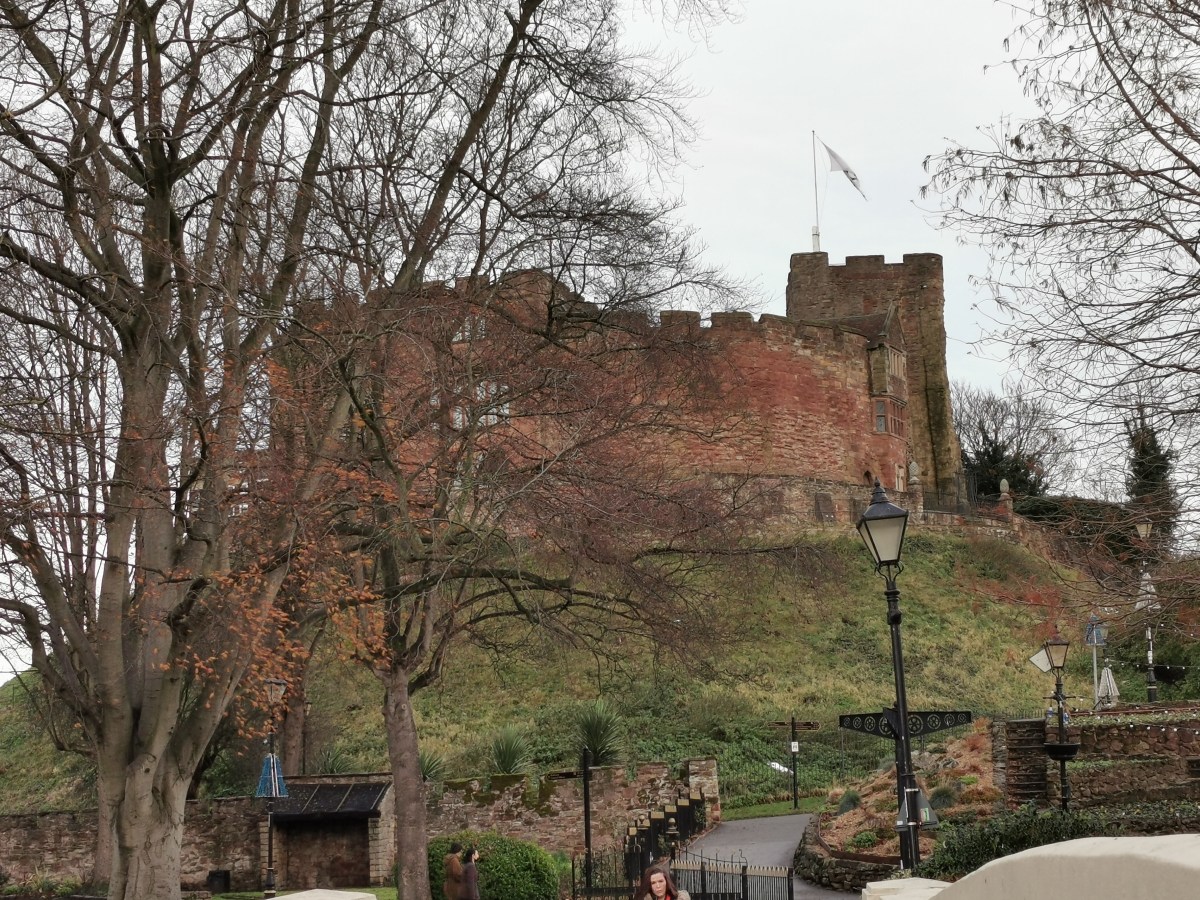
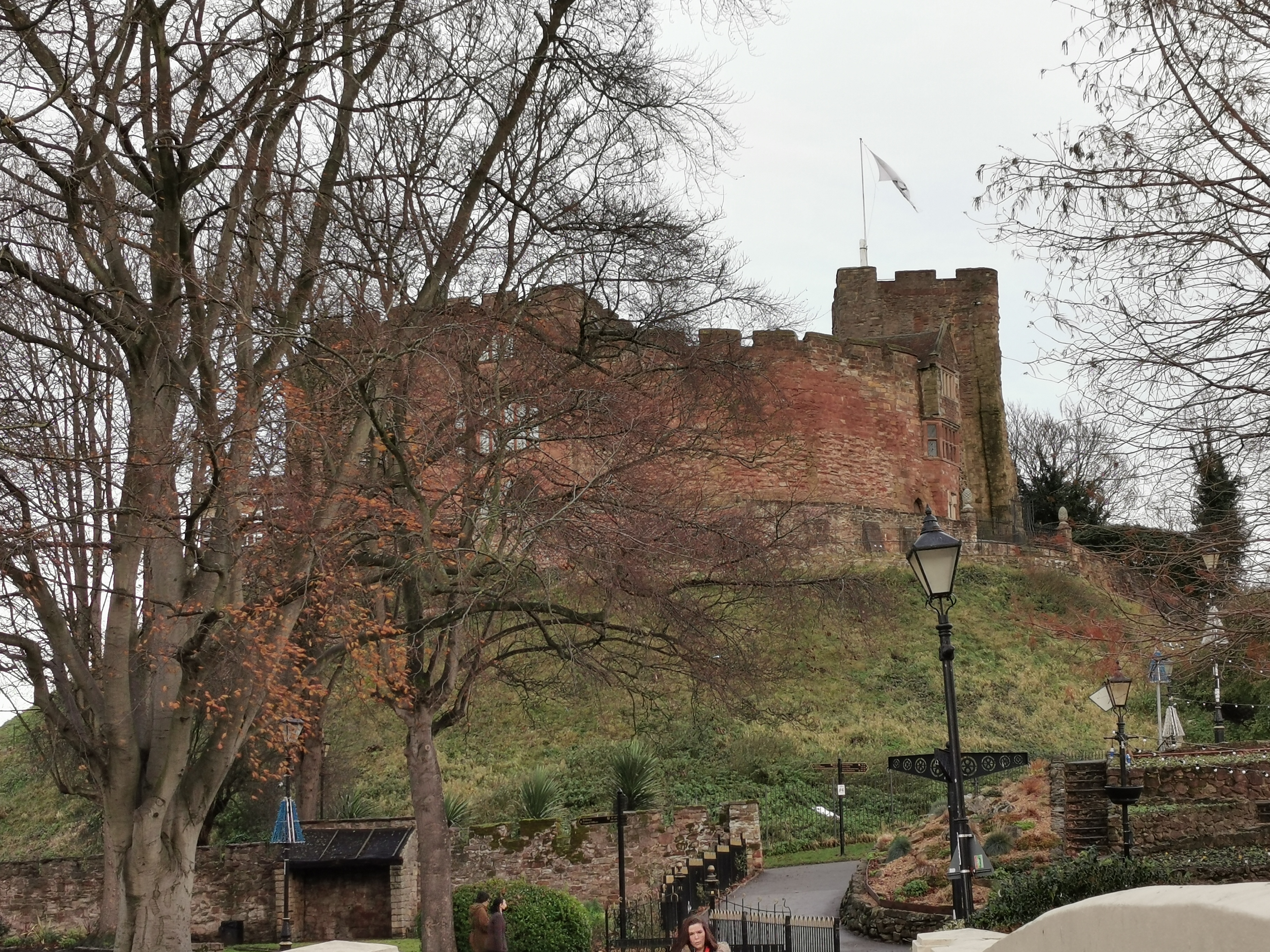
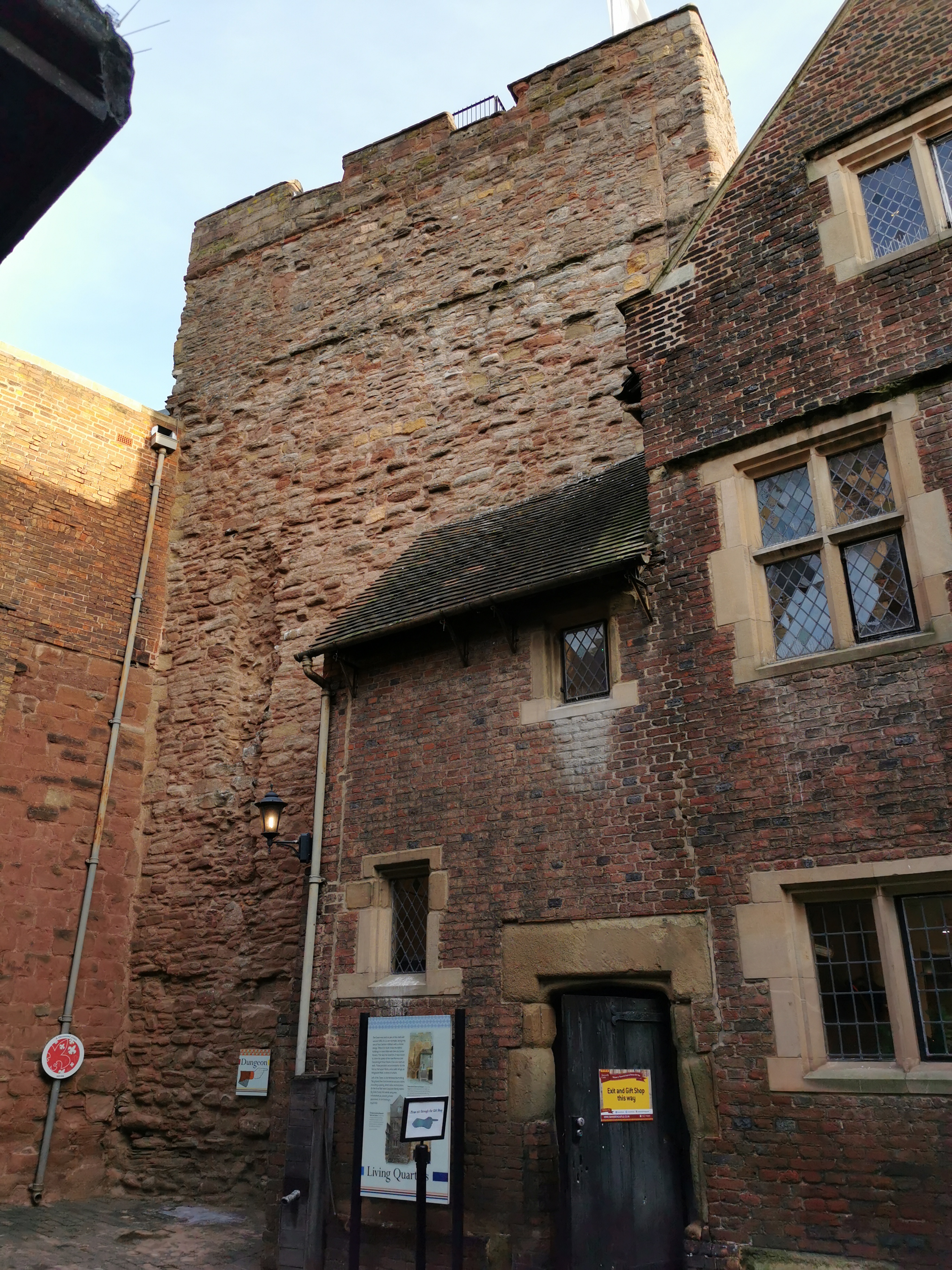
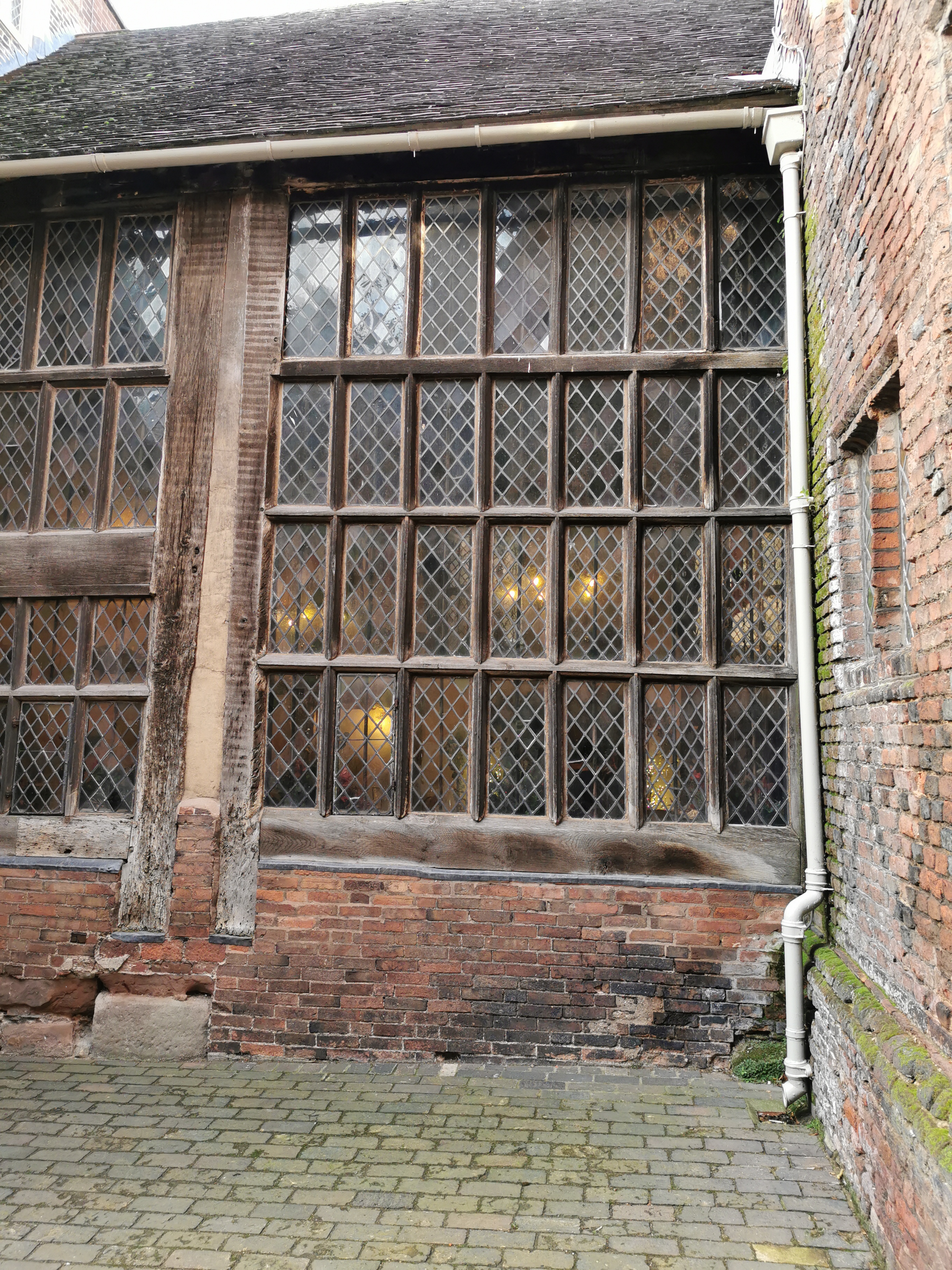
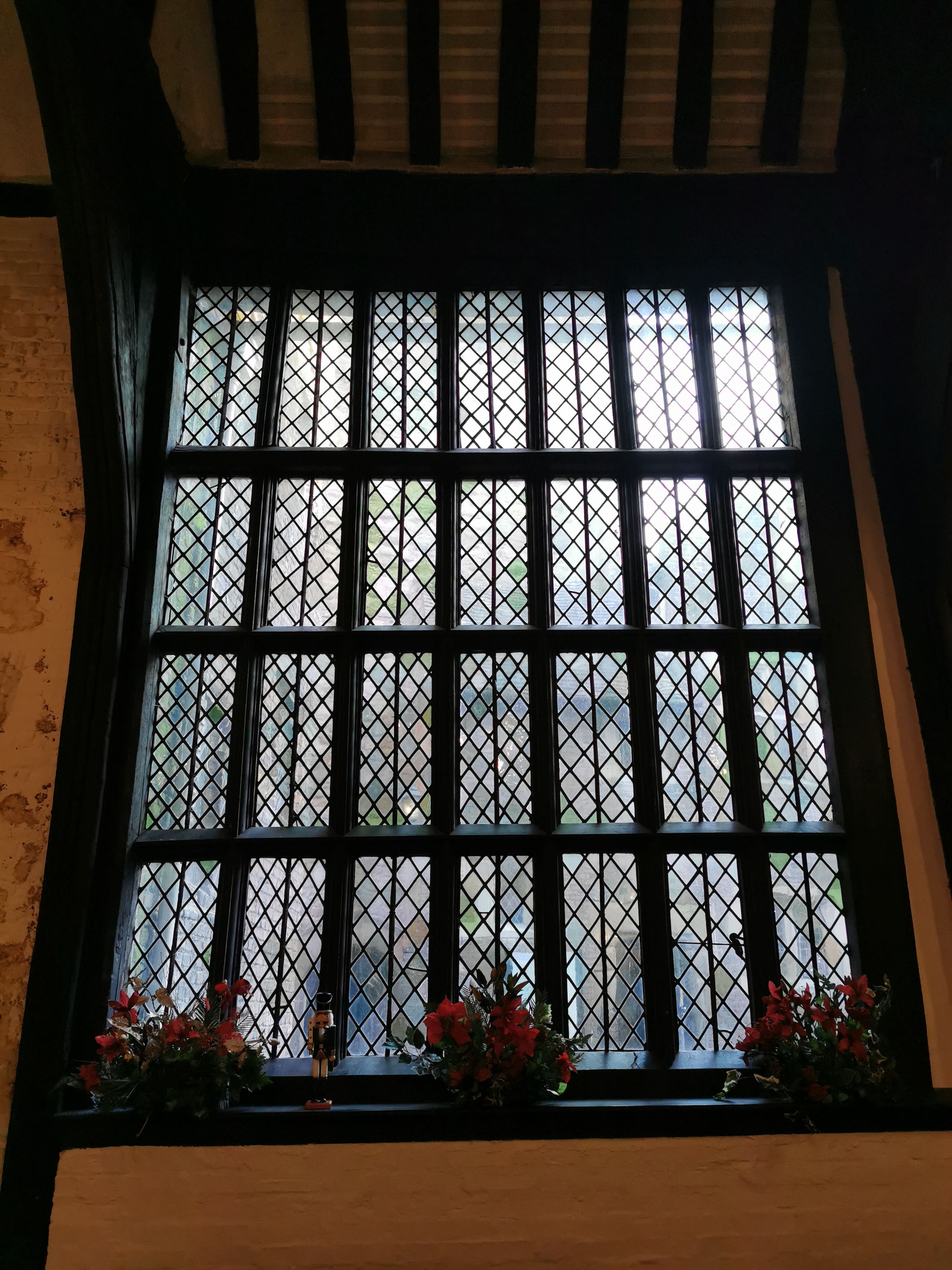
Like Lichfield and Repton, Tamworth has long been known to be a capital of the Saxon Mercian kingdom. Visitors today will find a more modern castle, which variously dates from the end of Saxon England up to the Victorian era, and one which is crammed with fascinating detail, from the herringbone wall beneath it to the beautiful Tudor windows of the great hall.
On a visit in 2021, I can also inform you that it currently had a third of the fabulous Staffordshire Hoard on display and an excellent museum filled with all things Saxon. (I believe it still holds some of the Staffordshire Hoard). Castles, if they were built in the late Saxon period, and some of them were, would have been constructed from wood. It was only later that they came to be built or rebuilt in stone, as we recognise them today.
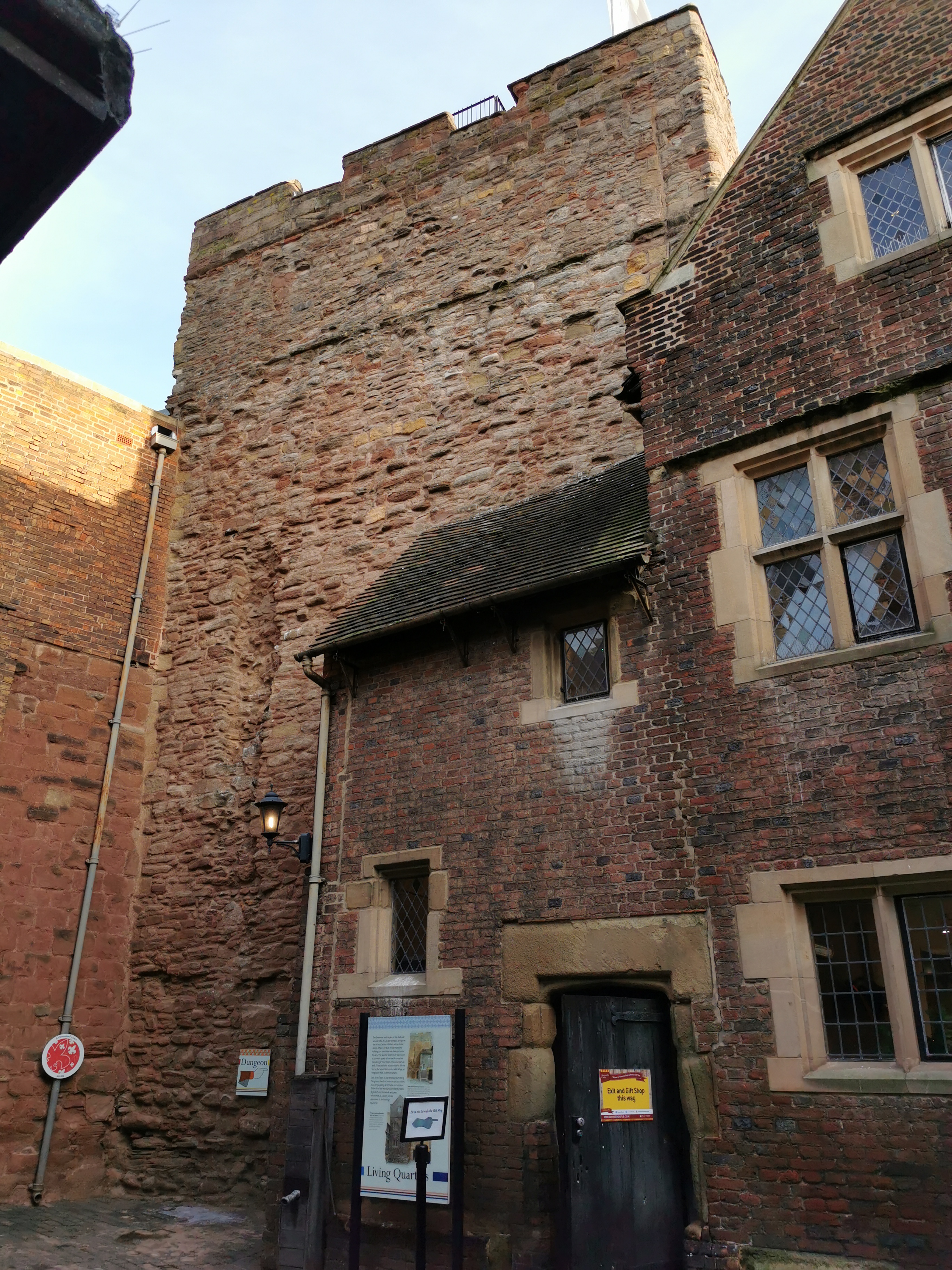
A view of the oldest part of Tamworth Castle, dating to after the end of Saxon England
Today’s castle wouldn’t have existed in the 820s and 830s. Indeed, it’s proven to be very difficult for archaeologists to determine where the original settlement of Tamworth lay, no doubt, because much of it has been overbuilt, just as in most places where habitation has been almost continuous. A fire in 1345 might well have destroyed any remaining wooden dwellings, making the endeavour even more difficult.
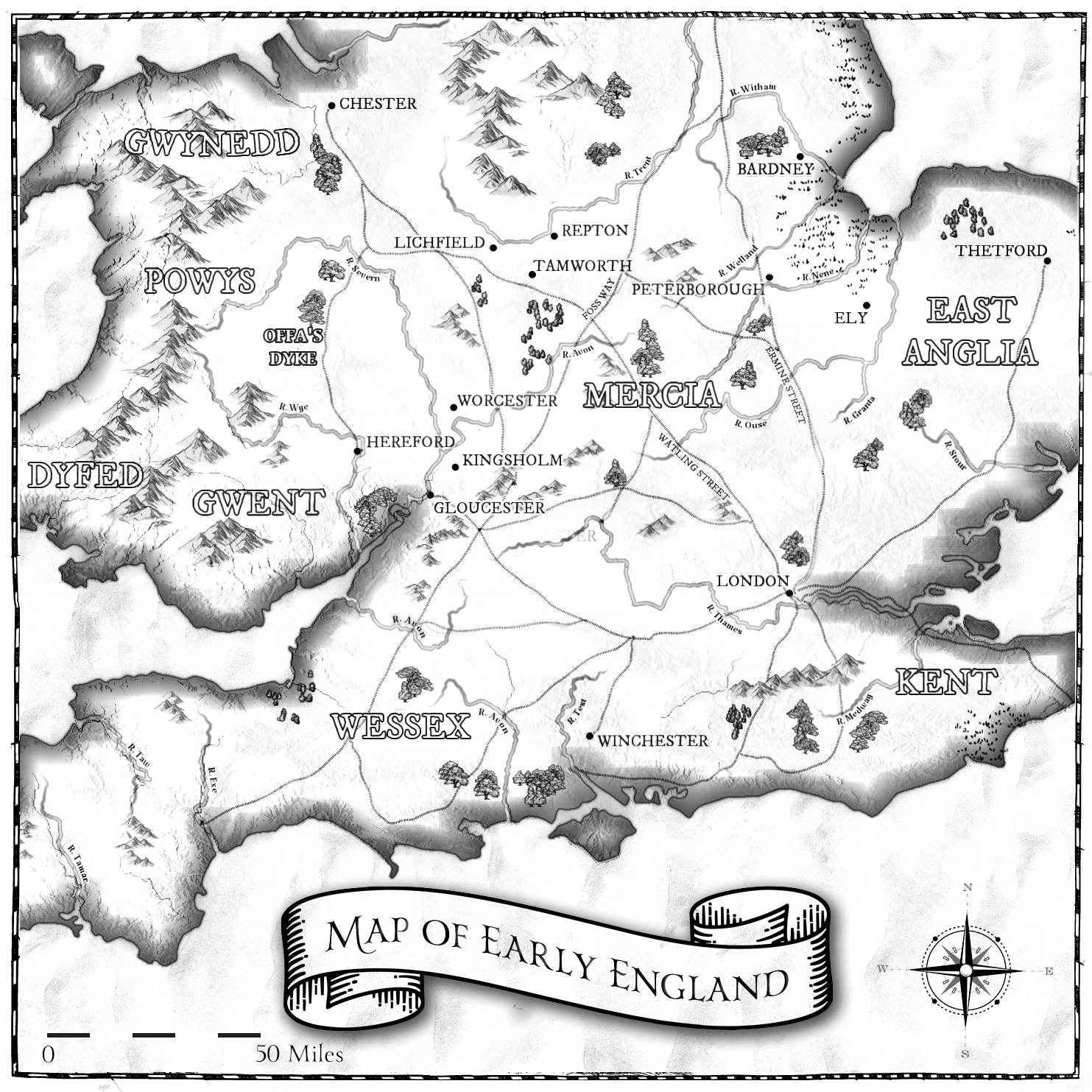
Map showing the location of Tamworth, at the heart of the Saxon kingdom of Mercia. It is close to Lichfield, another important location, and to Repton where, for a period, the ruling family were buried.
It has been possible to reconstruct Tamworth in the 900s, when it was designated a ‘burh,’ a defensive settlement in which the local population could seek shelter from the Viking raiders behind its walls. (I can’t find the image at the moment).
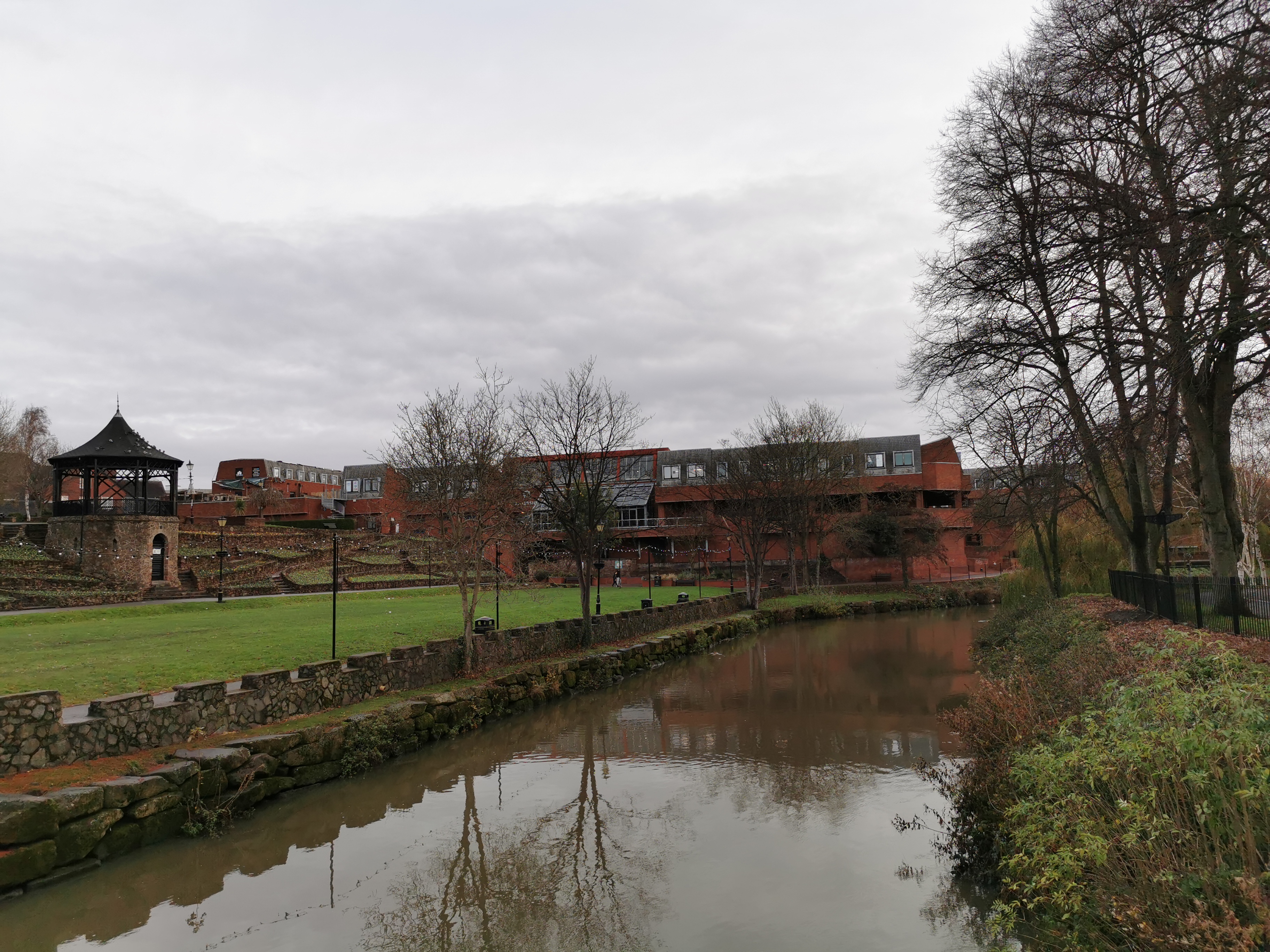
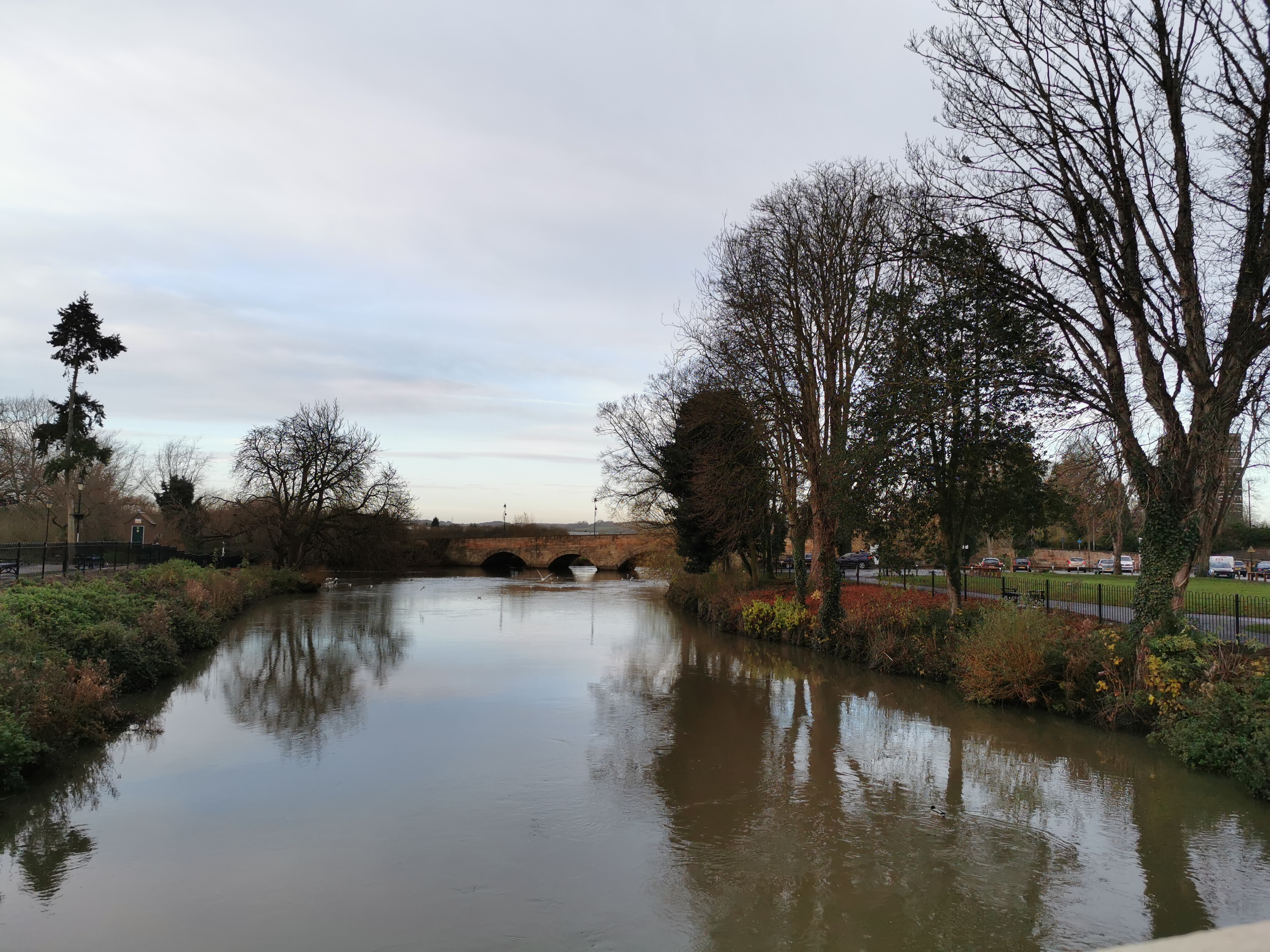
But it is possible to imagine how Saxon Tamworth might well have looked in the 800s, when the Eagle of Mercia Chronicles takes place. The rivers, The Tame and the Anker, run in front of the current castle, and there’s a slight rise, on which I used to spend many happy hours running up and down the steps, with flowers blooming in the flower beds. From there, it would have been possible to see a reasonable distance south. The river would have been put to good use, and the remains of a water mill have been found and dated to the later Saxon period. Houses would have been built from wood, wattle and daub with thatched roofs, and there would have been workshops as well as residential dwellings. At the centre of the settlement would have been a lord’s hall. While this hasn’t been found in Tamworth, it could have measured upwards of 24 metres long by 6 metres wide. It’s believed it was also surrounded by a defensive ditch. Somewhat sheltered, as the road to Lichfield is uphill, it would have been a pleasant, and I assure you, on the right day, very warm, location for Mercian kings to have lived within. It was close to Watling Street too, allowing easy access to the rest of Mercia.
View of Tamworth castle from the bridgeThe famous Herringbone wall (I think it’s famous, anyway).The Tudor window from the outsideThe Tudor window from the insideThe wall walkwayView from the bridge crossing the riverAnother view from the bridge over the river
I’m delighted to welcome Linnea Tanner and her audiobook, Apollo’s Raven, to the blog #HistoricalFantasy #HistoricalFiction #Rome #Britannia #CelticMyths #BlogTour #TheCoffeePotBookClub
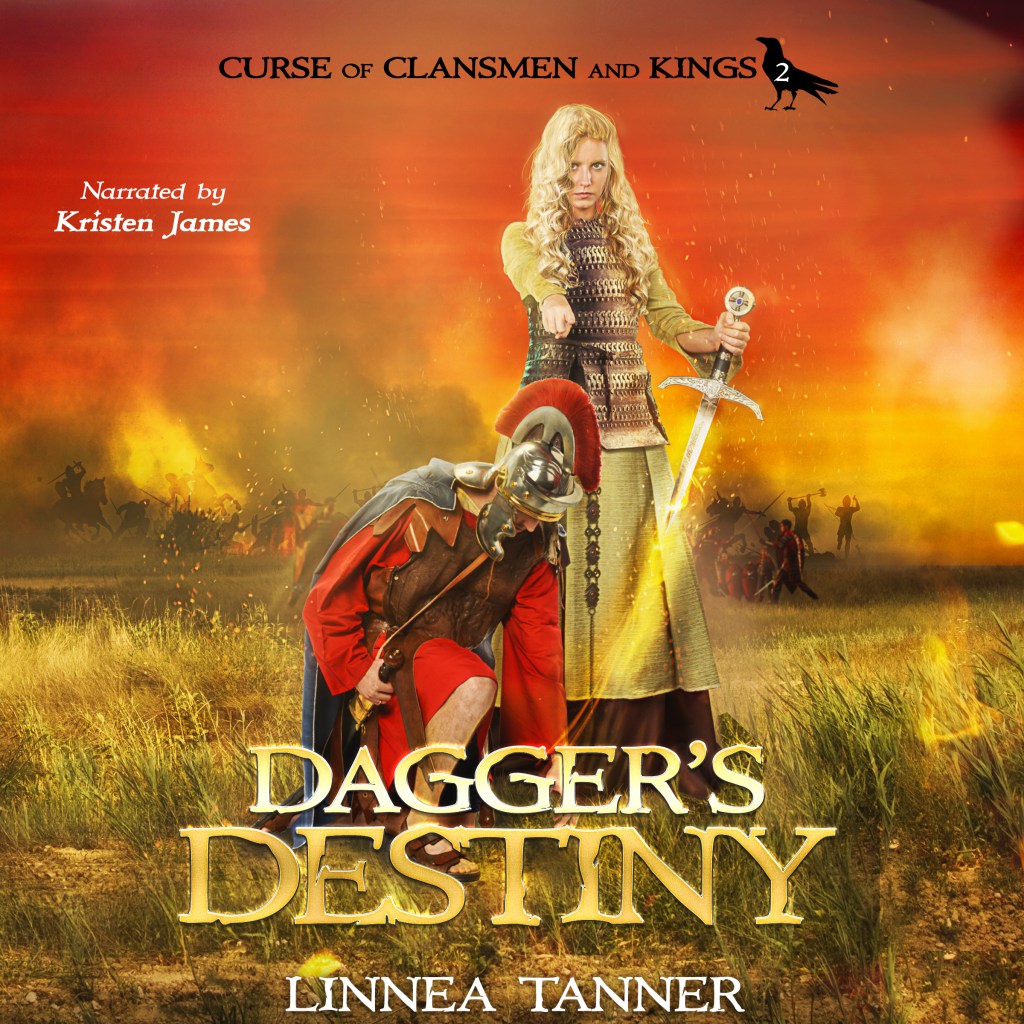
I’m delighted to welcome Linnea Tanner and her audiobook, Dagger’s Destiny, Curse of Clansmen and Kings Series, to the blog with an audio snippet.
Here’s the Blurb
A Celtic warrior princess accused of treason for aiding her enemy lover must win back her father’s love and trust
In the rich and vibrant tale, author Linnea Tanner continues the story of Catrin and Marcellus that began with the award-winning novel APOLLO’S RAVEN in the Curse of Clansmen and Kings Series. Book 2: DAGGER’S DESTINY sweeps you into an epic tale of forbidden love, mythological adventure, and political intrigue in Ancient Rome and Britannia.
War looms over 24 AD Britannia where rival tribal rulers fight each other for power and the Romans threaten to invade to settle their political differences. King Amren accuses his daughter, Catrin, of treason for aiding the Roman enemy and her lover, Marcellus. The ultimate punishment is death unless she can redeem herself. She must prove loyalty to her father by forsaking Marcellus and defending their kingdom—even to the death. Forged into a warrior, she must overcome tribulations and make the right decisions on her quest to break the curse that foretells her banished half-brother and the Roman Empire will destroy their kingdom.
Yet, when Catrin again reunites with Marcellus, she is torn between her love for him and duty to King Amren. She must ultimately face her greatest challenger who could destroy her life, freedom, and humanity.
Will Catrin finally break the ancient prophecy that looms over her kingdom? Will she abandon her forbidden love for Marcellus to win back her father’s trust and love? Can King Amren balance his brutality to maintain power with the love he feels for Catrin?
Triggers: Sex, Violence, Sacrificial Rituals
Praise
“Tanner is a masterful wordsmith and storyteller. There were no plot holes, everything was believable, and her characters grew as did the plot.” ~ The Audiobook Reviewer
” For those with an interest in epic fantasy, the characters and their interactions, each with their personal goals and motivations, and often in conflict with each other, Dagger’s Destiny is a book sure to keep your interest.” ~ Geoff Habiger for Readers’ Favorite (GOLD MEDAL Fiction: Magic/Wizardry)
A winner will be chosen at random and announced after the tour has finished.
Meet the Author
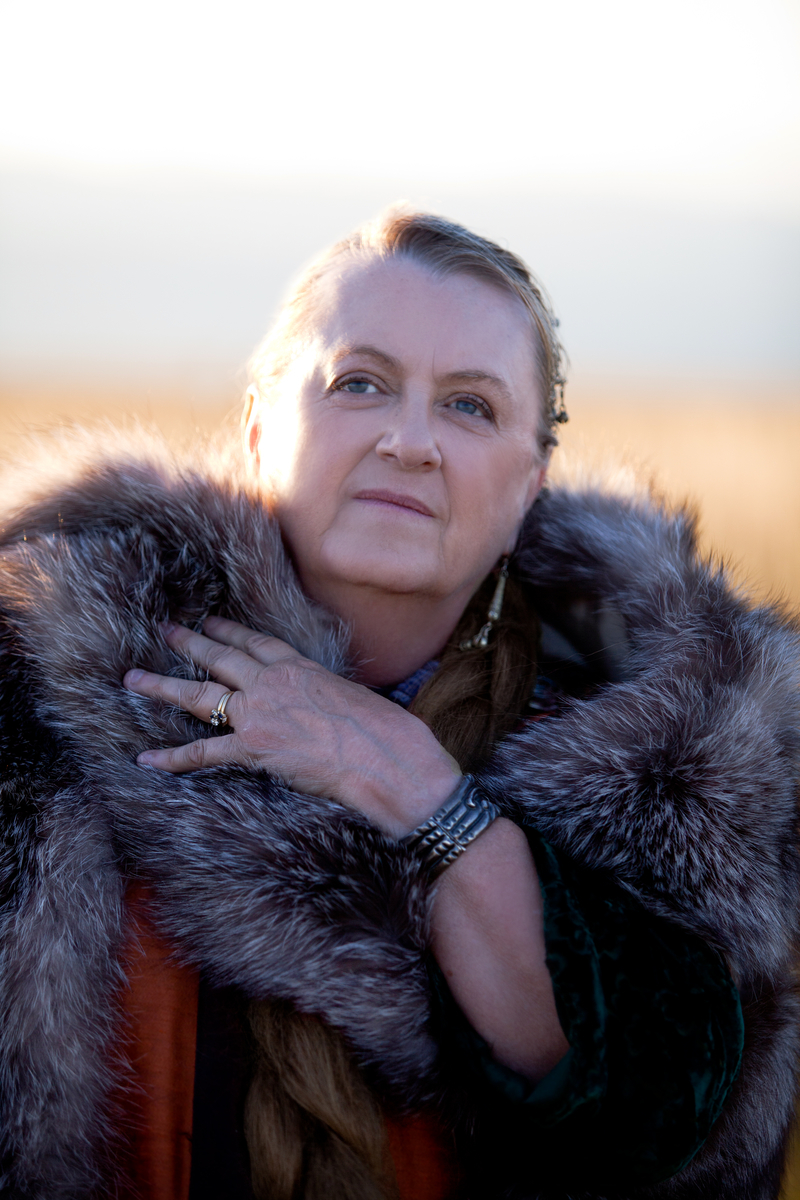
Award-winning author, Linnea Tanner, weaves Celtic tales of love, magical adventure, and political intrigue in Ancient Rome and Britannia. Since childhood, she has passionately read about ancient civilizations and mythology. She is particularly interested in the enigmatic Celts, who were reputed as fierce warriors and mystical Druids.
Linnea has extensively researched ancient and medieval history, mythology, and archaeology and has traveled to sites described within each of her books in the Curse of Clansmen and Kings series. Books released in her series include Apollo’s Raven (Book 1), Dagger’s Destiny (Book 2), Amulet’s Rapture (Book 3), and Skull’s Vengeance (Book 4). She has also released the historical fiction short story Two Faces of Janus.
A Colorado native, Linnea attended the University of Colorado and earned both her bachelor’s and master’s degrees in chemistry. She lives in Fort Collins with her husband and has two children and six grandchildren.
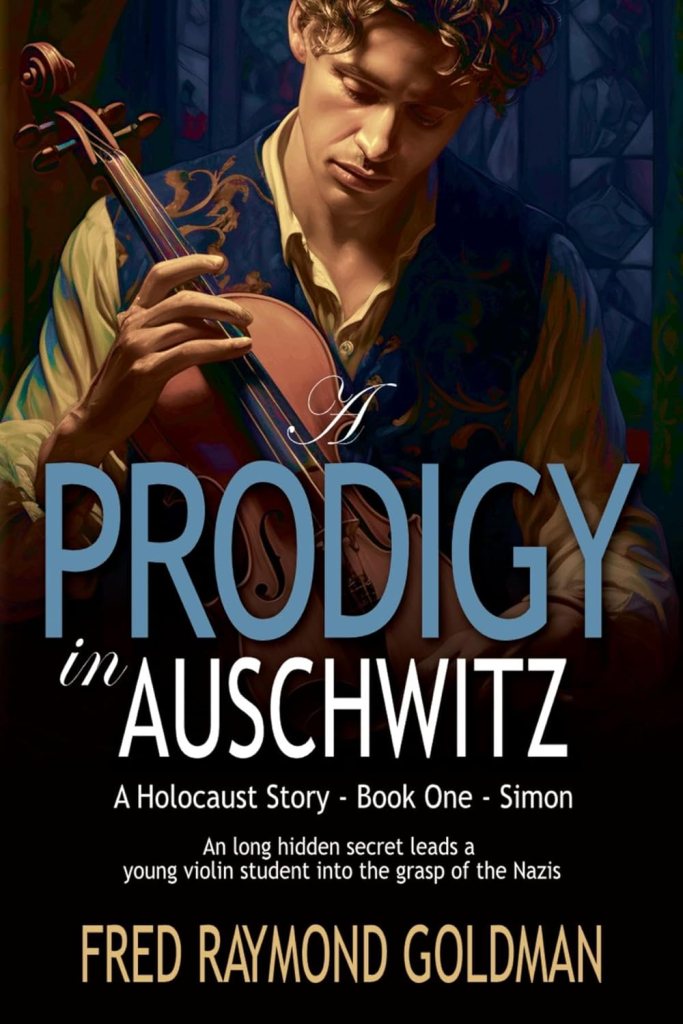
I’m delighted to welcome Fred Raymond Goldman and his book, A Prodigy in Auschwitz, A Holocaust Story, Book One: Simon, to the blog with an excerpt.
Excerpt
Excerpt from Chapter 55:
The winter of 1943 to 1944 passed slowly for Simon. During the colder months the orchestra didn’t play on Sundays as frequently for the entertainment of the SS officers, but he continued to visit Rachel regularly. He brought her slices of bread and sausages he’d been able to sneak from the kitchen for her to share with some of her friends who didn’t have as much access to extra food.
Although the musicians received larger portions of food than other prisoners, they were affected by the rationing. As members of the orchestra succumbed to the diseases and malnutrition that ran rampant through the camp, the influx of new prisoners made up for the labor needs. The commander saw to it the orchestra remained complete.
Simon became aware of prisoners from a camp in Terezin, Czechoslovakia who had arrived at Auschwitz-Birkenau in several transports. Large numbers of them, he learned, were exterminated upon arrival. The survivors lived in a separated area of Auschwitz-Birkenau called Terezin. They were unseen by other prisoners and received special privileges, he was led to believe, including not having their hair shaved and being allowed to wear their own clothes. Nevertheless, they were treated as prisoners.
Simon heard rumors that the International Red Cross had requested a visit with these prisoners at their former camp after hearing about their bad treatment there. Under pressure, the Germans conceded and allowed for such an appearance, but not before beautifying the camp by cleaning up the housing and grounds and providing nice clothing and healthy meals for the prisoners to make it look as though they were being treated well. As a result, the International Red Cross unintentionally but falsely projected to the public that the camp residents were receiving humane treatment
On a Sunday visit with Rachel, Simon told her about the rumor he’d heard. The following week, while they were walking hand in hand, Rachel said she had told Dr. Fridman about the rumor.
Simon stopped, let go of her hand, and faced Rachel. “What did he say?”
“He said he thought the only reason the Germans would have let the Red Cross come was to convince them there was no German plan to murder Jews.”
Simon frowned. “If that is true, the Germans’ strategy likely worked.”
Here’s the blurb
When Nazi Germany troops enter Krakow, Poland on September 2, 1939, fourteen-year-old Simon Baron learns two truths that have been hidden from him.
One, the people who have raised him are not his biological parents. Two, his birth mother was Jewish. In the eyes of the Germans, although he has been raised Catholic, this makes Simon Jewish.
Simon’s dreams of becoming a concert violinist and composer are dashed when his school is forced to expel him, and he is no longer eligible to represent it at its annual Poland Independence Day Concert. There, he had hoped to draw the attention of representatives of a prestigious contest who might have helped him fulfill his dreams.
Simon vows to never forgive his birth father for abandoning him, an act resulting in unspeakable tragedies for his family and in his being forced to live the indignities of the ghetto and the horrors of Auschwitz and Sachsenhausen concentration camps.
Throughout his ordeals, Simon wavers between his intense anger toward his birth father and his dreams of being reunited with him. Through his relationships with Rabbi Rosenschtein and the rabbi’s daughter, Rachel, Simon comes to appreciate his Jewish heritage and find purpose in his life. Driven by devotion to family and friends and his passion for music, Simon holds on to hope. But can he survive the atrocities of the Nazi regime?
How do you reconcile a decision you made in the past when the world erupts in war, threatening the life of someone you love and believe you were protecting?
Fred Raymond Goldman graduated from Western Maryland College in Westminster, MD (now named McDaniel College) in June 1962 with a BA in psychology. Two years later, in 1964, he earned an MSW degree from the University of Maryland School of Social Work.
Most of Fred’s career was spent in Jewish Communal Service. He served as the administrator of Northwest Drug Alert, a methadone maintenance program at Sinai Hospital in Baltimore. In this role, he also acted as a community resource, guiding individuals struggling with addiction toward Jewish services that supported abstinence, counseling, and job placement.
Following that, Fred was hired as the Assistant to the Director of Jewish Family Services in Baltimore.
His final professional role was with Har Sinai Congregation, a Jewish Reform Synagogue in Baltimore, where he served as Executive Director for 23 years, retiring in October 2005.
In retirement, Fred pursued his love of hiking with The Maryland Hiking Club and spent time volunteering at The Irvine Nature Center. There, he led schoolchildren on nature hikes and assisted in the center’s nature store.
Writing had always been a passion for Fred, dating back to childhood, but it wasn’t until retirement that he began to take it seriously. He started writing children’s books and became a member of the Children’s Book Writers and Illustrators Association. Among the titles he wrote are: Vera and the Blue Bear Go to the Zoo, Never Bite an Elephant (And Other Bits of Wisdom), The Day the School Bus Drivers Went on Strike, If You Count, and The Day the School Devices Went on Strike.
Though none of these books has been published, Fred remains hopeful that if the CONCERTO books gain recognition, opportunities for the earlier works may follow.
Fred’s journey of writing the CONCERTO companion books began when he saw a note on a local library bulletin board about a new writer’s group led by a local author. He joined and, along with nine other participants, learned the fundamentals of writing: staying in the protagonist’s point of view, building narrative tension, developing distinctive and flawed characters, and the process of writing and rewriting.
Over the course of more than four years, Fred dedicated time to writing, researching, rewriting, and submitting the manuscript. What began as a single book titled The Auschwitz Concerto was eventually split into two volumes and self-published. For a time, the manuscript was also titled The Box.
The encouragement from the group’s teacher and fellow members played a key role in shaping the novels, and Fred hopes his feedback was equally helpful to others in the group.
In the ‘Author’s Notes’ of the CONCERTO books, Fred outlines the goals behind sharing these stories. Prior to writing them, he had only a general understanding of the Holocaust—knowing that nine million lives were lost and that it was a horrific chapter in history. Through the writing process, he gained deeper insights into both historical events and human suffering, fostering a greater sensitivity to contemporary issues. He firmly believes that what affects one group can quickly impact everyone, and that such awareness is critical today.