

The book of healing
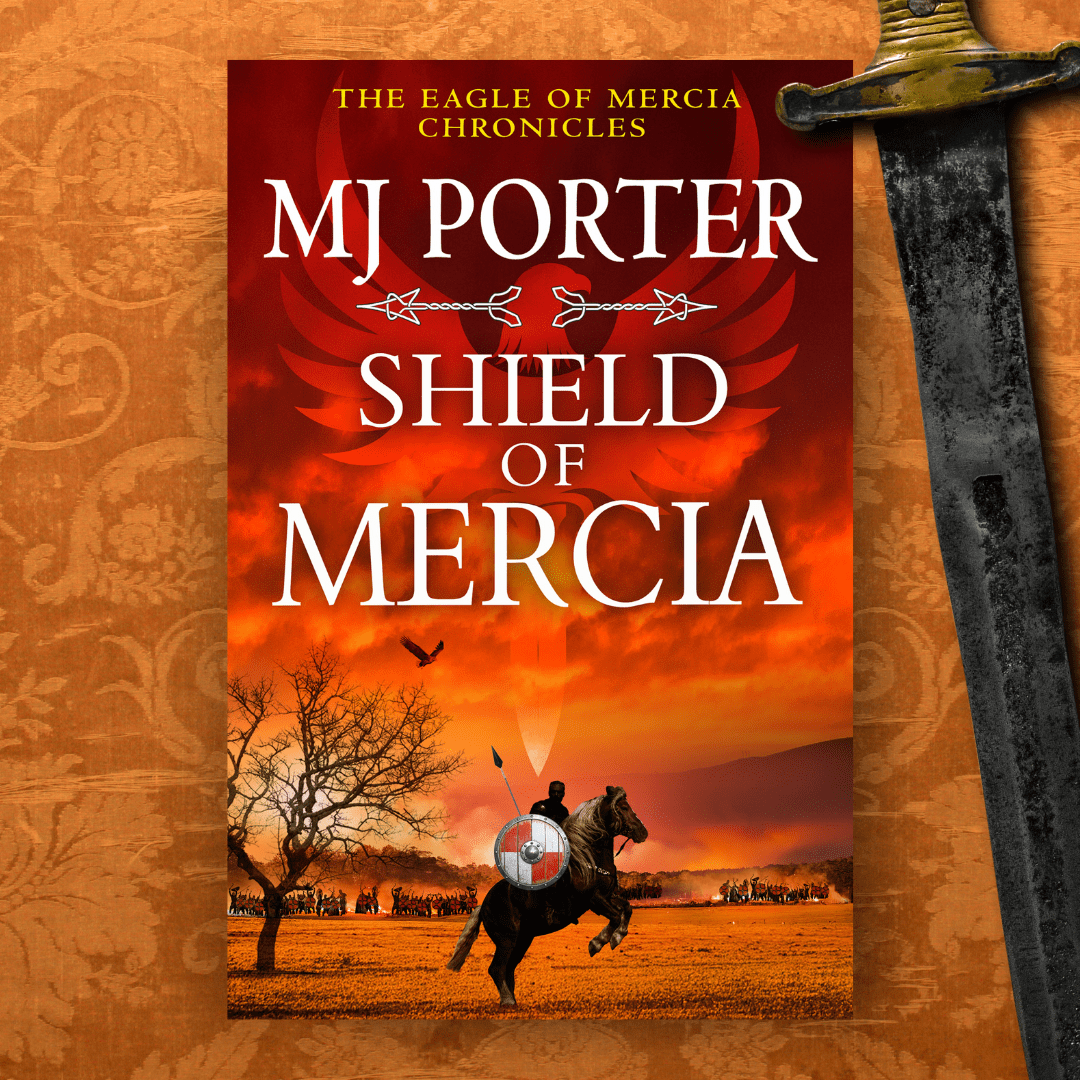
One of the side stories in The Eagle of Mercia Chronicles series, is the (fictional) endeavour of Ealdorman Tidwulf and the healers Gaya and Theodore to gather together all the remedies known by people within Mercia at the time, in the steady hands of Brother Matthew, James and Michael.
There are a number of books of medicine that survive from this period. Most people have heard of Bald’s Leechbook, which lists many remedies, and I find them fascinating. (It’s also available to read online) Some have been proven to be very effective, and while in recent decades the move away from herbal remedies has seen these older remedies somewhat derided, there’s genuine investigative work taking place now to understand them. As was highlighted to me when I attended a Herbal Roots training day last year at Dilston Physik Garden, our reliance on paracetamol and ibuprofen is not only very modern, it is perhaps the reasons these old remedies are not often kept in every household (well, at least the ones people believed worked).
I’ve attended a number of lectures concerning remedies and how these have survived, as well as whether they might prove to be effective (check out www.ancientbiotics.co.uk). One element, aside from all the others, that I find fascinating is the difficulty in transmitting perhaps the most pertinent of information – what quantities should all the component parts in the remedies be used in. (This is something highlighted at one of the many lectures I’ve attended, but I can’t find the reference despite trawling my notebooks, so sincere apologies to the academic involved).
In Shield of Mercia, Icel discusses the problem with Gaya and Theodore, sees the work in progress, and also listens to the monks discussing how they should categorise their work. In particular, they discuss one particular herb, Hundes heafod, also now as snapdragon, which highlights another problem. These herbs might have had multiple names. While there must have been much handed down and a great deal of ‘learned’ knowledge (I’ve also mentioned this in the Dark Age Chronicles where Meddi knows remedies taught to her by the previous seeress) I do think it would still have caused difficulties. If you read some of the remedies, they tell you what to use, but not how much to use.
This is only one of many problems with these ancient remedies; another is that many written herbal remedies were from far warmer climates than the UK. How then were they to find local fauna that had the same properties as those found elsewhere? I am no gardener, or herbalist, (and indeed, I struggle to identity any plants aside from daffodils and roses) but even I can see how frustrating the problems must have been. In including something that we would no doubt use the web to search for these days, in my Saxon stories, I hope to prompt readers to think about what it must have been like to live during the era without paracetamol and ibuprofen, and whatever it is the lovely dentist injects into my gums when I have to have remedial work done – I can only imagine how painful that must have been.
You can read more about medical texts in Medical Writings from Early Medieval England – The Old English Herbal, Lacnunga, and other texts ed and trans by John D Niles and Maria A. D’Aronco (it’s a beautiful edition), and Medical Texts in Anglo-Saxon Literary Culture by Emily Kesling as well as finding the Leechbook online here which has a handy translation alongside it.
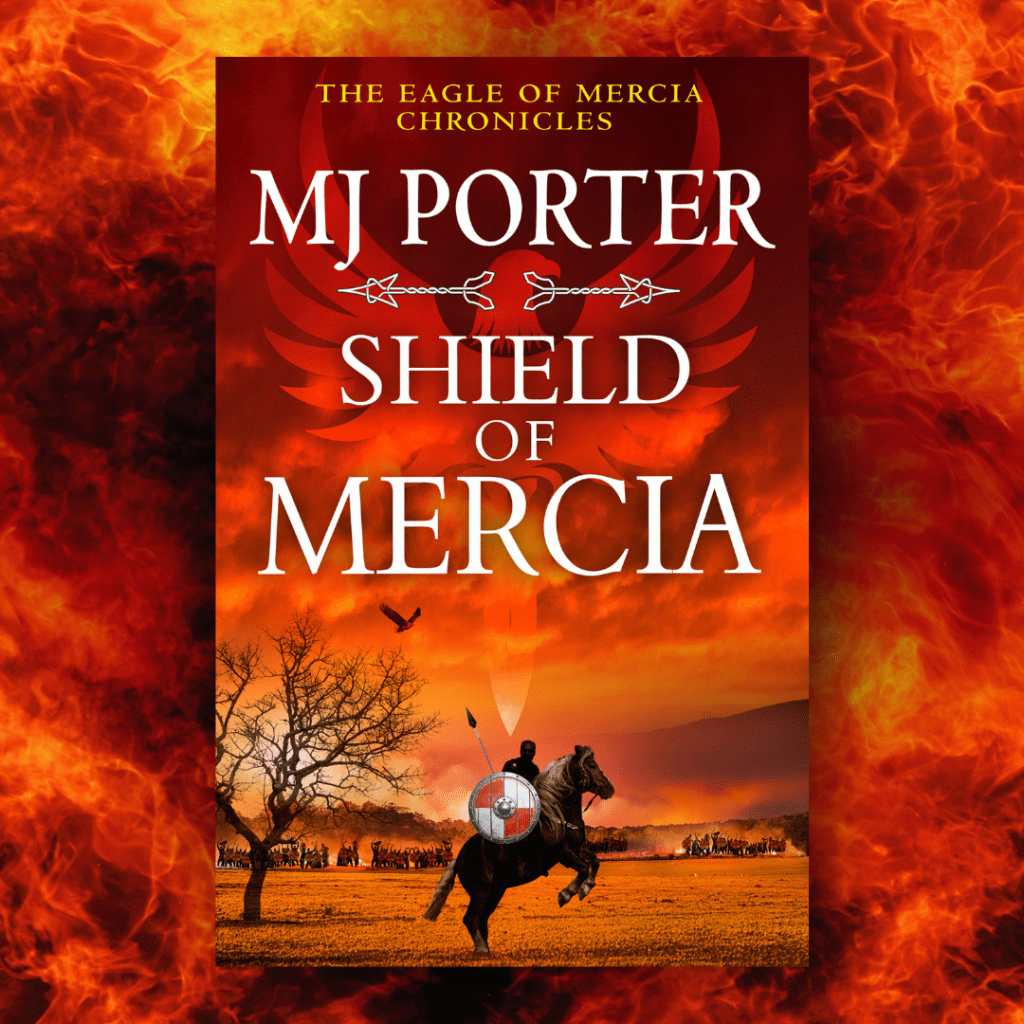
Here’s the blurb
Mercia is triumphant. Her king is safe. But Wessex was never Mercia’s only enemy.
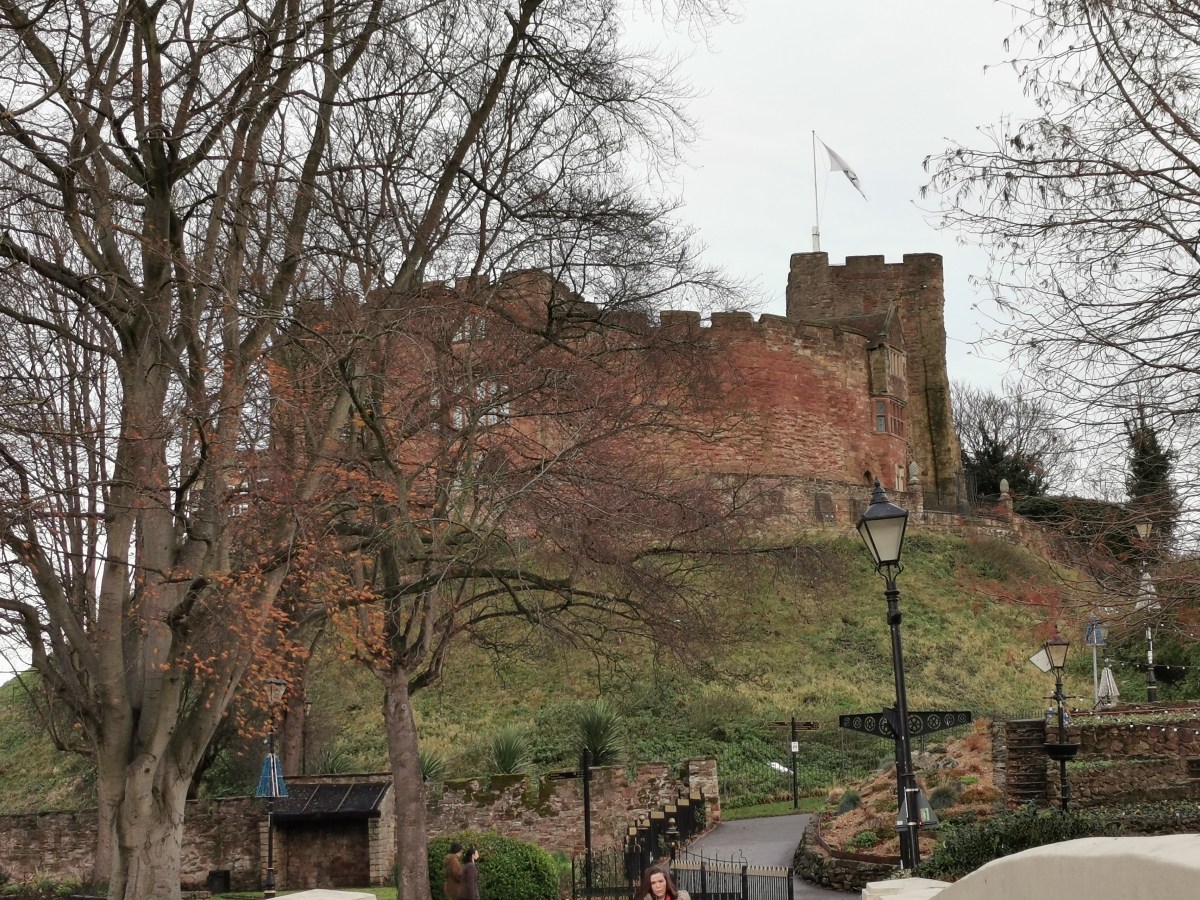
Tamworth, AD836
Following a brutally cold winter, King Wiglaf of Mercia is in the ascendancy. Even Wessex’s Archbishop of Canterbury extraordinarily ventures to Mercia to broker a religious accord. But, can the hard-won peace prevail?
Viking raiders threaten Wessex. These blood-thirsty warriors are fast, skilful and have no reticence about killing those who stand in their way. Their aim isn’t to rule but to overwhelm, slaughter and take ill-gotten wealth.
King Wiglaf is no fool. As the Vikings push to overwhelm Wessex, Mercia’s lands look insecure. King Wiglaf needs the shields of Mercia’s warriors to prevent the overwhelming advancement of their deadliest enemy yet.
To save Mercia, Icel must first prevail over the two men who mean to end his life; King Ecgberht of Wessex and his son, Æthelwulf of Kent and only then the marauding Viking army for whom boundaries have no meaning.
Check out the Eagle of Mercia Chronicles series page
Sign up to my Boldwood Books newsletter to keep up to date with all things Icel… https://bit.ly/MJPorterNews
You can order a signed paperback copy directly from me. Check out my bookstore.
Posts










Discover more from MJ Porter
Subscribe to get the latest posts sent to your email.

 MJ Porter
3 thoughts on “It’s happy release day to Shield of Mercia. Return to the world of young Icel, and the book of healing #newrelease #histfic #TheEagleofMerciaChronicles”