


I’m delighted to welcome Peggy Joque Williams and her book, Courting the Sun: A Novel of Versailles, to the blog with some research.
Research and Background
Peggy Joque Williams
Researching Dining Traditions in 17th Century France
As I was writing Courting the Sun: A Novel of Versailles, I found myself researching the dining traditions of 17th century France to know what my characters would eat, when, and how. Two of my favorite go-to sources were A Revolution in Taste: The Rise of French Cuisine by Susan Pinkard (Cambridge University Press, 2010) and the website en.chateauversailles.fr/.
Courting the Sun takes place in 1670. My character, fifteen-year-old Sylvienne, lives with her mother in a cottage outside Amiens about 145 km (90 miles) north of Paris. They maintain a “potage garden” in which they grow vegetables—carrots, cabbage, onions, peas, spinach, squash, turnips. cauliflower, asparagus, and radish—enough to occasionally share with neighbors. They purchase their bread from the boulangerie (bakery) in town. Boulangeries were quite popular at the time, because bread baking required a brick oven, an expensive and dangerous piece of equipment not found in most homes.
Sylvienne and her family eat simple but savory soups and stews made with vegetables from the garden and rabbit, chicken, or fish purchased from the open-air market. At Christmas after Midnight Mass, her family enjoys a petit réveillon, a platter of meat and cheeses. On New Year’s Day, Sylvienne’s Maman receives gifts of candied chestnuts, sugar-coated almonds, and other sweets. She serves mulled wine to her guests. At the Mardi Gras celebration in February, Sylvienne encounters outdoor vendors selling food.
We were drawn to a row of vendors by the aroma of freshly made crepes and honey-sweetened waffles. I fished coins from my pocket to buy a serving to share of beignets, deep-fried dough pillows dipped in honey that were a specialty of Mardi Gras. The little pastries melted in my mouth—pure bliss.
At Easter, after the long, meatless fast of Lent, the family dines on a lamb shank garnished with mint and roasted on a spit over the kitchen fireplace.
When Sylvienne attends the court of King Louis XIV at Versailles, she encounters dining habits vastly different from that in Amiens. The meal most astonishingly different for Sylvienne is the grand couvert, a publicly observed late night dinner, most often served in the queen’s antechamber. As cousin to the king, Sylvienne finds herself seated at the royal table. Here is an excerpt from the book describing her first experience with the grand couvert.
To my astonishment, crowded at the far end of the room stood a throng of nobles gawking at the royal table.
“Pay no attention to the flock,” Monsieur said in an undertone. “One of the disadvantages of royal life.”
“Why are they here?”
“A dividend granted to devotees of the monarchy. Annoying, but unavoidable.”
A semi-circle of elegantly dressed dowagers perched on brocade-cushioned ottomans served as a barrier between those standing and the royal diners.
“The duchesses,” Monsieur whispered before handing me off to a page. “Oodles of money. Never turned away.”
The page escorted me to my seat—a cushioned stool at the farthest end of one of the linen-draped tables set to form the arms of a U-shape. Philippe strutted to the head table and stood behind an exquisitely carved straight-back chair to the left of the red velvet, royal armchairs. Other members of the royal family, who I would eventually learn were princes and princesses of the blood, drifted in and stood behind their assigned seats.
Before long, Madame de Montespan entered. A momentary hush descended as the courtiers in the gallery bowed and curtsied. King Louis’s favorite took her place behind a chair next to what would be the King’s.
Moments later the banging of halberds on the floor preceded a guard who called out, “Le Roi! Le Roi!” The dowager duchesses rose. A hush fell again.
King Louis and Queen Marie-Thérèse entered followed by the two spaniels. Along with the others, I dipped in obeisance. The royal couple sat, a signal to the rest of us diners to sit as well.
The majordomo marched in leading a parade of uniformed footmen with tureens of soup. When the footmen exited, a servant stepped forward and dipped a spoon into the King’s tureen, brought it to his own mouth, and swallowed. He waited a moment then—not having keeled over from poisoning—bowed to his Majesty.
Another servant ladled the soup into the royal bowls. And then the rest of us were served. The aroma was heavenly. I dipped my spoon into the creamy broth and brought it to my lips. It had an earthy yet sweet taste but with a hint of sage and thyme.
Before I had even finished my soup, platters of fish were set on the tables. A footman offered me a plate of shells. In a panic, I realized they were oysters. The market in Amiens sold oysters, but they were very expensive, and I had never tried them. To be honest, I didn’t know how. I watched the others loosen the meat with their spoons then slurp it out of the shell. I poked at mine. The slimy look of it made me cringe.
The Marquise de Montespan smirked across the expanse of the table. “Your little country cousin appears to be unfamiliar with Parisian cuisine, Sire.”
My spoon stopped half-way to my mouth as I realized everyone had turned to look at me. I set the spoon down and put my hands in my lap again, willing myself to disappear.
“Eat, cousine! Eat! Like this.” King Louis lifted a shell to his lips and slurped noisily.
Philippe offered me an encouraging smile, lifted his oyster shell as if to toast me with it, then poured the meat down his throat in one quick elegant motion. No noise, no slurping.
My hand trembled as I brought the oyster shell to my lips. Tilting it, I let the meat slide into my mouth and down my throat, worried I would gag at the slippery texture. I didn’t. Rather, the salty, almost buttery taste was surprisingly pleasurable.
The nobles in the gallery broke into applause. I stopped breathing for a moment, wishing to die on the spot.
But King Louis only laughed. “There is much more to come.!”
And indeed, another course was delivered to the table, silver platters heaped with roasted meats, vegetables, and breads.
King Louis XIV was known for his immense appetite. At another grand couvert Sylvienne eats poached cod spread with a butter glaze, asparagus in a silky cream sauce, and egg halves filled with an artichoke paste—just one of many courses at that dinner.
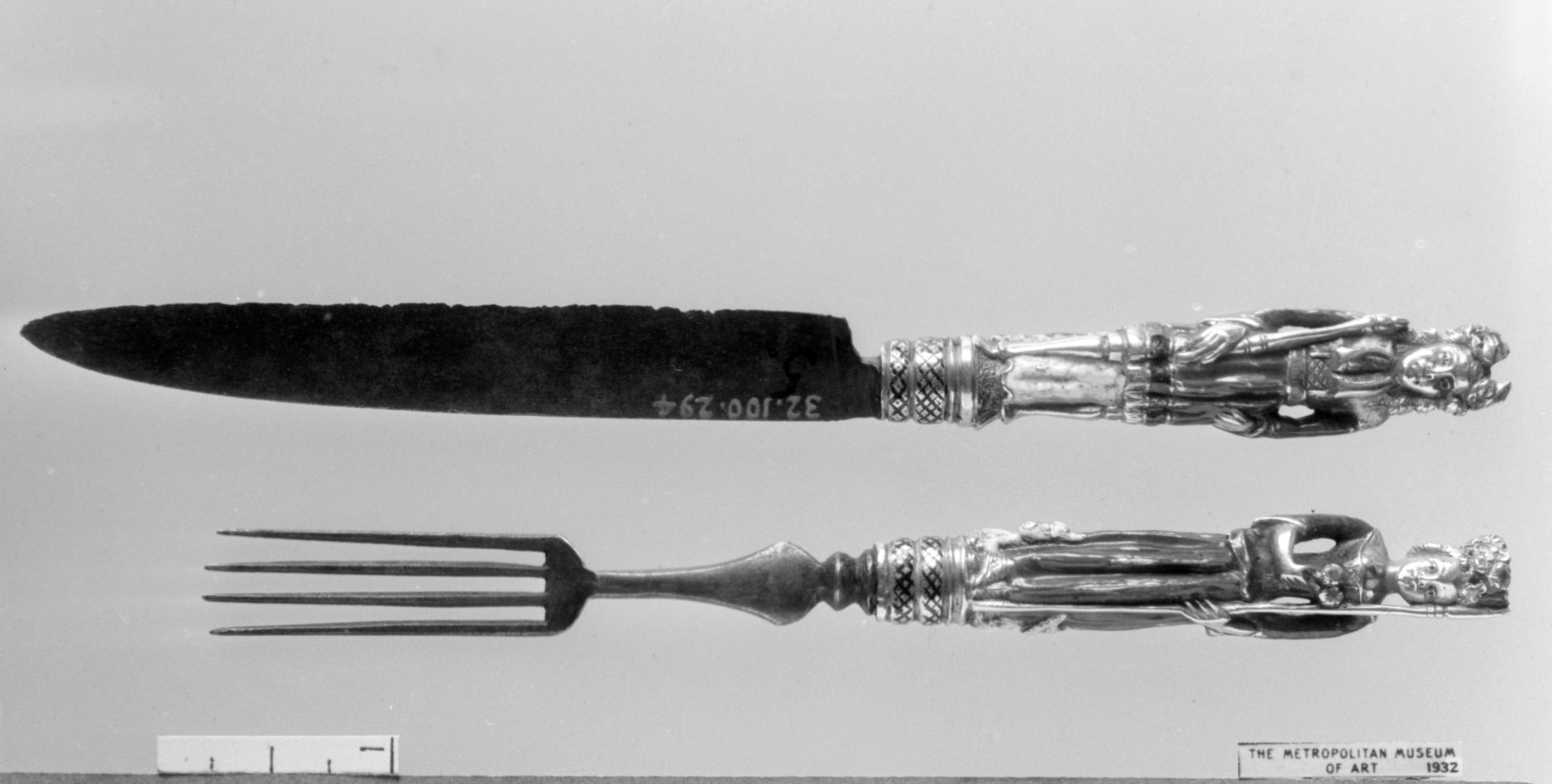
The dining implements used at the time were generally limited to spoons and knives. Forks had only recently been introduced into Europe. In one scene, the king’s mistress, Athénaïs, decides she prefers to eat with a fork.
The first course was served…an array of cheeses. Mimolette. Brie de Meaux. The pungent Livarot. And the nutty goat cheese they called Crottin de Chavignol.
The second course was lamb stew. “Most delectable,” King Louis said as he scooped chunks of the tender meat with his fingers.
The Queen used a spoon to lift bits of carrots and turnips to her lips.
Athénaïs studied her bowl, a look of consternation clouding her face. She held up a hand to summon the majordomo hovering nearby. “I wish to have a fork.”
All conversation stopped. Spoons halted in mid-air. The lamb between the King’s fingers dripped sauce midway to his mouth. The majordomo, disconcerted, looked to him for guidance. Without even glancing in Athénaïs’s direction, King Louis sighed and nodded. The majordomo hurried to the door where he whispered to a waiting footman who hustled off.
Disgruntled, Louis returned the meat to his bowl, wiped his fingers on a napkin, then folded his hands in his lap. The rest of us did the same, sitting with our hands folded, saying nothing until the footman returned holding aloft a gilded platter. He handed the platter with great ceremony to the majordomo, and themajordomo with even more ceremony presented it to Athénaïs. She took the small silver fork from the platter and held it up for all to see, its pearl handle glimmering in the candlelight.
With a smile, Athénaïs poked the fork into her stew, picked out a chunk of lamb and brought it to her lips.
“Satisfactory?” the King asked.
“Oui. Merci.” Athénaïs offered her most alluring smile then dipped her fork again.
Louis nodded, then scooped the almost certainly cold meat from his bowl with his fingers.
The next day, Sylvienne is amazed to learn all the courtiers have rushed out to purchase forks to use at their own meals.



Blurb
“A rich journey through 17th century France in all its aspects—its bucolic countryside, the still-unmatched splendor of the court of Louis XIV, and the struggling French colony in Canada.”
~ Margaret George, New York Times bestselling author of Elizabeth I, The Autobiography of Henry VIII & The Memoirs of Cleopatra
France, 1670. On her sixteenth birthday, Sylvienne d’Aubert thinks her dream has come true. She holds in her hands an invitation from King Louis XIV to attend his royal court. However, her mother harbors a longtime secret she’s kept from both her daughter and the monarch, a secret that could upend Sylvienne’s life.
In Paris, Sylvienne is quickly swept up in the romance, opulence, and excitement of royal life. Assigned to serve King Louis’s favorite mistress, she is absorbed into the monarch’s most intimate circle. But the naïve country girl soon finds herself ill-prepared for the world of intrigue, illicit affairs, and power-mongering that takes place behind the shiny façade of Versailles.
This debut historical novel from Peggy Joque Williams captures the vibrancy and quandaries of 17th century life for a village girl seeking love and excitement during the dangerous reign of the Sun King.

Buy Link
This title is available to read on #KindleUnlimited
Meet the Author
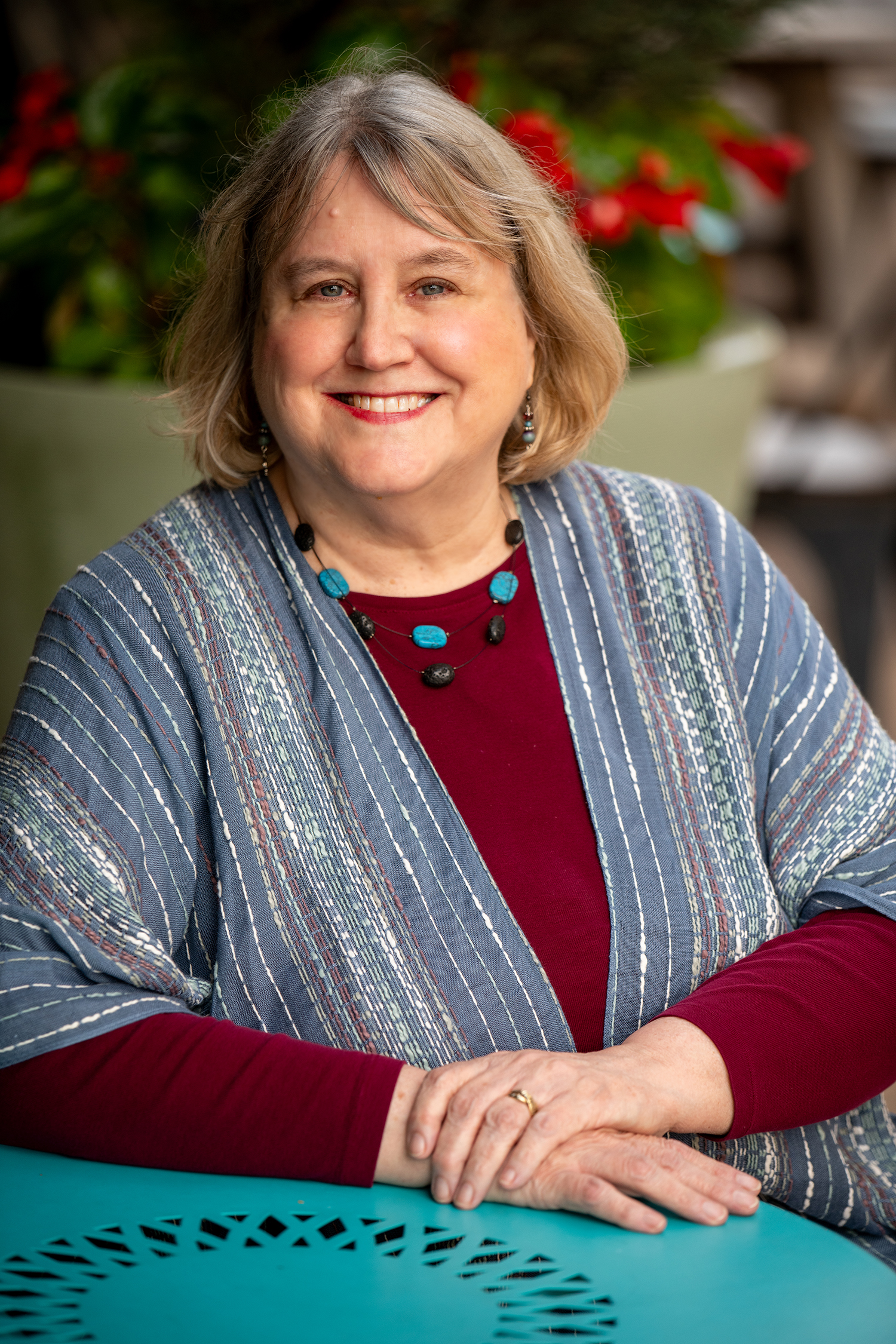
Peggy Joque Williams is the author of Courting the Sun: A Novel of Versailles and co-author of two mystery novels, On the Road to Death’s Door and On the Road to Where the Bells Toll, written under the penname M. J. Williams. She is an alumnus of Michigan State University and the University of Wisconsin-Madison.
A retired elementary school teacher and avid researcher, Peggy’s fascination with genealogy and her French-Canadian, European, and Native American ancestry inspires her historical fiction. She lives in Madison, Wisconsin.
Connect with the Author

Discover more from MJ Porter
Subscribe to get the latest posts sent to your email.

 MJ Porter
Thank you for hosting Peggy Joque Williams today, with her intriguing novel, Courting the Sun.
Take care,
Cathie xx
The Coffee Pot Book Club
LikeLiked by 1 person
Thank you for hosting my novel Courting the Sun on your blog. I absolutely love researching and sharing what I learn. It’s fun to be able to contribute a guest post on the food in the book.
LikeLiked by 1 person