
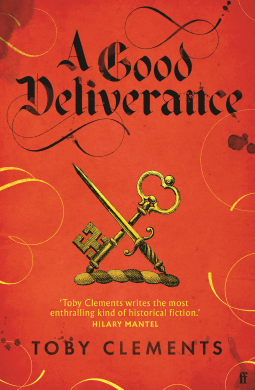
Here’s the blurb
From the author of the Kingmaker series, an epic and intimate tale of adventure, myth and the creation of one of literature’s greatest stories.
Warwick, 1468. One drowsy summer afternoon, Sir Thomas Malory – politician, courtier, renowned author of Le Morte D’Arthur – is seized from his garden and dragged to Newgate Prison for reasons unknown.
Shivering in his foul-smelling, filthy old cell, Malory mourns his misspent life as he awaits the execution bell. But when the locking bar lifts, he is greeted by a boy of about twelve winters: the gaoler’s son. Giddy with relief, Malory seizes the opportunity to recount his deeds to an audience.
So begins a prison confession of a perilously exciting life full of sieges, battles and court intrigue. A Good Deliverance is the captivating tale of a man at odds with his past and the events that inspired him to write the first great work of prose fiction in English.
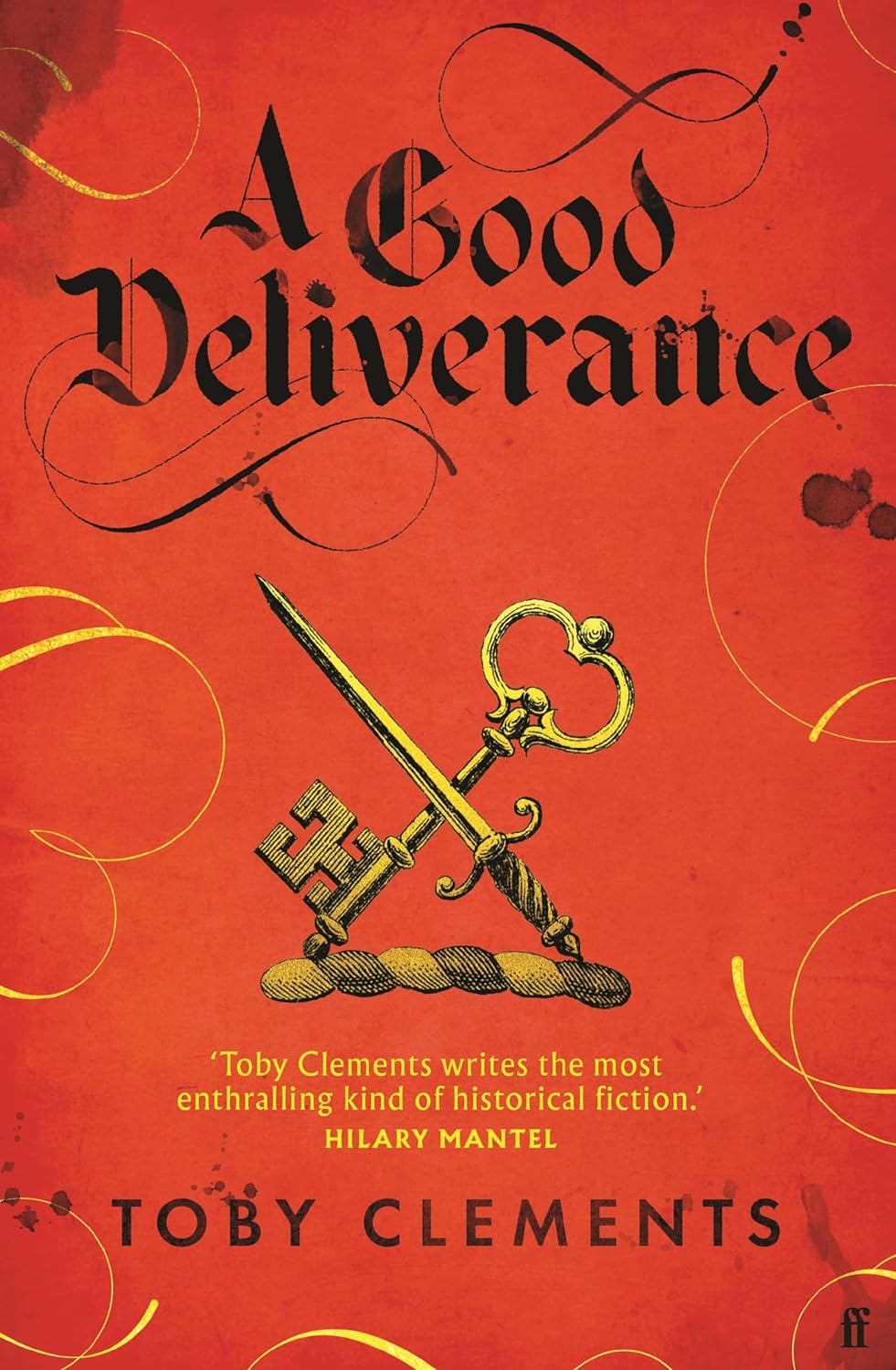
Purchase Link
My Review
A Good Deliverance is a fictional account of Thomas Malory, the man who wrote the famous Le Morte D’Arthur and, in doing so, perpetuated the myths of Arthur and his knights, queen, and, of course, Lancelot.
Our Thomas Malory, as presented by Toby Clements, is a man of his time, living a life that even he questions for his feelings of inadequacy. He doesn’t fight at Agincourt, and indeed, his deeds of martial glory come from a battle few remember. Locked up for a crime we, the readers, never truly understand, he finds a willing listener to his life’s tales in the son of his prison guard.
This is an intriguing tale, told in an unconventional way. Wary of losing the interest of his audience, much of the tale is told as an aside, the parts that his young listener won’t be interested in hearing. It does make the story a little disjointed, but it also allows us to sweep through some of the more mundane details and focus on what Thomas Malory (and the author) thinks is important to the reader. Perhaps very much as the Arthurian Legend, it focuses on brave daring-do (or not) and not so much on matters of the heart or Malory’s less honourable actions.
It is somewhat of a rambling tale – indicative of a man fearing for his life and determined to ensure someone knows his story before his death. It is also thoroughly enjoyable – fans of the period will delight in seeing the glories of Agincourt and the hot mess of politics and bickering kingship played out in a very different way – through the eyes, not of a common man, but through the eyes of one for whom everything is still very much out of his control. Thomas Malory must do as he’s bid to make his way in the world.
The ending of this tale is very abrupt – too abrupt – no doubt because I as the reader was hoping for some redemption for our main character.
In a genre where the legends of Arthur have always been so alluring for authors and readers alike, I admire this fresh attempt to tackle where much of our knowledge of the legend comes from. The book might have its faults, but in revealing even our scribe’s biases, it sheds a whole new light on the tales.
A fabulous take on the fifteenth century and the man behind the Le Morte D’Arthur (even if so much of it is fictional as we know so little about him).
Discover more from MJ Porter
Subscribe to get the latest posts sent to your email.

 MJ Porter