


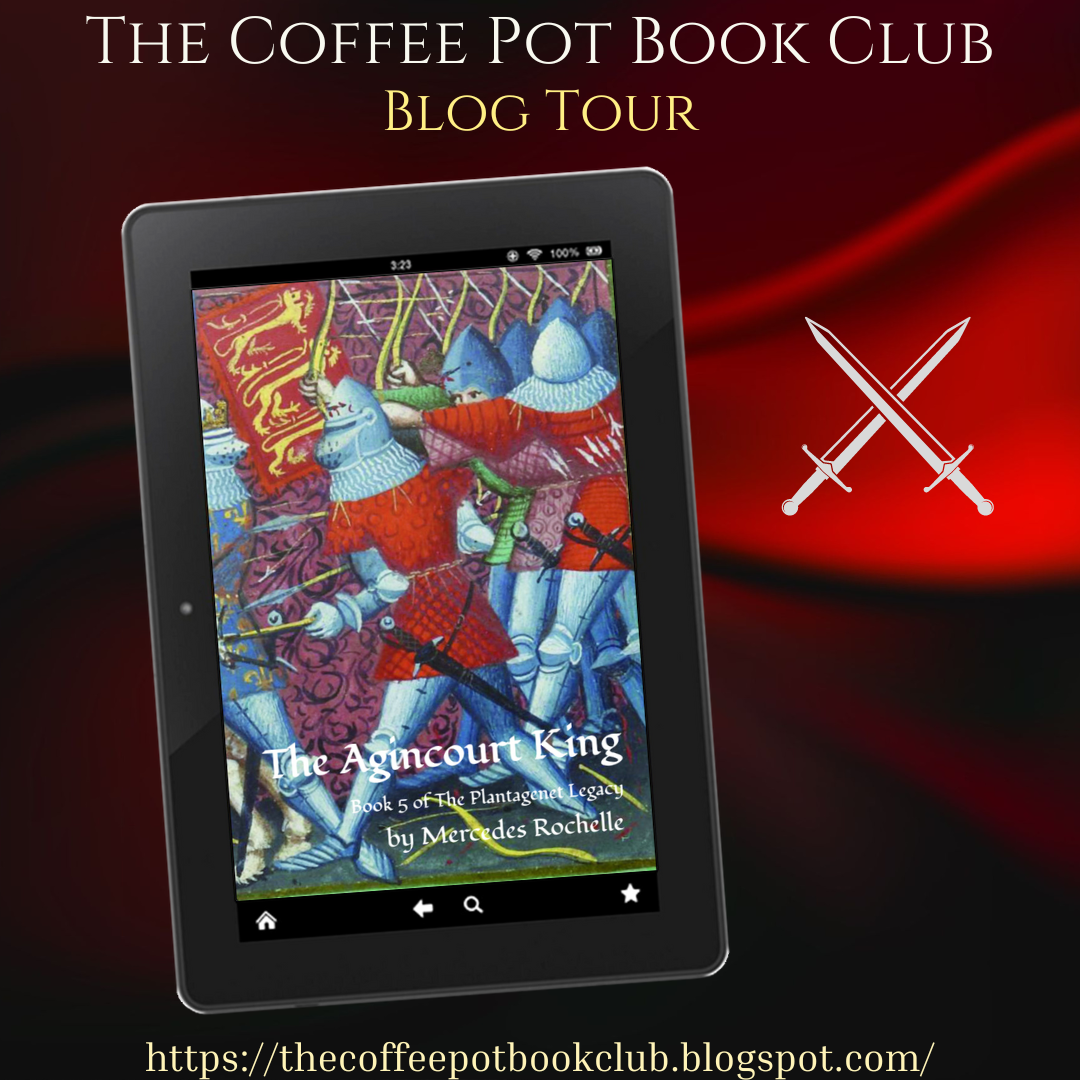
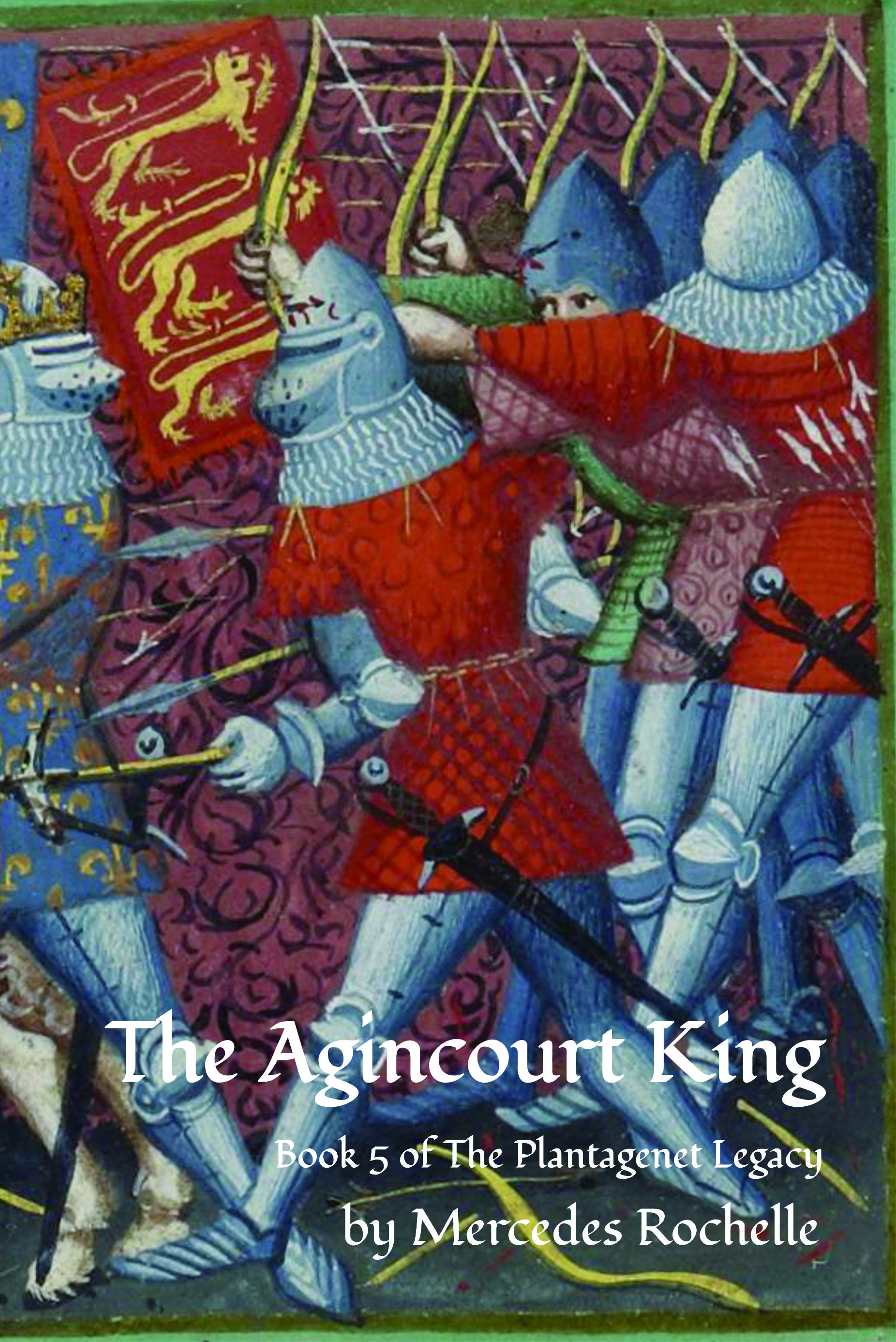
I’m delighted to welcome Mercedes Rochelle and her new book, The Agnicourt King, from The Plantagenet Legacy series, to the blog with, France In Chaos.
France In Chaos
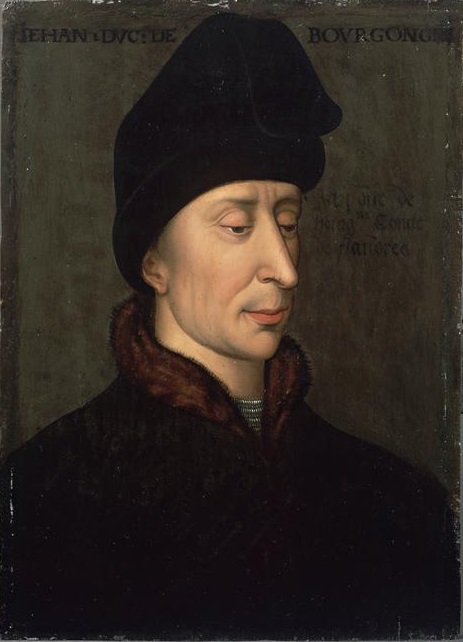
When Henry V landed on the shore of Normandy in 1415, he was relatively sure the French were in no position to offer him much resistance. Already in his father’s reign, both factions of a budding civil war had already approached the English for assistance against the other. Henry IV had responded with an invasion force in support of the Armagnacs against the Burgundians. The Armagnacs—the party of Charles, Duke of Orléans—had made a better offer. However, Prince Henry was in favour of John the Fearless, Duke of Burgundy, and this antagonism against his father’s policy placed him on the wrong side of the political fence. Henry IV’s death a year later put an end to that!
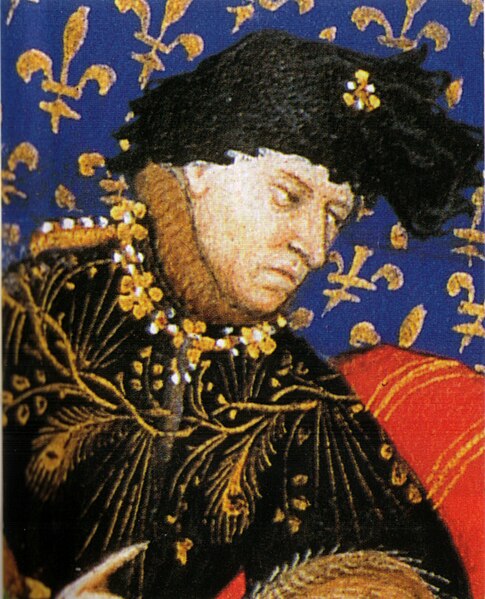
So what was this all about? Since 1392, poor France was afflicted by a schizophrenic king, Charles VI, who slipped in and out of madness with unpredictable frequency. He was sane often enough to negate removing him from the throne permanently, though the older he got, the less he was able to rule rationally even when cognizant. His illness created a political firestorm, as his nobles fought to control his presence; whoever possessed the king ran the country. In the early years of the king’s “absences” (as his schizophrenic episodes were called), the government was ruled by his brother, Louis, Duke of Orléans along with the queen. Orléans was bitterly opposed by John the Fearless, the king’s cousin, who was the popular favorite. In 1407, John had Louis murdered one night in the streets of Paris, but he was such a manipulator that he got away with it. Of course, Louis’s son Charles did all he could to condemn the Duke of Burgundy, but he was too young and inexperienced to pull it off. He eventually formed an opposing faction led by his father in-law, the brutal and effective Count of Armagnac, who carried on after Charles was captured at the Battle of Agincourt.
In 1412, when Henry IV sent an invasion force to France under his second son the Duke of Clarence, King Charles managed to patch up a peace between his warring factions. Clarence was bought off and returned home, but the temporary truce soon failed, and matters came to a head just after Henry IV died. Paris had become a proverbial powder keg, and simmering grievances broke into rioting, directed by agents of Burgundy but led by the powerful butcher’s guild. Under their ringleader, Simon Caboche, the Cabochiens sported white hoods, laid siege to the Bastille—sound familiar?—then turned their attentions to the Hôtel Saint-Pol where the Dauphin was staying. The insurgents seized and imprisoned many of the Dauphin’s supporters and detained the teenaged heir, confining him in the palace with his incapacitated father and helpless mother. Thus began a reign of terror where any suspected Armagnacs were arrested, imprisoned, and murdered. This went on for four months.
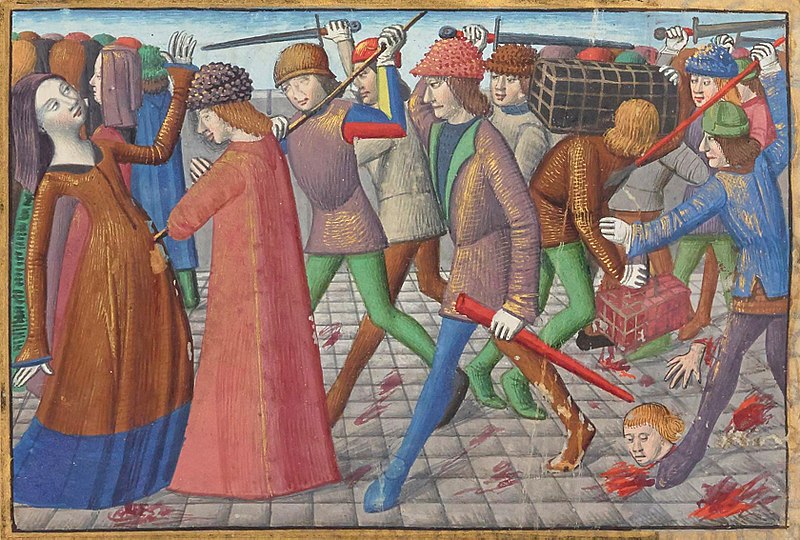
But insurrections are bad for business, and eventually the Parisians had had enough. When the time was ripe, the Armagnacs gathered their forces and converged on the city, inspiring the anti-Cabochiens to rise up against their oppressors. It all happened very quickly. Caboche and hundreds of his followers slipped out of Paris, taking refuge with the Duke of Burgundy who was one of the first to leave. The Armagnacs moved in, arrested anyone suspected of misconduct, and launched their own reign of terror. They kept a strangle-hold on Paris for the next five years, though Burgundy periodically laid siege to neighboring towns and the city itself in an attempt to push them out.
Duke John was not one to take matters sitting down, so to speak. There was always King Henry of England, ready to discuss terms. Just like his father back in 1412, Henry negotiated with both sides while he prepared to invade. He hoped that John would offer to swear fealty to him, but Burgundy was not willing to go against his own king. So the best Henry could manage was something resembling a non-interference agreement; no one knew for sure what they came up with. But by all indications, Burgundy cooperated. He concentrated his efforts against the Armagnacs, throwing the government into such a panic that they dared not commit troops to the English invasion while Paris was threatened.
Harfleur was the first to experience the might of the English army. Henry laid siege to the city, blockading it both by land and sea. Repeated calls for help generated nothing but excuses: the king was working on it. They hadn’t gathered enough troops yet to confront the English. King Charles and the Dauphin both made their way toward Harfleur, but didn’t travel any further than Vernon, about eighty miles upriver, while the army slowly gathered at Rouen, thirty miles closer. Before he left Paris, the Dauphin sent messages in the king’s name to both the Duke of Burgundy and the Duke of Orléans, requesting them to send five hundred men each—but not to come themselves. This gave John the excuse he needed to pretend that he had been insulted, and he ordered all his lords in Picardy to stay put until he ordered otherwise. Neither he nor his men—with few exceptions—showed up at Agincourt. Too bad for the French; Burgundy’s leadership skills were sorely needed. Orléans belatedly decided to go. But he was an inexperienced twenty-one year old, and when he took command of the army—as was his right—he fatally ignored the advice of both the Constable and Marshal of France. He survived the battle, only to spend the next twenty-five years an English prisoner.
Because Burgundy stayed away, a disproportionate number of Armagnacs met their deaths on the battlefield of Agincourt. Once again, John the Fearless attempted to take advantage of the situation by laying siege to Paris. But once again, he was foiled. His day would come, but not for another three years, and when a new insurrection broke out in 1418, it made the Cabochien revolt look like a dress rehearsal. I’ll explore the Paris massacres in my next book, HENRY, SCOURGE OF NORMANDY.
Blurb
From the day he was crowned, Henry V was determined to prove the legitimacy of his house. His father’s usurpation weighed heavily on his mind. Only a grand gesture would capture the respect of his own countrymen and the rest of Europe. He would follow in his great-grandfather Edward III’s footsteps, and recover lost territory in France.
Better yet, why not go for the crown? Poor, deranged Charles VI couldn’t manage his own barons. The civil war between the Burgundians and Armagnacs was more of a threat to his country than the English, even after Henry laid siege to Harfleur. But once Harfleur had fallen, the French came to their senses and determined to block his path to Calais and destroy him.
By the time the English reached Agincourt, they were starving, exhausted, and easy pickings. Or so the French thought. Little did they reckon on Henry’s leadership and the stout-hearted English archers who proved, once again, that numbers didn’t matter when God was on their side.
Buy Link
This title is available to read on #KindleUnlimited
Meet the Author
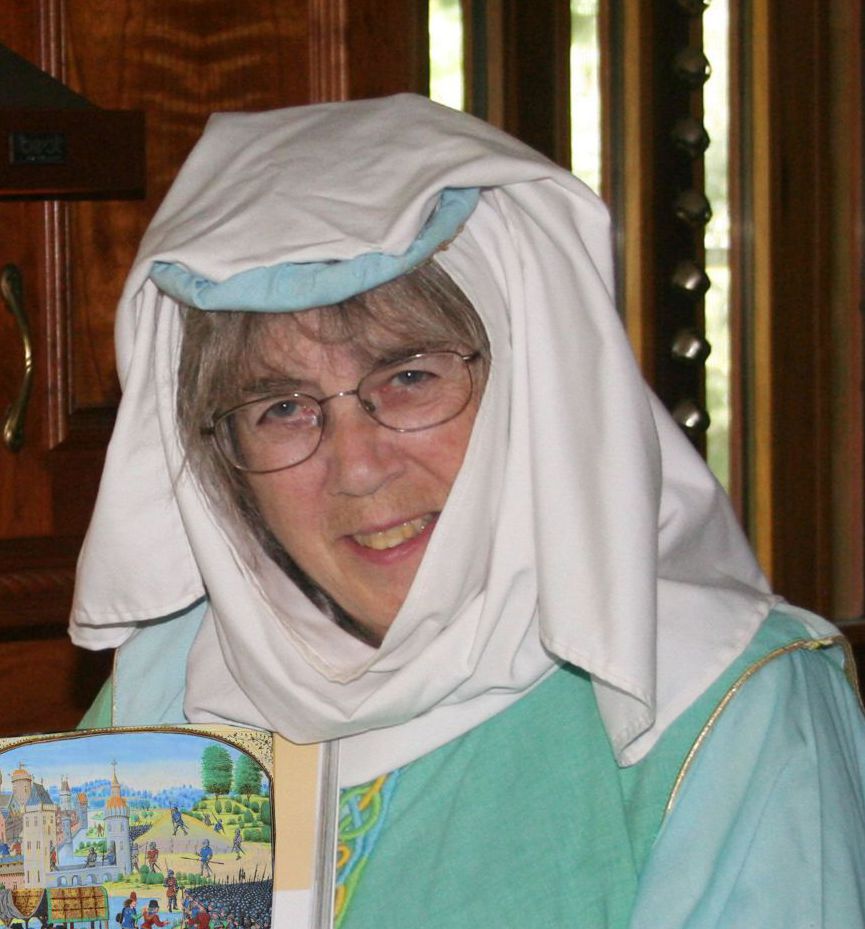
Mercedes Rochelle is an ardent lover of medieval history, and has channeled this interest into fiction writing. Her first four books cover eleventh-century Britain and events surrounding the Norman Conquest of England. The next series is called “The Plantagenet Legacy” and begins with the reign of Richard II.
She also writes a blog: www.HistoricalBritainBlog.com to explore the history behind the story. Born in St. Louis, MO, she received by BA in Literature at the Univ. of Missouri St.Louis in 1979 then moved to New York in 1982 while in her mid-20s to “see the world”. The search hasn’t ended!
Today she lives in Sergeantsville, NJ with her husband in a log home they had built themselves.
Connect with the Author

Discover more from MJ Porter
Subscribe to get the latest posts sent to your email.

 MJ Porter
Thank you for hosting Mercedes Rochelle today, with such a fascinating guest post.
Take care,
Cathie xx
The Coffee Pot Book Club
LikeLiked by 1 person