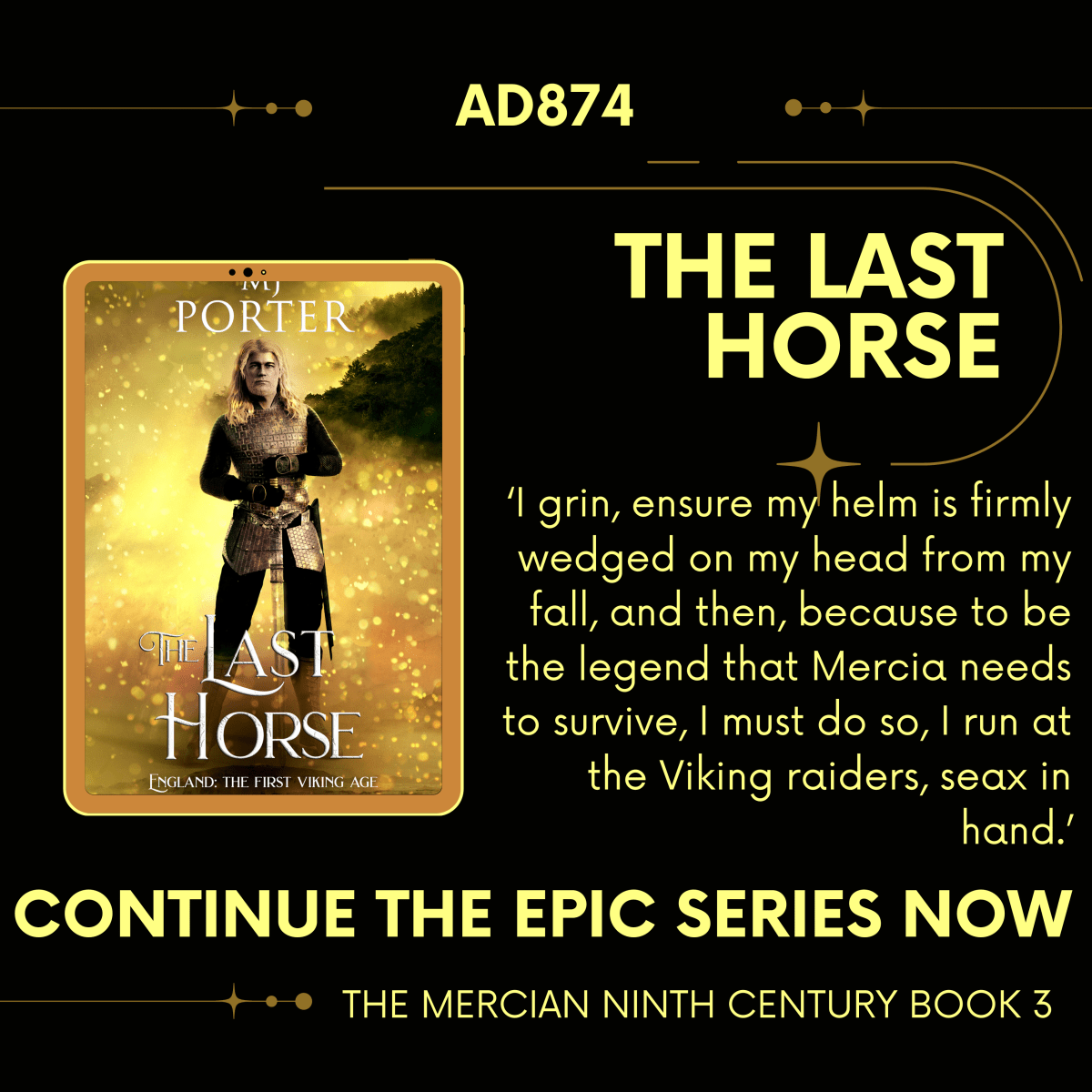
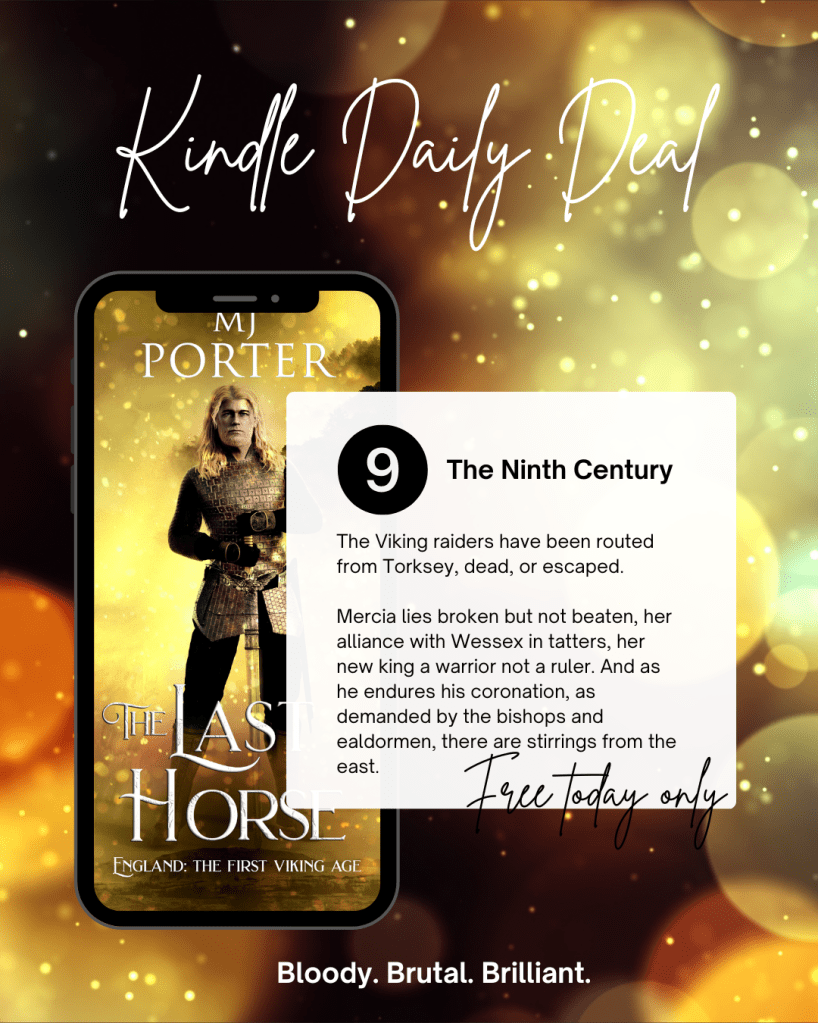
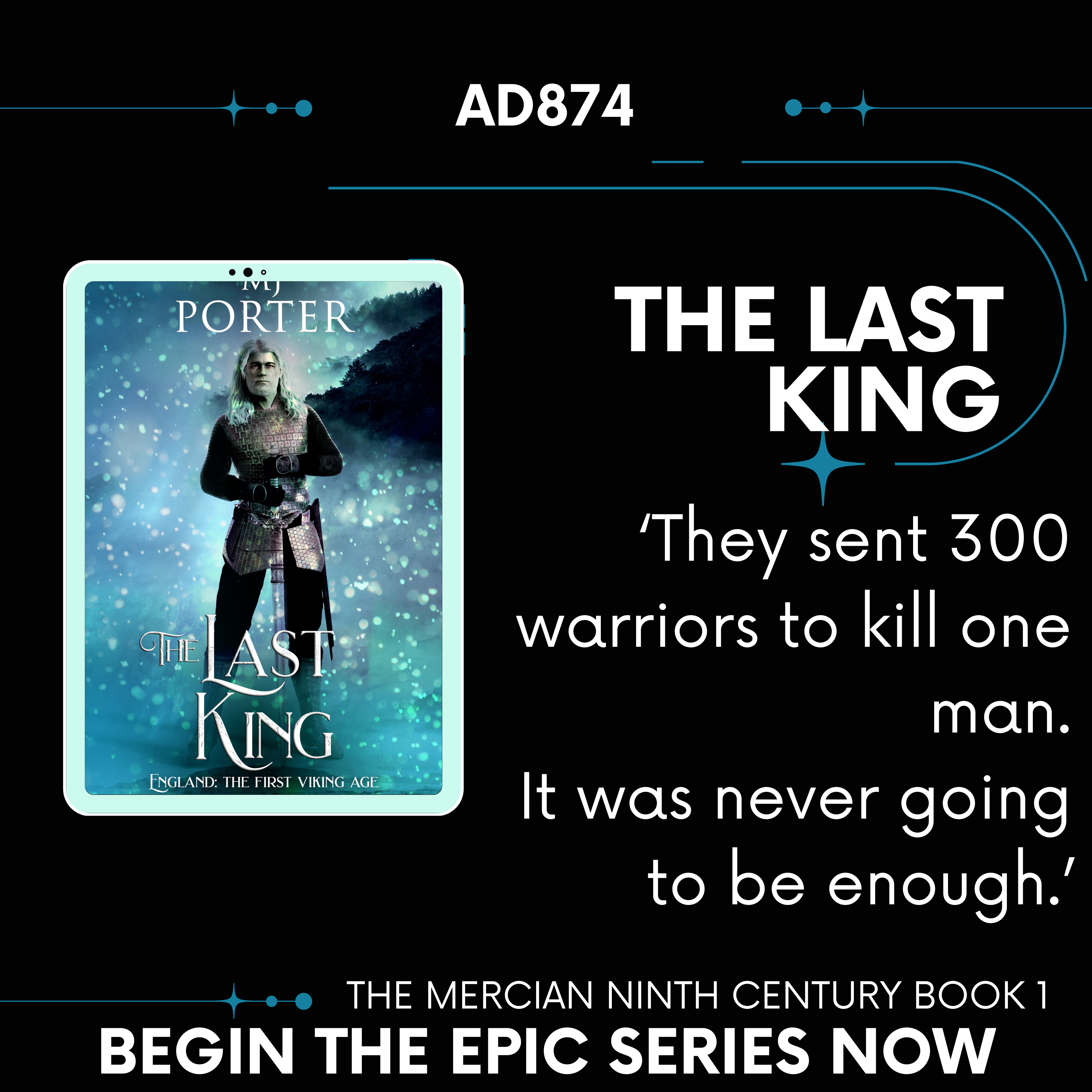
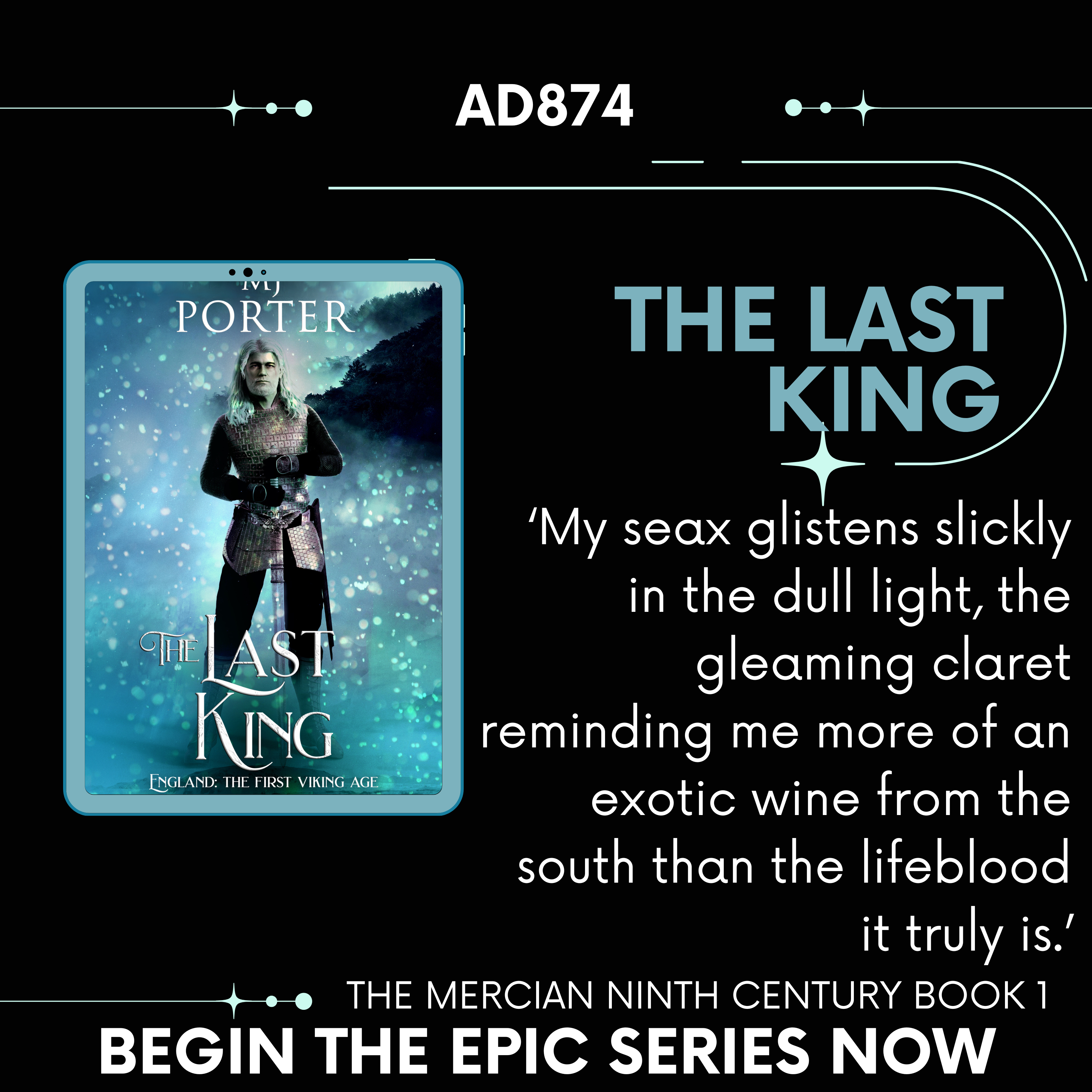
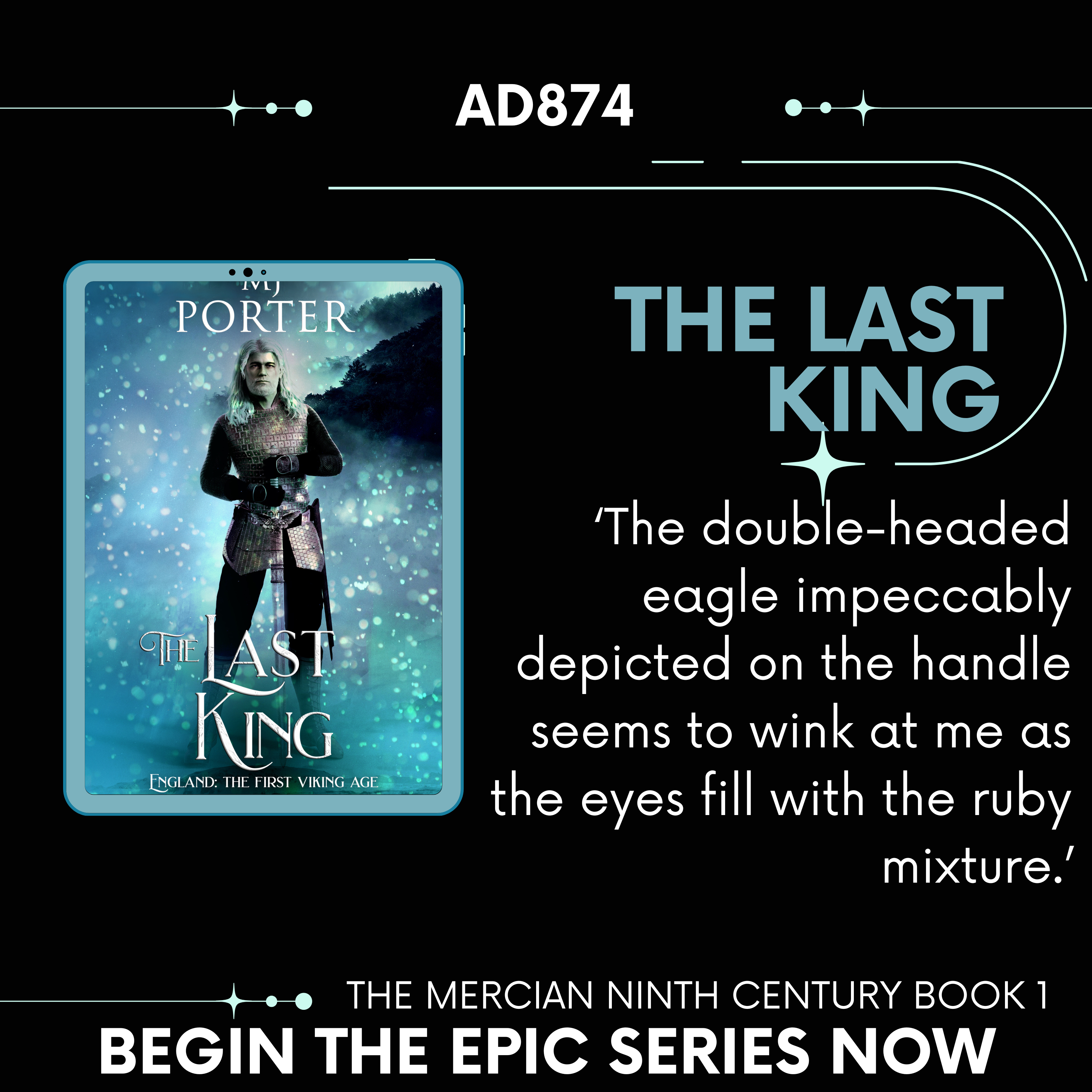
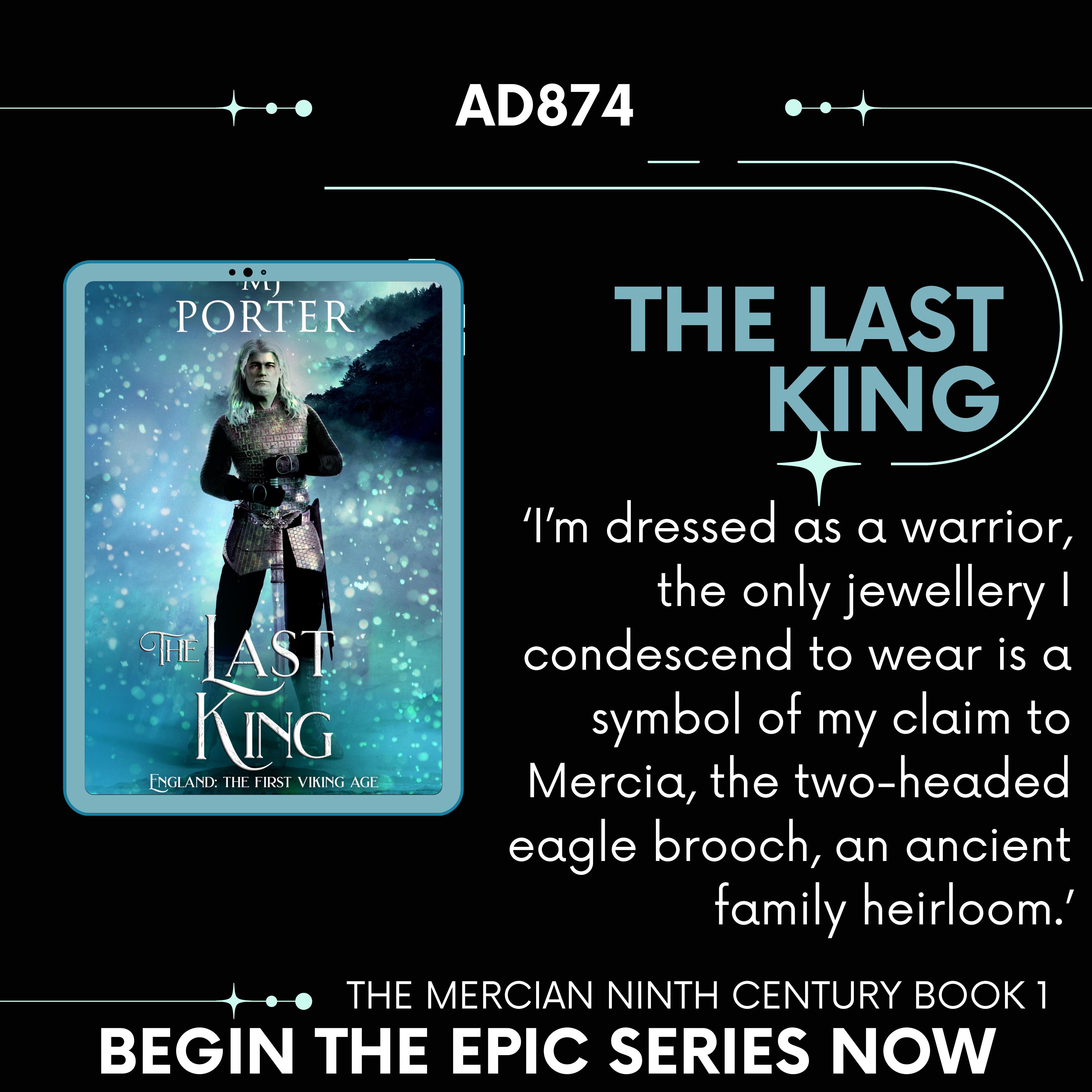
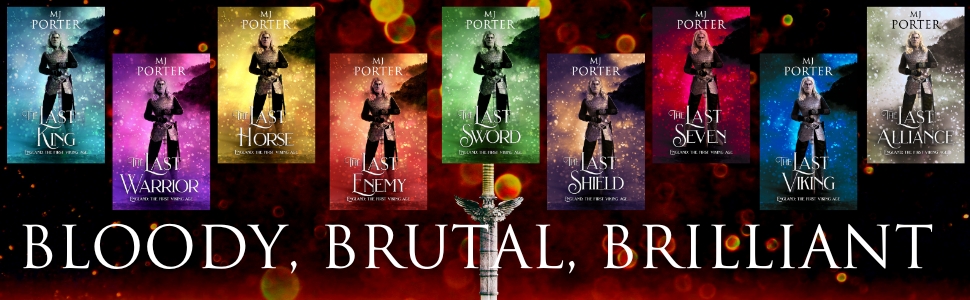
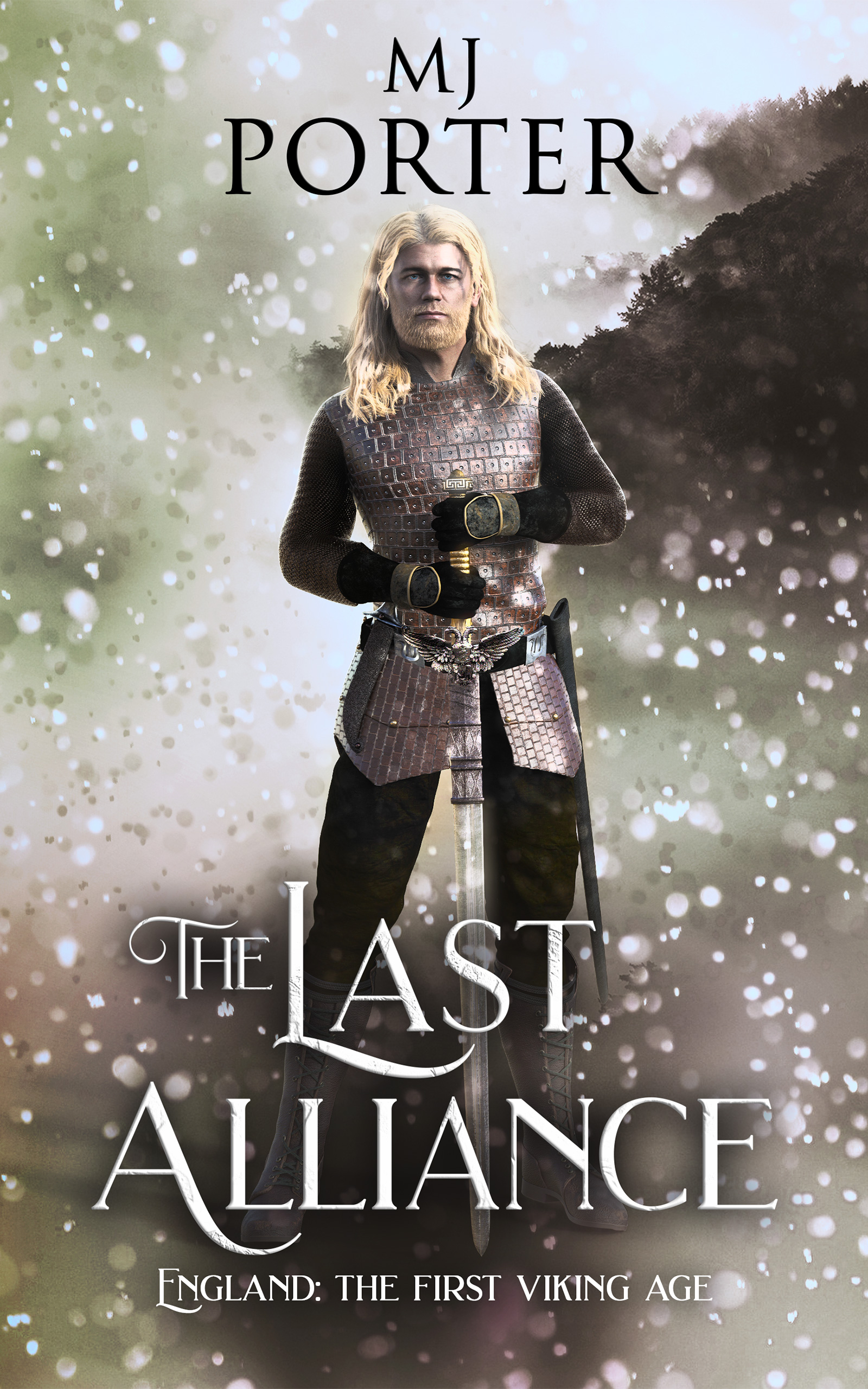
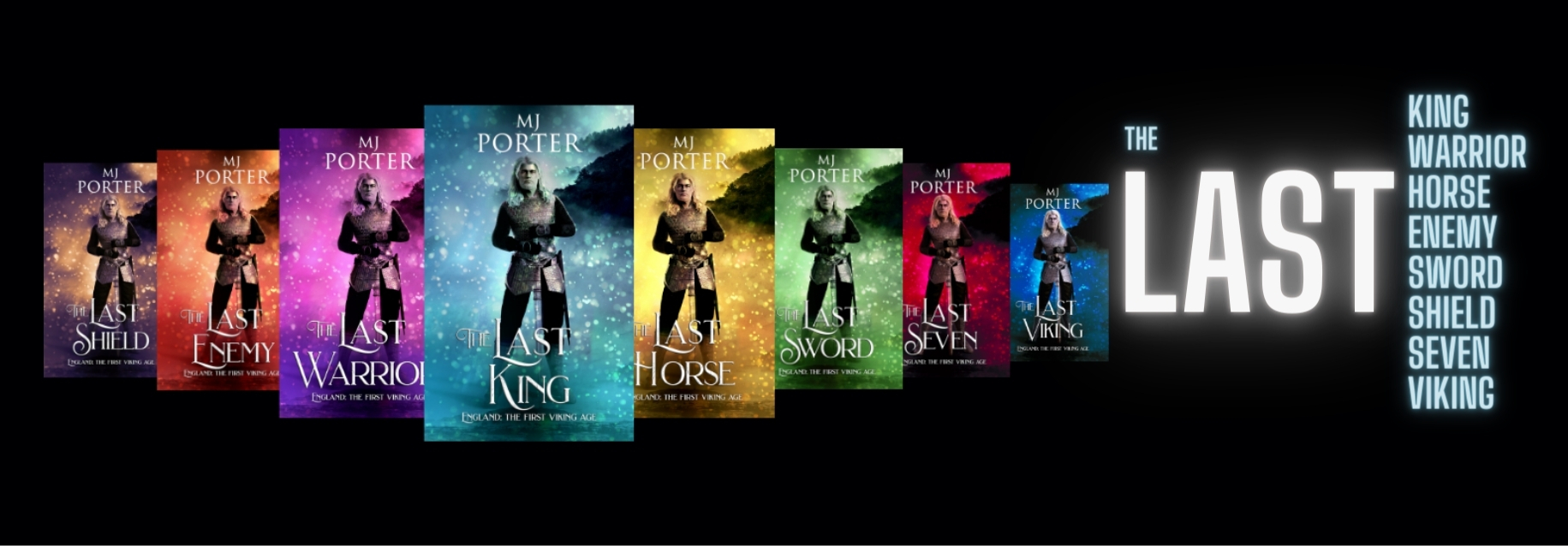
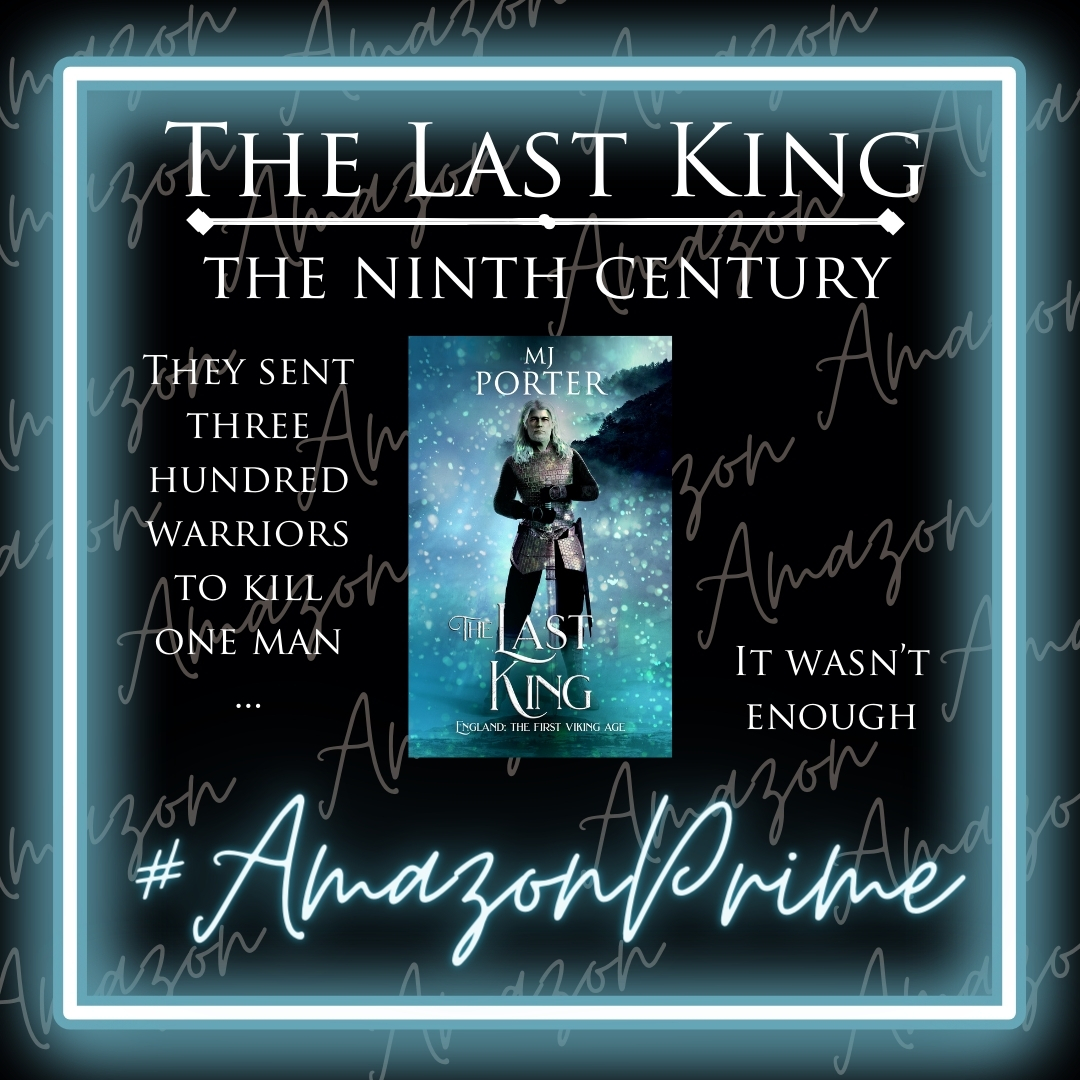
#TheLastHorse is 5 years old, and for one day only, it’s FREE on Amazon Kindle. #bookbirthday #histfic #TheLastKing #Coelwulf #Mercia

https://amzn.to/4mzHQDd

https://amzn.to/4n5Eqbj (the less sweary version)

Limited hardback editions

There are also special edition hardback formats available directly from me for The Last King and The Last Warrior. Follow this link to discover them.


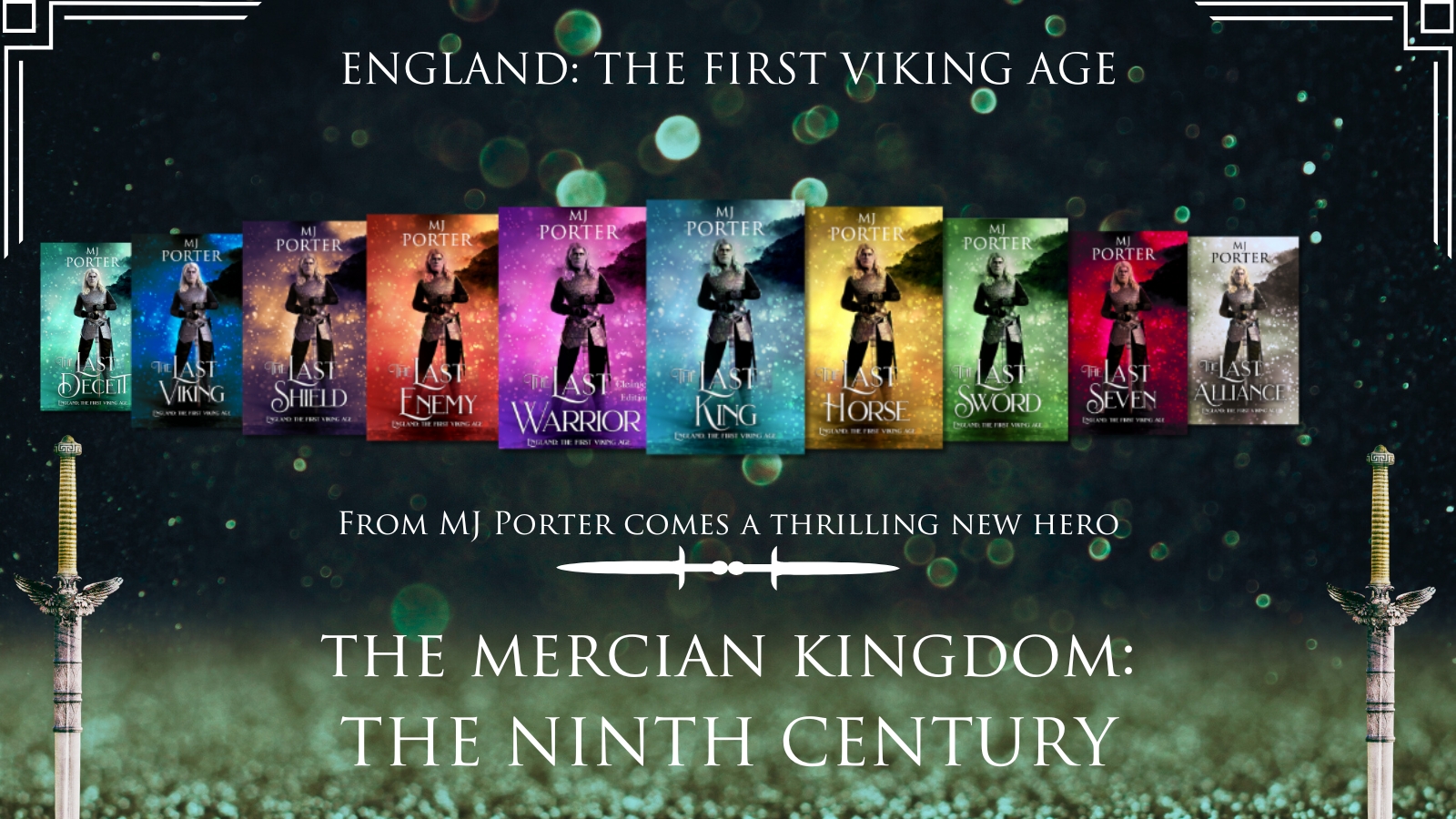
Check out all the details for The Mercian Kingdom: The Ninth Century.


Posts

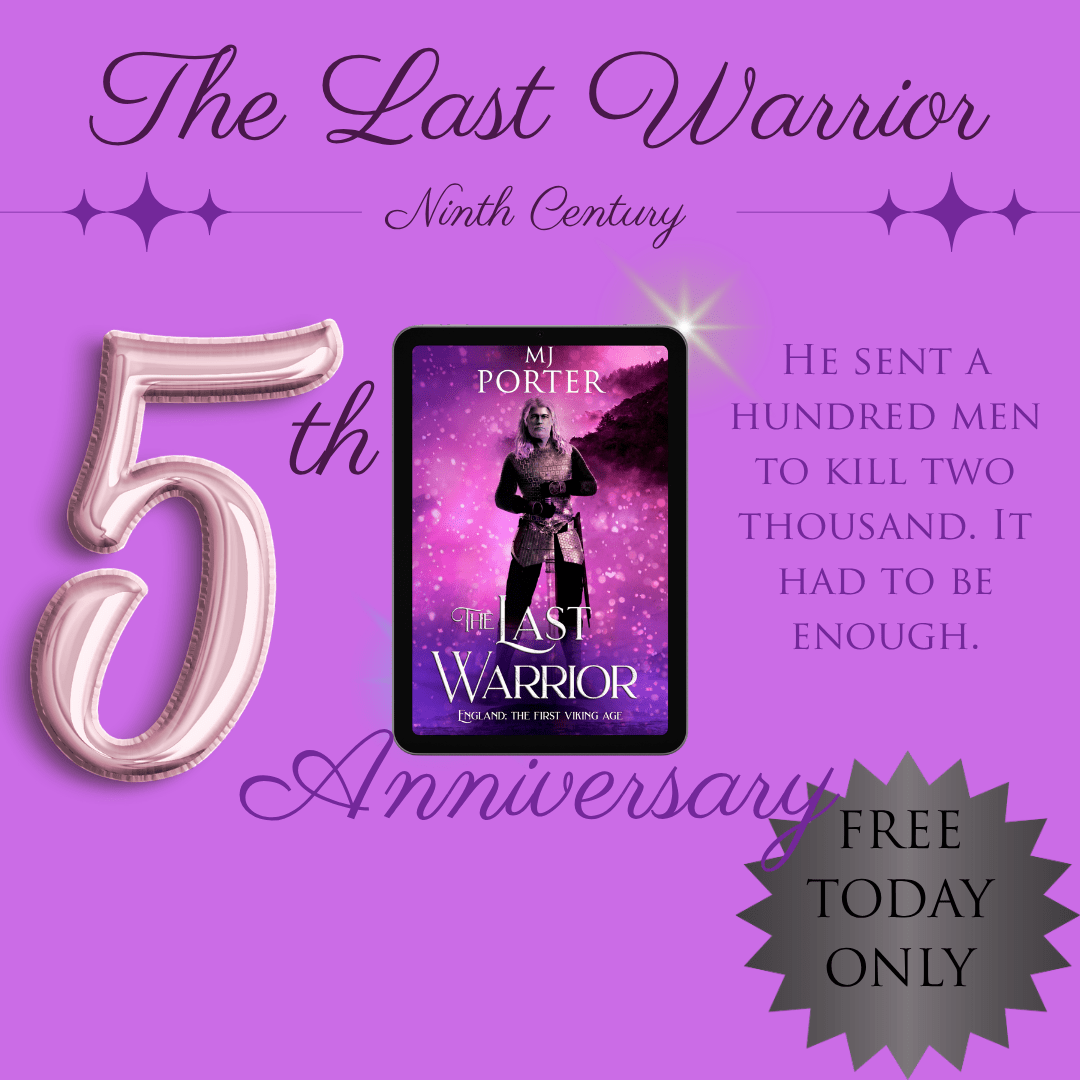
#TheLastWarrior is 5 years old, and for one day only, it’s FREE on Amazon Kindle. #bookbirthday #histfic #TheLastKing #Coelwulf #Mercia

https://amzn.to/443P5MS

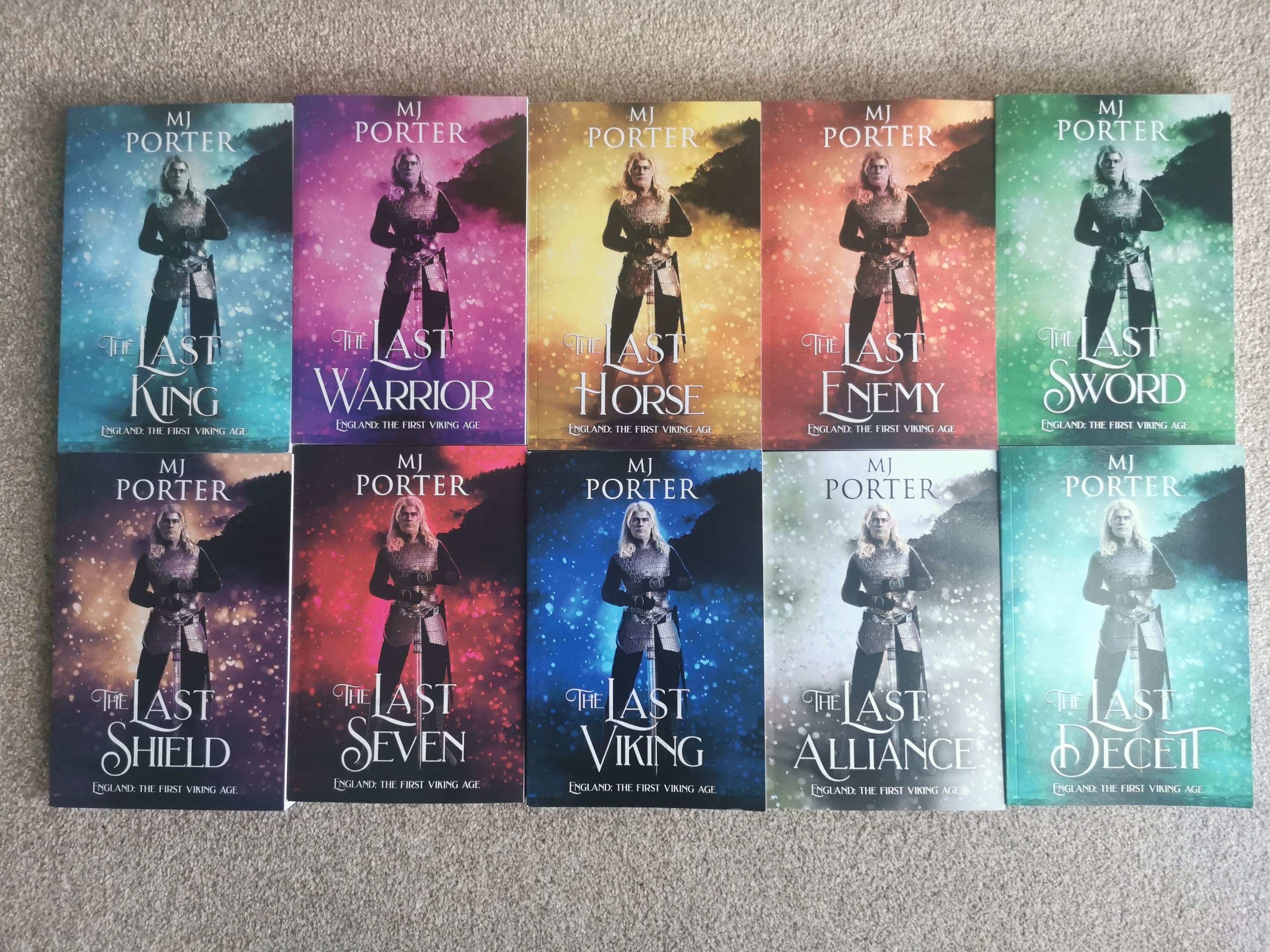
If you’ve been with Coelwulf, Rudolf, Icel, Edmund and Pybba since the beginning, then you’re probably with me in trying to work out how five years have gone by since the release of The Last Warrior, which from memory has a bit of a shocking ending (but no other spoilers here).

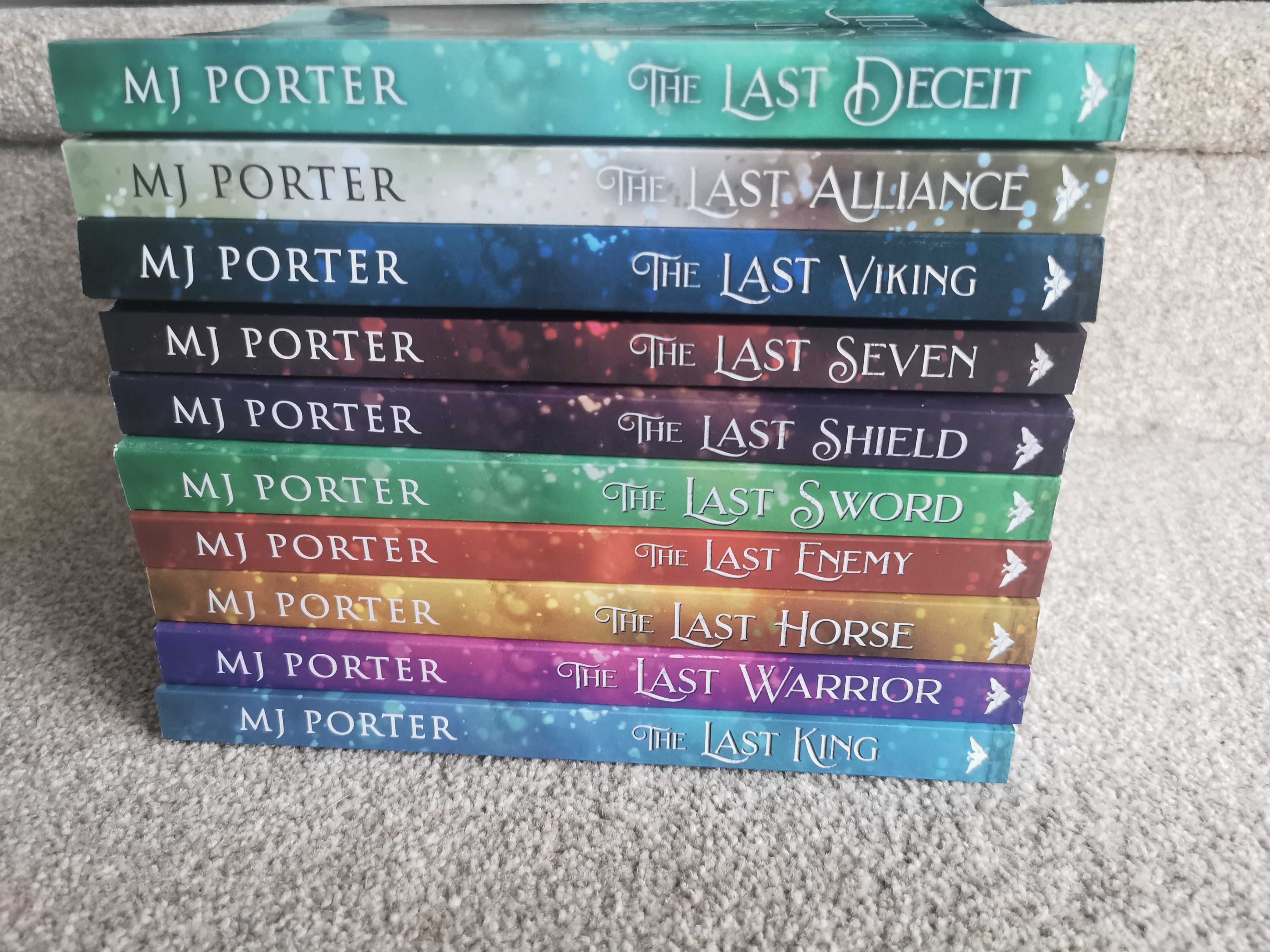
There are now ten books in all, as well as a short story collection, Coelwulf’s Company, and the prequel series featuring a young Icel, the Eagle of Mercia Chronicles (check out the stories featuring young Icel – if you know, you know, and if you don’t yet know, you’re going to want to find out.)

Fans of the series each have their own favourite, from the somewhat difficult Haden (Coelwulf’s horse), to Edmund, young Rudolf and the difficult-to-please Icel, as well as Pybba. I also think many love Edmund’s brother, Hereman, who is someone who thinks after the punches have been thrown:) The Viking raider enemy also have a few fans, and I did very much enjoy recreating these characters.

If you’ve not yet discovered The Mercian Kingdom: The Ninth Century series, then you’re in for a treat, as long as you’re not easily offended by foul language and violence – although if you are, there are Cleaner versions available without quite so much swearing. You’re never going to get away from the violence with this band of miscreants. Follow this link, as they can be a bit tricky to find on Amazon.

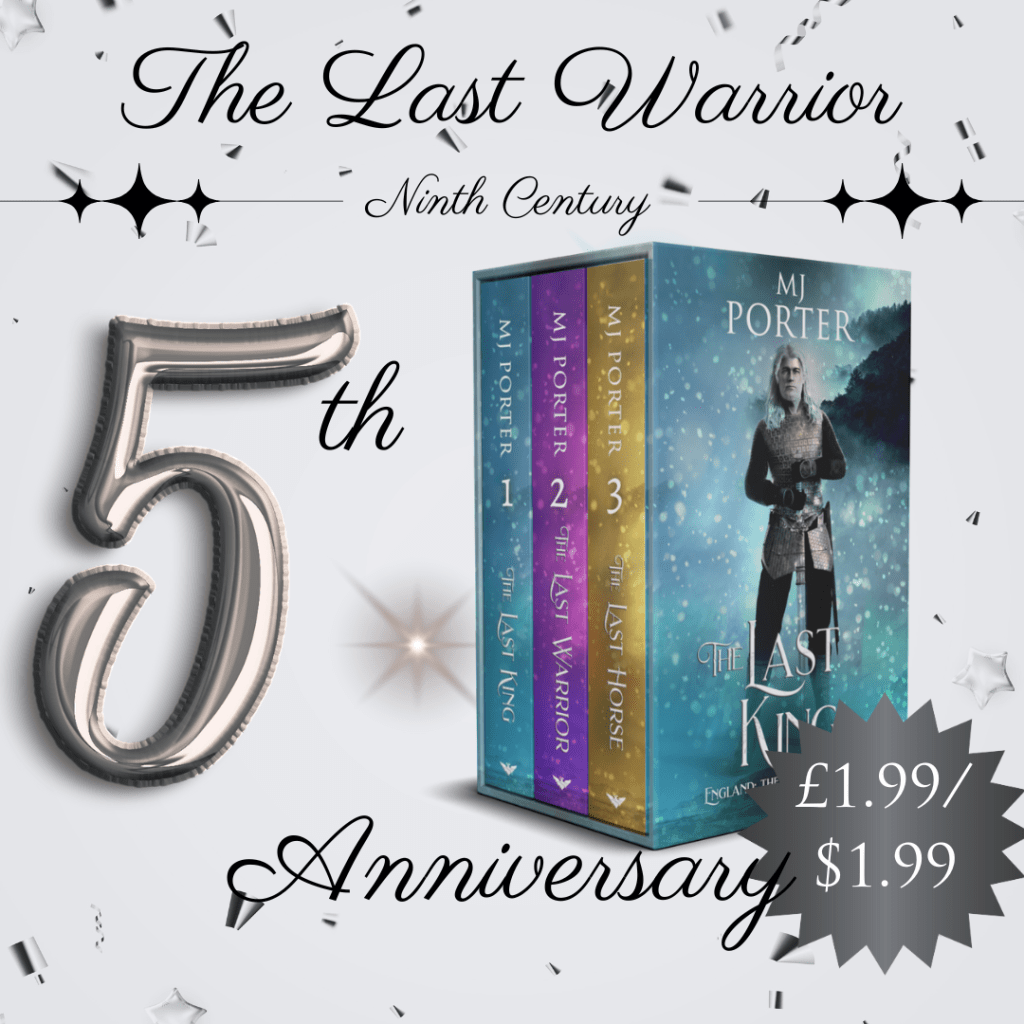
The Last King books are available in eBook, paperback, and hardback formats, and in eBook only for the version without the swearing. Or, check out the box set below, which also contains the versions with the language dialled down by a factor or about 450 (yes, I do run a check to ensure my characters have been as foul-mouthed as readers expect). You can hear me discussing the series and the swearing on the Rock, Paper, Swords podcast with Matthew Harffy and Steven A. McKay.

Limited hardback editions

There are also special edition hardback formats available directly from me. Follow this link to discover them.


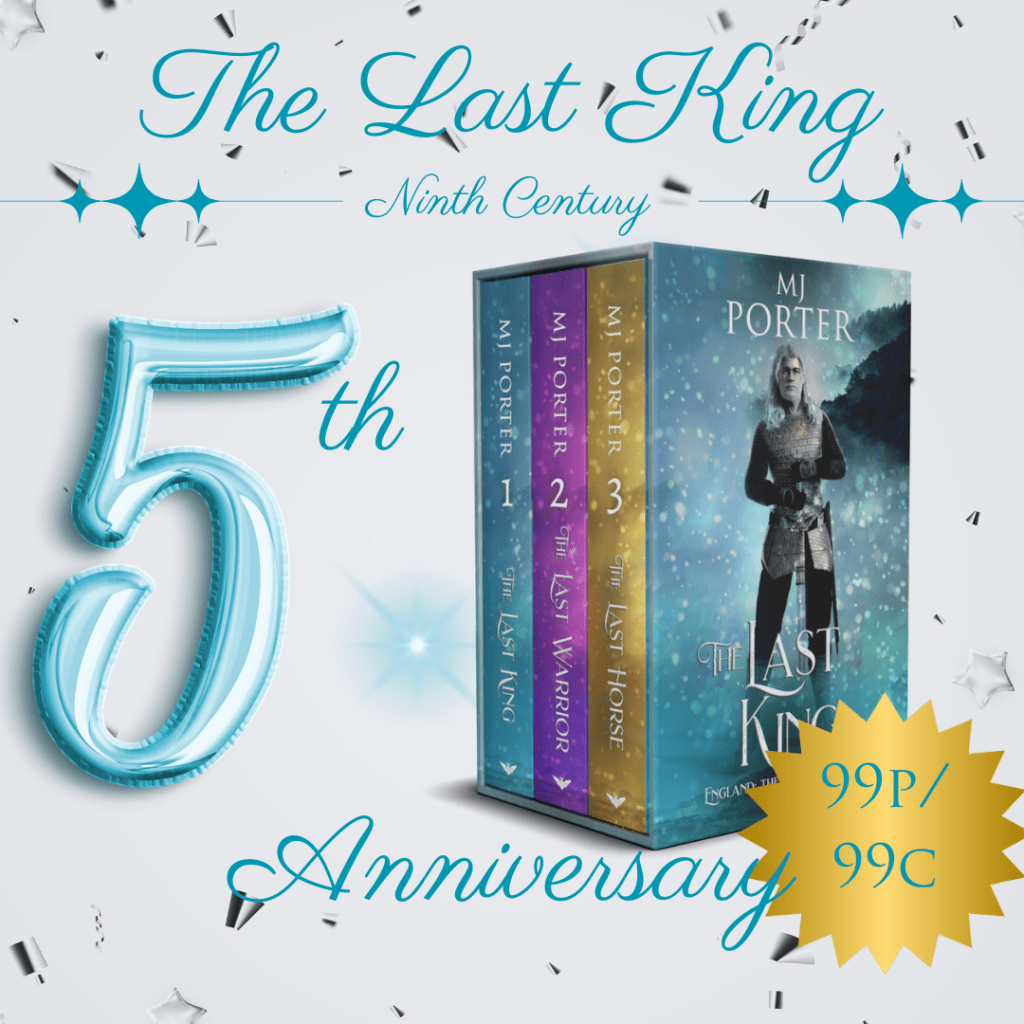
You can also grab the first 3 books in the series for £1.99/$1.99 for a very limited time

https://amzn.to/4ifSdt1


Check out all the details for The Mercian Kingdom: The Ninth Century.


Posts

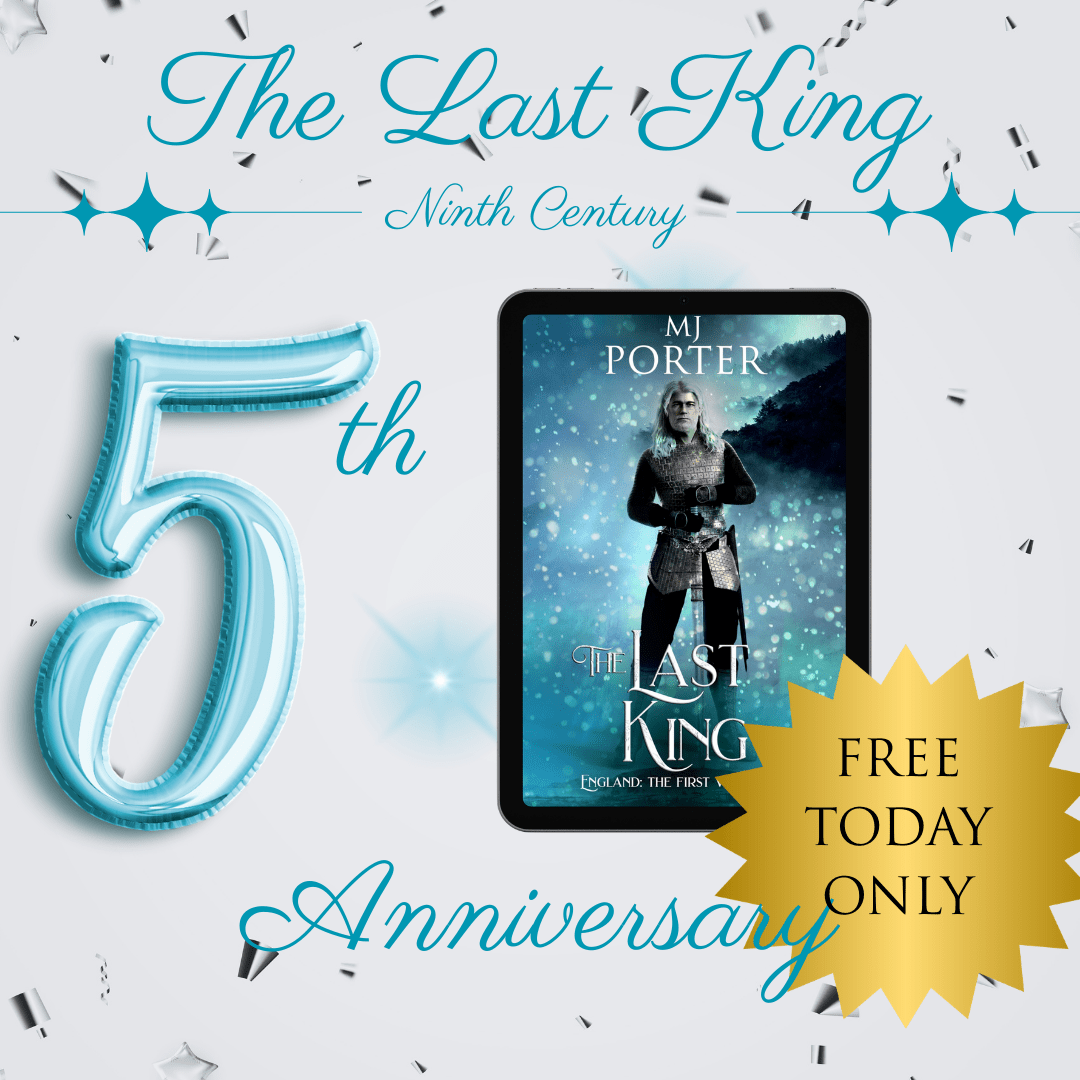
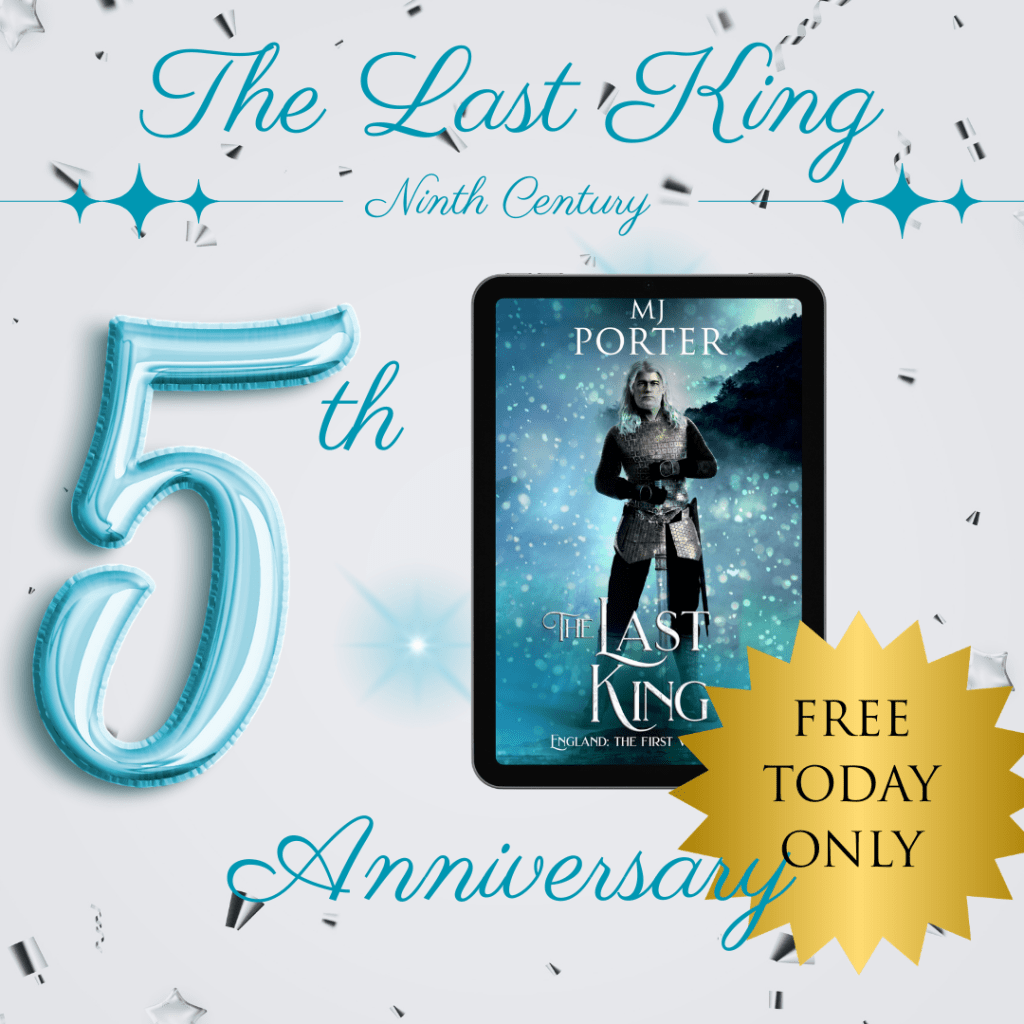
#TheLastKing is 5 years old, and for one day only, it is FREE on Amazon Kindle. Enter the HUGE competition #bookbirthday #histfic

Image shows the cover for The Last King (a warrior holding a sword), with a large 5 shaped birthday balloon beside it with the words, free today only.

books2read.com/u/31RBva

If you’ve been with Coelwulf, Rudolf, Icel, Edmund and Pybba since the beginning, then you’re probably with me in trying to work out how five years have gone by since the first book’s release. There are now ten books in all, as well as a short story collection, Coelwulf’s Company, and the prequel series featuring a young Icel, the Eagle of Mercia Chronicles (check out the stories featuring a young Icel – if you know, you know, and if you don’t yet know, you’re going to want to find out.)

If you’ve not yet discovered The Mercian Kingdom: The Ninth Century series, then you’re in for a treat, as long as you’re not easily offended by foul language and violence – although if you are, there are Cleaner versions available without quite so much swearing. Follow this link, as they can be a bit tricky to find on Amazon.

The Last King books are available in ebook, paperback and hardback, and The Last King (book 1 ) is also available in audio.

Competition Time

I’ve gained some of the best fans ever by running competitions to win signed copies of my books, and this year is no different, although the prize keeps getting BIGGER.

To enter the competition to win all 10 books signed by me, complete this Google form. (Competition is open until 30th April 2025).

https://forms.gle/meb26JSa5DdVfkk5A

Entries are open to UK-based people only (because postage is very expensive elsewhere), but people outside the UK can still submit their details and receive a FREE copy of a short story collection featuring stories set in The Last King’s world (and check out another fabulous deal below).


You can also grab the first 3 books in the series for 99p/99c and equivalent worldwide for a very limited time

These are the less sweary-versions (I am having a bit of moment with hyphenated words so I am going with it for this).

https://amzn.to/4ifSdt1


Check out all the details for The Mercian Kingdom: The Ninth Century.


It’s happy release day to The Last Deceit, book 10 in The Last King series, so I’m sharing a blog post about my decision to include a fictional character

Here’s the blurb

Deceit and ambition threaten to undo the most fragile alliance.

King Coelwulf of Mercia has unwillingly accepted the need to ally with the kingdom of Wessex under the command of King Alfred. But King Alfred of Wessex must still prove himself, and Coelwulf can’t remain absent from Mercia indefinitely.

Returning to London, a place holding more fascination for the West Saxons and the Viking raiders than Coelwulf and his fellow Mercians, Coelwulf sets about reinforcing the walled settlement so long abandoned by all but the most determined traders. But Coelwulf knows Jarl Guthrum has set his eyes on Canterbury, and he must protect the archbishop in Kent, nominally under the control of the West Saxon king, even if King Alfred is no warrior.

But deceit and lies run rife through the West Saxon camp and when Coelwulf believes he’s held to his oaths and alliances, an unexpected enemy might just sneak their way into Mercia. The future of Mercia remains at stake.

Purchase Link

https://www.amazon.co.uk/Last-Deceit-England-action-packed-historical-ebook/dp/B0DK3J8JVK

Available in ebook, paperback, hardback and the Clean(er) Editions, with much of the swearing removed.

The Last Deceit also includes a new short story.


If you’ve not discovered The Last King/The Mercian Ninth Century Series, then please check out the Series page on the blog.


Ealdorman Sigehelm and Cooling

In The Last Deceit, I’ve included a fictional character called Ealdorman Sigehelm, who is based on a later individual that we know existed, the father of Lady Eadgifu, third wife of Edward the Elder. (By based I mean I borrowed his name and landholding).

I’ve done this because it’s fun to play around with the information I’ve learned about later in the era. It’s often one of the biggest problems in writing historical fiction. You need to know what happens before the events you’re writing about, as well as what comes after, as well as the actual events you’re depicting. And Cooling, in Kent, has an incredibly detailed history throughout the later tenth century, which we know about because of a remarkable charter. The text of which is below (it’s quite long.)

‘Eadgifu declares to the archbishop and the community of Christ Church how her estate at Cooling came [to her]. That is, that her father left her the estate and the [land]book, just as he legally acquired them and his ancestors had bequeathed to him. It happened that her father borrowed thirty pounds from Goda, and entrusted the estate to him as security for the money. And [Goda] held it for seven ‘winters’. When it came about, at around this time, that all the men of Kent were summoned to the battle at the Holme, Sighelm [Sigehelm], her father, did not want to go to the battle with any man’s account unpaid, and he repaid Goda the thirty pounds and he bequeathed the estate to his daughter Eadgifu and gave her the [land]book. After he had fallen in the battle, Goda denied the repayment of the money, and withheld the estate until six years later. Then Byrhsige Dyrincg claimed it unceasingly for so long, until the Witan of that time commanded Eadgifu that she should purge her father’s possession by [an oath equivalent to] that amount of the money. And she produced the oath in the witness of all the people at Aylesford, and there purged her father’s repayment by an oath of thirty pounds. Then she was still not able to possess the estate until her friends obtained from King Edward [the Elder] that he prohibited him [Goda] the estate, if he wanted to possess any [at all]; and so he gave it up. Then it happened in the first place that the king so strongly blamed Goda that he was deprived of all the [land] books and property, all that he owned. And the king then granted him and all his property, with [land] books and estates, to Eadgifu to dispose of as she wished. Then she said that she did not dare before God to pay him back as he had deserved of her, and she restored to him all his land except the two sulungs at Osterland, and she refused to give back the [land] books until she knew how loyally he would treat her in respect of the estates. Then, King Edward died and Æthelstan [Athelstan] succeeded to the kingdom. When Goda thought it an opportune time, he sought out King Æthelstan and begged that he would intercede on his behalf with Eadgifu, for the return of his [land] books. And the king did so. And she gave back to him all except the [land] book for Osterland. And he willingly allowed her that [land] book and humbly thanked her for the others. And, on top of that as one of twelve he swore to her an oath, on behalf of those born and [yet] unborn, that this suit was for ever settled. And this was done in the presence of King Æthelstan and his Witan at Hamsey near Lewes [Sussex]. And Eadgifu held the land with the landbooks for the days of the two kings, her sons [i.e., Edmund and Eadred]. When Eadred died and Eadgifu was deprived of all her property, then two of Goda’s sons, Leofstan and Leofric, took from Eadgifu the two afore-mentioned estates at Cooling and Osterland, and said to the young prince Eadwig who was then chosen [king] that they had more right to them than she. That then remained so until Edgar came of age and he [and] his Witan judged that they had done criminal robbery, and they adjudged and restored the property to her. Then Eadgifu, with the permission and witness of the king and all his bishops, took the [land] books and entrusted the estates to Christ Church [and] with her own hands laid them upon the altar, as the property of the community for ever, and for the repose of her soul. And she declared that Christ himself with all the heavenly host would curse for ever anyone who should ever divert or diminish this gift. In this way this property came to the Christ Church community.’ S1211[i]

To explain:

Dating to around 959, the document provides the ownership history of an estate at Cooling in Kent. Eadgifu had inherited this land from her father, who had mortgaged it for a loan of £30, which he repaid before going on the campaign on which he died. However, Goda, the man who had made the loan, claimed not to have received payment and proceeded to take practical ownership of the estate. While Eadgifu retained the landbook, or freehold record, and tried various means of asserting her ownership, it was not until Edward the Elder intervened, presumably after their marriage, that the matter was resolved to some degree. Edward seized not only the estate in question but all Goda’s lands, handing their ownership and administration over to Eadgifu. The charter indicates that Eadgifu acted magnanimously, giving almost all of these back to Goda, though her primary consideration was likely to avoid creating a powerful political enemy. Sensibly, however, she retained possessions of the landbooks to ensure Goda’s loyalty, as well as a small estate at Osterland, in addition to her hereditary holdings at Cooling. The matter was fully resolved in Æthelstan’s [Athelstan] reign when the king interceded with Eadgifu on Goda’s behalf. Eadgifu returned the landbooks, but retained the estates at Osterland and Cooling, while Goda swore an oath in Æthelstan’s presence declaring that he considered the matter to be closed … Eadwig seized his grandmother’s landholdings and, in the case of the Cooling and Osterland estates, turned them over to Goda’s sons … After Eadwig’s death in 959, Edgar restored his aging grandmother’s possessions.[ii]

It’s unusual to have so much detail about a landed estate, and so, when I took Coelwulf and his allies to Kent in The Last Deceit, I couldn’t resist embroidering this character into the tale. I imagine you can see why. To read more about Lady Eadgifu, check out The Royal Women Who Made England.


[i] Sawyer, P.H. (ed.), Anglo-Saxon charters: An annotated list and bibliography, rev. Kelly, S.E., Rushforth, R., (2022). http://www.esawyer.org.uk/ S1211

[ii] Firth, M. and Schilling, C. ‘The Lonely Afterlives of Early English Queens’, in Nephilologus September 2022, https://doi.org/10.1007/s11061-022-09739-4, pp.8–9

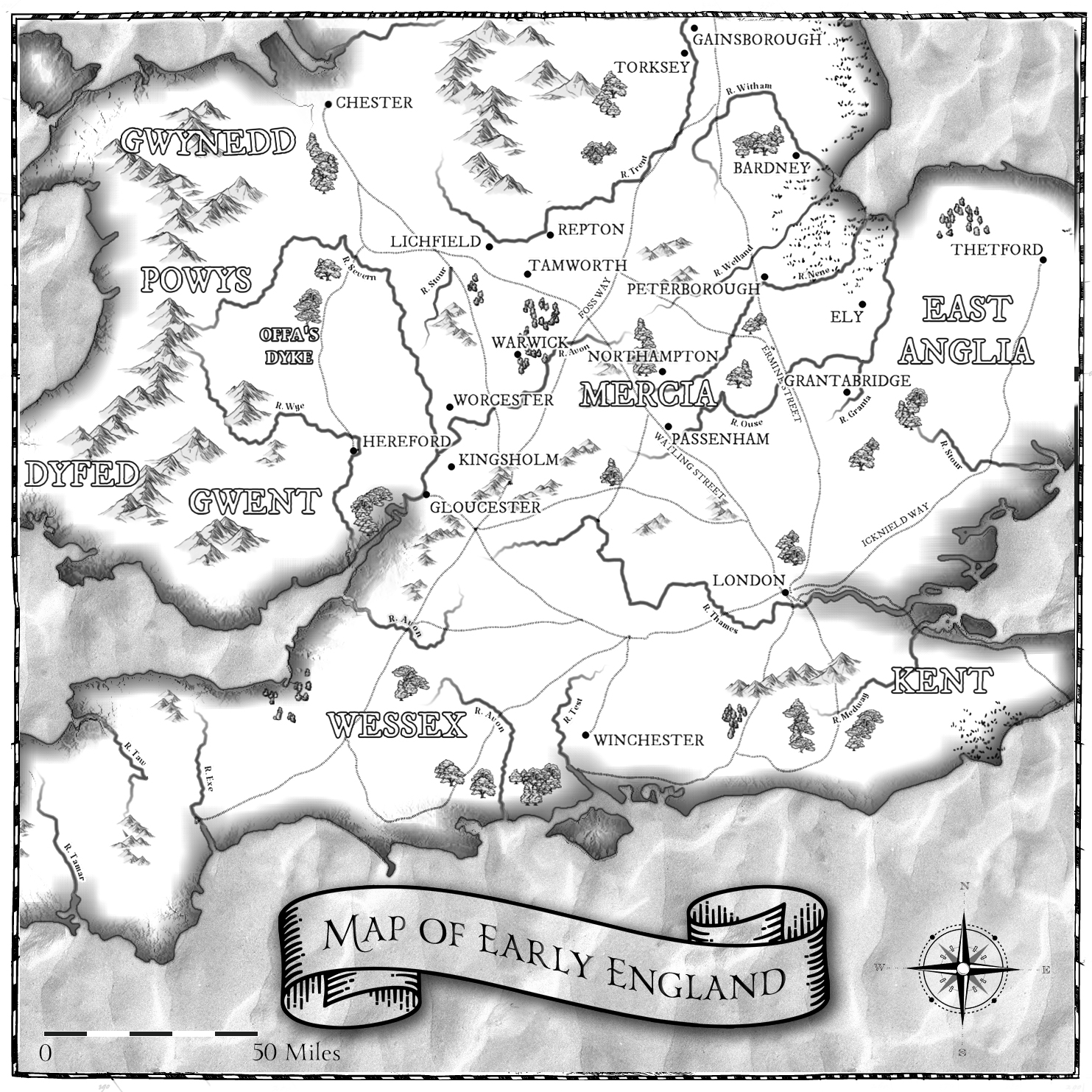
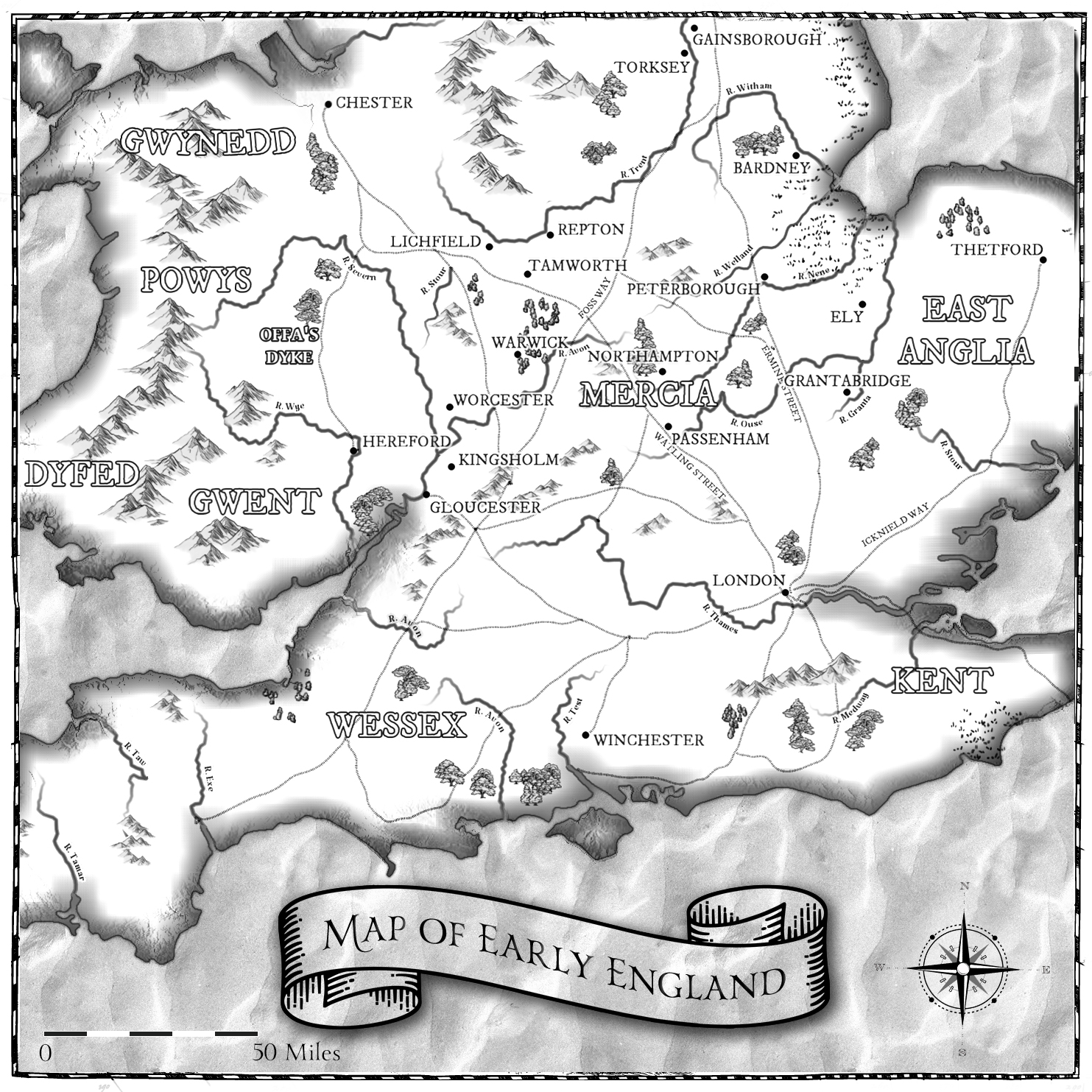
Map of Early England taken from The Mercian Ninth Century Series.

It’s happy release day to The Last Deceit, book 10 in The Last King series, so I’m sharing a blog post about the Gaini

Here’s the blurb

Deceit and ambition threaten to undo the most fragile alliance.

King Coelwulf of Mercia has unwillingly accepted the need to ally with the kingdom of Wessex under the command of King Alfred. But King Alfred of Wessex must still prove himself, and Coelwulf can’t remain absent from Mercia indefinitely.

Returning to London, a place holding more fascination for the West Saxons and the Viking raiders than Coelwulf and his fellow Mercians, Coelwulf sets about reinforcing the walled settlement so long abandoned by all but the most determined traders. But Coelwulf knows Jarl Guthrum has set his eyes on Canterbury, and he must protect the archbishop in Kent, nominally under the control of the West Saxon king, even if King Alfred is no warrior.

But deceit and lies run rife through the West Saxon camp and when Coelwulf believes he’s held to his oaths and alliances, an unexpected enemy might just sneak their way into Mercia. The future of Mercia remains at stake.

Purchase Link

https://www.amazon.co.uk/Last-Deceit-England-action-packed-historical-ebook/dp/B0DK3J8JVK

Available in ebook, paperback, hardback and the Clean(er) Editions, with much of the swearing removed.

The Last Deceit also includes a new short story.


If you’ve not discovered The Last King/The Mercian Ninth Century Series, then please check out the Series page on the blog.


The who now? Who were the Gaini?

In The Last Deceit, reference is explicity made to a Mercian tribe known as the Gaini. It is from this obscure royal line that it’s said King Alfred’s wife, Lady Ealhswith, claimed descent. So, who were the Gaini?

The simple answer is that we don’t know. We don’t know where they were based. We don’t know any other known members of this tribe, but it’s certainly a name that survives from a period-specific resource, The Life of Alfred written by Asser in about 893, and so, some years after the events in The Last Deceit, in which he claims King Alfred’s wife was a descendant of this ruling family. Here are the details from The Royal Women Who Made England.

‘We are told by Asser, that Alfred ‘married a wife from Mercia, of noble family, namely the daughter of Æthelred “who was known as Mucil [Mucel]”, ealdorman of the Gaini. The woman’s mother was called Eadburh, from the royal stock of the king of the Mercians.’ It is possible, but cannot be confirmed that Ealhswith’s father was ealdorman in Mercia from the 820s onward when a man named Mucel is listed as attesting the surviving charters. The location of the tribal region of the Gaini has yet to be ascertained. Mercia was composed of many tribal regions; the most familiar being the Hwicce and the Mægonsate, both on the western borders with the Welsh kingdoms.

Whether Eahlswith’s mother was actually a member of the Mercian ruling family is difficult to conclude. Barbara Yorke determines she was related to King Coenwulf (796–821) and Coelwulf (821–823), two brother kings who ruled in the first quarter of the ninth century. It is impossible to confirm this either way due to a lack of available information. Mercia endured a string of kings throughout the ninth century, some more successful than others, and none of them able to offer the consistency and longevity that had been prevalent in the earlier eighth century during the long reigns of Æthelbald (716–757) and Offa (757–796).

Her possible father, Æthelred Mucel, witnesses two charters in the year of the marriage, S340, surviving in one manuscript, and S1201, surviving in two manuscripts, as well as S337, surviving in four manuscripts, in 867 and S349, surviving in two manuscripts, but deemed spurious, in 895.
What is known is that the union between Lady Eahlswith and Alfred was part of an arrangement with Mercia whereby Alfred’s sister, Æthelswith, married the then king, Burgred, and Ealhswith married Alfred. Little is known of Mercia’s King Burgred (852–74), other than that he fled from Mercia in the wake of sustained Viking raider aggression in the year 874.’

Why then might this royal connection to the Gaini onle be mentioned here? I’m not sure I need to labour the point, but Asser, writing our earliest life of a pre-conquest king, had a remit to follow, and no doubt that was to make much of King Alfred, and his wife. It would have looked a little odd if King Alfred had been married to a lesser woman of Mercia, when he was desperately trying to grow his repuation by having a ‘life’ written about him.

And Mercia is certainly a rich tapestry to either foist a previously unknown tribe upon, or to ‘borrow’ one for the intention of making more of someone. Mercia, ‘the kingdom on the border’ (although we don’t for sure which border this applies to), consisted of many smaller tribal areas, the names of which, if not often the location, have survived in the Tribal Hidage, an eighth-century source (which doesn’t mention the Gaini). More familiar names to travellers to the era are the Hwicce (around Gloucester), the Magonsæte (close to the Welsh border), the Tomsæte (close to Tamworth), to name but a few, have survived in charter documentation which names these distinctive areas and we often have ealdormen of these places, most famously my first historical recreation, Ealdorman Leofwine of the Hwicce of the Earls of Mercia Series.

And so, in The Last Deceit, it is Ealhswith brother, Lord Æthelwulf, who makes mention of the Gaini, as no doubt, he too would have made much of this alleged royal connection.

Map of Early England taken from The Mercian Ninth Century Series.

It’s happy release day to The Last Deceit, book 10 in The Last King series, so I’m sharing some photos of Old Sarum and Stonehenge

Here’s the blurb

Deceit and ambition threaten to undo the most fragile alliance.

King Coelwulf of Mercia has unwillingly accepted the need to ally with the kingdom of Wessex under the command of King Alfred. But King Alfred of Wessex must still prove himself, and Coelwulf can’t remain absent from Mercia indefinitely.

Returning to London, a place holding more fascination for the West Saxons and the Viking raiders than Coelwulf and his fellow Mercians, Coelwulf sets about reinforcing the walled settlement so long abandoned by all but the most determined traders. But Coelwulf knows Jarl Guthrum has set his eyes on Canterbury, and he must protect the archbishop in Kent, nominally under the control of the West Saxon king, even if King Alfred is no warrior.

But deceit and lies run rife through the West Saxon camp and when Coelwulf believes he’s held to his oaths and alliances, an unexpected enemy might just sneak their way into Mercia. The future of Mercia remains at stake.

Purchase Link

https://www.amazon.co.uk/Last-Deceit-England-action-packed-historical-ebook/dp/B0DK3J8JVK

Available in ebook, paperback, hardback and the Clean(er) Editions, with much of the swearing removed.

The Last Deceit also includes a new short story.


If you’ve not yet started The Mercian Ninth Century Series, then check out the series page on the blog.


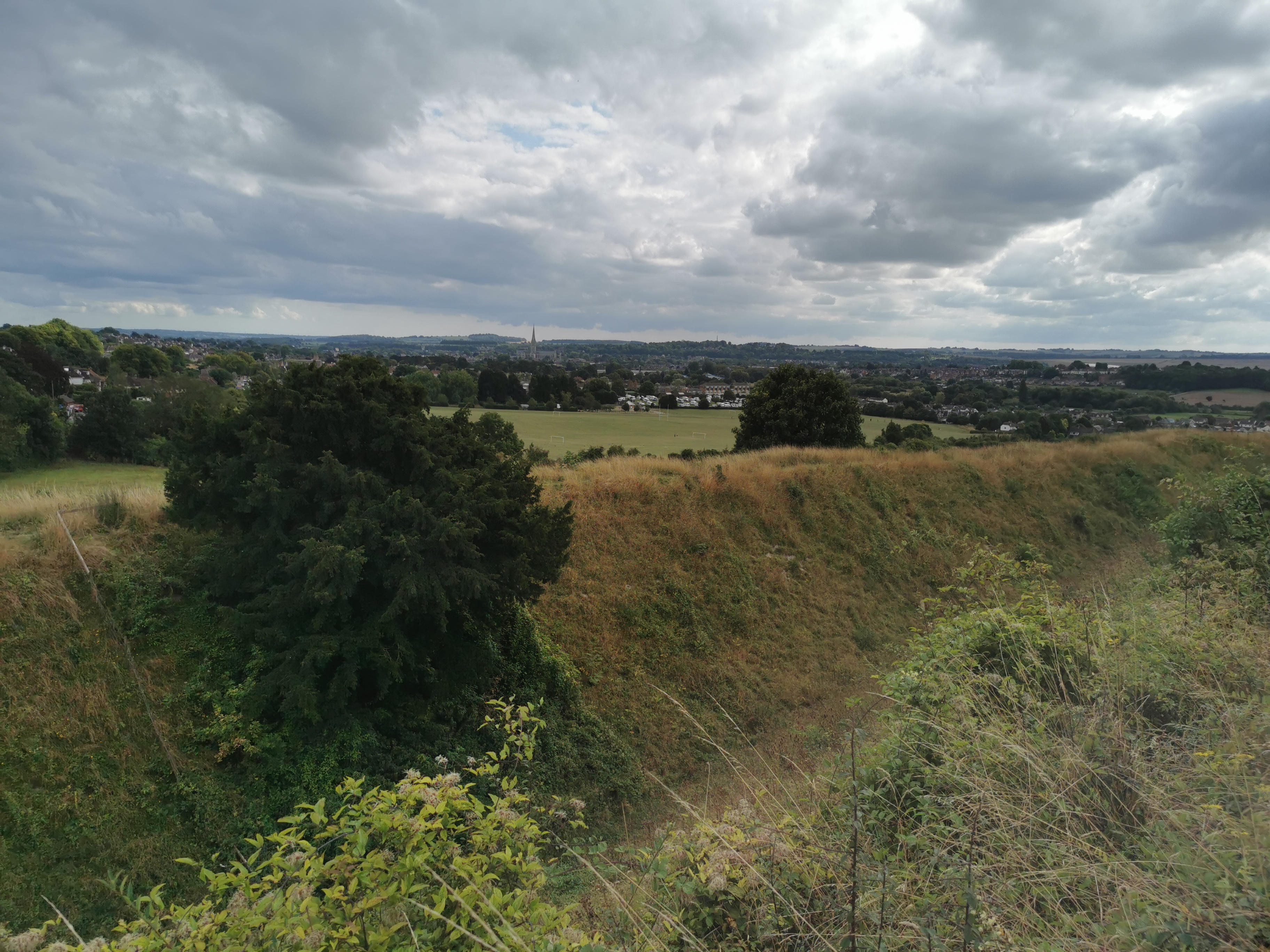
A trip to Old Sarum

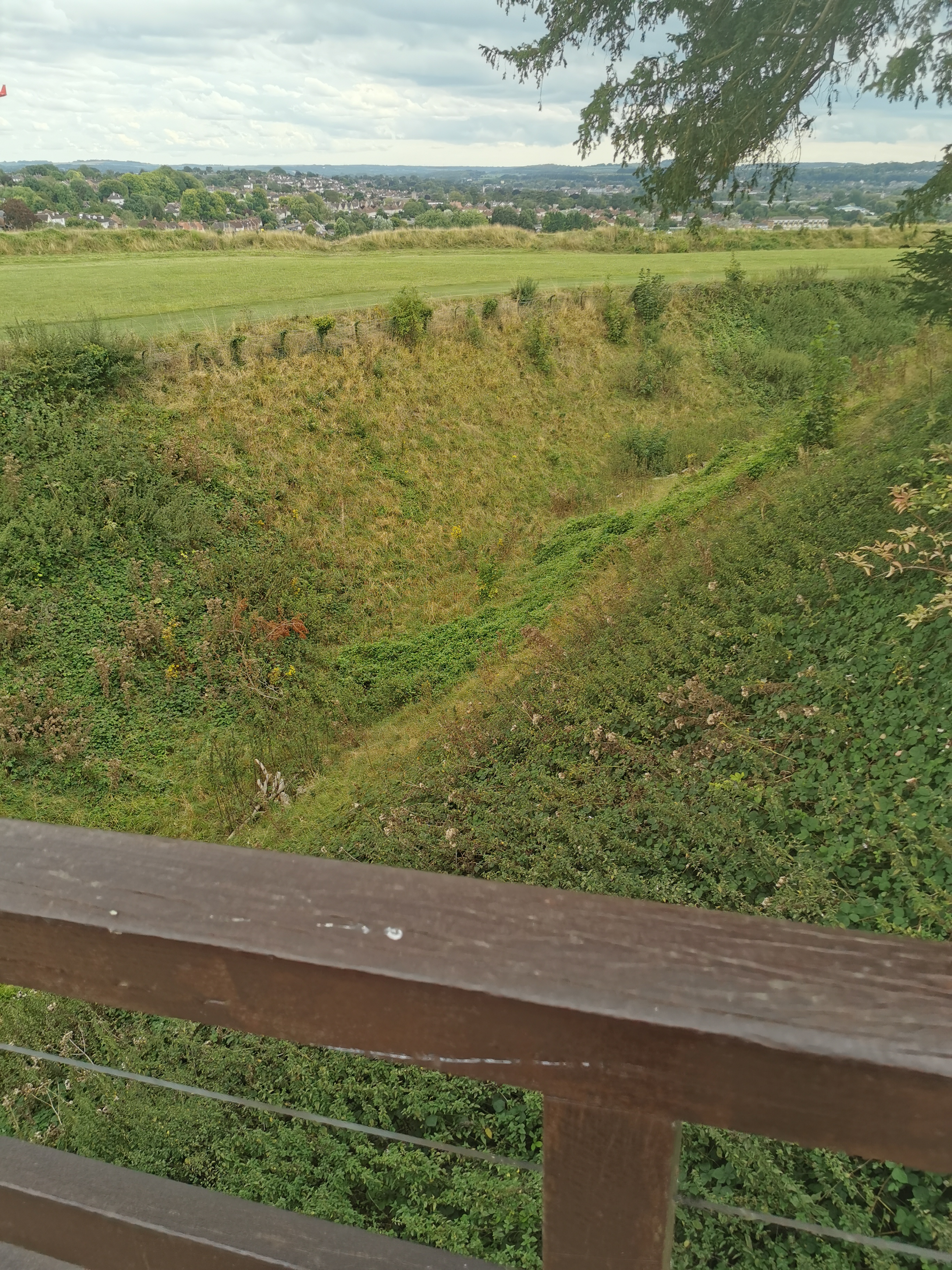
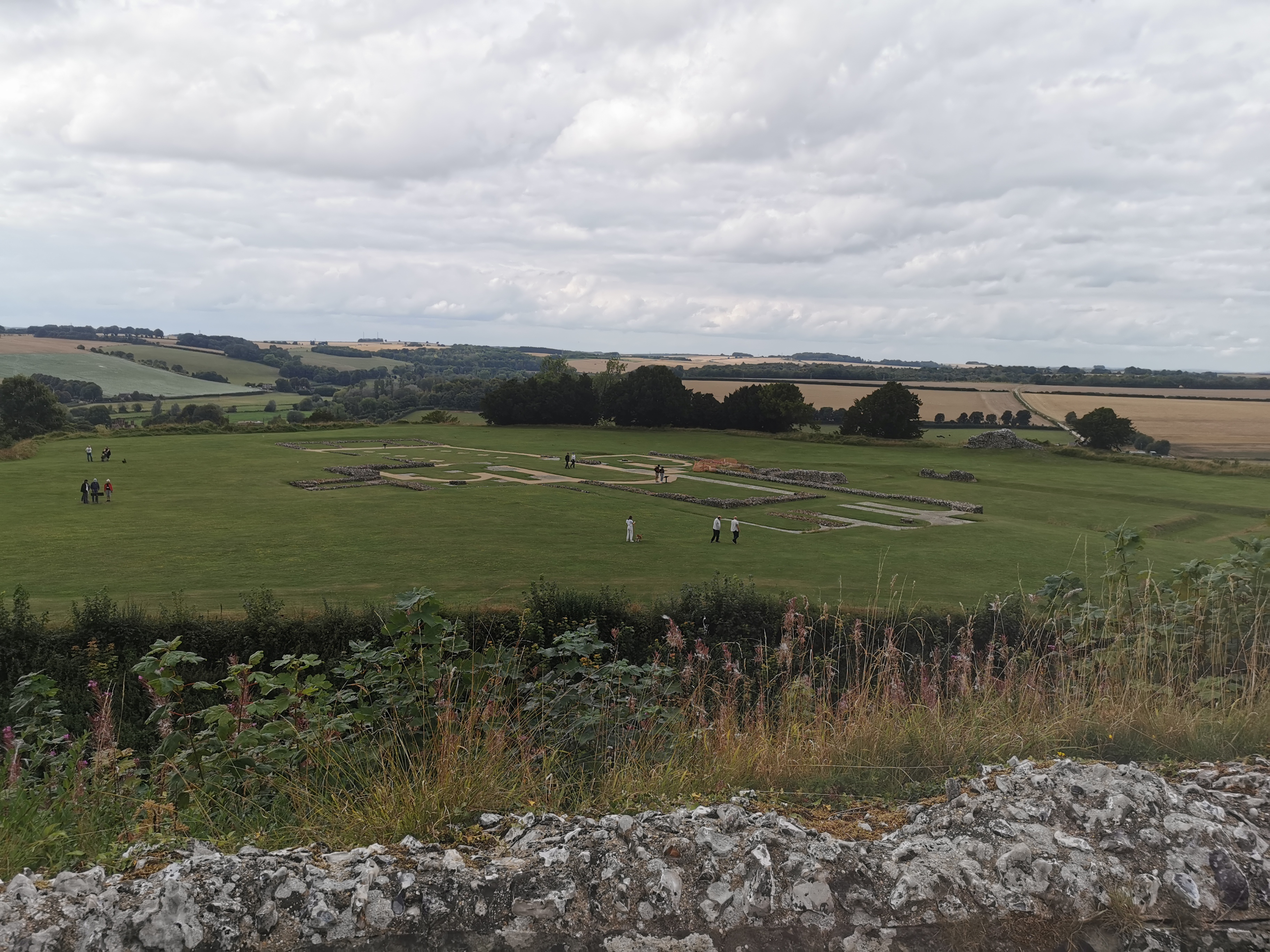
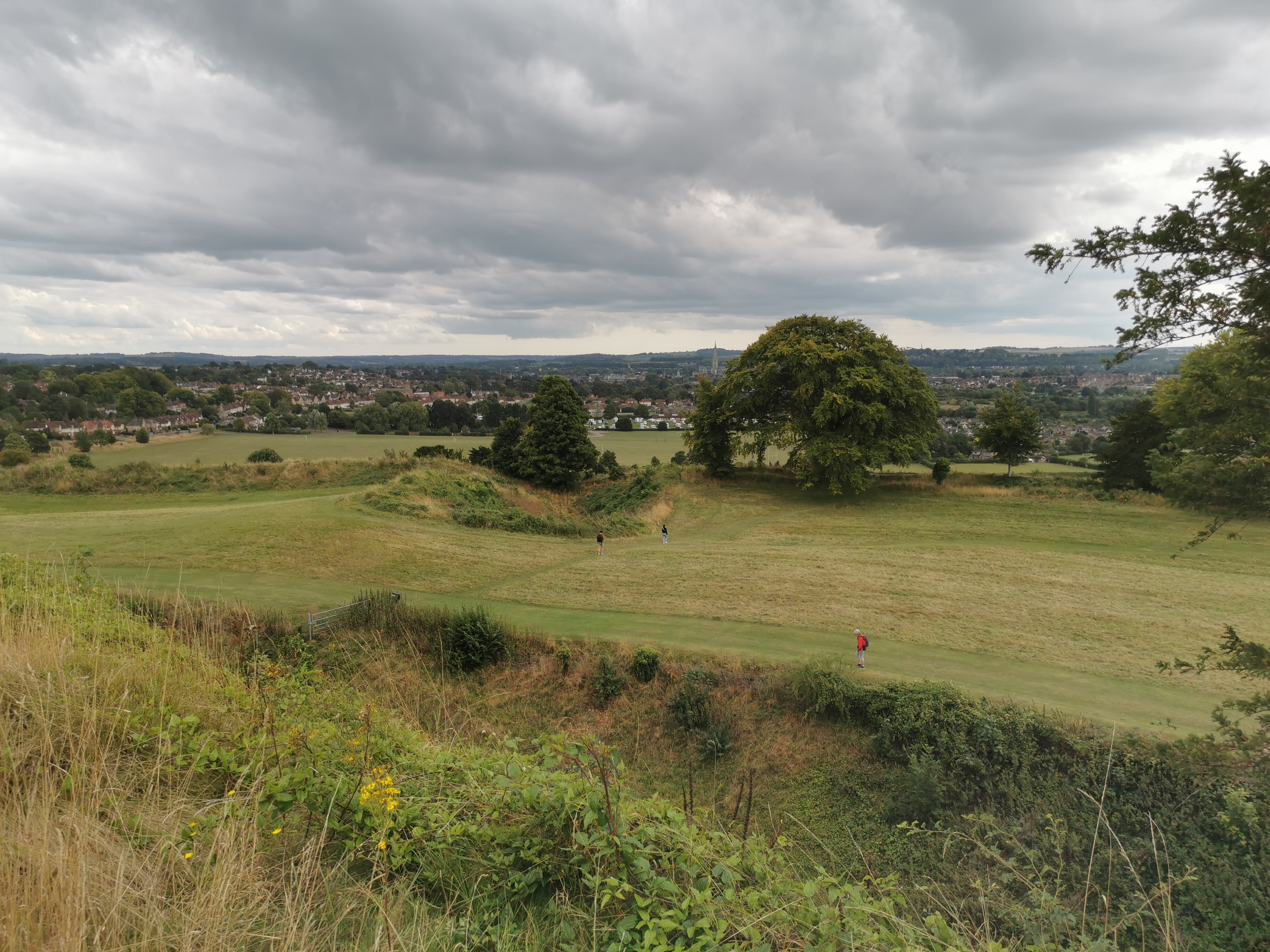
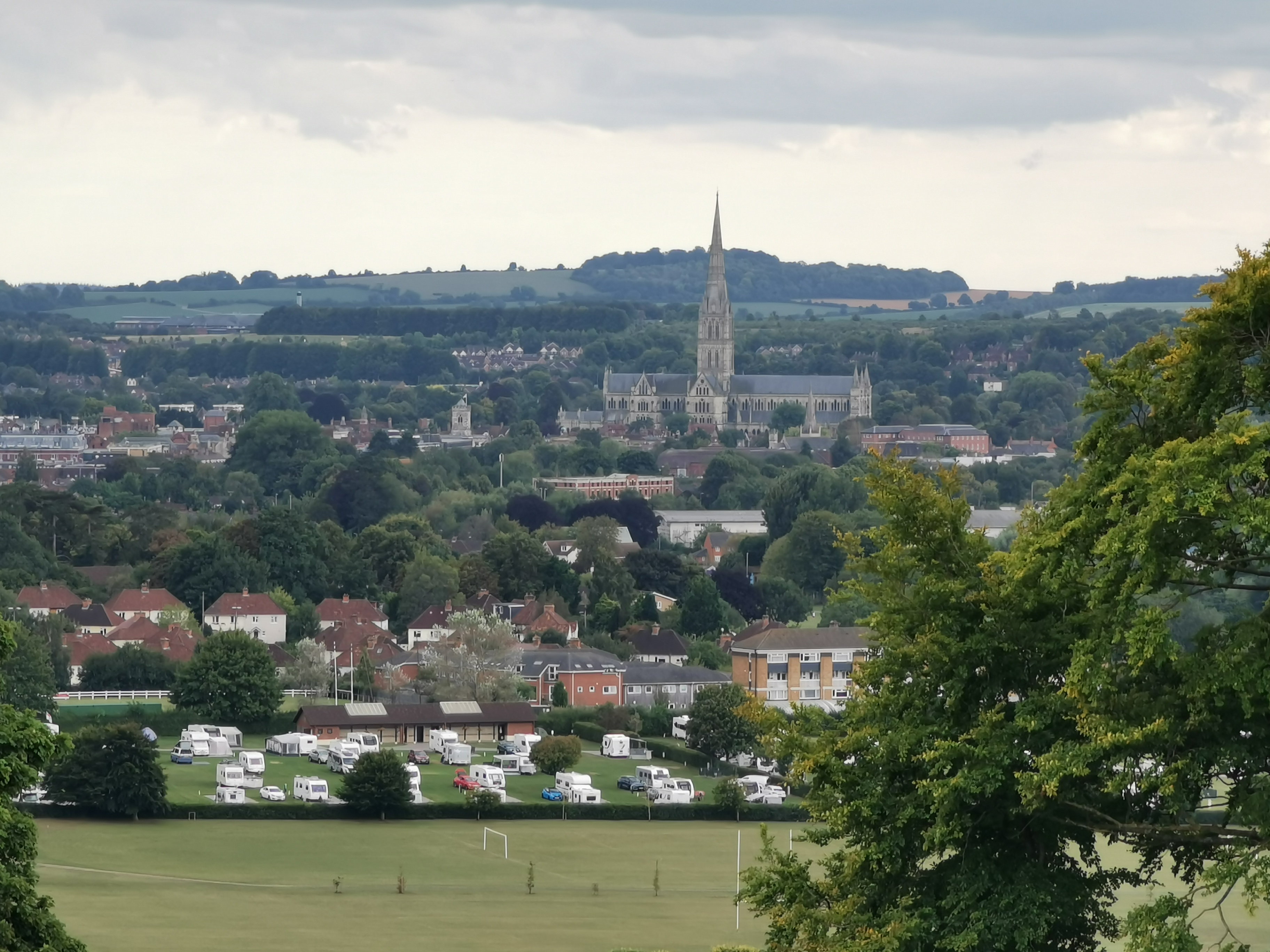
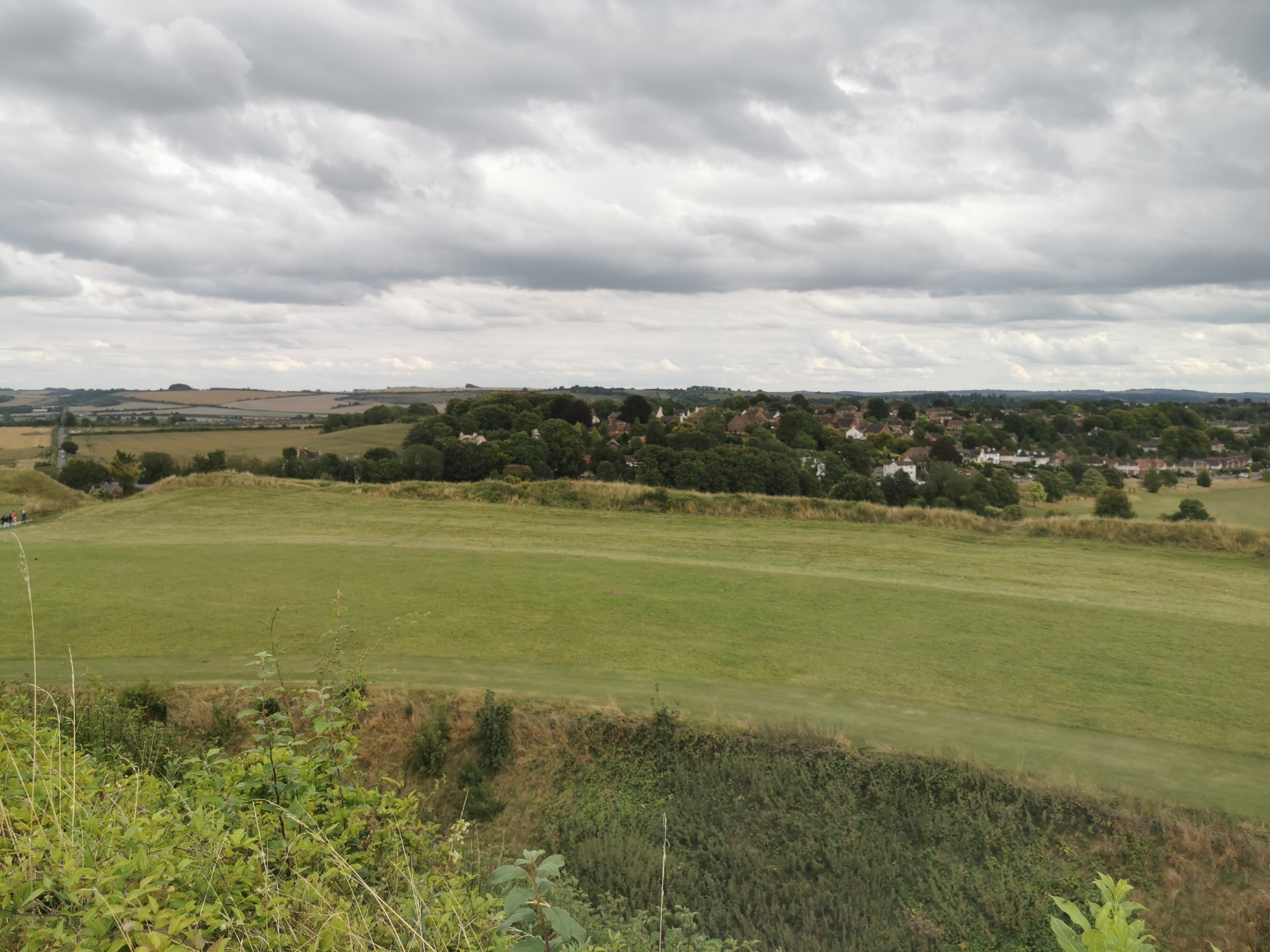
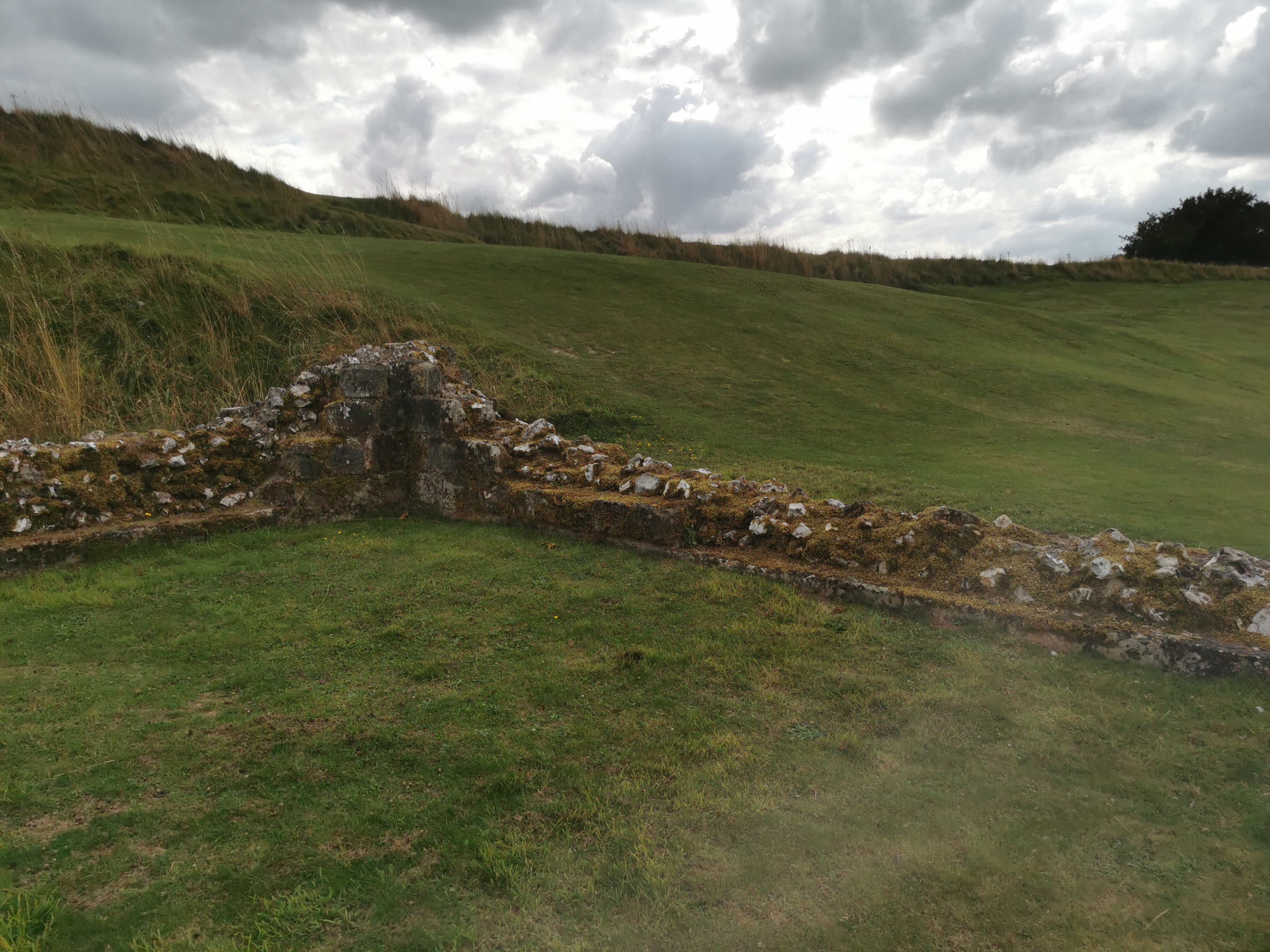
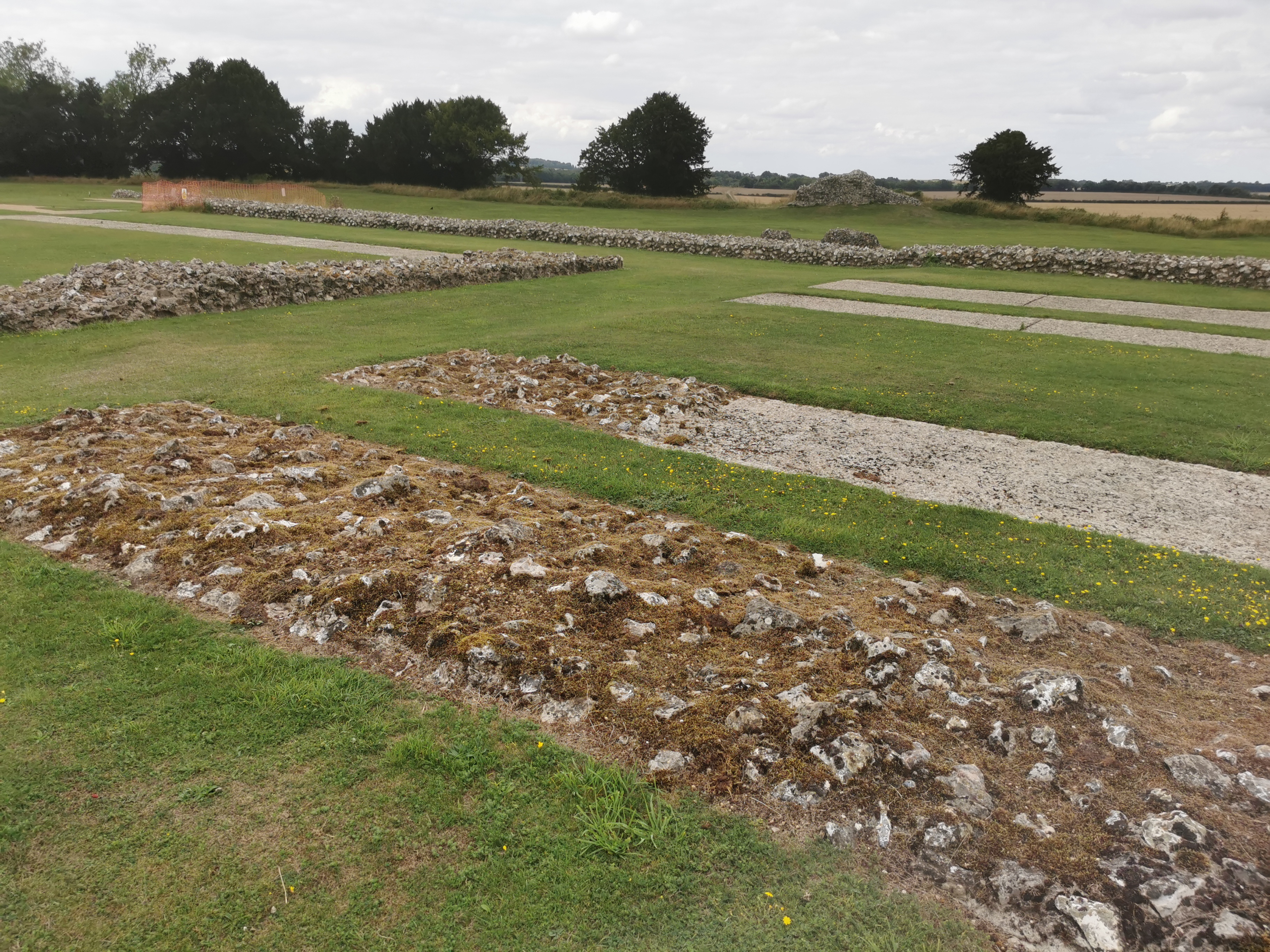
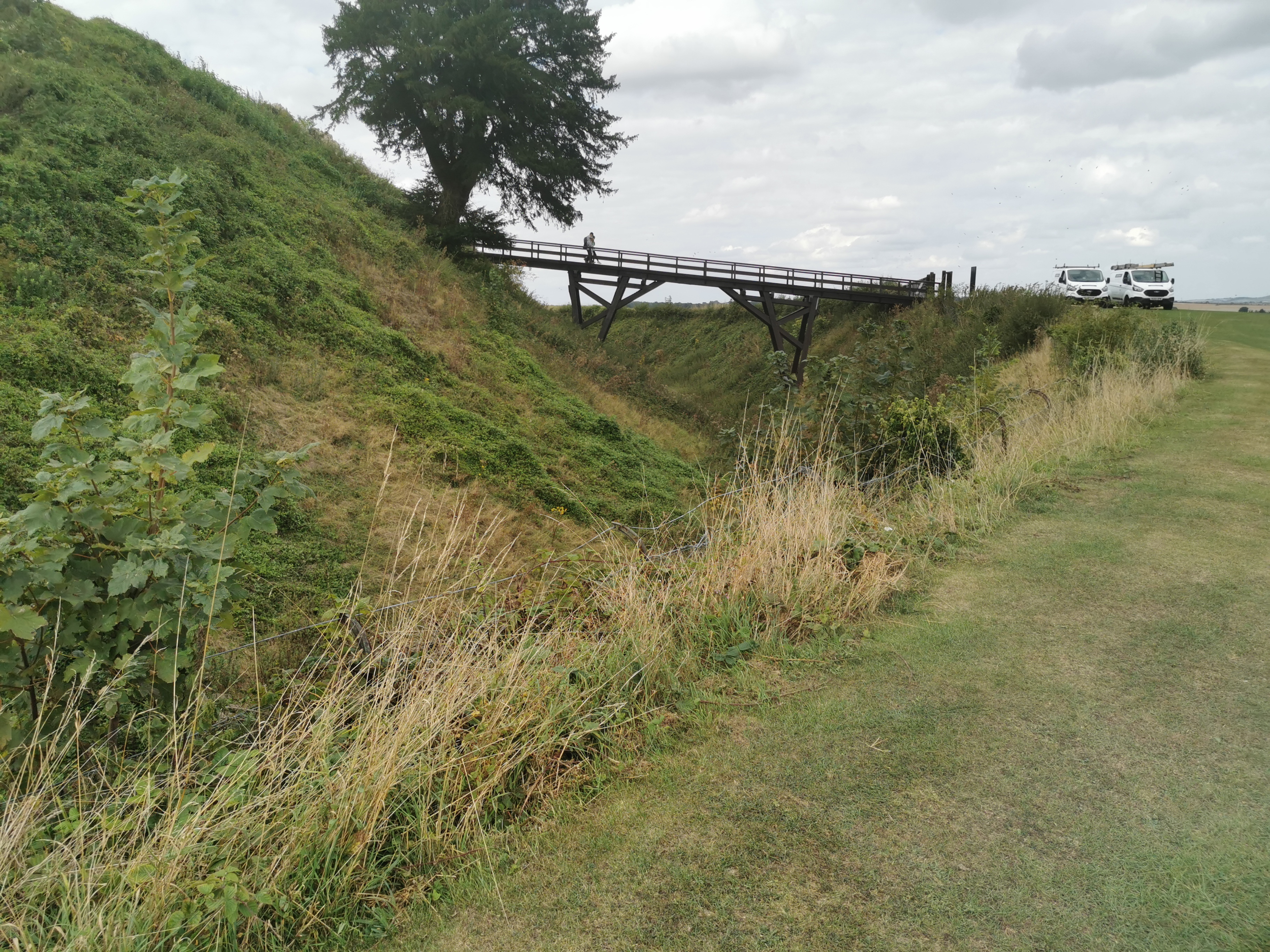
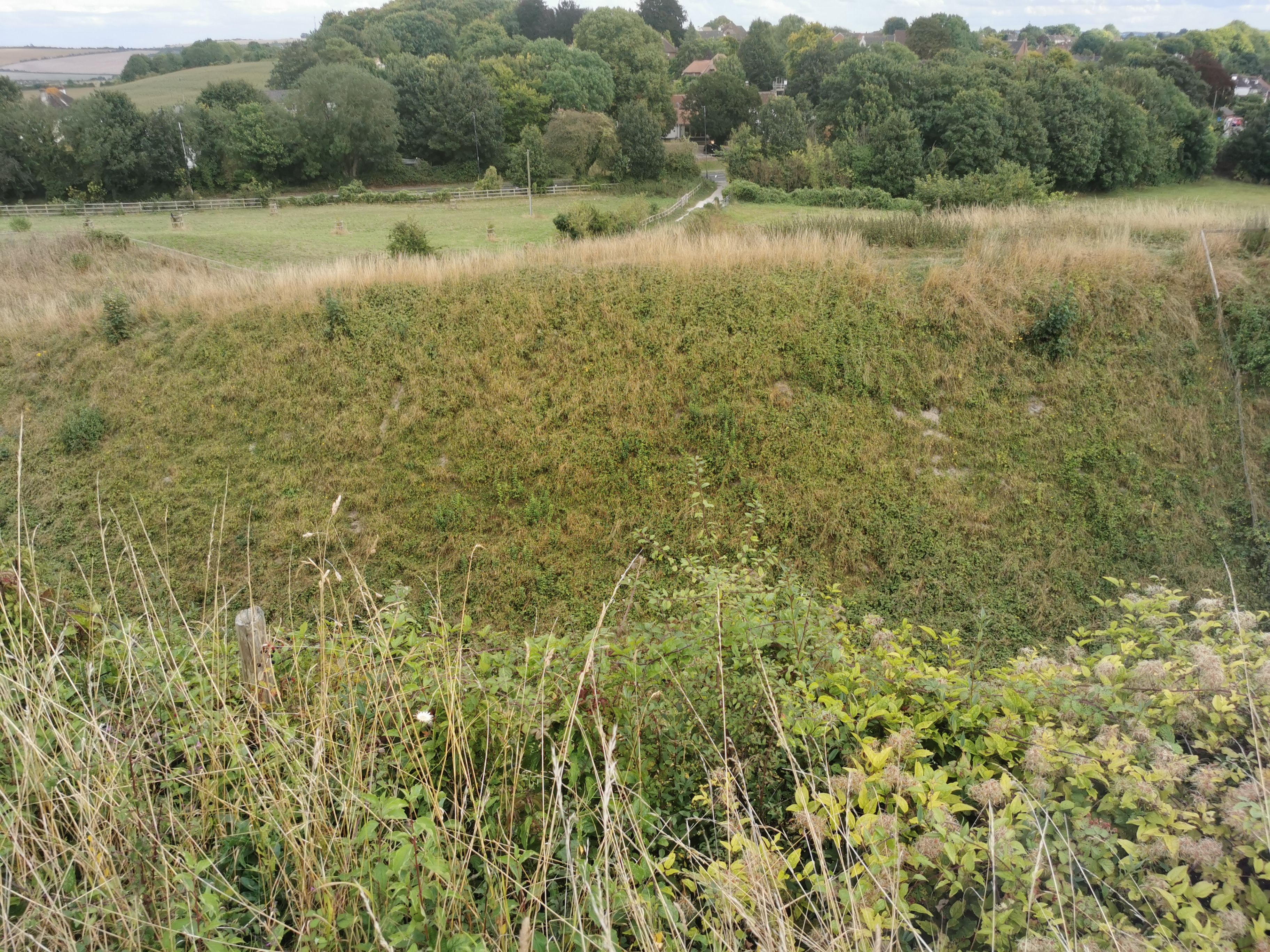
Earlier this year, I attended a virtual talk about Old Sarum which really inspired me. As such, I immediately decided I needed to take Coelwulf and his warriors there. I was really pleased to be able to visit the location on my way home from Devon earlier in the year, and it was even better than I’d imagined it. I hope the photos below will reveal it’s fabulous location and the height and width of the encircling embankments, as well as just how close it is to Salisbury, which was built to replace it.

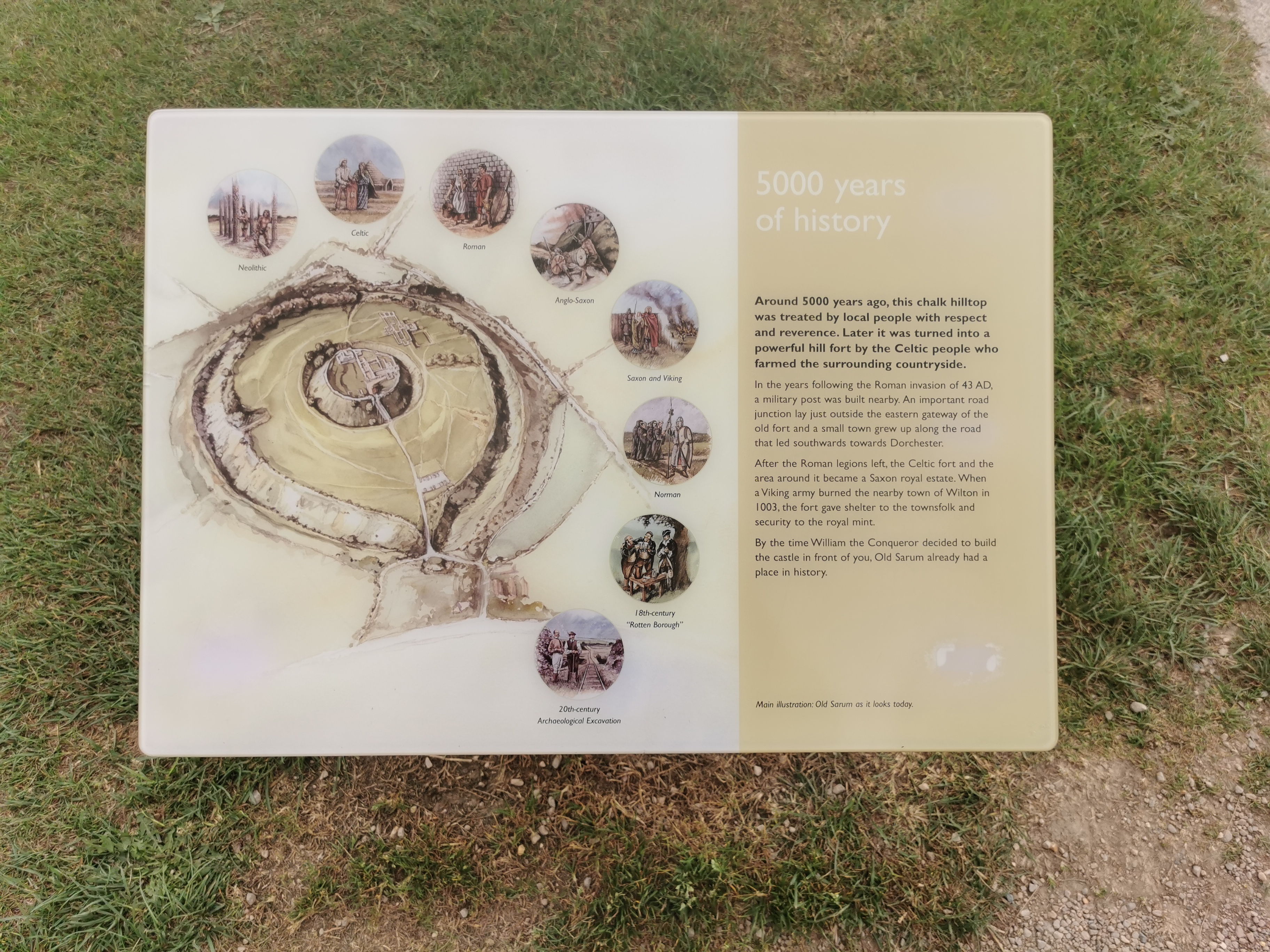
The English Heritage information board from Old Sarum.

Old Sarum is an old Iron age hillfort, but it was repeatedly used until it was abandoned, and most people know of it because under the early Norman rulers a castle and a church were built there. But my interest is in the earlier period. Under the Romans it was called Sorviodonum, and was in use at points during the Saxon era. It did have one fatal flaw however, it relied on a single water source inside the two embankments.

As I can’t fly, and therefore couldn’t take a photo of the extent of Old Sarum, do check out the English Heritage website to see it in all its glory. https://www.english-heritage.org.uk/visit/places/old-sarum

You can also find the talk I attended on YouTube here.

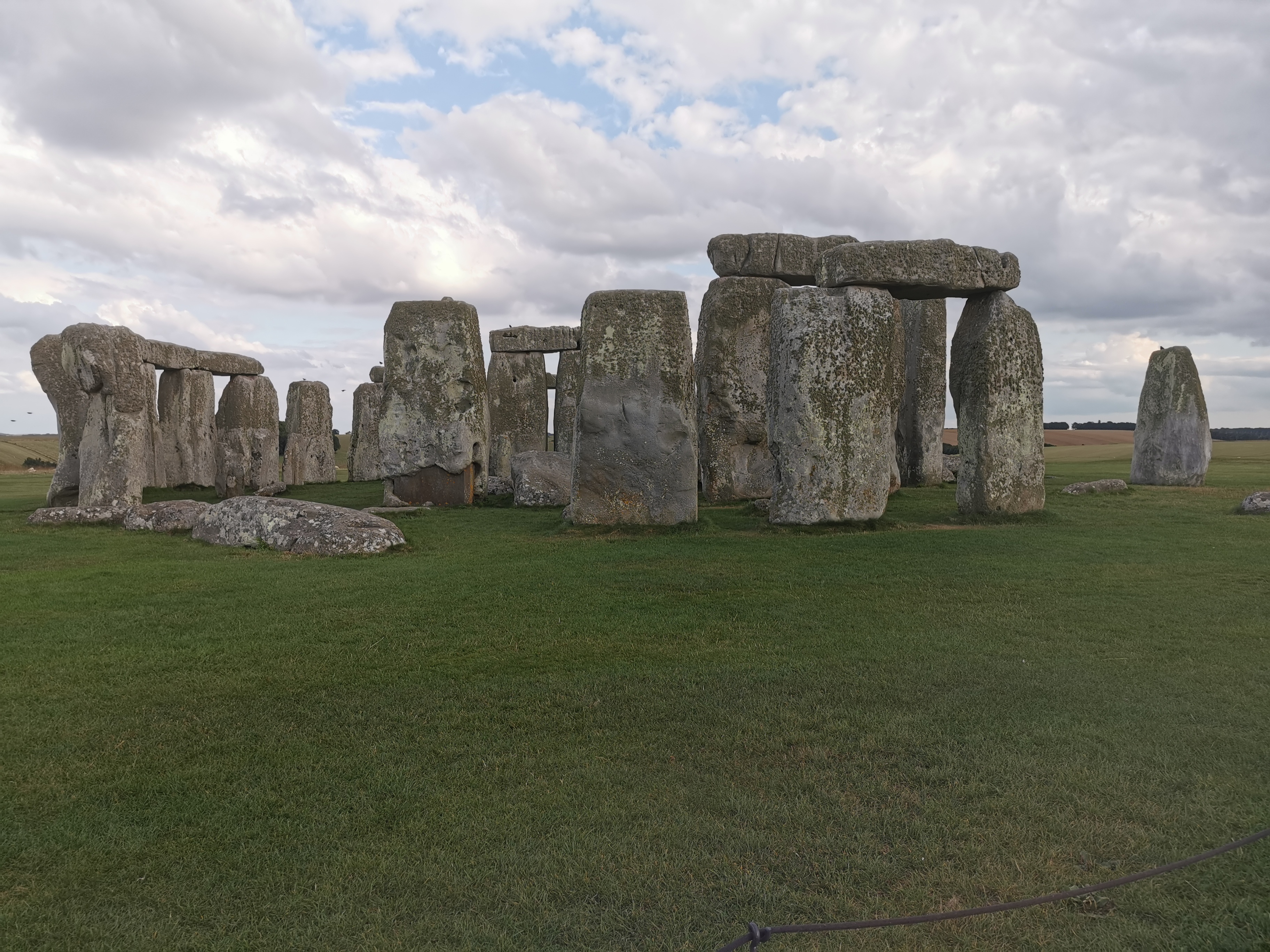
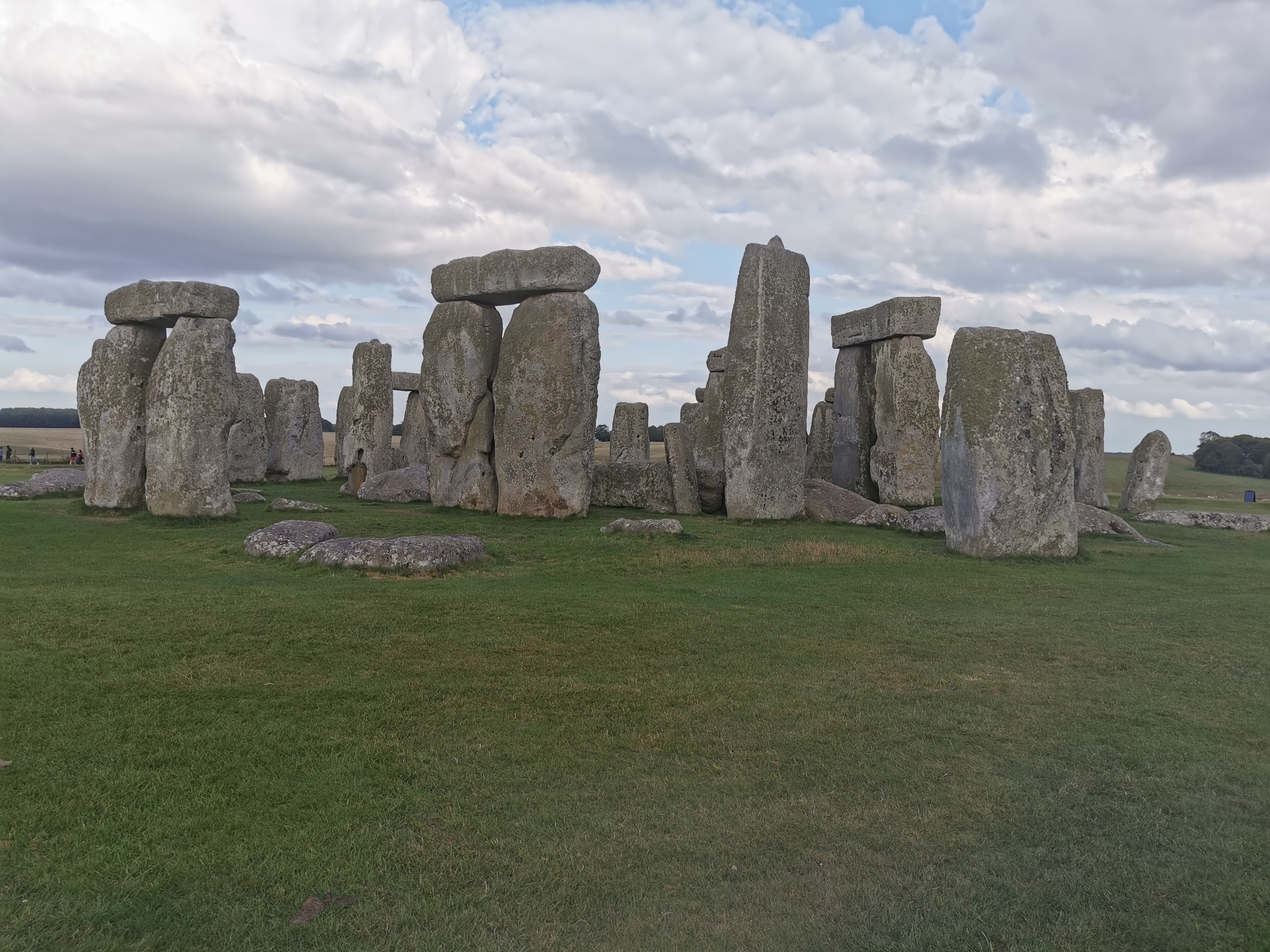
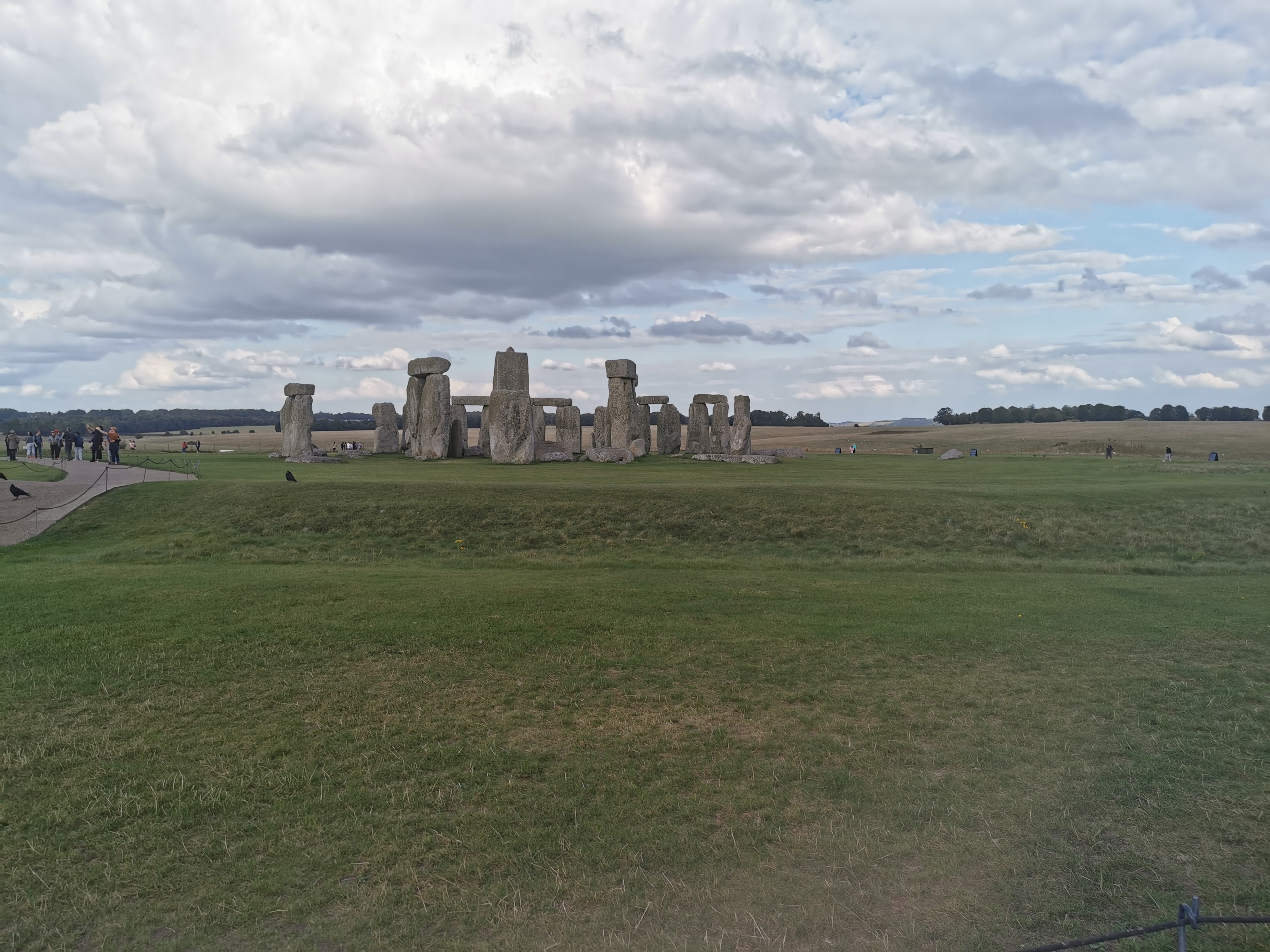
A trip to Stonehenge

I’ve also taken Coelwulf to Stonehenge in The Last Alliance and The Last Deceit, and so I went to visit as well. I’ve had some fun deciding what my warriors think of the strange arrangement of stones. Personally, I much prefer the Ring of Brodgar and the Stones of Stenness on Mainland Orkney but that might be because you can get much closer to the stones there.

The Last Alliance: Balancing Realism and Audience Relatability: AKA What’s with all the d*** swearing

With the release of a new title in The Last King series, The Last Alliance, I thought it time to address the ‘elephant’ in the room – all that d*** swearing, and not just swearing, but the heavy almost grotesque use of one particular swear word which some will bend over backwards to assure you was used no earlier than the sixteenth century (in the written records), 700 years after the books are set. (Check out Holy Sh*t by Melissa Mohr for a history of swearing.)

I’m not writing in Old English

Well, first things first, lovely people, aside from the names of the characters in these books, and perhaps the word ‘witan,’ every word in these books is modern-English. I’ve not attempted to have my characters sound ‘ye olde worldy’ and that was very intentional. Although, it seems, that s*** is, indeed, Old English. So, forget that, there is another word in there that is also Old English. (Check out the will of King Alfred, and Eadred for some Old English https://blogs.bl.uk/digitisedmanuscripts/2013/07/the-last-will-and-testament-of-alfred-the-great.html)

The UK/US divide around swearing

I wanted my characters to swear. There, I’ve said it. I wanted them to swear and to shock with their language, but I also wanted them to sound like people today. Not everyone swears, admittedly, but most people do. In the UK, we have no problem with the F-word, although US audiences are horrified by it. In the UK, we don’t like the C-word, which in the US, is just fine and dandy – apparently. We swear and we curse and we’re not even (most of us) fighting for our lives against a deadly enemy, which my characters are forced to do.

Am I a potty-mouth?

I’ve had reviewers decry the swearing. I’ve even had reviewers decide the swearing in the books is because I somehow lack the intelligence to write a novel without swearing. Perhaps, most amusingly, a close friend was astounded by the language in the books – I am not, it seems, a potty-mouth in ‘real life’ (although, I can be pushed to it).

‘Oh dear me, that smarts.’

My characters face a life-and-death situation almost every day of their lives. I don’t think they’ll be sitting there saying, ‘oh dear me, that smarts,’ when they’re wounded, or even, ‘oh goodness me, I’ve killed that man.’ They are lethal, bloody and violent, and for all that, they are very relatable to a modern-audience perhaps struggling to truly comprehend what life ‘might’ have been like in Saxon England as the Viking raiders threatened the safety of all.

There are Cleaner Version

That said, I have no intention of forcing people to cast the books aside if they don’t like the swearing. There are also ‘Cleaner Versions‘, without much of the foul language. It tones it down a little, but the violence is not diminished.

Enjoy the fast-paced action

So, whether you love the swearing or not, you can still enjoy the tales of Coelwulf II, and book 9, The Last Alliance is available now in ebook, paperback, hardback and the Cleaner Version on kindle as well. And remember, allowing my characters to swear was done purposefully, indeed, on initial feedback, I actually added a lot more:)

#TheLastKing is 4 years old.

If you’ve been with Coelwulf, Rudolf, Icel, Edmund and Pybba since the beginning, then you’re probably with me in trying to work out how 4 years have gone by since the release of the first book. There are now eight (well really nine and a half, as book 9 is written but not yet released, and book 10 is well underway) books in all, as well as a short story collection, Coelwulf’s Company.

If you’ve not yet discovered The Mercian Kingdom: The Ninth Century series, then you’ve in for a treat, as long as you’re not easily offended by foul language and violence – although if you are, there are Cleaner versions available without quite so much swearing. Follow this link, as they can be a bit tricky to find on Amazon.

Don’t forget to check out the short story collection, Coelwulf’s Company.

If you follow the link, here (to Bookfunnel) you can also download a copy of The New Recruit, a short story I wrote while working on The Last Seven.

The Last King books are available in ebook, paperback and hardback, and The Last King (book 1 ) is also available in audio.

The Last Viking (the most recent release) is currently 99p/99c on Amazon UK/Canada/Australia and reduced in all territories for a limited time only.

The Last King is also available to read with Prime Reading on Amazon UK.

Check out all the details for The Mercian Kingdom: The Ninth Century.

Happy release day to The Last Viking, but who can remember what happened in the previous books? Enter the HUGE competition to win copies of all eight books.

It’s been a while since we’ve been in the saddle with Coelwulf and his foul-mouthed fellow warriors. I’ve missed them, and I think others have as well. I thought it would be a good idea to offer a brief recap. I know I had to reread The Last Seven to make sure everything was as it should be.

So, readers, let us return to the year 875.

It seems a bit crazy, but somehow, the first seven books in the series take place in a period of no more than a year. but it’s been a pretty hectic year. For those who’ve not read the books, read on at your peril.

Our sweary-mouthed hero, Coelwulf, has been proclaimed king of Mercia, through the connivance of his aunt, Lady Cyneswith (who isn’t a historical individual, but she does appear in both the Coelwulf and the Icel books), and Bishop Wærferth of Worcester (who is historical). Why has he become king? Because King Burgred, long-term ruler of Mercia, has done a deal with the Viking raiders based at Repton. In order to live, he had to give up his right to rule. He’s now hiding away in Rome, with his wife, the sister of King Alfred.

Also, Coelwulf (although we don’t know all the details from the historical record) is descended from Coelwulf, the first of his name, who ruled in the 820s, and his brother, Coenwulf, who ruled from 796 to 821. Burgred either had no children, or his sons didn’t fancy ruling after his father left.

My character, Coelwulf, is no shrinking wall flower. Oh no. He might not want to be king, but he is determined to fight the enemy to keep hold of Mercia. And so we follow him, and his loyal warriors as they combat the enemy, first at Repton, then at Torksey, Gainsborough, on the borders with the Welsh, at Northampton and at Grantabridge. They don’t get much respite.

Alas, the end of book seven, somewhat jokingly called The Last Seven, when I started work on it, and a title which stuck, sees a terrible tragedy, and now, in The Last Viking, King Coelwulf must decide if that tragedy is to define him, or if he still plans to fight. (I think we can all guess what the answer might be.) I promise there will not be such a big gap between book 8 and book 9. Indeed, you can find book 9 available for preorder.


Check out some previous release day posts for earlier titles in the series

The Last Horse

The Last Enemy with Rudolf

The Last Enemy with Lady Cyneswith

The Last Sword

The Last Shield

The Last Seven


Enter the HUGE competition. Win an ebook copy of every book in the series, including the prequel short story collection (worldwide). If I can, I will also send signed bookplates. For those in the UK, I will offer a copy of every single paperback edition. (I know, it’s a bonkers prize). To take part, simply sign up for my newsletter (you will receive a free ebook short story collection).

All current subscribers will be entered automatically. The competition will run throughout March 2024. I will contact the winners on 1st April 2024. Good luck.


Here’s the blurb:

Can one man win Mercia’s freedom from the Viking raiders?

Jarl Guthrum has been captured after the terrible events in Grantabridge. King Coelwulf knows exactly what he’d like to do to him, but those with calmer heads have other ideas.

Baptised and having taken the name of Æthelstan, Guthrum is Mercia’s prisoner, and in the wake of that, Mercia must rebuild.

But Jarl Guthrum is far from the only Viking raider who wishes to subdue Mercia. Coelwulf and his allies, grief-stricken, must still fight for her survival while those around demand their help in defeating the enemy.

Once more, the warriors of Mercia are obliged to do all they can to ensure the kingdom’s survival.

books2read.com/The-Last-Viking

( available in ebook, paperback and hardback)

Click this link to find out the title for book 9 and preorder the kindle version.

Happy release day to The Last Viking, continuing the tale of Coelwulf and his lethal warriors. Enter the HUGE competition to win copies of all eight books.

It’s been a while since we’ve been in the saddle with Coelwulf and his foul-mouthed fellow warriors. I’ve missed them (well, all apart from Icel -who I’ve been writing about in his younger days for The Eagle of Mercia Chronicles) and I hope you have as well.

The good news is that The Last Viking is released today, and I’m already busy at work on the ninth book in the series. And I’ll tell you a secret, Coelwulf finally meets King Alfred of Wessex in this one. So, while The Last Viking is released today, the next book is also on preorder for release in September 2024. (If I can, I will bring this forward but I’m not making the mistake of overcommitting with so many projects on the go.)

If you’ve not yet discovered this series, then those who’ve enjoyed others books I’ve written, should be warned that these books are violent and very foul-mouthed. The first six in the series can be read in Cleaner Versions. Hopefully, book 7 and 8 will also be available in the next few days:).

Throughout March, book 2 in the series will be a Kindle Monthly deal on Amazon UK, and the other books in the series will also be reduced.

I am also holding a HUGE competition. Win an ebook copy of every book in the series, including the prequel short story collection (worldwide). If I can, I will also send signed bookplates. For those in the UK, I will offer a copy of every single paperback edition. (I know, it’s a bonkers prize). To take part, simply sign up for my newsletter.

All current subscribers will be entered automatically. The competition will run throughout March 2024. I will contact the winners on 1st April 2024. Good luck.

Here’s the blurb:

Can one man win Mercia’s freedom from the Viking raiders?

Jarl Guthrum has been captured after the terrible events in Grantabridge. King Coelwulf knows exactly what he’d like to do to him, but those with calmer heads have other ideas.

Baptised and having taken the name of Æthelstan, Guthrum is Mercia’s prisoner, and in the wake of that, Mercia must rebuild.

But Jarl Guthrum is far from the only Viking raider who wishes to subdue Mercia. Coelwulf and his allies, grief-stricken, must still fight for her survival while those around demand their help in defeating the enemy.

Once more, the warriors of Mercia are obliged to do all they can to ensure the kingdom’s survival.

books2read.com/The-Last-Viking

( available in ebook, paperback and hardback)

Click this link to find out the title for book 9 and preorder the kindle version.

https://www.amazon.co.uk/gp/product/B0CWYL6XPN